ANCIENT HINDU TRAVEL STORIES (Post No.5063)

Written by London Swaminathan 


Date: 31 May 2018


Time uploaded in London – 16-58


Post No. 5063


Pictures shown here are taken from various sources such as Facebook friends, Books, Google and newspapers; thanks. Pictures may be subject to copyright laws.


WARNING: PLEASE SHARE MY ARTICLES; BUT DON’T SHARE IT WITHOUT AUTHOR’S NAME AND THE BLOG NAME. BE HONEST; OTHERS WILL BE HONEST WITH YOU


The ‘Kuvalayamaalaa’ written by Udyotana Suri, dated 779 Ce gives several interesting real life stories. In one story, it is said that a Brahmin by name Chandrasoma accompanied a party of acrobats and bards to a village because of utter poverty.

The people has assembled to see the show. Chandrasoma’s wife also came to see it. He suspected his wife’s fidelity and killed her in a rage. After realising that he had done a heinous crime, he started lamenting over his deed and decided to immolate himself in the funeral pyre. But people pulled him out and took him out to the assembly of learned scholars. The majority of the Pandits advised him to quit his home and go on a pilgrimage to various holy places. They asked him to donate all his belongings to Brahmins. After offering oblations to manes he will be freed from punishment.


Jain literature also give lot of information about business travel.


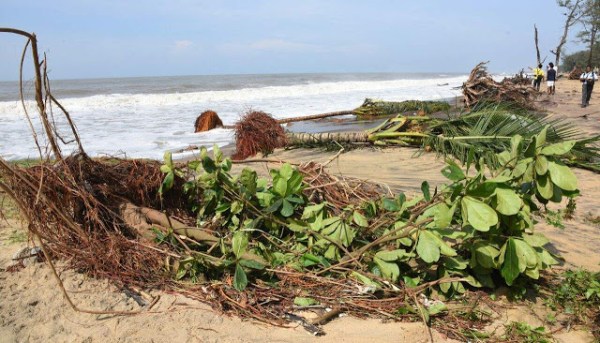
16 types of Winds

Jain monks and Jain merchants did lot of sea voyages. Jain literature gives very realistic accounts of sea voyages. The Avasyaka churni informs us there were regular sailings from Madurai to Saurashtra (During Sangam Tamil times, South Madurai was on the sea shore; later it was destroyed in a Tsunami). It is mentioned in a story that the ruler of Madurai, Pandusena had two daughters. When they were sailing to Saurashtra, they met a shipwreck during a storm and they offered prayers to Skanda and Rudra.


(From Skanda and Siva, we come to know they were Tamil princesses of Pandya Kingdom). The successful termination of a sea voyage depended on favourable wind. The sea wind is divided into sixteen categories, namely:
1.Praaciina vaata (Easterly wind)

  1. Udiiciina vAaata (Northerly wind)
  2. Daakshinaatya vaata (Southerly wind)
  3. Uttarapaurastya (Northerly wind moving against forward movement)
  4. Sattvasuka ( wind blowing in all directions)
  5. Dakshina-Puurva tungaara ( astrmy wind in S E direction)
  6. Apara- Dakshina Bijaapa ( the wind blowing from S.W.)
  7. Apara Biijaapa ( West wind)
  8. Aparottara garjabha (N W Storm)
  9. Uttara sattvaasuka
  10. Dakshina sattvaasuka
  11. Puurvatungaara
  12. Dakshina Bijaapa

14.Paschima Biijaapa

  1. Paschima garjaabha
  2. Uttariyaa Garjaabha


All these technical terms show that the merchants had their own jargon of sea travel. A sailor would understand such terms better than  laymen.


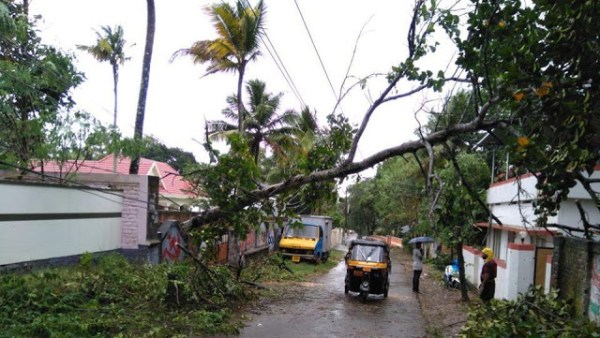
Kalidasa in his famous drama Sakuntala talks about seven types of winds and he was the poet who composed a long poem on Six Seasons (Rtu Samharam). Since India is affected by monsoons the society is weather conscious. Kalidasa composed his famous Meghaduta on the basis of South West monsoon’s progress from the middle of India to the Himalayas. Since he was a resident of Ujjain in Madhya Pradesh he begins the monsoon story from MP instead of Kerala or Andaman Islands where from it enters India.
From my earlier post:


Seven types of Atmospheric Layers

Sakuntala drama of Kalidasa has a reference to the different pathways in the heaven (Act 7-5); commentators explain all the seven paths as follows:

“According to Hindu mythology, the heavenly region is divided into Seven Paths, with a particular Vayu/wind is assigned for each.


The first of these Vayupathas or vayu margas is identical with the bhuvar loha., or atmospheric region, extending from earth to sun. The wind assigned to this area is AVAHA.


The other six make up the Swar loka or heavenly region with which Swarga (paradise) is often identified in the following order:-

The second marga/path is that of the sun; and its wind called PRAVAHA, causes the sun to revolve.

Third path is that of moon and its wind is SAMVAHA impels the moon

Fourth is that of the stars or lunar constellations and its wind is known as UDVAGA; this causes the stars to revolve.

Fifth path is that of the planets and its wind is VIVAHA

Sixth is that of the Saptarishi or Greta Bear Constellation and the Milky Way; its wind PARIVAHA bears along these luminaries.

And the last- seventh- is that of the Dhruva or Pole Star; the pivot or axis of the whole planetary system; its wind is PARAVAHA, causing the revolution of the Pole Star (Dhruva Star).


–Subham–


கண் திருஷ்டியும் அறிவியலும்! – 2 (Post No.5041)

Written by S NAGARAJAN


Date: 24 MAY 2018


Time uploaded in London –  4-35 AM   (British Summer Time)


Post No. 5041


Pictures shown here are taken from various sources such as Facebook friends, Books, Google and newspapers; thanks. Pictures may be subject to copyright laws.


பாக்யா 25-5-18 இதழில் அறிவியல் துளிகள் தொடரில் வெளியாகியுள்ள (எட்டாம் ஆண்டு பன்னிரண்டாம்) கட்டுரை

கண் திருஷ்டியும் அறிவியலும்! – 2

.நாகராஜன்


திருஷ்டியை அறிவியல் ரீதியில் விளக்கம் கொடுக்க முன்வந்த முதல் அறிஞர் பிரபலமான ப்ளூடார்க் தான்! மனிதனின் கண்களிலிருந்து வெளிவரும் ஆற்றல் சில சமயங்களில் மிருகங்களை அல்லது குழந்தைகளைக் கூடக்  கொல்லும் ஆற்றல் படைத்தது என்று அவரது சிம்போஸியாக்ஸில் (Symposiacs) அவர் விளக்குகிறார். அவர் மேலும் இது பற்றி விளக்குகையில், “சிலருக்கு இன்னும் அதீதமான ஆற்றல் கண் பார்வையில் இருக்கிறது. அவர்கள் பார்வையினாலேயே சாபம் இட வல்லவர்கள்’ என்கிறார்!

ஐஸிஸ் தன் கண் பார்வையினாலேயே பிப்ளாஸ் நகர மன்னனின் மகனைக் கொன்றாள் என்றும் ப்ளூடார்க் கூறுகிறார்.

இதே போல கி.பி.மூன்றாம் நூற்றாண்டில் வாழ்ந்த ஹெலியோடோரஸ், “ அருமையான ஒன்றை பொறாமை கொண்ட கண்ணுடன் ஒருவன் பார்த்தானானால் சுற்றி இருக்கும் சூழ்நிலையையே அவன் மாற்றுகிறான்; உயிரைப்  போக்கும் அளவு மோசமான சூழ்நிலையை உருவாக்குகிறான், அத்துடன் தனது விஷத்தைக் கண் மூலம் தனக்கு அருகில் இருக்கும் அனைத்தின் மீதும் பாய்ச்சுகிறான்” என்கிறார்.

இஸ்தான்புல் பசெஷெய்ர் பல்கலைக் கழகத்தைச் சேர்ந்த வரலாற்றுப் பேராசிரியரான யில்டிரன் என்பவர் பி.பி.சிக்கு அளித்த பேட்டி ஒன்றில், “இன்று சிரியா என்று அழைக்கப்படும் பழையகால மெஸபொடோமியாவில் கண்டு பிடிக்கப்பட்ட தாயத்து மிக மிகப் பழமையானது” என்கிறார். அதாவது திருஷ்டி பற்றிய எண்ணமும் அதிலிருந்து பாதுகாத்துக் கொள்வதும் ஆதிகாலப் பழக்கம் என்கிறார் அவர்.

பல வித மணிகளினால் ஆன மாலை, ருத்ராட்ச மாலை போன்றவையும் தீய திருஷ்டிகளை விலக்கும் ஆற்றல் படைத்தவை என நம்பப்படுகின்றன!

துருக்கியில் வாழ்ந்த பழங்குடியினர் தங்களது சுவர்க்க தேவதையான் தெங்ரி நீல நிறத்துடன் இருப்பதால இளநீல வண்ணத்தை கொண்ட தாயத்துகளையும் கோபால்ட், தாமிரம் ஆகியவற்றையும் பயன்படுத்தினர். இன்றும் துருக்கியில் பிறக்கும் ஒவ்வொரு குழந்தைக்கும் ஒரு கண் திருஷ்டி டோக்கன் வழங்கப்படுவது வழக்கம்!

இத்தாலியில் திருஷ்டிக்குப் பெயரான மால் ஓச்சியோ (Mal Occhio) என்பதையே தலைப்பாகக் கொண்டு  அகடா டே சாண்டிஸ் ஒரு டாகுமெண்டரி திரைப்படத்தை எடுத்தார். அதில் திருஷ்டியினால் தலைவலி, வயிற்றுவலி போன்றவை வந்து அவஸ்தைப் படுவோர் அதைப் போக்க செய்ய வேண்டிய சடங்கை விளக்குகிறார். பல அறிஞர்களைச் சந்தித்து கண் திருஷ்டி பற்றிய அவர்களது கருத்தையும் கேட்டு திரைப்படத்தில் அதை அவர் தந்துள்ளார். முடிவான கருத்து என்னவென்றால் இதை மூட நம்பிக்கை என்று ஒதுக்கி விட முடியாது என்பது தான்!

நியூயார்க்கில் வாழும் மரியா பராட்டா (Maria Barattaa Ph.D)ஒரு உளவியல் நிபுணர்.

அவர் இத்தாலியைச் சேர்ந்தவர். சைக்காலஜி டு டே இதழில் கண் திருஷ்டி பற்றி உளவியல் ரீதியாக அவர் எழுதியுள்ள கட்டுரையில் ஒரு சுவையான சம்பவத்தை விவரிக்கிறார்.

தனது 92 வயதான இத்தாலிய அப்பாவிடம் தனக்கு வயிறு சரியில்லை என்றும் ‘’மால் ஓச்சியோ” இருப்பதாகத் தோன்றுகிறது என்றும் சொல்ல, அவர் உடனே, “எதையாவது கண்டதைச் சாப்பிட்டிருப்பாய்” என்று பதில் கூறியவர், “எதற்கும் இருக்கட்டும்” என்று திருஷ்டியைப் போக்கும் பிரார்த்தனை மந்திரத்தையும் மகளுக்காக உச்சரித்தாராம்.

இந்தியாவில் திருஷ்டி சுற்றிப் போடும் பழக்கம் போலவே இத்தாலியிலும் அவ்வப்பொழுது திருஷ்டி சுற்றிப் போடுவது வழக்கம்!

இத்தாலிய நம்பிக்கையின் படி தாயத்துகளை நீங்களாக வாங்கிப் போட்டுக் கொள்ளக் கூடாது; யாராவது ஒருவர் தான் அதை உங்களுக்குத் தர வேண்டும்!

வரலாற்றை அலசிப் பார்த்தால் பல பிரபலங்கள் தீய திருஷ்டிப் பார்வையைக் கொண்டவர்களாக இருப்பது தெரியவரும்.

இந்தப் பட்டியலில் ஆங்கிலக் கவிஞர் பைரன், போப் ஒன்பதாம் பயஸ், போப் பதிமூன்றாம் லியோ, இரண்டாம் கெய்ஸர் வில்லியம், மூன்றாம் நெப்போலியன் உள்ளிட்ட பலர் இடம் பெறுகின்றனர்.

போப் ஒன்பதாம் பயஸ் கையில் குழந்தையை வைத்துக் கொண்டிருந்த ஒரு நர்ஸை ஜன்னல் வழியே பார்த்தார். சில விநாடிகளிலேயே அந்தக் குழந்தை இறந்து விட்டது. இது அனைவருக்கும் பரவியது. இதன் பின்னர் அவர் செய்யும் ஒவ்வொரு ஆசீர்வாதமும் கெட்ட விளைவுடனேயே முடிந்தது. அவர் 1878ஆம் ஆண்டு மறைந்தார்.

இதே போல போல் போப் பதிமூன்றாம் லியோ பார்வையும் மற்றவர்களுக்கு பெரும் சங்கடத்தை ஏற்படுத்துமாம். அவர் போப்பாக இருந்த காலத்தில் ஏராளமான கார்டினல்கள் இறந்து விட்டதால் அவரைக் கண்டாலேயே அனைவருக்கும் பயமாம் – தனக்கும் சாவு வந்து சேருமோ என்று தான் பயம்! முத்தாய்ப்பாக அறிவியல் என்ன சொல்கிறது என்பது கண் திருஷ்டியின் மீது நம்பிக்கை கொண்டவர்களுக்கு ஆனந்தம் தரும் செய்தியாக அமைகிறது. அதையும் பார்த்து விடுவோம்.


அறிவியல் அறிஞர் வாழ்வில் .. ..


மேதைகள் எவ்வளவு நேரம் தினமும் தூங்குவார்கள்?

இதோ ஆராய்ச்சி தரும் தகவல்கள் :

ஆல்பர்ட் ஐன்ஸ்டீன் தினமும் 10 மணி நேரம் தவறாமல் உறங்குவார். இது தவிர பகல் நேரத்தில் குட்டித் தூக்கமும் அவருக்கு உண்டு.

இதற்கு நேர்மாறானவர் பிரபல விஞ்ஞானியான நிகோலஸ் டெல்ஸா. அவர் ஒரு நாளைக்கு இரண்டு மணி நேரம் தான் இரவில் தூங்குவார்.

இதை ஈடு கட்டும் விதமாக பகல் நேரத்தில் குட்டித் தூக்கமாக பல முறை அவர் தூங்குவதுண்டு.

லியனார்டோடாவின்சியின் தூக்கப் பழக்கம் சற்று விசித்திரமானது. செயல்படாமல் நெடுநேரம் இருக்கக் கூடாது என்பது அவரது கொள்கை. ஆகவே அவர் 20 முதல் 120 நிமிடம் வரை தூங்கும் பழக்கத்தைக் கொண்டிருந்தார். இப்படி பகலிலும் இரவிலுமாகச் சேர்த்து ஒரு நாளக்கு ஐந்து மணி நேரத்திற்கு மேல் அவர் தூங்க மாட்டார். இதனால் அவர் இடைவிடாது செயலூக்கத்துடன் தனது பணிகளைச் செய்து வந்தார். இப்படி உறங்கும் பழக்கத்திற்கு டா வின்சி தூக்க அட்டவணை (The Da Vinci Sleep  Schedule) என்றே பெயர் வைக்கப்பட்டு விட்டது. இதற்கு உபர்மேன் தூக்க அட்டவணை (Uberman Sleep Schedule) என்றும் ஒரு பெயர் உண்டு. அதாவது ஒரு நாளை ஆறு பகுதிகளாகப் பிரித்துக் கொண்டு ஒவ்வொரு பகுதியிலும் 20 நிமிடம் மட்டுமே தூங்கும் முறைக்கு இந்தப் பெயர் ஏற்பட்டுள்ளது. இதனால் ஒரு நாளைக்கு 2 மணி நேரம் மட்டுமே உறங்க முடியும்.

பெஞ்சமின் ஃப்ராங்க்ளின் சரியாக இரவு 10 மணிக்கு உறங்கப் போவார்.காலை ஐந்து மணிக்கு எழுந்திருப்பார்.

தாமஸ் ஆல்வா எடிஸனோ இரவு 11 மணிக்கு உறங்கச் சென்று அதிகாலை 4 மணிக்கு எழுந்து விடுவார். ஸ்பேஸ்  கம்பெனியின் உரிமையாளரான இலான் மஸ்க் இரவு 1 மணியிலிருந்து காலை 7 மணி வரை ஆறு மணி நேரம் மட்டுமே உறங்குகிறார்.

வெற்றிகரமான மேதைகள் பொதுவாகக் குறைந்த நேரமே தூங்குகின்றனர். பெரிய சாதனைகளைப் புரிகின்றனர்!


****


‘SACRIFICE IS THE NAVEL OF THE UNIVERSE’- ON SACRIFICE AND STARS (Post No.4970)

Written by London Swaminathan 


Date: 2 May 2018


Time uploaded in London – 17-08 (British Summer Time)


Post No. 4970


Pictures shown here are taken from various sources such as Facebook friends, Books, Google and newspapers; thanks. Pictures may be subject to copyright laws.


WARNING: PLEASE SHARE MY ARTICLES; BUT DON’T SHARE IT WITHOUT AUTHOR’S NAME AND THE BLOG NAME. BE HONEST; OTHERS WILL BE HONEST WITH YOU


 ‘YAJNAO BHUVANASHYA NAABHIH’

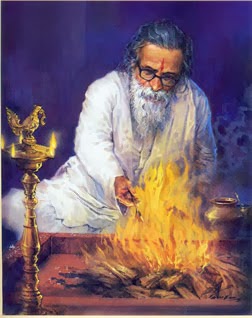
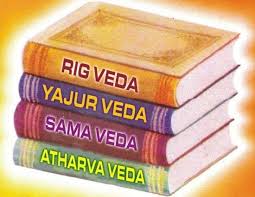
Rig Veda says ‘Yajno Bhuvanasya Nabhi’ (RV1-164-35); the meaning of the mantra is “Sacrifice is the navel of  (Naabhih= navel, nest, home, birth place etc) the Universe. Sacrifice has many meanings in the Bhavad Gita. It does not mean only fire sacrifice; it means penance; life itself is a Yajna; giving something to God, community, society is sacrifice. Jnana Yajna, Tapo Yajna, Dravya Yajna are few of the Yajnas.

Prajapati, the creator, created human beings along with the sacrifice (yajna) and told the human beings to benefit through the yajnas.


Lord Krishna explains the different types of Yajnas in Chapter 4 in slokas/couplets 24-32.


xxx

STARS ARE HOLY SOULS

In several cultures including the Greek culturestars portrayed as good and bad characters; but in Hindiusm stars are seen as positive signs only.

Satapata Brahmana says,

The stars are the souls of the righteous who go to heaven and Mahabharata also confirms it (Sata.Br.6-5-4-8 and Mbh 3-174/5).

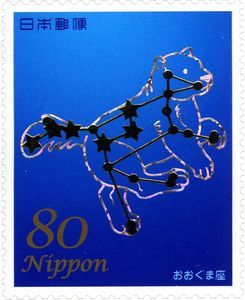
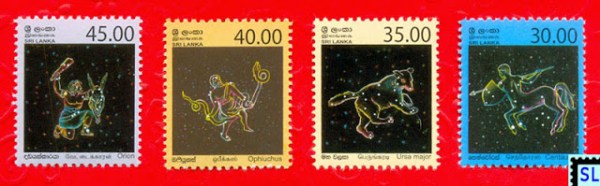
Druva (Pole star), Sapta Rishis (Seven Seers= Ursa Major), Arundhati (Alcol), Agastya (Canopus),Trisanku (Southern Cross), Krittika (Pleiades) and Arudra (Betelgeuse) are some of them.

Though the popular story thinks that the little boy Druva is pole star, W H Robinson thinks that Sunahsepa of Rig Veda is (Cynosure=Sunahsepa) Pole Star.

Sangam Tamil Literature which is at least 2000 year old mentioned Sapta Rishis (7 seers in Ursa Major), Pole Star, Arundhati, Krittika (Pleiades) etc.

Even before 2000 years ago the beliefs were same from the Himalayas to Kanya Kumari.


The great Vedic seers, who by Varuna’s holy act had been exalted to the stars, and who shine both by night and day, have taught him wisdom.

Seers and Bears

Rishi is seer and Rikshaah is bears. The Sapta Rishi constellation (Ursa Major) is called Great Bear in Greek and other cultures.

Dr.Martin Haug says,

It is found only once in the Rig Veda (1-24-10). According to an account in the Satapata Brahmana (2-1-2-40 this name was afterwards changed into ‘Sapta Rishyah’ the Seven Rishis, by which name the stars of Ursa Major are called in the Vedic hymns (RV 10-82-2; AV 6-40-1) and in the classical Sanskrit writings. The sounds of Riksha ‘bear’ and Rishi ‘seer-prophet’ were so near to one another, at  that time when they commenced to deify those great founders of Brahmanism nothing was more natural than to assign them a place in the sky and make them one of the brightest and most beautiful constellations.”


There is no doubt that the same constellation is alluded to under both names – rikshaah and sapta rishyah.

The seven wise and divine Rishis, with hymns, with metres with ritual forms, according to the prescribed measures, contemplating the path of the ancients, have followed it, like charioteers, seizing the reins 9Rig Veda 10-130-7).

Every Brahmin family of India claims to be descended from one or other of the Seven Great Rishis or sages, who were exalted to the stars of constellation, called Ursa Major (the Great Bear) in the West; but in India it is Sapta Rishayah.

THE ASVINS

The meaning is ‘possessors of horses’. They were two stars, said to appear in the sky before dawn, in a golden chariot drawn by horses or birds. They were also the physicians of the gods (Aitareya Brahmana 1-18)

They have mythological correspondence with the Castor and Pollux of the Greeks They are presiding divinities of the zodiacal asterism named from them. ; and which is figured as  a horse’s head from their name, and not from any fancied resemblance.

This constellation, at the time of vernal equinox appears in the heavens just before the dawn. That was the time for certain sacrifices in the olden days.

Asvins are also called Dasras (destroying, destructive, giving marvellous aid, overcoming enemies, doing wonderful deeds, worthy to be seen, handsome, beautiful, applied to the Asvins as being the destroyers of diseases.


–Subham–


TRAVEL IN VEDIC LITERATURE (Post No.4945)

TRAVEL IN VEDIC LITERATURE (Post No.4945)


RESEARCH ARTICLE WRITTEN by London Swaminathan 


Date: 24 April 2018


Time uploaded in London –  14-29 (British Summer Time)


Post No. 4945


Pictures shown here are taken from various sources such as Facebook friends, Books, Google and newspapers; thanks. Pictures may be subject to copyright laws.


WARNING: PLEASE SHARE MY ARTICLES; BUT DON’T SHARE IT WITHOUT AUTHOR’S NAME AND THE BLOG NAME. BE HONEST; OTHERS WILL BE HONEST WITH YOU.


Hindus know very well the benefits of travel. They have been doing the longest pilgrimages. It is a wonder of the world that they travel from one of the country to the other. Though we hear about pilgrimages to Mecca, Jerusalem, Lourdes etc for followers of other religions, Hindus started thousands of years before them. Balarama did want to be part of Mahabharata war and so he went on a long journey. Before him,  Rama travelled on foot from Ayodhya in Uttar Pradesh to Sri Lanka in the south sea. The pilgrimage is mentioned in the Tamil epic Silappadikaram as well.


Another unique feature of Hindusim is they have thousands of pilgrimage centres. Every family fas a family deity and they visit the shrine from different parts of the world. Though Kasi/Varanasi/Benares is the holiest shrine for Hindus, they don’t stop there; they visit hundreds of other centres. There are 108 Vishnu shrines, 51 Goddess centres and 12 most famous Shiva shrines venerated by the Hindus for thousands of years.

Five Pandavas, particularly Arjuna travelled to far south and married a Pandya princess (Alli Rani) and he made inter galactic travel in Matari’s shuttle, according to Mahabharata.


From the Vedic days, we come across some statements in support of travel:

Vedas refer to the sea travel and Aswins rescue of Bhuj and others from the middle of the sea. It also mentioned 1000 oars ships.


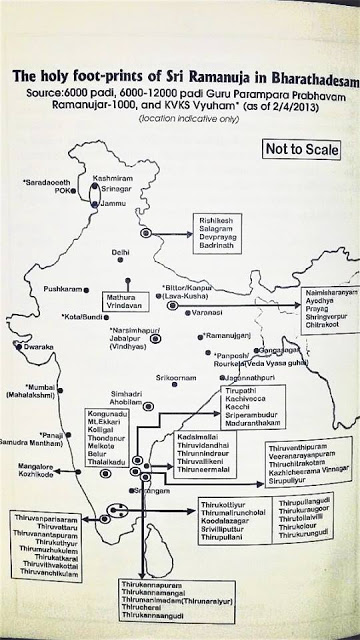
Adi Shankara who lived 2000 years ago (See Kanchi Paramacharya’s dating) walked through the length and breadth of India several times and established Mutts (Religious Centres)  at five places in five different directions. Guru Nanak, Ramanuja and several saints also walked from one end of the land to the other.


Tamil devotional literature has several stories of kings and poets visiting Kailash in the Himalayas. Even before the foundation of Islam, Mecca has been a centre of pilgrimage to Hindus. Ancient travel records show that they boarded ships from Sri Lanka and Kerala.


Here are some quotations on Travel from the Vedic literature:

When Rohita, son of Harischandra left the forest and went to a village, Indra came to him in human disguise and said to him,

“There is no happiness for him who does not travel, Rohita! thus we have heard. Living in the society of men, the best man often becomes a sinner by seduction, which is best avoided by wandering (travel) to places void of human dwellings; for Indra is surely the friend of the traveller. Therefore , wander”

Rohita thinking, ‘A Brahmin told me to wander’ wandered for a second year in the forest.

Again Indra met Rohita and said, The feet of the wanderer are like the flower, his soul is growing and reaping the fruit; and all his sins are destroyed by his fatigues in wandering. Therefore, wander!

–Aitareya Brahmana 7-3-15

The fortune of him who is sitting sits; it rises when he rises; it sleeps when he sleeps; it moves when he moves. Therefore, wander!


The Kali (Yuga) is lying on the ground; the Dvapara (yuga) is hovering there; the Treta (Yuga) is getting up; but the Krita (yuga) happens to walk. Therefore, wander!


In another translation of the same verse we find,

“ A man who sleeps is like the Kali age ( iron age); a man who awakes is like the Dvapara age (Bronze age); a man who rises is like the Treta age (silver age) and a man who travels is like the Krita age (Golden age).


It is interesting to note that the same terms are used in the throws of gambling dice: Krita- throw of four, being reckoned the best, Treta-  the throw of three, Dvapara – throw of two and Kali- the throw of one, worst of all.

This corresponds to the golden sayings in Tamil Proverbs

It advises Tamils to beyond the seas and bring treasures. Another proverb says If you sit and eat, even a hill of treasure will melt away. Oldest Tamil book says that a person can be separated from his wife for traveling to study, business or war.

Hindu Ascetics are advised to travel without stopping in a place for more than 24 hours. They can stay in a place for Four Months (Chatur Masya Vrata) only during rainy season.

Kalidasa’s Meghaduta is the oldest Travel Guide in the world. It describes each and every place from the centre of India to the Himalayas.

Aitareya Brahmana continues,

“The wanderer finds honey and the sweet Udumbara fruit (fig); behold the beauty of the sun, who is not wearied by his wanderings. Therefore, wander, wander!

–Aitareya Brahmana 7-3-15


Mahabharata on Travel,

The union with brother, mother, father and friend is like that of travellers in an inn

-Vyasa in Mbh. Shanti parva 28(41)


Without travelling to a foreign land, one does not obtain glory, fame, knowledge of accomplishments or anything – Kathakosa

The self-respecting person finds his own worth that he is able, worthy and can attempt and know by journeying in alien lands.

-Vishnusharma, Panchatantra, Book 1.


BAN ON BRAHMINS AND WOMEN!

Very interesting thing about travel is overseas  travel for Brahmins is banned by Manu Smrti and for women by the oldest Tamil book Tolkappiam.


So Brahmins and women should not go abroad (from India)


–SUBHAM–


சுட்ட சட்டி சட்டுவம் கறிச்சுவை அறியுமோ! (Post No.4819)

Written by London Swaminathan 


Date: 15 MARCH 2018


Time uploaded in London – 16-22


Post No. 4819

Pictures shown here are taken from various sources such as Facebook friends, Books, Google and newspapers; thanks.


WARNING: PLEASE SHARE MY ARTICLES; BUT DON’T SHARE IT WITHOUT AUTHOR’S NAME AND THE BLOG NAME. BE HONEST; OTHERS WILL BE HONEST WITH YOU.


நட்ட கல்லைத் தெய்வம் என்று நாலு புட்பம் சாத்தியே


சுற்றி  வந்து முணுமுணுத்துச் சொல்லும் மந்திரம் ஏதடா


நட்ட கல்லும் பேசுமோ நாதன் உள்ளிருக்கையில்


சுட்ட சட்டி சட்டுவம் கறிச்சுவை அறியுமோ


என்று தமிழ்ப் பெரும் சித்தர் சிவவாக்கியர் பாடினார். இது 2300 ஆண்டுகளாகப் பாரதத்தின் தென் குமரி முதல் வட இமயம் வரை நிலவிய கருத்து என்பது சாணக்கிய நீதியைப் படித்தோருக்கு விளங்கும்.

சாணக்கியன் சொல்கிறான்,

படந்தி சதுரோ வேதான் தர்மசாஸ்த்ராண்யனேகசஹ

ஆத்மானம் நைவ ஜானதி தர்வீ பாகரஸம் யதா


மக்கள் நான்கு வேதங்களையும் தர்ம சாஸ்திரங்களையும் மீண்டும் மீண்டும் படித்தும் தன்னை அறியும் அறிவில்லாவிடில் என்ன பயன்? சுவையான உணவைப் பரிமாறும் கரண்டிக்கு அந்த உணவின் சுவை தெரியுமா?

–சாணக்கிய நீதி 16-12


சாணக்கியன் சொல்லும் மரபியல் விஞ்ஞானம்

சாணக்கியன் உலக மஹா அறிவாளி; அலெக்ஸாண்டர் காலத்தில் வாழ்ந்தவன்; 2300 ஆண்டுகளுக்கு முன்னரே அவன் மரபியல் பற்றிப் பேசுகிறான்; கருவிலேயே திரு உற்றதாக நாயன்மார்கள் பாடினர்; மாணிக்க வாசகரோவெனில் திருவாசகத்தில் ஒரு கருவின் பத்து மாத வளர்ச்சியைப் பாடினார்.


சாணக்கியன் பகர்வதாவது,


கருவில் இருக்கும்போதே கீழ்க்கண்ட ஐந்து விஷயங்கள் தீர்மானிக்கப்படுகின்றன– அவனது ஆயுள், வேலை, செல்வம், படிப்பு, மரணம்.

என்ன அதிசயம்!

இதைப் பார்க்கையில் ஜோதிடம் உண்மையே என்பது விளங்கும்.


இந்துக்கள் குழந்தை பிறந்த ஓராண்டுக்குப் பின்னர் குடும்ப ஜோதிடர் மூலம் ஜாதகத்தை எழுதி வாங்குவர்; அதில் அவர் அக்குழந்தையின் படிப்பு, ஆயுள், வேலை, செல்வ வளம் முதலியன குறித்து எழுதி விடுகிறார். இது 2300 ஆண்டுகளாக இருப்பது சாணக்கிய நீதி மூலம் தெரிகிறது:–

ஆயுஹு கர்ம ச வித்தம் ச வித்யா நிதனமேவ ச

பஞ்சைதானி ஹி ஸ்ருஜ்யதே கர்பஸ்தஸ்யைவ தேஹினஹ

4-1


ஒரு தாயின் கரு பத்து மாத வளர்ச்சியில் நோக்கும் ஆபத்துகளை போற்றித் திரு அகவல் என்னும் திருவாசகப்   பகுதியில் மாணிக்க வாசகர் பாடுகிறார். அவர் தேவாரம் அருளிய மூவர்க்கும் முதல்வர்.


யானை முதலா எறும்பீ றாய
ஊனமில் யோனியி னுள்வினை பிழைத்தும்
மானுடப் பிறப்பினுள் மாதா வுதரத்
தீனமில் கிருமிச் செலவினிற் பிழைத்தும்

  1. ஒருமதித் தான்றியின் இருமையிற் பிழைத்தும்
    இருமதி விளைவின் ஒருமையிற் பிழைத்தும்
    மும்மதி தன்னுள் அம்மதம் பிழைத்தும்
    ஈரிரு திங்களிற் பேரிருள் பிழைத்தும்
    அஞ்சு திங்களின் முஞ்சுதல் பிழைத்தும்
  2. ஆறு திங்களில் ஊறலர் பிழைத்தும்
    ஏழு திங்களில் தாழ்புவி பிழைத்தும்
    எட்டுத் திங்களில் கட்டமும் பிழைத்தும்
    ஒன்பதில் வருதரு துன்பமும் பிழைத்தும்
    தக்க தசமதி தாயொடு தான்படும்
  3. துக்க சாகரத் துயரிடைப் பிழைத்தும்
    ஆண்டுகள் தோறும் அடைந்தஅக் காலை
    ஈண்டியும் இருத்தியும் எனைப்பல பிழைத்தும்
    காலை மலமொடு கடும்பகல் பசிநிசி
    வேலை நித்திரை யாத்திரை பிழைத்தும்

(யாரைக் கடவுள் காப்பாற்றுவான்பிளாக்குகளிலும்ஃபேஸ்புக்கிலும் வரும் கட்டுரைகளைத் திருடாமல் — எழுதியவர் பெயருடன் வெளியிடுபவர்களைக் கடவுள் காப்பாற்றுவார். யாருக்கு அரசியல்சமூக விஷயங்களில் கருத்துச் சொல்லவும்குறை கூறவும்கண்டிக்கவும் உரிமை உள்ளதுமற்றவர் படஙகளையும் படைப்புகளையும் திருடாதவனுக்கு பேஸ்புக்கிலும் பிளாக்குகளிலும் கருத்துச் சொல்ல உரிமை உண்டு)


–சுபம்–

2600 YEAR OLD ANCIENT INDIAN PLASTIC SURGERY! (Post No.4700)

Date: 4 FEBRUARY 2018


Time uploaded in London- 10-03 am


Compiled by London swaminathan


Post No. 4700


PICTURES ARE TAKEN BY LONDON SWAMINATHAN


WARNING: PLEASE SHARE MY ARTICLES; BUT DON’T SHARE IT WITHOUT AUTHOR’S NAME AND THE BLOG NAME. BE HONEST; OTHERS WILL BE HONEST

WITH YOU.


AYURVEDA EXHIBITION – PART 2


Sushruta who lived 2600 years ago in India is the Father of Surgery. He described  over 100 medical instruments. He was famous for nose surgery known as rhinoplasty. The amazing thing about the Nose Surgery is that it was used even 300 years ago in India. A British magazine has described it and the magazine news is displayed in the Ayuevdic man in Wellcome Centre in London (For full details of the Ayurvedic exhibition, please read my article posted yesterday here.

The news item says,

“Cowasjee, a man who had his nose reconstructed with the aid of plastic surgery, stipple engraving by W Nutter, after drawing by J Wales 1795.


Among the surgical techniques described in the  Ssruta Samhiat is rhinoplasty, the repair of a severed nose. Variations of this technique have survived in India over the centuries. In 1794, an article in the Gentleman’s magazine of London reported an operation carried out on an employee of the British East India Company who had been captured and mutilated during the Mysore Wars. As witnessed by Company surgeons, a flap of skin incised from the forehead was grafted onto the stump from which a new nose was formed. Such reports heled the resurgence of Indian surgical methods in the 1700s and foreshadowed the modern plastic surgery.


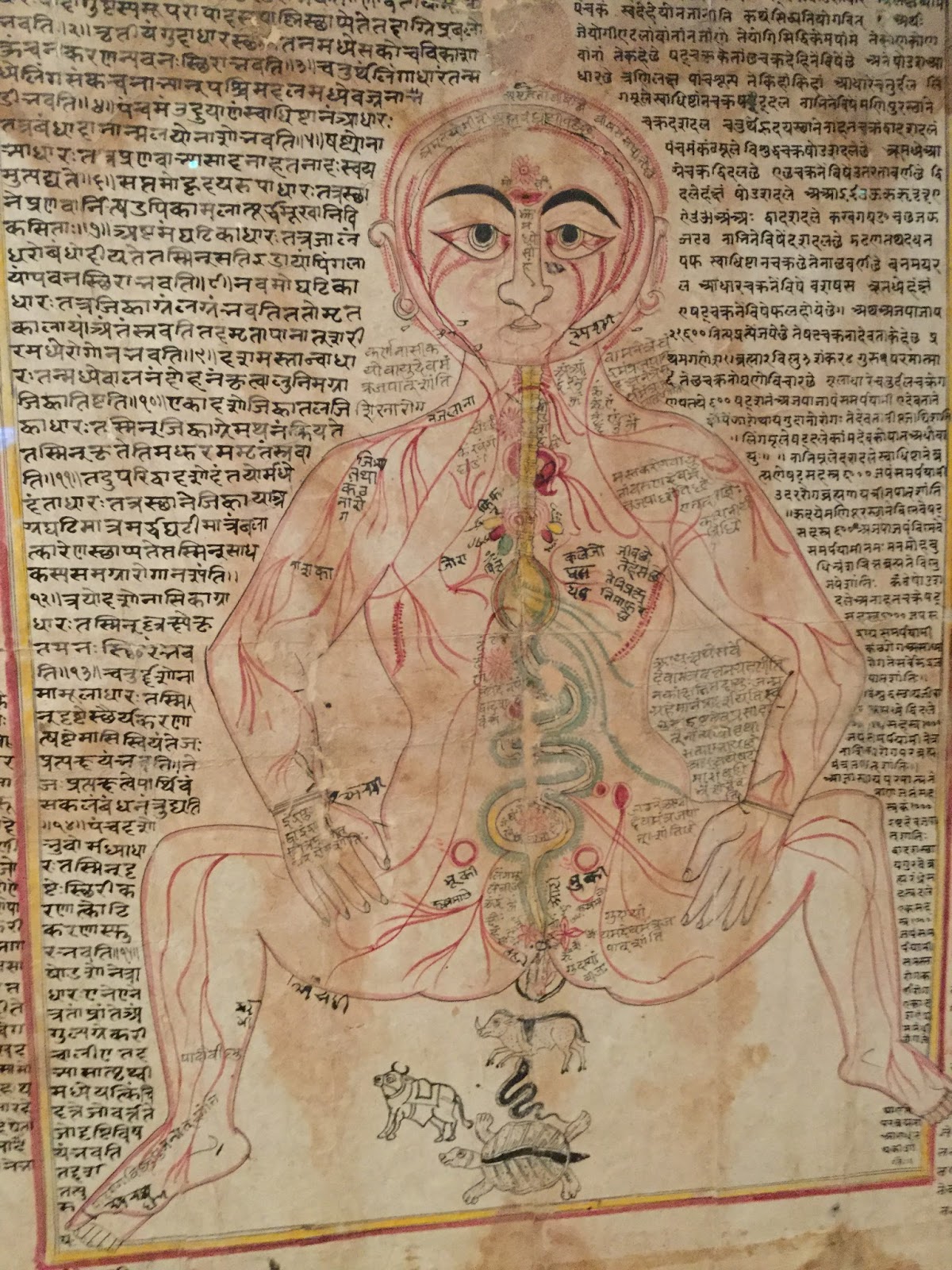
Here is another anatomical image from Western India. It has Sanskrit and Gujarati terms for body parts. It is like Persian picture, but the Indian artist had added Chakras and Tantric iconography to the spinal column.

Hanuman bringing the Magical Herb Sanjeevani along with the hill. When Lakshmana was injured, Hanauman was asked to get the Life Giving Sanjeevani herb. Since he could identify the herb he uprooted the entire hill where it is grown and brought it to Lanka.

–Subham–


சிறந்த மூலிகை எது? சாணக்கியன் தகவல் (Post No.4648)

Written by London Swaminathan 


Date: 22 JANUARY 2018


Time uploaded in London 8-17 am


Post No. 4648

Pictures shown here are taken from various sources such as Facebook friends, Books, Google and newspapers; thanks.


WARNING: PLEASE SHARE MY ARTICLES; BUT DON’T SHARE IT WITHOUT AUTHOR’S NAME AND THE BLOG NAME. BE HONEST; OTHERS WILL BE HONEST WITH YOU.


கௌடில்யர் என்றும் சாணக்கியன் என்றும் பெயர் கொண்ட மேதாவி 2300 ஆண்டுகளுக்கு முன் இந்தியாவில் வாழ்ந்தார். ஏழையாகவும், அவலட்சணமாகவும் இருந்த அந்த ப்ராஹ்மணன், மகத சாம்ராஜ்யத்தை ஸ்தாபித்தார். பல நீதி நூல்களை யாத்தார். உலகின் முதல் பொருளாதார நூலான அர்த்தசாஸ்திரத்தையும் எழுதினார். அவர் டாக்டர் அல்ல. ஆயினும் போகிற போக்கில் பல மருத்துவக் குறிப்புகளையும் பாடி வைத்துள்ளார். மூலிகையில் சிறந்தது எது என்றும்,  நீரின் மஹிமை, நெய்யின் சக்தி என்ன   என்றும் சொல்லிவைத்தார்.


இதோ மூலிகையில் சிறந்தது எது என்ற ஸ்லோகம்:-


ஸர்வௌஷதீனாம் அம்ருதா ப்ரதானா

ஸர்வேஷு ஸௌக்யேஷ்தசனம் ப்ரதானம்

ஸர்வேந்த்ரியானாணாம் நயனம் ப்ரதானம்

ஸர்வேஷு காத்ரேஷு சிரஹ ப்ரதானம்

சாணக்ய நீதி, அத்யாயம் 9, ஸ்லோகம் 4


பொருள்:

எல்லா மூலிகைகளிலும் சிறந்தது அம்ருதா

மகிழ்ச்சியான விஷயங்களில் சிறந்தது   உணவு உண்ணல்;

ஐம்புலன்களில் சிறந்தது கண்;

உடல் உறுப்புகளில் சிறந்தது தலை.


எண்சாண் உடம்புக்கு சிரசே (தலை) பிரதானம் என்பது எல்லோரும் அறிந்ததே. ஆனால் இவர் சொல்லக்கூடிய அம்ருதாவை அம்ருதவல்லி என்ற மூலிகையாக வியாக்கியானக்காரர்கள் கருதுகின்றனர்


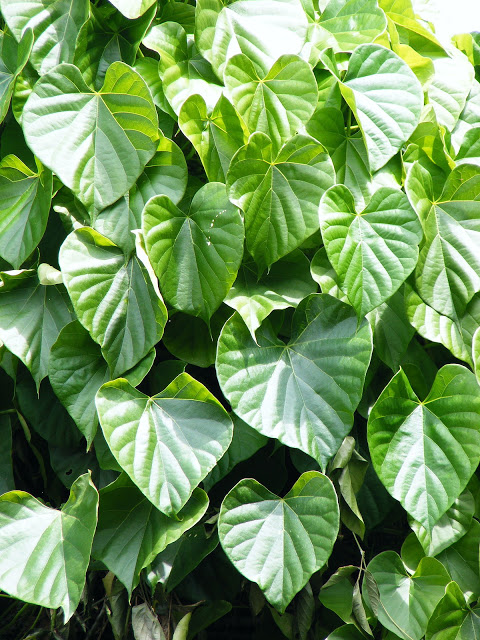
எது அமிர்தவல்லி என்பதில் கருத்து வேறுபாடு உண்டு. தமிழில் சீந்தில் கொடி என்றும் இந்தியில் ‘குடூசி’

என்றும் சொல்லுகின்றனர். இதனுடைய தாவரவியல் பெயர் கொக்குலஸ் கார்டிபோலியஸ்  (Cocculus Cordifolius OR Tinospora cordifolia) என்று சாணக்கிய நீதியை ஆங்கிலத்தில் மொழி பெயர்த்த அறிஞர் சத்ய வ்ரத சாஸ்திரி சொல்கிறார். கார்டிபோலியஸ் என்றால் இருதய வடிவிலான இலை என்று பொருள்; இந்த மாதிரி இருதய வடிவு இலைகள் அரச மரத்துக்குக் கூட உண்டு.


சீந்தில் கொடிக்கு பல    மருத்துவ குணங்கள் உண்டு; இது சர்க்கரை வியாதி, புற்று நோய் ஆகியவற்றுகும் வேறு பல நோய்களுக்கும் மருந்து என்று ஆயுர்வேத நூல்கள் பகரும்.


சிலர் அமிர்தவல்லி, ஓம வல்லி என்றும் சொல்லுவர். எப்படியாகிலும் குறிப்பிடப்படும் எல்லா மூலிகைகளுமே நன்மை பயக்கக்கூடியவையே.

XXX

நெய்யின் மஹிமை


சாணக்கியன் நெய், மாமிசம், பால் பற் றிப் பல சுவையான விஷயங்களைக் குறிப்பிடுகிறான். இதோ ஸ்லோகங்கள்:


அன்னாத் தசகுணம் பிஷ்டம் பிஷ்டாத் தசகுணம் பயஹ

பயசோ அஷ்ட குணம் மாம்ஸம் மாம்ஸாத் தசகுணம் க்ருதம்

சாணக்ய நீதி, அத்யாயம் 10, ஸ்லோகம் 19


அரிசியைவிட பத்து மடங்கு சக்தி வாய்ந்தது மாவு; மாவை விட பத்து மடங்கு சக்தி வாய்ந்தது பால்;  பாலை விட எட்டு மடங்கு சக்தி வாய்ந்தது மாமிஸம்; மாமிஸத்தை விட பத்து மடங்கு சக்தி வாய்ந்தது நெய்.


XXXX


சாகேன ரோகா வர்தந்தே பயஸா வர்ததே தனுஹு

க்ருதேன வர்ததே வீர்யம் மாம்ஸான் மாம்ஸம் ப்ரவர்ததே

சாணக்ய நீதி, அத்யாயம் 10, ஸ்லோகம் 20


பொருள்

காய்கறிகள் மூலம் வியாதிகள் வருகின்றன; பால் மூலம் உடலுக்குச் சக்தி கிடைக்கிறது; நெய் மூலமாக ஆண்களின் விந்து பெருகுகிறது; மாமிஸம் மூலம் உடலில் மாமிஸம் கூடுகிறது.


இதைச் சரியாகப் புரிந்து கொள்ள வேண்டும்; கழுவாத காய்கறிகளோ, கெட்டுப்போன காய்கறிகளோ உடலுக்குக் கேடு விளைவிக்கும். மேலும் மேலை நாட்டு வைத்திய முறையில் இல்லாத பத்தியம் என்பது ஆயுர்வேதம், சித்த மருத்துவ சிகிச்சைகளில் உண்டு; சிற்சில சிகிச்சைகளை எடுத்துக் கொள்ளும் போது சிற்சில காய்கறிகளைத் தவிர்க்க வேண்டும் என்று நாட்டு வைத்தியர்கள் சொல்லுவர். அந்த வகைகளிலும் காய்கறிகள் நோயை உண்டாக்கும் என்ற வாசகம் பொருந்தும்


மாமிஸத்தால் உடல் மாமிஸம் அதிகரிக்கும் எனபது வள்ளுவனும் சொன்ன அருமையான வாக்கு ஆகும்


தன்னூன் பெருக்கற்குத்தான் பிறிது ஊனுண்பான்

எங்ஙனம் ஆளும் அருள் (குறள் 251) என்பார்


“தன் உடம்பைப் பெருக்குவதற்கு பிற உயிரின் ஊனைக் கொன்று தின்பவனுக்கு வாழ்க்கையில் அருள் எப்படி இருக்க முடியும்? “(குறள் 251)

வள்ளுவனின் கேள்வி நல்ல கேள்வி.


XXX


நீரின் மஹிமை


இன்னும்  ஒரு பாட்டில் நீரின் மஹிமை பற்றி செப்புகிறார்:

அஜீர்ணே பேஷஜம் வாரி ஜீர்ணே வாரி பலப்ரதம்

போஜனே வாரி சம்ருதம் வாரி போஜனாந்தே விஷப்ரதம்

—சாணக்ய நீதி, அத்யாயம் 8, ஸ்லோகம் 7


பொருள்

அஜீர்ணக் கோளாறு உள்ளவர்கள் தண்ணீர் சாப்பிடுவது மருந்து போலாகும்; ஜீரண சக்தியோடு உடலுக்குப் பலத்தையும் தரும்; சாப்பாட்டுடன் நீர் அருந்துவது அமிர்தத்துக்கு ஒப்பாகும்; சாப்பிட்டு முடித்த பின்னர் குடிக்கும் நீர் விஷத்துக்குச் சமம்.


இவ்வாறு சாணக்கியன் சொல்லும் பல மருத்துவக் குறிப்புகள் நீதி வாசகங்களுக்கு இடையே உள்ளன.


–SUBAHM–


WOMAN AND YOGI- CHANAKYA (Post No.4624)

Written by London Swaminathan 


Date: 16 JANUARY 2018


Time uploaded in London  8-50 am


Post No. 4624

Pictures shown here are taken from various sources such as Facebook friends, Books, Google and newspapers; thanks.


WARNING: PLEASE SHARE MY ARTICLES; BUT DON’T SHARE IT WITHOUT AUTHOR’S NAME AND THE BLOG NAME. BE HONEST; OTHERS WILL BE HONEST WITH YOU.


The same object appears in three different forms as it is viewed. The female body appears corpse to Yogins (saints), a charming figure to the love-stricken and just flesh to dogs- says Chanakya in his Niti sastra.


eka eva padaarthastu tridhaa bhavati diikshitah

kunapaha kaaminii maamsam yoogibhih kaamibhihsvabhih

–chanakya niti, chapter 14, sloka 16


My comments

Chankaya has explained it beautifully well; let us explore it further.


If a young and beautiful lady sits with her brother, he gets some affectionate thoughts. Oh, how lucky I am to get such a lovely girl as my sister; she should be married in a good family and live happily.


If a youth sits with her or nearby her in the bus, he gets amorous feelings; Oh, how much happy I would be if I get this girl as my wife.


If a very little baby sits next to her, it even hugs that girl as if it hugs its own mother; it gets the feeling of bond between a mother and a baby- the supreme form of love; each expecting nothing from the other except love and protection.


Now where is pleasure coming from? is it from the beautiful skin of that youthful young girl? or is it from the mind of the person sitting next to that beautiful girl?


Saints say that the flesh of a person or the skin of a person is not the source of permanent pleasure. If it is the source of permanent pleasure it should do that with the brother, youth, child, saint and others for ever. It is not permanent. So the saints say, “ when I can show you that which gives you permanent pleasure, bliss, Ananda to everyone, why do you still go to other sources?”


Chanakya said it in two lines; saints give long lectures to illustrate this point.


Saints give another example as well; a dog chews the bone of another animal and the sharp ends of the bone pricks dog’s mouth and makes the blood to ooze out; the dog finds it very tasty and thinks that the blood comes from the bone and bites it more vigorously. Is it a wise dog or a foolish one?


But saints never advise all to become saints in the first place. They say, Go and Enjoy temporary pleasure in the family life, but remember and realise that it is not permanent!


–Subham–
Linguistic Knowledge of Vedic Hindus (Post No.4498)

Written by London Swaminathan 


Date: 15 DECEMBER 2017 


Time uploaded in London-  15-55


Post No. 4498

Pictures shown here are taken from various sources such as Facebook friends, Books, Google and newspapers; thanks.


Vedic Hindus were highly educated. We come across many linguistic observations in all the four Vedas. Rig Veda, the oldest book, has many hymns dealing with linguistic points. Satyakam Varma has summarised them in his book Vedic Studies.


Rig Vedic hymns 1-164, 4-58, 8-59, 8-10, 10-114, 10-125, 10-177 and many hymns in the Atharva Veda talk about language and linguistics.


A brief summary of the points raised by the Vedic seers in those hymns are as follows:

Hymn 1-164

Dirgatamas’ hymn 1-164 is one of the longest hymns the Rig Veda. He talks about various subjects in a coded language with lot of symbolism.

In the hymn, mantra 24 refers to the seven speeches

Mantra 24 points out that this faculty of speech is found only in the human beiges.

Mantra 45 gives information about the divisions of speech. Grammarian Patanjali and others also discussed this in detail.

Hymn 4-58

Patanjali referred to part of this hymn. The four parts of speech are explained here. Patanjali discusses seven cases and the three originating centres of pronunciation.


In the opening mantra of this hymn, the originating source of speech has been referred to as GUHA while BRAHMA has been referred to as a title for the one who knows the intricacies of the four -fold speech and its behaviour.

Hymn 8-59

Some of the most prominent observations of this hymn are as follows:

The ultimate truth is brought forth through the medium of seven-fold speech

These seven folds or divisions of speech are seven sisters of the ultimate truth

Speech protects us through its seven physical and three temporal divisions. And

three chief aspects of speech-behaviour are mental, and intellectual faculties, coupled with the acquired knowledge.


Hymn 8-100

The tenth and eleventh verses of this hymn declare that speech is the expressive medium for human as well as animal beings, the only difference being in the degree of distinctness

Hymn 10-71

This hymn is most important and is soley devoted to the linguistic observations alone, some of which are as follows:

An initial expression of name is indicative of a wholesome integrated expression of the accumulated ideas in the speaker’s mind. Thus, it originates as a representative of complete statement.

The emotions are desires of the Self are filtered in the mind, from where it takes the shape of words or speech, which is expressed externally with the help of the articulatory forces.

Thus, a word takes its usable form first in one’s mind which is then pronounced from seven places and in different tones.

Speech and language are not only the objects ears and eyes alone; no one can understand it without the help of mind, the sharpness of otherwise of which makes the difference in one’s power of understanding.

With only training and knowledge, we can learn the correct usage of the language and avoid its misuse, generated mostly from our ignorance.


Hymn 10-114

In at least six verses of this hymn, different aspects of linguistic phenomenon have been discussed. In the fourth and fifth verses, the principle of multiple exprepressibility of one and the same truth has been stressed explicitly. The seventh verse declares that the seven fold speech is capable to express all expressible forms.

Hymn 10-125

The hymn discloses the inner strength of speech, more particularly its unifying and harmonising powers.

Hymn 10-177

If interpreted in its proper prspective this hymn discloses the four steps involved in the speech production. It consists only three verses. Its topic is Patanga which often has been interpreted as Sun or Supreme Self. But its proximity with the speech equates it with the Speech Self or Vagatma.


Sabda Brahman

The original concept of the eternity of speech has been propunded in the Rig Veda, making speech one in extent and content with Brahman, which stands for Supreme Self, Knowledge and Veda alike


My Comments


These verses spread over different Mandalas (chapters) of Rig Veda show that they are not isolated ones. Moreover, these cover different periods of time. The Vedic people were neither nomads nor primitive. Great grammarians like Patanjali who lived at least 2000 years ago interpret them correctly. So we don’t need any help from the ‘Western Sayanas’.


The absence of such linguistic and grammatical observations in other ancient cultures show that we are well advanced than those cultures. And it also shows we were sons of the soil. If we have come from Central Asia or Europe, at least some remnants must be there.

Oldest Tamil Book

Oldest Tamil book Tolkappiam is a grammatical treatise. Scholars date it between first and third century BCE. Even that book refers to the Vedas where it dealt with pronunciation and origin of speech (Sutra 102). If it has reached the southern most part of India 2300 years ago, we must understand how much we have progressed in the science of languages.

The four divisions of speech are a very interesting one. It needs further research. The Vedic seers say that the audible speech is only one of the four.

Number Seven is associated with lot of things in the Vedas. Seven Sisters or Seven Mothers (Sapta Mata) is seen in Indus seals as well.


–Subham—


DATE OF RIG VEDA THROUGH SOLAR ECLIPSE-3000 BCE (Post No.4470)

Compiled by London Swaminathan 


Date: 8 DECEMBER 2017 


Time uploaded in London-  8–14 am


Post No. 4470

Pictures shown here are taken from various sources such as Facebook friends, Books, Google and newspapers; thanks.


SRI UMAPADA SEN OF CALCUTTA HAS ESTABLISHED THE DATE OF RIG VEDA AROUND 3000 BCE IN HIS BOOK THE RIGVEDIC ERA. HE SUPPORTS THE VIEW OF A. LUDWIG WHO ALSO APPRECIATED THE VEDIC HINDUS’ AMAZING KNOLEDGE ABOUT HEAVENLY BODIES.


Here is a summary of Umapada Sen’s article (part of his book):

Solar eclipses narrated in the Veda cannot be overlooked. In passage 10-138-4 of the Rig Veda, it is said Indra ‘maseva suryo vasu puryam adade’. this means it was the sun that was eclipsed, for the words ‘ vi suryo Madhya amuchat rathevam divah’ in the preceding verse point clearly to a solar eclipse.

Ludwig’s observation about the attitude of some persons always ready to defame the Veda and the Vedic Indians is worth noticing. He says, “such narrations in other texts ( he quotes other texts) do not appear doubtful, but such expressions when found in the Rig Veda are quite doubtful and many critics regard it as extremely doubtful. There should be no doubt any further, by all events it is not lunar but solar eclipse”.

“Compare RV 4-28-2. There Indra is said to have eclipsed the sun (somena, induna, by the moon). Prof. Willibrandt in his book on Vedic mythology has elaborately and extensively demonstrated that there is never any reason for disbelieving that Soma was Chandramas/Moon.


“The eclipse of ‘svarvanu’ has no relation with the clouds. Svarvanu, etymologically taken designates him whose light is the sun or sun’s. This is no other than the moon. We can accurately frame the translation of RV 5-40-6 …….”


In the mantra it is said that “Thou, Oh Indra, hadst hurled down by means f svarvanu’s witcheries spreading down from heaven, Atri by means of the fourth brahma has found out the hidden sun”.


Atri had to utter four Rik verses and by that time the eclipse subsided. This was the time taken by total solar eclipse!


The ‘Svarvanu after 3000 years turned out to be Rahu in the Vishnu Purana after it had lost the etymological meaning. (For the laymen, they gave a story of snake devouring moon or sun and in course of the time the original  view forgotten)

Ludwig further gives a detailed account of Hindu tradition and praises the accuracy of observations.


Attempts for determining the date of the Rig Veda through astronomy by Ludwig, Jacobi and B G Tilak amply proved their intimate acquaintance with the Vedic literature.


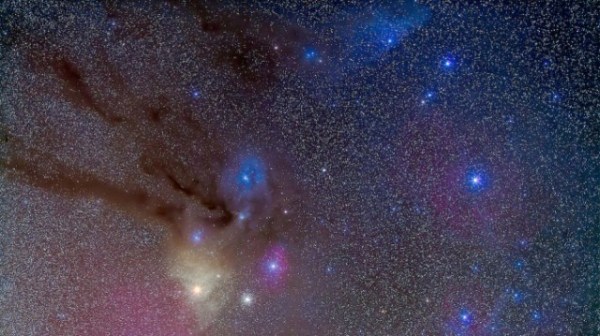
Antares (star Jyeshta or Kettai in Tamil) or Indra was called Jyeshtagni meaning one who commences the New Year (must be sidereal in this case).

Ludwig says, “Vedic priests were aware of moon’s borrowing light from the sun. That the ancient Hindus had a correct notion of the orbits of sun and moon, that their ability to account for the phenomenon of eclipses is absolutely out of doubt and the part assigned to Indra is interesting in a double point of view, and be it noted here that ADRI in the Veda often stands for a node that hurts the weaker Soma (moon) when he passes it, and not always for a stone to pierce Soma plants.”

Ludwig’s vivid narrations of the solar eclipses, wherein times without number he mentions of Indra’s peculiar function, must be carefully noted. Vedic narrations invariably connect Indra with the eclipses. In RV 10-138-4, Indra forces sun to unyoke the horses. It simply means sun was forced to lose his rays when it was just over or near Antares (star). The entire hymn 5-40 describes the eclipse in greater details. It, therefore, appears that two solar eclipses, of which one was definitely total, took place during the Vedic period on dates very near autumnal equinoxes that were visible from Indian latitude 28-32 N and longitude 68-74 E of Greenwich, so as to give an impression to the onlookers that Indra was competent to cause solar eclipses. (Indra= star Antares)


Umapada Sen believes the word Suhanta for thunder in 7-30-2 was a comet. He says that the 27 stars, five planets, sun and moon were the Rig Vedic Devas.

Antares and Sun

The scanning of the Rig Vedic revelations does reveal to us that Indra (star Antares) was privileged to enjoy the close company of the sun and as such the date when the particular star Antares was enjoying autumnal equinoxes bears the all-important connection with the Rig Vedic period.

When Umapada sen approached Indian observatories to find out the equinox position of Antares, and they were not helpful. But Greenwich and Hamburg observatories have promptly responded with requisite assistance and Dr Brian G Marsden of Smithsonian Astrophysical Observatory, USA has very kindly favoured him by undertaking the desired calculations.

Dr Marsden writes to say, “The date when a. Scorpi  (Antares) was at ecliptic longitude 180 degree is around 2990 BCE”. The Vedic hymns were composed in earlier periods do reveal that around 3000 BCE, Indra (star Antares) had actually clutched on the thunder (comet) that impressed the Vedic singers as to the massive stature of his weapon.

The date of the solar eclipse near about the autumnal equinox visible from 30 degee  N Indian latitude calculated by expert astronomers is between 3000 BCE and 2800 BCE.


Umapada sen concludes the article with a tribute to the Vedic seers, “The Rig Veda is not a code of ethics, a book of morals, a bunch of liturgical exhortations, a bundle of idle speculations, a product of utter frustration or a text with meaningless jargons. It is a collection of sincere invocations, the spontaneous out pouring of the heart of the earliest poets, ovations to the Devas, the stellar gods, wherein the celebrations by and by engulf a vast sphere of sublime religious thought and a true record of intellectual growth and material progress attained by a group of human souls in a corner of the earth well before 3000 BCE.”


My comments

It is interesting to see that Vedic poets used a particular style of language or symbolism to express facts. The Brahmanas and the Vedas say that the gods like mysterious language (RV 4-3-16). Though our sees calculated the time of eclipses scientifically and accurately, they told the laymen some interesting stories about the snake Rahu devouring moon or sun to describe the eclipse. Here Atri utters four verses or mantras and the hidden sun came out, says the Vedic hymn. I think that is the time taken for the total eclipse of the sun.


Even today we are thrilled to read about the total eclipse of the sun in newspapers. My London neighbour spent 1000 pounds to see the solar eclipse in America. So even when Vedic Hindus knew what is an eclipse Atri might have told them “wait till I finish the four mantras and you will see the sun out. Like our astronomers tell us that the sun will be in full eclipse between this minute and this minute, Atri might have told his disciples, that before I finish the fourth mantra the sun will be out. If a solar eclipse is an astronomical wonder for us today, it would, definitely, have been a wonder for a Vedic Hindu 5000 years ago.


The second point I would like to make is that Vedic language is very difficult. Only those who are well versed in Astronomy can figure out the meaning of certain mantras. Sometime ago I posted Ornithologist K N Dave’s view of a mantra where in seven sisters meant actually birds. But even Sayana who lived just 600 years ago could not give the correct meaning. Because Dave was an ornithologist, he could understand what our seers said. Yaska who lived at least 2800 years before our time could not understand hundreds of words. That shows Vedas were very ancient, more ancient than we thought until today. Now our job is to reinterpret all the mantras with a panel of experts from every walk of life or profession and present both Sayana’s and the new interpretations. We must discard all foreigners’ writings.


Now that we know the Vedic civilization existed before Indus Valley civilization through scientific research of Sarasvati river and through the astronomical research, we must rewrite Indian history ASAP.


–Subham–