வாழ்க்கைக்கு வழிகாட்டும் அறிவுரைகள்! (Post No.3927)

Written by S NAGARAJAN


Date: 21 May 2017


Time uploaded in London:-  4-49 am


Post No.3927


Pictures are taken from different sources; thanks.


contact: swami_48@yahoo.com


புத்த நெறி

வழிகாட்டும் அறிவுரைகள்!

தமிழாக்கம் : ச.நாகராஜன்

வாழ்க்கைக்கு வழிகாட்டும் புத்த மதத்தின் சாராம்சமான அறிவுரைகள் இவை. இவற்றைத் தலாய்லாமா கூறியதாக வரும் தகவல் தவறு. ஆனாலும் நல்ல அறிவுரைகளை எங்கிருந்தாலும் பெறலாம், கடைப்பிடிக்கலாம்,இல்லையா!


  1. மிகுந்த நேசமும் பெரிய சாதனைகளும் பெரிய அபாயத்தைக் கொண்டிருக்கும் என்பதை உணருங்கள்.
  2. நீங்கள் இழக்கும் போது அது தரும் பாடத்தை இழந்து விடாதீர்கள்
  3. மூன்று ‘ஆர்களைக் கடைப்பிடியுங்கள்

Respect for self – சுய மரியாதை,

Respect for others – மற்றவர்களுக்கு மரியாதை Responsibility for all your actions – உங்கள் செயல்கள் அனைத்திற்கும் நீங்களே பொறுப்பு

  1. நீங்கள் விரும்புவதை அடையாமல் இருப்பதானது சில சமயம் ஆச்சரியகரமான அதிர்ஷ்டத்தின் வீச்சு என்பதை நினைவில் இருத்திக் கொள்ளுங்கள்
  2. விதிகளை அதை எப்படி முறையாக மீறலாம் என்பதற்காக நன்கு தெரிந்து கொள்ளுங்கள்
  3. ஒரு சின்னத் தகராறு பெரிய நட்பிற்கு ஊறு விளைவிக்க விட்டு விடாதீர்கள்.
  4. நீங்கள் ஒரு தவறு செய்து விட்டதாக உனரும் போது, உடனே அதை சரி செய்வதற்கான செயல்களில் ஈடுபடுங்கள்
  5. ஒவ்வொரு நாளும் கொஞ்ச நேரமாவது தனிமையில் இருங்கள்
  6. மாற்றத்திற்கு எப்போதும் தயாராக இருங்கள், ஆனால் அதில் உங்கள் மதிப்பு வாய்ந்தனவற்றை இழக்கும்படி விட்டு விடாதீர்கள்.
  7. சில சமயம் மௌனமே சிறந்த பதில் என்பதை நினைவில் இருத்திக் கொள்ளுங்கள்.
  8. நல்ல, கௌரவமிக்க வாழ்க்கையை வாழுங்கள். முதுமை அடைந்து பழையனவற்றை நினைத்துப் பார்க்கும் போது இன்னொரு முறை ஆனந்தப்படலாம்.
  9. இல்லத்தில் நீங்கள் நிலவ விடும் அன்பான சூழ்நிலையே உங்கள் வாழ்க்கையின் அஸ்திவாரம்.
  10. நீங்கள் நேசிப்பவர்களுடன் உங்களுக்கு ஏற்படும் கருத்து வேறுபாடுகளின் போது அப்போதைய சூழ்நிலையை மட்டும் மனதில் கொண்டு அதற்கேற்றபடி செயல்படுங்கள். பழையனவற்றை இழுக்காதீர்கள்.
  11. உங்கள் அறிவைப் பகிர்ந்து கொள்ளுங்கள். நீங்கள் இறந்தாலும், அமரத்தன்மையை அடைவீர்கள்.
  12. பூமியுடன் மிருதுவாக இருங்கள்.
  13. நீங்கள் இதுவரை சென்றிடாத ஒரு இடத்திற்கு ஆண்டுக்கு ஒரு முறை சென்று வாருங்கள்.
  14. மிக அருமையான உறவு என்பது மற்றவரின் மீதான உங்கள் அன்பு அவருடைய தேவையை விட உங்களிடம் அதிகமாகும் போது தான் சிறந்ததாகிறது என்பதை நினைவில் இருத்திக் கொள்ளூங்கள்.
  15. பெறுவதை விட கொடுப்பதை வைத்து உங்களுடைய வெற்றியை மதிப்பிடுங்கள்.
  16. அன்பையும் தயையும் கவனக்குறைவைக் கைவிட்டு விட்டு அணுகுங்கள்.

நன்றி: இணைய தளத் தொடுப்புகள்


ஆங்கில மூலம் இதோ:-

INSTRUCTIONS FOR LIFE

  1. Take into account that great love and great achievements involve great risk.
    2. When you lose, don’t lose the lesson.
    3. Follow the three Rs: Respect for self, Respect for others and Responsibility for all your actions.
    4. Remember that not getting what you want is sometimes a wonderful stroke of luck.
    5. Learn the rules so you know how to break them properly.
    6. Don’t let a little dispute injure a great friendship.
    7. When you realise you’ve made a mistake, take immediate steps to correct it.
    8. Spend some time alone every day.
    9. Open your arms to change, but don’t let go of your values.
    10. Remember that silence is sometimes the best answer.
    11. Live a good, honourable life. Then when you get older and think back, you’ll be able to enjoy it a second time.
    12. A loving atmosphere in your home is the foundation for your life.
    13. In disagreements with loved ones, deal only with the current situation. Don’t bring up the past.
    14. Share your knowledge. You’ll die, but may achieve immortality.
    15. Be gentle with the earth.
    16. Once a year, go someplace you’ve never been before.
    17. Remember that the best relationship is one in which your love for each other exceeds your need for each other.
    18. Judge your success by what you had to give up in order to get it.
    19. Approach love and compassion with reckless abandon.

This advice did not come from His Holiness the Dalai Lama as often mis-quoted.


***
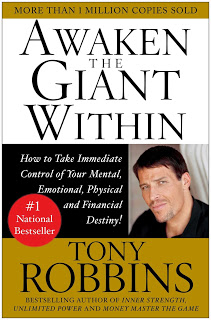
Awaken the Giant Within! (Post No.3825)

Written by S NAGARAJAN


Date:17 April 2017


Time uploaded in London:-  5-51 am


Post No.3825


Pictures are taken from different sources; thanks.


contact: swami_48@yahoo.com


Every age has its own self- improvement book. First it was Dale Carnegie. His books ‘How to Win Friends and Influence People’ and ‘How to Stop worrying and Start Living’ paved way for many thousands to lead s successful life. Then came Napoleon Hill. His books ‘Success’ and ‘Think and Grow Rich’ sold out thousands of copies around the world and people showed interest in reading them.


Now it is Anthony Robbins. His book, “Awaken the Giant Within’ suits to the modern needs. Based on the latest scientific findings on Brain and psychological aspects the new theory called NLP – Neuro Linguistic Programming shows the way to lead a successful life in the modern competitive world.


The book has divided in to four parts, ‘Unleash Your Power, ‘Taking Control – ‘The Master System’, ‘The Seven Days to Shape Your Life’ and ‘A Lesson in Destiny’.

Can anyone change his destiny.


There are three decisions that control your destiny, points out Anthony Robbins.


  • Your decisions about what to focus on.
  • Your decisions about what things mean to you.
  • Your decisions about what to do to create the results you desire.

To achieve your goal either you have to find the way or make one.

There are techniques to make the way. First change your belief and personal breakthroughs will begin. Start with the basic belief and reinforce your belief by adding new and more powerful references.

By NAC you can change yourself for good. What is NAC. Neuro Associative Conditioning is a step-by-step process that can condition your nervous system to associate pleasure to those things you want to continuously move toward and pain to those things you need to avoid in order to succeed consistently in your life without constant effort or willpower.


There are ten emotions of power. Love and warmth,  Appreciation and gratitude, Curiosity, Excitement and passion, Determination, Flexibility, Confidence, Cheerfulness, Vitality and Contribution are to be planted daily.


After elaborating these vital points the author gives a Seven Days Programme to shape our life. Take control of your conscience emotions.

After learning to condition your nervous system you have to condition your metabolism. Then comes relationships. Success is meaningful if only you could share it with someone you love. Then comes Finance. Take control of your financial future. Then comes Code of conduct. Create your code and do not compromise it. Then learn to use your time to your advantage. Have some rest and play. Even God took one day off!

This seven day programme,  if carried out successfully, we can repeat it to ensure success.


One woman who was suffering from the fear about snakes took treatment for seven years and yet not cured. Anthony Robbins took it as a challenge in fifteen minutes time he cured her! Such is the power of NLP.


Beautiful quotations are splashed out throughout the book. A number of anecdotes and real life incidents have been given in every chapter to inspire the reader.


An investment should yield. Yield for good. The investment on this book will surely yield. Not necessarily proportionately but multi times. Change your life through your own brain and your own programming.


This book will show you how! Good Luck.

***

Note : published in www.ezinearticles.com on 15-4-2017

Damn Good Advice (Post No.3813)

written by S NAGARAJAN


Date:13 April 2017


Time uploaded in London:-  6-14 am


Post No.3813


Pictures are taken from different sources; thanks.


contact: swami_48@yahoo.com


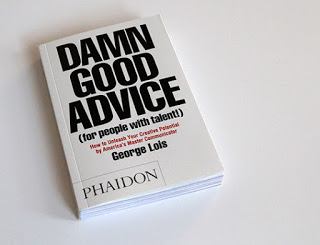
Damn Good Advice


Santhanam Nagarajan


The book under review titled ‘Damn Good Advice’ written by the Ad Guru George Lois has been written based on his experience and hence worth reading.


It is a well-known fact that Lois is a Supernova, the original Mr Big Idea. Since 1950’s he has had a titanic influence on world culture.

He has 120 valuable tips to lead a creative and successful life.

Lois was born in New York in 1931.He is an advertising legend and the creator of Big Idea advertising.


Lois first wants the leader to identify himself choosing the type to which he belongs to.


There are only four types of persons.

  • Very bright, Industrious (You are perfect)
  • Very bright, lazy (A damn shame)
  • Stupid, lazy (You are a wash)
  • Stupid, industrious (You are dangerous)


He cautions us, ‘If you are number 1 or a 2, you will get a lot out of this book. If your are a number 3 or 4, you need not read this book.’

Very true.

All the tools in the world are meaningless without an essential  idea.  Hence always go for a big idea. Whatever you want to communicate to the world it should be communicated in a nanosecond.  He quotes Lincoln who did not have time to contemplate, correct and edit his letter wrote a very long letter to his friend and express his apology citing the above reasons!


Energy begets energy. Playing War games may help you. Sports and the intense intellectualism of the game of chess help drive and sustain the creative ethos. Lois quotes Thomas Huxley. “The chessboard is the world, the pieces are the phenomena of the universe, the rules of the game are what we call the laws of Nature.”


Age is not a barrier. Charles Darwin was 50 when he wrote  On The Origin of Species.

At 52, Ray Kroc started MacDonald.


A.C.Bhakthivedanta Swami Prabhupada founded the Hare Krishna movement when he was 69, with $7 to his name.


A little courage is needed.  A great deal of talent is lost to the world for want of a little courage. The Webster dictionary zeroes in on the meaning of the word “courage”, marked by bold resolution in withstanding the dangerous, alarming or difficult .. a firmness of spirit that faces danger or extreme difficulty without flinching or retreating.


And in his 120th advice he recalls the sufferings of Nelson Mandela. While incarcerated at Robben Island and Pollsmoor prisons for 27 years, recited Invictus, the iconic poem written in 1875 by the English poet William Ernest Henley to his fellow prisoners, empowering all with its message of self mastery. The last four lines of the poem is worth remembering ever:


It matters not how strait the gate,

How charged with punishments the scroll,

I am the mater of  my fate.

I am the captain of my soul.


The book is not only for the persons in advertisement field but for all.

We may choose the tips applicable to us and customize some of the other tips.


To lead a creative life we need exclusive tips to suit the modern world.

This book will certainly help.


Note: Published in www.ezinearticles.com on 12017. Santhanam Nagarajan is an expert Platinum author in ezinearticles.com

How to Cultivate the State of Contentment and Mental State of Appreciation? (Post No.3777)

Written by S NAGARAJAN


Date: 1 April 2017


Time uploaded in London:-  5-43 am


Post No.3777


Pictures are taken from different sources; thanks.


contact: swami_48@yahoo.com


We often feel that why should bad things happen to us alone? What wrong we did? Why all others are happy and why are we not contented?

How to attain the greater good?

How to cultivate the State of Contentment?

How to cultivate the Mental State of Appreciation?

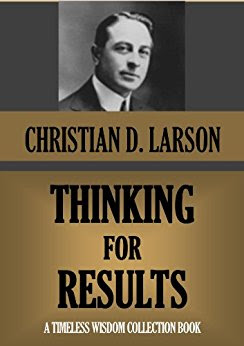
The great scholar Christian D Larson (1874-1954) in his book ‘Thinking for Results’ gives us the fitting answers.

These are all secrets given in a capsule form. We have to apply our mind and with eagerness we have to learn and master the simple yet fruitful techniques.

To attain greater good:-

Adopt yourself to everything and everybody with a view of securing united action for greater good. You will thus continue in perfect harmony and you will cause every action that may result from your efforts to work directly for the production of the results you have in view.

To cultivate the state of contentment: –
To cultivate the state of contentment we should live in the conviction that all things are working together for good, and that what is best for us now is coming to us now. The truth is that if we are trying to make all things work together for good, and live in the faith that we can, we actually will so order things in our life that all things will work together for good. And what comes to us every day will be the very best for us that day. When we live, think and act in this manner we shall soon find that the best is daily coming to us, and that the best of each day is better than that of the day preceding. The result will be perfect contentment.

To cultivate the mental state of appreciation: –

To cultivate the mental state of appreciation we should eliminate all tendency to fault finding, criticism and the like, and we should make a special effort to see the worthy qualities in everything and everybody with which we come in contact. The result of such a practice will not only be a better appreciation with a deeper insight into the superior qualities of life, but also the building of a more wholesome mind. Realizing the value of appreciation, we should whenever we discover a lack of appreciation in ourselves, proceed at once to remove the cause.

Now we know the correct ways to cultivate our mind in proper perspective. Let us try and achieve the ultimate mental statement of contentment.

This is the benefit we gain from scientific thinking.

***

Scientific Thinking for Success! (Post No.3757)

Written by S NAGARAJAN


Date: 26 March 2017


Time uploaded in London:-  6-36 am


Post No.3757


Pictures are taken from different sources; thanks.


contact: swami_48@yahoo.com


Is there a way for thinking scientifically?

What are all the benefits one could get by way of this ‘Scientific Thinking’?

The great scholar Christian D Larson (1874-1954) has a written a beautiful book titiled ‘Thinking for Results’.


Let us get answers from him for some of the difficult questions that we have.


What is the Foundation of Scientific Thinking?

To think according to the laws of growth and to think for a definite purpose – this is the foundation of Scientific Thinking.


How we could attain Peace of Mind, quickly?

Peace of mind comes most quickly when we do not try to be peaceful, but simply permit ourselves to be normal. To relax mind and body at frequent intervals will also aid remarkably, but the most important of all is the attainment of the consciousness of peace.


We know very well that Peace of Mind is powerful and conserves energy. But how to get it quickly, Is there a special way?

There is an absolutely still centre in your own mind and you can become conscious of that centre by turning your attention gently and frequently upon the serene within. This should be done several times a day and no matter how peaceful we may feel we should daily seek a still finer realization of this consciousness of peace. The result will be more power because peace conserves energy.

We are moving with different people. Circumstances do not permit us to be in our ‘mental state of harmony’. How to cultivate the mental state of harmony?

The best way to cultivate the mental state of harmony is to adapt yourself consciously to everything and everybody that you meet. Never resist or antagonize anything nor hold yourself aloof from anybody. Wherever you are aim to look for the agreeable side of things and try to act with everything while in that attitude. After a while you will find it an easy matter to meet all things and all persons in their world and when you can do this you can unite with them in securing results that neither side could have secured alone.


HAVE YOU LEARNT THE SECRETS, NOW?

If you follow the above simple methods, you are the king.

You will have peace of mind always.

You will always be in a mental state of harmony.

Everybody would love you because you are in their world with them, for them!

***


Never reveal Your Weakness (Post No.3573)

Picture: Lord Krishna appearing in Havan (Homa) fire

Written by London swaminathan


Date: 24 January 2017


Time uploaded in London:- 22-09


Post No.3573


Pictures are taken from different sources; thanks.


contact: swami_48@yahoo.com


Hindu epics Ramayana and Mahabharata teach us how to win in our life.  If one follows those qualities or instructions, one can succeed easily.  Whether it is an examination or a job interview these rules will be very useful. I learnt it by the hard way. When the BBC World Service recruited me for a broadcaster job in 1987, I had worked as a Senior Sub Editor on a language newspaper for sixteen years. I did not have any annual review of my performance in India. But in western countries it is a ritual. Only when we gave a misleading heading or missed an important news item or committed an editorial error we were called to the Editors desk and given a hard-hitting sermon in front of other staff. We sweated a lot and gasped for breath before returning to our seats. This happened to every one of us on the editorial desk.

When I came to BBC, I had my first annual review meeting in 1988. They praised me for all the work I did and pointed out some minus points. I elaborated on those negative things and gave them more ammunition. They always write everything we say and then ask our opinion on their report. Since I had no experience of such an annual review I told my boss that everything they said was correct. During the second year annual review they asked me probing questions on those negative things. Though all those were minor issues, I felt like an offender standing in a witness box. If one is not in the good books of one’s boss this is enough for them to write all against you. There is nepotism, favouritism and sycophancy in the BBC as we have in India.
Since then I have been advising my sons and friends not to talk about their weaknesses or mistakes. If they ask you specific questions about something that went wrong, then you must be honest. But be positive. You may say “Yes I had these problems earlier and now I have tackled all those issues or you can say yes to surmount that problem I have already joined such and such a course or training etc”.

When Arjuna was mentally weak and shivering and shaking, Lord Krishna told him

uddharet aatmanaa tmaanam

naa tmaanam avasaadayet

aatmai va hy aatmano bandhur

aatmai va ripur aatmanah (B Gita 6-5)


Let a man lift himself by himself; let him not degrade himself; for the Self alone is the friend of the self and the Self alone is the enemy of the self.


Buddha’s ‘Dhamapada’ also repeated this,”The Self is the Lord of the self (attaa hi attano naatho)


Valmiki’s advice

Valmiki, author of Ramaayana,says that four qualities are required by anyone to perform a task successfully. They are
Karma nah man avasyakata (Effectual Qualities for performing action)
Smruti -Memory
Dhrti-Resolution
Mati-Application of Mind
Daakshyam-Skill
Yasya tvetani catvari vanarendra yatha tava
Smrtidhrtirmatirdaakshyam sa karmasu na sidati

–Valmiki Ramayana Sundara Kanda -198

Tamil Saint Tiruvalluvar went one step further and said that even if the God is not helpful one’s efforts will give one the benefits of his action. That is there is a universal law that every effort will have some positive effect proportionate to one’s quantity and quality of the efforts.

Though God stands in the way, strenuous effort yields ready fruit. Labour recompenses what god or fate denies (Kural  619)

so, never tell anyone about your weakness and say positive things, even if one finds your weakness.

–subham—

Make Every Stumbling Block as a Stepping Stone!(Post No.3559)

Written by S NAGARAJAN


Date: 20 January 2017


Time uploaded in London:-  5-54 am


Post No.3559


Pictures are taken from different sources; thanks.


Contact: swami_48@yahoo.com


by S. Nagarajan

Lord Nelson, one of the Britain’s greatest naval commander encouraged his soldiers to fight for a great victory.

In the battlefield one of his soldiers approached him and told him that the edge of his sword was broken.

Nelson replied him thus: “Then take a step forward and fight.”

In a battle, no explanation is required. Only action is required. For that courage is needed.

In fact life is also a battlefield. We have to overcome many difficulties and stumbling blocks.

Make every stumbling block as a stepping stone. Then victory is yours.

Once a mother was walking along with his small boy on a ground. Suddenly the boy fell down. Helplessly he looked his mother. She was standing still watching her son. The son slowly stood up rubbing his hands. The mother asked him to show his hands. It was empty. She told him,” My dear son, you could have taken at least some sand in your hand. You have to gain something in every fall”. The mother’s training worked. Needless to say that the son shaped himself and became a great hero.

The Jewish proverb rightly says, “When you have no choice, mobilize the spirit of courage”.


“Success is never final and failure is never fatal. It is courage that counts” so said George F. Tilton.

Thomas Alva Edison’s mother instilled in him values such as love, sacrifice and bravery. Once at the Grand Trunk Railroad he saved a three year old child from a runaway boxcar. The child’s father Mackenzie, who was a station Agent was very much pleased and in gratitude he taught Edison telegraphy. Edison’s courage paid him handsomely. He worked hard and as he advanced in years he went on from one success to another. He became the greatest inventor.

Napoleon Bonaparte rightly said that, ‘courage is not having the strength to go on – it is going on when you don’t have strength’.

Mahatma Gandhi stood like a rock against the mighty British Empire with non-violence as his only weapon. Churchill remarked, “I could defeat him if he comes with some weapon. But he is strange. He has no weapon. Then how could I fight him?”

The mighty British Empire was not able to face one single weaponless small figure. Such was his courage.

Mistakes and failures are common in everybody’s life. We have to analyze our mistakes.

And we have to learn a lesson from every failure and the mistakes are not to be repeated.

Think deeply. Plan correctly. Act fast.  Then success is yours.

With courage even the space could be conquered.


As the great poet Robert Browning rightly said,” Ah! But a man’s reach should exceed his grasp, Or what’s heaven for?

This article first published in www.ezinearticles.com under expert author’s name Santhanam Nagarajan on 19-1-2017


Pl click :

http://ezinearticles.com/?Make-Every-Stumbling-Block-As-a-Stepping-Stone&id=9623826


Ah! It was a wonderful phenomenon – Swami Vivekananda! (Post No.3536)

Written by S NAGARAJAN


Date: 12 January 2017


Time uploaded in London:-  5-49 am


Post No.3536


Pictures are taken from different sources; thanks.


Contact: swami_48@yahoo.com


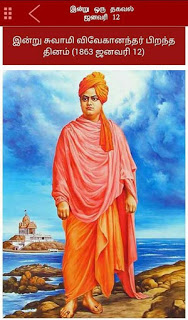
VIVEKANANDA JAYANTHI JANUARY 12TH

Ah! It was a wonderful phenomenon – Swami Vivekananda!

by S. Nagarajan


Ramakrishna Paramahamsa was Narayana and Swami Vivekananda was nara in the ‘Nara Narayana’ pair.

They just visited the earth to uplift the humanity and rejuvenate Hinduism.

Swamiji had extraordinary power. But he never revealed himself. However occasionally he used to reveal some of his secrets.

Given below is one such secret which was told by himself.


“While I was in America I had certain wonderful powers developed in me. By looking into people’s eyes I could fathom in a trice the contents of their minds. The workings of everybody’s mind would be patent to me, like a fruit on the palm of one’s hand. To some I used to give out these things, and of those to whom I communicated these, many would become my disciples, whereas those who came to mix with me with some ulterior motive would not, on coming across this power of mine, even venture into my presence any more.

 
When I began lecturing in Chicago and other cities, I had to deliver every week some twelve or fifteen or even more lectures at times. This excessive strain on the body and mind would exhaust me to a degree. I seemed to run short of subjects for lectures and was anxious where to find new topics for the morrow’s lecture. New thoughts seemed altogether scarce. One day, after the lecture, I lay thinking of what means to adopt next. The thought induced a sort of slumber, and in that state I heard as if somebody standing by me was lecturing – many new ideas and new veins of thoughts, which I had scarcely heard or thought of in my life. On awaking, I remembered them and reproduced them in my lecture. I cannot enumerate how often this phenomenon took place. Many, many days did I hear such lectures while lying in bed. Sometimes the lecture would be delivered in such a loud voice that the inmates of adjacent rooms would hear the sound and ask me the next day, ”With whom, Swamiji, were you talking so loudly last night?” I used to avoid the question somehow.


Ah, it was a wonderful phenomenon.


(Complete Works of Swami Vivekananda Volume 7 page 124)

Swami Akhandananda (earlier name Gangadhar) who was the direct disciple of Ramakrishana Paramahamsa has narrated some of the wonderful experiences he had with Swamiji.

Once Swamiji was in Almora with Swami Akhandananda. One day Swamiji disclosed to Swami Akhandananda mantras he has seen in gold, explaining their import and telling him to which deity each related.  Thus they travelled along the solitary mountain paths.


One day near Almora, they rested under a peepul tree. They bathed in a mountain stream and then sat for meditation. After a long time, Swamiji said to Swami Akhandananda : “Gangadhar , here at Almora, under this tree, a most auspicious moment has been spent. Today, I have found a solution to a knotty problem. I have realized that the macrocosm and the microcosm are strung together on the same string.”


In a notebook preserved by Swami Akhandananda, Swamiji wrote an account of his realization, which is the source of some of the main points in his later speeches and writings.

(ref : Swami Akhandananda by Swami Annadananda page 70)

From the above we may conclude that Swamiji was guided by the Supreme Power continuously with the grace of Ramakrishna Paramahamsa.

*********

கம்பன், சாக்ரடீஸ், திருமூலர் சொன்ன ஒரே கருத்து(Post No.3342)

WRITTEN by London Swaminathan


Date: 11 November 2016


Time uploaded in London:5-59 AM


Post No.3342


Pictures are taken from various sources; they are representational only; thanks.


contact; swami_48@yahoo.com


தன்னைத் தான் உணரத்தீரும் தகையறு பிறவி என்பது

என்னைத் தான் மறையும் மற்றத் துறைகளும் இசைத்த வெல்லாம்

முன்னைத் தான் தன்னை ஓரா முழுப்பிணி அழுக்கின்மேலே

பின்னைத் தான் பெறுவது அம்மா நறவுண்டு திகைக்கும் பித்தோ


கிட் கிந்தா காண்டம், கம்பராமாயணம்


பொருள்:-

ஒருவன் தன்னை அறிந்துகொண்ட அளவில் பிறவிப்பிணி நீங்கிவிடும் என்று வேதங்களும் மற்ற சாத்திரங்களும் சொல்லுகின்றன. இந்த மெய்யறிவைப் பெறாததால் பிறவி நோய்க்காளாகும் இந்த அழுக்குடலைப் பெற்றிருக்கிறேன் இத்தோடு நில்லாமல், போதாக்குறைக்கு பொன்னியும் வந்தாளாம் என்ற பழமொழிக்கு ஏற்ப கள்ளை உண்டு மனமும் மயங்குவது தகுமோ! (சுக்ரீவன் வருந்திச் சொன்ன பாடல் இது.)


உன்னையே நீ அறிவாய், ஒன்றாகக் காண்பதே காட்சி– – என்ற பெரிய தத்துவங்களை நமது முன்னோர்கள் பல இடங்களில் வலியுறுத்தியதை பல கட்டுரைகளில் வலியுறுத்தினேன்.


இதே கருத்தை கம்பன் வலியுறுத்தும் இடம் வியப்பைத் தரும்; குடிப்பழக்கத்துக்கு ஆளாகி வருத்தப்படும் சுக்ரீவனின் வாய் வழியாக இந்தப் பெரிய கருத்தை வலியுறுத்துகிறான்.


பிறவிப் பிணி அறுபட வேண்டுமானால் என்ன என்ன குணங்கள் இருக்க வேண்டும் என்று அடுத்த ஒருபாடலில் கம்பன் கூறுவதைக் கவனியுங்கள்


தெளிந்து தீவினையைச் செற்றர் பிறவியின் தீர்வரென்ன

விளிந்திலா உணர்வினோரும் வேதமும் விளம்பவேயும்

நெளிந்துறை புழுவை நீக்கி நறவுண்டு நிறை கின்றேனால்

அளிந்து அகத்து எரியும் தீயை நெய்யினால் அவிக்கின்றாரின்


பொருள்:-

மனம் தெளிந்து தீய செய்கைகளை விட்டவர்கள் பிறவி நோயை ஒழித்தவாரவர் (இறப்பு-பிறப்பு என்னும் சுழலில் சிக்குவது பிறவி நோய்). இதை ஞானிகளும் வேதங்களும் செப்புவர். நானோ புழுக்கள் நெளியும் கள்ளில் அந்த புழுக்களை வடிகட்டிவிட்டுச் சாப்பிட்டு இப்படிச் சந்தோஷமடகிறேன். இது  எதற்குச் சமம் என்றால் எரியும் நெருப்பை நெய்யை ஊற்றி அணப்பதற்குச் சமம் என்று சுக்ரீவன் சொல்லுகிறான்.


அரிய பெரிய வேதக்கருத்துகளை கம்பன் திடீரென்று பாடல்களில் நுழைப்பான். கடலில் முத்து எடுப்பதுபோல மூச்சைப் பிடித்து அவைகளை வெளியே கொணற வேண்டும்!!

Excerpts from my old articles:–


எனது முந்தைய கட்டுரைகளில் இதே கருத்து வெளியிடப்படிருப்பதால் அவைகளை இணைத்துள்ளேன்:–


எகிப்தில் திருமூலர் கருத்துக்கள்


–லண்டன் சுவாமிநாதன்—

POST No. 716 dated 21 Novemeber 2013

“உன்னையே நீ அறிவாய்”, “உள்ளம் பெருங்கோயில்” என்ற கருத்துக்கள் இந்துக்களுக்குக் கரதலைப் பாடமாகத் தெரிந்தவை. ‘மனக் கோயில், மனமே கோயிலாகக் கொண்டவன்’ என்று இறைவனைப் பாராட்டும் வரிகள் தேவாரம், திவ்யப்பிரபந்தம், திருமந்திரம், திருவாசகத்தில் நூற்றுக் கணக்கான இடங்களில் வருகின்றன.

எகிப்து நாட்டில் தீப்ஸ் என்னுமிடத்தில் உள்ள லக்ஸார் கோவிலில் இந்த இந்து மதக் கருத்துக்கள் எழுத்தில் இருக்கின்றன. இந்தக் கோவில்கள் 3500 ஆண்டுகள் பழமையானவை. அப்போதே இந்துமதக் கருத்துக்கள் அங்கே பரவி இருந்தன. உபநிஷத் சொன்ன கருத்துக்களை பிற்காலத்தில் சாக்ரடீஸ் மேலை உலத்தில் பரப்பினார். அதற்குப் பின்னர் திருமூலர் அவைகளைத் தமிழில்—எளிய தமிழில்—எல்லோருக்கும் புரியும்படியாகப் பாடி வைத்தார்.

சாக்ரடீஸின் சீடர் பிளட்டோ இந்தக் கருத்துக்களை அவரது சீடர் அரிஸ்டாடிலுக்குச் சொன்னார். அவர் தனது சீடரான அலெக்ஸாண்டருக்குச் சொன்னார். இதைக் கேட்டுப் பிரமித்துப் போன மஹா அலெக்ஸாண்டர் எப்படியாவது இந்து மத சந்யாசிகளைக் கிரேக்க நாட்டுக்கு அழைத்து வந்துவிடவேண்டும் என்று அரும்பாடுபட்டார். இதை “ஒரு யோகியின் சுயசரிதை” நூல் எழுதிய பரமஹம்ச யோகானந்தா போன்றோர் (நடிகர் ரஜினிகாந்தின் குருவின் வழிவந்தவர் பரமஹம்ச யோகாந்தா) கூறியுள்ளனர். எல்லா விவரங்களையும் “நிர்வாண சாமியார்களுடன் அலெக்ஸாண்டர்” என்ற எனது கட்டுரையில் ஏற்கனவே எழுதிவிட்டேன்.


கீழ்கண்ட பகுதியை விக்கிபீடியாவில் இருந்து எடுத்து மொழிபெயர்த்து இருக்கிறேன்:
“பழங்கால லக்ஸார் கோவிலில் இரண்டு பகுதிகள் இருக்கின்றன. முன் பகுதியில் ஆரம்ப உபதேசம் பெற்றவர்கள் மட்டும் அனுமதிக்கப்படுவர். உள்ளே இருக்கும் பகுதிக்குத் தகுதி உள்ளவர்கள் மட்டுமே அனுமதிக்கப்படுவர். உயரிய ஞானமும் அந்தர்முகமாகப் பார்க்கவல்லவர் மட்டுமே அங்கே பிரவேசிக்கலாம். வெளிப்புறக் கோவிலில் இருக்கும் பொன்மொழிகளில் ஒன்று “ உடலே இறைவனின் திருக்கோயில்”. இதனால்தான் உன்னையே நீ அறிவாய் என்று மனிதர்களுக்குச் சொல்லப்படுகிறது. உள்ளே உள்ள பொன்மொழிகளில் ,”மனிதனே , உன்னையே நீ அறிவாய். பின்னர் நீ கடவுளை அறிவாய்” என்று எழுதப்பட்டுள்ளது.

Ancient Egyptian
“There are two parts of the ancient Luxor temple: the outer temple where the beginning initiates are allowed to come, and the inner temple where one can enter only after proven worthy and ready to acquire the higher knowledge and insights. One of the proverbs in the Outer Temple is “The body is the house of God.” That is why it is said, “Man know thyself.”[20] In the Inner Temple, one of the many proverbs is “Man, know thyself … and thou shalt know the gods.”[21]”


ஏற்கனவே நான் எழுதிய எகிப்து தொடர்பான மூன்று, நான்கு கட்டுரைகளில் அதர்வண வேத மந்திரக் கருத்துக்கள் அங்கே இருப்பதைச் சுட்டிக்காட்டி இருக்கிறேன். காஞ்சி மஹா பெரியவர் சென்னையில் 1930-களில் நடத்திய சொற்பொழிவுகளில் உலகம் முழுதும் இந்துமதக் கருத்துக்கள் இருப்பதை ஆதாரங்களுடன் விளக்கிய பின்னர் ஒரு கருத்தை முன்வைக்கிறார்: “இப்படி நான் சொன்னதால் இந்துக்கள் அங்கெல்லாம் போய் தங்கள் மதத்தைப் பரப்பினார்கள் என்று நினைக்காதீர்கள். ஆதியில் ஒரே மதம்தான் உலகம் முழுதும் இருந்தது. அதுதான் சநாதன தர்மம்” (இந்து மதத்தின் பழைய பெயர்) என்று சொல்லி இருக்கிறார்.

தன்னை அறிய தனக்கொரு கேடில்லை

இதோ திருமூலரின் திருமந்திரப் பாடல்கள்:

1.தன்னை அறிந்திடும் தத்துவ ஞானிகள்
முன்னை வினையின் முடிச்சை அவிழ்ப்பர்கள்”

2.தன்னை அறிய தனக்கொரு கேடில்லை
தன்னை அறியாமல் தானே கெடுகின்றான்”(பாடல் 280)

  1. “உள்ளம் பெரும் கோயில் ஊன் உடம்பு ஆலயம்
    தெள்ளத் தெளிந்தோர்க்குச் சீவன் சிவலிங்கம்”

கீதையில் கண்ண பிரானும் இதை வலியுறுத்துகிறான்:
எவன் தானே தன்னை வெல்கிறானோ அவனே அவனுக்கு உறவினன் (பந்து).தன்னை வெல்லாதவனுக்கு தானே பகைவன் (6-6)

‘திருமூலருடன் 60 வினாடி பேட்டி’ என்ற எனது முந்தைய கற்பனைப் பேட்டியில் மேல் விவரம் காண்க.


உபநிஷத அற்புதங்கள்– Part 2 எனது ஆராய்ச்சிக் குறிப்புகள்

எழுதுபவர் – லண்டன் சுவாமிநாதன்
கட்டுரை எண். 996; தேதி—23 April 2014.


14.ஒன்றாகக் காண்பதே காட்சி

ஒன்றாகக் காண்பதே காட்சி (அவ்வை பாடல் வரி) என்ற வாசகம் — “இரண்டு இருக்கும்  போதுதான் பயம் இருக்கும்” என்ற உபநிடத வாக்கியத்தில் இருந்து உண்டானதே. 1-4-1

கடவுள் தன்னை இரண்டாகப் பிரித்துக் கொண்டார்: கணவன் மனைவி என்று.

மனைவியை கணவனின் மற்றொரு பாதி (The Other Half தி அதர் ஹாப்) என்று கூறுவதற்கு இதுதான் முக்கியக் காரணம். பிற்காலத்தில் வந்த அர்த்தநாரீஸ்வரன் உருவத்துக்கு (மாதொருபாகன்) மூர்த்திக்கு இதுவே மூலம்.

இதையே பைபிள் “ஆதாம் என்பவர் இடது பக்க விலா எலும்பை முறித்து பெண்ணை உருவாக்கி”யதாகச் சொல்லுகிறது. இடது பக்கத்தில் தேவி இருப்பது இந்து மதத்தில் இருந்து எடுக்கப்பட்டது. ஆதாம் (Adam=ATMA) என்பது ஆத்மா என்பதன் திரிபு. பரம ஆத்மா தன்னை ஜீவ ஆத்மா என்று இரண்டாக வேறு படுத்தியதே இக்கதை.


இதையே உபநிடதத்தில் இரண்டு பறவைகள் கதையாகவும் காண்கிறோம். காஞ்சி பரமாசார்ய சுவாமிகள் இது பற்றி அற்புத விளக்கம் கொடுத்துள்ளார். நானும் ஏற்கனவே ‘THREE APPLES THAT CHANGED THE WORLD த்ரீ ஆப்பிள்ஸ் தட் சேஞ்ட் தெ ஓர்ல்ட்’ என்ற கட்டுரையிலும் , ‘பைபிளில் சம்ஸ்கிருதம்’ என்ற கட்டுரையிலும் எழுதி இருக்கிறேன்.


–Subham–


Secret Box of a Shepherd! Persian Story!! (Post No.2799)

sheep, sun

Written by london swaminathan


Date: 10 May 2016


Post No. 2799


Time uploaded in London :–  18-33


( Thanks for the Pictures)


DON’T REBLOG IT AT LEAST FOR A WEEK!  DON’T USE THE PICTURES; THEY ARE COPYRIGHTED BY SOMEONE.


(for old articles go to tamilandvedas.com OR swamiindology.blogspot.com)


There was a shepherd in a remote corner of Iran. In those days the country was called Persia. He was very simple and spent all his time happily in shepherding. He just wore a tattered sheep skin. But he was extraordinarily brilliant. He was a great scholar who looked like a beautiful lotus in a muddy pond or like shiny a gem stone in the middle of barren rocks. He can be compared to Emperor Vikramaditya, the great wise king of India. Like Vikramaditya he knew the language of the birds and animals. He gave advice to anyone who came to him.


Slowly he was made the leader of the people living in that area. When his name and fame spread to the capital, the king also came to know about him. He was wondering whether the people simply exaggerate or there is some truth in the story. So he decided to meet in but in disguise. One day he set out to the cave in the far corner of his country dressed like a poor man in rags. He rode an old horse. His ministers also followed him disguised as travellers.


As soon as they came near the cave, they were received with all the hospitality. The shepherd gave them milk and cheese. Slowly they got involved in discussion on various topics. The king asked him who his master was. He told the king that he learnt all himself. Answering a question of the disguised king, he suddenly addressed him Oh! King!.


The king was surprised and asked him how come he knew that he was the king of Persia. He told him that his behaviour, voice, stance, look and the knowledge showed him that he must be a great king. Now the king was really impressed told him his knowledge shouldn’t be wasted and gave him the post of state governor. The shepherd accepted his offer.

sheep cycle field

Years rolled on. The governor turned shepherd was going to all the places with locked box. People were wondering what it contained and why he was holding it all the times. Slowly rumours were spread by jealous people. They said that he was stealing the money of the king or he may be pocketing the taxes or he may be accepting bribes and keeping them in the locked box. The rumour reached the ears of the king who rushed to his place.


As and when the king saw the locked box with him he became very angry and shouted at him and ordered him to open the box. He maintained his composure and quietly opened the box. All were eagerly waiting for that moment. People were imagining all the worst that could happen to the poor shepherd governor. But to their disappointment there was only his old sheep skin. Before any one asked him the reason for keeping it in a tightly locked box, he explained: “I don’t want to become arrogant and forget my humble past. I was happy being a shepherd, dressed with this simple sheep skin. I always wanted to remember my past.”


The king was more impressed now and offered him a bigger role of ruling a big region. Did he accept it?


There are two ends for the story:

1.He said ‘No’. He told the king that he was happy going back to his previous shepherding which kept him happy for ever.

  1. He said ‘Yes’. He became the ruler of a bigger are and became more famous.


–subham–