The Wonder that is Tamil – Part 3

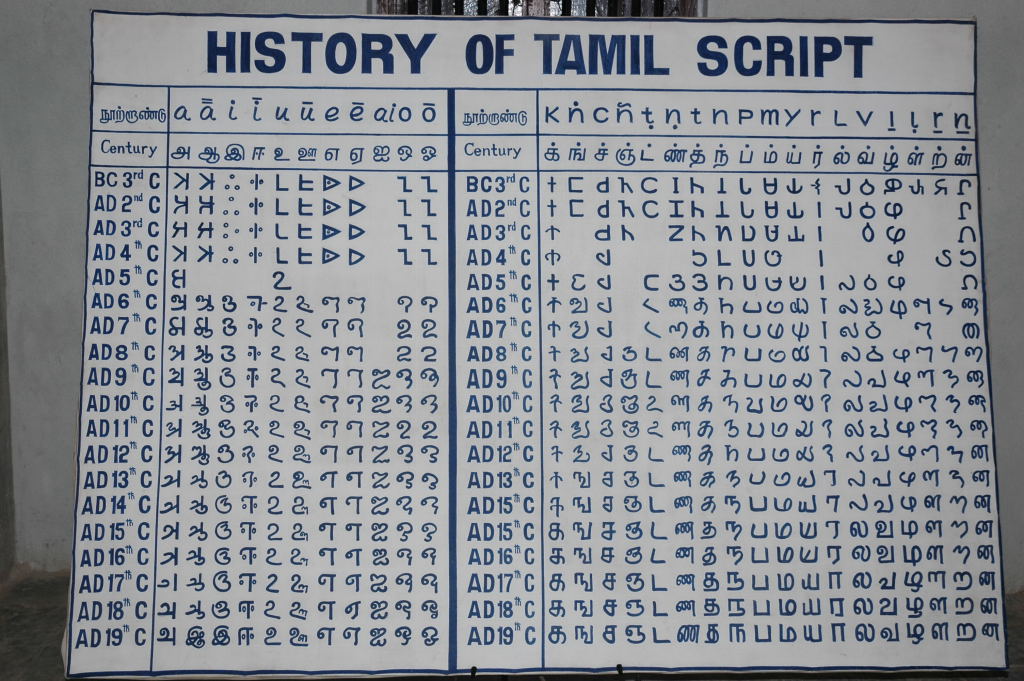
History_of_Tamil_script

Research paper written by London Swaminathan

Research article No.1534; Dated  31 December 2014.

The Wonder that is Tamil 2 : Tamil’s ban on ca, nja, ra, la, published on23-12-2014; The Wonder that is Tamil 1 : Tamil Talent beyond Belief! Published on 22-12-2014. Following is part-3:

More wonders from ancient Tamil literature:

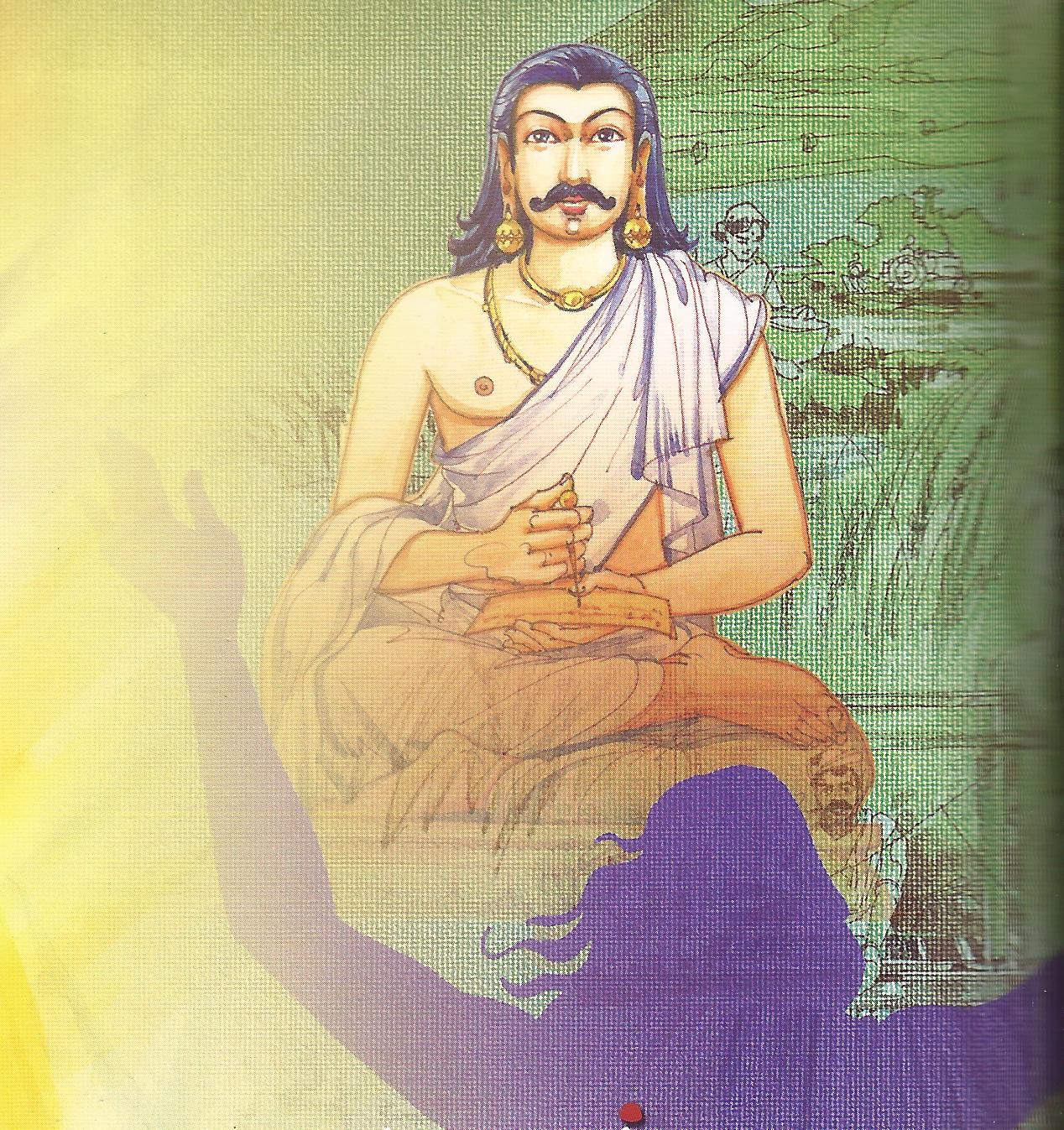
  1. Agastya was the first man to write a grammar for Tamil. But we lost it. His disciple Tolkappiyar wrote another book which is available today. Sage Agastya’s name is mentioned even in Rig Veda , the oldest religious book that is available today. But it is a clan (gotra) suffix. Any one born in that clan is called Agastya. So, Agastya linked to Tamil was a later one. Scholars believe he lived around 1000 BCE.
  1. “A “ for Apple is the way English teach alphabets! “ A “ for Amma (Mother) is Tamil teaching. A child will start with Amma/mother because Hindus consider mother as the first God. The saying in Tamil and Sanskrit is “Matha, Pitha Guru Deivam”. Two interpretations are available for this golden saying. Mohter, father and the teacher are gods for a child. Second explanation is Mother is number one, Father 2, Teacher 3 and then comes God. You must respect them in this order. God is relegated to fourth position!
  1. All Indian languages begin with “a”. It is not English “A” or Greek Alpha.

It is “ a” as in the English words like “ oven “ or “umbrella”. Most famous Tamil poet Tiruvalluvar knew this and said in his very first couplet “ As all the alphabets have the letter “a” for their first, so has the world the eternal God for its beginning. Tirukkural and the oldest religious scripture in the world The Rig Veda begins with this letter. “Akara muthala Ezuththellam”-Tirukkural. “Agni Meele Prohitham”-Rig Veda.

*No one can “study”, not read, all the poems in Tamil in one’s life time. Please read my article “To master Tamil language———“ in this blog.

  1. Tamil is one of the richest and oldest languages of the world. No one can understand Indian culture fully without studying Tamil and Tamil culture. It is on par with Sanskrit, Greek, Hebrew, Chinese and Latin in its richness.

5.Tamil is a vibrant language that has been producing literature continuously for over two thousand years.

6.Tamil means ‘sweetness’. Indeed it is a sweet language.
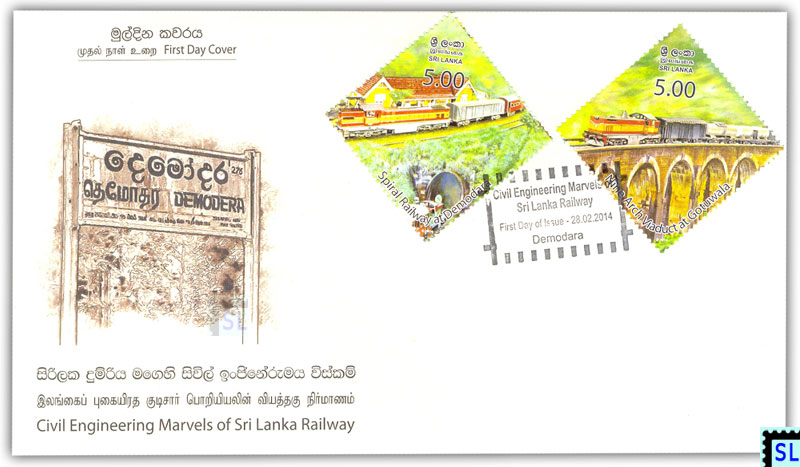
SL stamp

Sri Lanka is the only country in the world which issues stamps with Tamil name on them.

7.Tamil is classified as a Dravidian language and it is spoken by over 100 million people. Most of the Tamil speakers are in India. Other traditional areas are Sri Lanka, Malaysia, Singapore, South Africa, Fiji, Mauritius, Reunion, France and Guyana. Now Tamils are found everywhere from South Pole to North Pole in almost all countries in the world, but in small numbers. Telugu, Tulu, Malayalam and Kannada are sister languages of Tamil.

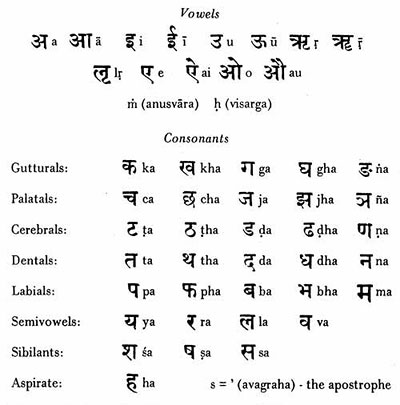
8.Tamils call their vowels ‘life letters’ and the consonants ‘body letters’. Needless to say it needs to function together. So the vowel consonants are called ‘life body’ letters. This is a unique approach to alphabets.

9.Tamils have a unique letter. We can’t even write it in any other language. So it is transliterated as ‘za’ in English. One has to curve one’s tongue and the tip of the tongue should touch the back of the upper part of the mouth. It is a retroflex letter. Scholars point out that the French rolling “  r ’’ sound and a letter in Chinese language come closer to the Tamil “ za “. E.g.Pazam in Tamil means fruit in English

  1. Some people find it difficult to learn this language because of three ‘ l ’ sounding letters and three ‘n’ sounding letters and two ‘r’ sounds. But practice makes one perfect. Christian missionaries mastered Tamil and Sanskrit to spread their religion. Where there is a will, there is a way!
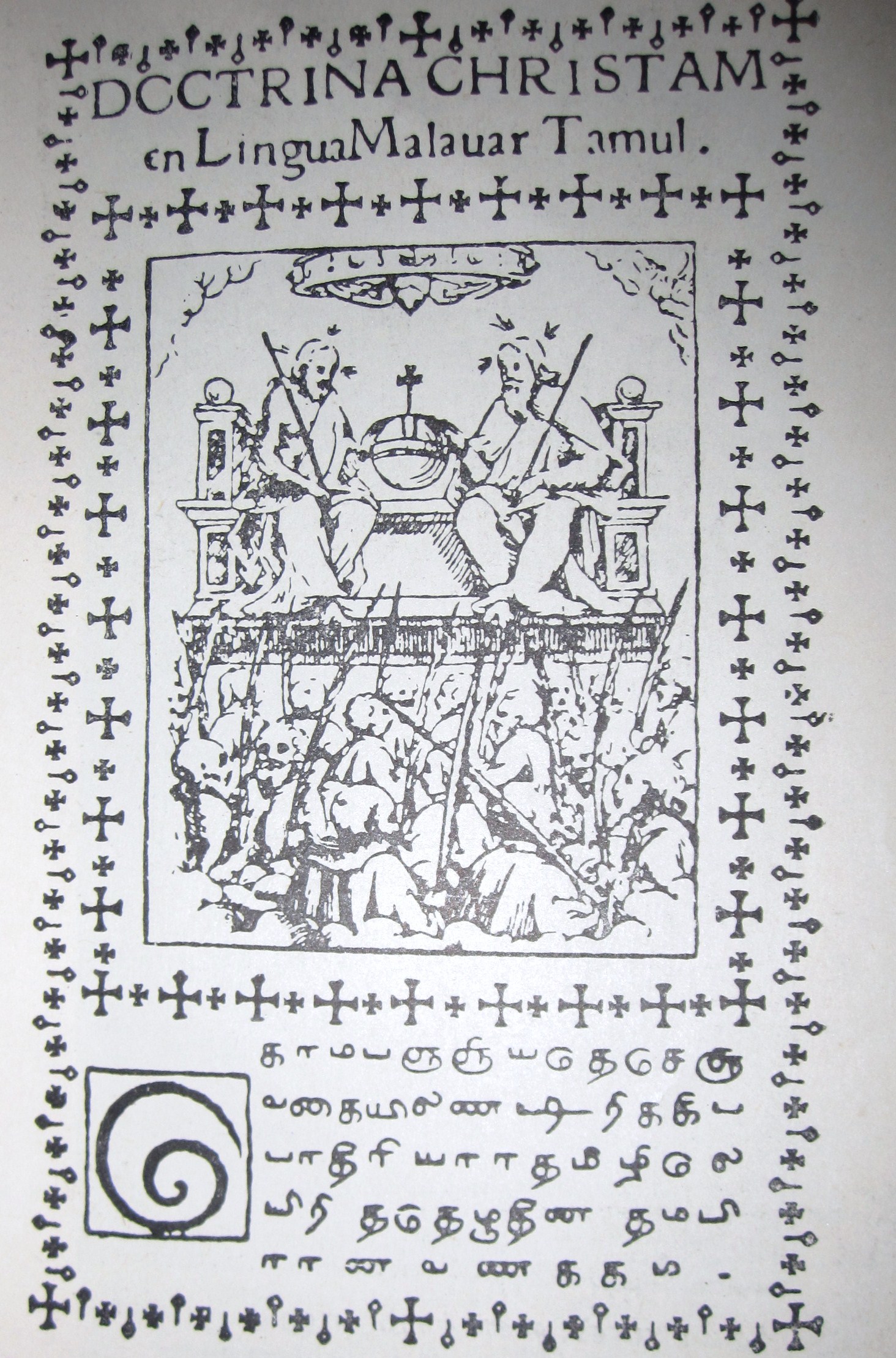
Thambiran_Vanakkam_1578

First printed book in India Thambiran Vanakkam in Tamil 1578

Oldest Printed Book is Tamil Book!

11.Tamil was the first language that went in to print in India. The oldest book was printed in Tamil. Harvard University (USA) museum has the oldest book “Thambiran Vanakkam” on display.

12.Tamil poetry is beautiful. It has got several genres. One of them is called Andhadhi (Sanskrit word meaning Andham+Adhi= End+Beginning. Normally 100 stanzas are in a poem and the second stanza will begin with the last word of the first stanza. Third stanza will begin with the last word of second stanza. This continuity will go up to 100 stanzas. Some poets go beyond this continuity and connect the last word of the last stanza with the first word of the first stanza. It is like a circle or a garland where there is no beginning or end. In Hinduism God is praised as one who has no beginning or end. Most famous Andhathi was on Goddess Abhirami composed by Abhirami Bhattar.

13.Tamils are very passionate about their mother tongue. One of the famous Tamil quotes says “Tamil race existed even before the stones became sand and they came in to existence with  swords’’- In Tamil: “Kal thondri man thondraa kaalathe Valodu mun thondriya mootha kudi’’  (i.e. they are talking about geological ages, when earth was still with hills and rocks).

14.The oldest Tamil book available today is Tolkappiyam written by Tolkappiyar. The book is a grammatical treatise dated first century BC or AD.
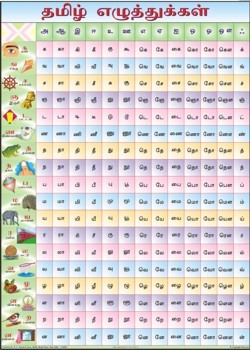
Tamil-Barakhari

247 letters!

15.Tamil alphabet has 247 letters (12 vowels ,18 consonants,216 vowel consonants and one more mysterious letter called Aytha Ezuthu. It is written with three dots and pronounced as ‘AH’. It has become almost obsolete today. The origin and use of this letter are a mystery. Scholars are still debating. Some people consider it may be like Sanskrit Visarga ‘ : ’ sound that brings out various missing sounds in Tamil.

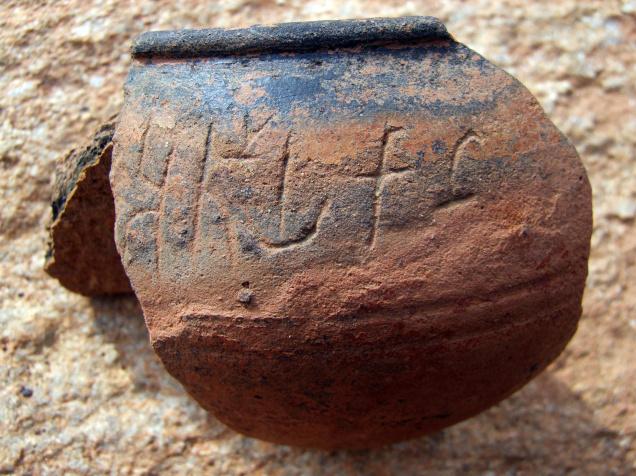
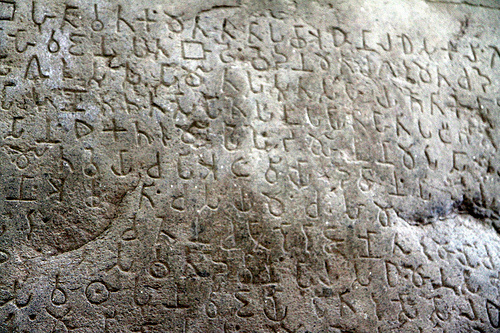
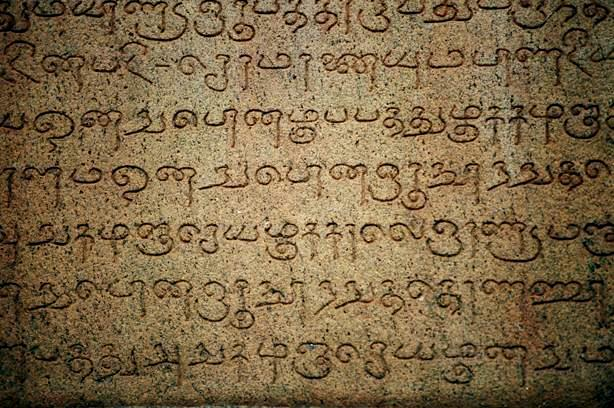
16.The Tamil alphabet used today was evolved from the North Indian Brahmi. If Tamil poets who lived two thousand years ago came alive today they can’t read today’s Tamil alphabet! The Brahmi that was adapted to bring Tamil sounds is called by modern scholars as “ Thamizi”. The oldest inscriptions can be seen around Madurai dated to 3rd century BC.
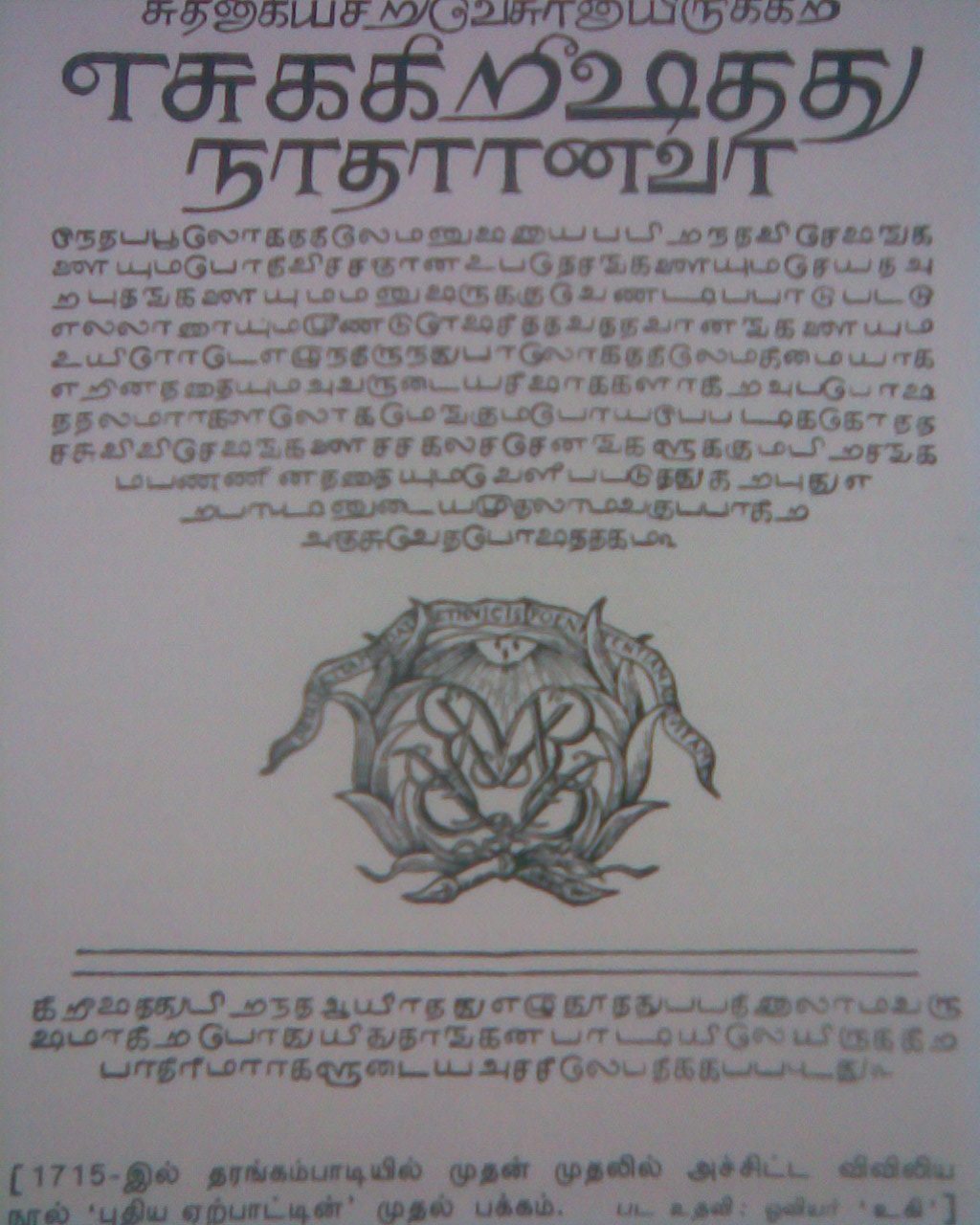
Tamil_bible_Printed_1715

Tamil Bible, published in  1715

Three Tamil Academies

17.Tamils had three academies to sponsor and nourish their language. But two were devoured by the sea. Two tsunami attacks were mentioned in ancient Tamil literature. The cities went in to sea. The Third Tamil Academy (Known as Tamil Sangam or Cankam) had 473 poets. They wrote 2000 + poems running to approximately 30,000 lines. They were based at modern Madurai. This literature is called Cankam or Sangam literature.

18.One of the commentators said that the three Tamil Academies existed over a period of several thousand years which is not possible. But he was using a figurative language and all the three Tamil Academies (Tamil Sangam or Cankam) existed only over a period of a few hundred years. (Please read my research article THREE TAMIL SANGAMS: MYTH AND REALITY, published on 25 February, 2012
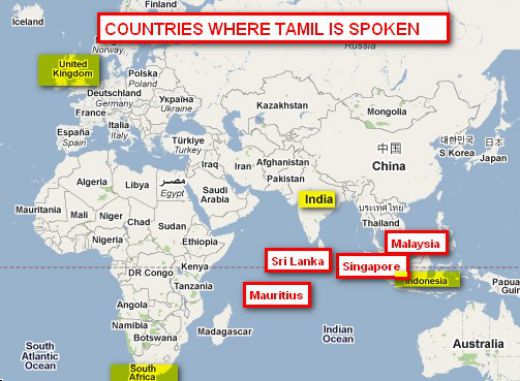
tamil countries

19.Sri Lanka is the only country in the world that issues stamps with Tamil name on them!

More Tamil wonders are coming…………………….. (contd.)

Contact swami_48@yahoo.com

Kalidasa’s Women and Tamil Women

ramalakshmana sita hanuman

Tribhanga pose of Rama, Lakshmana, Sita wth Hanuman.

Research paper written by London Swaminathan

Research article No.1526; Dated  28    December 2014.

The concept of womanhood, physical features of women, their beliefs, the customs they followed were amazingly similar from Himalayas to Kanyakumari, the Land’s end. This shows that their thoughts, words and deeds were same from their birth to death from North to South. It stands as a proof for the sons of the soil theory. They did not come in to India from foreign lands. They were born and brought up here and died here with their own beliefs. Wherever they went they took their beliefs. If they had come from outside India, customs like swayamvaram would have existed outside India. Hundreds of such customs are not found anywhere in the world except in Tamil and Sanskrit literature. Even their standing pose (tribhanga) was same from Indus valley to the southernmost tip.

Hindus have a custom of describing a woman’s body features from head to foot if it is human. If it is a goddess they have to describe her features from foot to head. This customs is followed in Tamil and Sanskrit literature. No one dares to look at the Goddess straight into her eyes. Even her side glance is enough to fulfil all the desires of millions of people, they believed. So they started describing her from foot to head. For ordinary women it was vice verse.

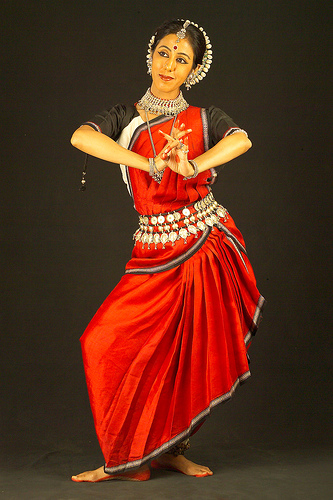
odissy tribhanga

Tribhanga in Odissi Dance

Following body features are same in Kalidasa and Sangam Tamil literature. We can see most of them in Valmiki Ramayana as well.

1.Women were always compared with the rivers and cities. Rivers were women and the sea was their husband.

2.Women were married on the Rohini Nakashatra (asterism) day as she was considered the favourite wife of the Moon.

3.Moon was considered the husband of all the 27 Stars. In other cultures Moon was a woman.

4.All the good qualities and virtues are given feminine names. This custom is followed until today (Karuna, Shanti, Satya, Anandi,Saumya, Saubhagya etc)

5.If someone sneezed, women thought some other women are thinking about their husbands.

6.Women counted their days when their husbands went on travel or Government service (such as war, foreign trips with Kings). It is in Meghaduta of Kalidasa and Sangam literature.

7.Kalidasa described women as wonderful creations of Brahma. He described them as Brahma’s Art Work! In Tamil they were compared to Anangus, who can “kill “anyone by their look.

8.Each City in India has a goddess protecting the city (Nagara Devata). Even Ravana’s Lanka had a city goddess- Lanka Devi.

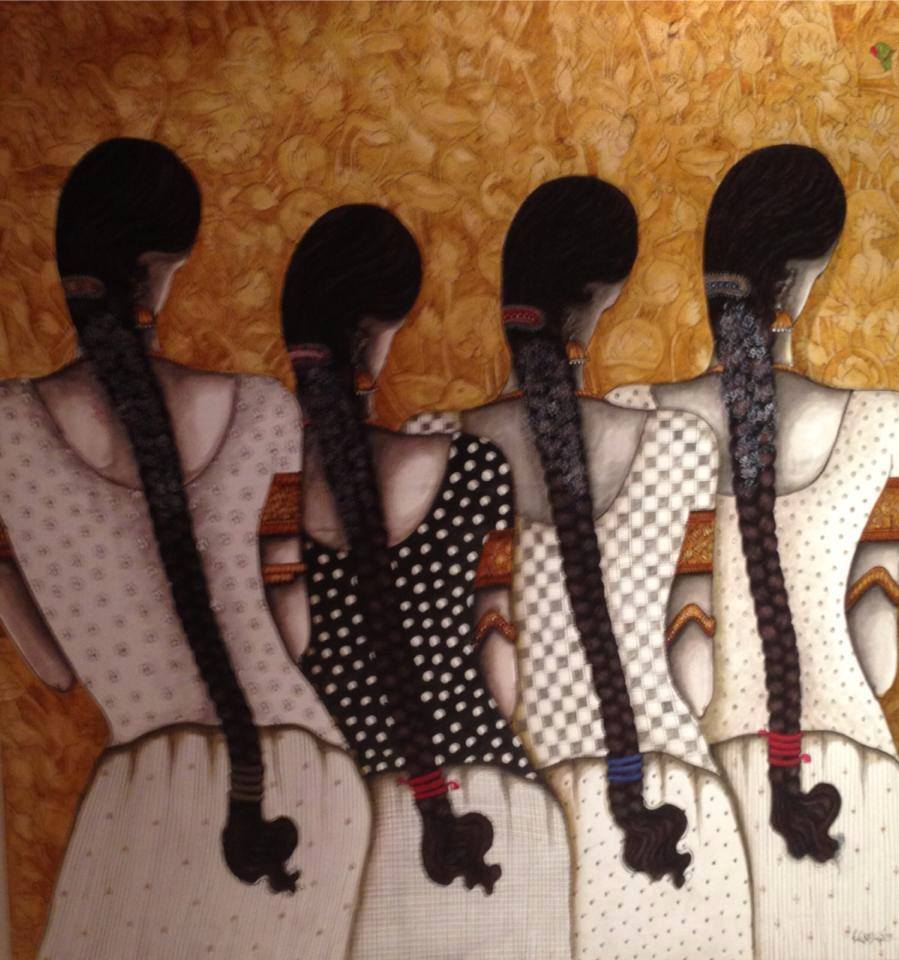
pinnu senchataiyal

  1. Women’s Body Features:

Hair – It is always compared to peacock feather in Kalidasa and Sangam literature

Gait- It is always compared with swan or goose

Thigh – Trunk of an elephant or Plantain/Banana Tree stem

Eyes: Deer

Voice: Koel or Parrot

Belly Button: whirlpool; vortex

Eye throbbing: Left is good for women; Right is good for men.

Hair do: If the husband is away they don’t decorate their hair

Fasting: They fast for good children and Husband’s long life

Chaste women: Chaste women have miraculous powers, but they rarely use them.

Symbol of Love: Chakravaka birds are described as symbol of love; they always remain together.

Tree and Creeper: Men are trees and Women are creepers in both the languages.

Face of Women: Bright and cool like Moon

Paintings: Both men and women had paintings of their beloveds

Teeth are compared to white flowers

Lips are compared with corals or Bimba fruit

Broad Chest/breast, Narrow waist, Broad Thighs are the features of Indian women.

Women longed for children and believed male children will help them to go to heaven.

Women wanted heroic children and mothers were called Veea Mata in Tamil and Sanskrit literature.

More than 200 topics are similar in Kalidasa and Tamil literature including the above topics on women. This shows that Sangam Tamils knew very well Kalidasa’s works and used them. Unknown Prakrit poets of Gatha Saptasati also imitated Kalidasa, but they were not known to anyone, because their products were secondary productions. Very rarely we see originality; may be one or two like Hala are exceptions.

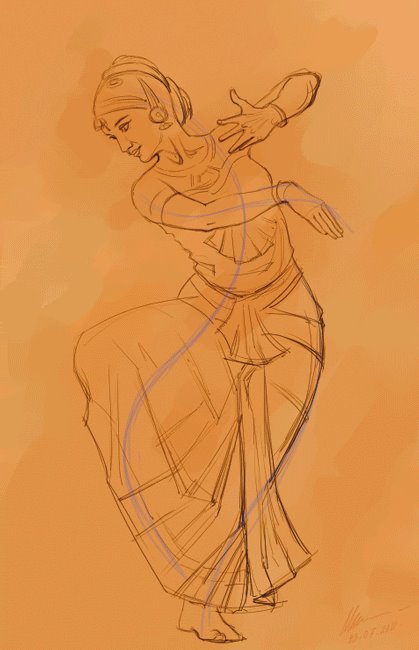
dance line drawing

Gatha Sapta Sati never touched Tamil God Skanda where as Kalidasa and Sangam Poets dealt with Skanda Murukan in the same way. Gatha Spata Sati touched Lord Ganesh where as neither Sangam poets nor Kalidasa dealt with Lord Ganesh.

My forty year research in to Sanskrit, Tamil and Prakrit literatures show that Tamils and Prakrit poets knew Kalidasa works by heart. Rev G U Pope who studied Tamil and Sanskrit works wrote about it 150 years ago.

Under 200 topics I have more than 1000 references. I have given one below:

In Syama – vine I see your slender limbs;

Your glance in the gazelle’s startled eyes

In the cool radiance of the moon in your face

Your tresses in the peacock’s luxuriant train

Your eye brows graceful curve in stream’s small waves

But alas! O cruel one, I see not

Your whole likeness anywhere in any one thing – Kalidasa’s Megadutam 103

kerala beauties

“Conferring the radiance of the moon

On the faces of lovely women,

the entrancing tones of wild geese

on their gem-filled anklets,

the Banduka’s vibrant redness

on their luscious lower lip,

the splendour of bountiful autumn

is now departing – to who knows where – 3-25- Kumarasambhava

Also Sakuntala Act 2-10,11, Rtu Samharam 3-24/26`

Tamil Kalitokai 55, 56 (This part of Kurinji Kali was composed by Brahmin poet Kabilan, who was well versed in Sanskrit)

Dr G U Pope said that Kabilan followed Kalidasa.

“ Hero wanted to say something about my features. He looked at my forehead which was like crescent moon, but it was not the crescent moon. Face looked like moon but there were no dark spots like moon; shoulders looked like bamboos; but this was not born in the hills; eyes were like lotus flowers; but not from the pond; she walks like a peacock, but she is not a bird; she spoke like a parrot; but not actually a parrot. He pretended praising me like this.

“ Your glance is like the glance of a deer; your hair is soft like swan’s; you are like a pea cock; your shoulders are like bamboos and they are the boats that helps one to cross the Sea of Lust; your breasts are like the buds of areca nut tree.

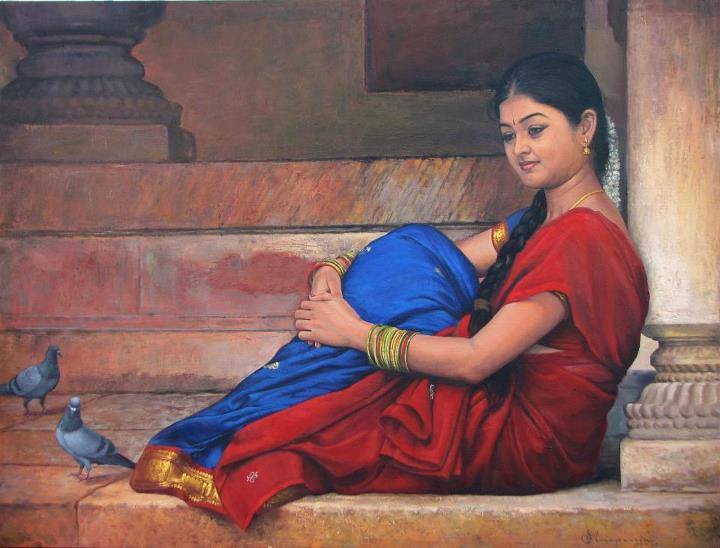
thathrupam pen

Comparing women of Kalidasa with Sangam Tamil works bring out many literary gems from both the literatures.

contact swami_48@yahoo.com

தமிழ், சம்ஸ்கிருத இலக்கியத்தில் மோதிரங்கள்!

238ring3

கட்டுரையை எழுதியவர் :– London swaminathan

ஆராய்ச்சிக் கட்டுரை எண்- 1521; தேதி 27 டிசம்பர், 2014.

வால்மீகி ராமாயணத்தில் அனுமன் கொண்டுசென்ற மோதிரத்தை சீதையிடம் கொடுத்த காட்சி மிகவும் பிரசித்தமான காட்சி. இதே போல சாகுந்தலம் எனும் உலகப் பிரசித்தி பெற்ற நாடகத்தில் துஷ்யந்தன் கொடுத்த மோதிரமும் பலரும் அறிந்ததே. எந்தெந்த மொழிகளில் ராமாயணம் எழுதப்பட்டதோ அந்தந்த மொழிகளில் சீதை மோதிரம் பெற்ற காட்சி கட்டாயம் இருக்கும். காளிதாசனும் ரகுவம்சத்திலும் இதைக் குறிப்பிடுவான்.

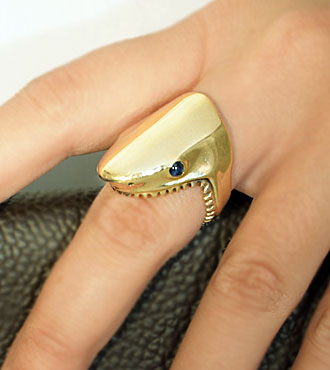
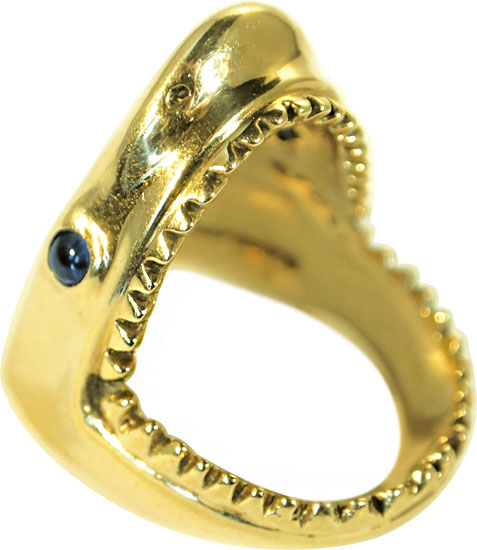
காளிதாசனின் மற்றொரு நாடகமான மாளவிகா அக்னிமித்ரத்திலும் பாம்பு மோதிரம் வருகிறது. சங்கத் தமிழ் இலக்கியத்தில் கலித்தொகையில் மருதன் இளநாகன் பாடிய மருதக் கலியில் சுறாமீன் மோதிரம் பற்றி வருகிறது. விசாகதத்தன் எழுதிய முத்ரா ராக்ஷசத்திலும் மோதிரம் முக்கியப் பங்கு ஆற்றுகிறது.

இலக்கிய நயத்தை ரசிப்பவர்களுக்கு மட்டுமின்றி மோதிர ஆராய்ச்சியில் ஈடுபடுவோருக்கும் இவற்றிலிருந்து பல செய்திகள் கிடைக்கின்றன:–

treasure_goldcoins_thazhi_1

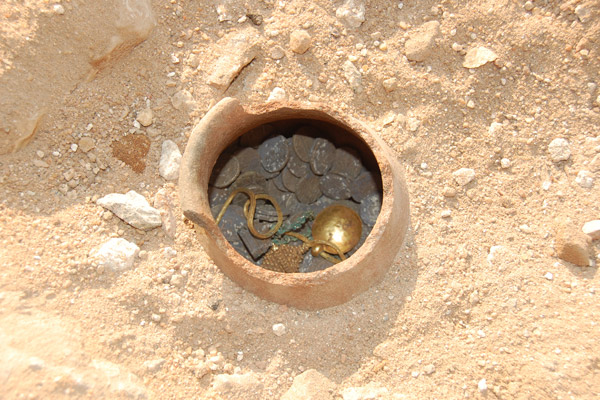
Ring found near Karur in a  Perumal temple

1.மோதிரங்கள் அரசாங்க முத்திரைகளாக பயன்படுத்தப்பட்டன.

2.சகுந்தலைக்கு துஷ்யந்தன் கொடுத்த மோதிரத்திலும், சீதைக்கு ராமன் அனுப்பிய மோதிரத்திலும் அவரவர் பெயர்கள் இருந்தன. அதை அந்தப் பெண்மணிகள் படித்தனர். அந்தக் காலத்தில் பெண்களுக்கு எழுத்தறிவு இருந்ததை இது காட்டுகிறது.

3.மாளவிகாக்னிமித்ர நாடகத்தில் பாம்பு மோதிரம் மூலம் விஷம் இறக்கப்படுகிறது. மோதிரம் குறித்த நம்பிக்கைகளை இது காட்டுகிறது.

4.சகுந்தலையை மணம் புரிய விரும்பிய துஷ்யந்தன் நிச்சயதார்த்த மோதிரமாக அவளுக்குக் கொடுக்கிறான். இப்பொழுது வெளிநாடுகளில் “என்கேஜ்மென் ட் மோதிரம்” — என்பது மிகப்பெரிய விஷயம்- மிகப்பெரிய பிஸினசும் கூட. இந்த வழக்கத்தை உலகிற்குக் கற்பித்தவர்கள் இந்துக்களே.

roman-jewelry-seal-ring

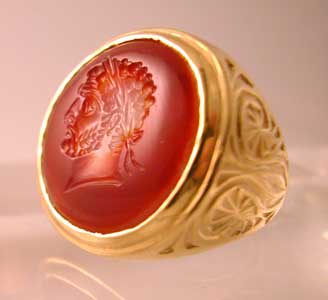
Romanian ring

5.ராமர், துஷ்யந்தன் மோதிரங்களில் அவரவர் பெயர் இருந்தது அந்த காலத்தில் இருந்த பெயர் எழுதும் வழக்கத்தையும் சிந்து சமவெளி நாகரீகத்துக்கு முன்னமேயே இப்படி பெயர்கள், எழுத்துக்கள் பயன்படுத்தப்பட்டதையும் காட்டுகிறது. சிந்துவெளி எழுத்து முத்திரைகளிலும் பெயர்கள், ஊர்கள் இருக்கலாம்.

6.கலித்தொகையில் பரத்தை வீட்டுக்குச் சென்ற தலைவனுக்கு ஒரு பரத்தை மோதிரம் கொடுத்ததும் அதில் சுறாமீன் படம் இருந்ததும் தெரியவருகிறது. பரத்தையிடம் எல்லோரும் பொருளை இழப்பர். ஆனால் இங்கோ பரத்தை அன்பின் மிகுதியால் ஒரு வாடிக்கையாளருக்கு மோதிரம் கொடுத்ததை அறிகிறோம்.

roam ring with name

Roman ring with their names

7.கலித்தொகை மோதிரக் காட்சியில் தலைவி கோபத்துடன் வசைமாரி பொழிவது தெரிகிறது. மன்மதனின் மகரக் கொடியில் உள்ள சுறாமீன் படத்தைக் காட்டி உன் இதயத்தை நிரந்தரமாக வசப்படுத்துகிறாளோ என்று தலைவனையும் விலைமாதரையும் குறை கூறுகிறாள்

8.வெளிநாடுகளில் மோதிரங்கள், கிரீடங்கள், நகைகள் ஆகியவற்றை காட்சிக்கு வைக்கின்றனர். இதனால் அவர்களுக்குப் பெரும்பொருள் கிடைக்கிறது. இந்தியர்களும் இவ்வாற் செய்யவேண்டும். நாம் அனைத்தையும் உருக்கி அழித்து விட்டோம் — ஆனால் இன்னும் கூட மன்னர்களின் அரண்மணைகளிலும், கோவில்களிலும் பொக்கிஷங்கள் உள்ளன. அவற்றிலும் ஆராய்ச்சி செய்யலாம்.

9.இந்திய செல்வங்கள் அனைத்தும் வெளிநாட்டு ஏல நிறுவனங்களுக்கு ரகசியமாக வந்து விடுகின்றன. இதைத் தடுக்க அரசும், சர்வ தேச  நிறுவனங்களும் ஏற்பாடு செய்ய வேண்டும்.

10.ரோமானிய மோதிரங்களை தமிழர்கள் இறக்குமதி செய்திருக்க வாய்ப்புகள் உண்டு. மீன் பொறித்த, டால்பின் பொறித்த மோதிரங்கள் கிரேக்க , ரோமாஇய கலாசாரங்களில் உள்ளன. கப்பல் ஓட்டி வரும் மாலுமிகள் அனதந்த நாட்டிலுள்ள விலைமாதர்களிடம் செல்வதும் செல்வங்களை இழப்பதும் உலகறிந்த விஷயம். பாலியல் நோய்களுக்கே கடலோடி நோய்/ மாலுமி நோய்கள் என்று பெயர்.

Tamil-Heritage-Foundation

Tamil heritage foundation later adopted this emblem from the ring that disppeared mysteriously from Tamil Nadu.

11.ரகுவம்ச காவியத்தில் காளிதாசன் ரத்ன அங்குலீயம் அணிந்த மன்னர்களைக் குறிப்பிடுவான். திருப்பதி, திருவனந்தபுரம் கோவிலகளிலும் மன்னர்களின் அரண்மனை கஜானாக்களிலும் இன்று அதுபோல மோதிரங்கள் இருக்கின்றன. அவைகளைக் காட்சிக்கு வைத்தால் பெரும்பொருள் கிடைக்கும்.

238ring22

இதோ கலித்தொகை மோதிரப்பாடல்:

சிறுபட்டி; ஏதிலார் கை எம்மை எள்ளுபு நீ தொட்ட

மோதிரம் யாவோ? யாம் காண்கு;

அவற்றுள் நறாவிதழ் கண்டன்ன  செவ்விரற்கு ஏற்பச்

சுறா ஏறு எழுதிய மோதிரம் தொட்டாள்

குறி அறிந்தேன்;  காமன் கொடி எழுதி என்றும்

செறியாப் பரத்தை இவன் தந்தை மார்பில்

பொறி ஒற்றிக்கொண்டு ஆள்வல் —–

( மருதக் கலி, கலித்தொகை)

museum ring 1

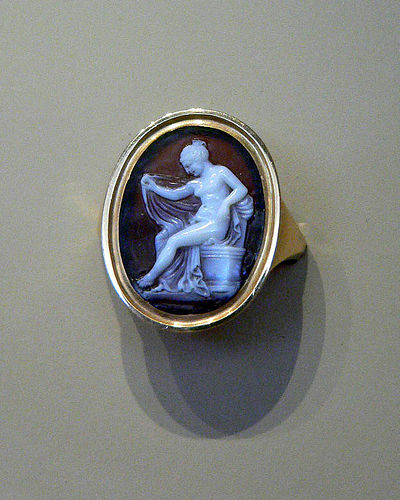
Romanian cameo ring

சீதைக்குக் கிடைத்த மோதிரம்

சுந்தர காண்டத்தில் சீதையிடம் அனுமன் மோதிரத்தைக் கொடுக்கவும் அதில் ராம என்னும் நாமத்தைக் கண்டு ஆனந்தக் கண்ணீர் விடுகிறாள் சீதா தேவி. அனுமன் மீது புதிய நம்பிக்கை பிறக்கிறது. அந்தக் காலத்தில் புதியோரிடம் இப்படி அடையாளப் பொருளைக் கொடுத்து அனுப்புவது வழக்கம் என்றும் தெரிகிறது

இதே போல துஷ்யந்தன் கொடுத்த மோதிரமே கடைசியாக சகுந்தலையை மன்னனிடம் இணைக்கும் சாட்சியாக / தடயமாக அமைகிறது. அதை அவள் சோம தீர்த்தம் என்னும் இடத்தில் புனித நீராடுகையில் தவற விடவே அதை ஒரு மீன் விழுங்குகிறது அதைப் பிடித்த செம்படவர்கள் அதை அரசனிடம் சேர்ப்பிக்கின்றனர். அது பழைய நினைவுகளைக் கொணரவே அவன் மீண்டும் சகுந்தலையை ஏற்கிறான். அதற்கு முன்னர் அவளை யார் என்று தெரியாது என்கிறான். அவன் கொடுத்த நிச்சயதார்த்த மோதிரத்தை அவனே மறந்து விடுகிறான்.

காளிதாசனின் மாளவிகா அக்னிமித்ர நாடகத்தில் வரும் பாம்பு மோதிரமும், ரகு வம்சத்தில் வரும் சீதை மோதிரக் காட்சியும், சாகுந்தலத்தில் வரும் மோதிரக் காட்சியும், விசாக தத்தன் நாடகத்தில் வரும் மந்திரி ராக்ஷசனின் மோதிரக் காட்சியும் வால்மீகி முனிவரால் தோற்றுவிக்கப்பட்ட கருவில் உருவானவையே என்பதில் ஐயமில்லை.

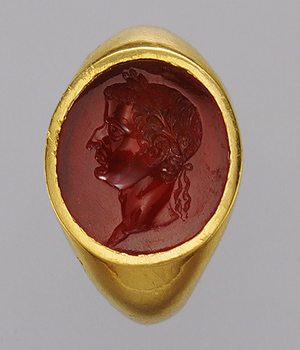
tiberius

கொடுங்கோலர்களான நந்த வம்சத்தினரின் ஆட்சியினை சாணக்கியன் என்னும் பார்ப்பனன் வேருடன் வீழ்த்திய முத்ரா ராகஷச வரலாற்று நாடகத்தில் நந்த வம்ச மன்னன் மந்திரி ராக்ஷசனின் மோதிரம் முக்கியப் பங்காற்றுகிறது.

ஆக மோதிரம் என்பது பழங்காலத்தில் முக்கிய அடையாளம், முத்திரை, அரசாங்கச் சின்னம் என்பதை அறிய இந்த இலக்கியக் குறிப்புகள் உதவும். மேலை நாடுகளில் மோதிரங்கள் பற்றிய தனி ஆராய்ச்சிப் புத்தககங்கள் கிடைக்கின்றன. கண்காட்சிகளில் மோதிரங்கள் பளிச்சிடுகின்றன. நாமும் மோதிர ஆரய்ச்சி செய்து இருக்கும் மோதிரங்களிலாவது கிடைக்கும் வரலாற்றுத் தடயங்களை அறிதல் வேண்டும்.

தமிழ் நாட்டில் கிடைத்த ஒரு அருமையான ரோமானிய மோதிரம் ஒரு சில நாட்களுக்குள் மாயமாய் மறைந்து பெரும்பரபரப்பை ஏற்படுத்தியது. அது இப்பொழுது வெளிநாட்டில் இருக்கும் என்பதும் அதைவிற்றவர் பல லட்சம் பெற்றிருப்பார் என்பதும் ஊகித்தறியக்கூடியதே.

contact swami_48@yahoo.com

வடமொழி, தமிழ் மொழி பற்றி இலக்கண வித்தகர்கள் கூற்று

tamil vowels

கட்டுரையை எழுதியவர் :– London swaminathan

கட்டுரை எண்- 1519; தேதி 26 டிசம்பர், 2014.

மூதறிஞர் வ.சு.ப.மாணிக்கம் எழுதிய தொல்காப்பியக் கடல் என்ற நூலில் இருந்து தொகுக்கப்பட்டவை:–

சுவாமிநாத தேசிகர்

1.“சுவாமிநாத தேசிகரின் இலக்கணக்கொத்தோ பாயிர நூற்பாக்களிற் சில அடிகளையொதுக்கிடின் நல்ல இலக்கணப் புதுமைகொண்ட நூல் என்பதைப் பலரும் ஒப்புவர்

வடமொழி தமிழ்மொழி யெனுமிருமொழியினும்

இலக்கணம் ஒன்றே யென்றே யெண்ணுக  – இலக்கணக்கொத்து

பெருந்தேவனார்

2.தமிழ் சொல்லிற்கெல்லாம் வடநூலே தாயாகி நிகழ்கின்றமையின் அங்குள்ள வழக்கெல்லாம் தமிழுக்கும் பெறும் – வீரசோழிய உரை ஆசிரியர் பெருந்தேவனார்

சேனாவரையர்

3.ஒரு சொல்லாய வழித் தமிழ் சொல் வடபாடைக்கட் செல்லாமையானும், வட சொல் எல்லாத் தேயத்திற்கும் பொதுவாகலானும் – சேனாவரையர்

சிவஞான முனிவர்

4.தமிழ்நூல் ஒன்றே வல்ல உரையாசிரியர்கள் உரை உரையாகா எனவும் வடநூல் உணர்ந்தாற்கன்றித் தமிழியல்பு விளங்கா எனவும் ஊறும் வீறும்பட உரைத்தார் சிவஞான முனிவர்

சுப்ரமண்ய தீக்ஷிதர்

5.வடமொழிக்கும் தமிழ் மொழிக்கும் இலக்கணம் ஒன்றே எனவும் தமிழும் திசைச் சொல்லேயாம் எனவும் பொதுமையும் திசைமையும் கண்டார் சுப்பிரமணிய தீக்கிதர்.

சுவாமிநாத தேசிகர்

6.இவர் எல்லோரும் விஞ்சுமுகத்தான்

அன்றியும் ஐந்தெழுத்தால் ஒருபாடை யென்று

அறையவும் நாணுவர் அறிவுடையோரே

ஆகையால் யானும் அதுவே அறிக  – இலக்கணக்கொத்து சுவாமிநாத தேசிகர்

skt_vowel1

சிவப்பிரகாசம்

தொன்மையவாம் எனுமெவையும் நன்றாகா இன்று

தோன்றிய நூல் எனுமெவையும் தீதாகா

–சிவப்பிரகாசம்

சுவாமிநாத தேசிகர்

7.நூலாசிரியரே உரையும் எழுதும் வழக்கம்

நூல்செய்தவனந் தவனந் நூற்குரை யெழுதல்

முறையோ எனிலே அறையக் கேள்நீ

முன்பின் பலரே என்கண் காணத்

திருவாரூரில் திருக்கூட்டத்தில்

தமிழ்க்கிலக்காகிய வயித்திய நாதன்

இலக்கண விளக்கம் வகுத்துரை எழுதினன்

அன்றியும் தென்றிசை ஆழ்வார்திருநகர்

அப்பதி வாழும் சுப்பிரமணிய

வேதியன் தமிழ் ப்ரயோக விவேகம்

உரைத்துரை எழுதினன் ஒன்றே பலவே

—சுவாமிநாத தேசிகரின் உரை நூற்பா

  1. முக்கிய தமிழ் இலக்கண நூல்கள்

தொல்காப்பியம், வீரசோழியம், நேமிநாதம்

நன்னூல், இலக்கண விளக்கம், பிரயோக விவேகம்

இலக்கணக் கொத்து, தொன்னூல் விளக்கம்

முத்துவீரியம், சுவாமிநாதம்

contact swami_48@yahoo.com

பஞ்சபூதங்களைக் கண்டுபிடித்தது யார்?

bhutas

Research paper written by London Swaminathan

Research article No.1515; Dated  25    December 2014.

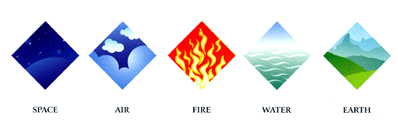
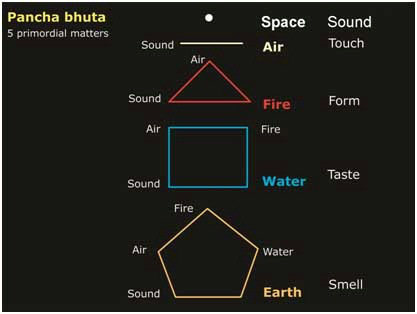
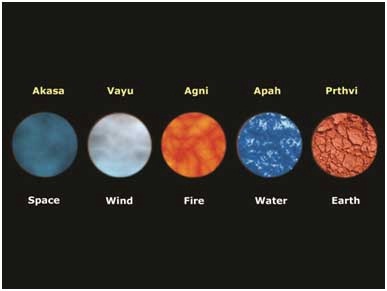
நிலம், நீர், தீ, வளி (காற்று), விசும்பு (ஆகாயம்) என்பன பஞ்ச பூதங்கள், அதாவது ஐம்பூதங்கள். சிவ பெருமான் இந்த ஐந்து ரூபத்தில் இருக்கும் தலங்கள் தென்னிந்தியாவில் இருப்பதை நாம் அறிவோம்.

இதே பஞ்சபூதக் கொள்கை சிறிது மாற்றங்களுடன் கிரேக்க நாட்டிலும் ,பாபிலோனிய கலாசாரங்களிலும் உள்ளன. புத்தர்களும் சமணர்களும் இதை இந்துக்களிடமிருந்து இரவல் வாங்கி அவரவர் மனப்போக்கில் உருவாக்கி சீனா, ஜப்பானுக்கு ஏற்றுமதி செய்தனர். அங்கு சில மாறுதல்களுடன் இன்றும் உளது.

இதனை நாம்தான் கண்டுபிடித்தோம் என்பதற்கு என்ன ஆதாரம்?

மிகப் பழமையான தைத்ரீய உபநிஷத்திலும் அதன் தமிழ் மொழிபெயர்ப்பு புறநானூற்றுப் பாடலிலும் உள்ளன. அதைப் பாடியவர் முரஞ்சியூர் முடிநாகராயர், பாடல் 2..

உபநிஷத்தில் இருப்பதால் மட்டும் இதை நாம் கண்டு பிடித்ததாகச் சொல்ல முடியுமா? பாபிலோனியாவிலும் பழைய ‘’எனுமா எலிஸ்’’ என்னும் பாடலில் உள்ளதே என்பர் சிலர். முதலில் அந்த எனுமா எலிஸ் என்பதே ரிக் வேதத்தில் உள்ள பிரபஞ்சத்தின் தோற்றம் (க்ரியேஷன்)  பற்றிய பாடலின் மொழி பெயர்ப்பு என்பதை என் ஆங்கிலக் கட்டுரையில் ஒப்பிட்டுக் காட்டி இருக்கிறேன். மேலும் அந்தக் கொள்கை நம் கலாசாரத்தில் ஊறியது போல வேறு எங்கும் காணப்படவில்லை.

சங்க இலக்கியத்தின் பல பாடல்களிலும், காளிதாசன் காவியம் முழுதும் ஐம்பெரும் பூதங்களின் ஆற்றலையும், குணங்களையும் மன்னனுக்கு ஒப்பிடுவது மரபு.

5-primordial-elements-7

தீப்போல எதிரிகளை அழிப்பவன், தண்ணீர் போல கருணையுள்ளவன், காற்று போல வேகம் உள்ளவன், ஆகாயம் போல சர்வ வல்லமை உள்ளவன், பூமி போல பொறுமையும் உறுதியும் உடையவன் என்று இலக்கியங்கள் போற்றும்.

இதோ புறநானூற்றுப் பாடல் 2

மண் திணிந்த நிலனும்

நிலம் ஏந்திய விசும்பும்

விசும்பு தைவரு வளியும்

வளித்தலைஇய தீயும்

தீ முரணிய நீரும், என்றாங்கு

ஐம்பெரும் பூதத்து இயற்கை போலப்

போற்றார்ப் பொறுத்தலும், சூழ்ச்சியது அகலமும்

வலியும், தெறலும், அளியும் உடையோய்

இந்தப் பாடலைப் பாடிய திரு..நாகராஜன் (நாகராயர்) நால் வேத நெறியே பிறண்டாலும் பால் புளித்தாலும் —- என்றெல்லாம் கூறுவதில் இருந்து நால் வேதம் அறிந்தவர் என்பது புலனாகிறது. மேலும் தைத்ரீய உபநிஷத்தும் காளிதாசனும் சொன்னதைச் சொல்வதில் இருந்து நாடு முழுதும் இக்கொள்கை இருந்ததும் புலனாகிறது. முரஞ்சியூர் நாகராஜன் (முடி நாகராயர்) இமயத்தையும் பொதியத்தையும் இதே பாடலில் குறிப்பிடுவதால் இமயத்தில் இருந்து சிவபெருமான கட்டளையை ஏற்று தமிழ் வளர்க்க வந்த அகத்தியன் கதையை அறிந்தவர் என்பதும் புலனாகிறது. இதே போல காளிதாசனும் மலயம், பாண்டியன், அகத்தியன் ஆகிய அனைவரையும் ரகுவம்ச காவியத்தில் அடுத்தடுத்து குறிப்பிடுவான். ஆக காளிதசனின் செல்வாக்கு தமிழ் இலக்கியத்தில் பரவியதற்கு இது மேலும் ஒரு சான்று.

இதோ தைத்ரீய உபநிஷத் (பிரம்மவல்லி; அனுவாகம்1:

பரமாத்மாவிடமிருந்து

ஆகாயம் தோன்றியது

ஆகாயத்தில் இருந்து காற்று

காற்றில் இருந்து தீ

தீயில் இருந்து தண்ணீர்

தண்ணீரில் இருந்து பூமி தோன்றியது

panchabhuta-1

ஆக இதே வரிசையை எல்லா இடங்களிலும் காணமுடிகிறது.

காளிதசன் ரகுவம்ச (1-29) காவியத்தில் — ‘’திலீபனைப் படைத்த பிரம்மா அவனிடத்தில் ஐம்பெரும் பூதங்களையும் படைத்தார்’’ என்கிறார். ஏனெனில் அவனும் ஐம்பெரும் பூதங்கள் போல பயன்பட்டான் என்பார். அறிவியல் நோக்கில் பார்த்தால் நாம் அனைவரும் உடலில் ஐம்பெரும்பூதங்கள் உடையவர் — அண்டத்தில் உள்ளது பிண்டத்திலும் உள்ளது — என்பது ஆன்றோர் வாக்கு. இதையும் கிரேக்கர்கள் நம்மிடமிருந்து வாங்கி அப்படியே மாக்ரோ காஸ்ம்- மைக்ரோகாஸ்ம்—சொன்னார்கள். எம்படோக்ளிஸ் என்பவர் ஆகாயம் என்பதை விட்டுவிட்டு நால் பெரும் பூதங்களைக் குறிப்பிடுவார்.

அதுமட்டுமல்ல (4-11) ரகுவம்சத்தில்,

ரகு பிறந்தவுடன் ஐம்பூதங்களும் புதுப்பொலிவு எய்தின என்கிறான் காளிதாசன். இந்த உவமைகள் எல்லாம் அக்காலத்தில் மக்கள் நன்கு அறிந்த கருத்துகள் இவை என்பதையும் காட்டுகின்றன.

மன்னர்களை ‘பூ புக்’ என்று சம்ஸ்கிருதத்தில் சொல்வர். அதாவது மண் உண்ணுபவன் —- மாற்றார் தேசங்களை வெல்வதால் மன்னனுக்கு இந்தப் பெயர். இதை காளிதாசனும் புறநானூற்றில் குறுங்கோழியூர் கிழாரும் (பாடல் 20) பாடுகின்றனர்.

சுதக்ஷிணை கருவுற்றவுடன் மசக்கையால் மண் உண்டாள். ஏன் தெரியுமா எதிர்காலத்தில் (ரகுவம்சம். 3-4) அவள் கருவில் தோன்றும் ரகு உலகாளப் பிறந்தவன் என்பார்.

குறுங்கோழியூர் கிழாரும் :

பிறர் மண் உண்ணும் செம்மல்; நின் நாட்டு

வயறு மகளிர் வேட்டு உணின் அல்லது

பகைவர் உண்ணா அரு மண்ணினையே

என்கிறார். இதுவும் வடமொழி வாசகத்தின் பொழி பெயர்ப்பே. ஆக பாரதம் முழுதும் ஐம்பெரும் பூதம் பற்றி வேத காலம் முதற்கொண்டு சங்க காலம் வரை ஒரே கருத்து இமயம் முதல் குமரி வரை ஈரான் முதல் இந்தோ நேஷியா வரை ( இவை இரண்டும் ரகுவம்சத்தில் வருகின்றன ) நிலவின என்றால் அது மிகையாகா.

அவ்வையார் பாடிய புறப்பாடலில் (92) மன்னனை தந்தை என்கிறார். காளிதாசன் மன்னனை விஷ்ணு என்று போற்றுவார். தமிழில் கோவில் என்றால் அரண்மனை, இறைவன் உறைவிடம் என இருப் பொருளுண்டு. இறை என்றாலே கடவுள், மன்னன் ஆகிய இரண்டு பொருள் உண்டு. ஆக தமிழர்களும் முன்காலத்தில் மன்னை தெய்வமாக மதித்ததற்கு சங்கப் பாடல்களில் நிறைய சான்றுகள் உள.

பஞ்சபூதக் கருத்து இன்றும் நம்மிடையே இருப்பதற்கு பஞ்சபூத க்ஷேத்ரங்கள் நாம் எல்லோரும் வழிபடும் தெய்வத் தலங்களாக நீடிப்பதே சான்று கூறும்.

contact swami_48@yahoo.com

Tamil’s ban on Ca, Nja, Ra, La!

tolkappiyar

The Wonder that is Tamil-2

Research paper written by London Swaminathan
Research article No.1511; Dated 23 December 2014.

Tolkaappiam is the oldest Tamil book available today. It was written by Tolkaappian also known as Truna Dumagni. Most of the scholars date him around 1st century BCE. Tolkappiam has some strange rules that are not followed anymore. One of them is that he says Ca, Nja, Ra, La cannot be the initial letter of Tamil words. Every language has got its own peculiar rules. But Indian languages, which have come from Tamil and Sanskrit, form words in the same way. So it looks very strange that he included Ca – letter in the banned list of letters. No commentator explained the reason for it. Major languages in the world have got words beginning with the letter Sa or Ca

Though Tolkaappian said it, we find at least 14 words beginning with letter ‘Ca’ even in the ancient Sangam literature. Mostly they are Sanskrit words. Tamils had three Sangams/Cankams (Academies or Associations of scholars). Even those academies were called “Sangam/Cankam”, a Sanskrit word.

I was wondering why he included the letter “Ca” in the banned list of letters. Sanskrit has four different sounds in Ca- Varga i.e.Ca,Cha,Ja,Jha
In addition to these, there are three sibilants Sa, Sa, Sha.

06fr_Nagaswamy_boo_1134438g

Vyasa was called “Sa-kara kukshi” for his over use of the letter Ca/Sa. Probably Tamils wanted to avoid repeating the same.

Nasal sound ‘Nja’ is used mostly in Malayalam nowadays. We have a few words in Sangam corpus.
Letters L and R:– When they write Loka they add U with loka (Ulaoka), when they write Ramayana they add I and write Iramayana and when they write Lanka they add I and write Ilankai.

Tamil_Brahmi_Potsherd

Aytha Letter of Three Dots
Another strange Tamil letter is three dots ஃ with sound Ah. This is rarely used nowadays. Even in the Sangam days it was not used much. Tamil can survive without this letter. Since this is not found in ancient inscriptions, but mentioned by Tolkaappian, people even date him somewhere in the first few centuries of Common Era (A.D.)

Pobably Tolkappian was the one who invented this letter. But we need more proof to make such a sweeping statement. Though it looked like Sanskrit Visarga with two dots “ : ”, Tamil letter was not used like Visarga.

The other peculiar sound is Au as in English ‘Ow’l. Though both Tamil and Sanskrit have this as part of the vowel list, no one used it in the olden times. Even in the modern voluminous Sanskrit dictionaries, we have only four pages under Au. It shows that Indians developed their language in the same way. Being the sons of the soil, from the Himalayas up to Kanyakumari , they thought the way and spoke in the same way!

kolam painting

Who invented the Alphabet?
“A” is the first letter in most of the languages in the world. The earliest record of this as the first letter is found in the Rig Veda. Civilized and cultured Languages evolved in India and influenced other languages of the world. The voluminous Vedic literature and the highest thoughts of human welfare in it, stand as a good proof for Indian genius. Neither Hebrew nor Greek could produce anything when the Rig Veda was compiled by Veda Vyasa. Hindus say that it happened in 3100 BCE and modern scholarship say that it had happened in 1500 BCE. Either way it was well before Greek and Hebrew literature.

Tamil book Tirukkural in its very first couplets says,

“As all alphabets have the letter A for their first, so has the world the eternal God for its beginning”.
Even before Valluvar said it in his Tirukkural, Lord Krishna said that “Aksharanam akarosmi” (Bhagavad Gita 10-33) i.e. “Of the letters I am the letter A”.

He also said “he is the mono syllable Aum ( Bhagavad Gita 10-25)”, which is made up of A+U+M, again the letter A as the first one.
Bible repeated it in the Revelations 216, “I am the Alpha and the Omega”.

tol2

But even before the Bhagavad Gita, we find that all Vedic Mantras begin with Aum and the first and the last hymn of the Rig Veda is on Agni. Agni begins with A.
The first mantra in the oldest book Rig Veda begins with “Agni Mile Purohitam……”

Hindus contributed this A sound to all the major languages of the world i.e. they made the alphabet with A as the first letter. We know that the English word “ alphabet” is made up of Greek letters Alpha+Beta. Sanskrit and Tamil have the full list of vowels in the world!

contact swami_48@yahoo.com

Amazing Tamil-Sanskrit Similarities! Helps to decipher Indus Script!

Ashoka_Rock_Edict_at_Junagadh

Junagadh Rock where Asoka, Rudradaman and Skanda Gupta inscribed their achievements.

Research paper written by London Swaminathan
Research article No.1504; Dated 21st December 2014.

(Tamil version of this article is also available)

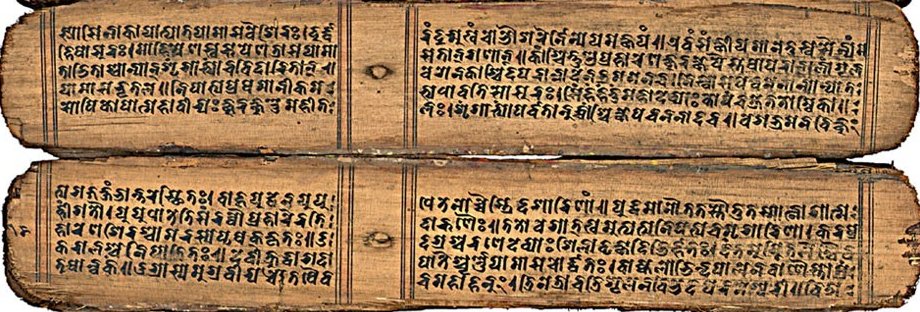
In the first part of the article under the title “Tamil and Sanskrit have common Ancestry”, I compared the Bhagavad Gita and Tamil Veda “Tirukkural” and showed how the Tamilians and Sanskritists thught in the same way. Also showed how both the languages behave in the same way and proved that they have common ancestry. Once we understand this process it is easy to decipher the Indus script. 25 percent to 30 percent of the scripts on the seals must begin with vowels or similar sounds. It is easy to fix the controversial dates of Tiruvalluvar and Manikkavasagar. I will give my views on these subjects in separate articles. Now I will give you more examples to show that Tamil and Sanskrit came from the same source and evolved in the same way.

I have found out that (1) whether it is Sanskrit verses or Tamil verses 25 to 30 percent of verses will begin with words in vowels. (2) The second thing is that the verses with short sound words will be more than the long sound words. For instance there will be more verses with ‘’a’’ than ‘aa’ or with ‘Ka’ than ‘Kaa’. (3) This uniformity shows that Indians can think in only one way and the Indian languages will behave the same way.

If we go to Oxford dictionary and see how many words begin in vowels (a,e,i,o,u) we can’t even compare them with Tamil or Sanskrit because the language (vowels) is not similar. You can’t differentiate from the dictionary whether it is long A or short A unless you go through the pronunciation of each and every word (E.g. a, all, ant, and etc)

junagadh-5
Junagadh Asokan Inscription

Look at the following examples:
Bhagavad Gita : Verses beginning with vowels 171 out of 700 i.e. 24%
Viveka Chudamani of Shankara: Vowel slokas 150 out of 580 i.e. 25-86%
Kumara Sambhavam: vowel slokas 160 out of 623 i.e. 25-68%
Sakuntalam: Verses with Vowels as initial letters 54 out of 198 i.e. 27-27%
(There is one sloka with Au as initial letter in Shakuntalam; though it is one of the vowels both in Tamil and Sanskrit there is no sloka except one verse in Shakuntala.)

Now compare them with the Sangam Tamil Literature:
Natrinai : 115 verses out of 400 begin with vowel words 28-75%
Akananuru : 111 verses out of 400 i.e. 27-75%
Purananuru: 119 verses out of 400 29-75 %
Kuruntokai: 108 out of 400 i.e. 27%
Ainkurunuru 156 out of 500 i.e 31-2 %
Kalitokai 48 out of 150 i.e. 32%
suvadi_spl
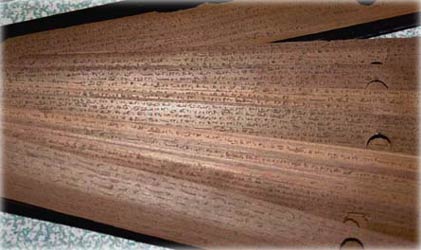
Tamil Manuscript on palm leaves

Post Sangam Period
Naladiyar 133 out of 400 i.e. 33%
Pazamozi 121 out of 400 i.e. 30-25%
Tirukkural 508 out of 1330 i.e. 38-12%
Tiruvasagam 172 out of 656 i.e. 26-2%

Post Sangam verses have more percentage i.e. over 30 %. This method will determine their dates of the works as well. But I will prefer this and use of Sanskrit words must be taken into account ( 50% for use of Sanskrit words+50 % for this method).

I will give you a few examples to show how verses with short and long sounds begin:
Natrinai: a 35, aa 8, I 26, ii 2, u 20, uu 1, e 9, ee 0, ai 3, o 7, oo 4
Akananuru: a 42, aa 6, I 24, ii 2, u 17, uu2, e 9, ee 1, ai 0, o 11, oo4

Throughout Tamil literature and Sanskrit we can see this up and down between short and long sounds.

It is same in Sanskrit works; I will give you a few examples:
Bhagavad Gita: a 97, aa 17, I 21, ii 1, u 9, uu 2, Ru 1, ee, 21, oo2, ai 0, au-0
V. Chudamani: a105, aa 14, I 8, ii 1, u 7, uu 0, Ru 1, ee 13, oo 0, ai 1
Kumara sambhavam: 85, 14, 23, 2, 20, 1,1, 14, 0,0

skt olai
Sanskrit manuscript on palm leaves

No one dictated to the poets to write this way. There is no grammar book giving such a rule! These show Tamil and Sanskrit have a common ancestry. I want to name this method after my father Santanam. So I will call this Santanam Method subject to the approval of the scholars of Tamil and Sanskrit speaking world.

Contact swami_48@yahoo.com
Tamil and Sanskrit: Rewrite Linguistics Theory

reading

Tamil and Sanskrit: Rewrite Linguistics Theory

Research paper written by London Swaminathan
Research article No.1502; Dated 20th December 2014.

People who don’t know Tamil and Sanskrit have written lot of theories in Linguistics. Once they know all the rules governing Sandhi (joining rules for words or phrases) rules in Tamil and Sanskrit, they will reconsider their theories. People wrote that Aryans got X sound after mingling with the Dravidians and Dravidians got Y sound after coming into contact with the Aryans etc. They fixed their own point in a circle and called it as the starting point. People who know what a circle is know there is no starting point or finishing point. It is in your mind that you fix a point. In the same way they said that Aryans came with Sanskrit from somewhere in Europe and Dravidians came with Tamil from the Mediterranean. But once you change the starting point as India, all their linguistic theories fall like pack of cards. They will crumble into powder.

Somewhere I read that Aryans had D sound only and then they got soft L sound from Dravidians. But this D/L or R/L changes are natural. They are in Tamil itself:

Pal+Podi = Parpodi (tooth + powder= tooth powder)L=R
Kal+Kudiyan = Katkudiyan (Toddy+Drinker= toddy drinker)L=T
Kan+Sevi = Katsevi (snake)N=T
There are hundreds of examples like this.

Whatever the linguists explain as changes due to two language speakers coming in to contact with each other are happening in the language itself!
There are scores of changes occurring in Tamil itself. In Sanskrit language Sandhi rules is a big chapter, a must for all Sanskrit students.

brain 2
We know that Sanskrit has sister languages in Europe. Once you know that Indians moved from Ganges plains to Europe then all the words are explained. In the same way we see lot of words in Greek (which according to those linguists a language related to Indo-European in turn to Indo Aryan languages) from Tamil. I have given a long list of Tamil words in Greek in one of my previous articles; I can give a few now

Clepto=Kalavu (Theft)
Tele=Tolai (Long)
Paleo= Pazaiya (old)
Mega = Ma (big)
Terra= Tarai (Terrain)
Cota=Sutta (burnt)
Odo=Odu (run)
Nereids=Neer (water)
Oryza= Arisi (Rice)
Ginger=Inji (Zingibera)
Hora= Orai (Hour)
Yavanika = (Ezini) Curtain
Even before Alexander invaded the North West of India, we see Greek/Tamil words. So it has nothing to do with Alexander’s invasion.

linguist book

There are thousands of English words similar to Tamil. No linguistics theory can explain them ( I have one note book full of such words. Sathur Sekaran from Tamil Nadu was interviewed by me at the BBC Tamil Service in London in the 1990s on his book with the same theme). Once we know that all the major languages are related either to Sanskrit or Tamil, then there is no explanation needed.

Indian Civilization Originated in the East

Ganges is referred to in the oldest part of the Rig Veda. Hindus named East as Purva Disa. All words with the same sound mean ‘the oldest’ , ‘the beginning’, ‘the first’. If some asked you what is your Purvikam? It means what is your origin? Pura means ‘once upon a time’, ‘Purana. means old story, Purva means East, Purvika= ancestry, Purva Disa= East, East belongs to Indra. East is called Direction of Indra.

brain

Dravid Maharashtra

I read a review for a booklet titled “Dravid Maharashtra” (Marathi book by Vishwanath Khaire, published by Sadhna Prakashan, Shaniwar Peth, Pune-30) in 1978. It is about place names in Maharashtra which are similar to Dravidian place names. The author examined a large number of place names in Maharashtra and traced them back to their Tamil origin. He argued that Maharashtra may be the missing link between the Aryan and Dravidian cultures. I have read similar articles linking lot of place names in Pakistan and Afghanistan to Tamil names. No wonder people find link with Sanskrit or Tamil place names around the world. Adri Rishi’s name with Adriatic Sea, Kasyapa Rishi’s name with Caspian Sea, Kashyapa Rishi’s name in Kashmir, Agastya’s name with Augustus, Iran’s name with Arya, Syria’s name with Surya, Lebanon’s name with Lavana (salty white), Laos name with Lava etc.

linguistic_levels13721
We have proof for all these things; but only westerners refused to accept them as proof because they thought we all came into India like them (British,French , Portuguese and the Dutch). This theory suited their political ends. Even when they found out Vedic names in the Cunieform tablet in Turkey dated 1400 BCE, even when they found Dasaratha’s name in Amarna letters of Egypt, even when they found Sanskrit Horse Manual in Syria/Turkey, they never included them in the text books in India but included a scores of chapters about their own reformation to civilize Indians!!

Indian scholars, who were after big jobs at high level in the British ruled India, played second fiddle to them. When you change the theory that Indians went out from the subcontinent to spread culture and civilization, then everything falls in its place. Horse originated in India is the latest theory. Indians were the pioneers in iron and steels in the ancient world. So, you change the date for all these things and then their theories will bite the dust.

Moses has no proof! Raging Controversy!

Without any historical or archaeological proof for Moses they have founded three great Semitic religions. Still they were debating whether Moses existed. His name is repeated 136 times in Quran. There is a raging controversy in British and American newspapers every week about Moses because a new film is being released on 26th December, 2014 .

All the mysterious links with Tamil and Sanskrit are explained logically once you change the dates and starting point. No one needs to accept Western dates. If everything needs to be supported by archaeology their religions will disappear, their literature would have no date. Max Muller fixed 200 year rule only for Vedic language. If you apply the same rule to Greek and Tamil, the dates for their literature will crumble like powder. No date for Homer and Tokappian will pass the litmus test.

In short you can challenge the Western theories in every respect. You can pay them by their own coin.

Sanskrit and Tamil have Common Ancestry!

tamil

Research paper written by London Swaminathan
Research article No.1499; Dated 19th December 2014.

Scholars have been wondering for long about some of the Tamil words found in Rig Veda and other Vedic literature.

E.g. Neer=Water, Min = Fish, Mayur=Pea cock are a few words in the Vedic literature that are considered Tamil

In the same way Tamil scholars are disputing the Sanskrit words found in the oldest Tamil book Tolkappiam.
E.g. Kala= Time, Kama= desire (particularly sexual), Manas= mind, Bhuta as in Pancha Bhuta= elements etc.

These are only few examples. It is a pity that the so called scholars knew only one of the two ancient languages of India. People in the North knew Sanskrit in addition to Hindi. People in the South knew Tamil and English to some extent. If both of them have studied both Tamil and Sanskrit, they would have known that there is more similarity between the two languages than dissimilarities.

If there is any one language in the world that is closest to Tamil, that is Sanskrit. If there is anyone language in the world that is closer to Sanskrit, that is Tamil. Most of the worlds in the major languages of the world can be traced back to these two languages. The thought process, beliefs, customs and culture are amazingly similar. Those who study Sangam Tamil literature would know that there is no difference in values or customs between the South and the North. They may very rarely come across one or two exclusively Tamil customs, which is possible in any part of the world that are geographically wide apart.

If someone finds similarity with Ur in Sumer with Ur=Town in Tamil, immediately there will be another one to point out Ur in Sumer is similar to Pur/Pura in Sanskrit. The fact of the matter is almost all the words in ancient languages can be traced back to Tamil or Sanskrit. These are the two languages that coexisted long before several ancient languages. More over languages tend to branch out and develop new dialects depending upon the geography, climate, history of other language speakers coming in to contact etc.

sanskrit-letters

One more example from English
In English, if we look at numbers ONE and EIGHT, the sounds are similar to Tamil in
ONE= ondru in Tamil
EIGHT = Ettu in Tamil
If we go deeper in to it, it will show Une/Eine are the basis of ‘one’
Eight= Octo/Ashta are the basis for ‘eight’

This is to show that it can only branch out in the Sanskrit way or the Tamil way.

Biggest Proof
The biggest proof lies in the ancient poems of two languages. If we go to the index page of any old poetry book either in Tamil or Sanskrit we can see amazing similarity between the poems staring in vowels. For instance, in any Tamil or Sanskrit book, the poems beginning with the words in vowels will form 25 % of the entire work or one third of the work.

Devimahatmya_Sanskrit_MS_Nepal_11c
Look at the following example:

Slokas in Bhagavad Gita with initial letter a- 97, aa-17, i-21, ii-1, u-9, uu-2, kru-1, ee-21, oo-2.
Total = 171 out of 700 slokas
Tamil ‘Tirukkural’
a-157, aa-23, i-114, ii8, u-81,uu-21, e-45,ee-9,ai-4, 0-40, 00-6
= 508 out of 1330

Though Tamil and Sanskrit have ‘Au’ as one of the vowels, there is no verse beginning with Au (ow sound as in Owl) in Tirukkural or Bhagavad Gita!!

This is not the only one similarity. We can see another pattern. Vowels with short sound (a,e,u,o) will have more verses than vowels with long sounds (aa, ee, uu, oo etc)

Nobody could have gone to a Tamil or Sanskrit poet thousands of years ago and dictated that you must sing verses starting with this vowel these many times only. This is a natural process. In fact the vowels and case suffixes are nearly same in Tamil and Sanskrit.

I have done research for years comparing these languages initial letters of the poems. The charts show a clear pattern. I will give more charts in the second part. The Sandhi rules (joining of words) and internal changes when compound words are created are also unique to Tamil and Sanskrit.

If I add tooth+powder in English it is tooth powder, but not in Tamil or Sanskrit!

contact swami_48@yahoo.com

tamil 3

கொங்கர் உள்ளி, ஹோலி, சுமேரிய புருள்ளி விழாக்கள் ஒன்றா?

Holi at udaipur
Holi in Udaipur

கட்டுரையை எழுதியவர் :– லண்டன் சுவாமிநாதன்
ஆராய்ச்சிக் கட்டுரை எண்- 1451; தேதி 2 டிசம்பர், 2014.

சுமேரியாவில் ஹிட்டைட்ஸ் இனத்தினர் கொண்டாடிய வசந்த கால விழாவின் பெயர் புருள்ளி, இந்துக்கள் கொண்டாடும் வசந்த கால விழாவின் பெயர் ஹோலி, கொங்கர்கள் கொண்டாடும் விழாவின் பெயர் உள்ளி. பெயரில் மட்டுமின்றி குறைந்தது இரண்டு விழாக்களி லாவது வசந்த காலத்தின் பெயர் வருகிறது. இதில் ஹோலியைத் தவிர மற்ற இரண்டு விழாக்களின் விவரங்கள் மிக மிகக் குறைவாகவே கிடைத்திருக்கின்றன.


உள்ளி விழாவைப் பற்றி அகநானூறு 368-ல் மதுரை மருதன் இளநாகனார் பாடி இருக்கிறார்.

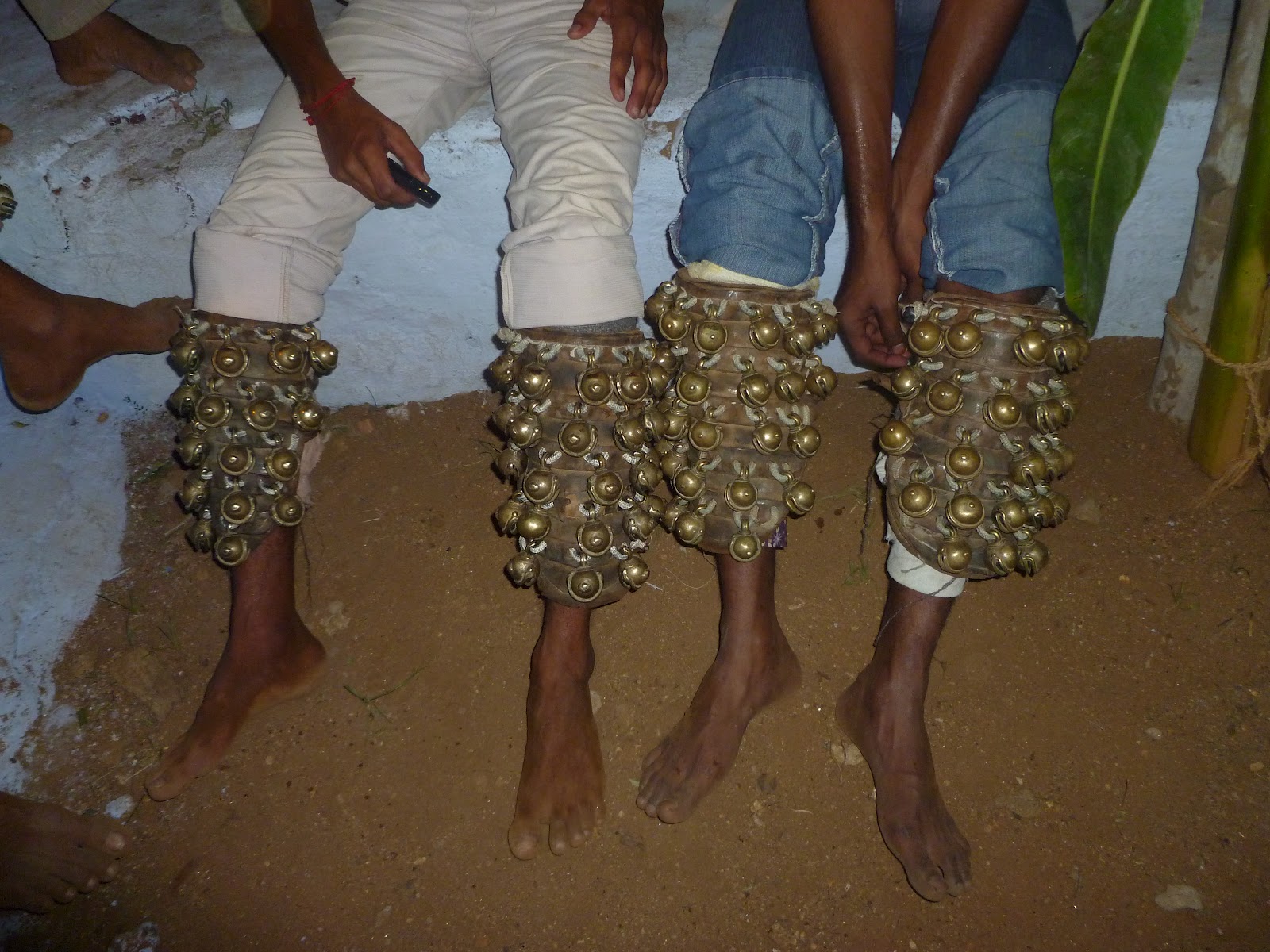
“வாழி தோழி! கொங்கர்
மணி அரை யாத்து மறுகின் ஆடும்
உள்ளி விழவின் அன்ன
அலர் ஆகின்று, அது பலர் வாய்ப்பட்டே” என்று பாடல் முடிகிறது.

பொருள்: கொங்கு நாட்டு மக்கள், இடையில் மணியைக் கட்டிக்கொண்டு தெருவில் ஆடும் உள்ளி விழாவின் போது ஏற்படும் ஆரவாரம் போல பலர் வாயிலும் பேசப்பட்டு (காதல் விவகாரம்) வதந்தி (அலர்) பெரிதாகப் பரவிவிட்டது. இன்னும் சில பாடல்களில் இருந்து இது சேர நாடு முழுதும் கொண்டாடப்படதும் தெரிகிறது.

இது தவிர வேறு செய்திகள் கிடைக்கவில்லை.
holi-b-26-3-2013

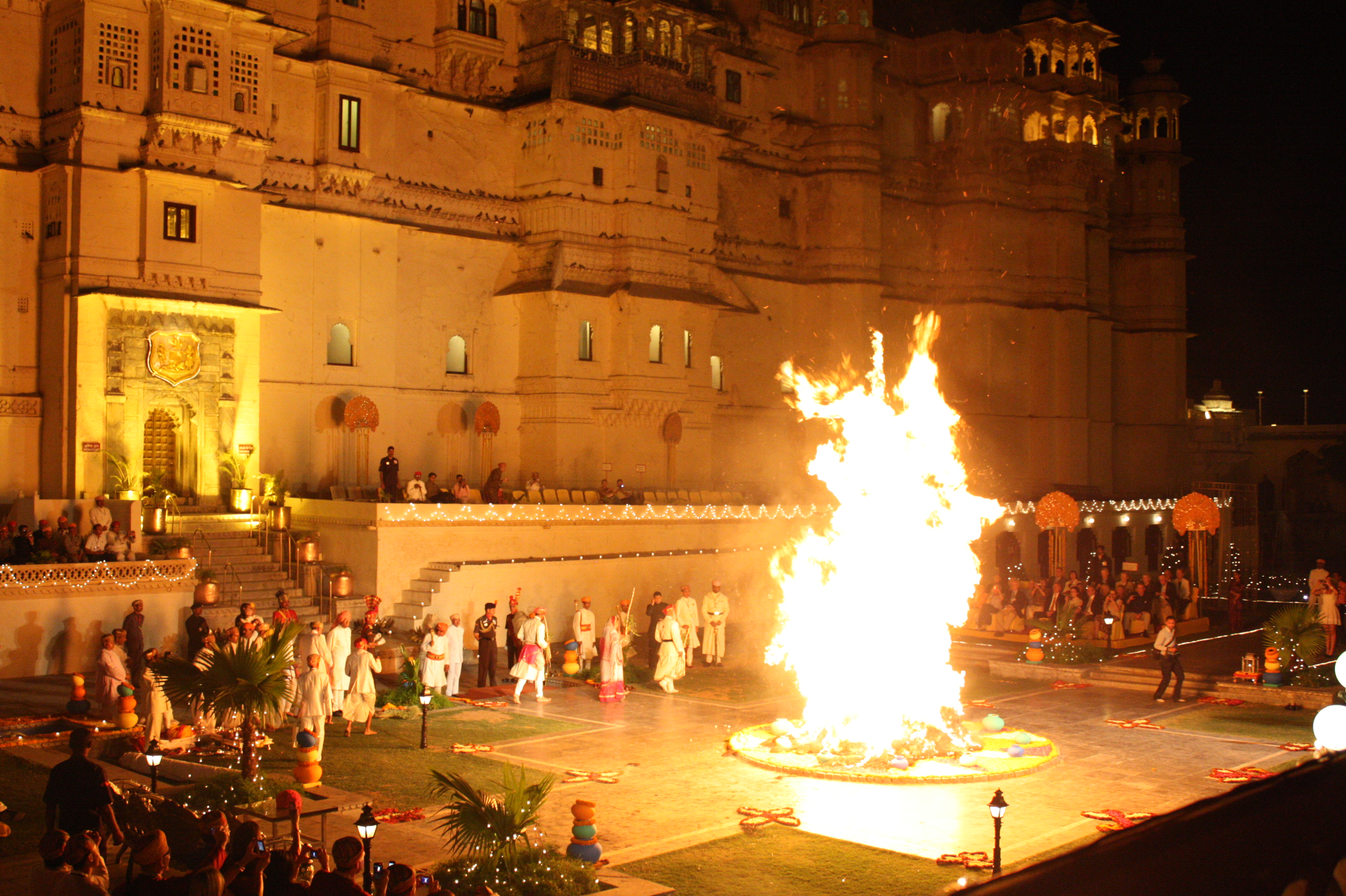
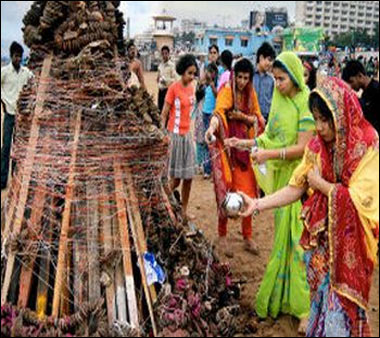
ஹோலி விழா, வசந்த காலத்தை வரவேற்கும் விழா ஆகும். வண்ணப் பொடிகளைத் தூவி வசந்தத்தின் வருகையைக் கொண்டாடுவர். ஹிரண்யகசிபுவின் சகோதரி ஹோலிகா எரியுண்ட தினம் அது என்பதால் அன்று சொக்கப்பனையில் அவள் உருவத்தை எரிப்பர். சிறுவன் பிரஹலாதனை ஏமாற்ற முயன்று அவள் ஏமாந்தாள் என்பது கதை.ஆகவே ஹோலி என்பது துஷ்ட சக்திகளை நல்ல சக்திகள் வென்ற நாளாகும்.

சுமேரிய விழா
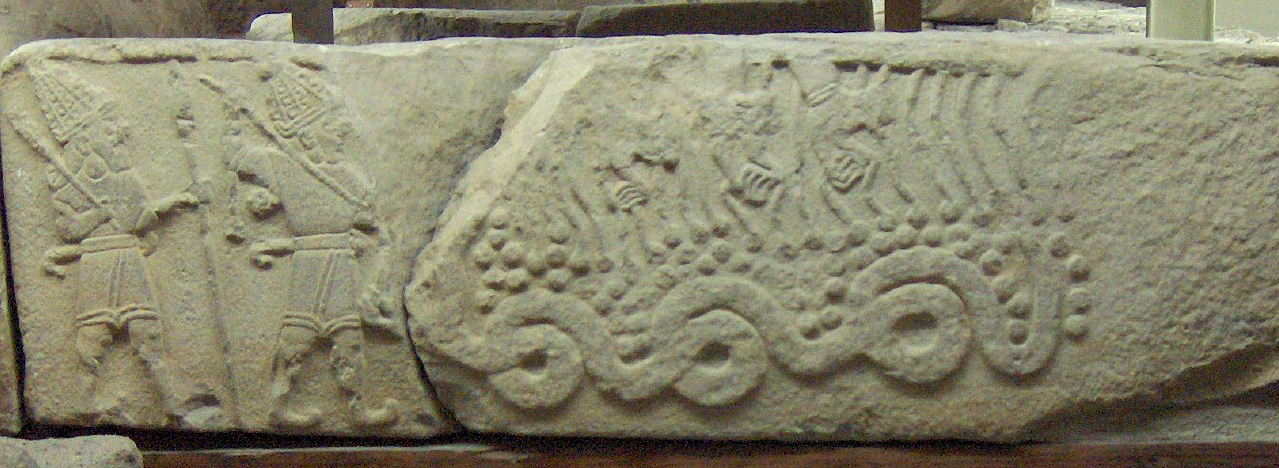
சுமேரியாவில் ஆண்ட ஹிட்டைட்ஸ் என்பார், சம்ஸ்கிருதம் தொடர்பான மொழியைப் பேசியவராவர். அவர்கள் பூருள்ளி என்னும் விழாவை வசந்த கால விழாவாகக் கொண்டாடினர். இல்லுயங்கா என்னும் தீய பாம்பைக் கொன்றதாகவும் கதை சொல்லுவர். அதாவது அந்த நாளன்று நாம் பாராயணம் செய்வது போல இல்லுயங்கா கொல்லப்பட்ட கதையைப் படிப்பர். மன்னன் இதில் முக்கியமாகக் கலந்து கொள்ள வேண்டும். ஆகையால் போர் செய்து கொண்டிருந்தாலும் அதை இடையில்நிறுத்திவிட்டு விழாவுக்கு வந்து விடுவார். இல்லுயுங்கா பற்றிய பாடல்களில் நமது புராணக் கதை போல விரிவான கதை இருக்கிறது.

Museum_of_Anatolian_Civilizations
Illyunka killed

இதே போல ரிக் வேதத்திலும் அஹீ, விருத்திரன் என்ற பாம்புகளைக் கொன்றதாகவும் சொல்லுவர். அவை எல்லாம் பாம்புகள் அல்ல, வறண்ட காலத்தை அப்படி ராட்சதன் போலவும் , பாம்பு போலவும் வருணிப்பர் என்று புராணச் செய்திகளை ஆராய்வோர் பகர்வர். அசுரனைக் கொல்வது, பாம்பைக் கொல்வது என்பதெல்லாம் ப்ழங்குடி மக்களின் மறை மொழி வாசகங்கள்!

உள்ளி, பூருள்ளி, ஹோலி – ஆகிய மூன்று பண்டிகைகளில் ஓரளவு ஒற்றுமை இருப்பதைக் காண்கையில் நமக்கு வியப்பாக இருக்கலாம்.

உல்லி
Kongar Ulli Festival

Pictures are used from other websites;thanks.