திமிங்கிலம் பற்றிக் காளிதாசனும் சங்கப் புலவர்களும் தரும் அதிசயத் தகவல் (Post No.3426)

Research Article Written by London swaminathan


Date: 7 December 2016


Time uploaded in London: 9-50 am


Post No.3426


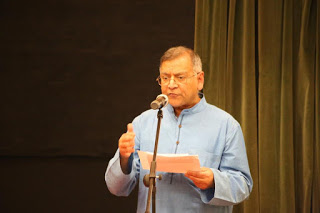
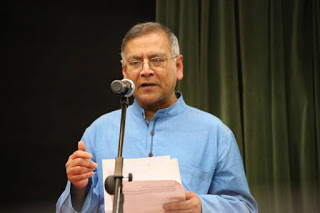
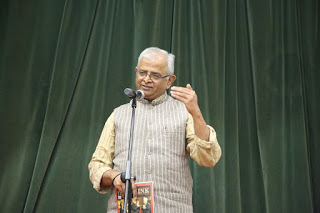
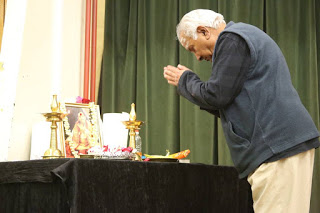
Pictures are taken by Tamil Conference Booklet.


contact; swami_48@yahoo.com


(English version of this research article is also posted)

2000 ஆண்டுகளுக்கு முன் வாழ்ந்த காளிதாசனும் சங்கப் புலவர்களும் கடலில் வாழும் திமிங்கிலங்கள் பற்றி அரிய தகவல்களைக் கூறுகின்றனர். அவ்வப்பொழுது நாடு முழுதும் உள்ள கடற்கரைகளில் இறந்துபோன திமிங்கிலங்கள் கரை ஒதுங்குவதையும், சில நேரங்களில் உயிருடன் கரை ஒதுங்கி தத்தளிப்பதையும் பத்திரிக்கைகளில் படிக்கிறோம். ஆனால் 2000 ஆண்டுகளுக்கு முன் திமிங்கிலங்கள் நம் நாட்டுக் கரை ஓரமுள்ள கடற் பகுதியில் வந்து சென்ற விஷயங்களைக் காளிதாசன் பாடலும் காளிதாசன் புலவர் பாடல்களும் காட்டுகின்றன.


இப்போது அவை நம் நாட்டுக் கடற்பகுதிகளில் வசிப்பதில்லை. நம்மவர்கள் வேட்டையாடி அழித்திருக்கலாம் அல்லது கடல் வெப்ப நிலை மாற்றத்தால் அவை வேறு பகுதிகளுக்குச் சென்றிருக்கலாம்.

இதோ காளிதாசன் பாடல்:


காளிதாசன் கண்ட அற்புதக் காட்சி இது; திமிங்கிலங்கள் ஏராளமான மீன்களுடன் கூடிய தண்ணீரை உறிஞ்சி, மீன்களை வாயில் வைத்துக் கொண்டு, தலையிலுள்ள ஓட்டை வழியாக நீரைப் பாய்ச்சுவதைக் காளிதாசன் கண்டு மகிழ்ந்துள்ளான். இதை எல்லாம் விமானத்திலிருந்து இராமபிரான், சீதைக்குக் காட்டுவதாக கவி புனைந்துள்ளான் காளிதாசன்.

சசந்த்வமதாய நதீமுகாம்ப: சம்மீலயந்தோ விவ்ருதானனத்வாத்

அமீ சிரோபிஸ்திமய: சரங்ரைரூர்த்வம் விதன்வதி ஜலப்ரவாஹான்

ரகுவம்சம் 13-10

அமீ-இந்த, திமய: – திமிங்கிலங்கள்,  விவ்ருத் ஆனனத்வாத்- – திறந்த வாய்களை உடையதால், சமத்வம் – பிற கடல்வாழ் உயிரினங்களுடன் கூடிய, நதீமுகாம்ப:- ஆற்றின் முகத்வார நீரை,  ஆதாய- எடுத்து, சம்மீலயந்த: – வாய்களை மூடிக்கொள்கின்றன, சரங்க்ரை:- துளைகளுடன் கூடிய தலைகளின் வழியாக நீர்ப்பெருக்கை, ஊர்த்வம்- மேல் நோக்கி, விதன்வந்தி- விடுகின்றன.

(திமிங்கிலங்கள் உண்மையில் மூச்சுக் காற்றை வெளியேற்றவே கடலின் மேல் மட்டத்திற்கு வருகின்றன. அவை மேல் மட்டத்துக்கு வரும்போது வீசும் மூச்சுக் காற்று நீரில் குளிர்ந்து நீர்த்துளி ஆவதாலும், காற்றுடன் கடல் நீர் வீசுவதாலும் தண்ணீர் தெளித்தது போலாகிரறது. மேலும் திமிங்கிலங்களின் நீச்சலாலும் நீர்த்திவலைகள் வெளியே வரும். அதன் தலை ஓட்டையிலிருந்து வருவது மூச்சுக் காற்றுதான்; தண்ணீர் அல்ல என்பது விஞ்ஞான உண்மையாகும்)

தமிழ்க் கடலில் திமிங்கிலங்கள், Whales & Sperm Whale

Whales

இதோ சங்கப் புலவர்களின் திமிங்கிலப் பாடல்கள்:–

2000 ஆண்டுகளுக்கு முன்னர் தமிழ்நாட்டுக் கரை ஓரமாக திமிங்கிலங்கள் கூட்டம் கூட்டமாகச் சென்றிருக்க வேண்டும். ஏனெனில் திமிங்கிலங்கள் தலையிலிருந்து உயரே பாய்ச்சும் நீரானது, காற்றினால் அடித்துவரப்பட்டு  மீனவர் குடிசைகள் மீது விழுந்ததாகத் தமிழ்ப் புலவர்கள் பாடுகின்றனர். அது மட்டுமல்ல தலையில் அதிக எண்ணையுடன் வரும் SPERM WHALE ஸ்பேர்ம் வேல் – எனப்படும் திமிங்கிலம் பற்றியும் பாடுகின்றனர். இது தவிர சுறாமீன்கள் செய்யும் அட்டூழியங்கள், வலைகளைக் கிழித்துக் கொண்டு வெளியேறுவது ஆகியன பற்றியும் பாடியுள்ளனர். இப்பொழுது தமிழ்நாட்டின் கரை ஓரங்களில் திமிங்கிலங்களைக் காணமுடியாது. எப்போதாவது வழி தவறி, திசை மாறி அடித்துவரப்படும் திமிங்கிலங்களை மட்டுமே பார்க்கலாம்.


பேர் ஊர் துஞ்சும்; யாரும் இல்லை;

திருந்துவாய்ச் சுறவம் நீர் கான்று, ஒய்யெனப்

பெருந்தெரு உதிர்தரு பெயலுறு தண் வளி

போர் அமை கதவப் புரைதொறும் தூவ,

கூர் எயிற்று எகினம் நடுங்கும் நல்நகர்ப்

…………………

நற்றிணைப் பாடல் 132


பெரிய ஊர் உறங்கும் வேளை; தூங்காதவர் யாரும் இல்லை; பெரிய வாயுடைய திமிங்கிலம் தண்ணீரைப் பாய்ச்சும். குளிர்ந்த காற்று ஒய்- என்ற ஒலியுடன் வீசும்;  அந்தக் காற்றில் திமிங்கிலத் தலையிருந்து பொங்கும் நீர் அடித்து வரப்படும். கடலோரமாகவுள்ள மீனவர் வீடுகளில் அது மழைபோலப் பெய்யும்; இரட்டைகதவுகளின் துவாரம் வழியாக அது வீட்டுக்குள்ளேயும் தெரிக்கும்.

Sperm whale

கபிலர் பாடிய நற்றிணைப் பாடல் 291-ல் எண்ணைத் தலையுடைய SPERM WHALE ஸ்பெர்ம் வேல் பற்றிப் பாடுகிறார்:-


நீர்பெயர்ந்து மாறிய செறி சேற்று அள்ளல்

நெய்த்தலைக் கொழு மீன் அருந்த, இனக் குருகு

குப்பை வெண்மணல் ஏறி, அரைசர்

ஒண்படைத் தொஉகுதியின் இலங்கித் தோன்றும்

தண் பெரும் பௌவ நீர்த்துறைவற்கு

……………….


இது ஒரு கடற்கரைக் காட்சி; எண்ணைச் சத்தை அதிகமாகக் கொண்ட தலையையுடைய ஒரு திமிங்கிலம்  வழிதவறிப்போய் கடற்கரையோர சேற்றில் சிக்கிக் கொண்டது. அதைச் சாப்பிட பெரிய கொக்குக் கூட்டம் வெண்மணலில் குவிந்துவிட்டன. அது எப்படி இருக்கிறது என்றால் ஒரு அரசரின் படை போல உள்ளது.


நற்றிணைப் பாடல் 175-ல் மீன் எண்ணை பற்றிய குறிப்பு வருகிறது. மீன் பிடித்து வந்த பரதவர் (மீனவர்), மீன்களைக் கடற்கரையில் குவித்துவிட்டு பெரிய கிளிஞ்சல்களில் மீன் எண்ணையை ஊற்றி விளக்கு ஏற்றுவர் என்று ஒரு புலவர் பாடி இருக்கிறார். இது சுறா போன்ற எண்ணைச் சத்துடைய மீன்களில் இருந்து எடுக்கப்பட்ட எண்ணையாக இருக்கலாம். இதுதான் மீனவர்களின் எரிபொருள்.

Sperm Whale

நெடுங்கடல் அலைத்த கொடுந்திமிற் பரதவர்

கொழுமீன் கொள்ளை அழி மணல் குவைஇ

மீன் நெய் அட்டிக் கிளிஞ்சில் பொத்திய

சிறு தீ விளக்கில் துஞ்சும்……………


கம்பனும் கூட திமிங்கில எலும்புக்கூடு பற்றி ஒரு பாடலில் கூறுகிறான்

அண்டமும் அகிலமும் அடைய அன்று அனலிடைப்

பண்டு வெந்தென நெடும் பசை வறந்திடினும் வான்

மன்டலம் தொடுவது அம் மலையின் மேல் மலை எனக்

கண்டனன்  துந்துபி கடல்  அனான் உடல் அரோ


தென்புலக் கிழவன்  ஊர் மயிடமோ திசையின் வாழ்

வன்பு உலக்கரி மடிந்தது கொலோ மகரமீன்

என்பு உலப்புற உலர்ந்தது கொலோ இது எனா

அன்பு உலப்பு அரிய நீ உரை செய்வாய் என அவன்


துந்துபிப் படலம் , கிட்கிந்தா காண்டம்


பொருள்:-

மிகுந்த ரத்தம் வற்றிப் போயிருந்தாலும், ஊழித்தீயில் வெந்தது போன்றும் வான மண்டலத்தைத் தொடுவது போன்றும், கடல் போலப் பரவிக் கிடக்கும் துந்துபி என்னும் அசுரனின் உடல் எலும்புக் குவியலை, ருசியமுக மலையில் கண்டான்; அது வேறு ஒரு மலைபோலக் காணப்பட்டது.


அதைப் பார்த்த ராமன் சொன்னான்:- இது என்ன தென் திக்கில் பயணம் செய்யும் எமதர்மனின் வாகனமான எருமைக் கடாவா? திக்குகள் தோறும் உள்ள யானைகள் இறந்து கல்லானதோ! மகரம் என்னும் பெரிய  மீன் இறந்தபின்னர் உலர்ந்து கிடக்கும் எலும்புக்கூடா? என்று வியந்து சுக்ரீவனை நோக்கி உனக்குத் தெரிந்ததைச் சொல் என்றான்.

Whale Bone

உடனே துந்துபி என்னும் அரக்கனை வாலி கொன்ற வரலாற்றைச் சுக்ரீவன் சொன்னான்.

இங்கு வருணிக்கப்படும் மகர மீன் சுறாமீன் அல்ல; பெரிய திமிங்கிலமாகும். மகர என்ற சொல்லை டால்பின், சுறாமீன், திமிங்கிலம் ஆகிய எல்லாவற்றிற்கும் பயன்படுத்துவர்.


—subham–
 

பாம்புகள் காத்த பைரவர் ஆலயம்!(Post No.3425)

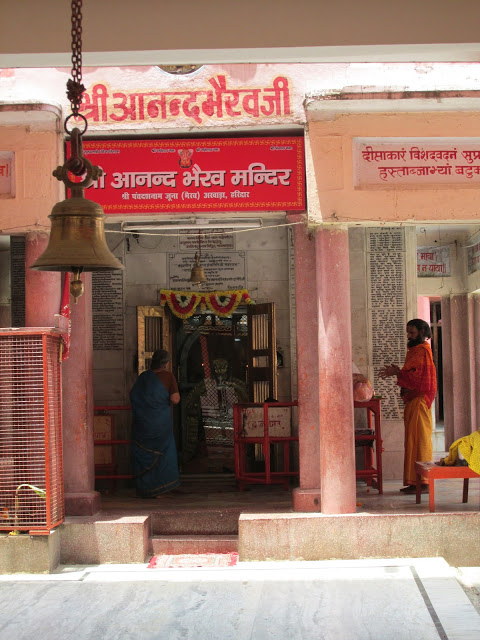
Picture: Anand Bhairav Temple, Haridwar

Written by S NAGARAJAN


Date: 7 December 2016


Time uploaded in London: 5-31 am


Post No.3425


Pictures are taken from various sources; thanks


contact; swami_48@yahoo.com


ஹரித்வார் பற்றிய உண்மை நிகழ்ச்சி

பாம்புகள் காத்த பைரவர் ஆலயம்!


ச.நாகராஜன்


இந்திய வரலாற்றின் பழைய ஏடுகள் அதிசயிக்கத்தக்க செய்திகளைத் தரும் ஒன்றாகும். இவற்றை முறையாகத் தொகுப்பார் இல்லாததால் அனைவரும் இந்த அதிசயச் செய்திகளை அறிய முடியாமல் போகிறது. வரலாற்று ஏடுகளிலிருந்து ஹரித்வாரைப் பற்றிய ஒரு உண்மை சம்பவம் :

பிரிட்டிஷார் நம்மை ஆண்டு வந்த காலத்தில் சர் அலெக்ஸாண்டர் கன்னிங்ஹாம் இந்திய தொல்லியல் பிரிவின் டைரக்டர் ஜெனரலாக இருந்தார். 1870-71ஆம் ஆண்டுகளில் தன்னால் இயன்றவரை தொல்லியல் முக்கியத்துவம் வாய்ந்த செய்திகளைச் சேகரித்தார். அவரது அறிக்கையில் ஹரித்வார் ஸ்தலம் பத்து அல்லது பதினொன்றாம் நூற்றாண்டில் பிரபலமாக இருந்தது என்றும் அப்போது அங்கு கோவில் கட்டப்பட்டது என்றும் குறிப்பிடப்பட்டுள்ளார்.


பின்னால் வந்த தொல்லியல் நிபுணர்களும் அகழ்வாராய்ச்சி நிபுணர்களும் இந்த தலம் மிகப் பழமையானது என்றும் சுமார் 3750 ஆண்டுகளுக்கு முற்பட்டது என்றும் கூறியுள்ளனர்.


கி.பி,1206ஆம் ஆண்டில் குத்புதீன் ஐபக் அடிமை வம்சத்தை இந்தியாவில் நிறுவினான்.1320இல் கயாசுதின் துக்ளக் தனது துக்ளக் வம்சத்தை நிறுவினான். இதில் வந்த அமிர் ஜாஃபர் தைமூர் 1398இல் ஒரு பயணத்தை மேற்கொண்டான்.


யமுனை நதிக் கரையோரம் படைகளுடன் சென்ற அவன் வழியில் இருந்த கோவில்களை இடித்தான்.டெல்லி, பீஜானூர் வழியே கங்கைக் கரையோரமாக முன்னேறிய அவன் ஹரித்வார் நகரை அடைந்தான்.

அங்கிருந்த யாத்ரீகர்களை அடித்து விரட்டிய அவன் நேராக மாயாதேவி கோவிலுக்கு அருகில் இருந்த பைரவர் ஆலயத்தை நோக்கிச் சென்றான்.

அதை இடித்துத் தள்ள ஆணையிட்டான். ஆனால் உடனே அவன் கண்ட காட்சி அவனை நடுநடுங்க வைத்தது.


ஏராளமான பாம்புகளும் தேள்களும் அங்கு தோன்றின. அவனது படைகளுக்கு சரி நிகர் சமானமாக பாம்புப் படைகளைக் கண்ட அவனது படைவீரர்கள் அலறிப் பின் வாங்கி ஓடினர்.


நடுநடுங்கிய தைமூர் சமர்கண்ட் நோக்கிச் சென்று விட்டான். ஹரித்வாரும் பிழைத்தது. பைரவர் ஆலயமும் பாம்புப் படையினால் காப்பாற்றப்பட்டது!

தைமூருடன் சென்ற வரலாற்றாசிரியன் ஷர்ஃபுடீன் ஹரித்வாரைப் பற்றியும் அங்கு நடந்த நிகழ்ச்சிகளையும் தன் நினைவுக் குறிப்புகளில்  பதிந்து வைத்துள்ளதால் நடந்த நிகழ்ச்சிகளை நம்மால் அறிய முடிகிறது!


Haridwar Temples

*******


A BRIEF INTRODUCTION TO TAMIL DEVOTIONAL LITERATURE (Post No.3424)

Compiled by London swaminathan


Date: 6 December 2016


Time uploaded in London: 10-50 am


Post No.3424


Pictures are taken by Tamil Conference Booklet.


contact; swami_48@yahoo.com


1981 World Tamil Conference Procession in Madurai -Part 2


Yesterday I posted Part 1 with the title A Brief Introduction to Tamil. following is the 2nd part.
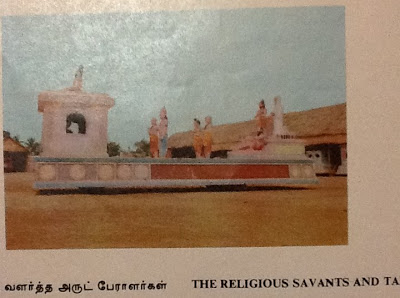
THE RELIGIOUS SAVANTS AND TAMIL

Thirugnana Sambanthar


He lived in the 7thc. A.D. This young devotee who attained the divine mercy at the age of seven, was largely responsible for Saivism becoming popular in Tamil Nadu. His poems are melodious and mellifluous and they form the first three books in the twelve canons of Saivite sacred texts, which are popularly known by the term Panniru Thirumuraikal.


Tirunavukkarasar (Appar)


An ardent Saivite saint, Appar lived in the 7th C. AD. He has composed his devotional lyrics in the Thandakan form and hence he was called by the popular attribution Thandaka venthar (King of Thandaka genre). His works are included as the fifth, sixth and seventh books of the twelve Saivite sacred books. As per the Saivite tradition, he was the supreme example of Divine Service.


Sundarar


He lived in the 8th C. A.D. and considered himself to be a close friend of Lord Siva. Consequently, his devotional poems reveal his sense of comradeship with God. His poems form the seventh book of the Tamil Saivite sacred books.


Manikkavasakar


He lived in the Eighth century A.D. and composed the very beautiful Tamil devotional lyrics entitled Thiruvasakam and Thirukkovaiyar. The special charm. of the former work has captivated the mind of the European missionary G.U. Pope, who has rendered it into English.


LORD AT THE SERVICE OF PEOPLE


When the Pandya King Arimarthanan punished Manikkavasakar for spending the Govt money for religious purpose, Lord Siva performed a miracle before the king to make known the greatness of the famous Saivite saint. As per His divine orders, there was heavy flood in Vaikai river. It destroyed the banks of Vaikai. The officials of the Pandya King ordered that each one of the subjects should do his allotted work to repair the damaged river banks. The poor Vanthi who sold Pittu (rice pudding) could not find a man to work on her behalf. As per her prayer, Lord Siva assumed the form of a coolly and came to Vanthi. After eating the Pittu given by her, he joined others who were engaged in the flood relief activities. He carried in his basket the sand for filling the damaged portions of the river bank. But, he had not sincerely done his job. Consequently, the work allotted to Vanthi remained unfinished. When this was reported to the King, the King got angry and started beating the coolly by a cane. Everyone present there felt a blow on their backs. The coolly put one basket of sand in his allotted area and suddenly disappeared.  The outrageous King’s men went to Vanthi to punish her. But, she was taken to Heaven on a divine chariot by the Siva ganas. When the King’s men went to the river bank they found that it was completely repaired.


Andal –THE DIVINE BRIDE


Andal, the daughter of Periyalvar, is one of the most fascinating of the Alvars. Periyalvar, her foster father found her as a baby in his garden and he brought her up as his daughter. Later, she imagined herself to be the bride of Krishna, refusing to marry mortals, boldly wearing even the garlands intended for the image of Krishna. One day, when her foster father saw it, he was shocked. He proclaimed that the garland which was worn by mortal being was not befitting to Krishna. Consequently, he would not use it to garland the image of Krishna. The same night Krishna appeared in Periyalvar’s dream and said that he would like only the garland which was worn by Andal. Finally, she was given in marriage to the lord of Srirangam. Andal has left but two works Tiruppavai of 30 stanzas and Nachiar Thirumoli of l43 stanzas. Krishna is the hero and she, the heroine in both. Thiruppavai owes its origin to a religious observance among maidens of the cowherds’ class. This tableau depicts Periyalvar looking in wonder at his daughter offering the garland to the statue of Krishna.


xxxxx


Arunakiri Nathar


He is the author of Tiruppukal, which consists of three thousand devotional poems endowed with high rhythmic qualities. He was proficient in Tamil music too. He composed the metrical compositions such as Kanthar Alankaram, Kanthar Anuputhi, Kanthar Antathi, Vel virutham, Mayil Virutham and Tiruvakuppu.


Tirumular


He was a saivite saint and a mystic poet par excellence. He has composed the famous philosophical work Tirumanthiram. His poems are the revelations of his deep reflection in Yoga, Jnanam and Siddha medicines. To him, serving humanity is the chief way to serve God


Thayumanavar (1705 1742)


Born at Vedaranyam, Thayumanavar a great saint was full of love for mankind. His notable poetic works are Anandak kalippu and Paraparak kanni


Ramalinga Swamikal

He lived in Tamil Nadu in the 19th century A.D., and composed Tiruvarutpa which consists of six thousand devotional hymns. He was born on 5-10-1823 at Marutur, near Chidambaram. He lived in Madras for more than thirty years and composed a number of poems. He has established Sathiya Taruma Salai Sathiya Gnanasabai and Samarasa Sanmarka Sankam in Vadalur. His philosophical reflections which are full of egalitarian sentiment and profound humanitarian spirit are considered to be unique contributions to the world of religion and philosophy.

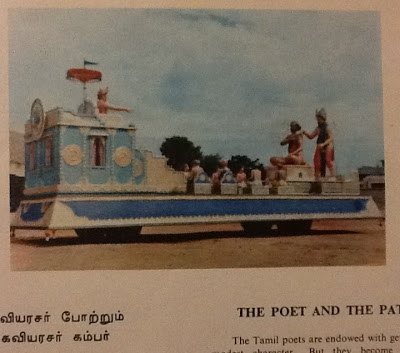
THE POET AND THE PATRON

KAMBAR

The Tamil poets are endowed with genial spirit and modest character. But they become crusaders of their cause if anything happens to stain their spotless virtue and prestige. In such cases, they are even prepared to fight with their royal patrons. Consequently, the rulers of the Tamil land patronized the poets with much care love and respect without offending their tender feelings. An event which stands as a typical example of the poet-patron relationship of the ancient Tamil Nadu is depicted here. The Chola King failed to recognize and give due respect to Kamban, the greatest epic poet of Tamil. The offended poet decided to teach him a lesson. He took a vow that he would sit before the court of the Chola King duly served and attended by great king equal in status to the Chola monarch as his errand man. The Chera King who was captivated by the poetic talent of Kamban followed him as an errand man and prepared betel leaf to Kampan while he was seated in the Chola palace. The Chola king promptly recognised the greatness of Kamban.


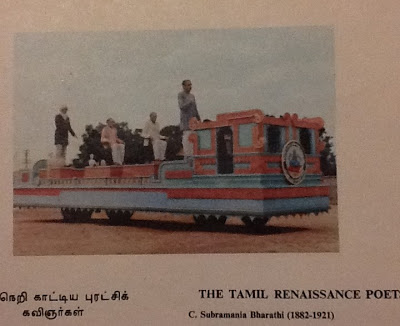
THE TAMIL RENAISSANCE POETS


  1. Subramania Bharathi (1882-1921)


Bharathi started his poetic career as a court poet of the Zamindar of Ettayapuram. He completely freed himself from the court life when he was attracted by the currents of the renaissance spirit as well as the upsurge of the waves of the Indian Freedom Struggle. When he found that he was not able to give vent to his patriotic feelings freely in Sudesamithiran, a Tamil journal in which Bharati worked as a sub-editor, he relinquished his job and started a new journal entitled India. He lived the life of a political exile in Pondicherry. He successfully experimented in modern Tamil literature and showed a new way to his successors. He used poetry as an invincible weapon to fight against oppressions of all kinds. His poems played a predominant role in the Freedom Struggle kindling the patriotic feelings of the Tamils. Most of his poems are highly prophetic.

Among his poetical compositions his national poems, Kannan Pattu, Kuyil Pattu and Panchali Sabatam are famous.


xxxxx


மெதுவாக ருசித்து சாப்பிடுங்கள்: பால முரளி கிருஷ்ணா ‘அட்வைஸ்’ (Post No.3423)

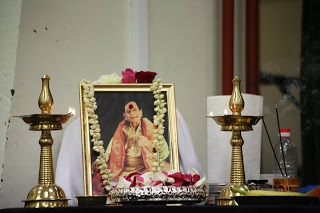
Pictures are at London Sraddhanjali to Balamurali Krishna on 3-12-2016

Written by London swaminathan


Date: 6 December 2016


Time uploaded in London: 6-24 am


Post No.3423


Pictures are taken by ADITYA KAZA


contact; swami_48@yahoo.com


லண்டனில் இசை மேதை பாலமுரளி கிருஷ்ணாவின் மறைவை ஒட்டி நடந்த அஞ்சலிக் கூட்டத்தில் வெளியான சுவையான தகவல்களின் முதல் பகுதியை “கஷ்டம் வந்தால் கவிதை பிறக்கும்” — என்ற தலைப்பில் நேற்று வெளியிட்டேன். இதோ இரண்டாவது பகுதி:–


எனது (London Swaminathan) சொற்பொழிவின் தொடர்ச்சி:


“தோன்றின் புகழொடு தோன்றுக அஃதிலார்

தோன்றலின் தோன்றாமை நன்று (236)


தக்கார் தகவிலர் என்பது அவரவர்

எச்சத்தாற் காணப்படும் (114)


குழலினிது யாழினிது என்பர்தம் மக்கள்

மழலைச் சொல் கேளாதவர் (66)


முதல் குறளின்படி பார்த்தால் அவர்தம் வாழ்க்கை புகழ்மிக்க வாழ்க்கை என்பது புலப்படும். பால முரளி கிருஷ்ணா 86 ஆண்டுகள் இந்த உலகில் வாழ்ந்தார். ஆறு வயதில் இசை கற்றார்; ஒன்பது வயதில் முதல் கச்சேரி செய்தார். ஏறத்தாழ 80 ஆண்டுக்காலம் இசைத்துறைக்கே தன் வாழ்வை அர்ப்பணித்தார். இதுபோல வேறு ஒருவரைக் காணமுடியாது. ஈடு இணையற்ற சாதனை இது.


இரண்டாவது குறளின்படி பார்த்தால் ஒருவர் பெரியவரா இல்லையா என்பது அவர் விட்டுச் சென்றதை (எச்சம்) வைத்தே ஒருவரை எடைபோட வேண்டும்.. பால முரளி கிருஷ்ணா பன்மொழி  வித்தகர். 400 கிருதிகளை இயற்றியுள்ளார். 25,000 கச்சேரிகளைச் செய்துள்ளார். அவை அனைத்தும் யூ ட்யூப், டேப்புகள், சி.டி.க்களில் கிடைக்கின்றன. இது பெரிய பொக்கிஷம். ஆக அவர் ஒரு பெரியவர் என்பதும் வெள்ளிடை மலை.


மூன்றாவது குறளை நான் சிறிது மாற்றிப் பாடுகிறேன்.


குழல் இனிது யாழ் இனிது என்பர் பாலமுரளி பாடல்களைக் கேளாதவர் — என்று. நான் இதைச் சொல்லவில்லை. ஒரு நாள் போதுமா பாடலில் கண்ணதாசனே பாலமுரளி பாடுவதற்கு எழுதிக் கொடுத்த வரிகள் இவை!!

குழலென்றும் யாழென்றும் சிலர் கூறுவார் – என்
குரல் கேட்ட பின்னாலே அவர் மாறுவார்


இனி டாக்டர் நந்தகுமாரா சொன்ன இன்னொரு சம்பவத்தையும் கேளுங்கள் (நேற்று மீன் போட்ட தயிரினால் எழுந்த கவிதை பற்றி அவர் கூறியதைக் கேட்டோம்); பாரதீய வித்யா பவன் நந்த குமாரா மேலும்  கூறியதாவது:


“டாக்டர் பாலமுரளி கிருஷ்ணா, லண்டனில் பாரதீயா வித்யா பவனில் கச்சேரிக்காகவும் சங்கீத ஒர்க்ஷாப் WORKSHOP புக்காகவும் பல நாட்கள் தங்கியதுண்டு. அப்பொழுது தினமும் சாப்பிட அழைப்பேன். நான் வேக மாகச் சாப்பிடும் பழக்கம் உடையவன். ஆகையால் வேகமாகச் சாப்பிட்டுவிட்டு அடுத்த கட்டிடத்திலுள்ள பவனின் அலுவலத்துக்குச் சென்று விடுவேன். பால முரளியோ கொஞ்சம்தான் சாப்பிடுவார். ஆனால் மிகவும் ருசித்து ரசித்து மெதுவாகச் சாப்பிடுவார். ஒரு நாள் என் மனைவியைப் பார்த்து பாலமுரளி சொன்னார்:


“ஜானகி, ஏன் இந்த நந்தா அவசரம் அவசராமாகச் சாப்பிட்டுவிட்டு ஓடுகிறான்? நாளைக்கு வரட்டும்; அவனை நான் சாப்பிட்டு முடியும் வரை உட்கார வைக்கிறேன்”.

மறு நாளும் வந்தது. “இன்று நான் சாப்பிட்டு முடியும் வரை நீ எழுந்துபோகக் கூடாது” என்று சொல்லிவிட்டார். நானும் பொறுமையாக உட்கார்ந்தேன். அப்பொழுது பாலமுரளி ஸார் சொன்னார்.

“இதோ பார் சாப்பாட்டை நன்கு ருசித்துச் சாப்பிட வேண்டும் அவசரம் அவசரமாக அள்ளிப்போட்டுக் கொண்டு ஓடக்கூடாது” என்றார்.

Violinist Mr Nagaraju is in the picture


(எனது கருத்து:- உண்மைதானே? அவரும் ராக ஆலாபனை எதுவும் இல்லாமல் அவசரம் அவசரமாகப் பாடிவிட்டு ஓடினால் நமக்கு எப்படி இருக்கும்? பால் மக்கன்னா Paul McKenna என்பவர் பெரிய ஹிப்னாடிஸ்ட். மனோவசிய நிபுணர். அவரது டெலிவிஷன் காட்சிகள் லண்டன் மக்களுக்கு நன்கு தெரிந்தவை. உடற்பருமனைக் குறைப்பதற்கு அவரும் இதே வழியைத்தான் சொன்னார். ஒரு கிரிஸ்ப் (உருளைக் கிழங்கு சிப்ஸ்) பாக்கெட்டை எடுத்தால் ஒவ்வொரு துண்டாக எடுத்து மெதுவாகச் சாப்பிட்டீர்களானால் அதுவே வயிறு நிறைந்தது போலக் காட்டும். திருப்தி ஏற்படும். அதில்லாமல் டெலிவிஷன் பார்த்துக்கொண்டே பொட்டலம்,பொட்டலமாக உள்ளே தள்ளினீர்கள் என்றால் கலோரிகள் கூடி உடல் பருக்கும் என்றார்.


இந்துக்கள் மிகவும் புத்திசாலிகள்.அந்தக் காலத்திலேயே இலையில் உட்கார்ந்தவுடன் அன்னத்தைப் போற்றித் துதிக்கும் மந்திரத்தைச் சொல்ல வேண்டும் என்ற வழக்கத்தை ஏற்படுத்தினர். அது மட்டுமல்ல. வேதத்திலேயே உணவைக் கடவுள் என்று போற்றும் மந்திரங்களும் உள.

சாப்பிட்டு முடித்த பின்னரும் “அன்ன தாதா சுகீ பவ” ( உண்டி கொடுத்தோர் உயிர் கொடுத்தோரே; அவர்கள் சுகமாக வாழட்டும்! என்று வாழ்த்திவிட்டு இலையிலிருந்து எழுந்திருப்பர். அந்த உணவை அமிர்தத்துக்கு நிகரானது என்பர்.. இவை யெல்லாம் உணவின் மீது நமக்கு மதிப்பை ஏற்படுத்தும். உணவு பரிமாறும் மனைவி அல்லது அம்மாவைத் திட்டாமல் பாராட்டச் செய்யும்).

சுபம்–

ஜெயலலிதா சொன்ன யானைக் கதை(Post No.3422)

Compiled by London swaminathan


Date: 6 December 2016


Time uploaded in London: 5-58 am


Post No.3422


Pictures are taken from various sources; thanks.


contact; swami_48@yahoo.com


Jayalalitha’s Strange Elephant Story (Dinamani 6-12-2016)


காலஞ்சென்ற முதலமைச்சர் செல்வி ஜெயலலிதா கேட்ட கதை தினமணி பத்திரிகையில் வெளியானது. இது போல யானைகளின் அபார, அபூர்வ அறிவு பற்றிய கதைகளை நான் வெளியிட்டுள்ளேன். உ. வே.சாமிநாத அய்யர் எழுதிய கதையையும், காஞ்சி பரமாசார்ய சுவாமிகள் யானையை சமாதானப் படுத்திய கதையையும் வெளியிட்டேன். ஆகவே இந்தக் கதையில் உண்மை இருக்கும்:–


யானைகளின் மனதையும் அறிந்தவராக முதல்வர் ஜெயலலிதா திகழ்ந்தார். ஆண்டுதோறும் யானைகளுக்கு புத்துணர்வு முகாம் நடத்த உத்தரவிட்டார். யானைகள் தனக்கு மிகவும் பிடித்தமானவை என்பது குறித்து ஜெயலலிதாவே கூறியதாவது:
நீரும் நெருப்பும் திரைப்படத்தின் படப்பிடிப்புக்காக முதுமலை காட்டுக்குச் சென்றிருந்தேன். அந்தப் படத்தில் எம்ஜிஆர் கதாநாயகன். நாங்கள் இருவரும் நடித்த ஒரு காதல் காட்சியில் நிறைய யானைகள் இடம் பெற்றன. முதுமலைக் காட்டில் மரங்களை வீழ்த்துவது, அந்த மரங்களை வெட்டும் இடத்துக்கு கொண்டு சேர்ப்பது, வெட்டிய மரத் துண்டுகளை வரிசையாக அடுக்கி வைப்பது, பின்னர் அவற்றை லாரிகளில் ஏற்றுவது போன்ற பணிகளுக்காக யானைகள் பயன்படுத்தப்பட்டன.
அந்த யானைகளுக்கு பயிற்சி அளிக்கப்பட்டு, நன்றாகப் பழக்கப்படுத்தப்பட்டு மிகவும் சாதுவாக இருந்தன. அங்கே அவற்றில் மிகப்பெரிய யானை ஒன்று என் கவனத்தைஈர்த்தது.

 
அந்த யானை குறித்து பாகன் சொன்னவை:
அந்தப் பாகனுக்கு மிகவும் அழகான இளம் மனைவி இருந்தாளாம். ஆனால், அவள் மிகவும் முன் கோபியாம். அண்மையில் பாகனுக்கும், அவரது மனைவிக்கும் இடையே ஏதோ மனப் பூசல் ஏற்பட, இருவருக்கும் இடையே வாய்ச்சண்டை வலுத்தது. இதனால், கோபம் அடைந்த பாகனின் மனைவி வீட்டைவிட்டு வெளியேறி, தனது பிறந்த வீட்டுக்குச் சென்றுவிட்டாள். அவளைச் சமாதானம் செய்வதற்காக எத்தனையோ முறை அங்கு சென்று பாகன் அவளைத் தன்னுடன் திரும்பி வருமாறு மன்றாடிக் கேட்டுக் கொண்ட போதிலும், அந்தப் பெண் பிடிவாதமாக வர மறுத்துவிட்டாள். இதனால், சோகத்துடன் பாகன் இருந்து வந்துள்ளான்.
ஓர் இரவு எப்படியோ அந்த யானை, பூட்டப்பட்டிருந்த சங்கிலியை அறுத்துக் கொண்டு, யாருக்கும் தெரியாமல், 15 மைல் தொலைவில் இருக்கும் பாகனின் மனைவி ஊருக்குப் புறப்பட்டுவிட்டது. நேராக அந்த ஊருக்குச் சென்று, பாகன் மனைவி இருக்கும் வீட்டை உடைத்து, அவன் மனைவியைத் தூக்கிக் கொண்டு வந்துவிட்டதாம்.
யானை என்பது அதிசயப் பிறவி. விலங்குகளில் ராஜா யானைதான் என்று குறிப்பிட்டார்ஜெயலலிதா.
குருவாயூர் உள்ளிட்ட பல கோயில்களுக்கு யானைகளை முதல்வர் ஜெயலலிதா தானமாக வழங்கியுள்ளார் என்பது குறிப்பிடத்தக்கது.


TRUE ELEPHANT STORIES posted by me in my blogs

திருமூலர் சொன்ன யானைக் கதை: தெரிந்த கதை, தெரியாத உண்மைகள்! Posted on 14-3-2014

ஒரு யானையின் சோகக் கதை!(Post No.3379)-posted on 22-11-2016

செய்நன்றி:- நன்றியுள்ள யானையும், குடிகாரப் பாம்பும்! Posted on 12 July 2015

யானையின் பெயர்கள் Posted on 25-11-2014

மகாவம்சத்தில் அற்புதச் செய்திகள்”  Posted on 12 Sept.2014

யானை பற்றிய நூறு பழமொழிகள் (posted on 5 June 2012)

யானையை விழுங்கிய மலைப்பாம்புகள் 7 மார்ச் 20114


Elephant Miracles


45 Words for Elephant


xxxxx


சுவர்க்கமும் நரகமும்- குட்டிக் கதை (Post No.3421)

Picture of Osho

Written by S NAGARAJAN


Date: 6 December 2016


Time uploaded in London: 5-01 AM


Post No.3421


Pictures are taken from different sources;thanks.


contact; swami_48@yahoo.com


ஒரு ஜென் குட்டிக் கதை

சுவர்க்கமும் நரகமும் !


ச.நாகராஜன்


ஒஷோ என்று உலகில் பிரபலமான ஆசார்ய ரஜனீஷ் ஏராளமான ஜென் குட்டிக் கதைகளைக் கூறியுள்ளார். அவற்றில் ஒரு குட்டிக் கதை இது.


ஜப்பானிய மன்னன் ஒருவன் பலரையும் அணுகி சுவர்க்கம் என்றால் என்ன நரகம் என்றால் என்ன என்ற கேள்விகளைக் கேட்டு வந்தான். யாரிடமிருந்தும் அவனுக்குச் சரியான பதில் கிடைக்கவில்லை.


மன்னனின் மந்திரி, “ஒரு ஜென் மாஸ்டர் இருக்கிறார். அவர் அனைத்தையும் உணர்ந்தவர். அவரிடம் நீங்கள் சென்று கேட்டால் உங்களுக்குத் திருப்தியான பதில் கிடைக்கும்” என்றார்.

மன்னனும் அந்த ஜென் மாஸ்டரிடம் சென்று தனது வழக்கமான கேள்விகளைக் கேட்டான்.


ஜென் மாஸ்டர் ஒரு நிமிடம் மௌனமாக இருந்தார்.

பின்னர் மன்னனை நோக்கி,” என்ன முட்டாள்தனமான கேள்விகளைக் கேட்கிறாய் நீ! அகம்பாவம் பிடித்தவனே! உன்னைப் போன்ற ஒரு முட்டாளையும் நான் பார்த்ததில்லை; அவலட்சணமானவனையும் நான் பார்த்ததில்லை” என்று வெறுப்புத் தொனிக்கும் குரலில் கூறினார்.


மன்னன் அதிர்ச்சியுற்றான். அவனிடம் இப்படி யாருமே பேசியதில்லை. கோபம் உச்சத்திற்கு ஏறியது.

“ அட மடையனே, என்னையா இப்படிச் சொல்கிறாய்” என்று கூவியவாறே தன் வாளை உருவினான். ஓங்கினான்.

இப்போது ஜென் மாஸ்டர் உரத்த குரலில் கூவினார்: “நில்! இது தான் நரகத்திற்குப் போகும் வழி. தெரிந்து கொண்டாயா?” என்றார்.


அவரது நில் என்ற கம்பீரமான சப்தத்தால் வாளை ஓங்கிய மன்னன் அப்படியே நின்றான். அவரது பதிலில் இருந்த உண்மையை அறிந்து கொண்டு அவர் காலில் விழுந்து பணிந்து தன்னை மன்னிக்குமாறு உருக்கமுடன் வேண்டினான்.

“ மன்னா! எழுந்திரு! இது தான் சுவர்க்கத்திற்குப் போகும் வழி! என்ன ஆச்சரியம், ஒரு நிமிடத்தில் நரகத்திற்குப் போகும் வழியையும் தெரிந்து  கொண்டாய்! சுவர்க்கத்திற்குப் போகும் வழியையும் தெரிந்து கொண்டாயே” என்று கூறிய ஜென் மாஸ்டர் அவனை ஆசீர்வதித்தார்.


மன்னனும்  மகிழ்ந்து அவரது சீடரானான்.


கோபம் நரகத்திற்கு வழி: பணிவு சுவர்க்கத்திற்கு வழி!


**********

A Brief Introduction to Tamil (Post No.3420)

Compiled by London swaminathan


Date: 5 December 2016


Time uploaded in London: 13-53


Post No.3420


Pictures are taken from the Conference booklet;thanks.


contact; swami_48@yahoo.com


1981 World Tamil Conference Procession in Madurai -Part 1


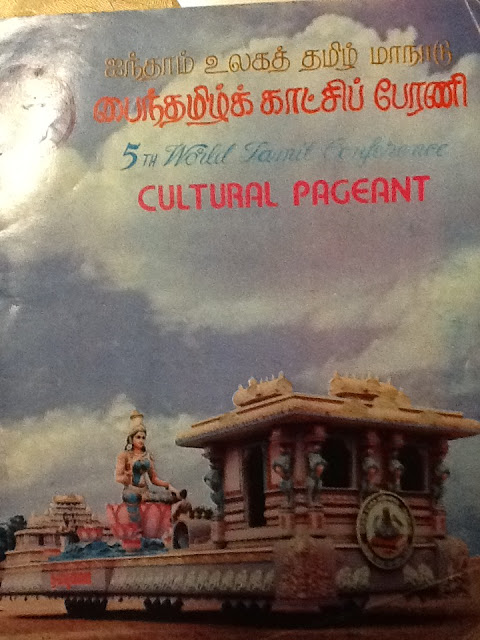
MOTHER TAMIL

Tamil is one of the classical languages of the world. It is the most ancient language among all the languages of the Dravidian family. It is endowed with rich vocabulary, beautiful diction, rhythm and melody. The  ancient Tamils, who have been fascinated by the greatness, grandeur and glory of their mother tongue, have personified her as Mother Goddess and showered all praise and honour on her.


It is a convention to describe some of the classical epics of Tamil language as the ornaments worn by the Mother Goddess Tamil. Silappathikaram is hailed as her anklet, Valayapathi as her bracelet, Manimekalai as her waist belt studded with gems, Chintamani as her necklace, Kuntalakesi as her ear-ring and Chutamani as the jewel worn on her forehead. She is also portrayed as a queen holding in her hand Thirukkural as the sceptre the symbol of her righteous rule.


The Tamil poets of yore have glorified their mother tongue as the first language of the human race. Its ancient grammatical treatises such as Tholkappiyam and  Irayanar Kalavijal bear testimony to its rich legacy of literature and continuity of literary tradition from a hoary past. Here is a tableau which depicts Tamil language as Mother Goddess.


THIRUVALLUVAR

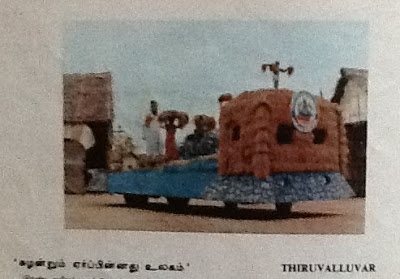
Thiruvalluvar was a profound scholar, philosopher and poet, who lived in Tamil Nadu two thousand years ago. His magnum opus THIRUKKURAL or the sacred couplets, is an ethical work which speaks about the greatness of righteousness (Aram), polity and economy (Porul) and domestic happiness (Inpam) in 1330 couplets. This work is a great human heritage which has transcended the linguistic, racial and religious barriers in its presentation of the ethical codes. Among the Indian classics it is the only book which has been translated into nearly two and a half dozens of languages. The modern Tamil year is calculated beginning with the birth of Thiruvalluvar. Since agriculture formed the basis of the economy of the ancient Tamils, Thiruvalluvar has devoted one chapter to this noble profession. The float depicts an agricultural scene, so well portrayed by Thiruvalluvar.


AVVAIYAR

In the portrayal of various internecine and intertribal wars which were waged for various political motives, the Sankam literatures introduce Avvaiyar, a poetess of the Sankam age, as a peace maker between two warring kings. Thontaiman plans a war against Athiyaman. Avvaiyar, wishing to stop the war, meets Thontaiman. Contrasting his decorated weapons with those of Athiyaman, so frequently used in battles, she brings home to Thontaiman, the latter’s superiority in warfare. A war is thus averted.


KANNAKI
in SILAPPATHIKARAM

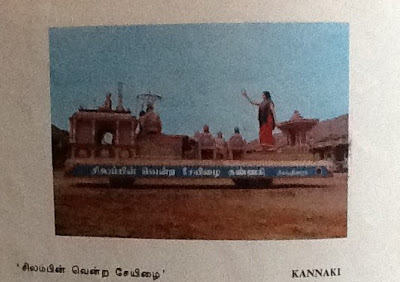
Silappathikaram is the earliest among the available Tamil epics. Kannaki came to Madurai along with her husband Kovalan to sell her anklet and start a new life. But, her husband was unjustly accused of stealing the anklet of the Queen and was killed under the orders of the King. To prove the innocence of her husband, and expose the heinous crime of the Great Pandya King, Kannaki went to his court with one of her anklets. She accused the King of having ordered the death of her husband without conducting proper trial. The Queen’s anklet had pearls whereas the anklet of Kannaki had gems inside. She broke her anklet in the presence of the king and proved that her husband  Kovalan was not guilty. She is worshipped in Tamil Nadu as the Goddess of Chastity. The scene where Kannaki accused the King and broke her anklet is depicted in this tableau.


to be continued………………………

கஷ்டம் வந்தால் கவிதை பிறக்கும்: பால முரளி கிருஷ்ணா அனுபவம் (Post No.3419)

Picture of Sri Balamurali Krishna


Written by London swaminathan


Date: 5 December 2016


Time uploaded in London: 9-24 AM


Post No.3419


Pictures are taken by ADITYA KAZA; thanks.


contact; swami_48@yahoo.com


பாலமுரளி கிருஷ்ணாவின் மறைவை ஒட்டி, அவருக்கு அஞ்சலி செலுத்த லண்டனில் 3-12- 2016ல் ஒரு அஞ்சலிக் கூட்டம் நடந்தது. அதில் சிறப்புரை ஆற்ற என்னையும் அழைத்திருந்தனர். முதலில் அதில் கேட்ட, பிறர் சொன்ன சுவையான விஷயங்களைச் சொல்லுகிறேன்.


பாரதியார் மற்றும் சங்கீத மும்மூர்த்திகளின் வாழ்க்கை வரலாற்றைப் படிக்கும்போதெல்லாம் அவர்கள் கஷ்டப்பட்டபோதெல்லாம் இறைவனை நினைத்து கவிகளையும், கீர்த்தனைகளையும், கிருதிகளையும் இயற்றியதைப் படிக்கிறோம்.


லண்டன் கூட்டத்தில் சிறப்புரை ஆற்றிய பாரதீய வித்யா பவன் டைரக்டர்  டாக்டர் நந்த குமாரா சொன்னதாவது:

“ஒரு முறை சங்கீத மாமேதை பாலமுரளி கிருஷ்ணா, ரஷ்யாவில் சுற்றுப் பயணம் செய்தார். ஹோட்டலில் நான்கு நாட்கள் தனியாகத் தங்கி இருந்தார். அங்கு மரக்கறி (சைவ) உணவு கிடைப்பது அபூர்வமாக இருந்தது. ஒரு புறம் தனிமை; மறுபுறம் வயிற்றைக்கிள்ளும் பசி; ஹோட்டல்காரர் களிடம், ‘ அப்பா! கொஞ்சம் தயிராவது கொடேன் என்று பாலமுரளி சொன்னார். உணவு விடுதிக்காரரும் மறுநாள் நல்ல கெட்டித் தயிர் கொண்டுவந்தார்.

“ஒரே ஆச்சரியம். அட இந்த உறைபனி வெப்ப நிலையிலும் இப்படி வெண்ணை போலத் தயிர் கொண்டு வந்துவிட்டீர்களே! என்றார் பாலமுரளி

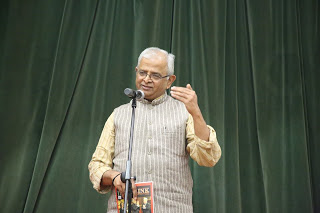
Dr Nandakumara, Director, B V Bhavan, London Kendra

அந்த உணவுவிடுதிக்காரர் சொன்னார், “அது ரொம்ப எளிது, ஸார். நாங்கள் விரைவில் தயிர் ஆக அதில் ஒரு மீனைப் போட்டுவிடுவோம் என்றார். இதைக் கேட்ட பாலமுரளி கிருஷ்ணா, நொந்து போய், மனம் வெந்து போய் அதை நைஸாக ஒரு ஓரத்தில் ஒதுக்கிவைத்து விட்டு ஜன்னல் வழியாக வெட்ட வெளியைப் பார்த்தார். நள்ளிரவு. ஆனாலும் சூரியன் தெரிந்தது (துருவத்தை ஒட்டி, வட அட்ச ரேகைகளில் இருக்கும் நாடுகளில் நள்ளிரவிலும் சூரியனைப் பார்க்கலாம்.) உடனே அவருக்கு ஒரு கவிதை (க்ருதி) பிறந்தது. இறைவா! சூரியனே நீதான் எங்கு போனாலும் எனக்குத் துணை” என்று.


(என் கருத்து: நமக்குக் கஷ்டங்கள் வந்தால் கோபப் படுவோம். இறைவன் மீது கூட அந்த சினம் பாயும் . ஆனால் பெரியோர்களுக்குக் கஷ்டம் வந்தாலோ அது பாட்டாக மலரும்)


அடுத்ததாக லண்டனிலுள்ள சீனியர் மிருதங்க வித்துவான் திரு கிருஷ்ண மூர்த்தி பேசினார்; அவர் சொன்னதாவது:


ஒரு முறை என் குருநாதருக்கு உடம்பு சரியில்லை. ஆகையால் அவருக்கு வந்த எல்லா மிருதங்கக் கச்சேரிப் பணிகளையும் ரத்து செய்துவிட்டார். ஆனால் பாலமுரளி கிருஷ்ணாவுக்கு வாசிக்க ஒப்புக்கொண்டது மறந்து போயிற்று. எதேச்சையாக சபா காரியதரிசி என் குரு நாதரைப் பார்த்து “நாளை கச்சேரி; அதான் உங்களைப் பார்த்துவிட்டுப் போகலாம்” என்று வந்தேன் என்று சொல்ல, என் குருநாதர் “முடியவே முடியாது என் உடல் நிலை மிகவும் மோசமாக இருக்கிறது” என்று சொல்லிவிட்டார்.

சபா காரியதரிசியோ, இவ்வளவு கடைசி நேரத்தில் நான் போய் யாரைக் கேட்டாலும் வர மாட்டார்கள்; உங்கள் சிஷ்யன் கிருஷ்ணமூர்த்தியை (என்னை) வாசிக்கச் சொல்லுங்களேன் என்றார். அதற்கு என் குருநாதர் எனக்கு ஒரு ஆட்சேபணையும் இல்லை, பாலமுரளி ஸார் ஒத்துக்கொள்ள வேண்டுமே என்றார்.

Senior Mridangist Mr Krishnamurthy (first in the row)

சபா காரியதரிசி பாலமுரளி கிருஷ்ணாவைக் கேட்டவுடன் அவர் இசைவு தெரிவித்தார். மறு நாள், நான் பயந்துகொண்டே போய் வாசித்தேன். அவர் எனக்கு மிகவும் ஆதரவு கொடுத்துப் பாடினார் — என்றார் திரு கிருஷ்ணமூர்த்தி


இதற்குப் பின், நான் பேசினேன்.

என் சிற்றுரை:

கூட்டத்தில் நான் (லண்டன் சுவாமிநாதன்) பேசியதாவது.


என்னைப் பேச அழைத்த வயலின் வித்வான் திரு நாகராஜு அவர்களுக்கு நன்றி.

டாக்டர் நந்தகுமாரா பேசி முடித்தவுடன் இதையெல்லாம் புத்தகமாக எழுதுங்கள் உங்கள் அனுபவம் எல்லாம், எதிர்கால சந்ததியினருக்குப் பயன்படும் என்றேன். அது போல கிருஷ்ணமூர்த்தி ஸாரும் அவரது அனுபவங்களை எழுத வேண்டும். அவர் நீண்ட காலத்துக்கு முன்னர் எதிர்பாராத விதமாக பாலமுரளிக்கு வாசித்தபோது அவர் எவ்வளவு ஆதரவு கொடுத்தாரோ அதை பாலமுரளி கிருஷ்ணா கடைசி வரை செய்து வந்ததை நான் FACE BOOK பேஸ் புக் மூலம் அறிவேன். தினமும் யாராவது ஒரு இளம் கலைஞர் பாலமுரளிகிருஷ்ணா அவர்களிடம் ஆசி பெறுவது போல படஙகள் வரும். நமக்குத் தெரியும்; பிரபல பாடகி சுதா ரகுநாதன் முதல் புதிய கலைஞர்கள் வரை அனைவரும் அவரது ஆசியையும் ஆதரவையும் பெற்றவர்கள் என்பது.


நான் ஒரு திரைப்படப் பாடல், இரண்டு சம்பவங்கள் , மூன்று திருக்குறள்கள் சொல்லி அதில் அவரது வாழ்வு எப்படிப் பின்னிப் பிணைந்துள்ளது என்று காட்ட விழைகிறேன்.


திருவிளையாடல் என்ற திரைப்படத்தில் ஒரு நாள் போதுமா என்ற அருமையான பாட்டு பாலமுரளி குரலில் ஒலித்தது. அதை எழுதியவர் கவிஞர் கண்ண்ணதாசன். கவிஞர்களின் வரிகள் எப்போதுமே தீர்க்கதரிசனம் உடைய வரிகள். அவர் பாலமுரளியின் வாய் மூலம் வரவழைத்த ஒவ்வொரு வரியும் எப்படி அவருக்குப் பொருந்துகிறது என்று பாருங்கள் (நான் ஆங்கிலத்தில் பேசியதால் ஒவ்வொரு வரியையும் தமிழில் சொல்லி ஆங்கிலத்தில் மொழிபெயர்த்தேன்).

Mr Prabhakar Kaza, London swaminathan and Dr Nandakumara with his wife.

பாடல்: ஒருநாள் போதுமா? இன்றொரு நாள் போதுமா?
திரைப்படம்: திருவிளையாடல் (ஆண்டு 1965)
பாடியவர்: M. பாலமுரளிகிருஷ்ணா
இயற்றியவர்: கவிஞர் கண்ணதாசன்
இசை: K.V. மஹாதேவன்

ஓரு நாள் போதுமா இன்றொரு நாள் போதுமா?
நான் பாட இன்றொரு நாள் போதுமா?

………………………………….

………………………….
ராகமா சுகராகமா கானமா தேவகானமா? – என்
கலைக்கிந்தத் திருநாடு சமமாகுமா? – என்
………………………………………
குழலென்றும் யாழென்றும் சிலர் கூறுவார் – என்
குரல் கேட்ட பின்னாலே அவர் மாறுவார்
அழியாத கலையென்று எனைப் பாடுவார் ஆ..
அறியாமல் எதிர்ப்போர்கள் எழுந்தோடுவார் –

இசை கேட்க எழுந்தோடி வருவாரன்றோ?

……………………………….
கானடா.. ஆ.. என் பாட்டு தேனடா இசை தெய்வம் நானடா


கண்ணதாசன் வரிகளில் வந்தது போல பால முரளியின் கானம் தேவ கானம், அவருடைய பாட்டுக்கு இந்த நாடே இணையாகாது, அவரது பாட்டைக் கேட்க எல்லோரும் எழுந்தோடி வந்தனர்; அவர் சொன்னது போலவே அவர் இசைத் தெய்வம். எனக்கு முன்னே பேசியோரும் பாலமுரளியை சங்கீத சார்வபௌமன் என்றும் அவதாரம் என்றும் போற்றினர். எவ்வளவு உண்மை! எவ்வளவு உண்மை!

நான் சொல்ல விரும்பும் இரண்டு சம்பவங்களும் விக்கிபீடியாவில் உள்ள விஷயங்கள்தான். தந்தை விரும்பாதபோதும் எப்படி அவர் தானே ஒரு வயலின் செய்து வாசித்து தந்தையையும் இணங்க வைத்தார் என்பதும், அபூர்வ ராகங்கள் என்ற படத்திற்கு அவர் எப்படி மஹதி ராகத்தில் அதிசய ராகம் பாடல் எழுதினார் என்பதும் இரண்டு சம்பவங்கள் (விக்கி பீடியாவில் காண்க)


அடுத்ததாக மூன்று திருக்குறள்கள்; அவை எப்படி அவருக்குப் பொருந்துகிறது என்பதைச் சொல்கிறேன்.

Mr Nagaraju playing on violin

-தொடரும்…………………….


அரவிந்தரின் கண்களில் அரும்பிய நீர்! (Post No.3418)

Article Written by S NAGARAJAN


Date: 5 December 2016


Time uploaded in London: 5-59 AM


Post No.3418


Pictures are taken from various sources; thanks. They are representational.


contact; swami_48@yahoo.com


சென்ற வார பாக்யா இதழில் வெளிவந்த கட்டுரை

மகாகவி பாரதியார் பிறந்த தேதி டிசம்பர் 11. மஹரிஷி அரவிந்தர் மறைந்த தேதி டிசம்பர் 5. இருவரின் அழியா நட்பும் ஆன்மீக ரீதியிலானது. இந்த இருவரையும் பற்றிய சிறப்புக் கட்டுரை.


அரவிந்தரின் கண்களில் அரும்பிய நீர்!


ச.நாகராஜன்


விடுதலைப் போரில் ஈடுபட்டு அலிபூர் சிறையில் உயரிய ஆன்மீக அனுபவம் பெற்ற பின்னர் மஹரிஷி அரவிந்தரின் மனம் ஆன்மீக சிந்தனையில் ஊறித் திளைத்தது. ஒரு புதிய அரும் பெரும் சக்தியை பூவுலகில் இறக்குவதற்கான யோகத்தில் அவர் மனம் விழைந்தது.

இதையொட்டி அவர் உள் மனதில் ஒரு குரல் ஒலித்தது: ‘பாண்டிச்சேரிக்குப் போ’ என்று.!

அந்தக் குரலின் கட்டளையை ஏற்று அரவிந்தர் புதுவைக்கு ஒரு படகில் விரைந்தார்.

அப்போது புதுவையில் இருந்த சுதேசிகளான மகாகவி பாரதியார், ஸ்ரீநிவாசாச்சாரி, கிருஷ்ணமாச்சாரி ஆகியோருக்கு அரவிந்தர் வருகை இரகசியமாக ஒருவர் மூலமாக அறிவிக்கப்பட்டது.

ஆனால் அவர்கள் அந்த தூதர் கொண்டு வந்த செய்தியை நம்பவில்லை.

ஆங்கிலேய் அரசின் சூழ்ச்சிகளில் இதுவும் ஒரு திட்டமே என நம்பினர்.

இருந்தாலும் கூட அவர் ஒருவேளை வந்து விட்டால் அவர் தங்குவதற்கென சர்க்கரை செட்டியார் என்ற அன்பரின் வீடு ஏற்பாடு செய்யப்பட்டது.

அரவிந்தர் 1910ஆம் ஆண்டு ஏப்ரல் 4ஆம் தேதி புதுவை வந்து சேர்ந்தார். பாரதியார் அவரை வரவேற்றார்.

அன்றிலிருந்து ஒரு அற்புதமான நட்பின் அபூர்வ விளைவுகளாக வேத ஆராய்ச்சி, அரவிந்தர் தமிழ்க் கவிதைகளை இரசித்து, ஆண்டாள், பாசுரத்தை (To the Cuckoo, I dreamed a dream) ஆங்கிலத்தில் மொழி பெயர்த்தது, பாரதியார் அவரை  தினமும் சந்தித்துப் பல்வேறு விஷயங்கள் குறித்து விவாதிததது என்று ஏராளமான நற் பணிகள் நடைபெற ஆரம்பித்தன.

அரவிந்தர் மேல் பேரன்பு கொண்டிருந்த மகாகவி, அவரைப் புகழ்ந்து,

“ஆதிசிவன் மேலிருக்கும் நாகப் பாம்பே  – எங்கள்

அரவிந்தப் பேர் புனைந்த அன்புப் பாம்பே!

சோதிப்படத் தூக்கி நட மாடி வருவாய்! – அந்தச்

சோலை நிழலால் எமது துன்பம் ஒழிவோம்!”

என்று பாடினார்.


ஒரு நாள் மண்டயம் ஸ்ரீநிவாஸாசசாரியார் வீட்டிற்கு வந்த பாரதியார் சரஸ்வதி ஸ்தோத்திரமான எங்ஙனம் சென்றிருந்தீர் என்று தான் புனைந்த பாடலை பாடிக் காட்டினார். அப்போது அங்கு வ.வே.சு ஐயரும் வந்தார்.

அப்போது நடந்த உரையாடலை ஸ்ரீநிவாஸாசசாரியாரின் புதல்வியான யதுகிரி அம்மாள் ‘பாரதி நினைவுகள்’ என்ற தனது நூலில் இப்படிக் குறிப்பிடுகிறார்:

ஸ்ரீநிவாஸாசசாரியார் : ஒரு பதத்தில் நூறு பொருள்களை அடக்கும் சக்தி பாரதி தவிர வேறு யாருக்கும் வராது.

பாரதி: நம் நால்வருக்குள் நம் குண விசேஷங்கள் அடங்கி விட்டன. நான் நன்றாகப் பாடுகிறேன் என்கிறீர் நீர். உம்மைப் போன்ற எழுத்தாளர் இல்லை என்கிறேன் நான். ஐயரைப் போன்று மொழிபெயர்ப்பு நிபுணர் கிடையாது என்று நாம் சொல்கிறோம். பாபுவைப் போல் (அரவிந்தரைப் போல்) பழைய வேதங்களை இங்கிலீஷில் மொழிபெயர்த்து அடுக்குபவர் கிடையாது என்கிறோம். நாலு பேர் நாலு பக்கத்திற்கு.

ஸ்ரீநிவாஸாசசாரியார் : காலம் வரும். அவசரப்பட வேண்டாம். இது சோதனைக் காலம்.

ஐயரும் ஆறுதல் கூறினார் பாரதியாருக்கு. மஹாகவியாக இருந்தும் வறுமையில் ஆழ்ந்திருந்தது, உலகினர் தன்னை அறியாதிருந்தது அவரை வேதனைப் படுத்தியது.

புதுவையில் அடிக்கடி ஆங்கிலேயரின்  சூழ்ச்சித் திட்டங்கள் அரங்கேறும்.

இந்த சூழ்ச்சியின் ஒரு பகுதியாக புதுவையை ஆங்கிலேயருக்கு பிரெஞ்சுக்காரர்கள் விற்று விடுவதாகப் பேச்சு நடந்தது. அதைப் பற்றி பாரதியாரின் புதல்வியான சகுந்தலா பாரதி, ‘என் தந்தை’ என்ற நூலில் விவரமாகக் குறிப்பிடுகிறார் இப்படி:

“ ஒரு சமயம் புதுவை நகரை பிரெஞ்சுக்காரர்கள் ஆங்கிலேயருக்கு விற்றுவிடுவதாகப் பேச்சு நடந்தது. அப்பொழுது அங்கிருந்த ‘ஸ்வதேசிகளை’ ஆங்கிலேயரிடம் காட்டிக் கொடாமல், பிரெஞ்சுக்காரருக்குச் சொந்தமான அல்ஜேரியாவுக்கு அனுப்புவதாக பிரெஞ்சு கவர்னர் ஒப்புக்கொண்டார். அவ்வாறே போவதற்கு ஸ்ரீ வ.வே.சு. ஐயர், ஸ்ரீ அரவிந்தர், ஸ்ரீ ஸ்ரீநிவாஸாசசாரியார்  எல்லோரும் சம்மதித்து விட்டார்கள். என் தந்தை மட்டும், தன் மனைவி மக்களையும் தன்னுடன் வர அனுமதித்தால் தான் போக முடியும். இல்லாது போனால் விதிப்படி நடக்கட்டுமென்று ‘நான் புதுவையிலேயே தங்கியிருப்பேன்’ என்று கூறினார். அவ்வாறே அனுப்பவும் பிரெஞ்சுக்காரர்கள் சம்மதித்து விட்டார்கள். கடவுளின் அருளால் புதுவையை விற்கவுமில்லை. நாங்கள் பாலைவனத்திற்குப் போக வேண்டிய அவசியமும் நேரவில்லை”


இந்தக் கால கட்டத்தில் தினமும் பாரதியார் சகுந்தலாவிற்கு பாலைவனக் கதைகள் சொல்வாராம்

ஆனால் நல்ல வேளையாக அல்ஜீரியா பாலைவனத்திற்கு அரவிந்தர், பாரதியார் உட்பட்ட யாரும் போகவில்லை.

புதுவை வாழ்க்கை சகிக்க முடியாத ஒரு நிலை ஏற்படவே பாரதியார் சென்னைக்குத் திரும்ப முடிவு செய்தார்.

கடைசியாக அரவிந்தரிடமிருந்து விடை பெறும் நாளும் வந்தது.

அந்த நாளைப் பற்றி சகுந்தலா பாரதி தனது நூலில் இப்படி விவரிக்கிறார்:

“ஸ்ரீ அரவிந்தரிடம் என் தந்தை விடை பெறுவதற்காகச் சென்றார். நாங்களும் போயிருந்தோம். அந்தாளில் ஸ்ரீ அரவிந்தரின் ஆஸ்ரமத்திற்கு இப்போதுள்ளது போன்ற கட்டுக் காவல் கிடையாது. எங்களுக்கு விருப்பமானபோதெல்லாம்,ஸ்ரீ அரவிந்தரின் மாளிகைக்குச் செல்வதுண்டு. அங்கு ஸ்ரீ அரவிந்தரும், என் தந்தையாரும், ஸ்ரீ வ.வெ.சு ஐயரும் பல விஷயங்களைச் சம்பாஷிப்பார்கள். குழந்தைகளாகிய நாங்கள் சிறிது நேரம் கேட்டிருப்போம். பின்பு அவரது மாளிகையைச் சூழ்ந்த விசாலமான தோட்டத்தில் விளையாடியும், ஸ்ரீ அரவிந்தருடன் வசித்து வந்த அவரது சிஷ்யர்களுடன் பேசியும் சில நேரம் கழிப்போம்……

கடைசிமுறையாக் என் தந்தை அரவிந்தரிடம் விடை பெறப் போனபோது அவர்கள் தனியறையில் சம்பாஷணை நடத்தியதால் அதன் விவரம் எனக்குத் தெரியாது. ஆனால் விடைபெற்றுத் திரும்புகையில் ஸ்ரீ அரவிந்தரின் சாந்தி நிறைந்த ஞானவொளி வீசும் கண்கள் கண்ணீரால் மங்கியிருந்தன. என் தந்தையின் வீர விழிகளில் கண்ணீர் ததும்பி நின்றது. அது மட்டும் தான் நான் கண்டேன்.

ஸ்ரீ அரவிந்தரது ஆசீர்வாதத்தைப் பெற்று வீடு திரும்பினோம். அவரது சீடர்கள் எங்களுடன் வீடு மட்டும் வந்தார்கள்.நண்பர்கள் யாவரையும் பிரிய மனமில்லாமல் பிரிந்து புதுவையிலிருந்து புறப்பட்டோம்.”

சகுந்தலா பாரதியின் புதுவை வாசம் இப்படி உருக்கமுடன் கண்ணீருடன் முடிகிறது.


ஆங்கில சாம்ராஜ்யத்தையே ஆட்டுவித்த மகாவீரர், ஆன்மீக சிகரத்தில் ஏறி புதிய யோக சக்தியைப் பூவுலகில் இறக்கியவர் அரவிந்தர்.

தன் பாட்டுத்திறத்தாலே இந்த வையத்தைப் பாலித்திட வந்தவர் தமிழ்க் கவிஞர் பாரதியார். வாராது வந்த மாமணி. வீயாச் சிறப்புடையவர்.

இவர்களின் கண்களில் பிரிவினால் அரும்பியது நீர் என்றால் அது புனித நீர் அல்லவா!

கொடுத்த வைத்த புதுவை பூமி சரித்திரத்தில் புனித பூமியாக நிரந்தர இடம் பெற்று விட்டது!

******


A Fish Inspired Balamurali Krishna to compose a Krti (song)! (Post No.3417)

Written by London swaminathan


Date: 4 December 2016


Time uploaded in London: 15-13


Post No.3417


Pictures are taken by ADITYA KAZA; thanks.


contact; swami_48@yahoo.com


A Sraddhanjali meeting was organised by Violinist Mr Nagaraju and his team in London yesterday to pay homage to the departed musician Dr Balamurali Krishna. All the famous musicians of London were present and paid homage to the departed musician by singing his krtis. Dr Nandakumara, Director of London Bharatiya Vidhya Bhavan was the main speaker. Violinist Nagaraju, Mrdangist Karaikudi, Krishnamurthy London Swaminathan, Mr Prabhakar Kaza and Jagatheeswaran Pillai spoke on the occasion. Ms Bhanu sistla compered the programme. Young and budding artistes also participated in the event.


Now I give a gist of what I (London Swaminathan) said in my speech: –


Good Evening, Namste, Vanakkam, Namskaram


I recite Vishnu Shasranama everyday and my wife plays Lalitha Sahsranama everyday while she cooks. Today I listened to the Balamuralkrishna “Ashtottarm” (108 names) for the first time! Mr Nagaraju has ‘recited’ (actually recalled) all the titles of the great master Balamurai—so many titles and awards! – it is like an ashtottaram on a god! That shows how great he was.


Thank you Mr Nagaraju for inviting me to this event. I am neither a musician like Mridangist Krishnamurthy sir nor a musicologist like Dr Nandakumara. They gave us very interesting anecdotes though their personal contacts (the interesting titbits are at the end of this article). I am going to approach this matter as a layman. I will tell you one film song, two anecdotes and three couplets from the Tamil Veda Tirukkural and see where and how Dr Balamurali fits into it.


Dr Balamurali Krishna was known to every music lover in Tamil Nadu, but not to laymen. When his song Oru Nal Pothuma (Is one day enough) came in the Tamil Film TIRU VILAIYADAL, he became very famous and popular. A great lyricist Kannadasan wrote this film song and was sung by Blamurali Krishna. The lines in the song have come true today. Knowingly or unknowingly Kannadasan put some words in the mouth of Balamurali Krishna. Here are some lines from the song:-

Tamil Film Song Lines:
OrunaaLpothumA? Is a day enough?
Indr-oru naaL pothumA? Is this day enough?
Naan paada indr-oru naal pothumA?
Is this day enough for me to sing?
………

……….

Gaanam- ah? Deva gaanam-Ah?
Song? is it a heavenly song?

My comments: Very True. His songs are heavenly songs

Enn Kalai-kk indha thiru naadu samam aagumA?
Will this country ever be equal to my art?
Enn kalai-kk indha thir naadu samam aagum-ah?
Will this country ever be equal to my art?

My comments: Very true. Not even a country will be equal to his songs
KuLaL endrum yaaLl endrum silar kuruvar
Some describe it (voice) as a flute or YaLl
Enn kuraL kay-ta pinnalay avar maaruvar
They change (their opinion) after they  hear my voice
My comments: I am going to refer these lines in the Tirukkural next. Neither flute nor lute will come nearer to his divine voice.
ALiyatha kallai endru ennai paduvar
They praise me as an indestructible art
Isai kett-ka eLinth-thodi varuvarr endro
To hear (my) music (people) come running
ELinth-thodi varuvarr endro —- Come running
My comments: These lines also came true. He was listened to by thousands of people wherever he went. And Balamurali finished his gong in the film by saying ,

Issai theivam naan aDa           I am the god of music!


It is very true. Earlier speakers described Balamurali as an avatar (incarnation) and a Sangeetha Sarvapauman.


Now to the episodes which I read in Wikipedia


Balamuralikrishna learnt violin by listening to his father playing the instrument.

“Since my father was against me playing violin, I created my own instrument. Once I summoned courage and played his instrument in his absence. When questioned by my father I admitted and played Bhairavi ata thala varnam.  My father was impressed and allowed me to play the instrument,” he had recalled in his biography Sangita Perunkadal, penned by Ranimynthan.


When K. Balachander directed Apoorva Ragangal, he told M.S. Viswanthan to compose a song in a rare raga to justify the title of the film. It was Balmuralikrishna who helped him compose the song Athisaya Ragam in raga Mahathi. His other creations are raga Sarvashri, Lavangi, and Sumukham.

He also scored music for the first Sanskrit film Adi Sankarar


I wanted to quote

Three couplets from the Tamil Veda- Tirukkural written by Tiru Valluvar:-


1.ONLY THOSE WHO HAVE NOT HEARD THE MELODY OF THEIR CHILDREN’S LISPING PRATTLE, WILL SAY THE MUSIC OF FLUTE AND LUTE IS SWEET -66


2.THE JUST AND THE UNJUST COME TO BE KNOWN BY THE REPUTATION THEY LEAVE BEHIND -114


3.IF ONE TAKES BIRTH IN THIS WORLD ONE SHOULD COME WITH QUALITIES WHICH BRING FAME; IF NOT IT IS BETTER NOT TO APPEAR AT ALL -236


Let us see how great he is in the background of these 3 couplets:

He lived for 86 years. He learnt music when he was six and gave his first concert when he was nine years old! That means he dedicated 80 years of his life for music—for the development of classical music. We cant find a parallel to it in the music world.


He has garnered two National Film awards, the Sangeet Nataka Academy award and Padmavibhushan and many more awards. He gave 25,000 concerts in his life time which are available on records, tapes and You Tube. It will inspire generations to come. He spoke many languages in addition to his mother tongue Telugu.


WHAT DID HE LEVE US

Balamuralikrishna had over 400 compositions to his credit and is one of the very few people to have composed in all the 72 Melakarta Ragas and has created several ragas, with 4 notes and 3 notes and also has invented a new Tala system. His compositions encompass every facet in Carnatic Music that includes Varnas, Krithis, Thillanas.


So like Valluvar said, a man’s greatness is decided on the basis of what he leaves behind. He left us a big treasure. Valluvan said if you are born, lead a glorious life which Balamurali did.

People who listened to him wont praise flute or lute. Thus he justified the three couplets from Tirukkural.


Dr Nanda Kumara and Krisnamurthy (sir) told us interesting anecdotes. As soon as Dr Nandakumara finished his speech I requested him to write a book with these inspiring anecdotes for the benefit for the future generation. I request Sri Krishnamurthy sir also to write his experience.

Picture: Dr Nandakumara speaking


Fish Yogurt inspired Balamurali Krishna!

Dr Nandakumara told the gathering the following interesting anecdote:-

Dr Balamurali Krishna travelled in Russia at one time. He could not have any proper vegetarian food for four days. He was staying in a hotel all alone. One day he asked the restaurant to give him at least curd (yogurt). At last they brought him Yogurt. He was surprised to see a thick fermented yogurt. He wondered how they were able to achieve it in that cold temperature. They told him,

“It is very simple sir. We put a fish in it for fermentation (as a curdling agent)!

Immediately Balamurali pushed it to one side and prayed to God.

He looked at outside through the window in the mid night. Sun shines during mid night in the northern most latitudes. When he looked at the sun he composed a Krti, Oh, Sun God you are my companion and helper (for ever).

Thus Fish Yogurt (curd) inspired Balamurali Krishna to compose a new song. Dr Nandakumara related many more anecdotes.

Picture: Mr Krishnamurthy paying homage

Mr Krishnamuthy was learning Mridangam under his Guru. His guru took many assignments but could not fulfil them due to poor health. He cancelled all those in time, but forgot his accompaniment for Dr Balamurali. The Sabha secretary came to him casually to remind him about the next day concert. My Guru told him that he could not come. When the Sabha secretary told that it was too late to approach anyone and asked whether me (MR Krishnamurthy) could accompany Balamurali on Mridang. My Guru told him that he had no objection but Balamurali must give his consent. Sabha (Music association) secretary came with the good news that I could play Mridangam for Balamurali sir. But I survived only with his (Balamurali’s) support on that day.


My comments

Later I also referred to it and said that Balamurali was a great supporter of young and budding artistes. Every day I see in Facebook one or the other, from great singers like Sudha Ragunathan to youngest artists pose with Balamurali sir and getting his blessings.


Thank you for the opportunity given to me to pay my respects.

Thank you.


Picture: Men behind the event: Violinist Mr Nagaraju and Mr Prabhakar Kaza.

–Subham–