Human Sacrifice (Nara Bali) in India (Post No.3244)

nara-bali

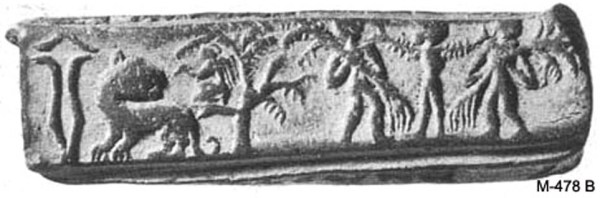
I have taken this picture from an old book; I dont know whether it is a drawing or something that happened long long ago.

Written by London Swaminathan


Date: 12 October 2016


Time uploaded in London: 5-55 AM


Post No.3244


Pictures are taken from various sources; thanks.


Contact swami_48@yahoo.com


We have references to Nara bali/ human sacrifice in the following sources in India:-


1.Siruthondar (from Tamil Periyapuranam):

One of the 63 Saivite saints of Tamil Nadu. He lived in the period of Mahendra Pallava, 1400 years ago. One Bairagi came and asked for human meat. Siruthondar, who was the commander in Chief of the Pallava army, was forced to cook his own son for the Siva devotee. But at the end, the boy came alive and the Bairagi disappeared and they came to know that it was Lord Siva who came as a meat eater to test his devotion.

Whatever be the end of the story this shows that there a sect who asked for human sacrifice. They were very few in number and hated by the true devotees.


2.Adi Sankara

Adi Shankara who lived 2000 years ago weeded out the bad elements in Hinduism. Knowing that he was against unruly elemtnts in the Hindu religion A Kabalika asked for his body to be sacrificed to the god. He agreed because an ascetic never cares for the human body. But one of his disciples took the form of Narasimha (Man lion form of Vishnu) and torn the Kabalika into pieces.

3.Purushamedha Yajna (from the Vedic literature)

We hear about it only name sake in the Vedas. There was one instance where a boy was tied to a pole (may be for sacrifice)  and he was released by the revolutionary Vedic Poet Visvamitra. No body objected to it. But there are other references that only human or animal figures made out of rice flour were sacrificed in the fire.


Other Nara Bali Episodes:–

4.Indus Valley Civilization; 5.Navakandam; 6.Mahabharatam:–

Please see my earlier post; link at the bottom


7.From Khond (Dravidian Human Sacrifices) Sources:–

Bera Pennu

“Vegetation goddess in Nothern India.

Worshipped by the Khonds in Bengal.

She was the recipient of human sacrifice to ensure good harvest, particularly of the spice turmeric, and as protection against disease and infirmity. The sacrificial victim or meriah was youthful, often kept as a holy person before death and was always either the offspring of a previous sacrificial victim, or purchased from impoverished families for the purpose. He or she was generally strangled, sometimes in the fork of a tree, after days of festivities. In other instances, the victim was cut alive.


Boora Pennu

God of light. Indian Khond.

A local deity in Orissa province who created the earth goddess Tari Pennu as his consort and through her engendered the other great gods. Until recently this deity was the subject of sacrifice in notorious meriah rituals which involved violent human sacrifice.

Tari Pennu

Chthonic goddess. Indian (Khond). Created by the sky gods Boora Pennu and Bella Pennu so as to conceive the rest of the pantheon she is identified as a malevolent deity, the subject of regular propitiation human sacrifices in the notorious meriah rituals in the Orissa province”.

(Pennu= light is explained in my other article posted on 7th October; please see the link at the bottom)

(Encyclopedia of Gods by Michael Jordan)


8.Egypt, Mayan, Middle East (Bahrain), Sumer etc


My earlier Posts:-

Human Sacrifice in Indus Valley and Egypt

31 October 2012

Human Sacrifice practised by the Khonds, 7 October 2016

நான் வெட்டிய கடைசி உருளைக்கிழங்கு! (Post No.3243)

ernest_rutherford_loc

Written by S. NAGARAJAN

Date: 12 October 2016

Time uploaded in London: 5-41 AM

Post No.3243

Pictures are taken from various sources; thanks


Contact :– swami_48@yahoo.com


7-10-2016 பாக்யா இதழில் வெளியாகியுள்ள கட்டுரை

நான் வெட்டிய கடைசி உருளைக்கிழங்கு!

ச.நாகராஜன்


அறிவியல் அறிஞர் வாழ்வில் .. ..


பிரபல இயற்பியல் விஞ்ஞானியான சர் எர்னஸ்ட் ருதர்போர்ட்  (Sir Ernest  Rutherford 1871-1937) ) நியூஜிலாந்தைச் சேர்ந்தவர். அவருக்கு மலர்ச் செடிகளின் மீது ஆர்வமும் இல்லை, தோட்டப் பராமரிப்பில் இஷடமும் இல்லை. ஆனால் இளவயதில் தோட்ட வேலை செய்ய வேண்டியிருந்தது. ஒரு நாள் குடும்பத்திற்குச் சொந்தமான பண்ணைத் தோட்டத்தில் உருளைக்கிழங்கை வெட்டி எடுத்துக் கொண்டிருந்தார். அப்போது தான் அவருக்கு ஒரு நல்ல செய்தி கிடைத்தது. அவர் பெரிதும் படிக்க விரும்பிய கேம்பிரிட்ஜில் படிப்பதற்கான ஸ்காலர்ஷிப் அவருக்குக் கிடைத்து விட்டதென்ற செய்தி கேட்டு ஆனந்தக் கூத்தாடினார். கையிலிருந்த மண்வெட்டியைத் தூக்கி எறிந்தவாறே,இது தான் நான் வெட்டிய கடைசி உருளைக் கிழங்கு என்று கூறி விட்டுத் தோட்டத்தை விட்டுப் புறப்பட்டார்.

அவரின் விஞ்ஞான சாதனைகள் அனைவரும் அறிந்ததே!

****

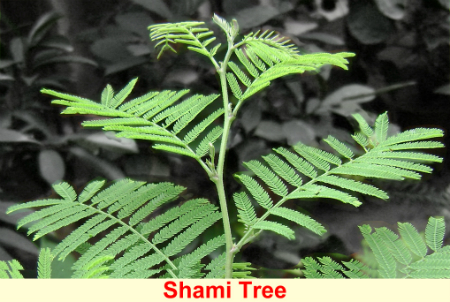
Why do Hindus Worship Vanni /Shami Tree on Vijaya Dasami Day? (Post No.3242)

1381580945_shami_tree

Written by London Swaminathan


Date: 11 October 2016


Time uploaded in London: 20-19


Post No.3242


Pictures are taken from various sources; thanks.


Contact swami_48@yahoo.com


Hindus are the most Nature-loving people on earth. They worship trees, rivers, animals, Birds and even insexcts lie ants. For every creature they have a story in their vast literature. Of all the tress the Ficus genus is the most loved and revered. Ficus Indica (Banyan Tree), Ficus Religiosa (Peepal tree/Asvatta Tree) and Ficus Udumbarata (Fig Tree). Bilva Tree, Badari Tree, Neem Tree, Mango Tree, Sami (Vanni) Tree , Tulsi Plant, Dharba Grass, Arka Grass and lot of Sthala Vrkshas (Temple Trees in South India) are also worshipped by the Hindus.most of the fragrant flowers are used in the religious rituals.

vanni

Of all the trees Vanni (Prosopis cineraria) has a special significance like the Asvatta Tree. The story of vanni tree is found in the Mahabharata. Following this tradition, Hindus do Puka to Vanni Tree. The Story is as follows:–


Arjuna, one of the Fiva Pandavas,had buried his weapons under the vanni Tree during his stay in the forest. He had to go to forest for 12 years along with his four brothers and in addition to 12 years he had to live incognito. Arjuna had won celestial weapons from Lord Siva by his austerities.


While in exile they all entered the palace of King Virata as servants. Arjuna disguised as a eunuch, taught music and dancing. The other brothers took suitable jobs according to their inherent skills. Princess Draupadi became a waiting woman in the same palace.


King Virata was troubled by cattle radis. Duryothana tried this trick to find out whether the Pandavas are actually living there. He would have got information through his spies to this effect. The enemies descended on the Kingdom of Virata while he was absent. Arjuna went into fight as a charioteer to the king. But before going to fight he dug out the buried celestial weapons from under the vanni Tree. Naturally with such weapons, he routed the enemies and rescued the cattle. Arjuna then took a vow to worship the Vanni tree every year.


Goddess Aparajita (Durga) is worshipped under this tree.


vanni-2

Tiruvanmiyur near Chennai has Vanni Tree as Sthala Vriksha (see the  picture)

On the Vijaya dasami day, Goddess killed the demon Mahisa Asuran. On that day Hindus worship Sami Tree with the following Sloka:-


Samii samayamepaapam , sami satru vinaasini, Arjunasya Dhanurdhari Ramasya priyadarsini.

Samim kamalapatrakshim, samim katadharinim arohatu samim lakshmim, nrunam ayushya vardhanim.

Namo visvasa vrksaya partha sastra dharine, twattaha vrata pradichyami, sada vijayatapava.


Dharmatma satya santasca ramodasatiryathi, paurusesha prati dwantvam saranamjahiravanim


Amangalaya samanim, duskrtasya nasinim, dus swapnaharinim tanniyam, prapatti moham shamim subham.


And then finished with the Palasruti (benefits received by the Puja) under the tree.

Vanni (Sanskrit: Vahni) means Agni/Fire. This indicates the energy given by the tree. In Tamil Nadu Lord Ganesh is seated under the tree. There is one Ganesh temple inside Madurai Meenakshi Temple.


Vannia Community of tamil Nadu, Bishnoi community of Rajasthan worship this tree. It has got many medicinal properties.


–Subham-


ஒன்றரைக் கண்ணன்! அப்பர் கிண்டல்! (Post No.3241)

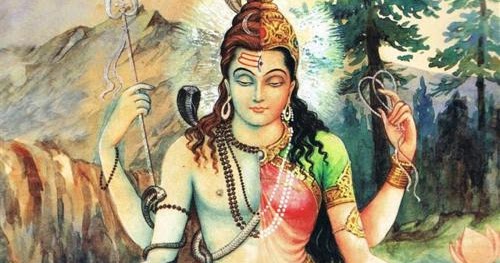
ardhanareeswara-form

Written by London Swaminathan


Date: 11 October 2016


Time uploaded in London: 8-54 AM


Post No.3241


Pictures are taken from various sources; thanks.


Contact swami_48@yahoo.com


ardhanari

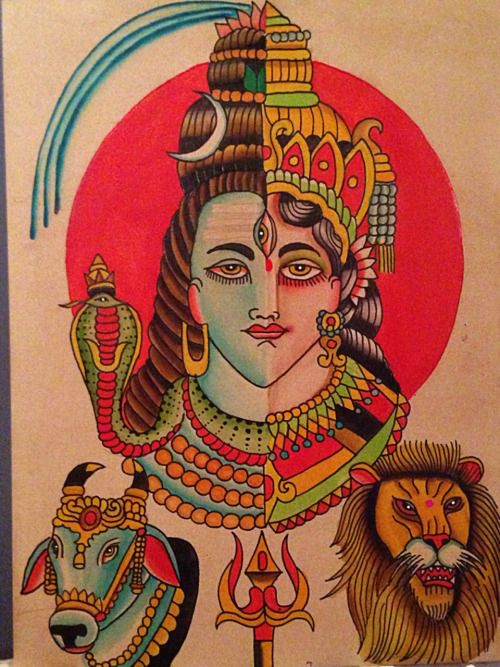
Ardhanaareeswarar painted by Robert Ryan (Half Siva+Half Uma)

இந்துமதத்தின் மகத்தான சிறப்பு கடவுளையும் கூட நக்கல் அடிக்கலாம்; கிண்டல் செய்யலாம்; பகடி பேசலாம். இது மரியாதைக் குறைவின் பேரில் பிறந்ததல்ல; அன்பின் மிகுதியால் தோன்றியது. கண்ணனை சேவகனாகவும் தாயாகவும், நண்பனாகவும் உருவகிக்கும் பாரதி பாடல்களில் இதைக் காணலாம். கண்ணனை வெண்ணை திருடிக் கண்ணன் (Chor) என்று ஹிந்தி பஜனைப் பாடல்கள் பேசும்; சிவ பெருமானை பிச்சைக்காரன்/ பிக்ஷாடனர் என்று பக்திப் பாடல்கள் பாடிப் பரவும். இது இந்து மதத்துக்கே உள்ள சிறப்பு. மற்ற மதங்களில் கடவுளை எட்டாத தூரத்தில் இருக்கும் ஒரு “கடுமையான ஆண்மகன்” என்று வருணிப்பர். ஆனால் இந்துவோ, தனது வீட்டில் பிறந்த குழந்தைகளை வாய்க்கு வந்த பெயர் எல்லாம் சொல்லிக் கொஞ்சுவது போல, பட்டப் பெயர்களைச் சூட்டுவது போல, பிறந்த அப்பா, அம்மாவையே அன்பாகப் பட்ட பெயர் சொல்லி அழைப்பதுபோல, அழைப்பான்.


நான் பாரதியார் பணியாற்றிய மதுரை சேதுபதி உயர் நிலைப் பள்ளியில் படித்தேன். அங்கு தமிழ் ஆசிரியர் ஒருவர் இருந்தார். அவருக்கு ஒன்றரைக் கண்; அதாவது மாறு கண் (SQUINT EYE). எனது சஹ மாணவர்கள் அவருக்கு வைத்த பெயர் அரைப் பரம சிவம்; முதலில் எனக்குப் புரியவில்லை. ஏனெனில், அவரோ ஐய்யங்கார். பட்டை நாமத்துடன் வந்துதான் வகுப் பு நடத்துவார். பின்னர்தான் புரிந்தது சிவபெருமானுக்கு மூன்று கண்கள்; இந்த வாத்தியாருக்கு அதில் பாதி — ஒன்றரைக் கண்—என்று!


பள்ளிப் பாடங்களில் ‘பாஸ் மார்க்’கான (Pass Mark) நூற்றுக்கு 35 மதிப்பெண்கூட எடுக்கத் தவிக்கும்    மாணவர்கள், வாத்தியார்களுக்கு வைக்கும் பட்டப் பெயர்களைப் பார்த்தால் அவர்களுக்கு இலக்கியத்துக்கான நோபல் பரிசே கொடுக்கலாம் போலிருக்கும்! மதிய வேளைகளில் மதியச் சாப்பாட்டுக்குக்காக ஸ்கூல் கிரவுண்டில் (School Ground) மரத்துக்கு அடியில் மணல் வெளியில் உட்காருவோம்; அப்பொழுது அவர்கள் தமிழ் திரைப்படம் பற்றிச் செய்யும் விமர்சன ங்களைப் (Film Criticism) பார்த்தால், “அடப் பாவிப் பயல்களா! இவ்வளவு அறிவையும் தமிழ்ப் பாடத்தில்– ஆங்கிலப் பாடத்தில்—செலுத்தக்  கூ டாதா என்று வியக்கத் தோன்றும். அப்படி விமர்சனம் செய்வார்கள். இதையெல்லாம் நினைவுக்குக் கொண்டுவந்தது அப்பரின் தேவாரப் பாடல்; இதோ அந்தப் பாடல்:–


இன்று அரைக் கண் உடையார் எங்கும்

இல்லை; இமயமென்னும்

குன்றரைக் கண்ணன் குலமகட்

பாவைக்குக் கூறிட்ட நாள்

அன்றுஅரைக் கண்ணும் கொடுத்து உமை

யாளையும் பாகம்வைத்த

ஒன்றரைக் கண்ணன் கண்டீர்! ஒற்றி

ஊர் உறை உத்தமனே

–திருநாவுக்கரசர் (அப்பர்),நாலாம் திருமுறை  தேவாரப் பதிகம் 86, பாடல் எண்.7

tird-eye

மாதொருபாகனாகிய– அர்த்தநாரீஸ்வரனாகிய — சிவ பெருமானை வருணிக்கும் அப்பர் சொல்லுகிறார்:–


இரு கண் உடயவர்கள் உலகெங்கும் உளர்; ஆனால் அரைக் கண் உடையவர் இலர்; இமயமலக்கு உரிய – பர்வத ராஜன் புதல்வியான குலமகள் — பார்வதிக்கு — உமையம்மைக்கு — நீ பாதி வடிவத்தைக் கொடுத்ததா ல் அரைக் கண் உடையவனாகிவிட்டாய்.  நீயோ முக்கண்ணன் உடலில் பாதிப் போனதால் மிஞ்சியிருப்பது ஒன்றரைக் கண் அல்லவோ! திரு ஒற்றியூரில் அமர்ந்து அருளும் உத்தமனே ஆகிய ஒன்றரைக் கண்ணனை எல்லோரும் காண வாரீர்.


என்ன அற்புதமான கிண்டல்.

இறைவன் முழுக் கண்ணால் பார்த்தால் நாம் தாங்க மாட்டோம். எப்போதும் உன் கடைக்  கண் பார்வை வேண்டும் என்றுதான் இந்துக்கள் வேண்டுவர். ஒன்றரைக் கண் பார்வையைக் கூடத் தாங்க மாட்டாதவர்கள் நாம். அவன் முக்கண் திறந்துவிட்டாலோ மன்மதனை எரித்தது போல நமது பாவங்கள் எரிந் து பொடிபடும். ஏனெனில் அந்த மூன்றாவது கண் ஞானக் கண்; ஊனக் கண் அல்ல.


சிவ, சிவ சிவ! ஓம் நமசிவாய!!


ஆர்.எஸ்.எஸ்: நான்யபந்தா வித்யதே! (Post No.3240)

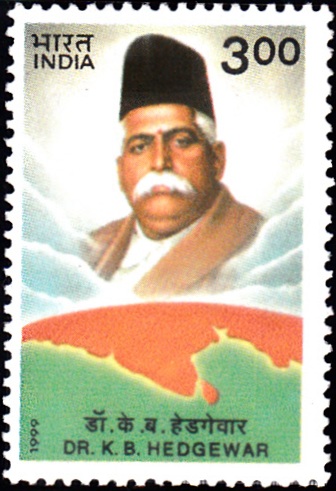
1679-dr-k-b-hedgewar-india-stamp-1999

Written by S. NAGARAJAN

Date: 11 October 2016

Time uploaded in London: 5-56 AM

Post No.3240

Pictures are taken from various sources; thanks


Contact :– swami_48@yahoo.com


ஹிந்துக்களின் வெற்றித் திருநாள் விஜயதசமி! ஆர்.எஸ்.எஸ். உதயமான தினம்! சிறப்புக் கட்டுரை


ஆர்.எஸ்.எஸ்: நான்யபந்தா வித்யதே!

By ச.நாகராஜன்


hedgewar

ஒரு முக்கியமான கால கட்டத்தில் ஹிந்துக்கள் வாழ்ந்து கொண்டிருக்கின்றனர்


ஹிந்து இனம் அடி வாங்கி வாங்கி உடம்பெல்லாம் இரத்தமயமான இனம்.இனி அடி வாங்க உடம்பில் இடமும் இல்லை. திராணியும் இல்லை!


ஹூண்ர்கள், முகலாயர்கள், கிறிஸ்தவர்கள் என்று இந்த ஹிந்துக்களை அடிக்காத இனமே இல்லை.


அடி வாங்குவதற்கென்றே பிறந்த “சபிக்கப்பட்ட இனமா” இது!

உலகின் தலைசிறந்த தத்துவங்களைத் தந்த ஹிந்துக்கள், எந்த மதமும் சம்மதம் என்று சொல்லும் ஹிந்துக்கள், சகல கலைகளிலும் முன்னோடிகளாக விளங்கிய ஹிந்துக்கள், வீரத்திலும் அறப் பண்பிலும் உலகிற்கே வழி காட்டிய ஹிந்துக்கள், தொன்று தொட்டு இன்று வரை எந்த இடம் என்று இல்லாமல் குக்கிராமங்களிலிருந்து பெரும் நகரங்கள் வரை ஆங்காங்கே ரிஷிகள்,  முனிவர்கள், மகான்கள், தபஸ்விகள், சித்தர்கள், ஞானிகள், கவிஞர்கள், வீரர்கள், பெரும் மேதைகள், விஞ்ஞானிகள், கலைஞர்கள், ஓவியர்கள், சிற்பிகள் என அனைத்துத் துறைகளிலும் விற்பன்னர்களைத் தொடர்ந்து தோற்றுவித்த ஹிந்து இனத்தைச் சேர்ந்த ஹிந்துக்கள்.. இப்படி அடி வாங்குவது காலத்தின் கோலமா? ஹிந்து இனத்தில் உள்ள குறைகளா?


இதை ஆராய்ந்தார் ஒரு மஹரிஷி போன்ற மனிதர்.

ஆபத்துக்களை ஒவ்வொன்றாகப் பட்டியலிட்டார்.

ஜிஹாத் என்று சொல்லி தீவிரவாத முஸ்லீம்கள் அடி அடி என்று ஹிந்துக்களை அடிக்கும் கோரம் ஒரு புறம்..


இந்தியாவில் உங்களுக்கு நல்ல அறுவடை இருக்கிறது, அவர்கள்,  மதத்தை மாற்றுங்கள், ஹிந்துக்களை அழியுங்கள், கிறிஸ்தவர்களாக்குங்கள் என்று பகிரங்கமாக அறைகூவல் விடும் கிறிஸ்தவ மேலிடம் ஒரு புறம்..


மதம் ஒரு அபின் அதை ஒழி என்று உலக் கோஷம் இட்டு விட்டு ஹிந்துக்களிடம் மட்டும (இஸ்லாம், கிறிஸ்தவத்தை மறந்தும் அணுகாமல்) அதை பிரசாரம் செய்யும் தேசபக்தியற்ற கம்யூனிஸ்டுகள் ஒரு புறம்.


ஹிந்துக்கள் சின்னாபின்னமாக இதை விட வேறு என்ன வேண்டும்?


இல்லை இல்லை, இன்னும் ஒன்றும் மிச்சம் இருக்கிறது. மேல் சொன்னவர்களின் கூட்டாளிக்ளாக அவர்களுடன் இணைந்து சந்தர்ப்பம் கிடைக்கும் போதெல்லாம் தங்களை மேம்படுத்திக் கொள்ள ஹிந்துக்களைப் பழிக்கும் திராவிட தீய் சக்திகள் உள்ளிட்ட சொந்த இனத்து துரோகிகள் இன்னும் ஒரு புறம்.

மேல் சொன்ன நால்வரில் நான்காம் படை மிக  மோசமானது,

இவர்களை எதிர்கொள்ள வேண்டுமே! ஹிந்து இனத்தின் குறைகள் யாவை?


இரண்டு!

  • ஒற்றுமையின்மை 2) சமூகப் பொறுப்பின்மை

அஹிம்சை, பொறுத்துப் போதல் என்ற ஹிந்து மதத்தின் அருங்குணங்களைத் தவறாகப் புரிந்து கொண்டு தங்களை அடிக்கும் போதெல்லாம், தங்கள் மதத்தைத் துணிந்து அழிக்கும் போதெல்லாம், ஏன் தங்கள் உயர் தெய்வமான ராம்ரைச் செருப்பால் அடிப்பது உள்ளிட்ட தீய செயல்களைச் செய்யும் போதெல்லாம் ‘கடவுள் பாத்துக்குவார்’ என்று சொல்லும் கையாலாகாததனம் அவர்களது சமூகப் பொறுப்பின்மையைக் காட்டுகிறது.

rss-chief


ஆங்காங்கே ஹிந்துக்களுக்கு இழைக்கும் கொடுமைகளைத் தட்டிக் கேட்க ஒரு ஒற்றுமையுள்ள இனமாக ஹிந்து இனம் ஒன்று சேர்ந்து பாடுபட்டதில்லை. சமூகப் பொறுப்பினமையோடு ஒற்றுமையும் இல்லை!


இந்த இரு குறைகளைக் கண்ட மஹரிஷி போன்ற மனிதர் ஆழ்ந்து சிந்தித்தார். ஒரு வழியைக் கண்டுபிடித்தார்.

கண்டுபிடித்த மஹரிஷியின் பெயர் டாக்டர் கேசவபலிராம் ஹெட்கேவார்.


அவர் கண்டு பிடித்த வழி. ஒற்றுமையையும் ச்மூகப் பொறுப்பையும் கொண்ட ஒரு வலிமை வாய்ந்த ஹிந்து சமுதாயத்தை உருவாக்கி ஹிந்து ராஷ்ட்ரத்தை பாரதத்தில் நிர்மாணித்து ஹிந்து இனம் உலக அரங்கில் ஓங்கி உயர ஒரு சங்கத்தை அமைப்பது.


அவர் அமைத்த சங்கம் தான் ராஷ்ட்ரீய ஸ்வயம்சேவக சங்கம்.

1925ஆம் ஆண்டு வெற்றித் திருநாளாலான விஜய தசமி அன்று சங்கம் ஆரம்பிக்கப்பட்டது.


நாளொரு மேனியும் பொழுதொரு வண்ணமுமாக வளர்ந்து இன்று கம்பீரமாக ஹிந்துக்களைத் த்லை நிமிரச் செய்கிறது.

ஹிந்து மதத்தை அழிக்க்வும் ஒழிக்கவும் நினைக்கும் ராக்ஷஸ சக்திகளை அழிக்க ஒவ்வொருவரும் ராமராக, கிருஷ்ணராக மாற வேண்டிய அவசியத்தை உணர்த்துவது ஆர்.எஸ்.எஸ்.

ஹிந்து மதம் என்றுமுள்ள  மதமாக உலக அரங்கில் மிளிர ஒரே வழி ஆர் எஸ் எஸ் தான்.

keshav-baliram-hedgewar-poster

உபநிடத வாக்கியத்தைக் கடன் வாங்கிச் சொல்வதென்றால்

நான்யபந்தா வித்யதே!                              (அன்ய பந்தா – வேறு வழி   ந வித்யதே –இல்லை)

அதை விட்டால் வேறு வழி இல்லை!!


******

திராவிட (தமிழ)ர்களின் மூட நம்பிக்கைகள் (Post No.3239)

tiger-seal-3  tiger-seal

Picture: Indus Valley Seals with Tiger Gods

Written  by London Swaminathan


Date: 10 October 2016


Time uploaded in London: 16-22


Post No.3239


Pictures are taken from various sources; thanks.


Contact swami_48@yahoo.com


கருப்புத் தோல் உடைய அனைவரும் திராவிடர்கள் அல்லது இந்நாட்டுப் பூர்வ குடிகள் என்றும் மற்றவர்கள் எல்லோரும் வெளிநாட்டிலிருந்து வந்த ஆரியர்கள் என்றும் முத்திரை குத்தினர் நாடு பிடிக்க வந்த வெள்ளைத்தோலினர்.


இல்லை திராவிடர்களும் வெளிநாட்டி லிருந்துதான் வந்தனர் என்று கால்டுவெல்களும் கனகசபைகளும் பேசினர். ஆனால் இந்திய இலக்கியங்களோ இங்கே வாழும் மக்கள் அனைவரும் இந்த தேசத்தின் பூர்வ குடிகள் என்றும் உலகெங்கும் சென்று நாகரீகத்தை நிலை நாட்டினர் என்றும் ((ரிக் வேதமும், அதர்வண வேதமும், சங்கத் தமிழ் இலக்கியங்களும்)) செப்புகின்றன.


நரபலி, எருமை பலி, களிமண் குடிசை முதலிய பல பழக்க வழக்கங்களை திராவிடர்களின் வழக்கம் என்று மதத்தைப் பரப்பவந்தோர் சித்தரித்துள்ளனர். உண்மை என்னவென்றால் வேத கால, இதிஹாச-புராண கால, சிந்து சமவெளி கால, சங்கத்தமிழ் காலங்களிலேயே மலைஜாதி மக்கள் இருந்ததற்கான சான்றுகள் இருக்கின்றன. சிறிய எண்ணிக்கையில் இருந்தவர்களுடைய தனிப்பட்ட வாழ்வு யாரையும் பாதிக்கவில்லை. ஆனால் வெளிநாட்டினர் வந்து, அவர்கள் பகுதிக்குள் நுழைந்தவுடன், காம சம்பந்தமான நோய்களும், அமைதி யின்மையும் பரவின.


உலகில் மூட நம்பிக்கைகள் இல்லாத சமுதாயமே கிடையாது. இன்றும் கூட மில்லியன் கணக்கில் சம்பாதிக்கும் கால்பந்து வீரர்கள், டெலிவிஷன் கலைஞர்கள், திரைப்பட நடிகர் நடிகையர், அரசியல்வாதிகள்— சட்டையின் நிறம், புறப்படும் நேரம், நாள் பற்றி பலவிதமான நம்பிக்கைகள்– வைத்திருப்பதைப் பத்திரிக்கை பேட்டிகளில் படிக்கலாம். ஆனால் கருணாநிதியாரின் ‘மஞ்சள் துண்டு’ போல இதற்குப் பல விளக்கங்கள் கொடுத்து மழுப்புவர்.


இதோ திராவிடர்களின் பெயரில், வெளிநாட்டினர், பட்டியலிட்ட மூட நம்பிக்கைகள்:–

tiger-seal-2

பழங்குடி மக்களின் ‘புலித்தேவன்’

பழங்குடி இனத்தவர் தாங்கள் புலிகளாகவோ பாம்புகளாகவோ மாறமுடியும் என்று நம்புகின்றனர். ஆன்மாவில் பாதி மட்டும் வெளியே சென்று மிருக உரு எடுத்து, எதிரியைக் கொல்ல முடியும் அல்லது ஆடு, மாடுகளைச் சாப்பிட்டு பசியாற்றிக்கொள்ள முடியும் என்று அவர்கள் நம்புகின்றனர். இப்படி பாதி உயிர் வெளியே போகையில் சோம்பேறியாய் விடுவர் அல்லது வேலையே செய்யாமல் சோர்ந்துவிடுவர் என்பது அவர்கள் நம்பிக்கை. (இப்படிப் பல புலித் தேவன் முத்திரைகள் சிந்து வெளியில் கிடைக்கின்றன).


பெண் வந்தால் அபசகுனம்


கோண்ட் இனத்தினர் வேட்டைக்குப் புறப்படும்போது எதிரில் பெண்கள் வந்தால் அபசகுனம். உடனே வீட்டிற்குப் போய்விட்டு, எல்லாப் பெண்களையும் ம றைந்திருக்கும்படி சத்தம் கொடுத்துவிட்டு வெளியே வருவர்.


(இதை எழுதும்போது எனக்கு என்னுடைய சென்னை புரசவாக்கம் சித்தி நாள் தோறும் செய்யும் செயல் நினைவுக்கு வருகிறது. எனது சித்தப்பா பக்ககா தி.மு.க. சாமி, பூமி நம்பிக்கை கிடையாது. ஆனால் சித்தியின் பூஜை வழிபாடுகளைத் தடுக்க மாட்டார். தினமும் அலுவலகம் செல்லும்போது மட்டும் மனைவியின் சொல்லுக்கு, ‘மந்திரத்துக்குக் கட்டுண்ட பாம்பு போல’ கட்டுப்படுவார். முத லில் சித்தி வாசல் வரை சென்று இரு புறமும் எட்டிப்பார்ப்பார். எந்த அபசகுனமும் இல்லை என்று தெரிந்தவுடன் கையால் சைகை தருவார். உடனே, தயாராக வாசலில் நின்றுகொண்டிருக்கும் சித்தப்பா புறப்படுவார். நாங்கள் மதுரையிலிருந்து சென்று அவர் வீட்டில் தங்கும் போதெல்லாம் இதை வேடிக்கை பார்ப்போம். இந்து மத சகுன சாஸ்திரப்படி, விதவை, ஒரு பிராமணன் ஆகியோர் வந்தால் அபசகுனம்)


கோண்டு இனப் பெண் மாதவிலக்கு காலத்தில் அந்த வீட்டிலுள்ள யாரும்  வேட்டைக்குப் போக மாட்டார்கள். அப்படிப்போனால் ஒரு மிருகமும் சிக்காது என்பது அவர்களுடைய (மூட) நம்பிக்கை!

crow2

காகா நண்பன்!

கோண்ட் இன மக்கள் காகத்தைக் கொல்ல மாட்டார்கள். காகத்தைக் கொன்றால் ஒரு நண்பனைக் கொன்றதற்குச் சமம்! இதற்கு ஒரு கதை சொல்லுவார்கள். கடவுள் உலகத்தைப் படைத்த காலத்தில் ஒர் வயதான ஆணும் பெண்ணும் அவர்களுடைய ஐந்து பிள்ளைகளுடன் வசித்துவந்தனர். கொள்ளை நோய் வந்து ஒருவர் ஒருவர் பின் ஒருவராக ஐந்து பிள்ளைகளும் இறந்தார்கள். பெற்றோர்களோ மிகவும் வயதானவர்கள்; வறியவர்களும் கூட. ஆகையால் சடலங்களை எடுத்துச் சென்று தகனம் செய்ய இயலவில்லை. சடலங்களை வீட்டிற்கு அருகிலேயே தூக்கி எறிந்துவிட்டனர்.

ஒரு நாள் இரவில் அவர்களுடைய கனவில் விஷ்ணு தோன்றினார். ஒரு காகத்தைப் படைப்பதாகவும், அது இறந்தவர்களின் சடலத்தைத் தின்றுவிடும் என்றும் கனவில் சொன்னார். ஆகையால் காகங்கள் நண்பர்கள்.


ஏழாம் நம்பர் ஆகாது!

seven-fire

குறவர்கள் திருடப் போவதற்கு முன்னால் சகுனம் பார்ப்பார்கள். ஏழு என்ற எண் அவர்களுக்குத் துரதிருஷ்டமானது. ஆகையால் ஏழு பேராகச் செல்லமாட்டார்கள். அப்படி ஏழு பேராகச் செல்ல நேர்ந்தால், கன்னம் வைக்கப் பயன்படும் கருவியை ஒரு ஆளாகக் கருதி எட்டு பேர் என்று சொல்லிக் கொள்வார்கள். போகும் வழியில் விதவை, பால் பானை, மாடு கத்துதல் ஆகியாவற்றை அப சகுனமாக கருதுவர். திருமணமாகி வந்தவன், சிறையிலிருந்து வந்தவன் ஆகியோர் திருட்டுக் கும்பலில் இருக்கக்கூடாதாம்.


குறவர் இனப் பெண்கள் நீர் இருக்கும் இடத்தைக் கண்டுபிடிக்கும் வித்தை முதலியன தெரிந்தவர்கள்.  கணவன்மார்கள் நீண்ட நாட்களுக்குத் திரும்பிவராவிடில் கெட்ட சகுனம் ஆம்.  உடனே ஒரு விளக்குமாற்றுக் குச்சியை எடுத்து , அதில் மேலும் பல குச்சிகளைக் கட்டி எண்ணையில் தோய்த்து தண்ணீரில் மிதக்க விடுவர். அது தண்ணீரில் மிதந்தால் கவலைப்படத் தேவை இல்லை. மூழ்கிவிட்டால் கணவனைத் தேடி மனைவி புறப்பட்டுவிடுவாள்.


தமிழர்களின் தும்மல் நம்பிக்கை பற்றி திருவள்ளுவர் எழுதிய குறள்கள், பல்லி சொல்லுக்குப் பயப்படுதல், காட்டுப் பன்றி கேட்ட பல்லி சொல்– பற்றிய சங்க இலக்கியப் பாடல்கள்  ஆகியவற்றை முன்னரே பட்டியலிட்டுவிட்டேன். எனது பழைய கட்டுரைகளைப் படித்தறிக.


sneeze-03

Read also my articles:

சகுனமும் ஆரூடமும்: வேத கால நம்பிக்கைகள்,Research Article No.1811; Date: 19th April 2015

புதையல் கிடைக்க, காதலில் வெற்றி பெற சோதிடம்!!, Research Article No.1669; Dated 23 February 2015.

டெல்பி ஆரூடமும் குறி சொல்வோரும், ஏப்ரல் 15, 2012

தமிழர்களின் சோதிட நம்பிக்கை


Can Birds Predict Your Future? (Posted on 22 July 2012)

Beware of Wagtail Birds: Prediction by Varahamihira (19 February 2015)

How to find water in the Desert? Varahamihira on Water Divination (Posted on 16 February 2015)

Tamil Astrology: Rope Trick for Predictions (Posed on 27 February 2013)

Two Tamil Articles posted on 12 April 2012 on Greek Delphi Oracles and Tamils

Birds and Gods.


—SUBHAM–


Farmer Anecdotes (Post No.3238)

field-greenfb

Compiled  by London Swaminathan


Date: 10 October 2016


Time uploaded in London: 13-56


Post No.3238


Pictures are taken from various sources; thanks.


Contact swami_48@yahoo.com


“You have no complaint”, a city man said to a farmer, “you have your own milk, butter, eggs, meat and vegetables. With enough to eat and a place to sleep what more do you want?”


“Well”, said the farmer, “you come around a few months from now and you will see the fattest, sleekest, nakedest farmer you ever saw.”


Xxx


Ranches in some parts of the West (USA) are by no means always a paying proposition. At such a place a traveller stopped, seeking a night’s lodging. Discussing with his host hard times in general, the stranger asked, “How in the world do you manage to make enough on this place to run it?” His host pointed toward his hired man at the far end of the table.

“you see that feller. Well, he works for me and I cant pay him. In two more years he gits the anch. Then I am goin’ to work for him till I git it back!”


Xxx

field-in-dalavanur-suba

The Department of Agriculture is the constant recipient of queries and pleas for advice from householders with small lawns and gardens as well as from farmers. The story is told about the man who had fought a losing battle against dandelions on his lawns. He wrote to the department complaining how much he loved his lawn and begging them to help him save it. In due course, the Department of Agriculture replied with the practical suggestion that he learn to love the dandelions too.


–Subham–


மௌனத்தில் எத்தனை வகை?! (Post No.3237)

42285-wise-souls-speak-loudly-in-silence

Written by S. NAGARAJAN

Date: 10 October 2016

Time uploaded in London: 5-23 AM

Post No.3237

Pictures are taken from various sources; thanks


Contact :– swami_48@yahoo.com


சரஸ்வதி பூஜை சிறப்புக் கட்டுரை 

மௌனத்தில் எத்தனை வகை?!

ச.நாகராஜன்


“ஒருவனுக்கு துரோகமிழைக்காத உண்மை நண்பன் மௌனமே                                                                                 

                                     – கன்ஃப்யூஷியஸ்

 ramana


வாயை மூடிக் கொண்டு பேசாமல் இருந்தால் அது தான் மௌனம்! இது சரியா? இந்த ஒரு நிலை தான் மௌனத்தின் ஒரே வகையா?

சீனாவில் மௌனத்தில் நூறு வகை உண்டு என்று வலியுறுத்தப்படுகிறது. ஜென் பிரிவு மௌனத்தின் அபாரமான வலிமையையும் அதன் ஆழத்தையும் பல விதமாக விளக்குகிறது.

உண்மையான மௌன நிலையில் ஒருவர் எவ்வளவு காலம் இருக்க முடியும்?


அறிவியல் ஆராயப் புகுந்தது. உண்மையான அறிவியல் ரீதியிலான மௌன நிலையில் ஒருவர் 15 நிமிடம் இருந்தாலே அதிகம் தான். அதற்கு மேல் தாக்குப் பிடிக்க முடியாது!

ஒரு செல் போன் ஒலிக்கும் போதோ அல்லது ஒரு டிஷ் வாஷர் அல்லது வாஷிங் மெஷின் இயக்கப் படும் போதோ அது எவ்வளவு ஓசையை எழுப்புகிறது?


மைக்ரோசாஃப்ட், ஆப்பிள் மற்றும் அமெரிக்க ராணுவப் பிரிவு இது போன்ற ஓசைகளின் அளவைக் கண்டு பிடிக்க சத்தமே இல்லாத ஒரு சேம்பரை – மௌன அறையை அமைப்பது வழக்கம்.

இதை அனெகோயிக் அறை என்று அழைப்பர். (unechoic ; un-echoic –எதிரொலி இல்லாத என்று பொருள்)

 rumi-on-silence

மின்னஸோட்டாவில் உள்ள மின்னபோலிஸில் ஆரிஃபீல்ட் லாபரட்டரிஸிலும் (orifield laboratories) இப்படி ஒரு அறை உண்டு. இந்த அறை, தங்கள் தயாரிப்புகளைச் சோதனை செய்ய கட்டண அடிப்படையில் தேவைப்பட்டோருக்கு தரப்படுவதும் உண்டு.


உண்மையில் ஒரு அமைதியான அறை என்பதன் விளக்கம் தான் என்ன? மின்னஸோட்டா பப்ளிக் ரேடியோ 30 டெசிபல் உள்ள அறையே அமைதியான அறை என்ற இலக்கணத்தை வகுக்கிறது. அமைதியான இரவு நேரத்தில் ஏர்கண்டிஷனரின் ஓசை, தாள்களைப் புரட்டும் ஓசை போன்றவை மெலிதாகக் கேட்கும். அது பொதுவாக அமைதியான அறை எனப்படும்.


ஆனால் அனெகோயிக் அறை மைனஸ் ஒன்பது டெசிபல் என்ற அளவு அமைதியாக இருக்கும். ஆம், சாதாரண மௌன நிலைக்கும் கீழாக எதிர்மறையில் ஒன்பது டெசிபல்! 


கின்னஸ் வோர்ல்ட் ரிகார்டின் படி உலகின் மிக மிக அமைதியான அறை இது ஒன்று தான்!

இந்த அறை விசேஷமாக வடிவமைக்கப்பட்டுள்ளது. எந்த சத்தமும் இதனுள் புக முடியாது. சுவரிலிருந்து ஒரு மீட்டர் நீளம் ஊடுருவியிருக்கும் விசேஷ அமைப்புகள் எந்த எதிரொலியையும் சத்தத்தையும் உள் வாங்கி கிரகித்து விடும்.


இதன் சிறப்புத் தன்மையைப் பற்றி இந்த சோதனைச்சாலையின் தலைவர் ஸ்டீவ் ஆரிஃபீல்ட், “சாதாரணமாக ஒரு அமைதியான அறையில் உட்காரும் ஒருவர் ஒலியையும் அதன் பிரதிபலிப்புகளையும் கேட்கிறார். ஆனால் அனெகோயிக் அறையில் எந்த ஒரு சத்தமும் அதன் பிரதிபலிப்பும் இருக்காது.அங்கு ஜீரோ ரிஃபளக் ஷன் இருக்கும். நான் பேசும்போது நீங்கள் எனது குரலை உள்ளது உள்ளபடியே அப்படியே கேட்க முடியும். பேசும் போது நான் தலையைத் திருப்பினால் ஒலியும் தலை திருப்பிய திசையில் வளையும். என்கிறார்.


இப்படிப்பட்ட சைலன்ஸ் சேம்பரில் ஒருவர் உட்கார்ந்த போது அவர் இடி இடிப்பது போன்ற ஓசையையும் ஆறு பாய்வது அல்லது அருவி நீர் கொட்டுவது போன்ற ஒசையையும் கேட்டார். பத்து நிமிடங்களில் அவர் மண்டை வெடித்துச் சிதறி விடுவது போல இருந்தது. உடனே அறையை விட்டு வெளியே வந்து நடந்ததைச் சொன்னார்.

 silence-speaks-79426-500-550

ஆய்வு நடத்திய விஞ்ஞானிகள், “நீங்கள் கேட்டது இடைவிடாத இதயத் துடிப்பு தான். உங்கள் உடலில் உள்ள ரத்த ஓட்டமே உடலில் பாய்வது ஆறு பாய்வது போன்ற ஓசையை எழுப்புகிறது. அதைத் தான் நீங்கள் கேட்டீர்கள் என்றனர். உடலின் அற்புதமான ஓசை விந்தை இது!


மைனஸ் டெசிபல் நிலையில் இப்படித் தான் உடல் நிகழ்வில் ஏற்படும் சத்தத்தையே நம்மால் தாங்க முடியாமல் போய் விடும் நிலை ஏற்படுகிறது.


மாஸன் அண்ட் ப்ராடி (Mason and Brady) ஆய்வு என்பது பிரபலமான ஆய்வாகும். இந்த ஆய்வில் மௌன சேம்பரில் சிலரை இருட்டாக இருந்த நிலையில் 15 நிமிடம் இருக்க வைத்த போது அவர்கள் மாயத் தோற்றங்களைக் கண்டு அலறினர். அதிலிருந்து தெரிய வருவது ஒருவர் 15 நிமிடம் ஆழ்ந்த மௌனத்தைத் தாக்குப் பிடித்தால அதுவே அதிகம் என்பது தான்!


இனி உலகாயத ரீதியாக, மௌனம் என்பது வெற்றிக்கான வழி என்பது நிலை நிறுத்தப்பட்ட சித்தாந்தம்.

பல்வேறு ஆராய்ச்சிகள் பல மௌன நிலைகளைச் சுட்டிக் காட்டுகின்றன.


ஒரு விவாதத்தில் எதிராளியைக் கிறுக்குப் பிடிக்கும் நிலைக்குத் தள்ள வேண்டுமெனில் ஒரு சுலபமான வழி இருக்கிறது. சொல்லால் அவர் தாக்கும் போது எதிரிலிருப்பவர் ஒவ்வொரு முறையும் நான்கு விநாடிகள் பதிலளிக்கக் கூடாது. ஹாலந்தில் நடந்த ஒரு ஆய்வின் படி ஒரு மனித மூளை நான்கு விநாடிகள் ஒருவர் மௌனமாக இருந்தால் அவரது கூற்றை நிராகரிப்பதாகப் பதிவு செய்து  கொள்கிறது. எரிச்சல் கொப்பளிக்கும் எதிராளிக்கு.


பிரபல சிந்தனையாளரான தோரோ, “நான் இரவின் மௌனத்தைக் ‘கேட்க விரும்புகிறேன். ஏனெனில் அந்த மௌனம் பாஸிடிவ் ஆனது. கேட்க வேண்டிய ஒன்று என்கிறார்.


பகவான் ரமண மஹரிஷி மௌனமாக சும்மாவே இருக்கிறாரே என்று சிலர் கூறிய போது, “நான் மௌன நிலையில் சும்மா இருக்கிறேன் என்பது எப்படி உங்களுக்குத் தெரியும்? என்று கூறி நிறுத்தி விட்டார். மௌன நிலையில் இயற்கை சக்திகளைப் பயன்படுத்தி ஏராளமான அரும் செயல்களைச் செய்ய முடியும். இதை அரவிந்தரும் வலியுறுத்தியுள்ளார்.

 ramana-2

ரமண மஹரிஷியின் முன் ஏராளமான கேள்விகளைக் கேட்பதற்காக வந்த பிரபல ஆங்கில எழுத்தாளர் சாமர்செட் மாம் அவர் முன் அமர்ந்த போது கேள்விகள் ஒன்றன் பின் ஒன்றாக மனதில் எழ, அதற்குப் பதிலும் தானாகவே வந்தது. நெடு நேரம் அமர்ந்திருந்த அவ்ரால் ஒரு கேள்வியையும் கேட்க முடியவில்லை. பதில் தான் உடனுக்குடன் வருகிறதே


ஆக மௌன நிலையில் பல ஆழ்நிலைகள் உண்டு.பால் குட்மேன் எழுதியநைன் கைண்ட்ஸ் ஆஃப் சைலன்ஸ் (Nine kinds of  silence) என்ற நூலில், அவர், ‘செழிப்பான மௌனம் ஆன்மாவிற்கான சிறந்த மேய்ச்சல் நிலம் என்கிறார்.


மௌனத்தை நாம் ‘கேட்டால் அது நமது அனுபவங்களை ஆழமாக்கும் என்கிறார் கவிஞர் பில்லி காலின்ஸ். அவர் எழுதிய கவிதை நூலின் பெயர் ‘தி ஹண்ட்ரட் கைண்ட்ஸ் ஆஃப் சைலன்ஸ் (The hundred kinds of Silence : Billy Collins).  தனது தாயின் கல்லறைக்குச் சென்று இறந்த தனது தாயுடன் பேசி தான் புதிதாக அணிந்திருக்கும் கண்ணாடி எப்படி இருக்கிறது என்பது பற்றி அவரிடம் கேட்க முடிகிறது என்கிறார் அவர், தனது கவிதை வாயிலாக!


ஆக மௌனங்கள் நூறு வகை! ஒவ்வொன்றும் ஒரு வகை!

எல்லையற்ற முடிவிலா மோனம் உரைக்க ஒண்ணா அற்புதம். அறிவியலும் ஆன்மீகமும் உளவியலும் ஒன்று சேரும் இடம் மௌனமே!


******


‘Dravidian Tamil’ Superstitions about Sneezing and Lizard Chirping (Post No.3236)

sneeze-03

Written by London Swaminathan


Date: 9 October 2016


Time uploaded in London: 19-31


Post No.3236


Pictures are taken from various sources; thanks.


Contact swami_48@yahoo.com


Tamils have superstitions about sneezing, crows, lizard chirping and fluttering of eyes. It is seen in 2000-year-old Sangam Tamil literature.


Tamil Panchang (traditional calendars with Hindu festival days etc.) has got two pages devoted to Pancha Pakshi Shastra (Prediction by Five Birds) and Lizard Predictions. Nobody has done any scientific research into it to prove it or disprove it. The Bird astrology divides the day into five parts allocating one each to vulture, owl, crow, cock and peacock. Actually there is more to it. They tell you what would happen depending upon the nature of flights of birds. It is an interesting area for research students. Brhat Samhita of Varahamihira gives information about wagtail bird predictions.

If we go to the Lizard astrology page, the Panchang divides it into two parts. It tells you what would happen if a lizard falls on you and if the lizard calls (makes sound). It tells you something good or bad would happen depending upon the part of the body it touches or the direction of the sound. Big tabular columns are in the Panchang for birds and lizards predictions.

lizard3

Lizards in Tamil Sangam Literature
The sound made by the lizards served as omens for the Tamils. Sangam period Tamil poet Kavan mullai putanar says,” the lizard on the Kalli tree makes its characteristic tickling sound and is taken as predicting the events to the wayfarers (Agam 151). Another poet says that the travellers paused a while hearing the tickling sound of the lizard (Agam 387). Even wild animals followed lizard sounds! A boar was just about to enter a millet field, but it went back on hearing the tickling sound of the lizard (Agam 186).
More references:–Agam 9, 151, 289, 387; Narrinai 98, 169,3 33, 9.
Comets

Fluttering Eyes


Flutter of eyes also is taken into account to find what is going to happen next. This is supported in Sanskrit literature as well. Tamils are not alone in it. One thing is common in all these strange predictions. Left is good for women and right is good for men. Probably the logic for this is Ardhanari principle of Lord Shiva, i.e. Shiva’s left side is shared by Parvathy. Bible also supports it by saying the woman is made from the left rib of man (For more, please read my Sanskrit in Bible posts)


Sneeze in Tamil Veda Tirukkural

sneezing

If a person sneezes they say “Bless you” in western countries. Actually it started in India. We say Dirgayush (Long live). We have enough proof for this in Tamil and Sanskrit literature.

Tirukkural, the most famous book of the Tamils, says in Chapter FEIGNED:

When I continue to be receding, he sneezed and thought I would then wish him long life (Kural 1312)

I sneezed; “Live long”, she blessed. Then suddenly she wept saying, “You sneezed thinking of some other lady” (Kural 1317)

I stifled my sneeze. She wept saying, “Is it to hide from me the thought of thee in the mind of thy beloved” (Kural 1318)

This is based on the belief that you sneeze when someone who loves you thinks about you. If some sneezes then the Tamils wished them long life, says Tiruvalluvar in his Tirukkural. Even number and odd number of sneezes also make big difference. Even number of sneezes is good.


My Earlier Posts:-

Beware of Wagtail Birds: Prediction by Varahamihira!

Article No.1661; Dated 19th February 2015.

DIVINATION in The Vedas, Babylonian and Etruscan

Research Article No.  1792; Date: 10th April 2015


I want to add what Arthur Miles say about these superstitions in his book:-


Lizard Chirps
“Superstition plays an important part in daily life. The chirping or fall of the lizard; the shadow of a bird in flight; the flutter of a leaf; the first object one sees when awakening in the morning; are of the utmost importance in the sense of superstitious observance.


The lizard formula is so long and complicated that I wonder how any Indian can remember it. Everything depends upon the number of chirps, and the direction from which they come. As it is not unusual for two or more lizards to be chirping from different directions at the same time, deductions become rather involved. If a lizard chirps twice from the south-east on Monday, it portends rebellion. On Friday, however, the meaning is that the hearer will be decorated. The chirps which on Tuesday indicate enmity, on Saturday denote relationship with a new woman.
lizard

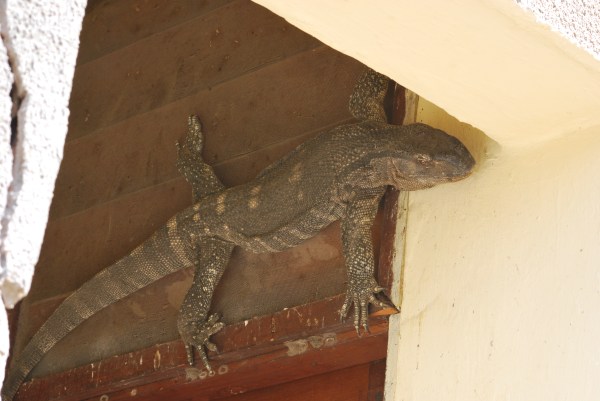
The lizard is a courageous little reptile, and to avoid danger or to escape from a palm squirrel, he will not hesitate to throw himself from a rafter to the floor. His fall augurs good or evil, to whoever happens to be underneath. If he falls on one’s head it means death; if on the eyes, it indicates prison. It is lucky if he falls on the forehead or the right arm, for this means coronation or general good health. Falling on the lips or chin is not so good, since there is a chance of losing money or of receiving priestly punishment. On the left arm the fall means great sexual enjoyment, but should it fall on the penis one will suffer penury and want. These are only a few of the lizard superstitions.


Another indication of good or bad influences is contained the sneeze. Should one sneeze but once it indicates failure but sneezing twice is decidedly auspicious. There are employed a number of absurd antics in order to produce the second sneeze.


Some friends and I were sitting under a tree in my garden in Mysore, when a leaf fluttered down. Before it could alight on a lady’s shoulder an Indian surgeon, attached to a regiment stationed in the district, diverted it so that it fluttered to the ground. To do this he jumped up, and overturned a small table. The Surgeon explained that we were sitting under a tamarind tree, which in itself was a very unwise thing to do. After examining the leaf, however, his face lighted up and a smile displaced apprehension. When he had apologized for turning over the table, he told the lady that nothing disastrous would have happened even if the leaf had touched her, as it was not a dead one. Had it been a dead leaf, some dire calamity, which nothing could avert, would have followed.


A caste of Tamil artisans pays particular attention to what they see in the early morning, especially on their New Year’s Day. The women make it their duty to ensure on New Year’s Day their husbands, on waking, see only objects of good omen. Ashes, firewood, and oil, being unlucky, are carefully screened from view. (Fruits, gold coins, flowers, mirror, new clothes are arranged on a plate; they are considered good)

seven-fire

Unlucky Seven! Koravas Supestition!

The Koravas watch for omens before starting out on one of their house breaking expeditions.

Water standing perfectly still is a good omen, but it is unfortunate to see widows, pots of milk, a bull bellowing, or a dog urinating. On the other hand, it is very lucky to hear a bull bellowing at the time of the criminal operation.


The number seven is considered ominous, and a burglary expedition seldom consists of seven men. It is even unlucky utter the number seven. A man who has just been released from jail, or a newly married man, is unlucky for criminal excursions. Should the number seven be unavoidable when starting out, the house-breaking instrument is considered the eighth member of the gang.


The women of this caste resort to divination, if their husbands are sometime absent and they fear the men have been apprehended. A long strand is pulled out of a broom, and at one end of it are tied several smaller strands, which have been dipped in oil. If the strand floats in water, there is no need to worry but if it sinks, the wife starts out at once to find her husband.


The eighteenth day of a month is the luckiest day for committing crimes. A successful criminal adventure on this day is sure to be followed by good luck. Sundays, while they auspicious for weddings, are unlucky for crimes. Mondays, Wednesdays and Saturdays are unlucky until the afternoon for the beginning of burglary, as is also the day of the new moon. Fridays are not suitable for breaking into the homes of Brahmans.


Khondh Tribe’s Superstitions!
If a Kondh meets a woman, whether married or unmarried, when he is starting out on a hunting expedition, he will turn back. He will then make a fresh start, waving every woman that he meets out of his way. If a Kondh woman is menstruating, her husband, sons and brothers will not hunt game until her period is over. The men believe that they will come across no animals at such a time. The Kondh will not kill a crow because it would amount to killing a friend. According to one of the folk tales of the caste, soon after the creation of the world there lived a family of an aged man, a woman, and five children. Plague carried off the children one after the other in quick succession, and the parents being too old and too poor to take the necessary steps for the cremation of the bodies, they were obliged to throw them on the ground a little distance from their home. Vishnu then appeared to them one night in a dream, and promised to create the crow so that it might devour the dead bodies.
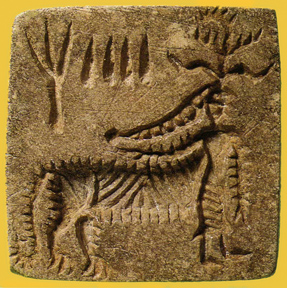
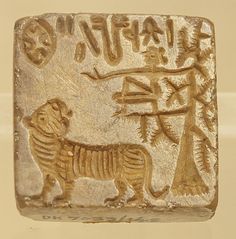
tiger-seal-3  tiger-seal

Picture: Tiger Goddess of Indus Valley

Superstition of the Aborigines

Many of the aborigines believe that they can transform themselves into tigers or snakes. Half the soul is supposed to leave the body, and in the guise of a tiger or snake it kill an enemy or satisfy its hunger by feeding on cattle in the jungle. During this time such people are said to remain dull and listless, and to shirk any sort of work. It is also believed soul wanders during sleep, when it may enter the body of a tiger or some other wild animal.


(Foreigners say that all the dark skinned people are Dravidians which is not correct)


–Subham–


வேதத்தில் ஸரஸ்வதி: பாரதியார் மொழிபெயர்ப்பு (Post No.3235)

drawing-of-goddess-saraswati

Compiled by London Swaminathan


Date: 9 October 2016


Time uploaded in London: 17-15


Post No.3235


Pictures are taken from various sources; thanks.


Contact swami_48@yahoo.com


நூலின் பெயர்: வேத ரிஷிகளின் கவிதை

சி.சுப்பிரமணிய பாரதி


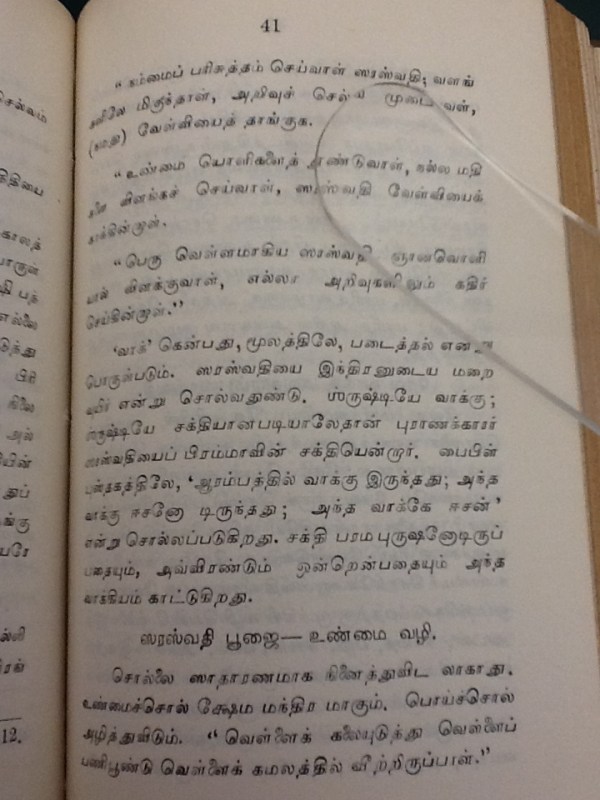
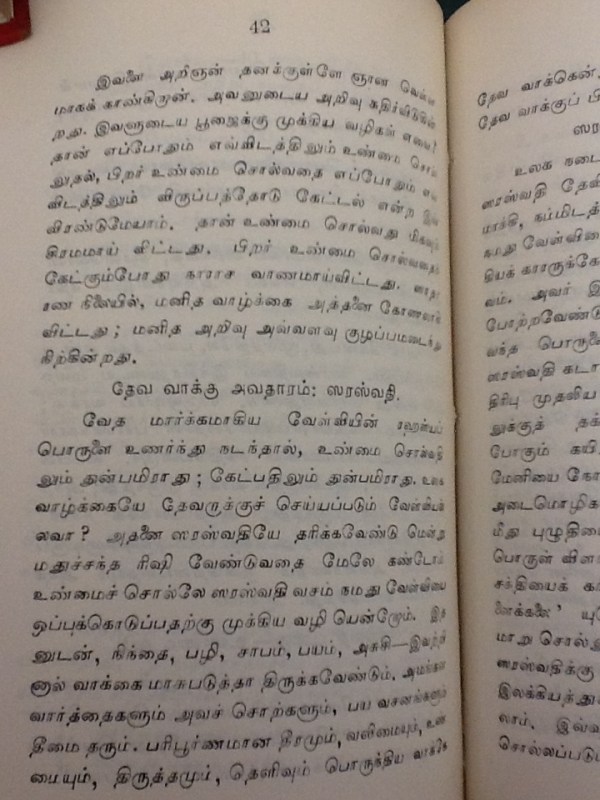
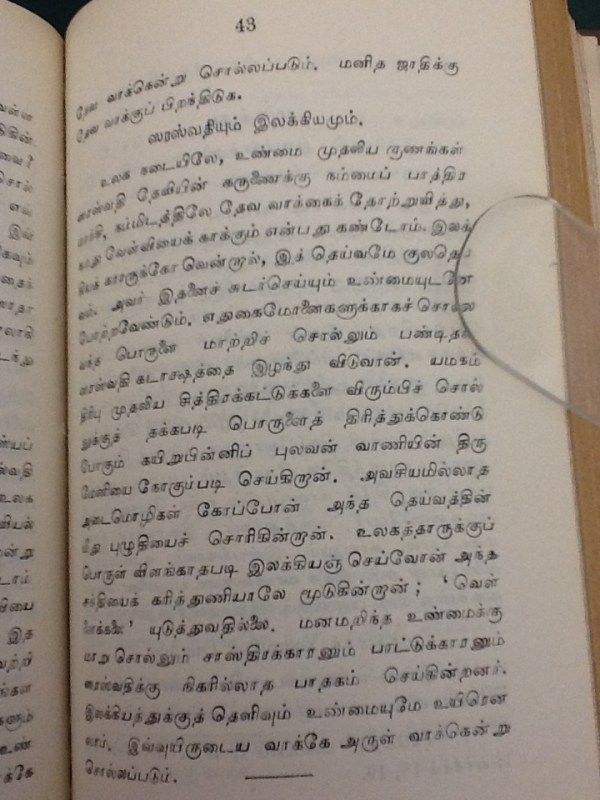
img_8416img_8417img_8418img_8419