DATE OF RAMAYANA 5100 BCE (Post No.5100)

Written by London swaminathan

Date: 11 JUNE 2018

Time uploaded in London –  18-16 (British Summer Time)

Post No. 5100

Pictures shown here are taken from various sources such as Facebook friends, Books, Google and newspapers; thanks. Pictures may be subject to copyright laws.

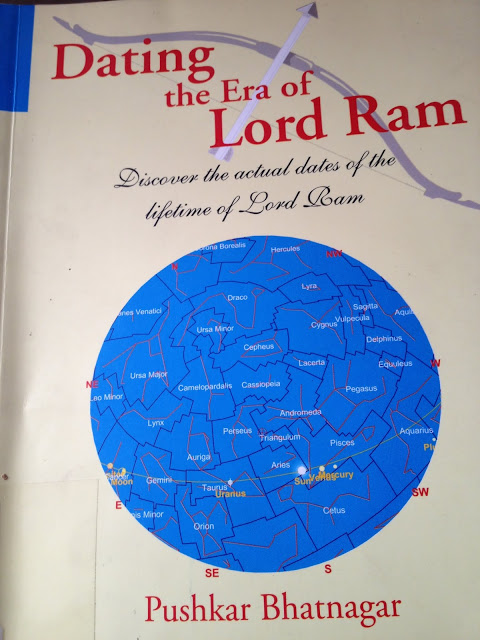
I was reading the book ‘Dating the Era of Lord Ram’ by Pushkar Bhatnagar, 2004, Rs.395

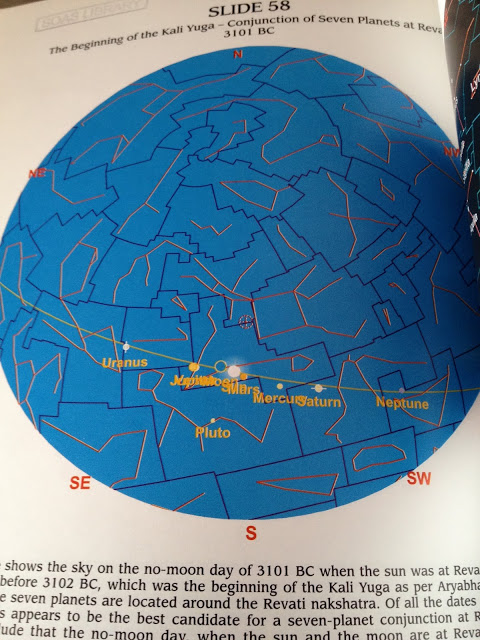
He has concluded that Rama lived around 5100 BCE on the astronomical evidence in the Valmiki Ramayana. First let me give his conclusions and then his introduction. It is a book with sixty colour star maps.  His conclusions are
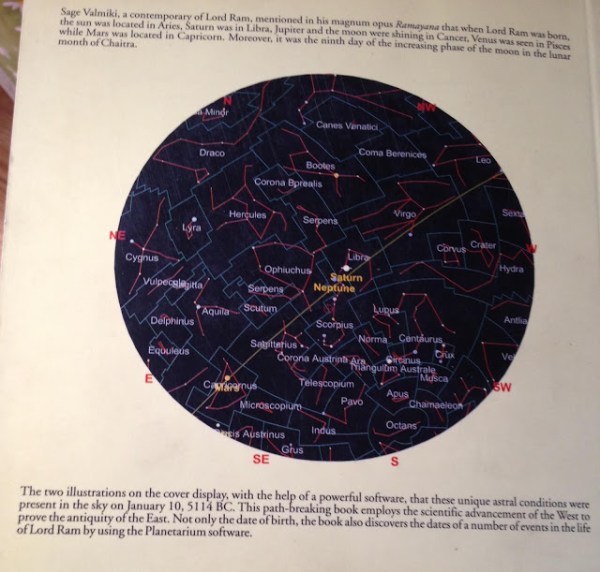
 

The archaeological evidence suggesting the date of Saraswati Sindhu region sites up to 8000 BCE,

astronomical dating of some of the verses of the Rig Veda to 6500 BCE,

the Astronomical dating of Ramayana at around  5100 BCE,

date of composition of the last Mandala of the Rig Veda around 5000 BCE,

strong evidences suggesting the traditional date of 3137 BCE as the date of Mahabharata,

probable date of Puranas well after the beginning of the Kaliyuga and the drying up of the Saraswati River around 1900 BCE

makes highly agreeable and logically acceptable timeline of our civilization.


His introduction in the book gives the following interesting details:

“The Ramayana clearly mentions that a lunar eclipse had occurred on the day Hanuman visited Lanka in search of Sita. On examination of the sequence of events narrated in the book

(Ramayana) I had concluded that it was the full moon day of either the month of Margasirsh (Maarkazi in Tamil) or Paush (Thai in Tamil)of the last year of exile (5076 BCE). However, I had no means to verify whether a lunar eclipse had actually occurred about 7000 years or not.


My belief and understanding was that the software I was using  did not have the capability of  showing the occurrence of lunar eclipse. I browsed the web for any other software. These efforts bore no fruit. For almost five years I had desperately wished and prayed that somehow I could verify and demonstrate the occurrence of Lunar eclipse so that my findings become complete in all respects.


Since no solution could be found to this puzzle and being completely helpless in this regard, I submitted my manuscript to the publishers for publication in the month of October 2003. (He just mentioned that he could not verify the lunar eclipse in the manuscript).
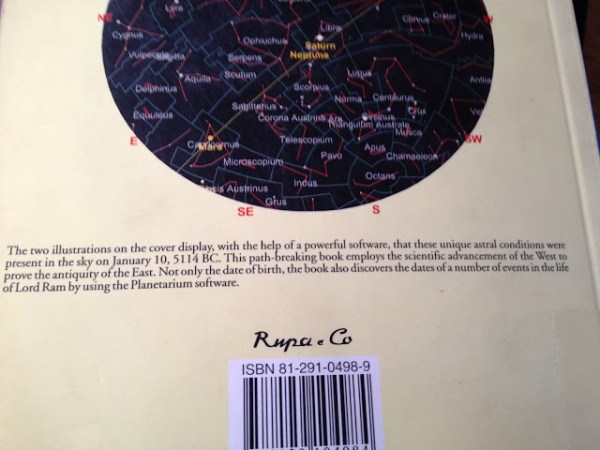
After a few days, I read in the newspapers that a lunar eclipse was to occur on the morning of 9 November 2003 and it would be visible from India. Late in the evening of 8th, without any specific hope of finding a solution, intuitively I felt like examining the position of the sun and the moon during the eclipse due to occur the next day, though the software. My intention was to compare the positions of the sun and the moon during the eclipse of 9 th. However as soon as I entered the time of the occurrence of the eclipse in the software I was surprised to find that the software was displaying the occurrence of the eclipse very precisely. Without wasting a moment, I entered the date 12 September 5076 BCE. (full moon day of lunar month Margasirsh, which according to me the day Hanuman visited Lanka.


With a pounding heart, I started examining the position of the moon. And then came the stamp of Divine confirmation! The software demonstrated that a lunar eclipse had indeed occurred that evening – exactly at the time when it had been described in the Ramayana. I could not believe five year long hopelessness was transformed into triumph in just a matter of five minutes! “

-Pushkar Bhatnagar10 May 2004
pushkarbhatnagar@hotmail.com

This shows the author’s long and sincere research into the date of Ramayana.

–Subham–
 

அமெரிக்கப் பாம்பும் கம்பன் குரங்கும்! (Post No.5099)

Written by London swaminathan

Date: 11 JUNE 2018

Time uploaded in London –  13-37 (British Summer Time)

Post No. 5099

Pictures shown here are taken from various sources such as Facebook friends, Books, Google and newspapers; thanks. Pictures may be subject to copyright laws.


அமெரிக்கப் பாம்பும் கம்பன் குரங்கும்! (Post No.5099)


கோகுலாஷ்டமிக்கும் குலாம்பாய்க்கும் தொடர்பு உண்டோ இல்லையோ ,அப்துல் காதருக்கும் அமாவாஸைக்கும் தொடர்பு உண்டோ இல்லையோ ,ராம நவமிக்கும் ரஹீமுக்கும்  தொடர்பு உண்டோ இல்லையோ, அமெரிக்கப் பாம்புக்கும் கம்பன் சொன்ன ராமாயண வானரப் படைக்கும் கட்டாயம் தொடர்பு உண்டு!


ஞாயிற்றுக் கிழமை தோறும் நாங்கள் லண்டன் நேரம் காலை 7-30 முதல் 9 மணி வரை ஸ்கைப்பில் (Skype) நடத்தும் கம்பராமாயண வகுப்பில் பல விஷயங்களை அலசுவோம். இந்த வாரம் கம்பராமாயணப் பாடலில் இரண்டு சுவையான விஷயங்கள் விவாதத்துக்கு வந்தன.


கம்பன் சொல்கிறான்:

ஒளிவீசும் தீப்பொறி கக்கும் விழிகளை உடைய குரங்குப் படைகள் கையில் எடுத்த மரங்கள் அரக்கப் படை வீசிய அம்புகளால் துண்டாயின. அரக்கர்கள் வீசிய அம்புகள், வானரங்களின் நெஞ்சில் ஊடுருவ அவை இறந்து விழுந்தன; அந்த நிலையிலும் அரக்கர்களை கடித்து அவர்களைக் கொன்று தாமும் இறந்தன (அதாவது செத்தும் கடித்தன அல்லது சாவதும் கடிப்பதும் ஒருங்கே நிகழ்ந்தன).


இதோ யுத்த காண்ட நாகபாசப் படலப் பாடல்:-


சுடர்த்தலை நெடும்பொறி சொரியும் கண்ணன

அடர்த்து அலை நெடும் மரம் அற்ற கையன்

உடர்த்தலை வைரவேல் உருவ உற்றவர்

மிடற்றினைக் கடித்து உடன் விளிந்து போவன.


இதே போல அமெரிக்காவிலும் ஒரு சம்பவம் நடந்தது.

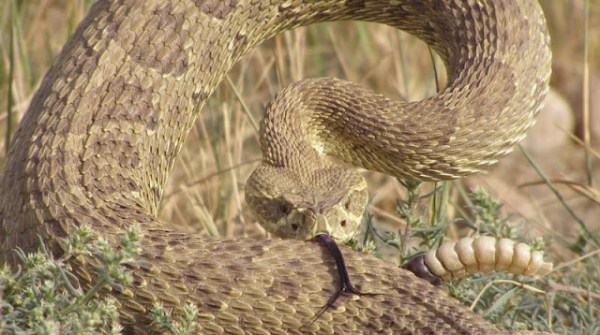
அமெரிக்காவில் டெக்ஸாஸ் மாகானத்தில் கார்ப்பஸ் கிறிஸ்டி என்ற Corpus Christi, Texas, USA) ஊருக்கு அருகில் ஒரு   பெண்மணி  வீட்டிற்குப் பின்புறமுள்ள பகுதிகளைச் சுத்தம் செய்து கொண்டிருந்தாள். அப்பொழுது கிலுகிலுப்பைப் பாம்பு (Rattle Snake) ஒன்று தலைப்பட்டது.


சாரைப் பாம்பு போன்ற இத்தகைய பாம்பு வாலை ஆட்டு போது கிலுகிலுப்பை ஒலி உண்டாகும்.


அந்தப் பெண்மணி ‘பாம்பு, பாம்பு’ என்று அலறிய உடன், கணவர் ஓடோடி வந்து அருகிலுள்ள மண்வெட்டியால் பாம்பின்  தலையில் ஒரு போட்டு போட்டார். வெட்டு ஒன்று துண்டு இரண்டாகியது. அவர் பெயர் மியோ சட்க்லிப். அவருக்கு பெருமை தாங்கவில்லை. பாம்பின் தலையருகே போனார். துண்டாகிக் கடந்த தலை அவர் மீது பாய்ந்து கடிக்கவே அவர் உடலில் விஷம் ஏறி மயங்கி விழுந்தார். உடனே விமான ஆம்புலன்ஸ் வந்து அவ ரைத் தூக்கிச் சென்று ஆஸ்பத்திரியில் போட்டது. கொஞ்சம் கொஞ்சமாக உ யிர் வந்து கொண்டிருப்பதாக செய்திகள் கூறுகின்றன.

கம்பன் பாடலில் சாகும் அல்லது செத்த குரங்குகள் கடித்து, அதுவும் இறந்தது;  கடிபட்ட அரக்கனும் இறந்தான் என்று சொன்னது மெய்யே; அவன் கண்ணால் கண்டதை எழுதுகிறான்.; காட்டு வழியாகப் போகும் போது இத்தகைய காட்சிகளைப் பார்த்து இருப்பான் போலும்!


கரடி தின்ன Sweet Dinner ‘ஸ்வீட் டின்னர்


இன்னொரு பாட்டில் யானைகளின் மூளைகளை   கரடிகள் தின்னதாகச் சொல்லி அது அவைகளுக்கு இனிய உணவாக/ விருந்தாக அமைந்தது என்கிறான். கரடிகள் பெரும்பாலும் மீன், புழுப்பூச்சிகளை த் தின்னும். ஆனால யானை போன்றவற்றின் மூளைகளைத் தின்னுவதாக கம்பன் சொல்லும் காட்சியையும் அவன் கண்ணால் கண்டான் போலும்.


கம்பராமாயண,  யுத்த காண்ட, நாக பாஸப் படலத்தில் சொல்கிறான்:


போர் புரியும் கரடிகள், மலைகளைத் தாக்கி அழிக்கும் இடிகள் போலத் தொடர்ந்து சென்று, மதம் பொழியும் யானைகளின் தலைகளைப் பிளந்தன. அதனால் வெளிப்பட்ட மூளைகளை இனிமையாகத் தின்று பசி என்னும் தீயை அனைத்தன.


அடர்ந்தன கிரிகளை அசனி ஏறு எனத்


தொடர்ந்தன மழை பொழி தும்பிக் கும்பங்கள்


இடந்தன மூளைகள் இனிதின் உண்டன


கடந்தன பசித் தழல் கரடி காதுவ


இப்படிப் போகிற போக்கில் வன விலங்குகள் பற்றியும் கம்பன் சொல்லுவது ராமாயணச் சுவையைக் கூட்டுகிறது.

வாழ்க தமிழ்! வளர்க கம்பன் புகழ்!!


–சுபம், சுபம்—


கம்போடியாவில் பிராமணர்களுக்குக் கோவில்! (Post No.5098)

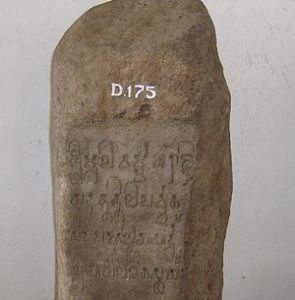
ஜாகர்த்தா மியூஸியத்தில் உள்ள ஸம்ஸ்க்ருத கல்வெட்டு. 

இந்தோநேஷிய பாஷா லிபியில் உளது.


Written by London swaminathan

Date: 11 JUNE 2018

Time uploaded in London –  8-25 am  (British Summer Time)

Post No. 5098

Pictures shown here are taken from various sources such as Facebook friends, Books, Google and newspapers; thanks. Pictures may be subject to copyright laws.


கம்போடியாவில் பிராமணர்களுக்குக் கோவில்! (Post No.5098)


பிராஹ்மணத் தலைவர்களுக்கு கம்போடிய மன்னர்கள் கோவில்கள் கட்டிய சுவையான தகவல்கள் கல்வெட்டுகள் மூலம் தெரிய வருகின்றன.


கம்போடியா, தாய்லாந்து, வியட்நாம், பர்மா, இந்தோநேஷியா ஆகிய நாடுகளில் உள்ள கல்வெட்டுகளில் அங்குள்ள பிராஹ்மணர்களின் செல்வாக்கு பற்றிய அரிய பெரிய தகவல்கள் கிடைக்கின்றன. யசோவர்மன் (கி.பி.889) என்னும் கம்போடிய மன்னனின் கல்வெட்டு பின்வரும் தகவலை அளிக்கிறது:-


‘மன்னன், கடமைகளில் தவறாதவன்; கோடி ஹோமமும் பல யக்ஞங்களும் செய்தான்; பிராஹ்மணர்களுக்கு தங்கமும் நகைகளும் வாரி வழங்கினான்’ — என்று கல்வெட்டு கூறுகிறது. அவனது காலத்தில் சைவ சமயம் தழைத்தோங்கியது.


கம்போடியாவில் ஐந்தாம் நூற்றாண்டிலிருந்து பிராஹ்மணர்கள் பிரசன்னமாயிருந்ததற்கான ஆதாரங்கள் கிடைக்கின்றன. இந்தியாவிலிருந்து தொடர்ந்து வந்த பிராஹ்மணர் எண்ணிக்கையால் அவர்களின் ஜனத்தொகை அதிகரித்தது.


மன்னனையே இறைவனாக கருதி கோவில் கட்டுவது இரண்டாவது ஜயவர்மன் (கி.பி.802) காலத்தில் ஆரம்பித்தது. அதற்கு இரண்டு நூற்றாண்டுகளுக்குப் பின்னர் அந்த வழக்கம் வளர்ந்தது. அங்கோர்வட் காலத்தில் வைஷ்ணவ மதம் செழித்தது.


பிராஹ்மணர்களின் செல்வாக்கு வளர, வளர மன்னர்களுக்கும் மேலாக அவர்கள் புகழ் பரவியது. குறிப்பாக சிவ கைவல்யர் என்னும் குடும்பத்தினர் பரம்பரையாக மன்னர்களுக்குப் புரோஹிதர்களாக விளங்கினர்.


நமது நாட்டில் பிரதம மந்திரிகள், முதல் மந்திரிகள், கவர்னர்கள் மாறினாலும் அவர்களிடம் வேலை பார்த்த சில அரசாங்க அதிகாரிகள் மற்றும் செயலர், டிரைவர், பியூன், சமையல்காரர் தொடர்ந்து வேலையில் நீட்டிப்பதால் அவர்கள் இல்லாமல் எதுவும் நடக்காது; அவர்களின் நீண்ட கால அனுபவம் பயன்படும். இதுபோல சில பிராஹ்மணக் குடும்பங்கள் பல    மன்னர்களை உருவாக்கின. அவர்களுடைய தயவு மன்னர்களுக்குத் தேவைப்பட்டது.

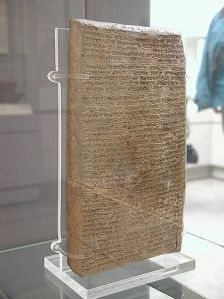
எகிப்திய மன்னன் அம்னோதேப்புக்கு (அமண தேவன்= ஸ்ரமண தேவன்)துருக்கி மன்னன் தசரதன் எழுதிய கடிதம்/ கல்வெட்டுக்யூனிபார்ம் லிபியில் உளது.

மேலும் அவர்களுடைய ஸம்ஸ்க்ருத அறிவு சட்டப் புத்தகங்களையும் வேத தர்மங்களையும் அறிய உதவியது. இதனால் வெறும் புரோகிதர் பதவியில் மட்டுமின்றி சட்ட ஆலோசகர்களாகவும், அமைச்சர்களாகவும் விளங்கினர். அங்கோர்வட் சிற்பங்களில் பிராஹ்மண ஆசிரியர் துரோணர், பிராஹ்மணராக மாறிய விஸ்வாமித்ரர் ஆகியோர் சித்தரிக்கப்பட்டுள்ளதாக கோடஸ் (COEDES) என்னும் அறிஞர் செப்புகிறார்.


சிற்பங்களில் உயர்குடி மக்கள் உச்சுக் குடுமியுடனும் (தலையின் உச்சியில் தூக்கிக் கட்டிய குடுமி) CHINGON, தாழ்ந்த குல மக்கள் கீழே தொங்கும் தாழ் சடையுடனும் சித்தரிக்கப்பட்டுள்ளனர். சில ஊர்வல சிற்பங்களில் பிராஹ்மணர்கள் மட்டுமே அதைக் காண்பதாகவும் உள்ளன.


மன்னர்களுக்குத் தலை வணங்காத ஒரே இனம் பிராஹ்மணர்கள் என்பதாக சிற்பங்கள் காட்டும்; ஏனையோர் தாழ்ந்த தலையுடன் நிற்பர். இத இந்தியாவிலும் காணலாம். மன்னர்கள் இறைவனுக்கும் பிராஹ்மணர்களுக்கும் மட்டுமே தலை வணங்குவர், தலை தாழ்த்துவர் என்று மிகப் பழைய புற நானூற்றுப் பாடல்கள் போற்றுகின்றன.


தாய்லாந்து, கம்போடியாவில் புத்த மதம் ஆதிக்கம் பெற்றபோதும் பிராஹ்மணர்களுக்கே முதலிடம் தரப்பட்டது; தாய்லாந்தில் இன்று வரை இது நீடிக்கிறது.


கம்போடியாவில் பிராஹ்மணர்கள் க்ஷத்ரிய ஜாதியாருக்குப் பெண் கொடுத்து, பெண் எடுத்த செய்திகள்  உள. புராதன பிராஹ்மணர்களின் வழி வந்த பாகு (Bakus) என்போர் மன்னர் ஆட்சிக்கு வழி இல்லாத போது அரசு கட்டிலும் ஏறி முரசு கொட்டினர்.


அசோகர் கல்வெட்டுகளில் எப்படி புத்தமத ஸ்ரமணர்களுக்கும் முன்னர் பிராஹ்மண ஜாதி குறிப்பிடப்படுகிறதோ அதே போல பர்மா, தாய்லாந்து, கம்போடியா முதலிய நாடுகளில் புத்த மதத்தினருக்கும் முன்னதாக பிராஹ்மண குருக்களே இடம் பெற்றனர்.


ஐயருக்கும் கோவில்கள்

சில பிராஹ்மணத் தலைவர்கள் “புலன் அழுக்கற்ற அந்தணாளன்” என்று கபிலர் என்னும் புலவரை சங்கத் தமிழ் நூல்கள் போற்றுவது போல ஒழுக்க சீலர்களாகவும், அறநெறி தவறா பெருந்தகைகளாகவும் இருந்த காரணத்தால் அவர்களுக்குக் கோவில்களும் எழுப்பப்பட்டன.


எட்டாவது ஜயவர்மன் காலத்தில் ஜயமங்களார்த்த என்ற பிராஹ்மண புரோகிதருக்கு கோவில் கட்டப்பட்டது. இதே போல வித்யாவிசத் என்பவருக்கும் கோவில் இருந்தது. சீன யாத்ரீகர்கள் பூணுல் அணிந்த பிராஹ்மணர்களைப் பார்த்ததை குறிப்பிடத் தவறவில்லை.


ஒன்பதாம் நூற்றாண்டு முதலாவது இந்திரவர்மன் கால அங்கோர்வட்டில் சிவ சோமன் என்ற பேரறிஞரைப் பற்றிக் குறிப்பிட்டு, அவர் சங்கரரிடம் வேதாந்தம் கற்றவர் என்று சொல்லப்பட்டுள்ளது.


பிராஹ்மணர்கள் கடல் கடந்து போக க்கூடாது என்று மநு தர்ம சாஸ்திரம் புகலும். பெண்கள் கடல் கடந்து போகக் கூடாது என்று தமிழ் தொல்காப்பியம் நுவலும். ஆயினும் பணத்துக்கும், புகழுக்கும் ஆசைப்பட்டு பலரும் சென்றதை கல்வெட்டுகள் மூலம் அறிகிறோம். இலங்கையின் முதல் மன்னனுக்கு – விஜயனுக்கு— அரச குல மங்கைகள் தேவைப்பட்டதால் மதுரை பாண்டிய நாட்டிலிருந்து பெண்கள் அனுப்பப்பட்டனர்; அவர்களில் ஷத்ரிய குல நங்கைகளும் அமைச்சர்களின் பிராஹ்மண குல மங்கைகளும் அடக்கம்.


இதே போல தென் கிழக்காசிய நாடுகளில் இந்தியப் பிராஹ்மணர்களின் வருகை பற்றிப் பகரும்  கல்வெட்டுகளும் உள.


1500 ஆண்டுகளுக்குக் கொடிகட்டிப் பறந்த  தென் கிழக்காஸிய நாடுகளின் இந்து சாம்ராஜ்யத்துக்கு விதை ஊன்றியவர்களும் அகஸ்த்யர், கௌண்டின்யர் என்ற இரண்டு பிராஹ்மணர்களே.


கம்போடியாவில் மட்டுமின்றி பர்மாவிலுள்ள பகான், தாய்லாந்திலுள்ள சுகோதை நகர அரச வம்சங்களுக்கும் பிராஹ்மண புரோகிதர்களே அபிஷேக ஆராதனைகளை செய்துவைத்தனர். அவர்களுக்குப் பின்னர் புத்த குருமார்கள் வந்தனர். பிராஹ்மண குருக்களை வேலைக்கு எடுத்தபோதே அவர்களுக்கு ஸம்ஸ்க்ருத நூல் அறிவோடு பௌத்த மத ஸம்ப்ரதாயங்களும் தெரிய வேண்டும் என்று புதிய தகுதிகள் வரையறை செய்யப்பட்டன.


சம்பா என்று அழைக்கபட்ட வியட்நாமில் பிராஹ்மணர் நிலை தாழ்ந்த அளவுக்கு ஏனைய நாடுகளில் தாழவில்லை. சம்பா தேசத்து போ நகர கல்வெட்டில் பிராஹ்மணர்களும் மன்னர் காலடியில் விழுந்து வணங்கியதாக எழுதப்பட்டுள்ளத்து. இத்தகைய  கல்வெட்டு வாசகத்தை இந்தியாவிலோ வேறு எங்கோ காண முடியாது.


தாய்லாந்தில்

தர்மராஜ (1361) என்ற மன்னன் வேத சாஸ்திர நூல்களிலும் வான சாஸ்திரத்திலும் வல்லவன் என்று ஒரு கல்வெட்டு விளம்பும். தர்மராஜ அசோக (1510) என்ற மன்னன் இந்து மதத்தையும் புத்தமததையும் ஒரு சேர ஆதரித்ததாக மற்றொரு கல்வெட்டு ;போற்றும். ஆக திருமாறன் என்னும் பாண்டிய மன்னன் வியட்நாமில் (சம்பா தேசம்) ஆளத் துவங்கியதிலிருந்து 1600-களில் முஸ்லீம் ஆக்ரமிப்பாளர்கள் வரும் வரை 1500 ஆண்டுகளுக்கு தென் கிழக்காஸிய நாடுகளில் இந்து மதம் கொடி பறந்தது என்பதைக் கல்வெட்டுகள் காட்டுகின்றன.


உலகிலேயே மிகப் பெரிய முஸ்லீம் நாடான இந்தொநேஷியாவில் பிராஹ்மணர் ஆதிக்கம் பற்றிய தகவல்கள் எனது நேற்றைய கட்டுரையில் (மூல வர்மன் கல்வெட்டு) உளது.


ஸம்ஸ்க்ருத ஆதிக்கத்தைப் பரவ விடாத  இலங்கையிலும் கூட ‘குண்ட மாலா’ என்ற ஸம்ஸ்க்ருத நூல் இயற்றப்பட்டதாக ஆராய்சியாளர் சிலர் உரைப்பர்.

-சுபம்-

நரேந்திர மோடி 20 மணி நேர உழைப்பு ரகசியம்! (Post No.5097)

Written by S NAGARAJAN


Date: 11 JUNE 2018


Time uploaded in London –  7-15 am  (British Summer Time)


Post No. 5097


Pictures shown here are taken from various sources such as Facebook friends, Books, Google and newspapers; thanks. Pictures may be subject to copyright laws.


நரேந்திர மோடி நாளுக்கு 20 மணி நேரம் உழைப்பதன் ரகசியம்!


ச.நாகராஜன்


ரிபப்ளிக் டி.வியில் ஆர்னாப் கோஸ்வாமி வெள்ளியன்று (8-6-18) பாரத பிரதமர் நரேந்திர மோடி அவர்களை மாவோயிஸ்டுகள் கொல்லச் சதி தீட்டும் கடிதத்தை வெளியிட்ட போது நாடே திடுக்கிட்டது.


பல கோடி ரூபாய் இதற்குத் தேவைப்படுகிறது என்றும் “ஒத்த மனமுடைய” நிறுவனங்களையும் கட்சிகளையும் இதற்கு உதவி கோரி நாடலாம் என்று கடிதத்தில் குறிப்பிடப்பட்ட வாக்கியத்தைக் காண்பித்து அந்த நிறுவனங்களும் கட்சிகளும் எவை எவை என்று கேட்டார் ஆர்னாப்.

நாடே அறியத் துடிக்கும் விஷயம் இது.


மாவோயிஸ்டுகளை இரக்கமின்றி நாட்டை விட்டுத் துரத்த வேண்டும் என்று அவர் கூறிய போது தேசமே ஆமாம் ஆமாம் என்று ஒரே குரலில் கூறியது.

ஹ்யூமன் ரைட்ஸ் என்ற பெயரில் அந்த இயக்கத்தில் இந்த வம்பு கோஷ்டிகள் புகுந்துள்ளதையும் அவர் சுட்டிக் காட்டினார்.

இலக்கியம், கலை, பண்பாடு ஆகியவற்றின் பெயரிலும் பெண்ணியக்கம் பெயரிலும் மனித உரிமைகள் பெயரிலும் உள்ளே நுழைந்து தேசத்தைத் துண்டாட நினைக்கும் தேசத் துரோகிகள் கடையில் ராஜீவ் காந்தி ஸ்டைலில் நரேந்திர மோடியைக் கொலை செய்ய வேண்டும் என்று சொல்லி இருப்பதை யாராலும் சகித்துக் கொள்ள முடியாது.


அருண் ஜேட்லியின் நான்கு விதமான தேசத் துரோகிகளின் பட்டியலையும் இந்த டி.வி.நிகழ்ச்சி அறிமுகப் படுத்தியது.

சரி, நரேந்திர மோடி என்ன ‘பாவம்’ செய்தார் – இந்த தேசத் துரோகிகளின் பார்வையில் விழுவதற்கு.

பதிலை அனைவரும் அறிவோம்.

நாட்டிற்காக நாளுக்கு இருபது மணி நேரம் உழைக்கிறார் என்பது தான் பதில்.


அதாவது இருபத்து நான்கு மணி நேரத்தில் 83.88 சதவிகிதம் அவர் உழைக்கிறார்.


நாடு ஒன்றுபட்டு முன்னேறி விட்டால் நாசகாரிகளால் பொறுத்துக் கொள்ள முடியாதே.


2

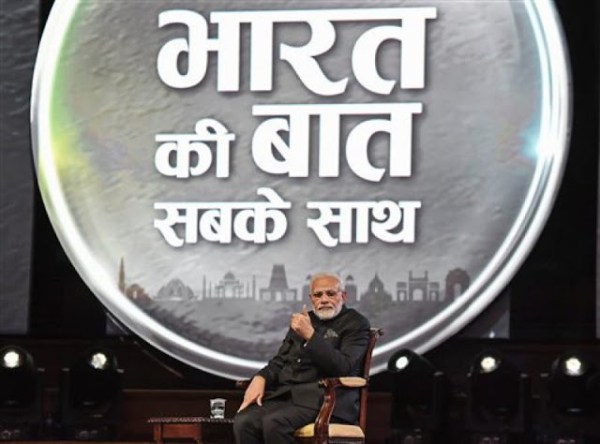
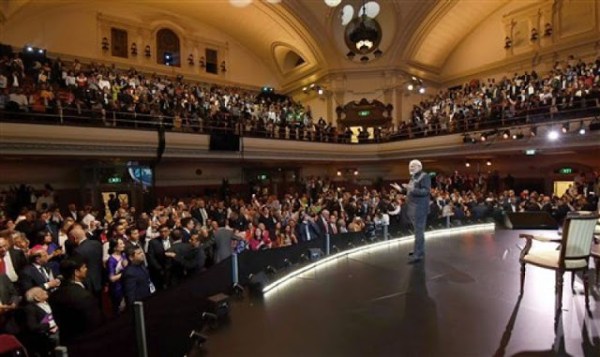
நரேந்திர மோடி லண்டனில் 18, ஏப்ரல், 2018 அன்று வெஸ்ட்மினிஸ்டர் சென்ட்ரல் ஹாலில் ‘பாரத் கி பாத் சப்கே சாத்’ என்ற நிகழ்ச்சியில் கலந்து கொண்டார்.

நிகழ்ச்சியில் பங்கு கொண்ட ஒருவர் மோடி அவர்களிடம் ஒரு கேள்வியைக் கேட்டார் இப்படி:


“ நீங்கள் ஒரு நாளைக்கு இருபது மணி நேரம் உழைக்கிறீர்கள். உங்களுக்கு எப்படி இதற்கான சக்தியும் உந்துதலும் கிடைக்கிறது?!”


அதற்கு உடனே மோடி அவர்கள் நகைச்சுவையாக பதில் அளித்தார்:” நான் ஒரு நாளைக்கு 2 முதல் 3 கிலோ வரை திட்டலையும் ஏசலையும் ஜீரணிப்பதால்!”

பின்னர் அவர் கேள்விக்கான பதிலைக் கூறலானார்:

‘அவன் ஒரு பாரமல்ல; அவன் எனது சகோதரன்’ என்ற கதையை முதலில் கூறினார்.


ஒரு இளம் பெண் அவளது சின்னத் தம்பியை தூக்கி வைத்துக் கொண்டு மலையின் மீது தினமும் ஏறிக் கொண்டிருந்தாள். ஒரு சந்யாசி அவளைப் பார்த்து,” அவனைத் தூக்கிக் கொண்டு மலை மீது ஏறுகிறாயே, உனக்குக் களைப்பாக இல்லையா?” என்று கேட்டார்.


அதற்கு அந்த இளம் பெண் பதில் சொன்னாள்: “அவன் எனது தம்பி.”


சந்யாசி கேட்டார்:”அது எனக்குத் தெரியும். ஆனால் தினந்தோறும் அவனைச் சுமந்து மலை மீது ஏறுவது சிரமமாகத் தோன்றவில்லையா?”


ஒவ்வொரு முறை சந்யாசி இப்படிக் கேட்கும் போதும் அந்த இளம் பெண் கூறிய பதில்: “அவன் எனது தம்பி.”

கடைசியாக ஒரு நாள் முத்தாய்ப்பாக அவள் சந்யாசியிடம் கூறினாள் : “எனது தம்பியைத் தூக்கிக் கொண்டு போவது எனக்கு சந்தோஷமாக இருக்கிறது. சுமையாகத் தோன்றவில்லை.”

மோடி கதையைக் கூறி விட்டுத் தொடர்ந்தார் : “அந்தப் பெண் போல தேசத்திற்காகவும் எனது சகோதர சகோதரிகளான 125 கோடி பேருக்காகவும்  உழைக்கும் போது எனக்கு களைப்பே தோன்றவில்லை.”


உண்மையான அர்ப்பணிப்பு மனப்பான்மையுடன் கூடிய ஒரு சிறந்த தேசத் தொண்டனின் பதில் இது.

இப்படிப்பட்ட தேசபக்தனை மாவோயிஸ்டுகளும் “ஒத்த மனமுடைய” நிறுவனங்களும் கட்சிகளும் விரும்பவில்லை; விரும்பாது என்பது நிதர்சனமான உண்மை.


ராஜீவ் காந்தி ஸ்டைலில் என்றால் தற்கொலைப் படையை தயார் செய்ய வேண்டும் அதற்காக பல கோடி ரூபாய்களும் ஏராளமான ஆயுத தளவாடங்களும் தேவை என்று கடிதம் குறிப்பிடுவதில் ஆச்சரியம் இல்லை.


தேசம் இந்த துரோகிகளால் ஒரு இளம் பிரதமரை இழந்தது போதும்.

இவர்களை இனம் கண்டு, கண்டு பிடித்து உடனடியாக நாடு கடத்த வேண்டும்.


ஜனநாயகத்தின் பெயரால் இந்த தேசத் துரோகிகள் தேசத்தைப் பிரிக்கும் எதை வேண்டுமானாலும் கூறிக் கொண்டு திரியலாம் என்று நினைத்தால் அதற்கு இந்திய மக்களின் பதில்”

“அது நடக்காது, ‘தோழா’! அதற்கு முன் உன் பாவச் சுமையால் நீயே அழிவாய்!” என்பது தான்!


ஜனநாயக சக்திகள் ஒன்று சேர வேண்டிய தருணம் இந்திய வரலாற்றில் இதுவே தான்!


சேர்வோம்; வெல்வோம்!

***

அடர்ந்த காட்டுக்குள் மூலவர்மன் கல்வெட்டு (Post No.5096)

Picture of Mulavarman Inscription in Jakarata Museum


Written by London swaminathan


Date: 10 JUNE 2018


Time uploaded in London –  18-59  (British Summer Time)


Post No. 5096


Pictures shown here are taken from various sources such as Facebook friends, Books, Google and newspapers; thanks. Pictures may be subject to copyright laws.


அடர்ந்த காட்டுக்குள் மூலவர்மன் கல்வெட்டு (Post No.5096)

இந்தோநேஷியா என்பது உலகிலேயே பெரிய முஸ்லீம் நாடு. அந்த நாட்டின் ஒரு பகுதியான போர்னியோ (BORNEO) தீவு உலகில் மிகப்பெரிய தீவுகளில் ஒன்று. அதில் அடர்ந்த மழை வனக்காடுகள் (RAIN FORESTS) உள்ளன. அந்த காட்டுக்குள் இது வரை மனிதர்கள் காலடியே பட்டதில்லை—இது கன்னி கழியாத காடுகள் (VIRGIN FORESTS) என்று உள்ளே நுழைந்த ஆராய்ச்சியாளர்களுக்கு அதிர்ச்சி அளித்தது சில சம்ஸ்ருதக் கல்வெட்டுகள்!

இதெல்லாம் நடந்து நூறு ஆண்டுகள் ஆயிருக்கும்; ஆயினும் இக் கல்வெட்டுகளின் பெருமையை இப்பொழுதுதான் உலகம் உணரத்  துவங்கியுள்ளது.


1950-ஆம் ஆண்டுகளில் காஞ்சி பரமாச்சார்ய சுவாமிகள் நடத்திய சொற்பொழிவுகளில் இது பற்றிய அபூர்வ விஷயங்களைத் தொட்டுக் காட்டினார். ஆயினும் முழு விவரங்கள் கிடைக்கவில்லை. ஏனெனில் அவர் நடத்தியது வரலாற்றுச் சொற்பொழிவு அல்ல. அது சமயச் சொற்பொழிவு.


அடர்ந்த காட்டுக்குள் கண்டுபிடிக்கப்பட்டது  ஏழு யூப ஸ்தம்பங்களாகும். மன்னர்கள் யாக யக்ஞங்கள் செய்கையில் பிராஹ்மணர்கள் இப்படி யூப ஸ்தம்பங்களை நட்டு அதில் மன்னன் பெருமை, அவர் அளித்த தான தருமங்களைச் சொல்லுவது மரபு.


யூப நெடுந்தூண், வேள்வித்தூண் எனபன சங்க இலக்கிய நூல்களிலும் காணப்படுகிறது. முது குடுமிப் பெருவழுதி என்ற பாண்டிய மன்னன் அஸ்வமேதம் முதலிய யாகங்களைச் செய்தான்; கரிகால் சோழன் பருந்து வடிவ யாக குண்டங்கள் செய்து யாகம் செய்தான். சோழ மன்னன் பெருநற்கிள்ளி ராஜ சூய யாகம் செய்தான். சேர மன்னன் ஒருவன் பார்ப்பனீயப் புலவரின் வேண்டுகோளுக்கிணங்க பத்து வேள்விகள் இயற்றி பத்தாவது முறையில் பார்ப்பனப் புலவரையும் பார்ப்பனியையும் அப்படியே உடலுடன் சொர்க்கத்துக்கு அனுப்பி மாயமாய் மறைய வைத்தான் . இவை எல்லாம் புறநானூற்றிலும் பதிற்றுப் பத்திலும் உள. திருவள்ளுவரும் திருக்குறளில் யாக யக்ஞங்களைப் புகழ்ந்து தள்ளுகிறார். ஆக தமிழர்கள் மிகப்  பழைய புறநானூற்றுப் பாடலில் யூபம் என்னும் ஸம்ஸ்க்ருதச் சொல்லைப் பயன்படுத்துவதால் தமிழர்களுக்கு இதெல்லாம் அத்துபடி.

Dasatatha’s Letter to Egyptian King Amenotep (Sramana Deva) in Cuneiform script

அது மட்டுமல்ல காளிதாசனும் பாண்டிய மன்னனை அறிமுகப்படுத்தும் போது அவன் யாகம் செய்து குளித்த ஆடையுடன் எப்போதும் இருப்பவன் என்று பெருமையாகக் கூறுகிறான். அத்தோடு அகஸ்தியர் பெயரையும் சொல்கிறான். ஆக இரண்டாயிரம் ஆண்டுகளுக்கு முன்னர் பாண்டியன் செய்த யாகங்கள் உலகப் பிரசித்தம்.


இந்தோநேஷியாவின் காட்டுக்குள் கிடைத்த மன்னன் 1700 ஆண்டுகளுக்கு முன்னர்– சங்க காலத்தை ஒட்டி- வாழ்ந்தவன். பாண்டவர் போலவே ‘வர்மன்’ பட்டத்தை உடையவன் ஒருவே ளை தமிழனாக இருக்கலாம் என்பதற்காகத்தான் மேற்சொன்ன பீடிகை போட்டேன்.


மூலவர்மன் கல்வெட்டு அழகான ஸம்ஸ்க்ருத மொழியில் எழுதப்பட்டுள்ளது. அவைதான் இந்தோநேஷியாவில் கிடைத்த பழைய கல்வெட்டுகள். முதல் இரண்டு கல்வெட்டுகளில் மூலவர்மன், அவனது தந்தை அஸ்வவர்மன், அவனது தந்தை குண்டுங்கா (குண துங்கன் என்பது மருவியது போலும்!) ஆகியோர் சிறப்பு பட்டங்களோடு குறிப்பிடப்படுகின்றனர். பின்னர் யாகத்தில் பிராஹ்மணர்களுக்கு அவன் அளித்த தான தருமங்கள் சொல்லப்படுகின்றன; யாகத்தின் போது பிரதான யஜமானன் (யாக புருஷன்) இந்தத் தூணை நிறுவியதாகவும் உள்ளது.

மூன்றாவது கல்வெட்டில் எல்லோரும், மூலவர்மனின்  தான தருமங்களைக் கேளுங்கள்– அவன்  நிலங்கள், பசுமாடுகள், அற்புத மரம் (கற்பக வ்ருக்ஷம் அல்லது சோம லதை) பிராஹ்மணர்களுக்குத் தானம் செய்தான். இவ்வாறு பலவகை அறச் செயல்களைப் புரிந்ததற்காக இந்த யூபத் தூண்கள் நிறுவப்பட்டுள்ளன என்று பொறிக்கப்பட்டுள்ளது.


அருகிலுள்ள ஜாவா தீவில் இதே போல 1700 ஆண்டுகளுக்கு முந்தைய கல்வெட்டு பிராஹ்மணர்களுக்கு 1000 பசுக்கள் தானம் அளித்ததாக எழுதப்பட்டுள்ளது.


இதை வேறு இரண்டு கல்வெட்டுகளுடன் ஒப்பிட்டுக் காட்டுகிறேன்; கன்யாகுமரியில் உள்ள வீர ராஜேந்திரன் என்ற சோழர் கல்வெட்டு அவனது முன்னோன் ஒருவன் 40,000 பிராஹ்மணர்களை அழைத்து வந்து காவிரிக் கரையில் குடி அமர்த்தினான் என்கிறது. காவிரிக் கரையில் பிராஹ்மணர்கள் இல்லாத குறையைப் போக்க ஆர்யாவர்த்தத்தில் இருந்து 40,000 பிராஹ்மணர்களை அழை த்து வந்தான் என்று கோபிநாத ராவ் புத்தகத்தில் (1926) விளம்புகிறார்.


வியட்நாமில் கிடைத்த பழைய கல்வெட்டு ஸ்ரீ மாறன் என்பதாகும். இது 1800 ஆண்டுகளுக்கு முந்தையது. வியட்நாமை ஆண்ட பாண்டிய மன்னன் என்ற எனது ஆராய்ச்சிக் கட்டுரையில் இது பற்றி எழுதினேன். திருமாறன் என்ற பாண்டியன் பெயரை ஸம்ஸ்க்ருதத்தில் எழுதுகையில் ஸ்ரீமாறன் ஆகும்.


ஆக வியட்நாம் முதல் இந்தோநேஷியாவரை ஆயிரம் ஸம்ஸ்க்ருத கல்வெட்டுகள் உள்ளன. ஒரு வரிக் கல்வெட்டிலிருந்து மிக மிக நீண்ட பாடல்கள் வரையுள்ள கல்வெட்டுகள் இவை.


இது தவிர சிலப்பதிகாரத்திலும் நமக்குச் சான்று உளது. எல்லோர் முன்னிலையிலும் இமயம் வென்ற செங்குட்டுவனை மாடல மறையோன் என்ற பிராஹ்மணன் குறை சொல்லுகிறான். “மன்னனே! போதும் போதும் நீ பெற்ற போர் வெற்றிகள்; போகும் வழிக்குப் புண்ணியம் தேடு; யாக யக்ஞங்களைச் செய்” என்கிறான். இப்படிக் கடிந்து கொண்ட பிராஹ்மணனை தண்டிக்காமல் எடைக்கு எடை தங்கம் கொடுத்து உடனே யாக யக்ஞங்கள் செய்ய உத்தவிட்டதாக இளங்கோ இயம்புவார்.


துருக்கி நாடு முதல் இந்தோநேஷியாவரை இப்படி ஸம்ஸ்க்ருதக் கல்வெட்டுகள் இருப்பதும் கோவலன் ஒரு பார்ப்பனப் பெண்ணின் ஸம்ஸ்க்ருத ஓலையைப் படித்ததாக சிலப்பதிகாரம் செப்புவதும் ஸம்ஸ்க்ருதத்தின் உலக வீச்சைக் காட்டுகிறது. அலெக்ஸாண்டர் போல மக்களைக் கொன்று குவித்து கிரேக்க மொழிக் கல்வெட்டுகளை நிறுவ வைத்ததைவிட அமைதியான கலாச்சார, வணிக வீச்சின் மூலம் உலகம் முழுதும் ஸம்ஸ்க்ருதத்தைப் பரவச் செய்தது மற்றொரு உலக அதிசயம் ஆகும். அது மட்டுமல்லாமல் கிரேக்க  மொழியில் ஹோமர்,  முதல் கிரேக்க நூலை எழுதுவதற்கு முன்னரே — அதற்கு 600 ஆண்டுகளுக்கு முன்னரே– துருக்கியில் ஸம்ஸ்க்ருதப் பெயர்களும் குதிரை நூலும் இருப்பது உலக மஹா அதிசயம் ஆகும்.


–சுபம்–


Brahmin Power in South East Asian Countries- (Post No 5095)

Written by London swaminathan


Date: 10 JUNE 2018


Time uploaded in London –  9-46 am  (British Summer Time)


Post No. 5095


Pictures shown here are taken from various sources such as Facebook friends, Books, Google and newspapers; thanks. Pictures may be subject to copyright laws.


Brahmin Power in Cambodia ,Thailand Burma and Vietnam

(Campa)- Post No 5095


n Cambodia, Brahmins maintained powerful hierarchy for many centuries. They were well organised. They came there around fifth century and increased in number due to a constant flow of immigrants from India. During the reign of Yasovarman 889 CE, Saivism was predominant. We learn from the following inscription that they enjoyed a position similar to that which was theirs in India.


The king,well versed in kingly duties, performed Koti Homa and Yajnas, for which he gave the priest s magnificent presents of jewels, gold etc.


The cult of the Royal God, though founded by Jayavarman II, 802 CE, did not reach the heights of its development until two centuries after wards, and was especially associated with Vaishnavism and the temple of Angkor Wat. This cult led Brahmins enjoying even more exalted position . The priest hood became hereditary in the family of Sivakaivalya, who enjoyed immense power. This sacerdotal dynasty almost threw the royal dynasty into the shade. Brahmins were depicted on the reliefs of Angkor Wat and Coedes has identified Drona and Visvamitra amongst them. In one of the relief s which illustrates a royal procession, it is interesting that the Brahmins were the only onlookers who do not prostrate before the king, as was also the case in India. In the reliefs aristocracy wear the chignon and the lower castes short hair.

One remarkable sign of the power of the Brahmins was that they had even marriage alliances with the princesses. Bakus, the descendants of ancient Brahmins, chose one from them to succeed if the royal family failed.


As early as the reign of Jayavarman V, Buddhism and Hinduism got mixed and the Brahmin purohitas were expected to be well versed in Buddhist prayers and rites. But the Brahmin s of Cambodia never sank so low as did those of Campa (modern Vietnam). In the Po Nagar inscription of Campa, we read that the feet of the king were worshiped,even by Brahmins and priests.


In Thailand


Though the religion of Thailand was Buddhism the royalty recruited Brahmin s from Cambodia. For centuries Brahmin s enjoyed quite an important position.

The famous inscription dated about 1361 CE of King Dharma Raja mentioned the kings knowledge of the Vedas and of astronomy. The inscription on the Siva statue found at Kamben bejra recorded the desire of King Dharmasokaraja,(1510 CE), to exalt both Hinduism and Buddhism.


Brahmins had access to sacred books and law books and so they served the royal s in various capacities. The epigraph ic records demonstrate the powerful influence of purohitas in Burma and Cambodia, where they often served under successive rulers and provided continuity to the government in troubled times. In ninth century Angkor, for instance, Indravarman I had the service of Sivasoma, who studied VedantA under Shankara.


Indian Brahmins are occasionally mentioned in the south East Asian inscription s and one wondered how Brahmins travelled abroad when Manu and other lawmakers ban foreign travel for Brahmins. These prohibitions may have had little practical effect, and would n of have deterred ambitious men lured by the hope of honour and fortune in a distant land. In fact they were invited by some rulers.


Not only in the Hindu courts in Cambodia but also in the courts of Pagan in Burma and Sukothai in Thailand, the Brahmins conducted great ceremonies,such as the Royal Consecration and-functioned as ministers and counsellors . The grand ceremony in Pagan required the services of numerous Brahmins.


In Cambodia Jayavarman VIII built a temple for the scholar priest Jayamangalaartha and likewise for the Brahmin Vidyesavid. Who became Royal sacrificial Priest. The Chinese visitor Chou Ta kuan refers to the presence of Brahmins wearing sacred thread.


We have evidence of use of Sanskrit even in Sri Lanka. Thirteenth century work Kundamala was composed in Anuradhapura in Sri Lanka, according to some scholars.


Source: Source books- From Turfan to Ajanta, Edited by Eli Franco and Monika Zin, Lumbini International Research Institute, Nepal;2010


–Subham–

புல்வெளியில் நடப்பதால் ஏற்படும் பலன்கள்! (Post No.5094)

Written by S NAGARAJAN


Date: 10 JUNE 2018


Time uploaded in London –  7-14 am  (British Summer Time)


Post No. 5094


Pictures shown here are taken from various sources such as Facebook friends, Books, Google and newspapers; thanks. Pictures may be subject to copyright laws.


திருநெல்வேலியிருந்து மாதந்தோறும் வெளிவரும் ஆரோக்கிய மாத இதழ் ஹெல்த்கேர் இதழ். இதில் ஜூன் 2018 இதழில் வெளியாகியுள்ள கட்டுரை இது.

காலையில் பனித்துளி படர்ந்த புல்வெளியில் வெறும் காலுடன் நடப்பதால் ஏற்படும் நற்பலன்கள்!

ச.நாகராஜன்


காலையில் பனித்துளி படர்ந்த புல்வெளியில் வெறும் காலுடன் நடப்பது மிகப் பெரும் நற்பலன்களைத் தரும். இப்படி நடப்பதை ‘எர்த்திங்’ ( Earthing) என்று சொல்கின்றனர்.

ஆரோக்கிய மேம்பாட்டைத் தரும் இந்த நடைப் பயிற்சி செலவில்லாதது; எல்லோரும் எளிதில் செய்யக் கூடியது!

பூமியானது பல அரிய ஆற்றல்களைக் கொண்டது. இத்துடன் கால் மூலம் நம்மை இணைத்துத் தொடர்பு கொண்டால் மனம், உடல், ஆன்மா ஆகிய அனைத்தும் அளப்பரிய பயனைப் பெறும்.

மனதை ஒருமுகப்படுத்தும்!

வெறும் காலுடன் நடப்பது கீழ்க்கண்ட பலன்களைத் தரும்:

வெறும் காலுடன் அதிகாலை நேரத்தில் புல்வெளி மீது நடக்கும் போது நீங்கள் எடுத்து வைக்கும் ஒவ்வொரு அடியையும் கவனமாக எடுத்து வைக்க வேண்டி வரும். கூழாங்கற்கள், முள், கூரிய கற்கள் இல்லாத பகுதியாக நீங்கள் செல்ல வேண்டி வரும்.

அப்போது உங்கள் கவனமும் ஒருமுகப்படுத்தும் தன்மையும் அதிகரிக்கும். உள்மனதுடன் இடைவிடாது நடத்தும் போர்களும், அனாவசிய அரட்டைகளும் ஒரு முடிவுக்கு வரும். மனம் அமைதி பெறும். மனதிற்கு – அது ஏங்கும் – நல்ல ஓய்வைத் தரும். கவன சக்தி அதிகரிக்கும்!

நடைப்பயிற்சி யோகம்

வெறுங் காலுடன் நடக்கும் போது தசைகள், தசை நாண், வடம், கணுக்கால் மற்றும் இதர காலின் ஆதாரப் பகுதிகள் (the muscles, ligaments and tendons in the feet, ankles and calves stretch and get strengthened)  ஆகியவை நீட்சிக்கு உட்படுகின்றன. அத்துடன் உங்கள் தோற்ற அமைவை –posture ஐ – அது நிலைப்படுத்தும்.

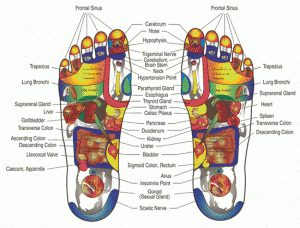
வர்மப்புள்ளிகள் தரும் சக்தி (Reflexology)

உடலில் அநேக வர்மப் புள்ளிகள் (reflexology points) உண்டு. புல்வெளியில் நடப்பதை தினசரிப் பழக்கமாக ஆக்கிக் கொண்டால் உடல் முழுவதும் ஆரோக்கியமாக இருப்பதை அனுபவ பூர்வமாக உணர முடியும். ஒரு 30 நிமிட நடையிலேயே ஆரோக்கிய மேம்பாட்டை அறியமுடியும் என்பது அனுபவஸ்தர்களின் கூற்று.

மன அழுத்தம் போகும்

புல்வெளியில் தினமும் காலையில் நடந்தால் சுத்தமான தூய காற்றை சுவாசத்தில் உள்ளிழுக்கிறீர்கள். சுற்றி வர பறவைகள் இருக்க, செடி கொடிகள் மலர்கள் சூழ்ந்திருக்க ஒரு அமைதியான சூழ்நிலையை நீங்கள் அனுபவிக்க முடியும். மன அழுத்தம், மன இறுக்கம் எல்லாம் போக இது வழி வகுக்கும். இன்றையப் பொழுதில் வாழ்வது (living in the present moment) என்ற அரிய பழக்கம் வரும்.

கவலையைக் குறைக்கும்

புல்வெளியில் தினமும் காலையில் நடந்தால் கவலைகள் 62 சதவிகிதம் குறைவதாக ஆய்வு முடிவுகள் தெரிவிக்கின்றன. நல்ல ஹார்மோன்கள் உடலில் இருப்பதை உணர்த்துகின்றன. எண்டார்பின்களின் அளவும் அதிகரிக்கிறது.

நல்ல தூக்கத்தைத் தரும்

வெறும் காலுடன் புல்வெளியில் நடப்பதானது இன்சோம்னியா மற்றும் தூக்க வியாதிகளைப் போக்கி நல்ல தூக்கத்தைத் தருவதை சிகிச்சை நிலைய ஆய்வுகள் உறுதிப் படுத்துகின்றன.

  • இயற்கையுடன் இணைவீ ர்கள்

நீங்கள் இயற்கை அன்னையுடன் உங்களை இணைத்துக் கொள்ள முடிகிறது. குளுமையான பனித்துளி நிறைந்த புல்லை ஸ்பரிசிப்பதன் மூலமும் மலர்களின் நறுமணத்தை சுவாசிப்பதன் மூலமும் புலர்காலைப் பொழுதில் எழும் உதய சூரியனின் இனிய கிரணங்களை உடலில் படவைப்பதன் மூலமும் மரங்களினூடே வரும் காற்றை அனுபவிப்பதன் மூலமும் இயற்கையை நன்கு அனுபவித்து ஆனந்திக்க முடிகிறது; அமைதியைப் பெற முடிகிறது.

பூமியின் சக்தியுடன் இணைப்பு

பூமி அபாரமான காந்த புலத்தைக் கொண்டுள்ளது. இத்துடன் வெறுங்காலுடன் நடப்பதால் நீங்கள் இணைக்கப்படுகிறீர்கள். இது  காந்த மற்றும் மின் புலங்களுடன் நீங்கள் இணைக்கப்பட ஏதுவாகிறது. உடலிலிருந்து பூமிக்கும் பூமியிலிருந்து உடலுக்குமான ஆற்றல் பரிமாற்றம் பல்வேறு நலன்களைப் பெற உதவுகிறது. இது உங்கள் உடலில் உள்ள நெகடிவ் எனர்ஜியை நீக்கி ஆரோக்கியத்தைத் தருகிறது.

கண் பார்வை கூர்மை பெறும்

புல்வெளியில் வெறுங்காலுடன் நடக்கும் போது உங்கள் கண் பார்வை மேம்படுகிறது. கால் உடலின் அனைத்துப் பாகங்களுடனும் இணைக்கப்பட்டிருக்கிறது. இது உங்கள் கண்களுடனும் இணைக்கப்பட்டுள்ளது. நீங்கள் நடக்கும் போது உங்கள் முன்காலில் முதல் இரண்டாம் மூன்றாம் பகுதிகளில் அழுத்தம் தரும் போது இந்த ரெஃபெளக்ஸோலொஜி புள்ளிகளால் கண் பார்வை கூரியதாகிறது; தீர்க்கமாகிறது. இந்தப் புள்ளிகள் மசாஜ் செய்யப்படுவதால் கண்கள் நலம் பெறுகின்றன.

ஆக இப்போது உங்கள் அருகிலுள்ள புல்வெளியை நாடி நல்ல பயன்களைப் பெறலாம் இல்லையா?!

***

Mulavarman Sanskrit Inscription of Indonesia (Post No.5093)

Written by London swaminathan


Date: 9 JUNE 2018


Time uploaded in London –  16-54  (British Summer Time)


Post No. 5093


Pictures shown here are taken from various sources such as Facebook friends, Books, Google and newspapers; thanks. Pictures may be subject to copyright laws.


I read the following piece of interesting information today about the oldest inscriptions in Indonesia, the largest Muslim country in the world.


“The oldest known inscriptions in Indonesia – we read in The Economic and Administrative History of Early Indonesia (van Naessesn and de Longh 1977)  – are those of East Borneo. Here there are seven stone sacrificial posts, called ‘yuupaas’ by archaeologists, that date from around 400 CE. What is written on them is described in the following terms:-

In clear, well written Sanskrit verses Mulavarman ‘the lord of king’, his father Asvavarman, ‘the founder of the noble race’ – and his grandfather, the great Kundunga, ‘the lord of men’ are mentioned on the occasion of a sacrifice. For that sacrifice, we read on one of the stone poles (yuupaa), this sacrificial post  has been prepared by the  chief amongst the twice born (dvija=Brahmins).


Apparently these priests who had come hither ( as written on the second pole) were rewarded by the King Mulavarman for their religious services.

Thus the third inscription sounds, “Let the foremost among the priests and whatsoever other pious men hear of the meritorious deed of  Muavarman, the king of illustrious and resplendent fame (let him hear ) of his great gift, his gift of cattle, of a wonder tree, his gift of land. For this multitude of pious deeds this sacrificial post has been set up by the priests.

(wonder tree= Krapaka Vriksha in gold or Soma plant?)

A Sanskrit inscription in West Java dating from around 450 CE deals with an occasion on which the Brahmins were presented with 1000 cows.


40,000 Brahmins!

(An inscription in the southern most village of India, Kanyakumari,  claims that the founder of the Cola dynasty, finding no Brahmins on the bank of Kaveri, brought a large number of them from Aryavarta and settled them there. His remote descendant Vira Rajendra created several brahmadeya (donation to Brahmins) villages and furnished forty thousand Brahmins with gifts of land (see Gopinath Rao, 1926)


Kanchi Parmacharya (1894-1994), Sri Shankaracharya Chandra Sekhara Indra Sarasvati of Kanchi Kamakoti Peetam mentioned about this inscription in 1950s. Now the world is shedding more light on it. When they discovered it, Borneo island was full of thick forests. They thought that thy were virgin forests and were surprised to find the Yupa posts inside the deep forest. Once upon a time it was a place where people lived happily.


Yupa post is mentioned in 2000 year old Tamil Sangam literature with the same Sanskrit word. Great Pandya King Mud Kudumi Peru Vazuthi did so many fire sacrifices (Yagas) and Kalidasa mentioned  that the Pandya king was always wearing the Yaga clothes. So Yupas were very familiar with the Tamil Pandyas and Cholzas. When Cheran Chenguttuvan was boasting about his historic march to the Himalayas, a Brahmin openly challenged him amidst a big crowd that he must stop the wars and do Yagas and Yajnas. This episode of Madala Maraiyon is in the most famous Tamil epic Silappadikaram. Instead of chopping the head of Madala Maraiyon for this open criticism, Cheran Senguttuvan the great Chera king immediately ordered for the fire sacrifices. He rewarded the Brahmin with gold equal to the weight of huge Chenguttuvan.

Source books- From Turfan to Ajanta, Edited by Eli Franco and Monika Zin, Lumbini International Research Institute, Nepal; Silappadikaram; Kanchi Paramacharyal Discourses, Kalaimakal Karyalayam.


–Subham–
 

PROBLEMS SOLVED WITH A CATALOGUE! (Post No.5092)

Compiled by London swaminathan


Date: 9 JUNE 2018


Time uploaded in London –  14-51  (British Summer Time)


Post No. 5092


Pictures shown here are taken from various sources such as Facebook friends, Books, Google and newspapers; thanks. Pictures may be subject to copyright laws.


EMPLOYMENT AND WORK ANECDOTE

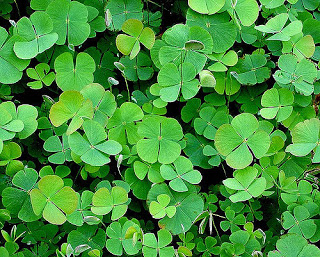
An enterprising American telephone engineer established somewhere in Panama a unique business, a four-leaf clover arm. The conditions were ideal and he raised fine, large clovers which he was able to market in a variety of ways for a variety of purposes, to florists, manufacturers of novelties etc.


At the height of his success, all of his employees, a group of Panamanian girls, confronted him with an unprecedented labour problem.  They had no objection to the wages or the hours, they seemed to have nothing to do with the money.


Perplexed in the extreme, their employer raked his brains until he hit upon a brilliant solution. He sent for a Sears-Roebuck catalogue and put it in the hands of the girls, explaining to them how they could come into possession of those fabulous articles pictured therein. His problem was solved.


xxx


Poverty Anecdote

C R W Nevinson tells this story:

“One day he (Henry Matisse) wanted to do a lithograph. I offered him all my chalk and stones, but he would have none of them. He got some lithographic paper, broke one of my lithographic chalks in half, and left himself with only about an inch and a quarter of grease to draw with. When I protested, and pressed him to take a box, he assured me it was unnecessary and much too expensive a gift, a comment on the wonderful French economy and the appalling poverty he must have suffered in his early days”.


xxx


Working Conditions anecdote

A well-meaning employer desired to introduce a new spirit into his plant. He called his employees together, and said, “Whenever I come into the shop, I want to see every man cheerfully at work. I am placing a box here and I should like anyone who has any suggestions as to how this may be brought about more efficiently to just put it in here.”


The next day he saw a slip of paper in the box and looked at it. It said, “Take the rubber heels off your shoes”.


xxx

King and Emperors Anecdotes

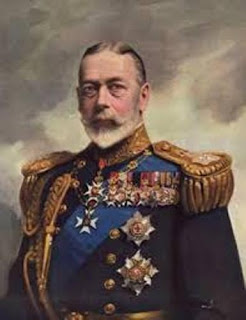
The late King George the Fifth, in his domestic setting, was quite an average husband and family head. When, on social occasions, he would talk too long to someone or express himself too rashly, Queen Mary would prod him gently with her umbrella and murmur ‘Now George’. Also when palace guests would admire the Cloisonné, the Wedgewood, the Chippendales etc., the King would always refer to his wife, saying, ‘Now, Mary, you know about this’.


xxx

King of Italy!

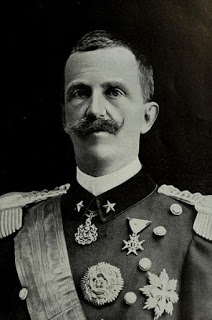
It is reported that King Victor Emmanuel, when asked what he thought of the African campaign, replied very unenthusiastically, “If Italy wins, I shall be King of Ethiopia; if the Ethiopians win, why then I shall be King of Italy again.”

–Subham–


ஜி.யு. போப் பற்றிய புரளி– கல்லறையில் உபநிஷத் மந்திரம் (Post No.5091)

Written by London swaminathan


Date: 9 JUNE 2018


Time uploaded in London –  8-40 am  (British Summer Time)


Post No. 5091


Pictures shown here are taken from various sources such as Facebook friends, Books, Google and newspapers; thanks. Pictures may be subject to copyright laws.


ஜி.யு. போப் பற்றிய புரளி– கல்லறையில் உபநிஷத் மந்திரம் (Post No.5091)

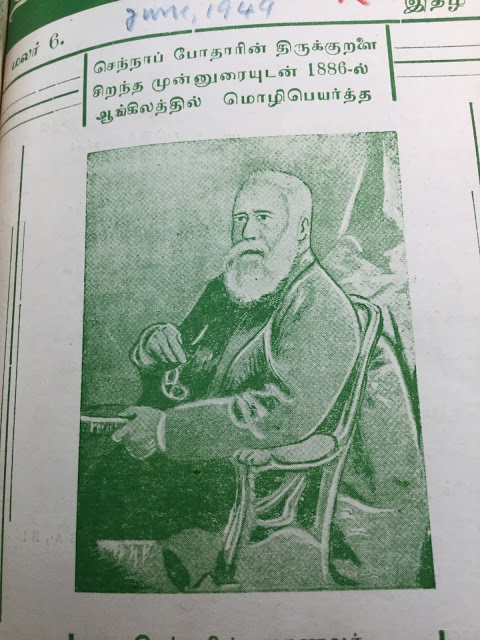
Picture of G U Pope

பாகிஸ்தானில் லாகூரில் ஒரு கல்லறையில் உபநிஷத் மந்திரம் பொறிக்கப்பட்டுள்ளது. அதுவும் ஆங்கிலேயர் கல்லறையில்!


ஆக்ஸ்போர்டில் ஜி.யூ. போப் கல்லறையில் ‘நான் ஒரு தமிழ் மாணவன்’ என்று பொறிக்கப்பட்டுள்ளதாக பல, திராவிடங்கள் எழுதிக்கொண்டே இருக்கும்; ஆனால் அங்கு போய் வந்த தமிழர்கள் எனக்கு போன் செய்து, ‘ஸார் அப்படி அங்கு ஒன்றும் இல்லையே’ என்பர். என் நண்பர்கள் ஆண்டுதோறும் அங்கு சென்று கல்லறைக்கு மாலை போட்டு அஞ்சலி செய்துவருகின்றனர். அவர்களும் பார்த்ததில்லை- நான் ஒரு தமிழ் மாணவன்’ கல்லறைப் பதிவை. நிற்க.


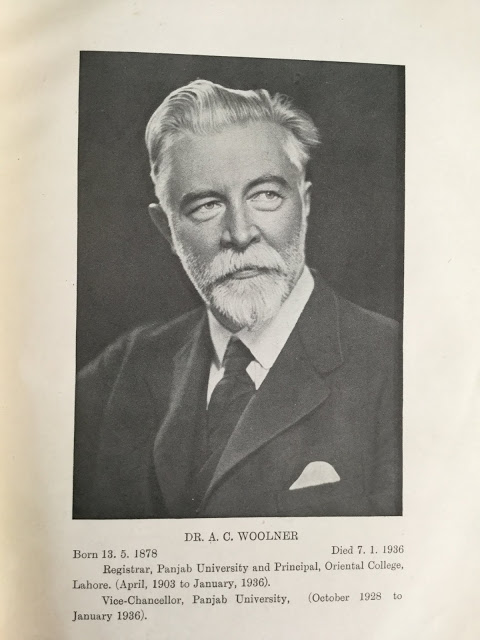
அதே ஆக்ஸ்போர்டு நகரில் இருந்து வந்த மற்றொரு பெரியார் வூல்னர் (A C Woolner). ஜி.யு.போப், தமிழில் இருந்த திருவாசகம், நாலடியார், பல புற நானூற்றுப் பாடல்கள், திருக்குறள் ஆகியவற்றை மொழிபெயர்த்தார். அது போல வூல்நரும் பல ஸம்ஸ்க்ருத நூல்களை மொழி பெயர்த்தார். அவர் ஸம்ஸ்க்ருதம், ப்ராக்ருதம், பாரசீக மொழி, சீன மொழி ஆகியவற்றைக் கற்றவர். பஞ்சாப் (பாகிஸ்தானின் லாகூரில் உளது) பல்கலைக் கழகத்தின் துணைவேந்தராகப் பணிற்றியவர்.


டாக்டர் ஆல்ப்ரெட் கூப்பர் வூல்னர் 1878 மே 13ம் தேதி இங்கிலாந்தில் பிறந்தார். 1936ல் இறந்தார். இந்த ஆண்டுகளுக்குள் அவர் அழியாத புகழுடைய பல நூல்களைப் படைத்தார்.

ஆக்ஸ்போர்ட் பலகலைக்கழகத்தில் பாலி, ஸம்ஸ்க்ருத மொழிகளைப் பயின்ற அவருக்கு பல விருதுகள், மான்யங்கள் கிடை   த்த பின்னர் லாகூரில் ஓரியண்டல் கல்லூரியில் பிரின்ஸிபாலாக வேலைக்குச் சேர்ந்தார்

33 ஆண்டுகளுக்கு பஞ்சாப் பலகலைக்கழகத் துணைவேந்தராக பணியாற்றினார்.

அவர் எழுதிய ஆங்கில நூல்கள்

Picture of A C Woolner

1.ப்ராக்ருத மொழிக்கு ஓர் அறிமுகம்

2.அசோகர் கல்வெட்டு மொழி

3.பாஷா-வின் 13 ஸம்ஸ்க்ருத நாடகங்களின் மொழிபெயர்ப்பு

4.குண்டமாலா (மல்லிகை மலர் மாலை) மொழிபெயர்ப்பு

5.இந்திய மாணவர்களுக்கு மொழிநூல் கையேடு


இது தவிர ஏராளமான ஆராய்ச்சிக் கட்டுரைகள்!


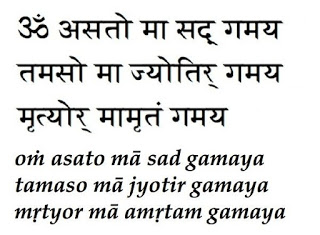
நல்ல ஆஜானு பாஹூவான ஸரீரம் படைத்த வூல்நர் மிகவும் உயரமானர்; புகழிலும் உயர்ந்தவர். அடக்கமானவர். அவரது சிலைகள் லாகூரில் பல்கலைக் கழக வளாகம், அதன் முன்னுள்ள சாலைகளில் இடம்பெற்றுள்ளது.

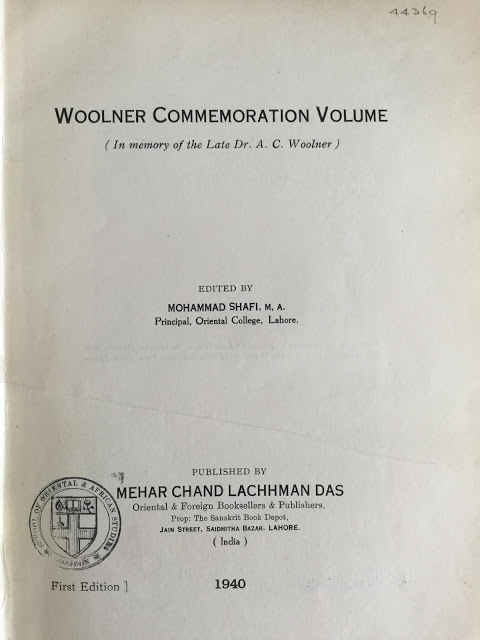
அவர் மால்டா ஜூரம் எனப்படும் ஒரு வகை பாக்டீரியா தாக்கி இறுதியில் நிமோனியாவால் 1936ல் இறந்தார். அவருடைய கல்லறை லாகூரில் உளது. அதில் பிருஹத் ஆரண்யக (பெருங் காட்டு) உபநிஷத்தின் புகழ் பெற்ற வாக்கியங்கள் தேவ நாகரி லிபியில் பொறிகப்பட்டுள்ளதாக 1940 ஆண்டு வெளியான நினைவு நூல் கட்டுரை ஒன்று  விளம்புகிறது:-

அஸதோ மா ஸத் கமய

தமஸோ மா ஜ்யோதிர் கமய

ம்ருத்யோர் மா அம்ருதம் கமய— என்பதே அந்த மந்திர வாக்கியங்கள்.


இதன் பொருள் என்ன?


மாயத் தோற்றத்தில் இருந்து என்னை உண்மை நிலைக்கு இட்டுச் செல்வாயாக


இருளிலிருந்து ஒளிமயமான பாதைக்கு அழைத்துச் செல்வாயாக

மரணத்திலிருந்து மரணமிலாப் பெருவாழ்வுக்கு கொண்டு போவாயாக


சுருக்கமான பொருள்- வீடு பேற்றினை அருள்வாயாக; அதற்கான பாதையில் செல்ல எனக்கு அருள் புரி; வழி காட்டு

–சுபம், சுபம்-