குழந்தையும் குட்டி நாயும் குணத்தால் ஒன்று! அறிவியல் தகவல்!! (Post No.3645)

Written by London swaminathan


Date: 17 FEBRUARY 2017


Time uploaded in London:- 8-47 am


Post No. 3645


Pictures are taken from various sources; thanks.


contact; swami_48@yahoo.com


குழந்தையும் தெய்வமும் குணத்தால் ஒன்று

குற்றங்களை மறந்துவிடும் மனத்தால் ஒன்று –

என்பது கவிஞர் கண்னதாசனின் பழைய திரைப் படப் பாடல்.


குழந்தையும் குட்டி நாயும் குணத்தால் ஒன்று

குற்றங்களை மறந்துவிடா மனத்தால் என்றும்

என்பது லண்டன் சுவாமிநாதனின் புதிய பாடல். ஏன்?


புதிய விஞ்ஞானக் கட்டுரை நேற்று லண்டன் பத்திரிக்கைகளில் வெளியானதால் உதயமானது புதிய பாடல்!


ஒரு வயதான குழந்தைகளை வைத்து முன்னர் ஒரு ஆராய்ச்சி நடத்தப்பட்டது. யார் மற்றவர்களுக்கு உதவவில்லையோ அத்தகைய கெட்டவர்களை குழந்தைகள் புறக்கணிப்பது அதில் உறுதியானது. அதாவது ஒரு வயதாகும் போது, பெற்றோர்கள் சொல்லித் தராமலேயே, குழந்தைகள் நல்லதையும் கெட்டதையும் அறிந்து தார்மீக முடிவு எடுப்பது தெரியவந்தது.


பிராணிகளுக்கும் இததகைய அறிவு உண்டா என்று ஆராய க்யோடோ பல்கலைக் கழக டேவிட் ஆண்டர்சன்  ( Comparative Psychologist David Anderson of Kyoto University) ஒரு ஆய்வு நடத்தினார். அதன் முடிவுகளை நியூ சைன்டிஸ்ட் (New Scientist) பத்திரிக்கை வெளியிட்டது. அதன் சுருக்கம் வருமாறு:–

 

ஒரு பெட்டியில் ஒரு பொம்மையை வைத்தனர். அந்தப் பெட்டியை இருவர் தனித்தனியே திறப்பதை கபுசின் வகைக் குரங்குகள் (capuchin monkeys) பார்த்தன. இருவரும் குரங்குகளுக்கு உணவு கொடுத்த போது வேறுபாடின்றி இருவர் கையிலிருந்தும் சாப்பிட்டன.


மற்றொரு சோதனையில் ஒருவர் பெட்டியில் இருக்கும் பொம்மையை எடுக்கக் கஷ்டப்படுவது போல நடித்தார். அவருக்கு மற்றொருவர் உதவவில்லை; இன்னொரு சோதனையில் அவருக்கு பக்கத்திருந்தவர் உதவுகிறார். இருவரும் குரங்குகளுக்கு உணவு கொடுத்தபோது, யார் உதவவில்லையோ அவர் கையிலிருந்து உணவு சாப்பிட குரங்குகள் மறுத்துவிட்டன. அதாவது மற்றவருக்கு உதவாத கெட்டவர்களை அவை அடையாளம் கண்டுகொண்டதோடு வெறுத்தன!


இதே போல பந்துகளை வைத்து நாய்களைச் சோதித்தனர். மூன்று பேர் பந்து விளையாடுகையில் யார் பந்துகளை ஒழுங்காகப் போட்டனரோ அவர்களிடம் உணவு சாப்பிட்டடன. யார் ஒருவர் பந்தைப் போடாமல் ஏமாற்றினாரோ அவர் கையிலிருந்து உணவு சாப்பிட வரவில்லை. அவைகளுக்கும் உதவுபவர், உதவாதவர் யார் என்பதைத் தெரிந்துகொண்டு நல்லவரைத் தேர்ந்தெடுக்கும் சக்தி இருப்பது தெரியவந்தது.


காடுகளிலும் கூட எந்த குரங்கு உதவுகிறதோ அவைகளையே மற்ற மிருகங்கள் பின்பற்றுகின்றன. அற உணர்வின் தோற்றம் (Origin of Morality) பற்றி ஆராஅய்ந்த (Frans de Waal of Emory University, Georgia) அறிஞர் இதை முன்னரே தெரிவித்தார். மனிதர்களைப் பார்த்து அவைகள் கற்றுக் கொள்கின்றன என்று.


ஒப்புநோக்கு உள்ளவியல் நிபுணரான ஆண்டர்சன் சொல்கிறார்:-

சமூக விரோத செயல்களில் ஈடுபடுவோரைக் கண்டால் அவைகள் முகம் சுழிப்பது இதிருந்து புரிகிறது”

 

ஆகையால் தோழர்களே!

நீங்கள் நாய்கள் வளர்க்கிறீர்களோ, குரங்குகள் வளர்க்கிறீர்களோ  , அல்லது குழந்தைகளைத்தான் வளர்க்கிறீர்களோ அவைகளுக்கு முன்னால் எதையும் அசிங்கமாகச் செய்துவிடாதீர்கள்!


நான் லண்டனில் கூட ரயில்களில் பல குழந்தைகளைப் பார்த்திருக்கிறேன். அவைகள் பேசும் பேச்சு எனக்கு வியப்பூட்டும். வீட்டில் அப்பா, அம்மா என்ன பேசுகிறார்களோ அதை அப்படியே அவை திருப்பிச் சொல்லுகின்றன!

Journal reference: Neuroscience & Biobehavioral ReviewsDOI: 10.1016/j.neubiorev.2017.01.003
 

மெசபொடோமியாவில்,எகிப்தில் நாய் தெய்வம்! 1000 நாய்கள் கல்லறை! (Post No.3644)

Written by London swaminathan


Date: 17 FEBRUARY 2017


Time uploaded in London:- 6-24 am


Post No. 3644


Pictures are taken from various sources; thanks.


contact; swami_48@yahoo.com


ஒருவன் நாய் போல அலைந்து திரிந்து, கண்டவர்களிடம் எல்லாம் உணவை பிச்சை எடுப்பதைவிட கேவலம் ஏதேனும் உண்டா? — மஹாபாரதம் 1-147-17

யாசமானா: பராத் அன்னம் பரிதாவே மஹீஸ்வவத்?


நாய்களைத்தான் மனிதன் முதல் முதலில் வீட்டு மிருகமாகப் பயன்படுத்தினான்; பழக்கப்படுத்தினான். ஓநாயிருந்து வந்தது நாய்!


இதற்குப் பின்னர் ஆடுகளையும், மாடுகளையும், குதிரைகளையும் பழக்கப்படுத்தி, பயன்படுத்தினான்.

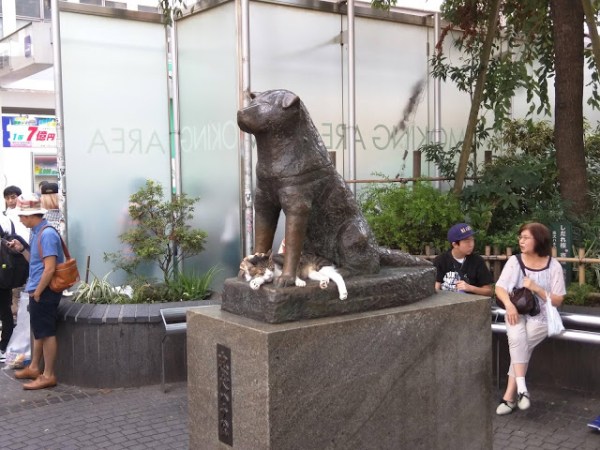
b8ece-hachiko

டோக்கியோவில் ஹசிகோவுக்கு சிலை


உலகில் நாய்களை இலக்கியத்தில் ஏற்றிய முதல் நாடு இந்தியா! உலகின் மிகப் பழைய நூலான ரிக்வேதத்தில் சரமா என்ற நாயின் கதை உள்ளது. அதை கிரேக்கர்கள் ‘திருடி’ ஹெர்மிஸ் HERMES என்று கதை செய்துள்ளனர். கிரேக்கர்களுக்கும், பாரசீகர்களுக்கும் ஸ் (S) சப்தம் வராது ஸ என்பதை ஹ (H) என்று மாற்றிவிடுவார்கள். அதனால்தான் நமக்கு ஹிந்துக்கள் என்றும், இந்த நாட்டுக்கு இந்துஸ்தான், இந்தியா என்றும் பெயர் வந்தது. சிந்து நதிப் பிரதேசம் என்பதை ஹிந்து (S=H) என்று மாற்றி உச்சரித்தனர்.


இது தவிர 5000 ஆண்டுகளுக்கு முன்னர் நடந்த மஹாபாரதத்தின் 18-ஆவது பர்வத்தில் தருமரின் (யுதிஷ்டிரரின்) பின்னால் சென்ற நாயின் கதை உள்ளது.


ராமாயண உத்தர காண்டத்திலும் ஒரு நாயின் கதை வருகிறது.


இதுபற்றியும், டோக்கியோ நகரில் ஹசிகோ (HACHIKO) என்ற நன்றியுள்ள நாய்க்கு சிலை வைத்திருப்பது பற்றியும், தமிழர்கள் 1300 ஆண்டுகளுக்கு முன்னரே ஊரைக் காப்பாற்றிய கோவிதன் என்ற நாய்க்கு நடுகல் வைத்தது பற்றியும் அலெக்ஸாண்டரின் நாய், குதிரை பற்றியும், காஞ்சி சங்கராசார்யார் மடத்தின் நாய் பற்றியும் ஏற்கனவே எழுதிவிட்டேன். இன்று எகிப்திய சுமேரிய நாய்களைக் காண்போம்.


இஸ்ரேலின் தலைநகரான டெல் அவீவுக்கு 60 கிலோமீட்டர் தொலைவில் உள்ள அஷ்கெலான் (ASHKELON)  என்ற நகரில் 1000 நாய்கள் புதைக்கப்பட்டதை ஆராய்ச்சியாளர்கள் கண்டுபிடித்துள்ளனர். இது பாரசீக ஆட்சிக் காலத்தைச் சேர்ந்தது. இன்னொரு நகரான இசின் (ISIN) என்னுமிடத்தில் ஒரு கல்லறையும் கண்டுபிடிக்கப்பட்டது. இவை எல்லாம் ஆதிகால மெசபொடோமியா பிரதேசத்துக்கு உள்ள்டங்கிய பகுதி


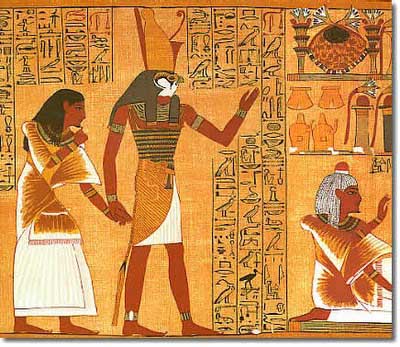
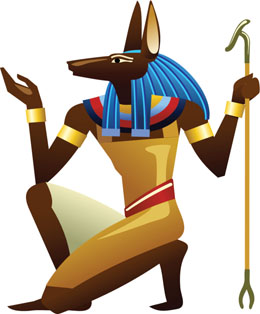
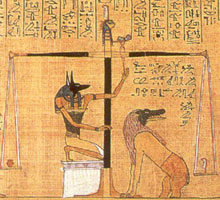
எகிப்து நாட்டில் சேத் (SET), அனுபிஸ் (ANUBIS) நன்ற தெய்வங்கள் நாய் முகம் உடைய கடவுள் என்றும் நரிமுகம் உள்ள கடவுள் என்றும் இருவிதமாகப் பகர்வர்.

 c1190-horus_hieroglyphs

இறந்தவர்களின் இதயத்தை எடைபோடும் அனுபிஸ்.

92491-weighing_of_the_heart3

நாய்களின் கண்களுக்கு எமன் தெரியுமாம்!


எப்படி ரிக்வேத சரமா கதையை கிரேக்கர்கள் திருடி ஹெரமா என்று மற்றினரோ அப்படியே எமன் – நாய் தொடர்பையும் இந்துமதத்திலிருந்து உலகத்தினர் எடுத்துக் கொண்டனர்!


உலகம் முழுவதும் ஒரு நம்பிக்கை இருக்கிறது. நாய்களின் கண்களுக்கு எமன் தெரியும் என்று! உண்மையில் இக்கதை இந்துக்களின் கதை. மஹாபாரதத்தில் தருமனைப் பின்தொடர்ந்த நாய், தரும தேவதையின் மறு அவதாரம். இந்தியாவிலும் நாய்-எமன் தொடர்பு பற்றிய கதைகள் உண்டு. நாய்கள் ஊளையிட்டால் யாராவது இறப்பார்கள் என்று சொல்லுவர். இதற்கு விஞ்சான பூர்வ விளக்கமும் உண்டு.


நாய்களுக்கு 3000 மடங்கு மோப்ப சக்தி இருப்பதால், துப்புத் துலக்குவதோடு, சுனாமி, பூகம்பம் ஆகியவற்றின் நுண்ணலைகளை உணரும் சக்தியும் பெற்றுவிடுகிறது. இதனால் முன்கூட்டியே ஊளை இடும். இதனால்தான் நாயை யமனுடன் தொடர்பு படுத்துகின்றனர்.


சீன ராசிச் சக்கரத்தில் ஒரு மாதம் நாயின் மாதமாகும். இதே போல தென் அமெரிக்க அஸ்டெக் (AZTEC) நாகரீகத்திலும் இருபது நாள் (TWENTY DAYS A MONTH CALENDAR)  மாதத்தில் ஒரு நாளுக்கு நாயின் பெயர்.

நாய்களுக்கு நோயைக் குணப்படுத்தும் சக்தி உண்டு என்றும் மெசபொடோமியாவில் நம்பிக்கை இருந்தது.

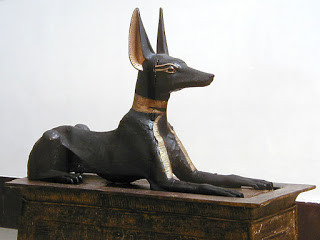
fee5c-tutanhkamun_jackal

எகிப்தில்


அனுபிஸ், சேத் முதலிய கடவுளரின் முகம் நாய் போல இருக்கும். இதை சிலர் நாய் என்றும், மற்றும் சிலர் நரி என்றும் பகர்வர்.


ஆனால் நாய் என்பதே சரி. ஏனெனில் பிற பண்பாடு போலவே இறந்த மனிதனைக் கடைத்தேற்றும் பணியைச் செய்வது அனுபிஸ் என்ற கடவுள்தான். இது போல எல்லாக் கலாசாக்ரங்களிலும் இறந்த பின் நடக்கும் வாழ்வில் நாய்தான்  அணுசரணையாக உள்ளது.


எகிப்தில் முதல் அரச வம்ச மஹாராணியின் Queen Herneith of First Dynasty கல்லறையில் ஒரு நாயின் உடல் புதைக்கப் பட்டிருந்தது.. இன்னொரு அதிகாரி நாய்க்கு நீண்ட அடைமொழி கொடுத்து (One owner of such a dog, Senbi the Governor of Cusae in Upper Egypt (2000 BCE), named his hound ‘Breath of Life of Senbi”)   கல்வெட்டில் பொருத்தினார். இரண்டு பெரிய அதிகாரிகளின் நாற்காலிகளுக்கு கீழே நாய் அமர்ந்திருப்பது போல சித்திரம், சிலைகள் உள்ளன.


இடைக் காலத்தில் கல்லறைகளில் நாயின் வடிவத்தைச் செதுக்கினர். போர் வீரர்கள் தங்களின் பிரபுக்களிடம் விசுவாசமாக இருந்ததாலோ, கணவனிடத்தில் மனைவி விசுவாசமாக இருந்ததாலோ இந்த வழக்கம் ஏற்பட்டது.


இந்தியாவில் பைரவருக்கு நாய் வாஹனம். தத்தாத்ரேயர் அவதாரம் எப்போதும் நாய்களுடன் காணப்படுவார். இது போல கிறிஸ்தவ மத புனிதர்களில் மூன்று. (St Francis of Assisi, St.Hubert, St Eustace and St Roch) நான்கு பேர், எப்போதும் நாயுடனே சித்தரிக்கப்படுவர்.

Anubis

நாயின் விசுவாசமும், அன்பும் அறிவும் பற்றி நாள்தோறும் பத்திரிக்கை  செய்திகள்  வருகின்றன.

போலீஸ் துறையிலும் ராணுவத் சிறந்த சேவை ஆற்றிய நாய்களுக்கு பெரிய பரிசுகள் கொடுக்கப்பட்டன. நாய்கள் எதையும் விரைவாக கற்கும். அதனால் அதற்கு புதிய கட்டளைகளையும் பணிகளையும் கற்றுத் தருகின்றனர்.


எகிப்தியர் நாய் பற்றி சொல்லும் வசனம்: கடவுளும் நாயும் ஒருங்கே இருந்தனர். அம்புகளை விட வேகமாகப் பாய்வது நாய்கள்தான்” ( the dog was ‘one with the Gods, more swift than the arrows’).


–Subham–


Time is a Mysterious Factor! Let us First Know about Present! (Post No.3643)

Written by S NAGARAJAN


Date: 17 February 2017


Time uploaded in London:-  5-33 am


Post No.3643


Pictures are taken from different sources; thanks.


contact: swami_48@yahoo.com


by S. Nagarajan

How could an object be located in space? While the first three dimensions are used to specify its location in the space, the fourth dimension time, locates its position in time.


Space and time are inseparable. Time could not be easily explained. For our convenience sake we are saying present tense, past tense and future tense.


The events that had happened is past. The events which we are experiencing now is present and what is to come is future.


But these tenses are related. Swami Vivekananda once explained that all the three tenses are mingled together if you see them from an infinite height. You can take whatever tense you want at that level and see what is happening at that moment.


How could this be explained? Very Easy. Imagine one person is travelling in a train. In the compartment, he is able to see through the window up to a distance. The person sitting opposite to him will be able to see the other side through the window up to a distance. The person who is sitting in the compartment next to the engine could see a little more. Suppose if a person travels sitting on the roof of the train he could see everything in front, back, right and left.


Now could anyone say who is exactly in the present tense? Before you say, this moment starts, it ends within a second. The present becomes past in a second and the future becomes the present in that second. So, who is living exactly in the present? And whose vision is the ‘present’ vision among the travelers, the person whom we referred first or the person opposite to him or the one who is in the compartment next to engine or the person who is sitting on the roof top of the train?


For the person who is on the roof top other person’s past is also present. And other person’s future also present. At a higher level all the tenses are mingled.

All are in present tense only but their vision is full or partial depending upon the obstructions or limits.


So our views regarding present tense is only relative! Actually we are all in present tense only.

The train is moving and hence all the persons are in ‘Continuous Present”.

This is exactly the Hindu religion says about time. We are ever in Continuous Present.


Time is ever flowing. Nobody could explain it. Nobody could escape from it also.

Space and time are inseparable. Living in present is desirable. For this, continuous effort is required. Because all are either fuming about the past or hoping about the future.


The Zen Buddhism and Hinduism emphasize to live in present. If you are able to live in the present then nothing could stop your success.

This is one aspect of Time. We will explore further in our future article.

****

எகிப்திய அரசனுக்கு ஐந்து பெயர்கள்! எகிப்திய அதிசயங்கள்-2 (Post No.3641)

Egyptian God and the King


Written by London swaminathan


Date: 16 FEBRUARY 2017


Time uploaded in London:- 5-56 am


Post No. 3641


Pictures are taken from various sources; thanks.


contact; swami_48@yahoo.com


எகிப்தில் எப்போது மன்னர்களின் முடியாட்சி துவங்கியது என்று திட்டவட்டமாகச் சொல்ல முடியாது. கி.மு. 3150 முதல் வரலாற்றுக் காலம் துவங்கியது.


மன்னரின் மகனே அடுத்த ராஜாவாக நியமிக்கப் பட்டான். மன்னர்களைக் கடவுள் என்று மக்கள் கருதினார்கள். கீழ் எகிப்து, மேல் எகிப்து — என்று இரண்டு பிரிவுகளாக. எகிப்து இருந்தது. எல்லா மன்னர்களும் இரண்டு பிரிவுகளுக்கும் தலைவர் என்று பெருமையாகப் பிரகடனம் செய்தனர். முதல் வம்ச அரசர்கள்,  தற்போது எகிப்து நாட்டின் தலைநகராகவுள்ள கெய்ரோவுக்கு அருகில் தலைநகர் வைத்து ஆண்டனர். அந்த நகரத்தை கிரேக்கர்கள் மெம்பிஸ் MEMPHIS என்று அழைத்தனர்.


இரண்டு எகிப்துகளுக்கும் தலைவர் என்பதைக் குறிக்க இரட்டை கிரீடம் என்னும் வடிவமுடைய கிரீடத்தை அணிந்தனர்.

அரசனைச் சுற்றி சில கோட்பாடுகள் உருவாகின. அவருக்கு பிறந்தபோது சூட்டிய பெயரைத் தவிர புதிய மன்னரின் பெயர் சூட்டப்பட்டது. முதலில் மூன்று பெயர்கள் இருந்தன. பின்னர் இது வளர்ந்து ஐந்து பெயர்களாகப் பெருகின! பலவகைக் கிரீடங்களுடன், மன்னன் (பாரோ) புதிய  ராஜாங்க சின்னங்களை அணியத் துவங்கினான்.

Picture of Horus from Wikipedia


மன்னர்களின் பெயரகளைக் கல்வெட்டுகளில் பொறிக்கும்போது அதன் புனிதம் கருதி அதை ஒரு சிறிய செவ்வக கட்டத்துக்குள் (SEREK) எழுதினர்.


துவக்க காலத்தில் மன்னர்தான் கடவுள், அவர்தான் பிரபஞ்சத்தின் தலைவர் என்றெல்லாம் சொல்லப்பட்டது. மன்னரின் கட்டளையின் பேரில்தான் சூரியன் உதிக்கிறான், நைல் நதி வெள்ளப் பெருக்கெடுக்கிறது என்றும் நம்பினர்.

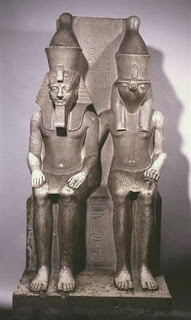
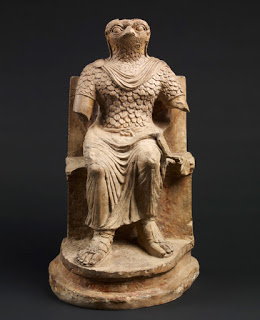
ஹோரஸ் (HORUS)  என்னும் தெய்வம்தான் எகிப்தின் பழம்பெரும் தெய்வம். பருந்து வடிவ முகம் கொண்டது. இந்து மதத்திலுள்ள கருடாழ்வார் போன்றது! “கருட” என்ற பெயரே ஹோரஸ் என்று திருந்தியதோ என்று எண்ண வேண்டி இருக்கிறது!


எகிப்திய மக்களின் வாழ்க்கை முழுதும் மன்னரைச் சுற்றியே இருந்தது. அவர் இறந்தவுடன் அடக்கம் செய்யப்படுவதற்கான பிரமிடு(PYRAMIDS)களைக் கட்டுவதே பெரும் தொழில்! இதற்கு அடுத்தபடியாக விவசாயம், போர்த் தொழில் இருந்தன.


அரசன் என்பவன் ஹோரஸ் என்னும் கடவுளின் மறு அவதாரம் எனக் கருதப்பட்டான். பின்னர் எகிப்துக்கு வந்த புதிய தெய்வமான ஆசிரிஸை, ஹோரசின் தந்தையாகக் கருதினர். பிறகு ஆசிரிஸ்(OSIRIS), மன்னர் இறந்தவுடன், அவரைக் கவனிக்கும் கடவுள் என்று கதைகள் உருவாக்கப்பட்டன!.


மன்னரின் பட்டாபிஷேகத்தின்போது நால் திசைகளிலும் பறவைகள் பறக்கவிடப்பட்டன. இந்து மத அரசர்கள் பட்டாபிஷேகத்தின்போது கைதிகளும் கூண்டுக் கிளி, மைனா முதலிய பறவைகளும் ‘விடுதலை’ செய்யப்பட்டதை இத்துடன் ஒப்பிடலாம்!

Horus from Roman period (looks like Garuda vahana of Vishnu)

மன்னரின் ஐந்து பெயர்களில் ஒன்று ஹோரஸ் என்ற அடைமொழியுடன்- பட்டத்துடன் துவங்கும். இதுதான் மிகவும் புனிதமான பெயர். பிறந்தபோது வைத்த பெயரை யாருக்கும் சொல்லமாட்டர்கள். அது ரஹசியமானது. குடும்பத்தினருக்கு மட்டுமே தெரியும்!


மன்னர் கடவுள் மட்டுமல்ல. சில நேரங்களில் கடவுளரும் மன்னருக்கு அடிபணியவேண்டும் என்று மக்கள் நம்பினர். இந்து மதத்தில் “குரு” என்பவர் கடவுளுக்கும் மேலாக அதிகாரம் உடையவர்; அவர் விருப்பப்படி, கடவுளும் விதியை மாற்ற முடியும் என்று கதைகள் உள்ளது போல! கோவில்களிலும் எகிப்திய மன்னரே தலைமை. மன்னர்கள் இறந்தபோது அவர்களுடன் நூற்றுக் கணக்கான அதிகாரிகளும் ஆயிரக்கணக்கான சேவகர்களும் உயிருடன் புதைக்கப்பட்டனர்.


ஆயினும் எகிப்திய வரலாறு 3000 ஆண்டுக் கால வீச்சுடையது. காலப்போகில் வெளிநாட்டுப் படை எடுப்புகளால், மன்னரின் நிலையும், அவர் பற்றிய நம்பிக்கைகளும் மாறிக்கொண்டே வந்தன.

மேலும் பல அதிசயங்களை அடுத்த கட்டுரையில் காண்போம்!

–தொடரும்

Four Wonderful Sri Chakra Temples near Chennai! (Post No.3640)

Picture of Mangadu Sri Kamakshi


Written by S NAGARAJAN


Date: 16 February 2017


Time uploaded in London:-  5-06 am


Post No.3640


Pictures are taken from different sources; thanks.


contact: swami_48@yahoo.com


Four Wonderful Major Sri Chakra Temples near Chennai in India to visit and get all types of benefits

by S. Nagarajan


In my first article I have described the secrets of Sri Yantra. In the next article I have given the scientific findings of the famous Russian scientist Alexie Pavlovich Kulaichev .


In this article we will see four famous temples in which Sri Chakra have been designed correctly and installed.

There is a famous temple in Mangadu, situated 15miles south of Chennai. (Madras as it was called in earlier days)  This is the only temple solely dedicated to Sri Chakra in the whole of India. The Sri Yantra is said that the first Sankaracharya, generally known as Adi Shankara has installed it. In the entrance hall of the temple there is a stone image of Adi Shankara. The temple is very big with compound walls. But these walls were demolished by the Mohammadan invaders. Later these have been rebuilt. Thousands of devotees used to visit this Sri Yantra holy temple every day.


There is one more temple at Thiruvottiyur situated ten miles north of Chennai. A Kali Yantra has been installed here. This Yantra is a big one and has been covered by a big black stone of three feet diameter and one and half inch thick. This is said to be installed by Adi Shankara. Since this divine geometry is of ferocious one it was covered by the black stone by Shankara. It is very interesting to note that there are 27 Shiva lingas representing the 27 celestial constellations of stars. The temple is very famous and thousands of devotees are thronging here every day to have the holy sight of the deity.


There is one more temple at Thiruverkadu situated 12 miles west of Chennai. The temple is called Devi Yogakumari temple. Here also a Sri Chakra of size one foot by one foot by one foot has been installed.


The city Kanchipuram is very famous for its Kamakshi temple. It is situated at 72 kilometers south west of Chennai. The Yantra installed here is called as Bhuprastara Sri Chakra of size 18”x18”. Thousands of devotees are thronging it every day. The Yantra is surrounded by a stone wall and only the priest is allowed inside. The chakra was of a ferocious type. In order to make it amenable for worship,  Adi Shankara has mitigated the ferocity of the icon of Kamakshi by drawing the fierce aspect.

Picture of Kanchi Kamakshi Temple


It is said that Adi Shankara himself drew the Chakra here, in the temple of Kamakshi and consecrated it. The significant Yantra bestows all benefits to the visitors coming for worship.

The entire land of India is thus fully protected by the various Yantras installed at vulnerable points. The locations of these temples, longitude and latitude wise, if studied well, will reveal their wonderful significance specifically chosen for various aspects.


Good Luck to all who read this article. Have a Sri Chakra installed in your home and worship it every day. And don’t forget to offer some offerings after worship even it is of a small measure.

***

Perfume Simile in Hindu Literature (Post No.3639)

Written by London swaminathan


Date: 15 FEBRUARY 2017


Time uploaded in London:- 19-19


Post No. 3639


Pictures are taken from various sources; thanks.


contact; swami_48@yahoo.com


Many of you would have read the famous quote of Shakespeare in Macbeth:


“Here is the smell of blood still. All perfumes of Arabia will not sweeten this little hand.”


But the art of perfume making spread to various parts of the world from India. I have already written about the art of perfume making from Brhat Samhita of Varaha Mihira and Kamasutra of Vatsyayana. It is considered one of the 64 arts prescribed to all the women of ancient India. So there is no wonder we have some quotations and similes in our epics. here is one form Mahabharata:

As the perfume of flowers (in contact with them) scents clothing, water, sesame seed, or the ground, so qualities are born from contact (with the good or evil)

vastram aapas tilaan bhuumim gandho vaasayate yathaa

puspaanaam adhivaasena tathaa samsargajaa gunaah (Mbh 3-1-22)


In the olden days we mixed perfume with water, oil and used them.

In Tamil we have a proverb (Puuvoodu serntha naarum manam perum). Even the string that is used to make garlands gets the fragrance of the flowers. We use this to say that anyone who hasthe company of scholars will shine like the scholars.


There is another proverb saying that even the weaving tools in Kamban’s house will sing Ramayana!

Ramakrishna Paramahamsa says that if anyone has done good or bad that lingering smell will still be there. So one must be careful not to join the same group:-


“The cup in which garlic juice is kept retains the odour, though washed several times. Egotism is such an obstinate aspect of  ignorance that it never disappears completely, however hard you may try to get rid of it.”


Once a Marwari gentle man, approached Sri Ramakrishna Paramahamsa and said, “How is it, Sir, that I do not see God although I have renounced everything?”

The Master: “Well, haven’t you seen leather jars for keeping oil? If one of them is emptied of its contents, still it retains something of the oil as well as its smell. In the same way there is still some worldliness left in you, and its odour persists.”


–Subham–


எகிப்திய அதிசயங்கள்-1: மிஸ்ர தேசம் என்று ஏன் பெயர்? (Post No.3638)

Written by London swaminathan


Date: 15 FEBRUARY 2017


Time uploaded in London:- 8-50 am


Post No. 3638


Pictures are taken from various sources; thanks.


contact; swami_48@yahoo.com


எகிப்துக்கு மிஸ்ர தேசம் என்று சம்ஸ்கிருதத்தில் பெயர். பாரதியாரும் தனது கவிதையில் எகிப்து தேசத்தை இவ்வாறு குறிப்பிடுவார்.


சீன மிசிரம் யவனரகம் – இன்னும்

தேசம் பலவும் புகழ் வீசிக் – கலை

ஞானம் படைத் தொழில் வாணிபமும் மிக

நன்று வளர்த்த தமிழ்நாடுபாரதியார் பாடல்


மிச்ரம் என்றால் கலப்பு என்று பொருள்; அங்கு பலதேச மக்களும் பலமொழி பேசும் மக்களும் குடியேறியதால் இப்படிப் பெயர். சம்ஸ்கிருத நூல்களில் இப்படிப் பெயர் வைத்தது எவ்வளவு பொருத்தம் என்பதை பிரபல எகிப்திய அறிஞர் கூறுவதைப் படித்தால் வியப்படைவோம்:-


எழுபது ஆண்டுக்காலம் எகிப்து ஆராய்ச்சியில் ஈடுபட்ட சர் ப்ளிண்டர்ஸ் பெற்றி (Sir Flinders Petrie) சொன்னார்:


“எகிப்து என்னும் நாடு எந்தப் புதிய நாகரீகத்தையும் தோற்றுவிக்கவில்லை. ஆனால் மற்ற நாட்டவர்களின் எண்ணங்களுக்கு விளை நிலமாக இது விளங்கியது. பல நாட்டவரும் இங்கே அவரவர் யோஜனைகளை விதைத்தனர். பாரதியார் பாடலின்படி பார்த்தால் தமிழ்நாட்டவர்களின் பங்களிப்பும் அங்கே இருந்துள்ளது!


மிஸ்ர என்பதற்கு வேறு ஒரு பொருளும் உண்டு

மிஸ்ர, மிஸ்ரா என்பது பிராமணர்களின் ஒரு பிரிவு. இந்தப் பிரிவு பிராமணர்கள், வடநாட்டில், குறிப்பாக பீஹார், உத்தரப் பிரதேசம், நேபாளத்தில் அதிகம். ஆனால் எகிப்தின் பெயருக்கும் இவர்களுக்கும் எந்தத் தொடர்பும் இருப்பதாகத் தெரியவில்லை.


எகிப்தியர்களுடன் மிகவும் தொடர்புடைய பண்ட் PUNT என்னும் தேசம் பாண்டிய நாடாக இருக்கலாம் அவர்களுடன் தொடர்புடைய ஓபிர் OPHIR என்னும் பிரதேசம் சோபிரSOPHORA என்னும் மேலைக் கடற்கரை நகருடனோ அல்லது புராணங்கள் குறிப்பிடும் ஆபீர ABHIRA தேசமாகவோ இருக்கலாம் என்று பல ஆராய்ச்சியளர்கள் குறிப்பிட்டு, எப்படியும் இவர்கள் கீழ் திசை நாட்டிலிருந்து (Eastern Origin) வந்தவர்களே என்று எழுதியுள்ளனர்.


எகிப்திய வரலாறு 5000 ஆண்டு வரலாறு ஆகும். வெவ்வேறு காலகட்டத்தில் வெவ்வேறு கடவுளர்களும், கலைகளும் தோன்றின. (Mixed= Misra) ஆயினும்  அதிகமாக மெசப்பொடோமிய செல்வாக்கு உடைய நாகரீகம் இது என்று பெற்றி கருதினார். அந்த நாகரீகத்தின் ஆதிகர்த்தாக்கள ஆப்பிரிக்க நாட்டவர் இல்லை என்றும் கருதினார். அவருடைய கருத்துப் படி எழுத்து, விவசாயம் ஆகியன ஓரிடத்தில் தோன்றி மற்ற இடங்களுக்குப் பரவி இருக்க வேண்டும் என்பதாகும்.

அண்மைக் கால ஆராய்ச்சிகள், எகிப்திய நாகரீகம் 3000 ஆண்டுகளுக்கும் மேலாக தொடர்ந்து வளர்ச்சி அடைந்ததைக் காட்டுகின்றது. ஆகையால் ஆரம்ப கால எகிப்தியர்கள் நைல் நதிக்கரையில் மேய்ச்சலில் ஈடுபட்டவர்களே என்பது அவர்களுடைய கருத்து.


எழுத்து என்னும் தலைப்பை எடுத்துக்கொண்டாலும் மெசபொடோமியாவுக்கும் எகிப்துக்கும் நேரடி தொடர்பு இல்லை. எகிப்தின் சித்திர எழுத்துக்கள் (Hieroglyphs) முற்றிலும் வேறுபட்டவை.


இன்னொரு புதிர்: எகிப்தின் ஆதி அரசர்கள் யார்?

முதல் அரசர் பெயர் நர்மேர் Narmer ( நர+ மேரு) என்று இதுவரை கருதப்பட்டது. ஆனாம் அபிதோஸ் (Abydos) கல்லறையில் , அவருக்கும் முந்தைய அரசர் பெயர்கள் இருக்கக்கூடும். மெனெஸ் (மனு) Menes என்பவர் முதல் மன்னர் என்று அபிதோஸ் கல்வெட்டுகள் சொல்கின்றன. இன்னும் சிலர் நர்மேர், மனஸ் என்பன ஒரே ஆள்தான் என்றும் கருதுவர்.


மனிதர்கள் பலி- நர பலி


பூர்வீகக் கல்லறைகளில் நரபலி கொடுக்கப்பட்டுள்ளது தெரிய வந்துள்ளது. அரண்மனையின் உயர் அதிகாரிகள் மன்னனுடன் புதைக்கபட்டனர்


இன்னும் ஒரு புதிர் படகுப் புதையல்.


மன்னர்களுடன் பெரிய படகுகளும் புதைக்கப்பட்டன. ஏன் என்பது புதிராகவே இருக்கிறது. மேல் திசைப் பாலைவனப் பகுதியில் மன்னர் கல்லறைகளுக்கு அருகில் படகுகள் புதைக்கப்பட்டன.


இந்தியர்கள் தொடர்பு:

மிஸ்ர (கலப்பினம்) என்ற பெயரை நமது நூல்கள் மிகப் பழங்காலத்திலேயே சொல்லி இருப்பதால் வேறு எவரையும் விட நாமே எகிப்தை நன்றாகப் புரிந்து கொண்டுள்ளோம்.


மேலும் நர மேரு, மனு(ஸ்) என்பன இந்திய சம்ஸ்கிருத பெயர்களாக உள்ளன.


எகிப்திய வரலாறு


எகிப்திய வரலாற்றுக் காலத்தைப் பொதுவாக ஐந்து கால கட்டங்களாகப் பிரிக்கலாம்:-


ஆரம்ப கால ராஜ வம்சம் Early Dynastic (முதல் இரண்டு வம்சங்கள்)

கி.மு.3000 (BCE)


…………….


பழைய ராஜ வம்சம் Old Kingdom (மூன்று முதல் எட்டு வரையான ராஜ வம்சம்)

கி.மு.2600


முதல் இடைக்காலம் First Intermediate Period ( 9 முதல் 11 வரையான ராஜக்கள்)


……………………


மத்திய கால ராஜ வம்சங்கள் Middle Kingdom

கி.மு.2400


இரண்டாவது இடைக்காலம் Second Intermediate Period (15 முதம் 17 வரையான ராஜ வம்சம்)


……………………..


புதிய ராஜ வம்சம் New Kingdom

கி.மு.1550


மூன்றாவது இடைக்கால ராஜாக்கள் Third Intermediate Period (21 முதல் 24 வரை வம்சங்கள்)


…………………………..


பிற்கால ராஜ வம்சங்கள் Late Period

கி.மு.715


கிரேக்க- ரோமானிய அரசுகள் Greco-Roman Period


முடிவு கி.பி.395 (CE)


……………………


மேலும் பல அதிசயங்களை அடுத்த கட்டுரையில் காண்போம்.


–சுபம்–

Alexey Pavlovich Kulaichev on the Secrets of Sri Yantra (Post No.3637)

Written by S NAGARAJAN


Date: 15 February 2017


Time uploaded in London:-  5-50 am


Post No.3637


Pictures are taken from different sources; thanks.


contact: swami_48@yahoo.com


By S. Nagarajan


In my previous article titled ‘The Secret of Sri Yantra, I have given the basic points about the complicated Divine Geometry of Sri Yantra.

In this article we will see the Yantra as per famous scientist Alexy Pavlovich Kulaichev’s perspective views.


He made a thorough research on Sri Yantra in 1987 and published his paper in Russian language. This was endorsed duly by a referee as per customary practice. The paper attracted worldwide response and caused a most lively interest from readers and received more than a hundred responses. Today his paper is considered to be one of the best scientific paper on the complicated Divine Geometry.


He has drawn Sri Chakra as per the stipulated rules and three more similar yantras were also drawn for comparing with the original.


Volunteers were asked to fix their attention for one minute at chosen parts of the test pictures. There were three test pictures along with the real one. 1) A coloured picture of Sri Yantra 2) A coloured drawing produced by a random intermixing of the Sri Yantra elements, that is to say, a  pseudoyantra 3) A black and white picture with concentric drawn according to the levels of the Sri Yantra circles. 4) A set of black rays on white background intersected in the common centre.


The persons selected for these experiments had no practice in relaxation and meditation techniques. They were not informed about either the aim of the experiments or the significance of the experiments.

The results were astonishing. The reaction to the original Sri Chakra was unique. Those who concentrated that felt tranquil effect. During gazing the alpha-rhythm appeared in the EEG more quickly as compared to while gazing at the other pictures. It was observed that the Yantra effectively changes the basic psychophysiological state of the person and ensures relaxation and peacefulness. While the original one even cures the psychological defects the pseudo yantras could not effect the same cure.


After publishing the first paper, one more paper on its mathematical properties was also published after twelve years by Kulaichev.


A very high complicated explanation with formulas put forth in that paper could be understood by only   mathematical experts.

The base angle of Sri Yantra is 51.5032 degrees and the base angle of Great Pyramid of Gizeh in Egypt is also 51.5032.  Very many such never ending wonders can be enumerated.


There are negative energies around us. These are stumbling blocks to achieve greater success, peach, health, wealth. Once the Sri Yantra is worshiped with concentration, all the negative energies are driven away automatically ensuring peace, health, wealth etc.


This secret was found out by the ancient Hindu Sages and they advised the worship of Sri Yantra. Now modern day scientists are also agreeing with the views of the sages after conducting their scientific experiments.

Those who have a high mathematical background and are interested in knowing more about the secrets could read the original paper of Alexey Kulaichev.

****


Nectar and Poison in Tamil and Sanskrit Books (Post No.3636)

Written by London swaminathan


Date: 14 FEBRUARY 2017


Time uploaded in London:- 20-55


Post No. 3636


Pictures are taken from various sources; thanks.


contact; swami_48@yahoo.com


In Sangam Tamil Literature, which is 2000-year-old, Sanskrit word Amrita (nectar) is used in at least 40 places with three different Tamil spellings (amiztham, amirtham, amutham). Tirukkural, which belongs to the post Sangam period has at least three couplets with the word Amrita. Mahabharata which is several thousand years old has got interesting slokas on nectar and poison (Amrita and Visha)


Here are few similes on Amrita and Visha from Mahabharata:


yat tad agre visam iva

parinaame amrtopamam

tat sukha saatvikam proktam

aatma buddhi prasaadajam 6-40-37


That which is initially like poison (but) like nectar in maturity, that is called the saatvika happiness, born of serenity of soul and mind.


visayendriya samyogaad

yat tad agre amrtopamam

parinaame visham iva

tat sukham rajas am amrtam 6-40-38


That which is initially like nectar owing to contact of the objects of sense and the sense and the sense organs, but like poison in maturity, that is known as Rajasam happiness.


Vyasacompared Amritam with sweetness and extreme contentment, sweet fruits (3-155-44), water (3-152-22), an interesting story (1-90-5) and a consoling word (1-147-24).


Poison is compared with anger.

The sage’s son of hot temperament is likened to poison (visakalpa rseh sutah 1-36-23)


Yudhisthira is very much pained to remember the insult to Draupadi in the assembly; this painful insult is likened to the essence of poison.

duuve visaye va rasam viditvaa (3-35-17)


That great army of Dhrtaraastra), while destroyed in three battle field, displayed violent paroxysms like a man after having drunk poison) 6-79-23)

saa vadhyamanaa samara dhaartaraastri mahaacamuuh

vegan bhhuvidhaams cakre visam piitve va maanavah


Amrita in Tamil Veda Tirukkural:-

Tiruvalluvar, author of Tirukkural, used the word nectar in three couplets:-

“The food into which the children’s little hands have been dipped will be far sweeter to the parent than nectar” (64)


“ A discourse addressed to unsympathetic hostile ears is like poring sweet nectar into a filthy gutter” (720)


“Her arms are made up of nectar, for their touch revives my life whenever it occurs” (1106)


–Subham–


அமிர்தமும் விஷமும்: மஹாபாரதம் தரும் அற்புத ஸ்லோகம் (Post No.3635)

Written by London swaminathan


Date: 14 FEBRUARY 2017


Time uploaded in London:- 20-02


Post No. 3635


Pictures are taken from various sources; thanks.


contact; swami_48@yahoo.com


அமிர்தம் என்ற சம்ஸ்கிருதச் சொல் திருக்குறளில் குறைந்தது மூன்று இடங்களிலும் (64, 720, 1106) சங்க இலக்கியத்தில் குறைந்தது 37 இடங்களிலும் பயிலப்படுகிறது. இது பற்றியும் அமிர்தம் என்ற சம்ஸ்கிருதச் சொல் சங்கத் தமிழ் நூல்களில் மூன்று விதமாக (அமிழ்தம், அமிர்தம், அமுதம்) என்று கையாளப்படுவது குறித்தும் ஏற்கனவே எழுதிவிட்டேன்.


இப்பொழுது மஹாபாரத பாடல்கள் சிலவற்றைக் காண்போம். அத்துடன் அமிர்தத்தையும் விஷத்தையும் ஒப்பீட்டும் பார்ப்போம்.


தேவர்களும் அசுரர்களும் பாற்கடலைக் கடைந்தபோது தோன்றியது அமிர்தம். அதற்கு ஈடு இணையானது எதுவும் இல்லாததால் அதிக இனிமையானது, இன்பம் பயப்பது எல்லாவற்றையும் அமிர்தமென்போம். தேவாமிர்தம் என்றும் சொல்லுவதுண்டு.

யத் த அக்ரே விஷம் இவ

பரிநாமே அம்ருதோபமம்

தத் சுகம் சாத்விகம் ப்ரோக்தம்

ஆத்ம புத்தி ப்ரசாதஜம் (6-40-37)


முதலில் விஷம் போல இருந்து பின்னர் எது அமிர்தம் போலத் தோன்றுகிறதோ அது சாத்வீக மகிழ்ச்சி (இன்பம்) மனதுக்கும் ஆன்மாவுக்கும் சாந்தி தருவதால் இந்த இன்பம் கிட்டுகிறது.

விஷ்யேந்த்ரிய சம்யோகாத்

யத் தத் அக்ரே அம்ருதோபமம்

பரினாமே விஷம் இவ

தத் சுகம் ராஜசம் ஸ்ம்ருதம் (6-40-38)


எது முதலில் புலன் இன்பம் காரணமாக அமிர்தம் போலத் தோன்றுகிறதோ, ஆனால் நாளடைவில் விஷம் போல ஆகிறதோ அது ராஜச இன்பம் ஆகும்


சாத்வீக இன்பத்துக்கு மருத்துவர் தரும் மருந்துகளையும் சிகிச்சைக ளையும் எடுத்துக் காட்டலாம். முதலில் நமக்கு கசக்கும்; பின்னர் நோய் குணமானவுடன் இனிக்கும்

அதே போல சிறு வயதில் அம்மா அப்பா சொல்லும் புத்திமதி,,,,ள் விஷம் போலக் கோபத்தைத் தரும். ஆனால் வயதானவுடன் அவர்கள் புத்தி சொல்லாவிடில் நாம் எவ்வளவு சீரழிந்து போயிருப்போம் என்று எண்ணி மகிழ்வோம்.


இது போலவே ஆன்மீகத்திலும் எடுத்துக் காட்டுகள் உண்டு.

இரண்டாவது பாடல் சிற்றின்ப சுகம் முதலில் சுகம் தந்தாலும் பிற்காலத்தில் சம்சார சாகரத்தில் – குடும்ப பாரத்தில்— ததளிக்கும் போது அது சிற்றின்பமே, பேரின்பமில்லை என்று தெளிவு பிறக்கும்.


எது இனிமையானதோ அது அமிர்தம்; எது மிகவும் திருப்தியை உண்டாக்குகிறதோ அது அமிர்தம்; பழங்கள் அமிர்தம் போன்றவை (மஹா பாரதம் 3-155-44)


தண்ணீரும் அமிர்தம் (3-152; 6-116-23)

சுவையான கதை அமிர்தம் போன்றது (1-90-5)


ஆறுதல் தரும் சொல் அமிர்தம் போன்றது (1-147-24; 149-19; 3-79-17)


ந த்ருப்யாமி கதாம் ச்ரவணம்

அம்ருதஸ்வாத சம்மிதம் (1-90-5)

அமிர்தம் போன்ற சுவையுடன் சொல்லப்பட்ட கதை கேட்பதால் நான் திருப்தி அடையவில்லை.


திருவள்ளுவர் கண்ட அமிழ்தம்:–


அமிழ்தினும் ஆற்ற இனிதே தம் மக்கள்

சிறுகை அளாவிய கூழ் (64)


இனிமை மிக்க அமிதத்தை விட மிகவும் இனிமையானது- தம்முடைய குழந்தையின் பிஞ்சுக் கரங்களால் அளாவப்பட்ட கூழ்.


அங்கணத்துள் உக்க அமிழ்தற்றால் தங்கணத்தார்

அல்லார்முன் கோட்டி  கொளல் (720)


படிக்காதவர் கூட்டத்தில் பேசுவது தூய்மை இல்லாத முற்றத்தில் (சாக்கடையில்)  சிந்திய அமிழ்தம் போன்றது.

உறுதோறு உயிர்தளிப்பத் தீண்டலால் பேதைக்கு

அமிழ்தின் இயன்றன தோள் (1106)


காதலியின் தோளைத் தொடும்போதெல்லாம், உயிர் தளிர்ப்பதால், அந்தப் பெண்ணின் தோள்கள் அமிழ்தத்தால் செய்யப்பட்டிருக்க வேண்டும்.

விஷம் எது?


ஒரு முனிவரின் மகனுடைய கோபத்தை விஷத்துக்கு ஒப்பிடுகிறது மஹாபாரதம் :–விஷகல்ப ரிஷேஹே சுதஹ (1-36-23)


திரவுபதிக்கு ராஜ சபையில் ஏற்பட்ட அவமானத்தை நினைத்து தருமர் (யுதிஷ்டிரர்) வருத்தப்பட்டார். இந்த அவமானம் விஷத்துடன் ஒப்பிடப்படுகிறது (3-35-17)


விஷம் கொடுத்தவனுக்கு என்ன என்ன விளைவுகள் ஏற்படுமோ அது போல திருதராஷ்டிரனின் படைகளுக்குத் தோல்வியால் வாயில் நுரை தள்ளியது; கைகால்கள் சுண்டி இழுத்தன.(6-79-23)


–Subaham–