Pictures are taken from various sources; beware of copyright rules; don’t use them without permission; this is a non- commercial, educational blog; posted in swamiindology.blogspot.com and tamilandvedas.com simultaneously. Average hits per day for both the blogs 12,000.
INDUS-SARASVATI VALLEY
In almost every country the progress of chemistry can be
traced to medicine and alchemy. Alchemy details the method of changing base
metals into silver or gold. It describes the elixir of life and philosopher’s
stone. In India religious worship and certain religious rites are also included
in the study of Chemistry or Rasayana. Throughout the Rig Veda we see people
praying for 100-year life span. To keep themselves fit, they drank the Soma rasa
which gave them long and healthy life. Indian life in all its aspects, social,
political and intellectual has always been under the mighty sway of religion. Soma rasa,
juice of Soma plant is described as an Amrita (ambrosia, elixir of life).
Magic (Electric) Light
The ‘Vasavadatta’ and the’ Dasakumara charita’ in the sixth century allude to the preparation of a mass of fixed or coagulated mercury, (Paradindadrab), ; of a chemical powder capable of producing deep sleep or stupor by its inhalation ( Yoga churna); of a chemically prepared wick for producing light without fire (Yogabartika) and of a powder which acts like an anaesthetic and paralyses sensor and motor nerves, (Stambana churnam.) These are in the above mentioned two books.
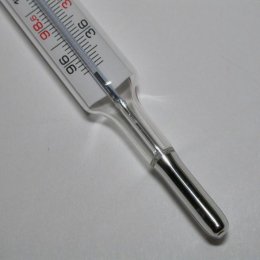
MERCURY IN THERMOMETER
(Mercury is Paatha rasam in Tamil)
KUBJIKATANTRA is a manuscript in the collection of Maharajah
of Nepal. This was written in Gupta character and copied in the sixth century.
In one place of this Tantra work, Lord Shiva himself speaks about the efficacy
of mercury when it is ‘killed’/ treated six times. Transmutation of copper into
gold with the help of mercury is also explained.
Tantrics believe that preservation of body is necessary to achieve
liberation through certain rites and mercury will make the body undecaying and immortal.
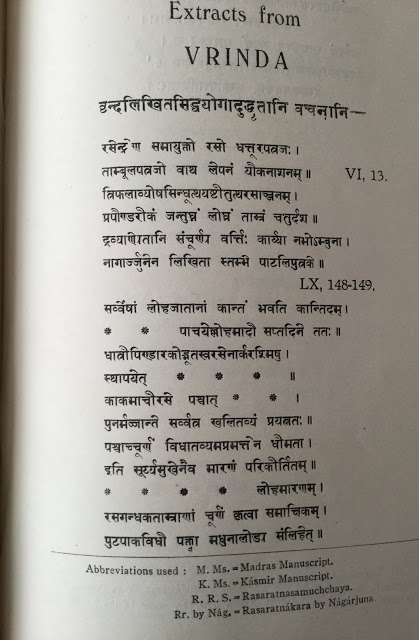
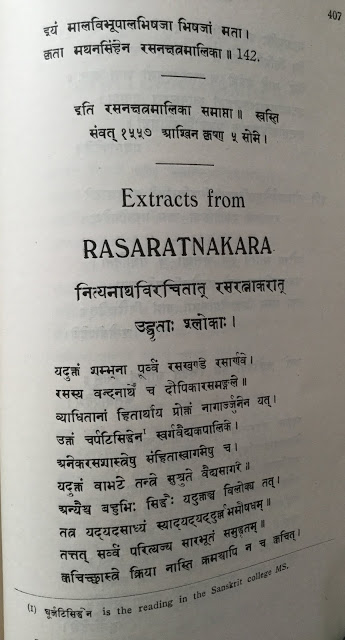
Nagarjuna, the great Buddhist philosopher and alchemist is
credited with a work called RASA RATNAKARA. He is also the reputed author of
KAKSHAPUTA TANTRA and AROGYAMANJARI. He was the redactor of Susruta Samhita. He
lived in the second century CE. There are two dialogues, one between Salivahana
(Sathavahana) and Nagarjuna, and the other between Ratnagosha and Mandavya.
Letter of Nagarjuna
One Friendly epistle of Nagarjuna to King Udyana is available
in Chinese and Tibetan languages. The Sanskrit original is lost. Sathavahanas
ruled Andhra region in the first two centuries of modern era. It looks like
there were more than one Nagarjuna. Arabian scholar Alberuni wrote about one
Nagarjuna of Daihak near Somnath, nearly a century earlier than his own time.
He was a great expert in alchemy according to Alberuni. Rasa ratnakara might
have been written by the second Nagarjuna. In the Durbar Library of Nepal there
are two more works attributed to Nagarjuna. They are Yogasara and
Yogasatak.
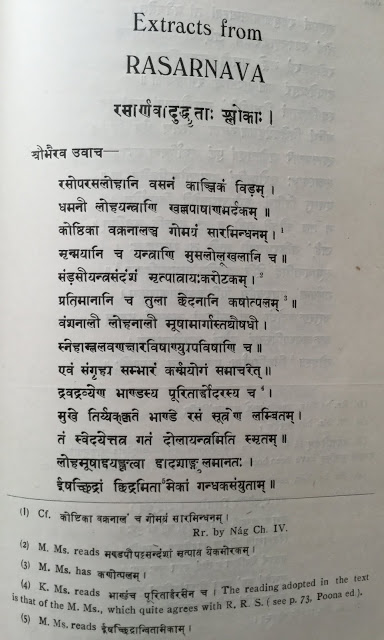
RASARNAVA is a Hindu Saiva Tantra work which describes
mercury as of divine origin. This book has valuable information on chemistry.
Mica has been described as the seed of Goddess Gouri. It says mercury can not
only improve the quality of metals but also can make human body undecaying and
imperishable.
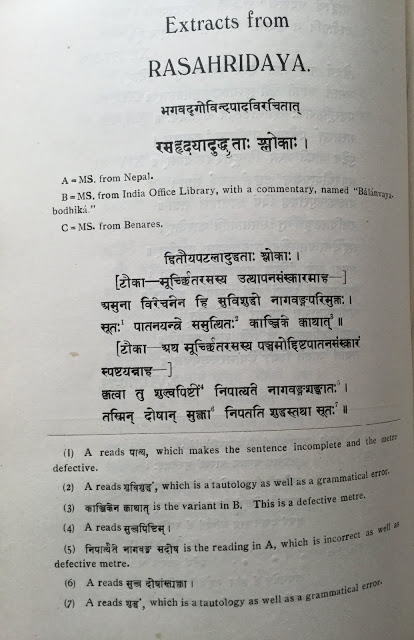
RASAHRIDAYA is another book which talks about ‘Rasa Siddhas’.
They got another body without quitting their own bodies .
Asmaga was a Buddhist monk of Gandhara who lived around 400 CE.
He composed Yogachara Bhumisastra. He introduced Patanjali yoga principles into
Buddhism.
During the reign of the Pala Dynasty, there were many masters
of magic and ‘Mantra Vajracharyas’, who performed the most prodigious feats
with the Siddhis they attained. Siddhis are of eight types with which one
becomes Superman with supernatural powers .
Following Buddhist works are minor chemistry books:-
RASAHRIDAYA was written by Govindabhagavat around 11 th
century at the request of king of Bhutan, Kirataland .
RASENDRACHUDAMANI of Somadeva compiled lot of information
from early works. He has praised Nagarjuna and others.
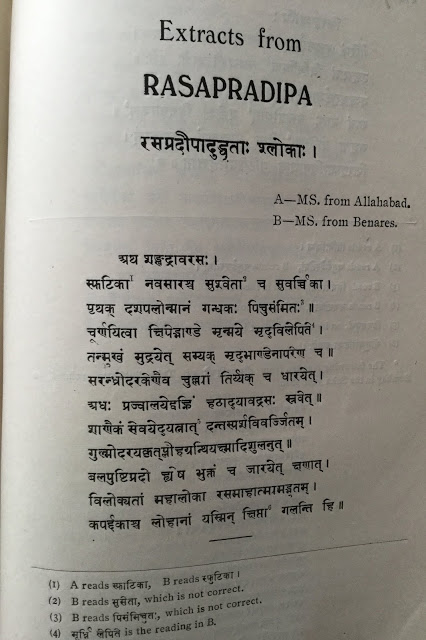
RASAPRAKASA SUDHAKARA by Yasodhara is another important work
of 12th century.
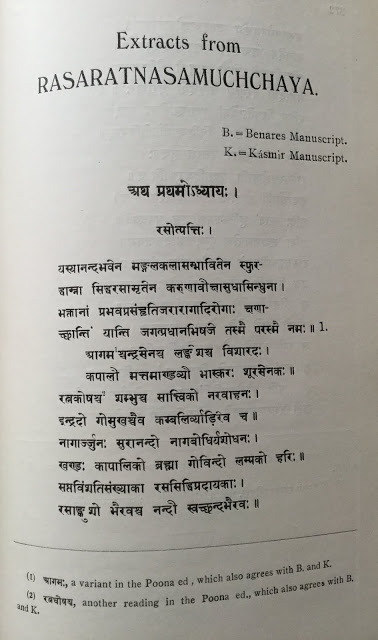
Metallurgy of Zinc is explained in RASA RATNA SAMUCHCHAYA.
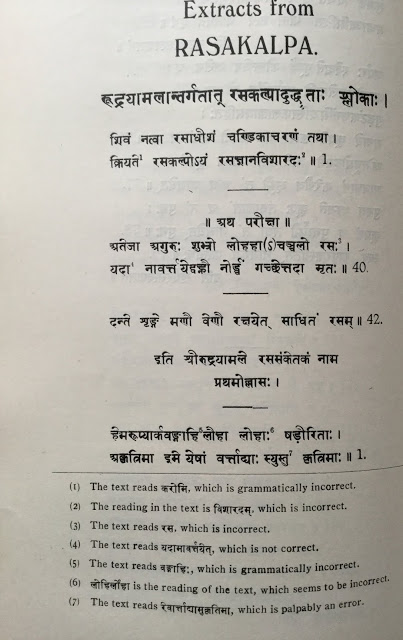
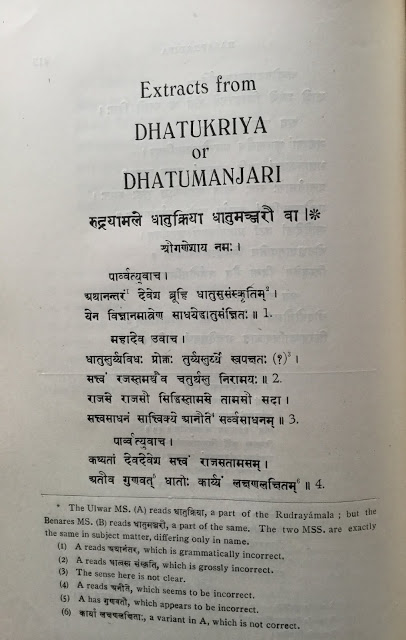
RASAKALPA is part of Rudrayamala Tantra which describes
metals and minerals and the methods to kill/ treat them.
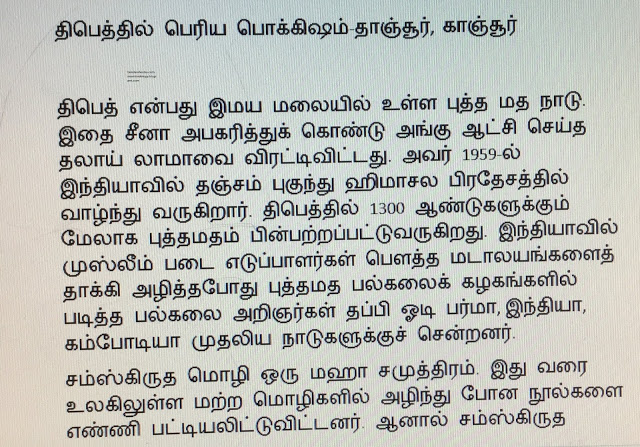
About the gigantic voluminous encyclopaedic Tibetan Tanjur
and Kanjur, a separate article is posted already.
Please see
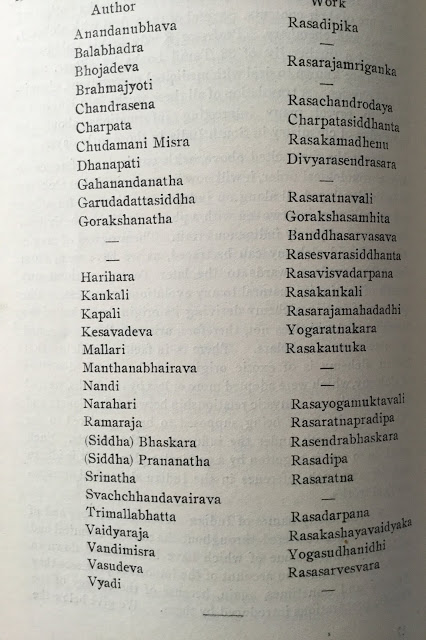
the attached list of Chemistry Books (In Sanskrit):–
Pictures are taken from various sources; beware of copyright rules; don’t use them without permission; this is a non- commercial, educational blog; posted in swamiindology.blogspot.com and tamilandvedas.com simultaneously. Average hits per day for both the blogs 12,000.
சம்ஸ்கிருதத்தில் உள்ள ரசாயன புஸ்தகங்களின் பட்டியலைத் தனியே தருகிறேன்.
Pictures are taken from various sources; beware of copyright rules; don’t use them without permission; this is a non- commercial, educational blog; posted in swamiindology.blogspot.com and tamilandvedas.com simultaneously. Average hits per day for both the blogs 12,000.
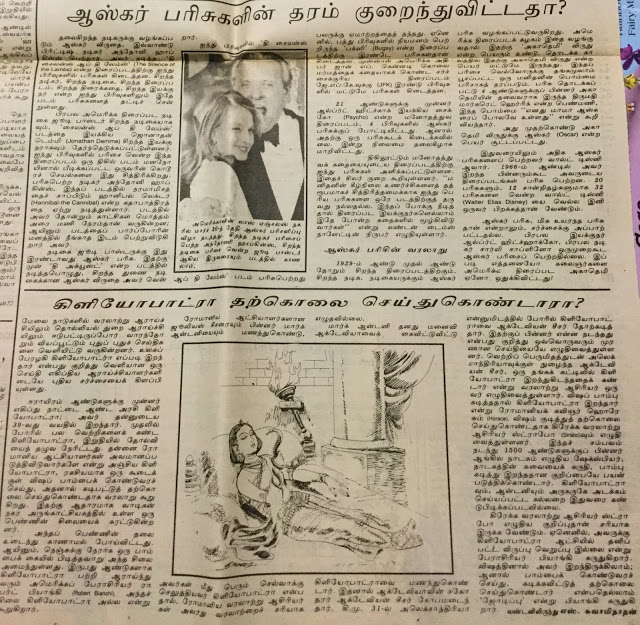
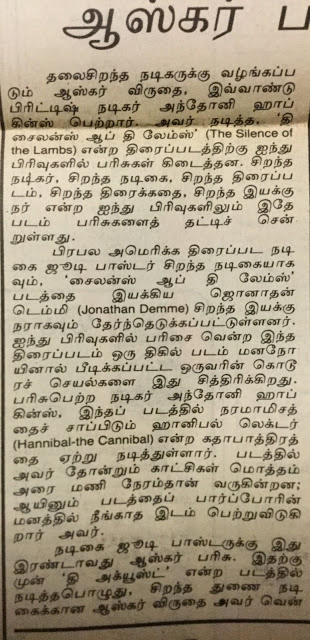
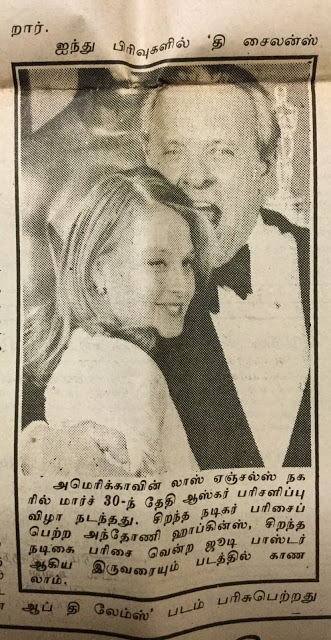
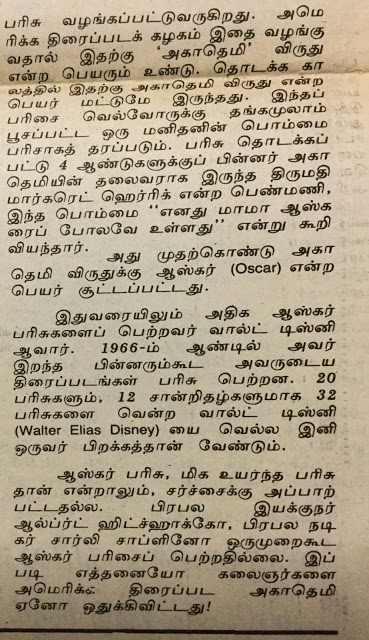
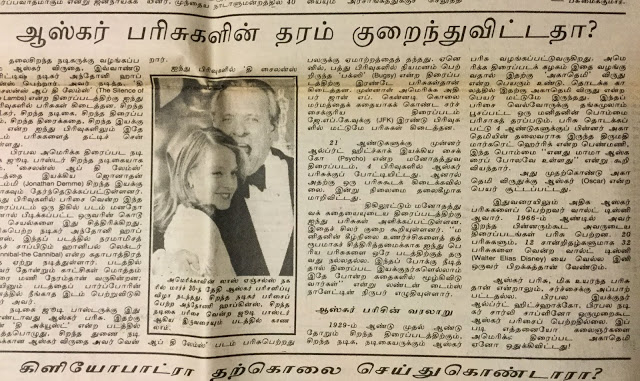
1992ம் ஆண்டு ஏப்ரல் 26ம் தேதி நான் எழுதிய கட்டுரை-ஆஸ்கர் பரிசுகளின் தரம் குறைந்துவிட்டதா?
OSCAR PRIZE- WRITTEN BY S SWAMINATHAN FROM LONDON, ON 26TH APRIL 1992 IN DINAMANI.
Pictures are taken from various sources; beware of copyright rules; don’t use them without permission; this is a non- commercial, educational blog; posted in swamiindology.blogspot.com and tamilandvedas.com simultaneously. Average hits per day for both the blogs 12,000.
மாலைமலர் 2-11-2019 இதழில் வெளியாகியுள்ள கட்டுரை
முத்தான முத்து, கடவுள் தந்த சொத்து!
ச.நாகராஜன்
ஆணி முத்து
வாங்கி வந்தேன் ஆவணி வீதியிலே!
பூமித் தாய் இயற்கையில் நமக்கு நிலத்தில் தந்துள்ள
தாதுக்கள், உலோகங்கள் உள்ளிட்ட விலை மதிக்கமுடியாத
பொருள்களைப் பற்றிச் சற்று நாம் அறிவோம்; ஆனால் கடலில் உள்ள செல்வத்தில் ஒரு சிறிதேனும்
கூட இதுவரை நாம் முழுவதுமாக அறியவில்லை. அப்படி ஒரு அற்புத வளத்தைக் கடல் கொண்டுள்ளது.
அந்தக் கடல் வளத்தில் இயற்கையாக ஒளிரும் ஒன்று தான் நவரத்தினங்களில் ஒன்றான முத்து.
மிகப் பழைய காலம் தொட்டு பாண்டிய நாடு, ‘முத்துடைத்து’ என்ற பெரும் புகழைப் படைத்த நாடாக
இருந்து வந்திருக்கிறது.
தாலமி,பெரிப்ளஸ் ஆகியோர் கொற்கை
முத்துக்களைப் பற்றியும் இதை வாங்க போட்டி போட்டுக்
கொண்டு வெளிநாட்டார் வந்ததையும் பதிவு செய்திருக்கின்றனர். இன்றைய தூத்துக்குடி மாவட்டத்தில்
ஸ்ரீ வைகுந்தம் தாலுகாவில் உள்ள ஒரு சிறிய கிராமமாக கொற்கை இன்றும் புகழுடன் திகழ்கிறது.
ஆழ்கடலில் மூழ்கி மூச்சைப் பிடித்து முத்தை எடுத்து
வருவது ஒரு அபூர்வமான தனித்துவம் வாய்ந்த கலை; பயிற்சி.
இதில் கொற்கையைச் சார்ந்த பகுதி வாழ் மக்கள் ஏராளமானோர்
நிபுணர்களாக இருந்தனர்.
சிறிய அளவிலிருந்து பெரும் அளவிலான ஒளிரும் அரிய முத்துக்களை அவர்கள் கொண்டு வர மாபெரும் மன்னர்கள் அதை வாங்கி அணிவது மரபாக இருந்து வந்தது.
முத்துக் குளிப்பதொரு தென் கடலிலே
மொய்த்து
வணிகர் பல நாட்டினர் வந்தே
நத்தி நமக்கினிய பொருள் கொணர்ந்தே
நம் அருள்
வேண்டுவது மேற்கரையிலே
என்று மஹாகவி பாரதியார் நம் முத்தை வாங்க வரும் வெளிநாட்டார்
அதைத் தந்து ‘அருள் புரிய வேண்டும்’ என்று வேண்டுவதைச்
சிறப்பாகக் குறிப்பிடுகிறார்.
முத்தைச் சிறப்பிக்காத கவிஞர்களே இல்லை. முத்தன்ன
வெண் நகையாள் என்று பாவையரின் பளீரென்ற சிரிப்பில் ஒளிரும் பற்கள் முத்துப் போல் ஒளிர்வதைச்
சொல்லாத கவிஞர் யார்?
ஆணி முத்து
வாங்கி
வந்தேன்
ஆவணி வீதியிலே
அள்ளி
வைத்துப்
பார்த்திருந்தேன்
அழகு கைகளிலே,
(பாமா விஜயத்தில் கவிஞர் கண்ணதாசன்),
பச்சைக் கிளி முத்துச் சரம் முல்லை கொடி யாரோ (உலகம்
சுற்றும் வாலிபனில் கவிஞர் வாலி),
முத்தான முத்தல்லவோ முதிர்ந்து வந்த முத்தல்லவோ (நெஞ்சில் ஓர் ஆலயத்தில் கவிஞர் கண்ணதாசன்) என்பன போன்ற நூற்றுக் கணக்கான திரைப்படப் பாடல்களிலும், ஆயிரக்கணக்கான தேவார, திருவாசக, நாலாயிர திவ்யபிரபந்தம் மற்றும் இதர பாடல்களிலும் முத்தின் சிறப்பு போற்றப்படுகிறது.
ஜோதிடத்தில்
முத்து!
முத்து சந்திரனுடன் தொடர்பு கொண்ட ரத்தினம். எண் கணிதத்தில்
இரண்டு என்ற எண்ணிற்கும் இதற்கும் தொடர்பு உண்டு. கடக ராசிக்காரர்களும் சந்திர தசை
நடப்பவர்களும் முத்து அணிவது நலம் பயக்கும்.
பரல்,நித்திலம், ஆரம்,தரளம், மூரி வஞ்சி, தூலகம்,
சுக்கிரன், ஆதித்தன், சோதி, ஆழிவித்து,கத்தலம்,மௌத்திகம்,முக்தா, மஞ்சரி என்று இப்படி
தமிழிலும் சம்ஸ்கிருதத்திலும் முத்திற்குப் பல பெயர்கள் உண்டு. ஆங்கிலத்தில் பரவலாக
பெண்களுக்கு இருக்கும் பெயரான மார்கெரட்டுக்கு முத்து என்பதே பொருள். முத்துக்கான பெர்சிய வார்த்தை மர்கரிடா. இந்த பெர்சிய
வார்த்தை மஞ்சரி என்ற சம்ஸ்கிருத வார்த்தையிலிருந்து தோன்றியது.
ஆயிஸ்டர் (Oyster) எனப்படும் ஒரு வகை கடல் வாழ் சிப்பிகளின் உடலுக்குள்
புகும் மண் அல்லது கிருமி போன்ற ஏதேனுமொரு துகளைச் சுற்றி சிப்பி சுரக்கும் திரவம்
அடுக்கடுக்காகப் படியும். தனது உடலுக்குள் புகுந்த பொருள் தன்னை உறுத்தாமலிருக்க முத்துச்
சிப்பி இப்படி திரவதத்தைச் சுரக்கிறது. இந்த திரவம் அடுக்கடுக்காக ஒன்றின் மீது ஒன்றாகப்
படிந்து முத்தாக உருவாகிறது.
ரசாயன முறைப்படி இதைப் பகுத்துப் பார்த்தால் கால்சியம் கார்பனேட் என்ற ரசாயனப் பொருள் ஆகும்.
செயற்கை முத்து!
கடந்த நூறாண்டிற்கும்
மேலாக முத்தைப் “பயிர் செய்து அறுவடை செய்வது” நடந்து வருகிறது. ஆம் ஜப்பான் தான் இதற்கு முன்னோடி.
இயற்கையில் கிடைக்கும் முத்துச் சிப்பிகள் எல்லாவற்றிலும் முத்து கிடைப்பதில்லை;
அப்படியே கிடைப்பதில் அனைத்துமே நல்ல முத்துக்கள் தான் என்று சொல்லவும் முடிவதில்லை.
ஆகவே கடலிலுள்ள முத்துச் சிப்பிகளைப்
பிடித்து வந்து அவற்றின் உடலில் செயற்கையாக மண் துகளைப் புகுத்தி மீண்டும் கடலுக்குள்
இறக்கி விடுகிறார்கள். குறிப்பிட்ட காலத்தில் அவற்றில் முத்து உருவாகி விடும்.
இப்படி செயற்கை முறையில் வளர்த்து
உருவாக்கப்படும் முத்துக்கள் ‘வளர்ப்பு முத்துக்கள்’ (Cultured Pearls) என்று அழைக்கப்படுகின்றன.
இப்படிப்பட்ட செயற்கை முத்துக்களில் ஏராளமான வகை முத்துக்கள் இன்று கிடைக்கின்றன.
செயற்கை முறையில் முத்தைத் தயாரிப்பதில் முன்னணியில் இருக்கும் ஜப்பான், ஆண்டுக்கு சுமார் 20 டன் என்ற அளவில் முத்தை உற்பத்தி செய்கிறது. ஜப்பானில் உள்ள அகோ வளைகுடாவில் முதன் முதலில் செயற்கை முத்து 1893ஆம் ஆண்டு உருவாக்கப்பட்டது. இது அகோயா முத்து (Akoya pearl) என அழைக்கப்பட ஆரம்பித்தது.
நல்ல முத்தை
எப்படிக் கண்டுபிடிப்பது?
செயற்கை முறையிலும் இயற்கை வடிவிலும் முத்துக்கள்
இன்று கிடைப்பதால் ஒரு நல்ல முத்தை இனம் காண்பதற்குள் நமக்குப் போதும் போதும் என்று
ஆகி விடுகிறது.
செயற்கை முத்துக்கள் பல்கிப் பெருகி இருப்பதாலும்
அதன் விலையும் இயற்கை முத்தை விடக் குறைவாக இருப்பதாலும் அதில் செய்யப்படும் மாலைகளின்
டிசைன் எனப்படும் வடிவமைப்பு ஏராளமாக உருவாகி விட்டன. ஒவ்வொரு ஹாரத்திற்கும் – நெக்லெஸிற்கும்
ஒவ்வொரு பெயர் – பார்த்தாலே வாங்க வைக்கும் கவர்ச்சி மாலைகள் இவை!
நமது சாஸ்திரங்கள் சொல்லும் பலன்கள் இயற்கை முத்திற்குத்
தான்; அதை மனதில் கொண்டே முத்தை அணுக வேண்டும்.
நல்ல முத்தை எப்படி இனம் காண்பது?
சுலபமான வழிகள் இருக்கின்றன.
எக்ஸ்-ரேயின் உதவி கொண்டு இயற்கை முத்து எது, செயற்கை
முத்து எது என்று கண்டுபிடித்து விடலாம். முத்தின் உட்பகுதியில் உள்ள கருவைக் கொண்டு
இயற்கையையும் செயற்கையையும் எக்ஸ்-ரே இனம் பிரித்து விடும்.
எண்டோஸ்கோப் (Endoscope) என்னும் கருவியின் மூலமும் இயற்கை
முத்தைக் கண்டுபிடித்து விடலாம்.
அடர்த்தி எண்ணைக் காண அடர்த்தி
எண் சோதனை (Specific Gravity test) வேறு இருக்கிறது.
முத்தின் ஒப்படர்த்தி 2.60 முதல் 2.85 வரை இருக்கும்.
ப்ரோமோபார்ம்(Bromoform) ஆல்கஹால் (Alcohol) கலந்த கரைசலை 2.74 அடர்த்தி
எண்ணுக்குக் கொண்டு வந்து அதில் முத்துக்களைப்
போட்டால் வளர்ப்பு முத்து மூழ்கி விடும். இயற்கை முத்து மிதக்கும்.
போலி முத்துக்களை எப்படிக் கண்டுபிடிப்பது?
மிகவும் சுலபமான வழி ஒன்று இருக்கிறது.
முத்தை எடுத்து பல்லின் தட்டையான
பகுதியின் மீது உரசிப் பார்க்க வேண்டும். அப்படி உரசும் போது முத்தின் மேற்பரப்பு வழுவழுப்பாக
இருந்தால் அது போலி முத்து. அதாவது முத்துப் போல இருக்கும் ஒரு பொருளை மேல் பூச்சாகக்
கொண்டிருக்கும் போலி முத்து அது. ஆனால் பல்லில் உரசும் போது அது சற்று சொரசொரப்பாக
இருக்குமானால் அது நல்ல முத்து. இயற்கை முத்தின் மேலோடு சற்று கரடு முரடானது தான்.
ஆகவே தான் இந்த எளியை வழியைக் கடைப்பிடித்து போலிகளை இனம் கண்டு ஒதுக்கி விடலாம்.
ஆனால் இப்படிக் கண்டுபிடிப்பதற்கு அனுபவமும் பயிற்சியும் தேவை என்பதால் ஒரு நிபுணரை அணுகுவதே நல்லது.
ரத்தினங்களின் ராணி!
உயிர்வாழும் ஒரு பிராணியிடமிருந்து
கிடைக்கும் ஒரே ரத்தினம் முத்து தான். பத்தாயிரம் சிப்பிகளில் ஒன்றில் தான் அரிய முத்து
கிடைக்கிறது.
‘ரத்தினங்களின் ராணி’ என்று செல்லமாக அழைக்கப்படும்
முத்து பெண்களைப் பெரிதும் கவரும் அரிய சொத்து.
முத்தின் கடினத் தன்மை ‘மோ அலகின்’ படி 2.5 முதல் 4.5 முடிய இருக்கும்.
முத்தின் விலை மிகச் சிறிய தொகையிலிருந்து ஆரம்பித்து மலைக்க வைக்கும் பல கோடி ரூபாய் வரை விற்கப்படுகிறது.
முத்து வட்ட வடிவமானதால் அதன் குறுக்களவை வைத்துத்
தான் விலை நிர்ணயிக்கப்படுகிறது. 3 மில்லிமீட்டர் முதல் 9 மில்லிமீட்டர் வரை சாதாரணமாக
முத்து கிடைக்கிறது. குறுக்களவு அதிகமாக ஆக அதன் விலையும் கூடிக் கொண்டே போகும்.
பிலிப்பைன்ஸில் கண்டுபிடிக்கப்பட்ட ஒரு முத்தின் விலை
நூறு மில்லியன் டாலர். (ஒரு டாலரின் இந்திய மதிப்பு சுமார் ரூபாய் 70; ஒரு மில்லியன்
என்பது பத்து லட்சம்) 28 அங்குல நீளமுள்ள இது 75 பவுண்ட் எடை கொண்டது. இது தான் உலகின்
பெரிய அரிய முத்து.
முத்தின் மீதான கவர்ச்சி தான் ஜூலியஸ் சீஸரை இங்கிலாந்தின்
மீது பார்வையைப் பதிக்க வைத்தது. பிரிட்டனில் வேல்ஸ் பகுதியில் கான்வே என்னும் நதியில்
அழகிய முத்துக்கள் கிடைக்கவே சீஸர் இங்கிலாந்தின் மீது படையெடுத்தார். சீஸர் அரசாங்கத்தில்
உயரிய நிலையில் இருக்கும் பிரபுக்கள் மட்டுமே முத்தை அணிய வேண்டும் என்று சட்டமே கொண்டு
வந்தார்.
முத்தின் பயன்கள்!
ரத்தினங்களைப் பற்றி விளக்கிக் கூறும் ரஸ ஜல நிதி
தரும் சுவையான தகவல்கள் நமக்கு சிறந்த ஒரு வழிகாட்டியாக அமைகிறது.
முத்து குளிர்ச்சியானது. கண்ணுக்குப் பெரிது பலனளிக்கும்
ஒன்று! அது வலிமை தரும்; உடலுக்கான சக்தியைக் கூட்டும். பெண்களின் கவர்ச்சியைக் கூட்டும்;
பெண்கள் அதை அணியும் போது அவர்களின் மீது அன்பு அதிகரிக்கும்; மோகமும் கூடும்.
ஒருவர் உடலில் இருக்கும் அதிகமான வாயு மற்றும் பித்தத்தை
அது சமனாக்கும். இருமல், ஆஸ்த்மா, ஜீரண சக்தி குறைந்திருத்தல் போன்றவற்றை நீக்கும்.
அழகு, வலிமையுடன் ஆயுளையும் அது நீட்டிக்கும். வீக்கத்திற்கும் விஷத்திற்கும் அதுவே
மருந்து.
கடலிலிருந்து கிடைக்கும் முத்து ஜீரண சக்தியை அதிகரித்து
ஜீரண மண்டலத்தில் உள்ள அனைத்துக் கோளாறுகளையும் போக்கும்.
முத்தின் பயன்களாக பண்டைய நூலான ரஸஜலநிதி தரும் தகவல்கள் இவை.
பிரமிக்க வைக்கும் பல வகை முத்துக்கள்!
சிப்பியில் வளரும் முத்துக்களைத் தவிர பல பிரமிக்க
வைக்கும் முத்துக்களைப் பற்றியும் இந்த பழைய நூல் பல விவரங்களைத் தருகிறது.
முத்தின் ரகங்கள் : யானை, தவளை, சங்கு, மீன், சிப்பி
மற்றும் மூங்கில். இப்படி முத்தை இனம் பிரித்துக் காட்டுகிறது இந்த நூல்!
யானை முத்து : இந்த ரகம் அளவில் பெரியது. வெவ்வேறு
அமைப்பு உடையது. ஐராவதம் போன்ற யானையின் நெற்றியில் தோன்றும் அபூர்வ முத்து. இதற்கு
விலை என்று ஒன்றை நிர்ணயிக்கக் கூடாது; நிர்ணயிக்கவும் முடியாது. இது புத்திர பாக்கியம்,
நோயற்ற வாழ்வு, வெற்றி ஆகியவற்றை நல்கும்!
அரவ முத்து : அரவம் என்றால் பாம்பு. அரவ முத்து அழகுடையது; நீல ஒளி உடையது.
இது மூன்று அளவுகளில் கிடைக்கும். இதை எப்படி
சோதனை செய்வது? திறந்தவெளியில் ஒரு வெள்ளிக் குடத்தில் இதை வைத்தால் உடனடியாக வானத்திலிருந்து
நீர்த்துளிகள் விழும். அப்படி விழவில்லை எனில் இது நிஜமான அரவ முத்து இல்லை.
மீன் முத்து
: ஆழ்கடலில் வாழும் ஒரு அரிய வகை திமிங்கிலத்தில் உருவாகும் முத்து இது. இலேசாக இருக்கும்
இது. மீன் முத்து மீனின் கண்களைப் போல இருக்கும்.
மூங்கில் முத்து : மூங்கிலிலிருந்து கிடைக்கும் முத்து
இது. பச்சையுடன் கூடிய வெள்ளை வண்ணம் உடையது இது. வலிமையுடன் கூடிய இது கனமாக இருக்கும்.
சங்கு முத்து : சங்கு கிளிஞ்சலிருந்து கிடைக்கும்
இந்த முத்து சந்திரனைப் போல வெள்ளை வெளேரென இருக்கும். உருண்டையாகவும் ஒளியுடனும் அழகுடனும்
இருக்கும் புறா முட்டை அளவு இருக்கும்!
தவளை முத்து : தவளையின் தலையில் உருவாகும் முத்து
இது.
கடல் சிப்பியில் உருவாகும் முத்து : ஸ்வாதி நட்சத்திரத்தில்
சூரியன் இருக்கும் போது சிப்பி வானிலிருந்து விழும் மழைத்துளியை ஏற்கும்; அது நாளடைவில்
முத்தாக மாறும். இதுவே சிறந்த முத்து.
மேலே கூறியவற்றில் கடல் சிப்பியில் அல்லாது இதர வகை முத்து கிடைக்கப் பெற்றால் அதுவே மிகமிகச் சிறந்தது.
அழகிய முத்து கடவுள் தந்த சொத்து!
முத்தின் வண்ணத்தைப் பொறுத்து அது வகைப்படுத்தப்படுகிறது.
சிறந்த முத்து என்பது தெளிவாக, வெண்மையாக ஒளிரும்
தன்மையுடன் இருக்கும். சற்று மஞ்சள்பழுப்பு வண்ணத்தில்
இருக்கும் முத்து இரண்டாம் ரகத்தது. மூன்றாவது ரகம் என்பது சிறிதே மஞ்சள் கலந்த வெண்மை
நிறத்துடன், பிரகாசமாக, எண்ணெய் பசையுடன் இருப்பது போல இருக்கும்.நான்காவது ரகம் சிறியதாக,
வெண்மை நிறத்துடன் கறுப்பு ஒளியுடன் இருக்கும்.
ஒளியற்ற, தாமிர நிறமுடைய, மங்கலான, முடிச்சுடன் கூடிய முத்துக்கள் அணியக் கூடாதவை.
இந்தத் தகவல்கள் அனைத்தும் ரஸ
ஜல நிதி தரும் தகவல்கள்.
ஆனால் இந்த
நூல் கூறும் பல வகை முத்துக்களில் முத்துச் சிப்பியில் தோன்றாத யானை முத்து, அரவ முத்து
போன்ற இதர வகைகள் இலக்கியத்தில் மட்டுமே காணப்படுகிறது; இயற்கையில் லட்சத்தில் ஒருவருக்கேனும்
இவை கிடைத்திருக்குமா, தெரியவில்லை!
மனதை அமைதிப் படுத்தி இன்ப உணர்வைத் தரும் வானத்துச்
சந்திரனைப் போல, நம் உடலிலேயே தவழ்ந்து உன்னத மகிழ்ச்சி தரும் முத்துக்கு இணை உண்டோ?
முத்தான முத்து – கடவுள் மனித குலத்திற்கு அளித்த
சொத்து!
8 Jan 2017 – Tagged with முத்து தோன்றும் இடங்கள். முத்து பிறக்கும் இடங்கள் இருபது (Post
No.3524). Research Article … https://tamilandvedas.com/2012/04/23/krishnas-diamond-in-usa/.
Pictures are taken from various sources; beware of copyright rules; don’t use them without permission; this is a non- commercial, educational blog; posted in swamiindology.blogspot.com and tamilandvedas.com simultaneously. Average hits per day for both the blogs 12,000.
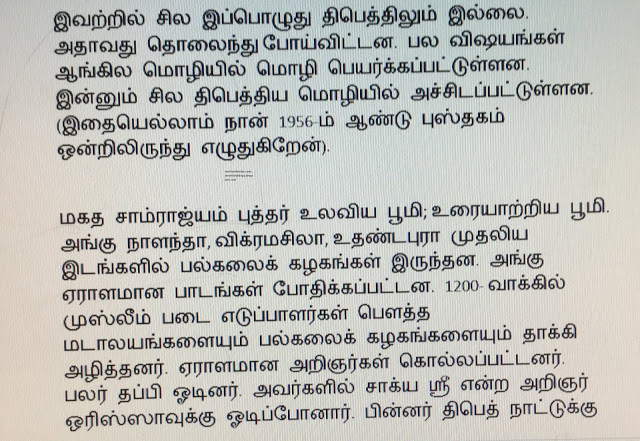
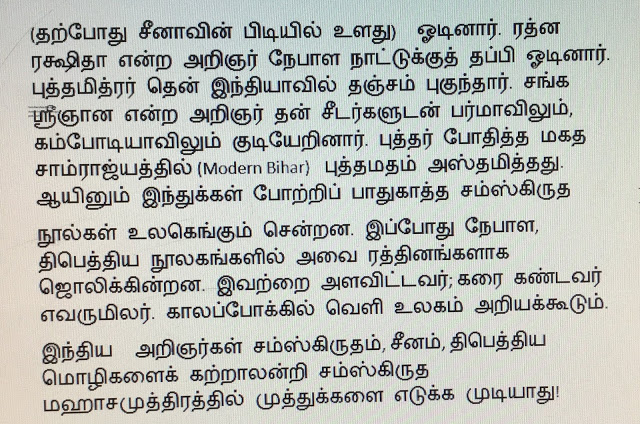
Muslim invaders drove out
Indian scholars to Tibet
Muslim invaders destroyed Buddhist monasteries of Udandapura
and Vikramasila (In Bihar region) around 1200 CE. Many of the monks were killed
and others fled to various countries. The learned Sakyasri went to Orissa and
afterwards to Tibet; Ratnarakshita to Nepal;Buddamitra and others sought refuge
in South India, While Sangama Srijnana with several of his followers went to
Burma and Cambodia. And Buddhism became extinct in Magadha (modern
Bihar).
Many emigrants from Magadha rejoined their brethren in the
South and founded colleges in Vijayanagara, Kalinga and Konkan. The
comparatively satisfactory condition of Buddhism in the Deccan about that time
is attested by the rich donations to the monastery at Dambal.
Monks of the monasteries Udandapura and Vikramasila on their
dispersion carried with them their arts and learning in the same manner as the
Byzantine Greeks on their expulsion from Constantinople bore with them their
intellectual treasures to the Italian cities. In the kingdom of Deccan and in
Tibet the Buddhist refugees found hospitable asylums, just as the Greek
philosophers found in the Florentine Republic under the Medici.
Tantric mysticism and alchemy were taught at the Universities of Nalanda, Udandapura and Vikramasila in Maghada and Central India and from thence it spread to Bhot ( Tibet) and to South India.
The Tantras found a home in China. Amoghavagra, a Brahmin converted to Buddhism, resided in China between 746 and 771 CE. He spread the science of supernatural powers, Siddhis, there.
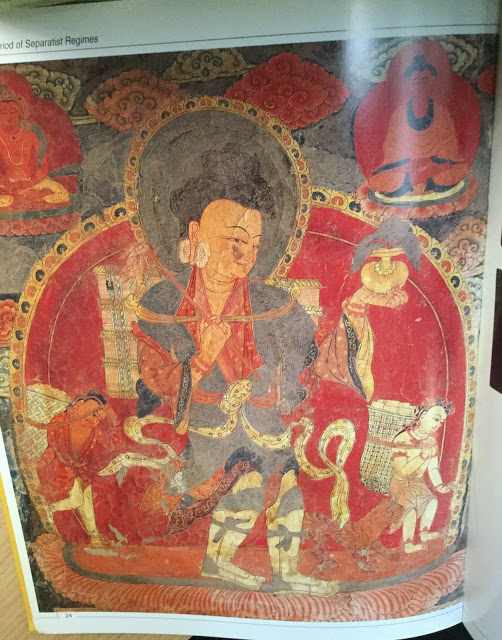
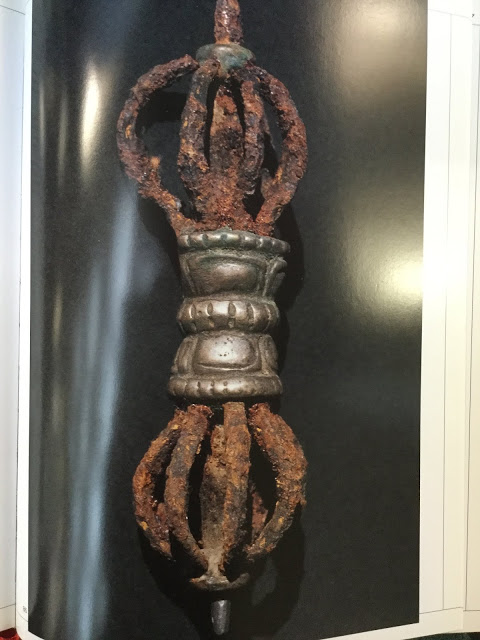
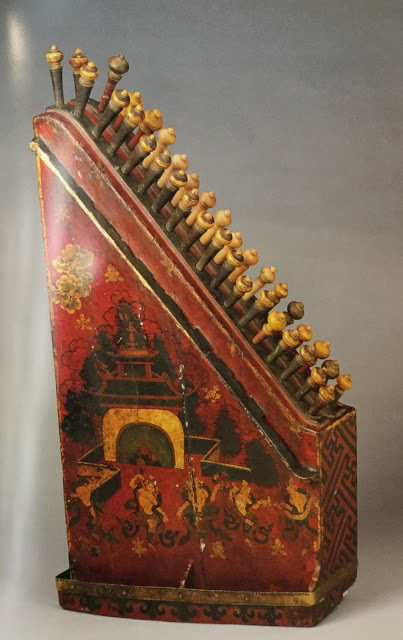
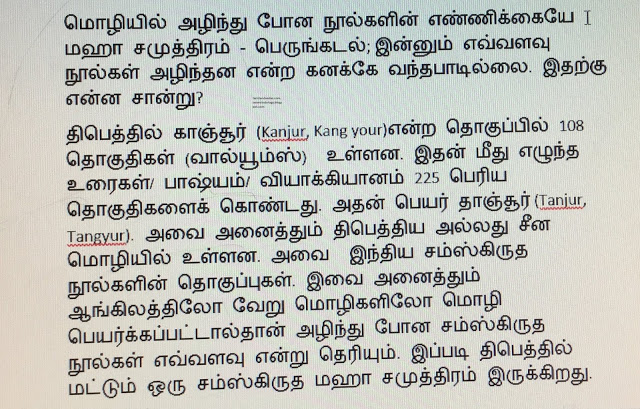
In Tibet Tibetan scriptures Kanjur (Kang- Gyur-The Translaation of the Word)) and Tanjur (Stan-ghyur-The Translation of the Treatises) ) were the Tibetan equivalent of Buddhist Tripitaka. Both represent an immense collection of works (108+224 Volumes) primarily translated from the Sanskrit and subsidiarily from the Chinese languages between the 7th and the13th centuries . These collections are of considerable value as most of their Sanskrit originals are either lost or now unavailable. The faithful accuracy of these translations and their fidelity to the original enable us often to reproduce the Sanskrit texts and thus provide us valuable historical data.
Tanjur, though a commentary of Kanjur (108 volumes) , is
twice as large as the former and consists generally of 225 large volumes. Some
parts of Tanjur are believed to date back to the seventh century, though the
major portion was composed later. It is divided into two main classes Rgyud,
corresponding to the Sanskrit Tantra and Mdo, corresponding to Sanskrit Sutra
(Science and Literature).
MEDICINE, ASTROLOGY & ASTRONOMY
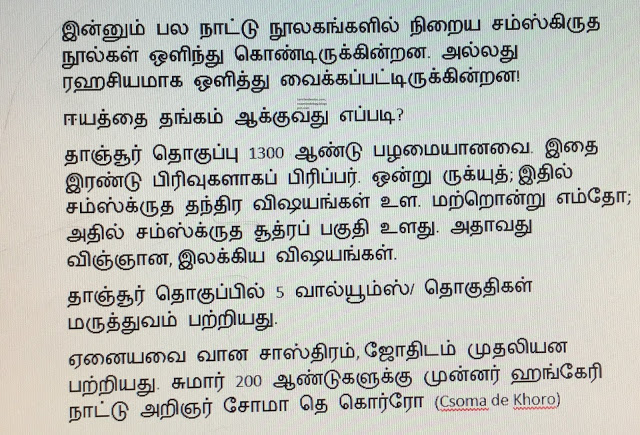
Some five volumes of Tanjur are devoted to medicine and some
others to astronomy or astrology. We are indebted to a great Hungarian scholar
Csoma de Koros for his pioneering work on the study of these two famous
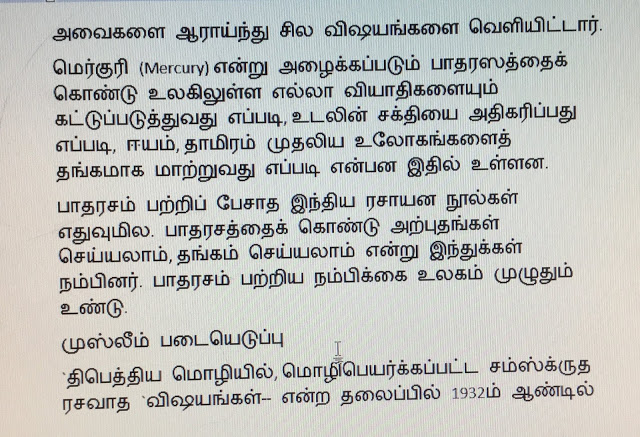
encyclopaedic Tibetan scriptures. In his analysis of the contents of the Mdo,
Csoma has mentioned a work on preparing quick silver, (mercury) described as
the most powerful agent for subduing every sickness and for improving the
vigorous of the body, as well as a work on turning base metals into gold.
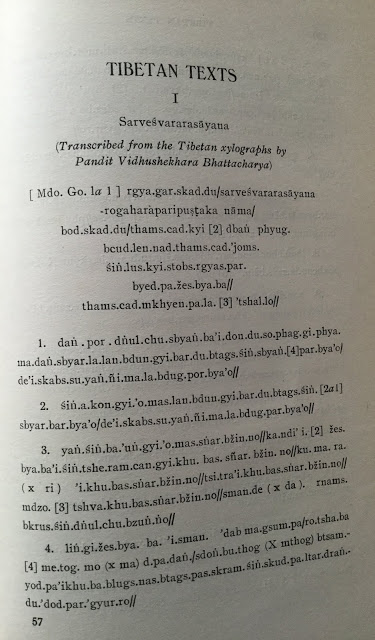
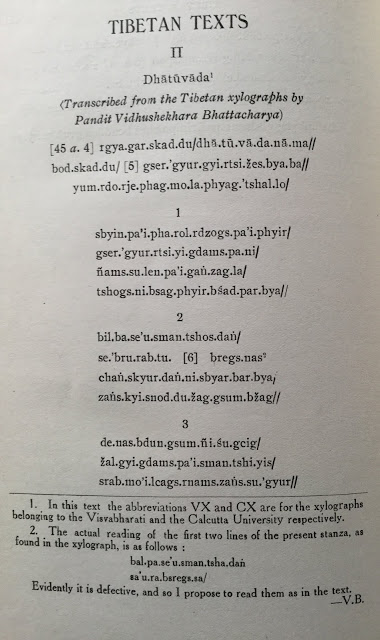
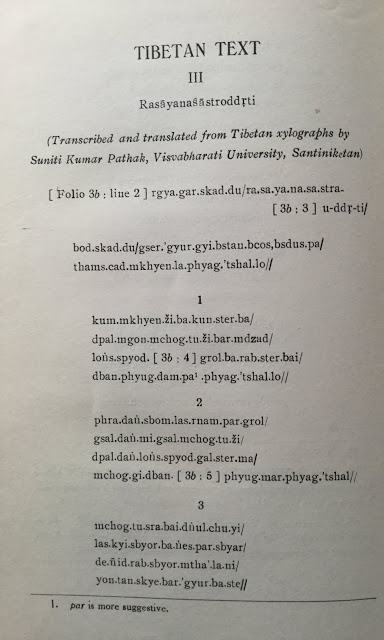
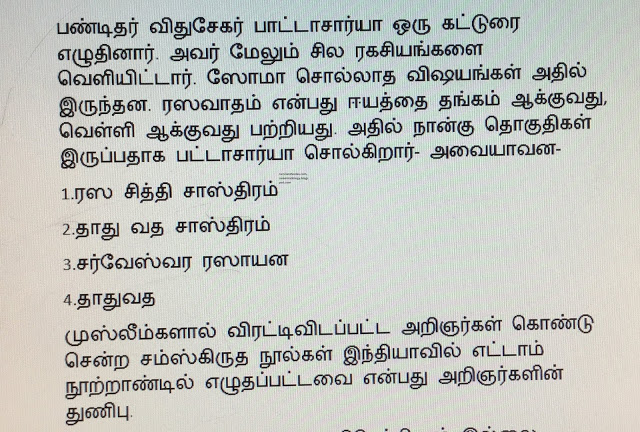
Pandit Vidhusekhar Bhattacharya, in his article on Sanskrit
Treatises on Alchemy as translated into Tibetan has discussed about four works
and given more information. He gave the Sanskrit names of four treatises as
1.Rasa siddhi sastra
2.Dhatuvada sastra
3.Sarvesvara rasayana
4.Dhatuvada
Some of these works are translated into English.
The original Sanskrit texts of these works belong to eighth
or ninth centuries. They are completely lost and fully depend upon
Tibetan aand Chinese translation.
Rasa means mercury or quicksilver
and Rasayana means Alchemy.
Source book – History of
Chemistry in Ancient and Medieval India
Pictures are taken from various sources; beware of copyright rules; don’t use them without permission; this is a non- commercial, educational blog; posted in swamiindology.blogspot.com and tamilandvedas.com simultaneously. Average hits per day for both the blogs 12,000.
அடைப்புக்குறிக்குள் உள்ள எண், அந்தச் சொல்லில் எத்தனை எழுத்துக்கள் என்பதைக் குறிக்கும்.
குறுக்கே
1.(6
எழுத்துக்கள் )- முருகனால் கொல்லப்பட்ட அசுரன்
4.(7) யாகம்
பற்றிய வேதத்தின் ஒரு தொகுதி
6. (6)- வலமிருந்து
இடம் செல்க./தாய்மார்கள்
குழந்தையை சுமக்கவேண்டிய காலம்
6.(2) இது
வயிற்றைக் கிள்ளும்
7.(5)- மணப்பெண்ணின்
அல்லது மணமகனின் பெற்றோர்கள்
9. (4) – வலமிருந்து
இடம் செல்க./
வயலுக்கும் பொருந்தும் 16 வயதுக்கும் பொருந்தும்
9. (4) – பாட்டில்
சொல், சொல்லாகப்
பொருள் கூறுதல்
கீழே
1. (7
எழுத்துக்கள் )- சோழர்களின், ராம பிரானின் பரம்பரை
2.(3)- அரிசி
இல்லாதா நெல்
3. (6) — மெதுவாகச்
செயல்படும் மூளை
5. (2) – கீழிருந்து
மேலே செல்க/ தாழை
5.(3)- இது
இருந்தால் வக்கீலுக்கும் டாக்டருக்கும் நல்ல காசு.
8. (2)- முகத்தில்
இது வந்தால் யுவதிகளும், இளைஞர்களும் படாதபாடு படுவர்.
9. (3)- கீழிருந்து
மேலே செல்க/ நன்றாக ஆசை தீர உதைக்கலாம்.
Pictures are taken from various sources; beware of copyright rules; don’t use them without permission; this is a non- commercial, educational blog; posted in swamiindology.blogspot.com and tamilandvedas.com simultaneously. Average hits per day for both the blogs 12,000.
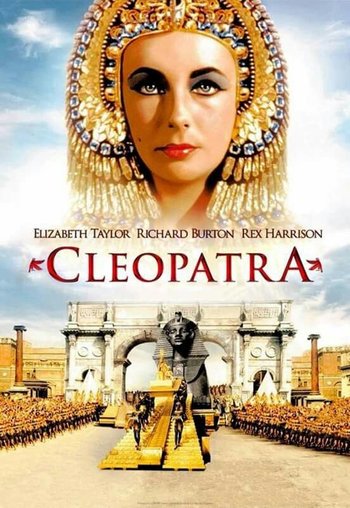
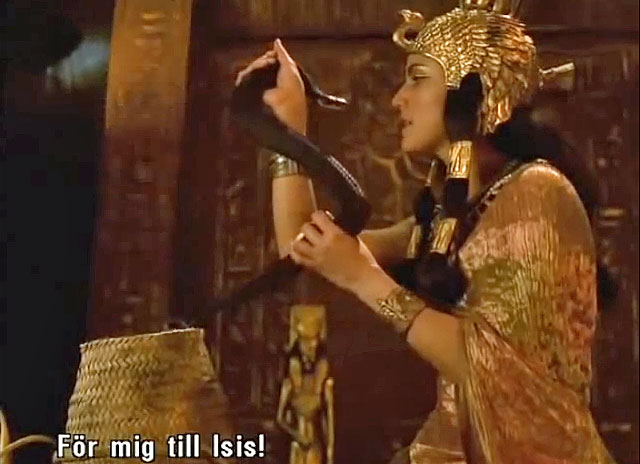
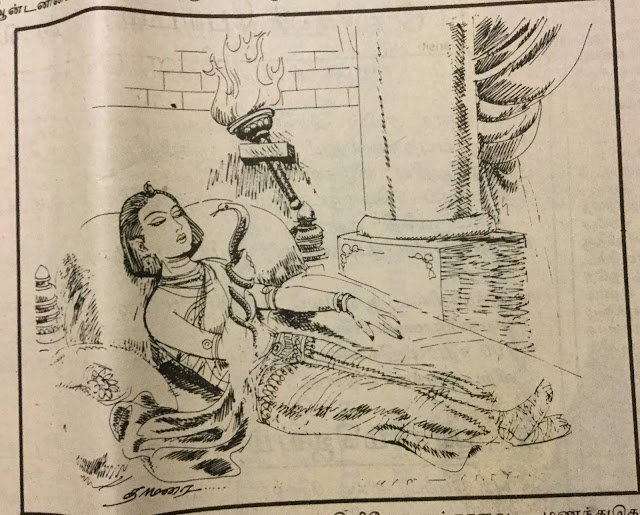
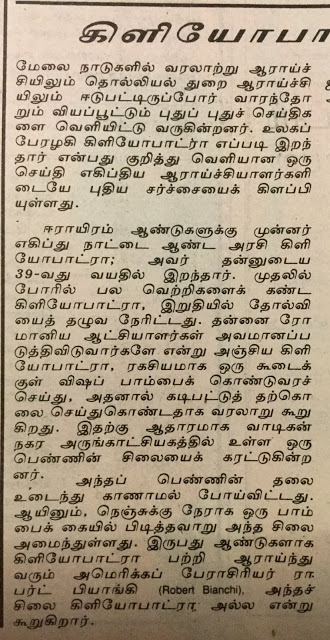
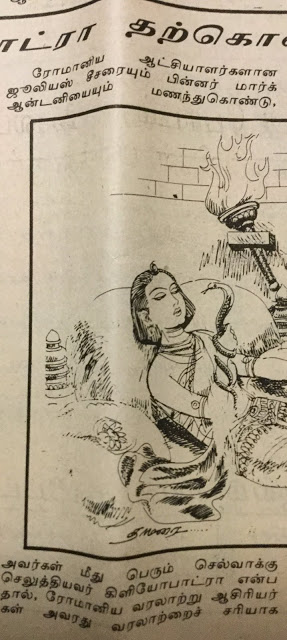
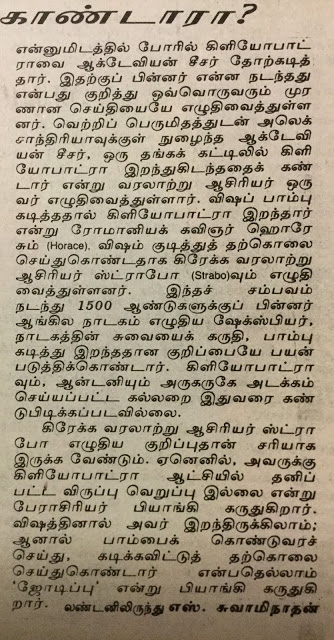
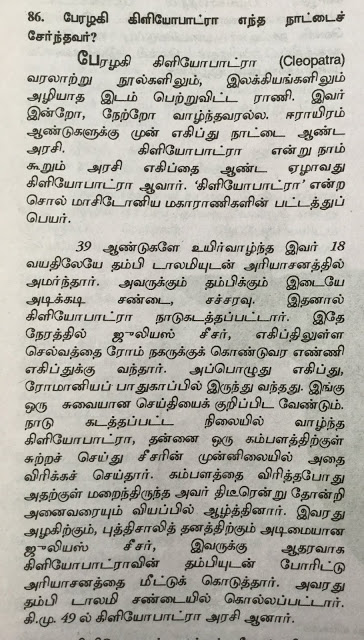
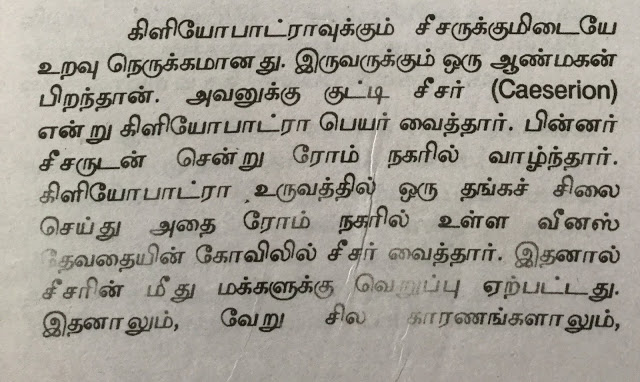
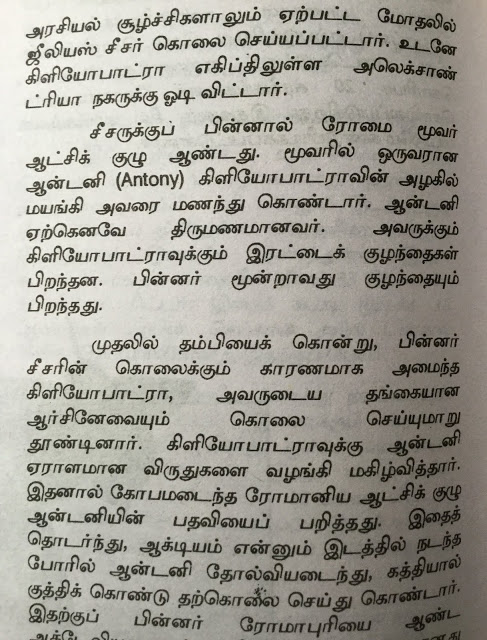
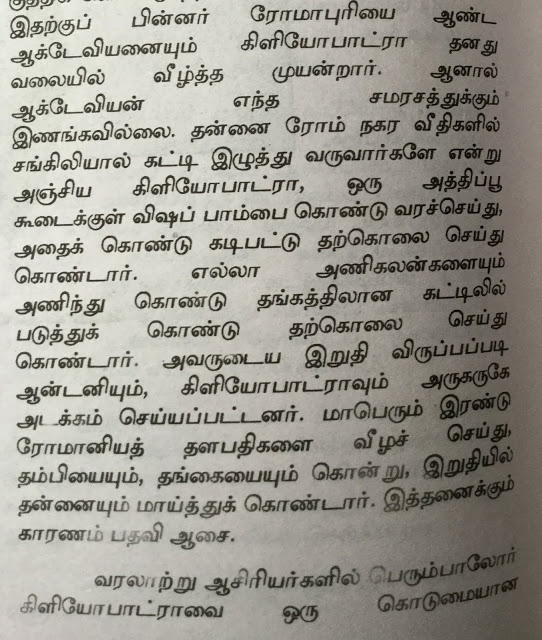
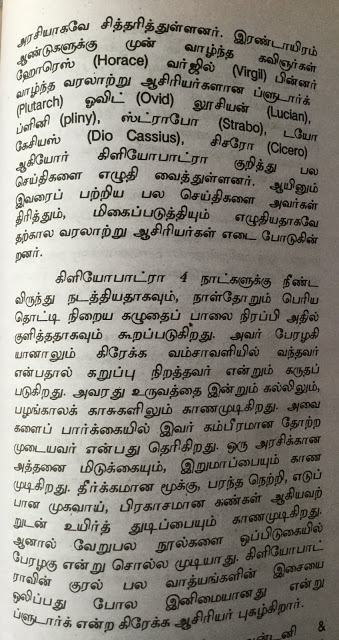
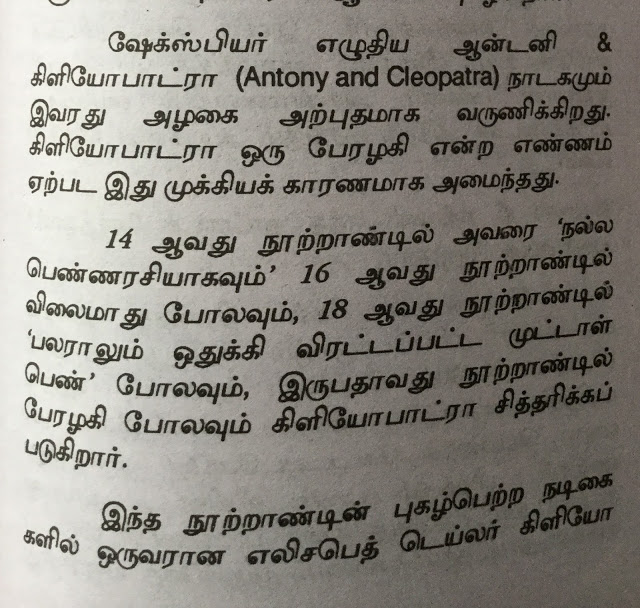
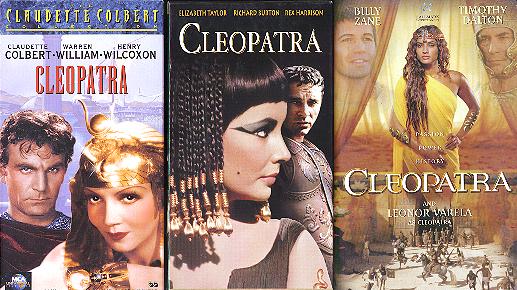
கிளியோபாட் ரா தற்கொலை செய்து கொண்டாரா?
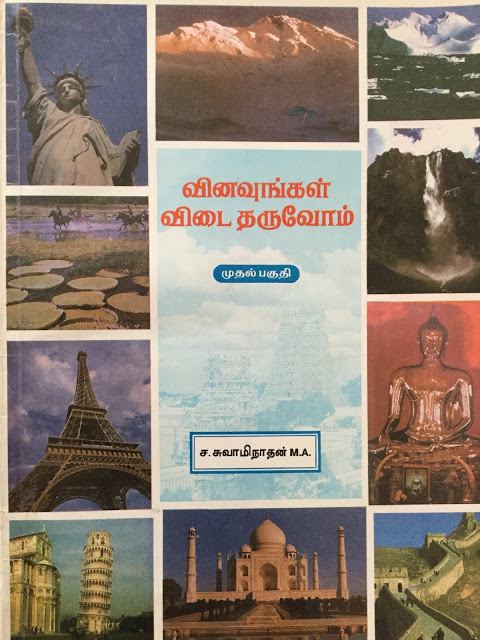
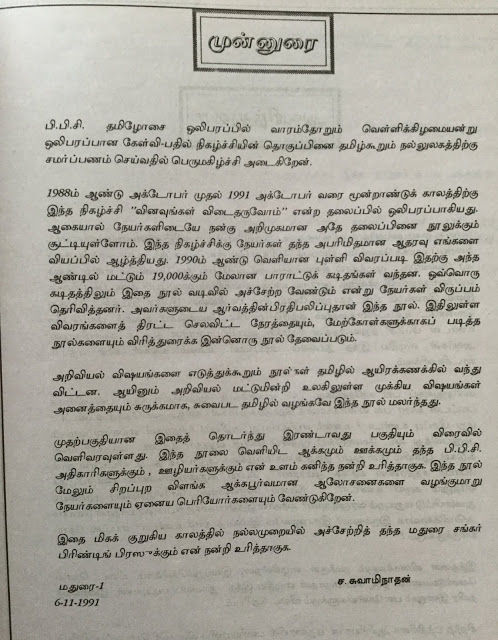
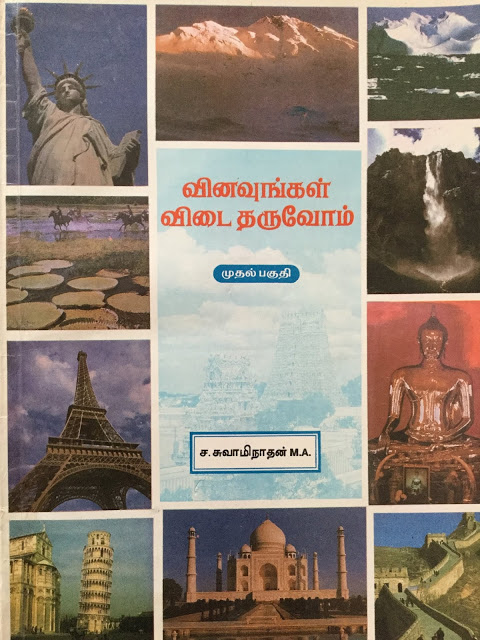
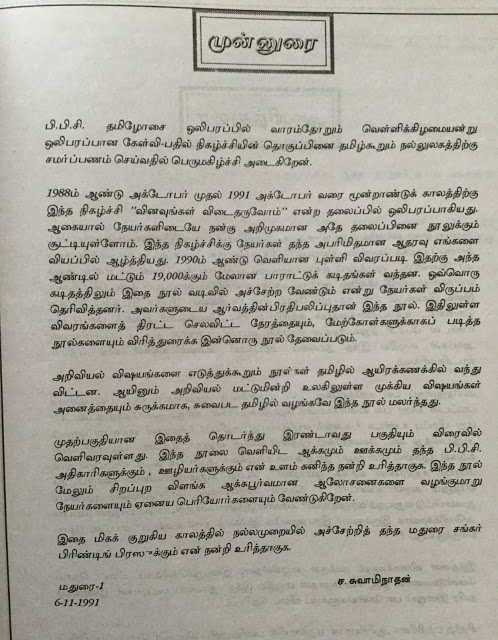
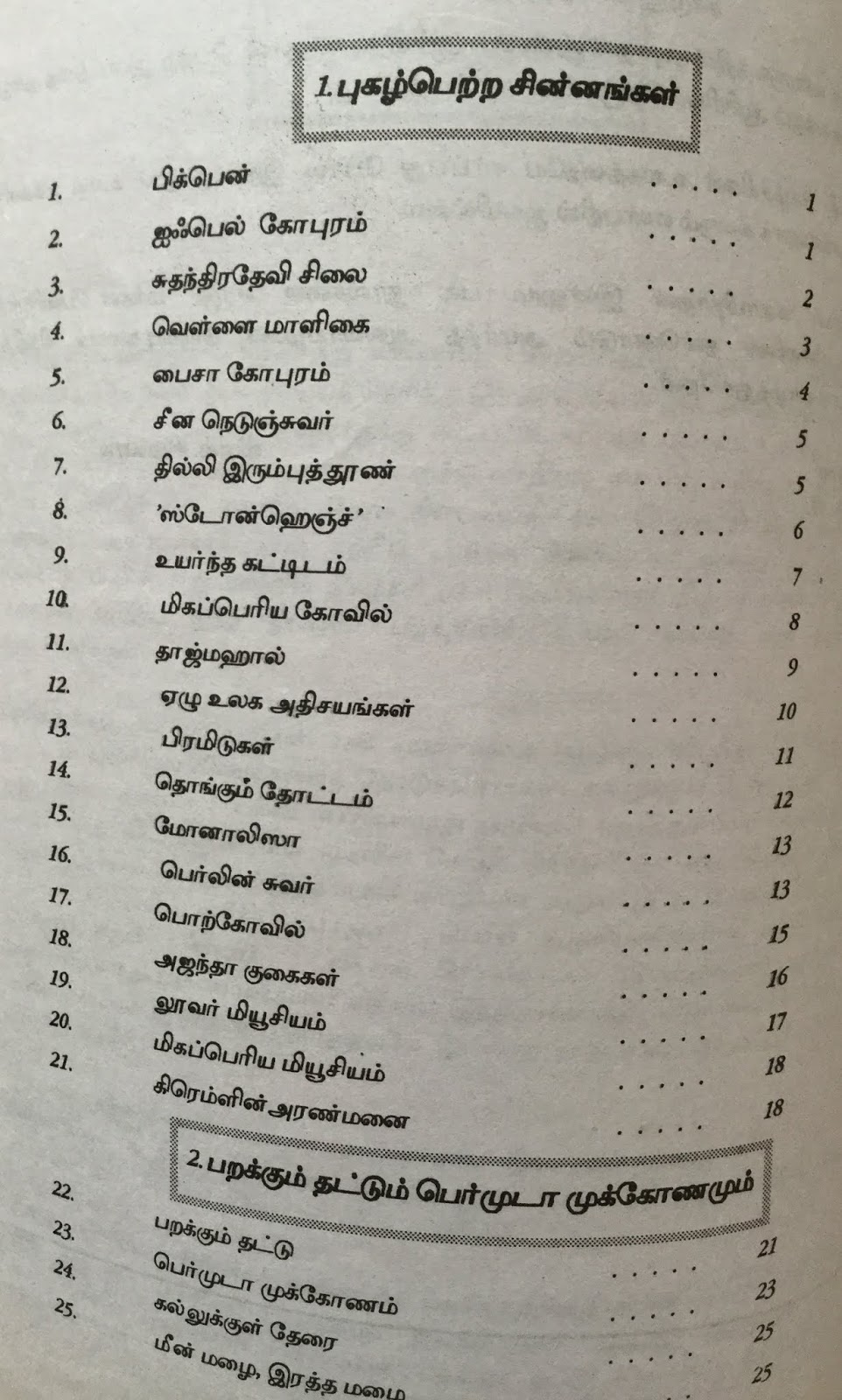
என்ற எனது கட்டுரை 1992 ஏப்ரல் 26ல் தினமணி பத்திரிக்கையில் வெளியானது. அதற்கு முன் 1991ல் நான் வெளியிட்ட பி.பி.சி.கேள்வி பதில் புஸ்தகத்தில்
பி.பி.சி.நேயருக்குப் பதிலளித்த கிளியோ பாட் ரா விஷயம் அச்சானது.
Pictures are taken from various sources; beware of copyright rules; don’t use them without permission; this is a non- commercial, educational blog; posted in swamiindology.blogspot.com and tamilandvedas.com simultaneously. Average hits per day for both the blogs 12,000.
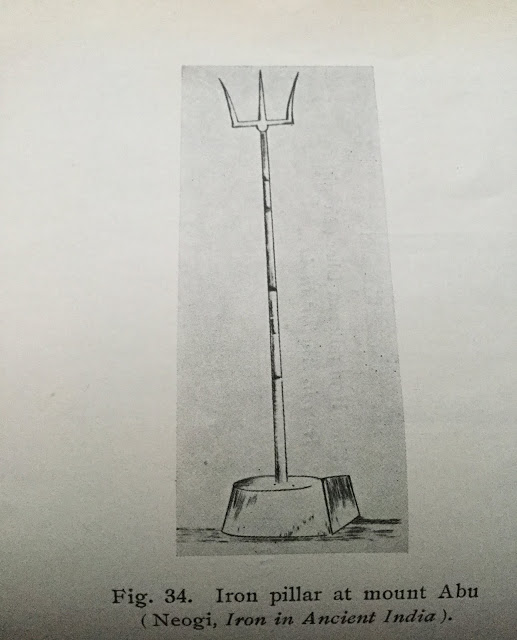
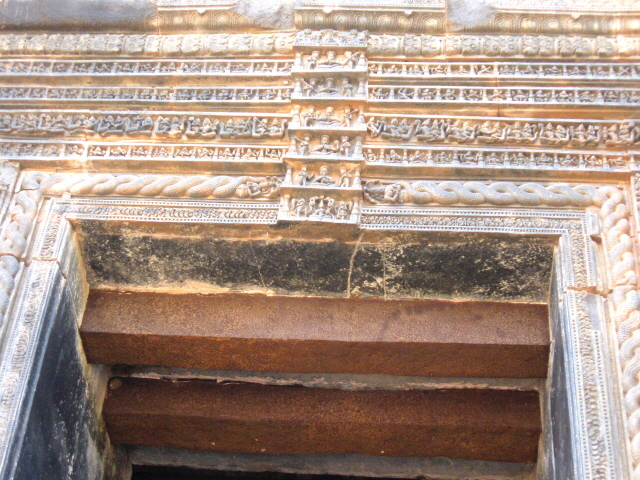
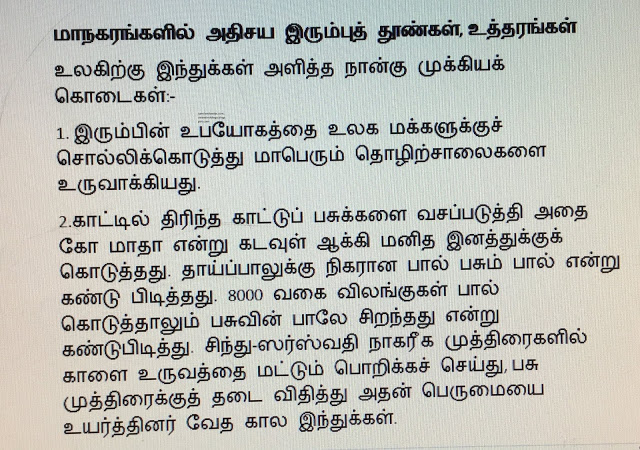
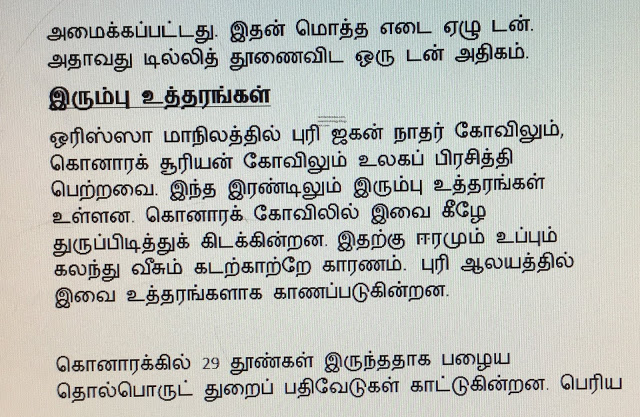
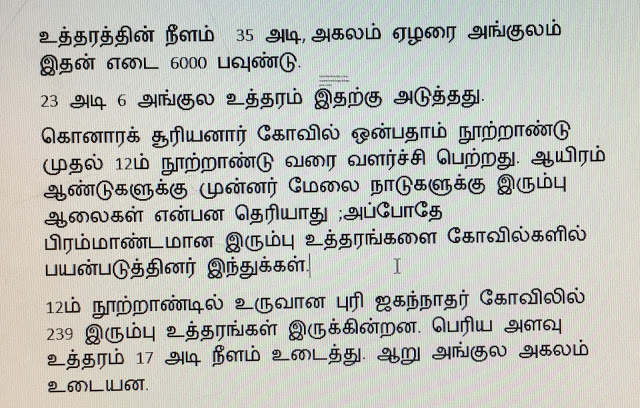
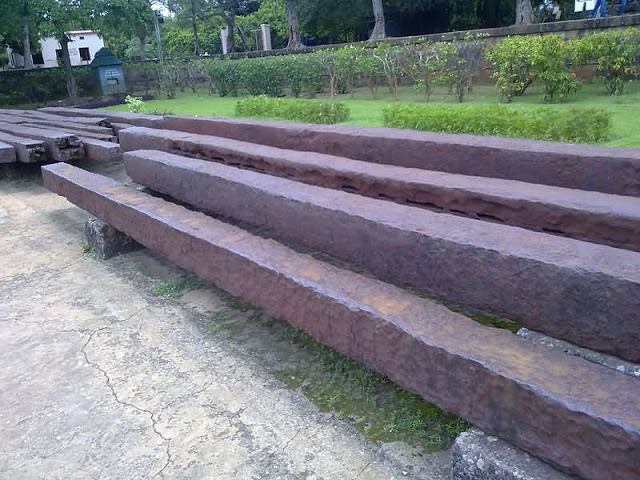
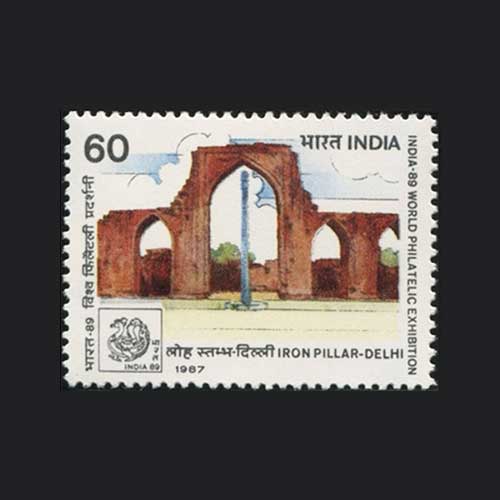
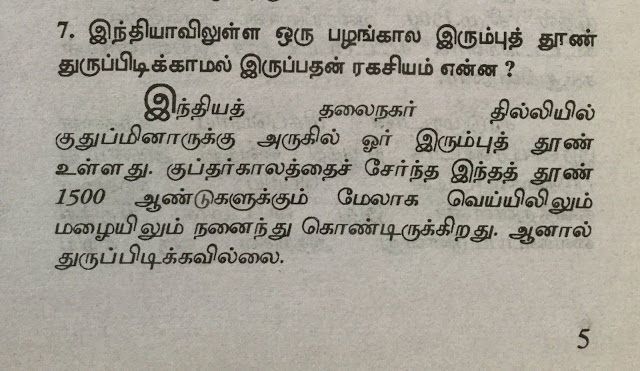
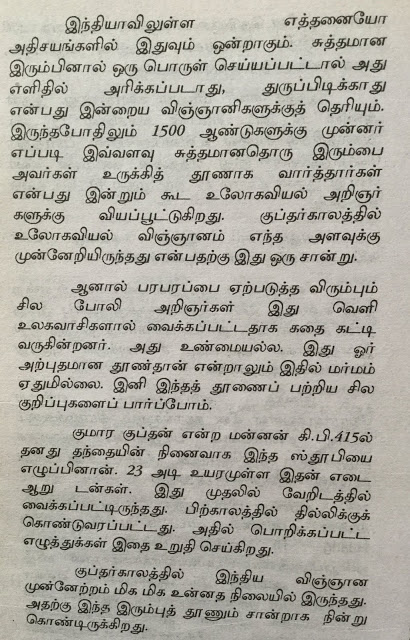
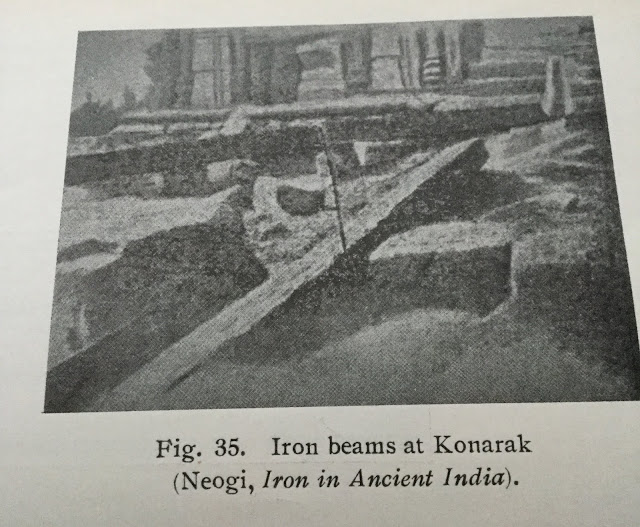
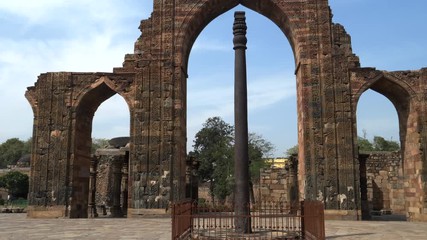
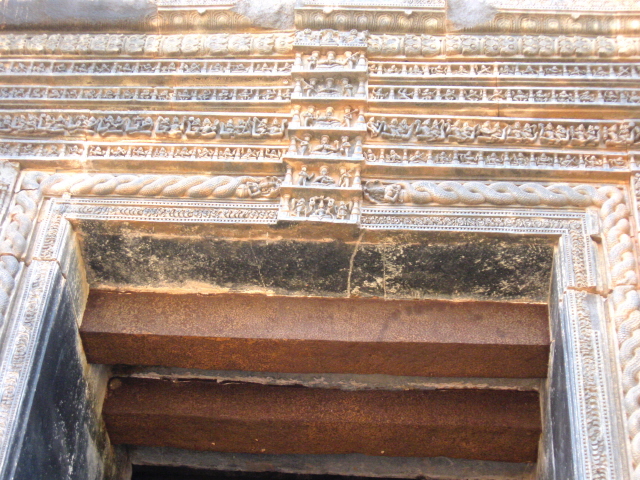
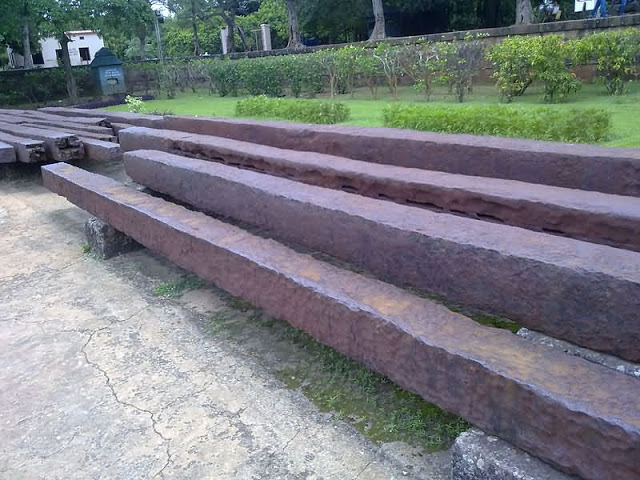
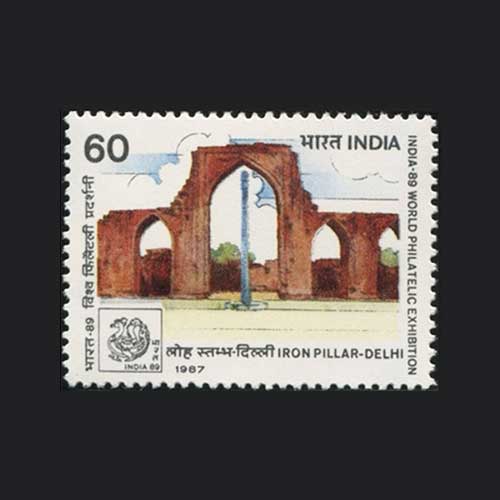
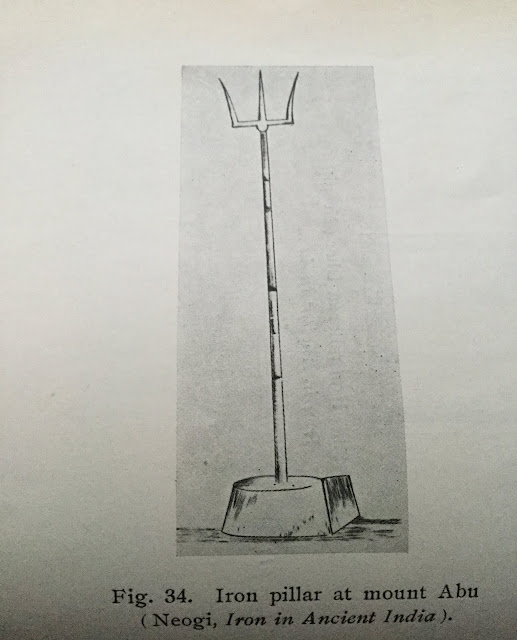
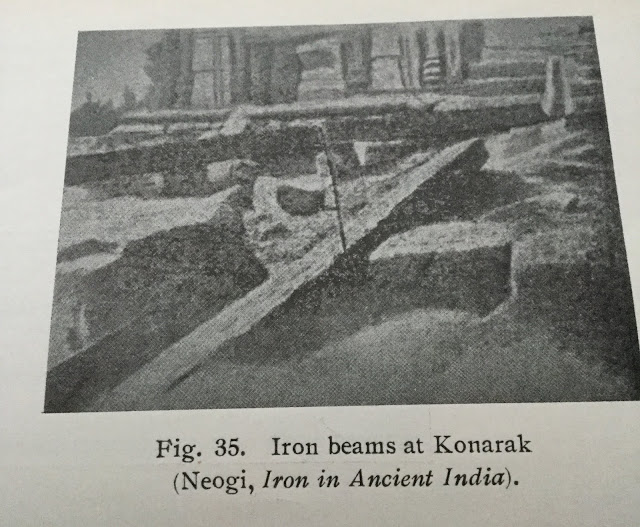
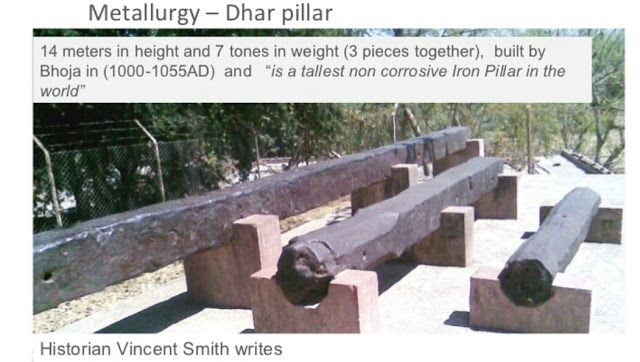
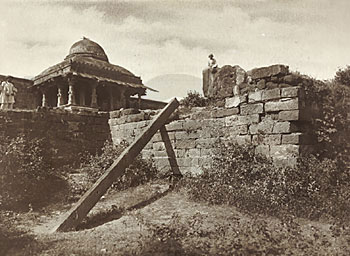
iron beams in Puri Temple Iron beams in Konarak Delhi Iron Pillar
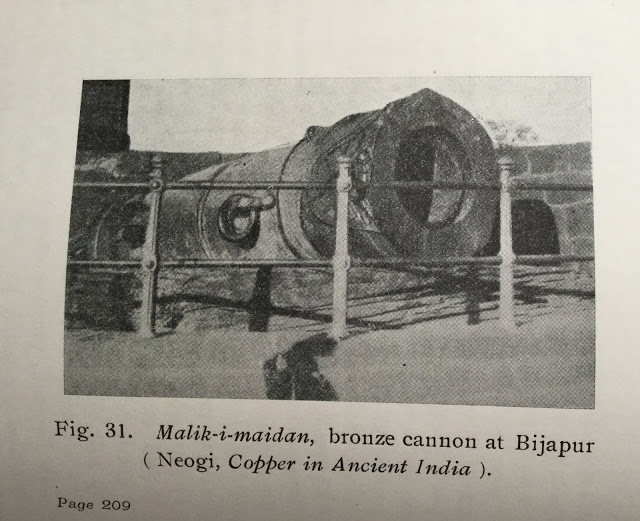
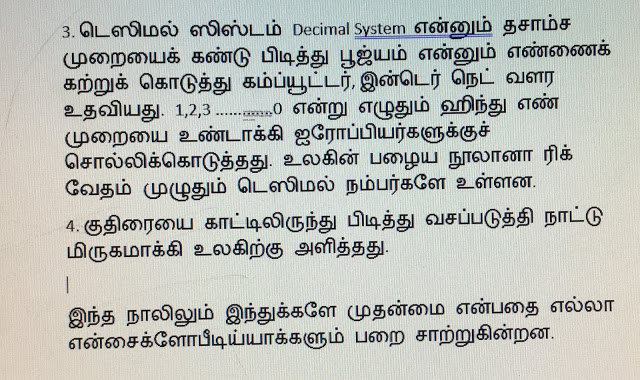
அந்தக் கால இந்தியா ‘இரும்பு இந்தியா’ என்பதற்கு நமது ராட்சத பீரங்கிகளும் சான்று பகர்கின்றன. அவற்றைத் தனியே காண்போம்.
Pictures are taken from various sources; beware of copyright rules; don’t use them without permission; this is a non- commercial, educational blog; posted in swamiindology.blogspot.com and tamilandvedas.com simultaneously. Average hits per day for both the blogs 12,000.
இது தான் இந்தியா!
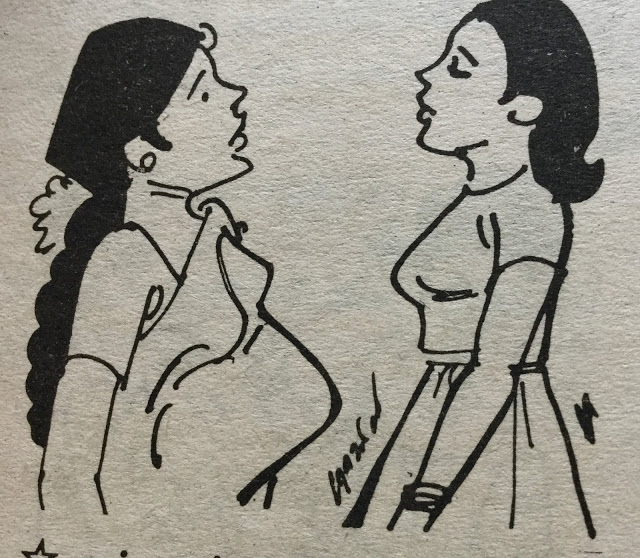
தன் புடவையால் இருவரைக் காத்த பெண்மணி!
ச.நாகராஜன்
2012 ஆகஸ்ட் மாதம் 14ஆம் தேதி நடந்த சம்பவம் இது. The Telegraph நாளிதழ் இதை வெளியிட்டது.
கல்ஜனி (Kaljani)
ஆற்றில் வெள்ளம் பெருக்கெடுத்தோடியது.
அதன் கரையோரத்தில் இருந்த கிராமங்களில் ஒன்று த்விப்
சர் (Dwip Char). நதி வெள்ளப் பெருக்கெடுத்தோட
அதை கரையோரம் இருந்த தன் வீட்டிலிருந்து வேடிக்கை பார்த்துக் கொண்டிருந்தார் 39 வயதான
பெண்மணி ஷ்யாமா ராய்.
தூரத்தில் வெள்ளத்தின் நடுவில் ஒரு பையன் தலை மூழ்கிக்
கொண்டிருப்பதை அவர் பார்த்தார். அவன் உதவி கேட்டு அலறிக் கொண்டிருந்தான்.
ஷ்யாமா பின்னால் நடந்ததைக் கூறினார் : “நான் அந்தச்
சிறுவன் உதவி கேட்டு அலறிக் கொண்டிருப்பதைப் பார்த்தேன். நதியில் மூழ்கி அவன் அந்த
ஓலக் குரலை எழுப்புகிறான் என்பதை உணர்ந்தேன். உடனடியாக நதிக் கரையோரம் வெகு வேகமாக
ஓடினேன்.ஓடும் போது நானும் உதவி உதவி என்று கத்திக் கொண்டே ஓடினேன்.”
ஷ்யாமா மூன்று குழந்தைகளின் தாய்.
கல்ஜனி நகரின் வெள்ளப் போக்கு அதி தீவிரமாக இருந்தது.
அந்த ஓட்டத்தில் நிச்சயமாக அந்தப் பையன் மூழ்கி இறந்து விடுவான் என்பதை உணர்ந்த ஷ்யாமா
நதியில் குதித்து அந்தப் பையனை நோக்கி நீந்த ஆரம்பித்தாள்.
அவனை நெருங்கிய ஷ்யாமா அவன் தலைமயிரைப் பிடித்துக்
கொண்டார். அவனை இழுத்துக் கொண்டு கரையை நோக்கி நீந்த ஆரம்பித்தார்.
ஆனால் அப்போது தான் அவனது தந்தையும் அந்த வெள்ளத்தில்
மாட்டிக் கொண்டிருப்பதையும் அவரையும் காப்பாற்ற வேண்டி இருக்கிறது என்பதையும் அவர்
உணர்ந்தார்.
என்ன செய்வது. உடனடியாக தன் புடவையை அவிழ்த்தார்.
அந்த மனிதரின் இடுப்பில் புடவையைக் கட்டினார்.அவர் சுய நினைவை இழந்திருந்தார்.
அதே சமயம் அவரது சகோதரன் பபுல் நீந்தி அந்த இடத்திற்கு
வந்து சேர்ந்தார். முதலில் பையனை பத்திரமாகக் கரைக்குக் கொண்டு செல்லுமாறு ஷ்யாமா சொல்ல
அப்படியே பையனை பத்திரமாகக் கரைக்குக் கொண்டு சேர்த்த அவர், இன்னும் பலருடன் ஷ்யாமாவிடம்
வந்தார்.
சிறுவனின் தந்தையும் காப்பாற்றப்பட்டார்.
இருவரும் பின்னர் பத்திரமாக சாந்தி நகரிலிருந்த அவர்கள்
வீட்டுக்கு பத்திரமாக அனுப்பப்பட்டனர்.
இது போன்ற ஆயிரக்கணக்கான சம்பவங்கள் இந்தியாவில்
தொன்று தொட்டு ஆங்காங்கே நடந்து கொண்டே இருக்கின்றன.
ஒருவர் ஆபத்தில் தவிக்கும் போது தன் இன்னுயிரையும்
பாராமல் ஏராளமானோர் உதவிக்குக் குதிக்கின்றனர்.
அதிலும் ஷ்யாமா நிலைமையை நன்கு உணர்ந்து தன் மானத்தையும்
பொருட்படுத்தாமல் ஆபத்கால தர்மத்தை அனுசரித்து, தன் புடவையை அவிழ்த்து இரு உயிர்களைக்
காப்பாற்றியுள்ளார்.
இந்திய நாடு எப்படிப்பட்ட மேலான தியாக உள்ளங்களைக்
கொண்டுள்ளது என்பதை ஆயிரக் கணக்கான நிகழ்ச்சிகள்
நிரூபித்துக் கொண்டே இருக்கின்றன. அதில் இதுவும் ஒன்று.
இது டெலகிராப் நாளிதழில் பதிவு செய்யப்பட்டதால் அனைவருக்கும்
தெரிய வருகிறது.
Pictures are taken from various sources; beware of copyright rules; don’t use them without permission; this is a non- commercial, educational blog; posted in swamiindology.blogspot.com and tamilandvedas.com simultaneously. Average hits per day for both the blogs 12,000.























 Tamil and Vedas