Baffling Questions and Beautiful Answers in Spirituality –Part II

sri-aurobindo-society-

Written by Santhanam Nagarajan

Post  No.1802; Dated 16th April 2015

Uploaded at London Time: 7–54 am

Baffling Questions and Beautiful Answers in Spirituality Part II

Here is a new Question – Answer series for the benefit of all.

From time to time we have baffling questions.  But there is nobody to answer them.

But here is an effort to compile the answers from the great scholars, sages and saints of India. This is in continuation of the earlier article.
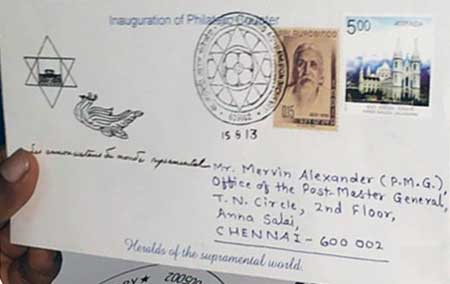
aurobindoashramppc150813

03) Are there various forms of Matter?

Maharishi Aurobindo answers:

There are various forms of Matter.  What we know is the grossest form but there are other subtler ranges of Matter, and each form has its own properties.  There are seven earths mentioned in Indian mythology; also according to the Veda, there are three earths.  Kartavirya, the king, is reported to have conquered fourteen earths!

Source: Reminiscences and Anecdotes of Sri Aurobindo, compiled by M.P.Pandit

Page 103
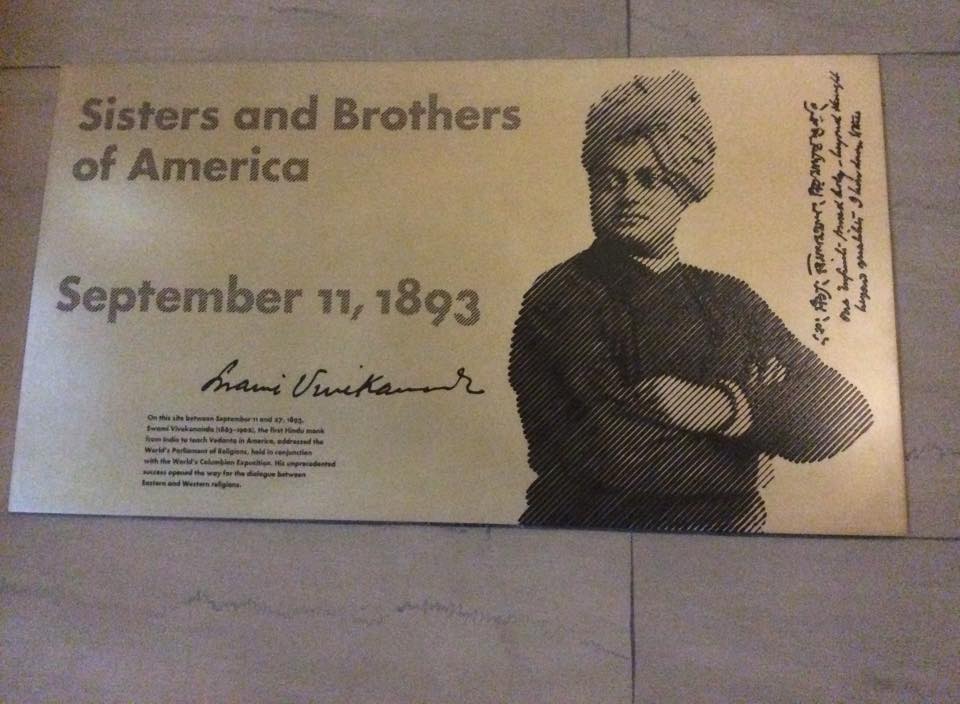
chicago1

Photo taken by Santhanam Srinivasan in Chicago

04) What is the true meaning of the statement that the Vedas are beginning less and eternal? 


Does it refer to the Vedic utterances or the statements contained in the Vedas?  If it refers to the truth involved in such statements, are not the sciences, such as Logic, Geometry, Chemistry, etc equally beginning less and eternal, for they contain an everlasting truth?

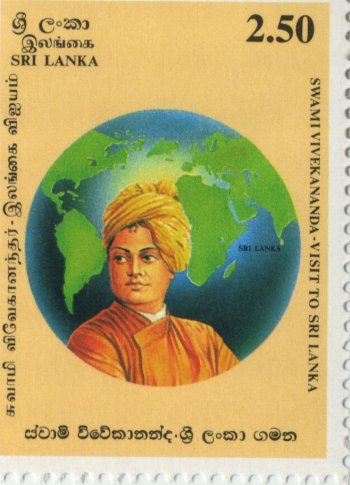
This question is reported in The Hindu, Madras, February, 1897 under the Heading, ‘An hour with the Swami Vivekananda at Madura.’

Swami Vivekananda answers:

There was a time when the Vedas themselves were considered eternal in the sense in which the divine truths contained therein were changeless and permanent, and were only revealed to man.  At a subsequent time, it appears that the utterance of the Vedic hymns with the knowledge of its meaning was important, and it was held that the hymns themselves must have had a divine origin.  At a still later period the meaning of the hymns showed that many of them could not be divine origin, because they inculcated upon mankind performance of various unholy acts, such as torturing animals, and we can also many ridiculous stories in the Vedas.  The correct meaning of the statement ‘The Vedas are beginning less and eternal’ is that the law or truth revealed by them to man is permanent and changeless.  Logic, Geometry, Chemistry, etc., reveal also a law or truth which is permanent and changeless, and in that sense they are also beginning less and eternal.  But no truth or law is absent from the Vedas, and I ask any one of you to point out to me any truth which is not treated of in them.

Source: The Complete Works of Swami Vivekananda Volume V Page 135

Summary

03) Are there various forms of Matter? Amharic Aurobindo answers.  04) What is the true meaning of the statement that the Vedas are beginning less and eternal?  Swami Vivekananda answers.
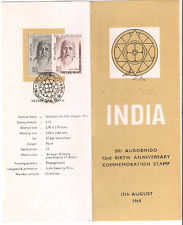
auro folder    vivek

யுதிஷ்டிரர் பதில் ஏற்படுத்திய பரபரப்பு!

Written by London swaminathan

Post  No.1801; Dated 15th April 2015

Uploaded at London Time:19-08

மஹாபாரதக் கதை

ஒரு நாள் ஒரு வறியவன் வந்து பஞ்ச பாண்டவர்களில் மூத்தவரான யுதிஷ்டிரரிடம் ஒரு உதவி கேட்டான். அப்பொழுது அவர் அரசாங்க அலுவல்களைக் கவனித்துக் கொண்டிருந்ததால் நாளைக்கு வாருங்களேன் என்றார். யுதிஷ்டிரரின் மறு பெயர் தர்மர். அவர் சொன்ன சொல் தவறாதவர். ஆகையால் இதைக் கேட்டுக் கொண்டிருந்த அவருடைய தம்பி பீமசேனனுனுக்கு ஒரே ஆச்சர்யம். ஓடிப்போய் அரண்மனை வாயிலில் கட்டியிருந்த ஆராய்ச்சி மணியை அடிக்க ஆரம்பித்தான்.

பாரதம் முழுதும் – இமயம் முதல் குமரி வரை– ஒரே கலாசாரம் என்பதால் தமிழர்களின் அரண்மனை வாயிலில் (மனு நீதிச்சோழன் கதை) இருந்தது போலவே ஹஸ்தினாபுரத்திலும் இந்திரப் பிரஸ்தத்திலும் இப்படி மணிகள் இருந்தன.

பெரிய அவசரம், அநீதி அல்லது பெரிய வெற்றிச் செய்தி இருந்தால் மட்டுமே இப்படி மணி அடிக்கப்படும். ஆகையால் மணி ஓசை கேட்டவுடன் ஒரே பரபரப்பு. இதன் காரணம் அறியாத யுதிஷ்டிரரும் பதட்டம் அடைந்தார். எனது ஆட்சியில் என்ன நேர்ந்து விட்டது அறிந்து வாருங்கள் என்று மந்திரியை அனுப்பினார். அவர்கள் திரும்பி வந்து உங்கள் தம்பியின் வேலை இது என்று சொன்னார்கள்.

உடனே தர்மர் (யுதிஷ்டிரர்) புடை சூழ எல்லோரும் சென்று பீமனிடம் காரணம் கேட்டனர். எனது அண்ணன் பொய்யே பேசாதவர். ஒருவர் உதவி கேட்டவுடன் நாளைக்கு வா என்றார். அவர் இன்னும் 24 மணி நேரம் உயிரோடு இருப்பதை அறிந்திருப்பது உலக அதிசயம் அல்லவா? இதை யார் இவ்வளவு உறுதிபடச் சொல்ல முடியும்? என்றார்.

Big_Bell_Bhaktapur_GP4

உடனே தர்மருக்கு விஷயம் புரிந்தது. அவர் யாரை மறு நாள் வரச் சொன்னாரோ அவரைக் கூப்பிட்டழைத்து உடனே உதவி செய்தார். அதனால் தான் பெரியார்கள் “ஒன்றே செய்க, அதுவும் நன்றே செய்க, அதுவும் இன்றே செய்க” என்று நமக்குச் சொல்லுகிறார்கள்..

வியாசரும் யக்ஷப் பிரச்னம் ( பேயின் கேள்விகள்) என்ற பகுதியில் உலக மஹா அதிசயம் என்ன என்று கேட்கும் பேயின் (யக்ஷனின்) கேள்விக்கு தர்மர் வாயிலாக விடை பகர்வார்:

தினமும் எவ்வளவோ பேர் இறப்பதைப் பார்த்தும் மனிதர்கள், நாளைக்கு, தான் சாஸ்வதமாக இருக்கப்போவதாக நினைத்து எல்லா செயல்களையும் செய்கிறார்களே இதுதான் அதிசயம் என்கிறார். திருவள்ளுவரும் அதை அப்படியே சொல்லி வைத்தார்:

நெருநல் உளனொருவன் இன்று இல்லை என்னும்

பெருமை உடைத்து இவ்வுலகு  — குறள் 336

நிலயாமை என்னும் பொருள் பற்றிப் பேசாத இந்திய ஞானி எவரும் இல்லை. இதற்கு நேர்மாறாக இக்கருத்தை மேலை உலகில் காண்பது அரிது. இது பாரதீய சிந்தனையின் ஒரு முகப் பார்வைக்கு மேலும் ஒரு சான்று.

வாழ்க ஏக பாரதம்!

impermanence

Baffling Questions and Beautiful Answers in Spirituality –Part I

ramana drawing

Compiled by Santhanam Nagarajan

Post No:1800;  Date 15th April 2015

Uploaded from London at 8—15 am

Here is a new Question – Answer series for the benefit of all.

From time to time we have baffling questions.  But there is nobody to answer them.

But here is an effort to compile the answers from the great scholars, sages and saints of India.

01) Whether the person who attains Nirvana exists or not?

In fact when Lord Buddha was specifically put the question whether the person who attains Nirvana exists or not, Buddha refused to answer the question and later told his disciple, who asked him as to why he did not answer such a clinching question, that if he said he existed he would have to explain to him as to how he existed in the world and if he said he did not exist he would be confronted with the question as to why should one then bother himself about it at all.

Reference Book:-   Isavasya Upanishad – Kamakshi  Dasa

isavasya-upanishad

02) We find one sage advocating Bhakthi ( Devotion) another Gnana (Wisdom) etc. leading thus all sorts of quarrels? Why?

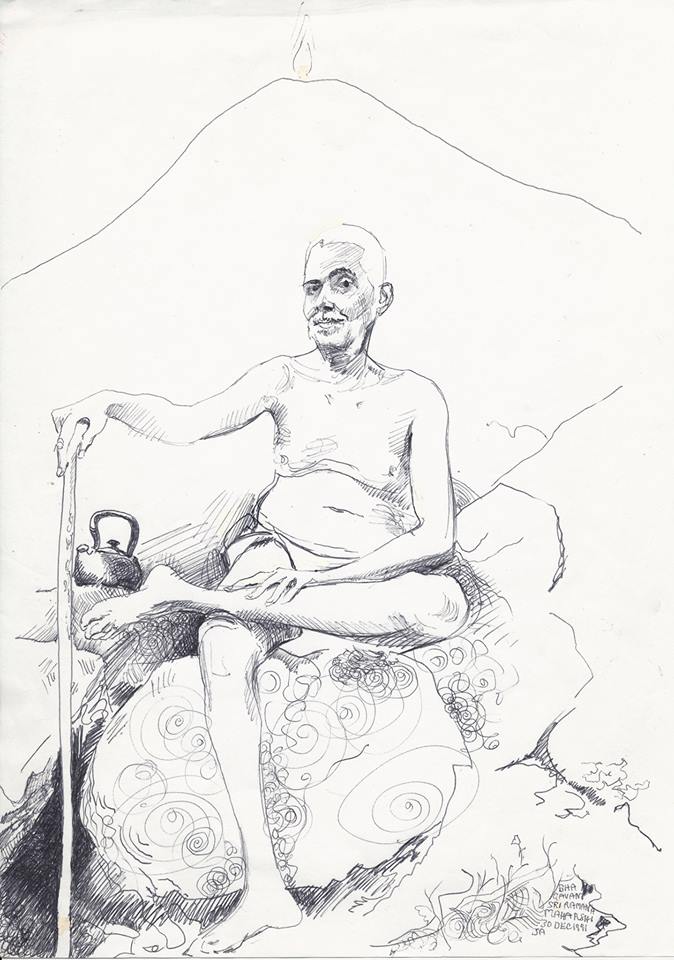
On 29th October 1945 (afternoon) Dilip Kumar Roy, singer and author, who is on a visit to Ramanashram from Sri Aurobindo Ashram, asked Ramana Maharishi, “According to the ‘Maha Yoga’ you say that the sages have not said anything to contradict each other.  Yet, we find one advocating bhakthi, another jnana, etc. leading thus to all sorts of quarrels.”

Bhagawan Ramana replied thus:

There is really nothing contradictory in such teachings.  When for instance a follower of bhakthi marga (Devotion Path) declares that bhakthi is the best, he really means by the word bhakthi what the jnana marga man calls janana.  There is no difference in the state or its description by attributes or transcendence of attributes.  Only different thinkers have used different words.  All these different margas, or paths or sadhanas (practices) lead to the same goal.  What is once a means becomes itself the goal.  When that happens, dhyana, bhakthi, or janana, which was at one time a conscious and painful effort, becomes the normal and natural state, spontaneously and without effort.

Day by day with Bhagawan  – From a diary of  A.Devaraja Mudaliyar

Ships in the Rig Veda!

ship2

Written by London swaminathan

Research paper No.1799; Dated 14th April 2015

Uploaded at London Time:21-59

Hindus of the Vedic period had big ships and went into the vast and deep ocean for trade and other purposes. Though it was known hundred years ago and lot of things were written about it, there were some counter arguments as well. But their arguments were weak because they argued on the basis of negative evidence, i.e. what is not in the Vedas regarding the ocean going ships. They deliberately forgot that the Vedas are not oceanography manual or marine engineering manual. Vedas are religious books.

After the discovery of Dwaraka under the sea which corroborated the information found in Vishnu Purana and Mahabharata, the counter arguments became weaker. Negative evidence never prove anything. Salt is not mentioned in the Rig Veda and men urinating is never mentioned in the Tamil literature. If one argues that because salt is not mentioned in the Rig Veda, they did not know sea, another stupid would argue Tamils never urinated in their lifetime!!If one wants to enjoy such stupid arguments, one must read Minor Gods in the Rig Veda, where each God has ten to fifteen different interpretations, all by foreign “Scholars”.

Dwaraka was founded on a sacred site where once Kushasthali existed. Krishna built it with copper according to Sangam Tamil literature (Puram verse 201 by Kapilar). Vishnu Purana also corroborated by saying that Dwaraka was defended by high ramparts. Vishnu Purana says, “On the day Krishna departed from the earth dark bodied Kali Age descended. The ocean rose and submerged Dwaraka. Kali Age began in 3102 BCE. It proved that Dwaraka is at least 5000 year old.

Tamil verse spoke about a copper fort at Dwaraka and migration of a particular king around 1000 BCE to Tamil Nadu. So the details given in Vishnu Purana, information given in Tamil verse Puram 201 and the latest discovery of submerged port in Dwaraka prove that there was a port 5000 years ago ( I have already written about Krishna’s Naval Attacks against Nivata Kavachas and Chaldeans in my post Hindu Gods’ Naval Attacks)

ship35

Sea Travel and Ship and the Rig Veda

Rig Veda is the oldest book in the world dated at least 1700 BCE. But Vedic scholars like Shrikant Talagheri says that it would have taken at least 500 years to compose such a huge volume of literature.

1.Samudra is frequently mentioned in the Rig Veda

2.Treasures of the ocean are mentioned (RV 1-47-6; 7-6-7; 9-97-44)

3.Pearls and other gains of the trade are found in RV 1-48-3, 1-56-2; 4-55-6

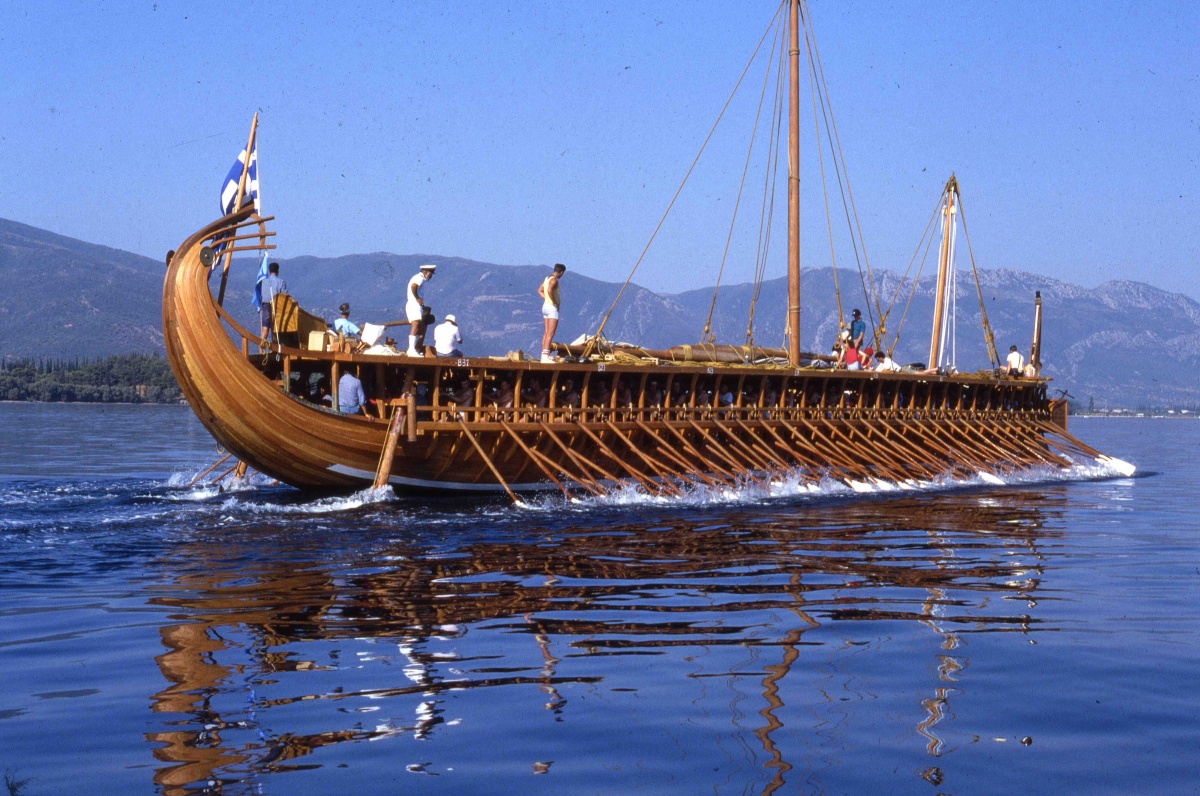
4.Bhujyu was rescued by the Asvins from mid sea after a shipwreck RV 1-116-5. A ship with hundred oars (sataritra) is mentioned.

5.In the Rig Veda (1-56-2; 4-55-6), there are clear references to trading in distant lands for profit (RV 1-48-3)

6.Nau is the word used for boat and ship. The word Navy is derived from this Sanskrit word. It is frequently mentioned in the RV and AV. The term nava is referring to a ship (RV 1-97-8)

  1. Destruction of a kingdom where the Brahmins are harassed is compared to a shipwreck in the Atharva Veda (AV 5-19-8)

8.One passage refers to a well rigged ship in which Varuna and Vasisstha sailed to mid ocean (RV 7-8-3)

ship1

9.A prayer for prosperity in distant lands is also found in the Rig Veda(1-97-8)

10.Other words used for vessels and its parts:

Sairavati (sea worthy vessel) – (AB 6-29-5)

Dyumna =small boat- (RV 8-9-14)

Manda = rudder of a ship – SB 2-3-3-15)

Naumanda= deck of the ship – (JB 1-125)

Navaja = sailor or a boatman – (SB 2-3-3-5)

11.A Kind of vessel called plava is described in detail (1-24-35).It is said to be strongly constructed so that it can withstand storms.

12.Satapata Brahmana and Baudhayana Dharmasutra refers clearly to sea travel (SB 2-3-3-15; BD 1-2-4;2-2-2)

13.RV clearly mentions Sarasvati river reaching the sea. RV 10-136-5 also mentioned Dvausamudrava meaning two seas on either side.

14.The knowledge of high tide can be inferred from the RV(1-48—3)

15.The texts speak of inexhaustible sea(RV 5-16-7) and the earth encircled by the sea.

16.Varuna is praised as the God of Sea in the oldest Tamil book Tolkappiam and Rig Veda. Varuna is allocated the direction West and Indra, the East. West signifies sea travel from the Indus Ports and Dwaraka.

Olympias under Oar,

17.Two thousand year old Tamil literature called the coastal fishermen as Bharatavas. More research must be done to find the link between the Bharatas of RV and Bharatavas of Tamil Literature

  1. RV mentioned at least 15 types of fishes and crabs though it is a religious book.

19.In many countries we see seas named after Rishis (seers) Caspian Sea= Kashyapa, Adriatic= Atri, Bering Sea=Brgu, Aegean Sea= Agastya. More research is needed in the field of place names.

20.Indus valley has links with the Middle East and Gulf countries justifying Varuna the Guardian of Western Direction and God of Sea.

21.Ancient Egyptians knew shipping; ancient Greeks knew shipping; ancient Middle East knew shipping; why not ancient Indians?

south_east_asia_map

swami_48@yahoo.com

கண்டோம்! கண்டோம்!! கண்டோம்!!! கண்ணுக்கினியன கண்டோம்!! 2 குட்டிக் கதைகள்

parrot_reflection

Compiled by London swaminathan

Post No. 1798: Dated 14th April 2015

Uploaded at London Time 10–28

கண்டோம், கண்டோம், கண்டோம்; கண்ணுக்கு இனியன கண்டோம்;
தொண்டீர்; எல்லீரும் வாரீர்; தொழுது தொழுது நின்று ஆர்த்தும்;
வண்டு ஆர்த் தண்ணந் துழாயான் மாதவன் பூதங்கள் மண்மேல்
பண்தான் பாடி நின்று, ஆடி, பரந்து திரிகின்றனவே. — நம்மாழ்வார்

சேரவாரும் ஜகத்தீரே!!

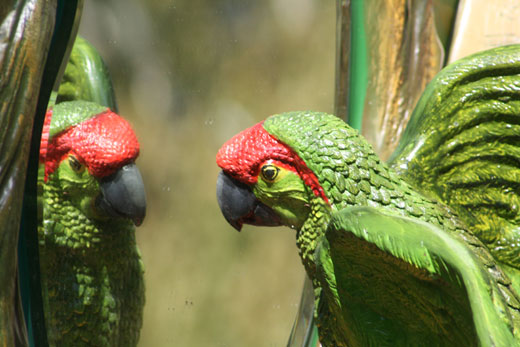
கிளிகளுக்கு எப்படி பேசுவதற்குக் கற்றுக் கொடுப்பார்கள் தெரியுமா? அதை ஒரு தனி அறையில் கண்ணாடிக்கு முன் உட்கார வைத்துவிட்டு திரைக்குப் பின்னால் பயிற்சியாளர் நிற்பார். அவர் சின்னச் சொற்களைக் கூறுவார். கண்ணாடிக்கு முன் நிற்கும் கிளி, தனது உருவத்தை அதில் பார்த்துக் கொண்டு இருக்கும். பயிற்சியாளரின் குரலைக் கேட்டவுடன், தனக்கு முன் கண்ணாடியில் உள்ள கிளிதான் பேசுகிறது என்று நினைத்துக்கொண்டு இதுவும் பதிலுக்குக் குரல் கொடுக்கும்.

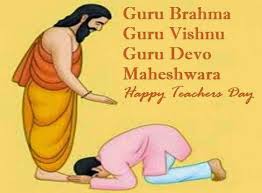
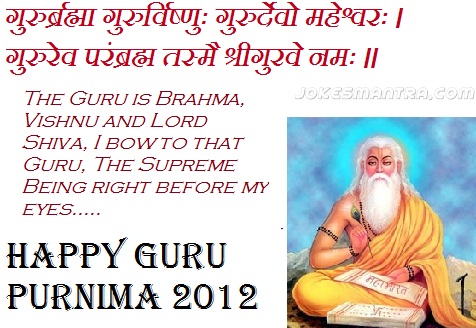
பயிற்சியாளர் பெரிய பெரிய சொற்களைச் சொல்லச் சொல்ல அதே குரலில் கிளியும் பேசத்துவங்கும். பிறகு இருவர் குரலும் ஒன்றாகவே இருக்கும். குருவும் இப்படித்தான் தனது சீடர்களுக்குப் பாடம் கற்பிக்கிறார். மனிதர்தான் கற்பிக்கிறார் என்றாலும் அவர் பின்னால் ஒளிந்திருப்பவர் கடவுள். குருவுக்கு ஞான ஒளி ஊட்டி குருவின் வாய் மூலமாக நமக்குக் கற்பிக்கிறார். குருவிடமிருந்து வரும் கட்டளைகள் அனைத்தும் கடவுளிடமிருந்து வரும் வாக்கியங்கள் என்பதை சீடன் அறியவேண்டும். கடவுளும் குருவும் ஒன்றே.

guru3

இதனால்தான் இந்துக்கள், குருகுலப் பள்ளிகளில் தினமும்

குருர் பிரம்மா, குருர் விஷ்ணு, குருர் தேவோ மஹேஸ்வர:

குரு சாக்ஷாத் பரம் பிரம்ம தஸ்மை ஸ்ரீ குரவே நம:

–என்று சொல்லி வணங்கி விட்டு பாடத்தைத் துவங்குவார்கள். சில இடங்களில் பாடம் முடிந்தவுடனும் சொல்லுவர்.

caged-parrots2

பறவையும் கைதியும்

ஐரோப்பாவில் எவ்வளவோ யுத்தங்கள் நடந்தன. அதில் ஒரு யுத்தத்தில், சிறைப் பிடிக்கப்பட்ட ஒரு வீரனுக்கு 15 ஆண்டு சிறைவாசம் கிடைத்தது. பின்னொரு காலத்தில் இரு நாடுகள் இடையே சமரச–சமாதான உடன்படிக்கை ஏற்படவே அந்தக் கைதி விடுவிக்கப்பட்டான். அவன் வெளியே வரும்போது அவனை வரவேற்க வந்த ஒரு நண்பன் ஐம்பது பவுண்டுகள் (பிரிட்டிஷ் நாணயம்)  உள்ள ஒரு பர்ஸைக் கொடுத்துவிட்டுச் சென்றான்.

கைதிக்கு ஒரே ஆனந்தம், பேரானந்தம்!

“விடுதலை,விடுதலை விடுதலை!!! ((பறையருக்கும் இங்கு தீயர் புலையருக்கும் விடுதலை!!! பரவரோடு குறவருக்கும் மறவருக்கும் விடுதலை!!! (பாரதியார்))”

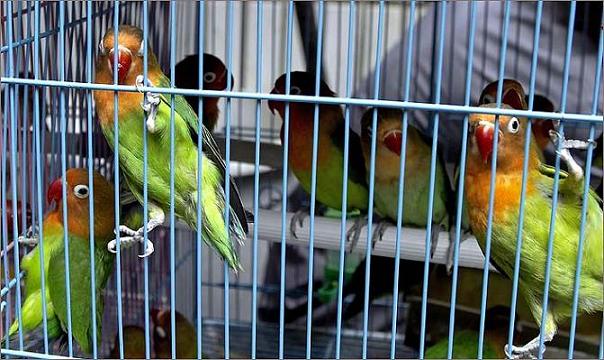
என்று பாடிக் கொண்டே தெருவில் கூத்தாடிக் கொண்டு வந்தான். வழியில் பறவைகள், செல்லப் பிராணிகளை விற்கும் ஒரு கடையைப் பார்த்தான். கூண்டுக்குள் நிறைய கிளிகள் கீச்சு, கீச்சு என்று கத்திக் கொண்டிருந்தன. கடைக்குள் சென்று எல்லாப் பறவைகளுக்கும் என்ன விலை என்று கேட்டான். கடைக்காரன், 49 பவுண்டுகள் 99 காசுகள் என்று சொன்னான். உடனே கையில் உள்ள எல்லா பணத்தையும் கொடுத்து விட்டு பறவைகளுடன் வெளியே வந்தான். கூண்டின் கதவைத் திறந்து விட்டு, ஒவ்வொரு பறவையாக வெளியே வரும்போது பேரானந்தம் அடைந்து கைகொட்டி ஆரவாரம் செய்தான். எல்லாப் பறவைகளும் விடுதலயானவுடன் தெருவில் ஆனந்தக் கூத்தாடினான்.

chaitanya 3

இதை எல்லாம் வேடிக்கை பார்த்த கடைக்காரனுக்கு ஒரே ஆச்சரியம். “அன்பரே, கையில் உள்ள பணம் எல்லாவற்றையும் கொடுத்து விலைக்கு வாங்கிய எல்லாப் பறவைகளையும் விடுதலை செய்து இப்படி ஆனந்த நடனம் ஆடுகிறீர்களே, நீங்கள் யார், என்ன செய்தி?” என்று கேட்டான்.

“நண்பரே, நான் ஒரு போர்க்கைதி; 15 ஆண்டு சிறையில் கிடந்துவிட்டு இன்று தான் விடுதலை ஆனேன். இந்த பரந்த வானம், புதிய காற்று, பரிபூரண சுதந்திரத்தின் அருமை பெருமை எனக்குத்தான் தெரியும். யான் பெற்ற இன்பம் பெறுக இவ்வையகம் என்று கூண்டில் அடைபட்ட இப் பறவைகளுக்கும் விடுதலை தர விரும்பினேன்” — என்று சொல்லிவிட்டு போய் விட்டான்.

நம்முடைய குரு மார்களும் இப்படித்தான். பரமானந்தம். சச்சிதானந்தம், பிரம்மானந்தம் என்றெலாம் வருணிக்கப்படும் இறைவனின் பேரருளைக் கண்ட பின்னர், மற்றவர்களுக்கும் விடுதலை (வீடு பேறு= மோக்ஷம்) கிடைப்பதற்காக நம்மையும் ‘அறியாமை’ என்னும் சிறையில் இருந்து விடுவிக்க ஓடோடி வருகின்றனர்.

சைவ, வைஷ்ணவப் பெரியார்களான நால்வர், பன்னிரு ஆழ்வார்கள், சித்தர்கள் பாடல்களைப் பயில்வோருக்கு இது தெள்ளிதின் விளங்கும்.

“கண்டோம், கண்டோம், கண்டோம்!!!

கண்ணுக்கினியன கண்டோம், தொண்டீர் எல்லோரும் வாரீர்” — என்கிறார் ஒரு ஆழ்வார். “சேரவாரும் ஜகத்தீரே!” –என்று அறைகூவல் விடுக்கிறார்.

இன்னொருவரோ “அடடா! கடை விரித்தோம், கொள்வாரிலையே” – என்று வருந்துகிறார். “மண்ணில் நல்ல வண்ணம் வாழலாம்; எண்ணில் நல்கதிக்கு யாதும் ஓர் குறைவிலை” — என்று உறுதி தருகிறார் சம்பந்தர்.

1caitanya-dancing

ஸ்ரீ இராமகிருஷ்ண பரமஹம்சர், இதை இன்னும் அழகாக விளக்குகிறார். சில ஞானிகள் பேரானந்தக் கடலைப் பார்த்தவுடன் ஆர்வம் தாங்க மாட்டாமல், அதில் உடனே விழுந்து நீச்சல் அடிக்கின்றனர். உப்பு பொம்மை கடல் ஆழத்தைக் காணப்போவது போல போய் அவர்கள் ஆனந்தக் கடலில் கரைந்து விடுகின்றனர். இன்னும் சிலர் அடடா! இப்பேற்பட்ட பேரானந்தக் கடலை அறியாமல் சிற்றின்பக் கடலில் மூழ்கித் தவிக்கும் மக்கள் இனத்தை மீட்போம் என்று நினைத்து, மிகவும் கஷ்டப்பட்டு, தங்கள் ஆர்வத்தை அடக்கிக் கொண்டு, திரும்பி வந்து,  மக்களிடம் கதறுகின்றனர். யான் பெற்ற இன்பம் பெறுக இவ்வையகம் என்பது அவர்தம் கொள்கை.

chaitanya 2

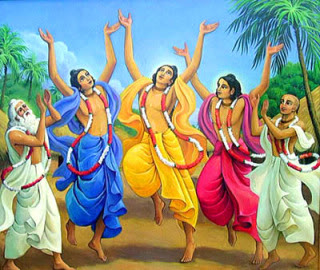
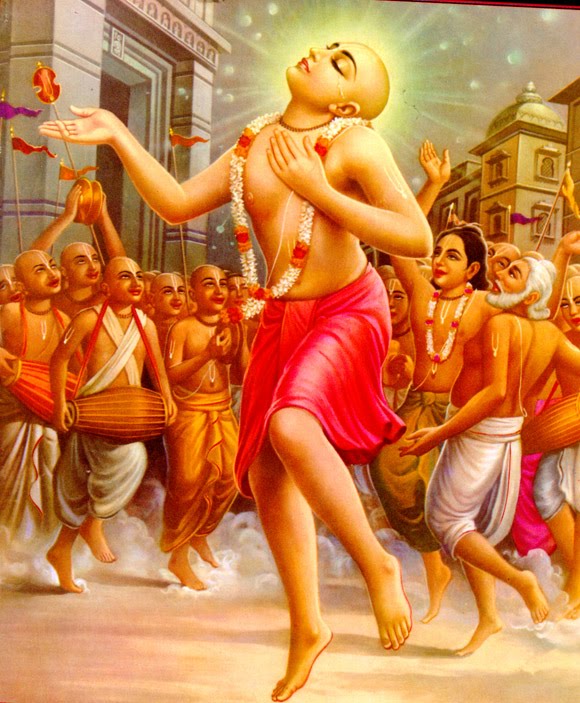
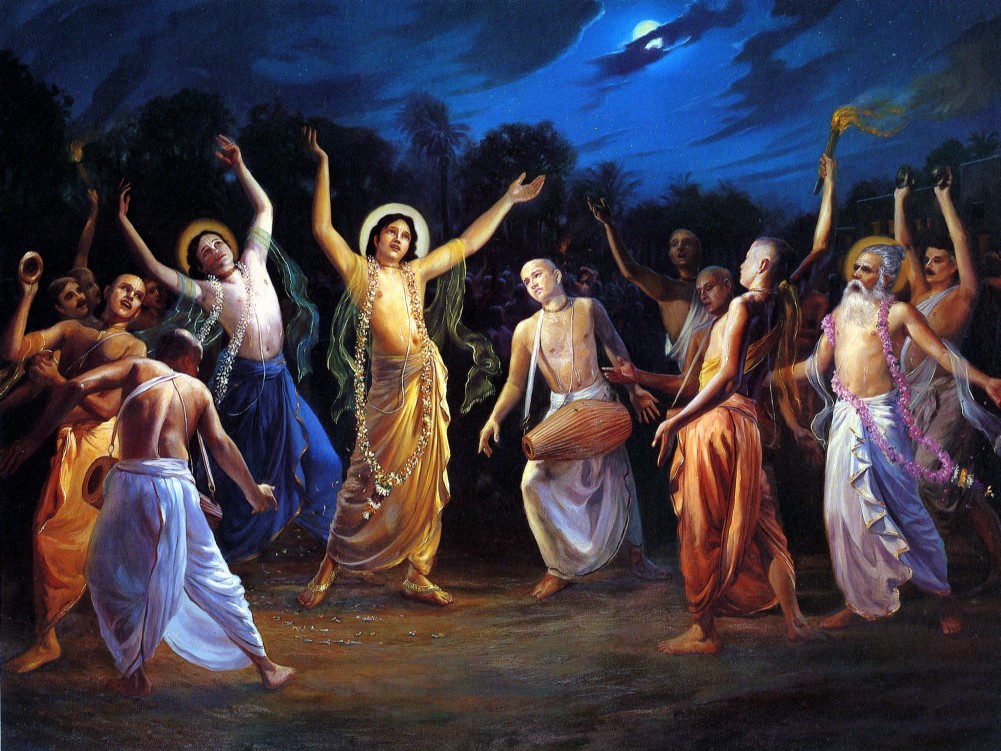
சைதன்ய மஹாப்ரபு எல்லோரையும் பேரானந்தத்தில் மூழ்கடிக்கும் காட்சி.

சுபம்.

Two Stories: Guru and Parrot; Guru and Birds

parrot_reflection

Parrot before a Mirror

Compiled by London swaminathan

Post No. 1797: Dated 13th April 2015

Uploaded at London time 21-25

God and Guru are one

The method by which a parrot is taught to speak is unique. The trainer places a big mirror in front of the newly caught parrot and talks to it from behind the mirror. The parrot thinks that another parrot is teaching it to talk and imitates the voice of the trainer. Trained in this manner, the parrot, picking up the language of the trainer, begins to talk fluently in the human language.

This is how a saint teaches his disciples. Apparently it is human being who is instructing them, but, verily, it is God hidden in the Guru that gives illuminating advice to the disciples. So, whenever the aspirant receives instructions from the Guru, he should consider that such instructions come from God himself. Truly, God and Guru are one.

mirror parrot

guru3

Freedom is the Goal

In a war in Europe, a sailor was captured by the enemy and was put into prison. After fifteen years he was released, as the warring countries contracted an alliance through a treaty. On the day of release, a friend placed in his hands a purse containing £50/- When the sailor was passing through the streets, he saw a shop in which he saw various species of birds in cages kept for sale. He went up to the shop and bought all the cages from the money he possessed and, by opening the trap doors of the cages, set free the imprisoned birds one by one. The shop man was astounded at this. He asked why the sailor having bought the birds at such high prices, released them all.

The sailor replied, “You see, I alone know what it is to be in prison, being denied the privilege of freedom. For fifteen years I have suffered prison life. I could not bear to see these birds unhappy in their cages”.

Similarly, a saint having attained spiritual liberation himself is eager to release others from the bondage of ignorance.

Source : Stories as told by Swami Ramdas, B V Bhavan, Mumbai, 1969

caged-parrots2

Tamil saints shout at the top of their voice, in the Saivaite and Vaishnavite hymns, “I have found out an ocean of happiness. Please join me. I have seen the sweetest; please join me”. Another saint says, “Oh my God! What a shame, I have opened the shop; no one comes to buy the valuable goods”.

Sri Ramakrishna Paramahamsa also says that there are two types of saints. The first type merges into the ocean of bliss like a salt doll. As soon as they see a big ocean full of bliss they simply jump into it. Another type of saints, control their enthusiasm, go back and shout to their disciples, “Come on let us all enjoy the most wonderful things”. Because of those saints only we know what is there at the highest level. They take all their disciples to higher stage along with them.

happy-guru-purnima-2012

Swami_48@yahoo.com

தள்ளி வைக்கப்பட்ட ஜாதிகள் யார் எவர்?

Written by London swaminathan

Research Article No. 1796; 13th  April 2015

Uploaded from London at   9-12

(இந்தக் கட்டுரையை ஏற்கனவே ஆங்கிலத்தில் வெளியிட்டுள்ளேன்)

ஈராயிரம் ஆண்டுகளுக்கு முன் ஒரு தமிழ்ப் பார்ப்பனன், சிவ பெருமானுடன் சண்டை போட்டார்: ஏய், சிவா உனக்கு குலம் கோத்திரம் ஏதாவது உண்டா? பிச்சை எடுப்பது தானே உன் தொழில்? என்று ஏசினார்:

சங்கு அறுப்பது எங்கள் குலம்

சங்கரர்க்கு ஏது குலம்

— என்று சொல்லி எள்ளி நகை ஆடினார். சிவ பெருமானுக்கு மஹா கோபம்; நெற்றிக் கண்ணைத் திறந்தார். அப்போதும் அந்த மதுரை ஆசாமி (நக்கீரர்) விடுவதாக இல்லை:–

நெற்றிக் கண்ணைத் திறப்பினும் குற்றம் குற்றமே

–என்று கொக்கரித்தார். உடல் எல்லாம் பற்றி எரிந்தது இவ்வாறு சண்டை போட்ட சங்கப் புலவன் நக்கீரனுக்கு! இதற்குப் பின்னர் அவர் சிவனுடைய தாள் பணிந்து போற்றிப் புகழ் பாடியதை திருவிளையாடல் புராணம் திரைப் படத்தில் கண்டு களித்திருப்பீர்கள்.

(சங்கறுப்பது எங்கள்குலம் சங்கரர்க்கு அங்கு ஏதுகுலம்
பங்கமுறச் சொன்னால் பழுதாமோ – சங்கை
அரிந்துண்டு வாழ்வோம் அரனாரைப் போல
இரந்துண்டு வாழோமினி  — நக்கீரர்;ஆதாரம்—தனிப்பாற்றிரட்டு, ஆண்டு 1897)

நக்கீரன் எனும் பார்ப்பனர் ஒரு பெரும்புலவர். கபிலர் பரணர் என்ற வேறு இரண்டு புகழ்பெற்ற பார்ப்பனர்களுக்குச் சமமாக வைத்து எண்ணப்பட்டவர். அவர் செய்த தொழில் சங்கு அறுத்து வளையல்களை விற்பது ஆகும். புலமை வேறு; தொழில் வேறு.

அது எப்படி பார்ப்பனர்கள் இப்படி வளையல் தொழிலில் இறங்கினர்? குஜராத்தில் ஜேஷ்டிப் பிராமணர்கள் என்பவர்கள் புகழ் பெற்ற மல்யுத்த வீரர்கள். கேரளத்தில் நாடகம் நடிக்கும் (சாக்கைக்கூத்து) பிராமண ஜாதி உண்டு. அவர்களால்தான் புகழ்பெற்ற சம்ஸ்கிருத நாடகங்கள் உலகிற்குக் கிடைத்தன.

இப்படி தனது குலத்தொழிலை செய்யாமல் வேறு தொழில்களைச் செய்யும் மூன்று வருணத்தாரை விராத்யர்கள் என்று மனு சொல்கிறார். பிராமணர்களுக்குக் குலத்தொழில் என்ன என்பதை வள்ளுவரும், சங்கப் புலவர்களும் தெள்ளிதின் புகன்றனர்: “அறுதொழிலோர்” என்று குறளும் சங்க இலக்கியமும் பல இடங்களில் பகரும்:

வேட்டல், வேட்பித்தல் (யாகம்)

கற்றல், கற்பித்தல் ( வேத அத்யயனம்)

கொடுத்தல், வாங்குதல் (தானம்)

இந்த அறுதொழில் போலவே க்ஷத்ரியர்கள், வைஸ்யர்கள் ஆகியோருக்கும் மனு ஸ்மிருதி என்ன என்ன தொழில்கள் என்று சொல்லும். இந்த மூன்று வருணத்தாரும் குறிப்பிட்ட வயதுக்குள் பூணூல் அணிந்து காயத்ரி மந்திரம்( Rig Veda 3-62-10).  சொல்ல வேண்டும். அப்படி பூணூல் அணிந்து காயத்ரி சொல்லாதவர்கள் எல்லாம் தள்ளிப்போனவர்கள் – தள்ளி வைக்கப்பட்டவர்கள் அவர்கள் எல்லோரும் விராத்தியர்கள் (Manu 10-20) என்று மனு நீதி நூல் புகலும்.

வேத காலத்தில் இந்து மத விதிகளைப் பின்பற்றாதவர்களை இப்படி விராத்தியர்கள் என்றனர். இன்று அனுதினமும் முறைப்படி மூன்று முறை காயத்ரி ஜபம் செய்பவர்கள்தான் பிராமணர்கள் என்றால், விரல் விட்டு எண்ணக் கூடிய பிராமணர்களே இருப்பார்கள். பிராமணர்களே இப்படி என்றால், மற்றவர்களைக் கேட்பானேன்!!

தமிழ் நாட்டிலும் சித்தர்கள் என்போர் மஹா மேதாவிகள், தத்துவ வித்தகர்கள்; இந்துமதத்தின் காவலர்கள். ஆயினும் இவர்கள் ஆகம விதிகளைப் பின்பற்றி சடங்குகளைச் செய்யாததால், சைவர்கள் இவர்களை ஏற்றுக்கொள்ளவில்லை. தள்ளியே வைத்தனர். இது போலத்தான் விராத்தியர்களும்.

ஆயினும் விராத்தியர்கள், மனம் திருந்தி மீண்டும் சடங்குகளைச் செய்ய முன்வந்த போது, அவர்களைத் தூய்மையாக்க சுத்திகரிப்பு சடங்கு ஒன்றையும் வேத நூல்கள் இயம்புகின்றன. அதன் பெயர் விராத்யஸ்டோம.

மூன்று வருணத்தாரும் எவ்வளவு காலத்துக்கு பூணூல் போடுவதை ஒத்திப் போடலாம் என்றும் மனு சொல்கிறார்:

பிராமணர் (புரோகிதர்கள்) -16 வயது

க்ஷத்ரியர் (ஆட்சியாளர்கள்)- 22 வயது

வைஸ்யர் (வணிகப் பெருங்குடி) -24 வயது

இது உச்சபட்ச வயது. மூவருணத்தாரும் 7, 9, 11 வயதிலேயே

பூணுல் போட்டுக் கொண்டனர்.

விராத்தியர் பற்றிய குறிப்புகள் வரும் நூல்கள்:

வேதம்  Atharva Veda (15-1-1); VS 30-8, TB; 3-4-5-1

மனு ஸ்ம்ருதி :Manu 2—38 and 39

பிராமணங்கள் Panchavimsa Brahmana (17-1-4)

.

மனு ஸ்மிருதி, ரிக் வேதம், பிராமணங்கள், பல வகை கிருஹ்ய சூத்திரங்களில் இருந்து வேத காலம் பற்றி பல அரிய பெரிய தகவல்கள் கிடைக்கின்றன:

1.வேத காலத்தில் ஜனநாயகம் தழைத்தோங்கியது. மக்களில் பலர் குலத்தொழிலை விட்டு விலகிச் சென்ர போதும் அவர்களை, ஒரேயடியாக விலக்கிவிடாமல் கர் வாபஸி (தாய் வீட்டுக்குத் திரும்பி வரும்) சடங்கு வைத்து அவர்கலை ஏற்றுக் கொண்டனர்.

2.பிராமணர், க்ஷத்ரியர், வைஸ்யர் எல்லோரும் பூணுல் போட்டுக் கொண்டு சந்தியா வந்தனம் செய்து, காயத்ரீ ஜபித்தனர். (ராமாயணத்தில் கூட ராமன் செய்த சடங்குகள் உள்ளன).

3.விராத்தியர்கள் என்போர் தாங்களாகவே ஒரு குழுவை ஏற்படுத்திக் கொண்டு பல இடங்களில் குடியேறினர். அவர்கள் கருப்பு உடை , தலைப் பாகை அணிந்து மாட்டு வண்டிகளில் பாணர், கூத்தர் போல இசைக் கருவிகளுடன் உல்லாசப் பயணம் செய்தனர் – நாடோடி வாழ்க்கை நடத்தினர்.

4.மொத்தம் நாலு வையான விராத்தியர்கள் இருந்ததாக பஞ்சவிம்ச பிராமணம் சொல்லுகிறது

5.அதர்வவேதம் விராத்தியர்கள் பற்றி புதிய சித்திரம் தருகிறது.

பழங்காலத்தில் விராத்தியர்கள் பற்றி எழுதியவர்கள்,  இதிலும் ஆரிய திராவிட இனவெறி வாதத்தைப் புகுத்திப் பார்த்தனர். ஆனால் அவர்கள் வாதம் பலிக்கவில்லை. மனு திட்டவட்டமாகப் பேசியிருப்பதும், விராத்யஸ்டோம என்னும் “கர் வாபஸி” (தாய் மதம் திரும்பும் சடங்கு) இருப்பதும் அவர்கள வாதங்களைத் தூள் தூளாக்கிவிட்டது. அவர்களுக்குச் சார்பாக ஆதாரமே இல்லாமல் கட்டுரை எழுதிய இந்துக்களும் இருந்த இடம் தெரியாமல் போனார்கள்.

சுருக்கமாகச் சொன்னால் விராத்தியர்களும், நம் நாட்டு இந்துக்களே. இப்பொழுதும் கூட இந்து என்ற பெயருடைய கோடிக்கணக்கான பேர் பல சடங்குகளே தெரியாமல் வாழ்கின்றனர். மோரீஸ், பிஜி தீவுகள், கயானா, தென் ஆப்பிரிக்காவில் வாழும் இளம் தலைமுறையினர் ஓரளவே மதம் பற்றி அறிந்துள்ளனர். நாளும் தூரமும் அதிகரிக்க, அதிகரிக்க, மதமும் சடங்குகளும் தளர்துகொண்டே வரும். இந்தத் தாக்கத்தை எல்லா மதங்களிலும் காண முடிகிறது. இப்படி இருப்பவர்களை விராத்தியர் என்று வேதகாலத்தில் அழைத்தனர்.

–சுபம்–

அபூர்வ ராமாயண படங்கள்: பாலகாண்டம்

தொகுத்தவர்:லண்டன் சுவாமிநாதன்

கட்டுரை எண்:1795; தேதி 13 ஏப்ரல் 2015

லண்டனில் பதிவு செய்த நேரம்: காலை 8-25

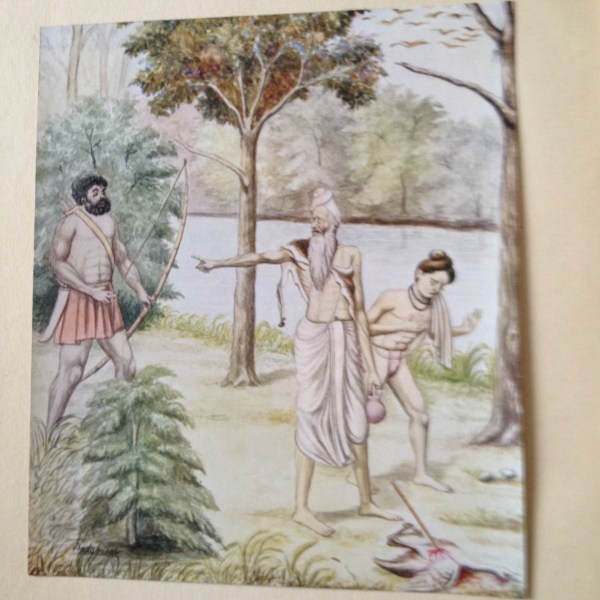
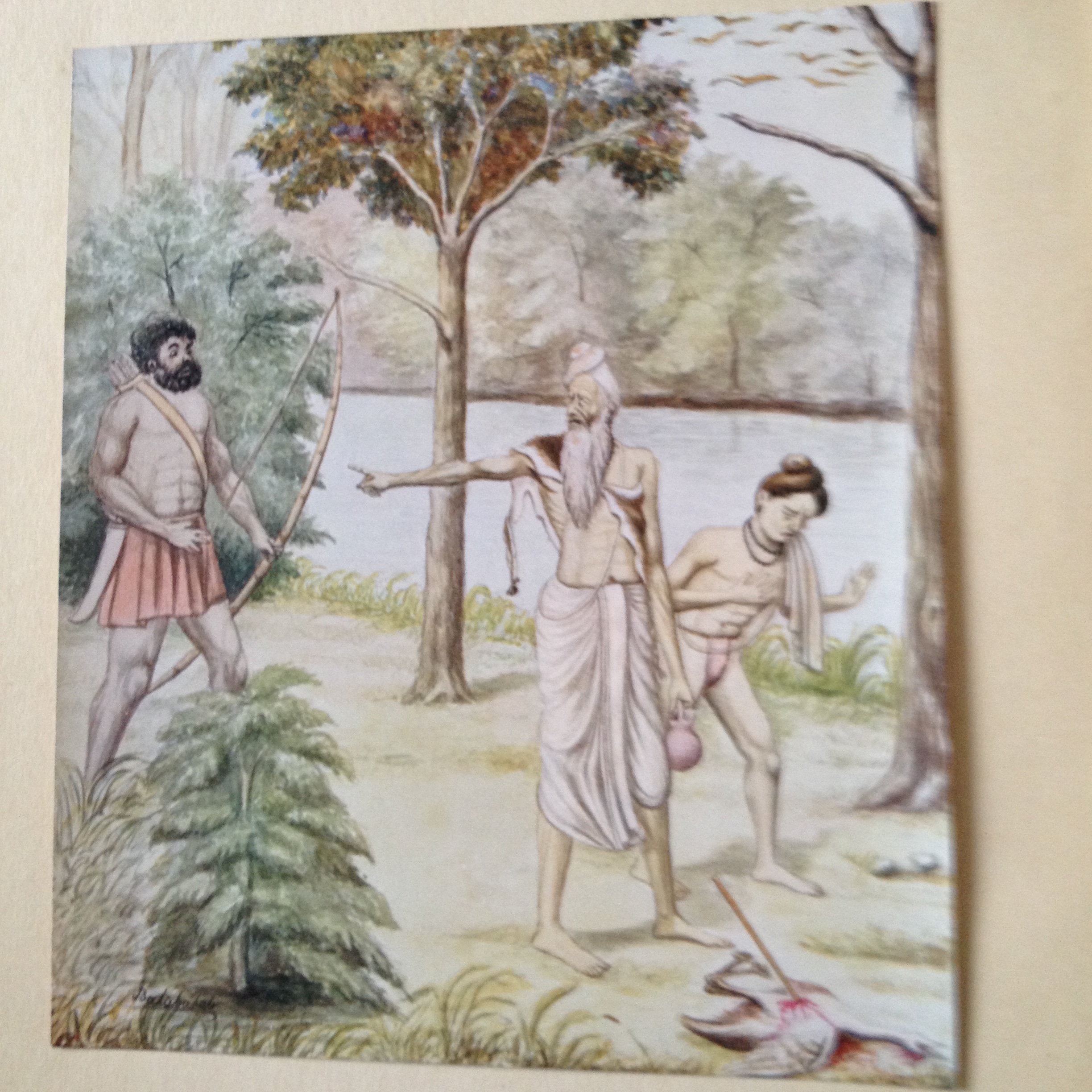
படம்1.ஒரு வேடன் , ஆணும் பெண்ணுமாகக் கூடியிருந்த இரு பறவைகளில் ஒன்றை அம்பு எய்து கொன்றான். அதைப் பார்த்த வால்மீகி அவனைச்  சபித்தார். அந்த சாபம், அவர்   அறியாமலே கவிதையாக மலர்ந்தது. உடனே பிரம்மா   தோன்றி,  நீ  ராமன்    என்னும், உத்தம   அரசனின்  கதையை எழுதலாமே  என்றார். அப்பொழுதுதான்  உலகம் வியக்கும் வால்மீகி ராமாயணம் தோன்றியது. 24,000 செய்யுட்களாக வடிவெடுத்தது. (பறவைகளைக் கொல்வது வேடர்களினன்  தொழில். ஆயினும் ஆணும் பெண்ணுமாகக் கூடியிருக்கையில்,  எந்த மிருகத்தையும் கொல்லக்  கூடாதென்று,   இந்துமத நூல்கள் தடை விதிக்கின்றன).

நாடிய பொருள் கைகூடும் ஞானமும் புகழும் உண்டாம்

வீ டியல் வழியதாக்கும் வேரியம் கமலை நோக்கும்

நீடிய அரக்கர் சேனை நீறு பட்டழிய வாகை

சூடிய சிலை இராமன் தோள்வலி கூறுவார்க்கே. –(பால. காப்பு 12)

e0aeb0e0aebfe0aeb7e0af8de0aeafe0aeb8e0af8de0aeb0e0af80e0aea9e0ae95.jpg (960×960)

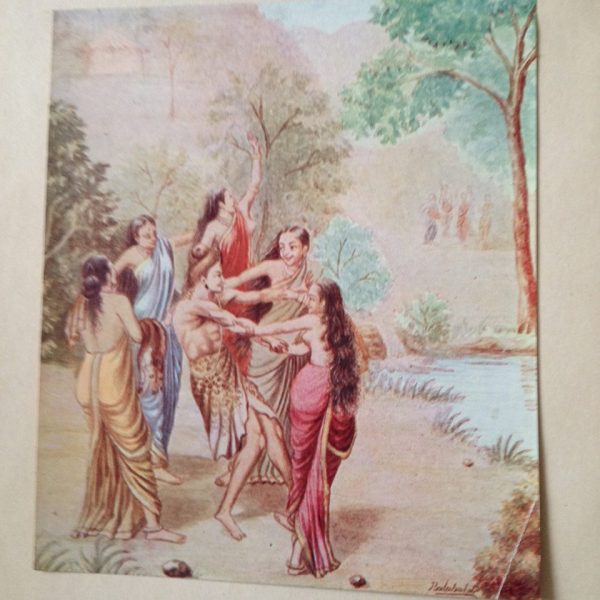
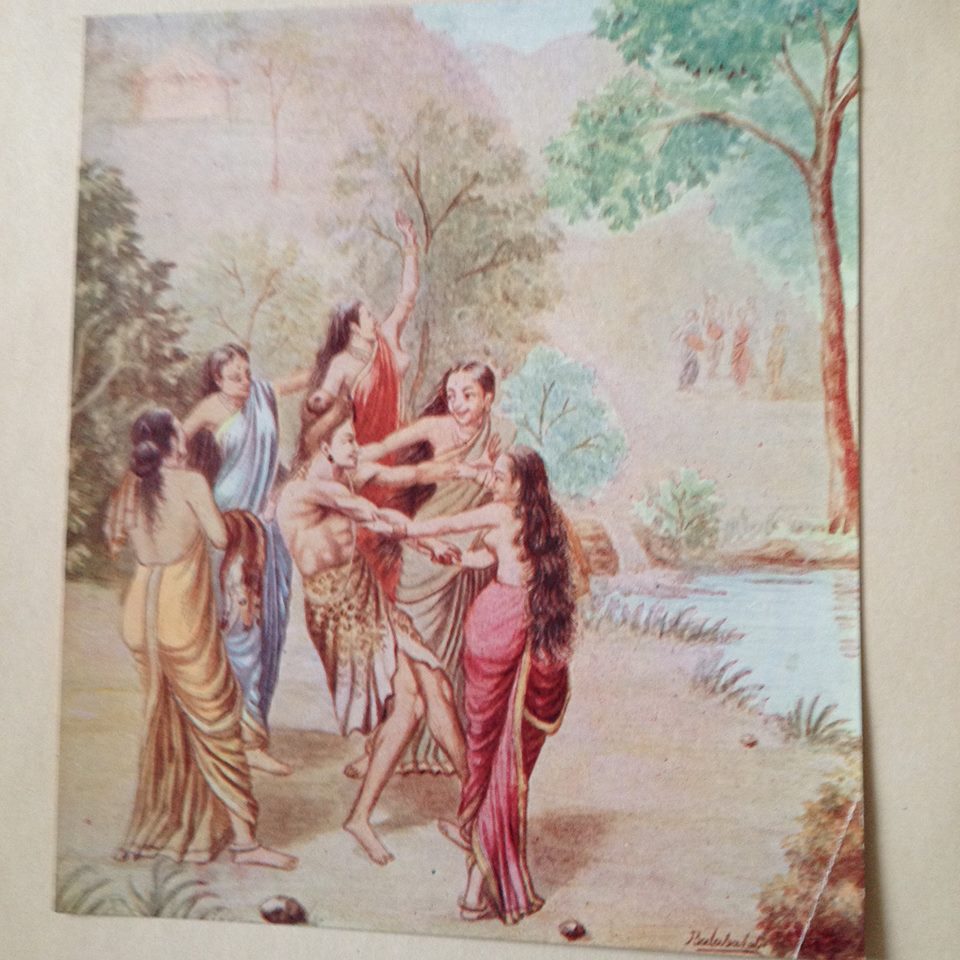
படம்2.உலகம்  வியக்கும் வண்ணம், ஆட்சி புரிந்த கோசல மன்னன்   தசரதனுக்குப் பிள்ளைகள் பிறக்கவில்லை. ரிஷ்ய சிருங்கரென்ற முனிவர் நாட்டுக்குள் நுழைந்தால் நல்லது என்றும்  அவர் புத்ர காமேஷ்டி யாகம் செய்தால் குழந்தைப் பேறு உண்டாகுமென்றும் பெரியோர்கள் சொன்னார்கள். பெண்ணென்றால்  என்ன என்றே தெரியாமல் காட்டுக்குள் வசித்து வந்த முனிவரை அழகிகள் மயக்கி அழைத்து வருகின்றனர்.

img_2767.jpg (2448×2448)

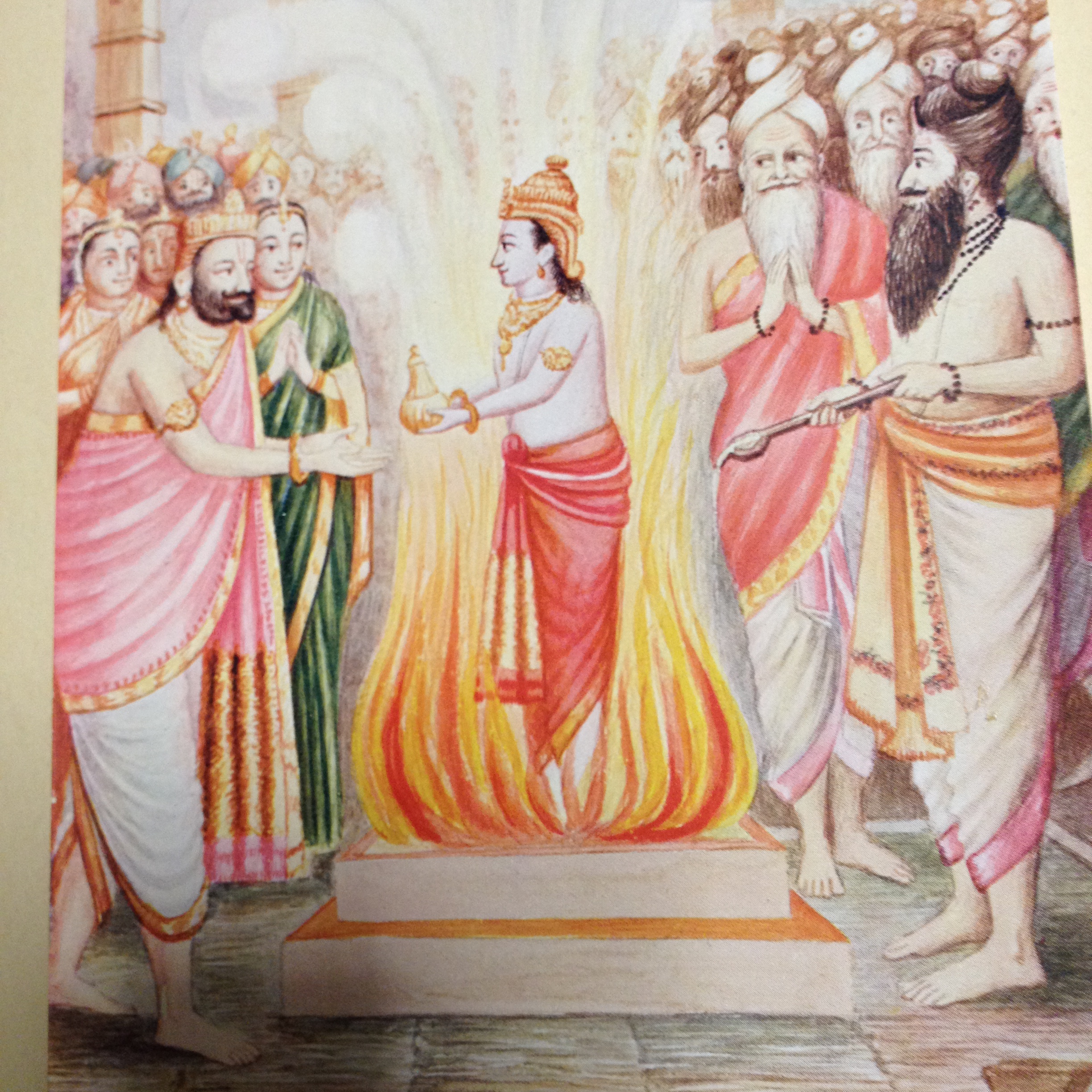
படம்3.புத்ர+ காம + இஷ்டி யாகம் செய்த உடனே ஒரு அற்புதம் நிகழ்கிறது. யாகத் தீயிலிருந்து ஒரு தேவன் வெளியே வந்து அற்புத  இனிப்புப் பாயசக் குடத்தைத் தருகிறான். அதை தசரதன், தனது மூன்று மனைவிகளுக்கும் பிரித்துத் தருகிறான். இதற்குப் பின்னர், கௌசல்யா என்பவள், இராம பிரானையும், கைகேயி என்பவள் பரதனையும், சுமித்திரை என்பவள் லெட்சுமணன், சத்ருக்னனனாகிய இரட்டைப் பிள்ளைகளயும் பெறுவதற்கு இந்தப் பாயசம்    உதவுகிறது.

நன்மையும் செல்வமும் நாளும் நல்குமே

தின்மையும் பாவமும் சிதைந்து தேயுமே

சென்மமும் மரணமும் இன்றித் தீருமே

இம்மையே இராம என்ற இரண்டெழுத்தினால். –(பால. காப்பு 13)

img_2768.jpg (2448×2448)

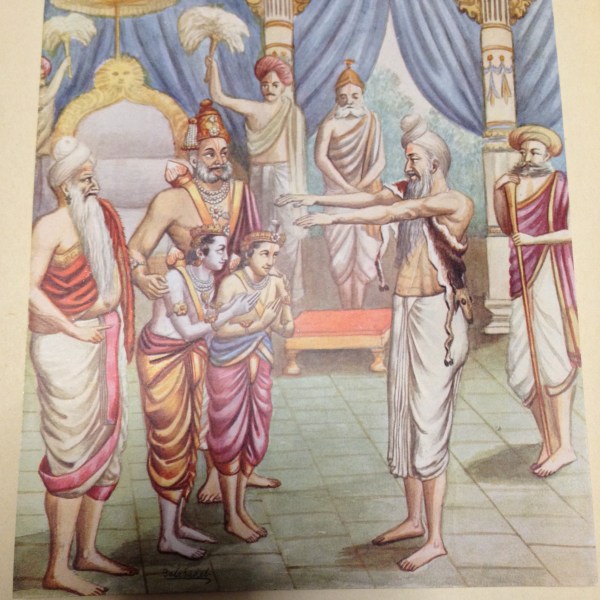
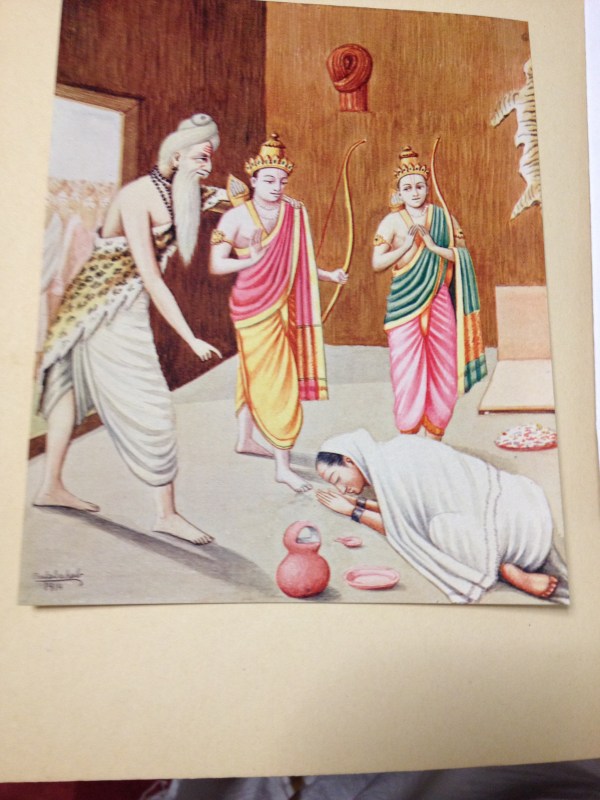
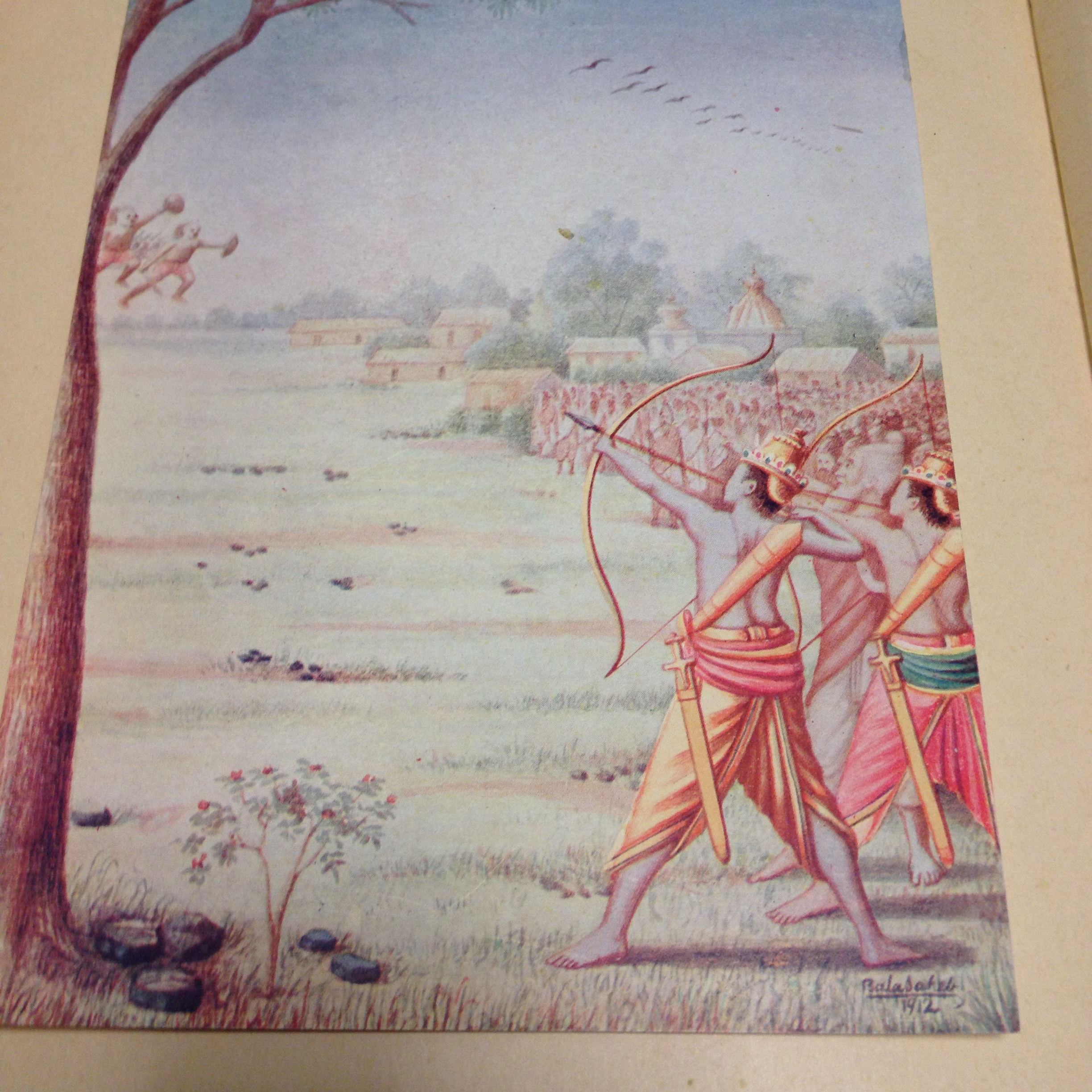
படம்4.விசுவாமித்திரனென்ற முனிவன் ((விசுவ+மித்திரன் = உலக நண்பன்)) வந்து, உனது மகன் ராமனை என்னுடன் பாதுகாப்புக்காக   அனுப்பு என்கிறார். தசரதனுக்கு பயம்,  நானே வருகிறேனே, சின்னப் பையன்கள்  எதற்கு? என்கிறார். ஆயினும் வசிஷ்டர் சொன்னவுடன்  ராம லெட்சுமணர்களை அனுப்பி வைக்கிறார். முக்காலமும் தெரிந்த முனிவன்  வசிட்டனுக்கு  இதிலும் நண்மை  உண்டு  என்று தெரிகிறது.

உலகம் யாவையும் தாமுள ஆக்கலும்

நிலைபெறுத்தலும் நீக்கலும் நீங்கலா

அலகிலா விளையாட்டுடையார் அவர்

தலைவர்; அன்னவர்க்கே சரண் நாங்களே–(பாலகாண்டம் பாயிரம் 1)

img_2769.jpg (2448×2448)

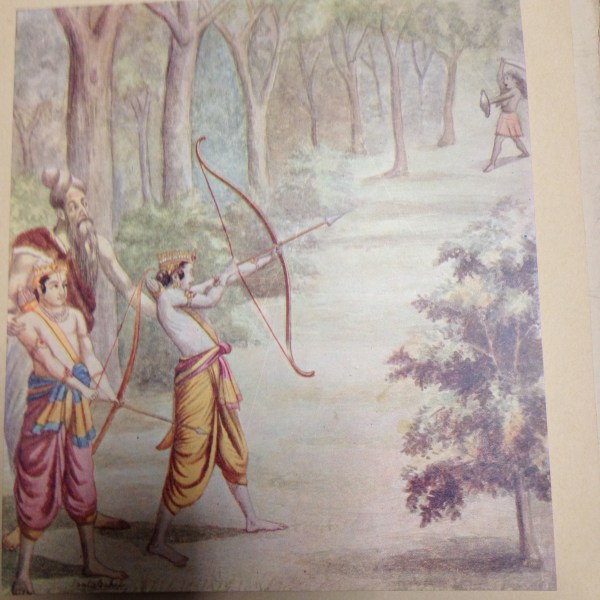
படம்5.காட்டில் நுழைந்தவுடன் தாடகை என்னும்  அரக்கி வருகிறாள். “பெண்  என்பதால் நான் கொல்ல மாட்டேன்” – என்கிறார். அவளொரு பெண்ணே இல்லை , இராட்சஸி என்று  விசுவாமித்திரன் சொன்னவுடன் ராமன்  அவளை ஒரே அம்பில் கொல்கிறார்.

இவ் வண்ணம் நிகழ்ந்த வண்ணம் இனி இந்த உலகுக்கெல்லாம்

உய் வண்ணம் அன்றி மற்று ஓர் துயர் வண்ணம் உறுவது உண்டோ

மை வண்ணத்து அரக்கி போரில் மழை வண்ணத்து அண்ணலே உன்

கை வண்ணம் அங்குக் கண்டேன் கால் வண்ணம் இங்குக் கண்டேன்

img_2770.jpg (2448×2448)

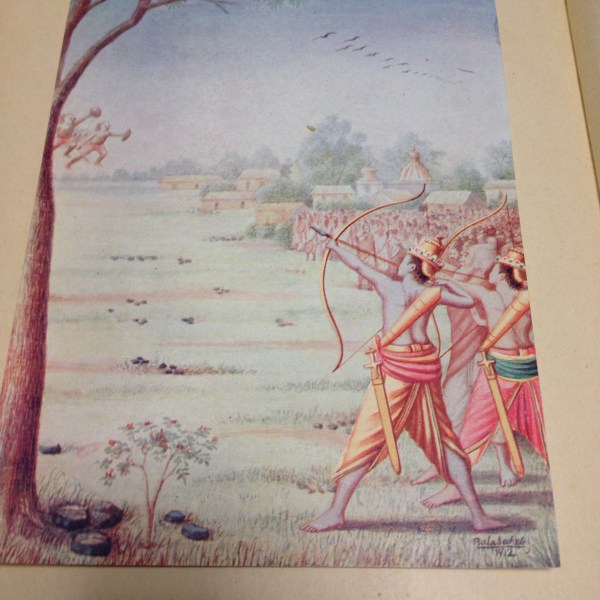
படம்6.காட்டில் சுபாஹு, மாரீசனென்ற  இரண்டு அரக்கர்கள் யாகசாலை மீது தாக்குகின்றனர். உடனே ராமன், சுபாஹுவைக் கொல்கிறான். மாரீசனைக் கடலில் தொலைவில் தூக்கி எறிகிறான்.

படம்7.கௌதம  முனிவர் தனது மனைவி அகலிகையுடன் காட்டில் வசித்து வந்தார். அவர் வெளியே சென்ற பொழுது இந்திரன் , முனிவர் வேடத்தில் வந்து அகலிகையை மான பங்கப்  படுத்துகிறான். இதனால் கோபமமடைந்த கௌதமர் தனது மனைவி கல்லைப் போல சித்தப் பிரமை பிடித்தவளாக  இருக்குமாறு சபிக்கிறார். தான் தவறு செய்யவில்லை என்று மன்றாடுகிறாள். இந்துமதம் சத்தியத்தின்   அஸ்திவாரத்தின் மீது  அமைந்ததால் கடவுளே ஆனாலும்  ஒரு சொல் சொன்னால், அதைத் திருப்பிப் பெற முடியாது;மாற்ற முடியாது. ஆனால் மாற்று வழி கண்டு பிடித்து அதன் மூலம் வெளியேற  உதவலாம். ராமன் காலடி பட்டவுடனே, உனக்கு சாப விமோசனம் கிடைக்குமமென்று கௌதமர் கூறுகிறார். 2000 ஆண்டுகளுக்கு முன்னர், இந்த சம்பவத்தை விளக்குமமோவியம் மதுரை- திருப்பறங்குன்றக் கோவிலில்   இருந்ததாகச் சங்க இலக்கியம் செப்புகிறது.

img_26691.jpg (2448×2448)

படம்8.ராமனின் கை வண்ணத்தை தாடகை வதத்திலும், கால் வண்ணத்தை அகலிகை சாப விமோசனத்திலும் கண்டதைக் கம்பன் அழகாகப் பாடுகிறான். ராமன், பின்னொரு காலத்தில், தனது ஆஸ்ரமத்துக்கு வருவார், என்பதை முக்காலம் உணர்ந்த கௌதமர் முன்னரே  அறிந்தது இந்த சம்பவத்தால் தெரிகிறது. நாம் ஒரு மலையின் மீது நின்று நதி ஓடுவதைப் பார்த்தால் நம்மைக் கடந்து சென்ற நதி, கடக்கும் நதியின் நீர், இனி நம்மை நோக்கி எதிர் வரப் போகின்ற நீர் ஆகியவற்ரைப் பார்ப்பது போல முனிவர்கள் காலத்துக்கு வெளியே சென்று “சென்ற காலம், நிகழ் காலம், வரும் காலம், ஆகியவற்றைப் பார்க்க முடியும். இது காலம் பற்றிய சார்பியல் கோட்பாட்டைக் கொடுத்த, ஐன்ஸ்டைனுக்கும் தெரியாத விஷயம்!!

img_2794.jpg (2448×3264)

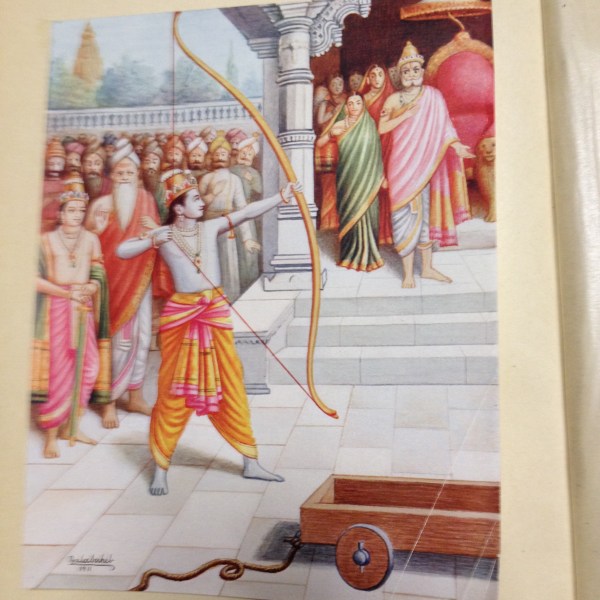
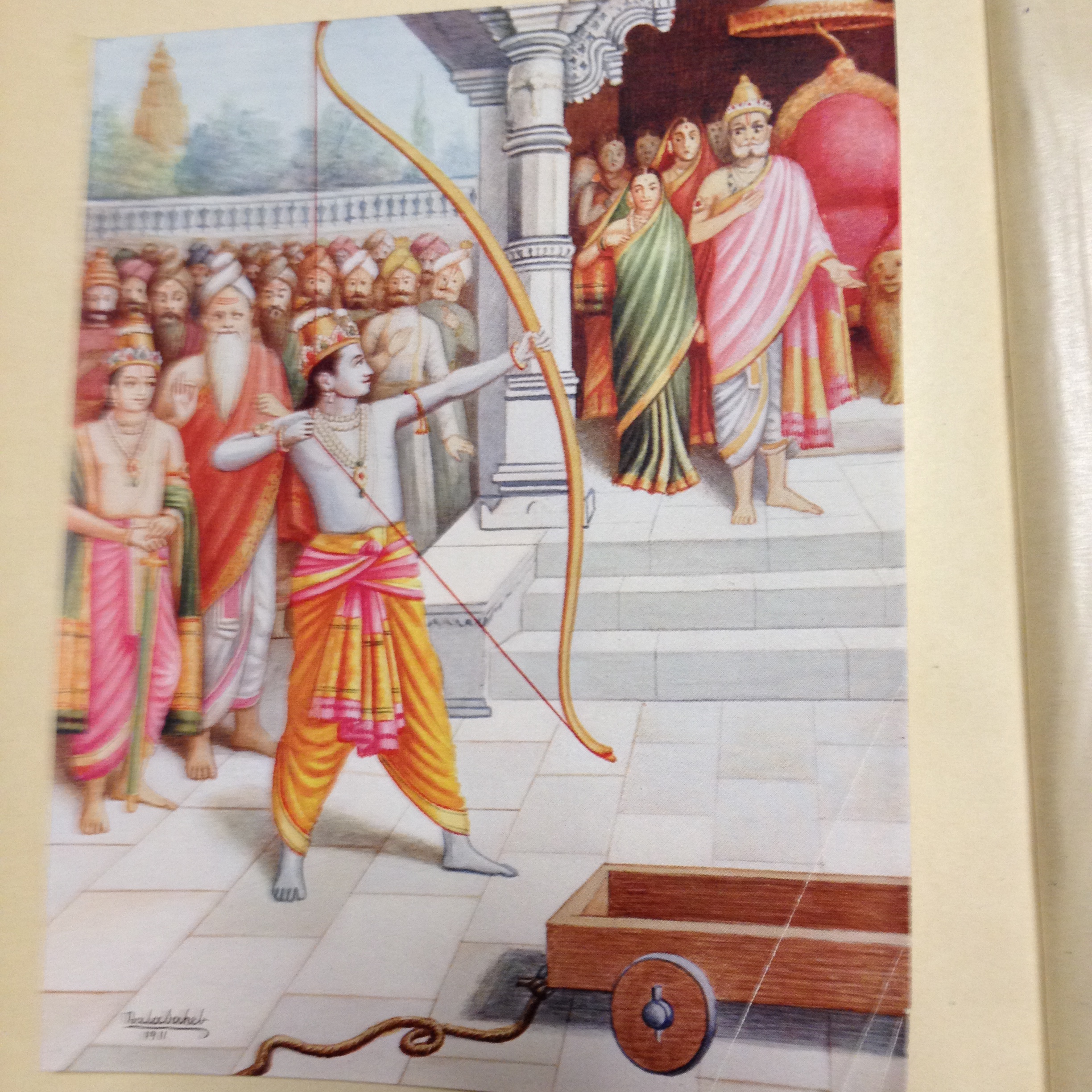
படம்9.இராம லெட்சுமணர்களை ஜனகன் என்னும் விதேக நாட்டு மன்னனிடம் விசுவாமித்திரர் கூட்டிக் கொண்டு செல்கிறார். இந்த  இளைஞன் என்னிடமுள்ள சிவ தனுஷை முறித்தால்  அமிழ்தினும் இனிய எனது மகள்  சீதையை மணம் முடிப்பேன் — என்கிறான்  ஜனகன். ராமன் வில்லை எடுத்தவுடனே  அதில் நாணேற்றி வெற்றி பெறுகிறார்.வில் முறிந்தும் போகிறது. “எடுத்தது கண்டனர், இற்றது கேட்டார்” — என்று கம்பன் பாடுகிறார். அதாவது வில்லை எடுத்ததைத் தான் மக்கள் பார்த்தனர். அடுத்த நிமிடம், அது முறிந்த சப்தம்தான் மக்களுக்குக் கேட்டது. அவ்வளவு வேகத்தில் ராமன் செயலைச் செய்து  முடித்தார்.

img_2576.jpg (2448×2448)

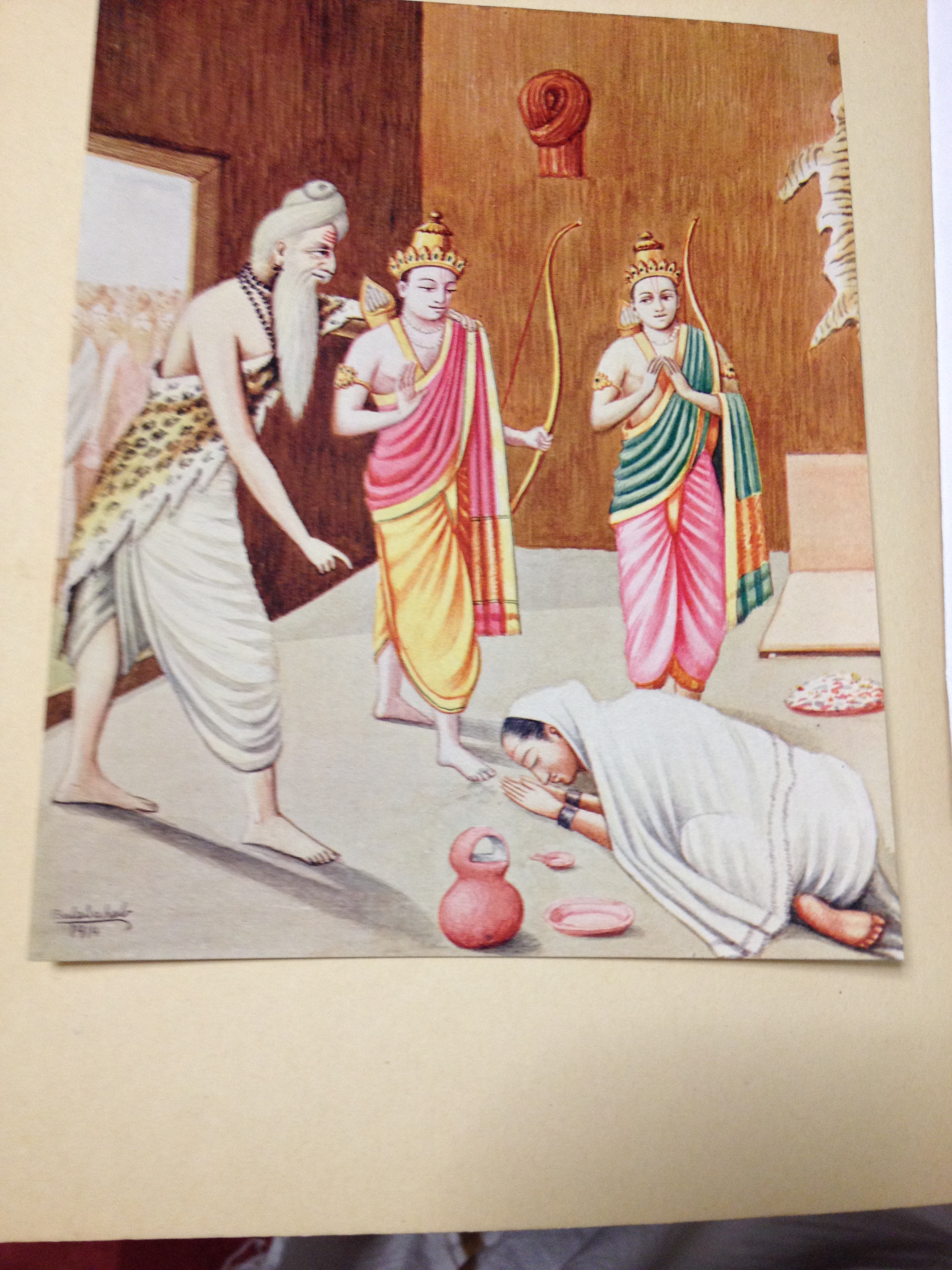
படம்10.பரசுராமன், ஒரு பிராமணர். அவரது தந்தைக்கு, க்ஷத்ரியர்கள் தீங்கு இழைத்ததால், அவர் 21 முறை  தாக்கி, அரசர்கள்  எல்லோரையும்   அழிக்கிறார். ராமரும் க்ஷத்ரியரென்பதால் கோபக் கனல் பொங்க, அவரை எதிர்க்கிறார். எல்லோரும் விட்டுவிடுங்கள்” – என்று கெஞ்சுகின்றனர். சிவ தனுஷென்னும் வில்லை முறித்த ராமன், என்னிடமுள்ள விஷ்ணு தனுஷென்னும் வில்லை முறித்தால் போய் விடுகிறேன் என்கிறார். இராமன் அதை நொடிப் பொழுதில் முடிக்கவே, அவர் வந்த வழியே போய் விடுகிறார்.

IMG_2575

swami_48@yahoo.com

Picture Ramayana: Bala Kanda

ramayan1

Written by London swaminathan

Post No. 1794; 12th  April 2015

Uploaded from London at   17-41

ORIGIN OF RAMAYANA: Sage Valmiki went to Tamasa River to bathe. He saw a hunter shooting two birds in love. One of them died. When Valmiki cursed him he burst into poetry in Anustubh metre. Brahma appeared before him and asked him to sing the glory of Rama. Thus came Ramayana, a timeless epic in Sanskrit with 24,000 slokas/couplets.

ரிஷ்யஸ்ரீனக

Dasaratha was advised by the seers to perform Puthra Kamaeshti Yajna to get children. They advised him to get the great sage Rishya Sunga to do it. He sent courtesans to bring him. Picture shows Rishyasrnga. Rishyasrnga means the seer with a horn. He had a projection on his head like a deer. There is lot of psychology and biology in his story. Sex is a human instinct is the message. Some People were born with some deformities in the Ramayana days. We know Ashtavakra (Eight Angled) from the Upanishads and Surpanaka (deformed ear like a winnowing pan) from Ramayana.

IMG_2767

Dasaratha did Putra Kameshti Sacrifice (Yaga) with Rishyasrnga. On the last day of the Yaga, a Spirit appeared from the altar and gave Dasaratha a pot containing an elixir. After partaking this celestial food, Kausalaya gave birth to Rama, Kaikeyi to Bharata and Sumitra gave birth to the twins Lakshmana and Shatrugna.

IMG_2768

Visvamitra came to Dasaratha and asked him to send Rama with him to fight with the demons. Dasaratha hesitated, but his Kula Guru Vasishta told him to send him. Rama and Lakshmana went with Visvamitra who taught them all old Puranic stories and gave them training in ultra modern arms. Not even America and Russia are able to find such arms until today. They are activated by sound. The vibrations will kill thousands at a second. More powerful than Brahmastra, the Indian nuclear weapon.

IMG_2769

Sage Visvamitra (meaning Friend of the World) took Rama and his brother through thick tropical rain forest. Tadaka, a demoness, appeared before them. Visvamitra ordered him to kill her. Rama refused saying that Hindus can’t kill women even in the battlefield. Then Friend of the World=Visva mitra, explained she does not fall under the category of “woman”. Then Rama shot her dead with a single arrow according to Valmiki and Kamba Ramayana.

IMG_2770

After killing demoness Tadaka, Rama and Lakshmana came to Vishvamitra’s hermitage (Leaf House, Thatched shed). Hardly Visvamitra started his fire sacrifice, Maricha and Subahu, with all the demon hosts, attacked the hermitage. Rama killed Subhahu, smote Maricha and hurled him afar off into the ocean. The rest of the evil spirits took to their heels.

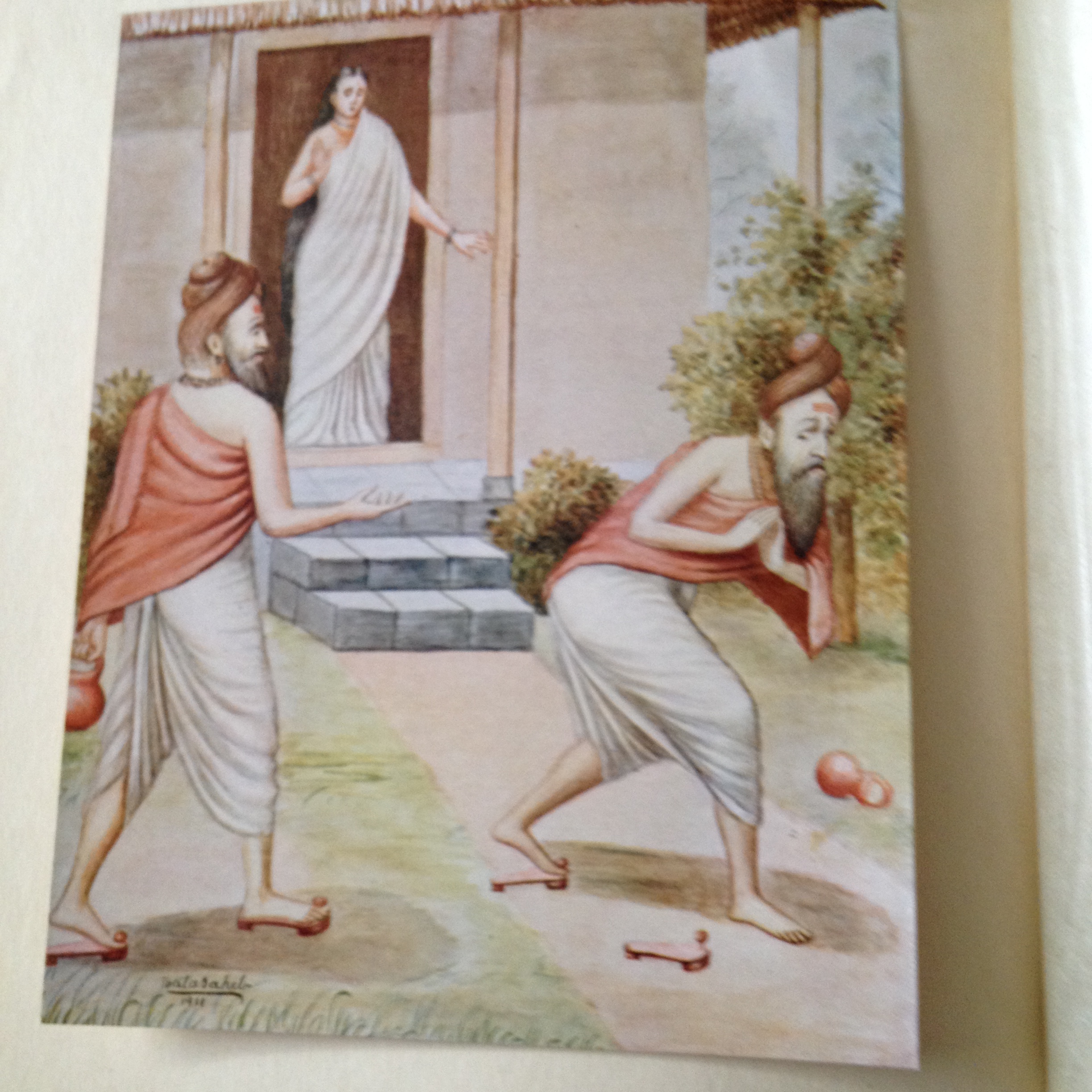
Indra is running away as soon as Gautama arrives. Earlier he molested Gautama’s wife Ahalya. Since Indra came in the disguise of Gautama she was cheated. 2000 year old Sangam Tamil literature also mentioned this incident in Paripatal. There was a painting where Indra was escaping like a cat. This painting was in Tirupparankundram, near Madurai, according to Sangam book Paripatal.

IMG_2669

Ahalya Sapa Vimochanam:–Gautama cursed his wife Ahalya for allowing Indra into her hermitage. Under the curse she was in a trance for long. Gautama told her that when Rama comes to the hermitage she would be delivered from the curse. As soon as Rama entered the hut she became normal. Hinduism is based on truth. Not even God can withdraw a word that was said. So Gautama gave her an exit strategy to get out of the mental depression. This shows that the Hindu seers know what is going to happen in future. Even before Rama left Ayodhya, Gautama knew what would happen to Rama. Seers are called Tri Kala Jnanis. That means they can see Future, Present and Past like we see a river from the top of a mountain.

IMG_2794

Viswamitra (meaning Friend of the World) told Janaka that Rama is ready to bend the Siva Danush. Janaka said,” I have promised to give Sita in marriage to him, who can bend and wield the bow. Rama may try this fortune, if he likes”. (Sita means ploughshare. She was found in the field. Rig Veda has hymns on Sita, but not Ramayana Sita) At the order of Viswamitra Rama drew the bow string so far that the bow string burst asunder in the presence of thousands of men and women. Kamban in Tamil Ramayana says, people only saw Rama taking the bow. The next minute they only heard the noise of breaking of the bow; his action was so swift!!!

IMG_2576

Parashurama humbled: Parashu means axe. This Axe Rama was anti- Kshatria (Ruling caste) because they killed his father. He invaded the Kshatrias 21 times and destroyed all of them. When he challenged Rama who was on his way back to Ayodhya, Dasaratha begged him to leave the teenage boy. Parashu (axe) rama told him that he would go if Rama could bend Vishnu danush like he did with Siva danush. Rama got it from Parashu and bent it and shot an arrow. Parashu bowed and went his own way. There is a big confusion about Parashu. He figures in Ramayana and Mahabaharata periods which is not possible. There were two Parashuramas. I am writing a separate research article about it in my blog.

IMG_2575

Source: Picture Ramayana book.

மொழி அழகு: ருதம், ம்ருதம், அம்ருதம், ப்ரம்ருதம், சத்யாந்ருதம்

shankara begging

பவதி பிக்ஷாம் தேஹி = தாயே பிச்சை போடுங்கள்

எழுதியவர்-லண்டன் சுவாமிநாதன்

ஆய்வுக் கட்டுரை எண்:1795; தேதி 12 ஏப்ரல்

இலண்டனில் பதிவு ஏற்றிய நேரம் –6-22 காலை

(இந்தக் கட்டுரையை ஏற்கனவே ஆங்கிலத்தில் வெளியிட்டுள்ளேன்)

ருதாம்ருதாப்யாம்  ஜீவேத்து ம்ருதேன ப்ரம்ருதேன வா சத்யாந்ருதாப்யாமபி வா ந ஸ்வவ்ருத்யா கதாசன  – மனு 4-4

பிராமணர்கள் எப்படிச் சம்பாதிக்கலாம் என்று கூறும் மனு ச்லோகத்தை எல்லோரும் படிக்க வேண்டும். ஏனென்றால் இது பல விஷயங்களை நமக்குச் சொல்லித் தருகிறது

முதலாவதாக நாம் எல்லோரும் இன்று சர்வ சாதாரணமாகப் பயன்படுத்தும் “நாய்ப் பிழைப்பு” என்பதை மனு பயன்படுத்துகிறார். பிராமணர்கள் நாய்ப்பிழைப்பு செய்யக் கூடாது ( ந ஸ்வ வ்ருத்யா கதாசன) — என்கிறார்.

இரண்டாவது சம்ஸ்கிருத மொழையின் அழகை ரசிக்க இது உதவும். ருதம் – ம்ருதம் – அம்ருதம் – ப்ரம்ருதம் – சத்யாந்ருதம் – என்று பல சொற்கள், இசை பாடுவது போல இருக்கும்.

தமிழிலும் இது போல உண்டு:

வாய்மை = சொற்களால் சத்தியத்தைக் கடைப்பிடிப்பது;

உண்மை = சிந்தனையால்/உள்ளத்தால் சத்தியத்தைக் கடைப்பிடிப்பது;

மெய்மை = உடலால் சத்தியத்தைக் கடைப்பிடிப்பது

இதை சம்ஸ்க்ருதத்தில் த்ரிகரண சுத்தி (மனம்,மொழி,மெய்) என்பர்.

begging1

மூன்றாவதாக மனுவின் ஸ்லோகம், பிராமணர்கள் என்றுமே பிறரைச் சார்ந்துதான் வாழவேண்டும்  —  ஆனால் வேத விதிப்படி வாழ வேண்டும் – என்று காட்டுகிறது. அவர்கள் மூன்று நாட்களுக்கு மேல் உணவைச் சேமித்து வைக்கக்கூடாது – பிறரிடம் புரோகிதம் செய்து வாழ வேண்டும் என்று காட்டுகிறது. இதனால்தான் சங்க காலம் முதல் 2000 ஆண்டுகளுக்குத் தமிழ் மன்னர்கள், பிராமனர்களுக்கு அள்ளிக் கொடுத்தனர். 80,000 க்கும் மேலான தமிழ்க் கல்வெட்டுகளில் பெரும்பாலனவை பிராமணர்களுக்கும் (பிரம்மதேயம்), கோவில்களுக்கும் (தேவதானம்) தானம் கொடுத்த செய்திதான் இருக்கிறது.

இப்பொழுது ஸ்லோகத்தின் செய்தியைக் காண்போம்:

பிராமணர்கள் கீழ்கண்ட வழிகளில் சம்பாதிக்கலாம்.

சிந்திய கதிர் நெல்லைப் பொறுக்குதல் சிலம் எனப்படும்.

சிந்திய தனி நெல்லைப் பொறுக்குதல் உஞ்சம் எனப்படும்.

இவ்விரண்டும் ருதம்;

யாசிக்காமல் (பிச்சை எடுக்காமல்/தானம் வாங்காமல்) உணவு பெறுவது அமிர்தம்

யாசித்து வரும் உணவு ம்ருதம்;

பயிரிட்டு வரும் உணவுப்பொருட்கள் ப்ரம்ருதம்;

வியாபாரம் செய்வது ஸத்யான்ருதம். இதுகூட சரியே.

ஆனால் மற்றவர்களிடம் சேவகம் செய்து பிழைப்பது நாயின் பிழைப்புக்கு சமம் என்பதால் அதை விட்டு விட வேண்டும் (மனு 4—4 முதல் 6 வரை).

ஆனால் இது எல்லாம் இப்போது பொருளற்றதாகிவிட்டது. எல்லா ஜாதியினரும் எல்லாத் தொழிகளையும் செய்கின்றனர். பழைய கால வரலாற்றை ஆராயும் போது இவைகளைப் பின்னனியாகக் கொண்டு பார்க்கவேண்டும்.

shankara

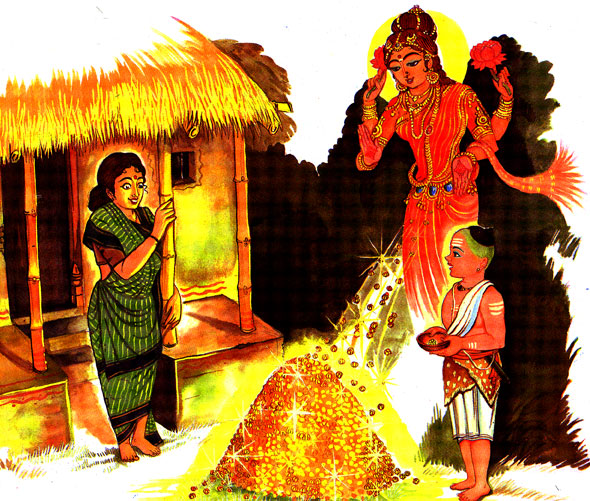
ஒரு ஏழை வீட்டில், ஏழ்மையைப் போக்க  ஆதி சங்கரர் வேண்டியவுடன்

தங்க மழை பெய்தது; படத்தில் கனக தாரையைக் காணலாம்.

பவதி பிக்ஷாம் தேஹி

மனு பிச்சை எடுப்பதற்கான சங்கேதக் குறிப்புகளையும் கொடுத்திருக்கிறார்.

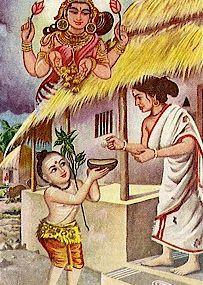
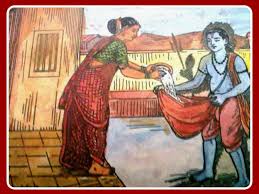
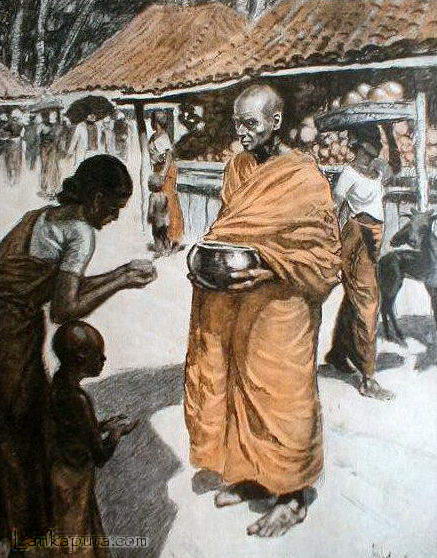
பிராமண பிரம்மச்சாரிகள் படிக்கும் காலத்தில் வீடு வீடாகச் சென்று பிச்சை எடுத்து சாப்பிட வேண்டும். இதைக் குருவுக்கும் தருவார்கள்.

ஒரு வீட்டு வாசலில் நின்று கொண்டு பிராமணப் பையன் “பவதி பிக்ஷாம் தேஹி” = தாயே! பிச்சை போடுங்கள் தாயே என்பான்.

உடனே வீட்டிலுள்ள வயதான பெண்மணி வந்து சுத்தமான அன்னத்தைப் பிச்சைப் (பிக்ஷை என்ற சம்ஸ்கிருதச் சொல்லின் தமிழ் வடிவம் = பிச்சை) பாத்திரத்தில் இடுவாள்.

(மதுரையில் நான் இருந்த கலத்தில் பக்கத்து வேத பாடசாலைப் பையன்கள் இப்படி எங்கள் வீட்டு வாசலிலும் குரல் கொடுத்ததுண்டு. உடனே எனது தாயார், பிச்சை (பிக்ஷை) போடுவாள்.

க்ஷத்ரியர்கள், பிச்சை எடுக்கையில் இந்த கோஷத்தைச் சிறிது மாற்றுகிறார் மனு. அவர்கள்

“பிக்ஷாம் பவதி தேஹி” என்று குரல் கொடுக்கவேண்டும்.

வைஸ்யர்கள் (வணிகர்கள்)

“தேஹி பிக்ஷாம் பவதி” என்று குரல் கொடுக்கவேண்டும்.

இதில் பவதி என்ற சொல் மூன்று வர்ணத்தாருக்கும் முதல், இரண்டாவது, கடைசி சொல்லாக வருவது ஏண் என்று தெரியவில்லை. ஆனால் அனதக் காலத்தில் பிராமண, க்ஷத்ரிய, வைஸ்ய சமூகத்தினர் மூவரும் குருகுல வாசம் செய்ததும், அவர்களும் மாணவப் பருவத்தில் பிச்சை எடுத்து உண்டதும் இதிலிருந்து தெரிகிறது.

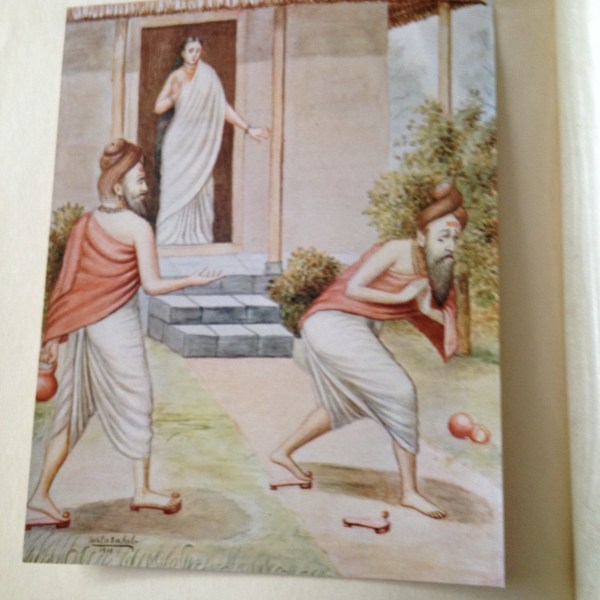
யாரிடம் முதல் பிச்சை கேட்க வேண்டும் என்றும் மனு சொல்லுகிறார். மனு, மிகப்பெரிய மன இயல் நிபுணர்.

அவர் சொல்கிறார், ஒரு பையன், முதல் பிச்சையை தனது தாயாரிடமோ, சின்னம்மாவிடமோ (சித்தி), தன்னுடைய சகோதரியிடமோ, யார் மாட்டேன் என்று சொல்லமாட்டாரோ அவரிடம்தான் கேட்க வேண்டும் என்றும் சொல்லுகிறார் (2-49).

Buddhist-Priest-

இதைப் படிக்கவே மிக உருக்கமாக இருக்கிறது. ஏழு வயது பாலகன், ஒரு வீட்டில் முதல் நாள் பிச்சை கேட்கப்போன போது, சீ, போ! என்று சொன்னால் அந்தப் பையனுக்கு வாழ்க்கையே வெறுத்துவிடும். இதற்காக உளமார, நெஞ்சார வாழ்த்தும் தாய், சின்னம்மா, சகோதரி ஆகியோரிடம் முதல் பிச்சை கேட்கச் சொல்கிறார்.

உலகில் ஹமுராபி போன்றோர் எழுதிய சட்டப் புத்தகத்தில் இவ்வளவு நுணுக்கமான விஷயங்கள் பற்றிய குறிப்புகள் இல்லை. இதனால்தான்  தமிழ் மன்னர்களும் கம்பன் போன்ற கவிஞர்களும் மனுவை இந்திரனே சந்திரனே என்று புகழ்கின்றனர். கம்பன் ஏராளமான இடங்களில் மனு நீதியைப் புகழ்கிறான். இது பற்றிய குறிப்புகளைத் தனிக் கட்டுரையாகத் தருவேன்.