காதா சப்த சதியிருந்து சில சுவையான கவிதைகள்

and1

Godavari basin scenery

கட்டுரையாளர் லண்டன் சுவாமி நாதன்

கட்டுரை எண் — 1564; தேதி  ஜனவரி 11, 2015


நானும் எனது தம்பி சூரியநாராயணனும் ஆந்திரத்தில் உள்ள மந்திராலயம் என்னும் தலத்துக்குச் சென்று ஸ்ரீ ராகவேந்திர சுவாமிகள் சமாதியைத் தரிசித்தோம். அப்பொழுது வரிசையில் நின்று கொண்டிருந்தபோது  தமிழில் பல கதைகளைப் பேசிக்கொண்டிருந்தோம் அருகில் இருந்த ஒரு பெண்மணி நீங்கள் தமிழ் நாட்டில் இருந்து வருகிறீர்களா என்று கேட்டார். எங்களுடைய தூய மதுரைத் தமிழை — செந்தமிழை — அவர் கேட்டு மதுரையா என்று பேச்சைத் தொடர்ந்தார்.


நாங்களும் விடுவதாக இல்லை. உங்களை எங்கோ பார்த்த மாதிரி இருக்கிறதே என்றோம். பிறகு தெரிந்தது அவர் பள்ளத்தூர் கல்லூரி முதல்வர் டாட்டர் சரசுவதி ராமநாதன் என்று. மதுரையில் தினமணிப் பத்திரிக்கையில் எனது தந்தை  வெ.சந்தானம் ஆண்டுதோறும் சுதந்திர தின பட்டி மன்றம் நடத்தி தமிழ் நாடு முழுதும் — பட்டி தொட்டிகள் எல்லாம் — பட்டிமன்றம் என்பதைப் பரப்பினார். அப்பொழுது பெரிய தமிழ் அறிஞர் கூட்டம் மதுரையில் எங்கள் தினமணி அலுவலகத்தில் கூடும். அதில் பல முறை பங்கேற்றவர் டாக்டர் சரசுவதி ராம நாதன். இதை அறிந்தவுடன் அவருக்குப் பெரிய மகிழ்ச்சி. நல்ல தமிழ் பேச்சாளர். அதிக புலமை மிக்கவர்.

நாங்கள் ஆந்திர மண்ணில் இருந்து கோதாவரி , துங்கபத்திரை நதிக்கரை நாகரீகம் பற்றிப் பேச ஆரம்பித்தோம். நான்,  காதா சப்தசதி என்னும் நூலை ஆங்கில மொழிபெயர்ப்பாக லண்டன் பலகலைக் கழக நூலகத்தில் எடுத்துப் படித்தைச் சொல்லி இது தமிழில் வந்தால்  ந ன்றாக இருக்குமே என்றேன். மு.கு ஜகன்நாதராஜா என்ற பேரறிஞர் இந்த பிராக்ருத நூலை  தமிழில் மொழி பெயர்த்து இருப்பதாகவும் அதன் பிரதி தன்னிடம் இருப்பதாகவும் சொல்லி அதை மதுரை சென்ற உடனே எனது சகோதரர் சூரிய நாராயணனுக்கு அனுப்பி வைத்தார்.

and3

எனது சகோதரன் மதுரை சரசுவதி நாராயணன் கல்லூரி முதல்வராக இருந்ததால் அதை அந்த முகவரிக்கு  அனுப்புவது  அவருக்கு  எளிதாக இருந்தது. அவர் சொன்ன சொல் தவறாமல் எந்த வேகத்தில்  அனுப்பினாரோ அதே வேகத்தில் என் தம்பி அதை லண்டனுக்கு வருவோர் மூலம் எனக்கு அனுப்பி வைத்தான். இது எல்லாம் நடந்தது 15 அல்லது, 20 ஆண்டுகளுக்கு முன். அப்போது படித்து நான் எடுத்திருந்த சில நோட்ஸ்களை — குறிப்புகளை கடந்த சில நாட்களில் நான்கு கட்டுரையில் கொடுத்தேன். டாக்டர் சரஸ்வதி ராமனாதனுக்கு நன்றிகள்!!


இதோ ஐந்தாவது கட்டுரை:


இந்த சப்த சதி 700 காதல் கவிதைகள் அடங்கியது என்பதால் படிக்காமல் இருந்து விடாதீர்கள். அதில் சங்கத் தமிழ் இலக்கியத்தோடு ஒப்பிட்டு ஆராய ஏராளமான விஷயங்கள் உள்ளன. அக்கால சமுதாய சூழ் நிலை பற்றி அறியவும் நிறைய செய்திகள் உண்டு.


விரசமில்லாத சில செய்திகளை மட்டும் காண்போம். பிராக்ருதக் கவிதைகளை தமிழில் மொழி பெயர்த்தவர்  மு.கு.ஜகன்னாதராஜா:

1)அந்திமாலை அஞ்சலி நீரில்

உமையவள் தன் நிழலுருவெழில் கண்டே

இதழ் முணு முணுப்புறும் விதம்பொய் காட்டி

மந்திரம் மறந்த மகேசனை நினைவாம் (700)

அந்தி மாலைப் பொழுதில் சந்தியாவந்தன நீரில் உமாவின் உருவம் பிரதிபிம்பமாகத் தெரிந்தவுடன் காயத்ரி மந்திரம் சொல்வது  போல பொய்யாக சிவன் வாய் அசைந்தது.


இதுதான் கடைசி கவிதை. முதல் கவிதையிலும் கவி —  மன்னர் ஹாலன்— சிவனை நினைவு கூர்ந்தார். கடைசியிலும் அவரை நினைத்து கவிதை நூலை முடிக்கிறார். கடவுள் வாழ்த்தும், மங்களமும் சிவன் பெயரில்!


Indian women carry drinking water in the Medak district of Andhra Pradesh

2)மானுடர் உலகில் வாழ்வோருள்ளே

குருடரும் செவிடரும் பெறும்பேருடையர்!

தீயவர் பால் வளர் செல்வம் காணார்

புறம் பழிப்பார் சொல் அறவே கேளார்.(695)


இவ்வுலகில் குருடரும் செவிடரும் கூட ஒருவகையில் பாக்கியசாலிகளே! ஏனெனில் கயவர்கள் இடத்தில் செல்வம் வளர்வதைக் குருடர்கள் காண மாட்டார்கள். முதுகுக்குப் பின்னால் புறம்பேசுவார் பேச்சு  — செவிடர்கள் காதில் விழாது

3)மக்கள் குரலிடைத் தொக்குள தேனும் நின்

இன்குரல் தனைத்தன் இருசெவியாரப்

பருகும் நீருடன் பால் கலந்திருந்தும்

குருகு பிரித்திடும் கொள்கையினிவளே


பாலையும்  நீரையும் சேர்த்து வைத்தால் அன்னப் பறவை அதில் பாலை மட்டும் பிரித்து உண்ணும். அது போல நமது தலைவி எவ்வளவு இரைச்சலுக்கு  நடுவிலும் காதலநுடைய  குரலை மட்டும் பிரித்துக் கேட்டு மகிழ்கிறாளே என்று வியக்கிறாள் தோழி.


andhar painting 1

4)இங்கே துயில்வள் என் மாமி!


இங்கே யானே! இங்கே சுற்றம்!


பயணி! இரவில் பார்வையிலாதோய்

என் படுக்கையில் வீழ்ந்திடல் வேண்டா!

கணவன் இல்லாத நேரத்தில் ஒரு வழிப்போக்கன் வீட்டில் வந்து தங்கினான் இதோ பார் இரவில் கண் தெரியாமல் என் மீது விழுந்து விடாதே. இங்கே  நான் படுப்பேன். அங்கே படுப்பவள் என் மாமி. அங்கே  மற்ற உறவினர்கள் படுப்பர்.


வழிப்போக்கனுக்கு அவளது ரகசிய மொழி புரிந்தது! அதை தொனிப்பொருள் என்பர். தொன்யாலோகம்  முதலிய வடமொழி அலங்கார சாத்திர பேரசிரியர்கள் இதை எடுத்துக் காட்டாகக் காட்டுவர்.

5)காணின் இன்பம் கண் கட்காகும்

நினைத்தால் மனத்தில் நிலைத்த இன்பம்

உரையாடலிலோ உண்ர்செவிக் கின்பம்

அன்பினர் என்றும் இன்பினராமே


அன்புடையாரைக் கண்டாலும் நினைத்தாலும் அவரோடு உரையாடினாலும் இன்பம். அன்புடையார் நட்பை கைவிடக் கூடாது.


இதே கருத்து அவ்வையார் வாக்கிலும் வருகிறது:

நல்லாரைக் காண்பதும் நன்றே நலமிக்க

நல்லார் சொல் கேட்பதும் நன்றே

இணங்கி இருப்பதுவும் நன்றே

andhra vendor

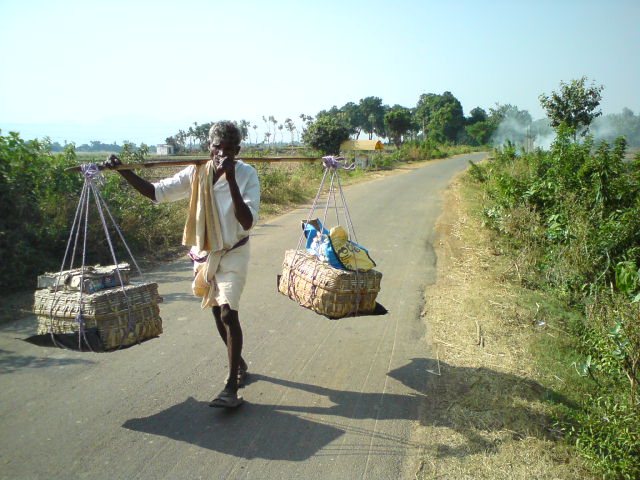
Andhra vendor

6)மரணப் படுக்கையில் வலிமை கூட்டி

மகனை அழைத்துத் தகவுடன் கூறும்

நின்செயல் அமைதல் நீர்க! நீ என்

நாம முரைத்திட நாணுறா வாறே


தலைவன் மரணப் படுக்கையில் கிடந்தான். பேசமுடியவில்லை. மிகவும் கஷ்டப்பட்டு மகநை அழைத்து நீ எந்தச் செயல் செய்தாலும் அதை என் பெயர் சொல்ல வெட்கப்படாதபடி செய்யவேண்டும். அதாவது என் பெயருக்கு இழுக்கு வராத செயல்களைச் செய்யவேண்டும்.

7)விலகி நிற்கும் உலுக்கும் கிளையை

நகத்தால் கீறிக் குதிக்கும் குரங்கு!

பண்டு கடித்த வண்டெனக் கருதி

நாவற் கனி தொடாதே கிடந்திடுமே


ஒரு குரங்கை வண்டு கடித்தது. ஒரு மரம் முழுதும் நாவல் பழங்கள். அவைகளை வண்டு என்று பயந்து குரங்கு அந்த மரத்தை உலுக்கி அட்டஹாசம் செய்தது!


நாவல் பழத்தை வண்டு என்று கருதும் நகைச் சுவை காட்சி தமிழ் இலக்கியத்திலும் உண்டு. (தமிழ் இலக்கியத்தில் நகைச் சுவை என்ற எனது கட்டுரையைக் காண்க)

8)நாவினிலே இனிமை நல்கி உள்ளே

மீவிச் செயலற்று அமைந்து மேலும்

துயர்தரச் சுவைதரும் இயல்பினதாய

கரும்பு போல்வர் கயவருமீங்கே


கரும்பு — நாவுக்கு மட்டும் இனிக்கும். உள்ளே போனவுடன் இனிக்காது. அதுவும் பல்லால் கடித்துச் சாறு எடுத்தால்தான் இனிக்கும். அதுபோல கீழோரும் நாவில் இனிப்பாகப் பேசுவர். செயலில் ஒன்றும் செய்யார். கரும்பு போல அவர்களைக் கசக்கினால்தான் பயன்  தருவர்.


வள்ளுவரும் இதே கருத்தை வலியுறுத்தும் குறள் இதோ:


சொல்லப் பயன்படுவர் மேலோர் கரும்பு போல்

கொல்லப் பயன்படும் கீழ் (குறள் 1078)

ndhra village

9)கோதுறு மனமுடைக் கொழுந்தனை நோக்கி

மாதவள் தினமும் போதனை செய்தாள்

இராமனுடன் செல்லும் இலக்குவன் சரிதம்

சுவரில் வரைந்த சுடர் ஓவியத்தே! — (ஹாலன் 1-35)


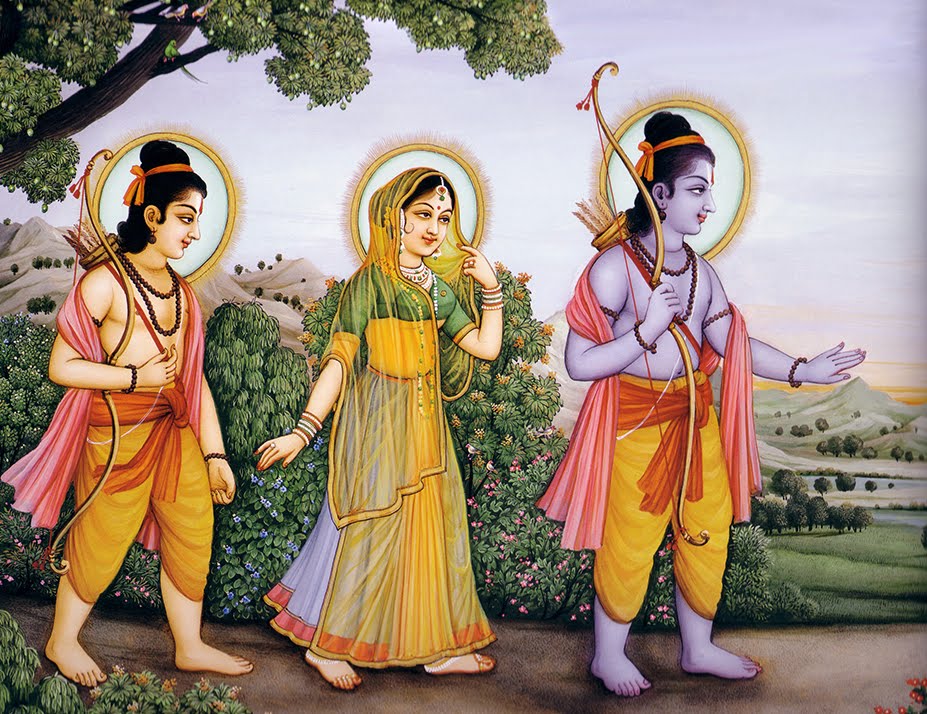
இந்த ஓவியச் செய்தியைத் தனிக் கட்டுரையாக கொடுத்துவிட்டேன். கணவன் இல்லாத நேரத்தில் கொழுந்தன் ஒரு விதமாகப் பார்க்கவே, அவள் லெட்சுமணன் போல இருங்கள் என்று ஓவியத்தின் மூலம் செய்தி கொடுக்கிறாள்.


இது போல பல கவிதைகளைப் படித்து ரசிக்கலாம்.


-சுபம்-

kolluru bird

River Godavari, Kolluru

Confusion over Date of Buddha: Why did they ‘Kill him 20 times’?

bbudhdha3

Research Paper written by london swaminathan

Research article No. 1563: dated 10th January 2015


The historicity of Buddha is accepted by all. But there is no unanimity of the date of his birth or death. We know that he lived for 80 years. Neither Megasthanese nor Sangam Tamil literarture mentioned his name.  Only after Asoka’s rule Buddha became popular. But the date of Asoka itself is a pure guess work. If any one can prove that the accepted date of Asoka is wrong, the whole Indian history must be rewritten with new dates. Max Muller used this fake date to decide the date of the Vedas with an imagined rule that a language changes every two hundred years. If we apply the same rule to Tamil and Greek literature, all the accepted dates will be thrown into dust bin!! As a student of Tamil for forty years, I am pretty sure that this rule would not hold good for Tamil.I have not heard from any other culture or language using Max Muller scale!


Max Muller arbitrarily decided on the date and it came very convenient for the supporters of Aryan-Dravidian theory. So they kept quiet without challenging him. No body dared to apply this to Tamil or any other Indian language. In the same way, foreign scholars “killed” Buddha twenty times!!!


Let us look at all the ”assassinations of the Buddha”:


In Sri Lanka, 483 BCE is accepted as the date of his nirvana (death)


In Burma, 544 is the date given to the nirvana.


In Tibet, it is beleived to be 835 BCE.


In China, 11th century BCE is the accepted date.


Buddha was an Indian. Hindu Puranas gave the date for nirvana a year between 1793 and 1807 BCE!!


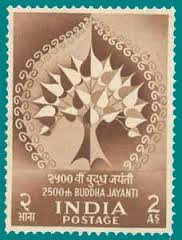
In India the government celebrated 2500th year of Buddha Jayanti in 1956 and issued specail postage stamps. That means according to Government of India, Buddha was born in 544 BCE and died in 464 BCE.


If you got to encyclopaedias they give you a wide range of dates between 400 and 484 BCE!!

Buddha_thumb[2]

Rajatarangini, History of Kashmir written by Kalhana, said that Kanishka ruled 150 years after Buddha’s death. This will give a new date for Buddha! No one has proved that there were more than one Kanishka.


Jain Tradition says that Mahavira died 15 years after Buddha i.e.2051 BCE. The same tradition gave Chandra Gupta Maurya a very early date!


Sri Lankan chronicle Mahavamsa gave a different date for Asoka i.e. 218 years after Buddha death. 70 year difference between the accepted date and Mahavamsa date. The scholars conveniently hid this under the earth!!


Asokan epigraph found in North West India gave some foreign names. Foreign scholars matched them wih some Turkish and Greek rulers and fixed the date of Asoka. All the names mentioned are not rulers’ names. Some are the names of countries or regions! Even when they said this was the king’s name Asokan mentioned those kings dates did not match with Asoka’s rule! The scholars hid the fact and quietly adjusted the dates!!! Max Muller knew that Chinese chronicles put Asoka in 850 BCE 0r 750 BCE.

buddha1

Can Fahien and Hiuen Tsang tell a lie?


Hiuen Tsang noted that in his days (640 CE) there were various dates about the death of Buddha, some authorities giving about 1200, 1300, 1500 and some only 900 and under 1000 — Earliest 860 BCE and the latest 260 BCE.


Max Muller gave 14 dates current in Tibetean chronology. They range between 2422 BCE and 546 BCE (Page 139 of A History of Ancient Sanskrit Literature). Thus we get more than 20 dates for Buddha’s death.


Cantonese dotted record shows 487 BCE. Modern scholars rejected all other dates except 543 or 487 BCE without any rhyme or reason.


Fa Hien says that at the time he wrote ,1497 years elapsed since the death of the Buddha. Fa Hien was in India between 405 and 411 CE. That means Buddha died in 1086 BCE!!


Theravada and Mahayana sects follow different dates for Buddha’s Parinirvana (death). Thailand belived in 545 BCE.

buddha2

What can we do now?


We have to scientifically examine Buddha’s relics to find out how old they are.


We can convene a conference of historians and decideon the basis of latest materials available. If there is no uniformity in opinion, we have to give the different views in the history book. We have to rewrite Indian History.


We cant allow our children to read lies in the history book. Everybody knew all these dates are cooked up dates or guessed dates.

For over hundred years scholars have been writing that Gupta Dynasty must be placed in the thrid century BCE and the Maurya Dynasty must be placed in seventh century BCE. We have to apply this and move the posts forward. Only foreigners fixed a pole in a circle and said that is the starting point. All the countries in the world have rewritten their history books. India is still following foreingers’ version which was written when they were ruling us.


A Tamil doesn’t read about Veera Shivaji and Rana Pratap Singh. A North Indian student never read about the great Karikal Choza, Raja Raja and Mudukudumi Peruvazuthi or Cheran Senguttuvan. In short there are more pages allocated to foreigners who subjugated us for over 1000 years. The greatest of the modern poets Subramanya Bharati who sang about Guru Gobind Singh and Veera Shivaji described the foreign rule as “Unkind ,Loveless 1000 year foreign rule”! in one of his poems.

contact swami_48@yahoo.com 

புத்தர் எப்போது இறந்தார்?

bbudhdha3

WRITTEN BY LONDON SWAMINATHAN

RESEARCH PAPER NO.1562; DATED 10TH JANUARY 2015


கட்டைப் பஞ்சாயத்து என்றால் என்ன என்று உங்கள் எல்லோருக்கும் தெரிந்திருக்கும். அடாவடியாக ஒரு தண்டனையையோ பழியையோ ஒருவர் மீது சுமத்துவது இது. அங்கே விவாதத்துக்கோ ஜனநாயகத்துக்கோ இடமே இல்லை. இப்படி இந்திய வரலற்றிலும் பல கட்டைப் பஞ்சாயத்துக்கள் உண்டு. அதில் ஒன்றுதான் புத்தர் இறந்த— நிர்வாணம் எய்திய ஆண்டு.

ஒவ்வொரு நாடும் ஒரு கணக்கு வைத்திருக்கிறது. புத்தருக்கு சம்பந்தமில்லாத வெளிநாட்டுக்காரர்கள் எழுதிய புத்தகத்தில் அவருக்கு ஒரு தேதி நிர்ணயித்து அந்த தேதியில் அவரைக் கொன்று விட்டார்கள்!!! அதாவது வெளிநாட்டினர் முத்திரை குத்திய நாளில் அவர் செத்தார்  என்று நம்மை நம்ப வைத்து விட்டார்கள்!!


இலங்கையர்கள் புத்தர் நிர்வாணம் எய்திய ஆண்டு கி.மு 483 என்பர்.


பர்மாவில் கி.மு. 544 என்பர்.


திபெத்தியர்கள் கி.மு. 835 என்பர்.


இந்து மத புராணங்கள் கி.மு 1793 முதல் கி.மு1807 வரை பல தேதிகளை முன்வைக்கும்.


இந்தியா 1956 ஆம் ஆண்டில் புத்தரின் 2500 ஆவது பிறந்த தின தபால்தலைகளை வெளியிட்டது. அதன்படி அவர் பிறந்த ஆண்டு கி.மு 544, இறந்த ஆண்டு கி.மு.464.

Buddha_thumb[2]

தேரவாத  கணக்குப்படி அவர் இறந்தது—  கி.மு.486


மஹாயான கணக்குப்படி அவர் இறந்தது — கி.மு. 383


ஆயினும் தேரவாத நாடுகளிலும் கூட கி.மு 544 ஐ நிர்வாணம் அடைந்த தேதியாக அனுஷ்டிக்கிறார்கள். தாய்லாந்து கி.மு 545 என்கிறது.


விக்கிபீடியா முதலிய என்சைக்ளோபீடீயவுக்குப் போனீர்களானால் அவர்கள் ஒரு நூறு ஆண்டு “ரேஞ்சு” கொடுத்திருப்பார்கள் இறந்த ஆண்டுக்கு!! நீங்கள் எந்த ஆண்டை வேண்டுமானாலும் ஊகித்துக் கொள்ளலாம்!!!!!

சுருக்கமாகச் சொன்னால் ஒரே குழப்பம்! இந்தக் குழப்பம் எப்படி வந்தது? உண்மை என்ன?


அசோகருக்கு வெள்ளைக்காரர்களாக ஒரு தேதியை முத்திரை குத்தினர். அதாவது வடமேற்கு இந்தியாவில் கண்டு பிடிக்கப்பட்ட ஒரு அசோகர் கல்வெட்டில் இருந்த சில பெயர்களை அரசர்கள் என்று எண்ணி அதற்கு தோராயமாக நெருங்கிவரும் சில பெயர்களைக் கொண்டு அதிலிருந்து கணக்குப் போட்டனர்.ஏனெனில் அசோகர் வரலாற்றில் எத்தனையாவது புத்தமத மகாநாடு , புத்தர் இறந்த பின்னர் எத்தனையாவது ஆண்டில் , கூட்டப்பட்டது என்று உள்ளது. ஆனால் அசோகர் ஆண்டே தகராறில் இருந்தால் இது எல்லாம் தப்பிப் போகும். அதாவது முதல் கோணல் முற்றும் கோணல்!


buddha1

யாராவது ஒருவர் புத்தர் பிறந்த ஆண்டையும் இறந்த ஆண்டையும் சரியாக நிரூபித்துவிட்டால் இந்திய வரலாற்றின் தேதி எல்லாம் மாறிப்போகும். ஏனெநில் ஊசலாடும் ஒரு ஒரு பெரிய பாறையின் மீது இது இருக்கிறது அந்தப் பாறையை உருட்டிவிட்டால் இந்திய வரலாற்றின் அஸ்திவாரம் சரிந்து போகும். வேதங்களுக்கு   மாக் ஸ் முல்லர் தேதி நிர்ணயித்ததும் இந்த ஆட்டம் காணும் அஸ்திவாரம் மீதுதான்!!

பாஹியான் சொல்வது என்ன?


கி.பி 405 முதல் 411 வரை இந்தியாவுக்கு வந்த சீன யாத்ரீகர் பாஹியான், புத்தர் இறந்து 1497 வருடங்கள் கழிந்துவிட்டன என்கிறார்!


அவருக்குப் பின்னர் வந்த யுவாங் சுவாங் என்ற சீன யாத்ரீகரும் புத்தர் இறந்த தேதி பற்றிப்  பலவேறு கருத்துக்கள் நிலவுவதாக 1500 ஆண்டுகளுக்கு முன்னரே எழுதி இருக்கிறார்.

சீனர்கள் கி.மு 638 அல்லது 639ல் புத்தர் இறந்ததாக நம்புகின்றனர்.

buddha2

பொதுவாக அவரது மரண தேதி (நிர்வாண நாள்) கி.மு. 860 முதல் கி.மு 260 வரை ஊசலாடுகிறது. உலகில் எந்த ஒரு மதத் தலைவரின் தேதியும் இவ்வளவு ஊசல் ஆடியது இல்லை.

மாக் ஸ் முல்லர் கொடுக்கும் 14 தேதிகள்!!!!!!!


திபெத்திய வரலாற்றில் கி.மு 2422 முதல் கி.மு 546 வரை உள்ள 14 ஆண்டுகளை

மாக் ஸ் முல்லர் கொடுத்துள்ளார் (புராதன சம்ஸ்கிருத இலக்கிய வரலாறு என்ற ஆங்கிலப் புத்தகத்தில் இதை எழுதியிருக்கிறார். ஆக எல்லாவற்றையும் கூட்டினால் புத்தர் இறந்த தேதி 20க்கும் மேலாக இருக்கின்றன.


சமண மத நூல்கள் புத்தர் இறந்த 15 ஆண்டுகளுக்குப் பின்ன மஹாவீரர் இறந்ததாக சொல்கின்றன.அதாவது கி.மு 2051.


புத்தர் இறந்த தேதி பற்றி ஒரு ஆய்வு  நடத்த வேண்டும். இது இந்திய வரலாற்றின் அடித்தளம் என்பதால் மிகவும் அவசியமான– அவசரமான பணி.

இந்திய வரலாற்றை மாற்றி எழுத வேண்டும் — அதாவது உண்மை  வரலாற்றை  எழுத வேண்டும்.


வாழ்க இந்தியா! வளர்க பாரதம்!!

contact swami_48@yahoo.com

Did Hala copy Kalidas in GSS?

Umamaheshwara

Research Paper written by london swaminathan

Research article No 1561; Dated 9th January 2015.


Gatha Sapta Sati (GSS) is a Prakrit book of 700 erotic verses. It is dated  as a first century CE work. Satavahana king Hala compiled 700 good verses from the works of Prakrit poets. But in the present form it cant be a work of first century CE.  There is anachronism. There are lot of anonymous poems as well. Poets who are not popular or unknown to many of us have copied Kalidasa, the most famous poet of the classical age.


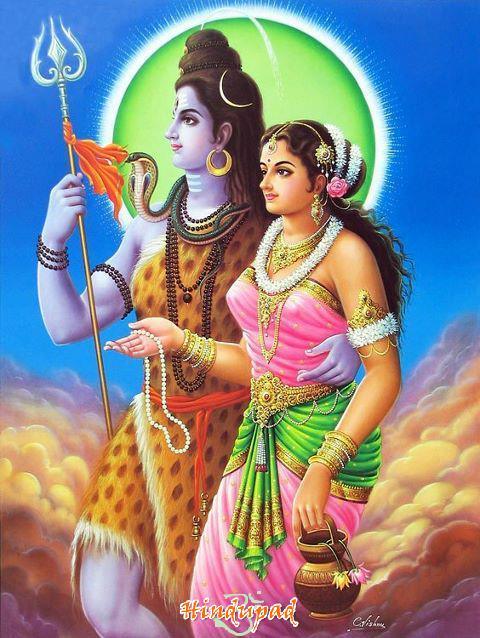
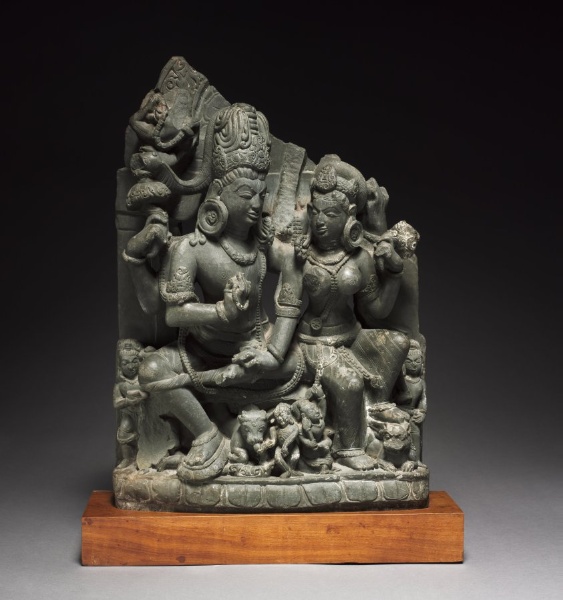
Even Hala who contributed 44 verses to GSS, has imitated Kalidas, at least in one of his poems where he describes an erotic scene. Lord Siva takes off the clothes of Uma. She immediately closed the eyes of Siva with her two hands to save her honour. Immediately Siva opened his third eye. Uma was so clever that she closed his third eye under the pretext of giving a kiss on the third eye.


Kalidasa, who lived in the first century BCE and served as the  Poet Laurate of Emperor Vikramaditya, described the scene in his Kumara sambhava even before Hala composed his verse:


“In private, with her garment taken off, she closed Siva’s two eyes with her two palms; but as his third eye on the forehead continued looking, she had her efforts foiled and became helpless” — sloka 7 of canto 8


Hala improved it by adding one more line by saying that she kissed on his third eye.

radha-krishna-om

But this is not the only one that will decide the date of Kalidasa and Hala. There are many more things:


1.There is a mention of Tuesday in one of the verses. Days of the week appear very late in Indian litearture. Older poets never used the days of the week. In Tamil it appeared for the first time in the Tamil epic Silappadikaram. Madurai city was burnt down by Kannaki on a Friday. This reference and many other things in the epic made the scholars to doubt the date second century CE given to the epic. Later Thevaram hymn of Sambandhar listed all the seven days from Sunday to Saturday. Though the epic story happened in second century CE, it was put in present form in fifth to seventh century. If we apply the same principle to GSS, it will be dated to fifth to seventh century.


2.Mention of Lord Ganesh in one of the verses also take GSS to a later age. Older poets like Kalidasa never mentioned Lord Ganapathy. Statues of Ganesh came to the South only after fifth century CE.


3.Hora is a word used in GSS and the oldest Tamil book Tolkappiam. Prof. Vaiyapuri Pillay argued that this word is of Greek origin and so Tolkappiam in its present form must be placed after Greek contact in the South. If we apply the same rule GSS may be later than first century.

  1. Vikramaditya’s distribution of gold coins to his soldiers is mentioned in one of the GSS verses. Kalidasa was the court poet of Emperor Vikramaditya.


uma siva

5.Hala was said to have married Leelavathy, daughter of Sri Lankan King Seelamegha. Seelamega ruled between 200 and 600 CE according to V V Mirashi. This means that we have to look for more than one Halan!


6.There are 14 commentaries on GSS; but there are  seven different versions of GSS. Out of the 700 verses, only 430 are common to all. The total number of verses from the seven editions are 1066. So this is not reliable (Source: Mr Patwardhans translation of GSS).


7.One of the famous similes of Kalidasa is Deepa sikha. This was copied by GSS and other Sanskrit poets. It is found even in Maduraikanchi, part of Tamil Sangam literature. Had Kalidasa copied this simile and the above Uma-Siva episode, the ancient poets would not have praised him the Kavikulaguru.Kalidasa would not have become the greatst of the Indian poets. Tamil litearture has more than 200 similes of Kalidasa

8.But there are lot of similarities to prove that the main authors of GSS

lived at the age of Sangam litearture, i.e the first few centuries of CE.


9.The big difference between the Tamil love poems and GSS erotic poems is that the description of bad family women. Though Tamil literature has lot of references to courtesans, there was no immoral family women. But GSS depicts such women having pre marital and post (extra) marital sex with strangers.

10.Some poets of GSS such as Paliyathan ( also of Puram 387), Brhmachari (also of Natrinai 34) are found in Sangam Tamil literature as well. There may be others such as Kayamanar (Gajan in GSS) and  Ulochanar (Trilocana in GSS). Paliathan of Gundukat (Gundakkal) was a good friend of Hala. Satavahanas were good friends of Cheran Senguttuva, one of the great Sera kings of Tamil Nadu. Paliyathan sang about Selvakatungo Vaziyatha, a Sera king. All these prove that Hala and Paliathan were contemporaries of Cheran Chenguttuvan and his immediate follwers. But lot of new verses were interpolated in GSS at a later age.


  1. One GSS poest addresses the cloud, an imitation of Kalidasa’s Megaduta kavya.


12.There are many poets with Naga suffix in both Sangam and GSS.

radha unjal

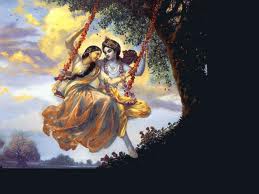
13.Though Sangam Tamil literature mentioned Gopis and Krishna on rthe banks of Yamuna (Thozunai in Tamil), GSS mentioned Radha with Krishna in several places. So it must be of a later age.

Interesting Names of Raja, Deva, Swami, Sena


Name search gives much interesing information to researchers.


At least 28 poets with RAJA suffix such as Raviraja, Rathiraja, Maharaja, Ahoraraja, Anuraja, Andhraraja etc.


At least 8 names with SWAMI suffix: Govindswami, Chandraswami, Meenaswami, Satyaswami etc.


Five have SEELA, five have SIMHA, six poets have DEVA suffix


At least 8 names with SENA suffix: Pravarasena, Satyasena, Mallasena, Makarandasena.


The interesting thing about SENA is that it is a suffix for kings. Sangam Tamil literature project several kings as poets. In the same way, many of the Andhra kings or commanders of army might have composed poems. Moreover I have written elsewhere that several Sumerian kings have this Sena suffix as SIN. Sin also mean moon (Chandra) in Sumerian. Eitherway it is typical Hindu to have Sena or Chandra as suffix in names (Eg.Mahabharata has 24 kings with Sena suffix. Also we have Hari Chandra, Udaya Chandra, Chandramati as royal names).


Last but not the least is the number of poetesses. Sangam Tamil Literature and world’s oldest literature the Rig Veda can boast of at least 20 poetesses each. But GSS has approximately 12 women poets:

Andhralakshmi, Sarasvati, Sasiprabha, Girisudha, Reka, Reva, Gramakuddika, Chadraputtika, Revathy, Gunamukta, Tharangamathy,Jakkurangy


Strangley GSS did not mention Ganga, Himalaya and Lord Skanda. Both Kalidasa and Sangam Literature have lot of references to them. There is lot of scope for reaserch by comparing GSS with Tamil literature.

contact swami_48@yahoo.com

காதா சப்தசதியில் அதிசயச் செய்திகள்!

Umamaheshwara
Research article written by London swaminathan

Article No. 1559; posted on 9th January 2015
கட்டுரை 1:– முதலில் ஹாலன்- மலயவதி பரிஹாசம் எப்படி ஒரு பெரிய கவிஞன் உருவாக வழிவகுத்தது என்று ஒரு கட்டுரையில் கண்டோம்.

கட்டுரை 2:-கோதாவரி நதிக்கரையில் ஒருவீட்டில் இருந்த ஒரு ராம லெட்சுமண சீதை ஓவியம் எப்படி ஒரு பெண்ணின் மானத்தைக் காப்பாற்றியது என்று இன்னொரு கட்டுரையில் கண்டோம்.

கட்டுரை 3:-சங்க இலக்கியப் பாடல்களில் காணப்படும் குண்டுகட் பாலியாதன், பிரம்மசாரி, கயமனார் ஆகிய புலவர்கள் ஆந்திர தேசத்தைச் சேர்ந்த பிராக்ருத புலவர்கள் என்று இன்னும் ஒரு கட்டுரையில் கண்டோம்.

கட்டுரை 4:- இதில் 700 காதல் கவிதைகளைக் கொண்ட பிராக்ருத —-காதா சப்த சதி— கவிதை நூலில் உள்ள மேலும் சில சுவையான செய்திகளைக் காண்போம்.
ஏழு வெவ்வேறு விதமான காதா சப்தசதி –க்கள் இருக்கின்றன. 700 பாடல்களுக்குப் பதிலாக 1066 பாடல்கள் வரை கிடைக்கின்றன. ஆக எது அசல், எது போலி என்று தெரியவில்லை. பொதுவான பாடல்கள் 430 மட்டுமே! அவ்வளவு பாட பேதங்கள்.
ஹாலன் என்ற மன்னன் சிங்கள மன்னன் சீலமேகாவின் மகள் லீலாவதியை மணந்தான் என்பர். ஆனால் அவனது காலமோ கி.பி 200க்கும் 600க்கும் இடைபட்டது. ஆக இங்கே காலப் பொருத்தமினமை வருகிறது இன்னூல் மீது 14 உரைகள் எழுதப்பட்டன.

radha unjal

சங்க இலக்கியத்துடன் பல ஒற்றுமைகளும் காணப்படுகின்றன:–

சுவரில் கோடு கிழித்து நாட்களை எண்ணுதல்
இடது கண் துடித்தல்
பூக்காரிகள்
காகத்துக்கு சோறிடல்
கூண்டில் கிளி வளர்த்தல்
நாவல் பழம்- நண்டு மயக்கம்
வளை நழுவுதல் (உடல் மெலிதலால்)
நாகன் என்ற பெயரில் பல கவிஞர்கள்.

கோவிந்தசாமி

சாமி என்று முடியும் பெயர்கள் தமிழ் நாட்டில்தான் அதிகம் காணப்படுகிறது. ஆயினும் 2000 ஆண்டுகளுக்கு முன் உருவான இன்னூலில் பல சாமி பெயர்கள் உள்ளன!

கோவிந்தசாமி
சந்திர ஸ்வாமி
மீன ஸ்வாமி
துர்கஸ்வாமி
சத்யஸ்வாமி
பீமஸ்வாமி — என்ற புலவர்கள் கவிதை எழுதியுள்ளனர்.
ராஜ என்ற பெயரில் முடியும் கவிஞர்கள் 28 பேர் உள்ளனர்!! ரவிராஜ, ரதிராஜ, மஹாராஜ, அனுராஜ என்று இப்படிப் பல ராஜாக்கள்!

radha-krishna-om

சேன என்ற பெயரில் முடியும் பல பெயர்கள் மஹாபாரதத்தில் இருப்பது குறித்தும் இந்தப் பெயர் சுமேரியாவில் பல பெயர்களில் “சின்” — என்று ஒட்டிக் கொண்டிருப்பதையும் முன்னர் ஒரு ஆராய்ச்சிக் கட்டுரையில் தந்தேன். சின் என்பதை சுமேரிய மொழியில் சந்திரன் என்பர் என்றும் அப்படிப் பார்த்தாலும் நம் அரிச்சதிரன், உதயசந்திரன், சந்திரமதி முதலிய பெயர்களுடன் ஒப்பிடலாம் என்றும் சொன்நேன். ஆனால் இங்கு புலவர்களில் பலர் சேனர்கள் என்று இருப்பது ஆராயப்பட வேண்டிய விஷயம். ஏனெனில்
சங்க இலக்கிய நூல்களில் பல தமிழ் மன்னர்கள் கவிதை எழுதியது போல ஆந்திர தேச மன்னர்களும் எழுதி இருக்கலாம்.

குறைந்தது எட்டு பெயர்களாவது சேன என்று முடிகிறது. மகரந்த சேன, ப்ரவர சேன, சத்யசேன, மல்லசேன, வசந்தசேன, விஷமசேன, ஜய சேன, மாதவ சேன என்று பல புலவர்கள் உளர்.
பெண் புலவர்கள்
ரிக் வேதத்தில் 20க்கும் மேலான பெண் புலவர்கள் உள்ளனர். சங்க இலக்கியத்தில் 20க்கும் மேலான பெண் புலவர்கள் உள்ளநர். ஆனால் ஆந்திரத்தில் கொஞ்சம் குறைவு. 12 பெண் புலவர்கள் பெயர்கள் மட்டுமே இருக்கின்றன: ரேவா, ரேவதி, க்ராம குட்டிகா, ஆந்திர லெட்சுமி, சரஸ்வதி, கிரி சுதா, ரேஹா, சந்திர புட்டிகா, குணமுக்தா, ஜக்குரங்கி, சசி ப்ரபா, தரங்க மதி
சங்க இலக்கியத்தில் ஏராளமான காதல் கவிதைகள் உண்டு. ஆனால் அங்கே கெட்டுப் போன குடும்பப் பெண்கள் கிடையா. தொழில் ரீதியிலான பரத்தைகள் நிறைய உண்டு. சங்க இலக்கியத்தில் அகத்துறைப் பாடல்களில் ஏறத்தாழ பாதி பரத்தை பற்றிய பாடல்களே. காதாவிலோ கெட்ட செயல்களில் ஈடுபடும் “குடும்பப் பெண்களை”யும் சித்தரித்திருக்கின்றனர்.
காதா சப்த சதியில் சாத வாகன மன்னன் ஹாலனின் 44 பாடல்கள் உள. அவ ன்தான் இந்த நூலைத் தொகுப்பித்தான். அவனது காலம் கி.பி.60. ஆனால் காதாவில் பல பிற்கால கவிதைகள் இடம்பெற்றுள்ளன. அதாவது பழைய காதா இது அல்ல.

uma siva
செவ்வாய்க்கிழமை

செவ்வாய்க்கிழமை யாத்திரை செய்வது துரதிருஷ்டமானது என்று ஒரு பாடலில் வருகிறது. தமிழில் முதல் முதலில் சிலப்பதிகாரத்தில்தான் கிழமை வருகிறது. கண்ணகி மதுரையை எரித்தது வெள்ளிக் கிழமையில்! இதை வைத்து சிலப்பதிகாரம் ஏழாம் நூற்றாண்டுக் காவியம் என்போரும் உளர். அது சரியென்றால் காதாவின் காலத்தையும் பின் போட வேண்டும்.
ஹோரா என்ற சொல் இன்னூலிலும் வருகிறது. தொல்காப்பியத்தில் இச்சொல் உள்ளதால் அது பிற்காலத்தியது என்று பேராசிரியர் வையாபுரிப்பிள்ளை முதலியோர் வாதிடுவர். அது சரியென்றால் காதாவின் காலத்தையும் பின் போட வேண்டும்.
கணபதி (பிளையார்) வழிபாடு பற்றியும் ஒரு பாடலில் வருகிறது. பிள்ளையார் வழிபாடு வந்தது பிற்காலத்தில் —– ஆகவே அந்த வகையிலும் இது பிற்கால த்தியதே —– காளிதாசன், மாணிக்க வாசகர் ஆகியோர் பிள்ளையார் பற்றிக் குறிப்பிடவில்லை.

காதாவில் முருகன், கங்கை, இமயமலை பற்றிய பேச்சே இல்லை. சிவன் என்ற பெயரில் புலவர்கள் உள்ளனர். சிவன் என்ற சொல் தேவார , திருவாசக காலத்துக்கு முன் தமிழில் கிடையாது. அவ்வகையிலும் காதாவின் காலத்தைப் பின் போட வேண்டும்.

ராதா, கிருஷ்ணன் பற்றிய குறிப்பும் இதில் உண்டு. ஆனால் சங்க இலக்கியத்திலும் கிருஷ்ணன்-கோபியர் பற்றிய குறிப்பு உளது. ராதா என்ற பெயர் இல்லை. காதாவில் ராதா பெயர் உள்ளதால் அவ்வகையிலும் காதாவின் காலத்தைப் பின் போட வேண்டும்.
காளிதாசனைக் காப்பி அடித்தனர்

பல புலவர்கள் காளிதாசன் உவமைகளைக் “காப்பி” அடித்துள்ளனர். இதுவும் விக்ரமாதித்தன் பற்றிய ஒரு பாடல் குறிப்பும் காதாவுக்கு முன் காளிதாசன் வாழ்ந்ததைக் காட்டுகின்றன.

காளிதாசன் என்னும் உலக மகா கவிஞன் சங்க காலத்துக்கு முன் வாழ்ந்தவன் என்பதை ஐந்தாறு கட்டுரைகளில் நிரூபித்தேன். இங்கே மேலும் பல சான்றுகள் கிடைக்கின்றன. அவன் ஹாலன் வாழ்ந்த காலத்துக்கும் முந்தியவன்:

சாலிவாஹனன் எழுதிய ஒரு கவிதை இதோ:
கலவியில் மெந்துயில் கழற்றிய சிவன்தன்

இருகண்களைத்தன் இருகரம் பொத்தி

மூன்றாம் கண்ணையும் முத்தமிட்டு

மூடும் உமையவள் நீடு வாழ்க — சாலிவாஹனன் 5-55

(காதா சப்த சதி– மு.கு ஜகன்னாத ராஜாவின் மொழிபெயர்ப்பு)

கலவியின் போது சிவன் உமையம்மையின் உடையை நீக்கினான். அவளுக்கு வெட்கம் தாங்கவில்லை. சிவநுடைய இரு கண்களையும் இரு கரங்களால் மூடிவிட்டாள். சிவன் அதி புத்திசாலி. மூன்றாம் கண்ணால் (நெற்றிக்கண்) பார்த்தான். முத்தமிடும் சாக்கில் மூன்றாம் கண்ணில் முத்தமிட்டு அதையும் மூடி வீட்டாள் உமை.

இந்தக் கவிதை காளிதாசனிலும் இருக்கிறது. அதை ஹாலன் எடுத்தாண்டார் என்பதே சால ப்பொருந்தும். காளிதாசன் இது போல ஒவ்வொரு விஷயத்தையும் காப்பி அடித்திருந்தால் அவனுக்கு உலகப் புகழ் பெற்ற கவிஞன் என்ற பெயரை பழங்கால இந்தியக் கவிஞர்கள் சூட்டியிருக்க மாட்டார்கள். சில வெளி நாட்டு அறிஞர்கள் அவன் தீபசிகா உவமையைக் காப்பி அடித்ததாக எழுதியுள்ளனர். உண்மையில் தீப சிகா உவமை மதுரைக் காஞ்சியிலும் உளது.ஆகவே இதை காளிதாசனிடமிருந்தே அனைவரும் எடுத்தனர்.

பெண்கள் சாதுர்யமாக நடந்துகொள்வர். இதோ காளிதாசன் கவிதை:

சூலின: கரதலத் வயேன ஸா சம்னிருத்ய நயனே ஹ்ருதாம் சுகா
தஸ்ய பஸ்யதி லலாட லோசனே மோக! யத்ன விதுராரஹஸ்பூத்
–குமாரசம்பவம்
. இதோ மேலும் சில எடுத்துக் காட்டுகள்:

அ) பாடல் 430- பாடியவன் கலசன்– மேகத்துக்கு அவன் கூறும் அறிவுரை காளிதாசனின் மேகதூதம் போல உளது
ஆ)காளிதாசனின் புகழ்பெற்ற தீபசிகா உவமை காதாவிலும் உளது.

இ)சங்கர, சங்கர சக்தி என்ற பெயர்களும் மாணிக்ய ராஜ என்ற பெயரும் ஆதி சங்கரர், மாணிக்கவாசகர் ஆகியோரை நினைவு படுத்துகின்றன.

ஈ)விக்ரமாதித்தன், அவன் படைகளுக்கு ஒரு லட்சம் பொன் வரை பரிசுகள் வழங்க்கியதைப் பெருமையுடன் பாடுகிறத் காதா. காளிதாசனும் விக்ரமாதித்தனும் சமகாலத்தவர்கள்.
contact swami_48@yahoo.com

தமிழ் என்னும் விந்தைக் கடல்!

tamil kadal2

தமிழ் என்னும் விந்தை! -27


Research article written by ச.நாகராஜன்

Article No. 1560; posted on 9th January 2015


தமிழ் என்னும் விந்தைக் கடல்!


தமிழ் என்னும் பிரம்மாண்டமான கடலை நீந்திக் கடந்தாரில்லை. அதில் பிரம்மாண்டமான பனிப்பாறையின் ஒரு முனையைச் சிறிது பார்ப்பது போல சில சித்திரக் கவிகளை இது வரை கண்டோம். இன்னும் ஆயிரக்கணக்கில் பல்வேறு பந்தங்களில் தமிழ் பாடல்கள் மலர்ந்துள்ளன. இவற்றை ஒருங்கு சேர்ந்து சித்திரக் களஞ்சியமாக்க வேண்டுவது நமது கடமை. இறைவன் அருள் இருப்பின் பல பாகங்களில் இதைச் செய்து முடிக்க எண்ணம் உள்ளது.


தமிழ் இறைவனின் மொழி. செம்மொழி.மந்திர மொழி.அருள் மொழி. நுணுக்கமான மொழி. இயற்கையின் அடிப்படையிலும், மனித உடல்கூறின் அடிப்படையிலும் பேசுவதற்கு எழுந்த மொழி. பல ரகசிய கலைகளை சொற்களிலும் அதன் ஒலிகளிலும் அடக்கிய மொழி. அதைப் பேசுபவர்களுக்கு இனிமையை அருளும் மொழி. பேசும் போது உபயோகிக்கும் சொற்களால் பல் வேறு நலங்களைத் தரும் மொழி. இறை அருளாளர்கள் அற்புதமான சொற்சேர்க்கை களால் பாக்களை அருளி அனைவரையும் உத்வேகமூட்டி எழ வைக்கும் மொழி. இன்னும் தமிழ் விடு தூது போன்ற நூல்களில் விவரிக்கப்பட்ட அரும் நலன்களையும் குணங்களையும் கொண்ட மொழி. சுருக்கமாகச் சொல்லப் போனால் அறம். பொருள், இன்பம், வீடு என்ற நான்கு பேறுகளையும் சுலபமாக அருளும் மொழி!

tamil kadal 1

இலக்கணக் கட்டமைப்பு வாய்ந்த பழம் பெரும் மொழி என்பதால் இதில் கவிதை எழுதுவது என்பது சுலபமல்ல. பல்வேறு கலைகளையும் இயற்கை ரகசியங்களையும் கற்றுத் தேர்ந்து மொழிப் புலமை பெற்று இறைவனின் அருளைப் பெற்றவரே நின்று நிலைக்கும் கவிதைகளை அருள முடியும்.


கவி என்பார் நான்கு வகைப் படுவர். 1)ஆசு கவி 2) மதுர கவி 3) சித்திர கவி 4) வித்தார கவி.


இன்னொரு வகையாகப் பிரிப்போர் 1)கடுங்கவி 2) இன்கவி 3) அருங்கவி 4) பெருங்கவி என்பர்.


ஆசு கவி என்போர் தொடுத்த பொருளும், தொழுத்த சூழலும், அடுத்த தொடையும் வழுவாமற் கடுத்துப் பாடுவர்.

மதுர கவி என்போர் சொற் செல்வமும் பொருள் பெருமையும் கொண்டதாய், தொடையும் தொடை விகற்பமும் கொண்டு உருவக முதலாகிய அலங்காரங்களையும் கொண்டு ஓசைப் பொலிவு உடையதாய் உய்த்துணரும் புலவருக்கு ஒலிக் கடல் அமிழ்தம் போன்று இன்பம் பயக்கப் பாடுவோர் ஆவர்.


சித்திர கவி என்போர் மாலைமாற்று முதலாகிய அரும் கவிகளைப் பாடும் திறன் உடையவர் ஆவர்.

வித்தார கவி என்போர் மும்மணிக் கோவை, பன்மணி மாலை, மறம், கலிவெண்பா மடலூர்ச்சி ஆகியவற்றோடு நெடும்பாட்டும், கோவையும், பாசண்டமும், கூத்தும், விருத்தமும், கதையும் உள்ளிட்ட செய்யுளும் இயல் இசை நாடகம் ஆகியவற்றோடு  கூடிய கலை நூல்களோடு பொருந்தப் பாடும் பெருங் கவி ஆவர்.

இந்த நாற்வகைப்பட்ட கவிஞர்கள் ஆயிரமாயிரம் பேர் லட்சக் கணக்கான தமிழ் பாடல்களைப் பாடியுள்ளனர். இவற்றைக் கற்றலே, அவை காட்டும் மெய்ப்பொருள் படி நிற்றலே உண்மை இன்பம்.வாழ் நாள் முழுவதும் கற்க வேண்டிய தமிழ்க் கடலில் நீந்துவதே ஒரு சுகானுபவம்.

tamil kadal 3

தமிழ் என்னும் விந்தையின் இந்த முதல் பாகத்தில் சில சித்திர பந்தங்களைப் பார்த்தோம். இன்னும் சுவைக்க வேண்டியவை ஏராளம். விரைவில் அடுத்த பாகத்தில் விந்தையைத் தொடருவோம்.


இந்தத் தொடரை வெளியிட்ட நிலாச்சாரல் ஆசிரியர் திருமதி நிர்மலா ராஜுவுக்கும், நிலாச்சாரல் குழுவினருக்கும் எனது உளமார்ந்த நன்றியைத் தெரிவித்துக் கொள்கிறேன்.

தமிழ் வாழ்க! வெல்க!!

                        முற்றும்

This series (27 parts) was written by my brother Santanam Nagarajan for nilacharal.com magazine. This is the final part.

tiruchendur1

contact swami_48@yahoo.com

Sign Language of Intelligent Hindu Women!

sitaramalk

Lakshmana follows Sita Devi and Lord Rama

Research article written by London swaminathan

Article No. 1558; posted on 8th January 2015


Gatha Sapta Sati (GSS) is a book of 700 erotic verses in Prakrit language.It was compiled by Hala, a Satavahana king that ruled around first century CE. Though it is a book of erotic verses, we get a very good picture of social life in the Godavari basin. We gather lot of information about common man’s belief and customs. We see lot of lovers and a few immoral characters as well. In short it is a real life picture of the age. Everyone must read it for its beautiful poetry and real life pen picture of social life.


There is a beautiful verse (GSS 1-35) where a woman uses sign language, in fact eye language, to convey her feelings:

Shobhana-707252

There is a beuatiful woman whose husband is away on business. His brother who is brimming with youthfulness, is all alone in the house. He is eying on the lady of the house, who is his sister in law. But she is not for the game. She is chaste like Sita Devi. Because of respect for his brother in law, she did not want to use rude words. But she is very intelligent. When she is struggling to find a way out of this difficult situation a painting on the wall comes to her rescue!

There is a beautiful Ramayana painting on the wall of the house. It showed Rama, Lakshmana and Sita. Lakshmana was very respectful and he never looked at the face of Sita after her marriage with Rama. In those days, chaste men looked at women’s feet first. If she wore a ring in her toe, that means she is married. If he knows that the woman is married he woud not look at her face unlesss and otheriwise it is essential. For example a medicine man has to look at the hands and face of his patient whether it is a woman or man or a child.

In the painting on the wall Lakshmana was looking at the feet of Sita with humility and tranquility on his face. This lady looks at the picture and looks at her brother in law who is suffereing from amorous thoughts. The minute she took that gentle man through her eyes to the picture of Lakhsmana, he felt ashamed for his behaviour. The intelligent woman behaved normally as if nothing had happened. This is ‘sculpted or painted’ in just two lines of the Gatha Sapta sati verse!


eye1

This verse gives us the life of Hindu women 2000 years ago. Houses have paintings on the wall with epic or mythological characters. Ramayana was very popular. We have another scene in Sangam Tamil Literature where a painting of Ahalya, Gauthama and Indra was described. One of the Sangam books — Paripatal verse 19 talks about a couple visiting Tirupparnakundram temple near Madurai. A woman was puzzled at a cat picture with Ahalya and Gauthama. Immediately she asked her husband about the cat in the picture. He explained that it was Indra who was trying to sneak out of the Ashram after molesting Ahalya. Indra was in the guise of a cat. This shows that paintings with mythological characters are found even in the southermost tip of the land. Sangam Tamil literature described wall paintings of Gods in Tamils’ houses.

Women are intelligent and they use sign language and gestures to convey their thoughts. This is highely developed in India. In fact, I would make a bold staement that the Sign Language originated in India. All our Vedic Mantra rituals have Mudras/gestures made by hands and fingers. All our Yogasanas has special names for each posture. All our Bharata Natya Mudras have gestures to convey hundreds of things. Nine sentiments are expressed through face!


We cant see anything like this in any other culture. Only a few Dhyana Mudras, the foreingers have learnt from us (Please read my old post |”Hindu Mudras in Egyptian and Sumerian Statues”, posted on 7 October 2012 and “Hindu Symbolism in France”, posted on 24th August 2014).

Chidambaram Temple in Tamil Nadu has all the 108 Bharata Natya Mudras (hand gestures) displayed on the temple door. Bharata’s Natya Sastra book itself is 2000 years old. Vedic rituals, where Mudras are used, are thousands of years old. So we can claim another first in the field of Sign Language!

gss4

contact swami_48”yahoo.com


சங்க இலக்கியத்தில் பிராக்ருத கவிஞர்கள்!

gss 2

கட்டுரையாளர் – லண்டன் சுவாமிநாதன்

ஆராய்ச்சிக் கட்டுரை எண்:-1557 ; தேதி 8 ஜனவரி 2015


சங்க இலக்கியப் பாடல்களில் பல விநோதமான புலவர்களின் பெயர்கள் உள்ளன. ஏற்கனவே இருபதுக்கும் மேலான காரணப் பெயர்கள் இருப்பது பற்றி எழுதிநேன். விட்ட குதிரையார், மீனெறி தூண்டிலார்,கூவன் மைந்தன் குப்பைக் கோழியார் முதலிய பெயர்கள் அவர்கள் பாடிய சொற்களைக் கொண்டே அமைக்கப்பட்டன இதே போல ரிக்வேதத்திலும் இருப்பதைக் கண்டோம். இதுதவிர நிறைய புலவர்கள் சம்ஸ்கிருதப் பெயர்களாக இருப்பதையும் கண்டோம். இது தவிர பிராமணர்களின் கோத்திரங்கள் பல இருப்பதையும் கண்டோம். கவுணியன் (கௌண்டின்ய கோத்ரம்), கோசிகன் (கௌசிக), வாதுளி(வாதூல), கௌதமன் (கௌதம கோத்ர), காசிபன் (காஸ்யப கோத்ரம்), கார்க்கியர் (கார்க்ய) என்பன  சில சங்கப்புலவர்களின் பெயர்களில் உள்ள கோத்திரப் பெயர்கள்.

இதே போல இரண்டு பெயர்கள் பற்றி  நான் செய்த ஆராய்ச்சி அவர்கள் பிராக்ருதப் புலவர்கள் என்பதைக் காட்டுகின்றன. ஒருவர் பெயர் பாலியாதன். மற்றொருவர் பெயர் பிரம்மச்சாரி. இவ்விருவரும் பிராக்ருத கவிதை நூலான காதா சப்த சதியிலும் கவிதைகள் எழுதியுள்ளனர். இவை இரண்டும் தமிழ் சொற்கள் இல்லை என்பதை விளக்கத் தேவை இல்லை.


இதே போல கயமனார் (சப்த சதியில் கஜன், கஜதத்தன்) , கோவதத்தன் (சப்தசதியில் கைவர்த்தன்) , யாழ் பிரமதத்தன், பூதன் தேவனார் (சப்த சதியில் தேவன்) முதலிய புலவர்களும் ஆராயப்பட வேண்டியவர்களே.


காதா சப்த சதி என்பது அகத்துறை பாடல்கள் 700 உடைய நூல். இதே அகத்துறைப் பாடல்களைத் தான் இவர்கள் சங்க இலக்கியத்திலும் பாடியுள்ளனர்.

பிரமசாரி பாடிய ஒரு பாடல்   நற்றிணையில் (பாடல் 34) உள்ளது. இது அகத்துறைப் பாடலே.


குண்டுகட் பாலியாதன் பாடிய பாடல் நற்றிணை  220- ஆவது பாடலாக அமைந்துள்ளது. குண்டுகட் என்பது ஆந்திரப்பிரதேசத்தில் குண்டக்கல் என்ற ஊராக இருக்கலாம்.

gss3

இவ்விருவரும் பாடிய நிறைய பாடல்கள் சப்தசதியில் உள்ளன.


என்னுடைய கருத்துக்கு வலுச் சேர்க்கும் வேறு சில விஷயங்களும் உண்டு:


1.சிலப்பதிகாரத்தில் சேரன் செங்குட்டுவனின் நெருங்கிய நண்பன் நூற்றுவர்கன்னர் (சாதவாஹனர்) என்று கூறப்பட்டுள்ளது. சாதவாஹன மன்னர்களும் அவர்கள் வெளியிட்ட நாணயங்களில் பிராக்ருதப் பெயர்களுடன் தமிழிலும் எழுதினர். இதன் மூலம் தமிழ்- சாதவாஹன தொடர்பு உறுதிப்படுகிறது


2.காதா சப்த சதியின் பெரும்பாலான பாடல்கள் சங்க காலத்தைச் சேர்ந்தவை.


3.பாலியாதன் என்னும் புலவன் செல்வக்கடுங்கோ வாழியாதனையும் பாடி இருக்கிறான். இவை எல்லாம்  சேரன்- சாதவாஹன தொடர்பைக் காட்டுவன


4.ஹாலனின் மிக நெருங்கிய நண்பன் பாலியாதன் என்பதும் குறிப்பிடத் தக்கது.

கயமனார் என்பவர் ஒரு பாடலில் கயம் என்ற சொல்லைப் பயன்படுத்தியதே அவருக்குக் காரணப் பெயராக அமைந்திருக்கலாம் என்று உ.வே.சா. ஊகிக்கிறார். அது தவறு. இவர்   நிறையப் பாடல்கள் பாடி இருக்கிறார். அங்க்கெல்லாம் கயம் என்ற சொல் இல்லை. உண்மையில் இவர் பிராக்ருதப் புலவர் கஜன் என்பவராக இருக்க வேண்டும். காதா சப்த சதியில் இவருடைய பாடல்கள் உள.


யாழ் பிரமதத்தன் என்ற வடக்கத்திய அரசனையே தமிழ்ப் பாடல் இயற்றவைத்தார் கபிலர். அப்படி இருக்கையில் பிராக்ருதப் புலவர்கள் தமிழில்

பாடியது வியப்பில்லை. மேலும் தமிழுக்கும் சம்ஸ்கிருத மொழிக்கும் பாலமாக அமைந்தது பிராக்ருதம். இரு செம்மொழிகளும் ஒரே மூலத்தில் தோன்றியவை என்று ஒரு கட்டுரை எழுதியிருந்தேன். மூலச் சொல் எப்படிக் கிளை விட்டுப் பிரிந்தது என்பதை அறிய பிராக்ருதம் மிகவும் அவசியம்.

contact swami_48@yahoo.com

பேசுவதெல்லாம் கவிதை!

saraswathy

Post No 1556; Dated 8th January 2015

தமிழ் என்னும் விந்தை! -26

by ச.நாகராஜன்

தமிழ் ஒரு அரிய செம்மொழி. மதுரை சங்கத்திலே சிவனார் தலைமை வகித்து அருளிய மொழி. தன்னைத் தமிழால் வைதாரையும் வாழ வைக்கும் அளவு தமிழ் மீது தீராக் காதல் கொண்ட முருகன் தந்த  மொழி!


இதில் புலமை கொண்டு காலம் காலமாக ஆயிரக் கணக்கான கவிஞர்கள் பல அரிய விந்தைகளைக் காட்டி உள்ளனர். மாதிரிக்கு ஒரே ஒரு சிறிய சம்பவத்தைப் பார்த்தால் இப்படிப்பட்டவர்களுக்கு சித்திர கவி சாதாரணம் தான் என்றே தோன்றி விடும்!


பேசுவதெல்லாம் கவிதை என்ற அளவில் இலக்கணத்துடன் பேச்சையே கவிதையாகத் தந்த கவிஞர்கள் சமீப காலத்தில் கூட வாழ்ந்திருக்கின்றனர்.


உதாரணத்திற்கு  மாம்பழக்கவிச்சிங்க நாவலரைக் கூறலாம், இவர் பிறந்த ஆண்டு கி.பி.1836. தமிழ் வளர்த்த சேது சமஸ்தான சேதுபதிகள் இவரை ஆதரித்தனர். இவர் கவித்திறம் கண்டு வியந்த முத்துராமலிங்கச் சேதுபதியவர்கள் மற்றும் பொன்னுசாமித் தேவர் அவர்கள் இவருக்கு கவிச்சிங்க நாவலர் என்ற பட்டத்தைத் தந்தனர்.


ஒருமுறை கவித்திறம் வாய்ந்த அப்பாச்சி பிள்ளையவர்கள் மாம்பழக்கவிச்சிங்க நாவலரைச் சந்தித்தார். அவர்கள் பேசியதெல்லாம் கவிதையாக இருந்தது.


அப்பாச்சி பிள்ளை கூறினார்:- “கம்பனும், ஒட்டக்கூத்தனும், புகழேந்தியும்,ஔவையும், காளமேகமும், படிக்காசுத் தம்பிரானும், பரஞ்சோதி முனிவனும், சிற்றம்பலமும், வெண்பாப் புலியும், வாலசிம்மமும் மற்ற வித்துவான்களும் பழனி மாம்பழக் கவிச்சிங்கத்துக்கிணையா? உலகத்தோரே!


இது விருத்தமாக ஆனது இப்படி:-

கம்பனுமொட் டக்கூத்த னும்புகழேந் தியுமவையுங் காளமேக

மும்படிக்கா சுத்தம்பி ரானும்ப  ரஞ்சோதி முனிவ னுஞ்சிற்              

றம்பலமும், வெண்பாப்பு லியும்வால  சிம்மமுமற் றவித்து  வான்க

ளும்பழனி மாம்பழக்க விச்சிங்கத் துக்கிணையா? உலகத்தோரே!


“மாம்பழக் கவிச்சிங்கமும் சளைத்தவர் இல்லையே! அப்பாச்சி பிள்ளையவர்கள் பேசியதெற்கெல்லாம் இவரும் பதில் கூறினார் – கவிதையாக!

அப்பாச்சி பிள்ளை: முன்பு போசன் சமூகத்திருந்த காளிதாசன் போலிலை யெந்த வித்வானும் என்பார்கள். நல்ல புத்திமான் மாம்பழக் கவிச்சிங்கத்துக் கொப்பில்லையென்பேன் நிச்சயமிது.

இது வெண்பா ஆகிறது இப்படி:-


முன்புபோ சன்ச மூகத்திருந்த காளிதா

சன்போ லிலையெந் தவித்வானு  – மென்பார்கள்  நல்லபுத்தி

மான்மாம்ப ழக்கவிச்சிங் கத்துக்கொப் பில்லை

யென்பேன் நிச்சயமி து.

மாம்பழக் கவிச்சிங்கம் கூறினார்: நமது துரையவர்களைக் காண இன்றைக்கு மனசு துடிக்குது கண்டு முறையிட்டுக் கொள்வதுசிதமோ, கூடாததோ சொல்லுங்கள் பிள்ளையவர்களே

இது வெண்பா ஆகிறது இப்படி:-


நமது துரையவர்க ளைக்காண வின்றைக்கு

மன சுதுடிக் குதுகண் – டுமுறையிட்டுக் கொள்வ

துசிதமோ கூடாத தோசொல்லுங்  

கள்பிள் ளையவர் களே

god2a

அப்பாச்சி பிள்ளை: அய்யா கவிராயரவர்களே தங்களுக்குச் செய்யுமரியாதி விஷயத்தில் அய்யரும் நானுஞ் சொன்னோம், நம் எசமானும் சரி என்று ஒப்பி மனசும் சுமுகமாச்சுது.

இது வெண்பா ஆகிறது இப்படி:-

“அய்யா கவிரா யரவர்களே தங்களுக்குச்   

செய்யு மரியாதி விஷயத்தி – லையருநா

னுஞ்சொன்னோ  நம்மெசமா  னுஞ்சரியென் றொப்பி மன

சுஞ்சு முகமாச் சுது”


மாம்பழக் கவிச்சிங்கம் பதில் கூறினார் இப்படி:- தாங்களறியாத சமாசாரமென்ன உத்தரவு வாங்கி என்னை ஊர்க்கனுப்பி வைப்பதெற்கெல்லாங் கிருபை தான் வேண்டும். மானேஜரவர்களே, மெத்த நம்பினேன் வீண் பேச்சல்ல நிஜம்.


இது வெண்பா ஆகிறது இப்படி:-

“தாங்களறி யாதசமா சாரமென்ன வுத்தரவு

வாங்கியென்னை யூர்க்கனுப்பி வைப்பதெற்கெல் –

லாங்கிருபை தான்வேண்டும். மானே ஜரவர்களே, மெத்த நம்பி   

னேன்வீண்பேச் சல்ல நிஜம்.


அப்பாச்சி பிள்ளை: நமது பிரபுவிடத்தினிலே மருமசங்கதி முழுதும் பேசி முடிவு செய்திருக்கிறேன் அதிக சந்தோஷம் தானே அய்யா, கவிராயரே!

இது வெண்பா ஆகிறது இப்படி:-

நமது பிரபுவி டத்தினி லேமருமசங் கதிமுழு தும்பே – சிமுடிவு

செய்திருக்கி றேன திகசந்தோ ஷந்தானே   அய்யா, கவிரா யரே!

பேச்செல்லாம் கவிதையாக மூச்செல்லாம் தமிழாக வாழ்ந்த கவிஞர்களுக்கு வெற்றியா, அவர்களை உளமும் உயிரும் கொண்டு ஆதரித்த சேதுபதிகளுக்கு வெற்றியா அல்லது இதையெல்லாம் கேட்டு உளம் மகிழ்ந்த தமிழர்களுக்கு வெற்றியா!


இவர்கள் அனைவருக்கும் வெற்றி தான்! ஆனால் முதல் வெற்றி தமிழ் என்னும் விந்தைக்குத் தானே!


contact swami_48@yahoo.com

*****************

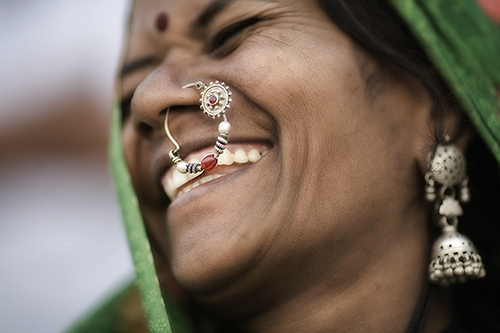
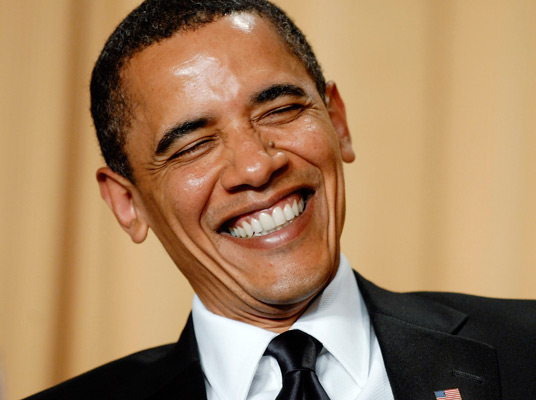
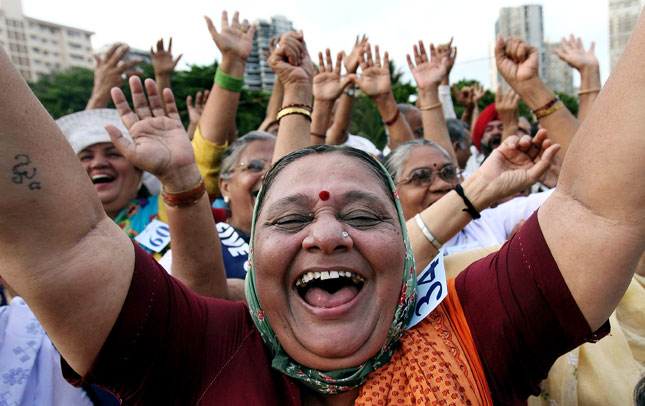
Six Types of Laughter!Tamil and Sanskrit Quotations on Laughter!

laugh3

Written by London Swaminathan

Research Article No.1555;   Dated 7th January 2015


Sanskrit book Dasarupa, a treatise on Dramaturgy, mentions six varieties of laughter/Hasa:


Smita

Hasita

Vihasita

Upahasita

Apahasita

Atihasita


Among these,the first two are to be noted with reference to the good characters in Sanskrit dramas. Kalidasa mentioned Mandasmita in his Malavikagnimitra. The mandasmita, in which the teeth are slightly visible, would accordingly correspond to the ‘hasita’ variety. Fotr teasing and mocking, there is another word – parihasa.


English word smile is related to smita.

laugh5

Valluvar Comedy!


Tamil poet Tiruvalluvar who lived 1500 years ago, sang about the importance  of laughter in life. He mentioned laughter, smile, contemptible laughter,teasing, mockery etc in over 25 places in his verses. Though his couplets are ethical in nature, he never missed an opportunity, to mention it wherever possible. Sanskrit language has got lot of quotes on laughter and smile. I have given below only the important quotations from both the literature.

Tiruvalluvar says that there is no life for a person who does not laugh.


“Even a bright day is gloomy to them who live in this grand world without


the light of smiles! — (Kural couplet 999)


Laughter is the light that lightens the world, he says.


laugh6

He is the one who advises everyone to laugh when you face some difficulties. He must be a very good psychologist to give such a bold advice:-


“Laugh when trials and troubles confront you, for there is no other way to overcome grief” – (Kural couplet 621)


One’s spirit should not be broken by misfortune, defeat or adversity.He would advise one to laugh, when he meets misfortune, because there is nothing like this to overcome it, and pass on to victory  in due course (Rajaji’s commentary on Tirukkural).


That is what probably Carlyle  had in mind when he said:


“Wondrous is the spirit of cheerfulness

And its power of endurance”


(from SM Diaz commentary on Tirukkural)


Valluvar must have watched friends gathering very often to chit chat and laugh, but when troubles come all the friends run away. So he gives a sound advice:-


“Friendship is not that which shines as a smile in the face; friendship is which shines as a joy in the soul within” ( Kural 786)

laugh2

Drunkards Comedy


Many of us have seen the words and deeds of the drunkards. They are always funny. It was no different in Valluvar’s days. Here is a couplet to prove it:


“The people will soon find out and laugh at men who drink secretly and stagger senseless with drooping eyes” —- ( Kural 927)

Rajaji, First Governor General of India, explained this couplet: Those who drink in secret, soon become the laughing stock of the locality, for the effect of indulgence can not long remain unknown.


Even in today’s Indian films we see drunkards are used to generate laughter.


Valluvar warns everyone not to laugh or whisper into one’s ears in front of kings and government officials (now Prime minister, Chief minister etc).


laugh7

Laughter in Sanskrit Literature


One of the Navarasa/nine sentiments in Sanskrit dance-dramas is laughter. All the Sanskrit dramas have characters of jesters (Vidushaka). Every royal court had one Vidushaka or Vikata kavi. They can take any liberty to crack jokes on kings, officials and the administration. Nobody mistook them. Tenali Rama of Andhra Pradesh was a well known ‘vikata kavi’(jester/poet). Humour is part of Indian literature.

There are some sayings about laugher in Sanskrit:


Satire does not prohibit your entry into heaven – Padataditaka

svaragaayatim na parihaasakathaa runaddhi

laugh4

Mockery begets quarrel–  Sanskrit saying

hasyam kalaha kaaranam

Superficial learning invites derision — Kahavatratnakar p 122

pallavagraahi  paandityam upahaasasya  kaaranam

Ridiculing others is like savouring nectar — Kahavatratnakar p 143

paropahaaso hi sudhaasamo bhavet

Even Indra, the lord of gods, belittles himself if he struts around proclaiming his virtues  — Canakya Niti 6-17


Sanskrit quotations are taken from Suktisudha, Chinmaya International Publication.

laug1

contact swami_48@yahoo.com