Secret of Gandhi’s Life in 3 Words!!!

uk gandhi

Compiled by London Swaminathan
Post No. 1018; Dated 3rd May 2014.

“If all the Upanishads and all the other scriptures happened all of a sudden to be reduced to ashes, and if only the first verse in the Ishopanishad were left in the memory of the Hindus, Hinduism would live forever.”

With these words Mahatma Gandhi paid tribute to the remarkable Isha Upanishad, which by long tradition usually comes first in Indian collections. This priority it owes to the poetic grandeur and sustained profundity of its language. In only eighteen verses it carves out the fundamental building blocks of mysticism.

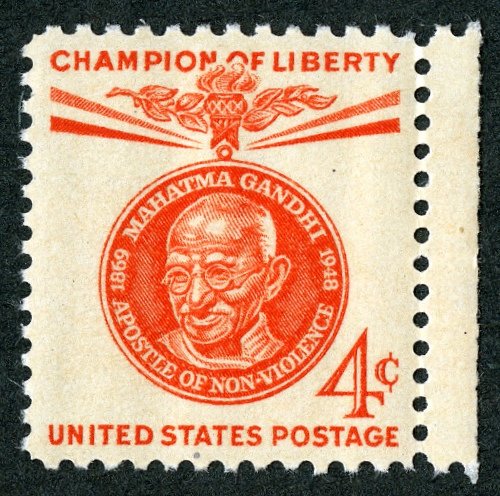
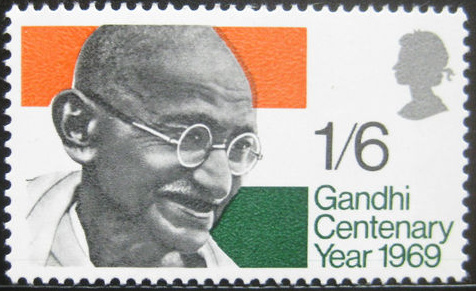
To a Western journalist who wanted the secret of Mahatma Gandhi’s life in three words, he said , “Renounce and enjoy!” (tena tyaktena bhunjitah), from the first verse of the Isha Upanishad.

In its intensity the Isha uses strong language. Those who condemn themselves to darkness by denying the divine Self are called ‘atmahano janah’ “killers of the Atman.

item-gandhi-stamp-001

Dionysius the Areopagite once observed that as he grew older and wiser his writings grew shorter and shorter. He would have envied the sage of the Isha Upanishad.

“First Mantra of Isha Upanishad:–
The Lord is enshrined in the hearts of all
The Lord is the supreme Reality
Rejoice in him through renunciation
Covet nothing. All belongs to the Lord”.
( from The Upanishads, Ekanath Eswaran, Arkana (The Penguin Group)

In Sanskrit (From Swami Bhakti Vedanta Prabhupada):—

“Isavasyam idam sarvam
Yat kincha jagatyam jagat
Tena tyaktena bhunjitha
Ma gradhh kasya svid dhanam”

Everything animate or inanimate that is within the universe is controlled and owned by the Lord. One should therefore accept only those things necessary for himself, which are set aside as his quota, and one should not accept other things, knowing well to whom they belong.

Ias-by the Lord; avasyam- controlled;idam- this;sarvam- all;yat kincha – whatever; jagatyam- within the universe; jagat- all that is animate or inanimate; tena – by Him; tyaktena – set apart quota; bhunjitah- you should accept; ma- do not; grdah – endeavour to gain; kasya svid- of anyone else; dhanam- the wealth.

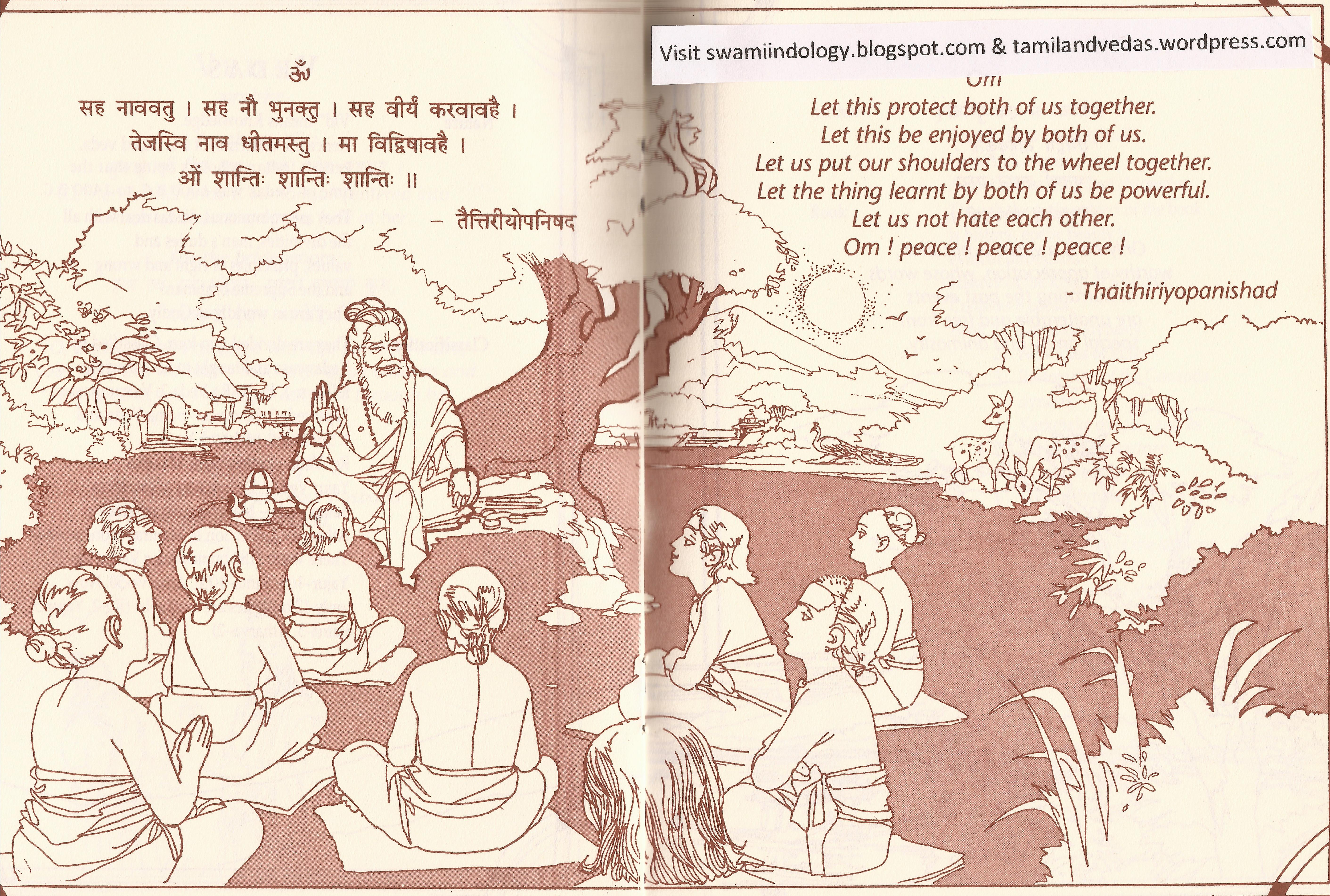
sahanavatu

Contact swami_48@yahoo.com

காந்திஜிக்கு பிடித்த உபநிஷத் மந்திரம்!

item-gandhi-stamp-001

Written by London Swaminathan
Post No. 1017; Dated 3rd May 2014.

உபநிஷத அற்புதங்கள் –பகுதி 5 எனது ஆராய்ச்சிக் குறிப்புகள்
முன்னரே எழுதியது போல இந்தப் பகுதிகள் உபநிஷத தத்துவங்களை விளக்குவது அல்ல. உபநிஷதம் பற்றிய மேம்போக்கான சுவையான செய்திகளைக் கூறுவதே இப்பகுதியின் குறிக்கோள். சென்ற பகுதியில் வெள்ளி- கிரகம் மழை தொடர்பான விஷயங்கள் உபநிஷதங்களிலும் தமிழில் புறநானூற்றிலும் இருப்பதைக் கண்டோம். இதோ மேலும் சில:–

46. மஹாத்மா காந்திக்கு மிகவும் பிடித்த உபநிஷத் ஈச உபநிஷத் ஆகும். திடீரென்று ஒரு தீவிபத்து ஏற்பட்டு எல்லா உபநிஷத்துகளும் இந்து மத நூல்களும் அழிந்துவிட்டாலும் ஈச உபநிஷத்தின் முதல் மந்திரம் மட்டும் இந்துக்களின் நினைவில் இருந்தால், அதுவே போதும். இந்துமதம் எப்போதும் வாழ்ந்து கொண்டிருக்கும் என்றார் காந்திஜி!!

அந்த மந்திரத்தில் அப்படி என்ன அதிசயம் இருக்கிறது?
இதோ முதல் மந்திரம்:

“ஈசாவாஸ்யம் இதம் சர்வம் யத்கிஞ்ச ஜகத்யாம் ஜகத்
த்யேன த்யக்தேன புஞ்சீதா மா க்ருத: கஸ்யஸ்வித்தனம்”

பொருள்: இந்த பிரபஞ்சத்தில் உள்ள அசையும் பொருட்கள், அசையாப் பொருட்கள் அனைத்தும் இறைவனுக்கே சொந்தம். அவனே அவைகளை நிர்வகிக்கிறான். ஒவ்வொருவரும் அவருக்கு உரித்தானதை மட்டும் எடுத்துக்கொள வேண்டும். மற்றவர்களுக்குச் சொந்தமானது எதையும் எடுத்துக்கொள்ளக் கூடாது.
uk gandhi

47. மகாத்மா கந்தியிடம் ஒரு மேல் நாட்டு பத்திரிக்கை நிருபர் வந்தார். உங்கள் வாழ்க்கையின் (வெற்றியின்) ரகசியம் என்ன? மூன்றே சொற்களில் கூறுங்கள் பார்க்கலாம் என்று சவால் விட்டார். காந்திஜி உடனே தயங்காமல் RENOUNCE AND ENJOY என்று சொல்லிவிட்டார். இசா உபநிஷத்தின் முதல் மந்திரத்தில் உள்ள “ தேன த்யக்தேன புஞ்சீதா” என்ற மூன்று சொற்களின் சாரம் இது.

தேன = அவரால் (கடவுளால்)
த்யக்தேன = உனக்கு ஒதுக்கப்பட்டிருப்பதை
புஞ்சீதா = ஏற்றுக் கொள்

சுருக்கமாகச் சொல்ல வேண்டுமானால் உன் தேவைக்கு மேல் எதற்கும் ஆசைப் படாதே. இப்படி எல்லோரும் கருதினால் உலகில் ‘இல்லை’ என்ற தொல்லை ‘இல்லை ஆகிவிடும்’!
(ஆதாரம்: உபநிஷத், ஏகநாத் ஈஸ்வரன் எழுதிய ஆங்கில நூல்)

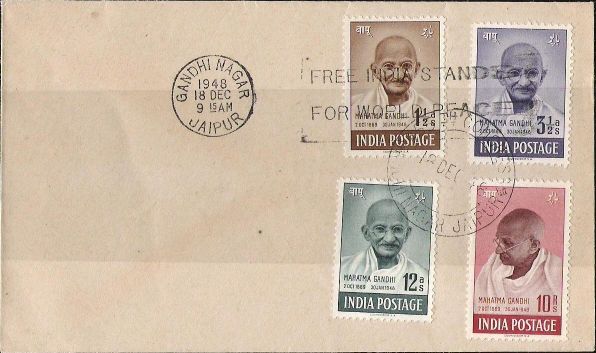
gandhi-english

48.கண்ணாடி (தர்பண), வைர ஊசி (வஜ்ர சூசிகா), மணி பார்க்கும் எந்திரம் (கடீயந்த்ர = கடிகாரம்) ஆகியனவும் உபநிஷத்துகளில் குறிப்பிடப் படுகின்றன.

49. கொடிகள், வாகனங்கள் தோன்றியது இந்தியாவில்தான் என்று பல கட்டுரைகள் எழுதினேன். ராமாயண, மஹாபாரதங்களில் கொடிகள் பற்றி நிறைய குறிப்புகள் இருந்தாலும் அந்தக் காவியங்கள் எழுத்தில் வந்தது கி.மு. மூன்றாம் நூற்றாண்டுகளில்தான் என்று ஆராய்ச்சியாளர்கள் கருதுவர். ஆனால் உபநிஷதங்களிலும் விருஷப த்வஜ ( விடைக் கொடி- பிரஸ்னோபநிஷத்), மூஷிக த்வஜ (எலிக் கொடி) ஆகியன வருகின்றன.

50. வீணை என்னும் வாத்தியம் பிருஹத் ஆரண்யக உபநிஷத்தில் வருகிறது (2-4-9; 5-4-10)

51.படகுகள்/கப்பல்கள் பற்றி பிருஹதாரண்யக, முண்டக, மைத்ரீ உபநிஷத்துகளில் படிக்கிறோம் 18 படகுகள் கொண்ட ஒரு அணியை முண்டகோபநிஷத்தில் காணலாம் ( முண். 1-2-7)

52. ஜோதிடம் பற்றிய குறிப்புகள் தைத்ரீய சிஷாவல்லியில் வருகிறது (3).

53.தேவாலயம், சிவாலயம் போன்ற கோவில் குறிப்புகள் பிருஹத் ஆரண்யக உபநிஷத்தில் வருகின்றன (5-7; 3-3-4). கி.மு 800 வாக்கிலேயே கோவில்கள் இருந்தன என்பதை இது உறுதி செய்கிறது,

54.பஞ்சம் ஏற்பட்டது பற்றி சாந்தோக்ய உபநிஷத் ( 1-10-1) கூறுகிறது. சம்ஸ்கிருத ,தமிழ் இலக்கியங்களில் பல இடங்களில் 12 ஆண்டுக் காலம் நீண்ட வறட்சி பற்றி வருகிறது. அந்தக் கால உண்மை நிலையை எழுதியதால் இந்த இலக்கியங்களை நாம் நம்ப முடிகிறது. திருவிளையாடல் புராணமும் கூட நீண்ட வறட்சியால் புலவர்கள், பிராமணர்கள் ஆகியோர் வேற்று தேசங்களுக்குச் சென்றதாகத் தெரிவிக்கிறது.

sahanavatu

55. உபநிஷத்துகளில் மிகவும் பழமையானதும் பெரியதும் பிருஹத் ஆரண்யக ( பெரிய காட்டு) உபநிஷத் என்று முன்னரே கண்டோம். இதில் உத்தாலகர் என்பவர் தனது மகன் ஸ்வேதகேதுவுக்கு ஒன்பது உபமானக் கதைகள் மூலம் அத்வைதக் கொள்கையைப் போதிக்கிறார். இந்த குட்டிக் கதை சொல்லும் உத்தியை பிற்காலத்தில் புத்தர், ஏசு போன்றோரும் பயன்படுத்தினர். ஏசுநாதர் இதைக் கற்க இந்தியா வந்ததாகவும் ஒரு சாரார் கூறுவர்.

56. உபநிஷத்துகளில் பிராணிகளும் கூட மனிதனுக்கு உபதேசிப்பதைக் காண்கிறோம்: இடி/மின்னல் த.. த… த…. என்று உபதேசித்ததை முன்னர் தனிக்கதையில் கண்டோம். அன்னப் பட்சிகள் பேசிக்கொண்டதை ஜனஸ்ருதி அறிந்துகொண்டார். சத்யகாமனுக்கு அவன் மேய்த்துவந்த மாட்டுக் கூட்டத் தலைமைக் காளையே உபதேசம் செய்தது. தீ, அன்னம், நீர்மூழ்கிப் (மீன்கொத்தி) பறவை ஆகியவற்றிடமிருந்தும் அவன் கற்றுக் கொண்டான். அவனுடைய சீடன் உபகோசல என்பவன், யாகத் தீயில் இருந்து பாடம் கற்றான். இதை வைத்துதான் சம்ஸ்கிருதத்தில் பஞ்ச தந்திரக் கதைகள், ஹிதோபதேசக் கதைகள் உருவாயின என்றும் கருதலாம்.

57.பிருஹத்ரதன் (பெருந்தேரன்), அஜாதசத்ரு, ஜனகன் போன்ற மன்னர்களின் பெயர்கள் உபநிஷத்துகளில் காணப்படுகிறது. இவர்களுடைய காலத்தைக் கண்டுபிடித்து இந்திய வரலாற்றை திருத்தி எழுதுவது நமது கடமை.

58. சாப்பாட்டைக் குறைகூறக்கூடாது என்று தைத்ரீய உபநிஷத் கூறுகிறது (தைத்ரீய பிருகுவல்லி-9)

உபநிஷதத் தொடர் முற்றும்.

40 Important Quotations from the Atharva Veda!

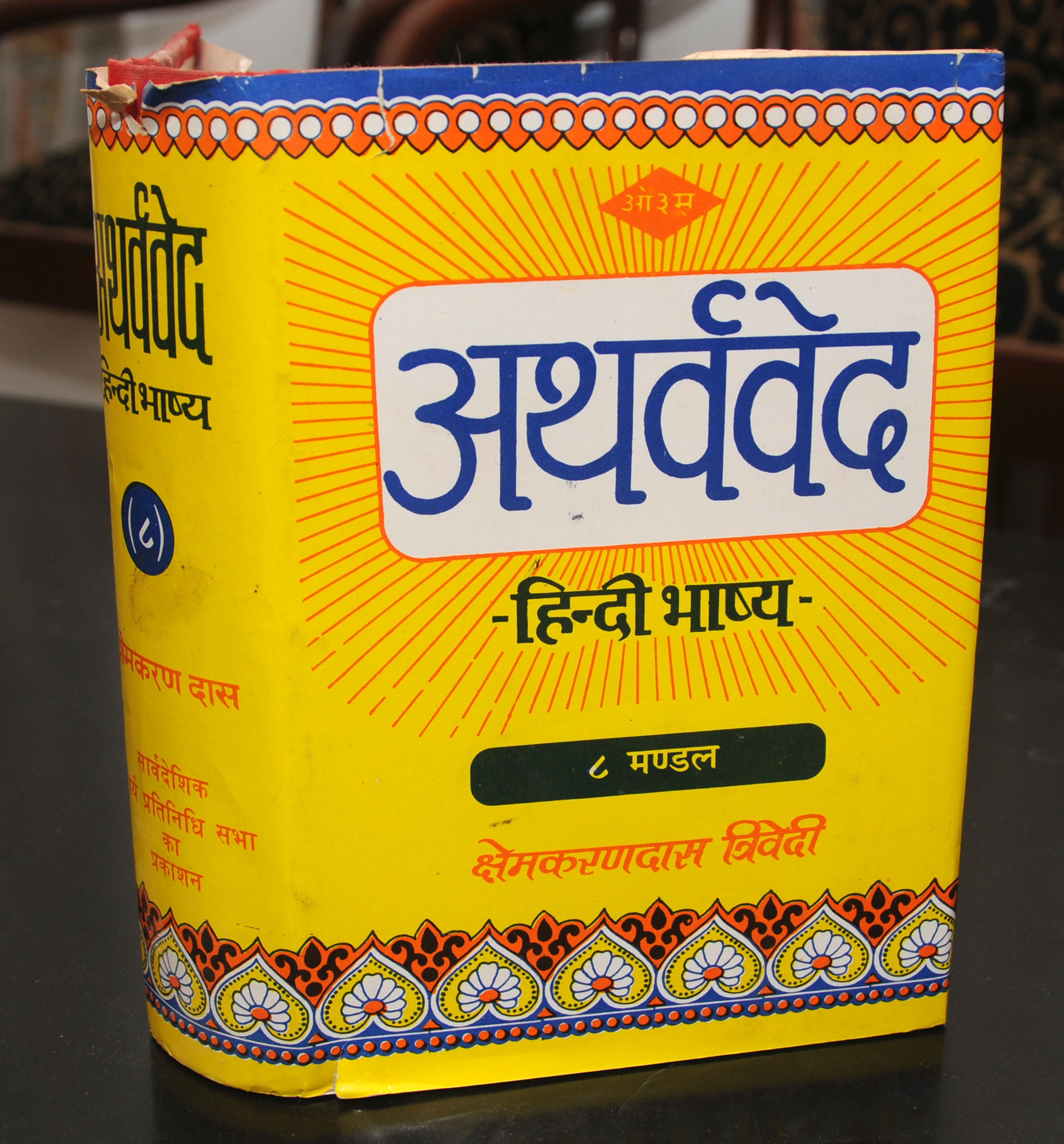
the_atharvaveda_devichand

Compiled by london swaminathan
Post No. 1016; Dated 2nd May 2014.

(Vedas are four: Rik, Yajur, Sama and Athrva. The Fourth Veda Atharva Veda is divided into 20 books (Kanda). Atharva Veda consists of approximately 750 hymns and they have around 6000 verses. I have already given the important quotation from the Atharva Veda in Tamil)

WORLD PEACE
1.May the earth be peaceful,
May the atmosphere be peaceful,
May the medicinal herbs be peaceful
May all shining objects be peaceful,
May all the enlightened persons be peaceful
May all the actions be peaceful. By these peace
May we alleviate that which is terrific here
That which is cruel here,
That which is sin here,
That has been calmed, that is auspicious.
Let all be gracious unto us. AV 19-9-14

(Pruthivi shanty…………………………… AV 19-9-14)

LONG& HEALTHY LIFE
2.May we see a hundred autumns
May we live a hundred autumns
May we acquire knowledge up to a hundred autumns
May we go on advancing forward to a hundred autumns
May we thrive a hundred autumns
May we exist for a hundred autumns
May we remain pure a hundred autumns
And let us remain even more than a hundred autumns
A v 19—67
(Pasyema saradas satam………………….. 19-67 AV)

&&&&
3.May our mother-father (parents) live happily, well be it with the cows, men and all the world, many happy fortune, grave and favour ever accompany us and may we enjoy sun light for a very long period AV 1-31-4
(Svasti matra uta pitre………………………. AV1/31/4)

&&&&&

4.One hundred fortunes have born all together with the birth of the body of the mortal (man) (upon which he has right by birth) of those we cast away those which leads us to sinful acts. O God, the knower of entire creation please let us have those fortunes which will prove blessings to us AV 7-115-3
(Eka satam laksmyo…………………….7/115/5 AV)

FAME & GLORY
5.Fame and glory, power and managing capacity, spiritual splendour, nourishment and other means of subsistence belong to him who knows this Divinity as Simple and One AV 13-4-14-5
( Kirtischa Yasascha …………………. AV 13-4-14-5)
&&&&

6.May the power of speech remain in my mouth, may the vital air ever exist in my nostrils, may the power of sight ever exist in my eye, may the power of hearing remains in my ears, let not my hair become gray, let not my teeth become dirty and let my arms possess much strength AV 19-60-1
( Vang me asan ………………………… AV 19-60-1)

&&&

7.May I have strength in my thighs, swiftness in my legs and firmness in my feet; may all the organs of my body be healthy and may my soul be ever alert AV19-60-2
( Urvorojo …………………… AV19-60-2)

&&&&
8.May all the different parts of my body remain in good condition and may the power of endurance ever exist in me against the enemies. May I attain the full length of life. May I attain the happiness and fullness in all respects and purifying myself, may I attain the state of perfect bliss AV19-60-1
(Thanusthanva me …………………. AV19-60-1)

&&&&

9.May all the constellations, in the absence of sun, the sources of its light! Which are in the heaven, all those in the sky, in the waters, on the earth and on the mountains and in all directions as well as all the regions wherever the moon goes, prove the source of happiness to us. AV 19-8-1
(Yani nakshatrani………………………. AV 19-8-1)
&&&&
AV bloomfield

UNITY & UNANIMITY
10).O mankind! I ordain for you to have concordance in your heart, unanimity in your minds and freedom from hatred. Every one of you ought to love one another in every way just as the cow loves the calf just born AV 3-30-1
(sahrudhayam samanya………………… AV 3-30-1)

&&&&

11.Let the son be obedient to his father and in accordance with the mind of his mother. Let the wife speak to her husband calm, gentle, sweet words as honey AV 3-30-2
(anurbratha: pitu: ………………………….. AV 3-30-2)

&&&&

12.Neither a brother should hate his brother nor a sister unkind to her sister, you ought to speak with another most gently being united in your mind and keeping the same ideal before you AV 3-30-3
(Ma Bratha bratharam…………………….. AV 3-30-3)
&&&&

13.That path of the Vedas I ordain in your home against which the enlightened persons never go nor do they bear hatred towards one another, so that it may serve as leading principle for all men AV 3-30-4
(Yena Deva viyanti……………. AV 3-30-4)

&&&&&

14.O Mankind! Who are respectful to the elders possessing noble hearts, friendly, in your undertakings of acquiring wealth and walking in the same path bearing the common yoke together, be never disunited with one another, come, I make you one intentioned and one minded and each one of you speak sweetly to the other AV 3-30-5
(Jyayasva…………… AV 3-30-5)

&&&&

MUTUAL HELP
15.Let your place of drinking water be common and your food be together as I yoke you to a common yoke; worship Agni, all of you together, just as the spokes are attached to the navel of the chariot from all around AV 3-30-6
(samani prapa saha………………… AV 3-30-6)

&&&&
16.O Mankind! I enjoin on all of you to be mutually helping one another, to be united in your mind and to have common ideal of life for benefitting one another. Like the enlightened persons whoever take care of immortal principle (in their life) may the friendly feelings amongst you increase morning and evening AV 3-30-7
(sadhdni chinan va: ……………………. AV 3-30-7)

&&&&

17.These five senses with the mind as sixth which abide in my heart are made sharp by means of prayer. By which all the awful works are done, may we attain peace by them AV 19-9-5
(Imani yani panchendriyani………………. AV 19-9-5)

&&&&

Atharva Veda

LOVE & AFFECTION
18.O Lord! Make me an object of love among the enlightened persons, and make me beloved among the rulers of the world; Make me dear to all who happen to see me whether they be ordinary labourers or noble persons AV 19-62-1
(Priyam ma krunu Deveshu…………………. AV 19-62-1)

&&&&
19.O Indra! God of Supreme Power! Make us fearless of all such things whereof we are afraid of AV 19-15-1
(Yath Indra Bhayamahe……………………….. AV 19-15-1)

&&&&
20.May the atmosphere give us peace and safety and may both these heaven and earth be secure for us. May we be free from danger from west and east and may there be no fear from north and south AV 19-15-5
(Abhayam Na: ……………………. AV 19-15-5)
&&&&&

21.May we be fearless of our friends and even of those who are unfriendly to us, may we never fall in dread of those whom we know and even of those we don’t know: May we remain free from any apprehension by night and in the day time, and may all the quarters be friendly to us AV 19-15-6
(Abhayam mitradha bhayam ………………. AV 19-15-6)

&&&&&&&&&&&
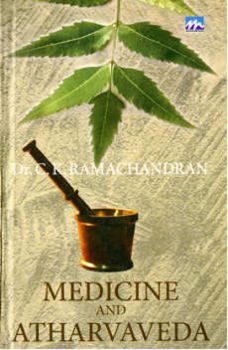
14oeb_medicine
GOD
22.My homage to the Almighty God who is the ordainer of all that existed in the past and of that which will exist in the future in the form of eternal bliss AV 10-8-1
(Yo Bhutam cha Bhavyam Cha ……………………….. AV 10-8-1)

&&&&

23.He is the Creator, the Ordainer, the Source of all types of motion and energy. He is the highest feeder AV13-4-3
(Sa dhata sa …………………. AV13-4-3)
&&&&

24.He is called neither the second, nor the third and not yet the fourth also. He is called neither the fifth, nor the sixth and not yet the seventh also. He is called neither the eigth, nor the ninth and not yet the tenth also AV 13-4-16/18
(Na dweethiyo na thrutheeya ………………………… AV 13-4-16/18)

&&&&&
25.He takes care of all that breathes and of all that does not breathe. He has got all this conquering power. He is the one and one alone and the only one. All these luminous forces of nature become one in him AV13-4-19/21
(Sa sarvasmy …………………………………. AV13-4-19/21)

&&&&

26.If a man stands, walks and deceives other person, whether he does these in private chamber or publicly; and whatever two persons sitting together whisper secretly? The Imperial Ruler Varuna knows it all, being present there as the third one amongst them AV 4/16/2
(Yasthistathi charathi …………………….. AV 4/16/2)

&&&&

27.Even this earth belongs to the Imperial Ruler Varuna and the mighty Sun too, situated at the farthest end in His possession. The two oceans (ocean of earth and atmosphere) are as it the two cavities of his abdomen and he is wholly pervading even this single drop of its water AV 4/16/3
(Uteyam Bhumir Varunasya …………………… AV 4/16/3)

&&&&
28.If one should run away for beyond the heaven, even then he cant get rid of the vigilance of the Imperial Ruler Varuna. Because of his thousand eyed luminous powers of circumspection are ever watchful over this earth AV 4/16/4
( Utha yo Dhamathi sarpath…………………… AV 4/16/4)

&&&&
AV DISC
WHO CREATED US?
29.By whom has this earth been made? By whom has the heaven been placed over it? By whom has this expansion of atmosphere been raised upon high and stretched across? AV 10-2-24
( Keneyam Bhumirvihitha ………………………….. AV 10-2-24)

&&&&
30The earth has been made by Brahma – The Supreme Being and it is Brahma again who has placed the heaven above it. It is Brahma by whom has the atmosphere been raised upon high and stretched across AV 10-2-25
( Brahmana Bhumirvihita ………………… AV 10-2-25)

&&&&
31.The Supreme Being manifests himself in the innermost chamber of our hearts, all that which move or not move and all living creature have wholly taken shelter in Him AV 10-8-6)
( AAvi: sannirhitam guha ……………………… AV 10-8-6)
&&&&

32.I know the all spreading cord wherein are interwoven all these creatures.
I know the cord of the cords, hence I know Supreme God AV 10-8-38
( Vedaham sutram vivarthatham ……………………… AV 10-8-38)

&&&&

33. God the Pillar of support is holding both the earth and the heaven and the pillar of support is holding the vast atmosphere. The Pillar of support is holding the extensive six directions and the Pillar of support is pervading the entire universe AV 10-7-35
( Skambo dhatara dhyavam ……………………… AV 10-7-35)

&&&&
34.Wherein the earth, the atmosphere and the heaven live, wherein the fire, the moon, the sun and the air have taken shelter; say He is the Pillar of support; verily he is the most Blissful Being AV 10-7-12
(Yasmin Bhumir antariksham …………………… AV 10-7-12)

&&&&

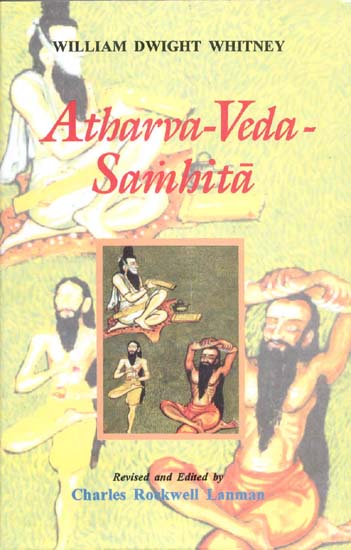
atharva_whitney
JEALOUSY

35.O Myself! The first attack of jealousy together with that which follow the first appearance of it, is the fire which is filled in your heart (source of constant sorrow). I drive away completely the same from your heart AV 6-18-1
(Irsyaya……………… AV 6-18-1)

&&&&

36.Just as the earth is dead in consciousness yes, it is more dead in consciousness than the dead, just as the spirit of the dead is, similarly the spirit of the jealous man is dead (within himself) AV 6-18-2
(Yatha Bhumir mruthamana ……………………. AV 6-18-2)

&&&&
37.O Myself! That thought which is sheltered in your heart, the low-mindedness which hovers therein. I drive away jealousy from that, just as one drives away hot air from the bellows AV 6-18-3
(Adho yath the……………………….. AV 6-18-3)

&&&&

38.May the heaven be peaceful,
May the earth be free from disturbance,
May the vast atmosphere be calm,
May the flowing waters be soothing
May all the plants and herbs prove beneficial to us AV 19-9-1
(shanta dyau shanta…………………….AV 19/9/1)

&&&&

39.May all the foretelling signs of coming events be free from turmoil and may all that has been done and that which has not been done prove the source of happiness to all: May past and future be peaceful and may all be gracious unto us AV 19-9-2
(santanu purva rupani……………………………AV 19/9/1)
&&&&

40.May he is full of splendour, the holy, pervading the sun and averts all the sufferings caused by objects natural laws from us. He is the only one lord, who supports all creatures of the universe. The friendly god is the only one object of worship bless us AV2-2-2
( Div sprushte yajatha ………………………….. AV2-2-2 )

From “The Gems of Vedic Wisdom” by Kamlesh Sharma, Standard Publishers (India) , New Delhi 59. Year 2006 Rs 495

contact swami_48@yahoo.com
ராமாயணம் தோன்றியது எப்படி? அற்புதமான கதை

rama rama
Post No 1015; Date 2nd May 2014.

எழுதியவர் ச.நாகராஜன்
ராமாயண வழிகாட்டி- அத்தியாயம் 26

சிலேடைக் கவிதையில் ராமாயண உதயம்!!

ராமாயணம் தோன்றக் காரணமாக அமைந்ததே ஒரு சிலேடை ஸ்லோகத்தால் தான்!

இனிமையான குரலுடைய இரண்டு க்ரௌஞ்ச பக்ஷிகளுடைய ஆண்,பெண் ஜோடியை குரூரங்களுக்கு இருப்பிடமான ஒரு வேடன் பார்த்தான்.அதில் ஆண் பறவையைக் கொன்றான்.பெண் பறவை கீழே தள்ளப்பட்டு பூமியில் புரளுகிற ரத்தத்தினால் பூசப்பட்ட சரீரமுடைய தன் ஜோடிப் பறவையைப் பார்த்து பரிதபிக்கத்தக்க புலம்பலைப் புலம்பிற்று. அந்தப் பறவையைப் பார்த்த தர்மாத்மாவான வால்மீகி முனிவருக்குக் கருணை உண்டாயிற்று. அவர் ‘இது அதர்மம்’ என்று ஒரு வசனத்தைக் கூறினார்:

மா நிஷாத ப்ரதிஷ்டாம் த்வமகம: ஷாஸ்வதீ: சமா:I
யத்க்ரௌஞ்சமிதுனாதேகமவதீ: காமமோஹிதம் II

– பால காண்டம் இரண்டாம் ஸர்க்கம், பதினான்காம் ஸ்லோகம்

நிஷாத – வேடா! க்ரௌஞ்சமிதுனா – க்ரௌஞ்ச மிதுனத்தில் காம மோஹிதம் – காமத்தால் மயங்கி இருந்த ஏகம் – ஒன்றை அவதீ: – கொன்றாய் தத் ஸ்வே – அதனால் நீ ஷாஸ்வதீ: – நீடித்த சமா -ஆண்டுகளில் ப்ரதிஷ்டாம் – இருப்பை மா அகம::-அடைய மாட்டாய்

இதைச் சற்று சிந்தித்த அவருக்கு இதே வசனத்திற்கு வேறு ஒரு பொருள் தோன்றியது!

ramachandra swami

மா நிஷாத ப்ரதிஷ்டாம் த்வமகம: ஷாஸ்வதீ: சமா:I
யத்க்ரௌஞ்சமிதுனாதேகமவதீ: காமமோஹிதம் II

– பால காண்டம் இரண்டாம் ஸர்க்கம், பதினான்காம் ஸ்லோகம்

மாநிஷாத – ஸ்ரீனிவாஸ! க்ரௌஞ்சமிதுனாத் – ராக்ஷஸ மிதுனத்தில் காம மோஹிதம் – காமத்தால் புத்தி கெட்ட ஏகம் – ஒருவனை அவதீ: – கொன்றீர்; யத் ஸ்வே – அதனால் நீர் ஷாஸ்வதீ: – நீடித்த சமா -ஆண்டுகளில் ப்ரதிஷ்டாம் – கீர்த்தியை மா அகம::-அடைந்தீராக!

ஆக இந்த ஸ்லோகமே இரு அர்த்தம் கொண்ட ச்லேடை ஸ்லோகமாக ஆனது!
சற்று சிந்தித்த அவருக்கு ஒரு அதிசயம் விளங்கியது!

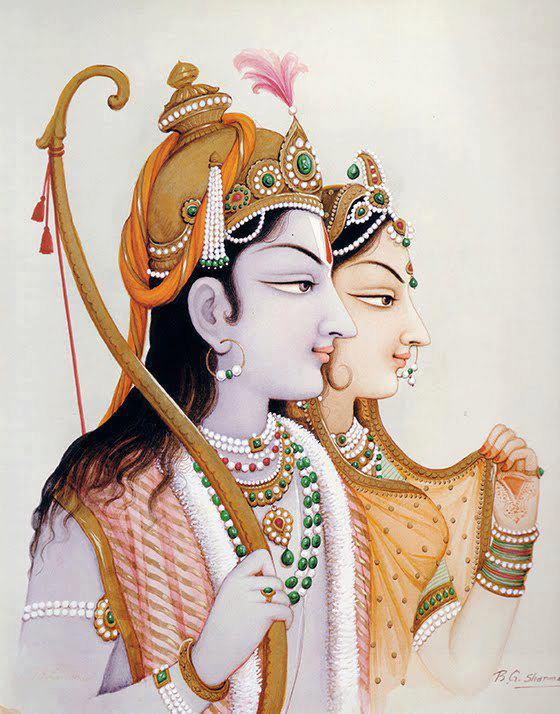
rama flowering sita

பாதபத்தோக்ஷரசமஸ்தந்த்ரிலயசமன்வித: I
ஷோகார்தஸ்ய ப்ரவ்ருத்தோ மே ஸ்லோகோ பவது நான்யதா II

– பால காண்டம் இரண்டாம் ஸர்க்கம், பதினேழாம் ஸ்லோகம்

சோகார்தஸ்ய – சோகத்தால் பீடிக்கப்பட்ட மே – என்னிடமிருந்து ப்ரவ்ருத்த – உண்டானதும் பாதபத்த: – பாதங்களோடமைந்த அக்ஷரசம: – எழுத்தொத்த தந்த்ரிலயசமன்வித: – வீணைத் தந்தியில் தாள லயத்தோடு கூடினது ஸ்லோக: – ஸ்லோகம் என்ற பெயர் உடையதாகவே பவது – இருக்கட்டும் அன்யதா ந – வேறு விதமாக இல்லை

தானே தாள லயத்துடனும் அற்புதமான அர்த்தத்துடனும், பொருத்தமான சந்தத்துடனும் அமைந்த அந்தச் செய்யுளுக்கு ஸ்லோகம் என்று அவர் பெயர் தந்தார். இப்படியாகத் தான் சங்கீத லயமும் அர்த்தமும் சந்தமும் உள்ள ராமாயணம் உதயமாயிற்று!

அப்போது வால்மீகி முனிவரைப் பார்க்க தாமே வந்த பிரம்மாவை அவர் உபசரித்து வரவேற்றார். ஆனாலும் மனதிலே க்ரௌஞ்ச பக்ஷியைப் பற்றிய எண்ணம் அவருக்கு இன்னும் போகவில்லை.
பிரம்மா அவர் எண்ணத்தை அறிந்து சிரித்தார்.பிறகு கூறினார்:-

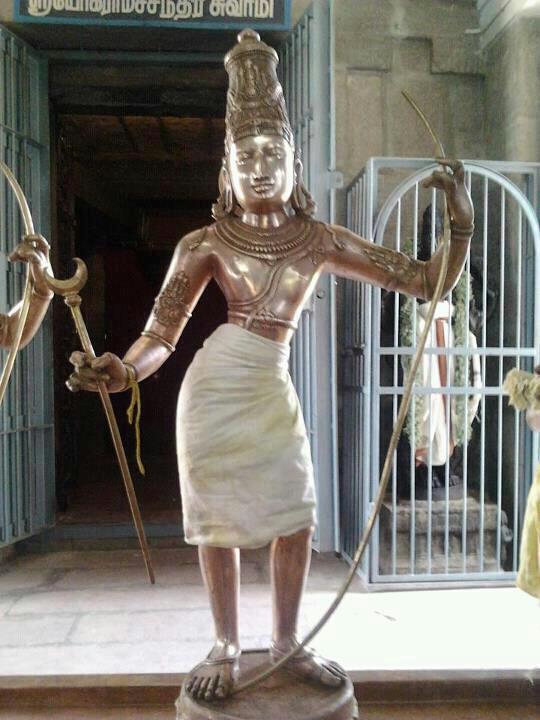
kothanda raman

மச்சாந்தாதேவ தே ப்ரஹ்மண் ப்ரவ்ருத்தேயம் சரஸ்வதி I
ராமஸ்ய சரிதம் சர்வ குரு த்வம்ருஷிசத்தம் II

– பால காண்டம் இரண்டாம் ஸர்க்கம், முப்பத்தியிரண்டாம் ஸ்லோகம்

ப்ரஹ்மன் – பிராம்மணரே தே – உம்முடைய இயம் சரஸ்வதி – இந்த வாக்கானது மச்சாந்தாத் ஏவ – என்னுடைய அபிப்ராயத்தினாலேயே ப்ரவ்ருத்தா – உண்டானது ருஷிசத்தம – முனி ச்ரேஷ்டரே த்வம் – நீர் ராமஸ்ய சரிதம் –ராமருடைய சரித்திரத்தை சர்வம் – முழுவதையும் குரு – செய்யும்.

இவ்வாறு ராம சரிதத்தை முழுவதுமாகச் செய்ய பிரம்மா அருளுரை புகல ராமாயணம் உருவானது. வால்மீகி முனிவருக்கு உலகம் உய்ய வேண்டும் என்ற பிரம்மாவின் சங்கல்பம் மகிழ்ச்சியைத் தரவே அற்புதமான காவியத்தை உள்ளது உள்ளபடி செய்தார்.

உலகில் மலைகளும் நதிகளும் எதுவரைக்கும் இருக்குமோ அது வரைக்கும் ராமாயணக் கதை உலகங்களில் விளங்கப் போகிறது என்று ஆசீர்வதித்தார் பிரம்மா.

யாவத் ஸ்தாஸ்வந்தி கிரய: சரிதஸ்ச மஹீதலே I
தாவத் ராமாயணகதா லோகேஷு ப்ரசரிஷ்யதி II

– பால காண்டம் இரண்டாம் ஸர்க்கம், முப்பத்தியேழாம் ஸ்லோகம்

பூமி உள்ளவரை ராமாயணம் ஒலிக்கும்!!!

Golden_Globe_awards_logo

மஹீதலே – உலகத்தில் கிரய: – மலைகளும் சரிதஸ்ச – நதிகளும் யாவத் – எதுவரைக்கும் ஸ்தாஸ்வந்தி – இருக்குமோ தாவத் – அதுவரை ராமாயணகதா – ராமாயண கதை லோகேஷு – உலகங்களில் ப்ரசரிஷ்யதி –விளங்கப் போகின்றது.

வால்மீகி முனிவரின் இந்த ஆதி காவியம் உலகம் உள்ளவரை நிலைத்து நிற்கும் என்பதில் ஐயமேது! இதைப் படிக்கும் பேறு பெற்றோரின் அதிர்ஷ்டமே அதிர்ஷ்டம் அல்லவா!!

contact swami_48@yahoo.com
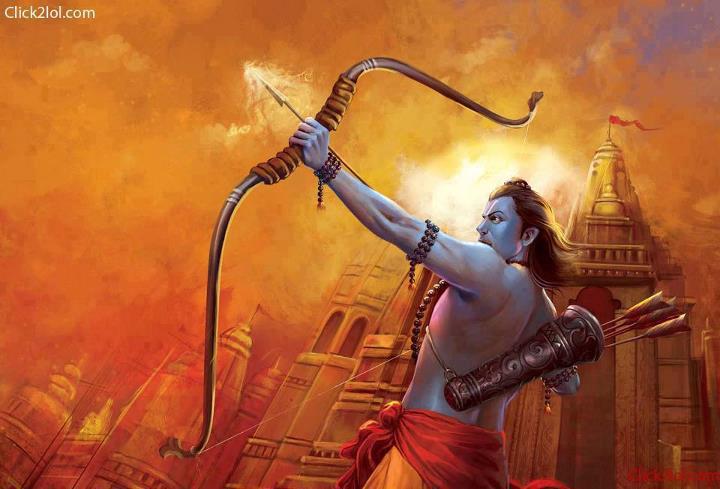
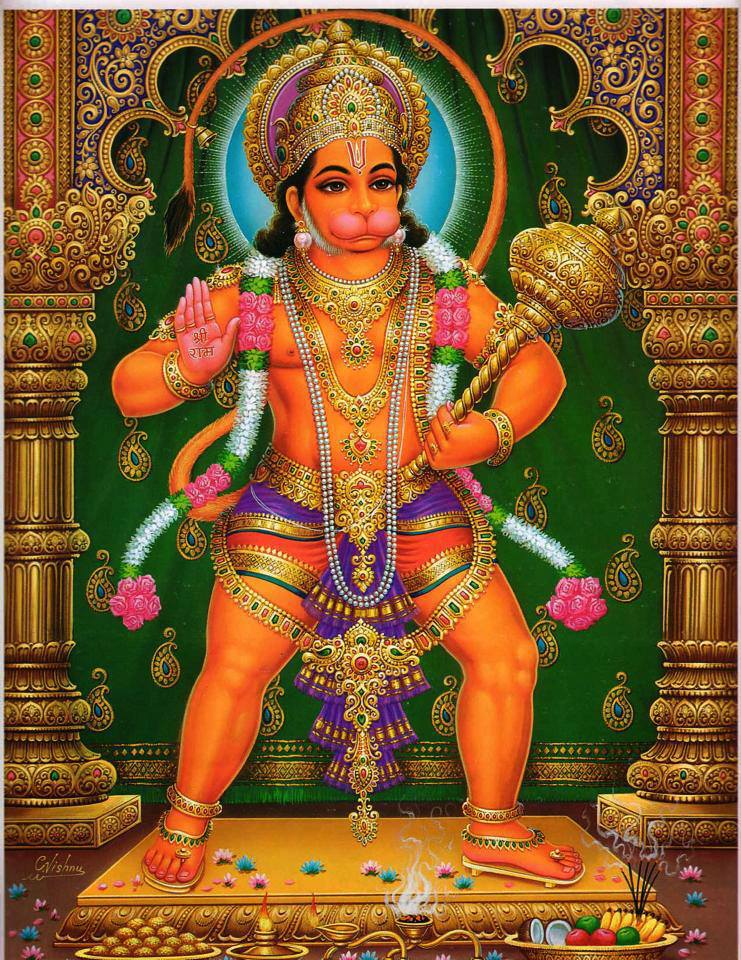
Hanuman Killed Rama! Sanskrit Puzzle!

anjaneya,fb

Compiled by London Swaminathan
Post No. 1014; Date- 1st May 2014

Prahelikaa means puzzles. This is very ancient art. Puzzles featured in Vedic sacrifices called ‘satras’ which went on for a long period. To dispel the inevitable monotony, the priests used to discuss set puzzles.
Prahelikaa (puzzles) is of two kinds: invented puzzles and traditional ones. This is practised for a two fold purpose – innocent sport and fooling people. In the past, puzzles used to be employed to befool the bridegroom’s party. These sports are becoming rarer with the progress of civilization.

The Sanskrit literature contains hundreds of udbhata-slokas (verses) which are beautiful specimens of this art. One can be cited for illustration:

“Hato hanuumataa raama, sitaa harsam
Upaagataa rudanti raakshasaa sarve haa haa raamo hato hatah

angry ram

The puzzle is based on the popular story of Ramayana. It means Hanumat has killed Rama, Sita is delighted, and the Rakshasas are crying – Alas, alas , Rama is killed. This is absolutely contradictory. The puzzle is solved by detecting a simple euphonic combination in two places, the word ‘aaraama’ (means garden) and not ‘rama’. Then it means, Hanumat has destroyed the garden, viz, the Asokavana, Sita is delighted and the Rakshasas are crying, “Alas, Alas the garden is destroyed.”

In our Pauranic literature we find so many beautiful illustrations of this art of Prahelika (puzzles).
(This is taken from Sixty Four Arts in Ancient India by A.B.Ganguly)

In the Mahabharata we have stories of Vyasa dictating difficult and tricky verses/slokas to the fulfil condition of Lord Ganesh that composing verses should be nonstop. Vyasa has already put a condition on Ganesh that he should not write anything without understanding. This shows that the great art of puzzles and riddles has been used by the Hindus from time immemorial.

Yaksha Prasna (question and answer session) is also another proof for tricky questions and intelligent answers.

( I have dealt with both these Mahabharata stories elsewhere in my posts)

Sanskrit Wordplay ‘Slesa’ (puns)

Classical Sanskrit literature can abound in puns (slesa). Such paronomasia or wordplay is raised to a high art; rarely it is a cliché. Multiple meanings merge into single word or phrase. Most common are pairs of meanings, but as many as ten separate meanings are attested.
kadambari

Yuktam kadambarim srutva kavayo maunam asritah
Banadhvanav anadhyayo bhavat iti smritir yatah

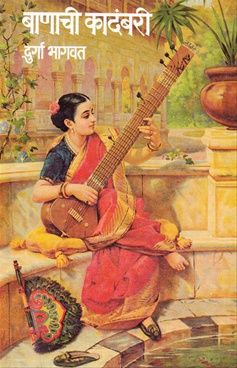
It is right that poets should fall silent upon hearing the Kadambari, for the sacred law rules the recitation must be suspended when the sound of an arrow (the poetry of Bana) is heard.
Bana is the author of Kadambari; bana means arrow in Sanskrit

——-Someshvaradeva’s Moonlight of Glory 1-15
bana

Sanskrit Pun is taken from HITOPADESA introduction, Translated by Judit Torzsok, Newyork

contact swami_48@yahoo.com
அனுமன் ராமனைக் கொன்றான் ! சம்ஸ்கிருத புதிர் !!

anjaneya,fb

By London Swaminathan
Post No. 1013; Dated 1st May 2014.

தமிழைப் போலவே சம்ஸ்கிருதமும் வளமான மொழி. ஆனால் சம்ஸ்கிருதம் தமிழைவிட 1500 ஆண்டுப் பழமையான மொழி என்பது தொல்பொருட் சின்னங்களால் நிரூபிக்கப்படுள்ளது இது பற்றி ஏற்கனவே எழுதியுள்ளேன். துருக்கி- சிரியா எல்லையில் கண்டுபிடிக்கப்பட்ட கல்வெட்டில் வேத கால தெய்வங்கள் பெயர், ரிக் வேதத்தில் உள்ள அதே வரிசையில், ஒரு உடன்படிக்கையில் இருப்பது எல்லோரும் அறிந்ததே. காஞ்சிப் பெரியவர் தனது உரையில் இதை 1932 ஆம் ஆண்டிலேயே சுட்டிக்காட்டினார்.

எகிப்தில் கண்டுபிடிக்கப்பட்ட தசரதன் கடிதங்களும் (ராமாயண தசரதன் அல்ல), கிக்குலி எழுதிய குதிரைப் பயிற்சி நூலும், இராக்-துருக்கி-சிரியா பகுதியை ஆண்ட மிட்டன்னி நாகரீக மன்னர்கள் பிரதர்தனன், தசரதன் ஆகியோர் பெயர்களும் மறுக்கமுடியாத தொல்பொருட் துறை சான்றுகளாகப் பட்டொளி வீசிப் பறக்கின்றன.

இந்தோநேசியாவில் மனிதர்கள் புகமுடியாத காடு என்று எண்ணியிருந்த போர்னியோ தீவில் மூலவர்மனின் நாலாம் நூற்றாண்டு சம்ஸ்கிருதக் கல்வெட்டு கண்டுபிடிக்கப்பட்டதையும் காஞ்சி மாமுனிவர் தனது உபந்யாசங்களில் குறிப்பிட்டதை நாம் அறிவோம்.

வியட்நாம், கம்போடியா, லாவோஸ், தாய்லாந்து, இநதோநேஷியா பகுதிகளில் 800-க்கும் அதிகமான சம்ஸ்கிருத கல்வெட்டுகள் இருப்பதையும் அறிஞர் உலகம் நன்கு அறியும். ஆசியா கண்டம் முழுதும் சம்ஸ்கிருதக் கல்வெட்டுகள் இருப்பதையும் ஆப்பிரிக்காவில் எகிப்தில் தசரதன் கடிதங்கள் இருப்பதையும் அறிஞர் உலகம் எந்தவித ஆட்சேபணையும் இன்றி ஒப்புக்கொள்வது மகிழ்ச்சிக்குரியது.

என்னைப் போன்றோர் எழுதிய மாயா- இந்து தொடர்புகளைப் பலர் ஏற்பதில்லை. அது ஏற்கப் பட்டால் தென் அமெரிக்க கண்டத்தில் உள்ள மாயா, ஒலமக், ஆஸ்டெக் (ஆஸ்தீக), இன்கா நாகரீகங்களும் சம்ஸ்கிருதமே என்பதை உலகம் ஏற்கும். நிற்க.

இனி புதிருக்கு வருவோம். தமிழில் 20,000 பழமொழிகள் இருப்பதைப் போல சம்ஸ்கிருதத்திலும் பல்லாயிரக் கணக்கான பழமொழிகள் உண்டு. இது தவிர விடுகதைகளும், புதிர்களும், ஏராளம், ஏராளம். எண்ணி மாளாது. யாரேனும் ஒருவர் தமிழ் மொழி இலக்கியங்களையும் சம்ஸ்கிருத இலக்கியங்களையும் படிக்காமல் இந்தியப் பண்பாட்டை எடைபோட முன்வந்தால், அது குருடன் யானையைப் பார்த்த கதையாக முடியும். குருடர்கள் யானை பார்த்த கதையை திருமூலரும், சம்ஸ்கிருத, பாலி இலக்கியங்களும் பாடி இருப்பதை ஏற்கனவே எழுதிவிட்டேன்.

அனுமன் ராமனைக் கொன்றான்!

“ஹதோ அனூமதா ராமா, சீதா ஹர்ஷம்
உபாகதா ருதந்தி ராக்ஷசா சர்வே ஹா ஹா ராமோ ஹதோ ஹத:”

என்ற சம்ஸ்கிருத ஸ்லோகத்தை இரண்டுவிதமாகப் பிரிக்கலாம்.
ராம என்பது எல்லோரும் அறிந்த புனிதனின் பெயர். ‘ஆராம’ என்றால் தோட்டம். இந்த ஒரு சொல் தெரிந்தால் போதும். புதிரை விடுவித்து விடலாம்.

முதலில் எழுதப்பட்ட ஸ்லோகத்தின் பொருள்: அனுமன் ராமனைக் கொன்றான். சீதைக்கு மகிழ்ச்சி. ராக்ஷசர்களும் ஹா, ஹா, ராமன் கொல்லபட்டான் என்று கூத்தாடுகின்றனர்.

ஆராம என்ற சொல்லுடன் அர்த்தம் கொண்டால் கிடைக்கும் பொருள்: “அனுமன் தோட்டத்தை (அசோகவனம்) அழித்தான், சீதைக்கு மகிழ்ச்சி. ராக்ஷசர்கள், ஹா, ஹா, தோட்டம் அழிக்கப்பட்டுவிட்டது” என்று கூச்சல் இட்டனர்.

இதே போல தமிழிலும் ஏராளமான சுவைமிகு பகுதிகள் உண்டு. அவைகளைத் தனியாகக் காண்போம்.

angry ram

சம்ஸ்கிருத சிலேடை

கவி காளமேகம் பொழிந்த சிலேடைக் கவிதைகளைப் பள்ளிக் கூடத்திலேயே தமிழ்ப்பாட வகுப்பில் படித்து இருக்கிறோம். அதே போல ஒரு சம்ஸ்கிருத (ஸ்லேச) சிலேடைக் கவிதை:
பாணன் என்ற கவிஞன் காளிதாசனுக்குப் பின் தோன்றி புகழ் அடைந்தவன். அவன் எழுதிய காதம்பரி என்னும் புகழ் பாடும் சிலேடைக் கவிதை இதோ:

யுக்தம் காதம்பரீம் ஸ்ருத்வா கவயோ மௌனம் ஆஸ்ரித:
பாணத்வனாவ் அனத்யாயோ பரிதிர் ஸ்ம்ருதிர்யத:

பாண என்ற சொல்லில் இருபொருள் (சிலேடை) அமைந்துள்ளது. பாண என்பது மாபெரும் கவிஞனின் பெயர். இதற்கு ‘அம்பு’ என்ற பொருளும் உண்டு .ராம பாணம் என்ற சொல் தமிழிலும் வழக்கில் உண்டு.

kadambari
முதல் பொருள்: காதம்பரீயைக் கேட்ட மாத்திரத்தில் புலவர்கள் மௌனம் ஆகிவிடவேண்டும் என்பது சரியே ( நிசப்தமாகக் கேட்க வேண்டும் ). ஏனெனில் பாணன் கவிதை என்ற உடனேயே மற்ற கவிதைகளை நிறுத்திவிட வேண்டும் என்பது ஒரு புனித விதி ஆகும்.
அம்பு என்ற பொருள் கொண்டால் வரும் பொருள்:

காதம்பரீயைக் கேட்ட புலவர்கள் மௌனம் ஆகிவிடவேண்டும் என்பது சரியே ( நிசப்தமாகக் கேட்க வேண்டும் ). ஏனெனில் அம்பு ஒலி கேட்ட உடனேயே மற்றவைகளை நிறுத்திவிட வேண்டும் என்பது ஒரு புனித விதி ஆகும்.

போர்க்காலத்தில் அம்பு ஒலி சப்தம் வரும்போது அங்கு கவிதைக்கு என்ன வேலை?

மஹாபாரதத்தை எழுதிக் கொடுக்க பிள்ளையார் போட்ட நிபந்தனையும் அதற்கு வியாசர் போட்ட பதில் நிபந்தனையும் நாம் அனைவரும் அறிந்ததே. யக்ஷப் ப்ரஸ்நம் என்ற பகுதியில் மரதேவதை கேட்ட பல கேள்விகளுக்கு தர்மன் திறம்பட பதில் அளித்ததையும் நான் ஏற்கனவே எழுதிவிட்டேன். இவை அனைத்தும் அந்தக் காலத்தில் இந்துக்களின் அறிவு, குறிப்பாக விடுகதை, புதிர், சிலேடை விஷயங்களில் எவ்வளவு முன்னேறி இருந்தது என்பதைக் காட்டுகின்றன.

bana

contact swami_48@yahoo.com

Good Thoughts Calendar 2014 (May)

marathi_hito

Post No. 1012; Date: 30th April 2014

Prepared by London swaminathan (copyright)

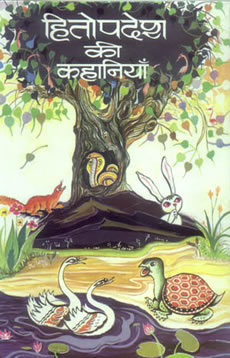
31 important Quotes from Hitopadesa, A Sanskrit work of fables, are given in this month’s calendar:

Important Dates: May 2 Friday- Akshaya Truthiyai; 4 Sunday –Shankara Jayanthy; 14 Wednesday- Buddha Purnima; 10 to 14: Madurai Chitra Festival. Auspicious Days: 5, 11, 25.
Full Moon day 14th May; New Moon (Amavasya) 28th May;
Ekadasi 10 & 24

May 1 Thursday
The wise spend their time diverting themselves with poetry and learned treatises, while fools succumb to vice, sleep and quarrels (1-1)

May 2 Friday
A man will not prosper if he takes no risks. But if he does take a risk, and survives, he will prosper (1-15)

May 3 Saturday
Ritual offerings, the study of the Vedas, alms giving and asceticism, truthfulness, patience, forgiveness and lack of greed – this is known as the eight fold path of righteousness (1-24)

May 4 Sunday
It is a wise man who regards the wife of another man as his own mother, the wealth of others as a clod of earth, and all creatures as himself 1-30

May 5 Monday
A gift ought to be given in a generous spirit to someone unable to repay it, at the right place and time, and to a man of merit – that is the best kind of charity 1 -35

May 6 Tuesday
The actions of people with uncontrolled minds and senses are as useless as bathing an elephant. But knowledge without action is just a burden, like jewellery on an ugly woman 1-40

hitopadesa1

May 7 Wednesday
One should never trust rivers, men holding weapons, beasts with claws or horns, women and royal families 1-45

May 8 Thursday
Well digested food, a well-educated son, a well-controlled wife, a well-served king, speaking after thinking and acting after reflecting –these things never cause harm, not even in the long run 1-50

May 9 Friday
He who is envious, he who criticizes everything, he who is never satisfied, the angry man and the ever fearful, and he who lives on someone else’s fortune – these six have a miserable fate 1-59

May 10 Saturday
A golden deer cannot exist – yet Rama coveted such a deer. People’s judgement generally turns faulty under the threat of a great calamity 1- 60

May 11 Sunday
One should never lead a crowd, since all shares equally in its success; but in the event of failure, it is the leader who is killed 1-69

May 12 Monday
A friend is someone who can save the unfortunate in an emergency, not some pundit who criticizes things done badly or left undone 1-70

May 13 Tuesday
Courage in calamity, patience in prosperity, eloquence in assembly, valour in battle, delight in glory, diligence in one’s studies – these are naturally present in eminent people 1-73

May 14 Wednesday
A man who wants to prosper in this world should avoid six faults: drowsiness, exhaustion, fear, anger, laziness and procrastination 1-75

May 15 Thursday
Even the weak can succeed if they unite; if you tie blades of grass together to form a rope they can tether an elephant in rut. Solidarity with his own people is best for a man 1-78

hito2

May 16 Friday
One’s mother, father, true friend – these three are naturally good to us. Others may be well-disposed towards us because they have some cause or reason to be so inclined 1- 83

May 17 Saturday
No one in the world is more fortunate than the person who can talk to his friend, stay with his friend, chat with his friend 1- 86

May 18 Sunday
For whatever reason , by whatever means, in whatever manner, of whatever kind, to whatever extent, whenever and wherever one performs a good or bad act, one bears its consequences accordingly, under the sway of fate. Disease, grief, pain, captivity, and calamity – these are the fruits growing on the tree of men’s own offences 1-90

May 19 Monday
A wise man should give up his wealth and life for another’s sake. It is better to sacrifice them for a good cause, since their destruction is inevitable anyway 1-99
hito4

May 20 Tuesday
If immaculate and eternal fame can be attained with a perishable, tainted body, then what else could not be attained? 1- 106

May 21 Wednesday
One should never invite home someone whose family and nature are unknown 1- 134

May 22 Thursday
Even if one’s enemy pays a visit, he should be hospitably received. A tree does not withdraw its shade even from the person felling it 1 -149

May 23 Friday
A straw mat and a place to sit down, water and, fourthly, kind words – these are never refused in the house of the good 1 -151

May 24 Saturday
Good people pity all creatures, even those without virtues. Indeed the moon does not withhold its light even from an outcast’s hut 1-154

May 25 Sunday
Men who refrain from all forms of violence, who can endure anything, and to whom anybody can turn for help – such men go to heaven 1 -162

May 26 Monday
Where nobody is learned, even a half wit can be praised 1- 173

May 27 Tuesday
‘This is mine, but that belongs to someone else’ – only the small minded argue this way; but those who act nobly consider the whole world to be their family 1- 174

hito5

May 28 Wednesday
Nobody is a friend of anybody; nobody is an enemy of anybody. A friend or enemy is recognised as such by his deeds 1- 176

May 29 Thursday
One knows one’s true friends in calamitous times, heroes are known in battle, an honest man when in debt, a true wife when one’s wealth is lost and true relatives in difficult situations 1- 184

May 30 Friday
O Goddess of Earth! How can you bear on your surface those who break their promises, who harm helpful, trusting and honest people? 1-198

May 31 Saturday
Friendship with a bad person is like a clay pot – easy to break but difficult to put back together. Friendship with a good person is like a golden vase – difficult to break but easy to put back together 1-223

Contact swami_48 @yahoo.com

hito 6

We have given quotations from Bhagavad Gita in January, Buddha’s Dhammapada in February, Adi Shankara’s hymns in March and Upanishads in April calendars.

மே-சிந்தனைச் சிற்பிகள் காலண்டர்

alwars (1)

(மே 2014 – ஜய வருஷம்)
Post No.1011; Date:30 ஏப்ரல் 2014

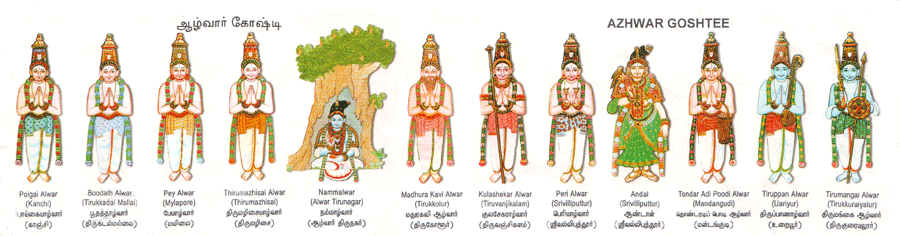
இந்த மாதப் பொன் மொழிகள், திவ்வியப் பிரபந்த/ஆழ்வார் பாடல்களில் இருந்து எடுக்கப்பட்ட 31 முக்கியப் பாடல்களைக் கொண்டது.
தயாரித்தவர்: லண்டன் சுவாமிநாதன் (C)

மே மாத முக்கிய நாட்கள்: தேதி 2 வெள்ளி- அக்ஷய திரிதியை; 4-ஞாயிறு-சங்கர ஜெயந்தி; 14- புதன் புத்த பூர்ணிமா; 10 முதல் 14 வரை மதுரை சித்திரைத் திருவிழா; சுப முகூர்த்த நாட்கள்:-5, 11, 25; ஏகாதசி:-10, 24; அமாவாசை-28; பௌர்ணமி-14

Contact swami_48@yahoo.com S Swaminathan ©
மே 1 வியாழக் கிழமை
தூயோமாய் வந்து நாம் தூமலர் தூவித் தொழுது
வாயினால் பாடி மனத்தினால் சிந்திக்க
போயபிழையும் புகுதருவான் நின்றனவும்
தீயினில் தூசாகும் செப்பு ஏல் ஓர் எம்பாவாய் (திருப்பாவை 5)

மே 2 வெள்ளிக் கிழமை
ஓங்கி உலகளந்த உத்தமன் பேர்பாடி
நாங்கள் நம்பாவைக்குச் சாற்றி நீராடினால்
…………. வாங்கக் குடம் நிறைக்கும் வள்ளல் பெரும் பசுக்கள்
நீங்காத செல்வம் நிறைந்து ஏல் ஓர் எம்பாவாய் (திருப்பாவை 3)

மே 3 சனிக் கிழமை
புவியுள் நான் கண்டதோர் அற்புதம் கேளீர்! பூணிமேய்கும் இளங்கோவலர் கூட்டத்து அவையுள் நாகத்து அணையான் குழல் ஊத
அமரலோகத்தளவும் சென்றிசைப்ப, அவியுணா மறந்து வானவர் எல்லாம்
ஆயர்பாடி நிறையப் புகுந்து ஈண்டி, செவியுள் நாவின் சுவைகொண்டு மகிழ்ந்து
கோவிந்தனைத் தொடர்ந்து என்றும் விடாரே. –பெரியாழ்வார்

மே 4 ஞாயிற்றுக் கிழமை
வெற்பு எடுத்து வேலை நீர் கலக்கினாய் அதன்றியும்
வெற்பு எடுத்து வேலை நீர் வரம்புகட்டி வேலைசூழ்
வெற்பு எடுத்த இஞ்சிசூழ் இலங்கை கட்டழித்த நீ!
வெற்பு எடுத்து மாரிகாத்த மேகவண்ணன் அல்லையோ!— திருமழிசைப் பிரான்

மே 5 திங்கட் கிழமை
விண்கடந்த சோதியாய்! விளங்கு ஞான மூர்த்தியாய்
பண்கடந்த தேசமேவு பாவநாச நாதனே!
எண்கடந்த யோகினோடு இரந்துசென்று மாணியாய்
மண்கடந்த வண்ணம்நின்னை யார்மதிக்கவல்லரே! — திருமழிசைப் பிரான்

மே 6 செவ்வாய்க் கிழமை
அன்பே தகளியா ஆர்வமே நெய்யாக
இன்புருகு சிந்தை இடுதிரியா – நன்புருகி
ஞானச் சுடர் விளக்கேற்றினேன் நாரணற்கு
ஞானத் தமிழ் புரிந்த நான்— பூதத்தாழ்வார்

மே 7 புதன் கிழமை
வையம் தகளியா வார்கடலே நெய்யாக
வெய்ய கதிரோன் விளக்காக — செய்ய
சுடர் ஆழியான் அடிக்கே சூட்டினேன் சொல்மாலை
இடராழி நீங்குகவே என்று — பொய்கையாழ்வார்

மே 8 வியாழக் கிழமை
பொன் திகழும் மேனிப் புரிசடைப் புண்ணியனும்
நின்றுலகம் தாய நெடுமாலும் – என்றும்
இருவர் அங்கத்தால் திரிவாரெனும் ஒருவன்
ஒருவன் அங்கத்து என்றும் உளன் – பொய்கையாழ்வார்

மே 9 வெள்ளிக் கிழமை
திருக்கண்டேன் பொன்மேனி கண்டேன் திகழும்
அருக்கன் அணிநிறமும் கண்டேன் – செருக்கிளறும்
பொன்னாழி கண்டேன் புரிசங்கம் கைக்கண்டேன்
என்னாழி வண்ணன்பால் இன்று. – பேயாழ்வார்
alwars_stickers

மே 10 சனிக் கிழமை
தாழ் சடையும் நீண்முடியும் ஒண்மழுவும் சக்கரமும்
சூழ் அரவும் பொன்னாணும் தோன்றுமால் சூழும்
திரண்டு அருவிபாயும் திருமலைமேல் எந்தைக்கு
இரண்டுருவும் ஒன்றாய் இசைந்து. — பேயாழ்வார்

மே 11 ஞாயிற்றுக் கிழமை
முடிச்சோதி யாயுனது முகச்சோதி மலர்ந்ததுவோ?
அடிச்சோதி நீநின்ற தாமரையாய் அலர்ந்ததுவோ?
படிச்சோதி ஆடையொடும் பல்கலனாய் நின்பைம்பொன்
கடிச்சோதி கலந்ததுவோ? திருமாலே கட்டுரையே! — நம்மாழ்வார்

மே 12 திங்கட் கிழமை
குலந்தாங்கு சாதிகள் நாலிலும் கீழ் இழிந்து, எத்தனை
நலந்தான் இலாத சண்டாள சண்டாளர்கள் ஆகிலும்
வலம் தாங்கு சக்கரத்து அண்ணல், மணிவண்ணற்கு ஆள் என்று உள்
கலந்தார் அடியார்தம், அடியார் எம் அடிகளே. — நம்மாழ்வார்

மே 13 செவ்வாய்க் கிழமை
வைகுந்தா மணிவண்ணனே! என்பொல்லாத் திருக்குறளா !
வைகும் வைகல் தோறும் அமுதுஆய வேனேறே!
செய்குந்தா அரும்தீமை உன் அடியார்க்குத் தீர்த்து அசுரர்க்குத் தீமைகள்
செய்குந்தா ! உன்னை நான் பிடித்தேன் கொள் சிக்கெனவே. – நம்மாழ்வார்

மே 14 புதன் கிழமை
புன்புல வை அடைத்து அரக்கு இலச்சினை செய்து,
நன்புல வழி திறந்து, ஞான நற்சுடர் கொளீ இ,
என்பில் எள்கி நெஞ்சு உருகி, உள் கனிந்து எழுந்ததோர்
அன்பில் அன்றி ஆழியானை யாவர் காண வல்லரே? — திருமழிசை ஆழ்வார்

மே 15 வியாழக் கிழமை
உளன் கண்டாய் நன்னெஞ்சே! உத்தமன் என்றும்
உளன் கண்டாய்; உள்ளுவார் உள்ளத்து — உளன் கண்டாய்
வெள்ளத்தின் உள்ளானும் வேங்கடத்து மேயானும்
உள்ளத்தின் உள்ளான் என்று ஓர். — பொய்கை ஆழ்வார்

மே 16 வெள்ளிக் கிழமை
நாடிலும் நின்னடியே நாடுவேன் நாள்தோறும்
பாடிலும் நின்புகழே பாடுவேன் – சூடிலும்
பொன்னாழி ஏந்தினான் பொன்னடியே சூடுவேற்கு
என்னாகில் என்னே எனக்கு? —பொய்கை ஆழ்வார்

மே 17 சனிக் கிழமை
ஓடுவார், விழுவார் உகந்து ஆலிப்பார்
நாடுவார், நம்பிரான் எங்குத்தான் என்பார்
பாடுவார்களும் பல்பறை கொட்ட நின்று
ஆடுவார்களும் ஆயிற்று ஆய்ப்பாடியே. — பெரியாழ்வார்

மே 18 ஞாயிற்றுக் கிழமை
கிடக்கில், தொட்டில் கிழிய உதைத்திடும்;
எடுத்துக் கொள்ளில், மருங்கை இறுத்திடும்;
ஒடுக்கிப் புல்கில், உதரத்தே பாய்ந்திடும்;
மிடுக்கு இலாமையால் நான் மெலிந்தேன், நங்காய்! — பெரியாழ்வார்

மே 19 திங்கட் கிழமை
பல்லாண்டு பல்லாண்டு பல்லாயிரத்தாண்டு பலகோடி நூறாயிரம்
மல்லாண்ட திண்தோள் மணி வண்ணா! உன் சேவடி செவ்வி திருக்காப்பு
பெரியாழ்வார்

alvar1

மே 20 செவ்வாய்க் கிழமை
வாளால் அறுத்துச் சுடினும் மருத்துவன் பால்
மாளாத காதல் நோயாளன் போல், மாயத்தால்
மீளாத் துயர் தரினும் வித்துவக் கோட்டு அம்மா நீ
ஆளா உனதருளே பார்ப்பன் அடியேனே — குலசேகர ஆழ்வார்

மே 21 புதன் கிழமை
பச்சைமா மலை போல் மேனிப் பவளவாய்க் கமலச் செங்கண்
அச்சுதா! அமரர் ஏறே! ஆயர்தம் கொழுந்தே! என்னும்
இச் சுவை தவிர யான் போய் இந்திர லோகமாளும்
அச் சுவை பெறினும் வேண்டேன் அரங்கமா நகருளானே!- தொண்டரடிப்பொடி ஆழ்வார்

மே 22 வியாழக் கிழமை
குடதிசை முடியை வைத்துக் குணதிசை பாதம் நீட்டி
வடதிசை பின்பு காட்டித் தெந்திசை இலங்கை நோக்கிக்
கடல் நிறக்கடவுள் எந்தை அரவணைத் துயிலுமா கண்டு
உடல் எனக்கு உருகுமாலோ என் செய்கேன் உலகத்தீரே – தொண்டரடிப்பொடி ஆழ்வார்

மே 23 வெள்ளிக் கிழமை
ஊரிலேன் காணி இல்லை உறவு மற்று ஒருவரில்லை
பாரில் நின்பாத மூலம் பற்றிலேன் பரம மூர்த்தி,
காரொளி வண்ணனே! ஓ கண்ணனே! கதறுகின்றேன்
ஆருளர் களை கண் அம்மா அரங்கமா நகருளானே! — தொண்டரடிப்பொடி ஆழ்வார்

மே 24 சனிக் கிழமை
குலம் தரும் செல்வம் தந்திடும் அடியார் படு துயராயின எல்லாம்
நிலந்தரஞ் செய்யும் நீள்விசும்பு அருளும் அருளொடு பெருநிலம் அளிக்கும்
வலந்தரும் மற்றும் தந்திடும் பெற்ற தாயினும் ஆயின செய்யும்
நலம் தரும் சொல்லை நான் கண்டுகொண்டேன் நாராயணா என்னும் நாமம் – திருமங்கை ஆழ்வார்

மே 25 ஞாயிற்றுக் கிழமை
ஒன்றுண்டு செங்கள் மால் யான் உரைப்பது உன் அடியார்க்கு
என் செய்வன் என்றே இருத்தி நீ – நின் புகழில்
வைகும் தம் சிந்தையிலும் மற்று இனிதோ நீ அவர்க்கு
வைகுந்தம் என்று அருளும் வான்? – நம்மாழ்வார்

மே 26 திங்கட் கிழமை
உயர்வற உயர்நலம் உடையவன் எவன் அவன்
மயர்வற மதிநலம் அருளினன் எவன் அவன்
அயர்வறும் அமரர்கள் அதிபதி எவன் அவன்
துயரறு சுடரடி தொழுது எழு என் மனனே! – நம்மாழ்வார்

alwars

மே 27 செவ்வாய்க் கிழமை
வாரணம் ஆயிரம் சூழ வலம் செய்து
நாரணன் நம்பி நடக்கின்றான் என்று எதிர்
பூரண பொற்குடம் வைத்துப் புறம் எங்கும்
தோரணம் நாட்டக் கனாக் கண்டே, தோழீ! நான். –ஆண்டாள் நாச்சியார் திருமொழி

மே 28 புதன் கிழமை
கருப்பூரம் நாறுமோ? கமலப் பூ நாறுமோ?
திருப் பவளச் செவ்வாய்தான் தித்திதிருக்குமோ?
மருப்பு ஒசித்த மாதவன் தன் வாய்ச் சுவையும் நாற்றமும்
விருப்புற்ருக் கேட்கின்றேன் சொல், ஆழி வெண் சங்கே! – நாச்சியார் திருமொழி

மே 29 வியாழக் கிழமை
பொலிக; பொலிக; பொலிக ! போயிற்று வல்லுயிர்ச் சாபம்;
நலியும் நரகமும் நைந்த; நமனுக்கு இங்கு யாதும் ஒன்றும் இல்லை;
கலியும் கெடும்; கண்டு கொண்மின்; கடல்வண்ணன் பூதங்கள் மண்மேல்
மலியப் புகுந்து, இசைபாடி, ஆடி, உழிதரக் கண்டோம்.

மே 30 வெள்ளிக் கிழமை
கண்டோம், கண்டோம், கண்டோம்; கண்ணுக்கு இனியன கண்டோம்;
தொண்டீர்; எல்லீரும் வாரீர்; தொழுது தொழுது நின்று ஆர்த்தும்;
வண்டு ஆர்த் தண்ணந் துழாயான் மாதவன் பூதங்கள் மண்மேல்
பண்தான் பாடி நின்று, ஆடி, பரந்து திரிகின்றனவே. — நம்மாழ்வார்

மே 31 சனிக் கிழமை
அவனே அகல் ஞாலம் படைத்து இடந்தான்
அவனே அஃதுண்டு உமிழ்ந்தான் அளந்தான்
அவனே அவனும் அவனும் அவனும்
அவனே மற்றும் எல்லாமும் அறிந்தனமே. – நம்மாழ்வார்

ALWAR-STATUES-baba

ஜனவரியில் வள்ளுவர் திருக்குறள், பிப்ரவரியில் திருவாசகம், மார்ச்சில் திருமந்திரம், ஏப்ரலில் அப்பர் தேவாரம் ஆகியவற்றில் இருந்து எடுக்கப்பட்ட முக்கியப் பாடலகள் இடம்பெற்றுள்ளன. படித்துப் பயன் பெறுக!

contact swami_48@yahoo.co

Stories of 4 Bad Kings: Manu’s Warning to Rulers

Kamsa
Kamasa,A bad king in the Bhagavata Purana

By London swaminathan
Post no. 1010; Date 29th April 2014.

Manu was the world’s first comprehensive law giver. Hammurabi and others did not deal with all the topics dealt with by Manu. He lived during Vedic times. His name is mentioned in the Vedas. The present book, known as Manava Dharma Shastra or Manu Smriti, was put to writing around second century CE with lot of additions and omissions. The contradictions in the present book point in the direction of interpolations. Manu Smriti itself refers to Manu as an ancient king.

Manu warns the rulers by quoting the names of five bad kings. Of the five bad kings, four are known through other sources like Mahabharata and Puranas. But Sumukha was the only one unknown king to earlier commentators.

Now read what Manu says about kings:

“Many kings have been destroyed, together with their entourages, through lack of humility, while even forest dwellers have won kingdoms through humility”–7-40

“Vena was destroyed through lack of humility, and so was king Nahusa, Sudas son of Pijavana, Sumukha and Nimi”– 7-41

“But through humility Prthu won a kingdom, and so did Manu, and Kubera become Lord of Wealth, and (Visvamitra) the son of Gadhi became a priest”– 7-42
(See Manu himself says that Manu was a good king! This is where the confusion comes!)

Story of Bad Kings
Vena was an evil king who murdered people and prevented sacrifices until the priests killed him M. Bh.12-59.99

When he became king Vena issued a proclamation, “Men must not sacrifice or give gifts or present oblations. Who else but myself is the enjoyer of the sacrifices? I am forever the Lord of offerings”. The sages remonstrated respectfully with him, but in vain. When the situation deteriorated beyond redemption, they slew him with blades of consecrated Dharba grass. He died without a child. So the country was kingless. Sages rubbed the thigh of the dead king and a man like a charred log came out. Then they rubbed his hand and Pruthu came. Sages appointed him as the king who ruled the kingdom as a just king.

Duryodhana
Duryodhana, a bad king in Mahabharata

Story of Nahusha
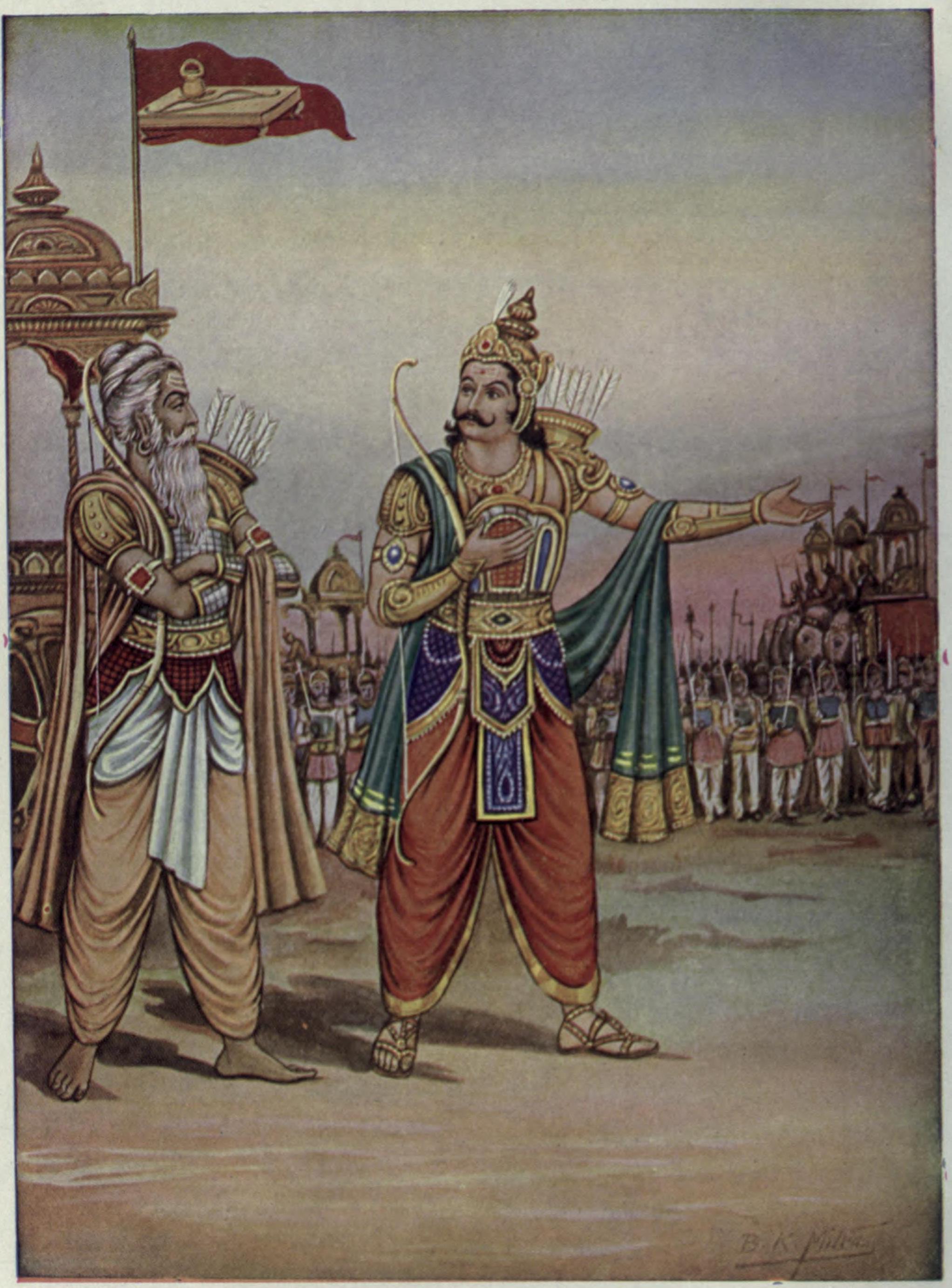
When the post of Indra fell vacant temporarily, Nahusha became the interim Indra. Nahusa, in all arrogance, went to the extent of proposing to Indra’s wife. He made the Sapta Rishis/ seven sages to pull his chariot.
Indra’s wife Indrani devised a plan with the help of Brahma. She asked Nahusha to come in a palanquin carried by eminent Rishis/ seers. Agastya was too short to maintain the balance. So Nahusha kicked Agastya saying “sarpa, sarpa” meaning hurry up, hurry up. Sarpa meant serpent as well. Agastya cursed him to become a snake. Nahusha fell from heaven because of this curse. See M. Bh 5-9-17

Story of Kalmashapada
Sudas, son of Pijavana was a great king, with Visvamitra as his family priest and Vashista as his enemy. His men killed Sakti ,son of Vashista. Visvamitra abandoned him and he was defeated in a war. See RV 7-18, 7-32. He reappears in M.Bh. as Saudasa Kalmashapada where he again kills Sakti and Visvamitra curses him to become an ogre.
Mahabharata has a long story. He and Sakti met in a narrow path. There was a heated argument when both of them refused to give way to the other. Kalmasha pada beat Shakti and Shakti cursed him to become a cannibal. Later he was cursed by another Brahmin and Vashista helped him to get out of the curse.
Sumukha does not seem to appear in the Vedas or epics. This is what the commentators said.

shakuni
Shakuni, the king ofgambling

Story of Nimi
Nimi would not wait for his family priest, Vashista, to return before he undertook a great sacrifice; Vashista cursed him to lose his body; when he died the priests churned his body to produce a son, Janaka of Videha. See M.Bh. 13-91

Vishnu Purana has a different version. Nimi also cursed Vashista and he lost his body. Nimi’s body was kept in oil and was preserved. if the story is correct Hindus started the mummification probably even before Egypt. When Nimi refused to enter his body, sages put him in the eyelids. That is why the beating of eyelids is called ‘Nimi’sha (Miniute in Sanskrit) .

We saw one common factor in all the stories of bad kings. That is arrogance. So Manu warns rulers against becoming arrogant.

One of the good kings mentioned by Manu (7-42) was Prthu, son of evil king Vena. He was so good the earth was named after him as Pruthvi. Manu was also named as a good king. We have several Manus mentioned in the Rig Veda Swayambhuva, Chaksusa, Tamasa, Raivata and Vaivasvata. Being the first Manu Swayambhuva was considered the author of Manu Smriti. i.e. before 1500 BCE!!

Another good king Kubera, Lord of Wealth, was the half brother of Ravana. His story is in Ramayana.
Vena was the worst of all the kings. Priests themselves killed him with Kusa (Dharba) grass. It may be an indirect reference to his murder or assassination.

dhritrashtra-apr23
Another King corrupted by affection for his son Duryodhana

Vena = Tamil ‘Veen’

The Tamil word “Veen” meaning useless, waste, futility(Noun) and waste(verb) is NOT found in Sangam Tamil literature. The word first appeared in eighth century books such as Pazamozi, Muththollayiram. I wonder whether this word came from Vena, the king’s name. Vena =veen is possible. In the same way, eye lids are called ‘Imai; in Tamil. It may be the mirror image of Nimi.

Tamil Veda Warning to Bad Kings

Tamil Veda Tirukkural also warns the rulers in the same way as Manu:

“The king, who is not easy of access, and does not render justice according to law and procedure,
Will by himself go into oblivion before long and perish” – Kural 548

“A king, who fails to inform himself daily of the wrongs suffered by the people ,and, render justice, will find his rule and kingdom wearing away to nought by the day” Kural 553

“There is no weapon more potent than the bitter tears of the people,
Who are groaning under the oppression of a king” Kural 555

“If the ruler does not perform his protective function righteously,
The cows yield less, and the Brahmins forget their mantras” Kural 560

Contact swami_48@yahoo .com

பாரதிதாசனுடன் 60 வினாடி பேட்டி

bharatidasan
April 29 is the birth day of Poet Bharatidasan (1891—1964)

By London Swaminathan
Post No.1009; Date:29 April 2014.

கேள்விகள் எனது கற்பனையில் பிறந்தவை; பதில்கள் பாரதிதாசனின் பாடல்களில் ஏற்கனவே இருப்பவை!!

கேள்வி: பாரதிதாசன் அவர்களே, குரு பக்தியில் யாருக்கும் சளைக்காத நீவீர் உங்கள் குரு தேசிய கவி சுப்பிரமணிய பாரதி பற்றி……….

பாரதிதாசன் பதில்:

“ செந்தமிழ்த் தேனீ, சிந்துக்குத் தந்தை !
குவிக்கும் கவிதைக் குயில் ! இந் நாட்டினரைக்
கவிழ்க்கும் பகையைக் கவிழ்க்கும் கவிமுரசு !
நீடுதுயில் நீக்கப் பாடிவந்த நிலா !
காடு கமழும் கற்பூரச் சொற்கோ !
கற்பனை ஊற்றாம் கதையின் புதையல் !
திறம் பாட வந்த மறவன்; புதிய
அறம் பாட வந்த அறிஞன்: நாட்டிற்
படரும் சாதிப்படைக்கு மருந்து !
மண்டும் மதங்கள் அண்டா நெருப்பவன் !
அயலார் எதிர்ப்புக் கணையா விளக்கவன் !
என்னென்று சொல்வேன் என்னென்று சொல்வேன் !
தமிழால் பாரதி தகுதி பெற்றதும்
தமிழ், பாரதியால் தகுதி பெற்றதும்
எவ்வாறென்பதை எடுத்துரைக்கின்றேன்”

கே: அருமையான பதில்; பாரதியாருடன் நெருங்கிப் பழகியவர் நீங்கள்; நினைவில் நின்ற ஒரு நிகழ்ச்சியைப் பகிர்ந்துகொள்ளலாமே!

பதிள்: ஒரு நாள் நம் பாரதியார் நண்பரோடும்
உட்கார்ந்து நாடகம் பார்திருந்தார், அங்கே
ஒரு மன்னன் விஷமருந்தி மயக்கத்தாலே
உயிர்வாதை அடைகின்ற சமயம், அன்னோன்
இருந்த இடந்தனிலிருந்தே எழுந்துலாவி
‘’என்றனுக்கோ ஒருவித மயக்கந்தானே
வருகுதையோ’’ என்ற பாட்டைப் பாடலானான்;
வாய்பதைத்துப் பாரதியார் கூவுகின்றார்;
மயக்கம் வந்தால் படுத்துக் கொள்ளுவதுதானே
வசங்கெட்ட மனிதனுக்கு பாட்டா என்றார்!
தயங்கிப் பின் சிரித்தார்கள் இருந்தோரெல்லாம்
சரிதானே பாரதியார் சொன்ன வார்த்தை!

கே: அது சரி, உங்களுக்கு பிடித்த ஒரே பார்ப்பனர் பாரதியார். பிடிக்காத பார்ப்பனர்கள் யார், யார்?

ப: குடியேறும் ஆரியப் பாதகர்கள் சூழ்ச்சியால்
கொலையுண்ட தமிழர் நெஞ்சும்
குருநெறிச் சங்கரன் புத்தநெறி மாற்றிடக்
கொல்வித்த தமிழர் நெஞ்சும்
படியேறும் சமண் கொள்கை மாற்றிடச் சம்பந்தப்
பார்ப்பனன் சூழ்ச்சி செய்து
படுகொலைப் புரிந்திட்ட பல்லாயிரங்கொண்ட
பண்புசேர் தமிழர் நெஞ்சும்

Bharatidasa Uni

கே: போதும், போதும்! அடுத்த கேள்வி கேட்கிறேன். உங்களுக்கு தீபாவளிப் பண்டிகை பிடிக்காதாமே?
ப:- நரகனைக் கொன்ற நாள் நல்விழா நாளா?

நரகன் இறந்தால் நன்மை யாருக்கு?
நரகன் என்பவன் நல்லனா? தீயனா?
அசுரன் என்றவனை அறைகின்றாரே?
இராக்கதன் என்றும் இயம்புகின்றாரே?
இப் பெயரெல்லாம் யாரைக் குறிப்பன?
இன்றும் தமிழரை இராக்கதர் எனச் சிலர்
பன்னுகின்றனர் என்பது பொய்யா?

கே: ‘இனிமையும் நீர்மையும் தமிழ் எனல் ஆகும்” என்று பிங்கலந்தை நிகண்டு கூறுகிறது. அழகிய இள மகளிரை “தமிழ் தழீய சாயலவர்” என்று திருத்தக்க தேவர் சிந்தாமணியில் புகழ்கிறார். உங்கள் கருத்து என்னவோ?

ப: தமிழுக்கும் அமுதென்று பேர்! – அந்தத்
தமிழ் இன்பத் தமிழ் எங்கள் உயிருக்கு நேர்!
தமிழுக்கு நிலவென்று பேர்! – இன்பத்
தமிழ் எங்கள் சமுகத்தில் விளைவுக்கு நீர்!

கே: அற்புதமான பாடல்; நீங்கள் ஏதோ போர் இல்லாத உலகம் பற்றி எல்லாம் கனவு காண்பதாகக் கேள்வி?
ப:- புதியதோர் உலகம் செய்வோம் – கெட்ட
போரிடும் உலகத்தை வேரொடு சாய்ப்போம்
பொது உடைமைக் கொள்கை திசையெட்டும் சேர்ப்போம்
புனிதமோடதை எங்கள் உயிரென்று காப்போம்.

கே: தமிழ் சினிமா பற்றி உங்கள் கருத்து?

ப: என் தமிழர் படமெடுக்க ஆரம்பஞ் செய்தார்
எடுத்தார்கள் ஒன்றிரண்டு பத்து நூறாக
ஒன்றேனும் தமிழர் நடையுடை பாவனைகள்
உள்ளதுவாய் அமைக்கவில்லை; உயிர் உள்ளதில்லை!
ஒன்றேனும் தமிழருமை உணர்த்துவதாயில்லை!
ஒன்றேனும் உயர் நோக்கம் அமைந்ததுவாயில்லை!
ஒன்றேனும் உயர் நடிகர் வாய்ந்ததுவாயில்லை!
ஒன்றேனும் வீழ்ந்தவரை எழுப்புவதாயில்லை!

கே: நீங்கள் நிறைய காதல் பாட்டுக்கள் பாடி இருக்கிறீர்கள். சில வரிகளைக் கேட்க ஆசை……………….

ப: பாழாய்ப் போன என் மனம் ஒரு நாய்க்குட்டி- அதைப்
பறித்துக்கொண்டாய் அடியே என் சின்னக்குட்டி
உன் மேனி ஒரு பூந்தொட்டி
உதடு தித்திக்கும் வெல்லக்கட்டி
***
ஆவணி வந்தது செந்தேனே – ஒரு
தாவணியும் வாங்கி வந்தேனே – எனைப்
போவென்று சொன்னாய் நொந்தேனே – செத்துப்
போகவும் மனம் துணிந்தேனே!

கே: நீங்கள் தமிழ் இளைஞருக்கு விடுக்கும் செய்தி…………………..
ப: தமிழன் எலி அன்று
தாவும் புலி என்று – நீ
தாரணி அறியச் செய் இன்று.

barathidasan_(sega_graphi_) (1)

கே: நீங்கள் எழுதிய விடுகதைக் கவிதையில் ஒரு சில வரிகள் சொல்லுங்கள்;
ப: ஆமை, அருமை, பெருமை, சிறுமை
அடிமை, கடுமை, மடமையே
ஊமை, உண்மை, இன்மை, இளமை
உரிமை, திறமை, இவைகளில்,
தீமை செய்து பாரதத்தைச் சீரழிப்பது எது சொல்வாய்?
நாமடைய வேண்டுவதையும் நன்கு பார்த்துக் கூறுவாய்.
(விடைகள்:- சீரழிப்பது- அடிமை; அடைய வேண்டியது: உரிமை)

கே: இறுதியாக உங்களின் இயற்பெயர்?
பதில்:–என் பெயர் சுப்புரத்தினம், என் தாய் பெயர் லெட்சுமி அம்மாள், என் தந்தை பெயர் கனகசபை முதலியார்.
நன்றி கவிஞரே. 60 நொடிகளுக்குள் புதுமைக் கருத்துக்களச் சொல்லி சிந்திக்கவைத்தீர். உம் புகழ் தமிழ் போல் வாழ்க!!!

இதே வரிசையில் ஏற்கனவே நான் எழுதிய கற்பனைப் பேட்டிகளையும் படியுங்கள். இதோ பட்டியல்:
இதுவரை வெளியான 60 வினாடி பேட்டிகள்
அருணகிரிநாதர் (posted 17-1-12), அப்பர், ஆண்டாள்(20-1-2012), பாரதியார், கண்ணதாசன், கம்பன் (posted 17-1-12), கிருஷ்ணன், சாக்ரடீஸ் (Eng & Tam), மாணிக்கவாசகர் (posted 15-1-12), ராமலிங்க சுவாமிகள், தாயுமானவர், பட்டினத்தார், , சிவ வாக்கியர் (posted 22-1-12), திருவள்ளுவர், திருமூலர், திருஞான சம்பந்தர், திரிகூட ராசப்ப கவிராயர், இளங்கோ, ஒரு நிமிட பகவத் கீதை, சீத்தலைச் சாத்தனார், தியாகராஜர், சுந்தரர் ( posted 21-2-12),
bharathidasan

In English:—
60 Second Interviews with Swami Vivekananda15-1-12, Sathya Sai Baba, Adi Shankara posted on 16-1-12,Buddha, Socrates, ONE MINUTE BHAGAVAD GITA (Eng and Tam)

contact swami_ 48@ yahoo.com
*******