தமிழ் இலக்கியத்தில் குரங்கு பற்றிய அதிசயச் செய்திகள்

monkey photo

This article is availabe in English as well.

By London swaminathan
Post no 878 dated 1st March 2014

தமிழ்க் குரங்குகளுக்கு அறிவு ஜாஸ்தி!!
குரங்கிலிருந்து பிறந்தவன் மனிதன்!……..இல்லை…… இல்லை,…..
தமிழ்க் குரங்கிலிருந்து பிறந்தவன் மனிதன் என்று சொல்லுவதே பொருத்தமாக இருக்கும். ஏனெனில் நாம்தான் உலகில் முதலில் பிறந்தோம் என்று பறை சாற்றிக் கொள்கிறோம் அல்லவா?

“கல் தோன்றி மண் தோன்றாக் காலத்தே வாளொடு
முன் தோன்றிய மூத்த குடி”

— தமிழ்க் குடி என்று சொல்லுவது உண்மையானால் முதல் குரங்கு தமிழ் குரங்காகத்தானே இருக்க வேண்டும்! நிற்க.

தமிழன் இயற்கையில் ஊறித் திளைத்தவன் என்பது சங்க இலக்கியத்தின் 2000+ பாடல்களைப் படிப்போருக்கு தெள்ளிதின் விளங்கும். அவன் வருணிக்கும் மரம், செடி, கொடி, விலங்கினங்கள், பறவைகள் எல்லாவற்றையும் ஓவியமாக வரைந்து வைத்தால் காணக் கண்கள் ஆயிரம் வேண்டும். இன்று நமக்கு மிக நெருங்கிய உடன் பிறப்பான குரங்கை மட்டும் எடுத்துக் கொள்வோம்.

மனிதனைப் போன்ற உணர்வு குரங்குகளுக்கும் உண்டு என்பதெல்லாம் இப்போதுதான் ‘டிஸ்கவரி சேன்னல்’ முதலியவற்றில் ஆராயப்படுகின்றன. ஆனால் ஈராயிரம் ஆண்டுகளுக்கு முன்பே தமிழன், பிராணிகளை உன்னிப்பாகக் கவனித்து அவைகளை உவமைகளாகவும் எழுதி வைத்துவிட்டான்.

“இஞ்சி தின்ன குரங்கு போல”, “குரங்கு கையில் கொடுத்த பூமாலை போல”, “குரங்குப் பிடி” என்ற பழமொழிகளை எல்லாம் மனக் கண் முன்னால் ஓவியமாகக் கண்டு பாருங்கள். எவ்வளவு கன கச்சிதமாகச் சொல்லியிருக்கிறான் என்பது புரியும்.

baboon puzzled

இதோ சில காட்சிகள்:
காடுகளில் மயில்கள் ஆடும்போது வண்டுகள் பாடுகின்றனவாம். குரங்குகள் பலாப் பழத்தை மத்தளம் போல வைத்துக் கொண்டு தாளம் போடுகின்றனவாம்.காட்டிற்குள் ஒரு ஆர்க்கெஸ்ட்ரா/ இசைக் குழு! இப்படி ஒரு காட்சி. (அகம்.352)

இன்னொரு இடத்தில் ஒரு குரங்கு மழைத் தண்ணீரில் எழும் காற்றுக் குமிழ்களைக் கம்பால் அடித்து மகிழ்கிறதாம் (ஐங்கு 275)

மற்றொரு குரங்கு மயில் முட்டையை எடுத்து பாறை மீது உருட்டி பந்து விளையாடுகிறதாம் (குறு. 38)
கான மஞ்ஞை அறையீன் முட்டை
வெயிலாடுமுசுவின் குருளை உருட்டும்—(குறு. 38)

குரங்குகள் மரத்தில் கிளைக்கு கிளை தாவிப் போவதையும், ஊஞ்சல் ஆடுவதையும் புலவர்கள் வருணித்து மகிழ்கின்றனர்.
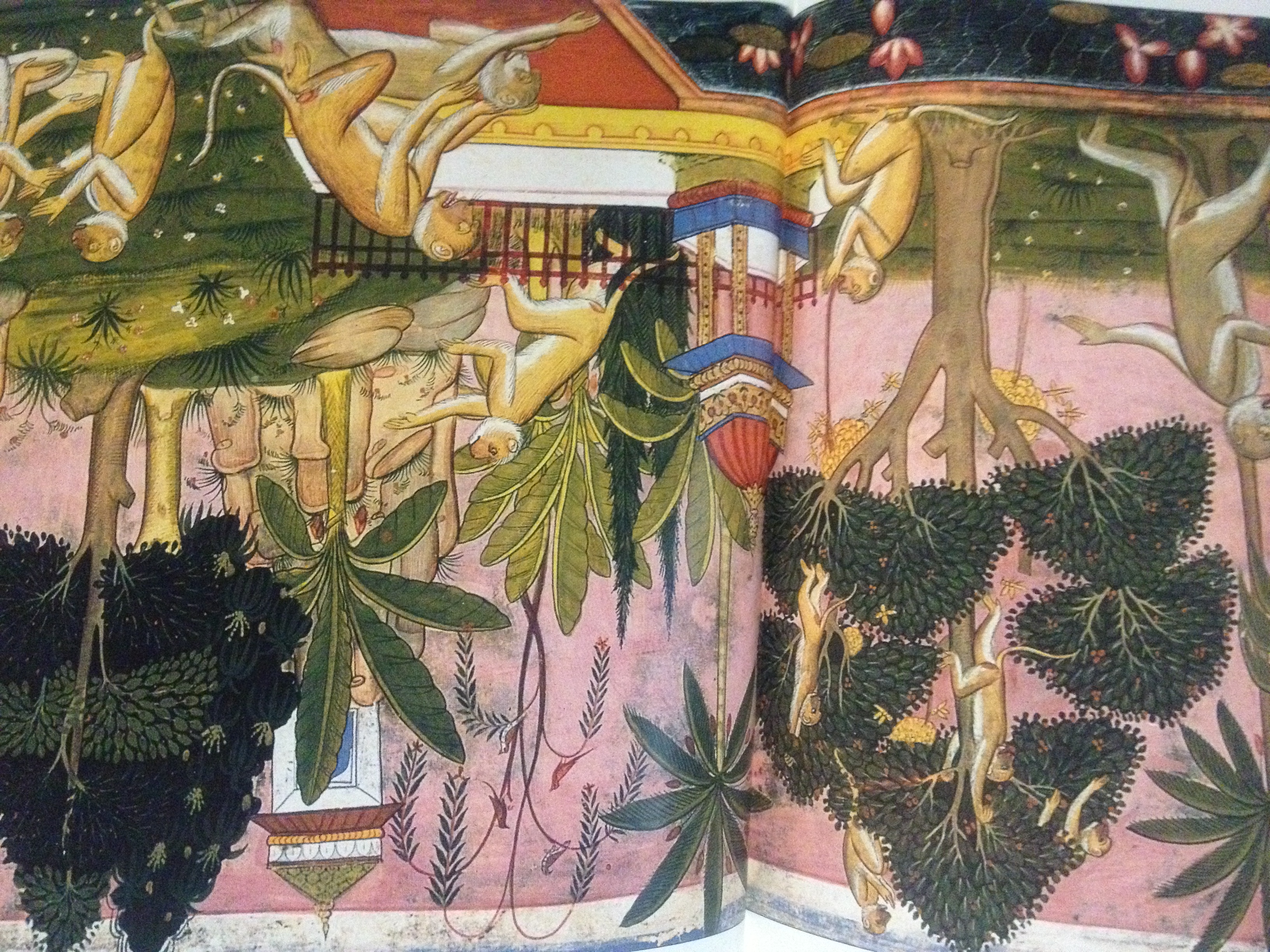
kurangu ramayan
பெண்கள் ‘மேக் அப்’

குரங்குகளுக்குக் கூடப் புணர்ச்சிக்குப் (செக்ஸ்) பின் வெட்கம் வரும் என்பதைக் கவனித்துப் பாடியும் வைத்திருக்கிறான் தமிழன் (நற்றிணை 151)

கடுவன், முறியார் பெருங்கிளை அறிதல் அஞ்சிக்
கறிவளர் அடுக்கத்து கள்வினிற் புணர்ந்த
செம்முக மந்தி செல்குறி கருங்காற்
பொன்னினர் வேங்கைப் பூஞ்சினைச் செலீஇயர்
குண்டுநீர் நெடுஞ்சுனை நோக்கி கவிழ்ந்து தன்
புன்தலைப் பாறு மயிர் திருத்தும் — ( நற்றிணை 151)

ஒரு ஆண் குரங்குடன், செம்முக மந்தி களவினில் தொடர்பு கொண்டதாம். தன்னுடைய கோஷ்டிக்குக் கலைந்த தலை முடியையும் முகத்தையும் காட்டினால் ரகசியம் வெளியாகி விடும் என்று அஞ்சி ஒரு மரத்தின் மீது ஏறி நீர்ச் சுனையில் கண்ணாடி போல முகம் பார்த்து தலை மயிரை அழகாக சரி செய்து கொண்டதாம். பெண் (குரங்கு) கள் ‘மேக் அப் போடுவது’ ஈராயிரம் ஆண்டுகளுக்கு முன்னரே கண்ணாடிக்கு முன் நடந்திருக்கிறது!!

இந்தக் காட்சி மிகைப் படுதப்பட்டதல்ல, இப்போது குரங்குகளைப் பற்றி ஆராய்சி செய்வோர் அதற்கு மனிதன் போல சிந்தித்து முடிவு எடுக்கும் புத்தி இருக்கிறது என்பதைச் சோதனைகளில் கண்டு பிடித்து இருக்கிறார்கள். நாம் அவர்களை 2000 ஆண்டு இடைவெளியில் தோற்கடித்து விட்டோம். இது புலவர் இள நாகனார் பாடிய பாடல்.

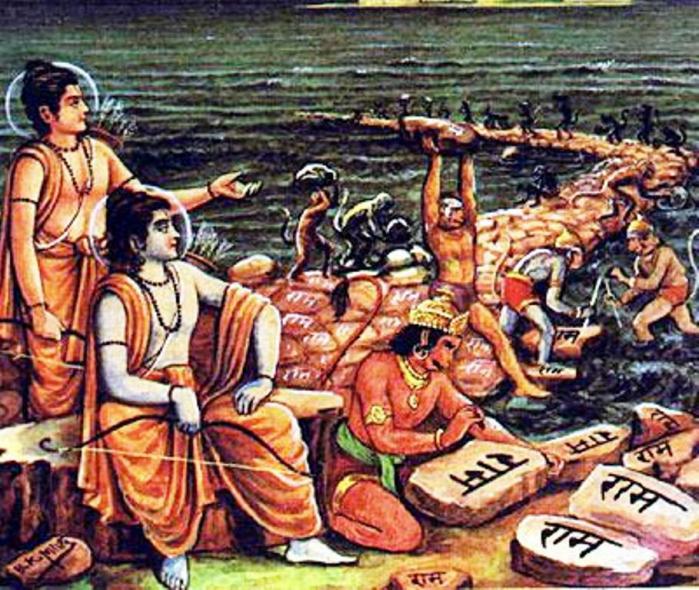
குரங்கின் மனநிலையை, ராமாயணத்தில் கிஷ்கிந்தா காண்டத்திலும் சுந்தர காண்டத்திலும் கவிஞர்கள் (வால்மீகி, கம்பன்) அழகாகச் சித்தரித்துள்ளனர். சீதா தேவியைக் கண்டுபிடிக்க முடியவில்லையே என்ற ஆதங்கத்தில், குரங்குகள் சாகும் வரை உண்ணாவிரதம் இருக்க முடிவு செய்கின்றன.
( நமது அரசியல்வாதிகளுக்கு கோப்பெருஞ்சோழனும், ராமாயணக் குரங்குகளும்தான் உண்ணாவிரத முன்னோடிகள்).

tamil kurangu
தற்கொலை செய்து கொண்ட குரங்கு

தமிழ் இலக்கியமும் இரண்டு பரிதாபக் காட்சிகளை வருணிக்கின்றன:
ஒரு பெண் குரங்கின் குட்டி மலைப் பள்ளத்தாக்கில் தவறி விழுந்து இறந்துவிட்டது. அது கண்டு பொறாது, தனது கூட்டத்தில் நின்று அழுதது. இதை வருணிக்கிறார் மலைபடுகடாம் கவிஞர் பெருங் கவுசிகனார்:

“கைக்கோள் மறந்த கருவிரல் மந்தி
அருவிடர் வீழ்ந்ததன் கல்லாப் பார்ப்பிற்கு
முறிமேல் யாக்கை கிளையொடு தவன்றி
சிறுமையுற்ற களையாப் பூசல்:- — ( மலைபடு வரி 311- 314)

“தேக்கடி ராஜா” போன்ற தமிழ் நாவல்களைப் படித்தவர்களுக்கு யானைகள் முறையாக துக்கம் அனுஷ்டிப்பது தெரிந்து இருக்கும். மேலை நாட்டினர் இப்போதுதான் விலங்கின அறிவாற்றலை உணரத் துவங்கி இருக்கின்றனர். நமக்கு முன்பே தெரியும்.

மற்றொரு குரங்கு அதன் காதல் கணவன் இறந்ததால், குட்டிகளை சுற்றத்தாரிடம் ஒப்படைத்துவிட்டு மலை மீது இருந்து குதித்து தற்கொலை செய்து கொண்டதாம் (குறுந்தொகை 69)

கருங்கண் தாக்கலை பெரும்பிறிது உற்றெனக்
கைம்மை உய்யாக் காமர் மந்தி,
கல்லா வன்புறழ் கிளைமுதற் சேர்த்தி
ஓங்குவரை அடுக்கத்து பாய்ந்து உயிர் செகுக்கும்
–(கடுந்தோட் கரவீரனார், குறு. 69)

ஒரு புலவர் குரங்குச் சேட்டையைக் கண்டு அப்படியே வருணிக்கிறார்:
மந்திக் காதலன் முறிமேய்க் கடுவன்
தண்கமழ் நறைக்கொடி கொண்டு வியலறைப்
பொங்கல் இளமழை புடைக்கும் (ஐங்குறு 276)

மேகங்கள் வேகமாக ஓடுவதைப் பார்த்துவிட்டு ஒரு நறைக்கொடியின் தண்டை எடுத்து அதை அடிக்கப் போகுமாம்.

இன்னொரு பாடலில் எருமை மாட்டின் மீது சவாரி செய்யும் பையனைப் பார்த்த புலவர் அவனை பாறை மேல் உட்கார்ந்து இருக்கும் குரங்குக்கு ஒப்பிட்டு மகிழ்கிறார். (அக.206)

பால் கறந்து விநியோகித்த திருட்டுக் குரங்கு

குரங்குகள் பழங்களைத் திருடுவதையும் தட்டிப் பறிப்பதையும் நாம் கோவில்களில் கண்டிருக்கிறோம். ஆனால் திருட்டுத் தனமாக காட்டுப் பசுவின் பாலைக் கறந்து தன் குட்டிகளுக்கு விநியோகித்த அபூர்வக் காட்சியை ஒரு புலவர் பாடி வைத்திருக்கிறார். “இளிச்சவாயனைக் கண்டால் எருதும் மச்சான் முறை கொண்டாடும்” என்பது தமிழ்ப் பழமொழி. அபடிப்பட்ட ஒரு காட்டுப் பசு ஒரு வேங்கை மரத்தின் கீழ் நின்று உண்ட மயக்கம் தொண்டருக்கும் உண்டு என்று உறங்கும் வேளையில் இந்தக் குரங்கு தன் கைவரிசையைக் காட்டிவிட்டது. அது மட்டுமல்ல. சுற்றத்தாரிரிடம், உஷ், பேசாமல் சும்மா இருங்கள்! என்று சைகை செய்துவிட்டுச் சென்றதாம்! எவ்வளவு குசும்பு!!

இதோ அதை வருணிக்கும் பொதும்பில் கிழாரின் நற்றிணைப் பாடல்:
தடங்கோட்டு ஆமான் மடங்கல் மா நிரைக்
குன்ற வேங்கைக் கன்றொடு வதிந்தென,
துஞ்சுபதம் பெற்ற துய்த் தலை மந்தி
கல்லென் சுற்றம் கை குவியாக் குறுகி,
வீங்கு சுரை ஞெமுங்க வாங்கி, தீம் பால்
கல்லா வன் பரழ்க் கை நிறை பிழியும்
மா மலை நாட! ( நற்றிணைப் பாடல் 57, பொதும்பில் கிழார்)

தற்காலத்தில் திரிகூடராசப்பக் கவிராயர் பாடிய குற்றாலக் குறவஞ்சியில் வரும் அழகான காட்சி:

வானரங்கள் கனிகொடுத்து மந்தியொடு கொஞ்சும்
மந்தி சிந்து கனிகளுக்கு வான் கவிகள் கெஞ்சும்
கானவர்கள் விழியெறிந்து வானவரை அழைப்பர்
தேனருவித் திரை எழும்பி வானின் வழி ஒழுகும்
செங்கதிரோன் பரிக்காலும் தேர்க்காலும் வழுகும்
கூனல் இளம்பிறை முடித்த வேணி அலங்காரர்
குற்றாலத் திரிகூட மலை எங்கள் மலையே

இது போன்ற பாடல் குறுந்தொகை 278 லும் உண்டு. தந்தைக் குரங்கு சிந்தும் கனிகளைக் குட்டிக் குரங்குகள் உண்டு உண்டு மகிழ்ந்தனவாம். இன்னும் இப்படிப் பல உள. அத்தனையும் ஒரே நேரத்தில் சுவைத்தால் திகட்டி விடும் அல்லவா !

Contact swami_48@yahoo.com
Murder mystery is solved by A Parrot!

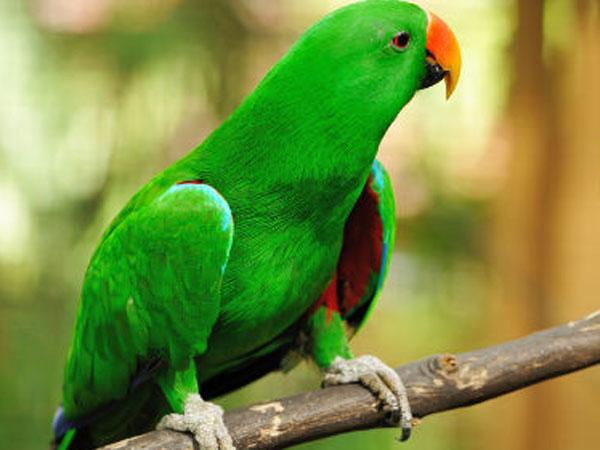
parrot-med

Post no 877 dated 1st March 2014

News Story from London Metro News paper:

“ It looked like the perfect murder: a woman found dead in her home, no clues and no witnesses. Well, no human witnesses, at least.

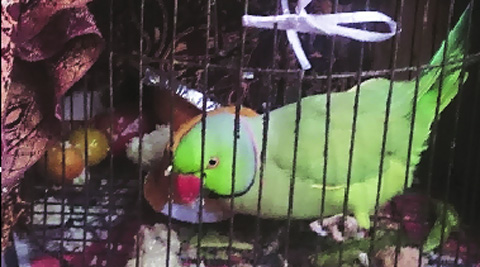
But the killer of 45-year-old Neelam Sharma will end up doing some bird after all as the case was cracked by the victim’s pet parrot, nicknamed Hercule (Hira is the correct name. See below: swami).

The mystery started when journalist Vijay Sharma came home to find his wife and pet dog dead.
The only survivor was the parrot, who had been stunned into silence by what he saw at the home in Agra, in the north Indian state of Uttar Pradesh.

Mr Sharma thought he would never have justice… until a visit from his nephew Ashutosh, who seemed to ruffle a few feathers.

‘The parrot that was unusually quiet suddenly started shrieking and flapping around the cage,’ said Mr Sharma, editor of a Hindi daily newspaper.

‘It was clearly distressed about something and only calmed down when Ashutosh left. Then when I spoke to other people, every time I mentioned Ashutosh’s name the parrot would start screeching.
‘This made me really suspicious and I decided to call the police.’

The police, acting on parrot’s tip-off, checked on Ashutosh’s phone records before arresting him.
And before long, he was singing like a canary.
26-parrot1

‘He said that he had gone with a friend to his uncle’s house with the intention of stealing and was surprised by his aunt, who they had killed because they were worried she would have identified them to police,’ said Agra police spokesman Shalabh Mathur.

‘They had then robbed the place before fleeing.
‘He admitted he had also killed the dog, thinking it could be used in an identity parade against him, but had not thought about killing the parrot which had been silent in its cage.’

Metro News Paper, London 28th February 2014

(London news papers reported the Parrot’s name as Hercule, but it is actually Hira; I have given below the following clarification from an Indian news paper)

parrot (1)
London News papers compared this parrot with Hercule Poirot (Detective in Agatha Christie’s novel), punning with the words Parrot and Poirot, but later Indian newspapers clarified that the role of the parrot in this murder case is minor. More over the name of the parrot is not Hercule, (as reported in London news papers) but Hera. Any how he is a Hero now!

1st March, The Indian Express (India) adds

So where does Hira come in?

According to Sharma, his daughters, along with a local reporter, decided to “confirm” the police’s findings with the parrot. “My mother was very attached to Hira. He has been with us for over two decades. We took the names of all the people in the house in front of him, including my brother, the milkman, and my cousin Ashutosh. Hira started squawking when we took Ashutosh’s name,” Pallavi, one of Sharma’s daughters, said.

According to Sharma, the parrot’s contribution to the case was limited to only “reacting excitedly” to Ashutosh’s name. Pallavi, however, insisted that Hira “nodded when I took Ashu’s name”.

Please read the following stories posted earlier:

Post 813 மான் குட்டிக்குப் பால் கொடுத்த புலி ! Date 2-2-14
Post 814 Tigers and Deer—Friends in Hindu World ! Date 2-2-14

13 Saints in Nature!
இயற்கை போதிக்கும் 13 பாடங்கள்
Dogs at Sringeri and Kanchi Mutts

Hindu Eagle Mystery deepens
INDIAN CROW by Mark Twain
Can Humans communicate with Animals?
Birds for finding Direction: Sumer to Tamil Nadu via Indus Valley
Donkeys in Tamil and Sanskrit Literature

Amazing Andal: Where did she see the Lion?
Vedic Dog and Church Dog
The Great Scorpion Mystery in History-1
Who rides what Vahana (Animal or Bird)?

வேத நாயும் மாதா கோவில் நாயும்
தேள்— ஒரு மர்ம தெய்வம்!

Mysterious Messengers for Ajanta, Angkor Wat and Sringeri
The Mysterious Vedic Homa Bird: Does It Exist?
Gajalakshmi in Kalidasa and Tamil Literature
Bird Migration in Kalidasa and Sangam Tamil literature
Mysteriou Tamil Bird Man
Four Birds at One Sloka

அதிசயப் பறவைத் தமிழன்!!!
சிட்டுக்குருவியிடம் பாரதி கற்ற பாடம்
யானை பற்றிய நூறு பழமொழிகள்
கா! கா! கா! கா!

கழுதைக்குத் தெரியுமா கற்பூர வாசனை
தேள் தெய்வம்
வாகனங்கள் தோன்றியது எங்கே?
சுமேரியாவில் தமிழ்ப் பறவை

Double headed Eagle
Serpent Queen: Indus Valley to Sabarimalai
Can parrots predict your future?
When animals worship god why not men?
Animal Einsteins- Part 1
Animal Einsteins- Part 2

Contact swami_48@yahoo.com

கொலைகாரனைக் காட்டிக்கொடுத்த கிளி

parrot-med

கட்டுரையாளர் லண்டன் சுவாமிநாதன்
தேதி மார்ச் முதல் தேதி, 2014; கட்டுரை எண்-

மிருகங்களுக்கும் பறவைகளுக்கும் நாம் நினைப்பதைவிட அதிகமாகவே அறிவு உண்டு என்பதை பல சம்பவங்கள் நிரூபித்து வருகின்றன. இதுபற்றியும் சங்கத் தமிழ் இலக்கியத்தில் உள்ள கிளி வளர்ப்பு, வேதத்தைத் திருப்பிச் சொல்லும் கிளிகள், கிளி ஜோதிடம், பறவைகளில் சகுன சாஸ்திரம், காளிதாசனிலும் சங்கத் தமிழ் இலக்கியத்திலும் காணப்படும் பறவைகளின் அதிசயக் குடியேற்றம், திருக் கழுகுக் குன்றத்தின் கழுகு அதிசயம் ஆகியன குறித்தும் பல தலைப்புகளில் இந்த பிளாக்-கில் எழுதிவிட்டேன். இப்பொழுது கொலைகாரனைக் காட்டிக் கொடுத்த ஒரு இந்தியக் கிளி பற்றி லண்டன் பத்திரிக்கைகளில் செய்தி வெளியாகி இருக்கிறது.

உத்தரப் பிரதேசத்தில் உள்ள ஆக்ராவில் ஒரு இந்தி பத்திரிக்கையின் ஆசிரியராக வேலை பார்ப்பவர் விஜய் சர்மா. அவருடைய மனைவி நீலம் சர்மாவையும் (45 வயது) வளர்ப்பு நாயையும் பிப்ரவரி மாதம் யாரோ கொலை செய்துவிட்டனர். அவர் வீட்டுக்குத் திரும்பி வந்தபோது மனைவியும் நாயும் கத்தியால் குத்தப்பட்டு இறந்து கிடப்பதைக் கண்டு அதிர்ச்சி அடைந்தார். துப்புத் துலக்கிய போலீசார், வீட்டுக்கு வந்து போகும் நெருக்கமான ஒருவர்தான் கொன்றிருக்க வேண்டும் என்று சொன்னார்கள் அவர் அதை நம்பத் தயாராக இல்லை.

26-parrot1

அவர்கள் வீட்டில்ஒரு கிளியையும் வளர்த்து வந்தனர். கொலைச் சம்பவத்துக்குப் பிறகு கிளி ஒரே மௌன மாகிவிட்டது. விஜய் சர்மாவின் மருமான் பெயர் ஆசுதோஷ். ஒரு நாள் அவர் வீட்டூக்குள் வந்தபோது வழக்கமாக அமைதி காக்கும் கிளி, பெரிதாகக் கீச்சிடத் துவங்கியது. ஆசுதோஷ் வெளியே போனவுடன் அமைதி ஆகிவிட்டது.

பிறகு விஜயின் மகள், கிளியிடம் போய் நீலத்தைக் கொலை செய்தது யார்? என்று சொல்லு என்று சொல்லிவிட்டு வரிசையாகப் பல பெயர்களை வாசித்தார். ஆசுதோஷ் பெயர் வந்தபோது, கிளி பட பட வென்று இறக்கையை அடித்துக் கொண்டு கிரீச் என்று கத்தத் துவங்கியது.

போலிசாருக்கும் ஏற்கனவே நெருங்கிய உறவினர்கள் மீது ஒரு கண் இருந்ததால், ஆசுதோஷைக் கைது செய்தனர். அவருடைய போன் முதலியவற்றைச் சோதித்தபோது குற்றத்துடன் தொடர்புடைய பல தடயங்களும் சிக்கின. பின்னர் அவரை விசாரித்ததில் உண்மையை ஒப்புக் கொண்டார். தான் வேறு சிலர் உதவியுடன் விஜய் வீட்டில் திருடப் போனதாகவும், எதிர்பாராதவிதத்தில் அத்தை நீலம் அங்கே இருந்தவுடன் அவரைக் கொன்றதாகவும் ஒப்புக்கொண்டார்.

அவரை உயிருடன் விட்டால், தான் திருடன் என்பதை உலகத்துக்கே அறிவித்துவிடுவார் என்று எண்ணி இப்படிச் செய்ததாகவும் ஆசுதோஷ் சொன்னார். ஒரு வேளை நாயைக் கொண்டு அடையாளம் கண்டுபிடிக்கக்கூடும் என்று பயப்பட்டு நாயையும் தீர்த்துக் கட்டிவிட்டதாகச் சொன்னார்.
விஜய்—நீலம் தம்பதியினர் வளர்த்த கிளியின் பெயர் ஹீரா. இனிமேல் அதை ஹீரோ என்று அழைப்பதே பொருத்தம்!

parrot (1)

London News papers compared this parrot with Hercule Poirot (Detective in Agatha Christie’s novel), punning with the words Parrot and Poirot, but later Indian newspapers clarified the role of the parrot in this murder case is minor. More over the name of the parrot is not Hercule, but Hera. Any how he is a Hero now!

பறவைகள் மிகவும் கெட்டிக்காரத்தனம் உடையவை. சில மாதங்களுக்கு முன்னால் பிரிட்டனில் ஒரு கிளி கள்ளக் காதலன் பெயரைத் திரும்பத் திரும்பச் சொன்னவுடன் கணவனுக்கு மனைவி மீது சந்தேகம் வலுத்தது. பின்னர் குட்டு வெளிப்பட்டது. மனைவியும் கள்ளத் தொடர்பை ஒப்புக்கொண்டாள். எல்லா பிரிட்டிஷ் பத்திரிக்கைகளும் அந்தக் கிளியின் படத்தைப் பிரசுரித்து அதை கதாநாயகன் அந்தஸ்துக்கு உயர்த்திவிட்டன!

எச்சரிக்கை:- அடுத்தமுறை நீங்கள் ஏதேனும் தவறு செய்யப் போனால் பக்கத்தில் காக்கா, குருவி, நாய் ,பூனை இருக்கிறதா என்று பார்த்துக் கொள்ளுங்கள்!!!!!

இதற்கு முன் இதே பிளாக்—கில் வெளியான பறவை- விலங்குக் கட்டுரைகள்:

Post No 813 மான் குட்டிக்குப் பால் கொடுத்த புலி ! Date 2-2-14
Post No. 814 Tigers and Deer—Friends in Hindu World ! Date 2-2-14
13 Saints in Nature!
இயற்கை போதிக்கும் 13 பாடங்கள்
Dogs at Sringeri and Kanchi Mutts
Hindu Eagle Mystery deepens
INDIAN CROW by Mark Twain
Can Humans communicate with Animals?
Birds for finding Direction: Sumer to Tamil Nadu via Indus Valley
Donkeys in Tamil and Sanskrit Literature
Amazing Andal: Where did she see the Lion?
Vedic Dog and Church Dog
The Great Scorpion Mystery in History-1
Who rides what Vahana (Animal or Bird)?
வேத நாயும் மாதா கோவில் நாயும்
தேள்— ஒரு மர்ம தெய்வம்!
Mysterious Messengers for Ajanta, Angkor Wat and Sringeri
The Mysterious Vedic Homa Bird: Does It Exist?
Gajalakshmi in Kalidasa and Tamil Literature
Bird Migration in Kalidasa and Sangam Tamil literature
Mysteriou Tamil Bird Man
அதிசயப் பறவைத் தமிழன்!!!
Four Birds at One Sloka
சிட்டுக்குருவியிடம் பாரதி கற்ற பாடம்
யானை பற்றிய நூறு பழமொழிகள்
கா! கா! கா! கா!
கழுதைக்குத் தெரியுமா கற்பூர வாசனை
தேள் தெய்வம்
வாகனங்கள் தோன்றியது எங்கே?
சுமேரியாவில் தமிழ்ப் பறவை
Double headed Eagle
Serpent Queen: Indus Valley to Sabarimalai
Can parrots predict your future?
When animals worship god why not men?
Animal Einsteins- Part 1
Animal Einsteins- Part 2

பரதனிடம் ராமன் கேட்ட கேள்விகள்

IMG_0556

Ramayana Paintings

ராமாயண வழிகாட்டி — அத்தியாயம் 18 — ராம ராஜ்யம் -4
By ச.நாகராஜன்

நூறாவது ஸர்க்கத்தில் 70வது ஸ்லோகமாக அமைவது இது.

யாத்ராதண்டவிதானம் ச த்வியோனி சந்திவிக்ரஹௌ I
கச்சிதேதான்மஹாப்ராக்ஞ யதாவதனுமன்யஸே II

யாத்ராதண்டவிதானம் ச – ஐந்து வித யானங்களையும்

த்வியோனி – இரண்டு வகையாயுள்ள

சந்திவிக்ரஹௌ – ஸந்தி விக்ரஹங்களென்ற

ஏதான் – மேற்கண்டவைகளை

தத்வத்த – உள்ளபடி

புத்த்வா – ஆராய்ந்து

யதாவது – அதற்கேற்றவாறு

அனுமன்யஸே கச்சித் – நடந்து வருகின்றனையா

மஹாப்ராக்ஞ ராகவ! – மஹாபுத்திமானான பரத!

(அர்த்தம் புரிவதற்காகச் சில சொற்கள சென்ற 68,69 ஸ்லோகங்களிலிருந்து மேலே சேர்க்கப்பட்டிருக்கிறது)
இங்கு ராமர் ஐந்து வித யானம் என்று குறிப்பிட்டது :- 1) பகைவரைப் பகைத்துச் செல்லுதல் 2) நேசித்துச் செல்லுதல் 3) பலருடன் கூடிச் செல்லுதல் 4) வஞ்சனை செய்து செல்லுதல் 5) அலக்ஷியம் செய்து செல்லுதல்

ராமர் பரதனைக் கேட்கும் கேள்விகள் ஒரு மன்னன் எப்படி அரசாள வேண்டும் என்பதைச் சுட்டிக் காட்டுகிறது. ஸர்க்கம் முழுவதையும் படித்தால் ராமராஜ்யத்தின் இலக்கணத்தை ஒருவாறு நாம் அறிய முடியும்.

“சக்கரவர்த்தி குமாரா! பிரதி தினமும் காலை வேளையில் ராஜ வீதியில் அங்கங்கிருந்து எல்லோரும் பார்க்கத் தகுந்தபடி மனிதர்களுக்குக் காட்சி தருகின்றனையா”

“பரதா! உனது வரவு அதிகமாயிருக்கிறதா? செலவு அதற்குக் குறைந்திருக்கிறதா? உன் பொக்கிஷமானது தகுதியற்றவரிடம் சேராமல் இருக்கிறதா?”

இப்படி எல்லாம் ஏராளமான கேள்விகளைக் கேட்கும் போது பரதனை அவர் பாராட்டவும் செய்கிறார்; தன் அன்பைச் சொல்லில் குழைத்து அழைக்கிறார்!

ram on stone

ஜயதாம் வர – வெற்றி பெற்றவர்களுள் சிறந்தவனே
காலக்ஞ – உசிதமான காலத்தை அறிந்தவனே
தாத – குழந்தாய்!
சௌம்ய – சௌம்யனே
கைகேயி புத்ர – கைகேயியின் புத்திரனே
ராஜபுத்ர – சக்கரவர்த்தி திருக்குமாரா
நரர்ஷப – புருஷோத்தமனே
மஹாப்ராக்ஞ – மகா புத்திமானே

இவை அனைத்தும் பரதனுக்குப் பொருத்தமாக இருப்பதைக் கண்டு வியக்கிறோம்.

வன: கிம் ஆகத: – காட்டிற்கு ஏன் வந்தாய்?
பத – ஏன் இந்தக் கஷ்டம்?
என்று அன்புடன் கேட்கும் ராமனின் அன்புக்கு ஈடு இணை உண்டோ?
சகோதர பாசத்தைத் தெள்ளென எடுத்துக் காட்டும் ராம – பரதன் சந்திப்பு அற்புதமாக வால்மீகி முனிவரால் விவரிக்கப்பட்டுள்ளது.
காலம் காலமாக மனித குலத்தின் ரத்த சம்பந்த உணர்வையும், அன்பையும் இப்படித் தகுந்த சொற்களால் வடித்தெடுக்கும் இன்னொரு காவியம் இல்லை என்றே சொல்லலாம்!
******

ram ki nam

ராமாயண வழிகாட்டி — அத்தியாயம் 17 — ராம ராஜ்யம் -3
By ச.நாகராஜன்

நூறாவது ஸர்க்கத்தில் 68-வது ஸ்லோகத்தைத் தொடர்ந்து 69 வது ஸ்லோகமாக அமைவது இது:

இந்த்ரியாணாம் ஜயம் புத்த்வா ஷாட்குண்யம் தைவமானுஷம் I
க்ருத்யம் விம்சதிவர்கம் ச ததா ப்ரக்ருதி மண்டலம் II

இந்த்ரியாணாம் ஜயம் – ஐம்புலன்களையும் அடக்குதலையும்
ஷாட்குண்யம் – ஆறு குணத்தையும்
தைவ மானுஷம் – மனிதரால் தோன்றும் ஐந்து வியசனங்களையும்
க்ருத்யம் – பகைவரிடம் விசுவாசமற்றவர்களைத் தன் வசமாக்கிக் கொள்ளலையும்
விம்சதி வர்கம் ச – இருபது வர்க்கங்களையும்
ததா ப்ரக்ருதி மண்டலம் – அவ்வாறே ப்ரக்ருதி மண்டலங்களையும்
(ஆராய்ந்து அதற்கேற்றபடி நடந்து வருகிறாயா?)

இங்கு ராமர் ஆறு குணம் என்று குறிப்பிட்டது:- 1) சந்தி 2) விக்ரகம் 3) போருக்குச் செல்லல் 4) போருக்குச் செல்லாதிருத்தல் 5) பகைவரை ஒருவருக்கு ஒருவர் பேதமுறச் செய்தல் 6) பகைவரை ஆஸ்ரயித்தல்

தைவ மானுஷம் என்பது தீ, நீர், பிணி க்ஷாமம், இறப்பு எனும் ஐவகை தெய்வ துன்பங்களையும், அதிகாரிகள், கள்வர், அன்னியர், அரசனுக்கு இஷ்டர், அரசனது கோப குணம் ஆகிய ஐந்து துன்பங்களையும் குறிக்கும்.

இருபது வர்கங்கள் என்று குறிப்பிட்டது:- 1) ராஜ்யம் 2) பெண் 3) ஸ்தானம் 4) தேசம் 5) இனத்தார் 6) பொருள் இவைகளைப் பறித்துக் கொள்ளல் 7) மதம் 8) மானம் 9) விஷய பீடை 10) மதியின்மை 11) சக்தியின்மை 12) குணமின்மை 13) தெய்வத்தை இகழ்தல் 14) நேசரை இகழ்தல் 15) பொருளை இகழ்தல் 16) சுற்றத்தாரைக் கொலை செய்தல் 17) கருணையின்மை 18) தேசத்தை இகழ்தல் 19) பொருள் ஒன்றிலேயே விருப்புறுதல் 20) தான் கோரிய விஷயத்திலேயே ஆசையுற்று இருத்தல்

ப்ரக்ருதி மண்டலம் என்று குறிப்பிட்டது :- 1). மந்திரி 2) தேசம் 3) கோட்டை 4)கோசம் 5) தண்டம் என்னும் ஐந்து பிரகிருதிகளையும் நடுவில் அரசன், முன்னரசனுக்குச் சத்ரு, தன் மித்திரன், சத்துருவின் மித்திரன், தன் மித்திரனுக்கு மித்திரன், சத்துருவின் மித்திரனுக்கு மித்திரன் ஆகிய ஐவர்கள், பின்னர் பார்ஷ்ணிக்ராஹன், ஆக்ரந்தன், பார்ஷ்ணிக்ராஹாஸாரன், ஆக்ரந்தாஸாரன் என்னும் நால்வர்கள், பக்கத்திலிருப்பவன், மத்தியமன், புறத்திலிருப்பவன், உதாசீனன் ஆகிய இவர்கள் அனைவருமாவர்.
ராஜ்ய கட்டமைப்பையும் விரிவான நடைமுறைகளையும் இந்த ஸ்லோகம் விளக்குகிறது அல்லவா.
இத்துடன் அடுத்து வரும் இன்னொரு ஸ்லோகத்தையும் சேர்த்துப் பார்த்துப் பொருள் கொள்ள வேண்டும்.

Swami_48@yahoo.com
**********

The More you Bow, The More you Grow: Adi Shankara

Obama_bowing_in_Tokyo

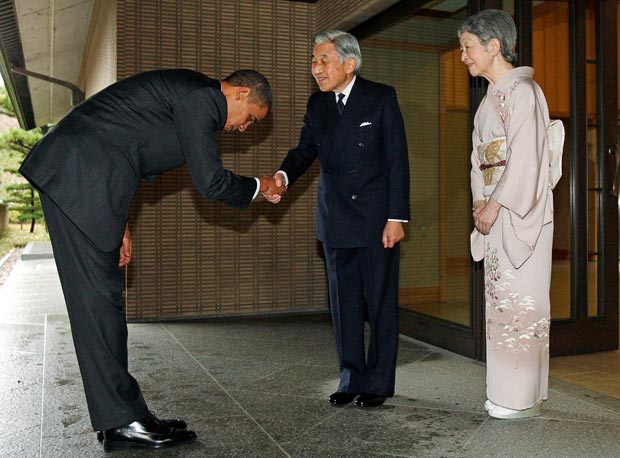
President (USA) Obama bows to the Emperor of Japan

Post no. 874 Dated 28th February 2014
By London Swaminathan

Adi Shankara, in one of his verses says those who are humble grow and those who are conceited degenerate. This is a beautiful concept. Physically you bow before every one. But mentally you grow and go higher and higher. Shankara’s Q & A hymn is very unique in the realm of spiritual hymns. In fact he came down to our level from the Spiritual Everest! He is very practical in many of his advices in the Prasna Uttara Ratna Malika or Questions and Answers Garland of Gems.

He raises approximately 200 questions and answers them.

In verse 46, the question Shankara puts is

Who grows?
Answer: The humble (Vineeta:)

Touching-Feet
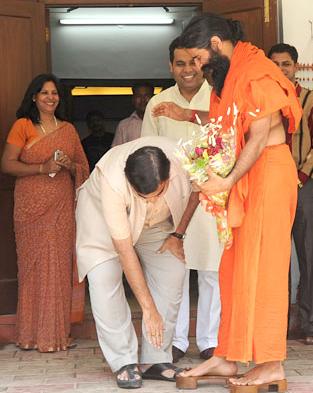
Prime Minister of India Manmohan Sing bows to a Hindu Swamiji

Tamil poet Tiruvalluvar says
No jewels are more befitting a man than humility and pleasing speech – Kural 95

Good name is gained by modesty in manners – Kural 960

It is well for everyone to be meek, but for those who have wealth, meekness is an added possession – Kural 125

Empty vessels make noise is a proverb in almost all the languages of the world. Educated are always humble. Those who got money only behave badly. Such people will perish.

Who degenerates?
‘The conceited’ is the short answer.

baba-ramdev-nitin-gadkari
Bjp Leader Nithin Gadkari bows to Yoga Guru Baba Ramdev

Ramakrishna Paramahamsa says in a story:

“A disciple, who had firm faith in the infinite power of his Guru, walked over the river by simply uttering his name. Seeing this, the Guru thought,” Well, is there such a power in my mere name? Then how great and powerful must I be”. The next day, the Guru also tried to walk over the river uttering “I, I ,I”, but no sooner did he step into the water than he sank down and was soon drowned; for the poor man did not know how to swim even.
Faith can achieve miracles while vanity or egotism brings about the destruction of man”.

How vanity turns a person’s head

“Those who have read a few books cannot get rid of conceit. Once I had a talk with Kalikrishna Tagore about god. At once he said, “ I know all about that”. I said to him, “Does a man who had visited Delhi brag about that? Does a gentleman go about telling everyone that he is a gentleman?”
Oh, how vanity turns person’s head! There was a scavenger woman in the temple garden at Dakshineswar. And her pride! And all are for a few ornaments. One day a few men were passing her on the path and she shouted to them, “Hey! Get out of the way, you people!” if a scavenger woman could talk that way, what can one say about the vanity of others?”

Source: Tales and Parables of Sri Ramakrishna, Sri Ramakrishna Math, Mylapore, Madras, 1947 publication.

The great Tamil saint Valluvar also said the same about humility:
Self control places a man among gods; want of it will plunge one into utter darkness – Kural 121

baba- kalam

Abdul Kalam Ex President of India, with Sri Sathya Sai Baba

Dr S. M Diaz in his commentary on this couplet gives two quotaions from the Bible:
Before destruction a man’s heart is haughty,
And before honour is humility – Proverbs 18:12
Blessed are the meek for they shall inherit the earth – Matt 5:5

Tamils always compare the learned people to a fully grown paddy plant. The more the grains in a plant more it lowers its head(crown).

In verse 17 of Prasnottara Ratnamalika there is a question

Whose self (Atma) can never be chastened (subdued or restrained) even at the cost of life?
Answer: The unintelligent, Ungrateful, Cheerless and doubting (person).

We know that a fool or a dull person cannot be changed that easily.
Doubting Thomas can never progress. ‘Samsaya Atma Vinasyati’- says Lord Krishna in Bhagavad Gita (4-40)
“The man who is ignorant, who has no faith, who is of a doubting nature, perishes. For the doubting soul there is neither this world nor the world beyond nor any happiness “(4-40).

Tamil poet Tiruvalluvar says

“To those who have conquered doubts and reached the truth,
The heavens are nearer than this earth itself “ — Kural couplet 353

In another couplet, he says

“Trusting untried persons and doubting tested aides,
Will both lead to endless ills “— Kural 510

Lord Krishna’s List (Bhagavad Gita 16: 1 to 3)

Krishna gives a long list of qualities of people born with Divine Nature:
1.Feralessness (Abhayam)
2.Purity of mind (satvasamsuddhi:)
3.Wise apportionment of knowledge & concentration(Jana yoga vyavastithi)
4.Charity (Dhanam)
5.Self control (Dama:)
6.Sacrifice (Yajna:)
7.Study of the scriptures (Svadhyaya:)
8.Austerity (Tapa:)
9.Uprightness (Arjavam)
10.Non violence (Ahimsa)
11.Truth (Satyam)
12.Freedom from anger (Akrodha:)
13.Renunciation (Thyaga:)
14.Tranquillity(Santi:)
15.Aversion to fault finding (Apaisnam)
16.Compassion to living beings(Buteshu Daya)
17.Freedom from covetousness (aloluptvam)
18.Gentleness (Mardavam)
19.Modesty (Hri:)
20.Steadiness (absence of fickleness/Acapalam)
21.Vigour(Teja:)
22.Forgivness (Ksama)
23.Fortitude (Druti:)
24.Purity (Saucam)
25.Freedom from malice (Adroha:)
26. Absence of excessive pride (Na Atimanita)
Great men think alike!
Contact swami_48@yahoo.com
‘வணக்கம் வளர்ச்சி தரும், அகந்தை அழிவைத் தரும்’

Obama_bowing_in_Tokyo

US President Obama bowing to Japanese Emperor.

எழுதியவர்- லண்டன் சுவாமிநாதன்
கட்டுரை எண்:-873 தேதி:- 28 பிப்ரவரி 2014

ஆதி சங்கரரின் வினா- விடை ஸ்லோகம் (பிரஸ்ன உத்தர ரத்ன மாலிகா) அற்புதமான கருத்துக்களை சுருங்கச் சொல்லி விளங்க வைக்கிறது. 67 ஸ்லோகங்களில் எதைப் படித்தாலும் அது திருக்குறளிலும் இருப்பதைக் கண்டு அகம் மகிழ்கிறது, உளம் குளிர்கிறது.

இதோ 200 கேள்விகளில் ஒன்று:
கேள்வி:- யார் முன்னேறுவார்?
பதில்:- அடக்கம் உடையோர்

கேள்வி:- யார் தேய்ந்து போவார்?
பதில்: அகந்தை உடையோர்.

இதை லண்டனில் உள்ள எனது இனிய நண்பர் மீனாட்சிசுந்தரம் ராஜகோபாலன் அழகாகக் கவிதை வடிவில் (67 பாடல்களையும்!) தருகிறார். ஒரு பானை சோற்றுக்கு ஒரு சோறு பதம். இதோ:

“பவ வாழ்வில் உயர்வென்னும் பலன் அடைவார் யாரே?
பணிவு என்ற அணி கொண்ட பண்புடையார் தாமே!
அவமானப்பட்டு அழிவார்கள் யாவர்?
அகம்பாவத் திமிராலே அழிவாரே ஆவர்!
எவராலும் நம்பியே ஏற்கமுடியாதோர்?
எந்நாளும் பொய் கூறி ஏய்க்குமவராவார்” (பாடல் 46)

சம்ஸ்கிருதத்திலும் இதைக் காண்போம்:
கோ வர்த்ததே விநீத: கோ வா ஹீயதே யோத்ருப்த:
கோ ந ப்ரத்யேதவ்யோ ப்ரூதே யஸ்சான்ருதம் ஸஸவத்.

Touching-Feet
Prime Minister Manmohan Sing bowing to a Hindu Swamiji.

இரண்டு கதைகள்

யாருக்காவது சம்ஸ்கிருதத்தில் உள்ள கீதை, வேதம், உபநிஷத்துக்களைப் படிக்க முடியவில்லையே என்ற வருத்தம் இருந்தால் அவர்கள் ராமகிருஷ்ண உபதேச மஞ்சரியைப் படித்தால் போதும். கதைகள், உவமைகள் மூலம் அத்தனையும் சொல்லிக் கொடுத்து விடுவார்!. இதோ அவர் சொல்லும் கதை:
“ஒரு சீடனுக்கு அவனுடைய குரு மீது அபார பக்தி.. அவர் கூப்பிட்ட உடனே, இருவருக்கும் இடையில் இருந்த நதியைக் கடக்கவேண்டி இருந்தது. குருவின் பெயரைச் சொல்லிக் கொண்டே தண்ணீரில் நடந்து வந்து குருவை நமஸ்கரித்தார். குருவுக்கு அகந்தை வந்து விட்டது. என் பெயருக்கே இவ்வளவு சக்தி இருந்தால் அதைத் தரித்து இருக்கும் எனக்கு எவ்வளவு சக்தி இருக்கும் என்று எண்ணீனார். அவரது சக்தியைச் சோதித்துப் பார்க்க மறு நாள் நதியில் இறங்கினார். “நான், நான், நான்”– எவ்வளவு சக்தி உடையவன் என்று எண்ணிய மாத்திரத்தில் அவர் நதிக்கடியில் போய்ச்சேர்ந்தார். பாவம் நீந்தக் கூடத் தெரியாது!

நம்பிக்கை மகத்தான அற்புதங்களைச் சாதிக்கும். அகந்தை மனிதனை அழித்து விடும்”.

அவர் சொன்ன இன்னொரு கதை:

“சில புத்தகங்களைப் படித்து விட்டவுடனே சிலருக்கு அஹம்காரம் (யான், எனது என்னும் செருக்கு) தலைக்கு ஏறி விடுகிறது. ஒரு நாள் நான் காளிகிருஷ்ண தாகூருடன் கடவுள் பற்றி விவாதித்துக் கொண்டிருந்தேன். உடனே அவர் சொன்னார், “ அதான், எனக்குத் தெரியுமே” என்று. நான் உடனே அவரிடம் சொன்னேன்: டில்லிக்குப் போய்விட்டு வந்தவன் அதைப் பற்றித் தம்பட்டம் அடித்துக் கொள்வானா? ஒரு நல்ல கனவான் நான் தான் பெரிய கனவான் – என்று கூறிக் கொள்கிறாரா?

“கடவுளே! ஒருவனுக்கு அகந்தை வந்து விட்டால் தலைக் கிறுக்கு வந்து விடுகிறது! அற்பனுக்கு வாழ்வு வந்தால் அர்த்த ராத்திரியில் குடை பிடிப்பான் அன்றோ! தட்சிணேஸ்வரத்தில் கோவில் தோட்டத்தைக் கூட்டிச் சுத்தம் செய்யும் ஒரு பெண்மணி இருந்தார். அவளுக்கு கொஞ்சம் நகைகள் கிடைத்துவிட்டன. அவ்வளவுதான்! தலை–கால் புரியவில்லை! ஒரு நாள் தோட்டத்தில் சிலர் அந்தப் பெண்மணியைக் கடந்து போய்க் கொண்டு இருந்தார்கள். இந்தப் பெண் அவர்களிடம் வலியப் போய், : ஏய்! கண் தெரியவில்லையா? விலகிப் போங்கடா— என்றாள். தோட்டத்தைக் கூட்டிப் பெருக்கும் பெண்ணுக்கே இவ்வளவு திமிர் என்றால் மற்றவர்களைப் பற்றி என்ன சொல்வது?”

(ஆதாரம் ஸ்ரீ ராமகிருஷ்ணர் சொன்ன கதைகள். ஆங்கிலப் புத்தகம்).

ஸ்ரீ ராமகிருஷ்ணரின் உபதேசங்கள் எல்லா மொழிகளிலும் கிடைக்கும். சென்னை மயிலாப்பூரில் உள்ள ராமகிருஷ்ண மடம் எல்லா புத்தகங்களையும் வெளியிட்டுள்ளது.

baba-ramdev-nitin-gadkari

BJP leader Nithin Gadkri bowing to Yoga Guru Baba Ramdev.

தமிழ்ப் புலவன்– தெய்வப் புலவன்– வள்ளுவன் செப்புவதும் அஃதே:

அடக்கம் அமரருள் உய்க்கும்; அடங்காமை
ஆர் இருள் உய்த்து விடும் —121

மற்றொரு குறளில்

எல்லார்க்கும் நன்றாம் பணிதல்; அவர் உள்ளும்
செல்வர்க்கே செல்வம் தகைத்து –125

பொருள்: அடக்கம் உடையோர் தேவர். அடங்காதோர் வாழ்வது இருள் சூழ்ந்த நரக வாழ்வு. எல்லோருக்கும் அடக்கம்/ பணிவு தேவை. இது பணக்காரன் இடம் இருந்தால் அவனுக்கு அது மேலும் ஒரு செல்வம் போலத் திகழும்!

இது மட்டுமா? நன்றாக நாக்கை அடக்குங்கள் என்று எச்சரிக்கவும் செய்கிறார்: ஆமை போல் ஐந்து புலன்களையும் அடக்குங்கள்; யா காவாராயினும் நா காக்க= அட! அட்லீஸ்ட் நாக்கையாவது அடக்குங்களேன். ஏன் என்றால் தீயினால் சுட்ட புண் உள் ஆறும், நாவினால் சுட்டதோ வடுப் போல் என்றும் இருக்கும் என்றும் பகர்வார்.

பணிவுடையன் இன்சொலன் ஆதல் ஒருவற்கு
அணி அல்ல மற்றுப் பிற—95

பணிவுன் இனிய சொல்லற்றலும் ஒருவனுக்கு இருந்து விட்டால் அவனுக்கு வேறு எந்த அணிகலன்களும் தேவையே இல்லை!

கிருஷ்ண பரமாத்மாவும் பகவத் கீதை 16:1 முதல் 3 ஸ்லோகங்களில் 26 தெய்வீக குணஙகளைப் பட்டியல் இடுகிறார். அதில் புறக்கரணங்களை அடக்குதல் (தம:), பணிவு (ஹ்ரீ:/ நாணம்) ஆகிய இரண்டையும் சேர்த்துள்ளார்.

baba- kalam

Ex President of India Abdul Kalam and Sri Sathya Sai Baba.

தமிழ் இலக்கியத்தில் தலை சாய்ந்த நெற்கதிர்களைப் பணிவுக்கு உவமையாக்குவர் புலவர் பெருமக்கள். கதிர்கள் கனம் தாங்காமல் அவைகள் மணப் பெண் போல தலை குனிந்து பணிவுடன் நிற்கும். நற்குடியில் பிறந்த கற்றோரும், செல்வந்தரும் இது போல அடக்கத்துடன் செயல்படுவராம்.

Contact: swami_48@yahoo.com

யார் நல்ல ஆசிரியர்?

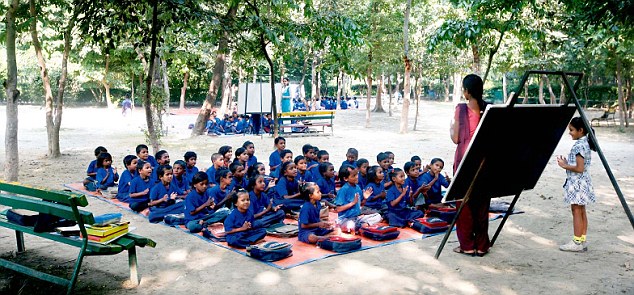
raje2
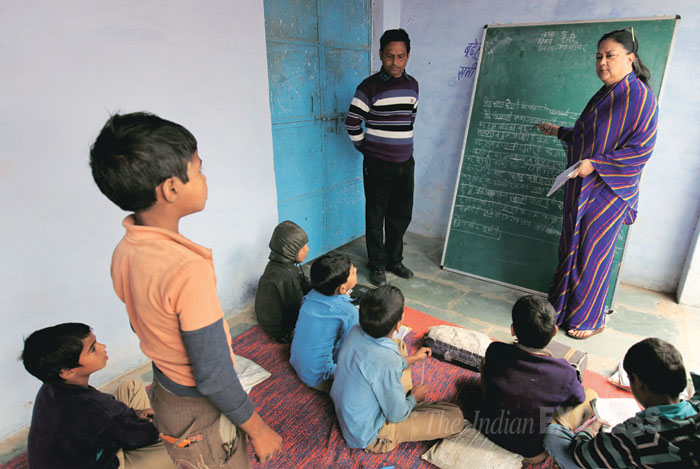
Rajasthan Chief Minister Vasundhara Raje in a village school.

By London Swaminathan

Post No.871 dated 27th February 2014

ஆதிசங்கரர் எழுதிய வினா- விடை ரத்தின மாலை மிகவும் வியப்பான விஷயங்களைச் சொல்லும் ஒரு ஸ்தோத்திரம். வடமொழியில் இதன் பெயர் பிரஸ்ன உத்தர (பிரஸ்னோத்தர= வினா விடை) ரத்ன மாலிகா. மொத்தம் 67 ஸ்லோகங்கள் உள்ளன. ஒவ்வொரு பாடலிலும் 3, 4 கேள்விகளும் பதில்களும் இருக்கும். சுமார் 200 கேள்விகளை அவரே எழுப்பி அழகான பதில்களைக் கூறுகிறார். குரு பற்றிய கேள்விகளை மட்டும் இன்று காண்போம்.

3.யார் குரு?

உண்மையை உணர்ந்தவர். மாணவர்களின் நலனை எப்பொழுதும் கருதுபவரே உண்மையான ஆசிரியர் / குரு.

அருமையான பதில். மதம் என்பதை மறந்து விட்டாலும் கூட இது சரியே. ஒரு ஆசியருக்கு தான் கற்பிக்க வந்ததை (உண்மையை) அறிந்திருக்க வேண்டும். முழுக்க முழுக்க மாணவர்களின் முனேற்றமே அவர்கள் மனதில் இருக்க வேண்டும்.

அந்தக் காலத்தில் குருவிடத்தில் சரண் அடைந்து உபதேசம் பெற்ற எல்லோரும் குருவின் கடாக்ஷத்தால் முன்னேற்றம் கண்டனர். அவர்கள் ஸ்பர்ச தீட்சை, நயன தீட்சை, மானச தீட்சை என்று மூன்று வகைகளில் அருள் பெற்றனர். ராமகிருஷ்ண பரமஹம்சர் தனது சக்தியை ஸ்பரிச தீட்சை மூலம் சுவாமி விவேகானந்தருக்கு மாற்றினார். அதன் மூலம் அவர் உலகப் புகழ்பெற்றார். இந்து மதமும் புனருத்தாரணம் பெற்றது.

சீடர்கள் ஏதேனும் தவறு செய்தால் அந்தப் பாவங்கள் அனைத்தும் குருவையே சேரும்.

குருவின் பெயரைச் சொன்ன மாத்திரத்திலேயே ஆணவம், கன்மம், மாயை ஆகிய மும்மலமும் விலகி சிவோஹம் என்னும் நிலையைப் பெறலாம் என்பார் திருமூலர்:–

தெளிவு குருவின் திருமேனி காண்டல்
தெளிவு குருவின் திருநாமம் செப்பல்
தெளிவு குருவின் திருவார்த்தை கேட்டல்
தெளிவு குருஉரூச் சிந்தித்தல் தானே.

இன்னும் ஒரு அதிசய விஷயத்தையும் திருமூலர் கூறுவார்: கருடன் உருவத்தை மனதில் நினைத்துப் பிரார்த்திதாலோ கருட மந்திரத்தைச் சொன்னாலோ பாம்பு விஷம் பறந்தோடிப் போகுமாம்.அதே போல குருவை மனதாரப் பிராத்திப்பவனுக்கு மும்மலமும் அறுபட்டு முத்தி அடைய முடியுமாம்.

கருடன் உருவம் கருதும் அளவில்
பருவிடம் தீர்ந்து பயம் கெடுமா போல்
குருவின் உருவம் குறித்த அப்பொழுதே
திரிமலம் தீர்ந்து சிவன் அவன் ஆமே
— திருமூலரின் திருமந்திரம்

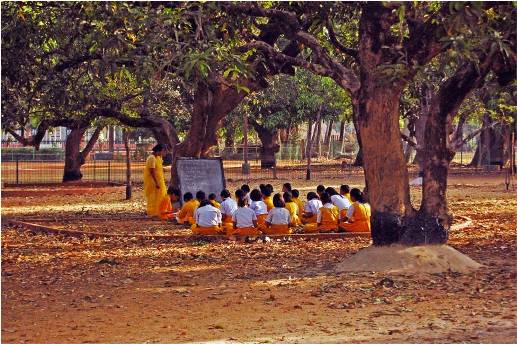
shantiniketan

Shantineketan, Calcutta

ஆதி சங்கரர் எடுத்துக் கொள்ளும் அடுத்த கேள்வி

9.எது விஷம்?
குருவின் கட்டளையை மீறுதல்.

ஒருவரை நம்பி குருவாக ஏற்றுக் கொண்டுவிட்டால் அவர் மீது பரிபூரண நம்பிக்கை வேண்டும். அவரது உத்தரவை மீறக்கூடாது. அப்படி மீறுவது விஷத்துக்கு ஒப்பானது. குருவை நிந்தித்தல் அதற்கும் மேலான ஆபத்து உடையது.

சாந்தோக்ய உபநிஷத்தில் ஒரு கதை வருகிறது
குருவின் கட்டளையை மீறாததால் ஞானம் பெற்றவ சத்யகாமன் கதை அது.

குரு, அவனுக்கு இட்ட கட்டளை நான் கொடுத்த மாடுகளின் எண்ணிக்கை ஆயிரமாகப் பெருகும் வரை வராதே என்பதுதான். அவனும் அதையே மனதில் கொண்டு வேறு எதையும் சிந்திக்காமல் மாடு மேய்ப்பதிலேயே கவனம் செலுத்தி வந்தான். ஆயிரம் மாடுகள் ஆவதற்குள் அவனுக்குப் பிரம்ம ஞானம் வந்துவிட்டது குருவே அவனைப் பார்த்து நீ ஞானியாக விளங்குகிறாயே உனக்கு யார் உபதேசம் செய்தார்? என்று கேட்கிறார். குருவின் கட்டளையை மீறாமையும், சிரத்தையும், நம்பிக்கையும் அவனுக்கு ஆன்ம ஞானம் ஏற்பட உதவிற்று.

‘’செய்யும் தொழிலே தெய்வம்’’– என்பது எவ்வளவு உண்மை! மாடு மேய்த்தாலும் குருவின் சொற்களில் இருந்த நம்பிக்கை, பிரம்ம ஞானத்தைக் கொடுத்துவிட்டது. எங்கு சிரத்தை இருக்கிறதோ அங்கு ஞானம் பிறக்கும் என்றும் கொள்ளலாம்.

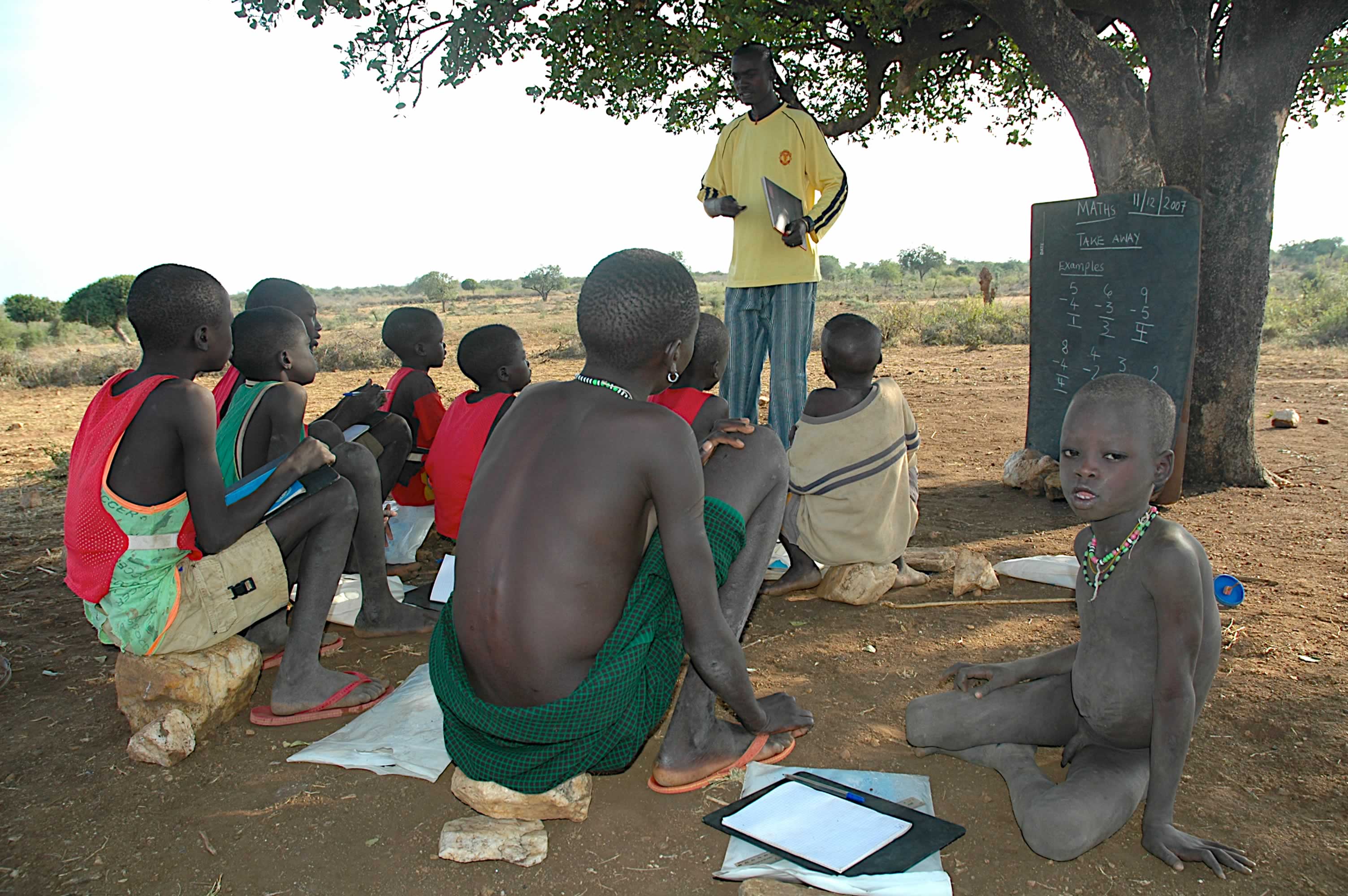
School under the tree boys 2
School in Africa.

ராமகிருஷ்ண பரமஹம்சர் கதை:

ஒரு குரு, தனது சிஷ்யனுக்கு, உபதேசம் செய்தார். நீயும் பிரம்மம், நானும் பிரம்மம். எல்லாம் கடவுள் என்று. சிஷ்யன் உன்னிப்பாகக் கவனித்துக் கேட்டுக் கொண்டான். வெளியே ஞானத் திமிருடன, செருக்குடன் நடந்தான். ஒரு மதம் பிடித்த யானை அவ்வழியே வந்தது. அனைவரும் அலறிப் புடைத்துக் கொண்டு ஓடினர். யானைப் பாகனும் விலகிப் போ, விலகிப் போ என்று கத்தினான். அவனோ, நானும் பிரம்மம், இந்த யானையும் பிரம்மம், நான் எதற்கு நகர வேண்டும் என்றான். அவனை யானை துதிக்கையால் சுழற்றி தூக்கி எறிந்தது.

ரத்தக் காயங்களுடன் குருவிடம் வந்து முக்கி முனகிய வாறே, குருவே! நானும் பிரம்மம், யானையும் பிரம்மம், ஆனால் அந்தப் பிரம்மம் இந்தப் பிரம்மனைத் தூக்கிப் போட்டுக் காயப்படுத்தியது. ஏனோ? என்றான்.

சிஷ்யா!, சிறிது விளக்கமாகச் சொல். யானை தனியாக ஓடி வந்ததா? மற்ற யாரும் அங்கு இல்லையா?

குருவே, யானைப் பாகன் விரட்டவே எல்லோரும் ஓடிவிட்டனர். நான் அவன் சொன்னதை மறுத்து நானும் பிரம்மம் , யானையும் பிரம்மம் என்று வாளாவிருந்தேன்.

சிஷ்யா!, யானையை பிரம்மம் என்று நீ கருதினாய். அதன் மீதிருந்த பாகன் என்ற பிரம்மம் சொன்னதை கேட்கவில்லையே. அவனும் பிரம்மம்தானே! என்றார்.

ஆக, குரு சொன்னதைச் சரியாகப் புரிந்து கொள்ளாமல் குருவின் கட்டளையை மீறியதால் அவர் துயரம் அடைந்தார்.

பரசுராமனிடம் பொய் சொல்லி வில்வித்தை கற்ற கர்ணனுக்கு நேர்ந்த கதையையும் நினைவிற் கொள்ளுதல் வேண்டும்.

Gautama Buddha Park,Noida

School under a tree at Gautama Buddha Park, Noida, India.

Contact swami_48@yahoo.com
Saint who ate with a dog!

street-dogs

Compiled by London Swaminathan

Post No 872 Date: 27th February 2014

From “Sayings of Sri Ramakrishna”, Sri Ramakrishna Math, Mylapore, Chennai. This book is available in several languages including Tamil.

“Once a god intoxicated Sadhu (saint) came to Rani Rasmani’s Kali temple. One day he did not get any food; and even though feeling hungry, he did not ask anybody for it; but seeing the dog eating the remnants of food thrown away in a corner after a feast, he went there and embracing the dog said, “Brother, how is it that you eat alone without giving me a share?” So saying, he began to eat along with the dog. Having finished his meal in this strange company, the sage entered the temple of Mother Kali and prayed with such earnestness of devotion as it sent a thrill through the temple. When after finishing his prayers, he was going away, the Master (Sri Ramakrishna Paramahamsa) asked his nephew Hriday, to follow that man, and talk with him.

When Hriday followed him for some distance, the sage turned around and said, “Why do you follow me?” Hriday replied, “Sir, give me some instruction”. The sage said, “When the water of this dirty ditch and the Holy Ganges yonder appear as one in your sight, and when the sound of the flageolet (musical instrument) and the noise of the crowd will have no distinction to your ear, then you will reach the state of true Knowledge. A Siddha roams in various disguises – as a child, as an unclean spirit, or even as a mad man”.-
——–Sri Ramakrishna

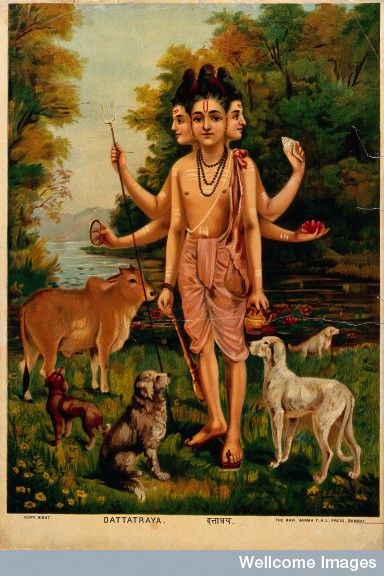
V0045119 Dattatreya with his four dogs and cow. Chromolithograph

Picture of Dattareya

Janaka was challenged by a Woman Saint

“Once a Sanyasini (a nun) came to the royal court of Janaka. To her the king bowed, without looking at her face. Seeing this the Sanyasini said, “How strange it is, O Janaka, that you have still so much fear of woman!” when one attains to full Jnana (wisdom), one’s nature becomes like that of a little child,— one sees no distinction between male and female.

The state of Paramahamsa (a perfect man) is just like that of a child. Like a child of five years, he feels no difference between man and woman. Yet, to set an example to the world, he should be on his guard against the other sex.
—– Sri Ramakrishna Paramahamsa

Holy man was beaten

“Once a holy man, while passing through a crowded street, accidentally trod upon the toe of a wicked person. The latter, furious with rage, mercilessly beat the Sadhu until he fell down unconscious. With much concern and care, his disciples tried various measures to revive him. When they saw that he was regaining consciousness a little, one of them asked, “Sir, do you recognise who is now serving you?”
The Sadhu replied, “Assuredly he who beat me”. A true Sadhu finds no distinction between a friend and a foe.
—– Sri Ramakrishna Paramahamsa

Jesus was a “Siddha”

“When the Jews nailed Jesus to the cross, how was it that he could, in spite of so much pain and suffering, pray that they should be forgiven?

When an ordinary coconut is pierced through shell, the nail enters the kernel of the nut. But in the case of the dry nut the kernel becomes separate from the shell; and when the shell is pierced, the kernel is not touched. Jesus was like the dry nut; his inner soul was separate from his physical shell. Consequently the sufferings of the body did not affect him. Though the nails were driven through and through, he could pray with calm and tranquillity for the good of his enemies.
—– Sri Ramakrishna Paramahamsa

Swami_48@yahoo.com

(Sub headings are mine;Pictures are taken from different sources; swami)

Why do Hindus Worship Shiva Linga? Kanchi Paramacharya’s Talk

lord-shiva-linga-big-temple-br (1)

Compiled by London Swaminathan
Post No. 870 dated 26th February 2014

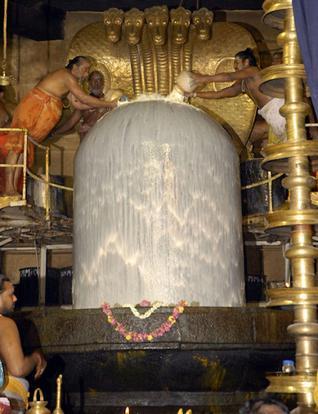
“ God is Omnipresent and All-pervasive. By the very nature of these qualities, He cannot have any form. He is, therefore, formless (Arupa). But in order to bless us, He assumes innumerable forms (Rupa). The Linga form in which we worship Isvara is symbolic of both His formlessness and form. It is symbolic of form because it has a particular shape; It is symbolic of formlessness because it has neither head nor limbs. The very conception of a Linga denotes something which has neither beginning nor end; the literal meaning of Linga is symbol.

Banalinga, part of Panchayatana Puja, is egg shaped. It serves to remind us Isvara(God) has neither beginning nor end. The shape of the sky is another example. Looking at the horizon we feel that the sky and the earth meet at a particular point. We may circle the earth and return to the point from which we started, without coming to the point where the sky and the earth meet. If we go into the significance of the symbol of Linga, we will realise that it is intended to bring the Unknown within our mental comprehension.

SAMSUNG DIGIMAX A503
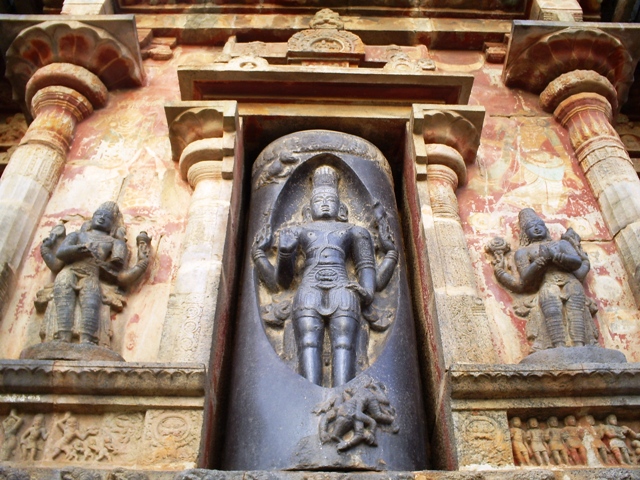
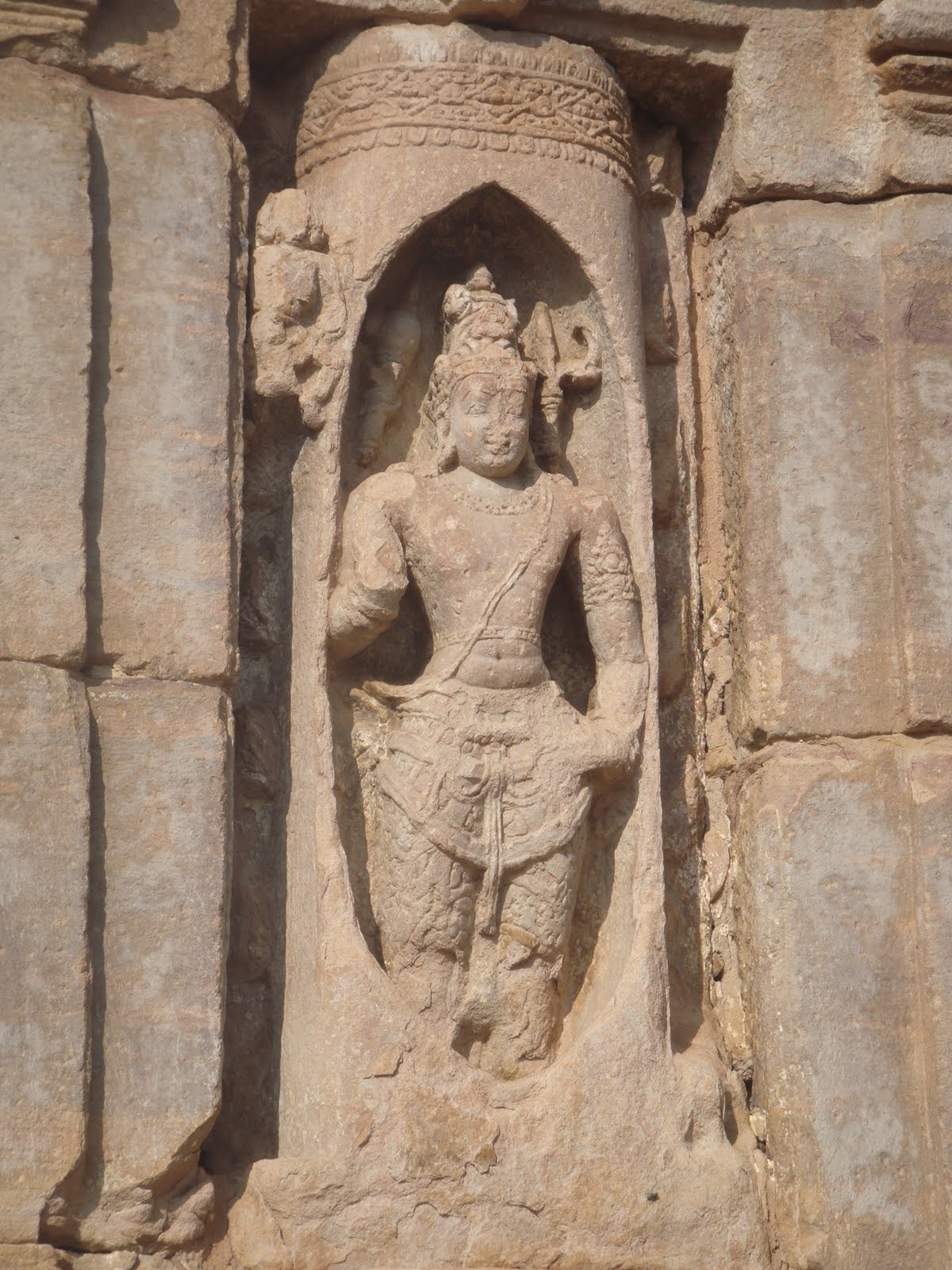
Lingodbhava Moorthi

Isvara assumes various forms in pursuance of His Divine Leela. The prime manifestation with a form of the formless Isvara, is known as the Lingodbhava Moorthi, and He made his appearance in that form exactly at midnight on Sivaratri. That is why all devotees keep vigil during the night of Sivaratri, and worship Isvara at midnight. If we go to any important Siva temple, we will find a niche, in the outer wall of the sanctum sanctorum, exactly behind the spot where the deity is installed. In that niche we can find a representation of the Lingodbhava Moorthi—a form emerging out of a linga. We can see neither the top half of the head nor the bottom half of the legs of that form. All the other attributes of Siva, like the axe, the deer etc. will be found sculptured. We will find also depicted a swan in flight at the top of the linga, and a boar burrowing the earth at the bottom.

According to tradition, Brahma took the form of a swan to find the crown of Siva’s head and failed. Similarly Vishnu took the form of a varaha/ boar and burrowed deep into the bowels of the earth to locate the feet of Siva and failed.

Thus in Lingodbhava Moorthi, we find the unique combination of Brahma, Vishnu and Siva, impressing in our minds the Advaitic tatva that God is One, Full and All Pervasive. Both the Arupa and Rupa aspects of Isvara are thus depicted.

(Significance of Sivaratri, Talk delivered by Kanchi Shankaracharya Sri Chandra Sekarendra Sarasvati on 16th February 1958 in Madras.)

Source: Pages 105- 107 of Acharya’s Call, Madras Discourses 1957- 1960, B G Paul & Co., Madras 1, 1968 publication.

Hindu Gods in Japan

Interview between Paramacharya and Hajme Nakamura, Professor of Philosophy, University of Tokyo
His Holiness: Is Shiva Linga found anywhere in Japan
Professor Hajme Nakamura: No. there is neither Shiva Linga nor images of Vishnu. But there is Ganapathi, Saraswathi, Indra, Brahma and even Varuna. But also there is a crocodile, which is regarded as the vehicle (Vahana) of the Ganges. The meaning of the Japanese names of
Ganapathi = Arya deva
Saraswathi = Goddess of eloquence
Indra = Chakra deva
Varuna = God of water

Lingodbhava Murthy - Shiva Inside Linga

Picture of Linodbhava

Shiva 50% + Vishnu 50%

“We Hindus regard both Siva and Vishnu as the same and this is evident from the fact that in the ecstasy of our devotion, when we are alone or in groups, we exclaim Haro-Hara and Govinda Govinda which names come to our lips spontaneously.

The holy days of Sivaratri and Janmashtami, are divided from each other by exactly 180 days, and this seems to indicate that god in his aspect as Siva protects us during one half of the year and his aspect as Vishnu , in the other half.

The traditional practice of boys and girls collecting oil for their vigil on Sivaratri and Janmashtami nights , singing in chorus a song which means Sivaratri and Sri Jayanthi/Janmashtami are the same, is another pointer to the identity of these two manifestations of the divine.”
(Paramacharya has pointed out in another talk that only two stars out of 27 stars has the honorific prefix “Thiru=Sri” in Tamil. They are Arudra and Onam. Both of them are associated with Shiva and Vishnu respectively. Big celebrations are held in Siva and Vishnu temples on those days. (Arudra= Thiruvathirai; Onam= Thiruvonam )

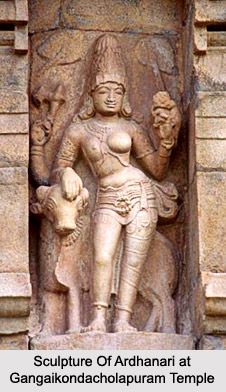
ardhanaree
Picture of Ardhanaree

Ignorance of Western Scholars

“Some Western scholars in their ignorance have dubbed Hindu religion as polytheistic. The uniqueness of our religion lies in the fact that under whichever name a devotee worships his Ishtadevata – that manifestation of god which appeals to him most – he considers him as the all pervading Paramatma. In fact, the culmination of all conceptions of the Supreme Being is in monism. That is Advaita Vedanta. Isvara, Narayana and Parasakti are all different aspects of one Supreme Being. This is visibly illustrated in the divine forms of Ardhanareeswara and Sankara – Narayana.

Such manifestations of the divine are installed in many South Indian temples, such as Ardhanareeswara (Half Siva, Half Sakti) in Tiruchengodu, SankaraNarayanan (Half Siva and Half Vishnu) koil in Tirunelveli district and Harihara in Mysore. Siva and Vishnu are also found together in the temple at Tiruparkadal near Kaveripakkam.

Source: Volume 2 of Acharya’s Call, Madras Discourses 1957- 1960, B G Paul & Co., Madras 1, 1968 publication.
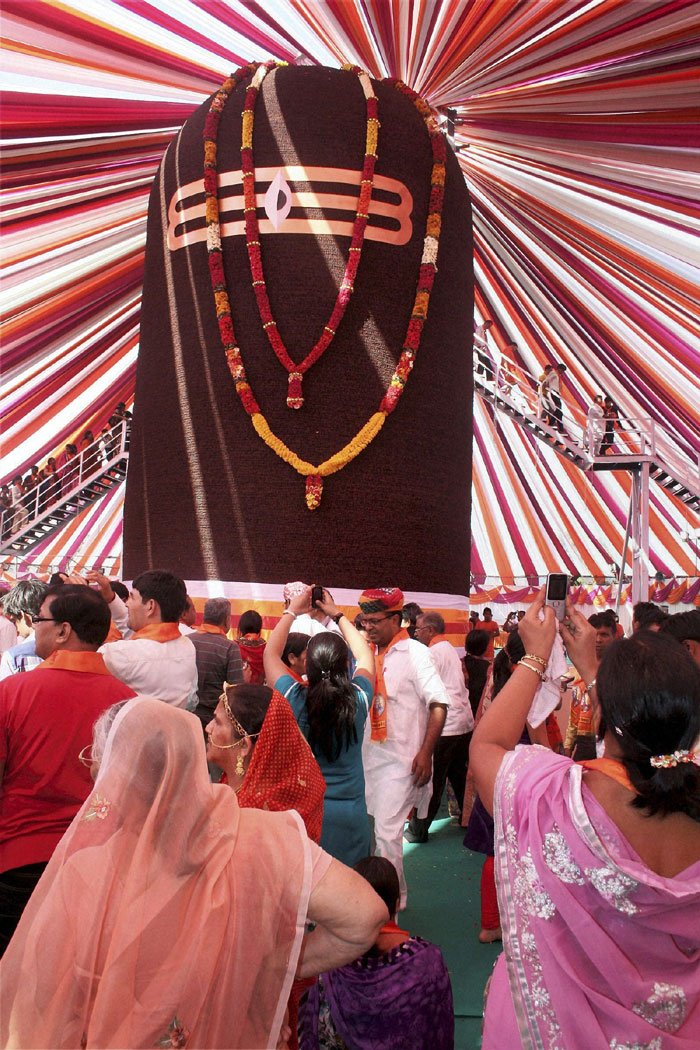
2 million Rudraksha seeds in Surat.

Linga made up of two million Rudraksha seeds from Surat,Gujarat.

Contact swami_48@yahoo.com
Pictures are taken from various websites;thanks.

Multan in Pakistan : Wonder of Magnetic Hindu God !

59706274-ruins-surajkund
Surajkund Rauins in Multan, Pakistan

Post no 869 Dated 26th February 2014

Before the Balaji temple at Tirupati and Anantha Padmanabha temple at Tiruvananthapuram became richest temples of India there was one temple at Multan, Punjab, now Pakistan, 2000 years ago which had 6000 staff and a very big income. I am reproducing some interesting but sad facts from the following book written by a Muslim historian: swami.

By Dr. MUMTAZ HUSSAIN PATHAN

( History of Sind Series, Vol.2, Sindhi Adabi Board, Hyderabad, Sind, Pakistan, 1978)
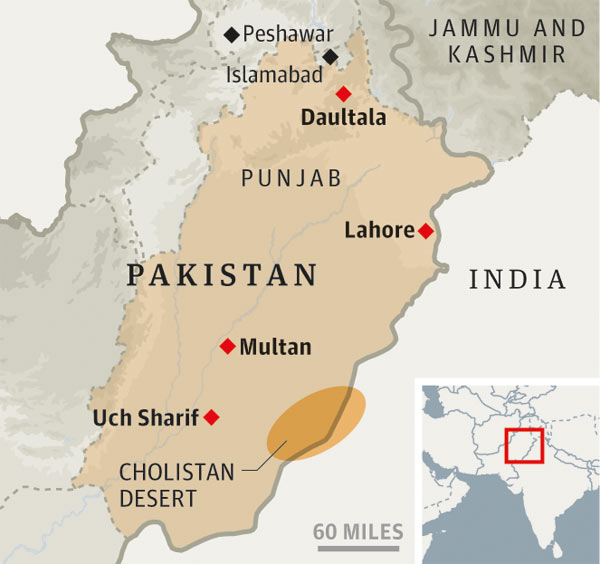
“The term Multan is derived from Sanskrit Malisthana (Maali- Asthan) which means the seat of Maalee, a people who are reported to have been dominant in West Pakistan in the ancient times. The Mali might have been the Maloi of the Greek writers who along with the Shibi (Sibi) were the two great people or tribes which inhabited a greater portion of Indo- Pakistan subcontinent. Many names are still connected with these tribes both in India and Pakistan which show the importance in which these peoples were held in ancient times. Malwa in central India and Sibi in Baluchistan, Siwistan in Sind and Shivi Kot (Shorkot) in Punjab perpetuate the name of these tribes and the extent of their cultural influence on the sub continent.
(Please see my earlier post Sibi in Tamil Literature:swami)

The ancient name of Multan is reported to have been Kasyapa – pura, placed on it after Rishi Kashyapa, who was one of the sons of Manu, the direct descendent of God Brahma. Manu had seven sons and these are represented in the heavens by the seven stars of the Great bear. It also seems to have derived its name from “Mul”, the sun god, whose statue adored the temple of Multan. This is attested to from the accounts of Arabs who speak of Multan as the chief centre of Sun worship in the northern part of the Indus valley.
The term “Mul” in Sanskrit means the root or origin; it also means heaven, ether, atmosphere, space or god. Any one of these names can be made applicable to sun, the lord of ethereal space. It is related that the temple of Multan was the first ever built in the sub continent for the worship of sun god, by Samba, the son of lord Krishna.

It was named Adiyasthana or the first shrine. Aditiya is the corruption of Aditiyah (or the sun) which is usually shortened to Adit and even Ayt as in the case of Aditwara (or Aytwar) for Sunday. The sun worship in Multan may be very ancient. According to one tradition it was instituted by the famous Prahlada, the son of Daitya (or Hiranyakasipu), the son of Manu. The famous Sanskrit scholar AL-Beruni relates that the idol of Multan which was named after sun, was built in the Karta-Jug (Krta Yuga), which according to his calculations was 216432 years old.

Pakistan, Punjab map

Alexander and Multan temple

Multan and its temple claim remote antiquity. It has been mentioned in the accounts of the Greek admiral Sky lax, who is reported to have explored the regions of Punjab and Sind during the reign of Darius I (550—486 BC), the third Achaemenian ruler of Iran. The description of the city of Kasyapapura given by Herodotus and Ptolemy and the account of its situation bring it to the site of Multan.
Alexander the great who visited the temple of Multan was wonder struck at the excellence of the human art with which the idol was built and suspended in the air by the pull of magnet. Multan is also spoken by the Chinese pilgrim Huen –Tsang, as flourishing city with the temple of sun, which he falls U-fa-Tsun (Aditya) the sun god.

The name of Multan appears as Mulo—san –pu-la (i.e.Mulasthanapura) and he further adds that the image of sun god was carved out of pure gold and was adorned with every kind of precious stones. During the period of his visit, Multan was situated on the eastern bank of the river Ravi but the river had long ago abandoned its course and it now more than thirty miles distant.

Arabs who became masters of the Indus valley identified the idol with that of job (Ayub) the Hebrew prophet.

Multan was the capital of one of the provinces of the Hindu kingdom of Sind, before the invasion of the Arabs. It is reported to have been captured by chach, the Brahmin ruler Alor, who usurped the power after the death of Rai Sehasi 2, the last Buddhist ruler of Sind. At the time of Arab attack Multan was held by Raja Kanda who offered stiff resistance to the invading army and cut off the provisions from the south. The army, therefore, killed asses and used them as food.
(Sind= Sindhu)

According to the version of chachnamah the head of the animal cost five hundred dirhams, which may be an exaggeration. The priests of Multan who were tired of the prolonged misery entered into negotiations with the Arab army and surrendered the fort to them. Large quantities of gold were obtained by the Arabs from the temple of Multan and as such it became known as Farj bayt al-Dahab .

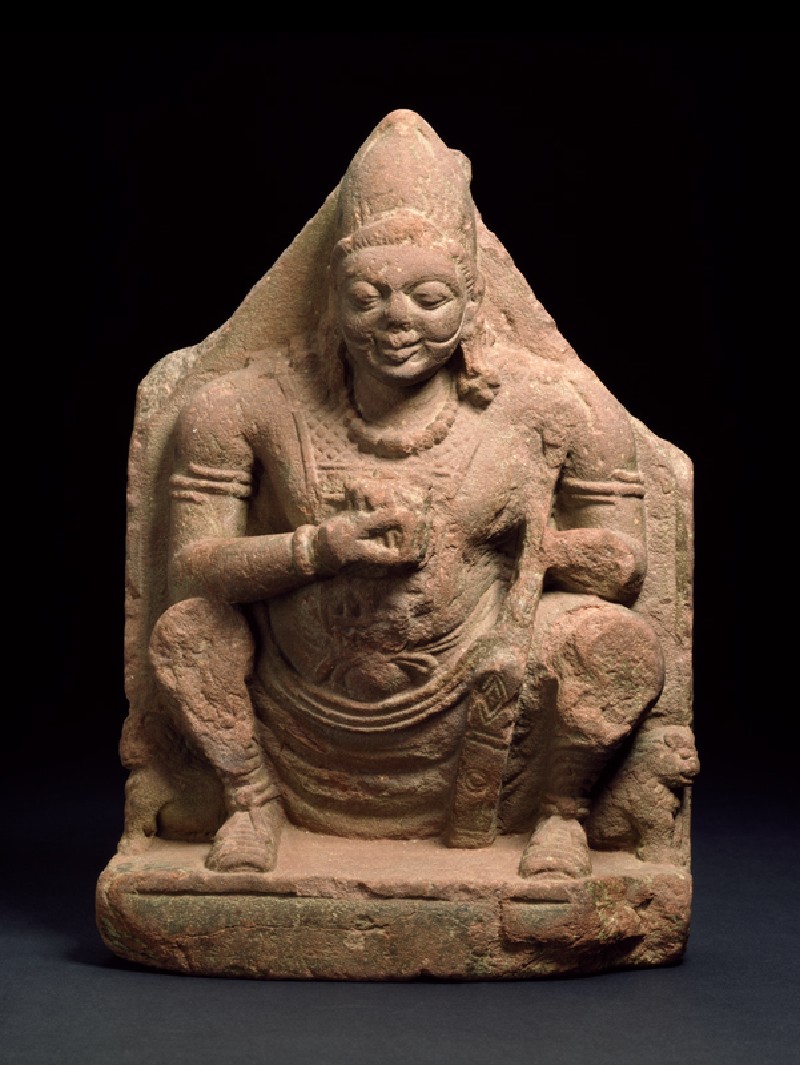
counting 4 ashmolean
Surya, Ashmolean Museum, Oxford, England

Rulers of Multan

The names of rulers of Multan who succeeded during a long period of nearly two centuries do not appear systematically in historical sources.

It has been reported the Quarmathian missionary work was in full swing during the later period of the Arab rule in Sind on account of the propaganda machinery handled by men like al-Haytham and Jalan ibn Shayban. The latter who was a great Ismaili fanatic broke the idol of Multan into pieces and ordered the closure of Umayyad mosque built earlier by Muhammad ibn al-Qasim, the Arab conqueror of Sind.

The idol of Multan

The idol of Multan identified with job, the Hebrew prophet by the Arab historians, was one of the few idols to which the people flocked in large numbers from various regions of the sub continent. During the period of Arab rule, the temple was the main source of revenue to the state and the rulers defrayed most of their needs from the income of the temple.

The idol of Multan is reported to have resembled a man, seated on a chair. Its body was covered with red skin in such a manner that nothing of it could be seen, excepting the eyes which are reported to have been two gems of great value. The jewels were fixed in the sockets with such a great skill that they looked real. Ibn Nadim reports that these gems were bigger than eggs of the sparrow and shone with brilliance in the temple. A crown of gold also adored the head of the idol, whose hands were placed on knees and the fingers of one of his hands show as if he was counting four. (My comments: It must be Chin Mudra of Hindu Gods: swami).

chin_mudra

There were two other idols in Multan known as JUNBUKAT and ZUNBUKAT (My comments: Dwara palakas?). Both were carved out of stone and were placed at an elevation of eighty yards on both sides of the valley. Since these idols were seen from a great distance, the pilgrim would alight at the first sight and proceeded to the temple bare footed as a sign of reverence.
(We see such things even today in Hindu pilgrimage centres).

Gifts and presents were brought to the idol of Multan from a greater distance; in some cases from places more than one thousand miles away. Sacrifices are offered to the idol after shaving the heads and also circumambulation of the temple ( my comments: This is done by Hindu on a large scale even today at Tirupati Balaji temple and Palani Murugan temple: swami). The sacrifices at Multan had various modes, some of which were horrible to the extreme. Some pilgrims would take out their eyes with the knife and place it before the idol. Others would select a long stick of bamboo and after making one of its ends sharp, would place the navel of their stomach over it. The pilgrim would then press against it in such a manner that it passed through his belly and caused his death.

(My comments: the eye episode reminds us of Kannappa Nayanar, Vishnu and Sibi in Buddha Jataka. For more organ donation stories read my post: Miracles by the Blind and Oldest Organ donation posted on 25 February 2013)

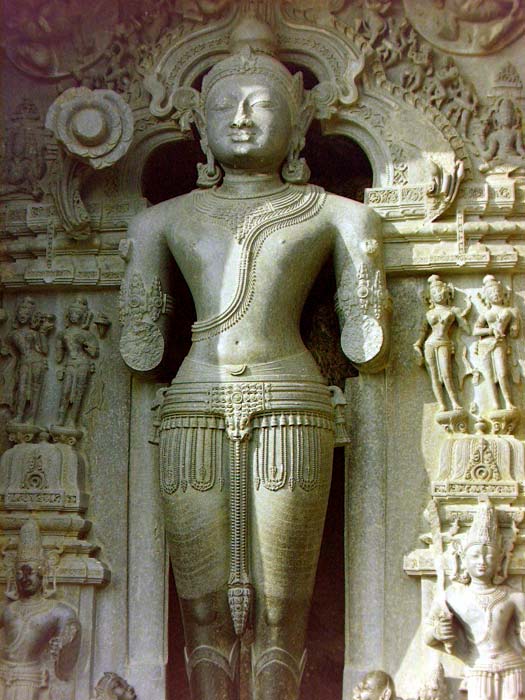
surya1konark
Surya Deva in Konark, Orissa, India

Ibn Rustah who wrote in 903 AD gives a descriptive account from the narratives of the eye witnesses who visited the temple of Multan. He relates:-

“ the idol of Multan was twenty yards in length and was of human shape the Hindus believe that it has come down to them from the heavens and have asked them to worship and adore him. The idol and the temple of Multan were a great source of to the Arab rulers of Multan and also the priests who look after the temple of Multan. The rich people dedicate half of their properties to the idol, although there are cases in which the whole is given to the idol with intent to please him. The priests refrain from taking meat and observe strict rules of discipline, by remaining neat and clean. The idol is served with food which comprises of rice, fish, vegetable accompanied with music and dance. The food is then distributed to the animals, bird, insects, who assemble there as usual. The idol is made up of iron and suspended in the middle of the temple by the pull of magnet.

Ibn Nadim, another writer of the same period, reports that: The idol of Multan was seven yards in length and the total height of the temple was 180 yards. He further adds that the idol of the temple had four faces, each one stood in front of the four entrances the pilgrim would select for visiting the idol.

Al – Beruni on the other hand reports that the idol of Multan was made of wood and covered with the cordovan leather. This suggests that the original idol which was made up of gold must have been removed by the Arabs on account of its value and replaced by a new one made up of wood. The wooden image of Multan was ultimately broken to pieces by the Quarmathian usurper Jamam bin Shayban who also exterminated its priests.

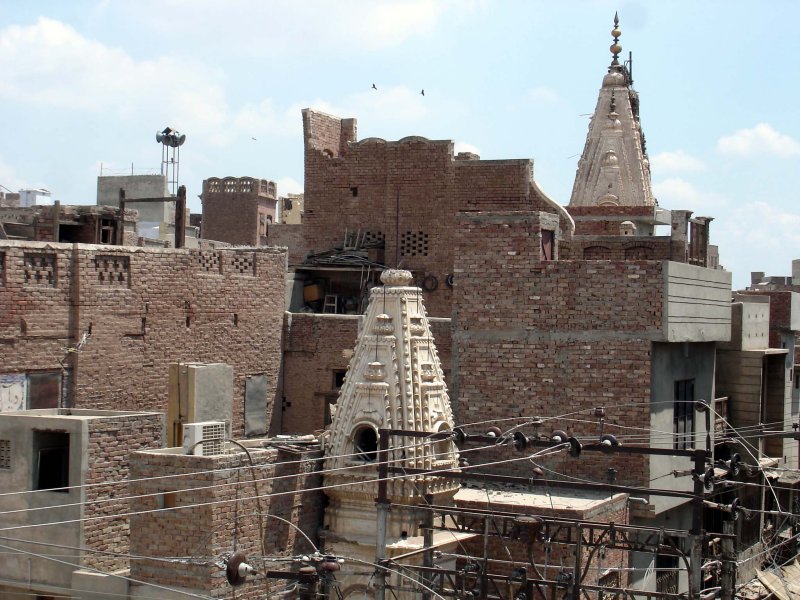
multan temple
Hindu Temple in Today’s Multan

The idol of Multan was of great value to the Arabs. Apart from being the principal source of revenue to the state, it was also valuable for defence purposes. Whenever an attack was made on Multan by non- Muslims, the Arab rulers would take out the idol from the temple and by exhibiting it on the fort wall threatened to break it. This obliged the enemy to withdraw and in this manner the kingdom of Multan was saved from early extinction.

When Muhammad bin Qasim was told about the revenue the temple generates, he spared the idol of Multan, but he hung a piece of cow’s flesh on its neck by way of mockery”.

By Dr Mumtaz Husain Pathan in her book Sind published in 1978 in Pakistan.
My comments: I have not changed anything other than what I have given within brackets. Heading and pictures are selected by me.

Contact swami_48@yahoo.com

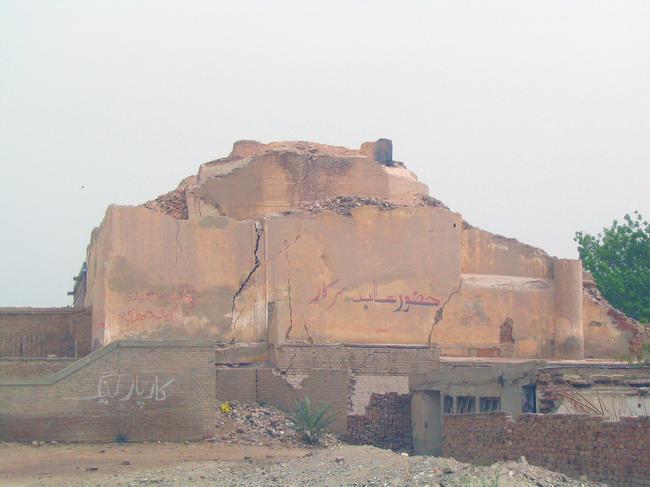
temple2

Dilapidated Hindu Temple in Multan