அலெக்ஸாண்டரை அசத்திய கோவில் அழிந்தது எப்படி?

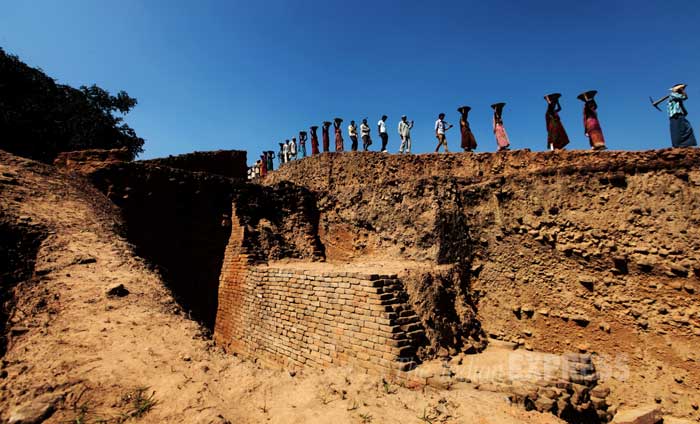
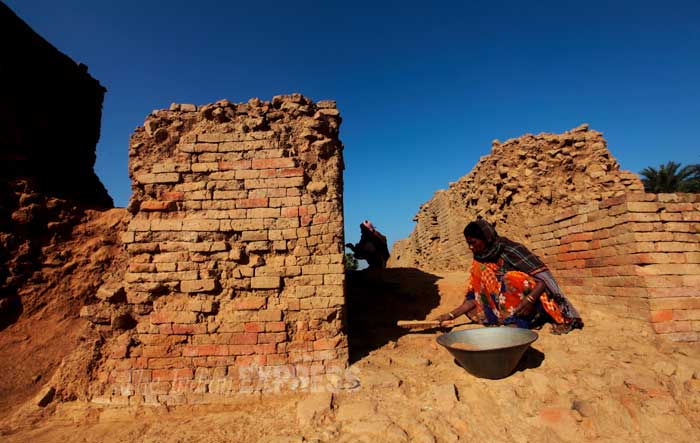
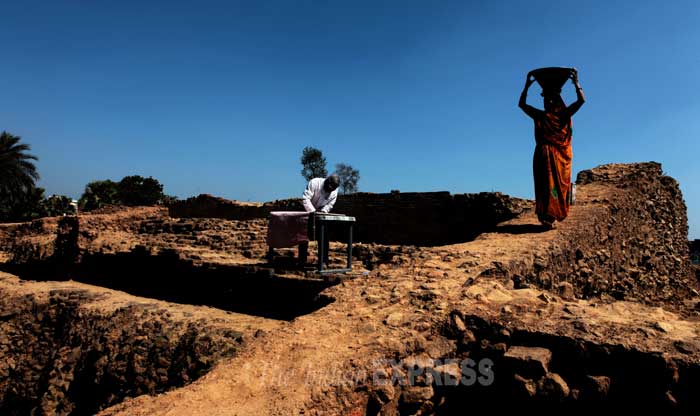
59706274-ruins-surajkund

Picture: Ruins in Surajkund, Multan,Pakistan

பாகிஸ்தானில் மூலஸ்தான்: அலெக்ஸாண்டரை அசத்திய இந்துக்கோவில் அழிந்தது எப்படி?

Post no 868 Dated 26th February 2014

டாக்டர் மும்தாஜ் ஹுஸைன் பதான், “சிந்து”, ஆங்கிலப் புத்தகம், ஹைதராபாத், பாகிஸ்தான், 1978.

( திருப்பதியில் உள்ள பாலாஜி கோவிலும், திரு அனந்த புரத்தில் உள்ள அனந்த பத்மநாப சுவாமி கோவிலும் தங்கத்திலும் வைரத்திலும் கொழிப்பதற்கு முன்பாக, 2000 ஆண்டுகளுக்கு முன்பு உலகின் மிகப் பணக்கார கோவிலாகத் திகழ்ந்தது மூலஸ்தானம் என்னும் இடத்தில் இருந்த கோவில் ஆகும். இப்போது இந்த நகரை மூல்டான் என்று அழைப்பர். இங்கு காந்த சக்தியால் அந்தரத்தில் தொங்கிய அதிசய சூரியன் விக்ரஹம் அலெக்ஸாண்டரை அசரவைத்தது என்று கிரேக்க, மற்றும் அராபிய வரலாற்று ஆசிரியர்கள் எழுதி வைத்துள்ளனர். இது பற்றி சிந்து ராஜ்ய வரலாறு என்னும் புத்தகத்தில் டாக்டர் மும்தாஜ் என்ற பெண்மணி எழுதியதை அப்படியே தருகிறேன. அடைப்புகுறிக்குள் இருப்பது மற்றும் எனது கருத்துக்கள்—லண்டன் சுவாமிநாதன்)

“முற்காலத்தில் மேற்கு பாகிஸ்தானில் மாலி என்னும் வகுப்பினர் வாழ்ந்தனர். அவர்களின் பெயரில் மாலிஸ்தான் என்ற சம்ஸ்கிருதச் சொல் தோன்றியது. அதுவே இன்று மூல்டான் ஆகிவிட்டது. மாலோய், சிபி ஆகிய இரண்டு சக்திவாய்ந்த சமூகங்களை கிரேக்கர்களும் குறிப்பிடுவர். இந்தியாவிலும் பாகிஸ்தானிலும் இன்றும் இவர்கள் பெயரில் பல இடங்கள் இருப்பதைக் காண்கிறோம். மத்திய இந்தியாவில் மால்வா, பஞ்சாபில் சிவிகோட், சிந்து மாகாணத்தில் சிவிஸ்தான், பலுசிஸ்தானில் சிபி என்றும் அழைக்கபடும் இடங்கள் இவர்களின் செல்வாக்கைக் காட்டுகிறது.

(சோழர்கள் தமிழர்களா? என்று நான் ஏற்கனவே இதே பிளாக்–கில் எழுத்ய கட்டுரையில் இது பற்றிக் குறிப்பிட்டுள்ளேன்).

பிரம்மாவின் வழி வந்த மனுவின் ஏழு புத்திரர்களில் ஒருவர் காஸ்யப மஹரிஷி. அவர் பெயரில் மூல்டான் நகரம் காஸ்யபபுரம் என்றும் அழைக்கப்படுகிறது. மனுவின் ஏழு புத்திரர்களை நட்சத்திர ரூபத்தில் சப்தரிஷி நட்சத்திர மண்டலக் கூட்டத்தில் காணலாம். மூல என்பதற்கு சூரியன் என்றும் ஒரு பொருள் உண்டு. சிந்து சமவெளியில் மூல்டானில் இருந்த பிரபல சூரியதேவன் கோவில் பற்றி அராபிய யாத்ரீகர்களும் குறிப்பிட்டுள்ளனர்.

மூலம் என்ற சொல்லுக்கு தோற்றுவாய், கடவுள், ஆகாயம், வான மண்டலம் என்ற பொருள்களும் உண்டு. இதில் எந்த்ச் சொல்லும் சூரியதேவனுக்கும் பொருந்தும். இந்திய துணைக்கண்டத்தில் முதல் முதலில் கட்டப்பட்ட கோவில் என்பதாலும் இப்பெயர் இர்க்கலாம். கிருஷ்ண பரமாத்மாவின் புதல்வன் சம்பா கட்டிய கோவில் இது.

இந்த இடத்துக்கு ஆத்யஸ்தானம் என்ற பெயரும் உண்டு. ஆதியான இடம், முதல் இடம் என்று அர்த்தம். ஆனால் சூரியனுக்கு உள்ள மற்றொரு பெயரான ஆதித்ய என்பதே இப்படி திரிந்து போனது. நாம் இபோதும் ஞாயிற்றுக் கிழமைக்கு ஆதித்ய வார், ஆய்த்வார், ஆய்த் என்றெல்லாம் சொல்கிறோம்.மனுவின் மகனான தைத்யன் ஹிரண்யகசிபுவின் மகன் பிரஹலாதன் இதை நிறுவியதாகவும் சொல்லுவர். சம்ஸ்கிருத மொழியில் தேர்ச்சிபெற்ற ஆலபரூனி என்ற அறிஞர் இந்தக் கோவில் கர்தா யுகத்தில் தோன்றியதாவும் 216432 அண்டுகளுக்கு முன் இது கட்டப்படதாகவும் எழுதி வைத்துள்ளார். (கர்தா யுகம் என்பது கிருத யுகம் என்று ஊகிக்கலாம்)

(இதை எல்லாம் ஒரு பாகிஸ்தானிய முஸ்லீம் பெண்மணி எழுதுகிறார் என்பதை நினைவிற் கொண்டு மேலும் படியுங்கள்)
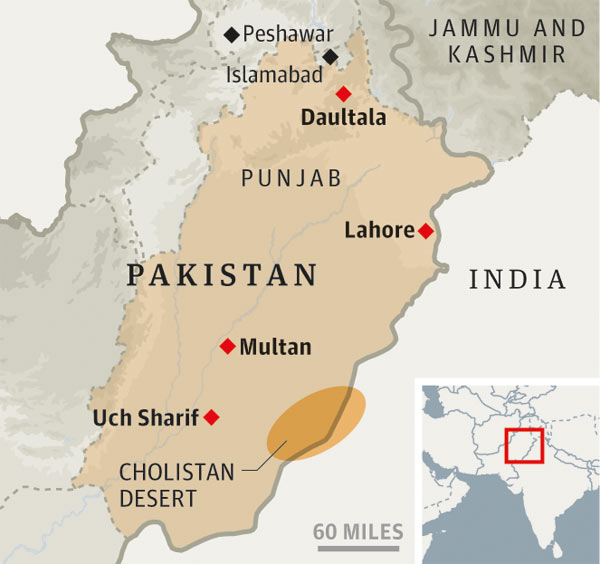
Pakistan, Punjab map

மூல்டானில் அலெக்ஸாண்டர்

மூல்டான் பற்றி தொல் பழங்காலக் குறிப்புகளும்கிடைக்கின்றன. கிரேக்க நாட்டு ராணுவ தளபதியான் ஸ்கைலாக்சும் இது பற்றி எழுதியிருக்கிறார். அவர் முதலாம் டேரியஸ் மன்னன் (கி.மு.550 – 486) காலத்தில் பஞ்சாபுக்கு வந்தார். காஸ்யப புரம் பற்றி ஹெரோடோட்டஸ், டாலமி ஆகியோரும் குறிப்பிட்டனர். மூல்டான் கோவிலுக்கு வந்த அலெக்ஸாண்டர் அங்குள்ள கலைகோவிலைக் கண்டு அசந்தே போய்விட்டார். அந்தக் கோவில் விக்ரகம் பல காந்தக் கற்களின் உதவியால் அந்தரத்தில் தொங்கிக் கொண்டிருப்பதை அவர் பார்த்தார். மூலஸ்தான் சூரியதேவனார் கோவில் பற்றி 1200 ஆண்டுகளுக்கு முன் சீன யாத்ரீகர் யுவான் சுவாங்கும் எழுதி வத்தார். சூரியனார் சிலை சொக்கத் தங்கத்தினால் ஆனது. ஏராளமான ரத்தினக் கற்களால் அலங்கரிக்கப்பட்டது என்கிறார் அவர். அவர் வந்த காலத்தில் ஓடிய ராவி நதி கூட, இப்போது திசை மாறி ஓடுகிறது.

அராபியர் படை எடுப்புக்கு முன் சிந்து மாகாண ஆட்சி சாக் என்னும் பிராமணர் கையில் இருந்தது. அவர்கள் புத்த மதத்தினர் ககளி இருந்த் ஆட்சியைப் பறித்தனர். அராபியர் படை எடுத்த காலத்தில் ராஜ க்ண்ட என்பவர் கடுமையாகப் போரிட்டு அராபியரின் உணவு சப்ளை கிடைக்காதபடி செய்து பட்டினியில் வாடவீட்டார். இதனால் அவர்கள் கழுதைகளைக் கொன்று சாப்பிட நேரிட்டது. இதனால் கழுதை விலை யானை விலை, குதிரை விலை என்று ஏறிப் போனது. ஆனால் முற்றுகை வெகு காலம் நீடித்தவுடன், கோவில் பூஜாரிகள் மூல்டான் கோட்டையை அராபியரிடம் ஒப்படைத்தனர்.

அராபியர்களின் தீவிரவாதப் பிரிவான இஸ்மாயிலிகளின் போதனையால் வெறியர்களான அல் ஹைதம், சைபான் ஆகியோர் மூல்டான் சூரிய தேவன் விக்ரஹத்தைச் சுக்கு நூறாக நொறுக்கினர். முகமது பின் காசிம் எழுப்பிய மசூதியையும் மூடவித்தார் சைபான்.

(வரலாறு படித்தவர்களுக்கு முகமது பின் காசின் என்பவரை நினைவில் இருக்கும். இவர் துவக்கி வைத்த முஸ்லீம் ஆட்சிதான் ஏறத்தாழ ஆயிரம் ஆண்டுகளுக்கு இந்தியாவை ஆட்டிப்படைத்தது. இவர்களும் பிரிட்டிஷாரும் செய்த தீவினைகளையே “ஆயிரம் ஆண்டு அன்பிலா அந்நியர் ஆட்சி” என்றும், வேத நூல் பழிக்கும் வெளித் திசை மிலேச்சர் என்றும் பாரதியாரும் பாடலில் சாடுகிறார்—சுவாமி)

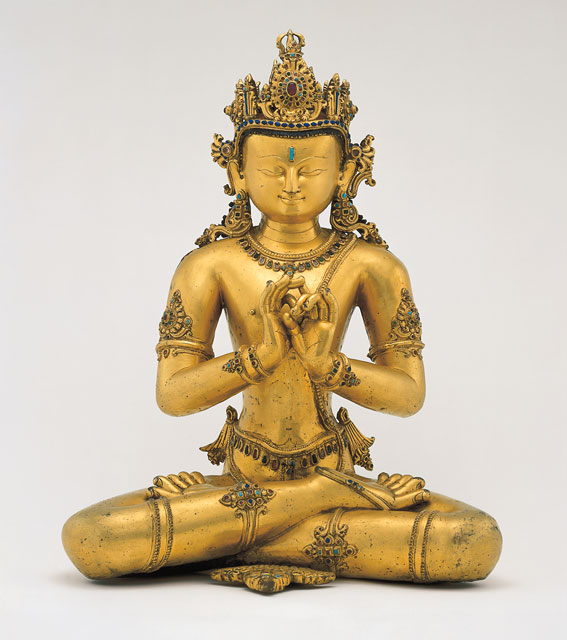
chin_mudra

மூல்டான் விக்ரஹ வருணனை

இந்தக் கோவிலில் இருந்த விக்ரஹத்தை பைபிளில் வரும் எபிரேய தீர்க்கதரிசி ஜாப் (அயூப்) புடன் ஒப்பிடுகின்றனர் அராபியர்கள். இந்திய துணைக் கண்டத்தில் பல பாகங்களில் இருந்து வந்த மக்கள் கூட்டம் மூலம் கோவிலுக்கு ஏராளமான வருவாய் கிடைத்தது. இதை வைத்தே அரசாங்கம் நடந்தது.
சூரிய தேவன் சிலை ஒரு நாற்காலியில் உட்காரவைத்தது போல வீற்றிருந்த திருக்கோலத்தில் இருந்தது. உடல் முழுதும் சிவப்புத்தோல் போர்த்தப் பட்டு கண்கள் மட்டும் ரத்தினக் கற்களால் அலங்கரிக்கப் பட்டிருந்தது.கண்கள் போல ஜொலித்த இரண்டு ரத்தினக் கற்களும் மிக மிக விலை மதிப்புடையவை. அவைகளை அவர்கள் கண்களில் பொருத்தி இருந்த முறை அதை உண்மைக் கண்கள் என்று நம்புமாறு இருந்தன. இவை இரண்டும் குருவி முட்டைகளை விடப் பெரியவை என்றும் கோவில் முழுதும் பிரகாசத்தைப் பரப்பியது என்றும் இபி நதீம் எழுதிவைத்துள்ளார். தலையில் தங்கக் கிரீடமும் தங்க விதானமும் அமைக்கப்பட்டிருந்தது. தொடையின் மீது இருந்த கைகள் நாலு என்று எண்ணுவது போல அமைக்கப்பட்டிருந்தது

(எனது கருத்து:- சின் முத்திரையைத் தான் அராபிய முஸ்லீம்கள் இப்படி நாலு என்னிக்கை என்று எழுதினர் போலும்: சுவாமி)

மூல்டானில் வேறு இரண்டு கற்சிலைகளும் இருந்தன. அவற்றின் பெயர் ஜுன்புகாத், சூன்புகாத் (துவார பாலகர்கள்??) பள்ளத்தாக்கின் இரண்டு பக்கமும் 80 கஜ இடைவெளியில் அமைக்கப்படிருந்தன. இந்த சிலைகளை வெகு தொலைவிலேயே காண முடியும். உடனே பகதர்கள் மரியாதை காரணமாக வண்டியில் இருந்து இறங்கி வெறும் காலகாளல் நடந்து கோவிலுக்கு வருவர்.
(இன்றும் திருப்பதியில் இத்தகைய காட்சிகளைக் காண்கிறோம்)

வெகு தொலைவில் இருந்தெல்லாம் மக்கள் வந்து காணிக்கைகலைக் குவித்தனர். சிலர் ஆயிரம் மைல் தொலைவில் இருந்து வந்தனர். அங்கே முடிகளை காணிக்கை கொடுத்துவிட்டு கோவிலை வலம் வந்தனர்.
(இன்றும் திருப்பதி, பழநி ஆகிய இடங்களில் இதைக் காண்கிறோம்)
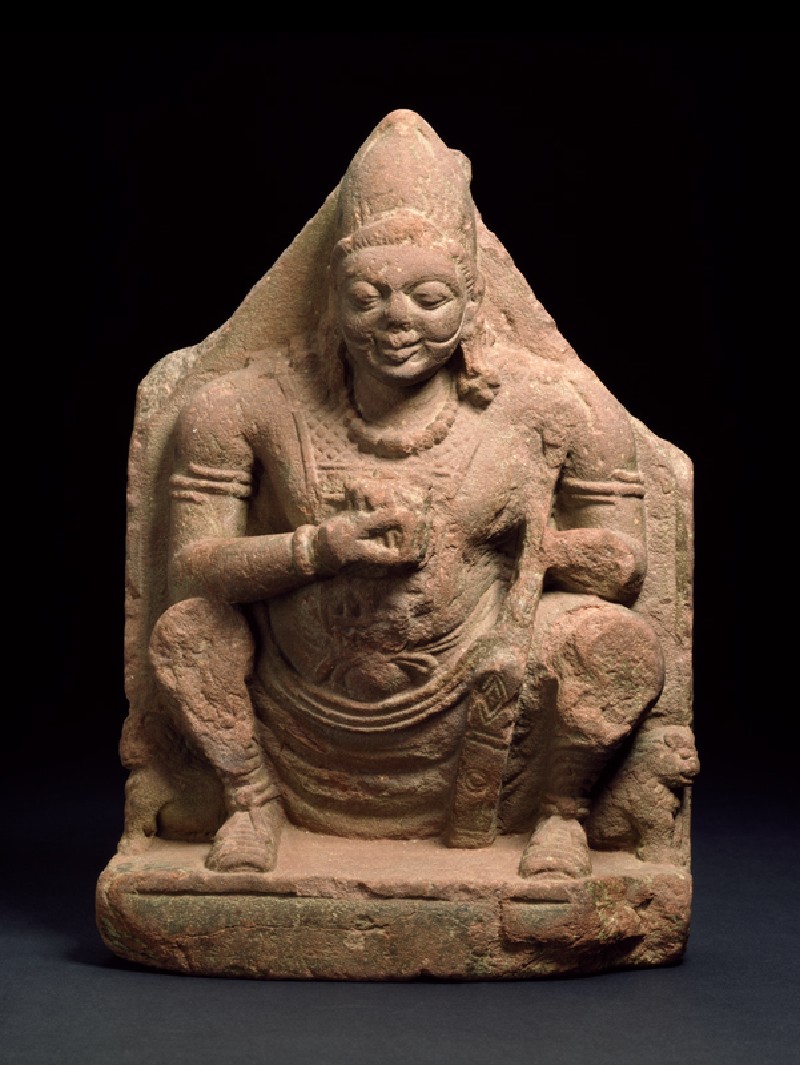
counting 4 ashmolean

Picture of Surya in Ashmolean Museum, Oxford, England.

முல்டானில் மக்கள் சாமி கும்பிட்ட முறை பயங்கரமானவை, ஒரு மாதிரியானவை. ஒரு சிலர் கத்தியை எடுத்து கண்களைத் தோண்டி விக்ரகம் முன் காணிக்கை செலுத்தினர். மற்றும் சிலர் மூங்கில் கழியைக் கூராக்கி வயிற்றை அதில் வைத்து அழுத்தி முதுகின் வழியே வரச் செய்தனர். இதனால் அவர்கள் இறக்க நேரிட்டது.

(எனது கருத்து:கண்ணப்ப நாயனார், விஷ்ணு, சிபி சக்ரவர்த்தி ஆகியோர் கண் தானம் செய்ததை நான் ஏற்கனவே இதே பிளாக்—கில் எழுதி இருக்கிறேன். அதை நினைவுபடுதுகிறது மேற்கூறிய முஸ்லீம் அறிஞரின் வருணனை– சுவாமி)

மூல்டான் கோவிலுக்குச் சென்று வந்தவர்கள் கூறியதை இபின் ருஷ்டா என்பவர் கி.பி 903 ல் பின்வருமாறு எழுதுகிறார்:

“ இந்த விக்ரஹம் 20 கஜ தூரம் இருக்கும். இது வானத்தில் இருந்து வந்ததாகவும் தேவர்களே வணங்கச் சொன்னதாகவும் இந்துக்கள் நம்புகின்றனர். இந்த்க கோவில் வருவாய் அராபிய ஆட்சியாளர்களுக்கும் கோவில் குருக்கள்மார்களுக்கும் பெரும் வருவாயாக விளங்கியது. சிலர் தனது வருவாயில் பாதியையும் மற்றும் சிலர் முழுச் சொத்துகளையும் கோவிலுக்கே தானம் செய்தனர். கோவில் பூஜாரிகள் மிகவும் கடுமையான விரதத்தை அனுஷ்டித்தனர். குளித்துவிட்டு சுத்தமாக இருந்தனர். மாமிச உணவைத் தொடவில்லை. மீன், சோறு, காய்கறிகளைப் படைத்துவிட்டு கோவிலுக்கு வரும் மிருகங்கள், பறவைகள், பூச்சிகளுக்கு பகிர்ந்து கொடுத்தனர். விக்ரஹம் இரும்பினால் செய்யப்பட்டது. காந்த சக்தி மூலம் அந்தரத்தில் நிற்கவைத்தனர்.

அதே காலத்தைச் சேர்ந்த இபின் நதீம் பின்வரும் தகவலைத் தருகிறார்:
இந்த கோவில் விக்ரகம் ஏழுகஜம் அகலமுடையது. கோவிலின் உயரம் 180 கஜம். விக்ரகத்துக்கு நான்கு முகங்கள். ஒவ்வொரு முகமும் ஒரு நுழை வாயிலில் தெரியும் பக்தர்கள் எந்த வாசல் மூலமும் உள்ளே வருவர்.

அல்பரூனி (கி.பி. 973—1048) வேறுவித மான தகலைத் தருகிறார். இந்த விக்ரஹம் மரத்தால் ஆனது என்றும் தோலினால் மூடப் பட்டிருந்தது என்றும் சொல்கிறார். அராபியர்கள் விலை உயர்ந்த தங்க விக்ரகத்தை எடுத்துக் கொண்டு மரச் சிலையை வைத்திருப்பதை இது காட்டுகிறது. ஆனால் இறுதியில் இந்த மரச் சிற்பத்தையும் ஜமாம் பின் சைபான் நொறுக்கிவிட்டு பூஜாரிகளையும் சுவடே இல்லாமல் அடியோடு அழித்துவிட்டார்.

(வேறு ஒரு கட்டுரையில் அந்தக் கோவிலில் 6000 ஊழியர்கள், குருமார்கள் இருந்ததாக எழுதி இருக்கிறார்கள். அவர்கள் எல்லோரையும் படுகொலை செய்தது மேற்கூறிய ஜமாம் பின் சைபான்,என்று யாத்ரீகர் தகவல்களில் இருந்து தெரிகிறது)

அராபியர்களுக்கு மூல்டான் விக்ரஹம் பலவகையில் உதவியது. பெரும் வருவாயைக் கொடுத்தது. அது மட்டுமல்ல. இந்து மன்னர்கள் படை எடுத்தபோதெல்லாம் முஸ்லீம்கள் இந்து விக்ரஹத்தை கோட்டை மதில் சுவருக்கு மேலே வைத்து முன்னேறி வந்தால் இந்தச் சிலையை கீழே போட்டு நொறுக்கிவிடுவோம் என்று மிரட்டினர். உடனே வந்தவர்கள் பின்வாங்கிவிடுவர். இப்படியாக மூல்டானின் அழிவு ஒத்திபோடப்பட்டது

சிந்து சமவெளியில் முதலில் நுழைந்த முஸ்லீம் தளபதியான முகமது பின் காசிமிடம் இந்த சிலையால் மிகப் பெரிய வருவாய் கிடைப்பதாக தெரிவித்தனர். ஆகையால் அவன் சிலையை உடைக்கவில்லை. ஆனால் இந்துக்களைக் கேலி செய்வதற்காக அந்தச் சிலையின் கழுத்தில் பசுமாட்டின் மாமிசத்தைத் தொங்கவிட்டுச் சென்றான்.”

டாக்டர் மும்தாஜ் ஹுசைன் பதான் எழுதிய சிந்து மாகாணம் என்ற புத்தகத்தில் கண்டதை மேலே படித்தீர்கள். ஆங்கிலத்தில் இருந்து மொழி பெயர்த்தவர் லண்டன் சுவாமிநாதன்)

swami_48@yahoo.com
அஹிம்சையே உயர்ந்த தர்மம்!

Himalaya1_BA_26_567px

சம்ஸ்கிருத செல்வம்–அத்தியாயம் 32 by ச.நாகராஜன்
Post no 867 Dated 26th February 2014

தர்மங்களில் எது உயர்ந்த தர்மம்? அஹிம்சையே உயர்ந்த தர்மம். யாரையும் ஹிம்சிக்காமல் இருப்பது சிறந்த கொடையாகும்.
இதை வலியுறுத்தும் கவிதை இது:

அஹிம்சா பரமோ தர்ம: ததாஹிம்சா பரோ தம: I
அஹிம்சா பரமம் தானம் அஹிம்சா பரமம் தப: II

அஹிம்சா பரமோ தர்ம: – அஹிம்சையே மிக உயர்ந்த தர்மம்
ததாஹிம்சா பரோ தம: – அந்த அஹிம்சை மிக உயர்ந்த சுய கட்டுப்பாட்டாலேயே அடைய முடியும்.
அஹிம்சா பரமம் தானம் – யாரையும் ஹிம்சிக்காமல் இருப்பது மிகச் சிறந்த கொடையாகும்
அஹிம்சா பரமம் தப: – அஹிம்சையே மிக உயர்ந்த தவமாகும்.

தர்மப்படி வாழ வேண்டும் என்கின்றன நமது அற நூல்கள். வாய்ப்புக் கிடைத்த போதெல்லாம் கவிஞர்கள் இதை வலியுறுத்தத் தவறுவதே இல்லை.

தர்மம் சரத் மா(அ)தர்மம் சத்யம் வதத் நாந்ருதம் I
தீர்கம் பஷ்யத மா ஹ்ரஸ்வம் பரம் பஷ்யத மா(அ)பரம் II

தர்மம் சரத் – தர்மத்தைக் கடைப்பிடி
மா அதர்மம் – அதர்ம வழியை அல்ல
சத்யம் வதத் – உண்மையே பேசு
ந அந்ருதம் – பொய்யைப் பேசாதே
தீர்கம் பஷ்யத பரம் பஷ்யத– தொலைவில் இருந்தாலும் கூட உறுதியான லட்சியத்தின் மீது கண்களைப் பதி
மா ஹ்ரஸ்வம்,மா அபரம் – உடனடியாக நிறைவேறும் அருகில் உள்ள லட்சியத்தின் மீது அல்ல

என்ன அருமையான அறிவுரை! மனத்தில் எப்போதும் நிலை நிறுத்தி வைக்க வேண்டிய அருளுரை அல்லவா இது!

இனி மதங்கள் எப்படி இருக்க வேண்டும் என்பதைத் தெரிவிக்கும் பாடலைப் பார்ப்போம்:

தர்மம் யோ பாததே தர்மோ ந ச தர்ம: ப்ரகீர்தித: I
அவிரோதாத் து யோ தர்ம: ச தர்ம: சத்யவிக்ரம: II

(ய) தர்மம் (அன்யம்) தர்மம் பாததே – எந்த மதமானது இதர மதத்தைப் பின்பற்றுபவர்களை கொடுமைப் படுத்துகிறதோ

ச தர்ம: ந ப்ரகீர்தித: – அந்த மதம் உண்மையான மதம் அல்ல!
ய தர்ம: அவிரோதாத் (ஸ்வீகார்யதே) – எந்த மதமானது மற்றவர்களுக்குத் தடையாக இருக்காமலோ அல்லது மற்றவைகளை அடக்காமல் இருக்கிறதோ
ச தர்ம: சத்யவிக்ரம: – அந்த மதமே உண்மையானது, சாசுவதமாக நிலை பெற்றிருப்பதாகும்.

இந்த சாசுவதமான சத்தியத்தை கவிஞர் வாயிலாக நாம் அறியும் போது உளம் மகிழ்கிறோம்.

இதைப் படிக்கும் போது ஹிந்து மதத்தைச் சார்ந்தோர் பெருமிதம் அடைவர்.
ஹிந்து மதத்தைப் பின்பற்றுவோர் ஒரு நாளும் பிற மதத்தினரை இழிவாகப் பேசுவதில்லை. அடக்குவதில்லை.

சாசுவதமான தர்மத்தை சகிப்புத் தன்மையுடன் சொல்வதோடு அதைப் பின்பற்றுவோர் இதர மதத்தினரை மரியாதையுடன் நடத்துகின்றனர்.

அதனால் தான் அது சனாதன தர்மம் என அழைக்கப்படுகிறது.
அது ஒரு மதம் மட்டுமல்ல; ஒரு வாழ்க்கை முறை; நேற்றும் இன்றும் நாளையும் என்றும் சனாதமாக இருக்கும் ஒரு தத்துவம், சத்தியம் அது!

Contact swami_48@yahoo.com
*****************

Adi Shankara on Wives and Friends !

lady in bloom - Copy

By London Swaminathan
Post No. 866 Date: 25th February 2014

Adi Shankara was a philosopher. His hymns such as Viveka Chudamani, Bhaja Govindam, Guru Ashtakam, and Dakshinamurti Hymn are purely religious. But his Question and Answer hymn known as Prasnaottara Ratnamalika is different from others. He talks about secular subjects in addition to spiritualism. (Prasna means Question and Uttar means Answer). The question and answer format was used in the Upanishads. Dialogues are in the Vedas. Socrates borrowed it from India and used it in the West. The Western scholars named it Socratic Method. But it has become popular after Yaksha Prasna in Mahabharata. Buddhists copied it in their Milinda Panha.

(Socrates used the Upanishad command Know Thy Self. Paramahamsa Yogananda in his Autobiography of a Yogi gives more details about Socrates’ encounter with a Hindu Yogi in page 367 which I have already published in this blog)

Let us look at a few secular questions and answers from Shankara’s Prasnaottara Ratnamalika:

About Government Service!
In Sloka 37
And what assembly is to be shunned?
That which is devoid of elder councillor.

Here in what should a man be conscious?
Verily in the service of the king
(King= governments)

In Sloka 30
Which place is to be shunned?
One abounding in wicked people and ruled by a greedy king

Add Sloka 32
What is the cause of ignominy?
Currying the favour of unregenerate people.

In Sloka 57
Who is a king?
One who makes others happy.

On Wives and Friends

Equally interesting is his views on wives, women and friends. Before looking at his answers we must remember the age he lived in and the views of other cultures around the world at that time.

What attracts the mind of a wise man?
Good poems and a wise lady. ( Sloka 28)

It is a beautiful answer of a man with a very good taste. But we would’t have expected from a philosopher like Shankara. He has met one of the wisest ladies of ancient India Sarasavani, wife of Mandana Mishra and defeated her in arguments. He wrote commentaries to all the major Upanishads where he had come across the wisest ladies Gargi and Maitreyi .No wonder he gave such an answer!
I have dealt with Mandana misra – Adi Shankara clash in “Lie Detectors in the Upanishads”– posted on 27 June 2012.

If we believe the arguments of Kanchi Paramacharya, Shankara lived a few centuries before Christ. I have also proved that Paramacharya was right by quoting verses from 2000 year old Sangam Tamil literature. The majority view placed him in the eighth century. They were confused because of Abinava Shankara ( Abi nava shankara means ONCE AGAI N A NEW SHANKARA. He was a ditto of Adi Shankara). So we have to take into account the age he lived in before scrutinising his answers.

1503397_667583999959381_1664619135_n

In verses (slokas) 9, 15, 23, 31, 38 and 49 he makes interesting comments on women and wives:

What is inscrutable? (kim gahanam?)
The conduct of woman (Stri Charitham)
(Inscrutable= impossible to understand or interpret!)

Q: What activities should one resist from doing ?
(avadhirana kva karya?)

A: Association or indulgence with the unscrupulous, others’ women and others’ wealth.
(khala, para-yosit and para-dhana respectively)

What is momentary like lightning?
Bad company and young women.

By what means can a person be griefless?
By obedient wife and undiminishing wealth.

It is strange that Adi Shankara talks about wealth.
But Tamil poets Valluvar also said the same. His wife Vasuki was an obedient wife who put her husband above everything. Valluvan also said that such a woman can make rain pour down. Valluvan also said that there is no other world if you don’t have god’s grace (Arul) and there is no life in this world if you don’t have money (Porul).

What is to be well protected?
Good name, devoted wife and discernment

Who is the friend of a house holder?
His wife

In this answer, he follows Yudhitra in Yaksha Prasna of Mahabharata.
Yudhistra described wife a a friend, philosopher and guide.

Q: Who is the clever man ? (kah caturah)
A: One who does not become the slave of the influence of females.

The finale comes in his answer to the question
Who is the perceptible Goddess? (Prathyaksha Devata Ka?)
Mother (Matha)
This is the same answer we have been getting from the days of Vedas: “Matha, Pitha, Guru ,Deivam!”

shanakara face

About Friends

He gives his views on friendship in slokas 13, 16 and 22:
What bestows happiness?
Friendship with good people.

This he repeats for the umpteenth time; in his Bhajagovindam hymn he sang about Sath Sangam. All the Hindu sages repeated it hundreds of times.

What is to be cultivated with affection?
Compassion towards the helpless and friendship with the good.

Where should we live?
Near good people.

But the finale on this subject comes in his answer to
Who is a friend?
He who prevents us from doing sin (one who saves from sin).

English people knew that
A friend indeed is a friend in need.

Valluvar says lot of things about friendship. But Adi Shankara is unique in giving this answer. A lot of people are spoiled by their friends. They make them do bad things for the sake of giving company. Probably Adi Shankara knew what is going to happen in 20th and 21st centuries. So imagined this question and gave an appropriate answer!

Contact swami_48@yahoo.com

மனத்தின் ஏழு நிலைகள்

shanakara face

By London Swaminathan
Post No. 865 Date:

ஆதிசங்கரர் எழுதிய ஒவ்வொரு துதியும் அற்புதமானது. அவைகளில் மிகவும் வியப்பான விஷயங்களைச் சொல்லும் ஒரு ஸ்தோத்திரம் பிரஸ்ன உத்தர (பிரஸ்னோத்தர= வினா விடை) ரத்ன மாலிகா. இது ஒரு கேள்வி பதில் துதி. மஹா பாரதத்தில் உள்ள யக்ஷப் ப்ரஸ்னம் போல கேள்வி—பதில் பாணியில் அமைந்தது. மொத்தம் 67 ஸ்லோகங்கள் உள்ளன. ஒவ்வொரு பாடலிலும் 3, 4 கேள்விகளும் பதில்களும் இருக்கும். சுமார் 200 கேள்விகளை அவரே எழுப்பி அழகான பதில்களைக் கூறுகிறார். அதில் ஒரு கேள்வியை மட்டும் காண்போம்.

யார் தூய்மையானவர்?

யாருடைய மனம் சுத்தமாக இருக்கிறதோ அவரே சுத்தமானவர்.
ஆதிசங்கரரின் மேற்கண்ட பதில் அருமையான பதில்.. மனம், சொல், உடல் (மனோ வாக் காயம்) மூன்றும் சுத்தமாக இருக்க வேண்டும் என்பது இந்து மதம் ஒன்றிலேயே தெளிவாகச் சொல்லப்பட்டுள்ளது. அப்பொழுதுதான் மந்திர சித்தி உண்டாகும். உடலைத் தூய்மையாக வைப்பது எளிது. யானை முதல் காகம் வரை குளிப்பதைப் படத்தில் காண்கிறோம்..மனதைத் தூய்மையாக வைப்பதுதான கடினத்திலும் கடினம்.

காமம், க்ரோதம் (கோபம்), லோபம் (பேராசை) ஆகிய மூன்று தொடர்பாக நம் மனத்தில் வரும் எண்ணங்களை எல்லாம் ஒரு பேப்பரில் எழுதிவிட்டு, பின்னர் நாம் அதைப் படிக்க முயன்றால் வெட்கப்பட்டு பாதியிலேயே கிழித்து எறிந்து விடுவோம்.அவ்வளவு விகாரமான எண்ணங்கள் வருகின்றன. இதுதான் சந்யாயாசிகளுக்கும் நமக்கும் உள்ள வித்தியாசம்.

ராம பிரானுக்கு விதிகளை மீற எவ்வளவோ வாய்ப்பு கிடைத்த போதும் அவர் தர்மத்தில் இருந்து இம்மியும் பிறழவில்லை. ஆகையால்தான் ராமாயணம் காலத்தால் அழியாத காவியமாக விளங்குகிறது.

இந்துக்கள் தினமும் வழிபாடு முடித்தவுடன்
காயேன வாசா மனசேந்த்ரியைர்வா புத்யாத்மனேவா
ப்ரக்ருதேத் ஸ்வபாவாத் கரோமி யத் சகலம் பரஸ்மை நாராயணேத் இதி சமர்ப்பயாமி

என்று சொல்,செயல்,சிந்தனை மூன்றினாலும் செய்த பாவங்கள் உடலின் இயற்கை சுபாவத்தால் நிகழ்ந்தது என்று மன்னிப்பு கேட்டு அதையும் இறைவனுக்கே சமர்ப்பித்து விடுவர்.

யக்ஷப் ப்ரஸ்நத்தில் இப்படி ஒரு கேள்வி:
எது ஸ்நானம்?
தருமனின் பதில்: மன அழுக்கைப் போக்குதல்.

பாரதி பாடுகிறான்:
துணி வெளுக்க மண்ணுண்டு—எங்கள்
முத்து மாரியம்மா, எங்கள் முத்து மாரி!
தோல் வெளுக்க சாம்பலுண்டு—எங்கள்
முத்து மாரியம்மா, எங்கள் முத்து மாரி!

மணி வெளுக்க சாணையுண்டு—எங்கள்
முத்து மாரியம்மா, எங்கள் முத்து மாரி!
மனம் வெளுக்க வழியில்லை—எங்கள்
முத்து மாரியம்மா, எங்கள் முத்து மாரி!

என்று பாடி மாரியம்மாவைச் சரண்புகுந்தோம் என்று முடிக்கிறார். இறைவனின் திருப்பாதங்களை எண்ணிச் சரணடைவதே மனம் வெளுக்க ஒரே வழி!

மனம் பற்றி வள்ளுவன் கூறும் கருத்துகளும் ஒப்பிடற்பாலவை:

மன நலம் மன்னுயிர்க்கு ஆக்கம் (457)= மனத்தின் தூய்மை உலகில் உள்ள எல்லோருக்கும் இன்பம் தரும்
மன நலத்தின் ஆகும் மறுமை (459)= மனத்தின் தூய்மை, மறு பிறப்பிலும் பலன் தரும்
மனத்தானாம் மாந்தர்க்கு உணர்ச்சி (453)= மனம் அறிவை வளர்க்கும்
மனம் தூயார்க்கு எச்சம் நன்றாகும் (456)= மனம் தூய்மை உடயவர்களுக்கு நல்ல புகழும் நல்ல குழந்தைகளும் உண்டாகும்.

ஆங்கிலத்தில் சுருக்கமாக

YOU ARE WHAT YOU THINK ‘யூ ஆர் வாட் யூ திங்க்’= மனம் போல மாங்கல்யம் என்று சொல்லி விடுவர்.

புத்தரும் தம்மபதத்தில் கூறுகிறார்:
நம்முடைய கடந்த கால சிந்தனைகளே நம்மை இன்றைக்கு இந்த நிலையில் வைத்துள்ளது. இப்போது நாம் நினைப்பது நாளைய நிலைமையை தீர்மானிக்கிறது
ஒருவன் தீய எண்ணங்களுடன் செயல்பட்டால் வண்டி மாட்டைத் தொடர்ம் வண்டிபோல கஷ்டங்கள் நம்மைத் தொடரும்.(1)

தூய மனதுடன் செயல்பட்டால், ஒருவனைத் தொடரும் நிழல் போல சந்தோஷம் அவனைத் தொடரும்.(2)

rkp shiva

மனத்தின் ஏழு நிலைகள்

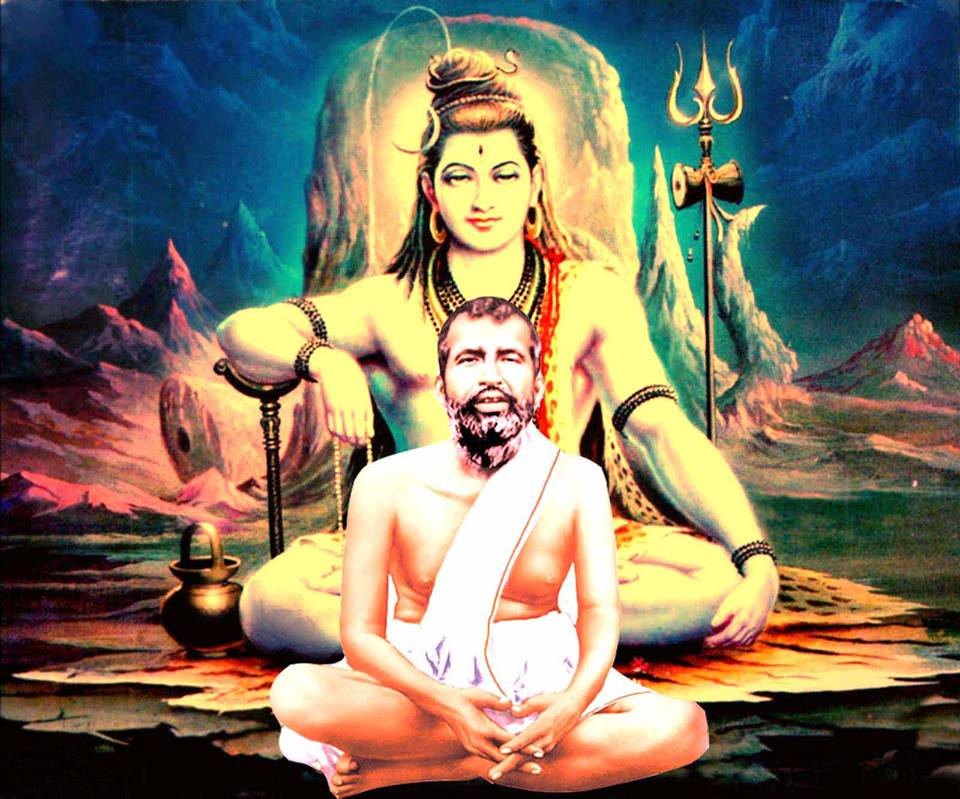
ராமகிருஷ்ண பரமஹம்சர் கூறுகிறார்: மனம் உலக விஷயங்களைச் சிந்திக்கும் போது லிங்கம், குஹ்யம், நாபி எனும் மூன்று ஸ்தானங்களில் சஞ்சரிக்கும்.. அந்த நிலையில் உயர்ந்த மனோ பாவங்கள் எழுவதில்லை. காமினி காஞ்சனத்திலேயே அழுந்திக் கிடக்கும் (காமினி காஞ்சனம்= பெண் ஆசை, தங்கம்/செல்வம்/பணம் மீது ஆசை).

மனத்தின் நான்காவது ஸ்தானம் இருதயம். இந்த இடத்துக்கு மனம் வரும்போது முதன் முதலில் ஆத்ம எழுச்சி உண்டாகிறது. இந்த நிலையில் மனமானது பெண்ணாசை, பொன்னாசைகளில் ஒருபோதும் செல்வதில்லை.

மனத்தின் ஐந்தாவது ஸ்தானம் கழுத்து. அங்கு வரும்போது அஞ்ஞானம் எல்லாம் அகல்கிறது. ஆறாவது ஸ்தானம் புருவ மத்தி. அங்கு வரும்போது இரவும் பகலும் இறைவனின் திவ்ய தரிசனமே தென்படுகிறது.

தலைதான் மனத்தின் ஏழாவது நிலை. அங்கு சமாதி உண்டாகிறது. தன் நினைவே கிடையாது. உலக வியாபாரங்கள் அனைத்தும் அறவே ஒழிந்து பரமானந்தம் கிட்டுகிறது.

இந்த ஏழு ஸ்தானங்களே யோக நூல்களில் மூலாதாரம், ஸ்வாதி ஷ்டா னம், மணிபூரகம், அனாகதம், விசுத்தி, ஆக்ஞா, ஸஹஸ்ராரம் என்று கூறப்படுகின்றன.

ராமகிருஷ்ண பரமஹம்சரின் புற்று நோய்

ஸ்ரீ ராமகிருஷ்ண பரமஹம்சர் புற்று நோயால் ‘கஷ்டப்பட்டு வந்தார்” சசாதர பண்டிதர் அவரைப் பார்த்து,
ஸ்வாமி, யோக சக்தியால் நீங்கள் ஏன் நோயைக் குணப்படுத்திக் கொள்ளக் கூடாது? என்று கேட்டார்
ராமகிருஷ்ணர்:– பகவானுக்கு என்று அர்ப்பணம் செய்துவிட்ட மனதை இந்த அற்ப உடலின் பொருட்டு எப்படி நான் திருப்புவேன்?

சசாதரர்: ஆனால் வியாதியைத் தீர்த்தருள வேண்டும் என்று ஸர்வேஸ்வரியையாவது பிரார்த்திக்கக் கூடாதா?

ராமகிருஷ்ணர்::– ஸர்வேஸ்வரியை நினைத்துவிட்டால் எனது ஸ்தூல சரீர நினைவே இல்லாமல் போய்விடுகிறது. அப்போது அச் சரீரத்தில் இருப்பது இல்லை. ஆதலால் சரீரத்தப் பற்றி ஒன்றையும் பிரார்த்தித்துக் கேட்கக் கூடாதவனாக இருக்கின்றேன்.

இது போன்ற உயர் நிலை அடைய இடைவிடாத பிரார்த்தனையும் யோகப் பயிற்சியும் தேவை.

Contact swami_48@yahoo.com

New Discovery in Bihar: A university under a mound

16bhrRed-Sandstone_212209

Post No 864 Date: 24 February 2014

( India had many ancient universities such as Taxila (Thatchasheelam), Kancheepuram, Vikramasila and Nalanda. Now one more university is discovered in Bihar)

From The Indian Express 23 February 2014 & another magazine.

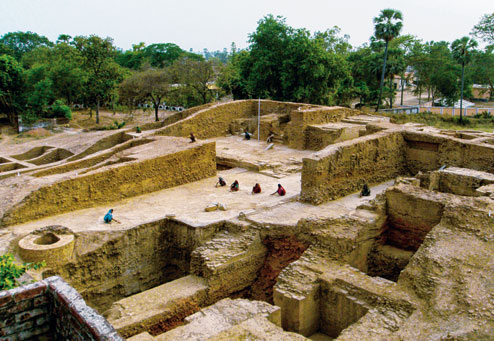
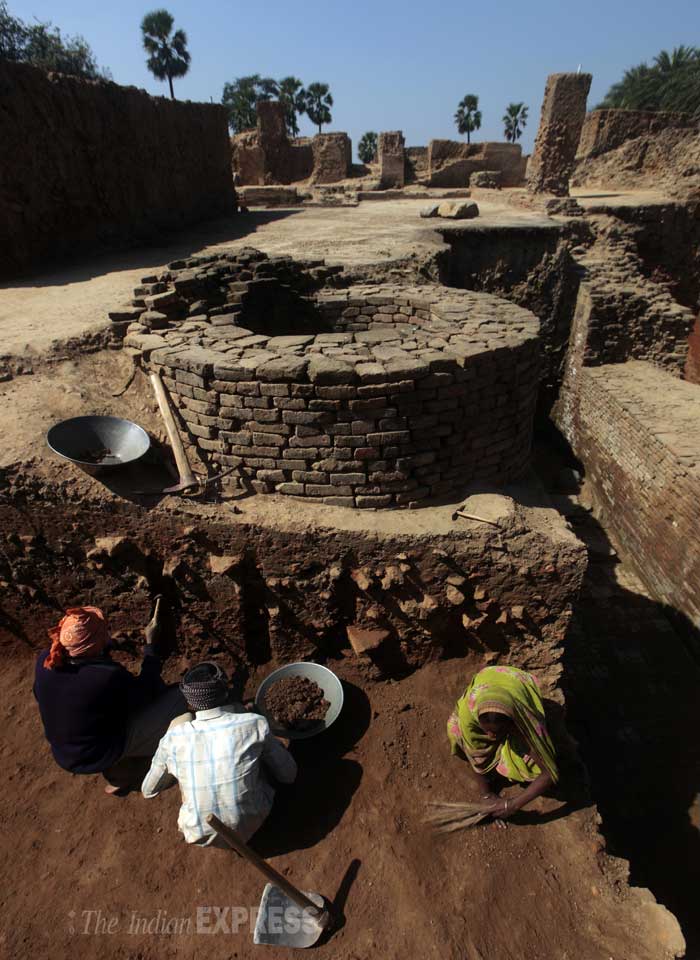
It was a useful mound, no doubt. A good vantage point where villagers occasionally relieved themselves. But who would have thought that deep beneath its golden brown earth would be stories of dynasties and empires that now suggest that this — Telhara, a village 33 km from the ruins of the more famous Nalanda University — could be ‘Tilas-akiya’ or ‘Tiladhak’, the place Chinese traveller Hiuen Tsang visited and wrote about during his travels through India in 7th century AD?

The Telhara project that started on December 26, 2009, has so far come across over 1,000 priceless finds from 30-odd trenches — seals and sealing, red sandstone, black stone or blue basalt statues of Buddha and several Hindu deities, miniature bronze and terracotta stupas and statues and figurines that go back to the Gupta (320-550 AD) and Pala (750-1174 AD) empires. But the 2.6-acre mound has now thrown up the most tantalising find yet — evidence of a three-storeyed structure, prayer hall and a platform to seat over 1,000 monks or students of Mahayana Buddhism.

In his book, The Antiquarian Remains in Bihar, historian D R Patil writes about Hiuen Tsang’s description of Telhara. “Hiuen Tsang describes Telhara or Tilas-akiya as containing a number of monasteries or viharas, about seven in number, accommodating about 1,000 monks studying in Mahayan. These buildings, he says, had courtyards, three-storeyed pavilions, towers, gates and were crowned by cupolas with hanging bells. The doors and windows, pillars and beams have bas relieves (sculptures in guilded copper). In the middle vihara is a statue of Tara Bodhisatva and to the right (is) one of Avlokiteshwar”.

16bhr-INSCRIPTION_211843
(From top) A red sandstone sculpture and a monastery seal found from Telhara excavation site

It is said the mahavihara or university was built by one of the descendents of Magadha ruler Bimbisara. The monastery was decorated with copper and also had small copper bells that gently chimed in the breeze.

Atul Kumar Verma, director (archaeology) of the Bihar government’s Department of Art and Culture, says, “Since the excavations suggest that Telhara might have been a contemporary of Nalanda, it is quite possible that it was either an independent university for specialised education or that students graduating from Nalanda University would come here for specialised study.

In more recent times, it was A M Broadley, then magistrate of Nalanda, who in 1872 wrote about “Tilas-akiya” as a university and site of learning. British army officer and archaeologist Sir Alexander Cunningham, who visited the place between 1872 and 1878, wrote about inscriptions describing “Teliyadhak” as a place that had seven monasteries and which matched Hiuen Tsang’s account.

16bhrEXCAVATION_212026

A statue of the 12-armed Avlokiteshwar Buddha found from a Tiladhak site is at the Indian Museum in Kolkata. Perhaps the best known Pala sculpture from Telhara is now in Rietberg Muzeum, Zurich.

Following matter is added from another newspaper.

“We have found the same monastery seal, which was found during the excavation carried out at the Nalanda University site. While we had discovered only two-three monastery seal then, we have found seven-eight similar seals this time. The monastery seals are made of terracotta and are in round shape. There is a wheel sign, flanked by two deer, on the seal also. The monastery seals, which we have found at Telhara, date back to thousand years and it is totally similar to the seals, which were found at the ruins of Nalanda University,” he added.

Burnt down by Muslim Army

The directorate has also got evidence that the varsity was equally popular in the Gupta period. “We have found sculptures made of red sandstone, which proves that the university was quite popular in the Gupta period. We have found pottery of different shapes and seals from the site of the Gupta period. There is a complete influence of the Gupta period in the strokes of writing, which we have found on the earthen pots. Another important finding is the 1ft layer of ash — something similar found from the Nalanda University site. It is believed that Nalanda University was set on fire by Turkish Muslim army under Bakhtiyar Khilji in 1193. We have got evidence that Telhara University was also burnt by Khilji on his way,” Verma said.

telharauniversity-6

MAJOR FINDINGS

SEALS AND SEALING
The recovery of over 100 terracotta seals and sealings from the Gupta and Pala periods provides strong evidence of this being a Buddhist university. Besides seals of the chakra flanked by two deers, other seals have inscription of Buddhist mantras. Seals of Gaj-Lakshmi and flying birds were also found. Some inscriptions that have not yet been deciphered would be sent to Mysore for deciphering.

PLATFORM, TEMPLES
Just above the ashen layer — said to be proof of Turkish general Bakhtiyar Khilji having destroyed the monastery — is the sanctum sanctorum of three Buddhist shrines, each measuring 3.15 square metres. A big platform, found just below this ashen layer, is said to have accommodated over 1,000 monks.

telharauniversity-2

CELLS FOR TEACHERS
The excavation has so far revealed 11 cells of 4 square metres each. It is believed that these were faculty quarters. There is evidence of bricks from the Gupta and Pala periods.

COPPER BELL CHIMES
The excavation revealed several broken pieces of small bells. Parts of molten copper also suggest that the monastery was well-decorated.

CAUTION INSCRIPTION
A stone inscription in Sanskrit (early Nagari script), probably written just before the destruction of the Tiladhak mahavihara, says, “He who tries to destroy this monastery is either a donkey or a bull”. Below the stone inscription are images of the two animals.

FASTING BUDDHA AND VOTIVE STUPA
A miniature terracotta image of a fasting Buddha from the Pala period is a rare find. A six-foot-tall votive stupa from the Pala period suggests the prevalence of Buddhism.

telharauniversity-4

MAURYAN PERIOD
Bone tools and pottery shards of Northern Black Polished Ware points to this being a settlement in the Mauryan period.

STONE SCULPTURES

Among the over 15 stone sculptures found at the site are a red sandstone sculpture of Bodhisatva, Avlokiteshwar, Manjusri and the Buddha in his ‘earth witness’ mudra. A black stone statue of Buddha in abhay mudra (fearless mode) from the Pala period has been found. The red sandstone Bodhisatva sculpture is believed to be from the Gupta period. Some sculptures of Hindu deities such as Uma Maheshwar and Ganesh and Vishnu from the later Pala period were also found. The presence of a Yamantaka sculpture is evidence of Tantric Buddhism at the monastery.

telharauniversity-14

Contact swami_48@yahoo.com

பூமிக்கடியில் புதிய பல்கலைக் கழகம் கண்டு பிடிப்பு !

16bhrRed-Sandstone_212209

Post No 863 Date: 24 February 2014
இந்தியன் எக்ஸ்பிரஸ் முதலிய பத்திரிக்கைகளில் வெளியான செய்திகளைத் தொகுத்து மொழிபெயர்த்துத் தருபவர் ச.சுவாமிநாதன்.

பீஹார் மாநிலத்தில் 2000 ஆண்டுகளுக்கு முன்பு உலகப் புகழ்பெற்ற நாளந்தா பல்கலைக்கழகம் இருந்தது. அதை 1193 ஆண்டில் பக்தியார் கில்ஜி என்ற முஸ்லீம் மன்னனின் படைகள் எரித்து அழித்துவிட்டன. அந்தப் பல்கலைக் கழகத்தின் நூலகம் மூன்று மாதங்களுக்கு எரிந்து சாம்பல் ஆகியது.. பல்லாயிரக் கணக்கான, புத்தமத, இந்துமத புத்த்கங்கள் அதில் எரிந்து சாம்பல் ஆயின. தற்போது அதற்கு சுமார் 35 கிலோமீட்டர் தொலைவில் வேறு ஒரு பலகலைக் கழகம் கண்டு பிடிக்கப்பட்டுள்ளது. தெலாரா என்ற ஊரில் உள்ள அந்த பல்கலைக்கழகத்தை சீன யாத்ரீகரான யுவாங் சுவாங் 1300 ஆண்டுகளுக்கு முன் தனது புத்தகத்தில் குறிப்பிட்டுள்ளர். இந்த புதிய இடத்திலும் ஒரு அடிக்கு சாம்பல் இருப்பதால் இதையும் முஸ்லீம் படைகளே கொளுத்தியிருக்க வேண்டும் என்று தொல்பொருட் துறை டைரக்டர் அதுல் குமார் வர்மா கூறினார்.

16bhrEXCAVATION_212026

பீஹாரில் தெலாராவில் 2009 –ல் துவங்கிய அகழ்வாராய்ச்சி இப்போதுதான் ஒரு முழு உருவத்தை நமக்குக் காண்பித்துள்ளது. இதற்கு முன் இங்கு கிடைத்த ஒரு பெரிய புத்தர் சிலை சுவிட்சர்லாந்தில் சூரிச் நகர மியூசியத்தில் உள்ளது. மற்றொரு சிலை கல்கத்தா காட்சியகத்தில் இருக்கிறது.
மணல் மேடாக இந்த இடத்தை ஆராய வேண்டும் என்ற கோரிக்கை வலுத்தவுடன் முறையான அகழ்வாராய்ச்சி நடந்தது.. இதுவரை 1000 அரும்பொருட்களைக் கண்டுபிடித்துள்ளனர். குப்தர் (கி.பி 330) காலம் துவங்கி பால மன்னர் (1170) காலம் வரை பல சின்னங்கள் கிடைத்தன.
இரண்டரை ஏக்கர் பரப்பளவுக்கு இந்த பல்கலைக்கழகம் பரவி இருந்தது. மூன்று மாடிக் கட்டிடம் சுமார் 1000 புத்த பிட்சுக்கள் படிக்க உதவியது. ஆசிரியர்களுக்கு என தனித் தனி அறைகள் இருந்தன. ஏழு பௌத்த மடாலயங்கள் இங்கே இருந்தன. அவர்கள் மஹாயான புத்தமதத்தைச் சேர்ந்தவர்கள்.
மற்ற சுவையான விஷயங்கள்

1.யுவாங் சுவாங் என்ற சீன யாத்ரீகர் இந்த இடத்துக்கு வந்தபோது இது உயிர்த் துடிப்புடன் இளங்கியது. ஒரு பெரிய அவலோகிஸ்வரர் சிலையும் இருந்ததாக எழுதி இருக்கிறார். பெரிய தூண்களுக்கு அடியில் புடைப்புச் சிற்பங்கள் இருந்ததாகவும் அவை தாமிரத் தகட்டால் கவசம் போல அலங்கரிக்கப் பாட்டு இருந்ததாகவும் அவர் எழுதுகிறார்.

2. அவர் இந்த இடத்தை திலஸ் அகியா என்று குறிப்பிடுகிறார். ஒரு மடாலயம் முழுதும் தாமிரத் தகட்டால் போர்த்தப்பட்டிருந்த தையும் அவர் பார்த்திருக்கிறார்.

3. இந்த பலகலைக் கழகம் மகதப் பேரரசின் மன்னன் பிம்பிசாரனின் வழிவந்தவர்களால் நிறுவப்பட்டது.
4.நாளந்தா பலகலைக் கழகம் இருந்த காலத்திலேயே பக்கத்தில் தெலாரா பல்கலை.யும் இருப்பதைப் பார்க்கையில் இது உயர் படிப்புக் கல்விச் சாலை அல்லது, சிறப்புப் படிப்பு கல்விச்சாலையாக இருந்திருக்கலாம் என்றும் வர்மா கருதுகிறார். நாளந்தா பலகலைக் கழகத்தில் படித்தவர்கள் மேற்படிப்புக்கு இங்கு வந்திருபர்.

5.இங்கு முற்காலத்தில் கிடைத்த சிலைகள் கல்கத்தா மியூசியத்திலும் சுவிட்சர்லாந்து சூரிச் மியூசியத்திலும் உள்ளன.

6.சுட்ட மண்ணால் செய்யப்பட்ட 100 முத்திரைச் சிற்பங்கள் கிடைத்திருக்கின்றன. ஒரு சக்கரத்துக்கு இருபுறமும் மான்கள் இருக்கும் முத்திரை, கஜ லெட்சுமி முத்திரை,, பறவைகள் முத்திரை முதலியன இதில் அடக்கம். இது புத்தமத பல்கலைக் கழகம் என்பது இவற்றில் இருந்து தெளிவாகிறது.

7.மூன்று புத்தமத விஹாரங்களும் நான்கு சதுர அடி பரப்புள்ள 11 ஆசிரியர் அறகளும் கண்டுபிடிக்கப்பட்டன. இவை எல்லாம் சாம்பலுக்கு அடியில் இருந்ததால் பலகலைகழகம் தீக்கிரையாக்கப்பது தெரிகிறது.

16bhr-INSCRIPTION_211843

8 தாமிர மணிகள் நிறைய கண்டுபிடிக்கப்பட்டன. ஆகையால் மணிகளால் அலங்கரிக்கப் பட்டது தெரிகிறது.
9.இந்த பல்கலைக்கழகத்தை அழிப்பவர் ஒரு கழுதை அல்லாது மாடு என்று சம்ஸ்கிருத்தில் எழுதிய கல்வெட்டும் கிடைத்திருக்கிறது. படிக்கமுடியாத கல்வெட்டுகள் மைசூருக்கு அனுபபப்பட்டுளன.

10 மௌரியர் கால கலயங்கள், எலும்பாலான ஆயுதங்கள் தோண்டி எடுக்கப்பட்டுள்ளன.

11. பதினைந்து புத்தர் சிலைகள் கண்டுபிடிக்கப்பட்டன..

telharauniversity-6

Paripādal : Suitable for Dance & Music

tamil puu parithal

Post No 862 Date: 24 February 2014

By Dr R Nagaswamy

Parpādal is a form poetry best suited as a musical composition mainly for dance along with another poetic form “Kali”. This is defined by “Tolkāppiyam ” in the chapter on “Ahattinai Iyal”, sutra 53.

According to the sutra, “the songs suited for enactment both in dance tradition and in worldly tradition ( Nātya dharmi and Loka dharmi) are to be either in Kali or Paripādal format, and this is applicable for Aham themes”. Naccinārkkiniyār, the commentator holds that these two formats ( Kali and Paripādal ) were meant for the five sub divisions of the Aham, ( Kuruncii, Mullai, Marutam, Neiḍal and Pālai) , may not come for other themes . They may be found in some rare instances in the “Kaikkilai” and “Peruntinai” songs which are also subdivisions of Aham. Kali format is confined to Aham themes but Pari pādal may be employed in songs on Gods and Aham themes. So the poems meant for “abhinaya” are found in songs of Kali and Parpādal form for Aham themes. This clearly indicates that all Kali songs are meant for dance.The other poetic formats like, Āciriyam, Venpā, and Vanci may be used for for both Aham and Puram themes.

There are two types of vocal accompaniment for dramatic enactment. One is prose dialogue and the other is vocal music. The first is generally delivered by the actor and the second is generally by background music. The first is generally worldly actions and the second includes both dance modes and worldly actions. The sutra here seems to be relating to the later especially with reference to the background of musical songs. This is evident from the usage in the sutra ” pādal cānra Pulaneri valakkam.” Pulaneri valakkam stands for abhinaya that relates both to visual and audio perceptions meaning dance traditions. ( dramatic art was a branch of dance tradition in ancient times.) So Pulaneri valakkam relates to both visual and vocal actions. Further this sutra says ” pādal cānra” meaning relating to music, in other words musically rendered actions. The sutra therefore relates to musical composition only and that too for dance recitals. In the sense Kali songs are exclusively suited for the five sub divisions of Aham and also for Kaikkilai and Peruntinai, for realizing Śringāra rasa. Paripādal is suited for Aham themes and can also be dedicated to praise of gods as prayer songs. However both the poetic formats are essentially musical compositions for dance -Nātaka valakku and Ulakiyal valakku.

This sutra would clearly demonstrate that both “Kalittokai” anthology and “Paripādal” anthology were dance compositions

Among the present Paripādal collections that have survived we have

5 songs on Vishnu,
9 songs on Murugan and the rest
8 are on Vaikai River.
The first 14 are therefore Devapāni songs falling under prayer songs and the rest are Aham poems on Śringāra.

The Vaikai songs nos 6, 7, 10′,11, 12, and 22 centre around dance accompanied by vocal and instrumental music like Yāz, flute, Mridangam , and Murasu or Mulavu forming a complete troupe of musicians for dance which indicate that they were meant to be danced. The other two poems on Vaikai also refer to dance or music but not with the whole troupe. Evidently all these Vaikai songs are clearly intended for dance. Further it is seen that even the other “Paripādal” poems, though are songs of prayers on gods especially the ones on Murugan, include Sringāra elements. These songs give at the beginning, and end praises of the god, his prowess, his grace etc. They introduce heroes, heroines, and public girls and their different amorous sports mainly with out mentioning the name of either the heroes or other women, in the spirit of Aham tradition and are essentially songs on “Kāmam” theme. So it is evident that the rules of Tolkāppiyam grammar have been followed by these surviving Paripādal songs.

It is well known that Kalittokai songs of sangam anthology were also meant for dance by the very first poems. These establish that the Sangam songs were connected with dance creations.

Dr R Nagaswamy has kindly permitted me to publish the above article. For more of his scholarly articles,
please visit http://www.tamilartsacademy.com

Recent Additions in tamilartsacademy.com

Wealth for world to go (Vol 30)
Porpū Vilaiyum nan Nādu
A king who performed two Velvis
Death is certain; so is rebirth
Don’t insult Brahmins
An analysis of ancient Tamil names
Vedic sacrifices performed by a Pāndya king

Tolkāppiyar on translation (Vol 29)
A Forest Dweller
சங்கப்புலவரின் துணிச்சல்
Ain-kurunuru; Five hundred small poems
தமிழில் முதற்பாட்டு
Praise of Veda by AvvaiyārKaḷa Vēḷvi

Sangam Literature
Srī Rudram – Śiva Śivā (Tamil Arts Vol 28)
Evidence on Dating Sangam Tamil Literature (Tamil Arts Vol 27)
Tamil Sangam (Tamil Arts Vol 27)
Kodunthirappalli (Palakkadu) Agraharam
Lakshmi Narayana Puram (Slide Show)
Brahma Deyam (New)
A Brahmadeya gift by Pāṇdya Arikesari (New)
Pandya Arikesari and Pandikkovai
(Related Article)Sakti Ratham –
A pilgrimage to a Dalit procession (Slideshow)
Dating Sri Bhagavata Puranam
Ernakulattu Appan temple,
Journal Vol 24
Learn Inscriptions
The Vedic Roots of Hindu Iconography
Mirror of Tamil and Sanskrit
Email: nagaswamy@tamilartsacademy.com

ராம ராஜ்யம் -2

rama colorful

Post No 861 Date: 24 February 2014
ராமாயண வழிகாட்டி அத்தியாயம் 16

By ச.நாகராஜன்

ராமாயணத்தில் அயோத்யா காண்டத்தில் நூறாவது ஸர்க்கத்தில் ஸ்ரீ ராமர் பரதனை நோக்கிக் கேட்கும் கேள்விகள் பல. பொருள் பொதிந்த இவற்றுள் இன்னொரு ஸ்லோகத்தைப் பார்ப்போம்:-

தச பஞ்ச சதுர்வர்கான்சப்தவர்காஸ்ச தத்தவத: I

அஷ்டவர்க த்ரிவர்க ச வித்யாஸ்திஸ்ரஸ்ய ராகவ II

ராகவ – பரத! தச – பத்து பஞ்ச – ஐந்து சதுர்வர்கான் – நான்கு வர்க்கங்களையும் சப்தவர்கான் ச – ஏழு வர்க்கங்களையும் அஷ்டவர்கான் – எட்டு வர்க்கங்களையும் த்ரிவர்க ச – மூன்று வர்க்கங்களையும் திஸ்ர வித்யா ச – மூன்று வித்தைகளையும் தத்தவத – உள்ளபடி (ஆராய்ந்து அதற்கேற்றபடி நடந்து வருகிறாயா?)

இதில் பத்து, ஐந்து, நான்கு, மூன்றும் ஏழு, எட்டு வர்க்கம் என்ற எண்ணிக்கையால் ராமர் உரைப்பதை அவர் விளக்கவில்லை. சகல கலைகளையும் ராம, லக்ஷ்மண, பரத, சத்ருக்னர் ஆகிய நால்வரும் ஒரு சேரக் கற்றனர் என்பதால் எதிரிலிருக்கும் பரதனும் அதை அறிந்திருப்பான் என்பதை இதன் மூலம் நாம் தெரிந்துகொள்கிறோம்.

ராமர் கூறியதன் விளக்கத்தைப் பார்ப்போம்:-
பத்து என்று ராமர் குறிப்பிட்டது 1) வேட்டையாடுதல் 2) சூதாடல் 3) பகலில் தூங்குவது 4) வீண் பேச்சு 5) பெண்களின் சகவாசம் 6) குடி 7) நர்த்தனம் 8) பாட்டு 9) வாத்தியம் 10) தேசாடனம் ஆகியவற்றையே.

ஐந்து என்று குறிப்பிட்டது:- 1) பகைவரால் உண்டாகிய பகை 2) பொருளால் உண்டாகிய பகை 3) பெண்ணினால் உண்டாகிய் பகை 4) சொல்லால் உண்டாகிய பகை 5) குற்றத்தால் உண்டாகிய பகை.

நான்கு என்று குறிப்பிட்டது:- 1)சாம 2)தான 3)பேத 4) தண்டம்.

ஏழு என்று குறிப்பிட்டது:- 1) அரசன் 2) அமைச்சர் 3) நாடு 4) கோட்டை 5) பொருள் 6) சேனை 7) நட்பினர்.

எட்டு என்று குறிப்பிட்டது:- 1) கோள் உரைத்தல் 2) சாகசம் செய்தல் 3) வஞ்சனை 4) பிரணய கோபம் 5) பொறாமை 6) பொருளை இகழ்தல் 7) வன்மொழி கூறல் 8) கடும் தண்டனை தரல்

மூன்று என்று குறிப்பிட்டது :- 1) செய்யத் தகாத செயலில் முயலுதல் 2) செய்ய வேண்டிய செயல்களைச் செய்யாமல் இருத்தல் 3) செய்ய வேண்டிய காரியங்களைக் காலமில்லாத காலத்தில் செய்தல்.

மூன்று வித்தைகள் என்று குறிப்பிட்டது: – 1) சுருதி 2) பயிர் செய்தல், வியாபாரம் 3) நீதி சாஸ்திரம் ஆகியவை.

நூறாவது ஸர்க்கத்தில் 68வது ஸ்லோகமாக அமைகிறது இது. இதைத் தொடர்ந்து இன்னும் இரண்டு ஸ்லோகங்களையும் சேர்த்துப் பொருள் காண வேண்டும். அவற்றையும் அடுத்துப் பார்ப்போம்.

Swami_48@yahoo.com

Reference to Brahmā in Puranānūru

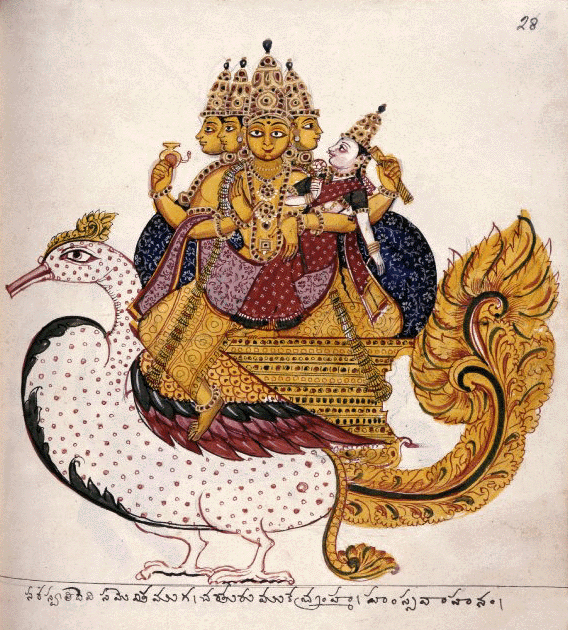
brahma,1850

Post No. 860 Date : 23 February 2014

by Dr.R.Nāgaswamy

A verse in Puranānūru collection of Tamil literature mentions Brahmā, the Creator. That Śiva and Vishnu were mentioned in Puram no 56 , is well known but that Brahmā is also well known in Sangam age is not so much appreciated. Puram verse number 194 sung by Pakkudukkai Nan ganiyār sang the verse which reads:-

ஓரில் நெய்தல் கறங்க ஓரில்
ஈர்ந்தண் முழவின் பாணி ததும்ப
புணர்ந்தோர் பூ அணிய பிரிந்தோர்
பைதல் உண் கண்பணி வார் புறைப்ப
படைத்தோன் மன்ற அப்பண்பிலாளன்
இன்னாது அம்ம இவ்வுலகம்
இனிய காண்க இதன் இயல்பு உணர்ந்தோரே

புற நானூறு 194 – பெரும் காஞ்சி’
பக்குடுக்கை நன்கணியார் பாடியது

According to the ancient commentator the word “padaippon” in the verse refers to the Four faced (Nānmukhan) which is undoubtedly a reference to Brahmā the creator. The commentary says, from one house emanates the sound of drum announcing the death of a person and from another house the sound of marriage drum announcing the marriage of a couple. From the later house rises the sweet smell of flower garlands worn by the newly married couple mating, while from the former house the eyes of women who lost their husband in death, shed torrential tears of sorrow. It is indeed the creation of that un cultured Brahmā who created such an awful nature. Cruel is this world. Those who understand the nature of this world should ponder and resort to acts that confer salvation.

This shows that the main import of the poem is not to pass any judgement on Brahmā but to say the nature has both good life and death side by side and there fore one should lead a virtuous life.

The Puranānūru verses are assigned to the beginning of the Current Era. This would show by the turn if the Current era the Tamil people were fully aware of the concept of Trinity of Hindu gods. We have already noted that the Sangam age people of Tamilnad were worshippers of Brahmā, Vishnu,Siva, Indra, Varuna,Subrahmanya and the other thirty three group of gods ( mupattu mukkodi devatās) seen in Pari padal, is sufficient to show the Society was Hindu in nature.

Any view propounded contrary to this is distorted, refutes the available facts and is a political gimmick, that deserves to be rejected. Please also note that this short poem of seven lines uses the following Sanskrit words like pāni, and ulakam showing the integration of the northern with the southern was complete.

Also please note the name of the poet who was a “gani” was in all probability a Jain” it is also known that the earliest known inscription in Tamilnadu assigned to first cent BCE refers to a gani as Kani. The phase of so called Tamil of pre Sanskritisation age does not exist. It can only be considered a deliberate twist of the mischievous.

Email: nagaswamy@tamilartsacademy.com

I have used the picture from another source. Dr R Nagaswamy has given me permission to use his article.
For more articles please visit http://www.tamilartsacademy.com

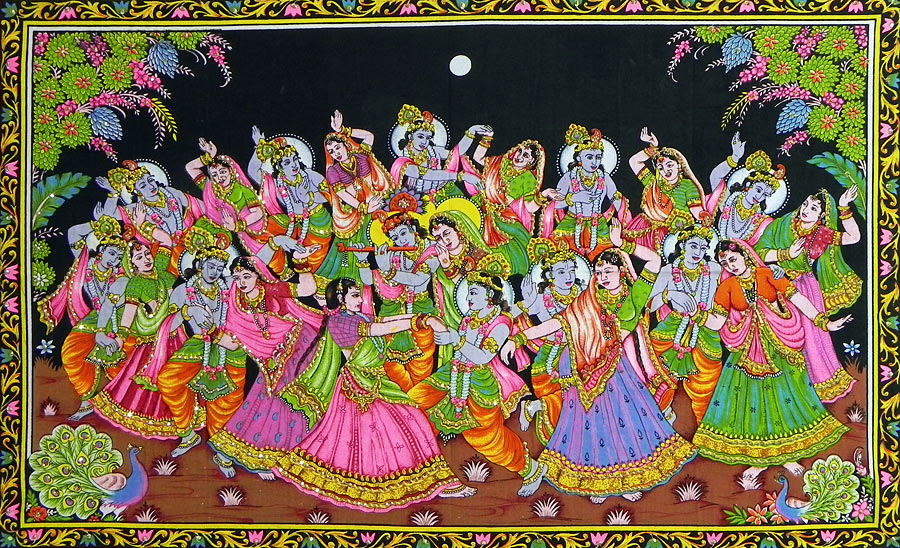
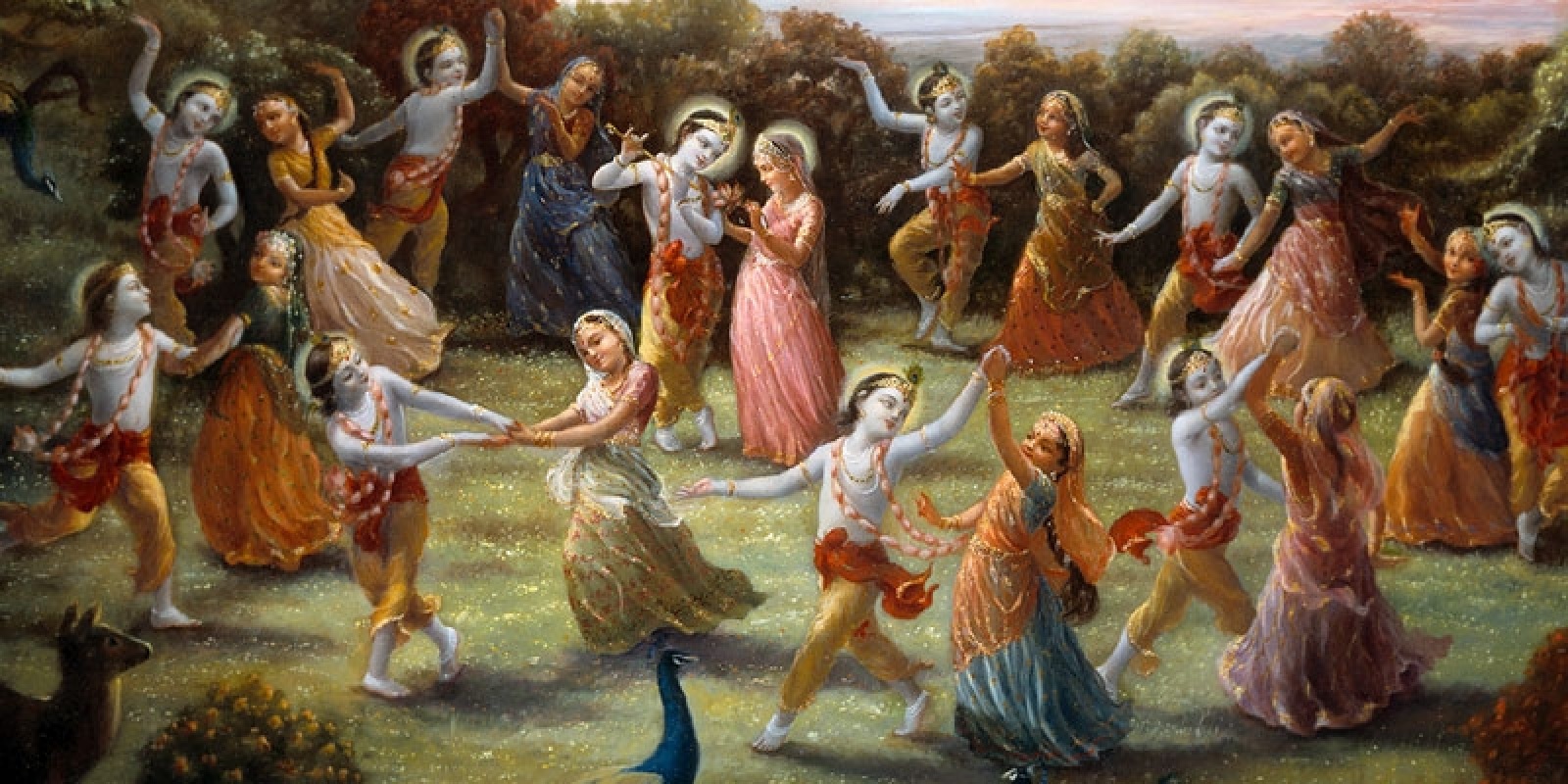
16,000 பெண்களுடன் கிருஷ்ணன் !!

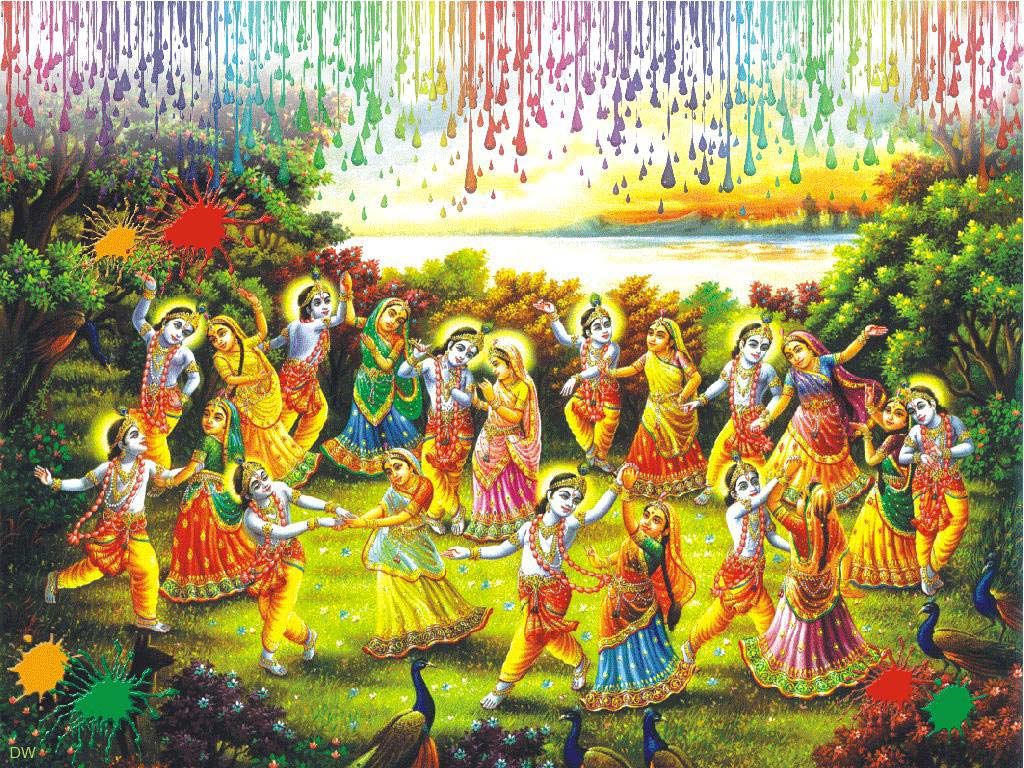
KrishnaRadaGopis

Post No. 859 Date 23 February 2014

கட்டுரையாளர்: லண்டன் சுவாமிநாதன்
கட்டுரை எண்: 859 தேதி 23 பிப்ரவரி 2014

எச்சரிக்கை!!
‘’16.000 பெண்களுடன் கிருஷ்ணன் ஆடினான் என்பதை நம்புவோர், அவன் 16,000 பேருடன் ஒரே நேரத்தில் இருந்தான் என்று புராணங்கள் சொல்லுவதையும் நம்பத் தயாராக இருக்க வேண்டும். கிருஷ்ணன் செய்த மஹா அற்புதங்களையும் நம்ப வேண்டும். எனக்குப் இடித்த காமச் சேட்டைகளை மட்டும் எடுத்துக் கொள்ளுவேன். மற்றவற்றை ஒதுக்கிவிடுவேன் என்று கூறுவது உங்கள் அறியாமைக்கு விளக்குப் போட்டுக் காட்டியதாகி விடும். ‘’நூல் அளவே ஆகுமாம் நுண் அறிவு’’ என்றும், ‘’வெள்ளத்து அனையது மலர் நீட்டம், மாந்தர்தம் உள்ளத்து அனையது உயர்வு’’ என்ற வள்ளுவன் கூறிய சத்திய வாக்கினையும் நினைவிற் கொள்க’’.

நான் மதுரையில் சேதுபதி உயர்நிலைப் பள்ளிக்ககூட மாணவனாக இருந்த போது வடக்கு மாசிவீதியில் உள்ள எங்கள் வீட்டுக்கு மாதந்தோறும் அழகான கிறிஸ்தவப் பெண்கள் வந்து கதவைத் தட்டுவார்கள். கையில் பைபிளும் பல துண்டுப் பிரசுரங்களும் இருக்கும். மெதுவாகப் பேச்சுக் கொடுப்பார்கள். பிறகு கிருஷ்ணனைத் தாக்கத் துவங்குவார்கள். அவர் 16,000 பெண்களுடன் இருந்தது உங்களுக்குத் தெரியுமா? என்று. இதற்குள் என் அண்ணன் தம்பிகள் எல்லோரும் வாசலுக்கு வந்து விடுவார்கள்.

ஏசு பெருமான் 13 வயது முதல் 30 வயது வரை எங்கு இருந்தார் என்று பைபிள் கூறவில்லையே! அவர் இமய மலை காடுகளுக்கு வந்து உபநிஷதத்தைப் படித்துவிட்டு ஆட்டு இடையர்களுக்கு எவ்வளவு சொல்ல வேண்டுமோ அவ்வளவு சொன்னார். அது உங்களுக்குத் தெரியாதா என்று கேட்போம். விவாதம் சூடு பிடிக்கும்.

இதற்குள் மதுரை ஆதீனகர்த்தர் போட்ட துண்டுப் பிரசுரத்துடன் என் சகோதரர்கள் மற்ற கேள்விகளை எழுப்புவர். உலகம் 6000 ஆண்டுகளுக்கு முன்னர் தோன்றியது என்கிறீர்களே. அறிவியலுக்கு கொஞ்சமும் பொருந்தவில்லையே? கான்ஸ்டாண்டி நோபிளில் ஆயிரக் கணக்கான வகை பைபிள்களைப் போட்டு எரித்துவிட்டு மிச்சம் வைத்திருக்கும் ஒரே பைபிளிலும் ஏசுவின் இளமைக் காலத்தை அடியோடு மறைத்துவிட்டீர்களே? ஏசு பெருமான் சாகும் போது “ஏலி ஏலி லாமா சபக்தானி” (ஏ தேவனே! ஏ தேவனே! ஏன் என்னைக் கை விட்டீர்?) என்று கூக்குரல் எழுப்பியது ஏன்? என்று கேள்வி மேல் கேள்வி கேட்க, நைஸாக நழுவி விடுவர் அந்தப் பெண்கள்!

இதெல்லாம் என்ன பழைய கதை? “உலகமே ஒன்று, ஒரே கடவுள், நமக்கு ஏன் வம்பு?” என்று பேசாமல் இருந்துவிடும் இந்துக்களும் உண்டு. அப்படிப் பேசாமல் இருக்கத்தான் எனக்கும் விருப்பம். ஆயினும் விட மாட்டேன் என்கிறார்களே!

வெண்டி டோனிகர் என்ற அமெரிக்க பெண்மணி இந்துமதம் பற்றி விஷம் கக்கி எழுதிய புத்தகம் சில வாரங்களாக பெரிய சர்ச்சையை உண்டாக்கி வருகிறது. ஆர்.எஸ்.எஸ்..காரர்கள் கோர்ட்டில் வழக்கு போட்டவுடன் ‘பெங்குவின்’ நிறுவனம் அந்தபுத்தகத்தை விலக்கிக் கொண்டுவிட்டது. வெண்டி டோனிகருக்கு “செக்ஸ்’ தவிர வேறு எதுவும் தெரியாது, சிவன், காளி, கிருஷ்ணன் எல்லாவற்றிலும் செக்ஸைக் காணும் ஒரு பெண்!

அதுமட்டுமல்ல. அண்மையில் ரஷ்யாவில் பகவத் கீதை ஒரு வன்முறைப் புத்தகம் என்று கோர்ட்டில் ஒரு வழக்கு நடந்தது. அதுவும் தள்ளுபடி ஆனது.

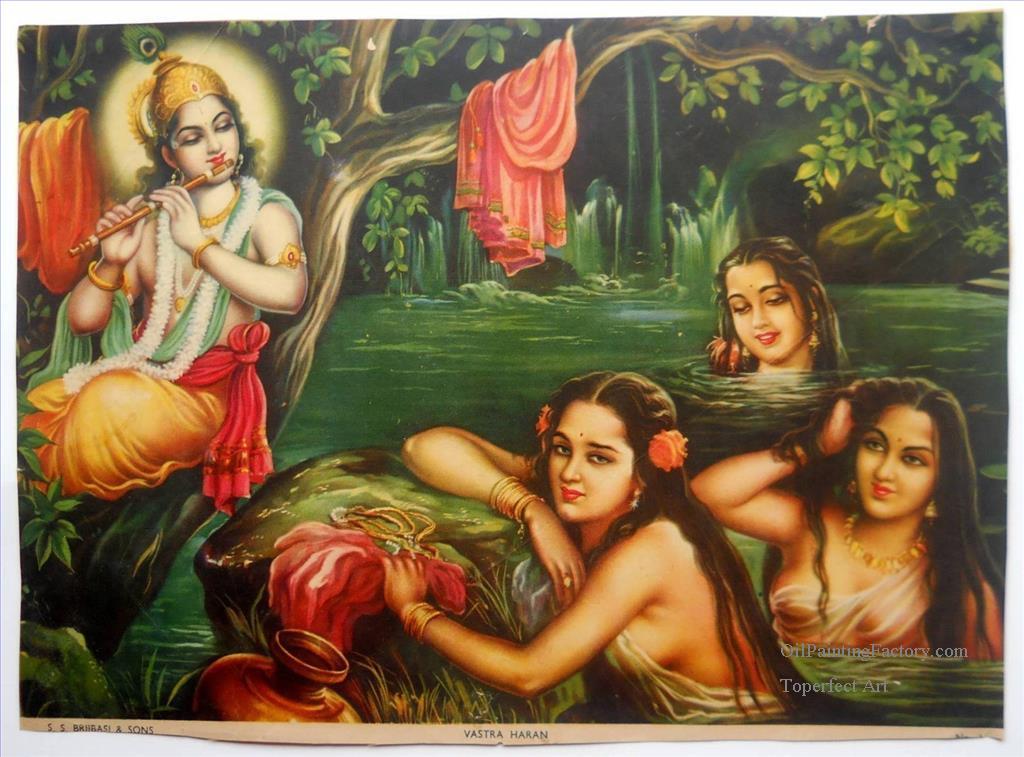
6-Vastra-Haran-Krishna-and-Gopis

கோபியர் பற்றிய குறிப்பு சங்கத் தமிழ் இலக்கியத்தில்தான் முதலில் வருகிறது. பின்னர்தான் சம்ஸ்கிருத இலக்கியத்தில் வருகிறது!!

ஈயத்தைப் பார்த்து இளித்ததாம் பித்தளை!!!

இதைவிட போலந்தில் ஒரு சுவையான வழக்கு நடந்தது.. அதில் வழக்குப்போட்ட கிறிஸ்தவ பெண்ணே பதில் சொல்லாமல் திணறவே வழக்கு தள்ளுபடி ஆனது.

கிருஷ்ணன் 16,000 கோபியர் என்ற பெண்களைக் கல்யாணம் செய்தார். ஒழுக்கம் கெட்ட அவரைப் போய் இந்த ஹரே கிருஷ்ண இயக்கத்தினர் கும்பிடுவதால் இந்த இயக்கத்தைத் தடை செய்ய வேண்டும் என்று கிறிஸ்தவ கன்னிமார்கள் (நன்) வழக்கு தொடுத்தனர். உடனே இந்து தரப்பில் வாதாடிய வழக்குரைஞர், “ ஐயா, சகோதரி, கன்னிமார் / நன் ஆகப் பதவியேற்றபோது எடுத்த சத்திய வாக்குப் பிரமாணத்தை வழக்கு மன்றத்தில் உரத்த குரலில் மீண்டும் ஒரு முறை கூறச் சொல்லுங்கள்” என்றார். அந்தப் பெண் மறுத்துவிட்டார்.

வழக்கு தள்ளுபடி செய்யப்பட்டது.!!!!

கிறிஸ்தப் பெண்கள் ஏசுவைக் கல்யாணம் செய்துகொள்வதாக சத்தியப் பிரமாணம் (உறுதிமொழி) எடுத்து கன்னிமார் ஆவர்.

கிருஷ்ணனுக்கு 16,000 பேர்தான் மனைவியர். இவர்கள் வணங்கும் ஏசுவுக்கோ மில்லியன் கணக்கில் மனைவிமார்கள் என்று இந்து தரப்பு வழக்கு அறிஞர் பேசி முத்தாய்ப்பு வைத்தார்!!!

இந்த கோபியர் விஷயம் ஓயவே மாட்டேன் என்கிறது. சுவாமி விவேகாநந்தர் 125 ஆண்டுகளுக்கு முன்னரே இதைப்பற்றி ஆக்ரோஷமான சொற்பொழிவு ஆற்றியுள்ளார். அதைத் தனியாகத் தருகிறேன். “ முட்டாள்களே, இந்தப் புனிதமான பக்தியைப் புரிந்துகொள்ள முதலில் உள்ளம் புனிதமாக வேண்டும்” என்று சாடுகிறார்.

ராமகிருஷ்ண பரமஹம்சர் கோபியரின் பக்தி பற்றி சில கதைகளும் உவமைகளும் தருகிறார். அதையும் தனியாகத் தருகிறேன். இப்போது ஒரே ஒரு குறிப்பை மற்றும் படியுங்கள்:

Radha Krishna Ras Leela Images -04

ஸ்ரீ சித்பவானந்த சுவாமிகள் எழுதுகிறார்:

பூர்ணாவதாரமாகிய கிருஷ்ணனுடைய விளையாட்டுகளை உள்ளபடி அறிந்து கொள்கிறவர்கள் கடவுள் தத்துவத்தையே அறிபவர் ஆகின்றனர். கிருஷ்ணனுடைய ஒவ்வொரு செயலும் தர்மத்துக்கு விளக்கமாகிறது. அவன் ஆற்றிய வினைகள் எல்லாம் அறச்செயலகள் ஆகின்றன. தர்மத்துக்கு அன்னியமான செயலை அவன் ஒரு தடவையிலாவது மறந்தும் செய்தது கிடையாது. அவைகளுள் சிலவற்றை ஈண்டு ஆரய்ச்சிக்கு எடுத்துக் கொள்வது அவசியமாகிறது.

அவன் சிறு பிள்ளையாய் இருந்தபொழுது கோபியர்களுக்கு முன் எச்சரிக்கை செய்துவிட்டு வெண்ணெயைத் திருடி மற்ற சிறுவர்களுக்குப் பங்கிட்டுக் கொடுத்துவந்தான். அக் காலத்தில் செல்வத்தின் சின்னமாய் இருந்தது வெண்ணெய். செல்வத்தைத் தேடிப் பிறர்க்குப் பயன்படாது அடைத்து வைத்துவிட்டால் தெய்வச் செயலானது அந்தச் செல்வத்தைத் திருப்பி எடுத்துக் கொள்கிறது. இது காலமெல்லாம் நிகழ்கின்ற நிகழ்ச்சி. இவ்வுண்மையை கிருஷ்ணன் தனது விளையாட்டின் மூலம் விளக்கினான்.

அவன் சுமார் ஏழு வயது சிறுவனாய் இருந்தபொழுது யமுனையில் நீராடிக் கொண்டிருந்த கோபியர்களுடைய ஆடைகளை எல்லாம் ஒரு மரத்தின் மீது கொண்டுபோய் வைத்துவிட்டான். அவர்கள் நதியிலிருந்து வெளியே வந்து கேட்டால் துணிகளைத் திருப்பித் தருவதாகத் தெரிவித்தான். அவன் ஏன் இப்படிச் செய்தான் என்பது பலருக்கு விளங்குவதில்லை. தங்களுக்குத் தூய பக்தியைத் தந்தருள வேண்டும் என்று கோபியர்கள் கிருஷ்ணனிடம் வேண்டினார்கள் அதற்கு அவர்களுக்கு இன்னும் பரிபக்குவம் வரவில்லை என்று கிருஷ்ணன் சொன்னான்.

யாரிடத்தில் உடலைப் பற்றிய உணர்ச்சி இருக்கிறதோ அவருக்கு பராபக்தி உருஎடுக்காது.. சிறு குழந்தைக்கு உடலைப் பற்றிய உணர்ச்சி இல்லை. ஆண், பெண் என்ற வேற்றுமை இல்லை. நிர்வாணமாக உலவுவதில் சிறு குழந்தைகளுக்குச் சிறிதும் சங்கோஜம் இல்லை. முதியவர்களுள் யாருக்கு உடலைப் பற்றிய உணர்வு தானாக அகன்று போகிறதோ அவர்களுக்கு பராபக்தி உடனே வருகிறது.

These are not revealed unto the wise and learned but unto the babes—

வெறும் வாச ஞானம் பெற்றுள்ள பண்டிதர்களுக்கு விளங்காத பரமார்த்திகப் பேருண்மைகள் சிறு குழந்தைகளுக்கு விளங்குகின்றன என்று ஏசுநாதர் புகட்டிய கோட்பாட்டுக்கு விளக்கமாக கிருஷ்ணனுடைய செயல் வந்தமைகிறது. கிருஷ்ணன் பல்லாயிரம் கோபியர்களுக்கு நாதன் என்கின்ற உண்மை எல்லோருக்கும் புலப்படுவதில்லை. உயிர்கள் அனைத்துக்கும் கடவுளே கணவன் என்கின்ற கோட்பாட்டைக் கிருஷ்ணன் எட்டு வயதுச் சிறுவனாக இருந்தபோதே விளக்கிக் காட்டினான்.

raslila-DD06_l

பூரண அவதாரமாகிய இந்தக் கிருஷ்ணனைப் பற்றி ஓயாது துஷ்பிரசாரம் செய்வது கிருஸ்தவ மதப் பிரசார அலுவலாய் இருந்து வருகிறது. அவன் தூர்த்தன் என்றும், திருடன் என்றும், ஒழுங்கு தவறியவன் என்றும் மேடைகளில் அவர்கள் பிரசங்கம் பண்ணுவதுண்டு. அத்தகையவனை கடவுள் என்று வணங்குகின்ற மஹாபாவத்தை ஹிந்துக்கள் செய்துவருகிறார்கள் என்றும் அவர்கள் போதிக்கிறார்கள்.

கிருஷ்ணனை மதிப்பிடுதல் மூலம் சமயத்துறையில் தங்களுடைய அறிவுத் திறன் எவ்வளவு தூரம் பரிபாகம் அடைந்திருக்கிறது என்பதையே இத்தகைய மதப் பிரசாரகர்கள் விளம்பரம் பண்ணுகிறார்கள். இவை போன்ற எண்ணிறந்த அவதூறுகளை அமைதியாகக் கேட்டுவிட்டுப் போவது ஹிந்துக்களுடைய இயல்பு.”

—-பக்கம் 37—40, ஹிந்து மதமும் கிறிஸ்தவ மதமும், ராமகிருஷ்ண தபோவனம், திருப்பராய்த்ததுறை- 639 115, வெளியீடு ஆண்டு 1995

1995ல் எட்டாம் பதிப்பாக சுவாமி சித்பவானந்தர் இதை வெளியிட்டு இருக்கிறார். இப்போது அமெரிக்கப் பெண்மணி வெண்டி டோனிகர் எழுதிய புத்தகமும், ரஷ்யா, போலந்து ஆகிய நாடுகளில் கிருஷ்ண பரமாத்மா மீது வழக்கு போட்டதும் இன்னும் நிலைமை மாற வில்லை என்பதைக் காட்டுகிறது. இன்னும் சொல்லப் போனால் 125 ஆண்டுகளுக்கு முன் விவேகாநந்தரும் இதே தலைப்பில் பேசி வெளிநாட்டுக்காரர்களிச் சாடி இருக்கிறார். அதைத் தனியே காண்போம்.

Radha-and-Krishna-in-the-center-of-the-gopis

வேத நூல் பழிக்கும் வெளித்திசை மிலேச்சர்
பாதமும் பொறுப்பளோ பாரத தேவி— என்று இவர்களைப் பார்த்த்துச் சீறினான் பாரதி.
நாமும் சீற வேண்டாமா?