Hindu Vahanas Around the World

Pictures: Tutankhamen of Egypt and Adad of Babylonia


(Tamil version of this article is also available: london swaminathan)

Vahanas are Mounts of Hindu gods and goddesses. For thousands of years Hindus have been worshipping their gods mounted on vahanas. Mostly they are animals. Big Temples in Tamil Nadu take their beautifully  decorated gods and goddesses on various vahanas along the streets of the town. It is happening even today. During the annual festival of each temple, gods’ processions are organised. Some temples like Madurai Meenakshi temple do it more times in a year.

The origin of Vahanas is shrouded in mystery. Hindu Agamas have rules about Vahanas for each deity, each day and specific decoration. Various philosophical explanations are given about the vahanas. But before going into the details, let us look at the mounts of gods and goddesses around the world. This shows the influence of Hinduism, what is known as Sanatan Dharma, is around the world.

Chronologically speaking Vahanas first appeared in the Middle East in Babylonian and Sumerian cultures. We see them in Egypt and Greece. In India, it has started in Indus Valley. I have already written about Indra on his elephant Airavata in an Indus seal. Some scholars interpreted the figure as a woman standing on elephant. We have Indra’s wife Indrani on elephant in a Bangladesh sculpture. Either way it can be interpreted as Vedic Gods.

Most of the ancient Vahanas are in standing position. But later day Hindu iconography showed them comfortably sitting on an animal or a bird. Kanchi Shankaracharya (who attained Samadhi when he was 100 year old) gave a series of lectures in Chennai in 1935. Talking about California may be a corrupted word for Kapila+Aranaya=kapilaranya (read my article about Is California ,kapilaranaya?) etc., he raised a question and answered at one go “did Hindus go around the world to spread their religion? No. This was the religion that existed once in all parts of the world”.

I agree fully with Sri Kanchi Paramacharya. We see the vestiges of Sanatan Dharma in all parts of the world and Sanskrit words and names of Vedic Gods in every culture. Going by this rule, we can boldly say that the Hindu Vahanas seen in Egypt and Sumerian sculptures are due to Hindu influence.

Picture: Goddess Inana on Lion

Now look at the deities on animals in other parts of the world:

HINDU RELIGION IS THE ONLY RELIGION WHERE GOD IS WORSHIPPED IN FEMININE FORM FROM VEDIC DAYS TILL TODAY.

Lot of deities like Ishtar, Astarte, Inana, Lilith, Kadesh, Qudhu and Hathor are shown riding a lion like the Hindu goddess Durga.

Ishtar was worshipped from 2500 BC till 200 AD in the Middle East. She was compared with Inana of Sumerian culture. Inana ‘s worship goes back to 3500 BC She was the oldest god shown on a lion. She was the goddess of fertility and war. Even today Hindus worship Durga on lion as Goddess of War.

Inana was the paramount goddess of Sumerian pantheon. She was one of three deities involved in primordial battle between god and evil. Ishtar is the counterpart of Sumerian Inana.

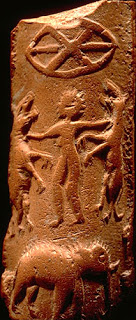
Pictures: Astarte of Middle East and Indra on Elephant Airavata in Indus valley

Lilith was the first wife of Adam in Hebrew mythology. Lilith may have been derived from the Mesopotamian fertility goddess Nin lil. She is shown standing on two lions.

Qudshu (Kadesh) was the goddess of good health. She was the consort of fertility god Min of Egypt.  She was of Syrian origin but thought of as another form of Egyptian Hathor. She was depicted naked standing on a lion. She holds snake and lotus flower in her hands.

Astarte , the goddess of the evening star, of war and sexual love, was shown with lion like sphinx on either side. We see some similarity in these descriptions. They were the symbols of fertility or war. Hindu Vedas portray goddesses in the same way and till this day they are worshipped in Sri Suktam, Durga Suktam etc.

Tutankhamen on Tiger

Lilith of Hebrew Mythology

Tutankhamen (1333 BC), the most famous boy king of Egypt was shown standing on a tiger. This is clearly due to Hindu influence. His great grandparents married two Hindu girls from Syria. Mittanni king Dasaratha (Tushratta) who ruled Syria Turkey regions gave his daughters in marriage to an Egyptian king. We have the evidence of Vedic Gods for the first time in Bogazkoy inscriptions (please read my posts on oldest Sanskrit inscriptions).  Seti, another king who ruled after Tutankhamen, was also shown on a tiger. Kings were considered Gods in Egypt.

Padmasambhava, an Indian mystic who went to Tibet and Mongolia to spread Buddhism was shown riding a tiger like the Hindu god Ayyappa of Kerala and Hindu goddess Durga.

Bull Riders

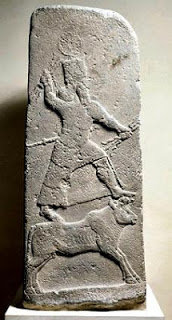
Bull (Nandhi) was the vahana of Hindu god Shiva. Indra was compared to bull in hundreds of places in the Hindu Vedas. A god known as Adad, holding Indra’s thunderbolt, was shown riding a bull in Akkadian sculptures.

Picture: Kadesh In Egypt

Adad had its origin in Mesopotamian around 1900 BC. He was worshipped as a weather god, similar to Indra of Rig Veda. His sculptures were found in Karkara, Mari, and Aleppo in Syria. His other names were Ramman and Iskur.

Iskur was worshipped in Iraq from 3500 BC in Iraq.

Baba Iaga , a witch or ogress of Slav regions was shown riding a pig.

Hindu epics and Puranas give a vivid description of various vahanas. We have excavated coins with Kartikeya on peacock from second century BC. A lot of beautiful sculptures show Hindu vahanas in Cambodia, Indonesia and the Indian subcontinent. (contd. In second part)

Picture: Hindu Goddess Durga


Contact swami_48@yahoo.com

உலகம் முழுதும் இந்து தெய்வ வாகனங்கள்


Goddess Lilith and Tutankhamun

(This article is available in English as well: swami)

தமிழ்நாட்டில் உள்ள எல்லா பெரிய கோவில்களிலும் ஆண்டுதோறும் உற்சவ காலங்களில் சுவாமி புறப்பாடு நடைபெறும். அப்பொழுது இறைவனையோ இறைவியையோ அலங்கரித்து ஒரு வாகனத்தில் தெருக்கள் வழியாக ஊர்வலமாக எடுத்துச் செல்வார்கள். எந்தெந்த சுவாமிக்கு எந்தெந்த நாட்களில் எந்த வாகனம் என்பதை ஆகமங்கள் எடுத்துச் சொல்லுகின்றன.

இந்த வழக்கம் ஒருகாலத்தில் உலகம் முழுதும் இருந்திருக்கிறது. ஆனால் அங்கெல்லாம் அழிந்த பின்னரும் இந்தியாவில் மட்டும் ஆயிரக் கணக்கான ஆண்டுகளாக இன்றுவரை நீடித்துவருகிறது. இந்துப் பண்பாடு காலத்தால் அழியாத ஒரு பொக்கிசம்.

வாகனங்கள் ஏன், எப்போது துவங்கின, அவைகளின் உள்ளர்த்தம் என்ன எனபவைகளைப் பார்ப்பதற்கு முன்னால் சில சுவையான விசயங்களை முதலில் காண்போம். எகிப்திலும் பாபிலோனியாவிலும் கூட இந்த வாகனங்கள் இருந்தன. துருக்கி சிரியா, இராக், ஈரான் முதலிய முஸ்லீம் நாடுகளில் ஒரு காலத்தில் இந்து கலாசாரம் இருந்தது. சம்ஸ்கிருத கல்வெட்டுகள் பற்றிய கட்டுரையில் இது பற்றி பார்த்தோம். துருக்கி –சிரியா எல்லைப் பகுதியில் பொகஸ்கோய் என்னும் ஊரில் கண்டு பிடிக்கப்பட்ட களிமண் படிவ கல்வெட்டில் வேதகால தெய்வங்களின் பெயர்கள் இருக்கின்றன.

காலக் கணக்கீட்டின்படி பார்த்தால், இந்தியாவுக்கும் முன்னதாக சுமேரிய, பாபிலோனிய,எகிப்திய ,கிரேக்க பண்பாட்டில் முதலில் வாகனங்களைக் காண்கிறோம். ஆக, அங்கிருந்து இவை இந்தியாவுக்கு வந்தனவா? அல்லது இந்தியர்கள் அதை அங்கு பரப்பினரா என்று கேட்டால் காஞ்சி பரமாசார்ய சுவாமிகள் சொன்ன பதிலையே சொல்லுவேன். கபில+ஆரண்ய= கபிலாரண்யா=கலிபோர்னியா (அமெரிக்கா) என்று ஆனதாகச் சொல்லிவிட்டு உலகம் முழுதுமுள்ள இந்து தடயங்கள் சின்னங்கள் பற்றி குறிப்பிட்டுவிட்டு, இப்படிச் சொல்கிறார்: “உடனே இந்துக்கள் அங்கெல்லாம் போய் இதைப் பரப்பினார்கள் என்று நினைக்காதீர்கள். ஆதியில் உலகம் முழுதும் சநாதன தர்மம் (இந்துமதம்) ஒன்றுதான் இருந்தது” என்று 1935-ஆம் ஆண்டு சென்னை தொடர் சொற்பொழிவில் கூறுகிறார்.

வேதத்தில் பல மிருகங்கள் குறிப்பிடப்படுகின்றன. புராண இதிகாசங்களில் வாகனங்கள் பற்றிய தெளிவான குறிப்புகள் இருக்கின்றன. சிந்து சமவெளியில் ஒரு முத்திரையில் யானை மீது ஒரு ஆணோ பெண்ணோ நிற்கும் காட்சி இருக்கிறது. இதைப் பற்றி யானை வாகனத்தில் இந்திரன் அல்லது இந்திராணி என்று ஏற்கனவே எழுதி இருக்கிறேன். ஆகவே 5000 ஆண்டுகளுக்கு முன்னரே இந்தியாவில் வாகனம் உபயோகத்துக்கு வந்துவிட்டது..கி.மு இரண்டாம் நூற்றாண்டு காசுகளில் மயில்வாகனத்தில் முருகன் காட்சி தருகிறான். இந்தியா, கம்போடியா, இந்தோநேசியா ஆகிய இடங்களில் வாகன சிற்பங்கள் உள்ளன.

Astarte and Hathor

இந்து வாகனங்கள் உலகம் முழுதும் இருந்ததற்கான சான்றுகள் இதோ:

எகிப்தில் துதன்காமுன் (கி.மு. 1333) என்ற மன்னனை கருஞ்சிறுத்தை மீது நிற்பதாகக் காட்டியுள்ளனர். எகிப்திய பாரோக்கள் (மன்னர்கள்) இறைவனுக்குச் சமமாகக் கருதப்பட்டனர். அவனுடைய தாத்தா, கொள்ளுத் தாத்தா காலத்தில் இருந்து இந்துப் பண்பாட்டில் இருந்த தொடர்பு இதற்குக் காரணமாக இருக்கக் கூடும். மிட்டன்னி (சிரியா/துருக்கி/இராக் பகுதியை ஆண்ட இந்து மன்னர்கள்) மன்னர் தசரதன், தன் பெண்களை எகிப்திய மன்னனுக்கு மணம் முத்துவிட்டு எழுதிய கடிதங்கள் இன்றும் எகிப்தில் உள்ளன. துதன்காமுனுக்குப் பின் சேதி என்ற மன்னர் ஓவியங்களிலும் வாகனத்தைப் பார்க்கலாம்.

இந்துக் கடவுள்களில் துர்க்கா தேவி, அய்யப்பன், புத்த மதத்தில் பத்மசம்பவர் ஆகியோர் புலி வாகனத்தில் செல்வதாகக் காட்டப்பட்டிருக்கின்றனர்.

சீம்ம வாகனம்

வாகனங்களில் மிகவும் பழைய வாகனம் சிம்ம வாகனம். இன்றும் துர்கா தேவியின் வாகனமாக பயன்படுத்தப்படுகிறது. எங்கெல்லாம் தேவி, காளி வழிபாடு இருக்கிறதோ அங்கெல்லாம் சிம்ம வாகனம் இருக்கிறது.

கதேஸ் என்று சிரியா நாட்டிலும் ஹதோர் என்று எகிப்திலும் வழிபடப்பட்ட தேவியின் வாகனம் சிங்கம். நிர்வாணமாக நிற்கும் இந்தக் கடவுளின் ஒரு கையில் பாம்பு இருக்கும். இனவிருத்திக்கான தேவதை.

Adad on bull. Indra onVan, and Durga on vahanas

ஹீப்ருக்கள் வணங்கிய லிலித் என்ற தேவதை இரண்டு சிங்கங்களின் மீது நிற்பதாகக் காட்டப்படுகிறது. லிலித், முதல் மனிதன் ஆன ஆதாமின் மற்றொரு மனைவி. ஜில்காமேஷ் கதையிலும் லிலித் வருகிறாள். அவர் தாக்கியவுடன் லிலித் பாலைவனத்துக்குள் ஓடியதாக கதை.

கி.மு.எட்டாம் நூற்றாண்டு சிற்பம் ஒன்று அசீரிய காதல்-போர் அதி தேவதையான இஷ்டாரையும் சிம்ம வாகினியாகக் காட்டுகிறது.

கி.மு 133 ஆம் நூற்றாண்டைச் சேர்ந்த எழிலிகாயாவில் அரின்னா, சுர்ருமா ஆகிய தெய்வங்களும் சிம்ம வாகனத்தில் நிற்கின்றனர்.

காளை வாகனம்

காளையை இந்திரனுக்கும் ஏனைய தெய்வங்களுக்கும் உவமையாகக் கூறுவதை வேதத்தில் படிக்கிறோம். பிற்காலத்தில் காளையை சிவனுக்கு வாகனமாக்கினர்.5500 ஆண்டுகளுக்கு முன் சுமேரியாவில் ஒருகாளை மீது தெய்வம் உட்காரும் ஆசனம் போடப்பட்டிருக்கிறது

கி.மு.எட்டாம் நூற்றாண்டு சிற்பம் ஒன்று புயலுக்கு அதிபதியான பாபிலோனிய அதாத் என்னும் கடவுளை காளை வாகனத்தில் நிற்கும்படி செதுக்கியுள்ளது. அதாத் இந்திரன் போல கையில் வஜ்ராயுத்தை தாங்குகிறார்.

இந்திய வாகனங்களுக்கும் முற்கால வெளிநாட்டு வாகனங்களுக்கும் உள்ள பெரிய வேறுபாடு அந்த கடவுள்கள் வாகனங்கள் மீது நிற்பார்கள். இந்துக் கடவுளோவெனில் வாகனத்தில் அமந்திருப்பார்கள்.

பாபா இயாகா என்ற ஸ்லாவ் இனக் கடவுள் பன்றியின் மீது பயணம் செய்கிறார்.  (தொடரும்)

உலக விஞ்ஞானிகள் வியக்கும் தமிழனின் பஞ்சாங்கம்!

படம்: ஒரு பஞ்சாங்கத்தின் முகப்பு அட்டை

உலக விஞ்ஞானிகளை வியக்க வைக்கும் தமிழனின் பஞ்சாங்கம்!

ச.நாகராஜன்

ஒன்பது எழுத்துக்களில் தமிழன் கணிக்கும் பஞ்சாங்கம்

பல பிரம்மாண்டமான நவீன கருவிகளைக் கொண்டு கணிணியின் துணையுடன் துல்லியமாகக் கணிக்கப்படும் கிரகணங்களைத் தமிழர்களின் பஞ்சாங்கம் அந்தக் கருவிகளின் துணை இன்றி வினாடி சுத்தமாகக் கணித்துப் பல நூறு ஆண்டுகளாகச் சொல்லி வருகிறது என்றால் அதிசயமாக இல்லை? இதை எப்படித் துல்லியமாக தமிழர்களால் கணிக்க முடிகிறது என்று உலகெங்கிலும் உள்ள வானியல் விஞ்ஞானிகளே ஆச்சரியப்படுகின்றனர்! உலகமே வியக்கும் பஞ்சாங்கம் தமிழனின் அபூர்வ வானியல், கணித, ஜோதிட அறிவைத் தெள்ளென விளக்கும் ஒரு அபூர்வ கலை! இப்படிப்பட்ட பஞ்சாங்கம் நம்மிடம் இருப்பதை எண்ணிப் பெருமைப்படாமல் அதை இகழும் பகுத்தறிவாளர்களை தமிழர்கள் என்று எப்படிக் கூற முடியும்? இதை நாம் ‘பேடண்ட்’  எடுக்காவிட்டால் மஞ்சளைத் துணிந்து பேடண்ட் எடுக்க முயன்றது போல் இதையும் அமெரிக்கா உள்ளிட்ட நாடுகள் தனதுடைமையாக்கிக் கொள்ளும்!


தமிழர்களின் பஞ்சாங்கக் கணிப்பு அதிசயமான ஒன்று! அ,ஆ,இ,ஈ,உ,ஊ,எ,ஏ,ஐ ஆகிய ஒன்பது எழுத்துக்களை வைத்துக் கொண்டே பஞ்சாங்கத்தைத் தமிழர்கள் கணித்து விடுவது வியப்புக்குரிய ஒன்று. ஐந்து விரல்களை வைத்துக் கொண்டு ஜோதிடர்கள் துல்லியமாகப் போடும் கணக்கு நேரில் பார்த்து வியத்தற்கு உரியதாகும்! தமிழர் அல்லாத இதர பாரத மாநிலங்கள் காதி ஒன்பது எழுத்துக்கள்,டாதி ஒன்பது எழுத்துக்கள்,பாதி ஐந்து எழுத்துக்கள்,யாதி எட்டு எழுத்துக்கள் ஆக 31எழுத்துக்களைக் கொண்டு பஞ்சாங்கத்தைக் கணிக்கிறார்கள்!


சூரிய கிரகணம் சந்திர கிரகணம் ஆகியவற்றை இவர்கள் துல்லியமாகக் கணித்து பஞ்சாங்கத்தில் பதிவது உள்ளிட்ட ஏராளமான திதி,வாரம்,நட்சத்திரம்,யோகம், கரணம் பற்றிய உண்மைகளைப்  பஞ்சாங்கம் தெரிவிக்கிறது. இது இல்லாமல் நமது வாழ்க்கை முறை இல்லை!


1980ல் ஏற்பட்ட முழு சூரியகிரகணம் பற்றிய தினமணியின் செய்திக் கட்டுரை

காலம் காலமாக கிரகணங்களைப் பற்றிய உண்மைகளைப் பஞ்சாங்கம் தெரிவித்து வருகிறதென்றாலும் கூட 1980ல் அபூர்வமாக ஏற்பட்ட முழு சூரிய கிரகணம் நமது பஞ்சாங்கம் பற்றிய அருமையை உலகம் உணர வழி வகுத்தது.16-21980 சனிக்கிழமை அமாவாசையன்று  கேது கிரஸ்தம் அவிட்ட நக்ஷத்திரம்  சென்னை நேரப்படி பகல் இரண்டு மணி 29 நிமிட அளவில் பூரண சூரிய கிரகணம் ஆரம்பமாகி மாலை 4-35க்கு முடிவடைந்தது. உலகெங்கிலும் இருந்து விஞ்ஞானிகள் அபூர்வமாக நிகழும் இந்த பூரண சூரிய கிரகணத்தைப் பற்றி ஆராய்ச்சி நடத்தவும் அனுபவபூர்வமாகப் பார்ப்பதற்கும் இந்தியாவில் சூரிய தேவன் ஆலயம் இருக்கும் கோனார்க் நோக்கி விரைந்து வந்தனர். ஏனெனில் இப்படிப்பட்ட பூரண சூரிய கிரகணம் அடுத்தாற்போல இன்னும் 360 ஆண்டுகளுக்குப் பின்னர் தான் ஏற்படும்!

அந்த சூரிய கிரகணத்தை ஒட்டி தினமணி நாளேடு தனது 14-2-1980 இதழில்புராதனமான கணித சாஸ்திர வெற்றி’ என்ற தலைப்பில் வெளியிட்டிருந்த சிறப்புச் செய்தியின் சாரத்தை இங்கு பார்ப்போம்:

“இந்தியர்களின் வான இயல் கணித மேன்மைகள் இன்று நிரூபிக்கப்படுகிறது. காலம் காலமாக வான இயல் வல்லுநர்கள் கிரக சாரங்களையும் அதன் சஞ்சாரங்களையும் மிக துல்லியமாக மதிப்பிட்டு பலவற்றைச் சொல்லி உள்ளார்கள்.அவர்களுக்கு இன்றைய விஞ்ஞானத்தின் வசதிகள் எதுவும் கிடையாது. கம்ப்யூட்டர்கள் கிடையாது. மிக நுட்பமான வான ஆராய்ச்சிக்கான கருவிகள் கிடையாது.அவர்களிடம் ராக்கெட் மூலம் படம் எடுத்து  பார்க்கத்தக்க கருவிகள் கிடையாது.எதுவுமே இல்லை. கணக்குத் தான் உண்டு.


நாள் தவறினாலும் பஞ்சாங்கம் பார்க்காத நபர்கள் மிகக் குறைவு.இந்த பஞ்சாங்கம் எத்தனையோ ஆயிரக்கணக்கான ஆண்டுகளாக வந்து கொண்டிருக்கிறது. காகிதமும் அச்சும் வருவதற்கு முன்பு கூட ஏடுகளில் பஞ்சாங்கம் கணிக்கப்பட்டது. பஞ்சாங்கம் கணிப்பவர்கள் ஓராண்டுக்கு முன்பாகவே இன்ன தேதி, இத்தனை வினாடியில் சூரிய சந்திர  கிரகணம் தோன்றும்,  கிரகண அளவு (பரிமாணம்)இவ்வளவு,இந்தெந்த பகுதிகளில் தெரியும் அல்லது தெரியாது என்பவற்றை எல்லாம் மிக கச்சிதமாக எழுதி வைப்பார்கள்.அதில் ஒரு வினாடி தப்புவது கிடையாது.கிரகண காலத்தில் இவைகளைச் செய்யலாம் செய்யக் கூடாது என்று சாஸ்திரங்கள் கூறுகின்றன.


கிரகணத்தைப் பற்றி மட்டும் அவர்கள் கூறுவது சரியாய் இருக்குமானால் சாஸ்திரம் செய்யக் கூடாது என்று கூறுவது பொய்யாகவா இருக்கும்?சாஸ்திரம் என்பது ஒரு கடினமான கணக்கு.அதுவும் ஒரு வகை விஞ்ஞானம்.வயிற்றுப் பிழைப்புக்காக அதைத் தவறாகப் பயன்படுத்தும் கூட்டத்தால் அதன் மதிப்பு குறைந்து விட்டது.ஆனால் நமது முன்னோர்கள் கிரகணம் பற்றி முன்பே கூறும் அளவில் வானவியல் கணித மேதைகளாக இருந்துள்ளார்கள்.இதை உலகம் இந்த கிரகணம் பற்றிய அவர்களது மதிப்பீட்டில் இருந்து தெரிந்துகொண்டு வாழ்த்துகிறது.

இப்படிப்பட்ட கணித இயல் நமக்கு இருந்தும் இதை மேலும் மேலும் ஆராய்ந்து வளர்த்துக் கொள்ள முன்வரவில்லை.அதனால் உலகில் நாம் இன்று பின் தங்கி உள்ளோம். இனியாவது நமது வான இயல் கணிதங்களை ஆராய்ந்து தெளிவாக்கி முன்னேறுவோமா என்பது தான் கேள்வி.”


தினமணியின் அருமையான கட்டுரை 1980ல் சுட்டிக் காட்டிய அவல நிலை முப்பத்தோரு வருடங்கள் ஆகியும் இன்னும் நீங்கவில்லை என்பது வருத்தம் தரும் ஒரு உண்மை. அரசும் பொது மக்களும் பஞ்சாங்கக் கலையை வளர்க்கவும் முன் வரவில்லை; அதைக் கணிக்கும் பஞ்சாங்க ஜோதிடர்களைக் கௌரவிக்கவும் இல்லை.

சங்க இலக்கியம் தெரிவிக்கும் சந்திர சூரிய கிரகணங்கள்

இப்படிப்பட்ட அருமையான கிரகண செய்திகளை சங்கத் தமிழ் இலக்கியம் பல இடங்களில் குறிப்பிடுகிறது. எடுத்துக்காட்டிற்கு இரு குறிப்புகளை மட்டும் இங்கு பார்ப்போம்.

கலித்தொகையில் மட்டும் எடுத்துக்கொண்டால் பல இடங்களில் சந்திரகிரகணம் (சந்திரனை ராகு பற்றுதல்) குறிப்பிடப்படுகிறது.  ”ஐவாய் அரவின் இடைப்பட்டு நைவாரா மையின் மதியின் விளங்கு முகத்தாரை (கலி 62;13-14)


அடுத்து சூரிய கிரகணம் (சூரியனை கேது பற்றுதல்) பற்றி மலைபடுகடாம் இப்படிக் குறிப்பிடுகிறது:-“பாஅய்ப் பகல்செய்வான் பாம்பின் வாய்ப் பட்டான் கொல்” (வெண்பா 1)


செக்கோஸ்லேவிகிய விஞ்ஞானியும் பஞ்சாங்கமும்


இது ஒருபுறம் இருக்க பஞ்சாங்கம் கூறும் உண்மை ஒன்றைக் காண செக்கோஸ்லேவிகியா விஞ்ஞானி ஒருவர் செய்த ஆராய்ச்சி வியப்புக்குரிய ஒன்றாகும். அது என்ன என்பதைப் பின்னர் பார்ப்போம்!

இதே பிளாக்-கில் கணிதப் புலமையை வெளிப்படுத்தும் மற்ற கட்டுரைகள்:

1.தமிழர்கள் கணித மேதைகள்,

2.உலக செஸ் சாம்பியன் ஆனந்த்,

3.Amazing Tamil Mathematics


Flags: Indus Valley-Egypt similarity

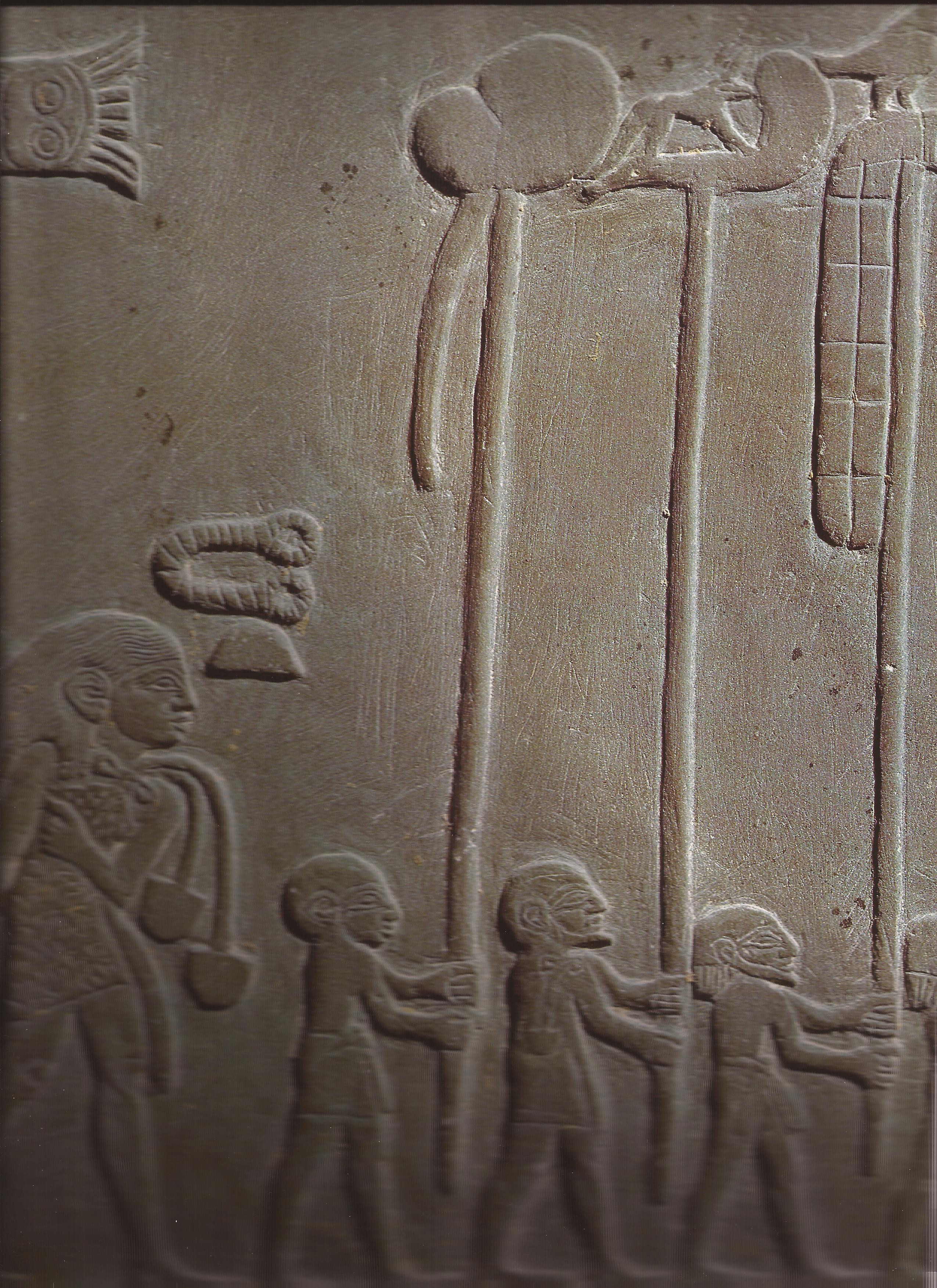
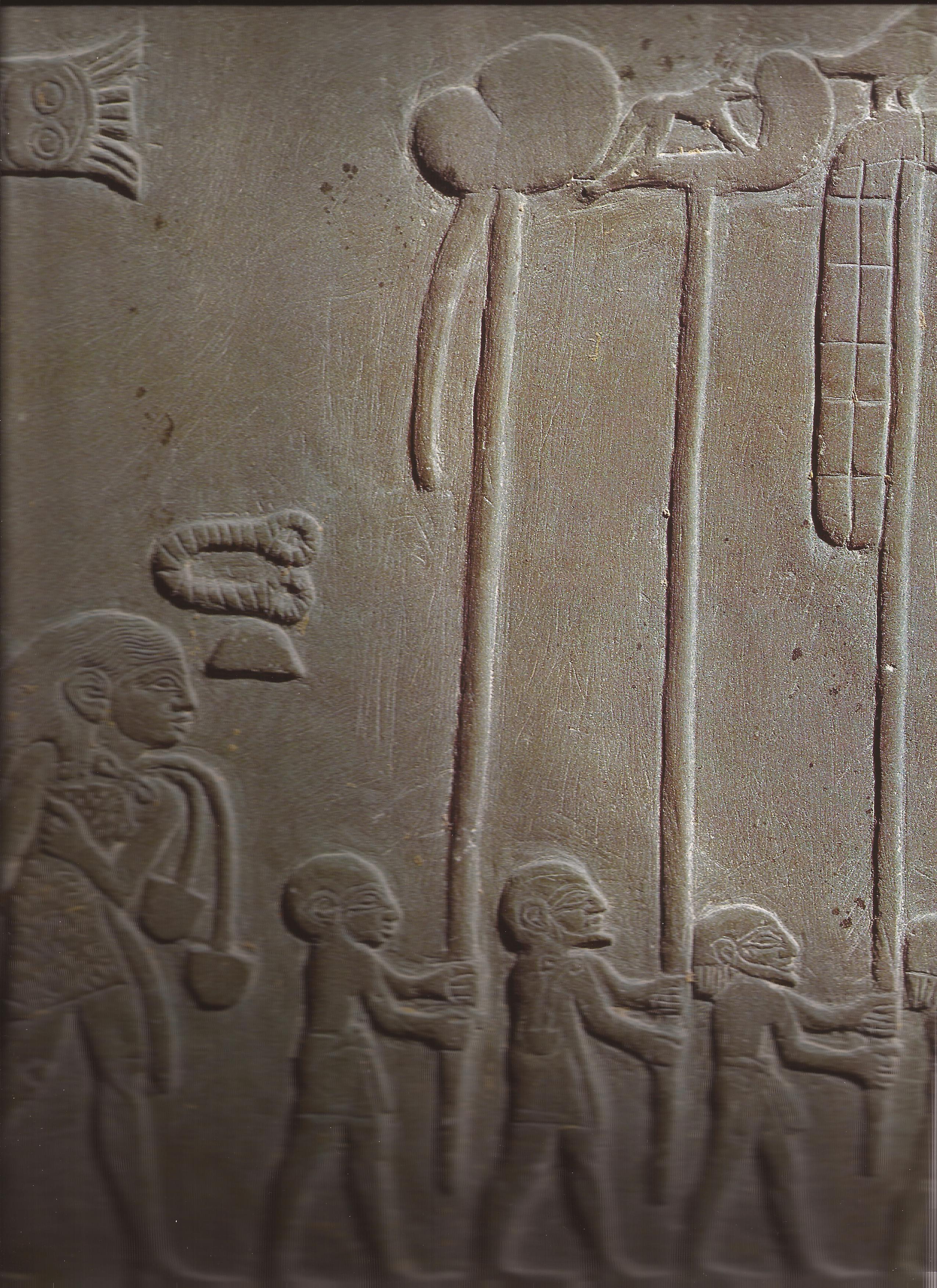
Picture shows Egyptian standards from Narmer palette

( Tamil version of this article is already posted in the blogs: swami )

Carrying flags and standards in a king’s procession or God’s (statue) procession is practised even today in India. In Tamil Nadu, the emblems of Shiva or Vishnu are taken in the procession during the annual temple festivals. We are fortunate to have one seal or tablet showing a procession that went through an Indus Valley city thousands of years ago. Egypt has provided us still an older picture of a procession.

Narmer (Nara Meru also known as Menes/Manu) ruled Egypt in the Pre Dynastic period, 5000 years before our time. His palette shows four people carrying standards. The first two carry long poles with bird figures on the top. Next person carried a pole with the wolf God (Wepwawet) and the last one carried a bundle or a cloth. The king is walking behind the sandal bearers.

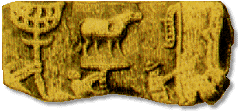
Indus valley seal of a procession is not complete. We could see only three people carrying three different things. The first one carried a cloth or a festoon like thing hanging from the top of the pole. This is similar to the first two poles of Egypt. The middle one carried a calf (Heifer). This is very clear. Israelites did this till Moses revolted against it. People who have watched films like Ten Commandments may remember the scene of breaking such golden calf statues.

The last person in the Indus procession carried a cult object. Many scholars have identified it with the vessels for extracting Soma Juice. Rig Veda has hundreds of hymns in praise of Soma. A whole Mandala is devoted to Soma Rasa. So it may be something to do with the Soamrasa. A lot of seals with the one horned animas have this symbol. Others think this is a cage with a live bird in it. In Egypt, the first two poles have bird figures. Whatever it may be, there is amazing similarity between Indus Valley and Egyptian standards.

If the cult object is Soma filter or extractor then it must be a Vedic civilization. But nothing is proved beyond doubt. I have made it amply clear in my earlier posts that the Indus civilization was influenced by Middle East and other neighbouring civilizations if we accept the current chronology. A god surrounded by many animals, one hero fighting two animals, the circular stone structures, the snake queen and many others have similarities with older cultures including Minoan civilization.

Please read my other articles on Hindu-Egypt links, Indus Valley seals, Hindu and Tamil flags. Out of my 300 plus articles, there are more than ten posts on Indus Valley and Egypt.

Contact swami_48@yahoo.com

கொடி ஊர்வலம்: சிந்து சமவெளி எகிப்து அதிசய ஒற்றுமை!

Picture shows Egyptian Standards

(English version of this article is also available: London swaminathan)

சிந்து சமவெளி முத்திரை ஒன்றில் ஒரு ஊர்வலக் காட்சி பதிவு செய்யப்பட்டுள்ளது. இந்த ஊர்வலத்தில் என்னதென்று இனம் காணப்படாத ஒரு பொருளையும், ஒரு மாடு அல்லது கன்றின் உருவ பொம்மையையும், மூன்றாவதாக ஒரு துணியையும் தூக்கிச் செல்கின்றனர். இதே போல எகிப்திலும் ஒரு ஊர்வலக் காட்சி பதிவு செய்யப்பட்டுள்ளது. இரண்டுக்கும் சில அதிசய ஒற்றுமைகள் இருக்கின்றன.

சிந்து சமவெளியில் தூக்கிச் செல்லும் முதல் பொருள் பற்றிப் பல கருத்துக்கள் இருக்கின்றன. சிலர் இதை சோமரசம் பிழியும் வடிகட்டிப் பாத்திரம் என்று நினைக்கின்றனர். இன்னும் சிலர் இந்த முதல் பொருள் ஒரு பறவைக் கூண்டு என்றும் அதற்குள் உயிருள்ள பறவையை எடுத்துச் சென்றனர் என்றும் கருதுகின்றனர். நடுவிலுள்ள கன்றுக் குட்டி பற்றி யாருக்கும் சந்தேகம் இல்லை. படம் தெளிவாகவே இருக்கிறது.

எகிப்தில் நரமேர் (நர மேரு) என்பவருடைய சின்னத்தில் இப்படி ஒரு காட்சி இருக்கிறது. அதில் நான்கு பேர் உயர்ந்த கொடிக் கம்பில் நான்கு உருவங்களைத் தூக்கிச் செல்கின்றனர். முதல் இருவர் இரண்டு பறவைகள் உடைய கம்பத்தைத் தூக்கிக் கொண்டிருக்கின்றனர். அதிலிருந்து தோரணம் போல ஏதோ தொங்குகிறது. மூன்றாமவர் ஓநாய் வடிவ தெய்வத்தைத் தூக்கிச் செல்கிறார். நாலாமவர் ஏதோ ஒரு மூட்டை மாதிரி ஒன்றத் தூக்கிச் செல்கிறார்.

நரமேருவின் மற்றொரு பெயர் மனு.அவர் 5000 ஆண்டுகளுக்கு முன் எகிப்தை ஆண்ட முதல் மன்னர். எகிப்திய ஒநாய் தெய்வத்தின் பெயர் வெபாவெட்.

Picture shows Indus Valley procession

முதல் இரண்டு கம்பங்களில் தொங்கும் தோரணம் அல்லது துணி போலவே சிந்துவெளி ஊர்வலத்திலும் உள்ளது. ஆனால் சிந்துவெளி ஊர்வலக் காட்சி முழுதாக இல்லை. ஆக முதல் கொடி எகிப்தைப் போலவே இருந்திருக்கலாம். இதை அடுத்து வருபவர் கன்றுக்குட்டியைத் தூக்கிவருவதை எகிப்தின் ஒநாயுடன் ஒப்பிடலாம். அடுத்ததாக வரும் சிந்துவெளி ஆள் ஒரு பொருளைத் தூக்கிவருவதை சிலர் சோம பானம் பிழியும் கருவி என்றும் மற்றும் சிலர் உயிருடன் பறவை உள்ள கூண்டு என்றும் கருதுகின்றனர்.

ரிக்வேதத்தில் ஒரு மண்டலம் முழுதும் சோமப்பானத்தைப் பற்றிய பாடல்கள் இருப்பதை அறிஞர் உலகம் அறியும். சரஸ்வதி நதியின் தடயங்கள் கண்டுபிடிப்பு, சோமபானப் பாத்திரம் ஆகியவை வேத காலத்தை நோக்கி சிந்துவெளி நாகரீகத்தைத் தள்ளுகிறது. ஒரு ஆள் தூக்கி வரும் இந்த சோமபான பாத்திரம், ஒரற்றைக்கொம்பு மிருகம் காணப்படும் நூற்றுக் கணக்கான முத்திரைகளில் காணப்படுகிறது. இதை ஊதுபத்தி அல்லது சாம்பிராணி ஸ்டாண்டாக இருக்கலாம் என்று முன்னர் கருதி வந்தனர்.

சிந்து சமவெளி மற்றும் எகிப்து-இந்திய கலாசார உறவு பற்றிய ஏனைய பத்து கட்டுரைகளையும்  இதே “பிளாக்” கில் படிக்கலாம்.

Contact for further information: swami_48@yahoo.com

ஏ.கே செட்டியார் வெளியிட்ட மகாமேரு யாத்திரை! –2


Picture shows Arctic Circle (North Pole)

ஏ.கே செட்டியார் வெளியிட்ட மகாமேரு யாத்திரை! –பகுதி – 2

                                       ச.நாகராஜன்

தெய்வப் பணி, நாட்டுப் பணி, தமிழ்ப் பணியை முனைந்து செய்து வந்த செட்டியார் குலத்தில் தோன்றிய உலகம் சுற்றிய தமிழன் திரு ஏ.கே.செட்டியார் குமரி மலரில் வெளியிட்ட மகாமேரு யாத்திரையின் சென்ற இதழ் தொடர்ச்சியைக் கீழே படிக்கலாம் :

இவ்விடத்தில் ஒரு ஆப்சர்வேடரி ( நக்ஷத்திர யந்திரசாலை) வைக்கப் பட்டிருக்கிறது.கணித சாஸ்திரம், வான சாஸ்திரங்கள் படிக்கும் ஐரோப்பியர், அமெரிக்க மாணவர்கள் பள்ளிக்கூடப் படிப்பு முடிந்தவுடன் ஒரு வருஷம் இவ்விடம் வந்து பயிற்சி பெற்றுப் போவதை வழக்கமாகக் கொண்டிருக்கின்றனர்.

அவர்களில் ஜர்மன் தேச மாணவருடன், சூரியன் நாடோறும் மாறும் வர்ணங்களைக் குறித்தும் படவுதவியுடன் நான் பேசிக் கொண்டிருந்தேன். அப்போது இதற்கு அடுத்தது உருக்கின தங்க


வர்ணம் நாளைக்குப் படத்தில் வருமென்று நான் சொன்னவுடன் அவருக்கு ஆச்சரியமுண்டாயிற்று.”எப்படி ஐயா, தங்களுக்கு இவ்வளவு நிச்சயமாகத் தெரியும்?” என்று என்னைக் கேட்டார். உடனே நான், உத்தராயண முதலில் தாமிர வர்ணமும், பிறகு அருணம், அப்புறம் பப்புரு நிறம் கடைசியில் ஸுமங்கல் (உருக்கின தங்க வர்ணமென்று) ஸ்ரீ ருத்திரத்தில் கூறியிருப்பதைச் சொன்னேன். உடனே அம்மாணவர் வியப்புற்றார்.ருக் வேதத்தில் சூரியனுக்குத் தங்க வர்ணத்திற்கு மேலான வெண்மை நிறத்தை வர்ணிக்கவில்லை என்பது ஆர்க்டிக் பிரதேச சூரியனைக் குறிப்பதாகும்.இதற்கு நேரே வடக்கில் “மேரு நுனி” இருக்கிறது. இந்த இடத்திலிருந்து தான் பௌதிக நூல் வல்லார் மேரு நுனியைக் காணப் போய்க் காலமடைந்தார்கள். அவர்களது யந்திரம் முதலியவைகளை ஞாபகார்த்தமாக இவ்வூர்க் கோவிலில் வைத்திருக்கிறார்கள்.


இது முதல் வடக்கே சென்றால் அவிச்சின்ன சூரியனைப் பார்க்கலாம். ஆகையால் “உதயாஸ்தமனம் இல்லாத”  சூரியனைச் சில விரதக்காரர் உபாசிக்க வேண்டுமென்று வேதத்தில் கூறியதை அனுஷ்டிக்க விரும்பினால் அவர்கள்  இந்த ஸ்தானத்தை அடைய வேண்டும்.


என் வாழ்நாள் முழுதும் கண்ணுக்குக் கண்ணாடியில்லாமலும் கண்ணாடி போட்டுக் கொண்டிருப்பவர்களை யோகப்பயிற்சியின் பலனாக எடுக்கும்படியும் செய்திருப்பதுண்டு.நாம் அதை உபயோகியாததினால் ஸம்ஸ்கிருதத்தில் கண்ணிலணியும் கண்ணாடிக்குப் பெயர் இல்லை. நாள்தோறும் சுமார் பத்து மணி வரை பகலில் ஏட்டுச் சுவடியிலுள்ள சிறிய எழுத்துக்களைப் படித்துக் காலங் கழித்து வருவேன். ஒரு நாள் பகலில் சூடான ஓரிடத்தில் படித்துக் கொண்டிருக்கும் பொழுது சூரிய ஒளி மூளையில்  (ஸன் ஸ்ட்ரோக்) விழக் கண்களுக்குக் கெடுதல் நேர்ந்தது. கர்ம விபாக சாஸ்திரப்படி உதயாஸ்தனமில்லாத சூரியனைத் தரிசித்து அவனைப் பார்த்துக் கொண்டே சூரிய அஷ்டோத்திரத்தை சில ஆயிரம் ஜபித்துப் பிறகு ஸ்ரீ ருத்திரத்தினாலும் “வயஸ் ஸுபர்ணா” என்கிற மந்திரத்தினாலும் புரச்சரணை செய்து விரத சமாப்தி செய்வதாக சங்கல்பித்தேன். உடனே யாத்திரையை ஆரம்பித்து ஆர்க்டிக் பிரதேசம் வந்தேன்.


நாள்தோறும் கப்பல் எஜமானனைப் பார்த்து ‘ட்றோம்ஸோ போனவுடன் சூரியன் மேகத்தாலும், பனிமழைகளினாலும், மறைபடாமல் எனக்கு தரிசனம் கிடைக்குமா?” என்று ஆவலுடன் கேட்பேன்.அப்பொழுதெல்லாம் அவரும் கப்பலில் அமைந்திருக்கிற யந்திரத்தைப் பார்த்துக் கொண்டே கால நிலைமையை முன்னே யறிந்து சொல்ல முடியாதென்று கூறுவார்.

நானோ இந்தியாவிலிருந்து சுமார் 8000 மைல் வரை யாத்திரை செய்து பெருஞ் செலவில் அதை நிறைவேற்றப் போனவன். “அவிச்சின்ன சூரிய” தரிசனமில்லாமல் திரும்பினால் இதை விட மனோ துக்கம் எனக்கு வேறு என்ன வேண்டும்? எனக்காகக் கப்பலை நிறுத்த முடியுமா?


ஒரு நாள் மாலை என் மனத்தில் ஈசுவர கிருபையினால் ஒன்று தோன்றிற்று. அதாவது சூரியனை நினைத்து “சூரியனே! நீ நாளை முதல் மூன்று தினங்கள் மேகம் முதலியவற்றால் மறையாமல் தரிசனம் கொடுத்து என் விரதத்தை முற்றுப் பெறச் செய்யாவிடில் என் சாபத்துக்கு உட்பட நேரும். ஈசுவராதிகளெல்லாம் பக்தர் சாபத்தால் தசாவதாரம் எடுக்க நேர்ந்ததை ஞாபகப் படுத்துகிறேன்” என்று சொல்லி விட்டு என் அறைக்குள் போய் சிரம பரிகாரம் செய்து கொண்டேன்.


சில மணி நேரத்துக்கெல்லாம் கப்பல் தலைவன் என்னிடம் ஓடி வந்து ‘சூரியன் இனிப் பிரகாசமாகுவான்; யந்திரமும் அப்படியே தெரிவிக்கிறது. தாங்களும் விரதத்தை நிறைவேற்றலாம்” என்று சொன்னான். நான் அவரை ஒரு தேவ தூதனாக நினைத்து உடனே விரதத்தை மேற்கொண்டேன்.


கப்பல் போகக் கூடிய “வடக்கு முக்கு” என்று ஓர் இடம் இருக்கிறது. அதையடைந்த  பிறகு  கொஞ்சம் தென் கிழக்காகக் “கர்கிஸ்” என்ற சிற்றூர் போய்ச் சேர வேண்டும். அது தான் யாத்திரா முடியும் இடம். இவ்விடத்தில் நிலக்கரி கிடைக்கிறது. ஆகையால் ஒரு காலத்தில் இந்த இடம் நம் தேசம் போல அதிக வெப்பமுள்ளதாய் மரம் செடிகள் நிரம்பப் பெற்று பூகம்பம் முதலானவற்றால் அழிந்து ஆயிர வருஷக் கணக்காக அப்படியே யிருந்திருக்க வேண்டுமென்று நம்பலாம்.

சில காலங்களில் வருஷம் பூராவும் சூரிய ஒளியின்றி பனி மழையால் உணவுக்கு வேண்டிய பயிர் முதலாயின உற்பத்தியாகாமல் போனதினால் நம் முன்னோர் இதை விட்டுத் தெற்கே சென்றார்கள் என்று சாந்தோக்கிய உபநிஷத்தில்  முதல் அத்தியாயத்தில் கூறியிருக்கிறது.


வடக்கு நுனியிலிருந்து மேற்கு நுனிக்கு சுமார் 190 மைல் இருக்கிறதென்று ஆராய்ச்சியாளர் சொல்லுகிறார்கள். அந்த இடம் எப்படியிருக்கிறதென்பதைப் பார்க்க அறிஞர்களால் முடியவில்லை. ஆகாயவிமானமாவது கப்பலாவது அவ்விடம் போகவியலவில்லை. மேரு நுனியை நெருங்கின விமானமும், கப்பலும் கிழக்கே யிழுக்கப்பட்டு சுமார் 500 மைலுக்கு அதிக தூரத்தில் தள்ளப்படுகின்றன.


(வடக்கே காட்டுகிற முள்ளை) நீங்கள் சாதாரணமாகப் பார்த்திருப்பீர்கள். மேரு நுனிக்குப் போனால் அந்த முள் எந்தப் பக்கம் திரும்புகிறதென்று தெரிய வேண்டும். இது தான் ரஹஸ்யம். இந்த வடக்கு நுனியிலிருந்து கொஞ்ச தூரத்தில் வடமேற்காக ‘ஸ்விஸர்பர்கு தீவு’ இருக்கிறது.அவ்விடத்திலிருந்து மேரு நுனி சுமார் இருநூறு மைலுக்குள்ளேயே இருக்கக் கூடும். அங்கிருந்து மேரு நுனிக்குப் போனாலும் முன் நேர்ந்த கதி தான். ஆண்டுதோறும் உத்தராயணத்தில் மேல் நாட்டுப் பேரறிஞர் பலர் முயற்சி செய்துகொண்டே வருகிறார்கள். ஏதாவது ஒரு தடை நேருகிறது.

அதனாலேயே தைத்திரிய ஆரணத்தில் ஒரு ரிஷி மற்றொருவரைப் பார்த்து ‘நான் மேருவைப் பற்றிக் கேள்விப்பட்டிருக்கிறேனே ஒழிய பார்த்ததில்லை” என்றார்.

அதற்கு மற்றொருவர், “நான் நேரே பார்த்தேன்” என்றார்.

அவர் மகான்; நாம் மனிதர்; ஆகையால் மேருவைப் பார்க்க முடியாது. நான்கு தினங்களில் சூரியனைத் தரிசித்து ஜபம் செய்து திரும்பவும் ட்றோம்ஸோவுக்கு வந்தேன்.


மேரு யாத்திரை முற்றும்.


Head towards North is wrong

(Tamil version of this article was posted sometime ago in the blog: swami)

Hindu scriptures advise people not to keep their head in the northern direction while sleeping. They say it will reduce one’s life span. But lying in the bed with head in other directions is allowed. Is there any scientific reason for it? Yes, the latest research shows that there is some science behind this.

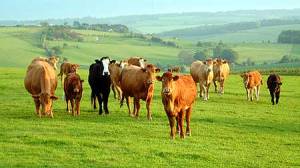
We know that the compass needle always point towards north because of earth’s strong magnetic force. Scientists were wondering why the grazing cows and deers face one particular direction in the field or in the forest. They were able to observe this strange behaviour of animals thanks to google earth maps. The animals face North- South direction only. But If the same animals come within a range of 30 metres of high voltage electric lines they scatter and move into different directions. Why is it?

Cattle, deers and bats have magnets (magnetite) in their nose areas. The polarity of the body magnets are affected when they come under high voltage electric lines. High voltage power lines emit extremely low-frequency magnetic fields (ELFMFs).

A student of geography could have noticed the land mass is more in Northern Hemisphere than Southern Hemisphere. Most of the areas of south are filled with waters of Indian, Pacific and Atlantic oceans. Millions of years ago the earth was one single land (Pangaea) mass. Then they started moving away from the centre. This is known as Continental Drift. Buy why did most of the land mass moved towards north? Nobody could answer this question. More over the land area narrows towards south. If we look at South America, Africa, India and Malayan peninsula—all the land areas are narrowing down towards south. This is a mysterious phenomenon. We can surmise there is more attraction from north because of the crowded landmass or the land mass moved towards north because of some unknown force.

People may wonder why did Hindus say Don’t lie down head towards (only) north? Is South OK? Probably we have less magnetic pull from the south. The earth is a big magnet. It has got two poles North and South. Students of physics know that “Like poles repel each other, unlike poles attract each other”. If we consider our body as a little magnet and the head (heavier than feet) is the North Pole, naturally earth will repel us if the head is in the north. If we keep our head in other directions it can be avoided.

Hindus must have noticed disturbed sleep or forest animals facing only one direction while grazing. Then they must have found out the evil effects of North.

North is Sacred

For Hindus North is sacred. We have lot of references in Tamil and Sanskrit literature about Fast unto Death by facing North. Tamil literature Purananauru speaks about choza king Kopperun Chozan and Poet Pisiranthaiyar fasting facing north. We have such references in Valmiki Ramayana. Hanuman says if he couldn’t find Sita he will do Mahaprasthanam. In Mahabharata, we have Pancha Pandavas walking towards North with a dog. It was called Mahaprasthanam. The holiest of the mountains Kailash is in the north. All the sacred rivers of India originate from the Northern Himalayan mountains. The  Pole Star in the north called Dhruva, the Sapta Rishi Mandala with the star Arundhati  (Ursa Major or Great Bear or Dipper constellation) are all in the North.

The axis of the earth also shifts slowly like a wobble of a top. It is called axial precession. It takes 26,000 years for one rotation. Hindu scriptures mention this as well. As people started newer and newer civilizations in the Northern Hemisphere on the banks of huge rivers they started observing the earth and the sky. They passed their knowledge to us.

******************

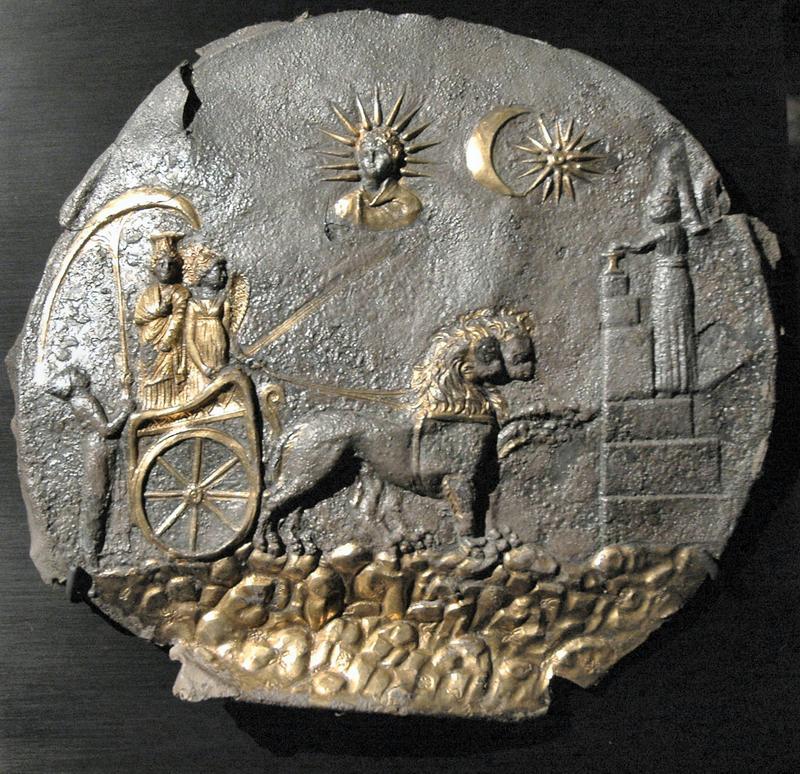
Hindu Goddess Sri Bali /Cybele in Rome and Greece


Picture shows Cybele accompanied by Goddess of Victory in a chariot drawn by lions. Sun is personified as Helios. An attendant in barefoot holds a parasol. Silver plate found in Afganistan

Cybele worshipped in Europe was the Hindu goddess Sri Bali. Keralites carry Sri (Bhutha) Bali in all the festivals. They call it Seeveli. Sri Bali got corrupted in to Seeveli and Cybele. Read the full article for more interesting facts. We find Cybele’s statues from Afghanistan to Greece.

Cybele is a mother goddess. She was worshipped in Greece and Rome. Scholars say that Cybele originated in North Western Turkey (Phyrgia). Turkey was ruled by the Hindus at one time. Hittites and Mittani kings were Hindus. They worshipped Vedic Gods and knew Sanskrit. The oldest inscriptions with Sanskrit words (Horse Training Manual by Kikkuli) were discovered in Turkey and Syria. One of the kings that ruled this area was Thusratta (Dasaratha). His letters were discovered in Egypt. (Please see my earlier posts for full details).

Worship of Cybele (also written Kybele) began in 1500 BC and ended in 400 AD when Christianity spread to Europe. She was worshipped as mountain goddess in the beginning. This explains the popularity of Seeveli in mountainous Kerala (India).

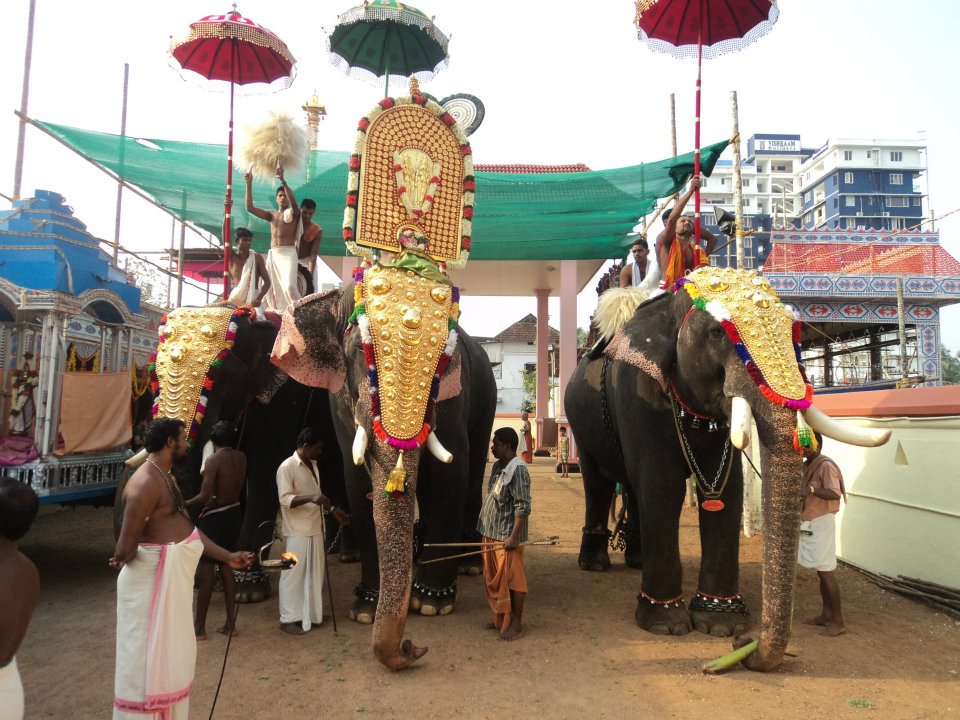
Cybele is shown with umbrella on a chariot. This is the main clue to identify it with Hindu gods. Any king or god shown with umbrella is influenced by Indian culture. Indians invented the umbrella. When one did a big Yaga  he was presented with a white umbrella. From Kalidasa to Sangam Tamil literature we read about white umbrella as the symbol of glory. Showing umbrella is one of the Sixteen Upacharams in Hindu puja. Even the Vamana Avatar was shown with an umbrella, again Kerala type!

Umbrellas spread to all parts of the world from India. We have got enough proof for it in our ancient literature. Snake hood was the umbrella for Krishna when he was a baby.

All Kerala festivals show beautiful umbrellas on decorated the elephants. One of the elephants carries the Sri Bhutha Bali (Seeveli). This has led to the worship of Cybele, the mother goddess.


Picture of  Thrissur Seeveli

SRI is mother, BALI is offering. Before and during any big festival, offering bali is an important ritual. There are elaborate instructions about what to offer to which god on what day in the Agama Shastras.

Greeks identified Cybele with the goddess Rhea and the Romans identified her with Magna Mater (Great Mother). In the beginning this ritual must have started with some sacrifice to the Mother Goddess. That is why it is called SRI bali. Later it spread to local gods and goddesses. Now in Kerala the Sri Bali is in same shape, but with different deities in different areas/temples.

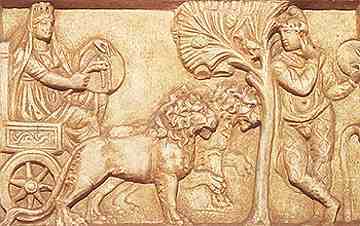
Even modern encyclopaedias describe Cybele as one of the most important ASIAN mother goddesses. In 204 BC, Cybele carved in a black stone was taken to Rome from Turkey. Hindu statues of Kali are also in black stone (Kali means black). She was depicted riding in a chariot drawn by panthers or lions accompanied by frenzied dancers. This is also similar to Kerala where the possessed people dance and forecast future events (known as Velichapadu). A more chronological study of this deity will show us the movement and development of this Hindu deity.


Bali or Offerings for Hindu Gods

During ten day or 13 day temple festival, different offerings are given to different gods. In the temples only one instrument will be played with the person who offers Bali. There is a stone called Bali Peetam in most of the temples. A few examples of Bali are given below:

Picture of Guruvayur Seeveli


First Day for Lord Ganesh: Modhakam, Idli, Pulses, Flour, Jaggery

Second Day for Lord Brahma: Payasam, Turmeric powder, Lotus flower and fried rice (Pori)

Third Day for Bhuthas: Banana fruit mixed with melted butter, Sesame seed Rice

Fourth Day for Gandharvas: Turmeric powder, Coconut and sesame seed rice

Fifth Day for Indra: Indravalli root with ghee,millet

Sixth Day for Rishis/Seers: Jack fruit with Ghee and Bamboo rice

Seventh Day for Lakshmi: Sweet Pongal (rice) and fruits

Eighth Day for Rakshasas( demons) Blackgram rice with ghee (melted butter)

Ninth Day for Shiva: Curd Rice (Yogurt), Root Flour, Fried rice, Flowers

Tenth Day for Vishnu: Red colour rice, Appam (sweet cake),Sesame powder

Some Agamas give thirteen day offerings including for Nagas, Loka palaks etc.


Daily Pujas also offer balis to different devatas (angels). This will give some idea about Balis. It is part and parcel of Hindu Rituals.

Even meat is offered to Grama devatas. In Madurai, goddesses like Sellaththamman are offered meat offerings. In the middle of the night they throw the meat balls for the goddess. A detailed study of different Balis to different Devatas may throw interesting information about our ancient customs.

Picture of Cybele at Attis Relief.

Contact  swami_48@yahoo.com
 

**************

ஏ.கே செட்டியார் வெளியிட்ட மகாமேரு யாத்திரை! –பகுதி – 1

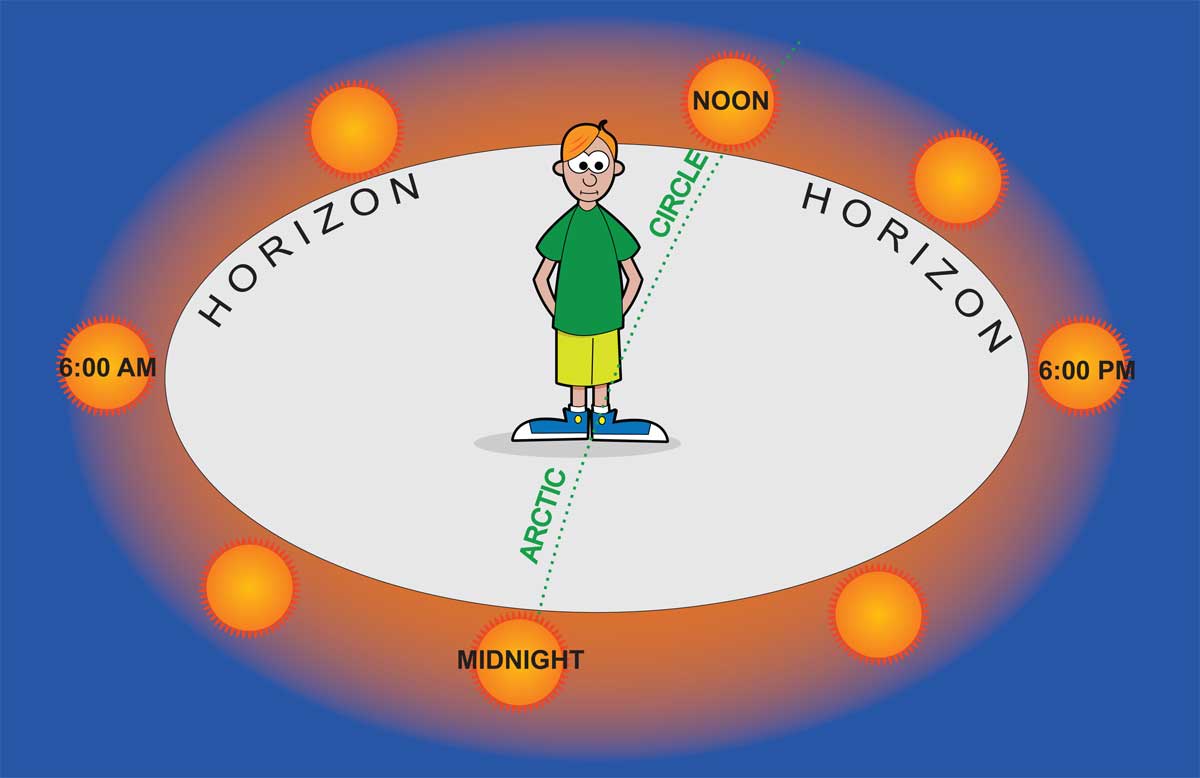
Picture shows Sun is visible 24 hours a day.

ஏ.கே செட்டியார் வெளியிட்ட மகாமேரு யாத்திரை! –பகுதி – 1

ச.நாகராஜன்

கோவில்களைக் கட்டுவதற்கும் கட்டிய கோவில்களில் கும்பாபிஷேகம் நடைபெறுவதற்கும் தமிழ் வளர்ச்சிப் பணிக்கும் தங்கள் உடல் பொருள் ஆவியை அர்ப்பணித்த அற்புதமான குலம் செட்டியார் குலம். இவர்களின் பணிகளைப் போற்றுவார் இன்று இலர். தமிழகத்தின் இன்றைய பல துரதிர்ஷ்டங்களில் இதுவும் ஒன்று!

உலகம் சுற்றும் தமிழன் என்று புகழப்பட்ட திரு ஏ.கே.செட்டியார் (தோற்றம்: 3 நவம்பர் 1911 மறைவு 10 செப்டம்பர் 1983)சிறந்த தேசபக்தர். நேதாஜியை படம் எடுத்தவர். குமரி மலர் என்ற அற்புதமான பத்திரிக்கை மூலம் தமிழ்ப் பணி ஆற்றியவர்.

வெள்ளை வெளேரென்று தும்பைப் பூ போல சட்டையும் வேஷ்டியையும் அணிந்து வருவார். தும்பைப் பூ போன்ற ஆவி பறக்கும் சூடான இட்டிலிகளின் மேல் தேனை ஊற்றிக் கொண்டு சாப்பிடுவார். மென்மையான குரல். எப்போதும் புன்முறுவல் தான்! அழகிய வெள்ளைப் பற்கள் தெரிய அவர் பேசுவதைக் கேட்பதும் ஓர் இனிய அனுபவம். குமரி மலர் சந்தாவைத் தானே நேரில் பெற வருவார்.

அவரது குமரி மலர் பத்திரிக்கை ஒரு பெரும் பொக்கிஷம். பார்த்துப் பார்த்துப் பழைய கட்டுரைகளை வெளியிடுவார்.

அவரது குமரிமலர் பத்திரிக்கையில் வெளி வந்த ஒரு அற்புதமான கட்டுரையைப் பார்ப்போம்!

கட்டுரையின் தலைப்பு : மகா மேரு யாத்திரை (1934)

எழுதியவர் :   ஆர். அனந்த கிருஷ்ண சாஸ்திரி

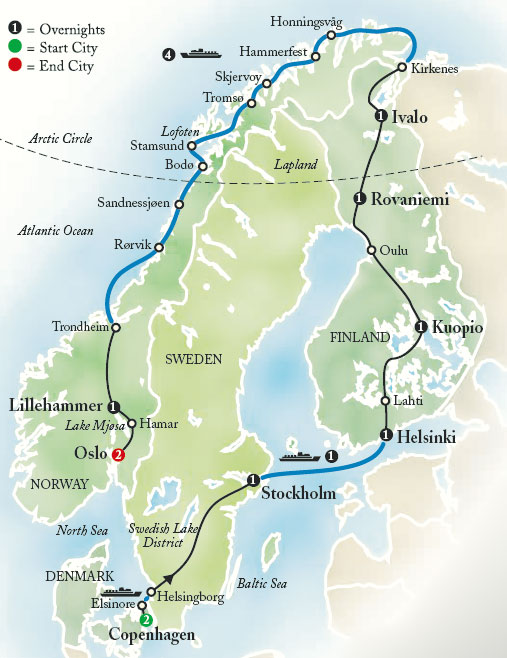
நார்வே தேசத்தில் ட்றோணியம் என்ற கடற்கரை நகரிலிருந்துதான் மகாமேரு பிரதேசத்திற்குப் புறப்பட வேண்டும். மகாமேரு பிரதேசத்திற்கு ஆர்க்டிக் பிரதேசம் என்று பெயர் வழங்குகிறது. இவ்விடத்திலிருந்து மகாமேரு சுமார் ஆயிரம் மைல் தூரத்திலிருக்கிறது.


ட்றோணியத்திலிருந்து யாத்திரை செய்த கப்பல் தபால் கொண்டு போவது; ஆகையால் ஒவ்வோரிடத்திலும் தபாலைக் கொடுத்து வாங்கச் சுமார் அரை மணி நேரம் வரை நிற்கும். அப்பொழுது நான் கீழே இறங்கி அந்தக் கிராமங்களைச் சுற்றிக் கொண்டு வருவேன். தலையில் தலைப்பாகையும் கழுத்தில் சால்வையும் அணிந்து கொண்டுள்ள மஞ்சள் நிற மனிதனை அத்தேசத்தார் பார்த்திராததினால் என்னைப் பார்த்து வியப்புற்றனர்.சிலர் கப்பல் அதிகாரியிடத்தில் போய் என் வரலாற்றை வினவியதுமுண்டு.


கப்பல் ஏறின முதல் நாளில் கப்பல் அதிகாரியைச் சந்தித்து மறுநாள் காலையில் தண்ணீரில் ஸ்நானத்திற்கு ஏற்பாடு செய்யச் சொல்லப் போனேன்.தண்ணீரில் வைகறையில் ஸ்நானம் செய்தலென்பதை அவர் கேட்டிராதவர்.ஆதலால் அஞ்சி உடலுக்குத் தீமை வந்தால் தாம் பொறுப்பேற்க நேருமாகையால் நான் எவ்வளவு தூரம் பிரார்த்தித்தும் சாவியைக் கொடுக்க முடியாது என்று மறுத்து விட்டார். அவருடைய மனைவியிடத்தில் சென்று சிறிது நேரம் வேதாந்தம் பேசிக் கொண்டிருந்த பிறகே இந்தியாவில் குளிர்காலத்தில் கூடப் பலர் கங்கை முதலான நதிகளில் வைகறையில் நாலு மணிக்கு ஸ்நானம் செய்யும் வழக்கத்தையும் இந்துக்களின் ஆசாரத்தையும் சொல்லி உறுதிப் படுத்தினேன். அவ்வம்மை தயையால் தண்ணீர் அறைச் சாவியை வாங்கி மறுநாள் வைகறையில் ஸ்நானம் செய்தேன். பிறகு ஜபம் பூஜை முதலிய எல்லாம் முடிந்து வெளியில் வந்தவுடன் எனக்கு ஸ்நானத்தினால் கெடுதல் உண்டா என்று பார்க்கப் பலர் வந்தார்கள்.

பால், பழம், பச்சைக் காய்கறியாகிய உணவைப் பார்த்து நான் ஒரு ஸித்த புருஷன் என்றும் கீழ் நாட்டில் அவதரித்திருப்பதாகவும் சொல்லலாயினர்.

என்னைப் போல் இந்தியாவில் கோடிக்கணக்கான  பேர் உண்டு என்று சொல்லியும் அவர்கள் நம்பவில்லை.இதை வழக்கத்தினால் சம்பாதிக்கலாம்; இஃது ஒன்றினாலேயே மோக்ஷம் கிடைத்து விடாது என்று நான் அவர்களுக்குக் கூறுவேன். என்ன சொன்னாலும் அவர்கள் அவற்றை அங்கீகரிக்கவில்லை.

பிறகு மெள்ள மெள்ள 66-வது கோடு (லாடிடியூட்) தாண்டினேன். கணித சாஸ்திர வித்வானாகிய பாஸ்கராசாரியார் சுமார் ஆயிரம் வருஷங்களுக்கு முன் எழுதிய ‘சித்தாந்த சிரோமணி” என்னும் நூலில்

66-வது கோடு தாண்டி வடக்கே போகப் போகப் பகல் நேரம் மிகுதியாகவும், மேருவில் ஆறு மாதம் ஒரே பகலாகவும் இருக்கும் என்று கூறியது ஞாபகத்துக்கு வந்தது; பகல் அதிகரிக்கலாயிற்று.

ட்றோம்ஸோ என்கிற இடத்தில் 68-வது கோட்டில் மே மாதம் 14-ந் தேதி இரவு 11-45 மணிக்கு மேற்கு நோக்கி நின்று சூரியன் வரவை எதிர்பார்த்தேன். ஈசுவர கிருபையினால் அன்று வானில் மேகம் பரவுவதும் பனி விழுவதும் இன்றி இருந்தது. மேலைக் கடலிலிருந்து ஒரு ஒளிப்பிழம்பு தோன்றி உடனே வடக்கே ஓடிவிட்டது. இதைத் தான் ‘பாதி ராத்திரி உதய ஸுர்ய’ னென்றும் மேற்கில் உதித்து கிழக்கில் அஸ்தமனமாகிறதென்றும் வேதம் கூறுகிறது.இந்த ட்றோம்ஸோவில் பாதி ராத்திரியில் உதித்த ஸூர்யன் உடனே  அஸ்தமனமாகாமல் சரியாக நூற்றொரு நாட்கள் வானில் குயவன் சக்கரத்தை யொப்ப தணிந்து சுழற்றிக் கொண்டு ஆகஸ்டு மாதம் கடைசியில் கிழக்கே அஸ்தமனமடைகிறான். அப்படியே தக்ஷிணாயனத்தில் 101 நாட்கள் சூரியன் ஒளியின்றி ஒரே இரவாக இருக்கும். இந்த இடத்தில் தான் முன்னையோர் “சதராத்திரக்கிரது” நடத்தியதாக ச்ரௌத சூத்திரங்கள் கூறுகின்றன. 101 நாட்கள் ஒரே இரவாயிருக்கிற வேறோரிடம் இதற்கு நேரே கீழ்ப் பூமியிலாகும்.  அந்தப் பூமி அமெரிக்காவின் வட பாகத்தில் ஆர்க்டிக் பிரதேசத்தில் அலாஸ்கா என்கிற இடமாகும். ஆரியர் அந்தப் பிரதேசத்தில் பண்டைய நாளில்  வசித்து வந்ததாகச் சரித்திரங்களினால் விளங்கவில்லை; ஆகையால் இந்தப் பிரதேசத்திலேயே ஓர் இரவு முதல் நூறு இரவு வரையில் நம் பெரியோர் யாகம் நடத்தியிருக்க வேண்டும்; இதை மனதிற் கொண்டு ருக் வேதத்தைப் படித்தால் அதில் வர்ணித்திருக்கிற சூரிய வர்ணங்கள் ஆறு மாதம் சூரியனும் ஆறு மாதம் சூரியனில்லாத காலமும், பலவித உதய காலமும் மூன்று முதல் ஐந்து வரையிலுள்ள ருதுக்களும் கணித சாஸ்திர முறைப்படி நன்கு விளங்கும்.


ஆர்க்டிக் பிரதேசத்தில் சூரியன் எப்பொழுதும் மறைவின்றி யிருப்பதால், பூமியில் உள்ள நிலங்களில் தானியங்கள் மும்முறை விதைத்து அறுவடை செய்யப்படுகிறது.ஆகையால் உணவுப் பண்டங்களுக்கு குறைவேயில்லை. தக்ஷிணாயனத்தில் ஒரே பனி மழை; அப்பொழுது பயிர்த் தொழில்கள் நடப்பதில்லை.கைத்தொழில் வேலைகள் நடக்கும். ஒரே இராத்திரி காலங்களில் சூரிய ஒளியே இல்லாததால் சந்திரனுடைய நிலவாலும் விடியற்கால (அருணோதய) பிரகாசத்தினாலும் மகா மேருவிலிருந்து ஒரே ஒளிப் பிழம்பு தெற்கே பார்த்து வீசும் பிரகாசத்தினாலும்  (ஆறோ போரியாலிஸ்) இருட்டே தெரிவதில்லை. நம் தேசத்தில் சூரியனை மறைத்து இருளுடன்  மழை பெய்யும் காலத்துப் பகல் போல இருக்கும். ஆனால் அடிக்கடி ஒளி மாறும்.

-அடுத்த இதழில் கட்டுரையின் இறுதிப் பகுதி தொடரும்


Hindu Mudras in Egyptian and Sumerian Statues


Picture: Egyptian Statue

What is a Mudra? Mudra is the hand gesture or the finger position. Gods or saintly persons who practise meditation or Yoga use Mudras. The Mudras are sacred, mysterious and magical. They can attract or distract people. They express lot of things. They are meaningful. They can give you certain powers.

The word Mudra is derived from two Sanskrit words: MODHANATH and DRAVANATH. The meaning is that which makes the Devas happy and that which gets rid of the sins. More over it fulfils the desires of the people who  practise them. The Sanskrit sloka says:

Modhanath sarva devanam

Dravanath papa santhathe:

Thasmath mudrethi sa kyatha

Sarva kamartha sadhani

Mudra Vidhanam, a book published by Ramakrishna Mutt lists 137 Mudras practised by the Hindus. Buddhists and Jains have added some more. So there are at least 150 recognised Mudras. But naturally the permutation and combination of hand and finger positions can give us hundreds of different Mudras. If one notices the hand and finger positions of Hindu Gods and Goddesses or the statues of the Buddha, one can easily learn about them.

Why did the Hindu Gods or the Buddha who was born a Hindu use them? The reason is they can give the practisers some power. Even in the modern culture, showing middle finger in western countries is rude. Recently a singer and a foot ball player were condemned for the rude gestures. So hand gestures are powerful.

Picture: Dharmachakra Mudra

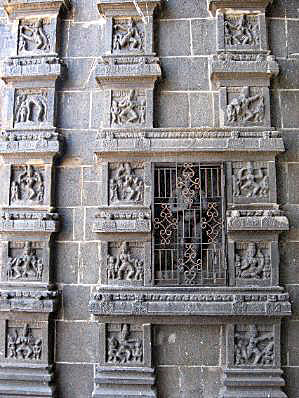
In the classical dance called Bharatanatyam, there are lot of Mudras called Karanas. They are used to express feelings and give different messages. The books about Mudras are in Sanskrit. There are 108 different Mudras shown on the tower of Chidambaram temple where the Lord of Dance Nataraja/Shiva appears in his dancing form. The dance Mudras are different from Yoga Mudras. The Tantric Mudras are different from these two categories.

Mudras have been used by the Hindus for thousands of years. Egyptians and Sumerians have learnt them from the Hindus. The most famous Mudra is the Chin Mudra of Lord Dakshinamurthy (Shiva). Abhaya Mudra shown by all the Hindu Gods and saints is also famous. Chin Mudra gives one the divine wisdom. Abhaya Mudra gives us the message, “Why fear when I am here?”. Though Hindus invented them, Buddha was the one who mastered them. Every Buddha statue shows a different type of Mudra. Now the Buddhists have been talking about them in the meditation classes more than the Hindus.

Mudras in Egypt and Babylonia

If anyone has an eye for different gestures, one can notice the Egyptian and Sumerian Gods show different gestures. ( See the accompanying pictures).

Babylonian gods touches their shoulders with crossed hands. This is called Kavacham Mudra. This protects one like a shield. Other gods and goddesses show one hand touching the heart (chest). It is called Jnana Mudra. We are told that Lord Rama liked this very much.

Picture: Abu Temple Votive figures (Sumerian), 3000 BC

Lower hand facing up, usually on one lap is called Vara (boon) mudra. Hindu gods show Abhaya Mudra with one hand and Vara Mudra with another hand meaning “You don’t need to fear, I will give you the boons you ask for”.

Mudras affect the flow of energy in the body. By positioning the hands and fingers in a particular position one can channelize the energy. Jain Thirthankaras , Indus valley Statues and Egyptian Pharaohs keep their hanging hands straight. They resemble one another establishing some connection in the past. This Mudra is called Kayotsarga Mudra.


Picture: Egyptian Goddess Isis and god Horus


Hand on hand on the lap is called Buddha Mudra. We find it in Jain and Buddha statues.

Hindus use Mudras in the Puja, Meditation, Yoga Sadhana (Practice), Yagas (Fire Ceremonies) and Naivedhyam (food offerings). There are different types of Mudras for different Gods. Anna, a great Sanskrit scholar, has listed 137 Mudras under 12 different categories in his book Mudra Vidhanam (Ramakrishna Mutt Publication) .This is authentic. But several websites give us different types of Mudras with different interpretations without attributing the sources. So one wonders whether there is any basis for such interpretations.

Hindu Mudras in Egyptian and Sumerian Statues


Brahmins who do the daily ritual of Sandhyavandhana use Mudras and Nyasam. Brahmins do see the sun though the finger hole (not to damage the eye). Nyasam is touching different parts of body like head, mouth and heart with the right hand. Priests who do Siva Puja use lot of Mudras.  Those who want to learn about the Mudras should learn it from those who practise it instead of the websites and books. Websites and Books are only guides, and not Gurus.

Picture : Chidambaram temple 108 dance karanas

Contact: swami_48@yahoo.com or santanam.swaminathan@gmail.com
Pictures of Jain Tirthankara and the Buddha

*************