வியப்பூட்டும் அதிசய மரங்கள்

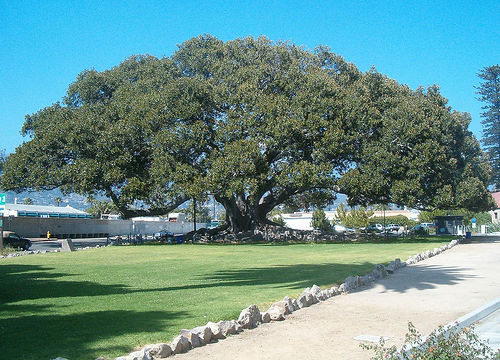
Picture shows Udumpara (Aththi in Tamil, Ficus glomerata, Ficus Racemosa)

உலகில் மரத்தின் பெயரை நாட்டின் பெயராகவுடைய நாடுகள் மிகச் சிலதான். பாரதம் அந்தப் பெருமையை உடைய நாடு. இதன் பழைய பெயர் ‘நாவலந்தீவு’. சம்ஸ்கிருதத்தில் ‘ஜம்புத்வீபம்’. இது சிலம்பு, மணிமேகலை காப்பியங்களிலும், வடமொழி நூல்களிலும் காணப்படுகிறது. பிராமணர்கள் கோவில்களிலும் வீட்டுப் பூஜைகளிலும் இந்தப் பெயரைத் தான் இந்தியாவுக்குப் பயன் படுத்துகின்றனர். அதாவது பாரதம், இந்தியா, இந்துஸ்தானம் ஆகிய பெயர்களுக்கு எல்லாம் முந்தியது ‘ஜம்புத்வீபம்’!

பகவத் கீதையில் ‘மரங்களில் நான் அஸ்வத்தம் என்னும் அரச மரம்’ என்கிறான் கண்ணன். விஷ்ணு சஹஸ்ரநாமத்தில் ஆலமரம் (ந்யக்ரோத), அரச மரம் (அஸ்வத்தம்), அத்திமரம் ஆகிய மூன்றும் விஷ்ணுவின் பெயர்களாக வருகின்றன. அதாவது மரமே கடவுள். மௌனத்தின் மூலம் மாபெரும் தத்துவத்தை உபதேசம் செய்யும் தட்சிணாமுர்த்தியொவெனில் ஆலமரத்தின் கீழே அமர்ந்திருக்கிறார். (இது குறித்து ‘இந்திய அதிசயம்:ஆலமரம்’ Indian Wonder: The Banyan Tree என்ற நீண்ட கட்டுரையில் ஏற்கனவே எழுதிவிட்டேன்).

தாவரவியல் என்பதும் மரங்களை இனம் வாரியாக, குடும்பம் வாரியாகப் பிரிப்பதும் 1735ஆம் ஆண்டு முதல்தான் லின்னேயஸ் என்பவரால் உண்டாக்கப்பட்டது. ஆனால் விஷ்ணு சஹஸ்ரநாமம் (மஹாபரதத்தின் ஒருபகுதி) 3000 ஆண்டுகளுக்கு முன்னரே இதைப் பின்பற்றிவிட்டது. விஷ்ணுவின் பெயராக வரும் ஆல், அரசு, அத்தி மூன்றும் மோரேசி என்னும் குடும்பத்தையும் பைகஸ் என்ற ஜீனஸ்—ஐயும் சேர்ந்தவை!! (Family Moraceae, Genus: Ficus)

புத்த கயாவில் புத்தர் நின்று போதித்த அரச மரம் உள்ளது. இதை போதி மரம் என்று அழைப்பர். கயாவில் அக்ஷய வடம் எனப்படும் அழியாத ஆலமரம் ஒன்றும் இருக்கிறது. இவ்விரு மரங்களையும் பக்தர்கள் பயபக்தியுடன் வணங்கிச் செல்வது வழக்கம்.

உலகிலேயே மரங்களை இன்றும் வழிபடும் ஒரே மதம் இந்து மதம்தான். ஆலமரம் அரசமரம், உடும்பரா எனப்படும் அத்திமரம் ஆகியனவற்றை புராணங்கள் முழுதும் போற்றுகின்றன. அரச மரத்தில் மும்மூர்த்திகளும் இருப்பதாக தர்ம சாத்திரங்கள் பகர்கின்றன.

வேதத்திலும் உபநிஷத்துக்களிலும் மரங்கள் பற்றிய குறிப்புகள் உண்டு. உபநிஷதத்தில் ஒரு ரிஷியின் பெயரே பிப்பலாடன் (அதாவது திருவாளர் அரசமரம்).

ஒவ்வொரு யாகத்துக்கும் அரச மரம், ஆலமரக் குச்சிகளுடன் வேறு பல மரக்குச்சிகளும் தீயில் ஆஹுதி செய்யப் படுகின்றன. சந்தன மரத்தின் பெருமையை தமிழ், வடமொழி இலக்கியங்கள் பக்கம் பக்கமாகப் புகழ்கின்றன.

மரத்தின் பெயரால் பிரதேசங்களை அழைக்கும் வழக்கம் தமிழிலும் புராணங்களிலும் உண்டு.(இதுபற்றி தமிழர்களின் பூக்கள் மோகம் Flowers in Tamil Culture என்ற கட்டுரையில் ஏற்கனவே எழுதிவிட்டேன்)

புனித ஆலமரம்

கண்ணன் பகவத் கீதையை உபதேசித்த குருக்ஷேத்திரத்தில் ஒரு பெரிய ஆலமரம் இருக்கிறது. இது 5000 ஆண்டு பழமையானது என்றும் கிருஷ்ணன் இங்கேதான் கீதோபதேசம் செய்தான் என்றும் மக்கள் நம்புகின்றனர். இதே போல புத்தர் தங்கி தியானம் புரிந்த போதி (அரச) மரத்தின் கிளைகள் இலங்கை முதலான நடுகளுக்கு அனுப்பப்பட்டது. ஒரிஜினல் ஆலமரமோ அரச மரமோ இன்று இல்லாவிட்டாலும் அவற்றின் கிளைகள், விதைகளில் இருந்து தழைத்த மரங்கள் இருக்க வாய்ப்பு உண்டு.

அத்திமர அதிசயம்
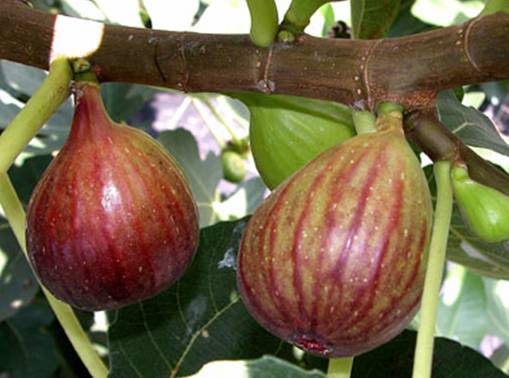
அத்திமரத்துக்கு அற்புத சக்தி இருப்பதாக அதர்வண வேதம் (AV.xix-31) கூறுகிறது. இதில் தாயத்து செய்து போட்டுக் கொண்டதாகவும், அரிச்சந்திர மகாராஜா இதிதான் கிரீடமும் சிம்மாசனமும் செய்துகொண்டார் என்றும் புராணங்கள் பேசுகின்றன.

தமிழ்நாட்டுக் கோவில்தோறும் ஸ்தல மரமும், மன்னர்களுக்கு காவல் மரமும் இருந்தன. இது பற்றியும் இலக்கியத்தில் நிறைய விஷ்யங்கள் உண்டு. திருஞான சம்பந்தப் எருமான் ஆன் பனையைப் பெண்பனையாக மாற்றி அற்புதம் செய்ததைத் தேவாரத்தில் காணலாம்.

அற்புத வில்வ மரம்

கடலாடி பர்வத மலையில் மல்லிகார்ஜுனர் கோவிலில் ஒன்பதும் பதினொன்றும் தளங்கள் (இலைகள்) உடைய மஹா வில்வ மரங்கள் இருக்கின்றன. இது அபூர்வமாகவே காணப்படும். சிவ பெருமானுக்கு மிகவும் விஷேசமானவை.மலை மீது வளரும் கல் மூங்கில்கள் காஞ்சி சங்கராசார்ய சுவாமிகளின் தண்டத்துக்காக (கையில் வைத்திருக்கும் கம்பு) வரவழைக்கப்படுகின்றன. மதுரையின் தல விருட்சம் கடம்ப மரம், காஞ்சியின் தல விருட்சம் மாமரம் (ஆம்ர) போன்று ஒவ்வொரு கோவிலும் ஒரு மரத்துக்கு ஆதாரமாக விளங்குகின்றன.


திருத்தணி கன்னிக் கோயிலில் 7 மரம்

(தினமணிக் கதிர், 7-8-1983)

திருத்தணியில் கன்னிக் கோயில் உள்ளது. இது சப்த கன்னிகையால் ஆதியில் பிரதிஸ்டை செய்யப்பட்ட ஆத்மசுத்தி பெற்ற மகா சித்தர்கள் வசித்த இடம் சித்தர்களின் ஞான கடாக்ஷத்தால ஞான சுத்தி பெறக்கூடிய மரங்களை பிரதிஷ்டை செய்து வளர்த்துள்ளனர். அவை இன்றும் உள்ளன. ஒரு பெரிய மரத்தையொட்டி வளர்ந்துள்ள ஏழு மூலிகை மரங்கள் பின்னிப் பிணைந்து ஒன்றாக இருக்கின்றன.

அவை 1.அரசு. 2.கல்லரசு 3.கரும்பிலி 4.தேவ ஆதண்டம் 5. இருளி 6.வேம்பு 7. கார்த்திகம்

இது எங்கும் காண இயலாத ஒரு அற்புதச் சேர்க்கை. இது தவிர ஏழு கன்னிகைகள் வழிபாடு நடக்கிறது. கடுங்கோடையிலும் வற்றாத ஏழு தீர்த்தங்கள் 1. தாமரை 2.தாழை 3.திருமஞ்சனம் 4. அல்லி 5. பஞ்சேந்திரம் 6. பொய்கை 7. கர்ப்பவர்த்தி இருக்கின்றன. (தினமணிக் கதிர் சுருக்கம்)

வற்கலையில் அதிசயம்

கேரளத்தில் உள்ள வற்கலை ஜனார்த்தனம் கோவிலில் ஐந்து ஸ்தல விருட்சங்கள் ஒன்றாகப் பின்னிப் பிணைந்துள்ளன. இவை வெவ்வேறு வகை மரங்களாகும் (ஞானபூமி ,ஏப்ரல் 1985)

யானைப் புளியன்கொட்டை மரம்

கிருஷ்ணகிரி மாவட்டத்தில் உள்ள உரிகம் என்னும் ஊரில் அதிசய புளியமரம் ஒன்றுள்ளது. அதன் காய்கள் மிகமிகப் பெரிதாக உள்ளது. அந்த வியப்பிற்குரிய மரத்தின் காய்களை பலர் எடுத்துச் சென்று அம்மாதிரி ரக புளியை வளர்க்க முயன்றுவந்தனர். ஓசூரில் நடந்த ஒரு பொருட் காட்சியில் இதன் காய்களை வேளண்மைத் துறையினர் காட்சிக்கு வைத்திருந்தனர். (மின் தமிழ் உறுப்பினர் நூ.த.லோ.சு.மயிலை தந்த தகவல்)

(இந்த மரத்தை ஆனைப் புளியங்கொட்டை மரம் என்று சொல்லுவார்கள். தாவரவியல் படிப்பவர்களுக்கு இதுபற்றித் தெரியும் ஏர்க்காடு பகுதியில் தாவரவியல் சுற்றுலாச் சென்றபோது பேராசிரியர்கள் இதைப் பறித்து எங்களுக்கு பாடம்சொல்லிக் கொடுத்தனர். மதுரைக் கல்லூரி தாவரவியல் சோதனைக் கூடத்தில் இது காட்சிக்கு வைக்கப்பட்டிருந்தது. இன்றும் இருக்கக் கூடும்: லண்டன் சுவாமிநாதன்).

வெள்ளை வேப்ப மரம்

நாகை மாவட்டம் திருவாவடுதுறையில் உள்ள வேப்ப மரம் ஒன்றின் இலைகள் முழுதும் வெள்ளையாகவே இருக்கின்றன. அதன் கீழே அமர்ந்துள்ள அம்மனும் வெள்ளை மாரியம்மன் என்றே அழைக்கப்படுகின்றார். திருவாவடுதுறையில் இருந்து வழிவிடும் விநாயகர் கோவிலை அடுத்து ஒரு பாதை செல்கின்றது. சிறிது தூரம் சென்றால் ஒரு ஆறு வரும். அந்த ஆற்றங்கரையில் அம்மன் வேப்பமரத்தின் அடியில் அமர்ந்திருப்பதைக் காணலாம். (இது மின் தமிழிலிருந்து எடுக்கப்பட்டது).

தினமலரில் வந்த செய்தி:

சேர்ந்தமரம்: சேர்ந்தமரம் அருகே வேப்பமரத்தில் பால் வடியும் அதிசயத்தால் பக்தர்கள் பரவசம் அடைந்தனர்.நெல்லை மாவட்டம் சேர்ந்தமரம் அருகே உள்ள வெள்ளாளன்குளத்தில் உள்ள நாகமலை பாலமுருகுன் கோவில் உள்ளது. மிகவும் பிரசித்தி பெற்ற இக்கோயில் அருகே மாரியம்மன் சிலை ஒன்றும் உள்ளது. இந்த சிலை அருகே சிறிய வேப்பமரம் உள்ளது. மரத்தின் அடிப்பாகத்தில் நேற்று முன்தினம் மாலை முதல் பால் வடிய துவங்கியது.  இதனையறிந்த அப்பகுதியை சேர்ந்த பொதுமக்கள், பக்தர்கள் பால்வடியும் வேப்பமரத்திற்கு பூஜை செய்து, கற்பூரம் ஏற்றி வழிபட்டனர்.Dinamalar 8th February 2012

மரங்களைப் பற்றிய நூற்றுக்கணக்கான அதிசயங்களில் சிலவற்றை மட்டுமே கண்டோம். தருணம் வரும்போது மேலும் பல அதிசயங்களைக் காண்போம்.
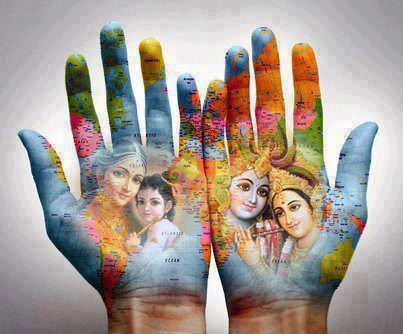
 

What is special about India?

Picture: Divine Hands from face book


Gravity wobble puts 1 lb on you

 An interesting science news item appeared in London newspapers several years ago. It said that anyone wants to lose weight should travel to India.

Read it verbatim from London Metro News paper:

“If you want to lose weight without dieting, take a trip to India. A new map of earth shows that is where the force of gravity is weakest, so objects are lighter. It means you would weigh one percent less there—about 1.5 pound for an average person. The bad news is Britain is one of the places where the gravitational pull is strongest, so people appear to be relatively weighty.

The findings are presented in a new map, prepared to help NASA plan a five year satellite mission to measure the effects of gravity. It shows the planet is not spherical; it is lumpy, slightly flattened at the poles and bulges around the equator.

A fourteen stone man standing on top of Mount Cayambe, a 19,000 foot peak on the equator in Ecuador would be 2 pounds lighter than if he was standing on North Pole. The density of the ground also makes a difference.”

When I read the news item, I wondered whether this had got any connection to our spiritual inclination. So far no scientific experiment is done to determine this. But Bhagavatham and other Puranas say that Devas wanted to take birth in India. Great Tamil poet Bharathyar says that this is the place where Devas live and saints rush to live (Ref. Jaya Jaya Bhavani….. poem).

John Woodroffe (Arthur Avalon) says (page 117, Shakti and Shakta,1918),

“India remains still the most important country on earth for the student of religion. In India we meet with all forms of religious thought and feeling which we find on earth, and that not only at different times but also all together even today. Here we find the most primitive belief in ancestral Spirits, in Demons and Natural Deities with a primeval, imageless sacrificial cult. Here also is a polytheism passing all limits, with most riotous idolatry, temple cult, pilgrimages and so forth. And side by side with and beyond the  these crudest forms of religious life, we find what is deepest and most abstract of what religious thinkers of all times have ever thought about the Deity, the noblest pantheistic  and the purest monotheistic conceptions. In India we also find a priest craft as nowhere else on earth side by side with a religious tolerance which lets sect after sect, with the most wonderful saints, exist together. Here there were and still are forest recluses, ascetics and mendicant monks , to whom the renunciation of this world is really and truly a matter of  deepest sincerity , and together with them hosts of idle mendicant monks , vain fools and hypocrites , to whom religion is only a cloak for selfish pursuits  for the gratification of greed for money , of greed for fame or the hankering after power.


From India also a powerful stream of religious ideas had poured forth over the West and especially over the East, has flooded Central Asia, has spread over Tibet, China, Korea and Japan, and has trickled through the Further East down to the remotest islands of the East Indian Archipelago. And finally, in India as well as outside India Indian religions have often mixed with Christianity and with Islam now giving and now taking.”

“An examination of Indian Vedic doctrines shows that it is in tune with the most advanced scientific and philosophical thought of the West.”

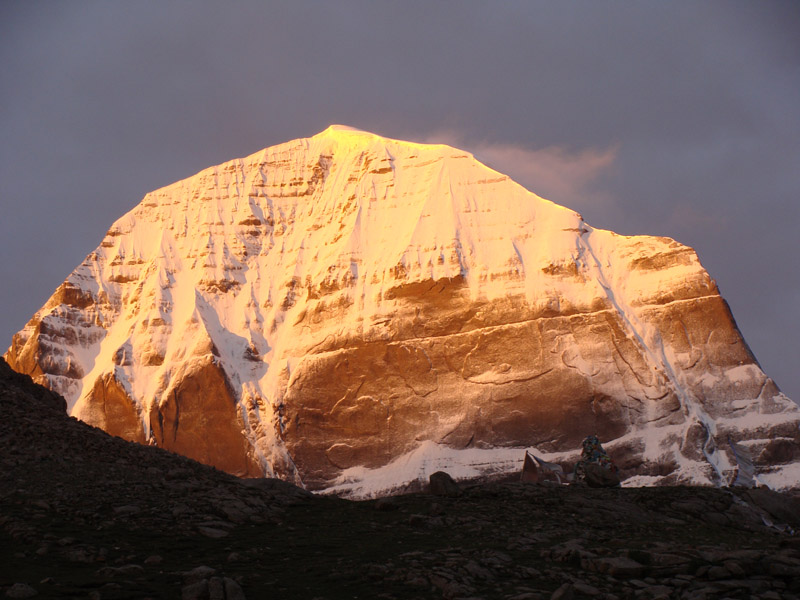
Picture: Kailash, Himalayas.

Let us compare it with what others said about India:

 Will Durant, American historian: “India was the motherland of our race, and Sanskrit the mother of Europe’s languages: she was the mother of our philosophy; mother, through the Arabs, of much of our mathematics; mother, through the Buddha, of the ideals embodied in Christianity; mother, through the village community, of self-government and democracy. Mother India is in many ways the mother of us all”.


Mark Twain, American author: “India is, the cradle of the human race, the birthplace of human speech, the mother of history, the grandmother of legend, and the great grand mother of tradition. Our most valuable and most instructive materials in the history of man are treasured up in India only.”

Albert Einstein, American scientist: “We owe a lot to the Indians, who taught us how to count, without which no worthwhile scientific discovery could have been made.”

Max Mueller, German scholar: If I were asked under what sky the human mind has most fully developed some of its choicest gifts, has most deeply pondered on the greatest problems of life, and has found solutions, I should point to India.

Romain Rolland, French scholar : “If there is one place on the face of earth where all the dreams of living men have found a home from the very earliest days when man began the dream of existence, it is India.”

(Quotes taken from hinduismabout.com)

When we read all these comments we feel how great India is!

*********************


கமில் சுவெலபில் மொழி பெயர்த்த தமிழ் தாத்தாவின் ‘என் சரித்திரம்’!

கமில்சுவெலபில்மொழிபெயர்த்ததமிழ்தாத்தாவின்என் சரித்திரம்‘! 

.நாகராஜன்


தமிழ் தாத்தா உ.வே.சுவாமிநாதையரின் (1855-1942) தமிழ் தொண்டை உலகமே அறியும். தமிழர்கள் தம் பெருமையை அறிய தன் வாழ்நாளை அர்ப்பணித்தவர். இரவு பகல் பாராது தமிழ் சுவடிகளைச் சேகரித்து ஆராய்ச்சியில் மூழ்கி ஒவ்வொரு சொல்லின் பொருளையும் தேர்ந்து அதை உலகிற்குத் தந்தவர். சில சமயம் ஒரு சொல்லின் பொருளைக் கண்டுபிடிக்க இவர் செய்த முயற்சிகள் நம்மை பிரமிக்க வைக்கும். அவரது என் சரித்திரம் என்ற நூல் மிகச் சிறந்த நூல்.தமிழ் வரலாறை அறிய விரும்புவோர் தமிழ் தாத்தாவின் அரிய சரித்திரத்தை நிச்சயம் படிக்க வேண்டும். சுவையான நூல். சுவை படைத்த அரிய விஷயங்களை நல்கும் நூல்.


இதை மொழிபெயர்க்க செக்கோலேவேகியாவின் தமிழ் அறிஞர் கமில் சுவெலபில் (பிறப்பு : 17-11-1927 மறைவு 17-1-2009) மிகுந்த ஆசைப்பட்டு அற்புதமாக ஆங்கிலத்தில் இரு பாகங்களாக மொழி பெயர்த்துள்ளார். கிரேக்கம், இலத்தீன், ஜெர்மன், ஆங்கிலம், ருஷியன், சம்ஸ்கிருதம், தமிழ் ஆகிய மொழிகளை கமில் நன்கு அறிவார். ஹிந்தி, மலையாளம், பிரெஞ்சு, இத்தாலி, போலந்து போன்ற மொழிகளையும் இவர் அறிவார்.


என் சரித்திரத்தில் ஏராளமான தமிழ் பாடல்கள் இடம் பெறுகின்றன. சுவையான நிகழ்ச்சிகள் அடங்கியுள்ளன. இவற்றை ஆங்கிலத்தில் சுவை குன்றாது மொழி பெயர்ப்பது ஒரு பெரிய அரிய கடினமான பணி. இதை அவர் சிறப்பாகச் செய்துள்ளார். முருகன் மீது பக்தி கொண்ட இவர் “சுவாமிநாதனின்” சரித்திரத்தை மொழி பெயர்க்க முன் வந்தது தமிழரின் பாக்கியமே! ஆனால் இவர் முன்னுரையில் தெரிவிக்கும் ஒரு சிறு விஷயம் நம் மனதை நெருடுகிறது! அவர் சொற்களில் அந்த சின்ன விஷயத்தைப் பார்ப்போம்:

“Although various well-meaning friends and colleagues tried to dissuade me from translating this large work of reminiscences, and although I, too, might have had my doubts myself, yet I did persevere in this task which I had to set myself in the sprit of affectionate service to the greatest figure of the ‘Tamil Renaissance’, and I shall hopefully bring it in due time to end. The main objections against this work of translation was that I should have “better things” to do; publish original scholarly works – books, papers, reviews – since there are, apparently, not so many of us in the field of Dravidology, and  since I presumably have still so much to say.


இந்த பெரிய நினைவுகள் நிரம்பிய நூலை மொழிபெயர்ப்பதிலிருந்து என்னை நல்லெண்ண நண்பர்களும் சகாக்களும் தடுத்த போதிலும், நானும் கூட என்னைப் பற்றிய ஐயம் கொண்டிருந்த போதிலும், நான் இந்தப் பணியில் விடாமுயற்சியுடன்  தமிழ் மறுமலர்ச்சியின் மிகப் பெரும் தோற்றமானவருக்கு பிரியமுடன் சேவை செய்யும் உணர்வுடன் இதைச் செய்ய ஆரம்பித்தேன். உரிய நேரத்தில் இதை முடிக்கும் நம்பிக்கையும் உண்டு. இந்த மொழிபெயர்ப்பு பணிக்கு எதிரான ஆக்ஷேபணைகளுள் பிரதானமாக இருந்தவை: “இதை விட சிறந்த வேலைகள்” நான் செய்வதற்கு உள்ளன; மூலமாக நானே எழுதும் அறிவு சார்ந்த ஆய்வுகள் – புத்தகங்கள், ஆய்வுக் கட்டுரைகள், மதிப்புரைகள் – உள்ளன – ஏனெனில் திராவிடாலஜி என்ற தளத்தில் அநேகர் இல்லை, இன்னும் நான் உண்மையெனக் கருதிச் சொல்ல வேண்டியது நிறைய உள்ளது என்பதால்!

தமிழுக்காக வாழ்ந்து அயரா உழைப்பை மேற்கொண்டு பத்துப்பாட்டு, எட்டுத் தொகையுள் ஐந்து, மூன்று பெரும் காப்பியங்கள், ஐம்பதிற்கும் மேற்பட்ட இலக்கியங்கள், இலக்கண நூல்கள் உள்ளிட்ட தமிழ் செல்வத்தை ஈந்து தமிழருக்குத் தமிழ் பற்றி முகவரி தந்த ஒரு பெருமகனாரின் சரித்திரத்தை மொழிபெயர்க்க ஒரு சிறந்த தமிழ் அறிஞர் முன் வந்த போது அதைத் தடுக்க முயன்றனர் என்ற செய்தியே நம்மை திடுக்கிட வைக்கிறது. இது சாதாரண விஷயமாக இருந்தால் கமில் இதை முன்னுரையில் ஒரு முக்கியத்துவம் கொடுத்துக் கூறியிருக்க மாட்டார். அனைவரும் அறிய வேண்டும் என்பதற்காகவே இதை அழுத்தம் திருத்தமாகப் பதிவு செய்திருக்கிறார்.

இதையும் மீறி நான் ஏன் இதைச்  செய்தேன் என்று தொடரும் அவர் இரண்டு காரணங்களைச் சொல்கிறார். 1) மொழிபெயர்ப்பு என்பது ஒரு  பெரும் கலை.மிக முக்கியமான ஒன்று.ஆகவே இதை மொழிபெயர்ப்பது அவசியம் 2) டாக்டர் ஐயர் அவர்கள் வார்த்தைகளாலேயே அவர் எப்படி இப்படி ஆக நேர்ந்தது என்பதை அறிவது மிக முக்கியமானது!


அற்புதமான மொழிபெயர்ப்பைப் படித்து முடித்த சந்தோஷத்தை  விட சிறந்த தமிழ் பணியை தடுக்க முயன்றவர்களை எண்ணி வருத்தம் சற்று மேலோங்கவே செய்கிறது.

*****************************


45 Words for Elephant!


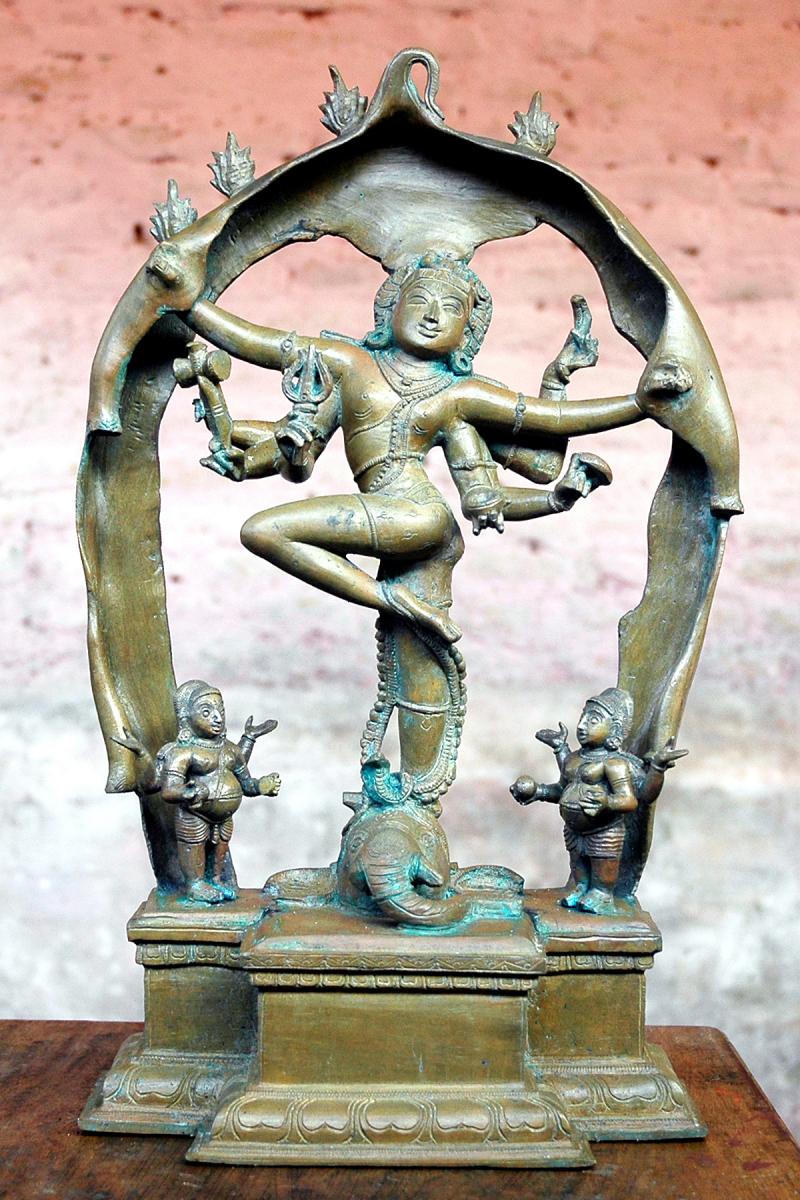
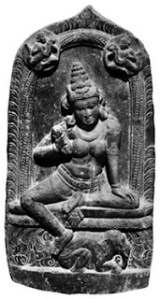
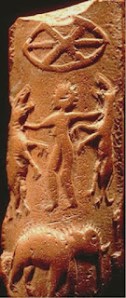
Picture shows Gaja Samhara Murthy (Shiva), Indrani and Indus Seal (Indra?)

Elephants are renowned for their long memories, so it’s probably not a good idea to make an enemy of one. But a boy in Kumbakonam (Tamil Nadu, India) made an elephant enemy. He gave the elephant a coconut shell without coconut but, with white colour lime. The elephant was taken through the same street for the same festival after a year. It identified the boy and took revenge upon him by hurling him through the air. He died on the spot.

Scientists in Africa have confirmed elephant’s long memory. They claim the mammals are capable of storing up grievances and wreaking their revenge on humans. Evidence is now emerging that they are capable of passing their grievances from mother to calf—ensuring that their anti human vendettas carry on for generations. Mr Joyce Poole of Amboseli Elephant research Project in Kenya has collected evidence for this.

U.Ve. Saminatha Iyer, the doyen of Tamil literature, has written some true stories about elephants in his collection of essays.

Earlier under the title ‘Indra in Indus Valley’, I posted Indra on his Vahana Airavata. Some scholars thought that the figure standing on the elephant is a woman. A Bangladesh statue shows even Indrani on elephant. So if it is not Indra, we may take it as Indrani. (Please see the pictures). A form of Lord Shiva is known as Gaja Samhara Murthy, also stands on an elephant.

Pallava Elephant Crown and N.W.kings

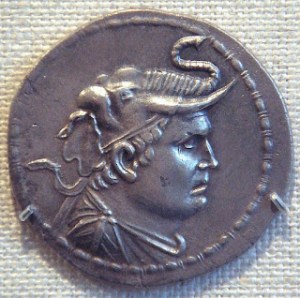
A Pallava  inscription in Kanchi Vaikunda Perumal Temple (Vide. Dr Nagasamy’s Tamil book Yavarum Kelir, page 30) says a crown looking like an elephant head puzzled Nandivarma Pallavan’s father. The ministers who brought it on a plate explained it as the crown of the Pallavas. Indo Greek Kings in North Western Part of India wore such elephant head shaped crowns.


Picture shows Coin of Indo-Greek King Demetrius (200 BC)

U.Ve.Sa’s elephant story: TEARS OF AN ELEPHANT

The following anecdote was narrated by U.Ve Saminath Iyer, Doyen of Tamil Literature, in his essays: The royal elephant of Pudukottai Samasthanam refused to eat any food for several days. When the Dewan Regent Seshayya Satrigal summoned the mahout, he told him he was appointed only recently after the death of old mahout. He told the regent that the elephant was in ruts and so he put chains in all it’s four legs. When the regent visited the elephant he gave him rice, sugarcane and jaggery. It refused to eat them and shed loads of tears. Suddenly the elephant extended its trunk towards a lady in the crowd which gathered there out of curiosity. That lady started crying loudly. When the Dewan Regent asked her the reason for her sorrow, she told him that her husband who died two weeks ago was the ex mahout. “I myself have fed this elephant umpteen times when my husband was alive. When people told me it had gone mad I wanted to see it as I raised it as my own son”.

When the dewan regent asked her to give the elephant a sugar cane she did it with utmost fear. But to everyone’s surprise the elephant patted its body with the sugarcane and started eating it. She gave more fodder and the elephant ate everything she gave. Now everybody knew that it was the sadness that made the elephant to shed tears. The lady continued feeding it for a long time till the new mahout was accepted by the elephant. Elephants were kinder and more grateful than human beings!

45 Names for Elephant

Following names are found in the ( தமிழ் நிகண்டு )Nighandu (poetical Lexicon) for elephant:

Tumbi=தும்பி, Karini=கரிணி, Tol=தோல், Sundali=சுண்டாலி, Kumbi=கும்பி, Karaiyadi=கறையடி, Kunjaram =குஞ்சரம், Pakadu=பகடு, Kaliru=களிறு, Putkai=பூட்கை, Kari=கரி, Matangam=மாதங்கம், Vazuvai=வழுவை, Vezam=வேழம், Varanam=வாரணம், Moy=மொய், Umbal=உம்பல், Erumbi=எறும்பி, Uva=உவா, Pongadi=பொங்கடி, Tanti=தந்தி, Atti=அத்தி Kadivai=கடிவை, Kayam=கயம்,Nagam-நாகம, , Sinduram=சிந்துரம், Tungal=தூங்கல், Nirumatam=நிருமதம், Pazaikkai=புழைக்கை, Val vilangu=வல் விலங்கு, Nalvay=நால்வாய், Pukarmukam=புகர்முகம், Matavalam=மதாவளம்,Dantavalam=தந்தாவளம், Marunma=மருண்மா, Kaima=கைம்மா, Vayama=பெருமா, Manthama= மதன்மா, Matakayam=மதகயம், Ambal=ஆம்பல், Ibam=இபம், Poakamபோதகம், Kalabham=களபம்

Female Elephants

Atttini=அத்தினி, Karini=கரிணி, Vadavai=வடவை, Piti=பிடி

Young ones

Kayantalai=கயந்தலை, Potakam=போதகம், Tudiyadi=துடியடி, Kalabham= களபம், Kayanmuni=கயமுனி

Special Names

Indra’s elephant Airavata இந்திரனின் யானை பெயர்=ஐராவதம், Mahabharat elephant name =Asvattama மகாபாரதத்தில் வரும் யானை பெயர்=அஸ்வத்தாமா, Elephant killed by Krishna =Kuvalayapeetam கிருஷ்ணன் கொன்ற யானை=குவலயாபீடம், Elephant tamed by Buddha= Nalagiri புத்தர் அடக்கிய யானை= நளகிரி, Lord Kartikeya’s elephant= Pini Mukam பிணிமுகம், சம்ஸ்கிருத இலக்கியத்தில் மற்றொரு யானையின் பெயர் சந்திரலேகா Chandraleka

Words for elephant in other languages came from the Sanskrit word Ibha= Ebur (Latin), Ephos (Greek), Ebu (Ehyptian).

Hindus believe that there are eight Sacred Elephants posted at Eight Cardinal Directions. So they are called Ashta Dik Gajas. They are : East- Airavata, South East—Pundarika, South—Vamanam, South West—Kumudam, West—Anjanam, North West—Pushpadantam, North—Sarvabhaumam, North East—Supra Deepam .(தமிழில் அஷ்ட திக்கஜங்கள்: ஐராவதம், புண்டரீகம், வாமனம், குமுதம், அஞ்சனம், புஷ்பதந்தம், சர்வபௌமம், சுப்ரதீபம்).

Also read 1)200+ Tamil Proverbs about elephants 2)Elephant Miracles and 3.Indra in Indus Valley.

Elephant Miracles


Picture shows Buddha taming ‘Nalagiri

Interesting stories about elephants are found in Indian literature. Like the Indian elephants that travelled up to Rome 2300 years ago, Indian story about six blind men’s encounter with an elephant also travelled to different parts of the world. John Godfrey Saxe (1878) wrote an English poem on it.

Ascetics have mysterious powers. They can control animals. Hindu literature is full of anecdotes about animal miracles. In the vicinity of ascetics both the tigers and deer (natural enemies) drink water from the same river undisturbed, say Sanskrit and Tamil literature. When a Hindu enters Sanyas Ashrama (ascetic life), he takes an oath standing in the water that he wouldn’t  harm any living being on earth. Hindus are always one step ahead of others. When they take the oath they say by word, deed and thought no harm will be done to anyone. If anyone does this that person develops miraculous powers.

We have several miracles of controlling mad elephants by Mantra, Tantra and heroism in Tamil and Sanskrit books.

1.Krishna’s Encounter with elephant

When Krishna was invited by Kamsa, along with his brother Balarama, to a wrestling bout, he arranged an intoxicated elephant at the gate of the arena. The two brothers saw the elephant at the gate, with the rider at the top; and the rider suddenly marched on to the brothers. Krishna, having accepted the challenge, broke the tusks of the elephant and hurled the elephant into the air. It was killed instantaneously. Its name was Kuvalaya Peetam.

2.Buddha’s encounter with a mad elephant:

Taming of an elephant called Nalagiri by the Buddha comes in Culavagga (VII-2-5). Devadatta sets upon the elephant against Buddha. This is very similar to Krishna’s taming of an elephant set upon by Kamsa. When Buddha  looked at the elephant with a fixed but calm gaze the elephant was calmed down. One can answer the question who copied whom? Easily. Since Buddhism was a proselytizing religion unlike Hinduism, Buddhists copied Ramayana Story, Mahabharata Story, Sibi Story and many more to attract the Hindus into its fold. They attributed all the Pre Buddha stories to the Buddha and told the people Buddha was born in these forms in his previous births.

3.Tamil Saint Appar’s encounter

Appar’s other names are Marulnikkiyar, Tirunavukkarasar and Vageesar. When he was converted to Jainism, he was named Dharmasenar. After his reconversion to Hinduism he was subjected to lot of ordeals by the Pallava king Mahendra Varman (600-630 AD). At the instigation of some jealous Jains he was thrown in to sea and a burning kiln, but he escaped unharmed. Lastly a mad elephant was sent to kill him.

Here are the words of Sekkizar in Periyapuranam about the elephant encounter: “At the king’s command an elephant the size of a mountain came rushing out. The elephant attacked and trampled upon everything on its way. It outdid even Yama, the God of Death. Knocking down walls and verandas in its path, it finally emerged into a wide open square. It was driven towards Appar. But quite unafraid he meditated on the golden feet of Lord Shiva. With heartfelt devotion he sang in praise of the Lord. The elephant walked reverently in a circle round him, then bowed before him to the ground in worship. When the mahouts tried again to drive it in the direction of Appar, it threw all of them to the ground and killed them by the score. The king was totally dismayed. At the end the king himself was reconverted to Hinduism. It happened around 600 AD in Tamil Nadu.

4. Udayana’s Taming of elephants

King Udayana of Vatsa Kingdom (6th Century BC) was fond of elephants. He was such an expert in playing the Veena that he can tame even wild elephants with his music! Lord Indra gifted him a divine elephant, which left him because of a mistake he committed. Shocked, he went in search of it. Meanwhile, he met a princess, Vasavadatta. The two fell in love and faced many problems. Both of them were separated like Rama and Sita and at the end they met again and lead a happy life. His elephant came to his rescue when he was in trouble.

Picture shows Sathya Sai Baba with elephant Sai Geetha

5.Tamil Woman’s Music tames elephants

Elephants are said to have keen ear for music and enjoy good songs. This fact has been mentioned in a number of classical works. In the Tamil anthology Akananuru 102, we have the following interesting line:

“ The Lord of the country, where, on hearing  the huntress who was drying her hair tresses sings the Kurinjippan ( a tune of hill country), the war loving young elephant stood motionless without eating the corn sheaves, closed its eyes and fell fast asleep”.

In Tamil Kalitogai (2), we have the following lines:

“Just as the turbulent king elephant that evades and does not mind the iron hook of the mahout voluntarily submits itself to the sweet sound of the lyre”.

In Perunkathai, a Tamil translation of Brhatkatha, we see how an elephant became a slave to Udayana’s lyre and came to his rescue when he was in trouble.

Ancient Indians were keen observers of animal behaviour. They studied animal psychology even before Freud and Jung and even wrote about animal dreams. I have dealt with these themes elsewhere in my posts.

6.Kanchi Sankaracharya’s encounter

Source:-A book on Paramacharya by name Ganni by Sri Sudarsananda-published by Sri Bhagavat Seva Ashramam,TriplicaneApril 1986.
Once when Periyava (Shankaracharya) was camping at a place PUCHAMALAIKKUPAM, the shed where the Mutt’s elephant was kept got fire and the elephant broke its chain and ran away. Next day morning the employees of the mutt noticed that the shed where the elephant was kept was burned down fully and the elephant was missing. Later it was found that the elephant was near a tank some five miles away and the mahout went there to fetch the elephant but the elephant refused to accompany him despite great efforts. Then Periyava went there and the elephant slowly got up from the tank and came near Swamiji and saluted him. There were few burns on the body of the elephant. Swamiji patted the elephant with HIS own hand and ordered that proper treatment for burns should be done.

On another occasion also, when the elephant refused to move, Swamiji was informed. He came patted the animal lovingly. The elephant acted normally from the minute Swamiji touched it. Others were too scared to go near the elephant.

7.Elephants choosing future kings by garlanding

It would interest here to note that in ancient times, the royal elephant was let loose in order to find a suitable successor for the throne that was rendered vacant by the death of a king who died without a heir. The story goes that Tamil kings Karikal Choza and Murthy Nayanar were elected as kings in the above manner. In the North we see elephant helping King Udayana this way.

Also read 200+ Tamil Proverbs on Elephant posted already in this blog.


**************

அதிசயமான அகத்திய நட்சத்திரம்!

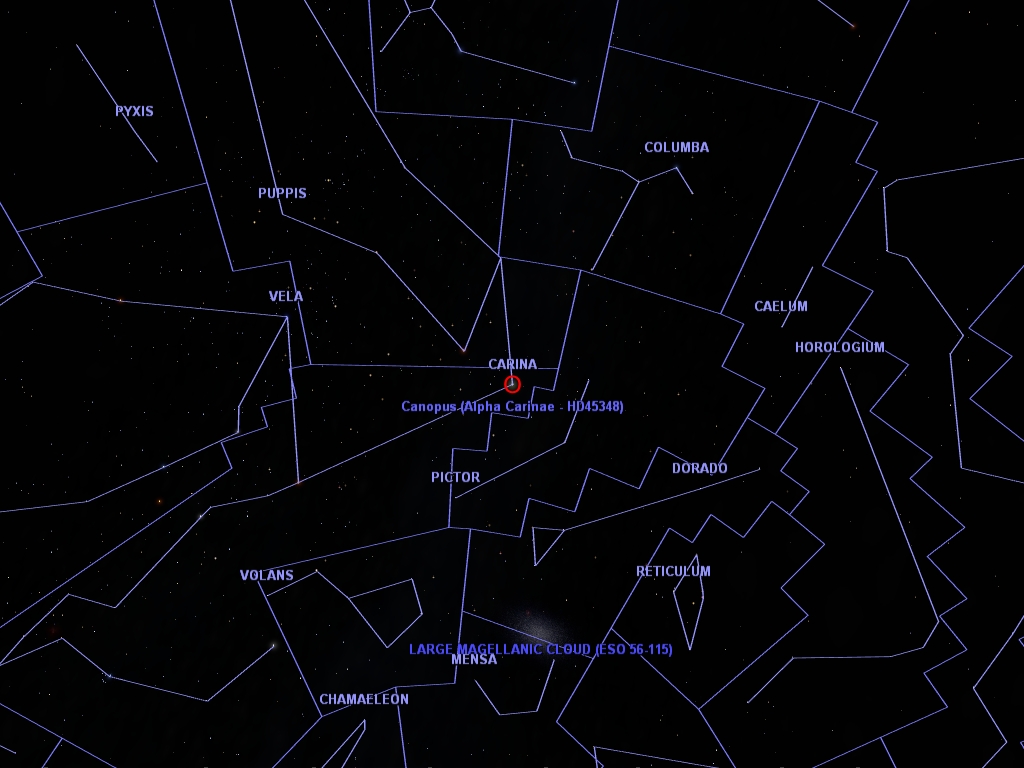
Picture: Canopus known as Agastya Nakshatra is part of Carinae Constellation in Southern Sky.


நட்சத்திர அதிசயங்கள் 

அகஸ்திய நட்சத்திரம் பூமியை நெருங்கி வரும் போதெல்லாம் கடல் நீர் சற்று வற்றுகிறது என அறிவியல் கூறுகிறது. அது உதிக்கும் போது அகத்திப் பூ மலர்கிறது. எண்ணற்ற அதிசயங்களைக் கொண்ட அகஸ்திய நட்சத்திரத்தைப் பார்ப்போம்!

If you want more information about Agastya in English, Please read London Swaminathan’s article ‘IS BRAHMASTRA A NUCLEAR WEAPON?’

அதிசயமான அகத்திய நட்சத்திரம்!

ச.நாகராஜன்

கானோபஸ் எனப்படும் அகத்தியர் 

கானோபஸ் என மேலை நாட்டினரால் அழைக்கப்படும் அகத்திய நட்சத்திரம் அபூர்வ ஆற்றல்களைக் கொண்டு வானில் ஜொலிக்கும் ஒன்று. இது 700 ஒளி ஆண்டு தூரத்தில் உள்ளது. கற்பனைக்கு அப்பாற்பட்ட தூரம் இது!இதன் மாக்னிட்யூட் 0.86,அகத்தியர் உள்ள ஆர்கோ நட்சத்திரத் தொகுதியில் மொத்தம் 21 நட்சத்திரங்கள் உள்ளன. ஆனால் இந்தத் தொகுதி கற்பனைக்கு எட்டாத தூரத்தில் இருந்தாலும் கூட அகத்தியர் மட்டும் தனித்து சூரியனைப் போல 13600 மடங்கு பிரகாசத்துடன் ஜொலிக்கிறார்.எல்லையற்ற தூரத்தின் காரணமாக இவரது பிரகாசத்தை நம்மால் உணர முடியவில்லை!இவருக்கு அருகில் உள்ள டோராடஸ் நட்சத்திரமே இவரது மனைவியான லோபாமுத்ரை என்பர் அறிஞர்.

27 நட்சத்திரங்கள் என்ற வரிசையில் சேராவிட்டாலும் கூட தன் தவத்தின் வலிமையால் தனியொரு இடத்தைப் பிடித்தவர் அகத்தியர்!சூரியன் சிம்ம ராசியிலிருந்து மறையும் போது கும்ப ராசி உதயமாகிறது. கும்ப ராசி உதிக்கும் அதே சமயம் அகத்திய நட்சத்திரமும் உதிக்கும். இவருக்கு கும்ப முனி என்ற பெயர் பொருத்தம் தானே!


கடல் நீரைக் குடித்த கதை 

அகத்தியர் கடல் நீரைக் குடித்த கதையை இன்றைய அறிவியல் மிகவும் பொருத்தமாக விளக்குகிறது. இதைப் புரிந்து கொள்ள சிறிது அடிப்படை வானவியல் அறிவு வேண்டும். சூரியன் மேற்கே மறைந்தவுடன் ஒரு நட்சத்திரம் கிழக்கே உதிப்பதை Acronycal rising அல்லது தினசரி உதயம் என்கிறோம். சூரியனின் அருகில் ஒரு நட்சத்திரம் வரும் போது சூரியனின் ஒளியால் அந்த நட்சத்திரத்தின் பிரகாசம் மங்கி அது கண்ணுக்குத் தெரியாமல் மறைந்து விடுகிறது. சூரியனை விட்டுத் தொலைதூரம் சென்றவுடன் மீண்டும் பிரகாசம் பெற்று நம் கண்களுக்குத் தெரிகிறது. இப்படி ஒரு நட்சத்திரம் சூரியனின் அருகில் வந்ததால் ஒளி மங்கி நம் கண்ணுக்குத் தெரியாமல் மறைந்து, பிறகு தள்ளிச் சென்றவுடன் ஒளி பெற்று மீண்டும் நம் கண்ணுக்கு முதலில் தெரியும் தினத்தை அல்லது அந்த நட்சத்திரத்தின் உதயத்தை Heliacal rising என்கிறோம்.இந்த முதல் உதயத்தை ஒட்டியே நம் முன்னோர்கள் அந்தந்த நட்சத்திரத்திற்கும் அதற்கான தெய்வங்களுக்கும் விழாவை ஏற்படுத்தினர்.ஒவ்வொரு நட்சத்திர உதயத்தையும் அப்போது ஏற்படுத்தப்பட்டு நடந்து வரும் விழாவையும் உற்று நோக்கினால் நமது முன்னோரின் கூரிய அறிவுத் திறனும் அவர்கள் வகுத்த நெறிமுறைகளின் அர்த்தமும் விழாவின் மகிமையும் எளிதில் புரியும்.

அகத்திய நட்சத்திரத்தின் வருடாந்திர உதயம் உஜ்ஜயினியில் புரட்டாசி மாதம் 23ம் தேதியன்று ஏற்படுகிறது (பண்டித ரகுநந்தனர் இதை புரட்டாசி 17ம் தேதி என்று குறிப்பிடுகிறார்) சூரியன் ரோஹிணியில் செல்லும் போது அகத்தியர் மறைகிறார். பின்னர்  சூரியன் ஹஸ்தத்திற்கு வரும் போது பிரகாசமாகி மீண்டும் நம் கண்களுக்குத் தெரிகிறார்,அதாவது சுமார் நான்கு மாத காலம் சூரிய ஒளியால் அகத்தியர் நம் கண்களிலிருந்து மறைந்து விடுகிறார்.அகத்தியர் தோன்றியவுடன் மழைக்காலமும் சரியாக முடிகிறது.ஆகவே தான் மழைக்காலம் முடிந்தவுடன் தோன்றும் அகத்தியர் மழை நீர் சேரும் கடலைக் குடித்து விட்டார் என்று கூறப்பட்டது. வங்காளத்தில் இன்றும் கூட ஆகஸ்ட் -செப்டம்பரில் அகத்தியருக்கு இந்தப் பருவ மாறுதலை ஒட்டி விழா நடைபெறுகிறது. அகத்தியரின் வருடாந்திர உதயம் பற்றி வானவியல் நிபுணர் ஜே.பெண்ட்லி விரிவாக எழுதியுள்ளார்!

நவீன அறிவியல் ஆராய்ச்சியின் படி அதிசயிக்கத் தக்க உண்மை இப்போது வெளிப்படுகிறது. எப்போதெல்லாம் அகத்தியர் பூமியை நெருங்கி வருகிறாரோ அப்போதெல்லாம் கடல் நீர் ஆவியாகி சிறிது வற்றி விடுகிறதாம்!


அகத்தியர் பூமியை சமன் செய்த புராணக் கதை 

இனி அகத்தியர் பூமியைச் சமன் செய்த கதைக்கு வருவோம்.உஜ்ஜயினி வழியாகவே பூமியின் முதல் தீர்க்க ரேகை செல்கிறது!. இந்த ரேகையை வைத்தே அனைத்துக் காலக் கணக்கீடுகளும் செய்யப்படுகின்றன. லாடிட்யூட் எனப்படும் அட்சய ரேகையின் படி அகத்தியர் இருக்கும் இடம் 80 டிகிரி தெற்கு.ஆகவே அட்சய ரேகையின் படி 10 டிகிரி வடக்கிற்கு மேல் இது தெரியாது.வடக்கே உள்ள உஜ்ஜயினி 24 டிகிரி தெற்கு என்ற நிலையில் உள்ள நகரம்.

வானவியல் நிபுணரான வராஹமிஹிரர் காலத்தில் மேஷப் புள்ளி அசுவனி நட்சத்திரத்தில் இருந்தது. அதற்கு 14400 ஆண்டுகளுக்கு முன்னர் சித்திரை நட்சத்திரத்தில் அது இருந்தது.சித்திரை நட்சத்திரத்தில் அகத்தியர் இருக்கும் போது அதன் தென் துருவ தூரம் 14 டிகிரி ஆகும்.அப்போது அது உஜ்ஜயினியில் தெரியவில்லை.ஏராளமான நட்சத்திரங்கள் உள்ள வடக்கு வானம் மட்டும் அப்போது தெரிந்தது. இதையே தேவர்கள் கூடிய திருக்கல்யாணக் கூட்டமாக புராணம் வர்ணிக்கிறது.கி.மு.7200ம் ஆண்டு வாக்கில் அகத்தியரின் தென் துருவ தூரம் 24 டிகிரி ஆனது.அப்போது அகத்திய நட்சத்திரம் உஜ்ஜயினியில் தெரிய ஆரம்பித்தது. இதையே அகத்தியர் தெற்கே வந்து சமநிலை ஏற்படுத்தினார் என புராணம் விவரிக்கிறது.

இந்த விளக்கத்துடன் இன்னொரு விளக்கத்தையும் வானவியலோடு புராணத்தை இணைத்து ஆய்வு செய்யும் அறிஞர்கள் நம் முன் வைக்கின்றனர்.ஒரு காலத்தில் வடக்கே துருவ நட்சத்திரமாக விளங்கிய அபிஜித் நட்சத்திரம் அந்த அந்தஸ்தை இழந்து தெற்கே அகஸ்தியர் அந்த அந்தஸ்தைப் பெற்றார். முதலில் வடக்கே இருந்த அபிஜித்தே அகஸ்தியர் என அழைக்கப்பட்டார். பிறகு இடைவிடாத வான சுழற்சி காரணமாக தெற்கே இருந்த நட்சத்திரம் துருவ நட்சத்திரமாக அந்தஸ்தைப் பெற்றவுடன் வடக்கே இருந்த அகத்தியர் தெற்கே வந்ததாகக் கூறப்பட்டது. பதவியில் இருப்பவருக்கே அந்தஸ்து என்ற ரீதியில் இந்த வானவியல் சுழற்சியைப் பார்த்தால் எளிதில் விவரம் புரியும்.ஆதியில் அபிஜித்தைச் சேர்த்து 28 நட்சத்திரங்களை நமது வேதம் உள்ளிட்ட நூல்கள் கூறுகின்றன. தன் அந்தஸ்தை அபிஜித் இழந்தவுடன் அது நீக்கப்பட்டு 27 நட்சத்திரங்கள் என்ற எண்ணிக்கை ஆகி விட்டது. அபிஜித் நமது மானுட வாழ்க்கையில் தனது செல்வாக்கைப் பயன்படுத்த முடியாத நிலைக்குச் சென்ற போது இந்த மாறுதல் ஏற்பட்டது!

‘அக’ என்றால் மலை என்று பொருள். ‘ஸ்தி’ என்றால் அமுக்குவது என்று பொருள். பூமி என்னும் மலையை இரு துருவங்களிலும் அமுக்கியவரே அகஸ்தியர் என்பதை புராணம் விரிவாக தன் பாணியில் பாமர மக்களும் எளிதில் புரிந்து கொள்ளுமாறு விளக்குகிறது. வானவியல் கணிதத்தை மேலே கூறிய படி டிகிரியை வைத்து தூரத்தைச் சொன்னால் இந்தக் கட்டுரையைப் படிக்கும் பலருக்கும் கூட பல முறை படித்தால் மட்டுமே இது புரியக் கூடும் என்ற நிலையில் அகத்தியரின் வரலாறு எளிமைப் படுத்தப்பட்டு சிறந்த கதையாக ஆனது சரி தானே!

அகத்தியர் நட்சத்திரம் உதிக்கும் போது அகத்திப் பூ மலர்வதால் அந்தச் செடிக்கு அகத்திக் கீரை என நம் முன்னோர் பெயர் சூட்டி மகிழ்ந்தனர். பதினெட்டு சித்தர்களில் முக்கியமானவரான அகத்தியர் நந்தி தேவருடன் ஒவ்வொரு மூலிகையையும் ஆராய்ந்து அதன் மருத்துவ குணங்களைத் தொகுத்து மனித குலம் நோயின்றி வாழ வழி வகை செய்துள்ளார்.

வானத்தை உற்று நோக்கி புராணங்களைத் தெளிவு படப் படித்து அறிவியலை அலசிப் பின்னர் கம்பனைப் படித்தால் நன்கு ரசிக்க முடியும்! கம்பன் ஆரண்ய காண்டத்தில் அகத்தியன் பற்றிக் கூறும் வாக்கியங்களான “தூய கடல் நீரை உண்டு அது துரந்தான்” என்பதை வானவியல் அறிவுடன் சேர்த்துப் படித்தால் அர்த்தம் புரிந்து மகிழலாம். அகத்தியனை இத்தோடு மட்டும் கம்பன் புகழவில்லை: தமிழ் தந்த முனிவரான அவரை “நிழல்பொலி கணிச்சி மணி நெற்றி உமிழ் செங்கண் தழல் புரை சுடர்க் கடவுள் தந்த தமிழ் தந்தான்” எனவும் புகழ்கிறான்.

குள்ளமான அகத்தியரின் பெருமை மிகவும் உயர்ந்தது!

************************

Sex Mantras and Talismans in Egypt and Atharva Veda

Picture: This is a symbol from Atharva Veda


This is Part 5 in Indo-Egyptian Connections. Please read

part 1. Did Indians build Egyptian Pyramids?

Part 2. Vedas and Egyptian Pyramid Texts

3. Vishnu in Egyptian Pyramids

4. Hindu Gods in Egyptian Pyramids

before reading this 5th part: London Swaminathan.


During Valentine Day and other occasions girls and women are sent cards with the picture of an arrow piercing the heart of a woman. Though many of us are familiar with such Greeting Cards, a lot of people don’t know this symbol has come from the Atharva Veda. Throughout Sanskrit literature we read Manmathan, God Of Love, shooting five arrows made up of flowers to pierce the heart of a lover. We see it first in the Vedas in the earliest time. The concept of Cupid’s arrow has travelled to different parts of the world from India.

Hindus scored many firsts in the world: First Grammar book in the world—Ashtadyaye of Panini, First Sex Manual—Kama Sutra of Vatsyayana, First Dictionary of Synonyms—Amarakosham of Amarasimhan, First religious Book- Rig Veda, First Maths Book with Pythagoras Theorem etc by Bodhayana, First Logic Book …………I can keep on adding over 100 Firsts. But that is beyond the scope of this article.

Read the Atharva Veda Mantra given below and note the words Heart, Arrow etc.


III, 25. Charm to arouse the passionate love of a woman.

1. May (love), the disquieter, disquiet thee; do not hold out upon thy bed! With the terrible arrow of Kâma (love) do I pierce thee in the heart.
2. The arrow, winged with longing, barbed with love, whose shaft is undeviating desire, with that, well-aimed, Kâma shall pierce thee in the heart!
3. With that well-aimed arrow of Kâma which parches the spleen, whose plume flies forward, which burns up, do I pierce thee in the heart.
4. Consumed by burning ardour, with parched mouth, do thou (woman) come to me, pliant, (thy) pride laid aside, mine alone, speaking sweetly and to me devoted!
5. I drive thee with a goad from thy mother and thy father, so that thou shalt be in my power, shalt come up to my wish.
6. All her thoughts do ye, O Mitra and Varuna, drive out of her! Then, having deprived her of her will put her into my power alone!

II, 30. Charm to secure the love of a woman.

1. As the wind tears this grass from the surface of the earth, thus do I tear thy soul, so that thou, woman, shalt love, shalt not be averse to me!
2. If ye, O two Asvins, shall unite and bring together the loving pair-united are the fortunes of, both of you (lovers), united the thoughts, united the purposes!
3. When birds desire to chirp, lustily desire to chirp, may my call go there, as an arrow-point upon the shaft!
4. What is within shall be without, what is without shall be within! Take captive, O herb, the, soul of the maidens endowed with every charm!
5. Longing for a husband this woman hath come, I have come longing for a wife, As a loudly neighing horse I have attained to my good fortune!

(Translation by Maurice Bloomfield, Year 1897).

Now read the Egyptian ‘Mantra’:

We have seen the attributes of Egyptian God Thoth in the Fifth part of this series. One other attribute of Thoth is his skill in magic. Thoth knew magic spells. It was known that he possessed spells such as this one, which was cast to ensure that one’s love was returned: “should she drink, eat or sleep with anyone else, I shall cast upon her ear, I shall cast a spell upon her breath, I shall cast a spell upon her three physical apertures; but in particular I shall cast a spell upon her vulva, which I wish to penetrate, until she comes to me and until I know what is in her heart, what she has been doing, what she is thinking of now, immediately, immediately’ (National Library, Paris, Greek Manuscript, IV 147-153).


Picture: T shirt with Manmatha’s arrow as described in Atharva Veda

AC Das View

A.C.Das showed that the Egyptian religion has a close similarity with the worship of gods –Siva, Kama and Kalaratri. He thought it is probable that the Egyptians had the knowledge of a god equivalent to Brahma ( AC Das –Rig Vedic India, Vol.II,Ch.XII). Das believed that the Egyptians migrated from Pandyan Kingdom in the transition from Vedic to Puranic periods.

Double statue of Amenemhet III (1844-1797 BC) has fish emblem like the Pandyas of Tamil Nadu.

Daksha -Shiva clash in Egypt

Indians are very familiar with the clash between Daksha and Lord Shiva. This story is also found in Egyptian literature in a slightly different way. Once when Daksha performed a big Yagna (Fire Sacrifice), Sati went to attend it uninvited. Daksha spoke to her rudely insulting her husband Shiva in front all those assembled. Sati (Parvati) was so upset that she jumped into fire rather than hearing the insults. Hearing this, Shiva became furious and destroyed the Yaga of Daksha. He carried his wife’s body on his shoulder like an insane person. Vishnu pacified his anger after cutting the body of Sati with his Sudarsana chakra (Boomerang used by Vishnu). Sati’s body parts fell in different parts of the country and those places became holy shrines of Goddess Shakti.

Egyptian Version:

Osiris was one of the oldest gods of Egypt. He was worshipped for 3400 years until 400 AD. He was compared with Lord Shiva. His parents were Geb and Nut. He was born with four siblings including his sister Isis, who became his consort. His adversary was Seth. Isis gave birth to god Horus by impregnating herself with the semen of Osiris after his death. Seth found Osiris body and cut into 14 pieces and scattered them along the Nile valley. But Seth missed Osris’ penis. Isis found all the parts and buried them at the sites of various sanctuaries. She restored the penis with replica which became the focus of Osirian cult. This is similar to our Shiva Linga worship.

Both the Shiva –Daksha clash and Osiris- Seth clash are symbolical stories. The scattering of the body parts was allegorized with the winnowing and scattering of grains in the fields.

Jain Statues and Egyptian Statues

Jain Thirtankara statues in India look like Egyptian Pharaoh’s statues. Both the figures with bare and broad shoulders stand straight. No one can miss the similarities. We don’t know how this came about. Of the 14 Jain Manus, one of them was Ksemenkara. We have one pharaoh with the name Menkaure.

Nemi was one of the Puranic kings who mummified his body like the Egyptians. He was one of the 24 Jain Thirtankaras.

Abyados was the first capital of ancient Egypt. Peribsen was one of the pharaohs. All these names are similar to Jain names. The pharaohs’ names end with Sen, Khet or Athen. We have all these suffixes in India as Sena, Ketu and Athan. Mahabharata Who’s Who? gives scores of names with Sena and Ketu. Tamil Chera kings have Athan, Kuttuvan suffixes in their names. According to Puranas, Chakora was ruled by Chandra Ketu. We have a big city Saqquara in Egypt. In the earlier parts, I have dealt with the maze (Chakra) in the city.

Contd…………………… contact swami_48@yahoo.com

**************


ரேவதி நட்சத்திர ரஹஸ்யம்!


Pisces constellation that includes REVATHI star

நட்சத்திர அதிசயங்கள் 

இந்த கட்டுரை தொடரின் இறுதிப் பகுதிக்கு வந்து விட்டோம்.27 நட்சத்திரங்களில் கடைசி நட்சத்திரமான ரேவதி அறிவியல் வியக்கும் நட்சத்திரங்களில் முதலிடத்தை வகிக்கிறது.அப்படி அதிகம் வியக்கும்படி அந்த நட்சத்திரத்தில் எதைத் தான் விஞ்ஞானிகள் கண்டார்கள்?இதோ பார்ப்போம்!

ரேவதி ரஹஸ்யம்!

ச.நாகராஜன்

ரைவதனின் பெண் ரேவதியின் கதை!


வேதம் கூறும் 27 நட்சத்திரங்களில் கடைசியாக இருப்பது ரேவதி. அதி அற்புதமான அறிவியல் ரகசியத்தை அறிவிக்கும் நட்சத்திரம் இது. புராணம் கூறும் ரேவதியின் கதையே ஆச்சரியமானது.  ரைவதன் என்ற மன்னனுக்குப் பிறந்த பெண்ணின் பெயர் தான் ரேவதி!அவன் வாழ்ந்த காலத்தில் மனிதர்கள் அனைவரும் இப்போது இருப்பதை விட இன்னும் அதிக உயரம் உடையவர்களாக இருந்தார்கள். தன் பெண் ரேவதிக்கு தகுந்த மாப்பிள்ளையைத் தேட ஆரம்பித்தான் மன்னன் ரைவதன்.அவளுக்கு ஏற்றபடி ஒருவரும் சரியாக அமையவில்லை.ரைவதன் கவலைப்பட ஆரம்பித்தான். நாளடைவில் கவலை பயமாக மாறியது. இவளுக்கு உரிய மணாளன் யார், அவனை எப்படிக் கண்டுபிடிப்பது? சிந்தித்தான். சிந்தனையின் முடிவில் ஒரு வழி தோன்றியது.


இவளைப் படைத்த பிரம்மனையே நேரில் சென்று கேட்டு விட்டால் என்ன? இவளுக்காக யாரைப் படைத்தீர்கள் என்று சுலபமாகக் கேட்டு விடலாமே! உடனே நேரே சத்யலோகத்துக்குத் தன் பெண்ணையும் அழைத்துக் கொண்டு சென்றான்.அவன் பிரம்ம லோகம் சென்ற சமயம் அங்கு ஒரு பெரிய வேள்வி நடந்து கொண்டிருந்தது. பிரம்மா அவனை வரவேற்று சைகையால் சற்று இருக்குமாறு சொன்னார்.ரைவதனும் காத்திருந்தான்.


வேள்வி முடிந்ததும் பிரம்மா ரைவதனிடம் வந்த விஷயம் என்ன என்று அன்புடன் கேட்டார். ரைவதன் தன் கவலையைச் சொன்னான். ரேவதிக்கு உரிய மணாளன் யார் எனத் தாங்கள் தான் எனக்குச் சொல்ல வேண்டும் என்று வேண்டினான்.பிரம்மா சிரித்தார்.

“ரைவதா! ஏமாந்து விட்டாயே! நீ இங்கே வந்த போது பூமியில் கிருத யுகம் நடந்து கொண்டிருந்தது. வேள்வி முடிந்து விட்ட இந்த சமயத்திலோ அங்கு கலி யுகம் நடந்து கொண்டிருக்கிறது!பூமியின் காலமும் இங்குள்ள கால நிர்ணயமும் வேறு! இனி இவளை பூமியில் உள்ள யாரும் மணம் புரிந்து கொள்ள முடியாது. அதோ, பூமியைப் பார். அங்கு அனைவரும் உயரம் குறைந்தவர்களாக இருப்பதைப் பார்,” என்றார். ரைவதன் கலங்கிப் போனான். அருள் புரிய பிரம்மனை வேண்டினான்.

பிரம்மாவும் அருள் கூர்ந்து அவனை நோக்கி, “ரைவதா, கவலைப்படாதே! பூமியில் பத்து அடி உயரம் உள்ள பலராமன் என்பவர் பிறப்பார். அவர் இவளைத் தன் கலப்பையால் உயரத்தைக் குறைத்து மணப்பார். இனி, கவலையை விடு” என்றார்.

பிரம்மா சொன்னபடியே பலராமனும் கலப்பையால் ரேவதியின் தலையில் ஒரு குட்டு குட்டி அவள் உயரத்தைக் குறைத்து அவளை மணம் புரிந்தார். இப்படி முடிகிறது. கதை. இதைப் பல புராணங்களிலும் படிக்க முடிகிறது.

இதில் விஞ்ஞானிகள் வியப்படைய என்ன இருக்கிறது/ அதில் தான் சுவாரசியமே இருக்கிறது! பூமிக்கும் விண்வெளியில் உள்ள லோகங்களுக்கும் உள்ள கால நிர்ணயம் வேறு என்று பிரம்மா சொல்வதை விஞ்ஞானிகள் இப்போது கண்டு பிடித்து வியக்கிறார்கள். ஹிந்து மத புராணங்களில் அப்போதே எப்படி இவ்வளவு தெளிவாக ஒரு அரிய உண்மையைக் கதை மூலமாகக் கூற முடிந்தது என்பதே அவர்களின் வியப்புக்குக் காரணம். பூமியிலிருந்து விண்வெளிக்குச் செல்லும் போது காலத்தில் மாறுபாடு ஏற்படுகிறது. இதற்கு டைம் டைலேஷன் (Time Dilation) என்று பெயர். பூமியிலிருந்து விண்வெளிக்குப் பயணப்பட்ட விண்வெளி வீரர்கள் விண்வெளியில் நெடுங்காலம் சுற்றித் திரிந்து விட்டு பூமிக்குத் திரும்பினால் அவர்கள் ஆயுளில் இளைஞர்களாக இருக்க பூமியில் உள்ளவர்களோ வயதானவர்களாக ஆகி இருப்பார்கள்.


மையர்ஸ் டேபிள் 

பூமியிலிருந்து ராக்கெட்டில் புறப்பட்ட விண்வெளி வீரர் பயணம் செய்யும் வருடமும் அப்போது பூமியில் நாம் கழிக்கும் வருடமும் கீழே உள்ள அட்டவணையில் காணலாம்.

———————————————————————————————————————அட்டவணை

விண்வெளி வீரர் பயணத்தில் கழிக்கும் ஆண்டு        பூமியில் நாம்

கழிக்கும் ஆண்டுகள்                                                                         ———————————————————————————————————————————

1                                      1

2                                      2.1

5                                      6.5

10                                    24

20                                  270

30                                3100

50                          4,20,000 (கலியுக வருடங்கள்)


———————————————————————————————————————

மேலே உள்ளது Meyers Handbook of Space என்ற விண்வெளி அறிவியல் கையேடு தரும் அற்புத அட்டவணையாகும். இதிலிருந்து நாம் ஊகிக்க முடிவது இது தான்: ரைவதன் 50 ஆண்டுகள் பயணத்திலும் பிரம்ம லோகத்தில் காத்திருப்பதிலும் கழித்திருந்தால் பூமியில் 4,20,000 ஆண்டுகள் கழிந்திருக்கும்! அதாவது ஒரு யுகம் கழிந்திருக்கும். கிருதயுகத்தில் பயணத்தை ஆரம்பித்த ரைவதன் பூமியில் கலியுகத்தை இதனால் தான் பார்க்க நேர்ந்தது.

பராசக்தியின் கரு 

ரேவதி 32 நட்சத்திரங்கள் கொண்ட தொகுதி. மீனைப் போலத் தோற்றமளிப்பது. வானவியில் இதை Zeta Piscum என்று குறிப்பிடுகிறது. ஜோதிட நூல்களோ ரேவதியை வெகுவாகப் புகழ்கின்றன. பராசக்தியின் கருவாகக் குறிப்பிடப்படும் இது ஆரம்பத்தையும் (ஜனனம்) முடிவையும் குறிப்பிடுகிறது. பயணத்திற்கு உகந்தது.தொலைந்து போன பொருளைத் தேட உகந்தது. ஆகவே தொலைந்த பொருள்கள் உடனே கிடைக்கும்.இசை, நடனம், நாடகம், இலக்கியம் ஆகிய அனைத்தும் இந்த நட்சத்திரக்காரர்களுக்குத் தண்ணீர் பட்ட பாடு. பெரும் அற்புத ரகசியங்களளை உள்ளடக்கிய இந்த நட்சத்திரத்தின் முதல் ரகசியம் விண்வெளி லோகங்களுக்கும் நமக்கும் உள்ள கால வேறுபாட்டைக் கூறுவது தான். ஆக 27 நட்சத்திரங்களில் கடைசியாக இடம் பெறும் இது அறிவியலில் உன்னத ரகசியத்தை வெளியிடுவதில் முதலாவதாகத் திகழ்கிறது.

***************

வீரத் தாயும் வீர மாதாவும்


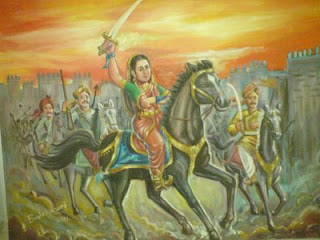
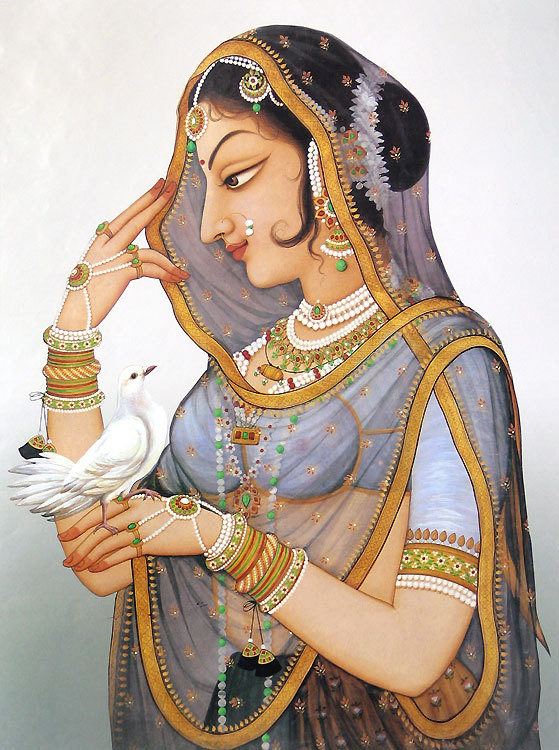
படம்: ரஜபுதனப் பேரழகி சித்தூர் ராணி பத்மினி. அலாவுதீன் கில்ஜியின் கைகள் தன்மீது பட்டுவிடக் கூடாதென்பற்காக ஆயிரம் மங்கைகளுடன் தீயில் பாய்ந்த உத்தமி (இது கி.பி.1303 ஆம் ஆண்டில் நடந்தது)

English version of this article is already posted in the blog: London Swaminathan)

இந்தியா ஒரே நாடு! இந்திய சிந்தனை ஒரே சிந்தனை! “செப்பு மொழி பதினெட்டுடையாள், எனில் சிந்தனை ஒன்றுடையாள்!” என்று சும்மாவா சொன்னார் பாரதி? வீரத் தாய், வீர மாதா என்ற புகழுரையை உலகிலேயே மிகப் பழமையான ரிக்வேதத்திலும் காண முடிகிறது. அதற்கு ஆயிரக் கணக்கான ஆண்டுகளுக்குப் பின் வந்த காளிதாசன், புறநானூற்றுப் புலவர் காவற்பெண்டு, பாரதி பாடல்களிலும் காண முடிகிறது.

புறநானூற்றில் ஒரு அழகான பாட்டு:

புறம் 86 (காவற்பெண்டு)

சிற்றில் நற்றூண் பற்றி, ‘நின் மகன்

யாண்டுள்ளனோ? என வினவுதி; என் மகன்

யாண்டு உளன் ஆயினும் அறியேன்;ஓரும்

புலி சேர்ந்து போகிய கல் அளை போல

ஈன்ற வயிறோ இதுவே;

தோன்றுவன் மாதோ, போர்க்களத்தானே!

பொருள்: என் மகன் எங்கே என்று கேட்கிறீர்களா? எனக்குத் தெரியாது. ஆனால் இந்த வயிறு புலிகளின் உறைவிடமான குகை போன்றது. ஆகவே அவன் போர்க்களத்தில்தான் இருப்பான்.

உலகில் எந்த ஒரு பெண்ணும் கோழையைப் பெற விரும்புவதில்லை. ஆனால் அதைக் கவிதையில் வடித்த பெருமை இந்தியர்களுக்கே உண்டு.

ரிக் வேதத்தில் பத்தாவது மண்டலத்தில் வரும் பாடல் (10-85-44), நீ வீரர்களைப் பெறுவாயாக என்று வாழ்த்துகிறது.

காளிதாசனின் காவியங்களில் எண்ணற்ற இடங்களில் வீரத் தாய் பற்றி வருகிறது. குமார சம்பவத்தில் (7-87) உமை அன்னையை வாழ்த்தும் பிரம்மா, நீ வீரர்களின் தாயாக விளங்கவேண்டும் (வீரப் ப்ரசவா பவேதி) என்று வாழ்த்துவதாகக் கூறுகிறான்.

ரகுவம்சத்தில் (2-64;14-4) வீர என்ற சப்ததைப் பெறும் முறைகளை விளக்குகிறார். தமிழ் இலக்கியம் போலவே மார்பில் விழுப்புண் தாங்குவதைப் போற்றுகிறார் (3-68).

உலகப் புகழ்பெற்ற சாகுந்தலம் காவியத்தில் சகுந்தலையை வாழ்த்தும் துறவிகளும் முனிவர்களும் வீரப்ரசவினீ பவ= வீரர்களின் தாயாக விளங்குவாயாக என்று வாழ்த்துகின்றனர்.

லலிதா சஹஸ்ரநாமத்தில் லலிதாம்பிகையைப் போற்றும் 1008 நாமங்களில் ஒன்று வீர மாதா என்னும் போற்றி ஆகும்:

“ப்ராணேச்வரி ப்ராணதாத்ரீ பஞ்சாசத்பீடரூபினி

விஸ்ருங்கலா விவிக்தஸ்தா வீரமாதா வியத்ப்ரஸூ:”

பாரதி இவர்களுக்கெல்லாம் ஒருபடி மேலே போய் ‘மலடி’ என்பதற்குப் புதிய விளக்கமே கொடுக்கிறார்:

“வீரரைப் பெறாத மேன்மைதீர் மங்கையை

ஊரவர் மலடி என்று உரைத்திடு நாடு”

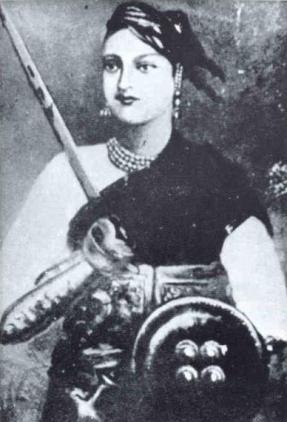
படம்: ஜான்சி ராணி லெட்சுமிபாய், ஆங்கிலேயரால் கொல்லப்பட்டாள்.

போரில் இறந்தால் சொர்க்கம்

தமிழ், வட மொழி நூல்களில் காணப்படும் மற்றொரு ஒற்றுமை போரில் இறப்பவர்கள் சொர்க்க லோகத்துக்குப் போவார்கள் என்பதாகும். சங்கத் தமிழ் இலக்கியத்தில் மேல் உலகம், துறக்கம், தேவர் உலகம் பற்றிய குறிப்புகள் ஏராளம். ஆனால் போரில் இறந்தால் சொர்க்கத்துக்கு “நேரடி டிக்கெட்” கிடைக்கும் என்ற செய்தி சில பாடல்களில் தெளிவாகவே உள்ளது (புறம்.26, 62, 93, 287, 341, 362 பதிற்றுப் பத்து 52):

வாடாப் பூவின் இமையா நாட்டத்து

நாற்ற உணவினோரும் ஆற்ற

அரும்பெறல் உலகம் நிறைய

விருந்து பெற்றனரால்; (புறம்.62)

அவ்வையார் தரும் ஒரு சுவையான செய்தி இதோ:

அறம்புரி கொள்கை நான்மறை முதல்வர்

திறம்புரி பசும்புல் பரப்பினர் கிடப்பி

மறம் கந்து ஆக நல்லமர் வீழ்ந்த

நீள்கழல் மறவர் செவ்வுழி செல்க என

வாழ் போழ்ந்து அடக்கலும் உய்ந்தனர் மாதோ (புறம்.93)

பொருள்: போரில் இறக்காமல் வேறு காரணங்களால் இறந்த மன்னர்களை வேதம் படித்த பிராமணர்கள் வந்து, தர்ப்பைப் புல்லைப் பரப்பி, மன்னரின் சடலத்தை அதன் மீது வைத்து, வாளால் வெட்டி போரில் இறந்தவர்கள் செல்லும் வீர சுவர்க்கத்துக்கு நீயும் போவாயாக என்று மந்திரம் சொல்லுவர். (இதைப் போரில் விழுப்புண் தாங்கி இறக்கும் தருவாயில் இருக்கும் அதியமானிடம் அவ்வையார் கூறி ‘நீ அதிர்ஷ்டசாலி அப்பா! உன்னை இப்படி வாளால் வெட்டி சுவர்க்கத்து அனுப்ப வேண்டாமல் நீயே உன் வீரத்தால் வீர மரணத்தைத் தழுவிக்கொண்டாய்’  என்று பொருள்படப் பாடுகிறார்.)

பகவத் கீதையில் அர்ஜுனனுக்கு கண்ணன் சொல்லுவதும் இதுதான்:

குந்தியின் மகனே! கொல்லப்பட்டாலோ நீ ஸ்வர்க்கத்தை அடைவாய்;ஜெயித்தாலோ பூமியை அனுபவிப்பாய். ஆகையால் போருக்குத் துணிந்தவனாக எழுந்திரு! (கீதை 2-37)

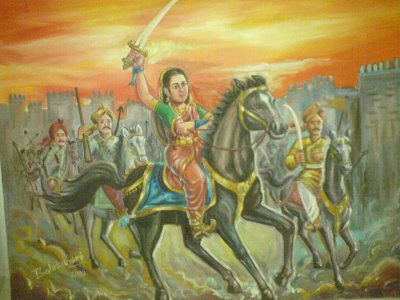
படம்: கிட்டூர் ராணி சென்னம்மா


ரத்த கோஷம் !!

இப்போதெல்லாம் அரசியல் தலைவர்களின் தீவிர பக்தர்கள்/ தொண்டர்கள் அந்தத் தலைவர்களுக்கு ஆதரவாக இரத்தத்தில் கோஷங்களை எழுதுவதைப் பார்க்கிறோம். இது ஆதிகால வழக்கம் என்னும் சுவையான செய்தியை காளிதாசன் நமக்குச் சொல்லுகிறான் (ரகு.7-65):

அஜன், ரகு ஆகிய சூரியகுல மன்னர்கள் எதிரிகளை வென்ற பின்னர் அவர்கள் நாட்டு வீரர்களை இரக்க உணர்ச்சி காரணமாக கொல்லாமல் விட்டு விடுவார்களாம். ஆனால் மன்னர்களின் தீவிர விசுவாசிகள் அம்புகளை எடுத்து அவைகளை ரத்தத்தில் தோய்த்து கொடிகளில் கோஷங்களை எழுதுவார்களாம்: “இப்பொழுது ரகுவின் புத்ரன் அஜனால் உங்கள் கீர்த்தி/ புகழ் கவரப்பட்டுவிட்டது; ஆனால் தயை காரணமாக உங்கள் உயிர் கவரப்படவில்லை” என்ற கோஷம் எழுதப்படும்!

காளிதாசன் இன்னும் ஒரு சுவையான தகவலையும் தருகிறான். ராவணனே நேருக்கு நேர் சண்டை போட வந்தவுடன் நாமனுக்கு ஏகப்பட்ட சந்தோஷமாம் (ரகு 12-89). ராவணனை மஹா பராக்ரமசாலி என்று ராமன் மதிக்கிறான். ராமனைப் போன்ற வீரர்கள் பலம் குறைந்தவர்களுடனோ, கோழைகளுடனோ சண்டை போடமாட்டார்கள்.

சங்க இலக்கியப் புலவர்கள் வாழ்ந்த காலத்துக்கு முன் வாழ்ந்தவன் காளிதாசன் என்று ஆறு கட்டுரைகளில் எழுதினேன். இந்தத் தலைப்பின் கீழும் இதற்குப் பல உதாரணங்கள் கிடைத்தன. வீரம் பற்றி நாடு முழுதும் ஒரே கொள்கை நிலவிய காலத்தில் இப்புலவர்கள் வாழ்ந்தனர் என்பதில் இருவேறு கருத்துக்கு இடமே இல்லை.

*************

Veera Matha–‘Mother of Heroes’ in the Vedas and Tamil literature

Greatest of the Hindu Heroines Rani Padmini of Chittoor. When lustful Alauddin Khilgi wanted to take her she entered fire with hundreds of women to save her honour in 1303 AD.

Veera Matha–‘Mother of Heroes’ in the Vedas and Tamil literature

Rig Veda, the oldest religious book in the world, and the 2000 year old Sangam Tamil books praise Hindu women as mother of heroes- Veera Matha. They agree on one more point. They say that those who die in the battle field will go to heaven. Bhagavad Gita and Purananuru are very clear about it. Women are blessed with Vedic mantras to give birth to heroes. Lalitha Sahasranama praises Goddess Sakthi as Veera matha. Tamil poet Bharathi goes one step further and says this country will call a woman Maladi (infertile woman) only if she doesn’t give birth to heroes. This is a novel concept.

They were all forerunners to Swami Vivekananda who thundered that Fear and Cowardice are to be shunned most. He always advocated youths to go forward by quoting the Upanishad mantra, “Uhthishta, Jagratha, Prapyavaran Nibodhatha”-Arise, Awake, Stop not till the goal is reached!

Poet Kalidasa says in Kumara sambhava (Canto VII-87):

“The bride was greeted by the Creator with the words: “Blessed one, be you the mother of a Hero” (In Sanskrit : Veeraprasavaa Bavethi).

A Tamil poet puts it beautifully in a verse in Purananuru:

What a Hero’s Mother (Veera Thay in Tamil) said:

“ You stand against the pillar

Of my hut and ask me:

Where is your son?

I don’t really know.

My womb is only a lair

For that tiger.

You can see him now

Only in the battlefields” —(Purananuru Verse 86 by Kavarpendu)

(Purananauru is part of Sangam Tamil Literature. It is an anthology of 400 poems).

There a hymn in the Rig Veda praising Veera Matha:

Rig Veda: Tenth Mandala ,Hymn 86

10-86-43

So may Prajapati bring children forth to us; may Aryaman adorn us till old age come nigh.

Not inauspicious enter thou thy husband’s house. Bring blessings to our bipeds and quadrupeds.

10-86-44

Not evil eyed, no slayer of thy husband, bring weal to cattle, radiant, gentle hearted;

Loving the gods, delightful, bearing heroes, bring blessing to our quadrupeds and bipeds

Heroes go to Heaven

Krishna in Bhagavad Gita (II-37) says:

“Either slain thou shalt go to Heaven; or victorious thou shalt enjoy the earth; therefore arise, O son of Kunti, resolved on battle.

Puram verses 26, 62, 93, 287, 341, 362;PathiRRu Pathu 52 give the same message to the heroes. There are more Tamil verses where in the poets talk about kings reaching heaven after dying. There are even special funeral ceremonies conducted by Brahmins for the kings who die elsewhere. If the kings die due to natural causes Brahmins spread the dharba grass under the king’s body and cut them into pieces by saying ‘let you go to heaven where the heroes go’. Avvaiyar describes this ceremony in a praise to Athiyaman Anji (Pura Nanuru verse 93): you escaped from this ceremony because you are a hero wounded in the battle field.

All these are echoes of Kalidasa who lived a few centuries before the Sangam poets. Kalidasa sings about wounds that happened in the battle fields throughout his works. In Raghuvamasam 14-4 he says Kausalya and Sumitra were fond of the word ‘Veeramatha’. But having seen the wounds inflicted by the Rakshasas on young Rama and Lakshmana , their mothers Kausalya and Sumithra did not want to hear that sound of Veera matha.

Pictre: Rani Lakshmibhai of Jhansi was killed by the British

Slogans on the Flags

“The kings of Surya Vamsa (solar race) Raghu and Ajan took all your name and fame, but not your lives– were written with blood on the flags with arrow heads”. That is, out of mercy, Raghu and Aja let you all run alive. The interesting message Kalidasa gives in this sloka (Raghu.7-65) is that devoted workers of politicians (Kings) wrote slogans like this 2000 years ago!

So political workers writing with their blood for their leaders is nothing new!

Ascetics bless Sakuntala Veera Prasavini Bhava (Be a mother of heroes)”.

In Sakuntala 7-28,  Sakuntala was blessed by the elders:

“ With a husband the equal of The Breaker of Dark Clouds (Indra)

With a son like his son, Jayanta, no other blessing fits you but this;

Ravana was equal to Rama

Rama was so happy to meet a great hero like Ravana in the battle field, says Kalidasa in Raghu 12-89. Heroes never favour unequal fights.

Like Tamil poets Kalidasa used words like battle wounds on the chest (not on the back), wounds or injuries due to arrow and bow in the hands in several places (Raghu III-68, II-64,  18-48, 16-84, VII-65, 12-89, 13-73, 16-1).

In the Asvameda Yagna (Horse Sacrifice), Kshatriya women(Kings’ wives) have to cut the horse into pieces.

Picture of Kittoor Rani Chennamma

தமிழ் REFERENCES:

1.பாரதி பாடல் Bharathi Poems:

“வீரரைப் பெறாத மேன்மைதீர் மங்கையை

ஊரவர் மலடி என்று உரைத்திடு நாடு”—பாரதி

***

2.புறம் 86 (காவற்பெண்டு)

சிற்றில் நற்றூண் பற்றி, ‘நின் மகன்

யாண்டுள்ளனோ? என வினவுதி; என் மகன்

யாண்டு உளன் ஆயினும் அறியேன்;ஓரும்

புலி சேர்ந்து போகிய கல் அளை போல

ஈன்ற வயிறோ இதுவே;

தோன்றுவன் மாதோ, போர்க்களத்தானே!

***

3.Lalitha Sahsranama லலிதா சஹஸ்ரநாமா

Praneswari pranadatri panjasatpeedarupini

Visrungala vivikthasdha veeramatha viyathprasuhu:

ப்ராணேச்வரி ப்ராணதாத்ரீ பஞ்சாசத்பீடரூபினி

விஸ்ருங்கலா விவிக்தஸ்தா வீரமாதா வியத்ப்ரஸூ:

****************