Interesting Facts about Vahanas

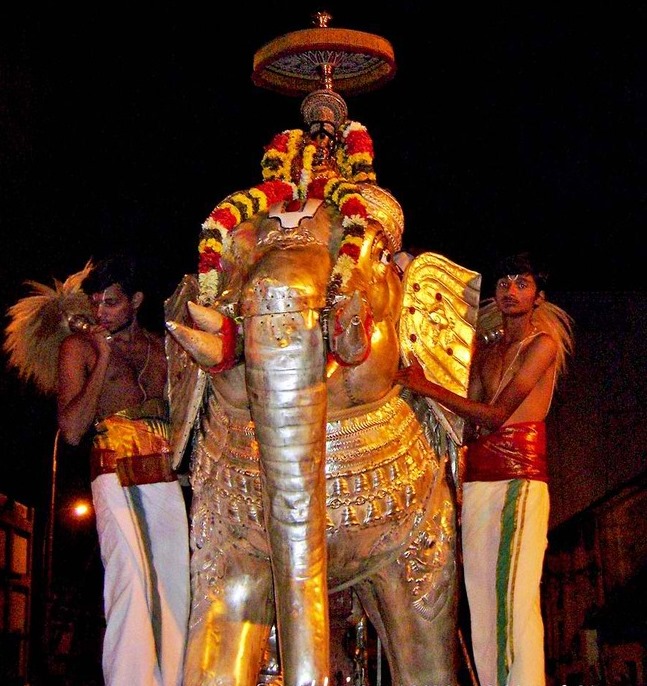
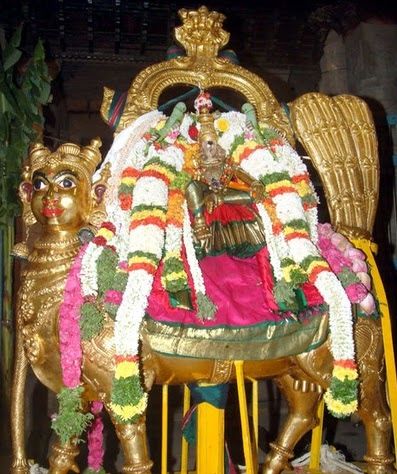
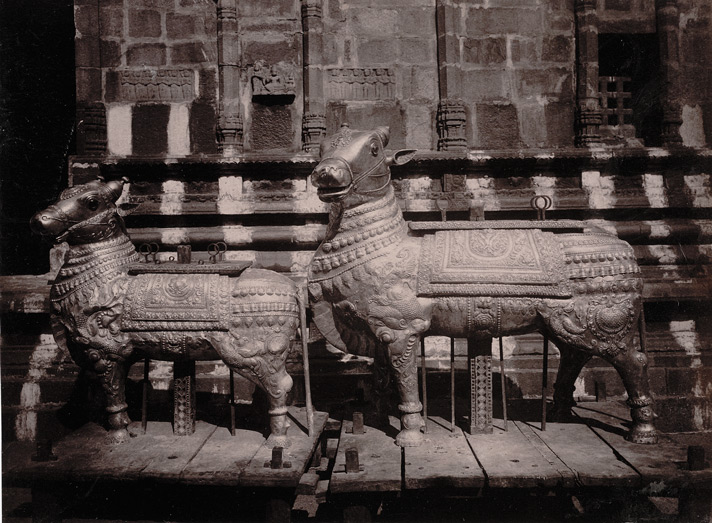
Picture: Silver Rishaba Vahanas

Here is the Second List of Vahanas:

1.Vahanas for Ashta Bhairav:

Ashitanga Bhairav—Swan, Guru Bhairav—Bull, Krotha Bhairav—Garuda, Unmatha Bhairav—Horse, Kapala Bhairav—Elephant, Bitchana Bhairav—Pretha, Chanda  Bhairav—Peacock, Samhara Bhairav—Lion

2.Vahanas for Sapta Matha:

Sapta Mathas: Maheswari—Rishaba/Bull, Kali—Mahisha, Indrani—Elephant, Varahi—Pig, Narayani—Garuda/Eagle, Kaumari—Peacock/Mayura, Brahmi—Swan/Anna
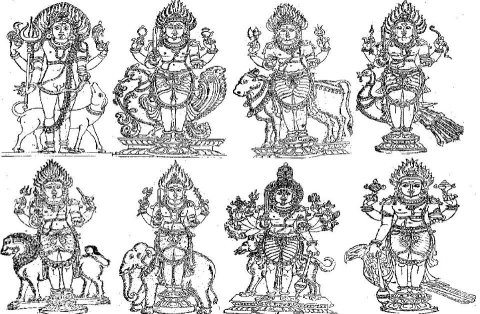
Picture: Vahanas of Ashta Bhairav

3.Vahana Order in Temples: 6th Day=Gaja, 8th Day=Horse Vahana

Temple Vahanas are taken out in a particular order. The Agama Shastras have stipulated some rules regarding this. For instance Ani Thirumanjana Festival at Chidamabaram Shiva Temple is celebrated in the following order:

First Day: Dwaja Arohanam (Flag Hoisting),In the night Pancha murthy procession in Manjam

Second day: Silver ChandraPrabha Vahana

Third day: Gold Surya Prabha Vahana

Fourth day: Silver Bhutavahana

Fifth Day: Silver Rishaba Vahana

Sixth day: Silver Elephant Gaja Vahana

Seventh day: Gold Kailash Vahana

Eighth day: Bhikshadanar in Gold Chariot

Ninth Day: Rathothsavam (Ratham= Big Chariot)

Tenth day: Maha Abhishekam

Eleventh day: Muthu Pallakku ( Pearl Palanquin)

Saivaite temples do elephant vahana on the sixth day of festival.

Tirupati-Tirumala Brahmorchavam Calendar:

First Day-Dwajarohan: Flag of Eagle hoisted, Pedda Sesha Vanam/many headed snake vahana;

2n day: Chinna Sesha Vahana/five headed snake, evening Hamsa/swan Vahana;

3rd day: Simha/lion Vhana, evening Pearl Palanquin;

4th day: Karpaka Vrksha/wish fulfilling tree, Evening Bhoopala Vahana/lord of the world vahana;

5th day: Mohini Avatar, evening Garuda/eagle vahana;

6th day:Hanumantha vahana, evening Gaja/elephant vahana;

7th day: Surya Prabha vahana/under the sun vahana, evening Chandra Prabha vahana/under the moon vahana;

8th day: Rathotsavam/chariot festival, evening Horse/Aswa vahana;

9th day: Chakra snanam/lord’s disc is immersed in the tank and flag is lowered.

This is typical of North Tamil Nadu and Andhra temples. Surya and Chandra Prabha vahanas are absent in Southern Tamil Nadu. They replace it with other Vahanas. But 8th day is allocated for Kuthirai/Aswa/Horse vahana.


Picture of Agni Deva on Ram

Madurai Meenakshi Temple Festival Calendar

1st day:Dwara Arohanam;2nd day-Bhutha Vahanam, Anna Vahanam;3rd day-Golden Palnquin;4th day- Kuthirai/horse vahana, 5th day-Vrshaba Vahana;6th day-Nandhikeswara and Yali Vahana;7th day: Silver Simhasana/Lion Throne;8th day-Indra Vimanam;9th day- Gaja/Yanai Vahanam,Pushpa Pallaku;10th day-Ther/Chariot,11th day-Rishaba Vahana

4.Vahana in Amarakosha

Amarasimhan’s Amarakosha (First Dictionary of Synonyms in the World) gives Vahana names as other names for Gods. This shows people were very familiar with all Vahanas and flags 2000 years ago.

Hamsa Vahana means Brahma (Swan Vehicle)

Garudadwaja means Vishnu (Eagle Flag)

Vishnuratha means Garuda (chariot of Vishnu)

Vrushadwaja means Shiva (Bull Flag)

Siki Vahana means Lord Kartikeya (Peacock Vehicle)

Megha Vahana means Indra (Cloud as Vehicle)

Havya Vahana means Agni (Fire takes all Havis/food in Yagas)
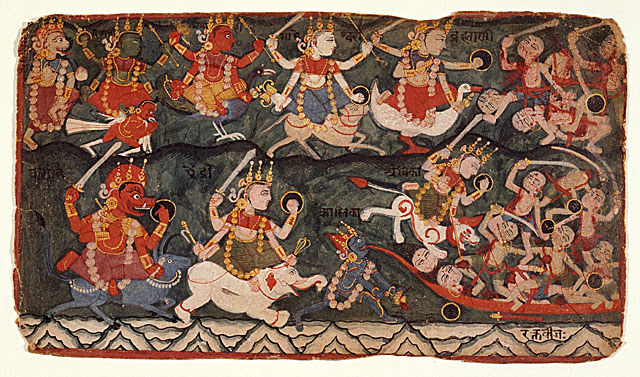
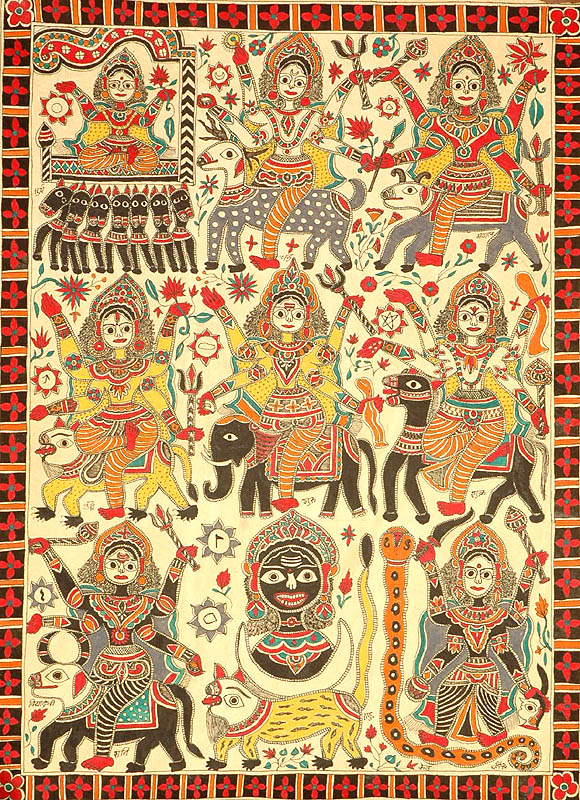
Picture of Ashta Matrika with Vahanas


5.Unusual Vahanas

Some temples have lotus (India’s national flower) as vahana for goddess Devi. Tulsi (Holy Basil plant) also used as a Vahana. Alwartirunagari near Tirunelveli in Tamil Nadu, has a strange vahana –Tamarind Tree (Imli in Hindi). This is used for one of the twelve Alvars known as Nammalvar. He attained wisdom under a tamarind tree. Another unusual vahana associated with this town is Parangi Narkali (Foreign Chair).The origin of this vahana is shrouded in mystery.

Chandi Devi in Sujanaghat has got varaha (pig) as vahana which is unusual.

6.Vahanas  of Ganesh

Dhumaketu (kaliyuga): Horse Vahana

Vinayakar (Kritayuga):Simha Vahana

Mayuresar (Treta yUga):Mayura Vahana

Gajananar (Dwapara Yuga): Mushika Vahana

7.Buddhist Vahanas

Buddists also have vahanas for their gods:

Vairochana- Dragon Vahana

Ratna Sambhava- Lion/simha

Amitabha—Mayura/peacock

Amoka siddhi-Eagle

Ashosabya-Elephant

8.Strange Vahanas of Temples

Several temples have unusual vahanas. It is a long list of strange things. Let us look at a few:

Pancha muka Heramba ganapathy-Simha vahana,Nagai Neelayathakshi; Mayura vahana ganapathy:Tiruanaikka,Aruppukottai,Puduvai Mankkula Vinayakar temple paintings; Horse vahana vinayakar-Chennapanayakkan palayam,Koyamputhur; Rishaba vahana ganapathy-Nellai Kanthimathi, Sucheendrum Temples; Elephant vahana Ganapathy-Tiruchendur, Sriviliputtur temples.

Pinna Kili, Gaja Lakshmi,Tulasi Brunda-Karur temple; Sarabha vahana-Tiruchendur Ambal; Kubera vahana-Kumbheswarar temple, Idumba vahana-Swamimalai Murugan; Kalaiman kida/antelope-Valliyur Murugan; Adhikara Nandhi_-Arunachaleswar temple.

In the next part we will look at the Vahanas on ancient Indian coins.
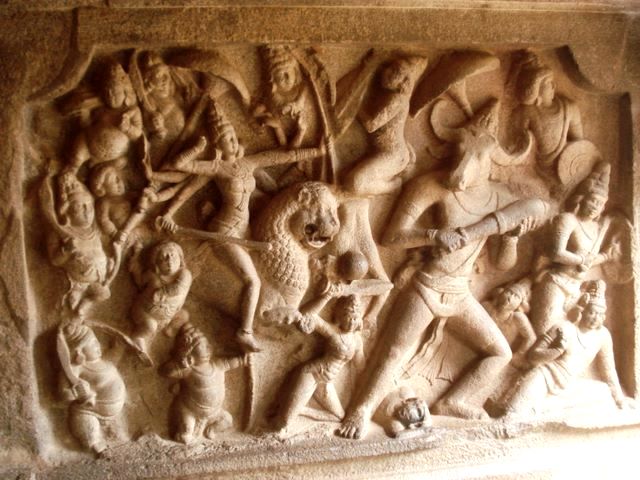
 

Picture Of Mahisasura Mardhani on Lion ,Mahabalipuram Caves

Also read my earlier posts:

1.Iraq: 7 Gods Procession on Vahanas

2.Deer Chariot: Rig Veda to Santa Claus

3.Hindu Vahanas around the World

4.Vahanas in Kalidasa and Tamil Literature

5.Who Rides What Vahanas?

6.உலகம் முழுதும் இந்து தெய்வ வாகனங்கள்

7.சங்கத் தமிழ் இலக்கியத்தில் வாகனங்கள்

8.வாகனங்கள் தோன்றியது எங்கே?ஏன்? எப்போது?

9.எந்தக் கடவுளுக்கு என்ன வாகனங்கள்?

10.Interesting Facts on Vahanas

Contact: swami_48@yahoo.com or swaminathan.santanam@gmail.com
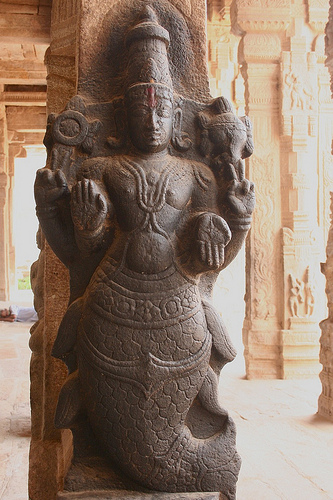
Mysterious Fish Gods around the World


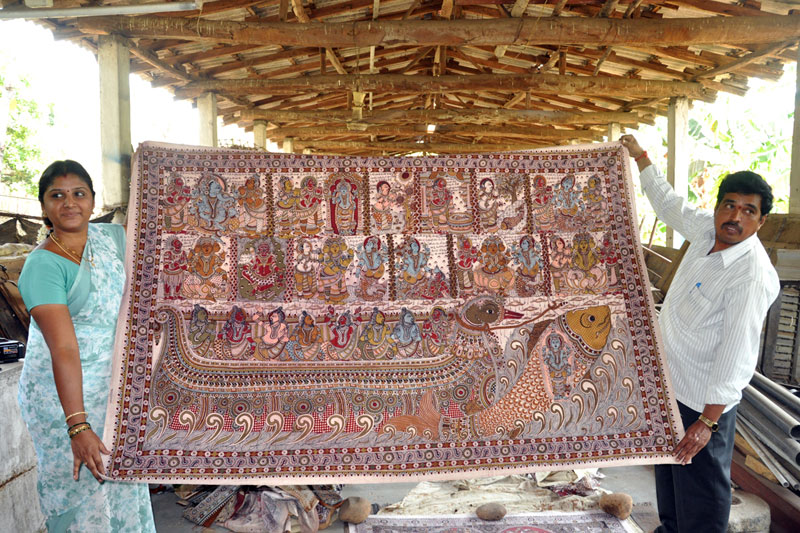
The Story of Floods is in every culture. The first incarnation of Hindu God  Vishnu known as Matsya Avatar (Fish Incarnation) has spread to different parts of the world. We read about it in Sumerian Atrahasis /Ziusudra/Gilgamesh, Biblical Nova and other cultures including Mayan culture. One fact is very clear in all these stories. There was a civilization before. That civilization was very good in Marine Engineering. They were able to build a big ship so as to accommodate all the species. The thought of preservation for the posterity was also there. So it must be an intelligent society. Otherwise they would have perished without trace. Now who was that intelligent person or god who instructed them to build a ship? That person must be a scientist and must have Tsunami monitoring equipments. Otherwise he couldn’t have forecast a catastrophic event. All fingers point to India. No one has that intelligence in maths or calculation in those times.

1. Every other culture stopped with fish and flood story. But Hindus developed it logically to Ten Incarnations of Lord Vishnu. From water born fish they took it to amphibian turtle. From Amphibian turtle, they took it to the next level of land animals- ‘pig’ avatar. Then half man half animal (Lion) Narasimha avatar, then humans with more and more intelligence. They beat Darwin by 2000 years in proposing the Theory of Evolution. That is why I said only a Hindu mind can do it. The mathematical (decimal) calculations in the Vedas and the invention of Game of Chess show that we could do it.

2. Hindus First in Biology

The Hindu classification of plants and animals as 84 lakhs is the closest to science. The latest count is 8.7 million (87 Lakhs) species of plants and animals on earth. Hindus had an amazing knowledge about this number, thousands of years before our time. It is a big puzzle to modern science. No wonder we were able to forecast a big rise in sea level—Great Floods.

In Hindu myth, Lord Vishnu took the form of a fish in order to save Manu, the ancestral father of the human race. Every Manvantara (Period of one Manu=306,720,000 years) will have a new Manu.

3. Sumerians, Mayans and Egyptians say that they did not belong to the land they lived. Either they said that they came from a far off place or someone from a far off place came and taught them civilization. Another strange thing about this Great Floods is that this happened in South India. Sanskrit and Tamil Books are unanimous in pointing the direction to south. Tirugnana Sambandha, a Saivaite saint who lived 1400 years ago, even called his own place Sirkazi as Thonipuram (Boat Town). He sang about the great floods and he praised Lord Shiva for making the town safe during the deluge.

4. The gradual development of Fish to fully fledged, civilized man show that the story started its circulation from Indian soil. The scriptures and sculptures stand as a proof. Hindus believed that TIME is cyclical. Civilizations start from Golden age (Krita Yuga) and deteriorate into Kali Yuga/Black age. So even before the Great Floods, there was civilization.

5. Fish Gods

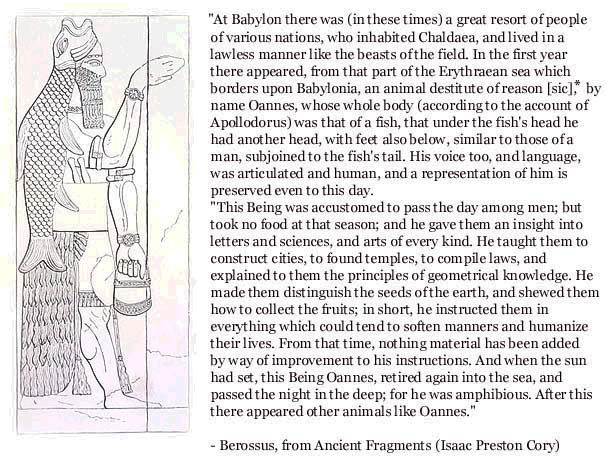
Apart from Matsya Avatar of Lord Vishnu, we hear about other Fish Gods such as Oannes, Dagon and Sindhi saint. Berossus (Vararuchi ?) was a scholar/priest who lived in Babylon in 3rd century BC. He wrote the history of Babylonia. He gave us the story of Oannes. Oannes was a mythical being who taught mankind wisdom. He had the body of fish, but underneath the figure of a man. He taught arts, science and writing. Oannes came from the Uanna, another name for Adapa. Akkadian connects this word to Um Manu. I guess this name as Indian Law Giver Manu. Adapa was a sage according to Sumerian legends. Going by this version I will take it as Manu or a sage from India who taught them Manu Dharma.

Berossus said that the half man-half fish creature was attended by other monsters called Apkallu. Apkallus are Sapta Rishis of India. The Sumerian legend says Seven Apkallus (sages) were created by Enki to establish culture and give civilization to mankind.

First King Narmer ( Nara Meru also knowns as Menes=Manu) was called Catfish Chisel. In other words he was also called a fish. Perch fish was sacred to Goddess Neith.

6.Dagan

He was called Dagon in the Bible. He was worshipped throughout the near east from 2500 BC. He was considered god of rain, corn and death. The kings of third dynasty of Ur established for Dagan an official state cult and a sanctuary to him was constructed at Nippur. From fourth century AD, he was considered a fish god.

7.Sindhi Saint on Fish

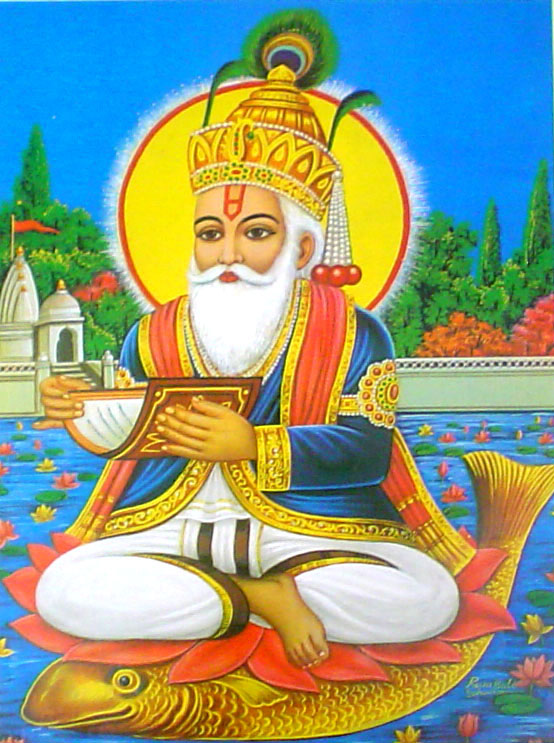
Sindhi saint Jhulelal is depicted riding a fish. He saved the Sindhi people from a tyrannical ruler called Mirkshah. He was considered a man sent by Vedic God Varuna. He convinced the ruler that God is one and he is common to everyone.


8.Turtle Gods

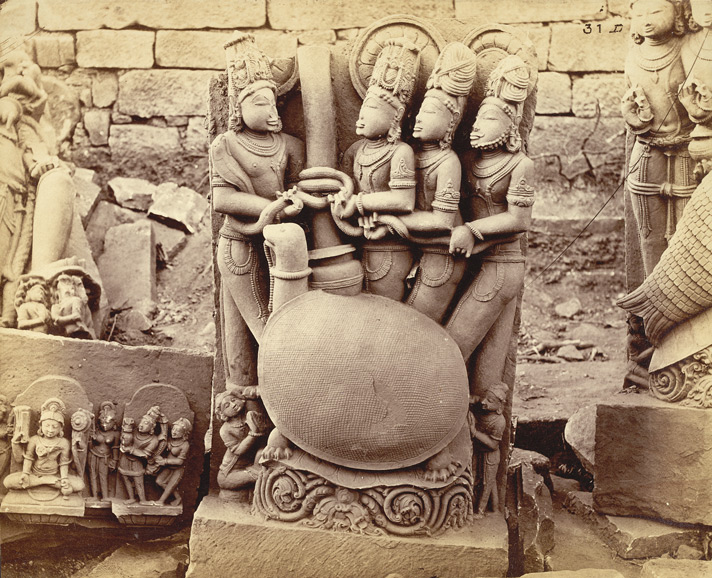
Following the fish come turtles in the Hindu myths. When the Devas and demons churned the ocean god took the form of a turtle (Kurma) and gave stability. He supported the mountain Mandara that acted as the churning rod while Vasuki the snake was used as the rope. This turtle also figured in the world of mythology in the names of Ao (China), Ataentsic (North America), Bedawang (Bali, Indonesia), Gong Gong (China), Sciron (Greece), Xbalanque and Hunaphu (Mayan Twins).

The Atlas like Mayan deity Pauahtun who supported the world on his shoulders is sometime depicted wearing a turtle shell on his head. Turtle shells are also associated with altars in some contexts, and the maize god is sometimes shown emerging from turtle shell.

9.I reproduce the following passages from my earlier post, ”SANSKRIT INSCRIPTION AND MAGIC SQUARE ON TORTOISE”:

Hindu Gods are associated with all the important birds and animals. They are associated with insects and reptiles as well. Take any animal whether it is elephant or rhino, snake or scorpion, fish or crocodile, eagle or crow, boar or tortoise —they are all associated with Hindu gods. We see it in the Vedas, in the Indus valley civilization and in the temple Vahanas. But when we read that even the Chinese, Mongolians and other cultures believed in such things we raise our brows. When we see Sanskrit inscription on a tortoise statue,that too in the remotest part of the world, we are wonder struck!!

Kurmavatar, the Tortoise incarnation of Vishnu is the oldest tortoise we know. But we have even Rishis (seers) in the name of frog (manduka)owl (Uluka) and tortoise (Kasyapa)in Vedic literature. Kasyapa is one of the Vedic Rishis. Kasyapa means tortoise. Kashmir is named after Kasyapa Rishi. Kumaon hills in the Himalayas is named after Kurma Avatar. If you read the history of Kashmir and Kumaon in Uttaranchal state you will find more surprising things. We have Kurmavatar statues in Kahajuraho Lakshman temple (M.P) and Osiyan temple in Rajasthan. One exclusive temple for Kurmavatar is near Srikakulam in Andhra Pradesh .


Three thousand years ago a Chinese king found a turtle with a magic square on its back. The magic square will add up to number fifteen whichever way you add the numbers. From that day it was considered a lucky square and people believe that they will get money etc. It is called Lo Shu. Hindus also believe this as money making square and call it Kubera Kolam. Egyptians and Hindus used the magic squares. Even the Vedic mathematics has magic squares.

Contact swami_48@yahoo.com

***************

Who rides what Vahana (Animal or Bird)?


Following is the first list of Hindu Vahanas:

1.Ganesh/Vinayaka=Mouse

2.Kartikeya/Skanda/Murugan–Peacock

3.Shiva=Bull/ Nandhi

4.Raja Rajeswari= Lion

5.Vishnu= Garuda/Eagle

6.Bhairava=Dog

7.Sastha= Horse

8.Ayyappa= Tiger

9.Sani/Saturn= Crow

10.Kalki Avatar=Horse

11.Indra= Airavata/ Elephant

12.Lakshmi= Red Lotus, Owl

13.Sarasvati=White Lotus, Swan

14.Ganga Devi= Crocodile

15.Manamatha & Rathi= Parrot

16.Kubera= Man,Parrot or Horse

17.Vishnu= 7 headed Snake/ Sesha

18.Krishna=Banyan leaf

19.Brahma= Swan


20.Kartikeya=Rhino (Vietnam)

21.Chandi= Pig

22.Sindhi saint= Fish

23.Ganda Beranda Bird= Mannarkudi Rajagopalswamy

24.Varuna= Makara (Shark or Crcodile)

25.Agni / Fire= Ram

26.Durga= Antelope

27.Marut= Deer

28.Lakshmi in Nepal=Turtle, In Bengal=owl

29.Durga= Lion or Tiger

30.Chamundi- Owl

31.Asvini Devas= Donkey (also for Indra and Agni)

32.Dead Body= Niruthi

33.Sun= 7 Horse Chariot

34.Rahu/ Shasti= Cat

35.Rathi= Pigeon

Following Vahanas are used by different temples in Tamil Nadu

36.Surya Prabha (SUN)= Northern Districts of Tamil Nadu

37.Chandra Prabha (MOON)= Northern Districts of Tamil Nadu

38.Karpaka Vrksha= (Wish fulfilling Tree)

39.Kamadenu= Wish fulfilling Cow

40.Kailash Vahana= Siva

41.Bhupala Vahanam= Vishnu

42.Purusha Mrugam

43.Bhuta Vahanam= Shiva

44.Punnai Tree Vahana= krishna

45.Karampasu Vahanam (See Kamadhenu)

46.Goat Chariot=Pushan

47.7 Cow Chariot=Ushas

48.Kali= Yali (Yali is a mythical animal)

48.Snake= Manasa Devi

49.Seetala= Donkey

50.Viswakarma= Elephant


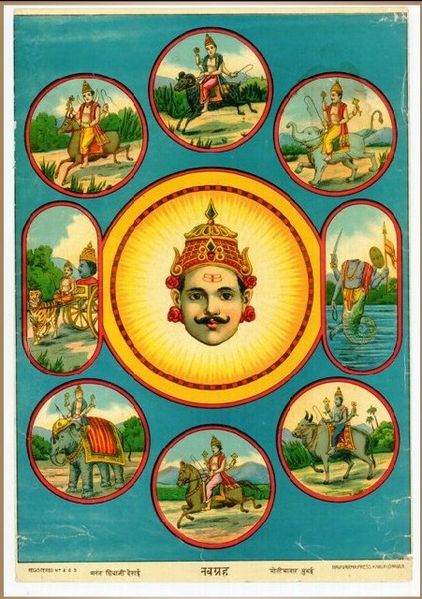
Nava Grahas (Nine Planets)

Sun=Chariot drawn by Seven Horses

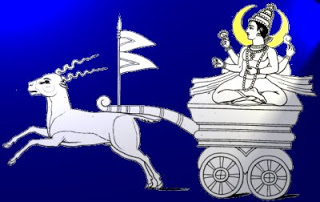
Moon= Antelope chariot

Mars=Ram

Bhudan/ Mercury= Horse

Jupiter= Elephant

Venus= Horse/ Crocodile

Saturn / Saniswarea= Crow

Rahu= Lion/ Cat/Tiger

Ketu=Fish

In the next part we will see the Vahanas of Ashta Bhairav,Sapta Matha etc.…….Contd.

Other Vahana Articles written and posted by me:

Please read my other articles on Vahanas in my blogs:

1.Iraq: 7 Gods Procession on Vahanas,2.Deer Chariot: Rig Veda to Santa Claus,3.Hindu Vahanas around the World,4.Vahanas in Kalidasa and Tamil Literature, 5.Who Rides What Vahanas? Tamil articles: 6.உலகம் முழுதும் இந்து தெய்வ வாகனங்கள்,7.சங்கத் தமிழ் இலக்கியத்தில் வாகனங்கள்,8.வாகனங்கள் தோன்றியது எங்கே?ஏன்? எப்போது?,9.எந்தக் கடவுளுக்கு என்ன வாகனங்கள்?

***************


எந்தக் கடவுளுக்கு என்ன வாகனம்?

Picture: Gold Rishaba Vahana of Madurai Meenakshi Temple

இந்துக் கடவுளருக்கு வெவ்வேறு வாகனங்கள் இருக்கின்றன. ஒவ்வொரு கடவுளுக்கும் ஒவ்வொரு வாகனம் அமைந்தது எப்படி என்பது பற்றி சுவையான கதைகளும் இருக்கின்றன. பெரும்பாலும் இவைகள் தத்துவத்தின் பெயரில் அமைந்த கதைகள்தான். வேத காலம் முதல் இந்து மதத்தில் வாகனங்கள் உண்டு. சங்கத் தமிழ் இலக்கியத்திலும் வாகனக் குறிப்புகள் இருப்பதைத் தனிக் கட்டுரையில் கண்டோம். உலகம் முழுதும் இந்து வாகனங்கள் இருப்பதை சுமேரிய, பாபிலோனிய, எகிப்திய, கிரேக்க, ரோமானிய நாகரீகத்தில் கண்டோம்.


இப்போது எந்தக் கடவுளருக்கு என்ன வாகனங்கள என்று சைவ, வைணவ ஆகமங்கள் கூறுவதைக் காண்போம்:

1.ஸ்ரீ மஹா கணபதி—மூஞ்சுறு Ganesh/Vinayaka=Mouse

2.வேல் முருகன் —மயில்  Kartikeya/Skanda/Murugan–Peacock

3.சிவ பெருமான் காளை, நந்தி Shiva=Bull/ Nandhi

4.ராஜ ராஜேஸ்வரி—சிம்மம் Raja Rajeswari= Lion

5.மஹா விஷ்ணு— கருடன் Vishnu= Garuda/Eagle

6.பைரவர்— நாய் Bhairava=Dog

7.சாஸ்தா—குதிரை Sastha= Horse

8.அய்யப்பன்— புலி Ayyappa= Tiger

9.சனைச்சரன்–காகம் Sani/Saturn= Crow

10.கல்கி—- குதிரை Kalki Avatar=Horse


11.இந்திரன்—ஐராவதம் யானை Indra= Airavata/ Elephant

12.லெட்சுமி—செந்தாமரை, ஆந்தை Lakshmi= Red Lotus, Owl

13.சரஸ்வதி— வெண் தாமரை, அன்னம் Sarasvati=White Lotus, Swan

14.கங்காதேவி—மகரம்/முதலை Ganga Devi= Crocodile

15.மன்மதன், ரதி—கிளி Manamatha & Rathi= Parrot

16.குபேரன்—மனிதன், கிளி, குதிரை, கீரி Kubera= Man,Parrot or Horse

17.விஷ்ணு— சேஷ (பாம்பு) வாகனம் Vishnu= 7 headed Snake/ Sesha

18.கண்ணன் —ஆல இலை Krishna=Banyan leaf

19.பிரம்மா— அன்னம் Brahma= Swan

20.கார்த்திகேயன்- காண்டாமிருகம் (வியட்நாம்) Kartikeya=Rhino (Vietnam)


21.சண்டி தேவி—பன்றி/வராஹம் (சுஜனாகாட்) Chandi= Pig

22.சிந்தி இன மஹான்—மீன் Sindhi saint= Fish

23.கண்டபேரண்ட பட்சி— மன்னார்குடி ராஜகோபாலசுவாமி

Ganda Beranda Bird= Mannarkudi Rajagopalswamy

24. வருணன் — மகரம் Varuna= Makara (Shark or Crcodile)

25. அக்னி— ஆடு Agni / Fire= Ram

26.துர்க்கை—கலைமான் Durga= Antelope

27. மருத்— மான் Marut= Deer

28.நேபாளத்தில் லெட்சுமி— ஆமை, வங்காளத்தில் —ஆந்தை

Lakshmi in Nepal=Turtle, In Bengal=owl

29.tதுர்க்கை—புலி அல்லது சிங்கம் Durga= Lion or Tiger

30.சாமுண்டி—ஆந்தை Chamundi- Owl

Picture: Navagrahas with Vahanas

31.கழுதை—அஸ்வினிதேவர்கள், இந்திரா, அக்னி

Asvini Devas= Donkey (also for Indra and Agni)

32.பிண வாகனம்—நிருதி Dead Body= Niruthi

33. சூரியன்—ஏழு குதிரைகள் Sun= 7 Horse Chariot

34.ராகு, சஷ்டி— பூனை Rahu/ Shasti= Cat

35.ரதி- புறா Rathi= Pigeon

கீழ்கண்ட (36 to 43) வாகனங்கள் பொதுவாக கோவில்களில் எல்லா தெய்வங்களையும் உலா விடப் பயன்படுத்துகின்றனர்

36.சூரிய பிரபை—வட தமிழ்நாட்டு தெய்வங்கள்

Surya Prabha (SUN)= Northern Districts of Tamil Nadu

37.சந்திர பிரபை– வட தமிழ்நாட்டு தெய்வங்கள்

Chandra Prabha (MOON)= Northern Districts of Tamil Nadu

38. கற்பக விருட்சம் Karpaka Vrksha= (Wish fulfilling Tree)

39. காமதேனு Kamadenu= Wish fulfilling Cow


40. கைலாச வாகனம் Kailash Vahana= Siva

41.பூபால வாகனம் Bhupala Vahanam= Vishnu

42.புருஷாமிருக வாகனம் Purusha Mrugam

43.பூத வாகனம் Bhuta Vahanam= Shiva

44.புன்னைமர வாகனம் Punnai Tree Vahana= krishna

45.காராம்பசு வாகனம் Karampasu Vahanam (See Kamadhenu)

46.ஆடுகள் பூட்டிய ரதம்—பூஷன் Goat Chariot=Pushan

47.ஏழு பசுக்கள் பூட்டிய ரதம்—உஷஸ் 7 Cow Chariot=Ushas

48.காளி—யாளி Kali= Yali (Yali is a mythical animal)

48.பாம்பு—மானசா தேவி Snake= Manasa Devi

49.சீதளா தேவி– கழுதை Seetala= Donkey

50.விஸ்வகர்மா—யானை  Viswakarma= Elephant


நவக்ரஹ வாகனங்கள் (Nine Planets)

சூரியன்- ஏழு குதிரைகள் பூட்டிய ரதம் Sun=Horse Chaiot

சந்திரன்- மான்கள் பூட்டிய ரதம், Antelope chariot= Moon

செவ்வாய்—ஆட்டுக் கிடா/ Mars=Ram

புதன்- குதிரை Bhudan/ Mercury= Horse

வியாழன்/பிருஹஸ்பதி—யானை Jupiter= Elephant

சுக்ரன்/வெள்ளி—குதிரை/ முதலை Venus= Horse/ Crocodile

சனி—காகம் Saturn / Saniswarea= Crow

ராகு— சிங்கம் அல்லது பூனை அல்லது புலி Rahu= Lion/ Cat/Tiger

கேது— மீன் Ketu=Fish

இரண்டாவது பட்டியலில் சப்த மாதா, அஷ்ட பைரவ வாகனங்களைக் காண்போம்.

Other Vahana Articles written and posted by me

Please read my other articles on Vahanas in my blogs:

1.Iraq: 7 Gods Procession on Vahanas,2.Deer Chariot: Rig Veda to Santa Claus, 3.Hindu Vahanas around the World,4.Vahanas in Kalidasa and Tamil Literature, 5.Who Rides What Vahanas? Tamil Articles: 6.உலகம் முழுதும் இந்து தெய்வ வாகனங்கள்,7.சங்கத் தமிழ் இலக்கியத்தில் வாகனங்கள், 8.வாகனங்கள் தோன்றியது எங்கே?ஏன்? எப்போது?9.எந்தக் கடவுளுக்கு என்ன வாகனங்கள்?

Contact: swami_48@yahoo.com

****************

வாகனங்கள் தோன்றியது எங்கே? ஏன்? எப்போது?

வேத காலம் முதல் இன்று வரை தெய்வங்களுக்கு வாகனங்களைப் பயன்படுத்தும் ஒரே மதம் இந்துமதம் தான். சிந்து சமவெளியிலும் யானை மேல் நிற்கும் உருவத்தைக் கண்டோம். சங்கத் தமிழ் நூல்களிலும் சம்ஸ்கிருத நுல்ல்களிலும் சிற்பங்களிலும், பழைய காசுகளிலும் வாகன உருவங்கள் காணப்படுகின்றன. காலக் கண்க்கீட்டின்படி பார்த்தால் சுமேரியாவில் கி.மு.3500 முதல் வாகனங்கள் இருக்கின்றன. ஆயினும் கலாசார தொடர்ச்சியைப் பார்க்கையில் இந்தியாதான் இதன் தாயகமாக இருந்திருக்க வேண்டும் என்று துணிய முடிகிறது.


வாகனங்கள் என்பது என்ன? இறவனைத் தூக்கிச் செல்லப் பயன்படுத்தும் உருவங்கள். பெரும்பாலும் மிருகங்கள் அல்லது பறவைகள் இந்தப் பணியைச் செய்கின்றன. தேர்கள், சப்பரங்கள், மலை, சூரியன் ,சந்திரன், ராவணன், அனுமன் போன்றோரையும் வாகனங்களாகக் காண்கிறோம். கொடிகள் தோன்றியது இந்தியாவில தான். இதை முன் ஒரு கட்டுரையில் விளக்கிவிட்டேன். முதலில் கொடிகளில் என்ன சின்னங்களைக் கண்டோமோ அதுவே பிற்காலத்தில் வாகனமாக மாற்றப்பட்டிருக்கிறது. இதற்கு ஒரு சில எடுத்துக்காட்டுகள் முருகனின் மயில் கொடி மயில் வாகனமாக மாறியதையும், விஷ்ணுவின் கருடக் கொடி, அவரது கருட வாகனமாக மாறியதையும் சிவனின் ரிஷபக் கொடி ரிஷப வாகனமாக மாறியதையும் காணலாம்.


பிற்காலத்தில் வாகனங்களுக்கு தத்துவ பூர்வ விளக்கங்களும் கூறப்பட்டுள்ளன. பிள்ளையார் போன்ற ஒரு கனமான உருவம் எலி மீது போக முடியுமா என்று கேட்கும் போது தீய சக்திகளை இறைவன் அடக்கி ஆள்வதையே இது காட்டுகிறது என்று விளக்கப்படுகிறது. இவை எல்லாம் பிற்காலத்தில் எழுந்த கதைகள்.


பல தெய்வங்களுக்கான காயத்ரி மந்திரங்களில் எதை நாம் இன்று வாகனமாகக் கருதுகிறோமோ அதை கொடியாகவே மந்திரம் சொல்லுகிறது. எடுத்துக் காட்டாக சனைச்வர காயத்ரி மந்திரத்தைப் பார்ப்போம். காகத்வஜாய (காக்கைக் கொடியோன்) என்று மந்திரத்தில் வருகிறது. ஆனால் காக்கை வாகனம் என்று நாம் சொல்லுவதோடு சிற்பங்களில் அப்படியே பார்க்கிறோம்.


வாகனங்களின் சின்னங்கள் எப்படித் தோன்றியது என்பதற்கு சிலர் ஆரிய திராவிட வாதத்தைப் புகுத்தி அபத்தமான விளக்கங்களைக் கொடுக்கின்றனர். பிராணிகள் அல்லது காலுக்கு அடியில் உள்ள அரக்கர்கள், திராவிடர்களை வசப்படுத்தி அடிமைப்படுத்தியதைக் காட்டுகிறது என்பது அவர்களது வாதம். இது உண்மையல்ல என்பதற்கு எனது கட்டுரையில் கொடுத்துள்ள வெளிநாட்டுத் தெய்வ வாகனங்களே சான்று. அங்கும் பிராணிகளைப் பார்க்கிறோம். ஆகவே இவை பொருந்தா வாதங்கள்.

முதல் கட்டத்தில் கொடிகளீல் இருந்த சின்னங்களே வாகனங்களாக மாறின. இரண்டாம் கட்டத்தில் அவைகளுக்கு தத்துவ விளக்கங்கள் கொடுக்கப்பட்டன என்பதே எனது துணிபு. ஆனால் வெளிநாட்டுத் தெய்வங்களுக்கு எப்படி சிம்ம வாகனம், மான் வாகனம், புலி வாகனம் என்பன வந்தது என்பது தெரியவில்லை. ஒருவேளை விலங்குகளையும் வசப்படுத்தும் சக்தி தெய்வங்களுக்கு உண்டு என்பதை இவை காட்டக்கூடும்.


இராக் நாட்டில் ஏழு கடவுளர் வாகனக்களில் பவனிவரும் காட்சியை விளக்கி படங்களையும் கொடுத்திருக்கிறேன் (ஆங்கிலக் கட்டுரையில்). துருக்கியில் எழிலிகாய என்னும் இடத்தில் 12 தெய்வங்கள் அணிவகுத்துப் போகின்றனர். இந்தப் படத்தையும் பிரசுரித்துள்ளேன். இவர்கள் துவாதச ஆதித்யர்களாக இருக்கலாம். இராக், துருக்கி, சிரியா ஆகிய முஸ்லீம் நாடுகள் கி.மு 1800 முதல் வேத கால தெய்வங்களின் வழிபாட்டுத் தலங்களாக இருந்ததை வெளிநாட்டு அறிஞர்கள்தான் முதலில் நமக்கே சொன்னார்கள். வேத கால தெய்வங்களைக் குறிப்பிடும் கி.மு.1400 கல்வெட்டு துருக்கி-சிரியா எல்லை பகுதியில் கண்டெடுக்கப்ப்பட்டது. அந்த பகுதியில் வாகனக் குறிப்புகள் கிடைப்பதாலும் சம்ஸ்கிருத மொழியில் குதிரைப் பயிற்சி நடைபெற்றதாலும் இந்துக்காளே வாகனங்களுக்கு காரண கர்த்தாக்கள் என்றால் மிகையாகா.


Please read my other articles on Vahanas in my blogs:

Iraq: 7 Gods Procession on Vahanas

Deer Chariot: Rig Veda to Santa Claus

Hindu Vahanas around the World

Vahanas in Kalidasa and Tamil Literature


உலகம் முழுதும் இந்து தெய்வ வாகனங்கள்

சங்கத் தமிழ் இலக்கியத்தில் வாகனங்கள்

வாகனங்கள் தோன்றியது எங்கே?ஏன்? எப்போது?


Hindu Vahanas in Kalidasa and Tamil Literature

Picture shows Meenakshi on Kamadhenu vahana


I have posted at least six articles on Kalidasa and Sangam Tamil Literature to prove that the greatest poet of India, Kalidasa, lived in the first century BC or before that. A lot of similes, metaphors, expressions in Tamil literature are echoes of Kalidasa. Now I give a lot of Vahana (Mounts of Gods) references from Tamil and Kalidasa. Sangam Tamil literature belongs to the first three centuries of our era.

Tamil poets were well versed with Hindu mythology and iconography. They had so much belief in Hinduism that they can’t avoid using Vahana references even in secular verses.

Poet Nakkirar of Puram verse 56 sings about four Hindu Gods in one verse referring to their flags or Vahanas. My research in to Vahanas shows that the origin of Vahanas lied in the symbols or flags of Gods. First we see the references of flags which are slowly turned in to Vahanas in course of centuries. I will give you some examples.

The Gayatri verse on Sanaischara (Planet Saturn) says that he has Kakadwaja (Flag with crow on it). Later we see crow as his vehicle. This shows that the myths about vahanas were later developments to cater to the popular tastes. When rational minds questioned whether an elephant god (Ganesh) can travel on a little mouse, then all philosophical explanations were given. Most of the vahanas are considered symbols of evils, which the god subdued and made them as their vehicles.

Some western scholars tried to bring Aryan Dravidian controversy even into the vahanas saying that the Dravidian gods were subdued and made vahanas for Aryan gods. But anyone who has read my previous posts of Sumerian, Greek and Babylonian vahanas would easily dismiss this western theory as absurd. Other cultures also used animals as vahanas. We didn’t have much detail about how the foreign deities got their vahanas.

Kalidasa also described Shiva as one who rides a bull or a person with a bull on his flag (Vrushapaarootan or Vrshabadwajan). Lord Vishnu also had Garutadjwaja or Garudavahana.

Tamil Poet Bharatham Padiya Peruntheanar (Mahadevan who sang Mahabharata) of Purananuru prayer song also described Shiva with Bull vehicle and with Bull flag. Needless to say that this was an echo of Kalidasa.

Kalidasa’s references:

Raghu. VI-4, Meghaduta verse 46: Lord Skanda’s peacock vahana

Mega.54, Raghu-III-23, Kumara.III-14, VII-29, II-35, III-62, VIII-20, Raghu-II-35=Bull Vehicle or Bull flag of Lord Shiva.

Raghu.III-56=Vajra flag of Indra

We have lot of references to God of Love Manmatha with Makaradwaja or Makaravahana.

Ragu. 10-13, 10-61=Garudavahana


Picture shows Karpaka Vrksha vahana

Tamil References:

Kalitokai-101-24, 103-43= Yama’s buffalo vahana

Lord Skanda (Murugan) had an elephant by name Pinimukam as his vehicle. This was referred to in various places:Pari.5-2, Pathirru.11-6, Pari.21-1, Murugu.78-82, Puram-56,Murugu-247,

Indra’s elephant with four tusks- Murugu155-59

Kali.150-13, Palaikali-26-5,Murugu151= Bull Vehicle

Pari. 1-11,13-41, 4-37, 3-18,8-2, Kuru.prayer song= Garudavahana

Sesha vahana of Vishnu is referred to in Perum.372

Balarama’s Palmyra flag was referred to in Tolkappiyam and Puram.58

Tamil poets also spoke about Manmatha, God of Love, and his Shark flag or Shark vahana.


Please read my other articles on Vahanas in my blogs:

Iraq: 7 Gods Procession on Vahanas

Deer Chariot: Rig Veda to Santa Claus

Hindu Vahanas around the World

Vahanas in Kalidasa and Tamil Literature

உலகம் முழுதும் இந்து தெய்வ வாகனங்கள்

சங்கத் தமிழ் இலக்கியத்தில் வாகனங்கள்

வாகனங்கள் தோன்றியது எங்கே?ஏன்? எப்போது?

எந்தக் கடவுளுக்கு என்ன வாகனங்கள்?

Who Rides What Vahanas?

Contact: swami_48@yahoo.com

சங்க இலக்கியத்தில் வாகனங்கள்


Picture shows Garuda Vahana

தமிழ் சங்க இலக்கியம் ஈராயிரம் ஆண்டு பழமையுடையது. அதில் இந்துக் கடவுளரின் வாகனங்களைப் பற்றி பல குறிப்புகள் வருகின்றன. இந்து மதம் எந்த அளவுக்கு தமிழர் வாழ்வில் இரண்டறக் கலந்திருந்தது என்பதற்கு இதுவும் ஒரு சான்று.  தமிழ்நாட்டுக் கோவில்களில் வாகனங்கள் பவனி வரும் அளவுக்கு வேறு எந்த மாநிலக் கோவில்களிலும் இல்லை என்று சொல்லலாம். ஆந்திரம், கர்நாடகம், கேரளம் போன்ற இதர மாநிலங்களில் மிகப் பெரிய கோவில்களில் மட்டுமே வாகன ஊர்வலம், திரு உலா நடைபெறுகிறது.

மதுரை மீனாட்சி கோவிலில் ரிஷப வாகனம் மட்டும் ஆண்டுக்கு 18 முறை உலா வருகிறது. இத்தோடு காமதேனு, கிளி, கற்பக விருட்சம், கயிலாய மலை, யானை, குதிரை, யாளி, பூத வாகனங்களும் அற்புதமாகச் செய்யப்பட்டிருக்கின்றன. மதுரை பெருமாள் கோவிலின் கருட வாகனங்கள், அழகர்கோவில் அழகரின் குதிரை வாகனம், ஆருத்ரா தரிசன நடராஜர் ஊர்வலம் ஆகியவற்றைக் காணக் கண் கோடி வேண்டும்.

தெய்வத் திரு உருவங்களையும் வாகனங்களையும் செய்து உலகம் முழுதுமுள்ள கோவில்களுக்கு அனுப்பும் பணியையும் தமிழ்நாடே செய்துவருகிறது.

வாகனங்கள் வேத காலத்திலேயே தோன்றிவிட்டன. மருத் என்னும் காற்றுத் தெய்வத்துக்கு மான் வாகனம், வருணனுக்கு சுறாமீன் வாகனம், இந்திரனுக்கு யானை வாகனம்.

முதலில் கொடியில் இருந்த சின்னங்களே பிற்காலத்தில் வாகனமாக பரிணாம வளர்ச்சி பெற்றன. இதை இலக்கியக் குறிப்புகளில் இருந்து தெளிவாகப் பெறலாம்.


Picture shows Hamsa Vahana

காளிதாசனின் காலத்தைக் கணக்கிட சங்க இலக்கியம் எப்படி துணை செய்கிறது என்பதை ஏற்கனவே ஐந்தாறு கட்டுரைகளில் விளக்கினேன். அவன் சங்க காலத்துக்கு முன்னால் கி.மு.முதல் நூற்றாண்டில் வாழ்ந்தவன். இப்போது அவன் அளித்த வாகனக் குறிப்புகள் தமிழ் இலக்கியத்திலும் வருவது அவன் காலத்தால் முந்தியவன் என்பதை மேலும் உறுதி செய்கிறது.

புறநானூற்றின் கடவுள் வாழ்த்தில் சிவனின் வாகனமும் கொடியும் ரிஷபம் (ஏறு) என்று பாரதம் பாடிய பெருந்தேவனார் (மஹாதேவன்) பாடுகிறார்.

ரிஷபக் கொடி: காளிதாசனின் ரகு வம்சம்11-44;

விஷ்ணுவின் கருட வாகனம்: ரகு 10-13;10-61

இந்திரன் வாகனம் 4 மருப்புடைய யானை- திரு முருகாற்றுப்படை 155-159

நல்லுருத்திரன் பாடிய முல்லைக் கலியில் யமதர்ம ராஜனின் எருமை வாகனம் பாற்றிப் பாடுகிறார்- பாடல் 1- வரி 25/26

முருகப் பெருமானின் பிணிமுக (யானை) ஊர்தி: புறம் 56;முருகு 247;பரிபாடல் 5-2, 8-10, 17-49, சிலம்பு 24-8-3;

முருகப் பெருமானின் யானையை பிணிமுகம் என்று அழைப்பர்:

பிணிமுக ஊர்தி வெல்போர் இறைவன் (பரி.17-49)

பிணிமுக ஊர்தி ஒண்செய்யோன்-புறம் 56

மயில் வாகனம் : மேகதூதம் பாடல் 46 (காளிதாசன்); பாடல் 54ல் சிவ பெருமானின் விடை ஏறு (ரிஷபம்). மகாபாரதத்திலும் இதே குறிப்பு வருகிறது (8-24)

மணிமயில் உயரிய மாறாவென்றி (புறம் 56)

முருகன் மஞ்ஞையன் (முருகு 210)

விரைமயில் மேல் ஞாயிறு (பரி 18-26)

சேவலங்கொடியோன் (குறுந்தொகை கடவுள் வாழ்த்து)

சேவலங்கொடியன் (முருகு 210)

கலித்தொகையில் சிவபெருமானின் காளைவாகனம் வருகிறது (150-13; 26-5)

மதுரைக் கணக்காயனார் மகனார் நக்கீரனார் ஒரே பாடலில் (புறம் 56) நான்கு கடவுளரின் கொடி வாகனங்கள் பற்றிப் பாடிப் பரவுகிறார்.

காளிதாசனும் கொடியும் வாகனமும் சிவனுக்கு ஒன்றுதான் என்று சொல்லி வ்ருஷபத்வஜன், வ்ருஷாங்கன், வ்ருஷபாருடன் என்று ரகு வம்சம் ,குமார சம்பவம் ஆகியவற்றில் புகழ்கிறார். இதைத் தமிழ் புலவர்களும் பாடியதை மேலே கண்டோம்.

காளிதாசன் இந்திரனின் வஜ்ரக் கொடி, வாகனம் ஐராவதம் ஆகியன பற்றியும் பாடுகிறார் ( ரகு3-56; 1-36. ரகு வம்சத்தில் முருகனின் மயில் பற்றி  ‘மயூரப் ப்ருஷ்ட ஆஸ்ரயினா குஹேன’ என்று சொல்கிறார்.

திருமாலின் சேஷ வாகனம்: பெரும் பானாற்றுப்படை-372/5

பரிபாடல் 8-2: புள்மிசைக் கொடியோனும் புங்கவம் ஊர்வோனும்

பரி 13ல் : சேவல் ஓங்கு உயர்கொடிச் செல்வ (திருமால்)

புறம் 58- பலராமனின் பனைக்கொடியைக் குறிக்கும், தொல்காப்பியமும் பனைக் கொடியைக் குறிப்பிடுகிறது.

ஆக கொடியையும் வாகனத்தையும் மாறி மாறி ஒரே கடவுளருக்கு தமிழ் ,சம்ஸ்கிருத இலக்கியங்கள் பகர்வதாலேயே கொடியிலிருந்து வாகனம் தோன்றியதாக நான் கூறினேன்.

பிற்காலத்தில் தோன்றிய தேவாரம், திருவாசகம், திவ்யப் பிரபந்தம் போன்ற பக்தி இலக்கியங்கள் வாகனம் பற்றிய மேலும் பல சுவையான கதைகளைக் கூறுகின்றன. திரு ஞானசம்பந்தர் தனது பதிகத்தில் துர்க்கைக்கு மான் வாகனம் இருப்பதை ‘கலையதூர்தி’ என்ற சொல்லால் விளக்குகிறார்.

“திருமகள் கலையதூர்தி செயமாது பூமி

திசை தெய்வம் ஆன பலவும்”– (பதிகம் 921, இரண்டாம் திருமுறை)

தொடரும்……….

Please read my other articles on Vahanas in my blogs:

Iraq: 7 Gods Procession on Vahanas

Deer Chariot: Rig Veda to Santa Claus

Hindu Vahanas around the World

Vahanas in Kalidasa and Tamil Literature

உலகம் முழுதும் இந்து தெய்வ வாகனங்கள்

சங்கத் தமிழ் இலக்கியத்தில் வாகனங்கள்

வாகனங்கள் தோன்றியது எங்கே?ஏன்? எப்போது?

எந்தக் கடவுளுக்கு என்ன வாகனங்கள்?

Who Rides What Vahanas?

Contact: swami_48@yahoo.com

ஜோதிடத்தின் பிதா பிருகு மஹரிஷி

This article is written by my brother S Nagarajan as part of a series of articles on great rishis/seers of ancient India.More to follow: london swaminathan

ஸ்ரீ ஜோசியம்

ஜோதிடத்தின் பிதா பிருகு மஹரிஷி

By ச.நாகராஜன்


ரிஷிகளுள் நான் பிருகு : கிருஷ்ணரின் பிரகடனம்

 ரிஷிகளுள் நான் பிருகு (மஹரிஷீணாம் ப்ருகுரஹம்-கீதை பத்தாம் அத்தியாயம் சுலோகம் 25) என்று கிருஷ்ணனால் பகவத் கீதையில் சொல்லப்பட்ட சிறந்த மஹரிஷி பிருகு ஆவார். சப்த ரிஷிகளுள் ஒருவர்.ஜோதிடக் கலையைக் கண்ட 18 ரிஷிகளுள் ஒருவர். பிரம்மா படைத்த பிரஜாபதிகளுள் ஒருவர். பிரம்மா மனதில் நினைத்தவுடன் இவர் தோன்றியதால் இவரை பிரம்மாவின் மானஸ புத்திரர் என்று புராணங்கள் புகழ்கின்றன. பாகவதத்தில் இவர் விரிவாகப் பேசப்படுகிறார்.மஹாபாரதத்திலும் வாயு புராணத்திலும் கூட இவரது கதை விரிவாகச் சொல்லப்படுகிறது. தக்ஷனின் மகளான க்யாதியை இவர் மணம் புரிந்தார். அவள் மூலம் தாதா விதாதா என இரு புத்திரர்கள் இவருக்கு உண்டு. சுக்ரனும் சியவனரும்கூட இவரது புத்திரர்களே!

பிருகு சம்ஹிதா உருவான கதை!

 ஜோதிடக் கலையைத் தொகுத்து முதல் முதலில் வழங்கியதால் இவர் ஜோதிடக் கலையின் பிதா என அனைவராலும் அறியப்படுகிறார்.இவர் இயற்றிய பிருகு சம்ஹிதா வேத காலத்தில் எழுதப்பட்ட சிறந்த ஜோதிடக் கலை நூலாகும்.

இந்த நூல் எழுந்த விதத்தைப் பற்றியும் கூட ஒரு சுவையான கதை உண்டு. ஒரு முறை சரஸ்வதி நதிக்கரையில் மஹா யக்ஞம் ஒன்று நடக்கும் போது ரிஷிகளின் சபை கூடியது.அதில் பிரம்மா விஷ்ணு சிவன் மூவரில் யாரை பிரதானமாக யக்ஞத்தில் வைப்பது என்பதை யாராலும் நிர்ணயிக்கமுடியவில்லை.அவர்கள் பிருகுவை நாடினர். பிருகுவோ இதை சோதனை செய்து அறிய விரும்பினார்.

அவர் முதலில் பிரம்மாவைப் பார்க்க பிரம்மலோகம் சென்று அவரை மதிக்காத விதத்தில் நடந்துகொண்டார். அதைப் பார்த்த பிரம்மா அவர் மீது கோபம் கொண்டார்.சரஸ்வதி தடுக்கவே பிரம்மா சாபம் ஏதும் தரவில்லை. ஆனால் பிரம்மாவின் கோபம் கண்டு பிருகு அவருக்கு கலியுகத்தில் இனி கோவிலே இருக்காது என்று சாபம் தந்து நேராக சிவனைப் பார்க்கச் கைலாசம் சென்றார்.அங்கே நந்தி அவரைத் தடுத்து விட்டார். பிருகு தன்னை சிவன் அவமதித்து விட்டார் என்று கருதி சிவனை இனி லிங்க வடிவிலேயே அனைவரும் வழிபடட்டும் என்று சாபம் தந்து விட்டு விஷ்ணு லோகம் சென்றார்.

அங்கே விஷ்ணு நித்திரையில் இருக்க, அவரை எழுந்திருக்குமாறு பிருகு வேண்டினார். ஆனால் அவர் விழிக்காமல் இருக்கவே அவர் மார்பில் தன் காலால் உதைத்தார்! விஷ்ணு எழுந்து நடந்ததைப் புரிந்து கொண்டு. “மஹரிஷி, வலுவான என் மார்பால் தங்கள் காலுக்கு ஒன்றும் ஆகவில்லையே” என பரிவுடன் விசாரித்தார். இதனால் மனம் மிக மகிழ்ந்த பிருகு எந்த நிலையிலும் கோபமே வராத விஷ்ணுவே மூவரில் சிறந்தவர் என மகாயக்ஞ ரிஷிகளிடம் தெரிவித்தார். அவர் விஷ்ணுவை மார்பில் உதைத்த இடமே    ஸ்ரீ வத்ஸம் எனப் பெயர் பெற்றது! தன் பாதத்தால் விஷ்ணுவை சோதித்ததால் இவருக்கு பாத ப்ருகு என்ற பெயரும் உண்டு!

இந்த சம்பவத்தைப் பார்த்துக் கொண்டிருந்த மஹாலக்ஷ்மி விஷ்ணுவை பிருகு காலால் உதைத்து அவமானப்படுத்தியதைப் பொறுக்க முடியாமல்  “இனி ஒரு போதும் அந்தணர்களிடம் நான் வசிக்க மாட்டேன்”(அதாவது அவர்கள் ஏழ்மையிலேயே இருக்க வேண்டும்) என்று சாபம் தந்தார். ஆனால் மஹாலக்ஷ்மியிடம் பிருகு மஹரிஷி தான் ஏன் அப்படிச் செய்தேன் என்பதை விளக்கி  மூவரில் விஷ்ணுவே சிறந்தவர் என்பதைக் கண்டதாகச் சொல்லி சாப நிவிர்த்திக்கு விண்ணப்பித்தார்.

உடனே மஹாலக்ஷ்மி ‘எந்த அந்தணர்கள் விஷ்ணுவை வழிபடுகிறார்களோ அவர்களுக்கு இந்த சாபம் பொருந்தாது’ என்று சாப நிவிர்த்தி தந்தார். இந்த சம்பவத்திற்குப் பின்னர் தான் பிருகு தனது புகழ் பெற்ற நூலான பிருகு  சம்ஹிதாவை இயற்றினார். இதன் மூலம் அந்தணர்கள் அனைவரும் இதைக் கற்றுத் தேர்ந்து அதன் மூலம் தங்கள் வாழ்க்கைத் தரத்தை மேம்படுத்திக் கொள்ளலாம் என்று கூறினார்.

நாலரை கோடி கிரக சேர்க்கைகளுக்கான பலன்கள்!

 பிருகு சம்ஹிதாவில் சுமார் 50 லட்சம் ஜாதகங்களின் பலாபலன்கள் சொல்லப்படுகின்றன. இதை அவர் விநாயகரின் உதவியுடன் தொகுத்தார்.

இவற்றை உரிய முறையில் அலசி ஆராய்ந்து பார்த்தால் நாலரைக் கோடி ஜாதகர்களின் கிரக சேர்க்கைகளுக்கான பலாபலன்களை நன்கு அறிந்து சொல்ல முடியும் என்று ஜோதிட நிபுணர்கள் கூறுகின்றனர். ஆகவே தான் இது அனைவரது எதிர்காலத்தையும் கூற வழி வகுக்கும் முதல் ஜோதிட நூல் எனக் கருதப்படுகிறது.

இந்த நூலில் அனைவரது ஜாதகங்கள், அந்த ஜாதகங்களுக்கான பலன்கள், ஜாதகர்களின்,முந்தைய பிறப்புகள், பிருகுவின் கேள்விகள், தொலைந்து போன ஜாதகங்கள் பற்றிய விஷயங்கள், பரிகாரங்கள்,பல்வேறு விதிகள், புத்திர பாக்கியம், ராஜ தர்மம் மற்றும் அரசர்கள் வெற்றி பெறுவதற்கான வழிகள்,ஸ்தீரிகளின் இயற்கை ஆகியவை பற்றிய விரிவான விளக்கங்களைக் காணலாம்.பிருகு தனது ஜோதிட சாஸ்திரத்தை தனது மகன் சுக்ரனுக்குக் கற்றுத் தர அது அவர் மூலம் எல்லோரையும் அடைந்தது.

பிருகு சம்ஹிதா சுவடிகள் 


பிருகு சம்ஹிதா முழு நூல் வடிவில் நமக்கு இன்று கிடைக்கவில்லை. காரணம் முகலாயப் படை எடுப்பின் போது அரக்கத்தனமாக இந்த நூல் அழிக்கப்பட்டது. அத்தோடு நாலந்தா தீக்கிரையாக்கப்பட்ட போது அதிலிருந்த பிருகு சம்ஹிதா சுவடிகளும் அழிந்து பட்டன.பஞ்சாபில் உள்ள ஹோஷியார்பூர் உள்ளிட்ட பல இடங்களில் பிருகு சம்ஹிதா சுவடிகள் இன்று காணக் கிடைக்கின்றன.(ஹோஷியார்பூரில் மட்டும் பத்துக் குடும்பங்களிடம் பிருகு சம்ஹிதா சுவடிகள் உள்ளனவாம்) என்றாலும் கூட சுவடிகள் வடிவில் இல்லாது சுருக்கமான புத்தக வடிவில் பிருகு சம்ஹிதா பல்வேறு பதிப்பகங்களால் பதிக்கப்பட்டிருப்பதால் இதை அடைவது எளிது. இதை பல நூலகங்களிலும் கூடப் படிக்க முடியும்!

(பலரும் தங்களுக்கு வேண்டிய ஜாதகங்களைக் கிழித்துக் கொண்டு செல்லும் துர்பாக்கிய நிலை இருப்பதால் நூலகர்களின் விசேஷ அனுமதியுடனேயே இதை குறிப்புதவி பகுதியில் பெற்றுப் படிக்க முடியும்) பிருகு ஸ்மிருதி,பிருகு சில்ப சம்ஹிதா, பிருகு சூத்ரங்கள், பிருகு உபநிஷத், பிருகு கீதை ஆகிய நூல்களும் இவர் இயற்றிய நூல்களாகும்.

பிருகு மஹரிஷி தவம் புரிந்த இடமான பலியா 

உத்தரபிரதேசத்தில் பீஹார் எல்லையை ஒட்டி உள்ள பலியா மாவட்டத்தில் பிருகு மஹரிஷியின் ஆசிரமம் உள்ளது.இங்கு தான் அவர் தனது பெரும் தவத்தைச் செய்தார். பலியா கங்கைக் கரையில் அமைந்த அழகிய சிறு நகரம்.காசியிலிருந்து வடகிழக்கில் 120 கிலோமீட்டர் தொலைவில் இது உள்ளது, பிருகு மஹரிஷிக்கு குஜராத்தில் நர்மதை நதிக் கரையில் பரூச்சில் ஒரு கோவிலும் உள்ளது.பரூச்சின் முந்தைய கால பெயர் பிருகு கச்சபம் என்பதாகும்!

ஜோதிட ஆர்வலர்கள் பிருகு சம்ஹிதாவைக் கற்பதன் மூலம் பல கிரகசேர்க்கைகளை அறிந்து ஒரு ஜாதகரின் பலன்களை உடனடியாகத் தெரிந்து கொள்ள முடியும்!

**********************************************

Iraq: 7 Gods Procession on Vahanas!

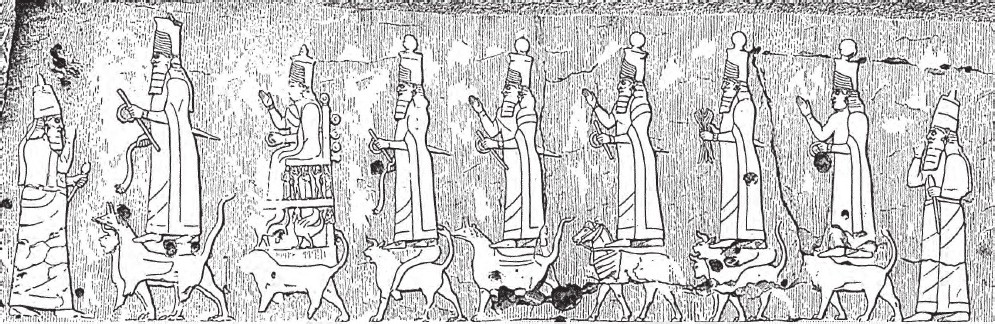
Picture shows seven gods on Vahanas in Iraq.

(Tamil version of this article is also available: London swaminathan)

(Please read Hindu Vahanas around the World–first part of this article and Deer Chariot: From Rig Veda to Santa Claus—second part: swami)

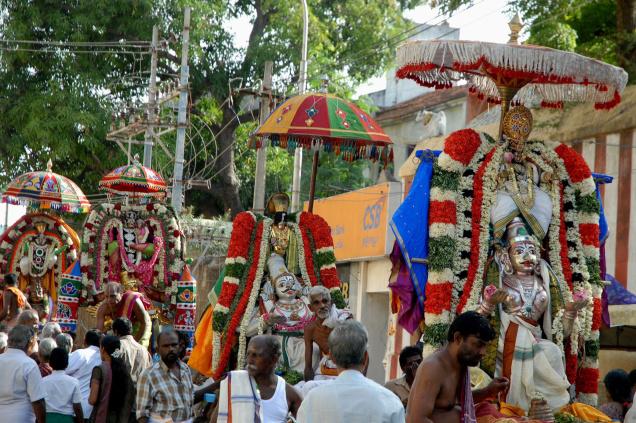
In India, particularly in Tamil Nadu, several gods are taken in procession at the same time on different Vahanas (Mounts of Gods) during festival times. People throng in thousands to see the Gods procession. It is a great feeling one gets after witnessing such a procession. It is amazing that this Hindu custom was followed in Assyria and Babylonia.

An Assyrian king, probably Sennacherib (704 BC) flanks a procession of seven gods on their sacred animals on a rock relief at Maltai in Northern Iraq.In the Middle East, all male gods are in standing position. Goddess is stting on a chair or a vahana.


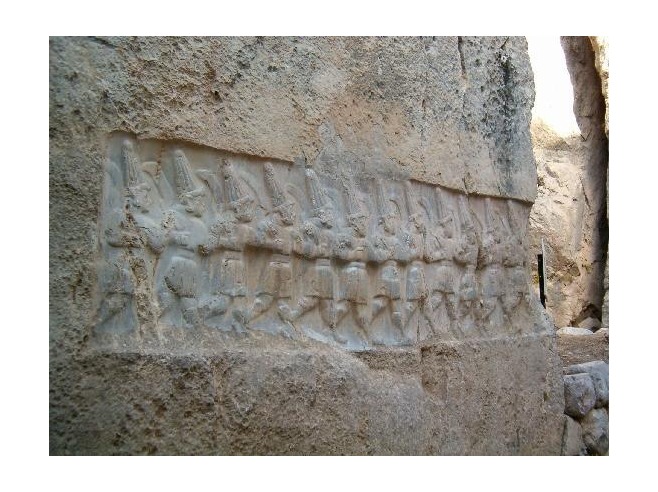
Procession of 12 Gods in Turkey

In Boghazkoi in Turkey we have a procession of 12 gods. It may be Dwadasa Adityas (12 Adityas of Vedic pantheon). It is significant we see the 12 gods procession in a place where an inscription with the names of Vedic gods Indra, Mitra, Varuna and Nasatyas was excavated. The inscription is about a treaty between a Mitanni king and a Hittite king. It was dated 1400 BC.

Turkey, Syria, Iraq and Iran were ruled by Hittites, Kassites and Mitannis who used Sanskrit Scriptures for their treaties and horse training. We have inscriptional evidence starting from 1400 BC.

Hindu gods and goddesses are taken in procession during festivals on vahanas. Vahanas are Mounts of Gods. They are mostly animals. In some big temples like Madurai Meenakshi temple we several Gods are taken in procession at the same time.

Description of a procession

Madurai is a temple city and a city of festivals. Throughout the year one or other festival is celebrated in the temple. The temple has got beautiful Vahanas. They are Rishaba (bull),Horse, Kailash mountain, Kamadhenu (wish fulfilling Cow), Karpaka Vrisham (Wish fulfilling Tree), Annam (swan), Simmam (Lion), Parrot, Yali (Mythical animal), Nandhi Deva, Bhutam (shiva’s attendant) and elephant.

Picture shows 12 Garuda Vahana Sevai in Thanjavur.

Madurai temple stands unique in taking out Rishaba Vahana (bull) eighteen times in a year.

In Madurai, first comes the Vettu Vandi/ explosives cart in a procession. A person is hired to fire explosives to announce the procession to the area. People living in nearby areas, hearing the explosion, immediately rush to the street where the procession is on its way. Behind it comes the Temple Bull with Nagara drum. One person sits on it and beats the drum. It is followed by elephant and camels. Torch bearers, Petromax light bearers, temple flag and standard bearers follow in two lines on either side of the gods procession.

The Vedic Pundits come in a group reciting Vedas. Tamil singers sing the Tamil Hymns in a group and follow them. Then Ganesh, Kartikeya were taken in small Chapparams (vehicles). In the olden days, they were all carried manually. Now due to labour regulations, most of the deities outside the temple are taken in  carts with tyres and they are manually or mechanically operated.

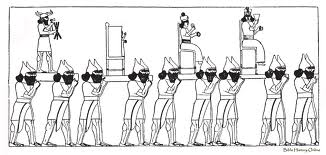
Picture shows a procession in Assyria

The main deities follow Ganesh and Kartikeya in different Vahanas on different days. In Madurai , immediately after the Meenakshi Wedding, even Lord kartikeya of Tirupparankundram and Kudal azakar Perumal of Madurai  follow Meenakshi-Sundareswar and Piriyavidai. So in total there five big deities and three smaller deities will be taken in procession on the same day. Last comes Nandikeswara, the attendance taker. He is the one who maintains the account of devotees’ good deeds and makes sure they are rewarded duly. So, people disperse only after seeing Nandikeswara.

All the advertisement carts, Toffee sellers, Balloon and Toy sellers and bangle sellers follow the God’s procession to cater to the needs of children, women and others.

On Ani Tirumanjanam and Arudra festival days, five to twelve Natarajas are taken in procession in different towns. In Thanjavur 12 Garuda Vahanas are taken on a specific day. Each temple or each town has its own special occasions where more than one deity is taken at the same time. The more the number of deities in a procession, more the excitement and more crowds are seen.

**************

Deer Chariot: Rig Veda to Santa Claus


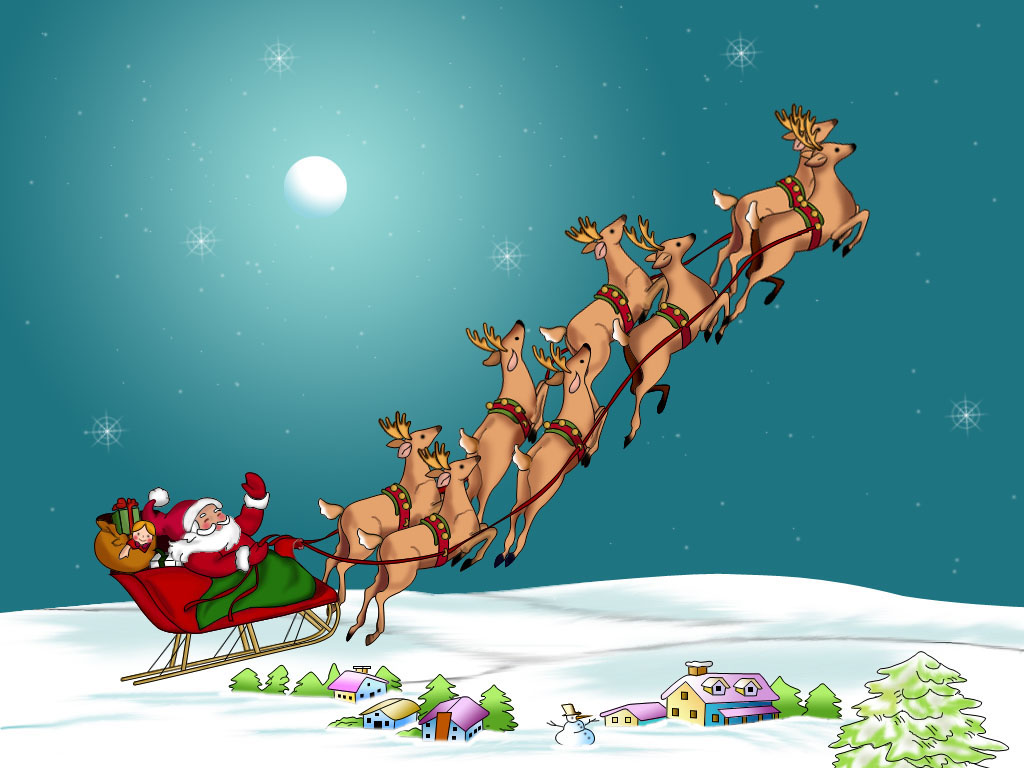
Picture shows Santa Claus on a Reindeer Chariot

(Tamil version of this article is also available: London swaminathan)

It is an amazing similarity that we have chariots/carts drawn by deer or Reindeers in Rig Veda and Santa Claus stories. Of the Navagrahas, Chandra’s (moon) chariot is also drawn by deer. Tamil Sangam and Sanskrit literature describe goddess is also mounted on a deer (Kalaiyathurthi  in Tamil). Greek Goddess is also drawn by or carried by a deer.

Deer and parrots are associated with Brahmins and seers in Ancient India. They raise parrots and deer in Ashrams (holy cottages). Manu, the Hindu law maker,  says that his law is applicable only to Aryavarta where the black antelope lives. Brahmin Brahmacharis (celibates) must wear the deer skin in their sacred thread.

Deer is found in Indus seals as well. In the so called Pasupati seal, a god or an ascetic is surrounded by four animals and a deer under the dais. Buddhist sculptures have deer because of Buddha’s association with deer.

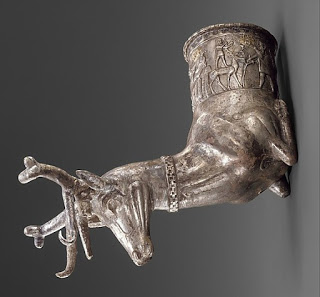
Picture of Hittite God on a deer from a silver cup (see below for cup)


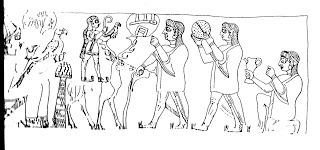
Picture of Hittite god on a deer is etched at the ridge (enlarged drawing given above)

Deer Chariot in Rig Veda

Chariots drawn by antelopes are as old as Rig Veda. We have references to Marut (Marut=Maruti=Wind God=Hanuman) whose chariot was drawn by antelopes. Marutas are storm gods. They number from 27 to 36. Various origins are assigned to them. They are sons of Rudra, sons and brothers of Indra, sons of the ocean, sons of heaven or earth. They ride golden chariots drawn by ruddy horses or reindeers. They reside in the north. They are armed with lightning and thunderbolts Ramayana gives a different story and their number increases to 49.

Nordic god Thor whose chariot is drawn by goats is compared to Maruts of Vedas. He is attributed with the same qualities. He has massive red beards (like Santa Claus).It is said that a Minoan sarcophagus dated 1400 BC also shows a chariot drawn by goats (Hagia Triada sarcophagus)

RV I-85-4 (also RV I-39; I-146)

When mighty warriors, ye who glitter with your spears, overthrowing with your strength even what is never over thrown,

When, O Ye Maruts, ye the host that send rain , had harnessed to your cars the thought fleet spotted deer

When ye have harnessed to your cars the spotted deer urging thunderbolt ,O Maruts to the fray——

(Ralph T.H. Griffith’s translation of Rig Veda, year 1889)

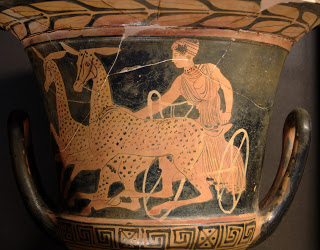
Picture of Greek Goddess Artemis

When Ptolemy II became the king of Egypt in 285 BC, he organised a big procession of troops and chariots. The description goes like this , “An endless array of similar wonders followed; also a vast number of palace servants displaying the golden vessels of the king; twenty-four chariots drawn by four elephants each; the royal menagerie—twelve chariots drawn by antelopes, fifteen by buffaloes, eight by pairs of ostriches, eight by zebras; also many mules, camels, etc., and twenty-four lions.”

Picture of Roman goddess Diana

Tamil Reference

Goddess Durga has deer as her vahana. Tamil Thevara hymn (Pathikam 921) praised Durga has Kalaiyathurthi=one who rides a deer).

Metropolitam Museum of Art in New York has a cup in the shape of a deer on which a god riding a deer holding a bird in its hand is depicted. It was dated 1700 BC from Hittites in Syria/Tukey. Hittites belong to Vedic culture. It may be Vedic god Marut.

Picture shows Chandra, one of the Nava Grahas

Artemis, Greek goddess of animals was worshipped from 800 BC. Though she was called Mistress of Animals, she was portrayed with deer. Her Roman counterpart Diana, Roman moon goddess was also shown riding a deer.They can be compared with Hindu goddess Durga  and Aranyani and Rudrani, goddesses of Hindu Vedas. They are all connected with forest, hunting and animals.

Story of Santa Claus

Many of the customs followed by Christians such as Easter Egg, Christmas Tree, Santa Claus are the remnants of ancient religions. They have nothing to do with Christ or Christianity. Though they have found some modern explanations, they existed long before Christ. Santa Claus story is one of them. Encyclopaedias attribute various mythical, historical, legendary folk lore origins to Santa Claus. Modern figure of Santa with white beard and red coat was derived St Nicholas. He was a fourth century Greek saint. Neither he nor Christ has anything to do with North Pole or Reindeer chariots. Santa is always portrayed as travelling by Reindeer chariot in the icy regions of the North Pole. In short it is closer to Maruts of Vedas than to Christianity!

Vedic mantras are always associated with gifts, but gifts only for priests. We have several Dana Stutis in the Vedas giving a list of big gifts.

***********