Swami Crossword 1052020 (Post No.7953)

WRITTEN BY LONDON SWAMINATHAN

Post No.7953

Date uploaded in London – 10 May 2020   

Contact – swami_48@yahoo.com

Pictures are taken from various sources for spreading knowledge; this is a non- commercial blog. Thanks for your great pictures.

Across

1.– (7letters) mountain that divides south and north of India

4.—(4) Horse

6.—(11) – famous Kashmir King; Muktapida is another name; died in 760CE.

9.  –(5)  – suffix used with all hills to say that is not movable

10.—(8)— demon and son of Hiranyaksha in Purana killed by Vishnu; son of Maricha in Ramayana

13. (3) poem; oldest Veda is named with this word

14.– (8) Twin sons of Rama always paired together

15.—(4) long sound Snake; short sound mountain

16. – (11)—one of the earliest Telugu composers who did lot of Kritis on Lord Balaji

Down

1. – (10 letters)- Finger sized Rishis of Rig Veda; Lilliputians of Hindu Mythology

2.- (4) – pipe; tube; veins; arteries

11. –(6)—disorderly; so dishonest; not in order

3. – offered in fire; burnt in fire

4. – (5) – egg, oval, oval shaped universe

5.– (9)- Banyan tree in Sanskrit

7. – (4) – action that unites mind and body; yoke came from this Sanskrit word;

8. – (6) – Sun; suffix of several kings of India];

12. – (6) – one of Shiva’s five faces; regent of north eastern direction

–subham–

Brahmin who acted as a Ghost Buster! (Post No.7952)

WRITTEN BY LONDON SWAMINATHAN

Post No.7952

Date uploaded in London – 10 May 2020   

Contact – swami_48@yahoo.com

Pictures are taken from various sources for spreading knowledge; this is a non- commercial blog. Thanks for your great pictures.

A poor Brahmin in a village used to beg and give what he got into the hands of his wife. She used to cook and set out the food and in doing so strike her husband one blow daily with the broom stick. So thinking, she is a termagant, how many days must I endure beating at her hands, he said to his wife,

“I am going to neighbouring village for ten days.”

“If you go, whom shall I beat with this broom stick? “She asked.

He replied, “there is a Peepal (peepul) tree , that I have tended, beat that”.

Accordingly when he had left, setting out the food, she struck the tree with the broom stick.

That blow fell on a hobgoblin who had been living in the tree for a long time.

On this the ghost said to itself, “Oh my god, she is a greater hobgoblin than I “and ran away from the tree.

While running away it saw the woman’s husband who was walking towards next village. The hobgoblin called out, “my body aches from being struck one day only. How many days have you been beaten! I will do you a favour to get rid you of her persecution.

If you ask what it is, I will take possession of the daughter of the king of this place. Whoever comes and make incantations I will not go. But if you come, I will leave her. You will be rewarded by the king. You can live happily” .

So saying the ghost entered into king’s daughter. The king sent for many sorcerers around the country, but could not drive away the ghost.

The Brahmin also went, pretended as a sorcerer and said to the spirit after some incantations,

“Leave the king’s daughter now and go”.

The ghost replied, “I will go now. But if you come to me for the second time, I will kill you”.

So saying it went away.

The king finding the spirit was gone , rewarded the Brahmin who pretended as a sorcerer. The king asked the ‘sorcerer’ to stay in the palace permanently.

Whilst it was so, the spirit entered into the daughter of king’s minister. When the king came to know about it, he sent the palace sorcerer to the minister’s house.

Accordingly, he went to the place and the spirit became angry and came to kill him, saying, “why have you come? Don’t you remember my condition?”

“My wife is coming to strike you again. I came to you, just to tell you the news and warn you”.

As soon as the hobgoblin heard this, ran away from the palace as quickly as possible.

–a Tamil folk tale from 1896 book –

( I have already posted one similar story replacing the Brahmin with a crude singer)

tags- brahmin, sorcerer, ghost buster, king, daughter

–subham–

Sadguru SRI TYAGARAJA-1 (Post No.7951)

WRITTEN BY R. NANJAPPA                        

Post No.7951

Date uploaded in London – – – 10 May 2020   

Contact – swami_48@yahoo.com

Pictures are taken from various sources for spreading knowledge; this is a non- commercial blog. Thanks for your great pictures.

A New Series on Sri Tyagaraja!

Sadguru SRI TYAGARAJA-1

R. Nanjappa

Leading light of Musical Trinity

Sri Tyagaraja is mainly regarded as a musician, the leading light of the Carnatic musical Trinity, composer and musical genius. Though Purandaradasa is considered the pitamaha of Carnatic music, it is Sri Tyagaraja who gave the definitive ‘kirtana’ structure to Carnatic compositions.  This also made the raga swaroopa  clear and distinct. We know many ragas now only through his Kirtanas. While his ‘kritis’ are the mainstay of performing musicians, his life forms a very attractive subject for ‘harikatha’ exponents, who extol him as a Saint. Carnatic music being based on ‘sahitya’, (unlike Hindustani music which is mainly based on ‘swara’,) the quality of compositions becomes important. It is agreed by authorities that his compositions are divinely inspired. Tyagaraja himself sings: “bhukti mukti galgu nani keerthanamu bodhinchevadu” ie it is Sri Rama himself who had taught him the kirtans which confer worldly welfare and  liberation.

Sadguru

It is to be noted that among the Trinity, Sri Tyagaraja alone is called “Sadguru”. Sadguru is not just a vidyaguru, or deeksha guru, but one who shows the way to Truth (Sat) or Liberation. No higher benefit or benediction can be conferred on a human being on earth. So, while the compositions of the Trinity and the other great personalities before and after him are full of musical and other excellences, there is something in the sahitya of Sri Tyagaraja which makes it distinct, unique and sublime. 

Bhakthi based Music

Carnatic music, in its pure classical form, is bhakti based, because music is considered divine and is used mainly as an instrument of soul elevation, not means of mere entertainment. Aesthetic pleasure surely accompanies the musical experience, either as a listener or performer, but all such pleasures, however intense, are transitory and what makes music memorable in the long run is something more sublime than mere listening pleasure, or impressive words of the composition. It has to touch the core of one’s being.

All the great classical composers sing only about God. This, even when they employ the Sringara rasa, as in the case of Kshetrayya or Jayadeva. And it reaches  the high peaks of philosophy as in the case of Sadashiva Brahmendra, or heart melting devotion in the case of Purandaradasa. But somehow Tyagaraja stands above all, and encompasses all as the Sadguru.

Why Tyagaraja is Sadguru

The precise reason why Tyagaraja has to be considered Sadguru is that he combines three ancient and formidable traditions in Indian spiritual experience, and shows how they can be practised in the turbulent times.

  • the  tradition of combining music with devotion, as taught by Narada
  • the tradition of devotion to Ishtadevata, without hatred of other forms of God- mainly based on Purana-Itihasa ie Avatara 
  • the tradition of adhyatmic or spiritual quest,based on viveka and vairagya, as taught in the Vedantic tradition.

Tyagaraja blends all three with natural ease and supreme skill.. This is based on his own personal experience.

Honouring previous saints 

Like most genuine Sadgurus, Tyagaraja blazes his own trail. He does honour all previous saints in general ( endaro mahanubhavulu) and singles out some for special veneration like Narada, ( Narada Guruswamy, Vara Narada , Sri Narada Natha, etc), Bhadrachala Ramadas ( dheerudau Ramadasu) and the Haridasas ( haridasulu vedala, mucchata konni aanandamaye dayalo).

But Sri Tyagaraja Swami surpasses all, and he has combined the essence of all previous traditions. He does not merely follow in the grooves of any fixed tradition, but has shown a new path, suitable for the emerging age. Most gurus belong to a tradition, either in teaching Vidya or giving Deeksha, and they cannot do better or more than preserve and pass on the tradition. But time renders most such traditions ineffective or unsuitable for changing circumstances. Traditional adherents do not know how to adapt, or do not dare. It is the Sadguru who opens up a new path.


It is not that a Sadguru transforms the whole world. No, it has never happened in the history of the world. Even Incarnations have not done it. Christianity spread through political power and commercial and military might, but it has not transformed the world or any part of it. The followers of one God and one Book and the only begotten Son are divided into more than 100 factions and they fought two world wars mainly among themselves. The followers of Prophet Mohammad conquered other lands and peoples with the sword, and openly preach jihad  in the world, though their factions are busy fighting each other where they rule.. But they have not transformed the world . The role of the Sadguru is not to change the world, but to show individuals how they can attain the spiritual goal in a changing world.

We will examine, on the basis of Tyagaraja’s own kritis, whether and how this title of Sadguru fits him. 


Note:

1.In the Indian tradition, music i.e., sangeeta, is treated as Gandharva Veda. It is considered ‘Lalitakala’, one which easily pleases. But its instant appeal is to the mind, which has a natural tendency to run out into the world. eg Shakespeare writes : If music be the food of love, play on, give me excess of it.” ( Twelfth Night) So our tradition associated it with God and spiritual effort, and this is how our classical music developed. Music is used as a way to reach God.

2. It is held that Carnatic music derives from or follows Narada, and Hindustani music, Hanuman. On this, see Ra.Ganapati’s book, (in Tamil) “Jaya Hanuman”.

3. Today, Sahitya dominates Carnatic music. Though Hindustani ustads sing bhajans and render some ‘bandishes’, it is largely free of sahitya. It is said that this is due to the Muslim invasion and rule of the North, where the musicians had to sing to please the sultans and badshah, and not God. Swami Vivekananda has some interesting observations on music, scattered through his works.

In our effort here, we will be focusing on Tyagaraja’s sahitya, not on music as such.

 tags – TYAGARAJA-1, Sadguru,Bhakthi

***
இரண்டு ‘துரும்பு’ பழமொழிகளை கண்டுபிடியுங்கள் (Post No.7950)

WRITTEN BY LONDON SWAMINATHAN

Post No.7950

Date uploaded in London – 10 May 2020   

Contact – swami_48@yahoo.com

Pictures are taken from various sources for spreading knowledge; this is a non- commercial blog. Thanks for your great pictures.

Answers

துறவிக்கு வேந்தனும் துரும்பு

சிறு துரும்பும்  பல் குத்த  உத வும்     

tags-துரும்பு, பழமொழி

ஹிந்தி படப் பாடல்கள் – 32 – தரச் சரிவின் காரணம்? (Post No.7949)

WRITTEN BY R. NANJAPPA                        

Post No.7949

Date uploaded in London – – – 10 May 2020   

Contact – swami_48@yahoo.com

Pictures are taken from various sources for spreading knowledge; this is a non- commercial blog. Thanks for your great pictures.

ஹிந்தி படப் பாடல்கள் – 32 – தரச் சரிவின் காரணம்?

R.Nanjappa

  தரச் சரிவின் காரணம்?   திரையிசையின் தரம் தாழ்ந்துவிட்டது-தாழ்ந்து வருகிறது என்று பரவலாகச் சொல்கிறார்கள் யோசித்தால் இரண்டு முக்கிய காரணங்கள்.தெரியும். ஒன்று, சில இசைஞர்கள் தொடங்கிவைத்த புதிய உத்திகள் அம்சங்கள்-, குறிப்பாக  மேலை நாட்டு இசையின் சில அம்சங்கள்- eg. Beat. இதை முதலில் புகுத்தியவர் சி.ராம்சந்த்ரா. ஆனால் அவர் இனிமையை இழக்கவில்லை. பிறகு ஓ.பி நய்யார் ஒரு புதிய சகாப்தத்தை தொடங்கினார். அப்பட்டமான மேற்கத்திய இசை. ஆனால் அவரும் இனிமையை  விடவில்லை. அவர் கேட்ட தொகையைக் கொடுக்க இயலாத தயாரிப்பாளர்கள், வேறு இசைஞர்களை நய்யார் பாணியை பின்பற்றச் செய்தார்கள். கடைசியில் நய்யாருக்கே மார்கெட் இல்லாமலாகிவிட்டது!  ஷங்கர் ஜெய்கிஷனும் இந்த வலையில் (குழியில்?) விழுந்தார்கள். 60களில் அவர்கள் இசையமைத்த ஒரு படத்திற்கு வந்த விமர்சனத்தில்.”ஃபிலிம்ஃபேர்” பத்திரிகை இப்படி எழுதியது: The music may be intended to be breezy, but it only succeeds in being noisy. பின்னர் ஆர்.டி. பர்மன் வந்தார். நமது திரை இசை முற்றிலும் திசை மாறியது. அதற்குப்பின் இதுவே பழக்கமாகிவிட்டது. ஆர்.டி பர்மன் காலத்திலும் தாரிப்பாளர்கள் பிறரிடமும் அதே பாணி இசையைக் கேட்டனர். 1977ல் வந்த ‘கரோண்டா’ – Gharaonda – படத்திற்கு இசையமைத்த ஜெய்தேவிடமும்  இதையே கேட்டனர். அவர் தயங்கினார், இசையவில்லை. அவர் உதவியாளர்கள், ‘நாம் சமாளித்துக் கொள்ளலாம், மறுக்காதீர்கள்’ என்றனர். விளைவு?


‘ஏக் அகேலா இஸ் ஷஹர் மே” என்ற அழகிய பாடல்! அது  ஜெய்தேவ் செய்த மாஜிக்! ஆர்.டி.பர்மனுக்குப் பின் வந்தவர்கள் இன்னும் அதள பாதாளத்திற்கே சென்றுவிட்டனர்! தாழ்ந்த ரசனை என்ற வெந்தழலை மக்கள் சிந்தையில் இட்ட இசைஞர்களே அதற்கு இந்தனம்** ஆகி விட்டனர்!   திரை இசையின் தரம் தாழ இன்னொரு முக்கிய காரணம் ஸ்டார் நடிகர்கள். நல்ல இசை இவர்களைச் சுற்றியே வருகிறது.50களில் இவர்கள் மென்மையான பாத்திரங்களில் வருவார்கள். gentle, gentlemanly roles. திலீப் குமார், தேவ் ஆனந்த், ராஜ் கபூர், பரத் பூஷண், ப்ரதீப் குமார் என்ற எந்த முன்னணி நடிகரின் படத்திலும் ‘ஜென்டில்” ஹீரோ தான்! இசையும் அதற்குத் தகுந்த முறையில் கனமாக, இனிமையாக இருந்தது. ஷம்மிகபூர் வந்ததும் ஹீரோவின் பிம்பம் மாறியது. பிறகு அமிதாப் பச்சன் அடிதடி சகாப்தத்தைத் தொடங்கினார். நல்ல இசையும் உதைவாங்கி, ஓடிவிட்டது! ராஜேஷ் கன்னா மட்டுமே இதற்கு விலக்காக இருந்தார். 70களில் அவர் படங்களில் மட்டுமே நல்ல இசை இருந்தது! ரசிகர்கள் விரும்புவதைத்தானே தரவேண்டும் அதைத்தானே தருகிறோம் என்பார்கள். ஆனால் ரசிகர்களை இந்த நிலைக்குத் தள்ளியது யார்?  Fish rots from the mouth (not from the tail), என்பார்கள். சரிவு மேலிடத்திலிருந்துதான் தொடங்குகிறது.  50 களில் வந்த இந்த பாட்டுக்களைக் கேளுங்கள். இப்போது  இப்படி வருமா?  


  ஸுஹானா ஸஃபர்.   

#सुहाना सफ़र और ये मौसम हसीं
हमें डर है हम खो न जाएँ कहीं
ஸுஹானா ஸஃபர் ஔர் யே மௌஸம் ஹஸீ(ன்) ஹமே டர் ஹை ஹம் கோன ஜாயே(ன்) கஹீ(ன்)   இனிய பயணம், அருமையான பருவம் இங்கேயே எங்கோ மறைந்து விடுவேனோ என பயம் வந்துவிட்டது!

ये कौन हँसता है फूलों में छुपकर
बहार बेचैन है किसकी धुन पर
कहीं गुनगुन, कहीं रुनझुन, कि जैसे नाचे ज़मीं
सुहाना सफ़र..


யே கௌன் ஹஸ்தா ஹை பூலோ(ன்) மே சுப் கர் பஹார் பேசைன் ஹை கிஸ்கீ துன் பர் கஹீ குன் குன் கஹி(ன்) ருஞ்சுன் கீ ஜைஸே நாசே ஃஜமீன். ஸுஹானா ஸஃபர்……   இந்த மலரினுள் மறைந்து இருந்து சிரிப்பது யார்? எவருடைய இசையைக் கேட்டு இந்த வஸந்தம் தன் வசமிழந்து விட்டது?

மெல்லிய குரலிசை, மெல்லிய சலங்கை சப்தம்- பூமியே நடனமாடுகிறதோ?

ये गोरी नदियों का चलना उछलकर
के जैसे अल्हड़ चले पी से मिलकर
प्यारे-प्यारे ये नज़ारे निखार है हर कहीं
सुहाना सफ़र..


யே கோரீ நதியோ(ன்) கா சல்னா உசல்கர் கே  ஜைஸே அல்ஹட் சலே பீ ஸே மில்கர் ப்யாரே ப்யாரே யே நஃஜாரே நிஸார் ஹை ஹர் கஹீ ஸுஹானா ஸஃபர் .   இந்த நதிப்பெண் இப்படி இரைச்சலுடன் ஒடி வருகிறாள்- யாரோ பெண் தன் காதலனைச் சந்தித்துவிட்டு ஓடிவருவது போல் இருக்கிறது!. இந்த அழகிய காட்சிகள் எங்கும் மகிழ்ச்சிமயமாக்கி விட்டது!.. .


वो आसमां झुक रहा है ज़मीं पर
ये मिलन हमने देखा यहीं पर
मेरी दुनिया, मेरे सपने, मिलेंगे शायद यहीं
सुहाना सफ़र.


ஓ ஆஸ்மான் ஜுக் ரஹா ஹை ஜமீ(ன்) பர் யே மிலன் ஹம்னே தேகா யஹீ(ன்) பர் மேரீ துனியா மேரீ ஸப்னே மிலேங்கே ஷாயத் யஹீ ஸுஹானா ஸஃபர்.……    அதோபார்- நீல வானம் பூமியைத் தொடுகிறது! இந்த சந்திப்பை நான் இங்கு முன்பே பார்த்திருக்கிறேனோ? என் உலகம், என் கனவு-இங்கேயே நிறைவுபெறும்! இனிய பயணம், அருமையான பருவம்….  

Song: Suhana safar Film: Madhumati 1958 Lyrics: Shailendra Music: Salil Chaudhury Singer: Mukesh  

இங்கே ஹீரோ பார்ப்பது வானம்-பூமியின் சங்கமம். இது கடந்தகால-நிகழ்கால, நிகழ்கால-எதிர்கால சங்கமங்களின் அறிகுறியாக நிற்கிறது (என்பது கதைப்போக்கிலிருந்து நாம் பின்னர் தெரிந்துகொள்கிறோம்.) நாம் இந்தப் பாடலில் இசை-கவிதை-குரல் ஆகிய மூன்று நதிகளின் சங்கமத்தை அனுபவிக்கிறோம்! இந்தப் படத்தில் தலத் மஹ்மூத் பாடுவதாக இருந்தது. முகேஷ் அப்போது கஷ்டத்திலிருந்தார்,அதனால் தன் நண்பர் முகேஷுக்கு  விட்டுக்கொடுத்தார் தலத்! இருவருமே இசைஞர் சலீல் சவுத்ரிக்கு உகந்தவர்கள்! யே கௌன் ஹன்ஸ்தாஹை ஃபூலோ(ன்) மே சுப் கர்: ‘ மலரினூடு நீயே இருத்தியால் மலர் பறிக்கவும் மனம் நண்ணேன்” என்ற தாயுமானவரின் வாக்கு நினைவுவருகிறது! இன்று இத்தகைய இயற்கைக் காட்சிகளை ரசிக்க நமக்கு நேரம் இருக்கிறதா?  

When the green wood laughs with the voice of joy,
And the dimpling stream runs laughing by;
When the air does laugh with our merry wit,
And the green hill laughs with the noise of it;
When the meadows laugh with lively green,
And the grasshopper laughs in the merry scene;                                                                     –  William Blake: Laughing Song,


1794.   ஹம் ஹை ராஹி ப்யார் கே    हम हैं राही प्यार के, हमसे कुछ ना बोलिए जो भी प्यार से मिला, हम उसी के हो लिए ஹம் ஹை ராஹி ப்யார் கே, ஹம் ஸே குச் ந போலியே ஜோ பீ ப்யார் ஸே மிலா, ஹம் உஸீ கே ஹோ லியே   நான் அன்பின் பாதையில் போகிறேன், என்னை எதுவும் சொல்லாதீர்கள்! என்னிடம் யார் அன்புடன் வருகிறார்களோ, நான் அவர்களுக்கு அடிமை!

दर्द भी हमें कुबूल, चैन भी हमें कुबूल
हमने हर तरह के फूल, हार में पिरो लिए
जो भी प्यार…


தர்த் பீ ஹமே கபூல், சைன் பீ ஹமே கபூல் ஹம்னே ஹர் தரஹ் கே ஃபூல், ஹார் மே பிரோ லியே ஜோ பீ ப்யார் ஸே மிலா…   கஷ்டம் வந்தாலும் சரி, சுகம் வந்தாலும் சரி- எனக்கு சம்மதமே!

எல்லா வகை மலர்களையும் நான் மாலையில் தொடுத்து விடுவேன்!

धूप थी नसीब में, धूप में(तो) लिया है दम
चांदनी मिली तो हम, चांदनी में सो लिए
जो भी प्यार…


தூப் தீ நஸீப் மே, தோ தூப் மே லியா ஹை தம் சாந்த்னீ மிலீ தோ ஹம், சாந்த்னீ மே ஸோ லியே ஜோ பி ப்யார் ஸே…   வெய்யிலில் தான் இருக்கவேண்டுமென்று .. எழுதியிருந்தால்,  அங்கேயே பிழைத்துக் கொண்டேன் நிலவொளி கிடைத்தாலோ அதிலேயே தூங்கிவிட்டேன்.

दिल पे आसरा किये हम तो बस यूँ ही जिये
इक कदम पे हंस लिए, इक कदम पे रो लिए
जो भी प्यार…


தில் பே ஆஸ்ரா கியே, ஹம் தோ பஸ் யூ(ன்) ஹீ ஜீயே இக் கதம் பே ஹஸ் லியே, இக் கதம் பே ரோ லியே ஜோ பீ ப்யார் ஸே….   மனதில் நம்பிக்கை வைத்து, இயல்பாக வாழ்ந்து வருகிறேன் ஒரு அடியில் சிரிப்பு, ஒரு அடியில் அழுகை- அதனால் என்ன?…

राह में पड़े हैं हम, कब से आप की क़सम
देखिये तो कम से कम, बोलिए न बोलिए
जो भी प्यार…


ராஹ் மே கடே ஹை ஹம், கப் ஸே ஆப் கீ கஸம் தேகியே  தோ கம் ஸே கம், போலியே ந போலியே ஜோ பீ ப்யார் ஸே மிலா…   எவ்வளவு நேரமாக உங்கள் வழியில் காத்திருக்கிறேன்! உங்கள் மீது ஆணை! பேசினால் பேசுங்கள், இல்லையென்றால் வேண்டாம்-   குறைந்தது பார்க்கவாகிலும் கூடாதா?  

Song: Hum hai rahi pyar ke  Film: Nau Do Gyarah 1957 Lyricist: Majrooh Sultanpuri Music: S.D.Burman Singer: Kishore Kumar  


எத்தனை இனிய பாடல்! கிஷோர் குமாரின் முந்தைய ஆண்டுகளில் பாடிய அருமையான பாடல்! வாழ்க்கைத் தந்துவங்களைச் சொல்லும் பாடல். இயற்கையிலிருந்து எடுத்த சொற்கள்; ஹர் தரஹ் கீ ஃபூல், தூப், சாந்த்னீ- ஆகுபெயராக நின்று எல்லவித அனுபவங்கள், கஷ்டம், சுகம் ஆகியவற்றைக் குறிக்கின்றன. வாழ்க்கையில் வருவதை ஏற்றுக்கொள், சந்தோஷமாயிரு, அன்புடன் பழகு என்ற இந்த மன நிலையைக் கொண்டவனாக இங்கு ஹீரோவை வருணிக்கிறார். சென்ற அத்தியாயத்தில், இரண்டு பாடல்களில் பெண்களின் கண்ணோட்டத்தைப் பார்த்தோம். இங்கு ஆண்களின் மனஓட்டத்தைப் பார்க்கிறோம். அவர்கள் குதிரையிலும் சைக்கிளிலும் போனார்கள். இங்கு ஒருவர்  இயற்கைக் காட்சிகளை ரசித்துக் கொண்டே நடக்கிறார் ; ஒருவர் சிறிய டிரக்கில் போகிறார். ஆனால் அதே மன நிலைதான்!


Beauty, Love, Hope- the beauty around inspires hope of Love!  Or, may we say, the hope of Love induces one to notice the beauty around! The same romantic mood!   Thou wilt not languish here, O Fried, for whom I travel in these dim uncertain ways Thou wilt assist me as a Pilgrim gone In quest of highest Truth.                                                      -Wordsworth
                                                             ****** **
இந்தனம் என்றால் விறகு என்று பொருள்! (சுந்தரம் பிள்ளையின் பிரயோகம் இது. “வந்தவிக் கயவர் நும் சிந்தையிற் கொளுத்திய வெந்தழற் கவரே இந்தனம் ஆகுக” என்பார் அவர்)    

போஜ மன்னன் ரசித்த ஒரு காதல் கவிதை! (Post No.7948)

WRITTEN BY S NAGARAJAN                     

Post No.7948

Date uploaded in London – – – 10 May 2020   

Contact – swami_48@yahoo.com

Pictures are taken from various sources for spreading knowledge; this is a non- commercial blog. Thanks for your great pictures.

ச.நாகராஜன்

சம்ஸ்கிருதத்தில் பல்லாயிரக்கணக்கான காதல் கவிதைகள் உள்ளன. அவற்றை ரசிக்காதோர் இல்லை – (சம்ஸ்கிருதத்தின் பால் வெறுப்பில்லாதவர்கள் நிச்சயம் படித்து அல்லது கேட்டு ரசித்திருப்பர்)

இந்தக் காதல் கவிதைகளின் தொகுப்புகள் பலவும் பல்வேறு அறிஞர்களால் தொகுக்கப்பட்டு வேறு இருக்கின்றன.

போஜ மன்னன் தான் எழுதிய சரஸ்வதி கண்டாபரணம் நூலில் சிறந்த பாடல்களை எடுத்துக் காட்டாகக் காட்டுவது வழக்கம்.

உக்தி என்ற கவிதை இலக்கணத்தை விளக்க வந்த போஜ ராஜன் அருமையான கவிதை ஒன்றை எடுத்துக் காட்டாக காட்டுகிறான்.

கவிதை இது தான் :

குஷலம் தஸ்யா ஜீவதி

  குஷலம் ப்ருஷ்டாஸி ஜீவதீத்யுக்தம் |

புனரபி ததேவ கதயஸி

  ம்ருதாம் நு கதயாமி யா ஸ்வசிதி ||

குஷலம் – அவள் நன்றாக இருக்கிறாளா?  (Is she well and cheerful?)

தஸ்யா ஜீவதி – அவள் உயிரோடு இருக்கிறாள்! (She lives)

குஷலம் – நான் கேட்டது அவள் நன்றாக இருக்கிறாளா என்று! (“I ask you, “is she well?”)

ப்ருஷ்டாஸி  ஜீவதீத்யுக்தம் –  நான் பதில் சொன்னேன் – அவள் உயிரோடு இருக்கிறாள் என்று (I have replied , “She lives”)

புனரபி ததேவ கதயஸி –  நீ சொன்னதையே திருப்பிச் சொல்கிறாய்! (You are saying again the same thing)

ம்ருதாம் நு கதயாமி யா ஸ்வசிதி – அவள் இன்னும் சுவாசித்துக் கொண்டிருக்கும் போது அவளை இறந்து விட்டாள் என்று சொல்லச் சொல்கிறாயா?

(“Am I to say she is dead when she still breathes?”)

(English Translation : A.A.R)

ஆர்யா சந்தத்தில் அமைந்துள்ள இது காலத்தை வென்ற ஒரு காதல் கவிதை.

தோழியிடம் அவன் காதலியைப் பற்றி தலைவன் ஆவலுடன் நலம் விசாரிக்கிறான்.

தோழியோ அவள் மூச்சு மட்டும் நிற்கவில்லை – உன்னைப் பிரிந்து என்பதை அழுத்தம் திருத்தமாக, “தஸ்யா ஜீவதி” என்று சுருக்கமாகச் சொல்லி விடுகிறாள்.

அவளுடைய எல்லா நலன்களும் அழிந்தொழிந்தன; நடைப்பிணமாக இருக்கிறாள் (கோமா ஸ்டேஜிலோ?!) – மூச்சு மட்டும் ஓடுகிறது என்று இப்படிச் சிறப்பாகச் சொல்வது காவிய சொற்குணங்களில் உக்தி என்ற பெயரை அடையும்.

இப்படி 24 சொற்குணங்கள் உள்ளன. 23ஆவதாக அமைவது உக்தி. எப்படிப்பட்ட மஹா ரஸிகனாக இருந்திருந்தால் போஜன் தான் இதை ரஸித்ததோடு காலம் காலமாக உலக மக்கள் அனைவரும் ரஸிக்கத் தக்க ஒரு உதாரணக் கவிதையாகக் காட்டி இருப்பான்?!

கவிதா ரஸிகர்கள் அவசியம் படிக்க வேண்டிய ஒரு நூல் போஜ மஹாராஜனின் சரஸ்வதி கண்டாபரணம்!

tags — போஜ மன்னன் , காதல், கவிதை

KING AND THE SAINT (Post No.7947)

WRITTEN BY LONDON SWAMINATHAN

Post No.7947

Date uploaded in London – 9 May 2020   

Contact – swami_48@yahoo.com

Pictures are taken from various sources for spreading knowledge; this is a non- commercial blog. Thanks for your great pictures.

The servants ran to their king and reported some illegal occupation inside the palace.

When the king asked them for more details they told him it was one in saffron cloth , looking like a saint . Despite their protest he didn’t bother to move an inch.

Then the king told them not to worry. He straight away went to the saint and saluted him. Paid all respects due to a saint.

He came to know that he was an ascetic who was doing religious pilgrimage. When he saw the big building in the night, he just slept there thinking that it was a choultry (Chatram)  because he was extremely tired.

((From Wikipedia– Choultry is a resting place, an inn or caravansary for travelers, pilgrims or visitors to a site, typically linked to Buddhist, Jain and Hindu temples. They are also referred to as chottry, choultree,chathra, choltry, chowry, chawari, chawadi, choutry, chowree or tschultri.))

Then the conversation began:-

Swamiji, this is a king’s palace. And you know that you cant sit and sleep anywhere you like. If you have told me, I would have allocated a beautiful hut in the vast and beautiful garden area.

Then the saint smiled and said to him

Alright . I  will ask you a few questions and then I will leave if you say so.

The ascetic asked the king:-

Who built this vast and beautiful place?

The king proudly replied, My father built it.

Who lived before you?

Indeed it was  my father, the great king.

Who is residing here now?

Of course it is ME. King of the country.

Who will occupy this palace after ten or twenty years?

By God’s grace my eldest son will rule the country from here.

The ascetic continued,

Look , you told me that no one lives here for ever. People come and go. Don’t you think this place is also like a choultry where pilgrims stay for a few days and the leave. You are also a pilgrim and stay in the place for some time.

Ok , now I have to go to another Punsya Kshetra (holy place) today . Good Bye.

After the ascetic left, the king was thinking about what he said. From that day he also shed his ego and started ruling the country like a philosopher -king; like Janaka Maharaja.

tags – Choultry, King, Saint

–subham–

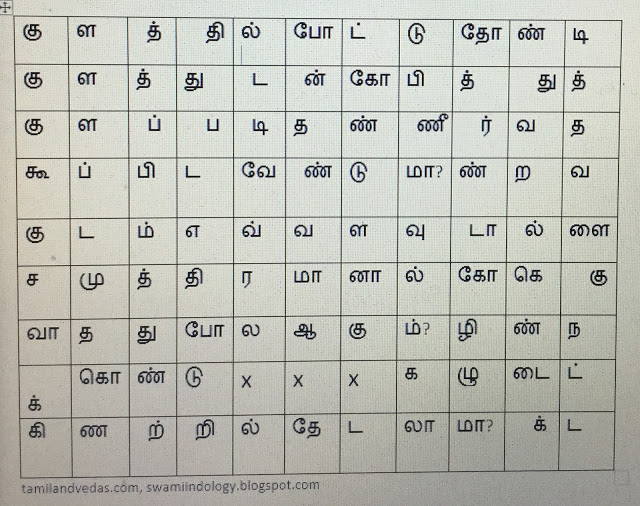
தமிழ் குறுக்கெழுத்துப் போட்டி952020 (Post No.7946)

WRITTEN BY LONDON SWAMINATHAN

Post No.7946

Date uploaded in London – 9 May 2020   

Contact – swami_48@yahoo.com

Pictures are taken from various sources for spreading knowledge; this is a non- commercial blog. Thanks for your great pictures.

குறுக்கே

1. –7 எழுத்துக்கள்–  பாரதியாரால் பாடப்பட்ட சீக்கிய குரு

3.—3– கிளி ; தித்திரி என்ற ஸம்ஸ்கிருத சொல்லில் பிறந்தது

5.–6– பசுமை+ நீர்வளம்

6. / வலமிருந்து இடம் செல்க—2– சிலப்பதிகாரத்தில் அத்தியாயங்களுக்குப் பெயர்

7.—2–  தீபாவளி சமயத்தில் காதைப் பிளக்கும்

7. –3– காலி, ஒன்றுமில்லாத

8. –4– குருவி, கிளி, கவுதாரி ஆகியவற்றை அடி க்க சிறுவர் செய்யும் ஆயுதம்

கீழே

1.–5– குப்பையில் விளையும் மேனிக்கு உதவும் மூலிகை

2.–3– எழுதிய தாள்களை பத்திரப்படுத்தி வைப்பது 

4. –5– அசோகர் இதைச் செய்ததால் 2500 ஆண்டுகளுக்கு முன்னரே இந்தியர்களுக்கு இமயம் முதல்  குமாரி வர எழுதப்படிக்கத் தெரியும் என்பது விளங்கும்

6. / கீழிருந்து மேல் செல்க- 3- மன்மதன்

62– செவி

7. / கீழிருந்து மேல் செல்க—3– ஜய விஜயீ பவ

10. –3– முருகனுக்கு நேர்த்திக் கடன்; தோலின் மீது சுமப்பது

11. –4—பெண்மணி– குடந்தை என்பது போல ஒலி க்கும்

–subham–

பாம்பு, பல்லி, பன்றி, நாய், கழுதையாக யார் பிறப்பர் ?- மநு தரும் பட்டியல் (Post.7945)

மநு நீதி நூல் – பகுதி   51

WRITTEN BY LONDON SWAMINATHAN

Post No.7945

Date uploaded in London – 9 May 2020   

Contact – swami_48@yahoo.com

Pictures are taken from various sources for spreading knowledge; this is a non- commercial blog. Thanks for your great pictures.

மானவ தர்ம சாஸ்திரம் என்றும், மனு ஸ்மிருதி என்றும் அழைக்கப்படும் மநு நீதி நூலின் கடைசி அத்தியாயத்துக்கு – 12 ஆவது அத்தியாயத்துக்கு–  வந்துவிட்டோம். மொத்தமுள்ள 2685 ஸ்லோகங்களில் இன்னும் 126 பாடல்களே மீ தி உள்ளன. அவற்றில் 72 ஸ்லோகங்களை இன்று காண்போம். கடைசி இரண்டு மூன்று அத்தியாயங்கள் பிரமாணர்களுக்கானது. ஆயினும் சில விஷயங்கள் பொதுவானவை. முதலில் Bullet Points புல்லட் பாயிண்டுகளில் சில சுவையான விஷயங்கள்.

இதில் மனு பயன்படுத்தும் சில சொற்களுக்கு எவருக்குமே அர்த்தம் தெரியவில்லை.12-63, 12-64ல் பல பிராணிகளின் பெயர்களைச் சொல்கிறார். ‘அதில் தைல பாக’ என்ற உயிர் ஜீவனை ஒருவர் கரப்பான் பூச்சி என்பார். இன்னொருவர் பறவையோ பறக்கும் பிராணியோ என்பார் . அப்படியே மொழி பெயர்த்தால்  எண்ணெய்க்  குடியன் (oil drinker) என்று பொருள் வரும். இதை வைத்து சில வியாக்கியனக்காரர்கள், பாஷ்யக்காரர்கள் இதை ‘எண்ணெய் சாப்பிடும் பிராணி’ என்பர். மனுவின் நூல் எவ்வளவு பழமையானது என்பதற்கு இதுவும் ஒரு உதாரணம். பாபிலோனிய ஹமுராபிக்கும் முன்னர், உலகின் முதல் சட்டப்புத்தகம் எழுதிய வித்தகன் மனு என்று நான் இதுவரை 11 அத்தியாயங்களில் பல உதாரணங்களைக் கொடுத்துளேன்.

பத்து வகை பாவங்களை முதல் பத்து ஸ்லோககங்களில் பட்டியல் இடுகிறார் . உலகில் இந்துக்கள் மட்டுமே மூன்று வகை பாவங்களை தரம் பிரித்துள்ளனர்.. மனத்தினால், சொற்களினால், உடம்பால் செய்யக்கூடிய பாவங்களை மனோ, வாக், காயம் என்று பாகுபாடு செய்தனர். இந்த அற்புதமான பிரிவினையை வேறு எங்கும் காண முடியாது. மனு தர்ம சாஸ்திரத்தைக் கரைத்துக் குடித்த திருவள்ளுவன், திருக்குறள் எனப்படும் தமிழ் வேதத்தில் ‘பாவம்’, ‘பாவி’ என்னும் சம்ஸ்கிருத சொற்களை அப்படியே கையாளுகிறார்.

முக்கோல் அந்தணர் என்று முனிவர்களை சங்க இலக்கியங்கள் போற்றும். . அந்த முக்கோலின் சம்ஸ்கிருத வடிவம் ‘த்ரிதண்டி’ . எல்லா சன்யாசிகளும் இதை வைத்திருந்தாலும் வைஷ்ணவர்கள் இதை ஜீயர் என்பதுடன் சேர்த்து பயன்படுத்துவர். மனோ, வாக், காய மூன்றிலும் பாவம் செய்ய மாட்டோம் என்பதை இது காட்டுகிறது என்று விளக்குகிறார்; 12-10 ஸ்லோகம் இதை இயம்பும். 9-26  ஸ்லோகத்திலும் இது வரும் .

நம்மில் பெரும்பாலோர் சொற்களினாலும், மனத்தினாலும் பாவம் செய்கிறோம். யார் ஒருவருக்கு ‘திரிகரண சுத்தி’ இருக்கிறதோ அவர்களுக்கு அற்புத சக்திகள் மிக எளிதில் கிடைக்கும். மிருகங்களும் அவர்களுக்கு வசப்படும்.

மூன்று குணங்கள் முதலியன பற்றியும் க்ஷேத்ர ., க்ஷேத்ரக்ஞன் ஆகியன பற்றியும் மனு பேசுவதெல்லாம் பகவத் கீதையிலும் உளது.

****

எலியாக, நாயாக, கழுதையாக, பன்றியாக பிறப்பவன் யார்?

இந்த அத்தியாயத்தில்  மநு முக்கியமாக கதைப்பது எந்த வகை பாவங்கள் செய்வோர் என்ன வகை பூச்சிகளாக , பிராணிகளாகப் பிறப்பர் என்னும் நீண்ட பட்டியலாகும் . மனிதர்கள் பிராணிகளாகவும், பிராணிகள் மனிதர்களாகவும் பிறக்க முடியும்; பேய்களாகத் திரிய முடியும் என்பார் மனு. இதை நாம் பல புராணக் கதைகளிலும் காண்கிறோம்.

என் கருத்து –

இதில் புரியாத பல சம்ஸ்கிருத சொற்களை மநு பயன்படுத்துவது நகைச்சுவைப் (humour)பகுதி என்றே நான் கருதுகிறேன். ‘பின்பக்க ஆசன வாயில் கண் இருக்கும் பேய்’ என்பதெல்லாம் JOKE ‘ஜோக்’ என்றே சொல்ல வேண்டும். தங்க நகைத் திருடன் பொற்கொல்லனாகப் பிறப்பான் என்று சொல்கிறார். அப்படியானால் பொற்கொல்லர் ஜாதியே பிராணிகளுக்கு நிகராக வந்துவிடும். இதையெல்லாம் அப்படியே பொருள் கொள்ளாது அதன் பின்னுள்ள அர்த்ததை புரிந்து கொள்ள வேண்டும். ஒரு பொற்கொல்லன் கோவலனுக்கு அநியாயமாக மரணதண்டனை வாங்கிக் கொடுத்ததற்க்காக ஆயிரம் பொற்கொல்லர்களை பாண்டியன் தீயில் எரித்துக் கொன்றான் என்று சிலப்பதிகாரத்தில் இளங்கோ அடிகள் சொல்கிறார். இதை அப்படியே பொருள் கொள்ளாது அவர்களைத் தண்டித்தார் என்று பொருள் கொள்வதே சாலப்பொருத்தம். அதே கொள் கையை மனுவிலும் பின்பற்றுக.

****

பகவத் கீதை முதலிய நூல்களில் குண கர்ம விபாக யோகத்தில் விளக்கப்படாத ஒரு அரிய விஷயத்தை மநு விளம்புகிறார். ஒவ்வொரு குணத்திலும் கூட மூன்று பிரிவுகள் —தலை, இடை , கடை—– என மூன்று பிரிவுகளாகப் பிரித்து அவர்கள் மறு பிறப்பில் என்ன ஆவார்கள் என்கிறார் .

12-41 முதல் 43 வரை — மூன்று தமோ குணப் பிரிவுகள்

12-45 முதல் 47 வரை — மூன்று ரஜோ  குணப் பிரிவுகள்

12-48 முதல் 50 வரை — மூன்று ஸத்வ  குணப் பிரிவுகள்

12-5 முதல் 12-9 வரை பத்து வகை பாவங்கள்

12-10  திரி தண்டி — முக்கோல் – என்றால் என்ன?

12-54 முதல் பாவாத்மாக்கள் எந்தப் பிராணியாக பிறப்பர் என்னும் பட்டிய ல்

12-61 பொற்கொல்லரும் பிராணிகள் பட்டியலில்! சிலர் இதை தட்டாரப் பூச்சி என்பர்

12-59, 12-60, 12-71 , 12-72 பேய் வகைகள்

***

இதோ ஒரிஜினல் மொழி பெயர்ப்பு 12-72 வரை ………………………….


INDUS VALLEY GHOSTS, DEVILS


tags  — மநு நீதி நூல் – பகுதி   51, யார் பிறப்பர் ?, நாய், கழுதை, பாம்பு, பல்லி, பன்றி

—subham—

ஹிந்தி படப் பாடல்கள் – 31 – இளமைக் கனவுகள்! (Post No.7944)

WRITTEN BY R. NANJAPPA                        

Post No.7944

Date uploaded in London – – – 9 May 2020   

Contact – swami_48@yahoo.com

Pictures are taken from various sources for spreading knowledge; this is a non- commercial blog. Thanks for your great pictures.

ஹிந்தி படப் பாடல்கள் – 31 – இளமைக் கனவுகள்!

R. Nanjappa

இளமைக் கனவுகள்!

Songs from Zapolya  

Up, up ! ye dames, ye lasses gay !
To the meadows trip away.
‘Tis you must tend the flocks this morn,
And scare the small birds from the corn.
    Not a soul at home may stay :
             For the shepherds must go
             With lance and bow
    To hunt the wolf in the woods to-day.


Leave the hearth and leave the house
To the cricket and the mouse :
Find grannam out a sunny seat,
With babe and lambkin at her feet.
    Not a soul at home must stay :
            For the shepherds must go
             With lance and bow
    To hunt the wolf in the woods to-day.  

இது ஆங்கிலக் கவி Samuel Taylor Coleridge எழுதிய கவிதை. 

அந்தக் காலத்து கிராமப்புறச் சூழ்நிலையைச் சொல்வது. ஸீஸனில் ஆண்கள் எல்லோரும் நரி வேட்டையாடப் போவார்கள். அதனால் பெண்கள் அன்று வீட்டை விட்டுக் கிளம்பி, ஆடு மேய்க்கவேண்டும், வயலிலிருந்து குருவிகளை  ஓட்டவேண்டும் என்று பாடுகிறார்!  நம் வள்ளிக்குத் தங்கைகள் உலகெங்கிலும் உண்டு போலும்!

இன்று நமது இளம் பெண்கள் இப்படிக் கிளம்பினால் என்ன செய்வார்கள்? நமது திரைக் கவிகள் சொல்வதைப்  பார்ப்போம்!

இளம் பெண்கள், குதிரை சவாரி செய்கிறார்கள். மேலே வானத்தில் ஒரு சிறு விமானம் பறப்பதைப் பார்க்கிறார்கள். பாடுகிறார்கள்.

மேரா ஸலாம் லேஜா

को: अहाहहा अहा ह हा हा
अहा ह हा ह हा मेरा सलाम ले जा
ल: मेरा सलाम ले जा, दिल का पयाम ले जा, उल्फ़त का जाम ले जा
(उड़न खटोले वाले आ रे)-2
को: मेरा सलाम ले जा, दिल का पयाम ले जा, उल्फ़त का जाम ले जा
(उड़न खटोले वाले आ रे)-2

ल: ल ल ल ला ल ला ला ल होऽ
को: ल ल ल ला ल ला ला ल होऽ
ल: उड़ता हवाओं में, बादल के छाँव में, कौन से गाँव में
जायेगा तू

ल: नीचे ज़मीन है, दुनिया हसीन है, दिल को यकीन है
आयेगा तू
को: नीचे ज़मीन है, दुनिया हसीन है, दिल को यकीन है
आयेगा तू
होय, मेरा सलाम ले जा, दिल का पयाम ले जा, उल्फ़त क जाम ले जा
(उड़न खटोले वाले आ रे)-2

ल: ल ल ल ला ल ला ला ल होऽ
को: ल ल ल ला ल ला ला ल होऽ
ल: ऊँची उड़ान है, पलकों पे जान है, आगे तूफ़ान है
जाना कहीं
ल: मंज़िल भी दूर है, हिम्मत भी चूर है, आना ज़रूर है
आजा यहीं
होय, मेरा सलाम ले जा, दिल का पयाम ले जा, उल्फ़त क जाम ले जा
(उड़न खटोले वाले आ रे)-2  

ஆஹாஹா ….

மேரா ஸலாம் லேஜா, தில் கா பயாம் லேஜா, உல்ஃபத் கா

ஜாம் லேஜா

உடன் கடோலே வாலே ரா ஹீ

ஓ விமான சவாரியே!

என் வாழ்த்தை ஏற்றுக்கொள்!

என் மனம் சொல்லும் செய்தியைக் கேள்

அன்பில் திளைத்துவிடு!

உட்தா ஹவாவோ(ன்) மே,  பாதல் கே சாவ்(ன்) மே, கௌன் ஸே காவ்(ன்) மே

ஜாயேகா தூ?

நீசே ஜமீன் ஹை, துனியா ஹஸீன் ஹை,  தில் கோ யகீன் ஹை,

ஆயேகா தூ

மேரா ஸலாம் லேஜா……

இந்த மேலெழுந்து கிளம்பும் காற்றில், அந்த மேகங்களின் நிழலில், 

அப்படி எந்த ஊருக்கு நீ போகவேண்டும்?

இங்கே கீழே பூமி இருக்கிறது! இந்த உலகம் அழகானது!

நீ வருவாய் என என் மனம் நம்புகிறது!

ஊஞ்சி உடான் ஹை, பல்கோ(ன்) மே ஜான் ஹை, ஆகே தூஃபான் ஹை,

ஜானா கஹீ(ன்)

மன்ஃஜில் பீ தூர் ஹை, ஹிம்மத் பீ சூர் ஹை, ஆனா ஜரூர் ஹை,

ஆனா யஹீ(ன்)

ஹை! மேரா ஸலாம் லேஜா….

மிக உயரத்தில் இது பறக்கிறது! உயிர் இழையில் தங்கியிருக்கிறது!

எதிரில் புயல் வீசுகிறது!

இந்த நிலையில் உனக்கு எங்கு போகவேண்டும்?

உன்னுடைய இலக்கும் வெகு தூரத்தில் இருக்கிறது, தைரியமோ குறைவு;

நிச்சயமாக இங்கேயே வந்துவிடு!

என் வாழ்த்தை ஏற்றுச் செல்; மனதின் செய்தியை வாங்கிச் செல்; 

அன்பில் திளைத்துவிடு.

Song: Mera salam leja  Film: Uran Khatola 1955 Lyrics: Shakeel Badayuni

Music: Naushad Singers: Lata Mangeshkar and Chorus.

இது சில இளம் பெண்கள் விளையாட்டாகப் பாடிச் செல்வது- சிறிது குறும்பும் கலந்திருக்கிறது!

படம் 1955ல் தான் ரிலீசானது; ஆனால் இந்த ரிகார்டு மட்டும் ஏதோ காரணத்தினால் ஒரு வருஷம்  முன்னதாகவே 1954லேயே வெளியிடப்பட்டது! பினாகா கீத் மாலாவில் தூள் கிளப்பியது!

பாட்டு, மெட்டு, லதாவின் அன்றைய இணையற்ற இனிய குரல் என மூன்றும் சேர்ந்து எங்கோ நம்மை இழுத்துச் செல்கின்றன!

உரன் கடோலாவின் ஒவ்வொரு பாட்டிற்கும் ராகம் சொல்பவர்கள், இதற்கு மட்டும் ஏனோ சொல்வதில்லை!

[ஒரிஜினல் 78 rpm இசைத்தட்டில் இதன் பின்னாலிருப்பது ‘மோரே சையா(ன்) ஜீ- இது பிலூ ராகத்தில் இருப்பது!]

இங்கு இன்னொன்றும் சொல்லவேண்டும். இப்பாட்டின் ஆரம்பத்தில்  ‘ஆ ஹா ஹா..” என்று இழுக்கிறார்கள். இது ஷம்ஷாத் பேகம் குரல்போல் இருக்கிறது! முதலில் அவர் குரலில் பதிவாகி, பின்னர் லதா பாடினாரோ என்னவோ தெரியவில்லை!

குதிரைச் சவாரி காலத்திற்குப் பிறகு? சைக்கிள் வந்ததே! இதோ, அதில் பாடிச் செல்லும் சில பெண்கள்!

பன் கே பஞ்சீ காயே(ன்)

ल : बन के पंछी गाएँ प्यार का तराना -२
मिल जाए अगर आज कोई साथी मस्ताना -२
तो झूमें ये धरती और झूमे आसमाँ हो
को: बन के पंछी …


ल : आईं हसीनों की टोलियाँ -२
को : आ हा हा
ल : बोलें पिया-मिलन की बोलियाँ
मंज़िल पे आए कोई नैना मिलाए कोई
भर दे ये उल्फ़त की झोलियाँ
को : मंज़िल पे आए …
ल: बन के पंछी …
को: बन के पंछी …  


ल : खेतों पे छाईं जवानियाँ -२
को : आ हा हा
ल : पत्तों पे लिखीं कहानियाँ
फूलों की डाल जैसे रंगीं रुमाल
कोई दे-दे हमें भी निशानियाँ
को : पत्तों पे लिखीं …
ल: बन के पंछी …
को: फूलों की डाल …  

பன் கே பஞ்சீ காயே ப்யார் கா தரானா

மில் ஜாயே அகர் ஆஜ் கோயீ ஸாதீ மஸ்தானா

தோ ஜூமே யே தர் தீ ஔர் ஜூமே ஆஸ்மான் ஹோ

நாம் பறவையாக மாறுவோம்! காதல் கீதம் இசைப்போம்!

இன்று மனதிற்குகந்தவர் யாராவது கிடைத்துவிட்டால்-

ஆஹா, இந்த பூமி மகிழ்ச்சியில் பொங்குமே!

இந்த வானும் மகிழ்ச்சியில் பொங்குமே!

ஆயீ  ஹஸீனோ(ன்) கீ டோலியா(ன்)

போலே(ன்)  பியா மிலன் கீ போலியா(ன்)

மன்ஃஜில் பே ஆயே கோயீ நைனா மிலாயே கோயீ

பர்தே யே உல்ஃபத் கீஜோலியா(ன்)

பன் கே பஞ்சீ….

இதோ, அழகிகளின் குழு வந்துவிட்டது!

காதலர்களுடன் சந்திப்பதைப் பற்றிப் பேசுகிறார்கள்!

இங்கு யாராவது நம் இடத்திற்கு வந்து, நம்முடன் கண் கலந்து

காதல் என்னும் பையை நிறப்பிவிட்டால்! 

நாம் பறவையாக மாறுவோம்….

கேதோ(ன்) பே சாயீ ஜவானியா(ன்)

பத்தோ(ன்) பே லிக்கீ கஹானியா(ன்)

ஃபூலோ(ன்) கீ டால் ஜைஸே ரங்கீ(ன்) ரூமால் கோயீ

தேதே ஹமே பீ நிஷானியா

பன் கே பஞ்சீ காயே…..

வயல்களில் வஸந்த காலத்தின் சாயல் விழுந்துவிட்டது!

ஒவ்வொரு இலையிலும் ஒரு கதை எழுதப்படிருக்கிறது!

பூ நிறைந்த மரக்கிளைபோல், அழகான கைக்குட்டையை

அடையாளமாக நமக்கு யாராவது  தந்து சென்றால்..

நாம் இன்று பறவையாக மாறுவோம்!

Song: Banke panchi gaaye(n)  Film: Anari 1959 Lyrics: Hasrat Jaipuri

Music: Shankar Jaikishan  Singers: Lata & chorus

This song is a great example of “romantic ” poetry. Romanticism in literature is a faith in nature as nature (not as studied by science), a faith in the pre-industrial past, emphasis on individual emotion and experience, and a generally happy and hopeful attitude to the future. The situation here in the song is not related to a specific person, but expresses a general wish! Wordsworth, Keats, Coleridge are the best examples of romantic poetry.. Wordsworth wrote:

Of Truth, of Grandeur, Beauty, Love, and Hope
And melancholy Fear subdued by Faith;
Of blessed consolations in distress;
Of Moral strength, and intellectual Power,
 Of joy in widest commonalty spread..

See how Beauty, Love and Hope are reflected here, and spread in the entire group of girls!

இந்தப் பெண்கள் ஏதோ நினைக்கிறார்கள்! கனவு காண்கிறார்கள்! பிக்னிக்கில் அது பாட்டாக வருகிறது! கண்களுடன் கலக்கவோ, கைக்குட்டை தரவோ இன்னும் யாரும் வரவில்லை! ஆனாலும் அதைப்பற்றி நினைப்பதில் (அந்த வயதில்) தவறில்லையல்லவா!

“ஓருமுறை தான் வரும், கதை பல கூறும், உல்லாசப் புதுமைகள் காட்டும் இளமை” என்று தமிழில் ஒரு பழைய பாடல் உண்டு!

எத்தனை அருமையாக எழுதியிருக்கிறார் ஹஸ்ரத் ஜய்புரி! அதற்கேற்ற இசை! லதாவின் இனிய குரல்!மனதைச் சொக்கவைக்க வேறு என்ன வேண்டும்?

tags — ஹிந்தி படப் பாடல்கள் – 31 –