Not Intelligent Quotient; But Illumination Quotient! (Post No.7575)

WRITTEN BY S NAGARAJAN                     

Post No.7575

Date uploaded in London – – 15 February 2020

Contact – swami_48@yahoo.com

Pictures are taken from various sources for spreading knowledge; this is a non- commercial blog.

உதவிக் குறிப்புகள்! – 6

Not Intelligent Quotient ; But Illumination Quotient!

ச.நாகராஜன்

எனது பழைய நோட்புக்கில் எழுதி வைத்துள்ள, நான் படித்து வந்த, பல நல்ல புத்தகங்களின் சில முக்கிய பகுதிகளின் தொடர்ச்சி இதோ:

HELPFUL HINTS

குறிப்பு எண் 20 : From : The Law of Success by Napoleion Hill

Gather New Ideas!

குறிப்பு எண் 21 : From : Make the most of your Hidden Mind Power

Not Intelligent Quotient; But Illumination Quotient is important!

குறிப்பு எண் 22 : From Secrets of Mental Magic

Building Personality Power

Watch Results of Thoughts – Satisfactory :Note kind of Thoughts

Unsatisfactory : Note kind of Thoughts

குறிப்பு எண் 23 : From Secrets of Mental Magic (P 55)

Your first responsitility in life is towards your own Mental Advancement – First Things First

குறிப்பு எண் 24 : From Practical Psychology May 1991 issue – P-9

Work Hard – R.L.Stevonson

tamilandvedas.com, swamiindology.blogspot.com

குறிப்பு எண் 25 : From Practical Psychology May 1991 issue – P-17

Negative Attitude to be changed to Positive Attitude (positive condition) and Optimistic Opinion

குறிப்பு எண் 26 : From : Thoughts to Remember (P1) by Kopmeyor

Stand Tall –PHYSICALLY

குறிப்பு எண் 27 : From : Thoughts to Remember (P1) by Kopmeyor

Stand Tall – MENTALLY

குறிப்பு எண் 28 : From : Thoughts to Remember (P1) by Kopmeyor

Stand Tall – SPRITUALLY

குறிப்பு எண் 29 :  From : Thoughts to Remember (P8) by Kopmeyor

DIVIDE AND CONQUER

Live one day at a time : Your personal Health – Physical, Mental, Emotional

tamilandvedas.com, swamiindology.blogspot.com

குறிப்பு எண் 30 :  From : How to Live 365 Days a Year By John A.Schindler – P 115

IMPORTANT POINTS TO WATCH IN LIVING :-

1.Keep Life Simple

2. Avoid watching for a knock in your motor

3. Learn to like work

4. Have a good hobby

5. Learn to be satisfied

6. Like people

tamilandvedas.com, swamiindology.blogspot.com

7. Say the cheerful, pleasant thing

8. Turn the defeat of adversity into victory

9. Meet your problems with decision.

10. Make the present moment a success

11. Always be planning something

12. Say “NUTS” to irritations.

குறிப்பு எண் 31 :  From : How to Live 365 Days a Year By John A.Schindler – P 91

Practice thought control

When you catch yourself starting a stressing emotion like worry, anxiety, fear, apprehension or discouragement, STOP IT. SUBSTITUTE a healthy emotion like equanimity, courage, determination, resignation or cheerfulness.

குறிப்பு எண் 32 :  From : How to Live 365 Days a Year By John A.Schindler – P 91

Carry this idea every minute of every day :  I am going to keep my attitude and thinking calm and cheerful – right now.

குறிப்பு எண் 33 :  From : How to Live 365 Days a Year By John A.Schindler – P 91

When the going is good and smooth,allow yourself the delightful feeling of being happy.

குறிப்பு எண் 34 :  From : How to Live 365 Days a Year By John A.Schindler – P 91

When the going gets rough  :

  1. Stay outwardly as cheerful and as plesant as you possibly can. Lighten an awkward situation with a bit of humour wry though it may be.

Avoid running your misfortune through your mind like a repeating phonograph record. Above all do not let yourself get irritated, upset or hysterical.

tamilandvedas.com, swamiindology.blogspot.com

  •  
  • Try to turn every defeat into a moral victory.
  • Run these flags up on your masthead and keep them flying:

EQUANIMITY : (“Let’s stay calm”)

RESIGNATION : (“Let’s accept this setback gracefully’)

COURAGE :  (“I can take all this and more”)

DETERMINATION : (“I will turn this defeat into victory”)

CHEERFULNESS : (“Really, I am holding my own or Bowed but not broken”)

PLESANTNESS : (“I will still have good will toward men”)

****
MARRIAGE CEREMONY MANTRA IN RIG VEDA (Post N.7574)

MARRIAGE CEREMONY MANTRA IN RIG VEDA (Post N.7574)

 Complied  London Swaminathan

Post No.7574

Date uploaded in London – 14 February 2020

Contact – swami_48@yahoo.com

Pictures are taken from various sources for spreading knowledge; this is a non- commercial blog.

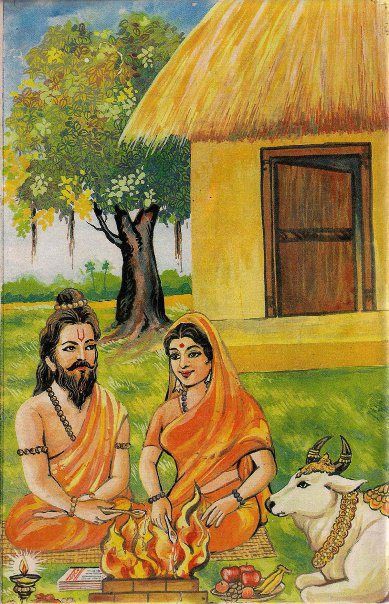
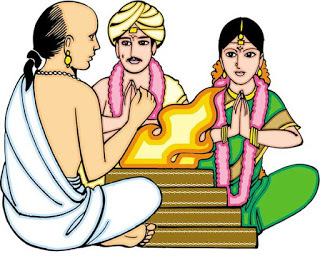
The Samhita of the Rig Veda has fortunately preserved one particular hymn 10-85 which proves that not only the institution of marriage but also the ideals which characterised it in India in later days were deeply rooted in the minds of men. Its interest, however, transcends the narrow bounds of India, as it is perhaps the oldest written document in the world which gives an ideal picture of the marriage system with all that it involves in a civilized society.

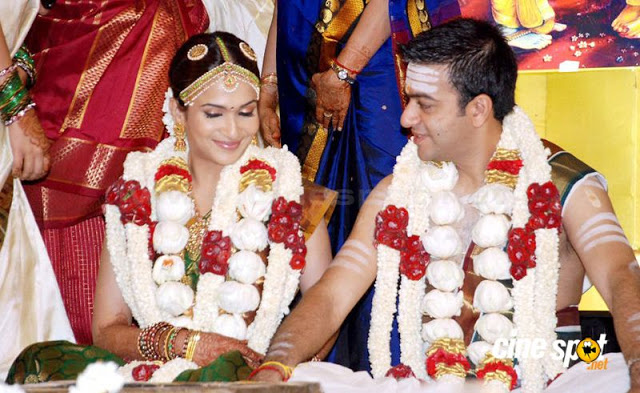
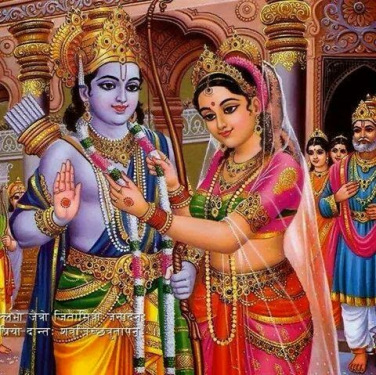
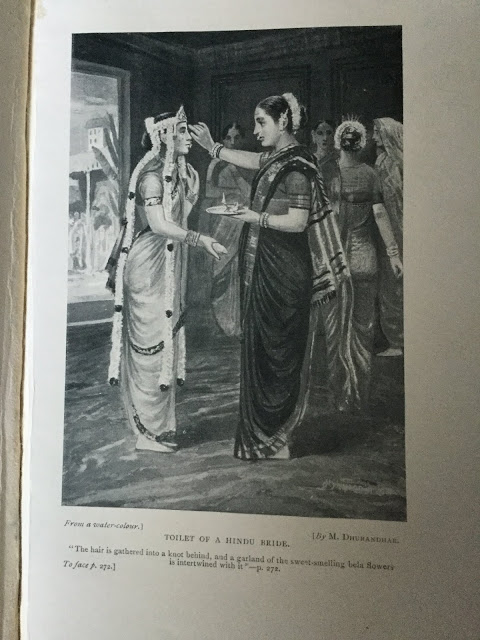
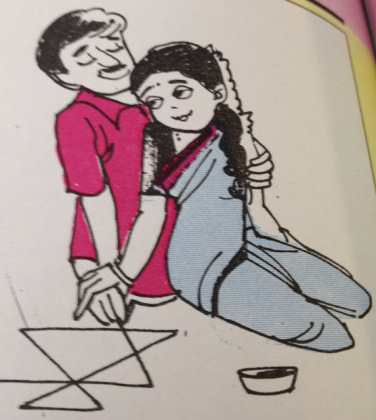
The subject matter of the hymn is ‘suuryaa’, the daughter of the sun and a form of the dawn, who is regarded as the typical bride. We learn from it that the friends of the bridegroom came to the  bride’s father with the proposal of the marriage, and evidently it is settled by him. The ceremony took place at the bride’s house, and the decorated bride, with her companions came to the marriage pandal. Then the bridegroom took the hand of the bride in his own hand, probably in front of fire, with the words, I take thy hand in my hand for happy fortune that you may reach old age with me your husband. Gods ….. have given you to be my household’s mistress.

Later he offers another prayer-

O Pushan, send her on as most auspicious , her who shall be he sharer of my pleasures; her who shall twine her loving arms about me ad welcome all my love and mine embraces.

After the rituals were over, the bride left her father’s home for that of her husband. This change is emphasized in the prayers addressed to Vishwavasu, one of the Gandharvas, and supposed to be the protector of virgins. Rise up from hence, Vishwavasu… you seek another willing maid in her father’s house. This maiden hath a husband; with her husband leave the bride

I free the bride from your father’s family but not from your husband’s. I make you softly fettered there. O Indra may she live blest in her fortune and her sons.

Lastly, she is urged to go to the husband’s house to the household’s mistress, and payers were offered to the gods for their safe journey. On her arrival at the new home she was welcomed by the friends and relatives of her husband with the verse,

Happy be you and prosper with your children here, here, be vigilant to rule your household in this home. Closely unite your body with this man your husband. So shall you, full of years, address your company.

To the guests assembled to welcome newly married pair it is said,

Signs of good fortune mark the bride; come all of you and look at her. Wish her prosperity, and then return unto your homes.

After the guests had departed, the bride was addressed as follows, probably when offering sacrifice,

Be you not parted, dwell you here; reach the full time of human life. With sons and grandsons sport and play, rejoicing in your own abode.

Then the husband addresses his wife,

So may Prajapati bring children forth to us, may Aryaman adorn us till old age come nigh. Not inauspicious enter thou your husband’s house; bring blessings to our bipeds and quarepeds… over your husband’s father and your husband’s mother bear full sway; over the sister of your husband, over his brothers rule supreme.

The husband then prays,

O bounteous Indra , make this bride blest in her sons and fortunate. Vouchsafe to her ten sons, and make her husband the eleventh man.

Then there is the concluding payer offered jointly by the bridegroom and the bride,

So may the universal gods , so may the waters join our hearts. May Matarishwan, Dhatar, and Deshtri together bind us close.

Thus ends this remarkable hymn which may be regarded as the earliest expression of human thoughts concerning marriage viewed as a sacrament and a willing union of two hears.

Xxx subham xxxx

குங்குமப் பூ பாபா கதை (Post No.7573)

WRITTEN BY London Swaminathan

Post No.7573

Date uploaded in London – 14 February 2020

Contact – swami_48@yahoo.com

Pictures are taken from various sources for spreading knowledge; this is a non- commercial blog.

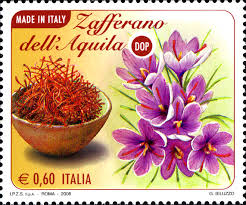
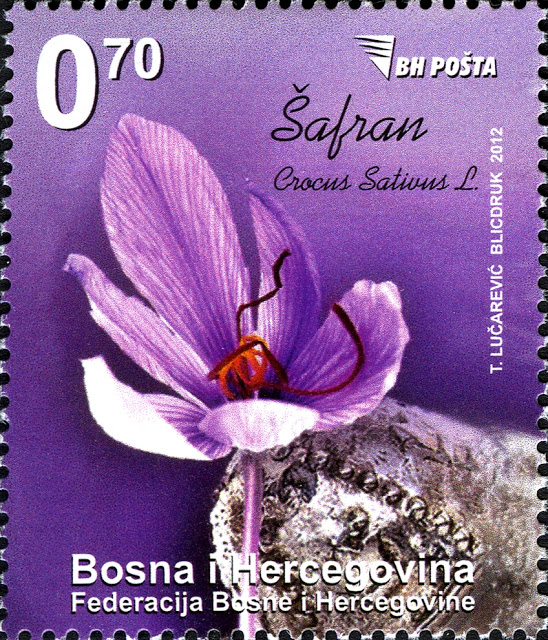
குங்குமப் பூவே கொஞ்சசும் புறாவே — என்ற தலைப்பில் ஒரு கட்டுரை எழுதி இங்கே போஸ்ட் செய்திருந்தேன். அதற்குப் பின்னர் தினமணி கதிரில் 2-8-1992ல் வாசகர் கடிதப் பகுதியில் சென்னை தி.வி.கிருஷ்ணசாமி எழுதிய ஒரு கடிதம் கண்டேன். அதில் அவர் கூறுவதாவது-

“12-7-1992 தினமணி கதிரில் குங்குமப் பூ பற்றி இல்லந்தோறும் இயற்கை மருந்து பகுதியில் டாக்டர் கே. வெங்கடேசன் சிறப்பித்து எழுதியிருந்தது பாராட்டத் தக்கது. இதை பற்றி மேலும் சில தகவல்கள் :-

குங்குமப் பூவின் தாயகம் தென் ஐரோப்பா . இந்தியாவிலேயே ஜம்மு-காஷ்மீர் பள்ளத்தாக்கில்தான் இது அதிகம் விளைகின்றது.பழங்காலத்தில் ஸ்ரீநகர் அருகில் பாம்பூரில் ஷேக் பாபா என்ற துறவிக்கு கண் நோய் ஏற்பட்டது; அவர் பல மூலிகைகளைப் பயன்படுத்தியும் குணமடையாமல் வருந்தினார்.

ஒருநாள் இறைவன் அவர் கனவில் தோன்றி , குங்குப் பூவின் நிறம், அமைப்பு, இருக்குமிடம் இவற்றைக் கூறியதோடு குங்குமப் பூவை, மை  போல அரைத்து கண் மீது பூசும்படி கூறியதும் , பாபாவும் அதன்படியே செய்ய, கண் நோய் வியக்கத்தக்க வகை யில் சீக்கிரமே மறைந்து, பூரண குணம் ஏற்பட்டது  . அங்கு வாழும் மக்கள் இந்த அற்புதத்தைக் கண்டு வியந்து குங்குமப் பூவை தெய்வ மூலிகையாக கருதினர். பாபாவின் அருள் கட்டளைக்கிணங்க அந்த செடியை பெருமளவில் வளர்த்தார்கள் .பாபா சமாதி அடைந்ததும் குங்குமப்பூ தோட்டத்துக்கு அருகிலேயே அவரை அடக்கம் செய்தார்கள்.

ஒவ்வொரு வருஷமும் பாம்பூர் வாசிகள் பாபா சமாதியடைந்த தினத்தில்  சமாதி இருக்கும் இடத்திற்குச்  சென்று  வழிபடுவார்கள்; அன்றய தினம் சைவ உணவையே ஆகாரமாகக் கொள்வார்கள். குங்குமப் பூவை உலகறியச்  செய்த பெருமை பாபாவையே சாரும் .

ஸ்பெயின் நாட்டில் விழாக்காலங்களில் அரிசியோடு குங்குமப் பூவை சேர்த்து சமைப்பதை கௌரவமாகக் கருதுகிறார்கள் .

ஈரம்  படாதபடி குங்குமப் பூவை வைத்திருந்தால் இரண்டு மூன்று ஆண்டுகளுக்குப் பயன்படுத்தலாம்.

குங்குமப் பூவை வியாபாரிகள் தங்கத்திற்குச்  சமமாகக் கருதுகிறார்கள் . ஒரு கிலோ நல்ல தரமான குங்குமப் பூ விலை ரூ.20,000 வரை மதிப்பிடப் படுகிறது (12-7-1192)”.

Xxxx

MY OLD ARTICLE

குங்குமப் பூவே கொஞ்சும் …

tamilandvedas.com › 2019/10/14 › குங்கு…

  1.  

14 Oct 2019 – குங்குமப் பூவே கொஞ்சும் புறாவே….. (Post No.7094). Written by London Swaminathan swami_48@yahoo.com. Date: 14 OCTOBER 2019. British Summer Time uploaded in London – 7-45 am

ஐஸக் நியூட்டன் பற்றிய புதிய செய்திகள்! (Post No.7572)

Subash kak

WRITTEN BY S  NAGARAJAN

Post No.7572

Date uploaded in London – 14 February 2020

Contact – swami_48@yahoo.com

Pictures are taken from various sources for spreading knowledge; this is a non- commercial blog.

பாக்யா 1-2-2020 இதழில் அறிவியல் துளிகள் தொடரில் வெளியாகியுள்ள (ஒன்பதாம் ஆண்டு இருபத்தி ஐந்தாம் கட்டுரை -அத்தியாயம் 441

ஆங்கிலத்தில் திரு சுபாஷ் கக் அவர்கள் எழுதிய கட்டுரையின் தமிழாக்கச் சுருக்கம் இது. இதற்கு உடனே சில நிமிடங்களில் தமிழாக்கம் செய்து பிரசுரிக்க அனுமதி அளித்த அவருக்கு எனது நன்றி!

ஐஸக் நியூட்டன் பற்றிய புதிய செய்திகள்!

ச.நாகராஜன்

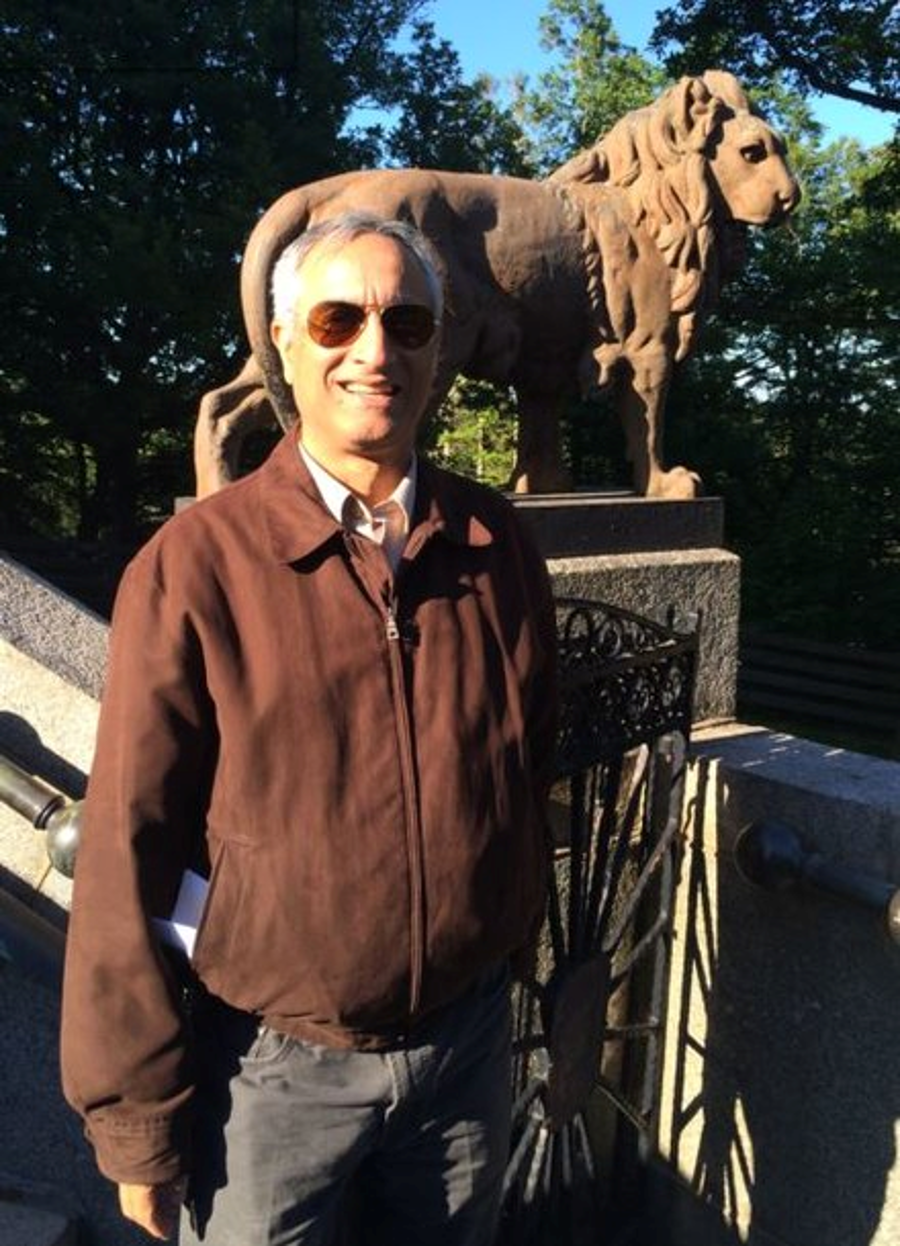
அறிவியல் உலகிலும் ஹிந்து தத்துவம் பற்றிய ஆன்மீக உலகிலும் பேரறிஞராக இன்றைய நாளில் திகழ்பவர் அறிவியல் விஞ்ஞானி திரு சுபாஷ் கக். (பிறப்பு 26-3-1947; இப்போது வயது 73) அமெரிக்காவில் ஓக்லஹாமா பல்கலைக் கழகப் பேராசிரியரான இவர் ஏராளமான புத்தகங்களை எழுதியுள்ளார்; பட்டங்களைப் பெற்றுள்ளார். ஹிந்து வேதம் உள்ளிட்ட நூல்களில் உள்ளவற்றை நவீன அறிவியலுடன் ஒப்பிட்டு முக்கிய கொள்கைகள் பல எப்படி பழைய வேத காலத்திலேயே சொல்லப்பட்டுள்ளன என்பதை விளக்கி உலகையே பிரமிக்க வைக்கும் இந்த அறிஞர் சர் ஐஸக் நியூட்டனைப் பற்றிய பல உண்மைகளைத் தொகுத்து சமீபத்தில் எழுதியுள்ளார்.

அதை பாக்யா வாசகர்களுக்குத் தர வேண்டும் என்று அவரை மின்னஞ்சல் மூலமாக நாடிய போது சில நிமிடங்களிலேயே அனுமதியை வழங்கினார். அவருக்கு நமது நன்றியைத் தெரிவித்து இந்தச் செய்திகளை வழங்குகிறோம் இங்கு.

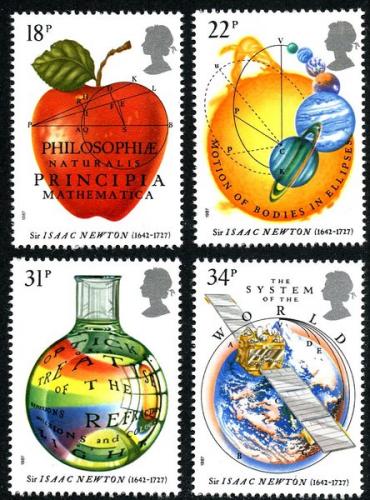
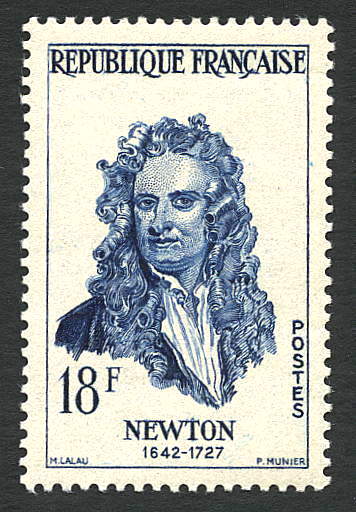
சர் ஐஸக் நியூட்டன்  (Sir Isaac Newton –  தோற்றம் 25-12-1642  மறைவு : 20-3-1726) இங்கிலாந்தைச் சேர்ந்த பிரபல விஞ்ஞானி. கணித மேதை.

நியூட்டன் கேம்பிரிட்ஜ் பல்கலைக்கழகத்தில் பணியாற்றி வந்தார். பார்லிமெண்ட் மெம்பராக இரு முறை இருந்தார். பிரிட்டனின் கரன்ஸி மற்றும் நாணயம் தயாரிக்கும் மிண்ட் எனப்படும் நாணயசாலையின் தலைமை மாஸ்டராகவும் இருந்தார். புதிய நோட்டுகளை அச்சடிக்கும் பொறுப்பு அவரிடம் இருந்ததால் கள்ள நோட்டைத் தடுக்கும் பொறுப்பும் அவருக்கு இருந்தது. 24 கள்ளநோட்டுப் பேர்வழிகளைப் பிடித்து தூக்கிலிட அவர் வழி வகுத்தார். பிலாஸபி நேச்சுராலிஸ் பிரின்ஸிபா மேதமேடிகா என்ற அவரது நூல் 1687இல் பிரசுரிக்கப்பட்டு உலகப் புகழைப் பெற்றது.

புவி ஈர்ப்பு விசை பற்றி உலகிற்கு அறிவித்தவரும் அவரே தான். முதல் டெலஸ்கோப்பை உருவாக்கியதோடு வானில் நிகழும் கிரக சஞ்சாரங்களைக் கவனித்து ஆராய ஆரம்பித்தவரும அவரே.

எதையும் கொள்கை அளவில் சொல்வதோடு நிற்காமல் அவற்றைச் செயல்முறையில் நிரூபித்துக் காட்டியவர் நியூட்டன்.

சிலர் கடவுளின் இருப்பிடத்தை அவர் கண்டவர் என்று சொல்கின்றனர். உண்மையில் கடவுளின் தூதர் ஒருவர் குறுக்கிட்டு அனைத்தையும் தருவதாக அவர் நம்பினார்.

அவர் கூறினார் : “ஈர்ப்பு விசையின் மூலமாக கிரக சஞ்சாரங்களைத் துல்லியமாகச் சொல்ல முடிகிறது. ஆனால் அந்த கிரகங்களை சஞ்சாரம் செய்ய வைத்தது யார் என்று சொல்ல முடியவில்லை. கடவுளே அனைத்தையும் நிரிவகிக்கிறார். அனைத்தும் அறிந்தவர் அவரே”

     அவர் இரஸவாதத்திலும் குப்த வித்தைகள் எனப்படும் அதிமானுட வித்தைகளிலும் மிகுந்த ஆர்வம் கொண்டவர். தனது கணிதத்தை விட இந்த இரகசிய வித்தைகள் மிக முக்கியமானவை என்று அவர் நம்பினார்.

நியூட்டனில் இரஸவாத ஆய்வையும் குறிப்புகளையும் ஆராய்ந்த பிரபல பொருளாதார நிபுணரான ஜான் மேநார்ட் கைனஸ் (John Maynard Keynes) 1942ஆம் ஆண்டு நியூட்டனின் முன்னூறாவது ஆண்டு நினைவு நாளில், “அவர் அறிவியல் உலக ஆரம்பத்தின் முதல் நபர் அல்ல; ஆனால் மாஜிக் நிபுணர்களின் வரிசையில் கடைசியாக வாழ்ந்தவர்” என்று குறிப்பிடுகிறார்.

இரஸவாதக் கல் எனப்படும் செம்பு, இரும்பு போன்ற உலோகங்கள எதைத் தொட்டாலும் அதைத் தங்கமாக்கி விடும் கல்லைத் தயாரிக்க தன்னால் முடியும் என்று அவர் திடமாக நம்பினார். அது மட்டுமல்ல மனிதர்கள் சாவே இல்லாமல் நிரந்தரமாக வாழத் தன்னால் உதவ முடியுமென்றும் நம்பினார். இரஸவாதக் கல் பூமியின் நடுவில் இருப்பதாக அவர் நினைத்தார். இதுவே ஆவிகள் போன்றவற்றைப் படைத்து விலைமதிப்புள்ள உலோகங்களை உருவாக்க வழி வகுத்தது என்று அவர் கூறினார்.

இந்த ஆவிகளே எதைத் தொட்டாலும் அதை மாற்றித் தன்னைப் போலத் திகழும் உருவங்களாக மாற்றி விடுகிறது என்று அவர் கூறினார்.

தேவதைகள் நம்முடன் பேச முடியும் என்பதும் அவரது நம்பிக்கையாக இருந்தது. இதனால், கடவுளால் அவர் விசேஷமாகத் தேர்ந்தெடுக்கப்பட்டு பைபிளில் கூறியுள்ளதைச் சரியாகப் புரிந்து கொள்பவராக ஆக்கப்பட்டதாக அவர் நம்பினார். பைபிளில் உள்ள ரகசிய சங்கேதங்களைத் தன்னால் புரிந்து கொள்ள முடியும் என நம்பியதோடு, “டே ஆஃப் ஜட்ஜ்மெண்ட் எனப்படும் இறுதித் தீர்ப்பு நாளில் உயிர்த்தெழும் புனிதர்கள் ஒருவருக்கொருவர் தமக்குள் பேசிக் கொள்வர்; மனிதர்களோவெனில் அவரவர் செயல்களுக்குத் தக தண்டனையையும் பரிசையும் அடைவர் -புனித புத்தகத்தில் எழுதப்பட்டிருப்பதற்குத் தக்கபடி நடக்காதவர் அழியா நரகத் தீயில் தள்ளப்படுவர்” என்று அவர் எழுதினார்.

பழைய உலகமும் வானும் அழிந்து பட்டு புதிய வானும் உலகமும் மீண்டும் உருவாக்கப்படும் என்று அவர் எழுதியதோடு, அப்போது புதிய ஜெருசலம் உருவாகும் என்றும் அவர் நம்பினார். அப்போது அழியாத ரத்தினங்களால் உருவாகும் பல நகரங்கள் மின்னி ஜொலிக்கும். என்று அவர் கூறினார்.

பைபிளில் குறிப்பிடப்படும் கால கட்டங்களை மிகத் தீவிரமாக நம்பிய பலர் அது பற்றி எழுதியுள்ளனர். குறிப்பாக பிஷப் ஜேம்ஸ் உஷர் ( Bishop James Ussher 1581- 1656) என்பவர் பைபிளை நன்கு ஆய்வு செய்து பிரபஞ்சம் உருவாகிய தேதியையும் நேரத்தையும் கிறிஸ்துவுக்கு முன்னர் 4004ஆம் ஆண்டில் அக்டோபர் 22ஆம் தேதி மாலை 6 மணி தான் என்று திடமாக நிர்ணயித்தார்.

நியூட்டன் இந்த பைபிள் ஆய்வுகளை மிகத் தீவிரமாக கவனத்தில் எடுத்துக் கொண்டார். அவரது ‘தி க்ரானாலஜி ஆஃப் ஏன்சியண்ட் கிங்டம்ஸ் அமெண்டட்’ என்ற புத்தகம அவர் மறைவிற்குப் பின்னர் 1728இல் வெளியிடப்பட்டது. 1704இல் அவர் எழுதிய இந்தப் புத்தகத்தில் 2060ஆம் ஆண்டு இந்த உலகம் முடிவுக்கு வந்து விடும் என்று கணித்து எழுதினார்.

  இந்த முடிவிற்கு தான் வந்தததற்கான காரணங்களையும் விவரித்தார் அவர்

பின்னர் நன்றாக ஆராய்ந்த பின்னர் 2060இல் உலகம் முடிவுறும் என்ற தனது முடிவை மாற்றி 2016ஆம் ஆண்டிலேயே உலகம் அழிந்து விடும் என்று அறிவித்தார்.

பூகம்பங்கள் கடவுளின் ஒப்புதல் இல்லாமையின் அறிகுறிகள் என்றார் அவர். நாத்திகர்களின் வழிபாட்டுச் சிலைகளை ஒளித்து வைத்துக் கொள்ளவே கடவுள் மலையில் குகைகளை அமைத்துள்ளார் என்பது அவர் நம்பிக்கை.

நியூமராலஜி எனப்படும் எண் கணித சாஸ்திரத்தில் நியூட்டனுக்கு அபார நம்பிக்கை உண்டு. விலங்கின் எண் 666: கடவுளின் சேவகர்களின் எண்ணிக்கை 144000 என்று அவர் உறுதிபடத் தெரிவித்தார்.

கீழ் வர்க்கத்தினருக்கும் பிரபுக்களுக்கும் இடையே இயந்திரத்திற்கும் மனிதனுக்கும் இருப்பது போன்ற உறவு இருக்கும் என்ற நியூட்டனின் தத்துவமே கார்ல் மார்க்ஸ் தனது தத்துவத்தை அமைக்கப் பெரிதும் காரணமாக அமைந்தது.

உலகிற்குப் பொதுவான ஒரு அரசாங்கம் அமைய வேண்டும் என்று இந்தக் காலத்தில் வறுபுறுத்தப்படும் கருத்தும் நியூடன் வலியுறுத்திய கருத்து தான்.

 செயற்கை அறிவானது உணர்வுள்ள மெஷின்களை உருவாக்கும் என்று இன்று விஞ்ஞானிகள் கூறுகின்றனர். முதலில் இதைக் கூறியது நியூடன் தான்.

நியூட்டனின் வாழ்க்கை சுவாரசியமானது மட்டுமல்ல; பல சுவையான தகவல்ளைத் தருபவையும் கூட!

அறிவியல் அறிஞர் வாழ்வில் .. ..

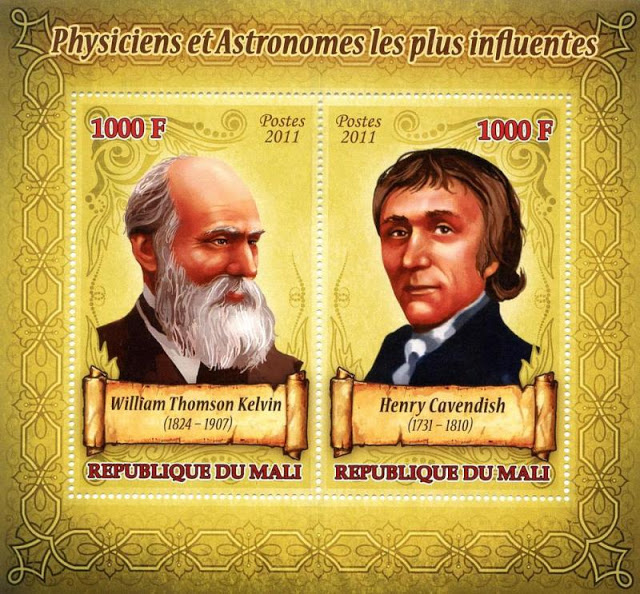
ஹென்றி கேவண்டிஷ் (Henry Cavendish 1731-1810) இங்கிலாந்தைச் சேர்ந்த இயற்பியல் மற்றும் இரசாயன இயல் விஞ்ஞானி. அவருக்கு பரம்பரைச் சொத்தாக ஏராளமான பணம் இருந்தது. ஆனால் அதை அவர் மதிப்பதே இல்லை. அவரது வங்கி அதிகாரி அவரிடம் வந்து அவரது 

ஏராளமான பணம் அவரது கணக்கில் வெறுமனே முடங்கி இருக்கிறது என்றார். இதைக் கேட்ட கேவண்டிஷ் அந்தப் பணம் சும்மா இருப்பது அவரைப் பாதிக்கிறது என்றால் அந்தப் பணம் முழுவதையும் வங்கியிலிருந்து எடுத்து விடுவதாகச் சொன்னார். திடுக்கிட்டுப் போன வங்கி அதிகாரி, “அப்படியில்லை, அதை சற்று பாதுகாப்பான பத்திரங்களில் முதலீடு செய்யலாமே என்று சொன்னேன்” என்றார்.

எரிச்சலடைந்த கேவண்டிஷ், “என்ன வேண்டுமானாலும் செய்து கொள்ளுங்கள், ஆனால் இன்னொரு முறை இந்த மாதிரி சில்லறை விஷயங்களுக்கு என்னைத் தொந்தரவு செய்ய மட்டும் வராதீர்கள். வந்தீர்கள் என்றால் எல்லாப் பணத்தையும் வங்கியிலிருந்து எடுத்து விடுவேன்” என்றார்.

வங்கி அதிகாரியோ தப்பித்தோம் பிழைத்தோம் என்று அவரிடம் ஒப்புதல் பெற்ற மகிழ்ச்சியுடன் அங்கிருந்து வேகமாக அகன்றார்.

கேவண்டிஷுக்குப் பெண்கள் என்றாலே பயம். தனது வீட்டில் வேலை செய்த வேலைக்காரிகள் தனது முகத்தில் ஒரு போதும் விழிக்கக் கூடாது என்று அவர் உத்தரவு போட்டிருந்தார். மீறி யாரேனும் அவரைப் பார்த்தால் அந்த வேலைக்காரியின் சீட்டு கிழிக்கப்படும். தனக்கு வேண்டியதை எல்லாம்  ஹாலில் இருந்த மேஜையில் ஒரு நோட்புத்தகத்தில் எழுதி வைத்து விடுவார் அவர். அதன்படி வேலைக்காரிகள் வேண்டியதைச் செய்ய வேண்டும்.

விஞ்ஞானிகளில் விசித்திரமானவர் கேவண்டிஷ்!

***

22 பிரதம மந்திரிகளைக் கண்டவர் (Post No.7571)

22 பிரதம மந்திரிகளைக் கண்டவர் (Post No.7571)

WRITTEN BY LONDON SWAMINATHAN

Post No.7571

Date uploaded in London – 13 February 2020

Contact – swami_48@yahoo.com

Pictures are taken from various sources for spreading knowledge; this is a non- commercial blog.

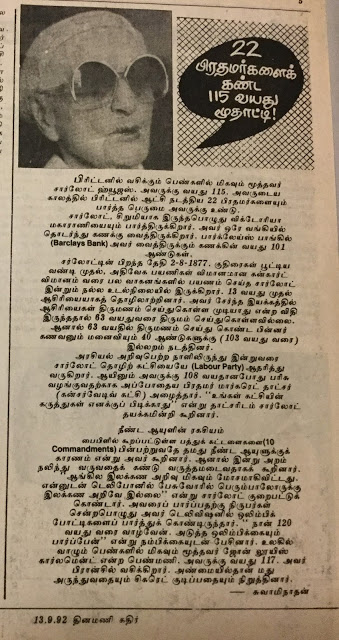
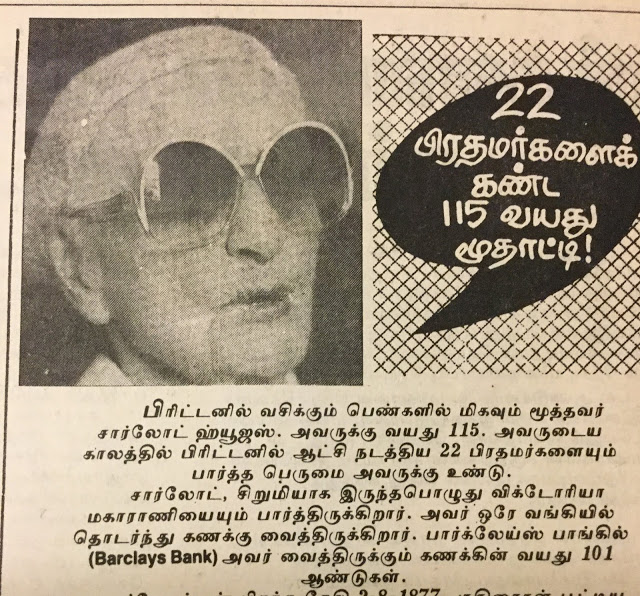
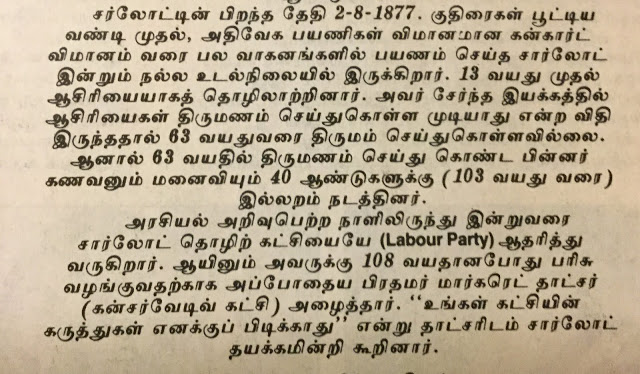
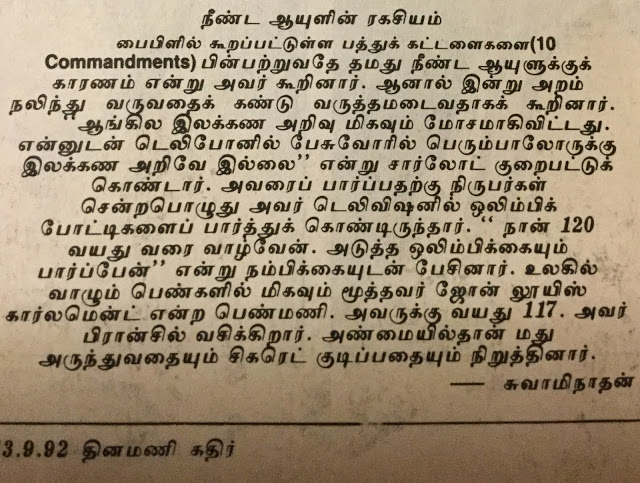
பிரிட்டனில் 22 பிரதமர்களின்  ஆட் சியைக் கண்ட பெண்மணி சார்லோட் ஹ்யுஜஸ் .

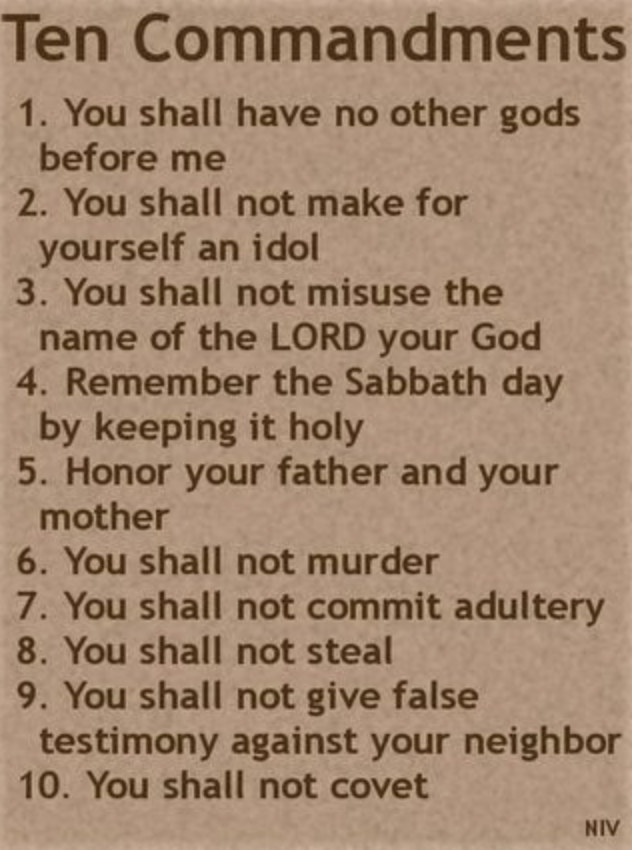
அவரைப் பற்றி நான் எழுதிய செய்தி 13-9-1992ல் தினமணி கதிரில் வெளியானது. இணைப்பில் படியுங்கள். பைபிளின் பழைய ஏற்பாட்டிலுள்ள பத்து கட்டளைகளை பின்பற்றியதே நீண்ட ஆயுளின் ரகசியம்  என்கிறார் .  பத்து கட்டளைகளில் பெரும்பாலானவை பைபிளில் வருவதற்கு முன்பாகவே வேத கால நூல்களில் உள்ளவைதான்.

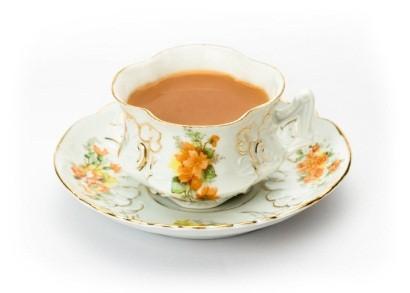
அவர்  1993ஆம்  ஆண்டில் இறந்தார்.அதாவது தினமணி கதிர் செய்தி வந்த ஆறே மாதங்களில் 1993 மார் ச் 17ம் தேதி இறந்தார். வெப்சைட் செய்தி ஒன்றில் அவர் தேநீர் அருந்தியதே நீண்ட ஆயுளின் ரஹஸ்யம் என்றும்  காணப்படுகிறது.

Charlotte Marion Hughes (née Milburn; 1 August 1877 – 17 March 1993) is the longest-lived person ever documented in England and the United Kingdom overall, at 115 years 228 days. She is 220 days older than Annie Jennings, the next oldest British supercentenarian. She is among the 25 oldest people overall and was the 4th verified supercentenarian to turn 115. She drank tea and said it has helped with her longevity.

tags – 22 பிரதமர்கள் , சார்லோட் ஹ்யுஜஸ் , நீண்ட ஆயுள் , ரகசியம்

TWO TYPES OF VEDIC WOMEN (Post No.7570)

WRITTEN BY LONDON SWAMINATHAN

Post No.7570

Date uploaded in London – 13 February 2020

Contact – swami_48@yahoo.com

Pictures are taken from various sources for spreading knowledge; this is a non- commercial blog.

Many women were regarded as Rishis or seers, i.e. composers of hymns and some of the hymns in the Rig Samhita were attributed to women. Twenty such hymn composing ladies are named in Sarvanukramanika ( List of poetesses and poets).

Lopaamudraa , Apaalaa, Vishwawaraa, Sikataa, Nivaavari, and Ghoshaa are some of the famous women whose names have been preserved in Vedic literature.

The grounds for such high literary attainments were prepared by education in childhood. The girls, like boys, underwent Upanayana ceremony ( sacred initiation) at an early age. That this was the usual practice, and continued even in later ages , is proved by many interesting evidences. We are told in the Atharva Samhita, 11-5-18, that ‘by Vedic studentship a girl wins a young husband’. This shows that high education was regarded as a necessary accomplishment for being well placed in life. Even in later Vedic age we hear of two classes of educated women,

1.Sadyowaahaas, who prosecuted their studies till their marriage,

2.Brahmavaadinis, who did not marry and pursued their studies throughout life.

It is interesting to note in this connection that the list of great Vedic teachers to whom tribute of respect had to be paid at the time of Brahmayajna, includes the names of some ladies, viz. Gaargi Vaachaknavi, Vadavaa Praatitheyi, Sulabhaa Maitreyi ( see Ashwalaayana Grihya Sutra 3-4-4). These evidences to which others may be added, show that the highest education, including Vedic studies was open equally to men and women, and many ladies distinguished themselves not only as Vedic scholars but also as great philosophers, debaters and teachers.

It may be stated without any hesitation that the general position and status of Indian women in the Vedic age was much higher than in any other ancient society that we know of, those of Greece and Rome not excluded. It is hardly necessary to point out that the picture is an ideal one, and cannot be regarded as universally true of all women.

But sons were preferred to daughters because of the funeral ceremony which could be done only by men.

Source book –  Great Women of India, Advaita Ashrama, Mayavati, Almora, Himalayas, year 1953 (with my inputs from Tamil literature )

Xxx Subham xxx

வேதத்தில் இரண்டு வகைப் பெண்கள் (Post No.7569)

WRITTEN BY LONDON SWAMINATHAN

Post No.7569

Date uploaded in London – 13 February 2020

Contact – swami_48@yahoo.com

Pictures are taken from various sources for spreading knowledge; this is a non- commercial blog.

வேத காலம் என்பது புத்தருக்கு முந்தைய சுமார் ஆயிரம் ஆண்டுகள் ஆகும் . இக்காலத்தில் பெண்களுக்கும் பூணுல் அணிவித்தனர். அதாவது முதல் மூன்று வருண மக்களுக்கு வேதம் கற்கும் உரிமை இருந்தது. பெண்களில் சிலர் திருமணம் செய்து இல்லறத்தில் நுழைந்தனர் . இன்னும் சிலர் ஆன்மீக நாட்டம் கொண்டு இறுதி வரை வேதக் கல்வி கற்று, வாதப்  பிரதிவாதங்களில் பங்கு கொண்டனர்.

அக்காலத்தில் புகழ் பெற்ற யாக்ஞவால்கிய  மகரிஷியை கேள்வி கேட்க யாரும் முன்வராதபோது , எல்லோரும் பயந்தபோது, கார்கி வாசக்னவி என்ற பெண் மட்டுமே கேள்வி கேட்டாள் . இது நடந்தது அகில இந்திய தத்துவ பேரறிஞர் மகாநாட்டில். 2800 ஆண்டுகளுக்கு முன்னர் பீஹார் மாநிலத்தில் இப்படி ஒரு அனைத்திந்திய மாநாடு நடந்த செய்தியையும். அதில் பெண்களும் பங்கு கொண்ட செய்தியையும், அதில் வெற்றி பெற்றவருக்கு ஆயிரம் பசுமாடுகளின் கொம்புகளில் கட்டப்பட்ட தங்கக்  காசுகள் பரிசாகக் கிடைத்த செய்தியையும்  பிருஹத் ஆரண்யக (பெருங் காட்டு) உபநிஷத் நமக்குத் தெரிவிக்கிறது.

Xxx

மேலும் சில வியப்பான செய்திகள் வேதகால இலக்கியத்தில் கிடைக்கிறது. யாக குண்டங்கள் அமைக்கும்போது முதல் செங்கலை வைத்து துவக்க விழா நடத்தும் உரிமை பெண்க ளுக்கே இருந்தது.

சீதா , ருத்ர என்னும் அறுவடை , நிலம்  தொடர்பான யாக யக்ஞங்களை பெண்கள் மட்டுமே செய்தனர்.

சமான’ என்னும் விழாக்களில் பெண்களே அவர்களுடைய கணவரைத் தேர்ந்தெடுக்கும் வழக்கமும் இருந்தது. பிறகாலத்தில் வந்த எண்வகைத் திருமண முறையிலும் காதல் திருமணம் அனுமதிக்கப்பட்டதை மநு நீதி நூலும், தொல்காப்பியமும் செப்புகின்றன

1.கல்யாணம் ஆகும் வரை படித்துக்கொண்டிருந்த பெண்களை ‘சத்யோத்வாஹா’ என்று அழைத்தனர் ;

2.கல்யாணமே செய்துகொள்ளாமல் சாகும் வரை சாகாக் கல்விகற்ற பெண்களை ‘பிரம்மவாதினி’ என்று  அழைத்தனர்.

இங்கே இரண்டு சுவையான செய்திகளை சொல்லவேண்டும்.

1. படித்த பெண்களுக்கு நல்ல கணவர்கள் கிடைத்த செய்தி ; அதர்வண வேதத்தில் ஒரு மந்திரம் வருகிறது 11-5-18,

‘வேதம் கற்கும் மாணவிகளுக்கு இளம் வயது ஆண்கள் கண வர்களாக வருவர்’  – என்கிறது அந்த மந்திரம். அதாவது பெண்கள் கற்றால், வாழ்க்கையில்  நல்ல நிலைமையை அடையலாம் என்பது இங்கே தொனிக்கிறது.  இரண்டாவது சுவையான செய்தி வணங்குதற்குரிய பெரியோரின் பெயர் வரிசையில் பெண்களின் பெயர்களும் இருக்கின்றன.

பிரம்ம யக்ஞத்தின்போது அஞ்சலி செலுத்தப்பட வேண்டியவர்களின் பெயர்களில் கார்கி வாசக்னவி, வடவா ப்ரா திதெயி, சுலபா மைத்ரேயி ஆகியோரின் பெயர்களும் உள்ளன. இதை ஆஸ்வலாயன கிருஹ்ய சூத்ரத்தில் காண்கிறோம் 3-4-4

சுருக்கமாகச்  சொல்ல வேண்டுமானால் , ஆசிரியர்களாகவும், தத்துவ வித்தகர்களாகவும் பட்டிமன்ற ராணிகளாகவும் வேத காலப்  பெண்கள் திகழ்ந்தனர். ரோமானிய, கிரேக்க சாம்ராஜ்யப் பெண்களைவிட மிக உன்னத நிலையில் இருந்தனர் என்பதைத் தயக்கமின்றி முரசு கொட்டலாம்..

ரிக்வேதத்திலேயே லோபாமுத்ரா, அபாலா , விஷ்வாவாரா , சிகதா, நிவாவரி , கோஷா ஆகியோர் யாத்த கவிதைகள் பெண்களின் அறிவுக்கு ‘ஆயிரம் வாட் பல்பு’  வெளிச்சம்  போட்டுக் காட்டுகின்றன.

Source book –  Great Women of India, Advaita Ashrama, Mayavati, Almora, Himalayas, year 1953 (with my inputs from Tamil literature )

கிரேக்க நாட்டிலும் யூத மதத்திலும் பெண்கள்.

தம்பதி என்ற சொல் வேதத்தில் வருகிறது. இதம் சம்ஸ்கிருதப் பொருள்- கணவனும் மனைவியும் குடும்பத்தின், வீட்டின் கூட்டுச்  சொந்தக்காரர்கள் என்பதாகும். இதை விளக்கும் வகையில் சிவனும் உமையும் அர்த்தநாரீஸ் வரர்  வடிவத்தில் காட்டப்பட்டுள்ளது  . அதாவது உறவினில் ல் 50-50; உரிமையில் 50-50.

தம்பதி – ரிக் வேதம் 8-31-5/6

யா தம்பதி சமனஸா சுனுதா அ ச

தாவள: தேவஸோ நியயாசிர்

Xxx

தமிழில் இல்லாள், இல்லத்தரசி என்றெல்லாம் சொல்கிறோம். இதுவும் ரிக்வேதத்தில் தமிழில் வருவதற்கு 2000 ஆண்டுகளுக்கு முன்னரே உள்ளது.கல்யாண மந்திரங்களில் நீயே வீட்டுக்கு ராணி என்று வருகிறது.

சங்க இலக்கியப்பாடல்களில் மனைவியை குடும்ப விளக்கு என்று அற்புதமாக வருணிக்கிறர்ர்கள் .

ரிக் வேதம் (3-53-4) மனைவியே வீ டு என்கிறது.

கிருஹம் என்றால் வீடு/ இல்லம். கிருஹிணி  என்றால் வீ ட்டுக்காரி , இல்லாள் , இல்லத்தரசி ; அதாவது இல்லத்தை ஆள்பவள். தமிழிலும் சம்ஸ்கிருதத்திலும் இந்தக்கருத்து அப்படியே இருப்பது இமயம் முதல் குமரி வரை ஒரே சிந்தனை, ஒரே அணுகுமுறை, ஒரே பண்பாடு என்பதைத் தெள்ளிதின்  விளக்கும்.

Xxx

இந்த இடத்தில் இன்னொரு விஷயத்தையும் குறிப்பிட்ட வே ண்டும் . வைத்து என்ற சொல் சம்ஸ்கிருதத்தில் மணப் பெண் என்ற பொருளிலும் வரும். சங்கத் தமிழ் பாடல்களிலும் இந்த ரிக் வேதச்  சொல் அதே பொருளில் பயன்படுத்தப்படுகிறது.

Xxx

தொழிற்சாலைகளில் பெண்கள்

துணி நெய்தல், நூல் நூற்றல் ஆகிய தொழில்களில் வேதகாலப் பெண்கள் ஈடுபட்டிருந்தனர். ஆனால் வியப்பனா விஷயம் அவர்கள் போர்க் கருவி செய்யம் ஆலைகளிலும் வேலை பார்த்ததை இஷு கர்த்ரயாக என்ற சொல் காட்டுகிறது.

வேத காலத்தில் ‘பர்தா’ முறை கிடையாது. இதை பாரதியார் பாடலிலும் வலியுறுத்துகிறார். இது தில்லித் துருக்கர் (துலுக்கர்) செய்தவழக்கம்டி என்று சாடுகிறார். துலுக்கர் என்று பாரதியார்  எழுதியதை சில தமிழ் அறி ஞர்கள் ஒன்றுகூடி துருக்கர் என்று மாற்றியதாக எங்கள் தமிழ் குருநாதர் , மதுரை சேதுபதி உயர் நிலைப் பள்ளி ஆசிரியர் வி.ஜி.சீனிவாசன் சொல்லி வருத்தப்படுவார்.

xxx

கிரேக்க நாட்டிலும் யூத மதத்திலும் பெண்கள்.

வேதம் தோன்றிய சுமார் ஆயிரம் வருடங்களுக்குப் பின்னர் கிரேக்க மொழியில் ஹோமர் என்னும் அந்தகக் கவிராயர் இலியட், ஆடிஸி என்ற இரு பெரும் காவியங்களை எழுதினார். அதில் அக்களப் பெண்கள் எப்பாடு நடத்தப்பட்டனர் என்று வருகிறது. ஒரு மன்னர் வேற்று நாட்டை வென்றால் அந்த நாட்டிலுள்ள பெண்களை னைவரையும் வீரர்கள்  பகிர்ந்து கொள்ளலாம். வாருங்கள் வீரர்களே, அணி திரண்டு வாருங்கள். நாம் வெற்றி பெற்று வேற்று நாட்டுப் பெண்களை பகிர்ந்து கொள்வோம் என்று ஹோமர் அறைகூவல் விடுக்கிறார். இந்து மன்னர்கள் வேற்று நாட்டு செல்வங்களை பகிர்ந்து வருவார்கள். அனால் பெண்களை மதிப்புடன் நடத்துவர். வீர சிவாஜி முஸ்லீம் மகளிரை எவ்வளவு மதிப்புடன் நடத்தினார் என்பதை நாம் அறிவோம்.

வேதத்தில் சில பாடல்களை சகோதர -சகோதரி திருமணம் நடந்ததாக சிலர் சித்தரிப்பர். எகிப்தில் இவ்வழக்கம் இருந்தது. தமிழ் நாட்டில் இப்போது காணப்படும் அத்தை மகன், மாமன் மக்கள் கல்யாணத்தையும்  ஆங்கிலேயர் கஸின் மேரியேஜ் என்றே சொல்லுவர் அதாவது ஒன்றுவிட்ட சகோதர என்னும் பொருள். இது வேதகாலத்தில் இருந்திருக்கலாம். கிருஷ்ணர் விஷயத்திலும் இதைக் காண்கிறோம். அதாவது உறவு முறைத் திருமணம்- முறைப் பெண் கல்யாணம்.

கணவன் இறந்த பின் மனைவி உடன்கட்டை ஏறுவது பிற்கால வழக்கம். புற  நானுற்று பாடலில் பாண்டிய ராணி பூதப்பாண்டியன் தேவி இப்படி உடன்கட்டை ஈரி,,,,,,,,,,,,,,,,,,,,யத்தைக் காண்கிறோம். வேதகாலத்தில் இது குறைவு . அதற்குப் பதிலாக இறந்து போன கணவரின் சகோதரன் அவளை மனைவியாக ஏற்பான் . இந்த வழக்கம் யூதர்களிடையேயும் இருந்தது.

பார்ஸி மதத்தினரின் வேத நூலான ஜெண்ட் அவஸ்தா பெண்கள், கணவனுக்கு கீழ் படிந்து நடக்க வேண்டும் என்கிறது. இதையெல்லாம் ஒப்பிட்டுக் கட்டுரை எழுதிய டாக்டர் ராதாகிருஷ்ணன் , டாக்டர் ரமேஷ் சந்திர மஜூம்தார் போன்ற பேரறிஞர்கள் வேத கால பெண்கள் வாழ்வே சிறந்தது என்று உறுதிப்படப் பேசுகிறார்கள்

Source book –  Great Women of India, Advaita Ashrama, Mayavati, Almora, Himalayas, year 1953 (with my inputs from Tamil literature )

Xxx subham xxx

ஸ்ரீ அருணாசல அக்ஷரமணமாலை! (Post No.7568)

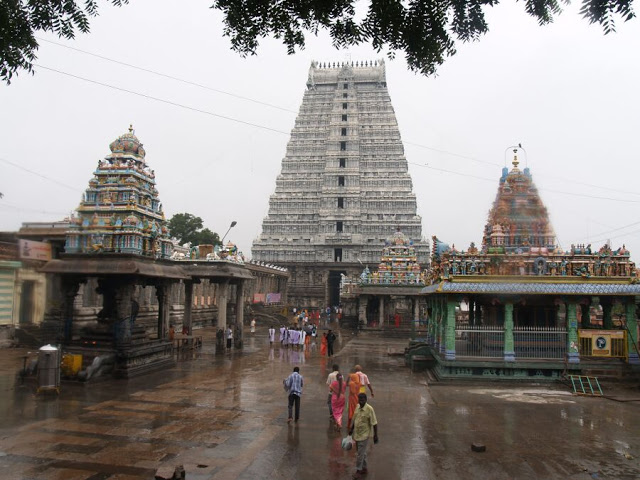
TIRUVANNAMALAI ARUNACHALESWAR TEMPLE

WRITTEN BY S NAGARAJAN

Post No.7568

Date uploaded in London – 13 February 2020

Contact – swami_48@yahoo.com

Pictures are taken from various sources for spreading knowledge; this is a non- commercial blog.

ஸ்ரீ அருணாசல அக்ஷரமணமாலை!

ச.நாகராஜன்

ஸ்ரீ ரமண பகவான் இயற்றி அருளிய மாலை ஸ்ரீ அருணாசல அக்ஷரமணமாலை.

திருவாரூரில் பிறக்க முக்தி. தில்லையில் தரிசனம் செய்தால் முக்தி. காசியில் இறந்தால் முக்தி. அருணாசலத்தை நினைத்தாலேயே முக்தி.

அருணாசலத்தைத் துதிக்க பெருமை வாய்ந்த ஸ்ரீ அருணாசல அக்ஷரமணமாலையை அருளியிருக்கிறார் பகவான் ரமணர்.

இது பிறந்த கதையே சுவையான ஒன்று.

ரமணர் விரூபாக்ஷ குகையில் தங்கி இருந்த காலத்தில் உடன் இருந்த பக்தர்கள் பிக்ஷை எடுக்கச் செல்லும் போது பாடிக் கொண்டு செல்வதற்காக ஏதாவது ஒரு துதியை இயற்றி அருளுமாறு அவரை வேண்டினர்.

ஆனால் பகவானோ ஏராளமான துதிகள் ஏற்கனவே உள்ளனவே. தேவாரம், திருவாசகம் போன்றவை இருக்கின்றனவே. புதிதாக ஒன்று எதற்கு என்று வாளாவிருந்தார்.

ரமண பக்தர்கள் என்ற அடையாளத்திற்காகவாவது ஒரு தனி துதி தேவை என்பது பல பக்தர்களுடைய ஆசையாக இருந்தது.

ஒரு நாள் பகவான் கிரி வலத்திற்காகக் கிளம்பினார். அப்போது கூட இருந்த அன்பர் ஒருவர் பகவான் திருவாய் மலர்ந்தருளினால் அதை எழுதிக் கொள்ள வேண்டும் என்ற எண்ணத்தில் காகிதத்தையும் பென்சிலையும் கையில் எடுத்துக் கொண்டார்.

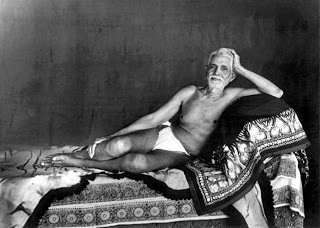
SRI RAMANA MAHARISHI

அன்று அருணாசல மகிமையைச் சொல்லத் திருவுள்ளம் கொண்டார் போலும் ரமணர்.

அருணாசல என்ற நாமத்துடனேயே துதியை ஆரம்பித்தார்.

அருணாசலசிவ அருணாசலசிவ அருணாசலசில அருணாசலா !

அருணாசலசிவ அருணாசலசிவ அருணாசலசில அருணாசலா !

அருணா சலமென வகமே நினைப்பவ

ரகத்தையே ரறுப்பா யருணாசலா

பொருள் :- அருணாசலம் என்று தனது உள்ளத்தில் தியானிக்கும் அன்பர்களின் ஜீவ போதமாகிய அகங்காரத்தை வேருடன் அறுத்து நாசமாக்கி விடு அருணாசலா!

இப்படி ஆரம்பிக்கப்பட்டு, பாடல்கள் மளமளவென்று கிரி பிரதக்ஷிணத்தில் வர ஆரம்பித்தன. ஆங்காங்கு அமர்ந்தபோது மலர்ந்த பாடல்கள் உடனுக்குடன் எழுதப்பட்டன.

நூற்றெட்டு மந்திரங்கள் அடங்கிய அருணாசல அக்ஷரமணமாலை உதயமாயிற்று.

மாலை யளித்தரு ணாசல ரமண வென்

மால யணிந்தரு ளருணாசலா

என 108ஆம் பாடல் முடிந்தது.

பக்தர்களால் இன்றும் ஓதப்படும் மந்திர நூல் ஆகியது அருணாசல அக்ஷரமண மாலை.

பாடல்களைக் கூறும் போது பக்திப் பரவசத்தால் ரமணரின் கண்களில் நீர் பெருக்கெடுத்து காகிதத்தை நனைத்தது. நன்றாகப் பார்த்து எழுத முடியாமல் பார்வையை கண்ணீர் மறைத்தது.

பாடலின் பொருளை விளக்குமாறு பக்தர்கள் அவரை வேண்டிய போது “அதற்கு அர்த்தம் அதைப் பாராயணம் செய்வது தான் என்று ரமணர் கூறி அருளினார்.

அக்ஷரங்களின் கோர்வையினால் அர்த்தம் ஏற்படுகிறது. ஆழ்ந்த அர்த்தம் தரும் போது அக்ஷரங்களுக்கு மணம் ஏற்படுகிறது.

அருணாசலம் என்ற வார்த்தையாலேயே அக்ஷரங்களுக்கு மணமும் பொருளும் ஏற்பட்டு விடுவதால் மணம் மிகுந்த மாலையாக இன்றும் என்றும் விளங்கும் அக்ஷரமண மாலை.

நூல் மலர்ந்தது: இதற்குப் பின்னால் பாயிரம் பாடினார் முகவைக் கண்ண முருகனார்.

அந்தப் பாயிரம் இது:

தருணா குணமணி கிரணா வலிநிகர்

  தரும க்ஷரமண மகிழ்மாலை

தெருணாடியதிரு வடியார் தெருமரல்

  தெளியப் பரவுதல் பொருளாக

கருணா சுரமுனி ரமணா ரியனுவ

  கையினாற் சொலியது கதியாக

வருணா சலமென வகமே யறிவொடு

   வாழ்வார் சிவனுல காள்வாரே

பொருள் : அப்போது தான் உதித்த இளம் சூரியனின் கிரணங்களின் வரிசையைப் போன்று ஒளி வீசும் அக்ஷரங்கள் என்னும் மலர்களால் தொடுக்கப்பட்ட மகிழ்மாலையானது மெய்யுணர்வை நாடி நிற்கும் அடியார்களின் மன மயக்கம் தெளிவதற்கு போற்றி வழிபடும் பொருட்டாக க்ருணைக் கடலான முனிவரனாகிய ரமண ஆசாரியன் தன் உள்ளத்தில் பொங்கிய ஆனந்தத்தினால் கூறியதையே கதியாக நம்பி அருணாசலமே எமக்கு உற்ற துணை என்று இதயத்தில் உணர்வோடு ஆழ்ந்து கொள்ளும் அன்பர் சிவபிரானின் அருளால் சிவானுபவம் பெறுவார்; சிவலோகம் ஆள்வார்!

மகிழ்மாலை என்று இதில் குறிப்பிடப்படும்போது இந்த க்ஷேத்திரத்தின் ஸ்தல விருட்சமாக மகிழ மரம் அமைந்திருப்பதையும் நினைவில் கொண்டால் அது மணம் பரப்பும் மகிழ மரத்தின் மலர்களால் அமைந்த மாலையாகவும் கொள்ள முடிகிறது.

நொந்திடா துன்றனைத் தந்தெனைக் கொண்டிலை

யந்தக நீயெனக் கருணாசலா என்கிறார் 62ஆம் பாடலில் ரமணர்.

பொருள் : நான் அரிய தவம் எதுவும் செய்யவில்லை. சரீரம் வருந்தவில்லை. உன்னை எனக்களித்து விட்டாய். அதற்கு மாற்றுப் பொருளாக என்னை நீ எடுத்துக் கொண்டாய். எனக்கு நீ ஒரு அந்தகனாக – கொடிய யமனாக ஆனாய் அருணாசலா.

அருணாசலம் மதிப்பில்லாத தன்னை ஏற்று விலை மதிக்கவே முடியாத தன்னைக் கொடுத்து விட்டதால் அவன் ஒரு குருடனோ என்று வியக்கிறார் ரமணர்.

தந்தது உன் தன்னை; கொண்டது என் தன்னை; யார் கொலோ சதுரர் என்று மணிவாசகர் வியந்து கூறுவதை இங்கு ஒப்பு நோக்கத் தோன்றுகிறது.

அருணாசல சிவனை நினைக்கவே முக்தி. அருணாசலனைப் போற்றுவோர்க்கு அருளும் பொருளும் நிறையும்; நிலைக்கும்.

அருணாசலசிவ அருணாசலசிவ அருணாசலசில அருணாசலா !

அருணாசலசிவ அருணாசலசிவ அருணாசலசில அருணாசலா !

****
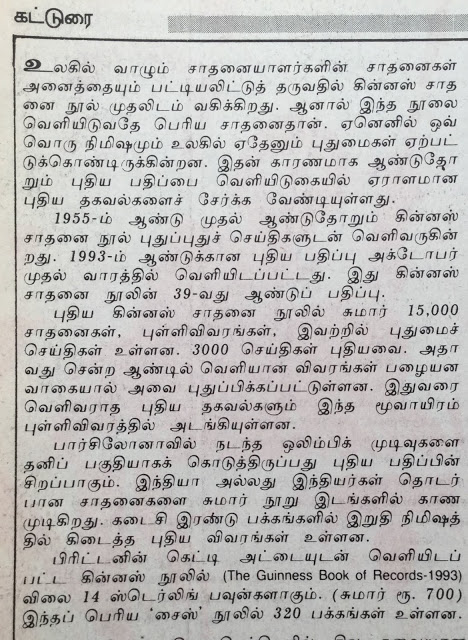
சாதனை படைத்த சாதனை நூல் தோன்றிய கதை (Post No.7567)

WRITTEN BY London Swaminathan

Post No.7567

Date uploaded in London – 12 February 2020

Contact – swami_48@yahoo.com

Pictures are taken from various sources for spreading knowledge; this is a non- commercial blog.

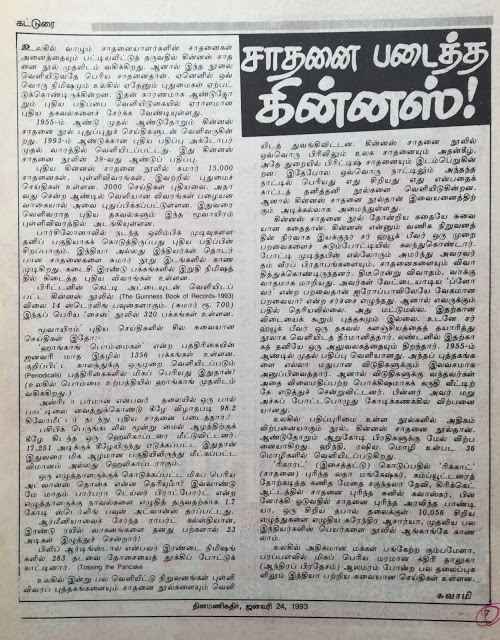
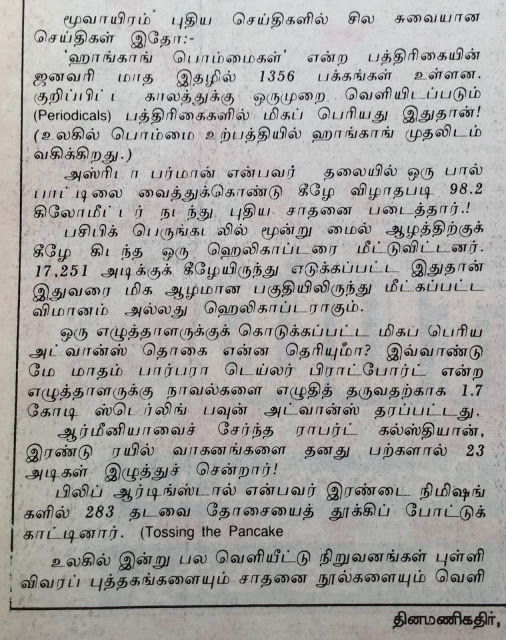
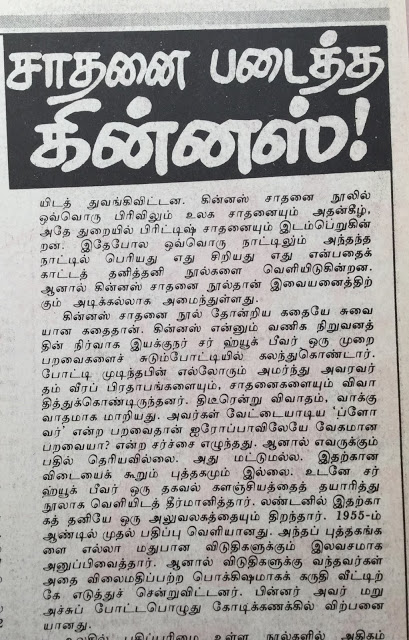
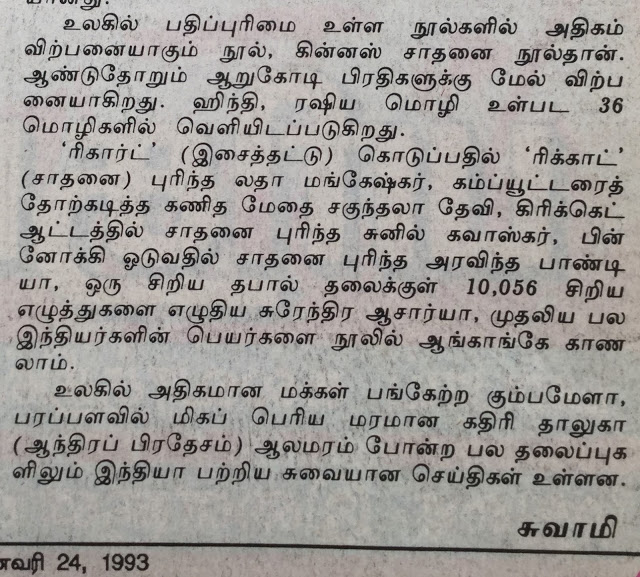
1993 ஜனவரி 23ம் தேதி நான் தினமணி கதிரில் கின்னஸ் சாதனை நூல் பற்றி எழுதிய கட்டுரையை இணைத்துள்ளேன்-

tags சாதனை நூல், கின்னஸ் சாதனை 


–subham-

A RIG VEDIC HYMN WITH NUMBER SYMBOLISM (Post No.7566)

RESEARCH ARTICLE WRITTEN BY London Swaminathan

Post No.7566

Date uploaded in London – 12 February 2020

Contact – swami_48@yahoo.com

Pictures are taken from various sources for spreading knowledge; this is a non- commercial blog.

 A RIG VEDIC HYMN WITH NUMBER SYMBOLISM

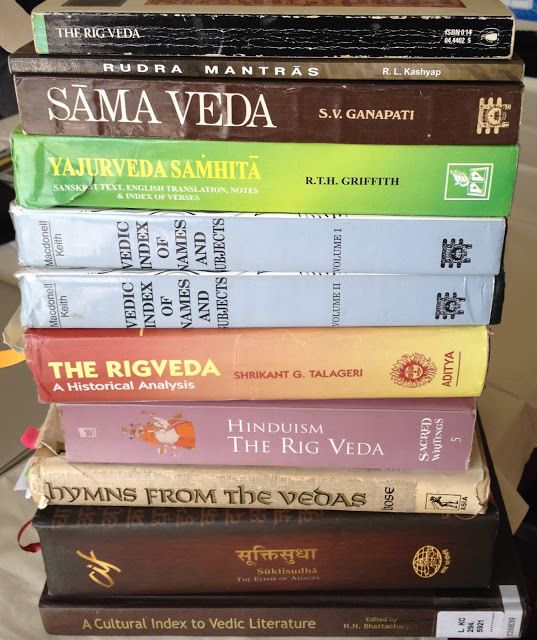
Rig Veda, the oldest religious book in the world, the oldest anthology in the world and the oldest document of Hinduism, throws many challenges to Hindu and western scholars. The eighth Mandala of the book is very interesting. We see a lot of foreign stuff here extending up to Iran including Dhana/gifts of camels to Brahmins. Number symbolism seen here is one of the challenges which allows commentators to interpret a verse differently. Tamil Siddhas ad Saivite poet Tirumular followed this style with great enthusiasm.

In all ancient religions, mythology came first and then the religious hymns. But in Hinduism the hymn book Rig Veda is placed at least two thousand years before the 18 Hindu Puranas (Hindu Mythology). Though linguistically speaking the prose Puranas can be placed after the Vedas, the stories in them go back several thousand years. For instance, if a Saivite Purana talks about the Blue throated Shiva and the story behind the blue throat (Neela kanda), the words (Neela Kanda) are already in the Veda.  If a Vaishnavite Purana talks about Vishnu’s Three Steps, the reference can be found in the Rig Veda. So it is clear that Puranaic episodes came first and written later.

The story of Maruts (Rig Veda 8-28) is in the Bala Kanda of Valmiki Ramayana.

xxx

7X7 gods, 7X9 gods in Rig Veda 8-28

Here is a reference about the origin of Maruts. Briefly described as sons of Rudra and attendants of Indra. The storm god is found even in Sumerian (Babylonian) worship as God Martu.

In later days we have

Maruti –  son of wind god is worshipped in nook and corner of India as Hanuman, Anjaneya

Maruti car is running in India everywhere.

Sanda maarutam (gale fore wind) and Mantha maarutham (breeze) are used in Tamil novels etc.

These Maruts are found in Rig Veda with interesting and puzzling Numbers!

Here is the hymn 8-28 from Rig Veda

1.The Thirty Gods and the Three besides, whose seat hath been the sacred grass,

From time of old have found and gained

2.Varuna, Mitra , Aryaman, Agni, with the

Consorts sending boons,

To whom our Vasat! is addressed

3.These are our guardians in the west and

 northward here, and in the south

And on the east , with all the tribe.

4.Even as the gods desire so verily shall it

 be. None minisheth this power of theirs,

No demon and no mortal man.

5.The Seven carry Seven spears; Seven are

the splendours they possess

And Seven glories they assume.

For our number symbolism and the origin of Maruts, let us take stanza/mantra 5 only. Griffith whose translation is given above, comments —

The seven

The Maruts, seven  or seven times nine, or seven times seven  in number. Saayana mentions the legend of their birth, which will be found in Ramayana book 1, cantos 46,47. The meaning is merely that the Maruts carry lances , that is their, lightnings, and are splendidly adorned.

We get 33 gods and then 49 and then 63.

Thirty three is expanded as thirty three crores of gods (330 million) in Puranas , just an exaggeration to boost  their importance. Hindus always add a big decimal number for exaggeration.

They used to say

King Dasaratha has 60,000 wives (meaning is ‘several wives’, unusually high)

In Weddings priests announce ‘Uncle of the bride gifts ‘laksham katti varahan’ (one hundred thousands of gold bars consisting of Varahan gold coins) – meaning is his ‘Rs100 is worth billions’.

Hindus have 33 crore (330 million) gods (meaning is Hindus can worship God in every form, every object)

But later Puranas explained 33 gods as 8 Vasus+12 Adityas+ 11 Rudras + Indra+ Prajapaati (or Two Asvins).

xxx

Story of Maruts from Ramayana

When Diti’s sons were killed in the Churning of the Milky ocean incident, she requested her husband that she should have one son who will be the slayer of Indra ; her husband Kashyapa asked her to do a penance for 1000 years. She did so, but when ten years were remaining, Indra came and entered her when she was lying in the wrong posture. Indra cut the foetus into seven parts and she cried  Indra said ‘Ma Ruda= Cry Not = Marut’.

She requested Indra to allow them to live and Indra told her they will be the guardians of seven winds. They were divided into three parts (7+7+7)

Xxx

The Puranic dictionary by John Dowson summarises it in the following passage: –

“The storm gods who hold a very prominent place in the Vedas and are represented as friends and allies of Indra. Various origins are assigned to them. They are the sons of Rudra, sons and brothers of Indra, sons of the oceans, heaven and earth (7+7+7). They are armed with lightning and thunderbolts, and ride on the whirlwind and direct the storm.

The number of them is said in one place to be thrice sixty ( 3+60) and in another only twenty seven.

In the Ramayana they are represented to have their origin in an unborn son of Diti whom Indra dashed into 49 pieces with his thunderbolt (7X7), and in compassion converted into Maruts.

Another commentator on Vedas say , that after their  Siva and Parvati beheld them in great affliction, and the latter asked Siva to transform the lumps on flesh into boys of like form, like age and similarly accounted, and gave them to Parvati as her sons and hence they are called the sons of Rudra.

The legend is invented to explain those passages of the Vedas which make Maruts the sons of Rudra.

MY COMMENTS

It is very simple. If you collect all the English poems on rain or thunder, you will see different interpretations, imageries, similes etc from different poets.

Vedic poets described thunder and rain of Indra assisted by storm and lightning of Marut.

What is the purpose?

The dialogue poems of Rig Veda show that after every sacrifice, there was an Entertainment Show in which two groups acted sitting opposite. Dialogue Hymn between Indra and Marut is the proof for it (RV 1-165).

Probably the Diti – Indra chapters in Ramayana (1-46, 47) are also acted on stages and Viswamitra recited this story to Rama and Lakshmana.

But on another plane, these poems have hidden meaning. In all Tamil Sangam Akam verses (Family/ sex verses) all the natural phenomena have hidden meanings as explained by the later commentators. Sangam Tamil Poems are from first few centuries of Common Era and the commentaries are from 13th century or later. We find the names of the poets and words in the verses are explained as fancifully as Ma Ruda- Don’t Cry- Maruta!

Since Rudra is also a storm god in the Vedas, Maruts/lightnings are described as sons of Rudra.

 In short, a poem on lightning is explained/interpreted in different ways.

Why different numbers (21, 27, 49 and 63) are given?

You can count the lightning streaks in any number depending based on your imagination. But Hindus has a fascination for Number Seven. Anything holy or everything holy is divided into Seven. We see this Number Seven in Indus- Sarasvati Civilization seals more than other numbers. Another holy number 3 is also seen in it.

—subham–