Where is Rama Setu (Rama’s bridge)?

Image

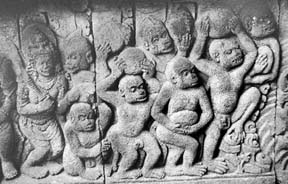
Prambanan, Indonesia

Lord Rama built a bridge to Sri Lanka across the sea to confront Ravana, the king of Lanka. Ravana abducted Rama’s wife Sita and imprisoned her. Rama employed the army of monkeys and built the stone bridge to Lanka and ultimately killed Ravana and brought his wife back to Ayodhya in modern Uttar Pradesh of North India. Rama’s bridge is known as Rama Setu. Most of the Hindus believe it is located near Rameswaram-Dhanushkoti.

Ramayana, the older of the two Hindu epics, covers a large geographical area. When we compare it to any other epic in any other part of the world, they can’t come anywhere near Ramayana. Rama’s step mother Kaikeyi was from Afghanistan and his wife Sita from Bihar –Nepal border area. So we are talking about an area covering the entire sub continent, historically speaking the largest country in the world at that time.

No wonder that we see sculptures depicting monkeys building the bridge in Prambanan (Central Java, Indonesia) even today. No wonder we see Ayodhya as a city name and Rama as a king’s name in Thailand. No wonder Ramayana is depicted in Cambodian Hindu temples. No wonder that the Buddhists stole all Hindu stories (Sibi ,Dasaratha Jataka Tales etc.) and said Buddha appeared as those personalities in  his previous births .

Ramayana and Mahabharata were so popular we see the remnants today in the whole of Asia, the largest land mass on earth. Tamils were so fascinated by these two epics. Two thousand year old Sangam Tamil poets refer to it in several places. The strangest thing about these references is that we did not find them in Valmiki’s Ramayana or Vyasa’s Mahabharata which were written in Sanskrit.

Tamil poets refer to two places as Setu (bridge). One is mentioned as Adi Setu (the original or the first bridge). When someone calls one Setu as “Adi” that itself acknowledges there is another Setu. When we call Tenkasi near Tirunelveli as “South Kasi” we acknowledge the fact that the main Kasi (Benares or Varanasi) is in North India.

The rule for using an anecdote in similes is that it must be popular and understood by everyone, says the oldest Tamil book Tolkappiyam.

Ramayana and Mahabharata were so popular in Tamil Nadu two thousand years ago; the Tamil poets did not hesitate to use it wherever possible. Even the Tamil Jains and Buddhists used them in their Tamil works:

In a Post Sangam Tamil epic called Silappadikaram a Jain saint says that Rama went to forest with his wife just to obey his father’s order. Then he lost his wife and suffered a lot which is well known, adds the saint (Silappadikaram 14-46).

Another Buddhist epic in Tamil called Manimekalai refers to the monkeys building a bridge in the sea. The same epic refers Kanyakumari as Adi Setu (Manimekalai 17-9 and 5-37). The name Adi Setu for Kanyakumari is confirmed by the local Sthala Puranam. The proof is not only in literature but also in the Sankalpam that the priests say in the beginning of any Puja.

While performing a sacred ritual Hindus always say in which place on earth and on which date in the mighty Yuga cycle they do it. Nowhere in the world can we see such an amazing geographical and historical knowledge. In Kanyakumari,  the priests’ Sankalpam ( a vow or intention to do a ritual or Puja) mentions the place as ADI SETU. Local Sthala Purana says that Sri Ram came here to get the blessings of Devi Bagavathy.

Now, how do we reconcile this contradiction? First let us look at the facts:
Image

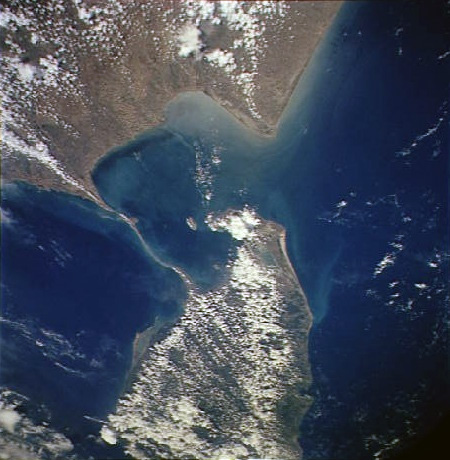
NASA picture of Rama Setu

Rama built the bridge from East coast of peninsular India (Tamil Nadu) to Sri Lanka is sung by later poets called Alwars and Nayanmars. But the confusion is about the place. Rama did consult the local engineers under the leadership of Nala is also in Ramayana. Any engineer with sound local knowledge would recommend the shallowest point in the sea. So naturally Nala would have recommended a place near Rameswaram. Even NASA space image has confirmed that a natural bridge like formation is seen from the space. So Rama would have used this natural formation of rocks and filled in the gaps with the help of the monkey brigade. This story travelled far away up to Indonesia where we see sculptures depicting monkeys building the bridge. This was sculpted 1300 years ago.

Why then Kanyakumari was called ADI SETU, the original bridge?  This may be due to another bridge connecting Sri Lanka existed in the ancient days. Two Tamil Academies situated in the South near the sea were devoured during two Tsunamis. This was confirmed by Tamil literature. Then they moved south and established the third Tamil Academy called Tamil Sangam in Madurai. People knew that the Indian land mass extended far beyond the modern Kanyakumari. Even today the rocks can be seen near the shore line.

Another possibility is that Rama himself might have first constructed one bridge there and later abandoned it knowing the difficulty. One may wonder why then there was no mention about it in Valmiki Ramayana, the main source for all the legends of Rama. Here comes the strangest fact. Tamils knew many more things than Valmiki. After all local Tamils were by the side of Rama when he invaded Sri Lanka. Valmiki was sitting in the forests of Uttar Pradesh. This is confirmed by a few more references.

A Tamil poet brings a lot of jewellery donated to him by a generous king. But his wife and other women folk in the household were so poor they did not even know what to wear where. Which was nose ornament, which was ear ornament, which one was for hand and feet, they couldn’t figure out. They wore them at wrong places. The poet compared it to the monkeys who were trying to wear Sita’s jewellery which she threw on the floor from the airplane in which she was abducted by Ravana (Ref. Puram 378 by Unpothi Pasunkutaiyar).

Tamils were the one who said even squirrels took part in the building of the bridge (Tondar Adippodi Alvar-Tirumalai 17) Please read my article Two Animals that Inspired Indians for more details.

Tamils were the one who mentioned a magic done by Rama. When he was consulting the engineers about construction of a bridge under the shade of a huge banyan tree the birds in the tree were making big noise. When Rama ordered them to keep quiet all fell silent. Two thousand year old Sangam literature uses this simile to compare the noise in a town of Tamil Nadu (Akam 70 by Kaduvan Mallanar).

Even Krishna’s bathing in river Yamuna and hiding the girl’s clothes is mentioned first in Tamil literature and then only in Sanskrit literature. The Bull Fighting practised by Krishna and his Yadava clan is also mentioned in detail in Tamil literature (Please read my article Bull Fighting from Indus Valley to Spain via Tamilnadu).

Ahalya’s story came as a small reference story in Ramayana. Indra who came in the guise of a cat and molested her was painted at Tirupparankundram temple near Madurai, reports Paripatal ( 19-50), another Sangam  period Tamil work.

One must remember all the Rama and Krishna stories were referred to as passing remarks in Tamil literature- as similes. That means all Tamils knew Ramayana and Mahabharata during Sangam period.

REFERENCES in TAMIL:

தாதை ஏவலின் மாதுடன் போகிக்

காதலி நீங்கிக் கடுந்துயர் உழந்தோன்

வேத முதல்வன் பயந்தோன் என்பது

நீ அறிந்திலையோ நெடுமொழி அன்றோ

( சிலப்பதிகாரம் 14:46-49, கவுந்தி அடிகள் கூற்று )

நெடியோன் மயங்கி நிலமிசைத் தோன்றி

அடல் அரு முந்நீர் அடைந்த ஞான்று

குரங்கு கொணர்ந்து எறிந்த நெடுமலை எல்லாம்

அணங்கு உடை அளக்கர் வயிறு புக்காங்கு

( மணிமேகலை 17: 9-12 )

குரங்கு செய் கடல் குமரியம் பெருந்துறை

( மணிமேகலை 5:37, புத்த மத காப்பியம் )

குமரித் தல புராணம் இக்கதையை உறுதி செய்வதாக தமிழ் அறிஞர் மு ராகவ ஐய்யங்காரும் எழுதியுள்ளார் (ஆராய்ச்சித் தொகுதி பக்கம் 30-31)

குரங்குகளுடன் அணில்களும் இம் முயற்சியில் ஈடுபட்டதை தொண்டரடிப்பொடி ஆள்வார் ( திருமாலை 17 ) குறிப்பிட்டுள்ளார்

குரங்குகள் மலைய நூக்கக்

குளித்துத்தாம் புரண்டிட்டு ஓடி

தரங்க நீர் அடைக்கல் உற்ற

சலம் இலா அணிலம் போலேன்

(இது பற்றி நான் எழுதிய ஆங்கிலக் கட்டுரையைக் காண்க)

குமரியில் பெண் தெய்வம் உறைகிறது என்றும் அங்Kஉ நீராட யாத்ரீகர்கள் வருவர் என்றும் கி. பி .முதல் நூற்றாண்டில் உருவான பெரிப்ளூஸ் என்னும் நிலநூலும் கூறும். சிலப்பதிகாரம், மணிமேகலை, ஆள்வார்கள் நாயன்மார்கள் பாடல்களும் இக்கருத்தைப் பல இடங்களில் கூறும்.

2000 ஆண்டுகளுக்கு முன் மதுரைக்கு அருகில் திருப்பறங்குன்றத்தில் அகலிகை கதையையும் அதில் இந்திரன் பூனை உருவத்தில் இருப்பதையும் ஓவியமாக வரைந்திருந்தனர். இதை சங்க இலக்கியமான பரிபாடல் கூறும்:

இந்திரன், பூசை: இவள் அகலிகை;இவன்

சென்ற கவுதமன்; சினம் உறக் கல்லுரு

ஒன்றிய படி இது ( பரிபாடல் 19: 50-52 ) (பூசை=பூனை)

(பழந்தமிழகத்தில் ராமாயண கிளைக் கதை ஓவியங்கள் கூட அந்த அளவுக்குப் பரவி இருந்தன).

கடுன் தெறல் இராமனுடன் புணர் சீதையை

வலித்தகை அரக்கன் வவிய ஞான்றை

நிலம் சேர் மதர் அணி கண்ட குரங்கின்

செமுகப் பெருங்கிளை இழைப் பொலிந்தா அங்கு

அறா அ அருநகை இனிது பெற்றிகுமே

( புறம் 378 ஊண்பொதி பசுங்குடையார் )

வென்வேற் கவுரியர் தொல்முது கோடி

முழங்கு இரும் பௌவம் இரங்கும் முந்துறை,

வெல் போர் இராமன் அருமறைக்கு அவித்த

பல்வீழ் ஆலம் போல,

ஒலி அவிந்தன்று இவ் அழுங்கல் ஊரே

( அகம். 70, கடுவன் மள்ளனார் )


THREE TAMIL SANGAMS : MYTH AND REALITY

Ancient Tamil literature speaks of three Tamil Sangams (Tamil Cankam or Tamil Academies). First two Sangams were devoured by the sea during Tsunami catastrophes and the third academy was established at Madurai. We have enough literary materials to confirm the third academy. But the other two were doubted by several scholars because of some unbelievable claims. Even about the third academy there are some unsolved puzzles. Let us look at the facts first. The total years given for all the three academies are 10,040 years!

From the third and the last Sangam we have over two thousand poems composed by over 470 poets. This is grouped as Ten Idylls and Eight Anthologies and classified as Sangam Tamil literature. But according to the legend only 49 poets formed the third Tamil Sangam or academy. So we do not know who the academic members were and who just poets were. There was another Dravida Sangam established by a Jain scholar known as Vajranandhi in 470 AD. Was it part of the Tamil Sangam or was it a Sangam for Jain Tamil scholars? The later works like Tiruvilaiyadal Puranam talks about rivalries and fights among Sangam poets and Shiva had to come to the rescue of genuine poets. But this division was not mentioned in the old Tamil literature.

Existence of third Tamil Sangam in Madurai was confirmed by Appar Thevaram and Andal Tiruppavai.  Appar not only refers to Tamil Sangam but also refers to a popular episode of a poor poet called Dharumi and his clash with Nakkeerar.  Over forty of Sangam poets had the prefix Madurai in their names.

Two Tsunamis

Since there were at least two references to Tsunamis and four references to earth quakes in Sangam Tamil and post Sangam Tamil verses we can be sure of some natural catastrophes. The reason for the doubts about their existence came from the big number of kings, big number of poets they sponsored and the years the kings ruled. If we take those years as exaggerated or coded language then we can reconcile the contradictions.

Adirakku Nallar, the commentator of Tamil epic Cilappatikaram had given the geography of the Tamil Land that was devoured by the sea. He wrote that there were seven big areas and each one was divided into seven smaller areas. Seven is a sacred number for Hindus and this type of land division is already in Hindu mythologies. When the first Tamil Sangam at South Madurai went into the sea ,they moved south and established the second academy at Kapatapuram. When that was also devoured by the sea they moved further south and established the third Tamil Sangam in modern Madurai. During the second academy Tolkappiyam was written by Tolkappiyar. At present Tolkappiyam  is the oldest available Tamil work, which is grammar book. Scholars date it to first century BC or AD. Some kings and poets who were part of First (Murinjiyur Mudinagarayar) and Second Sangam wrote a few poems which are included in Sangam corpus of Tamil literature ( Panamparar, Kakkaipatiniyar).

Any student of linguistics will easily find out that their poems were not very old as claimed by the commentator. The language of Tolkappiyam and verses by Muda Thirumaran (King during second Tamil Sangam) and Murinjiyur Mudinagarayar (First Tamil Sangam)betray their age. The language was not very different from other Sangam poems. If we apply the thumb rule followed by Max Muller to date the Vedic literature (two hundred years for language changes) both Tolkappiyam and other Sangam works will be grouped under the same period. Tolkappiyar himself indirectly says that he compiled whatever materials available at that time. He adds in hundreds of places the journalist’s cliché “they say”, “it is said that”. This makes it clear that he was not the one who wrote every bit of the book, but it was only a compilation. If we go by his language we can’t put him back any further than first century. His colleague Panamparar wrote the introduction (prefatory verse) for his treatise. His language was not archaic either.

The commentator of “Iraiynar Agapporul” gives a full account of the three Tamil Sangams .In the background of this linguistic evidence and in the absence of any historical proof, the claim that the  First Tamil Sangam existed for 4400 years under  89 kings and 4449 poets composed poems wont command any credibility. It is the same story about Second Tamil Sangam which existed for 3750 years  under  59 kings and 3700 poets. The third Tamil Sangam existed for 1850 years.

The book Tolkappiyam was launched in the royal court of Nilam Tharu Thiruvil Pandya under the chairmanship of Athakottu Asan (Teacher of Athankodu, a village in Kanyakumari District) who was well versed in the four Vedas. According to legends both Tolkappiyar and the teacher Athankottu Asan were Brahmins. It wouldn’t surprise anyone because the highest contribution in Sangam corpus of 2000 + poems was from the Brahmin poets such as Kapilar ,Paranar, Mamulanar, Nakkiran ,Uruththiran Kannan (Please read my article “No Brahmins, No Tamil”). The name “Kapatapuram” (place of second Tamil Sangam) and the word “Sangam” are all pure Sanskrit words. Tolkappiyam has three chapters. Many scholars consider the third chapter to be a later addition.

Adhikaram

Another word that betrays Tolkappiyam is “ADHIKARAM”. This Sanskrit word is used in Tirukkural of fourth or fifth century AD and CilappADIKARAM of same period (The Kannaki-Kovalan story happened in second century ,but the language of Cilappadikaram is definitely Post Sangam i.e after third century AD). Tolkappiyam is divided into three chapters and they are also classified as ADIKARAMS: Ezuththu/alphabet, Sol/word and Porul/worldly matters ADHIKARAMS. So we can put Tirukkural, Cilappadikaram and Tolkappiyam in the same period. But one must remember the date of writing and the date of events or grammar rules are different. Tamils very often get confused with the script and the language and the event and the actual date of putting it in writing.

Solution

To solve the puzzle of big numbers, one scholar suggested to divide the numbers by 37, saying that Jains were obsessed with this number.  Then we will get 120,100 and 50 for the first, second and third Tamil Sangam respectively. People can question this method. They will ask why 37 number. What has it got to do with the Tamil Sangam. Even when we do it, it won’t go well with the number of kings and poets, which is very high again.

Patanjali, the author of Mahabhasyam followed a simple solution when Ramayana said that Lord Rama ruled for several thousand years. He simply divided that big number by 365 and arrived at the figure of 28 years for Rama. Any one would believe that Rama ruled for 28 years. We may also follow Pathanjalis scientific method and divide the years 10040 by 365 and arrive at 270 years.

Another problem with the previous two Tamil Sangams is the books attributed to those Sangams. They are pure Sanskrit names such as Maa Puranam, Bhuta Puranam, Pancha Marapu, sikandiyam, Kuna nul, Thakadur Yaththirai etc. When the last Tamil Sangam didn’t have many Sanskrit names how come the previous one’s had so many Sanskrit names for the books would be a valid question.

I suggest the following solution; once again it cannot be explained logically:

If we divide the number of years of three Tamil Sangams by 37 we arrive at 120,100 and 50=270 years.  This is possible for three Tamil academies. If you add the kings number 89 (8),59 (5) and 49(4)  after dropping 9 we arrive at 17. If anyone asks why should we drop nine and add only single digits there is no logical answer. Since we believe that they have used coded language,  we do it.

First Sangam                Second                          Third

Years 4440             3700                        1850

Kings 89                 59                       49

(If we drop number 9 the total will be (8+5+4=17). 17 kings ruling for 270 years is acceptable to historians)

Poets 4449               3700                          449

(Though the number of poets is huge there is nothing wrong in accepting it as the total number of scholars in the country )

Academy Members 549        69                     49

By using the methods used by Patanjali and Maxmuller we can arrive at a reasonable figure for the three academies.( I have written another article about the Tsunamis and Earth quakes that affected ancient Tamil Nadu and the Tamil Academies).

Old Sanskrit Inscriptions in Mosques and on Coins

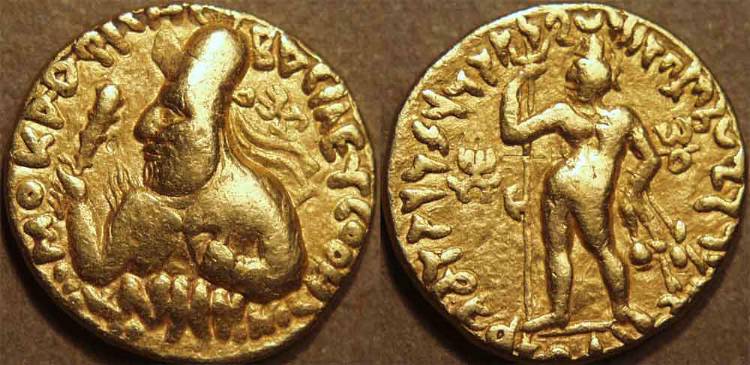
Vima Khadpises gold coin with Sanskrit inscription

(Second part of Sanskrit inscriptions in strange places. Please read the first part)

Sanskrit inscriptions older than Rudradaman (150 AD) are found on coins. A notable gold dinar coin of Vima Khadpises shows Lord Shiva with a Sanskrit inscription. It is written in Kharoshti script along with Greek script. The legend on the coin is: Maharajasa Rajadirajasa Sarvaloka Isvarasa Mahesvarasa Vima Kathphisasa Tratara. It is dated 112 AD. Vima Khadpises had issued coins with Shiva on bull (Rishaba) vahana as well.

In the mosque

Bhoja is a famous name in Sanskrit literature. There were several Bhojas and they were all great Sanskrit scholars. One such Bhoja lived during the times of Kalidasa in first century BC. But now we are looking at a Bhoja who ruled from Dhar in Madhya Pradesh. He built a temple for goddess Saraswathi. It was destroyed during Muslim invasion. The mosque had several parts of destructed temple. Fortunately one structure was left intact and that was the Sanskrit vyakarana (grammar) written as Chitra Kavi. It shows grammar in wheel shaped diagrams or pictures. This Bhoja ruled between 1010 AD and 1060 AD. He was a master of many arts and authored at least thirty books in Sanskrit ranging from astronomy to economics. One of the idols he installed is in British museum in London. But the vyakarana chakra (grammar slokas written in circular diagrams) is in the mosque itself. Now the archaeological survey has arranged for Hindus and Muslims worship on different days.

S E Asia

Most of the South East Asian Sanskrit inscriptions are written in Pallava Grantha script. We may surmise that the South Indian sculptors who travelled from the east coast must have inscribed them. It also shows South Indians were great Sanskrit scholars. South India had produced famous Sanskrit scholars like Adi Shankara,Patanjali,Nilakanta Dikshitar and they in turn wrote a lot of books until last century. In our own times Kanchi Shankaracharya’s Sanskrit composition for world peace was sung by MS Subbalakshmi in the United Nations which reverberated throughout the world.

Sanskrit can’t die as long as India and Hinduism survive. All our personal names and place names and Gods names are in Sanskrit. Even the motto of Government of India is in Sanskrit : Sathyameva Jayate-Truth alone triumphs from the Mundakopanishad. Not only the temple archanas (gods names) but also all the religious literature are in Sanskrit.

The most famous Mantra of the Hindus Gayatri (Rig Veda) has been recited by millions of Hindus for thousands of years without any break. The ancient seers (Rishis) started reciting this from 1500 BC according to Western “scholars”. But Hindus believe them s eternal sounds in the sky like radio waves. If you are at the same wavelength you can catch them like radio frequencies. So no one can call Sanskrit a dead language like Latin. Latin is used by Pope and his circle only. But Sanskrit names are used by millions of laymen. Indians can’t survive without Sanskrit. For instance if someone orders tomorrow that no Sanskrit word should be used for twenty four hours, Indians can’t function for twenty four hours. It is like ordering the entire country to stop using electricity for 24 hours. In short unlike Latin, Sanskrit has mixed with our life which no force in the world can separate for generations to come.

Anyone reading this piece, stop reading and think for a minute- think about your grandparents names, think about your friends’ names and think about your towns names and last but not the least your language. Everywhere you will find Sanskrit. This is true for all the South East Asians as well.

This divine language and its magical spell (mantra) will help India to survive for eons. When all the five big powers have gone India will survive because of it’s motto alone: Satyameva Jayate !

Ancient Sanskrit Inscriptions in Strange Places


Mulavarman’s inscription in Jakarta Museum


Old Sanskrit inscriptions are found around the world in strange places! Sanskrit is the only language in the world to have inscriptions around the world covering a vast geographical area and covering a long historical period. Rig Veda is dated around 1500 BC. This book is in Vedic Sanskrit like Sangam Tamil literature is in ancient Tamil. There are hundreds of Sanskrit inscriptions in Cambodia, Laos, Vietnam, Thailand, Burma, China, Russia, Indonesia and Malaysia. The inscriptions are in different scripts. In India we have Rudradaman’s inscription (150 AD) in Nagari script.

The inscriptions are not only in big cities but also in dark, thick tropical forests of Borneo and a Christian church in Malaysia as well. Mulavarman, a fourth century king did a Yagna and installed seven Yupa posts to commemorate it in Borneo island of Indonesia. It was discovered in an area covered by very thick forests. Egypt, Turkey, Syria, Iran and other Muslim countries have some written documents in the form of letters, manuals or inscriptions where in Sanskrit names or words figure prominently. Rama’s father was Dasaratha is a well known fact. But before him there were three or four Dasarathas and one of them ruled part of Syria ! He gave his daughters in marriage to an Egyptian pharaoh and wrote many letters to him!

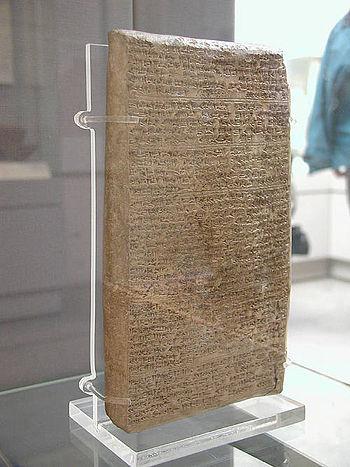
According to many scholars, Mahabharata war was fought on Indian soil in and around 1500 BC (Hindus believe it was before 3102 BC) .At the same time there was a Dasaratha (Spelt Thusratta) ruling Syria/Turkey area which are Muslim countries now. That kingdom was called Mittanni (Mitra is one of the names of Surya). We have the Mittanni kings name in Sanskrit. It shows that Sanskrit language existed from the eastern corner of India to Egypt in Africa 3500 years ago. Dasaratha’s letters are very interesting to read. His daughters name are in Sanskrit and they were married to Egyptian King Amenothep (may be Amana Devan ).

We have even recovered a Horse Training Manual written in 1350 BC with Sanskrit words! For thousands of years horses and elephants were trained using only Sanskrit words. Sangam Tamil book Mullaipaatu mentions that elephants were trained by using Sanskrit words in Tamilnadu (Mullaipattau lines 32-36)

The horse manual written by Kikkuli ( Aswa Sena) runs to 1080 lines on clay tablets. Though it is written in Hittite language the numerals Aika,Tera,Pancha, Satta, Nava vartaana (1,3,5,7,9 intervals) and words for colours are in Sanskrit.

Vedic Gods in Muslim country!

We have the Vedic Gods name in an agreement in Bogazkoy in Turkey . This agreement was written by Hittite King Suppililiuma  and Mittannian king Matiwaza (may be Mathi vachanan). The amazing thing about the agreement is the Vedic gods names Indra, Mitra, Varuna,  Nasatyas (Aswins ) all are in the same order as in Rig Veda. Not even the order was changed. It shows that Vedas were used from the plains of Ganges to the land of Syria and Turkey at the same time- 1380 BC!  In Vietnam (Champa in olden days) the Pandyan King’s name Sri Maran is found on an inscription. Sri Maran is a Sanskrit word for Thirumaran (We have one Muda Thiru Maran in Sangam Tamil literature). Please find more details in my article The Pandya King who ruled Vietnam.

In Karatepe ( In Turkey) we have found a long inscription which ended like Indian inscriptions. It is dated 850 BC. Those who deliver Indian religious discourses very often use a phrase, “so long as the sun and moon shines, this will survive——-“. Karatepe inscription finished with these lines which showed Indian influence.

13. Now, if a king among kings, or a prince among princes,
14. or any man who is a man of renown, gives
15. orders for the name of Azitiwada to be effaced from the statue
16. of this god, and puts up his own name, or more than that, if he
covets
17. this city and says, I will make
18. another statue and put my own name on it, and the
19. statue of the god which Azitiwada made, (that of)
20. Baal KRNTRYÅ , which is at the king’s entrance in(to)
25. ……….[Only may the name]
26. of Azitiwada last for ever like the name
27. of the sun and the moon!

Thusratta’s letter to Egyptian king in Cuneiform script

(The Egyptian King who installed only one God was called Aknaten (Eka Nathan= One God)! The Egyptian river Blue Nile was named after the Sanskrit colour Nila=blue! The word Syria is nothing but Surya (sun). Hurrian is also Suryan (sun). Iran is nothing but Aryan).

In Nepal Kings of Lichavi dynasty had issued more than 85 Sanskrit inscriptions between 463 AD to 770 AD. There were more than 3000 slokas in the inscriptions. In Rudradaman inscription we have beautiful slokas. It shows that people around the world, whether it is Cambodia or Indonesia or Nepal knew bombastic, stylish and ornamental Sanskrit language. All these inscriptions maintain high standards. Art Historian Sri C Sivaramamurti has shown how the greatest playwright Kalidasa had influenced these inscriptions from 2nd century AD.

Tamil inscriptions were also found in South East Asia. But whatever the language, if it is Indian language, it can’t be written without a Sanskrit word.

All the Asokan and all the Tamil inscriptions have Sanskrit words. Prakrit is the spoken form of Sanskrit. In Sanskrit dramas women and clowns speak in Prakrit. Kings, ministers and high ranking officials speak in Sanskrit. Dharma in Sanskrit will be Dhamma in Pali. I have already written that there is no ancient Tamil work without a Sanskrit word.

Sanskrit in Church!

Catholic pilgrims in Malaysia go on a pilgrimage to Bukit Mertajam in Penang. They send petitions and thanks giving at the church of St Anne on 26th July every year. Inside the church complex is the Cherok Tok Kun Inscription in Sanskrit. Unfortunately only a French historian copied it and published it in French. So we did not have the full text.

So called scholars of western countries were partial when they dealt with Sanskrit. They invented new theories like Indo European, Indo Iranian, Indo Aryan ,Ancient, Middle, Later and confused the people. They did not use it for Hebrew, Greek or Tamil. Old Testament or Old Hebrew literature, Iliad and Odyssey, Sangam Tamil Literature were all written in the ancient or archaic forms of the respective languages. No Tamil could understand Sangam literature without commentaries. The spellings for the same Tamil names are different in Sri Lanka, Tamil Nadu, Pondicherry and Mauritius even today. Dhamayanthy and Subramaniam are written with four different spellings by four different Tamil communities!! But they don’t call themselves different people. But if it is Sanskrit, there will be 100 theories about it!

B. B Lal (Former Director General of Archaeological Survey of India) has shown that Indians migrated to West Asia and established Kingdoms like Mittanni 3500 years ago. Baudayana Srautasutra (18.44) mentions it.  In the same way Agastya  and Kaundinya led another group of Indians to South East Asia to establish Hindu kingdoms (Please read my article Did Agastya Drink ocean? And How old is Indian Civilization? )

Baudhāyana Śrautasūtra (18.44) Reference:

Pra-n.a-yauh. pravavra-ja tasyaite Kuru–Pan~cha-la-h. Ka-śi- -Videha- ity etad A-yavam pravrājam. Pratyan. Ama-vasus tasyaite Ga-ndha-rayas Parśvo Ara-t.t.a– ity etad A-ma-vasavam

Tamil Reference:

தேம் படு கவுள சிறு கண் யானை
ஓங்கு நிலைக் கரும்பொடு, கதிர் மிடைந்து யாத்த,

வயல் விளை, இன் குளகு உண்ணாது, நுதல் துடைத்து,
அயில் நுனை மருப்பின் தம் கையிடைக் கொண்டென,
கவை முட் கருவியின், வடமொழி பயிற்றி – முல்லைப்பாட்டு (35- 36).

*********************


Aladdin’s Magic Lamp and Tamil Saints

Aesop’s Fables, The Thousand One Nights, Decameron Tales, The Canterbury Tales and many more folk tales of Europe have adapted Indian stories. Many of the characters themselves were alien to Europe. For example when Aesop used an Asian animal or bird we knew for sure it was not from Europe.


The art of storytelling has developed to the highest standards in India. In the Forest of Naimisaranya , saints used to gather and listen to stories. Sometimes such sessions lasted for twelve years. Though most of the stories are mythological in nature we come across all the fables, anecdotes and supernatural elements. Putting one story within another is story is also typical Indian. We see all these traits in the above European and Middle Eastern books. They have adapted many stories from the stories of Vikramaditya, Pancha Tantra, Katha Sarit Sagara, Dasa Kumara Charitra and Maha Bharata. Many Western and Eastern scholars have already identified such areas. But not many people knew that they have even copied from the miracle stories of Tamil Saints Sambandhar, Appar and Sundarar. Aladdin and the wonderful lamp is part of The Thousand One nights. But it was added by a European author to the Arabic version of 1001 nights just two hundred years ago. He attributed it to a Syrian in the Middle East.Aladdin’s genie performed several miracles for him.


Most of the Hindus know the Yaksha Prasna story of Mahabharata. Yakshas are super natural spirits who occupy the lakes, trees, junctions of the roads and hills. They are supposed to have supernatural powers. In Tamil literature we come across Bhutham, a benevolent natural spirit, in the Pandya inscriptions, Thevaram Hymns, Silappadikaram and other minor Tamil works. The Bhutams or the spirits or the supernatural beings have done marvellous tasks.


Sinnamanur Copper Plates of Pandya King narrated how a Pandya king used the service of Bhutams to repair the tanks and lakes. Irayanar Kalaviyal commentary also gave this story.

Saivite saint Tiru Gnana Sambhandhar was going from one town to another town to worship god in different temples. When he went to Thiruvaduthurai, his father Siva Patha Hruthayar asked him for some financial help to do a yagna (fire ceremony). Then Sambhandhar started singing a hymn.  Immediately a Bhutam appeared before him and left 1000 gold coins in front of the shrine. Sambhandhar sent the treasure to his father.


Another great Tamil great saint Appar was reconverted to Hinduism from Jainism. He prayed for Hindu religious symbols to appear on his body. It is customary to have those symbols marked on the body like tattoos during initiation ceremony. Immediately a Bhutam appeared before him and marked the holy Saiva symbols Tri Sul/Trident and the Bull emblems on his shoulders.

One may wonder who the Bhutams were. Were they some Shiva devotees dressed like short and ugly dwarfs? Or were they some supernatural beings that appeared like bolt from the blue?


The next episode will show that that they were NOT ordinary human beings disguised as Bhutams.

Sundarar, the last of the three Thevaram saints, was receiving paddy and pulses on a regular basis from one of his devotees who was a rich land lord. Because of a big drought the crops failed. So the land lord was very much worried. One day he went to bed skipping his dinner. Lord Shiva appeared in his dream and told him that he had given him paddy for Sundarar. When the landlord woke up, he saw a mountain heap of paddy. When he sent a word to Sundarar about this miracle, Sundarar thought how he was going to carry all the paddy to his home town Tiruvarur which was miles away from the Landlord’s town. Shiva sent his Battalion of Bhutas ( Bhuta Ganam) to shift them to Sundarar’s  place overnight. Since all these things were beyond human comprehension, they wrote everything for future generations.


Sundarar was very good friend of the King of Chera (modern Kerala)  country. When he visited the Chera country, the king gave him enormous gifts. But he lost all those to robbers who were none other than Shiva Bhuta Ganas. When Sundarar prayed to god and sang about it, he got all the robbed goods back.


Silappadikara Sadukka Bhutam

Silappadikaram is a moving Tamil epic. It has a reference to Bhutas in the City Squares. They used to ask questions like the Oracles of Delphi. One of the Bhutas in the city of Pumpuhar ate bad people who were liars, traitors, prostitutes or people who have illicit intimacy. In another place the epic refers to a person beaten to death by the Bhuta because of his lies. The four Bhutas in charge of four castes vacated the city before Kannaki burnt Madurai.

So we can safely conclude that the above episodes lay seeds for all the ghost or spirit stories in the European literature.


TAMIL REFERENCES:

ஓதமீள வேலெறிந்து பேராயிரம் கிரது செய்தும்

பூத கணம் பணியாண்டும் புவனதலப் பொதுனீக்கியும்

யானை யாயிர மையமிட்டும் அபரிமித அதிசயங்கள் செய்து

–சின்னமனூர் சிறிய செப்பேடு

வசையில் மாக் கயல் புலிசிலை வடவரை நெற்

றியில் வரைந்தும்

தடம் பூதம் பணிகொண்டு தடாகங்கள் பல திருத்தியும்

அரும்பசி நோய் நாடகற்றி அம்பொற்சித் ரமுயரியும்

—-சின்னமனூர் பெரிய செப்பேடு


தவம் மறைந்து ஒழுகும் தன்மை இலாளர்

அவம் மறைந்து ஒழுகும் அலவற் பெண்டிர்

அறைபோகு அமைச்சர், பிறர்மனை நயப்போர்

பொய்க்கரியாளர், புறங்கூற்றாளர், என்

கைக் கொள் பாசத்துக் கைப்படுவோர்

எனக் காதம் நான்கும் கடுங்குரல் எழுப்பிப்

பூதம் புடைத்து உண்ணும் பூத சதுக்கமும்

–சிலப்பதிகாரம் (இந்திர விழா எடுத்த காதை)


*****************

காரைக்கால் அம்மையாருடன் 60 வினாடி பேட்டி

உங்கள் பாடல்களில் பக்திச் சுவையும் தமிழ் சுவையும் நனி சொட்டச் சொட்ட இருக்கிறது. தமிழ் பெண்கள் அப்போது மொழிப் பயிற்சி பெற்றார்களோ?

பிறந்து மொழி பயின்ற பின் எல்லாம் காதல்

சிறந்து நின் சேவடியே சேர்ந்தேன்:- நிறந் திகழும்

மைஞ்ஞான்ற கண்டத்து வானோர் பெருமானே !

எஞ்ஞான்று தீர்ப்பது இடர்?

நீங்கள் தினமும் இறைவனிடம் வேண்டுவது?

இறவாத இன்ப அன்பு வேண்டிப்பின் வேண்டுகின்றார்

பிறவாமை வேண்டும் மீண்டும் பிறப்புண்டேல் உன்னை என்றும்

மறவாமை வேண்டும் இன்னும் வேண்டு நான் மகிழ்ந்து பாடி

அறவா நீ ஆடும் போதுன் அடியின் கீழ் இருக்க என்றார்

ஒரே பாட்டில் சங்கர நாராயணனையும் அர்த்த நாரீஸ்வரரையும் பாடி “அரியும் சிவனும் ஒன்னு அறியாதவன் வாயில் மண்ணு” என்று காட்டிவிட்டீர்களே!

ஒருபால் உலகளந்த மால் அவனாம்; மற்றை

ஒருபால் உமையவளாம் என்றால்- இருபாலும்

நின்னுருவமாக நிறந்தெரிய மாட்டோமால்

நின்னுருவோ மின்னுருவோ நேர்ந்து.

சுவையான மாம்பழத்தைப் படைக்கப் போய், கணவரால் பக்திப் பெண்மணி என்று பயந்து கைவிடப்பட்டு, பேய் உருவை விரும்பிப் பெற்று, சிவபிரானால் “ வரும் இவர் நம்மைப் பேணும் அம்மை, காண்” என்று பார்வதிக்கு அறிமுகப்படுத்தப் பட்டீரே. உமது திரு ஆலங்காட்டில் காலால் நடக்ககூட சம்பந்தர் தயங்கினாரே உமது அன்பு பயன் கருதாப் பேரன்பு அல்லவோ!

இடர் களையாரேனும் எமக்கு இரங்காரேனும்

படரும் நெறி பணியாரேனும்—சுடர் உருவில்

என்பறாக் கோலத் தெரியாடுமமெம்மனார்க்கு

அன்பறாது என் நெஞ்சு அவர்க்கு.

கீதையில் கண்ணன் “பிரம்மார்ப்பணம் பிரம்மஹவிர் ப்ரம்மஹ்னௌ ப்ரம்மனாஹுதம்” என்ற ஸ்லோகத்தில் அர்ப்பணம் பிரம்மம், அர்ப்பிக்கப்படும் பொருளும் பிரம்மம் என்பது போல நீங்களும்…….

அறிவானும் தானே; அறிவிப்பான் தானே,

அறிவாய் அறிகிறான் தானே;- அறிகின்ற

மெய்ப்பொருளும் தானே; விரிசுடர் பார் ஆகாயம்

அப்பொருளும் தானே அவன்.

உங்களுக்கு இசைப் பயிற்சியும் உண்டோ? 7 பண்களும் 11 இசைக் கருவிகளும்

உங்கள் சொற்களில் நடம் புரிகின்றனவே!

துத்தம் கைக் கிள்ளை விளரி தாரம்

உழை இளி ஓசை பண்  கெழும பாடிச்

சச்சரி கொக்கரை தக்கையோடு

தகுணிதம் துந்துபி தாளம் வீணை

மத்தளம் கரடிகை வன் கை மென் தோல்

தமருகம் குடமுழா மொந்தை வாசித்(து)

அத்தனை விரவினோடாடும் எங்கள்

அப்பன் இடம் திருவாலங்காடே

பிறவிப் பெருங் கடல் நீந்துவார் நீந்தார் இறைவன் அடி சேராதார் என்று வள்ளுவன் கூறுகிறான். நீங்கள் அதை எதிரொலிப்பது போல உள்ளதே!

வினைக் கடலை ஆக்குவிக்கும் மீளாப் பிறவிக்

கனைக் கடலை நீந்தினோம் காண்.

நீங்கள் ஆண்டாளுக்கு முந்தியவர். எற்றைக்கும் ஏழேழ் பிறவிக்கும் உந்தன்னோடு உற்றோமே யாவோம் என்று அவர் பாடியது உம்மைப் பார்த்துத் தானோ!

அவர்க்கே எழுபிறப்பும் ஆளாவோம்; என்றும்

அவர்க்கே நாம் அன்பாவது அல்லாமல்- பவர்ச் சடை மேல்

பாதுகாப்போழ் சூடும் அவர்க்கல்லால் மற்றொருவர்க்கு

ஆகாப்போம்; எஞ்ஞான்றும் ஆள்.

வணிகர் குலத்தில் புனிதவதியாக அவதரித்து, பேய் என்று உங்களையே அழைத்துக் கொண்டீர்கள்.ஆனால் இறைவனோ உம்மை அன்பாக அம்மையே என்று அழைக்க அழியாப் புகழ் பெற்றுவிட்டீர்கள். சொற் சிலம்பம் ஆடும் பக்தர்களை வேத வாத ரதா: என்று கண்ணன் பரிகசிக்கிறாரே?

நூலறிவு பேசி நுழைவிலாதார் திரிக !

நீலமணிமிடற்றோன் நீர்மையே-மேலுவந்தது;

எக்கோலத்து எவ்வுருவாய் எத்தவங்கள் செய்வாருக்கும்

அக்கோலத்து அவ்வுருவே ஆம்.

நீங்களும் அதையே சொல்கிறீர்கள். திருவாலங்காட்டு மூத்த திருப்பதிகம், அற்புதத் திருவந்தாதி, திரு இரட்டை மணிமாலை முதலிய பாடல்கள் பாடினீர்கள். இதைப் படிப்பதால் என்ன பயன்?

உரையினால் இம்மாலை அந்தாதி வெண்பாக்

கரைவினால் காரைக்கால் பேய் சொல்-பரவுவார்

ஆராத அன்பினோடு அண்ணலைச் சென்றேத்துவார்

பேராத காதல் பிறந்து.

தமிழர்களுக்கு என்று ஒரு கின்னஸ் சாதனை நூல் இருந்தால் 1.மண்டல முறையில் அந்தாதி பாடியது, 2.பதிகம் பாடியது, 3.கட்டளைக் கலித் துறையில் பாடல் பாடியது, 4.கயிலை மலைக்கு தலையால் நடந்து சென்றது,5. பதிகத்தில் கடைக்காப்பு வைப்பது, 6.பதிகத்தில் இயற்றியவரின் பெயரைக் கூறி முத்திரை வைப்பது 7.முதலில் இரட்டை மணி மாலை பாடியது 8. பேய் பற்றி விரிவாக வருணித்தது 9.கம்போடியாவில் சிலை உடைய தமிழ் பெண் ஆகிய ஒன்பது தலைப்புகளில் உங்கள் பெயரைப் பதிவு செய்துவிடுவார்கள்! நன்றி அம்மையாரே!


Hindu Goddess’ march to Denmark !

Picture shows Gundestrup cauldron with Gajalakshmi

(This is the fifth part in my thesis to prove that Kalidasa lived before Sangam Tamil period. Kalidasa’s date was around 1st century BC. Tamil poets have used a lot from his 1000+ similes in various places. For some of these we may find a common source. But a lot of similes and idioms and phrases show beyond any shadow of doubt that they knew Kalidasa’s works and they deliberately used them in Sangam Tamil poems. Art Historian Sri C Sivaramamurti and others used different methods to arrive at the same date of first century BC. Sivaramamurti showed how Junagadh Rudradaman inscription of second century AD had echoed Kalidasa’s poems)

Lakshmi is praised by various Tamil and Sanskrit poets from Vedic days. They used the words THIRU (Tamil) and SRI (in Sanskrit) to mean wealth as well as Goddess Laksmi. Goddess Lakshmi is in charge of wealth. There are innumerable references to the goddess in Tamil and Sanskrit works. But the interesting form of Lakshmi  is GAJA LAKSHMI(Gaja in Sanskrit means elephant). Goddess Lakshmi seated on a lotus flower and two elephants on either side pouring water on her is known as Gaja Lakshmi. This particular aspect of Lakshmi is considered very auspicious. In India, particularly in Chettinadu of Tamil Nadu, palatial houses have Teak doors with the wooden figures of Gajalakshmi till this day.

Gajalakshmi’s figures have travelled from the Himalayas to the southern most part of Sri Lanka. It is in the form of old coins, lamps, wooden figures, idols and stone sculptures. It has travelled from India to Denmark !! We have Gajalakshmi figure carved in to Gundestrup silver Cauldron. Now it is in Copenhagen. When they dug up a marshy area in Jutland , Denmark in 1891 they recovered a big silver vessel which is dated to second century BC. A very interesting fact about this vessel is that there is a god surrounded by animals like we see in the Indus valley seal (For more details please read my article Vishnu in Indus Valley Seal)

The earliest reference to Gajalakshmi is in Sri Suktam of the Vedas:

“Laksmir –divyair-gajendrair-manigana-kasithai: snabitha hemakumbhair nithyam sa pathma hastha”

(Holding a lotus in hand she is bathed by water from the gem studded golden pot by the celestial elephants)

Later Valmiki, Kalidasa and Sangam Tamil poets described the goddess in detail. We get lot of materials with the figure in coins, sculptures, idols etc. from second century BC onwards .The Bharhut sculptures show a beautiful Gajalakshmi which is in Kolkatta museum at present.  Ellora, Mahabalipuram cave temples also have got these sculptures.

Gajalakshmi coins are in plenty belonging to different dynasties of different periods. The oldest coin was issued by an Indo Greek king Azilises of North West India in first century BC. Later kings of Kosambi and Mathura Bijaasata Mitra and Visaka Deva respectively issued coins with Gajlakshmi. In Sri Lanka we find Gajalakshmi on the coins of 1st century AD. The coins were recovered from Anuradhapuram,Kantharodai , Manthottam in Sri Lanka and Karur of Tamil Nadu..

Buddhists and Jains “worshipped”

Not only Hindus but also the Jains and Buddhists respected or probably worshipped Gajalakshmi. The Buddhist kings of Sri Lanka issued such coins. Bharhut sculpture of Gakjalakshmi is another proof for it. Jain Tirthankar Mahavir’s mother Trishala had a dream of 14 auspicious signs before the birth of Mahavir. The fourth dream was of Gajalakshmi.

Michael Michener read a paper at a seminar in British Museum, London where he listed all the old kings who issued coins of Gajalakshmi. The list includes coins of Indo Greek king Azilesas, Mathura King Raju vula , Andhra King Shrive Satakarni(1st century) ,Jayanagar (8th century AD) and Nayak Kings of Tamil Nadu.

In the 2000 year old Sangam literature, we have references in the books:

Nedunal vaatai .88-89 and Kalitokai 44-8.

Madurai Kanchi of Mankudi Maruthan 353

Kapilar being a Brahmin well versed in Sanskrit used lot of Kalidasa’s similes and expressions. In Kalitokai, Kurinji Kali 44-8 he described Gajalakshmi.

Another Brahimn poet Nakkirar, who would have read all Kalidasa in Sanskrit used a lot of Kalidasa’s works on Muruga (Lord Skanda) in his Tirumurukatruppatai and Lakshmi in Nedunalvatai.

“Have massive door posts daubed with ghee and white mustard

And held by a stout lintel named after Uttara star,

Where on are carved the figures of Goddess Lakshmi,

With the elephants holding water lilies on either side

And fitted with double doors, iron clamped….. (Nedu88-89)

(Nachinarkiniyar interpreted these lines as Gajalakshmi. English translation is based on his commentary. Arthasastra also advised kings to install such figures in the fort doors)

In Sivaka Sinthamani (2595), we see the same picture.

In Kalidasa we have references to Gajalakshmi in the books:

Raghuvamsa 12-93: Kalidasa was describing the battle between Rama and Ravana with beautiful similes in every sloka/couplet. The commentators struggled to comment on this sloka because they did not know what he was using as simile. They guessed that a wooden plank with wheels was used when two elephants clashed in the battle field. But anyone who reads it can easily see he used Jayalakshmi (goddess of victory) in between two elephants to mean Galjalakshmi .

In Meghadutam 79, Kalidasa described the lotus and conch (Sangha Nidhi and Padhma Nidhi) pictures drawn on the doors. They are considered two of the nine treasures of Kubera. Saivite saint Appar also mentioned these treasures of Kubera in his Thevaram hymns.

Arthasastram of Kautilya (second century BC) listed several gods and goddesses to be installed in the forts and Gajalakshmi was one of them

Tamil References:

குறிஞ்சிக் கலி

வரிநுதல் எழில் வேழம் பூநீர் மேல் சொரிதரப்,

புரிநெகிழ் தாமரை மலரங்கண் வீறு எய்தித்,

திரு நயந்து இருந்தன்ன தேங்கமழ் விறல் வெற்ப! (கலி.44-8-5/7)

மதுரைக் காஞ்சி

விண் உற ஓங்கிய பல் படைப் புரிசை

தொல் வலி நிலை இய அணங்குடை நெடி நிலை(352-353)

நெடுநல்வாடை

ஐயவி அப்பிய நெய் அணி நெடு நிலை

வென்று எழு கொடியொடு வேழம் சென்று புக

குன்று குயின்றன்ன ஓங்கு நிலை வாயில்

திருநிலை பெற்ற தீது தீர் சிறப்பின் (86-89)

அப்பர் தேவாரம்

சங்க நிதி பதும நிதி இரண்டும் தந்து

தரணியொடு வானாளத் தருவரேனும்

மங்குவார் அவர் செல்வம் மதிப்போம் அல்லோம்

மாதேவர்க்கு ஏகாந்தர் அல்லார் ஆகில் (அப்பர் 6-346)

References

  1. The Gundestrup Cauldron by Timothy Tailor-Scientific American, March 1992
  2. Ancient coins of India by A. Cunningham (pages 74,86,92 and 100)
  3. Foreign influence on Ancient Sri Lankan Coinage by Jayasinghe-1997
  4. Lakshmi bathed by elephants on ancient Indian coins by Michael Michener-seminar in British Museum-2-12-2000

சீத்தலைச் சாத்தனாருடன் 60 வினாடி பேட்டி

(Questions are imaginary, Answers are from Manimekalai)

மணிமேகலை காப்பியம் படைத்த புலவரே, பசி வந்திட மானம், குலம், கல்வி, வண்மை, அறிவுடைமை, தானம், தவம், உயர்ச்சி, தாளாண்மை, காமுறுதல் ஆகிய பத்தும் பறந்துபோகும் என்று அவ்வையார் கூறுகிறாரே!

குடிப் பிறப்பு அழிக்கும்; விழுப்பம் கொல்லும்;

பிடித்த கல்விப் பெரும்புணை விடூ உம்;

நாண் அணி களையும்;மாண் எழில் சிதைக்கும்;

பூண்முலை மாதரொடு புறங்கடை நிறுத்தும்

பசிப் பிணி என்னும் பாவி (மணி 11-76)


அட,உங்கள் கருத்தும் அதுதானா ! சோழ மன்னன் காந்தமன் வேண்டியதால் அகத்தியர் தனது தண்ணீர் கலசத்தைக் கவிழ்க்கவும் காவிரி உற்பத்தியானதாமே!

கஞ்ச வேட்கையிற் காந்தமன் வேண்ட

அமர முனிவன் அகத்தியன் தனாது

கரகங் கவிழ்த்த காவிரிப் பாவை (மணி. பதிகம் 11-10)

காவிரி நதி ஜீவ நதியா?

கோள்நிலை திரிந்து கோடை நீடினும்

தான் நிலை திரியாத் தண்டமிழ் பாவை


அறம் அல்லது தர்மம் என்றால் என்ன, புலவரே?

அறம் எனப் படுவது யாது எனக் கேட்பின்

மறவாது இது கேள் மண் உயிர்க்கெல்லாம்

உண்டியும் உடையும் உறையுளும் அல்லது

கண்டது இல் (மணி 25-228)


Food, Shelter and clothing are three essential things என்று இன்று எல்லோரும் சொல்லுவதை 2000 ஆண்டுகளுக்கு முன்னரே சொன்ன பேரறிஞரே, பரசுராமனின் கோபத்துக்கு ஆளாக வேண்டாம் என்று காந்தன் என்னும் சோழனை அகத்தியர் ஒளிந்துகொள்ளச் சொன்னாரா?

மன் மருங்கறுத்த மழுவாள் நெடியோன்

தன் முன் தோன்றற்காதொளி நீ யெனக்

கன்னி ஏவலிற் காந்த மன்னவன்

அமர முனிவன் அகத்தியன் ரனாது

துயர் நீங்கு கிளவியின் யாறேன் றறவும் 11-25


உங்கள் காலத்தில் யவனர்களும் தமிழர்களுடன் வேலை செய்தார்களா?

மகத வினைஞரும் மராட்டக் கம்மரும்

அவந்திக் கொல்லரும் யவனத் தச்சரும்

தண்டமிழ் வினைஞர் தம்மொடு கூடி


செல்வத்தின் பயனே ஈதல் என்று புலவர்கள் கூறுகின்றனரே? அதிலும் தானத்தில் சிறந்தது அன்ன தானமா?

ஆற்றுனர்க்கு அளிப்போர் அறவிலை பகர்வோர்

ஆற்றா மாக்கள் அரும் பசி களைவோர்

மேற்றே உலகின் மெய்ந்நெறி வாழ்க்கை

மண்தினி ஞாலத்து வாழ்வோர்க் கெல்லாம்

உண்டி கொடுத்தோர் உயிர் கொடுத்தோரே (மணி.11-92)


அருமையான வாசகம். சரியான அரசன் இல்லாவிடில் நாட்டில் என்ன நடக்கும்?

கோல் நிலை திரிந்திடின் கோள்நிலை திரியும்

கோள்நிலை திரிந்திடின் மாரிவறங்கூரும்

மாரிவறங்கூரின் மன் உயிர் இல்லை

மன் உயிர் எல்லாம் மண்ணாள் வேந்தன்

தன்னுயிர் என்னும் தகுதி இன்றாகும்

தவத்திறம் பூண்டோள் தன்மேல் வைத்த

அவத்திறம் ஒழிக (மணி 7-8)


தொல்காப்பியர் ஆறு அறிவு படைத்த மனிதன் பற்றிக் கூறுகிறார். நீங்களும் உயிர்களை ஆறு வகையாகப் பிரித்திருக்கிறீர்களா?

பல்லுயிர் அறுவகைத் தாகும்

மக்களும் தேவரும் நரகரும் பிரமரும்

தொக்க விலங்கும் பேயுமென்றே (30-56)

கோவலன் கொலையுண்டவுடன் மாதவியை அறவண அடிகள் எப்படித் தேற்றினார்?


பிறந்தோர் உறுவது பெருகிய துன்பம்

பிறவார் உறுவது பெரும் பேர் இன்பம்

பற்றின் உறுவது முன்னது பின்னது

அற்றோர் உறுவது அறிக (2-64)


அகத்திய முனிவன் வேண்டியதால் சோழ மன்னன் 28 நாள் இந்திர விழாவை பூம்புகாரில் ஏற்பாடு செய்தது உண்மைதானா?

ஓங்குயர் மலயத்து அருந்தவன் உரைப்பத்

தூங்கெயில் எறிந்த தொடிதோட் செம்பியன்

விண்ணகர் தலைவனை வணங்கி முன்னின்று

மண்ணகத்து என்றன் வான்பதி தன்னுள்

மேலோர் விழைய விழாக் கோளெடுத்த

நாலேழ் நாளினும் நீன்கனி துறைகே

அமரர் தலைவன் ஆங்கது நேர்ந்தது (மணி 1.11-39


அமுத சுரபி என்னும் அற்புத கலசத்தால் ஏழை எளியவர்களுக்கு உணவளித்த மணிமேகலை யார் யாருக்கு உணவு கொடுத்தாள்?

காணார், கேளார், கால் முடப் பட்டோர்

பேணுநர் இல்லோர் பிணி நடுக்குற்றோர்

யாவரும் வருக என்று இசைத்துடன் ஊட்டி (மணி 13-111)


அற்புதம், அற்புதம் ! 2000 ஆண்டுகளுக்கு முன்னரே சமூக சேவை என்ன என்பதை தமிழன் தான் உலகுக்கே கற்பித்தான் போலும்!

THREE TAMIL SANGAMS : MYTH AND REALITY

Ancient Tamil literature speaks of three Tamil Sangams (Tamil Cankam or Tamil Academies). First two Sangams were devoured by the sea during Tsunami catastrophes and the third academy was established at Madurai. We have enough literary materials to confirm the third academy. But the other two were doubted by several scholars because of some unbelievable claims. Even about the third academy there are some unsolved puzzles. Let us look at the facts first. The total years given for all the three academies are 10,040 years!


From the third and the last Sangam we have over two thousand poems composed by over 470 poets. This is grouped as Ten Idylls and Eight Anthologies and classified as Sangam Tamil literature. But according to the legend only 49 poets formed the third Tamil Sangam or academy. So we do not know who the academic members were and who just poets were. There was another Dravida Sangam established by a Jain scholar known as Vajranandhi in 470 AD. Was it part of the Tamil Sangam or was it a Sangam for Jain Tamil scholars? The later works like Tiruvilaiyadal Puranam talks about rivalries and fights among Sangam poets and Shiva had to come to the rescue of genuine poets. But this division was not mentioned in the old Tamil literature.


Existence of third Tamil Sangam in Madurai was confirmed by Appar Thevaram and Andal Tiruppavai.  Appar not only refers to Tamil Sangam but also refers to a popular episode of a poor poet called Dharumi and his clash with Nakkeerar.  Over forty of Sangam poets had the prefix Madurai in their names.

Two Tsunamis

Since there were at least two references to Tsunamis and four references to earth quakes in Sangam Tamil and post Sangam Tamil verses we can be sure of some natural catastrophes. The reason for the doubts about their existence came from the big number of kings, big number of poets they sponsored and the years the kings ruled. If we take those years as exaggerated or coded language then we can reconcile the contradictions.


Adirakku Nallar, the commentator of Tamil epic Cilappatikaram had given the geography of the Tamil Land that was devoured by the sea. He wrote that there were seven big areas and each one was divided into seven smaller areas. Seven is a sacred number for Hindus and this type of land division is already in Hindu mythologies. When the first Tamil Sangam at South Madurai went into the sea ,they moved south and established the second academy at Kapatapuram. When that was also devoured by the sea they moved further south and established the third Tamil Sangam in modern Madurai. During the second academy Tolkappiyam was written by Tolkappiyar. At present Tolkappiyam  is the oldest available Tamil work, which is grammar book. Scholars date it to first century BC or AD. Some kings and poets who were part of First (Murinjiyur Mudinagarayar) and Second Sangam wrote a few poems which are included in Sangam corpus of Tamil literature ( Panamparar, Kakkaipatiniyar).


Any student of linguistics will easily find out that their poems were not very old as claimed by the commentator. The language of Tolkappiyam and verses by Muda Thirumaran (King during second Tamil Sangam) and Murinjiyur Mudinagarayar (First Tamil Sangam)betray their age. The language was not very different from other Sangam poems. If we apply the thumb rule followed by Max Muller to date the Vedic literature (two hundred years for language changes) both Tolkappiyam and other Sangam works will be grouped under the same period. Tolkappiyar himself indirectly says that he compiled whatever materials available at that time. He adds in hundreds of places the journalist’s cliché “they say”, “it is said that”. This makes it clear that he was not the one who wrote every bit of the book, but it was only a compilation. If we go by his language we can’t put him back any further than first century. His colleague Panamparar wrote the introduction (prefatory verse) for his treatise. His language was not archaic either.


The commentator of “Iraiynar Agapporul” gives a full account of the three Tamil Sangams .In the background of this linguistic evidence and in the absence of any historical proof, the claim that the  First Tamil Sangam existed for 4400 years under  89 kings and 4449 poets composed poems wont command any credibility. It is the same story about Second Tamil Sangam which existed for 3750 years  under  59 kings and 3700 poets. The third Tamil Sangam existed for 1850 years.

The book Tolkappiyam was launched in the royal court of Nilam Tharu Thiruvil Pandya under the chairmanship of Athakottu Asan (Teacher of Athankodu, a village in Kanyakumari District) who was well versed in the four Vedas. According to legends both Tolkappiyar and the teacher Athankottu Asan were Brahmins. It wouldn’t surprise anyone because the highest contribution in Sangam corpus of 2000 + poems was from the Brahmin poets such as Kapilar ,Paranar, Mamulanar, Nakkiran ,Uruththiran Kannan (Please read my article “No Brahmins, No Tamil”). The name “Kapatapuram” (place of second Tamil Sangam) and the word “Sangam” are all pure Sanskrit words. Tolkappiyam has three chapters. Many scholars consider the third chapter to be a later addition.


Adhikaram

Another word that betrays Tolkappiyam is “ADHIKARAM”. This Sanskrit word is used in Tirukkural of fourth or fifth century AD and CilappADIKARAM of same period (The Kannaki-Kovalan story happened in second century ,but the language of Cilappadikaram is definitely Post Sangam i.e after third century AD). Tolkappiyam is divided into three chapters and they are also classified as ADIKARAMS: Ezuththu/alphabet, Sol/word and Porul/worldly matters ADHIKARAMS. So we can put Tirukkural, Cilappadikaram and Tolkappiyam in the same period. But one must remember the date of writing and the date of events or grammar rules are different. Tamils very often get confused with the script and the language and the event and the actual date of putting it in writing.


Solution

To solve the puzzle of big numbers, one scholar suggested to divide the numbers by 37, saying that Jains were obsessed with this number.  Then we will get 120,100 and 50 for the first, second and third Tamil Sangam respectively. People can question this method. They will ask why 37 number. What has it got to do with the Tamil Sangam. Even when we do it, it won’t go well with the number of kings and poets, which is very high again.

Patanjali, the author of Mahabhasyam followed a simple solution when Ramayana said that Lord Rama ruled for several thousand years. He simply divided that big number by 365 and arrived at the figure of 28 years for Rama. Any one would believe that Rama ruled for 28 years. We may also follow Pathanjalis scientific method and divide the years 10040 by 365 and arrive at 270 years.

Another problem with the previous two Tamil Sangams is the books attributed to those Sangams. They are pure Sanskrit names such as Maa Puranam, Bhuta Puranam, Pancha Marapu, sikandiyam, Kuna nul, Thakadur Yaththirai etc. When the last Tamil Sangam didn’t have many Sanskrit names how come the previous one’s had so many Sanskrit names for the books would be a valid question.


I suggest the following solution; once again it cannot be explained logically:

If we divide the number of years of three Tamil Sangams by 37 we arrive at 120,100 and 50=270 years.  This is possible for three Tamil academies. If you add the kings number 89 (8),59 (5) and 49(4)  after dropping 9 we arrive at 17. If anyone asks why should we drop nine and add only single digits there is no logical answer. Since we believe that they have used coded language,  we do it.


First Sangam                Second                          Third

Years 4440             3700                        1850

Kings 89                 59                       49

(If we drop number 9 the total will be (8+5+4=17). 17 kings ruling for 270 years is acceptable to historians)

Poets 4449               3700                          449

(Though the number of poets is huge there is nothing wrong in accepting it as the total number of scholars in the country )

Academy Members 549        69                     49


By using the methods used by Patanjali and Maxmuller we can arrive at a reasonable figure for the three academies.( I have written another article about the Tsunamis and Earth quakes that affected ancient Tamil Nadu and the Tamil Academies).


3 தமிழ் சங்கங்கள்: கட்டுக்கதையா? உண்மையா?

(படத்தில் புலவர் தருமியும் இறையனாரும்)                                                          தலை, இடை, கடை என மூன்று தமிழ் சங்கங்கள் இருந்தன என்றும் அவைகளில் முதல் இரண்டு சங்கங்கள் கடலுக்குள் போய்விட்டன என்றும் படிக்கிறோம். இந்த சங்கங்கள் பற்றி இறையனார் களவியல் உரை கூறுவது மிகைப் படுத்தப் பட்ட செய்தியாக உள்ளது. கடைசி தமிழ் சங்கத்துக்கு நிறைய ஆதாரம் இருந்தாலும் அதைப் பற்றியும் விடைகாண முடியாத பல புதிர்கள் உள்ளன. பாணிணீயத்துக்கு உரை எழுதிய பதஞ்சலி மஹரிஷியின் அணுகு முறையையும் வேதத்தை ஆங்கிலத்தில் மொழிபெயர்த்த மாக்ஸ்முல்லர் பின்பற்றிய முறையையும் பயன்படுத்தி ஒரு விடை காண்பதே இக் கட்டுரையின் நோக்கம்.


தமிழ் மொழியை வளர்க்க, பாண்டிய மன்னர்கள், தமிழ் சங்கங்களை நிறுவிப் புலவர்களை ஆதரித்து வந்தனர். தென் மதுரையில் இருந்த முதல் சங்கம் சுனாமிப் பேரழிவில் கடலுக்குள் போனது. பின்னர் கபாடபுரத்தில் இரண்டாம் தமிழ் சங்கம் இருந்தது. மற்றொரு சுனாமி பேரலை ஏற்படவே அதையும் கடல் விழுங்கியது. பின்னர்தான் மூன்றாம் தமிழ்சங்கம் கூடல் மாநகர் என்றும் ஆலவாய் என்றும் அழைக்கப்படும் மதுரை மாநகரில் அமைக்கப் பட்டது.


மதுரையில் கடைச் சங்கம் இருந்ததற்குப் பல சான்றுகள் இருக்கின்றன. சங்கத் தமிழ் புலவர் பெயர்களில் நாற்பதுக்கும் மேலான பெயர்கள் மதுரை என்ற அடைமொழியுடன் துவங்குகிறது. திருவாசகம், திருக்கோவையாரில் “தண்ணார் தமிழ் அளிக்கும் தண் பாண்டி நாட்டான்” பற்றிய குறிப்புகள் வருகின்றன. அப்பரும் ஆண்டாளும் சங்கத் தமிழ் என்ற சொற்களைப் பயன்படுத்துகின்றனர். தருமி திருவிளையாடல் கதையையும் தமிழ் சங்கத்தையும் ஒரே பாடலில் அப்பர் குறிப்பிடுகிறார். பிற்காலத்தில் வந்த செப்பேடுகளில், கல்வெட்டுகளில் சங்கம் பற்றிய குறிப்புகள் உள்ளன. திருவிளையாடல் புராணத்தில் நக்கீரர்- சிவ பெருமான் மோதல், சங்கப் புலவர்களிடையே ஏற்பட்ட போட்டி, பூசல், பொறாமை பற்றியும் பல கதைகள் உள்ளன.

நமக்கு இப்பொழுது கிடைத்துள்ள சங்க நூல்கள் 18. அவை பத்துப் பாட்டும் எட்டுத் தொகையும் ஆகும். 2000 க்கும் அதிகமான பாடல்கள் அதில் உள்ளன. 470 புலவர்களுக்கு மேல் அவைகளைப் பாடியுள்ளனர்.

தமிழ் கெழுகூடல் (புறம் 58), என்றும் தமிழ் வையை தண்ணம்புனல் (பரி 6-60) என்றும் “தமிழ் நிலை பெற்ற தாங்கரு மரபின் – மகிழ் நனை மறுகின் மதுரை (சிறுபாண்) என்றும் சங்கப் பாடல்களில் படிக்கிறோம்.


கடைச் சங்கம் பற்றி எழும் கேள்விகள் இவைதாம்:

இறையனார் களவியல் உரையில் 49 சங்கப் புலவர்கள் இருந்ததாகக் கூறப்படுகிறது. ஆனால் சங்கப் பாடல்களை 470 க்கும் மேலானோர் பாடியுள்ளனர். இவர்களில் யார் அசல்-ஒரிஜினல் சங்கப் புலவர்கள் என்று தெரியவில்லை. ஊமைப் பையன் ஒருவன் முன்னால் பாடச் செய்து அவன் யார் பாட்டுக்கு உருகுகிறானோ அவர்களே உண்மைப் புலவர்கள் என்ற டெஸ்டில்-சோதனையில் கபிலர், பரணர், நக்கீரர் ஆகியோர் தேறியதாக திருவிளையடல் புராணம் கூறும்.

கி.பி. 470 ஆம் ஆண்டில் வஜ்ரநந்தி என்ற சமண மதத் துறவி தலைமையில் திராவிட சங்கம் என்ற ஒரு சங்கம் இருந்ததாக சமண வட்டாரம் கூறும். அது யார் சங்கம்? தமிழ் சங்கமா? சமணர் தமிழ் சங்கமா? போட்டி, பூசல் பொறாமை இருந்தது உண்மையா? திருவள்ளுவரையும் திணறடித்ததாக தி. வி. புராணம் கூறும் செய்திகள் உண்மையா? இவை எல்லாம் விடை காணப் படவேண்டிய கேள்விகள்.


இவைகளை விட நம்ப முடியாத, பிரமிக்க வைக்கும் செய்திகள் முதல் இரண்டு சங்கங்களைப் பற்றியவை ஆகும். மொத்தம் மூன்று சங்கங்களும் சேர்ந்து 10,040 வருடங்கள் இருந்ததாக களவியல் உரை கூறும். அது மட்டுமல்லாது அந்தக் காலத்தில் இருந்த அரசர் எண்ணிக்கை, புலவர் எண்ணிக்கை முதலியனவும் பெரிய தொகையாக உள்ளன. இவைகளை உறுதிசெய்ய வேறு எந்த வரலாற்று ஆதாரமும் இல்லை. மொழியியல் ரீதியில் இவை சாத்தியமும் இல்லை.

தலைச் சங்கம் 4440 ஆண்டுகள் இருந்ததாகவும் இடைச் சங்கம் 3750 ஆண்டுகள் இருந்ததாகவும் கடைச் சங்கம் 1850 ஆண்டுகள் இருந்ததாகவும் மொத்தம் மூன்று தமிழ் சங்கங்களும் 10040 ஆண்டுகள் இருந்ததாகவும் இறையனார் களவியல் உரை கூறும். முதல் சங்கத்தில் இருந்த முரிஞசியூர் முடிநாகராயர் பாடல் புறநானூற்றில் உள்ளது. இரண்டாம் தமிழ் சங்க நூலான தொல்காப்பியமும் நமக்குக் கிடைத்துள்ளது. முடிநாகராயர், தொல்காப்பியர் ஆகியோரின் மொழிநடை சங்கப் பாடல்களின் மொழிநடையை ஒத்து உள்ளன. ஆகையால் மொழி இயல் ரீதியில் இவற்றை சங்கப் பாடல் காலத்தில்தான் வைக்க முடியும். மிகவும் பின் போடவோ முன் போடவோ முடியாது.


மாக்ஸ்முல்லர், ரிக் வேதத்தின் காலத்தைக் கணக்கிட குத்து மதிப்பாக ஒரு உத்தியைக் கையாண்டார். ஒரு மொழியின் நடை மாற இரு நூறு ஆண்டுகள் ஆகும் என்று கணக்கிட்டு சம்ஹிதை, பிராமண, ஆரண்யக இலக்கியங்களுக்கு தலா 200 ஆண்டுகள் வீதம் ஒதுக்கி, உலகின் பழைய மத நூலான ரிக் வேதத்தை யாரும் கி. மு 1200 க்குக் குறைத்து மதிப்பிட முடியாது என்று கூறினார். பெரும்பாலான அறிஞர்கள் அவர் கூற்றை ஏற்றனர். அதே விதியை தமிழுக்குப் பயன்படுத்தினால் முதல், இரண்டாம், மூன்றாம் சங்கங்களை 200 ஆண்டு கால கட்டத்துக்குள்தான் வைக்க முடியும்.


தொல்காப்பியர் ஒரு அந்தணர் என்றும் அவர் நூல் “நான்மறை முற்றிய” ஒரு ஆச்சார்யர் தலைமையில் நிலந்தரு திரு வில் பாண்டியன் அவையத்துள் நிறைவேறியதாகவும் பழந்தமிழ் நூல்களும் உரை ஆசிரியர்களும் எழுதிச் சென்றுள்ளனர். மாக்ஸ்முல்லரின் மொழி மாற்ற விதியைத் தமிழுக்குப் பயன்படுத்தினால் திருக்குறள், சிலப்பதிகாரம் முதலியன நாலாம் ஐந்தாம் நூற்றண்டில் வந்துவிடும்.

அதிகாரம் என்னும் சொல்

மற்றொரு கேள்விக்குறிய வட மொழிச் சொல் “அதிகாரம்” ஆகும். திருக்குறளில் 133 அதிகாரங்கள் உள்ளன. சிலப்பதிகாரத்தின் பெயரில் அதிகாரம் உள்ளது. தொல் காப்பியத்தில் எழுத்து, சொல், பொருள் அதிகாரங்கள் உள்ளன. இவை மூன்றும் ஒரே காலத்தில் எழுந்த நூல்களோ என்ற ஐயப்பாட்டை இந்த சொல் எழுப்பும்.


தொல்காப்பியத்தின் பொருள் அதிகாரம் பிற்சேர்க்கை என்றும் தொல்காப்பியத்தின் காலம் கி.மு அல்லது கி.பி. முதல் நூற்றாண்டு என்றும் பெரும்பாலான ஆராய்ச்சியாளர்கள் ஒப்புக்கொள்வர்.

இதில் ஒரு முக்கிய விஷயத்தை நினைவில் கொள்ளவேண்டும். ஒரு நிகழ்ச்சி நடந்த காலம் வேறு. அதை பதிவு செய்த காலம் வேறு. சிலப்பதிகார நிகழ்ச்சிகள் நடந்தது இரண்டாம் நூற்றாண்டு. ஆனால் எழுத்தில் வடித்தது 4 அல்லது 5 ஆம் நூற்றாண்டு. தொல்காப்பிய விதிகள் மிகவும் பழம் தமிழ் விதிகள். அவைகளை தொல்காப்பியர் தொகுத்தளித்த காலம் பிற்காலம். அவரே நூற்றுக் கணக்கான இடங்களில் “என்ப: என்று கூறுவதிலிருந்து அவர் தொகுத்தவரே அன்றி முழு நூலையும் எழுதியவர் அல்ல என்பது புலப்படும். அவருக்கு 4 அல்லது 5 நூற்றண்டுகளுக்கு முன்னரே தமிழ் இலக்கண வடிவம் பெற்றிருக்கலாம். அகத்தியம் உள்பட வேறு பல இலக்கண நூல்கள் அவருக்கு முன்னரே இருந்தன.


முதல் இரண்டு சங்கங்களின் நூற் பட்டியலைப் பார்த்தால் பல நூல்கள் முழுக்க முழுக்க சம்ஸ்கிருதப் பெயர்களாக உள்ளன (பஞ்ச மரபு, பூத புராணம், மா ப்புராணம், தகடூர் யாத்திரை, பஞ்ச பரதீயம் –இன்னும் பல)

உலகின் முதல் இலக்கண புத்தகத்தை எழுதிய மாமேதை பாணிணியின் அஷ்டாத்யாயிக்கு உரை கண்ட பதஞ்சலி கி.மு இரண்டாம் நூற்றாண்டச் சேர்ந்தவர். பாணிணியை பகவான் பாணிணி என்று தெய்வ நிலைக்கு உயர்த்தியவர். ராமயணத்தில் ராமர் பல ஆயிரம்ஆண்டுகள் வாழ்ந்தார் என்பதை நம்பாத பதஞ்சலி, அந்த ஆண்டுகளை 365 ஆல் வகுத்து ராமர் 28 ஆண்டுகள் ஆட்சி புரிந்தார் என்று விஞ்ஞான முறையில் விடை கண்டுள்ளார். இதே உத்தியை முச் சங்கங்களுக்கும் பயன் படுத்தினால் ஓரளவுக்குத் திருப்தியான விடை கிடைக்கிறது.


முதல் மூன்று சங்கங்களுக்கான ஆண்டுகளை 37ஆல் வகுத்தால் 120+100+50= 270 ஆண்டுகள் கிடைக்கும் ஆக மூன்று சங்கங்களும் 270 ஆண்டுகள் இருந்தன என்பதை மொழியியலும் ஏற்கும். முடிநாகராயர் (முதல் சங்கம்), தொல்காப்பியர், பனம்பரனார், காக்கைபடினியார், முடத்திருமாறன் (இரண்டாம் சங்கம்), ஏனைய 470+ புலவர்களின் (மூன்றாம் சங்கம்) மொழி நடை ஆகியன ஏறத்தாழ ஒன்றே. ஆனால் ஒரு கேள்வி எழும். எதற்காக 37 ஆல் வகுக்க வேண்டும்? இந்த எண்கள் சமணர்களின் கண்டு பிடிப்பு என்றும் அவர்களுக்கு 37 எண்ணின் மேல் ஒரு காதல் என்றும் சில ஆய்வாளர்கள் வாதிட்டனர். இது ஒரு திருப்தியான விட இல்லைதான். ஆனால் மொழி நடைக்குப் பொருத்தமாக இருக்கிறது. இதை ஏற்றால் பெரும் எண்ணிக்கை மன்னர்கள், பெரும் எண்ணிக்கை புலவர்களை எப்படி நியாயப் படுத்துவது என்ற கேள்வி எழும். இதற்கும் வலியச் சென்றே விடைகாண வேண்டும். அந்த மன்னர்களின் எண்ணிக்கையில் ஒன்பது என்ற இலக்கத்தை விட்டாலோ அல்லது ஒற்றைப் படை எண் ஆக்கினாலோ ஓரளவுக்கு நம்பத்தகுந்த விடை கிடைக்கும். ஏன் இப்படிச் செய்ய வேண்டும் என்று கேட்டால் இவைகளை எல்லாம் எழுதியவர்கள் பொய் சொல்லும் நோக்கத்தோடு எழுதவில்லை ஏதோ நமக்கு ஒரு புதிர் போட “சங்கேத” மொழியில் (coded language) எழுதி வைத்துள்ளார்கள் என்றுதான் சொல்ல முடியும்.


இதோ கணக்குப் பட்டியல்:

முதல்               இரண்டாம்                மூன்றாம்

ஆண்டு 4440             3700                        1850

மன்னர் 89              59                       49

(மன்னர் எண்ணிக்கையில் 9 என்பதை விட்டால் 17 மன்னர்கள் வரும் (8+5+4=17). 17 மன்னர்கள் 270 ஆண்டுகள் ஆள்வதை உலகம் ஏற்கும்)

புலவர் 4449                  3700                          449

(இதை அந்த நாட்டில் இருந்த மொத்த தமிழ் புலவர்களின் எண்ணிக்கையாக ஏற்பதில் தடை ஏதும் இல்லை)

சங்க உறுப்பினர் 549       69                     49


இவ்வளவு விஷயங்களும் சங்கம் என்று ஒன்று இருந்ததை நன்கு உறுதி செய்கிறது. ஒன்றுமே இல்லாமல் அடியார்க்குநல்லாரும் இறையனார் களவியல் உரை கண்டவரும் எழுதியிருக்க மாட்டார்கள். கடல் கொண்ட தமிழ்நாடு, லெமூரியா கண்டம் போன்ற விஷயங்களை “சங்க இலக்கியத்தில் கடல் கோள் (சுனாமி )” என்ற கட்டுரையில் எழுதியுள்ளேன். (It was published In August 2006 in Ulaka Thamaizar Peramaippu Souvenir,Salem,Tamilnadu)