18 புராணங்களையும் நினைவில் கொள்ள ஒரு ஸ்லோகம்

bhajan sippla

Written By S.Nagarajan
Post No.1145; Dated 3rd July 2014.

This is from the book Purana Thulikal (Honey Drops from the Puranas)- Part 2 written by my brother S Nagarajan. Part 1 and Part 2 are already published by nilacharal in e book formats for sale:- swami.

18 புராணங்களின் பெயர்களையும் எளிதில் நினைவில் வைத்துக் கொள்ள ஒரு ஸ்லோகம் உள்ளது.

மத்வயம் பத்வயம் சைவ ப்ரத்ரயம் வசதுஷ்டயம் I
அனாபலிங்ககூஸ்கானி புராணானி ப்ருதக் ப்ருதக் II

இந்த ஸ்லோகத்தின் பொருள் :- இரண்டு ‘ம’, இரண்டு ‘ப’, மூன்று ‘ப்ர’, நான்கு ‘வ’ மற்றும் ‘அ’,’நா’.’ப’, ‘லிங்’, ‘க’, ‘கூ’,’ஸ்கா’ ஆகியவையே புராணங்களாகும்.

இரண்டு ‘ம’ என்பது மகாரத்தில் ஆரம்பிக்கும் மத்ஸ்ய மற்றும் மார்க்கண்டேய புராணத்தைக் குறிக்கும்.
இரண்டு ‘ப’ என்பது பகாரத்தில் ஆரம்பிக்கும் பவிஷ்ய மற்றும் பாகவத புராணத்தைக் குறிக்கும்.
மூன்று ‘ப்ர’ என்பது ப்ர-வில் ஆரம்பிக்கும் ப்ரஹ்ம, ப்ரஹ்மாண்ட மற்றும் ப்ரம்மவைவர்த புராணத்தைக் குறிக்கும்.
நான்கு ‘வ’ என்பது வகாரத்தில் ஆரம்பிக்கும் வராஹ, விஷ்ணு, வாயு, மற்றும் வாமன புராணத்தைக் குறிக்கும்.
‘அ’ என்பது அக்னி புராணத்தைக் குறிக்கும்.
நா’ என்பது நாரதீய புராணத்தைக் குறிக்கும்.
‘ப’ என்பது பத்ம புராணத்தைக் குறிக்கும்.
‘லிங்’ என்பது லிங்க புராணத்தைக் குறிக்கும்.
‘க’ என்பது கருட புராணத்தைக் குறிக்கும்.
‘கூ என்பது கூர்ம புராணத்தைக் குறிக்கும்.
‘ஸ்கா’ என்பது ஸ்கந்த புராணத்தைக் குறிக்கும்.

ஆக இப்படி 18 புராணங்களையும் நினைவில் கொள்ள ஒரு சிறிய ஸ்லோகத்தை நினைவில் வைத்திருந்தால் போதும்.
காலம் காலமாக வழங்கப்பட்டு வரும் ஸ்லோகம் இது.

தேவி பாகவதத்தில் முதல் ஸ்கந்தத்தில் மூன்றாம் அத்தியாயத்தில் எளிதில் நினைவில் வைத்துக் கொள்ளும் இந்தக் குறிப்பு இடம் பெறுகிறது.

***********

pbaaea095_sage_ved_vyasa

இரண்டாம் பகுதி
புராணத் துளிகள்

பல லட்சம் ஸ்லோகங்கள் அடங்கிய 18 புராணங்களையும் , உப புராணங்களையும் சம்ஸ்கிருத மொழியில் படிப்பதற்கு ஒரு ஆயுள் போதாது. அதை முறையாக விளக்குவதற்கு போதிய பண்டிதர்கள் இல்லை. வாய்ப்புகள் குறைந்து விட்ட இந்த நாட்களில் முக்கிய சில பகுதிகளையாவது தெரிந்து கொள்ள வேண்டும் என்ற ஆர்வம் பலருக்கும் உண்டு. அவர்களின் நோக்கத்தை நிறைவேற்றும் வகையில் முதல் பாகம் நிலா பப்ளிஷர்ஸ் மூலம் வெளியானது. இதோ இரண்டாம் பாகம்!

பிரம்மாவின் வம்சம்

மரீசி,நாரதர்,அத்திரி,புலஸ்தியர்,புலகர்,கிருது,தக்‌ஷன், வசிஷ்டர் ஆகிய அனைவரும் பிரம்மாவின் பிரசித்தரான புத்திரர் ஆவர்.இவருள் மரீசி காஸ்யபரைப் பெற்றார்.தக்ஷனுடைய பதிந்மூன்று பெண்கள் அவருக்கு மனைவியர் ஆவர்.அப்பெண்கள் வழியாக தேவாசுரர் உண்டாயினர்.ஏனைய மானுடர்,மிருகங்கள், சரபங்கள் முதலில பலவகை சாதி பேதங்களாயுள்ள உயிர்கள் எல்லாம் உண்டாயின.பிரம்மனுடைய சரீரத்தில் வலப்பாதியில் “ஸ்வாயம்பு மநுவும்” இடப்பாதியில் “சதரூபி” என்கிற பெண்ணும் உண்டாயினர். சதரூபி என்பவளுக்குப் பிரியவிரதன், உத்தானபாதன் என்கிற இரண்டு பிள்ளைகளும், அதிக சுந்தரிகளாக உள்ள மூன்று பெண்களும் பிறந்தார்கள்.இவ்வண்ணம் பிரம்ம வம்சம் விருத்தியானது.
-ஜனமேஜய மஹாராஜனிடம் வியாஸர் கூறியது
தேவி பாகவதம் மூன்றாம் ஸ்கந்தம் அத்தியாயம் 13

chaitanyam

சுகம் எது, துக்கம் எது? சத்ரு எவர், நண்பர் எவர்?

சுக முனிவர் மிதிலை நகருக்கு வந்த போது துவாரபாலகன் ஒருவன் அவரிடம் சுகம் எது, துக்கம் எது, சத்ரு எவர், நண்பர் எவர், சுபத்தை வேண்டுபவனால் செய்யத் தக்கது என்ன, இவற்றை நன்றாகச் சொல்ல வேண்டும் என்று கேட்க சுகர் இப்படி பதில் கூறுகிறார்:-

எல்லா உலகத்திலும் இரண்டு விதமிருக்கிறது. அதிலிருக்கும் பிரஜைகளும் ராகி, விராகி என்று இரண்டு விதமாக இருக்கின்றனர்.
அவர்களுதைய சித்தமும் இரண்டு விதம்.

இவைகளுள் விராகி என்பவர் அறிந்தவர், அறியாதவர்,அறிந்தும் அறியாதவர் என மூன்று விதமாய் இருப்பர்.

ராகி என்பவர் மூர்க்கர், சதுரர் என இரண்டு விதமாயிருப்பர்.
அந்தச் சதுர்ப்பாடு சாஸ்திர விசாரத்தால் வருவதாகிய சாமர்த்தியம், புத்தி சூக்ஷ்மத்தால் வருவதாகிய சாமர்த்தியம் என இரு வகைப்படும்.

அந்த புத்தியானது யுக்தம், அயுக்தம் என இரு வகைப்படும்.

இதைக் கேட்ட துவாரபாலகன், தான் அர்த்த ஞானமுடையவன் இல்லை என்று கூறி சுகர் கூறிய சொற்களுக்குப் பொருளை விளக்குமாறு வேண்டுகிறான். உடனே சுகர் விளக்கத்தை அளிக்கிறார் இப்படி:-

“எவனுக்கு சம்சாரத்தில் விருப்பம் இருக்கிறதோ அவன் ராகி எனப்படுவான். அவனே எல்லாவற்றிலும் மோகம் அடைகின்ற மூர்க்கன். அவனுக்குச் சுக துக்கங்கள் அநேக விதமாய் இருக்கின்றன. என்னவென்றால், தனம், புத்திரன்,செல்வம், மனைவி,மானம், விஜயம் முதலியவற்றையும் காரிய சாதனத்தையும் பெறுவதனால் சுகமும், அதைப் பெறாததால் துக்கமும், நிமிஷம் தோறும் மாறி மாறி வந்து கொண்டே இருக்கின்றன. அவனது செய்கை எல்லாம் சுகத்தை அடைய வேண்டுமென்கிற விருப்பத்தை உடைத்தாய் இருக்கிறது.

அச் செய்கைகளுக்கு மாறான செய்கைகளைச் செய்து தடைப்படுத்துகிறவன் சத்ருவாகின்றான். அச்செய்கைக்குச் சாதகனாய் இருக்கிறவன் நண்பனாகிறான்.

விராகி, விஷய சுகங்களொன்றிலும் ஆசை வைக்காமல் ஏகாந்தத்தில் வேதாந்த விசாரம் செய்து ஆத்ம சுகத்தை அநுபவித்துக் கொண்டிருப்பான். அவனே மோகம் அடையாத பண்டிதன். அவனுக்கு சம்சார வாழ்க்கையின் சுகம் எல்லாம் துக்ககரமாகவே இருக்கும்.

ஆயினும் அப்படி ஆத்ம சுகத்தை நாடுகின்றவனுக்குக் காம குரோத லோப மத மாச்சரியம் முதலிய கொடிய சத்துருக்கள் பலருண்டு. இப்படிப்பட்ட சத்துருக்களால் பீடிக்கப்பட்டிருப்பவனுக்கு பந்து, சந்தோஷம் என்பவன் ஒருவனே! அவனைத் தவிர வேறொருவரும் மூன்று உலகிலும் இல்லை.”

இப்படி சுகர் கூறியதைக் கேட்ட துவாரபாலகன் அவர் ஞானி என்று எண்ணி அவரை நகருக்குள் செல்ல அனுமதி அளிக்கிறான்.

தேவி பாகவதம் முதல் ஸ்கந்தம் அத்தியாயம்

To be continued………………….
Priest who changed New Moon Day to “Full Moon Day”!!

Abhirami-and-Bhattar-painted-by-Keshav

Written by London Swaminathan
Post No.1144; Dated 2nd July 2014.

Tamils bless newly married couple with auspicious yellow rice (akshathai) greeting them with the words “Let you get Sixteen and Long Live”. Even villagers people, though illiterate, know the ‘sixteen’ does not mean sixteen children, but sixteen essential things in life. Of the three Tamil poets listed the good things that needed in life the most famous sixteen came from a saitly devotee who composed a verse with all the sixteen essentials. It is part of Abhirami Ammai Pathikam- a decad on Goddess Abirami of Tirukkadavur in Tamil Nadu.

There is a very interesting story behind that poet. Subramanya Iyer was his original name, but became popular with the new name Abhirami Bhattar after a miracle. Subramanyam lived in the later part of the 18th century. His father Amirthalinga Iyer was a great scholar and musician. Subramanyam studied music, Tamil and Sanskrit. He did not seek any employment because his mind was after spiritual things. He became a great devotee of the local deity Goddess Abhirami, another name for Shiva’s wife.

He lived mostly in the temple meditating upon the glory of the goddess. After seeing his strange behaviour, people thought he became mad. King Sarabhoji of Thanjavur used to visit the temple. One day he visited the temple when all except Subramanyam paid respect to the king. The king became angry and asked who that arrogant fellow was. People gave him different versions, with both positive and negative things about Subramanyam. King wanted to test him and so asked him what day was it? Was it a full moon day or new moon day?

He replied at once, “It is a full moon day”. Actually it was a new moon day (Amavasya in Hindu calendar). The king thought that he deliberately insulted him and ordered that he should be executed if he did not show the moon on that day. The man who always saw the glorious light of the goddess thought that it was full moon. Later he realised his mistake and prayed to goddess to save him.

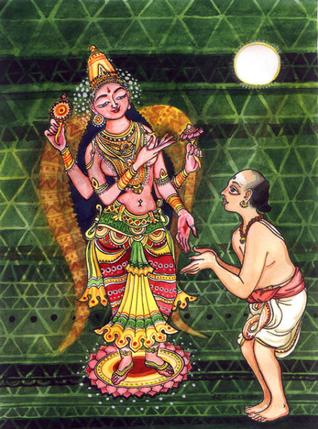
Abirami

His prayer was a beautiful hymn with 100 verses. It is called Abhirami Andhathi. When he sang the 79th verse, goddess took off her ear stud and threw it in the air. And lo, the full moon appeared on the sky and bathed the village in bright light. He continued his composition and finished at 100 verses.

King Saraboji who was camping in the nearby town also saw the sudden light in the sky. He rushed to the temple and fell at the feet of Subramanyam and begged his pardon. The king honoured him with the title Abhirami Bhattar. Andhathi is a genre where the last word of the first stanza will be the first word of the next verse. It will go on like this up to 100. And the last word of the 100th stanza should be the first word of the first stanza! It is a garland of words to a God or Goddess.
Abhirami Bhattar composed also Abhiramai pathikam and prayed for the sixteen. The sixteen things he wanted are as follows:

indian_family1
Everybody needs a Happy Family.

English Translation

O, God of old Kadavur, Sister of Vishnu who is ‘sleeping’ on the ocean, who is inseparable from Amutheesar, O Abhirami, please bless me with the following:–

1)Good and Proper Education,2) Long life, 3)Good friends, 4)Prosperity forever 5)Youthfulness, 6)Disease free (healthy) body, 7)Calm mind (tranquillity), 8)Affectionate wife, 9)Children with good character 10)Name and Fame, 11)Truthfulness, 12)Philanthropy, 13)Theft free Wealth, 14)Good government, 15)Worry free life and 16) Association with your great devotees.

There is one more list of good things in Prabodha Chandrothayam. There is another list given by Kalameham, who is famous for poems with double entendre. It would be appropriate here to list two English poems that follow the Tamils in demanding good things in life:–

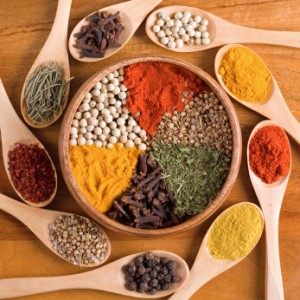
arusuvai uNti
Everone needs his Daily Bread!

A Prayer Found in Chester Cathedral

Give me good digestion, Lord,
And also something to digest;
Give me a healthy body, Lord,
With sense to keep it at its best.

Give me a healthy mind, good Lord,
To keep the pure and good in sight;
Which, seeing sin, is not applauded,
But find a way to set it right.

Give me a mind that is not bored,
That does not whimper, wine and sigh;
Don’t let me worry overmuch
About the fussy thing called “I”.

Give me a sense of humour, Lord,
Give the grace to see a joke;
To get some happiness from life,
And pass it on to other folk.

By an Unknown author

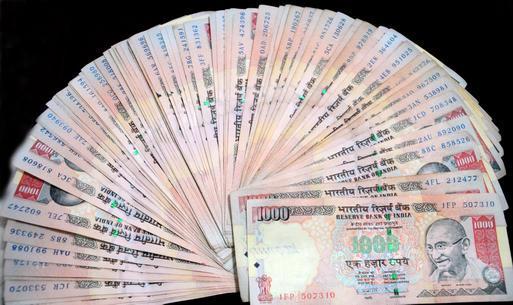
Currency_1728545g
We need lot of money!

One more list:

What We Need

A little dash of purpose,
An effort made to cheer,
A little more of courage,
And less of doubt and fear;
A little more of lifting,
And pulling all our weight,
A little less of leaning,
And leaving it to fate.

A little less of grabbing,
Of selfishness and greed,
A little more of helping,
A fellow that’s in need;
A little more of working,
With smiles instead of frowns,
A little less of kicking,
A fellow when he down.

A little less complaining,
About the things that mar,
A little more adapting,
To all the things that are;
A little more of caring,
And willingness to fight,
A little more of daring,
For what we feel is right.

A little splash of humour,
To brighten up the way,
A little joy to follow,
And linger through the day;
A little touch of laughter,
To cause a little mirth,
Is simply what we’re needing,
To gladden this old earth.

Hope Spencer

about life

Let us all pray for the Sixteen!!
(Pictures rae taken from facebook and various websites;thanks).

ஐந்து கவிஞர்கள் பாடிய “பதினாறும் பெற்றுப் பெறுவாழ்வு வாழ்க”!

Abirami

ஆய்வுக் கட்டுரையாளர்: லண்டன் சுவாமிநாதன்
கட்டுரை எண்:– 1143; தேதி 2 ஜூலை 2014.

வாழ்க்கையில் ஒருவருக்கு வேண்டியவை என்ன, என்ன? கடவுள் சந்நிதியிலோ, பெரிய மஹான்கள் முந்நிலையிலோ என்ன வேண்டுவது? குறைந்தது 16 கேட்கலாம். அதனால்தான் மணமக்களை வாழ்த்துவோர் — “ பதினாறும் பெற்றுப் பெரு வாழ்வு வாழ்க “ – என்று வாழ்த்துகின்றனர். இவ்விஷயத்தில் எல்லோருக்கும் தெரிந்த பாடல் அபிராமி பட்டர் பாடியது: அத்தோடு தெரியாத நாலு பாடல்களையும் சேர்த்துக் காண்போம்:–

முதல் பாடல்

கலையாத கல்வியும் குறையாத வயதும் ஓர்
கபடு வாராத நட்பும்
கன்றாத வளமையும் குன்றாத இளமையும்
கழுபிணி இலாத உடலும்
சலியாத மனமும் அன்பு அகலாத மனைவியும்
தவறாத சந்தானமும்
தாழாத கீர்த்தியும் மாறாத வார்த்தையும்
தடைகள் வாராத கொடையும்
தொலையாத நிதியமும் கோணாத கோலும் ஒரு
துன்பமில்லாத வாழ்வும்
துய்ய! நின்பாதத்தில் அன்பும் உதவிப்பெரிய
தொண்டரோடு கூட்டும் கண்டாய்!
அலையாழி அறிதுயிலும் மாயனது தங்கையே
ஆதிகடவூரின் வாழ்வே!
அமுதீசர் ஒருபாகம் அகலாத சுகபாணி
அருள்வாமி அபிராமியே.
((அபிராமி பட்டர் அருளிய அபிராமி அம்மை பதிகம்))

Abhirami-and-Bhattar-painted-by-Keshav

English Translation
O, Goddess of old Kadavur, Younger Sister of Vishnu who is ‘sleeping’ on the ocean, who is inseparable from Amutheesar, O Abhirami, please bless me with the following:–
1)Good and Proper Education,2) Long life, 3)Good Friends, 4)Inexhaustible Prosperity, 5)Youthfulness, 6)Disease free (healthy) body, 7)Calm mind (tranquillity), 8)Affectionate wife, 9)Children with good character, 10)Name and Fame, 11)Truthfulness, 12)Philanthropy, 13)Theft free Wealth, 14)Good government, 15)Worry free life, 16) Association with your great devotees.

இதுவுமது (இரண்டாம் பாடல்)

பிரபோத சந்திரோதயம் என்னும் நூல் வேறுவிதமான பட்டியலைத் தருகிறது:
கற்றறிவு குலமேன்மை கருணை பெரும்புகழ்
செல்வம் கைமாறெண்ணா
துற்றுதவுங் கொடை சீர்மை ஒழுக்கம் அருந்
தவம் நியமம் உறவின் கேண்மை
மற்றெதிரிலாத் திண்மை வாய்மை மிகும்
தூய்மை குண வனப்பு யாவும்
பெற்றிடினும் அடக்கமிலாப் பெருமிதத்தால்
இத்தனைக்கும் பிழையுண்டாமால்.

*****

indian_family1
Picture of a Happy Family

இதுவுமது: மூன்றாம் பாடல்

ஆசு கவி வீசு புகழ் சிலேடை மன்னன் காளமேகம் பாடியது:

“துதி, வாணி, வீரம், விசயம், சந்தானம், துணிவு, தனம்,
அதி தானியம், சவு பாக்கியம், போகம், அறிவு, அழகு,
புதிதாம் பெருமை, அறம் குலம் நோயின்மை, பூண்வயது
பதினாறு பேறும் தருவாய் மதுரைப் பராபரனே” — (காளமேகப் புலவர்)

பொருள்:மதுரையில் எழுந்தருளிய இறைவா! புகழ் , கல்வி, வீரம், வெற்றி, பிள்ளைப் பேறு, துணிவு, செல்வம், மிகுந்த நெல் முதலிய தானியம், நலம், போக, அறிவு, அழகு, புதிது புதிதாக ஏற்படும் சிறப்புகள், தர்ம சிந்தனையுடைய நல்ல குடிப்பிறப்பு, நோயில்லாத வாழ்வு, நீண்ட வயது ஆகிய பதினாறு பெரும் பேறுகளையும் தந்தருள்வாயாக!

arusuvai uNti
Picture of Good Food

இதுவுமது: நாலாம் பாடல் ( எழுதியவர் பெயர் இல்லை)

A Prayer Found in Chester Cathedral

Give me good digestion, Lord,
And also something to digest;
Give me a healthy body, Lord,
With sense to keep it at its best.

Give me a healthy mind, good Lord,
To keep the pure and good in sight;
Which, seeing sin, is not applauded,
But find a way to set it right.

Give me a mind that is not bored,
That does not whimper, wine and sigh;
Don’t let me worry overmuch
About the fussy thing called “I”.

Give me a sense of humour, Lord,
Give the grace to see a joke;
To get some happiness from life,
And pass it on to other folk.

Unknown

Currency_1728545g
Enormous Wealth

இதுவுமது: ஐந்தாம் பாடல்

What We Need

A little dash of purpose,
An effort made to cheer,
A little more of courage,
And less of doubt and fear;
A little more of lifting,
And pulling all our weight,
A little less of leaning,
And leaving it to fate.

A little less of grabbing,
Of selfishness and greed,
A little more of helping,
A fellow that’s in need;
A little more of working,
With smiles instead of frowns,
A little less of kicking,
A fellow when he down.

A little less complaining,
About the things that mar,
A little more adapting,
To all the things that are;
A little more of caring,
And willingness to fight,
A little more of daring,
For what we feel is right.

A little splash of humour,
To brighten up the way,
A little joy to follow,
And linger through the day;
A little touch of laughter,
To cause a little mirth,
Is simply what we’re needing,
To gladden this old earth.

Hope Spencer
about life

ஐந்து கவிஞர்கள் பாடிய அத்தனையும் கிடைத்துவிட்டால் நமக்கு வேறு என்ன வேண்டும்? எல்லோரும் வேண்டும் விஷயங்களில் காணப்படும் ஒற்றுமை படித்துப் படித்து ரசிக்க வேண்டியவை!!!

–சுபம்–
pictures are used from face book and other websites;thanks.

Herbs and Diseases in the Vedas

Young-doctor

Compiled by London Swaminathan
Post No. 1142; Dated 1st July 2014.

N.B. If you want to reproduce this article, please email me for permission. You must get written permission from me for each and every article separately. swami_48@yahoo.com

Please read my earlier post “107 Miracle Herbs in the Hindu Vedas” – posted on 16th September 2013.

Rig Veda is the oldest religious scripture in the world. It is not only a religious book but also an encyclopaedia of Hindu culture. We get a picture of India that existed several thousand years ago. Since it is mainly religious, we can’t expect everything under the sun in this book. But from the diseases and medicines mentioned in it, we get a glimpse of the health problems and solutions in ancient India. Of the four Vedas, Atharvaveda (AV) gives us more information in the field of health problems.

doctor2

Vedas mention about 75 plants. But not all of them are herbs. They mentioned herbs as ‘Oshadi’ in general.
The medical science has advanced to a high degree in the Vedic period and we hear about Asvins fixing an iron leg (artificial leg) to a lady who lost her legs. They are the Doctors of the Gods and the friends of the sick and the unfortunate. Later literature confirmed several transplant operations in Susruta’s books and Tamil literature, where a Pandya king was given an artificial Golden Hand. Several eye transplants are described in the religious Hindu and Buddhist literature.

Lord Shiva himself is called the medicine and the doctor (Beshajam & Bhishak) in the Vedas.
Vedas mentioned mainly the heart and lung diseases. Other two diseases mentioned are leprosy and jaundice. But the Vedas are not medical books, so what we get is an incomplete picture.

Herbs4

Heart Diseases in the Vedas
Hrdayaamaya – Heart problem—is mentioned in the Atharvaveda in connection with Yaksma and with Balaasa. Balaasa is consumption (pulmonary tuberclosis) in the later medical books. Source: Vedic index, page 507
Hrdu is another word with unknown meaning. It is found in Atharvaveda 1-25-2.3. Weber thinks it is cramps ( I think it is angina).
Hariman – Jaundice is found in both RV 1-50-2 and AV 1-22-1, 9-8-9, 19-44-2. It means yellowness.

I add the following information from “Common Life in the Rgveda and Atharvaveda” by Chhanda Chakraborty, 1997

Female diseases of the uterus is are referred to in RV 10-162-1
Obstruction to pregnancy and death of the foetus are also mentioned 10-162-3
The word Visuuci in RV 10-74-2 as an adjective to ‘amiva’ (sickness) seems to denote infectious diseases.
Deformities like blindness and lameness have occasionally mentioned. There are also references which say that their vision was restored.

SPICES_1468208f
RV refers to a poison named Vandana (7-50-2) grown in the joints of the trees. In the same passage, a poison is said to cause inflammation of the knees and heels (may be arthritis).
Oshadi, which means a medicinal herb, is mentioned in the following places in the Rig Veda:–
1-166-5; 3-34-10; 4-33-7; 5-41-8; 6-21-9; 7-4-5; 8-27-2, 10-145-1
At some places (10-145-1), it is stated to possess wonderful power e.g. bringing people under control.

Naturopathy
Sunshine (1-5011), water (7-50-4) and fire (7-50-2) are occasionally stated to cure some diseases, especially caused by poison.

Ajaka (RV 7-50-1) – the disease is stated to be caused by poison.
Harimana (1-50-11) – Sayana describes it as causing the body to be haridvarna. In this context ‘harit’ perhaps means pale yellow. It may mean jaundice. Sunshine is stated to cure the disease.
Hrdroga (1-5011) – heart disease, but nature of the sickness is not explained.
Sriipada (7-50-4) Details are NOT available in Sayana’s commentary or in the text.
Yaksma 1-122-9 probably consumption (TB); Chest disease.
Arthritis? 7-50-2 – inflammation of the knee and heels
Tenth Mandala of RV 10-85-31, 10-97-12, 10-137-4, 10-163.1 gives details of health problems
Atharvaveda has a long list of ailments. Nearly 40 complaints are listed by the author with references. I just give the names of the diseases below:

doctor3

Ajnaataarus (wounds and sours), aksata-vrana (tumour), aksi roga (eye disease), alaji (optical isease), apacit (Scrofula), Apasmaara (Mania, epilepsy), Arista (epilepsy), aasarika (severe pain on different limbs), Aasraava (according to Sayana mutraatisara=diabetes; atisara=diarrhoea, nadivranaadi=ulcer;raktasraava=hemorrhage)
Asthibhanga (fracture); Balaasa (precise meaning is not found in the Vedas. But Ayurveda use this to mention kapha, salesman(phlegm)
Gandamaalaa (Scrofula); Graahi (fit caused by a demoness); Hrdyota (Heart Disease); Jalodara (dropsy); Jaayaanya (boil or wound); Kamilaka (see pandu roga)
Kaasa (cough); Ksetriga (congenital disease); Lohita (flow of blood); Mutramocana (release of obstructed urine); Pakshahata (paralysis)
Pandu (jaundice); Prstaamaya (pain in ribs); Raajayakshma (venereal disease)
Siroroga (head ache); Slesmapaatana (Expectoration); Suula (Rheumatism)
Svetakushta (leucoderma); Samskndha, viskandha (Sayana says emaciation of the body and loss of movement. Some others expalain it as rheumatism)
Takman (fever); Trsnaa(excessive thirst); Vidratha (abcess); Visara, Visarika (severe pain in Limbs); Vrana (wound).

This list may not be useful to everyone. But it gives us some idea about the health problems faced by the ancient society and their purpose to list them in the Vedas. When they talk about the diseases caused by ‘demons’ etc, they mean only bacteria and other germs. Like they explained the eclipse as snakes devouring sun and moon ( by Rahu, Ketu) to a layman, they explained that some diseases were caused by demons. Hindu astrologers knew very well the movements of the planets and calculated the exact time of eclipses, but yet described it for a layman with snake story. Even now doctors do not explain everything to a layman; they simply give the medicine and cure it. This was the approach of the ancient communities.
For those who need the complete references regarding plants and diseases, please refer to the Vedic Index by Keith and MacDonnell and Rgveda and Atharvaveda by Chhanda Chakraborty.

மஹாபாரதத்தில் ஒரு அதிசய பறவை

graphic-croc

(((தமிழ் அன்பர்களுக்கு ஒரு அன்பான வேண்டுகோள்! தமிழையும் தமிழினத்தையும் வாழ்விக்க ஒரு வழி இருக்கிறது. ரொம்ப எளிது! யாராவது ஏதாவது நல்ல கட்டுரை எழுதினால், அதில் எழுதியவன் பெயரை வெட்டிவிடாமல் fபேஸ்புக்கில் அல்லது உங்கள் பிளாக்கில் ‘’அனுமதி பெற்று’’ போடுங்கள். வருடம் முழுதும் ஆராய்ச்சி செய்தவன் பெயர் நிலைத்தால் தமிழர் வாழ்வர்!!! தமிழும் வாழும்))).

ஆராய்ச்சிக் கட்டுரை எழுதுபவர்—லண்டன் சுவாமிநாதன்
கட்டுரை எண்:–1141 தேதி:– ஜூலை 1, 2014.
English version of this article was published yesterday: ‘Strange Bird in Mahabharata’.

நான் இதற்கு முன் 1) வேதத்தில் காணப்படும் ஹோமா பறவை 2) தமிழ் இலக்கியத்திலும் சுமேரியாவிலும் காணப்படும் இருதலைப் பறவை (அண்டரண்ட பக்ஷி), 3) சங்கத் தமிழ் இலக்கியத்தில் பறவை மனிதன் 4) கபிஞ்சலா எனப்படும் சாதகப் பட்சி 5) பாரி- கபிலருக்கு நெல் மணிகள் கொண்டுவந்த கிளிகள் 6) வேதம் சொல்லும் கிளிகள் 7) முரசு சப்தம் கேட்டால் இறக்கும் அசுணமா முதலிய பல பறவை / மிருக அதிசயங்களை எழுதினேன். இப்பொழுது மேலும் ஒரு அதிசயப் பறவை பற்றி மஹாபாரதத்தில் இருந்து செய்தி கிடைத்துள்ளது. இந்தப் பறவையின் பெயர் பூலிங்கப் பறவை. பூமிக்குள் ஆழமாகக் குழி தோண்டி முட்டை இடுவதால் இந்தப் பெயர்.

இதோ சபாபர்வ ஸ்லோகங்கள்:–

பூலிங்கசகுனிர் நாம பார்ஸ்வே ஹிமவதப் பரே
பீஷ்ம! தஸ்யா: யதா வாச: ஸ்ரூயந்தே அர்தவகார்ஹிதா:

மா சாஹசமிதீதம் சா சததம் வாசதே கில
சாஹசம் ச ஆத்மனா அதீவ சரந்தி நா அவபுத்யதே

சா ஹி மாம்சர்களம் பீஷ்ம! முஹாத் சிம்ஹஸ்ய காதத:
தந்தாந்தரவிலக்னம் யத்ததாதத்தே அல்ப சேதனா
–மஹாபாரதம், சபா பர்வம் 2-41-19/21

இந்தப் பறவை பற்றி வியாசர் சொன்னது பலருக்கும் புரியவில்லை போலத் தோன்றுகிறது. ஆகையால் சுருக்கமான மஹாபாரதப் பதிப்புகளில் இது காணப்படுவதில்லை.
croc3

சபாபர்வத்தில் தர்மன் (யுதிஷ்ட்ர மஹாராஜா), ராஜசூய யக்ஞம் செய்யும் காட்சி வருகிறது. அங்கே கிருஷ்ணனுக்கு முதல் மரியாதை என்றவுடன் சிசுபாலன் பொங்கி எழுகிறான். எப்போதுமே கிருஷ்ணனைக் கண்டால் அவனுக்கு பாகற்காய் போல கசக்கும். ஆகையால் ஏசுவதே அவனது தொழில். ஆனால் கிருஷ்ணனோ, சிசுபாலனின் தாயாரிடம் ஒரு சத்தியம் செய்துள்ளான். உன் மகன் செய்யும் நூறு தவறுகளை பொறுத்துக் கொள்வேன், அவ்வளவுதான். அதற்கு மேல் எனக்கு எதிராக ஏதேனும் பேசினால் அவன் பெயர்—ரிப்பேர்—ஆகிவிடும்; அவனது மானம் – விமானத்தில் ஏறிவிடும்; அவனது கதி—சகதி ஆகிவிடும் என்கிறான்.

எவ்வளவு சொன்னல் என்ன? நாயைக் குளிப்பாட்டி நடு வீட்டில் வைத்தாலும், வாலைக் குழைத்துக் கொண்டு ——- தின்னதானே போகும். கிருஷ்ணரை கண்ட சுடு சொற்கள் பேசி ஏசுகிறான் —முறைதவறிப் பிறந்த பயலே- இடைப் பயலே- மடப்பயலே – என்று திட்டுகிறான். 101 ஆவது முறையில் கிருஷ்ணன் சுதர்சன சக்கரத்தை ஏவி — வாழைக்காய்-கத்தரிக்காய் பஜ்ஜிக்கு காய் வெட்டுவதுபோல அவனது தலையைச் சீவிவிடுகிறார். இதெல்லாம் உங்களுக்குத் தெரிந்த கதையே.

பீஷ்ம பிதாமஹர் – குருகுலத்தின் அன்புக்கும் பண்புக்கும் உரிய பெரியோய்—அவர் கிருஷ்ணனுக்குப் பரிந்து பேசவே அவரையும் ஏசுகிறான் சிசுபாலன். அப்போழுதுதான் பூலிங்கப் பறவை குறிப்பு வருகிறது.

ஓய், பீஷ்மரே, ஜால்ரா போடுவது, ஒத்து ஊதுவதுதான் உமக்கு வேலையா? அந்தத் திருட்டு இடையன் புகழைப் பாடுவதே உமக்குத் தொழில் ஆகிவிட்டது போலும், நீரே ஒழுக்கம் கெட்டவர்தானே. உமக்கு என்ன அருகதை இருக்கிறது. அமபையைத் தூக்கிவந்து விச்த்திரவீர்யனுக்கு கொடுத்தீர். நீர் ஆண்மை இல்லாத அலி. ஆகையால்தான் பிரம்மச்சாரி வேஷம் போடுகிறீர் என்றெல்லாம் ஏசினான்.

பீஷ்மருக்கு நன்றாகத் தெரிந்த உண்மை—அன்றோடு அவன் கதை முடியப்போகிறது என்பது. ஆகவே பேசாமல் இருக்கிறார். அப்படி ஏசுகையில் நீர் பூலிங்கப் பறவை மாதிரி முட்டாளாக இருக்கிறீரே! அதுதான் சிங்கத்தின் வாயில் உடகார்ந்து மாமிசத் துண்டுகளைப் பொறுக்கும். மற்றவர்களுக்குப் புத்திசொல்லிவிட்டு அந்தப் பறவையே மாமிசத்துக்கு ஆசைப்பட்டு சிங்கத்தின் வாயில் நுழையும் . அந்தப் பறவை இமயமலைக்கு அப்பால் உள்ளது என்கிறான் சிசுபாலன். இதெல்லாம் அவன் தலை சீவப்படுவதற்கு முன் உதிர்த்த பொன்மொழிகள்!!
lionmonkey

அவன் இப்படித் திட்டியதிலும் சில அறிவியல் விஷயங்கள் இருக்கின்றன. இந்துக்கள் இயற்கையோடு இயைந்த வாழ்வு நடத்தியதால் எப்போதும் பறவை, மிருகங்கள், பூக்கள் செடி,கொடி, மரங்கள் பற்றிய உவமைகளையே கையாளுவர். இதற்கு முந்தைய எனது கட்டுரைகளில் ஆதிசங்கரர் ஒரே ஸ்லோகத்தில் நாலு பறவைகள் பற்றிப் பாடியதையும், மரம் ஏறும் விதைகள் கொண்ட விநோத அங்கோல மரம் பற்றி அவர் பாடியதையும், தத்தாத்ரேயர் 13 பறவைகள், மிருகங்களீடம் பாடம் கற்றதையும் படித்தீர்கள்.

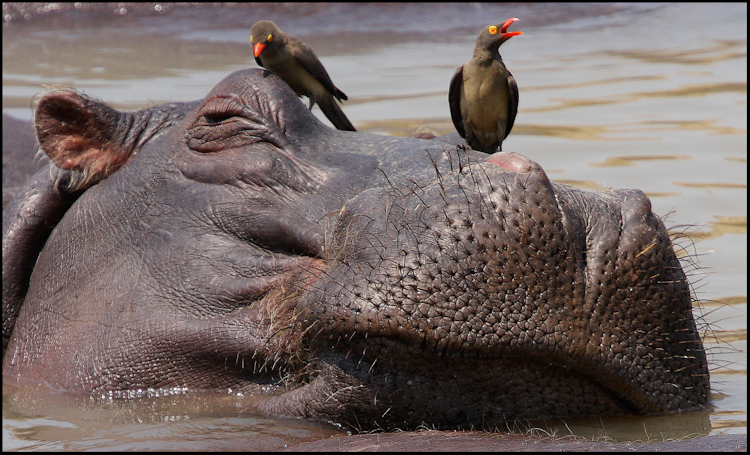
Hippo and Oxpeckers - Highly Commended - Paula Martin
இந்தப் பூலிங்க பறவை பற்றி கே. என். தவே (K N Dave) என்பவர் எழுதிய ‘’சம்ஸ்கிருத இலக்கியத்தில் பறவைகள்’’ (Birds in Sanskrit Literature) என்ற புத்தகத்தில் ஒரு குறிப்பு வருகிறது. அவர் சொல்கிறார்:–

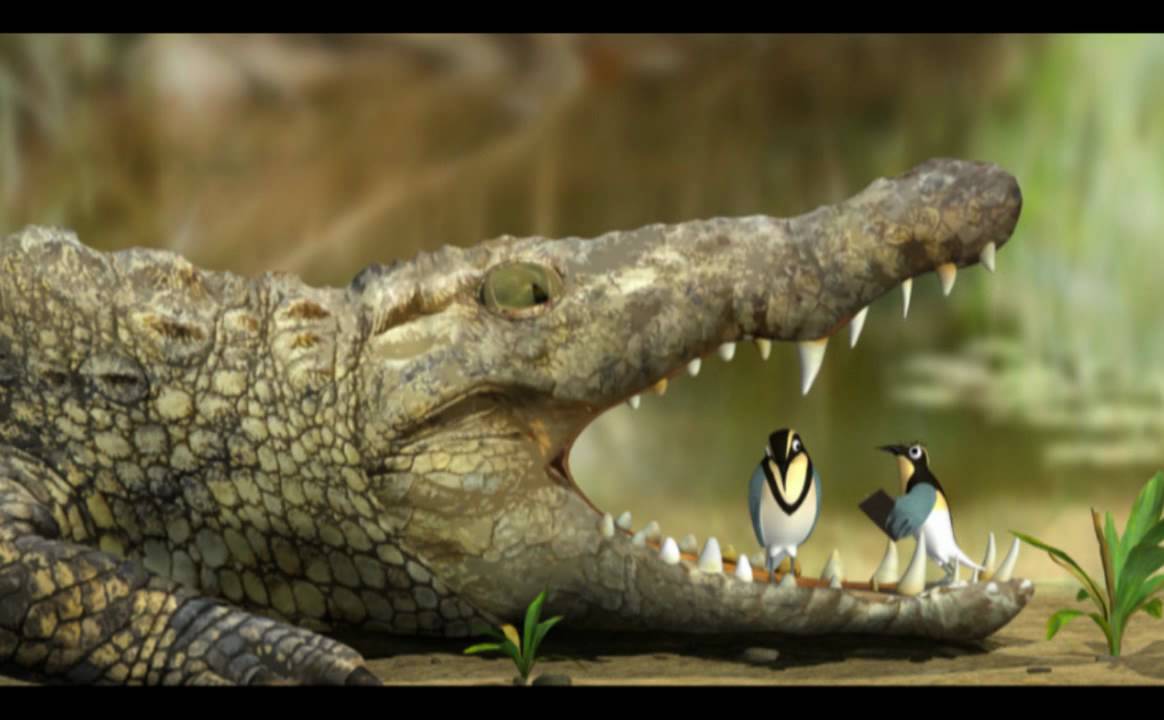
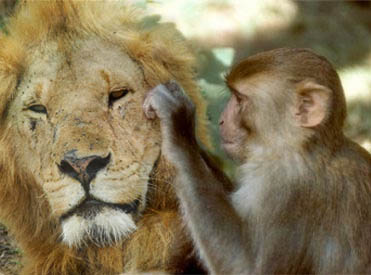
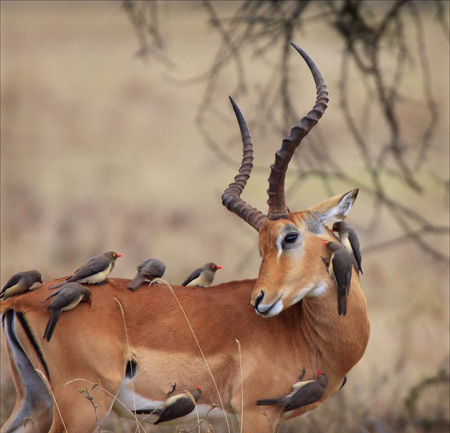
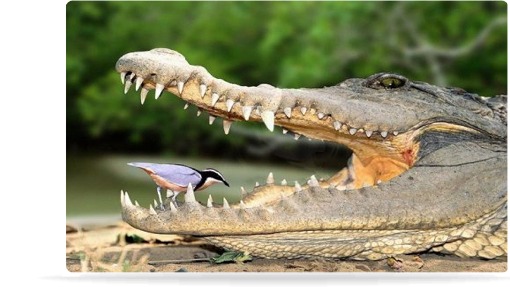
ஆப்பிரிக்காவில் நைல் நதியில் ப்லோவர் (Plover) இனப் பறவைகள் உண்டு. மாமிசத்தை உண்ணும் முதலைகளின் பற்களில் மாமிசத் துண்டுகள் சிக்கி அழுகிவிடும். ஆகையால் அவைகள் நதிக்கரையில் வந்து வாயைத் திறந்து கொண்டு உட்காரும். அப்பொழுது ப்லோவர் (Crocodile Bird) பறவைகள் தைரியமாக உள்ளே சென்று அந்த மாமிசத் துண்டுகளைத் தின்னும். இது முதலை—பறவை இனத்தில் மட்டுமின்றி நிறைய உயிரினங்களில் காணலாம். இதை ‘’சிம்பியாசிஸ்’’ (Symbiosis) என்று அழைப்பர். அதாவது இரண்டு உயிரினக்கள் இடையே உள்ள – இருவருக்கும் பயன் தரும் – ஒற்றுமை அல்லது ஒத்துழைப்பு.. சிங்கத்தின் உடலில் உள்ள பூச்சி புழுக்களை குரங்குகள் அகற்றும். காண்டமிருகத்தின் மேலுள்ள கிருமிகளை பறவைகள் அகற்றும்.

ஏன் சிசுபாலன் சிங்கத்தின் பெயரைச் சொன்னான்? இதற்கும் தவே விளக்கம் அளிக்கிறார். மனிதனில் வீரம் உடையவனை புலி, சிங்கம் என்று அழைப்பது போல நீரில் பலம் உடைய முதலைக்கும் சிங்கம் என்ற பெயர் உண்டு என்று சொல்கிறார். ராமனை, வால்மீகி முனிவர் ‘புலி’ என்றே அழைக்கிறார்.

வெங்கடேஸ்வர சுப்ரபாதத்தில் வரும் ‘’கௌசல்யா சுப்ரஜா’’ என்ற முதல் ஸ்லோகம் வால்மீகி ராமாயணத்தில் இருந்து எடுக்கப்பட ஸ்லோகம். அதில் வரும் ‘’நர்சார்தூல’’ என்ற சொல் மனிதருள் புலியே என்று இராம பிரானை புகழ்கின்றது.

birds_gazelle
தவே சொல்லக்கூடிய விளக்கம் நமக்கு இன்று ஓரளவு தகவல் தருகிறது. மஹாபாரத காலத்தில் ஒருவேளை, சிங்கத்தின் வாயில் இருக்கும் மாமிசத் துண்டுகளை எடுக்கும் பறவை இனம் இருந்திருக்கலாம். யார் அறிவார்?
-சுபம்–

MUNGOS MUNGO

Interesting Brahmin Story in Tamil Epic

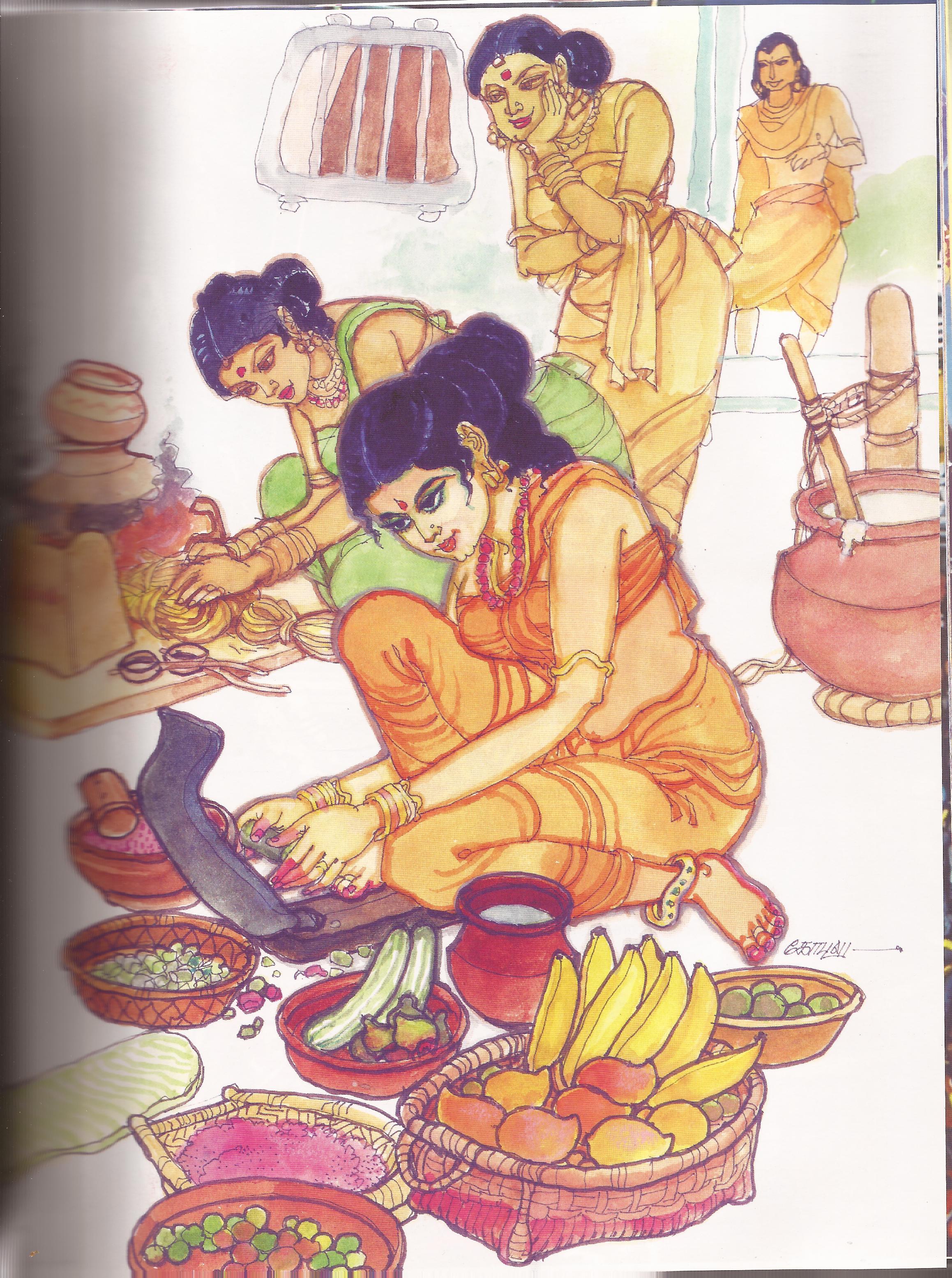
kannaki-cooking
Kannaki cooking for Kovalan

Written by London Swaminathan
Post No.1140; Dated 30th June 2014.

N.B. If you want to reproduce this article, please email me for permission. You must get written permission from me for each and every article separately. swami_48@yahoo.com

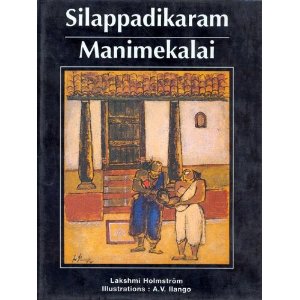
Silappadikaram (also written as Cilappadikaram) is one of the five Tamil epics. Silappadikaram and Manimekalai are called Twin Epics. These two epucs are based on purely Tamil stories. But those who read them in full will find out the culture is same as in the Northern parts of India. Silappadikaram is a Tamil encyclopaedia covering all subjects including music, dance, history, art, architecture and culture. This is the most popular epic. There are several stories concerning Brahmins including a Panchatantra story:The Brahmin and the Mongoose’ and the Golden Hand Pandya and Keeranthai.

tamil-penkal
Tamil women in ancient Tamil Nadu

Here is one of the Brahmin stories from the most famous Tamil epic:–
Source: Katturai Katai, Silappadikaram

Parasara was a Brahmin who lived in Pumpukar of Choza territory. He heard about the valour and philanthropy of the Cera King and decided to see him. He passed through jungles and several cities and reached Malaya hills. He was a great scholar well versed in Vedas and defeated scholars of different sects on his way. He got lot of gifts and returning home with the gifts. He reached a place called Tankal (identified with Tirutankal near Sivakasi). He took rest under a Bodhi tree with his water bowl, staff and white umbrella (only Brahmins who did great Yagas and kings are allowed to take white umbrellas in ancient India).

tamil culture

Some Brahmin children with coral lips, black tufts, curly hair and some with lisping mouths were playing there. Parasara called them and challenged them to recite Vedas after him. He promised them to give some valuable jewels. At once a boy called Alamarselvan (One who is under the banyan tree =
Dakshinamurthy), son of famous Brahmin Vartika of the town, recited the Vedas with perfect pronunciation and intonation. He was a little boy still retaining the fragrance of his mother’s milk. Parasara was wonderstruck with his knowledge and gave him a big present.

Some jealous people told the royal servants that the Brahmin got a treasure trove which naturally should go to the king. The royal servants threw him into prison without any proper enquiry. His wife Kartika became furious at the injustice. She wept and threw herself to the ground rolling and fulminating. Seeing this goddess Durga refused to open her door for the regular Pujas (daily offerings). The Pandya King was wondering whether there was any injustice done to anyone in his territory. Then the king was informed by some messengers of the injustice done to Vartikan.

The king then begged to the Brahmin to forgive him. As a compensation for the false imprisonment, the king gave him the Tankal and Vayalur villages with all the paddy fields as a gift. Then the goddess who rode the stag (Durga’s Vahana is Stag) opened her temple doors. The big noise that was produced when the goddess opened the doors, was heard throughout the broad streets of mountain like mansions of that ancient city, says the author of the epic Ilango Adikal.

silambu book

At that time, the triumphant king issued the following proclamation by beating a drum placed upon the back of an elephant which was sent though out the city, “Release all prisoners from the prison. Remit all those taxes from those who owe them. Let all who find unclaimed things and discover treasure trove enjoy them.”

“Listen how even such a king committed this act of injustice. There was a prediction that, in the month of Adi, on the Tithi of Ashtami, in the dark fortnight (Krishna Paksha), on a Friday, with Kartikai and Barani in the ascendant, a great fire would envelop renowned Madurai to the ruin of its king”, says Ilango Adikal.
(Part of Madurai was burnt down by the heroine Kannaki. Goddess of the city Madurapati narrated the above story, according to Ilango Adikal.)

20120502-Student_learning_Veda_132
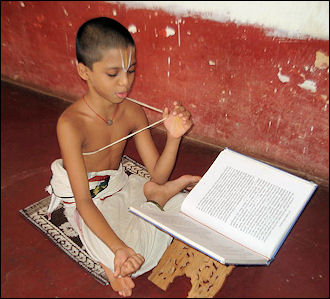
Brahmin child learning Veda.

31 முக்கிய கம்ப ராமாயணப் பாடல்கள்

ram nam, fb

சிந்தனைச் சிற்பிகள் (ஜய வருடம்) 2014 ஜூலை மாத காலண்டர்
(( முக்கிய 31 கம்ப ராமாயணப் பாடல்கள் ))

Post No. 1139 Date: 30 June 2014
Prepared by London swaminathan (copyright)

கம்பன் பாடல்களில் பால காண்டம், அயோத்தியா காண்டம் ஆகியவற்றில் இருந்து முக்கிய 31 பாடல்கள் இந்த ஜூலை மாத காலண்டரை அலங்கரிக்கின்றன.

முக்கிய நாட்கள்: ஜூலை 4 வெள்ளி ஆனி உத்தரம் ; 12 சனி வியாச பூஜை; 17 வியாழன் தட்சிணாயன புண்யகாலம்; 26 சனி ஆடி அமாவாசை; 29 செவ்வாய் ரம்ஜான்; 30 புதன் ஆடிப்பூரம்.
சுபமுஹூர்த்த நாட்கள்:– 7, 9, 11, 14, 16. பௌர்ணமி — ஜூலை 12, அமாவாசை– ஜூலை 26,; ஏகாதசி ஜூலை 8 & 22.

ஜூலை 1 செவ்வாய்
உலகம் யாவையும் தாமுள ஆக்கலும்
நிலைபெறுத்தலும் நீக்கலும் நீங்கலா
அலகிலா விளையாட்டுடையார் அவர்
தலைவர்; அன்னவர்க்கே சரண் நாங்களே–(பாலகாண்டம் பாயிரம் 1)

ஜூலை 2 புதன்
நன்மையும் செல்வமும் நாளும் நல்குமே
தின்மையும் பாவமும் சிதைந்து தேயுமே
சென்மமும் மரணமும் இன்றித் தீருமே
இம்மையே இராம என்ற இரண்டெழுத்தினால். –(பால. காப்பு 13)

ஜூலை 3 வியாழன்
நாடிய பொருள் கைகூடும் ஞானமும் புகழும் உண்டாம்
வீ டியல் வழியதாக்கும் வேரியம் கமலை நோக்கும்
நீடிய அரக்கர் சேனை நீறு பட்டழிய வாகை
சூடிய சிலை இராமன் தோள்வலி கூறுவார்க்கே. –(பால. காப்பு 12)

ஜூலை 4 வெள்ளி
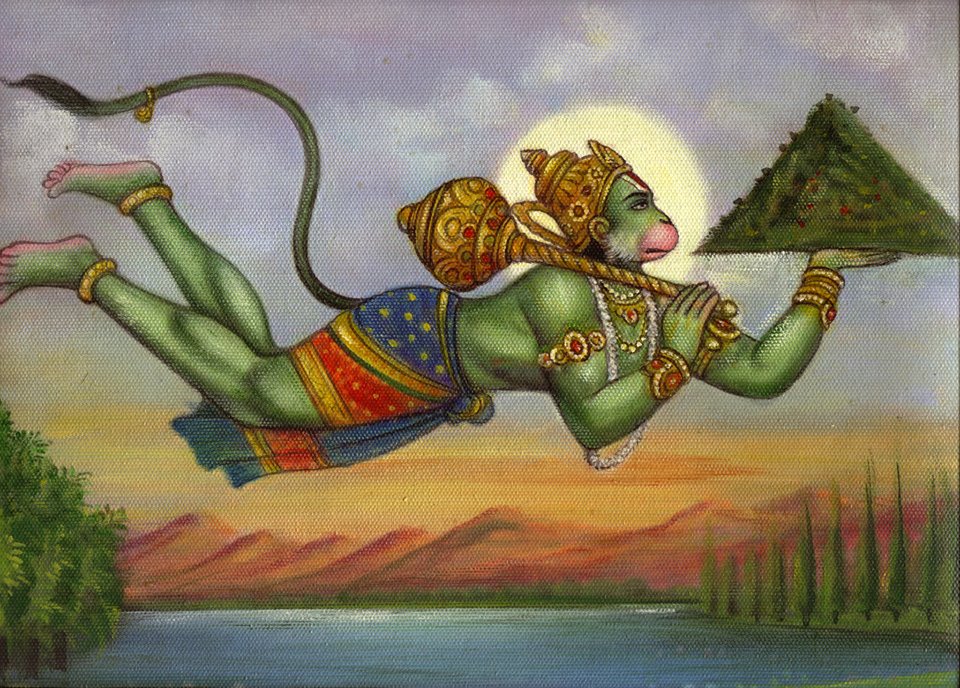
அஞ்சிலே ஒன்று பெற்றான் அஞ்சிலே ஒன்றைத் தாவி
அஞ்சிலே ஒன்று ஆறு ஆக ஆரியர்க்காக ஏகி
அஞ்சிலே ஒன்று பெற்ற அணங்கைக் கண்டு, அயலான் ஊரில்
அஞ்சிலே ஒன்றை வைத்தான் அவன் நம்மை அளித்துக் காப்பான் —(பால.காப்பு 2)
hanuman with hill

ஜூலை 5 சனி
முத்தமிழ்த் துறையின் முறை போகிய
உத்தமக் கவிஞர்களுக்கு ஒன்று உணர்த்துவென்
பித்தர் சொன்னவும் பேதையர் சொன்னவும்
பத்தர் சொன்னவும் பன்னப் பெறுபவோ –(பால. 8)

ஜூலை 6 ஞாயிறு
கலம் சுரக்கும் நிதியம் கணக்கு இலா
நிலம் சுரக்கும் நிறைவளம் நல் மணி
பிலம் சுரக்கும்பெறுவதற்கு அரிய தம்
குலம் சுரக்கும் ஒழுக்கம் குடிக்கு எலாம் –(பால. 70)

ஜூலை 7 திங்கள்
வண்மை இல்லை, ஓர் வறுமை இன்மையால்;
திண்மை இல்லை, நேர் செறுநர் இன்மையால்;
உண்மை இல்லை, பொய் உரை இலாமையால்;
ஒண்மை இல்லை,பல் கேள்வி ஒங்கலால். –(பால. 85)

ஜூலை 8 செவ்வாய்
இவ் வண்ணம் நிகழ்ந்த வண்ணம் இனி இந்த உலகுக்கெல்லாம்
உய் வண்ணம் அன்றி மற்று ஓர் துயர் வண்ணம் உறுவது உண்டோ
மை வண்ணத்து அரக்கி போரில் மழை வண்ணத்து அண்ணலே உன்
கை வண்ணம் அங்குக் கண்டேன் கால் வண்ணம் இங்குக் கண்டேன்–(பாலகாண்டம் 481)

ஜூலை 9 புதன்
எண்ண அரு நலத்தினாள் இனையள் நின்றுழி,
கண்ணொடு கண் இணை கவ்வி, ஒன்றை ஒன்று
உண்ணவும் நிலை பெறாது உணர்வும் ஒன்றிட,
அண்ணலும் நோக்கினான் ;அவளும் நோக்கினாள் –(பால. 519)

ஜூலை 10 வியாழன்
மருங்கு இலா நங்கையும் வசை இல் ஐயனும்
ஒருங்கிய இரண்டு உடற்கு உயிர் ஒன்று ஆயினர்
கருங்கடல் பள்ளியில் கலவி நீங்கிப் போய்ப்
பிரிந்தவர் கூடினால் பேசல் வேண்டுமோ –(பால. 522)

hey ram

ஜூலை 11 வெள்ளி
கருதல் அரும் பெருங் குணத்தோர் இவர் முதலோர் கணக்கு இறந்தோர்
திரிபுவனம் முழுது ஆண்டு சுடர்நேமி செல நின்றோர்
பொருது உறை சேர் வேலினாய் புலிப்போத்தும் புல்வாயும்
ஒருதுறையில் நீர் உண்ண உலகு ஆண்டான் உளன் ஒருவன்–(பால. 590)

ஜூலை 12 சனி
தடுத்து இமையாமல் இருந்தவர் தாளில்
மடுத்ததும் நான் நுதி வைத்ததும் நோக்கார்
கடுப்பினில் யாரும் அறிந்திலர் கையால்
எடுத்தது கண்டனர் இற்றது கேட்டார் –(பால. 648)

ஜூலை 13 ஞாயிறு
தோள் கண்டார் தோளே கண்டார் தொடு கழல் கமலம் அன்ன
தாள் கண்டார் தாளே கண்டார் தடக்கை கண்டாரும் அஃதே
வாள் கொண்ட கண்ணார் யாரே வடிவினை முடியக் கண்டார்
ஊழ் கொண்ட சமயத்து அன்னான் உருவு கண்டாரை ஒத்தார்
–(பால. 1028)

ஜூலை 14 திங்கள்
அச்சு என நினைத்த முதல் அந்தணன் நினைத்தான்
பச்சை மலை ஒத்த படிவத்து அடல் இராமன்
நச்சுடை வடிக்க கண் மலர் நங்கை இவள் என்றால்
இச்சிலை கிடக்க மலை ஏழையும் இறானோ–(பால. 1099)

ஜூலை 15 செவ்வாய்
முப் பரம்பொருளிற்குள் முதலை மூலத்தை
இப்பரம் துடைத்தவர் எய்தும் இன்பத்தை
அப்பனை அப்பினுள் அமிழ்தை தன்னையே
ஒப்பனை ஒப்பனை உரைக்க ஒண்ணுமோ
–(பாலகாண்டம் 1174)

ram on rock

ஜூலை 16 புதன்
சிலையொடு கயல் வாள் திங்கள் ஏந்தி ஓர் செம்பொன் கொம்பர்
முலை இடை முகிழ்ப்ப தேரின் மீமிசை முளைத்தது அன்னாள்
அலை கடல் பிறந்து பின்னை அவனியில் தோன்றி மீள
மலையிடல் உதிக்கின்றால் போல் மண்டபம் அதனில் வந்தாள்.
–(பாலகாண்டம் 1185)

ஜூலை 17 வியாழன்
இறப்பு எனும் மெய்ம்மையை இம்மை யாவர்க்கும்
மறப்பு எனும் அதனின்மேல் கேடு மற்று உண்டோ
துறப்பு எனும் தெப்பமே துணை செய்யாவிடின்
பிறப்பு எனும் பெருங்கடல் பிழைக்கல் ஆகுமோ –(அயோத்தியா காண்டம் 20)

ஜூலை 18 வெள்ளி
“புறத்து நாம் ஒரு பொருள் இனிப் புகழ்கின்றது எவனோ
அறத்தின் மூர்த்தி வந்து அவதரித்தான் என்பது அல்லால்
பிறத்து, யாவையும் காத்து அவை பின் உறத் துடைக்கும்
திறத்து மூவரும் திருந்திடத் திருத்தும் அத் திறலோன். –(அயோத்தியா 36)

ஜூலை 19 சனி
மண்ணினும் நல்லள் மலர்மகள் கலைமகள் கலை ஊர்
பெண்ணினும் நல்லள் பெரும்புகழ்ச் சனகியோ நல்லள்
கண்ணினும் நல்லன் கற்றவர் கற்றிலாதவரும்
உண்ணும் நீரினும் உயிரினும் அவனையே உவப்பார்.– (அயோ.39)

ஜூலை 20 ஞாயிறு
ஆழி சூழ் உலகமெல்லாம் பரதனே ஆள நீ போய்
தாழ் இருஞ் சடைகள் தாங்கித் தாங்க அருந்தவம் மேற்கொண்டு
பூழி வெங் கானம் நண்ணிப் புண்ணியத் துறைகள் ஆடி
ஏழ் இரண்டு ஆண்டின் வா என்று இயம்பினன் அரசன் என்றாள்–(அயோ.288)

ram targets

ஜூலை 21 திங்கள்
மன்னவன் பணி அன்றாகின் நும் பணி மறுப்பெனோ என் பின்னவன்
பெற்ற செல்வம் அடியனேன் பெற்றது அன்றோ
என் இனி உறுதி அப்பால் இப்பணி தலைமேல் கொண்டேன்
மின் ஒளிர் கானம் இன்றே போகின்றேன் விடையும் கொண்டேன்–(அயோ.291)

ஜூலை 22 செவ்வாய்
“குழைக்கின்ற கவரி இன்றிக் கொற்ற வெண்குடையும் இன்றி
இழைக்கின்ற விதி முன் செல்லத் தருமம் பின் இரங்கி ஏக
மழைக்குன்றம் அனையான் மௌளி கவித்தனன் வரும் என்றென்று
தழைக்கின்ற உள்ளத்து அன்னாள் முன் ஒரு தமியன் சென்றான்” –(அயோ.293)

ஜூலை 23 புதன்
சித்தம் நீ திகைக்கின்றது என் தேவரும்
ஒத்த மாதவம் செய்து உயர்ந்தோர் அன்றே
எத்தனைக்கு உள ஆண்டுகள் ஈண்டு அவை
பத்தும் நாலும் பகல் அலவோ என்றான் –(அயோ. 313)

ஜூலை 24 வியாழன்
கண்ணோடாதே கணவன் உயிரோடு இடர் காணாதே
புண்ணூடு ஓடும் கனலோ விடமோ என்னப் புகல்வாய்
பெண்ணோ தீயோ மாயப் பேயோ கொடியாய் நீ இம்
மண்ணோடு உன்னோடு என் ஆம் வசையோ வலிதே என்றான் –(அயோ.336)

ஜூலை 25 வெள்ளி
கிள்ளையொடு பூவை அழுத கிளர் மாடத்து
உள் உறையும் பூசை அழுத உரு அறியாப்
பிள்ளை அழுத பெரியோரை என் சொல்ல
வள்ளல் வனம் புகுவான் என்று உரைத்த மாற்றத்தால் –(அயோ.388)

ram profile

ஜூலை 26 சனி
நதியின் பிழை அன்று நறும் புனல் இன்மை அற்றே
பதியின் பிழை அன்று பயந்து நமைப் புரந்தாள்
மதியின் பிழை அன்று மகன் பிழை அன்று மைந்த
விதியின் பிழை நீ இதற்கு என் கொல் வெகுண்டது என்றான்–(அயோ.421)

ஜூலை 27 ஞாயிறு
நன்சொற்கள் தந்து ஆண்டு எனை நாளும் வளர்த்த தாதை
தன் சொல் கடந்து எற்கு அரசு ஆள்வது தக்கது அன்றால்
என் சொல் கடந்தால் உனக்கு யாது உளது ஈனம் என்றான்
தென் சொல் கடந்தான் வடசொல் கலைக்கு எல்லை தேர்ந்தான்–(அயோ.428)

ஜூலை 28 திங்கள்
வெய்யோன் ஒளி தன் மேனியின் விரிசோதியின் மறைய
பொய்யோ எனும் இடையாளொடும் இளையனொடும் போனான்
மையோ மரகதமோ மறிகடலோ மழைமுகிலோ
ஐயோ இவன் வடிவு என்பது ஓர் அழியா அழகு உடையான் –(அயோ.610)

ஜூலை 29 செவ்வாய்
துன்பு உளது எனின் அன்றோ சுகம் உளது அது அன்றிப்
பின்பு உளது இடை மன்னும் பிரிவு உளது என உன்னேல்
முன்பு உளெம் ஒரு நால்வேம் முடிவு உளது என உன்னா
அன்பு உள இனி நாம் ஓர் ஐவர்கள் உளர் ஆனோம்–(அயோ.677)

ஜூலை 30 புதன்
ஆழ நெடுந்திரை ஆறு கடந்திவர் போவாரோ
வேழ நெடும்படை கண்டு விலங்கிடும் வில்லாளோ
தோழமை என்று அவர் சொல்லிய சொல் ஒரு சொல் அன்றோ
ஏழமை வேடன் இறந்திலன் என்று எனை ஏசாரோ (999)

ஜூலை 31 வியாழன்
தாயுரை கொண்டு தாதை உதவிய தரணி தன்னை
தீவினை என்ன நீத்து சிந்தனை முகத்தில் தேக்கி
போயினை என்ற போழ்து புகழினோய் தன்மை கண்டால்
ஆயிரம் இராமர் நின் கேழ் ஆவரோ தெரியின் அம்மா (1019)

contact swami_48@yahoo.com

Strange Bird in Mahabharata: Bhulinga Bird!

graphic-croc
Crocodile and plover helping each other (symbiosis)

Research article written by London Swaminathan
Post No.1138; Dated 29th June 2014.

N.B. If you want to reproduce this article, please email me for permission. You must get written permission from me for each and every article separately. swami_48@yahoo.com

Those who have read my previous research articles on the Mysterious Vedic Homa bird, Kapinjala Bird and Double Headed Bird of Sumerian and Tamil Literature would definitely like this article.

In the Sabha Parava of Mahabharata, Sisupala criticized Bhisma for praising Krishna. Earlier Krishna told Sisupala’s mother that he would pardon 100 derelictions of Sisupala. But he crossed that limit and was killed by the Sudrasana Chakra of Krishna. It is a well known story.

croc3

Earlier in the tirade against Bhisma, Sisupala compared Bhisma to Bhulinga bird. This shows how much the ancient Hindus know about the world of nature. They enjoyed everything in nature and used them as apt similes. Earlier I wrote about Adi Shankara’s mention of four birds in one sloka, Adi Shankara’s mention of Alangium Hexapetalum and Dattareya’s 13 teachers in nature.

Here is the conversation about the Bhulinga bird:-

birds_gazelle
Sisupala said:
Bhisma, whose praises you sing, forever on your feet like a songster! If your heart must always delight in the praising of others, Bhishma, then praise real kings except Krishna. Praise Darda Bahlika, praise Karna, praise Drona and his son.

Why do you fail to praise such kings as Salya and others, if as always your heart is set on the praising, Bhisma?

Hippo and Oxpeckers - Highly Commended - Paula Martin
Hippopotamus and Oxpecker birds helping each other (symbiosis)

None of these four are done:
Censuring oneself,
Worshipping oneself,
Honouring a stranger,
Censuring a stranger;
None of these are done by a noble.

How on this keeper of herds for a Bhoja, a criminal, can you lower the entire world out of utterly personal whimsy?

Or if your loyalty, does not come by nature – didn’t I tell you before of the bird you resemble, the bhulinga?

lionmonkey
Symbiosis between lion and monkey.

This bhulinga bird lives on the farther side of the Himalaya, Bhisma; for this foolish bird, feeds on the morsels of fleshthat are stuck between the teeth of a feeding lion! This bird advises, ‘Do not act recklessly. But she fails to realize her own actions are foolhardy. There is no doubt that she lives at the lion’s pleasure, and you like her, always speak words without knowing the right law.

What does Biologists say?
Now let us go to ornithology (Bird study) to get some facts about this bird:
K.N. Dave in his ‘Birds Sanskrit Literature’, identified Bhulinga bird with plover. He says ‘bhulingasakuni’ is African plover, Pulvinus aegyptius, commonly known as the crocodile bird. It is found with the crocodiles in the River Nile in Egypt (Africa). It picks up the parasites from a crocodile when it is sunning on the banks of the river with its mouth wide open.
Dave says the Sanskrit word Simha in the Mahabharata (2-41-19) is actually a crocodile. Like we say Purushasimha (valorous like lion) Purushavyagra (valorous like a tiger), crocodile is called Simha (in the waters). But the translators of Mahabharata did translate it as a ‘lion’.
The plover lays eggs in a hole in the sand and so they are called Bhulinga bird.

MUNGOS MUNGO

Symbiosis in Mahabharata!!
Symbiosis is the interaction between two different organisms (like bird and animal) living in close association, typically to the advantage of both. Lot of meat eating animals have meat stuck up in their mouths or worms in the mouth which will be removed by the birds. Other animals have lice, mosquitoes, parasites etc. on their skins which will be removed by birds or animals. This is what described in the Mahabharata. But one may wonder why Sisupala described the Bhulinga bird as stupid. Actually the bird gets the morsel and the animal gets cleaner teeth- beneficial for both!! But this comes from the mouth of Sisupala who himself was reckless and foolish!!

தமிழ் இலக்கியத்தில் அதிசய உத்தர குரு!!

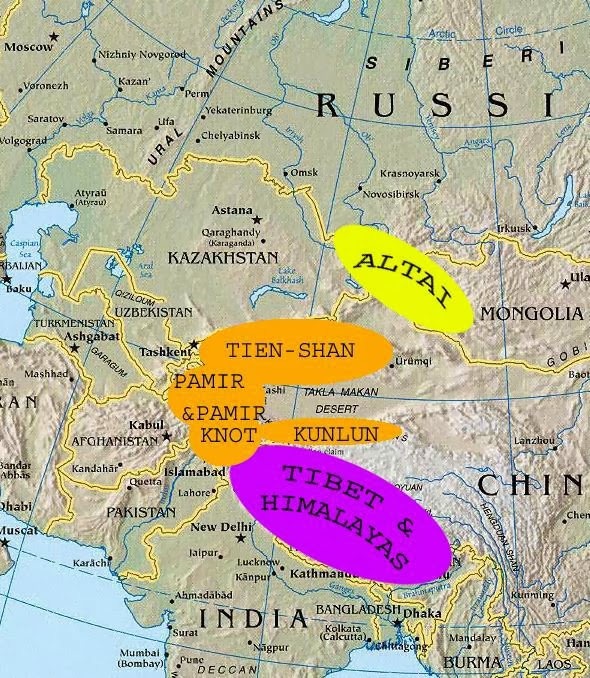
map_mountains_central_asia_small

One of the probable location for Uttarakuru

N.B. If you want to reproduce this article, please email me for permission. You must get written permission from me for each and every article separately. swami_48@yahoo.com

ஆய்வுக் கட்டுரை எழுதியவர் லண்டன் சுவாமிநாதன்

கட்டுரை எண்:– 1137; தேதி 29 ஜூன் 2014

(இக்கட்டுரை என்னால் ஆங்கிலத்தில் ஏற்கனவே வெளியிடப்பட்டது)

உத்தரகுரு பற்றி வேதகாலம் முதல் சங்க காலம் வரை உள்ள கருத்துக்கள் மிகவும் சுவையானவை. சர் தாமஸ் மூர் (1516) என்பவர் எழுதிய ‘உடோபியா’ என்ற கற்பனை உலகம் போன்றது இதுவா? அல்லது உண்மையிலேயே ஒருகாலத்தில் இப்படி இருந்ததா என்பது பலருடைய கேள்வி. வேதகாலத்தில் இப்படி உண்மையில் ஒரு இடம் இருந்தது உண்மையே.

வேதத்தில் காணப்படும் எல்லா விஷயங்களையும் வெளிநாட்டினர் கூட உண்மை என்றே நம்பி அதன் அடிப்படையிலேயே பல நூல்களையும் ஆய்வுக் கட்டுரைகளையும் எழுதி வருவதே இதற்குச் சான்று பகரும்.

சிலப்பதிகாரம் (2-10)
முதலில் தமிழில் உள்ள சில குறிப்புகளைக் காண்போம்:-
தமிழர்களின் கலைக்களஞ்சியமான “நெஞ்சை அள்ளும்” சிலப்பதிகரத்தில் மனையறம்படுத்த காதையில் பூம்புகார் நகரத்தின் செல்வ வளத்தினை உத்தரகுருவுக்கு ஒப்பிடுகிறார் இளங்கோ அடிகள்.

“அத்தகு திருவின் அருந்தவம் முடித்தோர்
உத்தரகுருவின் ஒப்பத் தோன்றிய
கயமலர்க் கண்ணியும் காதற்கொழுநனும்
மயன் வித்தித்தன்ன மணிக்கால் அமளிசை
நெடுநிலை மாடத்து இடைநிலத்து இருந்துழி”—

வாழ்க்கையில் பெரும் தவம் செய்தவர்கள் அவர்களின் தவ வலிமையால் உத்தரகுரு என்னும் இடத்தில் வசிப்பர் (பிறப்பர்). அந்த உத்தரகுரு போலத் தோன்றிய பூம்புகாரில் கண்ணகியும் கோவலனும் வாழ்ந்தனர் என்கிறார் இளங்கோ. இதற்கு முந்திய வரிகளில் பூம்புகாரின் செல்வ வளம் வருணி க்கப்படுகிறது. அரசர்களும் விரும்பும் செல்வ வளம்— கடல் வழியாகவும் தரை வழியாகவும் குவிந்த புதிய பொருள்கள்— பண்பு குறையாத உயர்குல மக்கள்— ஏழடுக்கு உடைய மாடிக்கட்டிடம் என்று வருணிக்கிறார் அடிகள்.

பதிற்றுப்பத்து (9-14)
இந்த வருணனை உத்தரகுரு பற்றி நமக்கு ஓரளவுக்கு சித்திரம் கொடுக்கிறது. இதற்கு பல நூறு ஆண்டுகளுக்கு முன் எழுந்த பதிற்றுப்பத்தில்

நாமம் அறியா ஏம வாழ்க்கை
வடபுல வாழ்நரின் பெரிதமர்ந்து அல்கலும்
இன்னனகை மேய பல்லுறை பெறுபகொல் — (ஏழாம் பத்து, கபிலர்)

பொருள்:– கள்ளுக்கடைகளில் கொடிகள் பறந்தன. பகை மன்னர்களின் யானைகளின் தந்தங்களை ஒடித்து கள்ளுக் கடைகளில் கொடுத்து மக்கள், ‘’கள்’’ வாங்கிச் சாப்பிட்டனர். அவர்களுடைய பயமே இல்லாத இன்ப வாழ்வு உத்தரகுரு (வடபுல வாழ்நர்) மக்கள் வாழ்க்கை போல இருந்தது என்று கபிலர் பாடுகிறார். பழைய உரையாசிரியர் இதை போகபூமியாகிய உத்தரகுரு என்பர்.

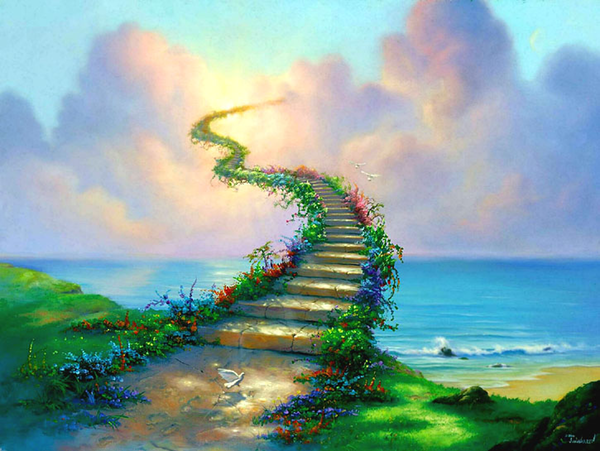
stairway-to-heaven

வேதத்தில் கூறுவதைச் சுருக்கமாகக் காண்போம்:
ஐதரேய பிராமணத்தில் (8-14), இமயமலைக்கு அப்பால் ஓரிடத்தில் உள்ள இடம் — (பரேன ஹிமவந்தம்) –என்று சொல்லப்பட்டுள்ளது. வாசிஷ்ட சாதஹவ்யா (8-23) என்பவர் இதை கடவுள் நாடு (தேவ க்ஷேத்ர) என்று அழைக்கிறார். ஜானம்தபி அத்யராதி என்பவர் அதை வெல்ல விரும்புவதாகவும் வேத இலக்கியம் கூறுவதால் உண்மையில் இப்படி ஒரு நாடு இருந்தது என்பது உறுதியாகிறது. வடபுல வாழ் ‘குரு’ இன மக்கள் கஷ்மீருக்கு குடியேறி பின்னர் குருக்ஷேத்ர பகுதிக்கு வந்ததாக சிம்மர் என்பவர் கூறுகிறார். இதிலிருந்து தழைத்ததே கௌரவ- பாண்டவ குரு குலம்.

மஹாபாரத சபா பர்வம்
அர்ஜுனனுக்கு உள்ள முக்கியமான பத்து பெயர்களில் ஒன்று தனஞ்செயன். உத்தர குரு வரை சென்று தனத்தை வென்று (ஜயித்து) வந்ததால் அவன் தனஞ்செயன் என்று அழைக்கப்பட்டான். சபாபர்வத்தில் யுதிஷ்டிர (தர்மர்) மஹாராஜாவுக்கு ராஜசூய யாகம் செய்து முடிசூட்டும் வைபவம் வருகிறது. ஒவ்வொரு சஹோதரரும் பூமியின் ஒருபகுதியை வெல்லச் சென்றனர். வட திசை நோக்கிச் சென்ற அர்ஜுனனை உத்தரகுரு வாசலில் நிறுத்தி ‘’இது மனிதர் புகமுடியாத இடம். அப்படியே புகுந்தாலும் அவர்கள் கண்களுக்கு எதுவும் புலப்பாடாது’’ என்கின்றனர். உடனே அர்ஜுனன் தர்மரின் ஆளுமையை ஏற்று அவருக்குக் கப்பம் செலுத்தினால் திரும்பிப் போவதகக் கூறுகிறான். அவர்களும் தெய்வீக அணிகலன்கள், ஆடைகள், தோல் முதலியன தந்து அனுப்புகின்றனர்.

Utopia

இதுதவிர ஆதிபர்வத்திலும் உத்தரகுரு வருகிறது. ராமாயணத்தில் வால்மீகி முனிவரும் இது பற்றிப் பேசுகிறார். ஆக இது ஒரு இன்ப பூமி, போக பூமி,, செல்வ வளம் கொழிக்கும் பூமி, ஆண்களும் பெண்களும் சுதந்திரமாக பாலியல் உறவு கொள்ளும் சுகபோக பூமி, தவ சீலர்கள் வசிக்கும் பூமி, சாதாரண மக்கள் புக முடியாத பூமி என்ற பல அரிய ஆச்சர்யமான தகல்கள் கிடைக்கின்றன. இதைப் பார்த்துதான் பிளாட்டோவின் ‘ரிபப்ளிக்’, தாம்ஸ்மூரின் ‘உடோபியா’ ஆகிய நூல்கள் எழுந்தனவோ என்று வியப்போரும் உண்டு!!

உத்தரகுரு பற்றி கிரேக்க ஆசிரியர் அமோதேயஸ் ஒரு புத்தகமே எழுதியதாக ப்ளினி சொல்கிறார். அது கிடைக்கவில்லை. டாலமியும் இந்த தேசத்தைக் குறித்துள்ளார்.

புத்த, ஜைன மத நூல்களில் பூகோள வர்ணனைப் பகுதிகளில் உத்தர குரு வடக்கில் உள்ளதேசமாகக் குறிப்பிடப்படுகிறது. பலரும் இதை இந்துகுஷ், பாமீர் பீடபூமியில் இருந்த இடம் என்றே கருதினர். வடக்கில் இமயமலைக்கு அப்பால் இருந்தது என்பதில் கருத்தொற்றுமை காணப்படுகிறது.

நாம் புதிய உத்தரகுருவை சமைப்போம் ‘நாமம் அறியா ஏம வாழ்க்கை” – வாழ்வோம்!!
–சுபம்–

Uttarakuru- A Mythical Land

map_mountains_central_asia_small

Written by London swaminthan
Post No.1136; Dated 28th June 2014.

N.B. If you want to reproduce this article, please email me for permission. You must get written permission from me for each and every article separately. swami_48@yahoo.com

Uttarakuru has been referred to as a land of gold and immense pleasure in Tamil and Sanskrit literature. It is found in Vedic literature as well as Sangam Tamil literature. Lot of authors of classical age and writers of epics Vyasa and Valmiki also wrote about Uttarkurau. In the Vedic days it was NOT a mythical region. It existed somewhere beyond the Himalayas. Sabha Parva of Mahabharata described it as a real geographical area.

Arjuna got the Name Dhananjayan because he won the wealth of Uttarakuru (Dhanam= wealth, Jayan= one who won). Free sex was practised there.

Just before the Rajasuya Yajna of Yudhistra, Arjuna went towards North to conquer the lands. At the gates of Uttarakuru, he was stopped and told that no human being was allowed in. Even if he entered he could not see anything with human eyes. Then he insisted that they should accept Yudhistra’s sovereignty and offer tributes to him. They offered him divine garments, divine ornaments and divine hides and skins as tribute (Ref. Sabha parva of Mahabharata).

In Adhi Parva of Mahabharata ( 1—17—19) and Ramayana (4-44-88) the land of the Uttarakurus was described like a mythical country.

stairway-to-heaven

Sangam Tamil Literature

In Sangam Tamil literature Pathitrupathu (9-14)refers to Uttarakurus. Post Sangam Tamil epic Silappadikaram also refers to it.

Tamil poets described it as Bhogabhumi, land of pleasure. Ilango, author of Tamil epic Silappadikaram (2-10) compared the Tamil city Pumpuhar with Uttarakuru. He said that Uttarakuru was the residence of great penance performers and blessed with inexhaustible wealth.

UTTARAKURU In Vedic Literature —A Mysterious place with Gold!

The Uttarakurus, who play a mythical part in the epic and later literature are still a historical people in the Aitareya Brahmana (8—14) says the authors of the Vedic Index. They are located beyond the Himalaya. In another passage, however, the country of the Uttarakurus is stated by Vasistha Satyahavya to be a land of the gods (deva-kshetra), but Janamtapi Atyarati was anxious to conquer it, so that it is still not wholly mythical. It is reasonable to accept Zimmer’s view that the Northern Kurus were settled in Kashmir, especially as Kurukshetra is the region where tribes advancing from Kashmir might naturally be found (Vedic Index by AA Macdonell and AB Keith, page 84).

Identifying ancient lands mentioned in Puranas and Ithihasas (mythology and epics) has been a problem from the very beginning. Since the names like Kurus, Madras, Khambojans are tribal or community names and wherever they migrated that was called their land (country). In course of time, they slowly migrated to different areas, which led to lot of confusion. So nothing can be said with any certainty.

Sanskrit playwright Bhasa has referred to it in two of his dramas (Avimaraka and Svapnavasavadatta)
Pliny said that the Greek author Amometus wrote a book on Attacorae (Uttarakuru), which is lost.
The Uttarakuru is the seventh of the nine divisions lying to the north of Meru. Being the land of the eternal beautitude and enjoyment it came to be regarded as a heaven (Devabhumi or Bhogabumi) where the heavenly nymphs (Apsaras) dwelt.

Similar descriptions are found in Jain and Buddhist scriptures.

It is identified with Ottoro Korai of Ptolemy and Lassen places the country somewhere east of modern Kasgar– Source:Act 4 of Svapnavasavadatta of Bhasa ,translated by M R Kale.

Utopia

Utopia of Thomas Moore (1516)
Sir Thomas Moore wrote a book about an ideal society in an imaginary land in the Atlantic Ocean called Utopia. Probably he got the idea from Hindu Uttarakuru. Plato in his Republic wrote about a society where there are four classes of citizens (Gold, Silver, Bronze and Iron). The golden citizens are philosopher kings like Janaka of Upanishads. He might have got the idea from the Four Yugas of Hindu literature. Golden citizens are like the citizens in Krita Yuga, the Hindu Golden Age.

Tamil References (in Tamil):–
Silappadikaram, 2. Manaiyarampatutha katai
Uutarakuruvin oppath thodriya (2-10)
See Pathitru pathu – ezam pathu lines 9-14 vatapula vaazwar= uththarakuru.