பிரம்மசர்யம் பற்றி சங்க இலக்கியத்தில் வியப்பான தகவல் !!

ramana's pose
Sri Ramana Mharishi

ஆய்வுக் கட்டுரையாளர்: லண்டன் சுவாமிநாதன்
கட்டுரை எண்:—1135; தேதி:— 28th June 2014.

N.B. If you want to reproduce this article, please email me for permission. You must get written permission from me for each and every article separately. swami_48@yahoo.com

சங்க இலக்கியத்தில் பத்துப்பாட்டு, எட்டுத் தொகை என்று 18 நூல்கள் உள்ளன. இவைகளை மேல் கணக்கு நூல்கள் என்பர். திருக்குறள், நாலடியார், பழமொழி முதலிய 18 நூல்களைக் கீழ்க்கணக்கு நூல்கள் என்பர். இவை அனைத்தையும் படிப்பவர்களுக்கு பல அதிசயச் செய்திகள் கிடைக்கும். பாரதீய கலாசாரம் ஒன்றே, பல அல்ல என்ற உண்மையும் விளங்கும். பத்துப்பாட்டில் முதலில் வைக்கப்பட்டுள்ள திருமுருகாற்றுப் படையில் நக்கீரர் ஒரு அதிசயத் தகவலை அளிக்கிறார்:–

இருமூன் றெய்திய வியல்பினின் வழாஅ
திருவர்ச் சுட்டிய பல்வேறு தொல்குடி
யறுநான் கிரட்டி யிளமை நல்லியாள்
டாறினிற் கழிப்பிய வறனவில் கொள்கை (முருகு 177-180)

பொருள்: ஓதல், ஓதுவித்தல், வேட்டல், வேட்பித்தல் ஈதல், ஏற்றல் என்னும் (பிராமணர்களின் ஆறு தொழில்கள்) ஆறாகிய நன்மை பொருந்திய இலக்கணத்தில் வழுவாமல், தாயும் தந்தையுமாகிய இருவர் குலத்தையும் உலகத்தார் நன்றென்று மதித்த பலவாய் வேறுபட்ட பழைய குடியிற் பிறந்த (இருபிறப்பாளர்) இருபத்துநான்கின் இரட்டியாகிய (6x4x2=48) நாற்பத்தெட்டு ஆண்டு நல்லிளமையை வேதம் போக்கிய நெறியிலே போக்கிய இருபிறப்பாளர் (பிராமணர்) – என்று டாக்டர் உ.வே.சாமிநாதையர் வெளியிட்ட உரை கூறும்.

அந்தக் காலத்தில் தமிழ் நாட்டில் 48 ஆண்டுக்கு சொல், செயல், சிந்தனை ஆகியவற்றில் பெண்கள் பற்றிய பாலியல் உணர்வு இன்றி திரிகரண சுத்தியுடன் — (மனோ, வாக், காயம்= சிந்தனை, சொல், செயல்) —- பலர் பிரம்மச்சாரியாக வாழ்ந்தது தெரிகிறது.
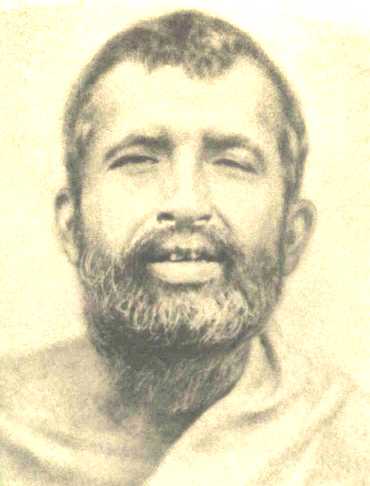
Sri_Ramakrishna
Sri Ramakrishna Paramahamsar

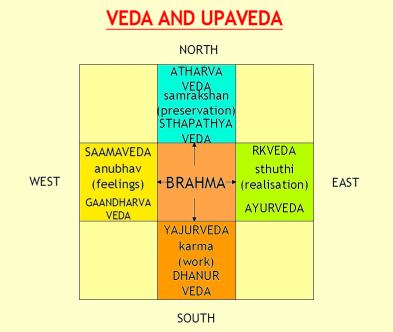
இதற்கு விளக்கம் நான்கு வேதங்களில் ஒன்றான சாமவேதத்தில் கிடைக்கிறது:–
பிரம்மசாரிகள் கடவுளின் நண்பர்கள் என்னும் சாமவேதம்
24 ஆண்டு பிரம்மசர்யம் அனுஷ்டிப்போர் ‘வசு’ என்றும்
36 ஆண்டு பிரம்மசர்யம் அனுஷ்டிப்போர் ‘ருத்ரர்’ என்றும்
48 ஆண்டு பிரம்மசர்யம் அனுஷ்டிப்போர் ‘ஆதித்யர்’ என்றும் – கூறும்.

மேலும் பிரம்மசாரிகளை ‘ஊர்த்வரேதஸ்’ ((சக்தியை மேல்நோக்கி செலுத்துவோர்) என்றும் புகழும்.

சுவாமி விவேகாநந்தர்

பிரம்மசாரிகள் அடையும் அபூர்வ சக்திகள் பற்றி சுவாமி விவேகாநந்தர் பல அரிய செய்திகளைக் கூறுகிறார். அபார நினைவாற்றல், பிறர் மனதில் ஓடும் எண்ணங்களைக் கண்டுபிடித்தல் முதலிய சக்திகள் கிடைக்கும். அவரது வாழ்வில் நடந்த சில அற்புதச் செயல்களே இதற்கு ஆதாரம். நூல் நிலயத்துக்குச் சென்று இவர் புத்தகம் புத்தகமாகக் கேட்டுப் பெற்றது நூலகருக்கே எரிச்சல் ஊட்டியது. ‘’ஐயா, நீங்கள் புத்தகத்தைப் பார்க்க வாங்குகிறீர்களா அல்லது படிக்க வாங்குகிறீர்களா என்று கேட்டும் விட்டார். உடனே எந்தப் பக்கத்தில் உள்ள எந்த விஷயத்தையும் கேளுங்கள் என்று சுவாமிஜி சொன்னார். நூலகர் கேட்ட கேள்விகளுக்கு பக்கம் மாறாமல் விடையும் பகன்றார். இதனால்தான் அந்தக் காலத்தில் மாணவர்கள் குருவின் வீட்டிற்குச் சென்று வேறு எதிலும் சிந்தனையைச் செலுத்தாமல் குறைந்தது 12 ஆண்டு பிரம்மச்சர்யம் அனுஷ்டித்து பின்னர் கிருஹஸ்தன் (குடும்ப வாழ்வு) ஆக வேண்டும் என்று விதிக்கப்பட்டது.

பிரம்மசாரி, கிருஹஸ்தன், வானப்ப்ரஸ்தன், சந்யாசி என்ற நால்வகை வாழ்க்கை அமைப்பும் விதிக்கப்பட்டது.

ஒருமுறை வெளிநாட்டுக்காரர் ஒருவர் நீங்கள் என் மனதில் உள்ளவற்றைச் சொல்ல முடியுமா? என்று சுவாமி விவேகாநந்தரைக் கேட்டார். ‘நான் என்ன? இதோ என் சிஷ்யன் கூடச் சொல்லுவான்’– என்று பக்கத்தில் அமர்ந்திருந்த சீடனைக் காட்டினார். அவன் பயந்து நடுநடுங்கிப் போனான். ஏனெனில் அவனுக்கு அந்தச் சக்தி கிடையாது. சீடனை நோக்கி சுவாமி விவேகாநந்தர், ‘எங்கே இவர் மனதில் உள்ளதைச் சொல்’ என்ற வுடன் அவன் கட கட வென்று சொன்னான். இது எல்லாம் பிரம்மசர் யத்தினால் செய்ய முடியும்— மேதா நாடியின் – அபூர்வ சக்தி இது என்றார்.

இளமைக் காலத்தில் ஒருவர் 12 ஆண்டு பிரம்மசர்யம் பின்பற்றினால் அபூர்வசக்திகள் கிடைக்கும்— (பிற தீய பழக்கங்களும் கூடாது என்பது சொல்லாமலே விளங்கும்)— காமினி, காஞ்சனா ( பெண், பொன் ஆசை) பற்றில்லாதோருக்கு ‘மேதா நாடி’ என்று உடம்பில் தோன்றும் என்றும் இது தோன்றினால் கடவுள் பற்றிய பேருண்மைகள் புலப்படும் என்றும் சுவாமிஜியின் குருவான ஸ்ரீ ராமகிருஷ்ண பரமஹம்சரும் கூறுகிறார். அவர் மேலும் பல கதைகள் மூலம் பிரம்மசர்யத்தின் பெருமையை விளக்குகிறார். ( காண்க:– ஸ்ரீ ராமகிருஷ்ண உபதேச மஞ்சரி, கிடைக்குமிடம், சென்னை மயிலாப்பூர் ஸ்ரீ ராமகிருஷ்ண மடம்).
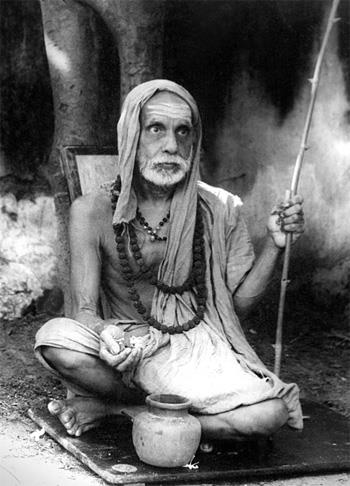
kanchi japam
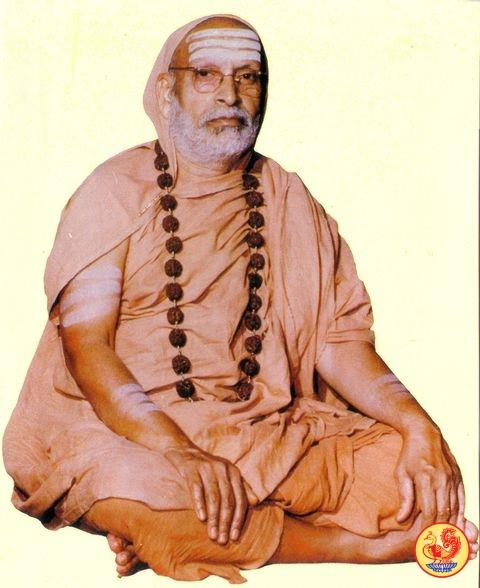
Sri Kanchi Paramacharya Swamikal

பகவத் கீதையில் பிரம்மசர்யம்

கிருஷ்ண பரமாத்மா பகவத் கீதையில் (6—14) பிரம்மசர்யமத்தின் பெருமையைப் பேசும் இடத்து டாக்டர் ராதாகிருஷ்ணன் –(முன்னாள் ஜனாதிபதி, தத்துவப் பேராசிரியர்) —அழகிய உரை எழுதி இருக்கிறார். பிரஸ்ன உபநிஷதத்தில் பிப்பலாடன் என்பவர், மேலும் ஓராண்டு பிரம்மசர்யம் அனுஷ்டிப்போருக்கு அரிய பெரிய ஞானத்தை அளிப்பதாக உறுதி கூறுகிறார். சாந்தோய உபநிஷதத்தில் 101 ஆண்டுக் காலம் பிரம்மசர்யம் அனுஷ்டித்த இந்திரனுக்கு பிரம்ம தேவன், ஞானத்தை அளித்தார் என்பதையும் சுட்டிக்காட்டுகிறார். அதுமட்டுமல்ல தேவர்கள் பிரம்மசர்யம் அனுஷ்டித்து மரணத்தை வென்றனர் என்ற அதர்வ வேத வரிகளையும் எடுத்தாளுகிறார்.

தமிழில் சித்தர் பாடல்கள் திருமூலரரின் திருமந்திரத்திலும் பல விஷயங்கள் உள்ளன. ஆக வேத காலம் முதம் சங்க காலம் வரையும் அதற்குப் பின்னரும் பாரதம் முழுதும் பிரம்மசர்யத்தின் பெருமை கொடிகட்டிப் பறந்தது.

valluvar_big

Sri Tiruvalluvar

இந்திரன் குறித்து பரிமேலழகர் செய்த தவறு!
By London Swaminathan; Post No. 748 dated 17th December 2013.

திருவள்ளுவர் யார்? என்ற தலைப்பில் நான் முன்னரே எழுதிய கட்டுரையில் இந்திரனை அதர்வவேதம், புத்தர், வள்ளுவன் ஆகியோர் புகழ்ந்தது ஏன் என்றும் காட்டினேன். இதுவரை படிக்காதோருக்கு இதோ அந்தக் கட்டுரையில் ஒரு பகுதி:_-

தமிழ் வேதமான திருக்குறளுக்கு உரை எழுதிய பதின்மரில் பரிமேலழகர் எழுதிய உரையே மேலானது என்பது அறிஞர் உலகம் ஒருமனதாக ஏற்றுக்கொண்ட முடிவு. ஆயினும் ‘’யானைக்கும் கூட அடி சறுக்கும்’’ — என்பது போல அவரும் சில தவறுகளைச் செய்திருக்கிறார். இன்று ஒரு குறளை மட்டும் காண்போம்:

ஐந்தவித்தான் ஆற்றல் அகல்விசும்புளார் கோமான்
இந்திரனே சாலுங் கரி (குறள் 25)

‘ஐம்புல ஆசைகளை அறவே ஒழித்த ஒருவனுடைய ஆற்றலுக்கு தேவர் கோமான் இந்திரனே சான்று பகர்வான்’ என்பது இதன் பொருள்.

இந்தப் பொருளை எழுதி அதற்குப் பின் ஒரு ஆச்சர்யக் குறியையோ கேள்விக்குறியையோ போட்டுவிட்டால் அர்த்தம் அனர்த்தம் ஆகிவிடும். பரிமேலழகர் இது இந்திரனைக் ‘கிண்டல்’ செய்து எழுதிய இகழ்ச்சிக் குறிப்பு என்று கொண்டுவிட்டார். அவன் அகல்யை இடத்தில் நடந்துகொண்ட ஒரு சம்பவத்தை வைத்துப் பலரும் இந்திரனை தவறாக எடை போட்டுவிட்டனர்.

இந்துமத நூல்களிலும் புத்தமத வேதப் புத்தகமான தம்மபதத்திலும் இந்திரனை உயர்வாகவே கூறியுள்ளனர். பதின்மர் உரையில் மணக்குடவர் எழுதிய உரையில் இதை இகழ்ச்சிக் குறிப்பாகக் கொள்ளாமல், பாராட்டும்படியாகவே எழுதியுள்ளார். இதை டாக்டர் எஸ்.எம்.டயஸ் அவர்கள் எழுதியுள்ள ஆங்கில மொழிபெயர்ப்பில் குறிப்பிட்டு மணக்குடவர் உரையே திருவள்ளுவரின் மொத்த அணுகுமுறைக்கு இசைவாக இருக்கிறது என்றும் எழுதியிருக்கிறார்.

எனது கருத்து:

“இந்திரன் அவனுடைய பிரம்மசர்யத்தால் தேவர்களுக்கு தேஜஸை (ஒளியை) உண்டாக்கினான்”- என்று அதர்வ வேதம் கூறுகிறது ( அதர்வணம் 11-5-19).

“இந்திரன் மிகவும் கவனமாக/விழிப்பாக இருந்ததால் தேவர்களுக்கு எல்லாம் இறைவன் ஆனான்” – என்று புத்தர் தம்மபதத்தில் (2—10) கூறுகிறார்.

பூமியில் யாராவது தவம் செய்தாலோ, நூறு அஸ்வமேத யாகம் செய்தாலோ, தனது பதவிக்கு ஆபத்து வந்துவிடும் என்று இந்திரன் நடுங்கத் துவங்கி மண், பெண், பொன் ஆசைகளால் துறவிகளைக் கவிழ்த்து விடுவான். ஆகையால் மணக்குடவரும் மற்றவர்களின் தவ வலிமை இந்திரனை நடுங்கச் செய்வதே “ இந்திரனே சான்று பகர்வான்” என்பதன் பொருள் என்கிறார். பரிமேலழகர் சொல்லுவது போல இந்திரனை வள்ளுவர் ‘’பகடி’’ செய்யவில்லை.

மணக்குடவர் உரை: ஐந்து= நுகர்ச்சியாகிய ஐந்து. இந்திரன் சான்று என்றது இவ்வுலகின் கண் மிகத் தவம் செய்வார் உளரானால், அவன் தன் பதம் இழக்கின்றானாக நடுங்குமாதலான், இது தேவரினும் வலியன் என்றவாறு.

பரிமேலழகர் உரை: ஐந்தும் என்னும் முற்றும்மையும் ஆற்றர்க்கு என்னும் நான்கனுருபும் செய்யுள் விகாரத்தால் தொக்கன. தான் ஐந்து அவியாது சாபம் எய்தி நின்று அவித்தானது ஆற்றல் உணர்த்தினானாகலின் ‘இந்திரனே சாலுங் கரி’ என்றார்.

பிரம்மசர்யத்தின் பெருமைதனை மாணவர்ளுக்குச் சொல்லிக் கொடுத்தால் நாடு நலம் பெறும்!

–சுபம் —

Strange Facts about Brahmacharya! 48 year long Vow of Celibacy!!

ramana's pose
Sri Ramana Maharishi of Tiruvannamalai.

Strange Facts about Brahmacharya! 48 year long Vow of Celibacy!!

Compiled by London Swaminathan
Post No.1134; Dated 27th June 2014.

N.B. If you want to reproduce this article, please email me for permission. You must get written permission from me for each and every article separately. swami_48@yahoo.com

What is Brahmacharya?
Brahmacharya is celibacy. It is not just sexual abstinence. Hindus have a unique concept of everything that is spiritual. They practise all these at three levels: Mano, Vak and Kaya i.e in thought word and deed. If someone says he is a vegetarian he must not even think of tasting it. If one is following Ahimsa (non violence), that means, not even thinking of hurting anyone in word, thought and deed. Then that person will get powers to do miracles.

Every Hindu must undergo through four stages in life: 1)Brahmacharya (period of learning with sexual abstinence, 2)Grihastha (family life with wife and children), 3)Vanaprastha (Going to Vana=forest to do penance at old age) and 4)Sanyasa (complete renunciation). Most of us have only two stages in the modern world i.e. Brahmacharya and Grihastha life. No other religion explains Brahmacharya in detail as Hinduism.

Sri_Ramakrishna
Sri Ramakrishna Paramahamsa.

Sri Ramakrishna and Vivekananda
Sri Ramakrishna Paramahamsa, Swami Vivekananda, Sri Ramana Maharishi, Sri Kanchi Paramacharya (1894-1994) and saints like him have practised it and spoken about celibacy. Mahatma Gandhi practised it at one time.
Sri Ramakrishna gives some interesting information:-

“If one practises celibacy a physiological change is produced in the body. A rudimentary nerve known as Medha will develop, the function of which is to transmute the lower energies in to higher. The knowledge of the higher Self is gained after the development of the Medha Nadi”.

He adds, Kamini and Kanchana (Woman and Gold) have drowned the whole world in sin. Woman is disarmed when you view her as the manifestation of the Divine Mother. God cannot be seen so long as one’s passion for woman and gold is not extinguished. (Sri Ramakrishna was not against women. The words ‘woman and gold’ mean lust and greediness.)

He advised his disciples to be bees which will only go to taste the nectar in the flowers, not a fly which tastes nectar a minute and faeces the next minute.

Swami Vivekananda added some more interesting details about celibacy:- He says a person who observed celibacy for twelve years obtains tremendous memory power. Swami could remember anything he read, page after page. When someone wanted to test his thought reading power, he told the person even his disciple could do it who was sitting just beside him. The disciple was so scared to hear this, because he did not have that power. But when Swami Vivekananda told his disciple to read the person’s mind, he did it. Swami attributed everything to celibacy. In short, one can develop tremendous powers if one observed celibacy at three levels= Tri Karana Suddhi= word, thought and deed.

kanchi japam
Sri Kanchi Paramacharya.

Vedas on Brahmacharya
Lord Krishna spoke high of Brahmacharya in Bhagavad Gita (6-14). Dr S. Radhakrishnan commented on this Gita sloka :–

“The aspirant for yoga must exercise control over his sexual impulses. Hindu tradition has insisted on Brahmacharya from the beginning. In the Prasna Upanishad, Pippalada asks the seekers to observe Brahmacharya a year more at the end of which he undertakes to initiate them into the highest wisdom. In the Chandogya Upanishad, Brahma taught Indra the knowledge of reality after making him undergo Brahmacharya for 101 years. The gods are said to have conquered death by Brahmacharya and penance (Atharva Veda: Brahmacharyena tapasa deva mrtyum uphagnata)

“Through Brahmacharya (celibacy) that Indra brought heavenly lustre to the Devas”- Atharva Veda 11-5-19
“It is by Tapas of Brahmacharya (Penance of Celibacy), that the king protects the state, the teacher seeks his pupil, and a maiden finds a youthful husband.” –Atharva Veda 11-5-17/18
In a later age the great Buddha supported the idea by saying that by self control Indra became the greatest among the devas (Dhammapada 2-10)

Tamil Veda Tirukkural also confirmed it in Kural 25:-
“Indra, the king of the devas himself, will bear testimony to the will power of those who curbed the desires of the five senses.”

(The above quoted Tiruukural (25) was commented with a wrong connotation by Parimel azakar. But another commentator Makakkudavar used the Vedic and Dhammapdic interpretation. I have written an article about it under the title ‘Parimelalzakar’s Blunder’ in Tamil)

valluvar_big
Tiruvalluvar ,Author of Tirukkural (Tamil Veda)

Brahmacharya in Sama Veda
Sama Veda says that Brahmacharis become friends of god. Brahmacharis also called Vasus, Rudras and Adityas
Those who are Brahmacharis for 24 years are called Vasus
For 36 years Rudras
For 48 years Adityas

Sama Veda praises Brahmacharis as Urdhvaredhas=those who raise (semen) power upward!

Sangam Tamil Literature, which is 2000 year old, says about Brahmacharis who have been following vow of celibacy for 48 years! (Tirumurukatrupadai 179-180).

It is amazing to read about some Brahmins following 48 year long Brahmacharya vow in ancient Tamil Nadu!!!

XXXXXX**********XXXXXXXX********XXXXXXXXXXX

கொள்ளுவன எது? தள்ளுவன எது? சங்கரர் பதில்

22. Shankaracharya VEDVYASA

Compiled by London Swaminathan.
Post No. 1133; Date: 27 June 2014

பிரஸ்னோத்தர ரத்ன மாலிகா என்றழைக்கப்படும் ஆதி சங்கரரின் துதி பற்றி பல கட்டுரைகள் எழுதினேன். அதில் இதுவரை வெளியாகாத சில விஷயங்கள் இதோ:-

ஆதிசங்கரர் எழுதிய ஒவ்வொரு துதியும் அற்புதமானது. அவைகளில் மிகவும் வியப்பான விஷயங்களைச் சொல்லும் ஒரு ஸ்தோத்திரம் பிரஸ்ன உத்தர (பிரஸ்னோத்தர= வினா விடை) ரத்ன மாலிகா.

இது ஒரு கேள்வி பதில் துதி. மஹா பாரதத்தில் உள்ள யக்ஷப் ப்ரஸ்னம் போல கேள்வி—பதில் பாணியில் அமைந்தது. மொத்தம் 67 ஸ்லோகங்கள் உள்ளன. ஒவ்வொரு பாடலிலும் 3, 4 கேள்விகளும் பதில்களும் இருக்கும். சுமார் 200 கேள்விகளை அவரே எழுப்பி அழகான பதில்களைக் கூறுகிறார்.

இதைப் படித்தால் என்ன கிடைக்கும் என்று முதல் பாட்டிலேயே கூறிவிடுகிறார். வாழ்க்கையில் நாம் எதிர் பார்க்கும் , மற்றும் எதிர்பாராத பலன்கள் கிடைக்கும், அதாவது தெரிந்த தெரியாத பலன்கள் கிடைக்கும்.

1. & 2. கொள்ளுவன எது? தள்ளுவன எது? என்பது கேள்வி.
ஒவ்வொரு பாட்டிலும் பல கேள்விகளும் அதற்கு ரத்தினச் சுருக்கமான பதில்களும் இருக்கும். இரண்டாவது பாட்டில் எதை எடுத்துக் கொள்ளவேண்டும்? என்று கேட்டதற்கு—- குரு வசனம், —-அதாவது குருவின் கட்டளை என்கிறார் சங்கரர்.

நாம் முதலில் வகுப்புக்குள் நுழைந்தவுடனேயே சொல்ல வெண்டிய ஸ்லோகம் “குருர் பிரம்மா, குருர் விஷ்ணோ”…………….. என்ற ஸ்லோகம் தான். எல்லோரும் அறிந்த ஸ்லோகம். குருவையே த்ரிமூர்த்திகளாக வணங்கும் ஸ்லோகம் அது. குரு என்பவர் ‘பிறவிப் பிணிக்கு மருந்து கொடுக்கும் டாக்டர்’ — என்று இன்னும் ஒரு ஸ்லோகமும் ( குரவே சர்வலோகானாம் பிஷஜே பவரோகினாம்) உண்டு. ஆகையால் அவர் சொல்லுக்கு அவ்வளவு மதிப்பு.

எதை விட வேண்டும்? என்பது அடுத்த கேள்வி.. தகாத—செய்யக் கூடாத செயல்களை விட வேண்டும். பாவம் உண்டாக்காத செயல்களைச் செய்தால் இந்த ஜன்மத்திலேயே சுகங்களை அனுபவிப்பர்.

தடை செய்யப்பட்ட செயல்கள் என்ன என்பதை பஞ்ச மா பாதகங்கள் விளக்கும்:- கொலை, கொள்ளை, கற்பழிப்பு, பொய் சொல்லுதல், ஏமாற்றுதல். சிறைச் சாலைக்குச் சென்றாலோ, பத்திரிகைகளில் வரும் குற்றச் செய்திகளை ஆராய்ந்தாலோ மேற்கூறிய ஐந்து வகைகளில் எல்லா குற்றவாளிகளையும் அடக்கிவிடலாம்.

(மூன்றாவது ஸ்லோக விளக்கம் 27-02-14 வெளியானது)

abhinava vidyatheerthar
Sri Abhinava Vidya Thirtha Swami, Sri Sringeri Shankaracharaya (1917–1989)

4.அறிஞர்கள் உடனே செய்யவேண்டிய செயல் என்ன?
பிறப்பு இறப்பு என்னும் சுழலில் இருந்து விடுபடுவதே முதல் கடமை.
வள்ளுவனும் இதையே சொல்கிறான்.:

கற்றதனால் ஆய பயன் என்? (குறள் 2)
கடவுளைத் தொழுவதே கல்வியின் பயன் என்பான்.

ராமகிருஷ்ண பரமஹம்சர் இதை புரியும்படியான உவமையுடன் சொல்வார்: ஒரு ஊருக்குப் போகும் யாத்ரீகன் முதலில் ஒரு நல்ல விடுதியைப் பார்த்து அறைகளை ஏற்பாடு செய்துவிட்ட பின்னர்தான் ஊர் சுற்றிப் பார்க்கப் போவான். இதே போல இந்த உலகில் வந்த நாம் முதலில் இறைவனை உணர்ந்துவிட்டுப் பின்னர் சுகங்களை அனுபவிக்கலாம் என்பார்.

5. விடுதலை என்ற மரத்துக்கு விதை எது?
சரியான அறிவு (ஞானம்), அதைச் செயலில் காட்டும் பயிற்சி என்பது சங்கரரின் பதில்.
அந்தக் காலத்தில் பெரியோர்களை மெத்தப் படித்தவர், வேத வித்து, கல்வியில் கரை கண்டவர் என்றெல்லாம் அறிமுகப் படுத்திவைப்பர். அதாவது ஒருவரைப் படித்தவர் என்று சொன்னால், அதை வாழ்க்கையில் பின்பற்றும் ஒழுக்க சீலர் என்று பொருள். இந்தக் கால பள்ளிக்கூடம் முதல் பல்கலைக் கழக ஆசிரியர்கள் வரை யாரிடமும் ஒழுக்கத்தை எதிர்பார்க்க முடியவில்லை. சொல் ஒன்றும் செயல் ஒன்றுமாக இருக்கிறது.

ஊருக்குதாண்டி உபதேசம் ,உனக்கில்லை என்ற பழமொழிக் கதையை நாம் அறிவோம். இப்பேற்பட்டவர்கள் யாரையும் முன்னேற்ற முடியாது.

லூயி பிஷர் என்பவர் காந்தி பற்றி எழுதிய கட்டுரையில், இவர் ஏன் பெரியவர் என்றால்

He preached what he practised and practised what he preached. Had he lived two thousand years ago in India, they would have built him a temple for him by this time.

பொருள்:– “அவர் (காந்தி) எதை உபதேசித்தாரோ அதை வாழ்க்கையில் பின்பற்றினார். அவர் எதை வாழ்க்கையில் பின்பற்றினாரோ அதைத்தான் மற்றவர்களுக்கும் உபதேசித்தார். அவர் மட்டும் 2000 ஆண்டுகளுக்கு முன்னர் இந்தியாவில் வாழ்ந்திருந்தால் இந்நேரம் இந்தியர்கள் அவருக்கு கோவிலே எழ்ப்பி இருப்பார்கள்” — என்று எழுதினார். ஆகையால் ஞானம், அதில் பயிற்சி இரண்டும் அவசியம்.

periyava rudraksha
Sri Chandra Sekarendra Sarasvati, Kanchi Sri Sankaracharya (1894–1994)

உண்மைதான்! மனிதனும் தெய்வமாகலாம் என்பது இந்து மதத்தில் மட்டுமே உள்ள கொள்கை. தமிழ் ஹிந்து வள்ளுவன் இதை மிக அழகாகச் சொல்கிறான்:

வையத்துள் வாழ்வாங்கு வாழ்பவன் வான் உறையும்
தெய்வத்துள் வைக்கப்படும் (குறள் 50)

–சுபம்–

30 Quotations from The Vedas

vedas

30 Quotations from The Vedas
Good Thoughts Calendar 2014 (July)
Post No. 1132; Date: 26 June 2014

Prepared by London swaminathan (copyright)
30 important Quotes from the Four Vedas are given in this month’s calendar; Source for quotes: Hymns from the Vedas by Abinash Chandra Bose.

Important Dates:July 4 Friday Aani Uththaram Festival, 17 Thursday Dhakshinayana Punyakala, 12 Saturday Vyasa Puja, 26 Saturday Aadi Amavasya, 29 Tuesday Ramzan, 30 Wednesday Aadi Puram.
Auspicious Days: 7, 9, 11, 14, 16. Full Moon day 12h July; New Moon (Amavasya) 26th July; Ekadasi 8 & 22 July.
((RV=Rig Veda; YV= Yajur Veda; AV= Atharva Veda; SV = Sama Veda))

July 1 Tuesday
Agni, make me have good conduct (su-carita)
Bar me against bad conduct (dus-carita) Y.V.Vs 4-28
July 2 Wednesday
We will follow the path of goodness (svasti) like the sun and the moon. RV 5-51-15
July 3 Thursday
May we be good hearted (sumanasah) all our days RV 6-52-5

July 4 Friday
May we unite in our minds, unite in our purposes,
And not fight against the heavenly spirit within us. AV 7-52
July 5 Saturday
May my mind resolve on what is good YV.Vs.34-1

veda1
July 6 Sunday
Step beyond what is human,
Take up the Divine Word
And establish their leadership
Along with all the friends you have AV 7-105

July 7 Monday
By self dedication (Vrata) one obtains consecration (Diksha)
By consecration one obtains grace (Dakshina)
By grace one obtains reverence (Sraddha),
By reverence is Truth (satya) obtained YV.Vs 19-30

July 8 Tuesday
Leave here those who are opposed to goodness (siva)
And let us cross over to powers that are beneficent RV 10-53-8

July 9 Wednesday
Agni, lead us to wealth by the good path (supatha) RV 1-189-1

July 10 Thursday
Agni! Burn up malignity that strives against us RV 3-18-1

July 11 Friday
Go forward, meet the foe, conquer,
Thy thunderbolt can’t be resisted
Indra! Manliness is thy strength. RV 1-80-3

July 12 Saturday
To those who trespass against us we offer an unpleasant welcome AV 12-1-30

July 13 Sunday
Hurl on him your bolt of thunder who treats us ill, the robber and the oppressor RV.4-41-4

July 14 Monday
Give to men the strength of men, O Hero! RV 10-148-4

July 15 Tuesday
Awe inspiring are the Rishis (seers); to them be our homage,
To their eye and the truth (satya) of their spirit AV 2-35.4
Not by our human nature do e know Him (the deity) RV 1- 105 -15

vedas hindi

July 16 Wednesday
Since, Agni, we through tapas are
Kindling the fie of the spirit, may we dear to the veda AV 7-61-1)

July 17 Thursday
Gone are the mortals who in former ages
Beheld the flushing of the early morning;
We living men now look upon her shining;
Those will be born who shall hereafter see her RV 1-113-11

July 18 Friday
I, as conqueror, have won my husband –Saci Paulomi Rig Veda 10-145-2; 10-159-1

July 19 Saturday
When, Lord of our prayer, the first of Speech and the foremost
The sages uttered, giving the unnamed a name,
Which was their best and their most stainless, then they
With love revealed the Divine secret in their souls RV 10-71-1

vedas2

July 20 Sunday
Mountain Lord, we speak to you with blissful words
So that all that is moving and living,
May, free from disease, have happiness of heart (YV Va 16-4)

July 21 Monday
You who by the Dharma (law) has spread about
Flowering and seed bearing plants and streams of water
You who generate the matchless lightning in the sky RV 2-13-7

July 22 Tuesday
Firm seated are the foundations of Rita (eternal order)
In its lovely form are many splendid beauties – RV 4-23-9

July 23 Wednesday
Through Brahmacharya (celibacy) that Indra brought heavenly lustre to the Devas AV 11-5-19

July 24 Thursday
It is by Tapas of Brahmacharya (Penance of Celibacy), that the king protects the state, the teacher seeks his pupil, and a maiden finds a youthful husband AV 11-5-17/18

vedas 4

July 25 Friday
Indra! In each and every fight, give manly strength to our bodies and ever conquering valour SV 231

July 26 Saturday
Quit you like heroes and cross over, comrades!
Leave those who are evil minded AV 12-2-26

July 27 Sunday
Strong one ! Make me strong,
May all beings look on me with the eye of friend,
May I look on all beings with the eye of friend
May we look on one another with the eye of friend. Y.V.Vs.36-18

July 28 Monday
I am song, you are verse
I am heaven, you are earth
We two together shall live here becoming parents of children AV 14-2-71

July 29 Tuesday
May I be immortal through my children RV 5-4-10

July 30 Wednesday
Let noble thought come to us from every side RV 1-89-1

July 31 Thursday
Whatever I dig from you, Earth
May that have quick growth again.
O Purifier, may we not injure your vitals or your heart AV 12-1-35

அற்புதப் பெண்மணி அருந்ததி!

Arundhati_(1994)
Vasistha and Arundhati in painting ( Picture from Wikipedia)

ஆய்வுக் கட்டுரை எழுதியவர்- லண்டன் சுவாமிநாதன்
கட்டுரை எண்:- 1131; தேதி—26 ஜூன் 2014.

N.B. If you want to reproduce this article, please email me for permission. You must get written permission from me for each and every article separately. swami_48@yahoo.com

“அம்மி மிதித்தல், அருந்ததி பார்த்தல்” என்பது தமிழர்களின் திருமணச் சடங்கின் ஒரு பகுதி. இதில் அருந்ததி பார்த்தல் என்பது என்ன?

ஒவ்வொரு மணமக்களும் கல்யாணம் நடந்த அன்று இரவு சாந்தி முஹூர்த்த (முதல் இரவு) அறைக்குள் நுழைவதற்கு முன் கற்புக்கரசி அருந்ததி நட்சத்திரத்தைக் காணவேண்டும். எதற்காக?

“அருந்ததி போல கற்புக்கரசியாக வாழ்” என்று மணமகளுக்குச் சொல்வதற்காக இந்தச் சடங்கு. அது என்ன? பெண்களுக்கு மட்டும்தானா கற்பு? ஆண்களுக்குக் கிடையாதா? என்ற கேள்வி பலர் மனதில் எழும்.

ஆண்களுக்கும் இராம பிரான் போல
“இந்த இப்பிறவியில் சிந்தையாலும் இருமாதரைத் தொடேன்” –

என்ற கற்பு நெறியைத்தான் சான்றோர் வழங்கினர். ஆனால் ஒரு பெரிய வேறுபாடு உண்டு. ஆண்கள் கற்பு நெறி தவறினால் உலகம் தலைகீழாக மாறாது. ஆனால் பெண்கள் எல்லோரும் தன் கடைக் கண் பார்வையை வீசினாலேயே போதும் உலகம் தறிகெட்டுப் போகும். ஆகையால்தான் பெண்கள் கற்புநெறி வலியுறுத்தப்படும். தறிகெட்டு ஓடும் ஆண்களின் மனதுக்கு அணை போடுவது பெண்களின் கற்பு நெறி என்பதால்தான் மனு முதல் வள்ளுவன் வரை எல்லோரும் பெண்கள் கற்பை மட்டும் வலியுறுத்துவர்.

யார் இந்த அருந்ததி?
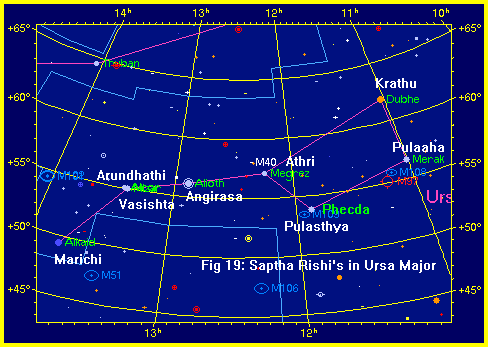
வடக்கு வானத்தில் ஏழு நட்சத்திரங்களைக் காணலாம். எதிலும் கடவுளைக் காணும் இந்துக்கள் மட்டும் இதை சப்தரிஷி மண்டலம் என்று அழைத்தனர். சப்த என்றால் ஏழு என்று பொருள். அத்ரி, ப்ருகு, குத்ச, வசிஷ்ட, கௌதம, காஸ்யப, ஆங்கிரசர் ஆகிய 7 ரிஷிகள் உலக மக்கள் இனத்தைத் தோற்றுவித்த முதல் எழுவர் ஆவர்.

பிராமணர்கள் நாள்தோறும் மும்முறை செய்யும் அந்திப் பொழுது நீர்க்கடனில் (ஸந்தியா வந்தனம்) இந்த எழுவரையும் தொழுவர். இதை சங்க இலக்கிய நூலான நற்றிணைப் பாடலும் உறுதி செய்யும். தமிழர்கள் அனைவரும் இந்த ஏழு நட்சத்திரங்களையும் தொழுததை நற்றிணை 231 பாடல் வரியில் காணலாம்:–
கைதொழும் மரபின் எழுமீன் போல – (இளநாகனார் பாடியது).

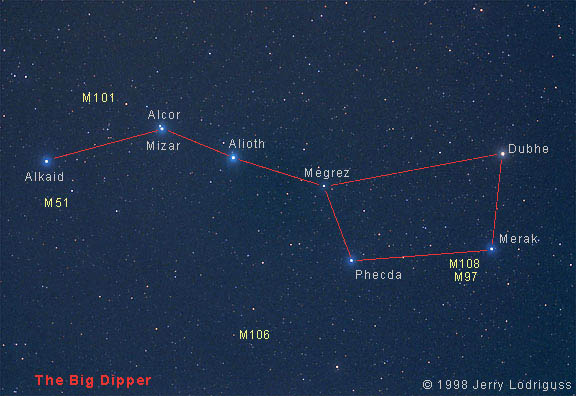
வேறு பல காலாசாரங்கள் இந்த ஏழு விண்மீன்களை பெருங்கரடிக் கூட்டம், பெரிய வண்டி, மனிதனின் தொடை, பட்டம், கரண்டி, உழும் ஏர், ( Ursa Major, Great Bear, Big Dipper, Plough, Thigh, Wagon) என்றெல்லாம் வருணித்தன. அவைகள் இந்துக்கள் அளவுக்கு அறிவு முதிர்ச்சி பெறாத கிரேக்க, எகிப்திய, ரோமானிய நாகரீக வகையறாக்கள்!

arnhati2

அருந்ததி என்பவள் கர்தம ரிஷியின் மகள். ஏழு ரிஷிகளில் ஒருவரான வசிட்டனின் மனைவி– உலக மஹா உத்தமி– கற்புக்கு அரசி– வசிஷ்டர் எவ்வளவோ திட்டியும் “கணவனே கண்கண்ட தெய்வம்”– என்று வாழ்ந்தவள். ஒருமுறை மற்ற ஆறு ரிஷிகளின் மனைவியர் அக்னி (பகவான்) மீது காதல் கொண்டனர். கார்த்திகேயனுக்கு பாலூட்டினர். ஆனால் அருந்ததி மட்டும் கற்பு நெறி வழுவாமல் அந்தக் கூட்டத்தில் சேரவில்லை. ஆகையால் அவள் எல்லோரையும் விட உயர்ந்து நின்றாள் – என்பது புராணம் முதலியவற்றில் கிடைத்த செய்தி. முருகனுக்குப் பாலூட்டிய அப்பெண்கள் அறுவரும் கார்த்திகை நட்சத்திரக் கூட்டம் ஆயினர்.

உலகின் முதல் சட்ட நிபுணன் மனு மட்டும் வேறு ஒரு செய்தி சொல்கிறார். “கீழ்ஜாதியில் பிறந்த அக்ஷமாலா வசிஷ்டரின் மனைவியாக ஆகவில்லையா?” — ( மனு ஸ்மிருதி 9-23 ) என்று கூறுகிறார் (கணவன் அந்தஸ்து மூலம் மனைவியும் பெயர் வாங்க முடியும் என்ற தொனியில் கூறியது இது ). மஹாபாரதம் (1-224-27/29) இந்தக் கதையை உறுதி செய்கிறது. எது எப்படியானாலும் அவள் கற்புத் தெய்வம் என்பதில் எல்லோருக்கும் உடன் பாடே.

சங்கத் தமிழ் இலக்கிய நூல்கள் அவர்தம் புகழ் பாடுகின்றன. அதைத் தொடர்ந்து எழுந்த சிலப்பதிகாரம், திரிகடுகம் போன்ற நூல்களும் அருந்ததியின்ன் புகழை விதந்து ஓதுகின்றன. ஆக 2000 ஆண்டுகளுக்கு முன்னர், எல்லாத் தமிழ் பெண்களும் அறிந்த ஒரே பெண் அருந்ததி.

சிலப்பதிகாரம் வானளாவப் புகழும் கற்புக்கரசியான கண்ணகியின் பெயர் சங்கத் தமிழ் நூல்களில் யாண்டும் காணோம்! ஒரே ஒரு மறைமுகக் குறிப்பு மட்டுமே உண்டு.

LEO_1.TIF
Sapta Rishi Constellation

இதோ தமிழர்கள் வணங்கிய வடக்கத்திப் பெண் அருந்ததி:—
1)“வடமீன் புரையும் கற்பின் மடமொழி அரிவை” (புறநானூறு 122)
மலையமான் திருமுடிக்காரியின் மனைவி பற்றி கபிலர் பாடிய பாடல் இது. உனது மனைவி வடமீன் (அருந்ததி) போன்று (புரையும்) கற்பிற் சிறந்தவள். (மடமொழி அரிவை= இனிய சொற்களை உடைய பெண்).

2)“அருந்ததி அனைய கற்பின் “(ஐங்குறுநூறு 442, பேயனார் பாடிய பாடல்)
3)விசும்பு வழங்கும் மளிருள்ளும் சிறந்த செம்மீன் அனையள் (பதிற்றுப்பத்து 31—27/28)
பொருள்:– வான உலகத்தில் திரியும் தெய்வப் பெண்களில் சிறந்தவளான புகழ்மிகு விண்மீன் அருந்ததிக்கு நிகரானவள்.

எந்தக் கற்புக்கரசியைப் புகழ்ந்தாலும் அவளை இப்படி அருந்ததியோடு ஒப்பிடுதல் தமிழர்தம் மரபு.
4)பெருநல் வானத்து வடவயின் விளங்கும்
சிறுமீன் புரையின் கற்பின் நறுநுதல் (பெரும்பாணாற்றுப்படை 302-303)

5)வடமீன் போல் தொழுதேத்த வயங்கிய கற்பினாள் (கலித்தொகை 2—21)

6)கடவுள் ஒருமீன் சாலினி (பரிபாடல் 5).

7)தீதிலா வடமீனின் திறம் இவள் திறம் (சிலப்பதிகாரம் 1-27)
8)சாலி ஒருமீன் தகையாளை — (சிலப்பதிகாரம்)
9)அங்கண் விசும்பின் அருந்ததி அன்னாளை (சிலப்பதிகாரம்)
சிலப்பதிகாரத்தில் கண்ணகியை வருணிக்கும் இளங்கோ அடிகள், அவளை அருந்ததிக்கு ஒப்பீட்டுப் பாடிய வரிகள் இவை.

கடவுளையே கும்பிடாமல் கணவனை மட்டும் கும்பிடும் பத்தினிப் பெண் ‘பெய்’ — என்று சொன்னால் மழை பெய்யும் என்று சொன்னானே வள்ளுவன். அந்த வகையைச் சேர்ந்தவள் அருந்ததி.
தெய்வந் தொழாஅள் கொழுநன் தொழுது எழுவாள்
பெய் எனப் பெய்யும் மழை — (திருக்குறள் 55)

star arndhati

கம்பன் போடும் சக்கைப் போடு
இவர்களுக்கு எல்லாம் ஒரு படி மேலே போய்விட்டான் கவிச் சக்ரவர்த்தி கம்பன்!! அக்ஷமாலா என்னும் கீழ் ஜாதிப் பெண் உயர்ந்தது, வசிஷ்டரைச் சேர்ந்ததனாலே என்றான் மனு. ஆனால் கம்பனோ வசிட்டனுக்குப் புகழ் கிடைத்தது அருந்ததியினாலே என்னும் தொனியில் வசிட்ட முனிவன் பெயரைச் சொல்லாமல் “அருந்ததி கணவன் என்கிறான்!!

ராமனுக்கும் சீதைக்கும் கல்யாணம். உலகமே அயோத்தி மாநகரை நோக்கி வெள்ளம் போல நகர்ந்து செல்கிறது. ரகு வம்ச குல குருவான வசிட்ட மாமுனிவன் 2000 பிராமணர்கள் புடை சூழ முத்துப் பல்லக்கில் பிரம்மா போல அயோத்தி நோக்கி பவனி போகிறார். அதை வருணிக்கும் கம்பன்:—
10)கவிகையின் நீழல் கற்பின் அருந்ததி கணவன் முத்துச்
சிவிகையில் அன்னம் ஊரும் திசைமுகன் என்னச் சென்றான் (801)

சீதையை அருந்ததிக்கு ஒப்பிடும் கம்ப ராமாயண வரிகள்:—
11)கன்னி அருந்ததி காரியை காணா
நல்மகனுக்கு இவள் நல்லணி என்றார் (1254)
12) அருந்ததி அனையாளே! அமுதினும் இனியாளே! (2006)
சீதையை ராமன் அருந்ததி என்று போற்றியது தெரிகிறது.

13) அருந்ததி ! உரைத்தி – அழகற்கு அருகு சென்று உன்
மருந்தனைய தேவி நெடுவஞ்சர் சிறைவைப்பில்……. (5350)
என்று அனுமன் பகர்வான். இது போல இன்னும் பல குறிப்புகள் உள (அகம் 16, பரிபாடல்-20—68; பதிற்றுப்பத்து 89- 17/19)

alcor_mizar

நீங்களும் பார்க்கலாம்
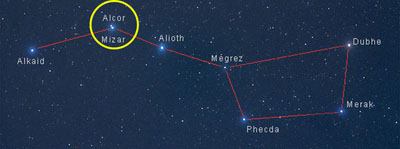
யாருக்காவது அருந்ததி நட்சத்திரம் தெரியாவிட்டால் மரணம் சம்பவிக்கும் என்றும் ஒரு நம்பிக்கை உண்டு. பழங்காலத்தில் கண் பார்வையை அறியும் ஒரு மருத்துவ பரிசோதனையாக அருந்ததி பார்த்தலைப் பயன்படுத்தினர் என்பது தெரிகிறது. வடக்கு வானத்தில் ஏழு நட்சத்திரங்கள் (Ursa Major or Great Bear Constellation) ஒரு பட்டம் பறப்பது போலக் காணப்படும். பட்டத்தின் வால் போன்ற பகுதியில் கடைசி நட்சத்திரத்துக்கு முந்தைய நட்சத்திரம் வசிஷ்ட மஹரிஷி. அதை உற்று நோக்கினால் இன்னொரு நட்சத்திரம் தோன்றும். அது தோன்றித் தோன்றி மறையும். ஏனெனில் இவை இரட்டை நட்சத்திரங்கள் (Double Star System) ஆகும். ஒன்றை ஒன்று சுற்றி வட்டமிடும் இரட்டை நட்சத்திர மண்டலம். விஞ்ஞானிகள் இவைகளை மிசார் MIzar (வசிட்டன்) என்றும் ஆல்கர் Alcor (அருந்ததி) என்றும் அழைப்பர்.

அருந்ததி நியாயம்
வடமொழியில் பாடம் கற்பிக்க பல்வேறு உத்திகளைப் பயன்படுத்துவர். அவைகளில் ஒன்று அருந்ததி நியாயம். அதாவது ஒரு பொருளை நேரடியாக விளக்கினால் புரிவது கடினம் என்பதால் அதைப் படிப்படியாக விளக்கி — “இதுதான் அது”– என்பர். அருந்ததி நட்சத்திரத்தையும் ஒருவர் எடுத்த எடுப்பில் காணமுடியாது.

“அதோ பார்! ஒரு மரம் தெரிகிறதா? அதற்கு மேல் ஏழு நட்சத்திரங்கள் தெரிகிறதா? அதில் வால் போன்ற பகுதியில் கடைசி நட்சத்திரம் தெரிகிறதா? அதற்கு முன் ஒரு நட்சத்திரம் இருக்கிறதல்லவா? அதுதான் வசிஷ்ட நட்சத்திரம். இப்போது அதையே உற்றுப் பார். அருந்ததி வருவாள்” – என்று சொல்லிக் காட்டுவர்.

வேதாந்த பாடத்திலும் மஹாவல்லமை பொருந்திய இறைவனை அவ்வளவு எளிதாக புரிந்துகொள்ள முடியாது . ஆகவே அத்வைதம் முதலிய கொள்கைகளை விளக்குவோர் அருந்ததி நியாயம் என்னும் உத்தியைப் பயன்படுத்தி விளக்குவர்.

ஆரியக்கூத்து !!!
ஆரிய – திராவிட இனவாதக் கொள்கைக்கு இந்திய வரலாற்றில் இடமில்லை, அது ஒரு பொருந்தாக் கூற்று — என்று சுவாமி விவேகாநந்தர், ஹரிஜன மக்களின் தனிப்பெருந்தலைவர்–சட்ட நிபுணர் அம்பேத்கர், அரவிந்த மகரிஷி, மஹாத்மா காந்தி, நம் காலத்தில் வாழ்ந்து 1994-ல் மறைந்த காஞ்சி மாமுனிவர் ஆகியோர் கூறியது ஏன் என்பது சங்க இலக்கிய நூல்களின் 27,000+ வரிகளைப் பயிலுவோருக்கு வெள்ளிடை மலை என விளங்கும். வடக்கில் வாழ்ந்த வசிட்ட மாமுனிவன் மனைவி, தெற்கில் வாழ்ந்த தமிழர்க்கும் தெய்வம்!!!

வாழ்க தமிழ் ! வளர்க அருந்ததி புகழ் !! — சுபம் —

Chastest Woman Arundhati in Literature!

Arundhati_(1994)

Painting of Arundhati from Wikipedia

Research Article Written by London swaminathan
Post No.1130; Dated 25 June 2014.

N.B. If you want to reproduce this article, please email me for permission. You must get written permission from me for each and every article separately. swami_48@yahoo.com

Dravidian Tamil politicians and foreign “scholars” have been fooling the academic world for long with their Racist Aryan Dravidian Theory. But those who read the 27,000 lines in 2389 Sangam Tamil poems composed by 461 poets, 2000 years ago, will be wonderstruck when they know that the same culture, beliefs, customs, history were shared by the people of India from the Northernmost Himalayas to the Southernmost Kanyakumari. There are hundreds and hundreds of examples in the Sangam corpus.

Though Tamils have a beautiful story around the chaste woman Kannaki, they never used her name anywhere in the 27000 + lines. Only Arundhati, wife of the great Rishi (sage) Vasistha was used throughout Tamil literature- both Sangam and Post Sangam periods. In Sanskrit scriptures Arundhati’s name is synonymous with chastity. It is found in all the works. But not many people know that she was praised by many Tamil poets of the Sangam Age.

arnhati2

Who is Arundhati?
Arundhati is the wife of sage Vasistha, one of the seven celebrated sages. They are known as Sapta Rishis. She was distinguished for her chastity. She was the daughter of Kardama Rishi.

Chaste women are compared to Arundhati. The Bodhayana Grhyasutra rules that a married couple should see the star Arundhati and the pole star on the first day of their marriage.

Legend has it each of the primeval sages had his own wife. Of these the wives of six sages excluding that of Vasistha fell in love with Agni and gave their breast milk to Subramanya . These six became KRITHIKA NAKSHATRAS (PLEIADES );

But Arundhati stood firm in her chastity and attained an honourable place as an auspicious star fit to be seen by chaste and pure women so that they might ever lead holy lives (Mahabharata Vanaparva ,chapter 226-230)

There is another story about Arundhati in the scriptures. She was born as a low caste woman as Akshamala (Manu Smriti 9-23) and elevated to wife of a great sage. Great Tamil poet introduces Vasistha as the husband of Arundhati. Such was her elevated status in Tamil! Kamban says the “husband of Arundhati “ (Vasistha) left for Mithila to take part in the wedding of Rama with Sita in a pearl Palanquin surrounded by 2000 Brahmins.

star arndhati

Tamil Weddings
Main part of Tamil wedding is “Standing on the grinder stone and looking at the Arundhati Star” (Ammi mithiththal and Arundhati Kaattal in Tamil). Every couple must look at the Arundhati Star before entering the bed room for their First Night. Nowadays they do it symbolically even in the day time!!

For those who do not know the ancient Hindu astronomy some tips:
Ancient Hindus including illiterates were well versed with all the essential herbs, hymns and 27+ stars in the sky. In addition to the 27 stars in the region of 12 zodiacal signs, they were familiar with all the planets and the stars like Druva (Pole Star), Sapta Rishi Mandala ( Ursa Major or Great Bear or Big Dipper or Wagon constellation), Abhijit (Vega) stars in the north and Agastya (Canopus) and Tri Sanku (Southern Cross) stars in the south.

If you at sky in the northern direction, you will see seven stars like a flying kite.
Of the seven stars, the last but one (in the tail of the kite) is Vashista Nakshatra. It is a double star system – one revolving the other! The ingenious Hindus named them Vashista and Arundhati. Alcor is the name given for Arundhati and Mizar is the name given to Vasishta in the astronomy books. Alcor is used to test the visual acuity.
alcor_mizar

Ancient Tamils worshipped the Seven Stars representing Seven Rishis: Atri, Brhu, Kutsa, Vashista, Gautama, Kashyapa and Angirasa.
Ref.Natrinai – 231-2 (worshipful Seven Stars)

They believed worshipping chaste woman will wash away their sins:
Paripatal: 20-68 (sinthikkat thirum piniyaat sererka)

Following are the references to Arundhati
Pathitrupathu : 31-27/28; 89—17/19
Ainkuru nuru 442-4
Purananauru: 122
Perumpanatrupatai:- Lines 302/303
Kalitokai:- 2-21
In all these places either a queen or a heroine is praised as chaste as Arundhati or Arundhati herself is praised.
Post Sangam Works: —Thirikadukam 1-1
Tamil epic Silappadikaram 1-27; 1-63 (Here heroine Kannaki is praised as a chaste woman like Arundhati.)

When poets use one as a simile that must be superior to the person or thing compared and that must be known to everyone. The Tamil examples show that Arundhati was a household name in Tamil Nadu. All these references explode the myth of Aryans invading or infiltrating into India. There was only one culture 3000 years ago and that was Hindu culture. The beauty is there is an uninterrupted respect for Arundhati until today!
LEO_1.TIF

Arundhati-Nyaya
Sanskrit Language has got several techniques for teaching different subjects. When they teach philosophy they, use Arundhati Nyaya.

To show to a person the star Arundhati in the sky, one points out at first to a big star in the north and says that that big star is Arundhati. The person is first led to a big star that is clearly seen. Then after rejecting that star the real star is shown. The person is guided step by step towards the goal. Even so, a spiritual aspirant is led gradually to the Supreme Truth which is formless and impersonal.

XXXXXXX—XXXXXXXXX—XXXXXXXXX

“சலாம் முருகா”! “சலாம் முருகா”!! அருணகிரிநாதரின் தனி வழி !!

welcome

ஆய்வுக் கட்டுரையாளர்:- லண்டன் சுவாமிநாதன்
கட்டுரை எண்:-1129; தேதி:– 25 ஜூன் 2014.

N.B. If you want to reproduce this article, please email me for permission. You must get written permission from me for each and every article separately. swami_48@yahoo.com

கடவுளுக்கு என்ன மொழி தெரியும்?

நாம், அவருக்கு வேதம் முழங்கும் சம்ஸ்கிருதம் மட்டுமே தெரியும்,
தேவாரம், திவ்யப் பிரபந்தம் முழங்கும் தமிழ் மட்டுமே தெரியும்,
பைபிள் முழங்கும் எபிரேயம் அல்லது ஆங்கிலம் மட்டுமே தெரியும்,
குரான் முழங்கும் அராபியம் மட்டுமே தெரியும்,
சமண நூல் முழங்கும் ப்ராக்ருதம் மட்டுமே தெரியும்,
தம்ம பதம் முழங்கும் பாலி மொழி மட்டுமே தெரியும்,
ஜெண்ட் அவஸ்தா முழங்கும் பாரசீகம் மட்டுமே தெரியும்
ஆதிக்கிரந்தம் முழங்கும் பஞ்சாபி மொழி மட்டுமே தெரியும்———-
என்று நினைத்தால், அது நமது அறியாமைக்கு ஆயிரம் ‘வாட் பல்ப்’ போட்டு வெட்ட வெளிச்சமாக்கியதற்குச் சமம் ஆகும்.
அப்படியானால் அவருக்குத் தெரிந்த மொழி என்ன?

akshara
கடவுளுக்கு இரண்டே மொழிகள்தான் தெரியும்; அவற்றின் பெயர் அன்பு, உண்மை = பிரேமையும் சத்தியமும்தான் என்று சாது சந்யாசிகள் பல்லாயிரம் பாடல் பாடி முழங்குகின்றனர்.

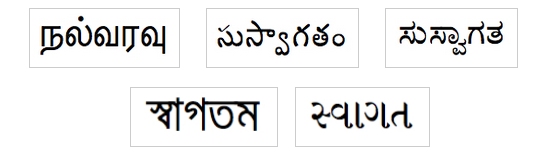
இதை நமக்கு நிதர்சனமாகக் காட்டுபவர் திருப்புகழ் பாடிய அருணகிரிநாதர் ஆவார். அவர் சம்ஸ்கிருதம், தமிழ், ஹிந்துஸ்தானி போன்ற மொழிகள் மூலம் இறைவனை வழிபட்டு நமக்கு வழிகாட்டி உள்ளார். மொழிகள் மூலம் சண்டை வேண்டாம். அதிலும் குறிப்பாக “கோவில்களில் இறைவனுக்கு தமிழில் அர்ச்சனையா? சம்ஸ்கிருதத்தில் அர்ச்சனையா?”—என்று பட்டிமன்றம் நடத்த வேண்டாம் என்று சொல்லாமல் சொல்கிறார்.

இதோ அவரது திருப்புகழே அதற்குச் சான்று:
“சுராதிப திமாலய னுமாலொடு சலாமிடு
சுவாமிமலை வாழும் பெருமாளே” — என்றும்

கற்ப கந்திரு நாடுயர் வாழ்வுற
சித்தர் விஞ்சையர் மகர் சபாசென – என்றும்

பாடுகிறார். முகமதிய ஆட்சிக்காலத்தில் வாழ்ந்ததால் ஹிந்துஸ்தானி மொழியில் புழங்கிய சபாஷ், சலாம் முதலிய பல ஹிந்துஸ்தானிச் சொற்கள் அவர்தம் பாடல்களில் பரிமளிக்கின்றன.
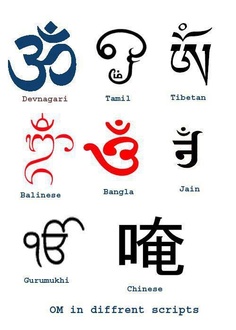
om

நடிக்கும் பிரான் மருகா ! கொடும் சூரன் நடுங்க வெற்பை
இடிக்கும் கலாபத் தனி மயில் ஏறும் இராவுத்தனே — (கந்தர் அலங்காரம் பாடல் 51)
விருதா (பயனற்ற) என்ற சொல் “ அவமாயை கொண்டு உலகில் விருதா அலைந்துழலும் அடியேனை” என்ற வரியிலும் ஜே என்ற சொல்லை “நிருத ரார்க்கொரு காலா ஜேஜெய, சுரர்களேத்திடு வேலா ஜேஜெய” — என்ற திருப்புகழ் வரியிலும் காணலாம்.

குமரபரகுரு சுவாமிகளும் கூட மீனாட்சிப் பிள்ளைதமிழில்
“குறவர் மகட்குச் சலாமிடற் கேக்கறு
குமரனை முத்துக் குமரனைப் போற்றுதும்” — என்றும் பாடுகிறார்.

நாம் அன்றாடம் புழங்கும் ஹிந்துஸ்தானி சொற்கள்:
அசல், அந்தஸ்து, அபின், அல்வா, இஸ்திரி, உஷார், குமாஸ்தா, ஜமக்காளம், ஜல்தி, சோதா, தபால், தர்பார், பஞ்சாயத்து,பங்களா, சபாஷ் – இன்னும் பற்பல.

hello

உலகில் எவரும் பிறமொழிக் கலப்பிலாமல் வாழமுடியாது; பேசவும் முடியாது. ஆனால் அது எல்லை மீறிப் போகாதவாறு பாதுகாத்து, மொழியின் தூய்மையைப் போற்றுவதில் தவறில்லை.
வாழ்க தமிழ் ! வளர்க தமிழ்!

Ravana – Pandya Peace Treaty! Kalidasa solves a Tamil Puzzle!

pandya-flags
Flags of the Pandyas

Written by London Swaminathan
Post No. 1128; dated 24th June 2014.

N.B. If you want to reproduce this article, please email me for permission. You must get written permission from me for each and every article separately. swami_48@yahoo.com

A ninth century Pandya copper plate said that Ravana, King of Sri Lanka made a peace agreement with a Pandya king. Most famous Tamil commentator of 13th century also said an interesting story about this treaty in his commentary on Maduraikanchi, part of 2000 year old Sangam Tamil literature. Many people were wondering whether it is just a story or an actual historical treaty. But Kalidasa, the greatest of the Indian poets, solved the problem by referring to the peace treaty in his Raghuvamsam (6-61 and 6-62).

Pathupattu in Tamil (Ten long poems) has ten books and one of them is Maduraikanchi. This very long poem has a reference to Ravana (lines 40-42). Nachinarkiniar, a Tamil commentator, was a prolific writer and well respected by one and all. He gives us an interesting story:-

Agastya
Statues of Agastya are found throughout South East Asian countries (Picture from Wikipedia)

Ravana was giving troubles in the southern part of the country. One day Agastya watched Ravana sitting in a part of Pothya hills (art of Tamil Nadu). Ravana was in deep contemplation. Agastya sensed some trouble from him. Immediately he started playing on his Veena. ((Both Ravana and Agastya were great instrumentalists. Ravana’s flag had Veena emblem)). As soon as Agastya played on the Veena, the rock melted and Ravana was stuck to the melting Rocks. He did not even notice it. Only when Agastya stopped and the rocks became solid again, he realised he was stuck to the rocks. He begged to Agastya to release him. Agastya put a condition that he should never ever do any mischief in the Pandya country. He agreed to the condition and “a peace treaty was signed between India and Sri Lanka”! He was released immediately.
We had this message repeated by Nachinarkiniar in his commentary on the oldest Tamil book Tolkappiam. But there was no secondary confirmation from any other source except Kalidasa. Not many scholars knew about this reference. Kalidasa says,

“Pandya wore pearl garlands and sandal paste. He was soaked in Avabrutha Snanam during Asvamedha yajna. Ravana was so scared that Pandya may attack and capture his Janasthana (in Dandakaranya), so he made a peace treaty with the Pandya king and then went to win Indraloka. Pandya was praised for receiving a weapon (Brahmsiras) from Lord Shiva.

mount_kailash_tibet_465065
Ravana lifting Kailash, Ellora Cave Sculptures

Kalidasa’s details are corroborated by some archaeological finds. A coin with Asvamedha horse was found and it had Peruvazuthi inscribed on it. Pandya king Mudukudumi Peruvazuthi did lot of Yagas and his country was full of Yupa poles, says the oldest part of Sangam literature.

I have written several articles in this blog to establish the date of Kalidasa as first century BCE. Tamil poets used 200 plus similes from Kalidasa’s 1000+ similes. I have followed several Sanskrit scholars and a Tamil scholar GU Pope in supporting this date. As soon as GU Pope (1828- 1920) read Tamil Kurinjipattu of Kabilar, he wrote, 100 years ago, that Kurinipattu, echoed Kalidasa. In fact Kabilar, a Brahmin poet, well versed in Sanskrit, composed Kurinjipattu just to show the greatness of Tamil to a North Indian King who ridiculed the Tamil language. Later that king became a Tamil enthusiast and wrote Tamil poems which were included in the Sangam corpus.

Kalidasa was the first tourist guide and travel writer in the world (better than Ulysseus). His Meghadutam is like a tourist guide. All the important places between the Vindhyas and the Himalayas are described. His knowledge about the geography is also amazing. He described the places and customs in countries from Iran to Indonesia. His remark about the Pandyas in six slokas (verses) in the sixth chapter of Raghuvamsam shows how much he knew about the Tamil history. Kalidasa also described the close relationship between Agastya and the Pandyas. All the Tamil inscriptions praise Agastya as the Kula Guru of Pandyas who play main part in the coronation ceremonies. Probably he met the Pandya king at one time. He even said that he was dark and drenched with the Avabrutha snanam (ritual bathing) during Asvamedha Yagas. Earlier in the fourth chapter of Raghuvamsam also he referred to Pandya and Agastya in consecutive verses.

_coin_of_the_Pandyas_Sri_Lanka_1st_century_CE
Pandy acoin found inSri Lanka, 1st Century CE

Other Tamil books and Tamil inscriptions say that Agastya was sent to the South by Lord Shiva to solve the population problem in the North ( I have already written a post about it describing the first population explosion in the world). Agastya was the one who codified a grammar to Tamil language. It was said that he brought Yadava tribes from Gujarat (Dwaraka).

Conclusion: Kalidasa and Nachinarkniar believed that Pandya kings ruled from time immemorial and the Pandya king who ruled during Ramayana period was a powerful king. Even Ravana was afraid of the mighty Pandya Empire. Pandyas were great Hindus who did Yagas a lot. Oldest section of Tamil Sangam poems corroborated it. Coins also confirmed it.

Pandya_territories
Mighty Pandya Empire.

XXXXXXXX—XXXXXXXXX–XXXXXXXXX

ராவணன் – பாண்டியர் சமாதான உடன்படிக்கை !

pandya-flags

Pandya Flags drawn by me.

தமிழ் இலக்கியத்தில் ஓர் அதிசயத் தகவல்!!

ஆராய்ச்சிக் கட்டுரை எழுதியவர்:– லண்டன் சுவாமிநாதன்
கட்டுரை எண்:- 1127; தேதி:- 24th June 2014.

N.B. If you want to reproduce this article, please email me for permission. Previously I gave blank cheque to some people. They have been uploading all the 1100 posts from my blogs which is not allowed from today. You must get written permission from me for each and every article separately. swami_48@yahoo.com

அகத்திய முனிவருடன் அமர்ந்து பாண்டியர்கள் தமிழ் ஆராய்ந்த செய்தி பாண்டியர் செப்பேடுகளில் வருகிறது. மற்றொரு புதுமையான செய்தியும் பாண்டியர் செப்பேடுகளில் காணப்படுகிறது.

“அகத்தியனோடு தமிழாய்ந்தும் மிகத் திறனுடைய வேந்தழித்து
தசவதனன் சார்பாகச் சந்து செய்துந் தார்தராஷ்ட்ரன்
படை முழுதுங் களத்தவிய பாரதத்து பகடோட்டியும்
……………………………………………….. “
இது பாண்டியன் பராந்தக வீரநாராயணனின் தளவாய்புரச் செப்பேடுகள் (ஒன்பதாம் நூற்றாண்டு) கூறும் செய்தி.
Pandya_territories
Mighty Pandyan Empire praised by Kalidasa

பாண்டியர்களின் குல குரு அகத்தியன் என்றும் அவர் மூலமாகவே பாண்டியர்கள் முடி சூட்டப்பட்டதாகவும் வேறு சில பாண்டியர் கல்வெட்டுகளும் செப்புகின்றன.
ஆயினும் –தசவதனன் சார்பாகச் சந்து செய்வித்தும் — என்பதற்கு இதுவரை சரியான விளக்கம் கிடைக்கவில்லை என்றே அறிஞர்கள் எழுதி வந்துள்ளனர்.

“ஒரு பாண்டியன் இராவணனைச் சமாதானம் செய்துகொள்ளும்படிச் செய்தான் என்று சாசனம் கூறுகிறது. இந்தப் புராணக் கதையின் விவரம் சரியாகத் தெரியவில்லை” – என்று பாண்டியர் செப்பேடுகள் பத்து ( தமிழ் வரலாற்றுக் கழக வெளியீடு, 1967 ) என்ற நூல் கூறும்.

‘உச்சி மேற் புலவர் கொள்’ நச்சினார்க்கினியர் எழுதிய உரையில் ஒரு சுவையான விஷயம் கூறுகிறார். இது உ.வே சாமிநாதைய்யர் பதிப்பித்த பத்துப் பாட்டு உரையில் சுருக்கமாக உள்ளது:–
“தென்னாட்டை ஆண்டு குடிகளைத் துன்புறுத்திவந்த இராவணனை, அகத்தியர் பொதியின் மலை உருகும்படி இசைபாடி இலங்கைக்குப் போக்கினரென்பது பண்டைய வரலாறு” – என்று சாமிநாதையர் குறித்துள்ளார்.
Agastya
Statue of Agastya found all over South East Asia.

“தென்னவற் பெயரிய துன் அரு துப்பின்
தொன்முது கடவுள் பின்னர் மேய
வரைத் தாழ் அருவி பொருப்பின் பொருந
– என்ற மதுரைக் காஞ்சி பாடல் வரிகளுக்கு (வரி 40-42) எழுதப்பட்ட உரை இது.

இதற்குப் பின் வேறு சில நூல்களிலும் மிகவும் அறியப்படாத செய்திகள் வருகின்றன. திருவாசகத்தில் மண்டோதரிக்காக சிவன் கடலில் நடந்த வரலாறு ஒன்றும் வருகிறது. உத்தரகோச மங்கை தல புராணம் இதை விரித்துரைக்கிறது. ஆக பாண்டியர்—அகத்தியர் உறவும், தமிழ்நாடு—இலங்கை தொடர்பும் இலக்கியத்தில் இடம் பெற்றுள்ளன.
mount_kailash_tibet_465065
Ravana lifting Kailash, Ellora Cave sculpture.

காளிதாசன் என்னும் உலக மஹா கவிஞன், அவனது ரகுவம்ச காவியத்தில் தரும் தகவலைக் கொண்டு ஆராய்கையில் பாண்டியன் – ராவணன் புதிருக்கு விடை கிடைக்கிறது.
நான் ஏற்கனவே எழுதிய பல ஆராய்ச்சிக் கட்டுரைகளில் காளிதாசன் காலம் கி.மு. முதல் நூற்றாண்டு என்றும் மாணிக்க வாசகரின் காலம், அப்பர்-சம்பந்தருக்குச் சற்று முந்தியது என்றும் ஆதாரங்களுடன் நிரூபித்துள்ளேன்.

ராவணன் அவ்வப்போது தென் இந்தியாவுக்குள் புகுந்து அட்டூழியம் செய்தது வேறு பல இடங்களிலும் வருகிறது. ராவணனை வென்று அவனை மடியில் கட்டிக் கொண்டு நாற்கடலில் நீராடி, வாலி, சந்தியா வந்தனம் செய்த செய்தி வால்மீகி ராமாயணத்தில் வருகிறது.

இராமாயண முனிவர்கள் என்ற அரிய நூலில் முத்தமிழ் வித்தகர் தி.வே. கோபாலய்யர் சொல்லும் கதை இதோ:–

அகத்திய முனிவர், தமிழிலும் இசையிலும் வல்லவர் என்பது தமிழ் இலக்கியத்தில் எண்ணற்ற இடங்களில் காணக்கிடக்கிறது. “பொதிய மலையின் கண் இருந்து அவர் ராவணனை, ஆங்கு இயங்காதவாறு, கந்தருவத்தால் (இசையால்) பிணித்தார் என்று தொல்காப்பிய பாயிர உரையில் நச்சினார்க்கினியர் சொல்கிறார்.

“ராவணன் ஒரு கால் பொதியமலையில் ஒரு பாறையில் அமர்ந்த வண்ணம் நீண்ட சிந்தனையில் ஈடுபட்டிருந்தான். அவன் அங்கு வந்திருந்ததனை அறிந்த அகத்தியர் அவனால் முனிவர்களுக்குத் தீங்கு நேரலாம் என்ற நினைப்போடு யாழினை இனிமையாக வாசிக்கவே இராவணன் தங்கியிருந்த பாறை உருக, இராவணனுடைய கை, கால்கள் உருகிய பாறைத் திரவத்தில் அமிழ்ந்தன.

இந்நிலையில் அகத்தியனார் தம் யாழ் எழுவுதலை நிறுத்தவே, பாறை மீண்டும் கெட்டிப்படத் தொடங்கியது. சற்று நேரத்தில் பண்டுபோல (முன்னைப் போல) உறுதி உடையதாயிற்று. சுற்றுச் சூழலில் ஏற்பட்ட மாறுதலை உணராது நினைப்பிலேயே நெடிதும் ஆழ்ந்திருந்த இராவணனுடைய கை, கால்கள் மீண்டும் வன்மையை அடைந்த பாறைக்குள் அகப்பட்டுக் கொள்ள அவனால் எழுந்திருக்க முடியவே இல்லை. அவன் அகத்தியரை வேண்ட, அவன் அவனிடம் அப்பொதிய மலைப் பகமே இனி அவன் வருவதில்லை என்ற உறுதி மொழியைப் பெற்ற பின்னரே, அகத்தியர் மீண்டும் யாழ் எழுவிப் பாறையை உருக்கி அவனை விடுதலை செய்தார் என்ற கதை ஒன்று வழங்கி வருகிறது” –

நச்சி. உரையின் பேரில் கோபாலய்யர் சொன்ன கதை இது. வீணைக் கொடியுடைய வேந்தன் ராவணனின் வீணையும் பாறையில் சிக்கியதாகவும், இருவருக்கும் நடந்த இசைப் போட்டியின்போது இச்சம்பவம் நடந்ததாக வேறு சிலரும் கூறுவர்.
ravana-lifting-kailash

இதற்கெல்லாம் ஆதாரம் வேண்டாமா?

காளிதாசன் தரும் அரிய தகவல்
புறநானூற்றின்மிகப் பழைய பாடலிலேயே (பாடல் 2, முரஞ்சியூர் முடிநாகராயர்= நாகபூஷணம்) பொதியம்- இமயம் ஒப்புமை வருவது அகத்தியர், வட இமயத்தில் இருந்து தென் பொதியத்துக்கு வந்ததைக் காட்டும்.

காளிதாசன் ரகுவம்ச காவியத்தில் இந்துமதி சுயம்வரத்தில் ஆறு ஸ்லோகங்களில் பாண்டியன் புகழ் பாடுகிறார். அதில் முக்கியமான செய்தி – அகத்தியர் – பாண்டியர் – இராவணன் தொடர்பு ஆகும். வேறு எங்கும் கிடைக்காத இந்தச் செய்தி காளிதாசன் மூலமே கிடைக்கிறது அதுமட்டுமல்ல யாகத்திற்காக செய்த அவப்ருத ஸ்நானத்தில் ( குளியல்) பாண்டிய மன்னர்கள் எந்நேரமும் இருப்பதையும் சொல்கிறார். புற நானூற்றில் பெரிதும் போற்றப்படும் பலயாகசாலை முது குடுமிப் பெருவழுதி கி.மு. முதல் நூற்றாண்டு என்பது நிரூபணமானால் காளிதாசன் குறிப்பிடும் பாண்டியன் அவன் என்ற வரலாற்றுச் செய்தியும் கிடைக்கும்.

பாண்டியன் புகழ் பாடும் முக்கிய ஸ்லோகம்:–
அஸ்த்ரம் ஹராதாப்தவதா துராபம் யேன இந்த்ரலோகாவ ஜயாய த்ருப்த:
புரா ஜனஸ்தான விமர்த்தசங்கீ சந்த்யாய லங்காதிபதி: ப்ரதஸ்தே (ரகு.6-62)

இதன் பொருள்:– தான் இல்லாத போது ஜனஸ்தானம் என்னும் இடத்தைப் பாண்டியர் அழித்துவிடுவரோ என்று பயந்த ராவணன், பரம சிவனைத் துதிபாடி பிரம்ம சிரஸ் என்ற அஸ்திரத்தைப் பெற்றுள்ள பாண்டியரோடு சமாதானம் செய்துகொண்டு இந்திரலோகத்தை வெற்றி கொள்ளப் புறப்பட்டான் (ரகுவம்சம் 6-62).

ராவணனும் பயப்படும் அளவுக்கு பாண்டியர்களின் பராக்ரமம் இருந்தது!!
_coin_of_the_Pandyas_Sri_Lanka_1st_century_CE
Pandya coin found in Sri Lanka, First Century CE

ரகுவம்சம் நாலாவது சர்க்கத்திலும் பாண்டியர்-அகத்தியர் புகழ் அடுத்தடுத்து வருகிறது. தமிழுக்கும் வெளியே இப்படி ஒரு அரிய சான்று கொடுப்பது காளிதாசனின் வடமொழிக் காப்பியம் ஒன்றே ஆகும்.
ஆக நச்சினார்க்கினியர், காளிதாசன் ஆகியோர் மூலம் பாண்டிய வம்சம் மிகப் பழமை உடையது என்பதும் ராமாயண கலத்திலேயே ராவணனை நடுங்கச் செய்தது பாண்டியர்களின் படைபலம் என்பதும் தெளிவாகிறது.

இனவெறி பரப்பும் ஆரிய—திராவிடக் கொள்கைக்கு காளிதாசனும், நச்சினார்க்கினியரும் கொடுக்கும் அடி இது, என்பதும் கவனத்திற் கொள்ளப்பட வேண்டியது. ராவணன், இலங்கையில் அரசும், தண்டகாரண்யப் பகுதியில் ஒரு ‘காலனி’யும் வைத்திருந்தான் என்பதும், அதைத் தளமாகக் கொண்டே இமயம் வரை சென்று சிவனின் கயிலாயத்தையும் அசைக்க முயற்சித்தான் என்பதும் இதனாற் பெறப்படும்!

–சுபம்–

War against Casteism from Ramayana Days!

chokamela
Choka mela of Maharashtra.

Written by London swaminathan
Post No.1126; Dated 23rd June 2014.

N.B. If you want to reproduce this article, please email me for permission. Previously I gave blank cheque to some people. They have been uploading all the 1100 posts from my blogs which is not allowed from today. You must get written permission from me for each and every article separately. swami_48@yahoo.com

Many of us think that the reformers of 19th and 20th century only fought against the divisive caste system and before that everyone was very caste conscious and strictly followed the rules laid in the Smritis (Hindu Law Books. It is a false notion created by the English educated writers of the 18th century who did not study the religious literature in Tamil, Sanskrit and Marathi. From the days of Lord Rama and Lord Krishna, people gave respect to any one sincere and truthful. Educated were respected irrespective of their castes. There are innumerable anecdotes in the Hindu epics Ramayana and Mahabharata. I would like to narrate a few and compare them with the saints of Tamil literature.

Lord Rama embraced Kugan, who was a tribal leader and chieftain of the hunters (Ayodhya Kanda). He also embraced Jatayu, leader of the vultures (actually vulture tribe). He ate the fruits, half eaten by the tribal woman Sabari (Both in Aranya Kanda). He took into his fold Sugreeva (Kishkindha Kanda), a leader of the monkey clan/tribe and Vibhisana (Yuddha kanda), leader of the Rakshasa tribe. He treated all of them as his own brothers, according to Kamban who adapted Valmiki Ramayana in Tamil.
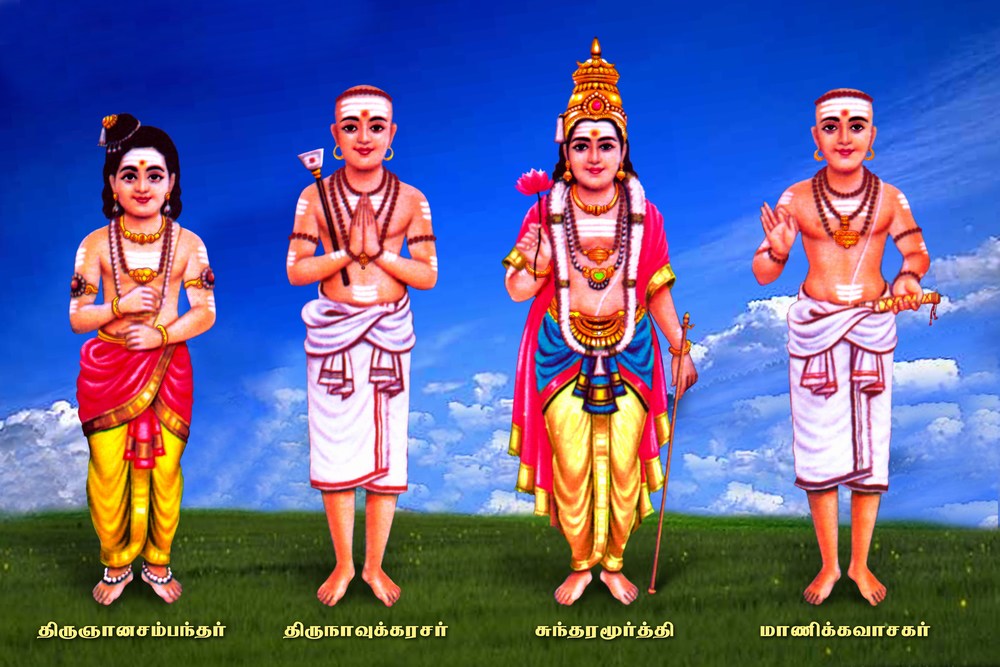
Nalvar copy
Four Saivite Saints of Tamil Nadu

Kamban puts it beautifully in one of his verses in Yuddha Kandam:-
“We became five brothers with Guha, six when we met Sugreeva, and Vibhisana! Now with you, we are seven brothers”.

Some of the verses in Tamil Kamba Ramayana are not found in Valmiki Ramayana; but he might have taken some verses from the other two Ramayanas : Vashista and Bodhayana Ramayanas. Kamban himself referred to the great three Ramyanas available at his time (12th Century CE).

Above all these, Rama sent Sita to Agni Pareeksha (Fire Walking Test) and to the forest because of a gossip among the washer men (dhobiwalas). He did not reject it because it came from a low caste person.

In the Mahabharata, we have the example of Dharma vyadha, a meat vendor, answering many questions put forward by sage Kausika. Even the Shambu incident in the Uttara Kanda of Valmiki Ramayana looks like an interpolation. Shambu , a Shudra, was killed by Rama just for doing penance! Several parts of Uttara Kanda go against the spirit of Ramayana. Nowhere else in the Ramayana, caste played any significant role.

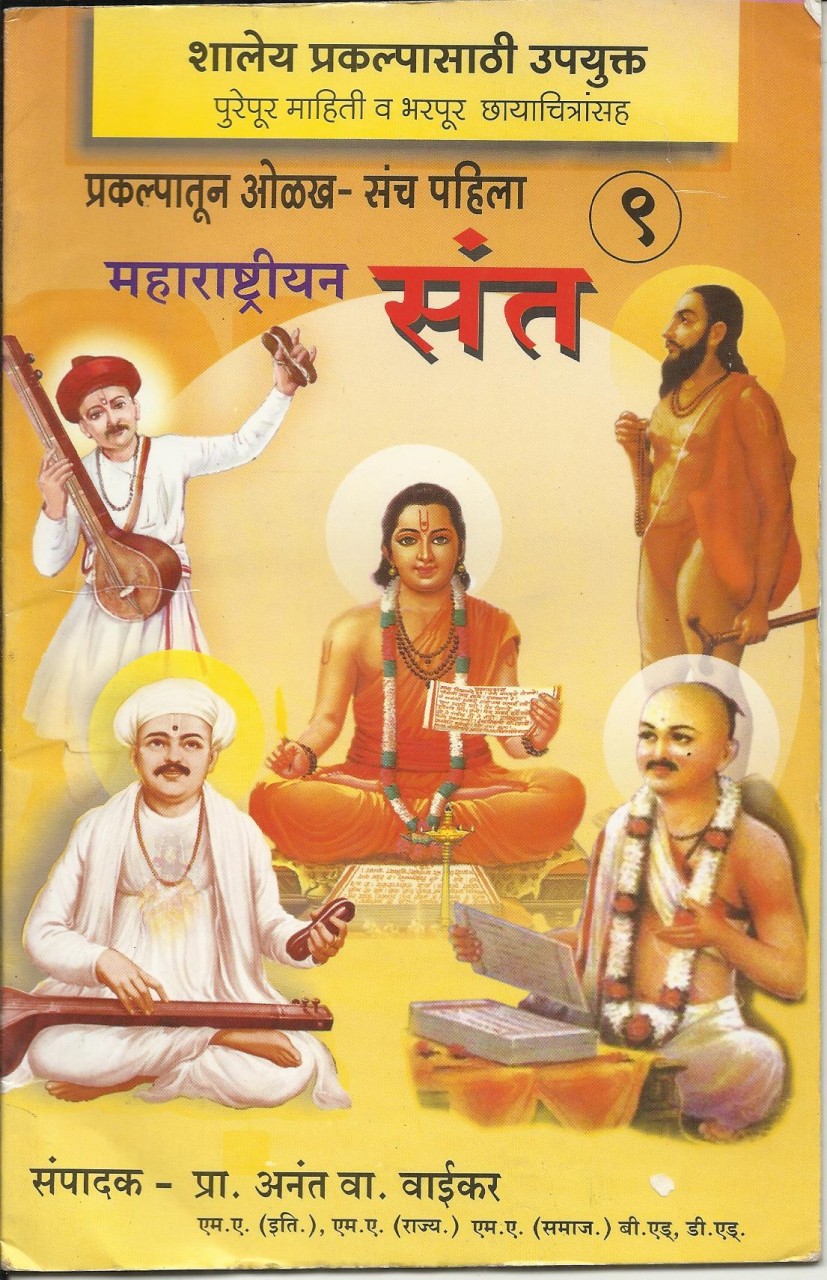
Maharashtriyan_Saint_-_1__24877_zoom
Saints of Maharashtra

Tamil Reformers
2000 year old Sangam Tamil literature has several examples where caste was immaterial in the field of education and social life. Purananauru verse 183 by Pandya king Neduncheziyan says that the educated only will be respected even if he belongs to the lowest of the four castes. Manu also said that a high caste person can go and learn from a person of low caste, where it is necessary.

Kabilan, a Brahmin poet who contributed the highest number of poems in the Sangam literature, was praised by many famous poets. He was a good friend of Pari, a chieftain who attained fame through his philanthropy. Pari was killed by the conspiracy of three powerful kings Chera, Choza, Pandya. Then Kabila took charge of Pari’s two Kshatria daughters Sangavai and Anagavai and went to every chieftain for refuge or marriage. Lot of chieftains refused to accept the girls for the fear of enmity with the three powerful Tamil kingdoms. At last a chieftain in Thirukoilur area was bold enough to accept the girls. Kabilar felt very happy of fulfilling his life time mission and then self immolated himself. An inscription and a memorial were installed at that place. He was the first Tamil known to History who did community service, without bothering about caste.

gorakhumbar
Gorakhumbar, a saint from Maharashtra

Then the Saivite and Vaishnavite saints of the sixth and seventh centuries followed Kabilar who did not care about the caste rules. Though there were some protests from the orthodox sections, all melted away like wax in the fire. Saivite saint Sambandhar walked hand in hand with Neelakanda Yazpanar of lower caste. Appar sang that even a Pulaya (lowest) would be respected if he is a devotee of Lord Shiva. Vaishnavie saints from the lowest castes had the same respect of their counterparts from higher class. We saw similar scenes in Maharashtra with all the saints of low castes, not only respected but also worshiped.

Apputhi adikal, a Brahmin devotee of non Brahmin saint Appar also known as Tirunavukkarasu, named everything in his vicinity after Appar. He named his sons, the Free Water Distribution Pandal (watershed), the weights in the household — everything after Appar. When Appar visited him in disguise and teased him about naming everything after a person who he never met, he became very angry. Then Appar revealed his true identity and Appudi Adikal fell at his feet.

Now we know that it is not the reformers of 19th century who created this awareness and they were not the pioneers. They simply continued what Vyasa and Valmiki advocated in the two epics. The Bhakti movement in Tamil Nadu and Maharashtra had innumerable saints from the lowest castes who are worshipped until today. They were the pioneers of reformation.