அரிய பஞ்சமுக வாத்யம்!

പഞ്ചമുഖമിഴാവ്൧

Written by London swaminathan

Research article no.1885,

Date: 24 May 2015; London Time: 7-44 am

((படங்கள் வெவ்வேறு இடங்களிலிருந்து எடுக்கப்பட்டன;நன்றி))

பஞ்சமுக வாத்யம் என்னும் தோல் கருவி ஒரு அரிய இசைக் அருவி. இது தேவாரத்தில் “குடமுழா” என்று குறிப்பிடப் படுவதிலிருந்து ஒரு காலத்தில், சோழநாட்டில் பெருவாரியாக பயன்படுத்தப்பட்டது தெரிகிறது.

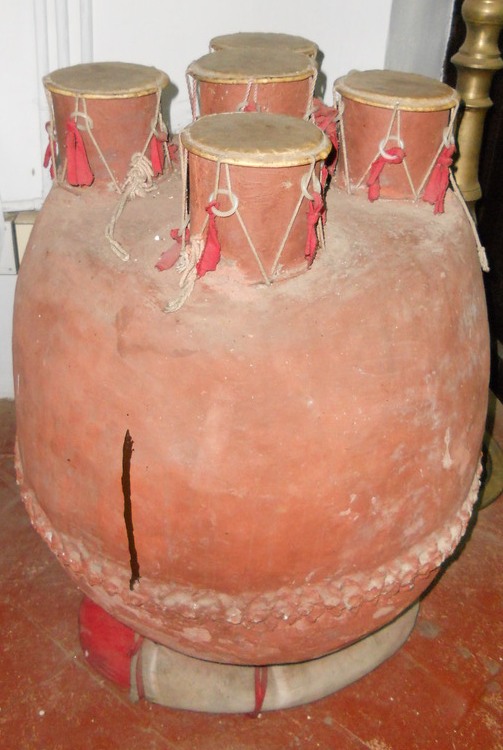
இது பஞ்ச உலோகத்தால் ஆகியது. அதன் அடிப்பகுதி கடம் என்னும் வாத்தியம் போல பெரிய பானை வடிவத்தில் இருக்கும். அதற்கு ஐந்து முகங்கள் உண்டு. அவை ஒவ்வொன்றும் வட்ட வடிவில் இருப்பதால் அதை வட்டத் தட்டு என்பர். இதைப் பசுத்தோல் போற்றி மூடி இருப்பர். ஒவ்வொரு முகத்தின் – வட்டத் தட்டின் – மீதும் மூடப்பட்டதோலின் கனமும் வேவ்வேறு அளவில் இருப்பதால் இது வெவ்வேறு ஒலியை எழுப்பும். அதாவது ஐந்து முகங்களும் ஐந்து விதமான ஓசையை எழுப்பும்.

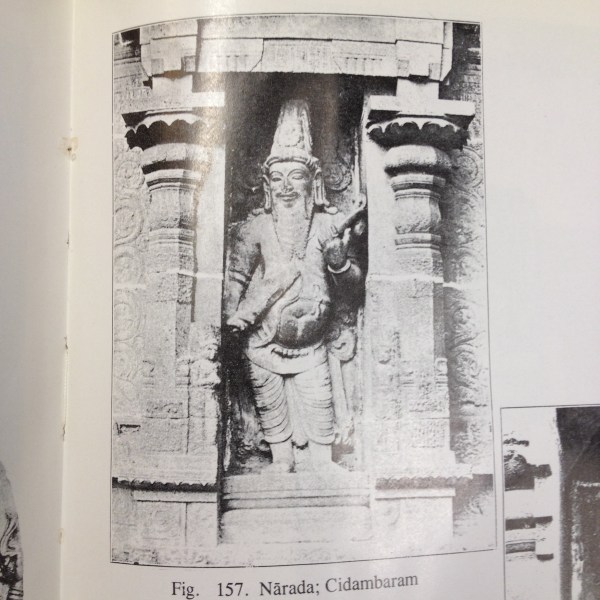
இதை சிவன், தாண்டவம் ஆடும் போது, நந்திகேசுரர் வாசிப்பார்.

மயிலை.வேங்கடசாமி எழுதிய ஒரு பழைய கட்டுரையில் கொடுத்த தகவல்களைத் தொகுத்துத் தருகிறேன்:

இது அதிக கனமான கருவி. ஆகையால் மரச் சட்டத்தின் மீது அதை வைத்து, சட்டத்தின் கீழ் சக்கரங்களைப் பொருத்தி இருக்கிறார்கள். இதனால் இதை எங்கேயும் எளிதில் வண்டி போல உருட்டிச் சென்றுவிடலாம்.

சிவனுக்கு ஐந்து முகங்கள் உண்டு. அவை ஐந்து வகையான தொழில்களைப் புரிகின்றன என்று சைவ ஆகமங்கள் சொல்லும். இந்த ஐந்து முக, ஐந்து தத்துவ விஷயங்களை விளக்குவதே பஞ்ச முக வாத்யம் ஆகும்.

IMG_3721 (2)

அதாவது சிவனுடைய பஞ்ச க்ருத்யங்களை – ஐந்து தொழில்களை—ஆக்கல், காத்தல், அழித்தல், மறைத்தல், அருளல் — என்னும் ஐந்து செயல்களை விளக்க நடராஜப் பெருமான் ஐந்து வகை நடனங்களை ஆடினார். ஒவ்வொன்றுக்கும் வேறுவேறு ஒலிகள் தேவைப் பட்டதால் ஐந்து முகங்களிலும் தோலின் மென்மையும், பருமையும் அதற்குத் தக அமைக்கப்படது.

ஐந்து முகங்களுக்கும் நான்கு திசைகளின் பெயர்களையும், நடுவில் உள்ள முகத்தை ஆகாய திசை என்றும் சொல்லுவர்.

கீழேயுள்ள பட்டியலைப் பார்த்தால்  இது விளங்கும்:

ஆக்கல் – சதியோஜாதம்- மேற்கு

காத்தல் – வாமதேவம்- வடக்கு

அழித்தல் – அகோரம் – தெற்கு

மறைத்தல் – தத்புருஷம் – கிழக்கு

அருளல்- ஈசானம் – வானம்

சில பஞ்சமுக வாத்யங்களில் பாம்பு, மலர்கள் போன்ற சித்திர வேலைப் பாடுகளும் உள.

எனது கருத்து:

நம்முடைய இசைக் கருவிகள் இந்து மத தத்துவங்களை விளக்க வந்தவை என்பது மிகவும் வியப்பான விஷயம். இப்படி ஒவ்வொரு இசைக் கருவியையும் ஆராய்ந்தால் புதிய விஷயங்கள் புலப்படலாம். இதை எழுதுவதற்க்குக் காரணம், மஹா பாரதப் போர் துவங்கும்போது வாசித்த ஆறு சங்குகளின் பெயர்களை பகவத் கீதையில் காணலாம். அதில் கிருஷ்ணன் ஊதிய சங்கின் பெயர் பாஞ்சஜன்யம் (கீதை -15). இதிலும் ஐந்து ஒலிகள் பற்றிய குறிப்பு உளது.கிருஷ்ணனின் புல்லாங்குழலிலும், சரஸ்வதியின் வீணையிலும் பல தத்துவங்கள் இருகின்றன.

“தவம் செய்த தவம்” என்ற அருமையான நூலில், தொல் பொருட் துறை அறிஞரும் வரலாற்றுப் பேரறிஞருமான டாக்டர் இரா.நாகசாமி கீழ்கண்ட தவலை எழுதியுள்ளார்: இன்றும் கூட கேரளத்திலும் தமிழ்நாட்டில் திருவாரூர், திருத்துறைப் பூண்டி ஆகிய இடங்களிலும் இந்த வாத்தியம் பூஜை நேரத்தில் வாசிக்கப்படுவதை அற்கிறோம்:

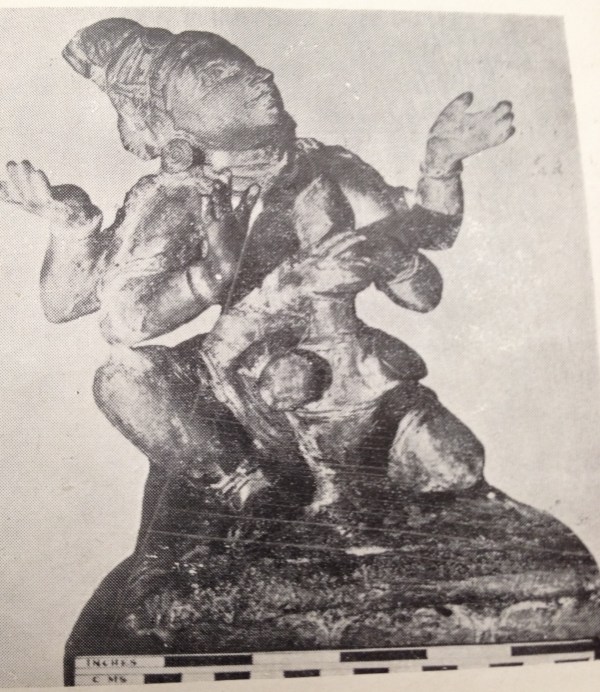
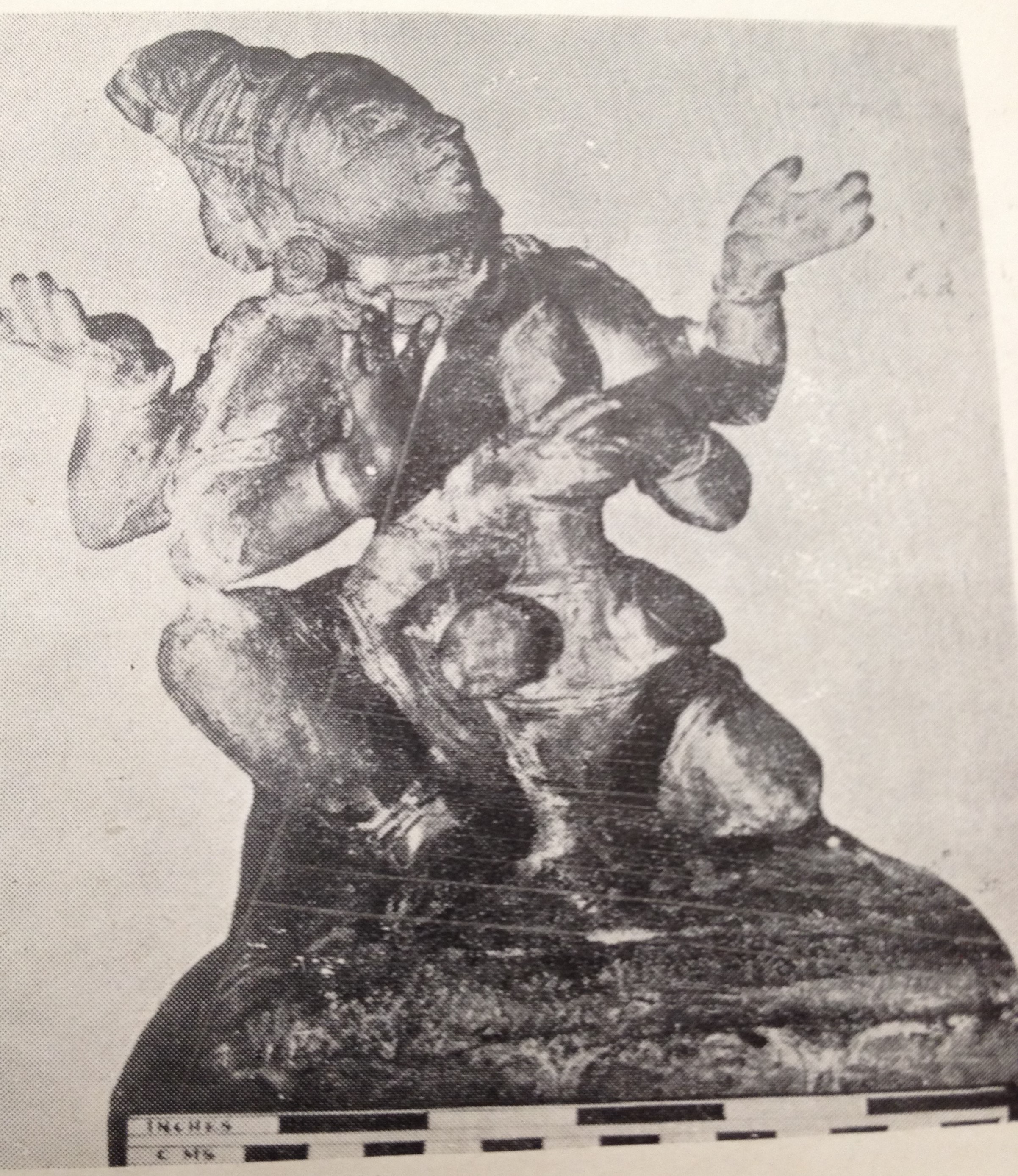
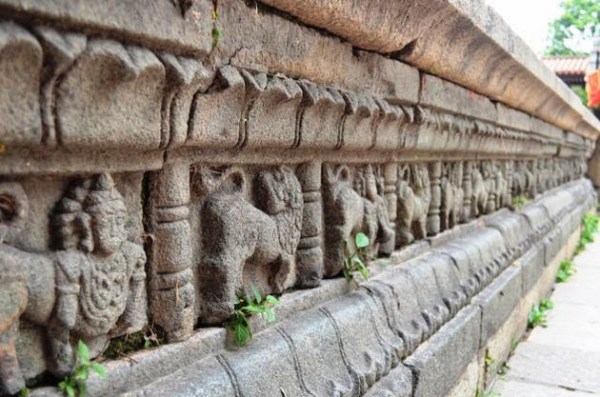
“நந்திகேசுவரர் சிறந்த நாட்டியசார்யராக மட்டும் இல்லாமல் சிறந்த இசை ஆசிரியராகவும் திகழ்ந்திருக்கிறார். அம்பலத்தரசர் ஆடுகின்ற போது நந்தி மத்தளம் வாசிக்கிறார் என்பது எல்லோரும் அறிந்த ஒன்று. தமிழ்நாட்டில் பல சிற்பங்களும் ஓவியங்களும் இக்காட்சியைச் சித்தரிக்கின்றன. “குடமுழா நந்தீசனை வாயில் காப்பாகக் கொண்டார்” என்பது தேவாரம். தமிழ்நாட்டிலும் கேரளத்திலும் பிற இடங்களிலும் உள்ள சிற்பங்களில் சிவன் ஆடும்போது நந்திகேசுவரர் பஞ்சமுக வாத்யம் என்னும் குடமுழா வாத்தியத்தை வாசிப்பதாக உள்ளதைக் காணலாம். திருவாரூர், திருத்துறைபூண்டி ஆகிய தலங்களில் இன்றும் பஞ்சமுக வாத்தியம் வாசிக்கப்படுகிறது. இதை பாரசவர் என்ற குலத்தோர் வாசிக்கின்றனர். அண்மையில் கிடைத்த “பஞ்சமுக வாத்தியலக்ஷணம்” என்னும் சுவடியில் இது நந்திகேசுவரரால் இசைக்கப்பட்டது என்றும், ஆதலின் இதை இசைக்கும் முன்னர் நந்திகேசுவரருக்குச் சிறப்பு வழிபாடு செய்ய வேண்டும் என்றும் கூறுகிறது. ஆதலின் வாத்ய சாஸ்திரங்களிலும் நந்திகேசுவரர் சிறந்தவர் என்பது தெரியவருகிறது”.

(தவம் செய்த தவம் — என்ற நூலில் இருந்து எடுக்கப்பட்டது. இந்நூலில் காஞ்சி மஹா பெரியவர் பற்றி உள்ள பல அரிய தகவல்களை அரிய டாக்டர் நாகசாமியின் http://www.tamilartsaademy.com வெப்சைட்டுக்குச் செல்லவும்.)

-சுபம்-

IMG_3722 (2)

நந்திகேஸ்வரர், பஞ்சமுக வாத்யம் வாசிக்கும் காட்சி.

A Rare Musical Instrument: Panchamuka Vadhya

പഞ്ചമുഖമിഴാവ്൧

Written by London swaminathan

Research article no.1884, Date: 23 May 2015.

Panchamuka vadhyam (Five faced drum) is shown in some of the Nataraja (Dancing Siva) sculptures in South India. This is a rare musical instrument found in Kerala and Tamil Nadu. Nandideva is said to play on it during the cosmic dance of Shiva/Nataraja. It is associated with Five Faces of Shiva and Five functions of Shiva. Now it is found in Tiruvarur and Tituththuraipundi in Tamil Nadu and a few places in Kerala. It is used during Puja time.

The instrument is made up of metal and covered with cow skin. Since it has got five faces to play on, it requires good practice to use it. Slowly this art is disappearing. Since it is very heavy, they fix it on a wooden frame with wheels, so that it can be rolled to any place. The five faces of the instrument are named after the five faces of Lord Shiva: Isanam,Satyojatam, Vamadevam, Tatpurusam, Agoram.

Creation, Preservation, Destruction, Concealing Grace and Revealing Grace are the five actions of Lord Shiva according to Saiva Siddhanta. It is believed that these five faces represent those five actions. The varying thickness of the skin covering the five faces help the player to create five different sounds. Five faces of the instrument are named after four directions (N E W S ) and the middle one is called the sky direction(Up). The player used to stand near the North face and play on it. All the five faces are circular in shape. In Tamil they are called Vatta Thattu, meaning circular plate.

IMG_3721 (2)

The instrument was made to explain the principles of Saiva Agamas. So the scholars have produced the following table:

West              — Satyojatham – Creation

North             — Vamadevam – Preservation

South             — Agoram —             Destruction

East                            — Tatpurusam – Concealing Grace

Skyward (Up)          — Isanam                  — Revealing Grace

Lord Krishna’s conch is called Panchajanya (Bhagavad Gita 1-15). It is a strange coincidence that Panchajanya also mean the producer of five different sounds. It will be useful to do some research into the words Panchamuka Vadhya drum and Paanchajanya conch.

IMG_3722 (2)

வாலும் கொம்பும் இல்லாத பசு !!

madu, kalai, kombu

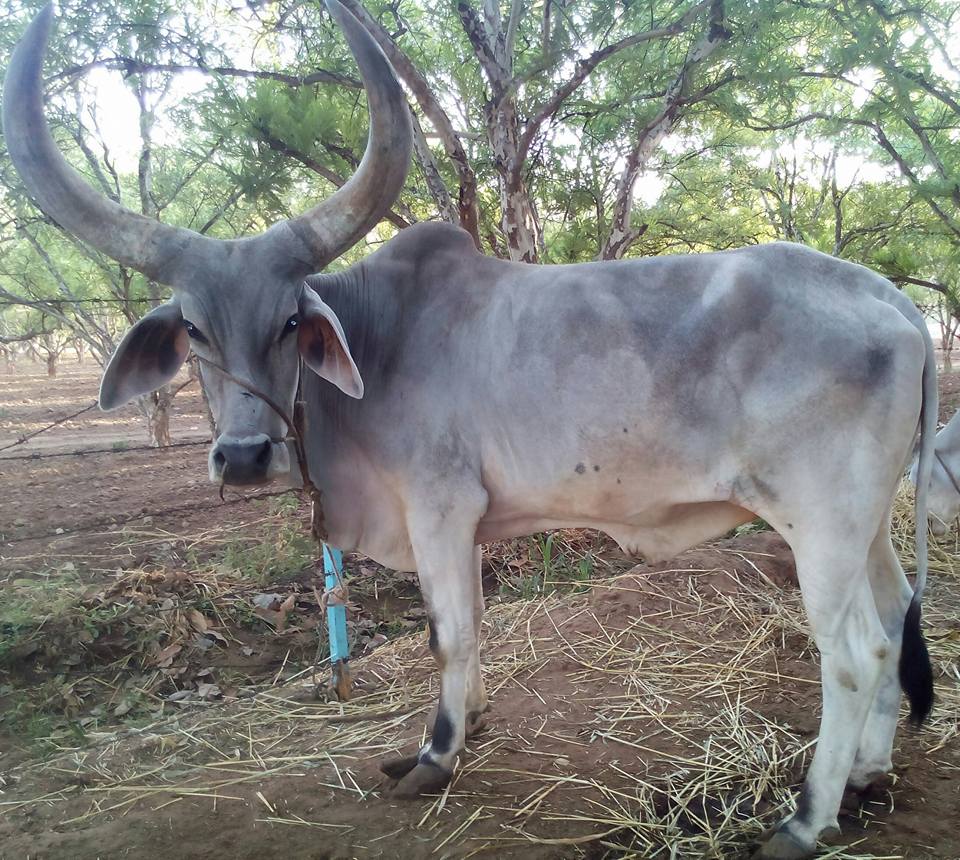
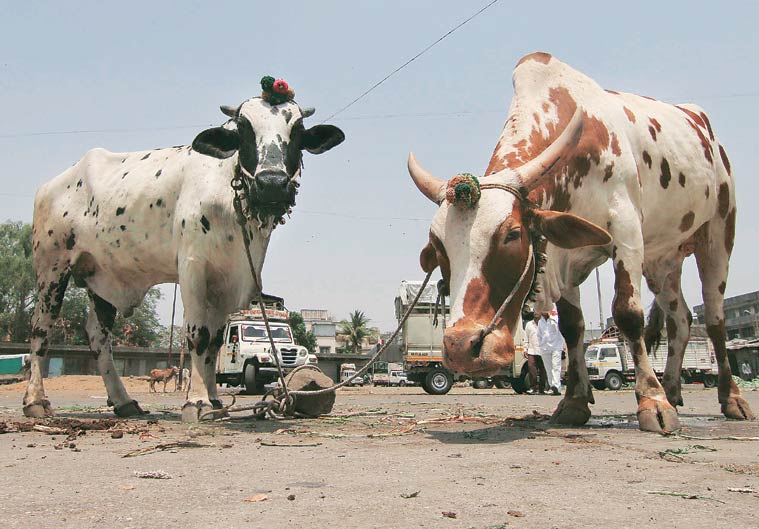
இந்த  அழகான மிருகத்துக்கு கொம்பும் வாலும்  இல்லாவிடில்  எப்படி இருக்கும்?

Written by London swaminathan

Article no.1883, Date: 23 May 2015.


இலக்கியம் கலைகள் பற்றிய சம்ஸ்கிருத பொன்மொழிகள்


1)சாஹித்ய சங்கீதகலாவிஹீன: சாக்ஷாத் பசு: புச்ச விஷயாணஹீன: — பர்த்ருஹரி

இலக்கிய, இசை, நுண்கலைகளை ரசிக்காதவன் வாலும் கொம்பும் இல்லாத பசுவுக்குச் சமானம் .(பசு=மிருகம்)

2)சத்ய: பலதி காந்தர்வம்சுபாஷித ரத்ன பாண்டாகாரம்

பாட்டாகச் சொல்வதால் பயன்மிகும்.

3)விநா வேதம் விநா கீதாம் விநா ராமாயணீம் கதாம்

விநா கவீம் காளிதாசம்  பாரதம் பாரதம் நஹி

வேதமும், கீதையும் ராமாயணக் கதையும், காளிதாசனின் கவிதையும் இல்லாவிட்டால் பாரதம், பாரத நாடாக இரா.

4)ரீதிராத்மா காவ்யஸ்ய – காவ்யாலங்கார சூத்ரானி

இலக்கியப் படைப்பின் உயிர்நாடி ஒழுங்குமுறை ஆகும்

5)வாக்யம் ரஸாத்மகம் காவ்யம் – சாஹித்யதர்பண:

“சுவைப்பதற்கான படைப்பு காவியம்”

6)வித்யாரத்னம் சரச கவிதா

சுவையுடன் கூடிய கவிதையே கல்வியில் சிறந்தது

7)தேவஸ்ய பஸ்ய காவ்யம் – ருக் வேதம்

காலஸ்வரூபமாக (வேத ஸ்வரூபமாக ) இருக்கக்கூடிய இறைவனுடைய காவியத்தைப் பாருங்கள்.

8)தேவஸ்ய பஸ்ய காவ்யம் ந மமார ந ஜீர்யந்தி – அதர்வ வேதம்

அந்த இறைவனுடைய காவியத்தைப் பாருங்கள். அது முதுமை அடைவதில்லை; அழிவதுமில்லை.

9)கலாசீமா காவ்யம் – ப்ரசங்காபரணம்

கலையின் எல்லை (உச்சம்) காவியம்

cattle1

10)கவி: கரோதி காவ்யானி

கவிகள் செய்வது (எல்லாம்) காவியம்

11)கவீனாம் உசனா கவி:  – பகவத் கீதை

கவிஞர்களுள் நான் உசனஸ் (சுக்ராசார்ய)

12)ஸ்தாணுரயம் பார ஹார: கிலானுபூத

அதீத்ய வேதம் ந விஜானாதி யோ அர்தம்

வேதங்களைப் படித்துவிட்டு பொருள் தெரியாமல் இருப்பவன் அவன் வெறும் பாரத்தைச் சுமக்கும் உடல் உடையவனே

13)பாஷாசு முக்யா மதுரா திவ்யா கீர்வாண பாரதி

தஸ்மாத் ஹி காவ்யம் மதுரம் தஸ்மாதபி சுபாஷிதம்

சுபாஷித ரத்ன பாண்டாகாரம்

எல்லா மொழிகளையும் விட முக்கியமானதும், இனிமையானதும், தெய்வீகமானதும் சம்ஸ்கிருதம் ஆகும்; அதிலும் சம்ஸ்கிருத காவியம் சிறந்தது. அதிலும் சிறந்தது சுபாஷிதம் (பொன்மொழிகள்)

14)கவய: கின்ன பஸ்யந்தி – சாணக்ய நீதி தர்ப்பண:

கவிகள் எதைப் பார்ப்பதில்லை? கவிகள் கண்களில் தென்படாதது ஏதேனும் உளதோ?

ஜஹான் ந பஹுஞ்சே ரவி, வஹான்  பஹுஞ்சே கவி

15)ஸோக: ஸ்லோகத்வமாகத:

சோகமே ஸ்லோகமாக வந்தது (வால்மீகி—வேடன் கதை)

aattu mandhai

16)ஸ்லோகத்வமாபத்யத: யஸ்ய சோக:ரகுவம்சம்

எவருடைய சோகம் ஸ்லோகமானதோ (வால்மீகி—வேடன் கதை)

17)கவய: க்ராந்த தர்சின:

பரந்த நோக்கும் விரிந்த பார்வையும் உடையவன் கவிஞன்.

சுபம்

Unique and Wonderful Food Items (Prasad) of Hindu Temples

laddu

Written by London swaminathan

Research article no.1882, Date: 22 May 2015.


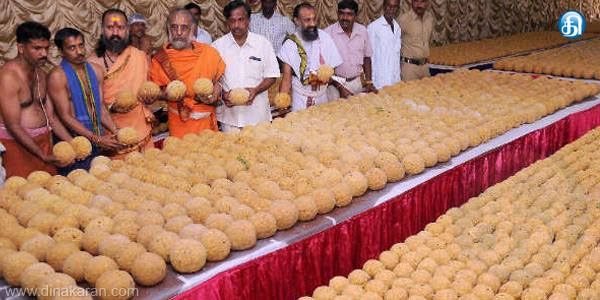
Prasad in a Hindu temple is a vast subject. A Ph.D. thesis can be written on it. It is also a multi-billion dollar industry. It gives employment for thousands of workers. In India, temple itself is a big industry. If the temples are closed by some atheistic ruler, millions of people would lose jobs very next day; tourist industry and transport would grind to a halt. Directly and indirectly millions of people earn their livelihood through Hindu temples. People of other religions are also benefitted by the Hindu Temples.

What is Prasad?

Prasad is an offering made to a Hindu deity, usually eatable food items, which is distributed to the devotees as the deity’s blessings.

As a general rule “no onion, no meat, no garlic, no fish, no egg, no mushroom” policy is followed in all the holy centres and Hindu temples. They are strictly vegetarian. There may be exceptions. For instance Sri Lankan Tamil temples use garlic and onion. Indian temples won’t use them. In villages there are some strange customs of offering even toddy and meat to Grama Devatas (Village Goddesses).

A Ph.D, thesis can be written about Hindu Prasads. It is a billion dollar business.US temples sell Prasad. Tamil temples in Britain distribute free meals like Hare Krishna (Iskcon) temples and Sikh Gurdwaras. Hare Krishna people visit even universities and distribute food to students. I have seen long queues of students in London University.

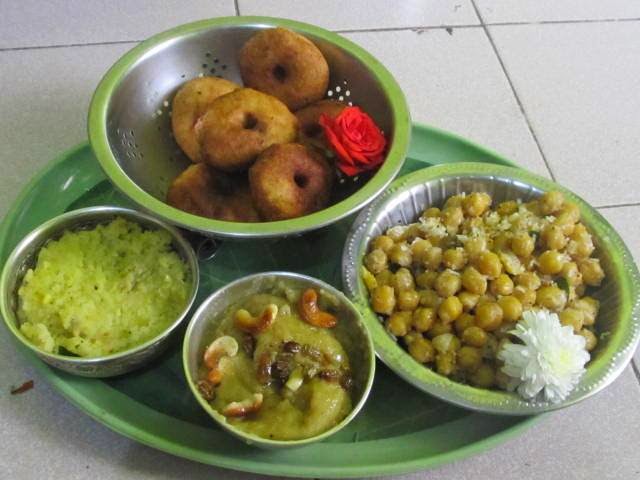
Vadai, Sudal, Sarkkarai/sweet Pongal

Six types of Hindu Prasad

There are six types of Prasads:

1.Edible/ Cooked: Sweets, Different types of cooked rice, Sundal (boiled pulses mixed with spices).

Cooked Samba rice with Jeerak, Ven Pongal (cooked rice with pepper, butter and nuts), Sarkkarai Pongal (Rice Pudding), Payasam, (Liquid Rice Pudding) Puliyodharai (Tamarind Rice), Thayir sadham (Curd rice), Vadai (fried lentil snack), Modakam (Rice+ Sweet Coconut), Pittu (Rice+jiggery), Full  square meal

2.Edible/ uncooked: Milk, Water, Panchamirtham(fruits, honey, jaggery, nuts, spices mixture), fruits, sugar candy, nuts, pepper, salt, sand from ant hill, Tulsi leaves, Powa (pounded rice mixed with coconut and sugar)

In Sankarankoil and Vaitheeswaran Koil in Tamil Nadu, people collect sand from anthill in the temple and eat it in minute quantities as Prasad and medicine.

Tamil Hindus take Coconut, Bananas, betel leaves and flowers into temple and take them home after offering it to God.

Non edible:

3.Applied on Body : Vibhuti, Kunkum, sandal, burnt Yaga ash, Bilva leaves  and Yellow powder

In all south Indian temples Vibhuti (holy ash), Kunkum (red powder made up with turmeric etc), Sindhur (Red powder), Sandal paste, Homa pasmam (holy ash from the fire pit), Bilva leaves, yellow powder are offered as Prasad. If it is a Vishnu temple Tulsi leaves are offered to devotees from the feet of the statue.

All temples give flowers to women which they wear it in their hair. Flower industry is also a billion dollar industry in India. In Western countries flowers are offered to women. In India it is first offered to Gods and then women get it from there. No Hindu women wear it straight from the basket.
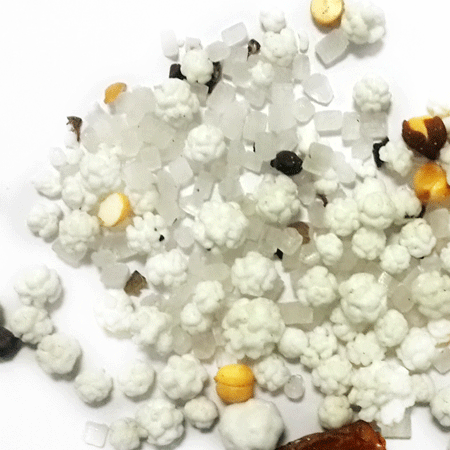
North Indian Temple Prasad

4.Worn on body: Talisman, medals, holy thread (kaappu on wrists), Kasi thread (black), Flowers, Garlands, Silk, rosaries (Rudraksha or Tulsi seeds).

Special Prasads like Rudraksha Malas, Tulsi malas, silk from the Gods’ statues, talismans are obtained with special arrangements.

In South Indian Temples, used sarees from statues are sold in auction to women. They buy it as good luck symbol or auspicious items.

Pictures and books are given in some places such as Ashrams, Holy Centres, which can be kept at home as Prasad.

Metal objects such as rings, talismans etc come under this category.

5.Sold Prasad: Nowadays Prasad is sold in big temples; but simultaneously free Prasad is also distributed. Whoever needs more than that have to buy it.

After seeing the demand for Prasad, South Indian temples also started selling special prasads in special counters.

6.Free Prasad: Flowers, Vibhuti, Kunkum, Sandal or the fruits, coconuts we take it into the temple are returned to us; but yet there is a small fee for that service.

So we can broadly classify the Prasad into Sold and Free Prasads. In the same way, we can broadly classify them into cooked and not cooked Prasads.
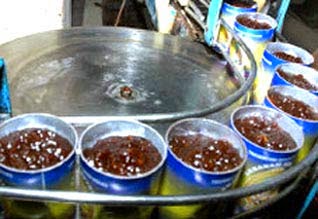
Aravanai  Prasad in Sabarimalai

There is a pattern in Prasad distribution:

In village temples they offer gruel made up of rice or millets

In Vishnu temples, they give Tulsi+water from a copper pots or silver vessels.

After the main Arti, they distribute Tamarind rice or Curd rice.

In Shiva temples in Tamil Nadu they distribute plain cooked rice with Jeera or Ven Pongal.

In Goddess Temples they offer Sweet Pongal, particularly Fridays.

But each temple has got something unique to offer.

As a student I used to go to the world famous Madurai Meenakshi Temple and get Samba rice or Ven Pongal in the day time and Sundal and milk after the last Arti (Palli Arai Deeparadhana).

In Krishnan temple,Madurai run by the Yadava caste, I used to queue up for tamarind rice or Curd rice.

On Fridays, they offer sweet Pongal to goddesses in the South Indian temples, Goddess statues are inside both the Vishnu and Shiva temples.

13 miles from my home town Madurai is Azakarkoil. They used to make unique ADAI (looks like Dosa but much thicker made up with grains,pulses and spices) two or three people can share it.

When we go to Tirupati we used to buy Ladoos and a small Adai like spicy snack. They do distribute rice items as well.

In the North Indian temples they distribute small sugar balls, sugar candy, nuts or coconut sweets as Prasad. In Swami Narayan temples, they offer sweets during Deepavali in huge quantity (Annakut festival).

Kerala temples are famous for the sweet liquid called Payasam. This is rice based item but can be made with jack fruit or sago or vermicelli or pounded rice.

In south India Tirupati (in Adhra Pradesh) laddu is the most famous Prasad. In Tamil Nadu, Panchamirtham of Palani Murugan temple is unique. Both these prasadas give work to lot of people.

Equally famous is the Mahaprasad of Puri Jagannatha Temple. It has fifty six cooked and non- cooked items in its menu.

Mahalaxmi Temple (Mumbai), Shirdi Sai Baba Temple (Shirdi), Viswanatha temple (Kasi) are offering sugar balls as prasad. In many of the temples people buy it from outside shop and offer it to God and take it back.
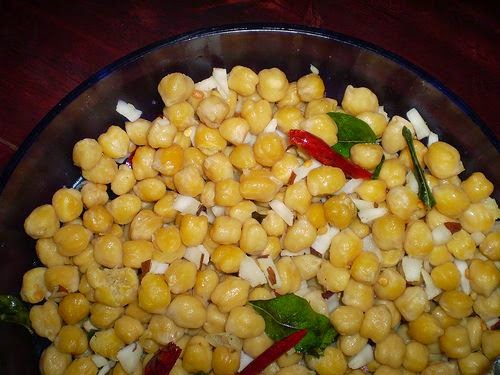
Sundal

How to take Prasad?

Always take the Prasad with your right hand. Never use left hand.  Both hands may be used but place your right palm over left palm, bow your head, and then receive it. You should not throw anything on floor even if you don’t want it. You have to dispose them in the containers for it.

List of Unique Hindu Prasads:

Puri Jagannatha Temple: Maha (great or big) Prasad with 56 items

Tirupati Balaji temple:Ladoo and Appam

Palani Dandayutha pani Temple: Fruit Mixture (Panchamirtham)

North Indian Temples: Sugar Balls or sweets

Maharastrian Temples: Powa +Sugar+Coconut

Kerala Temples: Ney Appam (fried sweet flour item with butter)

Ganesh Temples: Modaka on special days

Hanuman Temples: Vada (made up of Urad Dal) in South India or Boondhi in North India.

Sabari Malai Ayyappan Temple: Aravanai sweet, Appam, Ghee from Cow’s butter

Sri Rangam: Coconut, Butter, Spinach

Tiruvarur Temple: Ney Murukku ( Fried Rice snack)

Tirukkannapuram: special Pongal (rice item)

Kancheepuram Varadaraja Perumal: Kanchi Type Idli (boiled rice cake with pepper)

Kollur Mookambika and Kutralam: Medicinal concoction with herbs

Chidambaram, Madurai Temples: Cooked Rice with Jeeraka

Irinjala kuda Bharatha Temple: Brinjal/Aubergine preparation

Vaishnava Devi in Kashmir: Puffed rice+coconut+sugar balls

Ambalapuza in Kerala: Milk Payasam.

In Tamil Nadu, during Navaratri festival and Markazi (Month Margsirsha) Bhajans, Sundal is distributed. On the Saraswati Puja/Vijayadasami day Sundal+Vada+ Sweet Pongal are distributed.

This is not a comprehensive list. Each temple has got its own Madappalli (kitchen) and its own traditional menu. Anything can be a Prasad once it is offered at the feet of God. Hinduism is a colourful religion. There is no place for monotony. Variety is the spice of life (loko binna ruchi:), says Kalidasa. Hindus see god even in variety of food items.
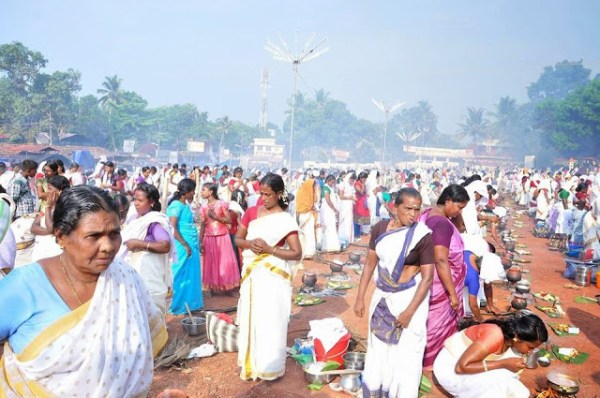
Sweet Pongal for the Goddess in Kerala
வேத கால மக்களின் வியத்தகு புவியியல் அறிவு!

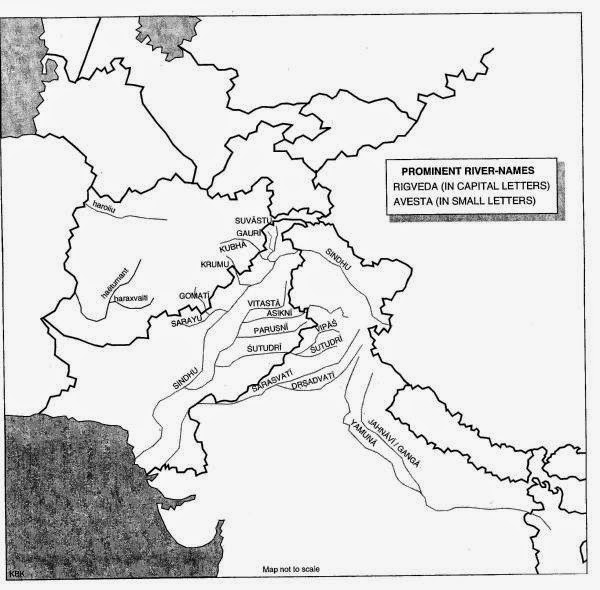
3960f-map_of_vedic_india

Written by London swaminathan

Research article no.1881, Date: 22 May 2015.

(This article is published already in English)

வேத கால மக்களுக்கு இருந்த பூகோள அறிவு அவர்களை நாகரீகத்தின் உச்சாணிக் கொம்பில் வைக்கிறது. வேதங்கள் என்பன வரலாற்றுப் புத்தகமும் அல்ல; புவியியல் நூலும் அல்ல.ஆயினும் அதில் ஏரளமான விஷயங்கள் இருக்கின்றன. சங்கீதம், நாட்டியம், வான சாத்திரம், சோதிடம், வரலாறு, புவியியல், மந்திர தந்திரம், தாயத்து, பறவைகள், மிருகங்கள், பாம்புகள், மீன் வகைகள், ஏரி,குளங்கள், நாடு நகரங்கள், கடல்கள், ஆறுகள் என நீண்ட பட்டியல் உள்ளது. ஆயினும் இதை ஆங்கிலத்தில் மொழி பெயர்த்தவர்கள் உள் நோக்கத்துடன் செயல்பட்டதாலும், இந்துக்கள் மீது வெறுப்பு கொண்டமையாலும் வேண்டுமென்றே பல இடங்களைத் தவறாக மொழிபெயர்த்தனர். இப்பொழுது அவர்கள் “குட்டு” கொஞ்சம் கொஞ்சமாக அம்பலமாகி வருகிறது.

1.தொல் பொருட் துறைச் சான்று

சமஸ்கிருத மொழிக்கும், வேத கால தெய்வங்களுக்கும் அழிக்க முடியாத, மறுக்கவொண்ணாத தொல் பொருட் துறை, வரலாற்றுச் சான்றுகள் கிடைத்தமையால் அதன் பிரம்மாண்டமான வியாபகம் தெரிகிறது.

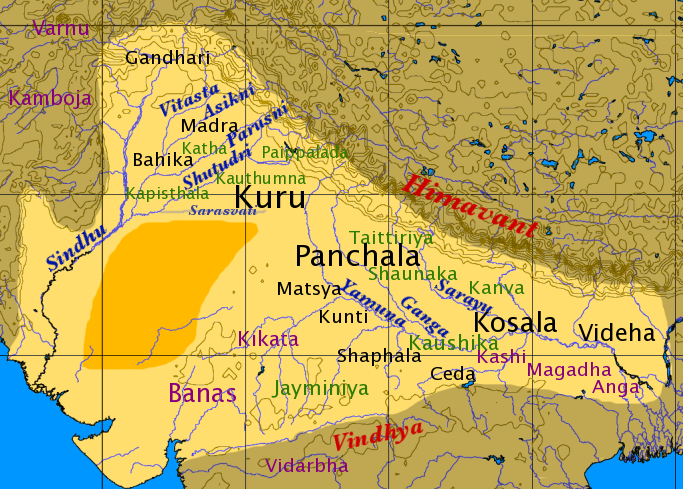
ஈரான் என்னும் பாரசீக நாட்டிலிருந்து ஆந்திரம் வரையான பல பிரதேசங்களின் பெயர்கள் வேதங்களில் உள்ளன. உலகின் மிகப் பழைய நூலான ரிக் வேதத்தில் எட்டாவது மண்டலத்தில் இரானிய மன்னர்கள் பெயர்கள் இருப்பது அறிஞர் பெருமக்களை திகைப்பில் ஆழ்த்துகிறது.

துருக்கி நாட்டில் வேதகால தெய்வங்களின் பெயர்களை ரிக் வேத சூக்தத்தில் சொல்லிய அதே வரிசையில் சொல்லி இரண்டு மன்னர்கள் உடன்படிக்கை செய்துகொண்ட கல்வெட்டு கி.மு1400 ஆண்டு வாக்கிலேயே வேதங்கள் துருக்கி வரை சென்று விட்டதைக் காட்டுகிறது.

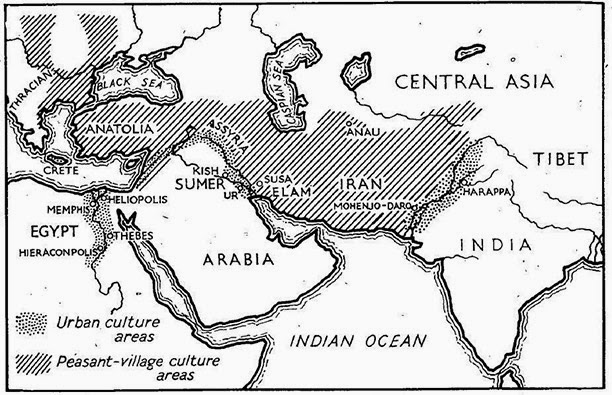
அது மட்டுமின்றி தசரதன் என்ற மன்னன் எழுதிய கடிதங்கள் எகிப்தில் அமர்னா என்னும் இடத்தில் கண்டு பிடிக்கப்பட்டதும் சம்ஸ்கிருதப் பெயர்களைக் கல்வெட்டில் காட்டுகிறது. இதுவும் கி.மு.1400 ஐ ஒட்டிய சான்று. எகிப்து முதல்—ஈரான்  முதல் — ஆந்திரம் வரை வேதப் பெயர்களும் சம்ஸ்கிருதச் சொற்களும் இருப்பது உலகின் மிகப்பெரிய நாகரீகம் என்பதை காட்டுவதாக உள்ளது. வேறு எந்த பழைய மொழியும் இவ்வளவு பெரிய பரப்பில் காணப்படவில்லை. அலெக்சாண்டர் காலத்திற்குப் பிறகு கிரேக்க மொழி வேண்டுமானால் இந்தச் சிறப்பைப் பெற்றது.ஆனால் வேதங்களோ அலெக்சாண்டருக்கு குறைந்தது 1500 ஆண்டுகளுக்கு முந்தையவை!

5139d-earliestcivilsation-map

2.கடலோடிகள்

பூஜ்யு என்பவரைக் கடலில் தத்தளித்த, உடைந்த கப்பலில் இருந்து, காப்பாற்றியது ரிக் வேதத்தில் பத்து இடங்களுக்கு மேல் வருகிறது. அவர்களுக்குப் பாரத நாட்டின் இரு புறம் இருந்த கடல்களும் நன்கு தெரிந்திருந்தன. கங்கைச் சமவெளி முதல் முஜாவான் மலை வரை பல இடங்களையும் துதிகளில் போற்றியுள்ளனர்.

(துவாரகைக்கு அடியில் கடலில் கண்டுபிடித்த துறைமுக தடயங்கள் மக்களின் 5000 ஆண்டுக்கு முந்தைய கடல் வழிப் பயணத்துக்குச் சான்றாகத் திகழ்கின்றன).

3.முப்பது நதிகள்

வேதத்தில் முப்பதுக்கும் மேலான நதிகள் பெயர்கள் இருக்கின்றன. நதி சூக்தம் என்ற பெயரில் உலகிலேயே முதல் முதலாக நதிகளைப் புகழ்ந்து பாடும் துதியும் உள்ளது. உலகில் நீரையோ, நதிகளையோ புகழ்ந்து பாடும் பாட்டு கி.மு.1700-ல் பாரதம் தவிர வேறு எங்கும் இல்லை.

பூ சூக்தம் என்று பூமியையும் இயற்கை வளத்தையும் பாராட்டும் ஒரு பாடலும் இருக்கிறது. இப்படிப் பூமியைப் பாராட்டும் பாடலும் அவ்வளவு பழைய காலத்தில் வேறு எங்கும் கிடைக்காது

மேலும் நதிகளைப் புகழ்ந்து பாடுகையில் கிழக்கேயுள்ள நதியின் பெயரை முதலில் சொல்லி மேற்கேயுள்ள நதியின் பெயரை கடைசியாகச் சொல்லுவது வேத கால இந்துக்கள் கங்கைச் சமவெளியில் தோன்றி மேற்கே சென்று நாகரீகத்தைப் பரப்பினார்கள் என்பதைக் காட்டுகிறது.

ஹிட்லருக்கு மிகவும் உதவிய ஆரிய-திராவிட இனவெறிக் கொள்கையைப் போற்றுவோருக்கு இது செமை அடி கொடுக்கிறது. அது மட்டுமல்ல. எல்லா யாக யக்ஞங்களிலும் இந்திரனுடைய திசை கிழக்காவும், வருணனின் திசை மேற்காகவும் கொடுத்திருப்பது ஆரிய-திராவிட இனவெறிக் கொள்கையை அடியோடு நிராகரிக்கிறது.


4.பத்து ராஜா யுத்தம்

வேதத்தில் மிகவும் பெரிதாகப் பாடப்பட்ட போர்- பத்து ராஜா போர் (தச ராக்ஞ யுத்தம்) ஆகும். அந்தக் காலத்திலேயே பத்து ராஜாக்கள் இருந்ததைத் தெளிவாக்கும் சொல் இது. தங்கள் கொள்கைக்கு குந்தகம் விளையுமே என்று அஞ்சிய, வெள்ளைக் கார்கள், வெளிநாட்டினர், அவைகளைப் பழங்குடி இனப் பெயர்கள் என்று மொழி பெயர்த்தனர். ஆனால் பல வேத கால அரசர்களோ அஸ்வமேத யக்ஞங்களைச் செய்தோர் பட்டியலில் இடம் பெறுகின்றனர். அஸ்வமேதம் என்பது அருகாமை நாடுகளை வெல்லும் யாகம். அது இனக் குழுக்கள் செய்வன அல்ல.

மேலும் வேதத்தில் சொல்லப்படும் எல்லா நாடுகளின் பெயர்களும் மஹாபாரத்தில் இருக்கின்றன. மஹாபாரதத்தில் முப்பது நாடுகளின் பெயர்கள் இருக்கின்றன. வேத கால இலக்கியங்களில் வரும் மன்னர்களின் பெயர்களும் நமக்குக் கிடைக்கின்றன.

5.மோசசுக்கு ஒரு நீதி! வேதத்துக்கு வேறு ஒரு நீதி!

சமுத்திரம் என்றால் அது கடல் அல்ல, வெறும் குளம், காம்போஜ, குரு, பாஞ்சால என்பதெல்லாம் நாடு அல்ல, வெறும் இனப்பெயர்கள் என்று விதண்டாவாதம் செய்வோர் எல்லாம் உள்நோக்கம் கொண்ட ஆட்கள் என்பது அவர்களின் பல கட்டுரைகளால் தெரிகிறது. அதுமட்டுமல்ல, அவர்களில் பாதிப்பேர் நாடு பிடிக்க வந்த கோஷ்டி அல்லது மதப் பிரசார கோஷ்டியைச் சேர்ந்தவர்கள். பைபிளைப் பற்றி ஆராய்ந்த அதே இனம் அதை இந்திரனே சந்திரனே என்று புகழ்ந்து, பாலஸ்தீனத்தில் பார்த்த இடங்களை யெல்லாம் முழுக்க முழுக்க அது பைபிளில் சொல்லிய இடங்களே என்று எழுதிய அதே இனம் –அது போல இந்து புராணங்களில் வருகையில் அவை கட்டுக் கதை என்றும் வேறு பொருளுடையவை என்றும் திரித்து எழுதினர், திரிசமம் செய்தனர்.மோசஸ் என்பவருக்கு இதுவரை வரலாற்று அல்லது தொல்பொருள் ஆதாரம் கிடையாது!!! அப்படியானால் மோசசும் இல்லை யூத மதமும் இல்லை என்று அர்த்தமா? அவர்கள் எல்லாம் கற்பனைப் பெயர்களோ!!!!

நல்ல வேளை, இந்துக்கள் செய்த புண்ணியம்! இருபதுக்கும் மேற்பட்ட வெளிநாட்டு அறிஞர்கள் இருபது விதமாக வேதத்தை மொழி பெயர்த்து “எங்கப்பன் குதிருக்குள் இல்லை” என்ற கதையாக அவர்களது அறியாமைக்கு வெளிச்சம் போட்டுக் காட்டினர். வேதத்தில் உள்ள சிறு தெய்வங்கள் (மைனர் காட்ஸ்) என்ற புத்தகத்தில் ஜோஷி என்பவர் ஒவ்வொரு வெளிநாட்டு அறிஞரும் அக்கடவுள்கள் பற்றி என்ன சொல்கின்றனர் என்பதைத் தொகுத்துக் கொடுத்துள்ளார். முரண்பாடுகளின் மொத்த உருவம் இந்த வெளிநாட்டு அறிஞர்கள் என்பதற்கு வேறு எடுத்துக்காட்டே தேவை இல்லை. குழப்படி மன்னர்கள்!

புறநானூற்றுப் பாடல் 201ல் அகத்தியர் 18 குடிகளை, 49 தலைமுறைகளுக்கு முன்னர் அழைத்து வந்த கதை இருக்கிறது. அதாவது கி.பி.முதல் நூற்றாண்டுக்கு முன்னர் 49 தலை முறை. அப்படியானால் கி.மு 1000 அல்லது கி.மு 1200.

சதபத பிராமணம் முதலிய இலக்கியங்களில் நான்கு திசை மக்களைப் பற்றி வருகிறது. இலங்கையில் வசித்த ராவணன் பருவக் காற்றைப் பயன்படுத்தி கோதாவரி நதிக்கரையில் வந்து அட்டூழியம் செய்தான். கயிலாயம் வரை சென்று வால் ஆட்டினான் என்று படிக்கிறோம். மாபாரத காலத்தில் கிருஷ்ணன் உத்தரப் பிரதேச மதுரா நகரில் இருந்து குஜராத்தில் உள்ள துவாரகைக்கு அடிக்கடி தேரில் வந்து போனான். ராமாயண பரதன் இரானிய எல்லையில் உள்ள கேகயத்தில் இருந்து ஆப்கனிஸ்தான் வழியாக உத்தரப் பிரதேச அயோத்திக்கு விரைந்து வந்தான். புவியியலும் போக்குவரத்தும் நமது இலக்கியங்களில் மலிந்து கிடக்கின்றன.

6.ஸ்வயம்வரத்தில் பல நாட்டு மன்னர்கள்

ராமாயணத்திலும் மஹாபாரதத்திலும் சீதை, திரவுபதி, தமயந்தி அம்பா/அம்பிகா/அம்பாலிகா முதலிய பல ஸ்வயம்வரங்கள் வருகின்றன. இவைகளுக்கு 56 தேச அரசர்கள் வந்தனர் என்பதால் அக்காலத்திலேயே அவ்வளவு “நாடுகள்” இருந்ததைக் காட்டுகிறது.

தென்பகுதியை ஆண்ட மன்னர்களில் போஜன் என்ற மன்னன் பெயரையும் வேத கால இலக்கியங்கள் சொல்லுகின்றன. போஜன் என்ற பெயர்ல் பத்தாம் நூற்றாண்டு வரை பல மன்னர்கள் இருந்தனர்.

இந்த ஸ்வயம்வர, அஸ்வமேதம் முதலியன உலகில் வேறு எங்கும் கிடையாது. ஆக நாம் இந்த நாட்டுப் பூர்வ குடிகளே, வ்நேறு எங்கிருந்தும் வரவில்லை என்பதற்கு இது இமயமலை போல் சான்றாக நிற்கும்.

ஆந்திரர், சரபர், புலிந்தர், அங்க, சேதி, பாஹ்லிக (பாக்ட்ரியா), அலின, சேதி, மத்ஸ்ய, பலனாச், பக்தூஸ் (பக்தூனிஸ்தான்), காசி, பரதர் முதலிய பல பெயர்கள் வேத கால இலக்கியத்தில் வருகின்றன. அந்தந்த நாட்டைச் சேர்ந்தவர்கள் அந்தந்தப் பெயர்களால் அழைக்கப்பட்டனர். நாம் இந்தியாவைச் சேர்ந்தவர்கள் என்பதால் இந்தியர்கள் என்று அழைப்பரல்லவா? அது போலத்தான்.

சரஸ்வதி நதி பற்றி 80 இடங்களில் குறிப்பிடப்படுகிறது. ஹரியூப (ஹரப்பா) போன்ற பெயர்களும் உள்ளன.

7.சப்த சிந்தவ

சப்த சிந்தவ (ஏழு நதிப் பிரதேசம்) என்னும் பெயர் ரிக்வேதத்திலேயே வருவதால் அவர்களுக்கு புவியியல் அறிவு இருந்ததும் அதை வைத்துப் பெயர் சூட்டுவதும் தெரிந்திருந்தது என்று அடித்துச் சொல்லலாம்.

நான் சொன்ன மேற்கூறிய எல்லா விஷயங்களுக்கும் மேற்கோள் குறிப்புகள் எனது ஆங்கிலக் கட்டுரையில் உள்ளன. வேதத்தில் எங்கே எந்த இடத்தில் இவை உள்ளன என்பனவற்றை அறிய விரும்புவோர் ஆங்கிலக் கட்டுரையைப் படிக்கவும்.

Sanskrit and Tamil Words in Ancient Chinese!

Written by London swaminathan 

Research article no.1880, Date: 21 May 2015.

There are hundreds of research articles about the Indian contact with China from 2nd century BCE. The Silk Road trade is well known. But not much is written about the contact before 300 BCE. We have to piece together the information that is available in various places. I read some interesting articles about the Indian languages’ contribution to Chinese language which I wanted to share with language enthusiasts.

1.Max Muller says that the names of stars and other astronomical terms in Chinese are of Sanskrit origin.

2.Nadar community in Tamil Nadu believes they have connections with China in the past.

3.Col.Tod says, “The genealogies of China and Tartary declare themselves to be descendants of AWAR, son of the Hindu king Pururawa (Annals of Rajasthan, Vol.1, p 35).

4.Sir William Jones says the Chinese assert their Hindu origin(Annals of Rajasthan, Vol.1, p 57).

5.The original settlers of China are from Kashmir and other parts of the Himalayas. According to the traditions noted in the ‘SCHUKING’, the ancestors of the Chinese, conducted by Fohi, came to the plains of China in 2900 BCE from the High mountain land which lies to the west of that country. They might have gone via Afghanistan which was under Hindu rule from the days of Ramayana and Mahabharata. Hindus ruled Afghanistan until Sixth Century CE.

6.The name China is of Hindu origin according to Prof.Heeren; the word SINIM occurs in the Bible as well (Isaiah xlix.12)

7.According to Prof.Lconperie (Western origin of Chinese Civilization), the maritime intercourse of India with China dates from 680 BCE. They went through Ceylon (Lanka) after Vijaya founded a kingdom there.

8.From the days of Asoka (3rd Century BCE), lot of authentic information is available. So I don’t want to repeat them here. We know of K A Neelakata Sastri’s identification of Kuong Tchi with Kancheepuram, Bodhidharma’s visit to China, Tamil Inscription in China, Hindu temples in China, thousands of Buddhist monuments in China, old pam leaf manuscripts in China etc. They are all after second century BCE.

tamil in china

Tamil Inscription in China

Language Influence:

9.Tamils have found out some words like Nee (you) in Chinese. But they are very few. It may be just co incidence.

  1. Shrikant Talageri in his book The Rig Veda- A Historical Analysis (p 289) says, “Tsung-tung, a scholar of Chinese (Taiwanese origin), has shown, on the basis of study of relationship between the vocabulary of old Chinese, as reconstructed by Bernard Karlgren (Grammata Serica, 1940) and the etymological roots of proto-Indo European vocabulary, as reconstructed by Julius Pokorny (year 1959), that there was a strong Indo- European (IE) influence on the formative vocabulary of Old Chinese (OC).

(My comments: I have abbreviated IE and OC; Indo European means Sanskrit; foreign scholars never use Sanskrit, but use IE, fearing their Aryan-Dravidian Racist theory would be demolished)


Tsung-tung provides a long list of words common to IE and OC and adds “in the last four years I have traced about 1500 cognate words, which would constitute roughly two thirds of the basic vocabulary in OC.

The common words are to be found in all spheres of life including kinship, animals, plants landscape, emotional expressions, actions, body parts, politics, religion and even function words such as pronouns and prepositions.

This IE influence on OC took place at the time of the founding of the first Chinese Empire in about 2400 BCE. He identified the Yellow Emperor Hang-ti as an Indo European(IE). Huang-ti is mentioned as the founder of Chinese language in the Li Chi (Book of Rites).

Among IE dialects, Germanic languages seem to have been mostly akin to OC. Germanic preserved the largest number of cognate words also to be found in Chinese. The influence on the Chinese language probably spread to other related languages later on. Sino-Thai common vocabulary, too, bristles with IE stems”.

A panel of inscriptions of the God Narasimha adorns the entrance to the main shrine of the temple, believed to have been installed by Tamil traders who lived in Quanzhou in the 13th century. Photo: Ananth Krishnan

My comments

My previous argument is strengthened by this piece of scholarly work. I have been saying,

1.Sanskrit and Tamil are closer to each other than any two ancient languages in the world. Caldwell and Max Muller were wrong in saying that the Dravidians came from outside India.

2.Most of the BASIC words in ancient languages can be traced back to Tamil and Sanskrit ( I have already given examples in my earlier posts)

3.There are common words between any two languages in the world because human beings lived under one roof at one time. So don’t jump to any conclusion by seeing a few similar words.

4.Human beings might have originated in Africa ,but the civilization marched to various parts of the word from India. Apart from the language evidence, the biggest evidence comes from the language speakers  themselves. Sumerians, Egyptians, Chinese, Mayans – all say that they came from outside the area. They were not the sons of the soil. They all migrated from India. Indians say that they were born and brought up here. It is crystal clear in Sanskrit and Tamil literature. They never say anything about migration to India from outside.

Li San Long, a resident of Chedian village, offers prayers at the village shrine, which houses a deity that is believed to be one of the goddesses that the Tamil community in Quanzhou worshipped in the 13th century. (Right) A stone elephant inscription on display at the Quanzhou Maritime Museum. Photo: Ananth Krishnan

5.Last but not the least, the onomatopoeic words are similar in many languages. One should not jump to any conclusion on the basis of those words. Since they are based on sounds, all bird names will be based on Ka, Ka, Ki, ko, ke, kow in most of the world languages (E.g.Kaka, Kiwi, Kili, Cuckoo, Kokku, Kaga etc)

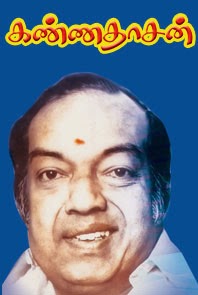
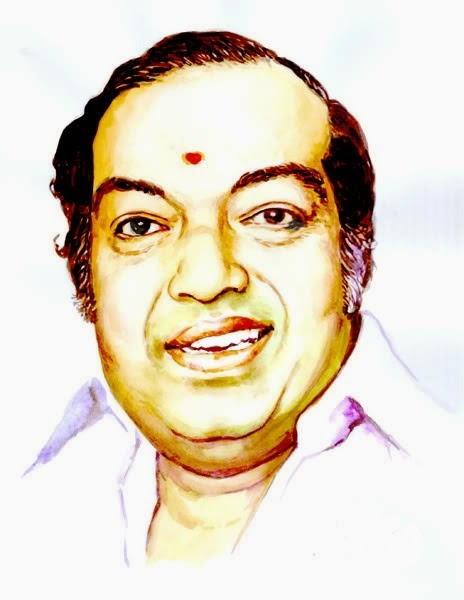
சரஸ்வதி அருள் பெற்ற கவிஞர் கண்ணதாசன்!

Written by London swaminathan

Post no.1879, Date: 21 May 2015.

இலக்கியப் பணியில் கண்ணதாசன்! – 2

By ச.நாகராஜன்

சரஸ்வதி அருள் பெற்ற கவிஞர்!

மடை திறந்த வெள்ளம் போல வாயைத் திறந்தவுடன் கவிதை வெள்ளமாகப் பொழிய வேண்டுமெனில் அதற்கு முதல் காரணம் இறைவனின் திருவருள் தான் என்பதைக் கண்ணதாசன் மிக நன்றாக உணர்ந்திருந்தார்.


அவரிடம் நெருங்கிப் பழகி அவரது உதவியாளராக இருந்த இராம.முத்தையா கண்ணதாசனைப் பற்றிக் கூறுவது இது:-

அவர் அடிக்கடி சொல்லிக் கொள்வது; “எனக்குள் ஏதோ ஒரு சக்தி இருக்கிறது. அந்த சக்தியால் தான், நான் எதையும் சிந்திக்க, எழுதவும் முடிகிறது!” என்றுஒரு வேளை நான் மகாகவி பாரதியின் மறு பிறப்பாக இருப்பேனோ, என்று கூட அவர் சிந்தித்துப் பார்ப்பார்.’ஆகவே நானும் சிறு வயதிலேயே இறந்து விடுவேனோ என்றும் பயப்படுவார்.”


தெய்வத்தை நம்பி..’ என்ற கட்டுரையில் இராம. முத்தையா எழுதிய வரிகள் இவை.

எல்லாக் கவிஞர்களுக்கும் அதீத படைப்பாற்றல் தோன்றி நம்ப முடியாத வார்த்தைச் சித்திரங்கள் தம்மிடமிருந்து வந்து விழுகின்ற போது அதை அவர்களாலேயே நம்ப முடியவில்லைஇதை நாமா எழுதினோம் என்று! அருளாளர்களும் இதே போலவே உணர்கின்றனர்.

ஓரிரு எடுத்துக்காட்டை மட்டும் இங்கு பார்ப்போம். வெள்ளம் போல் கலைப் பெருக்கும் கவிப் பெருக்கும் துள்ளி வர அற்புத கவிதைகளை மழையெனக் கொட்டிய மஹாகவி பாரதியார், “ மனத்தினிலே நின்றிதனை எழுதுகின்றாள்  மனோன்மணி யென் மாசக்தி வையத்தேவிஎன்று கூறி இறைவி தன்னுள் இருப்பதை உணர்ந்து பேசுகிறார்.(பாரதி அறுபத்தாறுமுதல் கடவுள் வாழ்த்துப் பாடல்)


யாம் ஓதிய கல்வியும் எம் அறிவும் தாமே பெற வேலவர் தந்ததனால்என்று வாக்கிற்கு அருணகிரி என்று போற்றப்படும் மகான் அருணகிரிநாதர் முருகனே தனக்குத் தானே தன் மூலம் அனைத்தையும் படைத்துக் கொண்டதாகச் சொல்கிறார். (கந்தர் அனுபூதிபாடல் 17)


திருமூலரோ, ‘என்னை நன்றாக இறைவன் படைத்தனன், தன்னை நன்றாகத் தமிழ் செய்யுமாறே!” என்கிறார். (திருமந்திரம் பாடல் 81)

இப்படி பல உதாரணங்களைச் சொல்லிக் கொண்டே போகலாம்.


இளையராஜா பெற்ற வாழ்த்து

இசைஞானி இளையராஜா அற்புதமாக இந்தக் கருத்தை இப்படிப் பதிவு செய்கிறார்:-

இசையமைப்பாளனாக அறிமுகமான பின், அதேஅருண் பிரசாத் மூவிஸில்எனது இரண்டாவது படமானபாலூட்டி வளர்த்த கிளிக்குப் பணியாற்ற நேர்ந்த போது, கவிஞர் என்னைப் பார்த்ததும், “நீதானா அந்த இளையராஜா! நான் அப்பவே நெனச்சேன், நீயாகத் தான் இருக்குமென்று!” என்று தன் உள்ளம் திறந்த வாழ்த்தையும் கூறி, என்னை வரவேற்கும் விதத்தில், ‘கண்ணோட கண்ணுஎன்ற பாடலில்,

வா, ராஜா, வா!”

என்ற தனது வாழ்த்து முத்திரையையும் பதித்தார்.


கவிஞர் சரஸ்வதி தேவியின் அருள் பெற்றவர். அவருடைய வாக்குப் பொய்த்ததே இல்லை! அதற்கு எத்தனையோ பாடல்களை உதாரணமாகச் சொல்லலாம். ‘பாட மாட்டேன்என்ற அடிகளைப் பாடியதால் தான், கே.ஆர்.ராமசாமி அந்தப் பாடலுக்கப்புறம் பாடவே முடியவில்லை. இதெல்லாம் நீங்கள் அறிந்ததே.”


இளையராஜாவின் ஏற்றத்திற்கு ஒரு காரணம் கவிஞரிடம் அவர் வாங்கிய ஆசிகள் என்பதையும் அவர் வாக்கில் சரஸ்வதி குடி கொண்டிருந்தாள் என்பதையும் அவரே இப்படி, “கவிஞர் என் கனவில் வந்தார்; பாடல் எழுதினார்!” என்ற கட்டுரையில் பதிவு செய்துள்ளார்.


நீண்ட நாள் வாழ வேண்டும்

தனது இலக்கியப் பணிக்கு நீண்ட வாழ்நாளை அவர் எதிர்பார்த்து இறைவனிடம் யாசித்தார். அவன் தருவானோ இல்லையோ, என்ன நினைக்கின்றானோ என்று ஒரு பதிவையும் அவரே செய்து விட்டார்.

கவிஞரின் ஐம்பதாவது பிறந்த தினம் வந்த போது பிறந்த நாள் காண்பதில் பிழை இலை என்கிறார்:-

இறந்த நாள் அனைத்தும் எண்ணி இனி வரும் நாளை எண்ண

பிறந்த நாள் காணு கின்றோம் பிழை இலை; ஆயின் வாழ்வில்

சிறந்த நாள் கணக்குப் பார்த்துத் தேர்ந்துகொண் டாடல் வேண்டும்

பறந்த நாள் இனி வராது பாக்கி நாள் நன்னாளாக!”

என்கிறார்.


கண்ணதாசனைப் பற்றிக் கண்ணதாசன்!

தனது வாழ்க்கையை சிறந்த நாள் கணக்குப் பார்த்துஅவரே ஒரு மதிப்பீடும் செய்து கொள்கிறார் இப்படி:-

ஐம்புலன் ரசித்த வாழ்வு அறம் மறம் நிறைந்த வாழ்வு

ஐம்பொறி துடித்த வாழ்வு ஆயிரம் படித்த வாழ்வு

ஐம்பதை நெருங்கும் போது அகம்புறம் கணக்குப் பார்த்து

பைம்புகழ் இனியும் காண பரமனே அருள்வானாக!”

இதை விட, கண்ணதாசனை இன்னொருவரால் மதிப்பிட்டு விட முடியுமா என்ன. அழகான மதிப்பீடு! அளவான மதிப்பீடு! அறத்தின் அளவிலான மதிப்பீடு!

ஐம்புலனையும் ரசிக்க வைத்து, பாவ புண்ணியத்தைக் கலந்து, ஐம்பொறிகளையும் துடிக்க வைத்து, ஆயிரக் கணக்கான நூல்களைப் படித்து, அதைத் தமிழில் முடிந்த வரை வடித்து பைம்புகழ் கண்ட கவிஞர் இன்னும் நெடுங்காலம் வாழ இறைவனை இப்படி வேண்டுகிறார்:-


ஆண்டுகள் ஐம்பதாகும் ஆரம்பம் திருநாளாகும்

ஆண்டுகள் அறுபதானால் அந்தியில் நன்னாளாகும்

ஈண்டு யான் ஐம்பதாண்டை இனிதுற வரவேற்கின்றேன்

நீண்ட நாள்  வாழ ஆசை நிமலன் என் நினைக்கின்றானோ!”

நீண்ட நாள் வாழ ஆசைப்பட்ட கவிஞர் அறுப

தைக் கூடப் பார்க்கவில்லை; நிமலனின் நினைப்பு அப்படி இருந்தது!

சரி, நீண்ட நாள் வாழ வரம் கேட்ட கவிஞர் மரணம் கண்டு அஞ்சினாரா! இதையும் வாத, பிரதிவாதம் செய்ய அவர் இடம் கொடுக்கவில்லை, பதிலை அவரே கூறி விட்டார்!

அது அடுத்த அத்தியாயத்தில் ..

                             –தொடரும்


The Story of ‘Juggernaut!’

Compiled by London swaminathan

Post no.1878, Date: 20 May 2015.

Most of us know that the word ‘juggernaut’ in the English dictionary is derived from Lord Jaganatha of Puri, Odisha.

If you look at Oxford Dictionary you will get two meanings:-

1.A very large Lorry/Truck

2.A large powerful force or institution that cannot be controlled

British News Paper The Guardian has published the following matter under its question and answer column (Notes & Queries, Vloume 5)

Question: What is the origin of the word Juggernaut?

Answer:

JUGGERNAUT is derived from Sanskrit and modern North Indian languages like Hindi ‘Naut’ here is Lord(nath) of the universe (jagat), the compound Jagannath, is a title for the Hindu god Vishnu, especially in his eighth incarnation as Krishna. Huge Lorries are called juggernauts because the epithet of the deity had come in English to be associated with the enormously heavy chariot (rath) which bears Jagannath in procession at the annual festival (Rathayatra) at the town of Puri (Jagannath Puri) in Orissa in North East India.

This has been reported by European travellers since about 1321 and reports mentioned worshippers dying, crushed under the massive wheels. Western observers’ usually disparaging  accounts led to an intermediate usage of juggernaut for any institution to which persons are ruthlessly sacrificed (OED 1933) before it was applied to ‘a very large lorry for transporting goods by road, especially one that travels throughout Europe’ Collins Dictionary of the English Language 1979). During the past 150 years, juggernaut served in a derogatory as a verb and an adjective as well as a noun.

–Eleanor Nesbit, Senior Research Fellow, Religious Education, University of Warwick.

Brewer’s Book of Myth and Legend add…

The chief festival is the car festival when Jagannath is dragged in his car (35 feet square, 45 feet high) to another temple. The car has sixteen wheels, each seven feet in diameter. The belief that fanatical pilgrims cast themselves under the wheels of the car to be crushed to death on the last day of the festival is largely without foundation. However it has led to the phrase the car of the juggernaut, used to denote customs, institutions etc., beneath which people are ruthlessly and unnecessarily crushed.

My comments: Actually the Christian missionaries published pictures of Jagannath Rath in bad light (throwing people under the wheels) and women thrown into husband’s funeral pyre etc. to justify their conversion agenda.

காலம் பற்றிய ஐந்து அற்புதக் கதைகள்!-2

akrura vision

படம்: தண்ணீருக்கடியி்ல், அக்ரூரர், கண்ட  காட்சி

எழுதியவர்- லண்டன் சுவாமிநாதன்

ஆராய்ச்சிக் கட்டுரை எண்- 1877

தேதி-20 May 2015  நேரம்- 8-30 am

காலம் என்பது சுழன்று கொண்டே இருக்கும்- என்னும் கருத்தை வலியுறுத்தும் மூன்று கதைகளை நேற்று கண்டோம். இன்று மேலும் இரண்டு சுவையான கதைகளைக் காண்போம்.

கதை-4

பாகவத புராணத்தில் உள்ள ஒரு கதை: நாரதர் ஒரு முறை கிருஷ்ணரைப் பார்ப்பதற்காக துவாரகைக்குச் சென்றார். கிருஷ்ணருக்குப் பல மனைவியர்கள் உண்டு. முதலில் மூத்த மனைவியிருக்கும் அரண்மனைக்குச் சென்று வணக்கம் சொல்லுவோம் என்று உள்ளே நுழைந்தார். அவள் அன்பாக கணவனுக்கு விசிறி வீசிக் கொண்டிருந்தாள். என்ன நாரதரே! சௌக்கியமா? நலம்தானா? என்று இருவரும் அன்பாக குசலம் விசாரித்தனர். இவரும் உரிய மரியாதை வசனங்களைப் பரிமாறி விட்டு அடுத்த மனைவியிருக்கும் அரண்மனைக்குச் சென்று உள்ளே நுழைந்தார். அங்கே இரண்டாவது மனைவியுடன் கிருஷ்ணர், தாயக் கட்டம் விளையாடிக் கொண்டிருந்தார். நாரதரைக் கண்டவுடன், அப்போதுதான் முதல் தடவை பார்ப்பது போல குசலம் விசாரித்தார். நாரதருக்கு வியப்பாக இருந்தது. மூன்றாவது மனைவியிருக்கும் அரண்மனைக்குச் சென்று உள்ளே எட்டிப் பார்த்தார். அங்கே அவள், கிருஷ்ணரின் கால்களைப் பிடித்துவிட்டுக் கொண்டிருந்தாள் (முன் காலத்தில் இப்படியெல்லாம், கணவன்மார்களுக்கு மனைவிமார்கள் சேவகம் செய்வதுண்டு!!!!)

இப்படியாக நாரதர் பல மாளிகைகளுக்குள் கிருஷ்ணன் பல இடங்களில் இருப்பதையும் ஒவ்வொருமுறையும் அவர், அப்போதுதான் நாரதரை முதல் முறையாகக் காண்பது போல நடந்துகொள்வதையும் கண்டு வியந்தார். கடவுளை எல்லாம் அறிந்தவன், எங்கும் நிறைந்தவன், எதையும் செய்ய வல்லவன் (Omniscient, Omnipresent, Omnipotent) என்பர். ஒரே காலத்தில் அவரை எங்கும் காண முடியும்.

வெள்ளைக் காரனுக்கு இந்தக் கருத்து எல்லாம் புரியாது. இப்போதுதான் கொஞ்சம் கொஞ்சமாக விஞ்ஞானப் புனைக் கதைகளில் (Science fiction stories) இதை எல்லாம் கதை போல எழுதத் துவங்கியுள்ளனர்.!

IMG_3526

படம்: நாரதர்

கதை-5

பாகவத புராணத்தில் உள்ள மேலும் ஒரு கதை: கிருஷ்ணனும் அவனது அண்ணன் பலராமனும் கட்டிளம் காளைகள். இருவரும் உத்தரப் பிரதேசத்தில் உள்ள மதுரா நகரில் இருந்து குஜராத் மநிலத்தில் உள்ள துவாரகைக்குச் செல்ல திட்டமிட்டனர். அந்தக் காலத்தில் இந்துக்களில் பெரிய எஞ்சினீயர்கள் இருந்ததால் சாலைப் போக்குவரத்து செம்மையாக நடந்தது.– (இது போலவே ஈரான்- ஆப்கனிஸ்தான் எல்லையில் உள்ள கேகய நாட்டில் இருந்து பரதன் வந்த பாதையையும் வால்மீகி ராமாயணத்தில் காணலாம்) — உடனே அக்ரூரர் என்ற குடும்ப நண்பர் – கிருஷ்ண பக்தர் — அவர்களை ரதத்தில் அழைத்துச் சென்றார். ரதத்தை ஓட்டி வந்த டிரைவர் அக்ரூரருக்கு களைப்பு. உடனே இரண்டு சகோதரர்களையும் ரதத்திலேயே உட்காரவைத்துவிட்டு அவர்கள் அனுமதியுடன் குளிக்கச் சென்றார். யமுனை ஆற்றுத் தண்ணீரில் தலையை முக்குகிறார். நீருக்கு அடியில் ரதத்தில் கண்ணனும் பலராமனும் இருக்கக் கண்டார். வியப்புடன் நீருக்கு வெளியே வந்து எட்டிப் பார்த்தார். கிருஷ்ணனும் பலராமனும் சிரித்து மகிழ்ந்து உரையாடிக் கொண்டிருப்பதைக் கண்டார்.

மீண்டும் தலையை நீருக்குள் முக்கினார். அப்பொழுது கிருஷ்ணன், விஷ்ணுவாக ஆதிசேஷன் என்னும் பாம்பின் மீது படுத்திருப்பதைக் கண்டார். மீண்டும் வியப்பு. தண்ணீருக்கு வெளியே தலையை நீட்டிப் பார்த்தால் இரண்டு சகோதரர்களும் அதே இடத்தில் ரதத்தில் இருந்தனர். இப்போது அக்ரூரருக்கு கண்ணன்- பலராமன் அவதார புருஷர்கள் என்பது விளங்கிற்று.

கடவுள் என்பவன் காலத்தைக் கடந்தவன் என்பது தெளிவாயிற்று. விஷ்ணுவின் மறு அவதாரம் கிருஷ்ணன் என்றும் ஆதிசேஷனின் மறு அவதாரம் பலராமன் என்றும் இந்துக்கள் நம்புகின்றனர்.

–சுபம்–

Old Languages Never Die!

Written by London swaminathan

Research Article No.1876; Dated 19 May 2015.

Uploaded in London at 19-21

Origin of the word “TAMIL (THAMIZ)” has been debated for long by scholars. Several scholars said the word Tamil came from:–

Dravida=Dramila=Tamil

Some countered this argument by saying it worked the other way round:–

Tamil=dramila= Dravida

But those who study the following answer will have to accept that the first argument is correct i.e. Tamil came from Dravida. Since dra, bra, pra, gra sounds don’t exist in Tamil they always write it as da, ba, pa,kira in Tamil as in the words Thamiz, Piraman(Brahma), Padimam (Pratima),Kirantham (Grantha) (Following answer shows that the sound change works in only one direction)

The second point is that one can understand from the following answer how Sanskrit words/sounds changed into European languages in course of time. The oldest Indo-European language is Sanskrit. All the European languages are very much younger than Sanskrit. Their literature came into existence at least 1000 year after the Vedas.

Question and Answer from a British News Paper

Question:How do we know the correct way to pronounce a dead language?

(From the Notes and Queries- volume 4 of The Guardian News Paper)

Answer: Old languages don’t die. They just fade into new languages (at least most of them do). While the entire sound system of an ancient language rarely survives intact, fragments can usually found scattered around its daughter languages.

For example many traits of Latin pronunciation are directly observable in Italian, French, Spanish and Romanian languages. The job of the linguistic historian is try to piece these various bits together. The most tried and tested technique is comparative reconstruction, which focusses on    systematic sound correspondences that emerge when we compare the same words in different sister languages. Where this exercise turns up different sounds, it is usually possible to trace them back to a common historical source.

For example many English words beginning with ‘t’ corresponds to words beginning with ‘ts’ – spelt tz – in the sister language German; compare English ten, to, time with zehn, zu, zeit. On the basis of this and many similar correspondences, we can reconstruct a common Germanic parent language in which the older sound in this particular instance is the knowledge that each type of sound change takes place in one direction only. On the strength of what happens in other languages, we know that ‘t’ at the beginning of a word  can turn into ‘ts’ but not vice versa. The more widely we cast our comparative net, the further we can reach back into the mists of time.

The ‘t’ of early Germanic itself derives from  an even older ‘d’ – contrast English two and tooth with, say, Italian ‘due’ and ‘dente’. Ultimately we arrive at the sound system of an ancient indo – European tongue, the common ancestor of languages as apparently diverse as English, French, Russian, Irish, Greek and Urdu.

John Harris, Department of Phonetics and Linguistics, University College, London