தமிழனுக்கு நேரம் காலம் தெரியுமா?

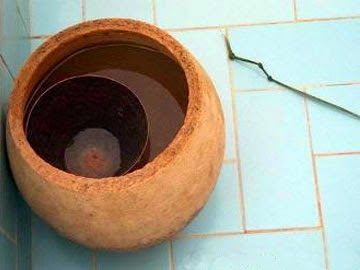
தமிழ் நாழிகை வட்டில்  இது போல  இருந்திருக்கும்

ஆராய்ச்சிக் கட்டுரை எண்.1855; தேதி 10 மே 2015

எழுதியவர் லண்டன் சுவாமிநாதன்

லண்டனில் பதிவு ஏற்றிய நேரம்- 14-53

Compiled by London swaminathan

Article No.1855; Dated 10 May 2015.

ஒரு சமுதாயம், நாகரீக வளர்ச்சியில் முன்னேறியதை எப்படிக் கண்டுபிடிக்க முடியும்? அவர்களுக்கு நேரம் ,காலம் பற்றிய அறிவும் உணர்வும் இருக்கிறதா? என்பதைக்கொண்டு கண்டுபிடிக்கலாம்.

முதலில் நேரத்தைக் காலத்தை அறிய ஒரு கருவி இருக்க வேண்டும். அதாவது கடிகாரமோ அல்லது அதற்கு இணையான மணி காட்டும் கருவியோ இருக்கவேண்டும்

இரண்டாவதாக, காலம் காட்டும் கருவி இருந்தாலும் நேரத்தின் அருமை பெருமையை உணர்ந்து அதை மதித்து நடக்க வேண்டும்.

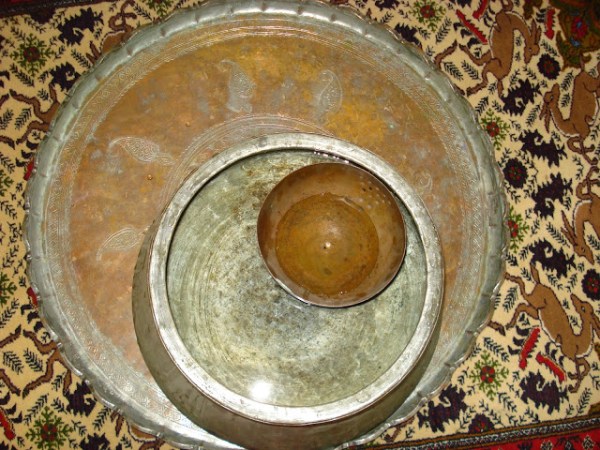
பாரசீக நீர்க் கடிகாரம்

இந்த இரண்டும் தமிழர்களிடம் இருந்ததா? இரண்டும் இருந்தன. ஒன்றிரண்டு எடுத்துக் காட்டுகளைக் காண்போம். கிராமத்தார் பேச்சு வழக்கில் கூட ‘உச்சில’ (பகல் 12 மணி), ‘விடியல’ ( சூரிய உதயத்துக்கு முன்), ‘கருக்கல்ல’ (இரவு) என்று கொச்சைத் தமிழில் பேசிக்கொள்வார்கள்.

பிராமணச் சிறுவர்களுக்கு “காணாமல், கோணாமல், கண்டு கொடு” என்று கற்றுத் தருவார்கள். அதாவது ஒரு நாளைக்கு மூன்று முறை இறைவனைத் தொழுவதற்கு விதிக்கப்பட்டாலும் அதைச் சரியான நேரத்தில் செய்ய வேண்டும் அல்லவா? காலையில் சூரியனைக் ‘காணாமல்’, அதாவது சூரிய உதயத்துக்கு முன்னர், பகலில் நிழல் “கோணாமல்” —அதாவது உடலின் நிழல் கீழே விழாமல் இருக்கும் உச்சிப் பொழுதில், சந்தியா வந்தனம் செய்ய வேண்டும். மாலையில் ‘கண்டு’ —அதாவது சூரியன் மலை வாயில் விழுந்து மறைவதற்குள், சூரியனைக் “கண்டு” சந்தியாவந்தனம் செய்யவேண்டும் .

இவையெல்லாம் கடிகாரமின்றி சூரியனைக் கொண்டே நேரம் கணக்கிட உதவின. பெரிய அரண்மனைகளில் நாழிகைக் கணக்கர் என்போர் சரியாக நேரத்தைக் கணக்கிட்டு மணி ஓசை மூலம் அறிவித்தனர். இதற்காக அவர்களிடம் நாழிகை வட்டில் என்னும் கண்ணாடிக் குடுவை இருந்தது. நாழிகைக் கணக்கர் என்பார் பழைய பாட்டில்களைக் கூர்ந்து கவனித்து ஒரு மணிக்கு ஒரு முறை மணி அடிப்பர். இந்தக் கருவி பற்றி சங்க இலக்கியப் பாடல்கள் சொல்லும்.

how_did_the_ancient_chinese

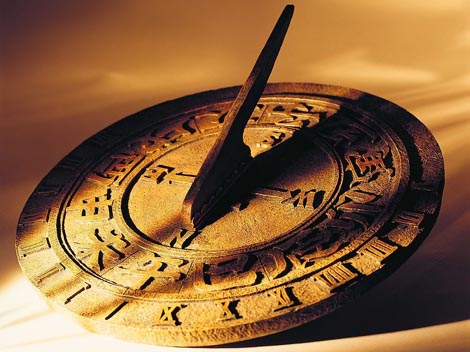
சீன சூரிய ஒளி கடிகாரம்

நிழல் மூலம் நேரம் அறிய ஒரு பாடலையும் கற்பித்தனர். கருவிகளே இல்லாமல் மணியை அறிய இது உதவியது.

“காட்டுத் துரும்பெடுத்துக்

கண்டம் பதினாறாக்கி

நீடிக் கடந்தது போக

நின்றது நாழிகை”

ஒரு நீளமான வைக்கோல் அல்லது கயிறு அல்லது ஓலையை எடுத்துக் கொண்டு அதில் 16 விரல் அளவு எடுத்துக் கொள்ளவேண்டும். மீதிப் பகுதியை வெட்டி எறிந்து விட்டு 16 விரல்கடை துரும்பை (கயிறு/ஓலை/வைக்கோல்) இரு பாகமாக்கி மடித்து, வெய்யிலில் ஒரு பகுதியின் நிழல் ஏற்படுமாறு உயர்த்திப் பிடிக்கவேண்டும். நிற்கும் பாகத்தின் நிழல் கீழேயுள்ள பகுதியின் நுனியோடு பொருந்தும் வகையில் நிறுத்த வேண்டும். இதற்கு தேவையான அளவைவிட மிச்சப் பகுதி உங்கள் கையில் இருக்கும். அது எத்தனை விரல் அளவு இருக்கிறது என்பதை அளந்து, அத்தனை நாழிகை நேரம் என்று சொல்லலாம்.

அதாவது காலையில் இப்படி எடுத்தால் சூரியன் உதித்து இத்தனை நாழிகை ஆயிற்று எனலாம். மாலையில் பயன்படுத்தினால், சூரியன் மறைய இன்னும் இத்தனை நாழிகை என்று சொல்ல வேண்டும். ஒரு நாழிகை என்பது 24 நிமிடம். ஒரு நாளைக்கு 60 நாழிகைகள். தமிழ் நாட்டில் வசிப்போருக்கு பொதுவாக சூரிய உதயம்  காலை 6-30 மணி.

எ.கா.மாலையில் நின்ற பாகத்தின் அளவு ஏழரை விரல் அளவு.அப்படியானால் சூரியன் மறைய இன்னும் ஏழரை நாழிகை (7.5×24=180 நிமிடம்= 3 மணி நேரம்)

இன்னொரு முறை

சூரியனுக்கு முதுகைக் கட்டி நிற்க.தலையின் உச்சி நிழல் எங்கே விழுகிறதோ அங்கே ஒரு கோடு கிழித்தோ, ஒரு கல்லை வைத்தோ அடையாளம் செய்க. உங்கள் கால்கலைப் பய்ன்படுத்தி எத்தனை அடி (காலடி) என்று அளக்க. அந்த எண்ணுடன் 11ஐக் கூட்டுக. அனத எண்ணை 210ல் வகுக்கவும். இதில் வரும் ஈவு எண் (காலை நேரமானால்) உதயத்துக்குப் பின் உள்ள நாழிகை, அல்லது அஸ்தமனத்துக்கு முன் உள்ள நாழிகை (மாலை நேரமானால்).

எ.கா. நிழல் அளவு 31; 31+11+42

210/42=5; ஐந்து நாழிகை (5×24=120 நிமிடம்=2 மணி நேரம்)

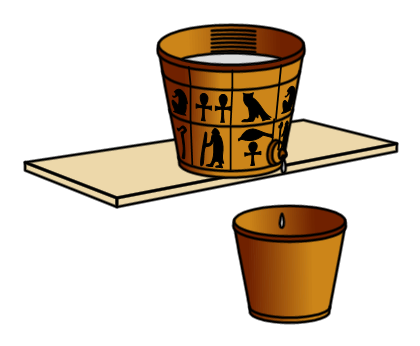
எகிப்திய தண்ணீர்க் கடிகாரம்

இரவு நேரம்

இரவு நேரத்தில் சந்திரன் அல்லது நட்சத்திரங்களைக் கொண்டு நேரம் அறியலாம். ஆனால் இதற்கு நமக்கு முக்கிய நட்சத்திரங்கள் பற்றிய அறிவு வேண்டும். நிலவு, நட்சத்திரங்கள் ஆகியன ஒவ்வொரு நாளும் உதயமாகும் நேரம் குறிப்பிட்ட இடைவெளியில் தள்ளிக் கொண்டே போகும். இதைவைத்து நேரம் அறியலாம். இது பற்றி தனியே எழுதுகிறேன்.

நாழிகை வட்டில் (மதுரைக் காஞ்சி, வரி 671)


இது நாழிகை அளவைத் தெரிவிக்கும் கருவி. இது மெல்லிய தகட்டால் கிண்ணம் போல குழிந்து இருக்கும். அதில் ஊசி முனைத் துவாரம் இருக்கும். நீரில் மிதக்கவிட்டால் கொஞ்சம் கொஞ்சமாக நீர் உள்ளே வரும். அது நிறைந்தவுடன் மூழ்கும். அதற்கு ஆகும் நேரம் ஒரு நாழிகை (24 நிமிடம்).

மேலை நாடுகளில் இரண்டாகப் பிரிக்கப்பட்ட கண்ணாடிக் குடுவைகள் (Hour Glass) ஒன்றில் மணல் இருக்கும் அந்த மணல் கீழேயுள்ள குடுவையில் சேர்ந்தால் அரை மணி அல்லது ஒரு மணி என்று கணக்கிடுவர். உடனே அதைத் தலை கீழாகத் திருப்பி வைப்பர்.

சீன தண்ணீர்க் கடிகாரம்

-சுபம்-

Brahmin Kings of Sri Lanka!

Compiled by London swaminathan

Article No.1854; Dated 9 May 2015.

Uploaded at London time: 18-11

Dictionary of 10,000 Indian Kings – Part 19


ARYA CHAKRAVARTI DYNASTY: Nineteen Brahmin Kings ruled Jaffna region of Sri Lanka from 13th century to 17th century CE and the last king Cankili II was ousted by the Portuguese. They were of Tamil Brahmin origin who came from Rameswaram. They alternated the names Pararajasekaran and Jegarajasekaran following the Pandyan model of Maran and Sadayan. Pandya kings alternated their names with Jatavarma (sadayan) and Maravarman (maran). We know the names of Aryachakravarti kings from Tamil inscriptions

Summary of Previous 18 Parts:–

160 Kings in Rig Veda published here on 23rd November 2014.

First part of the article –146 kings beginning with letter ‘A’.

Second part– 65 Pandya Kings of Madurai+ Puranic Kings

Third part — 122 kings beginning with letter ‘B’

Fourth Part- 43 Kings of Vijayanagara Empire + 34 Kings under letter C.

Fifth Part – 106 Kashmiri Hindu Kings

Sixth Part – 30 Satavahana  Kings  + 136 Kings under letter D.

Seventh Part –  35 Tamil Pandya Kings of Sangam Age.

Eighth Part – List of Chera (Kerala) 22 kings of Sangam Age+ Kings listed under E (3),G(37) & H(28)=68kings

Ninth Part- 39 Choza Kings of Tamil Nadu

Tenth Part- 104 kings from Cambodia, Champa, Sri Vjaya Kingdom of Indonesia and Pallava

11th part:Under ‘I’  13 kings+ Under ‘J’ 40 kings+ Under ‘K” 147 kings are listed.

12th Part:– 113 kings of various Indonesian kingdoms are listed.

13th Part –UNDER ‘L’ 14 + UNDER ‘M’ 72 + PANDYA II LIST 36=122 KINGS

14TH PART:Dynasties of Vishnukundina (10), Vakataka (16),Salankayana (4),Andra Ikshvaku (4) and Names under “N”(60)=94 kings.

15th Part:—-Kadamba dynasty – 14 kings, Badami Chalukya -10 kings, Rashtrakuta dynasty kings- 16

Western Chalukya kings – 14, Kakatiya dynasty – 16, Eastern Chalukya kings – 33, Ganga vamsa – 16, Kalachuri dynasty- 14,Pala vamsa -21, Chandela dynasty 34, Gurjara Pratihara -17

Hoysala-13, Alupa – 32 kings are listed = Total 226 kings

16th part – Under R—121 kings and 152 Kings of Nepal = 273 kings

In this 17th part, I have listed Kings under ‘S’

18th part I list the kings of Kushan (18), Gupta Dynasties(26) and Kings under the letter ‘T’ (38 kings). So far we have listed 2565+39(U)+ 131(V)kings+202 Sri Lankan Kings=2937!
Kings under letter “U” from Dates and Dynasties in Earliest India by R Morton Smiths

U1)Uddaalaka Aruni – 855 BCE (all dates are in BCE unless stated otherwise)

U2)Uddhava Devasravas – 1160 BCE

U3)Uddhava Kalinga 850 BCE

U4)Ugradeva Rajani Janaki – 880 BCE

U5)Ugrasena, father in law of Akrura – 1125

U6)Ugrasena Ahuki Yadava – 1020

U7)Ugrasena, brother of Janamejaya – 1230

U8)Ugrasena, nanda vamsa –

U9)Ugratirtha Kalinga – 925

U10)Ugrayudha Dvimidha – 1070

U11)Ulmuka ,son of Rama – 1075

U12)Uluka (Urnanabha) –

U13)Upabahyaka Sarnjayvi – 1200

U14)Upabimba Vasudeva – 1055

U15)Upadaanaavi , wife of Sudyuma

U16)Upadeva Yadava- 1080

U17)Upadeva Daivaka-

U18)Upadeva Daivaki

U19)Upagraavant Bhangakari -1090

U20)Upagu vaideha – 682

U21)Upagupta vaideha – 660

U22)Upamadgu Yadava- 1090

U23)Upananda Vasudeva –

U24)Upasanga Saura – 1210

U25)Upendra Yadava – 1020

U26)Urja of Magadga- 1050

U27)Urjavaha Vaideha – 1050

U28)Urnanabha Aiksvakava – 1180

U29)Uruksaya Amahiyava – 1140

U30)Uruksaya    Aiksvakava –  945

Urvasi wife of Pururuvas

Usad-gu

U31)Usanas Sukra Bhargava – 1820

U32)Usanas Yadava – 1440

U33)Usij Brother of Gautama – 1320

U34)Usinara Anava – 1365

U35)Usna vatsa – 830

Uthathya Ucathya –

U36)Uttamaujas -890

Uttanka –

U37)Utkala Saudyumna – 1280

U38)UtkilaKata Vaisvamitra – 1240

U39)Uttara Abhimanyu – 970
Kings under Letter “V”

V1)Vadava paricarika

V2)Vadrayasva Pancala – 1190

V3)Vagindra Saunaka – 1050

V4)Vahinara vatsa – 450

Vahini , wife to Kuru

V5)Vahni Turvasa – 1400

V6)Vaibhandaki – 1030

V7)Vainateya – father in law of Citaratha- 1130

V8)Vainateya , father in law of Brahanmanas – 950

V9)Vaisaki Bhadra

Vaisampayana – brother of Vyasa – 1000

V10)Vaitarana daivarha Yadava -1115

V11)Vajramitra Sunga Magadha – 129

V12)Vajra Asvasuta – 945

V13)Vajranabha Aiksvakava – 1160

V14)Vajrara Saura – 1190

Valmiki Adi Kavi – 400

V15)Vanga Baleya – 1210

Vantivana

V16)Vapusmant Laumapada -1060

V17)Varanta Divarha Yadava – 1120

Varangi – wife of Samyati

V18)Varcas saunaka – 1220

V19)Vardhamana auradevala – 119

V20)Vardhamana Jina Mahavira – 44

V21)Varsakara , minister in Magadha – 485

V22)Varsaketu of Kasi – 1195

Varuthin

V23)Vasavadatta  Pradyota – 485

V24)Vasati aiksvakava – 1810

V25)Vasin vaideha – 350

V26)Vasistha ikshvaku – 1840

V27)Vasistha Trisanku – 1335

V28)Vasistha Apava – 1315

V29)Vasistha Maitravaruni – 1320

V30)Vasu Kausika – 1360

V31)Vasu Upasanga – 1200

V32)Vasu Caidya – 1190

Vasudha

V33)Vasudana Vatsa -540

V34)Vasudeva saura – 1260

V35)Vasudeva II father of Krishna – 1010

V36)Vasudeva Kanva Magadha – 73 CE
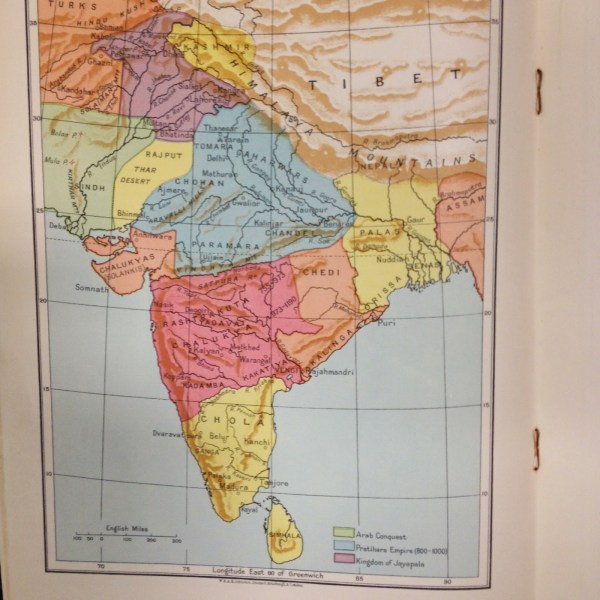
V37)Vasudeva Kushan -189 BCE

V38)Vasujyestha Sunga –

V39)Vasumanas Aiksvakava -1350

V40)Vasumitra Sunga – 142

V41)Vasunabha (Abhayada Suvanant) -1680

Vasundhara Mother of Srutavant 1050

V42)Vatapati bhangakari – 1090

V43)Vatsa Rtadwaja Kasya- 1290

V44)Vatsa Avantaka Nipa -1300

V45)Vatsapri Bhalandana –

V46)Vatsavana Saura- 1155

V47)Vatsavyuha akisvakava – 930

V48)Vedisri satakarni – 193

V49)Vegavant Saka – 1360

V50)Venuhaya Yadava – 1560

V51)Venuhotra of Kasi – 1060

V52)Vibhandaka Kasyapa – 1165

V53)Vibhraja Nipa – 1140

V54)Vibhu of Kasi- 1140

V55)Vibudha vaideha – 1200

V56)Vicitravirya of Kasi 905

V57)Vicitravirya Kaurava – 1035

V58)Vidarbha Yadava – 1290

V59)Vidura Vaicitravirya -990

V60)Viduratha,  father in law of Sudhrtri

V61)Viduratha Bhajamana Yadava – 1140

V62)Viduratha Vaidarbha – 1190

V63)Viduratha Kaurava -1200

V64)Vidathin Marutasva –

V65)Vihavya Saunaka – 1200

V66)Vijaya Aiksvakava 1380

V67)Vijaya Vaideha – 528 CE

V68)Vijaya Ksatradharmana – 1510

V69)Vijaya Saura – 1190

V70)Vijaya Anava Satyaratha 1080

V70)Vijaya Andhra – 226 CE

V71)Vijaya, wife of sahadeva

V72)Vikarna Anava – 780

V73)Vikrama Aditya – 58

V74)Vikuksi sasada

V75)Vikunthn Hastina – 1100

Vimala, wife of Ajamidha

V76)Vimsa Pramsava – 1380

V77)Vinatasva Saudyumna – 1280

V78)Vinda of Avanti- 980

V79)Viprthu Caitraka Yadava – 1080

V80)Virabahu of Mahabharata Nala story

V81)Viraja kaurava – 1425

V82)Viraratha Dwimidha -950

V83)Virasena Nisada- 1390

V84)Virasena maurya Saubhagasena-200

V85)Virocana of Hiranyakasipu

V86)Virupa Nabhagi – 1410

V87)Visakhayupa Pradyota- 456 CE

V88)Visala Vaisravasa Saka- 1260

V89)Visala, wife of Uruksaya – 1140

V90)Visnuvrddha Aiksvakava 1390

V91)Visravas Dravideya Saka – 1280 BCE

Visruta Sruta –

V92)Visrutasva Aiksvakava-830

V93)Visrutavant Aiksvakava 1025

V94)Visvagasva Aiksvakava 1740

V95)Visvajit ,Brother of Bhima- 1540

V96)Visvajit of Magadha- 572

V97)Visvaksena pancala- 1070

V98)Visvamitra gathina- 1340

Visvaratha Visvamitra-

V99)Visvasaha Nabhagi- 1180

V100)Visvasaha Aiksvakava1100

V101)Visvasaha Laumapada -1180
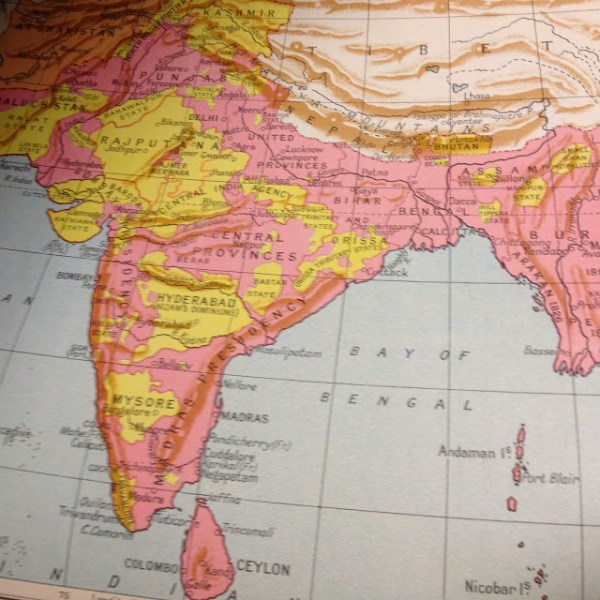
V102)Visvavasu, father of Pramadvara -1010

V103)Vitahavya Haihaya – 1295

V104)Vitaratha Laumapada – 990

V105)Vitarka Kaurava – 1130

V106)Vitatha Marutasva- 1205

V107)Vitatya Saunaka -1180

V108)Vitihotra vaideha- 462 CE

V109)Visvavant, father of Manu

V110)Vivimsa Pramsava – 1360

V111)Vratini Bhagavati Yadavi- 1170

V112)Vrddhasarman Karusa- 1000

V113)Vrddhasarman Nabhagi 1200

V114)Vrjini, daughter of Susila Madri

V115)Vrjnivant Yadava – 1620

V16)Vrka Aiksvakava 1340

V117)Vrkadeva -1230

V118)Vrkadeva sisirayani- 1200

V119)Vrkati Vaidarbha – 1130

V120)Vrsa Arjuni Yadava -1335

Vv121)rsa Anava Varsasena -940

V122)Vrsabha 1150

V123)Vrsabhuta Indra -1810

V124)Vrsadarbha Saibhya Anava – 1320

V125)Vrsala Madhava Yadava- 1290

V126)Vrsaparvan, father in law of Yayati- 1820

V127)Vrsasena Anava -960

V128)Vrsni satvata Yadava – 1190

V129)Vrsnimant Vatsa- 770

Vyasa Krsna – 1050

V130)Vyoman Vaidarbha -1170

V131)Vyusitasva Aiksvakava – 1120
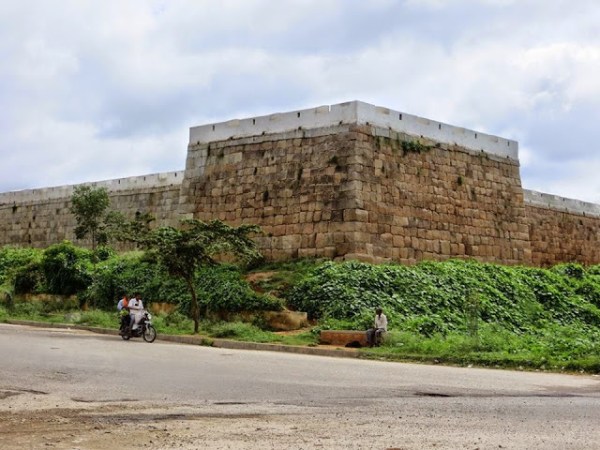
Magadhi Fort

Kings of Sri Lanka

SL1)Vijaya 38 Years 543 – 505 BC Thammanna Nuwara
Upathissa 01 Year 505 – 504 BC Upathissa Nuwara
Panduwasa Dewa 30 Years 504 -474 BC Upathissa Nuwara
Abhaya 20 Years 474 – 454 BC Upathissa Nuwara
Pandukabhaya 70 Years 437 – 367 BC Anuradhapuraya
Mutasiwa 60 Years 367 – 307 BC Anuradhapuraya
Devanampiyathissa 40 Years 307 – 267 BC Anuradhapuraya
Uththiya 10 Years 267 – 257 BC Anuradhapuraya
Mahasiwa 10 Years 257 – 247 BC Anuradhapuraya
SL10)Surathissa 10 Years 247 – 237 BC Anuradhapuraya
Sana & Guththika 10 Years 237 – 215 BC Anuradhapuraya
Asela 10 Years 215 – 205 BC Anuradhapuraya
Elara 44 Years 205 – 161 BC Anuradhapuraya
Dutugemunu 24 Years 161 – 137 BC Anuradhapuraya
Saddhathissa 18 Years 137 – 119 BC Anuradhapuraya
Thullaththana 01 Month 119– BC Anuradhapuraya
Lanjithissa 09 Years & 08 Month 119 – 109 BC Anuradhapuraya
Kallathanaga 06 Years 109 – 103 BC Anuradhapuraya
Wattagamini Abhaya ( Walagamba ) 05 Month- ( 1st rulling time ) 103 BC Anuradhapuraya
SL20)Walagamba 12- Years ( 2nd rulling time ) 89 – 76 BC Anuradhapuraya
Pualahattha 03 Years 103 – 100 BC Anuradhapuraya
Bhahiya 02 Years 100 – 98 BC Anuradhapuraya
Panayamara 07 Years 98 – 91 BC Anuradhapuraya
Piliyamara 07 Month 91 – 90 BC Anuradhapuraya
Dhatiya 02 Years 90 – 89 BC Anuradhapuraya
Mahasilu Mahathissa 14 Years 76 — 62 BC Anuradhapuraya
Choranaga 12 Years 62 – 50 BC Anuradhapuraya
Thissa ( Kuda Thissa ) 03 Years 50 – 47 BC Anuradhapuraya
Anula & Her Husbonds– 04 Years & 03 Month 47 – 42 BC Anuradhapuraya
SL30)Kutakannathissa 22 Years 42 – 20 BC Anuradhapuraya
Bhathiya , Bhathika

Abhaya, Bhathiya Thiss

28 Years 20 BC – 09 AC Anuradhapuraya
Mahadathiya Mahanaga 12 Years 09 – 21 AC Anuradhapuraya
Amanda Gamini 09 Years- 21 – 30 AC Anuradhapuraya
Kanirajanuthissa 03 Years 30 – 33 AC Anuradhapuraya
Chulabhaya 02 Years 33 – 35 AC Anuradhapuraya
Queen Seewali 04 Month 35 AC Anuradhapuraya
Eylanaga 09- Years 35 – 44 AC Anuradhapuraya
Chandramukhaseewa 08 Years 44 – 52 AC Anuradhapuraya
SL40)Yasalalakathissa 07 Years & 08 Month 52 – 60 AC Anuradhapuraya
Subharaja 06 Years 60 – 66 AC Anuradhapuraya
Wasabha 44 Years 66 – 110 AC Anuradhapuraya
Wankanasikathissa 03 Years 110 – 113 AC Anuradhapuraya
Gajabahu – I 22 Years 113 – 135 AC Anuradhapuraya
Mahallakhanagha 06 Years 135 – 141 AC Anuradhapuraya
Bhathiya Thissa – II 24 Years 141 – 165 AC Anuradhapuraya
Kanitthathissa 28 Years 165 – 193 AC Anuradhapuraya
Chulanaga ( Kujjanaga ) 02 Years 193 – 195 AC Anuradhapuraya
Kunchanaga 01 Years 195 – 196 AC Anuradhapuraya
SL50)Sirinaga 19 Years 196 – 215 AC Anuradhapuraya
Voharikathissa 22 Years 215 – 236 AC Anuradhapuraya
Abhayanaga 08 Years 236 – 244 AC Anuradhapuraya
Sirinaga – II 08 Years 244 – 246 AC Anuradhapuraya
Vijayakumara 01 Year 246 – 247 AC Anuradhapuraya
Sangathissa 04 Years 247 – 251 AC Anuradhapuraya
Sirisangabhodhi ( Sirisagabo ) 02 Years 251 – 253 AC Anuradhapuraya
Ghotabhaya 13 Years 253 – 266 AC Anuradhapuraya
Detuthis – I ( Jettathissa ) 10 Years- 266 – 276 AC Anuradhapuraya
Mahasen 27 Years 276 – 303 AC Anuradhapuraya
SL60)Sirimewan 28 Years 303 – 331 AC Anuradhapuraya
Detuthissa – II 09 Years 331 – 340 AC Anuradhapuraya
Buddhadasa 29 Years 340 – 369 AC Anuradhapuraya
Upathissa – I 42 Years 369 – 410 AC Anuradhapuraya
Mahanama 22 Years 410 – 432 AC Anuradhapuraya
Soththisena 01 Day 432 AC Anuradhapuraya
Chaththagrahaka 01 Year 432 – 433 AC Anuradhapuraya
Miththasena 01 Years 433 – 434 AC Anuradhapuraya
Pandu 434 – 459 AC Anuradhapuraya
Parinda 434 – 459 AC Anuradhapuraya
SL70)Kudaparinda 434 – 459 AC Anuradhapuraya
Thirithara 434 – 459 AC Anuradhapuraya
Dhatiya 434 – 459 AC Anuradhapuraya
Phitiya 434 – 459 AC Anuradhapuraya
Dhatusena 18 Years 459 – 477 AC Anuradhapuraya
Kashayapa 18 Years 477 – 495 AC Anuradhapuraya
Mugalan — I 18 Years 495 – 512 AC Anuradhapuraya
Kumaradasa ( Kumara Dhathusena ) 09 Years 512 – 521 AC Anuradhapuraya
Keerthisena 09 Month 521 AC Anuradhapuraya
Siwa 25 Days 521 AC Anuradhapuraya
SL80)Upathissa – II 01 Year 521 – 522 AC Anuradhapuraya
Silakala 13 Years 522 – 535 AC Anuradhapuraya
Dathappabhuthi ( Dhapuphasen ) 06 Month 535 AC Anuradhapuraya
Mugalan — III 20 Years 535 – 555 AC Anuradhapuraya
Kithsirimewan- ( Keerthi Sri Megawarna ) 19 Years 555 – 573 AC Anuradhapuraya
Mahanaga 03 years 573- -575 AC Anuradhapuraya
Agbo – I ( Agrabhodhi ) 34 Years 575 – 608 AC Anuradhapuraya
Agbo – III 10 Years 608 – 618 AC Anuradhapuraya
Sangathissa 02 Month 618 AC Anuradhapuraya
Mugalan – III 05 Years 618 – 623 AC Anuradhapuraya
SL90)Asigrahaka ( Shilamegawarna ) 09 Years 623 – 632 AC Anuradhapuraya
Agbo – III 06 Month ( 1st rulling time) 632 AC Anuradhapuraya
Jetthathissa ( Detuthissa )- – III 05 Month 632 AC Anuradhapuraya
Agbo- – III 16 Years- ( 2nd rulling time ) 632 – 648 AC Anuradhapuraya
Dathasiwa – I 02 Years 648 – 650 AC Anuradhapuraya
Kashayapa — II 09 years 650 – 659 AC Anuradhapuraya
Dappula – I 03 Years 659 – 662 AC Anuradhapuraya
Haththadatha ( Dhatopathissa – II ) 09 Years 659 – 667 AC Anuradhapuraya
Agbo – IV ( Aggabhodhi ) 16 Years 667 – 683 AC Anuradhapuraya
Daththa 02 Years 683 – 684 AC Anuradhapuraya
SL100)Haththadatha- 06 Month 684 AC Anuradhapuraya
Manawamma 35 Years 684 – 719 AC Anuradhapuraya
Agbo – V 06 Years 719 – 725 AC Anuradhapuraya
Kashshapa – III 06 Years 725 – 731 AC Anuradhapuraya
Mahinda – I– ( Mihindu ) 03 Years 731- 733 AC Anuradhapuraya
Agbo- – VI 40 Years 733 – 722 AC Anuradhapuraya
Agbo – VII 06 Years 772 – 718 AC Anuradhapuraya
Mihindu – II 20 Years Anuradhapuraya
Dappula -II ( Udaya – I ) 05 Years 797 – 802 AC Anuradhapuraya
Mihindi – III 03 Years 802 – 805 AC Anuradhapuraya
SL110)Agb0 – VIII 11 Years 805 – 816 AC Anuradhapuraya
Dappula – III 16 Years 816 – 831 AC Anuradhapuraya
Agbo – IX 02 Years 831 – 833 AC Anuradhapuraya
Sena – I 20 Years 833 – 853 AC Anuradhapuraya
Sena – II 35 Years 853 – 887 AC Anuradhapuraya
Udaya – II 11 Years 887 – 898 AC Anuradhapuraya
Kashshapa- – IV 17 Years 898 – 915 AC Anuradhapuraya
Kashshapa- – V 09 Years 915 – 924 AC Anuradhapuraya
Dappula – IV 07 Month 924 AC Anuradhapuraya
Dappula – V 12 Years 924 – 935 AC Anuradhapuraya
SL120)Udaya – II 03 Years 935 – 938 AC Anuradhapuraya
Sena – III 08 Years 938 – 946 AC Anuradhapuraya
Udaya – III 06 Years 946 – 952 AC Anuradhapuraya
Sena – IV 03 Years 952 – 955 AC Anuradhapuraya
Mihindu – IV 16 Years 955 – 972 AC Anuradhapuraya
Sena – V 10 Years 972 – 982 AC Anuradhapuraya
Mihindu – V 36 Years 982 – 1018 AC Anuradhapuraya
Vijayabahu – I 55 Years 1055 – 1110 AC Polonnaruwa
Jayabahu – I 01 Year 1110 AC Polonnaruwa
Vickramabahu 21 Years 1110 – 1131 AC Polonnaruwa
SL130)Gajabahu – II 22 Years 1131 – 1153 AC Polonnaruwa
Maha Parakramabahu – I 33 Years 1153 – 1186 AC Polonnaruwa
Vijayabahu – II 01 Year 1186 – 1187 AC Polonnaruwa
Mihindu ( mahinda ) – IV 05 Days 117 AC Polonnaruwa
Nishshankamalla 09 Years 1187 – 1196 AC Polonnaruwa
Veerabahu – I 01 Day 1196 AC Polonnaruwa
Vickramabahu – II 03 Month 1196 AC Polonnaruwa
Chidaganga 09 Month 1196 – 1197 AC Polonnaruwa
Leelawathi 03 Years ( 1st rulling time ) 1197 – 1200 AC Polonnaruwa
Leelawathi 01 Year ( 2nd rulling time ) 1210 AC Polonnaruwa
SL140)Leelawathi 07 Month ( 3rd rulling time ) 1212 AC Polonnaruwa
Sahasamalla 02 Years 1200- – 1202 Ac Polonnaruwa
Kalyanawati 08 Years 1202 – 1210 AC Polonnaruwa
Darmshoka 01 Year 1210 AC Polonnaruwa
Anikanga 17 days 1210 AC Polonnaruwa
Lokeshwara 09 Month 1211 AC Polonnaruwa
Parakramapandu 03 Years 1212 – 1215 AC Polonnaruwa
Kalinga- Maga 21 Years 1215 – 1236 AC Polonnaruwa
Vijayabahi – III 04 Years 1220- 1224 AC Dambadeniya
Parakramabahu – II 35 Years 1234 -1269 AC Dambadeniya
SL150)Vijayabahu – IV 03 Years 1267 – 1270 Ac Dambadeniya
Buvanekabahu – I 12 Years 1270 -1283 AC Dambadeniya & Yapahuwa
Parakramabahu – III 06 Years 1287 – 1293 AC Polonnaruwa
Buwanekabahu – II 09 Years 1293 – 1302 AC Kurunegala
Panditha Parakramabahu – IV 24 Years 1302 – 1326 AC Kurunegala
Buwanekabahu – III Kurunegala
Vijayabahu – V Kurunegala
Buvanekabahu – IV 12 Years 1341 – 1353 AC Gampola
Parakramabahu – V 15 Years 1344 – 1359 Dedigama & Gampola
Vickramabahu – III 17 Years 1500 – 1374 AC Gampola
SL160)Buvanekabahu – V 37 Years 1372 – 1408 AC Gampola
Veerabahu – II 05 Years 1392 – 1397 AC Raigama
Veeraalakeshvara 12 Years 1397 – 1410 Ac Raigama
Parakramabahu – VI 55 Years 1412 – 1467 AC Kotte
Jayabahu – II 05 Years 1467 – 1472 AC Kotte
Buvanekabahu – VI 09 Years 1472 – 1480 AC Kotte
Parakramabahu – VII 04 Years 1480 – 1484 AC Kotte
Veeraparakramabahu – VIII 24 Years 1484- 1508 AC Kotte
Darma Parakramabahu – IX 20 Years 1508 – 1528 AC Kotte & Kelaniya
Vijayabahu – VII 12 Years 1510 – 1522 AC Kotte
SL170)Buwanekabahu- – VII 30 Years- 1522 – 1551 AC Kotte
Darmapala 46 Years 1551 – 1597 Ac Kotte
Mayadunna 60 Years 1521 – 1581 AC Seethawaka
Rajasinghe – I 39 years 1554 – 1593 AC Seethawaka
Don Pilip 01 Year 1591 AC Mahanuwara
Wimaladarmasuriya – I 13 years Mahanuwara
Senarath 31 Years 1604 1635 AC Mahanuwara ( Senkadagala )
Rajasinghe – II 52 Years 1635 – 1687 AC Senkadagala
Wimaladarmasuriya – II 20 Years 1687 – 1707 AC Mahanuwara ( Senkadagala )
Narendrasinghe 32 Years 1707 – 1739 AC Mahanuwara ( Senkadagala )
SL180)Vijaya Rajasinghe 08 Years 1739 – 1747 AC Mahanuwara ( Senkadagala )
Keerthi Sri Rajasinghe 35 years 1747 – 1782 AC Mahanuwara ( Senkadagala )
Radhirajasinghe 16 Years 1782 – 1798 AC Mahanuwara ( Senkadagala )
SL183)Sri Wickrama Rajasinghe 17 Years 1798 – 1815 AC Mahanuwara ( Senkadagala )


Ninteen Kings (Pararaja, Jegaraja)184 to202
Arya Chakravarti – 1277 –Jaffna (Northern Sri Lanka)

Devan

Azakan

Minatungan

Singai Parasasekaran

SL202) Cankili II

Though nineteen kings ruled, we don’t know about them. Only the contemporary inscriptions help us to identify them. Some people have attributed their origin to Malaya, Java and Kalinga.

மீன்களுக்குப் பிடிக்காத நீர்நிலை எது? எதனால்? சம்ஸ்கிருத புதிர்

boat, bridge

Written by S NAGARAJAN

Post No.1853; Date: 9 May 2015

Uploaded at London time: 14-29


சம்ஸ்கிருதச் செல்வம்பாகம் 3

கவிதைப் புதிர்களின் தொடர் வரிசையில் இன்னும் ஒரு பஹிர் ஆலாப வகை புதிர்:


கீத்ருக் கிம் ஸ்யான்ன மத்ஸ்யானாம் ஹிதம் ஸ்வேச்சாவிஹாரிணாம் I

குணை: பரேஷாமத்யர்தம் மோததே கீத்ருஷ: புமான் II


தங்கள் இஷடம் போல விளையாட நினைக்கும் மீன்களுக்கு எது, எதனால் பிடிக்காமல் இருக்கும்? இதற்கான விடை விமத்சரா –  இதன் பொருள் ; நீரிலேயே வாழும் பறவைகள்


ஏன் என்று சுலபமாகப் புரிந்து கொள்ளலாம். நீர் நிலைகளையே ஆதாரமாகக் கொண்டு வாழும் பறவைகளுக்கு உணவு அந்த நீர் நிலைகளில் வாழும் மீன்கள் தானே! ஆகவே தான் அப்படிப்பட்ட பறவைகள் வாழும் இடத்தில் வசிக்கவே அவை அஞ்சும்!


மற்ற மனிதர்களின் நல்ல குணங்களினால் எப்படிப்பட்ட மனிதன் சந்தோஷமடைகிறான்?


விடை : விமத்சரா: பொருள் : பொறாமை அற்ற ஒரு மனிதரால்.

விமத்சரா: என்ற ஒரே சொற்றொடரை இரு விதமாகப் பிரித்தால் அது இரு வேறு கேள்விகளுக்கு விடையை அளிக்கிறது.


இன்னொரு புதிர்:

கீத்ருக் தோயம் துஸ்தரம் ஸ்யாத் திதீர்ஷோ:                                                       

கா பூஜ்யாஸ்மின் கட்கமாமந்த்ரயஸ்வ  I                                   

த்ருஷ்ட்வா தூமம் தூரதோ மானவிஞ்ஞா:                                              

கிம் கர்தாஸ்மி ப்ராதரேவாஷ்ரயாஷம்  II


இது சாலினி என்ற சந்தத்தில் அமைந்துள்ள ஒரு புதிர் செய்யுள்.


ஒருவன் கடந்து செல்ல விரும்பும் போது எந்த நீர் நிலை (நதி) கடந்து செல்ல மிகவும் கஷ்டமானது? (தோயம் என்றால் நீர் அல்லது இங்கு நீர்நிலை/நதி)


இதற்கான விடை: நுபடகு இல்லாத போது

 mum and child deepu bhat

மதிக்கப்பட வேண்டியவர் மாதா (தாயார்)

மதிப்பதற்குத் தகுதியானவர் யார்?

இதற்கான விடை : மாதா (தாயார்)


வாளை எப்படி அழைப்பது? –

இதற்கான விடை: ஆஸே!  ( கத்தியே என்று)

மிக்க அறிவார்ந்தவர்களே, தூரத்தில் புகையைக் கண்டால் நான் என்ன செய்வது?

இதற்கான விடை: அனுமாதாஸே (காலையிலேயே தீ இருப்பதை அனுமானத்தால் அறியலாம்)


இப்படி, அனுமாதாஸே என்ற ஒரே சொற்றொடர் நான்கு கேள்விகளுக்குப் பதில் அளிக்கிறது.

 shivaji sword

வீர சிவாஜியின் கத்தி

விடை தெரிந்து புதிர்களைக் கையாள்வது சுலபம். விடை தெரியாமல் இருக்கும் போது சம்ஸ்கிருதத்தில் சொற்விற்பன்னராக இருக்கும் ஒருவர் மட்டுமே விடையைச் சரியாகக் கூற முடியும், இல்லையா!

*************


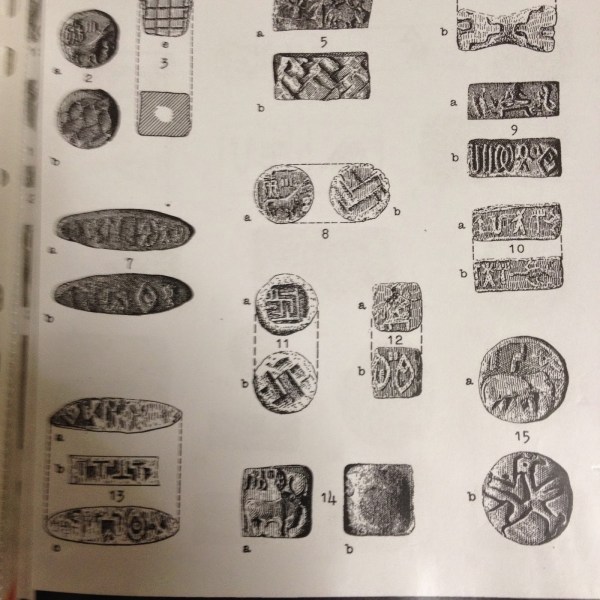
Ramayana Eagle Seal in Indus Valley!

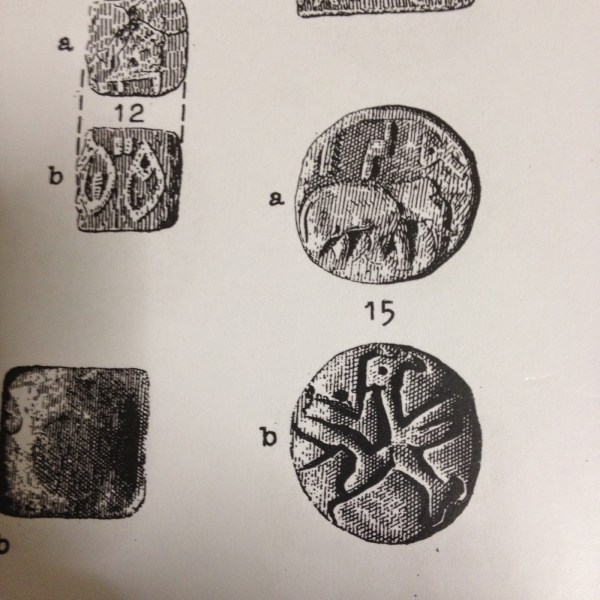
Picture of Indus Valley Eagle seal

Written by London swaminathan

Post No.1852; Date: 8 May 2015

Uploaded at London time: 5-52 am

Indian kings have been using seals from time immemorial. Chozas of Tamil Nadu used tiger seal and Pandyas the fish. There is a very interesting information in Kamba Ramayana who adapted Valmiki Ramayana in Tamil. Kamban mentioned Ramayana of three people in one of his verses in the Balakanda. The commentators say that the three Ramayanas mentioned by Kamban are Vaistha Ramayana , Bodhayana Ramayana and Valmiki Ramayana. Kamban mentioned that he follows the Adi Kavya of Valmiki. He specifically mentioned the greatness of Valmiki in one of his verses. He praised him as Great Divine Poet (Deiva Ma Kavi). But yet we have certain information that is not found in the Valmiki. He might have used the other two Ramayanas that are lost.

One of the interesting facts mentioned by Kamban is the EAGLE SEAL.

Purananauru of Sangam Tamil literature gives us two Ramayana episodes which are not found in Kamban or Valmiki. The squirrel episode given by the Azavars in Tamil is also not found in others. It shows that there were several facts which were missed by Valmiki and Kamban or we might have missed those verses.

Kamban, in Ayodhya Kanda, says

When Dasarartha sent the invitations of Raman’s Coronation to all the kings of Bharat (India), it was in gold leaves. And it had the EAGLE seal of Kosala country. Eagle seal is found in Indus valley. Eagle, falcon and vulture are mentioned in countless places in the Vedas. Eagle/Garuda plays a key role in the Hindu scriptures.

Eagle and Garuda are holy symbols. Garuda was the vehicle of Vishnu. Even the Greek king of North West India installed a pillar with Garuda on top and proclaimed him as the great devotee (Parama Bhagavata) of Vishnu. Eagle is linked with the Soma creeper and ambrosia/Amrta. In fact it is not the EAGLE BIRD, but the people who had eagle as their totem symbol like the Jatayus of Ramayana. No wonder we have eagle featured in Ramayana and discovered it in the Indus Valley civilization. Sangam Tamil literature says that Karikal Choza constructed Yaga Kunda in eagle shape which is already in the Vedas.

I have already written that the Indus Civilization was not monolithic and it had several peoples like today’s Hinduism worshipping various Gods. Gandharvas played a key role in the Indus Valley. They fought with Lava and Kusa and Rama’s brothers and lost. They fought with Duryodhana and captured him. Arjuna rescued him. I have shown elsewhere the strong link of Gandharvas to the Indus area. We know the names of the kings who ruled the Indus valley (Amabarisha, Jayadratha etc)

This eagle symbol and the mysterious Soma Juice Filter symbol found in hundreds of Indus seals confirm the Vedic connection to the Indus. In fact there was only one culture from the Himalayas to the Kumari in the south from the very beginning. Since it covered geographically a vast area with different climates and terrain, regional variations are there like every part of the world. There is no country in the world today without such regional variations. Even in small countries such as Britain, Spain and France that are equal to one state in India, we see various cultures.

So we must approach Indus Valley with this view. It had several types of people and several types of worship; may be more than one language!!!

Reference:–

Tamil Verse of Kamban is given below

வென்றி வேந்தரை வருக என்று உவணம் வீற்றிருந்த

பொன் திணிந்த தோட்டு அரும்பெறல் இலச்சினை போக்கி

நன்று சித்திர நளிர் முடி கவித்தற்கு நல்லோய்

சென்று வேண்டுவ வரன்முறை அமைக்க எனச்செப்ப

–அயோத்தியா காண்டம், மந்திரப் படலம்

Subham.

நான் பாற்கடலை நக்கிக் குடிக்கும் பூனை – கம்பன்

பணிவு

Written by London swaminathan

Post No.1851; Date: 7 May 2015

Uploaded at London time: 19-51

புலவர்கள் பணிவும் அடக்கமும்!!

வாய் ஆறாக வயிறு களனாக உணரும் அறுசுவைகளோ சிறிது நேரமே நிலைத்து நிற்கும். செவி ஆறாகச் சிந்தை களனாக உணரத் தக்க கவிச் சுவையோ தெவிட்டாத தெள்ளமுதம் ஆகும்.

வால்மீகி முனிவர் வழிப்பறிக் கொள்ளைக்காரனாக இருந்தவர். பின்னர் முனிவர் ஆனவர். காட்டில் வசித்த அவர் ஒருநாள், ஒரு வேடனைக் கண்டார். ஒரு ஆண் பறவையும் பெண் பறவையும் கொஞ்சிக் குலாவிக் கொண்டிருந்த நேரத்தில் ஆண் பறவையை வில்லால் அடித்துக் கொன்றான் வேடன். பெண் பறவையோ சோகத்துடன் தனது கணவனை வட்டமிட்டுக் கொண்டிருந்தது. உடனே வால்மீகி, அவனைச் சபித்தார். அந்த சாபம் பாடல் வடிவில் வெடித்தது. அட! இது என்ன ஆச்சர்யம்! நான் சபித்த சாபம் “அனுஷ்டுப் சந்தஸ்” என்ற யாப்பில் ஒரு பாடலாக வந்ததே என்று வியந்தார். அதாவது, “சோகத்திலிருந்து ஸ்லோகம்” பிறந்தது.

அந்த நேரத்தில் பிரம்மதேவன் அவர் முன்னிலையில் தோன்றி சகல குண சம்பன்னனான, சத்ய பராக்ரமனான இராமபிரானின் தெய்வீகக் கதையைப் பாடச் சொன்னார். அப்படிப் பிறந்ததே ராமாயணம்.

இப்பேற்பட்ட வால்மீகியின் அற்புதமான ராமயணத்தைப் பாடவே தான் தமிழில் ராமாயணத்தை இயற்ற முயன்றதாக கவிச் சக்ரவர்த்தி கம்பன் கூறுகிறான்:

“வையம் என்னை இகழவும் மாசு எனக்கு

எய்தவும் இது இயம்புவது யாது எனின்

பொய் இல் கேள்விப் புலமையினோர் புகல்

தெய்வ மாக்கவி மாட்சி தெரிக்கவே”

இதற்கு முன் தனது செயலானது, ஒரு பெரிய பாற்கடலை பூனை நக்கி, நக்கி குடிக்க முயற்சிப்பது போலத்தான் தன் முயற்சியும் என்று அவை அடக்கத்துடன் கூறுகிறார்:

ஓசை பெற்று உயர் பாற்கடல் உற்று ஒரு

பூசை முற்றவும் நக்குபு புக்கென

ஆசை பற்றி அறையலுற்றேன் மற்று இக்

காசு இல் கொற்றத்து இராமன் கதை அரோ!

பூசை=பூனை, காசு இல் கொற்றம்= குற்றமற்ற வெற்றியை உடைய

கவிதை என்பது என்ன?

உள்ளத்திலிருந்து பீறிட்டெழும் உணர்ச்சியே கவிதை. இந்த உணர்ச்சி இரக்கத்தின் காரணமாகவோ, அன்பின் காரணமாகவோ , அழகை ரசிப்பதன் காரணமாகவோ, தார்மீக கோபத்தின் காரணமாகவோ எழக்கூடும்.

காளிதாசன் எழுதிய மாளவிகா அக்னி மித்ரம் என்ற நாடகத்தில் சொல்லுகிறார்:

பழையதெல்லாம் நல்லது; புதியது எல்லாம் பயனற்றது என்று ஒதுக்கி விடாதீர்கள். அறிவுள்ள விமர்சகர்கள் தக்க முறையில் ஆராய்ந்து முடிவு எடுப்பர். மூடர்களோவெனில் மற்றவர் முடிவைச் சார்ந்து நிற்பர் என்கிறார்.

ரகுவம்ச காவியத்துவக்கத்தில் முடவன் கொம்புத்தேனுக்கு ஆசைப்படது போல சூர்ய வம்சப் பேரரசர்கள் பற்றித் தான் எழுத முயற்சிப்பதாகவும், இது ஒரு பெரிய சமுத்திரத்தை சிறிய படகின் மூலம் கடப்பதற்குச் சமம் என்றும் சொல்லுவார்.

ஆயினும் முன்னோர்கள் (வால்மீகி போன்ற ஆதி கவிகள்) ஏற்கனவே துளைத்த வைரத்தில் நூலை நுழைப்பது தனக்கு சிரமமான பணியல்ல என்றும் பணிவோடு பேசுகிறார்.

ஜஹான் ந பஹுஞ்சே ரவி, வஹாம் பஹுஞ்சே கவி

இந்தியில் ஒரு பழமொழி உண்டு:

ஜஹான் ந பஹுஞ்சே ரவி, வஹாம் பஹுஞ்சே கவி—என்று. சூரியன் (ரவி) பூக முடியாத இடத்திலும் கவி(ஞன்) புகுந்து விடுவான் என்பது இதன் பொருள். இதற்கு உதாரணமானவர்கள்: வால்மீகி, காளிதாசன், கம்பன், இளங்கோ, பாரதி முதலியவர்கள் ஆவர்.

பெரிய கலைக் களஞ்சியத்தை – ப்ருஹத் ஜாதகம் – ப்ருஹத் சம்ஹிதா முதலிய நூல்களை எழுதிய வராஹமிகிரர்,

சோதிட சாத்திரம் என்னும் பாற்கடலை, எனது புத்தி என்னும் மந்தர மலையால் கடைந்து, உலகிற்கு சந்திரன் போல ஒளியூட்டக்கூடிய சாத்திரத்தைக் கொடுக்கிறேன். முன்னோர் சொன்ன எல்லாவற்றையும் சுருக்கித் தந்துள்ளேன். அவற்றுடன் எனது நூலை ஒப்பிட்டு, தள்ளுவன தள்ளி கொள்ளுவன கொள்ளுங்கள் என்று அடக்கமாக வாசிக்கிறார்.

கவிஞர்கள் மாபெரும் அறிவாளிகள்; அதே நேரத்தில் மிக மிகப் பணிவுடையோர்.

கவிஞர்கள் இறக்கலாம்; கவிதைகள் இறக்காது; அவை அமரத்துவம் வாய்ந்தவை!

Kiskindha Kanda Pictures from Valmiki Ramayana

Written by London swaminathan

Post No.1850; Date: 7 May 2015

Uploaded at London time: 7-51 am

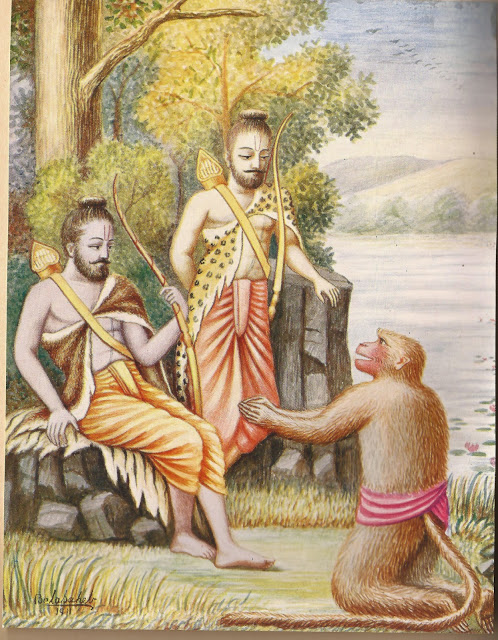
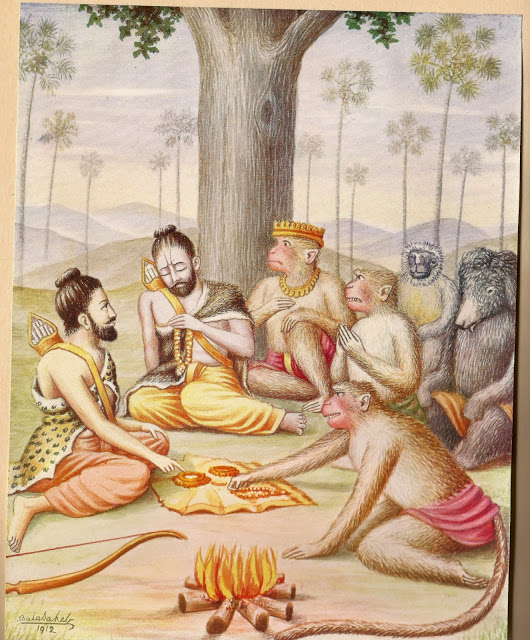
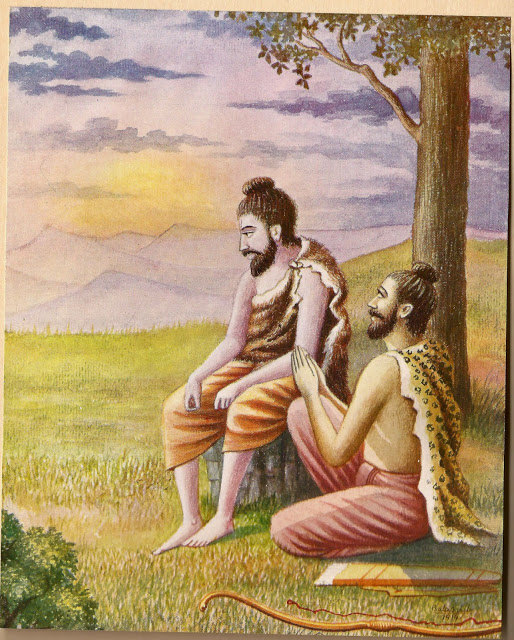
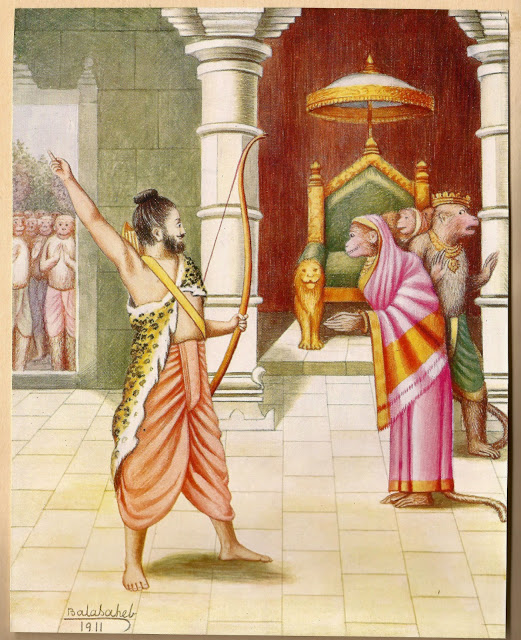
You have seen the pictures of Balakanda, Ayodhya Kanda and Aranya Kanda already in my previous posts. Now you can enjoy the beautiful pictures drawn one hundred years. Pictures are from Picture Ramayana book.

Maruti meets Rama: KISHKINDHA KANDA PICTURE 1

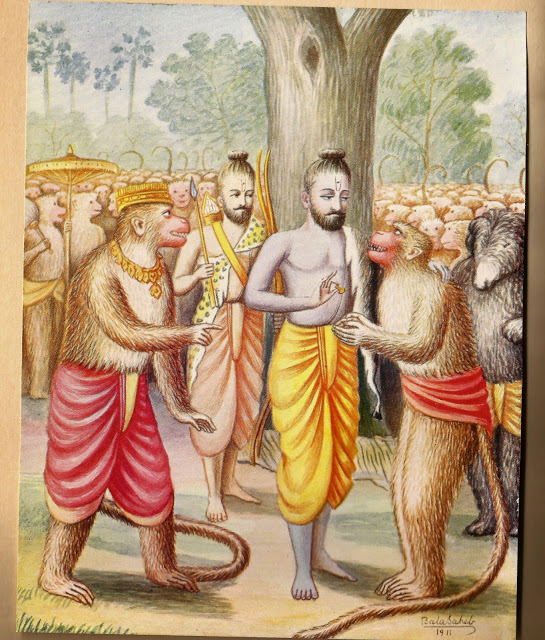
Rama and Lakshmana went to Lake Pampa. Sugriva was afraid to see two mighty heroes from the top of Rishyamuka hill. He sent Maruti (Hanuman/Anjaneya) to find out who they were. Maruti/Hanuman went on a fact finding mission (scouting) and found out they were good people. Immediately he told them the sad story of Sugriva whose wife was abducted by his brother Vali. Maruti wanted to form an alliance with him so that they could help Sugriva in the Rescue Mission. Rama who was on the same boat, readily agreed. Then Maruti took the brothers to Sugriva, the King of Monkeys.

Rama – Sugriva Agreement:-KISHKINDHA KANDA PICTURE 2 (Ramayana Picture No.31) Rama and Sugriva took an oath, in the presence of sacred fire, to be friends even unto death and to help each other in all their undertakings. Then Sugriva brought the ornaments and garments cast down by Sita and showed them to Rama. He recognised them. Lakshmana could recognise Sita’s anklets. Rama promised Sugriva to kill Vali and make him the King of Monkeys again. Sugriva promised Rama to find Sita. An agreement was reached. In those days they did not sign any agreement but took an oath in front of Fire like we do during weddings nowadays. That is more than a written agreement.

KISHKINDHA KANDA PICTURE 3 (Ramayana Picture No.32)

VALI KILLED BY RAMA :-Once Vali fought with a demon named Dundubhi in a cave; Vali asked his friend Sugriva to guard the entrance but he did not come out for several days. Sugriva thought that Vali was dead and crowned himself as the king. When Vali killed Dundubhi and tried to come out, the cave was shut. He was angry and so dethroned Sugriva when he managed to come out. Sugriva took refuge in Rishyamukha Mountain which is a ‘No Go zone’ for Vali because of a curse. When Rama was ready to help, Sugriva asked Vali to come for a duel. Rama killed Vali from behind a tree. Lot of debates were done by scholars whether it was right to kill one hiding behind the tree. But the answer is in Vali’s final words. He himself praised Rama for upholding Dharma. After Vali’s death, Sugriva was crowned as the King of Kiskindha.

Sugriva’s Faithlessness:-KISHKINDHA KANDA PICTURE 4 (Ramayana Picture No.33) Sugriva stopped visiting Rama after he became the king. Rama was waiting for him at the Mountain Prasravana. He became very much worried about Sita. His brother Lakshmana consoled him.

Angry Lakshmana:-KISHKINDHA KANDA PICTURE 5 (Ramayana Picture No.34) Ordered by Rama, Lakshmana went to Kiskindha and reproached Sugriva severely for not honouring his agreement. Sugriva was enjoying life with his wives Tara, Ruma and others. When Lakshmana was angry, Sugriva hid himself behind Tara. She pacified Lakshmana who brought Sugriva into Rama’s presence.

GOLD JEWELS in RAMAYANA:-KISHKINDHA KANDA PICTURE 6 (Ramayana Picture No.35):Sugriva yielded to Rama and summoned all his force at Mount Prasravana. It was divided into four squadrons. Since they knew Ravana went towards South the elite commandos Maruti (Hanuman) and Angada were selected for the mission towards the south. Rama described the features of Sita to them and gave him his ring, which Sita could recognise easily. Women should note here that Indians used gold from time immemorial for good purpose. Sita threw her jewels for identification. Rama sent his ring for identification. Sita sent back her Choodamani. Kalidasa used this technique in two of his dramas.

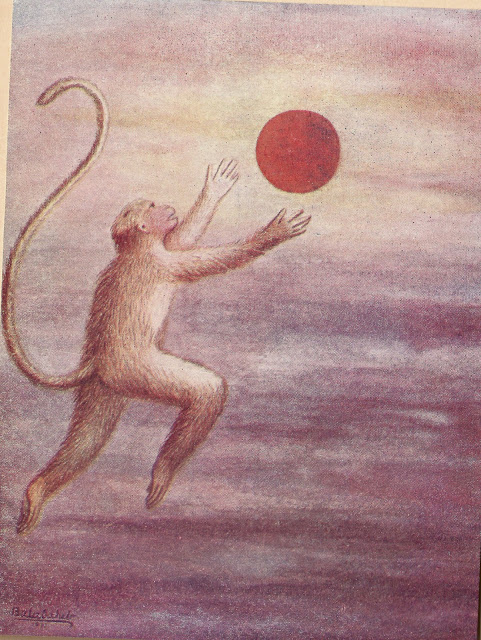
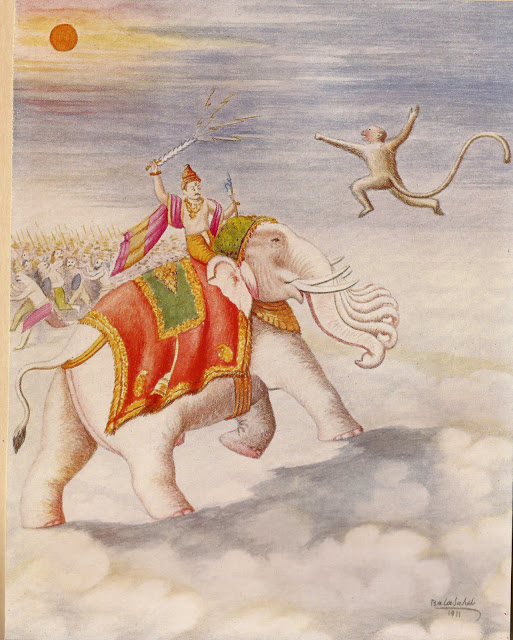
STORY OF HANUMAN-KISHKINDHA KANDA PICTURE 7 and 8 (Ramayana Picture No.36 & 37Maruti was born on a full moon day in Chaitra. When his mother Anjana went to get him some fruits he tried to catch the sun and got burnt. When Indra came to know about it he started attacking him. Then Maruti was hurt and he got a scarred chin. That is why he is called Hanuman. Anajaneya/Maruti/Hanuman is a SUPERMAN. All the comics such as Superman, Spiderman are based upon him. (Scientific explanation: On the day Maruti was born there was a Lunar eclipse followed by Rains. He fell down and broke his chin. Probably that led to the story of him catching the sun, fighting with Inda/thunder and Hanuman/fell and broke his chin)

Hanuman Selected–KISHKINDHA KANDA PICTURE 9 (Ramayana Picture No.38)

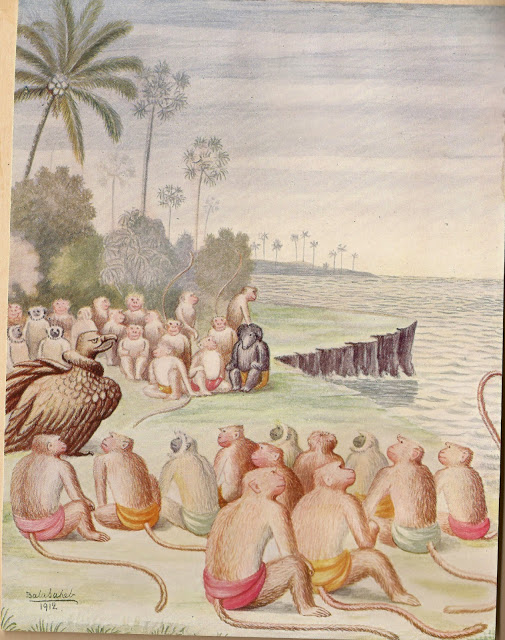
Hanuman, Jambavan and Angada encountered many difficulties and reached the shores of southern ocean. Jatayu’s brother Sampati came and told them that Ravana kept Sita at Ashokavana in Lanka. It was unanimously decided by the monkeys that Hanuman should cross the ocean and search for Sita. Accordingly Hanuman climbed the Mahendra mountain and prepared to cross the ocean. (Kiskindha Kanda finito. Next comes Sundara Kanda)

SUBHAM.

சிந்து சமவெளியில் ராமாயண முத்திரை!!

Written by London swaminathan

Research Article No.1849; Date: 6 May 2015

Uploaded at London time: 21-25

வென்றி வேந்தரை வருக என்று உவணம் வீற்றிருந்த

பொன் திணிந்த தோட்டு அரும்பெறல் இலச்சினை போக்கி

நன்று சித்திர நளிர் முடி கவித்தற்கு நல்லோய்

சென்று வேண்டுவ வரன்முறை அமைக்க எனச்செப்ப

–அயோத்தியா காண்டம், மந்திரப் படலம்

பொருள்: அரண்மனையை அடைந்த தசரதன், வெற்றி வேந்தர்களை இங்கே வாருங்கள் என்று அழைக்கும் பொன்னால் அமைந்த ஓலைகளை, கருடன் திகழும் முத்திரையை இட்டு அனுப்பினான். இன்பு வசிட்டனை நோக்கி, உத்தமரே, நீர் சென்று, சித்திர வேலைப்பாடு அமைந்த பெருமை பொருந்திய மகுடத்தைச் செம்மையாக ராமனுக்குச் சூட்டுவதற்கு வேண்டிய செயல்களை முறைப்படி கவனிப்பீர்களாக என்று கூறினான்.

சிந்து சமவெளியில் கிடைத்த முத்திரைகளில் பல கருட முத்திரைகள் கிடைத்திருக்கின்றன. வேத கால, புராண கால , இதிஹாச கால இலக்கியங்கள் முழுவதிலும் பருந்து, கருடன், கழுகு உருவங்களே அதிகம் காணப்படுகின்றன.

வேதத்தில் சொன்னது போல கரிகால் சோழன் பருந்துவடிவ யாகம் செய்ததை சங்க இலக்கியப் பாடலில் முன்னரே கண்டோம். கிரேக்க அரசன் வடமேற்கு இந்தியாவில் வைத்த கருட ஸ்தம்பம் (கருடன் தாங்கிய தூண்) பற்றியும் அவன் தன்னை பரம பாகவதன் (பகவான் விஷ்ணுவின் மஹா பக்தன்) என்று அழைத்துக் கொண்டது பற்றியும் முன்னரே எழுதி விட்டேன். விஷ்ணுவின் வாஹனம் கருடன் என்பது நாம் அனைவரும் அறிந்ததே.

ராமாயணத்துக்கும் சிந்து சமவெளிக்கும் உள்ள பல தொடர்புகளையும் எழுதிவிட்டேன். கந்தர்வர்கள் சிந்து சமவெளியை ஆண்ட பொழுது ராமனின் மகன்களும், சகோதரர்களும் அப்பகுதியில் அவர்களுடன் சண்டையிட்டு வென்றதை ராமாயணம் பகர, கந்தர்வர்களுக்கும் கௌரவர்களுக்கும் நடந்த சண்டையை மஹாபாரதம் செப்புகிறது. சிந்து சமவெளியை ஆண்ட ஜயத்ரதன், அம்பரீசன் ஆகிய மன்னர்கள் பெயர்களையும் சம்ஸ்கிருத இலக்கியங்கள் நுவலும்.

சங்க இலக்கியத்தில் சிந்து நதி பற்றியோ அந்தச் சமவெளிப் பகுதி பற்றியோ குறிப்புகள் எதுவும் இல. ஆனால் சம்ஸ்கிருத இலக்கியத்திலோ ஏராளமான குறிப்புகள் உள.

இந்தப் பின்னணியில் கருட முத்திரைகள் சிந்து வெளியில் கிடைத்திருப்பதும் அதை ராமாயணம் உரைப்பதும் எனது ஊகங்கள உறுதிப்படுத்துகின்றன.

நான் கூறுவது:–

சிந்து சமவெளி நாகரீகம் வேத கால இந்துக்களுடன் மிகவும் நெருங்கிய தொடர்புடையது. அது இன்றைய இந்துமதம் போலவே பலதரப்பட்ட இந்துக்களை உடைத்தாயிருந்தது. அதில் கந்தர்வர்கள் உள்பட பலர் ஆட்சி செய்த்ருக்க வாய்ப்பு இருந்தது. நமக்குக் கிடைத்த இதிஹாசம் அதை அதிகமாக கந்தர்வர்களுடன் தொடர்பு படுத்துகிறது. 18 கணங்களில் ஒரு பிரிவினரே கந்தர்வர். அவர்களைத் தவிர மேலும் 17 பிரிவுகள் இருந்ததை புராணங்களும் சங்கத் தமிழ் புறநானூற்று உரையும் உறுதிப்படுத்துகிறது.

சிந்து வெளி முத்திரைகளில் கண்டுபிடிக்கப்பட்ட மர்ம வடிகட்டி, சோமரஸ வடிகட்டி என்பதை பல ஆராய்ச்சியாளர் ஒப்புக் கொள்ளத் துவங்கிவிட்டனர். ஆரிய—திராவிட இனவெறி வாதம் பேசி பகச் சொல்லி கேளிர் பிரிக்கும் பறங்கித்தலையன் (வெள்ளைக் காரர்) மனப்பான்மையால் சிந்து சமவெளி ஆய்வு தடம்புரண்டு போனது. இப்பொழுது அதை மேலும் தண்டவாளத்தில் ஏற்றிவைக்க கருடன் முத்திரை – ராமாயணத் தொடர்பு உதவும்!

வேதத்தில் கருடன்

வேதத்தில் அதிகமாகப் புகழப்படும் பறவை பருந்து,கருடன்,கழுகு வகைப் பறவைகளே.சுபர்ண, ஸ்யேன, க்ருத்ர, பலாக முதலிய பறவைகள் ஏராளாமான இடங்அளில் வருகின்றன. பருந்து வடிவ யாக குண்டம், சோம லதையை (சோமக் கொடி வகைத் தாவரம்) கருடன் கொண்டுவந்தது முதலிய இடங்களில் அதன் முக்கியத்துவமும் வலியுறுத்தப் படுகிறது. ராமாயணத்தில் ஜடாயு-சம்பாதி என்ற கருட இன மக்கள் குறிப்பிடப்படுவது போலவே ரிக்வேதத்தில் கருடன்  -சோமக் கொடி சம்பவமும் கருடன் இன மக்களைக் குறிப்பதாகவே நான் எண்ணுகிறேன்.

வாழ்க ரகுகுல கருட முத்திரை! வளர்க சிந்துவெளி ஆய்வு!! தகர்க ஆரிய-திராவிட இனவெளியாளர்; மலர்க ஏக பாரதம்!

சிந்து/ சரஸ்வதி சமவெளி பற்றிய எனது முப்பதுக்கும் மேற்பட்ட தமிழ், ஆங்கிலக் கட்டுரைகளில் இதுவரை எவரும் சொல்லாத பல புதிய கருத்துக்களைச் சொல்லியிருக்கிறேன். படிக்க! சிந்திக்க!

Arya Putra Ravana Spoke Sanskrit! Hanuman spoke Prakrta!

Written by London swaminathan

Research Article No.1848; Date: 6 May 2015

Uploaded at London time: 8-43 am


Sanskrit was spoken by all the well educated people in ancient India. Sanskrit was the language used as official language in all the Royal courts. Dance, Drama and Music used Sanskrit. All the Tamil dictionaries and ancient Tamil Nighandus give Sanskrit words as Tamil words!!! In short there is no ancient Tamil literature without Sanskrit words. They treated both Tamil and Sanskrit as their two eyes. The oldest Tamil book Tolkappiam has a lot of Sanskrit words. He even formulated rules to use Sanskrit words in Tamil literature. His book was certified and approved by the Acharya of Tiruvithankodu who had mastered the four Vedas. All these details are documented in literature.

Sanskrit was the link language throughout India. Ravana and Hanuman were great Sanskrit scholars. Ravana mastered Sama Veda as well. Tamil poets were well versed in Sanskrit. Kapila taught Tamil to a North Indian King named Brahma Dutta who ridiculed Tamil and made him to write poems in Tamil. His poems are included in 2000 year old Sangam Tamil literature. Kovalan, hero of Tamil epic Silappadikaram, helped a Brahmin woman who was crying in the street holding a letter written in Sanskrit by her husband. Kamban who adapted Valmiki Ramayana in Tamil was a great Sanskrit scholar.

Hanuman’s Hesitation!

Hanuman hesitated to speak Sanskrit thinking that Sita would mistake him for Ravana (Ramayana, canto 30)

Ravana and his spies spoke in Sanskrit. So when Hanuman went to Asokavana, he thinks:

“Shall I, a puny Vanar, chose

The Sanskrit men delight to use?

If, as a man of Brahman kind,

I speak the tongue by rules refined.

The lady, yielding to her fears,

Will think’ it’s Ravana’s voice she hears.

I must assume my only plan-

The language of a common man”

—Translated by T H Griffith

The language of the common man in those days was Prakrit. In Sanskrit dramas women (even queens), children, court jester spoke Prakrit. Kings, ministers and Brahmins spoke Sanskrit. Low characters (in dramas) like fishermen, policemen spoke in dialect.

In Sudraka’s Mrccakatika, the comedian (jester) says,“ I hate a woman speaking Sanskrit and a man singing”. It is followed until this day in Tamil and Hindi films. Kings or high officers or heroes speak a chaste language and low characters like village folk, comedians speak in dialect or colloquial language. We also speak a dialect or colloquial language at home but when we go to a stage and speak in front of a huge crowd we speak literal, posh language. So Hanuman also wanted to be very careful in choosing his language.

Aryaputra Ravana!

In the Ramayana Ravana and Vali were addressed as Arya while Kaikeyi was addressed as Anarya ( Non-Arya i.e. uncultured, uncivilized)

Door Keepers of Ravana’s palace addressed him Aryaputra (Yuddha Kanda, Sarga32, Sloka 35)

Vijayasvaryaputreti soabivadhya prasadya cha

Nyavaidayadanuprasam prahastam vaahiniipatim

In the following sloka of Kiskindha Kanda of Valmiki Ramayana, Vali was addressed as Aryaputra by his wife Tara

Supteva punaruththaaya aaryaputreti vaadinii

Ruroda saa patim drstvaa samviitam ptrunyudamabih

In the Sloka 14 of Sarga 36 of Ayodhya kanda, Kaikeyi was addressed as Anarya by King Dasaratha

Vahantam kim tudasi maam niyujya dhuri maahite

Anaarye krtyamaarangam kim purvamupaarudhah


Writing during Ramayana Days

We know that Hanuman was well versed in Nava vyakarana. All the monkeys wrote Ram on the stones and they started floating in water. Rama gave his ring to Hanuman as a token to be shown to Sita. His name was engraved on it. Hindus used scripts, but sparsely.

T H Griffith’s translation of relevant Valmiki verse is as follows:

He gave the ring that bore his name,

A token for the captive dame,

That the sad lady in her woe

The missive of her lord might know.

‘This ring’, he said, ‘my wife will see,

Nor fear an envoy sent by me…’

Since writing was prevalent in ancient India, Asoka installed hundreds of rock edicts in Brahmi script from Afghanistan to Kancheepuram in Tamil Nadu (Most of the edicts including Kanchi’s) were destroyed by the Muslim invaders and the monsoon weather. Brahmi inscriptions were available up to the Southern Sri Lanka 2600 years ago!!

Pictures are taken from various websites; thanks.

Ramayana came first; Mahabharata came later!

Written by London swaminathan

Research Article No.1847; Date: 5 May 2015

Uploaded at London time: 16-08


Which came first Ramayana or Mahabharata? It is a question debated for long. Hindus believe that Ramayana happened in Treta Yuga and Mahabharata happened in Dwapara Yuga. That means Ramayana happened well before Mahabharata. But the question arose because of Parasurama and a few others who figured in both the epics. How is it possible if both the epics are Yugas (eras) apart?
The answer is very simple. There were more than one Parasurama.

Let us look at this issue in more details. There are two questions: Which one happened first? Which one was written first?

1.Ramayana happened first and was written first. Mahabharata has abridged Ramayana in the Ramopakhyayanam. Since Mahabharata (here afterwards abbreviated as Mbh) included lot of old stories Vyasa did not want to miss it. Like he gave other stories, he gave Ramayana in short. It is not the other way round.

2.The word Arya is used in its archaic sense in an archaic way in Ramayana. Sita addressed Rama, Hey Arya! and Ravana’s palace guards address him as Hey Arya (Respected Sir, or Cultured man)

  1. In the Ramayana we come across many ‘not so civilized’ tribes such as the Monkey people (Hanuman), Eagle (Jatayu) People, Bear (Jambhavan) People. These may be their totem symbols or they had such tattoos for identification and recognition. We see such customs among forest tribes around the world. During Ramayana days the forests were full of cannibals called demons. Mahabharata has more urban areas and urban culture. Very rarely we come across tribes or cannibals (except Bakasura). Both the cultures are poles (Yugas) apart.

4.Hanuman came across Mainaka Parvat, Simhika, Langini and other hurdles on his way to Lanka. We don’t see such things or similar hurdles in Mahabharata.

5.Parasurama fought with Karta Veerya Arjuna. Mahabaharata Arjuna came several hundred years after Karta Veerya Arjuna, according to historians. So that Parsurama could not have taught Karna martial arts. Some one bearing similar name or someone was called  Parasurama for his Anti Kshatriya stance. Throughout our Puranic literature this confusion exists. There were several Parikshits, several Janamejayas etc. But Pauranics confused the public by saying all are one!

6.In Ramayana we come across some old phrases such as Dasaratha ruled for 60,000 years, Dasaratha had 60,000 wives. The meaning is “a lot of”. This archaic expression was not used in Mahabharata (Mbh).

7.Rama –Ravana battle was like an old style battle. No military formations etc. Whereas Mbh yuddha was fought on military formations. The result of the battle was decided by such formations. Abhimanyu was killed because of this. Moreover the army was divided into 7 and 11 divisions and each one had its commander. In Ramayana days they were never organised on similar lines.

8.Lava and Kusa “sang” Ramayana ballads. Valmiki taught them the ballads. Valmiki himself was praised as a Koel (Vande Valmiki Kokilam). So Ramayana evolved out of ballads like the Odyssey and Illiad of Homer. Whereas Mbh was “written” by Vyasa. There is a big time gap between the ballad period and writing period.

9.Some people were misled by the archaic style of Mahabharata and simple style of Valmiki Ramayana. Vyasa was well versed in the Vedas. In fact he was the one he compiled all the Vedic hymns fearing that it may be lost once and for all. But for him we would have got anything Vedic. Moreover he knit all the existing older materials into Mbh. To make the style uniform he used archaic style. Valmiki being the Adi Kavi—the First Poet—sang in the Anustubh metre for the first time in Sanskrit (apart from the Vedas).

  1. The message of Ramayana is very simple: Be honest, Speak the Truth, Obey your parents, Don’t desire for another man’s wife. Being Treta Yuga people were 50 percent to 75 percent good. But Mbh is full of intrigues, conspiracies, infightings in the family, hatred and jealousy. It was nearer to Kaliyuga, the Dark Age. So we have lot of moral teachings.
  1. Ramayana days were nearer to Upanishadic age. So there was no need for philosophical teaching. Whereas Mbh has the Bhagavad Gita which is the gist of all major Upanishads.

12.Ramayana has 24,000 slokas. When Lava and Kusa sang the ballads it might have been done in a different way; but the story line did not change. Mbh is the largest book in the ancient world with 100,000 slokas. It was that big even in the first century BCE. Lot of scholars have bluffed that it slowly grew to the present level. No scholar could show until today what the original was and what snowballed later. In spite of computers and other modern techniques they could not show it. The fact of the matter is Vyasa compiled everything available at his time. That is why we even see some contradictions in the moral teachings in it. The very word VYASA means a compiler, an essayist.

  1. Ramayana has 300 different versions because it was very old. The longer it travelled it, more and more varied it became. Whereas Mbh has got only one version throughout South East Asia. Ramayana has different versions from country to country in S E Asia. This shows the length of gap between the two epics.
  1. Mbh has got at least 29 countries represented in the great war. Ramayana has not got that many political divisions. We knew even the names of lots of kings of Mbh time. Whereas Ramayana gives only four or five kings names in the entire subcontinent.

15.We could identify many of the places mentioned in Mbh whereas we did not even know where Kiskidha was. We could only guess, but no written or literary records for Lanka or Kiskindha. Mbh places have been continuously repeated in several written or literary records.

  1. Mahabharata has many stories woven into the main Pandava-Kaurava conflict. Whereas Ramayana has only one simple story. It shows that it was the first one.

17.We have highly developed subjects/sciences in Mbh; but Ramayana did not deal with medicine or astronomy or astrology in the same way.

18.In short we see more advanced civilization in the Mbh and a very simple culture in Ramayana.

Since Parasurama existed at the time of Karta Veerya Arjuna he could not have lived at the time of Mahabharata Arjuna to teach martial arts to Karna.

I will deal with more minute details in another article.

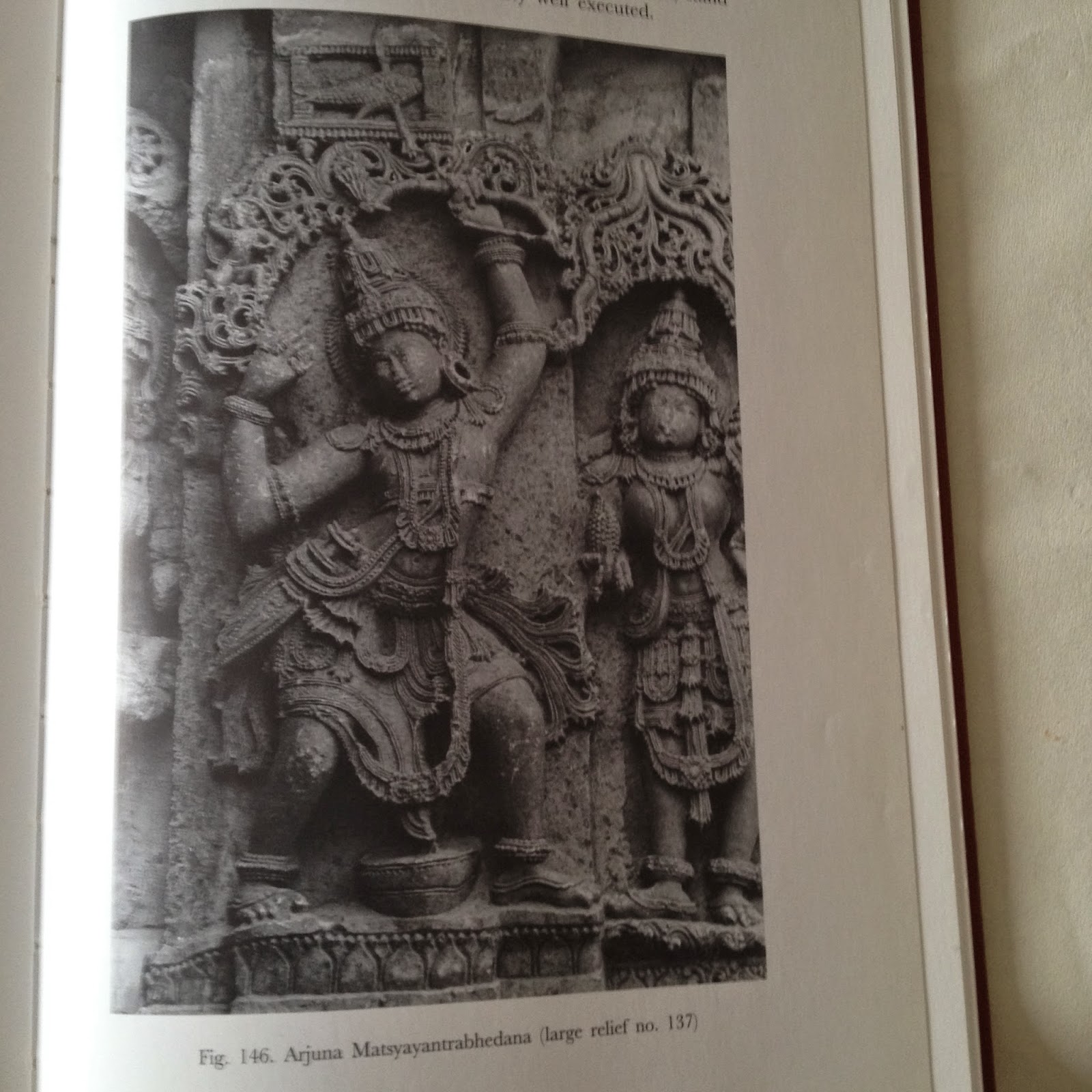
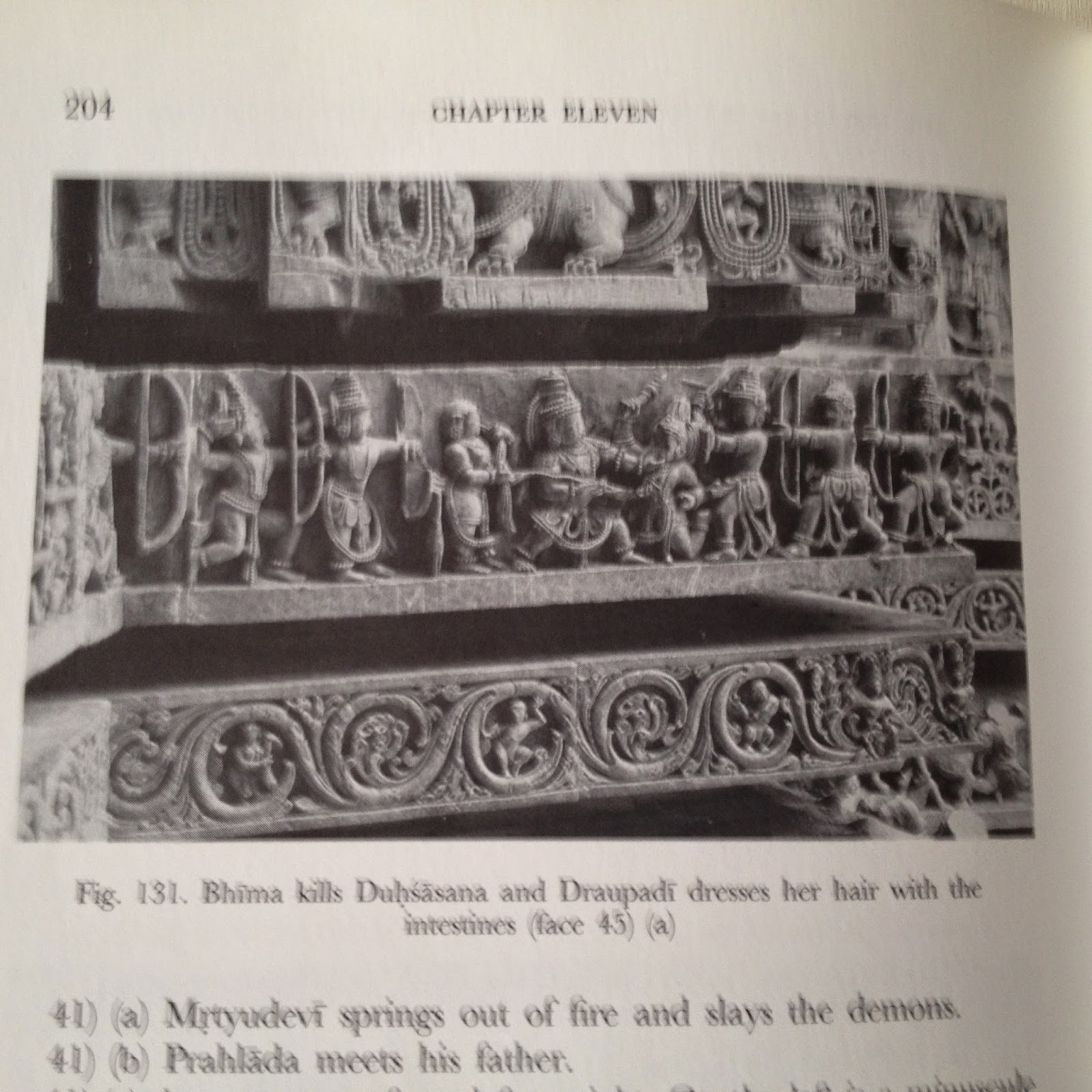
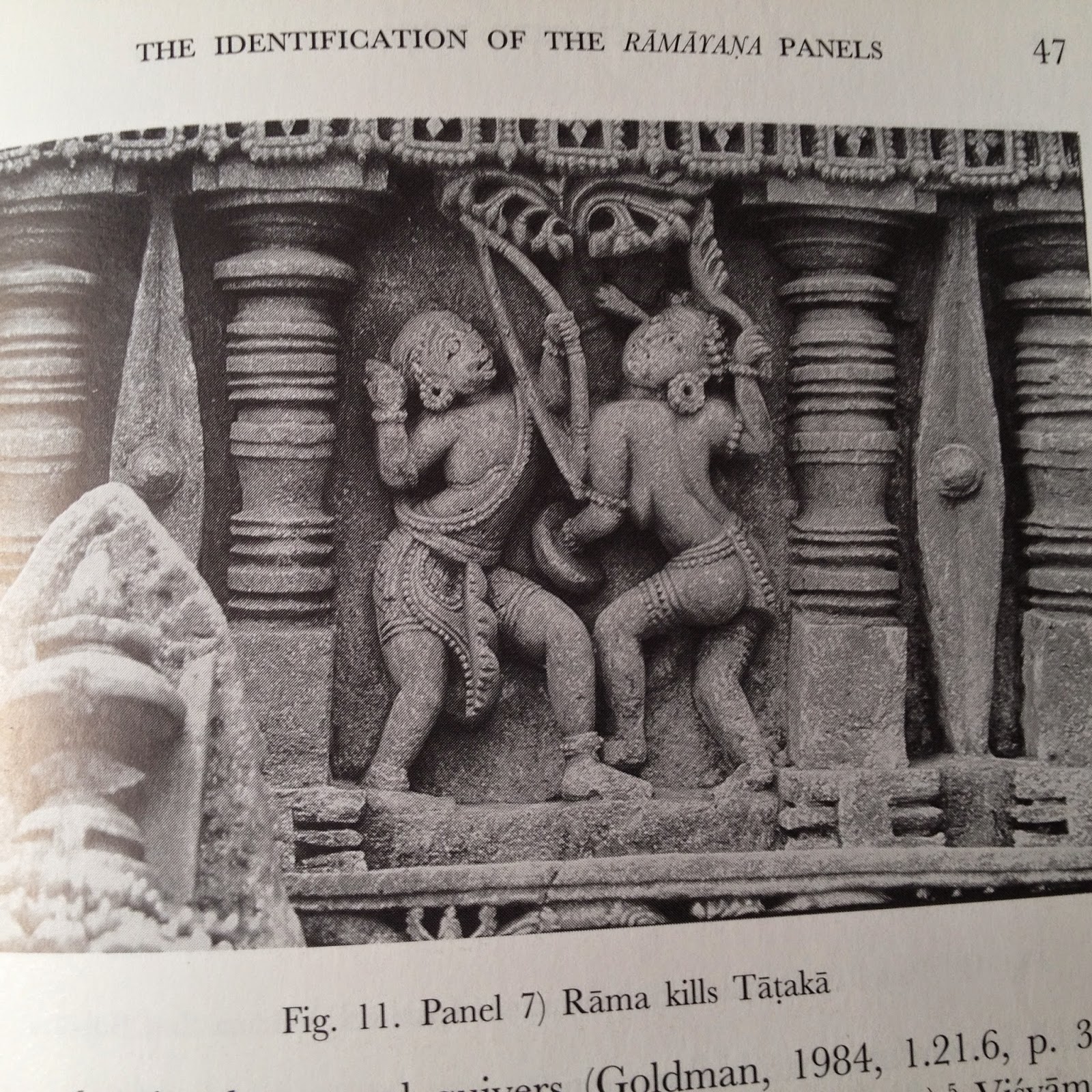
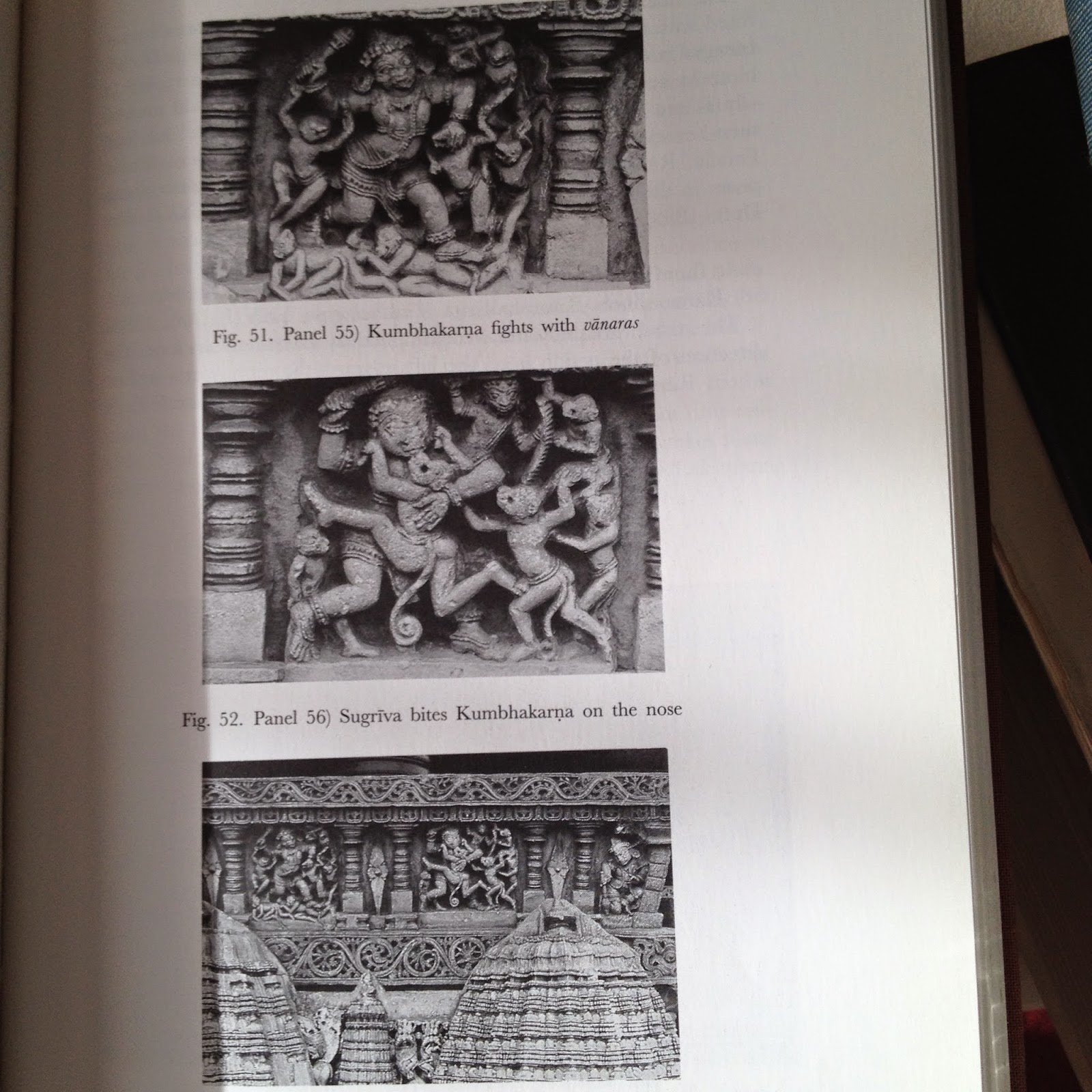
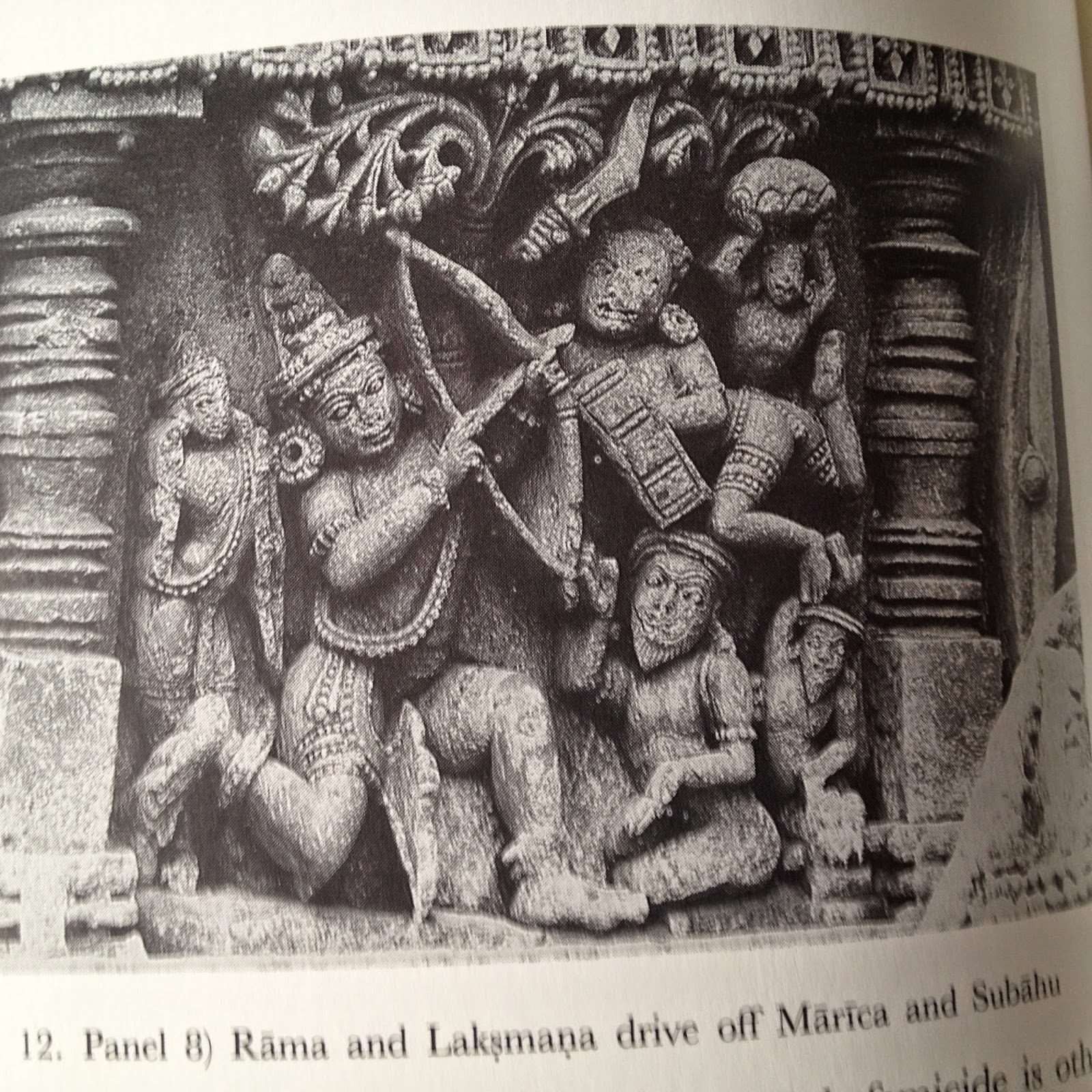
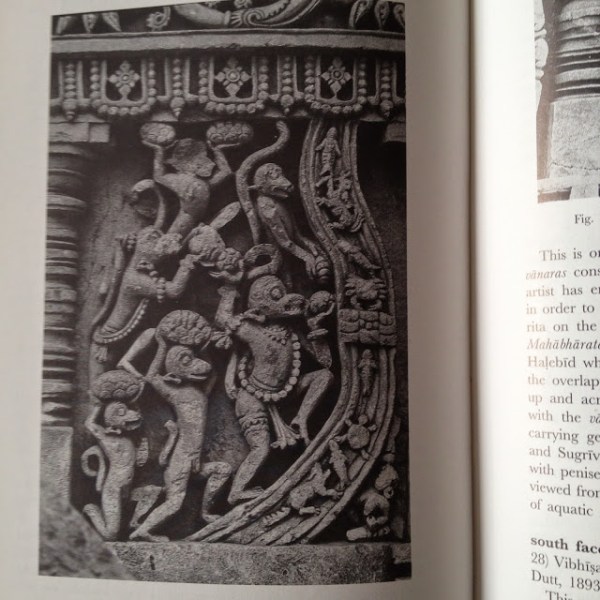
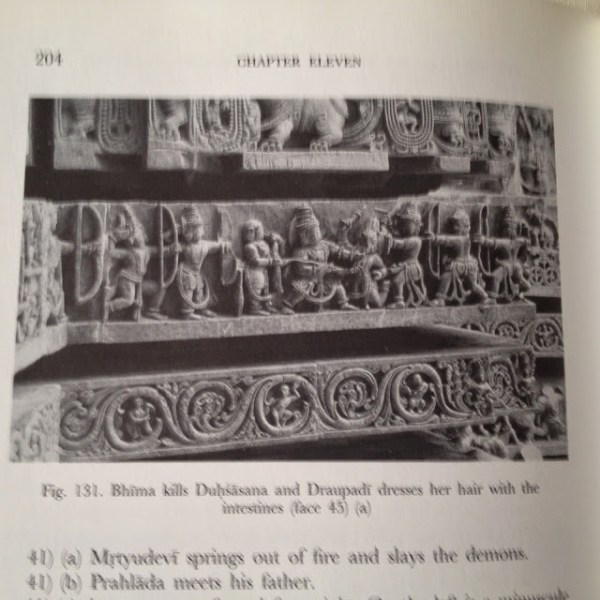
Pictures re used from the book “Epic Narratives in the Hoysala Temples” by Kirsti Evans;thanks.

முதலில் வந்தது ராமாயணமா? மஹாபாரதமா? பெரிய குழப்பம்!!!

Written by London swaminathan

Research Article No.1846; Date: 5 May 2015

Uploaded at London time: 8-55 am

(கர்நாடகத்திலலுள்ள கோவில்களில் காணப்படும் ராமாயண , மாபாரத சிற்பங்களின் படங்கள்–   ஒரு ஆங்கிலேயர்  எழுதிய புத்தகத்திலிருந்து எடுக்கப்பட்டவை;நன்றி)

பரசுராமன் குழப்படி!

பரசுராமன், அனுமன் போன்ற சில கதா பாத்திரங்கள் ராமாயணம், மஹாபாரதம் ஆகிய இரண்டு இதிஹாசங்களிலும் வருவதால் ராமன் கதையும் கிருஷ்ணன் கதையும் ஏக காலத்தில் அல்லது அடுத்தடுத்து நிகழ்ந்தது போலத் தோன்றுகிறது. பல அர்ஜுனன்கள், பல பரசுராமன்கள் இருந்ததால் இந்தக் குழப்பம். பரசுராமன் வென்றது கார்த்தவீர்ய அர்ஜுனன். மஹாபாரத அர்ஜுனனோ சுமார் 400 ஆண்டுகள் பின்னால் வாழ்ந்தவர். ஆகவே ராமாயண—மஹாபாரத இடைவெளி குறைந்தது 500 ஆண்டுகளாவது இருக்க வேண்டும். இந்துக்களின் யுகக் கணக்குப்படி பார்த்தால் ஆயிரக்கணக்கான ஆண்டுகள் இடைவெளி இருக்க வேண்டும். ஆக பலரும் பரசுராமன் போல க்ஷத்ரிய எதிரியாக இருந்ததால் அவரை பரசுராமன் என்று அழைக்கத் துவங்கிவிட்டனர் என்று கொள்வதே பொருத்தம்.

உண்மையில் ராமாயணம் முதலில் நிகழ்ந்தது மட்டுமல்ல. முதலில் எழுதப்பட்டதும் ராமாயணமே! இதோ இதற்கான ஆதாரங்கள்.

1.மஹாபாரதத்தில் சுருக்கமாக ராமாயணம் உள்ளது. ஆனால் ராமாயணத்தில் மஹாபாரதத்தின் சுவடே கிடையாது. ஆகையால் வால்மீகி எழுதிய பின்னர், அதைச் சுருக்கமாக மஹாபாரதத்தில் சேர்த்தாரென்பதே நமது முடிவு.

2.ராமாயணத்தில் ராமனை சீதை, “ஆரிய” (மதிப்பிற்குரிய ஐய) என்றும் ராவணனை அரண்மனைக் காவலர்கள் “ஆரிய” என்று அழைப்பதும் ராமாயணத்தின் பழமையைக் காட்டும்.

3.ராமாயணத்தில் குரங்கு மனிதர்கள் (அனுமன்), கரடி மனிதர்கள் (ஜாம்பவான்), கழுகு மனிதர்கள் (ஜடாயு) ஆகியோர் வருகின்றனர். இவை மஹாபாரதத்தில் இல்லை. உண்மையில் குரங்கு, கழுகு, கரடி என்பன அவர்கள் அணிந்த முகமூடி அல்லது பச்சை குத்திக் கொண்ட சின்னத்தையே குறிக்கும். ஆனால் அது நடந்து மிகவும் அதிக காலம் உருண்டோடிவிட்டதால், முதலில் வாய் மொழியாக ராமாயணத்தைப் பரப்பிய  பௌராணிகர்கள் கொஞ்சம் கொஞ்சமாக அதை மிகைப்படுத்தி பிராணிகளும் உதவி செய்ததாகச் சொல்லிவிட்டனர். எப்படியாகிலும் இத்தகைய சின்னங்களை அணிந்தோர்  மாஹாபாரத காலத்தில் இல்லை! மாபாரத  காலத்தில் நாகரீகம் வெகுவாக முன்னேறிவிட்டது.

3.லங்காதேவி, லங்கிணி, மைநாக பர்வதம் போன்ற குறுக்கீடுகளும் ராமாயணத்தின் பழமையைக் காட்டும். இது போன்றவை மஹாபாரதக் கதைகைளில் இரா.

  1. ராமாயணத்தில் அடிக்கடி 60,000 மனைவியர், 60,000 ஆண்டு தசரதர் ஆட்சி என்ற மரபுத் தொடர்கள் (Idioms and Phrases) இவை மஹாபாரதக் கதைகைளில் இரா.

“வனம் கண்ட வால்மீகி”, “ரணம் கண்ட வியாசர்”

5.ராமாயணத்தை எழுதியது “வனம் கண்ட வால்மீகி”, மாபாரதத்தை எழுதியது “ரணம் கண்ட வியாசர்” (ரணம்=போர்). அதாவது ராமாயணம் என்பது பொதுவாக இற்கையோடு இயைந்த வாழ்வு. மாபாரத காலமோ போட்டி, பொறாமை மிகுந்த நகர வாழ்வு.

6.ராம-ராவண யுத்தத்தில் வியூஹம் போன்ற ராணுவ முன்னேற்றங்களைக் (Military Formations) காண முடியாது. மாபாரதத்தில் சக்கர, பத்ம வியூஹம், பட்டாளத்தை எண்ணிக்கை வாரியாகப் (divisions of Army) பிரிக்கும் (7 அக்ஷௌகிணி, 11 அக்ஷௌகிணி) முன்னேறிய உத்திகளைக் காணலாம். இப்படி மாறுவதற்கு இரண்டுக்கும் இடையே மிக அதிக காலம் ஆகி இருக்க வேண்டும். முப்பதுக்கும் மேலான தலைமுறை வித்தியாசம் இருப்பதாக புராணங்கள் பகரும்.

“பாடியது” (ballads) ராமாயணம், “எழுதியது” மாபாரதம்

7.குசனும் லவனும் “பாடியது” (ballads) ராமாயணம்; அவர்களுக்கு தனது ஆஸ்ரமத்தில் பாடக் கற்பித்தவர் குயில் எனப் புகழப்படும் வால்மீகி முனிவர் ஆவார் (“வந்தே வால்மீகி கோகிலம்”).

வியாசர் “எழுதியது” மாபாரதம். கி.மு.800 வாக்கில் எழுந்த ஹோமரின் இலியட், ஆடிஸிக்கு முன் பாடல் வடிவில் இருந்த கதைகளையே ஹோமர் (Homer) என்பவர் கிரேக்க மொழியில் முதல் நூலாக எழுதினார். அதற்கு முன்னரே நூறுக்கணக்கான நூல்களைப் பெற்றிருந்தது சம்ஸ்கிருதம்!! ஆகவே பாடல் வடிவ ராமாயணம் அதற்கும் முந்தையது! மாபாரதம் என்பது, அக்காலத்தில் வழங்கிய பல்வேறு விஷயங்கள் அழிந்து போய்விடக் கூடாதென்பதற்காக வியாசரால் (compiled) தொகுக்கப்பட்டது. வியாசர் என்றால் கட்டுரை (Essayist, Compiler) எழுதுபவர் என்று பொருள்.

8.வால்மீகி ராமாயணத்தில் சாதாரண தர்மத்தைக் காண்கிறோம். மாபாரதத்தில் பெரிய தத்துவ (கீதை) போதனைகளைக் காண்கிறோம். உபநிஷத காலத்தை ஒட்டி எழுந்த ராமாயணத்தில் இதைச் சொல்லத் தேவ எழவில்லை. திரேதா யுகத்தில் 50 சதவிகிதம் நல்லது இருந்தது. கலியுகத்துக்குச் சற்று முன்னர் இருந்த மாபாரத காலத்தில் அதர்மம் ஓங்கவே உபதேசம், தத்துவ போதனைகளைச் சொல்ல வேண்டி இருந்தது.

  1. ராமாயணத்தில் 24,000 ஸ்லோகங்களைக் காண்கிறோம் மாபாரதமோ உலகிலேயே பெரிய இதிஹாசம்; அதில் ஒரு லட்சம் ஸ்லோகங்கள் உள. “எழுதாமல்” இவ்வளவு பெரிய விடயங்கள் நீடித்திருக்க வாய்ப்பில்லை.

10.மாபாரதத்தில் தெளிவாக 29 நாடுகள் பிரிக்கப்பட்டிரு  ப்பதைக் காண்கிறோம். மன்னர்களின் பெயர்களும் உள. ஆனால் ராமாயணத்தில் இப்படி இல்லை. இரண்டுக்கும் இடையே பெருத்த வேறுபாடு உள்ளது.

11.பூகோள ரீதியில் கிஷ்கிந்தா போன்ற இடங்களும், பின்னர் இந்திய சரித்திரத்தில் அல்லது புவியியலில் இல்லை. ஆனால் மாபாரதம் குறிப்பிடும் இடங்கள் தொடர்ச்சியாகப் பேசப்படுகின்றன.

12.ராமாயணம் அளிக்கும் செய்தி எளிமையானது: “சத்தியத்தைக் கடைப்பிடி, அடுத்தவன் மனைவி மீது கைவைக்காதே”. மாபாரதத்தில் ஏராளமான மோதல்கள், போட்டி, பொறாமைகள், சூழ்ச்சிகள் முதலியவற்றைக் காண்கிறோம் அதாவது தர்மம் மிகவும் கீழ் நோக்கிச் செல்வதைக் காண்கிறோம்.

13.மாபாரதத்தில் பழமையான சொற்கள் இருப்பதைக் கொண்டும், ராமாயணத்தில் எளிமையான சொற்கள் இருப்பதைக் கொண்டும் சிலர் மாபாரதமே பழையது என்பர். உண்மையில் வியாசர் வேதத்தைக் கரைத்துக் குடித்தவர். அதைத் தொகுத்தவர்; நான்காகப் பகுத்தவர். ஆகையால் வேத காலச் சொற்கள் அவர் நாவில் நடமாடியதில் வியப்பதற்கொன்றும்  இல்லை. மேலும் பழைய காலத்தில் இருந்த பல விஷயங்கள் அழியக் கூடாதென்பதற்காக அவர் காலத்தில் நிலவிய அத்தனை விடயங்களையும் மாபரதக் கதையில் பின்னிப் பிணைந்தவர் வியாசர். ஆகையால் பழமையையும் புதுமையையும் ஒருங்கே காணலாம்.

14.மாபாரதத்தில் ஆக்கியானம், உபாக்கியானம் எனப் பிரிவுகள் உண்டு. ராமோபாக்கியானமும் அதில் ஒன்று. இது போல ஏராளமான கதைகள் சொருகப்பட்டுள்ளன. ஆனால் ராமாயனத்திலோ உப கதைகள்— வேறு கதைகள்– சொருகப்படவில்லை. காண்டம், சர்கம் என்று பிரித்து சொல்லவந்த ஒரே காவியத்தை மட்டும் வரைந்தார் வால்மீகி.

  1. மாபாரதத்தில் ஜோதிஷம், வைத்தியம்,வானசாத்திரம், தனுர்வேதம் முதலியன வளர்ச்சி அடைந்த நிலையில் காணப்படுகின்றன.. இது தவிர பல நுணுக்கமான விஷயங்கள் உள்ளன. அவைகளை இன்னொரு கட்டுரையில் காண்போம்.