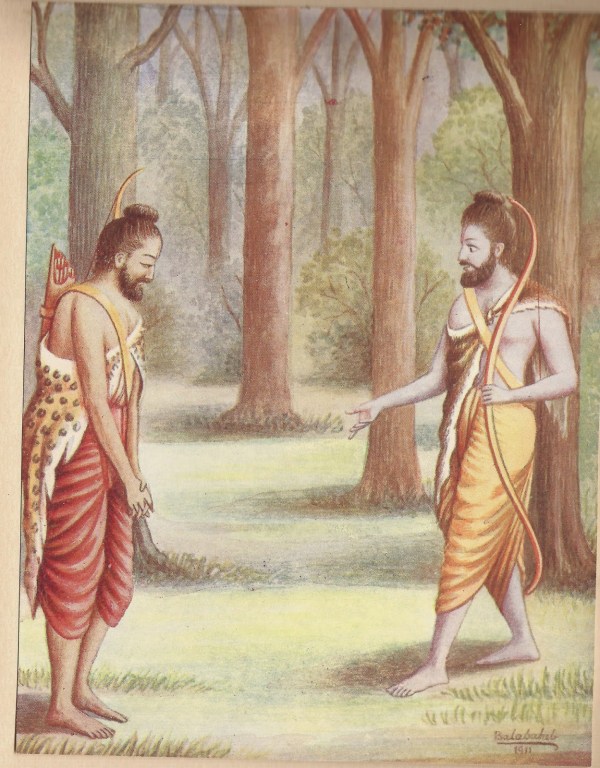
இரண்டு எதுகை அகராதிகள் !!

Written by London swaminathan

Article No.1845; Date: 4 May 2015

Uploaded at London time: 15-54

ஊத்தங்கரை பி.ஆர்.அப்பாய்  செட்டியார் தொகுத்த எதுகைத் தமிழ் அகராதியையும் இசைப் பேரறிஞர் பாபநாசம் சிவன் தொகுத்த வடநூல் சொற்கடல் என்ற சம்ஸ்கிருத எதுகை (யதி) அகராதியையும் இரண்டு கட்டுரைகளில் கண்டோம். இந்த மூன்றாவது கட்டுரையில் இரண்டு அகராதிகளிலிருந்தும் சில எதுகைகளைக் காண்போம்:–

முதலில் தமிழ் எதுகை

அசைஇ=வருந்தி, இளைப்பாறி, இருந்து,இளைத்து

அளைஇ=கலந்து

இரீஇ=இருந்து, இருத்தி

கடைஇ=முடுகி, செலுத்தி

குரீஇ=பறவை,குருவி, புள்

குலைஇ=குலவி

குவைஇ=பரவி,குவித்து

குழீஇ=திரண்டு

கொளீஇ=கொளுத்தி

சினைஇ=சினந்து

செரீஇ=செருகி

தடைஇ=தடவிப்பார்த்து,சரிந்து

தரீஇ=தந்து

தலைஇ=சொரிந்து

தழீஇ=தழுவி, உள்ளடக்கி, அணத்து

துழைஇ=துழாவி

தொலைஇ=அழித்து

நிலைஇ=நிலைபெற்று

நிறீஇ=நிறுத்தி

நினைஇ=நினைந்து

சம்ஸ்கிருதத்தில் சில எதுகைகள்:-

ராஜிகா=கருங்கடுகு

தாடகா=தாடகை(அரக்கி)

ஏடகா=பெண் செம்மறியாடு

ரேணுகா=பரசுராமன் தாய், அரேணுகம் என்னும் தக்கோலம்

ஸூதிகா=பிள்ளை பெற்றவள்

யூதிகா=முல்லை, மாது

வேதிகா=யாக குண்டம்

பாதுகா=பாதரட்சை, காலணீ

கோதிகா=நீருடும்பு

ராதிகா= ராதை

மேனகா=அப்சரஸ், பார்வதியின் தாய், இமவான் மனைவி

தேனுகா=பெண்யானை, ப்சௌ

கோபிகா=இடைச்சி

பூமிகா= காவிய முன்னுரை, நாடக அலங்காரசாலை

மாமிகா=என்னுடையவள்

காமுகா=காமப் பேய் பிடித்தவன்

தாரகா=நட்சத்திரம்,கண்ணுட் கருவிழி, காப்பவள்

காரிகா=இலக்கணவுறுப்பு, செயல், தாத்பர்யம்

கைரிகா= மலை விளை தாதுப் பொருள்

சீரிகா= சேலை

சைரிகா=திருட்டு

சாரிகா=கிளி

சீருகா=சுவற்றுக்கோழி

காலிகா=சண்டி, தேள், காக்கை, ரோமாவளி, கறுப்பு, மேகக்கூட்டம்

கேலிகா=விளையாட்டு

சூலிகா=சுருண்ட மயிர், பார்வதி

தூலிகா=தராசுக்கோல், சித்திரம் எழுதும் கோல்,தூரிகை

நாலிகா=தண்டு, காம்பு, நரம்பு

நீலிகா=கருநொச்சி, அவுரி, ஏவல்

பாலிகா=விவாஹம்,உபநயனாதிகளில் வைக்கும் பஞ்ச பாலிகை, கொட்டைக் கொல்லைப்பொம்மை

மாலிகா=மலர் மாலை, ஒரு ஆறு, மணி மாலை

வாலுகா=வால்மிளகு, ஏலச் செடி, வாலுரிவை

ஜீவிகா=பிழைப்பு, ஜீவனோபாயம்

தேவிகா=விளையாட்டு

நாவிகா=ஓடம்

வாசகா, வாசிகா =ஆடாதோடை

காசிகா=ஒரு நூல்

ஏஷிகா=எழுதுகோல்

தூஷிகா=கண்மலம்

மூஷிகா=பெண் எலி

நாஸிகா=மூக்கு

லாசிகா=நாட்டியக்காரி

இவ்வாறு ஒரு மொழியைப் படிக்கையில், படிக்கும் ஆர்வமும் ஏற்படும்; படிப்பதும் எளிதாகும். இதை வைத்து விளையாட்டும் விளையாடலாம்.

நான் என் மகன்களுடன் ரயிலில் பயணம் செய்கையில் ஆங்கிலத்தில் சொல் விளையாட்டு விளையாடுவோம். “ஷன்” என்று முடியும் சொற்கள் (Words ending TION) என்று தீர்மானிப்போம்: ஒருவர் எஜுகேஷன் education என்பார், அடுத்தவர், அட்ராக்சன் attraction என்பார், அடுத்தவர் கான்ஸ்டர்னேஷன் consternation என்பார். இப்படி நிறைய ரவுண்டுகள் ஆன பின் திடீரென ஒருவர் திணறுவார். உடனே அவர் ‘அவுட்’ (out).

கடைசி ஆள் இருக்கையில் அவர் எல்லோரையும் மீண்டும் சேர்த்துக்கொண்டு புதிய விகுதி (முடியும் ஒலி) ஒன்றைச் சொல்லுவார். எடுத்துக்காட்டாக அவர் மெடெர்னிடி maternity என்று சொல்லி “டி”—யில் முடியும் சொற்கள் என்பார். உடனே அடுத்தவர் பி(ட்)டிpity என, அதற்கடுத்தவர் ஷ்யூரிட்டி surity அதற்கடுத்தவர் கன்Fஎட்டி confetti  என்று — இப்படிப் போய்க்கொண்டே இருக்கும் (‘போர்’  boredom அடித்து நிறுத்தும் வரை அல்லது இறங்க வேண்டிய ரயில்வே ஸ்டேஷன் வரும் வரை). இதனால் சொல் வளம் மிகும். சில புதிய சொற்களைக் கற்கும் வாய்ப்பு ஏற்படும். தமிழிலும், சம்ஸ்கிருதத்திலும் இவ்விளையாட்டை விளையாட வேண்டுமானால் இப்படிப்பட்ட எதுகை அகராதிகள் உதவும்.

வாழ்க அகராதி தொகுத்தோர்; வளர்க அவர்தம் புகழ்!!

India in Silappadikaram

Written by London swaminathan

Article No.1844 Date: 4 May 2015

Uploaded at London time: 8-36 am

(This article was sent for publication in the Bharatiya Vidhya Bhavan, Delhi souvenir last year)

(S Swaminathan was a Senior Sub Editor of Dinamani, a Tamil language daily, in Madurai before taking over as the Producer of the BBC Tamil Service in London. Later he started teaching Tamil as a part time tutor at SOAS, University of London)

Tamil epic Silappadikaram (also written as Cilappatikaram) is an encyclopaedia of art and music of the ancient Tamils. Ilango Adikal, author of Silappadikaram, has dealt with almost all the topics under arts and culture of the land. But not many people know that Ilango was equally proficient in the geography and history of India as well. I would like to point out the amazing knowledge of Ilango about the Indian subcontinent. But for his reference to King Gajabahu of Sri Lanka, we wouldn’t have fixed the date of Kovalan and Kannaki. Though the story of Kannaki and Kovalan happened around second century CE, the epic must have been written a few centuries later. The language and style of the poetry in the epic serve as strong pointers in this direction.

The epic runs to 5270 lines and it contains 13,870 words. This is the biggest work closer to the Sangam period. It is worthwhile to compare it with the oldest Tamil work Tolkappiam. Tolkappiam, the Tamil grammar book, runs to nearly 4000 lines with 13,708 words. But again there is some controversy about the dating of Tolkappiam and particularly the third chapter of the grammar book, namely Porul Adhikaram that is considered a later addition by many scholars.

The epic is divided into three Kandams (cantos) on the basis of geographical and political divisions of Tamil country Choza, Pandya and Chera corresponding to Pukar, Madurai and Vanji. These are the capital or major cities of ancient Tamil Nadu. The use of the words Kandam for divisions is copied from Valmiki Ramayana which has seven Kandams(6+1).

We see a very clear shift from the four fold natural divisions of Sangam literature (Kurinji, Mullai, Neithal and Marutham) to a fully fledged city culture in the epic. The graphic description of Pukar(5-6/40) and Madurai streets (Ur Kan Katai) is remarkable. There is no denying the fact cities did exist even during Sangam period. But that was not the main basis of those poems. We see such descriptions in Madurai Kanchi, a Sangam Tamil work. In short we read more about urban culture in the epic than the rural culture of the Sangam literature. The absence of Kurinji, Mullai, Neithal and Marutham in the epic is noteworthy. Ilango mentioned even Ujjain (6-29) and the forests of Vindhya Mountains (6-29) in Madhya Pradesh.

Ilango did not miss the opportunity to describe in detail the two great rivers Kaveri and Vaigai that run through Choza and Pandyan territories. The beautiful descriptions of these rivers are a treat to nature lovers. The River Kaveri has not changed much in the past two thousand years, but Vaigai has lost its beauty. Even in Paripatal, an anthology of Sangam Literature, we see beautiful descriptions of Vaigai.

Ode to River Kaveri (kanalvari)

Hail, Kaveri!

Robed with flowers, swarmed by singing bees, you roam,

Sinuous and fanciful,

Casting dark glances from your swift

And carp like eyes

Your gait and charming looks are the pride

Of your lord, whose virtuous sceptre’s never gone astray

Hail, Kaveri!

(Another two stanzas are there in the epic)

River Vaigai in the background

Vaigai and the city of Madurai are described in the ‘Puranceri Irutha Katai’:-

The Vaigai River, daughter of the sky, wanders ever on the tongues of the poets, who sings the generous gifts she bestows on the land she has blesses. Most cherished possession of the Pandya Kingdom, she resembles a noble and respected maiden. Her dress is woven of all the flowers that fall from the date tree, the Vakulam, the Kino, the white Kadamba, the gamboges, the Tilak, the jasmine, the Myrobalan, the pear tree, the great Champak and the saffron plant. The broad belt she wears low around her hips is adorned with lovely flowers of Kuruku and golden jasmine, mixed with Musundai’s thick lianas, the wild jasmine, he convolvulus, the bamboo, the volubilis, the Pidavam, the Arabian jasmine. The sand banks, edged by trees in blossom, are her youthful breasts. Her red lips are the trees that spread their red petals along the shore her lovely teeth are wild jasmine buds floating in the stream. Her long eyes are the carp, which playing in the water, appear and vanish like a wink. Her tresses are the flowing waters filled with the petals (13-151/174).

Both Kannaki and Kovalan cried out in wonder, “This is not a river but a stream in blossom”.

This beautiful description of River Vaigai is different from River Kavery. This shows his skill and his love of nature.

River Kaveri (Cauvery)

Holy Mountain and Holy River

Tamils were very familiar with the Himalayas and the River Ganges. We have lot of references to these in the oldest part of Sangam literature such as Purananuru. There is no wonder that Ilango also referred to this mountain and the river in several places in the epic. Sangam poets used Himalayas and Pothiyam Hill in pairs (Puram 2-24), probably an indirect reference to sages of the Himalayas and Sage Agastya who had settled in the Pothiyam Hill from the North. The very concept of taking a stone from the holy Himalayas and bathing it in the holiest of the Indian rivers, Ganges, (Vazthu Katai) show that the ancient Tamils considered the big land mass from the southernmost Kanyakumari to the northernmost Himalayas as one entity that belonged to everyone in the country. Chera King Senguttuvan was praised as the ruler of the land between the Himalayas and Kumari.

Reference to holy shrines such as Venkatam where the most famous Balaji temple is located at present, and Srirangam (11-40/41), is also interesting.

Ilango’s reference to Senguttuvan’s sea expedition to destroy the pirates (23-81) and the foreign intruders are examples of his knowledge about the seas surrounding the peninsular. Marine trade with Rome and the West was flourishing during the first few centuries of our era. Though Silappadikaram is a post Sangam work, the Tamils must have felt very proud of their success in the foreign trade. Yavanas are mentioned in four places in the epic 5-10, 14-67, 28-141 and 29-26. The epic says that Chera king ruled the prosperous land of the Yavanas (28-141 and 29-26), may be the North West region of India. It was under the Indo-Greek kings for few centuries.

Ilango’s knowledge of the seas, rivers, mountains, cities and other spots of natural beauty, is amazing. To make the epic more interesting he had added some interesting details about the caves or underground tunnel routes (Katukan Katai)  to Madurai from Alagarkoil, a Vaishnavite shrine near Madurai. As of now we don’t know any such route linking Madurai with Alagarkoil, but in his days probably mountain pass or caves must have existed. Until very recently Alagarkoil hill was very green with thick forests.

In the Venir Katai, he defined the boundaries of Tamil Nadu between Venkatam and the Southern seas. He refers to the semi mythical land Uttarakuru (2-10). Strangely the earliest reference to the River Jamuna and Krishna comes from Sangam Tamil Literature (Aka 59-4) and Ilango refers to it in Aychiyar Kuravai(17-22).

Gajabahu and King of Malava

At the end of the epic he narrates the consecration ceremony attended by Gajabahu, King of Sri Lanka and Kings from Malava (30-157/160). Earlier in the poem he refers to the Satavahanas, who were his friends.

Author’s e mail: swami_48 @ yahoo.com

Books used

The Cilappatikaram, translated by Prof.V R Ramachandra Dikshitar, 1939. Second edition, The South India Saiva Siddhanta Works Publishing Society Tinnelvelly Limited, 1978

Shilappadikaram (The Ankle Bracelet), translated by Alain Danilelou, A New Directions Book, New York, 1965

சம்ஸ்கிருத எதுகை அகராதி!

சம்ஸ்கிருத எதுகை அகராதி!

Compiled by London swaminathan

Article No.1843 Date: 3 May 2015

Uploaded at London time: 23-47

ஊத்தங்கரை ஏ ஆர் அப்பாய் செட்டியாரின் தமிழ் எதுகை அகராதி பற்றி சின்னாட்களுக்கு முன் எழுதினேன். இதே போல பிரபல சங்கீத சாஹித்யகர்த்தா, பாடல் ஆசிரியர், நடிகர், இசை அமைப்பாளரான பாபநாசம் சிவன் அவர்களும் வடமொழிச் சொற்கடல் என்ற பெயரில் சம்ஸ்கிருத எதுகை அகராதி தயாரித்து வெளியிட்டார். இதை அவர் தயாரிக்க எட்டு ஆண்டுகள் ஆயின. இந்தப் புத்தகத்தின் முதல் பதிப்பு 1954-ல் வெளியானது.

சம்ஸ்கிருதம் கற்க விரும்போருக்கு ஆர்வத்தை ஏற்படுத்தும் வகையிலும் ஏற்கனவே சம்ஸ்கிருதம் அறிந்தோருக்கு அச்சொற்களைத் திறம்பட பயன்படுத்தும் வகையிலும் தொகுத்து வழங்கியுள்ளார். ஆனால் அவரோ தன்னடக்கத்துடன் பெரிய கடலை ஒரு சிறு கரண்டியால் அளக்க முயல்வதாக முகவுரையில் எழுதியுள்ளார். தான் எழுதியதைக் கட்டி ஆற்றில் எறிந்துவிடலாமா என்று எண்ணியிருந்த சமயம் டாக்டர் வீ ஆர் மூர்த்தி இதை வெளியிட உதவிசெய்ததாகவும் நன்றிப் பெருக்குடன் கூறியுள்ளார்.

அதில் ஓரெழுத்துக்கான சம்ஸ்கிருதப் பொருளை மட்டும் இன்று காண்போம்; இதில் சம்ஸ்கிருத நாகரி லிபியில் சொற்களும் அதற்கான பொருள் தமிழிலும் கொடுத்திருப்பது எல்லோருக்கும் பயன்  தரும்:

அ- மங்களகரமான முதல் எழுத்து; எதிர்மறை

உ- ஐயக்குறி, வினாக் குறி

கு- இழிவு, கொஞ்சம்

து- பிரித்தல்

ந – இல்லை

நி- இன்மை, மிகவும்

னு- ஐய வினா

வ- போல

வி-வெறுப்பு, விரோதம், விசேஷம்

சு-நன்மை, நன்றாக

ஹ-வியப்பு,துயரம்

ஹி-அல்லவா

(இவை யாவும் அவ்யயம் எனப்படும்)

ஆ-வியப்பு

ஓ-விளி,வியப்பு

கா-எவள்

ஜா-பிறந்தவள்

நா-மனிதன்

நோ-இல்லை

பா-ஒளி

போ-விளி

மா-தகாது, லெட்சுமி

மே-எனக்கு, ஆட்டின் குரல்

யா-யாதொருவன்

ரே-விளி

வா-அல்லது

வை-உறுதி

சா-அவள்

ஹா-ஐயோ

ஹீ-ஆச்சர்யம்

ஹே-விளி

ஜம்-காற்றொளி

டம்-நாணொலி

பம்-நட்சத்திரம்

சம்-நன்றாக

ஸம்-சுகம்

ஹும்-அச்சுறுத்தல்

அ:-பிரமன்,விஷ்ணு,சிவன்

இ:-இந்திரன்

உ:-சிவன்

க:-பிரமன்

க:-எவன்

கு:-பூமி

கி:-விழுங்குதல்

ஜ:-பிறவி

ய:எவனொருவன்

வி:-பறவை

ஸ:-அவன்

ஆ:-வியப்பு, வேதனை

ஊ: பெருக்கம்

கீ: சொல்

கௌ: பூமி, பசு

ஜூ: ஜுரம், வானம், பிசாசு,வாணி,வாயு

தூ: வேகம்

தீ: புத்தி

தூ: சுமை

பா: ரட்சிப்பவன்

பூ: பூமி

பீ: அச்சம்

மா: தடுத்தல்

மூ: மூர்ச்சை

ரா: ஐச்வர்யம், அக்னி

வா: ஜலம்.

இந்துக்கள் கண்டுபிடித்ததை வெளிநாட்டினர் மீண்டும் “கண்டுபிடித்த” விநோதம்!!

Compiled by London swaminathan

Article No.1842 Date: 2 May 2015

Uploaded at London time: 13-52

உலகம் உருண்டையானது என்பதை யார் முதலில் சொன்னார்கள்?

சூரியனை பூமி சுற்றுகிறது என்பதை யார் முதலில் சொன்னார்கள்?

கிரஹணம் எப்படி ஏற்படுகிறது என்பதை யார் முதலில் சொன்னார்கள்?

சந்திரனின் மீது படும் சூரிய ஒளியே அதன் பிரகாசத்துக்கு காரணம் என்பதை யார் முதலில் சொன்னார்கள்?


—–இது போன்ற பல கேள்விகளுக்கு விடை வேண்டும் என்று என்சைக்ளோபீடியாவுக்குப் போனீர்களானால் உங்களுக்கு தவறான தகவலே கிடைக்கும். இவை அனைத்தும் ரிக் வேதத்திலும் அதர்வ வேதத்திலும் ஏற்கனவே உள்ளன. அதுவும் வெள்ளைக்காரர்கள், ஆங்கிலம், ஜெர்மன், பிரெஞ்சு மொழிகளில் மொழிபெயர்த்த பகுதிகளில் உள்ளன. இருந்தபோதிலும் இவைகளை இன்னும் கலைகளஞ்சியங்களில் ஏற்றவில்லை!!!!

அதுமட்டுமல்ல. 2000 ஆண்டுகளுக்கு முன்னர் எழுதப்பட்ட சங்கத் தமிழ் பாடல்களிலும் கடல் சூழ் மண்டிலம் என்று நிறைய இடங்களில் வருகிறது. பூகோளம், ககோளம் என்ற சொற்கள் சம்ஸ்கிருதத்தில் வருகின்றன. கோளம் என்பதில் இருந்தே ‘குளோப்’ (பூமி உருண்டை) என்ற சொல் வந்தது.

வேத இலக்கியத்தில் வரும் 27 நட்சத்திர முறையை ஐரோப்பியர்கள் ரிக் வேத காலமான கி.மு 1700-ல் அறிந்திலர். ஆகவே நாம் யாரிடமும் வானவியலையோ சோதிட சாத்திரத்தையோ கடன் வாங்கவும் இல்லை. இந்துக்கள் வெளி நாட்டில் இருந்து வந்து இங்கு குடியேறவும் இல்லை.

ஜெர்மானிய அறிஞர் ஹெர்மன் ஜாகோபியும், சுதந்திரப் போராட்ட வீரர் பால கங்காதர திலகரும் ரிக் வேதத்தில் உள்ள வான சாத்திரக் குறிப்புகளை தனித்தனியே ஆராய்ந்ததில் வேதத்தின் காலம் கி.மு.4500—க்கு முன் என்று கண்டறிந்தனர். இருவரும் ஒருவர் மற்றொருவரை அறியாமல் செய்த ஆராய்ச்சியில் கிடைத்த வியத்தகு முடிவு இது. இன்னும் கொஞ்சம் காலத்தில் மேலை உலகமும் இதை ஒப்புக் கொள்ளும்.

1.வானசாத்திரம் பற்றிய படிப்பை ரிக் வேத முனிவர்கள் நட்சத்திர வித்யை என்றும் வானசாத்திர வல்லுனர்களை ‘நட்சத்திர தர்ச’ அல்லது ‘கணக’ என்றும் அழைத்தனர். சங்கத் தமிழரும் ‘கணி’ என்றே அழைத்தனர்.

2.ரிக் வேதகால ரிஷிகள் பிருத்வி=பூமி, அந்தரிக்ஷம் (நடு), தியௌ (வானம்) என்று மூன்றாகப் பிரித்தனர் (1 -115-1, 2-40-4 etc).

3.பூமி வட்ட வடிவமானது என்றும் அது அந்தரத்தில் தொங்குகிறது என்றும் ரிஷிகள் கூறினர் ( RV 1-33-8; 4-55-3). சதபத பிராம்மணமும் பூமியை பரிமண்டலம் என்று கூறுகிறது. சங்கத் தமிழரும் மண்டிலம் என்றே கூறினர்.

4.பூமி சுற்றுகிறது என்றும் அது சூரியனால் நிகழ்கிறது என்றும் அவர்களுக்குத் தெரியும். பகல், இரவு, பருவ காலம் ஆகியனவும் சூரியனால் நிகழ்கிறது என்பதும் வேதங்களில் உள்ளது ( RV 6-58-1, 1-95-3).

5.நிலவு என்பது சூரியனின் ஒளியைப் பிரதிபலிக்கிறது என்பதையும் ரிஷிகள் கூறுகின்றனர் (9-71-9).

6.குதிரைக்கு 34 -விலாஎலும்புகள் (17+17) இருப்பதாக(RV 1-161-18) வேதம் கூறுவதும் வானசாத்திரக் குறிப்பு என்று சில வெளி நாட்டினர் எழுதியுள்ளனர். ஐரோப்பிய குதிரைகளுக்கு 36 விலா எலும்புகள் என்பதால் ரிக்வேத கால இந்துக்கள் இந்த நாட்டில் தோன்றிய குதிரைகள் பற்றியே பேசியதும் அவர்கள் இங்கே தோன்றியவர்க ளேயன்றி வெளி நாட்டில் இருந்து வந்தவர்கள் அல்ல என்பதும் தெளிவாகிறது. அண்மையில் நடந்த ஆய்வில் காண்டாமிருகம், குதிரைகள் இங்கு தோன்றியதற்கான பாஸில் அச்சுகளும் (படிம அச்சு) கிடைத்திருக்கின்றன.

7.ஒரு ஆண்டை 12 ராசிகளாக/ 12 மாதங்களாகப் பிரித்ததும் வேத கால விற்பன்னர்களே. சூரியனின் போக்கை அனுசரித்து தட்சிணாயனம், உத்தராயணம் என்றும் ஆண்டை இருகூறாகப் பிரித்தனர். ஆறு பருவங்களாகப் பிரித்தனர். தொல்காப்பியமும் ஆறு பருவப் பிரிவையே கூறுவதால்  இந்துக்கள் ஐரோப்பாவில் இருந்து குடியேறவில்லை என்பது தெளிவாகிறது. ஐரோப்பாவிலும் பிற நாகரீகங்களிலும் ஆறு பருவப் பிரிவுகள் கிடையாது.

8.நட்சத்திரங்களை 27 ஆகவும் அபிஜித் என்னும் நட்சத்திரம் துருவ நட்சத்திரமாக இருந்த காலத்தில் 28 ஆகவும் பிரித்திருந்தனர்.

9.ஆண்டுத் துவக்கத்தை மார்ச்/ஏப்ரலிலிலும், டிசம்பரிலும்/மார்கழி (மாசானாம் அஹம் மார்கசீர்ஷம்—பகவத் கீதை) இந்துக்களின் நூல்கள் கூறுவதால் அவர்கள் வெவ்வேறு நட்சத்திர நிலைகளை அறிந்ததும் அவ்வளவு பழைய காலத்தில் அவர்கள் வாழ்ந்ததும் தெரிகிறது வானாவதாரத்தில் ஓங்கி உலகளந்த உத்தமன் மூவடியால் உலகத்தை அளந்த குறிப்பும் வேதத்தில் உள்ளது இதுவும் வான சாத்திரக் குறிப்பு என்ற ஒரு விளக்கம் உளது.

10.ஒரு சில குறிப்புகளை மட்டும் வைத்து வேத கால நாகரீகத்தை மதிப்பிட முடியாது. அவர்கள் வான சாத்திரம் முதல் பிராணி இயல், மருத்துவம் வரை கூறும் எல்லா விஷயங்களையும் ஒட்டு மொத்தமாகப் பார்க்கையில் — அவர்கள் கூறும் பிரம்மாண்டமான எண்களைப் பார்க்கையில் — இன்று கம்ப்யூட்டர்களுக்கு எல்லாம் மூல காரணமாக இருக்கும் பூஜ்யம் முதலியவற்றைக் கண்டு பிடித்ததைப் பார்க்கையில் — எல்லோரும் இன்புற்றிருப்பதேயன்றி வேறொன்றும் அறியோம் என்ற கருத்ததைத் தொனிக்கும் ரிக்வேதத்தின் கடைசி துதியைப் பார்க்கையில் —- உலகிலேயே அதிக நாகரீகம் வாய்ந்தவர்கள் வேத கால இந்துக்களே என்று துணியலாம்.

11.சூரிய, சந்திர கிரகணங்கள் பற்றிய குறிப்புகள் ரிக் வேதத்திலும் அதர்வணத்திலும் உள. அது பூமி, நிலவின் நிழல்களால் ஏற்படுவதையும் கூறி இருக்கின்றனர்.

இது எனது ஆங்கிலக் கட்டுரையின் சுருக்கம். முழு விவரம் வேண்டுவோர், சில தினங்களுக்கு முன் வெளியான ஆங்கிலக் கட்டுரையைக் காணவும்.

“Jahan na Pahunche Ravi, Vahan Phunche Kavi”

Compiled by London swaminathan

Article No.1841 Date: 1 May  2015

Uploaded at London time: 21-25

“Where the Sun cannot reach, the poet will reach”

-Hindi saying

Kavayah kim na pasyanti – says Sanskrit book of golden sayings

“What is it that poets cannot envision?”

“Of the sages I am Vyasa and of the poets I am poet Usana” – says Lord Krishna in Bhagavad Gita (10-37)

Poetry in India has been so popular that even Lord Krishna could not miss it in the Bhagavad Gita. Rig Veda has the names of more than 400 poets who “saw” the mantras (Mantra drsta) and revealed them to the world. Of the 400 plus poets scores of them were poetesses. It is a literary wonder that we have over 400 poets around 1700 BCE. We couldn’t find such a galaxy of poets in the Babylonian or Egyptian civilisations. There was no book in any ancient civilisation except Hindu’s Rig Veda. A book must have a common theme, common purpose and common aims like the Rig Veda. We haven’t had any such book or anthology around 1700 BCE, the latest date accepted by the world for the Rig Veda.

Vedic poets dance and sing that the Gods love secret language:-

When Lord of our prayer, the first of speech and the foremost

The sages uttered, giving the unnamed a name,

Which was their best and their most stainless, then they

With love revealed the Divine secret in their souls

The Rig Veda contains true lyrics of which Ratri (Night) and Aranyani (The Spirit of the Forests) are notable. The hymns to Usas (Dawn) and the lovely marriage hymn Suryas Bridal are lyrical in tone. The Atharva Veda contains the beautiful Prithivi sukta (Ode to Earth).

((Ratri Sukta- RV 10-127; Aranyani Sukta 10-146; Surya’s Bridal 10-85; Ode to Earth/Prithivi Sukta AV 12-1))

What is Poetry? Valmiki’s Curse became a Verse!


It is highly impossible to define what poetry is. A host of definitions may come to our mind. But no definition can bring out its full range and import. Like God, it admits a variety of interpretations; but no interpretation can be wholly satisfactory.

In Hinduism Valmiki is considered the Adi Kavi, the first poet to write a Kavya. In his case the “Sloka (couplet) came out of his Soka”(sorrow):–

“Sokah slokathvamaagathah”

“Alokathvamaapadhyata yasya sokah” (Raguvamsa of Kalidas)

Sage Valmiki was one day going to the river Tamasa to bathe, when he saw a hunter shooting a bird which was innocently sporting with its mate beside the water. The poor bird with an arrow in its breast, fell dead at the feet of the saint. Immediately he cursed the hunter. Unconsciously the sage spoke the curse in a metre called ‘anushtubh’, for before that time metres were unknown in India, except those in the Vedas. When Valmiki returned to his abode lord Brahma appeared before him and persuaded him to write the Story of Rama in that very metre. He obeyed him and thus the Ramayana came to be written.

Mere metre perfection or verse form cannot constitute the essence and aroma of poetry. Medicine and astrology were written in verse, but they can never be called poetry in the truest sense of the term.  Poetry is an intuitive perception of the unseen. It is the arresting of the visitation of the divinity in man.

Kamban, the author of Ramayana in Tamil, compares the art of poetry to the majestic and easy flow of a great river. According to him, ideal poetry is to the poet, what a river is to a Naturalist, an object beautiful to look at, and pregnant with meaning.

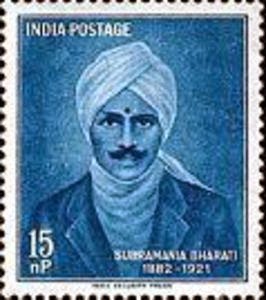
Great Tamil poet Bharati has translated many of his experiences into beautiful poetry. His poetry is full of imagination and highly rhythmical.

Former President of India Dr Rajendra Prasad wrote: “ A poet interprets and lays bare the human heart and mind to his less gifted brothers and sisters , enabling them to see and know man’s finer self at close quarters. His words do not die and he is loved and lives in man’s memory. He makes tears flow and laughter ripple through his verses.

Bharati, in his invocation to Vani, the Muse of Poetry, virtually describes what he considers to be the indispensable requirements of great poetry:

“Great grasp of the subject matter; lucidity of expression; the power of providing for those who subject  the poem to deep study and thought, the higher imaginative pleasures  through its profundity  and suggestiveness; and powerful  emotion that can move the reader even to the point of tears”.

“No insight, No poetry” says the Subashita Ratna Bhandagaram, the Sanskrit Book of Sayings.

Poets may die but their poetry lives for ever!

அப்பாய் செட்டியாரின் அற்புத தமிழ் அகராதி

Compiled by London swaminathan

Article No.1840 Date: 1 May  2015

Uploaded at London time: 18-26

தமிழில் மேலும் ஒரு அதிசயம்

எதுகைத் தமிழ் அகராதி

தமிழ் இலக்கியத்தில் எவ்வளவோ அதிசயங்கள் உள்ளன. இது வரை எனது ஆயிரத்துக்கும் மேலான கட்டுரைகளில் அவைகளைக் கொடுத்து வந்துள்ளேன். லண்டன் பிரிட்டிஷ் லைப்ரரியில் உள்ள ஒவ்வொரு தமிழ் புத்தகமாகப் புரட்டிப் பார்த்து வருகையில் ஊத்தங்கரை பி ஆர் அப்பாய் செட்டியார் 1938 ஆம் ஆண்டில் வெளியிட்ட எதுகை அகராதியைக் கண்டேன். அது ஒரு அற்புதமான நூலாகும். தர்மபுரி ஸ்ரீ ராமலிங்கா பிரிண்டிங் ஒர்க்ஸில் அது அச்சிடப்பது. (தற்பொழுது சில பதிப்பகங்கள் இதை மறுபதிப்பு செய்துள்ளன).

“பல அகராதிகள் ஏற்கனவே இருந்தபோதிலும் தமிழ்க் கலைக்கு என்னாலியன்ற தொண்டாற்ற வெண்ணங்கொண்டு நூதன முறையில் அகர முதலாகவும் கடையெழுத்தொன்றியும் வார்த்தை களைத் தொகுத்து எதுகை அகராதி என்ற பெயரால்  இதனை வெளியிடலாயினேன்” – என்று செட்டியார் முன்னுரையில் எழுதியுள்ளார்.

தமிழில் ஓரெழுத்துக்கு உள்ள அர்த்தங்களைப் படிக்கையில் வியப்பு மேலிடும். ஆனால் முன் காலத்தவர் தமிழையும் சம்ஸ்கிருதத்தையும் இரு விழிகள் போல எண்ணியதால், செட்டியார் தமிழ் சொற்கள் போலவே சம்ஸ்கிருதச் சொற்களையும் அகராதியில் சேர்த்துக் கொடுத்துள்ளார். 70 க்கும் மேல் ஓரெழுத்துக்கள் அகராதியில் உள்ளன.

எல்லாப் பொருட்களையும் கொடுக்காமல் ஒவ்வொரு எழுத்துக்கும் சில பொருளைத் தருகிறேன்.
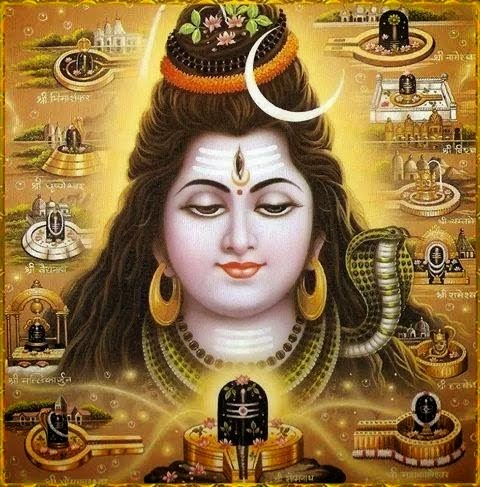
தமிழ் நெடுங்கணக்கின் முதல் எழுத்து, சிவன், விஷ்ணு, பிரமன், பெயர், வினை முற்று விகுதி, சுட்டிடைச் சொல், அன்மை, இன்மை, மறுதலை, குறைவு, சம்மதி, சுட்டு, தடை, பிறிது, வியப்பு,  ஆறாம் வேற்றுமை யுருப்பிடைச் சொல், சாரியை இடைச் சொல், சுக்கு, திப்பிலி, எட்டு

ஆகாயம், பிரமன், தலை, ஓரெழுத்து, அரசன், ஆன்மா, உடல், கந்தருவ சாதி, காமன், காற்று, சூரியன், செல்வன், திருமால், தீ, தொனி, நமன் மயில், மணம், விநாயகன், ஒன்று எண்ணும் எண், சரீரம், சுகம், நீர், நனைத்தல், பொருத்து, மேகம், விட்டுணு, மயிர், வியாதி, வாயு, பட்சி

குருணிக்குறி

கூடிய (உதாரணம்- சோமாக்கந்தர், சோமன்)

பிரான்ஸ் வெளியிட்ட பிரம்மா  தபால் தலை

குபேரன், பிரமன்

இன்மை, அன்மை, எதிர்மறை (உதாரணம்- அரூபம், அத்துவிதம், அதன்மம்)

இருபதிலோர் பாகத்தைக் காட்டும் ஓர் கீழ்வாய் இலக்கக் குறி, ஆற்று, சாபம், காவல் செய்தல், குடித்தல்

இயமன் இறந்தகால இடை நிலை (உ.ம்.-என்மர், ஒரு மந்திரம், காலம், சந்திரன், சிவன், நஞ்சு, நேரம், பிரமன், விட்டுணு

இறந்தகால இடை நிலை (உ.ம்.போயது)

இறந்தகால இடை நிலை

ஆச்சாமரம், இசை, இரக்கம், பெண் பசு, வினா விடைச் சொல், அந்தம், ஆக என்பதன் குறுக்கம்,இச்சை, ஆத்மா,வியப்பு, விலங்கின் பெண் பொது, ஆவது, பெண் எருமை

கா

அசைச் சொல், காத்தல் , காவடி, சோலை, துலை, பூந்தோட்டம், வருத்தம், வலி, பாதுகாப்பு, நிறை, சரசுவதி, கள், காலடித் தண்டு

சா

சாதல், சாவெனல், பேய், மரணம், தேயிலைச் செடி, இற, காய்ந்து போ

ஞா

கட்டு, பொருந்து

தா

கேடு, தாண்டுதல், கொடு, பகை, வருத்தம், வலி, அழிவு, கொடியன், பாய்தல், பிரமன், தாண்டு, படை

நா

நடு, நாக்கு, அயலார், சுவாலை, திறப்பு, மணி முதலியவற்றின் நா, அயலார், சுவாலை, பொலிவு, பூட்டின் தாள், வார்த்தை, தாரை, நாதசுரத்தின் ஊதுவாய்

பா

வெண்பா முதலிய பாட்டு, பஞ்சு நூல், பிரபை, நெசவு பா, அழகு, கடிகார ஊசி, கிழங்குப்பா, நிழல், பரப்பு, பஞ்சி நூல், பருகுதல், பாம்பு, தமிழ், தூக்கு, யாப்பு, காத்தல், சுத்தம், கப்பு, கை மரம்

மா

ஆண் குதிரை, அழகு, ஆண் பன்றி ஆண் யானை, இலக்குமி, கறுப்பு, சீலை, செல்வம், பெருமை, மாமரம், வண்டு, வயல், அறிவு, ஆணி, மாவு, நிறம், பரி, பிரபை, கட்டு, பெருமை, சரசுவதி, வலி, விலங்கின் பொது, வெறுப்பு, அருப்பம், மிகுதி, பிட்டம், பிண்டி, நுவனை

யா

ஒரு வகை மரம், வினாச்சொல், சந்தேகம், இல்லை

ரா

இராப் பொழுது, இரவு

வா

வருக எனல்

ஆண்பால், பெண்பால் பெயர் விகுதி (உ.ம்.பிறைசூடி, கண்ணி), முன்னிலை ஒருமை வினைமுற்று, அன்பு, ஆச்சரியம், இகழ்ச்சி, அரை என்னும் எண்ணின் குறி

நி

அதிகம், இன்மை, உறுதி, எதிர்மறை, ஐயம், அமீபம், நிச்சயம், நிலை, பேறு, பூரணம், மிகுதி, வன்மை, விருப்பம்

பி

அழகு, பிரிவினை விகுதி

ஈ, கள், இலக்குமி, தேனீ, குகை, தாமரை இதழ், பாம்பு, அம்பு, அரை நாண், பார்வதி, தேனீ, சிறகு

கீ

கிளிக்குரல்

சீ

இகழ்ச்சிக் குறிப்பு, அடக்கம், பெண்,இலக்குமி, வியப்பு,சரஸ்வதி, பார்வதி, நித்திரை, பிரகாசம், விடம், விந்து, சளி, ஒளி, சிரீ, சிகரம், சீகம், தமரத்தை, புனல், திரை, கவிரி, சீதல், காந்தி, சம்பத்து

நீ

நீ என்னும் முன்னிலைப் பெயர், நீங்குதல், விடு, உலகத்தை மறு, தள்ளு

தீ

நெருப்பு, தீமை,அறிவு, நரகம், இனிமை, கோபம், விடம், ஞானம், விளக்கு, அங்காரகன், ஆரல், ஒளி, முளரி, வசு, வடவை, சிகி

பீ

அச்சம், மலம், தொண்டி, பெருமாரம்பவ்வி

மீ

ஆகாயம், உயர்வு, மேல், மகிமை, மேற்புரம்

வீ

விருப்பம், கர்ப்பந்தரித்தல், பறவை, பூ, சிவன், நீக்கம், கேடு, ஒழிவு

அகச் சுட்டு, புறச்சுட்டு, ஆச்சரியம், உருக்கம், கட்டளை, கோபம், சின, பிரமன், சிவ சக்தி பிள்ளையார் சுழி, எண் 2

கு

பூமி,குற்றம், சாரியை, சிறுமை, தடை, தொனி, நான்காம் உருபு, நிந்தை, பாவம், இனமை, நீக்க, நிறம்

சு

நன்மை (சுபுத்தி), சொந்தம் (சுதேசம்), அதட்டும் ஓசை, சுவ, சுய, வியப்புக் குறிப்பு

து

துவ்வென்னேவல், அசைத்தல், அனுபவம்,எரித்தல், கெடுத்தல், கசத்தல், பிரிவு, சுத்தம்

நு

தியானம், தோணி, நிந்தை, நேரம், புகழ்

ஊன், உணவு,சந்திர, சதை, தசை, சிவன், சமாக்கிய கலை, இறைச்சி

கூ

பூமி, கூக்குரல், மலங்கழித்தல், கூவுதல், கூச்சல்

சூ

விலங்குகளையோட்டும் குறிப்பு, சுளுந்து, வியப்புச் சொல்

தூ

சுத்தம், தூவென்னேவல், பகை,பற்றுக்கோடு, புள்ளிறகு, வெண்மை, தசை, மாமிசம், வலிமை, தூவு, இகழ்ச்சிக் குறிப்பு

நூ

ஆபரணம்,எள், யானை

பூ

மலர், அழகு, இடம், இந்துப்பு, இருக்குத்ல், இலை, ஓமாக்கினி, கண்ணோய், நரகம், தாமரை, தீப்பொறி, பிறப்பு, பூமி, நீலநிறம், மென்மை, தேங்காய்த் துருவல், நுண்பொடி, அரைக்கால், மகளிர் சூதகம், நிரம், பூப்பு, மூப்பு, அலரி, இணர், குசுமம், தாமம், போது, வீ

எழு, வினாவெழுத்து

சிவன், விஷ்ணு, செலுத்துதல், அடே, அம்பு, எண்ணின் குறிப்பு, அடுக்கு, பாணம், இகழ்ச்சிக் குறிப்பு, பெருக்கம், இறுமாப்பு, உயர்ச்சி, வலியுறுத்தல் (உ.ம்.அவனே வந்தான், நானே செய்தேன்)

சே

அழிஞ்சில் மரம், இடப ராசி, சிவப்பு, சேரான் மரம், காளை, வெருட்டுங் குறி, வெறுப்புக் குறி, புல்வாய், குதிரை, சேரான்

தே

கடவுள், கிருபை, கொள்ளுகை,நாயகன், மாடு துரத்தும் குறிப்பு

நே

அன்பு, ஈரம், நேசம்,உழை, நெகு

பே

நுரை, மேகம், பேகடம்- ஒருவகை மீன், இல்லை, பேகம்-தவளை, முகில்

மே

அன்பு

வே

வேவு

குலோத்துங்க சோழன்

அரசன், அழகு, ஆசான், இரண்டாம் வேற்றுமை உருபு, கடவுள், கோழை, சாரியை, சுவாமி, நுண்மை, யானையைப் பாகன் ஓட்டும் ஓசை, கடுகு, கடவுள், குரு, வியப்பு, வீரம், கணவன், சுவாமி, பிதா, யசமானன்

சை

சீ, கைப்பொருள்

நை

நொந்து போ, இகழ்ழ்சிக் உறிப்பு, நையென்னேவல்

அழைத்தல், வியப்பு, அனந்தம், கடித்தல், பூமி

கௌ

கொள்ளு, தீங்கு, மனஸ்தாபம், கிருத்தியம், கௌவென்னேவல்

கை

ஒப்பனை, ஒழுக்கம், கை, சிறுமை, வகுப்பு, இடம், உடனே, கட்சி, கைமரம், சேனை, ஆள், காந்தப்பூ, தங்கை, ஊட்டு, அலங்கரி, தோள், பாணி, சயம், விற்பிடி, முகுளம், சதுரம், இலதை, மான் தலை, சங்கு, வண்டு, அஞ்சலி, கற்கடகம், மகரம், கபோதம், விற்பிடி

தை

மாதம், பூச நாள்

பை

அழகு, பச்சை நிறம், பாம்பின் படம்

மை

அஞ்சனம், கருப்பு, பூமி, திசை, மலை, வச்சிராயுதம்

வை

கூர்மை, வைக்கோல், கீழெ வை என்னேவல்

ஒற்றுமையுடன் இரு, ஒன்றுபடு, ஒழிதல், ஒவ்வுதல்

இழிவு சிறப்பு, அடிசயவிரக்கச் சொல், எதிர்மறை, ஒழிபிசை, , வினா, நீக்க, மதகு நீர் தாங்கும் பலகை, மகிழ்ச்சிக் குறிப்பு, இரக்கக் குறிப்பு,  மடையடைக்கும் கதவு

நொ

துன்பப்படு, நோய், வருத்தம், நொய்ம்மை

அதிசய விரக்கச் சொல், இரக்கம், வினா விடைச் சொல் (உ.ம்.சாத்தனோ)

கொ

ஒலிக்குறிப்பு

கோ

அம்பு, அரசன், ஆண்மகன், எருது, ஆகாயம், கண், கிரணம், சந்திரன், சூரியன், பசு, மலை, மாதா, மேன்மை, வாணி, குசவன், சுவர்க்கம், வெந்நீர், தொடு, தறி, தடு, பொறி, தேவலோகம், கோமேத யாகம்,வச்சிராயுதம்

சோ

அரண், வியப்புச் சொல், வாணாசுரன் நகர்,உமை

நோதல், துக்கம், துன்பம், பலஹீனம், வியாதி

தோ

தோ- நாயைக் கூப்பிடும் ஒலி

நோ

இன்னம், சிதைவு, துக்கம், துன்பம், பலவீனம், வியாதி, வலி, வேதனைப் படு, நொந்து பேசு, துக்கப்படு, இன்மை

போ

அசைநிலை, போவென்னுதல்

சௌ

சௌபாக்கியவதி என்பதன் சுருக்கம், சிறுமி, சுமங்கலி

நௌ

மரக்கலம்

ஸ்ரீ

லெட்சுமி, பாக்கியம்

அப்பாய் செட்டியார் நிறைய சம்ஸ்கிருதச் சொற்களையும் சேர்த்திருக்கிறார். அதை நினைவிற் கொள்ளல் வேண்டும். அவர் மட்டுமின்றி அந்தக் காலத்திலும், இந்தக் காலத்திலும் வெளியாகும் எல்லா அகராதிகளிலும், நிகண்டுகளிலும் சம்ஸ்கிருதச் சொற்களையும் சேர்த்து தமிழாகக் கொடுத்திருப்பதிலிருந்து இரு மொழிகளையும் அவர்கள் இரு கண்கள் போல பாவித்ததும், இரு மொழிகளும் ஒரே மூலத்திலிருந்து வந்தவை என்று அவர்கள் நம்பினர் என்பதும் வெள்ளிடை மலை. சுருங்கச் சொல்லின் வெள்ளைக்காரன் புகுத்திய ஆரிய-திராவிட இனவெறி வாதம் என்னும் விஷம் கலக்கும் வரை, தொல்காப்பியன் முதல் பாரதியார் வரை எல்லாக் கவிஞர்களும் அச்சமின்றி, கூச்சமின்றி சம்ஸ்கிருதத்தைக் கலந்தே எழுதினர். திரைப்படப் பாடல்களில் பிற மொழிக் கலப்பில்லாத படல்களைக் காண்பதும் அரிதே.

பாபநாசம் சிவன் எதுகை அகராதி

பாபநாசம் சிவன் சம்ஸ்கிருத எதுகை அகராதி ஒன்று தயாரித்து வெளியிட்டுள்ளார் அதைப்பற்றி தனி கட்டுரையில் தருகிறேன். அதைத் தயாரிக்க அவருக்கு ஆகிய காலம் எட்டு ஆண்டுகள். இதே போல அப்பாய் செட்டியார், அபிதான சிந்தாமணி வெளியிட்ட சிங்காரவேலு முதலியார் ஆகியோரும் பல்லாண்டுக் காலம் உழைத்ததன் பேரிலேயே நமக்கு அற்புத அகராதிகள், கலைக் களஞ்சியங்கள் கிடைத்தன.

–சுபம்–
Vedic Seers knew earlier What Europeans “Discovered” later!

Compiled by London swaminathan

Article No.1839 Date:30 April 2015

Uploaded at London time: 21-36

If you go to any encyclopaedia they will mislead you by saying ‘this person discovered the earth was spherical’, ‘that person discovered earth is revolving sun’ etc. Those “frogs in the well” don’t know that all these are in the Vedas at least by 1700 BCE or even before that according to Hindu tradition.

There are lots of books about Vedic astronomy. German scholar Jacobi and Freedom Fighter Bala Ganagadara Tilak worked out the date of Rig Veda and arrived at the date 4500 BCE or before. They did this research independently without knowing each other. Until this day nobody disputed them on the basis of astronomy.

1.Astronomy was recognised as separate science in Vedic Age and it was called ‘Nakshatra Vidya’ (the science of stars). It is very interesting to note that Vedic Hindus were more interested in stars rather than planets. An astronomer was called ‘Nakshatra – Darsa (star observer) or ganaka (calculator). Tamils also used the Vedic word Gani(ka).

2.According to the Rig Veda (1 -115-1, 2-40-4 etc. the universe comprises ‘prithivi’/earth, ‘antariksa’/sky, literally meaning the region below the stars and div or ‘dyaus’/heaven.

3.Vedic Hindus knew very well that the earth was spherical RV 1-33-8 and was suspended in the mid air (4-55-3). The Satapatha Brahmana describes it ‘parimandala’ – globe or sphere.

4.There is evidence in the Rig Veda of the knowledge of rotation and annual revolution of the earth. It was known that these motions are caused by the sun. According to RV 6-58-1, the sun alone is the maker of the day and night, twilight, month, and year, and also the cause of the seasons (1-95-3).

The Aitareya Brahmana states that the sun never sets or rises , the setting or the rising of the sun are but changes of its course.

Mac donell and Keith refer to the view of Ludwig that the RV mentions the inclinations of the ecliptic with the equator ( 1-10-2) and the axis of the earth (10-86-4).

5.The course of the sun is divided into two halves, ‘uttarayana’ when the sun apparently goes northwards and the ‘dakshinaya’ when it goes southwards.

B G Tilak says that according to the Satapatha Brahmana (SB 2-1-3-1) the uttarayana begins from the vernal equinox. But it is clear from (KB 19-3) that those periods used to begin respectively from the winter and summer solstices.

The ecliptic is divided into twelve parts- the signs of the Zodiac which corresponds to the twelve months of the year.

THE MOON

6.The RV says that the moon shines by the borrowed light of the sun (9-71-9). The phases of the moon and their relation to the sun were fully understood.

The Rig Veda mentions 34 ribs of the horse (RV 1-161-18) and 34 lights. Ludwig and Zimmer think that these refer to the sun , the moon ,five planets and 27 Nakshatras. But Macdonell and Keith don’t support this view.

((Vedic horse has 34 ribs and European horses have 36 ribs is another interesting fact. This shows that the Vedic Hindus and their horses were of Indian origin; not imported from outside))

7.Taittiriyasamhita (TS 2-3-5-1) and Kathaka Samhita (KS 9-3) state that the moon is wedded to the nakshatras. Later when ‘Star Abhijit’ became the pole star it was counted as the 28th star. In the course of time ‘abhijit’ ceased to the polestar and the number again came to 27.

This fact throws another bomb shell on the Aryan Dravidian racist theory. In European cultures moon is a woman and they do not know about 27 stars. In Vedic culture moon is a male and 27 stars are his wives from Vedic days and Sangam Tamil literature also follows it. This is also another proof that there has been only one culture in India from time immemorial throughout the land which was the world’s largest country 2000 years ago.

ECLIPSES

8.Observations of several solar eclipses are mentioned in both the Rig Veda and the Atharva Veda (RV 5-40-9,  aAV 13-2-4, 13-12-36;SB 4-4-21

In the AV (19-9-10) the eclipse of the sun is  stated to be caused by ‘rahu’, the demon. At the time of the RV the cause of the solar eclipse was understood as the occultation of the sun by the moon.  Lunar eclipses are also mentioned.

SEASONS

9.In the Vedic Samhitas the seasons in a year are generally stated to be five- Vasanta (spring), Grisma (summer), Varsa (rains)Sarat (autumn) and Hemanta-Sisira (Winter). Then it was counted as six seasons. Tamils also followed the same six seasons. I have elsewhere written that threw a big bombshell on the Aryan Dravidian Racist theory. In western countries the seasons are four, but Tamils and their counterparts in the north followed a Six Season Climatic System from the Vedic days. This exploded the theory that Tamils/Dravidians had a different culture.

Vasanta (March- April) was the first of the seasons as well as the beginning of the year (TB 1-1-2-6; 3-10-4-1). In the Gita Lord Krishna says that among the months he was Margasirsa. Scholars think that at one time Margasirsa was the beginning of the year. This shws the antiquity of Indian Civilization. Since it spanned several thousands of years the system changed according to the star position. We see even the change of polestar.

10.The Taiitiriya Samhita (TS 6-1-5-1) and Aitareya Brahana (AB 1-7) speak of Aditi as the presidin deity of the Punarvasu star receiving the boon that all sacrifices begin with her and end with her. This clearly refers to the position of the vernal eqinox in the asterism Punarvasu. There is also evidence to show that the vernal equinox was once in the asterism Mrgasirsa from whence in course of time, it receded to Krittika (Pleiades). Thus knowledge of the precession of equinox existed in the Samhitas and Brahmanas.

11.Some scholars maintain that the Vedic seers also knew of the equation of time.

SOLAR MOTION

12.The sun’s annual and daily motions are described in Vedic hymns (RV 1-35-2). The RV (1-22-16) states: “Gods be gracious to us even from the place whence Vishnu strode through the seven regions of the earth.

Though the word ‘saptadhama’ often indicated the seven prosodies, it also means the seven regions representing the sky. It also denotes the seven places or paths of the sun in the course of its annual motion.

VAMANA AVATAR

13.In the Rig Veda (RV 1-22-17), reference is made of Vishnu’s traversing the whole world in three strides. These strides are interpreted as the uttarayana and dakshinayana (two strides) and the daily motions (third stride). The expression encompasses the orbital as well as diurnal course of the sun.

(Personally I support the Vamana Avatara story said in this hymn. The other explanation is not convincing)

About the stars (nakshatras) there are more than 25 ages in the Vedic Index and the Atharva Veda. I will give the gist of those pages in a separate article.

  1. As I have been mentioning in my previous articles on the Vedas, all these details, put together, show that the Vedic civilization is unique, well advanced and progressive in thinking. Who else would have prayed for the welfare of the human beings, peace and unity in the last hymn of the Rig Veda?

Lokas Samasto Sukino Bhavantu!

நீங்கள் தமிழ்ப் புலியா? தமிழ்க் கிளியா? தமிழ் எலியா?

புலி

கட்டுரை எண் 1838

தொகுத்தவர் லண்டன் சுவாமிநாதன்

தேதி : ஏப்ரல் 30, 2015; லண்டன் நேரம்: 12–02

என் கேள்விக்கென்ன பதில்?

இது போல தமிழ், ஆங்கிலத்தில் முப்பதுக்கும் மேலான க்விஸ், இந்த பிளாக்-கில் உள்ளன.

கீழேயுள்ள கேள்விகளுக்கு பதில் சொல்லுங்கள். எல்லாக் கேள்விகளுக்கும் பதில் சொன்னால் நீங்கள் தமிழ்ப் புலி. 15 கேள்விகளுக்குப் பதில் சொன்னால் நீங்கள் தமிழ்க் கிளி. 10 கேள்விகளுக்குப் பதில் சொன்னால் நீங்கள் தமிழ் எலி. 5 கேள்விகளுக்கு மட்டும் பதில் சொன்னால் நீங்கள் தமிழுக்குத் தருவது பெரும் வலி. ஒன்றும் சொல்லாவிடில் தமிழ் மொழிக்குப் பிடித்தது கிலி!!!!

கோடிட்ட இடங்களை நிரப்புங்கள்:—

1)———————– படித்தவனுடன் சொல்லாடாதே.

2)——————- புலவருக்கு ஔஷதம்

3)—————-உருகார் ஒரு வாசகத்துக்கும் உருகார்

4)கடுகைத் துளைத்தேழ் கடலைப் புகுத்தி ————————–

5)—————- முப்பதும் செப்பினாள் வாழிய

6)நெஞ்சை அள்ளும் ————————

7)உச்சிமேற் புலவர்கொள் ————————-

8)ஒல்காப்புகழ் ————————————

9)வாய்மொழிக் ————————-; புலன் அழுக்கற்ற அந்தணாளன்

10)கருணைக்கு —————————

கிளி

11)கற்பனைக்குக் ————————–

12) நாளும் இன்னிசையால் தமிழ் பரப்பும்———————–

13)———————— என்னைப் பாடினான்

14)———————— தன்னைப் பாடினான்

15)———————— பெண்ணைப் பாடினான்

16) ————– வீட்டுக் கட்டுத் தறியும் கவிபாடும்

17) வேதம் தமிழ் செய்த—————————-

18)பெரியாழ்வார் பெற்றெடுத்த————– வாழிய

19)விருத்தமென்னும் ஒண்பாவிற்கு ———–

20)மஹா கவி—————–

எலி

விடைகள்

1)கல்லாடம் 2) நைஷதம் 3) திருவாசகத்துக்கு 4) குறுகத் தரித்த குறள் 5)திருப்பாவை 6) சிலப்பதிகாரம் 7) நச்சினார்க்கினியர் 8) தொல்காப்பியன் 9) கபிலன் 10)அருணகிரி 11) கம்பன் 12) ஞான சம்பந்தன் 13) அப்பர் 14) சம்பந்தன் 15) சுந்தரர் 16) கம்பன் 17) மாறன் சடகோபன் 18) பெண்பிள்ளை 19) உயர் கம்பன் 20) பாரதி.

FLOATING STONE: RAMAYANA WONDER!!

(Based on News from Nakkiran magazine)

Translated by Swaminathan from Tamil

Post 1837 ;Date 30 April 2015; Time in London 5-23 am

All of us know that when Hanuman wrote RAM on the stones, the stones started floating. Like army build pontoon bridges Rama built a pontoon bridge with the help of a Tamil engineer named NALAN. Now Ponnagaram fishermen have found out a fifteen kilo floating stone. Ponnagaram is near Manalmelkudi in Pudukkottai District of Tamil Nadu,India.

When the fishermen told the villagers about their stone in the fishing net which floats when put in water, they tried it at the temple tank at Adikesava Perumal Temple. When it was floating, hundreds of people came and watched it. I have already written about how Rama flew from Sri Lanka to Uttar Pradesh in a day based on a New Scientist Article. Please visit my blog tamilandvedas.com

மிதக்கும் கல்!

புதுக்கோட்டை மாவட்டம், மணமேல்குடி அருகே உள்ள மீனவர் கிராமத்தில் மீன் பிடிக்க கடலுக்குச் சென்றபோது மீனவர் வலையில் தண்ணீரில் மிதக்கும் 15 கிலோ எடை கொண்ட அதிசய கல் சிக்கியது. இந்த கல்லை பொதுமக்கள் ஏராளமானோர் அதிசயத்துடன் பார்த்துச் செல்கின்றனர்.

மணமேல்குடி அருகே உள்ளது பொன்னகரம் மீனவர் கிராமம். இங்கு தினசரி 500க்கும் மேற்பட்டோர் கடலுக்கு சென்று மீன்பிடித்து வருகின்றனர். நேற்று வழக்கம் போல் கடலுக்குச் சென்று மீன்பிடிப்பதற்காக வலையை கடலில் வீசிவிட்டு பின்பு வலையை எடுத்தபோது, அந்த வலையில் மீன்களுடன் ஒரு கல்லும் வந்தது. அந்த கல்லை எடுத்து அந்த மீனவர் தண்ணீரில் வீசியபோது அந்த கல் மிதந்தது. உடனே ஆச்சியப்பட்ட அந்த மீனவர் படகில் அந்த கல்லை தூக்கி போட்டுக் கொண்டு கரைக்கு வந்து பொதுமக்களிடம் இந்த அதிசயத்தை கூறினார். பின்னர் அந்த கல் அருகில் உள்ள ஆதிகேசவ பெருமாள் கோவில் வாசலில் உள்ள குளத்தில் போடப்பட்டது. குளத்தில் போடப்பட்ட அந்தக்கல் தண்ணீரில் மூழ்காமல் மிதந்தது. இந்த அதிசயத்தை கேள்விப்பட்ட சுற்றுவட்டார பொதுமக்கள் ஏராளமானோர் வந்து குளத்தில் மிதந்துக் கொண்டிருக்கும் அந்த கல்லை அதிசயத்துடன் பார்த்துச் செல்கின்றனர்.
(நன்றி -நக்கீரன் )

ARANYA KANDA PICTURES FROM VALMIKI RAMAYANA

Compiled by London Swaminathan

Article No.1836;  Dated 29 April 2015.

Uploaded at London time 18-40

So far I have posted Balakanda and Ayodhya Kanda pictures. Today I am posting Aranya Kanda (Chapter on Forest Residence) pictures. With this the number of pictures posted stands at 29. We have got forty more pictures from The Picture Ramayana published 100 years ago.

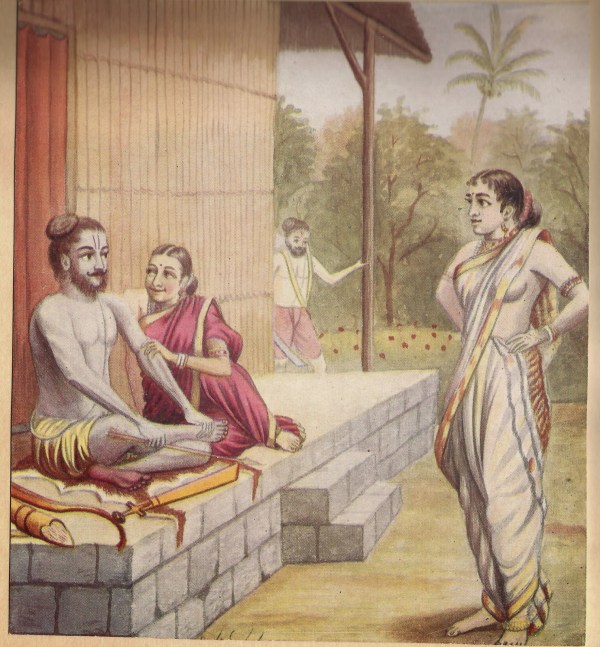
Viradha Killed: Rama and Lakshmana killed many demons in the Dandaka forest, all in self- defence. When demon Viradha attacked them, they attacked him back and buried him. Dandaka forest was frequented by lot of demons. Demons are nothing but uncivilized cannibals. They come out during night times and attack seers in the ashramas/ parnasalas (dwelling places of sages)

Surpanakha meets Rama:-Rama took the advice of great seer Agastya and built a hut on the banks of River Godavari. Shurpanakha, who was the cousin sister of Sri Lankan King Ravana went to Rama and said, “I have fallen in love with you; so I pray you to take me as your wife”. At this Rama’s wife Sita began to laugh, which excited the anger of Shurpanakha . She went to bite sita. Then she went to Lakshmana (Rama’s brother) and he cut off her nose and ears and drove her away. ( People from Sri Lanka can easily travel to India by using South West Monsoon. I have explained how Sri Lankan King Devanam Priya Tissa’s ambassadors reached Patna in Bihar to meet Emperor Asoka within two weeks. Please read my articles on Mahavamsa in my blog. Sri Lankan Rakshasas frequented the coastal areas and used them as their playing fields)

Khara, Dushana killed: Shurpanakha, wailing bitterly, went to her brothers Khara, Dushana and Trishira and reported that her nose and ears were cut off by Lakshmana. Immediately they attacked Rama and Lakshmana. Rama instructed Lakshmana and Sita to hide in a cave nearby, attacked the demons and killed all of them. Shurphanakha fled to her cousin Ravana in Sri Lanka. That cunning woman gave Ravana a different story!

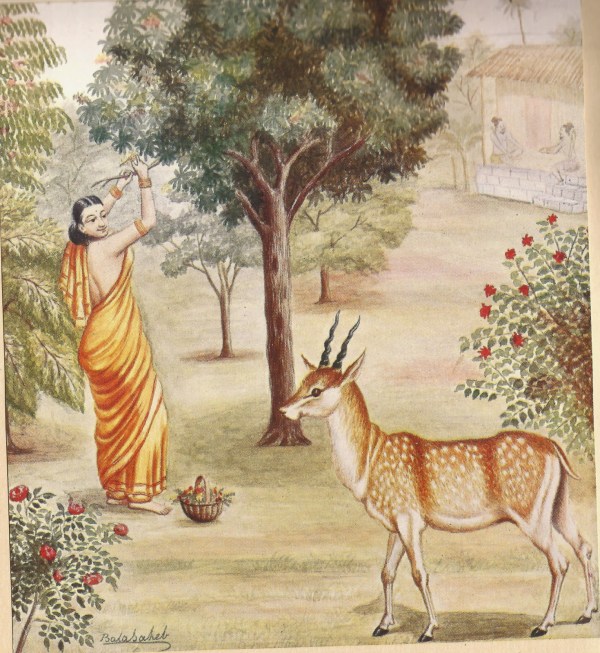
Story of the Phantom Deer: Shurpanakha knew Ravana’s weakness. Though he was well educated, 50 percent Brahmin and fifty percent demon by birth, he was after women. A king can marry as many as he wishes in Hindu tradition. But he can’t touch another man’s wife. Shurphanaka misled him and inflammed Ravana’s passion by describing Sita’s marvellous beauty. Ravana asked Maricha to dress like a deer with golden deer skin and present himself there to divert Sita’s attention. Demons are notorious for cunning devices like this. Sita fell a prey to Ravana’s designs and asked Rama to chase it. Rama went after the PHANTOM DEER.

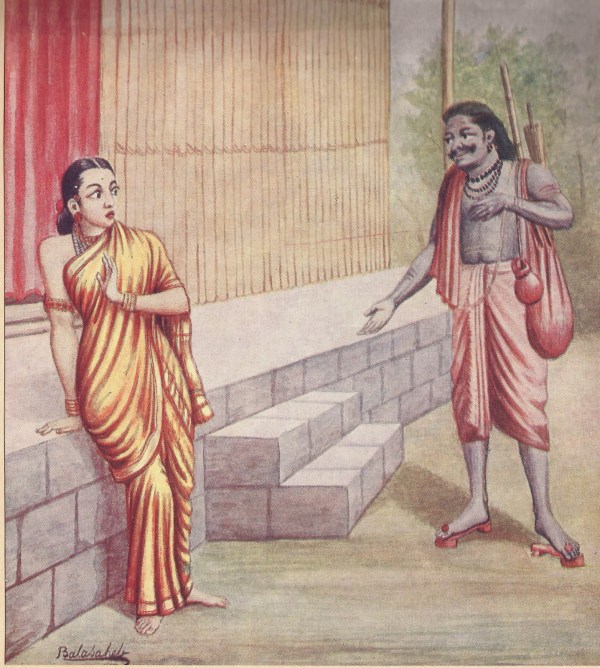
Maricha, when wounded by the arrow of Rama, cried “Help, Lakshmna, Help” to fool Sita and Lakshmana. Rakshasas are always cunning and cheating. They will try to achieve anything by hook or crook. Sita heard it and asked Lakshmana to help Rama. He told her that it was a false alarm; but Sita reproached him saying, “You want Rama to die so that you can marry me yourself”. Lakshmana wept bitterly at this unbearable taunt. He went out to see where Rama is. At that time Ravana appeared like an ascetic and asked her for food. When Sita crossed the danger line (which Lakshmana drew instructing her not to cross), Ravana abducted her. Vinasa Kale Vipareedha Buddhi!

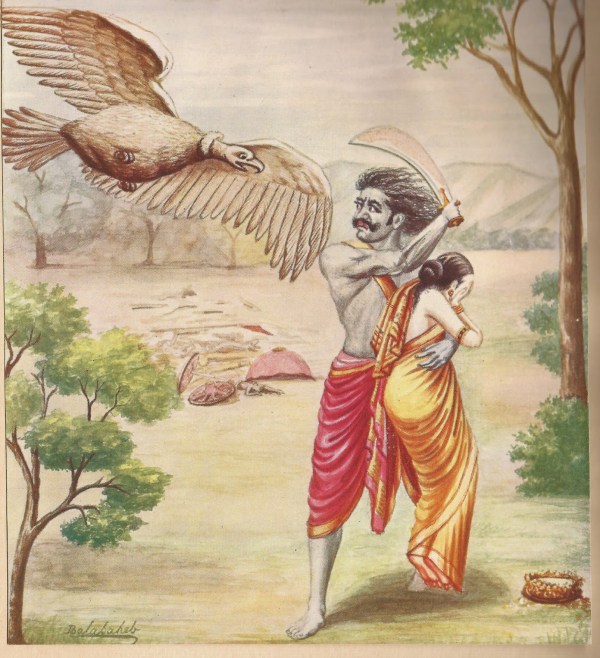
JATAYU ATTACKED: Jatayu, the king of the vultures, saw Sita carried away by Ravana. He attacked Ravana, but Ravana drew his sword and cut its wings. Ravana was also wounded by Jatayu’s attack. He flew away to Lanka in his flying chariot .( I have explained elsewhere in my research papers that Jatayu, Jambhavan, Hanuman are not Eagles or Bears or Monkeys. They were hill tribes with totem symbols. They were called Eagle people, Bear people or Monkey people because of their symbols or tattoos. Since Ramayana was from a different Yuga period, people, particularly Pauraniks, lost touch with reality and dramatized everything).

When Rama’s arrow pierced Maricha, he assumed his true form i.e.the phantom deer became Maricha again. Rama was angry because Lakshmana came leaving Sita alone. But Lakshmana explained to him that just because Sita panicked he had to come. When they came back Sita was not there. Jatayu told them that Ravana carried off Sita.

When Ravana carried Sita first on his shoulders and then in the chariot, she threw some of her jewels towards the monkeys. Women are intelligent. They wanted to leave some clue at the crime scene so that the criminal will be caught.

Aranya Kanda Picture 9:  Rama and Lakshmana went towards south in search of Sita. Jatayu told them that Ravana went towards south. One day they came across a terrible demon named Kabandha. His mouth was in his mouth and he was one eyed. His thighs joined to his belly. When he attacked Rama and Lakshmana, they killed him. When they started cremating him, a celestial being arose from the fire. He was a spirit under curse and now released from the curse he was happy. He instructed them to go to Rishyamuka Mountain where they can get the help of Sugreeva, the king of the Monkeys (monkey tribe).

Aranya Kanda Picture 10

SABARI SALUTING RAMA: Rama was the first king in the world who demolished the caste and class restrictions by embracing all hunter tribes of Guha , monkey tribes of Sugreeva , hill tribe of Sabari , Eagle tribes of Jatayu, Bear tribes of Jambhavan, Rakshasas like Vibhishana. Monkeys, Eagles, Bears are actually tribal symbols; they are not animals and birds. We can’t see anyone in the world history who embraced different tribes and made them feel kith and kin. He was the one who gave back the kingdoms to Angada and Vibhishana. This is also unique in world history. We seldom see such a friendly gesture.

Next we will look at Kiskindha Kanda.