இலக்கியம் பற்றி 31 அற்புதப் பொன் மொழிகள்!

சுவாமியின் பொன்மொழி காலண்டர் – மன்மத வருடம்- வைகாசி (மே 2015)

இந்த பிளாக்—கில் இதுவரை தமிழிலும் ஆங்கிலத்திலும் ஆயிரத்துக்கும் மேலான தமிழ், சம்ஸ்கிருத பொன் மொழிகள் வெளியிடப் பட்டுள்ளன! படித்துப் பயன் பெறுக!!

Compiled by London Swaminathan

Article No.1835;  Dated 29 ஏப்ரல் 2015.

Uploaded at London time 8-38 am


முக்கிய நாட்கள்/ விழாக்கள்:– மே 1 தொழிலாளர் தினம்; மே 5- அன்னமாசார்ய ஜயந்தி, மே 13- தத்தாத்ரேய & ஹனுமன் ஜயந்தி,

மே 4 & 25 பிரிட்டனில் விடுமுறை


ஏகாதசி  : 14 & 29; அமாவாசை- 17; சித்திரா பவுர்ணமி- 3.

முகூர்த்த நாட்கள்:– 1, 6, 8, 10, 14, 15, 20, 22, 29


மே 1 வெள்ளிக்கிழமை

அர்த்தமாத்ரா லாகவேனாபி புத்ரோத்சவம் மன்யந்தே வையாகரணா: -சுபாஷித ரத்ன பாண்டாகாரம்

அரை மாத்திரை (எழுத்து/ஒலி) சேமிக்க முடிந்தாலும், இலக்கண வித்தகர்கள்,  ஒரு பிள்ளையைப் பெற்ற சந்தோஷத்தை அடைவர்.


மே 2 சனிக்கிழமை


உபமா காளிதாசஸ்ய பாரவேர் அர்த்தகௌரவம்

தண்டின: பத லாலித்யம் மாகே சந்தி த்ரயோ குணா:

-சுபாஷித ரத்ன பாண்டாகாரம்

உவமைக்குக் காளிதாசன், பொருளுள்ள கவிக்கு பாரவி, சொல் நயத்துக்கு தண்டி, மாகனோ இம்மூன்றும் உடைத்தவன்.


மே 3 ஞாயிற்றுக் கிழமை

உதிதே நைஷதே காவ்யே க்வ மாக: க்வ ச பாரவி:

நைஷத காவியம் உண்டான பின்னர், மாகன் எங்கே? பாரவி எங்கே?


மே 4 திங்கட் கிழமை

ஏகோ ரஸ: கருணா ஏவ நிமித்த பேதாத்

உத்தரராம சரிதம், பவபூதி

ரசம் என்பது கருணை ரசம் ஒன்றே: ஏனையவை அதிலிருந்து சில காரணத்துக்காகப் பிரிந்தவையே


மே 5 செவ்வாய்க் கிழமை


கரோதி ராகம் ஹ்ருதி கௌதுகாதிகம்

-பாணபட்டரின் காதம்பரி

மனதில் மகிழ்ச்சி உண்டானால் கதைகள் பிறக்கும்


மே 6 புதன் கிழமை

கலாரத்னம் கானம்

கலைகளில் சிறந்தது இசையே

மே 7 வியாழக் கிழமை

கவிதாயா: பரிபாகான் அனுபவ ரஸிகோ

விஜானாதி

கவிதையின் நயத்தை, அனுபவம் உள்ள ரசிகர்களே பூரணமாக அனுபவிப்பர்


மே 8 வெள்ளிக்கிழமை

கஸ்ய ந ஜனயதி ஹர்ஷம் சத் காவ்யம் மதுர வசனம் ச – காதா சப்த சதி, ஹாலன்

நல்ல காவியமும் இனிமையான சொற்களும் யாரிடத்தில்தான் மகிழ்ச்சியை உண்டாக்காது?


மே 9 சனிக்கிழமை

கா வித்யா கவிதாம் வினா

கவிதை இல்லாத கல்வி எதற்கு?


மே 10 ஞாயிற்றுக் கிழமை

காவ்யம் சுதா ரசஞானம் காமினாம் காமினீ சுதா

ரசனை உடையவர்களுக்கு காவியம் அமிர்தமயமானது; காம உணர்வுடையோருக்குப் பெண்களைப் போல


 22TH_MANGO_2349151f.jpg (636×401)

மே 11 திங்கட் கிழமை

காவ்ய சம்பந்தினீ கீர்த்தி: ஸ்தாயினீ நிரபாயினீ

இலக்கியத்தால் வரும் புகழ், அழியாத புகழாகும்


மே 12 செவ்வாய்க் கிழமை

காவ்யஸ்யாத்மா த்வனி:  – த்வன்யாலோக:

ஒரு காவியத்தின் ஆத்மா, அதிலுள்ள த்வனியேயாம் (இறைச்சி பொருள்)


மே 13 புதன் கிழமை

காவ்யேஷு நாடகம் ரம்யம்

காவியங்களில் நாடகம் இதமானது


மே 14 வியாழக் கிழமை

கத்யம் கவீனாம் நிகஷம் வர்தந்தி

கவிதை என்பது கவிஞர்களுக்கு இயற்கையாக வருவது (கவிஞர்களுடன் பிறந்தது கவிதை)


மே 15 வெள்ளிக்கிழமை

ஜயந்தி தே சுக்ருதினோ ரஸசித்தா: கவீஸ்வரா:

நாஸ்தியேஷாம் யச: காயே ஜராமரணஜம் பயம் –பர்த்ருஹரி

கவியரசர்கள், ரசத்தின் (நவரஸம்) கரை கண்டவர்கள். அவர்கள் புண்ணியம் செய்தவர்களாகத் திகழ்கின்றனர்.அவர்களுடைய புகழ் உடம்புக்கு மரண பயமோ, முதுமையோ இல்லை (பூத உடல் மறைந்தாலும் புகழ் உடம்பு நிலைத்து நிற்கும்)


மே 16 சனிக்கிழமை

தர்ம ஜிக்ஞாசமானானாம் ப்ரமாணம் பரமம் ஸ்ருதி: — மஹாபாரதம்

தர்ம நாட்டம் உடையோருக்கு பெரிய ப்ரமாணம் (சான்று) வேதம் ஆகும்.

மே 17 ஞாயிற்றுக் கிழமை

நரத்வம் துர்லபம் லோகே வித்யா தத்ர சதுர்லபா

கவிதவம் துர்லபம் தத்ர சக்திஸ்தத்ர சதுர்லபா – அக்னி புராணம்

அரிது அரிது மானிடராய்ப் பிறத்தல் அரிது; அதிலும் கல்வி கற்றவராய் விளங்குவது அரிது;  அதிலும் கவிதை புனையும் ஆற்றல் அரிது; அதிலும் செல்வாக்குடைய வராய் (பெயர்பெற்றவராய்) விளங்குவது அரிது.


மே 18 திங்கட் கிழமை

நாட்யம் பின்னருசேர் ஜனஸ்ய பஹுதாப்யேகம் சமாராதனம் — மாளவிகாக்னிமித்ரம்

வெவ்வேறு ருசியுடையவர்களும் ஒருங்கே (அமர்ந்து) ரசிக்கவல்லது நாட்டியம்


மே 19 செவ்வாய்க் கிழமை

நிரங்குசா: கவய:

கவிஞர்களைக் கட்டுப்படுத்துவது எதுவும் இல்லை

(சிட்டுக் குருவிக்கு என்ன கட்டுப்பாடு?)


மே 20 புதன் கிழமை

புராணமித்யேவ ந சாது ஸர்வம் ந சாபி காவ்யம் நவமித்யவத்யம் — மாளவிகாக்னிமித்ரம்

பழமையானது என்பதால் மட்டும் எல்லாம் சிறந்தன என்பதும் இல்லை; புதியது என்பதால் சிறப்பில்லாதவை என்பதும் இல்லை.

மே 21 வியாழக் கிழமை

பாரதம் பஞ்சமோ வேத:

மஹாபாரதம் என்பது ஐந்தாவது வேதம் (அதாவது வேதத்துக்குச் சமமானது)


மே 22 வெள்ளிக்கிழமை

பாரதாம்ருதசர்வஸ்வம் கீதா

மஹாபாரதத்தைப் பிழிந்தெடுத்த அம்ருதம் பகவத் கீதை

மே 23 சனிக்கிழமை

யதிஹாஸ்தி ததன்யத்ர யன்னே ஹாஸ்தி ந தத் க்வசித்  – மஹாபாரதம்

உலகில் உள்ள எல்லாம் மஹாபாரதத்தில் உளது; இதில் இல்லாவிட்டால் உலகில் எங்கும் இல்லை.


மே 24 ஞாயிற்றுக் கிழமை

யஸ்ய வாக்யம் ச ருஷி:  -ருக் வேத சர்வாணுக்ரமணி

மந்திர ஸ்வரூப வாக்கியம் உடையவர் ரிஷி


மே 25 திங்கட் கிழமை

யஸ்ய ஸம்புடிகா நாஸ்தி குதஸ்தஸ்ய சுபாஷிதம் – பஞ்ச தந்திரம்

நெட்டுரு செய்ய முடியாதோருக்கு பொன்மொழிகள் என்ன பயன் தரும்?


மே 26 செவ்வாய்க் கிழமை

ரமணீயார்த்த ப்ரதிபாதக: சப்த: காவ்யம் – ரசகங்காதர:

அழகிய பொருள் உடைய  சொற்களை எடுத்துக் காட்டுவது காவியம் ஆகும் (  (சொல் அழகைப் பிரதிபலிக்கும் கண்ணாடி காவியம்)


மே 27 புதன் கிழமை

ரோசனார்த்தா பலச்ருதி: — பாகவதம்

படிக்கும் ஆர்வத்தைத் தூண்டிவிடவே பலஸ்ருதி சொல்லப்படுகிறது.


மே 28 வியாழக் கிழமை

வக்தார: சுலபா லோகே ஸ்ரோதாரஸ்து சுதுர்லபா:

சொல்லுதல் யார்க்கும் எளிது; கேட்பதே கடினம் (சொல்லிய சொல்லைக் கேட்டு அதற்குத்தக வாழ்க்கை அமைப்பது அரிது, அரிது).


மே 29 வெள்ளிக்கிழமை

வேதோகிலோ தர்மமூலம் – மனு

எல்லா தர்மங்களுக்கும் மூலம் வேதமே.


மே 30 சனிக்கிழமை

வேதோஹி விஞ்ஞானம்

வேதம் என்பது விஞ்ஞானம்


மே 31 ஞாயிற்றுக் கிழமை

ஸ்ரீமத்ராமாயணீ கங்கா புனாதி புவனத்ரயம்

ஸ்ரீமத் ராமாயணம் என்னும் கங்கா ப்ரவாகம் மூன்று  உலகங்களையும் புனிதமாக்கும்.

Pictures used here are from my face book friends; thanks.

31 Beautiful Quotes on Virtue and Excellence

Compiled by London Swaminathan


Post No. 1834; Dated 28 April 2015.


Uploaded at London time  16-37

Calendar of Golden Sayings, May 2015

Important Days: May 1- May Day, May 4 & 25 Bank Holidays (UK),

5- Sri Annamacharya Jayanthi, 13: Sri Dattareya Jayanthi, Hanuman Jayanthi, Auspicious days: May 1, 6, 8, 10, 14, 15, 20, 22, 29


Ekathasi- May 14, 29; Amavasya – May 17; Pournami-  May 3 Chitra pournami


May 1 Friday

Of what use is beauty sans virtue. – Subhasitaratnabhandagara-3-260

Agunasya hatam ruupam


May 2 Saturday


It is impossible to recognise virtue. — Kahavatratnakar p29

Asakyaiva gunajnataa


May 3 Sunday

Virtues reside in the forthright.—Granthasthagathagaku

Rjuhrdayamadhivasanti gunaah


May 4 Monday

The lotus stem is high according to water depth. A man’s merit is the measure of his mental strength -Tirukkural in Tamil, couplet 595


May 5 Tuesday

Difficult to find one endowed with all virtues. —  Carudatta 2

Ekasmin durlabho guna vibhavah


May 6 Wednesday

Will the wicked ever have an inkling of what virtue is?

Kim jaanaatyaguno gunam


May 7 Thursday

There is not a single soul in whom all good qualities come together  –Hanumannataka 9

Kva nu punasvekatra sarve gnaah


May 8 Friday

All thought should be the thought of rising high though it fails; your aspirations keep you on higher plane -Tirukkural, couplet 596


May 9 Saturday

Goodness is the ornament of beauty. – Canakyaniti 3-4

Guno bhuusayate ruupam


May 10 Sunday

Virtues and wealth are hard to come by. Mrccakatika 2

Durlabhaa gunaa vibhavaasca


May 11 Monday

Can vices ever stir men whose hearts are stolen by virtues  –Subhasitavali

Dosaah kim naama kurvanti gunaapahrtaccetasah


May 12 Tuesday

The merits, even of foes are acceptable, and the demerits, even of friends, are contemptible.

Dvisatopi gunaah kaamyaah suhrdopi na durgunaah


May 13 Wednesday

The many merits of the virtuous do not get diminished by his silence.

Na maunena nyuuno  bhavanti gunabhaajaam gunagana


May 14 Thursday

Though wounded with arrows, the elephant stands firm in his greatness; he who has spirit never loses heart when he fails-Tirukkural in Tamil, couplet 597


May 15 Friday

The merit which destroys capability is no merit. –Hitopadesa

Na yogyataahaaryamapeksate gunam

Rarely does one find a person endowed with all good qualities


Ananthapura Lake Temple

May 16 Saturday

Good looks glow not without goodness.  Jatakamala

Na ruupasobhaa ramate vinaa hunaih


May 17 Sunday

A man’s deeds are the touchstone of his greatness and littleness —Tirukkural in Tamil, couplet 505


May 18 Monday

There is neither happiness nor good fortune in self glorification  –2-2 Subhasitaratnabhandagara

Na sukham na ca saubhaagyam svayam svagunavarnane


May 19 Tuesday

Where does one find the virtuous, devoid of even a single blemish –

Brhatkathamanjari

Niskalankaah kva vaa gunaah


May 20 Wednesday

Virtues set foot everywhere — Raguvamsa 3-62

Padam hi sarvatra gunairnidhiiyate


Kanchi Paramacharya Swamiji (1894-1994)

May 21 Thursday

The excellence of merit depends on receptacle – Kiratarjuniya 3-18

Prakarsamaadhaaravasam gunaanaam


May 22 Friday


Why go after form when merits abound –Brhatkathamanjari 1-14-674

Prakarsasced gunesvasti kimaakaarapariiksayaa


May 23 Saturday

Do not despise men for their forms; there are men like the axle of pin of a big rolling car (charit) –Tirukkural in Tamil, couplet 667

May 24 Sunday

The creator is averse to bringing together a totality of positives in a single soul —  Kumarasambhava 3-28

Praayena saamaryavidhau gunaanaam paraanmukhi visvasrjah pravrttih


May 25 Monday

The noble attain fame by virtue of their virtues. What has birth got to do with it Pancatantra 1-94

Praakaasyam svagunodayena gunino gaccanti kim janmanaa


May 26 Tuesday

Everyone is respectable on the basis of some merit  – sisupalavadha 15-1

Sarva eva samaveksya kamapi gunameti puujyataam


May 27 Wednesday

The world abounds in prettiness; goodness indeed is rare -Kiratarjuniya 11-11

Sulabhaa ramyataa loke durlabham hi gunaarjanam


May 28 Thursday


Merits outlive death  –Karnabhara 1.s17

Hartesu dehesu gunaa dharante


May 29 Friday

Pure speech and noble associations are the hallmark of the virtuous

Sphitaa vaacah sataam sangha laksanam  hi gunaisinaam

May 30 Saturday

Not appearance, but morality indeed leads one to nobility .

Prayaanti gurutaam hi gunaa na caakrtih


May 31 Sunday

All merits do not accumulate in one person. — Subhasitavali 3 – 847

Naikatra sarvo gunasannipaatah

Pictures are from my Face book friends; Quotations are from Suktisudha, Chinmaya International Foundation and Tirukkural; thanks. swami_48@yahoo.com  


பங்குனி உத்திரத்தில் ராமன், சிவன் கல்யாணம் ஏன்?

Written by London swaminathan

Research Article No: 1833

Date: 28 April 2015; Uploaded in London at 9-22 am

பங்குனி உத்தரம் ஆன பகற்போது

அங்க இருக்கினில் ஆயிரநாமச்

சிங்கம் மணத் தொழில் செய்த திறத்தால்

மங்கல அங்கி வசிட்டன் வகுத்தான்

–கம்ப ராமாயணம், பால காண்டம், கடிமணப் படலம்

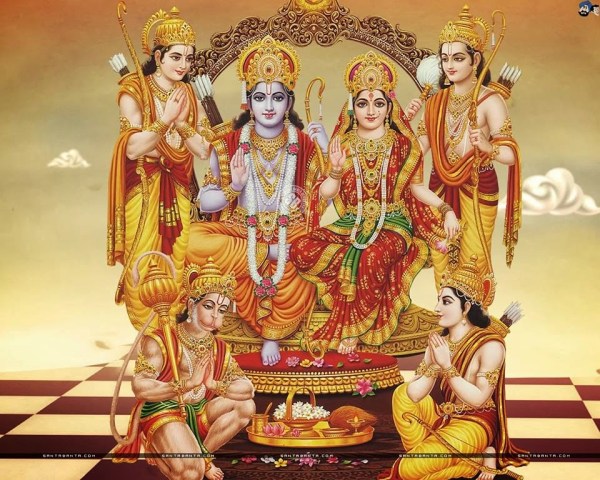
வசிட்ட முனிவன் பங்குனி மாத உருத்திர நட்சத்திரம் கூடிய அந்த நல்ல நாளில், அங்கங்களோடு கூடிய வேதங்களில் சொல்லப்பட்ட, ஆயிரம் திருநாமங்களை (ஸஹஸ்ரநாமம்) உடைய – சிங்கம் போன்ற ராமனது திருமணச் சடங்கைச் செய்த முறைமைக்கு ஏற்ப, மங்கலமான ஓமாக்கினியை (ஹோம அக்னி) வளர்த்து மண வினையை முடித்தான்.

வால்மீகி கூறியதையே கம்பரும் கூறி இருக்கிறார் (பால காண்டம், சர்கம் 72)

பாரதம் முழுதும் ஒரே கலாசாரம் இருந்தது என்பதற்கு தமிழின் மிகப்பழைய நூலான தொல்காப்பியமும், சங்க இலக்கிய நூல்களும் சான்று தருகின்றன. மனு தர்ம சாத்திரம் சொல்லும் எண் வகைத் திருமணத்தைத் தொல்காப்பியர் சொன்னதை முன்னர் கண்டோம். அவர் தச விதப் (பத்து) பொருத்தங்களையும் கூறுகிறார். இதைவிட முக்கியமானது கல்யாணத்துக்கு உரிய நட்சத்திரங்கள் என்று வராஹமிகிரரின் பிருஹத் சம்ஹிதையும் ஏனைய பல சம்ஸ்கிருத நூல்களும் சொல்லும் ரோகிணி , உத்தர பல்குனி முதலிய நட்சத்திரங்களில் தமிழர்கள் கல்யாணம் செய்ததும் ஒரே பண்பாட்டை உறுதி செய்கின்றன.

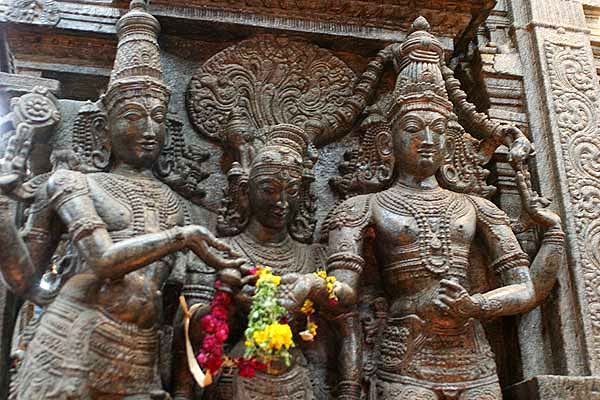
Kalyana sundara (Parvati–Paramasiva) picture from wikipedia (choza Bronzes)

அகநானூறு பாடல்கள் 86, 136 ஆகியவற்றில் தெய்வ வழிபாட்டுடன் ரோகிணி நட்சத்திரத்தில் தமிழர்கள் திருமணம் செய்து கொண்டதை முன்னர் ஒரு ஆய்வுக் கட்டுரையில் கண்டோம். இதே போல கண்ணகி திருமணமும் ரோகிணி நட்சத்திரத்தில் நடந்தது.

இதே போல பங்குனி உத்தரமும் முக்கிய முகூர்த்த நாளானதால் தமிழ் நாட்டில் எல்லா பெரிய சிவன் கோவில்களிலும் அன்று சிவன் – உமை கல்யாணம் நடத்தப் படுகிறது. முருகன் கோவில்களில் தேவயானை—முருகன் திருமணம் நடத்தப்படுகிறது.. தமிழ்நாட்டில் உள்ள எல்லா விஷ்ணு கோவில்களிலும் சிறப்பு ஆராதனைகளும் நடக்கின்றன. இவை எல்லாம் கி.மு முதல் நூற்றாண்டுக்கு முன்னர் வாழ்ந்த உலகப் புகழ் பெற்ற காளிதாசனுக்கும் முந்தைய வழக்கம். காளிதாசன் எழுதிய குமார சம்பவம் (Chapter 7, Sloka 6)

என்னும் காவியத்திலும் சிவன் – உமை திருமணம் பங்குனி உத்திர நன்னாளில் நடந்ததாக எழுதிவைத்துள்ளான். அதே நாளில்தான் ராமன் – சீதா கல்யணமும் நடந்துள்ளது.

பங்குனி உத்தரப் பெருவிழாக்கள் ஏழாம் நூற்றாண்டில் வழ்ந்த திருஞான சம்பதருக்கும் முந்தைய வழக்கம் என்பது தேவாரப் பாடலில் இருந்து தெளிவாகிறது:–

பலவிழாப் பாடல் செய் பங்குனி

உத்திர நாள் ஒலி விழா – சம்பந்தர் தேவாரம்


மதுரை மீனாட்சி சுந்தரேஸ்வரர் திருக்கல்யாணமும் ஒரு காலத்தில் பங்குனி உத்தரத்தில் நடந்ததாகவும், சைவ வைஷ்ணவ ஒற்றுமைக்காகவும், நடைமுறை வசதிகளுக்காவும் திருமலை நாயக்கர் இரண்டு விழாக்களை ஒன்றுபடுத்தி சித்திரைத் திருவிழா ஆக்கியதாகவும் ஆராய்ச்சியாளர் கூறுவர்.

ஆக புற நானூறு, அக நானூறு பாடல் ஒவ்வொன்றும் ஆரிய- திராவிட இன வெறிக் கொள்கையை தவிடு பொடியாக்கி வருவதைக் கண்டு வருகிறோம். எட்டு வகைத் திருமணங்கள், பத்துவிதப் பொருத்தங்கள், அம்மி மிதித்தல், அருந்ததி காட்டல், தீ வலம் வருதல், கடவுளை வணங்கி தீர்க்க சுமங்கலிக்களை வைத்து திருமணத்தை  நடத்தல் முதலிய எவ்வளவோ விசயங்களில் ஒற்றுமை காண்கிறோம்.

பங்குனி உத்தரத்தில் காம தஹனம், ஹோலி பண்டிகைகளும் நடைபெறுகின்றன.

தமிழர்கள் வாழக்கூடிய இலங்கை, மலேசியா, சிங்கப்பூர் ஆகிய நாடுகளில் முருகன் கோவில்களில் தேர், காவடி சகிதம் பங்குனி உத்தரம் கொண்டாடப்படுகிறது.

பொதுவாக இந்துக்களின் முக்கியப் பண்டிகைகள் பௌர்ணமி நாட்களில் நடைபெறும் 1880 ஆம் ஆண்டுக்கு முன் உலகில் மின்சார விளக்குகள் இருந்ததில்லை. ஆகையால் எல்லாப் பௌர்ணமி நாட்களையும் பெரும் கோவில் திருவிழா நாட்களாகக் கொண்டாடினர் இந்துக்கள். பல்லாயிரக் கணக்கான மக்கள் கிராமங்களில் இருந்து கட்டுச் சோறுடன் மாட்டு வண்டிகளிலும் நடைப் பயணமாகவும் வருவதற்கு இந்த முழு நிலவு நாட்கள் உதவின. அவைகளிலும் குறிப்பாக மாசி முதல் வைகாசி வரையுள்ள முழுநிலவு நாட்கள் தேர்ந்தெடுக்கப்பட்டன. காலநிலை ரீதியில் இவை மழை இல்லாமல் மிகவும் அனுசரணையாக இருந்தது இதற்குக் காரணம் ஆகும்.

கவிதைப் புதிர்: கணவனைப் பிரிந்த சீதை எப்படி மகிழ்ச்சியுடன் இருந்தாள்?

கட்டுரை எண்: 1832 தேதி: 28 ஏப்ரல் 2015

எழுதியவர் சந்தானம் நாகராஜன்

லண்டனில் பதிவு ஏற்றப்பட்ட நேரம்: காலை 6-24


சம்ஸ்கிருதச் செல்வம்பாகம் 3

4. கணவனைப் பிரிந்த சீதை எப்படி மகிழ்ச்சியுடன் இருந்தாள்?

.நாகராஜன்


கவிதைப் புதிர்களின் தொடர் வரிசையில் இன்னும் ஒரு பஹிர் ஆலாப வகை புதிர்:-


அநுகூல விதாயிதைவதோ                                                           

விஜயீ ஸ்யான் நநு கீத்ருஷோ ந்ருப:                                     

விரஹின்யபி ஜானகீ வனே                                                  

நிவஸந்தி முதமாதவௌ குத: I


இதற்கு விடை கண்டுபிடிப்பது கஷ்டம் தான்!

விதி ஒரு அரசனுக்கு அநுகூலமாக இருக்கும் போது அவன் எப்படி இருப்பான்?

விடை:- குசலவார்த்திதா: (மிகுந்த உற்சாகத்துடன் இருப்பான்)

தன் கணவனை விட்டுப் பிரிந்து காட்டில் சீதை இருந்த போதும் கூட அவள் எப்படி மிகுந்த சந்தோஷத்துடன் இருந்தாள்?

விடை:- குச லவ வர்த்திதா (குச, லவ ஆகிய இரு மகன்களும் உடன் இருந்ததால் சீதை சந்தோஷமாக இருந்தாள்.)

வியோகினி சந்தத்தில் அமைந்த செய்யுள் இது.

குசலவார்த்திதா என்ற ஒரே சொற்றொடரே இரு கேள்விகளுக்கும் விடையை அளிப்பது கண்டு  மகிழலாம்!

இன்னும் ஒரு புதிர்:-

அன்யஸ்த்ரீஸ்ப்ருஹ்ருயாலவோ ஜகதி கே பத்ம்யாமகம்யா கா

கோ தாது தஸ்ஷனே ஸமஸ்தமனுஜை: ப்ராவ்யர்தேஹநிர்ஷம் I

வ்ருஷ்ட்வைகாம் யவனேஷ்வரோ நிஜபுரை பத்யானனாம் காமினீம்

மித்ரம் ப்ராஹ கிமாதரேன சஹஸா யாராநதீதம்ஸபா II

அடுத்தவரின் வீட்டுப் பெண்களை யார் விரும்புகின்றனர்? (விடை ஜாராஸ் அதாவது கள்ளக் காதலர்கள்)

கால்களால் கடக்கப்படாதது எது? (விடை: நதி)

தஸ்னா என்ற (சம்ஸ்கிருத) வார்த்தைக்கு மூலம் எது?

விடை :- தம்ஸ்கடிப்பது என பொருள்

இரவும் பகலும் எல்லா மனிதரும் எதை அடைய பிரார்த்தனை புரிகின்றனர்?

விடை: மா: – லக்ஷ்மிஅதாவது பணம்

அழகிய தாமரை போன்ற முகமுடைய அழகியைப் பார்த்த பின்னர் யவன அரசன் ஆவலுடன் தன் நண்பனிடம் கூறியது என்ன?

விடை:- யாரா திதம்ஸா மா (இதன் பொருள்இப்படிப்பட்ட அழகிய பெண் இதற்கு முன் ஒரு போதும் பார்க்கப்பட்டதில்லை!)

யாரா ஜாராகாதலர்

நதிஆறு

தம்ஸ்தஸ்னா என்ற வார்த்தையின் மூலம்

மாபணம்

இந்த சொற்களின் சேர்க்கை பல கேள்விகளுக்கு விடை அளித்து விட்டது.

செய்யுளைச் சொல்லி விட்டு புதிரை அவிழுங்கள் என்றால் விடையைக் கண்டு பிடிக்க முடியுமா என்ன?

சார்தூலவிக்ரிதிதா என்ற சந்தத்தில் அமைந்த செய்யுள் இது.

பழைய கால ராஜ சபைகளில் ராஜாவின் முன்பு, இது போல பண்டிதர் ஒருவர் புதிரைப் போட மற்றவர்கள் பாடு திண்டாட்டமாக இருந்திருக்கும், இல்லையா!

***************

Humility of Indian poets! Varahamihira, Kalidasa, Kamban & Purandaradasa

Bend it like Modi ( More you bow, More you Grow)

Written by London swaminathan

Research Article No: 1831

Date: 27 April 2015; Uploaded in London at 17-29

Sanskrit and Tamil poets were great poets and yet they were very humble. We may find several examples in our literature that show their humility. Let us look at a few examples:

VARAHAMIHIRA

Varahamihira who authored two encyclopaedic works’ Brhat Jataka’ and ‘Brhat Samhita’ among others, says in the concluding chapter of Brhat Samhita,

Jyotih sasstrasamudram pramathya matimandaraadrinaatha mayaa

Lokasyaalokakarah saastrasasaangkah samuthksipthah

“Having churned the ocean of astrology with the Mandara mountain of my intelligence, I have taken out the moon of science that affords light to the world.

Then in the next verse he says,

“I have not discarded the works of ancient seers while writing this scientific work. Hence, O ye good men, you may by all means compare mine with theirs, and accept whichever you like

He continues,

“Good men, on finding some excellence, though slender, in an ocean of faults, proclaim it, while the mean minded do the contrary. This is the nature of the good and the wicked

Durjanahutaasataptam kaavyasuvarnam visuddhimaayaati

Sraavayitavyam tasmaaddusta janasya prayatnena


“The gold of poetry being heated by the fire of wicked men gets purified. Hence, it should be read to the wicked by all means”.

KALIDASA

Kalidasa, the greatest of the Indian poets, in his Raguvamsa Kavya, says,

“The dynasty originated from Sun; with the meagre intellect of mine,  I am wishing to go across this unnavigable ocean called the solar dynasty by a small boat.

“Will I become the butt of ridicule if I were to covet the celebrity of an eminent poet, like a short fellow overstretching his arms for a fruit obtainable only by the tall, because I am still a dunce in this subject matter?

“But my course in depicting this dynasty might as well be easy through the gateway already crafted by the earlier poets, like a diamond bore holed by a diamond-edged tool for an easy passage of thread”.

In Malavikagnimitra, he says,

“Every old poem is not good simply because it is old; nor is a poem without charm, because it is new; sound critics favour the one or the other, after proper examination; while a blockhead is guided by another’s judgement”.

KAMBAN

Greatest of the middle age Tamil poets Kamban in his Tamil Ramayana says in Balakanda,

“I wanted to write the story of Rama. My desire is like a cat licking the milky ocean (thinking it could drink the full ocean).

“Are you people wondering at my endeavour of writing the great story done by Valmiki– full of penance? He wrote the story of great Rama who pierced the seven strong trees with a single arrow which never miss the target like the curse of great people.

“I know the world will ridicule me; but my intention is to highlight the greatness of Valmiki who wrote flawless divine poetry”.

PURANDARADASA

The famous Kannada saint and composer Purandaradasa says in one of his songs

“There ought to be traducers. Without them the glory of the virtuous would not gain celebrity. For example the paddy grain would be worthless without its slender thorn”.

Varahamihira  concludes by saying

“With my intellectual power blessed by the Divine Sun, the sages and my preceptor, as a result of my having made obeisance to their feet, I have only summarized this science. Hence I offer salutations to the ancient authors”.

Bowing Modi

“Gunaprakarso vinyaadavaapyate”

“All virtues are enhanced with humility” – Subhasita ratna bhandakaram 3-869

Octogenarian Manmohanji Namaskar!

வேதத்தில் தமிழ் உணவுகள்: வடை, பாயசம், பிட்டு!!

Written by London swaminathan

Research Article No: 1830

Date: 27 April 2015; Uploaded in London at 10-13 am

ஆராய்ச்சிக் கட்டுரை எண் 1830

கட்டுரையாளர்; லண்டன் சுவாமிநாதன்

தேதி: 27 ஏப்ரல், 2015  லண்டன் நேரம்:காலை 10-13

(This is already uploaded in English)

சங்கத் தமிழ் இலக்கியத்தில் இட்லி, வடை, பொங்கல், தோசை இல்லாதது நமக்குக் கொஞ்சம் வருத்தம்தான். ஆயினும் ஊன் (மாமிசம்) பற்றியும், மது பற்றியும் வேறு பல சாப்பாடு வகைகள் பற்றியும் உள்ளன. சங்கத் தமிழ் இலக்கியங்களில் பிராமணர் வீட்டுக்குப் போனால் என்ன கிடைக்கும், மன்னர்கள் வீட்டுக்குப் போனால் என்ன கிடைக்கும் என்பனவற்றைத் தெள்ளத் தெளிவாகப் பாடி வைத்துள்ளனர். பிராமணர் தெருவில் கோழியோ நாயோ இரா என்றும் துல்லியமாகப் பாடி வைத்துள்ளனர். அவர்கள் முழுக்க முழுக்க ‘வெஜிட்டேரியன்’ என்பதை இவ்வளவு அழகாகச் சொல்லுகின்றனர். ஆயினும் பாரி முதலிய வள்ளல் பிறருக்கு அளித்த “நான் வெஜ்” – வகைகளையும் புகழத் தவறவில்லை. அதுவும் புலனழுக்கற்ற அந்தணாளன் என்று பாடப்பெற்ற கபிலர் என்னும் பிராமனப் புலவர் ஊன் ஊனவைப் பாராட்டினார்!! ஏனெனில் தமிழ் மன்னர்களோ பாணர், கூத்தர், விறலியரோ பிரியாணி இல்லாமல் வாழ முடியவில்லை. ஏராளமான பாடல்களில் பிரியாணிக்கு புகழ்மாலை!

மேலை நாட்டில் கொஞ்சம் வெய்யில் கூடுதலானால் உடனே தோட்டத்தில் பாய் விரித்து, ‘சேர்’ போட்டு,  நண்பர்களைக் கூட்டி, ‘பார்பிக்யூ; (கம்பியில் கோர்த்துச் சுட்ட மாமிச வகையறா, தொகையறாக்கள்) ‘பார்ட்டி கொடுப்பார்கள். இது கூட சங்கத் தமிழ் பாடலில் உள்ளது. இட்லி, வடை, சாம்பார் இல்லதது பெருங்குறையே! ஆனால் புளிக் குழம்பு உள்ளது. நிற்க! சொல்லவந்ததோ வேறு விஷயம்.

வேதத்தில் பிட்டு,அப்பம் ஆகியன உள்ளது. மதுரையில் பிட்டு விற்ற கிழவிக்கு சிவன் எப்படி உதவினார் என்பதையும், அவர் மீது பாண்டியன் போட்ட அடி, அங்கிருந்த எல்லார் முதுகிலும் விழுந்தது என்பதையும் மாணிக்கவாசகர் வரலாற்றின் மூலம் அறிவோம். இந்தப் பிட்டு என்ற தமிழ் சொல் வேதத்தில் உள்ளது.

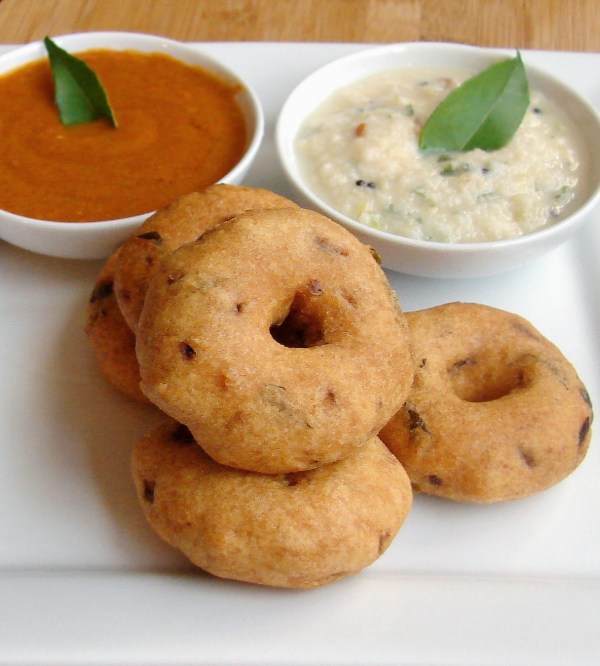
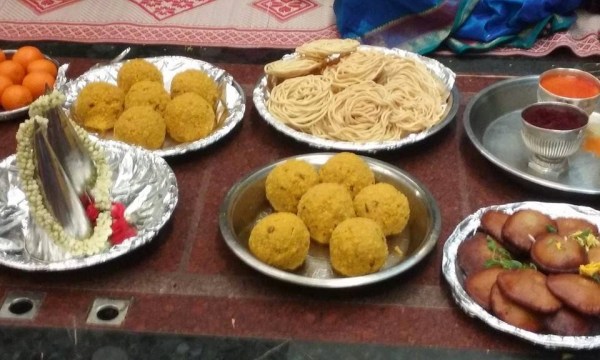
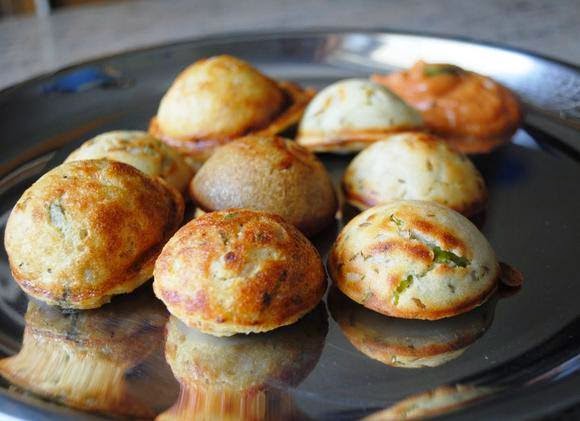
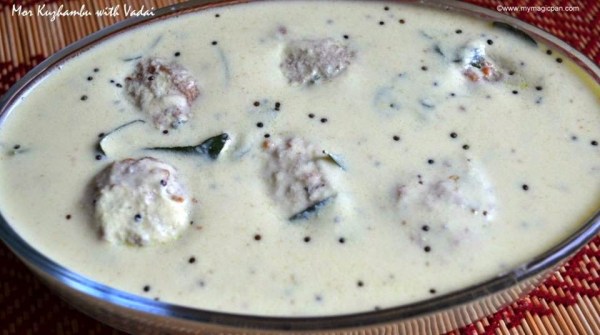
அபூப என்று நெய்யப்பம், ஆப்பம் ஆகியன குறிப்பிடப் பட்டுள்ளன. இன்று வரை மலையாள தேசத்திலும், பிராமணர் வீட்டுக் கல்யாண சீர் வரிசையிலும் இந்த அப்பத்தைக் காணலாம். தமிழர்கள் விரும்பிச் சாப்பிடும் உளுந்து வடை, பருப்பு வடைகளை பிராமணர்கள் இறைவனுக்குப் படைக்கையில் (நைவேத்யம் செய்கையில்) – மாஷாபூபம் முதலிய சொற்களைப் பயன்படுத்துவதால் இன்றும் இது சம்ஸ்கிருத, தமிழ் சொற்களில் அப்படியே பயிலப்படுகிறது என்பது தெளிவு. இது தவிர நாம் இடியப்பம், குழியப்பம் என்று காலப் போக்கில் பல அப்பங்களைக் கண்டு பிடித்து அறுசுவை உணவுகளில் சேர்த்துவிட்டோம்.

சுதந்திரப் போராட்ட வீரர் பால கங்காதர திலகரும் ஜெர்மன் அறிஞர் ஜாகோபியும் சொன்னது போல வேதம் கி.மு 4000- க்கு முந்தையது என்று கொண்டால் 6000 ஆண்டுகளாக சில சொற்கள் தமிழிலும் சம்ஸ்கிருதத்திலும் இருப்பதை எண்ணி எண்ணி இறும்பூது எய்தலாம்.

அந்தக் காலத்தில் ரிஷி முனிவர்கள் வீட்டுக்கு வந்தாலோ, அல்லது நாம் அவர்களுடைய பர்ணசாலைகளுக்கு (இலை/ஓலை வீடு) போனாலோ அங்கே “மது பர்க்கம்” கொடுக்கப்படும். இப்போது நாம் யாரவது வீட்டுக்கு வந்தால் காப்பி, தேநீர் அல்லது பழரசம் (ஜூஸ்) கொடுப்பது போல. மதுபர்கத்தில் தயிரும், தேனும் இருக்கும். இப்போது ஸ்ரீகண்ட் என்ற இனிப்பு செய்வது போல அந்தக் காலத்திலும் இதைச் செய்திருக்கிறார்கள் இப்போதும் குஜராத் முதலிய இடங்களில் ஸ்ரீகண்ட் கிடைக்கிறது.

இப்போது நாம் சாதத்துடன் பலவகைப் பொருட்களைக் கலந்து எலுமிச்சம்பழச் சாதம், சாம்பார் சாதம், தயிர் சாதம், எள்ளுஞ்சாதம், தேங்காய்ச் சாதம், பிரியாணி, பால் சோறு என்று செய்வது போல வேத காலத்தில் பலவகை ஓதனம் (சோறு அல்லது களி) செய்தது பற்றிய குறிப்புகளும் நிறைய இருக்கின்றன.

இப்போது கிராமப்புறங்களில் அம்மன் உற்சவங்களில் கூழ், கஞ்சி வார்த்துக் கொண்டாடுவது போல அந்தக் காலத்தில் கஞ்சி, கூழ் செய்த குறிப்புகளும் உண்டு. வேதத்தில் குறிப்பிடும் தானியங்களின் பட்டியல் நீண்ட பட்டியலாகும்.

பத்து வகை மீன்களும் குறிப்பிடப்படுகின்றன. நீர், மீன், மயில், முதலிய சொற்கள் வேதத்தில் இருப்பதைக் கொண்டு பலரும் ரிக் வேதத்தில் தமிழ் சொற்கள் இருப்பதாக எழுதி வந்தனர். ஆனால் நீர் என்ற சொல் கிரேக்க மொழியிலும் உள்ளது. ஆகையால் தமிழும் வடமொழியும் ஒரே மூலத்தில் இருந்து வந்த மொழிகள் என்ற கொள்கையே சரியென்று படுகிறது. அதனால்தான் இப்படி பல சொற்கள் இரண்டு மொழி இலக்கியங்களிலும் இருக்கின்றன. வ்ரீஹி என்ற சம்ஸ்கிருதச் சொல்லில் இருந்து அரிசி (ரைஸ்) வந்தது அல்லது அரிசியிலிருந்து வ்ரீஹி வந்தது என்றும் சொல்லலாம். மூல மொழி ஒன்றே என்பதற்கு பிட்டு, அப்பம் என்பனவும் சான்றாகத் திகழ்கின்றன.

பசு, காளை மாடு, பால் (பயஸ், ஆயச,க்ஷீர, துக்த) ஆகியவற்றை உலகிற்கு அறிமுகப்படுத்தி மக்களை நாகரீகப் படுத்தியது வேத கால இந்துக்களே. பசுவுக்கும் பாலுக்கும் வேதங்கள் கொடுக்கும் மரியாதையை உலகில் வேறு எந்த நாட்டு இலக்கியத்திலும் காணமுடியாது. வேதங்களில் பசு-கன்று இடையிலுள்ள அன்பை (வாத்சல்யம்) உவமையாகவும் பல இடங்களில் காணமுடியும். பசுவை ஒரு தாய் நிலைக்கு (கோ மாதா) என்பதை எந்த நாட்டு இலக்கியத்திலும் கான முடியாது. இன்று பால் உணவு இல்லாத இடமே இல்லை.

பால் (பயஸ், பாயச) பொருட்கள் பற்றி தனியே ஒரு கட்டுரை வரைவேன்.

மேற்கோள்கள்:

Apuupa (RV 3-52-7; RV 10-45-9), Satapatha Brahmana (2-2-3-12; 4-2-5-19)

Nakshatra Purusa: Worship of the Stellar Deity!

Written by London swaminathan

Research Article No: 1829

Date: 27 April 2015; Uploaded in London at 8-40 am

A lot of things about stars, planets and comets are in the Vedas and later literature. German scholar Jacobi and Indian Independence hero B G Tilak have studied them independently and arrived at the date of 4000 BCE or before for the Vedas. Both the Rig Veda and Atharva Veda have got special hymns on the stars.

The study of the Vedic Astronomy explodes the Aryan Dravidian Racist theory into pieces. Had the Vedic Hindus arrived from other areas as suggested by foreign “scholars”, the 27 star system and other Vedic Hindus’ beliefs must be there or at least the remnants would have been there. We have not seen anything like that anywhere else. This shows clearly the Vedic astronomy and astrology are independent of any other system. Westerners told us that we borrowed the planetary astrology from the Greeks. It cannot be correct because all the beliefs are here even before the Greeks started writing in their language. Those who study the four Vedas together would understand it. If we include the Brahmanas, Aranyakas and Upanishads, the subjects covered by them are amazing, though they are all religious books!!

In today’s article I will analyse what Varahamihira wrote 1500 years ago, in his Brhat Samhita.

Like we have Graha purusa and Vastu Purusa, Varahamihira gives us some information about Nakshatra Purusa:

The FEET of the stellar deity are represented by the star Mula

The LEGS by Rohini

The KNEES by Asvini

The THIGHS by two (Purva/Uttara) Asadas

The PRIVITIES by two Phalgunis (Purva/ Uttara)

The HIPS by Krittikas

The SIDES by Purva and Utthara) Bhadrapadas

The STOMACH by Revati

The BREAST by Anuradha

The BACK by Dhanista

The ARMS by Visakha

The HANDS by Hastha

The FINGERS by Punarvasu

The NAILS by Aslesa

The NECK by Jyeshata

The EARS by Sravana

The MOUTH by Pusya

The TEETH by Svati

LAUGHTER by Sathabishak

The NOSE by Magha

The EYES by Mrgasiras

The FOREHEAD by Chitra

The HEAD by Bharani and

The HAIR by Arudra

Hindus always describe Gods from Foot to Head and human beings from Head to Foot. It is seen in Sangam Tamil and more ancient Sanskrit literature.

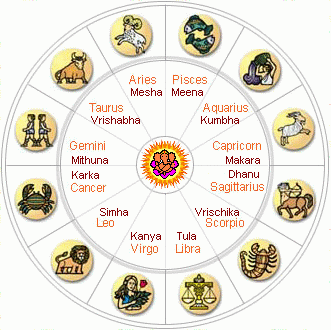
12 signs of zodiac (12 Rasis) represent Kalapurusa (Time in the form of a Person). Likewise the 27 Nakshatras are distributed among the limbs of the Nakshatra purusa.

One should worship Lord Vishnu and the Stellar Deity and then observe fast on the 8th of dark half (Krishna paksha Ashtami) of the Chitra month. After this verse Varahamihira explains various gifts to the Brahmins.

The benefits  one gets by the worship make interesting reading: a man who does this gets 1)long arms 2) broad, muscular breast 3)moon like face 4) white teeth 5)Gait of lordly elephants 6)Lotus like eyes 7) a personality that captivate the hears of damsels and a body verily that of Manmatha (Cupid).

This description gives an idea about what the Vedic civilization considered as the features of a handsome man.

A woman who performs the Puja will get a face as bright and as lustrous as autumnal full moon, eyes like the petals of lotus, beautiful sparkling teeth, hair resembling the belly of the bees, a voice as sweet as that of an intoxicated cuckoo, red lips , hands and feet like as tender and charming like lotus petals, a slender waist bending under the weight of the bosoms, a navel with turns from left to right, thighs similar to banana trunks, fine buttock and excellent loins. She will win the love of her husband, and have well knit toes.

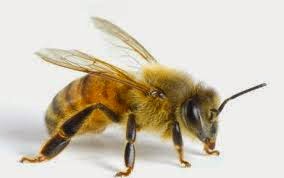
Belly of the bee: Golden hair?

This gives an idea of the concept of beauty in Indian literature. It is almost similar in ancient Sangam Tamil literature. The presence of such a concept from the Himalayas to Kanyakumari and the absence of such a concept in any other country explodes the Aryan Dravidian Racist theory.

Varahamihira , in his book, adds, “such a person, man or woman, will become a star and move with the stars in the sky, as long as the rows of stars move in the sky and illumine the world, till the end of the Creator’s Day i.e Kalpa. And when the universe is re-created, the person will become a monarch; and will be reborn in the world as a king or a rich Brahmana.

No other religion other than Hinduism (includes its offshoots like Jainism, Buddhism, Sikhism) accepts that Soul can neither be created nor destroyed. Hindus only have found out that the Soul is indestructible. It can only merge with the God at the end.

The scientists have not yet understood the cyclical nature of TIME. They will agree with the Hindus when they understand fully the nature of Black holes.

The twelve months beginning with Margasirsa are said to be presided by Kesava, Narayana, Madhava, Govinda, Visnu, Madhusudana, Trivikrama, Vamana, Sridhara, Rishikesa and Padmanabha respectively. This shows the calendar year started with Margasirsa at one time. This is a proof for the antiquity of the ancient Indian/Hindu civilization. The twelve names are the names of Vishnu.

Source: I have used the translation of Brhat Samhita by Mr M Ramakrishna Bhat and added my comments.

Pictures are used from various sources; thanks.

ஹா, ராம, ஹா, தேவர், தாத, மாதா!

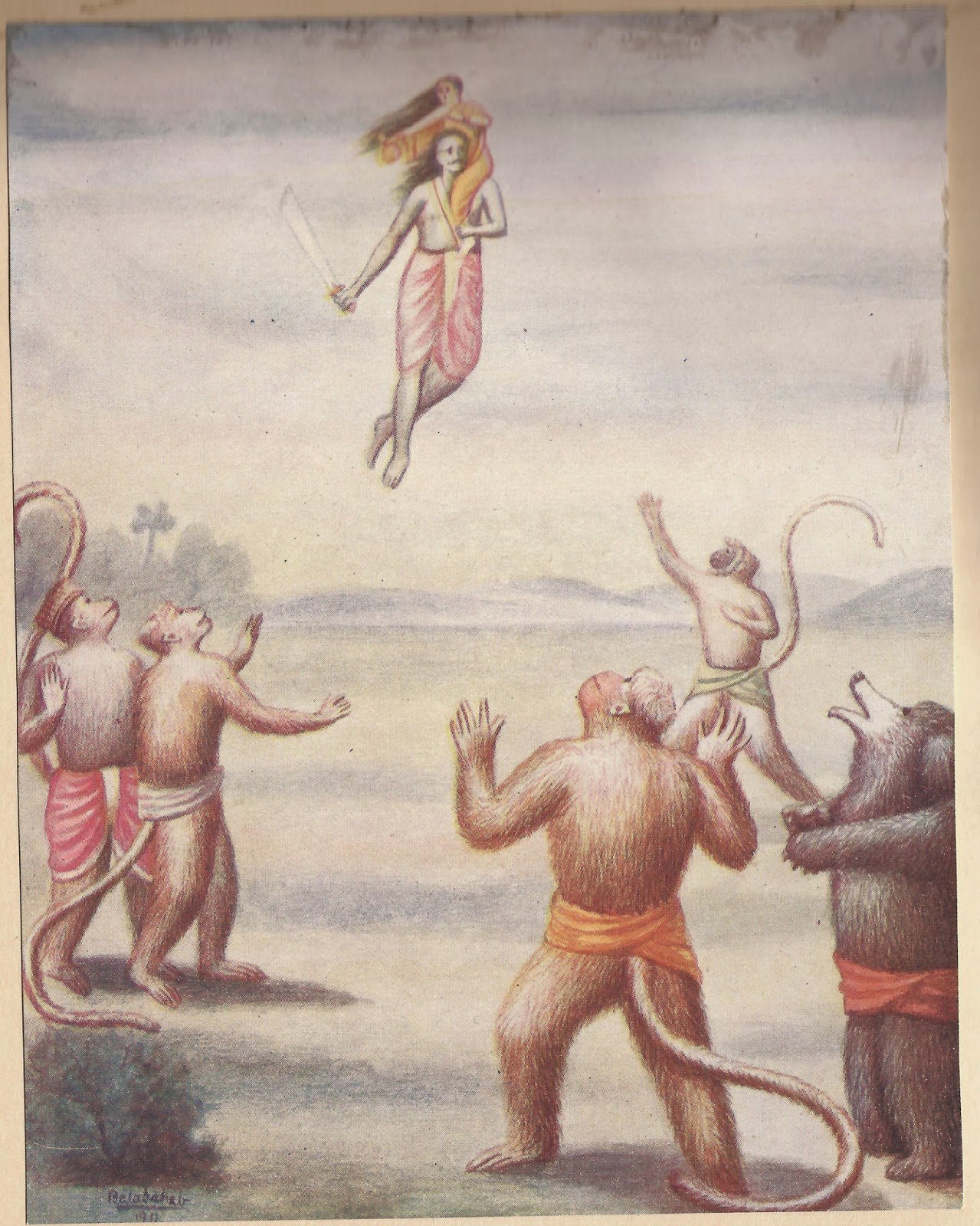
ராவணன் சீதையை தூக்கிச் செல்லுதல்

Written by S NAGARAJAN

Research Article No: 1828

Date: 26 April 2015; Uploaded in London at  7-19 am


சம்ஸ்கிருதச் செல்வம்பாகம் 3

3. ஹா, ராம, ஹா, தேவர், தாத, மாதா!

.நாகராஜன்

கவிதைப் புதிர்களின் தொடர் வரிசையில் இன்னும் ஒரு பஹிர் ஆலாப வகை புதிர்:-


கே ப்ரவீணா: குதோ ஹீனம் ஜீர்ணம் வாசோம்ஷுமாஞ்ச்ச : I

நிராகரிஷ்னவோ பாஹ்யம் யோகாசாராச்ச கீத்ருஷா: II


இதன் பொருள் :- யார் புத்திசாலி? (விஞ்ஞானா: – படித்த மனிதர்கள்)

பழைய துணி எதில் குறைபாடுடையது? – (நவாத்புதியதில்)

யார் கிரணங்களைக் கொண்டுள்ளார்? – (இனா: – சூரியன்)

புத்த மத யோகசாரா பிரிவைச் சேர்ந்தோர் எப்படி இருப்பர்? (விஞ்ஞானவாதினபுத்தமத தத்துவத்தைச் சேர்ந்தோர் விஞ்ஞானவாதிகள் என அழைக்கப்படுகின்றனர்)

விஞ்ஞானவாதின: என்ற சொற்றொடரைப் பிரித்தால் விஞ்ஞானா:, நவாத், இனா, விஞ்ஞானவாதின: என்ற அனைத்துச் சொற்களும் கிடைப்பதைப் பார்க்கலாம். அனைத்துக் கேள்விகளுக்கும் இந்த ஒரே சொற்றொடர் விடையைத் தருகிறது. இதைக் கண்டு பிடிப்பது தான் கஷ்டம்!

இனி அந்தர் ஆலாப வகை புதிர் ஒன்று. இதில் பாடலுக்குள்ளேயே விடை இருப்பதால் புரிந்து கொள்வது சுலபம்.

கே பூஷயந்தி ஸ்தனமண்டலானி

கோத்ருஷ்யுமா சந்த்ரமச: குத: ஶ்ரீ:

கிமாஹ சீதா தசகண்டநீதா

ஹாராமஹாதேவர்தாதமாத:

கடைசி வரி புதிர்களுக்கு விடையாக அமைகிறது. ஆகவே புதிரை விடுவிப்பது வெகு சுலபம்.

இதன் பொருளைப் பார்ப்போம்:-

வட்டமான மார்பகங்களை எது அலங்கரிக்கிறதுஹாரம்

பார்வதி எப்படி இருக்கிறாள்? மஹாதேவனுடன் இணைந்து இருக்கிறாள் (மஹாதேவ)

சந்திரனின் பிரகாசம் எப்போது வருகிறது? – இருளிலிருந்து (ராத்)

சீதையை தசகண்ட ராவணன் தூக்கிச் செல்லும் போது அவள் என்ன கூறினாள்ஹா, ராம, ஹா, தேவர், தாத, மாத)

(ஹா, ராமா, ஹா, மைத்துனரே, அப்பா, அம்மா என்று சீதை அலறினாள்)

இது அமைந்துள்ள விருத்தம் உபஜாதி (இந்திரவ்ரஜா மற்றும் உபேந்திரவ்ரஜா) விருத்தமாகும்.

இப்படிப்பட்ட ஆயிரமாயிரம் புதிர்களை பதம் பதமாகப் பிரித்து அர்த்தம் கண்டு புதிர்களை அவிழ்த்து விடை கண்டு மகிழலாம்.

பொறுமையும், ஆவலும் இருந்தால் போதும்; புதிருக்கு விடை கண்ட மகிழ்ச்சி ஏற்படும்!

*************

Milk and Yogurt in the Vedas!

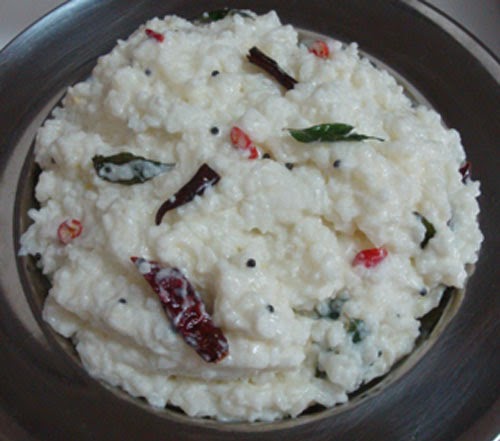
Curd Rice

Written by London swaminathan

Research Article No: 1827

Date: 25 April 2015; Uploaded in London at 21-26

The vegan concept is unknown in ancient India. Vedic Hindus used milk and other dairy products without any hesitation. The definition of vegan is “a person who does not eat or use animal products”. Vegans don’t use honey or milk; but Vedic Hindus used madhuparka, a mixture of curd and honey. This was offered to honoured guests and distinguished visitors “rtviks, Acharya, bridegroom, king and someone who is dear to one. The references are available in Manava, (1-9-1),Baudayana (1-2-65) and  Asvalayana (1-24-5) Grhya sutras.

No book in the ancient world gave so much importance and respect to cow, bull and milk products. My view is that only the Vedic Hindus introduced the cow and its products to the world. Milk and honey are offered to gods until today during the ritual bathing of the idols every day. The ritual bathing is called Abhishek.

Milk (ksira), also called go or payas played a large part in the economy of the Vedic Hindus RV 1-109-3, 1-167-7, 8-2-9, 9-67-32; AV 2-26-4, 5-19-5, 8-3-15, 10-9-12). Later literature has got more references.

Milk was cooked with grain. They drank it fresh or in the form of curd or butter. Boiled milk and cream of boiled milk were in common use. They ate milk and rice (ksira odanam). Grain s the word sed here so it may even be the Payasa (sweet liquid). Hindus nowadays offer to God Payasa (sweet liquid made up of milk with vermicelli or rava or pounded rice/powa or rice ).

Payasam photo by T Suchasini

Goat’s milk was also used (TB 4-1-6-1; SB 14-1-2-13)

There were people who lived on milk alone (payavrata SB 9-5-1-1; KB 8-9). Ascetics in India survived just by drinking milk and eating fruits.

They used pieces of Putika creeper, bark of palasa tree or kuvala (jujube).

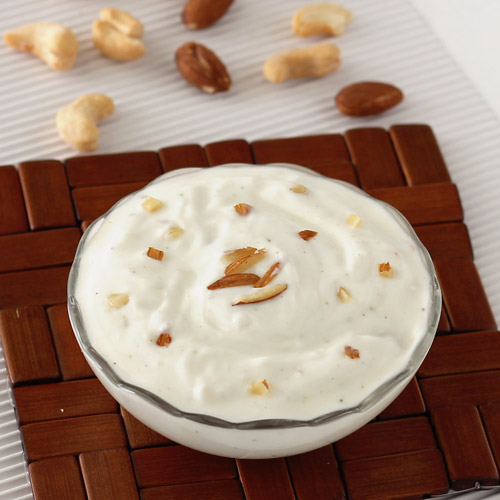
The term payasya in later samhitas and brahmanas denotes curds and hot or cold milk. I think this is what now we call Shrikhand, a sweet made up of Youghurt (curd).

Lord Krishna who lived 5100 years ago according to Hindus tradition is linked with the cows and all dairy products. He is known as Buttter Krishna (Navaneetha Krishna). Several Upanishad stories are spined around raising cows or making two cows into 1000 cows (Satyakama Jabala in Chandigya Upanishad and 1000 cows for Yajnavalkya in Brihadaranyaka Upanishad). All these 1000 cow stories as early as 900 BCE show the wealth of the Vedic Hindus.

Churning Curd

The process of churning with a churning stick was known from Rig Vedic times (1-28-4, BU 6-3-13).

The mixture of curds and minute globules of butter,when the latter have not been removed, was called prasadajya.

Two varieties of cheese – one with pores and the other without pores were mentioned in the RV6-48-18

A preparation of curds with boiled milk was very popular The solid part of the preparation was called amiiksa, while the liquid part was called vajina (lot of references in TS, M, VS, AV 10-9-13, SB, TA, CU, JU.

Butter was heated to make ghee. Butter was used to make apupas.

shrikhand-recipe

Shrikhand

Conclusion:

Vedic society was the one that showed the importance of cow and milk to the mankind.

Sweets like Rice Pudding and Shrikhand existed even during Vedic times.

Milk and honey were considered holy and they are offered to God until today.

Vegan concept is a modern, western concept, unknown in India.

வேதத்தில் சிகை அலங்காரம்

9bfdf-kundal2bazaku

Written by London swaminathan

Research Article No: 1826

Date: 24 April 2015; Uploaded in London at 13-25

ஆயிரக் கணக்கான ஆண்டுகளுக்கு முன் வாழ்ந்த இந்துக்களின் கலைக் களஞ்சியம் வேதங்கள் ஆகும். அவைகள் சமயம் சம்பந்தமான புத்தகங்கள். இருந்தபோதிலும் அவற்றில் பல வகை பொது விஷயங்களும் வருகின்றன. அதில் ஒரு சுவையான விஷயம் சிகை அலங்காரம்.

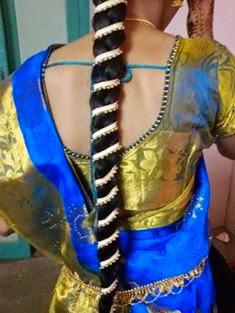
2000 ஆண்டுப் பழமையுடைய தமிழ் இலக்கியத்தில் ஐம்பால் கூந்தல் பற்றிய தகவல் பல இடங்களில் வருகின்றது. ஐம்பால் கூந்தல் என்பது

குழல், அளகம், கொண்டை, பனிச்சை துஞ்சை என்ற கூந்தலின் ஐந்து பகுப்புகள் என்று பதிற்றுப்பத்து (18-4)உரை கூறும். இவ்வாறு 5 வகை என்பதை விட்டு 5 பிரிவுகளாகப் பின்னிக் கொண்டனர் என்றும் பொருள் கொள்ள ஐம்பால் திணை போன்ற சொற்கள் உதவும்.

தமிழ் இலக்கியத்துக்கு 1700 ஆண்டுகளுக்கு முன்னால் எழுந்த வேதத்தில் நாற்பால் கூந்தல் பற்றிய விஷயம் கிடைக்கிறது.

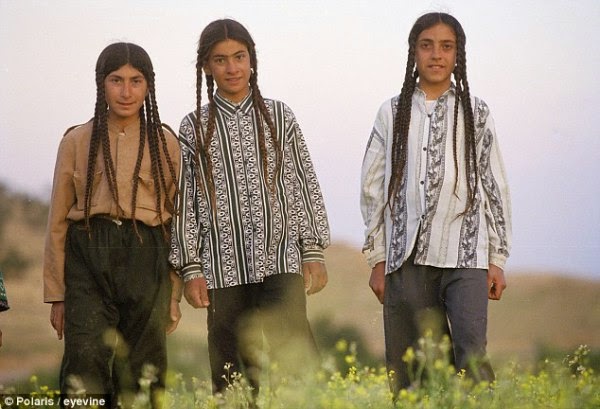
இராக் நாட்டில் மலைப் பகுதிகளில் வசிக்கும் யசீதி பழங்குடி மக்கள் தீயை வணங்குவது, மயிலைப் புனிதப் பறவையாக வணங்குவது ஆகியன எல்லாம் அவர்கள் பழங்காலத்தில் இந்தியாவிலிருந்து சென்றவர்கள் என்பதை காட்டுவதை முன்னர் இரண்டு கட்டுரைகளில் தந்தேன். அவர்களும் இப்படிப் பலவகையாக நாற்பால், ஐம்பால் எனப் பிரிப்பது ஒப்பிடற்பாலது.

09f7f-yazid-boys-plait-like-girls

அமிபால், நாற்பால்  கூந்தல்—-யசீ்தீ  இன மக்கள்

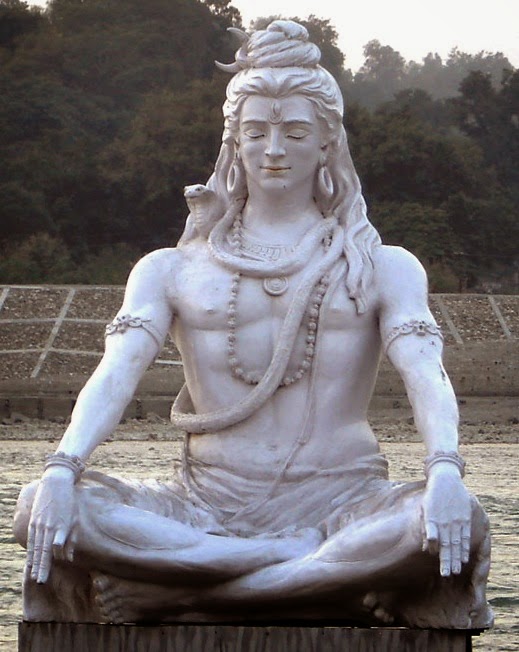
கூந்தலை, தலை முடியை வைத்து சிவ பெருமான், புலஸ்த்ய மகரிஷி ஆகியோருக்கு பெயர்களும் உண்டு. சிவனுக்கு அவருடைய கேசம் (ஜடை) உயர்த்திக் கட்டியதால் “கபர்தின்” என்று பெயர். இன்றும் சாது சந்யாசிகள் இப்படி ஜடாதாரிகளாக வலம் வருவதை நாம் காணலாம். புலஸ்த்ய என்பது நீண்ட நேரான முடியைக் குறிக்கும். (எ.கா. புலஸ்த்ய மகரிஷி)

“அபாச” என்ற சொல் பெண்கள் பின்னல் போட்டுக் கொண்டதைக் காட்டும்; ரிக் வேதத்தில் 4 பின்னல் (இரட்டைச் சடைப் பின்னல் போல 4 சடை) போட்ட பெண் பற்றிய பாடல் (RV 10-104-3) உள்ளது.

அதர்வண வேதம், வாஜசனேயி சம்ஹிதையில் கேசம் என்ற சொல் பயிலப்படுகிறது (AV 5-19-3, 6-136-3). கத்தி, கத்தரிக்கோல் (மயிர் குறைக் கருவி) ஆகியன தமிழ், வேத இலக்கியங்களில் இருக்கின்றன.

நீண்ட கூந்தல் என்பது பெண்மையின் இலக்கணம் என்று சதபத பிராமணம்(SB 5-1-2-14) கூறும். மஹாபாரதத்தில் தன்னை இழிவு படுத்திய துச்சாதனனின் ரத்தம் தன் கேசத்தில் படும்வரை தலையை முடிக்கமாட்டேன் என்று திரவுபதி செய்த சபதம் அனைவரும் அறிந்ததே. அதாவது கேசம் (தலை முடி) என்பது பெண்களுக்கு மிகவும் முக்கியமானது. தனது கணவரைத்தவிர, வேறு எந்த ஆடவரும் கேசத்தைத் தொடக் கூடாது என்றும், கணவர் வேற்று தேசம் (வணிக நிமித்தம்) சென்ற போது பெண்கள் சிகை அலங்காரம் செய்வதில்லை என்றும் தமிழ், சம்ஸ்கிருத இலக்கியங்களில் படிக்கிறோம். முஸ்லீம் பெண்களும் தங்கள் குடும்பத்தினர் தவிர வேறு யாரும் தலை முடியைக் காணக்கூடாது என்று மறைப்பதும் ஒப்பிட வேண்டிய விஷயம்.

7d176-kundal

சிற்பத்தில் கூந்தல்

சீமந்தம், வளைகாப்பு !

சீமந்த என்றால் தலையில் வகிடு எடுப்பது என்று பொருள். ஒரு கர்ப்பிணிக்கு நடக்கும் வளைகாப்பு, சீமந்த விழாவில் தலை வகிடை முள்ளம்பன்றி முள் கொண்டு பிரிப்பர். இந்த வழக்கம் காடக சம்ஹிதையில் (23-1) சொல்லப்படுகிறது. இது நல்ல சுகப் பிரசவத்துக்கும் ஆண் குழந்தை கிடைக்கவும் செய்யப்படுவதாக ஐதீகம். இது “அக்குபங்சர்” (ஊசி மருத்துவம்) என்பது என் சொந்தக் கருத்து. பீஷ்மர் அம்புப் படுக்கையில் 58 நாட்கள் படுத்து ஆரோக்கியமாக இருந்து, தான் நினைத்தபோது உயிர் துறந்ததும் அக்குபங்சர் விஷயமே என்று முன்னரே ஒரு ஆராய்ச்சிக் கட்டுரையில் விளக்கி இருக்கிறேன்.

வேதத்தில் வரும் ‘ஸ்தூக’ ( RV 9-97-17; AV 7-74-2 )  -என்ற தலை முடி அலங்காரம் — தலையில் புத்தர் போல முடிச்சு போடுவதாகும். இதைத் தென் கிழக்காசிய நாடுகளின் பெண்களின் சிகை அலங்காரத்தில் இன்றும் காணலாம். சிகா, சிகண்ட என்பது உச்சுக் குடுமியைக் குறித்தன.

ஆண்களும் பலவகை சிகை வகைகள் வைத்ததை புலஸ்த்ய, கபர்தின் (ருத்ரம்/யஜூர் வேதம்), மருத்துகள், பூசன் ஆகியோர் தொடர்பான வேத மந்திரங்கள் மூலம் அறிகிறோம்.

வேத கால இந்துக்கள் நீண்ட கூந்தல், அடர்ந்த கூந்தல் வளர ஆசைப்பட்டதை சிகை வளர்க்கும் அதர்வண வேத ஆரோக்கியக் குறிப்புகளில் (6-21; 6-2; கௌசிக சூத்திரம் 8-15; 8—9) இருந்தும் அறிய முடிகிறது. இதற்காக அவர்கள் சீர்ச மரம் (vanquiena spinosa), கடுக்காய் (bellerica Terminalia) ஆகியவற்றைப் பயன் படுத்தினர்.

755a4-shiva_meditating_rishikesh

கபர்தீன் (சிவன்)

சுருங்கச் சொன்னால் வேத கால மக்கள் நாகரீகத்தில் முன்னேறியவர்கள், கூந்தல்-சிகை, அலங்காரத்தில் கவனம் செலுத்தும் அளவுக்கு ‘பாஷன்’ வளர்ச்சி கண்டிருந்தது. வெளிநாட்டு “அறிஞர்கள்”, வேத கால மக்களை நாடோடிகள் என்று வருணித்தது எவ்வளவு நகைப்புக்குரியது என்பது வேதங்களை நேரடியாகப் படிப்போருக்கு உள்ளங்கை நெல்லிக்கனி (உள்ளங்கை பூசனிக்காய் என!!) என விளங்கும்!!!

8db7c-sadhwi