Miser or Philanthropist? 5 Anecdotes (Post No. 2534)

Last-Will3

Compiled by london swaminathan


Post No. 2534

Date: 12th February 2016


Time uploaded in London:- 13-48

( Thanks for the Pictures  ) 


DON’T REBLOG IT AT LEAST FOR A WEEK!  DON’T USE THE PICTURES; THEY ARE COPYRIGHTED BY SOMEONE.


(for old articles go to tamilandvedas.com OR swamiindology.blogspot.com; contact 


swami_48@yahoo.com)


Wills and Testaments Anecdotes

1.Miser or Philanthropist?

The merchant Guyot lived and died in the town of Marseilles in France. He amassed a large fortune by the most laborious industry and by habits of severest abstinence and privation. His neighbours considered him a miser and thought he was hoarding up money from mean and avaricious motives.


The populace whenever he appeared, pursued him with hooting and execrations, and the boys sometimes threw stones at him. At length he died and in his will were found the following words:


“Having observed from my infancy that the poor of Marseilles are badly supplied with water which they can purchase at a higher price. I have cheerfully laboured the whole of my life to procure for them this great blessing, and I direct that the whole of my property be laid out in building an aqueduct for their use.”


Xxx

2.Hell, No, Heaven, yes you can enter!

The will of Stephen Girard, endowing Girard College in Philadelphia, prohibits clergymen from coming onto the premises. Horace Greely one day approached the campus in his customary, somewhat clerical-looking garb. The gatekeeper challenged him, calling out, “You can’t enter here.”

“The hell I can’t!” retorted Greely.

“I beg your pardon, sir”, replied the guard, “Pass right in.”

Xxx

bankruptcy-attorney-rancho-6

3.Bankruptcy Anecdotes

The following note was found among the effects of a businessman after his death. He had been long known for his frequent lapses into bankruptcy.


“I hereby name the following six bankers to be my pall bearers. Since they have carried me for so long during my lifetime, they might as well finish the job now”.


Xxxx

4.“Out of my own pocket”

Forced into bankruptcy for the fifth time, the merchant was going over his accounts with his lawyer ad accountant.


“It looks pretty bad this time,” said the accountant, “can’t see how you will be able to pay more than four cents on a dollar.”


“What”, retorted the merchant, “I have always paid ten cents on the dollar. And I am going to do this time too. Yes, sir, even if I have to take it out of my own pocket.”


Xxx

5.Mankind would cease to die!

Abraham Ibn Ezra was an old Hebrew scholar who lived centuries ago. He was known far and wide as a most unlucky man. Everything he did seemed doomed to failure. In fact, so perverse was his fortune, he once remarked jestingly that should he go into the shroud business, mankind would suddenly cease to die.


–Subham–
 

புனித அய்யர் மலையைப் பற்றிய கதைகள்! (Post No. 2533)

IMG_9502 (2)

Written by london swaminathan


Post No. 2533

Date: 12th February 2016


Time uploaded in London  காலை 10-32

( Thanks for the Pictures  ) 


DON’T REBLOG IT AT LEAST FOR A WEEK!  DON’T USE THE PICTURES; THEY ARE COPYRIGHTED BY SOMEONE.


(for old articles go to tamilandvedas.com OR swamiindology.blogspot.com; contact 


swami_48@yahoo.com)

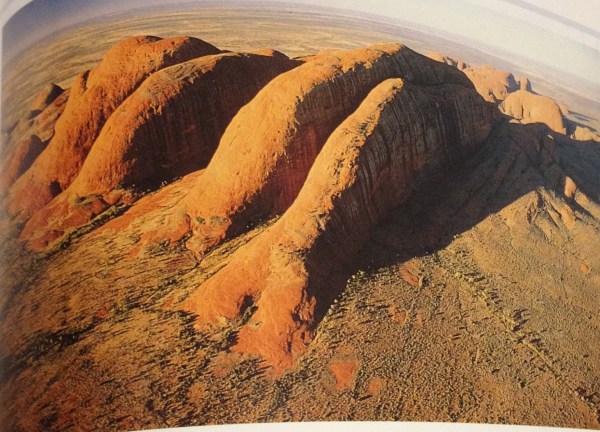
ஆஸ்திரேலியாவின் மத்தியில் கண்ணுக்கெட்டிய தூரம் வரை வறண்ட பிரதேசம் காணப்படும் பொட்டை வெளியில் அய்யர் மலை நிற்கிறது. இது உலக அதிசயங்களில் ஒன்று. ஆஸ்திரேலியப் பழங்குடி மக்களின் புனிதச் சின்னம் இது.


வரலாற்று ரீதியிலும், புவியியல்  ரீதியிலும் இது ஒரு முக்கியச் சின்னம். பழங்குடி மக்கள் இதை உள்ளூரு என்று அழைபர். இந்த முறை எனது ஆஸ்திரேலியப் பயணத்தில் ஐய்யர்ஸ் ராக் எனப்படும் உள்ளூருக்குப் போகமுடியவில்லை. நான் சிட்னி மியூசியத்தில் கண்டதையும், புத்தகத்தில் படித்ததையும் கொண்டு இக்கட்டுரையை வரைகிறேன்.


இமயமலையில் பெரும் பனிநிறைந்த பொட்டை வெளியில் கயிலாயம் தனியாய் நிற்கிறது. அதை நாம் சிவனின் வடிவமாக, உறைவிடமாக வணங்குகிறோம். அதுபோல செந்நிறக் கல வகையாலான ஒற்றைக் கல் இது. சூரிய ஒளியில் கயிலாயம் தகதவென மின்னுவது போல இதுவும் செந்நிறப் பிழம்பாகக் காட்சிதருகிறது. வெய்யிலுக்கு ஏற்ப இதன் நிறமும் மாறுகிறது. இதன் உயரம் 1115 அடி; சுற்றளவு ஆறு மைல். தென் ஆஸ்திரேலியப் பிரதமராக இருந்த ஹென்றி அய்யர்ஸ் என்பவரின் பெயரை வெள்ளைக்காரகள் இம்மலைக்குச் சூட்டி ஆக்ரமித்தார்கள். ஆயினும் பழங்குடி மக்களின் உரிமை வலுக்கவே 1985 ஆம் ஆண்டில் இம்மலையை, ஆஸ்திரேலிய அரசு, பழங்குடி மக்களிடம் ஒப்படைத்து, பின்னர் 99 ஆண்டு குத்தகைக்கு  எடுத்துள்ளது. இன்று இது பெரிய சுற்றுலாத் தலம். ஆயினும் எளிதில் போக முடியாது. பக்கத்திலுள்ள அலீஸ் ஸ்பிரிங்ஸ் என்னும் ஊரே 450 மைல் தொலைவில் இருக்கிறது. விமானத்தில்தான் செல்ல முடியும்.

IMG_2401

இந்த மலையைச் சுற்றி 60 கதைகள் உள்ளன. ஆஸ்திரேலியாவின் எல்லா பழங்குடி மக்களின் பாதைகளும் இங்கு சங்கமிக்கின்றன. பாறையின் ஒவ்வொரு முகட்டும் ஒரு கதை சொல்லும். வேதகால மக்கள் எப்படி வாய்மொழியாக வேதங்களைப் பாதுகாத்தார்களோ, அது போலப் பழங்குடி மக்களும் பாடல் வடிவில் பல கதைகளைப் பாதுகாத்துப்  பாடிவருகிறார்கள். எல்லாம் பாம்பு, பல்லி தொடர்பான கதைகளாக இருக்கும். குனியா, வன்னாபி, வானவில் பாம்பு. விஷ ,மலைப்பாம்பு என்று பல வகைகள். ஒவ்வொன்றும் அந்தந்த இன மக்களைக் குறிக்கும்


இந்த அய்யர் மலையில் பல பழங்கால வண்ண ஓவியங்கள் இருக்கின்றன. 30 மைல் தொலைவில் கட தூஜா என்னும் இடமிருக்கிறது இது பெண்களுக்கு புனிதமான இடம். தொலைவிலிருந்து பார்த்தால் ஒரு பெண்ணின் உடலமைப்புபோலத் தோன்றும். நாம் சதி என்னும் பார்வதி தேவி தட்ச யக்ஞத்துக்குப் பின்னர் கோபமடைந்து தனது உடலை எரித்தபோது அதன் பகுதிகள் விழுந்த இடமெல்லாம் எப்படி சக்தித் தலங்கள் ஆனதாக நம்புகிறோமோ அதே போலப் பழங்குடி மக்களும் புனிதமான பெண்ணின் உடல் என்று நம்புகின்றனர்.


ஆஸ்திரேலியாவின் படைப்புக் கதைகள் பழங்குடி மக்களின் புராணத்துக்கு அடிப்படையாக அமைகிறது. இதைக் கனவுநேரம் என்று அவர்கள் மொழியில் சொல்லுவர். நாம் திருமால், பாற்கடலில் பள்ளிகொண்டு அறிதுயில் செய்கிறார் என்பது போல இது. இந்தப் படைப்புக்காலத்தில் இரண்டு பையன்கள் , உளூரு மலையை உருவாக்கியதாக அவர்கள் கதைகள் சொல்லுகின்றனர். மேலும் குனியா என்னும் மலைப்பாம்பு மக்களை நீரு என்னும் விஷப் பாம்பு ஆட்கள் தாக்கியபோது படைப்புகாலம் முடிவுக்கு வந்தது என்பர்.


அவர்கள் புராணப்படி, முன்னோர்களின் ஆவிகள் இந்த உலகைப் படைத்ததாகவும், அவர்கள் பல இடங்களுக்கும் சென்று பெயர் சூட்டியதாகவும் அவை பாடல் வடிவில் உள்ளன என்றும் சொல்லபடுகிறது. இந்த விஷயங்களை, சமயத் தலைவர்கள் மட்டுமே அறிவர் என்பர். இது நமது வேதப் பாடல்களை ரிஷிகள் மட்டுமே “கேட்க” (சுருதி) முடியும் என்பதைப் போல. ஒரு பழங்குடி இனத் தலைவருடன் பயணம் செய்தால் அவர், ஒவ்வொரு முக்கிய இடத்துக்கும் அழைத்துச் சென்று அது தொடர்பான பாடல்களைப் பாடிக் கொண்டேயிருப்பார்.


மற்றொரு கதை குனியாவும் மாலாவும், ஒரு முக்கிய சடங்கிற்கு குறித்த காலத்தில் வராததால், விண்டுல்கா என்னும் மேற்குப்பகுதி மக்கள் கோபமடைந்ததாகவும் பின்னர் பலர் கொல்லப்பட்டதாகவும் சொல்கிறது.

IMG_9501

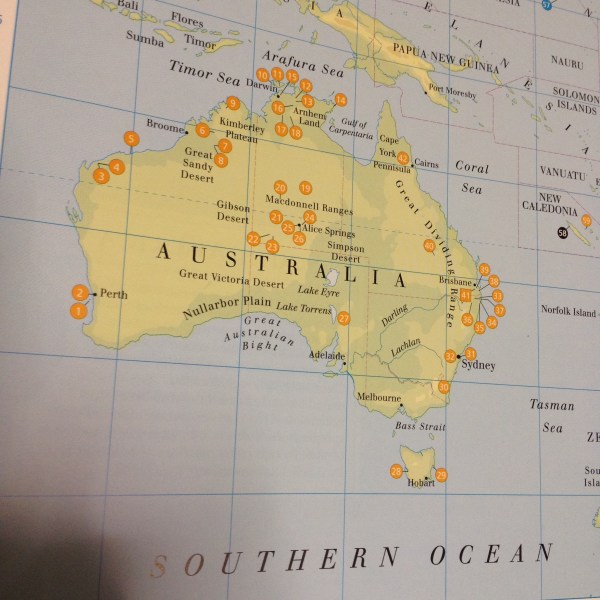
No. 22 Kata Tjuta and No.23 Uluru in this map.


எனது கணிப்பு

பழங்குடி மக்கள் பாம்பின் பெயரில் மக்களை அழைப்பதைப் பார்க்கையில் இவர்களும் இந்தியாவிலிருந்து இடம் பெயர்ந்த நாகா இன மக்களோ என்று எண்ணத் தோன்றுகிறது. அர்ஜுனனும் கிருஷ்ணனும் பழங்குடி நாகர்கள் எதிர்ப்பையும் மீறி காண்டவ வனத்தை எரித்ததையும் இதனால் நாகர்கள் – பாண்டவர்கள் ஜன்மப் பகை பல தலைமுறைகளுக்குப் பரவி பரீட்சித் கொல்லப்படவும், ஒரு நாகா இன ஆள் (பாம்பு) அவரைக் கொன்றதால் ஜனமேஜயன் சர்ப்ப யக்ஞம் நடத்தி பாம்புகளைக் (நாகா இன மக்களை) கொன்றதையும், பின்னர் இருவருக்கும் உறவினரான ஆஸ்தீக மகரிஷி சமாதான உடன்படிக்கை செய்து கொடுத்ததையும் இந்த பல்லாயிரமாண்டு வரலாற்றை பிராமணர்கள் தினமும் செய்யும் சந்தியாவந்தனத்தில் சொல்லிவருவதையும் முந்தைய ஆராய்ச்சிக் கட்டுரைகளில் விரிவாக எழுடியுள்ளேன் ( மாயா இன மக்கள் இந்திய நாகர்களா – என்ற கட்டுரையில் விவரம் காண்க) ).


பின்னர் மய தனவன் என்ற ஒரே ஒரு நாகர் இன மனிதன் மட்டும் அர்ஜுனனின் உதவியைப் பெற்றதையும் நமது புராணங்கள் விளக்குகின்றன. இவனது தலைமையில் பாதாள லோகத்துக்கு (தென் அமெரிக்கா) சென்றவர்களே மய= மாயா நாகரீகத்தைத் துவக்கினர். எகிப்தின் முதல் மன்னன் மனு, மாயா இன முதல் மன்னன் ஆகிய அனைவரும் கலியுக முதல் ஆண்டான கி.மு.3102-ல் ஆட்சி துவக்கியதாக அந்தந்த நாட்டு வரலாறு சொல்வதும், ஆஸ்தீக மகரிஷி பெயரில் அஸ்டெக் நாகரீகமிருப்பதும் இவைகளௌக்கு மேலும் சான்று பகரும். இதே போல ஆஸ்திரேலியாவிலும் நாகர்களே சென்று ஆட்சி அமைத்ததால் எல்லாம் பாம்பின் பெயரில் அமைந்துள்ளன. பல்வேறு காலத்தில் – 40,000 ஆண்டுகளில் — பல நாகா அணிகள் சென்றதால், கோஷ்டி மோதல் ஏற்பட்டிருக்கலாம்.


மாயா, ஆஸ்திரேலியப் பழங்குடிகள், எகிப்திய மன்னர்கள் ஆகியோருடன் வேறு பல ஒற்றுமைகளும் நிலவுவதை தனித் தனி ஆராய்ச்சிக் கட்டுரைகளில் கொடுத்து வதுள்ளேன். அதன் பிண்ணனியில் நான் கூறுவதை வைத்துப் பார்த்தால் நான் எதையும் மிகைப்படுத்தவில்லை என்பது விளங்கும்.


இந்துக்களுக்கு கன்யாகுமரிக்குக் கீழே 7 பாதாள லோகங்கள் இருப்பது நன்கு தெரியும். கடலில் சென்று அடையும் எல்லா தீவுகளையும் நாகர் தீவு என்றும் அங்குள்ள பெண்கள் நாக கன்னிகைகள் என்றும் சொல்லி வந்தனர். பல்லவர் வரலாறு, மணிமேகலையில் சோழர் வரலாறு முதலியவற்றிலும் இதைக் காணலாம்.

IMG_9505 (2)

ஆஸ்திரேலியாவில் முதல் முதலில் குற்றவாளிகளை மட்டுமே குடியமர்த்தி வந்தனர். இதே போல வாமனாவதாரத்திடம் தோற்றுப் போன மஹா பலி சக்ரவர்த்தியையும் தென் அமெரிக்கவுக்கு நாடு கடத்தி, ஆண்டுக்கு ஒரு முறை மட்டும் திரும்பிவரலாம் என்று பணித்தனர். அப்படி வந்த நாளையே இன்று வரை மலையாளிகள் ஓணம் என்று கொண்டாடிவருகின்றனர். இதுபோலவே, வேத முறைகளைக் கைவிட்ட விஸ்வாமித்திரரின் மகன்களை தெற்கே அனுப்பி அவர்கள் திராவிடர்கள் எனப் பெயர் பெற்றனர் என்றும் புரணங்கள் கூறும். ராம லெட்சுமணர், பஞ்ச பாண்டவர்கள் கூட 14 ஆண்டுகளும், 13 ஆண்டுகளும் வனவாசத்தில் தெற்கு வரை வந்து சென்றனர்.


அதல, விதல, சுதல, தலாதல, மஹாதல, ரசாதல, பாதாள என்பதெல்லாம் பிற்காலத்தில் பல பெயர்கள் ஏற்படக் காரணமாயீற்று. அதல என்பதிலிருந்தே, அடலாண்டிக் மஹாசமுத்திரம் என்றும் சுதல என்பதிலிருந்தே சவுத் (தென் திசை என்பதும் ) வந்தன. கபிலாரண்யா என்பதே, அமெரிக்காவின் கலிபோர்னியா என மருவியது என்றும் காஞ்சி பரமாசார்ய சுவாமிகள் சொற்பொழிவில் சொல்லியுள்ளார்.

-சுபம்-


திருவள்ளுவர் பற்றிய பழைய புத்தகம் (Post No. 2532)

IMG_3156 (2)

Written by london swaminathan


Post No. 2532

Date: 12th February 2016


Time uploaded in London  காலை 8-48

( Thanks for the Pictures  ) 


DON’T REBLOG IT AT LEAST FOR A WEEK!  DON’T USE THE PICTURES; THEY ARE COPYRIGHTED BY SOMEONE.


(for old articles go to tamilandvedas.com OR swamiindology.blogspot.com; contact 


swami_48@yahoo.com)

IMG_3147


IMG_3154 (2)

IMG_3157 (2)


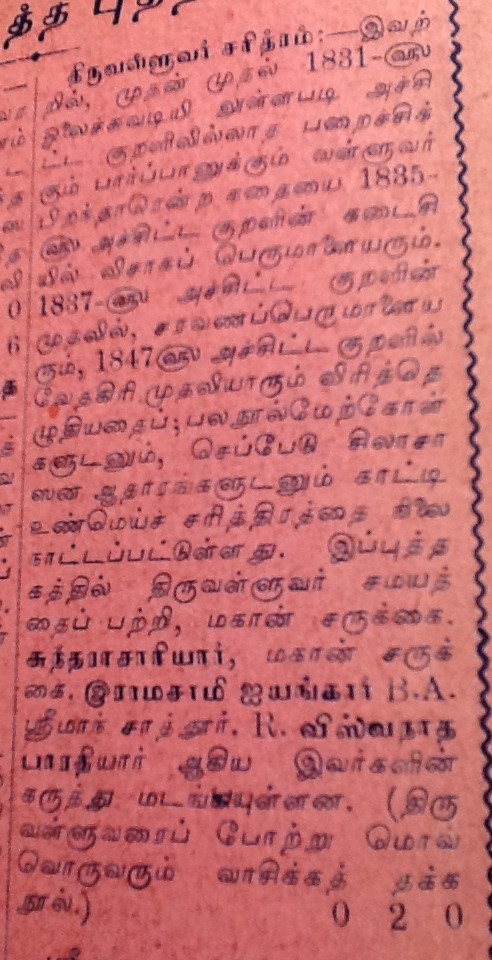
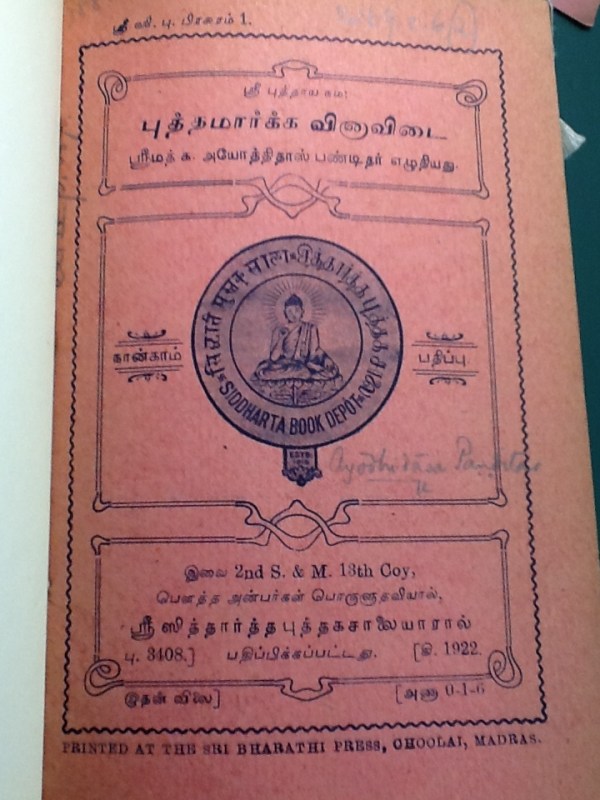
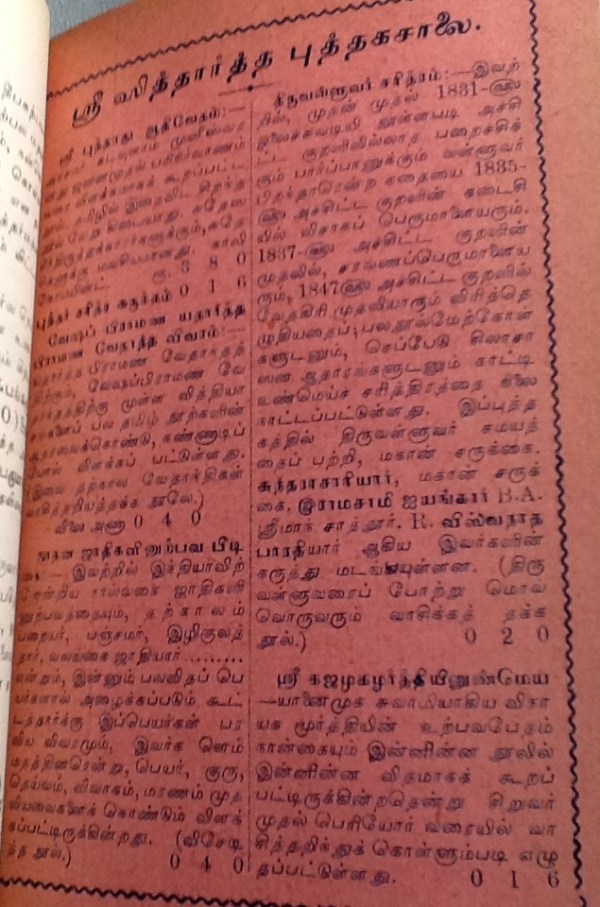
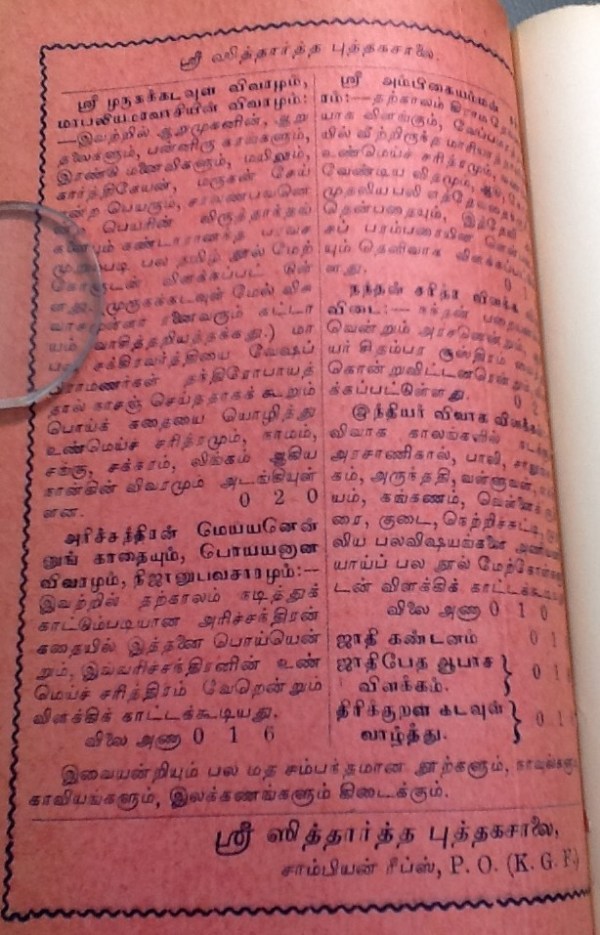
புத்த மதம் பற்றிய ஒரு நூலின் பின்னட்டையில் இந்த புத்தக விளம்பரம் வெளியாகியுள்ளது. இதை பிரிட்டிஷ் லைப்ரரியில் நேற்று புகைப்படமெடுத்தேன். வருங்கால ஆராய்ச்சியாளர்களுக்கு  உதவும் என்பதால் இங்கே பதிவு செய்கிறேன்.


சுமார் நூறு ஆண்டுகளுக்கு  முன் வெளியான எல்லா, தமிழ் ஆங்கிலப் புத்தகங்களிலும் திருவள்ளுவர் பற்றிப் பல தகவல்கள் உள்ளன. ஆனால் சமீப காலத்தில் வெளிவரும் நூல்களில் அவை இருட்டடிப்புச் செய்யப்பட்டுவருகின்றன. இதே போல திருக்குறள் நான்கு அல்லது ஐந்தாம் நூற்றாண்டு நூல் என்ற உண்மையும் மறைக்கப்பட்டு வருகிறது.


நாங்கள் லண்டனில் பல்கலைக் கழக வளாகத்தில் வள்ளுவர் சிலை நிறுவியபோது, இவர் ஐந்தாம் நூற்றாண்டுப் புலவர் என்றே எழுதி அழைப்பிதழ் வெளியிட்டோம். வள்ளுவர் ஆண்டை கி.மு.31 என்று நிர்ணயித்த மகநாட்டில், கடும் எதிர்ப்பு, வெளிநடப்புகள் நடந்த விஷயங்களை தமிழ்கூறு நல்லுக அறிஞர்கள் அறிவர். அதிகாரம் என்ற சொல்லும், ஒவ்வொரு அதிகாரத்திலும் சம்ஸ்கிருதச் சொல்லும் இருப்பதால் வள்ளுவனின் காலத்தை மொழியியல் ரீதியில் ஐந்தாம் நூற்றாண்டிலேயே வைக்கமுடியும்.


இன்றுள்ள நிலையில் தொல்காப்பியம் (குறிப்பாகப் பொருளதிகாரம்), சிலப்பதிகாரம், திருக்குறள் ஆகிய மூன்றும் தமிழ்நாட்டின் வரலாற்றில் இருண்ட காலம் என்று கருதப்படும் 4 அல்லது 5 ஆம் நூற்றாண்டிலேயே தோன்றின. தொல்காப்பிய காலம் பற்றிய எனது ஆராய்ச்சிக் கட்டுரைகளில் இதை விரிவாக எழுதியுள்ளேன்.

எனது வேறு சில பழைய கட்டுரைகள்:

Who was Tiruvalluvar? written and posted by me on 24 July 2013


Abert Einstein and Tiruvalluvar, posted on 17 December 2013

Tamil Merchant who dumped god into sea, posted on 17 August 2014

Elelasingan Kathai (Tamil), posted on 17 August 2014


வள்ளுவனும் வன்முறையும் (ஜூலை 24, 2013)


வள்ளுவன்  ஒரு  சம்ஸ்கிருத  அறிஞன் (நவம்பர் 5, 2012)


வள்ளுவான் சொன்ன புராண, இதிஹாசக் கதைகள் (ஜூலை 30, 2013)


வள்ளுவன் காமெடி ( 5 ஜனவரி, 2015)

தொல்காப்பியம் பற்றி சுமார் பத்து கட்டுரைகள் எழுதியுள்ளேன்.


–சுபம்–

ஸ்வாமி விவேகானந்தரும் அக்பர் சமாதியும் (Post No. 2531)

viveka lanka

Written by S Nagarajan


Date: 12  February 2016


Post No. 2531


Time uploaded in London :–  8-01  AM


( Thanks for the Pictures  ) 


DON’T REBLOG IT AT LEAST FOR A WEEK!  DON’T USE THE PICTURES; THEY ARE COPYRIGHTED BY SOMEONE.


(for old articles go to tamilandvedas.com OR swamiindology.blogspot.com; contact 


swami_48@yahoo.com)


akbar-1

Picture of Akbar

12-2-2016 பாக்யா இதழில் வெளியாகி உள்ள கட்டுரை


ச.நாகராஜன்


முகலாய மன்னர்களிலேயே வித்தியாசமானவர் அக்பர். அவர் வாழ்நாள் இறுதி வரை கங்கை ஜலத்தையே அருந்தி வந்தார்.

அவர் பயணப்படும் போதெல்லாம் கங்கை ஜலம் குடம் குடமாகப் போதுமான அளவு கூடவே எடுத்துச் செல்லப்பட்டது.

அக்பருக்கு சூரியனிடத்தில் அளவு கடந்த பக்தி. தினமும் சூரியோதயத்திற்கு முன்னர் எழுவது அவர் வழக்கம்.

ஜைன மதத்தைச் சேர்ந்த பண்டிதரான பானுசந்திர உபாத்யாய அவருக்கு சூரிய ஸஹஸ்ரநாமத்தை உபதேசித்தார்.  ஆயிரம் நாமங்களைச் சொல்லி சூரியனை வழிபடும் வழக்கத்தை தன் வாழ்நாள் இறுதி வரை அக்பர் கடைப்பிடித்தார். சூரிய நமஸ்காரத்தை தினமும் செய்து வந்ததால் மிக்க ஆரோக்கியத்துடன் அவர் இருந்து வந்தார்.

இப்படிப்பட்ட அக்பரிடம் ஸ்வாமி விவேகானந்தருக்கு அலாதி ஈடுபாடும் மரியாதையும் உண்டு.


ராமகிருஷ்ண பரமஹம்ஸரின் சமாதிக்குப் பின்னர் ப்ரிவ்ராஜகராக தன்னந்தனியே தான் யார் என்று சொல்லாமல் ஸ்வாமி விவேகானந்தர் பாரதம் முழுவதும் சுற்றி வந்தார்.

அவரது புத்தி கூர்மையையும் வேதாந்தத்தை அவர் விளக்கும் விதமும் அவரது பரந்த அறிவையும் கண்டு வியந்து அவரிடம் மரியாதை கொண்ட சமஸ்தான மன்னர்கள் பலர்.

அவர்களுள் ஒருவர் கேத்ரி மன்னர். ஸ்வாமிஜியிடம் அலாதி பக்தி கொண்ட அவர் தன்னை அவருடைய சீடனாகவே ஏற்றுக் கொள்ள வேண்டுமென்று விண்ணப்பித்தார்.


ஸ்வாமிஜிக்கும் அவரது அன்னைக்கும் இருநூறு ரூபாயை அவர் மாதம் தோறும் உதவித் தொகையாக அனுப்பி வந்தார் என்றால் அவரது பக்தியை நாம் நன்கு ஊகிக்க முடியும்.

ஆக்ராவுக்கு அடுத்து உள்ள சிகந்தராவில் அக்பர் தான் வாழ்ந்த காலத்திலேயே தனக்கென ஒரு அற்புதமான சமாதியை அமைக்கலானார். 119 ஏக்கர் பரப்பில் இது 1600ஆம் ஆண்டு வாக்கில் கட்டப்பட்டது. அக்பரே கட்டிடத்தைத் தன் விருப்பப்படி வடிவமைத்தார். 1605இல் அவர் மறையவே அவரது மகன் ஜிஹாங்கீர் அதை 1613இல் முடித்தார்.


samadhi of akbar

Picture of Tomb of Akbar

ஆனால் அவுரங்கசீப் காலத்தில் ஜட் ராஜாவான ராஜாராம் ஜட் அநத சமாதியை முற்றிலுமாக அழித்தார். சமாதி முழுவதுமாக  கொளுத்தப்பட்டது. அக்பரின் எலும்புகளையும் அவர் எரித்தார்.

சமாதி சிதிலமடைந்தது. இதை பிரிட்டிஷ் அரசு காலத்தில்  லார்ட் கர்ஸன் பிரபு சிறிது சீரமைத்தார்.

இந்த சிதிலமடைந்த சமாதியை ஸ்வாமிஜி தன் சுற்றுப் பயணத்தின் போது பார்த்தார். அதுவோ கேத்ரி மன்னரின் ஆளுகையில் இப்போது இருந்தது.


தொண்டை அடைக்க கண்களில் நீர் அரும்ப, “அக்பரின் சமாதி இந்த நிலையில் இருக்கலாமா? மேற்கூரையில்லாமல் சூரிய வெளிச்சத்திலும் மழையிலும் இதை பார்க்கவே என் மனம் பொறுக்கவில்லையே” என்று அடிக்கடி அவர் கேத்ரி மன்னரிடம் கூறுவார்.


ஏதாவது செய்ய வேண்டும் என்ற எண்ணம் கேத்ரி மன்னரின் மனதில் ஆழப் பதிந்தது. குருநாதரின் ஆசை அல்லவா அது!

விவேகானந்தர் பின்னர் அமெரிக்கா சென்று சர்வமத மகாசபையில் உரையாற்றி உலகப் புகழ் பெற்று விட்டார். ஸ்வாமிஜியை அறிந்த மன்னர்களுக்கெல்லாம் பெரும் மகிழ்ச்சி. மக்களிடமோ பெரும் எழுச்சி ஏற்பட்டது.


யாருமறியாத சாதாரண சந்யாசியாக பாரதத்தை விட்டுச் சென்றவர் அகில உலகப் புகழுடன் திரும்பி வந்தார்.

ஒரு நாள் கல்கத்தாவிற்கு வரும் வழியில் அவருக்கு ஒரு செய்தி வந்தது. கேத்ரி மன்னர் அக்பரின் சமாதியை புனருத்தாரணம் செய்து வந்ததாகவும், ஒரு நாள் சாரம் முழுவதுமாக கீழே சரிந்து விழவே உயரத்திலிருந்த மன்னரும் விழுந்து மாண்டார் என்றும் ஸ்வாமிஜியிடம் தெரிவித்தார்கள்.

மிகவும் மனம் வருந்தினார் விவேகானந்தர்.


vivekaa maly

நீண்ட காலமாகத் தான் விரும்பியபடியே சமாதி நன்கு அமைக்கப்பட்டதை நினைத்து மகிழ்வதா? அல்லது தன்னால் உத்வேகமூட்டப்பட்ட தன் சீடர் கேத்ரி மன்னர் இதற்காக உயிர்த்தியாகம் செய்ததை எண்ணி வருந்துவதா!

நெடுநாள் அவர் மனம் கலங்கி வருந்தி இருந்தார்.


“கேத்ரி மன்னர் சில மாதங்களுக்கு முன் கீழே விழுந்து இறந்தார். எனவே என்னைச் சுற்றி அனைத்தும் இருளாக உள்ளன”  என்று எழுதினார் அவர்.


அக்பரின் சமாதியைப் புனரமைக்க உத்வேகம் ஊட்டிய மாபெரும் வீ ரத் துறவி விவேகானந்தர் என்றால் அந்தப் பணியில் உயிர்த் தியாகம் செய்த மாபெரும் மன்னராக கேத்ரி மன்னர் திகழ்கிறார்!

*******


Sixty Stories about Ayers Rock!(Post No.2530)

IMG_9505 (2)

Written by london swaminathan


Post No. 2530

Date: 11th February 2016


Time uploaded in London  16-20

( Thanks for the Pictures  ) 


DON’T REBLOG IT AT LEAST FOR A WEEK!  DON’T USE THE PICTURES; THEY ARE COPYRIGHTED BY SOMEONE.


(for old articles go to tamilandvedas.com OR swamiindology.blogspot.com; contact 


swami_48@yahoo.com)

IMG_2401

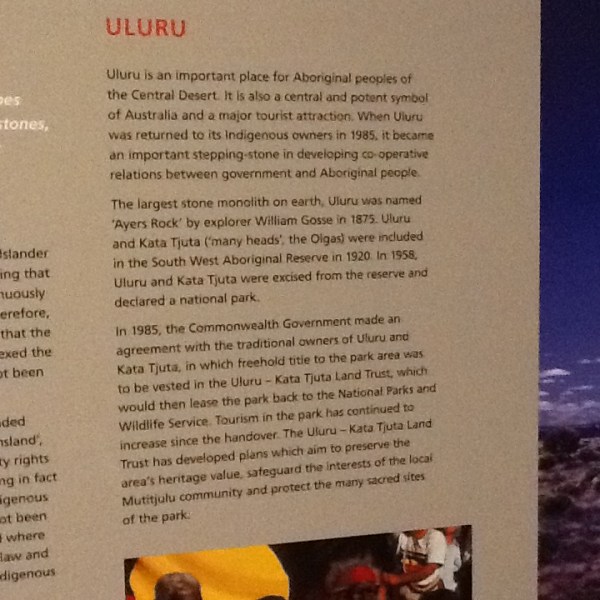
(During my trip to Australia in January 2016, I did not have time to travel to Uluru. But I had the opportunity to study it from the writings in Australian Museum in Sydney)


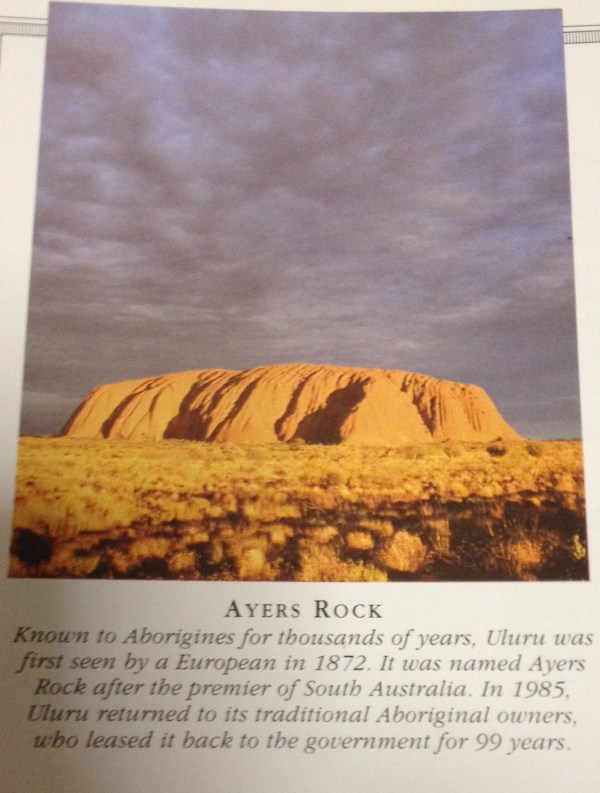
Ayers Rock is one of the wonders of the world. It is in the middle of Australia. It is the largest monolith made up of sandstone with a height of 1115 feet.

Its circumference is six miles. It is the holiest mountain for the aborigines of Australia like Mount Kailash is for the Hindus. Natives call this place Uluru. It was named Ayers Rock after Sir Henry Ayers, the premier of South Australia.

Aborigines of Australia call the creation period as dreamtime. They believe that two boys created this Uluru during the period of dreamtime. Dozens of paths travelled by their ancestors converge here. Those paths cover many sacred places.


Most of the stories around Uluru are about snake or snake people. One of them is that the dreamtime came to an end when Kuniya (Rock Python People) were attacked by Niru (Poisoned Snake Warriors). Now all these characters are identified in different shapes of rocks in the area.

The dreamtime is the aborigines’ description of a time when the earth was created by the spirit ancestors. They travelled across the landscape making its features and giving them  names in songs.  These spirits were responsible for different languages and customs. Their routes are called dreaming tracts.


Like the Vedic Hymns of Hindus, aboriginal people commit to memory by repeating or singing the hundreds of different associated tales. There are thousands of such stories and songs in Australia. Like the Vedic seers “hear” the hymns, the shamans have access to the world of the dreaming spirits. Aboriginal people take you to different places and then sing the associated tales in songs. Such routes are known as song lines.


Uluru has at least sixty stories associated with it. One story is about the western people, Windulka, growing angry with two peoples Kuniya and Mala (Sanskrit sound) who failed to arrive for an important ritual. This story has several tragic deaths.


Kata Tjuta is 30 miles west of Uluru. This is regarded as a female sacred place. From a distance it resembles the body of a female. This is also similar to Hindu belief who believe that Goddess Parvati’s (Sati) parts fell on different parts of India and they became Sakti Kentras. Wanambi, a giant snake lives there, according to the aborigines’ legend.

IMG_9503 (2)

The caves around Uluru have the finest aboriginal paintings. They are several thousands of years old art works.


My interpretation

I guess that these are stories of infightings between the Naga tribes, who migrated from India. That is why they name several people as rainbow snake people, rock python people etc. The word Snake is derived from the word Naka/Nagas.


Hindus knew that there are seven worlds under and seven worlds upper. Underground worlds is the word for any place that is below the (India)  land’s southernmost tip – Kanyakumari. Hindus divided this area into Atala, Vitala, Sutala, Talatala, Mahatala,Rasatala and Patala (Nagaloka). Anyone living in this area is called Nagas and the women Nagakanyas.


Atala = Atlantic Ocean, Sutala = South


The words such as Atlantic Ocean and South are derived from Atala, Sutala. Even Kanchi Paramacharya was playing with these words in his 1932 lecture at Chennai and said Kapilaanya got corrupted in to California (Please read my article ‘Is California , Kapilaranya?’).


Like the white people sent the convicted people to Australia, Hindus also sent all the convicted or penalised people to the South. Rama, Lakshmana, Five Pandavas and Viswamitra’s sons travelled to south during the punishment period. Those who did not follow the Vedic ways were sent to the South and they became Dravidas according to Hindu scriptures. In the same way all the punished/ penalised people were banished to less populated southern hemisphere. People like Maha Bali were sent to Patala loka i.e. they were sent out of India, but was allowed to come back every year to see their kith and kin. Until this day it is celebrated as Onam festival.


Look at the following story I posted three years ago. This will make it clearer that the snake stories are about human beings.

IMG_9502 (2)

On 28 April 2012 I posted the following in my post titled “Are Mayas Indian Nagas?”

Maya calendar begins on 11th August 3114 BC. Indian calendar Kaliyuga begins in 3102 BC. But Hindu mythology is very clear about their existence long before Kali yuga. Kaliyuga is the last of the four yugas. But Mayas are silent about their existence before this date 3114 BC. The amazing co incidence between Hindus and Mayas, particularly their calendar years, was a puzzle. Now we have solved the puzzle with all the information available.

Mayas were Indian Nagas. They migrated after a big fight with Krishna and Arjuna. Both of them burnt the Khandava Vana (forest) for the sake of general public. But the tribal Naga people living inside the forest resented this act. It looks like lot of Nagas who resisted Arjuna and Krishna were killed. Indra was pro Nagas. But anti Naga Krishna had an earlier fight with another Naga leader called Kaliya. When he objected cowherds coming into his area Krishna went and killed Kaliya. Those who narrated the Puranic stories “Kaliya Mardhanam” slowly projected them as demons and snakes. But the fact of the matter is they were actually people who wore snake symbol (totem).

(Khandava Vana is called Gondwana land in geography lessons and the tribal Naga people are called Ghondus in anthropology lessons).

Following this clash, the enmity between the Nagas and Pandavas widened. Krishna died just before the Kaliyuga began. After all the Pandava brothers demise, the Nagas wanted to take a revenge on Arjuna’s grandson Parikshit. When they were waiting for an opportunity Parikshit was cursed by Shamika that he would die by “snake bite”. In reality the seer’s friend and tribal Naga leader Takshaka was given that task of “snake bite”. Takshaka challenged Parikshit and said that he would be assassinated within seven days. King Parikshit took all the precautions. But like Shivaji escaped in a fruit basket from the prison of mighty Moghul emperor Aurangazeb, Parikshit’s enemies entered Parikshit’s palace in a fruit basket and killed him. Puranas symbolically wrote that Parikshit was killed by “snake bite”.

Like Indira Gandhi’s assassination was followed by revenge attacks on Sikhs, Parikshit’s son Janamejayan went on a killing spree what was described symbolically as a Sarpa Yagna (snake sacrifice) on the banks of river Narmadha. A lot of Nagas were killed, actually massacred. The English word snake originated from Sanskrit word (s)naga.

Brahmin’s Peace Agreement

In those days mixed marriages existed and some Nagas were married to kings and Brahmins. One of them was a seer called Astika (Aztec Civilization was named after Astika) . He was asked to go as an emissary for peace talks, because his father Jaratkaru was married to a Naga woman. He was successful in his peace mission and stopped all the killings. Then started the Naga migration from a port called Patala . That is what Hindus called Patala loka (One of the seven worlds “below”the earth; Patala port may be the gate way to Patala). The port was the gate way to Sri Lanka, South East Asia and South America. Hindu scriptures describe these lands as Naka Loka/ Naga Land. When Hindu mythologies said that Bali and other demon kings were sent to Patala Loka what they meant was they were banished from the mainland. Port Patala at the estuary of Indus river was mentioned even by foreign travellers. Broach (Bharukacha) was another port on the banks of river Narmadha. Both these ports handled much of the foreign trade with the West in ancient India.

When Arjuna burnt the Khandava Vana, one leader was allowed to escape from the burning. His name was Maya Danava. He thanked Arjuna and Yadavas for this and he constructed the palace for the Pandavas as a token of gratitude. He led a massive migration to South East Asia and then to Central America and South America. The day he left the holy Bharat was gratefully remembered by the Mayas as 11th August 3114 BC. It coincided very well with the date of Janamejayan’s rule, Arjunas great grandson, around 3100 BC.


Brahmins are doing an amazing thing thrice a day. They recite the 5000 year old Peace Agreement during their daily ritual called  Sandhyavandhanam. They praise the Nagas as Maha Yasa: (Great and famous people) and request them to keep away in the name of Astika and Jaratkaru. The mantra starts with Narmadhayai Nama: (Salute to river Narmadha!).

(Please read my article Brahmins deserve an entry into Guinness Book of Records)

IMG_9501

No. 22 Kata Tjuta and No.23 Uluru in this map.

–Subham–

பிரிஸ்பேன் நகர அதிசயங்கள்! (Post No. 2529)

IMG_8880

Free Red Ferry of Brisbane


Written by london swaminathan

Post No. 2529

Date: 11th February 2016


Time uploaded in London  14-27

( Thanks for the Pictures  ) 


DON’T REBLOG IT AT LEAST FOR A WEEK!  DON’T USE THE PICTURES; THEY ARE COPYRIGHTED BY SOMEONE.


(for old articles go to tamilandvedas.com OR swamiindology.blogspot.com; contact 


swami_48@yahoo.com)


IMG_8850


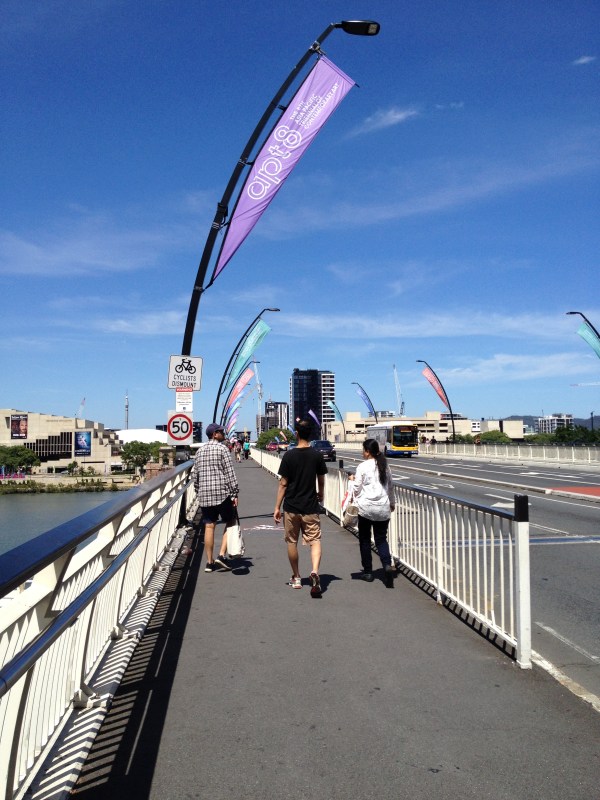
பிரிஸ்பேன் (Brisbane) என்னும் நகரம் ஆஸ்திரேலியாவின் குயின்ஸ்லாந்து மாகாணத்தின் தலைநகரம் ஆகும். இது சிட்னி நகரிலிருந்து 1000 கிலோமீட்டர் தூரத்தில் பிரிஸ்பேன் நதிக்கரையில் இருக்கிறது. நாங்கள், உலக மஹா இயற்கை அதிசயமான பெரும் பவளத்திட்டைப் பார்த்துவிட்டுத் திரும்புகையில் பிரிஸ்பேன் வந்தோம்.


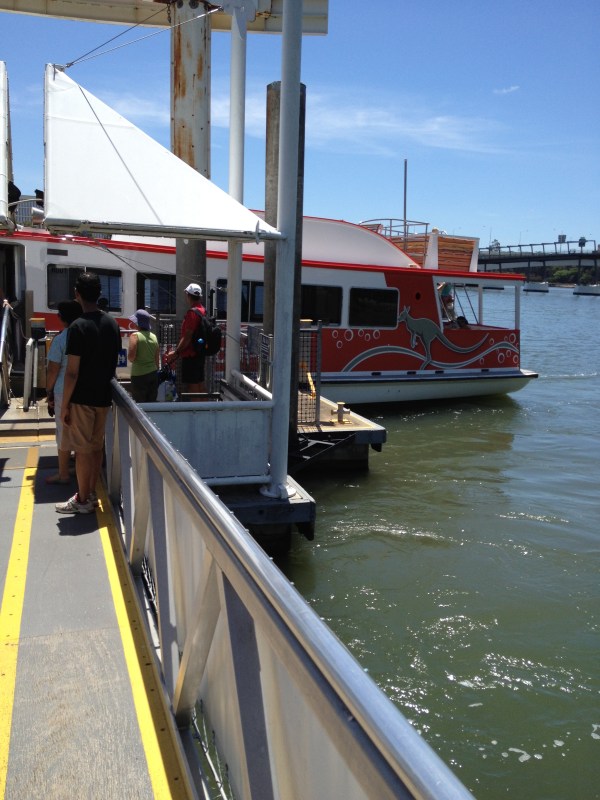
பிரிஸ்பேனில் என்னை அதிசயிக்க வைத்த முதல் விஷயம், இலவச படகு சவாரி! உலகில் பத்துப் பதினைந்து நாடுகளுக்குப் போயிருக்கிறேன். நியூயார்க்கில் சுதந்திர தேவி சிலையைப் பார்க்க படகு சவாரியானலும் சரி, அல்லது பாரீஸ் நகரில் செயின் நதியில் பவனி வருவதானாலும் சரி காசு கொடுத்து டிக்கெட் வாங்கினால்தான் படகில் ஏற்றுவர். அட! எங்கள் லண்டன் மாநகரில் எங்கள் வீட்டுக்கு வரும் நண்பர்களையும் உறவினர்களையும் தேம்ஸ் நதியில் உலாவர அழைத்துச் சென்றபோதும் ஒவ்வொரு ஆளுக்கும், ஒரு இருபது  பவுனாவது (ரூ2000) செலவழிக்க வேண்டும். ஆனால் பிரிஸ்பேனில் இலவச படகு சவாரி.

IMG_8886

Beautiful Brisbane River

ஹோட்டலில் ரிசப்ஷனில் இருந்த பெண்ணிடம், சில தகவல் விசாரித்தபோது ‘ரெட் Fபெர்ரி’யில் (Red Ferry) போங்கள்; டிக்கெட் எதுவும் வேண்டம் என்று ஒரு துப்பு கொடுத்தார். சிவப்பு நிற படகில் ஏறினால் பிரிஸ்பேன் முழுதும் சுற்றிப் பார்க்கலாம். ஊரின் வரைபடம் கையிலிருந்தால் எந்த ‘ஸ்டாப்’பில் இறங்கினால் என்ன சுற்றுலாக் கவர்ச்சி இருக்கிறது என்பது தெரியும். ஆங்காங்கே இறங்கி இலவசமாகப் பார்த்துவிடலாம்.


உலகில் சில இடங்களில் நதியின் இக்கரையிலிருந்து அக்கரைக்கு அழைத்துச் செல்ல வேண்டுமானால் இலவச சவாரி இருக்கும். ஆனால் நதியில் ஊர் முழுவதும் செல்ல இலவச சவாரி, எனக்குத் தெரிந்தவரை இது ஒன்றுதான். வாழ்க பிரிஸ்பேன்.

IMG_8843

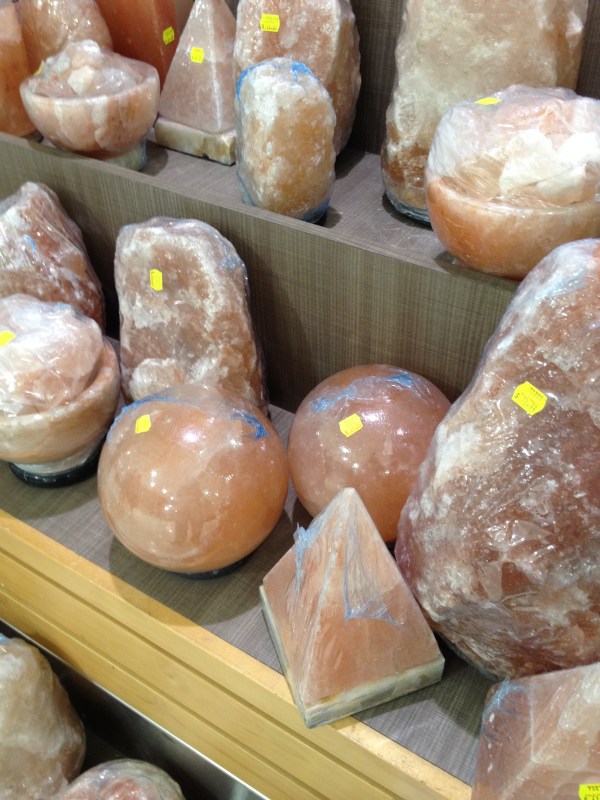
Himalayan Salt for Good Health

இன்னொரு அதிசயம்!

பிரிஸ்பேனில் கடை கண்ணிகளை வேடிக்கை பார்த்தவாறு நகர்ந்தோம். ஒரு கடையின் வாசலில் பெரிய பெரிய பாறைகளாக (சிவப்புக் கூழாங்கற்கள் போல இருக்கும்) 30 கிலோ, 35 கிலோ என்று வைத்திருந்தார்கள். ஆங்கிலத்தில் ஹிமாலயன் சால்ட் – (Himalayan Salt) இமய மலை உப்பு என்று எழுதிவைத்திருந்தனர். எனக்கு ஒரே வியப்பு. அட! இந்தியாவில் கூட நான் பார்த்திராத இமயமலை உப்பை ஆஸ்திரேலியாவில் விற்பதன் மர்மம் என்ன என்ற ஐயம் எழவே, கடைக்குள் சென்றேன். அங்குள்ள ஒரு இளம் பெண் வாடிக்கையாளர்களைக் கவனித்துக் கொண்டிருந்தார். அவரிடமென் ஐயப்பாட்டைக் களைய வினாக்கள் தொடுத்தேன். அவர் சொன்னார்: “ இவை அனைத்தும் இமயமலையிலிருந்து வந்தவை. இது மூச்சுத் திணறல் உள்ளவர்களுக்குச் சுகமளிக்கும். காற்றைத் தூய்மையாக்கும்”. பல புத்தகங்களும் வைத்திருந்தனர். காசு கொடுத்து வாங்க மனமுமில்லை. ஓசியில் புரட்டிப் பார்க்கத் துணிவுமில்லை. மனைவி மக்கள் விரட்டவே மெதுவாக நகர்ந்தேன்.

IMG_8897

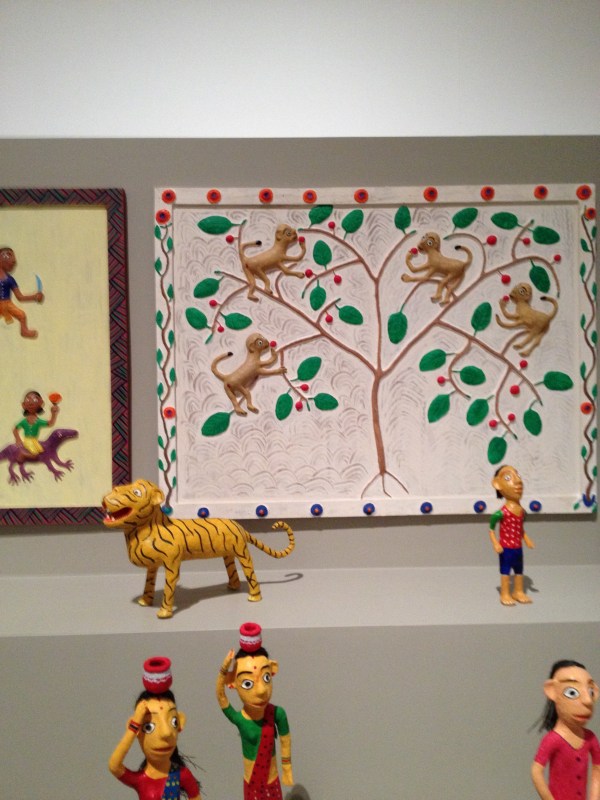
Asia Pacific Art Gallery

எங்களுக்கு போனஸ்

ஒவ்வொரு இடத்திலும் ஒரே நாள் இரவு ஹோட்டல் ரிசர்வ் செய்திருந்ததால் அருகிலுள்ள கோல்ட்கோஸ்ட், (Koala) கோவாலா சரணாலயம் ஆகியவற்றுக்குப் போகமுடியவில்லையே என்று வருத்தம். கோவாலா என்னும் மரக் கரடியும். கங்காரு என்னும் மிருகமும் ஆஸ்திரேலியாவில் மட்டுமே வாழும் பிராணிகள்.


ஆயினும் கலைக் கூடத்துக்குச் (Art Gallery) சென்று வண்ண ஓவியங்களைப் பார்ப்போம் என்று குடும்ப உறுப்பினர் அனைவரும் ஒருமனதாக தீர்மானம் நிறைவேற்றி கலைக்கூடத்துக்குள் நுழைந்தோம். எங்களுக்கு போனஸ் காத்திருந்தது. நாலு மாதங்களுக்கு ஆசிய- பசிபிக் வண்ண ஓவியங்களின் விசேஷ காட்சி என்பதைக் கண்டு மகிழ்ந்தோம். உள்ளே சென்றவுடன் அருமையான ஓவியங்களைக் கண்டு இரண்டு காமிராக்களையும் முடுக்கினேன். ஒரு நூறு படங்கள் கிடைத்தன. நேபாள, இந்திய ஓவியர்கள் பல இந்துமத ஓவியங்களைத் தீட்டியிருந்தனர்.


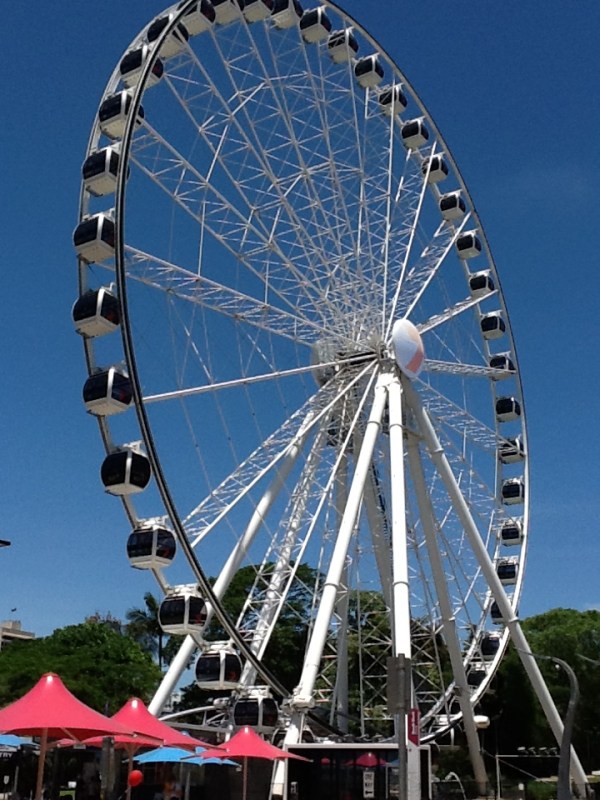
எல்லா ஊர்களிலும் இருப்பது போல இராட்சத ராட்டினம் (பிரிஸ்பேன் வீல் Brisbane Wheel) இங்கும் இருந்தது. ஆனால் அதைவிட்டுவிட்டு வேறு ஒரு புதுமையைக் காண விரைந்தோம். செயற்கைக் கடற்கரை அங்கு இருப்பதாக சுற்றுலாக் கவர்ச்சிப் பட்டியலில் இருந்தது. ஒரு பெரிய பூங்காவில் நிறைய கடல் மணலை நிரப்பி வைத்துள்ளனர். அதில் ஏராளமான பெண்கள் அரைநிர்வாண உடையுடன் வெய்யில் காய்ந்து கொண்டிருந்தனர். அருகிலேயே குழந்தைகள் , அவர்களுடைய விளையாட்டுப் பொருட்களுடன் விளையாடிக் கொண்டிருந்தனர். எனக்கு அப்படி ஒன்றும் கவர்ச்சியாகத் தோன்றவில்லை. அட, சரியப்பா! ஆலை இல்லாத ஊரில் இலுப்பைப்பூதானே சர்க்கரை என்று சொல்லிக் கொண்டு நகர்ந்தோம்.

IMG_2014

Brisbane Wheel

இரவு நெருங்க நெருங்க பசி எடுத்தது. நாங்களோ சுத்த சைவம். எனது மகன் கஷ்டப் பட்டு, கூகிள் செய்து ஒரு ‘வெஜிட்டேரியன் ரெஸ்டாரண்டைக் கண்டுபிடித்திருந்தான். ‘கூகிள் மேப்’ பைப் பயன்படுத்தி அங்கே போவதற்குள் இரவு ஒன்பதரை ஆகிவிட்டது. அது ஒரு தாய்(லாந்து) ரெஸ்டாரண்ட். வழக்கம்போல எங்கள் பல்லவியைப் பாடினோம். “நாங்கள் அனைவரும் சுத்த வெஜிட்டேரியன்ஸ். அதன் பொருள் என்ன வென்றால், ‘நோ பிஷ்’, ‘நோ மீட்’, ‘நோ எக்’ No Fish, No Meat, No Egg (மச்சம், மாமிசம், முட்டை அற்ற) என்று விளக்கினோம். அந்தப் பெண்ணோ, ‘நோ பிராப்ளம்’, பிஷ் சாஸ் (No Problem; we will use fish sauce or oyster sauce)  போடுகிறோம் அல்லது ஆய்ஸ்டர் சாஸ் போடுகிறோம், மாமிசம், முட்டை எதுவும் போட மாட்டோம்’ என்று உறுதி தந்தாள்!!!! அடக் கடவுளே! அது வெஜிட்டேரியன் அல்லவே என்றோம். அதற்கென்ன, அதையெல்லாம் போடாமல் செய்வோம் .ஆனால் அது ‘ஹாரிபிள்’ (Horrible அதி பயங்காச் சுவை) ஆக இருக்குமென்று அச்சுறுத்தினாள்; தாயே, உண்மையைச் சொன்னாயே; நீ வாழ்க, உன் குடும்பம் வாழ்க என்று மனதிற்குள் வாழ்த்திக்கொண்டே ஒரு இதாலிய ரெஸ்டாரண்டில் நுழைந்து வழக்கம்போல பீட்ஸா (Pizza), பாஸ்தா (Pasta) சாப்பிட்டு ஹோட்டல் அறைக்குத் திரும்பினோம்.


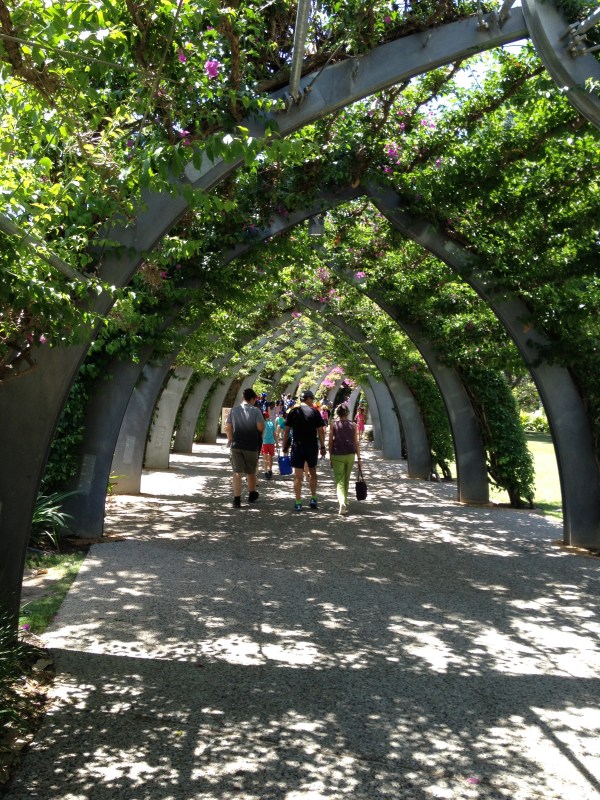
பிரிஸ்பேன் நகரில் வானளாவிய கட்டிடங்களுக்கு இடையே, நீல நதியில் படகு செல்லும் காட்சி கண்கொள்ளாக் காட்சி. நல்ல பூங்காக்கள், தாவரவியல் பூங்கா ஆகியனவும் அழகூட்டுகின்றன. சுமார் 24 மணி நேரமே இருந்தாலும் மலையளவு சாதித்த மகிழ்ச்சி.

IMG_2021

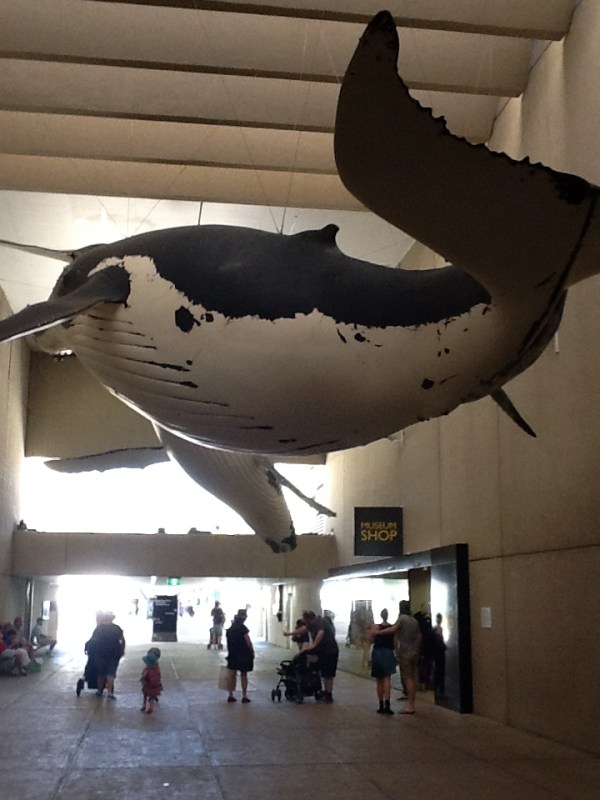
Whale song

ஆர்ட் காலரிக்குச் செல்லும் வழியில் அந்த ஊர் அறிவியல் காட்சிசாலையும் உள்ளது. அந்தக் கூடத்தில் பெரிய திமிங்கில உருவங்களைத் தொங்கவிட்டுள்ளனர். திமிங்கிலங்கள் கடலில் எழுப்பும் பெரிய சங்கொலி போன்ற சப்தத்தை திமிங்கிலப் பாட்டு (Whale Song) என்பர். அதை அப்படியே ரிகார்ட் செய்து அந்தக் கூடத்தில் ஒலிபரப்பிய வண்ணம் இருக்கிறார்கள். முதலில் இது என்ன ஒலி, எங்கிருந்து வருகிறது என்று வியந்த எங்களுக்கு தலையை நிமிர்த்திப் பார்த்தபோதுதான் விளங்கியது.


எல்லா ஊர்களையும் போல, பல ஷாப்பிங் மால் (கூடங்கள்), தெருக்களும் இருக்கின்றன. பட்டிக்காட்டான் யானையைப் பார்த்தது போல. அதையும் பார்த்து பொழுதும் போக்கலாம்.!

IMG_8854


IMG_8865


IMG_8825

Brisbane by Night


–subham–


கேட்டது கிடைக்கும்! அதீத உளவியல் ஆற்றல் (Post No. 2528)

BHARATMATA VIVEKA

Written by S Nagarajan


Date: 11 February 2016


Post No. 2528


Time uploaded in London :–  6-01 AM


( Thanks for the Pictures  ) 


DON’T REBLOG IT AT LEAST FOR A WEEK!  DON’T USE THE PICTURES; THEY ARE COPYRIGHTED BY SOMEONE.


(for old articles go to tamilandvedas.com OR swamiindology.blogspot.com; contact 


swami_48@yahoo.com)


இதன் முதல் பகுதி நேற்று வெளியானது.


அதீத உளவியல் ஆற்றல்


ஸ்வாமி விவேகானந்தரின் அற்புத அனுபவங்களும் ஆற்றலும்! – (2)


ச.நாகராஜன்


 கேட்டது கிடைக்கும்!


ஸ்வாமிஜி மேலை நாடு செல்வது என்று  முடிவாகி விட்ட சமயம் அது. ஹைதராபாத்தில் உள்ள் அன்பர்கள் அவரை உடனே அங்கு வருமாறு வேண்டினர். அதற்கிணங்க ஸ்வாமிஜி ஹைதரபாத் சென்றார். ரயில் நிலையத்தில் அவரை வரவேற்க ஹிந்துக்களும் முஸ்லீம்களுமாக 500 பேர் திரண்டனர். மெஹபூப் கல்லூரியில் ஸ்வாமிஜி 1000 பேர் கொண்ட கூட்டத்தில், “நான் ஏன் மேலை நாடு செல்கிறேன்” என்ற தலைப்பில் சொற்பொழிவாற்றினார்.


ஹைதராபாத்தில் தங்கி இருந்த போது அமானுஷ்ய சக்தி படைத்த பிராமண யோகி ஒருவரை அவர் சந்தித்தார். எந்தப் பொருளை வேண்டுமானாலும் உடனடியாக வருவிக்கும் ஆற்றல் படைத்தவர் அவர்! நண்பர்கள் சிலருடன் சென்ற ஸ்வாமிஜியை யோகி வரவேற்றார். ஆனால் அப்போது அவருக்கு ஜுரம் கண்டிருந்தது.


ஸ்வாமிஜி, அவரிடம் அவரது அமானுஷ்ய சக்தியைக் காண்பிக்குமாறு கேட்டுக் கொண்டார். அதற்கு இணங்கிய அவர், ஸ்வாமிஜியை நோக்கி, “ நிச்சயம் காட்டுகிறேன். ஆனால் அதற்கு முன்னர் என் தலையில் கை வைத்து ஆசீர்வதியுங்கள். அதனால் என் ஜுரம் போகட்டும்” என்று வேண்டினார்.

ஸ்வாமிஜியும் அப்படியே அசீர்வதித்தார்.


பின்னர் அந்த யோகி அவர்கள் அனைவரையும் நோக்கி, “உங்களுக்கு வேண்டியதை ஒரு காகிதத்தில் எழுதி என்னிடம் கொடுங்கள்” என்றார்.


அந்தப் பகுதியில் கிடைக்காத ஆரஞ்சு, திராட்சை உள்ளிட்ட சிக்கலான பொருள்களை எல்லாம் பேப்பரில் எழுதி அவரிடம் கொடுத்தனர்.


ஒரு கௌபீனம் மட்டுமே அணிந்திருந்த அந்த யோகிக்கு ஸ்வாமிஜி ஒரு சால்வையைக் கொடுத்தார். அதைப் போர்த்திக் கொண்ட அவர், அதனுள்ளிருந்து குலை குலையாக திராட்சைகள், ஆரஞ்சுப் பழங்கள் என்று ஒவ்வொன்றாக எடுத்துத் தந்தார்.

அனைவரும் வியப்பில் ஆழ்ந்தனர்


ஆவி பறக்க அப்போதே அரிசியிலான சாதத்தையும் அவர் வரவழைத்து அனைவரையும் சாப்பிடுமாறு கூறினார். சற்று பயத்தில் ஆழ்ந்த அனைவரும் ஸ்வாமிஜியை அதைச் சாப்பிட வேண்டாம் என்று தடுத்தனர். ஆனால் அந்த யோகியே அவற்றைச் சாப்பிட ஆரம்பித்தார்.


அனைவரும் உடனே சாப்பிட ஆரம்பித்தனர்.


100 vivekas

எல்லாம் கை ஜாலம் தான்!


பின்னர் அழகிய ரோஜா மலர்களை வரவழைத்து ஸ்வாமிஜியிடம் கொடுத்து அவரை வியப்பில் ஆழ்த்தினார் அந்த யோகி.


இதெல்லாம் எப்படி என்று ஸ்வாமிஜி வினவினார். “ஒன்றுமில்லை கை ஜாலம் தான்” என்றார் அவர்.

ஆனால் வெறும் கை ஜாலத்தால் இப்படி உடனே கேட்கப்பட்ட பல பொருள்களைத் திரட்டித் தர முடியாது என்பதால் அவரிடம் ஏதோ ஒரு சக்தி இருக்கிறது என்று ஸ்வாமிஜி அனுமானித்தார்.

இந்த அனுபவத்தையும் அவர் தனது லாஸ் ஏஞ்சல்ஸ் சொற்பொழிவில் குறிப்பிட்டார்.


மனத்தின் ஆற்றல் மூலம் எதையும் செய்ய முடியும் என்பதையே இது காட்டுகிறது என்று அவர் சுட்டிக் காட்டினார்.

ஸ்வாமிஜியின் ஆங்கிலச் சொற்பொழிவின் மூலம் கீழே தரப்படுகிறது.


The Powers of the Mind


Delivered at Los Angeles, California, January 8, 1900

(Complete Works of Swami Vivekananda Volume II)


Another time I was in the city of Hyderabad in India, and I was told of a Brâhmin there who could produce numbers of things from where, nobody knew. This man was in business there; he was a respectable gentleman. And I asked him to show me his tricks. It so happened that this man had a fever, and in India there is a general belief that if a holy man puts his hand on a sick man he would be well. This Brahmin came to me and said, “Sir, put your hand on my head, so that my fever may be cured.” I said, “Very good; but you show me your tricks.” He promised. I put my hand on his head as desired, and later he came to fulfil his promise. He had only a strip of cloth about his loins, we took off everything else from him. I had a blanket which I gave him to wrap round himself, because it was cold, and made him sit in a corner. Twenty-five pairs of eyes were looking at him. And he said, “Now, look, write down anything you want.” We all wrote down names of fruits that never grew in that country, bunches of grapes, oranges, and so on. And we gave him those bits of paper. And there came from under his blanket, bushels of grapes, oranges, and so forth, so much that if all that fruit was weighed, it would have been twice as heavy as the man. He asked us to eat the fruit. Some of us objected, thinking it was hypnotism; but the man began eating himself — so we all ate. It was all right.
He ended by producing a mass of roses. Each flower was perfect, with dew-drops on the petals, not one crushed, not one injured. And masses of them! When I asked the man for an explanation, he said, “It is all sleight of hand.”
Whatever it was, it seemed to be impossible that it could be sleight of hand merely. From whence could he have got such large quantities of things?

**********

Let them Enjoy or You Speak! Eleven Anecdotes (Post No. 2527)

josephchamberlain02

Picture of Joseph Chamberlain

Compiled by london swaminathan

Post No. 2527

Date: 10th February 2016

Time uploaded in London  16-28

( Thanks for the Pictures  ) 


DON’T REBLOG IT AT LEAST FOR A WEEK!  DON’T USE THE PICTURES; THEY ARE COPYRIGHTED BY SOMEONE.


(for old articles go to tamilandvedas.com OR swamiindology.blogspot.com; contact 


swami_48@yahoo.com)


1.Let them enjoy or You speak!

Joseph Chamberlain, Prime Minister of England, told this story about himself. He was guest of honour at a banquet. The mayor of the city presided and when coffee was being served he leaned over and touched Mr Chamberlain saying, “Shall we let them enjoy themselves a little longer or had we better have your speech now?”


Xxx

2.Continued talk after a year!


Eamon de Valera was once arrested in Ennis in the middle of a political speech. A year later he was released.  He went forthwith to Ennis, and began to speak again with the words, “As I was saying when I was interrupted…”


Xxxx

3.Envy a Waiter!


When Lyon Phelps tells, “Having to speak at a public dinner in Chicago, I found my place at the pillory of torment, the speakers’ table: and there, seeing a magnificent man in evening dress, I gave him my name and grasped his hand with what cordiality I could command.

“I am the headwaiter, sir”, he replied.

“Shake hands again, old man” I cried. “You don’t know how I envy you.”

Xxx

IMG_9329

4.If you say something…..


When Dr Walter Williams spoke in a Chinese university, an interpreter translated into Chinese symbols on a black board. Dr Williams noted that the interpreter stopped writing during most of the speech and at the conclusion he asked why. “We only write when the speaker says something,” was the blithe reply.

Xxx

5.Latin, please!


Andrew Jackson, before he became President, was making once a stump speech in a small village. Just as he was finishing, a friend who sat near him whispered, “Tip them a little Latin, General; they won’t be contented without it.”


The man of iron will instantly thought upon the few phrases he knew, and in a voice of thunder wound up with “E pluribus unum (from many one), sine qua non (necessary), ne plus ultra (no more beyond), multum in parvo (small but significant).” The effect was tremendous, and the shouts of the Hoosiers could be heard for miles.

(just bluffed by saying some Latin phrases he knew)


latin

Xxx

6.Shortest speech!


At a banquet in connection with the war effort, the toast master opened the speaking with the assurance that all the guests had promised to make brief addresses. It chanced that the first to be called upon was the heavy weight champion, Private Joe Louis, who rose to his feet and said, “The toastmaster must have known my speed,” and sat down.


XxxXxx

7.Letting steam off

During a parliamentary discussion on curtailing debate Sir Campbell Bannerman remarked that, “it was reasonable that Members should wish to let off a certain amount of intellectual steam.”

“is that a polite way of describing debate in this House?” interposed Balfour.


“I thought steam was a motive power,” replied Bannerman.

“Not when it is let off,” retorted Balfour amidst the laughter of the House.


Xxx


pm-winston-churchill-high-res-stamp

8.Churchill’s Speech!

Some years ago Winston Churchill highly amused his fellow Members in the House by distributing among them printed copies of his recent speeches. A Liberal Member for one of the Devonshire constituencies acknowledged the gift in the following manner:

“Dear Mr Churchill, Thanks for the copy of your speeches lately delivered in the House of Commons. To quote the late Lord Beaconsfield: ‘I shall lose no time in reading them.’


XXX

9.Likee soup? Likee speech?


At a banquet at Princeton University (USA), the great Chinese diplomat, Dr Wellington Koo, was the guest of honour and main speaker. As one of a number of representatives of the student body on this occasion, a burly member of the football team found himself seated next to Dr.Koo. Very embarrassed by the formality of the occasion and utterly at a loss for conversation, the young man turned to Dr.Koo during the soup course and said, “Likee Soup?”


Dr Koo urbanely bowed his head and grinned. Later he arose and delivered a polished, thoughtful and witty address. Sitting down amid applause, Dr Koo turned to the chagrined student and said smiling, “Likee speech?”


Xxx

10.Unvarnished speech!

Dean Briggs was once one of the speakers at the formal banquet at Radcliffe college, in preparation for the event, among other things, the chairs been given a new coat of varnish. The evening was hot and humid and, as the speakers rose to deliver their remarks, it was with some difficulty.


The dean was more than equal to the occasion. “Ladies and Gentlemen”, he said, “with a cruel backward glance, “I had expected to bring you this evening a plain and unvarnished tale, but circumstances make it impossible to fulfil my intentions.”

(unvarnished= plain, simple)

Xxx

1000 girls

11.Talking to 1000 girls


When J M Barrie addressed an audience of one thousand girls at Smith College during his American visit, a friend asked him how he had found the experience.

“Well”, replied Mr Barries, “to tell you the truth, I would much rather talk one thousand times to one girl, than to talk one time to a thousand girls.”


–Subham–

ஆஸ்திரேலியப் பழங்குடி மக்களின் சுவையான வரலாறு (Post No. 2526)

IMG_2380

Research Article written by london swaminathan

Post No. 2526

Date: 10th February 2016

Time uploaded in London  பகல் 12-07

( Thanks for the Pictures  ) 


DON’T REBLOG IT AT LEAST FOR A WEEK!  DON’T USE THE PICTURES; THEY ARE COPYRIGHTED BY SOMEONE.


(for old articles go to tamilandvedas.com OR swamiindology.blogspot.com; contact 


swami_48@yahoo.com)


IMG_2253

ஆஸ்திரேலிய பழங்குடி மக்கள் பற்றிய நாலாவது கட்டுரை இது. முதல் மூன்று கட்டுரைகள் கடந்த 3 நாட்களில் இங்கே வெளியிடப்பட்டன.


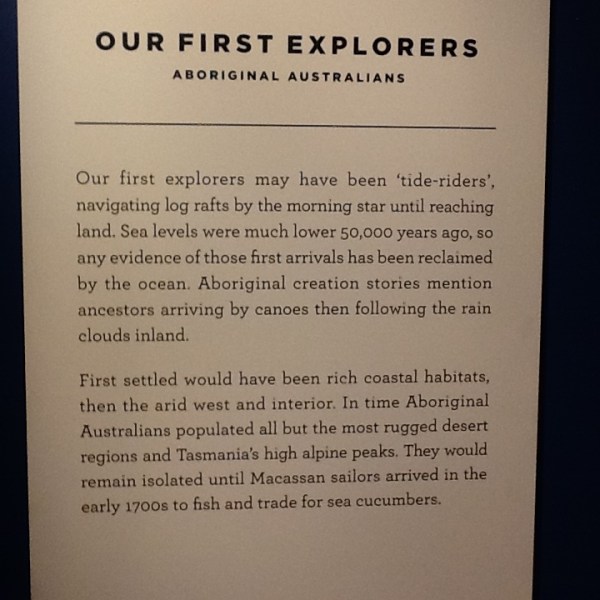
சுமார் 40,000 முதல் 50,000 ஆயிரம் ஆண்டுகளுக்கு முன்பாக மக்கள் இங்கே குடியேறியதாக இப்போதைய ஆராய்ச்சிகள் காட்டுகின்றன. மற்றொரு ஆய்வு, இந்தியர்கள் இங்கே 5000 ஆண்டுகளுக்கு முன்பு வந்து, புதிய அம்சங்களை அறிமுகப்படுத்தியதாகக் கூறும். ஆனால் இத்தகைய ஆய்வுகளை அப்படியே நம்பிவிடக்கூடாது. இன்னும் பத்தாண்டுகளுக்குப் பிறகு இதை மறுத்து வேறு ஒரு தகவல் வரும்!


20, 30 ஆண்டுகளுக்கு முன் தினமணிச் சுடரில் பிலோ இருதயநாத் என்பவர் எழுதிய இந்தியப் பழங்குடி மக்கள் வரலாற்றையும், மஞ்சரியில் மாதம் தோறும் வெளியான பழங்குடி மக்களின் வரலாற்றையும் படித்து பேப்பர் கட்டிங் சேகரித்து வைத்துள்ள எனக்கு ஆஸ்திரேலிய வரலாற்றில் அதிகம் புதுமை இருப்பதாகத் தெரியவில்லை.


ஒவ்வொரு இன மக்களும் பிறப்பு, இறப்பு, ஆவிகள், திருமணம், தொடக்கூடாதவை, தீட்டு, இசை, நடனம் ஆகியவற்றில் கொஞ்சம் கொஞ்சம் மாறுதலுடன் பல விநோதக் கொள்கைகளையுடவர்களாய் இருப்பார்கள். இந்தியப் பழங்குடி மக்களின் நம்பிக்கைகளில் இந்துமதத்தின் தாக்கமும், சம்ஸ்கிருத மொழியின் தாக்கமும் ஆழமாகவே தெரிகிறது. இப்போது கோண்ட்வானா லாண்ட் என்று சொல்லப் பாடும் சொல்லே, காண்டவ வனம் என்பதன் மரூஉ என்பதையும் “கோண்டு”கள் என்போர் அர்ஜுனனும், கிருஷ்ணனும் எரித்த “காண்ட”வ வன மக்கள் என்பதையும் நான் முன்னரே என் ஆராய்ச்சிக் கட்டுரைகளில் எழுதியுள்ளேன். ஆஸ்திரேலியப் பழங்குடிகள் பற்றி தமிழில் அதிக விஷயங்கள் கிடைக்காததால், சிட்னி நகர ஆஸ்திரேலிய மியூசியத்தில் நான் சேகரித்த விஷயங்களை மொழிபெயர்த்துத் தருகிறேன்.

IMG_2450

250 மொழிகள், 250 குழுழுக்கள்

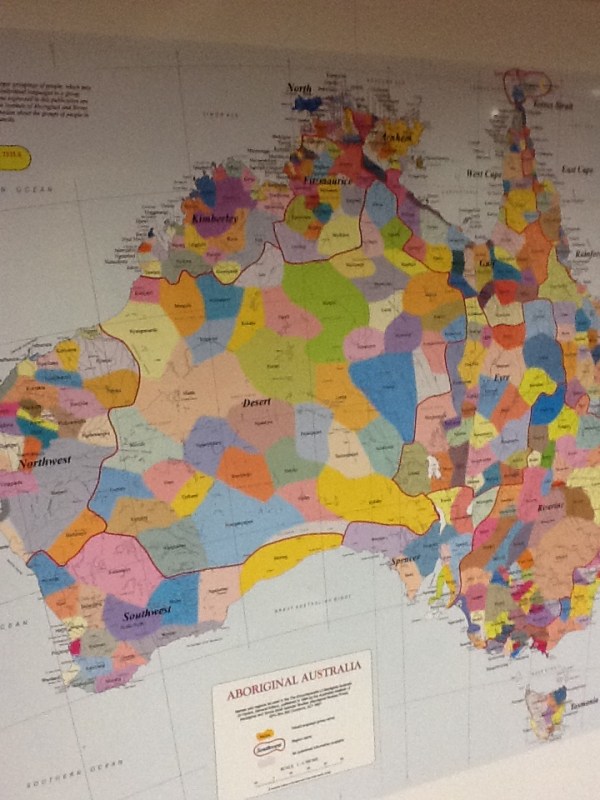
ஆஸ்திரேலியப் பழங்குடி இன மக்கள் ஒரே மொழியைப் பேசவில்லை. 250 மொழிகளையும், கிளை மொழிகளையும் பேசுகின்றனர். கடல் என்பதற்குக் கூட ஒவ்வொரு மொழியிலும் ஒவ்வொரு சொல்! ஏன் இவ்வளவு மொழிகள் வந்தன என்பது ஆச்சரியமான விஷயமே. அருகிலுள்ள நியூகினி தீவுகளில் 750 மொழிகள் உள்ளன. மொழியியலாரின் கொளகைகளை எல்லாம் பொய்மையாக்கிவிடும் நிலவரம் இது.

இதே போல ஆஸ்திரேலியப் பழங்குடி இன மக்கள் அனைவரும் ஒரே அணி அல்ல. அவர்களிடையே 250 பிரிவுகள் உண்டு.

ஒவ்வொருவரும் தனது இடத்தை நாடு என்றும், அதிலுள்ள குழு எல்லாம் ஒரே இனம் என்றும் கருதுவர். ஆயினும் ஒரு குழு, மற்றொரு குழுவில் தலையிடாது. மேலும் அத்தகையோர் போற்றும் புனிதமான மிருகத்தை மற்றொரு குழுவினர் புசிக்கமாட்டார்கள். அவர்களிடையே, பல பொதுவான அம்சங்களும் இருக்கின்றன.

IMG_2258

முன்னொரு காலத்தில்

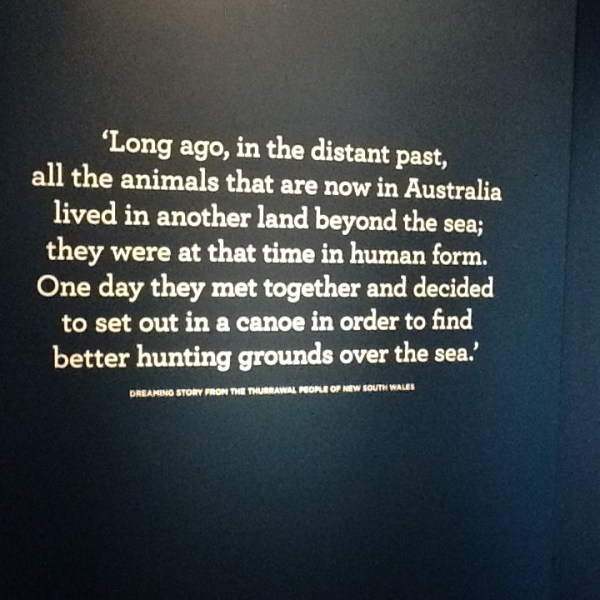
“இப்பொழுது ஆஸ்திரேலியாவில் காணப்படும் பிராணிகள் எல்லாம், மிகப் பழைய காலத்தில், கடலுக்கு அப்பாலுள்ள வேறு ஒரு பிரதேசத்தில் வசித்தன. அப்போது அவை எல்லாம் மனித உருவில் இருந்தன. அவை எல்லாம் ஒரு நாள் ஒன்று கூடி நமக்கு நல்ல வேட்டை நிலம் வேண்டும் என்று முடிவு செய்து ஒரு படகில் ஏறி இங்கு (ஆஸ்திரேலியாவுக்கு) வந்தன” என்பது பழங்குடியினர் கூறும் கதை.


முதல் குடியேறிகள்

சுமார் 50,000 ஆண்டுகளுக்கு முன் கடல் மட்டம் தாழ்வாக இருந்தது. ஒரு தீவிலிருந்து இன்னொரு தீவுக்குப் படகுகள் மூலம் போவது எளிதாக இருந்தது. அவர்கள் அக்காலத்தில் குடியேறிய ஆஸ்திரேலிய நிலப் பகுதிகளை இப்பொழுது கடல் கொண்டுவிட்டது. ஆஸ்திரேலியப் பழங்குடி மக்களின் பூர்வ கதைகளும் இதையே சொல்லுகின்றன. தாங்கள் படகுகள் மூலம் வேறு  ஒரு இடத்திலிருந்து வந்ததாகவும், மழை மேகங்களைப் பின்தொடர்ந்து உள்நாட்டிற்குள் சென்றதாகவும் அவர்கள் கதைகள் சொல்லுவர். உலகில் இந்திய இலக்கியங்கள் மட்டுமே தாங்கள் வெளிநாட்டிலிருந்து வந்ததாகக் கூறுவதில்லை. வேறு சுமேரிய, பாபிலோனிய, எகிப்திய, ஆஸ்திரேலிய மக்கள் அனைவரும் தங்களை வந்தேறு குடிகள் என்று பகிரங்கமாக அறிவிக்கின்றனர். உலகின் நாகரீக தோற்றத்துக்கு இந்தியாவே மூல முதல்வன் என்பதை நமது இதிஹாச புராணங்கள் தெள்ளத் தெளிவாக உரைக்கின்றன. நிற்க


சுமார் 40000 ஆண்டுகளில், இவர்கள் ஆஸ்திரேலிய கண்டம் முழுதும் பரவிவிட்டனர். இந்தியர்கள் 56 தேசங்கள் வைத்து ஆண்டது போல இவர்கள் 250 “நாடு”களை உருவாக்கினர். 1700-ம் ஆண்டுகளில், இந்தோநேஷியத் தீவுகளிலிருந்து பலர் மீன் வியாபாரத்தின் பொருட்டு இங்கேவந்தனர். அதுதான், ஆஸ்திரேலியாவின் முதல் வெளி உலகத் தொடர்பு. பின்னர் கேப்டன் குக் முதலான வெள்ளையர்கள் வந்தனர்.

IMG_2259

1788ல் முதல் காலனி

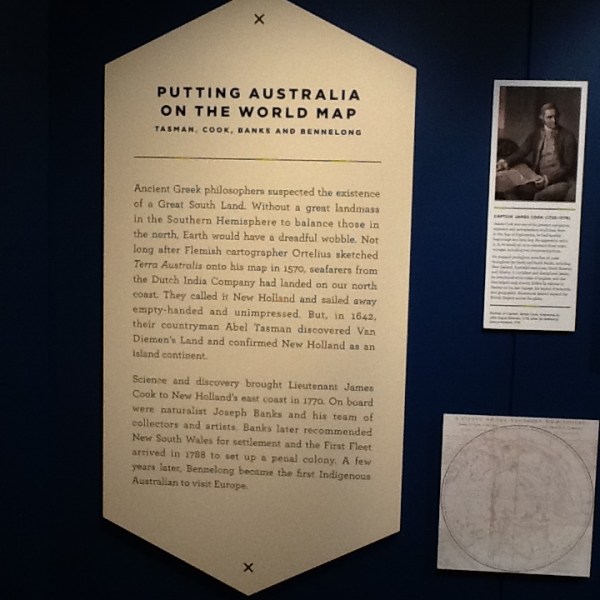
உலகில் வடபகுதியில் நிலப்பரப்பு இருப்பதுபோலவே தென் பகுதியிலும் நிலப்பரப்பு  இருக்க வேண்டும், அப்படியில்லாவிடில் பூமியின் சமநிலை கெட்டு அது ஆட்டம் காணும் என்று கிரேக்க தத்துவ ஞானிகள் ஊகித்தனர். (இந்துக்கள், கீழ் ஏழு பாதாள லோகங்களில் தென் அமெரிக்கா, ஆஸ்திரேலியா ஆகியவற்றைச் சேர்த்திருந்தது வெள்ளைக்காரர்களுக்கு தெரியாது. எனது மாயா- நாகர் தொடர்பு கட்டுரைகளைப் படிப்போருக்கு இது விளங்கும்). பின்னர் 1570 ஆம் ஆண்டில் ஆர்டீலியஸ் என்பவர் டெர்ரா ஆஸ்ட்ராலிஸ் என்று தனது வரைபடத்தில் ஆஸ்திரேலியாவை வரைந்தார். இதைத் தொடர்ந்து டச்சு கிழக்கு இந்தியக் கம்பெனியார் அங்கு போய் நியூ ஹாலந்து எனப் பெயரிட்டு, அது ஒன்றுமில்லாத இடம் என்று திரும்பிப் போய்விட்டர்கள்.

விஞ்ஞான ஆராய்ச்சிக்காக ஜோசப் பாங்க்ஸ் என்பவருடன் லெப்டினண்ட் கேப்டன் குக் 1770 ஆம் ஆண்டில் வந்தார். பாங்ஸ் நிறைய படங்களை வரைந்தார். பின்னர் நியூ சவுத் வேல்ஸில் குடியேறி வசிக்கலாம் என்று அறிவுரை வழங்கினார். 1788ஆம் ஆண்டில் ஒரு கப்பல் நிறைய ஆட்கள் வந்து ஆஸ்திரேலியாவை ஆக்ரமிக்கத் தொடங்கினர். ஆனால் முதலில் இங்கு அனுப்பப்பட்டவர்கள் எல்லாம் குற்றவாளிகள். வெள்ளைக்காரர்கள், நமது சுதந்திரப் போராட்டவீரர்களை அந்தமான் தீவுக்கு அனுப்பியதுபோல இங்கு பலரை அனுப்பினர்.

IMG_9059

கேடயங்கள்

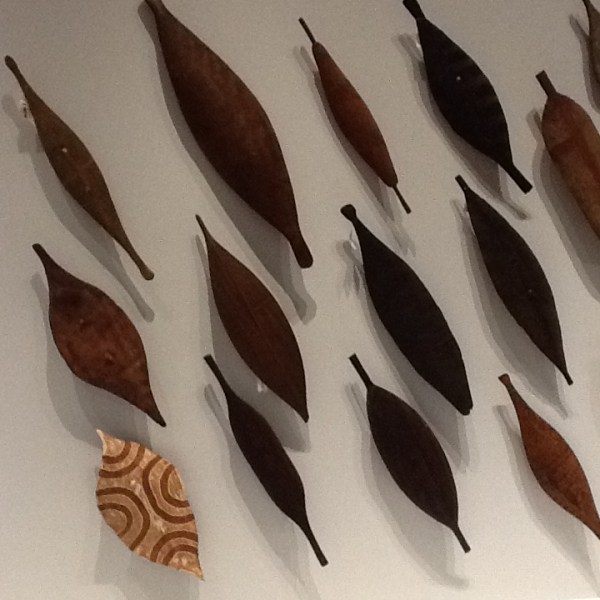
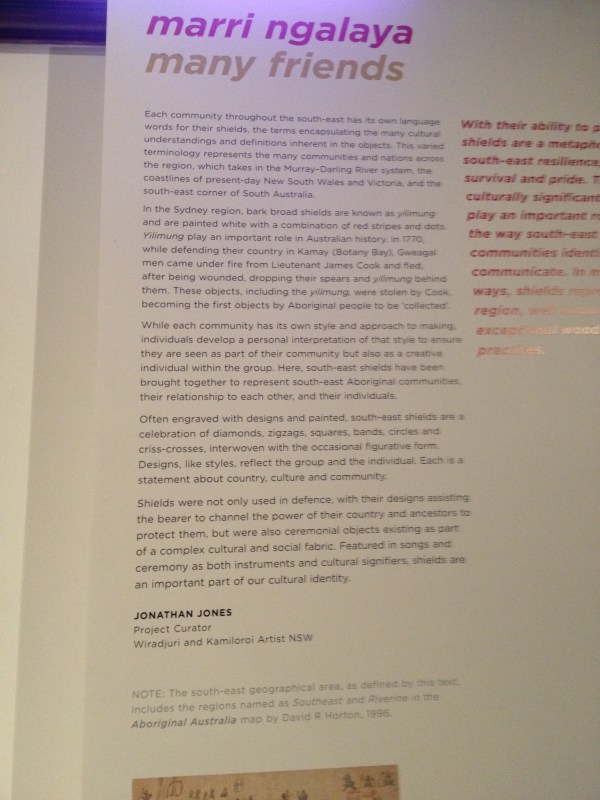
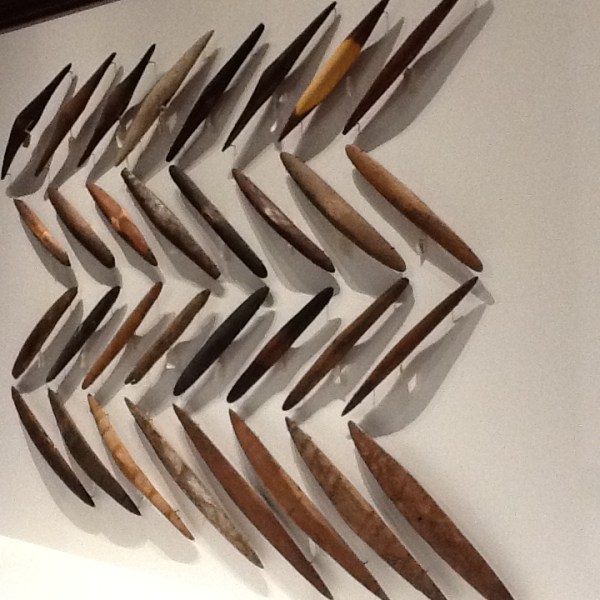
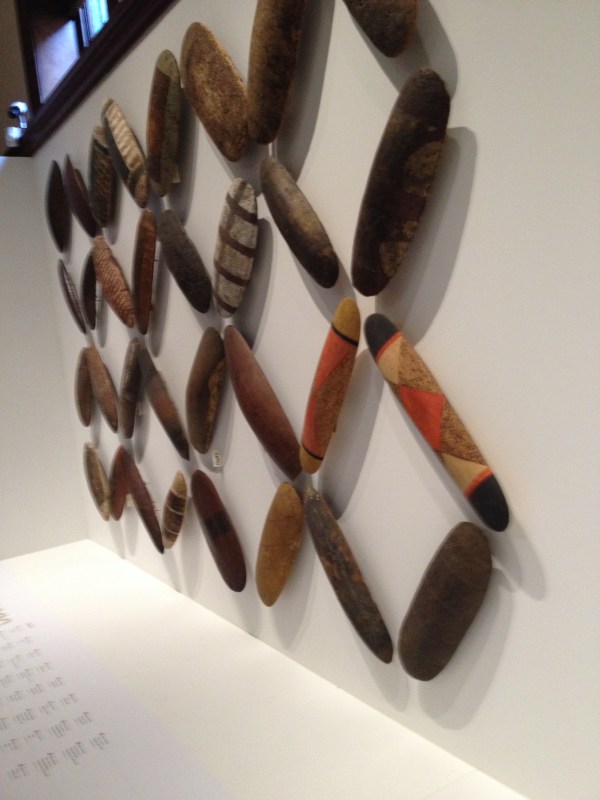
ஒவ்வொரு குழுவும் ஒருவகை பாணியில் கேடயங்களைத் தயாரித்தனர். இவை பாதுக்காப்புக்கு மட்டுமின்றி கலாசார சின்னங்களாகவும் விளங்கும். ஒவ்வொரு இளைஞரும் அந்தக் கேடயத்தில் ஒரு புது வடிவு செய்து தனது தனித்துவத்தையும் காட்டுவார். கேப்டன் குக் வந்த போது அவரது பீரங்கி, துப்பாக்கிகளுக்கு , பழங்குடி மக்கள் ஈடு கொடுக்க முடியவில்லை. தங்கள் கேடயங்களைப் போட்டுவிட்டு காட்டிற்குள் சென்று மறைந்தனர். கேப்டன் குக் எடுத்துவந்த இந்த கேடயங்களே முதல் நினைவுப் பொருட்களாகும். இப்பொழுது ஆஸ்திரேலிய மியூசியத்தில் நூற்றுக்கணக்கான கேடயங்களைக் காட்சிக்கு வைத்துள்ளனர்.


வெள்ளையர்களுக்கு உதவிய இருவர்

ஆஸ்திரேலியாவை காலனியாக்க வந்த வெள்ளையர்களுக்கு இரண்டு பழங்குடி இன மக்கள் உதவினர். ஒருவர் பெயர் வைலி. 1840 ஆம் ஆண்டில் எட்வர்ட் ஜான் அய்ர் என்பவருக்கு உதவினார். பின்னர் இவருடன் வந்த வேறு இரு பழங்குடி இனத்தவர் (யார்ரி, ஜோயி) அவருடன் வந்த ஜான் பாக்ஸ்டர் என்பவரைக் கொன்றுவிட்டனர். வைலி மட்டும் இறுதிவரை அய்ருக்கு உதவி பின்னர் அரசு பென்ஷனும் பெற்றார். ஆஸ்திரேலிய கண்ட ஆராய்ச்சிகள் இப்படிப் பல படுகொலைகள் நடக்கக் காரணமாயின.

ஜாக்கி ஜாக்கி என்று புனைப்பெயருடைய கல்மாரா என்ற பழங்குடி இனத்தவர் எட்மண்ட் கென்னடி என்பவருக்கு உதவினார். ஆனால் ஒரு பழங்குடி இனக் குழு கென்னைடியை ஈட்டியால் துளைத்துக் கொன்றுவிட்டனர். கல்மாரா ஓடிச் சென்று, கப்பலில் இருந்த வெள்ளையரிடம் விஷயத்தைத் தெரிவித்துவிட்டு கென்னடியின் சடலத்தை மீட்க மீண்டும் புதர்களுக்குத் திரும்பிவந்தார். இதனிடையே அந்த ஆராய்ச்சிக் குழுவில் இருந்த பலர் காணாமற்போயினர். இரண்டுபேர் தவிர அனைவரும் மறைந்தனர். இப்படி ஐரோப்பியர்கள் சென்றவிடம் எல்லாம்  இரத்தக் களரியுடந்தான் வரலாறு துவங்கும். பின்னர் அதைக் காரணம் காட்டி, குருவி சுடுவதுபோல, பழங்குடி இனமக்களைச் சுட்டுக்கொல்லுவர். வட அமெரிக்க, தென் அமெரிக்க வரலாற்றைப் படிப்போருக்கு இது நன்கு விளங்கும்.

IMG_2382


IMG_9065

படங்கள்: கேடயங்கள் (லண்டன் சுவாமிநாதன்)

—தொடரும்

விவேகானந்தரின் அற்புத அனுபவங்கள் – பகுதி 1(Post No. 2525)

விவேகா-அனிடஸ் மரியா

Written by S Nagarajan


Date: 10 February 2016


Post No. 2525


Time uploaded in London :–  6-10 AM


( Thanks for the Pictures  ) 


DON’T REBLOG IT AT LEAST FOR A WEEK!  DON’T USE THE PICTURES; THEY ARE COPYRIGHTED BY SOMEONE.


(for old articles go to tamilandvedas.com OR swamiindology.blogspot.com; contact 


swami_48@yahoo.com)


அதீத உளவியல் ஆற்றல்


ஸ்வாமி விவேகானந்தரின் அற்புத அனுபவங்களும் ஆற்றலும்! – (1)


ச.நாகராஜன்


 விவேகா

சித்திகளைக் கண்டு மயங்காதே!


ஸ்வாமி விவேகானந்தரின் வாழ்க்கை நெடுக தனது அற்புதமான தவ ஆற்றலால் அவர் நிகழ்த்திய அற்புதங்கள் ஏராளம் உண்டு. அதீத உளவியல் சம்பந்தமாக அவர் அடைந்த அனுபவங்களும் ஏராளம் உண்டு. தனியே பெரிய நூலாகத் தொகுக்க வேண்டியவை இவை.


இந்த சிறு கட்டுரைத் தொடரில், ஒரு அறிமுகமாக, அவரது ஆற்றல்களையும அவர் அடைந்த அனுபவங்களையும் காணலாம். இதைப் படித்ததன் மூலம் அவரைப் பற்றி இன்னும் முற்றிலுமாக அறிய உத்வேகம் ஏற்பட்டால் அதுவே இந்த கட்டுரைத் தொடரின் பயனாக அமையும்.

முதலில் சித்திகள் பற்றி ராமகிருஷ்ண பரமஹம்ஸர் கூறியதை இங்கு நினைவு படுத்திக் கொள்வது நல்லது.

பரமஹம்ஸர் சித்திகளைக் கண்டு மயங்காதே என்று தெளிவாகப் பலமுறை கூறியுள்ளார். அதற்கு மதிப்புக் கொடுக்காதே; அதையும் தாண்டி உள்ள மஹாசக்தியை நாடு என்பதே அவரது அருளுரை.


இதையே ஸ்வாமிஜியும் தன் வாழ்நாள் முழுவதும் திரும்பத் திரும்பக் கூறியுள்ளார்.


ஆனால் பெரும் அவதாரங்கள் தோன்றும் போது அளப்பரிய ஏராளமான ஆற்றல்கள் அவர்களுடன் இயல்பாகவே தோன்றும். இப்படி அற்புதங்களைத் தாம் ஆற்றியதாகவே அவர்கள் கூற மாட்டார்கள்; அவர்கள் இதை அறிவதும் இல்லை, போலும். மற்றவர்கள் கூறும் போது, அப்படியா என்று வியப்பது வழக்கம்!

இந்தக் கருத்தை பகவான் ரமண மஹரிஷியும் அழுத்தம் திருத்தமாக அடிக்கடி கூறியுள்ளார்.


லாஸ் ஏஞ்சல்ஸ் உரை ; நினைத்ததைச் சொல்பவர்!

ஸ்வாமிஜி கலிபோர்னியாவில் லாஸ் ஏஞ்சல்ஸில் 1900ஆம் ஆண்டு ஜனவரி மாதம் 8ஆம் தேதி மனத்தின் சக்திகள் (The Powers of the Mind : Complete Works of Swami Vivekananda Volume II) என்று அற்புதமான உரை ஒன்றை நிகழ்த்தினார்.


அதில், “இயற்கைக்கு மீறிய நிகழ்வுகள் காலம் காலமாக நடந்து வருகின்றன. அதீதமான நிகழ்வுகளைப் பற்றி நாம் எல்லோரும் கேட்டிருக்கிறோம். சிலருக்கு சொந்த அனுபவங்களும் இதில் உண்டு. எனது சொந்த அனுபவங்களைச் சொல்வதன் மூலம் இந்த விஷயத்தை உங்களுக்கு அறிமுகப்படுத்துகிறேன்” என்று அந்த உரையை அவர் ஆரம்பிக்கிறார்.

ஒரு சமயம் அவர் எந்தக் கேள்வியை மனதில் நினைத்தாலும் அதை அறிந்து கொண்டு அதற்கு உடனே விடை தரும் ஒருவரைப் பற்றிக் கேள்விப்பட்டார்.  எதிர்காலத்தில் இனி நடக்கப் போகும் சம்பவங்களையும் கூற வல்லவர் அவர்.  ஆர்வம் உந்தவே, சில நண்பர்களுடன் அவரைச் சந்திக்க ஸ்வாமிஜி கிளம்பினார். ஒவ்வொருவரும் தன் மனதில் ஏதோ ஒன்றை நினைத்துக் கொண்டனர். தவறு ஏதேனும் நடந்து விடக்கூடாது என்பதற்காக தான் நினைத்தது என்ன என்பதை ஒரு துண்டுப் பேப்பரில் எழுதி அதைத் தங்கள் பாக்கட்டில் போட்டுக் கொண்டனர். அந்த குழுவினரைப் பார்த்தவுடனேயே அந்த மனிதர் ஒவ்வொருவரும் என்ன கேள்வியை நினைத்திருக்கிறோம் என்பதைக் கூறி அதற்கான பதிலையும் கூறி விட்டார்.


பிறகு அவர் ஒரு பேப்பரில் ஏதோ எழுதி அதை மடித்து அதில் ஸ்வாமிஜையைக் கையெழுத்திடுமாறு கூறி. “இதைப் பார்க்காதீர்கள். உங்கள் பாக்கெட்டில் வைத்துக் கொள்ளுங்கள்” என்றார்.


பின்னர், “நீங்கள் உங்களுக்குப் பிடித்த ஒரு வார்த்தையையோ அல்லது வாக்கியத்தையோ, அது எந்த  மொழியில் வேண்டுமானாலும் இருக்கலாம்! , நினைத்துக் கொள்ளுங்கள்” என்றார். அந்த மனிதருக்குத் தெரியாத சம்ஸ்கிருத மொழியில் ஒரு பெரிய வாக்கியத்தை ஸ்வாமிஜி நினைத்துக் கொண்டார்.

பின்னர் அந்த மனிதர், “இப்போது உங்கள் பையில் இருக்கும் பேப்பரை எடுத்துப் பாருங்கள்” என்றார். ஸ்வாமிஜி நினைத்த சம்ஸ்கிருத வாக்கியம் அந்தப் பேப்பரில் அப்படியே இருந்தது.


சிவாஜி, விவேகா, நேதாஜி

ஒரு மணி நேரம் முன்னர் அந்தப் பேப்பரில் அவர் எழுதியபோது, “நான் எழுதியதை உறுதி செய்து இவர் அதே வாக்கியத்தை நினைப்பார்” என்று சொல்லி இருந்தார். அது முற்றிலும் சரியாக ஆனது.


இதே போல இன்னொரு நண்பர் அந்த மனிதருக்குத் தெரிந்திருக்க சற்றும் வாய்ப்பே இல்லாத அராபிய மொழியில், குர் ஆனில் வரும்  ஒரு பகுதியை எழுதி இருந்தார். அது அப்படியே அவர் முன்னரே வைத்த பேப்பரில் எழுதப்பட்டிருந்தது.


இன்னொரு நண்பரோ ஒரு வைத்தியர். அவர் ஜெர்மானிய மருத்துவ புத்தகத்தில் வரும் ஒரு வரியை நினைத்தார். அதுவும் அப்படியே பேப்பரில் எழுதப் பட்டிருந்தது.


சில நாட்கள் கழித்து  முந்தைய முறை எப்படியோ தான் மயக்கப்பட்டிருக்கிறோம் என்று நினைத்தவாறே ஸ்வாமிஜி மீண்டும் அந்த மனிதரிடம் சென்றார். ஆனால் என்ன ஆச்சரியம், இந்த முறையும் அவர் அப்படியே அந்த நிகழ்ச்சியை அதிசயமாக நடத்திக் காட்டினார்.


ஸ்வாமிஜியின் அனுபவங்கள் …       தொடரும்


இதை ஆங்கிலத்தில் படிக்க விரும்புபவர்களுக்காக ஸ்வாமிஜியின் மூலச் சொற்பொழிவுப் பகுதிகள் கீழே அப்படியே தரப்பட்டுள்ளன.


All over the world there has been the belief in the supernatural throughout the ages. All of us have heard of extraordinary happenings, and many of us have had some personal experience of them. I would rather introduce the subject by telling you certain facts which have come within my own experience.


I once heard of a man who, if any one went to him with questions in his mind, would answer them immediately; and I was also informed that he foretold events. I was curious and went to see him with a few friends. We each had something in our minds to ask, and, to avoid mistakes, we wrote down our questions and put them in our pockets. As soon as the man saw one of us, he repeated our questions and gave the answers to them. Then he wrote something on paper, which he folded up, asked me to sign on the back, and said, “Don’t look at it; put it in your pocket and keep it there till I ask for it again.” And so on to each one of us. He next told us about some events that would happen to us in the future. Then he said, “Now, think of a word or a sentence, from any language you like.” I thought of a long sentence from Sanskrit, a language of which he was entirely ignorant. “Now, take out the paper from your pocket,” he said. The Sanskrit sentence was written there! He had written it an hour before with the remark, “In confirmation of what I have written, this man will think of this sentence.” It was correct. Another of us who had been given a similar paper which he had signed and placed in his pocket, was also asked to think of a sentence. He thought of a sentence in Arabic, which it was still less possible for the man to know; it was some passage from the Koran. And my friend found this written down on the paper.
Another of us was a physician. He thought of a sentence from a German medical book. It was written on his paper.
Several days later I went to this man again, thinking possibly I had been deluded somehow before. I took other friends, and on this occasion also he came out wonderfully triumphant.

(To be Continued)