தாய்தன்னை அறியாத கன்று இல்லை! கம்பன் உவமை நயம்!! (Post No 3079)


pasuvum kandrum

Written by London swaminathan

Date: 21 August 2016

Time uploaded in London: 7-53 AM

Post No.3079


Pictures are taken from various sources; thanks for the pictures.


கம்ப ராமாயணம் ஒரு இனிய நீர் ஊற்று; தோண்டத் தோண்ட இனிய நீர் சுரக்கும். தொட்டனைத்தூறும் மணற் கேணி அது; படிக்கப் படிக்க கற்றனைத்தூறும் அறிவு.


சின்ன வயதில் எனக்கு ஒரு வியப்பு! நான் மதுரையில் வடக்கு மாசி வீதியில் யாதவர் (கோனார்கள் ) இடையே வாழ்ந்தேன். அந்தக் காலத்தில் மதுரையில் வைகை நதியில் தண்ணீர் ஓடும். ஆகையால் யாதவ இளைஞர்கள் தினமும் மாடுகளை எங்கள் தெரு வழியாக ஆற்றங்கரைக்கு நடத்திச் செல்லுவர். அந்த மாட்டுக் கூட்டம் வரும்போது வீட்டு வாசலில் உள்ள சைக்கிள், மோட்டார் சைக்கிள் எல்லாவற்றையும் அவசரம் அவசரமாக சுவற்றை ஒட்டி நிறுத்துவோம் அல்லது ஒரே தள்ளாகத் தள்ளிவிட்டு இடிததுச் சென்று விடும். அந்த மாட்டுக் கூட்டம் வரும் முன்னே, “யானை வரும் பின்னே, மணி ஓசை வரும் முன்னே” என்பது போல மாடுகளின் கழுத்தில் கட்டப்பட்ட மணிகளும் தகர டப்பிகளும் (ஏழைகளின் மணி!) சப்தம் போடும்.


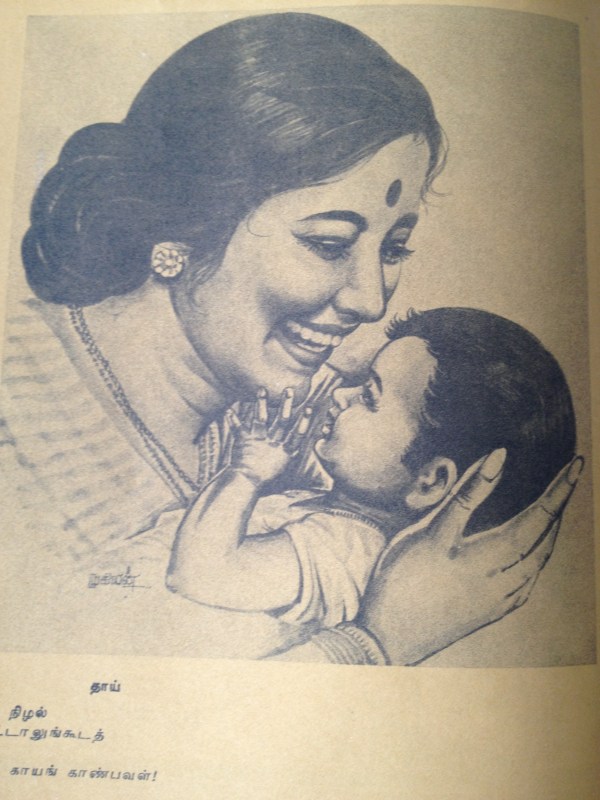
அப்பொழுது ஒவ்வொரு மாடும் அதன் கன்றுடன் செல்லும். கூட்டத்தில் அது அது அதனதன் தாய்ப் பசுவுடன் செல்லும்.  நானோ பள்ளிக் கூடப் பையன். அட, எல்லா மாடுகளும் ஒரே மதிரியாக இருக்கிற தே, எல்லா கன்றுகளும் ஒரே மதிரியாகத் தெரிகின்றனவே. எப்படி அது அது அதனதன் தாயாரை அறிகிறது என்று வியந்து நிற்பேன்.

pasu cow claf kandru

கம்பனும் இப்படி ஒரு காட்சியைக் கண்டான் போலும்! அவனது உவமைகளில் ஒன்று — “தாய்தன்னை அறியாத கன்று இல்லை”.


வேதத்திலும் தாய்ப் பசு -கன்றின் அன்பு அடிக்கடி உவமையாகக் கையாளப்படுகிறது. இந்துக்களின் மிகப்பெரிய கண்டு பிடிப்புகள் இரண்டு:

  1. காடுகளில் திரிந்த பல விலங்குகளில் மாட்டின் பால்தான் தாய்ப்பாலுக்கு நிகரானது என்று கண்டுபிடித்து அதை நாட்டு விலங்காக மாற்றி (DOMESTICATION) உலகம் முழுதும் விவசாயத்தையும் மாடு வளர்ப்பையும் கற்றுக் கொடுத்தான்.
  2. இரண்டாவது கண்டு பிடிப்பு– டெசிமல் சிஸ்டம் DECIMAL SYSTEM (தசாம்ச முறை). இந்த இரண்டையும் இந்துக்கள் கற்பிக்காவிடில் உலகில் நாகரீகம் என்பதோ விஞ்ஞானம் என்பதோ வளர்ந்திரா. நிற்க.


கம்பன் உவமை நயத்தைக் காண்போம்:-


தாய்தன்னை அறியாத கன்று இல்லை தன் கன்றை அறியாத

ஆயும் அறியும் உலகின் தாய் ஆகி ஐய

நீ அறிதி எப்பொருளும் அவை உன்னை நிலை அறியா

மாயை இது என்கொலோ வாராதே வரவல்லாய்


பொருள்:–

“தலைவனே! பக்தர்களிடம் வருவதற்கு அரியவன்போல் தோன்றி, பிறகு எளிதாக வந்து காட்சி தரும் வல்லமை உள்ளவனே! தன்னைப் பெற்ற தாயைத் தெரிந்து கொள்ளாத கன்றுகள் இல்லை. தான் பெற்ற கன்றுகளை தாயும் அறிந்து கொள்ளும். உன்னிடமிருந்தே உலகம் தோன்றியதால் நீ உலகத்தின் தாயாக விளங்கி, எல்லாப் பொருள்களையும் அறிகிறாய். ஆனால் அப்பொருள்கள் எல்லாம் உனது தனிமையான நிலையை அறிய மாட்டா.”


எனது கருத்து:–

இதைப் படிக்கையில் பதி, பசு, பாசம் என்ற சைவ சித்தாந்த உண்மையும் நினைவுக்கு வருகிறது.


வாத்சல்யம் (தாய்ப் பசு – கன்று (வத்ஸ) இடையிலுள்ள அன்பும் நினைவுக்கு வருகிறது.


ஒவ்வொரு பசுவும் அதன் கன்றை அறியும். அது போல ஒவ்வொரு கன்றும் அதன் தாயை அறியும்.

இதே போல தாயாகிய இறைவனே நீ எங்கள் எல்லாரையும் அறிவாய். நாங்கள் உன்னை அறியும் பக்குவம் பெறவில்லையே. இது என்ன மாயமோ என்று கம்பன் வியக்கிறான்.

கன்று எப்படி தன் தாயை அறிகிறதோ அது போல நாமும் இறைவனை  அறிய வேண்டுமானால் அது போலப் பாசம் (பக்தி) வேண்டும். இறைவனோ எப்போதுமே தாய்ப்பசு போல நம் மீது அன்பைப் பொழிந்துகொண்டிருக்கிறான்.

எது எப்படியாகிலும் வேதத்தில் காணும் இந்த உவமை சில ஆயிரம் ஆண்டுகளுக்கு பயன்படுத்தப்பட்டது சிறப்புடைத்து.

வேத கால உவமை சைவ சித்தாந்தத்துக்கும் வித்திட்டது!
hi-620-emperor-penguins-on-the-sea-ice-close-to-halley-research-station-credit-british-antarctic-survey

இன்னும் வியப்பு நீங்கவில்லை


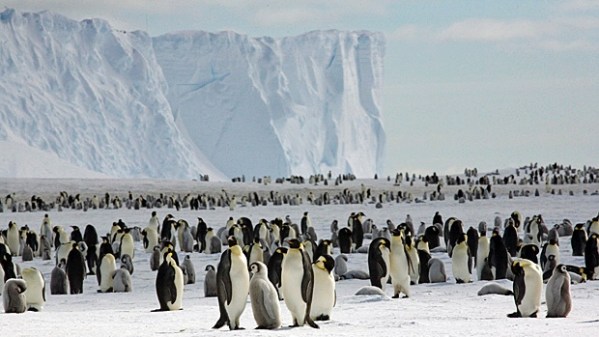
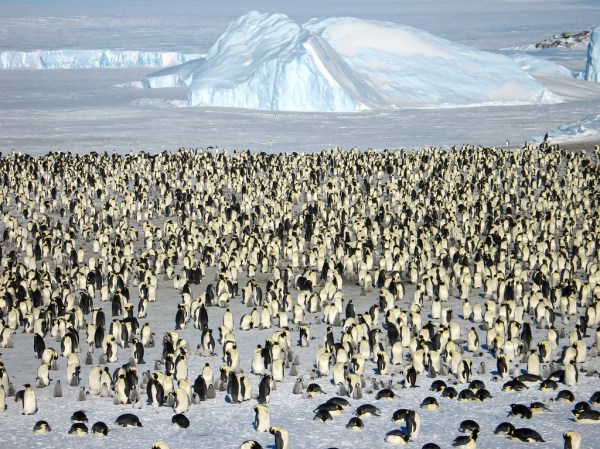
டெலிவிஷனில் இயற்கை பற்றி வரும் ‘டாகுமெண்டரி’களைப் (Documentary ) பார்ப்பேன். அதில் ஒன்று அண்டார்ட்டிகா என்னும் தென் துருவப் பகுதியில் வாழும் பெங்குவின் பறவைகளைப் பற்றியது. அவை கூட்டமாக வாழும். கூட்டம் என்றால் அப்படிப் பெரிய கூட்டம்! திருவிழாக் கூட்டம்!!! ஆண் பெங்குவின்கள், கடலில் குதித்து நீந்திவிட்டுக் கிட்டத்தட்ட ஓராண்டுக்குப் பின் திரும்பி வரும். ஒவ்வொன்றும் அதன் பெண்சாதியைக் கண்டுபிடித்து அதன் அருகி ல் போய் நிற்கும். குட்டிகளும் அதன் அருகே நிற்கும். இதைக் கண்டு எல்லோரும் வியப்பர். எப்படி பல்லாயிரம் பெங்குவின்கள் இடையே ஒவ்வொன்றும் தன் மனைவியைக் கண்டு பிடிக்கின்றன என்று. ஆக , கம்பனின் உவமையை இப்பொழுது நாம் பெக்குவினுக்கும் மாற்றலாம்!
penguin kuuttam

–subham–


Interesting Quote about WIFE in the Indian Epic (Post No.3078)

IMG_3212

Compiled by London swaminathan

Date: 21 August 2016

Time uploaded in London: 6-25 AM

Post No.3078


Pictures are taken from various sources; thanks for the pictures.


There is a very interesting couplet in the Aranya (Vana) parvam of Mahabharata, the longest epic in the world.

Na ca bhaaryaa samam kincit vidhyate bhisajaam matam

Ausadham sarva dukkeshu satyametat bhraviimi te

–Aranya Parva

A rough translation of the couplet runs like this: Wife is a medicine for all the difficulties or sorrow; no one is equal to a wife in this, think medicine men. I am telling you the truth.


There is another interesting quotation about wife and mother in a couplet:-

Maatraa samo naasti sariira poshane

Bhaaryaa samo naasti sariira toshane

Vidhyaasamo naasti sariira bhushane

Chintaa samo naasti sariira soshane


A rough translation of this runs like this:

There is no one equal to your mother in nourishing you;

There is no one equal to your wife in making you happy;

Nothing is equal to education in honouring you (the qualifications you get);

Nothing is equal to worry in making you depressed.

(The above sloka may be a Subhaasitam)

IMG_4927

Everyone must read Sanskrit originals!

I have given you lot of interesting quotations about women in my posts. I am thrilled by the quotations of Manu in particular where he praised the women sky high. No ancient literature in any language has so much praise for women as in Sanskrit. Some cunning foreigners quote one or two odd quotes from here and there to malign Hinduism. If they don’t like certain good things, they will call them ‘interpolations’. If it suits them they will translate ‘LITERALLY’ the passages they like. If you forget the literal meaning, you will see what the authors really mean. Since they knew no one in the world can read all the Hindu scriptures, they write whatever they want to write.


No one in the world has read all the Hindu scriptures. They are as vast as Pacific Ocean. No language in the world can come nearer to Sanskrit in its quantity or quality.


If you want to question anything in Hinduism, first you must have read that book in full. Second you have to weigh it with the books in other cultures of the same period.


Since Sanskrit is the oldest language in the world, you don’t have any book in the world to compare with the Rig Veda or the great epics. Greek literature came at least 600 years after Sanskrit. Tamil literature came 1300 years after Sanskrit. Though Hebrew and Chinese have some writings nearer to 1000 BCE they are only fragments. They are not ‘book’s like Rig Veda. Rig Veda is dated between 1400 BCE (Max Muller) and 6000 BCE (Jacobi and BG Tilak).


Please read Sanskrit books in its originals and compare them with other language books of the SAME period.


–subham–

மனைவி ஒரு மருந்து- மஹாபாரதப் பொன்மொழி (Post No.3077)

IMG_4925.JPG

Compiled by London swaminathan

Date: 20th August 2016

Time uploaded in London:  14-23

Post No.3077


Pictures are taken from various sources; thanks for the pictures.


மஹா பாரதத்தில் 18 பர்வங்கள் உண்டு. அதில் மூன்றாவதாக அமைந்த வனபர்வத்தின் மற்றொரு பெயர் ஆரண்ய பர்வம். இதை வால்மீகி ராமாயணத்திலுள்ள ஆரண்ய காண்டத்துடன் குழம்பிக்கொள்ளக்கூடாது.


வனபர்வம் எனப்படும் ஆரண்ய பர்வம் பஞ்சபாண்டவர்களி ன் 12 ஆண் டு கானுறை வாழ்வைச் சித்தரிக்கும் பர்வம். அதற்குள் 21 உட்பிரிவுகள் இருக்கின்றன. அதில் மனைவி பற்றிய ஒரு பாடல் (ஸ்லோகம்) மனைவியை “சர்வ துக்க நிவாரணி” என்கிறது.

IMG_4919

நாம் சர்வ ரோக நிவாரணி – என்று மருந்துகளுக்குக் கொடுக்கும் விளம்பர  ங்களைப் படித்திருக்கிறோம். சர்வ துக்க நிவாரணி என்பதை பொதுவாக கடவுளுக்கு மட்டுமே பயன்படுத்துவோம். ஆனால் மஹா பாரதமோ மனைவியை கைகண்ட மருந்து என்றும், எல்லா துக்கங்களையும் போக்குபவள் என்றும் சித்தரிக்கிறது.


இதோ அந்த ஸ்லோகம்:–


ந ச பார்யா சமம்  கிஞ்சித் வித்யதே பிஷஜாம் மதம்

ஔஷதம் சர்வ துக்கேஷு சத்யமேதத் ப்ரவீமி தே

–ஆரண்ய பர்வம்


பொருள்:-

“மனைவிக்குச் சமமான ஒன்றுமே இல்லை; எல்லா துக்கங்களுக்கும் மருந்தாக இருப்பவள் மனைவி என்பவளே. உண்மையைச் சொல்லுகிறேன்.”


இன்னொரு பாடல் அம்மாதான் நன்கு சாப்பாடு போடுபவள், மனைவிதான் நன்கு சந்தோஷப்படுத்துபவள் என்று பாராட்டுகிறது.


உடலைப் போஷிக்கும் விஷயங்கள்

IMG_4927

மாத்ரா சமோ நாஸ்தி சரீர போஷணே

பார்யா சமோ நாஸ்தி சரீர தோஷணே

வித்யா சமோ நாஸ்தி சரீர பூஷணே

சிந்தா சமோ நாஸ்தி சரீர சோஷணே


உடலை வளர்க்க உதவுவதில் அம்மாவுக்குச் சமமானவள் யாரும் இல்லை;

நம்மை மகிழ்விப்பதில் (சந்தோஷப்படுத்துவதில்) மனைவிக்குச் சமமானவள் எவரும் இல்லை;

ஒருவரை அலங்கரிக்கச் செய்யும் விஷயத்தில் கல்விக்குச் சமமான எதுவும் இல்லை

உடலை வாடச் செய்யும் விஷயத்தில் துக்கத்துக்குச் சமமான எதுவும்  இல்லை

IMG_3212

–Subham–


Part-5: Anti- Weaver,Tanner, Scavenger Proverbs (Post No.3076)

cobbler, tribe

Compiled by London swaminathan

Date: 20th August 2016

Time uploaded in London:  12-12

Post No.3076


Pictures are taken from various sources; thanks for the pictures.


Part-5 on caste Proverbs. For proverbs on Brahmins, Banias, Jats, Carpenters, Blacksmiths, Goldsmiths and agricultural castes, please read the first four parts.


Anti – Weaver Proverbs


Weaver’s loom being sunk in the ground, he is said to dig a pit and fall into it himself.


If the weaver has a pot of grain he thinks himself a Raja/king.


He finds the hind peg of a plough, and proposes to star farming on the strength of it.


If there are eight Jolaahaas (Mohammedan weavers) and nine huqqas (things), they fight for the odd one.


The Jolaahaa goes to see a ram fight and gets butted himself.

(The stupidity of the weaver is the staple subject of proverbial philosophy through out India)


Being one of a company of twelve who had safely forded a river, he can only find eleven, as he forgets to count himself and straight goes off to bury himself in the belief that, as he is missing, he must be dead.

A crow snatches a piece of bread from a Jolaha’s child and flies with it to the roof, the prudent father takes away the ladder before he gives the child anymore.


A Jolaahaa hears the Koran being read and bursts into tears; on being asked what passage moves him so, he explains that the wagging beard of the Mulla, reminded him of a favourite goat that he had lost.

When his dog barks at a tiger he proceeds to whip his child.

He will steal a reel of thread when he gets the chance.

He has his own standard of time; he lies like a Chamaar; and even if you see him brushing the newly woven cloth, you must not believe him when he says that it is ready.

shoemaker

Anti – Shoemaker/tanner/cobbler Proverbs


He is as wily as a jackal, he is so stupid that he sits on his awl and beats himself for stealing it.


He laments that he cannot tan his own skin.

He knows that nothing beyond his last, and the shortest way to deal with him is to beat him with a shoe of his own making.


Old shoes should be offered to the shoemaker’s god

Stich, Stitch is the note of the cobbler’s quarter; Stink Stink of the street where the tanners live.


The Chamar’s wife goes barefoot, but his daughter, when he has just attained puberty, is as graceful as an ear of millet.

There is no hiding the belly from the midwife (Chamar’s wife knows everything)


Chamar is inquiring after the health of the  village headman’s buffalo ( a humorous allusion to the practice of poisoning animals with arsenic)


Anti- Doms (Scavengers,Executioners, Basket makers, Professional burglars; in Tamil Nadu they were called Pariahs; in Maharashtra Mahars, the Dheds)


Dom is the Lord of Death (they supply wood for the funeral pyre)

He is ranked with Brahmans and goats as a creature useless in time of need.


He is a friend of all castes:-

Kanjar steals his dog;

Gujar loots his house;

Barber shaves him for nothing;

Jolaahaa makes him a suit of clothes.


If donkeys could excrete sugar, Doms would no longer be beggars.


A Dom in a palanquin and a Brahmin on foot (Society turned upside down)

Every village has a Brahman’s street and every village has a Pariah street


A palm tree casts no shade; a Pariah has no rule or castes


He that breaks his word is a Paraih at heart


If a Pariah offers a boiled rice, will not the God take it?

My comments:–

Foreign invaders described this caste as the remnants of a Dravidian tribe crushed out of recognition by the invading Aryans and condemned to menial occupations. Sir Grierson said that they are the ancestors of the European Gipsies and the Rom or Romany is nothing more than a variant of Dom. This shows how hard the foreign invaders tried to drive a wedge between different Hindu castes; one would wonder whether they are scholars or crooks. Every society, every culture has people of different vocations. Some foreigners have said that Indus Valley Civilization is the source of Caste system.


These were recorded 100 years ago in the book:

The People of India by Sir Herbert Risely, London, 1915.


……to be continued

–Subham–


அஷ்ட லெட்சுமி கதை: ஒன்று வாங்கினால் ஏழு இலவசம்! (Post No.3075)

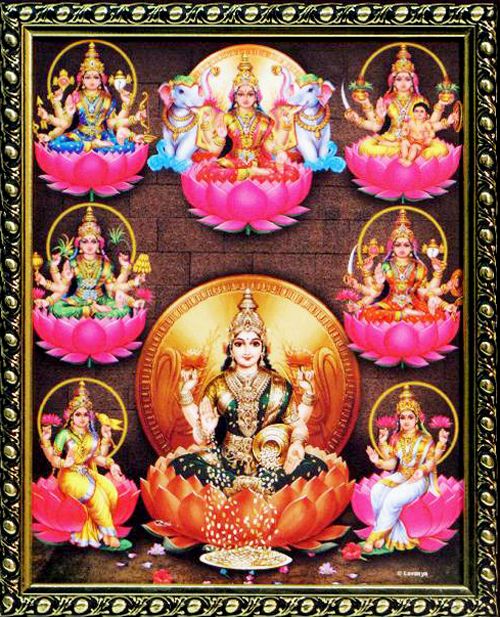
ashta lakshmi

Written by london swaminathan

Date: 20th    August 2016

Post No. 3075

Time uploaded in London :– 6-37 AM

( Thanks for the Pictures)


DON’T REBLOG IT AT LEAST FOR A WEEK!  DON’T USE THE PICTURES; THEY ARE COPYRIGHTED BY SOMEONE.


(for old articles go to tamilandvedas.com OR swamiindology.blogspot.com)


இந்தியாவை ஆண்ட மன்னர்களில் மிகவும் சிறப்பாக ஆண்ட பெருமையுடையவன் போஜன். ஆனால் போஜன் என்ற பெயரில் பல மன்னர்கள் ஆண்டதால் எந்த போஜ ராஜனைப் பற்றியது அஷ்ட லெட்சுமி கதை என்று சொல்வதற்கிலை.


துணிவே துணை!


கடவுள் ஆறு இடங்களில் இருக்கிறார் என்று

சம்ஸ்கிருதத்தில் ஒரு அழகான ஸ்லோகம்/பாடல் இருக்கிறது.


உத்சாஹ: சாஹசம் தைர்யம் புத்தி: சக்தி: பராக்ரம:

ஷடேதே யத்ர திஷ்டந்தி தத்ர தேவோபி திஷ்டதி


பொருள்:–


உற்சாகம் (ஊக்கம்/ஆவல்), சாஹசம் (துணிகரச் செய்ல்), தைர்யம் (துணிவு),

புத்தி: (மூளை/அறிவு), சக்தி: (உடல் வலிமை), பராக்ரம: (வீரம்)

–ஆகிய ஆறும் எங்கே இருக்கின்றனவோ அங்கே இறைவன் உறைவான்.


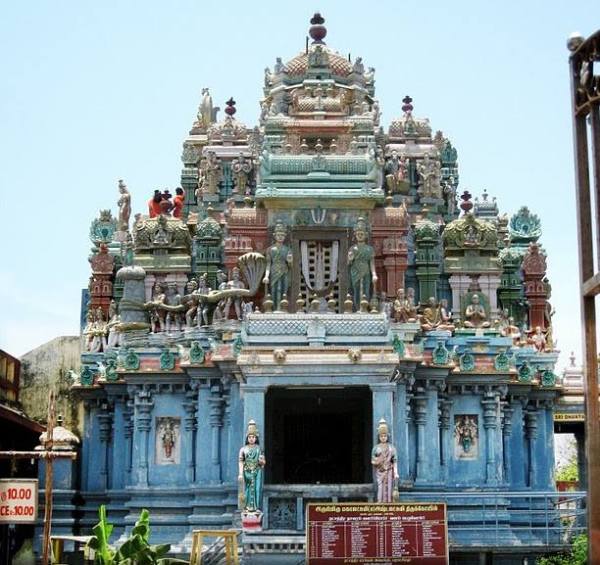
ashtalakshmi,chennai

வான் புகழ் வள்ளுவனும் தேன் தமிழில் செப்புகிறான்:-


விழுப்புண் படாத நாள் எல்லாம்  வழுக்கினுள்

வைக்கும் தன் நாளை எடுத்து


பொருள்:- வீரன் ஒருவன், தன் வாழ்நாளில் போரில் காயங்கள் ஏற்படாத நாட்களை எல்லாம், வீணாகிவிட்ட நாட்கள் என்று கணக்கிடுவான்.


ஆக துணிவு, வீரம் என்பன போற்றப்படும் பண்புகள். போரில் இறந்தால் சுவர்க்கம் கிடைக்கும் என்று பகவத் கீதையும் புறநானூறும் பகரும். (முன்னொரு கட்டுரையில் இது பற்றி விரிவாக கொடுத்துள்ளேன்)


சுவையான கதை


தைர்யத்தின் மதிப்பை விளக்க ஒரு சுவையான கதை உளது.


போஜராஜன் அரசாட்சியில் எட்டு லட்சுமிகளின் அருள் இருந்ததால் பயமோ, பஞ்சமோ இன்றி மக்கள் வாழ்வாங்கு வாழ்ந்து வந்தனர். ஒரு நாள் போஜன் ஒரு தவறு செய்துவிட்டதால் எட்டு லெட்சுமி களுக்கும் கோபம் வந்துவிட்டது.


போஜ ராஜனே! உன் பிழை கண்டு வருந்துகிறோம்; நாங்கள் போய் வருகிறோம் என்று தன, தான்ய, தைர்ய, வீர, விஜய, வித்யா, கஜ, சந்தான லெட்சுமிகள் அறிவித்தனர்.


போஜனோ

“சிறியோர் செய்த சிறு பிழை எல்லாம் பெரியோராயின் பொறுப்பது கடனே — என்பது ஆன்றோர் வாக்கு ஆயிற்றே.

“எத்தனை குறைகள் எத்தனை பிழைகள்

எத்தனை அடியேன் எத்தனை செயினும்

பெற்றவன் நீ பொறுப்பது உன்கடன்” – என்று சான்றோர் பாடுகின்றனரே. “மன்னிக்க வேண்டுகிறேன்” என்று முறையிட்டான்.


உடனே எட்டு லெட்சுமிமார்களும் “ஒரு வரம் தந்தனம். எங்களில் ஒருவரை மட்டும் கொள்க” என்றனர்.


புத்தியுள்ள போஜன் சொன்னான்: எனக்குத் துணிவு இருந்தால் உலகத்தையே வென்றுவிடுவேன். ஆகையால் தைர்ய லெட்சுமி என்னிடம் இருக்கட்டும் என்றான்.


அவர்களும் “ததாஸ்து” (அப்படியே ஆகட்டும்) என்று இயம்பினர்.

மறுநாள் காலையில் போஜ ராஜனுக்கு பெரிய ஆச்சர்யம் காத்திருந்தது.

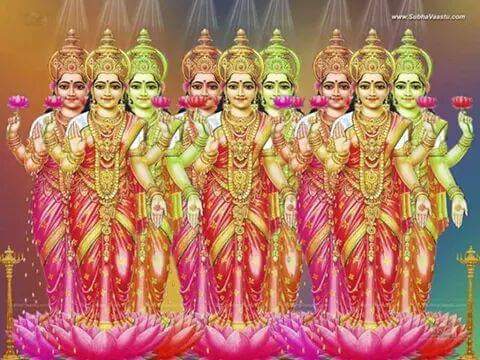
lakshmi parade

தைர்ய லெட்சுமி இருந்த இடத்தில் வீர, விஜய, வித்யா லெட்சுமிகள் நுழைந்தனர். எங்கே துணிவு இருக்கிறதோ அங்கே தான் நாங்கள் இருப்போம் என்றனர். அதையடுத்து தன, தான்ய, சந்தான, கஜ லெட்சுமிகளும் உள்ளே வந்தனர். எங்கே கல்வியும் (வித்யா) தைர்யமும், வெற்றியும், வீரமும் இருக்கிறதோ அங்கே தான் தன, தான்யம், பிள்ளைப்பேறு (சந்தானம்), கஜலெட்சுமி (அதிர்ஷ்டம்/ லாபம்) இருப்போம் என்று ஓதினர்.


போஜனுக்கு மெத்த மகிழ்ச்சி. அவர்களைப் போற்றித் துதிபாடினான்.


இன்று கல்வியிலோ, தொழிலிலோ, அரசாட்சியிலோ , அலுவலகத்திலோ, குடும்பப் பொறுப்பிலோ உள்ளோருக்கு இந்தக் கதை தரும் அறிவுரை ஆயிரம் புத்தகங்களிலும் காணக்கிடைக்காத அற்புத அறிவுரை ஆகும்.


பாரதி பாடுகிறான்:–

குடுகுடு  குடுகுடு  குடுகுடு  குடுகுடு

சாமி மார்க்கெல்லாம் தைரியம் வளருது

தொப்பை சுருங்குது சுறுசுறுப்பு விளையுது

எட்டு லச்சுமியும் ஏறி வளருது;

சாத்திரம் வளருது, சாதி குறையுது

நேத்திரம் திறக்குது, நியாயம் தெரியுது

பழைய பைத்தியம் படீலென்று தெளியுது;

வீரம் வருகுது, மேன்மை கிடைக்குது

சொல்லடி சக்தி, மலையாள பகவதி

தர்மம் பெருகுது, தர்மம் பெருகுது.


அஷ்ட லக்ஷ்மி நமோ நம:

பொங்கும் மங்களம் எங்கும் தங்குக!!!


எதிரியைக் கொல்லும் தமிழ் மொழி!(Post No.3074)

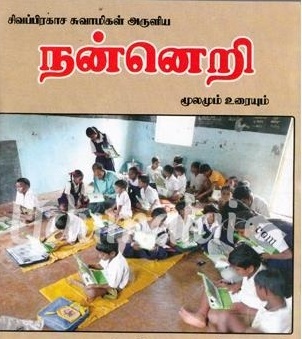
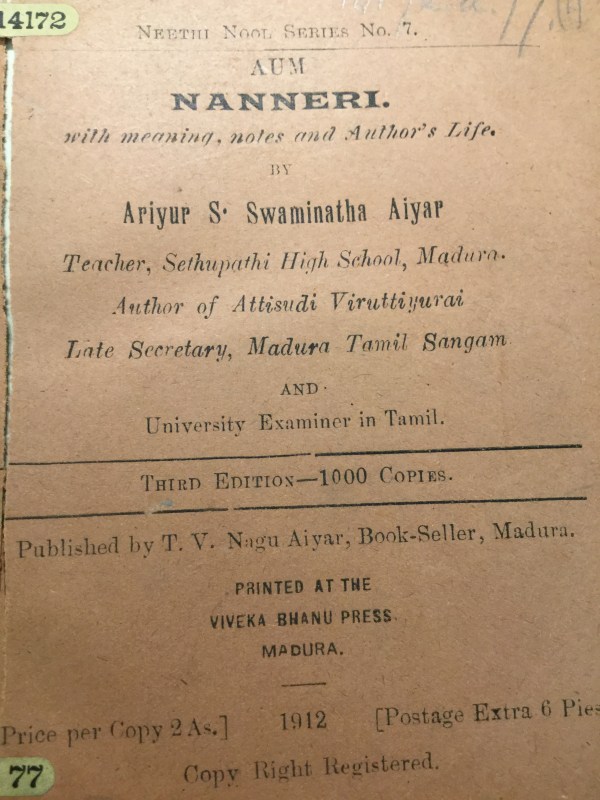
nanneri-muzhamum-uraiyum-26608

Written by London swaminathan

Date: 19th August 2016

Time uploaded in London: 18-34

Post No.3074

Pictures are taken from various sources; thanks for the pictures.


சிவ பெருமானின் உடுக்கை ஒலியிலிருந்து தோன்றிய சம்ஸ்கிருத மொழிக்கும் தமிழ் மொழிக்கும் எதிரிகளையும் கொல்லும் சக்தி உண்டு. உலகில் எத்தனையோ வகையான ஆயுதங்கள் உண்டு. ஆனால் மொழி ஆயுதம் என்பதை இந்தியாவில் மட்டுமே காணமுடியும்.


உண்மைக் கவிஞர்கள் கோபப்பட்டால் தங்கள் எதிரிகள் மீது சரம கவி பாடுவர். இதைப் பாடிய மாத்திரத்தில் எதிரி சுருண்டு விழுந்து இறந்து விடுவார். சிலர், பரிதாபப்பட்டு மீண்டும் அவரை உயிர்த்தெழவும் கவிதை பாடுவர். உடனே அவர் உயிர் பெற்று எழுவார். இது சாபங்கள் என்ற வகையில் வராது.


சாபங்களில் கவிதை பாடும் பணி இல்லை. சொற்களோ வாக்கியங்களோதான் இருக்கும்.சாபங்களில் இருந்து விமோசனம் பெற  நீண்ட காலம் ஆகும். ஆனால் சரம கவிகளிலிருந்து விடுதலை பெறுவது உடனே நடக்கும்.

இந்தியாவில் சரம கவி சம்பவங்கள் பல நடந்திருக்கின்றன.

காளிதாசன் — போஜராஜன் மோதல், நக்கீரர் — குயக்கோடன் மோதல், நந்திவர்மன் சம்பவம் எனப் பல உண்டு


சிவப் பிரகாச சுவாமிகள் வாழ்வில் நடந்த ஒரு நிகழ்ச்சியைக் காண்போம்.

IMG_5308

சிவப் பிரகாசர் ஒருநாள் மணிமுத்தா நதியில் குளித்துவிட்டு வருகையில் மாஞ்சோலை வழியாக வந்தார். சோலைக்கு வெளியே இருந்த ஒரு மாமபழத்தைப் பார்த்தவுடன் இதை சிவ பெருமானுக்கு நைவேத்யம் செய்வோம் என்று எடுத்தார். அதைப் பார்த்த காவற்காரன், இவர் மாம்பழத்தைத் திருடுபவர் என்று நினைத்து அவர் ஆடையைப் பிடித்து இழுத்து வந்தான். மனம் வருந்திய சிவப் பிரகாசர் அவனைத் தண்டிக்க எண்ணி,

அடுத்து வரும் தொண் டனுக்கா வந்தகனைத் தாளா

லடர்த்ததுவுஞ் சத்தியமேயானால் – லெடுத்ததொரு

மாங்கனிக்கா வென்னை மடிபிடித்த மாபாவி

சாங்கனிக்கா தித்தன் வரத்தான்

என்னும் வெண்பாவைப் பாடிச் சூரியன் உதித்தவுடன் உயிர் துறக்கும்படி செய்தார்.

பொருள்:

ஒரு தொண்டனுக்காக, சிவ பெருமான், யமனைக் காலால் உதைத்த து உண்மையானால், சிவத் தொண்டனாகிய என் ஆடையை பிடித்திழுத்து வருந்தச் செய்த இந்த மஹா பாவி,  ஆதித்தன் உதித்த மாத்திரத்தில் இறந்தொழியட்டும்.”


அவன் நற்கதி அடையட்டும் என்பதுவே அவருடைய உள்நோக்கம் ஆகும்.

சிவப் பிரகாசர் ஒருநாள், தன்னுடைய ஞானகுருவுடன் உரையாடிக் கொண்டிருந்தபோது ஆகாயத்தில் சந்திரன் உதித்தது. அதன் அழகைக்கண்டு களித்து கவி மழை பொழிந்தார்:–


கடன் முரச மார்பக் கதிர் கயிற்றாலேறி

யடைமதி விண்கழை நின்றாடக் – கொடை மருவு

மெங்கள் சிவஞான வேந்த லிறைத்தமணி

தங்கியவே டாரகை கடாம்


இவர் ஒரு நாள் கடற்கரையில் உட்கார்ந்திருந்தபோது கவி பாடத்தோன்றியது. அவர் அப்பொழுது பாடிய 40 பாடல்களும்  நன்னெறி என்னும் நூலில் உள்ளன.

இவர் பாடிய நூல்களுள் மிகவும் சிறப்பானது நன்னெறி ஆகும். அதன் அழகை வேறு ஒரு கட்டுரையில் காண்போம்.

சிவப் பிரகாசர் 35 நூல்களைப் பாடியுள்ளார்.


–Subham–


Is Pilgrimage Necessary? (Post No.3073)

IMG_1926


Written by London swaminathan

Date: 19th August 2016

Time uploaded in London: 14-48

Post No.3073

Pilgrimage is considered an essential part of Hinduism. Other religions also have their own pilgrimage centres. Whatever religion you follow the pilgrimage will be useless if you don’t have purity of mind. I have given two stories in my earlier posts (please see the links below) to illustrate this point. The story of ‘Gangajal to a Donkey’ by Saint Eknatha and the ‘Story of taking Bitter gourds to pilgrimage centres’ by Tukaram are given in those posts.


Now let us look at two beautiful Sanskrit slokas/couplets which gives the same message:-

Kshamaa tiirtham tapastiirtham tiirtham indriyanihraha:

Sarvabutadayaatiirtham dhyaanam tiirthamanuttamam


Etaani panchatiirthaani sathyatiirtham sa sarvadam

Dehe tishtanti  sarvasya teshu snaanam samaasareeth


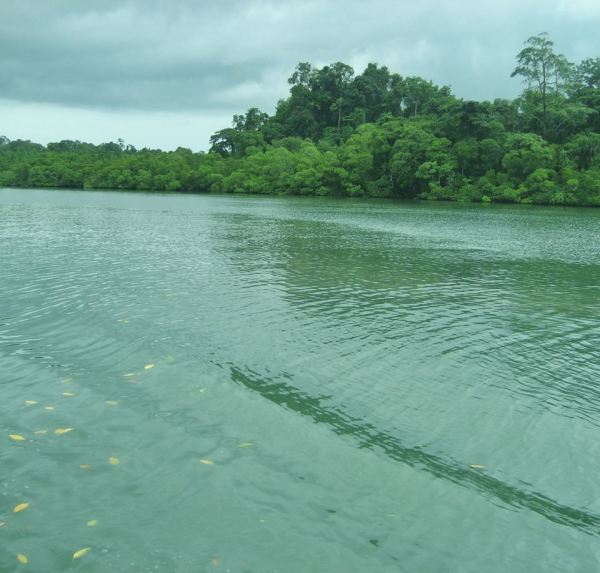
river green

There are six holy water sources which are the best of the bests.

They are the following sacred waters known as :–

Patience

Penance

Self -control

Kindness towards living beings

Meditation

Truth /sathyam

Always take a dip in the five and one place that are already in you.


Sri Ramakrishna Paramahamsa also supports purity of mind when you do a Yatra/travel to a holy place (Please read the links)

Adi Sankara on Pilgrimage

The conviction of the truth is seen to proceed from reasoning upon the salutary counsel of the wise and not by bathing in the sacred waters, nor by gifts nor by a hundred

Pranayamas (breathing exercise).

He says in Vivekachudamani (verse 13),

Arthasya nischayo drushto vichaarena hitoktita:

Na snaanena wa daanena praanaayaamaas satena vaa


Appar alias Tirunavukkasar says in Tamil:-

What is the use of bathing in Ganga or Kaveri

What if bathing in cool Kanyakumari

Or bathing in the roaring sea waters

If you dont see God in everything

-Tevaram 5-99

tunga river

All the great saints agree in one point that pilgrimage is useful when you have purity of mind and maturity see god everywhere.

Please read:–

Bitter gourds and The Meaning of Pilgrimage!, Posted on Date: 6 November 2015

Gangajal (Ganges Water) for a Donkey!  posted on 13 March 2014

–Subham —


தீர்த்த யாத்திரை அவசியமா? (Post No.3072)

b_id_406817_kawadiyan

Written by London swaminathan

Date: 19th August 2016

Time uploaded in London: 5-40 AM

Post No.3072


Pictures are taken from various sources; thanks for the pictures.


காசிக்கும் ராமேஸ்வரத்துக்கும் சென்று நீரில் மூழ்கினால் பெரும் பயன் கிட்டும்; பாவங்கள் தொலையும் என்பது நல்ல நம்பிக்கைதான். ஆனால் அதைவிட சுலபமான, செலவில்லாத, ஒரு எளிய தீர்த்த யாத்திரை பற்றிக் கூறுகிறது ஒரு அழகான சம்ஸ்கிருத ஸ்லோகம்:-


க்ஷமா தீர்த்தம் தபஸ்தீர்த்தம் தீர்த்தம் இந்த்ரிய நிக்ரஹ:

சர்வ பூத தயா தீர்த்தம் த்யானம் தீர்த்தம் அனுத்தமம்


பொறுமை என்ற தீர்த்தம்


தவம் என்ற தீர்த்தம்


புலனடக்கம் என்ற தீர்த்தம்


எல்லா உயிரிடத்திலும் அன்பு என்ற தீர்த்தம்


தியானம் என்ற தீர்த்தம்


சத்ய/ உண்மை தீர்த்தம்


ஏதானி பஞ்சதீர்த்தானி சத்யதீர்தம் ச சர்வதம்

தேஷு திஷ்டந்தி சர்வஸ்ய தேஷு ஸ்நானம் சமாசரேத்

ஐந்து தீர்த்தங்களோடு சத்ய தீர்த்தத்தையும் சேர்த்துக்கொள்ளுங்கள்; உடலிலேயே இருக்கும் அதில் எப்போதும் குளியுங்கள்

இவ்வைகளுக்கு மேலான தீர்த்தம் எதுவுமில்லை!

இதில் ஏதேனும் ஒன்று இருந்தால் கூட தீர்த்த யாத்திரைக்கும் மேலான பலன் கிடைத்துவிடும்!


   கழுதைக்கு கங்கா ஜலம்


இதை விளக்க ஏகநாத் வாழ்வில் நடந்த ஒரு சின்ன சம்பவத்தைக் கூறலாம்:


மஹாராஷ்டிர மாநிலமும் தமிழகத்தைப் போலவே ஏராளமான அடியார்கள் வாழ்ந்த பூமி; அங்கும் நாயன்மார்கள், ஆழ்வார்கள் போல பலர் வாழ்ந்தனர். அவர்கள் பல்வேறு தொழில்களைச் செய்தவர்கள்; சமூகத்தின் பல்வேறு பிரிவுகளைச் சேர்ந்தவர்கள்; எப்படி தமிழ்நாட்டில் நந்தனார், கண்ணப்பர் போன்றோர் போற்றப்பட்டனரோ அப்படி கீழ்மட்டத்தில் இருந்தோரும் புனிதராக வழிபடப்படும் பூமி மஹாராஷ்டிரம்.


நிவ்ருத்தி, ஞானதேவ், சோபான முக்தாபாய் ஏக கநாத், நாமதேவ் , துக்காராம், சமர்த்த ராமதாஸ் போன்றோர் தினசரி பஜனைகளில் பாடப்படும் பேறு பெற்றவர்கள்.


ஒரு முறை ஏகநாத், பல அடியார்கள் புடை சூழ காசிக்குச் சென்று புனித கங்கையில் நீராடி விட்டு இரண்டு பானைகளில் கங்கை ஜலத்தை எடுத்துக் கொண்டு நடந்தார். தோளில் ஒரு கம்பை வைத்துக் கொண்டு அதன் இரு புறங்களிலும் கங்கை ஜல குடங்களை தொங்க விட்டுக் கொண்டு ராமேஸ்வரம் வரை வருவர். அங்குள்ள சிவலிங்கத்துக்கு அந்த கங்கை நீரால் அபிஷேகம் செய்வர். அப்பொழுதுதான் யாத்திரை நிறைவு பெறும் என்பது ஐதீகம்.


ஏக நாதரும் கங்கை நீரைச் சுமந்து கொண்டு ராமேஸ்வரத்தை நோக்கி நடந்துவந்தார். அடியார்கள் கோஷ்டி பின்னால் நடந்து வந்தது. அப்பொழுது கடுமையான கோடை காலம்,வெய்யில் எல்லோரையும் வாட்டி வதைத்தது. மக்கள் ஆங்காங்கே நின்று தாக சாந்தி செய்து வந்தனர்.

donkey-1

ஒரு பொட்டல் காட்டில் ஒரு கழுதை வாடி வதங்கி சோர்ந்து நிற்பதை ஏகநாதர் கண்டார். அது தாகத்தினால் தவிப்பதை உணர்ந்தார். கண்ணுக்கெட்டிய தூரம் வரை தண்ணீர் என்பதே இல்லாத வறண்ட பூமி அது. உடனே இரண்டு பானைகளிலும் இருந்த கங்கை நீரை கழுதைக்கு வார்த்தார். அதைக் குடித்தவுடன் கழுதைக்கு உயிர் வந்ததது. அது ‘காழ் காழ்’ என்று கத்திக்கொண்டு துள்ளிக் குதித்து ஓடியது.


சிறிது நேரம் கழித்து,  அடியார்கள் கோஷ்டியும் அவ்விடம் வந்து சேர்ந்தது. ஏகநாதரின் காவடியின் இரு புறப் பானைகளும் காலியாக இருப்பதைக் கண்டு என்ன ஆயிற்று என்று வினவினர். அவர் கழுதைக்கு கங்கா ஜலம் கொடுத்து காப்பாற்றியதை பெருமிதத்துடன் பகர்ந்தார்.

அதைக்கேட்ட பல பக்தர்கள் பொங்கி எழுந்தனர். என்ன அபவாதம் செய்துவிட்டீர்! கங்கை நீரைக் கழுதைக்குக் கொடுத்து பாவத்தை கட்டிக்கொண்டீர்களே. இப்பொழுது ராமேஸ்வரம் சென்றால் எதை வைத்து அபிஷேகம் செய்யப்போகிறீர்? என்று கேள்விக்  கணைகளை த் தொடுத்தனர்.


ஏகநாதர் அமைதியாகச் சொன்னார்:

“என்னுடைய அன்பு சிவ பெருமானுக்குத் தெரியும்; அது போதும். அவர் என்னை மன்னித்து விடுவார்.”


ஆக உயிர்களிடத்தில் அன்பு காட்டுவது தீர்த்த யாத்திரைக்குச் சமம் என்பதை ஒரு பெரிய மகான் நமக்குக் கற்பித்துவிட்டார்.


அதனால்தான் இன்றும் அவர் புகழைப் பாடிக்கொண்டிருக்கிறோம்.


நீதி, உயர்ந்த மதி, கல்வி — அன்பு

நிறைய உடையவர்கள் மேலோர்

உயிர்களிடத்தில் அன்பு வேணும்; — தெய்வம்

உண்மை என்று தானறிதல் வேண்டும்.

–மஹா கவி பாரதி.


–subham–


Proverbs on Oil Sellers, Tailors, Washer men and Fishermen (Post No.3071)

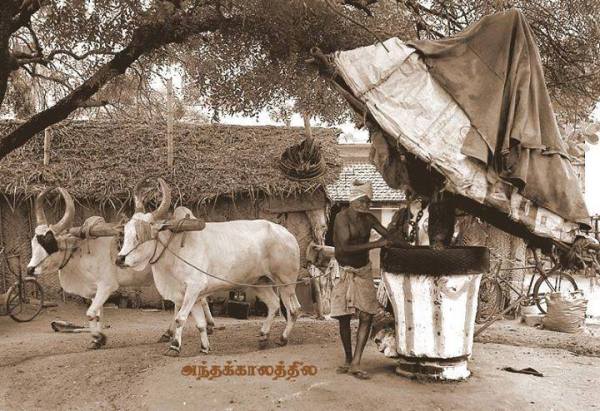
chekku madu oil

Compiled by London swaminathan

Date: 18th August 2016

Time uploaded in London: 5-32 AM

Post No.3071

Pictures are taken from various sources; thanks for the pictures.


Part-4 on caste Proverbs. For proverbs on Brahmins, Banias, Jats, Carpenters, Blacksmiths, Goldsmiths and agricultural castes, please read the first three parts.


Anti – Oil Presser Proverbs

The oil-presser is no man’s friend;he earns a rupee and calls it eight annas (16 Annas make one Old Indian Rupee).

He sits at ease while his mill goes round, and beguiles his hours of leisure by inventing stories, so that when two Telis meet their talk is unfit for publication.


His unfortunate bullock is always blindfold, and walks miles and miles without getting any further.

On another occasion his bullock took to fighting and the owner was sued before the Kazi for damages.

What made the beast fight? The Kazi’s finding ran thus:

The oil-cake you fed it on; so give me the ox and pay damages into the bargain.

‘Oil expellers bull’ – means one who goes in circles, (beating the bush); goes no further.

His wife saves a little oil by giving short measure to her customers, but god takes all at once when the jar breaks and the thick dust sucks up its content.

His daughter, on the other hand, is represented as giving herself airs and wondering what oil-cake can be.

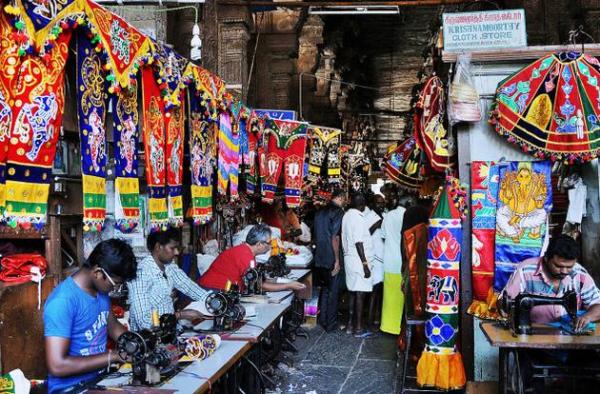
pudumandap tailors,hindu

Anti- Tailor proverbs

The tailor’s ‘this evening’ and the shoe maker’s  ‘next morning’ never come

However sharp his sight, a Darzi sees nothing,  because he cannot take his eyes off his work.


A darzi’s son is a darzi/tailor and must sew as long as he lives.

A darzi steals your cloth and makes you pay for sewing it.


When a tailor is out of work he sews up his son’s mouth

A snake in a tailor’s house: who wants to kill it?

vannan

Anti- Washer man Proverbs

He tears people’s clothes and says it was the wind, but he is careful not to damage his father’s things.

A should change your dhobi/washer man as you change your linen, for a new dhobi washes clean.

When there is a robbery in a dhobi’s house, the neighbours lose their clothes.

In a Koiri village, the dhobi is the accountant, for he is the only man who can add two and two together.

He will not hesitate to use the king’s scarf as a loin cloth.

At his wedding the customers’ cloths are spread as carpets for the guests.

His son is the dandy of the village on a whistle and a bang, that is to say, wearing other people’s clothes which his father washes by giving them a bang on a stone and whistling.

The dhobi’s donkey is habitually overworked, and must carry huge bundles of linen while ‘its life oozes out of its eyes’.

His finery is never his own, but no one has so many changes of linen as a dhobi.

fisher boy

Anti- Fishermen Proverbs

A fisherman’s tongue (corresponds to Billingsgate)

(From the London, England fishmarket Billingsgate “Billingsgate is the market where the fishwomen assemble to purchase fish; and where, in their dealings and disputes they are somewhat apt to leave decency and good manners a little on the left hand.”)


A maichi/fisher woman will scold even when she is dead.

Three clouts from an oil woman  are better than three kisses from a fishwife.


Sometimes the float is uppermost, sometimes the fisherman

(a reference to the practice of fishing balanced face downwards on an earthen pot which is liable to break or capsize.)

chilka fishing


–subham-


உப்பு விற்கும் பெண் பாடிய கவிதை! (Post No.3070)

saltpans

Written by London swaminathan

Date: 18th August 2016

Time uploaded in London: 5-14 AM

Post No.3070

Pictures are taken from various sources; thanks for the pictures.


சிவப்பிரகாச சுவாமிகள் என்பவர் சுமார் 400 ஆண்டுகளுக்கு முன்பு காஞ்சியில் பிறந்தார். தந்தை குமார சுவாமி தேசிகர் இறந்த பிறகு, சகோதரர்கள் வேலாயுதம், கருணைப் பிரகாசம் ஆகியோருடன் திருவண்ணாமலைக்குச் சென்று கல்வி பயின்றார். அருணாசல மலையை வலம் வருகையில் அண்ணாமலையான் அருளால் அருட் கவிகள் இயற்றினார். 100 செய்யுட்களால் “சோண சைல மாலை” என்ற நூலை இயற்றினார்.


பின்னர் இலக்கணம் கற்பதற்காக தென் திசையை நோக்கிப் பயணம் செய்கையில் திருச்சிக்கு அருகிலுள்ள துறை மங்கலத்தில் ஒரு தோட்டத்தில் சிவ பூஜை செய்துகொண்டிருந்தார். அவருடைய வருகையை அறிந்த கிராமாதிபதி அண்ணாமலை ரெட்டியார் அவரை அங்கேயே தங்குமாறு வேண்டினார். ஆனால் அவரோ தாமிரபரணி தீரம் வரை சென்று வெள்ளியம்பலவாண சுவாமிகளிடம் இலக்கணம் கற்க விரும்புவதாகச் சொன்னார். உடனே அண்ணாமலை ரெட்டியார் 400 பொற்காசுகள் கொடுத்து அவரை அனுப்பி வைத்தார்.


கு-வில் துவங்கி கு-வில் முடியும் கவிதை!


வெள்ளியம்பல வாண சுவாமிகளிடம் சென்றவுடன் அவர் ஒரு தேர்வு வைத்தார். “எங்கே பார்ப்போம். கு – என்னும் எழுத்தில் துவங்கி அதே எழுத்தில் முடிவடையும் ஒரு வெண்பா இயற்று. இடையில் ஊருடையான் என்ற சொல் இருக்க வேண்டும் என்றார்.


சிவப்பிரகாச சுவாமிகள் உடனே

குடக்கோடு வானெயிறு கொண்டாற்குக் கேழன்

முடக்கோடு முன்ன மணிவாற்கு – வடக்கோடு

தேருடையான றெவ்வுக்குத் தில்லைதோன் மேற்கொள

லூருடையா நென்னு முலகு

என்று பாடி முடித்தார்.


அம்பலவாணர், அந்தக் கவிதையைக் கேட்டு வியந்து, அவரைப் பாராட்டி சகோதரர் இருவருக்கும் இலக்கண பாடத்தைச் சொல்லிக் கொடுத்தார். அண்ணாமலை ரெட்டியார் தமக்களித்த பணத்தை  — 400 பொன்னை — குருதட்சிணையாக தட்டில் வைத்து வணங்கினார் சிவப்பிரகாசர்.


“அப்பனே, எமக்கு இந்த தட்சிணை வேண்டாம். திருச்செந்தூரில் உள்ள ஒரு தமிழ் புலவன் என்மீது வசை பாடுதலையே தொழிலாகக் கொண்டுள்ளான். அவனை வென்று என்னிடம் கொணர்க. அதுதான் குருதட்சிணை என்றார்.


உடனே சிவப்பிரகாசரும் திருச்செந்தூர் சென்று, அப்புலவரை வாதுக்கு அழைத்தார். இருவரும் சபதம் செய்து, முருகன் மீது நீரோட்டக யமக அந்தாதி பாடத் துவங்கினர் (உதடு ஒட்டாத எழுத்துகளை அமைத்து அந்தாதி பாடுவது). சிவப் பிரகாசர் 30 பாடல்களை ப் பாடி முடித்தபோதும், அந்தப் புலவர் ஒரு நீரோட்டகப் பாடல் கூடப் பாட முடியவில்லை.

salt1

அந்தப் புலவர் தோல்வியை ஒப்புக்கொண்டார். அவரை இட்டுக்கொண்டு போய் அம்பலவாணர் காலடியில் வணங்கி விழச் செய்தார். குருவுக்கு மெத்த மகிழ்ச்சி. அவர் சிவப் பிரகாசருக்கு, சிதம்பரத்திற்குச் சென்று மேலும் பயில அனுமதி கொடுத்தார்.


போகும் வழியில் துறை மங்கலத்துக்குச் சென்று அண்ணாமலை ரெட்டியாரை சந்தித்து, திருவெங்கை நகரத்தில், அவர் கட்டிய மடத்தில் சில காலம் தங் கி பல நூல்கள் இயற்றினார். பின்னர் தல யாத்திரை செய்துகொண்டு, திருக்காட்டுப் பள்ளியை அடைந்தார்.


ஒரு நாள் அவ்வூர் வீதியில் கல்வியிற் சிறந்த ஒரு பெண் உப்பு வியாபாரம் செய்வதைக் கண்டார். அவருக்கு நயன தீட்சை கொடுத்தார். பலருக்கும் அப்பெண்மணியின்  புலமையைக் காட்டுவதற்காக


நிறைய வுளதோ வெளிதோ கொளுவேம்

பிறையை முடிக்கணிந்த பெம்மா – நுறையுந்

திருக்காட்டுப்பள்ளி திரி பாவாய் நீயிங்

கிருக்காட்டுப்பள்ளி யெமக்கு


என்ற வெண்பாவைப் பாடினார். அதைக் கேட்ட மாத்திரத்தில் அப்பெண்,


தென்னோங்கு தில்லைச் சிவப் பிரகாசப் பெருமான்

பொன்னோங்கு சேவடியைப் போற்றினோ – மன்னோன்

றிருக்கூட்ட மத்தனைக்குந் தெண்டனிட்டோம் தீராக்

கருக்கூட்டம் போக்கினோங் காண்


— என்னும் வெண்பாவைப் பாடிக்கொண்டு வந்து நமஸ்கரித்து கைகூப்பி நின்றார். அப்பெண்ணுக்கு அன்று முதல் மெய்ஞ்ஞானம் ஏற்பட்டது. சிவப் பிரகாசர் அருளினால் ஆன்மீக பாதையில் நடக்கத் தொடங்கினார்.

–சுபம்–