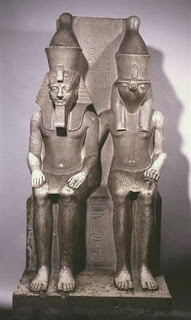
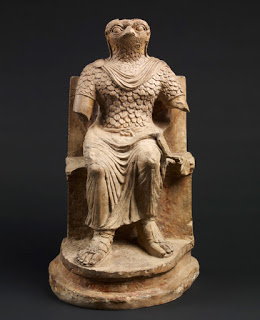
எகிப்தில் இந்தியப் பண்பாட்டின் தாக்கம்: எகிப்திய அதிசயங்கள்- பகுதி 3 (Post No.3648)

Written by London swaminathan


Date: 18 FEBRUARY 2017


Time uploaded in London:- 20-59


Post No. 3648


Pictures are taken from various sources; thanks.


contact; swami_48@yahoo.com


எகிப்து பற்றி பல ஆராய்ச்சியாளர்கள் கூறியதையும் அது குறித்து தனது கருத்தையும் ஏ.கல்யான்ணராமன் எழுதிய ஆரியதரங்கிணி என்ற நூலில் பல்வேறு பக்கங்களில் தனித்தனியே  அளித்துள்ளார். அவற்றைத் தொகுத்து (தமிழில்) தருகிறேன்:-


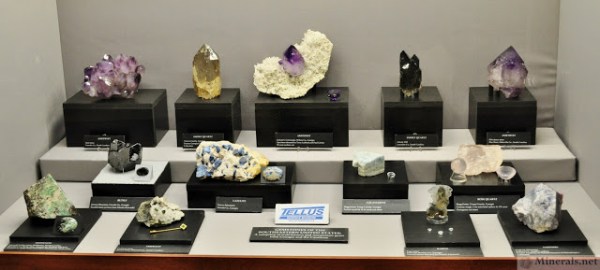
செமிட்டிக் மொழிகளில் குரங்கு, மயில், கிதார், நீலம் (ரத்தினக் கல்) முதலியவற்றின் சொற்கள் சம்ஸ்கிருத மொழியிருந்து வந்துள்ளன. இது ஹீப்ரு முதலிய மொழிகளில் இந்தியாவின் தாக்கததைக் காட்டுகிறது.


வேதத்திலுள்ள மனு- மீன் கதை (பிரளயம்) பைபிளின் பழைய ஏற்பாட்டில் (Jonah and the Whale) உள்ளது. இது இந்து கலாசாரத்தின் தாக்கத்தைக் காட்டுகிறது. கி.மு.3000 வாக்கில் இந்தியாவிலிருந்து பலர் அங்கு குடியேறினர்.


எகிப்தை டாலமி (Ptolemies) வம்ச அரசர்கள் ஆண்டபோது அங்கு ஆரிய புரோகிதர்கள் இருந்ததும் அங்குள்ள சம்ஸ்கிருதப் பயிற்சிப் பள்ளீகளில் அவர்கள் சொற்பொழிவாற்றியதும் தெரியவந்துள்ளது.


பல எகிப்திய தெய்வங்கள், வைதீக சமய தெய்வங்களைப் போல இருக்கின்றன. இது பற்றி இன்னொரு இடத்தில் விளக்கியுள்ளேன். எகிப்தியர்களின் முக்கியக் கடவுள் Ptah பிதா ( பரலோக பிதா) வேதத்திலுள்ள வானுலக பிதாவை Dyaus Pitar இது குறிக்கும் இதை கிரேக்கர்கள் ஜ்யூஸ் பேடர் Zeus Pater என்றும் ரோமானியர்கள் ஜூ+பிடர் Jupiter என்றும் வழிபட்டனர்.
 

எகிப்தியர் வழிபட்ட Hathor ஹதோர், வேத கால தெய்வமான சவிதர் (Savitur) என்பதைப் போன்றது எகிப்தியரின் ஹோரஸ் (Horus or Sorus) அல்லது சோரஸ் என்பது வேதத்திலுள்ள சூர்ய  (Surya=Sun)என்பதைப் போன்றது.

(கிரேக்க மொழியிலும் பாரசீக மொழியிலும்  S எஸ் என்பது H எச் என்று உச்சரிக்கப்படும்)


எகிப்தியர் மன்னர்களை பாரோ (Pharaoh) என்று அழைத்தனர். இது சம்ஸ்கிருதச் சொல்லான பர Para (உயர்ந்தது, சிறந்தது என்பதன் திரிபு ஆகும்.

மன்னர்களை எல்லோரையும் விட உயர்வாகக் கருதியதால் இவ்வாறு அழைத்தனர். அவரை வாழும் தெய்வாமாகக் கருதியதோடு, இறந்தபின்னர் ஆசிரிஸ் Osiris என்று கருதினர். ஆசிரிஸ் நைல் நதி வெள்ளத்துக்குக் காரணமானவர்; உயிர்கள் தோற்றத்திற்கான கடவுளும் ஆவார். ஆசிரிஸின் நகரம் Heliopolis ஹீலியோபோலிஸ். இது சூர்யபுரி Suryapuri என்பதன் திரிபு.


வேத இலக்கியமான பிராமணங்களில் அரசர் பற்றி கூறிய கொள்கைகளே எகிப்தியர் கொள்கையாகவும் இருந்தது.
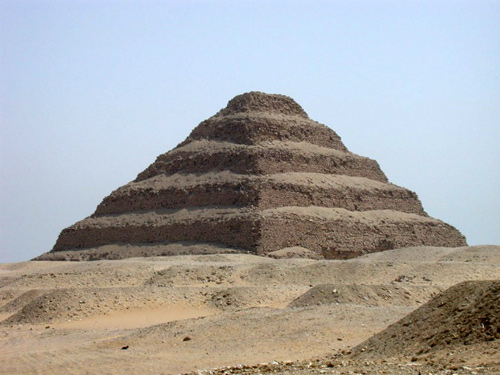
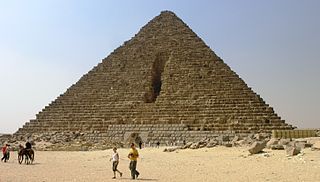
பிரமிடுகளும் ராஜசூய யக்ஞமும்


பிரமிடுகளை ஏன் எகிப்தியர் கட்டினர்?

மன்னரின் ஆவி சுவர்க லோகத்துக்குச் செல்லும் ஏணிதான் பிரமிடு என்று எட்வர்ட் (Edward) காட்டுகிறார். இதற்கு ஆதாரமாக பபைரஸ் (Papyrus) காகிதத்திலுள்ள ஒரு பழைய வாசகத்தை அவர் சுட்டிக்காட்டினார். ரே (Eye of Re) கடவுளின் கண்ணாக நான் சுவர்கத்துக்கு ஏகுவேன். ரே கடவுளின் கிரணங்களை படியாகப் பயன்படுத்துவேன் என்பது எகிப்திய வசனம்.


ரிக்வேதத்தில் இறுதிச் சடங்கு பற்றிய மந்திரத்தில் இறந்தவரின் கண் சூரியனிடம் செல்லுவதாக உள்ளது:-


சூர்யம் தே சக்ஷுஹு கச்சந்து (10-15)


சோழ மன்னரும் தருமபுத்திரனும் மற்றும் பலரும் செய்த ராஜசூய யக்ஞத்தில் 17 படியுள்ள கம்பத்தில் (17 sided post) மன்னர் ஏறுவார் இது அந்த மன்னரை நப (வானத்துக்கு) என்ற இடத்துக்கு அழைத்துச் செல்லும். இதற்குப் பின்னர் மன்னர் அறிவிப்பார்:

வானத்துக்கும் அப்பாலுள்ள லோகத்துக்கு சென்று பிரஜாபதியின் மகன் ஆகிவிட்டேன்.

இது போன்ற பொருளுள்ள வசனங்கள் எகிப்திய புனித நூல்களிலும் உள.


இந்துக்களை போல அவர்களும் பார்லியைப் பயன்படுத்தினர். அதுதான எகி ப்தின் முக்கியப் பயிர்.


குப்ரு (Khufu) என்ற மன்னன் குரு வம்சத்தைச் சேர்ந்தவனாக இருக்கலாம்.

ராம்செஸ் (Ramses) என்ற மன்னரின் பெயர் ராம ஈச என்று சில இந்தியவியலாலர் கருதுகின்றனர். அவர் மாதா மாரி அம்மனின் (Maat Meri Ammon)  மகன்.


வேத கால இந்துக்கள் விவசாயிகளாக இருந்ததால் நதிகளைத் தெய்வமாகக் கருதினர். இதுபோல எகிப்தியர்களும் நதியைப் புனிதமாகக் கருதினர். அவர்களும் விவசாயிகள்.


ஆதிகால எகிப்தியர்களுக்கு தங்கமும் தாமிரமும் மட்டுமே தெரியும். கி.மு.1600 ல் ஹிக்ஸோஸ் (Hyksos) தான் இரும்பு பற்றிச் சொல்லிக் கொடுத்தனர்.


மன்னர் ஏர் உழும் காட்சி எகிப்தில் சித்தரிக்கப்பட்டது. ரிக்வேதத்தில் நிறைய விவசாயக் குறிப்புகள் உள்ளன (7-6; 10-101; 10-8; 10-99; 3-45)

ஆரிய என்ற சொல்லே ஏர் என்னும் விவசாயச் சொல்லில் இருந்து உருவானதே.

பேராசிரியர் ஜே.பி.எஸ். ஹால்டேன் (J B S Haldane)  போன்றோர் ரொட்டிக்கான கோதுமை பஞ்சாபிலிருந்தே உலகம் முழுதும் பரவியது என்பர்.

அடுத்த பகுதியில் சூர்ய வம்சத்துக்கும் எகிப்துக்கும் உள்ள தொடர்பு பற்றி ஏ.கல்யாணராமன் சொல்லும் விஷயங்களைக் காண்போம்.

source:Aryatarangini by A Kalyanaraman, 1969


பெண்கள் குரங்குகள்! மஹாபாரதம் விசித்திர தகவல்! (Post No.3647)

Written by London swaminathan


Date: 18 FEBRUARY 2017


Time uploaded in London:- 5-38 am


Post No. 3647


Pictures are taken from various sources; thanks.


contact; swami_48@yahoo.com


பெண்களே அவசரப்பட்டு, கோபப்படாதீர்கள்!

திரவுபதியின் அழகை ஒப்பிடும்போது, நீங்கள் எல்லோரும் ……………….


திரவுபதியின் அழகை வருணிக்க வந்த வியாசர் மற்ற எல்லாப் பெண்களையும் குரங்கு ஆக்கிவிட்டார்!


“அழகான திரவுபதியைப் பார்க்கும்போது மற்ற எல்லாப் பெண்களும், பெண் குரங்குகள் (மந்தி) போலத் தெரிகின்றனர்”-மஹாபாரதம் 3-251-3


ஏதாம் த்ருஷ்ட்வா ஸ்த்ரியோ மேந்யா யதா சாகாம்ருகஸ்த்ரியஹ


திரவுபதி எல்லோரையும் விடப் பேரழகி என்று சொல்லி நிறுத்தி இருக்கலாம். ஆனால் வியாசர் ஒருபடி மேலே சென்றுவிட்டார். ஒருவேளை இது அந்தக் கால தமாஷாக இருந்திருக்கலாம். ஏனெனில் கம்ப ராமாயணத்திலும் இப்படி கொஞ்சம் தமாஷ் வருகிறது.


சூர்ப்பநகை ராமனை மயக்கப் பார்க்கிறாள். ராக்ஷசியான சீதையை ஒதுக்கிவிட்டு என்னைத் திருமணம் செய்துகொள் என்கிறாள். இராமனுக்கு ஒரே சிரிப்பு! இது என்னடா? ஈயம் பித்தளையைப் பார்த்து இளித்த கதையாக இருக்கிறதே! என்று எண்ணி, அவர் என் தம்பியிடம் போய்க் கேள் என்று சூர்ப்பநகையை அனுப்பிவிடுகிறார். லெட்சுமணனோ கோபக்காரர். ஒரே வெட்டாக மூக்கை வெட்டி விடுகிறான். அப்பொழுதும் சூர்ப்பநகை விடுவதாக இல்லை. ஏ, ராம! உன் தம்பியிடம் எனக்காக கொஞ்சம் சிபாரிசு செய்யக்கூடாதா?

“எனக்கு மூக்கு இல்லையே என்று நீ நினைக்கலாம். அட இடையே இல்லாத பெண்ணுடன் நீ வசிக்கவில்லையா! அது போல உன் தம்பியும் மூக்கே இல்லாத பெண்ணுடன் வசித்தால் என்னவாம்!”


பெருங்குலா உறு நகர்க்கே பெயரும் நாள்

வேண்டும் உருப்பிடிப்பேன் அன்றேல்

அருங்கலாம் உற்று இருந்தான் என்னினும் ஆம்

இளையவந்தான் அரிந்த நாசி

ஒருங்கு இலா இவளோடும் உறைவெனோ

என்பானேல் இறைவ ஒன்றும்

மருங்கு இலாதவளோடும் அன்றோ நீ

நெடுங்காலம் வாழ்ந்தது என்பாய்

–ஆரண்ய காண்டம், சூர்ப்பநகைப் படலம்


பொருள்:

பெரிய கொண்டாட்டம் மிக்க அயோத்தி நகருக்கு நீங்கள் திரும்பிச் செல்லும்போது, நீ ங்கள் விரும்பும் உருவத்தை நான் எடுத்துக்கொள்வேன். இப்போது உன் தம்பி தணிக்க முடியாத கோபம் கொண்டவனாக இருந்தாலும், அறுக்கப்பட்ட மூக்கு உடைய இவளோடு நான் வாழ்வேனா என்று கூறலாம். அப்படிச் சொன்னால், தலைவனே (ராமா) நீ இடையே இல்லாத பெண்ணொடு  நீண்டகாலம் வாழ்ந்து வருகிறாய்; அதை அவனுக்கு எடுத்துச் சொல்லி அமைதி அடையச் செய்!”


மெல்லிடையாள் என்று பெண்களைப் புகழ்வதை இந்திய இலக்கியத்தில் மட்டுமே காணலாம். தமிழிலும் சம்ஸ்கிருதத்திலும்– இமயம் முதல் குமரி வரை, பெண்கள் வருணனை ஒரே மாதிரியாக இருக்கும் ஏனேனில் இது ஒரே பண்பாடு.


உன் மனைவிக்கு இடையே இல்லை என்பதை புகழ்ச்சியாகவே கொள்வர். எந்தப் பெண்ணையாவது பார்த்து நீ குண்டாக — பருமனாக — இருக்கிறாய் என்று சொன்னால் அவருக்குக் கோபம் வருவதோடு நம் மீது வெறுப்பும் வந்துவிடும். ஆனால் இங்கே இடையில்லாத சீதையுடன் மூக்கறுந்த சூர்ப்பநகை தன்னை ஒப்பிடுவது அந்தக் கால ஜோக் (தமாஷ்)

வால்மீகி நகைச்சுவை

கம்ப ராமாயணத்திலும் வால்மீகி ராமாயணத்திலும் சூர்ப்பநகை படலம் முழுதும் நகைச்சுவை அதிகம் இருக்கும். இதோ வால்மீகியிலிருந்து ஒரு பகுதி மட்டும்:-


ராமன் சூர்பநகையை நிராகரிக்கும்போது நான் ஏற்கனவே கல்யாணமானவன். உன்னையும் கட்டிக்கொண்டால் சக்களத்தி சண்டையை என்னால் தாங்க முடியாது! என் தம்பிதான், உனக்குச் சரியான ஆள். இன்னும் திருமண சுகம் அனுபவிக்காதவன்! என்று தமாஷ் செய்கிறான். லெட்சுமணன் சொல்லுகிறான்: நானோ என் அண்ணனைச் சார்ந்து வாழும் “அடிமை”. என்னிடத்தில் என்ன சுகம் காணப்போகிறாய். கொள்ளை அழகு பிடித்தவளே என் அண்ணன் இராமனிடமே செல் என்று தள்ளிவிடுகிறான்.


இவ்வாறு சூர்ப்பநகைப் படலத்தை கிண்டலும் கேலியும் நிறைந்ததாக, உலகின் இரு பெரும் புலவர்கள் வருணித்துள்ளனர். அந்தப் பகுதிகளை நகைச்சுவை உணர்வுடன் படிக்க வேண்டும்!


–சுபம்–

Agni Purana explains Correct Gem for Wealth and Health (Post No.3646)

Written by S NAGARAJAN


Date: 18 February 2017


Time uploaded in London:-  5-16 am


Post No.3646


Pictures are taken from different sources; thanks.


contact: swami_48@yahoo.com

Agni Purana Explains and Helps You to Select the Correct Gem for Wealth, Health and Prosperity


S.Nagarajan

The Hindu Puranas are of encyclopaedic character. The Puranas prescribe remedies for all types of human problems. There are eighteen major puranas. All are very interesting and informative in nature.

Puranas contain all types of topics. But human nature is to select the best topic for obtaining wealth, health, and an all-round success.

For this we may read Agni Purana which deals with Gems. Chapter 246 of Agni Purana gives you the characteristics of gems.

In ancient days kings are advised by the court priest to wear gems which are auspicious. Thus a king may wear diamond, emerald, ruby, pearls, sapphire, lapis lazuli, moon stone, sun-stone, crystal, topaz etc.

Gems set in gold would confer prosperity and success.

But one has to choose the correct gem suitable for him. For this one has to study his horoscope and choose the gem according to the planetary positions.

Also one has to test the gems before wearing the same.

Inward lustre, free from impurities and good formation are essential for a good gem.

Such gems could be worn.

The gems which are impure, cracked and containing pebbles inside should not at all be selected and worn.

It is commendable to wear diamond. But there is an exception also. Those who are not having child should not wear diamonds. This implies that wearing diamond will delay the pregnancy. So one has to be careful and not hastily wear anything studying the general rules.

Which diamonds are good and how to select them? For this Agni Purana gives perfect answer.

The diamond that could be carried away by water, that is unbreakable, without impurity, of hexagonal shape, has the lustre of rainbow, light and brilliant like the sun is very auspicious to wear.

The emerald possessing the hues of the plume, of a parrot, glossy, radiant, without impurity and containing minute particles resembling powdered gold is auspicious.

The rubies which are got from crystal mines may be used. The best ruby will be extremely red and spotless.

The pearls got from oysters are generally free from impurities. Pearls got from conch-shells are much superior. Rotundity, whiteness, transparency and heaviness are the good characteristics of a good pearl.

A good sapphire can be declared invaluable which shines in the milk, spreads more lustre and tinge of its own color.

The lapes lazuli of red-blue type is excellent and could be used in necklace.

One may verify these characteristics with the help of an expert gemmologist after consulting an astrologer.

It is a customary practice to clean any gem by dipping it in the cow’s milk to remove any impurity before wearing.

The gemmology is a science in itself and one has to take care to study the whole ‘Ratna Sastra’ meaning the science of gems.

Good luck to you all.


குழந்தையும் குட்டி நாயும் குணத்தால் ஒன்று! அறிவியல் தகவல்!! (Post No.3645)

Written by London swaminathan


Date: 17 FEBRUARY 2017


Time uploaded in London:- 8-47 am


Post No. 3645


Pictures are taken from various sources; thanks.


contact; swami_48@yahoo.com


குழந்தையும் தெய்வமும் குணத்தால் ஒன்று

குற்றங்களை மறந்துவிடும் மனத்தால் ஒன்று –

என்பது கவிஞர் கண்னதாசனின் பழைய திரைப் படப் பாடல்.


குழந்தையும் குட்டி நாயும் குணத்தால் ஒன்று

குற்றங்களை மறந்துவிடா மனத்தால் என்றும்

என்பது லண்டன் சுவாமிநாதனின் புதிய பாடல். ஏன்?


புதிய விஞ்ஞானக் கட்டுரை நேற்று லண்டன் பத்திரிக்கைகளில் வெளியானதால் உதயமானது புதிய பாடல்!


ஒரு வயதான குழந்தைகளை வைத்து முன்னர் ஒரு ஆராய்ச்சி நடத்தப்பட்டது. யார் மற்றவர்களுக்கு உதவவில்லையோ அத்தகைய கெட்டவர்களை குழந்தைகள் புறக்கணிப்பது அதில் உறுதியானது. அதாவது ஒரு வயதாகும் போது, பெற்றோர்கள் சொல்லித் தராமலேயே, குழந்தைகள் நல்லதையும் கெட்டதையும் அறிந்து தார்மீக முடிவு எடுப்பது தெரியவந்தது.


பிராணிகளுக்கும் இததகைய அறிவு உண்டா என்று ஆராய க்யோடோ பல்கலைக் கழக டேவிட் ஆண்டர்சன்  ( Comparative Psychologist David Anderson of Kyoto University) ஒரு ஆய்வு நடத்தினார். அதன் முடிவுகளை நியூ சைன்டிஸ்ட் (New Scientist) பத்திரிக்கை வெளியிட்டது. அதன் சுருக்கம் வருமாறு:–


ஒரு பெட்டியில் ஒரு பொம்மையை வைத்தனர். அந்தப் பெட்டியை இருவர் தனித்தனியே திறப்பதை கபுசின் வகைக் குரங்குகள் (capuchin monkeys) பார்த்தன. இருவரும் குரங்குகளுக்கு உணவு கொடுத்த போது வேறுபாடின்றி இருவர் கையிலிருந்தும் சாப்பிட்டன.


மற்றொரு சோதனையில் ஒருவர் பெட்டியில் இருக்கும் பொம்மையை எடுக்கக் கஷ்டப்படுவது போல நடித்தார். அவருக்கு மற்றொருவர் உதவவில்லை; இன்னொரு சோதனையில் அவருக்கு பக்கத்திருந்தவர் உதவுகிறார். இருவரும் குரங்குகளுக்கு உணவு கொடுத்தபோது, யார் உதவவில்லையோ அவர் கையிலிருந்து உணவு சாப்பிட குரங்குகள் மறுத்துவிட்டன. அதாவது மற்றவருக்கு உதவாத கெட்டவர்களை அவை அடையாளம் கண்டுகொண்டதோடு வெறுத்தன!


இதே போல பந்துகளை வைத்து நாய்களைச் சோதித்தனர். மூன்று பேர் பந்து விளையாடுகையில் யார் பந்துகளை ஒழுங்காகப் போட்டனரோ அவர்களிடம் உணவு சாப்பிட்டடன. யார் ஒருவர் பந்தைப் போடாமல் ஏமாற்றினாரோ அவர் கையிலிருந்து உணவு சாப்பிட வரவில்லை. அவைகளுக்கும் உதவுபவர், உதவாதவர் யார் என்பதைத் தெரிந்துகொண்டு நல்லவரைத் தேர்ந்தெடுக்கும் சக்தி இருப்பது தெரியவந்தது.


காடுகளிலும் கூட எந்த குரங்கு உதவுகிறதோ அவைகளையே மற்ற மிருகங்கள் பின்பற்றுகின்றன. அற உணர்வின் தோற்றம் (Origin of Morality) பற்றி ஆராஅய்ந்த (Frans de Waal of Emory University, Georgia) அறிஞர் இதை முன்னரே தெரிவித்தார். மனிதர்களைப் பார்த்து அவைகள் கற்றுக் கொள்கின்றன என்று.


ஒப்புநோக்கு உள்ளவியல் நிபுணரான ஆண்டர்சன் சொல்கிறார்:-

சமூக விரோத செயல்களில் ஈடுபடுவோரைக் கண்டால் அவைகள் முகம் சுழிப்பது இதிருந்து புரிகிறது”


ஆகையால் தோழர்களே!

நீங்கள் நாய்கள் வளர்க்கிறீர்களோ, குரங்குகள் வளர்க்கிறீர்களோ  , அல்லது குழந்தைகளைத்தான் வளர்க்கிறீர்களோ அவைகளுக்கு முன்னால் எதையும் அசிங்கமாகச் செய்துவிடாதீர்கள்!


நான் லண்டனில் கூட ரயில்களில் பல குழந்தைகளைப் பார்த்திருக்கிறேன். அவைகள் பேசும் பேச்சு எனக்கு வியப்பூட்டும். வீட்டில் அப்பா, அம்மா என்ன பேசுகிறார்களோ அதை அப்படியே அவை திருப்பிச் சொல்லுகின்றன!

Journal reference: Neuroscience & Biobehavioral ReviewsDOI: 10.1016/j.neubiorev.2017.01.003


மெசபொடோமியாவில்,எகிப்தில் நாய் தெய்வம்! 1000 நாய்கள் கல்லறை! (Post No.3644)

Written by London swaminathan


Date: 17 FEBRUARY 2017


Time uploaded in London:- 6-24 am


Post No. 3644


Pictures are taken from various sources; thanks.


contact; swami_48@yahoo.com


ஒருவன் நாய் போல அலைந்து திரிந்து, கண்டவர்களிடம் எல்லாம் உணவை பிச்சை எடுப்பதைவிட கேவலம் ஏதேனும் உண்டா? — மஹாபாரதம் 1-147-17

யாசமானா: பராத் அன்னம் பரிதாவே மஹீஸ்வவத்?


நாய்களைத்தான் மனிதன் முதல் முதலில் வீட்டு மிருகமாகப் பயன்படுத்தினான்; பழக்கப்படுத்தினான். ஓநாயிருந்து வந்தது நாய்!


இதற்குப் பின்னர் ஆடுகளையும், மாடுகளையும், குதிரைகளையும் பழக்கப்படுத்தி, பயன்படுத்தினான்.

b8ece-hachiko

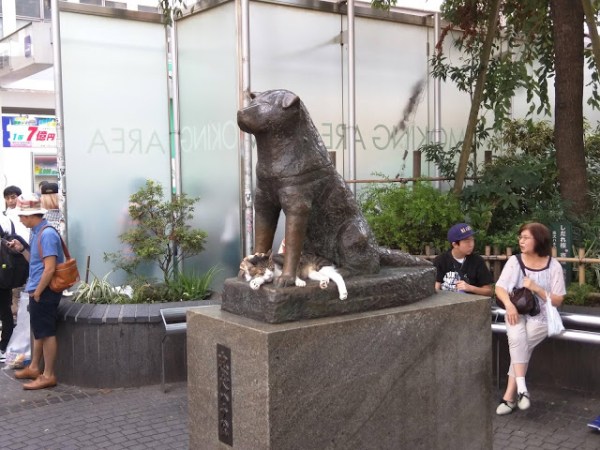
டோக்கியோவில் ஹசிகோவுக்கு சிலை


உலகில் நாய்களை இலக்கியத்தில் ஏற்றிய முதல் நாடு இந்தியா! உலகின் மிகப் பழைய நூலான ரிக்வேதத்தில் சரமா என்ற நாயின் கதை உள்ளது. அதை கிரேக்கர்கள் ‘திருடி’ ஹெர்மிஸ் HERMES என்று கதை செய்துள்ளனர். கிரேக்கர்களுக்கும், பாரசீகர்களுக்கும் ஸ் (S) சப்தம் வராது ஸ என்பதை ஹ (H) என்று மாற்றிவிடுவார்கள். அதனால்தான் நமக்கு ஹிந்துக்கள் என்றும், இந்த நாட்டுக்கு இந்துஸ்தான், இந்தியா என்றும் பெயர் வந்தது. சிந்து நதிப் பிரதேசம் என்பதை ஹிந்து (S=H) என்று மாற்றி உச்சரித்தனர்.


இது தவிர 5000 ஆண்டுகளுக்கு முன்னர் நடந்த மஹாபாரதத்தின் 18-ஆவது பர்வத்தில் தருமரின் (யுதிஷ்டிரரின்) பின்னால் சென்ற நாயின் கதை உள்ளது.


ராமாயண உத்தர காண்டத்திலும் ஒரு நாயின் கதை வருகிறது.


இதுபற்றியும், டோக்கியோ நகரில் ஹசிகோ (HACHIKO) என்ற நன்றியுள்ள நாய்க்கு சிலை வைத்திருப்பது பற்றியும், தமிழர்கள் 1300 ஆண்டுகளுக்கு முன்னரே ஊரைக் காப்பாற்றிய கோவிதன் என்ற நாய்க்கு நடுகல் வைத்தது பற்றியும் அலெக்ஸாண்டரின் நாய், குதிரை பற்றியும், காஞ்சி சங்கராசார்யார் மடத்தின் நாய் பற்றியும் ஏற்கனவே எழுதிவிட்டேன். இன்று எகிப்திய சுமேரிய நாய்களைக் காண்போம்.


இஸ்ரேலின் தலைநகரான டெல் அவீவுக்கு 60 கிலோமீட்டர் தொலைவில் உள்ள அஷ்கெலான் (ASHKELON)  என்ற நகரில் 1000 நாய்கள் புதைக்கப்பட்டதை ஆராய்ச்சியாளர்கள் கண்டுபிடித்துள்ளனர். இது பாரசீக ஆட்சிக் காலத்தைச் சேர்ந்தது. இன்னொரு நகரான இசின் (ISIN) என்னுமிடத்தில் ஒரு கல்லறையும் கண்டுபிடிக்கப்பட்டது. இவை எல்லாம் ஆதிகால மெசபொடோமியா பிரதேசத்துக்கு உள்ள்டங்கிய பகுதி


எகிப்து நாட்டில் சேத் (SET), அனுபிஸ் (ANUBIS) நன்ற தெய்வங்கள் நாய் முகம் உடைய கடவுள் என்றும் நரிமுகம் உள்ள கடவுள் என்றும் இருவிதமாகப் பகர்வர்.

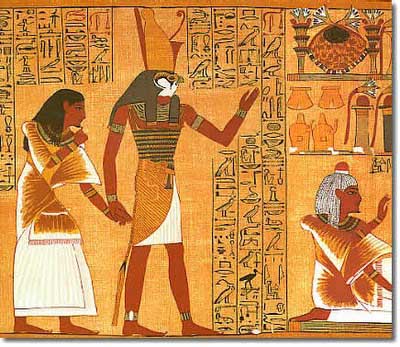
 c1190-horus_hieroglyphs

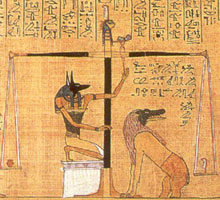
இறந்தவர்களின் இதயத்தை எடைபோடும் அனுபிஸ்.

92491-weighing_of_the_heart3

நாய்களின் கண்களுக்கு எமன் தெரியுமாம்!


எப்படி ரிக்வேத சரமா கதையை கிரேக்கர்கள் திருடி ஹெரமா என்று மற்றினரோ அப்படியே எமன் – நாய் தொடர்பையும் இந்துமதத்திலிருந்து உலகத்தினர் எடுத்துக் கொண்டனர்!


உலகம் முழுவதும் ஒரு நம்பிக்கை இருக்கிறது. நாய்களின் கண்களுக்கு எமன் தெரியும் என்று! உண்மையில் இக்கதை இந்துக்களின் கதை. மஹாபாரதத்தில் தருமனைப் பின்தொடர்ந்த நாய், தரும தேவதையின் மறு அவதாரம். இந்தியாவிலும் நாய்-எமன் தொடர்பு பற்றிய கதைகள் உண்டு. நாய்கள் ஊளையிட்டால் யாராவது இறப்பார்கள் என்று சொல்லுவர். இதற்கு விஞ்சான பூர்வ விளக்கமும் உண்டு.


நாய்களுக்கு 3000 மடங்கு மோப்ப சக்தி இருப்பதால், துப்புத் துலக்குவதோடு, சுனாமி, பூகம்பம் ஆகியவற்றின் நுண்ணலைகளை உணரும் சக்தியும் பெற்றுவிடுகிறது. இதனால் முன்கூட்டியே ஊளை இடும். இதனால்தான் நாயை யமனுடன் தொடர்பு படுத்துகின்றனர்.


சீன ராசிச் சக்கரத்தில் ஒரு மாதம் நாயின் மாதமாகும். இதே போல தென் அமெரிக்க அஸ்டெக் (AZTEC) நாகரீகத்திலும் இருபது நாள் (TWENTY DAYS A MONTH CALENDAR)  மாதத்தில் ஒரு நாளுக்கு நாயின் பெயர்.

நாய்களுக்கு நோயைக் குணப்படுத்தும் சக்தி உண்டு என்றும் மெசபொடோமியாவில் நம்பிக்கை இருந்தது.

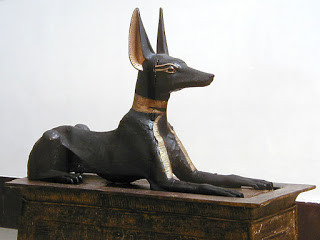
fee5c-tutanhkamun_jackal

எகிப்தில்


அனுபிஸ், சேத் முதலிய கடவுளரின் முகம் நாய் போல இருக்கும். இதை சிலர் நாய் என்றும், மற்றும் சிலர் நரி என்றும் பகர்வர்.


ஆனால் நாய் என்பதே சரி. ஏனெனில் பிற பண்பாடு போலவே இறந்த மனிதனைக் கடைத்தேற்றும் பணியைச் செய்வது அனுபிஸ் என்ற கடவுள்தான். இது போல எல்லாக் கலாசாக்ரங்களிலும் இறந்த பின் நடக்கும் வாழ்வில் நாய்தான்  அணுசரணையாக உள்ளது.


எகிப்தில் முதல் அரச வம்ச மஹாராணியின் Queen Herneith of First Dynasty கல்லறையில் ஒரு நாயின் உடல் புதைக்கப் பட்டிருந்தது.. இன்னொரு அதிகாரி நாய்க்கு நீண்ட அடைமொழி கொடுத்து (One owner of such a dog, Senbi the Governor of Cusae in Upper Egypt (2000 BCE), named his hound ‘Breath of Life of Senbi”)   கல்வெட்டில் பொருத்தினார். இரண்டு பெரிய அதிகாரிகளின் நாற்காலிகளுக்கு கீழே நாய் அமர்ந்திருப்பது போல சித்திரம், சிலைகள் உள்ளன.


இடைக் காலத்தில் கல்லறைகளில் நாயின் வடிவத்தைச் செதுக்கினர். போர் வீரர்கள் தங்களின் பிரபுக்களிடம் விசுவாசமாக இருந்ததாலோ, கணவனிடத்தில் மனைவி விசுவாசமாக இருந்ததாலோ இந்த வழக்கம் ஏற்பட்டது.


இந்தியாவில் பைரவருக்கு நாய் வாஹனம். தத்தாத்ரேயர் அவதாரம் எப்போதும் நாய்களுடன் காணப்படுவார். இது போல கிறிஸ்தவ மத புனிதர்களில் மூன்று. (St Francis of Assisi, St.Hubert, St Eustace and St Roch) நான்கு பேர், எப்போதும் நாயுடனே சித்தரிக்கப்படுவர்.

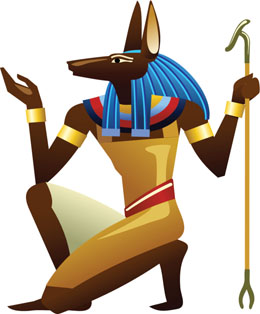
Anubis

நாயின் விசுவாசமும், அன்பும் அறிவும் பற்றி நாள்தோறும் பத்திரிக்கை  செய்திகள்  வருகின்றன.

போலீஸ் துறையிலும் ராணுவத் சிறந்த சேவை ஆற்றிய நாய்களுக்கு பெரிய பரிசுகள் கொடுக்கப்பட்டன. நாய்கள் எதையும் விரைவாக கற்கும். அதனால் அதற்கு புதிய கட்டளைகளையும் பணிகளையும் கற்றுத் தருகின்றனர்.


எகிப்தியர் நாய் பற்றி சொல்லும் வசனம்: கடவுளும் நாயும் ஒருங்கே இருந்தனர். அம்புகளை விட வேகமாகப் பாய்வது நாய்கள்தான்” ( the dog was ‘one with the Gods, more swift than the arrows’).


–Subham–


Time is a Mysterious Factor! Let us First Know about Present! (Post No.3643)

Written by S NAGARAJAN


Date: 17 February 2017


Time uploaded in London:-  5-33 am


Post No.3643


Pictures are taken from different sources; thanks.


contact: swami_48@yahoo.com


by S. Nagarajan

How could an object be located in space? While the first three dimensions are used to specify its location in the space, the fourth dimension time, locates its position in time.


Space and time are inseparable. Time could not be easily explained. For our convenience sake we are saying present tense, past tense and future tense.


The events that had happened is past. The events which we are experiencing now is present and what is to come is future.


But these tenses are related. Swami Vivekananda once explained that all the three tenses are mingled together if you see them from an infinite height. You can take whatever tense you want at that level and see what is happening at that moment.


How could this be explained? Very Easy. Imagine one person is travelling in a train. In the compartment, he is able to see through the window up to a distance. The person sitting opposite to him will be able to see the other side through the window up to a distance. The person who is sitting in the compartment next to the engine could see a little more. Suppose if a person travels sitting on the roof of the train he could see everything in front, back, right and left.


Now could anyone say who is exactly in the present tense? Before you say, this moment starts, it ends within a second. The present becomes past in a second and the future becomes the present in that second. So, who is living exactly in the present? And whose vision is the ‘present’ vision among the travelers, the person whom we referred first or the person opposite to him or the one who is in the compartment next to engine or the person who is sitting on the roof top of the train?


For the person who is on the roof top other person’s past is also present. And other person’s future also present. At a higher level all the tenses are mingled.

All are in present tense only but their vision is full or partial depending upon the obstructions or limits.


So our views regarding present tense is only relative! Actually we are all in present tense only.

The train is moving and hence all the persons are in ‘Continuous Present”.

This is exactly the Hindu religion says about time. We are ever in Continuous Present.


Time is ever flowing. Nobody could explain it. Nobody could escape from it also.

Space and time are inseparable. Living in present is desirable. For this, continuous effort is required. Because all are either fuming about the past or hoping about the future.


The Zen Buddhism and Hinduism emphasize to live in present. If you are able to live in the present then nothing could stop your success.

This is one aspect of Time. We will explore further in our future article.

****

Thousand Dog Burials in Mesopotamia and Egypt! (Post No.3642)

Picture of Anubis


Written by London swaminathan


Date: 16 FEBRUARY 2017


Time uploaded in London:- 10-59 am


Post No. 3642


Pictures are taken from various sources; thanks.


contact; swami_48@yahoo.com


“What worse calamity can there be than that one runs around asking food from strangers like a dog? (yaacamaanah paraad annam paridhaavemahisvatat- (Mahabharata 1-147-17)


In my article “ VEDIC DOG AND CHURCH DOG”, posted on 18 January 2013, I have explained the oldest reference to dog Sarama in the Rig Veda. The Greeks borrowed it and changed it to Hermes.  In the same article, I wrote about the dog that followed Yudhisthira in the Mahabharata and the humorous dog story of Uttarakanda of Ramayana. In my article, ALEXANDER’S HORSE and DOG, posted 0n 24 November 2014, I have written about his faithful dog and horse.

Here are some stories about DOG BURIALS in Mesopotamia and Egypt!


In Hinduism we have dog as the vahana (vehicle) of Bhairava. In Egypt, they have dog faced Gods!

“Dogs are associated with healing in Mesopotamia (Iraq) and Anatolia (Turkey). Dogs were buried in the ramp of a temple to Gula at Isin in 1000 BCE. More than one thousand dog burials were found in Persian levels at Ashkelon.

Ashkelon is 60 kilometres from Tel Aviv, Israel. The city is mentioned in the Bible. The city of Isin is in Southern Mesopotamia”.

–from Dictionary of the Ancient Near East, British Museum


Dogs in Ancient Egypt

Pharaohs of Egypt used dos for hunting. The Egyptian hound was exceptionally fast.

When speaking of dogs, Egyptians said that the dog was ‘one with the Gods, more swift than the arrows’.

When W B Emery excavated Queen Herneith’s First Dynasty mastaba tomb at Saqqara in 1950s, he found a dog buried with the queen. It was an example of the slender, prick eared hound which is recorded in countless painted vases, wall reliefs and still more monumental sculptures.


Egyptian God Set is frequently represented in Egyptian hieroglyphs and iconography by a strange, ambiguous quadruped which has variously been described as composite imagery, an okapi, a wolf, a jackal, an ass and sometimes even a dog. There are many representations of Set from 4000 BCE. He fathered Anubis, a dog or jackal headed god.


Egyptian dogs were given elaborate names, often, like their human contemporaries. One owner of such a dog, Senbi the Governor of Cusae in Upper Egypt (2000 BCE), named his hound ‘Breath of Life of Senbi”. Another great prince, Serenput, the Keeper of the Southern Gate of Egypt, is shown with his hound sitting under his chair. Nefer of 3000 BCE is also shown with his hunting dog in Saqqara.

–from Egypt’s Making by Michel Rice


Tamils erected a tomb stone for a dog called Kovidan 1200 years ago (See my earlier post)


Dog is associated with after life in many cultures. Hindus believed Yama, God of Death, comes with his dogs. Greeks had Cerberus, three headed dog, guiding a person in the next world.


Dogs are believed to be able to see ghosts and thus warn us of invisible dangers. Before earth quakes or natural disasters dogs howl and warn us of impending dangers. Black dogs were thought of as demonic companions of witches or necromancers.


Biologists think that dog was the first domesticated animal; it was the best friend of human beings and praised for its vigilance and loyalty. It can easily learn new tricks.


Like Hindu God Dattatreya, in the Western World, Asclepius and Hermes were accompanied by dogs. St.Hubert, St Eustace and St Roch were also accompanied by dogs.


Anubis, Egyptian God of the dead, looked like a large wild dog. He led the souls after death.

In the Middle Ages, dogs appeared on tomb stones as an image of Feudal Loyalty or Marital Fidelity.


Picture of Hachiko in Tokyo, Japan

Aztec Calendar


in the 20 day calendar of the Aztecs, Dog, known as ITZCUINTLI, was the sign for the tenth day.

In Mexico, dogs were buried along with the dead as sacrifices to them and as guides for the afterlife.

In ancient China dog was the 11th sign in the Chinese zodiac.


In short, all ancient cultures gave importance to dog and they believed it was the one who led the souls after death.

There are thousands of stories and anecdotes ( including the Tokyo Dog Hachiko; see my earlier posts for the Story of Hachiko) about the loyalty of the dogs. Even today newspapers around the world publish latest incidents about dogs. Several dogs were given the highest awards for their service in police and military.
–with addtional inputs from Dictionary of Symbolism, Hans Biedermann

–Subham–


எகிப்திய அரசனுக்கு ஐந்து பெயர்கள்! எகிப்திய அதிசயங்கள்-2 (Post No.3641)

Egyptian God and the King


Written by London swaminathan


Date: 16 FEBRUARY 2017


Time uploaded in London:- 5-56 am


Post No. 3641


Pictures are taken from various sources; thanks.


contact; swami_48@yahoo.com


எகிப்தில் எப்போது மன்னர்களின் முடியாட்சி துவங்கியது என்று திட்டவட்டமாகச் சொல்ல முடியாது. கி.மு. 3150 முதல் வரலாற்றுக் காலம் துவங்கியது.


மன்னரின் மகனே அடுத்த ராஜாவாக நியமிக்கப் பட்டான். மன்னர்களைக் கடவுள் என்று மக்கள் கருதினார்கள். கீழ் எகிப்து, மேல் எகிப்து — என்று இரண்டு பிரிவுகளாக. எகிப்து இருந்தது. எல்லா மன்னர்களும் இரண்டு பிரிவுகளுக்கும் தலைவர் என்று பெருமையாகப் பிரகடனம் செய்தனர். முதல் வம்ச அரசர்கள்,  தற்போது எகிப்து நாட்டின் தலைநகராகவுள்ள கெய்ரோவுக்கு அருகில் தலைநகர் வைத்து ஆண்டனர். அந்த நகரத்தை கிரேக்கர்கள் மெம்பிஸ் MEMPHIS என்று அழைத்தனர்.


இரண்டு எகிப்துகளுக்கும் தலைவர் என்பதைக் குறிக்க இரட்டை கிரீடம் என்னும் வடிவமுடைய கிரீடத்தை அணிந்தனர்.

அரசனைச் சுற்றி சில கோட்பாடுகள் உருவாகின. அவருக்கு பிறந்தபோது சூட்டிய பெயரைத் தவிர புதிய மன்னரின் பெயர் சூட்டப்பட்டது. முதலில் மூன்று பெயர்கள் இருந்தன. பின்னர் இது வளர்ந்து ஐந்து பெயர்களாகப் பெருகின! பலவகைக் கிரீடங்களுடன், மன்னன் (பாரோ) புதிய  ராஜாங்க சின்னங்களை அணியத் துவங்கினான்.

Picture of Horus from Wikipedia


மன்னர்களின் பெயரகளைக் கல்வெட்டுகளில் பொறிக்கும்போது அதன் புனிதம் கருதி அதை ஒரு சிறிய செவ்வக கட்டத்துக்குள் (SEREK) எழுதினர்.


துவக்க காலத்தில் மன்னர்தான் கடவுள், அவர்தான் பிரபஞ்சத்தின் தலைவர் என்றெல்லாம் சொல்லப்பட்டது. மன்னரின் கட்டளையின் பேரில்தான் சூரியன் உதிக்கிறான், நைல் நதி வெள்ளப் பெருக்கெடுக்கிறது என்றும் நம்பினர்.

ஹோரஸ் (HORUS)  என்னும் தெய்வம்தான் எகிப்தின் பழம்பெரும் தெய்வம். பருந்து வடிவ முகம் கொண்டது. இந்து மதத்திலுள்ள கருடாழ்வார் போன்றது! “கருட” என்ற பெயரே ஹோரஸ் என்று திருந்தியதோ என்று எண்ண வேண்டி இருக்கிறது!


எகிப்திய மக்களின் வாழ்க்கை முழுதும் மன்னரைச் சுற்றியே இருந்தது. அவர் இறந்தவுடன் அடக்கம் செய்யப்படுவதற்கான பிரமிடு(PYRAMIDS)களைக் கட்டுவதே பெரும் தொழில்! இதற்கு அடுத்தபடியாக விவசாயம், போர்த் தொழில் இருந்தன.


அரசன் என்பவன் ஹோரஸ் என்னும் கடவுளின் மறு அவதாரம் எனக் கருதப்பட்டான். பின்னர் எகிப்துக்கு வந்த புதிய தெய்வமான ஆசிரிஸை, ஹோரசின் தந்தையாகக் கருதினர். பிறகு ஆசிரிஸ்(OSIRIS), மன்னர் இறந்தவுடன், அவரைக் கவனிக்கும் கடவுள் என்று கதைகள் உருவாக்கப்பட்டன!.


மன்னரின் பட்டாபிஷேகத்தின்போது நால் திசைகளிலும் பறவைகள் பறக்கவிடப்பட்டன. இந்து மத அரசர்கள் பட்டாபிஷேகத்தின்போது கைதிகளும் கூண்டுக் கிளி, மைனா முதலிய பறவைகளும் ‘விடுதலை’ செய்யப்பட்டதை இத்துடன் ஒப்பிடலாம்!

Horus from Roman period (looks like Garuda vahana of Vishnu)

மன்னரின் ஐந்து பெயர்களில் ஒன்று ஹோரஸ் என்ற அடைமொழியுடன்- பட்டத்துடன் துவங்கும். இதுதான் மிகவும் புனிதமான பெயர். பிறந்தபோது வைத்த பெயரை யாருக்கும் சொல்லமாட்டர்கள். அது ரஹசியமானது. குடும்பத்தினருக்கு மட்டுமே தெரியும்!


மன்னர் கடவுள் மட்டுமல்ல. சில நேரங்களில் கடவுளரும் மன்னருக்கு அடிபணியவேண்டும் என்று மக்கள் நம்பினர். இந்து மதத்தில் “குரு” என்பவர் கடவுளுக்கும் மேலாக அதிகாரம் உடையவர்; அவர் விருப்பப்படி, கடவுளும் விதியை மாற்ற முடியும் என்று கதைகள் உள்ளது போல! கோவில்களிலும் எகிப்திய மன்னரே தலைமை. மன்னர்கள் இறந்தபோது அவர்களுடன் நூற்றுக் கணக்கான அதிகாரிகளும் ஆயிரக்கணக்கான சேவகர்களும் உயிருடன் புதைக்கப்பட்டனர்.


ஆயினும் எகிப்திய வரலாறு 3000 ஆண்டுக் கால வீச்சுடையது. காலப்போகில் வெளிநாட்டுப் படை எடுப்புகளால், மன்னரின் நிலையும், அவர் பற்றிய நம்பிக்கைகளும் மாறிக்கொண்டே வந்தன.

மேலும் பல அதிசயங்களை அடுத்த கட்டுரையில் காண்போம்!

–தொடரும்

Four Wonderful Sri Chakra Temples near Chennai! (Post No.3640)

Picture of Mangadu Sri Kamakshi


Written by S NAGARAJAN


Date: 16 February 2017


Time uploaded in London:-  5-06 am


Post No.3640


Pictures are taken from different sources; thanks.


contact: swami_48@yahoo.com


Four Wonderful Major Sri Chakra Temples near Chennai in India to visit and get all types of benefits

by S. Nagarajan


In my first article I have described the secrets of Sri Yantra. In the next article I have given the scientific findings of the famous Russian scientist Alexie Pavlovich Kulaichev .


In this article we will see four famous temples in which Sri Chakra have been designed correctly and installed.

There is a famous temple in Mangadu, situated 15miles south of Chennai. (Madras as it was called in earlier days)  This is the only temple solely dedicated to Sri Chakra in the whole of India. The Sri Yantra is said that the first Sankaracharya, generally known as Adi Shankara has installed it. In the entrance hall of the temple there is a stone image of Adi Shankara. The temple is very big with compound walls. But these walls were demolished by the Mohammadan invaders. Later these have been rebuilt. Thousands of devotees used to visit this Sri Yantra holy temple every day.


There is one more temple at Thiruvottiyur situated ten miles north of Chennai. A Kali Yantra has been installed here. This Yantra is a big one and has been covered by a big black stone of three feet diameter and one and half inch thick. This is said to be installed by Adi Shankara. Since this divine geometry is of ferocious one it was covered by the black stone by Shankara. It is very interesting to note that there are 27 Shiva lingas representing the 27 celestial constellations of stars. The temple is very famous and thousands of devotees are thronging here every day to have the holy sight of the deity.


There is one more temple at Thiruverkadu situated 12 miles west of Chennai. The temple is called Devi Yogakumari temple. Here also a Sri Chakra of size one foot by one foot by one foot has been installed.


The city Kanchipuram is very famous for its Kamakshi temple. It is situated at 72 kilometers south west of Chennai. The Yantra installed here is called as Bhuprastara Sri Chakra of size 18”x18”. Thousands of devotees are thronging it every day. The Yantra is surrounded by a stone wall and only the priest is allowed inside. The chakra was of a ferocious type. In order to make it amenable for worship,  Adi Shankara has mitigated the ferocity of the icon of Kamakshi by drawing the fierce aspect.

Picture of Kanchi Kamakshi Temple


It is said that Adi Shankara himself drew the Chakra here, in the temple of Kamakshi and consecrated it. The significant Yantra bestows all benefits to the visitors coming for worship.

The entire land of India is thus fully protected by the various Yantras installed at vulnerable points. The locations of these temples, longitude and latitude wise, if studied well, will reveal their wonderful significance specifically chosen for various aspects.


Good Luck to all who read this article. Have a Sri Chakra installed in your home and worship it every day. And don’t forget to offer some offerings after worship even it is of a small measure.

***

Perfume Simile in Hindu Literature (Post No.3639)

Written by London swaminathan


Date: 15 FEBRUARY 2017


Time uploaded in London:- 19-19


Post No. 3639


Pictures are taken from various sources; thanks.


contact; swami_48@yahoo.com


Many of you would have read the famous quote of Shakespeare in Macbeth:


“Here is the smell of blood still. All perfumes of Arabia will not sweeten this little hand.”


But the art of perfume making spread to various parts of the world from India. I have already written about the art of perfume making from Brhat Samhita of Varaha Mihira and Kamasutra of Vatsyayana. It is considered one of the 64 arts prescribed to all the women of ancient India. So there is no wonder we have some quotations and similes in our epics. here is one form Mahabharata:

As the perfume of flowers (in contact with them) scents clothing, water, sesame seed, or the ground, so qualities are born from contact (with the good or evil)

vastram aapas tilaan bhuumim gandho vaasayate yathaa

puspaanaam adhivaasena tathaa samsargajaa gunaah (Mbh 3-1-22)


In the olden days we mixed perfume with water, oil and used them.

In Tamil we have a proverb (Puuvoodu serntha naarum manam perum). Even the string that is used to make garlands gets the fragrance of the flowers. We use this to say that anyone who hasthe company of scholars will shine like the scholars.


There is another proverb saying that even the weaving tools in Kamban’s house will sing Ramayana!

Ramakrishna Paramahamsa says that if anyone has done good or bad that lingering smell will still be there. So one must be careful not to join the same group:-


“The cup in which garlic juice is kept retains the odour, though washed several times. Egotism is such an obstinate aspect of  ignorance that it never disappears completely, however hard you may try to get rid of it.”


Once a Marwari gentle man, approached Sri Ramakrishna Paramahamsa and said, “How is it, Sir, that I do not see God although I have renounced everything?”

The Master: “Well, haven’t you seen leather jars for keeping oil? If one of them is emptied of its contents, still it retains something of the oil as well as its smell. In the same way there is still some worldliness left in you, and its odour persists.”


–Subham–