How to Make Your Aura Bright and Divine? (Post No.3816)

Written by S NAGARAJAN


Date:14 April 2017


Time uploaded in London:-  5-56 am


Post No.3816


Pictures are taken from different sources; thanks.


contact: swami_48@yahoo.com


The idea of a human aura, a radiating luminous cloud surrounding the body is an ancient one. Mediavel saints and mystics distinguished four different types of aura; the Nimbus, the Halo, the Aureola and the Glory.
The first two stream from the head, the aureola from the whole body, the glory is a combination of two.

The major important experimental investigations into the subject were conducted by Dr. Walter John Kilner of the St Thomas Hospital of London. In 1908, Kilner conceived the idea that the human aura might be made visible if viewed through a suitable substance, and he experimented with dicyanin, a remarkable coal-tar dye. The dicyanin screen was a solution of coal tar dye between two hermetically sealed pieces of glass. Looking through it in daylight and then turning the eye on naked man in dim light before a dark back ground, three distinct radiations, all lying in the ultra violet end of the spectrum became visible.The first was dark and colourless, it surrounded the body to the depth of a quarter to half an inch. The second, inner aura extended three inches beyond, the third outer aura, fell little short of a foot in depth.


The subject of aura is a complex one.

Kilner concluded that the higher brain centres are intimately concerned in the output of auric force.

Dr Annie Besant stated that in our daily life we think and thus create thought forms.


These thought forms remain in the aura or magnetic atmosphere of the thinker, and as time goes on their increased number acts on him with ever-gathering force, repetition of thoughts and of types of thought adding to their intensity day by day, with cumulative energy; until certain kind of thought forms so dominate his mental life that the man rather answers to their impulse than decides anew, and what we call a habit, the outer reflection of this stored-up force is set up. Thus ‘character’ is built, and if we are intimately acquainted with any one of mature character, we are able to predicate with tolerable certainty his action in any set of circumstances.”


By studying aura one can tell the characteristics of the personality; the diseases of the person etc.

If we cultivate positive thinking with abundant love towards humanity the aura will reflect it. The colour of the aura will become red if one entertains negative and violent thoughts continuously.

Hence if we train our mind properly our aura will become bright and divine.

***


இந்துக்கள், இலக்கணத்தை வழிபடுவது ஏன்? (Post No.3815)

Written by London swaminathan


Date: 13 APRIL 2017


Time uploaded in London:- 20-52


Post No. 3815


Pictures are taken from various sources; thanks.


contact; swami_48@yahoo.com 


இந்துக்கள் கல்லை (சிலைகள்), மண்ணை (பூமாதேவி), உலோகத்தை (விக்ரஹம்), செடி,கொடி, மரம், இலைகளை (வில்வம், துளசி, அரச மரம், ஆல மரம்) பூக்களை, சின்னங்களை (ஓம், ஸ்வஸ்திகா) என்று ஏராளமான விஷயங்களை வழிபடுவது நாம் அறிவரும் அறிந்த விஷயம். காடு மலை, நதி, நகரங்கள், பத்தினிப் பெண்கள் என்று பெரிய பட்டியலே போட்டு “பிராத ஸ்மரணம்” (Morning Prayer) என்ற பெயரில் ஆயிரக்கணக்கான ஆண்டுகளாக வழிபட்டு வருகின்றனர். இது உலகில் வேறு எங்கும் இல்லாத புதுமை. அதாவது எல்லாவற்றிலும் இறைவன் இருக்கிறான், உன்னிடத்திலும் என்னிடத்திலும் இறைவன் இருக்கிறான் என்ற உயர்ந்த தத்துவத்துக்கு அழைத்துச் செல்லும் பாதை இது.


ஆனால் உலகில் இலக்கணத்தை — அதுவும் செய்யுள் தொடர்பான யாப்பு இலக்கணத்தை (Prosody) அவன் தினமும் வழிபடுகிறான் என்றால் ஆச்சர்யமாக இருக்கிறதல்லவா? வேத காலத்திலிருந்து, அதாவது 6000 ஆண்டுகளுக்கு முன்பிலிருந்து இன்று வரை இது தொடர்ந்து நடக்கிறதென்றால் இன்னும் ஆச்சர்யமாக இருக்கிறதல்லவா? இதன் பயன் என்ன என்பதையும் அவர்களே சொல்லிவைத்துள்ளனர்.

அந்தக் காலத்தில் மூன்று வருணத்தார் செய்து வந்த சந்தியாவந்தனம் என்னும் சடங்கை இன்று பிராமணர்கள் மட்டும் தினமும் மூன்று முறை செய்து வருகிறார்கள். சூர்ய உதயத்துக்கு முன்பும், நண்பகலிலும், சூர்ய அஸ்தமனத்துக்குப் பின்னரும் இவ்வாறு செய்வர். இதில் காயத்ரீ மந்திரம் துவங்குவதற்கு முன் உடலில் மூன்று அங்கங்களைத் தொட்டு சில மந்திரங்களைச் சொல்லுவர். அதில் தலையின் மீது கையை வைத்து ஏழு ரிஷிகளின் பெயர்களையும் மூக்கின் மீது கையை வைத்து ஏழு யாப்பு இலக்கண வகைகளின் பெயர்களையும், வயிற்றின் மீது கையை வைத்து அக்னி, இந்திரன் முதலான ஏழு வேத கால தெய்வங்களின் பெயர்களையும் சொல்லி வழிபடுவர்.


ஏழு ரிஷிகளை வழிபடுவதிலோ, ஏழு வேத கால தெய்வங்களை வழிபடுவதிலோ கூட ஆச்சர்யம் இல்லை. இடையே யாப்பிலக்கணத்தின் பெயர்களைச் சொல்லி (செய்யுளின் Metre சீர், அடி) வழிபடுகிறார்களே இதுதான் உலக அதிசயம். அதுவும் கூட ஒரு அழகான வரிசைக் கிரமத்தில் (Syllables) கூடிக்கொண்டே போவது இன்னும் அழகு! உலகிலேயே மிகவும் முன்னேறிய நாகரீகம் – இந்து நாகரீகம் — என்பதை இந்த இலக்கண வழிபாடும், கணித அமைப்பும் காட்டுகிறது!


மூக்கில் கைவிரல்களை வைத்து அவர்கள் காயத்ரீ, உஷ்னிணிக், அனுஷ்டுப், ப்ருஹதி, பங்க்தி, த்ருஷ்டுப்,  ஜகதி சந்தாம்சி என்று சொல்லுவர்.


இதனால் என்ன என்ன பலன் கிட்டும் என்பதை ஐதரேய பிராமணம் விளக்குகிறது

காயத்ரீ என்பது மூன்று வரிகளில் 8 (Syllables) அசை வீதம் 24 அசைகளைக் கொண்ட செய்யுள்

உஷ்ணிக் =28

அனுஷ்டுப் = 32

ப்ருஹதி = 36

பாங்க்தி=40

த்ருஷ்டுப் = 44

ஜகதி =48

அசைகளைக் கொண்டது. எண்கள் நாலு நாலாக எவ்வளவு அழகாக கூடிக்கொண்டே போகிறது என்று பாருங்கள். இதெல்லாம் 6000 ஆண்டுகளுக்கு முன் செய்யபட்ட செய்யுள் இலக்கணம்; மாக்ஸ்முல்லர் 3500 ஆண்டுகளுக்கு முந்தியது வேதம் என்று சொன்னார். பின்னர் காலத்தை நிர்ணயிக்க முடியாத காவியம் என்று சொல்லிவிட்டார். ஆயினும் ஹெர்மன் ஜாகோபி போன்றோர் கி.மு. 4500 என்று வேதத்துக்கு வானசாத்திரம் மூலம் கால நிர்ணயம் செய்துவிட்டனர்.


மந்திரங்களில் மிகச் சிறந்தது காயத்ரீ மந்திரம்; அதனால் அடைய முடியாதது எதுவுமே இல்லை.

உஷ்ணிக் யாப்பில் உள்ள இரண்டு மந்திரம் சொன்னால் நூறாண்டுக்காலம் நோய் நொடி இல்லாமல் வாழலாம் என்று ஐதரேயம் செப்பும்

தேவலோக இன்பம் வேண்டுவோர் இரண்டு முறை அனுஷ்டுப் யாப்பில் மந்திரம் சொல்ல வேண்டும்

பலம் வேண்டுவோர், அரசாட்சி வேண்டுவோர் இரண்டு த்ருஷ்டுப் யாப்பு மந்திரங்களையும்,

பசு, ஆடு மாடு செல்வம் வேண்டுவோர் ஜகதி மந்திரங்களையும்,

பயன்படுத்த வேண்டும்.

ப்ருஹதி யாப்பு செய்யுள்கள் புகழையும் நற் பெயரையும் ஈட்டித்தரும்

காயத்ரீ என்பது அக்னிக்கும், த்ருஷ்டுப் என்பது இந்திரனுக்கும் உரியது.

ரிக் வேதத்தில்

த்ருஷ்டுப்   வகை செய்யுள் 4253

காயத்ரீ = 2451

ஜகதி = 1348

அனுஷ்டுப் = 855

உஷ்ணிக் = 341

பங்க்தி = 312

ஏனைய அல்லது கலப்பு வகை= 849

ஆக மொத்தம் 10409 செய்யுள்கள் இருப்பதாக சௌனகர் சொல்கிறார்.


நடன இலக்கணம்


சந்தஸ் (யாப்பு) முதலிய சொற்கள் நாட்டியக் கலைச் சொற்கள் (அடி, பதம், அசை , சீர்) ஆதலால் ஒரு காலத்தில் வேத மந்திரங்கள் நடனத்துக்குப் பயன்பட்டவை என்பார் மாக்ஸ்முல்லர்.


எது எப்படியாகிலும் வேத கால இந்துக்கள் நாடோடிகளுமல்ல, அவர்களுடைய நாகரீகம் இந்தியாவுKக்குள் இறக்குமதியான சரக்குமல்ல என்பதை  இந்துக்களின் யாப்பிலக்கண வழிபாடு காட்டும். ஏனெனில் இது வேறு எந்த நாகரீகத்திலும் இல்லாத புதுமை.


My old article:-

Brahmins deserve an entry in to Guinness Book of Records”; posted on 26 January 2012

–சுபம்–

Why do Hindus worship Grammar every day? (Post No.3814)

Written by London swaminathan


Date: 13 APRIL 2017


Time uploaded in London:- 10-12 am


Post No. 3814


Pictures are taken from various sources; thanks.


contact; swami_48@yahoo.com


Hindus are the strangest people in the world. Every day they worship sandals (shoes), sun and moon, Tulsi and Bilva leaves, several flowers and trees, cow and elephant, stones and metals (statues and idols), umpteen gods and innumerable symbols including Om and Swastika. In short they worship earth and all its occupants and stars and planets above the earth. This means they see God in everything. Since they have been doing it for 3500 years continuously according to Max Muller and 6500 years continuously according to Herman Jacobi and B.G.Tilak, I consider the Hindus ‘living fossils’.


But if one worships even prosody and grammar, numbers and mathematics for 6000 years until today they must be the most advanced civilization and most intelligent people on earth.

Five Years ago, I wrote an article in this blog with 41 points in 41 paragraphs under the title:

Brahmins deserve an entry in to Guinness Book of Records”; posted on 26 January 2012


in which I mentioned the following as one of the points:

G for Grammar: When we do the Gayatri  Japa we do touch our nose and say Gayathri (24 syllables) , Ushnik (28), Anushtub (32), Bruhathi (36), Pankthi (40), Trustub (44), jagathi  (48 syllables)–all these are Vedic meters. Grammar for writing poetry-prosody. Who in the world use grammar (prosody) terms for worship? Don’t we deserve a place in the Book of Records for using Grammar in our daily rituals?

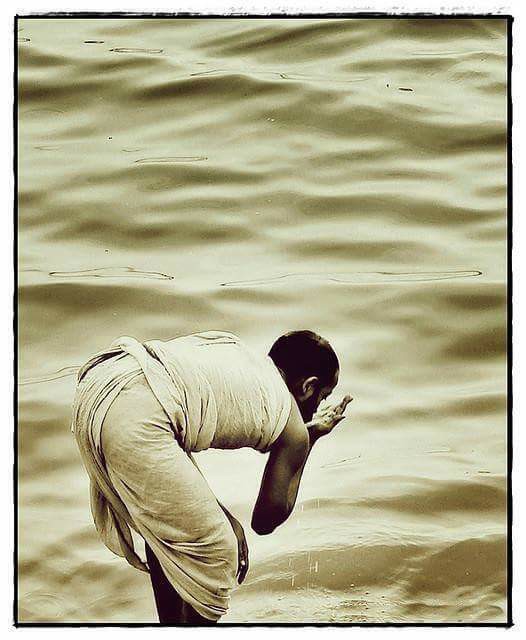
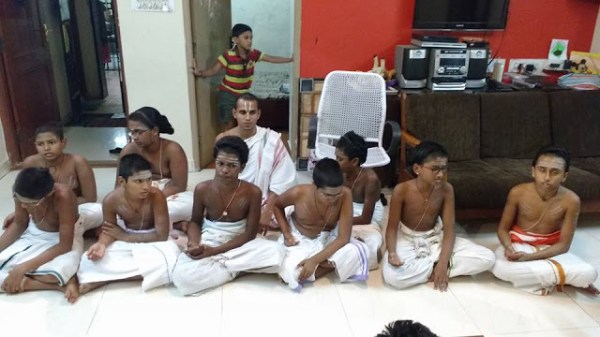
Brahmins do Sandhavandana three times a day: before sunrise, noon and after sunset. They do worship Vedic Gods in the prayer. Just before doing the most important Gayatri mantra they touch their nose and say Gayatri, Ushnik,Anushtubh, Brhti, Panti, Trshtubh, Jagati.


These are the Vedic metres, part of prosody (the study of versification, especially, the systematic study of metrical structure). Vedic Hindus paid so much attention to it and stressed its importance by including it into every day rituals. They studied sounds and its rhythm and patters. Vedic Hindus classified it in an order; we can see a pattern, arithmetic pattern in it. Lot of research is required to study them scientifically. Since Aitareya Brahmana says,


“He who wishes for long life, should use two verses in Ushnih metre; for Ushnih is life. He who having such a knowledge uses two Ushihs arrives at his full age (100 years).


“He who desires heaven should use tow Anushtubhs. There are 64 syllables in two Anushtubhs. Each of these three worlds (Earth, Air and Sky= Bhur Bhuva Suvah) contains 21 places, one rising above the other (just as the steps of a ladder). By 21 steps he ascends to each of these worlds severally; by taking the 64th step he stands firm in the celestial world. He who having such a knowledge uses two Anushtubhs gains a footing (in the celestial world).

“He who desires strength should use two Trishtubhs. Trishtubh is strength, vigour and sharpens of senses. He who knowing this, uses two Trishtubhs, becomes vigorous, endowed with sharp senses and strong.

He who desires cattle should use two Jagatis. Cattle are Jagati like. He who knowing this uses two Jagatis, becomes rich in cattle”.

GAYATRI METRE (or Meter)=24

Three times 8 syllables

This is the most sacred one and it is the proper metre for Agni (Fire God).

USHNIH = 28

It has got 28 syllables

This is the symbol of life; anyone needs longevity use this.

ANUSHTUBH = 32 Syllables

It is the symbol of celestial world

Those who wish to go to heaven should use this.


BRIHATI = 36 Syllables

This metre is used to attain fame

PANKTI = 40 syllables

Five times 8

This is also used to get wealth.


TRISHTUBH=44

It expresses the idea of strength and royal power

This is the proper metre to invoke Indra

Kshatriyas use it to get strength and power.

Four times 11 syllables


JAGATI= 48 syllables

Anyone who wishes for wealth, cattle wealth must use it.


(Viraj = 30 syllables; It helps one to get food and satisfaction.)


Why did Vedic Hindus attribute certain qualities to each metre?

Why did they arrange them in a particular (number) pattern?

Is there a scientific basis for it?

Has any one studied the Vedas form this angle?

Are they just symbolic way of saying something else?

(Number five is used to denote five senses; 64 used to denote 64 arts; Cattle and elephant are used as symbols of five senses)


We must do more research in these metres and its claims of longevity, fame, strength etc.

Dance and Music

Max Muller says, “The metres were originally connected with dancing and music. The names for metre in general confirm this. Chandas, metre, denotes stepping, vritta, metre from vrit, to turn, meant originally the last three or four steps of a dancing movement, to turn, the versus which determined the whole character of a dance and of a metre. Trishtubh means three steps”.


Griffith says, “The Hymns are composed in various metres, some of which are exceedingly simple and others comparatively complex and elaborate, and two or more different etres are frequently found in the same hymn, for instance in Book 1 shows nine distinct varieties in the same number of verses”.

More research with all the scientific instruments will prove how advanced were the Vedic Hindus in the science of sound and music.

They were highly civilized, far ahead of the known ancient civilizations.


Source Book:

An Account of the Vedas with Numerous Extracts from The Rig Veda by J Murdoch.

-Subham–

Damn Good Advice (Post No.3813)

written by S NAGARAJAN


Date:13 April 2017


Time uploaded in London:-  6-14 am


Post No.3813


Pictures are taken from different sources; thanks.


contact: swami_48@yahoo.com


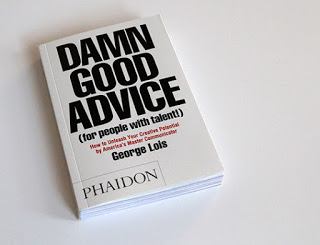
Damn Good Advice


Santhanam Nagarajan


The book under review titled ‘Damn Good Advice’ written by the Ad Guru George Lois has been written based on his experience and hence worth reading.


It is a well-known fact that Lois is a Supernova, the original Mr Big Idea. Since 1950’s he has had a titanic influence on world culture.

He has 120 valuable tips to lead a creative and successful life.

Lois was born in New York in 1931.He is an advertising legend and the creator of Big Idea advertising.


Lois first wants the leader to identify himself choosing the type to which he belongs to.


There are only four types of persons.

  • Very bright, Industrious (You are perfect)
  • Very bright, lazy (A damn shame)
  • Stupid, lazy (You are a wash)
  • Stupid, industrious (You are dangerous)


He cautions us, ‘If you are number 1 or a 2, you will get a lot out of this book. If your are a number 3 or 4, you need not read this book.’

Very true.

All the tools in the world are meaningless without an essential  idea.  Hence always go for a big idea. Whatever you want to communicate to the world it should be communicated in a nanosecond.  He quotes Lincoln who did not have time to contemplate, correct and edit his letter wrote a very long letter to his friend and express his apology citing the above reasons!


Energy begets energy. Playing War games may help you. Sports and the intense intellectualism of the game of chess help drive and sustain the creative ethos. Lois quotes Thomas Huxley. “The chessboard is the world, the pieces are the phenomena of the universe, the rules of the game are what we call the laws of Nature.”


Age is not a barrier. Charles Darwin was 50 when he wrote  On The Origin of Species.

At 52, Ray Kroc started MacDonald.


A.C.Bhakthivedanta Swami Prabhupada founded the Hare Krishna movement when he was 69, with $7 to his name.


A little courage is needed.  A great deal of talent is lost to the world for want of a little courage. The Webster dictionary zeroes in on the meaning of the word “courage”, marked by bold resolution in withstanding the dangerous, alarming or difficult .. a firmness of spirit that faces danger or extreme difficulty without flinching or retreating.


And in his 120th advice he recalls the sufferings of Nelson Mandela. While incarcerated at Robben Island and Pollsmoor prisons for 27 years, recited Invictus, the iconic poem written in 1875 by the English poet William Ernest Henley to his fellow prisoners, empowering all with its message of self mastery. The last four lines of the poem is worth remembering ever:


It matters not how strait the gate,

How charged with punishments the scroll,

I am the mater of  my fate.

I am the captain of my soul.


The book is not only for the persons in advertisement field but for all.

We may choose the tips applicable to us and customize some of the other tips.


To lead a creative life we need exclusive tips to suit the modern world.

This book will certainly help.


Note: Published in www.ezinearticles.com on 12017. Santhanam Nagarajan is an expert Platinum author in ezinearticles.com

Gentlemen Anecdotes (Post No.3812)


Written by London swaminathan


Date: 12 APRIL 2017


Time uploaded in London:- 20-51


Post No. 3812


Pictures are taken from various sources; thanks.


contact; swami_48@yahoo.com


Sir Walter Raleigh

Sir Walter Raleigh would have devised different techniques had he lived today. An authentic descendant of his turned up in Philadelphia as told in the story of the three girls who were marooned on the curb, after a violent cloud burst had left a deep puddle in the poorly drained street stretching nearly all the way between themselves and the car which they wished to board. Two of them had jumped for it only to go in over their ankles. The third was still standing in despair when a sedan rolled up and stopped directly in front of her. With a flourish its driver opened the rear door on her side ,then opened the other. Catching the idea, the young lady proceeded to walk through the car and on to the trolley. Tipping his hat, the driver closed his doors and proceeded to drive way.


Xxx


Theodore Roosvelt

One night a Negro was walking along forty second street in New York, from the terminal to the hotel, carrying a heavy suitcase and a heavier valise. Suddenly a hand took hold of the valise and a pleasant voice said, “Pretty heavy, brother! Suppose you let me take one. I am going your way”.

The Negro resisted, but finally allowed the young white man to assist him in carrying his burden , and for several blocks they walked along, chatting like old cronies.

And that, said Booker T. Washington years afterward, was the first time I ever saw Theodore Roosevelt.


Xxxx

Charles Lamb

Charles Lamb once said,

“Don’t introduce me to that man!

I want to go on hating him, and I can’t hate a man whom I know.”


Xxx


Taxi! Taxi!

It was late at night and the young lady was taking a taxi home. Checking in her hand bag she was mildly horrified to discover that she would not have enough money for the full fare. When the metre had reached the full sum which she had, she called to the driver and told him to let her out,cexplaining the situation.

“Listen, lady, said he, money isn’t everything”.

“There’s still what you call chivalry. You just sit still”.


Xxxx


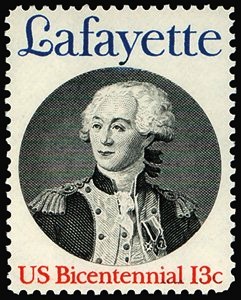
General Lafayette

In 1803 the American Congress granted to General Lafayette, 11520 acres of land, in what was then called the Territory of Orleans; but by some inadvertency, a portion of the same land was afterwards granted to the Corporation of New Orleans. Lafayette was advised to bring forward his claim; and eminent lawyers assured him it was perfectly legal. To which the gallant French man replied,

“I can’t consent even to inquire into the validity of my title. It was gratuitously bestowed by Congress, and it is for them to say what was given. I can’t for a moment think of entering into litigation with any public body in the United States.

Xxx


Edmund Walter

Edmund Walter had a tremendous, international reputation for wit, in spite of his, obstinate sobriety.  Being shown the Duchess of New castles verses on the death of a stag, he declared that he would give all his compositions to have written them; and being charged with the exorbitance of his adulation answered that nothing was , too much to be given, that a lady might be saved from the disgrace of such a vile performance.


Xxxxx


கிலுகிலுப்பை ஆடிய குரங்கு; சங்கப் புலவர் கண்ட காட்சி (Post No.3811)

Written by London swaminathan


Date: 12 APRIL 2017


Time uploaded in London:- 8-19 am


Post No. 3811


Pictures are taken from various sources; thanks.


contact; swami_48@yahoo.com


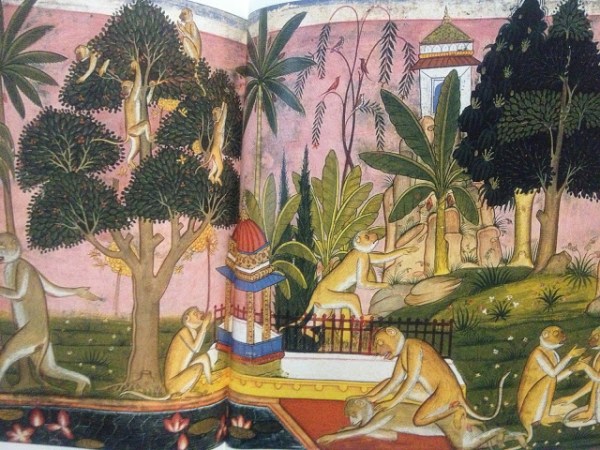
குரங்கு பற்றி தமிழ் இலக்கியத்திலுள்ள அதிசயச் செய்திகளை முன்னொரு கட்டுரையில் தந்தேன். இதோ மேலும் சில செய்திகள்:–


ஒரு குரங்கு கிலுகிலுப்பை ஆடும் காட்சியே அரிய காட்சி; அதுவும் முத்துக்களைக் கொண்டு கிலுகிலுப்பை ஆடிய பணக்கார குரங்கைப் பார்த்த, சங்க காலப் புலவர் இடைக்கழி நாட்டு நல்லூர் நத்தத்தனார், சும்மா இருப்பாரா?


மகா அரன்ன மந்தி மடவோர்

நகா அரன்ன நளிநீர் முத்தம்

வாள்வாய்ருந்தின் வயிற்றகத்தடக்கித்

தோள்புற மறைக்கு நல்கூர் நுசுப்பி

னுளரிய லைம்பா லுமட்டிய ரீன்ற

கிளர்பூட் புதல்வரொடு கிலுகிலியாடு நம்

தத்து நீர் வரைப்பிற் கொற்கைக் கோமான்


சிறுபாணாற்றுப்படை 56-63


உப்பு வணிகர் வண்டியுடன் வந்த, அவருடைய பிள்ளைகளைப் போன்ற குரங்கு, வாள் போன்ற வாயையுடைய கிளிஞ்சலில் பற்கள் போன்ற (வெண்ணிறமுடைய) முத்துக்களை இட்டு மூடி, உப்பு வணிகர் பிள்ளைகளுடன் சேர்ந்து கிலுகிலுப்பை விளையாடும் கடற்கரைப் பட்டினமான கொற்கை.


உப்பு விற்கும் பெண்கள் இடையையும் ,தோள்புறத்தையும் மறைக்கும் கூந்தலையும் உடையவர் என்று பாட்டு வரிகள் சொல்கின்றன.


கொற்கை நகரில் முத்துக்கள் அவ்வளவு மலிவு! மேலும் அந்தக் காலத்தில் கிலுகிலுப்பை விளையாட்டு மிகவும் பிரபலம்; அதோடு, குரங்குகள் மக்கள் செய்யும் எதையும் திருப்பிச் செய்யும் அறிவுடையன என்ற செய்திகளும் இப்பாட்டு வரிகள் மூலம் கிடைக்கின்றன. குரங்கையும் தன் பிள்ளைகளுக்குச் சமமாக வளர்த்த உப்பு விற்கும் பெண்ணின் மனித நேயத்தையும் இப்பாட்டு புலப்படுத்தும். இவை எல்லாம் 2000 ஆண்டுகளுக்கு முன்னிருந்த தமிழகத்தை நம்முன் காட்டும் சித்திரங்களாகும்.


நாம் எல்லாம் உயரமான கட்டிடத்தின் மீதேறி கீழே பார்த்தால் தலை சுற்றும்; அதுவும் அங்கு கைப்பிடியோ சுவரோ இல்லாவிட்டால் போகவே பயப்படுவோம். ஆனால் , வானளாவி நிற்கும் ஒரு மரத்தின் உச்சியில், ஒரு குரங்கு அதன் குட்டியுடன் தைரியமாக உட்கார்ந்த காட்சியைக் கண்டவுடன் அதை  நமக்கு சொற்கள் மூலம் வரைந்து காட்டுகிறார் அவ்வையார்-


உயர்கோட்டு மகவுடை மந்தி போல

அகன் உறத் தழீ இக் கேட்குநர்ப் பெறினே

குறுந்தொகை 29

இப்படிப் பல இயற்கைக் காட்சிகள் நிறைந்தது சங்க காலத் தமிழகம். நாம் அந்த இயற்கை வளத்தை இனிமேலாவது அழியாமல் காப்பாற்ற வேண்டும்.

xxx


My Old Article Monkeys

தமிழ் இலக்கியத்தில் குரங்கு பற்றிய அதிசயச் செய்திகள்

Post no 878 dated 1st March 2014


பூவா தலையா போட்டுப் பார்க்கச் சொன்ன விஞ்ஞானி! (Post No.3810)

written by S NAGARAJAN


Date:12 April 2017


Time uploaded in London:-  5-27 am


Post No.3810


Pictures are taken from different sources; thanks.


contact: swami_48@yahoo.com


பாக்யா வார இதழில் அறிவியல் துளிகள் தொடரில் வெளியாகியுள்ள கட்டுரை

பூவா தலையா போட்டுப் பார்க்கச் சொன்ன விஞ்ஞானி சிக்மண்ட் ஃப்ராய்ட்!

.நாகராஜன்


     பிலிப்பைன்ஸில் 2013ஆம் ஆண்டு சான் டியோடோரோ நகரின் மேயராகத் தேர்ந்தெடுக்கப்பட்ட ஓரியண்டல் மிண்டோரோ பூவா தலையா போட்டுப் பார்த்த பின்னர் ஜெயித்தவ்ர் என அறிவிக்கப்பட்டார், பிலிப்பைன்ஸின் விதிகளின் படி ஒரே ஓட்டு எண்ணிக்கையை இருவர் கொண்டிருந்தால் இருவரும் ஆளுக்கு ஐந்து முறை நாணயத்தைச் சுண்டிப் போட்டுப் பார்த்து அதிகம் தலை விழுந்தவரே ஜெயித்தவராக அறிவிக்கப்படுவார். இதிலும் முதல் முறை சரி சமமாக இருவரும் இருந்ததால் இரண்டாம் தடவை ஐந்து முறை பூவா தலையா போட்டுப் பார்க்கப்பட்டது. அதில் ஜெயித்தார் ஓரியண்டல் மிண்டோரோ.  – பிலிப்பைன்ஸ் செய்தி


     மனிதனின் வாழ்வில் முடிவு எடுக்கத் திணறும் படியான சிக்கலான தருணங்கள் ஏராளம் வருகின்றன. வேலையை எதிர்பார்த்துக் கொண்டிருக்கும் ஒரு இளைஞனுக்கு இரண்டு நல்ல நிறுவனங்கள் வேலை தர முன்வருகின்றன. எந்த நிறுவனத்தைத் தேர்ந்தெடுப்பது?


      பெண்ணுக்கு மாப்பிள்ளை பார்க்க நீண்ட நாட்கள் முயற்சி செய்த ஒரு பெற்றோருக்குத் திடீரென இரண்டு இடங்களில் மாப்பிள்ளை கிடைக்கிறார். இருவருமே நல்லவர்கள். யாரைத் தேர்ந்தெடுப்பது. இது போல நூற்றுக்கணக்கான விஷயங்களில்  முடிவை எப்படி எடுப்பது?

    நம் முன்னோர்களில் பலரும் கோவிலில் சென்று பூ கட்டிப் பார் என்பர். இறைவன் கொடுக்கும் முடிவை எடுத்து அதன் படி நடப்பர். சைவர்கள் தேவாரத்தில் கயிறு சார்த்திப் பார்ப்பர். அதாவது தேவார நூலில் ஏதோ ஒரு  பக்கத்தில் கயிறைச் சார்த்திப் பார்த்து அந்த பக்கத்தில் என்ன உத்தரவு வருகிறதோ அதன் படி நடப்பர். அவர்களுக்குத் தகுந்த பாடல் அதில் இருக்கும்.


   கிறிஸ்தவர்கள் இதே முறையில் பைபிளில்  ஏதோ ஒரு பக்கத்தை எடுத்துப் பார்த்து அதன் படி முடிவெடுப்பர்.

அறிவியலுக்கு ஒத்த முறையாக இது இல்லை என்றாலும் நம் சக்திக்கு மீறிய விஷயங்கள் நமக்குத் தெரியாத போதிலும் பேரறிவுக்குத் தெரியும் என்று அந்தப் பேரறிவின் மீது பாரத்தைப் போட்டு முடிவை எடுப்பது வழக்கம்.


    இன்றைய நடைமுறை வாழ்விலும் இது சகஜமாக இருக்கிறது. எடுத்துக் காட்டாக கிரிக்கட் மேட்சில் முதலில் யார் ஆட்டத்தைத் துவங்கி விளையாடுவது என்பதில் பூவா தலையா போட்டுப் பார்த்து முடிவை எடுப்பது நடைமுறைப் பழக்கமாக இருக்கிறது.


    நண்பர் ஒருவரைப் பார்க்கப் போகிறீர்கள். அவர் ஒரு நாணயத்தைச் சுண்டி விட்டுக் கொண்டிருக்கிறார். நீங்கள் உள்ளே போன சமயம் அவருக்கு விழுந்தது தலை.

அவர், “அடடா! நீ வந்த சமயம் ஆறாம் முறையாகத் தலை விழுந்திருக்கிறது, என்ன அதிசயம்! சரி. இப்போது உனக்கு என்ன வேண்டும், தலையா, பூவா சொல்” என்கிறார்.

நீங்கள் எதைத் தேர்ந்தெடுப்பீர்கள்? நீங்கள் அல்ல, யாராக இருந்தாலும் உடனே பூ என்று தான் பதில் சொல்வார்கள்.

ஏனெனில் ஏழாம் முறையாக எங்காவது தலை விழுமா என்ற ஒரு எண்ணம் தான் காரணம்!


இது பொதுவாக அனைவரும் செய்யும் மதிப்பீடு. இதற்கு தி கேம்ப்ளர்ஸ் ஃபாலஸி சூதாடுவோர் செய்யும் பிழை – (The Gamblers Fallacy) என்று பெயர். இப்படி நம்புவோர் பொதுவாக உலகில் இல்லாத ஒரு ஒழுங்கை எதிர்பார்ப்பவர்கள்.


    ஆக ஒரு முடிவை எட்ட முடியாமல் இருக்கும் போது பூவா தலையா போட்டுப் பார்ப்பது உலகெங்குமுள்ள நடைமுறையாக தொன்று தொட்டு இருந்து வருகிறது.

அமெரிக்கா, ஆஸ்திரேலியா, கனடாவில் வாலிபால். கால்பந்தில் பூவா தலையா போடுவது நிச்சயமாக இடம் பெறுகிறது.


பிரிட்டனில் ஒரே எண்ணிக்கையில் இருவர் ஓட்டு பெற்று விட்டார்கள் என்றால் பூவா தலையா போட்டுப் பார்த்து வென்றவர் யார் என்று முடிவு செய்யப்படுகிறது. அமெரிக்க செனட்டர் தேர்தலிலும் பூவா தலையா போட்டுப் பார்ப்பது அங்கீகரிக்கப்பட்ட ஒரு பழக்கம் தான்!

இந்த முறையை அறிவியல் ஆதரிக்கிறதா?


Toss the Coin என்ற இந்த் நடைமுறையை விஞ்ஞானி ஒருவரும் ஆதரிக்கிறார் என்றால் ஆச்சரியமாக இல்லை?பிரபல விஞ்ஞானி சிக்பண்ட் ப்ராய்ட் முடிவை எட்ட முடியாத நிலையில் பூவா தலையா போட்டுப் பாருங்கள் என்கிறார்.

அவரது கொள்கை டாஸ் தி காயின்’ கொள்கை என்று பிரபலமானது.


இந்தக் கொள்கையில் அவர் என்ன சொல்கிறார்?


   “பூவா தலையா போட்டுப் பாருங்கள் என்று நான் சொல்வது  முடிவு எடுப்பதற்காக அல்ல, இந்த முடிவை எடுப்பவர்கள் தங்களை உணர்ச்சிபூர்வமாக தெளிவு படுத்திக் கொள்வதற்காகத்தான் இப்படி போட்டுப் பார்க்கச் சொல்கிறேன்.நீங்கள் நாணயம் என்ன சொல்கிறது என்பதைப் பாருங்கள். பிறகு அந்த முடிவிற்கான உங்கள் எதிர்வினை என்ன என்று பாருங்கள். இந்த முடிவால் எனக்கு சந்தோஷம் தானா என்று கேட்டுக் கொள்ளுங்கள். அதன் அடிப்படையில் முடிவெடுத்துச் செயலில் இறங்குங்கள்” என்கிறார் அவர்.


     உலகெங்கும் பூவா தலையா போட்டுப் பார்ப்பது பகுத்தறிவுக்கொத்த ஒரு நடைமுறைப் பழக்கமாக ஆகி விட்டது.


மூட ந்ம்பிக்கை என்று சொல்பவர்கள் சொல்லி விட்டுப் போகட்டும், கோவிலில் பூ கட்டிப் பார்ப்பதும் நிற்கப் போவதில்லை, கிரிக்கட்டில் முதலில் யார் ஆடுவது என்பதை நிர்ணயிக்க டாஸ் தி காயினும் நிற்கப் போவதில்லை.


     உளவியலாளர்களும் நடுவர்களும் அறிஞர்களும் ஆதரிக்கும் ஒரு விஷயம் பூவா தலையா போட்டுப் பார்ப்பது தான்!


     இதன் படி நிகழ்ந்த சரித்திரப் பிரசித்தி பெற்ற நிகழ்வுகளை விரும்புப்வர்கள் ஒரு பெரும் நூலாகவே தொகுத்துப் பார்க்கலாம்!


அறிவியல் அறிஞர் வாழ்வில்!


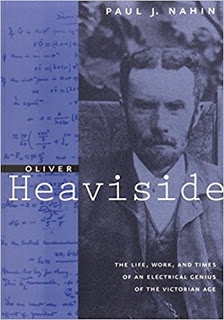
பிரிட்டனைச் சேர்ந்த கணித மேதையும் எலக்ட்ரிகல் பொறியாளருமான ஆலிவர் ஹெவிசைட் (Oliver Heaviside) மின்சார சர்க்யூட்டுகளை பகுப்பாய்வு செய்ய சிக்கலான பல கணித உத்திகளைக் கண்டுபிடித்தார். ஆனால் இவருக்கு பல விசித்திரமான பழக்கங்கள் இருந்தது. (ஏற்கனவே 25-11-16 பாக்யா இதழில் அறிவியல் அறிஞர் பகுதியில் இவரைப் பற்றிப் பார்த்துள்ளோம்)


     இவர் தனது வீட்டை பிரம்மாண்டமான க்ரானைட் கற்களைக் கொண்டு அமைத்தார். தனது நகங்களில் இளஞ்சிவப்பு நிறத்தில் நெய்ல் பாலிஷைத் தடவிக் கொள்வார்.. வெறும் பாலை மட்டுமே பல நாட்களில் அருந்துவார். அதுவே அவரது உணவாகும் எப்பொழுதும் எழுதிக் கொண்டே இருக்கும் ஒரு வித நிலையை மூளை கொண்டிருந்தால் அதற்கு ஹைபர்க்ராபியா (Hypergraphia) என்று பெயர். இத்தகைய ஹைபர்க்ராபியாவை அவர் கொண்டிருந்ததால் எப்பொழுதும் அவர் எழுதிக் கொண்டே இருப்பார். இத்தனை விசித்திரப் பழக்கங்களுடன் அவர் ஆராய்ச்சி செய்து வாழ்ந்து வந்தார்!


****


நூற்று இதழ் அலர் – சத பத்ர யோனிம்: தாமரை உவமைகள் (Post No.3809)

Written by London swaminathan


Date: 11 APRIL 2017


Time uploaded in London:- 21-43


Post No. 3809


Pictures are taken from various sources; thanks.


contact; swami_48@yahoo.com


காளிதாசனும் சங்க காலப் புலவர் முதுகண்ணன் சாத்தனாரும் தாமரை பற்றி ஒரே சொல்லைப் பயன்படுத்துகின்றனர். இரண்டு உவமைகளிலும் சொல் ஒற்றுமை தவிர வேறு சுவையான செய்தியும் உள்ளது.


தமிழில் கோவில் என்றால் வைணவர்களுக்கு திருவரங்கம்; சைவர்களுக்கு சிதம்பரம். இதே போல மலர் என்று சொன்னால் தமிழில் தாமரை, வடமொழியில் புஷ்பம் என்று சொன்னால் தாமரை.


ரிக்வேதத்திலும் அதர்வ வேதத்திலும் புஷ்ப, புஷ்கரம், புண்டரீகம் என்ற மூன்று சொற்கள் தமரைக்குப் பயன்படுத்தப் படுகிறது.

புஷ்கரம் இருக்கும் இடம் புஷ்கரணி (கோவில் குளம்)

தாமரைக்கு சம்ஸ்கிருதத்தில் அதிகமான பெயர்கள்!  இந்துப் பெண்களின் பெயர்கள் பெரும்பாலும் பூ — அதிலும் குறிப்பாக — தாமரை தொடர்பானதாகவே இருக்கும் (கமலம், பங்கஜம்,நீரஜம், அரவிந்த, தாமரை…. என்று).


காளிதாசன் மட்டும் 90 இடங்களில் தாமரை உவமையைப் பயன்படுத்தியுள்ளான். பெண்களின் முகம், கை, கால், விரல், உதடு என்று பல இடங்கள். மலராத மொட்டு- சோகமான முகத்துக்கும் மலர்ந்த பூ- சிரித்த முகத்துக்கும் உவமை. ஆனால் சூரியனைக் கண்ட தாமரை போல என்ற உவமை சங்க இலக்கியத்தில் இல்லை- காளிதாசனில் உண்டு.

தாமரைக்குள்ள பல பெயர்களில் சத பத்ரம் ( நூற்றிதழ்), சஹஸ்ரபத்ர (ஆயிரம் இதழ்) என்ற பெயர்களும் அடக்கம்.


பிரம்ம தேவன் தாமரையில் அமர்ந்திருப்பதனால் அவருக்கு சதபத்ர யோனி என்ற பெயர் உண்டு. பாற்கடலில் பள்ளிகொண்ட பரந்தாமனின் தொப்புளில் இருந்து தாமரைமேல் பிறந்தவர்.


இதை காளிதாசன் குமார சம்பவ காவியத்தில் (KS 7-46) பயன்படுத்துகிறான்


“சிவன் ஓரக்கண்ணால் பார்த்தபோது பிரம்மாவைப் பார்த்து தலை அசைத்தாராம்; விஷ்ணுவைப் பார்த்தவுடன் ஓரிரு வார்த்தைகள் பேசினாராம்; இந்திரனைப் பார்த்து புன்னகை உதிர்த்தாராம். மற்றவர்களை  ஒரு ‘லுக்’ (look) விட்டாராம். அதாவது ஒரு பார்வை மட்டுமே. அந்தக் காலத்தில் அரசர்கள், மற்றவர்களை அந்தஸ்து, பதவிக்கு ஏற்ற முறையில் வரவேற்றது இப்படித்தான்.


லண்டனில் பக்கிங்ஹாம் அரண்மனையில் ஆண்டுதோறும் ஆயிரம் பிரமுகர்களுக்கு மஹாராணி விருந்து கொடுப்பார். எனக்கும் என் மனைவிக்கும் அழைப்பு வந்திருந்தது. நாங்கள் போயிருந்தோம். மஹாராணி எலிசபெத் அம்மையார் எங்களுக்கு மிக அருகில் வந்தார். ஆனால் எங்களை ஏறிட்டும் பார்க்கவில்லை. நாங்கள் அவரை முன்பின் அறியாதவர்கள். எங்களுக்கு மிக அருகில் சில பிரமுகர்கள், எம்.பி.க்கள் பிரபுக்கள் (Lords) ஆகியோரும் நின்றிருந்தனர். அவர்களில் சிலரைப் பார்த்தார்; சிலரைப் புன்னகைத்தார்; ஒரு சிலரிடம் ஓரிரு வார்த்தைகள் நவின்றார். இதைத்தான் காளிதாசன் குமார சம்பவ காவியத்தில் சிவ பெருமானும் செய்ததாகப் பாடுகிறான்.


அந்தப் பாடலில் அவன் பிரம்மாவுக்குப் பயன்படுத்திய சொல் சதபத்ரயோனிம். இதை முதுகண்ணன் சாத்தனார் (புறநானூறு 27) எப்படிப் பயன்படுத்துகிறார் என்று காண்போம்:


சேற்று வளர் தாமரை பயந்த, ஒண்கேழ்,

நூற்று இதழ் அலரின் நிரைகண்டன்ன

வேற்றுமை இல்லா விழுத் திணைப் பிறந்து,

வீற்றிருந்தோரை எண்ணும் காலை

உரையும் பாட்டும் உடையோர் சிலரே;

மரை இலை போல மாய்ந்தசினோர் பலரே;

புலவர் பாடும் புகழுடையோர் விசும்பின்

வலவன் ஏவா வான ஊர்தி

எய்துப என்ப, தம் செய்வினை முடித்து எனக்

………………………

(புறம்.27, சோழன் நலங்கிள்ளியை உறையூர் முதுகண்ணன் சாத்தனார் பாடியது)

பொருள்:-

“சேற்றில் வளரும் தாமரையில் தோன்றிய செந்தாமரை மலரின் நூற்றுக் கணக்கான இதழ்களும், தம்முள் வேற்றுமையில்லாமல் உயர்வுடன் தோன்றும்.  அதுபோல வேற்றுமை இல்லாத உயர்ந்த குடியில் பிறந்து வாழ்ந்தவராயினும், அவர்களுள் உரையும் பாட்டுமாகப் புகழப்பட்டோர் சிலரே ஆவார். தாமரையின் இலை போல புகழில்லாமல் இறந்தவர்களே அதிகம். புலவர் பாடும் புகழுடையோர்– வானத்தில் விமானியே இல்லாமல் தானே இயங்கும் விமானத்தில் பறக்கும் அளவுக்கு உயர்வர். அவர் தாம் செய்த செயல்களை எல்லாம் இப்பூவுலகில் செம்மையாக நிறைவேற்றியவர் ஆவர்”.


இந்தப் பாட்டில் நூற்றிதல் தாமரை = சத பத்ர என்ற செய்தியுடன் விமானி இல்லாத விமானம், அதில் புனித ஆத்மாக்கள் பறப்பது, புகழுடையோர் சிலர்;  புகழில்லாமல் வாழ்பவரே மிகப் பலர்– என்ற செய்தியும் கிடைக்கிறது.


காளிதாசன் தாமரை தொடர்பாக 90 உவமைகளைப் பயன்படுதினான். சங்கத் தமிழில் சுமார் 20 உவமைகள் உள்ளன. படித்துப் பயன்பெறுக.


-சுபம்–

Lotus Flower in the Vedas, Kalidasa and Sangam Tamil Literature (Post No.3808)

Written by London swaminathan


Date: 11 APRIL 2017


Time uploaded in London:- 20-22


Post No. 3808


Pictures are taken from various sources; thanks.


contact; swami_48@yahoo.com


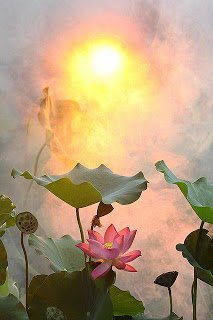
In Indian literature ‘flower’ means Lotus. For other flowers, they name it. Most of the Hindu girls are named after flowers. Lotus flower names are more prominent than other flower names. In Sanskrit lotus has more words than any other flower. in Tamil ‘MALAR’ means ‘flower ‘and the ‘Lotus’. Lotus flower is used as offering for all the gods and goddesses.


In the Vedas

‘Puspa’ in Sanskrit denotes a flower generally. It occurs in Atharva veda (8-7-12; 10-8-34) and Vajasaneyi Samhita and Taittiriya Samhita. Since Tamils use Malar for flower and lotus, Puspa may be lotus in the Vedas as well.


Puskara is blue lotus flower found in the Rig Veda (6-16-13; 7-33-11). Some scholars think it may be the bowl of the ladle. We have more references in Atharva Veda and later Brahmanas. Puskarini is a tank with lotus flowers in the beginning, then to all holy water tanks.

Pundariika

Pundarika denotes the blossom of the lotus in the Rig Veda (10-142-8). Later Brahmana and Upanishad have many references. The Pancavimsa Brahmana states that the lotus flower is born of the light of the Naksatras (18-9-6) and the Atharva Veda compares the human heart to the lotus (10-8-43) ( and in Chandogya Upanishad (8-1-1) as well).


Mysterious Puskara-saada

Puskara saada means ‘sitting on the lotus’. it is one of the animals in the list of victims at the Asvamedha/ horse sacrifice. It occurs in Taittiriya, Maitrayani and Vajasaneyi samhitas. It may be a bird or a bee or something else.

A woman’s face is frequently compared to lotus in Indian literature. Kamban, who wrote Ramayana in Tamil, also compared the face of Rama to a full blown lotus. He says that Rama’s face remained like a blossomed lotus in painting even when Dasaratha and Kaikeyi asked him to go to forest for 14 years so that Kaikeyi’s son Bharata can rule the country.
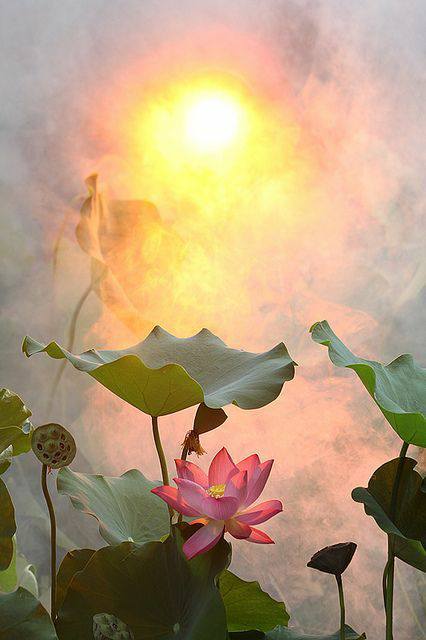
In Kalidasa

Kalidasa and Tamil poets use similar words for this flower in their works.

Sangam Tamil poet Mutukannan Sattanar described the lotus with the epithet Hundred Petalled flower (Puram.27). It was used by Kalidas earlier in the Kumarasambhava (7-46). Kalidasa used the word  Hundred petalled for Brahma because he is seated on a lotus.

Kalidasa says, Lord Shiva honoured Brahma (100 petalled seater) with a nod of the head, Vishnu with spoken words, Indra with a smile and other gods with a mere look according to their seniority (KS 7-46). This shows how Hindu kings honoured their guests according to their seniority!

Tamil poet Mutukannan says, “All the 100 petals of a lotus that grows in a muddy water tank, proudly stands without any difference. Likewise, there are hundreds of people who are high born. But most of them die unsung like the leaves of lotus plants. Only very few attain the fame to be sung and fly high.


The poet gives a message through the image of lotus flower. Not all the people attain fame like the lotus petals. Most of them die without fame like the lotus leaves.


Kalidasa and other Sanskrit poets use the lotus image for eyes. In the Rtu Samhara, the beautiful tremulous eyes of a frightened deer and the lovely, impassioned and dark eyes of women are imagined to be lotuses, blue as well as white (RS 2-9; 3-14)


In the Megaduta Kavya, Yakshini is compared to a lotus plant on a cloudy day, with its lotus neither opened nor closed up (Mega.43)


In the Kumarasambhava, Parvati’s tremulous eyes are compared with blue lotus. In Raghu vamsa, Kumarasambhava, Vikrama Urvasiya we come across many references to lotus like eyes. In those works women’s face is also compared with lotus.


The breath of Parvati’s mouth is imagined to possess the fragrance of a full blown lotus (KS 7-19)


Siva tasted the honey of Parvati’s lip as a bee does on drinking that of a lotus flower (KS 8-23)

When the women of Mithila looked at Sita from their windows, they are described as lotuses.


In all his seven works, there are number of lotus images comparing to women’s faces, limbs, eyes, skin colour etc.


In Sangam Tamil literature, there is no description of the relationship between lotus and sun. But in Kalidasa we have such references. The gloomy appearance of a Yaksha is imagined to be a lotus after sunset (Uttaramegham 20).


The water of Ganga mixed with the waves of Yamuna looks at one place like a garland of white lotuses intertwined with the blue ones (RV 13-54)


There are over 90 references to lotus in his seven works.
In Tami Literature

Nallur Nattattanar, author of Cirpanatruppatai, paints a picture of bees humming melodiously in the lotus blossoms in the tanks of the Choza country (Cirupan70-77). He uses the epithet Divine lotus, because it is all gods’ favourite flower.


Kapilar describes (Nar.1)the honey gathered from the lotus flowers in one of his poems. ‘The acquaintance with noble men of high qualities is as sweet as the honey gathered by the bees from the lotus flowers and stored in the honey comb of the lofty branch of a sandal wood tree in a high mountain.


Katiyalur Uruttiran Kannanar (his name is Mr Rudraksha), author of two long Sangam poems Pattinapalai and Perumpanatrupatai had the astonishing power of observation of nature. He gave us accurate comparisons to almost every sight and sound he described in his poems. In his work Perumpanatruppatai, he compares the lotus petals to the long ears of the rabbit (lines 114-115). In another line he described the ‘divine lotus flowers of flame like hue’ line 289/90.

The attractive colour of the pollen of the lotus flower is described in Kuruntokai 300


Sangam poet Allur Nan Mullaiyar sings about a buffaloe punging into water in a tank to eat the lotus blossoms there (Akam.46)


Paranar is famous for his similes. He is the kaidasa of Tamil Literature. He used nine similes in a single stanza in Akam178. He says the lotus has flame like flower, long stems and broad leaves (Nar.310 andAkam.6)

Mankuti Marutanar also used the same epithet for lotus:lotus of thorny stems and flame like flowers- Maturaikkanchi line 249.


Mamulanar describes a buffalo eating lotus flowers in Akam.91


in Akam.176, we read a full description of a lotus plant by Marutam Patiya Ilamkatunko:There are blossomed lotuses like smiling faces, with buds like sharp pointed spears, leaves like the ears of elephants, rounded tubular stems like bamboo sticks and mature roots that enter deep into the ground causing clefts there in.

Marutan Ilanakanar compared the lotus flower to the face of a beautiful lady in Kalitokai (line 73)

an otter enters a lotus tank, scatters the Vallai creepers there, seizes the Valai fish amidst them, feeds upon it and returns to its rattan bush (Akam.6) according to Paranar.

Source books

The treatment of nature in Sangam Literature by M Varadarajan, 1969

The Imagery of Kalidasa by Dr Vinod Aggarwal, 1985

Vedic Index by Keith and Mc Donald


–Subham–

விஞ்ஞானம் நிரூபிக்கும் வால்மீகி முனிவர் கூறும் உண்மைகள்! (Post No.3807)

written by S NAGARAJAN


Date:11 April 2017


Time uploaded in London:-  5-44 am


Post No.3807


Pictures are taken from different sources; thanks.


contact: swami_48@yahoo.com


விஞ்ஞானம் மெய்ஞானம்

ஞான ஆலயம் மார்ச் 2017 இதழில் வெளியான கட்டுரை


விஞ்ஞானம் நிரூபிக்கும் வால்மீகி முனிவர் கூறும் உண்மைகள்!


by ச.நாகராஜன்


நாஸா நிரூபிக்கும் சேது


அறிவியல்  முன்னேற முன்னேற பல்வேறு ஆய்வின் முடிவுகள் ஹிந்து மதம் கூறும் தத்துவங்களையும் கொள்கைகளையும் உண்மை என நிரூபித்துக் கொண்டே வருகின்றன.

வால்மீகி தான் இயற்றிய ராமாயணத்தில் உண்மையைத் தவிர வேறொன்றும் உரைக்கவில்லை.


நாஸா எடுத்த சாடலைட் படம் சேது அணை இருப்பதை உறுதி செய்ததை நாம் அறிவோம் (ஞான ஆலயம் டிசம்பர் 2007 இதழில் இந்தக் கட்டுரை ஆசிரியர் எழுதிய கட்டுரையை வாசகர்கள் நினைவு கூரலாம்)


ஜெர்மனியைச் சேர்ந்த வரலாற்று ஆய்வாளர்களான புரபஸர் க்ளாஸ் டி ருல் (Prof Klaus D Ruhl)  மற்றும் அவரது இந்திய சகாவான புரபஸர் விஷாத் திரிபாதி ஆகியோர் ராமர் கட்டிய சேதுவைப் பற்றிய உண்மையை நிரூபிக்கத் தயார் என்று அகில உலக இராமாயண் மாநாட்டில் 2007இல் அறிவித்தனர்.

இராமர் பிறாந்த தேதி


இராமாயணம் நடந்த காலத்தில் ராமர் பிறந்த நேரத்தில் இருந்த பல்வேறு கிரக் நிலைகளை வால்மீகி ரிஷி கூறியிருப்பதை வைத்து ஆராய்ந்து அப்படிப்பட்ட கிரக நிலைகள் கிறிஸ்து பிறப்பதற்கு 5114 ஆண்டுகளுக்கு முன்னர் ஜ்னவரி மாதம் 10ஆம் தேதி அமைந்திருந்ததாக இப்போது பிரபல ஆராய்ச்சியாளர் புஷ்கர் பட்நாகர் கூறுகிறார்.. தி இன்ஸ்டிடியூட் ஃபார் ஸயிண்டிபிக் ரிஸர்ச் ஆன் வேதா என்ற ஆய்வு நிறுவனம் இந்த கணிதத்தைப் போடுவதற்கான  ஒரு விசேஷ மென்பொருளை வடிவமைத்துள்ளது. அதன் உதவி கொண்டு இந்த முடிவை அவர்  கண்டுள்ளார். இதே கிரக நிலைகள் சுழற்சி அடிப்படையில் இதற்கு முன்னர் வரும் போது காலம் இன்னும் பல ஆயிரம் ஆண்டுகளுக்கு முன்னர் உள்ள தேதியைக் காண்பிக்கும் என்பது இன்னும் சில அறிஞர்களின் முடிவு.


196 ராமாயண ஸ்தலங்கள்!


2002 ஆம் ஆண்டில் டாக்டர் ராம் அவதார் சர்மா என்ற ஆய்வாளர் ராமாயணத்துடன் தொடர்பு கொண்ட 196 இடங்களுக்கு நேரில் சென்று ஆய்வு நடத்தி அங்கெல்லாம் இன்றும் கூட ராமாயணம் நடந்ததற்கான சின்னங்கள் இருப்பதை உறுதிப் படுத்தியுள்ளார்.


குகனின் வமிசாவளியினர்


டெல்லி பல்கலைக் கழகத்தைச் சேர்ந்த டாக்டர் சௌபே மற்றும் புரபஸர் வி.ஆர்.ராவ் ஆகியோர் இன்னொரு உண்மையைத் தங்கள் ஆய்வின் மூலம் கண்டறிந்துள்ளனர்.மிராஜ்பூர், வாரணாசி,பண்டா மற்றும் அலஹாபாத் ஆகிய இடங்களில் இன்றும் இருந்து வரும் கொல் என்னும் பழங்குடியினர் குகனுடைய வம்சத்தின் வழித்தோன்றல்கள் என்று அவர்கள் கூறுகின்றனர்.இவர்களுடைய மரபணுக்கள் பத்தாயிரம் வருடங்களாக இருந்து வரும் ஒரு குடியினரின் மரபணுக்களாகும் என்ற அவர் கூற்று ஆரியர் இந்தியாவின் மீது படையெடுத்து வநதனர் என்ற ஆரிய-திராவிட வாதத்தைத் தவிடு பொடியாக்குகிறது.


பிரித்தாளும் சூழ்ச்சியில் கை தேர்ந்த ஆங்கிலேய அரசுக்கு உறுதுணையாக இருந்த பல அறிஞர்களின் கட்டுக்கதையான ஆரிய திராவிட வாதம் தற்போதைய பல்வேறு அறிஞர்களின் ஆய்வால் முற்றிலும் கட்டுக்கதை என்பது நிரூபணமாகி விட்டது.


நான்கு தந்தங்கள் கொண்ட யானை உண்மையே


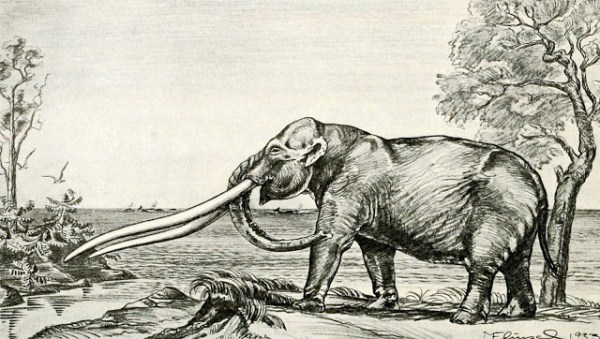
சுந்தர காண்டத்தில் இராவணனின் அரண்மனை நான்கு தந்தங்கள்  கொண்ட யானைகளால் காவல் காக்கப்படுவதை வால்மீகி முனிவர் நான்காவது ஸர்க்கம் 29ஆம் சுலோகத்தில் “வாரணைச்ச சதுர்தந்தை:” என்ற சொற்றொடர் மூலம் குறிப்பிடுகிறார்.

அதே காண்டத்தில் 27ஆம் ஸர்க்கத்தில் வரும் சுலோகம் இது:


ராகவஸ்ச மயா த்ருஷ்டச் சதுர்தந்தம் மஹாகஜம் |

ஆரூட: சைல சங்காஷம் சசார சஹ லக்ஷ்மண: ||


விபீஷணனின் பெண்ணான திரிஜடை, இராவணன் அழிக்கப்பட்டு சீதையுடன் இராமன் சேருவதாகத் தான் கண்ட கனவை சீதையிடம் கூறுகிறாள். அப்போது அவள் கூறும் இந்த சுலோகத்தின் பொருள்: “ராகவர் லக்ஷ்மணரோடு கூடியவராய் நான்கு தந்தங்களை உடைய குன்று போல உள்ள யானையின் மீது ஏறினவராக என்னால் காணப்பட்டார்”


நான்கு தந்தங்கள் கொண்ட யானையே இல்லை; அது கற்பனை என பல “பகுத்தறிவுவாதிகள்” கிண்டலும் கேலியுமாக கூறி வந்ததுண்டு.


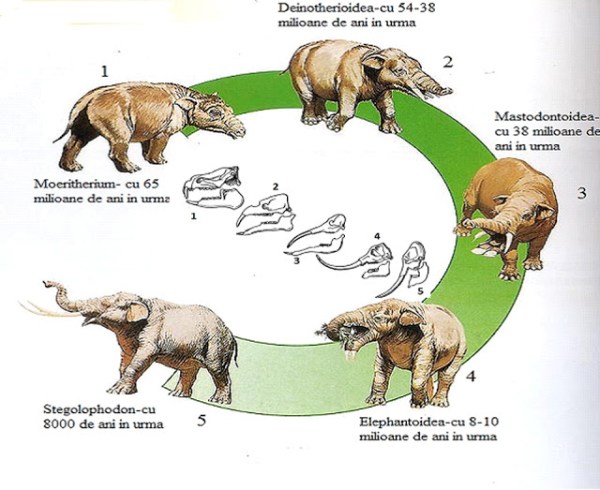
ஆனால் என்கார்டா என்சைக்ளோபீடியா (Encarta Encyclopedia)  என்னும் கலைக்களஞ்சியம் இப்படிப்பட்ட நான்கு தந்தங்கள் கொண்ட யானைகள் 38 மில்லியன் ஆண்டுகளுக்கு முன்னர் இருந்தது என்பதையும் அவற்றின் பெயர்


மஸடோடோண்டாய்டியா (MASTODONTOIDEA) என்றும் குறிப்பிடுகிறது. அந்த இனம் 15 மில்லியன் ஆண்டுகளுக்கு முன்னர் அழிந்து பட்டது என்றும் பின்னர் இரண்டு தந்தங்கள் உடைய யானைகள் தோன்றின என்றும் அந்தக் கலைக் களஞ்சியம் தெரிவிக்கிறது.


ஆய்வுகள் பல நவீன உபகரணங்களுடன் நடத்தப்பட நடத்தப்பட புதிய உண்மைகள் வெளியாகிக் கொண்டே இருக்கின்றன. ஒவ்வொன்றும் வால்மீகி கூறி இருக்கும் ஒவ்வொரு வார்த்தையும் உண்மையே என்பதை நிரூபிக்கின்றன.

சத்தியத்தின் அடிப்படையில் சத்திய நாயகனான ராமனின் சரிதத்தைக் கூறும் வால்மீகி ராமாயணத்தில்,

“ஏகைகமக்ஷரம் ப்ரோக்தம் மஹா பாதக நாசனம்” – அதில் வரும் ஒவ்வொரு எழுத்தும் கூறப்படுகையில் அது மகா பாதகத்தையும் போக்கி விடும் என்று முன்னோர் கூறியது பொருள் படைத்ததல்லவா!

******