வளமான வாழ்க்கைக்கு வழிகாட்டும் சூக்தங்கள்! (Post No.4397)

Written by S.NAGARAJAN


Date: 15 NOVEMBER 2017


Time uploaded in London- 6-44 am


Post No. 4397

Pictures shown here are taken from various sources such as Facebook friends, Books, Google and newspapers; thanks. Pictures are not related to the story.


ஆன்மீக மாத இதழான ஞான ஆலயம் திருமதி மஞ்சுளா ரமேஷை ஆசிரியராகக் கொண்டு சென்னையிலிருந்து வெளி வருகிறது. அதில் நவம்பர் 2017 இதழில் வெளியாகியுள்ள கட்டுரை

வளமான வாழ்க்கைக்கு வழிகாட்டும் வைதிக சூக்தங்கள்!


(செல்வம்,ஆரோக்கியம், மன அமைதி, நீண்ட ஆயுள் பெற வழி!)


BY ச.நாகராஜன்
ஒருவன் இந்த உலகில் இப்பிறவியில் அனுபவிக்கும் சுகத்திற்கும் துக்கத்திற்கும் அவனது கர்ம வினைகளே காரணம் என்று நமது வேதங்களும் சாஸ்திரங்களும் அறுதியிட்டு உறுதி கூறுகின்றன.


‘உனது உயர்வுக்கும் தாழ்வுக்கும் நீயே காரணம் ஆகவே உன்னை நீயே உயர்த்திக் கொள்’ (உத்தரேத் ஆத்மனாத்மானம் – பகவத் கீதை) என்கிறார் ஸ்ரீ கிருஷ்ணர்.


இந்த ஜன்மத்தில் விதி வசத்தால் தாழ்நிலையில் இருப்பவர்களுக்கு, ‘அப்படியெனில் எனக்கு உய்வே கிடையாதா? தரித்திரனாக, படிக்க முடியாதவனாக, ஆரோக்கியம் குன்றியவனாக, மன அமைதியற்று இந்த ஜன்மம் பூராவும் இருக்க வேண்டுமா?’ என்ற கேள்வி எழுகிறது.


இதை மனதில் கருதி ரிஷிகளும் ஞானிகளும் வைதிக சூக்தங்கள் பலவற்றை அருளியுள்ளனர்.

தீர்க்க முடியாத சில கர்ம வினைகளால் ஏற்படும் பாதிப்புகளைத் தவிர ஏனையவற்றை சூக்தங்களை ஒதி அல்லது ஓதுவித்து கஷ்டங்களைத் தீர்த்து இப்பூவுலக வாழ்வை பரிபூரணமாக் ஆனந்தமாக அனுபவித்துக் கடைத்தேறலாம் என்பது வேதங்களின் தீர்ப்பு.


இந்த வகையில் ஒவ்வொரு கஷ்டத்திற்கும் ஒரு நிவாரணம் உண்டு; அதற்கான சூக்தம் உண்டு. இதை நன்கு ஓதி உணர்ந்தவர்களை அணுகி அவர்கள் மூலமாக பரிகாரம் தேட வழி வகை செய்திருப்பதே வைதீக மதத்தின் தனிச் சிறப்பு.

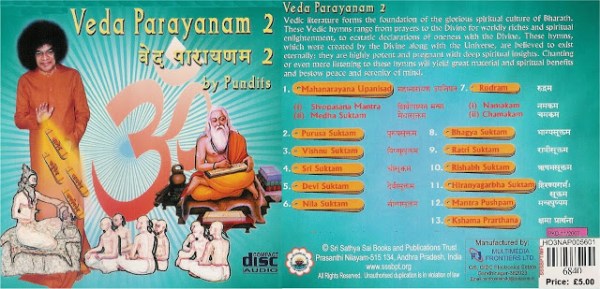
சூக்தங்கள் ஏராளம். அவற்றில் சிலவற்றையும் அதன் சிறப்பையும் இங்கு காணலாம்.
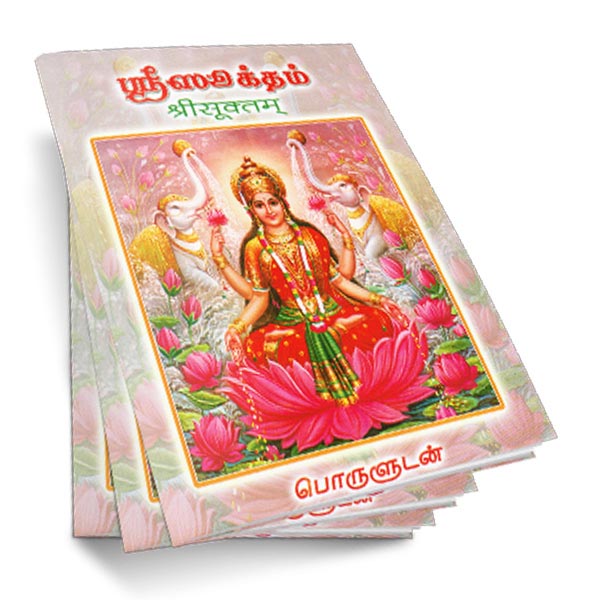
 

  • ஸ்ரீ சூக்தம்

ஹிரண்ய வர்ணாம் என்று ஆரம்பிக்கும் சூக்தம் இது. வேதங்களிலும் புராணங்களிலும் காணப்படும் மஹாலக்ஷ்மியின் பல்வேறு துதிகளின் தொகுப்பே இது. இதனைப் பாராயணம் செய்வதன் மூலம் அளப்பரிய செல்வ வளத்தைப் பெறலாம். அனுதினமும் பல பக்தர்கள் ஒதும் சூக்தம் இதுவே.


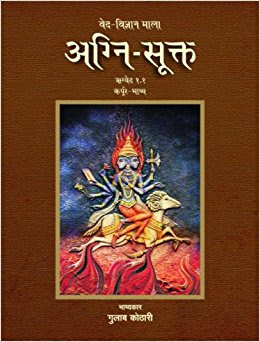
  • அக்னி சூக்தம்

அக்னியை வேதங்கள் ஆச்சரியத்திலும் ஆச்சரியமான ஒன்றாகப் புகழ்கிறது.பிரஜைகளின் உற்பத்தி,, மனிதர்களின் பலம், வீர்யம் ஆகியவை அக்னியினாலேயே உருவாகிறது. அக்னியே அனைத்தும்.

ரிக்வேதத்தின் முதல் பாடலாக அமையும் இந்த சூக்தம் அக்னி மீளே என்று துவங்குகிறது.மகனுக்குத் தந்தை போல எளிதில் அணுகத் தக்க அக்னியால் புகழும் ஒளியும் பெருகும் (யசஸம், வீரவத்தமம் – புகழை வளர்ப்பது, மனித குலத்தை வளர்ப்பது)
 

  • வைஸ்வானர சூக்தம்

வேதங்களில் வைஸ்வானர அக்னியின் புகழ் எல்லையற்றதாக வர்ணிக்கப்படுகிறது. ஆனந்தம் தருபவன், சுவர்ணமய ரதம் கொண்டிருப்பவன்,ஜலத்தில் வசிப்பவன்,சர்வக்ஞன்,சர்வ வியாபி, அனைவரிடமும் இருப்பவன்.


வைஸ்வானரோ என்று இந்த சூக்தம் ஆரம்பிக்கும்.

நல்ல ஆரோக்கியம் வாழ்நாள் முழுவதும் நிலை பெறவும் மலர்ச்சிக்கும், வளர்ச்சிக்கும் உறுதுணையாக அமைவது வைஸ்வானர சூக்தமே. குறிப்பாக ஜீரண சம்பந்தமான வியாதிகளைக் கொண்டிருப்போர் நாட வேண்டியது இந்த சூக்தம்.
 

  • கர்ப்ப சூக்தம்

கர்போஸ்ய என்று ஆரம்பிக்கும் இந்த சூக்தம் கர்ப்பம் உற்பத்தியாகவும்.கர்ப்ப ரக்ஷைக்காகவும், கர்ப்பம் உரிய விதத்தில் வளர்ச்சியுறவும் ஓதப்படுகிறது.


  • நவக்ரஹ சூக்தம்

ஆஸத்யேன ரஜஸா வர்த்தமானோ என்ற சூர்ய மந்திரத்துடன் ஆரம்பிக்கிறது இந்த சூக்தம்.

நவகிரகங்கள் அசுப பலன்களைத் தரும் விதத்தில் ஒருவருக்கு அமைந்திருந்தால் அதனால் எற்படும் தீய விளைவுகளை அகற்ற நவ கிரகங்களையும் பிரார்த்திக்கும் அற்புத சூக்தம் இது.


  • மேதா சூக்தம்

யச்சந்தஸாம் என்று ஆரம்பிக்கும் சூக்தம் இது. விஞ்ஞான உலகில் அனைத்துக் கண்டுபிடிப்புகளும் உள்ளுணர்வின் தூண்டுதலினாலேயே அமைகிறது. இந்த உள்ளுணர்வை நல்ல விதமாக ஆக்கவும் தூண்டி விடவும் ஓதப்படும் அற்புத சூக்தம் இது. உள்ளுணர்வு மேதா தேவியாக வர்ணிக்கப்படுகிறாள்.


தேவியின் அருள் பெற்றவன் ரிஷி ஆகிறான்.பிரம்ம ஞானி ஆகிறான், செல்வந்தன் ஆகிறான், சிறந்த ஐஸ்வர்யங்களை அடைகிறான் என்று வர்ணிக்கும் இந்த மந்திரத்தின் மூலம் என்னென்ன பலன்களை நாம் அடைய முடியும் என்பதை எளிதில் ஊகித்து உணரலாம்.
 

  • ச்ரத்தா சூக்தம்

சிரத்தை இல்லாமல் எதுவும் இல்லை; எந்த வெற்றியும் இல்லை.யமனிடம் நசிகேதன் யாருமே அறிய முடியாத ரகசியத்தை அடைந்ததற்குக் காரணமே அவனது சிரத்தை தான். வாழ்வின் நல்ல காரியங்களுக்கு அஸ்திவாரமாக அமைவது சிரத்தையே.

இந்த சூக்தம் ச்ரத்தயாக்னி சமித்யதே என்று ஆரம்பிக்கிறது.. சிரத்தையை நாடி அதன் மூலம் வெற்றிக்கு வழி கோலுவோர் ஓத வேண்டிய சூக்தம் இது.


  • சங்கல்ப சூக்தம்

ஹிந்து மதத்தில் எந்த ஒரு நல்ல காரியத்தையும் துவங்குவதற்கு முன்னர் சங்கல்பம் செய்வது இயல்பு.  எடுத்த காரியத்தை வெற்றியுடன் முடிக்கத் தேவை திட சங்கல்பம். அதை நமக்கு அருளுமாறு வேண்டவே இந்த சங்கல்ப சூக்தம் வீடு, பணி புரியும் இடம் உள்ளிட்டவற்றில் காரியம் துவங்கும் முன்னர் இது ஓதப்படுகிறது.
 

  • தேவி சூக்தம்

எல்லையற்ற மஹிமையை உடைய தேவியின் அருளைப் பெற பல்லாயிரக்கணக்கானோரால் பாரதமெங்கும் அனுதினமும் ஓதப்படும் அற்புத சூக்தம் இது.  அஹம் ருத்ரேபிர் என்று இது ஆரம்பிக்கும்.

இதை இயற்றியவர் ஒரு பெண் ரிஷி. அம்ப்ருணர் என்ற ரிஷியின் மகளான  வாக் என்பவர் கண்ட சூக்தம் இது.

சகல நலன்களையும் தேவியின் அருளையும் அடைய உகந்த சூக்தம் இது.


  • சூர்ய சூக்தம்

ரிக் வேதத்தில் வரும் அற்புத சூரிய துதி இது. நமோ மித்ரஸ்ய என்று இது ஆரம்பிக்கும்.

சூரியனே எல்லாம்! புகழ், ஒளி, படிப்பு, செல்வம்,. நீண்ட ஆயுள், தீராத வியாதிகள் எல்லாம் தீர்ந்து பரிபூரண ஆரோக்கியம் பெறுதல், கணவன் – மனைவி ஒற்றுமை உள்ளிட்ட அனைத்தையும் தரும் பிரத்யக்ஷ பகவான் சூரியனே. அனைத்தும் நலனையும் ஒருங்கே பெற சொல்ல வேண்டிய சூக்தம் சூரிய சூக்தம்.


  • துர்க்கா சூக்தம்

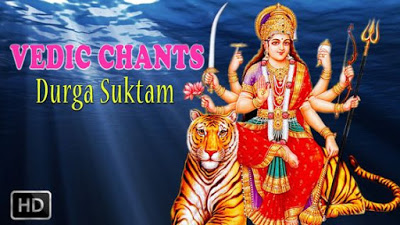
மிகவும் சக்தி வாய்ந்த இந்த சூக்தம் தைத்திரிய ஆரண்யகத்தில் இடம் பெறும் ஒன்று. வாழ்க்கையில் வரும் எந்தக் கஷ்டத்தையும் அகற்றும். எதிரிகள் ஒழிவர். யுத்தத்தில் ஜெயம் நிச்சயம். பாரத பாகிஸ்தான் போரில் நாம் ஓதிய சூக்தம் இதுவே. எந்தக் காரியத்திலும் வெற்றி நிச்சயம். ஜாதவேதஸே என்று ஆரம்பிக்கும் இது பரவலாக பல்லாயிரக்கணக்கானோரால் தொன்று தொட்டு இன்று வரை ஓதப்பட்டு வருகிறது.
 

  • நாஸதீய சூக்தம்.

விஞ்ஞானிகளே வியக்கும் சூக்தம் இது. பல்லாயிரக்கணக்கான ஆண்டுகளுக்கு முன்பேயே இன்று விஞ்ஞானிகள் கண்டு பிடித்திருக்கும் பிக்-பேங் தியரியை விட உன்னதமான பிரபஞ்ச தோற்றம் பற்றிய கொள்கையை விளக்கும் சூக்தம் இது. ரிஷி பிரபஞ்சத்தின் தோற்றத்தையும் அதன் தலைவனையும் பற்றி வியந்து கூறும் அபூர்வ சூக்தம் இது. விஞ்ஞானிகள் உள்ளிட்ட அனைவருக்குமான் இந்த சூக்தம் இயற்கை இரகசியங்களை அறியத் துடிப்போர் ஒத வேண்டிய ஒன்றாகும்.


  • ஸம்வனன சூக்தம்

இது சமுதாயத்தின் மொத்த நலனுக்கான சூக்தம். அனைவராலும் சமுதாய நலனைக் கருதி ஓதப்பட வேண்டிய ஒன்று. ரிக் வேதத்தில் இடம் பெறும் இது ஸ்ம்ஸமித்யுவஸே என்று ஆரம்பிக்கும். அனைவரின் பிரார்த்தனையும் ஒத்த கருத்துடன் அமையட்டும் என்ற இந்த வேத பிரார்த்தனை இன்றைய அமைதியற்ற உலகில் மிகவும் தேவைப்படும் ஒன்று. வேதம் உலகளாவிய விதத்தில் அனைவரது நலனையும் வேண்டுகிறது என்பதை நிரூபிக்கும் சூக்தம் இது.
 

  • சாந்தி சூக்தம்

அதர்வண வேதத்தில் இடம் பெறும் இது மகத்தான சாந்தி மந்திரம்.. சாந்தா த்யௌ என்று ஆரம்பிக்கும் இது நல்லன ஓங்கட்டும் தீயன விலகட்டும் என்ற உயர்ந்த சிந்தனையை முன் வைக்கிறது.


பொதுவாக சாந்தி சூக்தம் ஓதலின் முடிவில் இறுதியாகச் சொல்லப்படுகிறது.


இது தவிர ஆயுளை நீடிக்க ஆயுஷ்ய சூக்தம், இறைவனை அறிய வழிகாட்டும் ஹிரண்ய கர்ப்ப சூக்தம்,விஷ்ணுவைத் துதிக்கும் விஷ்ணு சூக்தம், கருத்துச் செறிவு மிக்க, மிகப் பிரபலமான, மந்திர ஆற்றல் பெற்ற புருஷ சூக்தம், நல்லன எங்கிருந்தாலும் வரட்டும் என்று வரவேற்கும் ஆ நோ பத்ரா சூக்தம்,,அறிவை வளர்க்கும் சரஸ்வதி சூக்த்ம்,


நாராயணனைத் துதிக்கும் நாராயண சூக்த்ம், பாவத்தைப் போக்க வருணனை வேண்டும் அகமர்ஷண சூக்தம், பிராணனைப் போற்றும் ப்ராண சூக்தம், சகல வியாதிகளையும் போக்கும், உதவத் துடிக்கும் தேவதைகளான அஸ்வினி தேவதைகளை அழைக்கும் அஸ்வினி சூக்தம், நக்ஷத்திர அடிப்படையில் நலனை வேண்டி அவற்றைப் பெற நக்ஷத்ர சூக்தம் என்று சூக்தங்களுக்கு முடிவே இல்லை.


ஒவ்வொன்றும் (காரண்டியாக) நன்மை தரும் என்பதற்கு பல்லாயிரக்கணக்கில் பல்லாயிரக்கணக்கான ஆண்டுகள்

ஓதி அனுஷ்டித்துப் பலனைப் பெற்ற நம் முன்னோர்களே சாட்சி.


இவற்றை முதல் படியாக அறிய வேண்டும்; பின்னர் இதை முறையாக ஒதும் வேத பிராமணர்களை அணுகி அவர்களிடம் உரிய அறிவுரை பெற வேண்டும்.


காப்பிக்கும், அன்றாட வாழ்க்கை நடத்த இன்றைய நாளில் ஊழலுக்கெனவே நாம் தரும் ‘கட்டியப் பணத்திற்கும்’, இதர தேவையற்ற ஹோட்டல் ஆகியவற்றிற்காக ஆகும் செலவிற்கும் ஆகும் பணத்தை ஒப்பிட்டால் அதில் பல நூறு பங்கில் ஒரு சிறிது பங்கே இந்த ஓதலுக்கு நாம் செலவிடும் தொகையாக அமையும்.


திருமதி மஞ்சுளா ரமேஷ் நடத்தும் விசேஷ நிகழ்ச்சிகளில்இவற்றை ஓதக் கேட்டுப் பயன் பெறலாம்.

நாம் தரும் பணத்திற்கு ஈடாகப் பெறும் பலனோ  பெரிது.

இந்த வைதீக சூக்தங்க்ள் அளப்பரிய பலனை அனுக்ரஹத்துடன் தரும் என்பதில் ஐயமே இல்லை!

***

Bernard Shaw, Shelley, Byron Swimming Anecdotes (Post No.4396)

Written by London Swaminathan 


Date: 14 NOVEMBER 2017


Time uploaded in London- 18-26


Post No. 4396

Pictures shown here are taken from various sources such as Facebook friends, Books, Google and newspapers; thanks.


Although unable to swim Shelley was forever invading pools and streams…. one day when Trelawney, a powerful swimmer, jumped into a deep pool in the Arno, Shelley immediately jumped in after him and lay ‘like a conger eel on the bottom’ till Trelawney fished him up with great difficulty, Shelley protesting as soon as he could breathe that ‘truth lay always at the bottom of the well’ and that in another minute I should have found it.


Xxx

Impressing upon his class an admiration for notable feats of physical prowess the teacher related the experience of a vigorous man who swam three times across a broad river in the morning, before breakfast.

There was a giggle from one of the youngsters in the class.

“Well”, said the teacher with some irritation

“What is that it seems so amusing? I see nothing amusing”.

“It’s only this sir, replied the pupil

I was wondering why he didn’t make it four times and get back on the side where he left his clothes”.


Xxx

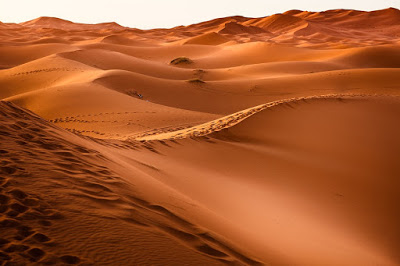
Swimming in the Desert!

A certain American soldier, attached to one of the American Tank units fighting with the British in the Libyan campaign, had been carried by the exigencies of the service many miles deep into the heart of desert with his comrades. This outpost of the Front had been quiet for days. The soldier found himself one afternoon with a few hours leave.

It was with some surprise that his commanding officer spotted the man striding purposefully across the sands clad in his bathing trunks.

“Murphy! Shouted the officer in some astonishment. Where in blazes do you think you are going?”

Why, sir, said the soldier, I just thought while I had a couple of hours off I would take a dip in the surf.

Are you crazy? demanded the officer. The ocean is 500 miles from here!

“Beautiful big beach, isn’t it?” said the soldier.


Xxx


Shelley- Byron Argument!

The greatest and most mysterious of all Shelley s preoccupation s was with water, boat and swimming. He was apparently fascinated by water as a great element, and time and again prophesied his death by drowning. But it was typical of Shelley’s humourless absolutism where his fancy was involved that he was without fear in the business, and never troubled to learn either to navigate or to swim.


In 1816 the friendship that sprang up with Byron at Geneva was based partly on mutual literary admiration, and partly on their common love of boating. Byron knew something of sailing and navigation and they took a trip together around the lake in an open boat. They nearly foundered in a sudden storm one night. After Byron, had got the sail down and while the water poured in and the wind roared in darkness, they sat in furious argument, Byron, proud of his power as a swimmer, declaring that he would save Shelley when they sank, Shelley equally determined that he would not be saved.


Xxxxx

Following was published by me under the 15 Anecdotes from Bernard Shaw’s Life

G B Shaw Helped a youth


Bernard Shaw was enjoying a swim in a pool during a stay in South Africa; so were some boys who knew nothing of the august author one small boy was “dared” by his playmates to “duck the old man” for a Shilling. He accepted, but when he was close to his victim, panic seized him. Shaw turned, saw the youngster, and asked him what he wanted. In halting accents, the boy revealed the plot and the shilling bet.

“Well”, said Shaw, looking sternly at the youngster, “if you wait a moment while I get my breath, I will let you push my head under water.

He did, and the small boy swam back triumphantly to collect his shilling.


–subham–


தானம் செய்தால் வானம் திறக்கும்-புறநானூறு (Post No.4395)

Written by London Swaminathan 


Date: 14 NOVEMBER 2017


Time uploaded in London- 7-46 am


Post No. 4395

Pictures shown here are taken from various sources such as Facebook friends, Books, Google and newspapers; thanks.

புறநானூற்றுப் புலவர்  ஏணிச்சேரி முடமோசியாரும், அறநெறிச் சார ஆசிரியர் முனைப் பாடியாரும் சொல்லுவர்:


“தானம் செய்தால் வானம் திறக்கும்”.


வானம் என்ற சொல்லைத் தமிழ்ப் புலவர்கள் இரு வகையில் பயிலுவர்:

வானம் = மழை

வானம் = சொர்க்க லோகம் , இந்திர லோகம்


மாபெரும் சம்ஸ்கிருத அறிஞனான திருவள்ளுவன் பகவத் கீதை பாணியில் (16-1) யாத்த தானம் தவம் இரண்டும் தங்கா வியன் உலகம், வானம் வழங்காதெனின் (குறள் 19)” என்னும் இடத்தில் வானம் என்பது மழையைக் குறிக்கும்; வள்ளுவன் தானம், தவம் என்னும் சம்ஸ்கிருதச் சொற்களை பகவத் கீதை ‘ஸ்டைலில்’ 19, 295 ஆகிய எண்ணிட்ட குறள்களில் பயன்படுத்துவான். சம்ஸ்கிருத ஸ்லோகக்ங்களில் இது நூற்றுக் கணக்கான இடங்களில், குறிப்பாக கீதையில், சேர்ந்தே பயிலப்படும் சொற்கள்; நிற்க


நாம் சொல்ல வந்த விஷயத்தைக் காண்போம். தானம் செய்தால் வானம், அதாவது சொர்க்க லோகம் திறந்து இருக்குமாம்!~


அறநெறிச் சாரம் என்னும் நீதி நூலில் முனைப்பாடியார் புகல்வது யாதெனின்,

ஒன்றாகநல்லது உயிரோம்பல் ஆங்கதன்பின்

நன்றாய்ந்தடங்கினார்க் கீத்துண்டல் – என்றிரண்டும்

குன்றாப் புகழோன் வருகென்று மேலுலகம்

நின்றது வாயில் திறந்து


–அறநெறிச்சாரம்

பொருள்:-

ஒன்றாகநல்லது உயிரோம்பல் = அறங்களில் சிறந்தது பிற உயிர்களைப் பாது காப்பது ஆகும்


ஆங்கு அதன் பின்  நன்கு ஆய்ந்து அடங்கினார்க்கு ஈத்து உண்டல்= ஞான நூல்களைக் கற்று, மனம் போன வழியில் செல்லாமல், அடக்கத்துடன் வாழ்வோருக்கு உணவு கொடுத்தல் மற்ற ஒரு சிறந்த தர்மம்; பிறகு தானும் உண்ணுதல் வேண்டும்.


என்ற இரண்டும் குன்றாப் புகழோன்= இவ்விரு தர்மங்களால் புகழ்பெற்று விளங்குபவர்களை

வருக என்று வாயில் திறந்து மேல் உலகம் நின்றது =  வருக வருக என வரவேற்பதற்காக சொர்க லோகம் அதன் வாயில் கதவுகளைத் திறந்து வைத்துக்கொண்டு காத்திருக்கின்றது.


அதாவது மாலையைக் கையில் வைத்துக்கொண்டு இந்திரனும் அப்சரஸ் அழகிகளும் மேள தாளத்துடன் காத்து  நிற்பர் என்பதாம்!

இந்திர லோகத்தில் டமாரம்!

ஆய் அண்டிரனை உறையூர் ஏணிச்சேரி முடாமோசியார் பாடிய புறநானூற்றுப் பாடலில் (241)


திண்தேர் இரவலர்க்கு, ஈத்த, தண் தார்,

அண்டிரன் வரூ உம்என்ன, ஒண்தொடி

வச்சிரத் தடக்கை நெடியோன் கோயிலுள்,

போர்ப்புறு முரசம் கறங்க,

ஆர்ப்பு எழுந்தன்றால், விசும்பினானே


சுருக்கமான பொருள்:

வறுமையில் வாடியோருக்கு அள்ளி, அள்ளித் தந்த ஆய் அண்டிரன் (அஜேந்திரன்) இறந்தவுடன் அவனை வரவேற்க இந்திர லோகத்தில், இந்திரன் கோவிலில், முரசுகள் முழங்கினவாம். வச்சிரத் தடக்கை நெடியோன் கோயில் என்பதற்கு பழைய உரைகாரர்கள் இந்திரலோகம் (சொர்க்கலோகம்) என்றே பொருள் கண்டுள்ளனர். பூமியில் உள்ள இந்திரன் கோயிலன்று.


அதாவது, பூமியில் தானம் என்னும் புண்ணிய கருமத்தைச் செய்தால் அவர்களை வரவேற்க இந்திரன் காத்திருப்பானாம்; அதுவும் எப்படி? ‘பாண்டு வாத்திய’க் குழுவுடன் வாசலில் நிற்பானாம்!

புற நூலுக்குப் பின் தோன்றிய அறநெறிச் சாரத்தில் முனைப்படியாரும் இதே கருத்தைச் சொல்லும் போது நம் ஐயமெல்லாம் பறந்தோடிப் போகின்றது.


–Subham, Subham–


ஆஹா! அபார விஞ்ஞான வளர்ச்சி! ஆனால் மனிதன் .. ?! (Post No.4394)

Written by S.NAGARAJAN


Date: 14 NOVEMBER 2017


Time uploaded in London- 5-20 am


Post No. 4394

Pictures shown here are taken from various sources such as Facebook friends, Books, Google and newspapers; thanks. Pictures are not related to the story.


அறிவியல் தாக்கம்


ஆஹா! அபார விஞ்ஞான வளர்ச்சி! ஆனால் மனிதன் .. ?!


ச.நாகராஜன்


1


நாளுக்கு நாள் விஞ்ஞானத்தின் தாக்கம் மனித வாழ்க்கையின் எல்லாப் பகுதிகளிலும், எல்லா அம்சங்களிலும் வந்து விட்டது – ஆன்ம வளர்ச்சியைத் தவிர.

இதைப் பலரும் கவலையுடன் சுட்டிக் காட்டி வருகின்றனர்.

சாது டி.எல்.வாஸ்வானி 365 நாளுக்குமான தினசரி சிந்தனைகளைத் தனது “Breakfast With God” என்ற நூலில் தந்திருக்கிறார்.

அதில் பிப்ரவரி 22ஆம் தேதிக்கான நற்சிந்தனை இது:


The Modern man is proud of his progress, his science, his commerce and mechanical inventions.


This scientific age is, to many, the age of wonders; yet is man unhappy still! This age of wonders is, also, an age of deep unrest.


There is weariness in many hearts.


In this mechanical age man is becoming, more and more, a machine himself.

Not until he rises above the machine into a realm of the Atman may man be truly happy.


பொருள் பொதிந்த சிந்தனை அல்லவா இது! இயந்திரங்களைப் பயன்படுத்தப் போய் மனிதன் இயந்திரமாகவே இதயமின்றி ஆகி விடுவானோ?!


ரொபாட்டில் இனி இரு வகை இருக்குமோ? ரொபாட்,மனித ரொபாட் என்று??!!

2

ஹரி கிஷன் தாஸ் அகர்வால் (Hari Kishandas Aggarwal) என்ற சிந்தனையாளர் Peace  Of Mind  என்ற இரண்டு பாகம் கொண்ட நூலில் 775 பாக்களைப் புனைந்துள்ளார்.

அதில் சில:


Change


The Stone age has gone

The Iron age has gone

The bullock-cart age has gone

The Jet age has come

Contentment has gone

Discontentment has come (Verse 409)


Paradoxes of Materialism – I

Inventions have increased and the wants too,

The doctors have multiplied and the diseases too,

Weapons have grown and the wars too,

Production has doubled and the population too. (Verse 548)


Paradoxes of Materialism – II

Science has developed and the destruction too,

Employment has increased and the strikes too,

Wealth has increased and poverty too,

Education has increased and ignorance too. (Verse 549)


Paradoxes of Materialism – III

Vegetables have increased and the non-vegetarians too,

Politicians have increased and the problems too,

Leaders have increased and the labels too,

Religions have increased and the repulsions too. (Verse 550)


இவர் இப்படிக் கூறுவதெல்லாம் சரிதானே!


3

விஞ்ஞானம் வளர்கிறது. அதைக் குட்டிக் குழந்தைகள் தெரிந்து கொள்ள வேண்டமா, என்ன?

பார்த்தார் ஒரு கவிஞர், குழந்தைகளுக்கான் ‘ட்விங்கிள், ட்விங்கிள், லிட்டில் ஸ்டார் பாடலைக் கூட விட்டு வைக்கவில்லை. பாடினார் இப்படி:-


Twinkle, twinkle little star,

How I wonder where you are:

High above I see you shine,

But, according to Einstein,

You are not where you pretend,

You are just around the bend;

And your sweet seductive ray

Has been leading man astray

All these years – O, Little Star,

Don’t you know how bad you are?


சரி, குழந்தைகள் ஒரு புறம் இருக்கட்டும், வாலிபர்களும், பருவ மங்கைகளும் விஞ்ஞானத்தால் வளர்ந்தார்களா?

ஒரு கவிஞர் பதிலிறுக்கிறார் இப்படி:


A girl at college, Miss Breese,

Weighed down by B.A.’s and Litt.D’s

Collapsed from the strain

Said the doctor, “’T is plain

You are killing yourself – by degrees.


4

சிந்திக்க வேண்டும் சற்று!

எதை எதை எந்தெந்த இடத்தில் வைக்க வேண்டுமோ அதை அதை அந்த்ந்த இடத்தில் வைக்க வேண்டும்.

அறிவியலுக்கு ஒரு இடம்; ஆன்மீகத்திற்கு முதலிடம்!

புரிந்தால் சரி!

****

பிராமணன் ராவணன், ராவணன் பிராமணன்–கம்பர், அப்பர் செப்பல் (Post No.4393)

பிராமணன் ராவணன், ராவணன் பிராமணன்–கம்பர், அப்பர் செப்பல் (Post No.4393)


 Written by London Swaminathan 


Date: 13 NOVEMBER 2017


Time uploaded in London- 18-21


Post No. 4393

Pictures shown here are taken from various sources such as Facebook friends, Books, Google and newspapers; thanks.


பூணூல் அணிந்த ராவணனை, “இரா+வண்ணன்= இருட்டு போலக் கருப்பு நிறத்தன்” என்று சொல்லி அவனுக்கு திராவிட முத்திரை குத்தும் அறிவிலிகள் உலகில் உண்டு! இப்படிப் பிரித்தாளும் சூட்சி உடையோர் தமிழ் நாட்டில் காலடி எடுத்து வைப்பர் என்று முன் உணர்வால் அறிந்து இராவணனுக்கு பிராமணன் என்று ‘அக்மார்க்’ முத்திரை வைத்துவிட்டனர் அப்பரும் கம்பரும். ஒருவர் சுமார் 1500 ஆண்டுகளுக்கும் மற்றொருவர் 1000 . ஆண்டுகளுக்கும் முன் வாழ்ந்தவர்.


அப்பர் நாலாம் திருமுறையில் ராவணன் பற்றிச் சொல்லுகையில் அவனுடைய பூணூலையும் சேர்த்துப் பாடுகிறார்.


அசுரர்கள் ராக்ஷசர்கள் தேவர்கள், நாகர்கள் முதலியோர் , ஒரு தாய் வயிற்றுப் பிள்ளைகள் என்று நம் வேத, இதிஹாச புராணங்கள் பேசும்; ஆனால் வேற்றுமை பாராட்டி இந்துக்களைப் பிரிக்க விரும்பும் அரசியல்வாதிகளும், பிற மதத்தினரும் ஒரு சாராரை திராவிடர்கள் என்றும், பழங்குடி மக்கள் என்றும் சொல்லிப் பிரித்தாளுவர்.


எல்லாக் கதைகளிலும் சிவனிடமோ, பிரம்மாவிடமோ அசுரர்களும் வரம் வாங்கினர். அவர்களும் ஒரே கடவுளை வணங்கினர்; அந்தக் கடவுளரும் பாரபட்சமின்றி வரம் ஈந்தனர். ஆனால் உலக விதி, ‘அறம் வெல்லும், பாவம் தோற்கும்’ என்பதாகும். இதனால் வரம் பெற்றும் கூடத் தீயோர் வெல்ல முடியாது. ராவணனும் பல வரங்களைப் பெற்றும், செய்த தவற்றினால் உயிர் இழந்தான். ராவணன் பூணூல் பற்றி அப்பர் தரும்  தகவல் இதோ:


மாலினா ணங்கையஞ்ச மதிலிலங் கைக்குமன்னன்

வேலினான் வெகுண்டெடுக்கக் காண்டலும் வேத நாவன்

நூலினா  னோக்கிநக்கு நொடிப்பதோ ரளவில்வீழக்

காலினா  லூன்றியிட்டார் கழிப்பாலைச் சேர்ப்பனாரே

பொருள்:-

பெருமையுடைய உமா தேவியார் அஞ்சுமாறு, முப்புரிநூல் அணிந்த திரு மார்பினரும், வேதம் ஓதும் திரு நாவினை உடையவருமான இராவணன், கயிலை மலையைப் பெயர்த்தெடுக்க,  ஈசன் ஒரு நொடிப்பொழுதில் அவ்வரக்கன் அஞ்சுமாறு திருப்பாத விரலால் அமுக்கியவர். அந்த ஈசன் உறையும் இடமே கழிப்பாலை என்னும் திருத்தலம்


வேத நாவர்- மறை ஓதும் நாவினை உடையோர்

நூலினான் – நூல்களை உணர்ந்தவன், பூணூல் அணிந்தவன்


இரண்டும் இராவணனைக் குறித்தன எனக் கொண்டு, சாம வேத கானம் பாடியவன், நூல்களை உணர்ந்தவன், பூணூல் அணிந்தவன் என்றுரைத்தல் பொருத்தம் உடைத்து என்று தருமபுர ஆதீனப் புலவரின் தேவார உரை கூறும்.


இதி வேதம் ஓதுதலையும், முப்புரி நூல் அணிவதையும் சிலர் சிவன் மீது ஏற்றிச் சொல்லுவர். அப்படிச் சொல்லும் வழக்கம் அரிது. அப்படிச் சொன்னாலும் அதை பிரம்மனுக்கே ஏற்றிச் சொல்லுவர்.


பூணூலும் வேத நாவும் ராவணனையே குறிக்கும் என்பதற்கு கம்ப ராமாயணம் துணை புரியும்; இதோ கம்பன் கூற்று:–

வையம் தந்த நான்முகன் மைந்தன் மகன் மைந்தன்

ஐயன் வேதம் ஆயிரம் வல்லோன் — என்று சுந்தர காண்ட நிந்தனைப் படலத்தில் ராவணனை வருணிக்கிறான் கம்பன்; இதன் பொருள்:-உலகைப் படைத்தவன் பிரம்மன்; அவன் மகன் புலஸ்தியன்; அவன் மகன் விசிரவசு; அவன் மகன் ராவணன்; ஆயிரம் கிளைகளை உடைய சாம வேதத்தில் வல்லவன்.

பிரம்மாவை வேதியன், பிராமணன் என்றே இலக்கியங்கள் போற்றும்

அக்க குமாரன் வதைப் படலத்தில் கம்பன் சொல்லுவான்:

அயன் மகன் மகன் மகன் அடியில் வீழ்ந்தனள்

மயன்மகள் வயிறு அலைத்து  அலறி மாழ்கினாள் என்று. இதன் பொருளாவது– மயனுடைய மகளான மண்டோதரி தன் கணவனான ராவணனிடம் சென்று வயிற்றில் அடித்துக்கொண்டு அலறினாள்– சீதையை விட்டுவிடு என்று. ராவணனுக்குக் கம்பன் கொடுக்கும் அடை மொழி– பிரம்மனின் மகனான, புலஸ்தியன் மகனான, விசிரவசுவின் மகனான ராவணன்  என்பதாகும்.

அதே சுந்தர காண்டத்தில் பிணிவீட்டு படலத்தில்,

அந்தணன் உலகம் மூன்றும் ஆதியின் அறத்தின் ஆற்றல்

தந்தவன் அன்புக்கு ஆன்ற தவநெறி உணர்ந்த தக்கோய்” என்று சொல்லுவான்; உலகங்கள் மூன்றையும் ஆதிகாலத்தில் படைத்த அந்தணன் பிரம்மாவின் வழி வந்தவனே! என்று  ராவணனை போற்றும் வரிகள் இவை. ஆக கம்பராமாயணம் முழுதும் ராவணன் ஒரு பிராமணன் என்று அடிக் கோடிட்டுக் கொண்டே செல்வான் கம்பன். இதன் காரணமாகவே தேவாரத்துக்கு உரை எழுதிய பெரியாரும் பூணுல் அணிந்ததையும் வேத பாராயணம் செய்ததையும் அப்பர் பாட்டில் ராவணனுக்கு உரித்தானதாகச் சொல்கி றார். நாம் அதை ஏற்பதில் தயக்கம் ஏதுமில்லை.


சுபம் –


ELEVEN TYPES OF PENANCE OF DEMON TARUKA (Post No.4392)

 Written by London Swaminathan 


Date: 13 NOVEMBER 2017


Time uploaded in London- 16-25


Post No. 4392

Pictures shown here are taken from various sources such as Facebook friends, Books, Google and newspapers; thanks.


SIVA Purana tells us that there was a demon king of Tripura, by name Taruka, who was exceedingly ambitious and oppressive. He forced Brahma by his austerities to grant any boon he should demand. A list of these austerities is interesting, as devotees in certain parts of India may be seen today practising many of them. Taruka went through eleven mortifications, extending over a hundred years:

  1. He stood on one foot, holding the other, and both hands up towards heaven, with his eyes fixed on the sun
  2. He stood on one great toe
  3. He took only water as sustenance
  4. He lived on air
  5. He remained in water
  6. He was buried in earth, but continued in incessant devotion
  7. He was burned in fire
  8. He stood on his head
  9. He hung on a tree by his hands
  • He bore the weight of his body on one hand
  • He hung on a tree head downwards.

Such merit was irresistible, and Brahma granted his request. After getting a boon that he should not be defeated by anyone, he became arrogant. Indra was forced to give his horse, Rishis had to part with their Kamadhenu/ magical cow. At last Siva’s son Kartikeya killed him.

MY COMMENTS

What is the message such stories give us?

1.Foreigners are wrong in describing demons as aborigines who were against Hinduism. In fact, all the demons got their boons from the same Hindu gods who Devas also worshipped.

2.Why did Hindu gods help the demons?

Hinduism go by mathematical rules. Success directly is proportional to the efforts you put in. Even bad people get their share according to their efforts, but the inherent weakness of bad people destroy them.

Tamil Poet Tiruvalluvar, author of Tamil Veda Tirukkural says,

“Though the fate written by God stands in the way, strenuous effort yields ready fruit. Labour recompenses what fate denies.”

Even if providence is not particularly helpful, personal efforts will bear proportionate results.

In Hinduism, even Gods obey the rules. Once they are propitiated they must give the boon; once they give the boon they cannot withdraw it. But god and demons are controlled by Truth. Truth alone will triumph (Satyameva Jayate).


3.The third message we get is that the methods employed by demons and seers for doing penance requires utmost concentration. Once a student gets that much concentration he succeeds in his studies. Once an aspirant practise that much concentration and involvement in the task he or she undertakes, definite success is assured.

  1. The eleven types of penance gave stuff for modern comics like Superman, Spiderman, Phantom, Tarzan and Harry Potter.

–Subham —


ஒரு கிராமத்தின் சோகக் கதை! (Post No.4391)

Written by S.NAGARAJAN


Date: 13 NOVEMBER 2017


Time uploaded in London- 6-35 am


Post No. 4391

Pictures shown here are taken from various sources such as Facebook friends, Books, Google and newspapers; thanks. Pictures are not related to the story.


ஜிஹாதி கொடுமை


ஒரு கிராமத்தின் சோகக் கதை!


ச.நாகராஜன்


ஓய்வு பெற்ற மேஜர் ஜெனரல் வி.எஸ். கர்னிக் கூறுகின்ற சோகக் கதை இது.

ஒரு கிராமத்தில் பிராமணர்கள், ராஜபுத்திரர்கள், பனியா, தேலி மற்றும் ஹரிஜன்கள் வெவ்வேறு ஜாதியைச் சேர்ந்தவர்களாக இருந்தாலும் கூட மிகவும் சந்தோஷமாகவும் அன்யோன்யமாகவும் வாழ்ந்து வந்தனர்.


ஒரு நாள் ஒரு முல்லா முஸ்லீம் தனது மனைவியுடனும் எட்டுப் பிள்ளைகளுடனும் அந்த கிராமத்திற்கு வந்தார். கிராம அதிகாரியிடம் அவர்கள் சென்றனர். அவர் ஒரு ராஜபுத்திரர். அந்தக் கிராமத்தில் தங்களை வசிக்க அனுமதிக்குமாறு அவர்கள் கெஞ்சினர்.


தேலி மற்றும் ஹரிஜன சமூகங்கள் இதற்கு எதிர்ப்பைத் தெரிவித்தனர். மற்ற அனைவரும் முஸ்லீம் குடும்பத்தைத்  அனுமதிக்கலாம் என்றனர்.


சில வருடங்கள் கழிந்தன. எட்டுப் பிள்ளைகளும் கல்யாண வயதை அடைந்தனர். முஸ்லீம் முல்லா கிராமத் தலைவரை அணுகினார். “ஹூஸூர், பிள்ளைகளுக்குத் திருமணம் செய்ய வேண்டியிருக்கிறது.எனக்கு ஒரே ஒரு வீடு தான் இருக்கிறது.” என்றார்.


ராஜபுத்திர தலைவர் தரிசாகக் கிடந்த நிலப்பகுதியை அவருக்குத் தந்து, கூறினார்: “இதில் ஒரு வீட்டைக் கட்டிக் கொள்ளுங்கள்.”

பனியாவிடன் சென்ற முல்லா அவரிடம் பணத்தைக் கட்னாகப் பெற்றுக் கொண்டார்.


காலம் கழிந்தது. எட்டுப் பிள்ளைக்ளுக்கு 72 பிள்ளைகள் பிறந்தன. 30 வருடங்களுக்கு அந்த கிராமத்தின் ஜனத்தொகையில் 40 சதவிகிதம் முஸ்லீமாக இருந்தது.


இப்போது முஸ்லீம் இளைஞர்கள் அவர்களது கலாசாரத்தின்படி ஹிந்து இளைஞர்களுடன் சண்டை போடத் துவங்கினர். ஹிந்து பெண்களுக்குத் தொல்லை கொடுக்க ஆரம்பித்தனர்.

மெல்ல மெல்ல பிராமணர்களும் பனியாக்களும் அந்த கிராமத்தை விட்டுச் சென்றனர்.


ஒரு நாள் முல்லா அந்த கிராமத்தின் பிரதான கோவிலை இடித்தார். உடனே ராஜபுத்திரர்கள் இதற்கு வெகுவாக் ஆட்சேபணை தெரிவித்தனர்.


30 ஆண்டுகளுக்கு முன்னர் ஒண்டிப் புக்லிடம் கேட்க வந்த முஸ்லீம்கள், “ அல்லாவின் பணியை எதிர்க்கும் எவரும் துண்டு துண்டாக வெட்டப்படுவர்” என்றனர்.


ராஜபுத்திரர்களும் கிராமத்தை விட்டு அகன்றனர். அவர்கல் தேலி மற்றும் ஹரிஜன்களை நோக்கி, “உங்களின் பேச்சை அன்றே கேட்டிருந்தால் இந்த நிலைக்கு வந்திருக்க மாட்டோம். இந்த கிராமத்தின் பெயர் இப்போது பஞ்ச்வடி என்ற பெயரிலிருந்து ரஹிமாபாத் என்று ஆகி விட்டது.” என்றனர்.


இந்த கிராமம் மஹ்ராஷ்டிர மாநிலத்தில் அமராவதி மாவட்டத்தில் உள்ளது.

இது ஒரு உண்மைச் சம்பவம்.


இதே போன்ற பல சம்பவங்கள் அஸ்ஸாம், மேற்கு வங்காளம் ஆகிய  ப்ங்களாதேஷின் எல்லையை ஒட்டியுள்ள பகுதியில் நடந்துள்ளன.


முஸ்லீம் ஜனத்தொகை அதிகமாக் உள்ள் உத்தர பிரதேசம், கேரளா மற்றும் இதர் மாநிலங்களில் உள்ள மாவட்டங்களில் இது சர்வ சகஜம்.


பிரிவினைக்குப் பிறகு காஷ்மீர் பண்டிட்களுக்கு இந்த நிலை ஏற்பட்டது.

ரோஹிங்யா முஸ்லீம்களை இந்தியாவிற்குள் நுழைய அனுமதித்தால் இந்த வேலை இன்னும் தீவிரமாக நடக்கும்.

தாராள் மனமுடையவர்களும், போலி செகுல்ரிஸ்டுகளும் மனித உரிமைக் கழகப் போராளிகளும்  இந்திய நீதித் துறையும் ரோஹிங்யாக்களுக்கு ஆதரவு தந்தால் . அடடா, பாராட்டுக்கள்,பாராட்டுக்கள்!


கொஞ்ச காலம் பொறுத்திருங்கள், ஐஎஸ ஐ எஸ் உங்களைத் துரத்தி விடுவார்கள்.பாரதத்தில் வசிப்போருக்கு பொறுமைக்கான் நோபல் பரிசு கிடைத்து விடும்.

*

மனம் நொந்து எழுதியுள்ள ஒரு உண்மைச் சமபவம் நம் கண்களைத் திறக்கட்டும். 11-9-2017 அன்று தனது பிளாக்கில இதை எழுதியுஅ வி.எஸ்.கர்னிக் நிர்வாகத் துறையில் பி.ஹெச் டி பட்டம் பெற்றவர்.


தனது கண்களால் கண்ட சொந்த அனுப்வத்தை இப்படி எழுதியுள்ளார்.


இதன் ஆங்கில மூலத்தைக் கீழே தருகிறோம்:

*

A (Retired) Major General’s observation : The True Story worth studying/ analyzing and ensuring this does not happen in future: Major General V S karnik (Retired) PhD ( Management) writes on 2017-09-11:


In one village, Brahamans, Rajputs, Baniyaas, Teli, and Harijan, all from different castes, were happily and peacefully staying. One day, one Muslim (Mulla) with his wife and their eight children came to that village.


They went to village pramukh, a Rajput man, and begged him that they be allowed to stay in that village. Except Teli and Harijan community, all agreed to allow the Muslim family to stay there.


After some years the eight children grown up and were of marriageable age. The Muslim man first went to Rajput and requested that “Huzoor,Baccho ki shadi hone wali hai. I have only one house.” The Rajput gave him some uncultivated land, and said that you build a house on it. Then the Muslim went to Baniya, and borrowed money.


After some time, his eight children had 72 children and after about 30 years the Muslim population of that village was 40 % of total population.


Now the Muslim youths, as per their culture, started having fights with Hindu youths and harassing Hindu girls. Slowly Brahmins and Baniyas left the village. One day Mulla started destroying the main temple of Hindus. To this, Rajputs of the village objected. The Muslim, who came 30 years ago, said that anyone objecting about the work for Allah, will be cut into pieces. The Rajputs also left the house.


While leaving the village, they said to Harijan and Telis, if we had listened to your advice and not trusted the Mulla, we would have not come to this stage of leaving the village. This village name is, now, changed from Panchvati to Rahimabad. This village is in Maharashtra, in Amvravti district. This is a true story.


(Similar experiences are not scarce but of common occurrence in Assam, West Bengal, districts bordering Bangladesh and many other districts with large Muslim population in UP, Kerala and other states). It happened after partition. It happened with Kashmiri Pundits. It is happening, now, in W. Bengal. Get Rohingyas Muslims in India and this process will speed up. Congratulations to liberals, secularists, Human right protectionists and Judiciary of India, for supporting the cause of Rohingyas. You all wait for some time, when you all will be driven out by ISIS. Bharatvasis should get “Noble Prize” for tolerance.


THANKS TO TRUTH 27-10-2017 ISSUE

***


மொழிக் கொள்கைகளை தோற்கடிக்கும் நாடு! அற்புதத்தீவு நியூகினி! (Post No.4390)


மொழிக் கொள்கைகளை தோற்கடிக்கும் நாடு! அற்புதத்தீவு நியூகினி! (Post No.4390)


Research Article Written by London Swaminathan 


Date: 12 NOVEMBER 2017


Time uploaded in London- 19-01


Post No. 4390

Pictures shown here are taken from various sources such as Facebook friends, Books, Google and newspapers; thanks.


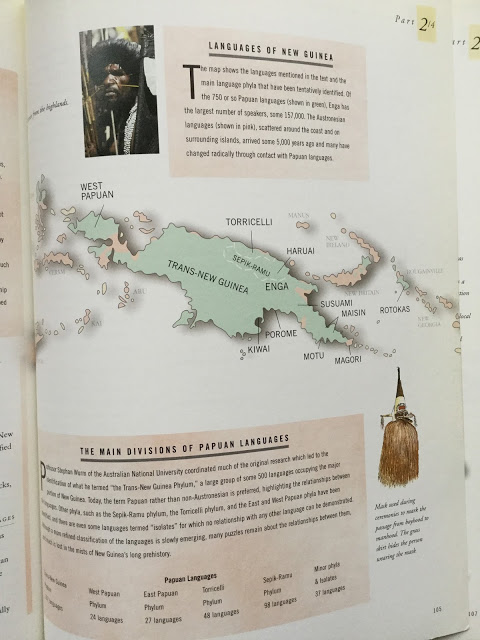
நியூகினி என்னும் தீவு உலகின் மிகப்பெரிய தீவுகளில் ஒன்று. இது ஒரு தனி நாடு. ஆஸ்திரேலியாவுக்கும் இந்தோநேஷியாவுக்கும் இடையே, பசிபிக் மஹா சமுத்திரத்தில் உள்ளது. இங்கு சுமார் 750 மொழிகள் பேசப்படுகின்றன. இது ஏன் என்பதை, மொமழி ஆராய்ச்சியாளர்களாலும் விளக்க முடியவில்லை. சம்ஸ்கிருதம், தமிழ் என்னும் இரண்டு பழைய மொழிகளை உடைய பாரதத்துக்கு இது பல செய்திகளை அளிக்கும்.


தமிழ் என்னும் மொழி ஏன் உடைந்து போய் மலையாளம், கன்னடம், தெலுங்கு என்ற மொழிகளாக உருவாயின? சம்ஸ்கிருதம் என்னும் மொழி உடைந்து குஜராத்தி, மராத்தி, இந்தி என்று ஏன் பல மொழிகள் உருவாயின? பலமொழிகளைப் பேசியோர் வந்து குடியேறினரா? அல்லது பிற மொழிக் கலப்பால் இப்படி உருவாயிற்றா? அப்படிப் பல மொழி கலந்தால் அது ஒரு புறம் தெலுங்காகவும் இன்னொரு புறம் கன்னடமாகவும் மற்றொரு புறம் மலையாளமாகவும் இன்னும் துளு என்றெல்லாம் ஏன் பிரிந்தன? இப்படி ஒருமொழி உடைய எவ்வளவு காலம் பிடிக்கும்? — இவ்வறெல்லாம் கேள்விகள் கேட்டால் எத்தனை ஆராய்ச்சிக் கட்டுரைகள் எழுதினாலும் அவைகளை எல்லாம் ‘பொய்யாய்ப் பழங்கதையாய்ப் போக்கடிக்கும்’ சில எடுத்துக் காட்டுகளும் கிடைக்கும்!


நான் நீண்ட காலமாக முன்வைத்துவரும் கொள்கை: உலகில் தமிழும் சம்ஸ்கிருதமும் மிகப் பழைய மொழிகள். ஒரே மூலத்திலிருந்து வளர்ந்த மொழிகள்; வேறு எந்த இரண்டு மொழிகளுக்கும் இடையேயுள்ள ஒற்றுமையைவிட இவ்விரு மொழிகளுக்கு இடையே தான் ஒற்றுமை அதிகம். சந்தி இலக்கணமும் வேற்றுமை உருபுகளும் இரண்டு மொழிகளுக்கும் உள்ள ஒற்றுமையைக் காட்டும் முக்கிய அம்சங்கள். மேலும் தமிழில் உள்ள ஆயிரக்கணக்கான ஆங்கிலச் சொற்களுக்கு விளக்கம் காண ஒரே வழி– தமிழ் -சம்ஸ்கிருதம் ஆகிய மொழிகள்தான் உலகிலுள்ள பெரும்பாலான சொற்களுக்கு வேர் என்று ஒப்புக் கொள்வதாகும். அது எனது கொள்கை.


பழைய மொழிகளில் உள்ள பெரும்பாலான சொற்களை இவ்விரு மொழிகளில் காட்டலாம். ஆகவே தமிழ் ஒரு தனி மொழி- அது திராவிட மொழிக் குடும்பத்தைச் சேர்ந்தது என்பதெல்லாம் பிதற்றல்; உண்மை என்ன என்றால் பாரத மண்ணில் வாழ்ந்த மக்கள் வடக்கு, தெற்கு எனப் பிரிந்து நீண்ட நெடுங்காலம் வாழ்ந்ததால் இரண்டும் தனித் தனி — ஆனால் சஹோதர மொழிகள் ஆயின. இந்த விஷயங்களைப் பல முறை எழுதி ஆதாரங்களும் கொடுத்துள்ளேன். தமிழ் மொழியில் ஆயிரக் கணக்கான ஆங்கிலச் சொற்கள் உள்ளன. இவைகளை எல்லாம் இந்தோ-ஐரோப்பிய மொழிக் குடும்பச் சொற்கள் என்று வெளிநாட்டினர் கூறுவர்; அது தவறு; பாரத நாட்டின் மூல மொழியிலிருந்து ஆங்கு குடியேறிய புராதன இந்தியர்கள் பரப்பிய சொற்கள் அவை. ஆகையால் அவைகளைத் தமிழ் சொற்களாகவும் கருதலாம் என்றேன்

நியுகினி மொழிகளின் வரலாறு எனது கொள்கைகளுக்குத் துணையாக வருகிறது.


முதலில் நியூகினி பற்றிய புள்ளி விவரங்களைக் காண்போம்:


நியூகினியில் 750-க்கும் மேலான மொழிகள் பேசப்படுகின்றன. அவை ஆஸ்திரேலியப் பழங்குடி மொழிகளுடன் தொடர்பு அற்றவை. இவர்களுடன் தொடர்பில்லாத மொழி பேசும் ஆஸ்திரேலியப் பழங்குடிகள் 250 வெவ்வேறு மொழிகளைப் பேசுகின்றனர். இந்த மக்களின் முன்னோர்கள் 50,000 ஆண்டுகளுக்கு முன் குடியேறியவர்கள்; ஒருவர் பேசும் மொழி மற்றவர்களுக்குத் தெரியாது; புரியாது!


வெளி நாட்டினர் படை எடுத்ததில்லை; வணிகத் தொடர்பும் பிற நாட்டினருடன் இல்லை; எல்லோரும் மேலனேசியக் (Melanesia; Mela= mala= black) கருப்பர்கள்; ஏன் 750 மொழிகள்? இவைகளைப் பார்க்கும்போது ஆரிய-திராவிட மொழிக் கொள்கைகள் அடிபட்டுப் போகும்; அதா வது ஒருவர் வந்து குடியேறியதால் பல மொழிகள் உருவாயின என்பது தவறு. யாருமே வராத நியூகினி காட்டுக்குள் 750 மொழிகள்; ஆஸ்திரேலியப் பழங்குடி இடையே மேலும் 250    மொழிகள்!

இதில் இன்னும் ஒரு விந்தை என்ன வென்றால் அந்த மொழிகளுக்குள், சில கொஞ்சமும் மற்ற மொழிகளுடன் தொடர்பிலாத- தனிப்பெரும் மொழியாக நிற்கிறது. ஸ்பெயின் நாட்டிலுள்ள பாஸ்க் (Basque) மொழி போல! இதுவும் மொழியியல் வல்லுநர்களுக்குப் புரியாத புதிராக இருக்கிறது. அலை அலையாக மக்கள் குடி ஏறியிருந்தாலும் அவர்கள் வெவ்வேறு இடத்திலிருந்தா வந்தார்கள்? ஆக மொழிகள் உருவாக வெளி அம்சங்கள் தேவை இல்லை என்றே தோன்றுகிறது.


இன்னும் ஒரு பெரிய விந்தை பாபுவா நியூகினி (Papua New Guinea)  மொழிகள் தமிழ் சம்ஸ்கிருதம் முதலிய இந்திய மொழிகளைப் போல எழுவாய்- செயப்படுபொருள் – வினைச் சொற்கள் (subject, object, verb= SOV) வரிசையில் அமைந்துள்ளன. ஆனால் சற்றுத் தொலைவில் உள்ள ஆஸ்திரேலிய மொழிகள் எஸ். வி. ஓ (Subject, Verb, Object) வரிசையில் உள்ளன. அதாவது ஆங்கிலம் போல.

நான் இட்லி சாப்பிட்டேன் என்பது இந்திய மொழிகளின் வாக்கிய அமைப்பு; நான் சாப்பிட்டேன் இட்லி என்பது ஆங்கில மொழி அமைப்பு; ரஷியன் போன்ற மொழிகளில் எதை எங்கு வேண்டுமானாலும் போடலாம்: இட்லி நான் சாப்பிட்டேன்; சாப்பிட்டேன் நான் இட்லி;  நான் சாப்பிட்டேன் இட்லி.


மேற்கு பாபுவாவின் வளைகுடா மாகணத்தில் (Gulf Province of West Papua) ஆயிரம் பேர் மட்டுமே பேசும் போரோம் (Porome) மொழி மலையாளம் போல மூக்கொலி (nasal sound) அதிகம் உடையது; ஆனால் உலகிலுள்ள எந்த மொழிக்கும் தொ டர்புடையதல்ல; இது

மொழியியலாளருக்கு சவால் விடும் மர்ம மொழி; பாஸ்க் (Basque)  மொழி போல!

கிறிஸ்தவ மதப் பிரசாரகர்கள் தங்கள் மதத்தைப் பரப்புவதற்காக சில மொழிகளைக் கற்று எளியதொரு அகராதியைத் தொகுத்தனர். இதனால் சில் புதிய சொற்கள் தோன்றின.

ஒவ் வொரு மொழி பேசுவோரும் சில ஆயிரம் மட்டுமே இருந்ததால் கல்யாணத்துக்கு மற்ற  மொழிக்குடும்பத்தை நாட வேண்டி இருந்தது. இதனால் ஒரே குடும்பத்தில் மூன்று நான்கு மொழி பேசும் தாத்தா, பாட்டி, அப்பா, அம்மா, பேரன் எனப் பெருகினர். இதனால் கலப்பின (Pidgin) மொழிகள் உருவாயின. ஆயினும் ஆதியில் எப்படி 750 வெவ்வேறு மொழி பேசுவோர் இங்கு வந்தனர்  என்பது  மொழியியல் கொள்கைகளைக் காற்றில் பறக்கவிடுகின்றன.


உலக ஜனத்தொகையில் ஒரு சதவிகிதம் உடைய பபுவா நியுகினி உலக மொழிகளில் ஆறில் ஒரு பங்கு மொழிகளை உடைத்தாயிருப்பது அதிசயமே.


இந்தியர்களைப் போலவே நெருங்கிய உறவினர்களின் பெயர்களையோ, இறந்தோரின் பெயரையோ சொல்ல மாட்டார்கள். பழங்காலத்தில் கணவர் பெயரைச் சொல்ல மாட்டாத தமிழ்ப் பெண்கள், ‘அவர்’ ‘வீட்டுக்காரர்’ ‘ஆத்துக்காரர்’, ‘இந்த ஊர் கோவிலில் உள்ளவரின் பெயர்’ என்றெல்லாம் சுற்றி வளைத்து கணவர் பெயரைச் சொல்லியது ;போல அங்கும் புதுப்புது சொற்களை உருவாக்கும் தேவை ஏற்பட்டது.


வேடிக்கை என்னவென்றால் மிக அ திகம் பேர் பேசுவது எங்கா ENGA மொழி; அதை சுமார் இரண்டு லட்சம் பேர் பேசுகின்றனர். அவர்களோவெனில் நாட்டின் நடுப்பகுதியில் யாரும் அணுகமுடியாத மலைப்பகுதியில் வசிப்பவர்கள்!


டான் லேகாக் (Late Don Laycock) என்பவர் வாழ்நாள் முழுதும் இந்தத் தீவின் மொழிகளை ஆராய்ந்தார்; அவர் சொல்கிறார்: இந்தத் தீவில் எப்படி இவ்வளவு மொழிகள் வந்தன? என்று கேட்காதீர்கள். உலகில் பெரிய நாடுகளில் ஏன் ஒரு சில மொழிகள் மட்டுமே உள்ளன? என்று கேள்வியை மாற்றிப்

போடுங்கள்; விடை கிடைத்துவிடும். ஏனேனில் அங்கெல்லாம் நாடு முழுவதையும் ஒரு குடைக் கீழ் ஆண்ட மன்னர் இருந்தனர்; ஒரே எழுத்து முறை இருந்தது; நீண்ட கால இலக்கியம் இருந்தது; போக்குவரத்து வசதிகள்– அதன் மூலம் வணிகத் தொடர்புகள் இருந்தன; இவை எதுவும் பபுவா நியூகினி நாட்டில் இல்லாததால் பல மொழிகள் உலா வந்தன என்பார்.


எது எவ்வாறாயினும் உலகில் இவ்வள வு மொழிகள் வேறு எங்கும் இல்லை; அதுவும்கூட ஒன்றுக்கு ஒன்று தொடர்பில்லாத மொழிகள்!

750 மொழிகளை ஒரு சில தலைப்புகளில் சேர்த்து வகைப் படுத்தினாலும் மொழிகளில் உள்ள இலக்கண வேறுபாடுகள் பெரிய புதிர்களாக விளங்குகின்றன.


இந்தத் தீவின் மொழிகள் வெகு வேகமாக அழிந்து வருகின்றன. காலனியாதிக்க காலத்திலேயே பிரிட்டன், ஜெர்மனி, ஹாலந்து ஆகியன பல பகுதிகளைப் பிடித்து ஆண்டன. ன்னர் ஆஸ்திரேலிய நிர்வாகத்தின் கீழ் வந்தது; ஒரு பகுதி – இரியன் ஜயா- என்பது இந்தோநேசியாவின் ஆட்சிக்குட்ப்பட்டது. சுசுவாமி என்னும் மொழி பேசுவோர் 50 பேர் மட்டுமே இருந்தனர். இன்னும் சில மொழிகளை 500 பேர் மட்டுமே பேசினர். ஆங்கிலக் கல்வி முதலியவற்றால் 750 மொழிகளில் பெரும்பாலானவை அழிந்து வருகின்றன அல்லது அழிந்துவிட்டன என்றே சொல்லலாம்.


மொத்தத்தில் மொழிக் கொள்கையாளர் சொன்ன பல விதிகளைப் பொய் என்று காட்டுகிறது பபுவா நியூகினி நாடு.

TAGS:– நியூகினி, மொழிகள் கொள்கை

MORE ABOUT TREE WORSHIP IN ANCIENT INDIA (Post No.4389)

Written by London Swaminathan 


Date: 12 NOVEMBER 2017


Time uploaded in London- 13-17


Post No. 4389

Pictures shown here are taken from various sources such as Facebook friends, Books, Google and newspapers; thanks.


I have written several articles on trees. Now I am adding more points to the Pipal and Nyagrodha tree articles:-

Three important trees of Ficus genus (Plant Family: Moraceae) are considered holy by the Hindus. Of the three, the most important one was Ficus Religiosa known as Pipal or Peepul or Bodhi tree. Tamils named it as King Tree, i.e. the King of the Trees. Hindus has never lived without the Pipal tree. They used the sticks for the fire sacrifice. Even today Brahmin boys use it for their daily Samidhadanam ( fire ritual of celibate boys) . The seers were named after this tree. Pippaladan is found in Vedic literature. Almost all the Pipal trees in Tamil Nadu will have one god’s statue underneath and worshipped. Because of its sanctity Buddha who was born as a Hindu sat under it and attained wisdom. Asoka made the tree more popular by sending its branches to Sri Lanka and other places. Then it became more popular among the Buddhists.


Upanayana and Wedding to a Tree!

Pipal tree is believed by some as to be the abode of Brahma and is consequently invested with the sacred thread by the regular Upanayana ceremony. Others believe that all the Three Gods Brahma, Vishnu and Shiva abide in it. Ohers again connect it to Vasudeva, father of Krishna.

Devout Hindus worship the tree, pour water at its roots and smear the trunk with red ochre. Women make vows under the tree to get a male child. In Tamil,  there are even proverbs about it. “As soon as she went round (circumambulated) the tree, she touched her abdomen” to see whether she had become pregnant is the Tamil proverb.


Women tie cotton threads around its trunk or fastening red strips of red materials to its lower branches. A vessel of water for the comfort of the departed souls on their way to ‘the land of the dead’ is hung from its branches.  And beneath it is placed the rough stones which form the shrine of many village gods. In Tamil Nadu, Ganesh statues or Nagadevas (snake figures) are installed under the tree.


When a statement is made on oath the witness sometimes takes one of its leaves in his hand and invokes the gods above him to crush him if he is guilty of falsehood.

In South India the trees are married to Neem trees. Some people touch it only on Sundays believing Lakshmi, goddess of wealth, comes to it on Sundays.  They go around the tree after pouring water at its roots. If a Monday coincides with new moon day, pious Hindus go round it 108 times. They wind cotton threads about its trunk.


Birds drop its seeds in the cracks of the building and it sprouts from there damaging the buildings. But yet because of its holiness some people never disturb it.

BANYAN TREE WORSHIP

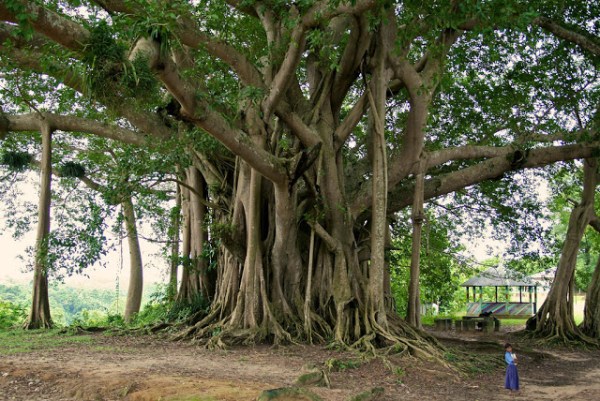
Huge banyan tree, another Ficus species (Ficus indica), is also worshipped in the same way. This tree is sacred to Vishnu. But we find other village gods also under the tree. The tree once planted propagates itself by its hanging roots. It lives for several hundred years. The planter uses the following prayer:

“Oh Vishnu, grant that for planting this tree, I may continue as many years in heaven as this tree shall remain growing on earth.”

He also expects that he won’t be scorched on his way to Yama loka (after death).


Please read my old articles on Trees:-

Nyakrodha tree | Tamil and Vedas

https://tamilandvedas.com/tag/nyakrodha-tree/

Posts about Nyakrodha tree written by Tamil and Vedas.

of trees | Tamil and Vedas

https://tamilandvedas.com/tag/of-trees/

5000 year old Yew Tree (from The Guradian News paper). Research Article Written by London swaminathan. Date: 3 November 2015. Post No:2297.

Trees in literature | Tamil and Vedas

https://tamilandvedas.com/tag/trees-in-literature/

Picture of Deodar: Tree of the Gods. We have heard about people adopting children. But the greatest of the Indian poets Kalidasa and Sangam Tamil poets give …


save trees | Tamil and Vedas

https://tamilandvedas.com/tag/save-trees/


Picture of Palasa tree. Research Article Written by london swaminathan. Date: 7th August 2016. Post No. 3043. Time uploaded in London :– 16-24. ( Thanks for …

Trees of Wisdom | Tamil and Vedas

https://tamilandvedas.com/tag/trees-of-wisdom/

Picture shows Newton under Apple Tree. Hindu Saints composed Upanishads under the Himalayan Trees. Buddha attained wisdom under the Bodhi Tree.

water and trees | Tamil and Vedas

https://tamilandvedas.com/tag/water-and-trees/

Posts about water and trees written by Tamil and Vedas.

Peepal tree | Tamil and Vedas

https://tamilandvedas.com/tag/peepal-tree/

19 Feb 2017 – Trees are used as similes and metaphors in Tamil and Sanskrit literature from very ancient times. The upside down Peepal Tree(Ficus …

Bodhi Tree | Tamil and Vedas

https://tamilandvedas.com/tag/bodhi-tree/

Mahabodhi Tree in Bodha Gaya. Research paper by London Swaminathan Post No.1325; Dated 3rd October 2014. This article is part of my series on …


Nature | Tamil and Vedas

https://tamilandvedas.com/category/nature/

Posts about Nature written by Tamil and Vedas. … “Trees that have fruit but no flowers are traditionally known as the Lords of the Forest; those that bear both …

Hindus’ Respect for Trees and Forests | Tamil and Vedas

https://tamilandvedas.com/…/hindus-respect-for-trees-and-forests/


18 Feb 2015 – In the Vedas, Lord Shiva is called the Lord of the Forests (Vanaspathi), Lord of the Trees (Vrkshanaam pathi) and Lord of the Animals …


Tamarind Tree | Tamil and Vedas

https://tamilandvedas.com/tag/tamarind-tree/

Posts about Tamarind Tree written by Tamil and Vedas.


Magic of Trees! | Tamil and Vedas

Magic of Trees!


25 Nov 2012 – Buddha attained wisdom under the Bodhi Tree. Vaishnavite saint Nammalvar attained wisdom under a Tamarind tree. Sanatkumaras attained …

Tansen and Tamarind Tree! Ghosts in Tamarind … – Tamil and Vedas

https://tamilandvedas.com/…/tansen-and-tamarind-tree-ghosts-in-ta…


26 Mar 2016 – Tansen and Tamarind Tree! Ghosts in Tamarind Trees! (Post No 2666). tansen tomb. Research Article by london swaminathan. Date: 26 March …


Indian Wonder: The Banyan Tree | Swami’s Indology Blog

swamiindology.blogspot.com/2012/05/indian-wonder-banyan-tree.html

26 May 2012 – There is a beautiful verse in the Panchatantra about Banyan Tree: “Deer recline in its shade; Birds in multitude gather to roost. Darkening its …

Swami’s Indology Blog

swamiindology.blogspot.com/

Nov 6th. வேதத்தில் மரங்களின் கதை (Post No.4372). Nov 6th. STRANGE STORIES ABOUT TREES IN VEDAS –Part 2 (Post No.4371).

Plants in Mahavamsa | Swami’s Indology Blog

swamiindology.blogspot.com/2014/10/plants-in-mahavamsa.html

3 Oct 2014 – In the same chapter we come across the story of Nigrodha (MrBanyan Tree). When Emperor Asoka killed his elder brother Sumana, his …

Significance of Neem Tree in Hinduism – Swami’s Indology Blog

swamiindology.blogspot.com/2017/06/significance-of-neem-tree-in-hinduism.html

11 Jun 2017 – 18 Mar 2013 – Reand and enjoy this article about “Banyan Tree” from Mr. Santhanam Swaminathan. Tamarind Tree | Tamil and Vedas.


–subham–


பிறவி ஏன்? முக்தி எப்போது? (Post No.4388)

Written by S.NAGARAJAN


Date: 12 NOVEMBER 2017


Time uploaded in London- 6-52 am


Post No. 4388

Pictures shown here are taken from various sources such as Facebook friends, Books, Google and newspapers; thanks.


அத்வைத ஸார விளக்கம்

பிறவி ஏன்? முக்தி எப்போது?


ச.நாகராஜன்


1

நம்மைக் குழப்பும் கேள்விகள் பல. பிறவி ஏன்? அது ஏன் வந்தது? எப்போது போகும்? – இப்படிப் பல கேள்விகள்

அத்வைத, விசிஷ்டாத்வைதம், த்வைதம் ஆகிய மூன்றும் மூன்று நிலைகளை நம் முன்னே வைக்கிறது.


அத்வைதம் தரும் சில பதில்கள் இங்கே தொகுக்கப்பட்டுத் தரப்படுகின்றன.

இங்கு தரப்பட்டதைத் தவிர ஏராளமான கேள்விகளும் உண்டு. அதற்கு அத்வைத சித்தாந்தம் தரும் அற்புத பதில்களும் உண்டு.

இவற்றையெல்லாம் அவ்வப்பொழுது சிந்திக்க வேண்டும் என்பது பெரியோர் போதனை.

இப்போது இதோ , சில கேள்விகள், அதற்கான பதில்கள்- அத்வைத நோக்கில்.


2

ஆத்மா சுகஸ்வரூபன். அழிவற்றவன் என்று சொல்லப்படுகிறது.

அப்படியானால் ஆத்மாவுக்குத் துக்கம் எப்படி வந்தது?

உடலை அடைவதால் – சரீரத்தை அடைவதால் வந்தது.


சரீரம் – உடல் – எப்படி வந்தது?

பூர்வ கர்மத்துடன் கூடிய ஐந்து பூதங்களால் (பஞ்சீகிருத பூதங்களால்)


கர்மம் எத்தனை வகை?

மூன்று வகை.

அவை என்ன?

ஆகாமியம் சஞ்சிதம் பிராரப்தம் என மூன்று வகை


ஆகாமியம், சஞ்சிதம், பிராரப்தம் என்றால் என்ன?

ஆகாமியம் என்றால் இந்த தேகம் எடுத்த பதினான்கு வயது முதல் செய்ததும் ,சஞ்சிதத்துடன் சேருவதுமாம்.

சஞ்சிதம் என்றால் பூர்வ ஜென்ம கர்மங்களில் அனுபவித்தது போக மீதம் இருப்பவை.


பிராரப்தம் என்றால் பூர்வ ஜென்ம கர்மங்களில் எந்தக் கர்மத்தின் பலனாக இந்த ஜென்மம் வந்ததோ,அந்த தேகத்தினால் அனுபவிக்க வேண்டியவையாம்.

இந்தக் கர்மங்கள் எப்போது நசிக்கும்?


ஞானம் வந்தால் ஆகாமியம் சஞ்சிதம் நாசம் அடையும்.

பிராரப்தம் அனுபவத்தால் தான் நசிக்கும்.

ஆகவே அனைவரும் விதேக முக்தியின் பொருட்டு பிரயத்னம் செய்ய வேண்டும்.


விதேக முக்தி என்றால் என்ன?

தேகமில்லாத முக்தி


அப்படியானால் வேறு பல முக்திகளும் உண்டா?

ஆம்.

ஸாலோக்கியம், ஸாமீப்யம்,ஸாரூப்யம், ஸாயுஜ்யம் என் இப்படி நான்கு வகை முக்தி உண்டு.


இவைகளை அடைவதற்கு சாதனங்கள் என்ன?

சரியை, கிரியை, யோகம், ஞானம் என நான்கு உண்டு.


சரியை என்ரால் என்ன?

பகவத் கைங்கரிய ரூபமான தாஸ பாவனை.


கிரியை என்றால் என்ன?

தேவதா பூஜை செய்தல்


யோகம் என்றால் என்ன?

யமம், நியமம், ஆசனம், ப்ராணாயாமம், ப்ரத்யாஹாரம், தாரணை,தியானம், சமாதி ஆகிய எட்டு அங்கங்களைக் கொண்டது யோகம். இவற்றினால் பரமாத்மாவுடன் ஜீவாத்மா ஐக்கியம் ஆதல் அதாவது ப்ரம்மத்துடன் கலந்து பேதமற்று ஒன்றாக ஆதல்


ஞானம் என்றால் என்ன?

ப்ரம்ம் சைதன்யத்தை எங்குமாய் ஏகமாய் கண்டு ஆனந்தித்து  ஐக்கியமுற்றிருத்தல்.


இந்த நான்கில் முந்தைய மூன்றும் மறுபடியும் பூமியில் ஜனனத்தைக் கொடுக்கும்.

ஸாயுஜ்யமே முக்கியமான முக்தி.


இன்னும் புண்யம், பாவம், மிஸ்ரம், இராக த்வேஷம் போன்றவற்றிற்கும் விளக்கம் உண்டு. அவற்றை பின்னால் பார்ப்போம்

***