Pictures are taken from various sources for spreading knowledge; this is a non- commercial blog. Thanks for your great pictures.
tamilandvedas.com, swamiindology.blogspot.com
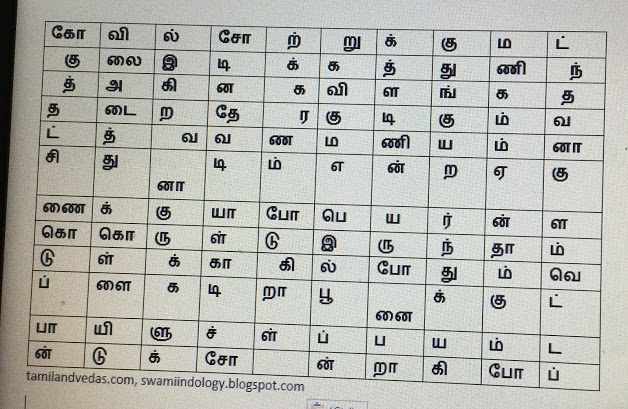
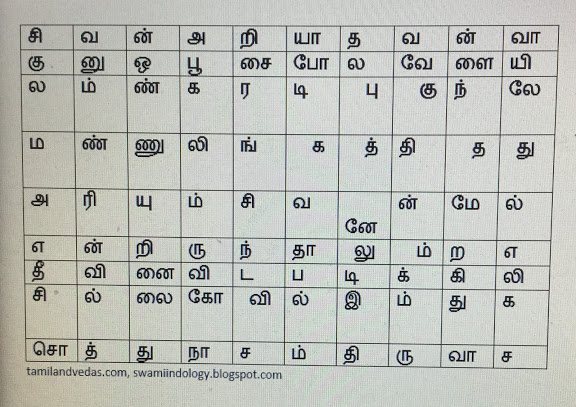
ஒரே சொல் மீண்டும் மீண்டும் வந்தால் ஓரிரு இடங்களில் மட்டுமே கட்டத்தில் இருக்கும். கொண்டு கூட்டி பொருள் கொள்க . விடை கீழே உள்ளது . சில நேரங்களில் படங்களைப் பார்த்தாலும் விடை காண உதவலாம்.
Pictures are taken from various sources for spreading knowledge; this is a non- commercial blog. Thanks for your great pictures.
tamilandvedas.com, swamiindology.blogspot.com
கம்பனைக் ‘காப்பி’ (copy) அடித்தாரா காந்திஜி ?
காந்திஜி சொன்ன ராம ராஜ்யம்!
மஹாத்மா காந்தி தனது வாழ்நாள் முழுதும் ராம ராஜ்யம் ஒன்று அமைக்க கனவு கண்டார். ஆனால் அவர் கண்ட கனவு நனவாகவில்லை அது அரசியல் விஷயம் . இங்கு விவாதிக்க விரும்பவில்லை.
ராம ராஜ்யம் என்றால் என்ன?
ஒரு இளம்பெண் தைரியமாக, பயமே இல்லாமல் , நள்ளிரவிலும் நடமாடக் கூடிய நாடு அது. அதாவது உண்மையான சுதந்திரம் பெற்ற நாடு அது என்றார். இந்துக்கள் ரிக் வேத கல்யாண மந்திரத்தில் – (RV.10-85 ) சொல்லும் முதல் வரி ‘உண்மையே பூவுலத்தைத் தாங்கி நிற்கிறது ‘ – என்ற அடிப்படையில் அமைந்த நாடு அது.
ராம ராஜ்யம் பற்றி வால்மீகியை விட அழகாக வருணிக்கிறான் கம்பன் .
அயோத்தியில் தானம் செய்ப்பவர்களே இல்லை.
இது என்னடா , அவ்வளவு கருமிகளா அந்த மக்கள் ?
இல்லை!
அந்த நாட்டில் பிச்சைக் காரர்களே இல்லை!!
பிச்சை கேட்க ஆள் இருந்தால்தானே தானம் தருமம், நன்கொடை எல்லாம்.
கார்ல் மார்க்ஸும் (Karl Marx) நம்மைக் காப்பி அடித்தே ‘கம்யூனிசம்’ பற்றிப் பேசினார் போலும்.
ஆனால் அவர்கள் குத்து வெட்டு கொலை வன்முறை என்பதையும் சேர்த்துக் கொண்டதால் ரொம்ப விலகிப் போயினர் (Ends justify Means)
‘எல்லாரும் எல்லாப் பெருஞ் செல்வமும் எய்தலாலே’ — என்று சமதர்ம சமுதாயத்தைக் கம்பன் படம்பிடித்துக் காட்டுகிறான்.
இப்படி ஒரு சமுதாயம் அம்மைந்துவிட்டால் பின்னர் கிருதயுகம் வந்து விடும் !
அதைத்தான் பாரதியும் கனவு கண்டான் –
“இடிபட்ட சுவர் போல கலி விழுந்தான்
கிருத யுகம் எழுக மாதோ” — என்று இடி முழக்கம் செய்தான் .
“பொய்க்குங் கலியை நான் கொன்று
பூலோகத்தார் கண் முன்னே
மெய்க்குங் கிருதயுகத்தினையே
கொணர்வேன் தெய்வ விதியிஃதே”
அதே பாட்டில்
“கிருத யுகத்தினைக் கேடின்றி நிறுத்த
விரதம் நான் கொண்டனன் ; வெற்றி
தருஞ் சுடர் விநாயகன் தாளிணை வாழியே”– என்கிறான் .
வாழ்க பாரதி!!
XXXX
இதோ கம்பன் பாடல் –
“கல்லாது நிற்பர் பிறர் இன்மையின் கல்வி முற்ற
வல்லாரும் இல்லை அவை வல்லர் அ ல்லாரும் இல்லை
எல்லாரும் எல்லாப் பெருஞ் செல்வமும் எய்தலாலே
இல்லாரும் இல்லை உடையர்களும் இல்லை மாதோ”
—கம்ப ராமாயணம், பால காண்டம், நகரப் படலம்
பொருள்-
கல்வியில் பல பிரிவுகள் உண்டு; இவர் மருத்துவத்தில் டாக்டர் பட்டம் (Ph.D) பெற்றவர். இவர் இலக்கியத்தில் டாக்டர் (D.Litt.) பட்டம் பெற்றவர் என்று யாருமே அயோத்தி யுனிவர்சிட்டியில் (University of Ayodhya) இல்லை . ஏனெனில் எல்லோரும் எல்லாத் துறைகளிலும் டாட்டர் பட்டம் வாங்கிவிட்டனர் . இவர்தான் சிறந்தவர், அவர்தான் சிறந்தவர் என்றும் சொல்லமுடியாது .
மக்கள் அனைவரும் எல்லா வகை செல்வங்களையும் பெற்றிருப்பதால் அங்கே ஏழைகளே இல்லை.; மில்லியனர், பில்லியனர் (Millionaire, Billionaire) என்று கோடீஸ்வரர், லட்சாதிபதி பட்டியலையும் ஆண்டுதோறும் பத்திரிகைகள் பிரசுரிப்பதில்லை.
“கள்வார் இலாமைப் பொருள் காவலும் இல்லை
கொள்வார் இலாமைக் கொடுப்பார்களும் இல்ல்லை மாதோ”
குப்தர் காலத்தில் இந்தியாவுக்கு விஜயம் செய்த சீன யாத்ரீகன் பாஹியான், 2600 ஆண்டுகளுக்கு முன்னர் இந்தியா எப்படி இருந்தது என்று எழுதி இருக்கிறான். வீட்டுக்குப் பூட்டுப் போடாத நாடு இது என்கிறான் . திருடர்கள் இல்லை; ஆகையால் காவலும் இல்லை. பிச்சைக் கார்களையே பார்க்க முடியவில்லை என்று மற்ற யாத்ரீகர்கள் எழுதி வைத்துள்ளனர். இதுதான் ராமராஜ்யம் .
Pictures are taken from various sources for spreading knowledge; this is a non- commercial blog. Thanks for your great pictures.
INDIA WAS NOT POOR
STORY OF INDIA’S ECONOMIC DOWNFALL – 1
R. Nanjappa
Introduction
This essay is in continuation of the one on Adam Smith. It may appear that these are merely economic matters, and would interest only students of economics. That is not correct. After Nehru took over as PM, he promoted the Marxist view that India was poor and backward because of its agriculture. He completely obliterated the insights of Gandhiji. On the other hand, Dr. Ambedkar too propagated the view that India’s backwardness was due to is village-based economy. Thus both of them worked against the spirit of Gandhiji.
Today, Indian public life is dominated by Nehru-admiring leftist-secular crowd, and the large SC/ST sector of Ambedkarites. Lakhs of school and college students learn this view as the official history of India. I found that last year the Plus 2 Economics textbook in Tamil Nadu still advocated this view and praised Nehru and his 5 Year Plans! This is the default position.
So it is necessary to counter this distorted view of history. Our people have to learn that India was not poor when the British came here and our poverty was caused by them. What better source to learn it from than the testimony of the British themselves?
Hence this article. R. Nanjappa
*
INDIA WAS NOT POOR
STORY OF INDIA’S ECONOMIC DOWNFALL
Romesh Chunder Dutt
It was given to a distinguished Indian- Romesh Chunder Dutt- to follow on the work of Adam Smith and investigate the state of the Indian economy in the wake of the rule by East India Company.
He published two distinguished volumes on the subject by the turn of the 19th century. He was a member of the ICS, but had retired voluntarily at the age of 49 to devote himself to his literary and academic pursuits. He did pioneering and painstaking research, accessing original documents and his volumes are full of statistics, gathered from official sources. He was not given to polemics, but but the serious facts he pointed out in sober language made great impact.
Sri Dutt was President of the Indian National Congress
at its 15th Session at Lucknow, 1899.
The Economic History of India
In the preface to the first edition of the first volume published in 1901, he pointed out:
the poverty of the Indian population at the present day is unparallelled in any civilised country.
the famines of 1877 and 1878, of 1889 and 1892, of 1897 and 1900 had carried off at least fifteen million people- the population of a fair-sized European country.
the sources of national wealth in India have been narrowed under British rule.
the British manufacturer (in the words of historian H.H.Wilson) “employed the arm of political injustice to keep down and ultimately strangle” the Indian competitor with whom he could not contend on equal terms.
quoting Colonel Briggs, he said: ” A Land Tax like that which now exists in India professing to absorb the whole of the landlord’s rent, was never known under any government in Europe or Asia.”
under the native rulers, all their money was spent in India and helped Indians. Even their expenses on war went to support the princely houses and the thousands of soldiers and their families. Even their gorgeous palaces, their luxuries and monuments they built fed and encouraged the manufacturers and artisans of India. Under wise kings or foolish ones, the taxes collected flowed back to the people and fructified their trade and industries.
but the East India company changed all this. They bought their merchandise out of the revenues of India and sold them in Europe for their profit. They extracted high interest on their stock. All the money they raised in India flowed to Europe.
Then Dutt pointed out the more damaging developments:
East India company’s trade was abolished in 1833. The company was abolished in 1858, but the policy continued. The empire was transferred from the company to the Crown, but the people of India paid the purchase-money! Indian Debt was 51,000,000 pounds sterling in 1857, but rose to 97,000,000 in 1862. And following forty years of ‘peace’, it stood at 200,000,000 in 1901! One half of the net revenues of India, then 44 million sterling, flowed annually to England.”Verily the moisture of India blesses and fertilises other lands”.
Thus, the dawn of a new century found India deeper in distress and discontent than any preceding period of history.
For those who desire to be well informed in these matters, there is a no alternative to reading the book of R.C.Dutt. It is not possible to give even a summary as it is so full of factual details, all gathered from official sources, like documents of Commissions, proceedings before committees, official reports, eye-witness accounts, etc. He explains in graphic detail how our native trade was systematically destroyed: the company transported its goods free of tax, while the local merchants were taxed heavily; unable to compete, they had to fold up. All the revenues collected in India were treated as profit and remitted abroad. The land revenue was so high that it left no income or surplus with the farmers. What happened in Bengal was repeated elsewhere.
Pictures are taken from various sources for spreading knowledge; this is a non- commercial blog. Thanks for your great pictures.
ஜூலை 4! 1902ஆம் வருடம். வெள்ளிக்கிழமை. இரவு மணி சுமார் ஒன்பது. இந்தப் பூவுலகை விட்டு சமாதி எய்தினார் ஸ்வாமி விவேகானந்தர். அதை நினவு கூரும் ஜூலை நான்கு அன்று
ஸ்வாமி விவேகானந்தருக்கு நமது சிரம் தாழ்ந்த அஞ்சலி!
பாரதத்திற்கு எழுச்சி ஊட்ட எடுத்த அவதாரம் விவேகானந்த அவதாரம்.
சுவாமிஜி வாழ்ந்த காலம் 39 வருடம் 5 மாதம் 24 நாள். அதற்குள், தான் செய்ய வேண்டிய அவதார காரியத்தை அவர் செய்து முடித்தார்.
தன்னைத் தானே தாழ்த்திக் கொண்டு மேலை நாடுகள் எது செய்தாலும் அதுவே சரி என்று எண்ணி நடை உடை பாவனைகளில் மேலை நாட்டினரைக் காப்பி அடித்த இந்திய மக்களுக்கு அவர் கூறிய உபதேசம் :
“நீங்கள் அம்ருதஸ்ய புத்ரர்கள். தூக்கத்தில் ஆழ்ந்து இருக்காதீர்கள். உங்கள் தேசத்தின் பெருமையை உணருங்கள். அனைவருக்கும் வழி காட்டுங்கள். உயருங்கள். எழுமின், விழிமின். உலகிற்கு வழி காட்டும் அளவு உயரும் வரை தளராது உழைமின்” என்றார் அவர்.
அவரிடம் வழ வழா கொழ கொழா வார்த்தைகளே கிடையாது.
சொல்ல வந்ததை, உணர்த்த வந்ததை ஆழமாக, கம்பீரமாகச் சொல்லி விடுவார்.
உலகெங்கும் சுற்றிப் பார்த்த அவர் தனது முடிவார்ந்த முடிவாக இப்படிச் சொன்னார்:
“Going around the whole world, I find that people of this country are immersed in great Tamas (inactivity), compared with people of other countries. On the outside, there is a simulation of the Sattvika (calm and balanced) state, but inside, downright inertness like that of stocks and stones – what work will be done in the world by such people. How long can such an inactive, lazy, and sensual people live in the world?…”
இதை விடத் தெளிவாக எப்படிச் சொல்ல முடியும்?
“உலகெங்கும் சுற்றிப் பார்த்த நான் மற்ற நாடுகளை விட இந்த நாட்டு மக்கள் தமஸில் – செயலற்ற தன்மையில் – மூழ்கி இருப்பதைப் பார்க்கிரேன். வெளியில் சாத்வீகம் – ஆனால் உள்ளேயோ மண்ணாங்கட்டியும் பாறைகளும் போல ஜடமான ஒரு தன்மை – இந்த மக்களை வைத்து என்ன வேலையைத் தான் செய்ய முடியும்? எவ்வளவு காலம் தான் இப்படிப்பட்ட ஜடங்களான. சோம்பேறிகளான,புலன் நுகர்வு மிக்க மக்கள் வாழ முடியும்?”
இதனால் ஒரு முடிவுக்கு வந்தார். அதாவது தூங்கிக் கிடந்த மக்களை தட்டி எழுப்புவது என்ற முடிவு தான் அது!
அவர் கூறினார்:
“So my idea is first to make the people active by developing their Rajas, and thus make them fit for the struggle for existence. With no strength in the body, no enghusiasm at heart, and no originality in the brain, what will they do – these lumps of dead matter! By stimulating them I want to bring life into them – to this I have dedicated my life. I will rouse them through the infallible power of Vedic Mantras. I am born to proclaim to them that fearless message – “Arise, Awake”!
“ஆகவே எனது எண்ணம், முதலில் அவர்களை ராஜஸ குணத்தை மேம்படுத்தி அவர்கள் செயல்பட வைக்க வேண்டும் என்பது தான். இப்படி அவர்களை முதலில், வாழ்வதற்கான போராட்டத்திற்குத் தயாராக ஆக்க விழைகிறேன். உடலில் கொஞ்சம் கூட வலிமை இல்லாத போது, இதயத்தில் உற்சாகம் இல்லாத போது, மூளையில் சுயமான தன்மை இல்லாத போது இந்த செத்த மொத்தைகளால் என்ன தான் செய்ய முடியும்?! அவர்களைக் கிளர்ந்து தூண்டி விட்டு அவர்களில் உயிர்ப்பைக் கொண்டு வர நான் விரும்புகிறேன். இதற்காகவே என் வாழ்வை அர்ப்பணித்துள்ளேன். என்றுமே பிழையாத வேத ம்ந்திரங்களின் மூலமாக அவர்களை எழுப்புவேன். “எழுமின், விழிமின்” என்ற அச்சமற்ற அந்தச் செய்தியைப் பிரகடனப்படுத்தவே நான் பிறந்திருக்கிறேன்.”
அடடா, எப்படிப்பட்ட கம்பீரமான, அற்புதமான, தெளிவான வார்த்தைகள்!
பால கங்காதர திலகரிலிருந்து நிவேதிதை வரை அனைவருக்கும் உத்வேகம் ஊட்டி புதிய இந்தியாவை அமைக்க வழி வகுத்த வீரத் துறவி அவர்.
1892இல் சந்யாசியாக இந்தியா முழுவதும் வலம் வந்த போது பம்பாயிலிருந்து புனே செல்லும் ரயிலில் விவேகானந்தர் ஏறிய பெட்டியில் திலகர் இருந்தார். அவரிடம் சுவாமிஜி அறிமுகப்படுத்தப்பட்டார். எட்டு முதல் பத்து நாட்கள் வரை அவர் திலகர் வீட்டில் இருந்தார்.
அவரது ஆன்மீக சக்தியை அப்போதே திலகர் உணர்ந்தார். பின்னர் சர்வமத சபை மாநாட்டில் உரையாற்றி உலகப் புகழ் பெற்று அவர் பாரதம் மீண்டவுடன் தன் வீட்டிற்கு வந்த அதே சந்யாசி தானா விவேகானந்தர் என்று உறுதிப்படுத்திக் கொள்ள அவருக்கு ஒரு கடிதத்தை எழுதினார் திலகர்.
‘ஆம், அவனே தான் இவன்’ என்று பதில் வந்தது.
பின்னர் கல்கத்தா காங்கிரஸ் மாநாட்டில் கலந்து கொள்ளச் சென்ற திலகர் அவரை பேலூர் மடத்தில் தரிசித்தார்.
தேநீர் அளித்து அவரை உபசரித்து அவருடன் அளவளாவினார் விவேகானந்தர்.
அவர் திலகரிடம் நகைச்சுவையாகக் குறிப்பிட்டார் இப்படி:”நீங்கள் எல்லாவற்றையும் துறந்து விட்டு வங்காளம் வாருங்கள், நான் மஹாராஷ்டிரம் வருகிறேன். ஏனெனில் சொந்த ஊரில் எப்போதுமே மற்ற இடத்தில் இருக்கும் அளவு ஒருவனுக்கு அவ்வளவு செல்வாக்கு இருக்காது அல்லவா?”
அனைவரும் நகைத்தனர்.
சுயராஜ்யம் எனது பிறப்புரிமை என்று முழங்கிய திலகர் முதல் கடைசி இந்தியன் வரை அனைவருக்கும் அவர் உற்சாகம் ஊட்டினார்; உழைக்கச் சொன்னார்.
“எழுமின்! விழிமின்! பாரதத்தைத் தலையாய இடத்தில் இருக்கச் செய்யும் வரை தளராது உழைமின்!”
இந்த அவரது உபதேச உரையை மேற்கொள்வோம்; பயணிப்போம்! வெற்றி பெறுவோம்!
Pictures are taken from various sources for spreading knowledge; this is a non- commercial blog. Thanks for your great pictures.
நமது பிளாக்கில் எஸ்.நாகராஜன் எழுதிய கட்டுரைகளின் பட்டியலை 2016 முதல் வெளியிடுகிறேன். இது அகர வரிசைப்படி இல்லாவிடினும் இண்டெக்ஸ் INDEX போன்றதே.
இந்தப் பட்டியலை பிரிண்ட் செய்து வைத்துக் கொண்டால் உங்களுக்குத் பிடித்த கட்டுரைகளை நேரம் கிடைத்தபோது படிக்கலாம்
கட்டுரைகளை பிளாக்கில் பெறுவது எப்படி?
பிளாக்கிற்குப் போய் தேடுவதை விட கூகுளில் (google) தேடுவது எளிது. கட்டுரையின் தலைப்பை காப்பிcopy செய்து கூகுளில் பேஸ்ட் paste செய்யுங்கள் அதன் பிறகு ஆங்கிலத்தில் from tamilandvedas.com என்று எழுதி க்ளிக் (click) செய்யுங்கள்.
from swamiindologly.blogspot.com
என்று எழுதியும் பெறலாம்.
எடுத்துக்காட்டு:
ஒவ்வொரு மனிதனின் கடைசி விநாடிfrom tamilandvedas.com
ஒவ்வொரு மனிதனின் கடைசி விநாடி from swamiindology.blogspot.com
நீங்கள் சிறு பிழை விட்டாலும் நீங்கள் எதிர்பார்த்தது கிடைக்காமல் வேறு விஷயம் வரும். அதில் நேரத்தை வீணடிக்காமல் மீண்டும் ஒரு முறை சரியாக எழுதி முயற்சி செய்யுங்கள். இரண்டு பிளாக்குகளில் ஒன்றில் கிடைத்து விடும்
கட்டுரை பெறுவதில் ஏதேனும் சிக்கல் இருந்தால் எங்களைத் தொடர்பு கொள்ளுங்கள் .
March 2017
1-3-17 3679 அதிசய புத்த துறவி ஸூ யுன் – 31
2-3-17 3682 அறிவு ஆணுக்கு அதிகமா, பெண்ணுக்கு அதிகமா? – (பாக்யா
24-2-17 அ.து )
3-3-17 3685 அண்டார்டிகா ஐஸ் பாறை பிளக்கிறது! (பாக்யா
6th year last)
4-3-17 3688 மஹாகவி பாரதியார் பற்றிய நூல்கள்-22 –
ஏ.கே.செட்டியாரின் குமரிமலர் கட்டுரைகள் – 7
5-3-17 3691 The glory of Betelgeuse – Ardra Star!
6-3-17 3695 Miraculous Incidents due to Positive Emotions!
7-3-17 3699 Wonderful Divine Saint Vallalar and some of His Miracles!
8-3-17 3702 அதிசய புத்த துறவி ஸூ யுன் – 32
9 -3-17 3706 The Story of Revata, First Time Travel Story in the History of
Mankind!
10-3-17 3710 Wonderful Episodes of temples that were saved during Muslim
Invasion!
11-3-17 3712 அதிசய புத்த துறவி ஸூ யுன் – 33
12-3-17 3717 பார்வை இருந்தும் பார்க்க முடியாத மாய கொரில்லா!
(பாக்யா அ.து. 7yh year -1st article 3-3-2017)
13-3-17 3718 அதிசய புத்த துறவி ஸூ யுன் – 34
14-3-17 3721 Feng Shui True or False?
15-3-17 3724 அதிசய புத்த துறவி ஸூ யுன் – 35
16-3-17 3727 Get Feng Shui – Vastu Combined Benefits!
17-3-17 3730 அதிசய புத்த துறவி ஸூ யுன் – 36
18-3-17 3733 அதிசய புத்த துறவி ஸூ யுன் – 37
19-3-17 3737 அதிசய புத்த துறவி ஸூ யுன் – 38
20-3-17 3739 அதிசய புத்த துறவி ஸூ யுன் – 39 (முடிவுரை)
21-3-17 3742 எது கவிதை?
22-3-17 3745 மதுரை ஆயிரங்கால் மண்டபம் – ஒலியியல் அதிசயம்!
(10-3-17 பாக்யா கட்டுரை)
23-3-17 3748 மனிதர்களின் இயல்பான ஆயுள் 150 ஆண்டுகள்!
(பாக்யா அ.து. )
24-3-17 3751 புத்தக மதிப்புரை – எல்லையற்ற பரிபூரணத்தை நோக்கி!
24-3-17 3752 Book Review – A Journey towards the Infinite Absolute!
25-3-17 3755 மஹாகவி பாரதியார் பற்றிய நூல்கள்-23 – ஏ.கே.செட்டியாரின்
குமரிமலர் கட்டுரைகள் – 8
26-3-17 3757 Scientific Thinking for Success – Christian D Larsen
27-3-17 3761 மஹாகவி பாரதியார் பற்றிய நூல்கள்-24 – ஏ.கே.செட்டியாரின்
குமரிமலர் கட்டுரைகள் – 9
28-3-17 3764 அற்புதங்கள் எல்லாம் அற்புதங்களே அல்ல!
(பாக்யா அ.து. 17-3-17 கட்டுரை)
29-3-17 3767 மஹாகவி பாரதியார் பற்றிய நூல்கள்-25 – ஏ.கே.செட்டியாரின்
குமரிமலர் கட்டுரைகள் – 10
30-3-17 3771 ஆத்ம தரிசனம் – ஆன்மீக மின்னணு இதழ்!
31-3-17 3774 மஹாகவி பாரதியார் பற்றிய நூல்கள்-26 – ஏ.கே.செட்டியாரின்
குமரிமலர் கட்டுரைகள் – 11
April 2017
1-4-17 3777 How to cultivate the state of contentment and Mental State of
Appreciation!
2-4-17 3870 மஹாகவி பாரதியார் பற்றிய நூல்கள்-27 – பாரதியார் பற்றி
நினைவு மஞ்சரியில் உ.வே.சுவாமிநாதையர்
6-4-17 3786 ஆரோக்கியம் பற்றிய சில தவறான தகவல்களும்,
நம்பிக்கைகளும் – 1
7-4-17 3795 ஆரோக்கியம் பற்றிய சில தவறான தகவல்களும்,
நம்பிக்கைகளும் – 2 (ஹெல்த்கேர் பிப்ரவரி 2017 கட்டுரை)
8-4-17 3798 மின்னல் வேகத்தில் கணக்கிட்ட மேதை ஜெடிடியா பக்ஸன்!
(பாக்யா அ.து )
9 -4-17 3801 ஆரோக்கியம் பற்றிய சில தவறான தகவல்களும்,
நம்பிக்கைகளும் – 3 ஹெல்த்கேர் மார்ச் 2017 கட்டுரை
11-4-17 3807 விஞ்ஞானம் நிரூபிக்கும் வால்மீகி முனிவர் கூறும்
Pictures are taken from various sources for spreading knowledge; this is a non- commercial blog. Thanks for your great pictures.
tamilandvedas.com, swamiindology.blogspot.com
மாசி-பங்குனி மாதம் பற்றிய 3 பழமொழிகள் என்ன?
ஒரே சொல் மீண்டும் மீண்டும் வந்தால் ஓரிரு இடங்களில் மட்டுமே கட்டத்தில் இருக்கும். கொண்டு கூட்டி பொருள் கொள்க . விடை கீழே உள்ளது . சில நேரங்களில் படங்களைப் பார்த்தாலும் விடை காண உதவலாம்.
ANSWER
1.மாசி நிலா பாசி படரும்
2.பங்குனி மாதம் பகல் வழி நடப்பவன் பாவி
3.பங்குனி என்று பருக்கிறதும் இல்லை, சித்திரை என்று சிறுக்கிறதும் இல்லை
Source book :–
பயன்படுத்திய நூல்- கழகப் பழமொழி அகர வரிசை, கழக வெளியீடு
Pictures are taken from various sources for spreading knowledge; this is a non- commercial blog. Thanks for your great pictures.
tamilandvedas.com, swamiindology.blogspot.com
அயோத்தி நகரில் 4 புதிய வாசல்கள்!!
அயோத்தி நகரம் பற்றி நமக்குத் தெரியாத புதிய தகவலை கம்பன் அளிக்கிறான் .
அங்கு 4 வாசல்கள் இருந்தன. இதிலிருந்து அந்த நகரம் , இப்போதுள்ள மதுரை நகரம் போல சதுர வடிவில் இருந்தது தெரிகிறது ; அங்கு 4 கோபுரங்கள் இருந்தனவாம். அவற்றின் உயரம் எவரெஸ்ட் சிகரத்தை விட உயரமானதாம் ; இதை மறைமுகமாக செப்புகிறான் ; ஏனெனில் கம்பனுக்கு எவரெஸ்ட் சிகரம் எல்லாம் ஒரு பொருட்டே இல்லை.
வாமனாவதாரத்தின் போது மூன்றாவது அடி வைக்க இடமில்லாததால், விஷ்ணு தன்னுடைய காலை உயர்த்தி பிரபஞ்சசத்தையே அளந்தார் அல்லவா ? அதை விட உயரமாக இருந்தனவாம் . அது மட்டுமல்ல . இந்தப் பூவுலகை காத்து நிற்கும் திசையானைகள் போல அசையாது நின்றனவாம் அந்த வாசல்கள்.
இதையெல்லாம் விட முக்கியமான விஷயம் என்ன தெரியுமா?
அந்த நான்கு வாசல்களும் 4 வேதங்களை போல இருந்தனவாம். அதாவது ஒரு வாசல் ரிக் வேதம், இன்னொரு வாசல் யஜுர் வேதம், மற்றும் ஒரு வாசல் சாம வேதம்; நாலாவது வாசல் அதர்வண வேதம்..
இது என்னடா , பெரிய ‘கப்ஸா’ ஆக இருக்கிறது?
முதலில் சொன்ன யானை, ஓங்கி உலகளந்த உத்தமனின் கால்கள் ஆகியன கற்பனை செய்தால் கண்ணுக்குத் (concrete shapes) தெரியும். வேதங்கள் எழுதாத புஸ்தகங்கள் ஆயிற்றே ; அதுவும் மந்திரம் என்பது ஒலிகளின் தொகுப்புதானே (abstract) ; அதைப் போய் வாசல்களுக்கு ஒப்பிடலாமா ? என்று நமக்குக் குழப்பம் ஏற்படுகிறது . அதற்கும் கம்பன் ஒரே பாட்டில் பதில் சொல்லி விடுகிறான்.
வேதங்கள் நாலும் ஒழுக்க நெறியை கற்பிக்கின்றன. அதன் வழி செல்லுவோருக்கு நல்லொழுக்கம் இருப்பதால் வாழக்கையில் நல்ல பாதை (ஆறு) கிடைக்கிறது. அது போல அயோத்தி மா நகருக்குள் நுழைந்து விட்டால் நல்லொழுக்கம் தானாக வருமாம். ஒழுக்கம் நன்றாக இருந்தால் ஆரோக்கியம் இருக்கும். ஆரோக்கியம் இருந்தால் நல்ல சுகமாக 100 ஆண்டு வாழலாம் . இப்படி ஒரு நகரத்தின் வாசல் பற்றிச் சொல்லும்போது கூட 4 வேதங்களின் பெருமையையும் சொல்வதால்தான் தமிழர்கள் அவனை கவிச் சக்ரவர்த்தி என்று அழைக்கின்றனர்.
இதோ, பால காண்டத்தில் நகரப் படலத்தில் வரும் பாடல் –
எல்லை நின்ற வென்றி யானை என்ன நின்ற முன்னம் மால்
ஓல்லை உம்பர் நாடு அளந்த தாளின் மீது உயர்ந்த வான்
மல்லல் ஞாலம் யாவும் நீதி மாறுறா வழங்கினால்
நல்ல ஆறு சொல்லும் வேதம் நாலும் அன்ன வாயிலே
Ayodhya Temple Model
பொருள்
அந்நகரத்தின் கோபுர வாயில்கள் நான்கும் , நான்கு திசைகளில் நின்ற வெற்றியை உடைய திசை யானைகள் போல நிலையாக நின்றன ; திருமால் முன்பு திரிவிக்கிர மூர்த்தியாகி மேல் உலகத்தை எளிதாக அளந்த திருவடியினும் அக்கோபுர வாசல்கள் உயர்ந்து நின்றன.
அந்த நான்கு வாயில்களும், தன்னுள் புகும் உயிர்களை நல்வழியில் ஒழுகச் செய்வதால் , வளம் பொருந்திய உலகத்து உயிர்கள் யாவும் நீ தியிலிரு ந்து மாறுபடாத ஒழுக்கத்தோடு இருக்குமாறு நல்ல வழிகளைச் சொல்லுகின்ற நான்கு வேதங்களையும் ஒத்திருந்தன .
Pictures are taken from various sources for spreading knowledge; this is a non- commercial blog. Thanks for your great pictures.
INDIA WAS NOT POOR:
TESTIMONY FROM ADAM SMITH – 4
R. Nanjappa
Churchill, and his Indian cigar!
Such is the stuff of our bureaucracy! Let me share one more incident. Churchill was a heavy smoker of cigars. When he became the Prime Minister during the War, the British govt was anxious that his cigar supply should not be disrupted! Dindigul in Madras state was identified as a source of good quality cigars. The Madras govt was ordered to procure it and send to London. The bureaucracy set to work. The Collector of Chengleput was given the responsibility of collecting the cigars. In order that he would not overlook, the govt prescribed a monthly Statement form which he had to fill, giving details of the collection and submit to the Secretariat. Now, the war ended in 1945; Churchill ceased to be PM shortly thereafter. India became free in 1947. Churchill became PM once again in 1951 and retired in 1955. The great man died in 1965. But the return of the Chengleput collector did not die: it continued up to 1972, when it was discovered by chance and stopped!
How can we ever prosper when we have such politicians and bureaucrats? To Smith, again
Enough of this digression. We return to Smith. He makes some more adverse observations about the affairs of the East India Company and its officials. He remarks how every European power created a monopoly to enter into trade with other nations, and how it must have resulted in high price for the consumers. He says:
Since the establishment of the English East India company, for example, the other inhabitants of England, over and above from being excluded from the trade, must have paid in the price of the East India goods which they have consumed, not only for all the extraordinary profits which the company may have made upon those goods in consequence of their monopoly, but for all the extraordinary waste, which the fraud and the abuse, inseparable from the management of the affairs of so great a company, must necessarily have occasioned.
This leads Smith to an even more important insight. East India company, by acquiring the Diwani rights, had become sovereigns, and ceased to be mere traders.They should have administered the territories to the advantage of the people. But they did not do this.Smith says:
But a company of merchants are, it seems, incapable of considering themselves sovereigns, even after they have become such. …. by a strange absurdity regard the character of the sovereign as but an appendix to that of the merchant.. As sovereigns, their interest is exactly the same with that of the country which they govern. As merchants their interest is directly opposite to that interest. But if the genius of such a government, even as to what concerns its direction in Europe, is in this manner essentially and perhaps incurably faulty, that of its administration in India is still more so.
Smith then points out how the servants of the company have been carrying on private trade along with the business of the company, and making profits for themselves. They were then eager to get back to their mother country,” and carried the whole fortune with him”, as quickly as possible, “perfectly indifferent though the whole country was swallowed up by an earthquake”. Smith takes care to say that he was not making an odious imputation against individuals or officials of the company as a group, but ” it is the system of government… that I mean to censure”. As individuals, they could have been magnanimous against expectations on occasion, and on others, totally different. But the system of which they were part was bad.
Such exclusive companies, therefore, are nuisances in every respect; always more or less inconvenient to the countries in which they are established, and destructive to those which have the misfortune to fall under their government.
Part IV, chap vii.
Here is another piece of history. The returning company officials “carried the whole fortune” with them! They were so fabulously rich, they were called “nabobs”. This enabled them to buy up landed property which were called “rotten boroughs”. They were really considered rootless and were known to be corrupt. They did attract lot of adverse social and literary attention.
Oliver Goldsmith in his long poem “The Traveller” wrote:
The wealth of climes, where average nations roam, Pillaged from slaves to purchase slaves at home
(lines 387-388)
Such persons entered parliament (for which property was the qualification) and this too attracted adverse notice. William Pitt, the Earl of Chatham (who himself had something to do with framing the policy towards India wrote, in 1770:
… the riches of Asia have been poured in upon us, and have brought with them not only Asiatic luxury, but I fear, Asiatic principles of government. Without connections, without any natural interest in the soil, the importers of foreign gold have forced their way into parliament, by such a torrent of private corruption, as no private hereditary fortune could resist.
Smith too later said that such people had no concern for the people of those countries at all. But as individuals, they were acting on their self-interest, and perhaps in the circumstances others would have done so, too!.
Now, Indians loot India!
In this respect, let us introspect a little. How have our politicians and bureaucrats done since Independence? Have they been better than the Company and its officials? Now that we have RTI, and the requirement of financial disclosure before the elections, we clearly see how the riches of the netas keep growing.. How could they have earned all that through their fair remuneration from the offices they held? And every day, we read stories about Lok Ayukta action against some bureaucrat or the other. But what happens to all of them in the end ? In one notorious case, the High Court acquitted an accused politician, in a verdict delivered in two minutes, after the case lingered for 18 years, by totally disregarding the judgment of the Special Court! Those who run the government and the administration have not failed to take advantage of the situation- exactly as the officials of the East India Company did more than 200 years ago! While they were all private employees, our candidates have been in public life, professing socialism, no less! Human nature has hardly changed.
In a sense, we have been worse. The English looted India and enriched their country. But Indians are today looting their own country and keeping the money in Swiss bank accounts! We have not had Independence really, but only a transfer of power to a new set of looters!
Note:
Adam Smith gives us accurate information about the state of our economy at the time. He was writing about the Company. But the same loot continued under the Crown too. India’s prosperous state is borne out by research based on British archival records, which documented the matter in some detail. The original material is still available in British Museum and other libraries in England. Dharampal has brought out these details in the 5 volumes of his collected writings.
Years before Dharampal, a retired civil servant , Romesh Chander Dutt had surveyed the scene, based on British documents. We will see it later.
2.There has been a tendency, after Independence, to glorify British rule. Nehru dispensation was a party to this. It is therefore refreshing to see a loyalist of the Nehru dynasty listing the adverse features of the British rule. See: Sashi Tharoor: An Era of Darkness, Aleph Book Company, 2016.