Pictures are taken from various sources for spreading knowledge; this is a non- commercial blog. Thanks for your great pictures.
SRI TYAGARAJA-22- Ways to Worship God
However much we may think of Bhakti, we need a method to practice it. In the absence of proper practice, it will remain a mere theory or sentimental interest.
Personal teacher
In respect of mundane professions like law, medicine, accountancy etc, there is a system of formal apprenticeship, even after obtaining theoretical qualification. In fact this was the method followed in the pre-modern period in any field: the student lived with the teacher and imbibed the knowledge and skills. In many cases. the father himself was the teacher. Today in India, this is still prevalent to some extent only in the field of classical music.
In the religious-spiritual area, the physical presence and guidance of a teacher is highly valued, is considered indispensable. This is not so much from the angle of theoretical learning, not even from the need to learn the correct techniques, avoid pitfalls ; it is from the deeper need to imbibe the values, attitudes ,and even more importantly in order to benefit directly from the power and presence of the Teacher. But in this case, the teacher himself must be a Realised or at least advanced soul. No teacher can take the student beyond what he himself had reached
Place of Scriptures
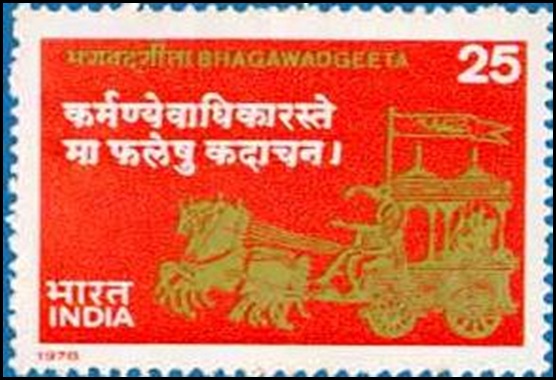
However, the Bhakti path is widespread as it is simple to adopt, and one is permitted great variety , latitude and liberty in practice. There have been great Saints whose teachings and example are available for study, reflection,emulation and adoption. There are manuals to teach us authentic methods- like Narada Bhakti Sutras and Sandilya Bhakti Sutras. Numerous teachings and techniques are explained in other scriptures, especially the Gita and Bhagavatam.
The Gita
The Gita is stated in its colophon to be Upanishad, Brahmavidya and Yoga sastram- that is, it takes one near the object, teaches the ultimate Truth and imparts the right techniques! The practice starts with formal worship, according to set rules and methods, called Vaidi Bhakti, (vidhi poorvakam) and gets transformed in numerous ways as one matures and advances on the path. Bhagavan says very clearly:
Ye yatha mam prapathyante
Taams tathaiva bhajaamyaham 4.11
In whatever manner the devotee worships Me, I approach him in the same manner.
Bhagavan also gives the assurance that His devotee is never destroyed:
Na Me bhakta: pranasyati 9.31
My devotee is never destroyed.
But who is a devotee, in the first place?
Bhagavan talks of 4 types of devotees:
Chaturvidhaa bhajante Mam
Janaa: sukritinoarjuna
Aarto jijnasur artharthi
Jnani cha bharatarshabha. 7.16
O Arjuna, four kinds of virtuous men worship Me- the one in distress (desiring relief), the seeker of Enlightenment, the seeker of (worldly or heavenly) enjoyment, and the Jnani, O bull among the Bharatas.
Sri Suka Brahmam says in Bhagavata:
Akama: sarvakamo va mokshakama udaradhi:
Tivrena bhaktiyogena bhajet purusham param.
2.3.10
Let a man be without desire, or with many desires; if he is intelligent and a sincere aspirant after Liberation, let him worship the Supreme Being with intense devotion.
But this is not a licence for resorting to devotion as a means of fulfilling worldly desires! (Many modern gurus and Christian evangelists promise just this!) Real devotion seeks nothing but God. That also is the highest Wisdom. Bhagavan clarifies in the Gita:
Teshaam jnani nityayukta
Ekabhaktir visishyate 7.17
Of them ( the 4 type of bhaktas) the Jnani, ever steadfast in devotion to the One (alone) excels.
Udaraa: sarva evaite
Jnani tvaatmaiva Me matam
Aasthita: sa hi yuktatma
Maamevanuttamaam gatim 7.18
They are all noble indeed. But I regard the jnani as My very Self.For with his mind steadfast, he is established in Me alone, as the supreme goal. (He does not desire anything else.)
Ananyachetaa:satatam yo Mam
Smarati nityasa:
Tasyaham sulabha: Partha
Nityayuktasya yogina: 8.14
Arjuna! I am easily attainable by that yogi who always thinks of Me, and remembers me daily with single mindedness ( completely united with Me in consciousness)
Teshaam satata yuktanam
Bhajatam preeti poorvakam
Dadaami buddhiyogam tam
Ye na Mam upayanti te. 10.10
To those who are engaged in constant dhyana on Me and are engaged in worship with deep love- I grant them that Wisdom by which they can reach Me.
Such is the power, promise and potential of Bhakti. Whether jnani, yogi or devotee-pure devotion is essential. This Bhagavan makes clear in the Bhagavatam too.
Srimad Bhagavatam
Mayi bhaktir hi bhutanam
Amrutatvaya kalpate 10.82.45
Loving devotion to Me (alone) enables all beings to attain Immortality (Mukti or Liberation)
Bhaktyoddhavanapayinya sarvaloka maheswaram
Sarvotpatyapyayam brahma karanam mopayaati sa:
11.18.45
Through constant and deep-rooted loving devotion, man attains to Me- the Supreme master of all the worlds, the First Cause and Brahman, in whom creation,preservation and destruction of the worlds take place.
(These words are addressed to Uddhava, parama bhagavata)
Just as the flames of blazing fire burn up all the fuel, even so devotion to Me destroys all sins.
Neither yoga, nor sankhya, nor dharma, nor scriptural study, nor austerity, nor renunciation can attract and dominate Me as deep-rooted devotion can.
With the aid of unswerving devotion coupled with earnest faith, holy men are able to attain Me, who am dear to them as their very soul. Deep-rooted devotion to me purifies even one who is a born sinner.
Prahlada and Nine Modes
In the Bhakti literature, the ideal of bhakti is expressed through nine modes, called nava vida bhakti. Prahlada, ranked first among the devotees in the classical tradition, gives the standard statement in the Bhagavatam.
Sravanam kirtanam vishno:
smaranam padasevanam
Archanam vandanam dasyam
Sakhyam atmanivedanam
Iti pumsarpita vishnau
Bhaktischen nava lakshana
Kriyate bhagavat yaddha
Tanmanye adheetam uttamam 7.5.23-24
The practice of devotion takes the following nine forms:
Sravanam: hearing about Bhagavan
kirtanam: Singing His greatness and glories
smaranam : constant remembrance
padasevanam: serving Him ( can include through consecrated images, devotees and holy men and living beings, generally)
archanam: worshipping Him in holy consecrated images
Vandanam: paying obeisance
dasyam: practicing the attitude of servant towards Him
sakhyam: cultivating loving intimacy with Him, as in the case of a friend or companion
atmanivedanam: surrendering one’s body, mind and soul to Him.
A person who offers this nine-fold devotion, in truth and spirit, is indeed a well-educated person.
Prahlada says further: Naalam dwijatvam devatvam rishitvam vasuratmaja: preenanaaya Mukundasya na vruttam na bahujnata Na daanam na tapo nejya na saucham na vrataanicha Preeyate amalaya bhaktya hariranyad vidambanam 7.7.51,52
Children of the asuras! In order to please Mukunda, it is not necesary to be a Brahmin, a deva, an all-renouncing Muni. Sadacharam or different types of jnana are not required. Danam, tapas, yajna, ceremonial cleanliness, vrataas- these are not required. Whatever is done without sincere devotion for Hari, is all mere external show.
Narada and Eleven Modes
Sage Narada has given us his exposition on devotion in his Sutra on Bhakti. He mentions Sanatkumara and three other Rishis, Vyasa, Suka, Sandilya, Garga, Vishnu, Kaundinya, Seshan, Uddhava,Aruni, Bali, Hanuman, Vibhishana as the Acharyas of the Bakti path who did not listen to the vain talk of people but unanimously held Bhakti to be supreme. Narada simply defines Bhakti as the form of “parama prema rupa” – the supreme love for the Divine. Though it is one, it takes eleven forms: “Ekadhab ekadasadha bhavati”. These are: (Sutra 82)
Desire to listen to the auspicious qualities of Bhagvan (guna maahaatmya)
Desire to see the Divine forms of the Lord (Rupa)
Desire for performing His puja
Desire for constantly remembering Him (Smarana)
Desire to be His servant (Dasyam)
Desire to be His companion(Sakhyam)
Desire to be His beloved (Kantha)
Desire to treat Him as one’s child (Vatsalya bhavam)
Desire to offer oneself fully (Atma nivedanam)
Desire to merge with Him, to become Him (tanmayad)
Desire to suffer, unable to stand separation from Him ( Viraha bhavam)
Though Narada mentions many Acharyas, he gives only one example of Bhakta: Yatha Vraja Gopikanam (Sutra 23). What is so special about the blessed Gopis? Bhagavatam gives us a glimpse.
Gopis supreme Bhaktas
Ya dohane avahanane mathanopalepa
prenkhkenkhanar bharudi toshana marjanadau
Gaayanti chaina manuraktadhi yoasru kanthyo
Dhanya vrajastriya urukrama chittayaanaa:
10-44-15
While milking the cows, while winnowing the grains, while churning curd, while cleaning the courtyard, while putting the children to sleep or while cajoling them with sweet nothings to pacify them while they cry, while washing the house with water, while cleaning with the broom, – while engaged in all this , their heart brimming with love, eyes brimming with tears, with voice choked due to emotion, the Gopikas were singing of Sri Krishna! Oh the Gopis of Vraja! How blessed they are, that they had their mind always fixed on Sri Krishna!
Tan manaskaastadaalaapaas
tad vicheshtaastadaatmikaa:
Tad gunaneva gaayantyo
Naatmaagaaraani sasmaru: 10.30.44
The mind of the Gopis had become Krishnamaya.
No speech escapes their mouths, except about Krishna. Their bodies displayed only those motions meant for Krishna, very much like those of Krishna!
Why express so much? Their whole atma had become Krishnamaya. They were singing only about the gunas and leelas of Krishna. They had become so integrated with Krishna that they did not even have any thought or memory of their very homes!.
No wonder even the Divine Sage Narada could only think of the Gopis of Vraja while talking of the ideal Bhakta! They did not want anything other than Bhagavan. This indeed is the ultimate mark of a true devotee. No wonder that great bhakta, Uddhava, desired to be born as a blade of grass in the land of Gopis!
Says Krishna in Bhagavatam:
Na paarameshthyam na mahendradhishnyam
Na saarvabhaumam na rasaadipatyam
Na yogasiddheerapurnavam va
Mayyarpitaatmechchati madvinaanyat. 11.14.14
Those who have dedicated themselves to Me- they do not like anything other than Me: either the position of Brahma, or the post of Indra. The desire to rule even the fourteen worlds does not arise in their mind; nor do they want kingship of Rasatala. They do not even desire the siddhis obtained through expertise in Yoga or even Liberation.
How do such devotees spend their time?
Machchitta madgadaprana :
Bodhayanta:parasparam
Kathayantascha Mam nityam
Tushyanti cha ramanti cha.
Teshaam satata yuktaanam
Bhajataam preeti poorvakam Gita. 10.9-10
The devotees who have dedicated their entire mind to Me, and offered their life force to Me- they discuss among themselves their devotion and thus enlighten themselves mutually; they engage in talks about my gunas and stories; thus they are always full of contentment and delight. They are ever steadfast and serve Me with affection.
Since Sri Tyagaraja belongs to the line of Bhakta-Bhagavata, I wanted to preface this piece with some initial references to the tradition, before covering what Tyagaraja himself wrote. Only that would enable us to appreciate Tyagaraja properly. But the references kept coming, and even after cutting down a lot, this section has become longish. We will cover Tyagaraja’s own words next.
Pictures are taken from various sources for spreading knowledge; this is a non- commercial blog. Thanks for your great pictures.
tamilandvedas.com, swamiindology.blogspot.com
ஒரு கதை –பழமும் தின்னு கொட்டையும் போட்டது யார்?
பெரிய அனுபவசாலிகளை ‘அவரா , அந்த ஆளு பழமும் தின்னு கொ ட்டையும் போட்டவன் ஆச்சே’ என்று புகழ்வர். எல்லார் பணத்தையும் வாங்கிச் சாப்பிட்டுவிட்டு ஏப்பம் விட்ட ஆளையும் இதே சொற்றொடரால் இகழ்வதும் உண்டு .
இந்தத் தொடர் எப்படி வந்தது என்பது ஒரு கதையில் உள்ளது . இதோ அந்தக் கதை –புத்த மதத்தின் விநய பிடகத்தில் சுள்ள வக்கத்தில் உள்ள கதை இது
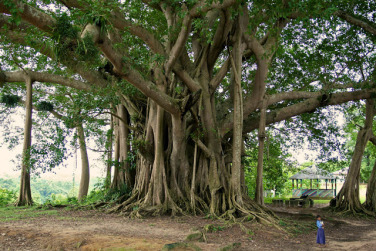
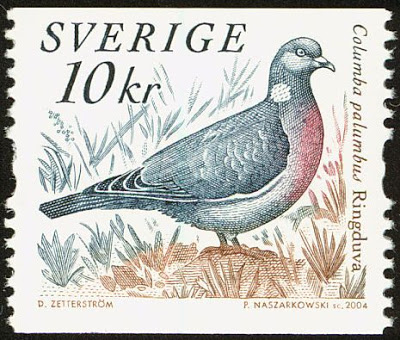
வெகு காலத்துக்கு முன்பு இமயமலைச் சாரலில் ஒரு ஆலமரம் இருந்தது அதனருகே ஒரு புறா , ஒரு யானை, ஒரு குரங்கு ஆகிய மூன்றும் நண்பர்கள் போல வாழ்ந்தன. ஆயினும் அவைகளிடையே பரஸ்பர நம்பிக்கை இல்லை; ஒருவரை ஒருவர் மதிப்பதும் இல்லை.யார் பெரியவர், யார் மூத்தவர் என்ற அஹம்காரம் கூத்தாடியது . ஒரு நாள் இந்தக் கூத்தை வெளிப்படையாகவே பேசி நம்முள் யார் பெரியவர் என்பதைத் தீர்மானிப்போம். அதை மற்றவர்களும் ஏற்றுக்கொண்டு அதன்படி மதிப்போம், மரியாதை செய்வோம் என்று முடிவு செய்தன.
இதன்படி புறாவும் குரங்கும் யானையிடம் ஒரு கேள்வி கேட்டன-
நண்பனே! உனது நினைவு எவ்வளவு பழைய காலம் வரை செல்கிறது?
இதற்கு யானை சொன்னது – நண்பர்களே! நான் சிறுவனாக இருந்த போது இந்த மகத்தான ஆலமரம் அதிகம் வளரவில்லை. அதன் மீதே நான் நடந்து சென்றது எனக்கு நன்றாக ஞாபகத்தில் இருக்கிறது.. அதன் உயரம் என் கால் களுக்கும் கீழேதான் இருந்தது. அதன் உச்சிக் கொம்பே என் வயிற்றைத் தொடும் அளவே இருந்தது”.
உடனே யானையும் புறாவும் சேர்ந்து இதே கேள்வியைக் குரங்கினிடம் கேட்டன
குரங்கு சொன்னது-
“நண்பர்களே! நான் சிறுவனாக இருந்தபோது ஒரு முறை தரையில் உட்கார்ந்து இருந்தேன் அப்போது தரையில் அமர்ந்தவாறே ஆலமரத்தின் உச்சிக் கொம்பைக் கடித்துத் தின்றது நினைவுக்கு வருகிறது “.
பின்னர் குரங்கும் யானையும் சேர்ந்து புறாவிடத்தில் இக்கேள்வியைக் கேட்டன. புறா சொன்னது-
“நண்பர்களே ! அதோ தெரிகிறதே பொட்டல்காடு. அங்கே முன்னொரு காலத்தில் ஒரு பெரிய ஆலமரம் இருந்தது . ஒருநாள் அதன் பழம் ஒன்றைத் தின்றுவிட்டு அதன் விதையை எச்சமாகக் கழித்தேன். அந்த விதையிலிருந்து உண்டானதே இந்தப் பெரிய ஆலமரம். ஆகையால் உங்கள் இருவரைக்காட்டிலும் நான்தான் மூத்தவன்” என்று புறா கூறியது இதைக்கேட்ட குரங்கும் யானையும் நீயே மூத்தவன் இனிமேல் உன்னை மதித்து உன் சொற்படி நடப்போம் என்று உறுதி கூறின.
இந்தக் கதையை புத்தர் சொன்னதாகவும் வினய பிடகம் எழுதிவைத்துள்ளது. இதுதான் பழமும் தின்று கொட்டையும் போட்டவனின் கதை.
பொதுவாக புத்த மதத்தில் உள்ள கதைகள் எல்லாம் பழங்கால பாரதத்தில் வழங்கிய கதைகள் ஆகும். அந்தக் கதைகளை புத்த மதத்தினர் எடுத்து புத்தர், போதி சத்துவர் என்ற பெயர்களை நுழைத்துப் பயன்படுத்தினர்.
Pictures are taken from various sources for spreading knowledge; this is a non- commercial blog. Thanks for your great pictures.
ஹிந்தி படப் பாடல்கள் – 53 – இரு மணிகள் – ஆர். டி. பர்மன்
R. Nanjappa
ஆர். டி. பர்மன்
ஹிந்தித் திரை இசையில் மேற்கத்திய அம்சங்களையும் உத்திகளையும் புகுத்தியவர்களின் வரிசையில் முதலில் நிற்பவர் சி.ராம்சந்த்ரா. ஆனால் இவர் ஓரளவோடு நிறுத்திக்கொண்டார். இவர் இசையில் இனிமைக்கே melody முதலிடம் இருந்தது. தாள ஜாலம் beats, rhythm என்றெல்லாம் அதிகம் போகவில்லை.
ஆர்.டி பர்மன் அதற்கென்றே பிறந்து வந்தவர்! நல்ல இந்திய இசைஞானம் இருந்தும், வலிந்து மேலை அம்சங்களை அதில் புகுத்தி ஏதாவது சோதனை செய்வதே அவர் வழக்கமாயிருந்தது. மேலை மெட்டுக்களை எடுத்தாள்வது, புதிய வாத்தியங்களை நுழைப்பது, புதிய ஒலிகளை நூதனமாக உருவாக்குவது என்று இப்படி ஏதாவது செய்வதே அவர் வழக்கம். இதே முறைகளை பின்னர் வந்த பலரும் கையாளத் தொடங்கியவுடன், ஆர்.டி.பர்மனின் மார்க்கெட் படுத்தது. இவர் யாருக்கும் குல்லாய் போட்டு காக்கா பிடிக்கும் நபரல்ல. தனக்கென்று சில தயாரிப்பாளர்களை தன் வசம் வைத்திருக்கவில்லை. அதனால் பின்னாட்களில் இவரால் சமாளிக்க முடியவில்லை.
சினிமா ரசிகர்கள் மத்தியில் ‘ஓ, இசை ஆர்.டி.பர்மனா- அது மேற்கத்திய இசையின் சாயல் அல்லது பாணி’ என்ற ஒரு கருத்து உருவாகி நிலவியது. அவர் இயக்கத்தில் இந்திய இசையில் உருவான பல நல்ல பாடல்கள் கவனிப்பாரில்லாமல் போயின. சில பாடல்கள் மிகப் பிரபலமடைந்தும் அவை இந்திய இசை மரபில் உருவானவை என்பது பலருக்கும் தெரியாது. அப்படிப்பட்ட இரு பாடல்களை இன்று பார்க்கலாம்.
This song has drawn great admiration from leading classical musicians from both North and South. Prince Rama Varma has analysed it beautifully, both the song and the background music. Pandit Ajoy Chakrabarty has praised it. Hemant Kumar said it was his favourite composition. A great song rendered for about 5 minutes, still admired after 50 years.
இங்கு நாம் பார்ப்பது நல்ல மெட்டு, நல்ல கவிதை, நல்ல பாடகர், அதை நன்றாகப் படமாக்கிய விதம் ஆகிய அனைத்து அம்சங்களும் சேர்ந்து உருவாக்கிய ஒரு விந்தை!
முதல் பாட்டிற்குச் சொன்ன அத்தனை விஷயங்களும் இந்தப் பாட்டிற்கும் பொருந்தும்.
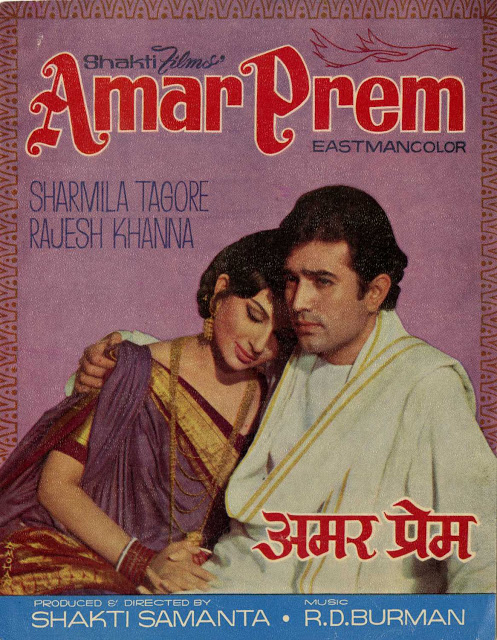
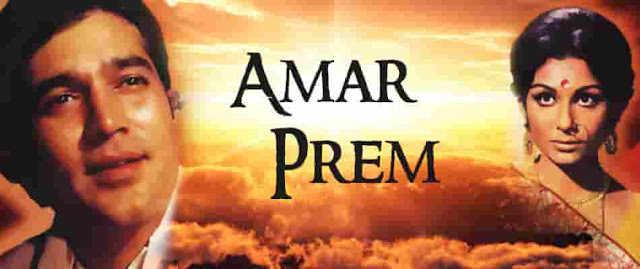
இந்த அமர்பிரேம் படத்தின் அத்தனை பாட்டுக்களும் நல்ல ராகத்தில் அமைந்தவை, மக்களிடம் நல்ல வரவேற்பும் பெற்றன. இப்படத்தின் இசையைப் பற்றி ஒரு செவிவழிச் செய்தி உண்டு. இதன் பாடல்களுக்கு மெட்டமைத்த ஆர்.டி அவற்றை தந்தை எஸ்.டி. பர்மனுக்குக் காட்டினாராம். இந்தப் படத்தின் கதைக்கு அவை பொருத்தமில்லை என்று அவர் சொல்லிவிட்டாராம். பின்னர் மீண்டும் முயன்று இந்த மெட்டுக்களை உருவாக்கினார் ஆர்.டி என்பார்கள்.
ஆனந்த பக்ஷியின் பாட்டுக்களையும் பாராட்டவேண்டும். நல்ல கவிதையும் மெட்டும் சேராமல் அதிக நாட்கள் நினைவில் நிற்கக்கூடிய பாட்டுக்கள் அமைவதில்லை.
ஆர்.டி பர்மன் (பன்சம்) என்றால் மேலை பாணி இசைதான் என்ற ஒரு அபிப்பிராயம் பொதுமக்களிடையே எப்படியோ பரவிவிட்டது. அதனாலேயே அவருக்கு வரவேண்டிய சில பரிசுகள் வராமல் போயின. அவர் மேலை நாட்டு இசையால் மிகவும் கவரப்பட்டார், அங்கிருந்து பல மெட்டுக்களுக்கான விஷயங்களை எடுத்துக்கொண்டார் என்பதும் உண்மையே, அவர் இதை மறைக்கவில்லை. ஆனால் அமர் பிரேம் போன்ற படங்கள் அவர் இந்திய இசையிலும் ஊறியவர் என்பதைக் காட்டும்.
பொற்காலத்திற்குப் பிறகும் நல்ல இசை வழங்கியவர்களில் ஆர்.டி பர்மனும் ஒருவர். ஆனால் தன் கவனத்தை சதா புதிய உத்திகளிலேயே செலுத்தி சக்தியை வீணடித்தார். பின் வந்தவர்கள் இவர் பாணியையே பின்பற்றி இவர் மார்க்கெட்டைக் கெடுத்தார்கள் (முன்பு ஓ.பி. நய்யாருக்கும் இதே நடந்தது.) இவர் கடைசியாக இசையமைத்தது “1942-எ லவ் ஸ்டோரி”என்ற படம்.(1994) மிகச் சிறந்த இசை கொண்டது. படம் ரிலீசாவதற்குள் அவர் காலமானார் (55 வயதுதான்) இப்படத்தின் இசைக்கு அவருக்கு ஃபிலிம்ஃபேர் அவார்டு கொடுத்தார்கள்.
Those interested may read: R.D.Burman: The Man, The Music by Anirudha Bhattacharjee & Balaji Vittal (HarperCollins, 2011)- winner of a National Award in that year. It is an engaging book.
Pictures are taken from various sources for spreading knowledge; this is a non- commercial blog. Thanks for your great pictures.
மற்ற மதங்களை விட ஹிந்து மதம் உயர்ந்தது-ஏன்?
மரியா விர்த் – தமிழாக்கம் : ச.நாகராஜன்
மற்ற மதங்களை விட ஹிந்து மதம் உயர்ந்தது-ஏன்?
மார்ச் 6, 2018, மரியா விர்த் ஸயின்ஸ் அண்ட் ரெலிஜின்- இல் எழுதியுள்ள கட்டுரை
ஹிந்து மதம் (அதன் பல இழைகளையும் குறிப்பிடுவதாக இந்த வார்த்தை இன்றைய நாட்களில் பயன்படுத்தப்படுகிறது) வேதத்தை அடிப்படையாகக் கொண்டது. வேதங்கள் மிகப் புராதனமானது, ஆதியில் “வெளிப்பட்டது” – ஏனெனில் ரிஷிகள் அதை இயற்றியவர்கள் அல்லர். அவர்களின் தவத்தின் காரணமாக சாதாரணமான கண்களை மூடி மறைத்துள்ள திரையை அகற்றி அவர்கள் பிரபஞ்ச பிரக்ஞையில் உள்ள மந்திரங்களைக் “கண்டார்கள்”.
வேதங்கள் தாம் முதன் முதலாகப் பல்வேறு படைப்புகளுக்கும் அடிப்படையாக அமைவது ஒரே ஒரு பெரும் பிரம்மம் தான், அதிலேயே அனைத்தும் அடங்கியுள்ளது என்று கூறின. பிரம்மத்தைத் தவிர வேறெதுவும் இல்லை. பிரம்மம் ஒரு தனிப்பட்ட வஸ்து அல்ல. நமது ஆத்மாவே அதனுடன் ஒன்றியுள்ள ஒன்றாகும்.
காலங்கள் பல கடந்த பின்னர், சுமார் 2000 ஆண்டுகளுக்கு முன்னர் தான், கிறிஸ்தவ மதம் ‘ஸ்தாபிக்கப்பட்டது; அது கடவுள், யேசு கிறிஸ்து ஒருவருக்கு மட்டுமே முழு உண்மையையும் ‘வெளிப்படுத்தினார்’ என்று கூறியது; இது பைபிளில் உள்ளது.
சில நூற்றாண்டுகளுக்குப் பின்னர். இஸ்லாம் ‘ஸ்தாபிக்கப்பட்டது’. அது தீர்க்கதரிசியான மகம்மது நபிக்கு மட்டுமே அல்லா முழு உண்மையையும் வெளிப்படுத்தினார் என்று கூறியது. இது குர் ஆனில் உள்ளது.
இரண்டு மதங்களும் ஒரே பரம்பொருள் என்ற கொள்கையை காப்பி அடித்துள்ளன. ஆனால் மூலமான வேதக் கொள்கையை ஏற்றுக் கொள்ள முடியாதபடி திரித்து விட்ட்ன. அது தான கடந்த பல நூற்றாண்டுகளில் ஏற்பட்ட துன்பத்திற்கு வழி வகுத்து விட்டது.
என்ன திரித்தல் ஏற்பட்டது? பரம்பொருளானது அனைத்து மனிதர்களும் யேசு மூலமாக அறிவிக்கப்பட்ட “வெளிப்பாடை” (மட்டுமே) ஏற்றுக் கொள்ள வேண்டும்; இஸ்லாம் மதத்தின் படி மகம்மது நபி மூலமாக அறிவிக்கப்பட்ட வெளிப்பாடை மட்டுமே ஏற்றுக் கொள்ள வேண்டும். இந்த ‘ஒரே உண்மையான மதத்தை’ ஏற்றுக் கொள்ளாதவர்கள் (இப்படி இரண்டு மதங்கள் உள்ளன, கிறிஸ்தவம் மற்றும் இஸ்லாம்) ஊழி ஊழி காலம் இறுதித் தீர்ப்புநாள் வரும் வரை நரகத்தில் துன்பப்படுவர்.
நெடுங்காலமாக, சர்ச்சும் ஆளும் அரசாங்கத்துடன் ஒன்றாக இயைந்து இருந்து, இந்தக் கொள்கையை மறுத்தவர்களை அரசாங்க சட்டப்படி மிகக் கொடுரமாகத் தண்டித்தது. கோவாவில் கூட போர்ச்சுக்கீசியர் ஆள்கையில், இந்த நீதி விசாரணை காட்டுமிராண்டித்தனமாகவே இருந்தது. என்றபோதிலும், அறிவியல் விழிப்புக் காலத்தில் (இதே சமயம் வேத அறிவானது ஐரோப்பாவை அடைந்து அங்குள்ள அறிஞர்களை ஈர்த்தது) சர்ச்சானது இந்த ‘மத சார்பற்ற’ அரசில் தான் தலையிடுவதை நிறுத்த வேண்டியிருந்தது.
அன்றிலிருந்தே, இந்த மதத்திற்குப் புறம்பானவர்களை அது தண்டிப்பதற்கான அதிகாரத்தைக் கொண்டிருக்க முடியவில்லை. அது பலரை இழந்தது, இன்னும் பலரை இழந்து வருகிறது, ஏனெனில் சர்ச்சிலிருந்து அவர்கள் வெளியே செல்ல அனுமதிக்கப்படவில்லை, மேலும் பலர் அந்தக் கொள்கைகள் அறிவுக்கு ஒத்ததாக இல்லை என்பதை உணர்ந்து கொண்டனர்.
இஸ்லாம் ஒரு தேசத்தின் அர்சாங்கத்துடன் இயைந்து போக வேண்டுமென்பது அவசியமல்ல. ஏனெனில் எங்கெல்லாம் முஸ்லீம்கள் மெஜாரிட்டியாக இருக்கின்றனரோ அங்கெல்லாம் இரண்டும் ஒன்று தான். ஆகவே தான் இஸ்லாமிற்குப் புறம்பானவர்களுக்கான காட்டுமிராண்டித்தனமான தண்டனைகள் இன்றும் கொடுக்கப்பட்டு வருகின்றன. ஷரியத் சட்டத்தின் படி இஸ்லாமை விட்டுவிடுவது என்பது மரணதண்டனைக்குரியதாகும். காபிர்கள் (அதாவது இஸ்லாத்தைக் கடைப்பிடிக்காதவர்கள்) மிக மோசமானவர்கள் எனக் குரானிலேயே கூறப்பட்டிருக்கிறது. உலகம் முழுவதும் அல்லா வசம் ஆகும் வரை இஸ்லாம் மார்க்கத்தை நம்புபவர்கள், அதை நம்பாதவர்களுடன் சண்டையிட வேண்டும் என வற்புறுத்தப்படுகிறார்கள். இது தான் துன்பத்திற்கெல்லாம் காரணம் என்பதை யூகிப்பது கஷ்டமல்ல.
ஆச்சரியப்படும்படியான ஒரு விஷயம், இந்த இரு மதங்களும் மதங்களுக்கான சுதந்திரம் என்ற உரிமையின் அடிப்படையில் அந்த திரிதல்களுடன் இன்றும் பரப்பப்பட அனுமதிக்கப்படுகின்றன. குறிப்பாக குழந்தைகள், பெரியவர்கள் என்ன சொல்கிறார்களோ அதை நம்பக் கூடிய நிலையில் உள்ளவர்கள்.
அனைத்திலும் மிக உயரிய பரம்பொருள் பரவியுள்ளது என்ற ஹிந்து மதக் கருத்துடன் இதை ஒப்பிட்டுப் பாருங்கள். யாரெல்லாம் நம்புகிறார்களோ – நம்பிக்கையை விட இன்னும் அதிகமானது, ஏனெனில் அது அனுபவத்தில் உணரப்படுகிறது – அவர்கள் அக வலிமையைப் பெறுவார்கள்.
ஏனெனில் தெய்வீகம் தன்னுள் இருக்கிறது என்பதை அவன் அறிவான். அதுமட்டுமல்ல, மற்றவர்களுடன் அன்பாகப் பழகுவான், ஏனெனில் அதே தெய்வீகம் மற்றவர்களிடமும் உள்ளது என்பதை அவன் அறிவான்.
தெளிவாகச் சொல்லப் போனால் ஹிந்து மதம் மிக உயர்ந்த மட்டத்தில் உள்ளது.
கிறிஸ்தவர்களும்,இஸ்லாமியர்களும் அவர்கள் இளமையில் கற்பிக்கப்பட்டது உண்மையாக இருக்க முடியுமா என்பதைச் சற்று சிந்தித்துப் பார்த்தால் நன்றாக இருக்கும்.
நான் நினைக்கிறேன் வால்டேர் தான் இதைக் கூறினார் என்று … கடவுள் எனக்கு அறிவைக் கொடுத்திருக்கிறார். அவர் என்னை இதைப் பயன்படுத்த வேண்டுமென்று விரும்புகிறார்…
5000 வார்த்தைகளைப் படிக்க நேரம் இருப்போருக்கு இதோ இது விவரித்துக் கூறுகிறது, ஏன் ஹிந்து தர்மம் மற்ற அனைத்து மதங்களையும் ஏன் உயரிய விஞ்ஞானத்தையும் விட உயர்ந்தது, என்று!
நன்றி : Source : Kolkata Weekly – TRUTH VOL.87 NO. 43 21-2-2020
*
ஆங்கிலத்தில் உள்ள மூல கட்டுரை கீழே தரப்பட்டுள்ளது :-
March 6, 2018 – Maria Wirth writes the following in Science and religion:
Hinduism (the term is used today to cover many different strands) is based on the Vedas. One could call the Vedas the most ancient, original ‘revelation’, because the Rishis are not the authors of the Vedas. Due to their Tapas (austerities), they ‘saw’ (Sanskrit: drishtih = see) the mantras in cosmic awareness through the veil that prevents ordinary eyes from seeing them.
’
The Vedas were the first to claim that there is one great Brahman (Supreme Being) as the base of this varied manifestation, in whom
all is contained. Nothing exists apart from Brahman. Brahman is not personal. It is infinite, eternal, blissful awareness. Our Atman (Self or I) is one with it.
Ages later, only some 2000 years ago, Christianity was ‘founded’ and claimed, that, God has ‘revealed’ the full truth only to Jesus Christ and it is contained in the Bible.
A few centuries later, Islam was ‘founded’ and claimed, that Allah has ‘revealed the full truth only to Prophet Mohamed and it is contained in the Quran’.
Both religions have copied the concept ofOne Supreme Being, but distorted the
original, Vedic view in an unacceptable way, which has led to terrible misery over the centuries.
The distortion is this: The Supreme wants all humans to accept the revelation through Jesus, respectively through Mohamed. Those who do not accept the only true religion (of which two exist…) will be damned for all
eternity to hellfire by God/ Allah personally on Judgment Day.
For long, the Church was intertwined with the state and punished those who disagreed with the doctrine most cruelly through state laws. Even in Goa, the Inquisition was most brutal under the Portuguese. However, in the age of enlightenment (which coincides with the time when the Vedic knowledge reached Europe and influenced the elite there) the Church had to give up interfering with the now ‘secular’ state.
Ever since, it does not have the power to punish heretics any longer, and it has lost and is still losing many members, because they are now allowed to get out of the Church and many realised that a lot of the doctrine does not make sense.
Islam does not need intertwining with the state, because it is one with the state wherever Muslims are in the majority. So the brutal punishment of heretics still happens in our times. Under Sharia Law leaving Islam means death sentence, and Kafirs are called the worst of creatures in the Quran itself. The believers are exhorted to fight the unbelievers till the whole world is for Allah. No guessing that this is the cause for a lot of misery.
Amazingly, these two religions are allowed to preach those distortions under the right to religious freedom even today. Especially children are vulnerable and believe what adults tell them.
Compare this with the view of Hinduism that The Supreme permeates all. Whoever believes it – and it is even more than belief, because it can be experienced – will have inner strength, because he knows that Divinity is in him, and further he will be kind to others, because he knows that Divinity is also in them.
Clearly, Hinduism is on a higher level.
If only more Christians and Muslims would reflect whether, what they learnt in childhood can possibly be true.
I think it was Voltaire who said: God gave me intelligence. I think He wants me to use it…
For those who have time for 5000 words, this explains, why Hindu Dharma is higher than religion and even higher science.
Tags – Maria Wirth, Truth article, Why is Hinduism?, ஹிந்து மதம், உயர்ந்தது-ஏன்?
Pictures are taken from various sources for spreading knowledge; this is a non- commercial blog. Thanks for your great pictures.
tamilandvedas.com, swamiindology.blogspot.com
More battle anecdotes
The Duke of Anjou, after wards Henry III , besieged Rochelle, the bulwark of Calvinists. Near the counterscarp was a mill which the besieged had no time to fortify. They threw in a handful of troops in the day, and at night commonly withdrew this small garrison, leaving behind only one man. The Duke made the necessary dispositions for carrying this post, and advanced by moonlight, with a smalll detachment and two culverins. A single soldier had the guard this night and upon him the whole defence depended . This brave man remined firm and undismayed . He kept up, alone, a brisk fire upon the assailants; and varying the tones of his voice, he made them suppose that the besieged were in great numbers. From the ramparts of the town they called out to encourage this surprising commandant.
They exhorted the garrison to remain firm, and assured them of immediate success: till at length the soldier, seeing his little post upon the point of being carried, asked quarter for himself and for comrades which was instantly granted. He then laid down his arms, and revealed the whole garrison in his own person.
Xxx
EARNED ONLY FOUR PENCE
The Duke of Marlborough, observing a soldier leaning pensively on the butt of the his forelock, just after the battle of Blenheim, accosted him thus, Why so sad, my friend, after so glorious a victory? It may be glorious, your grace, but I am thinking that all the blood I have spilt this day has only earned me four pence.
Xxx
HERO OF SWITZERLAND
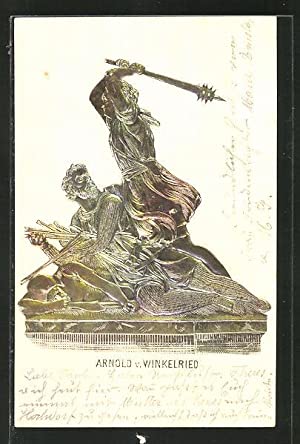
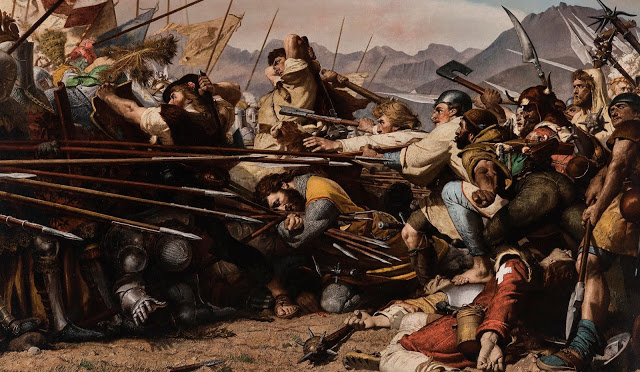
The Swiss will always honour the memory of their national hero Arnold Von winkelried. When at the battle of Sempach in 1397 he saw his country men could not attack the Austrians because the latter, being completely armed and dismounted to form closed ranks, presented an iron fence of spikes and lances, he addressed them as follows,
“Friends I am going to lay down my life to procure you victory. All I have to recommend to you is to provide for my family. Follow me and imitate my example.
With these words he arranged them in the form of a triangle, of which he himself occupied the point, and in this manner advanced towards the enemy. When close up to them, he seized as many of the spikes as he could lay hold of, and then falling on the ground, opened to those who followed him a way for piercing into this thick battalion. The Austrians, once broken, were defeated. The weight of their arms proved fatal to them.
tags– Henry III, Swiss Hero, Arnold Xxx Subham xxxx
Pictures are taken from various sources for spreading knowledge; this is a non- commercial blog. Thanks for your great pictures.
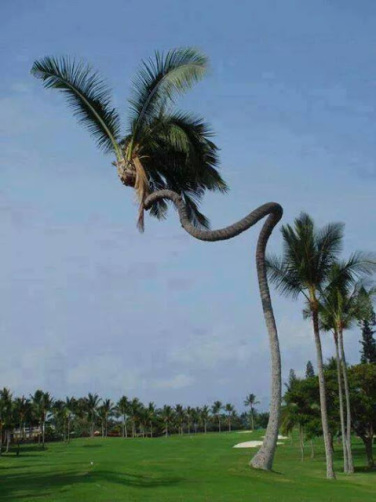
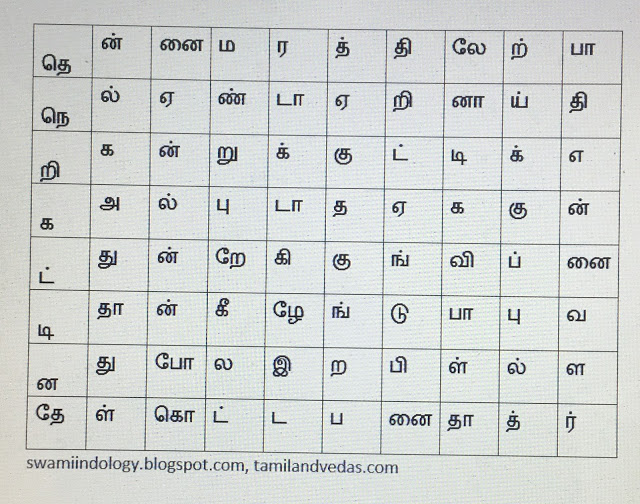
ஒரே சொல் மீண்டும் மீண்டும் வந்தால் ஓரிரு இடங்களில் மட்டுமே கட்டத்தில் இருக்கும். கொண்டு கூட்டி பொருள் கொள்க . விடை கீழே உள்ளது . சில நேரங்களில் படங்களைப் பார்த்தாலும் விடை காண உதவலாம்.
விடை
1.தென்னை மரத்திலே தேள் கொட்ட பனை மரத்தத்திலே நெறி கட்டினது போல
There is lot of interesting debate in religious circles about the abode of God! People instinctively look up sky-wards when they talk or even think of God- this is a universal trend! “Our Father, Who art in Heaven”, starts the Lord’s Prayer taught by Christ. “God is in his heaven and all is right with the world”, declares Browning with all his optimistic conviction. Our own celebrated celluloid poet Sahir Ludhianvi will not agree fully, though- he says ” Aasman pe hai Khuda” but these days He does not look too much at us- “aajkal wo istaraf dekhta hai kum”! The one above- ‘uperwalla’ is a popular epithet used by common folk all over India!
Popular Indian religious cults have their own ideas. While their conception of heaven -Swarga- is different from the Christian conception, they talk of distinct abodes of the different Devas and even of the Trinity- Kailasa for Shiva, Vaikunta for Vishnu, and Brahmaloka for Brahma. Staunch devotees of Krishna like ISKCON conceive of a “Goloka”. But ultimately, all these notions are understood to be rather immature, if not childish. None of these ‘worlds’ is permanent. Sri Bhagavan declares in the Gita:
Aabrahma bhuvanaallokaa:
punaravartinoarjuna
Maamupetya tu Kaunteya
Punar janma na vidhyate. 8.16
O Arjuna! All the worlds including the realm of Brahma are subject to return ( ie endless cycles of appearance and dissolution) But, O son of Kunti, after attaining Me, there is no rebirth.
God- not limited by anything: Gita
It is clear that God is not confined or limited or identified with any one place. He is Antaryami, there is no place where God is not. Everything in the universe is pervaded by God, though He is not limited by or confined to anything. Isavasyam idam sarvam- declares the Upanishad. Vasudevasarvamiti- declares the Gita. The position is clearly explained in the Gita.
Maya tatamidam sarvam
Jagadavyakta murtinaa
Matstani sarva bhutani
Na chaham teshvavasthita: .9.4
Though I am Unmanifested, the whole world is pervaded by Me. All beings exist in Me, but I am not confined to any of them.( ie He is not contained in them as in a receptacle.)
Ahamatma Gudakesha
Sarvabhutashayasthita:
Aham adischa madhyam cha
Bhutanam anta eva cha. 10.20
O Gudakesa! I am the Self existent in the heart of all beings. I am the beginning, the middle and end of all beings.
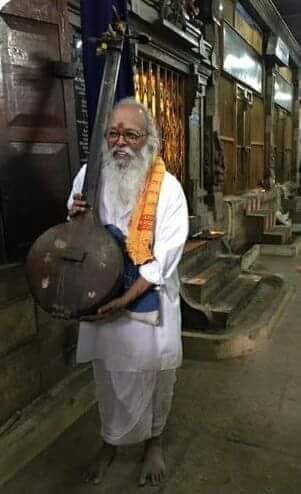
Tambura used by saint Thyagaraja
Bhumirapo analo vaayu:
Kham mano buddhireva cha
Ahankara itiyam me
Bhinna prakrutir ashtadha 7.4
Earth, water, fire, air, Akasha, mind, intellect and ego- thus is my prakriti divided eight fold.
Apareyamitastvanyam
Prakritim viddhi me paraam
Jeevabhutam mahabaho
Yayedam dhaaryate jagat 7.5
This is the lower prakriti. But O mighty armed, know that My higher prakriti is different from it- it is the principle of selfconsciousness by which this universe is sustained.
Matta: parataram nanyat
Kinchidasti dhananjaya
Mayi sarvamidam protam
Sutre manigana iva 7.7
O Dhananjaya! Beyond Me, there is nothing. All this is strung in Me, as a row of jewels on a thread. ( It can even be said that the ‘mani’ meant here is also of the same substance as the thread, as there can in fact be nothing that has not come from God- the Only One Truth.)
Finally, Bhagavan declares:
Ishvara:sarva bhutanaam
Hrud deshe Arjuna tishtati 18.61
Arjuna! The Lord dwells in the hearts of all beings!
Sacred World
It is necessary to reflect on these ideas deeply. The universe is indeed a reflection or emanation from Brahman or God, but nothing manifested can fully reflect Him, contain Him or exhaust Him! Those Western crooks and their Indian followers who equate our religion with a simple pantheism should understand this clearly. The world has emanated from God but has not limited, confined or exhausted Him. The whole universe cannot equal God!
However, human nature seeks to invest certain places or things with especial sacredness. This is seen even among people who claim not to believe in images, idols, etc. A cross, a crescent, a church building or tower, a mosque, even the colour green assume importance and excites passion, hatred, strife and violence. Equally, every religion holds some places to be distinctly sacred. Jerusalem is the seat of the faith as well as conflict among the three Abrahamic religions! They have other sacred places and objects.
Hindus are extraordinary in this respect. Right from a piece of stone or a tree or shrub in a remote village, perhaps every inch of the land from Kanyakumari to the Himalayas is covered by sacredness. Every animal, bird, flower, tree, plant etc is considered sacred by somebody somewhere! This can at times result in absurd or amusing situations. For instance, people may feed snakes with milk on certain days, while a starving neighbour or hungry child may go unnoticed! Cow is considered sacred, but is allowed to roam the streets and feed on refuse. The peacock is associated with many Deities, and is even declared the national bird but is freely captured and butchered!
People associate holiness with certain places. And may be, such mass feeling itself may generate certain occult power or phenomena! The cow gives milk, but we have to get it from the udder, not the horn or tail. Likewise, may be somethings are innately sacred, though nothing can fully reflect or exhaust the greatness of God!
God: Within and Everywhere!
The great jnanis always teach us that we have to seek God within us- in our Self orconsciousness. Tirumular, the Tamil mystic puts it succinctly:
O idiots, who search for God in the high heavens! Is the sweetness of honey black or red? Just as the sweetness is invisibly integrated in honey, God is also inherent in the human body.
Saint Appar says: What is the point in taking ceremonial bath in Cauvery or Ganges or in the foaming ocean in the south? What is gained by one who does not realise that God pervades everywhere?.
கங்கை ஆடிலென் காவிரி யாடிலென் கொங்கு தண் குமரித்துறை யாடிலென் ஓங்குமாகடல் ஓத நீராடிலென் எங்கும் ஈசன் எனாதவர்க் கில்லையே
Sri Tyagaraja gives varied expression to all these ideas, fully reflecting the position of the Gita.
Mauni hrud gehe (Nee daya ravale )
(God ) resides in the heart of Munis.
Veesa suhruday nivesa (Dasarathe)
The one who resides in the pure heart of the Jnanis (Kavi)
Nata manava manasa satsadane (Sri Jnanaka tanaye)
He resides in the heart of those who take refuge in Him.
Sakala bhutamulayandu neevai (Dudukugala)
You are present in everything.
Sarvantaryami neevane samrajyamu
You are pervading everything- this is your empire!
Charachara roopa (Marugelara)
Everything in this universe is your form!
Characharamula vasiyinche (paraku neekela)
You pervade every moving and non-moving thing in this universe.
Muni hrudaya kara (Inta tamasa)
The one residing in the heart of Munis.
Onkara sadana (Mundu venuga)
Having Onkara (Pranava) as his residence
Nigama agama chara (Kula birudu)
Moving among the Veda, sastras
Agamanta chara
Bhagavatantaranga chara
Vedanta vedhya (Rama samayamu)
Moving among the Vedas
Residing in the hearts of devotees
The one to be known through Vedanta
Samadi Vedasaara
Sujana hrud panjara keera (Rama ninne)
The essence of Sama and other Vedas
The parrot captured in the cage that is the heart of pure devotees.
Stavara jangama roopa (Raghuveera)
Having the moving and non-moving things as his form.
Undedi Ramudu okadu
Ooraka chedi pogu manasa
Rama fills the whole world as the sarvavyapi, o mind!
Don’t go astray (entertaining other ideas)
Chanda martanda madhya
mandalamu nanu chelangusu (Undedi)
He shines at the centre of the surya mandala with its resplendent brightness
(This recalls to mind the Vedic words : Dhyeyas sada savirtumandala madhyavarti Narayana sarasijasana sannivishta:)
Dharalo neevai (Enduku nirdaya)
The whole world is of your essence
Bhuvanamella neevai (Brovabharama)
You are pervading the whole bhuvanas
Anda kotla kukshini unchuko leda
Have you not confined the extended universe within your stomach?
Akhilandakoti brahmanda nathudu
Andarangamula nela koniyundaka
(ika kavala)
The Lord of this extensive universe is stationed in your heart!
Bhakta samaja (Raghupate)
Living amidst devotees
(Recall Christ’s words- where two or three people gather in my name, I am present there- Matthew: 18.20)
Valachi namminavani valalona daguludu (Nadadi)
The one who is captured in the net of devotion of those who rely on Him exclusively.
(Saint Manikkavachaka has these exact words: See, He falls into the net of devotion of his bhaktas!)
Nee japamulavela nee jagamulu neevai rajillu naya
(inta kannananda)
When I am engaged in your japa, the whole world appears to be your form!
Here, Tyagaraja reveals the real secret of finding God: it depends on our ripeness or fitness, our sincerity and seriousness. Where is He not? We have to grow fit into that realisation! As our scriptures say:
ie if we grow in true Wisdom, we perceive the very world to be of the essence or form of God! Yo mam pasyati sarvatra sarvam mayi pasyati Tasyaaham na pranasyami sa cha me na pranasyati Gita 6.30
He who sees Me in all things and sees all things in Me- he never becomes separated from Me, nor do I become separated from him ( that is, such a one never loses My consciousness)
Sarvabhutastitam yo Mam Bhajatyekatvamaasthita: Sarvatavartamaanoapi Sa yogi mayi vartate 6.31 He who being established in the consciousness of unity worships Me, who am dwelling in all beings- that yogi abides in Me, whatever be the mode of his life.
Paramatma Everywhere!
This is the great thought which Sri Tyagaraja leaves with us in a beautiful kriti.
Paramatmudu velige muchchata
baaga telusukore
Hariyata harudata suralata narulata
Akhilanda kotulata andarilo
Gagananila tejo jala bhu maya magu
mruga khaga naga taru kotulalo
Sagunamulalo vigunamulalo satatamu
sadhu Tyagarajadi yasritulalo….paramatmudu.
Understand well the beauty of how Paramatma registers his presence in everything!
He is at times called Hari, Hara, Deva, Man. He is taken to be the Universe, too.
He manifests Himself in the sky, air, fire, water, earth, in animals, birds,mountains, trees, etc. His manifestation is also perceived in living and non-living things! He also manifests in those noble souls who like Tyagaraja have taken refuge with the Lord!
Realise thus the beauty of the Lord’s manifestation!
This is a gem among the kritis of Tyagaraja. A deep Saguna upasaka, how well has he captured the universal spirit! Prof. P. Sambamoorthi has said that this was the kriti Tyagaraja Swami wrote on the last day of his earthly life! What a grand finale to a life of dedicated devotion! This is the very essence of chapters 10 and 11 of the Gita! We feel really blessed to go through this fine kriti. Our repeated salutes to Sri Tyagaraja!
May his spirit triumph! Victory to Sadguru Tyagaraja!
ஒருவனை ஒருபொருட்டும் மதிக்கமுடியாவிட்டாலும் பொருள் சேர்ந்துவிட்டால் உலகம் அவனை மதிக்கும் .ஆகையால் பொருளை விட சிறப்புடையது எதுவும் இல்லை
***
ஜூன் 7 ஞாயிற்றுக் கிழமை
நலம் வேண்டின் நாணுடைமை வேண்டும்; குலம் வேண்டின்
வேண்டுக யார்க்கும் பணிவு – 960
உலகில் நன்மை எல்லாவற்றையும் பெற வெட்கம் வேண்டும்; அதாவது தீய செயல்களைச் செய்ய வெட்கப்படவேண்டும் . வீட்டின் பெருமையைக் காக்க வேண்டுமானால் பணிவு வேண்டும் .அப்படியில்லாவிடில் அவனுடைய அப்பா, அம்மா வளர்த்த முறையை எண்ணி குலத்தைப் பழிப்பார்கள்
***
ஜூன் 8 திங்கட் கிழமை
ஞாலம் கருதினும் கைகூடும் காலம்
கருதி இடத்தாற் செயின் – குறள் 483
உலகமே வேண்டுமானாலும் கிடைக்கும் . தக்க காலத்தில், தக்க இடத்தில் செய்தால்.
Behind every great/successful man there stands a woman என்பது ஒரு ஆங்கிலப் பழமொழி. திரை இசையில் ஒவ்வொரு பெரிய இசைஞருக்கும் பின்னால் சில உதவியாளர்கள் இருக்கிறார்கள். இசைஞர் ஒரு மெட்டை அமைத்து விடலாம்- ஆனால் அதற்கு முழுவடிவம் கொடுத்து, தேவையான நுட்பங்களைப் புகுத்தி, அந்த மெட்டை மிளிரச் செய்வதில் உதவியாளர்களுக்கு பெரும்பங்கு உண்டு. இவர்களில் சிலர் பின்னாட்களில் தாமே இசைஞர்களாக வருவார்கள். மதன் மோஹன், ஜெய்தேவ், என்.தத்தா, ரவி, லக்ஷ்மிகாந்த்-பியாரேலால், ஆர்.டி பர்மன் போன்றவர்கள் உதவியாளர்களாக இருந்தவர்களே.
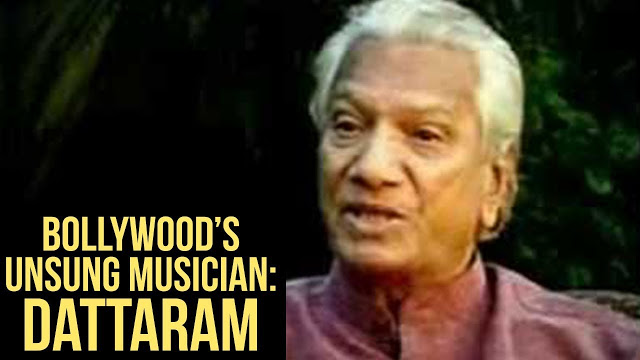
இப்படி இருந்த உதவியாளர்களில் ஒரு பெரிய பெயர் தத்தாராம் (வாட்கர்). 1949 முதல் 74 வரை இருபத்தைந்து ஆண்டுகள் ஷங்கர்-ஜெய்கிஷனுக்கு உதவியாளராக இருந்தார். இவருடன் இருந்த மற்றொருவர் செபாஸ்டியன் டிசூஃஜா. இருவரும் கோவாக்காரர்கள். டிசூஃஜா மேற்கத்திய வாத்யங்களை கவனிப்பதுடன் மேற்கத்திய உத்திகளையும் புகுத்தினார்; ஆர்கெஸ்ட்ராவையும் ‘நடத்துவார்’ தத்தாராம். இந்திய – குறிப்பாக தாளவாத்யப் பகுதிகளைக் கவனித்துக் கொள்வார். 1950 முதல் 70/71 வரை ஷங்கர்-ஜெய்கிஷன் இசையை ஊன்றிக் கேட்டவர்களுக்கு அதில் வரும் தாளவாத்யங்களின் சிறப்பும் பன்முகத்தன்மையும் புலப்படும். [இதை லக்ஷ்மிகாந்த்-பியாரேலால்/கல்யாண்ஜி-ஆனந்தஜீ ஆகியோரின் இசையுடன் ஒப்பிட்டுப் பார்க்கவும்]. தாளவாத்தியத்தில் ஒரு Zதுவகை தாளக்கட்டை தத்தாராம் உருவாக்கினார். இதற்கு “தத்தாராம் அல்லது தத்து தேகா” என்றே பெயர் வழங்கியது. (Dattu Theka) இதற்காக இவரை பிற இசைஞர்களும் நாடினர்.
[தத்தாராம், டிசூஃஜா இருவரும் 1974-75 வாக்கில் ஷங்கர்-ஜெய்கிஷன் குழுவிலிருந்து விலகினர். அதன்பிறகு ஷங்கர்-ஜெய்கிஷன் இசையின் தரமும் சரிந்தது]
தத்தாராம் சில படங்களுக்கு தனியாகவே இசையமைத்தார். இவை நல்ல வரவேற்பும் பெற்றன. ஆனாலும் இவர் இறுதிவரை உதவியாளராகவே தொடர்ந்தார். 1974ல் படவுலகை விட்டு நீங்கி சொந்த ஊருக்கே சென்றுவிட்டார். இறுதி நாட்களில் பொருள்வசதியின்றிச் சிரமப் பட்டார். ஒரு ஆபரேஷனுக்குத் தேவையான பணம் இல்லாமல் தனது 78 வது வயதில் 2007ல் காலமானார். திரைஇசைத் துறையில் பலர் இவ்வாறு சிரமத்தில் இறுதி நாட்களைக் கழித்தனர்.
தத்தாராம் சுமார் 20 படங்களுக்கு இசையமைத்தார். இவற்றில் 10 படங்கள் நன்கு மதிக்கப்பட்டன. அவற்றில் இரு படங்களிலிருந்து இரு பாடல்களைப் பார்க்கலாம்.
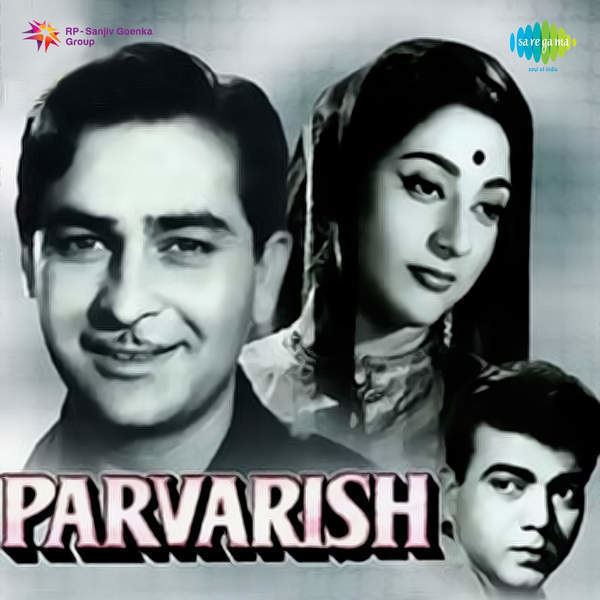
Song: Aansu bhari hai Film: Parvarish 1958 Lyrics: Hasrat Jaipuri
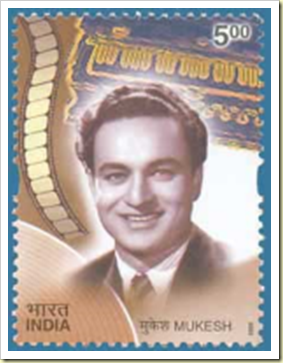
Music: Dattaram Singer: Mukesh
youtube link:
இந்தப் படத்திற்கு தத்தாராம் அமைத்த இசை நல்ல வரவேற்பு பெற்றது. இதில் பல நல்ல பாடல்கள் இருந்தாலும் யமன்/கல்யாண்ராகத்தில்அமைந்த இந்தப் பாடல் பண்டிதர்களிடமும் பாராட்டு வாங்கியது.
இந்த வகைப் பாடல்களுக்கு ஒரு மாதிரியாக அமைந்தது, இதில் வரும் சாரங்கி வாத்யத்தை இசைப்பது ஃஜாஹுர் கான். பிசிரில்லாமல் பாடியிருக்கிறார் முகேஷ்.
தத்தாராம் இசையில் மன்னா டே, முகேஷ் இருவருக்கும் பல நல்ல பாடல்கள் அமைந்தன.
இந்தப் பாட்டு மிகவும் சோகமாக இருக்கிறதா?
இதோ, மாறுதலான பாட்டு-அதே முகேஷின் குரலில்!
ஹாலேதில்ஹமாரா
hale dil hamara jane na bewafa ye jamana jamana hale dil hamara jane na bewafa ye jamana jamana suno dunia walo aayega laut kar din suhana suhana hale dil hamara
ek din dunia badal kar rashte par aayegi aaj thukra ti hai hamko kal magar sharmayegi bat ko tum man lo are jan lo bhaiya hale dil hamara jane na bewafa ye jamana jamana suno duniya walo
dag hai dil par hazaro hum to phir bhi shak hai aas ke deepak jalaye dekh lo aabad hai teer dunia ke sahe par khus rahe bhaiya hale dil hamara jane na bewafa ye jamana jamana suno duniya walo
மனதில்பலதுன்பங்களின்கறைகள்இருக்கின்றன
ஆனாலும்நான்சாந்தமாகவேஇருக்கிறேன்
நம்பிக்கைஎன்னும்தீபத்தைஏற்றிவைத்துப் பார்–
எங்கும்சுபிட்சமே!
உலகின்துன்பங்களைஏற்றுக்கொண்டேன்–
ஆனாலும்மகிழ்ச்சியாகவேஇருக்கிறேன், அண்ணே!.
jhuth ki manjil pe yaro hum na hargirz jayenge hum jami ki khak sahi aasma par chayenge kyu bhala dab kar rahe darte nahi bhaiya hale dil hamara jane na bewafa ye jamana jamana suno dunia walo aayega laut kar din suhana suhana hale dil hamara
முகேஷின் குரலைக் கேளுங்கள்! முன் பாட்டிற்கும் இதற்கும் எத்தனை வேறுபாடு! இதுதான் பாட்டின் மெட்டை அமைப்பவர்களின் சாமர்த்தியம்! முகேஷின் குரலுக்கு ஒப்ப மெட்டமைத்தவர்களில் தத்தாராம் ஷங்கர் ஜெய்கிஷனுக்கு சமம் அல்லது அடுத்தபடி எனச் சொல்லலாம். தத்தாராம் இசையில் முகேஷ் பல நல்ல பாடல்கள் பாடியிருக்கிறார்.
ஹஸ்ரத் ஜெய்புரியின் இனிய கவிதை! கவிதையும் இசையும் சேர்ந்தால்தான் நல்ல பாட்டு நிலைத்து நிற்கிறது!
இந்தப் பாட்டில் சொல்லிய கருத்துக்கள் பாத்திரத்தின் கருத்துக்களா, கவியின் கருத்துக்களா?
One gets the impression that the musicians who sat for discussions with music directors, to shape, finalise and finish the song, did not get paid well in those remote days they just about managed. Dattaram has stated:
“I played in the rehearsals and sittings, so I had a fixed rate for all that. I was paid two hundred rupees per song for sitting and rehearsals. So that was like fifteen days to finish one song by the time everything was done. I just accepted what they gave me.”
[“Behind The Curtain: Making Music in Mumbai’s Film Studios” by Gregory D.Booth, page 182]
No wonder, Dattaram faced financial difficulties later. We enjoy the songs after so many years, but let us spare a thought for these great men who laboured so much. May the good Lord keep them well, wherever they are.













 Tamil and Vedas