What is a caste? What is a Varna? (Post No.3156)

pyramid_of_caste_system_in_india

Written by London swaminathan

Date: 15 September 2016

Time uploaded in London: 21-21

Post No.3156

Pictures are taken from various sources; thanks.

During Vedic days the Hindu society was divided into four Varnas: Brahmana- priestly caste; Kshatria- the ruling caste; Vaisya-the business community and the Sudra- manual labourers. This is very different from the castes of today. We have thousands of castes today. They are based on birth. But in Vedic days the varna was based on vocation one chose. The word varna is derived from the root “VRU” meaning “to choose”, what is chosen is Varna. It meant the profession you chose. Though it was based on vocation in the beginning, later it became a birth right. We see such things even today. A politician’s son becomes a big leader to succeed his father or mother superseding lot of seniors in the party. We see it in the film industry. An actor’s son or daughter is promoted as a prominent actor beating many seniors in the field. We see such trends in all parts of the world.


But in India the four varnas gave birth to thousands of castes which is unknown in any other part of the world. Even the Tamil literature talk about different castes in different regions. Varna is a misleading word. Foreigners deliberately left it without giving the Sanskrit root. People were allowed to believe varna means skin colour. The varna means colour as well. But in Vedic time there were not four coloured people. It meant only chosen profession. We have lot of quotations from various scriptures to justify this meaning.


Manu smriti, the first full-fledged Law book in the world, says,

Janmanaa jaayate Suudrah, karmanaa dwija Uchyate.

All are born as sudras; only the work decides whether he is a dwija  ( the word applied to first three castes.)


Krishna also says in Bhagavad Gita

Caaturvarnayam mayaa srstam

Gunakarma vibhaagasah

Tasya kartaaram api maam

Viddhy akartaaram avyayam (4-13)

The four-fold order was created by Me according to the divisions of quality and work. Though I am its creator, know Me to be incapable of action or change.


Dr S Radhakrishnan says in his Gita commentary: –

“The emphasis is on guna (aptitude) and karma (function) and not Jaati (birth). The varna or order to which we belong is independent of sex or breeding. A class determined by temperament and vocation is not a caste determined by birth and heredity.


“According to the Mahabharata, the whole world was originally of one class but later it became divided into four divisions on account of the specific duties.

Ekavarnam idam puurvam visvam aasid Yudhisthira

Karmakriyaavisesena caaturvarnyam pratishthitam


“Even the distinction between caste and out caste is artificial and unspiritual. An ancient verse points out that the Brahmin and the out caste are blood brothers.


Antyajo viprajaatis ca eka  eva sahodarah

Eka yoni prasuutas ca ekasaakhena jaayate


In the Mahabharata Yudhisthira says that it is difficult to find out the caste of persons on account of the mixture of castes. Men beget offspring in all sorts of women. So conduct is the only determining feature of caste according to sages.
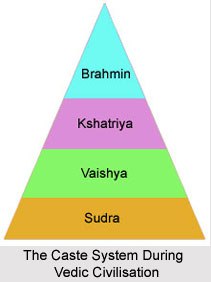
 

the-caste-system-during-vedic-civilisation

“The fourfold order is designed for human evolution there is nothing absolute about the caste system which has changed its character in the process of history. Today it cannot be regarded as anything more than an insistence on a variety of ways in which the social purpose can be carried out.


Dr S N Sharma says

“He is thus a citizen of the world, the son of the earth”

Maataa Bhuumi: putroham prthivyaah

–Atharva Veda 12-1-42


Accordingly, birth is just incidental. It is only training and environment that give him specific direction to the development of certain qualities, determining thereby his social category.


According to Mahabharata, by birth all children can either be regarded Brahmins or Sudraas.

Yadi te vrutto raajan braahmanah prasamiikshitah

Vyarthaa jaatistadaayushman krtiyaarvanna drsyate

–Aranyaka parvan 177-25


Further the Mahabharata says that the Brahmana is one who practises truth, charity, forgiveness, compassion, restraint and goodwill.

Satyam daanam kshamaa seelamaanrusamsyam damoghrunaa

Drsyante yatra naagendra sa braahmana iti smrtah

If these qualities are found even in a so called Suudra, he must be ranked as a braahmana and, conversely, one bereft of these qualities, even though popularly known as a braahmana, is veritably a sudrah.


Suudre ca etat bhavet lakshyam dwije tat ca na vidyate

Navai suudro  bhavet suudro  braahmano na ca braahmanah

Aaranya parvan 177-17-21


Vedic Hymn

We come across the fourfold order for the first time in the Rig Veda in the Purusasuuktam hymn: –

Braahmnosya mukhamaasid baahuraajanya krtah

Uuru tadasya yath vaisyah padbhyaahum suudro ajaayata

Rig Veda 10-90-12


Brahmins came from the mouth (seat of speech)

Ruling class came from the arms (strength to protect)

Vaisyas came out of the thighs (food producer, importers)

Suudra came from the foot of God (Viraat purusa)


All the four communities came from the Viraat Purusa(God); this shows all are children of God. Moreover we need these four groups to make the society better. Even if one body part is missing he is called  disabled. In the same way Hindu society is complete only when all the four division of workers function.


Today there are thousands of castes. It is a world wonder. How come the four varnas gave birth to innumerable castes. Thurston and others were able to list them in several voloumes. But no one was able to tell us what caused so many castes. It remains a mystery!


–Subham–
 

Proverbs against Brahmins and Baniyas- Part 1 (Post No.3052)

brahmins, museum.jpg

Compiled by london swaminathan

Date: 11th    August 2016

Post No. 3052

Time uploaded in London :– 18-28

( Thanks for the Pictures)


DON’T REBLOG IT AT LEAST FOR A WEEK!  DON’T USE THE PICTURES; THEY ARE COPYRIGHTED BY SOMEONE.


(for old articles go to tamilandvedas.com OR swamiindology.blogspot.com)


Maxims and Proverbs

Sanskrit and Tamil languages are rich in proverbs. In Greece, Plato, Aristotle and Theophrastus are believed to have collected proverbs of their day. Many of Lucian’s wittiest sayings are pointed from the same armoury.

In the later middle age both Erasmus and Scaliger made collections of classical proverbs.

Voltaire illustrated the distinction between a maxim and a proverb when he said of Boileau’s poetry that one finds in it some expressions which has passed into proverbs and others which deserve to rank as maxims.

Maxims are elevated, wise and useful; they are made for the witty and appeal to cultivated taste. Proverbs on the other hand are for the vulgar, for the common man, whom one meets in all ranks of society.


The grammarian Donatus insists that it must fit the facts and the period; the philologist Festus, looking on the etymology of the word, lays stress on its quality, a guide I the business of life.


A modern writer who is impressed by both the brevity and by the selfish and heartless tone of many proverbs describes them as the “algebra of materialism”. To escribe proverbs as the algebra, od popular pessimism will be nearer to the truth.


According to Bochart, “A proverb is a saying current among the people which sets forth in thoroughly popular language, and with studied brevity, a truth acknowledged by all. By the side of it we may place Rivarol’s opinion that proverbs represent the fruits of popular experience and, as it were, the common-sense of all ages compressed into a formula.


John Russel gave the best definition for proverbs when he said “The wisdom of many and the wit of one”.


In India there are proverbs against all castes; they convey a vivid impression of the anxieties, the troubles, the annoyances, and the humours of his daily life.

brahmin2


Anti Brahmin Proverbs:-

1.Brahmin- A thing  with a string round its neck ( a profane hit at the sacred thread).

2.A priest by appearance, a butcher at heart, the chief of a trio of tormentors gibbeted in the rhyming proverb:-

Is duniya men tiin kasaai

Pisu, Khatmal, Brahman Bhai

Translation:-

Blood-suckers three on earth there be,

The bug, the Brahman and the flea.


3.Before the Brahman starves the king’s larder will be empty; cakes must be given to him while the children f the house may lick the grindstone for a meal.

4.His stomach is a bottomless pit; he eats so immoderately that he dies from wind.

5.He will beg with a lakh of rupees in his pocket, and a silver begging bowl in his hand.

6.In his greed for funeral fees he spies out corpses like a vulture, and rejoices in the misfortune of his clients.

7.A village with a Brahmin in it is like tank full of crabs.

8.If a snake has to be killed the Brahmin should be set to do it, for no one will miss him.

9.If circumstances compel you to perjure yourself, why swear on the head of your son, when there is Brahmin handy?

10.Vishnu gets the barren prayers while the Brahmin devours the offerings.


baniya shop


Anti Baniya Proverbs

The next most prominent figure in our gallery of popular portraits is that of the Baniya, moey-lender, grain-dealer and monopolist, who dominates the material world as the Brahman does the spiritual.

1.Baniya’s heart is no bigger than a coriander seed.

2.He has the jaws of an alligator and a stomach of wax

3.He is less to be trusted than a tiger, a scorpion, or a snake

4.Baniya goes in like a needle and comes out like a sword.

5.As a neighbour he is as bad as boil in the armpit.

6.If a Baniya is on the other side of the river you should leave your bundle on this side and, for fear he should steal it.

7.When four Baniyas meet, they rob the whole world

8.If a Baniya is drowning you should not give him a hand; he is sure to have some base motive for drifting down stream.

  1. He uses light weights and swears that the scales tip themselves

10.He keeps his account in a character that no one but God can read.

11.If you borrow from him your debt mounts up like a rubbish hill.

There are many more proverbs about Brahmins and Baniyas.

Tomorrow I will give some more proverbs against other castes.

These were recorded 100 years ago in the book:

The People of India by Sir Herbert Risely, London, 1915.

–Subham–

பிராமணர்களில் குருடன் யார்? (Post No.2947)

brahmin4

Written by London swaminathan

Date: 6 July 2016

Post No. 2947

Time uploaded in London :– 14-41

( Thanks for the Pictures)

DON’T REBLOG IT AT LEAST FOR A WEEK!  DON’T USE THE PICTURES; THEY ARE COPYRIGHTED BY SOMEONE.


(for old articles go to tamilandvedas.com OR swamiindology.blogspot.com)


அந்தணர்களாகப் பிறந்து சாஸ்திர அறிவில்லாதவனை, கண்ணிருந்தும் குருடன் என்று கருதுவர் சான்றோர். இதை அழகாகச் சொல்லும் ஒரு சம்ஸ்கிருத ஸ்லோகம்:–


ஸ்ருதிஸ்ம்ருதீ து விப்ராணாம் சக்ஷுஷீ த்வே வினிர்மிதே

கானஸ்தத்ரைகயாஹீனோ த்வாப்யாம் அந்த: ப்ரகீர்தித:


அந்தணர்களின் இரண்டு கண்கள் வேதமும் தர்ம சாஸ்திரங்களும் (சுருதி, ஸ்ம்ருதி) ஆகும்.


இதில் ஒன்று தெரியாதவன் ஒற்றைக் கண்ணுடையோன்.

இரண்டும் தெரியாதவன் குருடன் என்று அறியப்படும்.


திருவள்ளுவர் இதையே வேறுவிதமாகச்   சொல்லுவார்

கண்ணுடையர் என்பவர் கற்றோர் முகத்திரண்டு

புண்ணுடையர் கல்லாதவர் (திருக்குறள் 393)


நல்ல நூல்களைக் கற்று, ஞானத்தைப் பெற்றவர்களையே கண்கள் உடையவர் என்று சொல்லுவார்கள்; கல்வி அறிவு பெறாதவர்களை, முகத்தில் இரண்டு புண்களை உடையவர் என்று இகழ்வார்கள்.

brahmin3

xxxxx


கர்ம சண்டாளர்கள் யார்?


பிறப்பினால் சண்டாளர்கள் யார் என்பதை நாம் அறிவோம்.

தொழில் ரீதியில் , தாங்கள் செய்யும் செயல்களால், சண்டாளர் நிலைக்குத் தாழ்பவர் யார் என்று ஒரு சம்ஸ்கிருத ஸ்லோகம் விளக்குகிறது:–


தூஷகஸ்ச க்ரியாசூன்யோ நிகஷ்டோ தீர்ககோபன:

சத்வார கர்ம சண்டாலா ஜாதிசண்டால உத்தம:


பிறரைக் காரணமில்லாமல் திட்டுபவன் (பொறாமை காரணமாகவோ,வெறுப்பு காரணமாகவோ)


சாத்திரப்படி விதிக்கப்பட்ட வழிபாடுகளை விட்டவன்


பேராசைக்காரன்


நீண்ட காலத்துக்கு கோபத்தைத்  தக்கவைப்பவன்


ஆகிய நால்வரும் செய்ய்யும் தொழிலால்ல் சண்டாளர் நிலைக்குத் தாழ்ந்து விடுவர்.


///////////////// SUBHAM////////////////////


ஆஸ்திரேலியப் பழங்குடிகள் தமிழர்களா? (Post No. 2517)

IMG_2347

Research Article Written by london swaminathan

Date: 7 February 2016


Post No. 2517


Time uploaded in London :– 7-57 AM


( Thanks for the Pictures  ) 


DON’T REBLOG IT AT LEAST FOR A WEEK!  DON’T USE THE PICTURES; THEY ARE COPYRIGHTED BY SOMEONE.


(for old articles go to tamilandvedas.com OR swamiindology.blogspot.com; contact 


swami_48@yahoo.com)


IMG_2250

சுமார் 50,000 ஆண்டுகளுக்கு முன்பு தென்னிந்திய நிலப்பரப்பிலிருந்து தமிழர்கள், இந்தோநேஷியா வழியாக ஆஸ்திரேலியாவுக்குள் குடியேறினர். அப்போதெல்லாம் கடலுக்கும் நிலத்துக்கும் இடையிலுள்ள தூரம் குறைவு. ஒரு தீவிலிருந்து எளிதாகப் படகில், கட்டுமரத்தில் தாவித் தாவிச் சென்று விடலாம். அதற்கும் லடசக் கணக்கான ஆண்டுகளுக்கு முன்னர் எல்லா கண்டங்களும் ஒன்றுடன் ஒன்று ஒட்டிக் கொண்டேயிருந்தன.


1932 ஆம் ஆண்டில் காஞ்சி பரமாசார்ய சுவாமிகள் சென்னை மைலாப்பூரில் நிகழ்த்திய சமயச் சொற்பொழிவுகளில் உலகமெங்கும் ஒரே மதம் – சநாதன தர்மம் – நிலவிய காலம் பற்றிப் பேசியிருக்கிறார். அதன் மிச்ச சொச்சங்களையே இன்று உலகம் முழுதும் காணமுடிகிறது. உலகில் ஒரு ஆளின் பெயரால் அல்லது இனத்தின் பெயரால் இல்லாத மதம் இந்து மதம் ஒன்றே! பாரசீகர்களும் கிரேக்கர்களும் ‘ச’ என்பதைச் சொல்ல முடியது. ஆகையால் ‘சி’ந்து நதிக்கரையின் அப்பால் இருப்பவர்கள் ‘ஹி’ந்துக்கள் என்று சொன்னார்கள். அந்தப் பெயரே இன்று சநாதன தர்மத்துக்கு நிலைத்துவிட்டது. சநாதன தர்மம் என்றால் ‘ஆதியந்தமற்ற அற வழி’ என்று பொருள். இதே போல ஒரு இனத்தின் பெயரால் இல்லாத மொழி சம்ஸ்கிருதம் ஒன்றே. இதுவும் ஆதியந்தமற்ற மொழியின் பிற்கால (செம்மைப்படுத்தப்பட்ட) வடிவம்!


என்ன சொன்னார் காஞ்சி பரமாசார்ய சுவாமிகள்?

ஆஸ்திரேலியப் பழங்குடி மக்கள் விபூதி போலப் பூசிக் கொண்டு நடனம் ஆடுகிறார்கள். அதற்கு சிவா டான்ஸ்/ நடனம் என்று பெயர் என்று தான் படித்த புத்தகத்தின் பெயரைக் குறிப்பிட்டுப் பேசியிருக்கிறார். அவர் சொன்ன இந்த விசயம் என் மனதில் பதிந்தவுடன் என்றாவது நேரில்சென்று ஆராய வேண்டுமென்று எண்ணியிருந்தேன். அருமையான வாய்ப்பு கிடைத்தது.


எனது சம்பந்தி, நாங்கள் அனைவரும் குடும்ப சகிதம் சிட்னி நகருக்கு வருவதை அறிந்து பெருந்தொகை செலவிட்டு இந்திய- ஆஸ்திரேலிய கிரிக்கெட் போட்டிக்கு டிக்கெட் வாங்கியிருந்தார். எனக்கும் கிரிக்கெட்டிற்கும் ஸ்நானப் பிராப்தி கூட கிடையாது. கவாஸ்கர் எத்தனை ‘கோல்’ போட்டார்? என்று கேட்பவன் நான். ஆகையால் அவரிடம், மரியாதையுடன் அந்த டிக்கெட்டை வேறு ஒருவருக்குக் கொடுக்கும்படி பணிவுடன் வேண்டிக்கொண்டுவிட்டு நான் ஆஸ்திரேலிய மியூசியத்துக்கு விரைந்தேன். எனது மனைவியும் மக்களும் மட்டும் கிரிக்கெட் பார்க்கச் சென்றனர். நான் ஆஸ்திரேலிய மியூசியத்துக்குப் போய் என் வயது 68 என்று சொன்னவுடன் எனக்கு முதியோருக்கான தள்ளுபடி விலை டிக்கெட் கொடுத்தனர். மியூசியம் மேப்/வரைபடத்டை வாங்கிக்கொண்டு பழங்குடி மக்கள் பிரிவு எது என்று நோட்டமிட்டேன். அதுதான் முதல் பிரிவு! ஏக சந்தோஷம்!


ஐ போன், ஐ பேட், இரண்டு காமிராக்கள் சகிதம் உள்ளே பிரவேசித்தேன். பேரானந்தம்?

ஒவ்வொரு எழுத்தாகப் படிதத்தில் சட்டென மனதில் பதிந்தவிஷயம்!

அவர்கள் நிலம், நீர் தீ, காற்று, மலை, கடல், மனித இனம், மரணம் ஆகியன பற்றிக் கொண்டுள்ள விஷயங்களைப் படிக்கையில் வேத உபநிஷத மந்திரங்களைப் படிப்பதுபோல ஒரு எண்ணம் மனதில் தோன்றியது. இன்று ஒரு சில விஷயங்களை மட்டும் காண்போம்.

uluru2

ஆஸ்திரேலியாவின் நட்ட நடுவில், அதி பயங்கர பாலைவனப் பொட்டல் காட்டில் ஒரு பெரிய மலை நிற்கிறது. இதற்கு அய்யர் மலை என்று பெயர். சர் ஹென்றி அய்யர் என்ற ஆஸ்திரேலிய அதிகாரியின் பெயரைச் சூட்டி இருக்கின்றனர். அவருக்கு அய்யர் என்ற பெயர் ஒட்டிக் கொண்டது எப்படி என்பதை வேறு ஒரு ஆராய்ச்சிக் கட்டுரையில் எழுதுகிறேன்.


அய்யர் ராக்ஸ்= கைலாஷ் மலை


அய்யர் ராக்ஸ் என்பதன் உண்மைப் பெயர் உள்ளூரு. இதைப் புனித மலையாக வணங்குகின்றனர் அங்கே வாழும் பழங்குடி மக்கள். அதிபயங்கர பொட்டல் காட்டில் தன்னந்தனி ராஜாவாக விளங்கும் இந்த மலையைப் பார்த்தவுடன் நமக்கு நினைவுக்கு வருவது இமய மலையில் தன்னந்தனியனாக நீட்டிக் கொண்டிருக்கும் கைலாஷ் மலைதான். உலகில் பூஜியாமா (ஜப்பான்) எரிமலையாகட்டும், மவுண்ட் மேரு (கென்யா) ஆகட்டும். எது, எது சிவலிங்கம் போல தனியாக நிற்கிறதோ அவை எல்லாம் புனிதப் பொருட்களாகக் கருதப்படுகின்றன. ஆகவே ஆஸ்திரேலியாவில் தன்னதனியாக நிற்கும் இந்த உள்ளுரு என்பதை அவர்கள் வழிபடுவது பொருத்தமே. இதையும் காஞ்சி சுவாமிகள் சொன்ன விபூதி பெயிண்ட், சிவா டான்ஸ் என்பதையும் பொருத்திப் பார்க்கையில் மேலும் நெருக்கம் புலப்பட்டது.


நான் தினசரி சந்தியா வந்தனம் செய்யும் பிராமணன் ஆனதால், “உத்தமே சிகரே தேவி” என்ற காயத்ரீ தேவி வணக்கமும் மனதில் பளிச்சிட்டது. பிராமணர்கள் தினமும் மூன்று முறை காயத்ரீ தேவியை மலை உச்சியிலிருந்து அழைத்து, இதயத்தில் நிறுத்தி (ஆவாஹனம் செய்து) வழிபாடு செய்துவிட்டு “தாயே எனது வழிபாடு இப்போதைக்கு முடிந்துவிட்டது. போய் வருவாயாக” என்பர். ஆக, “ஓங்கலிடை வந்து உயர்ந்தோர் தொழ விளங்கும்” காயத்ரீ (சூரிய தேவன்/தேவி) மலை உச்சியில் வைக்கப் படுவதால் மலை வழிபாடு வேதத்தில் உள்ள வழிபாடாகும்.


இது எல்லாம் ஒரு புறமிருக்க அந்தப் பழங்குடி மக்களின் பெயரைப் படித்த போது உடலில் மின்னலை பாய்ந்தது. செந்தமிழ் சொல்லைக் கேட்டவுடன் ‘இன்பத் தேன் வந்து பாய்ந்தது” அந்தப் பழங்குடி மக்களின் பெயர் ‘அணங்கு’ என்பதாகும். இந்த தூய தமிழ் சொல், சங்கத் தமிழ் இலக்கியத்தில் நூற்றுக் கணக்கான இடங்களில் விதந்து ஓதப்படுகிறது. காடு, மலை, ஆறு கடல், மரம் கொடி, புனித இடங்கள், தோப்பு, துறவு ஆகிய இடங்களில் வாழும் புனித தேவதையை தமிழர்கள் அணங்கு என்பர். அதே பெயரை தங்களுக்கு வைத்துக் கொண்டு புனித உள்ளுரு மலையை அவர்கள் வழிபடுவது சாலப்பொருத்தமே. மேலும் ‘உள்ளூர்’ என்பதில்கூட தமிழ் வாசனை அடிக்கிறது!


நான் தினமணி பத்திரிக்கையில் சீனியர் சப் எடிட்டராக இருந்த போது பிரபல நாட்டியக் கலைஞர் பத்மா சுப்பிரமணியம் ஆஸ்திரேலியா சென்று வந்தது பற்றி ஒரு செய்தி வெளியிட்டிருந்தோம். அதில் அவர் தனக்காக ஆஸ்திரேலிய கலைத்துறை ஏற்பாடு செய்த பழங்குடி மக்களின் நடனத்தைப் பார்த்தபோது குறைந்தது 25 தமிழ்ச் சொற்களையாவது எண்ண முடிந்தது என்று சொன்னதும் நினைவுக்கு வந்தது. என்ன பொருத்தம்! இந்தப் பொருத்தம்!

IMG_2336

மூத்தோர் சொல் அமிர்தம்


பழங்குடி மக்களின் நம்பிக்ககள் பற்றி ஒரு போர்டு எழுதி வைத்திருந்தனர். அதைப் படித்துத் திகைத்து நின்றேன். அவர்கள் மிகவும் மதிப்பது மூத்தோர்கள் என்றும் அவர்களுடைய ஞானமும், அறிவும் பெரிதும்  மதிக்கப்படும் என்றும் அவர்களுக்கு பழங்குடி இனங்களிடையே தனி மதிப்பும் மரியாதையும் உள்ளது என்றும் எழுதி இருந்தனர். இது இந்துக்களின் நம்பிக்கை. உலகில் வேறு எந்த மத நூலிலும் இல்லாத விஷயம் “மாதா, பிதா, குரு, தெய்வம்” என்பதாகும் அது மட்டு மல்ல தினமும் இந்துக்கள் செய்யும் பஞ்ச யக்ஞத்தில் ஒன்று “தென்புலத்தார்” கடன். இதைத் திருவள்ளுவரும் பல குறள்களில் பாடியிருக்கிறார். முன்னோர்களுக்குக் கடன் செலுத்துவதை, இந்துக்கள் போல வேறு எவரும் செய்வதில்லை.


ரிக் வேதம் என்பது உலகின் மிகப் பழைய நூல். அதற்கு அருகில் கூட வேறு எந்த மத நூலும் வர முடியாது. அவ்வளவு பழமையான நூல். அதில் ஆடிப் பாடி, ஆனந்தக்கூத்தாடும் ரிஷி முனிவர்கள் அவர்களுடைய முந்தையோர் பற்றிப் பாடுகின்றனர். “பூர்வேப்யோ ரிஷி:” என்று மந்திரம் ஓதுகின்றனர். அவ்வளவு பழமையானது சநாதன மதம். ஆக முந்தையோரைப் போற்றிப் புகழ்வது வேத வழக்கு என்பதில் எள்ளளவும் ஐயமில்லை.


இதைவிட அருமையான விஷயம் அந்த மியூசியம் போர்டில் இருக்கிறது . ஆஸ்திரேலியப் பழங்குடிகள் எல்லா முதிய ஆண்களையும் மாமா (அங்கிள்) என்றும், முதிய பெண்களை மாமி (ஆண்ட்டி) என்றும் மரியாதையுடன் அழைப்பர் என்று எழுதப்பட்டது. இன்று வரை இந்துக் குடும்பங்களில், குறிப்பாகத் தமிழ்க் குடும்பங்களில் இது பின்பற்றப்படுகிறது.


பழங்குடி மக்கள், அவரவர்கள் இனத்தை (கோத்திரம்) மதித்தனர். ஒருவருக்குப் புனிதமான விலங்கை மற்றவர் வேட்டையாட மாட்டார்கள். நம்முடைய கோத்திரப் பெயர்களும் இனப் பெயர்களும் பிராணிகளின் அடிப்படையில் எழுந்தவையே. உலகிலேயே முதல் முதல் கொடிகளைக் கண்டுபிடித்துப் பயன்படுத்திய இனம் இந்து இனம் என்பதை கொடிகள், சின்னங்கள் பற்றிய ஆராய்ச்சிக் கட்டுரையில் ஏற்கனவே எழுதிவிட்டேன். காஸ்யப (ஆமை), கௌசிக (ஆந்தை), ஜாம்பவான் (கரடி அடையாளம் உடைய இனம்), ஜடாயு, சம்பாதி (கழுகு அடையாளம் பொறித்த இனம்) அனுமான் (குரங்கு முத்திரை பொறித்த இனம்) என்பதையெல்லாம் காணுகையில் ஆஸ்திரேலியப் பழங்குடிகள் தங்களை ஏன் பிராணிகளின் பெயரில் அழைத்துக் கொண்டனர் என்பம்து வெள்ளிடை மலையென விளங்கியது.


ஆராய்ச்சிக் கட்டுரை தொடரும்………….


–சுபம்–

1000 Gold Coins Prize Scheme from Vedic Days!

aa-gold-coins-12-3-09

Research paper written by London Swaminathan
Research article No.1333; Dated 7th October 2014.

(This is part of my research article series on Mahavamsa)

Giving thousand gold coins as prizes has been in practice from the Vedic days. It shows that Hindus were the inventors of decimal system and they always think high. It also shows the richness of Indians in thought, word and deed. We read about 1000 gold pieces prize from Brihad aranyaka Upanishad to the latest period of Mahavamsa, the Sri Lankan chronicle. Tamil Hindus also followed this 1000 gold coin prize scheme from Sangam Tamil period.

Emperor Janaka of Videha Kingdom, performed a sacrifice – Yaga—in which he proposed to give one thousand cows, with gold attached to the horns, to the most erudite Vedic scholar. An assembly of scholars from Punjab, Sind in Pakistan, Gandhar in Afghanistan, Haryana, Uttar Pradesh and several other regions were sitting in the Vedic assembly. Yajnavalkya took all the cows and the gold. This is one of the earliest references to 1000 gold pieces.

In the Rajasuya sacrifice where the Dasapreya rites are performed, Hotr priests (Rig Vedic pundits) get a circular ornament of gold as dakshina/fees, where as Adhvaryu (Yajur Vedic Pundits) get two ornaments, Udgatr (Sama Vedics) a garland of flower and Brahmins a horse etc. This is in addition to regular dakshinas (fees). Like Yudhistra of Mahabharata, Tamil Cholza King Peru Nar Killi also performed Rajasuya where the other two kings of Chera and Pandya Kingdoms were present. The Brahmins would have received these presents in Choza kingdom.

cash at home2

Tamil Sangam period also had a story of 1000 gold coins. King Shenpaka Pandya announced that he would give 1000 gold coins for a poem on a particular theme. A poor Brahmin brought someone else’s poem, supposed to be written by Lord Shiva himself. A learned poet by name Nakkiran challenged them. Here also we come across a prize of 1000 coins.

1800 years ago, a Brahmin by name Parasara won lot of gifts through Yagas and Yajnas and was returning home. He took rest in a village called Tankal. He challenged the young Brahmin boys playing on the road to repeat Vedas after him. One child took the challenge and repeated Vedas after him. Amazed at his skill the selfless Brahmin gave him all the gold he won. But the jealous Brahmins of the town told the king that his father stole the money from the royal treasury. Immediately he was arrested and detained in the prison. His wife Kartika fought his case and won. Here the point to be noted is that his enormous prizes won through Yahas and Yajnas. He was carrying a white parasol. Brahmins who do Soma yaga will get such special gifts. Apart from kings only learned Brahmins can hold white umbrella. Others will be beheaded if they pretend to be kings (source Katturai Katai: Tamil Epic Silappdikaram).

File photo of Swiss Francs five cent coins heaped in a pile in the old vault  of the former Schweizerische Volksbank in Basel

Four Million Gold Coins!!

Pathitrupathu (Ten Decad) is a collection of old poems on Sangam age Chera Kings. Foreword to each decad describes what the poet got from the Chera king as a gift for composing that poem.

Kumattur Kannanar, a Brahmin poet, got 500 villages for composing a decad on Imayavaramban Neduncheralathan,
Palai Gauthama, another Brahmin poet, composed poem on Selkezu Kuttuvan, and went straight to heaven with his wife (in short mysteriously disappeared). That was the prize he actually asked from the king.

Kappiyatru Kappianar, another Brahmin poet, received four million gold coins from Nar Mudi Cheral. He belonged to Kavya Gotra like Tol Kappiyanar, author of the oldest Tamil book.
Paranar, a great Brahmin poet of Sangam age, got Umbarkadu area as a gift from Senguttuvan.

Kakaipadini Narchellai, a poetess, received one hundred thousand gold coins and Gold bars weighing nine Tulas.

Kapilar, the greatest Brahmin poet of Sangam age, who was praised as a Brahmin of spotless character by many, received 100,000 gold coins and the lands whatever he could see from the hill! Selva Kadungo Vaziyathan gave him this.

Arisil Kizar received 900 000 gold coins from Peruncheral Irumporai and a throne was offered to him. But he refused to take it.
cash at home

Perumkundrur kizar got 32,000 gold coins and some plots and houses.
(All these gold coins may not be heavy, may be weighing fraction of a gram )

Mahavamsa Coins

Mahavamsa, the Sri Lankan chronicle, has got many references to 1000 Panas (Scholars believe that the English word Money came from Pana, which is derived from the Phoenicians called Panis in Vedic days).

Mahavamsa Chapter 6: During fifth century BCE, a Bengal king announced 1000 coins as prize money to catch a lion which was threatening the villagers. He sent the bundle of coins on an elephant around the town. Even today we see Americans announcing prize money on the heads of terrorists!

Chapter 7: When the Pandya Princess from Madurai came to Sri Lanka to marry King Vijaya, he begged his first wife Kuvenna who belongs to Yakshini clan to leave him. He says that he will spend 1000 coins for Puja for her.
power of skt, fb

Chapter 9:–Like Kamsa threatened Devaki, a Sri Lankan princess known as Unmatha (mad) Chitra was threatened when she was pregnant. Like Devaki, she also exchanged her male child to a female child just to escape from the wrath of the king. She gave the lady 1000 coins for this exchange. Later, like Krishna, that male child became a king with the name Pandu abhayan.

Chapter 10:– When Pandu Abahaya’s uncles came to know that he is alive they planned to kill him. Immediately his mother gave the foster father another 1000 coins to take him to a safer place.

Chapter 23 : A lazy but a strong youth was given a difficult job by the prince and was asked to see a Brahmin living at a faraway town. He did it and received appreciation of everyone. And the prince gave him 1000 coins.

Chapter 23 : Pusa Devan helped the king Duttagamani to secure an important victory over a Tamil king. The king asked him to bring his arrow and laid it on the ground. He bathed it with coins and donated all to Pusadevan.

Ahapter 35: King Vasaban consulted an astrologer to find how long he would live. It was the days where every king was murdered or killed within a few years of their rule. The astrologer told Vasaban that he would live for another 12 years. Vasaban bribed the astrologer with 1000 coins to keep his mouth shut.

Thus we see 1000 coins from the Vedic days to the latest period of Mahavamsa spreading over 2000 years. Since Hindus were the inventors of modern numerals (1, 2, 3, 4…..), decimal system and zero, it is no surprise to see 1000 coins or four million gold coins in Tamil, Sanskrit and Pali literature.

Swami_48@yahoo.com

Brahmins and Candalas in Mahavamsa

Mahavamsa1

Research paper written by London Swaminathan
Post No.1290; Dated 15th September 2014.

This is the fourth in the series of my research articles on Mahavamsa.

“One should never hurt a Brahmin; and a Brahmin should never return evil for evil. Alas for the man who hurts a Brahmin. Alas for the Brahmin who returns evil for evil” — Buddha in The Dhammapada, sloka 389

It is very interesting to note that Mahavamsa has recorded a number of prominent Brahmin names in ancient Sri Lanka. It is also interesting to know that Brahmins have settled in Sri Lanka even before the Buddha was born. More interesting is that talk about Yakshas, Rakshasas, Candalas, Lambakarna- rhyming with Kumbakarna of Ramayana. Even though the Buddhist scriptures blacked out all that is Hindu in the island, indirect evidence gives so much information. Though the Pali scriptures never mentioned anything about Lord Rama or Lord Krishna, the names that we come across show that they existed as we see them in Ramayana or Mahabharata. Lord Siva’s name is not found in Sangam Tamil literature, but we come across many early kings with “Siva” suffix! This is also very important to write the history of Saivism in Sri Lanka!!!

Brahmin No 1
Chapter 3: When the Buddha died on the Vaisak Full Moon Day countless number of Bikshus, Brahmins, Kshatriyas, Sudras and Devas assembled there.

Brahmin No 2
Chapter 4: When some Bikshus were doing false propaganda Yasa Thera, son of Brahmin Kasanthaka went to solve the problem. Then Kalasoka convened the Second Council.

Brahmin No 3
Chapter 5: Brahmin Chanakya crowned King Chandragupta to rule all over Jambudwipa (India)
Candalas only wear yellow dress. He must be a candala, said one of the brothers of a shop keeper. He was born as a candala in a Candala village in his next birth but he attained ‘Vimochan’ in seventh year

Brahmin No 4
Chapter 5: A Brahmin by name Dasaka of Vaishali studied Vedas for twelve years. Buddha converted him to Buddhism.

mahavamsa-003

Brahmins in Sri Lanka
Brahmin No 5
Chapter 7: Vijayan’s first wife was Kuvenna who was a Yakshini. Her descendants are Pulindas.
Chapter 9: Brahmins well versed in scriptures predicted queen’s sons will kill their own uncles to capture power.

Brahmin No 6
Chapter 10: Pandula, a Brahmin, was a rich man. He was well versed in the Vedas. He was living for long in Pandulagama (Pandula Grama; in Kerala the places where Brahmins lived were called ‘grama’. In Tamil Nadu those villages were called Mangalam)

Pandula predicted that Pandu Abhaya would become a king and rule Sri Lanka for seventy years. He and his son Chanda taught would- be king all about statecraft.

In the incidents reported so far we come to know that Brahmins were well versed in the Vedas and statecraft. They were the teachers. They were rich and well respected. They could predict future; probably they were experts in Samudrika lakshan or astrology!

Brahmin No 7
Chapter 10: During Pandu Abhaya period, he created special place for Brahmins. He had one Maha Yajnasala. He appointed 500 Candalas to clean the city and 200 Candalas to clear the drainage. He appointed 150 more candalas to carry the dead bodies and created a Candala village. Exclusive burial ground was allocated to them.

Brahmin No 8
Chapter 11: When Devanampriya Tissa sent some messengers to Emperor Asoka, one of them was Raja Guru, a Brahmin. Asoka paid him all respects due to a Brahmin Guru.
Like ancient India, Sri Lanka also had Brahmins as Raja Gurus.

Brahmin No 9
Chapter 19: Just to guard the Bodhi Tree that came from India, King Devanam priya Tissa appointed 18 people from the royal family and 8 each from the Brahmins, Vaisyas and Cowherds. One or two from each of the Tharaksha, Kulingas, Weaver, Potter and Handicraft communities.

He took the tree in a chariot procession. As a mark of respect he put it on the ground in front of Brahmin Diwakar’s village.
So much respect was given to learned Brahmins by the Sri Lankan kings.
Later one tree was planted in his village.

maha2

Brahmin No 10
Chapter 23: Prince ordered one of servants to go to a far off village where his friend Kundali, a Brahmin lived.

Kundali had foreign goods and the servant was given a letter addressed to the Brahmin. The Brahmin asked him to come after a bath. He went and took a bath and came with lotus flowers. The Brahmin gave him a letter and gifts for the prince.

Brahmin No 11
Chapter 30: When there was a fight to get the share of Buddha’s bones and ashes, only a Brahmin by name Dona solved the problem by dividing the bones into eight parts. It looks like Buddha lived a pure Hindu life. He was cremated according to Hindu scriptures.
Brahmin No 12
Chapter 27 briefly mentions about Asokan, a Brahmin of Kasyapa Buddha period.

Brahmin No 13

Chapter 31: Here in this chapter we hear about a Brahmin called Nandhuttara who gave a reception to the Buddha.

Brahmin No 14
Chapter 33 deals with a revolt by a Brahmin known as Tissa of Rohana. He joined with seven Tamils and sent a threatening letter to the king. He wrote back that he had to drive away the Tamils first and then the country belonged to him. Tisisa failed in his mission and later the king was also defeated.

maha3

Brahmin No 15
Chapter 34 gives an interesting love story of Anula. She loved several people and killed them one after another by poisoning them. One of them who fell a prey to her was a Brahmin by name Niliya. Queen Anula married him and Niliya ruled just for 6 months before he lost his life.

Brahmin No 16
In the last chapter 37, we hear about a new Buddhist Vihara built at the village of the Brahmin Kalanda. Because Brahmins were prominent citizens they were mentioned wherever an opportunity arose.

Conclusion: Even during the Buddhist rule, they were mentioned first and then only the Bikshus and other castes were mentioned. This is due Buddha’s strict instruction not to harm Brahmins in Dhammapada sloka 389.

Contact swami_48@yahoo.com

மகாவம்சத்தில் ஜோதிடச் செய்திகள்

soothsayer-1a

கட்டுரை மன்னன் :– லண்டன் சுவாமிநாதன்
ஆராய்ச்சிக் கட்டுரை எண்:-1281; தேதி: 11 செப்டம்பர் 2014

மகாவம்சம் என்றால் என்ன?

இது பாலி மொழியில் எழுதப்பட்ட இலங்கையின் வரலாறு. இலங்கையின் வரலாறு என்பதைவிட இலங்கையில் புத்தமதம் பரவிய வரலாறு என்பது பொருத்தமாக இருக்கும். ஏனெனில் இலங்கை என்னும் நாடு இராமாயண காலத்தில் இருந்தே வாழும் நாடு. இந்தியாவின் வங்காளப் பகுதியில் இருந்து நாடுகடத்தப்பட்ட விஜயன் என்னும் மன்னன் இலங்கையில் வந்து இறங்கிய நாள் முதல் மஹாசேனன் (கி.மு. 543 முதல் கி.பி. 361 முடிய) என்ற மன்னனின் ஆட்சி முடியும் வரையுள்ள இலங்கையின் வரலாற்றை இன்னூல் இயம்புகிறது.

காளிதாசன் எழுதிய புகழ்பெற்ற ரகுவம்சம் என்னும் காவியம் சூரியவம்ச அரசர்களின் அருமை பெருமைகளைப் போற்றிப் பாடுகிறது. அதை மனதிற்கொண்டு மஹாவம்சம் என்று பெயரிட்டனர் போலும்.

அக்கால சோதிட, ஆரூட நம்பிக்கைகளைச் சுருக்கித் தருகிறேன்.

சங்க காலத் தமிழரின் ஜோதிட நம்பிக்கைகள், கிளி ஜோதிடம் பற்றி எல்லாம் ஏற்கனவே எழுதிவிட்டேன். மஹாவம்சத்தில் குறிப்பிடப்படும் ஆருடக்காரர்கள் எப்படி அதைச் சொன்னார்கள் என்று எழுதப்படவில்லை. குஷ்டரோகிகளும் குருடர்களும் கூட ஆரூடம் சொன்னதை அது எடுத்துரைக்கிறது. ஒருவேளை உள்ளுணர்வால் (இன் ட்யூஷன்) அல்லது சாமுத்ரிகா லட்சணத்தால் இப்படிச் சொல்லி இருக்கலாம். இந்தியாவில் ரோட்டில் விளையாடிக் கொண்டிருந்த சிறுவனைப் பார்த்துக்கூட மந்திரி ஆவாய், அரசன் ஆவாய் என்று சொன்ன சம்பவங்கள் உண்டு.

adilabad kili
ஆரூடம் 1

பாண்டு அபயன் பட்டாபிஷேகம் என்பது பத்தாவது அத்தியாயத்தின் பெயர். அவனைக் கொல்ல பல சதிகள் நடந்ததால் ஒளிந்துவாழ வேண்டிய நிலை. அப்போது பண்டுலா என்னும் பணக்கார, வேதம் கற்ற பிராமணன் அவனைச் சந்தித்து நீ தான் பாண்டு அபயனா என்று கேட்கிறார். அவன் ஆம் என்றவுடன் நீ அரசன் ஆகப் போகிறாய், எழுபது ஆண்டுகள் அரசாட்சி புரிவாய். இப்போதே ராஜ தர்மங்களைக் கற்றுக் கொள் என்கிறார். அவனும் அவருடைய மகன் சந்தனும் அவருக்கு அரசாளும் கலையைக் கற்றுத் தருகின்றனர்.

இதில் வேறு சில உண்மைகளையும் உய்த்தறியலாம். 2600 ஆண்டுகளுக்கு முன் இலங்கையில் ஒரு கிராமத்தில்கூட வேதம் கற்ற பிராமணன் இருந்தான். அவன் பணக்காரன். அவன் முக்காலமும் உணர வல்லவன். அவன் மாற்றானுக்கு பிரதிபலனை எதிர்பார்க்காமல் நன்மை செய்தான். அவனும் அவன் மகனும் போர்க்கலையிலும் ராஜ தந்திரத்திலும் வல்லவர்கள்.
அர்த்தசாஸ்திரம் என்னும் உலகப் புகழ்பெற்ற நூலை எழுதிய சாணக்கியன் என்ற பிராமணன நாம் எல்லோரும் அறிவோம்

மஹாபாரத காலத்தில் துரோணன் என்னும் பிராமணன் தான் பாண்டவ ,கௌரவர்களுக்குப் பாடம் சொல்லிக் கொடுத்தார் எனபது நமக்குத் தெரிந்த விஷயமே. இலங்கையில் கி.மு. ஐந்தாம் நூற்றாண்டில் கற்றறிந்த பிரமணன் இருந்தான் என்றால் தமிழ்நாடு என்ன சளைத்ததா?

ஒல்காப்புகழ் தொல்காப்பியனுக்கே, நான்மறை முற்றிய அதங்கோட்டாசான் தான் ‘சர்ட்டிபிகேட்’ கொடுத்தார். அவருக்கு முன்னால் அகத்தியன் என்னும் வேதியன் என்பான் தமிழுக்கு இலக்கணம் வகுத்தான்.

1.தமிழ்த் தாய் பாடலில்……………..
ஆதி சிவன் பெற்று விட்டான் – என்னை
ஆரிய மைந்தன் அகத்தியன் என்றோர்
வேதியன் கண்டு மகிழ்ந்தெ – நிறை
மேவும் இலக்கணஞ் செய்து கொடுத்தான் (பாரதியார் பாடல்)

ஆரூடம் 2

மகாவிகாரை என்னும் 15-ஆவது அத்தியாயத்தில் மன்னனிடம் தேரர் கூறுகிறார்: உன்னுடைய சகோதரன் மகாநாமனுடைய மைந்தன் யத்தாலாயகதீசன் இனிமேல் அரசன் ஆவான். அவன் மகன் கோத அபயன், அவன் மகன் காகவனதீசன், அவன் மகன் அபயன் ஆகியோர் அடுத்தடுத்து அரசன் ஆவர். அபயன் என்பவன் துட்டகாமனி என்னும் பெயருடன் புகழ்பெற்று விளங்குவான் என்பது ஆருடம்.

புண்ய புருஷர்கள், சாது சந்யாசிகள் ஆகியோர், எதிர்காலத்தை உணர்ந்தவர்கள் என்ற நம்பிக்கை இந்தியாவில் உண்டு. மக்கள் அவர்கள் சொல்வதை நம்பினர் என்பதை மஹாவம்ச சரிதம் காட்டுகிறது. இது போன்ற விஷயங்கள் பவிஷ்ய புராணத்திலும் இருக்கிறது.

Congress Yagna

Congress leaders Sonia Gandhi and Rahul Gandhi doing Yagas as instructed by their astrologers. Individually they won the elections, but their party failed miserably!

ஆரூடம் 3

12 அரசர்கள் என்ற 35-ஆவது அத்தியாயத்தில் வசபன் என்ற லம்பகர்ணன் அரசன் ஆவான் என்று ஒரு ஆருடம் இருந்தது. அவனைப் பார்த்த ஒரு குஷ்டரோகியும் கூட இதை அவனிடம் சொல்கிறான். முன்னரே வசபன் என்ற பெயருள்ளவன் அரசன் ஆவான் என்று ஜோதிடர்கள் சொன்னதால் வசபன் பெயர்கொண்ட எல்லா வாலிபர்களியும் தீர்த்துக் கட்டினான் மன்னன். அப்படியும் ஆருடப் படியே ஒரு வசபன் அரசன் ஆனான். உடனே தனது ஆயுட்காலம் பற்றி ஜோதிடரைக் கலந்தாலோசித்தான். அவன் இவனுக்கு 12 வருடமே ஆயுள் என்றவுடன் புத்தமத தேரர்களைச் சந்தித்து ஆயுளை நீட்டிப்பதற்கான வழிமுறைகளை கண்டறிகிறான். அதன்படி தான தருமங்களைச் செய்கிறான்.

ஆரூடம் 4

13 அரசர்கள் என்ற 36-ஆவது அத்தியாயத்தில் ஒரு அந்தகன் ஆரூடம் சொன்ன அதிசய சம்பவம் வருகிறது. சங்கதீசன், சங்கபோதி, கோதகாபயன் என்ற மூன்று லம்பகர்ணர்கள் நடந்துவரும் காலடி சப்தத்தைக் கேட்ட மாத்திரத்திலேயே ஒரு கண்பார்வையற்ற ஆள், மூன்று மன்னர்களை இந்த மண் தாங்கிநிற்கிறது என்றான். அவர்கள் மூவரும் விஜயகுமரன் என்ற அரசனிடம் சேவகம் செய்து பின்னர் அவனைக் கொன்றுவிடுகின்றனர். சங்கதீசன் என்ற லம்பகர்ணனை மற்ற இருவரும் சேர்ந்து முடி சூட்டுகின்றனர்.

இந்த சம்பவங்கள் அக்காலத்தில் ஜோதிடர்கள் இருந்ததையும் அவர்களை மன்னர்கள் அல்லது எதிர்கால மன்னர்கள் கலந்தாலோசித்தனர் என்பதையும் காட்டுகின்றன.

அடுத்தாற்போல “மகாவம்சத்தில் அற்புதச் செய்திகள்”, “மகாவம்சத்தில் படுகொலைகள்”, “மகாவம்சத்தில் தமிழ் வரலாற்றுச் செய்திகள்” என்ற ஆய்வுக் கட்டுரைகள் வெளிவரும்.

( கட்டுரைக்கு உதவிய மூல நூல்: மகாவம்சம், தமிழாக்கம் எஸ்.சங்கரன், சென்னை, 1962)

Was Ilango a Brahmana or a Sramana?

kannaki

Research paper written by London Swaminathan
Post No. 1202; Dated: 29th July 2014.

Ilango was the author of Silappadikaram, one of the five Tamil epics. The incidents mentioned in the epic took place in the second century CE. This is confirmed by reference to Gajabahu of Sri Lanka attending the consecration ceremony of Kannaki temple and other references to the Yavanas. The popular belief about Ilango and the epic are as follows:–

1.Ilango was the brother of King Cheran Senguttuvan
2. He was a Jain.
3.The Epic belongs to second century CE.

These are not in the epic. There is no evidence or slender evidence to support the above three statements; but there are lot of things against these assumptions.

1.The style and language of the epic do not belong to second century CE. Sangam literature belongs to first three centuries. So this must have followed the Sangam literature. It may be dated to 4th or 5th century CE on the basis of its style and the language. If anyone dates it to second century CE one has the go against all the linguistic rules. When Max Muller followed a very crude method to date the Vedas he gave at least two hundred years for every change in the language and style. Majority of the scholars accepted his dating till this day. If we apply the same rule, Silappadikaram may be dated to 4th or 5th century.

2.I have written elsewhere in my blog that Tirukkural, Silappadikaram and Tolkappiam – all the three books have the Sanskrit word Adikaram (chapter) and so they all came up at the same time; at least in its present format. Their style, vocabulary and grammar also support this view.
doll kannaki

3.Silappdikaram is 95% Hindu, 4% Jain and 1% Buddhist epic. In fact it is a Hindu encyclopaedia. Even if all the Hindu scriptures in Sanskrit disappear tomorro , Hinduism will survive with the help of two Tamil works Tirukkural and Silappadikaram.

4.If Ilango is a Jain he would not have praised God or praised the worship of a Chaste woman. Adoring a chaste woman is possible but not the worship. In his farewell address, he advised everyone to Worship God. Jains are atheists who don’t worship god.

5.It is true that he praised the Jain Tirtankaras and Buddists in one or two places. It may be due to the actual condition of Second Century Tamil Nadu. He had to write what prevailed at that time. More over the hero and heroine were helped by a Jain nun Kavunti Adikal for a brief time. In those days there was no clash or conflict between Hinduism, Jainism and Buddhism. Jain nun stayed in a Durga temple for the night. Hindu Kovalan (Gopal in Sanskrit) was helped by a Jain nun. Hindus visited temples of different faiths.

z_p-38-Silappadigaram

6.The commentators were not correct in all their commentaries. So their comments cannot be taken as true unless there is secondary evidence. What we have is a very slender evidence to see him as a Jain. If we take all the internal evidence we can see an over emphasize on the role played by the Brahmins. I will call Ilango a Brahmin or the epic, a Brahmin Epic for the following reasons:

7.Brahmins play a big and important role throughout the epic. At every available opportunit , the author introduced some new Brahmin characters. We see Brahmin pilgrim Madalan becoming more and more powerful than Chenguttuvan’s own ministers and commanders.

8.Chenguttuvan could go up to the Himalaya without any problem due to the support of mighty Brahmin rulers of India the Satavahanas (Satakarni/ Nutruvar Kannar in Tamil)

Puhar-KannagiInPandyaCourt

9.Vedic Fire God Agni appeared before the heroine Kannaki in the guise of a Brahmin. When Kannaki screwed and threw one of her breasts Fire God asked for her orderto burn the City of Madurai. She told him not to touch the Brahmins, chaste women, children, invalids and the cows. Rest are burnt down to ashes.

10. Reference to Agastya, a Brahmin sage who codified a grammar for Tamil was praised high in a few places.

11 An old Brahmin guides the couple Kannaki and Kovalan to Madurai (Katukan Katai). He was given lot of verses to describe some magical routes to Madurai.

12. Kovalan’s achievements are listed in another chapter. He saved an old Brahmin who came to get some donation. When he was caught by a mad elephant, Kovalan rescued him from the trunk of the elephant. In this verse the Brahmin gets more epithets than Kovalan!

tamil classics

13. A Brahmin lady (wife of Keeranthai) was given extra protection by the Pandya king, as a result of which the king lost his hand. He was fixed with an artificial hand in gold. I have already given this story in my post The Pandya King with a Golden Hand.

14. Another Brahmin lady was helped by the hero Kovalan, when she killed a mongoose by mistake. This story is in the Pancha tantra tales. But here Kovalan was shown as helping the lady when her husband left her in disgust (for killing the mongoose).

15.Brahmin Madalan plays a very big role in the epic. He is the link in the story. He narrated the missing bits now and then and he gets lot of gold – measure to measure from the king. He could even challenge the king on his non performance. Immediately the king orders several measures including an elaborate Vedic fire sacrifice.

kannaki and Devanthy

16. Suddenly another sub story was introduced by the poet in the name of a Brahmin traveller Parasaran When he gave a big gift to a little boy for reciting Vedas with amazing memory, his dad was imprisoned under the excuse of stealing those ornaments (gifts). When Goddess Durga refused to open her temple doors, the innocent husband was released by the king.

17. When Senguttuvan reached the Himalayas, the first order he passed was to protects the interests of the Brahmins who do penance in the Himalaya.

18.Tevanti was another Brahmin lady who plays a key role in the epic.

19. Pandya king was praised as the one who hears only Vedic Chanting in the early morning and never a complaint bell sound. In those days every palace in India had a big bell tied at the Bell Tower. Anyone who felt injustice could come and ring the bell to lodge a complaint. (I have written about it in Why Do Hindus worship the Bell.

ilango adigal

20. In the very beginning of the epic, the author explains the Vedic rituals in the wedding of Kannaki and Kovalan. The Brahmin priests officiated this in front of Agni (Fire God).

21.Pasanda Sathan: Pasanda Sathan was a god who is born as a Brahmin boy to help Malathi.

22.Sakkaiyar Dance: Sajkkaiyar is a section of the Brahmins who kept the Sanskrit drama and classical dance alive in Kerala. One of them performed a beautiful dance in front of the king. They were praised as well versed in four Vedas.

23. Brahmin Messenger: Messengers and comedians in dramas are always Brahmins. A Brahmin messenger by name Kaushik brings the apology letter from Madhavi to Kovalan.

There are other references praising the Brahmins and the Vedas in general.
All these cast doubts on the claim that the author was a Jain. If he has replaced all the references to Brahmana to Sramana (Jain), I would have believed it.

kannagi

Readers also can judge it taking in to account the points discussed above.
(Tamil version of this article is in two parts with full references)

Contact swami_48@yahoo.com

Part 2: இளங்கோ அடிகள் சமணரா? பிராமணரா?

Puhar-KannagiInPandyaCourt

ஆராய்ச்சிக் கட்டுரையாளர் லண்டன் சுவாமிநாதன்
கட்டுரை எண்:— 1201; தேதி 29 ஜூலை 2014.

Part 1 of this article was published yesterday in this blog: swami

கட்டுரையின் முதற் பகுதி நேற்று வெளியானது. அதில் நான் கீழ்கண்ட 19 விஷயங்களைப் பட்டியல் இட்டிருந்தேன்:—

1)மா முதுபார்ப்பான் மறைவழி காட்டிட கண்ணகி கல்யாணம்
2)தெய்வ மால்வரைத் திருமுனி அருள (அகத்தியர், பிராமணர்)
3)தூய மறையோன் பாசண்டச் சாத்தன்
4)தேவந்தி என்னும் பார்ப்பனி
5)வழிகாட்டும் மாமுது மறையோன் (காடுகாண் காதை)
6)கோசிகன் (கௌசிகன்) தூது
7)நான்மறை முற்றிய நலம்புரி கொள்கை மாமறை முதல்வன் மாடலன்
8) வளைந்த யாக்கை மறையோன் தன்னை- யானையிடமிந்து கோவலன் காப்பாற்றிய பிராமணன்
9) கீரிப்பிள்ளை- பார்ப்பனி கதை/ கோவலன் சம்ஸ்கிருதக் கடிதத்தைப் படித்து உதவி
10) பார்ப்பன கோலத்தில் அக்னி பகவான்
11)பிராமணர்களை எரிக்காதே: கண்ணகி உத்தரவு
12)மறை நாஓசை அல்லது மணி நா ஓசை கேளா பாண்டியன்
13)பார்ப்பன கீரந்தை மனைவிக்கு பொற்கைப் பாண்டியன் உதவி
14)வலவைப் பார்ப்பான் பராசரன் வைத்த போட்டி
15)வார்த்திகன்/கார்த்திகை/தட்சிணாமூர்த்தி கதை
16)மாடனுக்கு துலாபாரம்: எடைக்கு எடை தங்கம்!!!
17)வடதிசை மருங்கின் மறைகாத்து ஓம்புநர்…போற்றிக்காமின்
18)சாக்கையர் (பிராமண நடனக் குழு) நடனம்
19)மாடலன் சொற்படி மாபெரும் வேள்வி
பிராமணர்களின் புகழும் சோழ நாட்டின் புகழும் சிலப்பதிகார காவியத்தில் தூக்கலாக இருகிறது. இளங்கோ பெயரில் எழுதியது சோழிய பிராமணனா?

இதோ விளக்கம்:–
1)மா முதுபார்ப்பான் மறைவழி காட்டிட கண்ணகி கல்யாணம்
கண்ணகி திருமணம்: இருவருக்கும் இடையே நடந்தது பால்ய திருமணம்; கண்ணகிக்கு வயது 12, கோவலனுக்கு வயது 16. இருவரும் இந்து முறைப்படி அக்னியை வலம் வந்து தாலி கட்டி பிராமணர்களைக் கொண்டு வேத முறைப்படி நடத்தியதாக இளங்கோ கூறுகிறார். அகநானூற்றில் இரண்டு தமிழர் கல்யாணங்கள் இடம் பெற்றிருப்பதை விரிவாக எழுதியுள்ளேன். அதில் கல்யாணத்தை, பிராமணர் நடத்தினரா இல்லையா என்ற விவரம் இல்லை.

2)தெய்வ மால்வரைத் திருமுனி அருள (அகத்தியர், பிராமணர்):
அகத்தியர் என்னும் பெயர் ரிக்வேதம் முதல் காணப்பட்டாலும் பொதிய மலை அகத்தியர் அவர் அல்ல. ஆனால் அந்த கோத்திரத்தில் வந்த பிராமணர். அவரை இளங்கோ திரு முனி எனப் போற்றுவார்.

3)தூய மறையோன் பாசண்டச் சாத்தன்
கனாத்திறம் உரைத்த காதையிலும் வரந்தரு காதையிலும் சாத்தனார் என்னும் தெய்வத்தையும் அவரை வேண்டிய மாலதி என்பவளையும் பிராமணனாகக் காட்டுகிறார் இளங்கோ. 2000 ஆண்டுகளுக்கு முன் மாலதி, மஹா சாஸ்தா (மாசாத்தன்), மஹா நாயகன் (மாநாய்க்கன்), கோபாலன் (கோவலன்), கண்ணகி (மீனாட்சி) என்னும் சம்ஸ்கிருதப் பெயர்கள் பூம்புகார் நகரில் இருந்ததையும் கவனிக்க வேண்டும்.

4)தேவந்தி என்னும் பார்ப்பனி
மாலதி கதையுடன் வரும் இன்னொரு பார்ப்பனி தேவந்தி. இரு காதைகளிலும் இவளது கதை வருகிறது.

5)வழிகாட்டும் மாமுது மறையோன் (காடுகாண் காதை)
காடுகாண் காதையில் கோவலனுக்கு மதுரைக்குச் செல்ல வழிகாட்டுவதும் ஒரு பார்ப்பனனே. அவர், நிறைய பூதக் கதைகள், மாயா ஜால மந்திரக் கதைகள் எல்லாம் சொல்கிறார். கிரேக்க பூதமும் தமிழ் பூதமும் என்ற கட்டுரையில் இது பற்றி விரிவாகக் கொடுத்து இருக்கிறேன்.

6.கோசிகன் (கௌசிகன்) தூது
பிராமணர்கள் மட்டுமே தூது செல்ல முடியும் என்பது தொல்காப்பியமும் வடமொழி நூல்களும் கூறும் மரபு. இங்கு மாதவியின் மன்னிப்புக் கடிதத்தைக் கொண்டுவரும் பிராமணன் கௌசிக கோத்திரத்தைச் சேர்ந்தவன். புறநானூற்றுப் புலவர்கள் சிலர் இதே கோத்திரத்தைச் சேர்ந்தவர்கள். நாடகத்தில் கோமாளி (விதூஷகன்) வேடம் போடுவதும் பிராமணர்களுக்கு என்றே ஒதுக்கப்பட்டது. சம்ஸ்கிருத நாடகங்கள் அனைத்திலும் பழைய இந்தி, தமிழ் திரைப்படங்கள் அனைத்திலும் காமெடி நடிகர்கள் உச்சுக் குடுமியுடன் வருவதைக் காணலாம் (புறஞ்சேரி இறுத்த காதை)

30FR_SILAPPADIKARAM_153503g

7)நான்மறை முற்றிய நலம்புரி கொள்கை மாமறை முதல்வன் மாடலன்
சிலப்பதிகார காவியத்தில் கண்ணகி, கோவலன், செங்குட்டுவன் ஆகிய மூவருக்கு அடுத்தபடியாக முக்கிய இடம் வகிப்பவன் மாடலன் என்னும் பார்ப்பனனே. செங்குட்டுவனையே தட்டிக் கேட்கும் உரிமை பெற்றவன். உன் மார்பில் எல்லாம் நரைமுடி தோன்றிவிட்டது. இன்னும் நீ போகும் வழிக்குப் புண்ணியம் தேடவில்லையே என்று மாடலன் சொன்னவுடன் மாபெரும் யாக யக்ஞங்கள் நடத்த செங்குட்டுவன் உத்தரவிடுகிறான். இமய மலை வரை சென்று வெற்றிக்கொடி நாட்டியதில் மமதை தலைக்கேறி கண்ணகி சிலையையே மறந்து விடுகிறான். மாடலன், வாழ்க்கை நிலையாமை பற்றிச் சொன்னவுடன் மங்கல நன்னீராட்டுக்கு நாள் குறிக்கிறான்.

கதை முழுவதும் ஒரு இணைப்பு (லிங்க்) கொடுப்பவன் இந்த பிராமணனே!! கோவலன் அம்மா, அப்பா, மாதரி, கவுந்தி அடிகள் இறந்தது எப்படி என்றும் பாண்டிய நாட்டில் புதிய மன்னன் வெற்றிவேற் செழியன் என்ன செய்தான் என்ன என்பதையும் மாடலன் வாய் வழியாக மொழிவார் இளங்கோ.

மூன்று செட்டிப் பெண்கள் மீது நீர் தெளித்து முன்பிறப்பில் நடந்ததைக் கூறி சேர மன்னனை வியக்க வைக்கிறார் இந்த பார்ப்பன மந்திரவாதி!!!
நூறுகிலோ தங்கத்தையும் சேர மன்னன் துலா பாரத்தில் பெறுகிறார்!!!.
இவரது செயல்கள் அடைக்கலக் காதை முதல் கடைசி காதை வரை செல்கிறது!!

நான்மறை முற்றிய நலம்புரி கொள்கை
மாமறை முதல்வன் மாடலன் என்போன்
மாதவ முனிவன் மலைவலம் கொண்டு
குமரியம் பெருந்துறை கொள்கையிற் படிந்து —- அடைக்கலக் காதை

8) “வளைந்த யாக்கை மறையோன்” தன்னை- யானையிடமிந்து கோவலன் காப்பாற்றிய பிராமணன்
கோவலனுடைய சாதனைகள் , அறச் செயல்கள் அத்தனையையும் விளக்க பல பார்ப்பன கதா பாத்திரங்களைப் படைக்கிறார் இளங்கோ. அடைக்கலக் காதையில் ஒரு கதை வருகிறது. ஒரு பிராமண தாத்தா, ஊன்றுகோலுடன் தானம் வாங்க வருகிறார். அப்போது அவரை மதம் பிடித்த யானை துதிக்கையில் தூக்கி நச்சென்று மிதிக்க இருக்கையில் கோவலன் அந்த யானை மீது ஏறி அதனை அடக்கி பிராமணனைக் கப்பாற்றுகிறார்!!

(தமிழ் திரைப்பட கதாநாயகர்கள், ஜேம்ஸ்பாண்ட் படங்கள் எல்லாம் தோற்றுப் போகும்!!!)

அதுமட்டுமல்ல. இந்த இடத்தில் அந்த முன் பின் தெரியாத பிராமணக் கிழவனை ஞான நன்னெறி நல்வரம்பு ஆகியோன், உயர் பிறப்பாளன் என்றெல்லாம் போற்றிப் புகழ்கிறார் — அதாவது காப்பாற்றிய கோவலனைப் புகழ்வதற்குப் பதிலாக, காப்பாற்றப்பட்ட கூன் முதுது ஐயரைப் புகழ்கிறார் இளங்கோ!!!!

ஞான நன்னெறி நல்வரம்பு ஆகியோன்
தானம் கொள்ளும் தகைமையின் வருவோன்
தளர்ந்த நடையின் தண்டுகால் ஊன்றி
வளைந்த யாக்கை மறையோன்— அடைக்கலக் காதை

9) கீரிப்பிள்ளை- பார்ப்பனி கதை/ கோவலன் சம்ஸ்கிருதக் கடிதத்தைப் படித்து உதவி
பஞ்ச தந்திரக் கதைகளில் உள்ள கீரிப் பிள்ளை— பார்பனப் பெண் கதை சிலப்பதிகாரத்திலும் உள்ளது. கீரியைக் கொன்ற மனைவியை வெறுத்த பார்ப்பனக் கணவன் வீட்டைவிட்டு வெளியேறுகையில் ஒரு சம்ஸ்கிருத கடிதத்தைக் கொடுத்து விஷயம் அறிந்த ஆளிடம் இதைக் கொடுத்து உய்வடை என்று சொல்லிவிட்டு வட திசை நோக்கிப் பயணமானான். அப்போது அந்தப் பார்ப்பனப் பெண் நடு ரோட்டில் கதறி அழுதாள். நீ போய் அந்த சம்ஸ்கிருத லெட்டரை வாங்கி அவளுக்கு பரிகாரம் செய்து உதவினாய் என்று புகழ்கிறார் இளங்கோ. நாடறிந்த ஒரு கதையில் கோவலனைப் புகுத்தியது சரியா என்பதை நாம் அறிய முடியவில்லை. பஞ்ச தந்திரக் கதைகள் சிலப்பதிகார காலத்துக்கு முந்தியது என்பதே பெரும்பாலோர் கருத்து (அடைக்கலக் காதை).

kannaki and Devanthy
Kannaki and Devanthy

10) பார்ப்பன கோலத்தில் அக்னி பகவான்
11)பிராமணர்களை எரிக்காதே: கண்ணகி உத்தரவு

ஒரு முலையைத் திருகி மதுரைத் தெருவில் எறிந்து நின்ற கண்னகி முன்னர், அக்னி பகவான் பிராமண கோலத்தில் வந்தார். உடனே பிராமணர்கள், பத்தினிப் பெண்கள், பசுக்கள், வயதானவர்கள், குழந்தைகள், முனிவர்கள் – இவர்களை விட்டுவிட்டு மற்றவர்களை எரிக்கவும் என்று கண்ணகி உத்தரவு இடுகிறாள்! (காண்க:வஞ்சின மாலை)
பார்ப்பார், அறவோர், பசு, பத்தினிப் பெண்டிர்
மூத்தோர், குழவி, எனும் இவரைக் கைவிட்டுத்
தீத்திறத்தார் பக்கமே சேர்க — வஞ்சின மாலை

12)மறை நாஓசை அல்லது மணி நா ஓசை கேளா பாண்டியன்
13)பார்ப்பன கீரந்தை மனைவிக்கு பொற்கைப் பாண்டியன் உதவி

“தென் தமிழ் நன்னாட்டுத் தீது தீர் மதுரை” — என்று இளங்கோவால் புகழப்படும் மதுரையில், புகார் மனு கொடுக்க மக்கள் அடிக்கும் ஆராய்ச்சி மணி ஒலித்ததே இல்லையாம். ஐயர்கள் ஓதும் வேத முழக்கம் மட்டுமே பாண்டிய மன்னன் காதில் தினமும் விழுந்ததாம்! (கட்டுரை காதை)

சங்க இலக்கியத்தில் வேறு ஒரு இடத்தில் பாண்டிய மன்னனைப் புகழ்கையில் மற்ற இடங்களில் மன்னர்கள் கோழி கூவி எழுவார்கள். மதுரை மக்களோ வேத ஒலி கேட்டு எழுந்திருப்பர் என்று பாடுகிறார்.

பொற்கைப் பண்டியன் கதையை தனியாக முன்னரே எழுதி அந்தக் காலத்தில் – மருத்துவ அறுவைச் சிகிச்சை எந்த அளவுக்கு தமிழ் நாட்டில் முன்னேறி இருந்தது என்று விளக்கி இருக்கிறேன். ஆபரேஷன் செய்து பாண்டியனுக்குத் தங்கத்தினால் ஆன கை வைத்தனர் தமிழ் வைத்தியர்கள். இவ்வளவுக்கும் காரணம் ஒரு பார்ப்பனனே.

கீரந்தை என்னும் பார்ப்பனன் வெளி நாடு செல்ல முடிவு செய்த போது அவன் மனைவி பயப்பட்டவுடன் நம் பாண்டியன் பார்த்துக் கொள்வான் என்கிறான். பின்னர் நடந்தது எல்லாம், கதையைப் படித்து அறிக. இந்தக் கதையையும் பார்ப்பனர் புகழ் சேர்க்க, பாண்டியர் புகழ் மணக்க, சேர்த்து இருக்கிறார் இளங்கோ. (கட்டுரை காதை)
மறை நா ஓசை அல்லது; யாவதும்
மணி நா ஓசை கேட்டதும் இலனே— கட்டுரைக் காதை

tamil classics

14)வலவைப் பார்ப்பான் பராசரன் வைத்த போட்டி
15)வார்த்திகன்/கார்த்திகை/தட்சிணாமூர்த்தி கதை

பராசரன் ஒரு பார்ப்பனன் பிராமணச் சிறுவர்கள் விளையாடும் இடத்திற்கு வந்து வேடிக்கையாக ஒரு போட்டி வைத்தார். தாய்ப் பால் மணம் மாறா வாயுடைய ஒரு குட்டிப்பயல் வேதம் முழுதும் கட கட என்று சொன்னவுடன் அவர் அசந்தே போனார். பெரும் பொருளைப் பரிசாகவும் கொடுத்தார். பொறாமை கொண்ட ஐயர்கள் மன்னனிடம் பற்றவவைத்தனர். இதெல்லாம் திருட்டுச் சொத்து, புதையல் சொத்து என்று கதை கட்டினர். அந்தப் பையன் பெயர் தட்சிணாமூர்த்தி. அப்பா பெயர் வார்த்திகன், அம்மா பெயர் கார்த்திகா. வார்த்திகனை சிறையில் அடைத்தனர் அதிகாரிகள். கார்த்திகா கதறி அழுதாள். துர்க்கை கோவில் கதவு மூடிக் கொண்டது, திறக்க முடியவில்லை. காரணத்தை அறிந்த மன்னன் வார்த்திகனை விடுதலை செய்து பெரும்பொருள் கொடுத்து மன்னிப்புக் கேட்டான். கோவில் கதவும் திறந்தது.

இங்கும் வலியச் சென்று ஐயர் புகழ் பாடுகிறார் இளங்கோ!! இரண்டாம் நூற்றாண்டு தமிழகத்தில் எத்தனை சம்ஸ்கிருத பெயர்கள் :– வார்த்திகன், கார்த்திகா, தட்சிணா மூர்த்தி (ஆலமர் செல்வன்), பராசரன் Interesting Brahmin Story in Tamil Epic என்ற தலைப்பில் ஜூன் மாதம் ஆங்கிலத்தில் மட்டும் இக்கதையைக் கொடுத்துள்ளேன்.

16)மாடனுக்கு துலாபாரம்: எடைக்கு எடை தங்கம்!!!
19)மாடலன் சொற்படி மாபெரும் வேள்வி
மாடலன் புகழ் தலைப்பு எண் (7) ஏழின் கீழ் கொடுத்து இருக்கிறேன்

17)வடதிசை மருங்கின் மறைகாத்து ஓம்புநர்…போற்றிக்காமின்
செங்குட்டுவன் இமய மலைப் பகுதிக்குச் சென்றவுடன் போட்ட முதல் உத்தரவு: வடதிசையில் வேதங்களைக் காத்து தினமும் ஓம் குண்டங்களில் மூன்று வகைத் தீ எழுப்பும் (தாட்சிணாக்னியம், கார்கபத்யம், ஆஹவனீயம்) பிராமணர்களைப் பாதுபாப்பீராக.
வட திசை மருங்கின் மறை காத்து ஓம்புநர்
தடவுத் தீ அறியா தண்பெரு வாழ்க்கை
காற்றூதாளரைப் போற்றிக் காமின் என — (கால் கோட் காதை)

18)சாக்கையர் (பிராமண நடனக் குழு) நடனம்
கேரளத்தில் சம்ஸ்கிருத நாடகத்தையும் நடனத்தையும் கட்டிக் காப்போர் சாக்கையர் என்ற பிராமணப் பிரிவினர் ஆவர். அவர்கள் செங்குட்டுவன் முன்னால் ஒரு அர்த்த நாரீ நடனம் ஆடி, அவனை அசத்தி விட்டனர். உடலில் ஒரு பகுதி சிவன், மற்றொரு பகுதி பார்வதி. அந்தப் பிராமண இளைஞன் ஆடிய ஆட்டத்தில் உடலின் பாதிப் பகுதி மட்டும் அசைந்து ஆடும். உமையம்மை இருக்கும் மறு பாதி அசையா நிற்கும். உலகில் யாரும் செய்ய முடியாத அற்புத நடனம்!!! (நடுநற்காதை)

நான்கு ஜாதிகளில் ஒரு ஜாதியை மட்டும் இளங்கோ தூக்கலாகக் காட்டியது காலத்தின் பிரதிபலிப்பா? இளங்கோவின் ஒரச் சார்பா? இளங்கோ பெயரில் ஐந்தாம் நூற்றாண்டில் இக்காவியத்தை எழுதியது ஒரு பிராமணனா?

வாசகர்களே ! நீங்களே எடை போடுங்கள்!!

Let Madurai Burn; But don’t Harm Brahmins!

alain danielou

More Quotations from Silappadikaram

Compiled by London Swaminathan
Post No.1200; Dated : –28th July 2014.

(Please read the First Part: ‘Quotations from Tamil Epic Silappadikaram’)
N.B. Madurai is the second largest city in Tamil Nadu. It has one of the world’s wonders– Meenakshi Temple. Please read my earlier post THE WONDER THAT IS MADURAI MEENAKSHI TEMPLE.

Divine Law
“Today we have seen evidence of the sage’s warning: The divine law appears in the form of death before the man who fails in his duty (said by Kannaki) —Canto 20, Vazakkuai Katai
((I am reminded of a similar quotation on page 71 of Swapnavasava data of Bhasa: “Surely fate does not go beyond the well tested declarations of the seers”; M R Kale’s Translation))

Fate is stronger
“Actions committed in the past lives always bear fruit. No amount of austerity or virtue can loosen the bonds of our actions.
Canto 23, Katturai Katai

Breast Destroyed Madurai!
“Suddenly, with her own hands, she (Kannaki) twisted and tore her left breast from her body. Then she walked three times round the city, repeating her curse at each gate. In her despair she threw away her lovely breast, which fell in the dirt of the street (Then God of Fire appeared before her and took her order to burn Madurai City) — Canto 20, Vazakkuai Katai
(Walking around temples etc. THREE TIMES is a Hindu custom. Senguttuvan also did this according to Ilango)

Don’t Touch Brahmins!
“Spare Brahmins, good men, cows, truthful women, cripples, old men, children. Destroy evildoers (Kannaki’s Order to God of Fire who came in the disguise of a Brahmin)
Canto 21, Vanjinamalai

KR VIJAYA as kanaki
Actress K R Vijaya as Kannaki in Malayalam film.

Special Air Plane from Heaven!
Fourteen days thus passed. On a divine chariot, seated beside Kovalan, who had been put to death in the royal city, Kannaki, with her hair profuse like a forest, ascended, happy, into heaven —- Canto 23, Katturai Katai

(Mourning for 13 days is a Hindu Funeral custom. From 14th day, the bereaved family starts their routine work; coming to the real world)

Shiva’s Sandals on Head, Vishnu’s prasad on Shoulder
The king (Senguttuvan) placed on his head the sandals of Shiva, upon whom the world rests, and who wears in his tangled hair the crescent of the moon. The king who never bowed down before a man, made the circuit of the temple and then prostrated before the himself before the image of the god.

Brahmins from the temple of Adakamadam (Sri Padmanabha Swamy Temple In Thiruvananthapuram), where the god Vishnu sleeps in yogic trance, came with temple offerings. Since he was already wearing in his crown the sandals of the god in whose tangled hair the Ganges is born, he placed the offerings of the other divinity on his handsome shoulder, loaded with splendid ornaments
–Canto 26 Kalkot Katai

(( I have written more about it in my earlier post WHY DO HINDUS WORSHIP SHOES?))

Spies in India !
All the kings of this rosewood continent (Jambudweepa) maintain spies in Vanji (capital city of Chera Nadu/modern Kerala), your great capital. They will themselves despatch the news to their own kings. We need only announce your expedition, to the sound of drums, throughout the city
Canto 25, Katchi katai
((Kautilya in his Arthasastra, deals with SPYING in detail. We see another spying episode in Purananauru. Kovur Kizar saved that “spy”.)

1000 Goldsmiths Massacred!
The victorious Verchezian, King of Korkai (Pandya King), sacrificed one thousand goldsmiths in a single day at the altar of the goddess of Faithfulness who tore away her breast, and by whose curse ancient Madurai was put to shame and overwhelmed by the misfortunes that usually follow when a king fails in his duty.
Canto 27, Nirpatu Katai
(( We know that 8000 Jains died in Pandya Nadu during Sambandhar’s time; it is said that they themselves sacrificed their lives as they promised. But with the goldsmiths, we did not know the truth though poet Ilango repeated this twice in his epic))

50 Tulams Gold to Brahmin Madalan
At these words of the wise Brahmin, the great monarch who bears a lance and wears a wreath of palms, was pleased and said, “Brahmin Madalan, take this gift”. And he gave him fifty Tulams of gold, a weight equal to his own.
Canto 27, Nirpatu Katai

(Senguttuvan who would have crossed 70 years must have weighed at least 100 kilos. So the Brahmin got 100 Kilos of gold. A few years ago a wealthy business man weighed himself in gold at Guruvayur temple. Vijayanagara Kings did this in several temples including Tirupati Balaji temple. This is considered one of the 16 important donations of a king (English word Donation came from the Sanskrit word Dhana)

tamilmani4

Strange dance !
To amuse the king, a Brahmin boy dancer from Paraiyur, famed for the art of its priests learned in the four Vedas, performed the dance of (Ardhanaree) hermaphrodite which the god Shiva once danced after uniting with Uma in a single body.
Canto 28, Natukar Katai

(This is a skilful act. A person will dress like half woman (Uma) and half man (Shiva). And his Shiva part only will move while the other half of the body will stay still!!)

Woman’s plight
Never can a woman survive her husband’s death (said by Pandyan Queen)
—Canto 20, Vazakkuai Katai

The virtue of women is of no use where the king has failed first to establish the reign of justice.
Canto 28, Natukar Katai
(Hindu scriptures are very clear about the role of women. King and chaste women are interdependent. Unless the king rules the country properly, chastity of the women won’t be safe. Unless the women are chaste there won’t be any rain and then drought, robbery and chaos will follow suit)

Poet Ilango’s Farewell address
Seek God and serve those who are near Him
Do not tell lies
Avoid slander
Avoid eating the flesh of animals
Do not cause pain to any living thing
Be charitable, and observe fast days
Never forget the good others done to you
Avoid bad company
Never give false evidence
Do not disguise the truth (Never depart from words of Truth)
Stay near who fear God (Do not fail to join assemblies of people learned in Dhaarma)
Avoid the company of atheists (Strive ever to escape meeting places of thr unrighteous)
Do not associate with other men’s wives
Care for the sick and the dying
Canto 30, Varantaru Katai

( I have given alternate translation of VRR Dikshitar in brackets).

Youth fades, wealth vanishes, this body is only a temporary dwelling
The days of your life are numbered
You cannot escape from your fate
Seek the help of everything that leads you to the ultimate goal of life
Canto 30, Varantaru Katai
((In his Farewell verse Poet Ilango summarises the values as projected in Hindu, Buddhist and Jain scriptures. Indian culture is same from the Himalayas to Kanyakumari. Foreign “Scholars” spread a lie that they united India. In fact they divided India into Aryan, Dravidian and Munda!!!))

Contact swami_48@yahoo.com

Translations from Shilappadikaram by Alain Daneilou, 1965. My personal views are within brackets