Sacred Cow in Satapata Brahmana (Post No.4050)

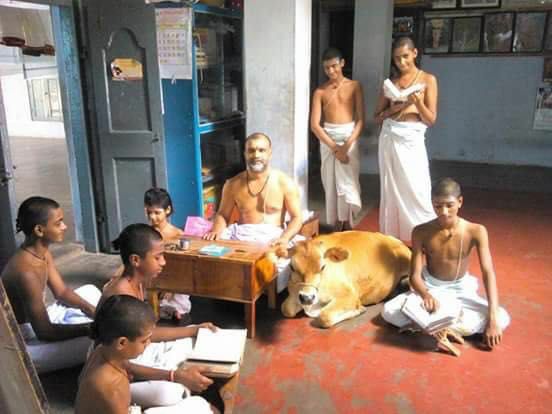
Cow attending Veda class

Written by London Swaminathan
Date: 4 July 2017
Time uploaded in London- 10-41 am
Post No. 4050

 
Pictures shown here are taken from various sources such as Facebook friends, Books, Google and newspapers; thanks.


Satapata Brahmana is one of the Brahmana books of Vedic period. Foreigners date it to 800 BCE to 1000 BCE. Hindus date it to thousands of years before that. Foreigners spread a false story that Hindus adopted vegetarianism only after Mahavira and Gautama Buddha appeared in India. Those stories are exploded by the Satapata Brahmana passage.
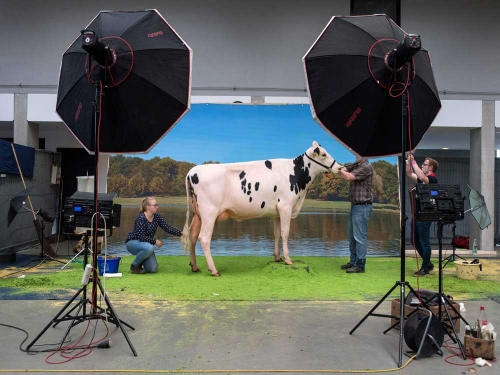
Cow photographed in Oldenburg ,Germany

Through out the Vedas cow and calf are used as the symbol of love and affection between a mother and her child. This is the oft used simile in the oldest portions of the Vedas. That shows that cow was equated to mother. Vaatsalyam is a Sanskrit word coined out of it (Vatsa=calf)


The biggest contribution of the Vedic Hindus to the world civilization are the DECIMAL SYSTEM and the COW’S MILK. In no other world literature, we come across such references or similes as we see in the Vedas. Until today the world has not found an alternative to the Decimal system and the Cow’s milk. These are used everyday. This shows at they are the oldest and highly advanced civilization. These type of concepts can evolve only after thousands of trial and error methods or experiments.

Here are some passages from the famous Satapata Brahmana (3-1-2-3):

“Let him not eat the flesh of either the cow or the ox; for the cow and the ox doubtless support everything on earth. The Gods spake: ‘Verily the cow and the ox support everything here; come let us bestow on the cow and the ox whatever vigour belonged to other species of animals; and, therefore, the cow and ox eat the most. Hence were one to eat the flesh of an ox or cow, there would be, as it were, an eating of everything, or, as it were, a going on to the end. Such a one, indeed, would be likely to be born again as a strange being, as one of whom there is evil report, such as, “He has expelled the embryo from a woman’ He has committed a sin; let him therefore, not eat the flesh of the cow and the ox”.
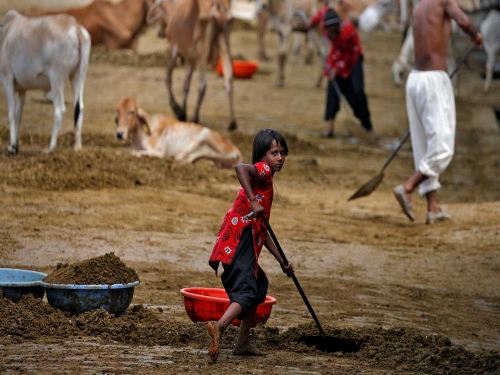
Most valuable fuel and manure– cow dung

Foreigners are so cunning and divisive that they quote from different sources (very old and the latest) to support their arguments. It may be from the latest books, which they would never mention. But if they see any good things, they will say that they are from the latest books. It was because of…………. They will bluff.


Atharva Veda talks about a huge geographical area from West Bengal to Iran. No ancient civilization had such a sway over a large region. When such things come they will say Atharvana Veda was the latest addition. How latest – no two scholars agree! They try to cramp the development of a huge civilization within a span of 200 to 400 years. It is not possible to any civilization even in the modern period.


Usefulness of the Cows:

Sale of Cow for the Soma plant

In Vedic times barter trade was practised. They exchanged cows for Soma herb. Here is a passage about it:

“He bargains for the King Soma; and, because he bargains for the king, therefore any and everything is vendible. He says,

Soma seller! is your King Soma for sale?

Soma seller: He is for sale

I will buy him from you.

Buy him

I will buy him of you for one sixteenth of the cow;

King Soma is surely worth more than that.

From the cow comes the fresh milk; from the boiled milk boiled milk comes ghee/butter cream, clotted curds, whey etc.

Soma seller: King Soma is worth more than that; but surely is the greatness of the cow

Adhvaryu Priest:-

Gold is yours;  a cloth is yours;  a milch cow, a pair of kine,  three other cows are thine.


They buy the Soma plant for a cow and then the cow is also taken back.

This type of conversation shows the importance of cow and they are shown as equal to mother and Soma plant.

Foreigners quote certain passages to show that a cow was sacrificed in the yaga; but there are also it is explained that a cow made up of dough or flour is sacrificed.


The very concept of sacrifice is uniquely Hindu. It shows that all you desire, all that you want, all you consider valuable are not yours—Idam Na Mama – it is not mine.


from this ritual ‘Idam na mama’ they take humans to a higher stage i.e. everything thing belongs to God – Isavaasyam Idam sarvam i.e.
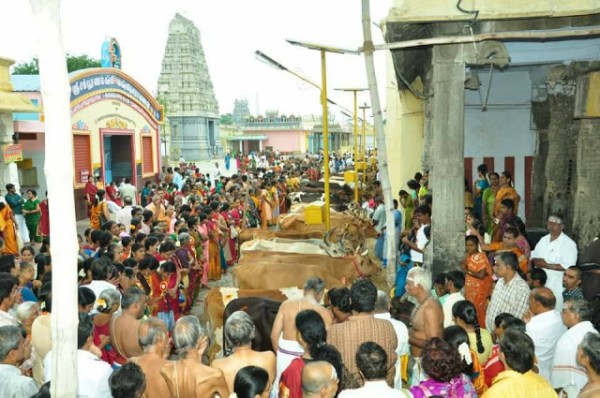
Cow Puja at Kanchipuram

MANTRA ONE of Isavasya Upanishad


isavasyam idam sarvam

yat kinca jagatyam jagat

tena tyaktena bhunjitha

ma grdhah kasya svid dhanam


isa–by the Lord; avasyam–controlled; idam–this; sarvam–all; yat kinca— whatever; jagatyam–within the universe; jagat–all that is animate or inanimate; tena–by Him; tyaktena–set-apart quota; bhunjithah–you should accept; ma–do not; grdhah–endeavor to gain; kasya svit–of anyone else; dhanam–the wealth.


TRANSLATION


Everything animate or inanimate that is within the universe is controlled and owned by the Lord. One should therefore accept only those things necessary for himself, which are set aside as his quota, and one should not accept other things, knowing well to whom they belong. 


(This is the favourite hymn of Mahatma Gandhi)
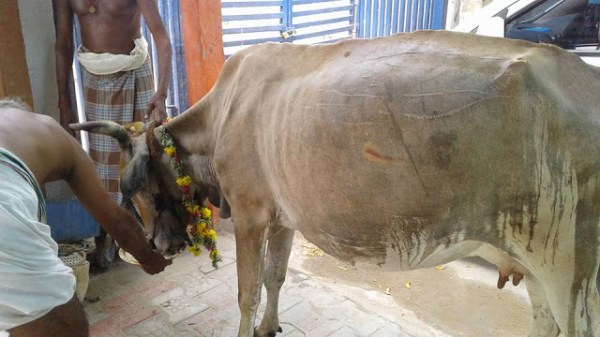
 

–subham–

 

Hinduism in Different Colour Capsules! (Post No.4034)


Written by London Swaminathan

Date: 28 June 2017
Time uploaded in London- 21-11
Post No. 4034

 
Pictures shown here are taken from various sources such as Facebook friends, Books, Google and newspapers; thanks.


Problems facing the Hindu society were discussed by the members of the Hindu Forum of Europe in its Annual General bod y meeting held in Lisbon (Portugal) on 23rd of June 2017. Sri Mahaprabhudasa, General Secretary, listed the burning issues facing the community:

1.Text Books on Hinduism in different countries give wrong information

2.Sufferings of Hindus in countries such as Bangladesh, Pakistan, Afghanistan etc

3.Hindu Forum Branches where it is not yet organised

4.Hinduism presented by different Hindu groups in public forums confuse everyone.


5.Earlier the Yoga presented by different groups was discussed ( I have already given it under “Yoga without Religion is dangerous”).


Sri Mahaprabhudasa pointed out that in any multi faith meeting, other religious speakers first tell their denomination he or she represents and then present their point of view from that angle. A catholic or a protestant clearly says : according to my faith…………… But Hindus from different groups or sects speak as if they represent the religion. It confuses our children and people belonging to other faiths.”

When I spoke on these points I dealt with only one issue in the above list, i.e. Hinduism presented by different groups:-

“The biggest strength of Hindusim is Diversity; the biggest weakness is also Diversity. We give complete freedom to follow our religion in different ways. But it is better to tell the people from which group they have come and then explain their point of view. Even in the earlier discussion we could not agree on a single method of Yogasana practice and each one supported a different method of Yoga and Asana. We need to tell the Hindu leaders to speak clearly in public forums.


Some of the members in private discussions told me the following points:

Texts books on Hinduisn gave lot of wrong information about Hinduism. Shiva Linga worship is misrepresented ( I pointed out that Kanchi Shankaracharya has spoken about it and explained that it represents God is formless. I have also written about it in my blog)

When the British Census was taken lot of people tod that they belong to this sect and that sect without saying that they are Hindus. Because of their ignorance and the ignorance of the census officers, they were not listed as Hindus. Since all those sects were not in the British census form they marked such Hindus as “other faiths”. As a result of which Hindu population was less than the actual figure. Now Hindu Forum of Britain is searching for a solution and one of them is to write Hindu -Swaminarayan, Hindu- hare Krishna sect etc. But it should be approved by both the government and the respective group. It is very important that Hindus unite on this issue and project them as one group.


My new comments on this:


Hinduism is presented in different colour capsules though the contents are the same. We all believe in rebirth, Karma theory, Symbol Aum and One god who can be worshipped in different ways and forms. But one cult or sect is criticising the other sect. This wont help any Hindu group in public forums.

Several years ago I met a young boy in a London hospital with worried face. I approached him and started the conversation deliberately so that I could help him. When I asked him for what health problem he had come to the hospital, he told me that he was hale and healthy and the reason he came to the hospital was for a job interview. I wished him all the best and continued the conversation. When I asked his name, the country of his origin, it was a Hindu name! Oh you are a Hindu like me, I said. He refuted me at once saying that he worships Lord Murugan (Hindu God Skanda). Smilingly I explained to him that my name also Murugan’s name and he is one of the main Hindu gods. But that young boy couldn’t digest it and he repeatedly told me that he was a Muruga worshipper and in Mauritius, where from he comes, only Muruga is worshipped as main god. I told him to go back to his parents for clarification on the matter I told him.

I knew the problem with youngsters like him. Hindus living in remote areas such as Fiji, Mauritius, Guyana, South Africa are generations away from the Hindu mainland. Their names are “Non hinduized” or “dehinduized”. Many of them were taken by the British and French from the lower strata of the society and treated them as slaves. They lost or forgot their culture completely. When they were struggling for their survival as human beings, religion is relegated to the back. They don’t have good religious teachers or preachers who can attract youths. Whatever they have now as religion is the major festivals with bizarre local stories. Books on Hinduism written by the French and the English give distorted pictures. Hindus have an enormous task of supporting, educating and elevating those people. This is an internal problem, internal threat. Someone has to write proper, uniform text books with reasonable, simple explanation for the festivals, Siva Linga worship and umpteen other issues. Though thousands of Hindu cults, groups, sects, sub sects, Sath Sang groups, Ashrams, Yoga centres, Babas, Swamijis and Mutts exist, not many are bothered about uniting them under one banner. Each one is promoting his or her own organisation.


Even in Face book I see several people put several quotations in the name of Bhagavad Gita. Like Einstein is quoted in several hundred quotes which he never said, Lord Krishna’s name is dragged into several statements. I react to such posts immediately saying that ‘could you please give me the chapter and sloka number.?’ Then they keep quiet. So, we must first create awareness amongst our own people.


-Subham–


Yoga without Religion is Dangerous! (Post No.4026)

Written by London Swaminathan
Date: 26 June 2017
Time uploaded in London- 11-15 am
Post No. 4026

Pictures shown here are taken  by me in Lisbon, Portugal on 25th June 2017; They are taught Yoga by a genuine swamiji Sri Amrta Suryananda Maharaja.

International Yoga day is celebrated on 21st June around the world. Though Jagatguru Amrta Suryananda Maharaja of Lisbon, Portugal proposed this in Bengaluru and got the consent from other famous and popular Yoga Gurus of India in 2011, it is Narendra Modi, Prime Minister of India who made it more popular.


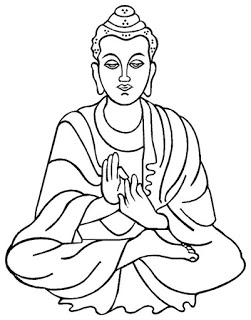
Yoga is a multibillion dollar business today. But one unfortunate thing about Yoga is that it has been hijacked by bad elements in some parts of the world. They do business with the ‘Yoga seal’ (Mudra). Some of them are moving away from the ideals of yoga. We see Yoga Mudra in Indus seals and Egyptian statues. It originated in India. Buddha who was born as a Hindu followed the traditional Yoga taught by Patanjali and attained wisdom under the Bodhi tree. Both Mudra and Bohi (Peepul tree) are important for the Hindus. Brahmins who recited Vedas used Bodhi sticks (Peepal or Ficus religiosa) for their fire rituals every day and it is seen in Indus seals as well. Brahmins who recited Vedas followed Asana postures during their ‘thrice a day ritual called Sandhya Vandhanam’. Buddha whose first Gurus were Hindus taught him these things. So his famous posture with fingers showing different Mudras became very attractive.


From Hindusim it went to Buddhism and now all people have started Yoga schools around the world. They have adapted it to suit their business needs. Nowadays Tom, Dick and Harry and Mary, July and Samantha are running YOGA schools!!!


Big exhibitions are held in the Olympia hall in London every year, attracting lot of Yoga businesses. There are umpteen Yoga magazines published around the world. Someone in America started wrestling yoga, another one started selling Yoga beer; in short the word YOGA is misused and abused. There is no central authority to control this. Some religions banned Yoga because it is basically Hindu. Very true. It is Hindus’ property.


If some says Yoga has nothing to do with religion, please don’t believe it. It is based on religion. If there is no religion in Yoga and Asanas it will leads to many dangers.


Hindu Forum of Europe Discussion

Hindu Forum of Europe held its AGM in Lisbon on 23rd of June 2017. Mr Radj Bhondoe (of Nethrlands) who has done lot of research in this filed spoke on this topic and emphasized that we should create awareness about Yoga. He pointed out Yoga without dharma is just gymnastics. Yoga without religion is just circus.


There can be different types of Yoga, different schools of Yoga. There is nothing wrong in it. We can adapt it according to our own needs. It is not possible to use just mats made up of grass in Western countries; we may use Yoga mats made up of recyclable materials. But if someone says that anyone can do Yoga without the traditional controls, it is dangerous.

Yoga is taught with the Yamas and Niyamas, in short physical and mental controls. Without these controls, it will open up a Pandora’s Box –other dangers.

Yoga Murder, Yoga rape, Yoga Robbery!

In the Hindu Forum meeting, I was invited to make some comments on Radj Bhonde’s talk. I readily agreed with him. I pointed out we read several news items about saints and ascetics, Babas and Swamijis involved in Rape, murder and theft cases. I warned that the same thing would happen in this field. If there is no control over our physical and mental behaviour it will be disastrous. We may even hear about Yoga murder, Yoga Rapes, Yoga robberies and Yoga thefts. We must warn all the Hindu organisations to create awareness. We don’t need to insist the slogan ‘Yoga without Hinduism is dangerous’; but we must say ‘Yoga without Dharma is dangerous’. Physical and mental controls are essential for yoga practisioners


What I have not told in the Hindu Forum meeting is given below:


Sabarimala, the famous pilgrim centre in Kerala, India attracts 20 million pilgrims within a short span of time- just 40 days. In the olden days, only genuine devotees went to have darshan of Sri Ayyappa alias Dharma Sasta. The very word Sasta gave the English word System. It was a disciplined movement at one time. Now it has become a fashion to wear black/blue dhotis or and black shirts with a Tulsi or Rudraksha mala (garland ); after forty days of fasting their behaviours becomes obnoxious. Some even abused the uniform and robbed people or raped women according to newspaper stories. Fortunately, it was not widespread and now under good control. But Ayyappa devotees don’t command the respect they commanded at one time. Some of them are disciplined only for FORTY DAYS or a Mandala. Yoga may go that way if there is no control.

According to my statistics, there are more Non-Hindus practising “yoga” than the Hindus in the western countries. There are more “Yoga”schools run by westerners than Hindus in European countries. A non-vegetarian or a drinker of alcohol can’t be a Yoga practitioner.  Unless they have the body control and mind control, it is just physical exercise they do. Let them do it for their own health. But it is NOT Yoga. Yoga aims to give a long life in a sound body so that the body can be used to reach spiritual heights. Please spread this awareness. Never ever repeat the words “Yoga has nothing to do with religion”. It is religion; religion of Dharma; religion of self control; religion of good qualities (Satva Guna). Let others tell they teach breathing exercises or Postures for flexible body movements. Don’t abuse or misuse the words ‘Yoga’ and ‘Asana’. Hindus living in Western countries must proclaim this to the world.


(My sincerer thanks to Radj Bhondoe for bringing up this subject for discussion).

I will write about how genuine Yoga that is spread in Portugal by Swami Amrta Suryananda Maharaja tomorrow; I have just returned from Portugal to London)


Mrs Nandini K.Sigla, Indian ambassador to Portugal, is doing Yoga with swamiji’s disciples

–Subham–
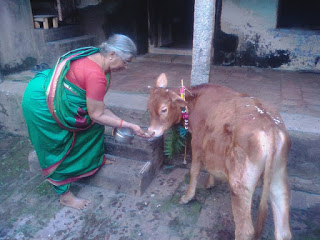


சோம பானம் பருகுவோம் வாரீர்! (Post No.4018)

Written by London Swaminathan
Date: 20 June 2017
Time uploaded in London- 17-14
Post No. 4018
Pictures are taken from various sources such as Face book, Wikipedia and newspapers; thanks.


இந்துக்கள் இழந்த சொத்துகள், பொக்கிஷங்கள் ஏராளம்.

அக்ஷய பாத்திரம் போச்சு;

அமுத சுரபியும் போச்சு;

சங்கப் பலகையைக் காணோம்;

கோஹினூர் பிரிட்டனுக்குப் போச்சு;

மயிலாசனம் ஈரானுக்கு போச்சு;

கொலைகார சியமந்தக மணி அமெரீக்காவுக்குப் போச்சு;

உலவாக் கிழியைக் காணோம்.


இதை எல்லாம் விட அரிய, பெரிய பொக்கிஷம் சோம லதை என்பட்டும் அரிய அதிசய மூலிகை.


இந்துக்கள் மனது வைத்தால் இப்பொழுதும் அதைத் தேடிக் கண்டுபிடித்துவிடலாம்.


இதைத் தேடிக் கண்டு பிடிக்க வேண்டியது இந்துக்களின் கடமை. ஏனெனில் இந்த மூலிகைக்கு அபூர்வ சக்தி உண்டு. இதைப் பற்றிய ரிக் வேதப் பாடல்களின் முக்கிய அம்சங்களை மட்டும் சொல்கிறேன்.


உலகின் பழமையான நூல் ரிக் வேதம்; சுதந்திரப் போராட்ட வீரர் பால கங்காதர திலகரும் ஜெர்மானிய அறிஞர் ஹெர்மன் ஜாகோபியும் இந்த நூல் 6000 ஆண்டுகளுக்கு (கி.மு.4500) முந்தையது என்று வேதத்தில் குறிப்பிடப்பட்ட நட்சத்திரங்களின் நிலையை வைத்து புத்தகம் வெளியிட்டுள்ளனர். விட்னி (Whitney) போன்ற அறிஞர்கள் கி.மு 2000 க்கு முந்தையது என்பர். மாக்ஸ்முல்லர் இந்த வேதத்தை  கி.மு.1200-க்கும், கி.மு 3000 க்கும் இடையே வைப்பர். எப்படியாகிலும் எகிப்திலோ, பாபிலோனியாவிலோ, சீனாவிலோ இதையும் விட பழைய புத்தகம் இல்லை. கிரேக்கத்தில் கி.மு 800 முதல் ஹோமர் முதலானோர் எழுதிய நூல்கள் உண்டு. லத்தீனிலும் தமிழிலும் கி.மு. 200 முதல் நூல்கள் உண்டு.

இவ்வளவு பழமையான ரிக்வேதத்தில் ஒரு மண்டலம் முழுதும் சோமபானம், சோம ரஸம் பற்றிப் பாடியுள்ளனர்.


சோமம் என்னும் மூலிகை குறித்து வெளிநாட்டினர் நிறையவே பிதற்றி உள்ளனர். காரணம் என்னவெனில் இதை அவர்களால் கண்டுபிடிக்க முடியவில்லை. கண்டு பிடித்திருந்தால் அதைப் பயிரிட்டு, சோம ரசத்தைப் புட்டியில் அடைத்து கோடி கோடியாகச் சம்பாதித்திருப்பர். ஆகையால் காளான் என்பர்; கொடி என்பர்; இல்லை செடி என்பர்; உளறலுக்கு அளவே இல்லை.


ஒரு மண்டலம் முழுதும் ரிக் வேதம் பாடியும் , வேதத்தை யாரும் படிக்க மாட்டார்கள் என்ற தைரியத்தில் வெள்ளைக்கார்கள் வெட்டி முழக்கியுள்ளனர்.


இந்தியாவில் இருந்து ஈரானுக்குச் சென்று பார்ஸி மாதத்தை ஸ்தாபித்த ஜொராஸ்தரும் இதைப் புகழ்ந்து பேசியுள்ளார் பழங்கால உலகில் இவ்வளவு கீர்த்தி பெற்ற செடி கொடி வேறு எதுவும் இல்லை. தென் புற ஆந்திரம், தமிழ் நாடு, கீழ்ப்புற கங்கைச் சமவெளி முதல் ஈரான் வரை இதன் புகழ் பரவியது


சோம பானத்தின் நன்மைகளை தமிழ்க் கல்வெட்டிலும் காணலாம். ஒருவரை “மனோ சுத்த சோம யாஜி” என்று அழைக்கிறது.

இதன் பொருள் மனதைச் சுத்தப்படுத்தும் சோம யாகம் செய்தவர்.


வேதம் சொல்வதாவது

  1. சோம பானம் ஆயுளைக் கூட்டும்

2.மனதைச் சுத்தப்படுத்தும்

3.உற்சாகத்தைத் தரும்

4.இது ஒரு தெய்வீக மூலிகை


  1. இதைக் கருடன் கொண்டு வந்து கொடுக்கும்
  2. இது முஜாவத் பர்வதத்தில் விளையும்


சோம பானம் பற்றிய 114 துதிகளையும் படித்தவர்களுக்கு ஒன்று தெளிவாகத் தெரியும்; இது போதைப் பொருள் அல்ல என்பது விளங்கும்


உலகில் போதைப் பொருளைப் போற்றி ஆயிரம் ஆண்டுகள் குடித்து/ சாப்பிட்டு வளர்ந்த எந்த இனமும் கிடையாது. இது போதை தரும் குடியாக இருந்தால் இந்துக்களும் அவர்கள் பாடிய வேதமும் அழிந்து போய் இருக்கும். மேலும் கள் போன்ற சுரா பானத்தையும் சோம ரசத்தையும் ஒரு பாடல் ஒப்பிட்டுவேறு காட்டுகிறது.


((சோம பானமும் சுரா பானமும் | Tamil and Vedas

https://tamilandvedas.com/…/சோம-பானமும்-சுரா…


10 May 2013 – குடிகாரர்கள் அருந்துவது சுரா பானம், அதாவது, கள் மது பான வகைகள். வேதத்தை ஆராய்ச்சி செய்த வெளிநாட்டு “அறிஞர்கள்” இவ் …))


தேனுக்கும் மது என்று பெயர்; மது பானத்துக்கும் மது என்று பெயர்; ஆயினும் இந்தச் சொற்கள் சம்ஸ்கிருத அறிஞர்களையோ தமிழ்   அறிஞர்களையோ குழப்பாது.

“மது நமக்கு, மது நமக்கு

மதுரம் மிக்க தமிழ் நமக்கு”– என்று பாரதியார் பாடிக் கூத்தாடுவார்


வெள்ளையர்களோவெனில் பரம்பரைக் குடிகாரர்கள்; போதை மருந்து மன்னர்கள் அடிமைகள்; பாவம் அவர்களுக்கு வேறு பொருள் தெரியவில்லை.அவ்வளவு துதிகளையும் ஆங்கிலத்தில் மொழிபெயர்த்துவிட்டு அவர்களே வேண்டிய ஒன்றிரண்டை எடுத்துக்கொண்டு மனம்போன போக்கில் வியாக்கியானம் செய்வர்.

சோமம் என்பது சந்திரனையும் குறிக்கும். காலையில் சூரியன் உதவுவது போலத் தாவரங்களுக்கு இரவில் சந்திரன் உதவுகிறான் என்று வேதம் பாடுகிறது. இது வெள்ளைக்காரர்களுக்கு விளங்கவில்லை.. ஏன் ஒரே சொல் ஒரு மூலிகையையும்  நிலவையும் குறிக்கிறது என்பது விளங்காததால் அதைத் தொட்டும் தொடாமலும் பட்டும் படாமலும் விட்டு விடுவர். நிலவுக்கும் தாவரங்களுக்கும் உள்ள தொடர்பை இதுவரை எந்த விஞ்ஞானிகளும் கண்டுபிடிக்கவில்லை. இந்துக்கள் மட்டும் திரும்பத் திரும்ப சொல்லி வருகின்றனர்.


7.சோம லதை களைப்பை நீக்கும்

8.மனத் தொய்வை நீக்கும்


9.இது சாவின்மையை—மரணமில்லாப் பெருவாழ்வை நல்கும்


இதை மூன்று காலங்களில் மந்திரம் சொல்லிப் பிழிய வேண்டும்

மந்திரம் சொல்லி யாகத்தில் விட வேண்டும்; மந்திரம் சொல்லி சாப்பிடவேண்டும்


இதெல்லாம் குடிகாரர்களோ, போதை மருந்து அடிமைகளோ செய்வதில்லை.

10.சோம மந்திரம் ஒன்று சொல்கிறது:

“எல்லா சக்திகளும் அவனுடையதே

நிர்வாணமாக உள்ளோருக்கு ஆடை அணிவிப்பான்

நோயாளிகளைக் குணப்படுத்துவான்

கண் பார்வையற்றோருக்கு கண் பார்வை அளிப்பான்

ஆண்மை குறைந்தோருக்கு ஆண்மை தருவான்

தேவர்களுக்கும் மனிதர்களுக்கும் முக்தி தருவான்”


11.”ஓ, பவமான, அழியாத, என்றுமுள உலகில் என்னை வைப்பாயாக. எந்த இடத்தில் அழியாத ஒளியும், புகழும் உள்ளதோ அந்த இடத்தில் என்னை வைப்பாயக.”

பிரார்த்தனை முழுதும் பாஸிட்டிவ் எண்ணங்களுடன் கூடியது.


லண்டனிலும் நியூயார்க்கிலும் ரோடுகளில் புரளும் போதை அடிமைகளும், பெரிய பணக்கார நடிகர் நடிகையர், பாடகர்கள் ஆகீயோரும் மாட மாளிகைகளில் கூட கோபுரங்களில் வாயில் நுரைகக்கி இறக்கும் செய்திகளை நாம் வாரம் தோறும் படிக்கிறோம். வேதத்திலோ, வேறு எந்த இந்து மத நூல்களிலோ இப்படி ஒரு இழிவுதரும் பரிதாபக் காட்சி இல்லை. ஆக வெள்ளையர்கள் சொல்லுவது வெள்ளைப் பொய் என்பதும் நமக்கு விளங்குகிறது.

சோம லதை பற்றி பல “மறை” பொருளுடைய கதைகளும் உள. இதுவும் வெள்ளைகளுக்கு விளங்காமல் பேந்தப் பேந்த முழிக்கின்றன.

பிரம்மாவின் மனைவியான காயத்ரீ ஒரு பறவை வடிவத்தில் சென்று அதைக் கொண்டுவரச் சென்றாள். ஆனால் அதைக் காக்கும் கந்தர்வர்கள் தடுத்து விட்டனர். பின்னர் “வாக்” தேவதை சென்றாள் கந்தர்வர்களுக்கு பெண்கள் மீது ஆசை உண்டென்பதால் தாம் செல்வதாக வாக்கு தேவதை சொன்னாள். நீ எப்படி திரும்பி வருவாய் என்று தேவர்கள் கேட்டதற்கு நீங்கள் அழைத்தால் நான் வருவேன் என்றாள் வாக் (சொல்) தேவதை.


இதெல்லாம் அடையா பூர்வ கதைகள்


சோமக் கொடியை முதலில் பார்த்தபோது யார் முதலில் சாப்பிடலாம் என்று போட்டி ஏற்பட்டது. ஒரு பந்தயம் வைப்போம்; முதலில் யார் ஓடிச் செல்கிறார்களோ அவருக்கே என்று முடிவு செய்தனர். வாயுதேவன் முதலிலும் இந்திரன் இரண்டாவதாகவும் வந்தான். முதலில் இந்திரன், நிறைய பங்கு கேட்டான். வாயு மூன்றில் இரண்டு பங்கைச் சாப்பிட்டது. இந்திரனுக்கு நாலில் ஒரு பங்கு கிடைத்தது.


இப்படிப் பல அடையாள பூர்வ கதைகள்.

எங்கு எங்கு விளங்கவில்லையோ அங்கு எல்லாம் விநோத வியாக்கியானம் செய்வர் வெள்ளையர்.


சங்கத் தமிழ் நூல்களில் அமிர்தம் பல இடங்களில் வருகிறது. அருந்ததி, இந்திரன், வருணன் முதலியோரைக் குறிப்பிடுகிறது. ஆனால் சோம லதை பற்றிய பேச்சே இல்லை. ஆக 2500 ஆண்டுகளுக்கு முன்னரே இந்துக்கள் அதைப் பயன்படுத்தி இருக்க வேண்டும். அதற்குப் பின் எழுந்த சங்கத் தமிழ் நூல்களில் சோம லதை பற்றி எதுவும் சொல்லவில்லை. வேள்வி தொடர்பான வேறு பல சொற்கள் காணப்படுகின்றன.


இந்து இளைஞர்கள் இந்த சோம லதையைக் கண்டுபிடிக்கும் ஆராய்ச்சியில் இறங்க வேண்டும்; இதன் மூலம் உய்வும் பெறலாம்; பணமும் கிடைக்கும்.


–Subham–
Development Tamil Culture and Tamil Language through Charitable activities (Post No.4013)

Written by London Swaminathan
Date: 18 June 2017
Time uploaded in London- 21-49
Post No. 4013
Pictures are taken from various sources such as Face book, Wikipedia and newspapers; thanks.
contact: swami_48@yahoo.com


MITRA SEVA TALK by London Swaminathan on 17TH JUNE 2017


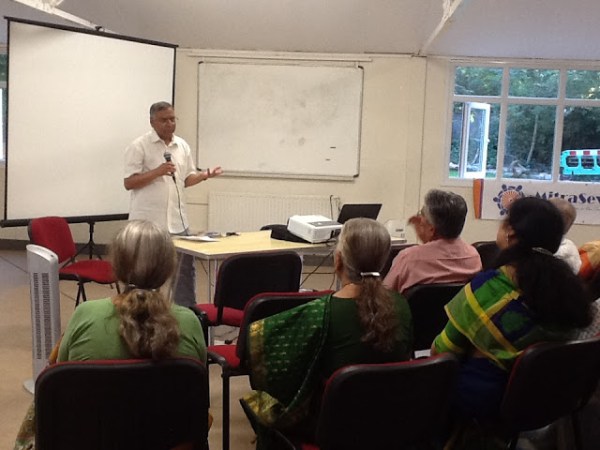
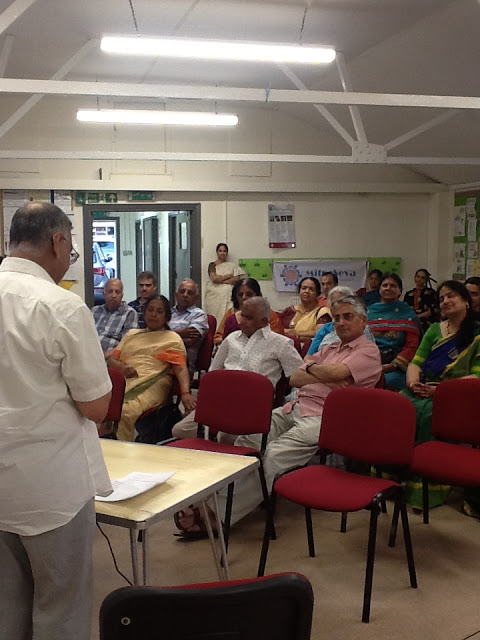
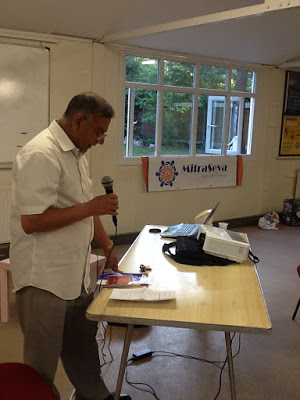
I was asked to give a talk on the charity work done by me in London at the First Anniversary meeting of Mitra Seva, an organisation started to serve the Elderly people in London, particularly from the South Indian community. It was held in Kenton, London on 17th June 2017.


Good Evening and thanks for inviting me to talk about my charity work. I thought it was irrelevant to talk about it to you bcaeuse of most of you known about it and you were also part of it. But yet it is important to place everything on record. And there is another part of charity work I did in India which many of you may not know.

Since I was given every limited time first let me give my work in Bullet points.


RAISED MONYE FOR 7 CHARITIES OVER 200, 000 POUNDS

I raised over 200,000 pounds in London for seven charities. The beneficiaries were :-

SINDHI MANIR

LONDON SATH SANGAM

LONDON TAMIL SANGAM

South Indian Society

World Hindu MAHA SANGAM

TAMIL HERITAGE FOUNDATION

Bharatiya Vidhya Bhavan


I have executed the following projects through the funding I received. When I say I, it means I was the one who ordinated, but you the people helped me through out these projects

PROJECTS

ELDERLY CARE PROJECT

LUNCHEON CLUB

TEACHING TAMIL

TEACHING SANSKRIT

POETRY PROJECT

PUBLISHING COMMUNITY NEWS LETTER

SINDHI CULTURE and Language Teaching

FIRST AIAD EACHING THROUGH REGIONAL LANGUAGES

Buying a SOUND SYSTEM

TAMIL BOOKS DIGITIZATION: I got a small funding for Tamil Heritage  Foundation to digitize ten old books from the British Library in London. They are available even now in T H F site.

TAMIL HERITAGE PROJECT: We interviewed thirty artistes in London who have settled here 25 years ago to record the history and development of Tamil culture in London. The recordings were put on a CD and the CDs were distributed to the  libraries.

MILLENNIUM GEM PROJECT : This is to give another chance to showcase their talents who have alredy staged their debut show and let it to get rusted.

RECENTLY I WAS ON THE  SOUVENIR COMIITEE OF  Nagapooshani Amman temple in London

RELIGIOUS EVENTS are organised by WHM Sagam


(For Bharatiya Viddhya Bhavan we staged a Tamil Drama and raised over 1500 pounds. We staged a Tamil drama for South Indian Society and raised over 1500 pounds. I took the main roles in both the dramas.

WHO FUNDED US?

Awards for all

National Lottery

Paul Hamlyn Foundation

Harrow Council (for Black History Month)

Paul Hamlyn Foundation

New Ham council

Camelot foundation

Calouste Gulbenkian Foundation

I received


WHO IS THE ROLE MODEL?

Any number of books you read would not inspire youto do charity work un less you have a role model in front of you; for me my father (V Santanam) was the role model. He was a freedom fighter who fought the British rule in India. He was imprisoned with K Kamaraj in Vellore Jail. Because he was a freedom fighter he allowed us to do all community activities. First myself and my bothers started an organisation called Literary and Cultural Association in Madurai with the help of our friends. All the famous personalities such as Solomon Pappaiah, Kundrkkudi Adigalar, K V Jagannathan. Later I joined RSS and took over the secetaryship of Vidyarthi Parishad and my bother became the secretary of Visva Hindu Parishad. The Madurai RSS Pracharak Shivaram Jogelakarwho has M.Sc and came from Pune inspired us very much. He was a man of few words but man of action, full of inspiration.


And  at that time the Vivekananda Rock Memorial was set up by Eknatha Ranade who was also an embodiment of inspiration. He asked us to got to every office school, college etc to sell one rupee donation ticket just to make them the part of this mighty national memeorial. As a result of this I contacted thousands of office workers and sold the donation picture cards. ( We did a month long exhibition in the Pudumandapam (built by King Tirumalai nayak) which attracted a huge crowd every day. In the same way when Swami Shanthanantha did a Sahasra Chandi Yajna in Madurai, since my father was on the committee we all helped as volunteers).


For any project, we need a role model who practise it. Years ago Swami Omkarananda visited London and I was organising several meetings for him. As a part of meetings at the Hindu temples here, I took him to Sivan Temple at Lewisham, London. The previous day I contacted the temple trustee who was in charge of programmes  to find out how many people were expected and what age group was targeted etc. To my surprise he told that he would be addressing little children from ween end Tamil school. I challenged him saying that Swami Omkarananda who is a great scholar delivering lectures on Kaivalyopanishad and Brhad Aranyaka Upanishad would be disappointed. Then he explained me the reason for arranging such a meeting for children. “These young students had seen the saffron clad Sanyasins only in films and dramas. They had never seen a real life true Sanyasi (ascetic)So they may think this is also an act and there may not be a Sanyasi at all. If they see a real life ascetic that will impress them at this young age.

This explanation opened my eyes. I realised  that a man of action, a man of truth can inspire several thousand people. So role models are important to inspire future workers.


At present I am part of the Hindu Forum of Britain, the umbrella organisation of Hindu organisations. I am the chairman of the Chaplaincy borad. As a life time trustee of W HM sangam, I do organise religious events.


Tomorrow the Second Part of my talk will cover the following topics:-


ARE INDIVIDUALS POWERFUL?

YOGA IS RUBBISH ADVTS.

CHRISTMAS STAMPS WITH HINDU LAIDES WITH TILAK

NOW 5 POUND NOTE and Government’s Promise.


IS SELFLESS SERVICE POSSIBLE?


ENCOUNTER WITH MY WIFE

SANSKRIT TEACHER’S SUSPICION

WHY DO I DO IT?


PITFALLS IN CHARITY WORK

NO THANKS, MOSTLY CRITICSM

DON’T BE TOO OPEN —–DANDAPANI

ONE THANKS IS EQUAL TO 1000 POUNDS

CREMATORIUM THANKS


LIST OF PEOPLE INTERVIWED AS PART OF ORAL HISTORY OF TAMIL ARTISTES IN LONDON.


–Subham–
 

Significance of Neem Tree in Hinduism (Post No.3992)

Compiled by London Swaminathan

Date: 11 June 2017

Time uploaded in London- 13-17

Post No. 3992

Pictures are taken from various sources such as Face book, Wikipedia and newspapers; thanks.

contact: swami_48@yahoo.com


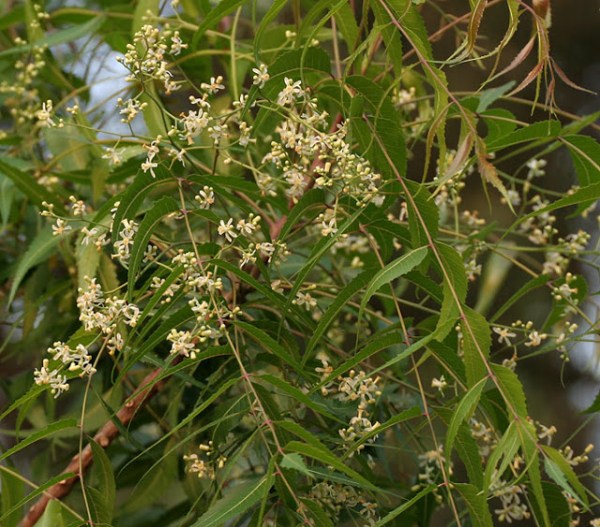
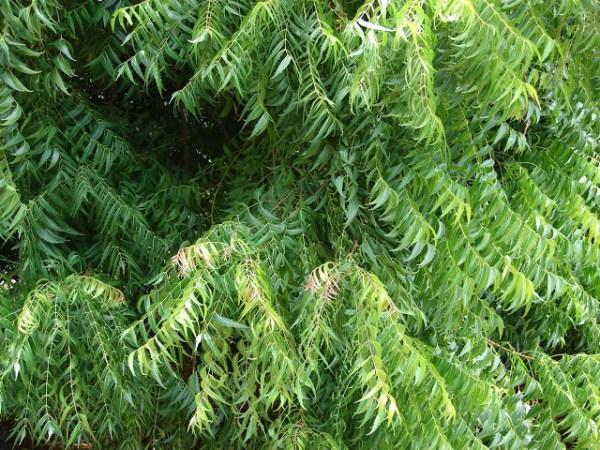
Some interesting stories about Neem trees (Margosa tree, Veppa Maram in Tamil) were compiled by Rev Osborn Martin in  his book the ‘Gods of India’, published in 1914.


“There is a special sect of Sun Worshippers called the NIIbaarak. They are Vaishnavas and, as their name implies, they worship the ‘Sun in the Neem Tree’.

Botanical name of neem tree: Azadirachta indica; Family- Meliaceae

The story runs that their founder was a Bairagi ( a wandering ascetic) to dine with him. He prepared the dinner, but unfortunately delayed to call his guest until the sun had well nigh set. Now the holy man was forbidden by the rules of his order to eat except during the day time, and was afraid he would be compelled to refuse the dinner; but at the solicitation of his host, Surya Narayan (Suuraj Naaraayan), the Sun God, descended on the Neem trees under which the feast was spread and continued beaming upon them till the feast was over”

(This is an extract taken from Popular Religion and Folk lore by Crooke).

“The neem tree in connection with the godlings of disease who are supposed to reside in it. In particular, it is occupied by Sitala (Siitalaa), the small-pox deity, and her six sisters. Hence during the rainy weather when epidemics prevail women bathe, dress themselves in clean clothes, and offer rice, sandalwood, flowers, and sometimes a burnt offering with incense at the foot of this tree. The neem is also connected with snake worship, as its leaves repel snakes.


The leaves are used through out India for its curative and medicinal purposes. Wounds and sore are bound up in Neem leaves, and by mourners they ae used as a means of avoiding death pollution, or as a mode of driving off the evil spirit which accompanies the mourners from the cremation ground. After the cremation of a dead body, people in the funeral procession chew the Neem leaves and some water is sprinkled over them with a branch of the tree.


On the Hindu New Year’s Day it is considered essential for every Hindu to worship the Neem tree., and to eat its leaves mixed with pepper and sugar, that he may not suffer from sickness or disease during the year. In practice, very few worship the tree, but its leaves are generally eaten by most of the.

At child birth a branch of a neem tree is often set at the door of the chamber.


Nearly every Hindu villager cleaned his teeth with a twig of a Neem tree, till plastic tooth brushes were sold.

Test of Truth Speaking

It is used in the test of truth speaking and a few Hindus would date to speak a falsehood whilst under the shade of the tree. Sangam Tamil literature (Kalitokai, Palai Kali verse 37) says that if someone speaks falsehood under a tree, it would wilt and wither away.

Among some tribes, the Banjaras for instance, a jealous husband throws a branch of the Neem tree on the ground and says to his wife, “ If you are a true woman, lift that neem branch”.

My old articles on the same subject:

neem tree | Tamil and Vedas

https://tamilandvedas.com/tag/neem-tree/

The sadhu instructed one of his disciples to bring a good quantity of neemleaves. These leaves are very bitter. He was asked to grind them and make Laddus …

Posted on 16 October 2015

Bodhi Tree | Tamil and Vedas

https://tamilandvedas.com/tag/bodhi-tree/

Tamils have been using Neem (Veppa Maram in Tamil வேப்ப மரம்) for ages to stop the virus of small pox. If one takes it from young age in the prescribed …

Posted on 3 October 2014

Banyan Tree and Sanatkumaras | Tamil and Vedas

https://tamilandvedas.com/tag/banyan-tree-and-sanatkumaras/

Tamils have been using Neem (Veppa Maram in Tamil வேப்ப மரம்) for ages to stop the virus of small pox. If one takes it from young age in the prescribed …

Posted 25 November 2102

Indian Wonder – The Banyan Tree – South Indian Society

http://www.sisnambalava.org.uk/…/indian-wonder-the-banyan-tree-20130318043049.aspx

18 Mar 2013 – Reand and enjoy this article about “Banyan Tree” from Mr. Santhanam Swaminathan.


Tamarind Tree | Tamil and Vedas

https://tamilandvedas.com/tag/tamarind-tree/

Tamils have been using Neem (Veppa Maram in Tamil வேப்ப மரம்) for ages to stop the virus of small pox. If one takes it from young age in the prescribed …

Posted on 26 March  2016

Magic of Trees! | Tamil and Vedas

Magic of Trees!


25 Nov 2012 – Magic of Trees! Picture shows Newton under Apple Tree. Hindu Saints composed Upanishads under the Himalayan Trees. Buddha attained …


Strange LUTA Disease in Kashmir! (Post No.3890); posted on 8 May 2017


–Subham–


Mysterious PURUSA in the Hindu Vedas!(Post No.3985)

Research article Written by London Swaminathan


Date: 9 June 2017


Time uploaded in London- 11-37 am


Post No. 3985


Pictures are taken from various sources such as Face book, Wikipedia and newspapers; thanks.


contact: swami_48@yahoo.com


English word PERSON is derived from the Sanskrit word PURUSA. It is used in grammar, relationships and philosophy. If one studies the ways this word is used in the Hindu scriptures, one would realise how difficult it would be to understand Vedic symbolism.


In Tamil families, they use the word ‘purusa’ to mean one’s husband. In Sanskrit and English grammar, we use it for First person, second person and third person. In the Vedas, they use it to denote MAN. Lot of number symbolism come with it.

1.Purusa is the generic term for Man in the Rig Veda and later in the Atharva Veda (7-104-15; 10-97-4 etc; AV 3-21-1;5-21-4 etc.


  1. Man (Purusa) is composed of five parts (AV 12-3-10)
  2. Man (Purusa) is composed of 16 parts (Aitareya Brahmana
  3. Man (Purusa) is composed of 20 parts (Pancavimsa Brahmana)
  4. Man (Purusa) is composed of 21 parts (Taittiriya Samhita and four more books
  5. Man (Purusa) is composed of 24 parts (Satapata Brahmana 6-2-1-23)
  6. Man (Purusa) is composed of 25 parts (Sankalayana Srauta Sutra 16-12)


One has to get proper explanation from his Guru to understand all these. No translation will help. Vedic language has hidden meaning.


Tamil poets – Alwars and Nayanmars- used this type of number symbolism around 8th century CE. But Vedic poets used it thousands of years before them. This shows how advanced they were in thinking. Foreigners couldn’t understand all these symbolisms and branded them as primitive. Modern research show that the foreign authors were primitive!
Man is the Master of Animals


Man is the first of animals (Satapata Brahmana 6-2-1-18)

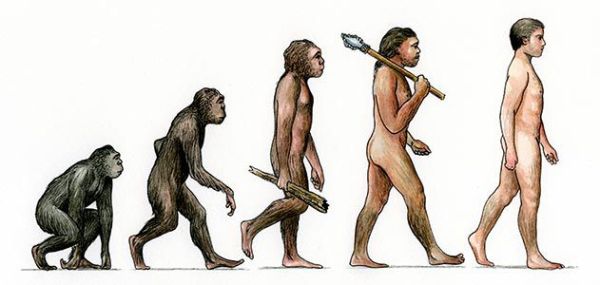
(This goes very well with the theory of evolution and psychologists’ belief)

“Man is a rational animal — so at least I have been told. Throughout a long life I have been looked diligently for evidence in favour of this statement, but so far I have not had the good fortune to come across it.”[— Betrand Russel

“Man is by nature a social animal; an individual who is unsocial naturally and not accidentally is either beneath our notice or more than human. Society is something that precedes the individual. Anyone who either cannot lead the common life or is so self-sufficient as not to need to, and therefore does not partake of society, is either a beast or a god. ”–Aristotle


Man is the Master of Animals (which is shown in Indus Valley Seal, Bahrain/Dilmun seal Celtic seal; pleasesee my earlier research article on Pasupati seal of Indus valley)—Kathaka Samhita 20-10


Height of a Man

Tamil literature says a man’s height is eight times of his hand/Saan (though the modern meaning of Saan is the length of one hand’s extended fingers, the old meaning must be different)


The height of a man is four Aratnis (cubits) accordint to Katyayana Srauta Sutra (here again Aratni means length of an extended arm; it may vary between 18 and 21 inches). Wherever such human limbs used one has to use his own foot or hand or arm for the measurement.)

Purusa itself is used as a measure of length (satapata Brahmana and Taittiriya Samhita). This is also interesting. Even today Indian villages use this measurement. When they want to say how seep is a tank or a lake they will says Four men depth or three men depth. So, Purusa is used to mention the length.


Since Vedas say a man’s life is 100 years, the term is used to denote the length of one’s life and generation as well , a generation (Taittiriya Samhita 2-1-5-5; dvi purusa= two generations- Aitareya Brahmana 8-7).


Strangely purusa is used for the pupil of the eye as well (Satapata Brahmana and Brhad Aranyaka Upanishad)

Purusa also meant Cosmic man, Brahman in the Vedas. Purusa Sukta (10-90) in the Rig Veda sings the glory of cosmic man with thousand heads and thousand feet.

Mysterious PURUSA MRGA!

The ‘man wild beast’ (Purusa Mrga) occurs in the list of Asvamedha Sacrifice list in the Yajur Veda (Taittiriya Samhita 5-5-15-1)

Zimmer thinks it MAY be an ape; according to him it meant an ape in Atharva Veda(6-38-4; 19-39-4)

But Bloomfield and Whitney don’t agree with him.

The mystery continues! were there apes in India those days in North India? Mrga also mean deer; was it a particular type of deer or a male deer?


More Mysterious PURUSA HASTIN!

Purusa Hastin means A Man with a Hand! It is also found in the list of Asvamedha Yaga list of Yajur Veda (Vajasaneyi Samhita 24-29; Maitrayani Sahita 3-14-8)


Hastin – an animal with a hand is used for elephant in later literature. But Purusa Hastin and Purusa Mrga are strange words which have not been used in the sense of ape.

Bhima’s encounter with Purushamiruga is a later story.

Books used: Book of Quotations

Vedic Index by A A Macdonell and A B Keith

–Subham–

About Brahmins: Buddha and Valluvar Think Alike!- Part 7 (Post No.3956)

Research Article Written by London Swaminathan


Date: 30 May 2017


Time uploaded in London- 20-37


Post No. 3956


Pictures are taken from various sources such as Face book, Wikipedia and newspapers; thanks.


contact: swami_48@yahoo.com


Buddha in Dhammapada and Tiru Valluvar in the Tamil Veda ‘Tirukkural’ praised the Brahmins sky-high, but defined who is a true Brahmin as well.


Tamil poet Valluvar lived approximately 1000 years after the Buddha. He referred to Brahmins in at least four couplets directly and another six couplets indirectly; but Buddha referred to Brahmins in at least 45 couplets; Buddha was so obsessed with the Brahmins that he wanted them to follow him like the emperor Ajata satru and others.

Let me give some examples for comparison which will show that great men think alike.

One must remember that the Brahmins of those days lived like saints; the very term meant one who seeks Brahman; Tamil words for Brahmins are also synonyms of saints such as inward looking, who sees (seer). Other Tamil names included ‘men of six tasks’ ‘Veda reciters’.

Buddha also accepted the Vedic Sanskrit word Brahmana, synonymous with a saint. But he devoted one entire chapter for Brahmins. It follows the chapter Bikshu varga (Buddhis monks). so by Brahmin he meant only Hindu Brahmins/saints.


In short Brahmins were saints and saints were Brahmins in those days. That is how even Viswamitra was called a Brahmin by Vasishtha after a long penance observed by him. Tamil kings and emperors of North India donated a lot to the Brahmins; Asoka mentioned Brahmins first and then Sramanas in his inscriptions.

Virtuous are called Brahmins


“It is the virtuous that are called Brahmins (Anthanar in Tamil) for it is they that scatter kindness towards all that breathes”- Kural 30

“And a saint, a Brahmin, is pure from past sins; even if he had killed his father and mother, had murdered two noble kings, and had ravaged a whole kingdom and its people” (294 Dhammapada).


He who hurts not with his thoughts, or words or deeds, who keeps these three under control – him I call a brahmin -(391 Dhammapada).

xxx


Don’t Hurt Brahmins


“Cows yield less and men of six duties forget their book (Vedas), if the king does not guard justice”- (Kural 560)

Cows and Brahmins will be paired together in most of the Tamil verses and Sanskrit hymns (E.g Bhagavad Gita 5-18 and Sambandar Tevaram)

One should never hurt a Brahmin; and a Brahmin should never return evil for evil. Alas for the man who hurts a Brahmin; Als for the Brahmin who returns evil for evil- (Dhammapada 389)


xxxx

Men of Character

“ A Brahmin can learn anew the Vedas even if he forgets his leaning; but if he fails in his conduct he slips down in his rank of birth”- Kural 134

Brahmins are placed first in the four castes in all the ancient books. If they lose the character they lose their birth right.

It is Manu Smrti also.

A man becomes not a Brahmin by long hair or family of birth. The man in whom truth and holiness, he is in joy and he is a Brahmin -(Dhammapada 393)

Of what use is your tangled hair, foolish man, of use your antelope garment, if within you have tangled cravings, and without ascetic ornaments-(Dhammapada 394)


xxxx

King and the Brahmins


As the ultimate basis of the Vedas of the sages/brahmins and the dharma of wise men

stands the straight sceptre of a just king- Kural 543


Here Valluvar used the Tamil word ‘book of the Anthanar’ and the word Anthanar stands for brahmins.


It is sweet in this world to be a mother; and to be a father is sweet. It is sweet in this world to be a monk; and to be a saintly Brahmin is sweet (Dhammapada 332)

Who clings not to sensuous pleasurers, even water clings nt to the lotus leaf, or a grain of mustard seed  to the point of a needle – him I call a Brahmin -(Dhammapada 401)


xxx

Avoidance of Killing (Non Killing)

In another Kural/couplet he mentioned the fire sacrifices of the Brahmins:

Far better and holier than a thousand oblations on the sacrificial fires is the one sacred act of abstaining from the flesh of a slaughtered animal (Kural 259)

Manu gives the same message in Manu Smrti 5-53:

“The man who offers a horse sacrifice (Asva medha Yajna) every year for a hundred years and the man who does not eat meat, the two of them reap the same fruit of good deeds” -Manu 5-53

This is about the Brahmins sacrifices; though Asva medha was done by the kings, only Brahmins performed it for them.

Who hurts not any living being, whether feeble or strong, who neither kills nor causes to kill – him I call a Brahmin- (Dhammapada 405)


But although a man may wear fine clothing, if he lives peacefully; and is good, self-possessed, has faith and is pure; and if does not hurt any living being, he is a holy Brahmin, a hermit of seclusion, a monk called a Bikshu (Dhammapada 142)

xxx

Brahmins – Gods on Earth!

“Those who in this world enjoy instruction which is the food of the ear, are equal to the Gods who enjoy who enjoy the food of the sacrifice”- Kural 413

Tamil words used by Valluvar ‘Kelvi’ litearlly means Sruti/Veda; ‘avi unavu’ = Havis food

Brahmins are called Busurar i.e. god among men in Tamil hymns; Satapata Brahmana call them living/walking gods.

He who lives in contemplation, who is pure and is in peace, and who has done what was to be done, who is free from passions, who reached the Supreme end – him I call a Brahmin – (Dhammapada 386)

xxxxx

In couplet 28 of Tirukkural, he mentioned Vedic mantras.


–Subham–


Rig Veda on Friendship and Food for All! (Post No.3929)

Research article Written by London Swaminathan


Date: 21 May 2017


Time uploaded in London: 15-59


Post No. 3929


Pictures are taken from various sources such as Face book, google and Wikipedia; thanks.


contact: swami_48@yahoo.com


There is a beautiful hymn in the Rig Veda, the oldest book in the world. It is amazing to see such a lofty thought in the remotest period of human civilization. This shows how civilized were Hindus and how much advanced in thinking. I have already written about the last hymn of Rig Veda praying for world peace. What we find in the United Nations motto of today was voiced by Vedic poets several thousand years ago. Every Hindu must feel proud of that hymn and the following one on Friendship and charity.

Several thousand years later we see such thoughts in the Bhagavad Gita and Tamil Veda Thirukkural. The proverb ‘A friend indeed is a friend in need’ came from India!


In the Tenth Mandala (10-117) of the Rig Veda we come across this hymn:


1.The Gods have not ordained hunger to be our death; even to the well-fed man comes death in varied shape.

The riches of the liberal never waste away, while he who will not give finds none to comfort him.


2.The man with food in store who, when the needy comes in miserable case begging for bread to eat,


Hardens his heart against him – even when of old he did him service – finds not one comfort him.


3.Bouteous is he who gives unto the beggar who comes to him in want of food and feeble.


Success attends him in the shout of battle. He makes a friend of him in future troubles.


4.No friend is he who to his friend and comrade who comes imploring food, will offer nothing.

Let him depart—no home is that to rest in –, and rather seek a stranger to support him.


5.Let the rich satisfy the poor implorer, and bend his eye upon a longer path way.


Riches come now to one, now to another, and like the wheels of car are ever rolling.


6.The foolish man wins food with fruitless labour; that food – I speak the truth – shall be his ruin.

He feeds no trusty friend, no man to love him. ALL GUILT IS WHO HE EATS WITH NO PARTAKER.


7.The ploughshare ploughing make the food that feeds us, and with its feet cuts through the path it follows.

Better the speaking than the silent Brahman; the liberal friend outvalues him who gives not.


8.He with one foot hath far outrun the bieped, and the two footed catches the three footed.

Four footed creatures come when biepeds call them, and stand and look where five are met together.


9.The hands are both alike; their labour differs. The yield of sister milch kine is unequal.


Twins even differ in their strength and vigour; tow, even kinsmen, differ in their bounty.

Ralph T H Griffith in his translation added a footnote for one foot etc.

One foot =Sun

biped = man

Three footed= old man with a walking stick

Four footed creature=Dogs

Five = several men.


I don’t know how correct was Griffith in his translation. But we can get the picture clearly from the lines.

A friend indeed is a friend in need.

and wealth is for distribution

Food is for a sharing.


Later Lord Krishna says in the Bhagavad Gita:

The good people who eat what is left from sacrifice are released from all sis but those WICKED PEOPLE WHO PREPARE FOR THEIR OWN SAKE – VERILY EAT SIN Bhagavad Gita 3-13.

We may interpret the sacrifice here as Pancha Yajna ( Five sacrifices) which Manu and others mention; They are the ones Hindus do every day; feeding relatives/guests, living beings (animals and birds), ancestors, devas/gods and the last Brahma Yajna i.e. studying holy books and teaching.


Tamil Veda Thirukkural has at least sixty couplets on friendship and feeding the guests. Hospitality is a typical Hindu concept, absent in Western Literature, and found only in the Vedas, Epics, Puranas and Sangam Tamil Literature.


Here are two important couplets from Thirukkural written by Thiru valluvar:-

Enjoying one’s food, sharing it with others, and sustaining other lives is held out as the highest virtue by the learned sages (322)

Genuine friendship hastens to redress distress even like the hand which picks up quickly that garment that slips (788)

Great men think alike! Rig Vedic poet/seer, Lord Krishna and valvar and several great people said it.

-subham-


Strange LUTA Disease in Kashmir! (Post No.3890)

Written by London Swaminathan


Date: 8 May 2017


Time uploaded in London: 21-41


Post No. 3890


Pictures are taken from various sources; thanks.


contact; swami_48@yahoo.com


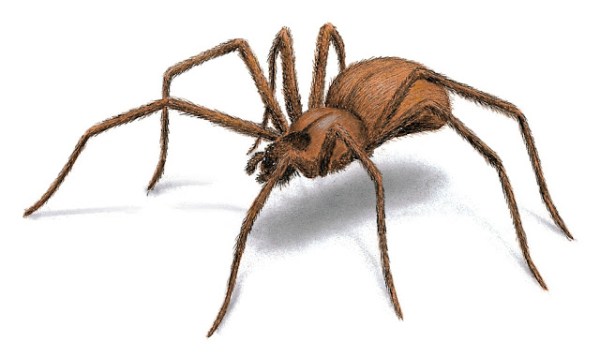
Kalhana, the 12th century chronicler of Kashmir History, gives strange information in his Rajatarangini. He talks about a disease called Luta (meaning Spider). In Tamil also we have a disease called Silanthi (Spider), but it is not a fatal disease.


Here is what Kalhana (Fourth Taranga, slokas 524-529) says,

“At this junction in the principality of Rajah,there arose among the townsmen a calamity caused by the epidemic of Luta.

“The disease is contagious and fatal there owing to a peculiarity of the country and hence the living being who is attacked by Luta is forsaken.

Hearing this King Jayapida planned and brought secretly through his servant the necessary articles to prevent the disease.

By swallowing this, which tended to cause an overflow of bile, his bile was excited and he got fever; by applying the milk of Vajravrksa (tree) he was covered with boils.

His adversary having heard from the mouth of the guards that he was attacked by Luta and thinking that he would no doubt perish expelled him from the country.

In this manner, having crossed with the might of his own intelligence the ocean of calamity he seized the hill fort, which extended up to the sky, as well as the fame of the antagonist”.


Kalhana here explains how the king used the fatal disease Luta and escaped and captured new territory in around 750 CE.

The translator of Rajatarangini M P Pandit says in the footnote,

“ Luutaa= Literally a spider. It is a common belief that a certain kind of spider if it walks over the human body produces skin eruptions, hence a kind of skin trouble – rash and pimples- it is known as Luta.


Vajravrksa = a shrub like Arka, the juice of which if applied to the skin produces eruptions. Kig Jayapida used this to get false eruptions and pretended that he got Luta!

(When he British were looking for freedom fighters in Tamil Nadu, they used to pretend that one of the house holders was afflicted with small pox and hung the margosa leaves (neem eaves) in front of the house. The British were scared of this and never entered the street or the village).


Fatal disease!

And in the Sixth Taranga (chapter) of Rajatarangini, Kalhana says that Kng Kshemagupta died of Luta:

“Thus on the dark fourteenth (Krishnapaksha Chaturdasi) the , while engaged in the case, saw flames emerging from the mouth of a howling she jackal.

“The sight of this produced fear and trembling; he was seized of the Luta disease which fever was the cause of his death.

“With his body covered with eruptions of the shape of the split lentils on the ninth day of bright Pausa (Suklapaksha Navami), in the year 34 (of his rule), he died.

“Ksemagupta’s son, the infant Abhimanyu thereafter became king.”


In the Seventh Taranga

Kalhana says, “Then when Rudrapala died of the Luta disease the other Sahi princes, too, very soon met their end.


In the Eight Taranga

Thus, when some months had passed by, the king as luck would have it, suddenly fell ill suffering from a skin disease.


In another foot note here the translator MP pandit adds, “I am indebted to Vaidyaraj Pandit Ramachandra, my fellow prisoner in the district jail at barely, for the following references to the disease of Luta, Dadakaalasaka (7-1443) and Trsnaa mentioned by Kalahana.

Lutaa- see Astaanga Hrdaya, Sutrasthana chapter 5-verses 6-13.

–Subham–