Are Dravidians Habitual Thieves? Mystery of Hill Tribes- Part- 6 (Post No.2956)

new tribe 12

Research Article Written by London swaminathan

Date: 9 July 2016

Post No. 2956

Time uploaded in London :– 17-54

( Thanks for the Pictures)

DON’T REBLOG IT AT LEAST FOR A WEEK!  DON’T USE THE PICTURES; THEY ARE COPYRIGHTED BY SOMEONE.


(for old articles go to tamilandvedas.com OR swamiindology.blogspot.com)


Part 5 was published here on 6th of July. First part contains a detailed introduction.


Source book: The People of India by Sir Herbert Risley, second edition 1915, London


Now I will give the description of H.Risley, a foreigner,  with my comments side by side:
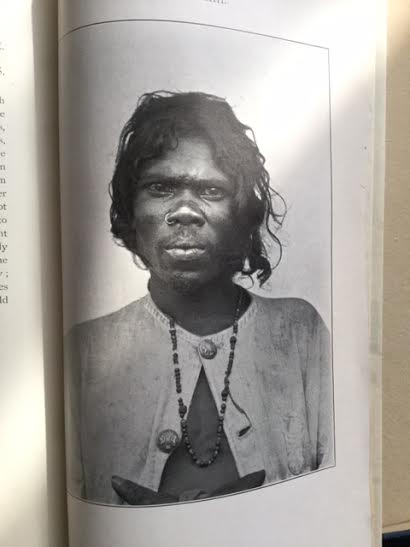
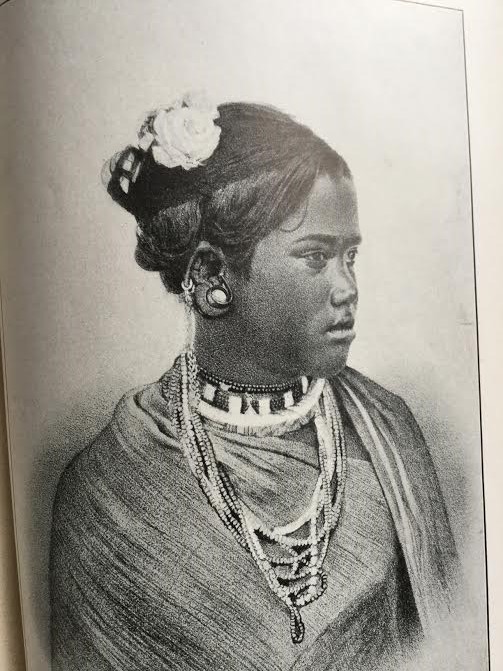
plate 33

Sholaga from The Nilgri Hills, Pure Dravidian Type (Plate 33)


“The Sholagas are a jungle tribe inhabiting the British district of Coimbatore and the adjoining parts of the Mysore state. They live on millets paste and yams, supplemented by sundry jungle animals and birds, but they will not eat parroquets, which they say they are their children. Their main occupation is the collection of various jungle fruits, roots, bark and hony in the cavities of the rocks. They bury their dead, and after the funeral erect in the burial ground of the sept to which the dead man belonged a memorial stone to serve as an abode for the spirit. They are excellent trackers of game, and some of them have recently begun to do a little rude cultivation. Those of the better class have a simple form of marriage ceremony; but the poorer members merely elope with their brides to a distant jungle, and return home only after a child has been born”.


My comments: – Parrots are raised by Brahmin families who treat them as children. It is found in Mandanamishra’s house during Adi Shankara time and in Brahmin houses of Sangam Tamil period according to Sangam literatre (see Perumpaanaatruppadai). In both cases they say that the parrots repeated the Vedas said by the Brahmins. Here we see pure Dravidians treating parrots as children and never eat them! Though the hero stones (memorial stones) are seen in sangam literature it was laid only for heroes. Laying stones for the dead is seen in many cultures. Brahmins do it at the backyard or in the crematorium and Tibetan Buddists do it which is seen on the banks of Manasarovar in the Himalayas. So in the above we don’t see anything Pure Dravidian. Burial and cremation were found in Vedas and the Tamil Sangam literature.  Their belief in the spirit of the dead is purley a Hindu belief.
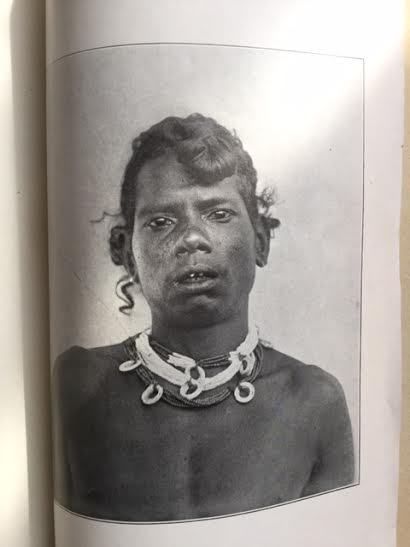
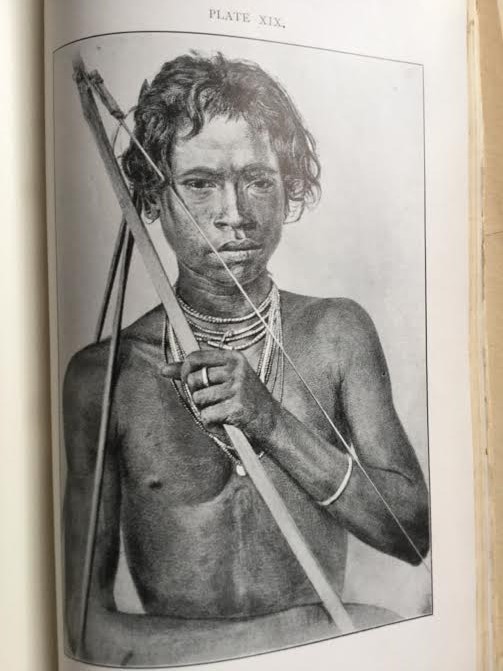
plate 34

A Kadir from the Anaimalai Hills, Madras Pure Dravidian Type (Plate 34)


“The Kadirs are a jungle tribe found in the Anaimalai Hills of Madras and other ranges extending southwards into the State of Travancore. They are of short stature with dark skin and borad nose they are a happy people, living on the produce of the forests where they reside. They are nomad in habit, building neat huts at places which they temporarily occupy; good trackers and experts in the pursuit of game; wonderfully clever in climbing high trees, their method of ascent, closely resembling that of the Dayaks of Borneo. They have a horror of cattle, and will not touch the products of cow. Their reticence in regard to the disposal of the dead has given rise to a legend that they eat the corpse.


The remarkable custom of chipping the teeth curiously resembles that of Jakuns of the Malay Peninsula. The Kadirs chip all the or some of the upper and lower incisors into the form of a sharp-pointed, but not serrated, cone. This is done by means of a chisel, bill-hook and file. Both sexes undergo the operation; it is said that it makes an ugly man or woman handsome, and that a person who has not been improved in this way has teeth and eats like a cow”.


My comments: The writer himself compares the Kadirs with people living in Borneo and Malaya. Their belief about cow and handsomeness are strange; Within a small area of Nilgris we have seen different tribes with diametrically opposite beliefs. There is no relationship between them except the skin colour and broad nose. How can we justify they all belonged to Dravidian Race? All these artificial divisions created by the white skinned foreigners to justify their occupation of India. All these prove what I have said in the introduction.

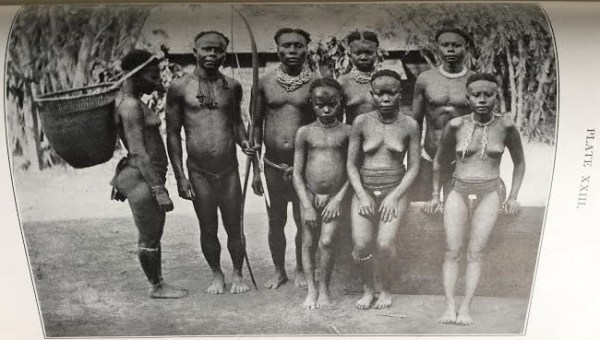
palte 35

Dom Basket makers from Bihar (Mixed Dravidian Type)- Plate 35 

“The doms are semi nomadic tribe found in Bihar and the adjoining districts of the United Provinces of Agra and Oudh. One group of them, known as Maghaiya, are habitual thieves and burglars. Other sections are more or less settled, and live mainly by making mats and baskets out of the slips of bamboo. Their social statues is very low, because they eat beef, pork, horse flesh, filed rats and even the flesh of animals which have died a natural death – all abominations to orthodox Hindus. They act as executioners, and at holy places lord it at the burning ground, because they alone can supply fire to light the funeral pyre, and they must be heavily bribed before they will permit the corpse to be cremated.


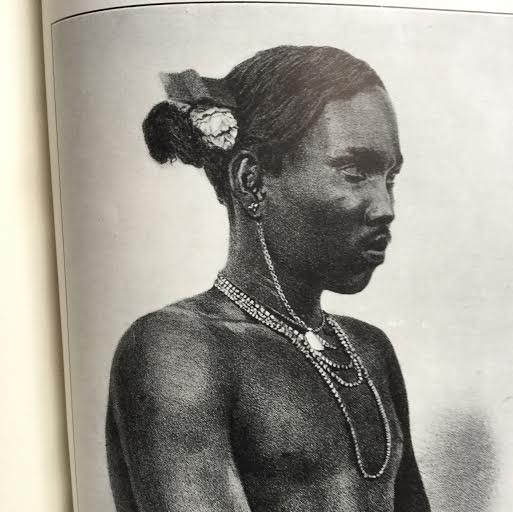
My comments: Here the Dravidians are described as habitual thieves. The fact of the matter is we see robbers who kill the travellers and rob them, in Tamil Sangam and Sanskrit literature. There is no question of Dravidian or Aryan here. A section of the jungle dwellers led their life like robbers. We such people around the world. Nandanar was not allowed to enter the holy town of Chidambaram in Tamil Nadu because he also belonged to the caste of beef eaters. At last he became a pure man and entered the town and made a saint by the Tamils. Circumstances and living conditions only made them robbers no Dravidianis is in it. Kallars of Tamil Nadu were also were like that. But their belief in God was beyond comparison. Kannappan who was born in a family of hunters became a saint in Tamil Nadu 1500 years ago. We see a pure soul in the character of Dharmavyadha, the butcher in Mahabharata.

As I said in my introduction, there was no racial division in India. From time immemorial we see city civilization and tribal culture existing at the same time, leading their lives without any clash. But white skinned foreigners concocted the story of one race driving the other into forests. It is proved a blatant lie by the thousands of differences among the hundreds of tribes.


to be continued…………………..


Mystery of Hill Tribes of India – Part 5 (Post No.2948)

new tribe 1

“Picture of Korwas, one of the wildest of the Kolarian tribes in the Province of Chutia Nagpur” (from 100 year old book)

Research Article Written by London swaminathan

Date: 6 July 2016

Post No. 2948

Time uploaded in London :– 16-20

( Thanks for the Pictures)

DON’T REBLOG IT AT LEAST FOR A WEEK!  DON’T USE THE PICTURES; THEY ARE COPYRIGHTED BY SOMEONE.


(for old articles go to tamilandvedas.com OR swamiindology.blogspot.com)


new tribe 3

Picture of an Oraon

Part 4 was published here on 24th of June. First part contains a detailed introduction.

My points of view

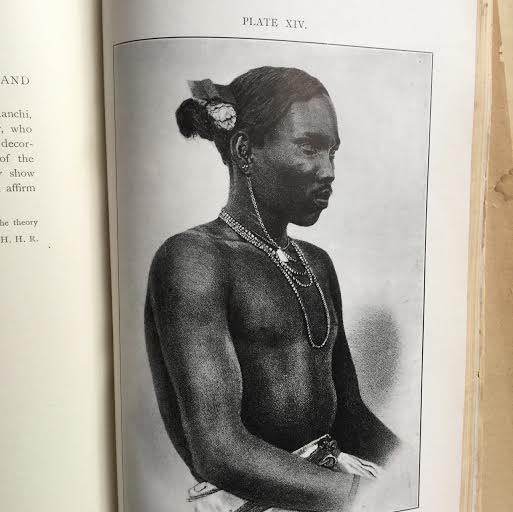
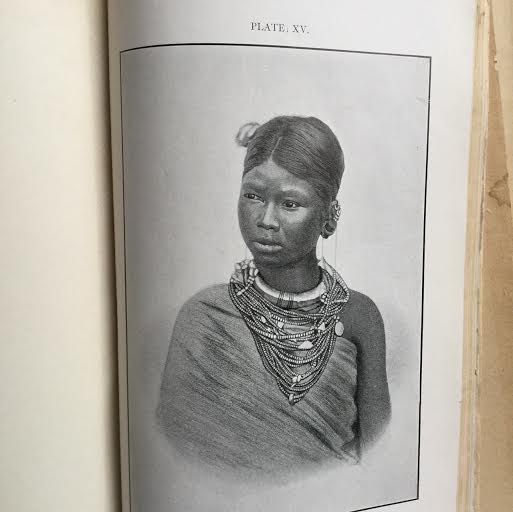
Foreigners called the hill tribes “natives” and “aborigines” dividing the Hindu community which is wrong; in fact, they are just forest dwellers. They were ‘uncivilised’ in western eyes. This is also wrong; in many cases, tribes were more honest and truthful who stuck to some beliefs. Foreigners told us that the tribes also came from north west of India; this is also wrong. We have proof at Bimbetka caves and other places to show that they have been living here for more than 30,000 years.


They lived simultaneously with the city civilisation of Vedic India and Indus Valley civilization. There are lot of proofs in the Vedas, Ramayana and Mahabharata to show that they were part and parcel of Hindu society. Jatayu of Eagle tribe in the Ramayana called Dasaratha his father (like father). Hanuman of Monkey tribe was well versed in Nava Vyakarana.


Like today they were living in forests leading their own life and minding their own business. 2000 year old Sangam Tamil literature show all the tribes lived at the same time of Pandya and Chera kings. There is a beautiful description of the hunters and what they brought for the great Chera King Senguttuvan (See Silappadikaram). Senguttuvan’s period showed a highly developed civilisation who sold black pepper to the Romans and got gold bars. Raguvamsam of Kalidasa also showed the condition of the forest tribes when emperor Raghu ruled.


Foreigners are wrong in saying that one race drove away another race to the forest.


One may wonder, why then there is a visible difference in their appearance? Why then there is a difference in languages?


Simple answer is they have been living separately for thousands and thousands of years. Hindu scriptures are the only scriptures in the world which talk about life over millions of years. Other histories are based on 5000 year scale. Hindus are the only one race who divided the mankind in to 18 groups (I have written an article on the 18 groups a few years ago; but foreigners divided there Aryan, Dravidian, Munda, Mongoloids and aborigines)


Now I will give the description of a foreigner with my comments side by side:

Source book: The People of India by Sir Herbert Risley, second edition 1915, London


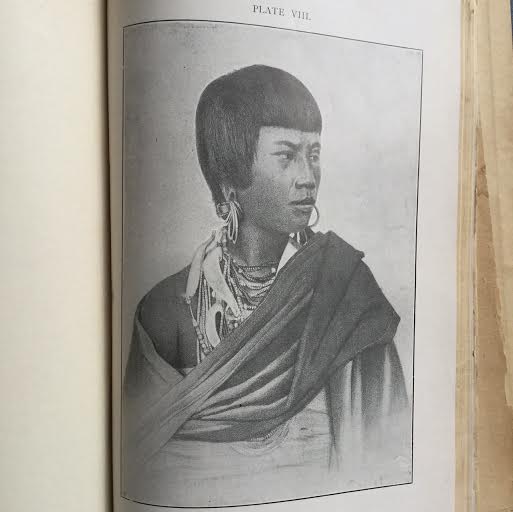
Oraons (Pictures: Plates 17 and 18)

“The nucleus of the tribe is in Chutia Nagpur proper, from whence they have spread as settlers to all the surrounding districts and as labourers to Assam, Kachar, Mauritius, the West Indies and other British and French Colonies”.


My comments: They were so innocent that the foreigners exploited them by telling them lot of lies. They were bought from their parents using agents and made them to work like animals on foreign soil. Tamil poet Bharatiyar has sung about their plight in Fiji and Pacific islands. Films also were made on this theme.

Oraons’ jewellery is very different from other tribes living in the same area. Why? If they are part of the same Dravidian stock, there can’t be hundreds of differences!

new tribe 7

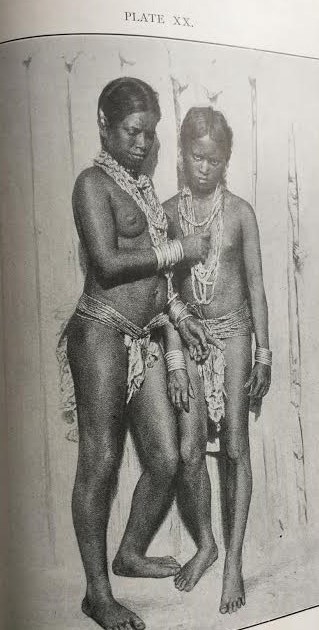
Juang man and Girls (Plate 19 and 20)

“Keonjhar, one of the Cuttack Tributary states, is the legendary cradle of the race.  The beads forming the girdles worn by the girls are of fine earthenware made by themselves. The bracelets are of brass and the necklaces of glass beads or flowers. The rest of the attire is of leaves. The origin of Juang millinery is obscure. According to one legend the goddess of the Baitarani river caught a party of Juangs dancing naked, and ordained for the women, on pain of divine displeasure, the costume shown in the illustration. This consists of the young shoots of any tree with long soft leaves, struck through the girdle in front and behind suitably draped. For the men, the goddess prescribed a shred of bark from the Tumba tree, which has now given place to an exiguous piece of cloth”.


My comments: The leaf attire is mentioned in hundreds of places in Sangam Tamil literature;(See my article on this subject)  one must note that it was the condition of the forest tribe even when great Tamil emperors traded with the Romans and amassed golden bars. The concept of River Goddess is purely a Hindu concept. All over India the river goddesses are propitiated even today. The name Baitarani is of pure Sanskrit origin.

new tribe 12

Juang Girls with Leaf Attire

Bendkar tribe (Plates 21, 21)

“The man holds the only implement they use in tillage. It is the origin of the plough! The typical form of the Bendkar plough is at straight piece of a branch of a tree with a shorter piece of another branch growing out of it. The long piece forms the handle, the short one the share. They don’t use iron or cattle in their agriculture.”


My comments:

They also live in the Keonjar area like Juangs, but they use a primitive plough. Juangs gather food from the forest where as Bendkars cultivate. So much difference between one tribe and another tribe in the same area. Why? If they are of the same Dravidian stock, one would have learnt better techniques from another; so foreigners’ theories are wrong.

new tribe 9

Juang Male with spare arrow in his hair!

Andaman Tribes

“The Andamanese represent a type found only in these islands and have affinity with no other race on the Indian subcontinent. They are probably a remnant of a Negrito people at one time inhibiting Burma or the Malay peninsula. In ancient times Andaman islands see to have been connected with the Malay peninsula, and thus migration became possible. They are nomadic. Their numbers have considerably decreased owing to infertility, high infant mortality, increased death rate among adults due to the influence of civilisation and imported diseases.”


My comments: Divisive and cunning foreigners divided Hindus into Dravidians and Aryans without any proof, based on languages and skin colour. When they met some problems, they created more races such as Munda, Mongoloid and aborigines. When they came across Veddahs and Andamanese they created more races such as Negritoes. But New Guinea island alone has got over 700 languages spoken by the aborigines. Australian aborigines have got over 200 languages. Do they belong to 700 and 200 different races?

About the skin colour: If man has originated in Ethiopia as we believe today, why then we all look differently -brown, white and black? When did this change happen? How did this change happen? Where is the place of race if all of us came from Africa 40,000 years ago? If climate decides the colour of the skin, how come there are black birds living in temperate regions and white birds living in tropical regions? If mutation of genes is the cause what is the role of the race then?

Bendkar male and female

The fact of the matter is when you live in isolation you develop your own language, your own customs and your own beliefs. When you are exposed to outside influence, changes happened. Thousands of years ago the changes happened very slowly. All the old race theories are becoming obsolete with genetic research.

Jarawas of Andaman islands are cannibals; hunters of men. Are they Dravidians? Or Negritoes? Do all the Dravidians and Negritoes are man eaters (cannibals)?

In short, the hill tribes and aborigines are a great mystery. A lot of research is required before forming any theories. On the contrary, jaundice eyed foreigners divided the Hindus and then looked for theories!

new tribe 16

Picture of  Andamanese

To be continued………………


Munda Tribe follows Brahmin customs! Mystery of Indian Hill Tribes – Part 3!(Post No.2914)


tribe 36

Picture of a Munda

Article written by London swaminathan


Date: 22 June 2016


Post No. 2914


Time uploaded in London :– 17-11


( Pictures are taken from various sources; thanks)


DON’T REBLOG IT AT LEAST FOR A WEEK!  DON’T USE THE PICTURES; THEY ARE COPYRIGHTED BY SOMEONE.


(for old articles go to tamilandvedas.com OR swamiindology.blogspot.com)


Please read the first and second parts published yesterday and day before yesterday, where there is a detailed introduction.

 tribe 22

Munda Tribe


Munda tribe is found in Chota Nagpur area. The name Munda is of Sanskrit origin. Foreigners classified them as Dravidians but there is no Dravidian or Aryan element in them. They are typical Hindus. Munda means headman of a village.. Mundas themselves use this word as titular or functional designation.
This is similar to Santals calling themselves Manijhi, the Bhumij- Sardaar and the Khambu  of the Darjeeling hills Jimdaar.


The general name Kol, which is applied both to Mundas and Oraons mean a pig killer according to Herr Jellinghaus. Another interpretation is that it is similar to horo of Mundas,which means man.

 tribe 23

Origin of Man

The Munda myth of the making of mankind tells how the self existent primeval deities Ote Boram and Sing Bonga created a boy and a girl and put them together in a cave  to people the world. The innocent boy and girl did no what to do, but when they dank rice beer  their passions were inflamed . later their number reached 12 male and 12 female. Singa Bonga placed before them different kinds of food and the fate of their descendants were decided y their choice.


The first and second pairs the flesh of bullocks and buffaloes and they originated the Kols; the next took of the vegetables only and are the progenitors of the Braahmans and Chatris (Brahmans and Kshatriyas); others took goat and fish, and from them are the Sudras. One pair took shell fish and became Bhuiyas; two pairs became pigs and they became Santals. One pair got nothing, seeing which the first pairs gave them of their superfluity; and from the pair thus provided spring the Ghasis, who toil not, but live by preying on others.

Source: People of India by Sir Herbert Hope Risley, 1915 (Second Edition)


My comments:

Even the Mundas accept that mankind originated from one ancestor. They said Brahmins and other castes appeared at the same time. They believed in caste divisions; they believed Brahmins are pure vegetarians. No one could have put all these into their mouths. The God they mentionas Ote Boram is Adhi Brahma. Hindus believe that Brahma created the world.


The Mundas are divided into 13 sub-tribes such as Kharia- Munda, Mahili- Munda, Oraon- Munda, Bhunihar – Munda, Manki – Munda. Each one has a totem symbol and tey won eat the flesh of that particular symbol/animal.

tribe 24

Gotra System

Hindus, particularly Brahmins, wont marry in the same Gotra. Mundas also followed the Gotra system a Munda will not marry a woman of his own sect/sub tribe. The gotra/clan name goes by the father’s side. It is same with the Brahmins even today.


Adult marriage is still in fashion and sexual intercourse before the marriage is tacitly recognized, but in all respectable families matches

Are made by the parents, and the parties have very little to say in this matter. It is same in Brahmins families until today. Only when they migrate to foreign countries Brahmin children become uncontrollable. Because the male-female ratio gap is wide parents also keep quiet.


Bride price varies (Bride price is called Sridhanam in Hindu families. At one time it reversed and given to Bridegroom; now it is the bride who gets it again. Brides are in shortage.

Sindurdhan or the searing of vermillion on the bride’s forehead by the bridegroom and on the bridegrooms forehead by the bride is the essential and binding portion. This is also part of Hindu marriages. Only married Brahmin ladies wear sindhur on the parting of their hair.


The practice of marrying the bride to a Mahua tree (Bassia latifolia) and the bridegroom to a mango tree seems now to have been abandoned.

Widows may marry again by the ritual known as sagaai in which the Sindur dhan is performed with the left hand; this is also typical Hindu custom. Hindus will do only unusual or inferior things with their left hands .Divorce is allowed at the instance  of either party.

tribe 27

Worship of  Sun God

At the head of the Munda religion stands Sing Bonga, the sun, a beneficient but inactive deity, who concerns himself but little with human affairs and leaves the details of the executive government of the world to the gods in charge of particular branches or departments of nature.. he may be invoked to avert diseases. White goats or white cocks are offered to him.

Hindus worship sun every day by doing Surya Namaskar. A Sanskrit proverb says Get Health from the Sun. Brahmin Hindus worship sun thrice a day through water oblations.


Next in rank to Sing Bonga comes Buru Bonga or Marang Buru, also known as Paat Sarnaa, a mountain god, whose visible habitation is usually the highest hill in the neighborhood. This is also typical Hindu belief. Hindus worship all mountains in particular The Golden Meru and The Silvery Kailash I the Himalayas. Brahmins say the name of Meru every day to mention the direction. They always say whether they are south of Meru or North of Meru in their daily rituals.. Mundas sacrifice animals at the top of a rock in Lodhma. Marang Buru is prayed for rains. He is offered a buffalo during droughts. Ikir Bonga is he god of tanks and lakes. Garhaera is the Goddess of rivers, streams and springs.


Chandor, the moon is worshipped by women. This is also typical Hindu belief. She is the wife of Sun God.


Since they eat meat they sacrifice animals to all their Gods and Goddesses. All their beliefs are similar to Hindus. There is no Aryan or Dravidian as claimed by the divisive foreigners.


All their festivals are also based on seasons like the Hindus.

tribe 28

Funeral ceremonies are like that of the Hols. Munda villages fly a particular flag in villages during the festivals. This is also very similar to Hindu Temples Dwaja Arohan practiced even today in South Indian Temples.


Foreigners concocted theories about the tribes are exploded by the study of all the hill tribes.


tribe 30


tribe 32


tribe 33


tribe 34


tribe 37


tribe 38

tribe 40

–subham–


Mystery of Indian Hill Tribes – Part 2!(Post No.2912)

tribe 11

Research Article written by London swaminathan


Date: 21 June 2016


Post No. 2912


Time uploaded in London :– 19-19


( Pictures are taken from various sources; thanks)


DON’T REBLOG IT AT LEAST FOR A WEEK!  DON’T USE THE PICTURES; THEY ARE COPYRIGHTED BY SOMEONE.


(for old articles go to tamilandvedas.com OR swamiindology.blogspot.com)


Please read the first part published yesterday, where there is a detailed introduction


 tribe 13

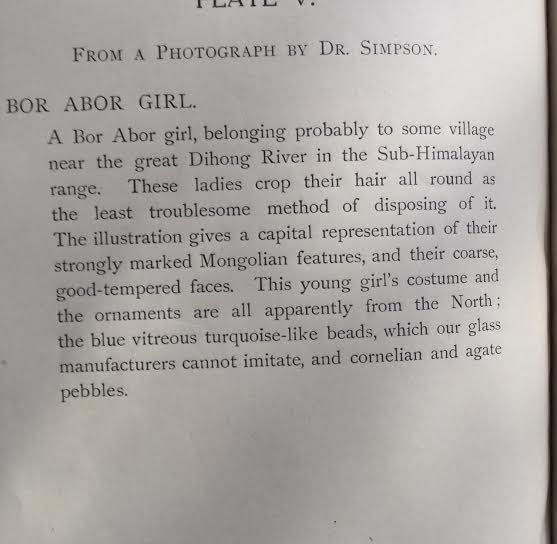
My comments: Bor Abor women cropped their hair which was unusual in India. They were semi precious stones  like the wearer of modern jewelries.


Look at he breast of the female figure. Sangam Tamil literature talks about Bra in hundreds of places. Tamil women used bra from Sangam age)


Tribes used totem symbols and half of the words are in Sanskrit.

We have totem symbols even in the oldest religious book in the world — the Rig Veda.

Kasyapa Rishi means Tortoise Rishi

Kaushika Rishi means Owl Rishi

Sandilaya Rishi means Bird Rishi

Manduka Rishi means Frog Rishi.

We have totem symbols in Ramayana and Mahabharata. Foreigners deliberately hid these factors and gave only the tribal totems in their book.

Following excerpt is from my previous post:

Several animal symbols were used as totem symbols by the tribes. So they were called by the animal names. Later writers took it for real animals and called them bears (Jambavan in Ramayana) and Eagle ( Jatayu in Ramayana). In real life bears and eagles were just human beings but with some animal tattoos or animal masks.

My comments: In all these stories (Janamejaya story of Mahabharata)  we see some environmental concern. When the kings try to kill all the snakes and all the frogs someone gives them good advice about environmental protection. Even if we take them as human beings with totem symbols, peace is restored by stopping the killings.

My comments (about Ayu story in Mahabharata) : Frog was a totem symbol of a particular tribe and Ayu was the king of that Frog tribe. Actually they are human beings, not frogs. We have poets and seers with the names such as Manduka Maharishi (frog), Therai (Toad) in Sanskrit and Tamil.  Mandukyopanishad is one of the major Upanishads. So what we read here is the story of tribal people. Since thousands of years passed before Vyasa collected all these stories and incorporated them into the epic for the benefit of posterity, the original meaning was lost. Now we have to read the story between the lines.

Naga is the totem symbol used all over the world. The opposing group used Garuda/Eagle(Please see my old articles linking Mayans and Indian Nagas from the Mahabharata period)


tribe 14

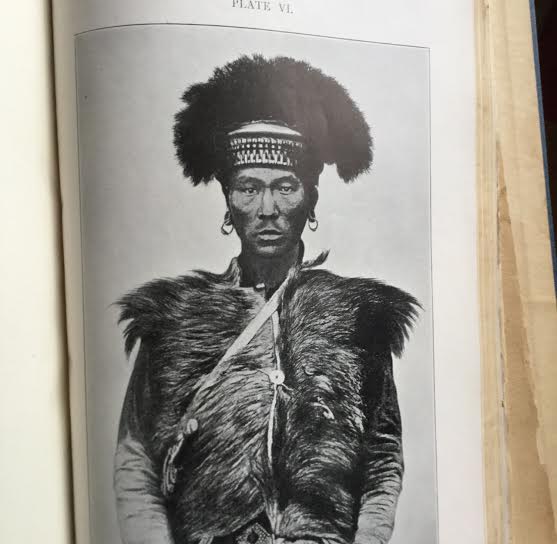
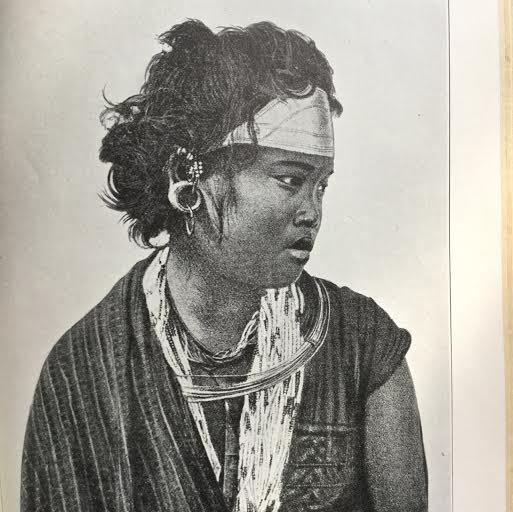
Picture shows a Chulikata Mishmi Chief in full dress

Now look at the totem symbols of the Tribes:

Oraon tribe

Tirki – Young mice

Ekka-  Tortoise

Kispotta –Pig’s entrails

Lakra- Hyena (Vyagra is Sanskrit word for Tiger)

Bagh – Tiger corrupted form of Sanskrit Vyag(ra)

Kujrar – Oil from Kujrar tree

Gede – Duck

Khoepa – Wild dog

Minji- eel (Meen is used in Sanskrit for fish)

Chirra – squirrel


Santal tribe

Ergo – Rat

Murmu – Nilgai deer

Hansda – Wild goose (Hamsa is a Sanskrit word for swan)

Maarudi – Grass

Besra – eagle

Hemron- betel palm

Saren – Pleiades (Sarvana is Sanskrit for Skanda of Pleiades/Kartika Star)

Sankh- Conch Shell (Sanka is a Sanskrit word for Conch; conch itself is Sanskrit)

Gua – areca nut

Kaaraa – buffalo

Bhumij Tribe

Saalrisi – Saal fish

Haansda – Wild goose (Sanskrit Hamsa)

Leng – Mushroom

Saandilya – bird (Vedic Rishi)

Hemron – Betel

Tumarung – Pumpkin

Nag – snake (Sanskrit)


tribe 17

tribe 20

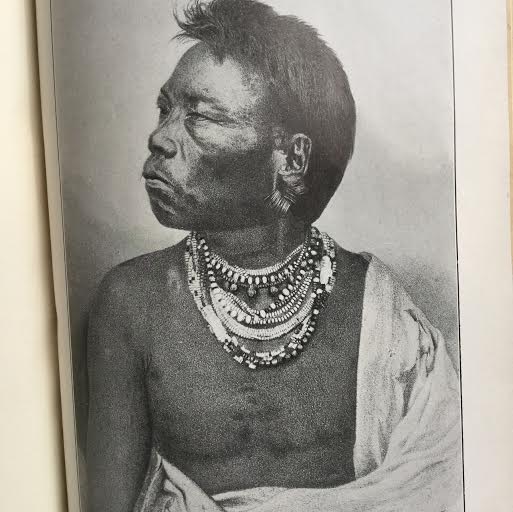
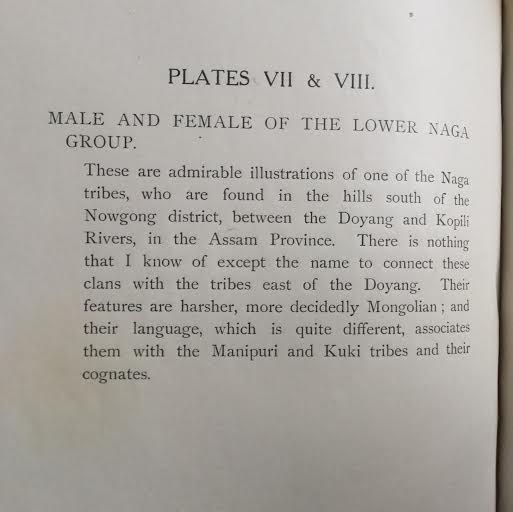
Naga chief wears shawl on the left shoulder like Hindus. Their facial features are mongoloid and their language is very different from old Tamil or Sanskrit.

Mahili Tribe

Dungri – Dumu fig

Turu – Turu grass (Sanskrit)

Kaanti – ear of an animal (Kaatu is a tamil word for ear)

Haansdaa- wld goose (Sanskrit)

Murmu – Nilagai


Koraa Tribe

Kasyab – Tortoise (Vedic rishi, sanskrit for turtle)

Saulaa – sal fish

Kasibak – heron

Haansdaa – wild goose (Sanskrit)

Butku – pig

Saampu – bul

Kurmi Tribe

Kesaria – kesar grass

Taraar – buffalo

Dumuriaa – dumur fig

Chanchmukuraar – spider

Hastovar – tortoise

Jhaalbanuaar – net

Sankhowaar – shell ornaments (sanskrt)

Baagbauaar – Tiger (Sanskrit)

Katiaar – silk cloth


Baag is a corrupted word of Vaag (Vyaagra)


Hindus were the first race in the world to have flags with totem symbols. Ramayana and Mahabharata give lot of information about flags. I have dealt with them in a separate research article.

So totem symbol is not a primitive one. Neither Aryan nor Dravidian. Even all the civilized groups had them. Now they remain in the flags and government emblems of many countries.


To be continued………………………………….

Mystery of Tribes in India- Part 1!(Post No.2910)

tribe 1

Research Article written by London swaminathan


Date: 20  June 2016


Post No. 2910


Time uploaded in London :– 17-41


( Pictures are taken from various sources; thanks)


DON’T REBLOG IT AT LEAST FOR A WEEK!  DON’T USE THE PICTURES; THEY ARE COPYRIGHTED BY SOMEONE.


(for old articles go to tamilandvedas.com OR swamiindology.blogspot.com)

tribe 2

Foreigners who came to rule India, divided Indians (Hindus) into two races Aryan and Dravidian; when their description met with some problems they created more groups such as Munda, Mongoloid and Aborigines. But neither the Sangam Tamil literature nor the older Sanskrit literature said anything about races. On the contrary they divided people into 18 groups and said that they all came from the same ancestors. Asuras (demons) and Devas (angels) prayed to the same Gods and got their boons. Asuras died because of their inherent weakness and bad qualities. Devas flourished because of their virtues.


Foreigners when classified the tribes put them in some boxes such as Dravidian, Aryan, Munda etc. But those who studied the customs of the tribes will be surprised to know that all have something common taken from Hinduism.

When you read about the tribes following questions will come into your mind:–

Where did they come from?

Why are they ‘uncivilized’ till today?

If they had come from the Indus Valley (according to divisive, cunning, jaundiced foreigners, “they are driven out by the invading Aryans”) why don’t they speak one language? Why do they speak different languages?

How come there is no common link among the languages?

tribe 3

tribe 5


If they have come from the civilized Indus valley how come all the tribes became uncivilized?

How come they have Sanskrit in their Gods names or totem Symbol names? (Please wait for more details in the following days)


Why don’t they worship the same God?

How come they claim different origins/ different ancestors?

Why are their marriage customs, funeral customs, taboos and totems differ very widely?

How come in a small area (for instance Nilgris) there are different tribes with different customs?

How come there are cannibals (jarawas) in the Andaman Nicobar Islands?


Why didn’t we find skulls or skeletons with similar features of these tribes or the so called Dravidians?

How come we found only so called ‘Aryan’ skeletons (with modern Punjabi features) in the Indus Valley Civilization?

tribe 6


tribe 8


tribe 10

My brief answer is:–

Even during Ramayana and Mahabharata times, tribes lived simultaneous with the epic/city civilization. We have enough proofs in the epics (Please read my articles Are Mayas Indian Nagas? Similarities between Nagas and Mayans, Origin of Gondwana )


I have already shown Gonds are from the Khandava vana burnt by Arjuna and Krishna; Mayans also were from the Gond+wana= Khandava Vana land.


Aborigines or tribes must have lived even during Indus Valley time. Bhimbetka cave paintings show that there were people living in the heart of India 20,000 years before the Indus Valley Civilization!

The reason for differences in the languages and customs is that they have been living here for very long time in isolation/independently.


I have been reading about the tribes of India for the past 45 years. There were articles in Dinamani Sudar and Manjari in regular periodicity. Even the word Munda is Sanskrit according to Sir Herbert Risley (Author of The People of India, year 1908) I am going to present you over thirty pictures of the ancient people of Bharat from Risley’s 100 year old book. You yourself decide after seeing their dress, jewellery, totems etc.


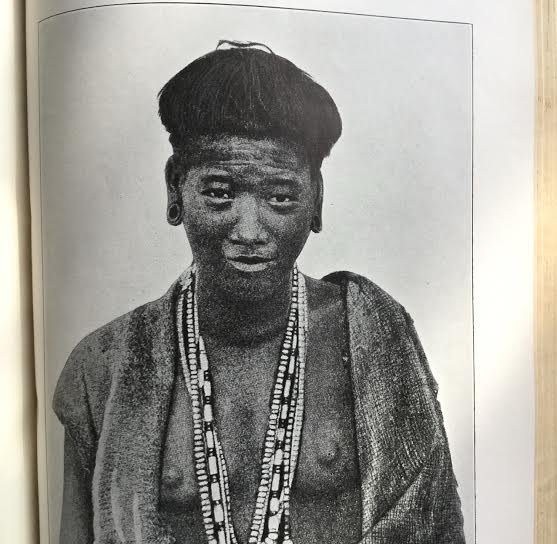
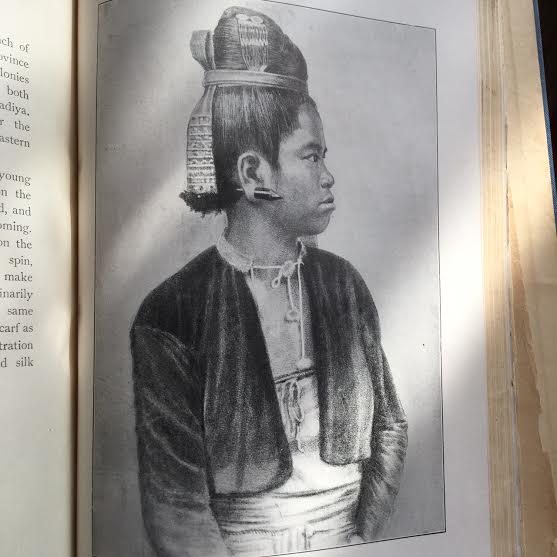
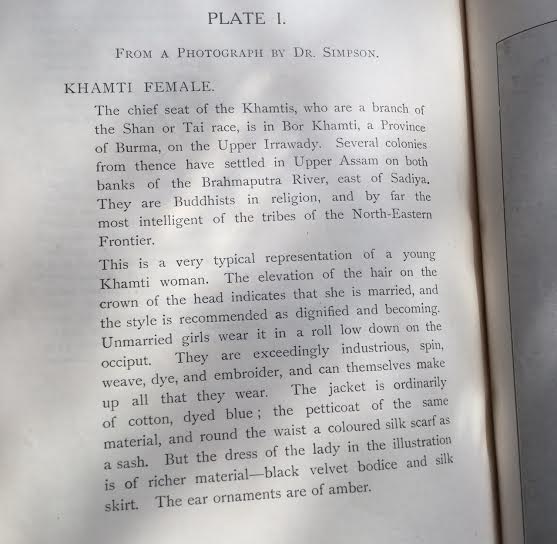
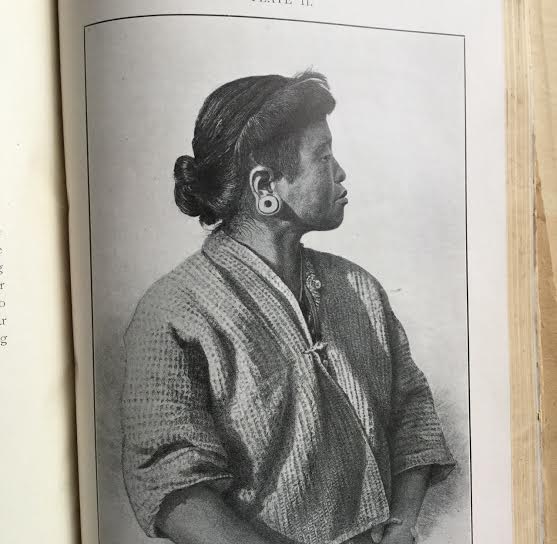
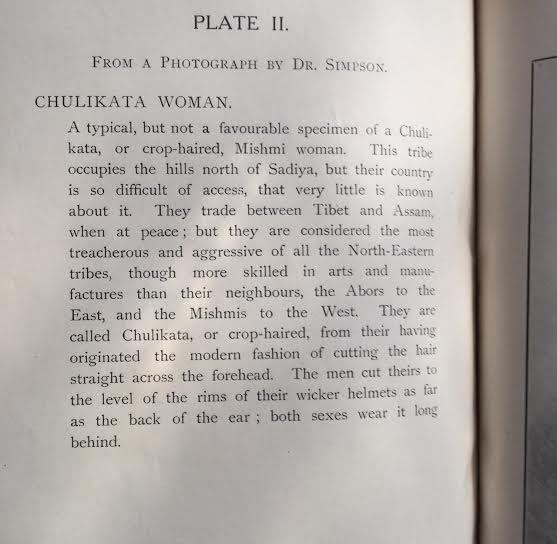
These are about a few tribal communities of North East India. Even within these three communities we see so many differences in hair style, jewellery, appearance etc. In the civilized Hindu society one can easily differentiate a married woman from unmarried woman. by looking at the toe ring (Metti in Tamil), Mangala Sutra (Thaali in Tamil), Madisarai style of Sari, Kunkum/Tilak on the parting of hair etc. In the first picture KHAMPTI female the hair style shows whether she is married or not where as in other tribal communities we dont see it. This will raise lot of questions about their origin.


……to be continued


‘Madura, Most Celebrated City of the Kingdom of Regio Pandionis’ (Post No.2831)

Temple_de_Mînâkshî01

Compiled by London swaminathan


Date: 22 May 2016


Post No. 2831


Time uploaded in London :–   20-37


( Thanks for the Pictures)


DON’T REBLOG IT AT LEAST FOR A WEEK!  DON’T USE THE PICTURES; THEY ARE COPYRIGHTED BY SOMEONE.


(for old articles go to tamilandvedas.com OR swamiindology.blogspot.com)


Excerpt from the book ‘India Revisited’ by Edwin Arnold, year 1886

“No towns of any importance are passed until the traveller arrives at Madura, one of the most celebrated cities of the ancient kingdom of the Regio Pandionis.

Madura, “the place of amenity”, according to its Sanskrit derivation, lies on the high road to Rameswaram, the sacred island of the Straits, and thus must have become very early as a famous site, full of schools, temples and palatial buidings.


One prince of the Nayak dynasty is said to have here erected or commenced 96 shrines, of which those that remain are striking examples of the religious architecture of India.


Temple of Minakshi or the Fish Eyed Parvati has nine large and small pagodas on its sides and angles. Four of them are of great height, soaring aloft in the form of sharp pyramids, covered from base to summit with stages of elaborately sculptured figures in stone, which have been minutely and ingeniously coloured, and stand forth from a ground of red – so that each gopuram looks like a mountain of bright and shifting hues, in the endless detail of which the stonished vision becomes lost. Range after range of gods, goddesses, heroes, and demons, in vivid tents, and with all their jewels and weapons dazzlingly brought out by gold and ochres, are seen mounting into  the air from the pillared basement where horses ramp and elephants twist their trunks, to the volutes at the top all blue and green and gold. Imagine four of these carved and decorated pyramidal pagodas, each equally colossal and multi coloured, with five minor ones clustering near, any one of which would singly make a town remarkable!

meenakshi 1919

The interior of this vast temple is full of picturesque courts and dimly lighted aisles, where numberless bats flit about among the lamps, and figures of the wildest fancy glimmer through the obscurity. We were not allowed – being known here only as passing travellers – to enter the very holy places of the building, and thus failed to see the “Tank of the Golden Lotuses” and the famous “Bench of Jewels”. This latter, if accounts be true, was a marvellous possession of the shrine. The candidate for election to the Synod of the college, after satisfactorily replying to his examination questions, was told to seat himself on the bench. If he were a worthy aspirant it expanded of itself from a mere knife- edge of a blue granite to  a commodious seat set with diamonds; if unworthy, the bench collapsed altogether, at the same time flinging the rejected  novice into the tank.


According to old legends, the useful institution came into disuse about the year 1028 AD, when a Pariah priest presented himself for ordination, bringing a remarkably clever Sanskrit poem. The proud ecclesiastics of Madura had grown idle and ignorant, and would have driven this humble  yet learned aspirant forth; but he was no other than the God Shiva himself in disguise,  who had come to claim admission to his own Sangha; and the Bench of Jewels expanded joyously  to accommodate the deity. The story goes that, , on beholding this condemnation of their order, the priests filled out one by one and drowned themselves respectfully in the tank of the Golden Lotuses.


Madura is a clean and well-kept city, full of many other interesting buildings and of picturesque combinations of palm grove and bazaar life which would delight an artist. In its streets may be  constantly seen, yoked ‘ekas’ and carts, those charming little  Guini bullocks, milk white and perfectly proportioned , but diminutive beyond belief. I saw one of them in the garden of Mr De Souza, at Colombo, which was a bull, as symmetrical as any short-horn sire of the Bates breed, and yet positively no bigger than a mastiff or Mount st. Bernard. I tried to buy some of these to bring home, but those offered were not of the true caste; and the man who had the better specimens encountered an evil omen on his way to my quarters. You must not do any business in India, if you meet with a one eyed person, an empty water pot, a fox, a hare, or a dead body!


Madura also produces the finest scarlet-dyed cloths in India – a distinction attributed to the virtues of the water of the River Vyga. In one of her streets is, moreover, to be seen a very simple, but a pleasing monument, recording the gratitude of the inhabitants to a former collector, Mr Black Burne.


This is a pillar of stone, of no architectural merit, but erected to perpetuate the name and virtues of the meritorious British official who transformed Madura from foetid and plague-stricken city to one which has become wholesome, aggregable, and handsome in aspect beyond most Indian towns. Every night a lamp is lighted upon his memorial, and it is only one of a thousand proofs of the benefits conferred upon India by the just and conscientious English rule, as well as of the solid appreciation felt for that rule by best minds among the natives.


meenakshi base view

“Political Mischief Mongers”

Political mischief mongers who talk at home or in India, of the discontent and ill will of her inhabitants towards the British are either ignorant or malignant. I have recently passed through hundreds of her towns and cities, and over thousands of miles of her districts – often wandering alone in crowded bazaars or solitary jungles — and have not encountered a single evil look or received one rude or unfriendly answer.  In conversation with intelligent people of all caste and classes I have found the blessings of our  strong and upright sway perfectly understood, and repaid — not, indeed, with affection, since that is asking too much from Hindu natures – but with respect, admiration, and general acquiescence. There are classes, of course, which will always remain hostile, and India is an ocean of humanity, about the various seas, gulfs and inlets of which no man can ever securely generalise. Yet I am personally convinced by observation and inquiry that the roots of our Raj – despite al drawbacks and perils – were never so deeply struck into the soil as at present, and that while we must strive more and more to develop the boundless resources of the country, and to win the hearts of her people by fearless, but wise and gradual expansion of their rights and liberties, India at large knows well that she has never received from Heaven aa richer blessing than the Pax Britannica”.


(Even scholars like Edwin Arnold justified the “just” and “conscientious” British Rule!!!)

Many of the things he has said about Madura(i) are also factually incorrect—London swaminathan.

–subham–

How Hindu Lahore became Muslim Lahore: A.H. Hallam Murray, Year 1905 (Post No 2829)

Lahore

Article written by London swaminathan


Date: 21 May 2016


Post No. 2829


Time uploaded in London :–  13-50


( Thanks for the Pictures)


DON’T REBLOG IT AT LEAST FOR A WEEK!  DON’T USE THE PICTURES; THEY ARE COPYRIGHTED BY SOMEONE.


(for old articles go to tamilandvedas.com OR swamiindology.blogspot.com)


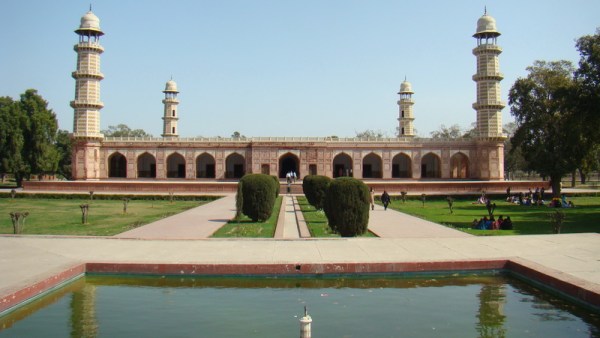
03 Lahore Jahangir's Tomb

Picture: Jahaghir Tomb in Lahore


“In old days, he who held Lahore held India, for it stands at the sluice gates through which, from the north-west – since the time of Alexander – the flood of many successive generations of India’s conquerors has swept. Into Lahore poured the first Mohammedan invaders at the end of the seventh century, and looted the great Brahminical city, of which years before, the Chinese Buddhist pilgrims, Fo-Hian and Hiuen- Tsiang, had described the splendour. Again three centuries later, the ten thousand picked horsemen of Mahmoud of Ghazni burst, “like a foaming torrent”, through the barriers and overwhelmed Jai Pal, the Rajput king of Lahore, at Peshawur. He was carried off, with rich spoils, into captivity, but released on promising a tribute: the disgrace, however, broke his heart, and mounting a pyre, he had had constructed, he applied the torch with his own hands, and perished in the flames.


The burden of the tribute passed to his son, Anang Pal, who was true to his inherited engagements, though other subjugated Rajahs were less loyal, and the northern Sultan returned in wrath and – defeating the largest army India ever had mustered- gained a firm foot in Hindustan. He occupied Lahore, which remained the capital of Musalman Empire, until 1194, when Mohammad Ghori, or Sahabuddin, whose dominions extended from Tibet to the Caspian, transferred the Metropolis to Delhi.


In the last years of the fourteenth century Lahore fell before the invasion of the lame   Timur, and when another 140 years had elapsed, it was once again sacked and pundered by the great Babar in 1526, who pushed his invasion further, and, after the victory of Panipat, founded the Empire of Moghuls. From that time Lahore ranked one of the great capitals of the East, and Milton, no doubts basing his estimate on  Mr William Finch’s remark, “This is without doubt one of the greatest cities of the East”, coupled it with Agra – in the well-known lines –

Samarckand by Oxus, Timur’s throne

To Pekin, of Simoean kings, and then

To Agra and Lahor of Great Mogul

Down to the golden Chersonese


The Mogul emperors lived here at intervals, and four great builders of the dynasty are all represented in Lahore: Akbar by the mixed Saracenic and Hindu architecture in the Fort and walls, Jehangir and Shah Jehan by their splendid palaces and the fanatical Aurngazeb by the great mosque. Subsequently the city became the scene of perpetual pillage and loot until the establishment of Sikh Kingdom under Ranjit Singh, a magnificent figure, who welded the Sikhs, under European officers, into the strongest native power in India; he was always a faithful ally of the British, and it was not till after his death, that two great wars led to the annexation of his kingdom”( by the British).

lahore-flash-mob

Picture of Lahore Fort

–A H Hallam Murray, London, 1905

From his book “THE HIGH ROAD OF EMPIRE”

–Subham–

Three Tamil Kings fast unto Death! (Post No 2820)

bow arrow

Research article written by London swaminathan

Date: 17 May 2016


Post No. 2820


Time uploaded in London :– 20-49


( Thanks for the Pictures)


DON’T REBLOG IT AT LEAST FOR A WEEK!  DON’T USE THE PICTURES; THEY ARE COPYRIGHTED BY SOMEONE.


(for old articles go to tamilandvedas.com OR swamiindology.blogspot.com)


Tamils who lived 2000 years ago valued good reputation and family honour. They thought that it was better to die than to live in disgrace. This is a typical Hindu thinking. Throughout Valmiki Ramayana we come across several references to losing one’s life just to save their name and fame. Rama, Lakshmana, Bharata and Hanuman thought of killing themselves once or twice because they couldn’t do what they were supposed to do. The popular method of losing one’s life was jumping into a ritual fire. Alternative method was fast unto death.

IMG_3325

Tamil literature has listed at least three kings who lost their lives by ritual fasting.

Popular Tamil poet Tiruvalluvar says in his

Tirukkural (970)

The world will admire the glory of men, who give up their life,

When overtaken by dishonour

Purananuru, part of Sangam literature, has a verse sung by the Chera king Kanaikal Irumporai (Puram 74). He was defeated by the Chola king Chenganan. After his defeat hhe was thrown into the prison. Suddenly he felt thirsty and he asked for some cold water. The prison guards delayed t under some false excuses. He fasted unto death and refused to take the water which was brought to him after a deliberate delay.

He sang the verse when he was insulted by the prison guards:–

“Royal babies that die and even moles delivered from the womb of queens, even though they are not men, are cut to pieces with swords (warriors are supposed to die in battle fields; so it is done symbolically as if they died in battle fields). When this is so, could any king beget a son, when tied like a chained dog, would be so weak to drink  water charitably offered by his jailor, for allying the  fire in his stomach?”


When he got the water after a long delay, he composed this poem, holding the water in his hand. He never drank it. He starved him to death.

Tiruvalluvar says in another couplet

Hair lost, the yak lives not

Honour lost, noble men leave their life(969)

Ike hair that is fallen from the head are men athat have fallen from their height (964)

Pandya_territories

Asi Dhara Vrata (Sharp Sword Edge Vow)


It is like standing on the sharp edge of a sword. The meaning is  it is difficult to maintain that balance or it would hurt if slipped. A bachelor can lie in the same bed with a beautiful girl but yet never swerve from the vow of chastity. It is said that a sword will be placed in between them in the bed according to the commentator (Raghuvamsa 13-67).


When Rama returned to Ayodhya after 14 year stay in the forest, he saw Bharata walking towards him. He praised Bharata as practising Asidhara Vratam, without enjoying the Rajyalakshmi  (Kingdom or Earth is praised as Lakshmi, Goddess of Wealth in Hindu scriptures).


Tamil Kings Kopperum Choza and Neduncheralatha


Tamil Kings Kopperum Choza and Neduncheralatha of Sangam age also followed similar type of vow. They sat facing North on the banks of a river and fast unto death. They were also holding a sword in their hands, probably meaning the same, i.e. sharp edged vow. Verses in Purananuru 65 (by Kazath thalaiyar) and Akananuru  55 (by Mamulanar) are about the Chera King Neduncheralathan who died facing North. When such a great person sacrificed his life, scholars and general public joined them and made it a “mass suicide”. We see it when Lord Rama drowned himself in the Sarayu River and in the Tamil Kings’ deaths. Lot of Tamil poets and scholars joined them in the fast unto death ceremony. In Tamil it is called “Vaal Vatakkiruthal”, meaning Facing North with a Sword.


When the greatest of the Chola kings, Karikalan fought with Chera King Nedunseralathan, Chera king was wounded on his back. No Tamil king tolerated a wound on his back. Those who were injured on the back were called cowards. So Chera king decided to die through fasting. Several poets sang in praise of both the kings ( see Puram verses 65 and 66).


In another episode we read about a family feud where the sons of Chola king Kopperuncholan revolted against their dad. Immediately a poet advised him to go into fasting. When he decided to die through fasting, several famous poets joined him and died with him. One of them, Pisiranthaiyar, has never met him but considered him as his best friend (see Puram 214 to 223).


IMG_3459

Apart from Jain’s Sallekhana we come across several examples in Sanskrit scriptures. Kishkinda Kanda of Valmiki Ramayana has one such episode. Angatha, son of Vali, went in search of Sita, but in vain. He decided to sit tight on Dharba grass and die. Only minor difference was he faced east but not north.

Alexander and Purushottama

When Alexander the Great conquered the valiant Hindu King Purushottama alias Porous, he asked him how he would like to be treated, Purushottama said,

“I am King. Treat me like a king”.

Alexander was greatly impressed with his bold answer and treated him like a king. When Alexander saw this little king fighting valiantly, he had second thoughts attacking the mighty Mauryan army.

Honour was valued and no king could live in disgrace. Chittor Queen Padmini jumped into fire with hundreds of her loyal servants just the avoid the disgrace from the cruel Alauddin Khilji.


Honour in Animal World

Sangam Tamil literature gives some interesting details about Tigers. Tamil poets say that the tigers wont eat their prey if it falls on its left side. It will eat the animal only when it falls on its right side. In Hindu culture left is inauspicious and right is auspicious. All the auspicious things are done in clockwise direction (right turn) and inauspicious or funeral rites are done in leftward direction/anti clockwise direction. This simile is always used to illustrate the greatness of honour.

Tiger_2504157f

–subham–


Bernier’s Description of Peacock Throne (Post No.2808)

Shah_Jahan_op_de_pauwentroon

Written by london swaminathan


Date: 13 May 2016


Post No. 2808


Time uploaded in London :–  17-13


( Thanks for the Pictures)


DON’T REBLOG IT AT LEAST FOR A WEEK!  DON’T USE THE PICTURES; THEY ARE COPYRIGHTED BY SOMEONE.


(for old articles go to tamilandvedas.com OR swamiindology.blogspot.com)


Francois Bernier (1620-1688) was a French traveller and a physician to Moghul emperors. Following is his description of the Peacock Throne:

In a letter to M.de l Mothe le Vayer, dated July 1, 1663, contemporaneously translated, the Frenchman writes “The king appeared sitting upon his throne, in the bottom of the great hall of the Am-kas, splendidly apparelled. His vest was of white satin flowered and raised with a very fine embroidery of gold and silk. His turban was of cloth of gold, having a fowl wrought upon it like a heron, whose foot was covered with diamonds of an extraordinary bigness and price, with a great oriental topaz, which may be said to be matchless, shining like a little sun.


A collar of big pearls hung about his neck down to his stomach, after the manner some heathens wear here their great beads. His throne was supported by six high pillars, or feet, said to be of massive gold, and set with rubies, emeralds and diamonds. I am not able to tell you aright  neither the number nor the price of this heap of precious stones, because it is not permitted to come near  enough to count them, and to judge of their water and purity. Only this I can say, that the big diamonds are in confusion, and is the throne is said to be  worth four kouroures of rupies, if I remember well.  I have said elsewhere that a rupie is almost equivalent to half-a-crown, a lacquer to a hundred thousand rupies and kourour to a hundred lacques; so that the throne is valued forty millions of roupies, which are worth about sixty millions  of French livres.  That which I find upon it best devised are two peacocks covered with precious stones and pearls.


Beneath this throne there appeared all the Omrahs in splendid apparel upon a raised ground covered with a canopy of purified gold with great golden fringes, and enclosed by a silver balistre. The pillars of the hall were hung with tapestries of purfled gold, having the ground of gold; and for the roof of the hall there was nothing but great canopies of flowered satin fastened with red silken cords that had big tufts of silk mixed with threads of gold hanging on them. Below there was nothing to be seen but great silken tapestries, very rich of, of an extraordinary length and breadth. In the court there was set abroad a curtain tent as long and large the hall and more”.


Peacock throne of Shajahan

(from my old post)

Persian king Nader Shah invaded India in 1739 just for gold and gems like Alexander and Mohmed of Gazni. He took lot of invaluable jewellery items to Persia (modern Iran). But it is believed that the Peacock Throne of Mogul emperor Shahjahan was broken into parts and shared by the commanders of his army. But there are different thrones in Tehran (capital city of Iran) museum taken from India. These are displayed items and there are many more items not displayed. The King of Iran who ruled before Khomeini’s Islamic revolution took lot of items with him when he left the country.

But the original peacock throne was more valuable than this. It was made up of over 1100 kilo gold and 250 kilo gem stones. But the Peacock Throne in Tehran Museum is not the original one. Even the famous Kohinoor diamond was part of the throne. Two Peacocks made up of gems decorated the top of the throne. French traveller Jean Baptist Taveriner was an expert in jewellery. He had given full details in his report.

Iranian Crown jewellery is the largest royal collection in the world. The most important items were from India. Several crowns, golden thrones and chains are in the vault of Central bank of Tehran.

Persian King Nadir Shah invaded when a weak Mogul king Mohamed Shah was ruling Delhi. A rumour was spread that Nadir Shah was killed in the battle. Enraged by this rumour Nadir Shah ransacked Delhi and his soldiers killed 30,000 people in one night. Mogul king begged to him to leave Delhi promising him all the treasures in the world. Nadir Shah took the most valuable jewellery including the globe and the Peacock Throne. But he was killed by the Kurdish while returning to Persia. Immediately his soldiers and Kurdish enemies divided most of the booty.


My old posts on the same theme:

Rs1000 Crore Indian Gem Wonder (4 May 2012)

India needs an Indiana Jones ! (1 May 2012)


–subham–


‘To Rule India by the Heart’: A H Hallam Murray (Post No.2715)

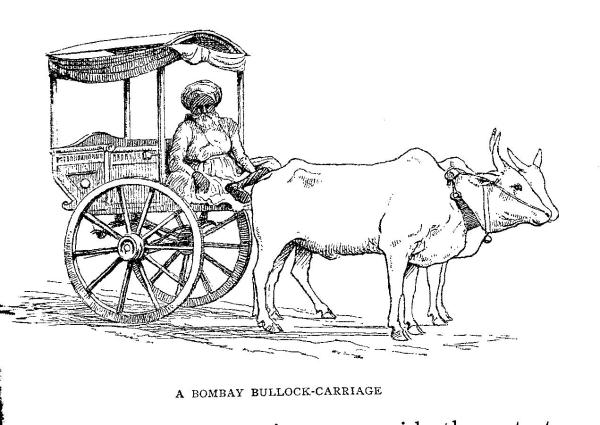
bombay cart

Written by london swaminathan

Date: 11 April, 2016


Post No. 2715


Time uploaded in London :–  10-35 AM


( Thanks for the Pictures  ) 


DON’T REBLOG IT AT LEAST FOR A WEEK!  DON’T USE THE PICTURES; THEY ARE COPYRIGHTED BY SOMEONE.


(for old articles go to tamilandvedas.com OR swamiindology.blogspot.com)


bombay temple

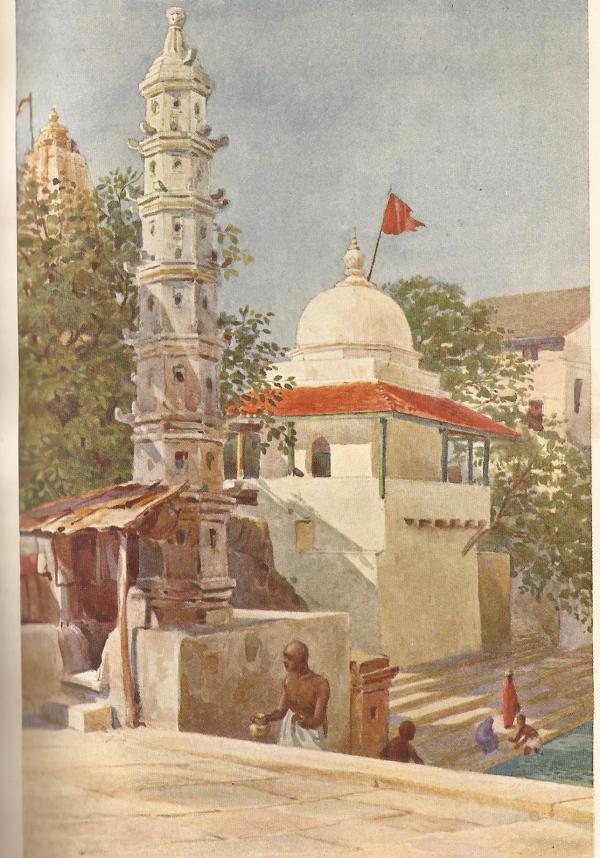
Walkeshwar Temple, Malabar Point, Bombay; sketch by Murray in 1905.

“The appeal which India makes is as many-sided as it is universal and irresistible, with its glorious architecture, its unique landscapes, its rich historic associations, and above all its strangely interesting people, whose customs and character have come down unaltered through the centuries, and are now submitted to the impact of new ideas and new conditions, to them doubtless in great part incomprehensible.  The effect of the collision of this new and old, of East and West, is partially hidden from us by the apparent indifference of a calm demeanour, which at once conceals the tremendous capacity for passion that glows beneath an impassive surface, and heightens the mystery that surrounds a fascinating people.


“I have, I hope, given typical views of   typical places, but though not neglecting the more striking scenes and buildings which form the goal of every pilgrim’s quest, I have tried to fix the attention of the lovers of beautiful on the essentially picturesque side, on the little pictures that unfold themselves at the very turn of the wheel of life in India and might well be overlooked by the casual wayfarer.


“Englishman who spends a few months on the threshold of an ancient and mysterious land and life, and we had no exceptional opportunities or capacities for penetrating behind the veil; but by the exercise of a little sympathetic imagination, and with the help of books on special sides of Indian life such as within reach of all, we tried to understand such phases of the life as fell under our notice. If we have not quite misinterpreted that life, it is owing to the kind friends who, both in India and at home, tried so generously to set our feet in the right way.

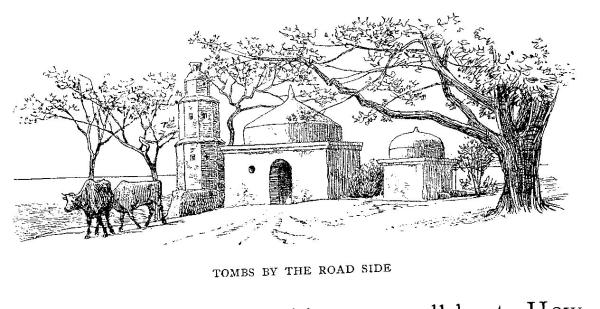
roadside tombs

I should like to think that these efforts might, in their small way, help to pave the highway of sympathetic understanding which might unite East and West, if – as all who realise the vast responsibilities of our Indian Empire must desire – the unselfish devotion and unstinting self-sacrifice of those who have toiled for its welfare are to be crowned with success, and we are ever, in Lord Curzon’s words, to rule India by the heart.


This was written in the preface of THE HIGH-ROAD OF EMPIRE by A H Hallam Murray in 1905.His book has his water colour and pen and ink sketches. I have already given his Benares sketches in one post. He wants India to stay ever under the British rule as Jewel in the Crown.

Year of publication 1905

–subham-