Naga Rani Soma – Kaundinya Marriage Story in Vietnam (Post No.7103)

Research Article written London Swaminathan
swami_48@yahoo.com

Date: 16 OCTOBER 2019
British Summer Time uploaded in London – 20-48
Post No. 7103

Pictures are taken from various sources; beware of copyright rules; don’t use them without permission; this is a non- commercial, educational blog; posted in swamiindology.blogspot.com and tamilandvedas.com simultaneously. Average hits per day for both the blogs 12,000.

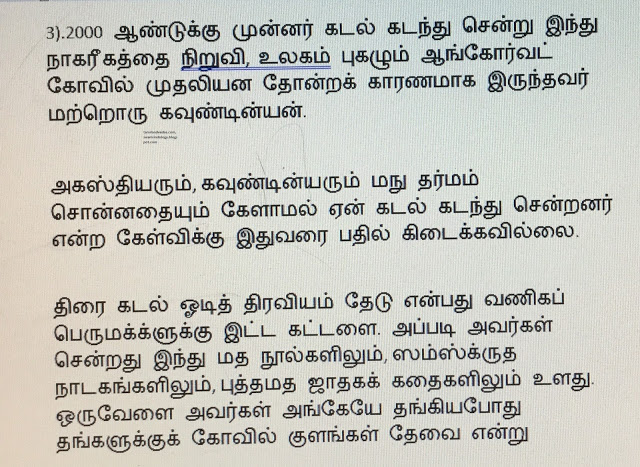
There are two interesting stories about the fonder of the Hindu Rule in Vietnam. Two thousand years ago the country was called Annam and Champa. When the French ruled the region, it was called Indo-China and Cochin- China. The Hindu rule was started by a Brahmin named Kaundinya. The inscriptions talk about two Kaundinyas. But there is nothing unusual in it because Kaundinya is a Gotra name. Whoever is born in the Gotra/clan call himself Kaundinya. They were well known in Tamil Nadu. We know three famous Kaundinyas. One was the saint who crossed the ocean and established Hindu rule in South East Asia (S E A) which lasted for over 1500 years. Another famous Kaundinya was the great Saivaite saint Thiru Jnana Sambandar who revived Saivism in Tamil Nadu 1400 years ago. The third Kaundinya was Vishnu Dasan in Purananuru of Sanagam Tamil Literature. He was a great Brahmin who performed Yagas and Yajnas and the ghee was flowing like river according to Tamil poet Avur Mulan Kizar (Verse 166 of Pura nanuru)
Now back to Kaundinya of Vietnam. Once a follower of Hindu faith, directed by god in his dream, came to Champa in a trading vessel. The female ruler of the kingdom came to plunder the vessel, but was taken aback by the military power of the Brahmana Kaundinya and his followers. She submitted to the new comer and married him. Her name was Soma and she was the head of Nagas, the snake (race) people. The story was recorded in the middle of third century by the Chinese. It is echoed in an epigraphic record dated 657 CE in Cambodia.

In that epigraph we hear that Brahmana Kaundinya married daughter of the Naga King, and from this union sprang the royal family.

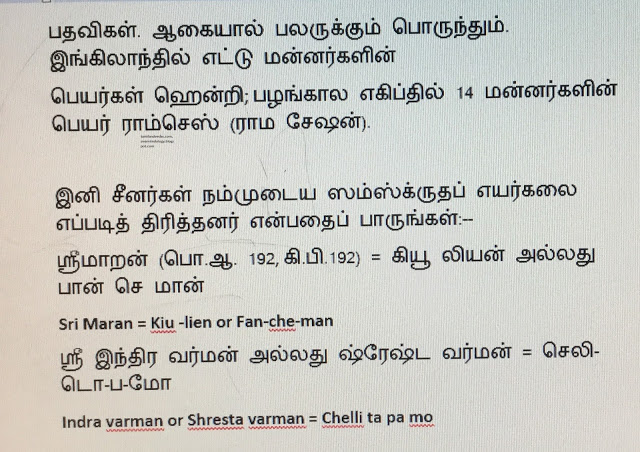
The Chinese records distort Sanskrit names beyond recognition. But from the history of both the countries and the period of rulers we are able to identify the Chinese names.
Kaundinya was called Hen Tien in Chinese history.

Another story about the foundation of Kambuja (Cambodia) says that the son of Indraprastha was banished by his father for some misdeeds. He came to the kingdom and defeated the Naga ruler and then married his daughter.

We see similar stories in Tamil epic Manmegalai, Pallava history and Mahavamsa of Sri Lanka.

The story line is similar- one banished prince travels to a far-off place, marries the local princess and start a new royal line.

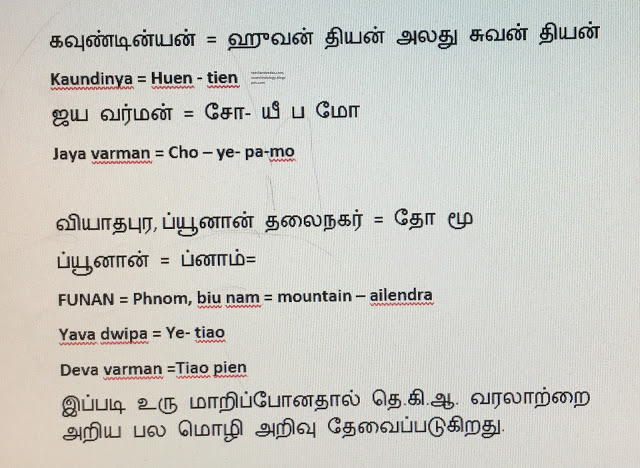
The Chinese distortion of names must be understood to follow the history of Vietnam. Since we have only inscriptions in Vietnam and no written history we have to look at the written records in Chinese. Following Sanskrit names are identified in Chinse records.

First King Sri Maran (192 CE) = Kiu -lien or Fan-che-man

Indra varman or Shresta varman = Chelli ta pa mo

Kaundinya = Huen – tien

Jaya varman = Cho – ye- pa-mo

FUNAN = Phnom, biu nam  (meaning  mountain – Sailendra )

Yava dwipa = Ye- tiao

Deva varman =Tiao pien

R C Majumdhar, an authority on S E A History argues that we see the influence of both South and North Indian cultures in S E An countries.

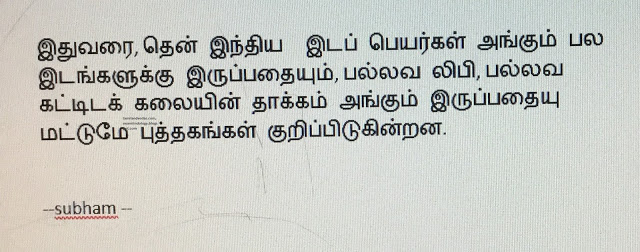
So far, scholars agree that the script came through the Pallava region and the architecture also is similar to the Pallava period. Place names and Kings’ names and religious ideas and artefacts are from both North and South India

But my research shows more similarities and the scholars have missed those points until now.

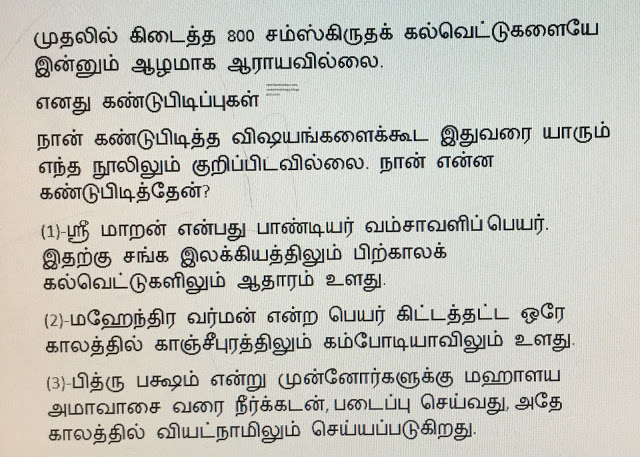
Following are my discoveries:

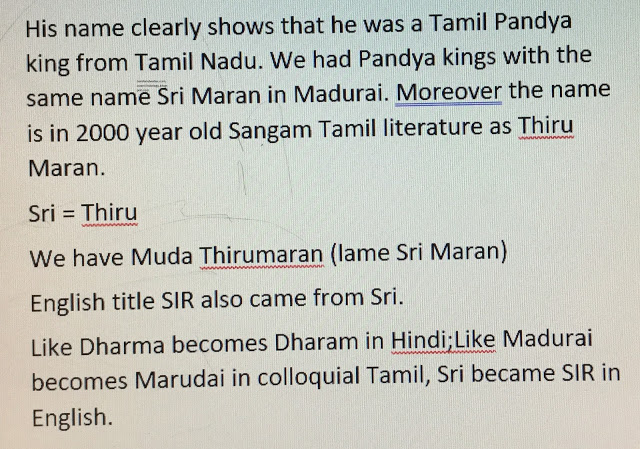
1.The first King’s name SRI MARAN is a typical Tamil Pandya king’s name. We don’t find such name anywhere in India except Pandya Dynasty. Sri Maran’s name is documented in Tamil inscriptions and Tamil literature

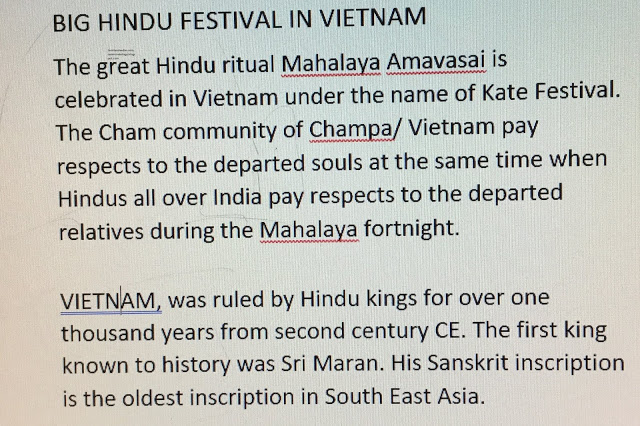
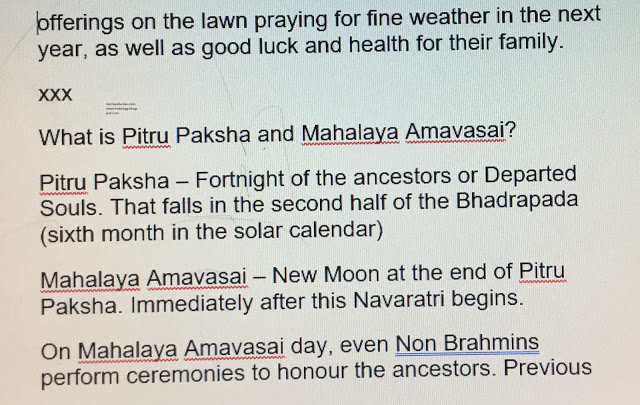
2.Vietnam’s Kate festival is similar to Pitru Paksha and Mahalaya Amavasai of Hindus of India. Both pay homage to the departed souls at the same period in similar ways.

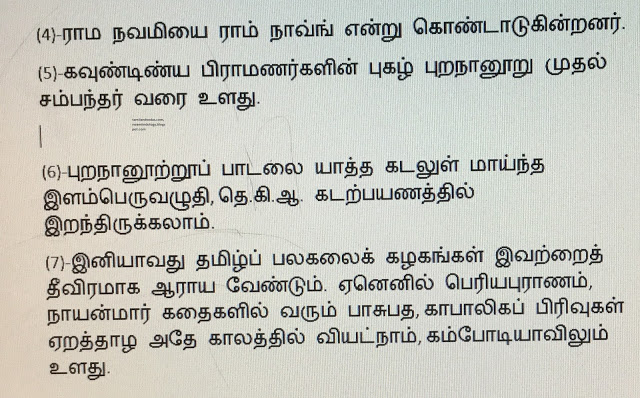
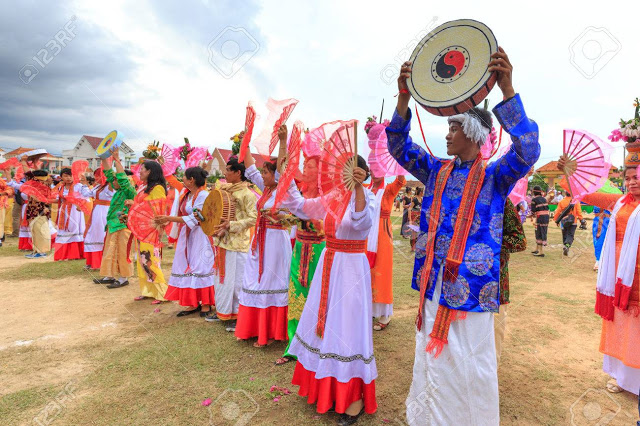
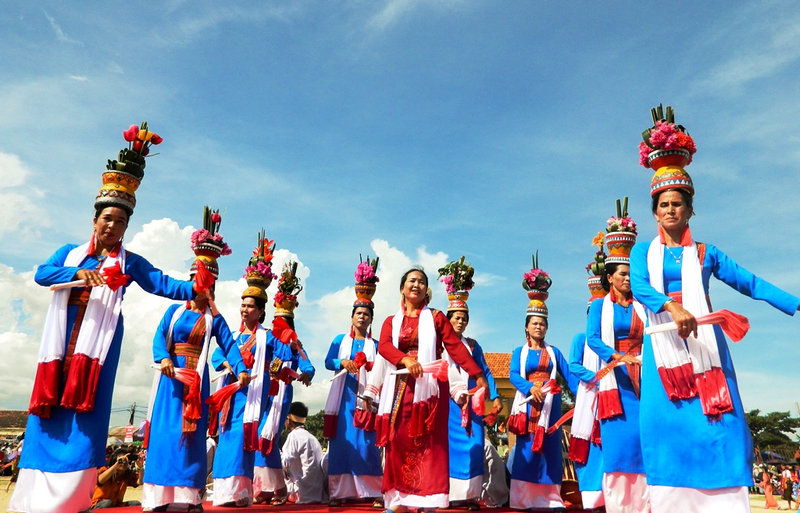
3. Ram Navami and other Hindu festivals are celebrated by Vietnam Hindus (Chams) with the names like Ram naung

4.We have two famous Kaundinyas in Tamil literature- Purananuu (verse 166) and Thevaram of Sambandar.

5. There was a Tamil king with the title ‘the Pandya who lost life in sea’ (Kadalul Maaintha Ilam Peruvazuthi). My opinion is that he was one of the kings on sea expedition, may be travelling towards S E A.

6.Most famous Pallava King Mahendra Varman ruled from Kancheepuram in Tamil Nadu. At the same time there was one Mahendra Varman in SEA.

7. Pasupata Cult , Kabalika cult are referred to in Tamil Saivaite saints’ stories (Periya  Puranam etc).  it existed in S E A at the same time. We must find out who spread this to SEA.

8.Sanskrit Inscriptions, numbering over 800 are found spread over a vast area from Vietnam to remote Borneo. We see Sanskrit writing in Vietnam from second century CE and we see Mulavaraman Yupa Inscription deep inside Borneo’s thick forest. How was is possible to spread Sanskrit from one end of SEA to another end 1600 years ago?

There is much scope for research in the above areas and the universities in both countries must come together and organise joint research. One must know Sanskrit, Chinese and Tamil to study the ancient history of S E An countries.

–subham —
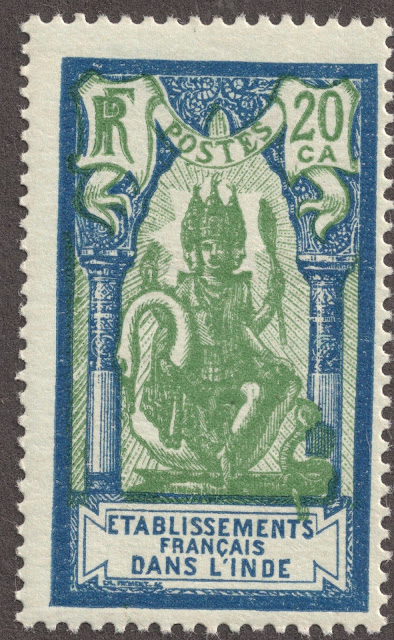
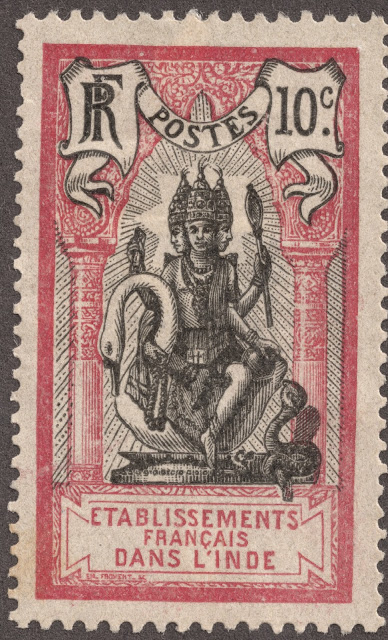
Brahma on Stamps

Following are my discoveries:

1.The first King’s name SRI MARAN is a typical Tamil Pandya king’s name. We don’t find such name anywhere in India except Pandya Dynasty. Sri Maran’s name is documented in Tamil inscriptions and Tamil literature.

2.Vietnam’s Kate festival is similar to Pitru Paksha and Mahalaya Amavasai of Hindus of India. Both pay homage to the departed souls at the same period in similar ways.

3. Ram Navami and other Hindu festivals are celebrated by Vietnam Hindus (Chams) with the names like Ram naung.

4.We have two famous Kaundinyas in Tamil literature- Purananuu (verse 166) and Thevaram of Sambandar.

5. There was a Tamil king with the title ‘the Pandya who lost life in sea’ (Kadalul Maaintha Ilam Peruvazuthi). My opinion is that he was one of the kings on sea expedition, may be travelling towards S E A.

6.Most famous Pallava King Mahendra Varman ruled from Kancheepuram in Tamil Nadu. At the same time there was one Mahendra Varman in SEA.

7. Pasupata Cult , Kabalika cult are referred to in Tamil Saivaite saints’ stories (Periya  Puranam etc).  it existed in S E A at the same time. We must find out who spread this to SEA.

8.Sanskrit Inscriptions, numbering over 800 are found spread over a vast area from Vietnam to remote Borneo. We see Sanskrit writing in Vietnam from second century CE and we see Mulavaraman Yupa Inscription deep inside Borneo’s thick forest. How was is possible to spread Sanskrit from one end of SEA to another end 1600 years ago?

There is much scope for research in the above areas and the universities in both countries must come together and organise joint research. One must know Sanskrit, Chinese and Tamil to study the ancient history of S E An countries.
கவுண்டின்யன் – நாகராணி சோமா கதை (Post No.7102)

From Danang Museum in Vietnam

WRITTEN BY London Swaminathan
swami_48@yahoo.com

Date: 16 OCTOBER 2019
British Summer Time uploaded in London – 18-33
Post No. 7102

Pictures are taken from various sources; beware of copyright rules; don’t use them without permission; this is a non- commercial, educational blog; posted in swamiindology.blogspot.com and tamilandvedas.com simultaneously. Average hits per day for both the blogs 12,000.

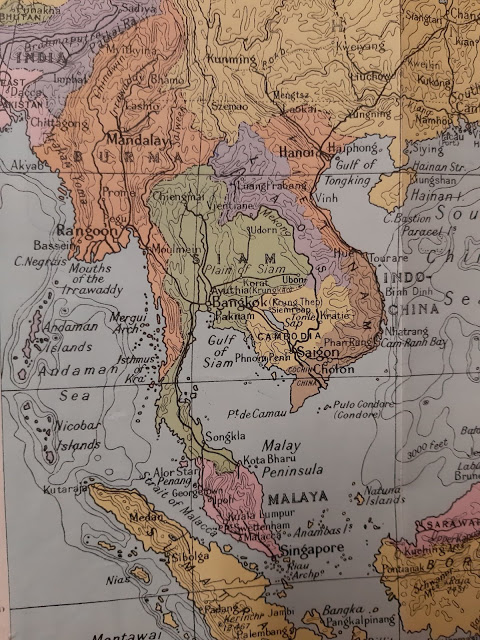
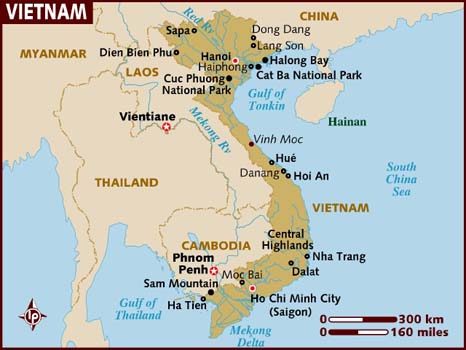
old map of South East Asia

New Siva, Agastya statues discovered in Vietnam (Post No.7099)

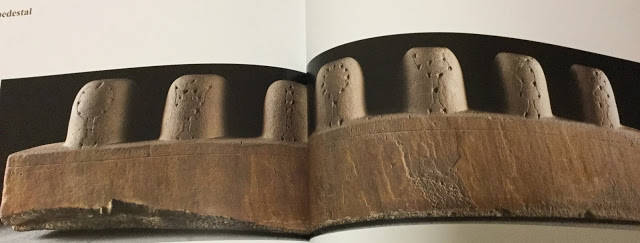
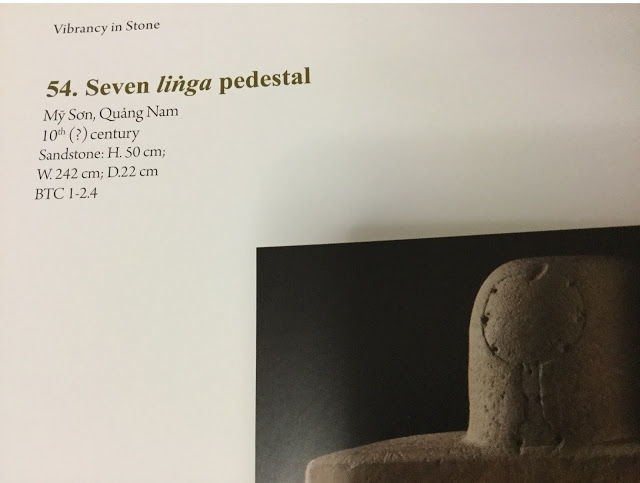
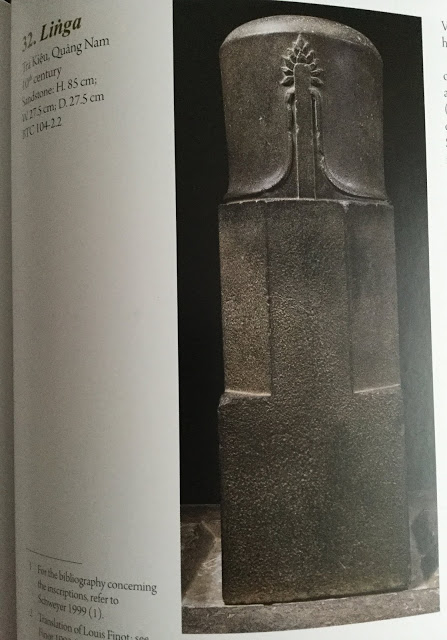
Mystery of seven Lingas
look at the marks of missing gem stones
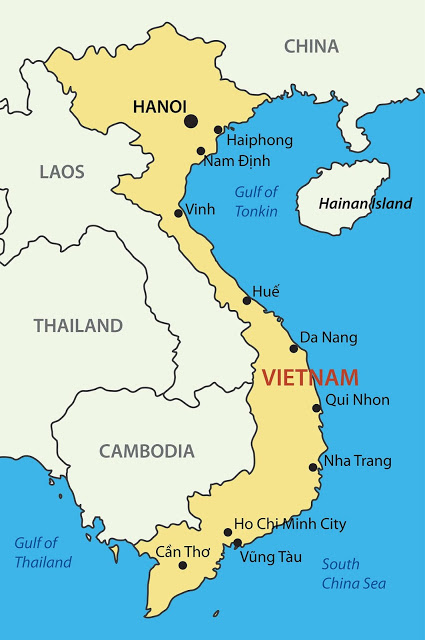
Danang is in Central Vietnam

Compiled by  London Swaminathan
swami_48@yahoo.com

Date: 15 OCTOBER 2019
British Summer Time uploaded in London – 18-16
Post No. 7099

Pictures are taken from various sources; beware of copyright rules; don’t use them without permission; this is a non- commercial, educational blog; posted in swamiindology.blogspot.com and tamilandvedas.com simultaneously. Average hits per day for both the blogs 12,000.

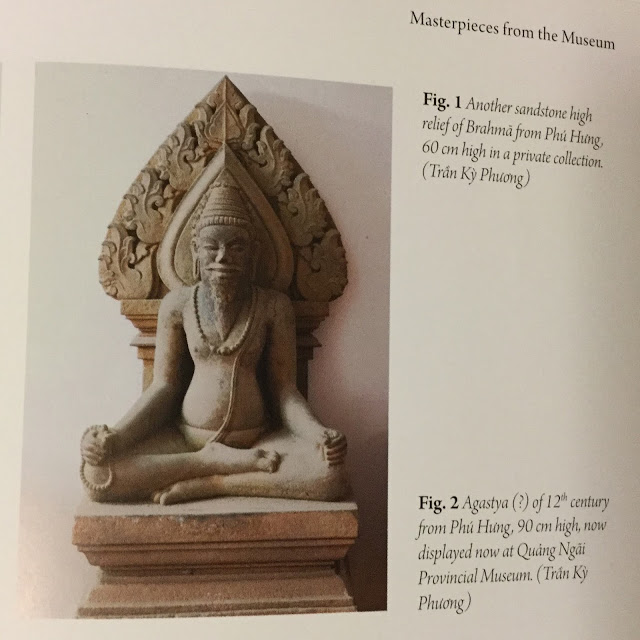
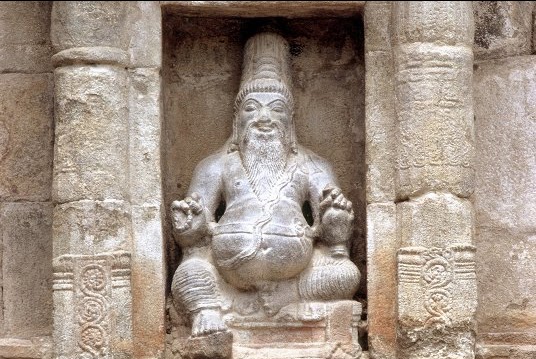
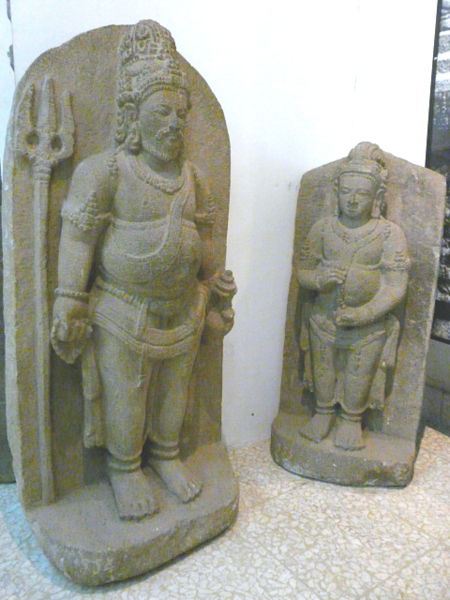
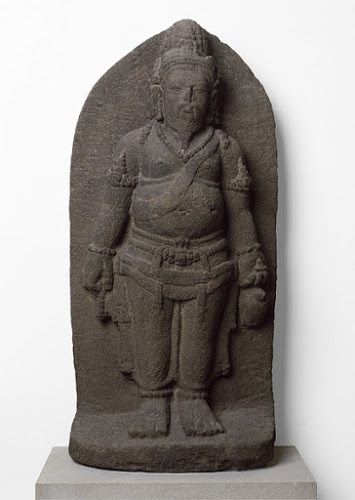
Agastya and Kaundinya are the two Brahmins who established Hindu civilization all over South East Asia, from Indonesia to Vietnam. It lasted for 1500 years. Agastya statues found in Indonesia and Cambodia are already known. They are in different Museums around the world including V & A Museum of London.

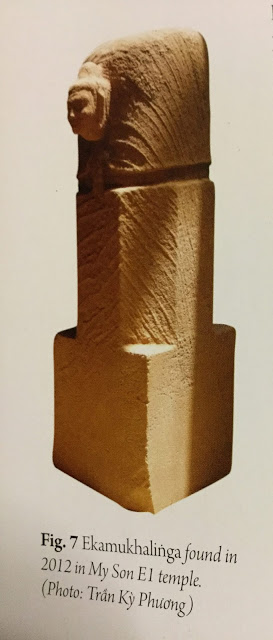
New discovery of Eka Muka Linga and seven mysterious lingas with strange marks, Agastya statue etc. throw new light on the history of Vietnam. New book published about the Danang Museum in Vietnam has beautiful pictures. It has got good articles on the Pasupata cult and possible metal lingas in Ashta Murti form. Only seven lingas are found now without the gold, silver coverings and precious gem stones.

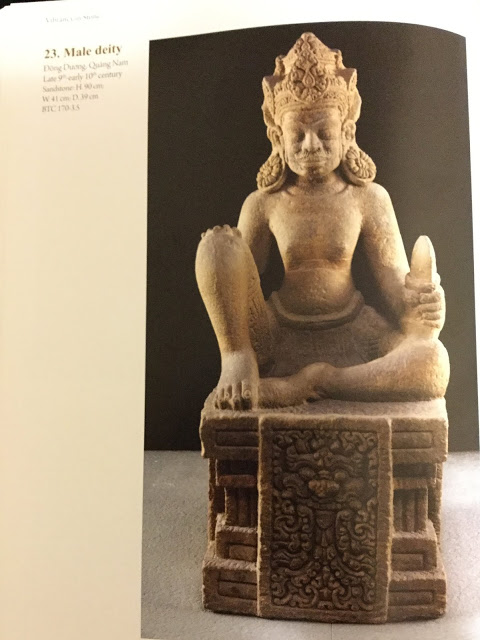
Still the scholars could not identify all the gods and ascetics. One statue is identified as Agastya, which is very different from the pot bellied short Agastyas found elsewhere in S E A countries. I wonder the unidentified ascetic statues has Kaundinya as well. Several gods have description as one male god, one female god. We need experts like renowned historian Dr R Nagaswamy to identify them.
One must be proficient in Sanskrit and other S E A languages. R C Majumdhar in his lectures has pointed (in 1930s) out how the Chinese distorted all the names.
I will give the list of distorted Place names and Personal names in another article.
Those who are interested in Shaivism and the culture of South East Asian countries will find this book very valuable.

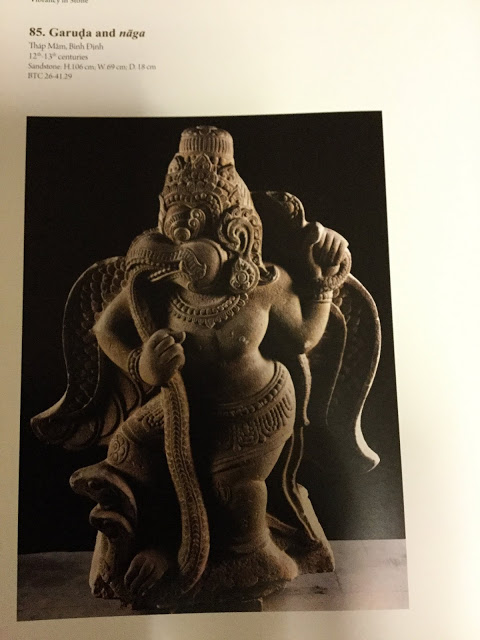
See the details in the attached pictures.
Agastya without pot belly! a bit taller!!!
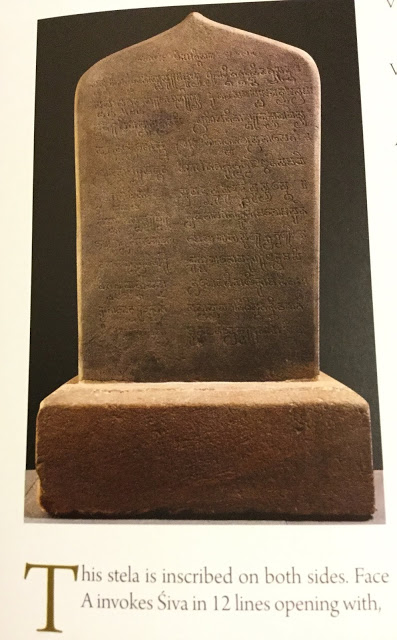
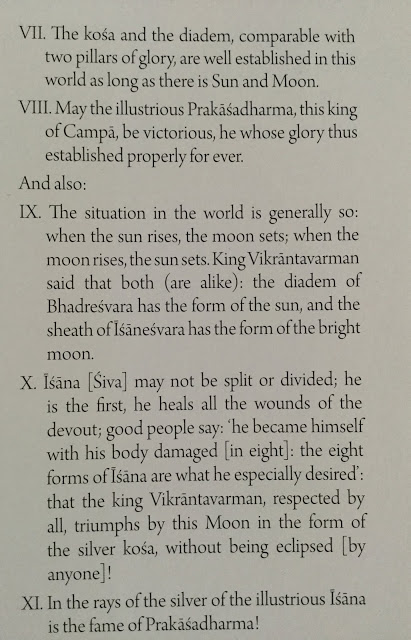
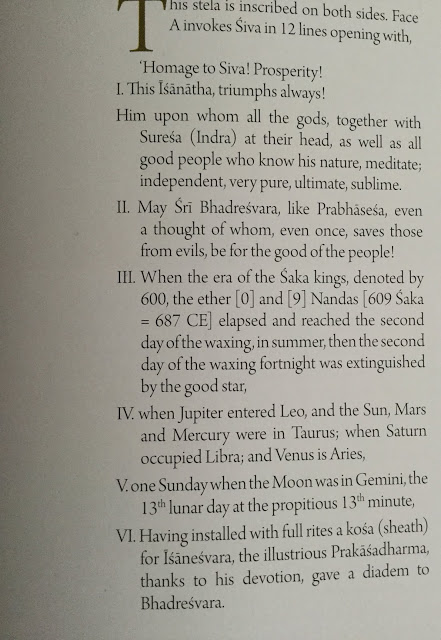
INSCRIPTION WITH SHIVA HYMN
unidentified
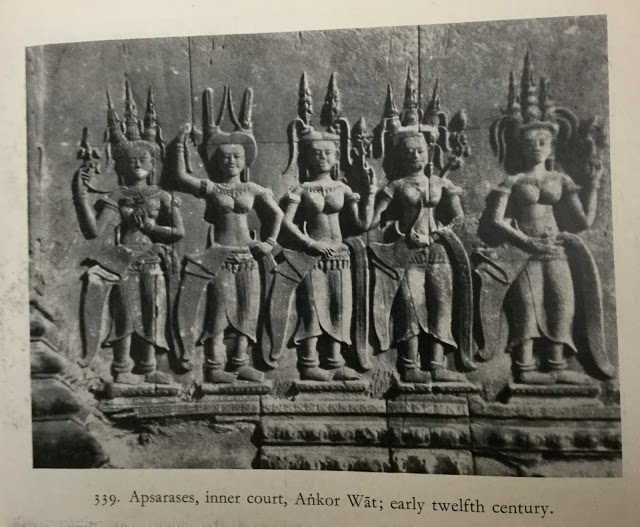
Apsaras
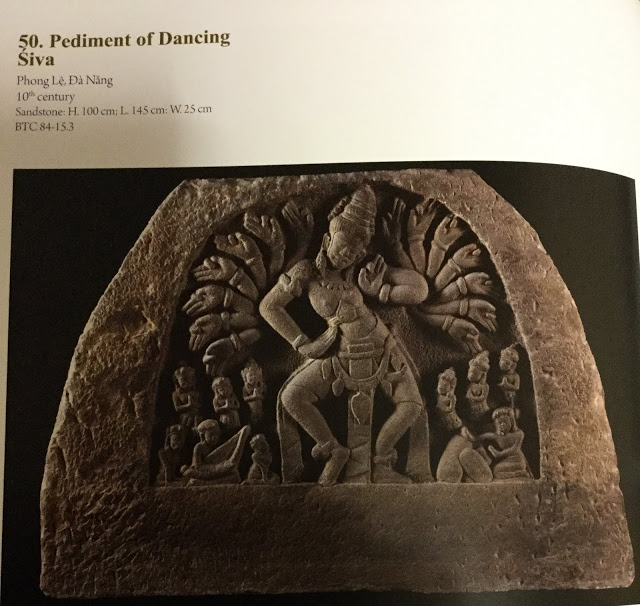
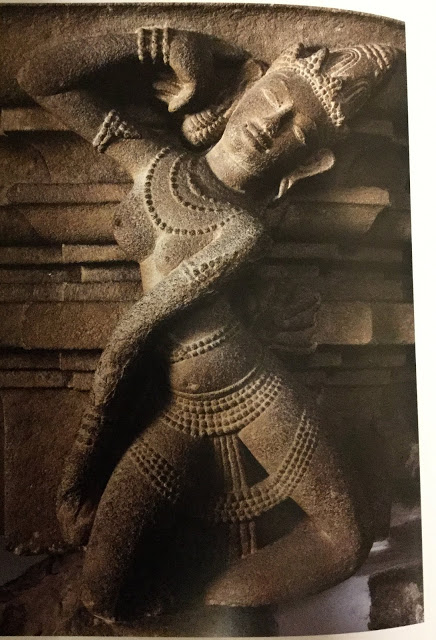
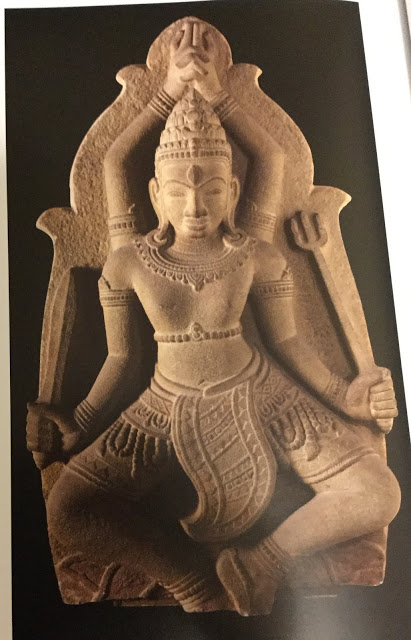
Dancing Shiva
AGASTYA IN KALLANAI, TAMIL NADU, INDIA
Image result for AGASTYA FROM TAMILANDVEDAS.COM
agastya+in+London
AGASTYA IN V AND A MUSEUM, LONDON (FROM INDONESIA)

Bhagavad Gita -New Discovery (Post No.7100)

Compiled by  London Swaminathan
swami_48@yahoo.com

Date: 15 OCTOBER 2019
British Summer Time uploaded in London – 16-59
Post No. 7100

Pictures are taken from various sources; beware of copyright rules; don’t use them without permission; this is a non- commercial, educational blog; posted in swamiindology.blogspot.com and tamilandvedas.com simultaneously. Average hits per day for both the blogs 12,000.

Does this terracotta tablet from around 1,000 BCE depict Lord Krishna and Arjuna?

ZEE NEWS 15-10-19

A nine-cm wide terracotta artifact lies in Hong Kong, in the possession of an art dealer, but the inferences and interpretations from it could possibly lead to interesting revelations about the time period of the Indian epic Mahabharata and its occurrence.

A nine-cm wide terracotta artifact lies in Hong Kong, in the possession of an art dealer, but the inferences and interpretations from it could possibly lead to interesting revelations about the time period of the Indian epic Mahabharata and its occurrence.

The tablet depicts a man holding four horses, standing on the back of a half chariot with a spoked wheel. There are two figures in the chariot, one who is presumably the charioteer, while another has his hand pointed in a direction. Both the figures in the chariot have quivers that contain arrows. 
Curious to know more about the tablet, Jeremy Pine, the owner had sent a picture of it to Dr Nanditha Krishna, CPR Institute of Indological Research and requested her to share her interpretations of the same and its historical significance. Dr. Nanditha along with other historians and domain experts had studied the image and historical texts to draw inferences.
According to a document shared with the media, the tabled is said to have been authenticated by Oxford Authentication using Thermoluminescence (TL testing) on May 14, 2019. The result of which states that the terracotta was fired between 2300 and 3600 years ago i.e. 1600 to 300 BCE. 

–subham–

HINDU TEMPLES IN VIETNAM (Post No.7096)

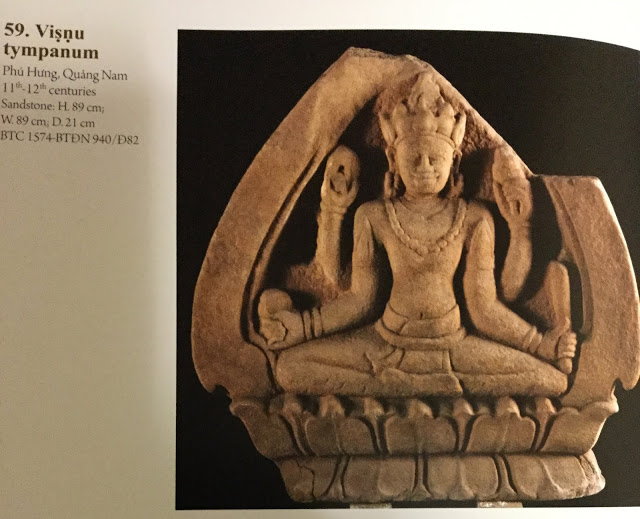
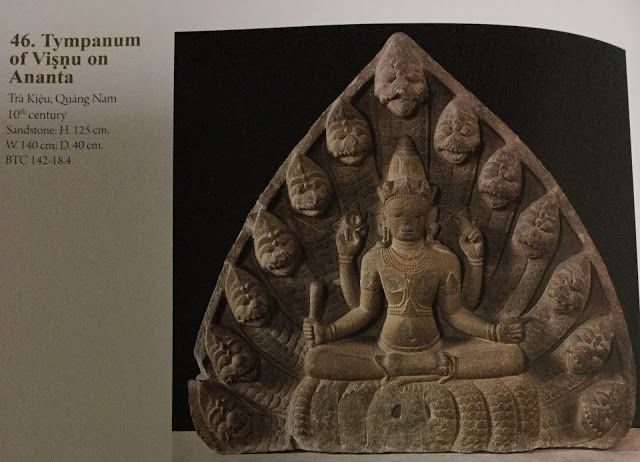
Vishnu in Viet Nam

Written by  London Swaminathan
swami_48@yahoo.com

Date: 14 OCTOBER 2019
British Summer Time uploaded in London – 21-35
Post No. 7096

Pictures are taken from various sources; beware of copyright rules; don’t use them without permission; this is a non- commercial, educational blog; posted in swamiindology.blogspot.com and tamilandvedas.com simultaneously. Average hits per day for both the blogs 12,000.

Pedestal with Ramayana Scenes

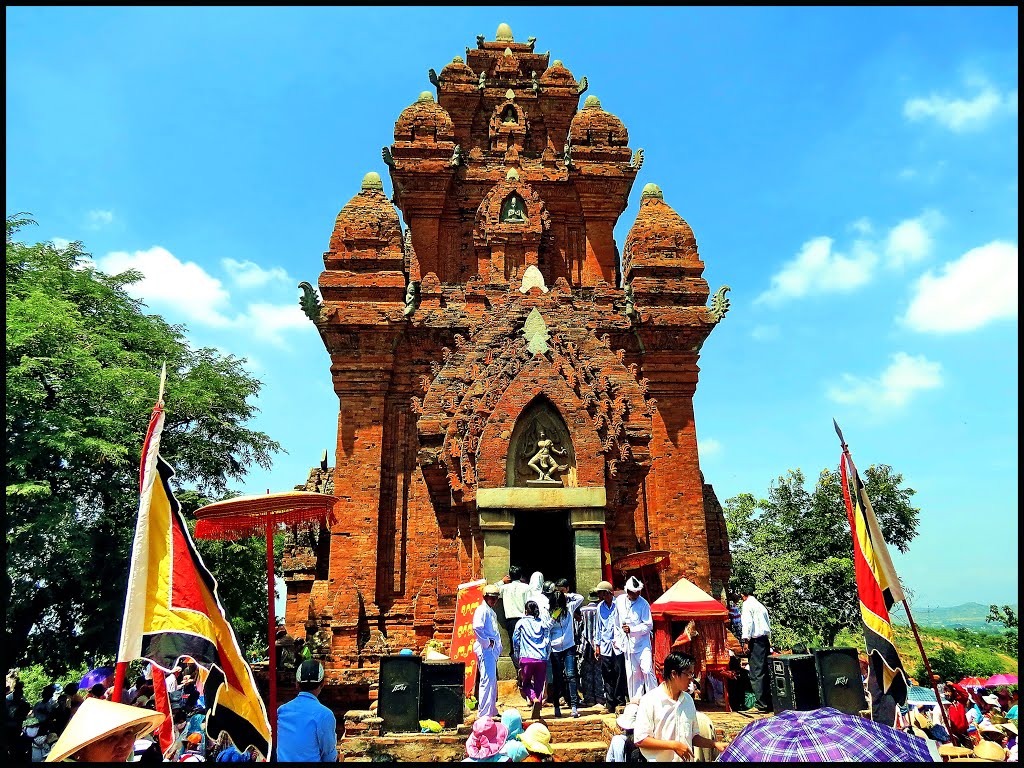
Hindu temples in Vietnam can be broadly classified into two groups. They are modern and ancient. The modern temples are constructed by the migrant business community in the last few hundred years. The ancient temples were constructed when the Hindu rule began in Vietnam about 2000- years ago.

In the modern temples we see continuous worship and in the ancient temples only occasional worship. Most of the ancient temples are dilapidated. Many of the statues decorate the museums around the world. In the olden days Vietnam was called Champa. Hindus ruled several South East Asian countries for 1500 years from the first century of modern era. Hindu influence is found more in South and Central Vietnam. Northern part has more Chinese influence.

The names of towns and regions are in Sanskrit –

Indrapura

Amaravati

Vijaya

Panduranga

Kauthara – Kedar nath

The river name is Ma Ganga –Mekong

Let us look at two important temples now:-

Latest excavations in two places have given lot of new information. The statues and artefacts collected from these sites are displayed in Danang Museum. Old statues were taken to Paris and stored in Guimet Museum in Paris. So one has to see all the statues and inscriptions in all the museums to piece together the history of Viet Nam. The oldest Sanskrit Inscription of South East Asia, known as Vo Canh Inscription  is in the History Museum in Hanoi. ( I have identified the King Sri Maran in the inscription as Tamil Pandya King).

My son Temple

The ancient Cham temple is in My Son which is 70 kilometers from Da Nang. It is dated to 4th century of modern era.  The materials displayed in the Da Nang museum will throw some light on the historical places. (At the same time Mula Vraman’s Yupa Sanskrit inscription is found in the remote forest of Borneo! This shows the spread of Sanskrit and Hindu religion from Vietnam to Indonesia)

Da Nang museum has

52 objects from Tra Kieu

30 objects from My Son

17 objects from Chan Lo.

But there are 43 Cham sites.

My Son was the most sacred place of the Champa kingdom with over 70 structures of brick and stone. Epigraphic evidence indicates that construction began around 4th century. In 2012 the staff at My Son discovered an Eka mukha linga.

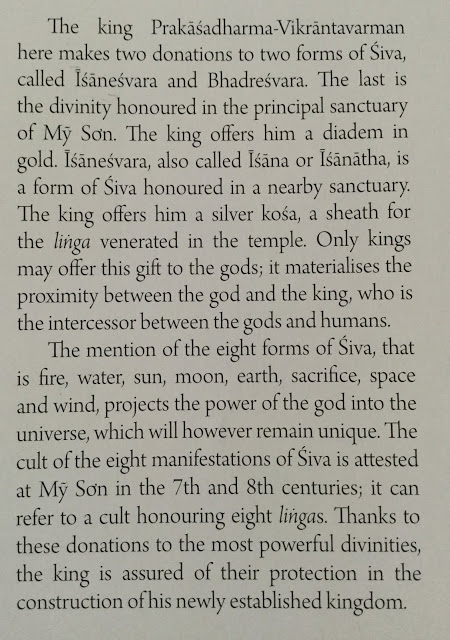
The My Son temple pedestal is the most written about Cham piece  of art. 1500 years ago this place was called Deva devalaya, meaning abode of god of gods, that is Lord Shiva.  Since king Bhadravarman constructed it , the Shivalinga there was called Bhadreswara . The king has t donated almost the entire valley for the upkeep of the temple.

Next comes the Tra Kieu site which is 50 kilometres from  Da Nang. There are three shrines one each for Shiva, Kubera and Poet Valmiki . King Prakasa dharman and Vikranta varman constructed them . The shrines were called pujasthana.

Later inscriptions used many Sanskrit terms in the temple inscriptions.

Tra Kieu temple

We find a big pedestal for Shiva linga here. On the pedestal beautiful scenes from Ramayana and Bhagavatam are portrayed . Wedding scenes of Sita and Rama are beautifully sculpted.

ascetic
Lord Shiva
Eka Danta Ganesa from Viet Nam Museum

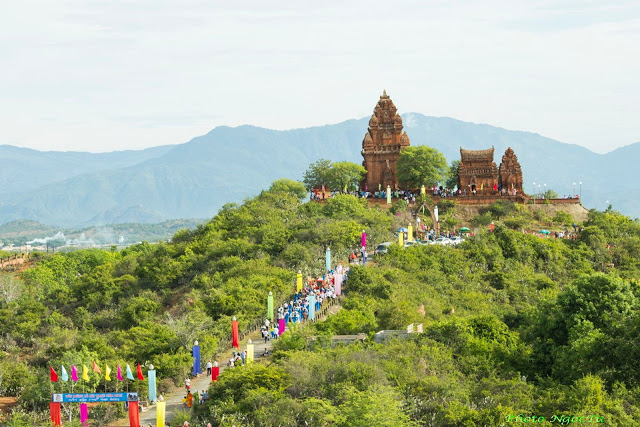
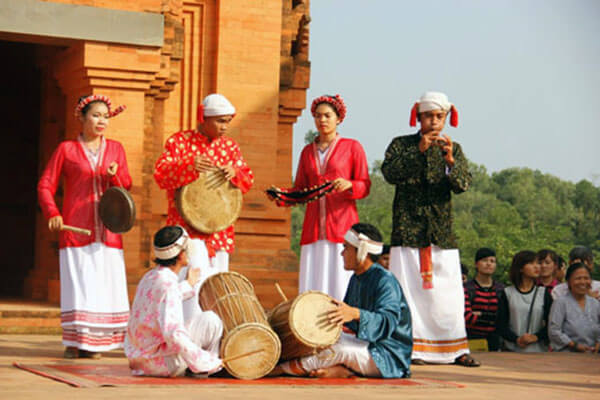
BIG HINDU FESTIVAL IN VIETNAM (Post No.7089)

Research Article written by London swaminathan
swami_48@yahoo.com

Date: 12 OCTOBER 2019
British Summer Time uploaded in London – 19-20
Post No. 7089

Pictures are taken from various sources; beware of copyright rules; don’t use them without permission; this is a non- commercial, educational blog; posted in swamiindology.blogspot.com and tamilandvedas.com simultaneously. Average hits per day for both the blogs 12,000.

GOLDEN ANECDOTES- HITLER, ARCHIMEDES, ROMAN KING DIOCLETIAN (Post No.7015)

Compiled BY LONDON SWAMINATHAN

swami_48@yahoo.com

 Date: 25 SEPTEMBER 2019

British Summer Time uploaded in London – 15-59

Post No. 7015


Pictures are taken from various sources; beware of copyright rules; don’t use them without permission; this is a non- commercial, educational blog; posted in swamiindology.blogspot.com and tamilandvedas.com simultaneously. Average hits per day for both the blogs 11,000.

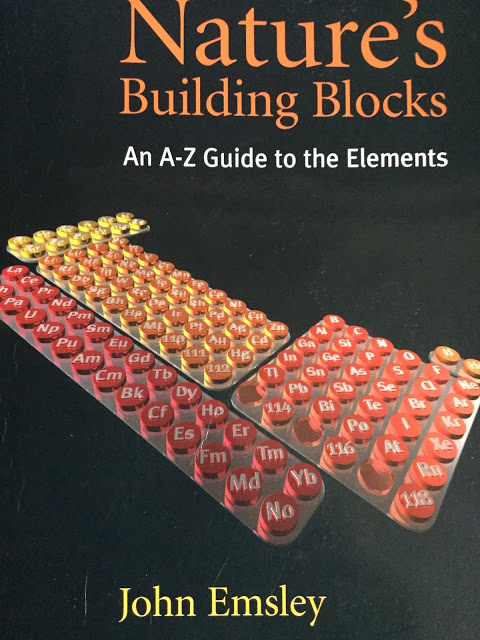
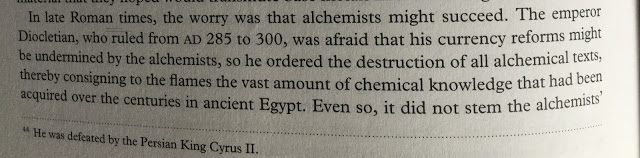
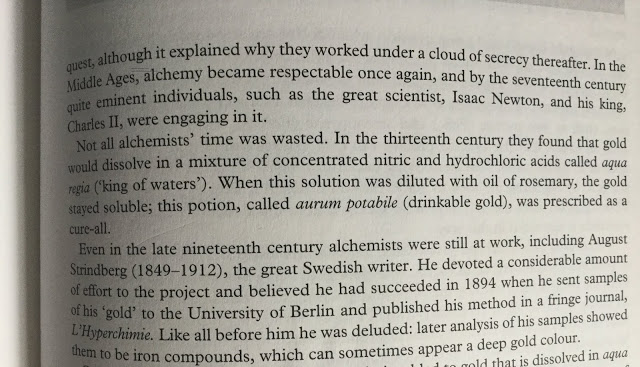
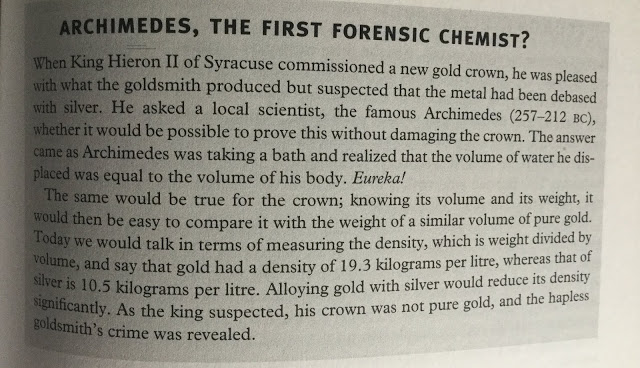
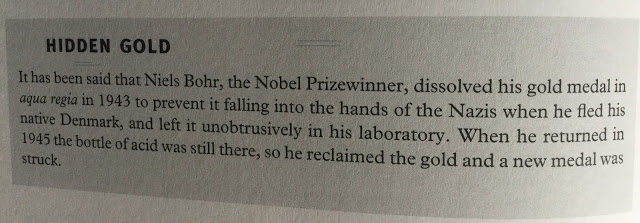
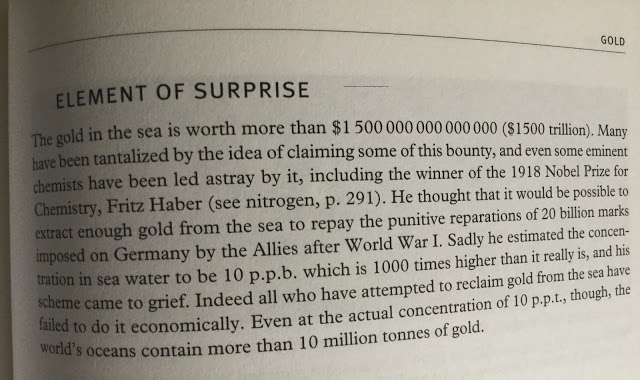
Following anecdotes about gold are interesting. They are about Nobel Laureate Niels Bohr who hid his gold medal in acid fearing Nazi attack, Diocletian who burnt all ancient records about alchemy fearing his economy would be affected if base metals are changed into gold and Archimedes who found out the fake crown of King of Syracuse. The anecdotes are taken from Nature’s Building Blocks.

mad Roman King
Eureka! Archimedes

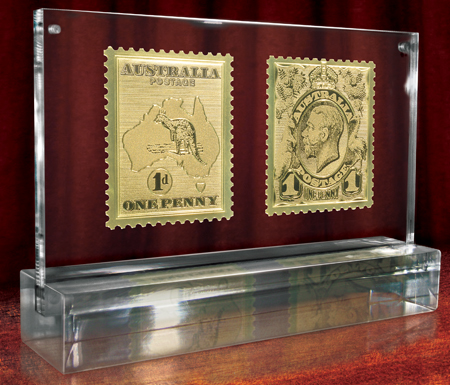
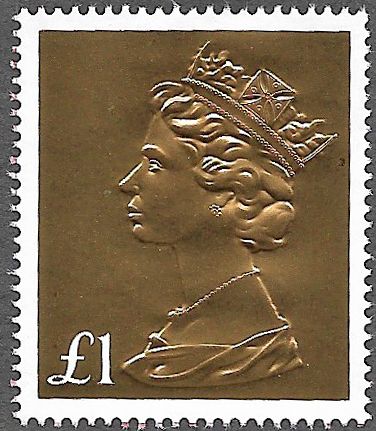
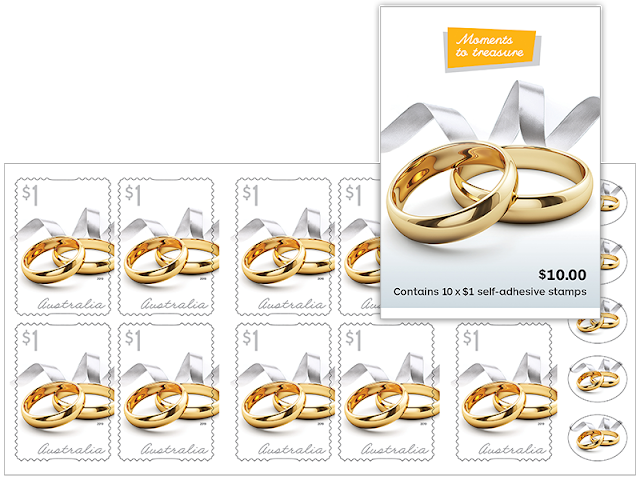
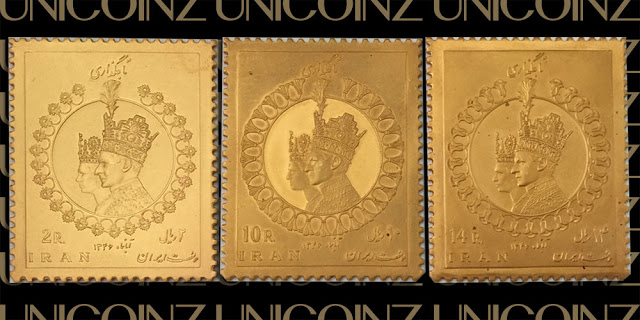
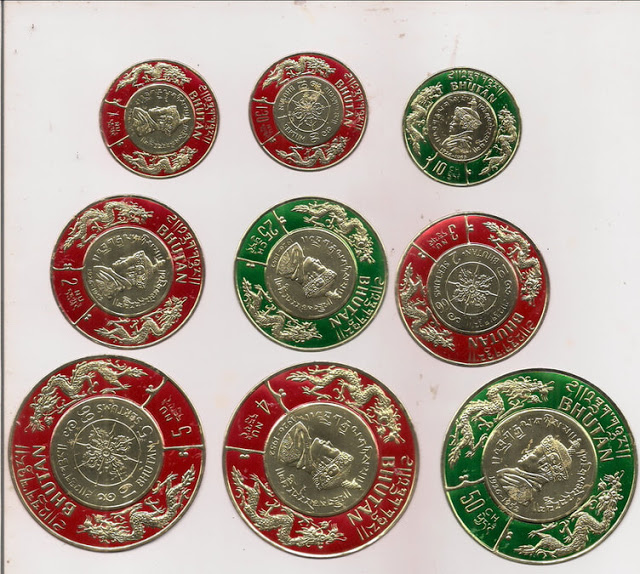
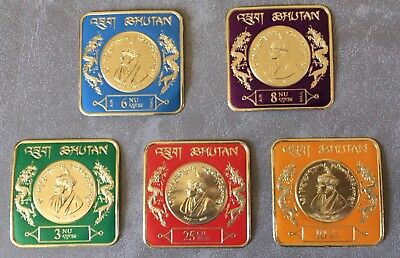
Pictures of stamps with gold or gold foil.

Nazi Fear
Tonnes of Gold in Oceans
Golden Stamps

OLDEST GOLDEN TOOTH IS IN RIG VEDA! (Post No.7011)

WRITTEN BY LONDON SWAMINATHAN

swami_48@yahoo.com

 Date: 24 SEPTEMBER 2019

British Summer Time uploaded in London – 15-46

Post No. 7011


Pictures are taken from various sources; beware of copyright rules; don’t use them without permission; this is a non- commercial, educational blog; posted in swamiindology.blogspot.com and tamilandvedas.com simultaneously. Average hits per day for both the blogs 11,000.

The oldest book in the world is Rig Veda if we accept the date of Herman Jacobi and Bala Gangadhara Tilak who independently dated Rig Veda between 4000 and 6000 BCE on the basis of astronomical references in the Rig Veda.

BARC carbon dating of underground water in the Sarasvati River basin and NASA’s images of dry beds of Sarasvati river also scientifically proved a date around or before 2000 BCE for the Rig Veda.

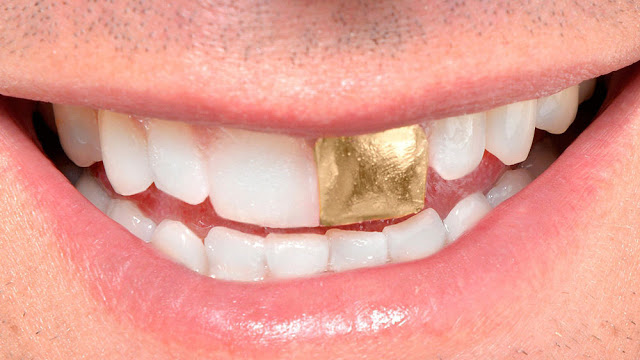
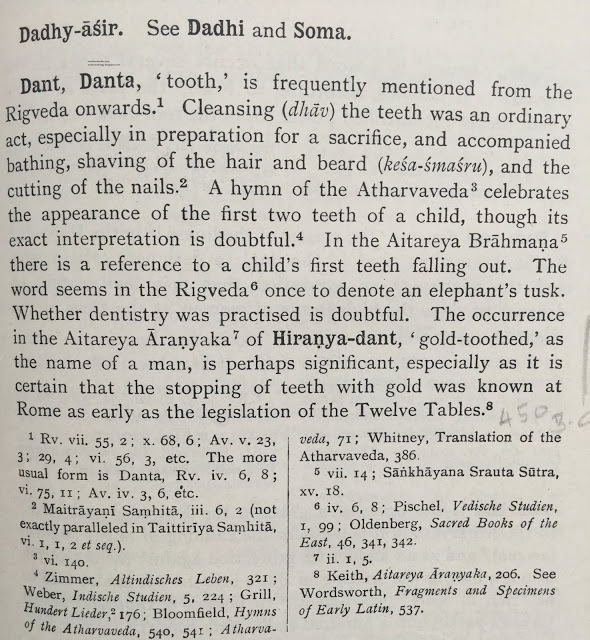
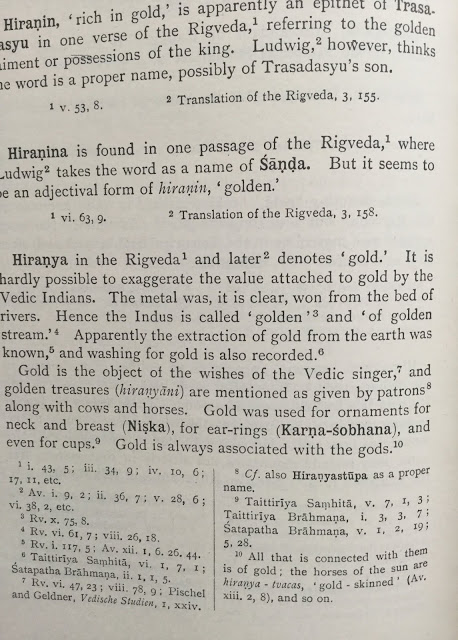
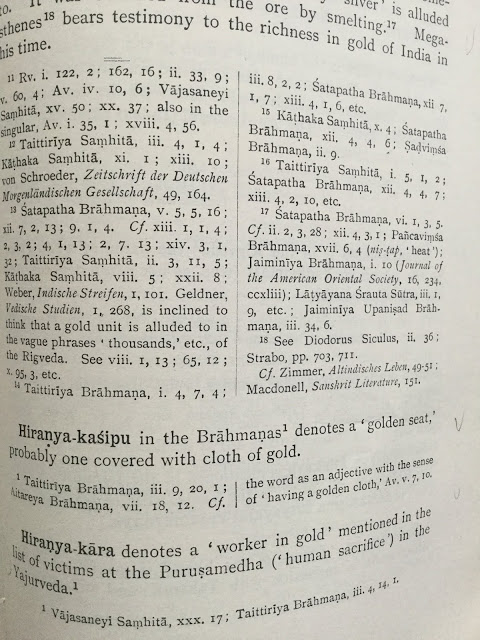
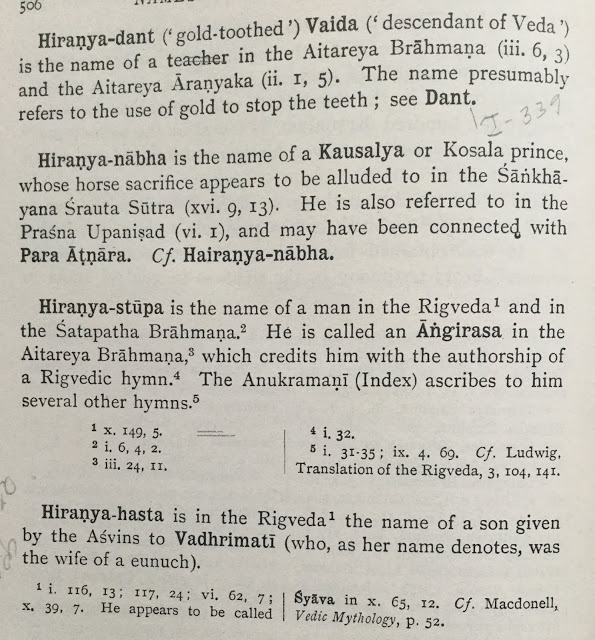
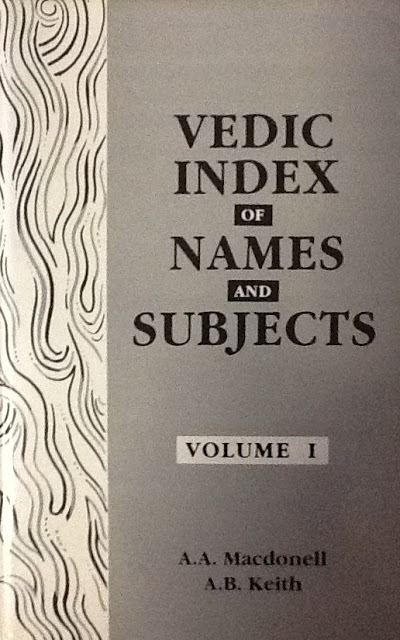
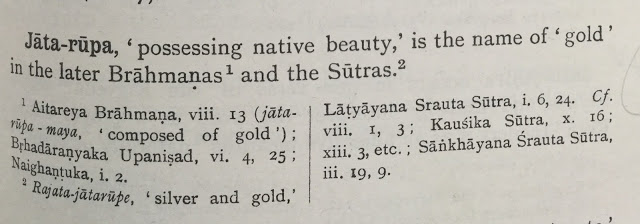
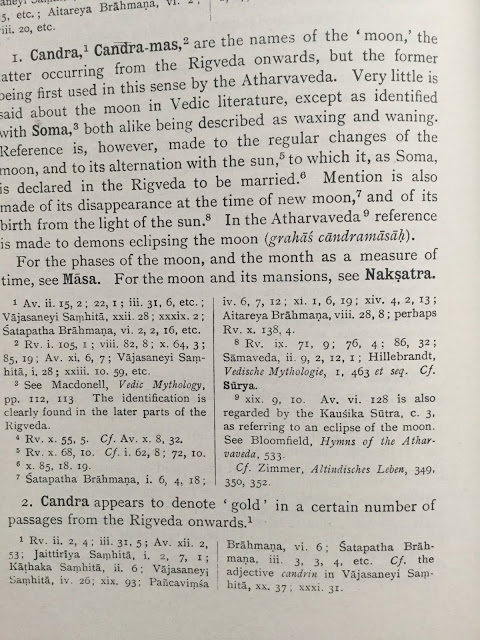
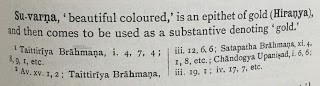
The Aitareya Brahmana and the Aitareya Aranyaka of the RV have some references to a teacher named ‘Mr.Gold tooth’ – Hiranya Dant. Keith and Macdonell in their 1912 publication of the two volume Vedic Index also noticed it and wrote that it was a reference to gold tooth. In spite of this, encyclopaedias mentioned Etruscans were the first in fixing golden teeth.

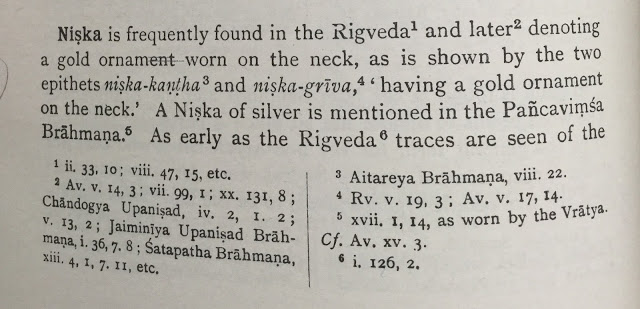
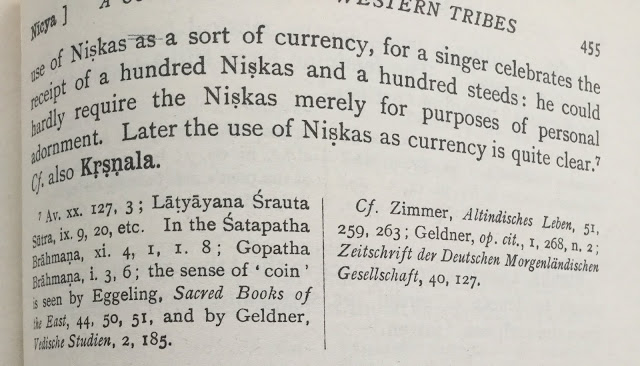
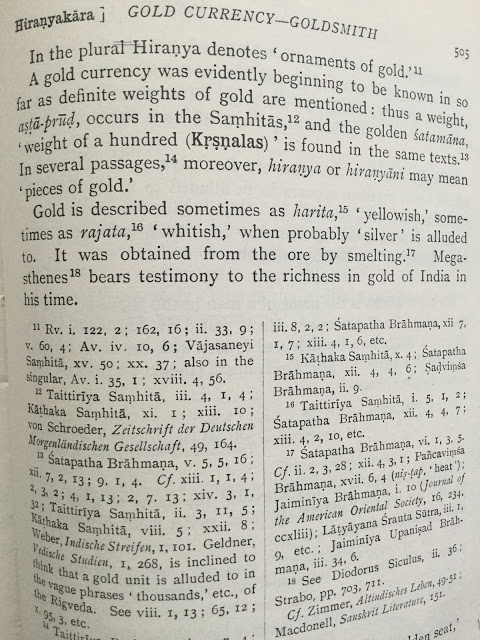
Gold was widely used in India which is proved by the innumerable references in the Vedic literature. Keith and Macdonell point out rich Vedic Hindus have Gold cups, ear rings, neck plates, gold tooth, coins etc.

Even Herodotus mentioned about the mysterious ‘Giant Ants’ entering the ground to pick up gold in India. He mistook the name of term for miners as Giant Ants. Indians are very familiar with Fish people (matsya desa) sugarcane people (Ikshvakus), Kumba karnas, Lamba Karnas etc. Poor Herodotus didn’t know it.

Following pages were taken from Vedic Index. Hindus must rewrite the history of science.

NISKA
DANTA – DENTAL – DENTISTRY
JATA RUPA = GOLD
CANDRA = GOLD

SUVARNA – GOLD

HIRANYA – GOLD

GOLDEN TOOTH- HIRANYA DANT

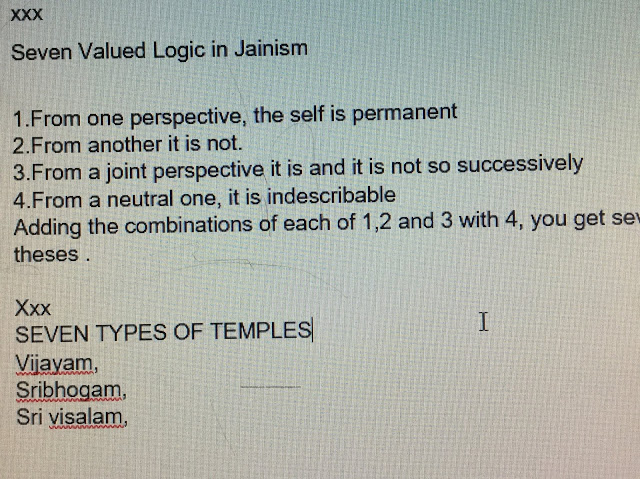
Seven Valued Logic in Jainism (Post No.6957)

WRITTEN BY LONDON SWAMINATHAN

swami_48@yahoo.com

 Date: 31 AUGUST 2019
British Summer Time uploaded in London – 13-2
9

Post No. 6957

 Pictures are taken FROM VARIOUS SOURCES. ((posted by swamiindology.blogspot.com AND tamilandvedas.com))

மாமன்னன் கிருஷ்ண தேவராயரின் 4 மனைவி மர்மம்! (Post No.6943)

Written by LONDON SWAMINATHAN


swami_48@yahoo.com

 Date: 27 AUGUST 2019  

British Summer Time uploaded in London – 21-18

Post No. 6943

Pictures are taken from various sources; this is a non- commercial, educational blog; posted in swamiindology.blogspot.com and tamilandvedas.com simultaneously. Average hits per day for both the blogs 12,000.