Comets in Brhat Samhita!

Written by London swaminathan

Research Article No.1861; Dated 13 May 2015.

Uploaded in London at 10-38 am

It is amazing to read about the chapter on Comets in the Brhat Samhita which Varahamihira wrote 1500 years ago. No modern astronomer can appreciate it with today’s knowledge of comets. But if you consider the knowledge that existed 1500 years ago, Varahamihira’s knowledge was far better than others. He quotes his predecessors who might have lived at least a few hundred years before him. First let us look at what today’s scientists say about the comets:-

Comet Halebopp

What is a Comet?


Comets are essentially piles of rock, gravel, and dust held together by various kinds of ice – essentially water and carbon dioxide ice.

As the comet nears the sun, its icy tail turns into a gas and blows away – due to pressure from the solar wind and sunlight.

They also release dust and gravel which tend to follow the comet around the sun – and if the Earth’s orbit intersects this material, it results in annual meteor showers.

According to the latest count there are over 5000 comets.
Varahamihira’s Chapter on Comets:

Varahamihira wrote over sixty couplets about comets. He did not have the modern facilities like Telescope or other electronic equipment. He says that sages Garga, Parasara, Asita, Devala and others had already written about the comets. They must have observed the sky for hundreds of years to write so much about it.

Now scientists are warning about Dark Comets crashing on to earth which would not glow because they lost its ice. This means that our knowledge is growing slowly with all the modern equipment. Two centuries ago astronomers thought that there are only 500 comets. But Garga told us that there are 1000 comets!

I will just summarise the ancients’ thoughts on Comets:

1.It is not possible to determine by calculation the rising or setting of the comets. (It is true even today. Now and then amateur astronomers discover new comets and now there over 5000 comets. Unless we know the orbits, we can’t say whether it will come back to earth or not. Halley’s Comet is a regular visitor which appears every 85 years).

2.There are three categories of comets as celestial, atmospheric and terrestrial (It would not make any sense in modern astronomy).

3.The atmospheric Ketus (Dhumaketu=comet) are those that are sighted on flagstaff, buildings, trees, horses elephants and other animals. The celestial ones are seen amidst the constellations, and the terrestrial ones are those that do not come under either of the two categories (I honestly don’t know what Varahamihira means by these three categories).
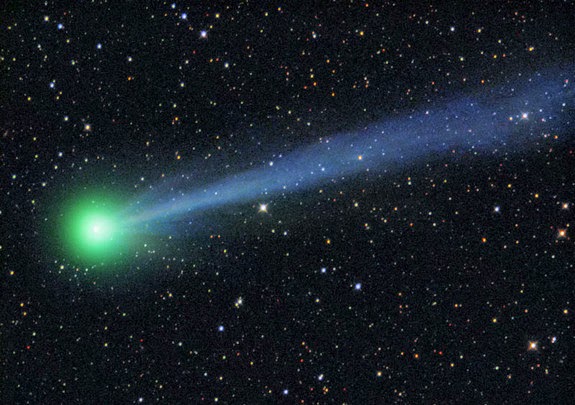
Comet Mcnaught

4.Some sages like Parasara speak of 101 Ketus (comets), while others such as Garga of 1000 Ketus (comets). However sage Narada declares that there is only one Ketu which appears in many forms and places (Probably Narada means to say that all comets are made of same materials).

5.Next Varahamihira gives his opinion: “What difference does it make whether there is a single Ketu or many? Under any circumstance, its effects ought to be declared through the positions of its appearance and setting, contact with planets or asterisms, smoky mantle and colours.
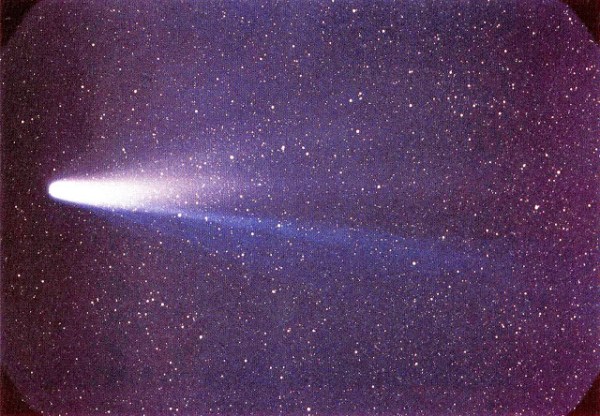
Halley’s Comet

6.The effects of Ketu (comet):- The effects of comet (Ketu) would be felt for so many months as the number of days during which it remains visible. Similarly its effect would last for so many years as the number of months during which it remains visible. However the effects in all cases would come to pass only after the first three fortnights of its appearance (This verse has got different interpretations from Bhattotpala. Al Biruni also commented on this verse)

7.All Ketus are not evil. There are some which augur well for the world. If a Ketu be short, slender, clear, glossy, straight, white and visible and if its appearance is followed by rain, there would be abundance of food crops and happiness.

8.A comet whose form is contrary to what has been described above, is considered as Dhumaketu – a portentous comet – that has risen; and it is disastrous in its effects, all the more so when resembles the rainbow or is possessed of two or three crests.

My comments: These couplets show that the Hindus have been observing comets for several hundreds of years or thousands of years before 500 CE. Otherwise they could not write about different colours and different types. It is scientifically true that comets appear in different colours and shapes. But its effects are not proved scientifically. Tamils also believed in its effects. Sangam Tamil Literature confirmed the death of a king within seven days of the appearance of a comet. I have already given the full details from Purananauru verse in one of my articles.

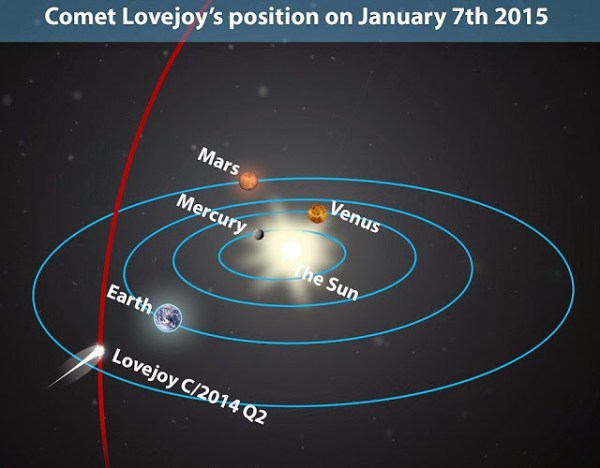
Comet Lovejoy seen from Japan.

  1. Varahamihira introduces a new element in to the Study of comets. He had written about the effects of comets appearing in different directions from East to North

10.He described the types of comets in many verses which would not be understood by modern astronomers (Please see the charts).

  1. It requires lot of research by astronomers to see whether any of the information given by Varahamihira is useful today. We must appreciate that he had summarised the ancient Hindus’ knowledge in over 50 couplets 1500 years ago. The world was without much knowledge about comets at that time. Comets only created fear among the public in the ancient past.

I have followed Brhat Samhita translated in to English from Sanskrit by Prof. M Ramakrishna Bhat.
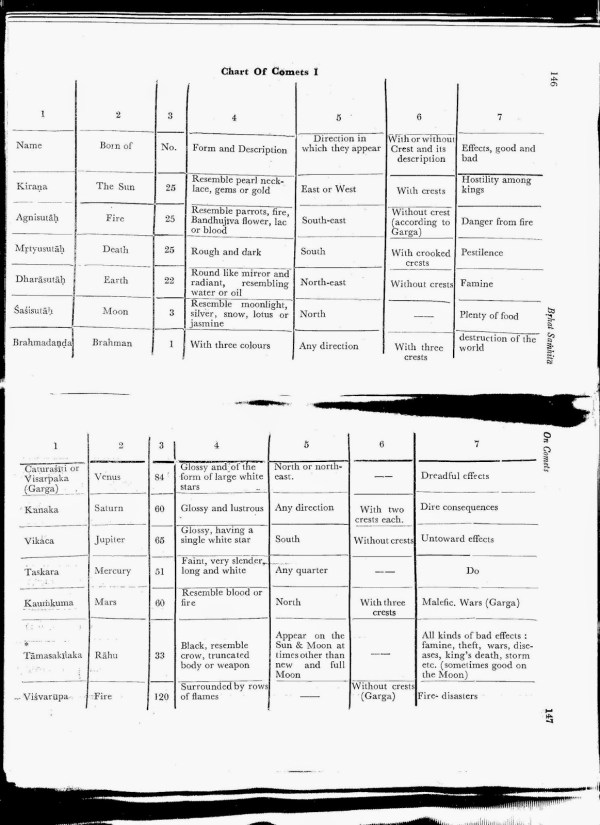

Comet Chart 1

Comet Chart 2.

Subham.

FLOATING STONE: RAMAYANA WONDER!!

(Based on News from Nakkiran magazine)

Translated by Swaminathan from Tamil

Post 1837 ;Date 30 April 2015; Time in London 5-23 am

All of us know that when Hanuman wrote RAM on the stones, the stones started floating. Like army build pontoon bridges Rama built a pontoon bridge with the help of a Tamil engineer named NALAN. Now Ponnagaram fishermen have found out a fifteen kilo floating stone. Ponnagaram is near Manalmelkudi in Pudukkottai District of Tamil Nadu,India.

When the fishermen told the villagers about their stone in the fishing net which floats when put in water, they tried it at the temple tank at Adikesava Perumal Temple. When it was floating, hundreds of people came and watched it. I have already written about how Rama flew from Sri Lanka to Uttar Pradesh in a day based on a New Scientist Article. Please visit my blog tamilandvedas.com

மிதக்கும் கல்!

புதுக்கோட்டை மாவட்டம், மணமேல்குடி அருகே உள்ள மீனவர் கிராமத்தில் மீன் பிடிக்க கடலுக்குச் சென்றபோது மீனவர் வலையில் தண்ணீரில் மிதக்கும் 15 கிலோ எடை கொண்ட அதிசய கல் சிக்கியது. இந்த கல்லை பொதுமக்கள் ஏராளமானோர் அதிசயத்துடன் பார்த்துச் செல்கின்றனர்.

மணமேல்குடி அருகே உள்ளது பொன்னகரம் மீனவர் கிராமம். இங்கு தினசரி 500க்கும் மேற்பட்டோர் கடலுக்கு சென்று மீன்பிடித்து வருகின்றனர். நேற்று வழக்கம் போல் கடலுக்குச் சென்று மீன்பிடிப்பதற்காக வலையை கடலில் வீசிவிட்டு பின்பு வலையை எடுத்தபோது, அந்த வலையில் மீன்களுடன் ஒரு கல்லும் வந்தது. அந்த கல்லை எடுத்து அந்த மீனவர் தண்ணீரில் வீசியபோது அந்த கல் மிதந்தது. உடனே ஆச்சியப்பட்ட அந்த மீனவர் படகில் அந்த கல்லை தூக்கி போட்டுக் கொண்டு கரைக்கு வந்து பொதுமக்களிடம் இந்த அதிசயத்தை கூறினார். பின்னர் அந்த கல் அருகில் உள்ள ஆதிகேசவ பெருமாள் கோவில் வாசலில் உள்ள குளத்தில் போடப்பட்டது. குளத்தில் போடப்பட்ட அந்தக்கல் தண்ணீரில் மூழ்காமல் மிதந்தது. இந்த அதிசயத்தை கேள்விப்பட்ட சுற்றுவட்டார பொதுமக்கள் ஏராளமானோர் வந்து குளத்தில் மிதந்துக் கொண்டிருக்கும் அந்த கல்லை அதிசயத்துடன் பார்த்துச் செல்கின்றனர்.
(நன்றி -நக்கீரன் )

DIVINATION in The Vedas, Babylonian and Etruscan

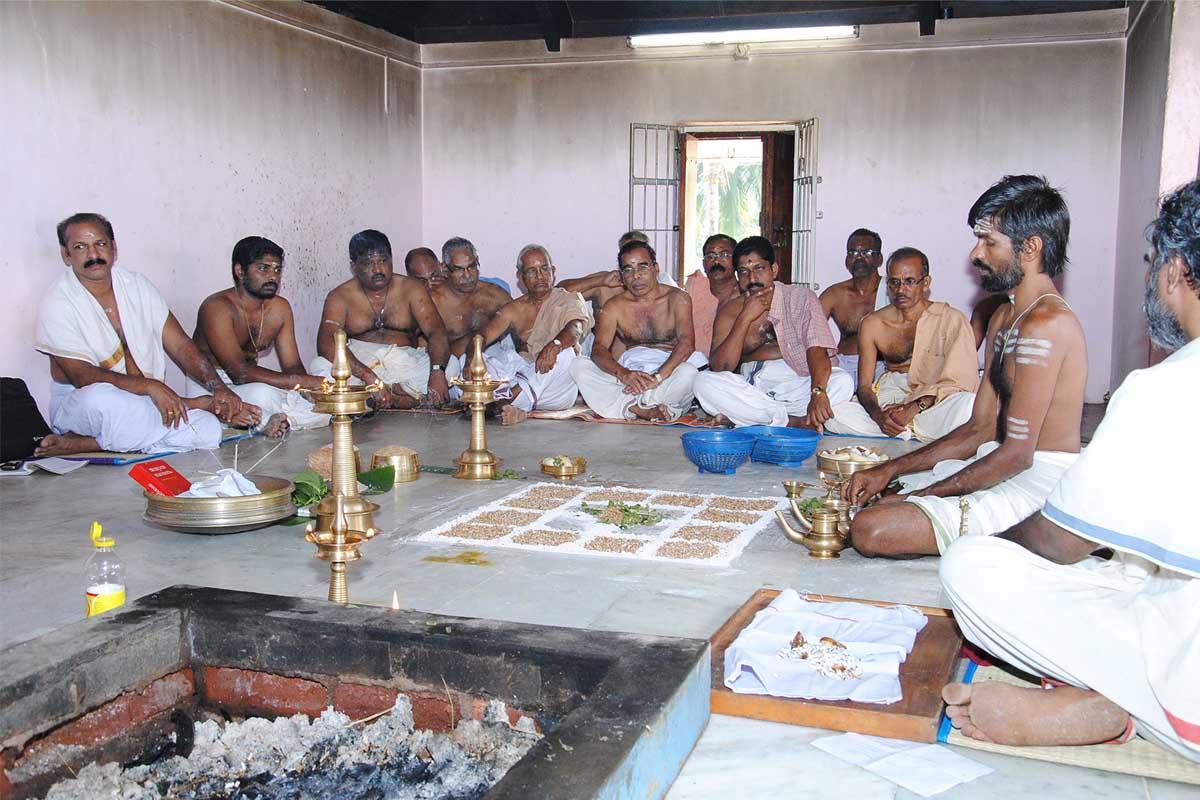
ashtamangalya+prasnam+at+triprayar

Ashtamangala Prasnam (Prediction) in Kerala, India

Written by London swaminathan

Research Article No.  1792; Date: 10th April 2015


From India’s Northernmost Himalayas to the Southernmost Kanyakumari, the beliefs were same. This is attested by the 2000 year old Sangam Tamil Literature and the earlier 3700 year old Vedic Sanskrit literature. They all believed that the behaviour of animals and birds as well as natural phenomena can predict future. Some of their beliefs have some scientific basis. We see the strange behaviour of animals and birds before natural catastrophes such as big storm or Tsunami or earth quakes. Hindus linked the black bird crow with the departed souls which is in Sangam Tamil literature and earlier Sanskrit literature. Tamils linked the arrival of the guests with crowing. When the housewives cook special dishes naturally the good smell will attract the crows around the house. But many of their beliefs cannot be explained scientifically. This type of belief is seen around the world.

Vedic Hindus used the fire of the Sacrifice, flight of birds, crying of animals, position of the planets, falling of comets and meteors, natural phenomena, sneezing, fluttering/twitching of eyes, etc. Mahabharata has got lot of references to the wind, meteors and the positions of the planets before the great Bharata war.

babylonian liver.jpg1900 BCE sippar,iraq

Babylonian Liver Prediction

Kausitaki Brahmana on crows:

When a ceremony is performed to win for a maiden a husband, the side from which the crow first appears is that from which her wooer will come ( KB 34-24)

Satapata Brahmana on Cows

The movement of the cow at a particular moment in the soma sacrifice shows the fortune of the sacrificer ( SB 4-5-8-11)

Hiranyakesi Grhyasutra on Owls

The owl is invoked to fly around the village and give signs for the future; it is a bird which flies to the dwelling of the gods, and the Rig Veda already knows birds of omen (HGS 1-17-3)

The hyena’s howl is uttered either of its own will, or on the prompting of other powers (HGS 1-17-1)

Gobhila Grhyasutra on Bride and Balls of Earth

The character of the bride can be judged by her choice of balls of earth taken from various places (G G S 2-1-3ff)

The sex of the future child believed to be by the fact whether the member of the body of the prospective mother, which a Brahmana boy touches accidentally has a masculine or feminine name (Keith 390-1)

Later Tamil and Sanskrit literature have hundreds of beliefs like this.

dowsing rod

Dowsing Rod to find water and treasures

Sumerian, Babylonian Beliefs


Divination was widely used in Mesopotamia. It is based on the idea that to some extent the future is predetermined; it can be interpreted/divined by those with specialist knowledge. Sumerians used extispicy i.e.the liver, lungs or the colon spiral of specially slaughtered young ram were inspected for peculiarities during a nocturnal rite (Etruscans also used the liver for predictions).

The study of celestial omens was more popular and it survived for long. Observation of birds was practised like India and Italy/Etruscan. Divination played an important part in decision making. It was used before building a temple, military expedition, for king’s wellbeing and safety, fortune telling and weather forecasting.

(In my home town in Madurai, Tamil Nadu, even the rain and harvest are forecast by the colour of the dress the god Azakar/Perumal wears during Chitra festival).

Hittites also used Extispicy. Anatolians used old women like the Greeks and Tamils, for prediting.

prasnam

Prasnam Predition by shels and cowries in Kerala

Following books are recommended for researchers


Magic and divination in Ancient Palestine and Syria by A. Jeffers, 1996

The act of Extispicy in ancient Mesopotamia by Assyriological miscellanies, 1980

The Interpretations of dreams in the Ancient Near East by A L Oppenheim , 1956

Rituals of the diviner Malibu, CA, 1983

Abhidana Cinatamani in Tamil give some information about Arootam and Sakunam in pages 137 and 541.

Piacenza_Bronzeleber.jpgEtruscan

Etruscan Liver Diagram for predictions

ETRUSCAN CIVILIZATION


From my earlier article Etruscan-Hindu/Tamil Link posted on 28 July 2012


Birds Used for Prediction

Boulon is the word for bird. It is similar to PUl in Tamil.

Tamils believed that flights of birds or their sounds (calls) can predict good and bad things that is going to happen. Even today their traditional calendars (Panchang) publish those details every year. No two cultures in the world come so close as the Tamils and the Etruscans. Etruscans had such a calendar.

Etruscans believed that Gods speak to mortals through nature. They even interpreted thunder and lightning. This is in the Hindu Upanishads. The famous parable of Three “Da” sounds of Thunder is in the Upanishads. Another story about five elements trying to lift a blade of grass is also in the Upanishads.

Etruscans used livers of sacrificed animals to find their future. Mesopotamians had similar beliefs. Like Vastu Shastra allocate different corners for different Gods, they have different areas for different gods in the liver. A Bronze model of a sheep’s liver from Piacenza (150 BC) gives 52 names of divinities, mostly abbreviates. Many of them were repeated.

oxford-water-diviner

Oxford Water Diviner

Source Books

Dictionary of the Near East, British Museum Publication

A Cultural Index to Vedic Culture by N N Bhattacharya

My Previous articles (See the list below)


Read also my articles:

Can Birds Predict Your Future? (Posted on 22 July 2012)

Beware of Wagtail Birds: Prediction by Varahamihira (19 February 2015)

How to find water in the Desert? Varahamihira on Water Divination (Posted on 16 February 2015)

Tamil Astrology: Rope Trick for Predictions (Posed on 27 February 2013)

Two Tamil Articles posted on 12 April 2012 on Greek Delphi Oracles and Tamils

Birds and Gods

Amazing Power of Human Mind: Six Stories

swami_48@yahoo.com

Fake Ascetics (GURUs) of Kaliyuga !!

kaliyuga_spencer_sass

Research Article No.1772; Date:- 3 April, 2015

Written by London swaminathan

Uploaded at London time – 20-55

When I went to the British Library in London last week, I read an interesting book on Kaliyuga. The title of the book is ‘KALKI PURANA’. The Sanskrit text was translated into Tamil by K Ananthacharyar. The date of Publication was 1903, Price 12 Annas.

One of the signs of Kaliyuga was a riddle to me. It said,

“In Kaliyuga, some Gurus will forget all the daily religious rituals, but advise others to do those and go around (fly)  preaching like Kulinga birds.

I can understand the meaning. They will teach morals to others but they would not follow their own teachings. But why did he compare them to Kulinga birds? There are one or two references to Kulinga birds in the Bhagavata and Mahabharata. That also did not make any sense. When I searched for the Kulinga bird I came across the beautiful ‘Daya Satakam’ of Sri Vedanta Desikan which throws light on the adventurous Kulinga bird (It is similar to my research article on the mysterious Bhulinga bird of Mahabharata). It looks like both Kulinga and Bhulinga birds are one and the same.

It is said that its cry sounds like “Maa Saahasam Kuru = Don’t do adventurous acts”. Here is Vedanta Desika’s verse and its commentary:-

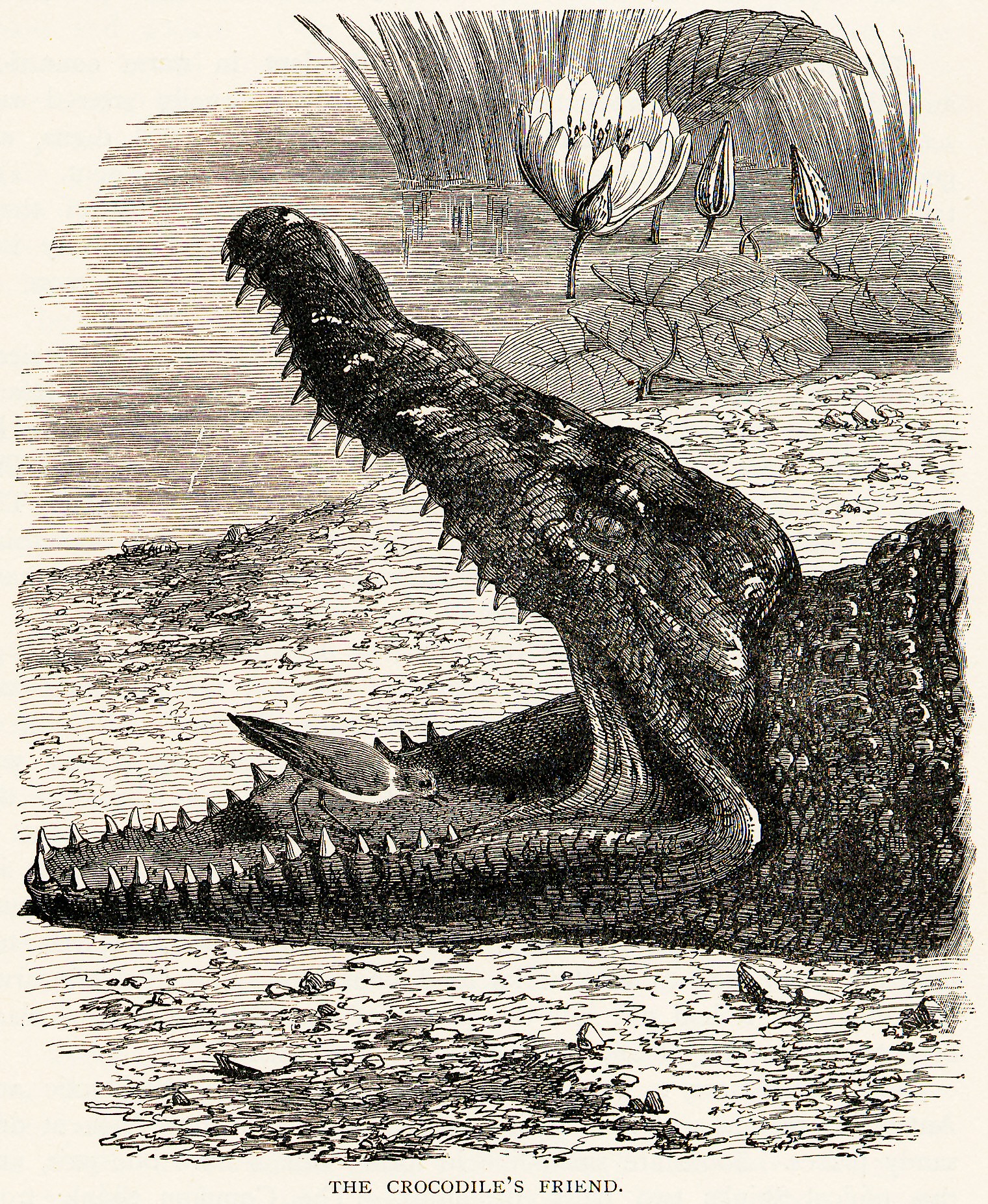
PloverCrocodileSymbiosis

Plover is like Kulinga/Bhulinga bird (Picture from Wikipedia)

Vedanta Desika in his famous hymn ‘Daya Satakam’ says

Maa saahasokti gana kanchuka vanchitaaniyah

Pashyastu thesu vidadhaamyathy saahasaani

Padmaa sahaaya karune na runasti kim tvam

Ghoram kulingam sakuneriva cheshtitam me

Meaning:

O, Daya Devi! I preach to others not to engage in terrible acts that are against the scriptures. After giving advice like this, I myself engage in such shameful acts in front of them. After the Upadesa (discourse) I travel in the opposite direction, cheating them. My act is like the acts of Kulinga bird which warns others not to involve in dangerous acts. But what does the bird do? When the lion yawns before going to sleep and has its carnivorous mouth open wide, the Kulinga bird dashes in and tries to pull out the pieces of meat that stuck to its teeth. Any moment, the bird runs the risk of being killed by the closing of lion’s mouth. O, Daya Devi, it is your duty to prevent me from performing such dangerous acts that I preach against. Why are you watching my destructive behaviour without intervening? You must come to my recue and send me forward on the right path-

Sloka 94 of Daya Satakam by Sri Vedanta Desikan

Vedanta Desikan, Vaishnavite Guru of Kancheepuram area, 1268-1370. Sri Vedanta Desikan was a great saint. When he compared himself to Kulinga bird, it does not mean that he was really like a Kulinga. This is to warn us about fake Gurus. Poets and philosophers always feel humble and compare themselves to the lowest creature. Great Tamil saint Manikkavasagar compared himself to a dog in over hundred places in his Tiruvasagam.

So, please beware of ANANDAS, BABAS, GURUS, SWAMIJIS, SWAMINIS, ACHARYAS, RELIGIOUS SPEAKERS and UPANYASAKS!

First find out their personal life first and then use your discretion before accepting them as GURUs.

symbiosis

Birds clean the skin of the animals. This cooperation is called symbiosis.

There are more interesting information about the signs Kaliyuga in the Kalki Purana:

1.Girls will give birth to children at the age of eight. They won’t follow any rules for their sexual behaviour.

2.People who were 30 measures in Krta Yuga will take the size of three measures in the Kali Yuga ( It is interesting to compare it with a verse in Manu Smrti (1-83). He says that the age of human beings was 400 years in Krta Yuga and it would be only one fourth of that in Kali)

3.High class will become the low class and low class people will become high class people.

4.The rich will be dubbed as high class people and the poor will be dubbed as low class people

5.Women will give birth to 8 or ten children like pigs. They are going to scratch their head with both hands (I don’t understand this phrase.)

6.People will sell food, Brahmins will sell the mantras and women their chastity.

7.More married women will live like widows after fighting with their husbands (Probably it means divorced women)

8.Brahmin women will sell Milk, Butter Milk and Curd/Yogurt and the Vaisyas (business community) will sell meat.

9.There will be reduced rain and less harvest. People will be afflicted with diseases.

10.People will swear that truth is untruth and untruth is truth.

11.Brahmins and other two Varnas (Kshatriyas and Vaisyas) will forget their own Dharma (swadharma).

12.At the end of Kali Yuga, people will give birth to animals.

13.Brahmins will be namesake Brahmins, eating meat and drinking liquor. They will argue a lot.

14.The character (sexual behaviour) of students and teachers will be at a very low level.

15.Women will have dinner first and go to bed before their husbands.

16.Everyone will be preaching Dharma, but none would understand its meaning.

(The original book is in Sanskrit. The Sanskrit verses are also given in the book with Tamil translation. I have given a rough translation from the Tamil version. Some are general comments like there will be famine, diseases, less morality etc. But a few comments like women fighting with their husbands, are very specific that make us wonder how they came to know about it thousands of years before our time. The statistics on divorce in India shows that 6000 to 8000 women file for divorce in each of the four major cities in India!)

Kaliyuga and the Government!

360-good-bad-scale

Article No.1755; Date:- 28  March, 2015

Written by London Swaminathan

Uploaded at London time  19-22 (GMT)


What effect the current Kali Yuga will have on the government because it is ruling in the period of Kaliyuga (Dark Age)? There is an old Sanskrit sloka/verse about the effects of Kaliyuga on the rulers.

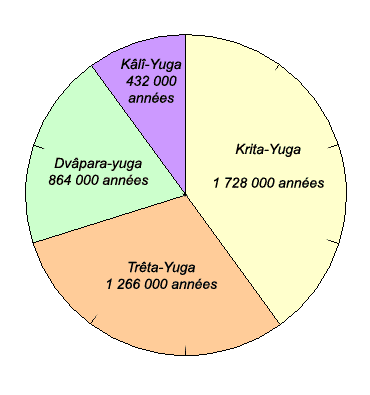
According to Hindu scriptures there are four Yugas/eras. They are cyclical.

What are the four Yugas?

Krta Yuga or Satya Yuga = Golden Age

Treat Yuga = Silver Age

Dwapara Yuga = Bronze Age

Kaliyuga = Iron Age

Another description is Dharma (Righteousness or Moral Code) is imagined as a holy cow which had four legs in Krta Yuga, three legs in Treta Yuga, two legs in Dwapara Yuga and only one leg in Kaliyuga!

Yugas

If you keep your food on a Four Legged Dining Table, you feel comfortable.

If one leg is shaky, you feel a bit uncomfortable.

If two legs are shaky, you would not ask your guests are sons to use it.

If three legs are shaky, even you would not dare to use it.

If all the four legs are shaky, that is dangerous. You won’t go near the table. That is Kaliyuga!

I can give you another analogy:

Two people start a business in partnership. In Krta Yuga, they make good profit and share it equally. They are very happy.

In Treta Yuga, they get less profit and suspect the other of mishandling. Some uncomfortable feeling.

Inn Dwapara Yuga, they lose business and openly blame the other of doing something wrong. Mentally perturbed and angry.

In the Kali Yuga, both of them defraud the other by doing fake transactions and the business goes down. Court cases follow; tension for both; lawyers take most of the money!

kaliyuga1

There are lots of stories in our Puranas (Mythology) about the behaviour of people in the Kaliyuga, but very few on the behaviour of the government or rulers. Here is one:–

Kali : prasupto bhavati sajagra Dwaparam Yugam

Karmasva abhyudyatas Treta vicharanstu Krtam Yugam

The ruler would not bother about what is good or what is bad (just or unjust) out of laziness (sleepy) in the Kaliyuga,

In the Dwapara, the ruler knows (wide awake) what is just or unjust, but does not conduct proper enquiry,

In the Treta Yuga, the ruler will try to do (Attempt) everything right, and

In the Krta Yuga, the ruler follow all the rules very strictly (make it happen) and make the people also to do the same.

We live in Kaliyuga; but yet we can make it Krta Yuga!

White Mustard Seeds to drive away the Ghosts!

Mustard-Seed

Research Article No.1743; Date:- 23  March, 2015

Written by London swaminathan

Uploaded at London time  20-21 pm

“Aa Setu Himachala Paryantam”—From the Himalayas to Kanya Kumari — is a phrase used very often in Hindu literature. Kanyakumari is also called Setu according to the Sankalpa mantra followed in the district. Hindus followed the same culture from land’s southernmost point to the Northern most Himalayas. I have already given umpteen examples from the oldest Tamil literature and the Vedas to prove this point.  Now I have found out that they followed the same technique to drive away the ghosts!

We have already seen exemplary chaste woman Arundhati, Holy Ganges, Holy Himalayas, Sages, Six Seasons, Four Divisions of Army, Rajasuya Yagna, Four Vedas, Dharma, Artha, Kama and Gods Indra, Varuna, Shiva, Vishnu, Rebirth, Karma Theory, astrology etc are followed or respected in the oldest part of Tamil literature as well as Sanskrit literature. It is the same culture with some regional peculiarities. And anthropologists and sociologists knew that such differences exist in all parts of the world. There is no exception.

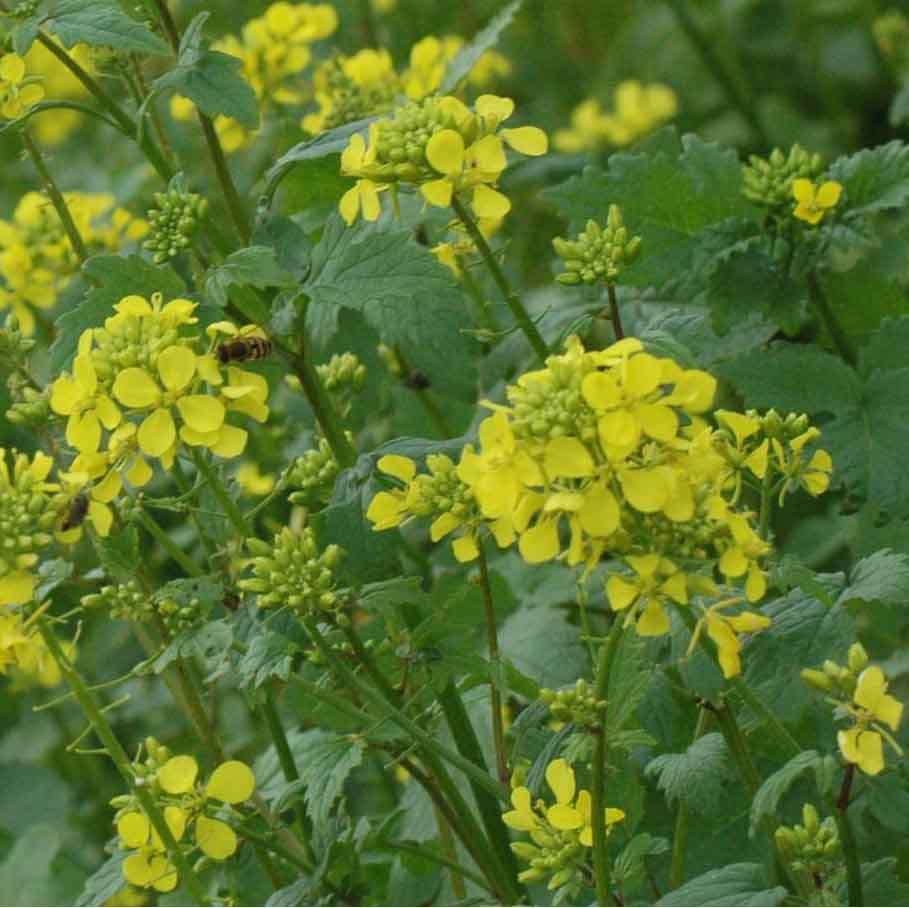
white mustard

Picture of White Mustard

This uniform Hindu culture has bulldozed the Aryan- Dravidian Racist theory. To drive one more nail in the coffin here is the ghost busters from the Atharva Veda and Sangam Tamil Literature!

Sinapis alba or Brassica alba known as Baja or white mustard seeds (Aiyavi in Tamil) are used to protect wounded people, pregnant women and new born babies from the evil spirits according to Tamil Literature and the Atharva Veda. Atharva Veda is dated before 1000 BCE. Tamil Literature is dated the first few centuries of Common Era. So the same belief existed over a vast land of 1-5 million square miles for at least 1000 years!

In the Atharva veda various remedies are suggested to avoid miscarriage and abortion. One of them is an amulet with white or yellow mustard seeds. It is tied on the body of pregnant women to prevent the evil spirits attacking her ( Samething is practised in Tamil Nau!) These evil spirits are believed to cause abortion (AV 8-6-9) or pain in her hips (AV 8-6-13). They like to devour the embryo of the pregnant women (AV 8-6-23). They cause the child to die in the womb or immediately after birth (AV 8-6-18). The cure for such maladies is the white mustard. The mustard prevents problems like still birth, labour pain, bareness (8-6-26).

white-yellow-mustard-

Picture of Mustard Plant

The Atharva Veda (2-25-3) refers to the demons called Kanvas, who eat foetus. The plant prisniparni is the wonderful divine remedy against the vile tricks of Kanvas, in particular causing abortion.

Medical Research needed!

Since 2000 year old Tamil literature and at least 3000 year old Vedic literature talk of the same remedy, serious medical research is required regarding the efficacy of white mustards in protecting infants and the pregnant women. Probably it has anti- bacterial and anti- virus qualities. Tamils used it along with Neem leaves. Margosa or neem leaves are effective anti- virus medicines which are used in treating small pox.

Flowing are the references in Tamil literature—

Tiru murugatru padai – line 228

Maduraikanchi – line 287

Nedunalvadai – line 86

Natrinai verses -40 and 370

Purananuru – 98, 281, 296

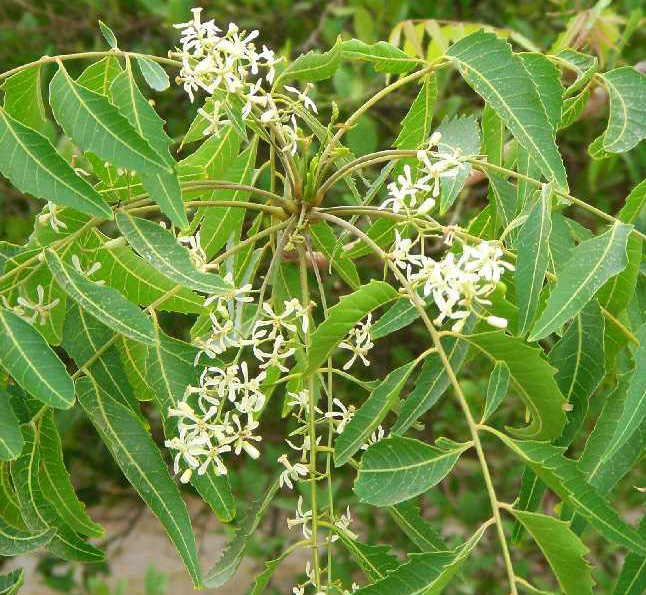
Neem-flower

Picture of Neem Tree

Summary of the information from the above verses:

Wounded soldier’s wife says (Pura.281)

Come on, let us insert Neem leaves (Azadirachta indica) so that the ghosts won’t harm him. Let us sprinkle the white mustard seeds. Let us also ring the bells and play on Ambal pipes and lyre.

Just to prevent the ghosts, burn and make smoke of white mustard (Pura.296)

Chieftain Athiyaman is in ferocious in his attacks. Even when they burn and make smoke from white mustard,  the god of death is definitely going to take the lives of his enemies (Pura.98)

New born baby is just lying by the side of its mother. The lady has worn white mustard paste over her body (Natrinai 40)—just to avoid the evil spirits.

Another house with a new born baby is smeared with white mustard Natrinai 370

The two Natrinai verses show that new born babies and their mothers were protected with white mustard powder mixed in ghee (clarified butter). Long poems also talk about white mustard mixed with ghee is applied in some places. Commentators are very clear about it. They say that this practice is followed to drive away the evil spirits.

It is not a strange coincidence but an accepted practice that the Vedas and Tamil literature refer to. Both are speaking about the same protective measures to save the new born babies and pregnant mothers with white mustard.

Subrahmanya Siva’s Personal Experience with Miracle Men

SubramaniyaSiva

Article No.1738; Date:- 21  March, 2015

Written by London swaminathan

Uploaded at London time 17-40 pm

Freedom Fighter Subramanya Sivam (1884- 1925) narrated two personal experiences with miracle men in his Tamil book Moksha Sadhana Rahasyam. But he ignored them as basic siddhis (power to do some miracles) which one attains during the spiritual practice.

A rough translation of what Siva said in Tamil goes as follows:

Vibhuti manifestation

Once I was sitting with my friends. A beggar approached me and pinched me. Vibhuti (holy ash) came in his hand from my body. I suspected some foul play and so I asked him to get Vibhuti from the sand in front of me. He got it just like that and that Vibhuti had the great fragrance of Palani temple (Palani is famous for fragrant smell in Vibhuti. Making Vibhuti/holy ash and exporting it is a big industry even today. Siva wrote it in 1922. The book was published in 1925). His level of knowledge was lower than that of an animal! I asked him how he acquired this power. He told us by practising a particular ‘Vidhyai’ (some mantra or tantra practice), he acquired this power.

Another time a Bairahi (North Indian Wandering Yogis) came to me. I was talking to a Tamil scholar at that time. He asked my friend to go out and told me that he could cure my (leprosy) disease.  He asked me to bring a paper and pen. He signalled the paper to come to him. It moved towards him. I checked whether he is pulling it with a string. No, he didn’t. There was some space between the paper and the floor.

Siva narrates another old story to illustrate the wastage of energy on petty things after a penance. A yogi did practice Yoga for 12 years. One day when he came to the river he put his feet in water. They did not submerge in water. He tried to walk on water and he did succeed. When the Guru saw his feet bone dry, he asked him how come his feet were dry. He boasted about his newly acquired power. Then the Guru told him, “ Look! what you have saved is just a quarter Anna ( equivalent to few Pennys) after 12 long years of penance. If it is the only one use, you could have paid just quarter anna to the boat man and saved your 12 years”.

He advised him not to use such powers for small things but to advance spiritually.

(This story is also found in Ramakrishna Paramahamsa Upadesa Manjari as well. Siva was a great admirer of Sri Ramakrishna and Swami Vivekananda. He was a firebrand patriot and worked with VO Chidambaram Pillay and the great Tamil poet Subramanya Bharati).

Date of Kalki Avatar!

kalki

Research Article No.1735; Date:- 20th March, 2015

Written by London swaminathan

Uploaded at London time 9-23 am

We all know that Lord Vishnu will reincarnate himself as Kalki Avatar at the end of Kali Yuga for “Paritraaya Saadhunaam and Vinaasaaya sa dushkrtaam” (to protect the good and destroy the wicked). Then he will establish righteousness (Dharma sam sthaapanaarthaaya) .

When will this happen? Is there any indication in our scriptures?

Yes, there is a ‘sloka’ (couplet) which clearly tells us the date of his arrival here on earth.

For all the Ten Avatars we have information in the traditional hymns:

அவதாரங்கள்

TEN INCARNATIONS OF VISHNU

Fish – Matsya Avatar/ incarnation – Month Chitra – 13th day in bright half

Tortoise – Kurma Avatar/ incarnation – Month Jyeshta – 12th day in dark half


Boar – Varaha Avatar/ incarnation – Month Chitra – 5th day in dark half

Man Lion– Narasimha Avatar/ incarnation – Month Vaisaka – 14th day in bright half of the month – (Sukla Paksha)

 பரசுராம

PARASU RAMA AVATAR (RAMA WITH AXE)

Short man – Vamana Avatar/ incarnation – Month Bhadrapatha – 12th day in bright half of the month – (Sukla Paksha)

Rama with axe – Parasurama Avatar/ incarnation – Month Margasirsha – 2nd day in dark half of the month/ Krishna paksha.

Rama  – Rama Avatar/ incarnation – Month Chitra – 9th day in bright half

Man with a plough – Balarama Avatar/ incarnation – Month Vaisaka – 3rd  day in bright half of the month

balarama

BALARAMA= HALAYUDHA= RAMA WITH A PLOUGH = AGRICULTURAL ENGINEER

Blackman  – Krishna  Avatar/ incarnation – Month Sravana – 8th  day in dark half of the month/ Krishna paksha.

Tenth Avatar


Man on a White Horse – Kalki Avatar/ incarnation – Month Bhadrapatha – 2nd  day in bright half of the month – (Sukla Paksha) at the end of Kali Yuga

Masi Bhadrapathe sukla dwitiyaayaam Janardhana:

Mlechaakraantha kalavanthe Kalki rupo bhavishyati

—is the traditional sloka/couplet.

கல்கி

KALKI AVATAR- MAN ON A WHITE HORSE; MLECHAS WILL BE DESTROYED

But nobody knows when the current Kaliyuga will come to an end. Mlechas are interpreted as anti- Hindu or Anti religious.

The foreigners who translated Manu Smrti (Hindu law Book) translated Mlechas as barbarians.

2000 year old Sangam Tamil literature used this word for Romans and Greeks. Tamil commentators are very clear about it.

In Mahabharata , Shalva was a Mlecha king who fought on the side of Kauravas. There was another Shalva who invaded Dwaraka when Krishna was away, but he was defeated by Krishna’s son.

The engineers who built the inflammable House of Lac to kill the Pandavas are described as Mlechas in Mahabharata. Duryodhana borrowed foreign (Greek) ideas to destroy Pandavas.

Anga was another Mlecha in Mahabharata who fought on the side of Kauravas.

Later Sanskrit literature used it for Muslim invaders and British rulers because they were killing cows and eating beef.

The greatest of the modern Tamil poets Subramanya Bharati used the term for Muslim invaders who destroyed Hindu temples.

Tamil Encyclopedia Abidhana Chinatamani gives two more meanings:

1.Arabians

  1. Descendants of Durvasu, Son of Yayati; they were described as Mlechas because they were characterless.

In short Mlechas are those people who are against Hindu Dharma.

நரசிம்மர்

NARASIMHA = MAN LION = DESTRUCTION OF THE WICKED

Foreigners concocted a story saying that Mlechas were the occupants of Indus Valley. But actually those Mlechas were worshippers of Molek. Israelites sacrificed their children to Moloch by burning (Bible- 1 Kings 11-7 and 2 Kings 23-10)

Please read my article:

MLECHA: Most Misunderstood Word (Posted on 3 September,2012)

Swami_48@yahoo.com

Lions and Elephants in Mahabharata!

lion

Written by London swaminathan

Research Article no. 1722; dated 16 March 2015

Up loaded at 9-05 am London time

Strange Animal Stories in Mahabharata! – Part 4

Parts 1,2 and 3 were posted in the past few days.

We have seen snakes, snake bites, crocodiles, and strange frog, fish, tortoise and birds’ stories so far. Now let us look at some more strange animal stories in the Mahabharata.

Lion attack

We hear true stories in Mahabharata. Krishna married eight women including Rukmini, Satyabhama and Jhambavati. Sathyabama’s father was Satrajit. He had a beautiful diamond which he gave it to his brother Prasen. When he went for hunting he was killed by a lion. The diamond was taken by tribal people. Even today Krishna’s state (Dwaraka in Gujarat state) is the only place where we can see lions in natural condition.

wolf

Man turning into a wolf

Ram attack

Dhanusaksha was a learned sage. He was insulted by Medhavi, who had a boon to live as long as the mountains stood. But Dhanusaksha created a ram with strong horns. It started digging the earth to bring down the mountain (3-135)

Werewolf

Lot of stories about werewolves are said in Western countries. They were human beings turned into werewolves by curses. In Mahabharata we come across werewolf like people. Ekata (No.1)  Dwita (No.2)  and Trita (No.3)  were brothers. Once Dwita fell into a well and brothers did not come for help. So Dwita cursed them to become wolves- 9-36

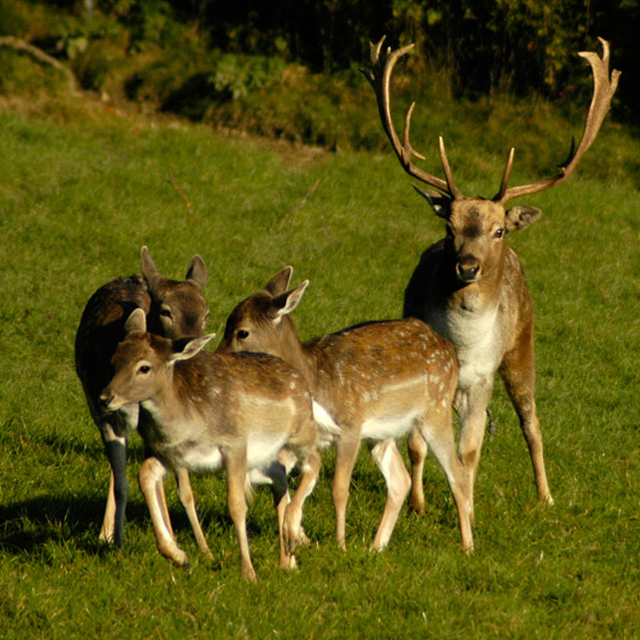
Deers-deer-3417187-640-640

Deer Man!

Kindama was a sage who changed himself and his wife into deer. When they were enjoying physical pleasures, king Pandu killed them. Just before dying of wounds Kindama regained his form and cursed Pandu that he would die the moment he tried to make love to his wife. Pandu argued that kings can hunt animals and it was not illegal. Then the sage told him that may be right but he could not kill an animal when it is engaged love making 1-118

My comments: Actually the sage and his wife did not become deer. They were just wearing deer skin to avoid cold or mosquito bite. May be it is a camouflage technique.

There is another deer in the story of Rishyashringa. He was son of Vibhandaka. His mother was a deer and therefore he had one horn in his forehead 3-110

My comments: Biologically it is not possible to get an offspring from a deer and human being. It is immoral as well. But people with horn like projections can be born. Such things are medically recorded. Since Rishyasringa appeared for the first time in Ramayana, lot of time must have elapsed between the time it happened and it was recorded. So we must give some allowance for errors.

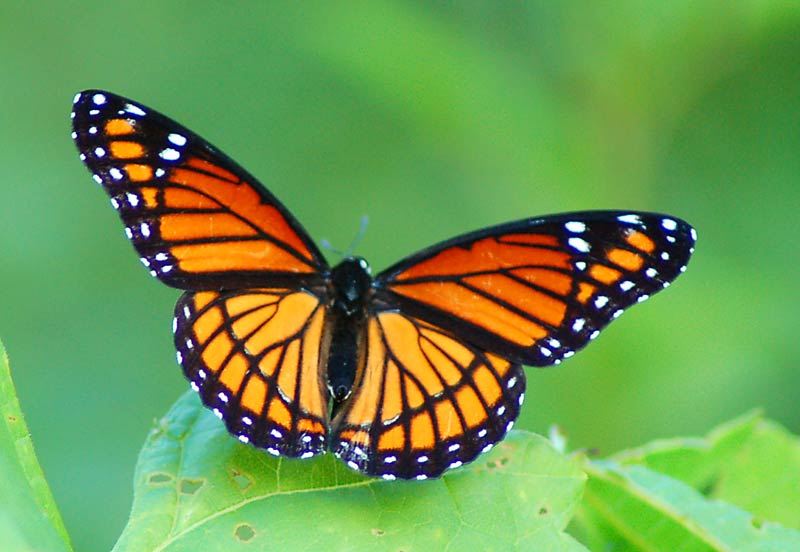
viceroy-butterfly-lg

Butterfly Effect

Mandavya was a sage who was observing silence. Thieves came to his house and hid themselves. When King’s soldiers asked him about thieves, he did not answer. The soldiers found the lost goods and the thieves. They took Mandavya along with them thinking that he was an accomplice. King ordered execution by impalement. Mandavya did not die on the stake but was suffering from pain. The king ordered his release when he found out his innocence. When Mandavya asked Dharma (God of righteousness) the reason, dharma told him that he caused pain to a butterfly with a blade of grass when he was a boy. Mandavya was not convinced with his explanation and cursed Dharma to be born as a low caste person in the world. He was Vidura 1-108

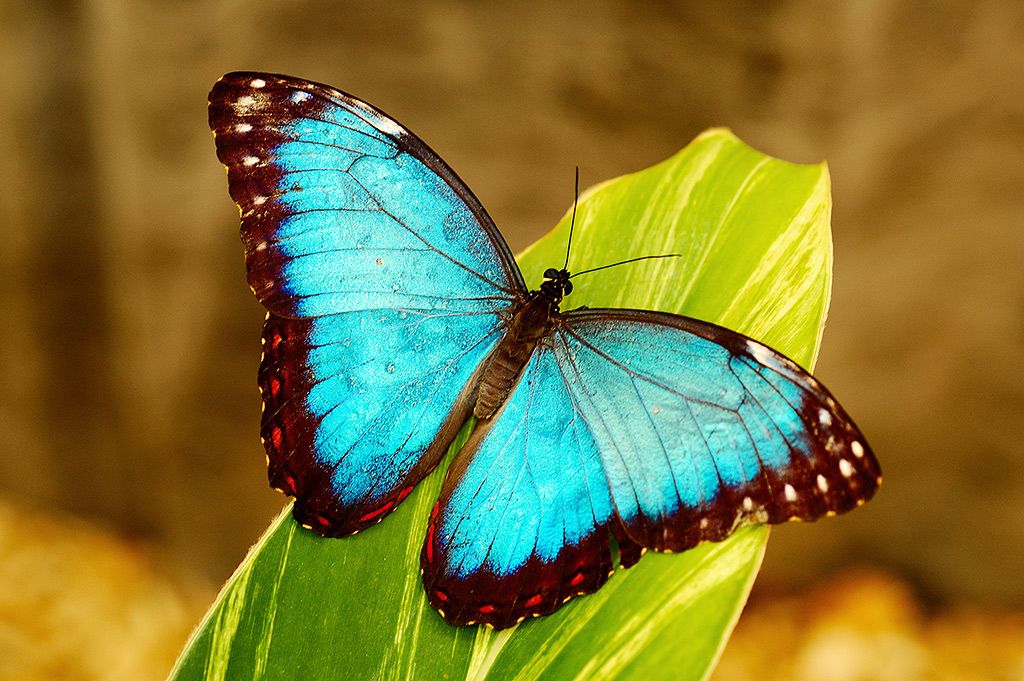
blueMorphoZ

My comments: This is an exaggerated story just to illustrate the Karma theory—cause and effect. Even if you cause a small harm that will come back multi fold. It is actually worked out mathematically. For a butterfly the blade of grass, for a man it is impaling stake! Proportionate punishment!

Cow, Dog and Elephant in Mahabharata

These stories are given by me elsewhere in the blogs. Just a short reference:

Cow :Surabhi’s daughter Nandini was with Vasistha. Story of Surabhi is in 3-9

Dog : Sarma, the female dog of Devas, with her sons were in the Yaga conducted by Janamejaya. King’s brother beat the dogs and Janamejaya was cursed 1-3

My comments: Dog Sarama is in the Rig Veda too. It travelled up to Greece and we find it as Hermes in Greek literature.

Another famous dog accompanied Pandava brothers in their final journey 17-3

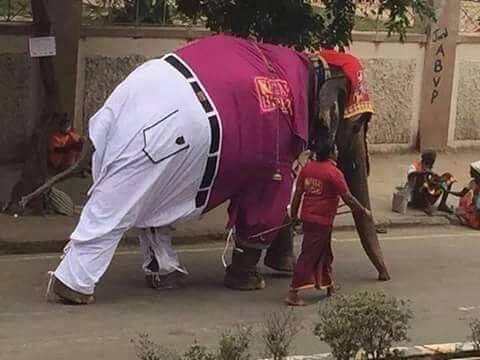
yanaiiku jippa

Elephants

Indradymana, a Dravidian king was cursed by Agastya to become a dim witted elephant 3-104

Bhagadatta, king of Pragjyotisa, had a powerful elephant named Supratika. This elephant caused great havoc in the Pandava army. Krishna helped Arjuna to kill Bhagadatta 7-26

Damayanti accompanied some pilgrims going through a forest in the kingdom of Chedi. They were attacked by wild elephants and many pilgrims died.

My comments: This is a real life story from Indian forests. Earlier a python tried to devour Damayanti.

My comments: These are all real pictures of the ancient India. I Have already written about pythons devouring elephants in Tamil Nadu Forests. Tamil poets of Sangam age observed these things and recorded it in their poems. Mahabharata recorded all snake bites, crocodile attacks, elephant attacks, lion attacks etc.

yanai vibhuti

Naming animals like Airavata, Uchchaisravas is also typical Indian. We have this custom followed from the Vedic days. Even Alexander named his horse Bucephalos following Indians.

Asvattama’s story is famous. That was the name of an elephant as well as the son of Drona. When Yudhistra was asked to shout “Asvattama killed”,that turned the tide of the war. Yudhistra was forced to tell a lie. Drona thought that was his son who died.

MEMORY QUEEN DRAUPADI

Draupadi

Written by S Nagarajan

Research Article No. 1689; Dated 4 March 2015.


Memory:Queen Draupadi of Mahabharata and Emperor Napoleon of France

Emperor Napoleon had an excellent memory. He memorized the rosters of his units and used to call the soldiers by name. It is estimated more than one lakh soldiers were in his army. Baron Meneval, Napoleon’s secretary, wrote in his memoirs that his memory had been described as ‘astonishing’. Various biographers describe his memory as ‘very retentive’, ‘near photographic, ‘prodigious’, and ‘phenomenal’.

Cyrus had a memory so prodigious that he knew by heart the names of all the officers and soldiers of his armies. Emperor Otho, the successor to Galba had learned the names of all the soldiers of his army. He used to call everyone by his proper name.

stamp-napoleon-france-

Similarly Mithridates , the famous king and emperor Adrianius knew by heart the names of all their soldiers. Themistocles was able to remember thirty thousand citizens of Athens by name. Xerxes was reputed to be able to recall the names of the one lakh soldiers in his armies. We believe all these statements without raising any question.


Let us compare these interesting facts with the photographic memory of Queen Draupadi of Mahabharata. She revealed her very rare qualities to the Queen Sathyabama, the wife of Lord Krishna in an intimate chat. She informed Sathyabama that one lakh sixty thousand Brahmanas (priestly class) were daily fed in the palace of Yudhishthira. He also had a hundred thousand well-dressed serving maids with bracelets on arms and golden ornaments on necks, and decked with costly garlands. They were all skilled in singing and dancing. Draupadi knew the names and features of all those girls, as also what they are and what they were, and what they did not.

Yudhishthira had also a hundred thousand maid-servants. These servants daily used to feed guests, with plates of gold in their hands. And while Yudhishthira lived in Indraprastha a hundred thousand horses and a hundred thousand elephants used to follow in his train. These were the possessions of Yudhishthira while he ruled the earth. It was Draupadi, however, who regulated their number and framed the rules to be observed in respect of them; and it was she who had to listen to all complaints about them. Indeed she knew everything about what the maid-servants of the palace and other classes of attendants, even the cow-herds and the shepherds of the royal establishment, did or did not! We are astonished with the statements of Draupadi.

draupadi2

When we compare these statistics with that of Napoleon and other kings we are compelled to admire how sharp was her intellect and memory!While we are ready to believe historians like Pliny, the same way we have to believe the statements of the great Queen Draupadi also. This astonishing memory is one of her qualities only. The women of the world should learn more about Draupadi and should follow her footsteps by developing rare skills.

Note:  The original Sanskrit slokas of Mahabharata were translated by sri Ganguly in 1873-1886. The English version has been taken from public domain and for authenticity sake used here. Readers could download the full Mahabharata from net.