Rama’s Vow and Arjuna’s Vow (Post No 2770)

arjuna, bali, indonesia

Compiled by london swaminathan


Date: 30 April 2016


Post No. 2770


Time uploaded in London :– 11-53 AM


( Thanks for the Pictures)


DON’T REBLOG IT AT LEAST FOR A WEEK!  DON’T USE THE PICTURES; THEY ARE COPYRIGHTED BY SOMEONE.


(for old articles go to tamilandvedas.com OR swamiindology.blogspot.com)


There are two beautiful sayings in Sanskrit about Arjuna and Rama, covering two Hindu epics Mahabharata and Ramayana.


Arjuna of Mahabharata is famous for his valour. He was a great archer. Since he was the best student among the royals, Drona, the teacher of Pandavas and Kauravas, taught him all the tricks of the trade. He has made two vows, never to beg to anyone to save his life and never to run away from a battle.

In Sanskrit:-

Arjunas pratiknjaa (Arjunas vow)

1)Na Dainyam
Never to be reduced to a pitiable state
2)Na palaayanam
Never run away from war
“Arjunasya pratikjne dve na dainyam na palaayanam”

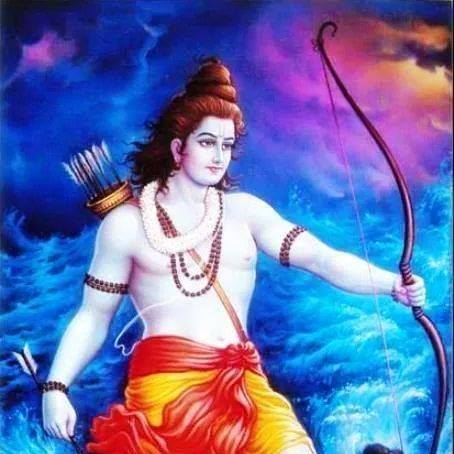
 RAMA ARCH

Rama’s Vow

Rama stood for all the good virtues enumerated in the Hindu scriptures but yet he is more famous for his two vows:

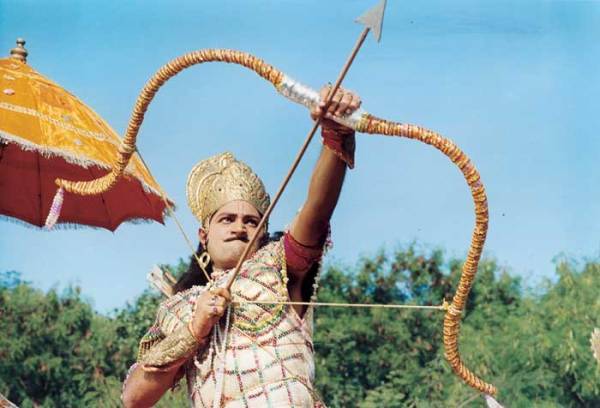
He never shoots an arrow at his enemy for the second time; that means there was no need; he was so focussed and skilful that his first arrow would definitely hit the target. He had never missed it.

The second vow is he speaks only once about any issue; if he gives a word he would never go back. He had given words to Kaikeyi, Sita, Bharata, Guha, Sugreeva and Vibhisana. He had never gone back.

He promised Kaikeyi that he would abide by what Dasaratha ordered him to do i.e. 14 years stay in the forest.
He told Sita that he would not even think of any other woman; that is why there is a saying in Sanskrit ‘ Where is Rama, there is no Kama/desire.

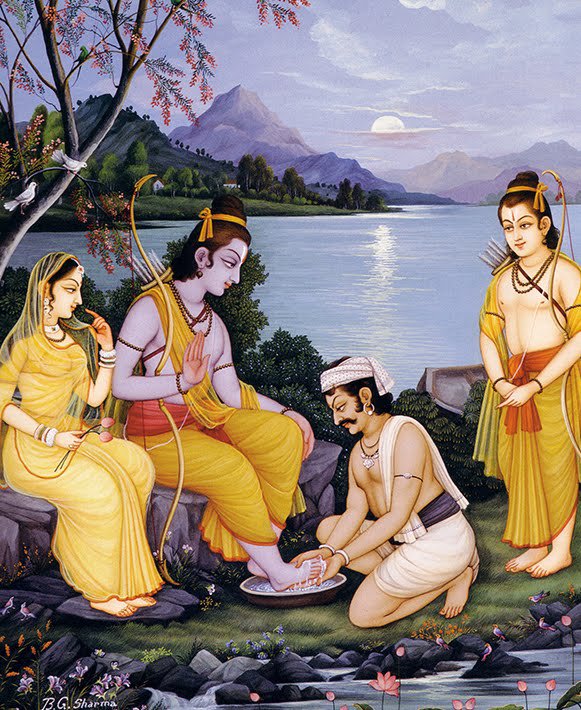
He even rejected the golden Lanka. He handed it over to Vibhisana after the fall of Ravana; when his brother Lakshmana remarked that Sri Lanka was a golden land, Rama said to him, “mother and motherland are greater than the Heaven” (Janani Janama bhumisca Swargadapi gariyasi). He said that Guha was his fifth brother in the very first meeting. Rama was a prince and Guha was just a hunter!

In Sanskrit :-

Tad bruuhi vacanam Devi raaknjaa yadabikaankshitam
Karishyee pratiknjaate ca raamo dvirnaabhibhaasate

—from Valmiki Ramayana

The same is in Mahanatakam as well:–

Dvissaram naabhi sandhatte raamo dvirnaabhibhaasate
–Mahaanaatakam
Dvi saram = two arrows

Na Abhisandatte = never shoots

Dvi = two times

Na Abbhibhasate = never speaks

Let us keep these ideals before us and try to follow in the footsteps of Rama and Arjuna.


Read also my previous posts:

Five heroic qualities of Lord Rama; post no. 2006; posted on 20th July 2015

Lord Shri Rama- the world’s Best PR Man; posted on 17 November 2011

–subham–


மரகதஜோதி வீரன் அர்ஜுனன், இராமனே! (Post No. 2430)

rama sky

Written by S NAGARAJAN

Date: 27 December 2015


Post No. 2430


Time uploaded in London :– காலை 5-37

( Thanks for the Pictures  ) 


DON’T REBLOG IT AT LEAST FOR A WEEK!  DON’T USE THE PICTURES; THEY ARE COPYRIGHTED BY SOMEONE.


வில்லிபாரதம்


மரகதஜோதி வீரன் அர்ஜுனன், இராமனே!

ச.நாகராஜன்


வில்லிபாரதம்


தமிழின் செழுமையைக் காட்டும் அற்புத இலக்கியங்களில் வில்லிப்புத்தூரார் இயற்றிய பாரதமும் ஒன்று.

சொற்சுவையும் பொருள் சுவையும் மஹாபாரதத்திற்கே உரித்தான சிறப்புத் தன்மையும் சேர்ந்த கலவை செந்தமிழில் கிடைக்கிறது என்றால் அதன் பெருமையைச் சொல்லவா வேண்டும்.


உலக இலக்கியங்களில் எல்லாம் தலை சிறந்த தனி இடத்தைப் பிடித்திருக்கும் அர்ஜுனன் சிறந்த சிவ பக்தன். அவன் சிவனை நோக்கித் தவம் செய்து பாசுபதாஸ்திரத்தைப் பெறுகிறான்.


இந்த அருமையான சம்பவத்தை வில்லிப்புத்தூரார் விவரிக்கும் விதமே தனி!


சிவனைப் போற்றும் போதெல்லாம் அர்ஜுனனையும் போற்றுகிறார்.


 rama_tirumanjanam


கோதண்ட இராமனே காண்டீவ அர்ஜுனன்


சிவனைத் துதிக்கும் அர்ஜுனன் யார் என்பதில் ஒரு இரகசியம் பொதிந்து இருக்கிறது அந்த மாபெரும் இரகசியத்தை வில்லிப்புத்தூரார் படிப்படியாக பல்வேறு விதமா சொல்லிக் கொண்டே வருகிறார்.


காண்டீவம் ஏந்திய மரகதஜோதி வீரன் அர்ஜுனன் கோதண்டம் ஏந்திய இராமனே தான் என்பதே அந்த இரகசியம்.

அர்ஜுனன் மரகதம் போல் ஜொலிப்பதால் மரகதஜோதி வீரன் என்று அவனை அழைக்கிறார் வில்லிப்புத்தூரார்.

‘மையோ, மரகதமோ, மறிகடலோ, மழைமுகிலோ, ஐயோ இவன் வடிவென்பதொர் அழியா அழகுடையான் என்று இராமனை வர்ணிக்கிறான் மஹாகவி கம்பன்.

இராமனு அர்ஜுனனும் ஒரே நிறம்!


 ramaswami temple,Kutanthai

வேடனாக உருத்தரித்து சிவன் அர்ஜுனனுடம் போர் புரியும் சம்பவத்தை அர்ஜுனன் தவநிலைச் சருக்கத்தில் சொல்ல வருகிறார் வில்லிப்புத்தூரார்.


விராதன் ஆதி நிசாசரேசரை வென்று முச்சிகரத்தின் மேல் இராதவாறு அடல் அமர் புரிந்த இராமனே நிகர் ஏவினான்


      (புராதனாகம வேத எனத் தொடரங்கும் பாடல் – 92)


விராதன் முதலான ராக்ஷஸத் தலைவர்களை ஜயித்து மூன்று சிகரங்களை உடைய திரிகூடகிரியில் (அதாவது இலங்கையில்) இல்லாதவா கொடிய போரைச் செய்த இராமனையே ஒத்த அம்புத் தொழிலைச் செய்யும் அர்ஜுனன் என்பதே இதன் பொருள்.


மாதலி கூற்று


அடுத்து நிவாதகவசர் காலகேயர் வதைச் சருக்கத்தில் இந்திரனின் சாரதியான மாதலி அர்ஜுனனிடம் அவனை ஏற்றிச் செல்லும் தேரைப் பற்றிச் சொல்கிறான்.

‘நீ ஏறி வரும் இந்தத் தேர் ஜம்புவன், ஜம்புமாலி என்னும் பெயருடைய அசுரர் இருவரை இந்திரன் வதைத்த அந்த நாளில் ஏறி வந்த அதே தேர் தான். இராவணனை வதை செய்து இராமன் வென்ற பிறகு அந்த நாளில் ஏறிய அதே தேர் தான் இது


“தும்பையஞ்சடையான் வெற்பைத் துளக்கிய சூரன் மாள  விம்பவார் சிலை இராமன் வென்ற நாள் ஊர்ந்தது இத்தேர்


(பொருள்: தும்பைப் பூவைச் சூடிய அழகிய சடையினை உடைய சிவபிரானின் கைலாச மலையை அசைத்த சூரனாகிய இராவணனை வட்டமாக வளைந்த, நீண்ட கோதண்டம் என்னும் வில்லை உடைய ராமபிரான் ஜயித்த காலத்தில் ஏறிச் சென்றது இந்தத் தேர்)


கோதண்டம் என்ற வில் சக்கரம் போல வளையும் தன்மை (விம்பம் வார் சிலை) உடையது.


காண்டீவம் என்னும் அர்ஜுனனின் வில்லும் இதே போலச் சக்கரம் போல வளையும் தன்மை உடையது. என்ன ஒற்றுமை!

 ramayana picture

இராமன் போல அம்பு வீசும் அர்ஜுனன்


இன்னுமொரு ஒற்றுமையைச் சுட்டிக் காட்டுகிறார் தமிழ்க் கவிஞர்!

காஸ்யப முனிவரின் மனைவியான திதிக்குப் பிறந்த அசுரர்கள் அர்ஜுனன் மீது அம்புகளை வீச அர்ஜுனன் வைஷ்ணவாஸ்திரத்தை அவர்கள் மீது செலுத்துகிறான்.

அது வெள்ளம் போல அசுரர் படைகளை மாய்க்கிறது. இது எப்படி இருக்கிறது?


முன்னொரு நாளில் இராமன் கடல்நீர் வெள்ளத்தை வற்றச் செய்த விதம் போல இது இருக்கிறது.


வண்ணவிற்படை இராமன் வாரிதி வெள்ளம் வீத்த      பண்ணெனப் படுத்தது அந்தப் பைந்துழாய்ப் பரமன் வாளி

 (நிவாதகவசர் காலகேயர் வதைச் சருக்கம் விண்ணிடத்தசனி எனத் தொடங்கும் பாடல் – எண் 78)


பைந்துழாய்ப் பரமன் வாளி என்பது வைஷ்ணாவாஸ்திரம்.


அர்ஜுனன் இராமன் தானோ!

தன் ஒற்றை வில்லைக் கொண்டு அம்பு மழை பொழிகிறான் அர்ஜுனன்.

அதை வில்லிப்புத்தூரார் வர்ணிக்கிறார் இப்படி:

“தவரினுக்கு இராகவன் கொல் என வரும் தனஞ்சயன்


     (அவர் விடுத்த எனத் தொடங்கும் பாடல் – எண்126)

(தவரினுக்கு – வில் வித்தையில் இராகவன் கொல் என – இராகவன் தானோ என்று சொல்லும்படி வரும் – அவதரித்த

தனஞ்சயன் – அர்ஜுனன்)


 arjun-big2

அர்ஜுனன் இராமனே!

அர்ஜுனன் இராமன் தானோ என்று சொல்லும்படி இருந்தது என்ற வில்லிப்புத்தூரார் கடைசியில் இந்திரன் வாயிலாக அர்ஜுனன் இராமனே என உறுதிப் படுத்துகிறார்.


பாடலைப் பார்ப்போம்:-


ஆதி நாயகன் மாமாயன் அமரர் தம் துயரும் ஏனைப்      பூதல மடந்தைக்கு உற்ற புன்மையும் தீர்ப்பான் எண்ணிச்       சீதை தன் கொழுநநான திண்டிறல் இராமன் போல             ஓத நீருலகில் மீண்டும் அர்ஜுனன் உருவம் கொண்டான்


இந்திரன் கூறுவதாக வரும் இந்தப் பாடலின் பொருள் :

முதல் கடவுளாகிய திருமால் தேவர்களது துன்பத்தையும் மற்ற பூமி தேவிக்கு உற்ற துயரத்தையும் தீர்ப்பதற்காக சீதையின் கணவனான மிக்க வலிமை உடைய இராமனாக அவதரித்தது போல கடல் நீர் சூழ்ந்த உலகில் மறுபடியும் அர்ஜுனனது உருவம் எடுத்து அவதரித்தான்.


அர்ஜுனன் இராமனே என்பதைப் படிப்படியாக வில்லிப்புத்தூரார் சொல்லும் பான்மை சிறந்த கவிகளுக்கே உரித்தான நாடக பாணியில் அமைந்துள்ளது சுவாரசியமான விஷயம்!


அனைத்தையும் சுவைத்துப் படித்தால் மீண்டும் மீண்டும் படிக்கத் தோன்றும்.


கம்பசூத்திரம் என்பது போல வில்லி சூத்திரமும் இருக்கிறது!

*******


இராவணனைப் பற்றிய இரு சுவையான பாடல்கள்!( Post No. 2407)

ravana

Written by S NAGARAJAN

Date: 20 December 2015


Post No. 2407


Time uploaded in London :– காலை 6-23

( Thanks for the Pictures  ) 


DON’T REBLOG IT AT LEAST FOR A WEEK!  DON’T USE THE PICTURES; THEY ARE COPYRIGHTED BY SOMEONE.


சம்ஸ்கிருதச் செல்வம்


இராவணனைப் பற்றிய இரு சுவையான பாடல்கள்!


ச.நாகராஜன்


சம்ஸ்கிருதம் அகன்ற, ஆழ்ந்த ஒரு பெருங்கடல். அதில் மூழ்கி கோடானு கோடி நல்முத்துக்களை எடுக்கலாம். இராவணனைப் பற்றிய சுவையான இரண்டு கவிதைகளைப் பார்க்கலாம்.


இராவணனின் இருபது கண்கள்


இராவணனுக்கு பத்துத் தலைகள். ஆகவே இருபது கண்கள் உண்டு என்பதை அறிவோம்.


அந்த இருபது கண்கள் என்ன செய்கின்றன – ஒரே சமயத்தில்? கவிஞர் தன் கற்பனைக் குதிரையைத் தட்டி விட்டார். பிறந்தது பாடல்.


இராவணனின் இருபது கண்களில் ஒன்று வளைந்து இருக்கிறது. இன்னொன்று குறுகி இருக்கிறது. அடுத்தது ஆவலுடையதாக இருக்கிறது. நான்காவது புன்சிரிப்புடன் இருக்கிறது. அடுத்ததோ ஏதோ அர்த்தத்துடன் ஒன்றைப் பிரதானமாகக் கொண்டுள்ளது. அடுத்ததோ அரைக் கண்ணாக முடியிருக்கிறது. அடுத்தது கறுப்பாக ஆகியுள்ளது ,அடுத்தது எதையோ தூரத்தில் பார்க்கிறது. ஒன்பதாவது கண்ணோ மகிழ்ச்சியுடன் திகழ்கிறது. பத்தாவது அரும்பு போல மூடியிருக்கிறது. அடுத்தது  நடுங்குகிறது. பன்னிரெண்டாவது கண்ணோ நிலையாக நேர் பார்வையைக் கொண்டுள்ளது. அடுத்தது சுழல்கிறது. பதிநான்காவது கண்ணோ இமையோரத்தில் நகர்ந்துள்ளது; அடுத்தது நீர்த்துள்ளது பதினாறாவது கண்ணோ சோர்வைக் காண்பிக்கிறது. அடுத்தது அலை போன்ற இயக்கத்தைக் காண்பிக்கிறது. கடைசி மூன்று கண்களும் கண்ணீரால் நிரம்பியிருக்கிறது.


இப்படி ஒவ்வொரு கண்ணும் ஒரு குறிப்பிட்ட நிலைக்குத் தக்கபடி ஒவ்வொரு வித்தியாசமான விதத்தில் தன் நிலையைக் காண்பிக்கிறது!


கவிஞர் ஸ்வபாவோக்தி என்ற அலங்காரத்தைக் காட்டுமாறு இதை அமைத்துள்ளார்.


இதற்கான ஆங்கில மொழிபெயர்ப்பை – ரஸிக்லால் சி.பரீக் (Rasiklal C Parikh) செய்துள்ளதையும் – கீழே காணலாம்:


One of the twenty eyes of Ravana is bent,another is contracted, a third is eager, a fourth is smiling, the fifth is full of significance: the sixth is half-closed, the seventh is turned back; the eighth is having a long-range; the ninth is full of joy; the tenth is contracted like a bud; the eleventh is trembling; the twelfth is steady; the thirteenth is rolling’ the fourteenth is moving to its corner; the fifteenth is diluted; the sixteenth is drooping; the seventeenth is full of wave-like movements; the last three are full of tears.

(Thus owing to some particular condition every eye is working in a different way!)


India Hindu Festival

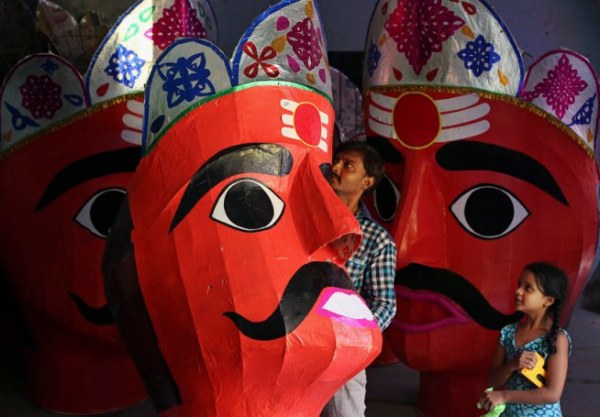
An Indian girl watches as a man displays effigies of ten-headed demon king Ravana for the upcoming Dussehra festival in Hyderabad, India, Saturday, Oct. 17, 2015. The Hindu festival of Dussehra commemorates the triumph of Hindu God Rama over Ravana, marking the victory of good over evil. (AP Photo/Mahesh Kumar A.)

குபேரபுரியில் கொண்டாட்டம்


மஹா வீரனான இராவணன் இறந்து விட்டான். உடனே விழா எடுக்கப்பட்டு விட்டது.


வானர சேனைகள் இருந்த இலங்கைக் கடற்கரையிலா? இல்லை! சுக்ரீவனின் கிஷ்கிந்தையிலா, அங்கும் இல்லை!

குபேர புரியில் கொண்டாட்டம்!

குபேரனின் அளகாபுரியில் ஒரே கொண்டாட்டமாம். யட்சர்கள் வசிக்கும் நகரில் மாதர்களுக்கு ஒரே மகிழ்ச்சி!

பாடலைப் பார்ப்போம்:


கைலாஸாசகர்ணிகேயமளாகா நேத்ரைகபேயா புரோ

தேவஸ்ய த்ரவிணப்ரபோ: கிமபரம் ஸ்ருங்காரஸாரஸ்யம்: I

அஸ்யாமஸ்தமிதே ஹி ராக்ஷஸபதௌ யக்ஷாங்கநாநாமமீ

வர்தந்தே ப்ரதிசத்வரம் ப்ரதிக்ருஹம் ப்ரத்யாபணம் சோத்ஸதா: II


இதன் பொருள் :- கண்களுக்கு விருந்தளிக்கும் அளகாபுரி,  செல்வத்திற்கு அதிபதியான குபேரனின் தலைநகர், மேலும் காமக்களியாட்டங்களின் மொத்த சாரத்தைக் கொண்டுள்ள நகர், கைலாஸத்தின் செவியில் உள்ள ஆபரணமாய் அமைந்துள்ளது. ராக்ஷஸர்களின் அதிபனான ராவணன் இறந்து விட்டான் என்று தெரிந்தவுட யட்ச பெண்மணிகள் ஒவ்வொரு நாற்சந்தியிலும் கூடிக் கொன்ண்டாடினர்.ஒவ்வொரு வீதியிலும் ஒவ்வொரு வீட்டிலும் கொண்டாட்டம் தான்!


குபேரனின் புஷ்பக விமானத்தை அபகரித்ததிலிருந்து ராவணனின் ஒவ்வொரு செய்கையும் பாதித்தது அளகாபுரி மக்களைத் தான்! அவன் ஒழிந்தான் என்றவுடன் இன்ப புரியில் இன்ப லோகக் கொண்டாட்டம் தான்! குறிப்பாக மாதர்கள் ஸ்த்ரீலோலன் ஒழிந்தான் என்று மகிழ்ந்தனர்.


பெரும் வாழ்நாள் கொண்டிருந்தாலும், வேத விற்பன்னனாக இருந்தாலும், சிவ பக்தனாக இருந்தாலும் அடுத்தவர் மனைவி மீது ஆசைப்பட்டு அநியாயமாகத் தூக்கிக் கொண்டு வந்தவந் ஒழிவது தானே தர்மம்!


கவிஞரின் கற்பனையை நாம் கொண்டாட வேண்டியது தான்.சார்த்தூலவிக்ரிதித சந்தத்தில் அமைந்துள்ள இதை பகதத்த ஜலஹணர் என்பவர் தொகுத்த சுக்திமுக்தாவளியில் காணலாம்.

ராவணனைப் பற்றி இப்படி ஏராளமான தனிப் பாடல்கள் உண்டு. ஒவ்வொன்றும் மிகச் சுவையானது!


******

கவிஞர்களின் பார்வையில் சீதை, ராமர், சுக்ரீவன்! (Post No. 2402)

rama_guha

Written by S NAGARAJAN

Date: 18 December 2015


Post No. 2402


Time uploaded in London :– காலை 8-41

( Thanks for the Pictures  ) 


DON’T REBLOG IT AT LEAST FOR A WEEK!  DON’T USE THE PICTURES; THEY ARE COPYRIGHTED BY SOMEONE.


சம்ஸ்கிருதச் செல்வம்


கவிஞர்களின் பார்வையில் சீதை, ராமர், சுக்ரீவன்!


ச.நாகராஜன்

 RAMAYAN STATUES2,FB

கவிஞர்களின் பார்வையில் பட்ட எதுவுமே கவிதையாகும்! அதுவும் ராமாயணம், மஹாபாரதம் போன்ற இதிஹாஸங்களிலும் புராணங்களிலும் வரும் கதாபாத்திரங்கள், நிகழ்ச்சிகள் மீது அவர்கள் பார்வை பட்டதென்றால் நமக்கு சுவையான கவிதைகள் தானே, கிடைக்கும்! கவிதைகள், தானே கிடைக்கும்!


1872ஆம் ஆண்டு பம்பாயில் வெளியிடப்பட்ட சுபாஷித ரத்னாகர(ம்) என்ற நூலில் இடம் பெறும் சம்ஸ்கிருதப் பாடல் இது.


சீதை ராமர் ஆக, ராமர் சீதை ஆவார்


கீடோயம் ப்ரமரி பவேத்விரதத்யானாத்தயா சேதஹம்                

ராம: ஸ்யாம் த்ரிஜடே ஹதாஸ்மி புரதோ தாம்பத்ய சௌக்யச்யுதா  I                   


ஏவம் சேத் க்ருதக்ருத்யதைவ பவிதா ராமஸ்தவ தியானம்                          

சீதா த்வம் ச நிஹத்ய ராவணரிபும் கந்தாஸி ராமாந்திகம் II


கீடம் – புழு ; ப்ரமர் – வண்டு ; ரிபு — எதிரி


சுவாரசியமான கருத்தைத் தெரிவிக்கிறார் கவிஞர் இதில். இதன் பொருளைப் பார்ப்போம்.


சீதையும், விபீஷணனின் பெண்ணான த்ரிஜடையும் அசோகவனத்தில் சம்பாஷித்துக் கொண்டிருக்கிறார்கள். அப்போது சீதை த்ரிஜடையை நோக்கி, “ ஓ, த்ரிஜடை! புழுவானது இடைவிடாமல் வண்டை நினைத்துக் கொண்டிருப்பதால் அது வண்டாக மாறி விடும் என்று சொல்லப்படுவது உண்மையா? அப்படியென்றால் (ராமனை இடைவிடாமல் தியானிக்கும்) நான் ராமனாக மாறி விடுவேன்.எனது அன்புக்குரிய கணவரின் அன்பு இல்லாமல் தள்ளி தூர இருப்பதிலிருந்து விடுபட்டு விடுவேன்” என்றாள்


இதைக் கேட்ட த்ரிஜடை உடனே சீதையை நோக்கிப் பதில் கூறுகிறாள் : “ அப்படி என்றால் அது நல்லதற்குத் தான்! ஏனெனில் நீங்கள் ராமர் ஆகி விடுவீர்கள். உங்களை இடைவிடாமல் நினைத்துக் கொண்டிருக்கும் ராமர் சீதை ஆகி விடுவார்!

RAMA,SITTINNG,FB


நீங்கள் (ராமராக ஆகி விடுவதால்) எதிரியான ராவணனைக் கொன்று விடுவீர்கள். உடனே ராமருக்கு அருகில் சென்று விடுவீர்கள். (அவரவர் தம் தம் உருவை எடுத்துக் கொள்வீர்கள்!)

எப்படிப்பட்ட அபாரமான கற்பனை!


இது அமைந்துள்ள விருத்தம் சார்த்தூலவிக்ரிதிதம் என்ற சந்தத்தில் அமைந்துள்ள அருமையான செய்யுள்!


ராகவேந்திரரும் வானரேந்திரரும்


ராகவேந்திரருக்கும் (ராமர்) வானரேந்திரருக்கும் (சுக்ரீவர்) ஒரே பிரச்சினை தான்! அதனால் என்ன நடந்தது? இருவரும் நண்பராக ஆகி விட்டார்கள். கவிஞ÷ ´ÕÅரின் கவிதையைப் பார்ப்போம்:


ச ராகவேந்த்ரோ ஹ்ருதராஜதார: ச வானரேந்த்ரோ ஹ்ருதராஜதார: I          

ஏவம் தயோரத்வனி தைவயோகாத் சமானஷ்கிலவ்யசேஷு சக்யம் II


ரகுவம்சத் தலைவனான ராமன் தன் மனைவியை அபகரித்த நிலையில் இருந்தான். வானரத் தலைவனான சுக்ரீவனும் அதே போல தன் மனைவி அபகரிக்கப்பட்டவனாக இருந்தான்! விதியின் விளைவாக இருவரும் சந்தித்தனர். இருவருக்கும் ஒரே பிரச்சினை இருந்ததால் நண்பர்களாக ஆகி விட்டனர்!

தாரம் இழந்த ராகவேந்திரன், தாரம் இழந்த வானரேந்திரனைச் சந்திக்கவே சக்யம் (நட்பு) ஏற்பட்டது – இருவருக்கும் பிரச்சினை ஒன்றே என்பதால்!


நல்ல கற்பனையில் நமக்குக் கிடைத்தது அற்புதமான ஒரு செய்யுள்!


இது போன்ற தனிப்பாடல்கள் ஏராளம் சம்ஸ்கிருதத்தில் உள்ளன. தமிழிலும் உள்ளன.

சுவைக்க நேரமும், மனமும் வேண்டும்!


சம்ஸ்கிருதம், தமிழில் உள்ளவற்றை மனமூன்றிப் படிப்போம்; உயர்வோம்!!

***********


My Visit to PANCHAVATI (Post No. 2378)


IMG_9462


IMG_9466

Written by London swaminathan

Date: 10 December 2015

Post No. 2378


Time uploaded in London :– 16-01

( Thanks for the Pictures  ) 


DON’T REBLOG IT AT LEAST FOR A WEEK!  DON’T USE THE PICTURES; THEY ARE COPYRIGHTED BY SOMEONE.


IMG_9470

Saint ValmikiIMG_9483

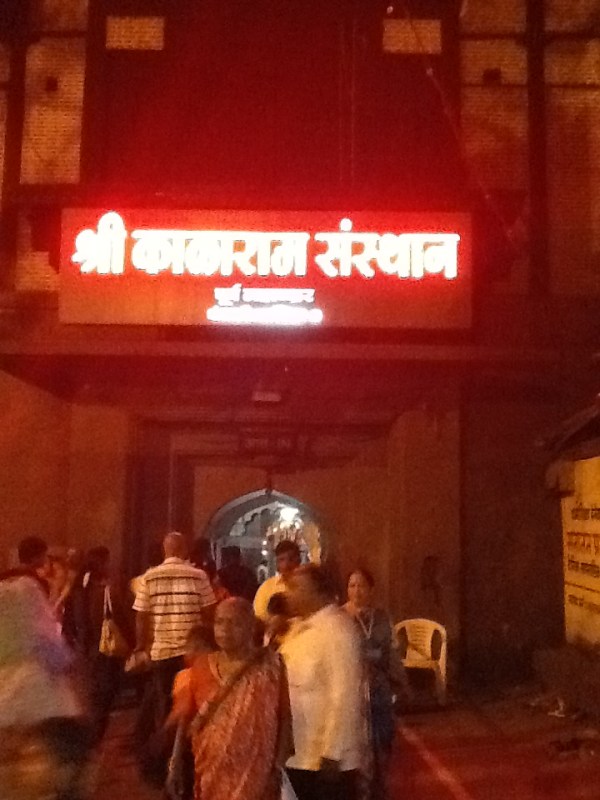
Kala Ram/ Back Ram Temple

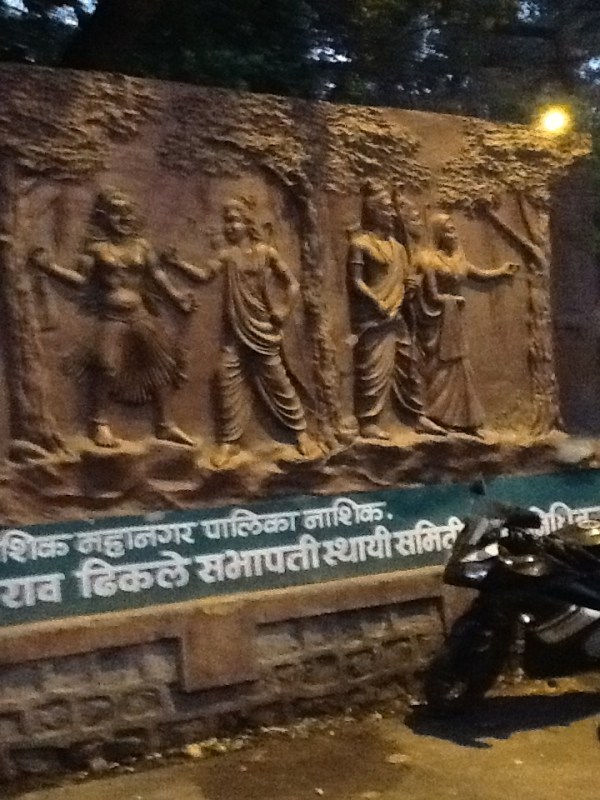
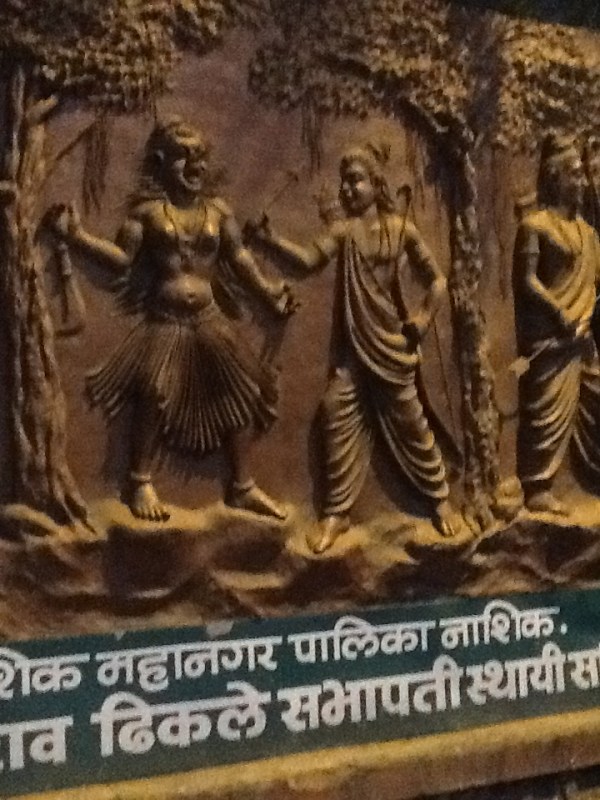
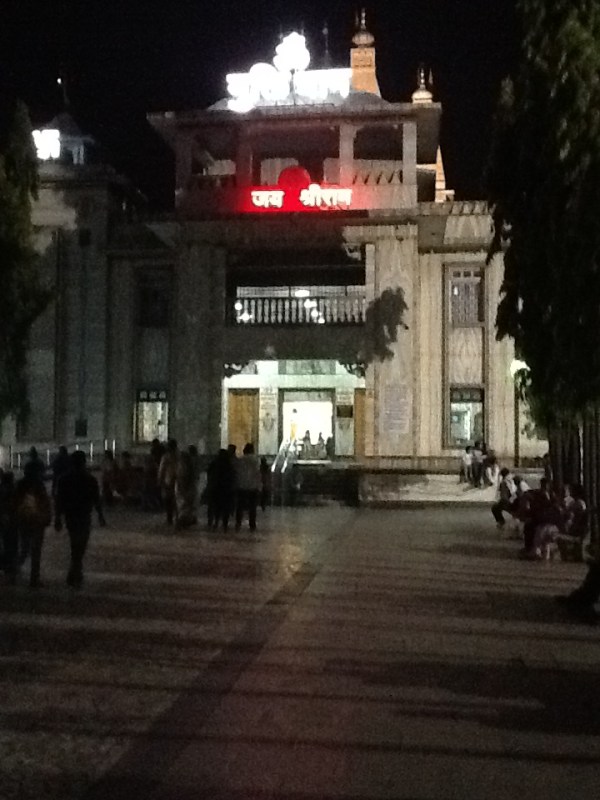
From Triambakeswar we came back to Nashik and proceeded to Panchavati which is very nearby. As soon as we entered the town, we saw Ramayana scenes on the wall with descriptions in Hindi. This is about Rama’s encounter with Surpanaka followed by Maricha Vada (Killing of Maricha).


Panchavati became famous because of the incidents in the Aranya Kanda of Ramayana. Surpanakha tried to seduce Rama and Lakshmana followed by her disfigurement (nose cut). Maricha came disguised as a golden deer and Rama tried to catch it at the behest of Sita and Ravana came at the time to abduct Sita. Since Rama and Lakshmana camped there for most of the 14 year period in the forest, all the places there were connected with Ramayana.

IMG_9486

We went to see the five banyan trees which gave the name to the place: Pancha means Five and Vata means Banyan tree = Five Banyan Trees= Pancha Vati.


The banyan trees are numbered from 1 to 5. Tourists can easily identify them. But most of the sign boards are in Hindi only. We need them in English or regional languages such as Tamil, Telugu and Kannada. North Indians can follow Hindi.


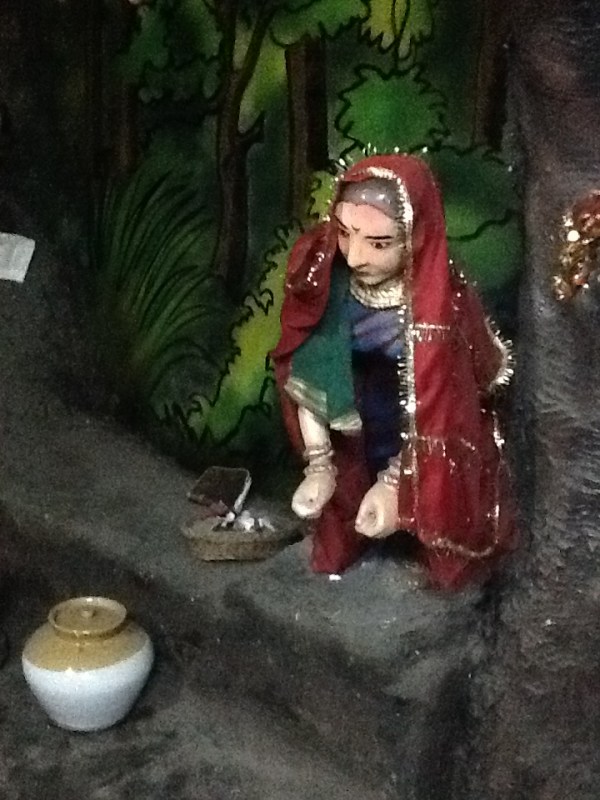
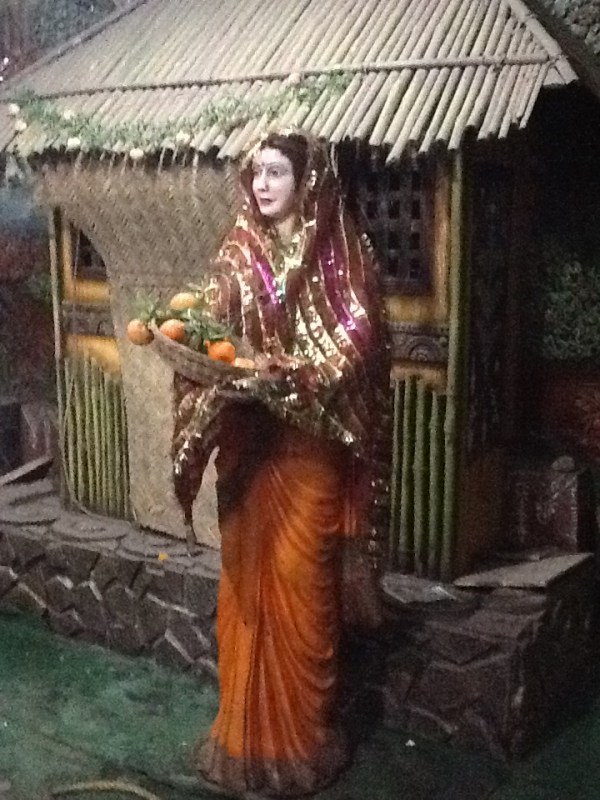
All along our route we saw lot of banyan trees and Sugar cane juice stalls. There is a Sita Cave (Sita Guha or Gufa). As our driver warned us about the condition of the cave we did not venture to go there. He told us some drunkards abused the place and there was even a murder in the recent past. But opposite the five trees, there was a centre with all the Ramayana statues and dolls. It was very good to see the scenes from the Aranyakanda.

IMG_9487

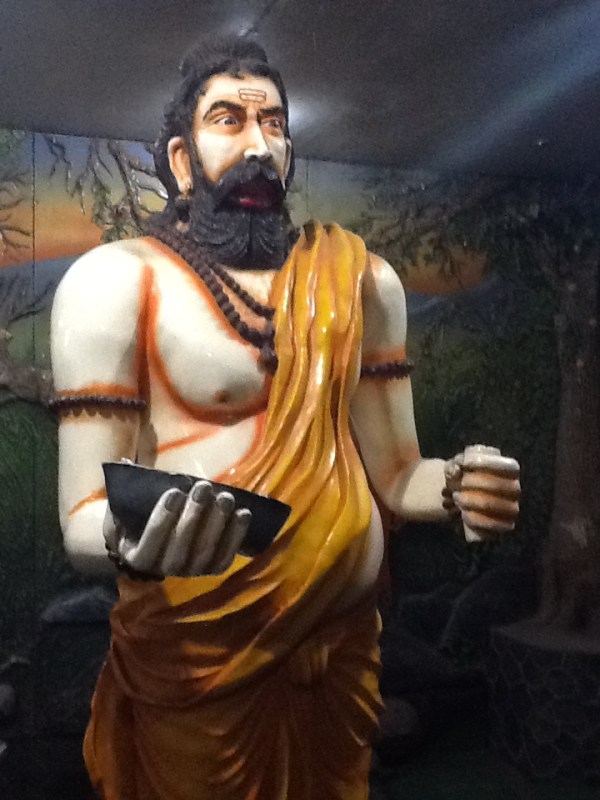
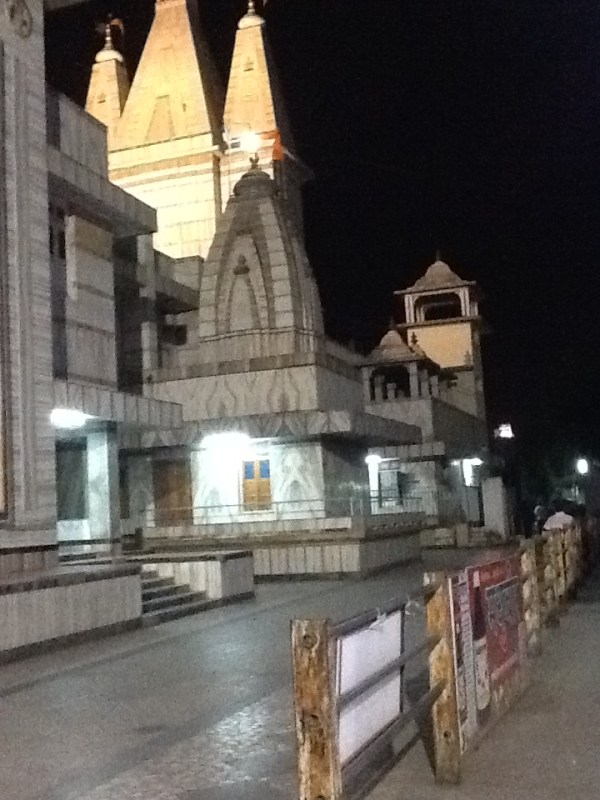
The big attraction in Panchavati is the Kala Ram (Black Ram) temple. It is a beautiful Rama temple. In the nearby park we saw statues of Swami Vivekananda and Valmiki. Lot of shops sell things for tourists. We also bought some brass bells. I have already written about the tortoise lucky yantras sold there. With them Surya yantras are also sold.


Too many Toll gates:

Between Mumbai and Shirdi, we came across 8 to 10 toll gates. They extracted money and delayed the traffic. State and Central governments must find a way to eliminate them or use machines to photograph the number plates and charge them like we do in London for the Congestion Charge. Alternately State governments may be subsidised and the toll gates can be done away with.


Since onions became scarce and were in great demand, a lot of vendors were selling the  onion bags on the road side. We also saw lot of shops selling cheap Chinese toys such as teddy bears.

IMG_9489

IMG_9500

IMG_9502


IMG_9503

Ravana


MUKTIDHAM

Muktidham is another place near Panchavati. There is a beautiful marble temple were all Hindu gods and saints are displayed in miniature form. There is a central shrine for Rama and Sita. On either side there are lot of statues or marble figures depicting Puraic scenes. Dis play of the 12 Jyotirlinga shrines is the most impressive one.


There was a Kartikeya (Skanda) shrine where women are not allowed following the age old tradition. Poet Kalidasa and Tamil Sangam literature also talk about such a taboo.


One disappointing thing about such a beautiful temple is that we don’t get any pictures for sale. No one is allowed to take pictures inside the temple. In future, at least the temple should sell picture post cards.

IMG_9515

Picture of Muktidham Temple

Warning about Oily food

Our driver advised us to go to Rs 50 meals sold by the temple trust. But our ill luck made us to try the Purohit restaurant in the same compound where a meal (Thali) is Rs.230. We did not mind paying the amount, but all the dishes were floating in oil. Literally the vegetables were swimming in the oil!


Next time you go there, please try the temple restaurant and write to me about the quality of the food. Let me find out whether it is better than the restaurant!

IMG_9519

–Subham—

You can tell Lies in Five Places:Mahabharata

emblem_of_india-svg

Written  by London swaminathan

Post No.2257

Date: 19 October 2015

Time uploaded in London: 16-13

Thanks for the pictures.

Don’t use pictures. Don’t reblog for at least a week.

SINLESS UNTRUTH

Earlier I wrote about the views of the greatest philosopher Adi Shnakara and the Tamil poet Tiruvalluvar on lying. Both Shankara and Valluvar allow us to tell lies under certain circumstances (See at the bottom of this article.)

Na narmayuktam vachanam hinasti na strishu raajan na vivaahakaale

Praanaatyayee sarvadhanaapahaare panchaanrutaanyaahurapaatakaani

–Mahabharata (Adi Parva) 82-16

It is said that if you tell lies under the following five circumstances, it is not considered a sin:

Strii: You can tell a lie to women

Narmayukti: As jokes

Vivaahakaala: During marriage (to bring a boy and a girl together)

Praanaatyaya: When your life is threatened

Dhanaapahaara: Loss of wealth.

Vyasa wrote Mahabharata in the beginning of Kaliyuga; he knew that lies can’t be avoided completely. But the end justifies the means. So if anything leads to a good end or a beneficial effect, then lying is justified.

Some simple examples:

A husband tells a small lie to his wife when he overpaid for the thing he got it for his wife such as flowers or sarees or gold ornaments. Men are not as shrewd as women in bargaining.

A lot of us crack jokes with children, women and friends and naturally we tell them lies to see the suspense or disappointment in their faces. We, in western countries, tell lot of lies to our children about Santa Claus bringing all the Christmas gifts through the chimney.

To bring a boy and girl together, a lot of lies are told. In Tamil there is a proverb that says ‘you can tell 1000 lies for a marriage to happen’. The boy is told that the girl looks like a film actress. When he sees her he realises that it is not true. Then all extra information is fed: though she is not that beautiful you will not get such a girl because she sings like koel (cuckoo) and cooks like Nala or Bhima (which is also not true). The girl is also told that the boy is like Manmatha (Cupid) and he earns a big fat salary, which may not be true.

To save one’s life, lying is allowed. If a robber is chasing a good man and he hides in our house, naturally we will tell him a lie to save the good man.

If someone tries to rob you off everything and your family will be ruined because of that, you can tell a lie to save whatever money you can save.

satyameva

Following is my article posted in 2014

When can you tell a lie? Adi Shankara’s Advice

By London Swaminathan
Post No. 838 Date. 13-02-2014

Tamil poet Thiruvalluvar and India’s greatest philosopher Adi Shankara give us guidelines about lying. Both of them allow us to tell lies if they can bring immense good. We have some anecdotes in Mahabharata where in there was a dilemma to tell the truth or not.

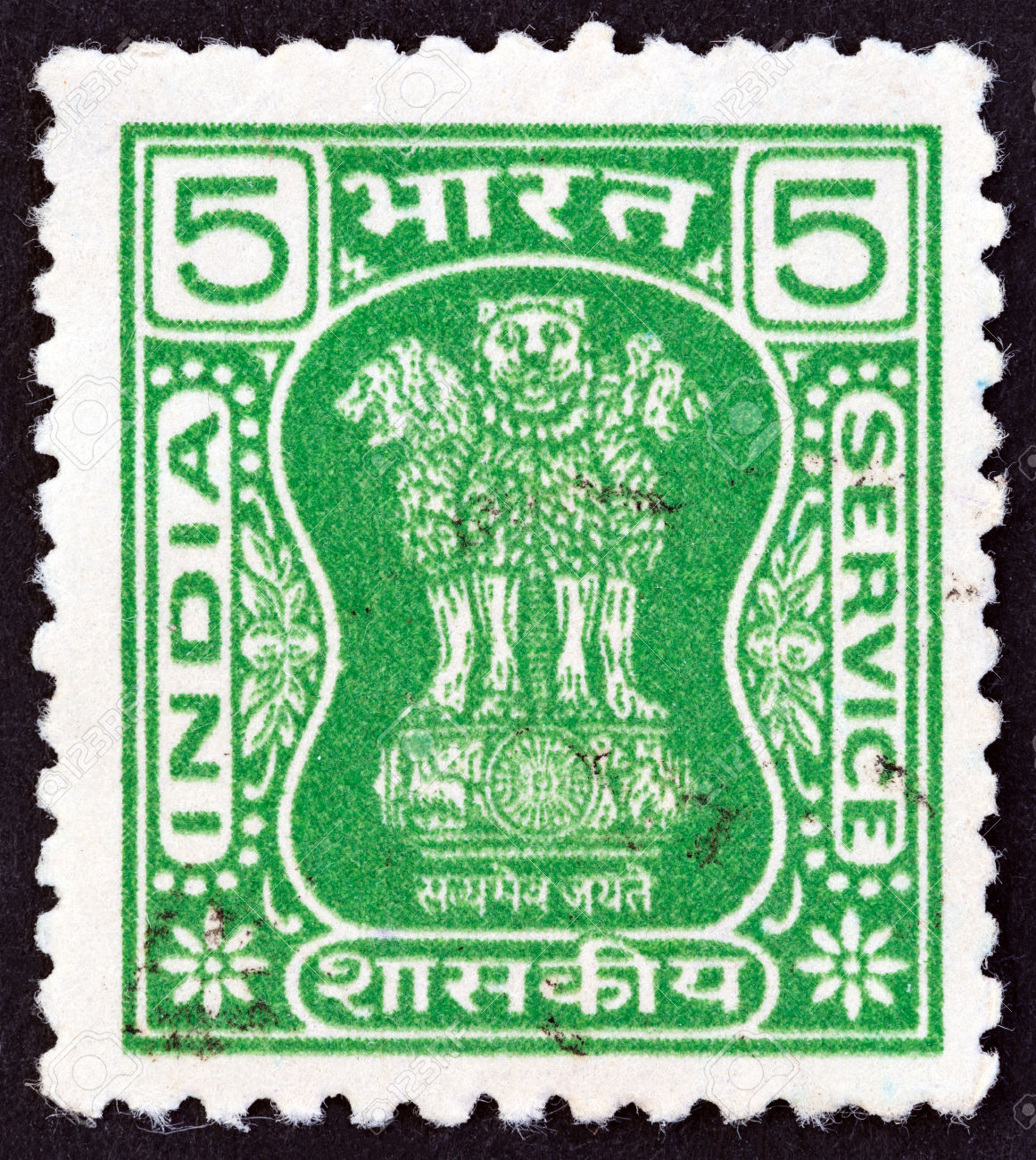
We are taught by the Vedas ‘satyam vatha’=speak the truth. That is the first command. The emblem of Government of India and the Government of Tamil Nadu has the Upanishad dictate ‘Satyameve Jayate’= truth alone triumphs. There is no contradiction in it when we say we are allowed to tell lies for the good of the humanity. Bhagavad Gita and other Hindu scriptures lists Honesty and Truth as very important qualities.

Upanishads has a beautiful story about a boy named ‘Truth Seeker’ =Satyakaman. When he came to Gautama for learning the Vedas he asked his caste and clan. He said that his mother’s name was Jabala. He asked him to go back to his mum to find the name of his father. She plainly told him that she did not know it. He went straight to Gautama and told what his mum said to him. Immediately he accepted him as a student saying this was the quality of a Brahmana. The meaning is whoever speaks truth, he is a Brahmana.

In spite of these high moral standards, Shankara and Valluvar allow us to tell a lie if it can do some good. In Tamil, there is a proverb that ‘one can do a marriage by telling one thousand lies’. We can easily read between the lines. Uniting two people in marriage is a good thing. So ignore minor things. Very often they ask ‘Is the boy handsome? The answer we get is ‘Yes he is very handsome’ Is the girl beautiful? Yes the girl is very beautiful. Beauty is in the eye of the beholder. Beauty in body is different form beauty in behaviour. So what they say is true.

coin satya

Story of Kausika

Sometimes truth may be worse than a lie. There is a beautiful story in the greatest and the longest epic in the world Mahabaharata. Kaushika was a Brahmana who made a vow of always speaking the truth. One day robbers were chasing a group of travellers in the forest. When they passed by Kaushika, he also noticed them. The robbers came to Kaushika and asked him whether he had seen the travellers. He told them where the travellers were hiding. The robbers went there, tortured and robbed the travellers. Kaushika had to go to hell for speaking the truth.

That is why Valluvar puts a sub clause when he said ‘yes, lying is allowed’:
Even untruth might attain the value of truth, if it is productive of UNMIXED GOOD, without the least blemish (Tirukkural 392)

Valluvar probably knew the story of Kaushika in Mahabharata. So he makes it clear in one of the verses:
“If one’s speech does not wrong any living creature, while being factually correct, that is truthfulness (Kural 291)”

1965-war-victory

Shankara’s View

Adi Shankara in the Prasna Uttara Ratna Malika (Gem Garland of Questions and Answers) hymn says
There are 67 verses in question and answer format. In the 46th verse he puts one question ‘Who is not to be trusted?’ The answer is ‘one who as a rule utters lies’.
In the next verse (47), one of the questions is ‘on what occasions even a lie is sinless?’ ‘That which is uttered for the sake of protecting righteousness (Dharma)’.
One should not harm anyone while telling a truth and one can tell a lie if it can bring some good to someone.

Plato’s View

SM Diaz in his commentary on Tirukkural adds:
“The eminent Greek philosopher Plato, of a date prior to Thiruvalluvar , has discussed in his Republic, the concept of the Noble Lie, which statesmen may use under certain circumstances as an instrument of state-craft or education. G.C.Field who discusses this matter in his book entitled The Philosophy of Plato quotes as example, Mr Churchill’s ‘ terminological inexactitudes’, used during World War II, as a means of deceiving the enemy, in the national interest.”
“ In the Mahabharata, Dharmaputra’s true statement, drowned in noise and made to appear false, in order to produce a certain good result, was also considered to come under this category. In Tamil Nadu the proverb that Even a thousand lies would be worthwhile to bring about a marriage, is based on the same principle of Plato’s Noble Lie.”

“Shakespeare projected an allied thought when he wrote,
If I do lie and do

No harm by it, though the Gods hear, I hope they will pardon it.
But this does not satisfy Valluvar’s acid test. Only truth should be accompanied by harmlessness; untruth should be productive of positive good to qualify for being classed with truth. Untruth which is just harmless may be fun but not truth.”

Aswaththama Hatha: Narova Kunjarova: (Aswaththama dead; whether man or elephant)
Krishna had arranged to have an elephant named Aswatthma sacrificed in the battle. Yudhistra confirmed that Aswatthma had been killed adding in a lower tone Aswaththama ‘the elephant’ or man which had been killed. This news shattered Aswatthma ‘s father Drona who threw down his arms in despair. Un armed Drona was killed by Dhristadymna . Like story of Kausika, this is also from the Mahabharata.

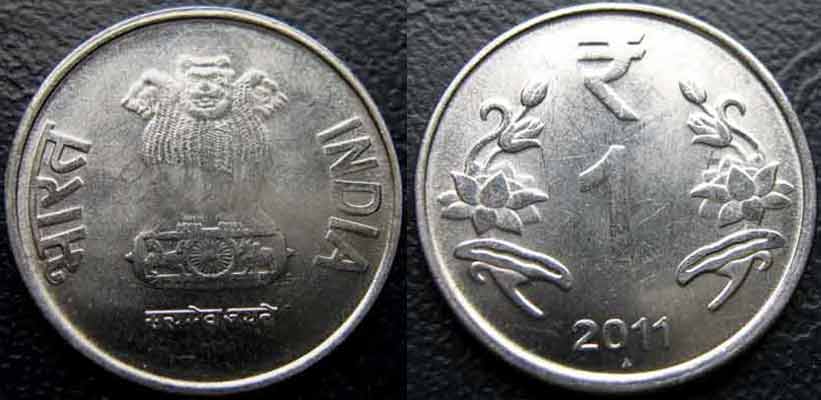
(In Indian coins and stamps, the National Emblem with the words TRUTH ALOE TRIUMPHS + Satyameva Jayate is is inscribed)

–Subham–

Satyam Svargasya Sopaanam: Truth is Step to Heaven

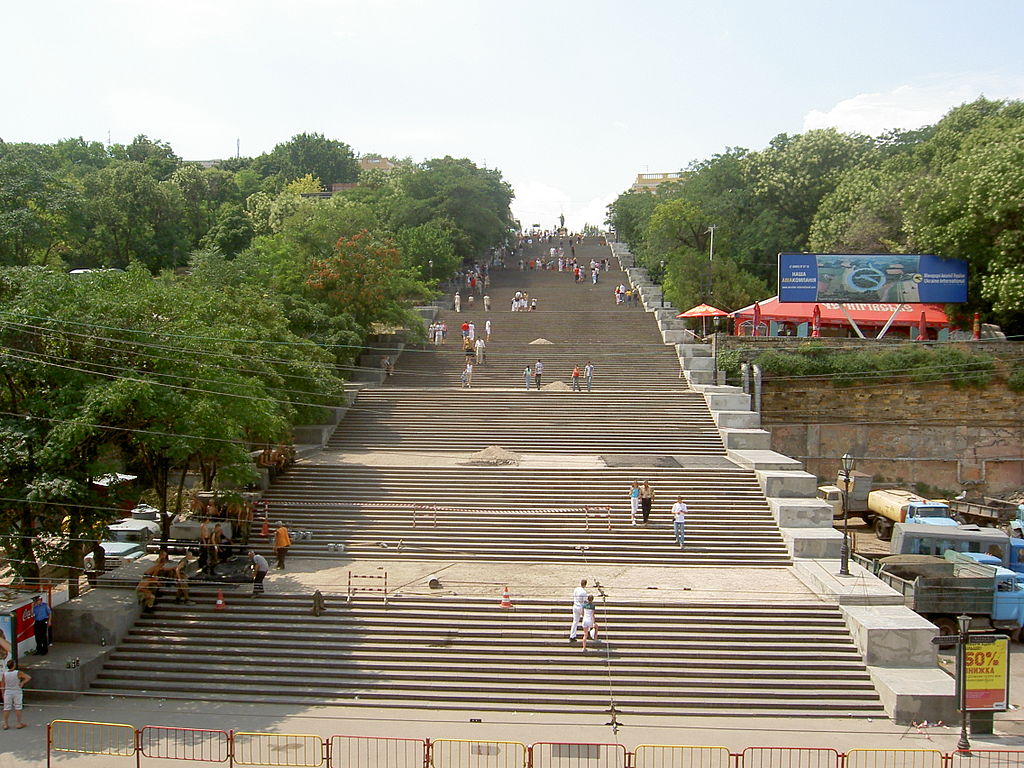
longest step

Compiled by London swaminathan

Post No.2238

Date: 12  October 2015

Time uploaded in London: 17-52

Thanks for the pictures.

Don’t use pictures. Don’t reblog for at least a week.

Mahabaharata, the longest epic in the world, has got thousands of quotable quotes; there are thousands of similes as well. All the great scholars quote such beautiful sentences and phrases in appropriate places, but no one has done them subject wise or indexed them subject wise. One has to go deeper like pearl fishing. Here are some quotations:

Simple-Indoor-Stair-Treads

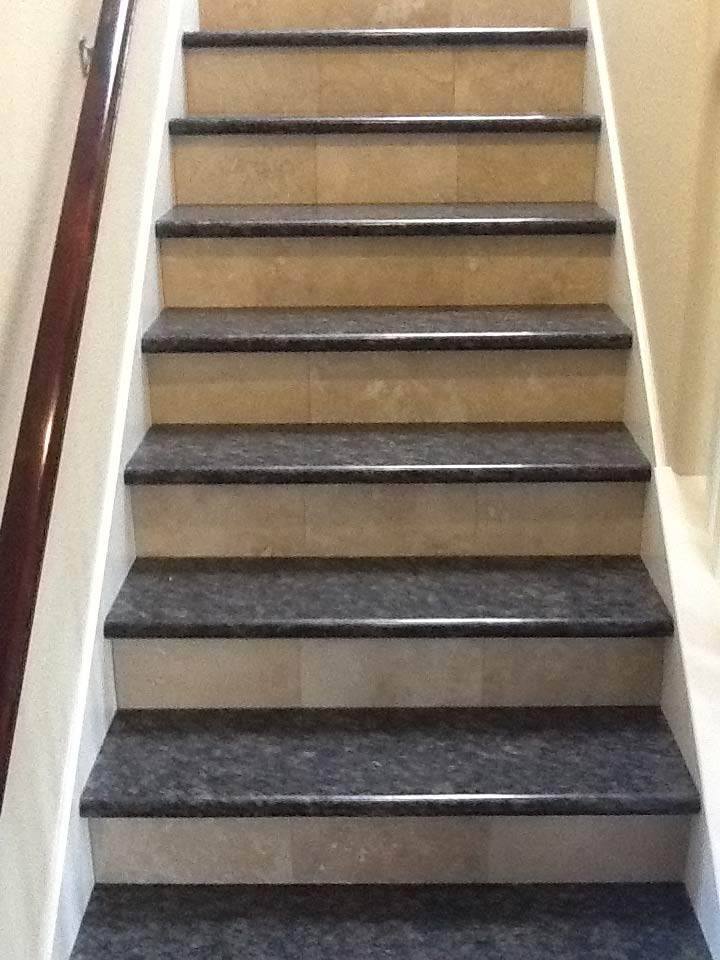
Truth – Step to Heaven

Ekamevaaadvitiyam tad yad Raajan naavabudhyase

Satyam svargasya sopaanam paaraavaarasya nauriva

–Mahabharatam (Udyoga Parva 33-47)

A boat helps one to cross the ocean and truth helps one to go to Heaven acting like Steps (sopaana); O,King you failed to understand it. There is no second opinion about it.

Eating in Other’s House

You can eat food in others’ houses under two circumstances.

Sampriti = Mutual affection

Apad  = when you are in difficulty

Sampriitibojyaanyannaani apadbojyaani vaa puna:

Na cha sampriiyase Rajan na chaivaapagataa vayam

–Mahabharatam (Udyoga Parva 91-25)

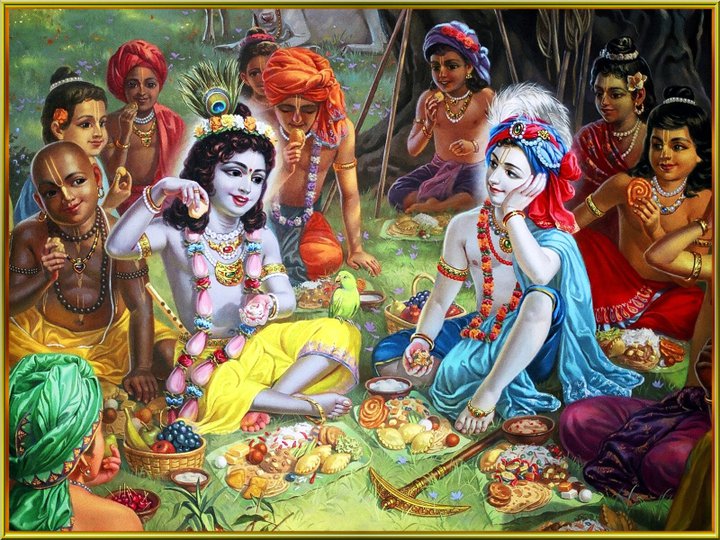
krshna eating

What is Dharma’s Definition?

The definition or the qualities of Dharma (Righteousness) is/are

Vedoktah = As stated in the Vedas

Dharmasastra = As found in scriptures dealing with Rules of Conduct

Sistaacaarah = Code of Conduct

Vedokta: paramo dharma: dharmasaastreshu chaapara:

Sistaachaarascha sistaanaam trivdham dharmalakshanam

–Mahabharatam (Vana Parva 207-83)

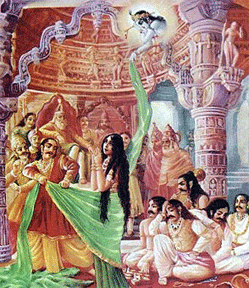
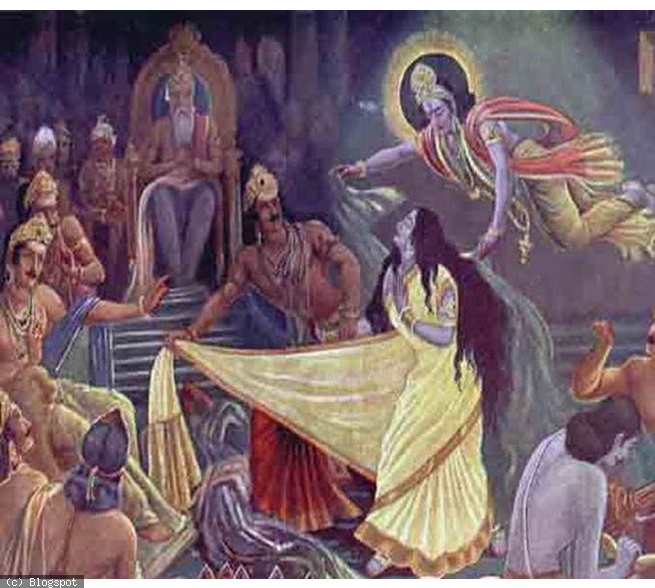
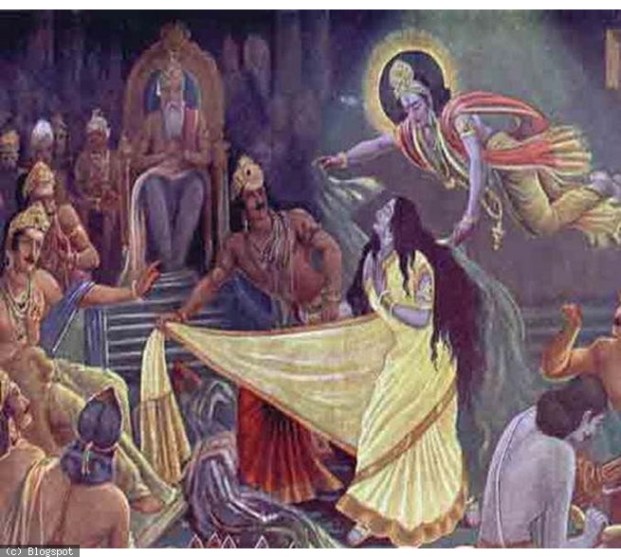
Was Draupadi Disrobed

Why did Krishna help Draupadi?

Four Reasons for the Lord to protect Draupadi:

Sambandha = Relationship

Gaurava = Honour

Sakhya = Friendship

Prabhutva = Lordship

Chaturbi: kaaranai: Krishna tvayaa rakshyaasmi nityasa:

Sambandhaad gauravaatsakhyaat prabhutvenaiva Kesava

–Mahabharatam (Vana Parva 12-127)

–subham–

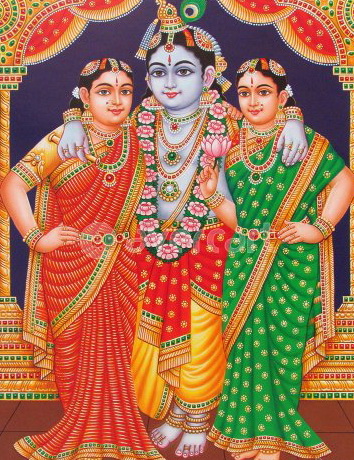
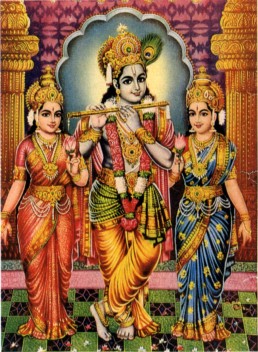
Sex Secrets! Satyabhama boldly asks Draupadi in Mahabharata!!

satyabhama-wife-krishna-rukmini

Lord Krishna with his wives Rukmini and Sthyabhama

Compiled by London swaminathan

Post No.2220

Date: 6   October 2015

Time uploaded in London: 19-48

Thanks for the pictures.

Don’t use pictures. Don’t reblog for at least a week.

Following conversation between Draupadi and Krishna’s wife Sathyabhama is found in Vanaparva (3-38) of Mahabharata:

Amazing details of house keeping, human psychology, and ancient ways of showing respect – all covered by Vyasa in this chapter.

krshna__rukmini_e_satyabhama

Satyabhama’s Question:

How do you conduct yourself, Draupadi, when you attend on the Pandavas? Why are they ever angry at you? Hey! Beauty! Tell me. Have you done any penance (tapas)? Do you use any special ablution, spells or herbs? A powerful knowledge of roots (drugs)? Some prayer or Fire oblation (Yaga) or Drug? Tell me the glorious secret of your sexual power, Krshnaa!

(Krishna with a short vowel sound is Lord Krishna; Krishnaa with a long vowel is Draupadi)

When Sathyabhama stopped speaking, Draupadi replied:

“You, beloved queen of Krishna! Such questions and uncertainties do not become you. When a husband finds out that his woman uses spells and drugs on him, he gets as frightened of her as of a snake that has got into the house. What peace that a frightened man have, and what happiness without peace? No husband has ever been made uxorious with a (magic) spell! It is murderous men who under the name of herbs use poison or the dreadful diseases that have been sent by his ill wishes. The powders a man takes on the tongue or skin will kill him shortly, no doubt of that.

“ I serve the Pandavas and their wives always religiously without selfishness, likes and dislikes. In return for their affection I place my soul in theirs, obey them without self- seeking and guard the hearts of my husband without fear or wrong word, wrong stand, wrong glance, wrong seat, wrong walk or misinterpretation of a gesture; that is the way I serve the Parthas, men like sun, fire and moon, great warriors who kill with a glace, awesomely sharp and mighty. No other men could please me, be a God or man or a Gandharva, youth rich or handsome.

“I do not eat or lie down until my husband has eaten or lain down or bathed, ever, even when there are servants.

“When my husband comes home from the field, the wood or the village, I get up to meet him and make him feel welcome with a seat and drink of water.

“My store rooms are scrubbed, my food is good. I serve the meal in time, I am at it, the rice is well stored, and the house is spotless.

“I talk directly, and do not seek bad women for company, and I am always agreeable, never lazy.
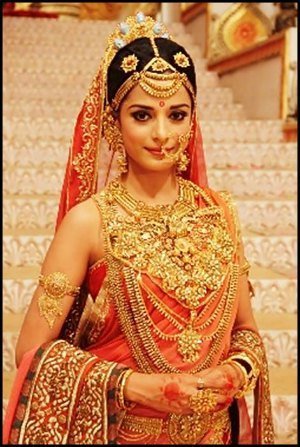
Draupadi

Draupadi

DON’T LAUGH TOO MUCH

“I avoid laugh, when there is no joke, only briefly tarry at a door, am not long in privy or the gardens. I avoid laughing too much or carping too much and give no cause for anger.

“I am always truly devoted to serving my husbands, and never in any way do I wish them ill.

“When my husband sleeps out on some family business, I go without flowers and make-up, and follow a vow.

“What my husband does not drink, what my husband does not chew, what my husband does not eat, I avoid it all.

“Well trained according to the prescriptions, well-adorned and most eager, beautiful woman, I am bent on what is good for my husband.

“The laws that forever operate on households, I have heard them all from my mother-in-law: the begging, the thrown-offering, the Sraddha, the milk dish at new and full moon (Amavasya and Purnima), and whatever other matters the mindful mind, I know them.

“My law rests on my husband, as, I think, it eternally does with women. He is the God, he is path, nothing else; what woman could displease him?

“I don’t out sleep my men, nor out eat or out-talk them, and never complain about my mother-in-law, however aggravated I am.

“And by this constant attention, my lovely, by this daily-up-and –about, and by obedience to my elders I got upper hand of my husbands.

“There is no day that I do not wait on the Lady Kunti, mother of heroes, speaker of truth, all by myself, bathing her, dressing her, feeding her. Would I ever contradict her, in matters of cloths, jewelry, or food? No, I never complain about our Prtha (Kunti), who equals earth herself”.

Having heard this account, informed by Law, from Krshnaa (Draupadi), Sathya paid honour to the Pancali woman of the law like habits; “I am with you, Pancali Yajnaseni (Draupadi), forgive me: for it is not the way with woman friends to speak freely in jest?”
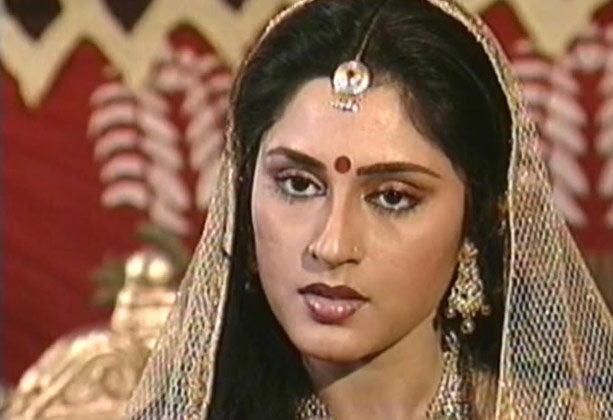
Rupa-Ganguly-dusk

DRAUPADI SAID:

Let me talk of the way, unopprobious way,

For a woman to hold the heart of her husband:

You walk that way, friend, the proper way,

And you will cut your man from his mistresses.

There is no such deity, Sathya, here

In all worlds with all their divinities

Like a husband: you are rich in every wish

If you please him right; if he is angry you are dead.

You get children and all kinds of comforts,

A place to sleep and to sit and marvellous sights,

And clothes, and flowers and certainly perfumes

And the world of heaven and steady repute.

No bliss is found easily on earth,

A good woman finds happiness through hardship;

So worship Krishna with happy heart

With love and always the acts of affection.

When from tasty dishes and beautiful garlands,

From domestic adeptness and various perfumes

He reasons that he must be dear to you,

He himself will embrace you with all his love.

When you hear the sound of your man at the door

Rise up and stand in the middle of the house:

When you he has entered make haste with a seat

And receive him with water to wash his feet.

And send your serving women away,

Get up and do all the chores yourself:

Then Krishna will surely know your heart;

She loves me completely, Sathya, he will think.
draupadi krishna

KEEP THE SECRETS!!

Whatever your lord may say in your presence,

Even though no secret, keep it a secret.

A co-wife of yours will surely report you

To Vasudeva and he will turn away.

Invite for a meal, by hook or by crook,

Your husband’s favourites, faithfuls, and friends,

And cut forever his foes and opponents,

His ill-wishers, blackguards, and the insolent rude.

If you find your man drunk or distracted,

Control your temper and hold your tongue;

Though Pradyumna and Samba are your sons,

Don’t ever attend to them secretly.
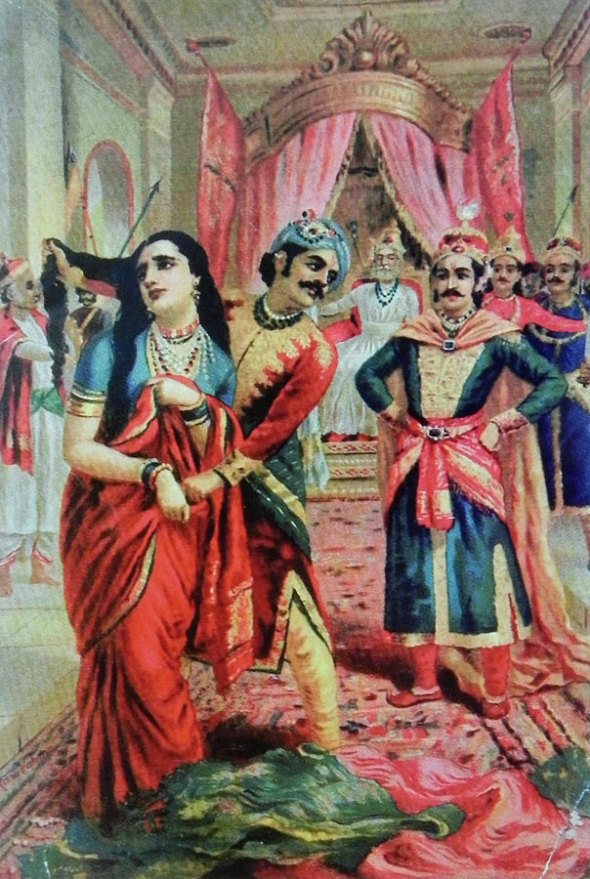
ravi-varma-painting-GX84_l

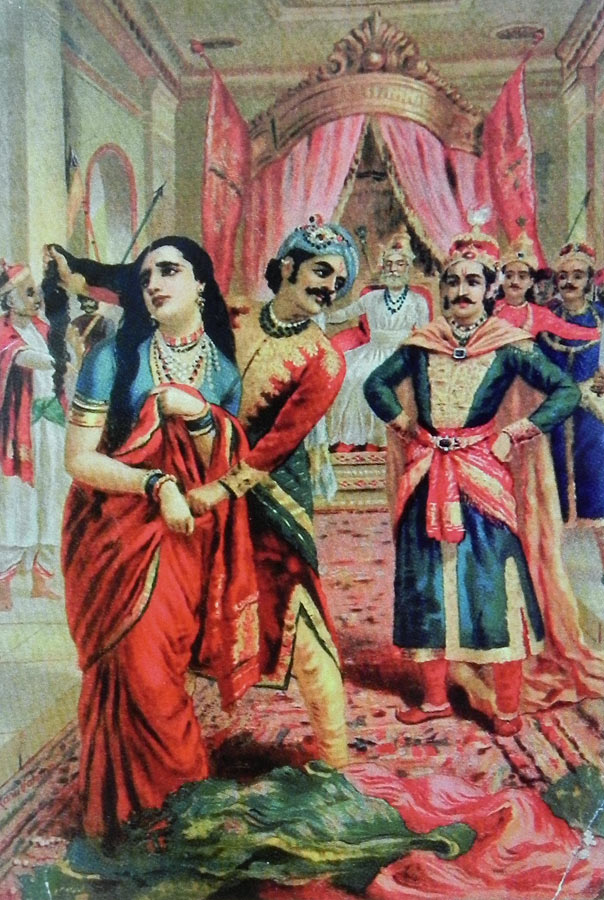
Ravivarma’s painting of Disrobing of Draupadi

MAKE FRIENDSHIP WITH HIGHBORN LADIES!!

Strike up a friendship with highborn ladies

And women of virtue and without vice:

The bellicose, bibulous, gluttonous ones.

The bad, thievish, fickle you must avoid.

THIS IS THE GLORIOUS SECRET OF SEX

THAT LEADS TO HEAVEN AND UPROOTS THE FOES;

WORSHIP YOUR HUSBAND WHILE WEARING YOUR COSTLY

FLOWERS AND JEWELS AND MAKE-UP SCENTS.

This advice of Draupadi to Sathyabhama is found in Vanaparva of Mahabharata. Translated from Sanskrit into English is done by A.B.van Buitenen

–subham-

Five Heroic Qualities of Lord Rama!

ram-with-dwaja

Article No.2006

Written by London swaminathan

Date : 20th July 2015

Time uploaded in London : 19-12

A hero, according to Western culture, is one who kills hundreds of people in a war. Then he is awarded the highest order or award or medal of the country. But the Hindu concept of a hero is very different. In India, two holy men were called Maha Veer, i.e. Great heroes. They are Maruti or Hanuman and Mahavira, the 24th Tirthangara of the Jains.

Many others including Lord Rama, Arjuna also bear this title. The word Hero in English came from the Sanskrit word Vira (veera). There is popular Sanskrit couplet about Lord Rama which describes the five ‘heroic’ qualities of Rama. He is

Tyagavira = famous for his sacrifice

Dayavira = famous for his compassion

Vidyavira = famous for his wisdom

Parakramavira = famous for his valour

Dharmavira = famous for his righteousness

One may wonder why the word hero/Vira is attached to virtues such as compassion, righteousness, sacrifice. Hindus have found out that it is easy to kill anyone but to uphold these virtues in situations like “To be or Not to be”, is the most difficult one. One can easily deviate from the set rules in the scriptures for selfish gains; but Rama never did violate any of the rules in the scriptures and positively showed that one can follow it right to the end.

Here are some examples:

Tyagavira: He sacrificed his kingship just to obey his father! Even his own brother Lakshmana asked him to revolt against his father and step mother, but he did not.

rama-travel

Dayavira : He showed compassion to all those he met. He treated tribal leaders like Guhan, Sabari and semi civilized people like monkey tribes, bear tribes, eagle tribes as his own kith and kin. When his opponent Ravana lost all his weapons in the battle, he asked him to go home and come back next day with the weapons.

Vidyavira: He showed complete wisdom in all his actions. He gave enough chances to avoid war with Ravana. He sent Hanuman as ambassador. Wherever he won land, he did not rule those places. He gave them back to Sugreeva and Vibhisana.

Parakramavira: He subdued all the demons from his teenage days. He defeated the most feared hero Parasurama. When Sugreeva doubted his strength, he pierced the seven trees with a single arrow. In all the cantos of Ramayana there are incidents to show his Parakrama.

Dharmavira: Valmiki, the author of the original Ramayana, praised his as the embodiment of Dharma/righteousness. Ramayana is read or acted or recited throughout India and South East Asia because of the incomparable virtues of Rama. No man until today beat him in following the scriptures. When a common man doubted the integrity of his wife Sita, he asked her to do Fire Walking. He spent 14 years in the forest just to satisfy his father’s wishes. He gave equal respect to his brothers and mother and step mothers. There were many situations where one can easily slip. Above, all he was the only Indian king who refused to marry more than one woman. All other Hindu kings married more than one woman according to the rules for the kings. He never spoke untruth!

Here is the famous couplet

Panchaviiraah samaakyaathaa raama evat u panchadhaa

Raghuviira iti kyatah sarvaviiropalakshnah

ராமன்

My earlier articles on Ramayana:-

Lord Sri Rama- the Best PRO in the world, posted on 17 Nov. 2011

Rama – Embodiment of Dharma, posted on 5 April 2014

Aladdin’s magic in Valmiki Ramyana, posted on 25 Dec. 2012

Lord Rama Vs Kama, posted on 20 February 2014

How many miles did Rama walk?, posted on 3 Dec.2012

Maruti Miracle: 660 Kilometres per hour!, posted on 1 June 2013

How did Rama fly his Pushpaka Vimana/plane?, posted on 22 June 2013

How did Ravana travel from Sri Lanka to India?, posted on 20 Sept. 2014

Ravana- Pandya Peace Treaty, posted on 24 June 2014

PICTURE RAMAYANA, posted in 2015 until June, for each canto/Kanda separately.

swami_48@yahoo.com

Rama in Indian Grama!

guha's boat

British Museum, London

Compiled by London Swaminathan

Research Article No.1897; Dated 29 May 2015.

Uploaded at London time 20-20

We know a lot about Rama in Dramas enacted on the stages around the world, particularly in Indonesia, the largest Muslim country in the world. But many of us don’t know much about the Rama in Indian Gramas. Grama is a Sanskrit word used for village in India from Himalayas to Kanyakumari. This is a word found in the oldest book the Rig Veda, but used until today!

Recently I read a book titled, ‘Picture Showmen, Insights into the Narrative Tradition in India Art’, edited by Jyotindra Jain (Marg Publications, 1998). It gives a lot of information about the role of picture showmen visiting villages and showing pictures of Hindu Gods and Goddesses and other local heroes. They narrate the story to the villagers in their own style and the villagers are eagerly watching it. Though they cover various subjects like the reign of Yama, the sceneries from the hell etc, I have collected the details of Ramayana pictures from the book.

We have already read that there are 300 different Ramayanas. If we collect all the village Ramayanas, the number of versions would definitely be higher!

Indian traditions of storytelling, often accompanied by painted panels or scrolls, can be traced back though literary evidence to at least 2nd century BCE and are known to have existed almost all over the subcontinent.

(My comments: We know the story telling existed during Ramayana Times were Lava and Kusa told the story of Rama and Sanjaya narrated the war to Dhritarashtra. But they did not have the picture scrolls and the audience was not the villagers)

Jyotindra Jain adds that the narrative scroll paintings are still produced in Rajasthan, Gujarat, Bengal, and Bihar and a few Deccani scroll paintings are also known.

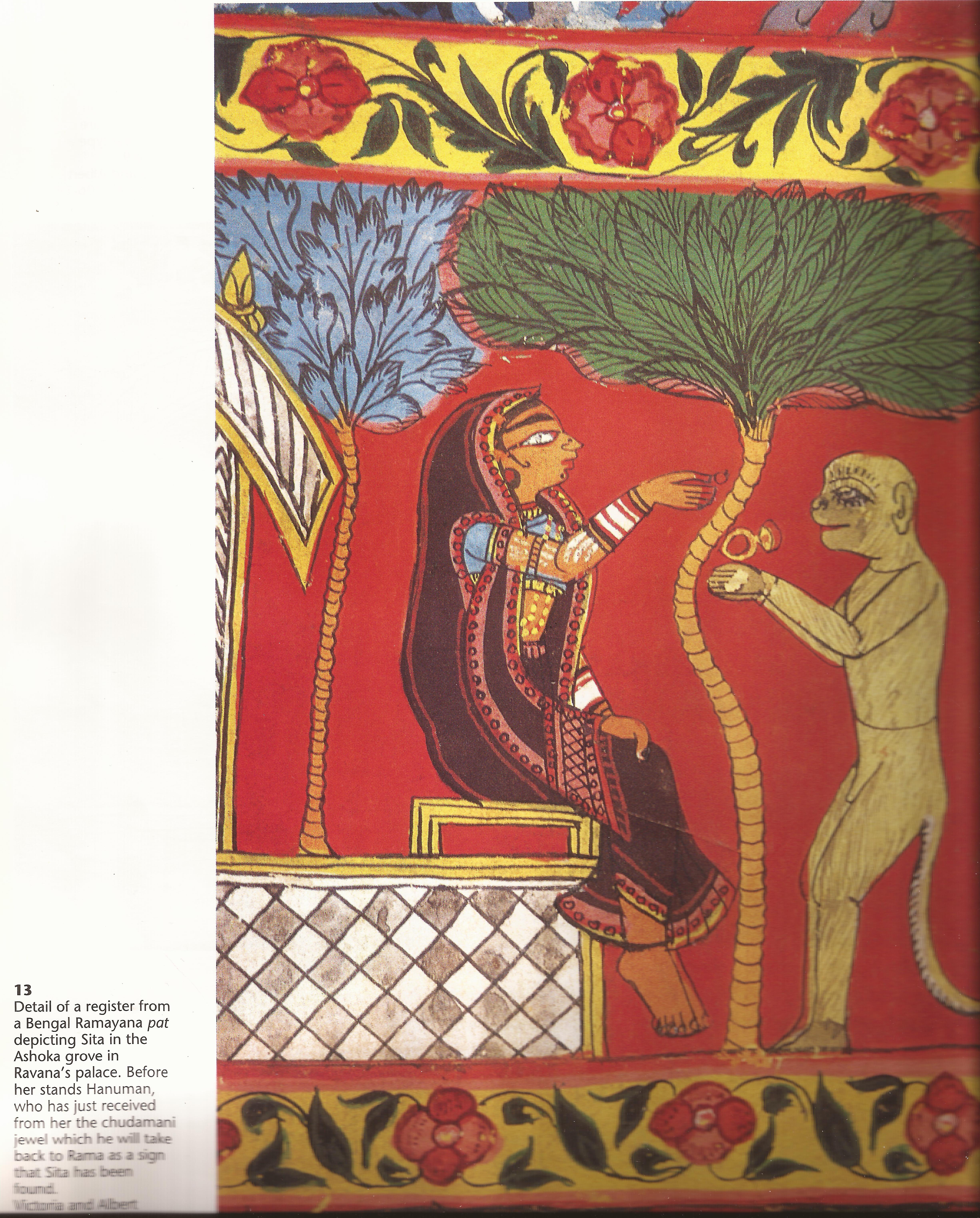
asutosh museum,guha's boat 2

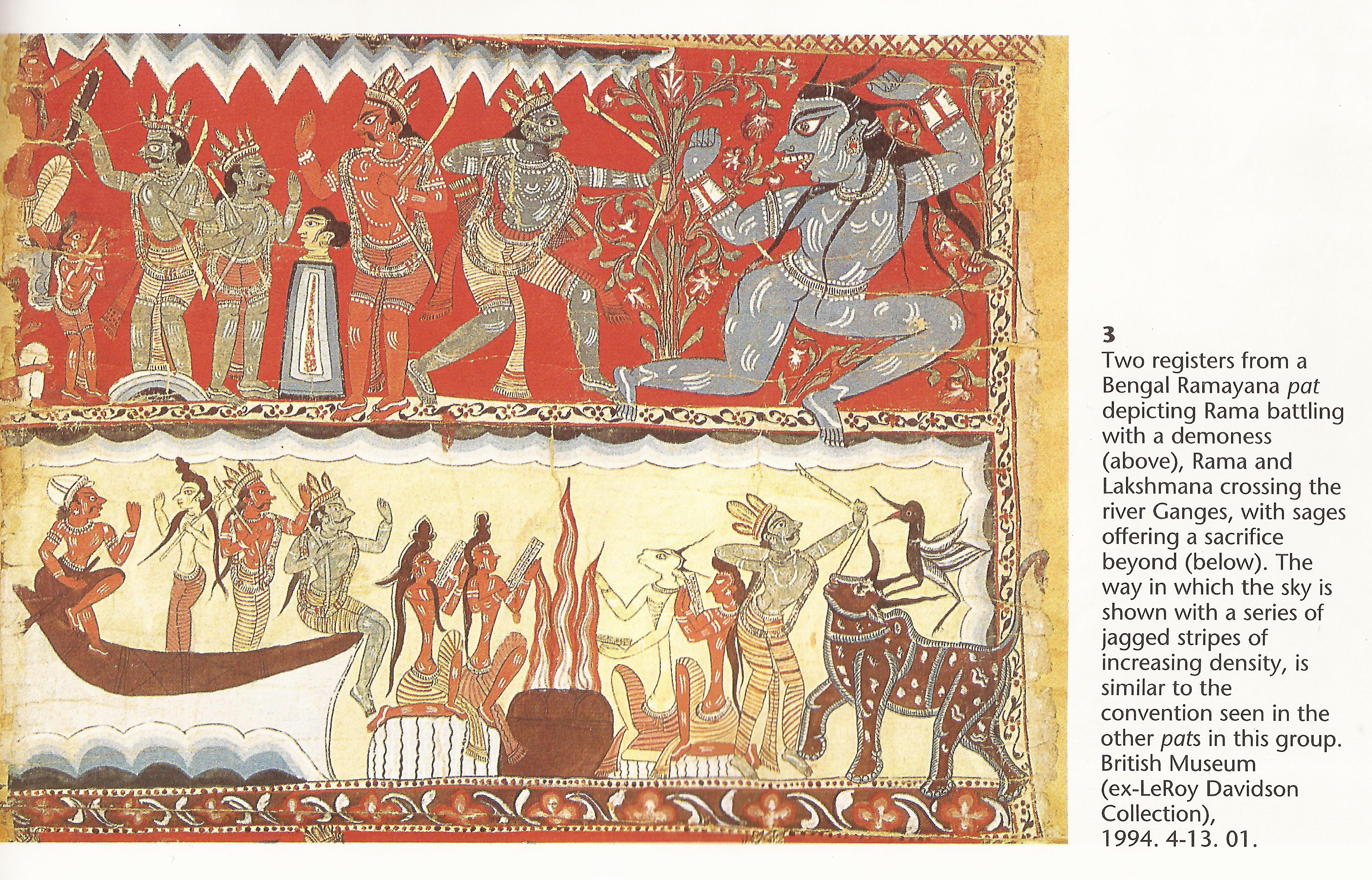
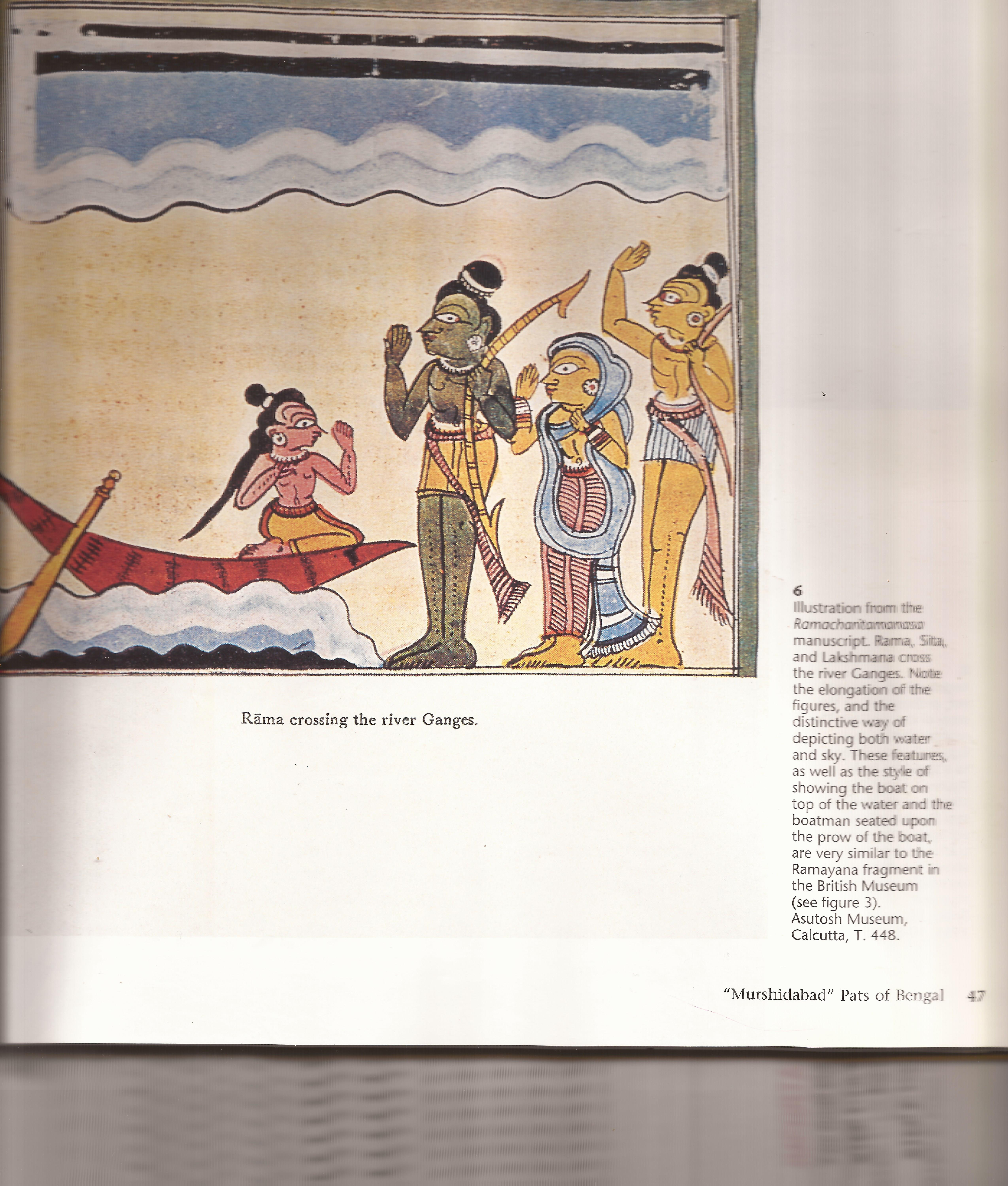
Ramayana in Bengal

In Bengal, parts of scroll paintings on paper, made up of narrative panels one following the other, have for many centuries been used by travelling story tellers to accompany recitation- just as in many other parts of India. Today, they are made for sale as curios only. The popularity of the cinema had a deleterious effect on the status of storytelling.

Wide ranging  collections of ‘pats’ in Bengal are in the Indian Museum, the Asutosh Museum of the University of Calcutta and the Gurusaday Dutt Museum, all in Calcutta. Both the British Museum and the Victoria and Albert Museum in London, have a considerable number of Bengal ‘pat’s. Scenes from Ramayana are also included in the collections.

At the British Museum, a further historic pat of the Ramayana was acquired in 1994 from the disbursement of the collection of the American scholar LeRoy Davidson. Asutosh Museum, Calcutta has an illustrated manuscript of Ramacharitamanasa of Tulasidasa.

ramayana, telengana

Picture of Ramayana from Telengana

Scrolls illustrating episodes from the Mahabharata and the Ramayana, shown to Bhois (herdsmen and domestic helpers) of Andhra Praadesh, Telengana region are in Jagadish and Kamala Mittal Museum of Indian Art in Hyderabad.

The onslaught of television and cinema in Indian villages has diminished all a patronage to the wandering performers who narrate stories with scroll paintings.

Chitrakathis were the village artists from Karanataka- Maharashtra border. R V Russel in his Tribes and Castes of the Central Province of India, writes as follows: The name is derived from chitra, a picture, and katha, a story and the professional occupation of the caste is to travel about exhibiting pictures of heroes, gods and telling stories about them. R E Einthoven’s Tribes and Castes of Bombay says, they are wandering beggars who claim to be Marathas by origin. The chief occupation of the caste is exhibiting pictures of Gods and the heroes reciting their stories in song and verse. They also exhibit wooden dolls which are made to dance and fight in imitation of the contests between heroes and demons”

bengal ramayan 1

From Victoria and Albert Museum, London

In Gujarat

The Garoda tradition of narrating sacred legends with the aid of tipanu or scroll paintings was once widely popular in Gujarat. Garoda story tellers moved from village to village carrying illuminated paper scrolls. They gathered audiences around them and related stories in prose and verse. The picture scrolls of the Garoda are called tipanu or tippan.

Various states in India have story tellers and many of them do it without pictures. All over India we have people who give discourses on Hindu epics and Puranas.