Goddess Kali Outsmarted!

Genius-is-1-inspiration-99-perspirationsuccessis

Post No 731 dated 4th December 2013

By London swaminathan

Inspiration & Perspiration: Bhatti & Vikramaditya

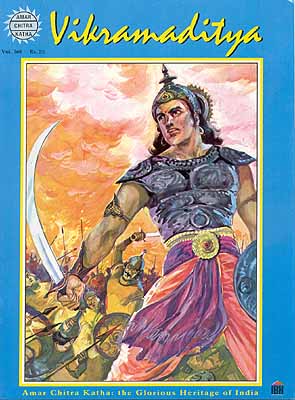
The greatest of the historical Indian kings is Vikramaditya. He lived in the first century before Christ. We have an era in his name. Hundreds of Indian kings who followed him had his title ‘Vikramaditya’. Nine great scholars including Kalidasa, known as Nava Ratna (Nine Gems) lived during his reign. There are lots of stories about Vikramditya, his wise minister Bhatti and royal poet Kalidasa. Stories of Vikram and Vetal are famous throughout India. One of the stories tells us about how they out smarted Goddess Kali!

When Goddess Kali appeared before Vikramaditya, she blessed him to ‘rule the country for one thousand years’! He boasted to his minister Vetala Bhatti about his boon. Wise Bhatti told him that he would make it 2000 years rule. Vikramaditya was surprised to hear it and asked for clarification. Bhatti told him to ‘rule the country’ for six months in a year and spend another six months in the forest. It would double the time of his rule. Vikram was very happy and was ready to follow his advice. But he wanted his minister to stay with him throughout his rule. Bhatti promised that he would also get a boon for 2000 year life span.

(This episode gave birth to the saying in Tamil “Kaadu Aru Matham, Naadu Aru Matham” meaning ‘forest six months, country six months’. This is a phrase even common man uses very often to refer any 50-50 situation! I am pretty sure this phrase exists in other Indian languages as well.)

Bhatti prayed to Goddess and she appeared before him. When he asked for 2000 year life span, Goddess Kali put a condition, just to avoid Bhatti. She asked Bhatti to cut off the head of Vikram and bring it to her. Bhatti went to Vikram and cut off his head while he was asleep. Vikram knew what happened but did not prevent Bhatti cutting his head off. Vikram had so much trust in his minister that whatever he did was for his good.

Seeing the head of Vikram, Kali kept her promise and blessed Bhatti to live for 2000 years. Immediately Bhatti sniggered at her. Kali was surprised and asked the reason for his laughter. Bhatti said to her, “Oh, I thought you are going to cheat me like you cheated my king Vikram. You gave him a boon to live for 1000 years and look here, I have got his head for you. Kali suddenly realised her ‘mistake’ and brought Vikram to life.

vikram

Vikram praised his wise minister Bhatti and both of them ruled for 2000 years. When Vikram was away in the forest for first six months, Bhatti ruled the kingdom. When Bhatti was in the forest, Vikram ruled.
This gave birth to a saying Mantra one quarter, Mathi/brain three quarters ( in Tamil ‘Manthiram oru kaal, Mathi mukkaal)’. We can say that ‘Perspiration one percent and Inspiration 99 percent’, contrary to the popular quotation “Genius is one percent inspiration and 99 % perspiration!

This type of stories existed from the days of epics and Puranas! The famous Satyavan & Savitri story was also based on word play. When Yama gave Savtri the boon of remaining a Deerga Sumangali ( married life with husband for a full life span), Savitri reminded Yama, the God of Death, that her husband must be revived immediately who died a short while ago.

Contact swami_48@yahoo.com
vikramaditya_acl31

Most Amazing thing in the World!!

word_amazing

What is the most amazing in the world? Great men of India think alike!

Vyasa has answered this question through Dharma/Yudhistra in Mahabharata. This is one of the last four questions asked by the Yaksha (Spirit in the trees) in the Yaksha Prasna. Yudhistra answered:
Yudhisthira: The most amazing thing is that even though every day one sees countless living entities dying, he still acts and thinks as if he will live forever.

Great Tamil saint Tiruvalluvar also dealt with this subject (couplet 336):

The one, who was here yesterday, is no more today and
That is a matter of great wonderment, in this world

A man is here one day and is not here next day; that is the special significance of life on earth.

amazing 2
Lord Krishna talks about the wonderful thing in the spiritual world:

One looks upon Him as a marvel, another likewise speaks of Him as a marvel; another hears of Him as a marvel; and even after hearing no one whatsoever has known Him! (Bhagavad Gita 2-29)
Among thousands of men scarcely one strives for perfection and of those who strive and succeed, scarcely one knows Me in truth (Bhagavad Gita 7-3)

Kalidasa in Raghuvamsa (8-87)

Kalidas in Raghuvamsam says: For to the one that is born death is certain. Living is the unexpected one. If a living being lives for even a single second, that is a bonus!

Kanchi Paramacharya (Sri Chandrasekarendra Saraswati)

Kanchi Shankaracharya in his Madras talk on 15-10-1932 says: A great man has spoken about the wonder in the world. He says the most amazing in the world is the life breath inside one body. Even though there are nine holes to escape still the life is inside the body! Is there a more wonderful thing in the world?

Navadware sarire asmin ayu: vasathi santhatham
Jeevath adhiadbutham thathra gachathithi kimadbhutham

Amazing_Words

Please read my earlier posts:
1.மாநுடப் பிறவி அரிது! அரிது!!
2.‘Jantunam Narajanma Durlabatha:’ -Human Birth is difficult to obtain

Contact for the list of 700+ articles swami_48@yahoo.com

உலகிலேயே எது பெரிய அதிசயம்? எது ஆச்சர்யம்?

word_amazing

கிருஷ்ணா உலகிலேயே ஆச்சர்யமான விஷயம் எது?

“ஆச்சர்யவத் பச்யதி கச்சிதேனம் ஆச்சர்யவத் வததி ததைவ சான்ய:
ஆச்சர்யவச்சைன-மன்ய: ச்ருணோதி ச் ருத்வாப்யேனம் வேத ந சைவ கச்சித்
(பகவத் கீதை 2-29)

மநுஷ்யாணாம் ஸஹஸ்ரேஷு கச்சித்- யததி சித்தயே
யததாமபி சித்தானாம் கச்சின் -மாம் வேத்தி தத்வத:
(பகவத் கீதை 7-3)

பொருள்: எவனோ ஒருவன் இதை ஆச்சரியம் போல் காண்கிறான். அவ்வாறே மேலும் ஒருவன் ஆச்சரியம் போல் பேசுகிறான். மற்றும் ஒருவன் ஆச்சரியம் போல் கேட்கிறான். எவனும் கேட்டும் இதை அறியவே இல்லை (2-29). மனிதர்களில் ஆயிரத்தில் ஒருவன் சித்தி பெற முயற்சிக்கிறான். அப்படி முயற்சி செய்யும் சித்தர்களில் யாரோ ஒருவன் என்னை உண்மையில் உணர்கிறான் (7-3)

வள்ளுவரே உலகிலேயே ஆச்சர்யமான விஷயம் எது?

நெருநல் உளனொருவன் இன்றில்லை என்னும்
பெருமை உடைத்து இவ்வுலகு
(திருக்குறள் 336)

பொருள்: நேற்று இருந்தவன் இன்று உயிருடன் இல்லை என்று கூறப்படும் பெருமை கொண்டு விளங்குகின்றது இந்த உலகம்.

amazing 2

காளிதாசரே உலகிலேயே ஆச்சர்யமான விஷயம் எது?

மரணம் ப்ரக்ருதி சரீரிணாம் விக்ருதி ஜீவிதம் உச்யதே புதை:
க்ஷணமப்யவதிஷ்டதே ஸ்வசன்யதி ஜந்துர்நனு லாபவானசௌ
(ரகுவம்சம் 8-87)

பொருள்: உடல் எடுத்த பிராணிகளுக்கு மரணமானது இயற்கையானது; பிழைத்திருப்பதுதான் எதிர்பாராதது என்று அறிஞர்கள் சொல்லுகிறார்கள். பிராணியானது ஒரு கணமேனும் ஜீவித்திருக்குமாயின் இப் பிராணிக்கு பெரிய லாபம்தான்!!

வியாசரே உலகிலேயே ஆச்சர்யமான விஷயம் எது?

மஹாபாரதத்தில் யக்ஷப்ரஸ்னத்தில் பேய் கேட்ட கடைசி நான்கு கேள்விகளுள் ஒன்று: உலகிலேயே அதிசயமான விஷயம் எது?

தர்மர் சொன்ன பதில் (வியாசரின் சொற்களில்):

எவ்வளவோ உயிர்கள் தினமும் இறக்கின்றன. இதைப் பார்த்த பின்னரும் ஒவ்வொருவனும் என்றும் வாழப் போகிறோம் என்று நினைத்து செயல்படுவதுதான் உலகிலேயே மிக ஆச்சரியமான விஷயம்.

Amazing_Words

காஞ்சி பரமாச்சார்யார் சொன்ன அதிசயம்
15-10-1932 சென்னை உபந்யாசம்:

ஒரு பெரியவர் ஒரு பெரிய ஆச்சரியத்தைச் சொல்லுகிறார். நாம் எல்லாம் மரணம் அடைவது ஆச்சரியம் அல்ல. இந்த உடம்பிலுள்ள ஒன்பது ஓட்டைகளுக்குள்ளே உயிரானது போகாமல் நிற்கிறதே அதுதான் பெரிய ஆச்சரியம் என்று அவர் சொல்லி இருக்கிறார்:

நவத்வாரே ஸரீரே அஸ்மினாயு:வசதி சந்ததம்
ஜீவதியத்புதம் தத்ர கச்சதீதி கிமத்புதம்

Please read my earlier posts:

1.மாநுடப் பிறவி அரிது! அரிது!!
2.‘Jantunam Narajanma Durlabatha:’ -Human Birth is difficult to obtain

700 கட்டுரைகளின் பட்டியலுக்கு தொடர்புகொள்ள
Swami_48@yahoo.com

13 Saints in Nature!

malar thamarai

By London Swaminathan

Hindu saints learn from everything. They learn good lessons from abstract and concrete things. They learn from birds and animals, from hills and rivers and insects and worms. This type of learning started in the Vedic days. I have already written about what the Devas, Demons and Humans learnt from the Da,Da,Da sound from the Thunder. It is a parable in the Upanishad. I have also written about the connection between Dattareya and William Wordsworth two years ago (Dattatreya episode is in Bhagavatham).

The motto is LET NATURE BE YOUR TEACHER.

Now I give below an interesting poem by an anonymous author. Sri Adi Shankara is the author of Viveka Chudamani in Sanskrit. He also gives lot of similes from Nature to elucidate Advaita. There is another book in Tamil titled ‘Viveka Chintamani’. We don’t know the author of Viveka Chintamani in Tamil. It is not a religious scripture; it is secular. It is modelled on the Bhartruhari Neeti Satakam. We read a lot of Anti Women verses in it. One song has become a famous Tamil film song: Selai kattiya maatharai nambaathe!= Don’t trust saree clad women!

Apart from the three or four anti women verses there are lots of words of wisdom in these verses. One such verse is about 13 Saints in Nature. The anonymous author had followed Bhagavatham (in Sanskrit) in it. Like Dattareya, he sees divinity in Nature. Immediately we are reminded of William Wordsworth’s poem “Up Up My Friend and quit your Books” where we come across his famous line “Let Nature Be Your Teacher”.
Now I quote the Tamil verse from Viveka Chintamani:

bees

“Those who have the virtues of the following thirteen can be regarded as the deities worshipped by the people”: (The author did not give any reason, but the commentators have given the virtues found in them:

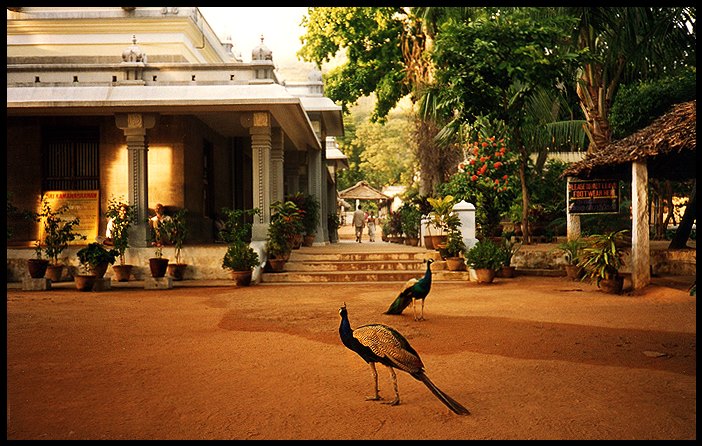
1.Peacock:- Avoid those who give you trouble and accept only good.
2.Cuckoo:- Be always sweet
3.Swan:- Take that is useful and leave out the useless (swans are said to have the power of separating milk from water).
4.Bee:- work for others without stopping.
5.Mirror: -Whatever you see, grasp them in full.
6.Pig:-Be a vegetarian
7.Snake:-Keeping a crown jewel (Nagaratnam); keep valuable and feel proud
8.Moon:- Giving cool light to everyone without expecting nothing; selfless service
9.Sun:- Giving energy to the people of the world to protect them
10.Ocean:- Boundless glory
11.Heron:- Be patient and achieve your goal
12.Sky:- Omnipresent; keeping all under it
13Lotus:-A Thing of beauty is joy for ever.

kokku
William Wordsworth echoes this in these lines:

“And hark! how blithe the throstle sings!
He, too, is no mean preacher:
Come forth into the light of things,
Let Nature be your teacher”

“One impulse from a vernal wood
May teach you more of man,
Of moral evil and of good,
Than all the sages can”.

Read my earlier posts :
1.The connection between William Wordsworth and Dattatreya (posted on 10 November 2011).
2.G for Ganga…..Gayatri….Gita….. Govinda…….. (For Upanishad parable about Da..Da…da)

tiruvannamalai

The Viveka Chintamani verse In Tamil:

மயில் குயில் செங்கால் அன்னம்
வண்டு கண்ணாடி பன்றி
அயில் எயிற்று அரவு திங்கள்
ஆதவன் ஆழி கொக்கோடு
உயரும் விண்கமலம் பன்மூன்று
உறுகுணம் உடையோர் தம்மை
இயலுறு புவியோர் போற்றும்
ஈசன் என்று எண்ணலாமே!

Contact swami_48@yahoo.com

‘Jantunam Narajanma Durlabatha:’

tree-o-life

Human Birth is difficult to obtain
by london swaminathan

Human birth is difficult to obtain is a famous saying from northern Himalayas to Southern Kanyakumari. It is in ancient Tamil and Sanskrit literature. The above quote is from Viveka Cudamani of Adi Shankara. Let us look at the full sloka:

“ For all beings a human birth is difficult to obtain, more so is a male body; rarer than that is Brahmnahood; rarer still is the attachment to the path of Vedic religion; higher than is erudition in the scriptures; discrimination between the Self and not-Self, Realization, Identity with Brahman—these come next in order. Mukti/liberation is not to be attained except through the well earned merits of a hundred crores of births (1000 million births!)”.

In the next sloka he says three things are rare:Human birth, the longing for liberation and protective care of a greatman (mahapurusha).
Tamil literature explains the same thing in a beautiful way. One of the five Tamil epics is Jeevaka Chintamani which gives the story of Udayana and Vasavadatta. The author Thiruththakka devar says human birth is rare. It is like one yoke floating in southern sea coming next to another yoke floating in northern sea and a pole is inserted into it. Human birth is rarer than this.
evolution1

Avvai answers Lord Skanda’s question
Another famous episode in Tamil is about the grand old lady of Tamil literature Avvaiyar meeting Lord Skanda. Skanda asked her several thought provoking questions just to enjoy her beautiful Tamil. He asked her what is bigger, sweeter, crueler and rarer. When she answered his question about rarer things in the world she says human birth is rarer. Let us look at the beautiful Tamil poem in full:

“ Rare is human birth, Vadivel (Skanda/Subramanya)! Rarer is birth as a male with perfect limbs and with full use of all the senses. Rarer still is attainment of knowledge and wisdom. Rarer than this is the tendency to give and serve; and rarest of all is a life dedicated to spiritual enlightenment, for when one reaches the end the heavens will open to welcome that person—the perfect of all human beings”.

I consider this as an echo of Adi Shankara’s three slokas 2, 3 and 4 of Viveka Cudamani. It is not uncommon to see the same thoughts in all saints of India whether they speak Tamil or Sanskrit. Great men think alike. We see the same thought in all the hymns of Thevaram, Thiruvasagam and Divya Prabandham.
Seven types and Four Types of living beings

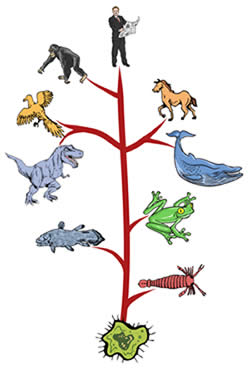
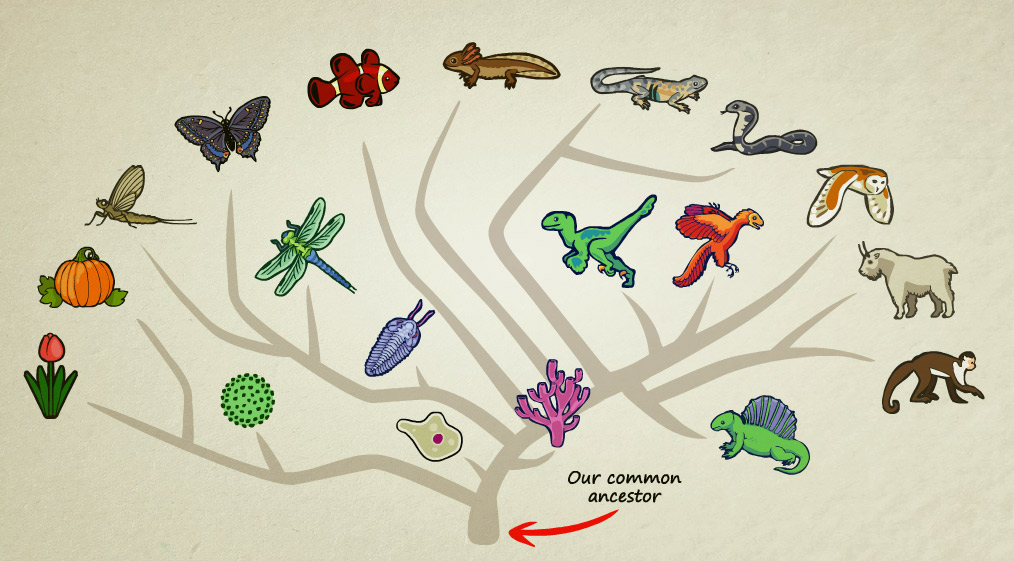
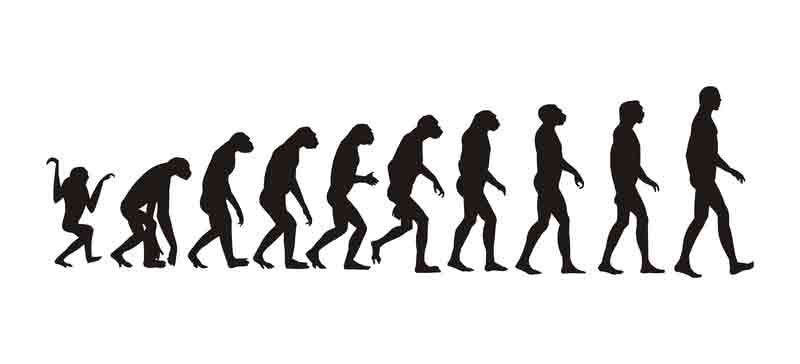
Even before Darwin gave the world the Theory of Evolution, even before the Linnaean classification of botanical species came in to practice, even before Aristotle gave his theory, Hindus divided the living beings in to four types and seven types in two different classifications:

evolutionary_tree_003
Type 1
1.Andajam: that which came from the eggs
2.Jarayutham: mammals
3.Udbhijam: that which comes out of seeds, roots
4.Swethajam: that which grows from sweat like liquids, i.e. germs etc

Type 2 Classification
1.Devas: supermen
2.Human beings
3.Animals
4.Birds
5.Reptiles
6.Fishes and other marine animals
7.Plant kingdom

evolution

Great Tamil saint Manikkavasagar gives a list of all the births one can get before realising God:

“Grass was I, shrub was I, worm, tree,
Full many a kind of beast, bird, snake,
Stone, man and demon. ’Midst Thy hosts I served.
The form of mighty Asuras, ascetics, Gods I bore.
Within this immobile and mobile forms of life,
In every species born, weary I have grown, great Lord!

புல்லாகிப் பூடாய்ப் புழுவாய் மரமாகிப்
பல்விருகமாகிப் பறவையாய்ப் பாம்பாகிக்
கல்லாய் மனிதராய்ப் பேயாய்க் கணங்களாய்
வல்லரசுராகி முனிவராய்த் தேவராய்ச்
செல்லா அ நின்ற தாவர சங்கமத்துள்
எல்லாப் பிறப்பும் பிறந்திளைத்தேன் எம்பெருமான்
–சிவ புராணம், திருவாசகம் (மாணிக்கவாசகர்)

tree of life colour
Avvaiyar’s poem in Tamil

அரியது கேட்கின் வரிவடி வேலோய்!
அரிதரிது மானிடர் ஆதல் அரிது
மானிடராயினும் கூன் குருடு செவிடு
பேடு நீக்கிப் பிறத்தல் அரிது
பேடு நீக்கிப் பிறந்த காலையும்
ஞானமும் கல்வியும் நயத்தல் அரிது
ஞானமும் கல்வியும் நயந்த காலையும்
தானமும் தவமும் தான்செயல் அரிது
தானமும் தவமும் தான்செய்வராயின்
வானவர் நாடு வழிதிறந் திடுமே.
****
Pictures are taken from various sites;thanks.
contact london swaminathan: swami_48@yahoo.com

Mysterious Atharva Veda-Part 2

AtharvaVeda

(Please read Part 1 before reading this Part-2:also my earlier articles: Sex Mantras in Egypt and Atharva Veda and Gems from The Atharva Veda))

I have covered 8 kandas out of 20 kandas in the first part. Now let us look at Kanda 9:-

Kanda 9: Sukta 10, Mantras 302
Famous sukta of the Ashvinis ( Honey-lash Sukta)
Consecration of new houses
Glorification of cows, bulls and goats
Prayers to prevent diseases
Proper reception of guests

Kanda 10: Sukta 10, Mantras 350
Most famous Kena Sukta is in this kanda (containing metaphysical and philosophical question)
Prayers for fighting demons & purging poison
Charms for ensuring victory
About woman
Prayers to cow

CDSA179

Kanda 11: Sukta 10, Mantras 373
Hymn to Rudra (with Shiva’s several names such as Pasupati, Bhava.
Virtue of Brahmacharya (celibacy)
Prayers to Food grains
Hymns on the Brahman
Hymns on warfare

Kanda 12: Sukta 5, Mantras 304
Bhu sukta/Pruthvi sukta (motherland)
Prevention of TB
Hymns on Heaven & Cows

Kanda 13: Sukta 4, Mantras 188
Funeral ceremonies, ancestors
Spiritual upliftment
atharva__veda__samhita___volumes__idd462

Kanda 14: Sukta 2, Mantras 139
Marriages
Husband and wife

Kanda 15: Sukta 28, Mantras 220
Paramatman
Wandering mendicants

Kanda 16: Sukta 8, Mantras 103
Charms for removing misery
Ensuring victory
Kanda 16 is a short kanda

Kanda 17: Sukta 1, Mantras 30
Prayer for victory
Surya and Usha are addressed along with Indra

14oeb_medicine

Kanda 18: Sukta 4, Mantras 283
Conversation between Yama and his sister Yami
Hymns to ancestors and Agni
Kanda 19: Sukta 72, Mantras 453
Hymns on Fire Sacrifice
Hymn on Water
Hymn on Agni
Hymn on Four Castes (Like Purushasuktam)
Hymns Nakshatras (celestial Stars)
Hymns on Peace

Kanda 20: Sukta 143, Mantras 928
Long hymn on Indra

Vedas Backdrop

This is only a summary. It is not exhaustive. Atharva Veda gives lot of scope for research. Many hymns are not understood properly. Even the early translators said that the meaning is obscure. Atharva Veda scholars have also dwindled in number. Now they are in Gujarat and Kerala only.

Contact swami_48@yahoo.com ;pictures are taken from various websites.Thanks.
Oldest and Longest Patriotic Song!


13YT_TRICOLOUR_2_1549185g

Bhumi Sukta (Ode to Earth) in the Atharva Veda is a beautiful poem with 63 verses; it is a priceless contribution of Atharva Veda to the Vedic literature; this poetry is universal and not local. The earth on which the poet lives opted for Indra and not Vritra, the powers of light and darkness. It shows the crystal clear thinking of Vedic seers. The very first verse in the sukta glorifies the Vedic values of Sathya and Rita, truth and order.

Though the earth is called Pruthvi in Sanskrit throughout  the hymn, we may consider the poet is singing about his own land—the mother land. Some of the modern translations use the word motherland instead of earth. It makes more sense.


One would be wonderstruck to read the world’s oldest and longest patriotic song in the Atharva Veda. Atharva Veda’s date is only conjectural and it was compiled earlier than 1000 BC. It is amazing to find a very long patriotic song in praise of motherland (earth) in the Veda. Greeks have not even started writing their first book then. Tamil’s oldest book came 1000 years after Atharva Veda. Moses started issuing Ten Commandments around that date. In such a remote period Hindu thinking has reached its pinnacle!


Each Vedic hymn is equal to 1000 self improvement books. The Vedic hymns are full of positive thoughts. Through auto suggestion, it makes anyone great. Each hymn gives positive energy to those who chant, to those who hear and those who believe in them. You don’t need to read any book written by Dale Carnegie or Anthony Robbins. If you sit in a group of Vedic pundits and repeat the hymns every day for hours the whole atmosphere will be surcharged with tremendous energy and positive thoughts. That is why ancient Hindu kings appointed Vedic priests in every town, temple and palace who repeated the positive words million times and prayed for the welfare of not only human beings but also animals. This is the highest stage of human thought.


Vedic priests were not primitive nomads. They were highly civilized. No Gilgamesh, Atra Hasis or Ziusudra had such sublime thoughts.

poets of india scan 3

Atharva Veda seers sing about the beauty of earth in general. It will beat all the national anthems of the world. If I give the full version, it will run to several pages. This verse inspired great poets like Bankim Chandra Chatterjee and Bharati. I will give below some of the verses from the hymn on earth/motherland. It is from Kanda 12 of Atharva Veda:

“ Sacred is the earth (motherland). It not only nurtures that which is past and all the objects of the present, it bears the seed of the future as well. Such is our great motherland.

“ Our earth (motherland) is populated with learned men. It is populated by those who are inferior, those who are average and those who are superior. But all such people forget their differences and live together in unity and friendship. This is the land where we will perform deeds and attain fame. This is the land where our intelligence prospers.

4 deers, fb

“ In our motherland can be found enterprising and hard working farmers and artisans. In every direction that one glances, one finds fields of rice, wheat and other grains. Our motherland nourishes different forms of life. It provides us with cows, food grains and other forms of sustenance.

“The famous warriors of yore performed valorous deeds here. In this land the learned and the brave ones conquered the violent demons.


“Our earth/motherland is the nurturer. In it can be found gold, silver, diamonds, emeralds and other gems. Nuggets of gold and all sorts of objects, all forms of vegetation, and all forms of living beings can be found in our motherland. Our motherland is the best country of all.

“ In the beginning, this land was immersed in the water of the ocean. Vast is the expanse of this land. Its heights reach up to heaven.

“ In this land to be found learned mendicants who roam in every direction.  Just as the water attains same level everywhere, these hermits look upon all with equal favour.

B_Id_366060_Air_force_show

“ The Ashvinis look after this land of ours. Brave warriors have measured the length and breadth of our motherland

“O my earth/ Motheland! May the mountains and the snow clad peaks that can be found here NOT bring you unhappiness.

“You are my mother. I am the son of the earth.  The water which rains down and nourishes is my father. My I be preserved.

“ In this land the Vedas are revered in every direction. The righteous ones are worshiped here and the land is uplifted through the performances of sacrifices. Wonderful are the words of wisdom that have been uttered in this land.

“ O my Motherland! All of us are your subjects. May all of us be gifted with sweet speech. May we live together in harmony. May trees and plants grow on you in abundance.


“This land is the mother of all trees, shrubs, plants and creepers. It is here that truth, learning, bravery and righteousness flourish. This land will bring us welfare and happiness. May we always serve our motherland.

“O, Motherland! This is the place where we all live in harmony. May you be great and firm. May brave warriors protest you with their valour and intelligence from enemies. May we be enriched. May we prosper.

bharatmata on lion


May we not cause unhappiness to others when we are travelling on this land.

This is the land where the search for the god is made. This is the land that the god has blessed.

May my motherland grant us the riches that we desire. The inhabitants of this land sing and dance. The cities in my motherland have been built by the gods.

“ O  earth (my Motherland)! Grant us wisdom so that we can ensure our welfare. May we be learned all the time. May we prosper in your midst.


Atharva Veda Kanda 7 also got a hymn on the motherland.

“Heaven is in the motherland. The motherland is our mother. it is our father and son”.

(I have given only half of the verses. It goes on and on about the glory of our holy land. It is full of positive thoughts. It praises nature at length. We must replace our National Anthem “Jana Gana Mana” with the abridged version of this Vedic hymn!!)

There are over 650 articles on Hindu culture in this blog. Please read them. Contact for further information swami_48@yahoo.com

akhand_bharat 2

Jambhudwipa in Tamil Literature and Kalidas

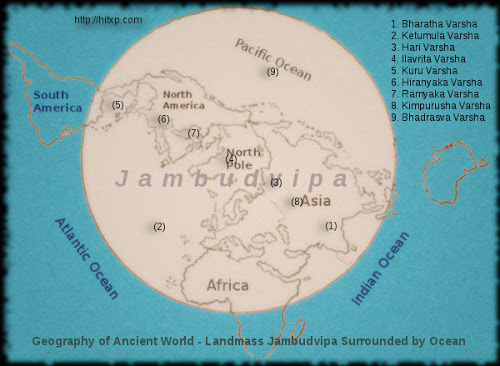
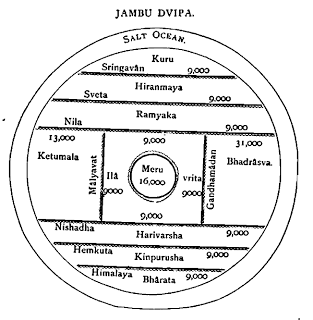
Hindus are unique in preserving their historical and geographical knowledge they have acquired several thousand years ago. During all religious rituals or worship they do announce their intention for the worship in which they say where it is done and when it is done. It is called SANKALPAM in Sanskrit. It is amazing to know their geographical knowledge. They say about their locations. It goes like this: I who live in Jambudwipe….. Bharata Varshe……. Bharat Kande etc. They always say on the banks of which holy river, which holy city, which holy forest area they do it. But Hindus lost much of this wonderful knowledge in the last 3000 years and so they lost the track. Even when they moved to different parts of the earth they were using the same Sankalpa. When you do a thing without proper knowledge and that too in a language (Sanskrit) you don’t know fully, it simply loses its relevance.


Their historical knowledge is also amazing. They say in which Manvatare, in which Sahapte/ year, season, month, Thithi (day) etc in the Sankalpa during every puja/worship. Sankalpa is the intention or purpose or vow one makes before starting a puja/ worship. The Manvantara period takes you back to the remotest time in the earth’s history.


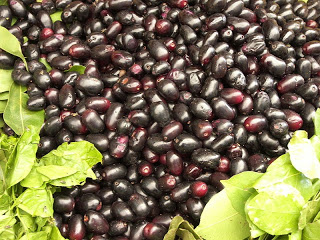
Jambudwipa means the land of Jhambu trees. Tamils also followed the same method and named their land divisions after plants such as Kurinji, Mullai, Neithal, Marutham etc. This shows that Hindus from Kashmir to Kanyakumari thought alike. Please read my earlier post FLOWERS IN TAMIL CULTURE.

No other religious worship is done like Hindu worship. No one bothers about when it is done or where it is done. Another interesting point is the botanical and ethnic knowledge Hindus have. They named all the areas after an abundant plant or the ethnic people in the area. Jambu, Salmali and such plant names are given to the geographical areas. But Jambudwipa is synonymous with India that is Bharat.. The word Jambu means a tree known by its botanical name Syzigium cumini (Family Myrtaceae). This tree is found all over India. Tamils also translated the word Jambudwipa as Naavalanthivu and used it in their ancient literature. Naaval Pazam means Jambu fruits. Following references are found in the Sangam Tamil Literature:


Purananauru is an anthology of 400 Tamil verses. This forms the oldest part of Tamil Sangam literature. It has got some important references to the tree. One of the references in verse 397 refers to the special type of gold called Jambunadham. Kalidas refers to this Jhambunadam in Ragu Vamsam 18—44. The same is repeated in Sangam Tamil verses (Puram 397 and Thirumurugatru Padai –Line 18).

Since Kalidas’s hundreds of similes were used by 2000 year old Sangam Tamil poets, I have placed Kalidas before the Sangam period. I have written about it in my previous posts comparing Tamil poets and Kalidas.

Following references are found in Tamil about the tree and the Land of Jhambu tress (Jambudwipa): Paripatal 5-8,9 ,Puram 397, 177-11 ,Perum 465 ,Malai 135, Akam 380, Narr 35-2, Thiru 18, Post Sangam Literature: Mani 25—2—12/16, Silambu 17-15

KALIDAS: Megha 19 talks about the Jambu forests. Ragu 18—44 refers to Jhambu land.

Later Tamil poets such as Appar  (in marmaatrah thiruth thandakam) use this more times in their poems.

(This article is posted also in Tamil)

Pictures are taken from other websites;thanks.


ஜம்புத்வீபம்=நாவலந்தீவு

இந்து மதம் ஒரு ஒப்பற்ற மதம், ஈடு இணையற்ற மதம். இசை,நடனம்,,கோலம் போடுதல், பூ அலங்காரம் செய்தல், வித விதமான பலகாரங்கள், இனிப்புகள் செய்தல், அறிவியல், வரலாறு, நிலவியல், உளவியல், இயற்பியல், மருத்துவம், சுகாதரம், புறச் சூழல் பாதுகாப்பு—இப்படி எத்தனையோ விஷயங்களை அன்றாட வாழ்வில் கலந்து அதற்கு மதச் சடங்குகள் என்ற முத்திரையையும் குத்திவிட்டது. இதை உலகில் வேறு எந்த இனத்திலும், கலாசாரத்திலும், மதத்திலும் காணமுடியாது. இது பற்றி நான் ஒவ்வொரு கட்டுரையிலும்  ஒரு சில துறைகளைக் குறிப்பிட்டுச் சொல்லி வருகிறேன். இந்தக் கட்டுரையில் பூகோளம், சரித்திரம் ஆகிய இரண்டு அம்சங்களை மட்டும் தொட்டுக் காட்டுவேன்.


பிராமணர்கள் அன்றாடம் பூஜை, சடங்குகள் செய்யும்போதும் மற்றவர்களுக்கு செய்துவைக்கும் போதும் பூவையோ, மஞ்சள் அட்சதையையோ கொடுத்து வலது தொடையின் மீது இரு கைகளையும் வைக்கச் சொல்லி வடமொழியில் ‘’சங்கல்பம்’’ என்று ஒன்று செய்வார்கள். இது வட மொழியில் இருப்பதால் தற்கால மக்களுக்கு அர்த்தம் புரிவதில்லை. ஒரு காலத்தில் எல்லோருக்கும் பொருள் தெரிந்திருந்தது! சிலப்பதிகார கதாநாயகன் கோவலனுக்கும் கூட வடமொழி தெரிந்திருந்ததை வேறொரு கட்டுரையில் கொடுத்திருக்கிறேன்.


சங்கல்பம் என்பது, இன்ன நாளில், இந்த இடத்தில், இன்ன நோக்கத்திற்காக, இந்த பூஜையை செய்யப் போகிறேன் என்ற அறிவிப்பதாகும். இப்படி பகிரங்கமாக உறுதி மொழி எடுப்பதால் அதிலேயே மனம் குவிந்திருக்கும். இந்த சங்கல்பத்தில் காலத்தைக் குறிப்பிடும்போது, இந்த மன்வந்தரத்தில், இந்த யுகத்தில் ,இந்த ஆண்டில், இந்த ருது, மாதம், நட்சத்திரம், திதியில் இதைச் செய்கிறேன் என்பதை அறிவிப்பார்கள். இப்படிக்கூறும் காலத்தைக் கணக்கிட்டால் பூமி தோன்றிய காலம் வரை செல்லும்! உலகில் அரசியல் கூட்டம் நடத்துவோரோ, வரலாற்றுப் புகழுடைய சுதந்திர பிரகடனத்தில் கை எழுத்திடுவோரோ கூட, அந்த தேதி வருஷத்தை மட்டுமே கூறுவர். ஆனால் இந்துக்களோவெனில் உலகம் தோன்றிய காலத்தைக் கணக்கிட்டு அது முதல் இன்றுவரை உள்ள காலத்தைப் பற்றிப் பேசுவர். இது உலக மஹா அதிசயம். பார்த்திவபுரம் கல்வெட்டில் கோ கருநந்தடக்கன் என்ற மன்னன் கலியுகம் தோன்றியது முதல் அந்தக் கல்வெட்டு பொறிக்கப்பட்ட தேதிவரையுள்ள காலத்தை நாட்கணக்கில் சொல்லுகிறான்!!!

எந்த இடத்தில் பூஜை நடைபெறுகிறது என்பதை பூகோள/ நிலவியல் குறிப்புகளுடன் அறிவிப்பர். இந்தப் பூமியில் உள்ள பல பிரதேசங்களீல், மேரு மலைக்குத் தெற்கில், ஜம்புத்வீபத்தில், பாரத வர்ஷத்தில், பரதக் கண்டத்தில், குறிப்பிட்ட……. இந்த நதிக்கரையில்……….. இந்த நகரத்தில்………. இந்த காட்டிற்கு அருகில் பூஜை/ ஹோமம் செய்கிறேன் என்பர். இது முழுதும் பூகோள விஷயங்கள்! என்ன அதிசயம்….காலாகாலமாக தங்கள் நதி ஊர் மலை, காடுகளின் பெயர்களை நினைவு கூறுகின்றனர். கடவுளுக்கு நாம் இந்த பூமியில் எங்கே இருக்கிறோம் என்று தெரியாதா என்ன? மக்களுக்கு பூகோளம், சரித்திரம் மறந்துவிடக் கூடாது என்பதற்காகத் தான் இத்தனையும்.


இதில் வரும் ஜம்புத்வீபத்தைப் பார்ப்போம். தமிழ்ப் புலவர்கள் இதை அழகாக நாவலந்தீவு என்று மொழி பெயர்த்துள்ளனர். ஜம்பூ பழம் என்பது, நாவல் பழம் என்பதாகும். இது நாடு முழுதும் வளரும் மரம். பிள்ளாயாருக்கும் முருகனுக்கும் பிடித்த பழம். ஒரு தாவரம் எங்கே அதிகம் விளைகிறதோ அதன் பெயரில் அந்த நாட்டிற்குப் பெயரிட்டனர் இந்தியர்கள். ஜம்பூ, சால்மலி என்றும் அது இல்லாவிடில் கிரவுஞ்ச என்று பறவையின் பெயரில் அல்லது அதிகமாக வசிக்கும் மக்கள் இனத்தின் பெயரில் (காம்போஜ) என்றும் பெயரிட்டனர். தமிழரும் கூட குறிஞ்சி, நெய்தல், முல்லை, மருதம் என்று தாவரங்களின் பெயரையே பயன் படுத்தினர்.

புறநானூறு 397 (எருக்காட்டூர் தாயங்கண்ணனார்= தாசன்+கண்ணனார் =கண்ணதாசன்)

சோழன் குளமுற்றத்துத் துஞ்சிய கிள்ளிவளவனைப் பாடிய தாயங்கண்ணனார் கூறுகிறார்:


அறுதொழில் அந்தணர் அறம்புரிந்து எடுத்த

தீயொடு விளங்கும் நாடன், வாய்வாள்

வலம்படு தீவிற் பொலம்பூண் வளவன்

என்று பாடுகிறார். வலம்படு தீவு என்பதற்கு வெற்றிகொண்ட தீவின் என்று உரையாசிரியர்கள் எழுதுவர். இது உண்மையில் ஜம்பூத்வீபம் என்னும் தீவில் கிடைக்கும் சம்பூநதம் என்னும் ஒருவகைத் தங்கமாகும்.

திருமுருகாற்றுப்படையின் வரி 18, இதை உறுதி செய்கிறது:சம்பூநதம் என்னும் பொன்னைக்குறிக்க நாவலொடு பெயரிய பொலம்புனை என்று பாடுகிறார்.


நாவலொடு பெயரிய பொலம்புனை அவரிழைச்

சேணிகந்து விளங்கும் செயிர்தீர் மேனி

கடுவன் இளவெயினனார் பாடிய ஐந்தாம் பரிபாடலில் (5-8/9) நேரடியாகவே குறிப்பிடுகிறார்:


‘’ நாவல் அம் தண்பொழில் வட பொழில் ஆயிடை’’—என்று. மேலும் நாட்டின் வடக்குப் பக்கத்தில் கிரவுஞ்ச மலை உள்ளது என்ற பூகோள உண்மையயும் வெளிப்படுத்துகிறார். இன்றும் இமய மலையில் ஒரு குறிப்பிட்ட கணவாய் வழியாக வெளிநாட்டுப் பறவைகள் வருகின்றன. தற்போது இது லடாக் பகுதியில் நீதி கணவாய் என்று அழைக்கபடுகிறது

தொண்டைமான் இளந்திரையனைப் பாடிய கடியலூர் உருத்திரங்கண்ணனாரும் ‘’நாவல் அம் தண்பொழில்’’ (வரி 465) என்று சொல்கிறார்.


ஆவூர் மூலங்கிழார் என்ற புலவர் மல்லிகிழான் காரியாதி மேல் பாடிய பாடலில் (புறம் 177) தேன் சிந்தும் நாவல் கனி பற்றிக் கூறுகிறார்.

சங்ககாலத்துக்குப் பிற்காலத்திய நூல்களான சிலப்பதிகாரம் (17-1), மணிமேகலை(25-2-12/16)ஆகிய நூல்களில் நாவலந்தீவு பற்றிய தெளிவான குறிப்புகள் வருகின்றன.

நாவல் ஓங்கிய மாபெருந் தீவு (மணி 2-1) நாவலந்தீவு, நாவலொடு பெயரிய பெருந்தீவம்

பதினெண் கீழ்க்கணக்கு நூல்கள், தேவாரம் (அப்பரின் மறுமாற்றத் தாண்டகம்) முதலிய பல இடங்களிலும் நாவல் தீவைக் காணலாம்.


காளிதாசன் கவிதைகள்

காளிதாசனுடைய 1000க்கும் மேலான உவமைகளில் நூற்றுக் கணக்கானவற்றை சங்க காலப் புலவர்கள் பயன்படுத்துவதால் காளிதாசன் அவர்களுக்கு முன் வாழ்ந்தவன் என்பதை ஆறு ஏழு கட்டுரைகளில் எழுதிவிட்டேன். ஜம்பூத்வீபம் பற்றியும் காளிதாசன் பாடியிருக்கிறான். மேகதூதம் 19-ஆம் பாடலில் நாவல் மரக் காடுகள் பற்றிப் பாடுகிறான்.


ரகுவம்சம் 18-44 இல் ஜாம்பூநதம் என்னும் தங்கவகை பற்றிப் பாடுகிறான். இதையே மேற்கூறிய புறப் பாடல் 397—லும், திருமுருகாற்றுப்படை வரி 18—லும் கண்டோம்.

Pictures are taken from various websites. Thanks.

Donkeys in Tamil and Sanskrit Literature

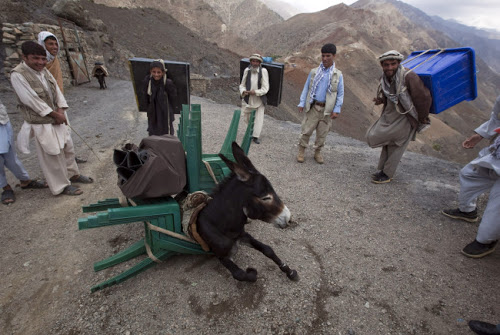
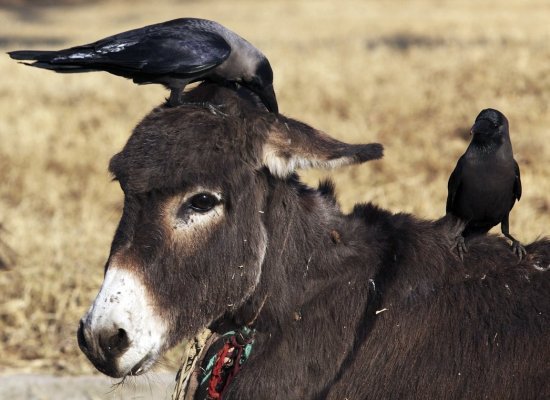
Picture: No sympathy for the collapsed donkey, laughing at it in Afghanistan.

Donkeys in Tamil and Sanskrit Literature

Donkey is the animal that got most negative publicity in classical Indian literature. Some animals like cow and elephant are elevated to the position of sacred animal. Lion is the unquestionable king of the forest. Bull, Tiger and Lion are used in addressing Vedic and Epical characters. Rama is called the Tiger among men in Venkateswara Subrabatham. Kings called themselves lions (sing or Kesari which became Caesar in Europe). But poor vegetarian donkey is considered a dirty animal. George Orwell is right when he said ‘’All animals are equal, but some are more equal than others’’ in his novel Animal Farm.

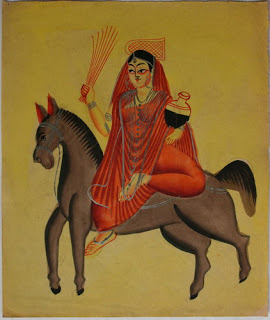
The strange thing about donkeys is that they were vehicles of Vedic gods Indra and Agni in Atharva Veda. But later became the vehicle of Jyeshta (Muthevi) and Shitala Devi (Goddesses of poverty and disease). They were relegated to back stage. Greek gods Dionysus and Hephaestus used donkey as their vehicles. Jesus rode into Jerusalem victoriously on a donkey according to Gospel of Mathew.

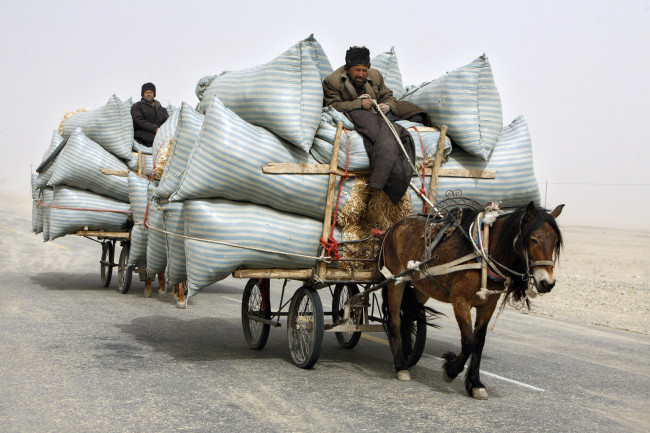
Picture of overloaded donkey cart in Gaza Strip, Plaestine.

Donkey plough of Tamil and Orissa Kings

2000 year old Sangam Tamil literature and Kharavela’s Hathikumbha inscription have some strange coincidence. When the kings conquer some new countries, they destroy the towns and plough the land with donkeys. This strange custom existed throughout India. Sangam Tamil books Purananuru (verse 15, 392), Pathitru pathu (25) say that the Pandya king Muthukudumi Peuvazuthi , a local chieftain Pokuttezini and Cheran Selkezu Kuttuvan defeated their enemies and ploughed their lands with donkey ploughs. Avvaiayar, Palai Gauthamanar and Nettimaiyar sang in praise of those kings. According to Kalinga (Orissa) King Kharavela’s inscription, he did the same in Pataliputra and Rajagiri. He broke the 100 year old Tamil Federation and did use a donkey plough in a Tamil port. Pandya king sent him gems, elephants and horses as tribute.

Kharavela (2nd century BC) was one of the just kings of India who commanded respect from every one. He was a Jain and ruled a large part of India. Through his inscriptions we know a lot about ancient India.

kalighat_shitala

Picture of Shitala Devi

Donkey procession for Criminals

Now and then we read news items in Indian news papers about criminals taken in procession around the town on donkeys with red and black spots painted on their faces. This is also an ancient punishment followed by Indians for thousands of years. We read about it in Sanskrit literature. Nowadays it is followed in North Indian villages.

Even the Tamil proverbs are against donkeys. Parents use the names of donkeys and dogs to scold their children. From ancient times these animals are used to carry heavy luggage such as salt and pepper and Sangam books Akananuru (verse 89) and Perumpanatrupadai ( line 80) confirm this. But in other parts of the world even Jesus used it because it was considered a humble animal compared to  arrogant horse.


Donkey Curses

Another interesting area is the curses in the epigraphs and inscriptions. Those who violate the instructions or damage the gifted articles are cursed to go to hell that is meant for copulating with donkeys. Unnatural sexy sculptures and diagrams accompany such inscriptions.

Donkey demons are painted in Mycenaean culture. The frescoes of demons with donkey heads belong to 1500 BC.

Picture of Jesus riding a donkey into Jerusalem.

Donkeys in Vedic period

I have already written about it in one of my posts on Vahanas (Mounts of Gods). I am reproducing it here:

Hephaistos is an Olympian God in Greece. He rides a donkey. Donkey is Vahana for Hindu Gods and Goddesses as well:

Donkey Vahana for Indra: A.V. 9-6-4

Donkey vahana for Agni: Aitareya Brahmana 4-9-1

Donkey Vahana for other Gods: AV 8-8-22

Jyeshta or Muthevi or Seetala Devi have donkey has her Vahana.

In western countries, people have started charities for abandoned donkeys. They look after them well.

Contact: swami_48@yahoo.com
DonkeyRavens