96 Diseases in Buddhist Works! (Post No.5132)


Written by LONDON SWAMINATHAN


Date: 20 JUNE 2018


Time uploaded in London –  15-02  (British Summer Time)


Post No. 5132


Pictures shown here are taken from various sources such as Facebook friends, Wikipedia, Books, Google and newspapers; thanks. Pictures may be subject to copyright laws.


We come to know about ancient Indian medical system through Buddhist works in Pali language. The Charaka Samhita and Susruta Samhita books are ancient medical treatises in Sanskrit language. If one collect and compare the details from both the sources, we get a very good picture of ancient Hindu medical system that existed 2600 years. One must remember neither Buddha nor Buddhist scholars wrote any medical books. They only narrate what existed in those days. So we can broadly classify them as Hindu Medical system.


Here are some interesting facts:-

In the days of Buddha, 2600 years ago, Magadha Empire (Modern Bihar and surrounding states) suffered from five diseases; they were leprosy, dry leprosy, boils , consumption (T.B) and fits.


Emperor Bimbisara had Jeevaka , the most famous physician of those days. He got a medical degree from the Taxila (Thatchaseelam) University.

The boils were cut and mustard powder was applied. Bandages were used to cover the boils. Decoctions of herbs and lime (calcium) were used.


For headaches oil was used. Nose spoon and double nose spoon were used to give medicine through nose. A pipe was used to send aromatic vapour. Administration of medicine through nose was mentioned in Brahmajaala Sutta of the Digha Nikaya.

Cow’s Urine

For jaundice, a decoction (Kashaaya) made with cows urine was given. For skin diseases, oil was massaged on the body. Purgatives were also used.

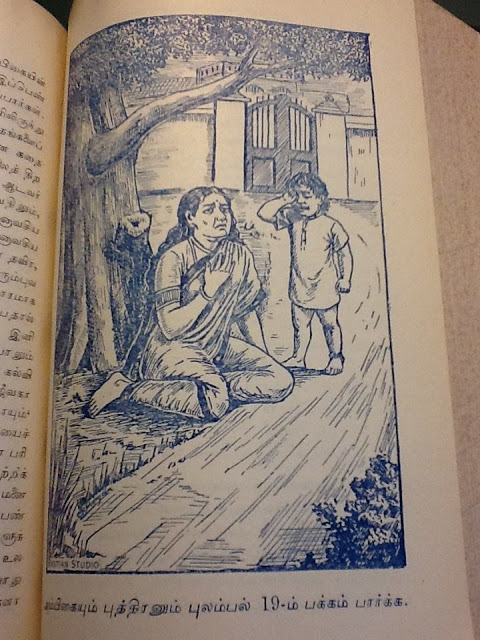
A Brahmin named Mogharaaja (Maharaja) had pimples. As he knew that the house was infected he took shelter in the fields though it was winter. A Brahmin named Samitigutta was attacked by leprosy and his limbs were crumbling.


Steam bath

In case of acute rheumatism, steam bath was prescribed. A pit six feet deep was filled with charcoal and covered with a coating of sand. Some herbs were spread over it. The patient’s affected limbs were applied with herbal oil and asked to show it over the charcoal pit.  They were asked to turn over and over until the whole body was steamed.

In case of fever blood is let out with the help of a horn.


Buddha was treated by a Brahmana Doctor!

Once the Exalted Buddha suffered from disorderly humours (Vaata, Pitta, Kapha) and sent Elder Upavaana to Brahmin Devahita for hot water. The Elder caused Buddha to bathe in hot water and then mixing the molasses with hot water gave it to the Exalted Buddha to drink. He got better soon.

The word Roga denoting various diseases has been defined in the Buddhist commentaries. The diseases were enumerated and classified with reference to the parts of the body affected by them e.g. Diseases of the eye, ear etc.


A’ gaathaa’ in the Sutta Nipata says at first there were three diseases, namely Iccha (Desire) anasana (Hunger) and Jaraa (Aging). The diseases , gradually increased in number and the gaathaa fixing the total number as ninety eight. But the editors of Pali-English could not find all the 98 diseases. Dhammapala in his commentary on the Mahaaniddesa speaks of 96 diseases the roots of which lie in the three humours Vaata, Pitta, semhaa (kapha). Out of the 96, thirty two kinds arise from each humour.

Source:- Dr Bimala Churn Law, Calcutta, Year 1940


–SUBHAM–


‘SACRIFICE IS THE NAVEL OF THE UNIVERSE’- ON SACRIFICE AND STARS (Post No.4970)

Written by London Swaminathan 


Date: 2 May 2018


Time uploaded in London – 17-08 (British Summer Time)


Post No. 4970


Pictures shown here are taken from various sources such as Facebook friends, Books, Google and newspapers; thanks. Pictures may be subject to copyright laws.


WARNING: PLEASE SHARE MY ARTICLES; BUT DON’T SHARE IT WITHOUT AUTHOR’S NAME AND THE BLOG NAME. BE HONEST; OTHERS WILL BE HONEST WITH YOU


 ‘YAJNAO BHUVANASHYA NAABHIH’

Rig Veda says ‘Yajno Bhuvanasya Nabhi’ (RV1-164-35); the meaning of the mantra is “Sacrifice is the navel of  (Naabhih= navel, nest, home, birth place etc) the Universe. Sacrifice has many meanings in the Bhavad Gita. It does not mean only fire sacrifice; it means penance; life itself is a Yajna; giving something to God, community, society is sacrifice. Jnana Yajna, Tapo Yajna, Dravya Yajna are few of the Yajnas.

Prajapati, the creator, created human beings along with the sacrifice (yajna) and told the human beings to benefit through the yajnas.


Lord Krishna explains the different types of Yajnas in Chapter 4 in slokas/couplets 24-32.


xxx

STARS ARE HOLY SOULS

In several cultures including the Greek culturestars portrayed as good and bad characters; but in Hindiusm stars are seen as positive signs only.

Satapata Brahmana says,

The stars are the souls of the righteous who go to heaven and Mahabharata also confirms it (Sata.Br.6-5-4-8 and Mbh 3-174/5).

Druva (Pole star), Sapta Rishis (Seven Seers= Ursa Major), Arundhati (Alcol), Agastya (Canopus),Trisanku (Southern Cross), Krittika (Pleiades) and Arudra (Betelgeuse) are some of them.

Though the popular story thinks that the little boy Druva is pole star, W H Robinson thinks that Sunahsepa of Rig Veda is (Cynosure=Sunahsepa) Pole Star.

Sangam Tamil Literature which is at least 2000 year old mentioned Sapta Rishis (7 seers in Ursa Major), Pole Star, Arundhati, Krittika (Pleiades) etc.

Even before 2000 years ago the beliefs were same from the Himalayas to Kanya Kumari.


The great Vedic seers, who by Varuna’s holy act had been exalted to the stars, and who shine both by night and day, have taught him wisdom.

Seers and Bears

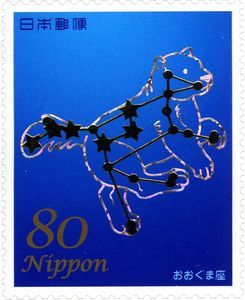
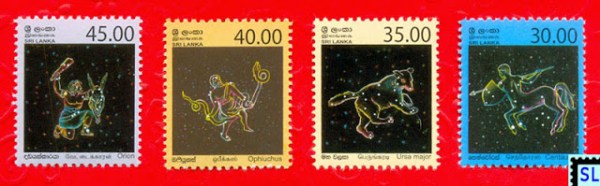
Rishi is seer and Rikshaah is bears. The Sapta Rishi constellation (Ursa Major) is called Great Bear in Greek and other cultures.

Dr.Martin Haug says,

It is found only once in the Rig Veda (1-24-10). According to an account in the Satapata Brahmana (2-1-2-40 this name was afterwards changed into ‘Sapta Rishyah’ the Seven Rishis, by which name the stars of Ursa Major are called in the Vedic hymns (RV 10-82-2; AV 6-40-1) and in the classical Sanskrit writings. The sounds of Riksha ‘bear’ and Rishi ‘seer-prophet’ were so near to one another, at  that time when they commenced to deify those great founders of Brahmanism nothing was more natural than to assign them a place in the sky and make them one of the brightest and most beautiful constellations.”


There is no doubt that the same constellation is alluded to under both names – rikshaah and sapta rishyah.

The seven wise and divine Rishis, with hymns, with metres with ritual forms, according to the prescribed measures, contemplating the path of the ancients, have followed it, like charioteers, seizing the reins 9Rig Veda 10-130-7).

Every Brahmin family of India claims to be descended from one or other of the Seven Great Rishis or sages, who were exalted to the stars of constellation, called Ursa Major (the Great Bear) in the West; but in India it is Sapta Rishayah.

THE ASVINS

The meaning is ‘possessors of horses’. They were two stars, said to appear in the sky before dawn, in a golden chariot drawn by horses or birds. They were also the physicians of the gods (Aitareya Brahmana 1-18)

They have mythological correspondence with the Castor and Pollux of the Greeks They are presiding divinities of the zodiacal asterism named from them. ; and which is figured as  a horse’s head from their name, and not from any fancied resemblance.

This constellation, at the time of vernal equinox appears in the heavens just before the dawn. That was the time for certain sacrifices in the olden days.

Asvins are also called Dasras (destroying, destructive, giving marvellous aid, overcoming enemies, doing wonderful deeds, worthy to be seen, handsome, beautiful, applied to the Asvins as being the destroyers of diseases.


–Subham–


சுட்ட சட்டி சட்டுவம் கறிச்சுவை அறியுமோ! (Post No.4819)

Written by London Swaminathan 


Date: 15 MARCH 2018


Time uploaded in London – 16-22


Post No. 4819

Pictures shown here are taken from various sources such as Facebook friends, Books, Google and newspapers; thanks.


WARNING: PLEASE SHARE MY ARTICLES; BUT DON’T SHARE IT WITHOUT AUTHOR’S NAME AND THE BLOG NAME. BE HONEST; OTHERS WILL BE HONEST WITH YOU.


நட்ட கல்லைத் தெய்வம் என்று நாலு புட்பம் சாத்தியே


சுற்றி  வந்து முணுமுணுத்துச் சொல்லும் மந்திரம் ஏதடா


நட்ட கல்லும் பேசுமோ நாதன் உள்ளிருக்கையில்


சுட்ட சட்டி சட்டுவம் கறிச்சுவை அறியுமோ


என்று தமிழ்ப் பெரும் சித்தர் சிவவாக்கியர் பாடினார். இது 2300 ஆண்டுகளாகப் பாரதத்தின் தென் குமரி முதல் வட இமயம் வரை நிலவிய கருத்து என்பது சாணக்கிய நீதியைப் படித்தோருக்கு விளங்கும்.

சாணக்கியன் சொல்கிறான்,

படந்தி சதுரோ வேதான் தர்மசாஸ்த்ராண்யனேகசஹ

ஆத்மானம் நைவ ஜானதி தர்வீ பாகரஸம் யதா


மக்கள் நான்கு வேதங்களையும் தர்ம சாஸ்திரங்களையும் மீண்டும் மீண்டும் படித்தும் தன்னை அறியும் அறிவில்லாவிடில் என்ன பயன்? சுவையான உணவைப் பரிமாறும் கரண்டிக்கு அந்த உணவின் சுவை தெரியுமா?

–சாணக்கிய நீதி 16-12


சாணக்கியன் சொல்லும் மரபியல் விஞ்ஞானம்

சாணக்கியன் உலக மஹா அறிவாளி; அலெக்ஸாண்டர் காலத்தில் வாழ்ந்தவன்; 2300 ஆண்டுகளுக்கு முன்னரே அவன் மரபியல் பற்றிப் பேசுகிறான்; கருவிலேயே திரு உற்றதாக நாயன்மார்கள் பாடினர்; மாணிக்க வாசகரோவெனில் திருவாசகத்தில் ஒரு கருவின் பத்து மாத வளர்ச்சியைப் பாடினார்.


சாணக்கியன் பகர்வதாவது,


கருவில் இருக்கும்போதே கீழ்க்கண்ட ஐந்து விஷயங்கள் தீர்மானிக்கப்படுகின்றன– அவனது ஆயுள், வேலை, செல்வம், படிப்பு, மரணம்.

என்ன அதிசயம்!

இதைப் பார்க்கையில் ஜோதிடம் உண்மையே என்பது விளங்கும்.


இந்துக்கள் குழந்தை பிறந்த ஓராண்டுக்குப் பின்னர் குடும்ப ஜோதிடர் மூலம் ஜாதகத்தை எழுதி வாங்குவர்; அதில் அவர் அக்குழந்தையின் படிப்பு, ஆயுள், வேலை, செல்வ வளம் முதலியன குறித்து எழுதி விடுகிறார். இது 2300 ஆண்டுகளாக இருப்பது சாணக்கிய நீதி மூலம் தெரிகிறது:–

ஆயுஹு கர்ம ச வித்தம் ச வித்யா நிதனமேவ ச

பஞ்சைதானி ஹி ஸ்ருஜ்யதே கர்பஸ்தஸ்யைவ தேஹினஹ

4-1


ஒரு தாயின் கரு பத்து மாத வளர்ச்சியில் நோக்கும் ஆபத்துகளை போற்றித் திரு அகவல் என்னும் திருவாசகப்   பகுதியில் மாணிக்க வாசகர் பாடுகிறார். அவர் தேவாரம் அருளிய மூவர்க்கும் முதல்வர்.


யானை முதலா எறும்பீ றாய
ஊனமில் யோனியி னுள்வினை பிழைத்தும்
மானுடப் பிறப்பினுள் மாதா வுதரத்
தீனமில் கிருமிச் செலவினிற் பிழைத்தும்

  1. ஒருமதித் தான்றியின் இருமையிற் பிழைத்தும்
    இருமதி விளைவின் ஒருமையிற் பிழைத்தும்
    மும்மதி தன்னுள் அம்மதம் பிழைத்தும்
    ஈரிரு திங்களிற் பேரிருள் பிழைத்தும்
    அஞ்சு திங்களின் முஞ்சுதல் பிழைத்தும்
  2. ஆறு திங்களில் ஊறலர் பிழைத்தும்
    ஏழு திங்களில் தாழ்புவி பிழைத்தும்
    எட்டுத் திங்களில் கட்டமும் பிழைத்தும்
    ஒன்பதில் வருதரு துன்பமும் பிழைத்தும்
    தக்க தசமதி தாயொடு தான்படும்
  3. துக்க சாகரத் துயரிடைப் பிழைத்தும்
    ஆண்டுகள் தோறும் அடைந்தஅக் காலை
    ஈண்டியும் இருத்தியும் எனைப்பல பிழைத்தும்
    காலை மலமொடு கடும்பகல் பசிநிசி
    வேலை நித்திரை யாத்திரை பிழைத்தும்

(யாரைக் கடவுள் காப்பாற்றுவான்பிளாக்குகளிலும்ஃபேஸ்புக்கிலும் வரும் கட்டுரைகளைத் திருடாமல் — எழுதியவர் பெயருடன் வெளியிடுபவர்களைக் கடவுள் காப்பாற்றுவார். யாருக்கு அரசியல்சமூக விஷயங்களில் கருத்துச் சொல்லவும்குறை கூறவும்கண்டிக்கவும் உரிமை உள்ளதுமற்றவர் படஙகளையும் படைப்புகளையும் திருடாதவனுக்கு பேஸ்புக்கிலும் பிளாக்குகளிலும் கருத்துச் சொல்ல உரிமை உண்டு)


–சுபம்–

2600 YEAR OLD ANCIENT INDIAN PLASTIC SURGERY! (Post No.4700)

Date: 4 FEBRUARY 2018


Time uploaded in London- 10-03 am


Compiled by London swaminathan


Post No. 4700


PICTURES ARE TAKEN BY LONDON SWAMINATHAN


WARNING: PLEASE SHARE MY ARTICLES; BUT DON’T SHARE IT WITHOUT AUTHOR’S NAME AND THE BLOG NAME. BE HONEST; OTHERS WILL BE HONEST

WITH YOU.


AYURVEDA EXHIBITION – PART 2


Sushruta who lived 2600 years ago in India is the Father of Surgery. He described  over 100 medical instruments. He was famous for nose surgery known as rhinoplasty. The amazing thing about the Nose Surgery is that it was used even 300 years ago in India. A British magazine has described it and the magazine news is displayed in the Ayuevdic man in Wellcome Centre in London (For full details of the Ayurvedic exhibition, please read my article posted yesterday here.

The news item says,

“Cowasjee, a man who had his nose reconstructed with the aid of plastic surgery, stipple engraving by W Nutter, after drawing by J Wales 1795.


Among the surgical techniques described in the  Ssruta Samhiat is rhinoplasty, the repair of a severed nose. Variations of this technique have survived in India over the centuries. In 1794, an article in the Gentleman’s magazine of London reported an operation carried out on an employee of the British East India Company who had been captured and mutilated during the Mysore Wars. As witnessed by Company surgeons, a flap of skin incised from the forehead was grafted onto the stump from which a new nose was formed. Such reports heled the resurgence of Indian surgical methods in the 1700s and foreshadowed the modern plastic surgery.


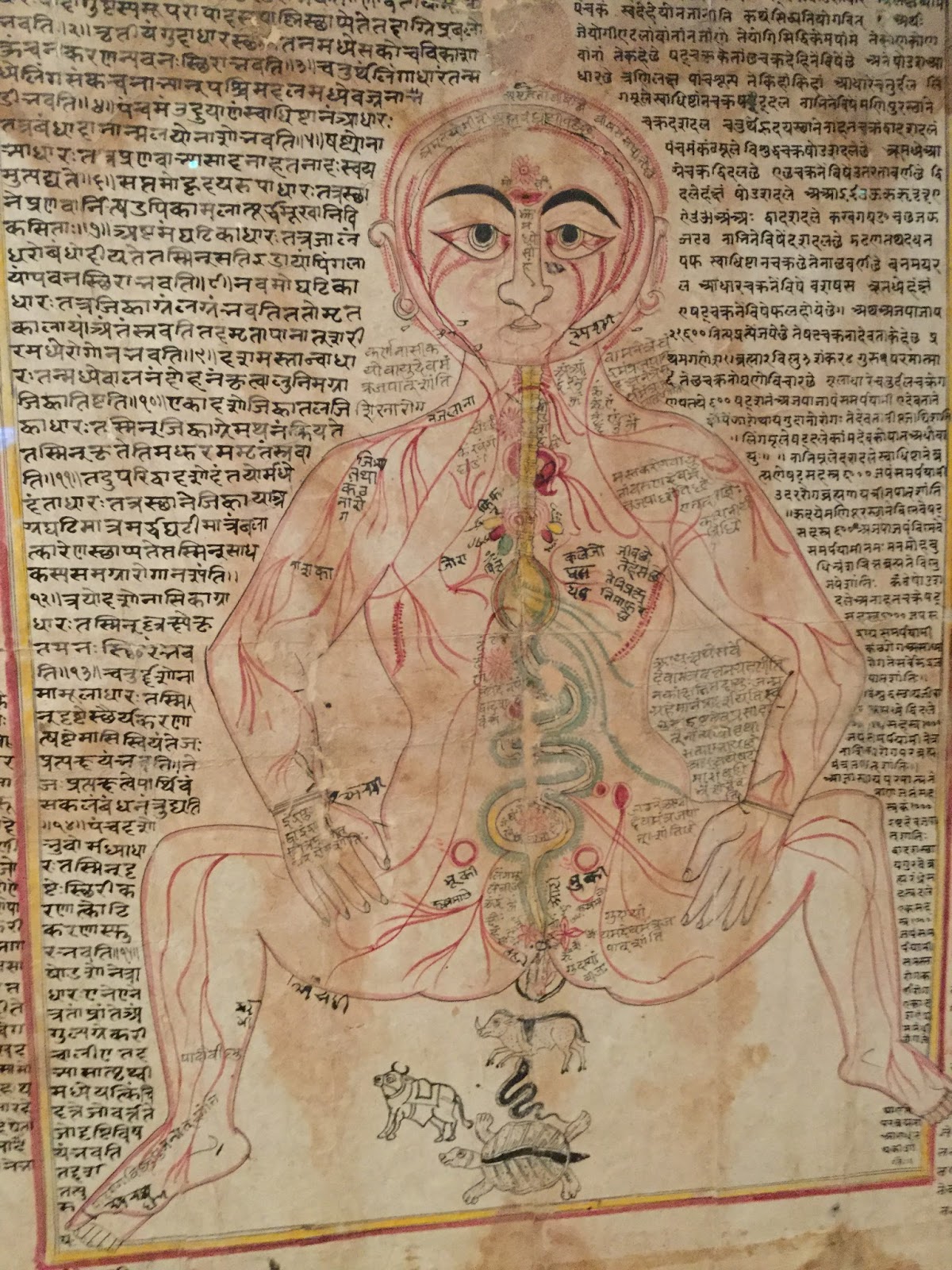
Here is another anatomical image from Western India. It has Sanskrit and Gujarati terms for body parts. It is like Persian picture, but the Indian artist had added Chakras and Tantric iconography to the spinal column.

Hanuman bringing the Magical Herb Sanjeevani along with the hill. When Lakshmana was injured, Hanauman was asked to get the Life Giving Sanjeevani herb. Since he could identify the herb he uprooted the entire hill where it is grown and brought it to Lanka.

–Subham–


சிறந்த மூலிகை எது? சாணக்கியன் தகவல் (Post No.4648)

Written by London Swaminathan 


Date: 22 JANUARY 2018


Time uploaded in London 8-17 am


Post No. 4648

Pictures shown here are taken from various sources such as Facebook friends, Books, Google and newspapers; thanks.


WARNING: PLEASE SHARE MY ARTICLES; BUT DON’T SHARE IT WITHOUT AUTHOR’S NAME AND THE BLOG NAME. BE HONEST; OTHERS WILL BE HONEST WITH YOU.


கௌடில்யர் என்றும் சாணக்கியன் என்றும் பெயர் கொண்ட மேதாவி 2300 ஆண்டுகளுக்கு முன் இந்தியாவில் வாழ்ந்தார். ஏழையாகவும், அவலட்சணமாகவும் இருந்த அந்த ப்ராஹ்மணன், மகத சாம்ராஜ்யத்தை ஸ்தாபித்தார். பல நீதி நூல்களை யாத்தார். உலகின் முதல் பொருளாதார நூலான அர்த்தசாஸ்திரத்தையும் எழுதினார். அவர் டாக்டர் அல்ல. ஆயினும் போகிற போக்கில் பல மருத்துவக் குறிப்புகளையும் பாடி வைத்துள்ளார். மூலிகையில் சிறந்தது எது என்றும்,  நீரின் மஹிமை, நெய்யின் சக்தி என்ன   என்றும் சொல்லிவைத்தார்.


இதோ மூலிகையில் சிறந்தது எது என்ற ஸ்லோகம்:-


ஸர்வௌஷதீனாம் அம்ருதா ப்ரதானா

ஸர்வேஷு ஸௌக்யேஷ்தசனம் ப்ரதானம்

ஸர்வேந்த்ரியானாணாம் நயனம் ப்ரதானம்

ஸர்வேஷு காத்ரேஷு சிரஹ ப்ரதானம்

சாணக்ய நீதி, அத்யாயம் 9, ஸ்லோகம் 4


பொருள்:

எல்லா மூலிகைகளிலும் சிறந்தது அம்ருதா

மகிழ்ச்சியான விஷயங்களில் சிறந்தது   உணவு உண்ணல்;

ஐம்புலன்களில் சிறந்தது கண்;

உடல் உறுப்புகளில் சிறந்தது தலை.


எண்சாண் உடம்புக்கு சிரசே (தலை) பிரதானம் என்பது எல்லோரும் அறிந்ததே. ஆனால் இவர் சொல்லக்கூடிய அம்ருதாவை அம்ருதவல்லி என்ற மூலிகையாக வியாக்கியானக்காரர்கள் கருதுகின்றனர்


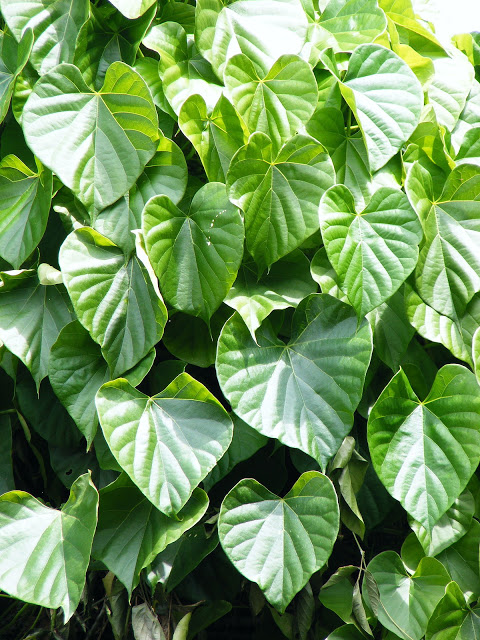
எது அமிர்தவல்லி என்பதில் கருத்து வேறுபாடு உண்டு. தமிழில் சீந்தில் கொடி என்றும் இந்தியில் ‘குடூசி’

என்றும் சொல்லுகின்றனர். இதனுடைய தாவரவியல் பெயர் கொக்குலஸ் கார்டிபோலியஸ்  (Cocculus Cordifolius OR Tinospora cordifolia) என்று சாணக்கிய நீதியை ஆங்கிலத்தில் மொழி பெயர்த்த அறிஞர் சத்ய வ்ரத சாஸ்திரி சொல்கிறார். கார்டிபோலியஸ் என்றால் இருதய வடிவிலான இலை என்று பொருள்; இந்த மாதிரி இருதய வடிவு இலைகள் அரச மரத்துக்குக் கூட உண்டு.


சீந்தில் கொடிக்கு பல    மருத்துவ குணங்கள் உண்டு; இது சர்க்கரை வியாதி, புற்று நோய் ஆகியவற்றுகும் வேறு பல நோய்களுக்கும் மருந்து என்று ஆயுர்வேத நூல்கள் பகரும்.


சிலர் அமிர்தவல்லி, ஓம வல்லி என்றும் சொல்லுவர். எப்படியாகிலும் குறிப்பிடப்படும் எல்லா மூலிகைகளுமே நன்மை பயக்கக்கூடியவையே.

XXX

நெய்யின் மஹிமை


சாணக்கியன் நெய், மாமிசம், பால் பற் றிப் பல சுவையான விஷயங்களைக் குறிப்பிடுகிறான். இதோ ஸ்லோகங்கள்:


அன்னாத் தசகுணம் பிஷ்டம் பிஷ்டாத் தசகுணம் பயஹ

பயசோ அஷ்ட குணம் மாம்ஸம் மாம்ஸாத் தசகுணம் க்ருதம்

சாணக்ய நீதி, அத்யாயம் 10, ஸ்லோகம் 19


அரிசியைவிட பத்து மடங்கு சக்தி வாய்ந்தது மாவு; மாவை விட பத்து மடங்கு சக்தி வாய்ந்தது பால்;  பாலை விட எட்டு மடங்கு சக்தி வாய்ந்தது மாமிஸம்; மாமிஸத்தை விட பத்து மடங்கு சக்தி வாய்ந்தது நெய்.


XXXX


சாகேன ரோகா வர்தந்தே பயஸா வர்ததே தனுஹு

க்ருதேன வர்ததே வீர்யம் மாம்ஸான் மாம்ஸம் ப்ரவர்ததே

சாணக்ய நீதி, அத்யாயம் 10, ஸ்லோகம் 20


பொருள்

காய்கறிகள் மூலம் வியாதிகள் வருகின்றன; பால் மூலம் உடலுக்குச் சக்தி கிடைக்கிறது; நெய் மூலமாக ஆண்களின் விந்து பெருகுகிறது; மாமிஸம் மூலம் உடலில் மாமிஸம் கூடுகிறது.


இதைச் சரியாகப் புரிந்து கொள்ள வேண்டும்; கழுவாத காய்கறிகளோ, கெட்டுப்போன காய்கறிகளோ உடலுக்குக் கேடு விளைவிக்கும். மேலும் மேலை நாட்டு வைத்திய முறையில் இல்லாத பத்தியம் என்பது ஆயுர்வேதம், சித்த மருத்துவ சிகிச்சைகளில் உண்டு; சிற்சில சிகிச்சைகளை எடுத்துக் கொள்ளும் போது சிற்சில காய்கறிகளைத் தவிர்க்க வேண்டும் என்று நாட்டு வைத்தியர்கள் சொல்லுவர். அந்த வகைகளிலும் காய்கறிகள் நோயை உண்டாக்கும் என்ற வாசகம் பொருந்தும்


மாமிஸத்தால் உடல் மாமிஸம் அதிகரிக்கும் எனபது வள்ளுவனும் சொன்ன அருமையான வாக்கு ஆகும்


தன்னூன் பெருக்கற்குத்தான் பிறிது ஊனுண்பான்

எங்ஙனம் ஆளும் அருள் (குறள் 251) என்பார்


“தன் உடம்பைப் பெருக்குவதற்கு பிற உயிரின் ஊனைக் கொன்று தின்பவனுக்கு வாழ்க்கையில் அருள் எப்படி இருக்க முடியும்? “(குறள் 251)

வள்ளுவனின் கேள்வி நல்ல கேள்வி.


XXX


நீரின் மஹிமை


இன்னும்  ஒரு பாட்டில் நீரின் மஹிமை பற்றி செப்புகிறார்:

அஜீர்ணே பேஷஜம் வாரி ஜீர்ணே வாரி பலப்ரதம்

போஜனே வாரி சம்ருதம் வாரி போஜனாந்தே விஷப்ரதம்

—சாணக்ய நீதி, அத்யாயம் 8, ஸ்லோகம் 7


பொருள்

அஜீர்ணக் கோளாறு உள்ளவர்கள் தண்ணீர் சாப்பிடுவது மருந்து போலாகும்; ஜீரண சக்தியோடு உடலுக்குப் பலத்தையும் தரும்; சாப்பாட்டுடன் நீர் அருந்துவது அமிர்தத்துக்கு ஒப்பாகும்; சாப்பிட்டு முடித்த பின்னர் குடிக்கும் நீர் விஷத்துக்குச் சமம்.


இவ்வாறு சாணக்கியன் சொல்லும் பல மருத்துவக் குறிப்புகள் நீதி வாசகங்களுக்கு இடையே உள்ளன.


–SUBAHM–


WOMAN AND YOGI- CHANAKYA (Post No.4624)

Written by London Swaminathan 


Date: 16 JANUARY 2018


Time uploaded in London  8-50 am


Post No. 4624

Pictures shown here are taken from various sources such as Facebook friends, Books, Google and newspapers; thanks.


WARNING: PLEASE SHARE MY ARTICLES; BUT DON’T SHARE IT WITHOUT AUTHOR’S NAME AND THE BLOG NAME. BE HONEST; OTHERS WILL BE HONEST WITH YOU.


The same object appears in three different forms as it is viewed. The female body appears corpse to Yogins (saints), a charming figure to the love-stricken and just flesh to dogs- says Chanakya in his Niti sastra.


eka eva padaarthastu tridhaa bhavati diikshitah

kunapaha kaaminii maamsam yoogibhih kaamibhihsvabhih

–chanakya niti, chapter 14, sloka 16


My comments

Chankaya has explained it beautifully well; let us explore it further.


If a young and beautiful lady sits with her brother, he gets some affectionate thoughts. Oh, how lucky I am to get such a lovely girl as my sister; she should be married in a good family and live happily.


If a youth sits with her or nearby her in the bus, he gets amorous feelings; Oh, how much happy I would be if I get this girl as my wife.


If a very little baby sits next to her, it even hugs that girl as if it hugs its own mother; it gets the feeling of bond between a mother and a baby- the supreme form of love; each expecting nothing from the other except love and protection.


Now where is pleasure coming from? is it from the beautiful skin of that youthful young girl? or is it from the mind of the person sitting next to that beautiful girl?


Saints say that the flesh of a person or the skin of a person is not the source of permanent pleasure. If it is the source of permanent pleasure it should do that with the brother, youth, child, saint and others for ever. It is not permanent. So the saints say, “ when I can show you that which gives you permanent pleasure, bliss, Ananda to everyone, why do you still go to other sources?”


Chanakya said it in two lines; saints give long lectures to illustrate this point.


Saints give another example as well; a dog chews the bone of another animal and the sharp ends of the bone pricks dog’s mouth and makes the blood to ooze out; the dog finds it very tasty and thinks that the blood comes from the bone and bites it more vigorously. Is it a wise dog or a foolish one?


But saints never advise all to become saints in the first place. They say, Go and Enjoy temporary pleasure in the family life, but remember and realise that it is not permanent!


–Subham–

DATE OF RIG VEDA THROUGH SOLAR ECLIPSE-3000 BCE (Post No.4470)

Compiled by London Swaminathan 


Date: 8 DECEMBER 2017 


Time uploaded in London-  8–14 am


Post No. 4470

Pictures shown here are taken from various sources such as Facebook friends, Books, Google and newspapers; thanks.


SRI UMAPADA SEN OF CALCUTTA HAS ESTABLISHED THE DATE OF RIG VEDA AROUND 3000 BCE IN HIS BOOK THE RIGVEDIC ERA. HE SUPPORTS THE VIEW OF A. LUDWIG WHO ALSO APPRECIATED THE VEDIC HINDUS’ AMAZING KNOLEDGE ABOUT HEAVENLY BODIES.


Here is a summary of Umapada Sen’s article (part of his book):

Solar eclipses narrated in the Veda cannot be overlooked. In passage 10-138-4 of the Rig Veda, it is said Indra ‘maseva suryo vasu puryam adade’. this means it was the sun that was eclipsed, for the words ‘ vi suryo Madhya amuchat rathevam divah’ in the preceding verse point clearly to a solar eclipse.

Ludwig’s observation about the attitude of some persons always ready to defame the Veda and the Vedic Indians is worth noticing. He says, “such narrations in other texts ( he quotes other texts) do not appear doubtful, but such expressions when found in the Rig Veda are quite doubtful and many critics regard it as extremely doubtful. There should be no doubt any further, by all events it is not lunar but solar eclipse”.
“Compare RV 4-28-2. There Indra is said to have eclipsed the sun (somena, induna, by the moon). Prof. Willibrandt in his book on Vedic mythology has elaborately and extensively demonstrated that there is never any reason for disbelieving that Soma was Chandramas/Moon.


“The eclipse of ‘svarvanu’ has no relation with the clouds. Svarvanu, etymologically taken designates him whose light is the sun or sun’s. This is no other than the moon. We can accurately frame the translation of RV 5-40-6 …….”


In the mantra it is said that “Thou, Oh Indra, hadst hurled down by means f svarvanu’s witcheries spreading down from heaven, Atri by means of the fourth brahma has found out the hidden sun”.


Atri had to utter four Rik verses and by that time the eclipse subsided. This was the time taken by total solar eclipse!


The ‘Svarvanu after 3000 years turned out to be Rahu in the Vishnu Purana after it had lost the etymological meaning. (For the laymen, they gave a story of snake devouring moon or sun and in course of the time the original  view forgotten)

Ludwig further gives a detailed account of Hindu tradition and praises the accuracy of observations.


Attempts for determining the date of the Rig Veda through astronomy by Ludwig, Jacobi and B G Tilak amply proved their intimate acquaintance with the Vedic literature.


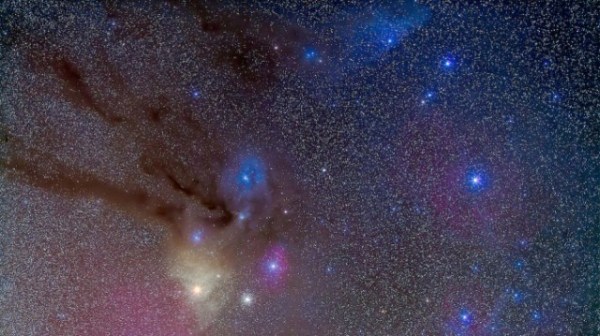
Antares (star Jyeshta or Kettai in Tamil) or Indra was called Jyeshtagni meaning one who commences the New Year (must be sidereal in this case).

Ludwig says, “Vedic priests were aware of moon’s borrowing light from the sun. That the ancient Hindus had a correct notion of the orbits of sun and moon, that their ability to account for the phenomenon of eclipses is absolutely out of doubt and the part assigned to Indra is interesting in a double point of view, and be it noted here that ADRI in the Veda often stands for a node that hurts the weaker Soma (moon) when he passes it, and not always for a stone to pierce Soma plants.”

Ludwig’s vivid narrations of the solar eclipses, wherein times without number he mentions of Indra’s peculiar function, must be carefully noted. Vedic narrations invariably connect Indra with the eclipses. In RV 10-138-4, Indra forces sun to unyoke the horses. It simply means sun was forced to lose his rays when it was just over or near Antares (star). The entire hymn 5-40 describes the eclipse in greater details. It, therefore, appears that two solar eclipses, of which one was definitely total, took place during the Vedic period on dates very near autumnal equinoxes that were visible from Indian latitude 28-32 N and longitude 68-74 E of Greenwich, so as to give an impression to the onlookers that Indra was competent to cause solar eclipses. (Indra= star Antares)


Umapada Sen believes the word Suhanta for thunder in 7-30-2 was a comet. He says that the 27 stars, five planets, sun and moon were the Rig Vedic Devas.

Antares and Sun

The scanning of the Rig Vedic revelations does reveal to us that Indra (star Antares) was privileged to enjoy the close company of the sun and as such the date when the particular star Antares was enjoying autumnal equinoxes bears the all-important connection with the Rig Vedic period.

When Umapada sen approached Indian observatories to find out the equinox position of Antares, and they were not helpful. But Greenwich and Hamburg observatories have promptly responded with requisite assistance and Dr Brian G Marsden of Smithsonian Astrophysical Observatory, USA has very kindly favoured him by undertaking the desired calculations.

Dr Marsden writes to say, “The date when a. Scorpi  (Antares) was at ecliptic longitude 180 degree is around 2990 BCE”. The Vedic hymns were composed in earlier periods do reveal that around 3000 BCE, Indra (star Antares) had actually clutched on the thunder (comet) that impressed the Vedic singers as to the massive stature of his weapon.

The date of the solar eclipse near about the autumnal equinox visible from 30 degee  N Indian latitude calculated by expert astronomers is between 3000 BCE and 2800 BCE.


Umapada sen concludes the article with a tribute to the Vedic seers, “The Rig Veda is not a code of ethics, a book of morals, a bunch of liturgical exhortations, a bundle of idle speculations, a product of utter frustration or a text with meaningless jargons. It is a collection of sincere invocations, the spontaneous out pouring of the heart of the earliest poets, ovations to the Devas, the stellar gods, wherein the celebrations by and by engulf a vast sphere of sublime religious thought and a true record of intellectual growth and material progress attained by a group of human souls in a corner of the earth well before 3000 BCE.”


My comments

It is interesting to see that Vedic poets used a particular style of language or symbolism to express facts. The Brahmanas and the Vedas say that the gods like mysterious language (RV 4-3-16). Though our sees calculated the time of eclipses scientifically and accurately, they told the laymen some interesting stories about the snake Rahu devouring moon or sun to describe the eclipse. Here Atri utters four verses or mantras and the hidden sun came out, says the Vedic hymn. I think that is the time taken for the total eclipse of the sun.


Even today we are thrilled to read about the total eclipse of the sun in newspapers. My London neighbour spent 1000 pounds to see the solar eclipse in America. So even when Vedic Hindus knew what is an eclipse Atri might have told them “wait till I finish the four mantras and you will see the sun out. Like our astronomers tell us that the sun will be in full eclipse between this minute and this minute, Atri might have told his disciples, that before I finish the fourth mantra the sun will be out. If a solar eclipse is an astronomical wonder for us today, it would, definitely, have been a wonder for a Vedic Hindu 5000 years ago.


The second point I would like to make is that Vedic language is very difficult. Only those who are well versed in Astronomy can figure out the meaning of certain mantras. Sometime ago I posted Ornithologist K N Dave’s view of a mantra where in seven sisters meant actually birds. But even Sayana who lived just 600 years ago could not give the correct meaning. Because Dave was an ornithologist, he could understand what our seers said. Yaska who lived at least 2800 years before our time could not understand hundreds of words. That shows Vedas were very ancient, more ancient than we thought until today. Now our job is to reinterpret all the mantras with a panel of experts from every walk of life or profession and present both Sayana’s and the new interpretations. We must discard all foreigners’ writings.


Now that we know the Vedic civilization existed before Indus Valley civilization through scientific research of Sarasvati river and through the astronomical research, we must rewrite Indian history ASAP.


–Subham–


HINDU DHRUVA IN SHAKESPEARE! (Post No.4449)

Written by London Swaminathan 


Date: 1 DECEMBER 2017 


Time uploaded in London-  14-46


Post No. 4449

Pictures shown here are taken from various sources such as Facebook friends, Books, Google and newspapers; thanks.


SHAKESPEARE, the greatest English playwright and dramatist was influenced by Hindu literature. We know from his plays that he has read lot of materials. We see Kalidasa’s Shakuntala in Miranda in his play the Tempest. We hear about Nagaratna (cobra jewel) in one of the plays. I have already listed the parallelisms in Tirukkural, the Tamil Veda and Shakespeare in several articles. Here is one more Hindu story in Shakespeare.


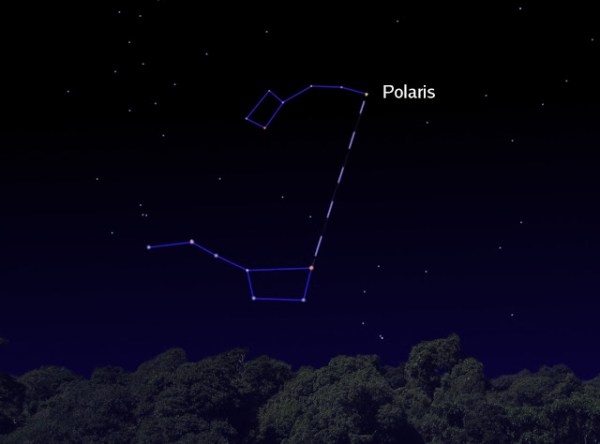
The story of the young boy DHRUVA is known to every Hindu. Dhruva has been elevated to the status of Pole Star in Hindu literature. Not only Pole star but also the seven stars circling the pole star worshiped by millions of Hindus every day three times  when they do Sandhyavandan, the water ceremony.


According to the Vishnu Purana, the sons of Swayambhuva Manu were Priyavrata and Uttanapada. Uttandapada had two wives, one was Suruchi who was very proud and haughty and the other was Suniti who was humble and gentle. Suniti gave birth to Dhruva. Suruchi treated him very badly while he was young. Suruchi made sure that her son Uttama succeeds to the throne. Dhruva and his mother Suniti were helpless. Dhruva wanted to pray to God to keep himself happy. He joined a group of seers (Rishis) and he went through rigid course of austerities. Indra wanted to distract him so that there wont be any competition from him for his post. At the end, he got a boon from Vishnu and became a star. A star among boys and a star in the sky. Hindus are shown Dhruva Nakshatra—known as Pole Star during wedding along with the Seven Stars, the Ursa major. He is the pivot of the planets. He became the symbol of steadfastness, determination, tenacity and resolution to the Hindus. Hindus are advised to be as constant as Dhruva.

Shakespeare says in Julius Caesar,

“But I am constant as the Northern Star, of whose true fixed and resting quality, there is no fellow in the firmament”– (Caesar)


Several of Hindu beliefs are in Shakespeare for which there is no other source such as Greek, Egyptian and Roman.


–Subham–
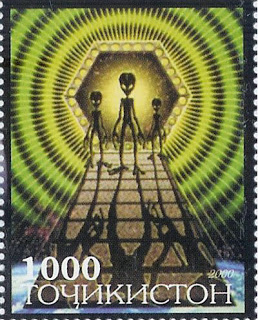


Extra Terrestrial Civilization in Manu Smrti? (Post No.4432)

Written by London Swaminathan 


Date: 25 NOVEMBER 2017


Time uploaded in London- 13-12


Post No. 4432

Pictures shown here are taken from various sources such as Facebook friends, Books, Google and newspapers; thanks.


Whatever we have read as magic and mystery in the mythology seventy or hundred years ago, have become day to day ordinary things now; I will explain:

We thought only sages and seers (Rishis and Munis) could see what happens in another or a distant place; now we have CC TV and TV broadcasts which show us that happens in a distant place. With hand held objects, I pads and mobile phones we do now, what sages and seers did 100 years ago.

We thought only Rishis and Munis can hear Gandharva singing in the sky; now we have hand held small radios with  which we can hear Bhuloka Gandharavs (earthly musicians) but yet the music is coming from the heavens (air).


We heard that sages and seers received the truths from the heavens; they ‘heard’ it and so we called the Vedas Sruti (Sruti= which is heard); now with the help of internet and google, we can access truthful ( and of course porno and untruthful) information. Now we better understand how the sages and seers could have done it.


Now we know billions of pages can be saved on the internet and anyone could receive it from different parts of the world at any time. They are stored ‘somewhere”

If someone has talked or predicted about mobile, internet, television, Ipads etc. 150 years ago, one would have thought we are talking about something mysterious or strange or science fiction.

In short, now man has become Superman; Manusha has become a Deva!


When we read such magical things, we thought only Devas can do it. Now we know man is also becoming a superman. But yet no one could say what would happen in our grandchildren’s time. Incredible science inventions come every year. Now I can order radio or TV to switch on through my voice. I open the doors with my look (eyes) or finger prints.

But there is a big difference. Our sages did this without any equipment; they could talk about astronomy without telescopes, they could see distant objects without TV or Mobile phones. They knew that mind has more power than scientific equipment. They knew words have more power than science equipment. No one has mastered that art yet.

ET in Manu


Now I am coming to the point.

Manu Smrti and our Puranas speak about various time zones for Devas and Brahma. When we hear about Extra Terrestrial Civilizations in distant planetary system we will understand such descriptions better.


We read that Devas cant have sex in the Devaloka, cant stand on their feet,can’t blink, their garlands never wither away , they can travel from one place to another place and appear intact, sages like Narada can do inter galactic travel (Tri Loka Sanchari)etc.


Now I read in Manu Smrti that human year is different from Deva (angelic) year and Deva year is different from Brahma year and Brahma’s life is insignificant compared to the Supreme God. If at all we hear or find another ET civilisation, then we will know all these are true.


For a house fly that lives only 24 hours, human year is 365 times more; human life span is 365X100 days more than the fly’s life span. If we take the life of a bacterium then our life span is million times more. For a turtle ot tortoise that lives 300 years, our life span is shorter.

Now look at what Manu says about Time calculation:-

  1. When he whose power is incomprehensible, had thus produced the universe and men, he disappeared in himself, repeatedly suppressing one period by means of the other.
  2. When that divine one wakes, then this world stirs; when he slumbers tranquilly, then the universe sinks to sleep.
  3. But when he reposes in calm sleep, the corporeal beings whose nature is action, desist from their actions and mind becomes inert.
  4. When they are absorbed all at once in that great soul, then he who is the soul of all beings sweetly slumbers, free from all care and occupation.
  5. When this (soul) has entered darkness, it remains for a long time united with the organs (of sensation), but performs not its functions; it then leaves the corporeal frame.
  6. When, being clothed with minute particles (only), it enters into vegetable or animal seed, it then assumes, united (with the fine body), a (new) corporeal frame.
  7. Thus he, the imperishable one, by (alternately) waking and slumbering, incessantly revivifies and destroys this whole movable and immovable (creation).
  8. But he having composed these Institutes (of the sacred law), himself taught them, according to the rule, to me alone in the beginning; next I (taught them) to Mariki and the other sages.
  9. Bhrigu, here, will fully recite to you these Institutes; for that sage learned the whole in its entirety from me.
  10. Then that great sage Bhrigu, being thus addressed by Manu, spoke, pleased in his heart, to all the sages, ‘Listen!’
  11. Six other high-minded, very powerful Manus, who belong to the race of this Manu, the descendant of the Self-existent (Svayambhu), and who have severally produced created beings,
  12. (Are) Svarokisha, Auttami, Tamasa, Raivata, Kakshusha, possessing great lustre, and the son of Vivasvat.
  13. These seven very glorious Manus, the first among whom is Svayambhuva, produced and protected this whole movable and immovable (creation), each during the period (allotted to him).
  14. Eighteen nimeshas (twinklings of the eye, are one kashtha), thirty kashthas one kala, thirty kalas one muhurta, and as many (muhurtas) one day and night.
  15. The sun divides days and nights, both human and divine, the night (being intended) for the repose of created beings and the day for exertion.
  16. A month is a day and a night of the manes, but the division is according to fortnights. The dark (fortnight) is their day for active exertion, the bright (fortnight) their night for sleep.
  17. A year is a day and a night of the gods; their division is (as follows): the half year during which the sun progresses to the north will be the day, that during which it goes southwards the night.
  18. But hear now the brief (description of) the duration of a night and a day of Brahman and of the several ages (of the world, yuga) according to their order.
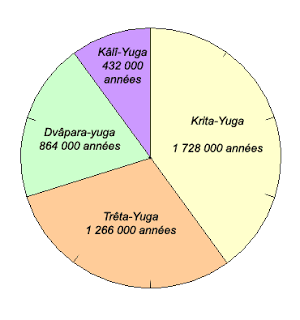
  19. They declare that the Krita age (consists of) four thousand years (of the gods); the twilight preceding it consists of as many hundreds, and the twilight following it of the same number.
  20. In the other three ages with their twilights preceding and following, the thousands and hundreds are diminished by one (in each).
  21. These twelve thousand (years) which thus have been just mentioned as the total of four (human) ages, are called one age of the gods.
  22. But know that the sum of one thousand ages of the gods (makes) one day of Brahman, and that his night has the same length.
  23. Those (only, who) know that the holy day of Brahman, indeed, ends after (the completion of) one thousand ages (of the gods) and that his night lasts as long, (are really) men acquainted with (the length of) days and nights.
  24. At the end of that day and night he who was asleep, awakes and, after awaking, creates mind, which is both real and unreal.
  25. Mind, impelled by (Brahman’s) desire to create, performs the work of creation by modifying itself, thence ether is produced; they declare that sound is the quality of the latter.
  26. But from ether, modifying itself, springs the pure, powerful wind, the vehicle of all perfumes; that is held to possess the quality of touch.
  27. Next from wind modifying itself, proceeds the brilliant light, which illuminates and dispels darkness; that is declared to possess the quality of colour;
  28. And from light, modifying itself, (is produced) water, possessing the quality of taste, from water earth which has the quality of smell; such is the creation in the beginning.
  29. The before-mentioned age of the gods, (or) twelve thousand (of their years), being multiplied by seventy-one, (constitutes what) is here named the period of a Manu (Manvantara).
  30. The Manvantaras, the creations and destructions (of the world, are) numberless; sporting, as it were, Brahman repeats this again and again.

Also read……..

Manu, not only a Law Maker but also a Great Botanist! (Post No.4375 …

https://tamilandvedas.com/…/manu-not-only-a-law-maker-but-also-a-great-botanist-p…

7 Nov 2017 – Manu Smrti, law book written by Manu, talks about lot of subjects which makes it a Hindu Encyclopaedia. Manu was not only a law maker but …


in Manu | Tamil and Vedas

https://tamilandvedas.com/tag/in-manu/

Black Antelope in Manu: Strange Facts- Part 3 (Post No.3047) … (for old articles go to tamilandvedas.com OR swamiindology.blogspot.com). Manusays,.

similes of Manu | Tamil and Vedas

https://tamilandvedas.com/tag/similes-of-manu/

Posts about similes of Manu written by Tamil and Vedas.

Manu | Tamil and Vedas | Page 2

https://tamilandvedas.com/tag/manu/page/2/

Posts about Manu written by Tamil and Vedas. … Manu deals with the menstrual women in several chapters: 3-239; 4-40/41, 57, 208; 5-66, 85, 108; 11- 88, 174.

Manu on marriage | Tamil and Vedas

https://tamilandvedas.com/tag/manu-on-marriage/

Posts about Manu on marriage written by Tamil and Vedas.

Manu on Brahmins | Tamil and Vedas

https://tamilandvedas.com/tag/manu-on-brahmins/

Posts about Manu on Brahmins written by Tamil and Vedas.

in Manu smrti | Tamil and Vedas

https://tamilandvedas.com/tag/in-manu-smrti/

Posts about in Manu smrti written by Tamil and Vedas.

Manu and Women | Tamil and Vedas

https://tamilandvedas.com/tag/manu-and-women/

Posts about Manu and Women written by Tamil and Vedas.

Mystery of Manu : Rig Veda Mystery No.8! | Tamil and Vedas

Mystery of Manu : Rig Veda Mystery No.8!

19 Jan 2015 – Research article Written by London swaminathan Research Paper No.1589; Dated 19th January 2015 (I have already written about the …

–Subham—


காலக் கணக்கு: 30 முகூர்த்தம்= ஒரு நாள், மநு நீதி நூல்-5 (Post No.4431)

Written by London Swaminathan 


Date: 25 NOVEMBER 2017


Time uploaded in London- 7-53 am


Post No. 4431

Pictures shown here are taken from various sources such as Facebook friends, Books, Google and newspapers; thanks.


கடந்த சில தினங்களில் வெளியான மநு நீதி நூல் கட்டுரைகளைப் படித்துவிட்டு ஐந்தாவது பகுதியைப் படிப்பது நலம் பயக்கும்; அறிவு ஒளிரும்; நூல் வேட்கை அதிகரிக்கும்!

51.பிரம்மாவானவர் தோன்றியவாறே ஒரு பகல் பொழுது கழிந்தவுடன் சகல படைப்புகளுடன் ஒடுங்கி விடுகிறார். அதாவது அந்தப் பிரம்மாவின் ஆயுள் முடிந்தது.

52.மீண்டும் படைக்கவேண்டும் என்று எப்பொழுது அந்த சக்தி வெளிப்படுகிறதோ அப்பொழுது படைப்பு துவங்கும். எப்பொழுது அதை முடிக்க திருவுளம் கொள்கிறாரோ அப்பொழுது ஒடுங்கிவிடும்.

(ஸ்லோகம் 52ல் ஒரு சிலேடை உள்ளது; ஜகத் என்றால் நகரக்கூடியது; விழிப்பு என்பதற்கான வினைச் சொல் ஜாக்ருதி)


53.கர்ம வினையால் படைப்பெடுத்த உயிர்கள் பிரம்மா உறங்கும் பொழுது செயலற்றுப் போவார்கள். மனதும் அதன் செயல்பாட்டை நிறுத்திகொள்ளும்


54.இவ்வாறு பிரம்மாவின் ஒவ்வொரு பகலிலும் இரவிலும் படைப்பு தோன்றுவதும் ஒடுங்குவதுமாக நடந்து கொண்டே இருக்கும். அவரது  ஆயுட்காலம் முடிந்த பின்னர், முழுமுதற்கடவுள் அந்த பிரம்மாவையும் அவரது படைப்புகளையும் உள்ளுக்குள் இழுத்துக் கொண்டு, யோக நித்திரை எனப்படும் அறிதுயிலில் ஆழ்வார்.


  1. பிறவி எடுத்த உயிரினம் நீண்டகாலம் வாழ்ந்து முடிந்த பின்னர், மூச்சுவிட முடியாத நிலையில் ஸ்தூல உடலை விட்டு, சூட்சும உடலை (கண்ணுக்குத் தெரியாத) உடலை அடைகிறது.


56.பிறகு அணுப்போலாகி, அசையும்-அசையா பரம்பொருள் என்னும் விதையில் நுழையும். அதில் ஐக்கியமாகும் போது பூத உடல் மறைந்துவிடும். எப்போது அவன் எட்டுவகை குணங்களைப் பெறுகிறானோ, அப்போது அவன் ஸ்தூல உடல் எடுப்பான். எட்டு குணங்கள்- புரியஷ்டகம்=பஞ்ச மஹா பூதம்/பஞ்ச இந்திரியம்+மனது/புத்தி+ஜன்மாந்தர வாசனை/கர்மவினை+பிராணவாயு

  1. என்றும் அழியாத பரம்பொருள் விழிக்கும் போதும் உறங்கும்போதும் இவ்வாறு உலகைப் படைத்தும் துடைத்தும் செயல்படும். உலகை அழிப்பதில் இடைவிடாமல் ஈடுபடும்.


  1. அவர் முதலில் இதைக் கற்பித்தபோது, என்னை கிரஹித்துக் கொள்ளவைத்தார். நான் இதை மரீசிக்கும் மற்றவர்களுக்கும் கற்பித்தேன்.


  1. பிருகு உங்களுக்குச் சொல்வார். அவர் என்னிடமிருந்து முழுதும் கற்றுக்கொண்டார்.

60.இவ்வாறு மநு சொன்னது ப்ருகுவுக்கு மிகவும் மகிச்சி அளித்தது


61.சுயம்புவான பிரம்மாவிடம் தோன்றிய மேலும் ஆறு மனுக்கள் உண்டு. அவர்கள் மகான்கள்; மஹா வல்லமை படைத்தவர்கள்.

  1. அவர்கள் அனைவரும் சுயம் பிரகாசம் உடையவர்கள்.


அவர்களுடைய பெயர்கள்:– ஸ்வரோசிஷஸ், உத்தமர், தாமசர், ரைவதர், சக்ஷூஸ், தேஜோமயமான விஸ்வாவசு (சுவாரோசிஷன்,உத்தமன், தாமசன், ரைவதன்,சாக்ஷுசன்,வைவசுவதன்)


63.அவர்கள் ஆறுபேரும் சுவாயம்புவ மநுவும் அவரவர் ஆட்சிக் காலத்தில் மக்களைப் படைத்தும் பராமரித்தும் வருவர்.

காலக் கணக்கு

  1. 18 இமைகள் = ஒரு காஷ்டை எனப்படும்

30 காஷ்டை= ஒரு கலை

30 கலைகள் = ஒரு முகூர்த்தம்

30 முகூர்த்தம் = ஒரு நாள்

65.மானிடர்க்கும் தேவர்களுக்கும் பகல்-இரவை வகுப்பவன் சூரியன்; இரவு, தூங்குவதற்கும் பகல் நேரம், வேலை செய்வதற்கும் ஒதுக்கப்பட்டுள்ளது.


66.முப்பது நாள் என்பது மனிதர்களுக்கு ஒரு மாதம்; அதில் 15 நாட்கள் தேய் பிறையாகவும், 15 நாட்கள் வளர்பிறையாகவும் இருக்கும்.  இவ்விரு பக்ஷங்களும் க்ருஷ்ண, சுக்ல பக்ஷங்கள் — பிதுர்களுக்கு ஒரு நாள் ஆகும். தேய் பிறை என்பது அவர்களுக்குப் பகல்.

67.12 மானிட மாதங்கள் தேவர்களுக்கு ஒரு நாள்; தை முதல் ஆனி வரையுள்ள உத்தராயணம் தேவர்களின் பகல்; ஆடி முதல் மார்கழி வரையான காலம் அவர்களுக்கு இரவு. ஆக, மானிட வருடங்கள் முப்பது என்பது தேவர்களுக்கு முப்பது நாட்கள். அது போல 12 மாதங்கள் தேவர்களின் ஒரு வருடம்.

68.இனிமேல் பிரம்மாவின் இரவு பகல்கள், யுகங்கள் பற்றிச் சொல்லுவேன்; கேளுங்கள்

69.கிருத யுகம் என்பது = 4000  தேவ வருடங்கள்; அதற்கு முன் அது உருவாகும் இடைவெளிப்பொழுது (யுக சந்தி), அதாவது வைகறைப் பொழுது 400 தேவ வருடங்கள். காலையிலும் மாலையிலும் இப்படி சந்தியா வேளை இருப்பதால் கிருத யுகம் என்பது 4000+400+400=4800 தேவ வருடங்கள்.


70.ஏனைய மூன்று யுகங்களும் குறைந்து கொண்டே வரும்; மேலும் காலை மாலை சந்திப் பொழுது என்பதும் குறையும்; இந்தக் கணக்குப்படி, திரேதா யுகம் 3600, துவாபர யுகம் = 2400, கலியுகம் 1200 தேவ வருடங்கள் என்று அறிக.


எனது கருத்து    —   மநு தர்ம நூலில் விண்வெளி விஞ்ஞானம்!


1.பிக் பேங் (Big Bang) என்பது போல பிக் க்ரஞ்ச் (Big Crunch) உண்டு என்று இந்துக்கள் கூறுகின்றனர். இதை விஞ்ஞானிகள் இன்னும் முழுதும் ஏற்கவில்லை. விரைவில் ஏற்றுக் கொள்ளுவர்.


  1. மநு நீதி நூல் போன்ற சட்ட நூலில் காலக் கணக்கீடு, வாய்ப்பாடு ஆகியன இருப்பது வியப்புக்குரியது. அவர் பிக் பேங், பிக் க்ரஞ்ச் பற்றிப் பேசுவது இன்னும் வியத்தற்குரியது


3.நமக்கு ஒரு காலம், பித்ருக்களுக்கு ஒரு காலக் கணக்கு, பிரம்மாவுக்கு வேறு ஒரு காலக் கணக்கு ஆகியன வெளி உலகங்கள் (Extra Terrestrial Civilization) இருப்பதைக் காட்டும்.  வெளி உலக கிரக வாசிகள் (ET) கண்டு பிடிக்கப்பட்டால் அவர்கள் இப்படிப்பட்ட காலச் சுழற்சி உடைய இடத்தில் வசிப்பர்.


4,ஐன்ஸ்டைனையும் மிஞ்சும் விஷயங்களை மநு கூறுகிறார். பிற்காலத்தில் புராணங்களும் இதை அப்படியே சொல்லும்.


  1. இவ்வளவு சொல்லும் மனு, உலகிலுள்ள எல்லாப் பண்பாடுகளும், நமது புரா ண ங்களும் சொல்லும் பிரளயக் கதையைச் (Story of Great floods) சொல்லாததால், மனு ரிக் வேத காலத்தைச் சேர்ந்தவர் என்பது உறுதியாகிறது. அதாவது பைபிள் (Story of Noah) , மச்சாவதாரம் முதலியன சொல்லும் பிரளயக் கதை (deluge) ரிக் வேதத்திலோ மனுவிலோ இல்லாததால் இவை இரண்டும் காலத்தால் முந்தியவை என்பது தெரிகிறது.

6.யுக சந்தி என்று இடைவெளி கொடுப்பது குறிப்பிடத்தக்கது. உடனே அடுத்த யுகம் துவங்குவதில்லை. அதாவது முந்தைய, பிந்தைய யுகங்களின் குணங்கள் கலந்து காணப்படும் குழப்பமான காலகட்டம். தேர்தல் முடிவால், ஒரு  அரசியல் கட்சி பதவி இழந்து ,பின்னர் அடுத்த கட்சி பதவியில் அமர்வதற்குள் காணப்படும் இரண்டும்கெட்ட நிலை போன்றது இது. நமது முன்னோர்கள் எவ்வளவு அறிவியல் முறையில் யுக மாற்றத்தை அணுகினார்கள் என்பதற்கு இதுவும் ஒரு சான்று.

to be continued………………………….