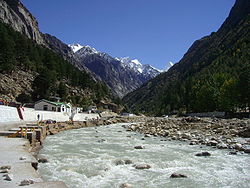
கலித்தொகையில் ஒரு அதிசயச் செய்தி

சங்க இலக்கிய நூல்களில் ஒன்று கலித்தொகை..எட்டுத்தொகை நூல்களில் ஒன்றான கலியில் நிறைய புராண இதிஹாசச் செய்திகளைக் காண முடிகிறது. சங்க நூல்களில் இதுவும் பரிபாடலும் என்ன வகையைச் சேர்ந்தவை என்பதை தலைப்பே காட்டிவிட்டது. அதாவது பரிபாடல், கலி என்பதெல்லாம் பாட்டின் வகைகள்.


நாடக வழக்கினும் உலகியல் வழக்கினும்

பாடல் சான்ற புலனெறி வழக்கம்

கலியே பரி பாட்டு ஆயிரு பாங்கினும்

உரியதாகும் என்மனார் புலவர் –(அகத்.53)

என்று தொல்காப்பியர் கூறுகிறார்.


கலித்தொகையில் ஐந்து திணைகளுக்கு ஐந்து பகுதிகள் உள்ளன. இவைகளை 5 புலவர்கள் பாடியதாகக் கருதுவர். ஆனால் சி.வை தாமோதரம் பிள்ளை, பேராசிரியர் எஸ். வையாபுரிப் பிள்ளை ஆகியோர் நல்லந்துவனார் என்ற ஒரே புலவர்தான் 5 பகுதிகளையும் இயற்றினர் என்பர்.


ஐந்து புலவர்கள் பாடியது உண்மை என்று கொண்டால் பாலைக் கலியைப் பாடியவர் பாலை பாடிய பெருங் கடுங்கோ ஆவார். அவர் ஒரு அதிசியச் செய்தியைக் கூறுகிறார். பொய் சொல்பவன் நிற்கும் மரம் வாடிவிடுமாம்! தற்காலத்தில் பொய் சொல்வதைக் கண்டுபிடிக்க ஒரு கருவியே (Lie Detector) உள்ளது. ஒருவன் பொய் சொல்லும்போது அவனது நாடி நரம்புகளில் ஏற்படும் மற்றங்களைக் கணக்கிட்டு பொய் சொல்கிறானா உண்மை சொல்கிறானா என்று கண்டுபிடித்துவிடும். பாலை கலி அதிசயமும் ஏறத்தாழ இந்த வகையில்தான் வருகிறது. வள்ளுவர் கூட மோப்பக் குழையும் அனிச்சம் என்று கூறுவார். முகர்ந்து பார்த்தாலேயே வடிவிடுமாம் அனிச்சம் பூ.


பாலை பாடிய பெருங் கடுங்கோ கூறுகிறார்:

விரி காஞ்சித் தாதாடி இருங்குயில் விளிப்பவும்,

பிரிவஞ்சாது அவர் தீமை மறைப்பென்மன்; மறைப்பவும்

கரி பொய்த்தான் கீழ் இருந்த மரம் போலக் கவின் வாடி,

எரி பொத்தி என் நெஞ்சம் சுடுமாயின் எவன் செய்கோ? (பாலைக் கலி 33)

பொருள்: காஞ்சிப் பூ மலர்ந்தது. குயில்கள் கூவுகின்றன. இந்தக் காலத்தில் பிரிந்திருக்கலாமா? நானும் மறைக்கத்தான் பார்க்கிறேன் முடிய வில்லையே! பொய் சாட்சி சொன்னவன் வந்து கீழே நின்ற மரம் பட்டுப் போனது போல இருக்கிறதே என் நிலை !


ஒருவனுடைய உடலில் ,எண்ணத்தில் ஏற்படும் மாற்றங்கள் தாவரங்களில் விளைவுகளை ஏற்படுத்தும் என்பது தமிழன் கண்டு பிடித்த விஞ்ஞான உண்மை. மாத விலக்குள்ள பெண்கள் துளசி முதலிய புனிதச் செடிகளைத் தொட மாட்டார்கள், பட்டுப் போய் விடும் என்பதால். மாத விலக்கு காலத்தில் பெண்களின் உடலில் ஏற்படும் மாற்றங்களை நான் விளக்கத் தேவை இல்லை.


சிலர் செடிகளை வளர்த்தால் அவைகள் செழித்துப் பூக்கும். அவர்களுக்கு பச்சை விரல்கள் (Green Fingers) இருப்பதாக ஆங்கிலத்தில் குறிப்பிடுவார்கள். இதுவும் நம் எண்ணத்தின் சக்தியாக இருக்கலாம். ஆராய்ச்சிக்குரிய விஷயம்.


ஆதி சங்கரர் வாழ்க்கையிலும் இப்படி ஒரு செய்தி உண்டு. தெற்கில் எல்லோரையும் வாதத்தில் வென்று வடக்கே சென்றவருக்கு மண்டன மிஸ்ரர் என்ற மாமேதையை வெல்ல வேண்டும் என்று ஆசை. ஆனால் இருவரும் புத்திசாலித்தனதில் ஈடு இணையற்றவர்கள். வாதத்தில் யார் வென்றார்கள் என்று சொல்ல நடுவர் வேண்டுமே !


மண்டன மிஸ்ரருக்கு இணையாகக் கல்வி கேள்விகளில் சிறந்தவர் அவருடைய மனைவி சரசவாணி. படிப்பில் சரஸ்வதி. வேத கால மாமேதைப் பெண்களான மைத்ரேயி, கார்க்கி போன்ற அறிஞர். சத்தியத்தில் நம்பிக்கை கொண்ட சங்கரர் அந்தப் பெண்மணியே நடுவராக இருக்கலாமே என்றார். என்ன இருந்தாலும் மண்டன மிஸ்ரர் வெற்றி பெற்றால், நாளைக்கு யாராவது மனைவி நடுவராக இருந்ததால் அவர் வெற்றி பெற்றார் என்று சொல்லிவிடலாமே.


சரசவாணி அதி மேதாவி அல்லவோ! உள்ளவியல், உயிரியல்( Psychology, Bilology) அனைத்து விஞ்ஞான பாடங்களையும் கற்றவர் போலும். அருமையான ஒரு “ஐடியா”(idea) சொன்னார்.இருவரும் மாலை போட்டுக் கொள்ளுங்கள். யார் மாலை முதலில் வாடுகிறதோ அவர்தான் தோற்றவர். இதில்தான் அறிவியல் வருகிறது. நிறைகுடம் தழும்பாது ! குறைகூடம் கூத்தாடும் ! அமைதியாக சரக்கோடு பேசுபவர்கள் ஆ, ஊ என்று கூச்சலிட மாட்டார்கள், பதட்டம் அடைய மாட்டார்கள். உடலில் வெப்பம் ஏறாது. நாடி நரம்புகள் முறுக்கேறாது. டென்சன் (Tension) இல்லாமல் கூல்(cool) ஆக இருப்பார்கள். சரக்கில்லாத ஆசாமிகள் குரலை உயர்த்துவார்கள். பதட்டத்தில் உடம்பில் உஷ்ணம் தலைக்கேறும். உடலில் போட்ட மாலையும் வாடி விடும்!


21 நாட்களுக்கு வாதப் ப்ரதிவாதங்கள் நடந்தன. மண்டன மிஸ்ரர் மாலை முதலில் வாடியது. ஆண்களுடன் நேருக்கு நேராக உட்காரக்கூடாது என்பதால் சரசவாணி திரைக்குப் பின்னால் அமர்ந்து வாதத்தைக் கேட்டாள் என்பது சங்கர விஜயம் சொல்லும் கதை.


இதைப் போலத்தான் பாலை பாடிய பெருங் கடுங் கோவும் மரம் வாடும் என்றார். அங்கே வாடியது மரம். இங்கே வாடியது மாலை.


( மண்டன மிஸ்ரர் கிராமத்தில் ஆதி சங்கரர் கேட்ட கேள்விக்கு சம்ஸ்கிருத ஸ்லோக வடிவில் பெண்கள் பதில் சொல்லியது, சரசவாணி செக்ஸ் (Sex) தொடர்பான கேள்விகளைக் கேட்டு ஆதி சங்கரரைத் திணறடித்தது, சங்கரர் சூப்பர்மேன் (Super Man) போல திவசம் நடந்த வீட்டுக்குள் மந்திர சக்தியால் மரத்தை வளைத்துக் குதித்தது, மண்டன மிஸ்ரர் வீட்டுக் கிளிகள் வேதம் பற்றி உரையாடியது ஆகியவற்றை தனிக் கட்டுரையில் தருகிறேன். நியூ சை ன் டி ஸ்ட் (New Scientist, March issue) மார்ச் பத்திரிக்கையில் வந்த பேசும் அதிசியக் கிளிகள்  (Animal Einsteins) பற்றிய செய்திகளுடன் எழுதுவேன்.


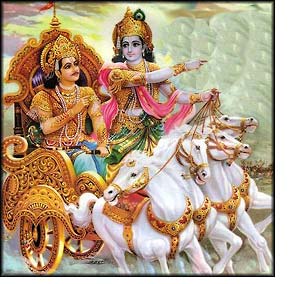
புறநானூற்றில் பகவத் கீதை- பகுதி 2

Please read the First Part and then read it for better understanding.

வினையே ஆடவர்க்கு உயிரே

கீதையில் கண்ணன் கூறுகிறான் (3-5, 3-8):எவனும் ஒரு வினாடி கூட  கருமம் செய்யாமல் இருக்க முடியாது. நீ விதிக்கப்பட்ட கடமையைச் செய். கருமம் செய்யாமையினும் கருமம் செய்தல் சிறந்தது அன்றோ. கருமம் செய்வதற்கே உனக்கு அதிகாரம். அதன் பற்றில் அல்ல(2-47)

பாலை பாடிய பெருங் கடுங்கோ (குறு.135) கூறுகிறார்: தொழில் தான் ஆண் மக்களுக்கு உயிர். இல்லத்தில் வாழும் பெண்களுக்கு கணவனே உயிர்.

வினையே ஆடவர்க்கு உயிரே வாணுதல்

மனையுறை மகளிர்க்கு ஆடவர் உயிரே

அகம் 33: வினை நன்றாதல் வெறுப்பக் காட்டி

மேலும் சில: குறள் 615


செல்வத்தின் பயனே ஈதல்

கீதையில் கண்ணன் கூறுகிறான் (3-13): எவர்கள் தமக்கெனவே சமைக்கிறார்களோ அவர்கள் பாவிகள். அவர்கள் பாவத்தையே உண்கிறார்கள்.

(புறம் 189 நக்கீரனார்):

உண்பது நாழி:உடுப்பவை இரண்டே;

பிறவும் எல்லாம் ஓரொக்கும்மே;

அதனால் செல்வத்துப் பயனே ஈதல்

புறம் 182( இளம்பெருவழுதி)

இந்திரர் அமிழ்தம் இயைவது ஆயினும், இனிது

எனத் தமியர் உண்டலும் இலரே

இதுவுமது: குறு. 143, குறள்-322, 85, 335, 333

கொடுப்போர் ஏத்தி கொடார்ப் பழிப்போர் (தொல்காப்பியம்)


சர்வ பூத ஹிதே ரதா: (எல்லா உயிர்க்கும் இன்பம்)

கீதையில் கண்ணன் கூறுகிறான்(12-4): எல்லா உயிர்க்கும் இன்புற்றிருக்க நினைக்கும் அன்பர்கள் என்னையே வந்தடைவார்கள்.

இதுவுமது:  கீதை 11-55,9-29,5-25,6-40

சாஸ்வத்ஸ்ய சுகஸ்ய (கீதை 14-27): யாண்டும் இடும்பை இல (குறள்)

தொல்காப்பியரும் “எல்லா உயிர்க்கும் இன்பம்” என்று கூறுகிறார்.

ஐங்குறுநூற்றில் ஓரம் போகியார் :(இவர் வேத, உபநிஷத மந்திரங்களை அப்படியே மொழி பெயர்த்துள்ளார். இந்தக் கருத்து கீதையில் பல இடங்களில் வருகிறது)

நெற்பல பொலிக பொன்பெரிது சிறக்க

விளைக வயலே வருக இரவலர்

பால் பல ஊறுக பகடு பல சிறக்க

பகைவர் புல் ஆர்க பார்ப்பார் ஓதுக

பசியில்லாகுக பிணிகேண் நீங்குக

வேந்து பகை தணிக யாண்டு பல நந்துக

அறநனி சிறக்க அல்லது கெடுக

அரசு முறை செய்க களவில்லாகுக

நன்று பெரிது சிறக்க தீதில்லாகுக

மாரி வாய்க்க வள நனி சிறக்க


(பிராமணர்கள் எங்கே பூஜை செய்தாலும் முடிவில்– ஸ்வஸ்தி ப்ரஜாப்ய பரிபாலயந்தாம்– என்ற மந்திரத்தையும், –காலே வர்ஷது பர்ஜன்ய: –என்ற மந்திரத்தையும்– ஸர்வேஷாம் சாந்திர் பவது/ மங்களம் பவது –என்ற மந்திரத்தையும் சொல்லி வாழ்த்துவார்கள். இதை –வாழ்க அந்தணர் வானவர் ஆனினம்– என்ற பாடலாக ஞான சம்பந்தரும் மொழி பெயர்த்துள்ளார். சைவர்கள் இதையே –வான்முகில் வளாது பெய்க—என்ற பாடலில் கூறுவார்கள். ஆனால் ஒரம் போகியார் பல மந்திரங்களைத் தொகுத்து அழகாக சுருங்கச் சொல்லி விளங்கவைத்து விட்டார்.


உள்ளுவதெல்லாம் உயர்வுள்ளல் (குறள் 596)

கீதையில் கண்ணன் கூறுகிறான் (கீதை 6-5):உன்னை நீயே உயர்த்திக் கொள்ளவேண்டும்; உன்னை நீயே தாழ்த்திக் கொள்ளக் கூடாது, உனக்கு நீயே நண்பன், நீயே பகைவன்.

(கீதை 11-33) எழுந்திரு ! புகழடை!! உத்திஷ்ட ! யசோ லப !!

புறம் 214 (கோப்பெருஞ் சோழன்): யானை வேட்டைக்குப் போகிறவன் வெல்வான். குறும்பூழ் வேட்டைக்குப் போவோன் அது இல்லாமலும் திரும்புவான். உயர்ந்த குறிக்கோளுடன் கூடிய உயர்ந்தோனாக விளங்குக. இமயம் போல் புகழ் அடைக.

யானை வேட்டுவன் யானையும் பெறுமே

குறும்பூழ் வேட்டுவன் வறுங்கையும் வருமே

அதனால், உயர்ந்த வேட்டத்து உயர்ந்திசினோர்க்கு

………….

இமயத்துக் கோடுயந்தென்ன தம்மிசை நட்டு

புறம் 190 (நல்லுருத்திரன்): எலி, திருடிச் சேமித்துத் தின்னும். புலி இடப் பக்கம் விழுந்த பன்றியை விட்டு வலப்பக்கத்து விழுந்த யானையையே சாப்பிடும். அப்படிப்பட்ட உயர்ந்த நோக்கம் கொண்டோருடன் சேர்வாயாக.


கடல் நிரம்பாத அதிசயம் (கீதை 2-70)

கீதையில் கண்ணன் கூறுகிறான்: எங்கும் நிரம்பியதும் நிலை குலையாததுமான கடலில் நதிகள் போய் சங்கமிப்பது போல ஆசைகள் எல்லாம் எவனை அடைகின்றனவோ அவன் அமைதியை அடைவான். ஆசையைத் தொடர்பவனுக்கு அமைதி இல்லை.

பரணர் கூறுகிறார்: கடல்களில் எவ்வளவோ நதிகள் கலந்தாலும் அது நிரம்பி வழிவதில்லை. கடலிலிருந்து எவ்வளவு மேகங்கள் நீரை உறிஞ்சினாலும் அது வற்றுவதில்லை.

மழைகொளக் குறையாது புனல் புக நிறையாது

விலங்கு வளி கடவும் துளங்கிருங் கமஞ்சூள் –(பதிற்றுப் பத்து 45)


உவமை

பிறர்க்கு உவமம் தான் அல்லது

தனக்கு உவமம் பிறர் இல் (உலோச்சனார், 377)

உரவோர் எண்ணினும் மடவோர் எண்ணினும்

பிறர்க்கு நீ வாயின் அல்லது

நினக்குப் பிறர் உவமம் ஆகா (ப. பத்து, அரிசில் கிழார்)

கீதையில் கண்ணன் கூறுகிறான் (கீதை 6-32:) எவன் எங்கும் சுகமாயினும் துக்கமாயினும் தன்னை உபமானமாகக் கொண்டு சமமாகப் பார்க்கிறானோ அந்த யோகிதான் சிறந்தவன் என்பது என் முடிவு

உவமை, உவமேயம் ஆகியன சம்ஸ்கிருத சொற்கள். ஆயினும் சங்கப் புலவர்களோ தொல்காப்பியரோ அவைகளை அப்படியே பயன் படுத்த அஞ்சியதில்லை!

இதுவுமது: புறம் 377,மது 516,பதி73-7, தொல்காப்பியம்-உவமவியல்


சம தர்சனம்-ஓடும் பொன்னும் ஒக்க நோக்குவர்

கீதையில் கண்ணன் கூறுகிறான் (5-18) : பசு, பார்ப்பனன், யானை, நாய், நாயை உண்ணும் புலையன் ஆகிய எல்லாவற்றிலும் ஆத்ம ஞானிகள் சம தர்சனம் உடையவர்கள். இன்ப துன்பத்தில் சமமாக இருப்பவனும் ஓடு,கல்,தங்கம் ஆகியவற்றைச் சமமாகப் பார்ப்பவனும் உயர்ந்தவன்.(14-24). புலன்களை வென்று மண், கல், தங்கத்தை சமமாகப் பார்ப்பவன் யோகி.(6-8)

கனியன் பூங்குன்றன் (புறம் 192) பக்குடுக்கை நன்கணியார் (194)

யாதும் ஊரே; யாவரும் கேளிர்;

தீதும் நன்றும் பிறர் தர வாரா;

நோதலும் தணிதலும் அவற்றோரன்ன;

சாதலும் புதுவது அன்றே; வாழ்தல்

இனிது என மகிழ்ந்தன்றும் இலமே; முனிவின்,

இன்னாது என்றலும் இலமே:

பொருள்: எல்லா ஊர்களும் எம் ஊரே, எல்லாரும் எம் உறவினரே. தீமையும் நன்மையும் யாரும் தருவதில்லை. நம்மால்தான் வருகிறது. இறப்பது புதிய செய்தி அல்ல.வாழ்வதால் மகிழ்ச்சியோ அல்லது அதை வெறுப்பதோ இல்லை பெரியாற்று வெள்ளத்தில் மிதவை அடித்துச் செலவது போல எல்லா உயிர்களும் முறையாகக் கரை சேரும் என்பது துறவியர் கண்ட உண்மை.ஆகையால் பெரியோரை மதிக்கவும் சிறியோரை இகழவும் தேவை இல்லை. அவரவர் ஒழுக்கத்தையே கருத்திற் கொள்வோம் ( ஒன்றாகக் காண்பதே காட்சி என்பதை அழகாகச் சொல்லிவிட்டார்)


நன்கணியார் (194) கூறுகிறார்: என்ன உலகம் இது? ஒரு வீட்டில் சாவுக் கொட்டு. மற்றொரு வீட்டில் திருமண மேளம். ஒரு வீட்டில் மகளிர் அழுகை. இன்னொரு வீட்டில் மகளிர் பூச்சூடல். இவ்வாறு இன்பமும் துன்பமும் சேர படைத்துவிட்டானே கருணையே இல்லாத பிரம்மா! இதை உணர்ந்து அல்லாதவற்றை ஒதுக்கி இனியவற்றை மட்டும் கண்டு மகிழுங்கள் (“ இன்னாது அம்ம இவ் உலகம்; இனிய காண்க, இதன் இயல்புணர்ந்தோரே”)

(190 முதல் 198 வரை எல்லாம் தத்துவப் பாடல்கள்)

போரின் கொடுமைகள்

போரின் கொடுமைகள் பற்றி புறம் 62ல் கழாத்தலையார் பாடுகிறார். இதையே கீதையின் முதல் அத்தியாயத்தில் அர்ஜுனனும் கூறுகிறான்.


ஆணின் ஆறு பண்புகள்

நற்றிணை 160: நீதி, நட்பு, இழிசெயலைக் கண்டு நாணுதல்,பிறர்க்கு பயன்படல், (பரோபகாரம்), நற்குணங்கள், பிறை தன்னை அறிந்து ஒழுகும் பாங்கு ஆகிய 6 பண்புகளை நான் கடைப் பிடிக்கிறேன்.

அகம் 173 பாடலில் முள்ளியூர் பூதியாரும் அறநெறியில் ஒழுகவேண்டும், பிறர் துன்பத்தைத் துடைக்க வேண்டும் என்று கூறுகிறார். கீதையின் 12ம் அத்தியாயத்தில் கண்ணன் பல நற்பண்புகளை விவரிக்கிறார். கீதை முழுதுமே நூற்றுக் கணக்கான இடங்களில் இத்தகைய கருத்துக்கள் வருகின்றன.


இம்மை, மறுமை—அற நிலை வணிகன்

கீதையில் கண்ணன் கூறுகிறான் (2-42/43): வேதத்தின் பெயரால் சொற்சிலம்பம் ஆடுவோர் அழகான வார்த்தைகளால் சுவர்க்கத்தை மனதிற் கொண்டு காரியம் செய்வார்கள்.

மேலும் சில: கீதை 2-49; 17-20,21,22

ஆய் பற்றி முடமோசியார் (புறம் 134)

இம்மைச் செய்தது மறுமைக்கு ஆம் எனும்

அறநிலை வணிகன் ஆய் அல்லன்

கீதையிலும் தமிழ் இலக்கியத்திலும் நூற்றுக் கணக்கான இடங்களில் வருவதால் இனியும் கூறத்தேவை இல்லை

சிலப்பதிகாரத்தில் இளங்கோ கூறிய கீதைக் கருத்துக்கள்:

”தெய்வம் தெளிமின் தெளிந்தோர்ப் பேணுமின்
பொய்யுரை அஞ்சுமின் புறஞ்சொல் போற்றுமின்
ஊனூண் துறமின் உயிர்க்கொலை நீங்குமின்
தானம் செய்ம்மின் தவம்பல தாங்குமின்.
செய்ந்நன்றி கொல்லன்மின் தீநட் பிகழ்மின்
பொய்க்கரி போகன்மின் பொருண்மொழி நீங்கன்மின்
அறவோர் அவைக்களம் அகலாது அணுகுமின்
பிறவோர் அவைக்களம் பிழைத்துப் பெயர்மின்
பிறர்மனை அஞ்சுமின் பிழையுயிர் ஓம்புமின்
அறமனை காமின் அல்லவை கடிமின்
கள்ளும் களவும் காமமும் பொய்யும்
வெள்ளைக் கோட்டியும் விரகினில் ஒழிமின்
இளமையும் செல்வமும் யாக்கையும் நிலையா
உளநாள் வரையாது ஒல்லுவ தொழியாது.

இன்னும் பல தலைப்புகளில் ஒற்றுமை உள்ளது. அவைகளை எல்லாம் GREAT MEN THINK ALIKE என்று விட்டுவிடலாம். ஆனால் ஒன்று மட்டும் உண்மை. இந்திய சிந்தனையில் ஆரிய திராவிட என்ற பிரிவினவாதத்துக்கு இடமே இல்லை. இமயம் முதல் குமரி வரை அற்புதமான ஒரே சிந்தனை!! அதிசயமான ஒரே அணுகுமுறை. படிக்கப் படிக்கத் தெவிட்டாது!!

Also available One Minute Bhagavad Gita, Krishna’s Restaurant vegetarian food

**************************

புறநானூற்றில் பகவத் கீதை- Part1

சங்கத் தமிழ் இலக்கிய நூல்களில் பகவத் கீதையின் கருத்துக்கள் மிகவும் பரவலாகக் காணப்படுகிறது. மேலும் இவைகளை சம்ஸ்கிருதம் கற்று,  பகவத் கீதையை நன்கு படித்து, மனதில் ஏற்றி வாய்ப்பு கிடக்கும் போதெல்லாம் பாடியுள்ளனர் என்றே சொல்லவேண்டியுள்ளது.

கீதையின் கருத்துக்கள் திருக்குறளில் எண்ணற்ற இடங்களில் வருவதை கணக்கற்ற தமிழ் அறிஞர்கள் எழுதிவிட்டார்கள். ஆனால் சங்கத் தமிழ் நூல்களை அவர்கள் மேற்கோள் காட்டவில்லை.


பத்ரம், புஷ்பம், பலம் ,தோயம்………

கீதையில் கண்ணன் கூறுகிறான்: எவன் எனக்கு பக்தியுடன் பச்சிலையோ பூவோ, பழமோ, நீரோ கொடுக்கிறானோ அதை நான் சாப்பிடுகிறேன்(9-26)

கபிலர் (புறம் 106); நல்லவும் தீயவும் அல்ல குவி இணர்ப்

புல் இலை எருக்கம் ஆயினும்,உடையவை

கடவுள் பேணேம் என்னா; ஆங்கு,

மடவர் மெல்லியர் செல்லினும்

கடவன் பாரி கை வண்மையே

அதாவது நல்லதாயினும் தீயதாயினும் அல்லாத, குவிந்த பூங்கொத்தும் புல்லிய இலையும் உடைய எருக்கம் பூவாயினும், ஒருவன் உள்ளன்புடன் சூட்டினால் அதனைத் தெய்வங்கள் விரும்பி ஏற்குமேயன்றி, யாம் அவற்றை விரும்பேம் என்று கூறா…………..

இது கீதையின் தூய மொழிபெயர்ப்பு!! இதில் மேலும் இரண்டு விஷயங்களும் உள்ளன. கபிலர் என்பது பிள்ளையாரின் மற்றொரு பெயர். பிள்ளையாருக்குப் பிடித்தது எருக்கம் பூ. சங்க காலத்தில் விநாயகர் வழிபாடு பெரிய அளவுக்கு நடைபெறவில்லை. ஆயினும் கபிலர் விநாயகரை நினைத்தே பாடினாரோ?

மற்றொரு விஷயம் “நல்லவும் தீயவும்”– இதை வட மொழியில் “த்வந்த்வம்”(இரட்டைகள்) என்று சொல்லுவர். கீதை முழுவதும் இது போல நூற்றுக் கணக்காண “இரட்டைகளை”க் காணலாம். நல்லவர்களைக் காக்கவும் தீயவர்களை அழிக்கவும் யுகம் தோறும் அவதரிப்பேன், மற்றும் சுக,துக்க, சீத உஷ்ண—இப்படி கீதை முழுவதும் இரட்டைகள் வரும். கபிலரின் பாடல் கீதையின் மொழிபெயர்ப்பு என்பதற்கு இந்த த்வந்த்வங்களும் சான்று. இதோ மேலும் ஒரு எடுத்துக் காட்டு:

அகம் 327: இன்பமும் இடும்பையும், புணர்வும் பிரிவும்

நன் பகல் அமையமும் இரவும் போல (பாகை சாத்தன் பூதனார்)


அறம், பொருள், இன்பம்

வள்ளுவரும், தொல்காப்பியரும் (சூத்திரம் 1038), புறநானூற்றுப் புலவர்களும் வடமொழியைக் கரைத்துக் குடித்தவர்கள்!! வேத, இதிஹாச, புராணங்களில் வரக்கூடிய “தானம் தவம்” என்ற சொற்களை அப்படியே கொஞ்சமும் கூசாமல் வடமொழியிலேயே பாடல்களில் பயன்படுத்துகின்றனர். இதே போல தர்ம, அர்த்த, காம, மோக்ஷ என்பதையும் வரிசை மாறாமல் அப்படியே பயன்படுத்துகின்றனர். இதில் வள்ளுவர் எல்லோரையும் மிஞ்சிவிட்டார்.முப்பால் என்பதே அறம்,பொருள் இன்பம் (தர்மார்த்தகாம).

கண்ணன் கீதையில் தர்ம (அறம்),அர்த்த (பொருள்), காம (இன்பம்) கூறிய இடங்கள்:18-34.

புறநானூற்றில் 28,31அகநானூற்றில்155,திருக்குறளில் 501,754,760.


“அதனால் அறனும்,பொருளும் இன்பமும் மூன்றும்

ஆற்றும் பெரும நின் செல்வம்;

ஆற்றாமை நிற் போற்றாமையே” (புறம் 28, முதுகண்ணன் சாத்தனார்)

“சிறப்புடை மரபின் பொருளும் இன்பமும்

அறத்து வழிப்படூஉம் தோற்றம் போல” (புறம் 31, கோவுர் கிழார்)

மேலும் சில :தொல்காப்பியம் 1038,,கலி.141,திருவள்ளுவ மாலையில் 5 இடங்கள்.


உ.வே.சாமிநாத அய்யர் புறநானூறு பாடல் முறை வைப்பு அறம்,பொருள்,இன்பம் என்ற தலைப்பில் பகுகப்பட்டுள்ளதாக்க் கருதுகிறார். ஒரு நூல் பிரதியில் அறநிலை என்ற குறிப்பு இருந்ததை வைத்து இன் நூல் அற நிலை, பொருள் நிலை,இன்ப நிலை என முப்பெரும் பகுத்யுடையதாக ஊகிக்கலாம் என உ.வே சாமிநதைய்யர் குறித்துள்ளார். (பாகம் 4, புறநானூறு, எஸ்.ராஜம் வெளியீடு)


தானம், தவம்

கண்ணன் கீதையில் 9-27, 10-5,11-48,11-53,16-1,17-7,17-24,17-27,18-3,18-5

புறநானூற்றில் 358 (வால்மீகியார்),362 (சிறு வெண்டேரையார்)-சுவர்க்கம் செல்ல தானம்

திருக்குறளில் தானம், தவம்;19, 295


கீதோபதேசம்

வல்லார் ஆயினும் வல்லுநர் ஆயினும்

புகழ்தல் உற்றோர்க்கு மாயொன் அன்ன

உரைசால் சிறப்பின் புகழ்சார் மாற! (புறம் 57, காவிரிப் பூம்பட்ட்ணத்து காரிக்கண்ணனார்)

இந்த வரிகள் பகவத் கீதை உபதேசம் செய்ததைக் குறிப்பதாகப் பல பெரியோர்கள் உரை எழுதியுள்ளனர். இதன் பொருள்: வல்லவர் ஆனாலும் அல்லாதவர் ஆனாலும் நின்னைப் புகழ்ந்து போற்றீயவர்க்கு மாயோனைப் போல துணை நின்று அருளிக் காக்கும் புகழ் அமைந்தவனே மாறனே….


பரித்ராணாய சாதூனாம்…….

கீதையில் கண்ணன் கூறுகிறான்(4-8): நல்லோரைக் காப்பதற்கும் தீயோரை அழித்தற்கும் யூகம் தோறும் அவதரிப்பேன்

கொடியோர்த் தெறுதலும், செவ்வியோர்க்கு அளித்தலும்

(புறம் 29, முதுகண்ணன் சாத்தனார்), குறள் 264, 550


நாடகமே உலகம்

கீதையில் கண்ணன் கூறுகிறான் (18-61):இயந்திரத்தில் ஏற்றிவைக்கப்பட்ட பொம்மைகள் போல எல்லாப் பிராணிகளையும் கடவுள் ஆட்டிவைக்கிறான்.

இதையே முதுகண்ணன் சாத்தனாரும் கூறுகிறார்: விழாவிலே ஆடும் கூத்தரைப் போல வகை வகையாக ஆடிக் கழிவதுதான் இவ்வுலக வாழ்வு. நாடகமே உலகம் என்பதை ஷேக்ஸ்பியரும் மாக்பெத் நாடகத்தில் கூறுகிறார்.

கோடியர் நீர்மை போல முறை முறை

ஆடுநர் கழியும் இவ்வுலகத்து, கூடிய

நகைப்புறன் ஆக நின் சுற்றம்! (புறம் 29, முதுகண்ணன் சாத்தனார்)

கீதை 18-61,குறள் 332,விவேக சூடாமணி 292


க்லைப்யம் மஸ்மகம (பேடித்தனத்தை கைவிடு)

கீதையில் கண்ணன் கூறுகிறான்(2-3): எதிரிகளை எரிப்பவனே,அர்ஜுனா! பேடித்தனத்தைக் கை விடு. உன்னிடத்தில் இது சிறிதும் பொருந்தாது.

இதற்கு முந்திய ஸ்லோகத்தில் வானவர் நாட்டிற்கான வழியை அடைக்கும் பழிக்கிடமான மனக் குழப்பம் உனக்கு எப்படி வந்தது? என்று கேட்கிறான் கண்ணன்.

அறவை ஆயின், நினது எனத் திறத்தல்

மறவை ஆயின் போரொடு திறத்தல்

அறவையும் மறவையும் அல்லையாகத்

திறவாது அடைத்த திண்ணிலைக் கதவின்

நீள்மதில் ஒருசிறை ஒடுங்குதல்

நாணுத்தக வுடைத்திது காணுங் காலே (புறம் 44, கோவுர் கிழார்)


கோவூர் கிழாரும் கண்ணன் கூறியதையே கூறுகிறார்: அறத்தை உடையவனாக இருந்தால் இது உன் கோட்டைதான் என்று திறந்து விடு. வீரம் உடையவனாக இருந்தால் போர் செய்வதற்காக கதவைத் திறந்து வெளியே வா. இரண்டும் செய்யாது மதிற்கதவுகளை அடைத்து உள்ளே உட்கார்ந்து இருப்பது வெட்கக் கேடு.


விஸ்வரூபதரிசனம்

கீதை 17-19 சந்திரனும் சூரியனும் கண்கள், ஆதியந்தம் இல்லாதவன்

புறம் 365 (மார்க்கண்டேயனார்):

மயங்கு இருங் கவிய விசும்பு முகன் ஆக

இயங்கிய இரு சுடர் கண் என, பெயரிய

வளி இடை வழங்கா வழக்கு அரு நீத்தம்”

பொருள்:வானமே முகம், சூரியன் சந்திரன் இரு கண்கள், காற்று எங்கும் நிலவும் பூமி என்னும் பெண்……………..


நல்லவர் எவ்வழி

கீதையில் கண்ணன் கூறுகிறான்(3-21): பெரியோர்கள் எதை எதை பின்பற்றுகிறார்களோ அதையே ஏனைய மக்களும் பின்பற்றுகின்றனர்.

புறம்: 186(மோசிகீரனார்), 187(அவ்வையார்)

மன்னன் உயிர்த்தே மலர்தல உலகம் (186)

எவ்வழி நல்லவர் ஆடவர்,

அவ்வழி நல்லை: வாழிய நிலனே (187)

ஆடவர் (மக்கள் )நல்லவராக இருந்தால் நிலனும் நல்ல பலன் தரும்.

நாலவரை எல்லொரும் பின்பற்றி உழைக்க நிலன் பலன் தரும் தானே.

மேலும் சில: குறள் 544, தம்ம பதம் 98, மனு 7-44

பழமொழிகள்: யத்ர கிருஷ்ண, தத்ர ஜய:,  ராமன் இருக்கும் இடம் அயோத்தி,  யதா ராஜா ததா ப்ரஜ:, As is the king so is the subject.

போரில் இறந்தால் சொர்க்கம்

கீதையில் கண்ணன் கூறுகிறான்(2-37): கொல்லப் பட்டாலோ சுவர்க்கத்தை அடைவாய். வெற்றி பெற்றாலோ பூமியை ஆள்வாய். போருக்கு துணிந்து எழுந்திரு. மேலும் சில-கீதை 2-2, 2-32

புறம் 62-ல் கழாத்தலையார் இதே கருதைக் கூறுகிறார்:


வாடாப் பூவின்,இமையா நாட்டத்து,

நாற்ற உணவினோரும் ஆற்ற

அரும் பெறல் உலகம் நிறைய

விருந்து பெற்றனரால்;பொலிக நும் புகழே

மேலும் சில: புறம் 27,93,287,341,362,பதிற்.52


******************

THREE TAMIL SANGAMS : MYTH AND REALITY

Ancient Tamil literature speaks of three Tamil Sangams (Tamil Cankam or Tamil Academies). First two Sangams were devoured by the sea during Tsunami catastrophes and the third academy was established at Madurai. We have enough literary materials to confirm the third academy. But the other two were doubted by several scholars because of some unbelievable claims. Even about the third academy there are some unsolved puzzles. Let us look at the facts first. The total years given for all the three academies are 10,040 years!

From the third and the last Sangam we have over two thousand poems composed by over 470 poets. This is grouped as Ten Idylls and Eight Anthologies and classified as Sangam Tamil literature. But according to the legend only 49 poets formed the third Tamil Sangam or academy. So we do not know who the academic members were and who just poets were. There was another Dravida Sangam established by a Jain scholar known as Vajranandhi in 470 AD. Was it part of the Tamil Sangam or was it a Sangam for Jain Tamil scholars? The later works like Tiruvilaiyadal Puranam talks about rivalries and fights among Sangam poets and Shiva had to come to the rescue of genuine poets. But this division was not mentioned in the old Tamil literature.

Existence of third Tamil Sangam in Madurai was confirmed by Appar Thevaram and Andal Tiruppavai.  Appar not only refers to Tamil Sangam but also refers to a popular episode of a poor poet called Dharumi and his clash with Nakkeerar.  Over forty of Sangam poets had the prefix Madurai in their names.

Two Tsunamis

Since there were at least two references to Tsunamis and four references to earth quakes in Sangam Tamil and post Sangam Tamil verses we can be sure of some natural catastrophes. The reason for the doubts about their existence came from the big number of kings, big number of poets they sponsored and the years the kings ruled. If we take those years as exaggerated or coded language then we can reconcile the contradictions.

Adirakku Nallar, the commentator of Tamil epic Cilappatikaram had given the geography of the Tamil Land that was devoured by the sea. He wrote that there were seven big areas and each one was divided into seven smaller areas. Seven is a sacred number for Hindus and this type of land division is already in Hindu mythologies. When the first Tamil Sangam at South Madurai went into the sea ,they moved south and established the second academy at Kapatapuram. When that was also devoured by the sea they moved further south and established the third Tamil Sangam in modern Madurai. During the second academy Tolkappiyam was written by Tolkappiyar. At present Tolkappiyam  is the oldest available Tamil work, which is grammar book. Scholars date it to first century BC or AD. Some kings and poets who were part of First (Murinjiyur Mudinagarayar) and Second Sangam wrote a few poems which are included in Sangam corpus of Tamil literature ( Panamparar, Kakkaipatiniyar).

Any student of linguistics will easily find out that their poems were not very old as claimed by the commentator. The language of Tolkappiyam and verses by Muda Thirumaran (King during second Tamil Sangam) and Murinjiyur Mudinagarayar (First Tamil Sangam)betray their age. The language was not very different from other Sangam poems. If we apply the thumb rule followed by Max Muller to date the Vedic literature (two hundred years for language changes) both Tolkappiyam and other Sangam works will be grouped under the same period. Tolkappiyar himself indirectly says that he compiled whatever materials available at that time. He adds in hundreds of places the journalist’s cliché “they say”, “it is said that”. This makes it clear that he was not the one who wrote every bit of the book, but it was only a compilation. If we go by his language we can’t put him back any further than first century. His colleague Panamparar wrote the introduction (prefatory verse) for his treatise. His language was not archaic either.

The commentator of “Iraiynar Agapporul” gives a full account of the three Tamil Sangams .In the background of this linguistic evidence and in the absence of any historical proof, the claim that the  First Tamil Sangam existed for 4400 years under  89 kings and 4449 poets composed poems wont command any credibility. It is the same story about Second Tamil Sangam which existed for 3750 years  under  59 kings and 3700 poets. The third Tamil Sangam existed for 1850 years.

The book Tolkappiyam was launched in the royal court of Nilam Tharu Thiruvil Pandya under the chairmanship of Athakottu Asan (Teacher of Athankodu, a village in Kanyakumari District) who was well versed in the four Vedas. According to legends both Tolkappiyar and the teacher Athankottu Asan were Brahmins. It wouldn’t surprise anyone because the highest contribution in Sangam corpus of 2000 + poems was from the Brahmin poets such as Kapilar ,Paranar, Mamulanar, Nakkiran ,Uruththiran Kannan (Please read my article “No Brahmins, No Tamil”). The name “Kapatapuram” (place of second Tamil Sangam) and the word “Sangam” are all pure Sanskrit words. Tolkappiyam has three chapters. Many scholars consider the third chapter to be a later addition.

Adhikaram

Another word that betrays Tolkappiyam is “ADHIKARAM”. This Sanskrit word is used in Tirukkural of fourth or fifth century AD and CilappADIKARAM of same period (The Kannaki-Kovalan story happened in second century ,but the language of Cilappadikaram is definitely Post Sangam i.e after third century AD). Tolkappiyam is divided into three chapters and they are also classified as ADIKARAMS: Ezuththu/alphabet, Sol/word and Porul/worldly matters ADHIKARAMS. So we can put Tirukkural, Cilappadikaram and Tolkappiyam in the same period. But one must remember the date of writing and the date of events or grammar rules are different. Tamils very often get confused with the script and the language and the event and the actual date of putting it in writing.

Solution

To solve the puzzle of big numbers, one scholar suggested to divide the numbers by 37, saying that Jains were obsessed with this number.  Then we will get 120,100 and 50 for the first, second and third Tamil Sangam respectively. People can question this method. They will ask why 37 number. What has it got to do with the Tamil Sangam. Even when we do it, it won’t go well with the number of kings and poets, which is very high again.

Patanjali, the author of Mahabhasyam followed a simple solution when Ramayana said that Lord Rama ruled for several thousand years. He simply divided that big number by 365 and arrived at the figure of 28 years for Rama. Any one would believe that Rama ruled for 28 years. We may also follow Pathanjalis scientific method and divide the years 10040 by 365 and arrive at 270 years.

Another problem with the previous two Tamil Sangams is the books attributed to those Sangams. They are pure Sanskrit names such as Maa Puranam, Bhuta Puranam, Pancha Marapu, sikandiyam, Kuna nul, Thakadur Yaththirai etc. When the last Tamil Sangam didn’t have many Sanskrit names how come the previous one’s had so many Sanskrit names for the books would be a valid question.

I suggest the following solution; once again it cannot be explained logically:

If we divide the number of years of three Tamil Sangams by 37 we arrive at 120,100 and 50=270 years.  This is possible for three Tamil academies. If you add the kings number 89 (8),59 (5) and 49(4)  after dropping 9 we arrive at 17. If anyone asks why should we drop nine and add only single digits there is no logical answer. Since we believe that they have used coded language,  we do it.

First Sangam                Second                          Third

Years 4440             3700                        1850

Kings 89                 59                       49

(If we drop number 9 the total will be (8+5+4=17). 17 kings ruling for 270 years is acceptable to historians)

Poets 4449               3700                          449

(Though the number of poets is huge there is nothing wrong in accepting it as the total number of scholars in the country )

Academy Members 549        69                     49

By using the methods used by Patanjali and Maxmuller we can arrive at a reasonable figure for the three academies.( I have written another article about the Tsunamis and Earth quakes that affected ancient Tamil Nadu and the Tamil Academies).

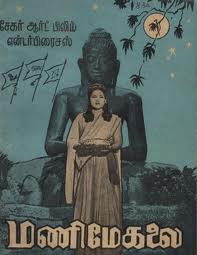
சீத்தலைச் சாத்தனாருடன் 60 வினாடி பேட்டி

(Questions are imaginary, Answers are from Manimekalai)

மணிமேகலை காப்பியம் படைத்த புலவரே, பசி வந்திட மானம், குலம், கல்வி, வண்மை, அறிவுடைமை, தானம், தவம், உயர்ச்சி, தாளாண்மை, காமுறுதல் ஆகிய பத்தும் பறந்துபோகும் என்று அவ்வையார் கூறுகிறாரே!

குடிப் பிறப்பு அழிக்கும்; விழுப்பம் கொல்லும்;

பிடித்த கல்விப் பெரும்புணை விடூ உம்;

நாண் அணி களையும்;மாண் எழில் சிதைக்கும்;

பூண்முலை மாதரொடு புறங்கடை நிறுத்தும்

பசிப் பிணி என்னும் பாவி (மணி 11-76)


அட,உங்கள் கருத்தும் அதுதானா ! சோழ மன்னன் காந்தமன் வேண்டியதால் அகத்தியர் தனது தண்ணீர் கலசத்தைக் கவிழ்க்கவும் காவிரி உற்பத்தியானதாமே!

கஞ்ச வேட்கையிற் காந்தமன் வேண்ட

அமர முனிவன் அகத்தியன் தனாது

கரகங் கவிழ்த்த காவிரிப் பாவை (மணி. பதிகம் 11-10)

காவிரி நதி ஜீவ நதியா?

கோள்நிலை திரிந்து கோடை நீடினும்

தான் நிலை திரியாத் தண்டமிழ் பாவை


அறம் அல்லது தர்மம் என்றால் என்ன, புலவரே?

அறம் எனப் படுவது யாது எனக் கேட்பின்

மறவாது இது கேள் மண் உயிர்க்கெல்லாம்

உண்டியும் உடையும் உறையுளும் அல்லது

கண்டது இல் (மணி 25-228)


Food, Shelter and clothing are three essential things என்று இன்று எல்லோரும் சொல்லுவதை 2000 ஆண்டுகளுக்கு முன்னரே சொன்ன பேரறிஞரே, பரசுராமனின் கோபத்துக்கு ஆளாக வேண்டாம் என்று காந்தன் என்னும் சோழனை அகத்தியர் ஒளிந்துகொள்ளச் சொன்னாரா?

மன் மருங்கறுத்த மழுவாள் நெடியோன்

தன் முன் தோன்றற்காதொளி நீ யெனக்

கன்னி ஏவலிற் காந்த மன்னவன்

அமர முனிவன் அகத்தியன் ரனாது

துயர் நீங்கு கிளவியின் யாறேன் றறவும் 11-25


உங்கள் காலத்தில் யவனர்களும் தமிழர்களுடன் வேலை செய்தார்களா?

மகத வினைஞரும் மராட்டக் கம்மரும்

அவந்திக் கொல்லரும் யவனத் தச்சரும்

தண்டமிழ் வினைஞர் தம்மொடு கூடி


செல்வத்தின் பயனே ஈதல் என்று புலவர்கள் கூறுகின்றனரே? அதிலும் தானத்தில் சிறந்தது அன்ன தானமா?

ஆற்றுனர்க்கு அளிப்போர் அறவிலை பகர்வோர்

ஆற்றா மாக்கள் அரும் பசி களைவோர்

மேற்றே உலகின் மெய்ந்நெறி வாழ்க்கை

மண்தினி ஞாலத்து வாழ்வோர்க் கெல்லாம்

உண்டி கொடுத்தோர் உயிர் கொடுத்தோரே (மணி.11-92)


அருமையான வாசகம். சரியான அரசன் இல்லாவிடில் நாட்டில் என்ன நடக்கும்?

கோல் நிலை திரிந்திடின் கோள்நிலை திரியும்

கோள்நிலை திரிந்திடின் மாரிவறங்கூரும்

மாரிவறங்கூரின் மன் உயிர் இல்லை

மன் உயிர் எல்லாம் மண்ணாள் வேந்தன்

தன்னுயிர் என்னும் தகுதி இன்றாகும்

தவத்திறம் பூண்டோள் தன்மேல் வைத்த

அவத்திறம் ஒழிக (மணி 7-8)


தொல்காப்பியர் ஆறு அறிவு படைத்த மனிதன் பற்றிக் கூறுகிறார். நீங்களும் உயிர்களை ஆறு வகையாகப் பிரித்திருக்கிறீர்களா?

பல்லுயிர் அறுவகைத் தாகும்

மக்களும் தேவரும் நரகரும் பிரமரும்

தொக்க விலங்கும் பேயுமென்றே (30-56)

கோவலன் கொலையுண்டவுடன் மாதவியை அறவண அடிகள் எப்படித் தேற்றினார்?


பிறந்தோர் உறுவது பெருகிய துன்பம்

பிறவார் உறுவது பெரும் பேர் இன்பம்

பற்றின் உறுவது முன்னது பின்னது

அற்றோர் உறுவது அறிக (2-64)


அகத்திய முனிவன் வேண்டியதால் சோழ மன்னன் 28 நாள் இந்திர விழாவை பூம்புகாரில் ஏற்பாடு செய்தது உண்மைதானா?

ஓங்குயர் மலயத்து அருந்தவன் உரைப்பத்

தூங்கெயில் எறிந்த தொடிதோட் செம்பியன்

விண்ணகர் தலைவனை வணங்கி முன்னின்று

மண்ணகத்து என்றன் வான்பதி தன்னுள்

மேலோர் விழைய விழாக் கோளெடுத்த

நாலேழ் நாளினும் நீன்கனி துறைகே

அமரர் தலைவன் ஆங்கது நேர்ந்தது (மணி 1.11-39


அமுத சுரபி என்னும் அற்புத கலசத்தால் ஏழை எளியவர்களுக்கு உணவளித்த மணிமேகலை யார் யாருக்கு உணவு கொடுத்தாள்?

காணார், கேளார், கால் முடப் பட்டோர்

பேணுநர் இல்லோர் பிணி நடுக்குற்றோர்

யாவரும் வருக என்று இசைத்துடன் ஊட்டி (மணி 13-111)


அற்புதம், அற்புதம் ! 2000 ஆண்டுகளுக்கு முன்னரே சமூக சேவை என்ன என்பதை தமிழன் தான் உலகுக்கே கற்பித்தான் போலும்!

Ganges in Kalidasa & Sangam Tamil Literature

(This is the fourth in the series of Kalidasa and Sangam (Cankama) Tamil literature- part of my thesis proving that the Date of Kalidasa was around First Century BC-Pre Sangam period-S swaminathan)

No river on earth commands so much respect and reverence as the Holy Ganga. We see this river in Rig Veda, the oldest religious scripture in the world, the great Hindu epics Ramayana and Mahabharata, Kalidasa’s works and in the ancient Sangam Tamil literature. The Tamils considered it the holiest river. Whenever they want to say something holy they always compared the Ganges. Just to exaggerate they used to say X or Y is holier than Ganga. All the rivers are considered mother in Hindu mythologies. But Ganga Matha( Mother Ganges)  has a very special place in the minds of Indians.

Ganges water was praised as the purest and cleanest water with miraculous properties even by the East India Company 300 years ago. When their ships were loaded with Ganges water for drinking purpose it never became stale (putrefy) even after several months where as other water loaded in different parts of the world went stale within a month. The Hindus knew its properties for thousands of years. The powerful Tamil kings went all the way to Himalayas and embossed their seals on the rocks there. When they came back they brought Ganges water after taking a holy dip. In the middle ages the Vaishnavite Alvars and the Saivite Nayanmars sang its praise in their hymns.

Cheran Senguttuvan of Sangam period brought stones from Himalayas twice for his mother Narchonai and another chaste woman Kannaki. Both the times he washed the stones in the Holy Ganges and made idols from them.

Even today Hindus fill in Ganges water in bottles and pots and bring them home to use it on special occasions. Even before bottling water became a roaring business, Ganges water was sold or distributed free of cost by the Hindu Charities. Everyday Madurai and Rameswaram temples use Ganges water for Abhishekam (bathing the gods). Truck loads of Ganges water come all the way from Himalayan destinations to these temples.

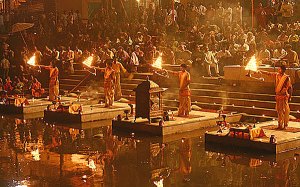
In Haridwar and Varanasi (Kasi), an evening Arthi is performed to Ganga Matha which is watched and worshipped by thousands of people. No river in the world has this type of daily worship. The world’s largest religious festival Kumbhamela attended by  twenty million people takes place every twelve years on the banks of river Ganges.

No wonder this mighty river finds a special place in every literary work of India. Kalidasa, the greatest of the secular Indian poets, even praises the Milky Way in the sky as Akasa Ganga (Ganges in the sky).

Hidden Treasure Under the Ganges

Tamil literature reveals some unknown, secret information about the Ganges. Poet Mamulanar in Akam 265 says that the Nanda Kings have hidden enormous treasure under the Ganges in Pataliputra (modern Patna in Bihar). He compares the mighty Himalayas and the enormous hidden treasure to the wealth the hero went after leaving the heroine all alone. Since there was no supporting information from other historical sources, the commentators also left us skeleton details only.

Kalidasa’s references to Ganges:

Mega 45, 65

Vikra. I -7 ,II 15, III-6, V-22

Kumara I-30, 54; VI 38, 57, 70; VII-41, 42;VIII-16

Ragu. II-26,IV 32, 36, 73,V 48, X 37, 63;XIII 20,54 to 57; XII-66;XIV-3, 52;XVI 33,34, 71;XVII 14

From Kumarasambhavam

“To her, those impressions were permanent, the lore  acquired in the past life, came at the time of instruction, as do the flocks of swans to the Ganges in autumn, or their own lustre to the medicinal herbs at the night” (1-30) I have already given the verse by Paranar (narri.356) where he sang about the Himalayas and the swans.

“O you, the most eminent of the twice born, I consider myself sanctified by these two only, by the fall of Ganges on my head, and water from your washed feet”(6-57)

“Just as Ganga is lauded by the foot of the supreme lord, so is she by you of lofty peaks, who are her second source” (6-70)

Ganga and Yamuna also, assuming visible forms and holding Chauries, served the god (7-42)

Mega. 51

The dark clouds at the top of the mountains look like dark elephants bathing in the Ganges.

The shadow of the dark clouds and the crystal clear Ganges water makes us think that river Yamuna mingles with the Ganges in a different place (Yamuna water is darker than Ganges).

Ragu 13-54 to 57

Kalidasa employs seven similes in this description of White Ganges and Dark Yamuna. The joining of the two rivers looks like a necklace of pearls and blue sapphires. Then it looks like a garland of white and blue flowers. In another place it is like white swans and black swans swimming together. In another place it likes the Rangoli on black agar wood with sandal paste. It also looks like the white moon light peeping through dark tree leaves. In another place it is like dark clouds floating in blue sky. Ganga and Yamuna together look like Shiva smeared with white ash with the snake around his neck (Ganges is Shiva and Yamuna is snake).

Paranar also follows Kalidasa and employs nine similes in Akam 178, but on a different theme.

Ragu 17-72

The clouds are praised for showering water on parched fields. But they are that generous only because of the sea. People forget the sea. King Athithi gave so much to the poets who in turn donated them to others. Though they were praised the original philanthropist Athithi was forgotten like the sea.

Tamil poets and Kalidasa knew that the sea was the source of clouds and rain. Kapilar in Puram 107 sings about it. People praise rain (Mari) when King Pari is more generous.

Tamil poets’ references to Ganges

Patti.190 (articles produced in the valleys of the Ganges and the Kavery)

Narr.369 (Nalvellaiyar);189 (Anonymous)

Puram 161 (Perunchittiranar)

Madu.696 Mankudi Maruthan (1000 branched Ganges)

Perum.429-431

Akam .265 (Mamulan)

Pari. 16-36

Post Sangam works: Silappadikaram mentions Ganges in 15 places; Manimegalai -4 places

Tamil literature uses Ganges as a simile for the generosity and philanthropy of kings and chieftains. They came to know about the river only from Kalidasa and other Sanskrit works.

Katiyalur  Uruttiran Kannanar (Perum. 429-431) says

As men who flee from peril slumber as they wait

For the boat that will ferry them across

The unfordable Ganga, scattering gold as it tears down

The lofty crest of the Himalaya where the gods dwell,

Lighting it up with its silvery billows (Perum. 429-431)

Vikramorvasiyam I-7 refers Ganges breaking its banks which is echoed by Tamil poet Perunchittiranar. He describes the mighty flow of Ganges in Puram. 161: the clouds raise from the sea, gather themselves, appear dark and huge like mountains in the sky, roar with thunder and pour the torrents; when such a rainy season is past and when the summer reigns supreme making the tanks and rivers everywhere dry, the Ganges flows full of water for the benefit of the whole of mankind. The poet compares Ganges to the generosity of Kumanan, a Tamil chieftain. The Ganges descending from the Himalayas is always overflowing its banks, he says.

Narrinai poet Madurai Nalvellaiyar (verse 369) used Ganges in a statement by a heroine. The heroine feels that her love is so powerful and influential that it over comes her self- control like the great floods in the Ganges that overflows the banks and smashes the dams in its course. Another anonymous poet says that the hero might have gone somewhere by a boat in the Ganges. Nal Velliyar just echoed Kumarasambhavam verse VIII-16 and Raguvamsam verse XII-66.

Tamils even knew that the Ganges branches into thousands of smaller streams just before entering into Bay of Bengal . Sangam poet Mankudi Maruthan compares the lively Madurai market to the Ganges. Saivite saint Appar also refers to it as thousand faced Ganges.

Milky Way

Milky Way is the galaxy that contains our Solar System. There are 200 to 400 billion stars. Astronomers estimate that there are ten billion habitable planets in the Milky Way galaxy. If the night sky is clear we can see this galaxy with a lot of stars with a background of white light patch. Kalidasa refers to it in several places. In Tamil we come across it in Paripatal (16-36).

Ka lidasa refers to the Milky Way as Chaya Patham, Vyoma Ganga, Thri Marga, Thri Divasa and Akasa Ganga in Ragu I-78, XII-85, XIII-2, Kuma. I-28, IV-37.

NB: The Ganges has become more polluted in recent years. So readers are warned not to drink water  without boiling it. This is because of the industrial wastes mixing into it along its 1500 mile route. The medicinal qualities are still maintained at the source or very near the source in the Himalayas.

Supporting information from another website

The Ganges is 2525 kilometres long. Along its course, 27 major towns dump 902 million litres of sewage into it each day. Added to this are all those human bodies consigned to this holy river, called the Ganga by the Indians. Despite this heavy burden of pollutants, the Ganges has for millennia been regarded as incorruptible. How can this be?

Several foreigners have recorded the effects of this river’s “magical” cleansing properties:

  1. Ganges water does not putrefy, even after long periods of storage. River water begins to putrefy when lack of oxygen promotes the growth of anaerobic bacteria, which produce the tell-tale smell of stale water.
  2. British physician, C.E. Nelson, observed that Ganga water taken from the Hooghly — one of its dirtiest mouths — by ships returning to England remained fresh throughout the voyage.
  3. In 1896, the British physician E. Hanbury Hankin reported in the French journal Annales de l’Institut Pasteur that cholera microbes died within three hours in Ganga water, but continued to thrive in distilled water even after 48 hours.
  4. A French scientist, Monsieur Herelle, was amazed to find “that only a few feet below the bodies of persons floating in the Ganga who had died of dysentery and cholera, where one would expect millions of germs, there were no germs at all.

More recently, D.S. Bhargava, an Indian environmental engineer measured the Ganges’ remarkable self-cleansing properties:

“Bhargava’s calculations, taken from an exhaustive three-year study of the Ganga, show that it is able to reduce BOD [biochemical oxygen demand] levels much faster than in other rivers.”

Quantitatively, the Ganges seems to clean up suspended wastes 15 to 20 times faster than other rivers.

(Kalshian, Rakesh; “Ganges Has Magical Cleaning Properties,” Geographic, 66:5, April 1994.)

From Science Frontiers #94, JUL-AUG 1994. © 1994-2000 William R. Corliss


Tamil References:

நாள் தர வந்த விழுக் கலம் அனைத்தும்

கங்கை அம் பேர் யாற் கடல் படர்ந்தா அங்கு

அளந்து கடை அறியா வளம் கெழு தாரமொடு

மாங்குடி மருதன் (மதுரைக் காஞ்சி 695-697

*************

இமையவர் உறையும் சிமையச் செவ்வரை

வெண் திரை கிழித்த விளங்கு சுடர் நெடுங்கோட்டுப்

பொன்கொழித்து இழிதரும் போக்கு அரும் கங்கைப்

பெரு நீர்ப் போகும் இரியல் மாக்கள் (பெரும்பா.429-432)

**************

“நீண்டொலி அழுவம் குறைபட முகந்துகொண்டு;

ஈண்டுசெலல் கொண்மூ வேண்டுவயின் குழீஇப்

பெருமலை யன்ன தோன்றல் சூன்முதிர்பு,

உருமுரறு கருவியொடு, பெயல் கடன் இறுத்து,

வளமழை மாறிய என்றூழ்க் காலை,

மன்பதை எல்லாம் சென்றுணக் கங்கைக்

கரைபொரு மலிநீர் நிறைந்து தோன்றியாங்கு,

எமக்கும் பிறர்க்கும் செம்மலை யாகலின்” (புறம் 161)

***************

மலர் மார்பிற் சோர்ந்த மலரிதழ் தா அய்

மீனாரம் பூத்த வியன் கங்கை நந்திய

வானம் பெயர்ந்த மருங்கொத்த லெஞ்ஞான்றும்

(பரிபாடல் 16-35/37 நல்லழிசியார்)

*************

ஞெமையோங்கு உயர்வரை இமயத்து உச்சி

வா அன் இழிதரும் வயங்கு வெள் அருவிக்

கங்கையம் பேர்யாற்றுக் கரையிறந் திழிதரும்

சிறையடு கடும் புனல் அன்னவென்

நிறையடு காமம் நீந்துமாறே (நற்றிணை 369)

***********

Appar :

நேர்ந்தொருத்தி ஒரு பாகத்து அடங்கக் கண்டு

நிலை தளர ஆயிரமா முகத்தினோடு

பாய்ந்தொருத்தி படர் சடை மேற் பயிலக் கண்டு

பட அரவும் பனி மதியும் வைத்த செல்வர் (அப்பர் தேவாரம்)

******************
GEM STONES IN KALIDASA & TAMIL LITERATURE


(This is the third part of my thesis to prove that the age of Kalidasa is around 1st century B.C. Please read other two parts as well-S .Swaminathan)

A country’s wealth is reflected in its literature. If the poets always sing about poverty and begging bowl we know that the general public suffered and starved. If the poets sing about gold and gems and enormous wealth and donation it means that the country was wealthy. Kalidasa,the greatest of the Indian secular poets, sings about gold and gems though out his seven books. As a matter of fact he himself was considered one of the Nine Gems (Nava Ratnas) in the court of Vikramaditya who started his own era in 56 BC.


Kalidasa’s praise of Himalayan gems is sung by Sangam poets as well. Sangam poets who lived hundred or two hundred years after Kalidasa might have got the information from his works. If this is the only similarity then we can ignore it as coincidence. But I have identified 225 similes between Kalidasa and Tamil Sangam literature which proves that Kalidasa lived around 1st century BC or before the Sangam period.


Tamil kings were very rich. Tamil literature refers to thrones and cots made up of ivory and gold. The chariots were decorated with gold. Even the elephants had big gold plated coverings to its face. Roman ships poured gold in to Tamil Nadu (South India) and took spices in exchange. This was corroborated by Roman writers of first few centuries and discovery of thousands of Roman gold coins though out South India.


Kalidasa uses 16 names for the Himalayas including Kailash and Kubera saila. He is all praise for the Himalayas. He is so excited whenever he describes the mountains.

“There is in the northern quarter, the deity souled Lord of Mountains, by name Himalaya,who stands, like the measuring rod of the earth, spanning the Eatern and Western oceans”. 1-1:Kumarasambhava


“Snow could not be a destroyer of beauty in the case of him who is the source of countless jewels.” 1-3


“Who bears on his peaks, a richness of metals, appearing like an untimely twilight, with its colours reflected upon patches of clouds, and the cause of amorous decking of the heavenly nymphs.” 1-4


In Kumara I-3 and Ragu. II 29, IV 79 he describes the gems available in the Himalayas.


Tamil poets echo it in Puram 218 (Kannakanar) 377 (Ulochanar )Pattina. 190-198 sung by a Brahmin poet Kadiyalur Rudran Kannanar:

“Brought by the cart, gems and gold from the Northern Mountain

Sandal and eagle wood from the hills of Coorg

Pearls from the southern sea, coral from the east

Ganga’s wealth and Kaveri’s produce

Eza’s provisions and Kazhaga’s plenty “(Pattinapalai 193-197)

In addition to these there are hundreds of mention of all types of gem stones and precious metals.


Nagaratna/Cobra Jewel

(Please read my article :How did Shakespeare know Cobra Jewel-the Indian Nagaratna, where in I have explained what is Nagaratna)


We find the following references about the cobra jewel in Tamil and Sanskrit.

Kakaipatini Nachellaiyar ,a poetess of Sangam period says that the the snakes with cobra jewels are dancing in the holy Himalayas like the women possessed by divine spirits in Pathitru Pathu (6-lines 10 to 1)

Hindus believed that the snakes carried luminescent gem stones on their heads. They used them to find their prey. The general theme is that snakes use the light of Nagaratnam (cobra jewel) and if they lose it, snakes become very upset.


Kalidasa in Kumara Sambhavam : 2:38, 5:43, Raghuvamsam 6:49, 10:7, 11:59, 11:68,13:12, 17:63;Rtu Samharam 1:20

Sangam Tamil poets in  Aka Nanuru 72, 92, 138, 192, 372; Pura Nanuru 172, 294, 398; Kurunthokai 239; Natrinai 255; Kurinchipattu Lines 221,239

This is not an exhaustive list. We find such references in innumerable places.


Pearl in the Oyster

If the rain falls on Swati star day the oysters open their mouth to drink the rain drops and the rain drops become pearls-This was the belief of ancient Indians including Tamils.


Malavi.1-6: Kalidasa says , ‘the skill of a teacher imparted to a worthy pupil attains greater excellence, as the water of a cloud is turned in to a pearl in a sea shell.In Puram 380 ,Karuvur Kathapillay says the same about the origin of pearls. Bhartruhari makes it more specific by saying the rain on Swati Nakshatra days become pearls. Biologits also confirm on full moon days lot of sea animals like corals release their eggs or spores. So far as India is concerned it might have happened in that particular (Swati star with Moon) season.

Kalidasa gives more similes about pearls. He describes the river that is running circling a mountain as a garland of pearls( Ragu.13-48 and Mega.-49)

Other references from Kalidasa: sweat drops as pearl:Rtu.6-7; tears as pearls: Mega 46, Ragu VI 28,,Vikra V 15; smile-KumarI-44, water drops on lotus leaf:Kumara VII 89


In Tamil the teeth are compared to the pearls: Ainkur. 185, Akam 27

Since Gulf of Mannar is the main source of pearls in India ,thre are innumerable references to pearls in Tamil literature. Even Kautilya refers to the pearls from Pandya country. Korkai was the harbour city where the pearl fishing was flourishing. Aink 185,188, Akam 27,130 and Natri 23mention pearls from Korkai.


Ivory

The pearl recovered from elephant ivory is referred by Kalidasa and other poets:Kumar I-6,Ragu 9-65.This is referred to by several Sangam Tamil poets:Murugu 304, Malaipadu 517, Kali 40-4, Puram 170 (V M Damodaran),Pathitru.32 (K Kappiyanar), Natri. 202 (P P Katunko), Kurinji 36 (Kapilar), Akam 282 (Thol Kapilar).

Pearl from bamboo trees is also sung by a Tamil poet in Akam 173 (Mulliyur Puthiyar).

Ivory throne : Ragu 17-21

Akam 369 gem shield ;Kali 40- ivory pestle; Puram 35 –diamond needle

Bird Migration in Kalidasa and Tamil Literature


V  shaped formation of birds

(This is the second part of my thesis that Kalidasa, the greatest of the Indian poets, lived in the first century BC, prior to Sangam Tamil period. Please read first part, if you have not read it)

Migration of birds is one of nature’s mysteries and wonders. Birds migrate to warmer places from cold countries for food and breeding. Some of the birds like Arctic Terns travel an amazing distance of 28,000 miles! They fly from North Pole to South Pole and return in six months. It is still a mystery and we don’t know for sure how the birds fly such a long distance generation after generation. Various theories tell us that they use earth’s magnetic fields or stars to navigate. Scientists even think that they have these routes embedded in their magnetic cells in their bodies. It is like our computer memory chips. We have a large number of bird sanctuaries in India where in birds from distance places come and breed and go back to their homes with their little ones.

One more amazing thing about the bird migration is that our ancient Sanskrit and Tamil poets have noticed it and included it in their literature. Golden peaks of Himalayas and the Himalayan lakes with swans are sung by Kalidasa and the Tamil poets. The great poet and playwright Kalidasa lived in the First century BC, during the time of Vikramaditya. A lot of evidence in the form of similes and expressions of Kalidasa are found in Sangam Tamil literature. These Tamil books are dated to the first few centuries of our era.

Bird migration is in Mahabharata as well. Our forefathers were keen observers of nature. They used this observation in their day to day life. When Draupadi asked for water in the forest, the Pandavas identified the water source from a very long distance by watching the circling the water birds. Then the most interesting ghost story of Mahabharata called Yaksha Prasnam was narrated in the question and answer format. This format is called Socratic method after Socrates. It is wrong because it is in Upanishads and Yaksha Prasna of Mahabharata. There are many more referencesto bird migration in the epic. Bhisma watched the bird migration from his bed of arrows before deciding his day of death in Uttarayanam. (Please read my article World’s first acupuncturist Bhisma)

Mysteries in Kalidasa’s Books

Kalidasa’s knowledge of geography, history, science, customs, psychology, arts, natural wonders and flight techniques are amazing. Shakespeare followed him in dramas and Leonardo Da Vinci followed him in innovations. In one of his books he describes how the wilder beasts migrate in a great rush. Those who watched National Geographic  TV channels will be wonder struck how Kalidasa knew this animal migration. Perhaps it happened in his time in Indian forests. When he describes the flight in the sky he describes what the pilots see while landing a plane. This is experienced by the pilotsin their early days of flying training. No one other than a pilot would undergo such an experience. When you land a plane the earth would come towards you in such a great speed that you would be taken back. We also experience such things when we watch 3 D Movies  wearing special glasses.

Kalidasa also talked about Light emitting plants (Kumar.  I-30 and Ragu. IX-90). So far the scientists knew only light emitting jelly fish, electric eel and lower organisms like planktons. They are called photo luminescent or bio luminescent organisms. Fire flies are known to every villager. They emit light in the night. But Kalidasa wrote about light emitting plants (Jyotir latha). The BBC nature programme by David Attenborough showed such plants in New Zealand. Actually millions of fire flies crowd together on trees and hills and emit light in coordinated sequences. Only when one watches such Nature Channels on TV one will understand the mysterious things written by Kalidasa.

Birds in Tamil Literature

Ornithologists use Ringing or Electronic Tagging to find out the movements of birds. But without these modern gadgets, Tamil and Sanskrit poets have found out the movements of birds two thousand years ago.  We have references to bird migration in Purananuru- verse 67 by Pisir Anthaiyaar, Natrinai 70 by Velli Veethiyaar( migration of cranes), Natr. 356 by Paranar, Akam 120 by Nakkeeran and Akam 273 (“v” formation of migratory birds) by Avaaiyaar. The Tamils called bird migration as “valasai pothal”.

Sangam poet Paranar (Natrinai 356) describes Himalayas with beautiful swans and celestial women. Alathur Kizar sings about the advancing South West monsoon towards Himalayas in Puram verse 34. I have written in another article it was not Hippalus who discovered monsoon but  the Tamils who lived in the peninsular India. Karikal Cholan was praised by a poet (Puram verse 66) as using wind power to sail his ships in the ocean (see page 33 of my book Thamiz Ilakkiyaththil Athsiya Seythikal).

Avur Kizar greets a Brahmin by name Kaundinya Vishnu Dasan (puram166) to live longer like the Himalayas where bamboo trees grow. Murinjiyur Mudi Nagarayar sings in Puram 2 about the beautiful deers in the Himalayas with golden peaks where the Brahmins perform fire sacrifices. Paranar and Kumattur Kannanar praise the holy Himalyas as divine hills in Pathirrup Pathu verses. All these are echoes of Kalidasa’s verses in Megadhutam, Raguvamsam ,Vikrmorvasiyam and Kumarasambhavam.

Kalitokai by Maruthan Ilanagan (92) sang about the swan and the Himalayas .Also Kali 72,, 146 (Nallanthuvanar), Kali 12 (PP Katunko)

When we give milk mixed with water, swans and geese can drink milk only leaving the water. They have a magical skill to filter it says Kalidasa .Gatha Saptasati poets copied it.

The migratory birds use the Krauncha Pass in the Himalayas to travel further north says Kalidasa (Krauncha means crane). The modern name for this pass is Niti Pass. The gait of the swans is compared to the gait of women. The cry of the swans is compared to the tinkling sound of the anklets. The white colour of the crane is compared to the glorious white umbrella of the royalty. The feathers of swan are used in the beds and mattresses of Tamil kings.

Lord Murukan is called Kraunchabedanar, one who created the pass in the Himalayas, though which the birds migrate from Siberia to Vedanthangal near Chennai. Lord Muruka’s name as Kraunchabedanar  is used in Tamil literature

Kalidasa’s references of swan, cranes and Himalayan geese: Mega. 11,23, 59, 70,81.

Vikra. IV 2,3,4,6,20;31,32,33,3441,54

BIRD MIGRATION :Vikra IV 14 to 17

Kumara. 1-30 (Hamsa mala)

Ragu. IV 19,VIII 59, XIII-33, XVI 33, 56, XVII-75

Malavika.II-2

Nala Damayanti story narrated in the Hindu mythology also tells us how Damayanti sent messages using the birds.

Tamil and Sanskrit Comparison

Birds flying in V shaped formation is compared to garlands by both Sangam poets and Kalidasa (Mega. 11,59). This formation was used by fighters in Mahabharata war as well. It was called Krauncha formation.

Raguvamsam (I-41) described this as festoons welcoming a king. In another place the birds flying in V shaped formation was compared to the Skull garland in the neck of black demon woman Thataka. It was a beautiful comparison of white cranes flying with the dark clouds as background.  Tamil Brahmin poet Nakkeeran who was well versed in Sanskrit compared this bird formation to the garland in the neck of Lord Skandan (Murugan) in Akam verse 120. Another verse in Akam 234 also used this simile. This simile is found in GSS (Gatha Saptasati) as well. But GSS poets never talked about Murukan and so they were not the sources for Tamil poets or vice versa.

Most important verses are of Pisiranthaiyar (Puram 64) and Paranar (Natrinai 356).Let us look at them in detail and compare them with that of Kalidasa:

Pisiranthaiyar (Puram 67) sends a message through a swan travelling from Kanyakumari to Norhtern Mountains after eating the fishes in the Indian Ocean. The poet asked the swan to take rest at Uranthai and deliver a message to his friend Kopperuncholan whom he never met (Please read my article Amazing Powers of Human Mind to fully understand the friendship between the two great people of ancient Tamil Nadu). The poet very well knew the northward journey of swans after satisfying its hunger. This poem is an echo of Megadhutam sloka 98.A later day poet Saththimutraththu Pulavar also used the same technique of addressing a crane (Krauncha) to deliver a message.

Paranar in Natrinai 356 made it very clear that the red legged, may be pink legged flamingos, go to the Himalayas to feed its little ones/bird lings after taking food from the southern oceans. In the same poem he sang about the golden peaks of the Himalayas where the celestial angels play with the swans.

Kalidasa in Vikramorvasiya Act IV slokas 14 to 17 made three points which were used in Tamil poems

1. Love message through Swans

2. Cooing of swans was mistaken to tinkling of anklets of his girl friend

3. Swans travelling to Manasasovar Lake in the Himalayas

(There is a big bird sanctuary for flamingos in Kodikkarai/Point Calimere in Tamil Nadu)

In short, whatever Kalidasa said about the bird migration, their V -shaped formation looking like a garland, their northward journey towards Himalayan lakes, the golden hued Himalayan peaks, the celestial angels playing with the deer and swans, the Brahmin saints doing fire sacrifices and the cobras dancing with their crown jewels in the Himalayas (see Kakkaipadiniyar Nachchellaiyar’s sixth song in the Pathitrupathu) all these are used by various Tamil poets. No one would doubt that the Tamil poets copied or imitated Kalidasa .Not all of them would have travelled to the Himalayas when there was no transport, safer land routes or bridges to cross big perennial rivers two thousand years ago.

Sakuna Satram (omens) is a branch of Hindu astrology which proves that Hindus are keen observers of birds’ movements. Sakuna means bird in Sanskrit. A bird’s movement, its cry, its position –all are taken in to account before predicting the future.


**********************


சங்கத் தமிழ் இலக்கியத்தில் காளிதாசனின் உவமைகள்

காளிதாசனின் காலம் குறித்து நீண்ட காலமாக பல்வேறு கருத்துக்கள் நிலவி வந்தன. கி. மு முதல் நூற்றாண்டு முதல் குப்தர்களின் காலமான நான்காம் நுற்றாண்டு வரை பல்வேறு ஆராய்ச்சியாளர்கள் பல தேதிகளைக் குறிப்பிட்டார்கள். ஆனால் அவைகளுக்கெல்லாம் முற்றுப் புள்ளி வைக்கும் நல்ல சான்றுகள் சங்கத் தமிழ் இலக்கியத்தில் கிடைத்துள்ளன. இதன் மூலம் காளிதாசனின் காலம் சங்க காலத்துக்கு முன் என்பது தெள்ளத் தெளிவாகிறது. புகழ்பெற்ற வரலாற்று நிபுணரும் கலைத்துறை வல்லுனருமான சிவராம மூர்த்தி போன்றோர் காளிதாசனை விக்ரமாதிதன் காலத்தில் வைத்தனர். சங்க இலக்கியமும் அவர் காலம் கி.மு முதல் நூற்றாண்டு என்பதை உறுதி செய்கிறது.


காளிதாசன் உலக மகா கவிஞர்களில் ஒருவன். மிகப் பெரிய நாடகாசிரியன். அவனுடைய ஏழு நூல்கள் அவனுக்கு உலகப் உகழை ஈட்டித் தந்துள்ளன. காளிதாசன் உவமை மன்னன். ஆயிரத்துக்கும் அதிகமான உவமைகளை ரத்தினக் கற்கள் போல ஆங்காங்கு பொருத்தமாகப் பயன்படுத்தியுள்ளான். சங்க இலக்கிய நூல்களில் இவனுடைய ஆயிரம் உவமைகளில் அல்லது சொற்றொடர்களில் 225 வரை அப்படியே கையாளப்பட்டுள்ளன.


ஜி யு போப் கண்டுபிடிப்பு

இந்திய பண்பாடு பற்றிப் பேசும் யாவரும் காளிதாசனின் காவியங்களைப் படித்திருக்க வேண்டும். அல்லது அவர்களுடைய அறிவு முழுமை பெற்றதாகாது. ஆங்கில இலக்கியத்துக்கு ஷேக்ஸ்பியர் எவ்வளவு முக்கியமோ அவ்வளவுக்கு இந்தியப் பண்பாட்டுப் படிப்புக்கு காளிதாசன் முக்கியம். அவனது காவியங்களும் நாடகங்களும் சம்ஸ்கிருத மொழியில் எழுதப்பட்டிருந்தாலும் நூறு ஆண்டுகளுக்கு முன்னரே தமிழ் ஆங்கிலம் போன்ற முக்கிய மொழிகளில் மொழிபெயர்க்கப்பட்டுவிட்டன. கபிலரின் குறிஞ்சிப் பாட்டைப் படித்த பிரபல தமிழ் அறிஞர் ஜி யு போப் அது காளிதாசன் காவியத்தின் தழுவலே என்று கூறிவிட்டார். இரண்டு நூல்களையும் படிக்கும் எவருக்கும் இது எளிதில் புலப்படும். கபிலரும் குறிஞ்சிப் பாட்டை தமிழை இகழ்ந்த பிரமதத்தனுக்குப் பாடம் புகட்டவே செய்ததால் காளிதாசன் போலவே எழுதி அவனை ஒரு வழிக்குக் கொண்டுவந்தார் என்றால் அது மிகையாகாது. பிரகதத்தனை மனம் மாற்றியதோடு அவனையும் தமிழில் கவிதை எழுத வைத்தார் கபிலர்.


கபிலர் ஒரு பிராமணப் புலவர். அவர் ஆரிய மன்னன் பிரகததனுக்கு சம்ஸ்கிருதம் மூலம் தான் தமிழ் கற்றுத் தர முடியும். அப்போது காளிதாசனின் உவமைகலைப் போல தமிழிலும் செய்ய முடியும் என்பதைக் காட்டியிருப்பார். சங்கத் தமிழ் கவிகளில் அதிகம் புனைந்தவர் (235 பாடல்கள்) கபிலர்தான். இவருக்கு அடுத்தபடியாகப் பெயர் பெற்றவர் பரணர். இவரும் பிராமணப் புலவரே. தமிழ் அறிஞர்கள் கபில-பரணர் என்று இரட்டையர்களாகவே எப்போதும் எழுதுவர். பரணரோவெனில் காளிதாசனின் வாசகங்களை அப்படியே எடுத்தாண்டுள்ளார். பரணர் வேதங்களில் கரைகண்டவராக இருக்க வேண்டும். கடல்கள் சத்தியம் தவறாது. எத்தனை ஆறுகள் எவ்வளவு தண்ணீர் கொண்டுவந்து கொட்டினாலும் கடல் எல்லை தாண்டாது, நிரம்பிவழியாது என்ற வேத வாசகத்தையும் பரணர் அப்படியே சங்கப் பாடலில் வடித்துள்ளார்.

தமிழ்ப் புலவர்கள் இமயம் வரை சென்றிருப்பது அரிதே. அவர்கள் கார், ரயில் விமானம், சாலை, நதிப் பாலங்கள் இல்லாத காலத்தில் காடுகள்  வழியே போய் வருவது அவ்வளவு எளிதல்ல. ஆனால் கபிலர், பரணர் முதலிய பிராமணப் புலவர்கள் கங்கை நதி குறித்தும் இமயம் குறித்தும் சர்வ சாதாரணமாகப் பாடுகின்றனர். ஒருவேளை இமயத்திப் புலி, வில், மீன் பொறித்த மூவேந்தர்களுடன் போயிருந்தாலும் காளிதாசனின் சொற்றொடர்கள் இல்லாது வேறு விஷயங்களைக் கூறியிருப்பர்.


காளிதாசன் ஒரு மாமேதை. அவன் பேசாத பொருள் இல்லை. அவனுடைய பூகோள அறிவோ மூக்கில் விரலை வைத்து வியக்கும் வண்ணம் உள்ளது. இமய மலையை பூமியை அளக்கவந்த அடிக் கோல் என்கிறார். வரை படம் இல்லாத காலத்தில் 1500 மைல் நீளமுள்ள இமயமலையை அவர் எப்படி இப்படி வருணித்தார் என்பது ஆச்சரியமே.


ஈரான் முதல் இந்தோனேஷியா வரை பல இடங்களை அவர் குறிப்பிடுகிறார். கப்பல் கவிழ்ந்தால் அந்த சொத்துயாருக்குப் போய்ச் சேரும் என்ற சட்ட விசயங்களை அலசுகிறார். ரகு வம்ச காவியத்தில் ஸ்வயம்வரத்துக்கு வந்த மன்னர்களை வருணிக்கையிலும் ரகுவின் திக் விஜயத்தை வருணிக்கையிலும் ஒவ்வோரு நாடு பற்றியும் முக்கியமான வியப்பூட்டும் குறிப்புகளைக் கொடுக்கிறார்.

இமயமலையை “தேவதாத்மா இமாலய:” என்று குமார சம்பவத்தில் அவர் கூறியதை சங்க இலக்கியத்தில் அப்படியே காண்கிறோம். பொற்கோட்டு இமயம் என்ற காஞ்சன ஸ்ருங்கத்தையும் இப்போதைய பெயர் கஞ்சன் ஜங்கா) தமிழில் காண்கிறோம். நாகரத்தினம், ஸ்வாதி நட்சத்திர மழையில் முத்து உருவாதல், முருகனுக்கும் அணங்குக்கும் உள்ள தொடர்பு, மகளிர் முருகன் கோட்டத்துக்குச் செல்ல அஞ்சுதல் (கலம் தொடா மாக்கள்), பறவைகள் குடியேற்றம், பாண்டியனுக்கும் அகத்தியனுக்கும் உள்ள தொடர்பு, பாண்டிய மன்னரின் அஸ்வமேத யாகம் (பல்யாக சாலை முது குடுமிப் பெருவழுதியின் அவப்ருத ஸ்நானம்), ஜாவா சுமத்ராவிலிருந்து வரும் வாசனைத் திரவியங்கள், யவனர்களின் இந்திய தொடர்பு, தீப சிகா உவமை (மதுரைக் காஞ்சி)  இப்படி 225 இடங்களில் காளிதாசனின் உவமைகளையும் சொற்றொடர்களையும் சங்கத்தமிழில் காண்கிறோம். தமிழ்ப் புலவர்கள் எழுதியதை எல்லாம் காளிதாசன் படித்துக் “காப்பி” அடித்திருந்தால் அவனை உவமை மன்னன் என்று உலகம் போற்றாது. ஆனால் பல தமிழ் கவிஞர்கள் காளிதாசனைக் கொஞ்சம் கொஞ்சமாகப் பின்பற்றினார்கள் என்றால் அதை நம்ப முடியும்.


கோணல் பார்வை வெள்ளைக்காரர்கள், பிராக்ருத மொழியில் எழுதப்பட்ட காமச் சுவை சொட்டும் காதா சப்த சதியை காளிதாசனுக்கு முன் வைத்து பல கதைகளைக் கட்டிவிட்டிருந்தனர். ஆனால் அந்த நூலோ தமிழ் முருகனைக் கண்டுகொள்ளவே இல்லை. வினாயகர் பற்றி ஓரிடத்தில் பேசுகிறது. காளிதாசனோ பழம்தமிழ் நூல்களோ கணபதியைப் பற்றிப் பேசவே இல்லை. ஏனெனில் இரண்டும் கணபதி வழிபாடு பெரிய அளவில் பரவும் முன்னரே எழுதப்பட்டவை. (கட்டுரையின் இரண்டாம் பகுதியில் மேலும் பால சான்றுகளைத் தருவேன்).

***************************

Kalidasa’s age: Tamil works confirm 1st century BC.

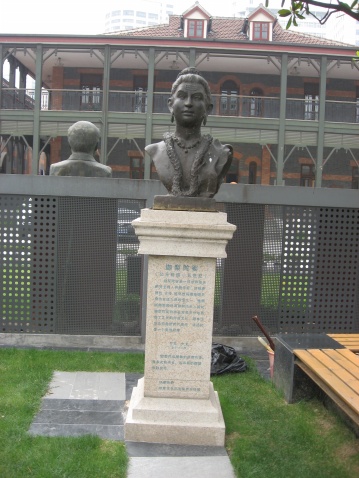
Picture:Kalidasa Statue in China

Kalidasa is widely considered to be the greatest Indian poet and playwright of all time. He wrote in Sanskrit. There are seven works written by him-two epic poems, two shorter poems and three plays. They are 1.Raghu Vamsa (dynasty of Raghu),2.Kumara Sambhava (Birth of Kumara, 3.Megha Duta (Cloud Messenger),4.Ritu Samhara (Cluster of Sesons), 5.Malavikagnimitram (Malavika and Agnimitra),6.Abijnana Shakuntala (The recognition of Shakuntala) and 7.Vikramorvasiya (Urvasi won by valour).His master piece was Shakuntala.

The age of Kalidasa has been debated for long. He could have lived anytime between 2nd century BC and 4th Century AD. Though the western scholars have placed him in the period of Gupta dynasty, Indians believe that he lived in the time of the great Indian king Vikramditya who started his own Vikrama era in 56BC. Kalidasa was one of the Nine Jewels (Navaratna) of Vikramaditya’s court.

My research into Tamil Cankam (also known as Sangam) literature shows that Kalidsa lived sometime before the birth of Christ. Tamil poets have used a lot of his similes. Kalidasa was most famous for his apt similes. The Sanskrit poets praised him as Upama Kalidasasya: ( Kalidasa owns similes).Tamil poets have used lot of common Indian/ Hindu beliefs. The source may be different ancient Indian works. But there are very clear indications to show that the poets have got them from Kalidasa’s works. There are over 200 similarities between the works of Kalidasa and the Sangam Tamil works. No one can reject them as co incidences or of pan Indian origin.

Cankam

Tamil Cankam literature is 2000 years old. Scholars date the Cankam literature to first few centuries of the modern era. Tamil Cankam anthologies consist of 2380 + poems composed by 470+ poets. It runs to approximately 30,000 lines. Brahmin poets contributed the highest number of poems or lines. Kapila who was praised as a ‘’Brahmin of spotless character’’ composed the highest number of poems (235)  in the anthology. He was well versed in Sanskrit and was able to teach Tamil to a North Indian king known as Arya king Brahadatta. No need to say that the medium of instruction was Sanskrit. Kapila made him a great scholar in Tamil and made him to write a poem in Tamil which is in Tamil anthology Kurunthokai. Kapila sang the great Kurinchipattu just to show the greatness of Tamil language to the North Indian king. Kurinchipattu is famous for portrayal of nature. Kapila recites 99 plant names at one go. Though we see a lot of plants were mentioned by Valmiki and Kalidasa, Kaipla beat them by giving a list of ninety nine plants together. Paranar is another great Brahmin Tamil poet always associated with Kaplilar. Both of them lived around 150 AD. It is corroborated by their reference to Roman (yavana) imports and exports from the South Indian ports.

Paranar “ may” be a Brahmin poet according to some scholars. There are two reasons to consider him a Brahmin. Chera king katal pirakottiya Senkuttuvan gave him land (Umbarkadu as ‘piramadeyam?) and his son when he composed a poem on him. The kings give such land to Brahmins only. They entrust their children for education only with Brahmins. The second reason is the name is a Sanskrit name found as one of the Gothra Rishis. It comes in stories of Vikramaditya as a Brahmin name. Kapilar and Paranar have used a lot of Kalidasa’s expressions and similes. Not only Kapilar and Paranar but also other Tamil poets used such similes. Most of them are Brahmins who must be well versed in Sanskrit and Kalidasa’s works. Kalidasa’s name and fame must have spread far and wide by 1st or 2nd century AD when most of the cankam poems were composed.


GSS

Another great work of the first few centuries is Gatha sapta sathi in Prakrit language. ‘’The occasional echoes in Gatha Sapta Sathi of ideas in Kalidasa’s poems and dramas (e.g. GSS 14,44,47,232,251 etc) would lead to the conclusion that Kalidasa belonged to the 1st century BC and enjoyed the parentage of King Vikramaditya’’ says MV Patwardhan (Gathakosa,1988).The Tamils might have got these ideas through the minor poets who lived in the borders of Taminadu and Andhra. Except King Hala the compiler of GSS, no one was famous. They simply followed and copied the great poets and we see only one or two bright sparks here and there. GSS is later than Kalidasa because of the following facts:

  1. GSS refers to Ganapathy/Vinayak but not to Murugan or Balaraman. Cankam and Kalidasa refer to Murugan and Balaraman but not Lord Ganesh, which became popular later.
  2. GSS refers to Hora (hour) which is considered a borrowing from Greek.
  3. GSS poem 361 by Salivahanan is a translation of Kumarasambhava poem.
  4. GSS refers to Vikramaditya.
  5. Lot of themes are common to Cankam and Kalidasa , but absent in GSS. It is a long list. But negative evidence is a weak evidence. So I am not giving them here. But this will prove that GSS is NOT the common source for Tamil or Sanskrit poems. It is vice verse.

GU Pope on Kapilar

Reverend GU Pope, the great Tamil devotee, wrote an article in 1893 in which he said that Kapila must be well versed with Kalidasa’s works and added that Kurinchipattu of Kapilar is nothing but an imitation of Kalidasa.

No wonder Kaiplar did this. He had to do this so that Aryan King Brahadattan understood Tamil well. When someone reads about similarities between two authors the first question will be who copied whom? The second question will be whether they got it from some common source. The third question will be whether it was all pan Indian beliefs. But all these doubts will be cleared when one sees the very same words used by two poets. It is like a verbatim translation. The scholars praised Kalidasa because he was the originator of these similes or expressions or phrases. Kalidasa could not have read all the 30000 Tamil lines and copied the best. Since Kapila lived in 150 AD, Kalidasa must have preceded him. No one could come anywhere near Kalidasa because he used 1000+ similes in apt places. He has rarely repeated any of them.  Though there are 3000+ similes in Mahabharata it is not considered one man’s work.

Now I will produce the evidence from Tamil poems:

1.Prayer to Lord Shiva

Now a days we start any book or event with a prayer to Lord Ganesh. But Kalidasa and Cankam poets begin their work with a prayer to Lord Shiva. Five Cankam works- Akananuru (Aka),Purananuru (Pur), Ainkurunuru (Ain),Pathitrupathu (Pathi) and Kalithokai (Kali) begin with a prayer to Shiva. Natrinai (Nat) is the only work with a prayer to Lord Vishnu. That too is a sloka from Vishnu Sahasranama is translated into Tamil. Kalidasa begins with a prayer to Shiva in Raghuvamsam, Kumarasambhavam and Shakunthalam. Though some scholars say that the Tamil prayers were added on a later date, that person must have followed Kalidasa. Another remarkable thing about Tamil literature is no one has used the word ‘’Shiva’’ in 30 000 lines. Shiva is referred to with other epithets. Kali also rarely used Shiva. This shows the closeness in time of Cankam poets and Kali. Even the oldest Rig Veda never used Lord Siva’s name, but Yajur Veda used his name.

Kali or Cankam poets never referred to Lingam. But Lingam was known in Gupta period. And Guptas called themselves as Parama Bagavathas (great devotees of Lord Vishnu).But Kali used only shiva for his prayers even in the book of ‘’Raghu’’ vamsa. He lived long before the Guptas. Guptas who were great sponsors of Sanskrit language, attracted by his works named their children Kumara Gupta and Skanda Gupta. Even Hala in GSS prayed to Lord Shiva. This reflects the time they lived.

Many of the Cankam poets have Sanskrit names.Rudran and Mahadevan (Bharatham Padiya Perunthevan) are names of at least four Tamil poets.

Shiva’s epithets in Kalidasand Cankam Tamil books:

a)      Neelakanta (blue throated),Neela lohitha:

Kali: Kumara VII 51,VIII 12,Shak VII 34

Cankam: akam 1,Pura 56,55,91 Paripatal 8,9 Malaipadu 83

b)      Ardhenthu Maulin (cresent moon)

Kali: Megha 57 =Cankam akam 1

c)       Ayugma netra (one and a half eye,three eyed)

Kali: Kumara III 51,69

Tri lochana,thri nayana, thraiyambaka (Kum III44,66VI 89,Mega 54,118,60)

Virupakshana (kum VI 21)

Cankam: Akam 181 (paranar),Pura 6(kari Kizar),pura 55, kali 2

d)      Bhutapathi,Bhuteswara,Bhutanatha (Lord of the livingbeings)

Kali: Ragu II 58,Kum II 43,74 Ragu II 46

Cankam :Puram 219,259,276 poets names also Shiva’s name with Puthan epithet!!!

Other Tamil poets with Puthan epithet of Lord Shiva: Madurai Kauniyan Puthathanar

(Brahmin poet of Kayndinya Gothra)Bhuta Nathan,Perumbhutan, Puthan Ilanagan, Bhutapandiyan,Karuvur Puthan Chathanar, Ezathu pthan thevan, Ven Bhuthan, Senthan Bhuthan,Kundram Bhuthanar

e)      Sula bruth,Sulin (Trident bearer)

Kali: Ragu II 38, Kuma VII 40, III 57,IV 94 Mega 15, 19,

Cankam : Akam 1 (Bharatham padiaya Mahadevan)

f)       Vrushanga (On the Bull mount, Bull flag)

Kali: Kuma III 23,14,62, VII 29,VIII 20, Ragu II 35, 36

Cankam : Puram 56 (Nakkeeran, A Brahmin poet)

g)      Parvathi Parameswaran

h)      Kali: Ragu I-1 = Cankam Akam 1, Puram 166

i)        Purasasana

Kali :Kuma VII 30= Puram 55 (Marutham Ilanagan)

Tripura Thaganm (one who burnt three forts)

Kali :Mega 58= Cankam Puram 55, Pari 5-2,Kali 2-1 to 8, 38-1,Kali 1

j)        Ardhanari (half siva half shakthi)

Ragu 1, Kum VII 28 =Cankam : ‘Maathoru paathiyan’ (Ainkurunuru  prayer)

k)      Maheswaran (Great Lord)

Kali Ragu III 49= Cankam Puram 166, Kali 1

l)        Rudra (angry towards bad)

Ragu II 54,Kuma II 26,III 76,Malavi I-4

Cankam Puram 56 (nakkeeran)

Also refer to poets with Rudran names given earlier.


Above references prove that there was not a big gap between Kali and Cankam poets and they were Pre Gupta. No reference to Ganesh ,No reference to Lingam and rarely used the word ‘Shiva’. Lord Shiva was not even mentioned in the oldest Tamil work Tolkappiyam.

Tolkappiyam refers only to Vedic Gods Indra, Varunan, Durga, Vishnu and Kartikeya (Seyon)

2.Lord Kartikeyan/Murugan

Lord Murugan or Skandan has got a special place in the hearts of Tamils. He is the god of Kurinchi landscape (Hills and its sorroundings). Kalidasa and Tamil poets agree on two important points:

a)      Murukans valour b) Murukan’s place is inaccessible to women

Ponmudiyar in his poem in Puram (299) says that fearful anangu is in the Murugan temple.

Women won’t go and touch anything there. Narrinai poet Kulambanar also (288) gives the same message. He says that girls who attained puberty are scared to enter Murugan temple.

One woman fortune teller says that a girl is possessed by Murugan. WE have more references in Nar 34, 173 Akam 22, 98 and Kuru 111.


Kalidasa also says in Vikram( IV 40,V-23,IV 71-3) that women were afraid of entering Murugan’s garden (groves sacred to Kumara were forbidden to women.)

Murugan dwells in Hills:

Mega 45, Raghu II-36 = Cankam: Murugu 218-317, Akam1,61,59,149, Kali 27, 93 ,

Madur 262-270,Pari 2, 19

Peacock as Vahana, came from fire:

Kali: Mega 46, Raghu VI-4 = Pura 56, Akam 149, Murugu 210 and Pari 18-26

Borb in Saravana poigai:

Kali:  Mega 47, Raghu III-23 = Murugu 58, 253, 257, 267


Reference to Himalayas: The best evidence comes from Kalidasa’s reference to the beautiful and holy Himalayas. Kalidasa had an amazing knowledge of the Himalyas. In the very first sloka of Kumarasambhava he praised Himalayas as the measuring rod of the earth. We did not know how he came to know that it extends from oone end of the the Sub continent to the other endin an age where there was not any map in India. Tamil poets repeated verbatim Devatatma Himalaya what Kalidasa said. Tamil poets Paranar and Kumattur Kannanar repeated this epithet in Pathitrup Pathu (43-1, 11-23). The golden Himalayas was referred to by Nappasalai (Puram 39 and Paranar 356). Tamil poets had no easy access to the Himalayas 2000 years ago. They just copied what Kalidasa said. They describe the beautiful scenery from kalidasa’s other works


Reference to Pandyas and Agastya: Kalidasa knew very well the connection between the Pandyas and Agastya. He referred to it in Raguvamsa. He even spoke about the Aswamedha Yagna of Pandyas indirectly by referring to Avabruda snanam. Mudukudumi Peruvazuthi, a powerful king did a great many Yagnas according to Puram poems 6 and 13.


Non reference to Ganesh: Neither Kalidasa nor Tamil Sangam literature mentioned Lord Ganesh. Worship of Lord Ganesh became popular only later.


Lord Murukan’s treatment, reference to the Himalayas and Ganges and reference to Lord Siva ,Deepa Shika simile are few of the 220 similarities. These proved that Kalidasa’s name and fame spread far and wide in South India by first few centuries of modern era.


*******************