Gambling, Women, Theft- That is what Wise Men do- Chanakya! (Post No.4556)


Gambling, Women, Theft- That is what Wise Men do- Chanakya! (Post No.4556)


Written by London Swaminathan 


Date: 28 DECEMBER 2017 


Time uploaded in London- 7-56 am


Post No. 4556

Pictures shown here are taken from various sources such as Facebook friends, Books, Google and newspapers; thanks


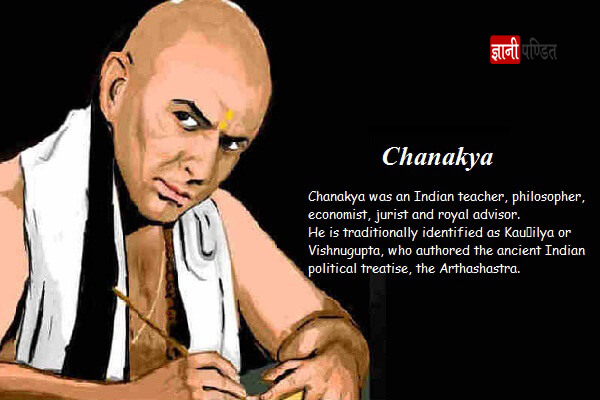
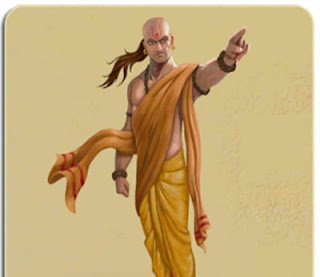
Chanakya is not only a statesman and an economist but also a poet. His Chanakya Niti has very interesting riddles. He used symbols and metaphors to illustrate his points. Here is one of the metaphorical poems:


praatardhyutaprasangena madhyaahne striprasangena

ratrau charyaprasangena kaalo gacchati dhimataam

–chanakya niti, chapter 9, verse 11


Meaning:

Applying themselves to gambling in the morning, to women in noon and theft in the night the wise spend their time.


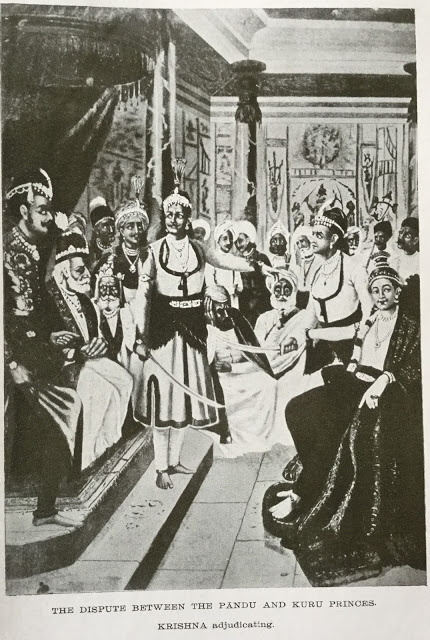
There is a metaphoric reference here to three texts. Dyuaprasanga here refers to a text where there is gambling, i.e Mahabharata. The whole epic is the cause of gambling between the Panadava and Kauravas. If the game had not been played, there wouldn’t be any story. Wise people read Mahabharata in the morning.

The second reference is about the woman. This is referring to Sita devi of Ramayana. Without Sita devi’s wrong decision and wrong desire there wouldn’t be any Ramayana story. Knowing that there is no golden deer on earth, she desired a (fake) golden deer and then all the disasters followed. Wise people read Ramayana in the noon.


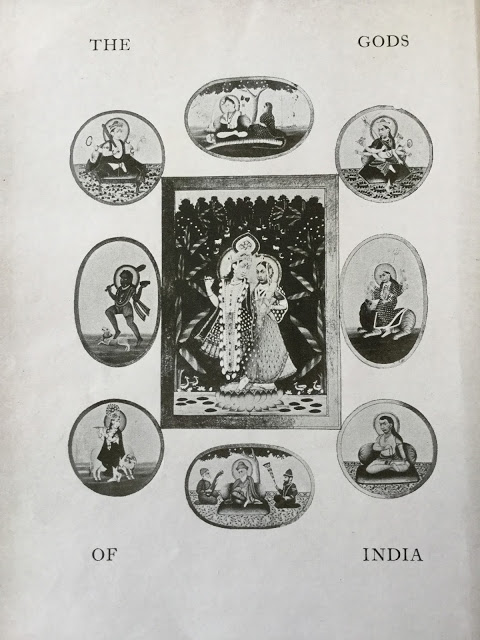
The third reference is to chaurya prasangena- meaning theft. This is a reference to Bhagavata Purana where Krishna’s life is narrated. He is shown as a thief of butter at home, thief of saris on the banks of River Yamuna and a thief who steals the hearts of millions of people around the world- his devotees. Wise men do read his story, i.e. Bhagavata Purana in the night.


Thus, wise men spend their time usefully. Chanakya has made his point in a way which would amuse people and at the same time keep it ever green in the memory of his readers.


My comments:
Why did Lord Krishna steal the saris of Gopi girls? Though we knew all the saris were duly returned and the Gopi girls went home sari clad, there is another secret in it. He wanted to tell the world that whatever he steals will be returned in multi fold. If he steals butter, the world will be supplied with enormous quantity of dairy products. If he steals saris, he would give them without stopping to any one in need of saris,which we saw in the Derobing of Draupadi in the Mahabharata. When Duryodana ordered his younger brother to take away the sari of Pandava queen Draupadi in public, she prayed to Lord Krishna. And she got a continuous supply of saris and saved her honour. In the same way when a devotee gives his heart a little to Lord Krishna, he showers back on the devotee his heart million times – his grace for ever.


Source for the verse: Canakyaniti translated by Satya Vrat Shastri

–subham–
சாணக்கியனின் புதிர்க் கவிதை! காலையில் சூது, மதியம் மாது, இரவில் களவு! (Post No.4557)

சாணக்கியனின் புதிர்க் கவிதை! காலையில் சூது, மதியம் மாது, இரவில் களவு! (Post No.4557)


Written by London Swaminathan 


Date: 28 DECEMBER 2017 


Time uploaded in London- 6-46 am


Post No. 4557

Pictures shown here are taken from various sources such as Facebook friends, Books, Google and newspapers; thanks


சாணக்கியன்  ராஜ தந்திரி மட்டும் அல்ல; பொருளாதார நிபுணன் மட்டும் அல்ல; கவிஞனும் கூட! அவனது சாணக்கிய நீதியில் ஆங்காங்கு சில புதிர்க் கவிதைகளையும் பாடியுள்ளான்.


காலையில் சூதாடுங்கள்!

மதியம் பெண்களிடம் போங்கள்!

இரவில் திருடுங்கள்!

நல்ல போதனை ஐயா! போதையில் சொன்ன போதனையோ என்று எண்ணத் தோன்றுகிறதல்லாவா? மேலும் பார்ப்போம்.


சாணக்கிய நீதி, அத்தியாயம் 9, ஸ்லோகம் 11

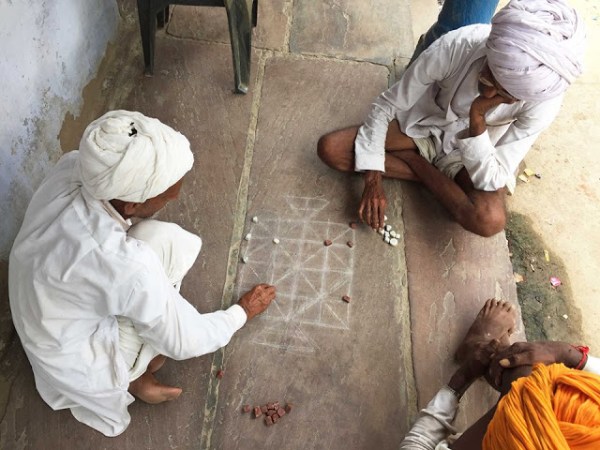
ப்ராதர் த்யூதப்ரசங்கேன மத்யாஹ்னே ஸ்த்ரீ ப்ரசங்கதஹ

ராத்ரௌ சௌர்யப்ரசங்கேன  காலோ கச்சதி தீமதாம்


பொருள்

புத்திசாலிகள்/ அறிஞர்கள் காலையில் சூதிலும் மதியத்தில் மாது (மகளிர்) இடத்திலும், இரவில் திருட்டிலும் பொழுதைக் கழிக்கின்றனர்.


இதன் பொருள் வியாக்கியானக்காரர்களின்றி நமக்கு விளங்காது. இதோ அவர்கள் பகரும் உண்மைப் பொருள்:-


த்யூதப் ப்ரசங்க என்பது சூதாட்டம்– காலையில் அறிஞர்கள் மஹாபாரதம் படிப்பார்கள்


*தமிழில் நாம் வழங்கும் சூது என்ற சொல் சம்ஸ்கிருத ‘த்யூத’ என்பதுடன் தொடர்புடையது. இரண்டு மொழிகளும் ஒரே மூலத்திலிருந்து வந்ததைக் காட்டும் ஆயிரக் கணக் கான சொற்களில் இதுவும் ஒன்று)


ஸ்த்ரீ ப்ரசங்க– என்பது பெண் பற்றியது; இங்கே பெண் என்பது உலக மஹா உத்தமி சீதையின் சரிதமான — ராமாயணத்தைக் குறிக்கும்; ஆகவே அறிஞர்கள் மதியத்தில் ராமாயணம் படிப்பார்கள் என்பது இதன் உண்மைப் பொருள்; ‘’ஸீதாயாஸ் சரிதம் மஹத்’’– என்பது ஆன்றோர் வாக்கு.

சௌர்ய ப்ரசங்க– என்பது திருட்டு பற்றியது; இது பாகவத புராணத்தைக் குறிக்கும். கிருஷ்ணனைவிட பெரிய திருடன் உண்டா? வீட்டில் வெண்ணை திருடினான்; காட்டில் கோபியர்களின் சேலைகளைத் திருடினான்; கும்பிடும் இடங்களில் எல்லாம் பக்தர்களின் உள்ளத்தைத் திருடினான்; மனம் கவர் கள்வன் அவன்; உள்ளம் கவர் செல்வன் அவன். ஆக, அறிஞர்கள் இரவு நேரத்தில் பாகவத புராணத்தைப் படித்து, போகும் வழிக்குப் புண்ணியம் தேடிக் கொள்வர்.


சாணக்கியனின் கற்பனையும் சொல்லும் நயமும் எல்லோர் மனதையும் வெல்லும்!


என்  சொந்தக் கருத்து:–


கண்ணன் திருடிய கோபியர்களின் சேலைகள் எல்லாம் எங்கே போயிற்று? அவன் ஏன் அப்படித் திருடினான்? என்றால் எதிர்காலத்தில்

திரவுபதிக்கு உதவத்தான்! நூற்றுக் கணக்கானோர் முன்னிலையில் துச்சாதனன் அவிழ்க்கப் போகும் நேரத்தில் அவன் கை ஓயும் அளவுக்கு சேலை மழை பொழியவே கண்ணபிரான் திருடினான்!

வாழ்க சாணக்கியன் புகழ்; வளர்க கண்ணன் புகழ்!!


-சுபம்–

அன்றாட நிகழ்வுகளுக்கு ஜோதிடரைக் கலந்து ஆலோசி! (Post No.4555)

Date: 28  DECEMBER 2017


Time uploaded in London- 6-04 am


Written by S NAGARAJAN


Post No. 4555

Pictures shown here are taken from various sources such as Facebook friends, Books, Google and newspapers; thanks. Pictures may not be related to the story. They are only representational.


ஸ்ரீ ஜோஸியம் (ஞான ஆலய குழுமத்திலிருந்து வெளியாகும் மாதப் பத்திரிகை) டிசம்பர் 2017இல் வெளியாகியுள்ள கட்டுரை


அன்றாட வாழ்க்கை நிகழ்வுகளுக்கு ஜோதிடரைக் கலந்து ஆலோசி!


ச.நாகராஜன்


ஹிந்து வாழ்க்கை முறையில் ஜோதிடத்தின் இடம் தனி முக்கியத்துவம் வாய்ந்த ஒன்று. கோவில் இல்லா ஊரில் குடியிருக்க வேண்டாம் என்று குழந்தை மனதில் பதியும் படி அவ்வை பிராட்டி அருளினார். அதே போல ஜோதிடர் இல்லாத ஊரில் ஒரு தினமும் கூட வாழாதே என்று முதுமொழி கூறுகிறது.


ருணதாதா ச தேவக்ஞ: ஸ்ரோத்ரிய: சுஜலா நதி

யத்ர ஹோதே ந வித்யந்தே ந தத்ர திவஸம் வஸேத்


பழைய காலம் தொட்டு வழங்கி வரும் இந்த சுபாஷித ஸ்லோகத்தின் பொருள்: கடன் தந்து ஆதரிக்காத ஒருவர், ஜோதிடர், வேதங்களை அறிந்த குருக்கள், நல்ல நீரைக் கொண்டு ஓடும் நதி – இவையெல்லாம் எங்கு இல்லையோ அங்கு ஒருவன் ஒரு நாள் கூட வசிக்கக் கூடாது.

அன்றாட வாழ்விற்கு ஜோதிடரைக் கலந்து ஆலோசிக்காமல் ஒரு நல்ல காரியத்தைக் கூடத் தொடங்காத பண்புடைய வாழ்வு ஹிந்துத்வ வாழ்வு.


புத்தாடைகளை எந்த நட்சத்திரத்தில் அணிய வேண்டும்?

அவிட்டம், புனர்பூசம்,ஹஸ்தம், சித்ரா, ஸ்வாதி, விசாகம், அனுராதா (அனுஷம்), பூசம், அஸ்வினி ஆகிய நட்சத்திர தினங்களில் புத்தாடைகளை அணிய வேண்டும் என்று முகூர்த்த மார்த்தாண்டம் என்ற நூல் விளக்குகிறது.

புதன்கிழமை, வியாழக்கிழமை, வெள்ளிக்கிழமை ஆகிய நாட்களில் புத்தாடை அணிய முகூர்த்த மார்த்தாண்டம் அறிவுறுத்துகிறது.


கடனை வாங்க வேண்டி இருந்தால் எந்த நாளில் வாங்க வேண்டும்?


வீட்டு லோன், படிப்பு லோன், கல்யாண லோன் என்று இன்று லோன் இல்லாத வாழ்க்கையே கிடையாது. வங்கிக் கடன் இன்று சர்வ சாதாரணமாக ஆகி விட்டது. கடனை வாங்குவதற்குக் கூட நமது நூல்களில் வழிகாட்டுதல்கள் உண்டு.

புதன்கிழமைகளில் ஒரு போதும் கடன் வாங்காதே என்று ராமாசார்ய டீகா அறிவுறுத்துகிறது.

வாங்கிய கடனைத் திருப்பித் தர உகந்த நாள் செவ்வாய்க்கிழமை.

ஞாயிற்றுக்கிழமை, செவ்வாய்க்கிழமை, ஹஸ்த நட்சத்திரம் வரும் நாளில் கடனை ஒரு போதும் வாங்கக் கூடாது

.

திதிகளில் கொண்டாட்டமும், விலக்க வேண்டியவையும்


ஹிந்து வாழ்க்கையும் முறையில் திதிகளுக்கு ஒரு தனி மகத்துவம் உண்டு.

அக்ஷய திருதியை – திருதியை

விநாயக சதுர்த்தி – சதுர்த்தி

வஸந்த பஞ்சமி – பஞ்சமி

ஸ்கந்த ஷஷ்டி – ஷஷ்டி

ரத சப்தமி – சப்தமி

கிருஷ்ண ஜயந்தி – ஜன்மாஷ்டமி – அஷ்டமி

ராம நவமி – நவமி

மஹா சிவராத்திரி – மஹா சதுர்த்தசி – சதுர்த்தசி

சித்ரா பௌர்ணமி – பௌர்ணமி

மஹாளய அமாவாசை – அமாவாசை

இப்படி திதிகளை வைத்தே பல முக்கிய தினங்களை நாம் சுட்டிக் காட்டுகிறோம்.

எந்த திதியில் எதை விலக்க வேண்டும் என்பதற்கும் கூட நம் சாஸ்திரங்கள் தீர்க்கமான வழிகாட்டுதலைத் தருகின்றன.

ஷஷ்டி, அஷ்டமி, அமாவாசை, சதுர்த்தசி, பௌர்ணமி ஆகிய தினங்களில் எண்ணெய் மற்றும் மாமிசத்தை விலக்க வேண்டும் என்று மனு ஸ்மிருதியும் விஷ்ணு புராணமும் கூறுகின்றன


ஆக இப்படிப் பல்வேறு விதிகளை நமது நலன் கருதி இதனால் ஏற்படும் நன்மை தீமைகளைக் கால ஓட்டத்தில் பரீட்சித்ததாலும், உள்ளுணர்வாலும் கண்ட நம் முன்னோர்கள் அவற்றைப் பல்வேறு சாஸ்திர நூல்களில் கூறியுள்ளார்கள்.

இவை அனைத்தையும் படித்துத் தேர்ந்தவரே ஜோதிடர். ஆகவே தான் அவரிடம் ஒரு காரியத்தைத் தொடங்கு முன் அதை என்று செய்யலாம் என்பதைக் கேட்கும் வழக்கம் தொன்று தொட்டு இருந்து வந்தது.

அவரும் நல்ல நாளைக் குறிப்பதோடு எதை எதைச் சேர்க்க வேண்டும், எதை எதை விலக்க வேண்டும் என்று அறிவுறுத்துவார்.

ஒவ்வொரு சின்ன விஷயத்திற்கும் கூட விதிமுறைகளை வகுத்திருக்கும் மதம் ஹிந்து மதம் என்பது ஆச்சரியமான விஷயம்.

***


பாரதி போற்றி ஆயிரம் – 18 (Post No.4554)

Date: 28  DECEMBER 2017


Time uploaded in London- 5-44 am


Compiled by S NAGARAJAN


Post No. 4554

Pictures shown here are taken from various sources such as Facebook friends, Books, Google and newspapers; thanks. Pictures may not be related to the story. They are only representational.


  பாடல்கள் 114 முதல் 119


கவிதை இயற்றியோர்: பல்வேறு கவிஞர்கள்

தொகுப்பு : ச.நாகராஜன்

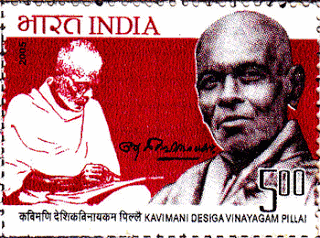
கவிமணி தேசிக விநாயகம் பிள்ளை அவர்களின் பாடல்கள்

அமரகவி (பாரதி)

(பாடல் தொடர்ச்சி)


பாப்பாப் பாட்டிலே – நெஞ்சைப்

     பறிகொ டுத்தேனடா!

சாப்பா டேதுக்கடா! – சீனி

     சர்க்கரை ஏதுக்கடா!


அன்னை ‘பாஞ்சாலி -சபதம்

     அறைதல் கேட்டேனடா!

முன்னைக் கதையெல்லாம் – கண்ணின்

     முன் நடந்ததடா!


‘வந்தே மாதரத்தைப் – பாடவே

    வாய்தி றந்தவுடன்

சந்தேக மில்லை  – ஒருபுதுச்

    சக்தி தோன்றுதடா!


‘எங்கள் நாடு தான் – பூங்கா

   இசையி லேறிடுமேல்,

கங்கை யாறுபோல் – உள்ளத்தில்                           

   களிப்பொ ழுகதடா!


‘சின்னஞ் சிறுகிளி – கனவில்

    தினமும் காணுதடா!

கன்னங் குழியவே – முத்தமும்

    கனிந்த ளிக்குதடா!


‘கண்ணன் காதலன் – எனக்கொரு

     களிய முதமடா!

விண்ண முதமுமே – அதனை

     வெல்ல மாட்டாதடா!


(நீண்ட பாடல் தொடரும்)

அமரகவி என்ற இந்தப் பாடல் எட்டயபுரம் பாரதி மண்டபத் திறப்பு விழாவின் போது கல்கி இதழில் (12-10-1947) வெளி வந்த பாடல்.

பாமரன் ஒருவன் சுப்பிரமணிய பாரதியின் கவிதைகளில் ஈடுபாடு கொண்டு பாடுவது போன்ற அமைப்பை உடையவை. இவை எல்லாமே ஆரம்ப காலக் ‘கலைம்களில்’ வந்தவை. (1944)


கவிமணி தேசிக விநாயகம் பிள்ளை: கவிஞரைப் பற்றிய குறிப்பு ஏற்கனவே வெளியாகியுள்ளது.


குறிப்பு : இந்தப் பகுதிக்கு பாரதி பற்றி எழுதப்பட்ட பாடல்களை ஸ்கேன் செய்தோ, போட்டோ எடுத்தோ அனுப்பி உதவலாம். கவிஞரின் பெயர், அவரைப் பற்றிய 50 வார்த்தைகளுக்கு மிகாமல் உள்ள குறிப்பு, பாடல் வெளியிடப்பட்ட இதழ் அல்லது நூல் பற்றிய குறிப்பு ஆகியவற்றையும் அனுப்ப வேண்டுகிறோம்.

****


மன்னன் சிரித்தான், ஒரு பெண்ணும் சிரித்தாள்; ஏன்? ஏன்? ஏன்? (Post No.4553)

Written by London Swaminathan 


Date: 27 DECEMBER 2017 


Time uploaded in London- 8-09 am


Post No. 4553

Pictures shown here are taken from various sources such as Facebook friends, Books, Google and newspapers; thanks


மன்னன் சிரித்தான், ஒரு பெண்ணும் சிரித்தாள்; ஏன்? ஏன்? ஏன்? (Post No.4553)

சாணக்கியன் சம்பந்தப்பட்ட கதைகளில் இன்னும் ஒரு சுவையான கதையைப் பார்ப்போம் ஏற்கனவே மெகஸ்தனீஸ்- சாணக்கியன் சந்திப்பு பற்றியும், அவலட்சண சாணக்கியனை மன்னன், பந்தியிலிருந்து தர தரவென இழுத்துவெளியேற்றியதையும், ஐயர் அன்று அவிழ்த்த குடுமியை மஹத சாம் ராஜ்யம் ஸ்தாபிக்கும் வரையும் முடியவில்லை என்பதையும் சொன்னேன்.

இதோ இன்னும் ஒரு கதை:

நந்தனின் அமைச்சர்களில் ஒருவன் சகதாரன். நவ நந்தர்கள் கொடூரமானவர்கள். ஏதோ ஒரு கோபத்தின் பேரில் சகதாரனையும் அவன் மனைவி, மகன் ஆகியோரையும் சிறையில் அடைத்தான். தினமும் ஊன்று பேருக்கும் சேர்த்து ஒரு கோப்பை பார்லி மாவு மட்டும் சாப்பிடக் கொடுத்தான். மனைவியும், மகனும் நாளடைவில் இறந்துவிட்டனர். காரணம் அவர்கள் உணவையும் சகதாரனுக்குக் கொடுத்ததே.


இது ஒரு புறம் இருக்க, ஒரு நாள் மன்னன் மஹாபத்ம நந்தன் உலாவச் சென்றான். அப்போது அவன் எதையோ பார்த்துச் சிரித்தான். எதிரே அரண்மனையில் பணிபுரியும் பெண் வந்தாள்;. மன்னன் சிரித்ததைக் கண்டு அந்த மாதுவும் சிரித்தாள்.


ஏன் சிரித்தாய் மகளே? ஏன் சிரித்தாய்? என்று வினவினான். அவளுக்கு என்ன சொல்வதென்றே தெரியவில்லை. அப்புறம் சொல்கிறேனே என்று சொல்லிவிட்டு,     பயந்து ஓடிவிட்டாள். பலரையும் கேட்டாள் பதில் கிடைக்க வில்லை.


அவள் சிறைச் சாலைக்கும் செல்வதுண்டு. சிறையில் கிடக்கும் அமைச்சனுக்கே பதில் தெரியும் என்று அவனிடம் கேட்டாள்.

சகதாரன் உதவி செய்ய முன்வந்தான்

பெண்ணே! அரசன் சிரித்தபோது எதைப் பார்த்துக் கொண்டிருந்தான்?

பெண்:- ஒரு கால்வாய் அருகில் வந்தபோது மன்னன் சிரித்தான்.

அரசன் சிரித்தபோது அவனருகில் என்ன இருந்தது?

ஒரு பெரிய மரம் இருந்தது.


ஓஹோ! அந்தக் காலவாயில் ஒரு சிறிய விதை மிதந்து கொண்டிருந்தது. அது, அந்தப் பெரியமரத்தின் விதை. இந்தச் சின்ன விதையில் இருந்து இவ்வளவு பெரிய மரமா? என்று வியந்து சிரித்தான் நந்தன் என்றான் சகதாரன்.

மறுநாள் அரசனைச் சந்தித்த மாது, இதை அப்படியே சொன்னாள். இது ஒரு பணிப்பெண் சொல்லக்கூடிய விடை அன்று. யாரோ இவளுக்கு உதவி செய்திருக்க வேண்டும் என்று அரசன் எண்ணினான்.


அவளை அனுப்பிவிட்டு ஒற்றர்களை அழைத்து இப் பணிப்பெண் எங்கெங்கு சென்றாள் என்று விசாரித்ததில் சகதாரந்தான் இதைச் சொன்னான் என்று தெரிந்தது.


இவ்வளவு பெரிய அறிவாளியை சிறையில் அடைத்தோமே ஏன்று வருந்தி அவரை விடுதலை செய்தான்.

விடுதலையானபோதும் சகதாரனுக்கு ஆத்திரம் அடங்கவில்லை. சின்னக் காரணத்துக்காக சிறையில் அடைக்கப்பட்டு அதனால் மனைவியையும் மகனையும் பறி கொடுத்தோமே என்று  வருந்தினான்.


ஒருநாள் சகதாரன் சாலையில் போய்க்கொண்டிருந்த போது ஒரு உச்சிக் குடுமி பார்ப்பான் ஒரு புல்லின் மீது மோரை ஊற்றிக் கொண்டிருந்தான். அட! இது என்னடா அதிசயம் என்று வியந்து அவரிடமே காரணமும் கேட்டான். இந்தப் புல் தன்னை தடுக்கி விட்டதாகவும் அதை வேருடன் அழிக்க புளித்த மோரை விட்டதாகவும் சொன்னான். திட உறுதி உடைய இந்தப் பார்ப்பனன் தனது திட்டத்துக்கு உதவுவான் என்று எண்ணி அவனை பாடலிபுத்திரத்துக்கு அழைத்து வந்தான்.


சிறையிலிருந்து விடுதலையான சகதாரனுக்கு சடங்குகள் செய்யும் துறைக்கு தலைமை வகிக்கும் பொறுப்பு கிடைத்து இருந்தது. ஒரு ‘திதி’யின்போது உணவு உண்ண தான் அழைத்து வந்த பார்ப்பனனையும் அழைத்து இருந்தான். அவர்தான் சாணக்கியன். அழகு இல்லாத அவலட்சணமானவர். மன்னன் மஹாபத்ம நந்தன் மண்டபத்துக்குள் வந்தவுடன் அவலட்சணத் தோற்றம் உடைய சாணக்கியனைப் பார்த்து ஆத்திரம் அடைந்தான். முதல் வரிசையில் அவர் இருப்பதைப் பார்த்து அவரை இழுத்து வெளியே தள்ளினான். அன்றைய தினம் குடுமியை அவிழ்த்துப் போட்டு, நந்த வம்ஸத்தை வேரறுக்கும் வரை குடுமியை முடிய மாட்டேன் என்று சபதம் செய்து அப்படியே அந்த வம்ஸத்தை பூண்டோடு அறுத்து ஒழித்தான்.


இதை அவர் எப்படிச் செய்தார் என்று இன்னு ம் ஒரு கதை உண்டு. திமிர் பிடித்த மஹா பத்ம நந்தனுக்கு முறையான மஹா ராணி மூலம் எட்டுப் புதல்வர்களும் அரண்மனைப் பணிப்பெண் மூராவின் மூலம் ஒரு மகனும் உண்டு; மூரா மகன் மௌரிய சந்திர குப்தன் ஆவான். அவன் மீது எல்லோருக்கும் பொறாமை இருந்தது. சகதாரன் அவனையே மன்னன் ஆக்க எண்ணினான். ஒரு பணிப் பெண் மூலம் விஷ உணவைச் சமைத்து பரிமாறச் செய்தான் இதனால் மஹபத்மனும் எட்டு மகன்களும் இறந்தனர்.


நாட்டிலுள்ள குழப்ப நிலையில் அருகிலுள்ளோர் படை எடுக்கத் தயாராயினர்.

பர்வதக என்னும் மன்னனுக்குப் பாதி ராஜ்யம் தருவதாகச் சொல்லி மஹதப் பேரரசு மீது படை எடுக்க வைத்தான் சகதாரன். அவன் தன் மகன் மலைய கேதுவோடு படை எடுத்து வந்தான். நவ நந்தர்கள் இறந்ததில் வருத்தமுற்ற அமைச்சன் ராக்ஷசனும் பர்வதகனுக்குப் பாதி ராஜ்யம் தருவதாக வாக்களித்தான். ஆயினும் சாணக்கியன் அடுத்த சதியில் இறங்கினார்.  பர்வதனுக்கும் விஷ உணவு படைக்க வைத்தான் அவன் இறந்தவுடன்  மலைய கேது தப்பித்தோம் பிழைத்தோம் என்று ஓடிவிட்டான். மாபெரும் மகத சாம்ராஜ்யத்தின் மன்னனாக மௌர்ய சந்திர குப்தன் பதவி ஏற்றான்.


இவை எல்லாம் செவி வழிச் செய்திகளும் நாடகம் மூலம் வந்த கதைகளும் ஆகும்.


எல்லாவற்றிலும் இழையோடிச் செல்லும்கருத்து சாணக்கியன் பெரிய ராஜ தந்திரி. நவ நந்தர்கள் க்ஷத்ரிய வம்ஸத்தவர் அல்ல; பிராமணர்களுக்கு எதிராக பெரும் கொடுமைகளை இழைத்தனர். அகந்தையின் உறைவிடமாக உலவினர். முள்ளை முள்ளால் எடுக்க வேண்டும் வைரத்தை வைரத்தால் அறுக்க வேண்டும் என்னும் கொள்கைகொண்ட சாணக்கியன் ராஜ தந்திரம் மூலம் வென்றான்.

பாரத நாட்டுக்கு இதனால் கிடைத்த பரிசு– அர்த்த சாஸ்திரம் என்னும் உலகின்  முதல் பொருளாதார நூல்; மற்றும் பல நீதி சாஸ்திர நூல்கள். அலெக்ஸாண்டரையும் பயப்பட்டுத் திரும்பிப் போக வைத்த பிரம்மாண்டமான மகதப் பேரரசின் படை பலம்.  அதில் உதித்தவனே        மாமன்னன் அசோகன்.

–சுபம்–


STRANGE AND INTERESTING STORIES ABOUT CHANAKYA! (Post No.4552)

Written by London Swaminathan 


Date: 27 DECEMBER 2017 


Time uploaded in London- 6-21 am


Post No. 4552

Pictures shown here are taken from various sources such as Facebook friends, Books, Google and newspapers; thanks


The greatest statesman that India has ever produced is Chanakya. He was the man who established the mighty Magadha empire. Even the Greek king Alexander the Great returned to his homeland fearing the army of the Magadha empire. Though we don’t have any authentic report about the life history of Chanakya, we are able to piece together the materials that are available in dramas such as Mudra Rakshasa of Visakadatta and other word of mouth stories. One underlying thread in all these stories is that Chanakya was an astute politician. He did not hesitate to use Sama, Dana, Beda, Danda (peace, bribe, dissension and punish) to achieve his goal. He followed the policy of ‘tit for tat’ or tooth for tooth, blood for blood. He believed that diamond should be cut by a diamond and a thorn should be taken out by a thorn.

UGLY BRAHMIN!

Here are few interesting stories: –


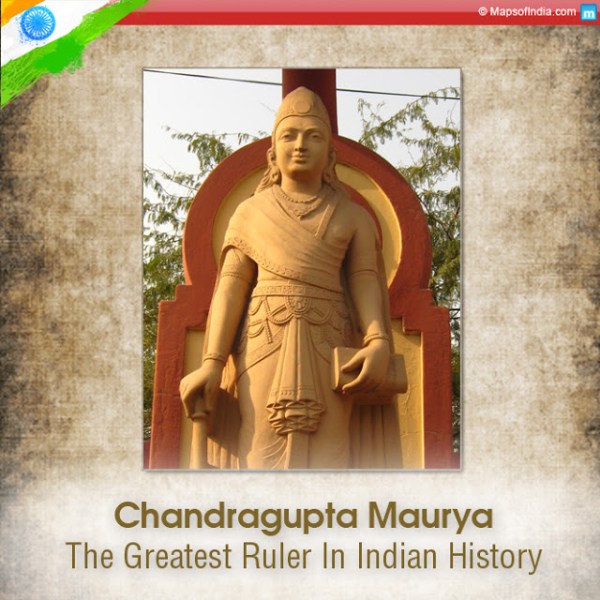
King Mahapadma Nanda had eight sons through his legal marriage and one son through his intimacy with a servant maid by name Mura. Her son was Maurya Chandra Gupta.


The rule of Nava/Nine Nandas was tyrannical. They were the embodiments of arrogance. They were against all the rituals and particularly Brahminical. Mahapadma Nanda was a modern Hiranyakasipu, the demon.


One day he went for a walk and stopped suddenly and laughed. A servant maid of the palace was coming in the opposite direction. Seeing the king laughing she also laughed. Nanda stopped her and asked the reason for her laugh. She was scared and dared not to answer his question. She told him that she would tell the reason later and ran away.


She wanted to give him a correct answer or an excuse and so she consulted lot of people; All her efforts were fruitless. She went to  minister Sakatara, who was in the jail. He helped her out. How?


Story of Minister Sakatara

Let us first read the story of Sakatara. He was a good minister but he was imprisoned on flimsy charges along with his wife and son. They were supplied meagre food in the prison and his wife and son died in course of time. He was waiting for an opportunity to take revenge upon the Nine Nandas.


To the maid who came to get his help he put two simple questions:

What was Mahapadma Nanda looking at when he laughed?

Where was he then?

The servant maid told Sakatara that the king was near a canal and he was looking at a big tree. Immediately Sakatara guessed the answer and told the lady the king was amused when he saw a tiny seed of that big tree floating in the water. He laughed at it thinking that how come a tiny seed could produce a big tree.


The maid was happy and went to see the king next day and gave him this answer. He was surprised to see that she got it right. But he knew that it was not the servant maid’s answer and wanted to find out who helped her. Through his spies he found out that this lady met Sakatara in the prison the previous day.


Now Mahapadma Nanda became soft and released the intelligent minister Sakatara. He was appointed the Head of the Department of Rituals.


One day Sakatara was walking along a village road and saw something strange. A Brahmin with a tuft was pouring sour buttermilk on some grass. As he was the head of rituals, he wanted to know what the Brahmin was doing. That Brahmin told Sakatara that he wanted to destroy the grass as it was made him to fall. Sakatara saw a point in his action and thought that this person would achieve his goal. He took him to Pataliputra (modern Patna in Bihar)  and used his service. There was a ceremony in the palace and this ‘no so good looking’ poor Brahmin was given a front seat.


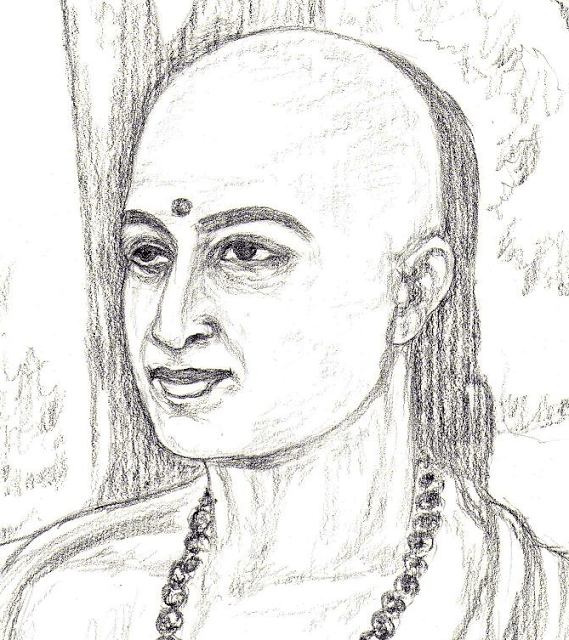
Mahapadma Nada walked into the hall and saw an ugly Brahmin taking a seat in the front row. He pulled him out and threw him out of the hall. That Brahmin was Chanakya.

On that day Chanakya made a vow, “I wouldn’t tie my tuft of hair till I uproot this Nandas”.


Sakatara and Chanakya joined together and made big plans to uproot the Nandas. Nanda has a great minister by name Rakshasa. Chanakya spoiled all his efforts who tried to prop up the Nandas. Through a servant maid Chanakaya and Sakatara gave poisonous food to the Nine Nandas and all of them died at once. There was utter chaos in the kingdom.


Chanakya made a deal with the neighbouring kingdom of King Parvata. If he could capture Pataliputra he would get half the kingdom and the rest would be ruled by Chandragupta, the servant maid Mura’s son. When Parvata invaded the country with his son Malayaketu, Parvata was killed by foul means and Malayaketu ran for his life. Now Chanakya and Sakatara crowned Chandra Gupta as the king. Later Maurya Chandragupta became the emperor of mighty Magadha Kingdom. His grandson was the great Asoka.


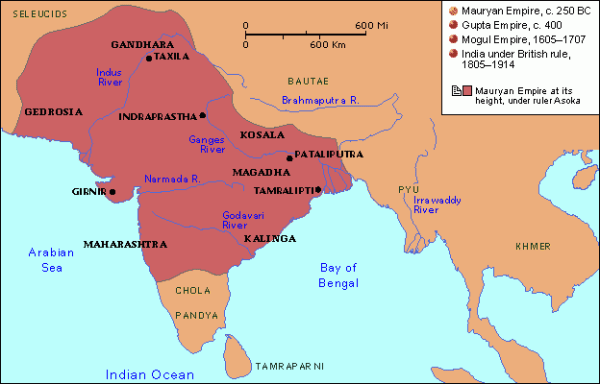
Chanakya’s gift to India is his Niti Shastra (Didactic literature) and world’s first book on Economics ‘The Arthashastra’. His other gift was the biggest empire of ancient India. This covered most of India except Tamil Kingdoms. Chanakya became the symbol of good and able governance. His policy was ‘end justifies means’. To destroy Adharma, you can do anything, in other words, followed Krishna of Mahabharata.


–subham–


கண்ணதாசனின் ஈ.எஸ்.பி. பவர் (E.S.P.Power)- Post No.4551

Date: 27  DECEMBER 2017


Time uploaded in London- 5-39 am


Written by S NAGARAJAN


Post No. 4551

Pictures shown here are taken from various sources such as Facebook friends, Books, Google and newspapers; thanks. Pictures may not be related to the story. They are only representational.


கண்ணதாசனின் ஈ.எஸ்.பி. பவர் (E.S.P.Power) – அதீத உளவியல் ஆற்றல்!

ச.நாகராஜன்


1

கவியரசு கண்ணதாசனுக்கு ஈ.எஸ்.பி. பவரா? இது என்ன புது தகவல் என்று வியக்க வேண்டாம்.

அதீத உளவியல் ஆற்றல் என்பது சில மனங்களுக்குக் கை கூடும்.

அந்த ஆற்றல் இருப்பதும் கூட சிலருக்குத் தெரிய வரும்.

சரி, கண்ணதாசன் தன்னைப் பற்றி இந்த விஷயத்தில் என்ன சொல்கிறார் என்று பார்ப்போம்.

2


ஞான ஸ்நானம் என்ற கட்டுரையில் ஒரு ப்குதி!


கண்ணதாசன் சொற்களை அப்படியே கீழே தருகிறோம்:


தோன்றாமல் தோன்றும் சுடரொளி ஒன்று அடிக்கடி என்னைக் காப்பாற்றுகிறது. அமைதியைத் தருகிறது.


என்ன நடக்கப் போகிறது என்பது கனவிலே வருகிறது.


பத்து நாட்களுக்கு முன்பு பெங்களூர் மண்டிப்பேட்டையில் ஒரு ஹோட்டலைத் திறந்து வைக்கச் சென்றேன்.


விமானம் போய் இறங்கியபோது மாலை மணி நான்கு. படுத்துத தூங்கிவிட்டேன்.

ஒரு கனவு. அற்புதமான கனவு.

கண்ணன் என் கனவிலே வந்தான். ஒரு சிறு குடிசையில் அவனுக்கு நான் அமுது படைத்தேன். அவன் என்னோடு பேசிக் கொண்டிருந்தான். என்னென்னவோ அவனிடம் பேசினேன். அவன் சொன்னது  மட்டும் நினைவிருக்கிறது. “எல்லாம் சரியாக நடக்கும், கவலைப்படாதே.”


மறுநாளைக்கு மறுநாள் என் வீட்டில் தூங்கிக் கொண்டிருந்தபோது ஒரு கனவு.

ஒரு பெருமாள் கோயில். ஒரு பட்டாச்சாரியார் எனக்குக் குங்குமம் வழங்குகிறார்.

இவை என்ன கனவுகள்?

நல்லவர்களுக்கும் ஞானிகளுக்கும் மட்டுமே வரும் கனவுகள். எனக்கும் அவை ஏன் வந்தன? பல்லாயிரம் ஆண்டுகளாக ஞானம் பிறந்த கதை இது தான்.

சிறைச்சாலை தீயவர்களுக்கு மட்டுமே.அறச்சாலை நல்லவர்களுக்கு மட்டுமே.

பரம்பொருளைப் பற்றிய சிந்தனை வளர வளர, கொடுமைகளைத் தாங்கிக் கொள்ள முடிகிறது..நல்லவனாக இருப்பது சுல்பமாகிறது.


இறைவன் கவனித்துக் கொண்டே இருக்கிறான். அளக்க வேண்டிய நேரத்தில் அளக்கிறான். இந்து தர்மம் பொய்த்ததே இல்லை.

அது சொல்லும் ஒவ்வொன்றும் நூற்றுக்கு நூறு உண்மை.

நான் ஓர் இந்துவாக இருப்பதில் பெருமைப்படுகிறேன்.


ஒரு நல்ல இந்து மற்றவர்களுக்குத் தீமை செய்ய மாட்டான்.

நான் யாருக்கும் தீங்கிழைத்ததில்லை.

ஒவ்வொரு நாளும் எனக்குத் தீங்கிழைத்த பாவிகளை என் கண்ணா, நீ மன்னித்து விடு.

*


1975ஆம் ஆண்டு கல்கி வார இதழில் கடைசிப் பக்கம் என்ற ஒரு தொடரை கண்ணதாசன் வழங்கி வந்தார்.

அருமையான தொடர் இது. இதில் தான் மேற்கண்டவாறு என்ன நடக்கப் போகிறது என்பது என் கனவிலே வருகிற்து என்று அவரே சொல்லியுள்ளார். (துரதிர்ஷ்டவசமாக் எந்த தேதியிட்ட இதழ் என்பதை நான் எனது தொகுப்பில் குறித்து வைக்க மறந்து விட்டேன்.)


விவரங்களை முழுதுமாக அவர் தரவில்லை. அது ஏன் என்பதும் புரிகிறது. பாவிகள் ஒவ்வொரு நாளும் இழைக்கும் தீங்குகளைப்  பட்டியல் இட முடியுமா? அதைச் சுட்டிக்காட்டும் இறைவனின் கருணையையும் தான் எழுதிக் கொண்டே இருக்க முடியுமா?

நமக்குப் புரிவது கண்ணதாசனுக்கு அபூர்வமான ஈ.எஸ்.பி. பவர் இருந்தது என்பதைத் தான்.

ஈ.எஸ்.பி பவர் என்றால் என்ன?

Extra Sensroy perception  என்பதன் சுருக்கமே  E.S.P. அதாவது புலன் கடந்த அறிவு. அதீத உளவியல் ஆற்றல் என்று இதைச் சொல்கிறோம்.

*

3

இனி இளையராஜா கூறும் ஒரு சம்பவத்தை அவர் சொற்களில் அப்படியே தருகிறேன்.

‘கவிஞர் என் கனவில் வந்தார்; பாடல் எழுதினார்’ என்ற கட்டுரையில் ஒரு பாரா இது:

கவிஞர் சரஸ்வதி தேவியின் அருள் பெற்றவர். அவருடைய வாக்குப் பொய்த்ததே இல்லை. அதற்கு எத்தனையோ பாடல்களை உதாரணமாகச் சொல்லலாம். ‘பாட மாட்டேன்!’ என்ற அடிகளைப் பாடியதால் தான், கே.ஆர். ராமசாமி அந்த்ப் பாடலுக்கப்புறம் பாடவே முடியவில்லை. இதெல்லாம் நீங்கள் அறிந்ததே.

**

4

கவிஞருடன் கூடவே இருந்த இராம. முத்தையா ‘தெய்வத்தை ந்ம்பி ‘ என்ற கட்டுரையில் கூறும் ஒரு வரி இது”

அவர் அடிக்கடி சொல்லிக் கொள்வது- “எனக்குள் ஏதோ ஒரு சக்தி  இருக்கிறது. அந்த சக்தியால் தான் நான் எதையும் செய்ய முடிகிறது!” என்று.

**

5

மேலே கூறியவற்றால், கவிஞருக்கு நடக்கப் போகும் பல நிகழ்ச்சிகள் பூடகமாகத் தெரிந்தன் என்றும். ஒரு அளப்பரிய சக்தி உதவியுடன் அவர் இயங்கினார் என்றும், அவரது கவிதா வாக்கு பொய்க்காமல் இருந்தது என்றும் அறிய முடிகிறது.

இன்னும் சில நிகழ்ச்சிகள் உள்ளன. அவை கவிஞரின் கவிதா சக்தியின் மேன்மையையும், அவரது அதீத உளவிய்ல் ஆற்றலையும் விளக்குபவை.

அவற்றை இன்னொரு கட்டுரையில் காண்போம்.

****


பாரதி போற்றி ஆயிரம் – 17 (Post No.4550)

Date: 27  DECEMBER 2017


Time uploaded in London- 5-30 am


Compiled by S NAGARAJAN


Post No. 4550

Pictures shown here are taken from various sources such as Facebook friends, Books, Google and newspapers; thanks. Pictures may not be related to the story. They are only representational.


பாரதி போற்றி ஆயிரம் – 17

  பாடல்கள் 108 முதல் 113


கவிதை இயற்றியோர்: பல்வேறு கவிஞர்கள்

தொகுப்பு : ச.நாகராஜன்

கவிமணி தேசிக விநாயகம் பிள்ளை அவர்களின் பாடல்கள்


அமரகவி (பாரதி)

(பாடல் தொடர்ச்சி)

விண்ணிலொளிரு மீன்கள் மின்னுமே, அடா! – விண்ணில்

    விளங்கும் மதிநிலவு வீசுமே, அடா!

கண்ணுக் கினியசோலை காணுமே, அடா! – அதில்

    களித்திள மான்கள்விளை யாடுமே, அடா!


தேனும் தினையும்பாவில் உண்ணலாம், அடா! – மிகத்

     தித்திக்கும் முக்கனியும் உண்ணலாம், அடா!

கானக் குழலிசையும் கேட்கலாம், அடா! ஊடே

      களிவண்டு பாடுவதும் கேட்கலாம், அடா!


நாட்ட மொழியுமவன் பாட்டினிசையில் – மிக்க

     நல்ல கற்கண்டினிமை சொட்டுமே, அடா!

ஏட்டிலிம் மந்திரந்தான் கண்டவருண்டோ? – ஈதவ்   

     ஈசன் திருவருளென் றெண்ணுவாய், அடா!       


உள்ளந் தெளியுமொரு பாட்டிலே, அடா! – மிக்க

     ஊக்கம் பிறக்குமொரு பாட்டிலே, அடா!

கள்ளின் வெளிகொளுமோர் பாட்டிலே, அடா! – ஊற்றாய்க்

     கண்ணீர் சொரிந்திடு மோர் பாட்டிலே, அடா!


வேறு


‘கரும்புத் தோட்டத்திலே – எனுங்கவி

    காதைச்  சுடுகுதடா!

இரும்பு நெஞ்சமே – நீராய்

    இளகியோடுதடா!


செந்தமிழ் நாட்டின் முதன்மொழி

    செவியிற் சேருமுன்னே,

அந்தமில் லாமல் – உள்ளத்தில்

    அமுதம் ஊறுதடா!

                                                    (நீண்ட பாடல் தொடரும்)

அமரகவி என்ற இந்தப் பாடல் எட்டயபுரம் பாரதி மண்டபத் திறப்பு விழாவின் போது கல்கி இதழில் (12-10-1947) வெளி வந்த பாடல்.

பாமரன் ஒருவன் சுப்பிரமணிய பாரதியின் கவிதைகளில் ஈடுபாடு கொண்டு பாடுவது போன்ற அமைப்பை உடையவை. இவை எல்லாமே ஆரம்ப காலக் ‘கலைம்களில்’ வந்தவை. (1944)


கவிமணி தேசிக விநாயகம் பிள்ளை: கவிஞரைப் பற்றிய குறிப்பு ஏற்கனவே வெளியாகியுள்ளது.


குறிப்பு : இந்தப் பகுதிக்கு பாரதி பற்றி எழுதப்பட்ட பாடல்களை ஸ்கேன் செய்தோ, போட்டோ எடுத்தோ அனுப்பி உதவலாம். கவிஞரின் பெயர், அவரைப் பற்றிய 50 வார்த்தைகளுக்கு மிகாமல் உள்ள குறிப்பு, பாடல் வெளியிடப்பட்ட இதழ் அல்லது நூல் பற்றிய குறிப்பு ஆகியவற்றையும் அனுப்ப வேண்டுகிறோம்.

****


CANAKYA- MEGASTHENES MEETING (Post No.4549)

Compiled by London Swaminathan 


Date: 26 DECEMBER 2017 


Time uploaded in London-9-54 am


Post No. 4549

Pictures shown here are taken from various sources such as Facebook friends, Books, Google and newspapers; thanks


Canakya’s austere living is an indicator of his dislike for power and pelf and his incorruptibility. That made him an embodiment of high moral values.  a popular legend about him will bear it out. On taking up the assignment of Greek envoy at Pataliputra, Megasthenes expressed his wish to meet Canakya The appointment was fixed late evening. Canakya at that time was looking through some official papers. A lamp was on. As Megasthenes entered his chamber it was put out and another one in its place was lit. When Megasthenes wanted to know as to why this was done, C told him that when the earlier lamp was on he was looking through official papers. The oil in it was at state expense. Now that he was receiving him as a personal guest, the oil in it has to be at his personal expense. Hence the earlier lamp was put out and the new one was lit in its place. This was Canakya’s character. it is for no reason, therefore, that he was able to, in spite of being a poor Brahmin with no material resources, set up one of the greatest of the empires of the time.


Canakya is said to have continued, even after the installation of his protégé on the throne with his austere living in consonance with the Brahmin class to which he belonged, denying himself all comforts and the luxuries that the state power could have provide him.

This is how the chamberlain of Candragupta Maurya on reaching his house describes it:

Aho Rajadhirajamantrino vibhuthih:

uplasakalametad bhedakam gomayanam

bahubirupahrutanam barhisham stupametat

saranamapi samidibah sushyamanabirabi

virnamita patalatam drusyate jirnakudyam

III-15


“O the affluence of the minister of the king of kings!

Here is seen a piece of stone to break the cow-dung cakes with; there appears a heap of Kusa grass collected by young disciples; the shed too is seen with dilapidated walls and the corners of the roof are borne down with yonder sacrificial fagots that are drying”

Source:Canakyaniti by Satya Vrat Shastri

–subham–
DARA’S HEAD LAUGHED AT AURANGAZEB! ITALIAN TRAVELLER STORY!! (Post No.4548)

Written by London Swaminathan 


Date: 26 DECEMBER 2017 


Time uploaded in London- 6-56 am


Post No. 4548

Pictures shown here are taken from various sources such as Facebook friends, Books, Google and newspapers; thanks


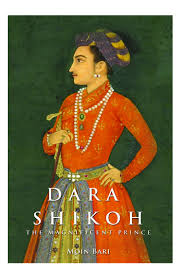
Moghul emperor Aurangazeb and his elder brother Dara Shukoh fought for their father Shah Jehan’s throne. There was a heavy fighting. At the end a messenger brought the news that Dara was defeated outside the walls of the city, but had escaped. The vengeful usurper made a vow that he would catch his brother Dara and cut off his head and send it to his old father Shah Jehan in his prison in Agra. Aurangazeb was lucky to capture Dara alive. He took him hand cuffed in a procession and then ordered the soldiers to cut his head off.


Niccolao Manucci, an Italian traveller, who worked for several Moghul kings and Hindu kings wrote some interesting stories about Dara Sukoh’s last days. When Aurangazeb received Dara’s head he gave it three thrust with his sword and shouted, ‘Take it out of my sight’. Manucci added that the head was sent to Shah Jehan at Agra prison at the instigation of Aurangazeb’s sister Roshanara Begum. She gave a banquet the same evening to celebrate the event.


Shah Jehan was at the dinner when Dara’s head arrived and on seeing it he cried loud and fell on the dinner table in a swoon. Another story says that the head laughed Ha! ha! Ha! when it was struck by Auranazeb.


Francois Bernier, French traveller and physician, also wrote about the incident. One version says that Aurangazeb instructed to his officials to say that it was a present from him to Shah Jehan. When the officials told him so Shah Jehan was very happy and remarked, ‘At last my son remembered me’ and opened the box. As soon as he saw the blood stained head of his eldest and favourite son Dara Sukoh he fainted.

There are conflicting stories about his burial as well. According to Manucci, the head was sent by Aurangazeb’s order to be buried in the sepulchre of Taj Mahal in Agra. Bernier says that the head, after being struck off by Aurangazeb’s executioners in the garden of Khijirabad in Old Delhi, was taken to Aurangazeb, who ordered it to be buried in Humayun’s tomb a few miles off.


Many ballads were current in the bazars at that time; and a popular ballad was sung about Dara’s tragic fate, which Aurangazeb vainly tried to suppress.


Dara Sukoh’s death was a great loss to intellectuals. He was a great scholar and a friend of the Seventh Sikh Guru Har Dayal. Dara translated the Hindu Upanishads into Persian. Aurangzeb was a quite different man. He was a religious bigot and gave lot of troubles to the Hindus. He was against all forms of art.

–Subham–