அஸ்வமேத யக்ஞம் பற்றிய அதிசயச் செய்திகள் – பகுதி 1 (POST NO.3162)

kumara-4842-1bv-344-31

Written by London swaminathan


Date: 17 September 2016

Time uploaded in London: 14-30

Post No.3162

Pictures are taken from various sources; thanks.


அஸ்வமேத யக்ஞம் என்றால் என்ன?

இது அரசர்கள் மட்டும் செய்யக்கூடியது. தங்கள் ஆட்சியை விஸ்தரிக்க – விரிவாக்க — அதிகாரத்தை நிலைநாட்டச் – செய்யும் வேள்வி. யாகக் குதிரையை இறுதியில் பலி கொடுக்கும் வேள்வி இது.


இது எப்போது துவங்கியது?

ரிக் வேத காலத்திலேயே இதைப் பற்றிய குறிப்புகள் உள்ளன. 18 ஆம் நூற்றாண்டு வரை இது நடந்தது. ராமாயணம், மஹாபாரதம், புராணங்களிலும், கல்வெட்டுகளிலும் இது பற்றிய தகவல்கள் உள. இதை நடத்தி முடிக்க இரண்டு ஆண்டுகள் தேவை.


அதிசயம் 1

இந்த வேள்வியில் 4, 400  முதலிய நான்கின் மடங்கிலுள்ள எண்கள் முக்கியத்துவம் பெறுகின்றன. சங்கத் தமிழர் வாழ்விலும் இதே போக்கைக் காணலாம். 18 மேல் கணக்கு நூல்களிலும் , 18  கீழ்க்கணக்கு நூல்களிலும் இதே போல 4, 40, 400  எண்களிலேயே பல நூல்கள் தொகுக்கப்பட்டன. இது பற்றிய எனது பழைய கட்டுரையைப் பார்க்கவும்.


அதிசயம் 2

யாகத்தில் விடப்பட்ட குதிரைக்கு 1000 முத்துக்களாலும், தங்கத்தாலும் அலங்காரம் செய்யப்பட்டது. இந்த முத்துக்கள் எங்கிருந்து வந்தன? “பாண்டிய கவாடம்” என்னும் முத்து பற்றி 2300 ஆண்டுகளுக்கு முன்னரே சாணக்கியன் குறிப்பிடுகிறான். தமிழ் நாட்டிலிருந்து முத்து  போயிருந்தாலும், குஜராத்திலிருந்து போயிருந்தாலும், இது வரை வெள்ளைக்காரர்கள் எழுதிய தவறான கருத்துகளுக்கு இது வேட்டு வைக்கும்.


வேத கால இந்துக்களுக்கு கடல் என்பதே தெரியாது என்றும், அவர்கள் கங்கை நதிக்ரையில் கூட குடி புகவில்லை என்றும், அவர்கள் நாடோடிகள் என்றும் பல அரை வேக்காடுகள் எழுதிவைத்துள்ளன. ஆனால் உலகின் பழைய நூலான ரிக் வேதமோ அஸ்வமேதம் பற்றி குறைந்தது மூன்று மண்டலங்களில் பேசுகிறது. தங்கம் முத்து என்பவை நாகரீக வளர்ச்சியையும், செல்வ வளத்தையும் பூகோள வீச்சையும் காட்டுகிறது.


அதிசயம் 3

அஸ்வ மேத யாகத்தில் பயன்படுத்தப்பட்ட குதிரைக்கு 34 விலா எலும்புகள் இருப்பதாக வேதம் குறிப்பிடுகிறது. இது இந்திய வகைக் குதிரையாகும். ஆரியர்கள், மத்திய ஆசியாவிலிருந்து வந்தனர் என்று பல அரை வேக்காடுகள் எழுதியுள்ளன. ஆனால் வேதமோ இந்திய குதிரைகள் பற்றிப் பேசுகின்றன!

அதுமட்டுமல்ல. இந்த 34 என்ற எண் 27 நட்சத்திரங்களையும் 5 கிரகங்களையும் சூரியனையும் சந்திரனையும் குறிக்கும் என்றும் வியாக்கியானம் உள்ளது. இது உண்மையாகில் வேத காலத்திலேயே நமக்கு இந்த வானவியல் தெரியும் என்று விளங்குகிறது .பல அரைவேக்காடுகள்,  நாம் இவற்றை கிரேக்கரிடமிருந்து கற்றதாக எழுதிவைத்துள்ளன.


அஸ்வமேத யாகத்தில் வரும் குதிரை சூரியனைக் குறிக்கும் என்று வேதங்கள் கூறுகின்றன.

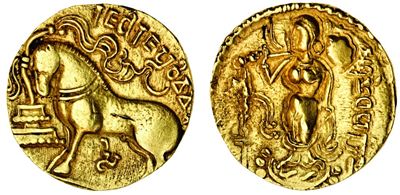
gupta-empire-samudragupta-i-c-330-70-av-dinar-7-70g

அதிசயம் 4

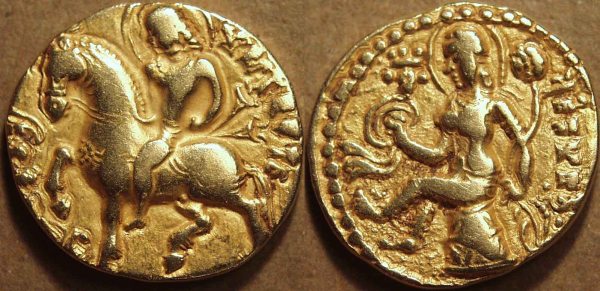
இந்திய அரசர்கள் அஸ்வமேத யாகம் முடிந்தவுடன் தங்கக் காசுகளை வெளியிட்டனர். குதிரை பொறித்த குப்தர் கால தங்க நாணயங்கள் கிடைத்துள்ளன. இதே போல பெருவழுதி என்ற பெயருடன் குதிரை பொறித்த நாணயம் கிடைத்துள்ளது. இது புற நானூறு குறிப்பிடும் பல்யாகசாலை முதுகுடுமிப் பெருவழுதியாக இருக்கலாம். ராஜசூய வேள்வி செய்த குறிப்புகளுடன் இதையும் வைத்துப் பார்க்கையில் பெருவழுதியும் அஸ்வமேதம் செய்திருக்கலாம். இதை காளிதாசன் ரகு வம்ச காவியத்தில் குறிப்பால் உணர்த்துவதை ஏற்கனவே எழுதியுள்ளேன். ஆக, தமிழர்கள் வேறு கலாசாரம் உடையவர்கள் என்ற வெளிநாட்டுக்கா ரன் வாதத்துக்கு இது பயங்கர வேட்டு வைக்கிறது.


புறத்துறை நூல்களில் பத்து வரிக்கு ஒரு முறை இந்துமத குறிப்புகளைக் காணலாம்.


அதிசயம் 5

சிந்து சமவெளி நாகரீகம் என்றும் சரஸ்வதி நதி நாகரீகம் என்றும் அழைக்கப்படும் நாகரீகத்தில் காளைமாடு முத்திரைகள் உண்டு ஆனால் பசு மாடுகள் படம் இல்லவே இல்லை. அது போல குதிரை எலும்புகள் கிடைத்திருக்கின்றன. ஆனால் குதிரை படம் இல்லை. ஒரு வேளை  பசுவும், குதிரையும் புனிதம் என்பதால் முத்திரையில் போடாமல் இருந்திருக்கலாம்.


ரிக்வேதத்தில் அஸ்வமேத என்ற பெயரில் ஒரு அரசன் இருந்ததாகப் பாடியுள்ளனர் (RV 5-27-4/6; 8-68-15)


அதிசயம் 6

குஷ்டரோகிகள், அஸ்வமேத யாகத்தில் இடம்பெறுகிறார்கள். ஏன் என்றே தெரியவில்லை. வெள்ளைக் குதிரை, மற்றும் வெள்ளைக் குதிரையில் கருப்புக் காதுடைய குதிரைகள் புகழப்படுகின்றன. சிந்து வெளி, சரஸ்வதி நதிப் பகுதி குதிரைகள் புகழப்படுகின்றன.


அதிசயம் 7

தாவர, பிராணிகள் உலகத்தில் புழுப்பூச்சிகள் முதல் பெரிய காட்டு மிருகங்கள் வரை 609 மிருகங்கள் அஸ்வமேதத்தில் பங்குபெற்றன. இவைகள் அனைத்தும் கொல்லப்படவில்லை, விடுதலை செய்யப்பட்டன என்றே பலரும் கருதுகின்றனர். காட்டு மிருகங்களைக் கொல்லாமல் விட்டது பற்றிய தெளிவான குறிப்புளது. அந்த அளவுக்கு வனவிலங்குகலைப் பாதுகாக்கும் நாகரீக முதிர்ச்சி பெற்று இருந்தனர்.


அகநானூறில் வேள்விக்குண்ட ஆமை உவமை ஒரு புதிராக இருந்தது. அதுவும் அசுவமேத யாக குண்டத்திலிருந்து விடுவிக்கப்பட்ட ஆமையாக இருக்கலாம் (இது பற்றிய எனது பழைய கட்டுரையைப் படிக்கவும்)


அதிசயம் 8

ஆரியர்கள் அங்கிருந்து வந்தனர் , இங்கிருந்து வந்தனர் என்று பிதற்றும் பேர்வழிகளுக்கு ஒரு யாகமோ யக்ஞமோ, ஒரு சுயம்வரமோ அப்பகுதியில் நடந்ததாக இன்று வரை காட்ட முடியவில்லை;  மிகவும் கஷ்டப்பட்டு சில பிராணிகள் படுகொலையை ஒப்பிட முயற்சி செய்கின்றனர். ஒன்று கூட பொருந்துவ தில்லை.அத்தகைய ஆராய்ச்சிகளைப் பார்கையில் நமக்குச் சிரிப்பும் பரிதாபமும்தான் வரும். இந்துக்கள் உலகம் முழுதும் சென்றதால் அவர்கள் மொழியின் தாக்கம் அவர்கள் மீது அதிகமாகவும் மற்ற விஷயங்கள் குறைவாகவும் இருக்கிறது என்றே கொள்ள வேண்டும். ஒரு காலத்தில் ஈரான் (பாரசீகம்) வரை நமது ஆட்சி இருந்ததால் அங்கு மட்டும் கொஞ்சம் கூடுதலாக இருக்கும். அவர்கள் இங்கிருந்து குடியேறிய ஒரு பிரிவினர் ஆவார்கள்.


ஆனால் இரண்டயிரம் ஆண்டுகளுக்கு மேலாக இமயம் முதல் குமரி வரை இந்தப் பண்பாடு ஒரே மாதிரியாக இருந்ததற்குச் சான்றுகள் உள. இந்த அளவுக்கு வேறு எங்கும் சான்றுகள் இல்லை.
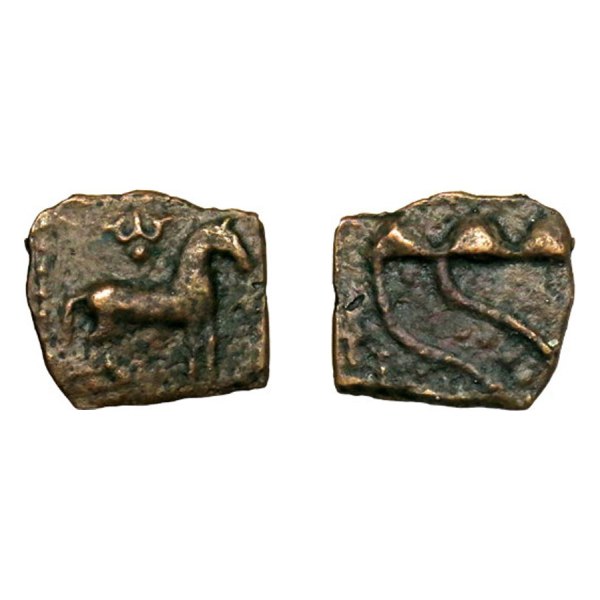
 

malayalam-coin

அதிசயம் 9


அஸ்வமேதத்தின்போது ஏராளமான தட்சிணை கொடுக்கப்பட்டது. ஆயிரக்கணக்கான பசுமாடுகள், நூற்றுக் கணக்கான குதிரைகள் கொடுக்கப்பட்டன. மேலும் அந்த நேரத்தில் பிராமணர்கள் எது கேட்டாலும் கொடுக்க வேண்டும் . அரசாட்சியையே கேட்டாலும் கொடுக்க வேண்டும் ஆனால் அக்கால பிராமன்ணர்கள் அப்படி எக்குத் தப்பாக எதுவும் கேட்கவில்லை. துரோணர் மட்டும் பரசுராமர் செய்த அஸ்வமேதத்தில் பங்கு பெறாமல் வேடிக்கை பார்க்கும் பிராமணர்களில் ஒருவராக நின்றபோதும் எனக்குத் தனுர்வேதம் கற்றுத் தாருங்கள் என்று கேட்டார். பரசுராமனும் அவ்வாறே செய்தார்.


அதிசயம் 10

வேள்வி என்பதற்குப் பல பொருள்கள் உண்டு. அக்கினியில் ஆகுதி செய்வது என்பது மட்டும் பொருள் அல்ல. யஜூர்வேதத்திலேயே யாகக் குதிரையின் கண்களை சூரியனாகவும், தலையைக் காலைப் பொழுதாகவும், வாயு தேவனை மூச்சாகவும், சந்திரனைக் காதுகளாகவும் ஒப்பிடும் பகுதிகள் உள்ளன. வேத இலக்கியத்தை அப்படியே பொருள் கொள்ளாமல் அதிலுள்ள தத்துவங்களை உணரவேண்டும்.


அதிசயம் 11

யாரேனும் ஓருவர் நூறு அஸ்வமேதம் யாகம் செய்தால் அவருக்கு இந்திரனின் பதவி கிடைத்துவிடும். இதனால் யாரையும் 100 யாகம் செய் யாதவாறு மண், பெண், பொன் பதவி ஆசைகளைக் காட்டி அவர்களை இந்திரன் விழுத்தாட்டி விடுவானாம். பரசுராமர், ஆண்டுக்கு ஒன்று வீதம்    100 அஸ்வமேதம் செய்தவர். இந்திரன் பிருஹஸ்பதியின் கீழ் 100 அஸ்வமேதம் செய்தவன் அவன் பெயர் சதக்ரது (நூறு செய்தவன் = சதக்ரது).


அதிசயம் 12

அஸ்வமேத யக்ஞத்தின்போது புதிர்கள் போடுவதுண்டு. அவர்கள் மந்திரங்கள் புதிர்கள் நிறைந்ததாகவும் சில ஆபாச வசனங்களைக் கொண்டதாகவும் இருக்கும். இவைகள் ஏன் இப்படி உள்ளன? உண்மைப் பொருள் என்ன என்பது எவரும் அறியார். வேத கால சமூகம் இலக்கியம் தெரிந்தவர்கள்’ நாகரீகத்தின் உச்சியைத் தொட்டவர்கள் என்பது இதனால் விளங்கும். வெளிநாட்டு, உள்நாட்டு அரை வேக்காடுகள் எழுதியது போல அவர்கள் மாடு மேய்த்த நாடோடிகளும் அல்ல, காலனி பிடிக்க வந்த வெள்ளைக்க ரர் போன்ற பரதேசிகளும் அல்ல!


இக்கட்டுரையின் இரண்டாவது பகுதியில் மேலும் பல விஷயங்களைக் காண்போம்.

தொடரும்……………………………..


–SUBAM–
 

பார்ப்பனர்களை பாரதி சாடியது ஏன்? வர்ணம் வேறு, ஜாதி வேறு- பகுதி-3 (Post No.3161)

brahmin4

Written by London swaminathan

Date: 17 September 2016

Time uploaded in London: 7-30 AM

Post No.3161

Pictures are taken from various sources; thanks.


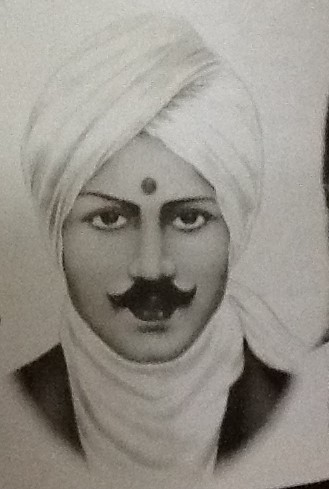
வேதங்களையும், பிராமணீயத்தையும் பல இடங்களில் புகழ்ந்து பாடிய பாரதி, சில இடங்களில் பிராமணர்களைக் கடுமையாகத் தாக்கியுள்ளான். இது ஏன்? என்று பார்ப்போம்.


பாரதியே ஒரு பிராமணன் என்பதையும் வேதங்களைக் கற்றவன் என்பதையும்,  தீவிர தெய்வ நம்பிக்கை உடையவன் என்பதையும் மறந்து விடக்கூடாது.


சுதந்திரப் போராட்டத்தை முன்னின்று நடத்திய பல தலைவர்கள் அந்தணர்களே. ஆனால் அதை    விட அதிக அளவுக்கு வெள்ளைக்காரனிடம் வேலை பார்த்ததும் அந்தணர்களே. இவர்களில் பலர்,  பாரதிக்கு எதிராக நின்றனர். உளவும் சொன்னார்கள்.


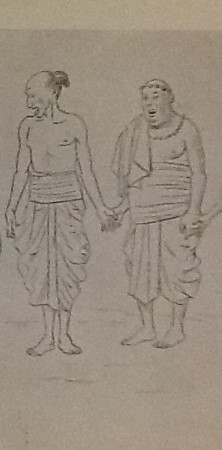
பாரதியின் சீர்திருத்தக் கருத்துகளை ஜீரணிக்கும் அளவுக்கு அறிவின் வளர்ச்சியும் பல பிராமணர்களுக்கு இல்லை. மனைவி செல்லம்மாவுடன் கைகோர்த்து, ஆணும் பெண்ணும் சமம் என்று சொல்லி, தெருக்களில் நடந்தது அவர்களுக்குப் பிடிக்கவும் இல்லை. அதைக் கிண்டலும் செய்தார்கள்.


இதற்கெல்லாம் மேலாக பெரும்பாலான பிராமணர்கள் வேதங்களின் உண்மைக் கருத்துகளைப் பின்பற்றாமல் சடங்குகளில் மட்டுமே நம்பிக்கை வைத்திருந்தனர். இன்னும் பலரோ எந்த வித அனுஷ்டானங்களையும் பின்பற்றாமல் — அதாவது சந்தியா வந்தனம் முதலியன செய்யாமல் — பிறப்பினாலும், பூணுல் போட்டதாலுமே — தாங்கள்தான் சமுதாயத்தில் மதிக்கப்பட வேண்டியவர்கள் என்று எதிர்பார்த்தனர். இந்த போலித் தனத்தை பாரதி ஏற்கவில்லை. மற்ற விஷயங்கள் அவனது பாடல் வரிகளிலேயே இலகு தமிழில், பழகு தமிழில் உள்ளன. நான் விளக்கத் தேவை இல்லை.

brahmin3

வேதம் அறிந்தவன் பார்ப்பான்


வேதங்களில், நான்கு வர்ணம் என்று தொழில் ரீதியில் ஜாதியை அணுகியதை, பாரதி ஏற்கிறான். அவனே அதைப் பாடலிலும் தருகிறான்:-


வேதம் அறிந்தவன் பார்ப்பான், பல

வித்தை தெரிந்தவன் பார்ப்பான்

நீதி தவறாமல் – தண்ட

நேமங்கள் செய்பவன் நாய்க்கன்

(நாய்க்கன் = அரசன்)


பண்டங்கள் விற்பவன் செட்டி – பிறர்

பட்டினி தீர்ப்பவன் செட்டி

தொண்டரென்றோர் வகுப்பில்லை – தொழில்

சோம்பலைப் போல் இழிவில்லை


நாலு வகுப்பும் இங்கு ஒன்றே- இந்த

நான்கினில் ஒன்று குறைந்தால்

வேலை தவறிச் சிதைந்தே- செத்து

வீழ்ந்திடும் மானிடச் சாதி


இதே கருத்து ரிக் வேதத்தின் புருஷ சூக்த மந்திரத்தில் இருப்பதை முதல் பகுதியில் கொடுத்துள்ளேன்.( இது மூன்றாவது கட்டுரை.)


நாலு குலங்கள் அமைத்தான்; – அதை

நாசமுறப் புரிந்தனர் மூட மனிதர்

சீலம் அறிவு கருமம் – இவை

சிறந்தவர் குலத்தினில் சிறந்தவராம்


மேலவர், கீழவர் என்றே – வெறும்

வேடத்திற் பிறப்பினில் விதிப்பனவாம்

போலிச் சுவடியை எல்லாம் – இன்று

பொசுக்கி விட்டால் எவர்க்கும்நன்மை யுண்டென்பான்

(கண்ணன் என் தந்தை – பாடல்)


bharati-stampz

பேராசைக்காரனடா பார்ப்பான்!


முன்னாளில் ஐயரெல்லாம் வேதம் – ஓதுவார்

மூன்று மழை பெய்யுமடா மாதம்

இந்நாளிலே பொய்மைப் பார்ப்பார் — இவர்

ஏதுசெய்தும் காசு பெறப் பார்ப்பார்.


பேராசைக் காரனடா பார்ப்பான் – ஆனால்

பெரிய துரை என்னில் உடல் வேர்ப்பான்

யாரானாலும் கொடுமை…………….

………………………………………. (வரிகள் கிடைக்கவில்லை)


பிள்ளைக்குப் பூணூலாம் என்பான் – நம்மைப்

பிச்சுப் பணம் கொடு எனத் தின்பான்

கொள்ளைக் கேசெந்—————-(வரிகள் கிடைக்கவில்லை)


சொல்லக் கொதிக்குதடா நெஞ்சம் – வெறும்

சோற்றுக்கோ வந்ததிந்தப் பஞ்சம்


……………………….

…………………………………(வரிகள் கிடைக்கவில்லை)


நாயும் பிழைக்கும் இந்தப் பிழைப்பு

நாளெல்லாம் மற்றிதிலே உழைப்பு

பாயும் கடி நாய்ப் போலீசு – காரப்

பார்ப்பானுக்கு உண்டிதிலே பீசு (fees)”


பூணூல் போட்டுக் கொண்டதால் மட்டும் உயர்வு என்ற கொள்கையை பாரதி ஏற்கவில்லை. மஹாபாரதம் சொல்லுவது போல (முதல்  இரண்டு பகுதியில் காண்க), குண நலன்களால் பிராமணனாக இருக்க வேண்டும் என்று எதிர்பார்த்தார். ஆகையால் வெள்ளைக்கரனை எப்படி “துரை” என்று சொல்லக்கூடாதோ அப்படி பிராமணர்களையும் இனிமேல் “ஐயர்” (பண்பாடுமிக்க உயர்ந்தோர்) என்று சொல்லாதீர்கள் என்றார்:-

bharati-b-w

பார்ப்பானை ஐயரென்ற காலமும் போச்சே

வெள்ளைப் பறங்கியை துரை என்ற காலமும் போச்சே

ஆர்ய (சம்ஸ்கிருதம்)= அஜ்ஜ (ப்ராக்ருதம்)= ஐய(ர்)-தமிழ்

பொருள்: பண்பட்ட மக்கள், மதிப்பிற்குரியோர்.


சுங்க வம்ச பிராமணர் ஆட்சிக்காலத்தில் மனு ஸ்மிருதியில் ஏராளமான இடை செருகல் நுழைக்கப்பட்டன. அதில் பல ஸ்லோகங்கள் சூத்திரர்களுக்கு எதிராக உள்ளன. ரிக் வேதத்தில் முதற்கொண்டு இடைச் செருகல், பிற்சேர்க்கை கண்டு பிடித்த வெளி நாட்டு “அறிஞர்களும்”, அவர்களுடைய இந்திய அடிவருடிகளும் மனு ஸ்மிருதியை மட்டும் அப்படியே எடுத்துக்கொண்டனர். ஏனெனில் திட்டுவதற்கு அதில் நிறைய சரக்குகள் இருந்தன. அந்த மனு நீதி எங்கேயும் பின்பற்றப்பட்டு சூத்திரர்களை தண்டித்ததாக வரலாறு இல்லை. அவரவர் குற்றத்துக்கு ஏற்பவே தண்டனைகள் கொடுக்கப்பட்டன. வெள்ளைக்கா ரன் காலத்திலும் அவனை எதிர்த்த பிராமணர் அனைவரும் தூக்கில் போடப்பட்டனர் அல்லது சுட்டுக்கொல்லப்பட்டனர். இப்படி இறந்தோர் ஏராளம் (குறிப்பாக வங்கத்தில்). இந்த மனு நீதியைத் “தமது” என்று சொல்லிய சில பேதைகளைக் கண்டிக்கும் முகத்தான் பாரதியும் பாடினான்.

சூத்திரனுக்கொரு நீதி தண்டச்
சோறுண்ணும் பார்ப்புக்கு வேறொரு நீதி,

சாத்திரம் சொல்லிடு மாயின்
அது சாத்திரம் அன்று சதியென்று கண்டோம்”.


பாரதிக்கு 2000 ஆண்டுகளுக்கு முன்னரே சங்கத் தமிழில் அதிகப் பாடல்களைப் பாடிய கபிலன் என்ற “புலன் அழுக்கற்ற அந்தணாளன்”, பாரியின் மகள்களை ஊர் ஊராக அழைத்துச் சென்று மாப்பிள்ளை வரன் தேடினான். இது போல ஜாதிக் கட்டுப்பாடுகளைத் தகர்த்து எறிந்து, மனு நீதியைப் பின்பற்றாமல், பணியாற்றியோர் ஏராளம். மயில் வளர்க்கும் கீழ் ஜாதி மக்களை அழைத்து மாபெரும் மௌர்ய சாம்ராஜ்யத்தை உண்டாக்கிய சாணக்கியன் கடைசி வரையில் குடிசையில் வாழ்ந்தான். மனு தர்மமும் கூட பிராமணன் பொருளே சேர்த்துவைக்கக் கூடாதென்கிறது..


இந்தப் பிண்ணனியில் பாரதியின் வரிகளைப் படித்தால் அவன் ஏன்

சாத்திரத்தை “சதி” என்று சொன்னான் என்று தெளிவடைவோம்.

brahmin2

முன்னாள் ராஷ்டிரபதியும், தத்துவ வித்தகருமான டாக்டர் எஸ். ராதாகிருஷ்ணன், அவரது பகவத் கீதை வியாக்கியானத்தில், ஜாதிகள்/வர்ணம் பற்றி விள்ளக்குகையில்,  கீழ்கண்ட ஸ்லோகங்களைக் கொடுத்துள்ளார்:-


அந்த்யஜோ விப்ர ஜாதி ச ஏக ஏவ சஹோதர:

ஏக யோனி ப்ரசூதஸ் ச ஏக சாகேன ஜாயதே


அந்தணர்களும், ஐந்தாவது ஜாதியினரும் சஹோதர்களே; அவர்கள் ஒரு தாயிடத்தில் பிறந்தவர்களே (பழைய கால ஸ்லோகம்)


ஏகவர்ணம் இதம் பூர்வம் விஸ்வம் ஆசீத் யுதிஷ்டிர

கர்மக்ரியா விஷேசேன  சாதுர்வர்ண்யம் ப்ரதிஷ்டிதம்


ஓ, யுதிஷ்டிரா! ஆதிகாலத்தில் ஒரே ஜாதிதான் இருந்தது; தொழில் வேறுபாட்டால் நான்கு பிரிவுகளாக அவை பிரிக்கப்பட்டன.


எல்லாரும் ஓர் குலம்


எல்லாரும் ஓர் குலம் – எல்லாரும் ஓரினம்

எல்லாரும் இந்திய மக்கள்;

எல்லாரும் ஓர் நிறை எல்லாரும் ஓர் விலை

எல்லாரும் இந்நாட்டு மன்னர்- நாம்

எல்லாரும் இந்நாட்டு மன்னர் — ஆம்


எல்லாரும் இந்நாட்டு மன்னர் – வாழ்க

பாரத சமுதாயம் வாழ்கவே — வாழ்க வாழ்க

பாரத சமுதாயம் வாழ்கவே — ஜய ஜய ஜய

பாரத சமுதாயம் வாழ்கவே  – சுப்பிரமணிய பாரதி


–Subham–


120 வயது வாழ்ந்த அதிசய புத்த துறவி ஸு யுன்! – 12 (Post No.3160)

buddha-amaravati

Written by S NAGARAJAN

Date: 17  September 2016

Time uploaded in London: 5-21 AM

Post No.3160

Pictures are taken from various sources; thanks.


100 வயது வாழ்ந்த பெரியோர்


120 வயது வாழ்ந்த அதிசய புத்த துறவி ஸு யுன்! – 12

.நாகராஜன்


இப்போது ஸு யுன்னுக்கு வயது 66.

இளவேனில் காலம்.


போதனைகளைக் கூறி அருளுமாறு ஸ்டோன் பெல் மடாலயம் ஸு யுன்னுக்கு  அழைப்பு விடுத்தது.  அங்கு அவரது அமிதாப சூத்ராவின் விளக்க உரையைக் கேட்க நூற்றுக் கணக்கில் மக்கள் திரண்டனர்.


பிறகு அவர் பர்மா சென்று மாந்தலேயை அடைந்தார். அங்கு அவர் திடீரென்று நோய்வாய்ப்பட்டார்.


லுடாங்கில் உள்ள அவலோகிடேஸ்வரர் ஆலயத்திற்குச் சென்ற அவர் அங்கிருந்த துறவியான டிங்-ரு என்பவரைச் சந்தித்தார்.

அவருடனேயே இருந்த ஸு யுன் மணியை ஒலித்தும் மத்தளம் அடித்தும் அவருக்கு உதவியாக இருந்தார்.

ஆலயத்தில்  விமோசன உரையை முடித்த அந்தத் துறவி திடீரென்று, “கொல். கொல். கொல்” என்று மூன்று முறை உரக்கக் கூவினார்.


பிறகு மூன்று முறை நமஸ்கரித்தார்.

இது மறுநாளும் தொடர்ந்தது.

இதைப் பார்த்த ஸு யுன் அதிசயித்தார். காலை, நடுப்பகல், மாலை ஆகிய மூன்று வேளைகளிலும் யாராவ்து இப்படி ‘கொல்’ என்று சொல்வார்களா?


மாலை உணவாக அந்தத் துறவி வெங்காயம் பூண்டு மற்றும் பாலை உண்டார். ஆனால் ஸு யுன் உணவை ஏற்கவில்லை.

மௌனமாக தண்ணீரை மட்டும் அருந்தினார்.

அந்தத் துறவி ஸு யுன் ஏன் உணவை ஏற்கவில்லை என்பதை அறிந்து கொண்டார். வெங்காயத்தையும் பூண்டையும் நீக்கி விட்டு சாதமும் கஞ்சியும் தர ஏற்பாடு செய்தார். ஸு யுன்னுக்கு இப்போது உணவை ஏற்க முடிந்தது.


ஏழு நாட்கள் கழிந்தன. அவர் தேநீர் அருந்த ஸு யுன்னுக்கு  அழைப்பு விடுத்தார். அவரிடம் சென்ற ஸு யுன் ஏன் அவர் பிரார்த்தனை நேரத்தில் ‘கொல், கொல், கொல்’ என்று உச்சரிக்கிறார் ஏன்று கேட்டார்.


அதற்கு அவர், “நான் வெளி நாட்டினரைக் கொல் என்கிறேன். ஹுனான் மாகாணத்தில் பாவ் –கிங் என்ற இடத்தைச் சேர்ந்தவன் நான். எனது தந்தை ராணுவத்தில் பணி புரிந்து வந்தார். அவர் மறைவிற்குப் பின்னர் பூ-டோ தீவில் தர்ம்ம் பற்றி அறிந்து கொண்டேன். மாஸ்டர் சூ சானின் போதனைகளை ஏற்று அவற்றைப் பின்பற்றினேன்.

பத்து வருடங்களுக்கு முன்னர் ஹாங்காங்கிலிருந்து கப்பலில் ஏறி சிங்கப்பூருக்குச் சென்றேன். அங்கிருந்த அந்த வெளிநாட்டினர் என்னை மிகவும் கேவலமாகக் கொடுமைப்படுத்தினர். அதனால் தான் அவர்களை வெறுத்தேன். என் வாழ்நாள் முழுவதும் அவர்களை வெறுப்பேன். ஆகவே தான் வெளிநாட்டினரைக் ‘கொல்’ என்கிறேன்.


இங்கு நான் படங்களை விற்கிறேன். அவற்றை இங்குள்ள மக்கள் பெரிதும் விரும்புகின்றனர். என் வாழ்க்கை கவலையின்றிக் கழிகிறது. இங்கு வரும் துறவிகள் உணர்ச்சி வசப்படும் சாதாரண நிலையில் உள்ளவர்கள். உங்களைப் போன்ற லயத்துடன் இசைந்த ஒரு துறவியைக் காண்பது மிகவும் அரிதான ஒரு விஷயம். ஆகவே தான் உங்களிடம் மட்டும் என்னைப் பற்றிய உண்மையை உரைக்கிறேன்” என்று கூறி முடித்தார்.

அவரிடம் ஸு யுன் எதிரியையும் நண்பனையும் ஒன்றாகப் பாவிக்க வேண்டும் என்று கனிவுடன் கூறினார். ஆனால் வெளிநாட்டினரை வெறுக்கும் அவர் மனதை மாற்ற முடியவில்லை.


உடல் நிலை ஒருவாறாகத் தேறியது. ஸு யுன் அங்கிருந்து விடை பெற விழைந்தார். ஆனால் அநதத் துறவியோ அவரை அங்கேயே இருக்குமாறு வேண்டினார். ஆனால் ஸு யுன் தான் ஆலயத்திற்கு நிதி திரட்டி வந்த விஷயத்தை எடுத்துரைத்தார்.

உடனே அவர் பயணத்திற்குத் தேவையான பணம் மற்றும் இதர பொருள்களை அன்புடன் தந்து உதவினார். ஒரு ரயிலில் செல்ல் டிக்கட்டையும் வாங்கித் தந்தார்.


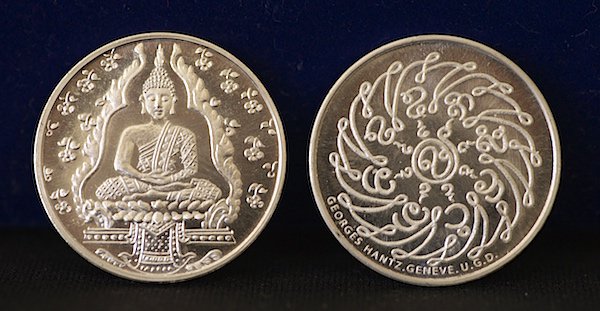
silver-buddha-coin-bothsides

ரங்கூனில் இருந்த உபாசகர் காவ் வான் – பேங்கிற்கு ஒரு தந்தியையும் அடித்தார்.

ஸு யுன்னுக்கு ரங்கூனில் அபாரமான வரவேற்பு காத்திருந்தது.

காவ் வான் – பேங் பெருந்திரளான கூட்டத்துடன் வந்திருந்து அவரை வரவேற்றார்.

பூஜனைக்குரிய மாஸ்டர் மியாவ்- லியான் ஸு யுன்னைப் பற்றிக் கூறியதை அவர் விவரித்தார்.


சீனாவிற்கு உடனே திரும்பி வருமாறு மாஸ்டர் மியாவ்-லியான் கூறியதையும் அவர் ஸு யுன்னிடம் தெரிவித்தார்.
உபாசகர் காவ் படகுத் துறை வந்து வழியனுப்பினார். ஜி-லூவோ மடாலயத்திற்கு ஒரு தந்தி அடித்து பல துறவிகள் வந்து வரவேற்பு தந்து ஸு யுன்னை அழைத்துச் செல்ல வேண்டும் என்று அறிவுறுத்தினார்.

கப்பல் வந்தது.


ஆனால் அதிலிருந்த ஒரு பயணி தொற்றுநோய் ஒன்றால் இறந்திருந்தார். ஆகவே மஞ்சள் கொடி ஒன்று ஏற்றப்பட்டிருந்தது.

அனைத்துப் பயணிகளையும் மலையில் தொலைதூரத்தில் நோய் பரவாதிருக்கத் தனியாக அடைத்து வைக்கும் குவாரண்டைன் முறைப்படி அடைத்து வைத்தனர்.


-தொடரும்

Interesting Titbits about Asvamedha Yajna- Part 1(Post No.3159)

gupta-empire-samudragupta-i-c-330-70-av-dinar-7-70g

Written by London swaminathan

Date: 16 September 2016

Time uploaded in London: 15-45

Post No.3159

Pictures are taken from various sources; thanks.


Asvamedha Yajna means Horse Sacrifice. It was performed by the Hindu Kings of India. We have good references to this sacrifice in historical as well as Vedic records. It took two years to complete it.


Mysterious number 4 and 400 are connected with this Asvamedha. It is a very interesting coincidence that Tamils also gave very much importance to number 4, 40 and 400. Tamil Sangam Literature which is 2000 year old compiled most of the books in 400 verses. Even after the Sangam period this custom continued and important works of 18 minor didactic book are also in 4, 40 and 400. (Please read y article about Tamils fascination with 4, 40 and 400).


The second mystery is about the gold and pearls. Horses were decorated with gold and 1000 pearl jewellery! Where did the pearls come from? If it is from Pandya country whose pearl is even praised by Kautilya/Chanakya or even if it is from Gujarat coast, it will explode all the foreign bluffing about Vedic geography. Still I see some foreign jokers writing that Vedic society did not know sea! Asvamedha horse decorated with pearls- is a slap on their face.

Another mystery is about sacrifice of the horse. This horse had 34 ribs according to Rig Veda, the oldest book in the world. This explodes the half-baked foreign clowns’ account that Aryans came from Central Asia with their horses. Those horses have 36 ribs!

kumara-4842-1bv-344-31

Another mystery is horse is equated with the Sun. It is a symbol of Sun according to Rig Veda. There the number 34 (ribs) is interpreted as 27 stars+ five planets+ Sun +Moon. This explodes the foreign half-baked jokers’ account of our astrology and astronomy. They say we imported them from the Greeks! Greeks started writing 1000 years after the Vedas!


When kings performed Asvamedha Yajna, they released coins as mementoes. We have beautiful gold coins issued by the Gupta kings. Even a Tamil Pandya king by name Peruvazuthi performed this Yajna and released a coin with horse image. This explodes the myth of foreign invaders’ account that Tamils have a separate culture. There is at least one Hindu reference per every ten lines in Sangam literature!

Another great mystery is that Indus Valley Civilisation alias Sarasvati Valley civilisation! They never used Cow or Horse on their seals. Probably they considered them too sacred to wear or use in business. Horse bones and lot of seals with bulls are recovered!

Rig Veda even got a prince named Asvamedha (RV 5-27-4/6; 8-68-15)


Horses from Indus and Sarasvati river areas were of special value according to Vedic literature (It is in Brhadaranyaka Upanishad and Sankyayana Aranyaka). Atharva Veda praises white horses with black ears. They are priced high.

Lepers were used and honoured in Asvamedha! Prisoners were released from prisons on the day of Asvamedha!


609 Animals!

609 different creatures representing animal kingdom were collected and released after the sacrifice. And the wild animals were released into forest. So much protection for the forest animals!

Those who said Aryans came from outside India couldn’t show anything similar to Asvamedha, Rajasuya, and Vajapeya sacrifices in Europe or Central Asia! They struggled very hard to compare some killings outside India but did not succeed. This explodes the theory of Aryans coming from outside India. Now these Yajnas prove that they were the sons of the soil. They are in Vedic literature, epics and Puranas and Sangam Tamil literature! They went outside to spread culture. But those people only learnt our languages and some customs.

Huge gifts were given to the priests; thousands of cows and hundreds of horses!

 malayalam-coin

Symbolism

Yajur Veda describes

Morning as Horse’s head

Sun as its eye

Vayua as its breath

Moon as its ear

Asvamedha was a symbolic ritual.


It was believed that the performance of 100 such Yagas would enable a mortal king to overthrow the throne of Indra, and to become a ruler of the universe and sovereign of the Gods. Indra would spoil their attempts by tempting them to fall for money or women.

There are lot of riddles used in the Asvamedha Yajna mantras! This shows the high standard of life at Vedic times and higher level of literacy. Obscene dialogue was also used. No one knew why and what they really meant in a big sacrifice like this.


Manu and Valluvar


Manu says vegetarian food is better than 100 Asvamedhas! Tamil Poet Tiruvalluvar repeated this in his Tirukkural but multiplied100 by 10 and said it is better than 1000 sacrifices: –

“The man who offers a horse sacrifice  every year for a hundred years , and the man who does not eat meat, the two of them reap the same fruit of good deeds”– Manu 5-53


“More meritorious than a thousand sacrifices is to give up

The practice of killing a living creature, and eating its carcass” – Kural 259

In this couplet Tiruvalluvar uses the Sanskrit word avi (Havis) which stands for boiled rice and ghee.

Parasurama organised Vajapeya and one hundred Asvamedha sacrifices at Ramatirtha.

Indra performed 100 Asvamedha Yajnas under the supervison of Brihaspati.


After any sacrifice, the one who organised it,  for instance the king in the Asvamedha Yajna,  must give the Brahmins whatever they ask. Even if his kingdom or half of his kingdom is asked he must give it. But Brahmins were not greedy in those days and they never asked stupid things. When Parasurama conducted Asvamedha he gave honorarium to every participant. But Drona was not a participant. Being a Brahmin, Drona made a demand at the end of the Yajna. Parasurama accepted his demand and taught him Dhanurveda as Yajna Dakshina (fees for the priest).


I will give more interesting details of the Horse yajna (fire sacrifice) in the second part.


To be continued……………………………


சூத்திரன் யார்? பிராமணன் யார்? ஜாதி வேறு, வர்ணம் வேறு- Part 2 (Post No.3158)

brahmin2

Written by London swaminathan

Date: 16 September 2016

Time uploaded in London: 9-52 AM

Post No.3158

Pictures are taken from various sources; thanks.


நேற்று வெளியான முதல் பகுதியைப் படித்துவிட்டு கீழேயுள்ள இரண்டாம் பகுதியைப் படித்தால் பொருள் நன்கு விளங்கும்.


மஹாபாரதத்தில் பல இடங்களில் ஜாதிகள் பற்றிய குறிப்புகள் உள. சில முக்கியமான விஷயங்களை மட்டும் காண்போம்:-


சத்யம் தானம் க்ஷமா சீலம் ந்ருசம்ஸ்யம் தமோ க்ருணா

த்ருஷ்யந்தே யத்ர நாகேந்த்ர ச ப்ராஹ்மண இதி ஸ்ம்ருத:

ஆரண்ய பர்வன் 177-16


வாய்மை, கொடை, பொறுமை, ஒழுக்கம், கருணை, தன்னடக்கம், நல்லெண்ணம் முதலியன எவனிடத்தில் காணப்படுகிறதோ அவனே பிராம்மணன்


சூத்ரே ச ஏதத் பவேத் லக்ஷ்யம் த்விஜே தத் ச ந வித்யதே

நவை சூத்ரோ பவேத் சூத்ரோ ப்ராஹ்மணோ ந ச ப்ராஹ்மண:

ஆரண்ய பர்வன் 177-20


இவை சூத்திரனிடத்தில் காணப்படுமானால் அவன் சூத்திரனும் இல்லை; இவை பிராமணனிடத்தில் காணப்படாவிடில் அவன் பிராமணனும் இல்லை.


ஆக நற்குணங்கள் எங்கு இருக்கிறதோ அவனே பிராமணன்:

இதைத் திருவள்ளுவனும் சில குறள்களில் அழகாகச் சொல்லுவான்:–

மறப்பினும் ஒத்துக்கொளலாகும் பார்ப்பான்

பிறப்பொழுக்கம் குன்றக் கெடும் (குறள் 134)


ஓதும் வேதத்தை மறந்தால் கூட ஐயர்கள் பிறகு கற்றுக்கொள்ளலாம்; ஆனால் ஒழுக்கம் ஒருமுறை கெட்டாலும் அவன் கெட்டவனே.


அந்தணர் என்போர் அறவோர் மற்றெவ்வுயிர்க்கும்

செந்தண்மை பூண்டு ஒழுகலான்  (குறள் 30)


எல்லா உயிர்களிடத்திலும் அருளைப் பொழிவதால் அறவோரே அந்தணர்.


இன்னொரு இடத்தில் செப்புவான்:-

ஆ பயன் குன்றும் அறு தொழி லோர் நூல் மறப்பர்

காவலன் காவான் எனின் (குறள் 560)


நல்ல ஆட்சி நடக்காவிடில், பசு மாடுகள் பால் கறக்காது; ஐயர்கள் எல்லாம் வேதங்களை மறந்து  விடுவார்கள்.

வள்ளுவனுக்குப் பிராமணர்கள் பற்றி அவ்வளவு அக்கறை என்பதை இக்குறள்கள் மூலம் அறியலாம்.


மாஹாபாரத ஆரண்யக பர்வத்தில் மேலும் பல பாடல்கள் உள:–

யதி தே வ்ருத்ததோ ராஜன் ப்ராஹ்மண: ப்ரசமீக்ஷித:

வ்யர்த்தா ஜாதி ததா ஆயுஷ்மன் க்ருதி யாவத் த்ருஷ்யதே


சர்வே சர்வாசு அத்யானி ஜனயந்தி யதா நரா:

வாக் மைதுனம் அத ஜன்ம மரணம் ச சமம் ந்ருணாம்


பொருள்:-

ஒருவர் பிழைப்புக்காக பிராமணனாக இருந்தால் ஜாதி வீண்; எதுவரைக்கும் செயலில் பிராமணனாக இல்லையோ அது வரை ஜாதி என்பதே வீண்.


எல்லா மனிதர்களும் பிள்ளைகளைப் பெறுகிறார்கள்; உணவு, புணர்ச்சி, பிறப்பு இறப்பு இவை எல்லாம் எல்லோருக்கும் பொதுவானவையே.


ஆக ஒருவனுடைய குண நலன்களே அவனை வேறுபடுத்தி காட்டுகின்றன.


மூன்றாவது பகுதியில் பாரதியின் கருத்துகளைக் காண்போம்.


My old articles on the same subject:–

Caste Divisions in Ancient Tamil Nadu

Posted on July 4, 2014


Eighteen groups of Indians!

Research paper written by London Swaminathan
Research article No.1390; Dated 4 November 2014.


–சுபம்–

ஒரு புதிய பென்சில்! (Post No 3157)

pencil-first

Written by S NAGARAJAN

Date: 16 September 2016

Time uploaded in London: 5-48 AM

Post No.3157

Pictures are taken from various sources; thanks.


ஒரு  புதிய பென்சில்!

ச.நாகராஜன்

 pencil-024

உத்வேகமூட்டும் சிறு கதைகளுக்கு வாழ்க்கையில் தனி இடம் ஒன்று உண்டு. இரண்டு கதைகளைப் பார்ப்போம்:


புதிய பென்சில்!


பென்சில் வியாபாரி ஒருவன் புதிய பென்சில் ஒன்றை பென்சில்களுக்கான பெட்டியில் வைக்கப் போனான். அந்த பென்சிலை ஒரு அன்புக்குரியவனாகப் பாவித்து அவன் பென்சிலுக்கு சில வார்த்தைகளைச் சொல்லத் தொடங்கினான்.

“இதோ பார், வெளி உலகிற்குச் செல்ல இருக்கிறாய். நீ தெரிந்து கொள்ள வேண்டிய விஷயங்கள் ஐந்து உண்டு. அவற்றைச் சொல்கிறேன். கவனமாகக் கேட்டுக் கொள். இதை நினைவில் வைத்து நடந்து கொண்டாயானால் நீ தான் மிகச் சிறந்த பென்சிலாக இருப்பாய்.


முதலாவது விஷயம், நீ மிகப் பெரும் காரியங்களைச் சாதிக்க முடியும், ஆனால் நீ இன்னொருவர் கையில் இருந்தால் தான் அது சாத்தியம், அதை  மறக்காதே!


அடிக்கடி உன்னைக் கூர்மைப் படுத்தும் போது உனக்கு வலிக்கும். ஆனால் அதை நீ பொருட்படுத்தாதே. அது தான் உன்னைச் சிறந்த வேலையைச் செய்ய வைத்து சிறந்த பென்சிலாக உன்னை ஆக்கும்!


நீ உன்னால் ஏற்படும் தவறுகளை சரி செய்யவும் முடியும் என்பதை மறந்து விடாதே.

இன்னொன்று, உனக்கு உள்ளே இருப்பது தான் முக்கியம் அதை நினைவில் இருத்திக் கொள்.


நீ போகும் மேற்பரப்பின் மீது உனது அடையாளத்தை நன்கு விட்டுச் செல். உன்னைப் பயன்படுத்தும் எந்த பரப்பையும் உன் செயலினால் அழகு படுத்து. என்ன ஆனாலும் சரி, தொடர்ந்து எழுது!


இந்த ஐந்து விஷயங்களையும் புதிய பென்சில் கவனமாகக் கேட்டது. இதன் படியே நடப்பேன் என்று பென்சில் வியாபாரியிடம் உறுதி கூறியது. அதன் முழு மனதையும் இந்த விதிகளில் ஊற வைத்து அது நடந்தது. சிறந்த பென்சிலாக ஆனது!


 world-7-wonders-1


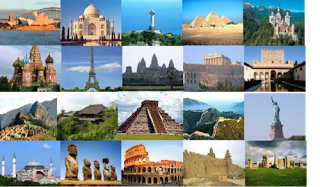
உலகின் ஏழு அதிசயங்கள்!


வகுப்பறையில் ஆசிரியர் குழந்தைகளை நோக்கி ஒரு கேள்வியைக் கேட்டார். உலகின் சிறந்த அதிசயங்கள் ஏழு எவை? நீங்கள் உங்களுக்குள் விவாதித்தும் ஒரு  முடிவுக்கு வரலாம். தனியாகவும் பதிலைச் சொல்லலாம்.


சில குழந்தைகள் விவாதித்தன. ஒரு  முடிவுக்கு வந்தன. தங்கள் பட்டியலை அளித்தன இப்படி:


  • எகிப்தில் உள்ள பிரமிடுகள்
  • தாஜ்மஹல்

3) க்ராண்ட் கேன்யான்

4) பனாமா கால்வாய்

5) எம்பயர் ஸ்டேட் பில்டிங்

6) சீன நெடுஞ்சுவர்

7) பைசா கோபுரம்


இந்தப் பட்டியலால் மகிழ்ந்த ஆசிரியர் வகுப்பறையை நோக்கிய போது ஒரே ஒரு சிறுமி மட்டும் தனியாக எதையோ எழுதிக் கொண்டிருந்தாள்.


“என்ன, உனக்கென தனி லிஸ்ட் ஒன்று வைத்திருக்கிறாயா” என்று கேட்டார் ஆசிரியர்.


அந்தச் சிறுமி மௌனமாக வந்து தனது பட்டியலைத் தந்தாள்.


1) பார்க்க முடிவது

2) கேட்க முடிவது

3) தொட  முடிவது

4) சுவைக்க முடிவது

5) உணர்ச்சிபூர்வமாக உணர முடிவது

6) சிரிக்க முடிவது

7) அன்பு செலுத்த முடிவது


இவை நமக்குக் கிடைத்திருக்கிறதே! இவற்றையே உலகின் ஏழு சிறந்த அதிசயங்களாக நான் கருதுகிறேன் என்றாள் அந்தச் சிறுமி.


வகுப்பே அமைதியானது.

மேலோட்டமாக மனிதனால் அமைக்கப்பட்டவற்றை சிறந்த அதிசயமாகக் கருதுதல் சரியில்லை.


இயற்கையாக அமைந்துள்ள இவையல்லவோ சிறந்த அதிசயங்கள்!


அனைவரும் அந்தச் சிறுமியைப் பாராட்டி அந்தப் பட்டியலையே ஏக மனதாக ஆதரித்தனர்!

**********


What is a caste? What is a Varna? (Post No.3156)

pyramid_of_caste_system_in_india

Written by London swaminathan

Date: 15 September 2016

Time uploaded in London: 21-21

Post No.3156

Pictures are taken from various sources; thanks.

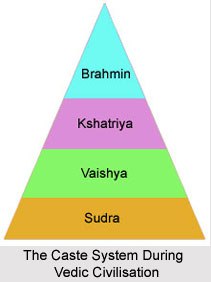
During Vedic days the Hindu society was divided into four Varnas: Brahmana- priestly caste; Kshatria- the ruling caste; Vaisya-the business community and the Sudra- manual labourers. This is very different from the castes of today. We have thousands of castes today. They are based on birth. But in Vedic days the varna was based on vocation one chose. The word varna is derived from the root “VRU” meaning “to choose”, what is chosen is Varna. It meant the profession you chose. Though it was based on vocation in the beginning, later it became a birth right. We see such things even today. A politician’s son becomes a big leader to succeed his father or mother superseding lot of seniors in the party. We see it in the film industry. An actor’s son or daughter is promoted as a prominent actor beating many seniors in the field. We see such trends in all parts of the world.


But in India the four varnas gave birth to thousands of castes which is unknown in any other part of the world. Even the Tamil literature talk about different castes in different regions. Varna is a misleading word. Foreigners deliberately left it without giving the Sanskrit root. People were allowed to believe varna means skin colour. The varna means colour as well. But in Vedic time there were not four coloured people. It meant only chosen profession. We have lot of quotations from various scriptures to justify this meaning.


Manu smriti, the first full-fledged Law book in the world, says,

Janmanaa jaayate Suudrah, karmanaa dwija Uchyate.

All are born as sudras; only the work decides whether he is a dwija  ( the word applied to first three castes.)


Krishna also says in Bhagavad Gita

Caaturvarnayam mayaa srstam

Gunakarma vibhaagasah

Tasya kartaaram api maam

Viddhy akartaaram avyayam (4-13)

The four-fold order was created by Me according to the divisions of quality and work. Though I am its creator, know Me to be incapable of action or change.


Dr S Radhakrishnan says in his Gita commentary: –

“The emphasis is on guna (aptitude) and karma (function) and not Jaati (birth). The varna or order to which we belong is independent of sex or breeding. A class determined by temperament and vocation is not a caste determined by birth and heredity.


“According to the Mahabharata, the whole world was originally of one class but later it became divided into four divisions on account of the specific duties.

Ekavarnam idam puurvam visvam aasid Yudhisthira

Karmakriyaavisesena caaturvarnyam pratishthitam


“Even the distinction between caste and out caste is artificial and unspiritual. An ancient verse points out that the Brahmin and the out caste are blood brothers.


Antyajo viprajaatis ca eka  eva sahodarah

Eka yoni prasuutas ca ekasaakhena jaayate


In the Mahabharata Yudhisthira says that it is difficult to find out the caste of persons on account of the mixture of castes. Men beget offspring in all sorts of women. So conduct is the only determining feature of caste according to sages.


the-caste-system-during-vedic-civilisation

“The fourfold order is designed for human evolution there is nothing absolute about the caste system which has changed its character in the process of history. Today it cannot be regarded as anything more than an insistence on a variety of ways in which the social purpose can be carried out.


Dr S N Sharma says

“He is thus a citizen of the world, the son of the earth”

Maataa Bhuumi: putroham prthivyaah

–Atharva Veda 12-1-42


Accordingly, birth is just incidental. It is only training and environment that give him specific direction to the development of certain qualities, determining thereby his social category.


According to Mahabharata, by birth all children can either be regarded Brahmins or Sudraas.

Yadi te vrutto raajan braahmanah prasamiikshitah

Vyarthaa jaatistadaayushman krtiyaarvanna drsyate

–Aranyaka parvan 177-25


Further the Mahabharata says that the Brahmana is one who practises truth, charity, forgiveness, compassion, restraint and goodwill.

Satyam daanam kshamaa seelamaanrusamsyam damoghrunaa

Drsyante yatra naagendra sa braahmana iti smrtah

If these qualities are found even in a so called Suudra, he must be ranked as a braahmana and, conversely, one bereft of these qualities, even though popularly known as a braahmana, is veritably a sudrah.


Suudre ca etat bhavet lakshyam dwije tat ca na vidyate

Navai suudro  bhavet suudro  braahmano na ca braahmanah

Aaranya parvan 177-17-21


Vedic Hymn

We come across the fourfold order for the first time in the Rig Veda in the Purusasuuktam hymn: –

Braahmnosya mukhamaasid baahuraajanya krtah

Uuru tadasya yath vaisyah padbhyaahum suudro ajaayata

Rig Veda 10-90-12


Brahmins came from the mouth (seat of speech)

Ruling class came from the arms (strength to protect)

Vaisyas came out of the thighs (food producer, importers)

Suudra came from the foot of God (Viraat purusa)


All the four communities came from the Viraat Purusa(God); this shows all are children of God. Moreover we need these four groups to make the society better. Even if one body part is missing he is called  disabled. In the same way Hindu society is complete only when all the four division of workers function.


Today there are thousands of castes. It is a world wonder. How come the four varnas gave birth to innumerable castes. Thurston and others were able to list them in several voloumes. But no one was able to tell us what caused so many castes. It remains a mystery!


–Subham–


ஜாதி வேறு, வர்ணம் வேறு- Part 1

pyramid_of_caste_system_in_india

Written by London swaminathan

Date: 15 September 2016

Time uploaded in London: 7-38 AM

Post No.3155

Pictures are taken from various sources; thanks.


ஜாதிகள் என்பன பிற்காலத்தில் தோன்றியன. வர்ணம் என்பது வேத காலத்தில் தோன்றின. நால் வர்ணம் என்பது பிராமண, க்ஷத்ரிய, வைஸ்ய, சூத்திரர்களைக் குறிப்பதாகும். இன்றோ பல்லாயிரம் ஜாதிகள் உள்ளன. இது எப்படிப் பல்கிப் பெருகின என்பது உலகிலேயே மிகவும் அதிசயமான ஒரு விஷயம். யாரும் தீவிரமாக ஆராய்ந்து எழுதவில்லை. வெள்ளைக்காரர் காலத்தில் தர்ஸ்டன் முதலியோர் பட்டியலிட்டு, அவர்களின் பழக்க வழக்கங்களை பல தொகுதிகளாக வெளியிட்டுள்ளனர். ஆனால் அவை ஏன் இப்படிப் பிரிந்தன, தோற்றம் என்ன? என்பதெல்லாம் இன்று வரை கேள்விக்குறியாகவே தொக்கி நிற்கின்றன.


தமிழ் இலக்கியத்தில் 2000 ஆண்டுகளுக்கு முன்னர் குறிஞ்சி, முல்லை, மருதம், நெய்தல், பாலை ஆகிய ஐந்து பகு திகளிலும் இருந்த மேற்குடிகள், கீழ்க்குடிகள், புற நானூற்றில் குறிப்பிடப்படும் ஜாதிகள் பற்றி முன்னரே ஒரு ஆய்வுக் கட்டுரை எழுதியுள்ளேன்.


வேத காலத்தில் வர்ணம் என்று சொன்னது தோலின் நிறத்தை வைத்து அல்ல. வர்ணம் என்ற உடனே பலரும் கலர் = நிறம் = வர்ணம் என்றே நினைப்பர். வர்ணம் என்பது “வ்ரு” என்ற சம்ஸ்கிருத வேர்ச்சொல்லில் இருந்து வந்தது. “வ்ரு” என்றால் “தேர்ந்தெடு” என்று பொருள். ஒவ்வொருவரும் சில தொழில்களைத் தேர்ந்தெடுக்கலாம். அந்தத் தொழி லின் அடிப்படையில் அவர்கள் வர்ணம் நியமிக்கப்பட்டது. ஆனால் இந்தக் காலத்தில் நடிகர் மகள் நடிகை யாவது போலும், அரசியல்வாதி மகன் அரசியல் தலைவர் ஆவது போலவும் அந்தக் காலத்திலும் இயற்கையாக, இயல்பாக அவரவர் குடும்பத் தொழில்களைப் பின்பற்றினர். ஆயினும் விஸ்வாமித்திரர், தேவாபி போன்ற வேதகால அரசர்கள் பிராமண ர்களாக மாறியதும் மஹாபாரதத்தில் உள்ளது.


வெள்ளைக்கார்கள் அடிக்கடி சுட்டிக்காட்டும் வர்ணம் பற்றிய மந்திரம்:-


ப்ராஹ்மணோஸ்ய முகமாசீத் பாஹு ராஜன்ய: க்ருத:

ஊரு ததஸ்ய  யத்வைஸ்ய: பத்ப்யாஹும் சூத்ரோ அஜாயத

–ரிக் வேதம் 10-90-12

the-caste-system-during-vedic-civilisation

பிராமணர்கள் வாயிலிருந்தும் (முகம்), அரசர்கள் தோள்களிலிருந்தும் வைசியர்கள் தொடையிலிருந்தும், சூத்திரர்கள் கால்களில் இருந்தும் வந்தனர் என்பது புருஷ சூக்த மந்திரம் ஆகும். இந்த மந்திரம் இவர்கள் அனைவரும் கடவுளின் விராட ஸ்வரூபத்திலுந்து தோன்றினர் என்று சொல்வதிலிருந்து அனைவரும் கடவுளின் குழந்தைகள் என்பது தெளிவாகிறது. அது மட்டுமல்ல. வாய் மூலம் வேதம் சொல்லிப் பிழைப்பு நடத்துவோர் பிராமணர், தோள்வலி மூலம் அரசாட்சி செய்வோர் க்ஷத்திரியர்கள், தொடைகள், வயிற்றுப் பகுதிக்கு வாழ்வளிப்போர் வணிகர்கள், கால் உழைப்பினால் பணி புரிவோர் சூத்திரர்கள் என்பதும் தெளிவாகும். இந்த உடல் உறுப்பில் ஒன்று இல்லாவிடிலும் ஒருவன் முழு மனிதன் இல்லை. சமுதாயத்தில் இந்த 4 வகையான தொழில் புரிவோர் இல்லாவிடில் அந்த சமுதாயம் இயங்கா து என்பதையும் அறியலாம்.


மனுவும் தனது மானவ தர்ம சாஸ்திரத்தில்,

ஜன்மனா ஜாயதே சூத்ர: கர்மணா த்விஜ ஜாயதே என்பார். அதாவது பிறப் பினால் எல்லோரும் சூத்திரர் களே, தொழிலினால்தான் இரு பிறப்பாளராகின்றனர். இரு பிறப்பாளர் என்பது வேத  காலத்தில், முதல் மூன்று வர்ணங்களைக் குறித்தது . பின்னர் “கழுதை தேய்ந்து கட்டெறும்பு ஆனது போல” பிராமணர்களை மட்டுமே குறித்து நின்றது!


கிருஷ்ண பரமாத்மாவும், பகவத் கீதையில் “சாதுர்வர்ண்யம் மயா ஸ்ருஷ்டம் குணகர்ம விபாகச: ( 4-13) என்கிறார். அதாவது நான்கு வர்ணம் என்பது குணங்களின் அடிப்படையில் என்னால் உருவாக்கப்பட்டது என்று சொல்லுகிறார். இதற்கு இந்தியாவிலுள்ள அறிஞர்கள் பலரும் விரிவான விளக்க உரைகள் எழுதியுள்ளனர். அத்தனையும் தொகுத்தால் அதுவே தனி புத்தகமாகிவிடும். மஹாத்மா காந்தி முதலியோரும் இதை நியாயப்படுத்தி விளக்கம் அளித்துள்ளனர்.


ஜாதிகள் பற்றி மஹாபாரதம் முதல் பாரதியார் வரை என்ன சொல்லுகின்றனர் என்பதை இரண்டாவது பகுதியில் காண்போம்.


–சுபம்—

My old articles on the same subject:–

Caste Divisions in Ancient Tamil Nadu

Posted on July 4, 2014


Eighteen groups of Indians!

Research paper written by London Swaminathan
Research article No.1390; Dated 4 November 2014.


To be continued……………………………..

Naga Worship in Afghanistan (Post No.3154)

afghan-map

Compiled by London swaminathan

Date: 14 September 2016

Time uploaded in London: 20-43

Post No.3154

Pictures are taken from various sources; thanks.

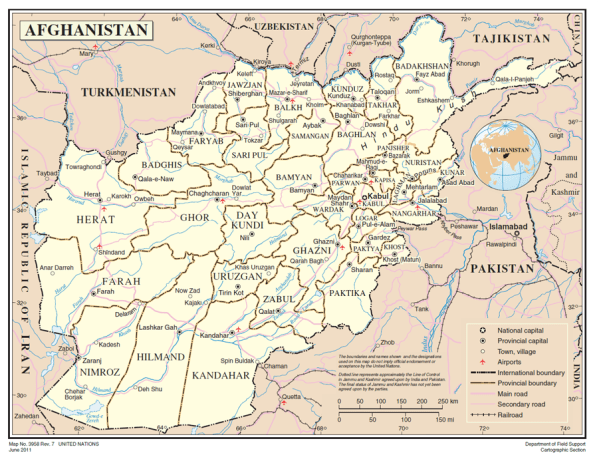
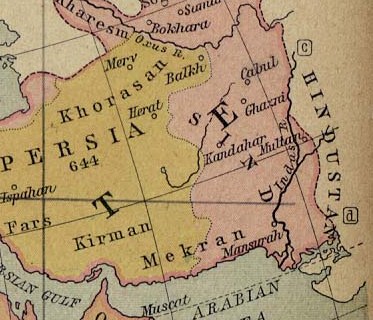
Afghanistan, now a Muslim country, was once ruled by Hindu and Buddhist Kings. Many of them were from the Naga tribes. Their names and the mode of worship explode the half-baked Western theories that they were non-Aryans. Here is an excerpt from the book “The Sun and the Serpent” by C F Oldham, Indian Army Officer, 1905.


“The great Persian hero Ruustam was the son of Zaal, and his mother was Ruudabeh, the daughter of a serpent chief. Ruustam was called a Kaabuli because of his relationship with Afghanistan.

Ferishta tells us that the race of Zahaak, one after another, succeeded to the chieftainship of Ghor until the time of the Prophet. We learn also, from the same authority, that the genealogy of the kings of Ghor, according to the most authentic historians, could be traced upwards by the names for three and twenty generations.

Minhaaju-s Siraaj, who came from Ghor to India in 1227 CE and whose father was Kazi to the army of Mahomed Ghori, commences his history with a genealogical list, which traces their descent back through Zahaak to Noah. It seems therefore, that the ruling family of Kaabul, in the time of Ruustam, and the chiefs of Ghor, as late as the thirteenth century, claimed to be of serpent race. The Rig Veda mentioned Ahi, the serpent chief and the Zend Avesta mentioned Azi.


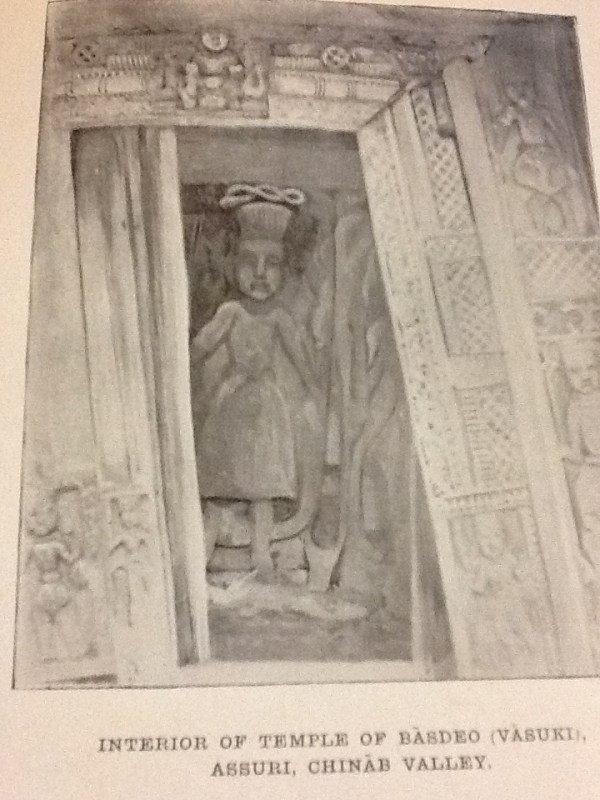
People of the country between Kaabul and Kashmir worshipped the Nagaa demi gods.

ancient_khorasan_highlighted

In the Pahlavi Kaarnaam-I Artakshir Papakaan it is mentioned that the Persian King Artakshir in the first half of the third century was defeated more than once, and his camp taken, by Haftan Bokht. This chief who was ruler of Kirmaan and Lord of the Dragon, worm or serpent, eventually defeated and killed. The ruins of his fortress of guzaaraan are near the town of Bam, not far from the frontier of Baluchistan. The bam fort is still known as Kut-i-Kirm, or fort of the worm or serpent.


My comments:-

Kirm, English word germ, all come from the same Sanskrit root for worms. Kut is the Sanskrit word for peak and living place (Kuti, hut etc). All the Kings from the times of Ruustam, the legendary Persian hero, they had relationship with Naga tribes or Kings. This author interprets Ahi, enemy of Indra, as a Naga Chief in the Hindu Kush area. He may be right.

Idol worship was prevalent in spite of conversion to Muslim religion.


Xxx

“Other traces of the serpent race remain in the neighbouring country. In Baluchistan is the Koh—I Maaraan or the Mountain of the Serpents. Which doubtless took its name from the race of Zahaak.

And one of the legends of Heraat says that this fortress was founded by a daughter of Zahaak.

img_8046

“Notwithstanding the conversion of the people to the Mohammedan faith, traditions connected with the serpent (Sanskrit word Sarpa = snake) race still remain in the wild country between Persia and the Indian border. Near Mazar, in northern Afghanistan, is the village of Gor-i-Maar, or grave of the serpent, where a great serpent is said to have been killed by Ali. Amongst the Kafirs of the Hindu Kush, also, there is a tradition that the Bashgul valley was once held by a great serpent, who devoured travellers passing that way, and who was killed by Imra or Indra.


Reports of Chinese Pilgrims

The first clear descriptions we have, of the country between Kaabul and the Indus, are those of the Chinese pilgrims who visited India as the holy land of Buddhism. Of these Fah Hian arrived in India about 400 CE, and seems to have travelled by way of Baatli and the Upper Indus valley.


This pilgrim says: “Crossing the River Sinto (Sindhu/Indus), we come to Wuchang, where commences Northern India.”

Wuchang, or Udyaana, included the valley of Swat river and much of the neighbouring country.

Fah Hian goes on to say that the language and the dress of the people, and their food and drink, are the same as in Mid India. They were, therefore, an India race. He further describes the religion of Buddha as very flourishing, and mentions that Sakya (Buddha) visited this country, to convert a wicked Naga.


“Fah Hian also says that the Nagas of the Tsung-ling mountains (Hindu Kush), when evil disposed, spit poison, winds, rain and snow. He notes, too, that in Udyaana a stranger was entertained for three days and was then requested to find a palce for himself”. This is a Rajput custom, which is referred to by Quintus Curtius in his account of the entertainment of Alexander by Taxiles, and which exists to this day.


img_8049

My Comments

In Tamil also we have a proverb that Feast and Medicine is only for three days. There is another saying in Tail, First day- Vazai Ilai/on a full length Banana leaf; Second Day- Thaiyal Ilai/Stiched Leaf; Third day-Tharaiyila/on the floor; Fourth Day- thalaiyila/on your head!

So this custom of entertaining a guest is done only for three days from Kanyakumari to Kashmir.

Xxx

“Sung Yun, another pilgrim, entered Udyaana about 518 CE by way of Kashkara (Chitraal) valley. He records that the king of the country was then a Buddhist, who observed a vegetable diet, and that the Buddhism was flourishing.


Naga Temple with 50 Priests!

This pilgrim mentions a regular system of irrigation from the rivers, which indicates a considerable degree of civilization. He also escribes a Naga temple, which was served by fifty priests or more, and says that the king propitiates the Naga with gold and jewels and other precious offerings.


“The pilgrim says a former Naga Raja of this lake was killed by another Naga, who seized upon his possessions and caused great mischief by raising storms. A stupa and a vihara, built by Kanishka Raja, were six times destroyed by the Naga. At last Kanishka collected his army, intending to destroy the Naga chief, but then he submitted.

In Lamghaan, wich was subjected to Kapisa, there were about ten sungharamas with few followers, and there were several scores of Deva temples. In a great cavern was the abode of the Naga Gopala. At Hidda, a neighbouring town, were many relics of Buddha, including a skull bone and an eye ball.


“In Gandhara which was then governed by an officer from Kapsa, was the ancestral home of the king of Kaabul and of so many neighbouring countries.

img_8047

“Hiouen Tsiang, on his way back to China, was entertained by this king at the city of Udabhaandapura or Waihnad, which as noticed by Cunningham, and more flly by Stein of one of the capitals of the Hindu Saahiya Dynasty the pilgrim marched with the king by way of Lamghan to Kabul. This again shows that the  Kshatria king of Kaabul was one of the Saahis of the Kator or Pala dyasty of Gandhara.


The pilgrim describes some of the towns and villages as deserted, but others were rich and prosperous. There were many sugharamas and stupas, some of them in ruins and many temples of the Devas. It is mentioned too that men came from every part of India to pay their vows at the temple of Bhima devi.


This is the country which was said by Sung Yun, in AD 520, to have been destroyed by the yetha two generations before. The Hindu rajas had evidently recovered possession.


“Hiouen Tsiang next came to Udyaana, which has been described by earlier pilgrims. Here he found the law of Buddha greatly respected but Buddhism was less flourishing than formerly. There were temples of the Devas, and the Naga demigods still ruled the elements and still presided over that lakes and fountains.


The pilgrim visited the fountain at the Naga Apalaala, which the source of the Swat river. He visited also the Stupa built by Uttara sena, the Sakya king of Udyaana over the relics of Buddha.

“Hiouen Tsiang relates the history of Uttarasena, and of his marriage with the daughter of the Naga raja, through whose influence he obtained the kingdom. He also says that over the head of the princess appeared the hoods of a nine headed Naga.


The he visited Takshasilaa. Whenever the people wanted rain or shine, they went with Buddhist priests to the tank of Nagaraja Elapatra, where after praying, they immediately obtained their desires.”


img_8050

From this source we learn

1.From Kabul to Indus Hindus lived there until seventh century.

2.Buddhis religion existed along with Hinduism

3.Worship of Brahmanical Gods and Naga demi gods was practised

  1. Naga worshipping people inhabited the area.


–subham–


ஐயர்கள் உஷார்! பெண்களும் போட்டிக்கு வருகிறார்கள்!! (Post No.3153)

chanda-2

Translated by London swaminathan

Date: 14 September 2016

Time uploaded in London: 9-16 AM

Post No.3153

Pictures are taken from various sources; thanks.


“வேதம் படைக்கவும் நீதிகள் செய்யவும்

வேண்டி வந்தோமென்று கும்மியடி

சாதம் படைக்கவும் செய்திடுவோம்; தெய்வச்

சாதி படைக்கவும் செய்திடுவோம்”

–தேசியகவி சுப்பிரமணிய பாரதி

cahnda-3

இதனால் சகல ஐயர்களுக்கும் (Priests) அறிவிப்பது என்ன வென்றால் , உங்கள் பிஸினஸ் பார்ட்னர்களாகப் (Business Partners) பெண்களும் வரவிருக்கிறார்கள். போட்டிக்குத் தயாராகுங்கள்!


பிரிட்டனில் இந்துக்கள் அதிகமாக வசிக்கும் நகரம் லெஸ்டர் (Leicester). லண்டனிலிருந்து 130 மைல் தொலைவில் உள்ளது. அங்கே ஒரு புரட்சி நடந்திருக்கிறது. ஒரு இந்துப் பெண்மணி இந்துசமயப் புரோகிதர் ஆகிவிட்டார். அட! அவர் தன்னை புரோகிதர் என்று அறிவித்தால் சமூகம் ஏற்றுக்கொள்ளுமா? லெஸ்டர் இந்து சமூகம் அவளை புரோகிதராக ஏற்றுக் கொண்டது! அவர் பெயர் சந்தா வியாஸ்.


பிராமணக் குடும்பத்தில் பிறந்த அவருக்கு சிறு வயதிலேயே ஆசை — புரோகிதராக வேண்டும் என்று. எல்லா ஆசைகளும் அவ்வளவு எளிதில் நிறைவேறிவிடுமா? இல்லை.


அவர் கல்யாணம் முடித்து மூன்று மகள்களை   பெற்றெடுத்தார். சமூக ஊழியராகப் பணியாற்றினார். பழைய ஆசை திடீரென மேலுக்கு வந்தது. அப்பாவிடம் அனுமதி கேட்டார். விவாக மந்திரங்களைப் பயின்றார். கல்யாணம் போன்ற மங்கல நிகழ்ச்சிகளை மட்டும் நடத்துவதென்று முடிவு செய்தார். செய்தி பரவியது.


பிரிட்டனில் வசிக்கும் இந்துக்கள், கால, தேச, வர்த்தமானத்தை மனதில் கொண்டு மாற்றங்களை ஏற்கும் மனப்பக்குவம் படைத்தவர்கள். மேலும் வேத காலத்தில் கார்கி, மைத்ரேயி போன்ற உலகப் புகழ் அறிஞ ர்கள் இந்து மதத்தில் இருந்ததையும் அவர்கள் அறிவர். சாவித்திரி, திரவுபதி போன்ற பேரறிஞர்கள் இந்து மதத்தில் இருந்ததும் அவர்களுக்குத் தெரியும். பெரிய வழக்கறிஞர்களைத் தோற்கடிக்கும் அளவுக்கு திரவுபதியும் சாவித்ரியும் வாக்குவாதம் செய்ததை அவர்கள் மஹாபாரதத்தில் படித்துள்ளனர். அது மட்டுமல்ல; அவ்வையா ர் போன்ற சங்க காலப் புலவர்களையும் சபரி போன்ற வேடர் குலப் பெண்களையும் அவர்கள் அறிவர். பெண்களில் மாமேதைகள் அவர்கள்.


இந்தப் பிண்ணனியில் சந்தா வியாசுக்கு திருமணம், பிறந்த நாள் வைபவங்கள், புதுமனை புகு விழாக்கள் (கிருஹப் ப்ரவேசம்) நடத்த அழைப்புகள் வந்த வண்ணமுள்ளன.


சந்தா வியாசுக்கு ஆங்கிலமும் குஜராத்தி மொழியும் தெரியும் என்பதால் மந்திரங்களின் விளக்கங்களை ஆங்கிலத்திலும் சொல்லி நடத்துவதால் இளம் தலை முறையினருக்கு பெரு மகிழ்ச்சி.

chanda-vyas1


ஆணும் பெண்ணும் நிகரெனக் கொள்வதால்

அறிவிலோங்கி இவ்வையம் தழைக்குமாம்

–தேசியகவி சுப்பிரமணிய பாரதி


–subham–