Although the French public at first said only
that cubism was crazy, a leading art merchant added,
“I am now buying Picasso and not because I have
any taste for him but because he will be worth a lot of money some day”.
Xxx
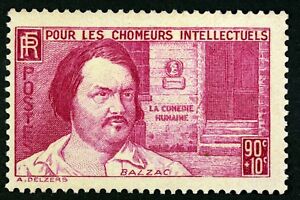
POOR BALZAC!
Honere de Balzac lived many years in a cold and
all but an empty attic. There was no flame in his fire place, no picture on his
wall. But on one wall he inscribed with charcoal,
Rosewood panelling with commode; on another
Gobelin tapestry with Venetian mirror, and in the place of honour over the
fireless grate,
Picture by Raphael.
(Honoré de Balzac was a French novelist and playwright. The novel sequence La Comédie humaine, which presents a panorama of post-Napoleonic French life, is generally viewed as his magnum opus.)
Xxxx
COLOUR BRAIN
When someone asked the famous painter Orpen
How do you mix your colours?
He answered
“With brains, sir.”
(Major Sir William Newenham Montague Orpen, KBE, RA, RHA, was an Irish artist who worked mainly in London. Orpen was a fine draughtsman and a popular, commercially successful, painter of portraits for the well-to-do in Edwardian society, though many of his most striking paintings are self-portraits.)
Xxx
STORMY TURNER
The artist Turner invited Charles Kingsley, the
author, to his studio to view his picture of a storm at sea. Kingsley was
wrapped in admiration .
How did you do it, Turner? He exclaimed.
I wished to paint a storm at sea, answered
Turner, so I went to the coast of Holland and engaged a fisherman to take me
out in his boat in the next storm. The storm was brewing, and I went down to
his boat and bade him bind me to its mast. Then he drove the boat out into the
teeth of the storm. The storm was so furious that I longed to be down in the
bottom of the boat and allow it to blow over me. But I could not; I was bound
to the mast. Not only did I see the storm and feel it, but it blew into me till
I became part of the storm. And then I came back and I painted that picture “
Joseph Mallord William Turner RA, known as J. M. W. Turner 1775-1851,and contemporarily as William Turner, was an English Romantic painter, printmaker and watercolourist. He is known for his expressive colourisations, imaginative landscapes and turbulent, often violent marine paintings
New
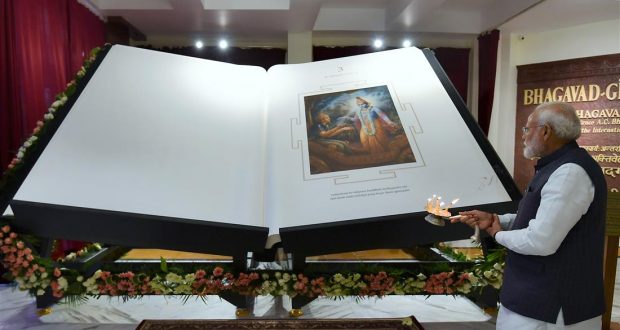
Delhi, February 26,2019: Prime Minister Narendra
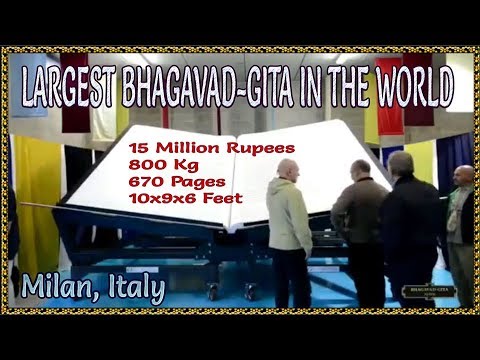
Modi on Tuesday unveiled a giant Bhagavad Gita, running into 670 pages and
weighing 800 kg, at the International Society for Krishna Consciousness
(ISKCON) temple in East of Kailash New Delhi. As per ISCKON, the holy book
measuring 2.8 metres by 2 metres is the world’s largest sacred book. ISKCON is
also colloquially known as the Hare Krishna movement. The society has more than
400 temples and runs 100 vegetarian restaurants and a wide variety of
community-serving projects
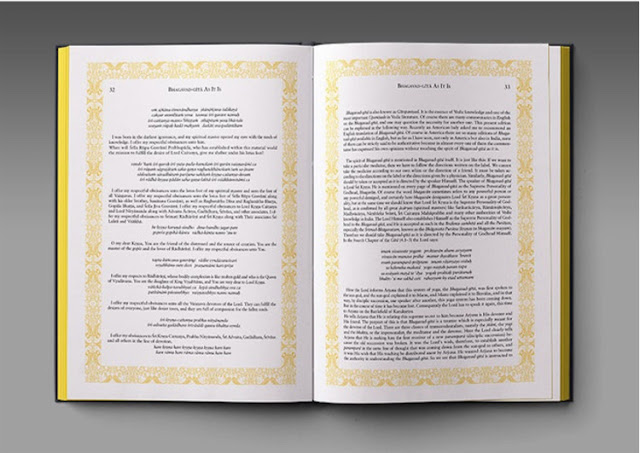
ISKCON in a statement said, “With an artistic touch of 18 exquisite paintings and an innovative elegant layout, the book has been printed in Milan, Italy, on YUPO synthetic paper so as to make it untearable and waterproof.” The ISKCON temple in south Delhi, endowed with unique latticed towers having a fusion of traditional design.
Speaking
at the event, Mr Modi didn’t make any direct reference to the air strike. But
he did talk of the many lessons that the Bhagwad Gita held for everyone.
Like
saving the earth from devils and enemies of humanity. “This is the message that
we are trying to give,” he said to a loud cheer from his audience.
Dubbed
as the “Astounding Bhagavad Gita”, the book is billed as the “largest principle
sacred text ever to be printed.”
Speaking
about the holy book of Hindus, Mr Modi urged people to not be divisive and
asked them to look beyond feelings of “yours and mine.”
In
a veiled reference to Pakistan, Mr Modi said: “In order to save the earth from
enemies of humanity, God’s power has always been with us. And we are trying to
send across this message with proof to evil souls and devils.”
The
Prime Minister said he had presented a copy of the Bhagwat Gita to former US
President Barack Obama too. “The Gita has been a guiding light over a thousand
years, from gyaan (knowledge) to vigyaan (science).”
Speaking
on the occasion, Mr Modi said that from the smallest Gita to the biggest Gita,
there have been uncountable initiatives to spread its knowledge.
He
said: “Lokmanya Tilak spread the knowledge of Gita in Marathi and Gujarati.
Gandhiji read the Gujarati version of it in jail. For Gandhiji, Gita and
Satyagraha were an inseparable part of life. Gita is not just dharam grantha,
it’s jivan grantha too. Gita shows us the way to “seva” (service) and
“samarpan” (sacrifice). Gita is world’s ‘dharohar’. It has helped everyone see
the correct path.”
The
Prime Minister said the Gita preserved the heritage of this nation. A German
philosopher had acknowledged the values highlighted in Gita when India was
still fighting for Independence.
He
said whether one was a Yogi or an ordinary person, one will get all his or her
questions answered in Gita. “Remember Gita Shlokas in the time of
distress,” he said, while adding “Sabka Sath, Sabka Vikaas is the result of
these values from Gita.”
Mr Modi further said: “Let’s look at politics beyond the feelings of what’s yours and mine. Let’s not be divisive. Our government has given momentum to the movement for Yoga and Ayurveda.”
ISKCON
NEWS
A breathtaking new single
printing of Srila Prabhupada’s Bhagavad-gita As It Is, dubbed “The Astounding
Bhagavad-gita,” will measure 2.80 x 2.00 meters (9 x 6.5 ft) and weigh an
astonishing 800 kgs (1,763 lbs).
The giant book is funded by
ISKCON Italy through donations and designed by the Mediterranean branch of the
BBT, which claims it will be the largest sacred text in the world.
Trustee and managing director
Madhusevita Das clarifies that while there are bigger books on spiritual topics
– such as the 5 x 8.06 meter “This is the Prophet Mohammed” in Dubai – this
will be the biggest central sacred text of a major religion.
“Some time ago, I was wondering
what is the best way to spread the glories of Prabhupada’s Bhagavad-gita As It
Is throughout the world, in a way that people will be inspired to read it,” he
says. “And suddenly an inspiration came to mind: let’s make it the largest
sacred text ever printed.”
And Madhusevita is the perfect man for the job. For over a decade, he has been printing large format books with the Mediterreanean BBT, including Darsana, Krishna Art, and a deluxe collector’s 16kg edition of Bhagavad-gita.
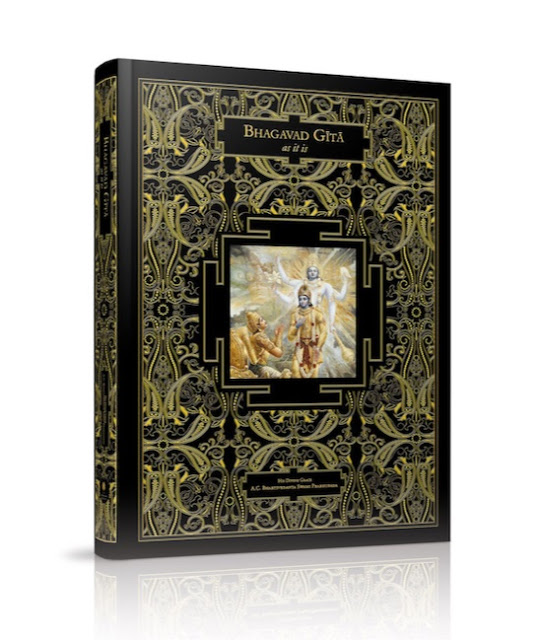
The 2.8m x 2m, 800 kg Astounding Bhagavad-gita, however, is by far their most ambitious effort. At a cost of a €220,000, it will run to 670 pages, totaling one acre of printed matter. With eighteen exquisite BBT paintings and an innovative elegant layout, it will be printed on YUPO synthetic paper, which is untearable and waterproof.
The book will be bound with a process called Japanese binding, utilizing stainless-steel screws. Its cover will be made of carbon fiber, a light yet extremely strong material used to build satellites. And the cover painting of Krishna and Arjuna will be surrounded by intricate laser-engraved black and gold motifsmade with precious metal inserts.
“It will be a real, useable book with turnable pages, and with the proper care and know-how it is built to last thousands of years,” says Madhusevita.
The layout and conception of the Astounding Bhagavad-gita was done by devotee BBT staff such as Ali Krishna Dasi, Haladhara Dasa, and Rupa Sanatana Dasa. The printing and production, meanwhile, was handled by experts in Milan, Italy
தமிழ் இலக்கியம் ஒரு பெரிய அமுத ஸாகரம்.
அதில் முத்துக் குளிப்பதென்பது கடினமான காரியம்.
அதைச் செய்தவர் பண்டித மு.இராகவையங்கார்.
அவர் 2200 தமிழ்ப் பாடல்களைத் தேர்ந்தெடுத்து பெருந்தொகை என்னும் ஒரு தொகுப்பு நூலை
1936ஆம் ஆண்டு வெளியிட்டார்.
கடவுள் வாழ்த்தியல், அறிவியல், பொருளியல்
என மூன்றாகப் பகுக்கப்பட்ட இந்த நூல் ஒரு அரிய நூல்.
ஆங்கிலத்தில் ஏராளமான கவிதைத் தொகுப்பு
நூல்கள் உண்டு. தமிழிலோ அப்படி இல்லை. ஆனால் அப்படி பல நூறு தொகுப்பு நூல்களை வெளியிடக்
கூடிய அளவில் தமிழ் இலக்கியம் பரந்திருக்கிறது.
பெருந்தொகையில் உள்ள ஒரு பாடலை மாதிரிக்காக்
இங்கே பார்ப்போம்:
கம்பர் ஒரு முறை பாண்டி நாட்டு மதுரையம்பதிக்கு
வருகை புரிந்தார்.
உமாதேவியே பாண்டி நாட்டு அரசியாக அவதரித்த திருத்தலம்
மதுரை. அங்கு மீனாட்சியையும் சிவபிரானையும் தரிசித்தார். பின்னர் பாண்டிய மன்னனின்
அரசவைக்கு வந்தார்.
தடபுடலான வரவேற்பு. பாண்டிமாதேவியும் பாண்டியனும்
வணங்க பாண்டிமாதேவியை நன்கு பார்த்தார் கம்பர்.
பிறகு சொன்னார் பாண்டிமாதேவியே! நீயும் உமையும்
ஒப்பு நோக்கினால் ஒன்றே தான்.
இதைக் கேட்டவுடன் பாண்டிமாதேவி மகிழ பாண்டியன் புன்முறுவல்
பூக்க அவையோர் மகிழ்ந்தனர்.
கம்பர் தொடர்ந்தார்:
“ஆனால் தேவியே! உமாதேவிக்கு ஒரு குறை உண்டு”
அனைவருக்கும் தூக்கிவாரிப் போட்டது. ஆவலுடன் கம்பரின் பாடலை எதிர்நோக்கினர்.
கம்பர் பாடினார் இப்படி:
உமையவளும் நீயும் ஒருங்கொப்பே ஒப்பில்
உமையவளுக் குண்டங்கோர் ஊனம் – உமையவள் தன்
பாகந்தோய்ந் தாண்டான் பலிக்குழன்றான் பாண்டியன்
உன்
ஆகந்தோய்ந் தாண்டான் அரசு!
உமையவளும் – உலகம் ஆளும் உமாதேவியும்
நீயும் – பாண்டிமாதேவியாகிய நீயும்
ஒருங்கொப்பே – ஒப்புநோக்கிப் பார்த்தால் ஒன்றே தான்
ஒப்பில் – ஆனால் நன்கு ஒப்பு நோக்கி ஊன்றிக் கவனித்தால்
உமையவளுக்கு அங்கு உண்டு ஓர் ஊனம் – உமையவளுக்கு
ஒரு குறை உண்டு
உமையவள் தன் பாகம் தோய்ந்து ஆண்டான் பலிக்கு உழன்றான்
– உமா தேவியை தன் உடம்பில் ஒரு பாகமாகக் கொண்ட சிவ்பிரான் அவள் பாகம் தோய்ந்த காரணத்தால்
திருவோடு எடுத்து பிச்சை எடுத்துக் கொண்டு அலைகிறான் (பலி – பிச்சை)
ஆனால்
பாண்டியன் உன் ஆகம் தோய்ந்து ஆண்டான் அரசு – உன்னுடைய
ஆகம் தோய்ந்ததால் பாண்டிய மன்னன் இந்தப் பெரும் பாண்டிய நாட்டை அல்லவா ஆள்கிறான்!
போட்டார் ஒரு போடு!
எல்லொரும் ஆரவாரித்தனர் என்பதைச் சொல்லவா வேண்டும்!
பாண்டிய அரசியிடமும் பாண்டியனிடமும் பாண்டிய நாட்டிடமும்
கம்பர் எத்துணை மதிப்பும் அன்பும் வைத்திருக்கிறார் என்பதைத் தெள்ளத் தெளிவாகக் காட்ட
இந்த ஒரு பாடலே போதும் அல்லவா?
பெருந்தொகையில் 1504-வது பாடலாக அமைந்துள்ளது இந்தப்
பாடல்!
அருமையான பெருந்தொகையில் 2200 பாடல்களும் இப்படிப்பட்ட
அரும் பாடல்களே!
பர்த்ரு ஹரியின் நீதி சதகத்தைத் தொடர்ந்து காண்போம்; இதோ பாடல் 52, 53,54
அறநெறிகளையும், விதி முறைகளையும் காற்றில்
பறக்கவிட்டுவிட்டு,
கடந்தகால
தவறுகளை மறந்துவிட்டு, நல்லது
அனைத்துக்கும் எதிரே நிற்கும், குருட்டு அதிர்ஷ்டத்தில் பணம் சேர்த்த, அகந்தைமிக்க ஒருவன் அருகில் வசிப்பவன்
எப்படி சந்தோஷமாக இருக்க முடியும்?
கெட்டவர்கள்
பற்றி தீ நட்புஎன்னும் அதிகாரத்தில் வள்ளுவர் அழகாகச்
சொல்லுவார்:-
சொல்லும்
செயலும் வெவ்வேறாக இருப்பவர்களுடன் தொடர்பே வைத்துக்கொள்ளக்கூடாது; அது கன்aவிலும் துன்பம் தரும்- 819
கனவினும்
இன்னாது மன்னோ வினை வேறு
சொல்வேறுபட்டார்
தொடர்பு-819
Xxxxxxxxxxxxxxxxxxx
பாடல்
53
காலையில்
நிழல் நீளமாக விழும்; நேரம்
செல்லச் செல்ல குறுகிக் கொண்டே போகும்;
பிற்பகலில்
விழும் நிழல் சின்னதாக இருக்கும் ஆனால் நேரம் ஆக ஆக வளர்ந்துகொண்டே போகும்;
இதே
போலத்தான் தீயோர் தொடர்பும் நல்லோர் தொடர்பும்.
आरम्भगुर्वी क्षयिणी क्रमेण
लघ्वी पुरा वृद्धिमती च पश्चात् ।
दिनस्य पूर्वार्धपरार्धभिन्ना
छायेव मैत्री खलसज्जनानाम् ॥ 1.53 ॥
ஆரம்பகுர்வீக்ஷயிணீ
க்ரமேண
லக்வீபுரா
வ்ருத்திமதீச பஸ்சாத்
தினஸ்ய
பூர்வதர்பரார்தபின்னா
சாயேவ
மைத்ரீ கல ஸஜ்ஜனானாம்
இந்திய
தத்துவஞான கருத்துக்களை 2500 ஆண்டுகளுக்கு
முன்னர் கிரேக்க நாட்டில் வெளியிட்ட பிதகோரஸின் ஐந்து முக்கியக் கொள்கைகளில் ஒன்று
மனிதர்களுக்கு மிகவும் முக்கியமான குணங்கள் நட்பும் அடக்கமும்தான் என்பதாகும்.
தமிழ்
நூல்களும் நட்புறவை,
குறிப்பாக
நல்ல நண்பர் உறவை,
மிகவும்
வலியுறுத்துகின்றன. பர்த்ருஹரி நிழல் உவமையைப் பயன்படுத்தினார்.
திருவள்ளுவர்
தமிழ் வேதமான திருக்குறளில் பிறை நிலவு
உவமையைப் பயன் படுத்துகிறார்:-
நிறை
நீர நிரவர் கேண்மை பிறைமதிப்
பின்
நீர பேதையார் நட்பு – குறள் 782
அறிவுடையார்
நட்பு வளர்பிறை போல நாளுக்கு நாள் வளரும்; அறிவில்லாதார் நட்பு, தேய் பிறை நிலவு போல நாளுக்கு நாள் தேய்ந்துகொண்டே போகும் என்று
திருவள்ளுவர் சொல்வார்.
Xxxxxxxxxxxxxxxxx
பாடல் 54
மான், மீன், நல்லோன் ஆகியோர் புல், தண்ணீர், திருப்தி ஆகியவற்றின் மூலமே சந்தோஷம்
அடைகின்றனர் (ஆயினும் அவர்களுக்கும் எதிரிகள் உண்டு). வேடனும், மீனவனும், தீயோனும் காரணமில்லாமல் அவர்களிடம்
விரோதம் பாராட்டுகின்றனர்.
மிருகங்கள், பறவைகளைக்கொண்டு நீதி போதிப்பது பாகவத காலத்தில்
இருந்து திருவள்ளுவர் காலம் வரை இருக்கிறது.பர்த்ருஹரியும் காரணமின்றி பகைமை பாராட்டுவதை
விளக்க அந்த உத்தியைப்பயன்படுத்துகிறார்.
காக்கை போல கரைந்து உண்ணுதல்,நாய் போல நன்றி செலுத்துதல் என்பன அடிக்கடி வரும். ஆனால் பர்த்ருஹரி வே றுகோணத்தில் இருந்து பார்க்கிறார்.
11,786,116
பேர்கள் இதுவரை இதை கேட்டிருக்கிறார்கள்; இன்னும் கேட்பார்கள். (AS on 26-2-19)
பாடல்
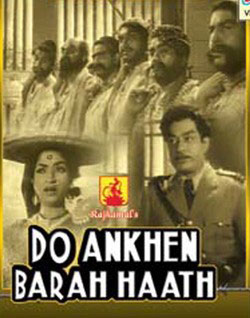
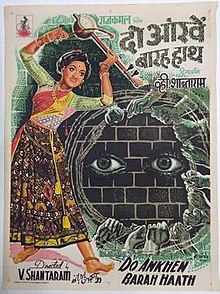
இடம் பெறும் படம் :தோ ஆங்கே பாரா ஹாத்
இரு கண்களும் பன்னிரெண்டு கரங்களும்.
படத்தை இயக்கியவர் பிரபல டைரக்டரான வி.சாந்தாராம் அவர்கள்.
படம் வெளியான ஆண்டு 1957. பெரும் வெற்றியைப் பெற்ற இந்தப் படத்தில்
சாந்தாராம் ஆதிநாத் என்ற ஜெயில் வார்டனாக நடித்தார். ஒபன் ஜெயில் என்னும் திறந்த வெளிச்
சிறைச்சாலை முறையை சதாரா அருகில் உள்ள அவுந்த் ராஜ்யம் பரிசோதித்துப் பார்த்தது. அதன்
அடிப்ப்டையில் உத்வேகம் பெற்று இந்தக் கதை படமாக்கப்பட்டது.
ஆறு பயங்கரமான கிரிமினல்களை இளம் வார்டன் தன் பொறுப்பில் அழைத்துச்
சென்று மாற்ற முயல்கிறார்.
அவர் கடைசியில் ஒரு எதிரியால் கொல்லப்பட்டு இறக்கிறார்.
பரத் வ்யாஸ் அற்புதமான பாடலை எழுத, வசந்த் தேசாய் இசை அமைக்க
லதா மங்கேஷ்கர் பாட உளத்தை உருக்கும் ஒரு பாடலாக படத்தின் இறுதியில் அமைகிறது ஐ மாலிக் தேரே பந்தே ஹம் பாடல்!
Aye Maalik Tere Bande Hum
Ayese Ho Humaare Karam
nekee Par Chale, Aaur Badee Se Tale,
Taankee Hasate Huye Nikale Dam
ye Andheraa Ghanaa Chhaa Rahaa,
Teraa Insaan Ghabaraa Rahaa
ho Rahaa Bekhabar, Kuchh Naa Aataa Najar,
Sukh Kaa Sooraj Chhoopaa Jaa
Rahaa
hai Teree Roshanee Mein Jo Dam
To Amaawas Ko Kar De Poonam
badaa Kamajor Hain Aadamee,
Abhee Laakhon Hain Is Mein Kamee
par Too Jo Khadaa, Hain Dayaaloo Badaa,
Teree Kirapaa Se Dharatee Thamee
diyaa Toone Humei Jab Janam Too Hee Zelegaa Hum Sab Ke Gam
jab Julmon Kaa Ho Saamanaa,
Tab Too Hee Humei Thaamanaa
wo Buraee Kare,
Hum Bhalaaee Bhare, Naheen Badale
Kee Ho Kaamanaa
badh Uthhe Pyaar Kaa Har Kadam Aaur Mite Bair Kaa Ye Bharam
ஓ, கடவுளே நாங்கள் உனது மக்கள்.
ஓ, கடவுளே நாங்கள் உனது மக்கள்.
தீமையிலிருந்து விலகி இருந்து
நல்ல பாதையில் நடக்கும் படியாக எங்களின்
விதியை அமை.
சிரித்துக் கொண்டே இருக்கும் போது இறுதி
மூச்சை விடுவோமாக!
இதோ இப்போது இருப்பது
காரிருள்.
உனது மனிதன் பயந்திருக்கிறான்,
பொறுமையற்றவனாக
இருக்கிறான், பார்க்க ஒன்றும் இல்லை, பொறுமை குறைகிறது.
உனது ஒளி மிக்க
சக்தி வாய்ந்தது. இருளான் இரவை ஒளி மயமாக்க வல்லது
மக்களோ மிகவும்
பலஹீனமாக உள்ளனர்.
அவர்கள் குறைபாடுள்ளவர்களாக
இருக்கின்றனர்
ஆனால் நீயோ கடவுள்
பூமியே உனது ஆணையால்
சுழல்கிறது.
நீ எங்களுக்கு
உயிரை ஈந்த போதிலேயே நீயே எங்கள் வலியை எடுத்துக் கொள்ளவும் பொறுப்பாளி ஆகிறாய்!
எங்கு பார்த்தாலும்
கொடுமை இருக்கும் போது, நீயே எங்களைக் காப்பாற்ற வல்லவனாகிறாய்!
நாங்கள் எவ்வளவு
நல்லவர்களாக இருந்த போதிலும் அவர்கள்
தீமையை விளைவிக்கின்றனர்.
நிலைமை மாறாது.
அன்பை ஒவ்வொரு
அடியிலும் எழச் செய்வோம்!
Ohh God, we are your people
Ohh God, we are your people, make our destiny
so we walk on good path, stay away from bad, we breathe our last while laughing.
it is now becoming pitch dark, your human is becoming scared
becoming very impatient, nothing to see, sun of patience is going down
Your light is so powerful, can light the dark night
People are very weak, They are so
imperfect
But you are God, The earth moves on your order
When you brought us to life, it made you responsible to also take our pain
When cruelty is
everywhere, Then you become our only savior
They do bad, doesn’t matter how good we are, things will not change
Let’s raise the feet of Love.
நல்லதை நினைத்து நல்லதையே செய்யும்
போது நன்மையே விளையும் என்ற அறநெறிப் பண்பை விளக்க வந்த படம் தோ ஆங்கே பாரா ஹாத்.
அதில் அமைந்துள்ள இந்தப் பாடலை அந்தக்
கால ஆசிரியர்கள் பள்ளிக்கூட பிரார்த்தனைப் பாடலாக அமைத்து மகிழ்ந்தனர்.
அதைப் பாடிய அந்தக் கால குழந்தைகள்
இன்று முதியவர்கள்!
அவர்கள் பழைய காலத்தை நினைத்து இணையதளத்தில்
ப்திவிடும்போது ப்ரவசத்துடன் பழைய காலத்தை நினைத்து மகிழ்கின்றனர்.
திரைப்படப் பாடல் ஒன்று பிரார்த்தனை
கீதமாக ஆன கதை இந்தியத் திரைப்பட வரலாற்றில் இதுவே முதல் முறை; இன்னும் வேறு ஒரு பாடலும் இப்படி ஒரு வெற்றியைப்
பெறவில்லை!
ஓ, கடவுளே நாங்கள் உனது மக்கள்.
ஓ, கடவுளே நாங்கள் உனது மக்கள்.
தீமையிலிருந்து விலகி இருந்து
நல்ல பாதையில் நடக்கும் படியாக எங்களின்
விதியை அமை.
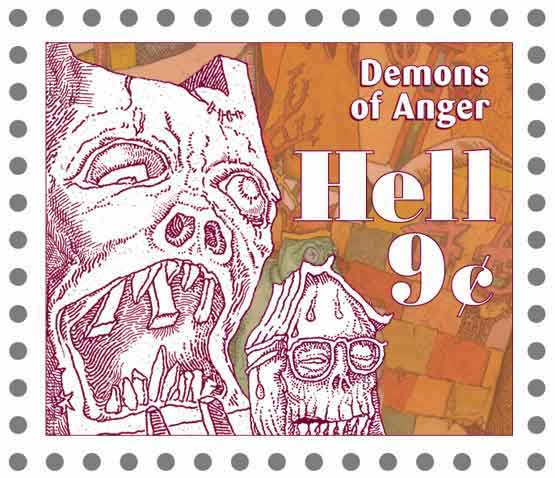
In Boston, the famous tenor Beniamino Gigli was singing ‘Faust’. The
stage of the Boston Opera House was not adequately equipped as that of the
Metropolitan. There was a trap door which sank down in order that
Mephistopheles might conduct Faust to Hell. As Gigli stepped on this and began
to sink, something went wrong and he became struck midway and could not get any
further, though he made every effort to squeeze through. In the midst of the
predicament which was now clearly evident to all the audience, the voice of a
slightly inebriated Irishman roared from the top gallery,
“Thank God. I am safe at last! Hell is full!”
Xxx
ONE MAN AUDIENCE
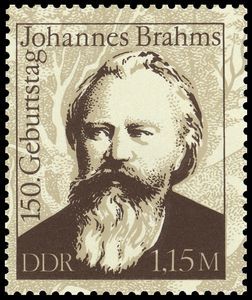
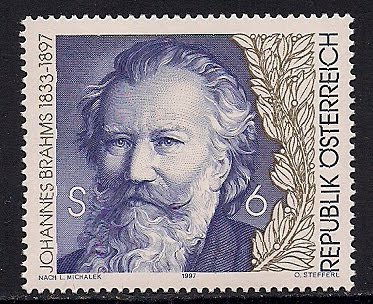
Brahm’s kindness often revealed a finely imaginative quality. During his
concert in Hungary with Joachim, the audience one evening consisted of a
solitary man. The violinist was all for giving him back his money and closing
before the start.
“No, said Brahms, our unique partisan does not deserve such disrespect.
Let us go on with the program”. So they began, and soon were enthusiastically
playing whatever their fortunate solo audience suggested.
Xxx
JUNK ORCHESTRA AND WHITE FLAG!
A story is told by Deems Taylor about the first performance in Carnegie
Hal of the extremely modernistic Ballet Mechanique, by George Antheil. The
composition may be classed as an extreme of extremes; and among unorthodox
instruments augmenting the orchestra were ten grand pianos, six xylophones, a
player piano, fire alarm siren, an airplane propeller and several automobile
klaxons.
The audience, which had been attentive and quiet previously, began to
fidget after the start of the music. The general excitement and consternation
mounted, until finally, after eight minutes of the composition, a man in one of
the front rows raised a white handkerchief tied to his cane. Where upon the
entire audience burst into laughter.














 Tamil and Vedas