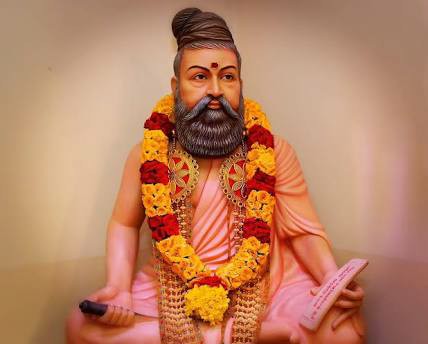
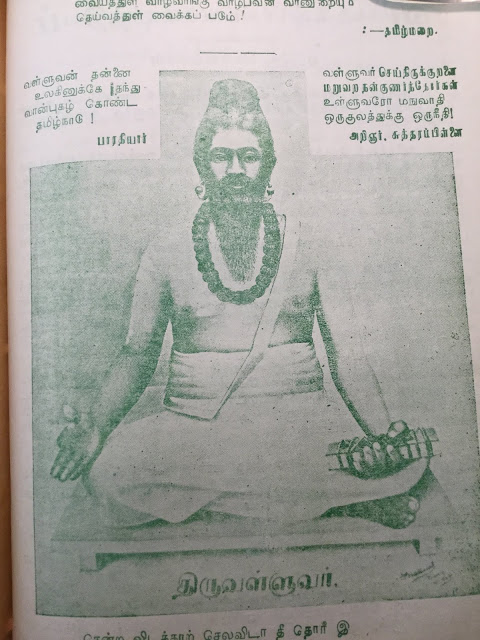
NAMING YOUR BABY! Names Anecdotes (Post No.5447)

Compiled by London Swaminathan

swami_48@yahoo.com

Date: 18  September 2018


Time uploaded in London – 14-50  (British Summer Time)


Post No. 5447

Pictures shown here are taken by london swaminathan.


DONT YOU KNOW ME?
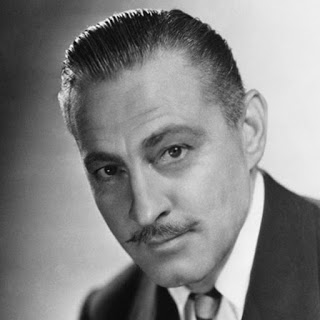
American actor John Barrymore, at the height of his fame, went into the shop of a swanky men’s clothier in Hollywood. He left an order and started to leave.
‘Your name please’, the clerk asked
The Barrymore’s brows arched high,
‘Barrymore’, he replied coldly.
‘Which Barrymore, please?’
Coolness turned to solid ice.
‘Ethel’, he said.

Xxx

When George Burns assumed his professional name, George Jessel remarked to him,
Well, Georgie, you can change your name to Burns but you will never get the salami out of your stomach.

Xxxx

READER’S REACTION!

Says Walter Winchell,
Shortly before your son was born, I remarked in the newspaper that if your new baby was a boy he would be named Reid Winchell, and if a girl, Sue Winchell.
To which a reader heckler telegraphed,
Boy or girl it should be called Lynch Winchell.

Xxxx

ADAM IS A SWINDLER!

A stranger in the town passed the grocery store bearing on its window the name of its proprietor,
A Swindler
Amused, the stranger entered the store and asked the grocer if he did not think that his full name would make a better impression.
No, said the grocer, it would be worse.
‘My first name is Adam’.

Xxx


MOUNTAIN AND MOSQUITO!

At one time both Montague Mathews and Mathew Montague were members of the British House of Commons, Mr Mathews was a big powerful giant of a man. Mr Montague was a thin and emaciated man.
The Speaker frequently confused the two
I can’t understand it, said Montague Mathews.
There’s as much difference between us as there is between a horse chestnut and a chestnut horse.

Xxxx

THINKI, SINC!

One time, talking with Lord Beaverbrook , Sinclair Lewis kept on saying,
What do you think, Max?
Beaver brook got tired of this form of address after the eighth time and suddenly snapped at him,
What do you think, Sinc?

Xxx

LONG ‘WORTH’
A man named Longworth was once presented to Longfellow, and remarked upon the similarity of their names.
Yes, said Longfellow, and I believe the advantage is yours, for as Pope has said,
Worth makes the man, the want of it, the fellow.

Xxx

NAMING A BABY

‘I have made up my mind what we will call the baby ‘, the young mother announced,
‘We will call her Eulalia’
The father did not care for this choice but he was shrewd.
‘That is fine’, he said.
‘The first girl I loved was named Eulalia, and it will evoke pleasant memories’ .
The wife was silent for a moment.
‘We will call her Mary after my mother’, she said.
XXX SUBHAM XXX

பாதிரிகளுக்கு இங்கர்சாலின் கேள்வி! – 3 (Post No.5446)

Written by S NAGARAJAN

Date: 19 SEPTEMBER 2018


Time uploaded in London – 7-12 AM (British Summer Time)


Post No. 5446


Pictures shown here are taken from various sources including google, Wikipedia, Facebook friends and newspapers. This is a non- commercial blog.


பாதிரிகளுக்கு இங்கர்சாலின் கேள்வி! – 3


ச.நாகராஜன்


ராபர்ட் க்ரீன் இங்கர்சாலின் மிக நீண்ட உரையில் அவர் பாதிரிகளை நோக்கிக் கேட்கும் கேள்விகளைப் பார்த்தோம். இன்னும் பாதிரிகளால் விடை தர முடியாத நிறைய கேள்விகளை அவர் கேட்கிறார்.

சாரம் இது தான்: ‘ஏ! பாவிகளே!! உங்களுக்கு மீளா நரகம் காத்திருக்கிறது’ என்ற பயத்தின் அடிப்படையைக் கொண்டு பிரசாரம் செய்யும் கிறிஸ்தவ மதம் நல்லதையே செய்ய முடியாது. அது இருக்கும் நாடுகளில் எல்லாம் என்ன முன்னேற்றம் அடையப் பட்டிருக்கிறது? கிறிஸ்தவம் இல்லாத நாடுகளை விட கிறிஸ்தவ நாட்டு மக்கள் எந்த விதத்தில் சிறந்திருக்கிறார்கள். அடிதடி, அதிகார ஆணவ வேட்டை, பொறாமை, போட்டி, கொலை, கொள்ளை, நம்பிக்கை துரோகம், அமைதியற்ற தன்மை, அணுகுண்டு என்று தலையில் விழுமோ என்ற இடைவிடாத பயம், ஆண் பெண் உறவில் விரிசல், சண்டை, விவாக ரத்து ..என்று முடிவற்ற பட்டியலின் தாயகமாகவே இந்த நாடுகள் திகழ்கின்றன.

இங்கர்ஸால் தனது கருத்துக்களை உதாரணங்களுடன் விளக்குகிறார். அவரது குட்டிக் கதைகள் சூப்பர் ரகத்தைச் சேர்ந்தவை. அவரது கருத்துக்களை ஆதாரங்களுடன் விளக்குகிறார். மறுக்க முடியாத ஆதாரங்கள் அவை. கிறிஸ்தவத்திற்குள்ளேயே உள்ள சண்டைகளையும் அதிகாரப் போட்டிகளையும் அவர் விளக்குக்கிறார். கத்தோலிக்கர், ப்ராடஸ்டண்ட் இரு பிரிவுமே சரியில்லை என்பது அவரது முடிந்த முடிபு.

அரசிலிருந்து மதம் விலக வேண்டுமென்பது அவரது அவா. அதை கிறிஸ்தவ நாடுகள் எதுவும் ஏற்கவில்லை. மாறாக இன்றும் வாடிகன் போப் பிற நாடுகளில் ‘அறுவடை’ செய்வதைப் பற்றிப் பேசி வருகிறார். அறுவடை – ஹார்வெஸ்ட்- என்பது அசிங்கமான வார்த்தையாக ஆகி விட்டது. இருக்கும் மதத்தை ஒழித்து அனைவரையும் கிறிஸ்தவ மயமாக்குவதன் பெயர் தான் ஹார்வெஸ்ட் – அறுவடை. சகிப்புத்தன்மை இல்லாத சொல்லாக இந்தச் சொல் எவ்வளவு அசிங்கமான சொல்லாக ஆகி விட்டது. இதையெல்லாம் சுட்டிக் காட்டுகிறது இங்கர்ஸாலின் இந்த உரை.

ஹிந்துக்கள் தைரியமாக கிறிஸ்தவ பாதிரிகளை நோக்கிக் கூறலாம்: “உங்களில் பிறந்த ஒருவரான இங்கர்ஸாலின் கேள்விகளுக்குப் பதிலைச் சொல்லுங்கள். பின்னர் அம்ருதஸ்ய புத்ரா: அனைவரும் அமிர்தத்தின் புதல்வர்கள் என்று கூறும், பயப்பட வைக்காத ஹிந்து மதம் தவழும் நாட்டிற்கு வாருங்கள். வந்து எங்களுடன் சேருங்கள் – கிறிஸ்துவை வழிபடும் உரிமையுடன் கூடவே” என்று கூறலாம். மூல உரையின் இதர பகுதிகளை கீழே காணலாம்.

ஒரே வரியில் இங்கர்சாலின் கருத்தைச்  சொல்வதென்றால் அவரது முக்கிய வரியை எடுத்துக் கொள்ளலாம் : The church is always on the wrong side. சர்ச் எப்போதுமே தப்பான பக்கமே இருக்கிறது.

முக்கிய பகுதியில் ஒரு அம்சத்தைத் தமிழில் தந்த திருப்தியுடன் இத் தொடரை இத்துடன் முடிக்கிறேன்.

மூல உரையில் மீதிப் பகுதி:


There is another trouble with the supernatural. It has no honesty; it is consumed by egotism; it does not think — it knows; consequently it has no patience with the honest doubter. And how has the church treated the honest doubter? He has been answered by force, by authority, by popes, by cardinals and bishops, and councils, and, above all, by mobs. In that way the honest doubter has been answered. There is this difference between the minister, the church, the clergy, and the men who believe in this world. I might as well state the question — I may go further than you. The real question is this: Are we to be governed by a supernatural being, or are we to govern ourselves? That is the question. Is God the source of power, or does all authority spring, in governing, from the consent of the governed? That is the question. In other words, is the universe a monarchy, a despotism, or a democracy? I take the democratic side, not in a political sense. The question is, whether this world should be governed by God or by man; and when I say “God” I mean the being that these gentlemen have treated and enthroned upon the ignorance of mankind.

Now let us admit, for the sake of argument, that the bible is true. Let us admit, for the sake of argument, that God once governed this world — not that He did, but let us admit it, and I intend to speak of no god but our God, because we all insist that of all the gods ours is the best, and if He is not good we need not trouble ourselves about the others. Let them take care of themselves.

Now, the first question is, whether this world shall be governed by God or man. Admitting that the being spoken of in the bible is God, He governed this world once. There was a theocracy at the start. That was the first government of the world. Now, how do you judge of a man? The best test of a man is, how does he use power? That is the supreme test of manhood. How does he treat those within his control? The greater the man, the grander the man, the more careful he is in the use of power — the tenderer he is, the nearer just, the greater, the more merciful, the grander, the more charitable. Tell me how a man treats his wife or his children, his poor debtors, his servants, and I will tell you what manner of a man he be. That, I say, is the supreme test, and we know tonight how a good and great man treats his inferiors. We know that. And a man endeavoring to raise his fellow-men higher in the scale of civilization — what will that man appeal to? Will he appeal to the lowest or to the highest that is in man? Let us be honest. Will he appeal to prejudice — the fortress, the armor, the sword and shield of ignorance? Will he appeal to credulity — the ring in the nose by which priests lead stupidity? Will he appeal to the cowardly man? Will he play upon his fears — fear, the capital stock of imposture, the lever and fulcrum of hypocrisy? Will he appeal to the selfishness and all the slimy serpents that crawl in the den of savagery? Or will he appeal to reason, the torch of the mind? Will he appeal to justice? Will he appeal to charity, which is justice in blossom? Will he appeal to liberty and love? These are the questions. What will he do? What did our God do? Let us see. The first thing we know of Him is in the Garden of Eden. How did He endeavor to make His children great, and strong, and good, and free? Did He say anything to Adam and Eve about the sacred relation of marriage? Did He say anything to them about loving children? Did He say anything to them about learning anything under heaven? Did He say one word about intellectual liberty? Did he say one word about reason or about justice? Did He make the slightest effort to improve them? All that He did in the world was to give them one poor little miserable, barren command, “Thou shalt not eat of a certain fruit.” That’s all that amounted to anything; and, when they sinned, did this great God take them in the arms of His love and endeavor to reform them? No; He simply put upon them a curse. When they were expelled He said to the woman: “I will greatly multiply thy sorrow. In sorrow shalt thou bring forth children. Thy husband shall rule over thee.” God made every mother a criminal, and placed a perpetual penalty of pain upon human love. Our God made wives slaves — slaves of their husbands. Our God corrupted the marriage relation and paralyzed the firesides of this world. That is what our God did. And what did He say to poor Adam? “Cursed be the ground for thy sake; in sorrow shalt thou eat of it all the days of thy life; thorns and thistles shall it bring forth to thee; and thou shalt eat the herb of the field, and in the sweat of thy face shalt thou eat bread.” Did He say one word calculated to make him a better man? Did He put in the horizon of the future one star of hope? Let us be honest, and see what this God did, and we will judge of Him simply by ordinary common sense.

After a while Cain murdered his brother, and he was detected by this God. And what did this God say to him? Did He say one word of the crime of shedding human blood? Not a word. Did He say one word calculated to excite in the breast of Cain the slightest real sorrow for his deed? Not the slightest. Did He tell him anything about where Abel was? Nothing. Did He endeavor to make him a better man? Not a bit. What had He ever taught him before on that subject? Nothing. And so Cain went out to the other sons and daughters of Adam, according to the bible, and they multiplied and increased until they covered the earth. God gave them no code of laws. God never built them a schoolhouse. God never sent a teacher. God never said a word to them about a future state. God never held up before their gaze that dazzling reward of heaven; never spoke about the lurid gulfs of hell; kept divine punishment a perfect secret, and without having given them the slightest opportunity, simply drowned the world. Splendid administration! Cleveland will do better than that. And, after the waters had gone away, then He gave them some commandments. I suppose that He saw by that time that they needed guidance.

And here are the commandments:

  1. You may eat all kinds of birds, beasts and fishes.
  2. You must not eat blood; if you do, I will kill you.
  3. Whosoever sheddeth man’s blood, by man shall his blood be shed.

Nothing more. No good advice; not a word about government; not a word about the rights of man or woman, or children; not a word about any law of nature; not a word about any science — nothing, not even arithmetic.

Nothing. And so He let them go on, and in a little while they came to the same old state; and began building the Tower of Babel; and he went there and confounded, as they said, their languages. Never said a word to them; never told them how foolish it was to try and reach heaven that way. And the next we find Him talking to Abraham, and with Abraham He makes a contract. And how did He do it? “I will bless them that bless thee, and curse them that curse thee.” Fine contract for a God. And thereupon He made certain promises to Abraham — promised to give him the whole world, all the nations round about, and that his seed should be as the sands of the sea. Never kept one of His promises — not one. He made the same promises to Isaac, and broke every one. Then He made them all over to Jacob, and broke every one; made them again to Moses, and broke them all. Never said a word about anybody behaving themselves — not a word. Finally, these people whom He had taken under His special care became slaves in the land of Egypt. How ashamed God must have been! Finally He made up His mind to rescue them from that servitude, and He sent Moses and Aaron. He never said a word to Moses or Aaron that Pharaoh was wrong. He never said a word to them about how the women felt when their male children were taken and destroyed. He simply sent Moses before Pharaoh with a cane in his hand that he could turn into a serpent; and, when Pharaoh called in magicians and they did the same, Pharaoh laughed. And then they made frogs; and Pharaoh sent for his magicians, and they did the same, and Pharaoh still laughed. And this God had infinite power, but Pharaoh defeated Him at every point!

It puts me in mind of the story that great Fenian told when the great excitement was about Ireland. An Irishman was telling about the condition of Ireland. He said: “We have got in Ireland now over 300,000 soldiers, all equipped. Every man of them has got a musket and ammunition. They are ready to march at a minute’s notice.” “But,” said the other man, “why don’t they march?” “Why,” said the other man, “the police won’t let them.” How admirable! Imagine the infinite God endeavoring to liberate the Hebrews, and prevented by a king, who would not let the children of Israel go until he had done some little miracles with sticks! Think of it! But, said Christians, “you must wait a little while if you wish to find the foundation of law.”

Christians now assert that from Sinai came to this world all knowledge of right and wrong, and that from its flaming top we received the first ideas of law and justice. Let us look at those ten commandments. Which of those ten commandments were new, and which of those ten commandments were old? “Thou shalt not kill.” That was as old as life. Murder has been a crime; also, because men object to being murdered. If you read the same bible you will find that Moses, seeing an Israelite and an Egyptian contending together, smote the Egyptian and hid his body in the sand. After he had committed that crime Moses fled from the land. Why? Simply because there was a law against murder. That is all. “Honor thy father and thy mother.” That is as old as birth. “Thou shalt not commit adultery.” That is as old as sex. “Thou shalt not steal.” That is as old as work, and as old as property. “Thou shalt not bear false witness against thy neighbor.” That is as old as the earth. Never was there a nation, never was there a tribe on the earth that did not have substantially, those commandments. What, then, were new? First, “Thou shalt worship no other God; thou shalt have no other God.” Why? “Because I am a jealous God.” Second, “Thou shalt not make any graven image.” Third, “Thou shalt not take My name in vain.” Fourth, “Thou shalt not work on the Sabbath day.” What use were these commandments? None — not the slightest. How much better it would have been if God from Sinai, instead of the commandments, had said: “Thou shalt not enslave thy fellow-man; no human being is entitled to the results of another’s labor.” Suppose He had said: “Thou shalt not persecute for opinion’s sake; thought and speech must be forever free.” Suppose He had said, instead of “Thou shalt not work on the Sabbath day,” “A man shall have but one wife; a woman shall have but one husband; husbands shall love their wives; wives shall love their husbands and their children with all their hearts and as themselves”— how much better it would have been for this world.

Long before Moses was born the Egyptians taught one God; but afterwards, I believe, in their weakness, they degenerated into a belief in the Trinity. They taught the divine origin of the soul, and taught judgment after death. They taught as a reward for belief in their doctrine eternal joy, and as a punishment for non-belief eternal pain. Egypt, as a matter of fact, was far better governed than Palestine. The laws of Egypt were better than the laws of God. In Egypt woman was equal with man. Long before Moses was born there were queens upon the Egyptian throne. Long before Moses was born they had a written code of laws, and their laws were administered by courts and judges. They had rules of evidence. They understood the philosophy of damages. Long before Moses was born they had asylums for the insane and hospitals for the sick. Long before God appeared on Sinai there were schools in Egypt, and the highest office next to the throne was opened to the successful scholar. The Egyptian married but one wife. His wife was called the lady of the house. Women were not secluded; and, above all and over all, the people of Egypt were not divided into castes, and were infinitely better governed than God ever thought of. I am speaking of the God of this bible. If Moses had remembered more of what he saw in Egypt his government would have been far better than it was. Long before these commandments were given, Zoroaster taught the Hindoos that there was one infinite and supreme God. They had a code of laws, and their laws were administered by judges in their courts. By those laws, at the death of a father, the unmarried daughter received twice as much of his property as his son. Compare those laws with the laws of Moses.

So, too, the Romans had their code of laws. The Romans were the greatest lawyers the world produced. The Romans had a code of civil laws, and that code today is the foundation of all law in the civilized world. The Romans built temples to Truth, to Faith, to Valor, to Concord, to Modesty, to Charity and to Chastity. And so with the Grecians. And yet you will find Christian ministers today contending that all ideas of law, of justice and of right came from Sinai, from the ten commandments, from the Mosaic laws. No lawyer who understands his profession will claim that is so. No lawyer who has studied the history of law will claim it. No man who knows history itself will claim it. No man will claim it but an ignorant zealot.

Let us go another step — let us compare the ideas of this God with the ideas of uninspired men. I am making this long preface because I want to get it out of your minds that the bible is inspired.

Now let us go along a little and see what is God’s opinion of liberty. Nothing is of more value in this world today than liberty — liberty of body and liberty of mind. Without liberty, the universe would be as a dungeon into which human beings are flung like poor and miserable convicts. Intellectual liberty is the air of the soul, the sunshine of the mind. Without it we should be in darkness. Now, Jehovah commanded the Jewish people to take captives the strangers and sojourners amongst them, and ordered that they and their children should be bondsmen and bondswomen for ever.

Now let us compare Jehovah to Epictetus — a man to whom no revelation was ever made — a man to whom this God did not appear. Let us listen to him: “Remember your servants are to be treated as your own brothers — children of the same God.” On the subject of liberty is not Epictetus a better authority than Jehovah, who told the Jews to make bondsmen and bondswomen of the heathen round about? And He said they were to make them their bondsmen and bondswomen forever. Why? Because they were heathen. Why? Because they were not children of the Jews. He was the God of the Jews and not of the rest of mankind. So He said to His chosen people: “Pillage upon the enemy and destroy the people of other gods. Buy the heathen round about.” Yet Cicero, a poor pagan lawyer, said this — and he had not even read the old testament — had not even had the advantage of being enlightened by the prophets: “They who say that we should love our fellow-citizens, and not foreigners, destroy the universal brotherhood of mankind, and with it benevolence and justice would perish forever.” Is not Cicero greater than Jehovah? The bible, inspired by Jehovah, says: “If a man smite his servant with a rod and he die under his hand he shall be punished. It he continue a day or two and then die, he shall not be punished.” Zeno, the founder of the stoics, who had never heard of Jehovah, and never read a word of Moses, said this: “No man can be the owner of another, and the title is bad. Whether the slave became a slave by conquest or by purchase, the title is bad.” Let us come and see whether Jehovah has any humanity in Him. Jehovah ordered the Jewish general to make war, and this was the order: “And when the Lord thy God shall deliver them before thee, thou shalt smite them and utterly destroy them; thou shalt make no covenant with them, nor show mercy unto them.” And yet Epictetus, whom I have already quoted, said: “Treat those in thy power as thou wouldst have thy superiors treat thee.”

I am on the side of the pagan. Is it possible that a being of infinite goodness said: “I will heap mischief upon them; I will send My arrows upon them. They shall be burned with hunger; they shall be devoured with burning heat and with bitter destruction. I will also send the teeth of locusts upon them, with the poisonous serpent of the desert. The sound without and the terror within, shall destroy both the young men and the virgins, the sucklings also, and the men with gray hairs.” While Seneca, a poor uninspired Roman, said: “A wise man will not pardon any crime that ought to be punished, but will accomplish in other way all that is sought. He will spare some; he will pardon and watch over some because of their youth; he will pardon these on account of their ignorance. His clemency will not fail what is sought by justice, but his clemency will fulfill justice.” That was said by Seneca. Can we believe that this Jehovah said: “Let his children be fatherless and his wife a widow. Let his children be continually vagabonds, and beg. Let them seek their bread out of desolate places. Let the extortioner catch all that he hath, and let the stranger spoil his labor. Let no one extend mercy unto them, neither let any favor his fatherless children.” Did Jehovah say this? Surely He had never heard this line — this plaintive music from the Hindoo: “Sweet is the lute to those who have not heard the voices of their own children.” Let us see the generosity of Jehovah out of the cloud of darkness on Mount Sinai. He said to the Jews: “Thou shalt have no other God before Me. Thou shalt not bow down to any other gods, for the Lord thy God is a jealous God, visiting the iniquities of the fathers upon the children to the third an fourth generation of them that hate Me.” Just think of God saying to people: “If you do not love Me I will damn you.” Contrast this with the words put by the Hindoo poet into the mouth of Brahma: “I am the same to all mankind. The who honestly worship other gods involuntarily worship me. I am he that partaketh of all worship. I am the reward of worship.” How perfectly sublime! Let me read it to you again: “I am the same to all mankind. They who honestly worship other gods involuntarily worship me. I am he that partaketh of all worship. I am the reward of worship.” Compare these passages. The first is a dungeon, which crude hands have digged with jealous slime. The other is like the dome of the firmament, inlaid with constellations. Is it possible God ever said: “If a prophet deceive when he hath spoken a thing, I, the Lord, hath deceived that prophet?” Compare that passage with the poet, a pagan: “Better remain silent the remainder of life than speak falsely.”

Can we believe a being of infinite mercy gave this command: “Put every man his sword by his side; go from the gate throughout the camp, and slay every man his brother, every man his companion, and every man his neighbor. Consecrate it, yourselves this day. Let every man lay his sword even upon his son, upon his brother, that he bestow blessing upon Me this day.” Surely that was not the outcome of a great, magnanimous spirit, like that of the Roman emperor, who declared: “I had rather keep a single Roman citizen alive than slay a thousand enemies.” Compare the last command given to the children of Israel with the words of Marcus Aurelius: “I have formed an ideal of the State, in which there is the same law for all, and equal rights and equal liberty of speech established for all — an Empire where nothing is honored so much as the freedom of the citizens.” I am on the side of the Roman emperor.

What is more beautiful than the old story from Sufi? There was a man who for seven years did every act of good, every kind of charity, and at the end of the seven years he mounted the steps to the gate of heaven and knocked. A voice cried, “Who is there?” He cried, “Thy servant, O Lord;” and the gates were shut. Seven other years he did every good work, and again mounted the steps to heaven and knocked. The voice cried, “Who is there?” He answered, “Thy slave, O God;” and the gates were shut. Seven other years he did every good deed, and again mounted the steps to heaven, and the voice said: “Who is there?” He replied “Thyself, O God;” and the gates wide open flew. Is there anything in our religion so warm or so beautiful as that? Compare that story from a pagan with the Presbyterian religion.

Take this story of Endesthora, who was a king of Egypt, and started for the place where the horizon touched the earth, where he was to meet God. With him followed Argune and Bemis and Traubation. They were taught that, when any man started after God in that way, if he had been guilty of any crime he would fall by the way. Endesthora walked at the head and suddenly he missed Argune. He said, “He was not always merciful in the hour of victory.” A little while after he missed Bemis, and said, “He fought not so much for the rights of man as for his own glory.” A little farther on he missed Traubation. He said, “My God, I know no reason for his failing to reach the place where the horizon touches the earth;” and the god Ram appeared to him, and opening the curtains of the sky, said to him: “Enter.” And Endesthora said: “But where are my brethren? Where are Argune and Beinis and Traubation?” And the god said: “They sinned in their time, and they are condemned to suffer below.” Then said Endestbora: “I do not wish to enter into your heaven without my friends. If they are below, then I will join them.” But the god said: “They are here before you; I simply said this to try your soul.” Endesthora simply turned and said: “But what of my dog?” The god said, “Thou knowest that if the shadow of a dog fall upon the sacrifice, it is unclean. How, then, can a dog enter heaven?” And Endesthora replies: “I know that, and I know another thing; that ingratitude is the blackest of crimes, whether it be to man or beast. That dog has been my faithful friend. He has followed me and I will not desert even him.” And the god said: “Let the dog follow.” Compare that with the bible stories.

Long before the advent of Christ, Aristotle said: “We should conduct ourselves toward others as we would have them conduct themselves toward us.” Seneca said: “Do not to your neighbor what you would not have your neighbor do to you.” Socrates said: “Act toward others as you would have others act toward you. Forgive your enemies, render good for evil, and kiss even the hand that is upraised to smite.” Krishna said: “Cease to do evil; aim to do well; love your enemies. It is the law of love that virtue is the only thing that has strength.” Poor, miserable pagans! Did you ever hear anything like this? Is it possible that one of the authors of the new testament was inspired when he said that man was not created for woman, but woman for man? Epictetus said: “What is more delightful than to be so dear to your wife as to be on her account dearer even to yourself?” Compare that with St. Paul: “But I would have you know that the head of every man is Christ, and the head of the woman is the man, and the head of Christ is God. Wives, submit yourselves unto your husbands as unto the Lord.” That was inspiration. This was written by a poor, despised heathen: “In whatever house the husband is contented with the wife and the wife with the husband, in that house will fortune dwell. In the house where the woman is not honored, let the curse be pronounced. Where the wife is honored, there God is truly worshiped.” I wish Jehovah had said something like that from Sinai. Is there anything as beautiful as this in the new testament: “Shall I tell you where nature is more blest and fair? It is where those we love abide. Though the space be small, it is ample as earth; though it be a desert, through it run the rivers of Paradise.”

Compare these things with the curses pronounced in the old testament, where you read of the heathen being given over to butchery and death, and the women and babes to destruction; and, after you have read them, read the chapters of horrors in the new testament, threatening eternal fire and flame; and then read this, the greatest thought uttered by the greatest of human beings:

The quality of mercy is not strained. It droppeth as the gentle rain from heaven Upon the place beneath. It is twice blessed: It blesseth him that gives and him that takes; ’Tis mightiest in the mighty; It becomes the throned monarch better this his crown.

Compare that with your doctrine of the new testament! If Jehovah was an infinite God and knew things from the beginning, He knew that His bible would be a breast-work behind which tyranny and hypocrisy would crouch, and knew His bible would be the auction-block on which the mother would stand while her babe was sold from her, because He knew His bible would be quoted by tyrants; that it would be quoted in defense of robbers called kings, and by hypocrites called priests. He knew that He had taught the Jewish people; He knew that He had found them free and left them slaves; He knew that He had broken every single promise made to them; He knew that, while other nations advanced in knowledge, in art, in science, His chosen people were subjects still. He promised them the world; He gave them a desert. He promised them liberty, and made them slaves. He promised them power; He gave them exile, and any one who reads the old testament is compelled to say that nothing could add to their misery.

Let us be honest. How do you account for this religion? This world; where did it come from? You hear every minister say that man is a religious animal — that religion is natural. While man is an ignorant animal man will be a theological animal, and no longer. Where did we get this religion? The savage knew but little of nature, but thought that everything happened in reference to him. He thought his sins caused earthquakes, and that his virtues made the sunshine.

Nothing is so egotistical as ignorance. You know, and so do I, that if no human being existed, the sun would shine, and that tempests would now and then devastate the earth; violets would spread their velvet bosoms to the sun, daisies would grow, roses would fill the air with perfume, and now and then volcanoes would illuminate the horizon with their lurid glare; the grass would grow, the waters would run, and so far as nature is concerned, everything would be as joyous as though the earth were filled with happy homes. We know the barbarian savage thinks that all this was on his account. He thinks that there dwelt two very powerful deities; that there was a good one, because he knows good things happen to him; and that there was a bad one, because he knows bad things happen to him. Behind the evil influence he puts a devil, and behind the good, an intention of God; and then he imagines both these beings are in opposition, and that, between them, they struggle for the possession of his ignorant soul. He also thinks that the place where the good deity lives is heaven, and that the place where the other deity keeps himself is a place of torture and punishment. And about that time other barbarians have chosen too keep the ignorant ones in subjection by means of the doctrine of fear and punishment.

There is no reforming power in fear. You can scare a man, maybe, so bad that he won’t do a thing, but you can’t scare him so bad he won’t want to do it. There is no reforming power in punishment or brute force; but our barbarians rather imagined that every being would punish in accordance with his power, and his dignity, and that God would subject them to torture in the same way as those who made Him angry. They knew the king would inflict torments upon one in his power, and they supposed that God would inflict torture according to His power. They knew the worst torture was a slow, burning fire; added to it the idea of eternity, and hell was produced. That was their idea. All meanness, revenge, selfishness, cruelty, and hatred of which men here are capable burst into blossom and bore fruit in that one word, “Hell.”

In this way a God of infinite wisdom experimented with man, keeping him between an outstretched abyss beneath and a heaven above; and in time the man came to believe that he could please God by having read a few sacred books, could count beads, could sprinkle water, eat little square pieces of bread, and that he could shut his eyes and say words to the clouds; but the moment he left this world nothing remained except to damn him. He was to be kept miserable one day in seven, and he could slander and persecute other men all the other days in the week. That was the chance that God gave a man here, but the moment he left this world that settled it. He would go to eternal pain or else to eternal joy. That was the way that the supernatural governed this world — through fear, through terror, through eternity of punishment; and that government, I say tonight, has failed. How has it been kept alive so long? It was born in ignorance. Let me tell you, whoever attacks a creed will be confronted with a list of great men who have believed in it. Probably their belief in that creed was the only weakness they had. But he will be asked, “So you know more than all the great men who have taught and all the respectable men who have believed in that faith?” For the church is always going about to get a certificate from some governor, or even perhaps members of the Legislature, and you are told, because so-and-so believed all these things, and you have no more talents than they, that you should believe the same thing. But I contend, as against this argument, that you should not take the testimony of these men unless you are willing to take at the same time all their beliefs on other subjects. Then, again, they tell you that the rich people are all on their side, and I say so, too. The churches today seek the rich, and poverty unwillingly seeks them. Light thrown from diamonds adorns the repentant here. We are told that the rich, the fortunate, and the holders of place are Christians now; and yet ministers grow eloquent over the poverty of Christ, who was born in a manger, and say that the Holy Ghost passed the titled ladies of the world and selected the wife of a poor mechanic for the mother of God. Such is the difference between theory and practice. The church condemns the men of Jerusalem who held positions and who held the pretensions of the Savior in contempt. They admit that He was so little known that they had to bribe a man to point Him out to the soldiers. They assert that He performed miracles; yet He remained absolutely unknown, hidden in the depth of obscurity. No one knew Him, and one of His disciples had to be bribed to point Him out. Surely He and His disciples could have met the arguments which were urged against their religion at that time.

So long as the church honored philosophers she kept her great men in the majority. How is it now? I say tonight that no man of genius in the world is in the orthodox pulpit, so far as I know. Where are they? Where are the orthodox great men? I challenge the Christian church to produce a man like Alexander Humboldt. I challenge the world to produce a naturalist like Haeckel. I challenge the Christian world to produce a man like Darwin. Where in the ranks of orthodoxy are historians like Draper and Buckle? Where are the naturalists like Tyndall, philosophers like Mills and Spencer, and women like George Eliot and Harriet Martineau? You may get tired of the great-men argument; but the names of the great thinkers, and naturalists and scientists of our time cannot be matched by the supernatural world.

What is the next argument they will bring forward? The father and mother argument. You must not disgrace your parents. How did Christ come to leave the religion of His mother? That argument proves too much. There is one way every man can honor his mother — that is by finding out more than she knew. There is one way a man can honor his father — by correcting the old man’s errors.

Most people imagine that the creed we have came from the brain and heart of Christ. They have no idea how it was made. They think it was all made at one time. They don’t understand that it was a slow growth. They don’t understand that theology is a science made up of mistakes, prejudices and falsehoods. Let me tell you a few facts: The Emperor Constantine, who lifted the Christian religion into power, murdered his wife and his eldest son the very year that he convened the Council of Nice to decide whether Jesus Christ was man or God; and that was not decided until the year of grace 325. Then Theodosius called a council at Constantinople in 381, and this council decided that the Holy Ghost proceeded from the Father. You see, there was a little doubt on that question before this was done. Then another council was called later to determine who the Virgin Mary really was, and it was solemnly decided that she was the mother of Christ. In 431, and then in 451, a council was held in Chalcedon, by the Emperor Marcian, and that decided that Christ had two natures — a human and a divine. In 680 another council was held at Constantinople; and in 1274 at Lyons, it was decided that the Holy Ghost proceeded not only from the Father but from the Son; and when you take into consideration the fact that a belief in the Trinity is absolutely essential to salvation, you see how important it was that these doctrines should have been established in 1274, when millions of people had dropped into hell in the interim solely because they had forgotten that question. At last we know how religions are made. We know how miracles are manufactured. We know the history of relics, and bones, and pieces of the true cross. And at last we understand apostolic succession. At last we have examined other religions, and we find them all the same, and we are beginning to suspect that ours is like the rest. I think we understand it.

I read a little story, a short time ago, from the Japanese, that throws light upon the question. There was an old priest at a monastery. This monastery was built over the bones of what he called a saint, and people came there and were cured of many diseases. This priest had an assistant. After the assistant grew up and got quite to understand his business, the old priest gave him a little donkey, and told him that henceforth he was to take care of himself. The young priest started out with his little donkey, and asked alms of those he met. Few gave to him. Finally he got very poor. He could not raise money enough to feed the donkey. Finally the donkey died; he was about to bury it when a thought occurred to him. He buried the donkey and sat down on the grave, and to the next stranger that passed he said: “Will you not give a little money to erect a shrine over the bones of a sinless one?” Thereupon a man gave money. Others followed his example, a shrine was raised, and in a little while a monastery was built over the bones of the sinless one. Down in the grave the young priest made an orifice, so that persons afflicted with any disease could reach down and touch the bones of the sinless one. Hundreds were thus cured, and persons left their crutches as testimonials to the miraculous power of the bones of the sinless one. Finally the priest became so rich that he thought he would visit his old master. He went to the old monastery with a fine retinue. His old master asked him how he became so rich and prosperous. He replied: “Old age is stupid, but youth has thought.” Later on he explained to the old priest how the donkey had died, and how he had raised a monastery over the bones of the sinless one; and again reminded him that old age is stupid, but youth has thought. The old priest exclaimed: “Not quite so fast, young man; not quite so fast. Don’t imagine you worked out anything new. This shrine of mine is built over the bones of the mother of your little donkey.”

We have now reached a point in the history of the world when we know that theocracy as a form of government is a failure, and we see that theology as a foundation of government is an absolute failure. We can see that theocracy and theology created, not liberty, but despotism. We know enough of the history of the churches in this world to know that they never can civilize mankind; that they are not imbued with the spirit of progress; that they are not imbued with the spirit of justice and mercy. What I ask you tonight is: What has the church done to civilize mankind? What has the church done for us? How has it added to the prosperity of this world? Has it ever produced anything? Nothing. Why, they say, it has been charitable. How can a beggar be charitable? A beggar produces nothing. The church has been an eternal and everlasting pauper. It is not charitable. It is an object of charity, and yet it claims to be charitable. The giver is the charitable one. Somebody who has made something, somebody who has by his labor produced something, he alone can be charitable.


And let me say another thing: The church is always on the wrong side. Let us take, first, the Episcopal church — if you call that a church. Let me tell you one thing about that church. You know what is called the rebellion in England in 1688? Do you know what caused it? I will tell you. King James was a Catholic, and notwithstanding that fact, he issued an edict of toleration for the Dissenters and Catholics. And what next did he do? He ordered all the bishops to have this edict of toleration read in the Episcopal churches. They refused to do it — most of them. You recollect that trial of the seven bishops? That is what it was all about; they would not read the edict of toleration. Then what happened? A strange thing to say, and it is one of the miracles of this world: The Dissenters, in whose favor that edict was issued, joined hands with the Episcopalians, and raised the rebellion against the king, because he wanted to give the Dissenters liberty, and these Dissenters and these Episcopalians, on account of toleration, drove King James into exile. This is the history of the first rebellion the Church of England ever raised against the king, simply because he issued an edict of toleration and the poor, miserable wretches in whose favor the edict was issued joined hands with their oppressors. I want to show you how much the Church of England has done for England. I get it from good authority. Let me read it to you to show how little influence the Christian church, the Church of England, had with the government of that country. Let me tell you that up to the reign of George I. there were in that country sixty-seven offenses punishable with death. There is not a lawyer in this city who can think of those offenses and write them down in one day. Think of it! Sixty-seven offenses punishable with death! Now, between the accession of George I. and the termination of the reign of George III. there were added 156 new crimes punishable with death, making in all 223 crimes in England punishable with death. There is no lawyer in this State who can think of that many crimes in a week. Now, during all those years the government was becoming more and more cruel; more and more barbarous; and we do not find, and we have not found, that the Church of England, with its 15,000 or 20,000 Ministers, with its more than a score of bishops in the House of Lords, has ever raised its voice or perfected any organization in favor of a more merciful code, or in condemnation of the enormous cruelty which the laws were continually inflicting. And was not Voltaire justified in saying that “The English were a people who murdered by law?” Now, that is an extract from a speech made by John Bright in May, 1883. That shows what the Church of England did. Two hundred and twenty-three offenses in England punishable with death, and no minister, no bishop, no church organization raising his or its voice, against the monstrous cruelty. And why? Even then it was better than the law of Jehovah.

And the Protestants were as bad as the Catholics. You remember the time of Henry IV. in France, when the edict of Nantes was issued simply to give the Protestants the right to worship God according to the dictates of their conscience. Just as soon as that edict was issued the Protestants themselves, in the cities where they had the power, prevented the Catholics from worshiping their God according to the dictates of their conscience, and it was on account of the refusal of those Protestants to allow the Catholics to worship God as they desired that there was a civil war lasting for seven years in France. Richelieu came into authority about the second or third year of that war. He made no difference between Protestants and Catholics; and it was owing to Richelieu that the Thirty Years’ War terminated. It was owing to Richelieu that the peace of Westphalia was made in 1643, although I believe he had been dead a year before that time; but it was owing to him, and it was the first peace ever made between nations on a secular basis, with everything religious left out, and it was the last great religious war.

You may ask me what I want. Well, in the first place I want to get theology out of government. It has no business there. Man gets his authority from man, and is responsible only to man. I want to get theology out of politics. Our ancestors in 1776 retired God from politics, because of the jealousies among the churches, and the result has been splendid for mankind. I want to get theology out of education. Teach the children what somebody knows, not what somebody guesses. I want to get theology out of morality, and out of charity. Don’t give for God’s sake, but for man’s sake.

I want you to know another thing; that neither Protestants nor Catholics are fit to govern this world. They are not fit to govern themselves. How could you elect a minister of any religion president of the United States. Could you elect a bishop of the Catholic church, or a Methodist bishop, or Episcopal minister, or one of the elders? No. And why? We are afraid of the ecclesiastic spirit. We are afraid to trust the liberties of men in the hands of people who acknowledge that they are bound by a standard different from that of the welfare of mankind.

The history of Italy, France, Spain, Portugal, Cuba, and Brazil all show that slavery existed where Catholicism was a power. I would suggest an education that would rule theology out of the government, and teach people to rely more on themselves and less on providence. There are two ways of living — the broad way of life lived for others, and the narrow theological way. It is wise to so live that death can be serenely faced, and then, if there is another world, the best way to prepare for it is to make the best of this; and if there be no other world, the best way to live here is to so live as to be happy and make everybody else happy.

****
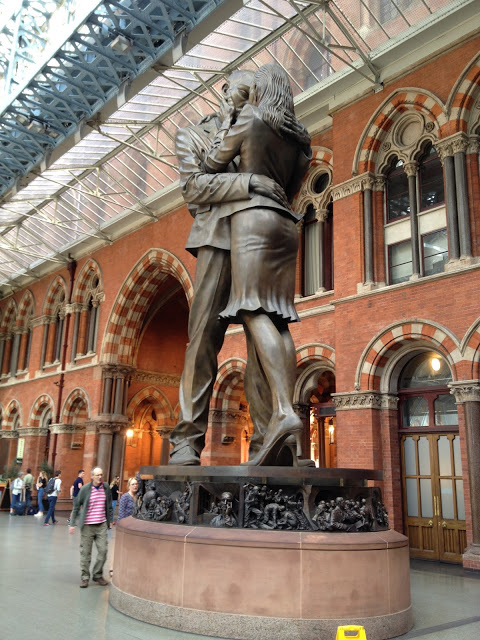
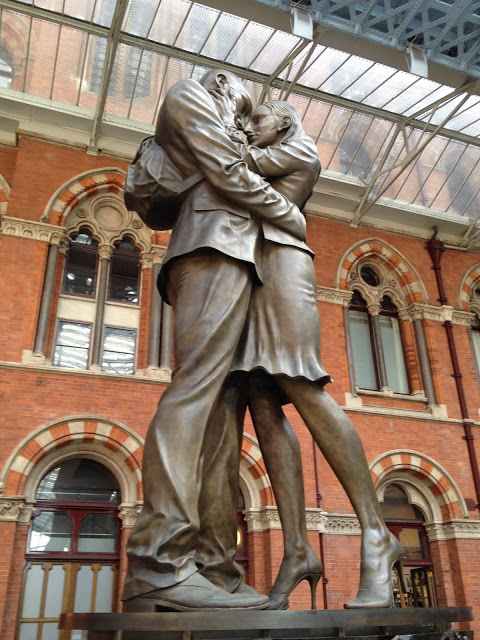
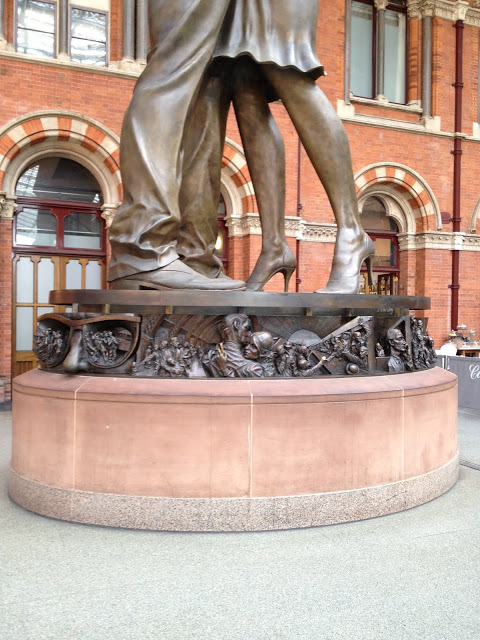
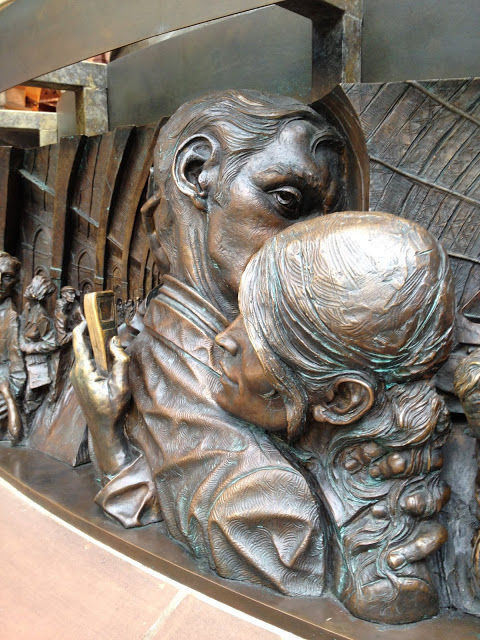
LOVER’S STATUE IN LONDON (Post No.5445)


Written by London Swaminathan

swami_48@yahoo.com

Date: 18  September 2018


Time uploaded in London – 11-16 am (British Summer Time)


Post No. 5445

Pictures shown here are taken by london swaminatha.


A few days back I was walking past this huge and famous statue of Lovers at the King’s Cross and St Pancrass station. Then I decided to take some pictures with my mobile camera and post it for you. I have been planning to take a picture of the statue for long. During my usual visit to nearby British Library, I entered the station and took the pictures. Next time you come to London don’t miss it. Here is the appreciation and criticism of the statue:-


NAME- LOVER’S STATUE

LOCATION- ST.PANCRSS INTERNATIONAL STATION

(ADJACENT  TO KING’S CROSS STATION)


SCULPTOR- PAUL DAY

HEIGHT- 30 FEET

WEIGHT- 20 TONNES

EXPENSE – ONE MILLION POUNDS

INSTALLATION DATE- OCTOBER 2007

WHAT DOES IT MEAN?

PAUL DAY’S WIFE CATHERINE (38 YEARS)  IS HALF-FRENCH. SO HE DECIDED TO  SHOW THAT IT IS THE MEETING POINT OF TWO CULTURES; THIS INTERNATIONAL STATION TAKES PASSENGERS IN TRAIN TO EUROPE VIA CHANNEL TUNNEL UNDER THE SEA WHICH DIVIDES FRANCE AND BRITAIN.


Paul Day says it remind one of the romance of travel. first he wanted to make it in a kissing posture and he dropped the idea later fearing criticism. I like the statue.


EVENING STANDARD NEWS PAPER REPORTED ABOUT THE PROCESS OF MAKING THE STATUE:-

PAUL DAY began by creating small-scale clay models before constructing a full-size polystyrene copy at a studio in Chichester, West Sussex. Detailed plaster casts were sent to a foundry and turned into bronze then treated with chemicals and wax. St Pancras became Eurostar’s London terminal on 14 November,2007 when all services moved from Waterloo and 20 minutes is cut off journey times. Paris will be only 2 hours 15 minutes away, and Brussels 1 hour 51 minutes from this station.


CRITICISM

FOLLOWING IS A REPORT FROM THE INDEPENDENT NEWSPAPER

A 30 feet bronze statue of lovers embracing at St Pancras International railway station is a lesson in “how not to do” public art, a senior Royal Academy of Arts figure has claimed.

Tim Marlow was speaking as he unveiled a new, temporary installation at the London Eurostar terminal – a clock which will hang above the controversial lovers statue.

“Good public sculpture should seem effortless,” Mr Marlow said. “What you have here are two object lessons: one in how to do it, and the other how not to do it.”

Mr Marlow described the nearby lovers statue, The Meeting Place, as “terrible”.

“How not to do it – and with respect to the artist it’s a bad commission – is the sculpture of the two lovers,” he said. “It’s a terrible, schmaltzy, sentimental piece of kitsch.”

The statue has faced brickbats ever since it was unveiled in 2007 following a major renovation of the station.

Writer Will Self described it as “crappily kitsch” while Turner Prize-winning artist Jeremy Deller called it “barely a work of art”. And another critic recently called the statue “fatuous” adding it was “idiotic in scale, devoid of artistic life” and called for it to be melted down.

But the artist responsible, Paul Day, has consistently defended the piece, saying it evokes the romance of travel. He says he regularly receives messages from the public praising the piece.


–subham–


Comparison of Sankara’s Viveka Cudamani and Tiruvalluvar’s Tirukkural (Post No.5444)

Written by London Swaminathan

swami_48@yahoo.com

Date: 18  September 2018


Time uploaded in London – 8-57 am (British Summer Time)


Post No. 5444

Pictures shown here are taken from various sources including google, Wikipedia, Facebook friends and newspapers. This is a non- commercial blog.


Adi Sankara, one of the greatest Hindu philosophers, has beautifully explained the Advaita (Non Dualism) Philosophy in his masterly work, Viveka Cuudaamani, ‘Crest Jewel of Discrimination’. It has got 580 couplets in Sanskrit.


Tiruvalluvar, the greatest Tamil poet has dealt with 133 subjects of moral importance in his work Tirukkural. The 133 chapters have got 1330 couplets on ethics in Tamil.

It is said that ‘Great men think Alike’, which is amply illustrated in the following comparisons of the two great geniuses.

If we couldn’t get access tomorrow to important Hindu scriptures such as Bhagavad Gita or the Vedas we don’t need to worry. Tiruvalluvar has given the gist of Hinduism in fifty or so couplets.

In his first chapter on God, Valluvar says
‘None but those who have meditated constantly on the feet of god can cross the oceans of birth’- Kural 10
‘Ocean of birth and death’ is known to every learned Hindu as ‘Samsara Saagaram .

Sankara says in Viveka Cudamani (VC),
‘Having attained the Yogaruda state one should recover oneself, immersed in the sea of birth and death, by means of devotion to right of discrimination’- VC 9

Yogaruda state is when onr is attached neither to sense objects nor to actions, and has given up all desires.

Xxxx

Shankara continues,
‘Therefore, a man of learning should strive for his best for liberation, having renounced his desire for pleasures from external objects, duly approaching a good and generous preceptor, and fixing his mind on the truth inculcated by him’–VC 8

Valluvar says,
‘Of what avail is a man s learning if he does not pray to god’- Kural 2

Xxxx
Can wealth help you to reach heaven?
‘There’s no hope of immortality by means of riches- such indeed is the declaration of Vedas. Hence it is clear that works/karma cannot be the cause of liberation’ –VC 7

Valluvar also says it, but indirectly,

‘As those without riches can have no enjoyments in this world so also are those without compassion denied the belongings of the world above’.

Here Valluvar clearly associates wealth with the human world and compassion with the heaven.

Xxx

Desire and Egoism

‘Let the wise and erudite man, having commenced the practice of realisation of the Atman give up all works/ Karma, and try to cut lose the bonds of birth and death’-VC10
A child plays with its toys forgetting hunger and bodily pains ; exactly so does the man of realisation take pleasure in the Reality, without ideas of I and Mine and is happy—537 Viveka Cudamani
He who renounces the egoism of I and mine shall attain the highest heavenly bliss rare of attainment even by the gods– Kural 346

Only when one renounces the two -fold desires can one overcome births. Other wise one will be subject to the rotation of births and deaths caused by desires–Kural 349

Xxx


Time and Place
Though Shankara wrote a religious manual and Valluvar an ethical manual certain things are common for one who wants to achieve something or to reach a goal.

Shankara says,
Success depends essentially on a qualified aspirant; time, place and other such means are but auxiliaries in this regard’– VC14

Valluvar also acknowledges it,
‘Consider these five before deciding on an action: finance, instrument, time, proper place and the nature of action’- Kural 675

Xxx

Use of certain similes such as ‘tiger and cow’, ‘actors’ etc show that Hindu geniuses think in the same way. There is a possibility ofone influencing the other as well as both are from South India. Both of them might have spoken Tamil at home.

Tiger Simile


The pretentious conduct of a man who has not the firmness of mind to direct him in the path of true ascetism is likened to a cow grazing clothed in tigers skin– Kural 273

O Master, you have awakened me from sleep and saved me . I was wandering in the forest of illusion, troubled by the tiger of egoism–
VC 518

The arrow which is shot at an object with the idea that it is a tiger, does not, when the object perceived to be a cow, check itself, but pierce s the object with full force –VC452.

Xxx
Actor Simile
‘Fortune coming to one and its departure are likened to the assembling of a crowd to witness a drama and its dispersal respectively’- Kural 332

‘As an actor, when he puts on the dress of his role or when he does not, is always a man. So the perfect knower of Brahman is always Brahman and nothing else’– VC 555


–subham–

பிராமணர்கள் என்ன செய்யக்கூடாது? மநுவின் தடாலடி! (Post No.5443)

Written by London Swaminathan

swami_48@yahoo.com

Date: 18  September 2018


Time uploaded in London – 8-13 am (British Summer Time)


Post No. 5443

Pictures shown here are taken from various sources including google, Wikipedia, Facebook friends and newspapers. This is a non- commercial blog.


மநு நீதி நூல்- Part 26


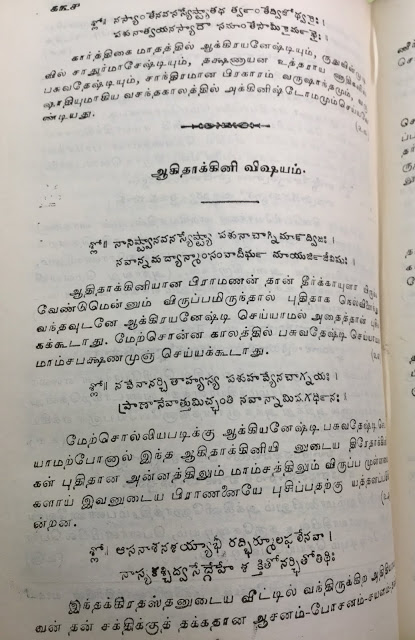
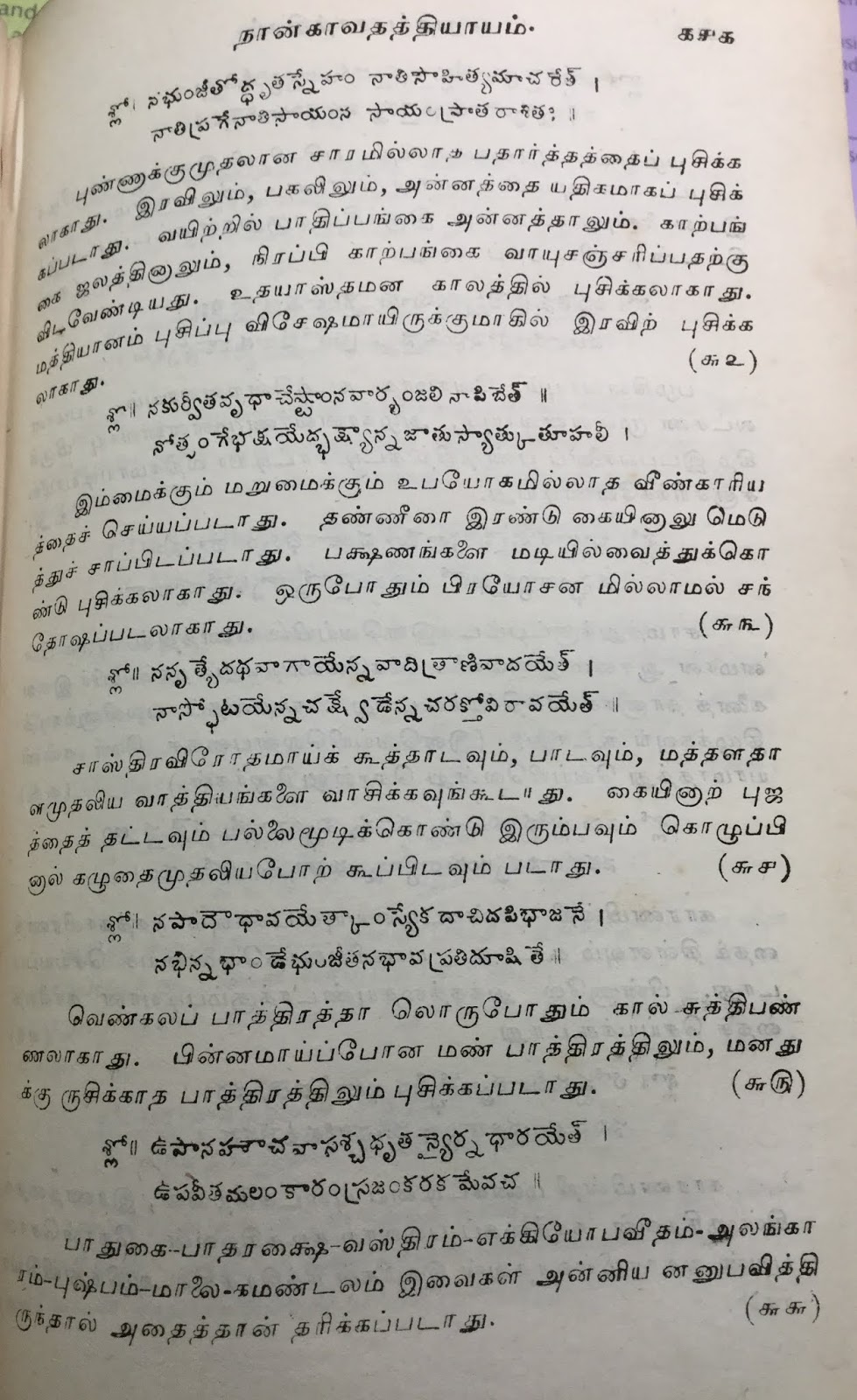
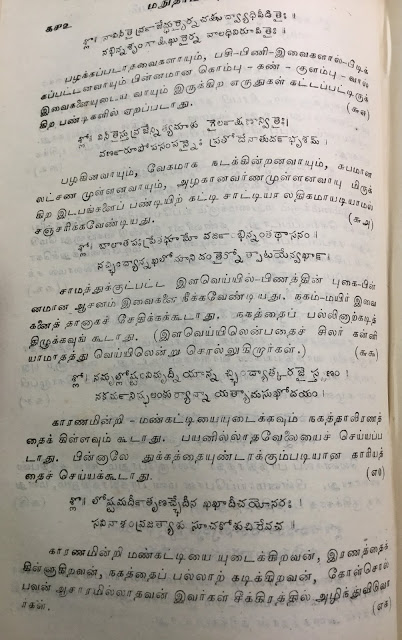
முதல் 25 பகுதிகளில் மநு தர்ம சாஸ்திரத்திலுள்ள மூன்று அத்தியாயங்களிலுள்ள சுவையான செய்திகளை நுகர்ந்தோம் இன்று நாலாவது அத்தியாயத்தை சுவைப்போம். இதில் பெரும்பாலும் பிராஹ்மணர்கள் பற்றி வந்தாலும் ஏனையோரும் படித்தால்தான் தமிழ் மன்னர்களும், பிரபுக்களும் பிராஹ்மணர்களுக்கு ஏன் அள்ளித் தந்தார்கள், வாரி வழங்கினார்கள் என்பது விளங்கும். பிராஹ்மணர்களின் வேத அறிவு பரவ வேண்டும் என்பதற்காக அவர்கள் சொத்து சேர்த்து வைக்கக்கூடாது என்று மநு சொல்லிவிட்டார். பிராஹ்மணர்கள் எப்போதும் இப்படி மற்றவர்களை எதிர்பார்த்து வாழ்க்கை நடத்தி இருந்தால் அவர்கள் மீது பொறாமையும் வந்திராது; அவர்கள் தொழிலுக்கு வேறு யாரும் போட்டிக்கும் வரமாட்டார்கள்!


முதலில் இன்று எடுத்துக்கொள்ளும் பகுதியிலுள்ள சுவையான, முக்கியமான விஷயங்களைச் சுட்டிக்காட்டுவேன்.


  1. ஸ்லோகங்கள் 4, 7 ஆகியவற்றைக் காணவும். பிராஹ்மணர்கள் எப்படியெல்லாம் தானியத்தைப் பெறலாம், எவ்வளவு சேர்த்து வைக்கலாம் என்று மநு கடுமையான விதிகளை விதிக்கிறார்.
  2. ஸ்லோகம் 12-ன் பொருளைக் காண்க; இதையேதான் மஹாத்மா காந்தியும் சொன்னார். இருக்கும் அவசியப் பொருள்களுடன் மனிதன் திருப்தி அடையவேண்டும். ஆசைக்கு அளவே இல்லை. சைக்கிள் வைத்திருப்பவன் மோட்டார் சைக்கிளுக்கு ஆசைப்படுகிறான். அதை வாங்கியவுடன் காருக்கு ஆசைப்படுகிறான். அதையும் வாங்கிய பின்னர், அடுத்த வீட்டுக்காரனை விட விலையுயர்ந்த கார் வாங்க விரும்புகிறான். அதற்குப் பின்னர் ஊரிலேயே சிறப்பான காரை வைத்திருக்க வேண்டும் என்பான். இதே போலத்தான் வீடு வாசல், நில புலன்கள் விஷயங்களும்.


3.ஸ்லோகம் 29ன் பொருள் விருந்தோம்பல் என்பது பற்றியது. இது இந்துமத நூல்களில் மட்டுமே இருக்கும்; தமிழ் இலக்கியமும் ஸம்ஸ்க்ருத இலக்கியமும் மட்டும் போற்றும் பண்பு இது. ஆரிய- திராவிட பிரிவினை வாதத்துக்கு செமை அடி கொடுக்கும் விஷயம் இது. தமிழ் கலாசாரம் என்று தனி ஒரு பண்பாடு இல்லை. அந்தந்த ஊருக்குச் சில சிறப்புகள் இருப்பது போல சில புதுமையான வழக்கங்கள் நாடு முழுதும் மாநிலம்தோறும் இருப்பது போல தமிழ் நாட்டிலும் சில வழக்கங்கள் இருந்தது உண்மையே. ஆரியர்கள் வெளியே இருந்த வந்தவர்கள் என்று சொல்லுவோரின் தலையில் ஆணி அடிக்கும் விஷயம் இது. இந்தியாவில் இமயம் முதல் குமரி வரையுள்ள நூற்றுக் கணக்கான நம்பிக்கைகள் உலகில் வேறு எங்குமே இல்லை. பல்லாயிரம் ஸம்ஸ்க்ருதச் சொற்கள் ஐரோப்பிய மொழிகளில் இல்லை. தமிழுக்கும் ஸம்ஸ்க்ருதத்துக்கும் தொடர்பில்லாத ஏராளமான சொற்கள் ஐரோப்பிய மொழிகளில் உண்டு. ஆரியர்கள் வெளி இடங்களில் இருந்து வந்தார்கள் என்பதை இதுவும் தவிடு பொடி ஆக்கியது.


4.ஸ்லோகம் 11 பிராஹ்மணர்கள் தினமும் அக்னிஹோத்ரம் என்னும் வேள்வி செய்ய வேண்டும் என்கிறது. இப்பொழுது இப்படிச் செய்பவர்களை விரல் விட்டு எண்ணிவிடலாம்.


5.ஸ்லோகம் 21  ஐவேள்வி- பஞ்ச யக்ஞம்– பற்றிப் பேசுகிறது. காக்கை குருவி மூதல், , எறும்பு முதல் ஏழைகள், விருந்தினர் வரைக்கும் உணவு படைக்கும் சடங்குகளை மூன்று வருணத்தார் செய்து வந்தனர்.


6.ஸ்லோகம் 40 மனைவியுடன் உறவு கொள்ளும் நேரம் பற்றியது


7.ஸ்லோகம் 44, 52 பெண்களைப் பார்க்கக் கூடாது என்பது முதல் சிறுநீர் கழிப்பது வரையான விஷயங்களைப் பேசும். மநு என்ன என்ன விஷயங்களையெல்லாம் கவனிக்கிறார் என்பதற்கு இவை எடுத்துக் காட்டுகள். பிராஹ்மணர்களுக்கு சலுகைகளை விடக் கட்டுப்பாடுகளே அதிகம்!


8.ஸ்லோகங்கள் 64ம், 74ம் ஆடல், பாடல், சூதாட்டம் ஆகியவற்றுக்கு தடை போடுகிறது. இவை பிராஹ்மணர்களுக்கானவை.


பிராஹ்மணன் வியாபாரம் செய்யலாம்


பிராமணர்கள் உயிர்வாழ்வது எப்படி?


பாட்டும் கூத்தும்


தினமும் படிக்க வேண்டும்


காலையிலும் மாலையிலும் வேள்வித் தீ

விருந்தினர் உபசாரம்


ருத்திராக்ஷப் பூனைகள் ஜாக்கிரதை!


சூரியனைப் பார்க்காதே

மனைவியுடன் படுப்பது எப்போது?


மல, மூத்திர விதிகள்


புறச்சூழல் பாதுகாப்பு; நீரை அசுத்தப் படுத்தாதே

பால் குடிக்கும் கன்றைத் தடுக்காதே


ஆடலும் பாடலும் வேண்டாம்

பயனில்லாத செயல்களைச் செய்யாதே

சூதாட்டத்துக்கு தடை


to be continued………………………


–SUBHAM–

எவை எவை வேண்டாம்? – வள்ளுவரின் அறிவுரை! (Post No.5442)

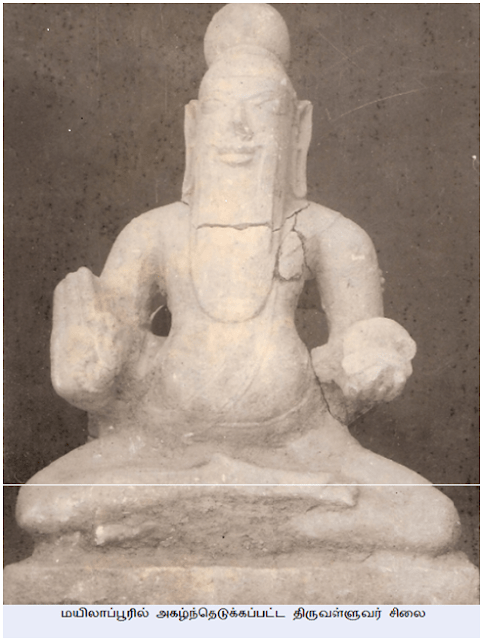
VALLUVAR WITH PUNUL/SACRED THREAD, DISCOVERED IN CHENNAI


Written by S NAGARAJAN

Date: 18 SEPTEMBER 2018


Time uploaded in London – 6-19 AM (British Summer Time)


Post No. 5442


Pictures shown here are taken from various sources including google, Wikipedia, Facebook friends and newspapers. This is a non- commercial blog.


எவை எவை வேண்டும் – வள்ளுவரின் அறிவுரை என்ற முந்தைய கட்டுரையின் தொடர்ச்சியாக இதைப் படிக்கலாம்.


எவை எவை வேண்டாம்? – வள்ளுவரின் அறிவுரை!


ச.நாகராஜன்


மனித வாழ்க்கையில் வேண்டுவன எவை எவை என்று கூறி அறிவுறுத்திய வள்ளுவர் எவை எவை வேண்டாம் என்பதையும் கூறியிருக்கிறார்.

வேண்டற்க வெஃகியாம் ஆக்கம் விளைவயின்            மாண்டற் கரிதாம் பயன் (குறள் 177)

பிறர் பொருளைக் கவர்வதால் வரும் ஆக்கம் வேண்டவே வேண்டாம்.  அது பயன் தரும் என்று நினைத்தால் அது நடக்காது. பயன் தரும் காலத்தில் அது நிச்சயம் சிறப்பாக அமையாது.

ஆக திருட்டுச் சொத்து வேண்டாம் என்கிறார் வள்ளுவர்.

*

வேண்டற்க என்று ஆரம்பிக்கும் இன்னொரு குறள் இது:

வேண்டற்க வென்றிடினும் சூதினை வென்றதூஉம்

தூண்டிற்பொன் மீன் விழுங்கி யற்று  (குறள் 931)


PICTURE POSTED BY LALGUDI VEDA

Sin City (பாவ நகரம்) என்று அழைக்கப்படும் லாஸ் ஏஞ்சலஸ் சூதாட்டம் ஆடுவோரின் “சொர்க்கம்”!!

அதில் உள்ளே நுழைந்தால் நூற்றுக் கணக்கான சூதாட்ட களங்கள் நம்மைக் கவரும். சில சமயம் வென்று விடுவோம். ஆனால் மொத்தமாகப் பார்த்தால் வெளியே வரும் போது நூற்றுக்கு நூறு பேருக்கும் நஷ்டமாகவே அமையும்.

வெல்வது போலத் தோன்றி இரையைக் காட்டும் லாஸ் ஏஞ்சலஸ் இரவு சூதாட்ட க்ளப்புகள் நம்மை அழித்து விடும்.

இப்படிப்பட்ட சூதாட்ட விடுதிகள் எங்கிருந்தாலும் அது எந்த வகையாக இருந்தாலும் வெற்றியை முதலில் தருவது போலக் காட்டினாலும் அங்கே நுழையாதே என்பது வள்ளுவரின் கட்டளை!

*

இனி  வேண்டா என்று அறிவுறுத்தும் குறள்கள் 10.


அறத்தாறு இதுவென வேண்டா சிவிகை

பொறுத்தனோடு ஊர்ந்தான் இடை (குறள் 37)

மிகவும் சுவாரசியமான இந்தக் குறளை பரிமேலழகர் உள்ளிட்ட பழைய உரையாசிரியர்கள் சரியான முறையில் விளக்கத்தை அளிக்க நவீன “தோழர்களும்” நாத்திகத்தில் ஊறிய “குறள் வித்தகர்களும்” தன் மனதிற்கேற்ப “விசித்திர உரை” எழுதியுள்ளனர்.

பரிமேலழகர் உள்ளிட்டோர் பல்லக்கில் அமர்ந்திருப்பவனையும் அதைத் தூக்கிச் செல்பவனையும் பார்த்தாலேயே உங்களுக்குத் தெரியுமே வினைப் பயன் எப்படிப் பட்டதென்று. இதற்கு அறநூல்களின் துணையே தேவை இல்லை என்கின்றனர்.


வினைப் பயன் விடாது என்பது வள்ளுவர் வாக்கு.

ஆனால் நாத்திகத் தோழர்களோ சிவிகையில் செல்பவனையும் அதைத் தூக்கிச் செல்பவனையும் பார்த்து அறத்தின் இயல்பு இது தான் என்று எண்ண வேண்டாம் என்று வள்ளுவர் கூறுவதாக உரை கூறுகின்றனர். இப்படி வள்ளுவர் வலிதாக பல்லக்கைக் காட்டி ஒரு உதாரணம் மூலம் இக்கருத்தைக் கூறுவாரா! மாட்டார்.

*

மழித்தலும் நீட்டலும் வேண்டா உலகம்

பழித்தது ஒழித்து விடின் (குறள் 280)

மொட்டை அடித்தலும் தாடி வளர்த்தலும் வேண்டவே வேண்டாம். அப்படிச் செய்து தவம் செய்வதற்கு பதிலாக உலகம் சுட்டிக் காட்டும் தீய பழக்கங்களை ஒழித்தாலேயே போதும் என்கிறார் வள்ளுவர்.

*

ஓர்த்துள்ளம் உள்ளது உணரின் ஓரதலையாப்

பேர்த்துள்ள வேண்டா பிறப்பு (குறள் 357)

நன்றாக ஆராய்ந்து பார்த்து உள்ளத்தால் மெய்ப்பொருளை உணர்ந்தால் மீண்டும் பிறப்பு என்பது வரும் என்று நினைக்க வேண்டாம்.

மெய்ப்பொருள் கண்டார் மீண்டும் ஜனன மரணச் சுழலில் அகப்பட மாட்டார்.

*

அஞ்சாமை அல்லால் துணை வேண்டா எஞ்சாமை

எண்ணி இடத்தாற் செயின்  (குறள் 497)

ஒரு காரியத்தைச் செய்யும் போது நன்கு ஆராய்ந்து எண்ணி செய்தால் அஞ்சாமை தவிர வேறு ஒரு துணையும் தேவை இல்லை.

*

புணர்ச்சி பழகுதல் வேண்டா உணர்ச்சிதான்

நட்பாம் கிழமை தரும்   (குறள் 785)

இருவரிடையே தோன்றும் உணர்ச்சி – ஒரே மாதிரியான உணர்வு – நட்பைத் தரும் ; வளர்க்கும்.

அடிக்கடி சென்று சந்தித்துப் பழகிப் பேசினால் தான் நட்பு வரும் என்பதில்லை!

*


மருந்தென வேண்டாவாம் யாக்கைக்கு அருந்தியது

அற்றது போற்றி உணின் (குற 942)

மருந்து என்பதே ஒருவனுக்கு வேண்டாம் என்று வள்ளுவர் சொல்லும் ரகசிய குறள் இது.

தக்க அளவுடன் உண்டதை ஜீரணித்து அதன்படி ஒருவன் வாழ்ந்தால் அவனுக்கு மருந்தே வேண்டாம்.

*

கைம்மாறு வேண்டா கடப்பாடு மாரிமாட்டு

என் ஆற்றுங் கொல்லோ உலகு  (குறள் 211)

மழை எந்த பிரதிபலனை எதிர்பார்க்கிறது?ஒன்றையும் எதிர்பார்க்கவில்லை. அதே போல பிரதிபலன் எதிர்பாராது தேவையான உதவி செய்க என்பது வள்ளுவரின் அறிவுரை.

இதன்படி வாழ்ந்தவன் அர்ஜுனன் என்பது குறிப்பிடத் தகுந்தது. எவருக்கு உதவி செய்கிறானோ அவரிடமிருந்து எதையும் பெறுவதில்லை என்பது அர்ஜுனனின் பிரதிக்ஞை. இப்படி ஒரு அரிய வீரனை மஹாபாரதம் நமக்குச் சுட்டிக் காட்டுகிறது!

*

சுழலும் இசை வேண்டி வேண்டா உயிரார்

கழல் காப்புக் காரிகை நீர்த்து (குறள் 777)

எங்கும் பரவும் புகழை வேண்டி தன் உயிரையும் தன் உயிரையும் வேண்டாத வீரர் காலில் கட்டும் கழலே அழகான அணியாகும்.

*

மனைவிழைவார் மாண்பயன் எய்தார் வினைவிழைவார்

வேண்டாப் பொருளும் அது   (குறள் 901)

மனைவி சொல் கேட்டு அதன் படி நடப்பவர் சிறந்த பயனை அடைய மாட்டார்கள். உரிய தன் கடமையைச் செய்ய விரும்புவோர் வேண்டும் பொருளும் அதுவே ஆகும்.

மனைவி அழகில் மயங்கி அவள் பொருளற்றதைச் சொன்னாலும் அதைச் செய்வோருக்கான எச்சரிக்கைக் குறள் இது.

*

ஈட்டம் இவறி இசை வேண்டா ஆடவர்

தோற்றம் நிலக்குப் பொறை   (குறள் 1003)

பொருளை நன்கு சேர்க்கும் ஒருவன் அதைப் பிறர்க்கும் கொடுத்து வரும் புகழை விரும்பவில்லை எனில் அவன் பூமியில் வாழ்ந்தாலும் கூட அது பூமிக்கான சுமையே.

*

வள்ளுவரைப் படித்து அறிவது ஒரு வாழ்க்கைப் பயிற்சி. அதில் செய்ய வேண்டுவனவற்றையும் செய்ய வேண்டாதவற்றையும் அறிவதே நமது முயற்சி.

வள்ளுவ ரகசியம் தெரிந்தோர் அதன் படி வாழ்வர்; உயர்வர்!

***


Dos AND DONTs FOR BRAHMINS- THEY MUST NOT SAVE MONEY (Post No.5441)


Written by London Swaminathan

swami_48@yahoo.com

Date: 17  September 2018


Time uploaded in London – 15-31 (British Summer Time)


Post No. 5441

Pictures shown here are taken from various sources including google, Wikipedia, Facebook friends and newspapers. This is a non- commercial blog.


MY COMMENTS ON THE FIRST 100 SLOKAS/COUPLETS ON FOURTH CHAPTER OF MAAVA DHARMA SHASTRA

I have already finished three chapters. Now we look at the fourth chpater


Fourteen interesting Points


1.Note slokas 4 and 7. Five ways of food gathering; no saving for more than three days. If Brahmins follow these rules no one would feel jealousy towards Brahmins. That is the reason Brahmins were given donations by the kings and others. Manu made these rules so that Brahmins would be dependent upon others for ever. They have to do Pujas and sacrifices to earn their livelihood.


  1. Read a beautiful quotation in sloka 12. ‘for happiness has contentment for its root, the root of unhappiness is the contrary (disposition).


3.Read sloka 29;’Guests must be honoured’ which we can find only in ancient Tamil and Sanskrit literature. This is purely a Vedic Hindu concept which is not found in any other ancient culture as a daily duty. This explodes the Aryan invasion theory.

4.Sloka 11 ; please do agnihotram. Nowadays very few Brahmins do it.

5.sloka 21- pancha yajna (Five Types of sacrifice done everyday)

6.sloka 29 exploded Aryan invasion theory; customs like this found only in Sanskrit and Tamil as a meritorious daily duty; you cant find this anywhere in the world

  1. Sloka 40-lying in bed with wife rules

8.Slokas 44 and 52 Interesting rules regarding looking at women, and urinating etc

  1. Slokas 64 and 74- No singing, No dancing and No gambling

10.Sloka 76- Must have wet feet while eating, dry feet while sleeping

11.Sloka.84- No presents from kings

12.Sloka 86- Kings are butchers

13.Slokas 88-90- Twenty One types of Hell.

14.Sloka 92- Importance of getting up at 4 am (Brahma Muhurta)


MANU SMRTI-CHAPTER IV

  1. Having dwelt with a teacher during the fourth part of (a man’s) life, a Brahmana shall live during the second quarter (of his existence) in his house, after he has wedded a wife.
  2. A Brahmana must seek a means of subsistence which either causes no, or at least little pain to others, and live by that except in times of distress.
  3. For the purpose of gaining bare subsistence, let him accumulate property by following those irreproachable occupations which are prescribed for his caste, without unduly fatiguing his body.
  4. He may subsist by Rita (truth), and Amrita (ambrosia), or by Mrita (death) and by Pramrita (what causes many deaths); or even by (the mode) called Satyanrita (a mixture of truth and falsehood), but never by Svavritti (a dog’s mode of life).
  5. By Rita shall be understood the gleaning of corn; by Amrita, what is given unasked; by Mrita, food obtained by begging and agriculture is declared to be Pramrita.
  6. But trade and money-lending are Satyanrita, even by that one may subsist. Service (LIKE A SLAVE) is called Svavritti; therefore one should avoid it.
  7. He may either possess enough to fill a granary, or a store filling a grain-jar; or he may collect what suffices for three days, or make no provision for the morrow.
  8. Moreover, among these four Brahmana householders, each later-(named) must be considered more distinguished, and through his virtue to have conquered the world more completely.
  9. One of these follows six occupations, another subsists by three, one by two, but the fourth lives by the Brahmasattra.


MUST DO AGNIHOTRA (DAILY FIRE SACRIFICE)

  1. He who maintains himself by picking up grains and ears of corn, must be always intent on (the performance of) the Agnihotra, and constantly offer those Ishtis only, which are prescribed for the days of the conjunction and opposition (of the moon), and for the solstices.
  2. Let him never, for the sake of subsistence, follow the ways of the world; let him live the pure, straightforward, honest life of a Brahmana.
  3. He who desires happiness must strive after a perfectly contented disposition and control himself; for happiness has contentment for its root, the root of unhappiness is the contrary (disposition).
  4. A Brahmana, who is a Snataka and subsists by one of the (above-mentioned) modes of life, must discharge the (following) duties which secure heavenly bliss, long life, and fame.
  5. Let him, untired, perform daily the rites prescribed for him in the Veda; for he who performs those according to his ability, attains to the highest state.
  6. Whether he be rich or even in distress, let him not seek wealth through pursuits to which men cleave, nor by forbidden occupations, nor (let him accept presents) from any (giver whosoever he may be).
  7. Let him not, out of desire (for enjoyments), attach himself to any sensual pleasures, and let him carefully obviate an excessive attachment to them, by (reflecting on their worthlessness in) his heart.
  8. Let him avoid all (means of acquiring) wealth which impede the study of the Veda; (let him maintain himself) anyhow, but study, because that (devotion to the Veda-study secures) the realisation of his aims.
  9. Let him walk here (on earth), bringing his dress, speech, and thoughts to a conformity with his age, his occupation, his wealth, his sacred learning, and his race.
  10. Let him daily pore over those Institutes of science which soon give increase of wisdom, those which teach the acquisition of wealth, those which are beneficial (for other worldly concerns), and likewise over the Nigamas which explain the Veda.
  11. For the more a man completely studies the Institutes of science, the more he fully understands (them), and his great learning shines brightly.


PACHA YAGNA

  1. Let him never, if he is able (to perform them), neglect the sacrifices to the sages, to the gods, to the Bhutas, to men, and to the manes.
  2. Some men who know the ordinances for sacrificial rites, always offer these great sacrifices in their organs (of sensation), without any (external) effort.
  3. Knowing that the (performance of the) sacrifice in their speech and their breath yields imperishable (rewards), some always offer their breath in their speech, and their speech in their breath.
  4. Other Brahmanas, seeing with the eye of knowledge that the performance of those rites has knowledge for its root, always perform them through knowledge alone.
  5. A Brahmana shall always offer the Agnihotra at the beginning or at the end of the day and of the night, and the Darsa and Paurnamasa (Ishtis) at the end of each half-month,
  6. When the old grain has been consumed the (Agrayana) Ishti with new grain, at the end of the (three) seasons the (Katurmasya-) sacrifices, at the solstices an animal (sacrifice), at the end of the year Soma-offerings.
  7. A Brahmana, who keeps sacred fires, shall, if he desires to live long, not eat new grain or meat, without having offered the (Agrayana) Ishti with new grain and an animal-(sacrifice).
  8. For his fires, not being worshipped by offerings of new grain and of an animal, seek to devour his vital spirits, (because they are) greedy for new grain and flesh.

HE MUST HONOUR GUESTS

  1. No guest must stay in his house without being honoured, according to his ability, with a seat, food, a couch, water, or roots and fruits.
  2. Let him not honour, even by a greeting, heretics, men who follow forbidden occupations, men who live like cats, rogues, logicians, (arguing against the Veda,) and those who live like herons.
  3. Those who have become Snatakas after studying the Veda, or after completing their vows, (and) householders, who are Srotriyas, one must worship by (gifts of food) sacred to gods and manes, but one must avoid those who are different.
  4. A householder must give (as much food) as he is able (to spare) to those who do not cook for themselves, and to all beings one must distribute (food) without detriment (to one’s own interest).
  5. A Snataka who pines with hunger, may beg wealth of a king, of one for whom he sacrifices, and of a pupil, but not of others; that is a settled rule.
  6. A Snataka who is able (to procure food) shall never waste himself with hunger, nor shall he wear old or dirty clothes, if he possesses property.

HAIR CUT

  1. Keeping his hair, nails, and beard clipped, subduing his passions by austerities, wearing white garments and (keeping himself) pure, he shall be always engaged in studying the Veda and (such acts as are) conducive to his welfare.
  2. He shall carry a staff of bamboo, a pot full of water, a sacred string, a bundle of Kusa grass, and (wear) two bright golden ear-rings.
  3. Let him never look at the sun, when he sets or rises, is eclipsed or reflected in water, or stands in the middle of the sky.
  4. Let him not step over a rope to which a calf is tied, let him not run when it rains, and let him not look at his own image in water; that is a settled rule.
  5. Let him pass by (a mound of) earth, a cow, an idol, a Brahmana, clarified butter, honey, a crossway, and well-known trees, turning his right hand towards them.


GOING TO BED WITH WIFE

  1. Let him, though mad with desire, not approach his wife when her courses appear; nor let him sleep with her in the same bed.
  2. For the wisdom, the energy, the strength, the sight, and the vitality of a man who approaches a woman covered with menstrual excretions, utterly perish.
  3. If he avoids her, while she is in that condition, his wisdom, energy, strength, sight, and vitality will increase.
  4. Let him not eat in the company of his wife, nor look at her, while she eats, sneezes, yawns, or sits at her ease.


DON’T LOOK AT WOMEN

  1. A Brahmana who desires energy must not look at a woman who applies collyrium to her eyes, has anointed or uncovered herself or brings forth a child.
  2. Let him not eat, dressed with one garment only; let him not bathe naked; let him not void urine on a road, on ashes, or in a cow-pen,
  3. Nor on ploughed land, in water, on an altar of bricks, on a mountain, on the ruins of a temple, nor ever on an ant-hill,
  4. Nor in holes inhabited by living creatures, nor while he walks or stands, nor on reaching the bank of a river, nor on the top of a mountain.
  5. Let him never void faeces or urine, facing the wind, or a fire, or looking towards a Brahmana, the sun, water, or cows.
  6. He may ease himself, having covered (the ground) with sticks, clods, leaves, grass, and the like, restraining his speech, (keeping himself) pure, wrapping up his body, and covering his head.
  7. Let him void faeces and urine, in the daytime turning to the north, at night turning towards the south, during the two twilights in the same (position) as by day.
  8. In the shade or in darkness a Brahmana may, both by day and at night, do it, assuming any position he pleases; likewise when his life is in danger.

URINATING RULES

  1. The intellect of (a man) who voids urine against a fire, the sun, the moon, in water, against a Brahmana, a cow, or the wind, perishes.
  2. Let him not blow a fire with his mouth; let him not look at a naked woman; let him not throw any impure substance into the fire, and let him not warm his feet at it.
  3. Let him not place (fire) under (a bed or the like); nor step over it, nor place it (when he sleeps) at the foot-(end of his bed); let him not torment living creatures.
  4. Let him not eat, nor travel, nor sleep during the twilight; let him not scratch the ground; let him not take off his garland.
  5. Let him not throw urine or faeces into the water, nor saliva, nor (clothes) defiled by impure substances, nor any other (impurity), nor blood, nor poisonous things.
  6. Let him not sleep alone in a deserted dwelling; let him not wake (a superior) who is sleeping; let him not converse with a menstruating woman; nor let him go to a sacrifice, if he is not chosen (to be officiating priest).
  7. Let him keep his right arm uncovered in a place where a sacred fire is kept, in a cow-pen, in the presence of Brahmanas, during the private recitation of the Veda, and at meals.
  8. Let him not interrupt a cow who is suckling (her calf), nor tell anybody of it. A wise man, if he sees a rainbow in the sky, must not point it out to anybody.
  9. Let him not dwell in a village where the sacred law is not obeyed, nor (stay) long where diseases are endemic; let him not go alone on a journey, nor reside long on a mountain.

DON’T LIVE UNDER SHUDRA RUlERS

  1. Let him not dwell in a country where the rulers are Sudras, nor in one which is surrounded by unrighteous men, nor in one which has become subject to heretics, nor in one swarming with men of the lowest castes.
  2. Let him not eat anything from which the oil has been extracted; let him not be a glutton; let him not eat very early (in the morning), nor very late (in the evening), nor (take any food) in the evening, if he has eaten (his fill) in the morning.
  3. Let him not exert himself without a purpose; let him not drink water out of his joined palms; let him not eat food (placed) in his lap; let him not show (idle) curiosity.

NO   SINGING, DANCING

  1. Let him not dance, nor sing, nor play musical instruments, nor slap (his limbs), nor grind his teeth, nor let him make uncouth noises, though he be in a passion.
  2. Let him never wash his feet in a vessel of white brass; let him not eat out of a broken (earthen) dish, nor out of one that (to judge) from its appearance (is) defiled.
  3. Let him not use shoes, garments, a sacred string, ornaments, a garland, or a water-vessel which have been used by others.
  4. Let him not travel with untrained beasts of burden, nor with (animals) that are tormented by hunger or disease, or whose horns, eyes, and hoofs have been injured, or whose tails have been disfigured.
  5. Let him always travel with (beasts) which are well broken in, swift, endowed with lucky marks, and perfect in colour and form, without urging them much with the goad.
  6. The morning sun, the smoke rising from a (burning) corpse, and a broken seat must be avoided. Let him not clip his nails or hair, and not tear his nails with his teeth.
  7. Let him not crush earth or clods, nor tear off grass with his nails; let him not do anything that is useless or will have disagreeable results in the future.
  8. A man who crushes clods, tears off grass, or bites his nails, goes soon to perdition, likewise an informer and he who neglects (the rules of) purification.
  9. Let him not wrangle; let him not wear a garland over (his hair). To ride on the back of cows (or of oxen) is anyhow a blamable act.
  10. Let him not enter a walled village or house except by the gate, and by night let him keep at a long distance from the roots of trees.

NO GAMBLING

  1. Let him never play with dice, nor himself take off his shoes; let him not eat, lying on a bed, nor what has been placed in his hand or on a seat.
  2. Let him not eat after sunset any (food) containing sesamum grains; let him never sleep naked, nor go anywhere unpurified (after meals).


WET FEET WHILE EATING

  1. Let him eat while his feet are (yet) wet (from the ablution), but let him not go to bed with wet feet. He who eats while his feet are (still) wet, will attain long life.
  2. Let him never enter a place, difficult of access, which is impervious to his eye; let him not look at urine or ordure, nor cross a river (swimming) with his arms.
  3. Let him not step on hair, ashes, bones, potsherds, cotton-seed or chaff, if he desires long life.
  4. Let him not stay together with outcasts, nor with Candalas, nor with Pukkasas, nor with fools, nor with overbearing men, nor with low-caste men, nor with Antyavasayins.
  5. Let him not give to a Sudra advice, nor the remnants (of his meal), nor food offered to the gods; nor let him explain the sacred law (to such a man), nor impose (upon him) a penance.
  6. For he who explains the sacred law (to a Sudra) or dictates to him a penance, will sink together with that (man) into the hell (called) Asamvrita.
  7. Let him not scratch his head with both hands joined; let him not touch it while he is impure, nor bathe without (submerging) it.
  8. Let him avoid (in anger) to lay hold of (his own or other men’s) hair, or to strike (himself or others) on the head. When he has bathed (submerging) his head, he shall not touch any of his limbs with oil.


DON’T TAKE PRESENTS FROM SOME PEOPLE

  1. Let him not accept presents from a king who is not descended from the Kshatriya race, nor from butchers, oil-manufacturers, and publicans, nor from those who subsist by the gain of prostitutes.
  2. One oil-press is as (bad) as ten slaughter-houses, one tavern as (bad as) ten oil-presses, one brothel as (bad as) ten taverns, one king as (bad as) ten brothels.

KINGS= BUTCHERS

  1. A king is declared to be equal in wickedness to a butcher who keeps a hundred thousand slaughter-houses; to accept presents from him is a terrible crime.
  2. He who accepts presents from an avaricious king who acts contrary to the Institutes (of the sacred law), will go in succession to the following twenty-one hells:


21 TYPES OF HELLS

  1. Tamisra, Andhatamisra, Maharaurava, Raurava, the Kalasutra hell, Mahanaraka,
  2. Samgivana, Mahaviki, Tapana, Sampratapana, Samghata, Sakakola, Kudmala, Putimrittika,
  3. Lohasanku, Rigisha, Pathin, the (flaming) river, Salmala, Asipatravana, and Lohakaraka.
  4. Learned Brahmanas, who know that, who study the Veda and desire bliss after death, do not accept presents from a king.

BRAHMA MUHURTA

  1. Let him wake in the muhurta, sacred to Brahman (BRAHMA MUHURTA= STARTING FROM 4-30 AM), and think of (the acquisition of) spiritual merit and wealth, of the bodily fatigue arising therefrom, and of the true meaning of the Veda.
  2. When he has risen, has relieved the necessities of nature and carefully purified himself, let him stand during the morning twilight, muttering for a long time (the Gayatri), and at the proper time (he must similarly perform) the evening (devotion).
  3. By prolonging the twilight devotions, the sages obtained long life, wisdom, honour, fame, and excellence in Vedic knowledge.
  4. Having performed the Upakarman according to the prescribed rule on (the full moon of the month) Sravana, or on that of Praushthapada (Bhadrapada), a Brahmana shall diligently study the Vedas during four months and a half.
  5. When the Pushya-day (of the month Pausha), or the first day of the bright half of Magha has come, a Brahmana shall perform in the forenoon the Utsargana of the Vedas.
  6. Having performed the Utsarga outside (the village), as the Institutes (of the sacred law) prescribe, he shall stop reading during two days and the intervening night, or during that day (of the Utsarga) and (the following) night.
  7. Afterwards he shall diligently recite the Vedas during the bright (halves of the months), and duly study all the Angas of the Vedas during the dark fortnights.
  8. Let him not recite (the texts) indistinctly, nor in the presence of Sudras; nor let him, if in the latter part of the night he is tired with reciting the Veda, go again to sleep.
  9. According to the rule declared above, let him recite the daily (portion of the) Mantras, and a zealous Brahmana, (who is) not in distress, (shall study) the Brahmana and the Mantrasamhita.


TO BE CONTINUED……………..


–SUBHAM–


மந்திரம் கற்கப்போன டாக்டர்! (Post No.5440)

Written by London Swaminathan

swami_48@yahoo.com

Date: 17  September 2018


Time uploaded in London – 13-37 (British Summer Time)


Post No. 5440

Pictures shown here are taken from various sources including google, Wikipedia, Facebook friends and newspapers. This is a non- commercial blog.


ஒரு சாமியாரிடம் ஊரிலுள்ள பிரபல டாக்டர் வந்தார். வழக்கமான நமஸ்காரங்கள், பிரஸாத விநியோகம் முடிந்தது. பெரிய டாக்டர் என்பதால் அவர் விருப்பப்படி ஒரு இன்டெர்வியூ(INTERVIEW) ஏற்பாடாகி இருந்தது.

இதோ பேட்டி

டாக்டர்:

சுவமிகளே; நமஸ்காரம்; நாங்கள் டாக்டர்கள்; மிகவும் ‘பிஸி’யான ஆட்கள்; ஆகையினால் ஒரு கேள்வி. நிறைய இணைய தளங்கள், ‘பேஸ்புக்’, ‘வாட்ஸ் அப்’பிலும் ‘யூ ட்யூபி’லும் நிறைய மந்திரங்கள் வருகின்றன. அவற்றை நாங்களும் கற்கலாமா?

சாமியார்:–

கூடவே கூடாது

(டாக்டர் முகத்தில் கொஞ்சம் ஏமாற்றம்)


எல்லா மந்திரங்களையும் எல்லோரும் கற்கலாமா?


கூடவே கூடாது


(டாக்டருக்கு மேலும் ஏமாற்றம்!)

இந்த சாமியாரிடமிருந்து ஒரு (YES) யெஸ் பதிலாவாது வாங்கி விடலாம் என்று கருதி டாக்டர் கேட்டார்:


அது சரி, ஏற்கனவே ஒருவர் முறையாகக் கற்ற மந்திரங்களையாவது அவர், ஏனையோருக்குச் சொல்லித்தரலாமா?


‘கட்டாயம் கூடாது’


டாக்டருக்குப் பெருத்த ஏமாற்றம்.

என்ன சுவாமிகளே, எதுவுமே கூடாது என்றால் என்ன அர்த்தம்? நீங்கள் எல்லாம் மக்களுக்கு  நல்ல விஷயங்களைப் பரப்பவே கூடாது என்று முடிவு செய்து விட்டீர்களா?

சரி, நாளைக்கு நானும் உங்களைப் போல ஒரு காவித் துண்டைப் போர்த்திக்கொண்டு மேலே சொன்ன எல்லா விஷயங்களையும் செய்யலாமா?

சாமியார் பதில்-

கூடாது (அழுத்தம் திருத்தமாக)

சாமியார் ஒரு அருமையான புன் சிரிப்புடன்  இடைமறித்தார்,

‘சரி, நான் சில கேள்விகளைக் கேட்கிறேன். பதில் சொல்லுங்கள்’:


டாக்டருக்கு மஹா சந்தோஷம். அப்பாடா! இப்போதுதான் இந்த மனிதர் நம்மையும் ஒரு பொருட்டாக நினைத்திருக்கிறார் என்ற குதூகலத்துடன் காதுகளைத் தீட்டினார்; வெகு அருகில் நீட்டினார்.


சாமியார்:–

நான் ‘கூகிள்’ (GOOGLE) செய்து பார்த்தேன்; அதை எல்லாம் படித்துவிட்டு, நான் எங்கள் மடத்திலுள்ள நோயாளிகளுக்கு மருந்துச் சீட்டு எழுதிக் கொடுக்கலாமா?


டாக்டர் அதிர்ச்சியுடன் பதில் தந்தார்:

‘ஐயய்யோ! கூடவே கூடாது.

சுவாமிஜி, இது ஆபத்தானது; அது மட்டுமல்ல சட்ட விரோதமானது’–என்றார் டாக்டர்.


அட! நீங்கள் சொன்ன சமூக ஊடகங்களில் வரும் எல்லாவற்றையும் படித்துவிட்டு நான் எங்கள் மடத்திலுள்ள நோய்வாய்ப்பட்டோருக்கு மருந்து தரலாமா?


‘மருத்துவப் படிப்பு படித்த ஒருவர் எழுதிக் கொடுக்கும் மருந்தை வேண்டுமானால் நீங்கள் வாங்கி, டாக்டர் சொன்னபடி சாப்பிடச் செய்யலாம். வேறு எதுவும் செய்யும் தகுதி யாருக்கும் இல்லை. நீங்கள் சொல்லும்படி செய்ய முடியுமானால் தோழான், துருத்தி எல்லாம் டாக்டர் ஆய் விடலாமே!’–என்றார் டாக்டர்.


சாமியார் விடவில்லை. அடுத்த கொக்கி போட்டார்.


ஏன்? சொல்லுங்கள் பார்ப்போம்.

டாக்டர் அதி பயங்கரப் பெருமிதத்துடன் பேசலானார்;

‘நாங்கள் எல்லோரும் முறையாக ஐந்து ஆண்டு மருத்துவப் படிப்பு படிக்க வேண்டும்; அதில் ‘பாஸ்’ ஆக வேண்டும். பின்னர் ‘ஹவுஸ் சர்ஜன்கள் முதலிய பயிற்சிகளையும் செய்கிறோம். அது மட்டுமல்ல; முறையான ஸீனியர் டாக்டர்களின் கண்காணிப்பில் வேலை செய்வோம்; பெரிய தவறுகள் நடக்காமல் பார்த்துக்கொள்வது அவர்கள் பொறுப்பு.

இவ்வளவு தெரிந்த பின்னரும் ஒவ்வொரு நோயாளியும் வெவ்வேறு உடல்வாகு கொண்டவர்கள்;

ஒரு நோயாளியின் வயது, உயரம், ஆணா, பெண்ணா, பெண்ணாக இருந்தால் அவர் கர்ப்பவதியா, மற்றும் நோயாளிக்கு பென்ஸிலின் முதலிய மருந்து அலர்ஜி ஏதேனும் உண்டா, அந்தக் குடும்பத்தில் ஏதேனும் பரம்பரை நோய் உண்டா? அவருடைய தற்போதைய நோயின் ஸிம்ப்டம் (SYMPTOMS) என்ன, அவர் தற்போது வேறு என்ன மருத்து சாப்பிடுகிறார். இது போன்ற ஏராளமான விஷயங்களைக் கணக்கிற் கொண்டு ஒரு டாக்டர் சிகிச்சை தருகிறார். இதெல்லாம் சுவாமிகளுக்குத் தெரியாதா? இப்படி அசட்டுத் தனமாக கேள்விகளைக் கேட்கிறீர்களே! என்று டாக்டர் ஒரு நீண்ட லெக்சர் (LECTURE) கொடுத்தார்.


இப்போது சாமியாருக்கு மஹா மகிழ்ச்சி; ‘மெகா’ மகிழ்ச்சி.


தான் சொல்ல வேண்டிய எல்லா விஷயங்களையும் டாக்டரே கக்கி விட்டதால் ஒரே குதூகலம்.


‘அன்பரே! நீங்கள் சொன்ன எல்லா விஷயங்களும் ஒரு சந்யாசிக்கும் பொருந்தும். ஒரு தனி மனிதன் டாக்டர் போல நடித்தாலும், அவர் போல உடை அணிந்தாலும், டாக்டர் ஆகிவிட முடியாது. நீங்கள் சொன்னபடியே ஒருவனின் குடும்ப வரலாறு, நோயாளி வரலாறு அறிந்து, தகுதி பெற்ற ஒருவர் மருந்து கொடுப்பது போல நாங்களும் ஆளின் பக்குவத்தைப் பார்த்து மந்திரம் தருகிறோம்.

மருந்து டப்பாக்களிலும் பாட்டில்களிலும் ஒரு சீட்டில் நிறைய விசயங்கள் அச்சடிக்கப்பட்டது போலவே மந்திரங்களுக்கும் கட்டு திட்டங்கள் உண்டு; இரண்டு பேருக்கு சர்க்கரை வியாதியோ இருதய நோயோ இருந்தால் இருவருக்கும் நீங்கள் ஒரே மருந்தை, ஒரே அளவைக் கொடுப்பதில்லை; இது போலவே மந்திரங்களும் ஆளுக்கும் தேவைக்கும் ஏற்ப மாறுபடும்


சில மருந்துகளுக்கு பத்தியம் சொல்லுவது போல சில மந்திரங்களுக்கு ஆசார அனுஷ்டானங்கள் உண்டு என்று சொல்லி முடித்தார்.


இதைக் கேட்ட டாக்டருக்கு புத்தருக்குப் போதி மரத்து அடியில் கிடைத்தது போல ஞானோதயம் எற்பட்டது. ஒரு பெரிய கும்பிடு போட்டுவிட்டு  நைஸாக நழுவினார்.

–சுபம்–


Mantra and Medical Prescription (Post No.5439)

Written by London Swaminathan

swami_48@yahoo.com

Date: 17  September 2018


Time uploaded in London – 8-59 am (British Summer Time)


Post No. 5439

Pictures shown here are taken from various sources including google, Wikipedia, Facebook friends and newspapers. This is a non- commercial blog.


A doctor met a saint and asked whether he could learn Mantras from the websites or You Tube.

The saint said ‘No’.

Next, the doctor asked whether anyone one could recite a Mantra .

The saint said ‘No’.

Expecting at least one ‘Yes’ answer from the saint he quizzed him more.

“Can anyone teach Mantra to another person?”

The saint patiently, but firmly said ‘No’.

“Okay, suppose I put saffron cloth on me tomorrow, can I do all the above things?”

The saint smilingly said a big ‘No’ and then interrupted him, when he was about to ask more questions.

The saint said, “please wait, I wanted to ask you a few questions. Please answer them truthfully”.
Doctor was very happy when he heard it.
“At last the saint has recognised me”, he thought.

“Ok now it is my turn,” the saint started bombarding him with some questions

“Can I give a medical prescription, I mean allopathic medicines, by looking at websites?:

Doctor was surprised to get such a stupid question from a leaned Saint .

Doctor said,
“Oh Swamiji, Dont you know that it is against law and moreover dangerous?”

“Hang on, I am ready to learn from social media and websites.

Can I treat my disciples with allopathic medicines?”

“Oh, Swamiji, unless a medically qualified person prescribes it, you can’t treat any one with the medicines that you get from any Tom Dick and Harry”
‘Why?’ asked the saint.

“Each patient is different.
You have to know his/her case history, ethnicity
age, weight, height, sex, his/her other medications
Whether s/he is allergic to any substance etc


“Ok, ok. Now I understand. If I put on a white coat and a stethoscope around my neck and behave like a doctor, can I do all the above things?”

“Swamiji!  I am shocked to hear such things from you.

How is it possible ? Certain medicines have very serious side effects which may result in serious consequences. Every medicine bottle or carton have a long list of side effects. Don’t you know all these things? People may even abuse certain things”.

“You need to study for at least five years and practise as a house surgeon for a while and then practise under the supervision of experienced seniors. It is like a lawyer practising like a junior in a legal office”.

Swamiji felt very happy when he heard that. “It is good that you said all the things necessary to become a good doctor”.

“That is exactly an ascetic also does. After several years of penance and learning scriptures, he goes to a senior Guru, who watches him for several years and then teaches certain Mantras . He
also looks at various things before doing that . Like you take into account the ethnicity, age, sex, height, weight, previous medications, allergy factors, family history of certain illnesses, we also look at various factors before teaching Mantras. Like you don’t like people practising medicine via website and social media knowledge we also don’t like people learning secret Mantras from websites.”

Like certain medicines are available over the counter without prescription for headaches, cough, cold etc. we also have simple hymns and Bhajan songs which you can learn from any one”.

“Earlier you beautifully explained the side effects and abuse of medications. Mantras also have side effects if they are wrongly used or mispronounced. If someone like Ravana or Pasmasura gets it  may be abused”

“In short, a saint’s work is similar to the work of a doctor”.


The doctor was convinced with his answer and made a big salute to hime and let with ‘prasad’.

-Subham-

எவை எவை வேண்டும்? – வள்ளுவரின் அறிவுரை! (Post No.5438)

Written by S NAGARAJAN

Date: 17 SEPTEMBER 2018


Time uploaded in London – 6-25 AM (British Summer Time)


Post No. 5438


Pictures shown here are taken from various sources including google, Wikipedia, Facebook friends and newspapers. This is a non- commercial blog.


ச.நாகராஜன்


மனித வாழ்க்கையில் வேண்டுவன எவை? வழிகாட்டியாக நம் முன் நிற்பவர் வள்ளுவரே.


அவர் வேண்டும் என்று சொல்பவை :


வேண்டுங்கால் வேண்டும் பிறவாமை (குறள் 362)

எதையாவது வேண்டும் என்று நீ விரும்பினால் முதலில் பிறவாமை வேண்டும்.

வேண்டுங்கால் வேண்டும் பிறவாமை மற்றது

வேண்டாமை வேண்ட

வள்ளுவர் ஜனனம், மரவரும்ணம் என்ற சுழலிலிருந்து விடுபட வேண்டும் என்கிறார். புனர்ஜென்மம் என்ற கோட்பாட்டைக் கூறும் இந்தக் குறளே வள்ளுவரை ஒரு சிறந்த ஹிந்து என்று எடுத்துக் காட்டுகிறது.


ஆதி சங்கரரும் புனரபி ஜனனம் புனரபி மரணம் புனரபி ஜனனீ  ஜடரே சயனம் (மீளவும் பிறப்பு மீளவும் இறப்பு மீளவும் தாயின் குடரினில் படுப்பு) என்று பாடியுள்ளார். இதிலிருந்து மீள பஜகோவிந்தம் (கோவிந்தனைத் துதி) என்றார் அவர்.

*

பிறன் கைப்பொருள் வெஃகாமை வேண்டும் (குறள் 178)

உனது செல்வம் சுருங்காமல் இருக்க நீ நினைத்தால் அடுத்தவன் பொருளுக்கு நீ ஆசைப்படக் கூடாது.

அஃகாமை செல்வத்திற்கு யாதெனின் வெஃகாமை

வேண்டும் பிறன் கை

*


புலால் உண்ணாமை வேண்டும்

உண்ணாமை வேண்டும் புலாஅல் பிறிதொன்றன்

புண்ணது உணர்வார்ப் பெறின்  (குறள் 257)

மாமிசம் சாப்பிடாது இருத்தல் வேண்டும். ஏனெனில் அது பிறிதோர் உடலின் புண்.

*


அடல் வேண்டும் ஐந்தன் புலத்தை விடல் வேண்டும்

வேண்டிய எல்லாம் ஒருங்கு (குறள் 343)

ஐம்புலன்கள் வழியாக வரும் ஆசையை விடல் வேண்டும். விரும்புகின்ற எல்லாப் பொருளின் மீதுள்ள ஆசையை ஒருசேர விட்டொழிக்க வேண்டும்.

*

எள்ளாத எண்ணிச் செயல் வேண்டும் (குறள் 470)

உலகத்தாரால் இகழப்படாத ஒன்றையே எண்ணிச் செய்ய வேண்டும்.


எள்ளாத எண்ணிச் செயல் வேண்டும் தம்மொடு

கொள்ளாத கொள்ளாது உலகு

*

புகழ்ந்தவை போற்றிச் செயல் வேண்டும் (குறள் 538)

பெரியோரால் போற்றிப் புகழ்ந்தவற்றை மட்டுமே செய்ய வேண்டும்.


செய்யாது இகழ்ந்தார்க்கு எழுமையும் இல்

அப்படி செய்யவில்லை எனில் ஏழு பிறப்பிலும் நன்மை உண்டாகாது. ஏழு பிறவி என்று கூறுவதால் மறுபிறவித் தத்துவத்தில் நம்பிக்கை உள்ள சிறந்த ஹிந்துவாகிறார் வள்ளுவர்.

*

அருமை உடைத்தென்று அசாவாமை வேண்டும்

பெருமை முயற்சி தரும் (குறள் 611)

ஒரு காரியத்தைச் செய்து முடிப்பது மிகக் கடினமானது என்று மனம் தளராமை வேண்டும். அதைச் செய்வதில் உள்ள முயற்சியே பெருமையைத் தரும்

*


புகழொடு நன்றி பயவா வினை என்றும் ஒருவுதல் வேண்டும் (குறள் 652)

புகழுடன் அறத்தைக் கொடுக்காத எந்தச் செயலையும் ஒருவன் என்றும் செய்யாது நீக்கி விட வேண்டும்.

என்றும் ஒருவுதல் வேண்டும் புகழொடு

நன்றி பயவா வினை

*

ஓஓதல் வேண்டும் ஒளிமாழ்கும் செய்வினை

ஆஅதும் என்னு மவர்   (குறள் 653)

மென்மேலும் உயர வேண்டும் என்று விரும்புவர் தன் புகழுக்குக் கேடு வரும் என்னும் தூய்மையற்ற செயல்களைத் தவிர்க்க வேண்டும்.

*

உருவு கண்டு எள்ளாமை வேண்டும் (குறள் 667)

ஒருவரின் உருவத்தைக் கண்டு அவரை எடை போட்டு அவரை இகழாமல் இருக்க வேண்டும்.

உருள் பெருந்தேர்க்கு அச்சாணி அன்னார் உடைத்து

உருண்டு வரும் பெரிய தேருக்கு உதவுவது அச்சாணியே. ஆகவே உருவம் கண்டு எடை போடாதே.

*


மன்ற அடுத்திருந்து மாணாத செய்வான் பகை கொடுத்தும் கொளல் வேண்டும். (குறள் 867)

கூட இருந்தே குழி பறிக்கும் நம்பிக்கை துரோகியை எதையாவது கொடுத்தாவது பகைவனாக்கிக் கொள்ள வேண்டும்.

*

குடிப்பிறந்து  தன் கட் பழிநாணுவானைக்

கொடுத்தும் கொளல் வேண்டும் நட்பு  (குறள் 794)

நல்ல குடியில் பிறந்து தனக்கு நேருகின்ற பழிபாவத்திற்கு வெட்கப்படுபவனின் நட்பை சிறந்தவற்றைக் கொடுத்தாவது கொள்ளல் வேண்டும்.


துரோகியின் பகையை எதையாவது கொடுத்துப் பெறு.

நல்லவரின் நட்பை எதையாவது கொடுத்துப் பெறு என்று இரு குறள்களில் (குறள் 794, 867) பகையையும் நட்பையும் வலியுறுத்துவதை நன்கு நோக்க வேண்டும்.

*


நலம் வேண்டின் நாணுடைமை வேண்டும் குலம் வேண்டின் வேண்டுக யார்க்கும் பணிவு (குறள் 960)

நன்மையை ஒருவன் விரும்பினால் நாணுடைமை வேண்டும். அவன் குடிப்பெருமையை விரும்பினால் எல்லோருக்கும் பணிந்து நடக்க வேண்டும்.

*

பெருக்கத்து வேண்டும் பணிதல் சிறிய

சுருக்கத்து வேண்டும் உயர்வு (குறள் 963)

செல்வம் அதிகமாகச் சேர்ந்து விட்ட நிலையில் ஒருவனுக்கு பணிவு வேண்டும். அது சற்று சுருங்கி விட்டாலோ அந்த ஏழ்மை நிலையிலும் தன் தகுதிக்குத் தக்கவாறு உயர்வு பட நடத்தல் வேண்டும்.

*


இரப்பான் வெகுளாமை வேண்டும் நிரப்பிடும்பை

தானேயும் சாலும் கரி   (குறள் 1060)

பிச்சை எடுத்து வாழ்கின்றவர் அதைப் பெற கால தாமதம் ஆனாலும் கோபம் கொள்ளாமல் இருத்தல் வேண்டும். அனைத்திற்கும் தன் வறுமையே காரணம் என்பதை உணர     வேண்டும்.

*


தினைத்துணையும் உடாமை வேண்டும் பனைத்துணையும்

காமம் நிறைய வரின் (குறள் 1282)

பனை அளவினை விட காம நுகர்ச்சி விளைவதாக இருந்தாலும் கூட தினை அளவுக்குக் கூட காதலரோடு ஊடல் கொள்ளாமல் இருத்தல் வேண்டும்.

*


ஒழுக்கத்து நீத்தார் பெருமை விழுப்பத்து

வேண்டும் பனுவல் துணிவு  (குறள் 21)

இறுதியாக ஒன்று.

நூல்களின் பயன் என்ன?

அற ஒழுக்கத்தில் சிறந்து நின்று துறந்தவரது பெருமையைக் கூறுவதே நூல்களின் இறுதிப் பயனாகக் கொள்ளல் வேண்டும்.

*

17 குறள்களையும் ஒரு முறை படித்துப் பார்த்துச் சிந்தித்தால் வள்ளுவர் உணர்த்தும் வாழ்க்கை நெறி புரிகிறது இல்லையா!


நமக்கு ‘வேண்டும்’ குறள்கள் இவை.

சரி இவை இவையெல்லாம் வேண்டும் என்று கூறிய வள்ளுவர் வேண்டாதவை எவை என்று சொல்லி இருக்கிறாரா? நிச்சயமாக.

அதை இன்னொரு கட்டுரையில் காண்போம்.


***