5 STORIES-LEARNING LEADS TO JEALOUSY, MONEY LEADS TO ARROGANCE (Post No.5437)

Written by London Swaminathan

swami_48@yahoo.com

Date: 16  September 2018


Time uploaded in London – 14-49 (British Summer Time)


Post No. 5437

Pictures shown here are taken from various sources including google, Wikipedia, Facebook friends and newspapers. This is a non- commercial blog.


5 STORIES-LEARNING LEADS TO JEALOUSY, MONEY LEADS TO ARROGANCE (Post No.5437)


Bhartruhari composed 300 slokas and they are in three books- Neeti Sataka, Srngara Sataka and Vairaga Sataka. The Neeti Sataka looks at the ethical issues; let us look at two slokas.


बोद्धारो मत्सरग्रस्ताः
प्रभवः स्मयदूषिताः ।
अबोधोपहताः चान्ये
जीर्णम् अङ्गे सुभाषितम् ॥ 1.2 ॥

The learned are filled with jealousy, the wealthy are full of arrogance, all others are ignorant. Therefore my words of wisdom have become emaciated 1-2


There are a few stories to illustrate these points.

Learned men suffer from jealousy. Tamil poet Valluvar says,


‘The wise will do no wrong actuated by jealousy as they realise that evil bound is to result from such wrong doing- Tirukkural 164


He who is envious needs no enemy to ruin him. Envy itself is enough to bring him ruin’- Tirukkural 165


1.Bandi, an arrogant scholar was in the Court of Janaka who ruled from Mithila. He used to challnege scholars coming to the Royal court and if the scholars lose they will be thrown into river nearby. This was the fate of many and one of them was Kahoda, a Brahmin scholar. Kahoda’s son Ashtavakra learnt about his father’s death at the age of 12. He set out to avnge him. The lad was possessed of great wisdom and great ability.  He got better of the court poet Bandi who worsted his father. He insisted that Bandi should be thrown into river and it was done. This story is found in Vana Parva of Mahabharata.
2.There is a similar story in Tamil Nadu. A poet of 15th century by name Villiputhurar challenged all the scholars and cut the ear of the opponent if he was lost. Many lost their ears. Once Arunagirinatha, a great saint and disciple of Lord Skanda happened to be at the same place. He was challenged by Villiputhurar. Arunagiri accepted the challenge and on his part asked the meaning of certain verses composed by him on Lord Muruga. Villiputturar couldn’t answer his questions and his ear was cut off.


3.The greatest of the Tamil poets of ancient Tamil Nadu, Tiruvalluvar was also asked to prove his book Tirukkural a genuine one and above fault. In ancient India book launch was not an ordinary meeting. Great scholars will assemble and try to tear the new poet like sharks in the sea. He has to answer all critics and prove that his book is fit for approval. When Tiruvalluvar came with his master piece Tirukkural, jealous poets challenged him. There was a magical plank which would allow only genuine poets to sit on it. It allowed only Tiruvalluvar and his book throwing all other wrong doers into water.


These anecdotes show how jealous were scholars in those days. In the same way money also corrupts.


There are two anecdotes from Mahabharata and Ramakrishna Paramahamsa’s life.
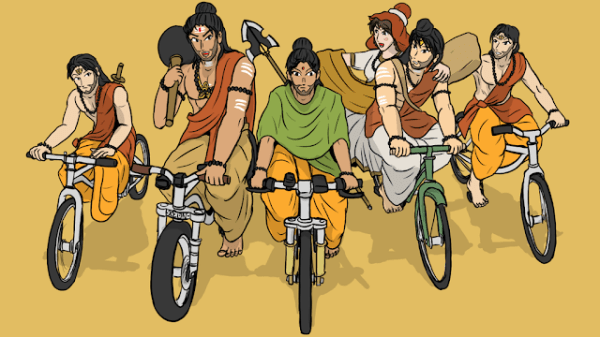
4.Drupada was the king of Punjab (Panchala) and he was the schoolmate of Drona, greatest archer and teacher of Pandavas and Kauravas. When Drona went to see him as an old classmate, he was sent back saying that he did not know him at all. When the Pandavas and their cousins finished their training under him ,they asked what Guru Dakshina ( convocation fees for the teacher) would make him happy. Drona told them that they had to bring Drupada and make him fall at his feet. Arjuna took the challenge and defeated Drupada in a battle and brought him as a prisoner of war. Drona got half of his kingdom and released him. This shows that power and money corrupt.


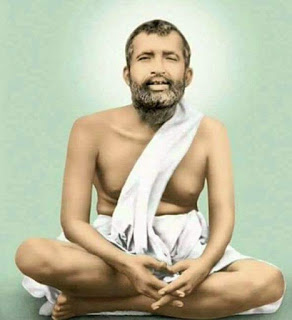
5.Ramakrishna Paramahamsa, the great saint of Calcutta always warned about Kamini and Kanchana (Women and Money/gold). He narrated the following anecdote:
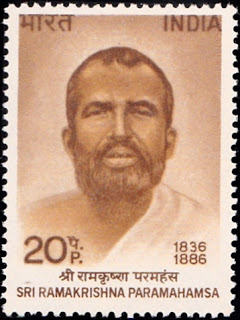
“Money is an upadhi ( a deceptive influence) of a very strong nature. As soon as a man becomes rich, he is thoroughly changed. A Brahmin who was very meek and humble used to come to Dakshineswar every now and then. After some time he stopped his visits, and we knew nothing of what happened to him. One day we went to Konnagore in a boat. As we were getting down from the boat, we saw him sitting on the banks of the Ganges, where in the fashion of a big folk, he was enjoying the breeze of the river.


On seeing me, he accosted me in a patronising tone with the words, ‘Hello, Thakur! How do you do now?’


At once I have noticed the change in his tone and said to Hriday who was with me, ‘I tell you Hriday, this man must have come by some riches. See what a great change has come over him!’ And Hriday burst into laughter.


That is the evil power of money.


xxx


अज्ञः सुखम् आराध्यः
सुखतरम् आराध्यते विशेषज्ञः ।
ज्ञानलवदुर्विदग्धं
ब्रह्मापि तं नरं न रञ्जयति ॥ 1.3 ॥


It is easy to explain an ignorant man. It is even easier to explain to a wise and leanrned person. But, even Brahma cannot explain and please a person who has only a little knowledge and yet considers himself to be the mot learned man 1-3
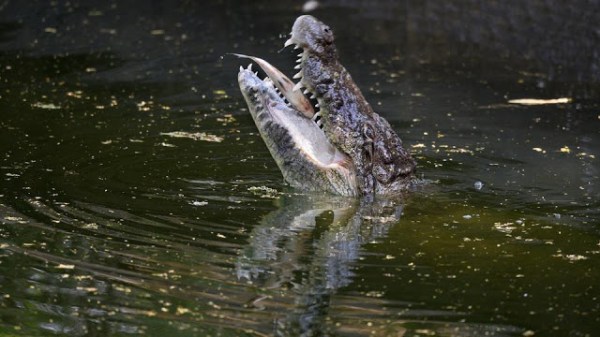
In Tamil there are some proverbs to say that that a fool cannot be taught. ‘He will argue that the rabbit he caught has only three legs’.

There is another proverb which says ‘a dog’s tail can never be straightened!” And the last one is “An ignorant idiot and a crocodile will never lose the grip of its catch’. That is an idiot will stick to his argument,come what may.


There is an Arabic saying which categorizes people into four types:-


“He who knows not, and knows not that he knows not, is a fool. Shun him.
He who knows not, and knows that he knows not, is simple. Teach him.
He who knows, and knows not he knows, is asleep. Wake him.
He who knows, and knows that he knows is wise. Follow him.”


–Subam–


படித்தவனுக்கு பொறாமை, பணக்காரனுக்கு அகந்தை- பர்த்ருஹரி வருத்தம் (Post No.5436)

Written by London Swaminathan

swami_48@yahoo.com

Date: 16 September 2018


Time uploaded in London – 10-56 am (British Summer Time)


Post No. 5436

Pictures shown here are taken from various sources including google, Wikipedia, Facebook friends and newspapers. This is a non- commercial blog.


பர்த்ருஹரி நீதி சதகம்- 2


இந்தப்பகுதியில் நீதி சதகம் பாடல் 2, 3 ஆகியவைகளை பிற நூல்களுடன் ஒப்பிடுவோம்.


बोद्धारो मत्सरग्रस्ताः
प्रभवः स्मयदूषिताः ।
अबोधोपहताः चान्ये
जीर्णम् अङ्गे सुभाषितम् ॥ 1.2 ॥


போத்தாரோ மத்சரக்ரஸ்தாஹா ப்ரபவஹ ஸ்மயதூஷிதாஹா

அபோதோபஹதாஸ்சான்யே ஜீர்ணமங்கே சுபாஷிதம்- 1-2


படித்தவர்களுக்கோ பொறாமை அதிகம்;


பணக்காரர்களோ அகந்தை  மிக்கவர்கள்;

ஆகையால் என் பொன்மொழிகள் பலமிழந்து விட்டன.

படித்தவர்களுக்கு கர்வமும் பொறாமையும் அதிகம்.

இதனால்தான் வள்ளுவர் சொன்னார்,


கதம்காத்து கற்றடங்கல் ஆற்றுவான் செவ்வி

அறம்பார்க்கும் ஆற்றின் நுழைந்து – குறள் 130


கடும் சினத்தை விடுத்து, கற்பன கற்று அதற்குத் தக்க அடக்கமும் உடையவனை, அடைவதற்கு தரும தேவதை காத்திருப்பாளாம். அதாவது அவன் வழியில் நின்று கொண்டு காத்திருப்பாள் என்கிறார்.


‘வித்யா விநயன்ன சம்பதே’ என்று ஸம்ஸ்க்ருத்தில் சொல்லுவர். படித்தவர்களுக்கு அகந்தை வந்து விடும் என்பதால்தான் இதைச் சொல்லுகின்றனர்.


வள்ளுவர் வாழ்விலேயே இது நடந்தது. அவர் மீது பொறாமை கொண்டோர் அவருடைய திருக்குறளை ஏற்காமல் வாதாடியபோது சங்கப் பலகையானது பொறாமை கொண்ட புலவர் அத்தனை பேரையும் வெளியே தள்ளியது.

வில்லிப்புத்தூரார்க்கும் அருணகிரிநாதருக்கும் நடந்த போட்டியில் வில்லிபுத்தூரார் தோற்றதை நாம் அறிவோம். அகந்தையாலும் பொறாமையாலும், போகும் வரும் புலவரை எல்லாம் வாதுக்கு அழைத்து அவர்கள் தோற்றுவிட்டதால் கையில் வைத்துள்ள குறடால் எதிரியின் காதுகளை அறுப்பது வில்லிப்புத்தூரார் வழக்கம். அருணகிரி நாதரிடமும் வாலாட்ட முயன்றபோது, அவருடைய கந்தரந்தாதிக்குப் பொருள் தெரியாமல் விழிக்கவே வில்லிப்புத்தூராரின் காதை அருணகிரி நாதர் அறுத்தார்.


இதே போல வட நாட்டிலும் பண்டி என்ற புலவர் செய்தார். மஹாபாரதத்தில் வன பர்வத்தில் ஒரு சம்பவம் உள்ளது. ஜனகரின் அவையிலிருந்த பண்டி என்ற புலவர் வாதத்தில் தோற்ற பிராஹ்மணர்களை எல்லாம் நதியில்  தூக்கி எறிந்தார். கஹோதர் என்பவருக்கும் இந்த கதி ஏற்பட்டது. அவருடைய புதல்வன் அஷ்டாவக்ரர் வந்து, பண்டியை வாதத்தில் தோற்கடித்து நதியில் வீசி எறிந்தார். படித்தவர்களின் பொறாமை பற்றி நமது நூல்களில் இது போலப் பல கதைகள் உண்டு.


பணக்காரர்களின் அகந்தை பற்றி பல கதைகள் உண்டு.

இதனால்தான் செல்வந்தர்களுக்கு அடக்கம் அவஸியம் என்று வள்ளுவர் மொழிந்தார்.


எல்லார்க்கும் நன்றாம் பணிதல் அவருள்ளும்

செல்வர்க்கே செல்வம் தகைத்து – குறள் 125


பணிவும், அடக்கமும் எல்லோருக்கும் இருக்க வேண்டும்தான்; ஆயினும் பணம் படைத்தவர்கள் அகந்தையின்றி இருந்தால், அவருக்குக் கூடுதல் செல்வம் வந்தது போல ஆகும் என்பார் வள்ளுவர்.


xxxx


ராமகிருஷ்ண பரமஹம்ஸர்  சொல்கிறார்:-


பணம் என்பது வலிமைமிக்க, தீமைமிக்க கவர்ச்சிப்பொருள்.

ஒருவன் செல்வத்தைப் பெற்றதும் மிகவும் மாறிவிடுகிறான். வணக்கமும் அமரிக்கையும் உள்ள பிராம்மணன் ஒருவன் அடிக்கடி தக்ஷிணேஸ்வரத்து வருவதுண்டு. கொஞ்ச நாட்களுக்குப் பிறகு அவன் வரவேயில்லை. அவனுக்கு என்ன நேர்ந்தது என்பதும் எக்களுக்க்த் தெரியவில்லை. ஒரு நாள் நாங்கள் படகு மார்க்கமாக கொன்னாகருக்குப் போனோம்.


படகிலிருந்து கீழே இறங்கும் போது, அந்தப் பிராம்மணன் பிரபுக்களைப் போல கங்கைக் கரையில் உடகார்ந்துகொண்டு, காற்று வாங்குவதைக் கண்டோம். அவன் என்னைக் கண்டதும்,

‘என்ன, ஸ்வாமி, சௌக்கியமா? ‘என்று கம்பீரத் தொனியுடன் கேட்டான். அவனது குரலில் இருந்த மாறுபாட்டைக் கவனித்ததும் நான் ஹிருதயனிடம், இவனுக்கு ஏதோ பணம் கொஞ்சம் கிடைத்திருக்கும் போலிருக்கிறது. என்ன மாறுதல் உண்டாகி இருக்கிறது, பார்த்தாயா? என்றேன். ஹிருதயன் விலா வலிக்கச் சிரித்தான்.


ராமகிருஷ்ண பரமஹம்ஸர் மேலும் சொல்கிறார்:-


பணம் எவனுக்கு அடிமையோ அவன்தான் நல்ல உண்மையான மனிதன். பணத்தை எப்படி செலவழிக்க வேண்டும் என்று தெரிந்துகொள்ள வேண்டும்


ஆக பணத்துக்கு அடிமையானவன் மிருகம்; பணம், ஒருவனுக்கு அடிமையாகிவிட்டால் அவன் நல்ல மனிதன்.

அந்தக் காலத்தில் வேதத்தைக் கற்கச் சென்ற மாணவர்களுக்கு மாடு மேய்த்தல், பிச்சை எடுத்தல்,குருவுக்கு துணி தோய்த்துப் போடல், கொட்டில்களில் உள்ள மாடுகளைக் கவனித்து கொட்டிலை சுத்தமாக வைத்தல், குரு உறங்கும் போது விசிறி வீசல், மிகவும் தஒண்டுக் கிழவனாக குரு இருந்தால் கை, கால் பிடித்து விடல் போன்ற பல செயல் முறைப் பயிற்சிகளால் அடக்கத்தைப் போதித்து, அகந்தையைக் களைந்தெடுத்து, மாணவனைப் பக்குவபடுத்தி கல்வி கற்பித்தது பயனளித்தது என்பதை உபநிஷத்துக்களிலிருந்து அறிகிறோம்.


பணமும் பதவியும் வந்த பின்னர் ஆட்டம் போட்ட துருபதன் போன்ற மாணவர்களை மன்னன் ஆனபிறகு, துரோணர் தண்டித்த கதையை நாம் அறிவோம். துரோணரும் துருபதனும் அக்னிவேஷ் என்ற ரிஷியின் மாணவர்கள். படிப்பு முடிந்த பின்னர் துரோணர் ஏழ்மையில் வாடினார். துருபதனோ பஞ்சால நாட்டின் மன்னன் ஆனான். துரோணர் அவனிடம் உதவி நாடிச் சென்ற போது அவரை உதாசீனப் படுத்தினான். அவமானம் தாங்காத துரோணர் வாய்ப்பு கிடைத்த போது அவனுடைய அகந்தைக்குப் பாடம் கற்பித்தார். பஞ்ச பாண்டவர்கள், வில்வித்தை கற்று முடிந்தவுடன் துரோணரிடம் என்ன குருதட்சிணை வேண்டுமென்று கேட்டனர். உடனே துரோணர், தன்னை அவமத்தித்த துருபதனை இழுத்துவரச் சொன்னவுடன் அதை அர்ஜுனன்  செய்து முடித்தான். தோற்றுப்ப்போன துருபதன், பாதி ராஜ்யத்தைத் துரோணருக்கு அளிக்க ஒப்புக் கொண்டவுடன் அவன் விடுதலை ஆனான்.

XXX


अज्ञः सुखम् आराध्यः
सुखतरम् आराध्यते विशेषज्ञः ।
ज्ञानलवदुर्विदग्धं
ब्रह्मापि तं नरं न रञ्जयति ॥ 1.3 ॥


அக்ஞஹ சுகமாராத்ய சுகதரமாராத்யதே விஷேஷக்ஞஹ

ஞானலவதுர்விதக்தம் ப்ரஹ்மாபி தம் நரம் ந ரஞ்சயதி- 2-3


அறியாதவனுக்குச் சொல்லிதருவது எளிது;

புத்திசாலிக்கும் விஷயம் தெரிந்தவனுக்கும் கற்பிப்பது மேலும் எளிது;

கொஞ்சம் படித்துவிட்டு எல்லாம் தெரிந்தது போல உலவுகிறானே அவனுக்கு பிரம்மாவும் கூட சொல்லித் தரமுடியாது; அவனை திருப்தி செய்யவும் முடியாது.


An ancient saying from the Middle East says:

He who knows not, and knows not that he knows not, is a fool. Shun him.
He who knows not, and knows that he knows not, is simple. Teach him.
He who knows, and knows not he knows, is asleep. Wake him.
He who knows, and knows that he knows is wise. Follow him.


முதலையும் மூர்க்கனும் கொண்டது விடா- என்பது தமிழ்ப் பழமொழி. அதாவது அவர்கள் தான் பிடித்த முயலுக்கு மூன்றே கால்கள் என்று வாதிடுவர். எப்படி நாய் வாலை நிமிர்த்த முடியாதோ அதைப் போல அவர்கலைத் திருத்த முடியாது. இதையெல்லாம் கருதிதான் ஒரு அராபிய பழமொழியும் சொல்கிறது.


He who knows not, and knows not that he knows not, is a fool. Shun him.

He who knows not, and knows that he knows not, is simple. Teach him.

He who knows, and knows not he knows, is asleep. Wake him.

He who knows, and knows that he knows is wise. Follow him.


எவன் ஒருவனுக்கு ஒன்றும் தெரியவில்லையோ, அவனுக்கும் தனக்கு ஒன்றும் தெரியாது என்பது தெரியவில்லையோ அவன் முட்டாள்; அவனை ஒதுக்கி விடு


எவன் ஒருவனுக்கு ஒன்றும் தெரியவில்லையோ, அவனுக்கும் தனக்கு ஒன்றும் தெரியாது என்பது தெரிந்திருக்கிறதோ அவன் எளியவன்; அவனுக்கு சொல்லிக்கொடு.


எவன் ஒருவனுக்கு எல்லாம் தெரிந்திருக்கிறதோ ஆனால் அவனுக்கு தான் அறிந்தவன் என்பது தெரியாமல் இருக்கிறானே அவன் உறங்கிக்கொண்டு இருக்கிறான்; அவனைத் தட்டி எழுப்பு.


எவன் ஒருவனுக்கு எல்லாம் தெரிந்திருக்கிறதோ  அவனும் தனக்கு எல்லாம் தெரியும் என்று அறிந்திருக்கிறானோ  அவன் புத்திசாலி; அவனைப் பின்பற்று.


ஆக முட்டாள்களுக்கு உபதேசம் செய்வது வீண்; அவர்களாக அடிபட்டு, அடிபட்டுக் கற்றுக் கொள்ள வேண்டும்


–சுபம்–

பாதிரிகளுக்கு இங்கர்சாலின் கேள்வி! – 2 (Post No.5435)


Written by S NAGARAJAN

Date: 16 SEPTEMBER 2018


Time uploaded in London – 5-38 AM (British Summer Time)


Post No. 5435


Pictures shown here are taken from various sources including google, Wikipedia, Facebook friends and newspapers. This is a non- commercial blog.


ச.நாகராஜன்


ராபர்ட் க்ரீன் இங்கர்சாலின் உரை தொடர்கிறது. அதன் சுருக்கத்தை மட்டும் இங்கு தமிழில் காணலாம். மூலத்தை உள்ளது உள்ளபடி ஆங்கிலத்தில் படிக்கலாம்.

“ முதலில் இறையியலைப் பார்க்கிறேன். இந்த உலகில் என்ன செய்வது என்று நான் கேட்கிறேன். கேட்கும் உரிமை எனக்கு உள்ளதா? ஆம்,. கேட்கும் உரிமை உள்ளதெனில் அதை ஆராயும் உரிமையும் எனக்குள்ளது. ஆராயும் உரிமையும் எனக்குள்ளதெனில் அதை ஏற்றுக் கொள்ளும் உரிமையும் எனக்குள்ளது. ஏற்றுக் கொள்ளும் உரிமை எனக்குள்ளதெனில் அதை ஏற்றுக்கொள்ளாமல் மறுக்கும் உரிமையும் எனக்குள்ளது. எந்த மதத்தை  மறுக்க எனக்கு உரிமை உள்ளது? எது எனது பகுத்தறிவுக்கு ஒத்ததாக இல்லையோ , எது  தகுதி வாய்ந்த உண்மை என இல்லையோ, எது எனது பொதுஅறிவுக்கு உகந்ததாக இல்லையோ அதை நான் மறுக்கலாம். லட்சக்கணக்கானோர் இந்த உலகை இயற்கைக்கு அப்பாற்பட்ட செயல்களால் ஆள நினைக்கிறார்கள். ஆயிரக் கணக்கில் சர்ச்சுகள் உள்ளன. ஆயிரக்கணக்கான கதீட்ரல்கள் , தேவாலயங்கள் கட்டப்பட்டுள்ளன. லட்சக்கணக்கானோர் நற்செய்திகளை (‘gospel’)  பரப்புவதில் ஈடுபட்டுள்ளனர். அதன் விளைவு தான் இந்த உலகத்தில் என்ன? ஒரு சர்ச் இன்னொரு சர்ச்சை இரக்கத்துடன் நோக்குகிறதா? ஒரு நாட்டின் மதம் இன்னொரு நாட்டின் மதத்தை மதிக்கிறதா? அல்லது எனது மதமே சிறந்த மதம் என்று சொல்லாமல் இருக்கிறதா? ஒவ்வொரு மதத்தின் போதகரும் எல்லையற்ற செருக்குடன் மற்றவரைப் பின்பற்றுவோரை ஊழித் தீயில் தள்ளவில்லையா?

ஏன் சர்ச்சுகள் உலகை நாகரிகப்படுத்துவதில் தோல்வியை அடைந்து விட்டன? மற்ற நாடுகளை விட கிறிஸ்தவ நாடுகள் சிறந்ததாக இல்லையே, ஏன்? மற்றவர்களை விட கிறிஸ்தவர்கள் சிறந்தவர்களாக இல்லையே, ஏன்? பாதிரிகள் இதர டாக்டர்கள் அல்லது வக்கீல்கள் அல்லது வியாபாரிகள் அல்லது மெக்கானிக்குகள் அல்லது ரயில் எஞ்ஜின் டிரைவர்களை விடச் சிறந்தவர்களாக இல்லையே ஏன்? ரயிலை இயக்கும் எஞ்ஜின் டிரைவர் ஆயிரம் மடங்கு பயனுள்ளவராக இருக்கிறார். ஒரு மோசமான எஞ்சினியரையும் நல்ல பாதிரியையும் தருவதை விட ஒரு நல்ல எஞ்சினியரையும் மோசமான பாதிரியையும் எனக்குத் தாருங்கள்; இயற்கையை மீறிய செயல்களை நம்புபவர்களைப் பற்றிய ஒரு வியப்பூட்டும் உண்மை இருக்கிறது. ஒரு சர்ச்சின் பாதிரிகள் மற்ற சர்ச்சுகளில் உள்ள பாதிரிகள் சொல்லும் அற்புதங்களிலும் ஆச்சரியமூட்டும் விஷயங்களிலும் நம்பிக்கை கொள்வதில்லை. ஒருவேளை அவர்களில் ஒருவரைப் பற்றி இன்னொருவர் தெரிந்திருக்கலாம். ஒரு ஹிந்துவிடம் கிறிஸ்தவ மிஷனரிகள் பைபிளில் வரும் அற்புதங்களைச் சொல்வார். ஹிந்து புன்முறுவல் பூப்பார். ஹிந்து கிறிஸ்தவ மிஷனரிகளிடம் தங்கள் புராணங்களில் உள்ள அற்புதங்களைக் கூறுவார். மிஷனரிகள் அவரை இரக்கத்துடன் பார்ப்பர். ஒரு பாதிரி இன்னொரு பாதிரியின் வார்த்தையை நம்பமாட்டார்.

இதை விளக்கும் வகையில் ஒரு சின்ன கதையை ஒரு சமயம் நான் கேட்டேன். ஒரு கனவான் ஒரு விருந்தில் மிக மிக ஆச்சரியகரமான ஒரு சம்பவத்தை விவரித்தார். அவர் அதைச் சொல்லி முடித்த பின்னர் எல்லோரும், “அது நடக்கக் கூடியதா, என்ன? நீங்கள் எப்போதாவது இது போல கேள்விப்பட்டதுண்டா?” என்றனர். எல்லோரும் ஒருமித்த குரலில் ஆச்சரியப்பட்டு இப்படிக் கூறினர் – ஒருவரைத் தவிர. அந்த ஒருவர் ஒன்றுமே சொல்லவில்லை. பேசாமல் இருந்தார்; ஆச்சரியமும் படவில்லை. மிக அதிக ஆச்சரியத்தில் மூழ்கி இருந்த ஒருவர் அவரை நோக்கி, “இப்போது அவர் சொன்ன சம்பவத்தை நீங்கள் கேட்டீர்களா?” என்றார்.

ஆம், கேட்டேன் என்றார் அவர்.

“அது சரி, அதைக் கேட்டு சற்றும் ஆச்சரியப்பட்ட மாதிரி காணோமே!”

“அதுவா, நானே ஒரு பொய் சொல்பவன் தான்” என்றார் அவர்.

**


ஆங்கில மூலம் இது:

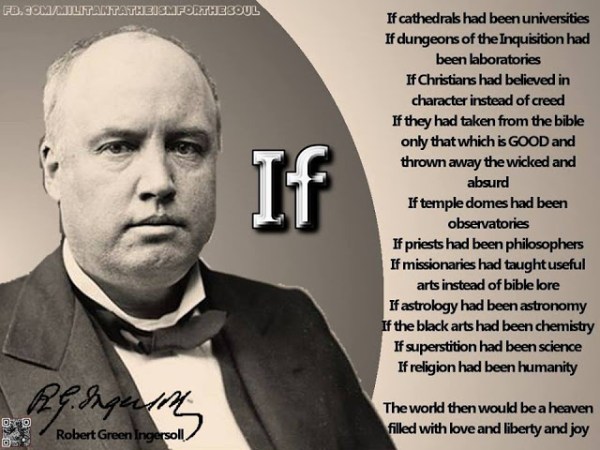
In the first place I am met by the theological world. Have I the right to inquire? They say, “Certainly; it is your duty to inquire.” Each church has a recipe for the salvation of this world, but not while you are in this world — afterward. They treat time as a kind of pier — a kind of wharf running out into the great ocean of eternity; and they treat us all as though we were waiting there, sitting on our trunks, for the gospel ship.

I want to know what to do here. Have I the right to inquire? Yes. If I have the right to inquire, then I have the right to investigate. If I have the right to investigate, I have the right to accept. If I have the right to accept, I have the right to reject. And what religion have I the right to reject? That which does not conform with my reason, with my standard of truth, with my standard of common sense. Millions of men have been endeavoring to govern this world by means of the supernatural. Thousands and thousands of churches exist, thousands of cathedrals and temples have been built, millions of men have been engaged to preach this gospel; and what has been the result in this world? Will one church have any sympathy with another? Does the religion of one country have any respect for that of another? Or does not each religion claim to be the only one? And does not the priest of every religion, with infinite impudence, consign the disciples of all others to eternal fire?

Why is it the churches have failed to civilize this world? Why is it that the Christian countries are no better than any other countries? Why is it that Christian men are no better than any other men? Why is it that ministers as a class are no better than doctors, or lawyers, or merchants, or mechanics, or locomotive engineers? And a locomotive engineer is a thousand times more useful. Give me a good engineer and a bad preacher to go through this world with rather than a bad engineer and a good preacher; and there is this curious fact about the believers in the supernatural: The priests of one church have no confidence in the miracles and wonders told by the priests of the other churches. Maybe they know each other. A Christian missionary will tell the Hindoo of the miracles of the bible; the Hindoo smiles. The Hindoo tells the Christian missionary of the miracles of his sacred books; and the missionary looks upon him with pity and contempt. No priest takes the word of another.

I heard once a little story that illustrates this point: A gentleman in a little party was telling of a most wonderful occurrence, and when he had finished everybody said: “Is it possible? Why, did you ever hear anything like that?” All united in a kind of wondering chorus except one man. He said nothing. He was perfectly still and unmoved; and one who had been greatly astonished by the story said to him: “Did you hear that story?” “Yes.” “Well, you don’t appear to be excited.” “Well no,” he said; “I am a liar myself.”

  • தொடரும்
  • ***

Seneca and Valluvar (Post No.5434)


Compiled by London Swaminathan

swami_48@yahoo.com

Date: 15 September 2018


Time uploaded in London – 20-52 (British Summer Time)


Post No. 5434

Pictures shown here are taken from various sources including google, Wikipedia, Facebook friends and newspapers. This is a non- commercial blog.

Who is Seneca?
Lucius Annaeus Seneca (4 BCE-65 CE) was a Roman stoic playwright, author of essays and nine tragedies. He was tutor to the future emperor Nero but lost favour after Nero’s accession to the throne, he lost his support and was ordered to commit suicide. His tragedies were accepted as classical models by 16th century dramatists.

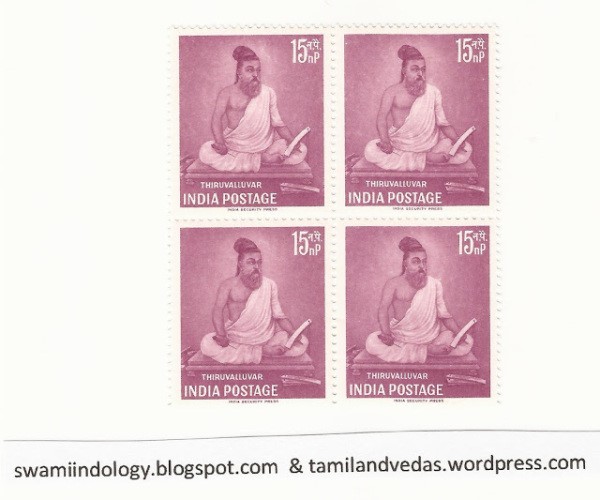
Who is Valluvar?
The greatest of the ancient Tamil poets. He was the author of Tirukkural, an ethical work with 1330 couplets dealing with 133 topics. His aphorisms are famous for its brevity and clarity.


PURITY OF MIND 

There are number of similarities between Valluvar and Seneca. Let us look at few couplets:
Tiru valluvar says in the chapter on the Importance of Virtue,

To be of pure, spotless mind is real virtue; all else is of no avail- Kural 34

He says a blemish less mind is the basis of all virtues. Every thing else is an empty show.
Seneca agrees with him ,
‘Between good men and the gods there exists a good friendship brought about by virtue (arising from a pure mind)’.– Seneca on Providence

Xxxx


PATIENCE 

Under the chapter on Forbearance or Patience, Valluvar said,

‘Overcome by forbearance those that harm thee by this overbearing act’– 158

Another translation of the same couplet is

‘Pride leads a man to do wrong; but this could be overcome
By the greater pride of one’s own forbearance.

Seneca also says,
Unkindness must be treated with kindness.

This, we find, in Dhammapada of Buddha and Mahabharata of Vyasa.
Almost all Hindu saints said this.

Xxx

ANGER, CONTROL OF TEMPER

If you would protect yourself, guard against your own anger.
For anger, not controlled would lead to self- destruction–305

Seneca’s words fully agree with Valluvar,
‘Anger leads to self- destruction’.

Xxx

NOT CAUSING INJURY


We find in Valluvar’s Kural,
Refraining from doing harm in retaliation of harm done with animosity is the rule of conduct of the noble hearted- Kural 312
This is also said by all the great saints
Seneca said,
‘For the wise and the great injuries don’t exist.’

Once again we are reminded ‘Great men think alike’.

Source for Seneca s quotations- Tirukkural by Dr S M Diaz
Xxx subham xxxx

திருவையாற்றில் தியாகப் பிரம்மம் சமாதி உருவான கதை (Post No.5433)


Compiled by London Swaminathan

swami_48@yahoo.com

Date: 15 September 2018


Time uploaded in London – 17-36 (British Summer Time)


Post No. 5433

Pictures shown here are taken from various sources including google, Wikipedia, Facebook friends and newspapers. This is a non- commercial blog.


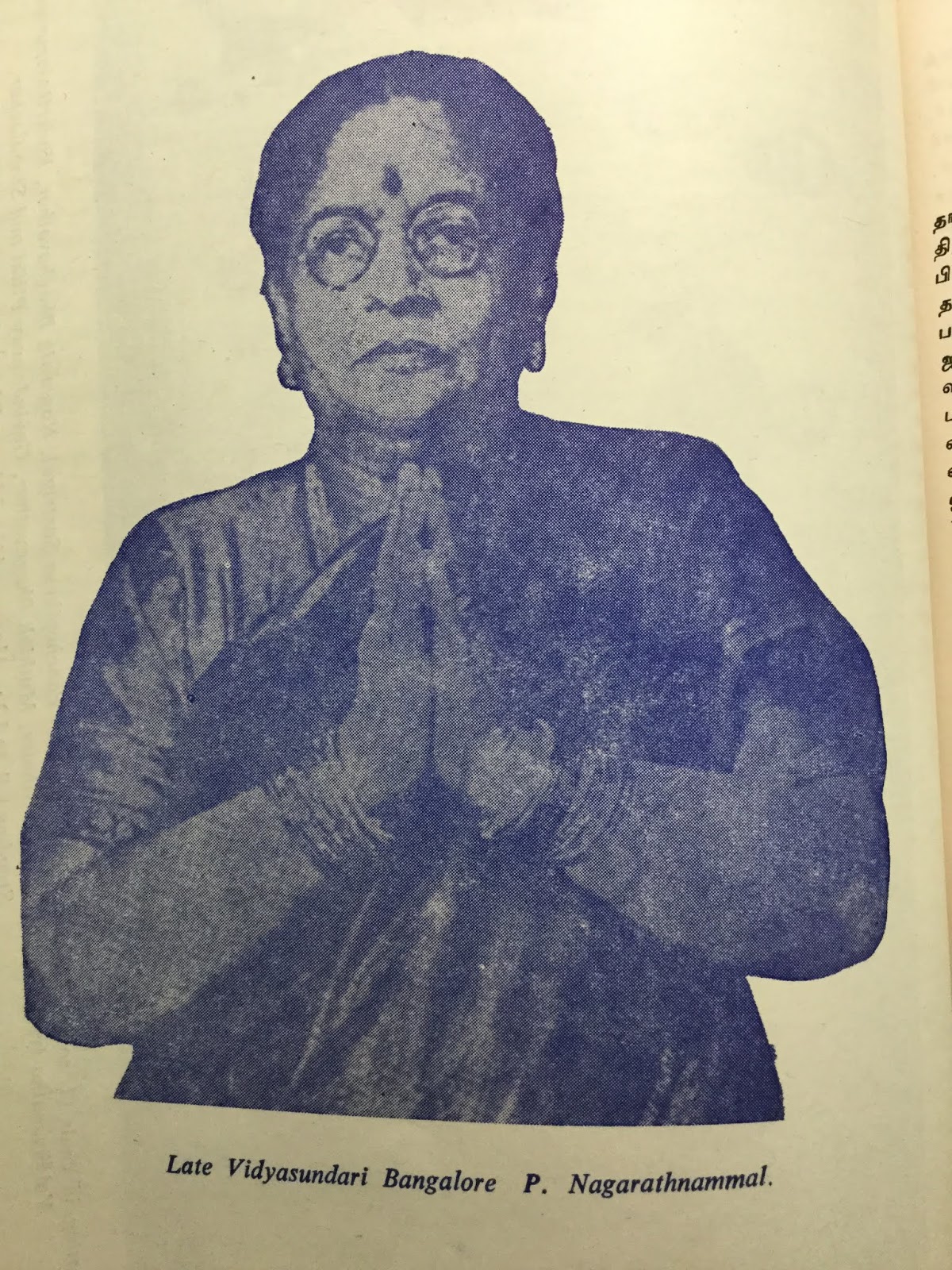
பெங்களூர்   நாகரத்தினம்மாளின்  சேவை


திருவையாற்றில்  கேட்பாரற்றுக்  கிடந்த தியாகராஜ  சுவாமிகளின் சமாதியை  பெங்களூர் நாகரத்தினம்மாள்  ஒரு கோவிலாக,  ஆஸ்ரமமாக  உருவாக்கிய  உருக்கமான கட்டுரை 1968ஆம்  ஆண்டு தியாகப் பிரம்ம ஆராதனை மலரில் வெளியாகியது. இதை சங்கரன் எழுதி இருக்கிறார்.


நாகரத்தினம்மாள் அந்தக் காலத்திலேயே போர்ட்ட்பிள் (Portable  Tambura) தம்பூரா செய்து வைத்திருன்ந்த சுவையான செய்டியும் இதில் உள்ளது.


பர்த்ருஹரியின் கடவுள் வாழ்த்து! (Post No.5432)

Painting of Bhartruhari meeting his wife

Written by London Swaminathan

swami_48@yahoo.com

Date: 15 September 2018


Time uploaded in London – 17-32 (British Summer Time)


Post No. 5432

Pictures shown here are taken from various sources including google, Wikipedia, Facebook friends and newspapers. This is a non- commercial blog.


பர்த்ருஹரி நீதிசதகம்-1

பர்த்ருஹரியின் 300 பாக்கள் அடங்கிய நீதி சதகம்,  வைராக்ய சதகம், சிருங்கார சதகம் ஆகிய மூன்றும் சுமார் 150 ஆண்டுகளுக்கு முன்னரே ஆங்கிலம் உள்பட பல ஐரோப்பிய மொழிகளில் மொழி பெயர்க்கப்பட்டுவிட்டது. இதைத் தமிழில் வந்த விவேகா சிந்தாமணி முதலிய பல நூல்களில் தனித் தனிப் பாடலாக மொழி பெயர்த்துள்ளார்கள். அதற்குப் பின்னர் இவைகளைத் தமிழ் பாக்கள் வடிவிலும் மொழி பெயர்த்து விட்டனர்.


பர்த்ருஹரியின் காதல் கதை மிகவும் சுவையானது; சோகமானது. முன்னரே எழுதிவிட்டேன். கீழே அதற்கான தொடர்புக் குறிப்பு உளது.

நான் புதிதாக எழுத என்ன இருக்கிறது?


இதைப் பல தமிழ் அறிஞர் பாடல்களுடன் ஒப்பிடுவதே எனது நோக்கம்.


दिक्कालाद्यनवच्छिन्नानन्तचिन्मात्रमूर्तये ।
स्वानुभूत्येकमानाय नमः शान्ताय तेजसे ॥ 1.1 ॥


இதோ முதல் பாடல்

திக்காலாதயனவச்சின்னானந்த சின்மாத்ர மூர்த்தயே

ஸ்வானுபூத்யேகமானாய  நமஹ சாந்தாய தேஜசஹ 1-1


கடவுள் வாழ்த்து பற்றி தொல்காப்பியர் குறிப்பிட்டாலும் தொல்காப்பியத்தில் கடவுள் வாழ்து கிடையாது! ஆனால் திருக்குறளில் உளது. சங்க இலக்கியத்தை சுமார் நாலு அல்லது ஐந்தாவது நூற்றாண்டில் நமக்கு தொகுத்து அளித்த மஹாதேவன் (பாரதம் பாடிய பெருந்தேவனார்) சிவ பெருமானைப் புகழ்ந்து பாடி, புறநானூறு முதலிய நூல்களில் முதல் பாடலாகச் சேர்த்துள்ளார். சிலப்பதிகாரம் போன்ற நூல்களில் வேதத்தில் உள்ளது போல இயற்கைச் சக்திகளே கடவுள் வாழ்த்தாக அமைந்துள்ளது. இளங்கோ அடிகள் சூரியன், சந்திரன், மழை ஆகியவற்றைப் பாடிப் பரவுகிறார். சம்ஸ்க்ருதத்தில் காளிதாசனின் காவியத்தில் இறைவனைத் துதிபாடியே துவங்குகிறார்.


நற்றிணையின் கடவுள் வாழ்த்து விஷ்ணு ஸஹஸ்ரநாம ஸ்லோகம் ஒன்றின் மொழி பெயர்ப்பாக அமைந்துள்ளது சுவையான செய்தி.


இதோ திருவள்ளுவரின் கடவுள் வாழ்த்தை பர்த்ருஹரியுடன் ஒப்பிடுவோம்:


பர்த்த்ருஹரி சொல்கிறார்:

காலத்திற்கும் பரந்து விரிந்த இடத்துக்கும் அப்பாலுள்ள ஒளி மயமான அமைதியான, சாந்தமான இறைவனை வணங்குகிறேன். அந்த இறைவனை ஒருவனுடைய சுய அனுபவத்தாலேயே  அடைய முடியும்; அளக்க/ அறிய முடியும்.


மிகவும் கருத்துள்ள பாடல்; இந்துக்கள் மட்டுமே கடவுளை காலத்துக்கும் இடத்துக்கும் அப்பால் வைப்பர். ஐன்ஸ்டைன் போன்ற பேரறிஞர்கள் காலம், இடம் பற்றிய கொள்களை முன் வைத்தனர். ஆனால் அதற்கும் முன்பாக இந்தக் காலம் பற்றிப் பேசியவர்கள் இந்துக்களே. ஐன்ஸ்டைன், ஒளியை மிஞ்சிய பொருள் ஏதும் இல்லை என்பார். ஆனால் இந்துக்களோ மனதின் வேகம் ஒளியைவிட அதிகம் என்பர். அதைப் பயன்படுத்தி நாரதர் முதலானோர் அண்டம் விட்டு அண்டம் பயணம் (Inter Galactic Travel) செய்தனர்.

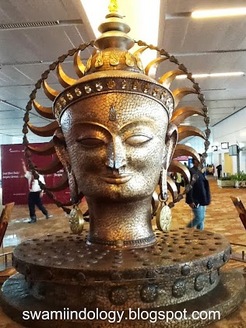
Image of Surya Deva in Delhi Airport

விஷ்ணு ஸஹஸ்ரநாமத்தின் முதல் பாட்டிலேயே பூத, பவ்ய, பவத் காலம் — நீயே இற்நத காலம், நிகழ் காலம், வருங்காலம் — என்று துதிக்கின்றனர். கடவுளையும் காலத்தையும் தொடர்புபடுத்தி ‘அவன்’ அதற்கு அப்பாற்பட்டவன் என்று மொழிவது இந்துக்களின் மிக முன்னேறிய விஞ்ஞான அணுகு முறையைக் காட்டுகிறது.

ஏனையோர் எல்லாம் ஒரு பாடலோ, இரண்டு பாடலோ பாடி கடவுள் வாழ்த்தை முடித்துக்கொண்டனர். ஆனால் வள்ளுவனோ பத்துப் பாடல்கள் பாடி கடவுளைத் துதித்துள்ளான். இது உலக மஹா விந்தை. உலகிலேயே தமிழன்தான் கடவுளைத் துதிப்பவர்களில் முதல்வன் என்பதை இது காட்டுகிறது. அது மட்டுமல்ல உருவ வழிபாடே சிறந்தது என்பதையும் வள்ளுவன் விண்டுரைக்கிறான். கடவுளின் திருப்பாதங்கள் பற்றி ஏழு குறள்களில் செப்பிவிட்டான். இதனால்தான் திருக்குறளை தமிழ் வேதம் (மறை) என்று ஒரு புலவர் திருவள்ளுவர் முன்னிலையிலேயே பாடிவிட்டார் (காண்க- திருவள்ளுவ மாலை)


பர்த்ருஹரி, அவரவர் அறிவு, அனுபத்துக்கு ஏற்ப இறைவனை உணரலாம் என்றார். வள்ளுவன் இதைப் பல சொற்களால் விளக்குகிறான். . கடவுள் என்பவன் தனக்குவமை இல்லாதான், அறவாழி அந்தணன், வால் அறிவன், நெஞ்சத் தாமரையில் வீற்றிருப்பவன், சம்சார சாகரத்தை கடக்க உதவுபவன், உலகிற்கே முதல்வன், வேண்டுதல் வேண்டாமை இலாதான், ஐம்புல உணர்வுகளுக்கு அப்பாற்பட்டவன், எண்குணத்தான் (சிவ பெருமானின் அடைமொழி) என்றெல்லாம் வருணிக்கிறான். கடவுள் வாழ்த்துக்கு அப்புறமும் இந்திரன் பிரம்மன், லெட்சுமி, நஞ்சுண்ட கண்டன் (சிவன்), பல்மாயக் கள்வன் (கிருஷ்ணன்) யமன் போன்று பல தெய்வங்களைப் பல குறள்களில் பாடுகிறான்.


நான்கு வேதங்களிலும் வரும் மிகவும் சக்தி வாய்ந்த மந்திரம் காயத்ரீ மந்திரம். அந்தணர்கள் நாள் தோறும் சூரிய ஒளியைப் பார்த்து தேஜோ மயமான இறைவனை நினைக்கும் மந்திரம். பர்த்ருஹரியும் இறைவனை தேஜோ மயமானவன்- ஒளி மயமானவன் என்று போற்றுவது குறிப்பிடத்தக்கது.

Old Articles in my blog:–


  1. கடவுள்வாழ்த்து | Tamil and Vedas

tamilandvedas.com/tag/கடவுள்…

Posts about கடவுள் வாழ்த்து written by Tamil and Vedas

  1. பர்த்ருஹரி| Tamil and Vedas

tamilandvedas.com/tag/பர்த்ருஹரி

Posts about பர்த்ருஹரி written by Tamil and Vedas

  1. சம்ஸ்கிருத பொன்மொழிகள் | Tamil and Vedas

tamilandvedas.com/tag…

Posts about சம்ஸ்கிருத பொன்மொழிகள் written by Tamil and Vedas. … ந யுக்தம் பரகளத்ர …

  1. திரிமூர்த்தி | Tamil and Vedas

tamilandvedas.com/tag…

Posts about திரிமூர்த்தி written by Tamil and Vedas. about; Fatness Anecdotes … பர நாரி … பரத்ரவ்ய ஹர: …

  1. பர்த்ருஹரிநீதி சதகம் | Tamil and Vedas

tamilandvedas.com/tag…

Posts about பர்த்ருஹரி நீதி சதகம் written by Tamil and Vedas


–subham–


பாதிரிகளுக்கு இங்கர்சாலின் கேள்வி! – 1 (Post No.5431)

Written by S NAGARAJAN

Date: 15 SEPTEMBER 2018


Time uploaded in London – 5-58 AM (British Summer Time)


Post No. 5431


Pictures shown here are taken from various sources including google, Wikipedia, Facebook friends and newspapers. This is a non- commercial blog.


பாதிரிகளுக்கு இங்கர்சாலின் கேள்வி! – 1


ச.நாகராஜன்


ராபர்ட் க்ரீன் இங்கர்சால் (பிறப்பு 11-8-1833 மறைவு 21-7-1899) பைபிளை நம்பாத அமெரிக்கர். சிறந்த வக்கீல். மிகச் சிறந்த பேச்சாளர். அரசியல்வாதி. அமெரிக்க உள்நாட்டுப் போரில் பங்கு கொண்டவர். அவரது செல்லப் பெயர் “The Great Agnostic” (மிகப் பெரிய லோகாயதவாதி). அமெரிக்காவில் சுதந்திர சிந்தனை எழுந்த பொற்காலத்தில் வாழ்ந்தவர்.


பாதிரிகளைப் பதற வைக்கும் கேள்விகளைக் கேட்டு அவர்களைத் திணற வைத்தவர். அவரது ஒரு கேள்விக்கும் கூட பாதிரிகளால் பதில் அளிக்க முடியவில்லை.


அவரது அனல் தெறிக்கும் பேச்சுக்களும் எழுத்துக்களும் 12 தொகுதிகளாகத் தொகுக்கப்பட்டுள்ளன. (The Works of Robert G. Ingersoll – complete 12 Volumes). அவரது வரலாற்றை க்ளிண்டன் பி. ஃபேரல் (Farrell, Clinton. P) அழகுற எழுதியுள்ளார்.


இங்கர்சாலுக்கு பைபிளைக் கண்டாலேயே பிடிக்காது. அதை ஒரு தெய்வீகப் புத்தகம் என்பதை அவரால் அங்கீகரிக்கவே முடியவில்லை.  மற்ற புராதன நூல்களுக்கு எவ்வளவு மதிப்பும் மரியாதையும் கொடுக்க முடியுமோ அந்த அளவிற்குத் தான் பைபிளுக்கும் மதிப்பைக் கொடுக்க முடியும் என்றார் அவர். “அதில் கொஞ்சம் உண்மை இருக்கிறது. நிறையத் தவறுகள் இருக்கின்றன. அதிக அளவு காட்டுமிராண்டித்தனம் உள்ளது. நல்ல தன்மையை இழந்துள்ள நூல்” – இது தான் பைபிளைப் பற்றிய அவரது விமரிசனம்.


(“There is some truth, a great deal of error, considerable barbarism and a most plentiful lack of good sense” ).


ஒருவர் அவரிடம், “உங்கள் வீட்டில் பைபிள் இருக்கிறதா?” என்று கேட்டபோது அவர் இருக்கிறது என்று சொல்லி,  தோலினால் கெட்டி அட்டை போட்ட ஒரு புத்தகத்தைச் சுட்டிக் காட்டினார்.அதன் மேலே “ஊக்குவிக்கும் நூல்” (“The Inspired Book.”) என்று எழுதி இருந்தது. அதைத் திறந்து பார்த்த போது அது ஷேக்ஸ்பியரின் நூல். பின்னர் அவர் இன்னொரு புத்தகத்தை எடுத்துக் காண்பித்து அது தான் அவர்களின் குடும்ப பிரார்த்தனை புத்தகம் என்றார். அதைத் திறந்து பார்த்தால் அது ராபர்ட் பர்ன்ஸ் என்ற கவிஞரின் நூலாக இருந்தது.

இங்கர்சால் பைபிளின்  பழைய ஏற்பாட்டை(OldTestament), ”தவறுகள், அதன் அபத்தங்கள், அதன் அறியாமை மற்றும் கொடூரம்” ஆகியவற்றால் அது லாயக்குப்படாது என்று ஒதுக்கி விட்டார். (Because of its “mistakes, its absurdities, its ignorance and its cruelty).

புதிய ஏற்பாட்டையோ (New Testament) , “அது பழைய ஏற்பாடு உண்மைதான் என்று சூளுரைக்கிறது; அத்துடன் பயமுறுத்தும் முடிவில்லாத துன்பம் என்னும் கொள்கையை அறிமுகப்படுத்துகிறது” என்பதால் அதையும் ஒதுக்கி விட்டார்.


மொத்தத்தில் பைபிள் கூறும் மதமானது பயத்தின் அடிப்படையிலானது என்றார் அவர்.


“உண்மையான மதம் என்பதும் உண்மையான வழிபாடு என்பதும் பயனுள்ள விஷயங்களை உருவாக்கும் ஒன்றாகும். அறிவை அதிகரிக்கச் செய்வது எதுவோ, மூளையை மேம்படுத்துவது எதுவோ, அதுவே உண்மை மதம்“ என்றார் அவர்.


‘அறிவியலே உலகைக் காக்கும்’ என்ற அவர் நான் வழிபடும் ட்ரினிடி (மூன்று தெய்வ வழிபாடு) – பகுத்தறிவு, உற்று கவனித்தல் , அனுபவம் (Reason, Observation, Experience)  தான் என்று முழங்கினார்.

இயற்கைக்கு அப்பாற்பட்ட தெய்வம் ஒன்று இல்லை என்பது அவரது சித்தாந்தம்.


பாதிரிகளைப் பதற வைத்த அவரது கேள்விகளின் தொகுப்பு ஏராளம் என்றாலும் சாம்பிளுக்கு ஒன்றை மட்டும் இங்கு இப்போது பார்ப்போம்:


“சீமாட்டிகளே, கனவன்களே, ஆயிரக்கணக்கான ஆண்டுகளாக மனிதர் கேட்டு வரும் கேள்விகள் இவை தாம்: “இந்த உலகை எப்படி நாகரிகமயமாக்குவது. உயிர்,சுதந்திரம், சொத்து, மதிப்புகள் ஆகியவற்றை எப்படிப் பாதுகாப்பது? குற்றத்தையும், ஏழ்மையையும் ஒழிப்பது எப்படி? உடை தந்து உணவு தந்து, கல்வி பயிற்றுவித்து மனித குலத்தை நாகரிகப்படுத்துவது எப்படி?

சிந்தனையுள்ள ஆண்களாலும் பெண்களாலும் இந்தக் கேள்விகளே கேட்கப்பட்டன. அவர்கள், “ இன்னொரு (மறு) உலகத்தில் நாம் என்ன செய்யப் போகிறோம்?) என்று கேட்கவில்லை.  அங்கு செல்லும் போது அதைக் கேட்க போதுமான காலம் இருக்கிறது. இப்போதுள்ள விஷயம் எப்படி உலகை நாகரிகமயமாக்கப் போகிறோம் என்பது தான். எந்த பாதிரியிடம் இதை நான் கேட்பது? எந்த புனித நூலில் இதை நான் தேடுவது? எந்த தீர்க்கதரிசனவாக்கை நான் நாடுவது? எந்த புனித தலத்தில் நான் வணங்கி என்ன செய்யவேண்டும் என்பதை கண்டுபிடிப்பது? ஒவ்வொரு சர்ச்சும் ஒவ்வொரு விடையைச் சொல்கிறது. மக்கள் முக்தி அடைவதற்காக ஒவ்வொன்றும் ஒவ்வொரு குறிப்பைத் தருகிறது – ஆனால் அவை அனைத்தும் அவர்கள் இந்த உலகத்தில் இருக்கும்போது உபயோகப்படுத்துவதற்காக அல்ல! இந்த உலகத்தில் செய்ய வேண்டிய ஒரே வேலை அடுத்த உலகத்திற்கு தயாராவது தான்!”


உரையின் ஆங்கில மூலம்:

Ladies and Gentlemen: For thousands of years men have been asking the questions: “How shall we civilize the world? How shall we protect life, liberty, property and reputations? How shall we do away with crime and poverty? How clothe, and feed, and educate, and civilize mankind?” These are the questions that are asked by thoughtful men and thoughtful women. The question with them is not, “What will we do in some other world?” Time enough to ask that when we get there. The business we will attend to now is, how are, we to civilize the world? What priest shall I ask? What sacred volume shall I search? What oracle can I consult? At what shrine must I bow to find out what is to be done? Each church has a different answer; each has a different recipe for the salvation of the people, but not while they are in this world. All that is to be done in this world is to get ready for the next.

தொடரும்

***

முள்ளங்கிப் பிள்ளையாரும் ஒட்டக அனுமனும் (Post No.5430)


Written by London Swaminathan

swami_48@yahoo.com

Date: 14 September 2018


Time uploaded in London – 10-23 am (British Summer Time)


Post No. 5430

Pictures shown here are taken from various sources including google, Wikipedia, Facebook friends and newspapers. This is a non- commercial blog.


உலகிலேயே பழமையன மதம் – இந்து மதம். பாரசீகர்களும் கிரேக்கர்களும் 2000 ஆண்டுகளுக்கு முன்னர் சிந்து நதிக்கரையில் வசித்தவர்களை இந்து என்று அழைத்தனர். அதற்கு முன்னரும்– அநாதி காலமாக விளங்கும், இம்மதத்தை ‘சநாதன தர்மம்’ என்ற அழகிய பெயரால் அழைத்தனர். எகிப்திய, சீன, கிரேக்க, ரோமானிய கடவுளர்கள் எல்லாம் மியூஸியங்களில் ஒடுங்கிவிட்ட நேரத்தில், இந்து மதம் மட்டும் ஒரு லட்சம் கோவில்களில் இன்றும் வழிபடப்படுவதன் ரஹஸியம் என்ன? இந்து மதம் மட்டும் என்றும் மார்க்கண்டேயனாக வாழ்வது எப்படி?


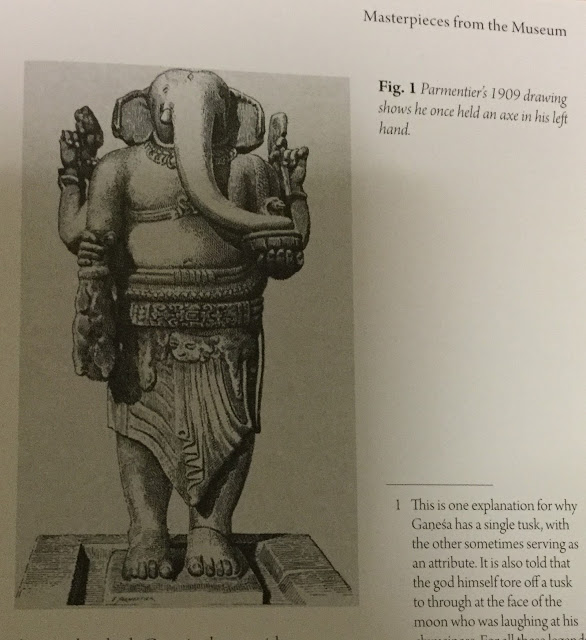
இதற்குப் பதில் முள்ளங்கி கணபதி சிலையிலும் ஒட்டக வாஹன ஆஞ்சநேயர் சிலையிலும் உள்ளது. அடிப்படைக் கொள்கைகள் மாறாமல் நிற்க, அதை விளக்க வந்த அடையாளங்கள் மட்டும் இந்து மதத்தில் மாறிக்கொண்டே வ ருவதைக் காணலாம் இதனால் இது என்றும் புதுமைப் பொலிவோடு திகழ்கிறது.


ஒட்டகம் என்பது பாலைவனப் பிராணி. இந்தியாவின் வடமேற்கு மாநிலமான ராஜஸ்தானில் காணப்படுகிறது; ஆனால் ஒரு பக்தனைக் காப்பாற்றிய பெருமை காரணமாக அதையும் கூட ஆஞ்சநேய ஸ்வாமிக்கு வாஹனம் ஆக்கிவிட்டனர் ஹிந்துக்கள்! அதுவும் குறிப்பாக தென்னிந்தியக் கோவில்களில்!


அனுமன், தமிழ் நாட்டில் பிரம்மச்சாரி; ஆனால் வடநாட்டில் மனைவியருடன் தோன்றுவார். பிள்ளையார் தமிழ்நாட்டில் பிரம்மச்சாரி; ஆனால் பல இடங்களில் சித்தி, புத்தி என்ற இரு மனைவியருடன் காட்சி தருவார்; படியாதோருக்கு இவை விநோதமாகத் தோன்றும். ஆனால் ஆய்ந்து அவிந்து அடங்கிய கொள்கைச் சான்றோருக்கு அவற்றின் பின்னுள்ள தத்துவங்கள் விளங்கும்.

‘மரத்தை மறைத்தது மாமத யானை; மரத்தில் மறைந்தது மாமத யானை’– என்னும் திருமூலர் வாக்கு நினைவுக்கு வரும்.


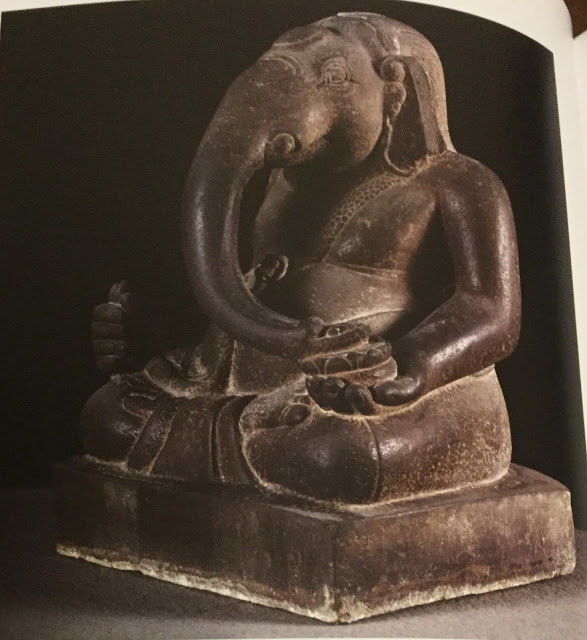
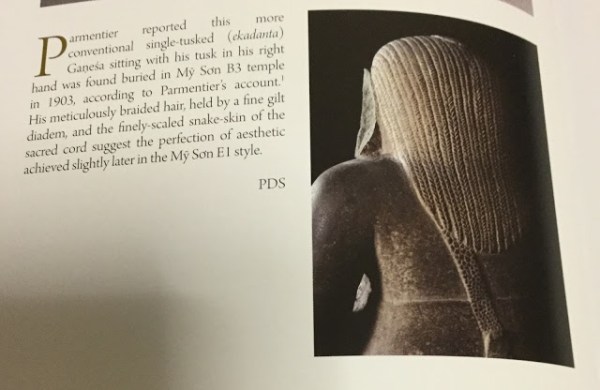
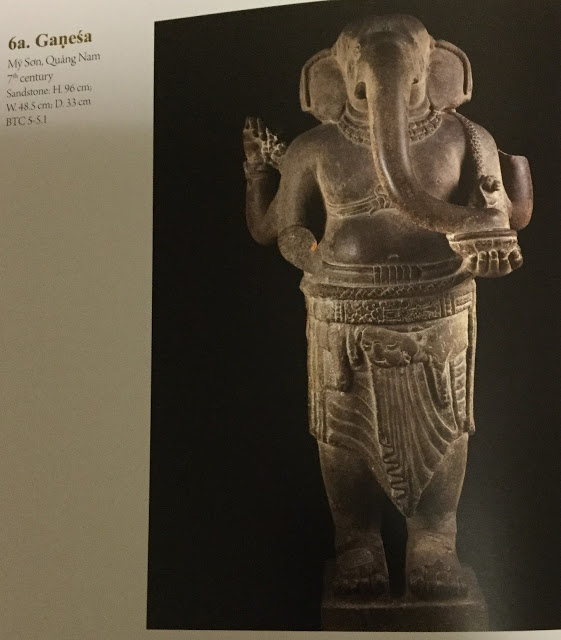
தென் கிழக்காசிய நாடுகளில் பிள்ளையரின் ஒரு கையில் முள்ளங்கி இருக்கும். யானைக்கு மிகவும் பிடித்தது முள்ளங்கி.  விநாயகரை அறிவின் சின்னமாக, ஞானத்தின் சின்னமாக, முழு முதற்கடவுளாகப் பார்க்கும் அதே நேரத்தில் அவரை இயற்கையின் தெய்வமாகவும் பார்க்கிறோம். அதனால்தான் மாட மாளிகைகள் கூட கோபுரங்கள் எதுவுமின்றி குகைகளிலும், மரத்துக்கு அடியிலும் கணபதியைக் காண்கிறோம். தென் கிழக்காசிய நாடுகளில் 1500 ஆண்டுகளுக்கு இந்து மதம் கொடிகட்டிப் பறந்தது. தாய்லாந்து, லாவோஸ், இந்தோநேஷ்யா, வியட்நாம், பர்மா முதலிய பல நாடுகளில் கணபதி சிலைகள் உள. ஜப்பான் வரையிலும் கணபதி இருக்கிறார். ரோம் முதலிய பிரதேசங்களில் கணேஷ் என்பதை ஜனேஷ் என்ற இரு முகக் கடவுளாக அழைத்ததால் ஜனவரி என்ற மாதம் அவர் பெயரில் தோற்றுவிக்கப்பட்டது.


முள்ளங்கியை கணபதி கையில் கொடுத்தது ஏன்?

அவர் விவசாயிகளை தெய்வம்; ஆகையால் யானைக்குப் பிடித்த முள்ளங்கியை அவர் கையில் கொடுத்ததாக வியட்நாமியர் பகர்வர். வியட்நாமில் மைஸன் (Myson) என்ற இடத்தில் கிடைத்த கணேசர் கையில் முள்ளங்கி இருந்தது. ஆறு முதல் எட்டு நூற்றாண்டு வரையான சில இந்திய கணபதி சிற்பங்களிலும் முள்ளங்கி உண்டு.


எலி என்னும் சிறிய பிராணியை பூதாஹாரமான உடல் படைத்த பிள்ளையாருக்கு வாஹனமாக்கியது ஏன்? என்பதற்கும் வியட்நாமியர் விடை விளம்புவர். பயிர்களை அழிப்பது எலி; அதையும் கட்டுக்குள் வைத்து அடக்கி ஆள்வதால் அவ ருக்கு எலி வாஹனமாயிற்று என்பது வியட்நாமியரின் விடை.

‘தலைவனை நம்பாதே ; தத்துவத்தை நம்பு’ என்பது ஆன்றோர் வாக்கு; இதையே சிறிது மாற்றி ‘சிலைகளை நம்பாதே அதன் பின்னுள்ள சிம்பலிஸத்தை (சிம்பல்= அடையாள,சின்னம்) நம்பு’ -என்பது இந்து சந்யாஸிகளின் அறிவுரை!

ஆக, காலத்தின் தேவைக்கேற்ப, மக்களின் ரசனைக்கு ஏற்ப, பா மரர்களுக்கு மஹத்தான தத்துவங்களைப் புரிய வைக்க, அவ்வப்போது ஆன்றோர்களும், சான்றோர்களும், பல புதிய வடிவங்களைக் கடவுளருக்கு கொடுப்பர். ஆனால் அடிப்படையான ஸத்தியம், கருணை, அன்பு, லோகாஸ் சமஸ்தோ சுகினோ பவந்து ( யான் பெற்ற இன்பம் பெறுக இவ்வையகம்) என்ற கொள்கைகள் மாறுபடாது. வந்த கொள்கைகளை எல்லாம் ஏற்று, அதைத் தன் மயமாக்கி, ஜீரணம் செய்து புது சக்தியாக வடித்துக் கொ டுக்கும் அபூர்வ சக்தி இந்து மதத்தின் தனிச் சிறப்பு. இதனால்தான் ‘என்றுமுள தென் தமிழ்’ போல், என்று முள மதமாக – ஆதி அந்தமற்ற சநாதன சமயமாக இந்து மதம் நிற்கிறது. ‘ஆல் போல் தழைத்து அருகு போல் வேரூன்றிய’ இந்த சமயம் அழியாது நிற்கும்.


முள்ளங்கி கணபதியும் ஒட்டக மாருதியும் வாழ்க!


–subham–

2022-இல் விண்வெளியில் இந்திய வீரர்! (Post No.5428)

Written by S NAGARAJAN

Date: 14 SEPTEMBER 2018


Time uploaded in London – 7-23 AM (British Summer Time)


Post No. 5428


Pictures shown here are taken from various sources including google, Wikipedia, Facebook friends and newspapers. This is a non- commercial blog.


டைரக்டர் திரு கே.பாக்யராஜ் அவர்களை ஆசிரியராகக் கொண்டு வெளிவரும் வார இதழ் பாக்யா. அதில் 14-9-2018 தேதியிட்ட இதழில் அறிவியல் துளிகள் தொடரில் வெளியாகியுள்ள (எட்டாம் ஆண்டு இருபத்தியெட்டாம்) கட்டுரை


2022-இல் விண்வெளியில் இந்திய வீரர்!


ச.நாகராஜன்


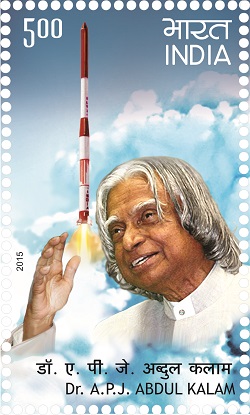
இந்தியாவின் 72வது சுதந்திர தின விழாவில் 15-8-2018 அன்று நமது பிரதமர் நரேந்திர மோடி இந்தியாவிற்குப் பெருமை தரும் ஒரு அறிவிப்பை வெளியிட்டார். 2022ஆம் ஆண்டில் நமது விண்வெளி வீரர் ஒருவர் நமது கலத்தில் விண்வெளியில் பறப்பார் என்ற வியத்தகும் செய்தியே அது.

நாம் சுதந்திரம் அடைந்து 75 ஆண்டுகள் ஆன விழாவைக் கொண்டாடப் போகும் ஆண்டில் நமக்கு விண்வெளி வெற்றி எப்படிப்பட்ட புகழைத் தரும்!

உலக அரங்கில் மற்ற நாடுகளின் தலைவர்களும் விஞ்ஞானிகளும் புருவதை உயர்த்தி ஆச்சரியத்துடன் இந்தியாவைப் பார்க்க வைக்கும் அறிவிப்பு இது.

இது நம்மால் முடியுமா? முடியும்!

இதை முடிக்கச் செய்ய பிரதமர் இந்திய விண்வெளி ஆய்வு மையத்தில் உள்ள தலையாய விஞ்ஞானிகளின் கூட்டம் ஒன்றைக் கூட்டினார்.


1961ஆம் ஆண்டு ஏப்ரல் 12ஆம் தேதியன்று சோவியத் வீரர் யூரி ககாரின் முதன் முதலில் பூமியைச் சுற்றி விண்வெளியில் வலம் வந்தார். புதிய சகாப்தம் தொடங்கியது.


இதுவரை மூன்று நாடுகளே தங்கள் விண்வெளி வீரர்களை விண்வெளியில் அனுப்பியுள்ளது என்பது குறிப்பிடத் தகுந்தது.

முதலில் பறந்த சோவியத் வீரரைத் தொடர்ந்து 1961 மே மாதம் 5ஆம் தேதி அமெரிக்கா தனது வீரரை விண்வெளிக்கு அனுப்பியது. 2003ஆம் ஆண்டு அக்டோபர் மாதம் 16ஆம் தேதி சீனா தனது வீரரை விண்வெளிக்கு அனுப்பியது.

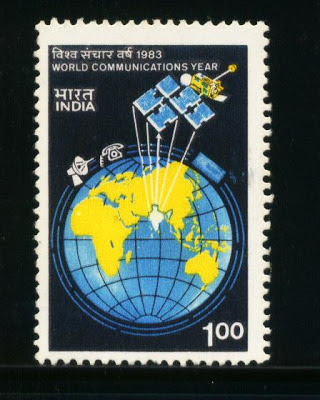
பல்வேறு நாடுகளும் விண்வெளியில் ராக்கட்டை அல்லது கலங்களை ஏவ இந்தியாவின் துணையை சமீப காலத்தில் நாடி வருவதும் இந்தியாவிலிருந்து அவர்களின் கலங்கள் விண்ணுக்கு ஏவப்படுவதும் சாதாரண நிகழ்வுகளாக ஆகி விட்டன.

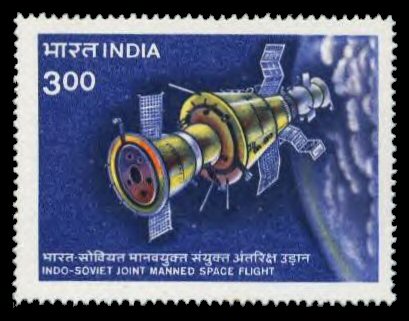
நமது இந்திய வீரரான ராகேஷ் சர்மா  சோயுஸ் டி -11 கலத்தில் 1984ஆம் ஆண்டு ஏப்ரல் 2ஆம் தேதி விண்ணில் பறந்தார்.

என்றாலும் நமது கலத்தில் நமது தொழில்நுப்டத்தில் ஒரு வீரர் விண்ணுக்குச் செல்கிறார் என்பது ஒரு அர்த்தமுள்ள விஷயம் தானே!

இதற்காக ஆகும் உத்தேச செலவு மலைக்க வைக்கும் தொகையான 14000 கோடி ரூபாய் ஆகும்! இந்த விண்வெளிப் பயணத்தால் ஏதேனும் ஆதாயம் உண்டா? நிச்சயம் உண்டு. விண்வெளித் தொழில்நுட்பத்தில் நாம் முன்னேற முன்னேற ஏராளமான நவீன தொழில்நுட்ப ஆதாயங்கள் உண்டு. இவை புதிய விஞ்ஞான இந்தியாவை உருவாக்கும். உலகை வியக்க வைக்கும்.


மனிதனுக்கு பதிலாக ரொபாட்டை அனுப்புவது ஒரு வழி. என்றாலும் கூட சந்திரனுக்கும் செவ்வாய்க்கும் இந்தியப் பயணம் என்று சொல்லி வரும் இந்த நாட்களில் விண்வெளியில் ஒரு இந்திய வீரரின் பயணம் என்பது முதல் படியாக அமையும்.

இப்படி ஒரு திட்டத்தை திடீரென்று அறிவிக்க முடியாது.

2004ஆம் ஆண்டிலிருந்தே இது பற்றிய ஏற்பாடுகள் நடை பெற்று வருகின்றன. 2006ஆம் ஆண்டு நவம்பர் 7ஆம் தேதி இந்தியாவின் தலைமை விஞ்ஞானிகள் 80 பேர் இது பற்றி விவாதித்தனர். என்னென்ன தொழில்நுட்பங்கள் தேவை என்பது தீர்மானிக்கப்பட்டது. தேவையான தொழில்நுட்பங்களில் பலவும் ஏற்கனவே இந்தியாவில் இருப்பதை விஞ்ஞானிகள் சுட்டிக் காட்டினர். பிறகென்ன? திட்டத்திற்குப் பச்சைக் கொடி காட்டப்பட்டது.


இதற்கென இந்திய விண்வெளி ஆய்வு மையம் (ஐ எஸ் ஆர் ஓ) சுமார் 12500 கோடி ரூபாய் பட்ஜெட்டைச் சமரிப்பித்தது.

2016ஆம் ஆண்டு மே மாதம் 23ஆம் தேதி மறுசுழற்சி ஏவு கலம் (RLV-TD)  ஒன்றை இந்தியா விண்ணில் ஏவியது. 65 கிலோமீட்டர் உயரம் சென்ற அது பல்வேறு உஷ்ணநிலைகளையும் தாங்கி விண்ணில் வலம் வந்தது. இதன் மூலம் விண்ணில் ஏவுவது, அங்கு பறப்பது, வழிகாட்டுவது, கட்டுப்பாட்டிற்குள் இருப்பது உள்ளிட்ட பல தொழில்நுட்பங்களை இந்தியா கொண்டுள்ளதை உலகம் அறிந்து வியந்தது.


2018ஆம் ஆண்டு ஜூலை 5ஆம் தேதி விண்கலத்திலிருந்து தப்பும் அமைப்புக்கான சோதனை ஒன்றையும் இந்தியா வெற்றிகரமாக நடத்தி முடித்தது. இந்த சோதனையில் விண்கலம் 2.7 கிலோமீட்டர் உயரம் சென்றது. இரண்டு பாராசூட்டுகள் அதிலி

ருந்து வெளி வந்து பறக்க,  கடலில் குறிப்பிட்ட் இடத்தில் அவை இறங்கின.


ஒருவேளை கலத்தை ஏவும் போது பிரச்சினை என்றால் விண்வெளி வீரர் எப்படித் தப்புவது என்பதையும் வெற்றிகரமாகச் செய்து முடித்து விட்ட நிலையில் இனி முழு அளவில் களத்தில் இறங்க வேண்டியது தான்!


இன்னொரு தொழில் நுட்பமான விண்வெளி வீரரின் உடை தயாரிப்பு பற்றியும் நமது விண்வெளி மையம் வெற்றிகரமாகச் செய்து முடித்து விட்டது.


கலத்தை இணைப்பது, விடுவிப்பது போன்றவற்றையும் கூட தரையிலேயே விண்வெளி சூழ்நிலையை ஏற்படுத்தி செய்து பார்த்து விட்டது.

இனி விண்வெளி வீரரைத் தயார் படுத்த வேண்டியது தான் பாக்கி.


இன்னொரு முக்கிய விஷயமும் உண்டு. சீனா ஐக்கிய நாட்டு சபையின் உறுப்பினர்கள் அனைவருக்கும், தான் அமைக்கவிருக்கும் விண்வெளி ஸ்பேஸ் ஸ்டேஷனில் இணைந்து பணியாற்றும் வாய்ப்பைத் தருவதாகக் கூறியுள்ளது.

இந்த நிலையில் நமது தொழில்நுட்பமும் வலிமை வாய்ந்த ஒன்றாக இருப்பதை உலகத்திற்குக் காட்ட வேண்டிய கட்டாயமும் ஏற்பட்டுள்ளது. அதை ஒரு இந்திய வீரரின் விண்வெளிப் பயணம் பறை சாற்றும்.

ஆக விண்கலம் தயாரிக்கும் பணி ஆரம்பமாகி விட்டது.

கலம் ரெடி என்றால் இந்திய வெற்றி உறுதி!

அந்த நாளை நாடே எதிர்பார்க்கிறது! ஜெய் ஹிந்த்!


அறிவியல் அறிஞர் வாழ்வில் .. ..

இன்று உலகிலேயே விஞ்ஞானிகளில் அதிக பணக்காரர் ஜேம்ஸ் வாட்ஸன்  (James Watson  பிறப்பு: ஏப்ரல் 6, 1928) தான். 1,10,600 கோடி ரூபாய்க்குச் சொந்தக்காரர் இவர்.

டி என் ஏ அமைப்பு பற்றிய கண்டுபிடிப்புக்காக 1962ஆம் ஆண்டு இவருக்கு நோபல் பரிசு அளிக்கப்பட்டது. ‘தி டபிள் ஹெலிக்ஸ் என்ற இவரது நூல் 1968இல் வெளியாகி உலகினரின் கவனத்தை ஈர்த்து பிரபலமானது. ஆனால் ஆப்பிரிக்க கறுப்பு இனத்தவர் அவ்வளவாக நுண்ணறிவு கொண்டவர்கள் இல்லை என்ற இவரது கூற்றால் இவரது பெயருக்கு களங்கம் ஏற்பட்டது. ‘சந்தேகம் இருந்தால் பெரிய கம்பெனி உரிமையாளர்களைக் கேட்டுப் பாருங்கள். கறுப்பர்களை பணியில் அமர்த்தும் அவர்களும் இதைத் தான் சொல்வார்கள் என்று அவர் கூறியது எரியும் நெருப்பில் எண்ணெயை வார்த்தது போல் ஆகி விட்டது.


கோல்ட் ஸ்பிரிங் ஹார்பர் லாபரட்டரியின் தலமைப் பதவியிலிருந்து இதற்காக அவர் தூக்கப்பட்டார். இன வாதம் பேசுபவர் என்ற பெயரையும் பெற்றார்.

ஆனால் இதற்காக எல்லாம் மனிதர் அசரவில்லை. செல்வத்தைச் சேர்த்துக் குவித்தார். விஞ்ஞானிகளில் நம்பர் ஒன் பணக்காரர் ஆனார்!

***


COMPARISON BETWEEN TAMIL POET AND ROMAN POET HORACE (Post No.5427)

Written by London Swaminathan

swami_48@yahoo.com

Date: 13 September 2018


Time uploaded in London – 21-22 (British Summer Time)


Post No. 5427

Pictures shown here are taken from various sources including google, Wikipedia, Facebook friends and newspapers. This is a non- commercial blog.


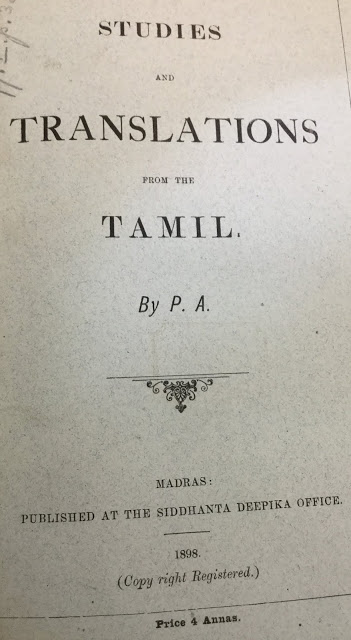
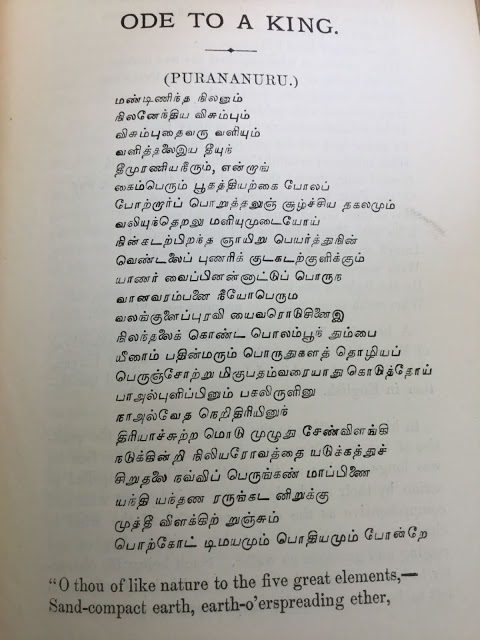
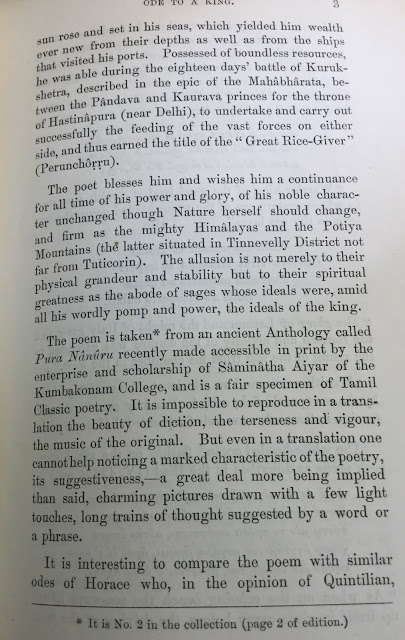
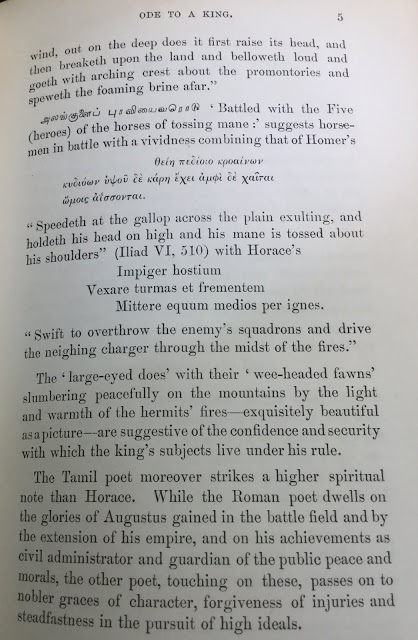
Two thousand years ago Muranchiyur Mudingarayar sang about Tamil Chera King Uthiyan Cheralathan. Around that time Roman poet Horace who composed poems in Latin also sang about kings. P Arunachalam compared both the poets and published an article in 1898. Before you read the comparison, I wanted to make some points on the same poem (verse 2 in Purananuru).


Muranchiyur Mudinagarayar’s poem is part of the oldest part of Purananuru, one of the 18 books of Sangam Tamil literature.

There are some interesting historical information as well as similes. This poem explodes all the Aryan- Dravidian myths. There was no such division.

1.The poet’s name is in Sanskrit Mudi Nagarajan. ‘The one who has snake on the head’- is the literal translation. It may be Lord Shiva or just Naga king. Since we have many Purananuru poets with pure Sanskrit names such as Damodaran,Valmiki, Brahama, Lochana, Parana, Kannadasan (Dayan Kannanar) and Maha chitran, it was not uncommon in those days.

2.Poet Nagarajan refers to Four Vedas and Brahmin’s Three Fires (Garhapatya, Ahavaniyam and Dakshinagniyam) which shows Vedic culture was strongly rooted in Tamil Nadu ( we have other refences to Yupa pillar everywhere, Rajasuyam, eagle shaped fire altar of Karikalan)

  1. The poem reflects Kalidasa’s description of the Himalayas in Kumarasambhavam and other works. The deer are taking rest in the Ahramas of seers where they enjoy the warmth of Sacred fire.

4.Another very interesting point is the reference to Pancha  bhutas. We see it in the Vedas. And the ancient Sanskrit literature always compare the Pancha Bhutas with five qualities of a King. It shows that the thought process was the same from Kanyakumari to Kashmir.

5.There is a debatable reference to Mahabharata war. Chera King praised as one who provided food for the combatants during the great war. The Tamil word used in the poem is ‘Perun Choru’ (Big food or feast). The word is not found nowhere else. Since Mudi Nagarajan was part of Second Tamil Sangam, commentator thought that the king lived during very old time. Linguistics or historic chronology wouldn’t allow any such interpretation. Language is very simple and it cannot be as old as 3102 BCE. If Uthiyan Cheran lived around that time we need a long list of Chera kings to fill the time gap. We didn’t  have such a king list. Chera king Uthiyan cheral was also sung by Mamulanar, another popular poet.


Then what is Big Rice or Big Food or Big Feast

Actually, on the death anniversary of big leaders,  people are fed to keep their memory or sacrifice alive It is just an Anna Dana like Saivite Guru pujas. Since the word is not used anywhere else in Tamil, no one could say whether it is right or wrong. But the language of the poem and the history of Tamil kings provide us enough clues.


6.The order of or the origin of Five elements (Pancha Bhutas) is in ‘Andhati’ style. Not only the style, the matter agrees with the Sanskrit scriptures.


  1. The golden Himalayas (Kanchan Srnga which is called Kanchen Janga now) is mentioned in Kalidasa’s work. Elsewhere I have given it as a proof for Kalidasa’s age. He lived before Sangam Tamil period.

8.There are references to bad omens: a)milk becoming sour b) day time becoming dark (solar eclipse; eclipses are considered bad omens)


9.Last but not the least there is an indirect reference to Agastya in the poem. Why did the poet compare Himalayas and Pothiya Hills? Pothiya Hills is the southern residence of the great seer Agastya who was sent by Lord Shiva to codify a grammar to Tamil language. Researchers say that it happened around 1000 BCE or 700 BCE. So the comparison between Pothiya and Himalayas is a veiled reference to Agastya Muni. Kalidasa refers to Pothiyam and the Himalayas in his Ragu vamsam.


Following is taken from a magazine published in 1898:-


–subham–