ஸ்வாமி ராமதீர்த்தரின் குறிப்பேடுகள்-1 (Post No.4947)

Written by S NAGARAJAN


Date: 25 April 2018


Time uploaded in London –  5-51  AM  (British Summer Time)


Post No. 4947


Pictures shown here are taken from various sources such as Facebook friends, Books, Google and newspapers; thanks. Pictures may be subject to copyright laws.


WARNING: PLEASE SHARE MY ARTICLES; BUT DON’T SHARE IT WITHOUT AUTHOR’S NAME AND THE BLOG NAME. BE HONEST; OTHERS WILL BE HONEST WITH YOU


ஸ்வாமி ராமதீர்த்தரின் குறிப்பேடுகள் சிலவற்றின் தொகுப்பு – 1


ச.நாகராஜன்


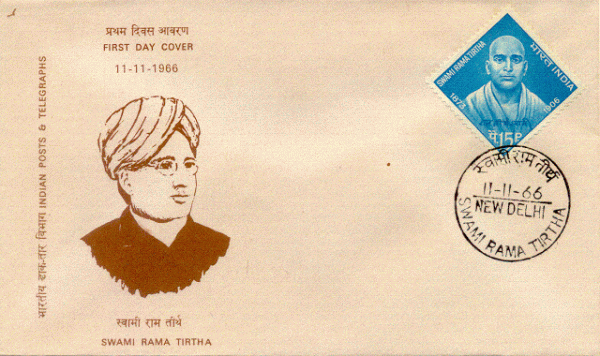
ஸ்வாமி ராமதீர்த்தர் பாரத நாட்டின் மகான்கள் வரிசையில் சென்ற நூற்றாண்டில் வாழ்ந்தவர். (தோற்றம் 22-10-1873  ஜல சமாதி 17-10-1906)

ஸ்வாமி விவேகானந்தர் அவரது இல்லத்திற்குச் சென்றிருக்கிறார்.

விவேகானந்தர் போலவே அவரும் அமெரிக்கா சென்று பல ஆன்மீகச் சொற்பொழிவுகள் நிகழ்த்தியுள்ளார்.

அவரது “In Woods of God Realisation”  பல தொகுதிகளைக் கொண்ட அரிய நூல்.

அவரது நோட்புக்குகளில் ஏராளமான சுவையான நிகழ்ச்சிகளை எழுதி வைத்துள்ளார். அவற்றில் புதிர்களும் உண்டு.

1967இல் இந்தத் தொகுதிகளை நூலகத்திலிருந்து எடுத்து மட்டுமே படிக்க முடிந்தது.

அது கம்ப்யூட்டர் இல்லாத காலம். நெட் இல்லாத காலம். ஆகவே  ஒவ்வொரு தொகுதியாக நூலகத்திலிருந்து எடுத்து வந்து சில குறிப்புரைகளை எழுதி வைத்துக் கொண்டேன்.

அழகிய அந்தக் குறிப்புகளையே இங்கு வழங்குகிறேன்.

இன்று ஸ்வாமிஜியின் நூல்கள் எங்கு வேண்டுமானாலும் கிடைக்கிறது.

அன்பர்கள் இந்தத் தொகுப்பைப் படித்து முழு நூலையும் படிக்க உத்வேகம் பெறுவார்களேயானால் அதுவே இந்தத் தொடரின் வெற்றி.

இனி ஸ்வாமிஜியின்  குறிப்புரைகள்…

1

Original Thoughts

Keep the sub-conscious mind (Karan Sharir) imbued with holy, pure, sublime feelings – and original thought is sure to flow out of you.  (from notebook 5)

2

I went to the Woods – Why?

I went to the Woods because I wished to live deliberately to front only the essential facts  of life, and I did not wish to live what was not life, living is so dear, I wanted to live deep and suck out all the narrow of life.    (from notebook 5)


3

No Occasion to suffer!

Keep your mind full of agreeable memories and plesant associations of ideas, all the time saturated with happy thoughts and Godly notions , you will have no occasion to suffer or repent.    (from notebook 5)


4

Say

Say what you want to say, not what you ought nought.   (from notebook 5)


5

Where they died!

Jesus died on the Cross, Socrates in the prison, Galileo in jail, Columbus in chains, Jhon Huss upon the stake.    (from notebook 5)


6

Some Incidents

  1. The President of a Railway Company being told by a fellow passenger in the train that he ( the passenger) had travelled on that road without paying any fare got his capitalist’s curiosity excited.

He paid $ 20 to learn the way to do that

The man said, “by walking!”


  1. A mad Indian saw a gentleman walking with a black umbrella. A wild buffalo

attacked the gentleman who put large umbrella in front of  right before the buffalo. The buffalo got confused, stopped and left. The Indian admired the trick, purchased an umbrella and walking on a railroad tracking put the umbrella before the running engine. But the buffalo did not stop.

  1. Tomatoes were considered poisonous long enough by the people. A girl living in a city who often took tomatoes visited a village where the  people had not risen above the error. She visited a garden containing tomatoes (called loved-apples) being seen in the act of eating a tomato, she was taken by surprise by the country folks who took her into a room and called a country Doctor and beganto rub and scrub her and express sorrow and condolence in every possible way. Before the doctors came she died.
  2. The satuah and buttermilk with churned smoke.
  3. The patient treated with thermometer
  4. The criminal with capital sentence killed in experimenting upon.
  5. A man wanted to collect $ 2000 to start a hospital. He advertised for a lecture. He found the hall with only one man inmate. He lectured, that single man gave the $ 2000. (from notebook 5)

*

பயணம் பற்றி வேதத்தில் சுவையான செய்திகள்! (Post No. 4946)

பயணம் பற்றி வேதத்தில் சுவையான செய்திகள்! (Post No4946)


RESEARCH ARTICLE WRITTEN by London Swaminathan 


Date: 24 April 2018


Time uploaded in London –  21-04  (British Summer Time)


Post No. 4946


Pictures shown here are taken from various sources such as Facebook friends, Books, Google and newspapers; thanks. Pictures may be subject to copyright laws.


WARNING: PLEASE SHARE MY ARTICLES; BUT DON’T SHARE IT WITHOUT AUTHOR’S NAME AND THE BLOG NAME. BE HONEST; OTHERS WILL BE HONEST WITH YOU.


உலகிலேயே மிகவும் பழைய பயணச் செய்திகள் இந்து மத நூல்களில்தான் உள்ளன. எனது ஆங்கில ஆய்வுக் கட்டுரையின் சுருக்கத்தை மட்டும் முன்வைக்கிறேன்.


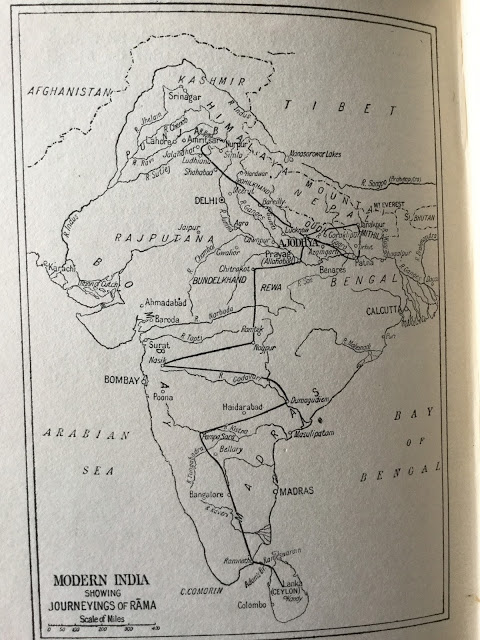
ராமன் கால் நடையாக உத்தர பிரதேசத்தில் இருந்து இலங்கை வரை சென்றதை நாம் அறிவோம்.

ராமனுக்குப் பிறகு, மஹாபாரதப் போரில் நடு நிலை வகித்த பலராமன் பாரத யாத்திரை (தீர்த்த யாத்திரை) என்றதை உலக மஹா இதிஹாசம் மஹாபாரதம் இயம்பும்.


தமிழில் சிலப்பதிகாரத்தில் தீர்த்த யாத்திரை பற்றி மிகத் தெளிவான விஷயங்கள் இருக்கின்றன.


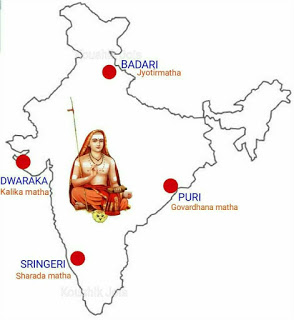
ஆதிசங்கரர், போக்கு வரத்து வசதி இல்லாத காலத்தில் அடர்ந்த காடுகளையும் உயர்ந்த மலைகளையும் தாண்டி இமயம் வரை சென்று ஐந்து இடங்களில் மடங்கள் நிறுவியதையும் படித்திருப்பீர்கள்.

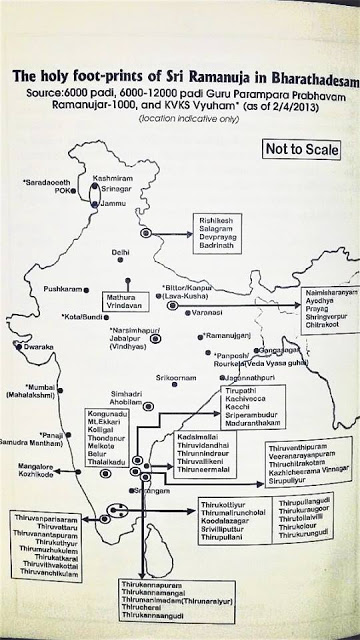
ராமனுஜர், குருநானக் போன்ற மஹான்கள் பாரதம் முழுதும் பயணம் செய்து புனிதத் தலங்களை தரிசித்தனர். புத்தர் வட இந்தியா முழுதும் பிரசாரம் செய்தார். மாமன்னன் அசோகனோ கப்பல் மூலம் தன் மகனையும் மகளையும் இலங்கை முதலிய இடங்களுக்கு அனுப்பி தர்மப் பிரசாரம் செய்தான்.

அவ்வையார் சுந்தரமூர்த்தி சுவாமிகள் முதலியோர் கைலாஷ் வரை சென்றனர். இப்படி அடுக்கிக்கொண்டே போகலாம்.

ஆயினும் இவைகளுக்கு எல்லாம் முன்னர் தோன்றிய ஐதரேய பிராஹ்மணத்தில் உள்ள செய்தி மிகவும் சுவையானது.

ஹரிசந்திரன் கதையை எல்லோரும் அறிவர்; உண்மையே பேசி, மிகவும் இக்கட்டுள்ளாகி, இறுதியில் உலகப் புகழ்பெற்ற சூரியகுல மன்னன். இக்க்ஷ்வாகு சூரியகுல முதல் மன்னன். அவ்வரிசையில் 28ஆவது மன்னன் ஹரிச்சந்திரன். அவனுடைய மகன் ரோஹிதன்  காட்டுக்குள் ஆறு ஆண்டுகள் இருந்தான். அவன் ஒவ்வொரு முறை கிராமத்துக்குத் திரும்பி வந்த போதும் இந்திரன் பிராமணன் வடிவில் வந்து அவனைப் பயணம் செய்து கொண்டே இரு, அதனால் பல நன்மைகள் விளையும் என்கிறான்.


உலகின் மிகப்பழைய பிரயாணப் பொன்மொழிகள் இவைகள்தாம். இதோ அந்தப் பயணப் பொன்மொழிகள்:-

இந்து சந்யாசிகள் ஓரிடத்தில் ஓரிரவுக்கு மேல் தங்கக்கூடாது என்றும் விதி உள்ளது. ம ழைக்காலத்தில் மட்டும், ஒரே இடத்தில் தங்கி நான்கு மாத (சாதுர்மாஸ்ய வ்ரதம்) நோன்பு அனுஷ்டிக்க வேண்டும்


ரோஹித, காட்டிற்குச் சென்றான். ஓராண்டுக்குப் பின்னர் கிராமத்துக்குத் திரும்பி வந்தான்; அங்கு இந்திரன், பிராமணன் உருவத்தில் சென்றான். அவனிடம் சொன்னான்:” பயணம் செய்யாதவனுக்கு இன்பம் இல்லை, ரோஹித! இதை நாம் அறிவோம். நாம் மனித சமுதாயத்தில் வாழ்கையில், நல்லவனும் கூட கெட்டுப்போக வாய்ப்பு உண்டு. இதை மனிதர்களே இல்லாத இடங்களுக்குப் பயணம் செய்தால் தவிர்க்க முடியும்; பயணம் செய்வோரின் நண்பன் இந்திரன்; ஆகையால் அலைந்துகொண்டே இரு.

-ஐதரேய பிராஹ்மணம் 7-3-15

மீண்டும் ஓராண்டுக்குப் பின்னர் ரோஹித, கிராமத்து குத் திரும்பி வந்தான்; மீண்டும் இந்திரன் அவனிடம் சென்று சொன்னான்: “அலைந்து திரியும் ஒருவனுடைய கால்கள், மலருக்குச் சமமானவை. அவனுடைய ஆன்மா வளர்ந்து பழங்களை அனுபவிக்கும். மேலும் ஒருவன் பிரயாணம் செய்யும்போது ஏற்படும் துன்பங்களால் அவனது பாவங்கள் நஸித்துப் போகும்; ஆகையால் அலைந்து கொண்டே இரு.


ஒரு பிராமணன் இப்படிச் சொல்வதைக் கேட்டு அவனும் காட்டுக்குள் அலைந்தான்.

மீண்டும் ரோஹித, கிராமத்துக்கு வந்த போது, மாறு வேடத்தில் சென்ற இந்திரன் சொன்னான்:

யார் ஒருவன் உடகார்ந்து இருக்கிறானோ அவனது அதிர்ஷ்டமும் உட்கார்ந்து விடும்

அவன் எழுந்திருந்தால் அதிர்ஷ்டமும் எழுந்து நிற்கும்;

அவன் தூங்கினால் அதிர்ஷ்டமும் தூங்கிவிடும்;

அவன் நகர்ந்தால், அதுவும் நகரும்; ஆகவே அலைந்து திரி.


இதைத் தமிழில் உள்ள பழமொழிகளுடன் ஒப்பிடலாம்:

குந்தித் தின்றால் குன்றும் (அதிக அளவுள்ள செல்வமும்) கரையும்;

திரை கடலோடி திரவியம் தேடு.


உழைப்பவனுக்கு செல்வம் கிடைக்கும், தங்கும் என்பதே இதன் பொருள்

இப்படிச் சொன்னவுடன் ரோஹித காட்டுக்குச் சென்று விட்டு ஓராண்டுக்குப் பின்னர் திரும்பி வந்தான்.


கலி (யுகம்) கீழே இருக்கிறது; த்வாபர யுகம் மேலே சுற்றிக் கொண்டிருக்கிறது; த்ரேதா (யுகம்) எழுந்து நிற்கிறது, கிருத யுகம் நடந்து செல்கிறது; ஆகவே, ரோஹித நீயும் நட.


இதை இப்படியும் சொல்லலாம்: தூங்கும் மனிதன் கலியுகம் போன்றவன்;

விழித்துக் கொள்பவன் த்வாபர யுகம் போன்றவன்;

எழுந்து நிற்பவன் த்ரேதா யுகம் போன்றவன்;

பயணம் செய்பவன் கிருதயுகம் போன்றவன்.


இதைக் கேட்டு ரோஹிதன் மேலும் ஓராண்டு காட்டுக்குச் சென்றான்.


சூதாட்டத்திலும் காயுருட்டும் போது நான்கு என்பது கிருத யுகத்தைக் குறிக்கும்; இதுதான் மிகவும் அதிக மதிப்பு உடையது.

அவன் திரும்பி கிராமத்துக்கு வந்தபோது, மாறுவேடம் தரித்த இந்திரன் சொன்னான்.

யார் ஒருவன் பயணம் செய்கிறானோ அவனுக்கு தேனும், அத்திப் பழமும் கிடை க்கும். சூரியனின் அழகைப் பார். தினமும் அலைந்து திரிந்தும் அவன் பொலிவுதான் குறைந்ததா? ஆகையால் தொடர்ந்து நட.


மேலும் சில மேற்கோள்கள்

வெளிநாடு செல்லாமல், ஒருவனுக்குப் புகழ் கிட்டாது; அறிவோ சாதனைகளோ வராது – கதா கோசம்


நமக்கும் தாய், தந்தை,  சஹோதரன்,நண்பன் ஆகியோருக்கும் உள்ள தொடர்பு, பந்தம் எல்லாம் அன்ன சத்திரத்தில் சந்திக்கும் பயணிகளின் உறவைப் போன்றது தாந் மஹா பாரதம், சாந்தி பர்வம்.


பயணத்தின் முக்கியத்துவத்தை உலகிலேயே பழைய நூலான ரிக்வேதத்தின் துணை நூலான ஐதரேய பிராஹ்மணம் வலியுறுத்துவது போல வேறு எங்கும் காண முடியாது!


பிராமணர்களுக்கும் பெண்களுக்கும் தடை


பிராமணர்கள் கடல் கடந்து வெளி நாடு செல்லக்கூடாது என்று மநுஸ்ம்ருதி தடை போடுகிறது.


பெண்கள் வெளிநாடு செல்லக்கூடாது என்று தொல்காப்பியம் தடை போடுகிறது. (இவை இரண்டும் பற்றி முன்னரே விரிவான கட்டுரை த, ந்துள்ளேன்)


–சுபம்

TRAVEL IN VEDIC LITERATURE (Post No.4945)

TRAVEL IN VEDIC LITERATURE (Post No.4945)


RESEARCH ARTICLE WRITTEN by London Swaminathan 


Date: 24 April 2018


Time uploaded in London –  14-29 (British Summer Time)


Post No. 4945


Pictures shown here are taken from various sources such as Facebook friends, Books, Google and newspapers; thanks. Pictures may be subject to copyright laws.


WARNING: PLEASE SHARE MY ARTICLES; BUT DON’T SHARE IT WITHOUT AUTHOR’S NAME AND THE BLOG NAME. BE HONEST; OTHERS WILL BE HONEST WITH YOU.


Hindus know very well the benefits of travel. They have been doing the longest pilgrimages. It is a wonder of the world that they travel from one of the country to the other. Though we hear about pilgrimages to Mecca, Jerusalem, Lourdes etc for followers of other religions, Hindus started thousands of years before them. Balarama did want to be part of Mahabharata war and so he went on a long journey. Before him,  Rama travelled on foot from Ayodhya in Uttar Pradesh to Sri Lanka in the south sea. The pilgrimage is mentioned in the Tamil epic Silappadikaram as well.


Another unique feature of Hindusim is they have thousands of pilgrimage centres. Every family fas a family deity and they visit the shrine from different parts of the world. Though Kasi/Varanasi/Benares is the holiest shrine for Hindus, they don’t stop there; they visit hundreds of other centres. There are 108 Vishnu shrines, 51 Goddess centres and 12 most famous Shiva shrines venerated by the Hindus for thousands of years.

Five Pandavas, particularly Arjuna travelled to far south and married a Pandya princess (Alli Rani) and he made inter galactic travel in Matari’s shuttle, according to Mahabharata.


From the Vedic days, we come across some statements in support of travel:

Vedas refer to the sea travel and Aswins rescue of Bhuj and others from the middle of the sea. It also mentioned 1000 oars ships.


Adi Shankara who lived 2000 years ago (See Kanchi Paramacharya’s dating) walked through the length and breadth of India several times and established Mutts (Religious Centres)  at five places in five different directions. Guru Nanak, Ramanuja and several saints also walked from one end of the land to the other.


Tamil devotional literature has several stories of kings and poets visiting Kailash in the Himalayas. Even before the foundation of Islam, Mecca has been a centre of pilgrimage to Hindus. Ancient travel records show that they boarded ships from Sri Lanka and Kerala.


Here are some quotations on Travel from the Vedic literature:

When Rohita, son of Harischandra left the forest and went to a village, Indra came to him in human disguise and said to him,

“There is no happiness for him who does not travel, Rohita! thus we have heard. Living in the society of men, the best man often becomes a sinner by seduction, which is best avoided by wandering (travel) to places void of human dwellings; for Indra is surely the friend of the traveller. Therefore , wander”

Rohita thinking, ‘A Brahmin told me to wander’ wandered for a second year in the forest.

Again Indra met Rohita and said, The feet of the wanderer are like the flower, his soul is growing and reaping the fruit; and all his sins are destroyed by his fatigues in wandering. Therefore, wander!

–Aitareya Brahmana 7-3-15

The fortune of him who is sitting sits; it rises when he rises; it sleeps when he sleeps; it moves when he moves. Therefore, wander!


The Kali (Yuga) is lying on the ground; the Dvapara (yuga) is hovering there; the Treta (Yuga) is getting up; but the Krita (yuga) happens to walk. Therefore, wander!


In another translation of the same verse we find,

“ A man who sleeps is like the Kali age ( iron age); a man who awakes is like the Dvapara age (Bronze age); a man who rises is like the Treta age (silver age) and a man who travels is like the Krita age (Golden age).


It is interesting to note that the same terms are used in the throws of gambling dice: Krita- throw of four, being reckoned the best, Treta-  the throw of three, Dvapara – throw of two and Kali- the throw of one, worst of all.

This corresponds to the golden sayings in Tamil Proverbs

It advises Tamils to beyond the seas and bring treasures. Another proverb says If you sit and eat, even a hill of treasure will melt away. Oldest Tamil book says that a person can be separated from his wife for traveling to study, business or war.

Hindu Ascetics are advised to travel without stopping in a place for more than 24 hours. They can stay in a place for Four Months (Chatur Masya Vrata) only during rainy season.

Kalidasa’s Meghaduta is the oldest Travel Guide in the world. It describes each and every place from the centre of India to the Himalayas.

Aitareya Brahmana continues,

“The wanderer finds honey and the sweet Udumbara fruit (fig); behold the beauty of the sun, who is not wearied by his wanderings. Therefore, wander, wander!

–Aitareya Brahmana 7-3-15


Mahabharata on Travel,

The union with brother, mother, father and friend is like that of travellers in an inn

-Vyasa in Mbh. Shanti parva 28(41)


Without travelling to a foreign land, one does not obtain glory, fame, knowledge of accomplishments or anything – Kathakosa

The self-respecting person finds his own worth that he is able, worthy and can attempt and know by journeying in alien lands.

-Vishnusharma, Panchatantra, Book 1.


BAN ON BRAHMINS AND WOMEN!

Very interesting thing about travel is overseas  travel for Brahmins is banned by Manu Smrti and for women by the oldest Tamil book Tolkappiam.


So Brahmins and women should not go abroad (from India)


–SUBHAM–


பாரதி போற்றி ஆயிரம் – 81 (Post No.4944)

Compiled by S NAGARAJAN


Date: 24 April 2018


Time uploaded in London –  7-29  AM  (British Summer Time)


Post No. 4944


Pictures shown here are taken from various sources such as Facebook friends, Books, Google and newspapers; thanks. Pictures may be subject to copyright laws.


WARNING: PLEASE SHARE MY ARTICLES; BUT DON’T SHARE IT WITHOUT AUTHOR’S NAME AND THE BLOG NAME. BE HONEST; OTHERS WILL BE HONEST WITH YOU


பாரதி போற்றி ஆயிரம் – 81

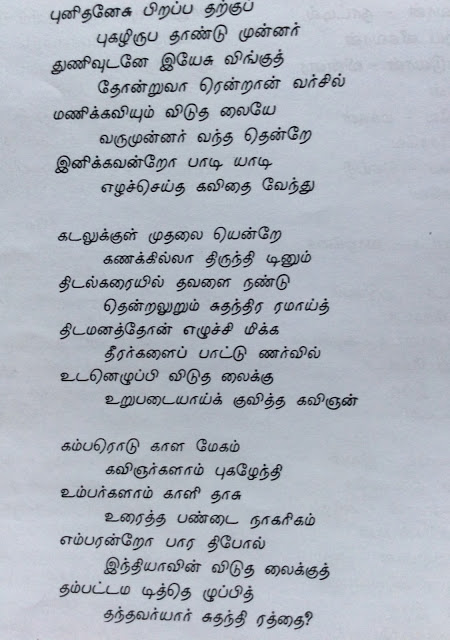
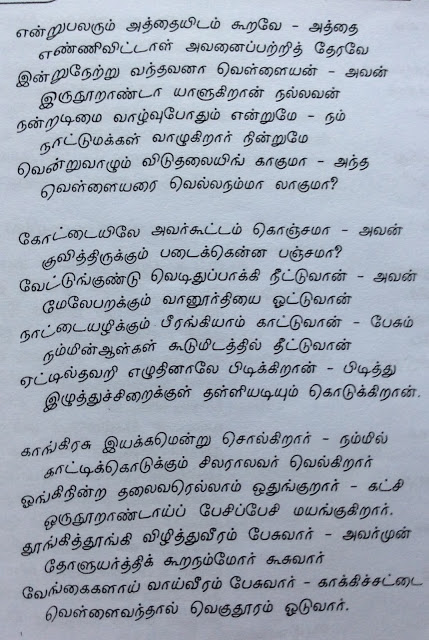
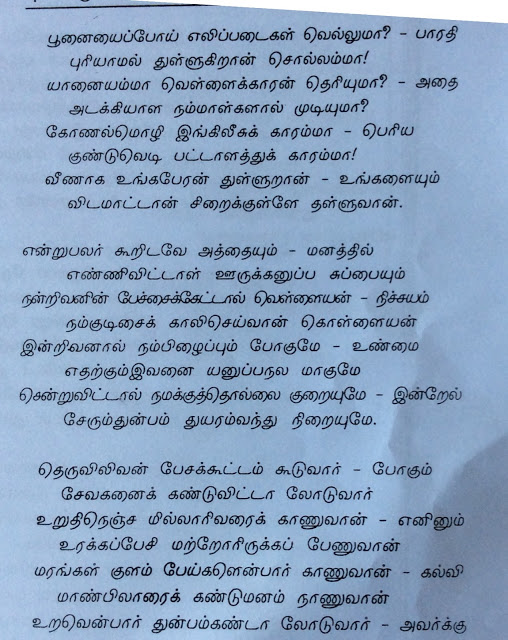
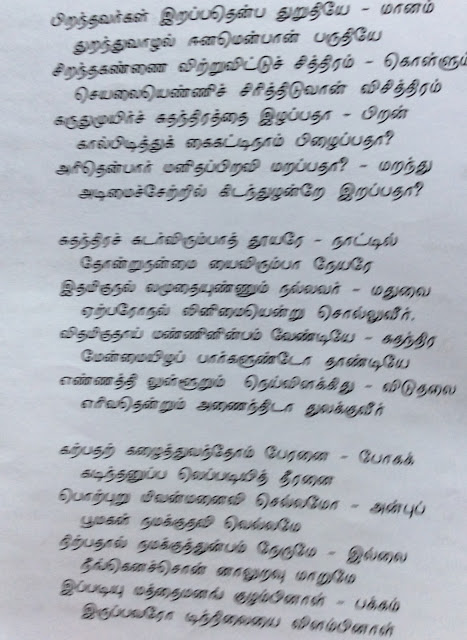
  பாடல்கள் 702 முதல் 727


கவிதை இயற்றியோர்: பல்வேறு கவிஞர்கள்

தொகுப்பு : ச.நாகராஜன்

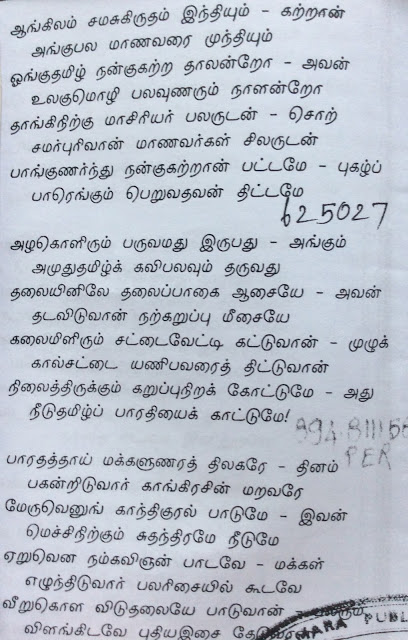
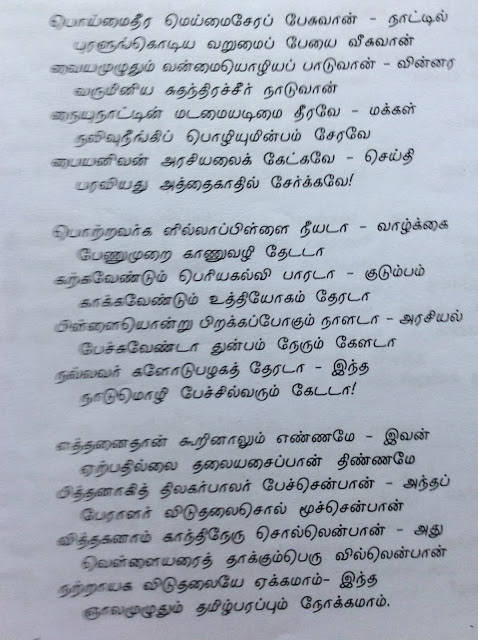
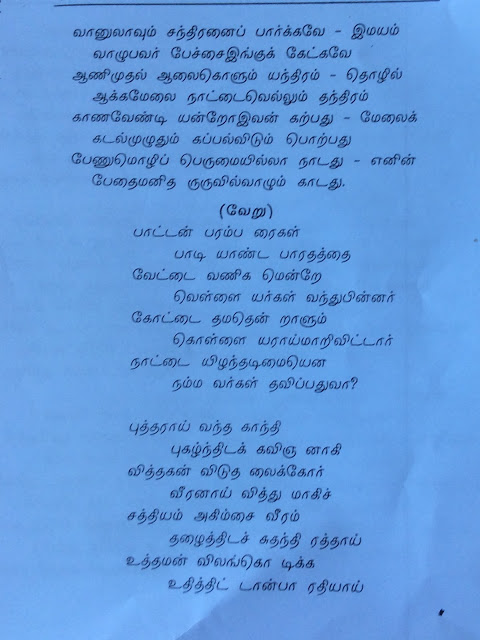
புலவர் கு.ப. பெருமாள் இயற்றிய       பாரதியின் “பா”ரதம்

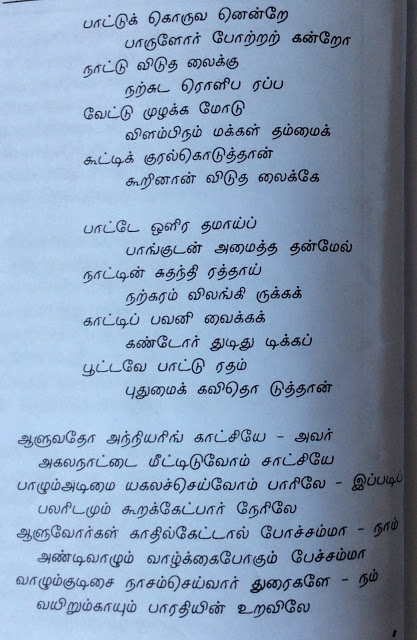
இந்த பாரதியாரின் வரலாற்று நூலில் பல அத்தியாயங்கள் உள்ளன. நூலை முழுவதுமாகத் தர இயலாத நிலையில் தேர்ந்தெடுத்த கவிதைகள் இங்கு அளிக்கப்படுகின்றன. இங்கு காசியில் கவிஞன் என்ற அத்தியாயத்தில் உள்ள 26 பாடல்களைப் படித்து மகிழலாம்.

அத்துடன் நூலை அப்படியே புகைப்படங்களாக எடுத்து அளிக்கும் உத்தி கையாளப்படுகிறது.

ஆகவே நூலின் பக்கங்களை அப்படியே காணலாம்.

இணைப்பாகத் தரப்படுபவை :

காசியில் கவிஞன் – 26 பாடல்கள்


தொகுப்பாளர் குறிப்பு:
புலவர் கு.பொ.பெருமாள் பல்வேறு சந்தங்களில் மரபு நிலை மாறாது பாடல்களை யாத்துள்ளார்.

இவர் தன்னைப் பற்றிக் கூறுவதில் ஒரு சிறு பகுதி: “ உயர் பள்ளி சென்று ஒரு நாளும் கல்லாத யான் கறைப்பட்டவனாகச் சிறைப் (ஆயுட்சிறை) பட்ட காலத்தில் இருபத்து ஏழாம் அகவையில் இருட்டறையில் தவித்த எனக்கு, அணையா ஒளிவிளக்காகக் கல்வி அறிவூட்டிப் புலவனாக வெளியில் வரும் நிறைவுற்றவனாகச் செய்தவர், இதயத்துள் என்றும் நிற்கும் என் ஆசிரியர் ஆவார்கள்.”

இவரது ஆசிரியர் நக்கீரன்.

திண்டுக்கல் மாவட்டம் வேடசந்தூர் மாவட்டம் புளியம்பட்டியில் இருக்கும் புலவர் பதிப்பகம் இந்த நூலை வெளியிட்டுள்ளது.

முதற் பதிப்பு டிசம்பர் 2003. விலை ரூ 35/ (144 பக்கங்கள்)

கவிஞர் கு.பொ.பெருமாள் அவர்களுக்கும் புலவர் பதிப்பக உரிமையாளருக்கும் நமது நன்றி

***


சங்க இலக்கியத்தில், ரிக் வேதத்தில் யூப நெடுந்தூண் (Post No.4943)


Yupa is on seen in the right.

சங்க இலக்கியத்தில், ரிக் வேதத்தில் யூப நெடுந்தூண் (Post No.4943)


RESEARCH ARTICLE WRITTEN by London Swaminathan 


Date: 23 April 2018


Time uploaded in London –  22-20 (British Summer Time)


Post No. 4943


Pictures shown here are taken from various sources such as Facebook friends, Books, Google and newspapers; thanks. Pictures may be subject to copyright laws.


WARNING: PLEASE SHARE MY ARTICLES; BUT DON’T SHARE IT WITHOUT AUTHOR’S NAME AND THE BLOG NAME. BE HONEST; OTHERS WILL BE HONEST WITH YOU.


உலகின் மிகப் பழைய நூலான ரிக் வேத்திலுள்ள சொற்களை நாம் இன்று வரை பன்படுத்துவது, இமயம் முதல் குமரி வரை ஒரே கலாசாரம் இருந்ததற்குச் சான்றாக விளங்கி வருகிறது.


யூபம் என்னும் தூண் பற்றிய ஆராய்ச்சிக் கட்டுரை இது. இந்த யூப ஸ்தம்பம் ரிக்வேதத்திலும் உள்ளது. அதற்குச் சில ஆயிரம் ஆண்டுகளுக்குப் பின்னர் தோன்றிய சங்கத் தமிழ் இலக்கியத்திலும் உளது. ஹரப்பா என்பதே ஹரி யூப என்ற சொல்லின் மருவு என்று நான்கு ஆண்டுகளுக்கு முன்னர் ஒரு ஆராய்ச்சிக் கட்டுரை எழுதினேன்.
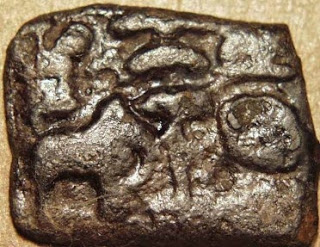
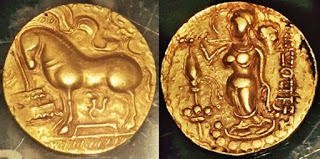
Pandya coin

நாலாம் நூற்றாண்டைச் சேர்ந்த மூலவர்மனின் ஏழு யூப ஸ்தம்பங்கள் போர்னியோ தீவின் அடர்ந்த காட்டுக்குள் இருந்ததை ஆராய்ச்சியாளர்கள் கண்டு பிடித்ததை காஞ்சி பரமாசார்ய ஸ்வாமிகள் (1894-1994) பல ஆண்டுகளுக்கு முன்னரே சொற்பொழிவில் குறிப்பிட்டதையும் எழுதினேன்.


புற நானூற்றின் மிகப்பழைய பாட்டிலும் பெரும்பாணாற்றுப் படையிலும் யூபம் பற்றிய குறிப்புகள் உளதையும் சுட்டிக்காட்டினேன். தமிழ் மன்னர்கள் வேத கால யாக யக்ஞங்களில் பேரார்வம் கொண்டவர்கள் என்பதை ராஜசூய யாகம் வேட்ட பெருநற்கி ள்ளி பற்றிய கட்டுரையிலும், பருந்து வடிவில் யாக குண்டம் அமைத்த கரிகாற் பெருவள த்தான் செய்த யாகம் பற்றிய கட்டுரையிலும் எழுதினேன்.


அகஸ்தியரையும் பாண்டியரையும்

தொடர்புப் படுத்திப் பேசிய முதல் காவியம் உலகப் புகழ்பெற்ற காளிதாசனின் ரகுவம்சம் என்பதையும், பாண்டிய மன்னர்கள் சதாசர்வ காலமும் அவப்ருத ஸ்நானத்தில் நனைந்திருப்பதே அவர்களின் பெருமை என்று காளிதாசன் பாண்டிய மன்னனை இந்துமதி ஸ்வயம்வரத்தில் அறிமுகப்படுத்தியதை எழுதி இது பலயாகசாலை முதுகுடுமிப் பெருவழுதியின் அஸ்வமேத யாகம் பற்றிய குறிப்பாக இருக்கலாம் என்பதையும் குதிரை பொறித்த பெருவழுதி நாணயம் கிடைத்திருப்பதையும் எழுதினேன். இதன் மூலம் காளிதாசனின் காலம் சங்கத் தமிழ் இலக்கியத்தை ஒட்டியோ முன்னரோ இருக்கலாம் என்றும் சொன்னேன்.

(இவை அனைத்தையும் எனது ஐந்து ஆண்டுக் கட்டுரைகளில் கண்டு மகிழ்க. இப்பொழுது புதிய விஷயங்களைக் காண்போம்).


Yupa is shown.

வேள்வி நெடுந்தூண்


யூபம் என்ற ரிக்வேதச் சொல்லை மிகப் பழைய புலவரான நெட்டிமையார் அப்படியே குறிப்பிடுவதும் மற்றொரு புலவர் வேள்வி நெடுந்தூண் என்று குறிப்பிடுவதையும் காண்போம்.


பாண்டியன் பல் யாகசாலை முதுகுடுமிப் பெருவழுதியை நெட்டிமையார் பாடியது (புறம்.15)


நால்வேதத்து

அருஞ் சீர்த்திப்பெருங்கண்ணுறை

நெய்மமலி ஆவுதி பொங்க, பல் மாண்

வீயாச்சிறப்பின் வேள்வி முற்றி

யூபம் நட்ட வியன் களம் பல கொல்?

யா பல கொல்லோ?


பொருள்

உன்னால் தோற்கடிக்கப்பட்ட பகைவர்கள் எண்ணிக்கை அதிகமா? அல்லது நான்கு வேதங்களில் சொன்னபடி நெய்யும் பொரியும் போட்டு யூப ஸ்தம்பங்கள் நட்டு நீ செய்த யாககங்கள்  அதிகமா?என்று பாண்டிய மன்னரைக் கேட்கிறார் நெட்டிமையார்.


சோழன் கரிகால் பெருவளத்தானைப் பாடிய கருங்குளவாதனார் பாடிய (புறம்.224) பாட்டில்,

எருவை நுகர்ச்சி யூப நெடுந்தூண்

வேத வேள்வித் தொழில் முடித்ததூஉம்

என்கிறார்.


அதாவது பருந்து வடிவ யாக குண்டத்தில் அந்தணர் சொற்படி செய்யப்பட்ட யாகத்தில் யூப நெடுந்தூண் நட்டவன் நீ…


இவ்வாறு பதிற்றுப் பத்து,  பெரும்பாணாற்றுப்படையிலும் வருகிறது


கேள்வியந்தணர் ரருங்கடனிறுத்த

வேள்வித்தூணத் தசைஇ யவன

ரோதிம விளக்கின்………

–பெரும்பாணாற்றுப்படை வரி 315, 316


யூபம் பற்றி அக்காலத் தமிழ் அறிஞர்களுக்கு நன்கு தெரியுமாதலால் உரைகாரர்கள் அதிகம் விளக்கவில்லை. இதற்கு நாம் ஸம்ஸ்க்ருத நூல்களையே நாட வேண்டியுள்ளது.


யூபக் கம்பங்களில் வேள்வியில் ‘பலியிடும்’ மனிதர்கள், மிருகங்களைக் கட்டுவார்கள். பின்னர் அவைகளை அவிழ்த்து விட்டு விடுவார்கள்.


ஐதரேய பிராஹ்மணம் என்னும் நூல் ரிக் வேதத்தின் துணை நூல். அதில் ராஜ சூய யாகம் பற்றி வருகிறது; எந்த யாகம் செய்தாலும் அதில் மன்னர்கள் சுநஸ்சேபன் கதையைக் கேட்க வேண்டும்.
உயிர்ப்பலி இல்லை


சுநஸ்சேபன் என்பவன் யாகத்தில் பலியிடக் கட்டியிருந்த போது அவனை விஸ்வாமித்ரர் விடுவித்த கதை இது. இது சூர்ய வம்சத்தின் 28ஆவது மன்னரான ஹரிச்சந்திரன் காலத்தில் நடந்தது.


இதிலிருந்து நமக்குத் தெரிவது என்னவென்றால் ஹரிசந்திரன் காலத்துக்கு முன்னாலோ பின்னாலோ இப்படி நடந்ததாக எங்கும் எந்தக் குறிப்பும் இல்லை. ஆக அந்த ஒரே சம்பவத்திலும் சுனஸ்சேபனை விஸ்வாமித்ர மஹரிஷி காப்பாற்றி விடுகிறார்.


மேலும் நால் வேதத்துக்கும் உரை எழுதிய பலருள் மிக முக்கியமானவர் சாயனர். அவரே சொல்கிறார்: ‘யாகத்தில் உயிர்கள் பலியிடப்படுவதில்லை. யூப ஸ்தம்பத்தைச் சுற்றி தீ எடுத்துச் செல்லப்பட்டவுடன் அவை  விடுதலை செய்யப்பட்டுவிடும்’.

சாயனர் சொல்லுவதை எல்லோரும் ஏற்றுக் கொள்வர்.


அகநானூற்றில் ஒரு ஆமை மர்மம் இருந்தது. அது எப்படி வெளியே வந்தது என்ற மர்மத்தைத் துலக்கி நான் எழுதிய ஆராய்ச்சிக் கட்டுரையிலும் ஆமை பலியிடப்படவில்லை என்பதைக் காட்டி இருக்கிறேன் (கட்டுரையில் மேல் விவரம் காண்க)


ரிக் வேதத்தில் இரண்டு இடங்களிலும் அதர்வ வேதத்தில் சில இடங்களிலும் பிற்கால பிராமண நூல்களில் ஏராளமான இடங்களிலும் யூபம் என்ற சொல் நேரடியாகப் பயிலப்படுகிறது. குறிப்பால் உணர்த்தும் இடங்கள் மிகப் பல.


யூப ஸ்தம்பம் கடிர மரத்தால் (கருங்காலி வகை மரம்) செய்யப்படும், அதன் மேல் பகுதி த்ரிசூலம் போல இருக்கும்; யக சாலைக்கு கிழக்கே வைப்பர். அதில் நெய் தடவி தோரணங்கள் கட்டுவர். அந்தக்கால இளைஞர்களின் அலங்காரம் போல இது விளங்குவதால் யுவ (இளைஞர்) என்ற சொல்லே இப்படி மருவியதாச் சிலர் பகர்வர்.


மனிதர்களுக்கு யாக யக்ஞங்க்ள் பற்றிய அறிவு வருவதைக் கடவுளர் விரும்பாமல் தடுத்ததால் (யோயுபயன்) யூபம் என்பப் எயர் வந்ததாக ஐதரேய பிராஹ்மணம் செப்பும். சதபதப் பிராமணத்தில் வேறு விளக்கம் உண்டு.


யாகத்தில் பலியிடப்படும் விலங்குகளோ மனிதர்களோ சம்மதம் தெரிவித்தால்தான் அவைகளைப் பலியிடலாம். ம்ருகங்களுக்கு, தான் சாகப்போகிறோம் என்று தெரிந்தவுடன் தயங்கும் என்றும் அப்போது கடவுளர் அவைகளிடம் நான் உன்னை சுவர்க்கத்துக்கு அழைத்துச் செல்கிறேன் என்று சொன்னவுடன் அவை இசைவு தெரிவிக்கும் என்றும் நூல்கள் இயம்பும்.

இன்னும் சிலர் மந்திரத்தைக் கேட்டவுடன் அதன் சக்தியில் மிருகங்களே செயல் இழந்து விடும் என்பர். எது எப்படியாகிலும் யாகத்தில் பலி என்பதே இல்லை அதற்குப் பதிலாக நெய்யே விடப்படும் என்று 700 ஆண்டுகளுக்கு முன்னர் சாயனர் எழுதி வைத்ததே சரி யென்று தோன்றுகிறது.
 

மாபாரதக் கதை


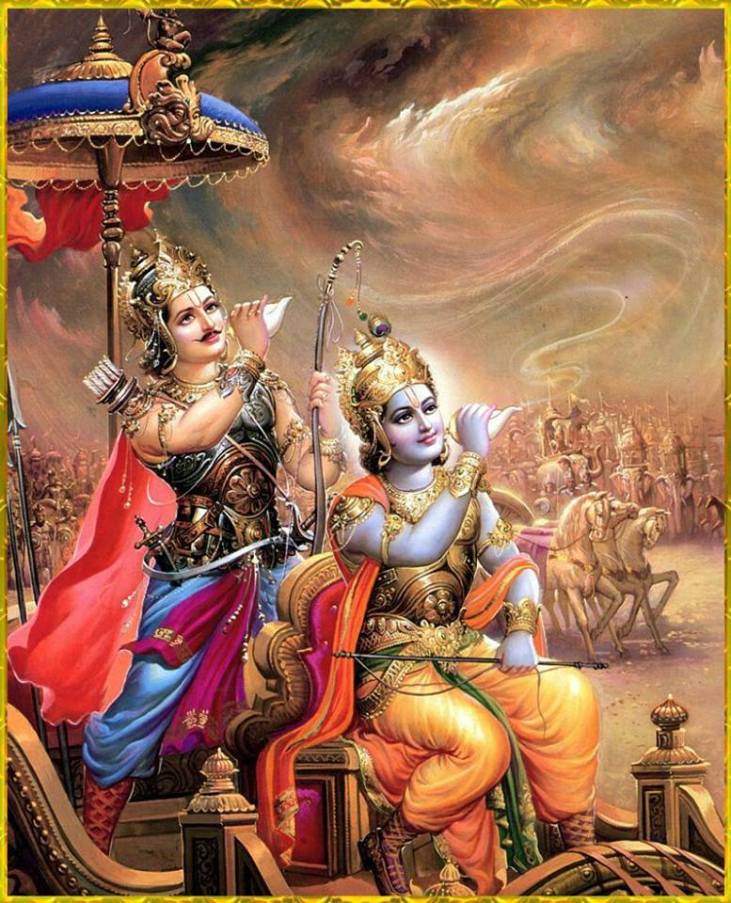
இசைவு தெரிவிக்கும் விஷயம் பற்றி மஹாபாரத்ததில் ஒரு சுவையான சம்பவம் உண்டு. அஸ்வமேத பர்வத்தில் அந்தக் கதை வருகிறது


கிருஷ்ணரும் அர்ஜுனரும் பிராமணர் வேடத்தில் மேவரத்வஜன் என்ற மன்னரிடம் சென்றனர். கிருஷ்ணனின் மகனை புலி தூக்கிக்கொண்டு போய்விட்டதென்றும் அரசனின் மகனின் உடலில் பாதி கிடைத்தால்தான் புலி அவனை விடும் என்றும் சொன்னார்கள். உடனே மன்னன், தன்னையே பலி கொடுப்பதாகச் சொல்லி மகனையும் மனைவியையும் கூப்பிட்டு அறுக்கச் சொன்னான். அவர்களும் அப்படியே செய்ய முன்வந்தார்கள். அப்பொழுது அந்த மன்னரின் இடது கண்ணில் ஒரு சொட்டுக் கண்ணீர் வந்தவுடன் கிருஷ்ணன் வேண்டாம் என்று சொல்லிவிட்டார். முழு சம்மதம் இருந்தால்தான் யாகத்தில் பலியிடலாம், கண்ணீர்த் துளியானது முழு மனது இல்லை என்பதைக் காட்டுகிறது என்று சொல்லி நிறுத்திவிட்டனர். இந்தக் கதையானது எதையும் அனுமதி இன்றி செய்யக்கூடாது என்பதை விளக்குவதோடு அக்காலத்தில் சிறந்த ஜனநாயகம் இருந்ததைக் காட்டுகிறது.


இதுவரை சொன்ன விஷயங்கள்:


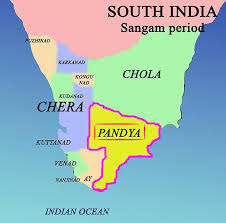
இமயம் முதல் குமரி வரை ஒரே கலாசாரம்  இருந்ததை பாண்டிய மன்னர்கள் சோழ மன்னர்கள், சேர மன்னர்கள் யாகம் செய்ததை சங்கத் தமிழ் இலக்கியம் செப்புவதால் அறிகிறோம்.


யாகத்தில் உயிர்ப்பலி இல்லாமல் அது அடையாள         பூர்வமாக செய்யப்பட்டதையும் சாயனர் உரை மூலம் அறிகிறோம்.


கருங்காலி வகை மரம் பல மருத்துவ குணம் உடைய மரம். அதை யூப ஸ்தம்பத்துக் பயன்படுத்தியது, அதன் தோற்றம் மற்றும் மருத்துவ குணமுள்ள ஒரு மரத்தைப் பயன்படுத்தியது ஆகியவற்றையும் கண்டோம்.


யூப தூண் | Tamil and Vedas

https://tamilandvedas.com/tag/யூப-தூண்/

Translate this page

ஆகவே யூபம் என்பது சிந்து சமவெளி நாகரீக ஹரியூப்பியவில் மட்டும் இன்றி 2000 ஆண்டுகளாக ஆசியா முழுதும் பரவிவிட்டது தெரிகிறது. யூப ஸ்தம்பம் என்பது வேதத்தில் ஆகுதியாக்கப்படும் யாகப் பசு கட்டப்படும் இடம் அல்லது வேதச் சடங்கின் வெற்றியின் நினைவாக எழுப்பபடும் …

ராவணன் – பாண்டியர் சமாதான …

swamiindology.blogspot.com/2014/06/blog-post_24.html?view=sidebar#!

24 Jun 2014 – வேறு எங்கும் கிடைக்காத இந்தச் செய்திகாளிதாசன் மூலமே கிடைக்கிறது அதுமட்டுமல்ல யாகத்திற்காக செய்த அவப்ருத ஸ்நானத்தில் ( குளியல்)பாண்டிய மன்னர்கள் எந்நேரமும் இருப்பதையும் சொல்கிறார். புற நானூற்றில் பெரிதும் போற்றப்படும் பலயாகசாலை முது …
புலிக் கொடி | Tamil and Vedas

https://tamilandvedas.com/tag/புலிக்-கொடி/

Translate this page

தமிழ் நாட்டை ஆண்ட சேர, சோழ, பாண்டியர்கள் ஆகிய மூவேந்தர்களும் குறைந்தது 2500 ஆண்டுகளாக வரலாற்றில் இடம்பெறுகிறார்கள். போதாயனர், காத்யாயனர், வால்மீகி, வியாசர், அர்த்தசாஸ்திரம் எழுதிய சாணக்கியர், மாமன்னன் அசோகன், கலிங்க மன்னன் காரவேலன், இலங்கையின் …

பாண்டியர் | Tamil and Vedas

https://tamilandvedas.com/tag/பாண்டியர்/

Translate this page

அதில் முக்கியமான செய்தி – அகத்தியர் – பாண்டியர் – இராவணன் தொடர்பு ஆகும். வேறு எங்கும் கிடைக்காத இந்தச் செய்தி காளிதாசன் மூலமே கிடைக்கிறது அதுமட்டுமல்ல யாகத்திற்காக செய்த அவப்ருத ஸ்நானத்தில் ( குளியல்)பாண்டிய மன்னர்கள் எந்நேரமும் இருப்பதையும் …

–சுபம்–
 

Yupa Post in Sangam Tamil Literature and Rig Veda (Post No.4942)

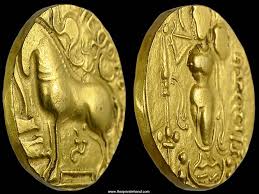
Yupa post in Gold Coins of Gupta Emperors

RESEARCH ARTICLE WRITTEN by London Swaminathan 


Date: 23 April 2018


Time uploaded in London –  16-51 (British Summer Time)


Post No. 4942


Pictures shown here are taken from various sources such as Facebook friends, Books, Google and newspapers; thanks. Pictures may be subject to copyright laws.


WARNING: PLEASE SHARE MY ARTICLES; BUT DON’T SHARE IT WITHOUT AUTHOR’S NAME AND THE BLOG NAME. BE HONEST; OTHERS WILL BE HONEST WITH YOU.


Yupa Post in Sangam Tamil Literature and Rig Veda (Post No.4942)
The Yupa was a high wooden post erected eastward of the Supreme Fire altar, with much ceremony, immediately after the transfer of the sacred fire and the offerings had been accomplished. It’s object was to hold the living victims bound upon it for sacrifice. It was itself an object of adoration, being anointed with sacred ghee, the melted butter.

It had three prongs or forks RV 1-24-13,being more or less like a trident. It was made of various woods, according to the object of the sacrifice. In the Rajasuya ,it was made of Khadira wood I.e. Catechu acacia, a forest tree, a native to India most valuable especially for its medicinal qualities.

Pandya Coin with Yupa post

Yupa in Sangam Tamil Literature

The Rig Vedic Sanskrit word YUPA is used in 2000 year old Sangam Tamil literature without any change i.e. same Sanskrit word Yupa is used. In some other places it is called sacrifice post in Tamil (Velvi Nedunthunam).

Yupa is found in

purananuru vereses 15, 224

Perumpaanatruppadai- line 315

pathitrupathu 67-10


Velvi (sacrifie) occurs in at least 15 places. Kanchi Paramacharya (1894-1994), Shankaracharya of Kamakoti Peetam at Kancheepuram said the pure Tamil word Velvi in 2000 old literature shows that it is very familiar with the Tamils and part of their life.


Tamils were great fire worshippers. They did several Yagas (fire sacrifices)


Moreover the world famous Sanskrit poet Kalidasa in his Raguvamsa, written in the first century or second century BCE (see my research paper on his date) introduce Pandya King as the one who is always seen choked with Avabruda Snanam (bath during Fire Sacrifices).

Pal Yagasala Mudukudumi Peruvazuthi, a Pandya king,  performed several Yagas and his country was full of Yupa Pillars. With his name Peruvazuthi, a coin with a horse,  is discovered. This confirms that he did Asvamedha Yajnam. Kalidasa, in his Raguvamsa, talks about Agastya and Pandya and mentioned Avabrutha Snana, which is performed during big Yajnas. Another Choza king, Perunarkilli, performed Rajasuya Yajna. Karikar Choza, the greatest of the Choza kings, did yaga with eagle shaped Yaga Kunda (altar) according to Tamil literature

.

Nettimaiyar, one of the oldest poets of Sangam period, wonders ,“Oh! Pandya! please tell me whether the number of Yupa posts you installed more? Or the number of enemies you defeated more? Or the praises by the poets more?” (Pura.15)
Verse 224 praised the greatest of the Chola kings Karikalan for installing the tall Yupa post in the midst of eagle shaped Yaga Kunda.

Mulavarman, a fourth century king did a Yagna and installed seven Yupa posts to commemorate it in Borneo island of Indonesia. It was discovered in an area covered by very thick forests. Varman is a surname of Pallava Kings of Tamil Nadu.

All the Gupta emperors and most of the Satavahanas did great Fire sacrifices including Asvamedha Yajna.

Dr Martin Haug says that the name Yupa contains a pun on the Sanskrit word Yuva, a youth. The Aitareya Brahmana 2-1 however derive s it from yoyuupYan, they debarred, and relates a curious legend of the gods attempting to bar mankind from the knowledge of the sacrifice by its means.
There are other speculations as to the root of the word, Sat.Br 3-6-4.
It is probable that the term youth was used in reference to it’s decorations with ribbons corresponding to the then style of youthful dress.

No one was killed, No animal was killed

Sayana,the ancient Hindu commentator, observes here, that although at a sacrifice men and animals were bound to the Yupa post, yet both men and beasts were set free immediately after the fire had been carried round them. Everybody accepts Sayana’s commentary.

It is elsewhere said that after recitation of Purusha suukta RV 10-90, in which mystic immolation of Prajapati, the creator himself. Is described and after fire had been carried around them they were to be released , and an offering of melted butter made in their stead.
The reference s quoted are Sat.br 13-6-2-1
Van.Sam. 30
Taitr.Bra. 3-1-4
Kat.srauta sutra 21-1-1

In any sacrifice the consent of the victim is essential. Animals were theoretically supposed to be consenting parties to their own immolation.


Many texts might be quoted on the point, but the following two will suffice:

The animal when carried to the altar, saw death before it. Not wishing to go to the gods, the gods said to it, ‘Come we will bring you to heaven. Then the animal consented (Ait.Br.Vol 2, p.86)

Accordingly, the animals resigned themselves, and became favourably disposed to the slaughtering (Sat.Br.3-7-3-5)


It is also said that the animals will faint as soon as the mantras are said.

Yupa post close up picture

Interesting Story from Mahabharata

The point is further illustrated by a story in the fourteenth book of the Mahabharata. Krishna and Arjuna, disguised as Brahmins, telling Raja Mewaradwaja that a tiger had carried away the son of Krishna, and could only be appeased by being given half the body of the Raja’s (King’s) son; the king immediately agreed to sacrifice himself and directed his wife and son to cut him into two. But Krishna saw a tear in the victim’s left eye. He stopped the sacrifice, as the offering was an unwilling one.

So we can summarise

1.that no animal or man can be sacrificed without consent

2.the victims who were tied to the post were released as soon as the fire was carried around them. So the animal or human sacrifice was only symbolic.

3.We hear the story of first intended human sacrifice—the story of Sunashepa- happenedduring the 28 the king of Solar dynasty, Ikshvaku being the first king. So before Harischandra there was none or after Harischandra none was taken to sacrifice. That means it was only symbolic, because even Sunashepa was ‘rescued’ by Visvamitra.

Yupa is found in

RV 5-2-7 ( of Sunashepa); 1-51-14

AV 9-6-22; 12-1-38;13-1-47

Tait.sam 6-3-4; 7-2-1

Vaja. am.19-17

Pancha.Brah.9-10-2

YUPA POST IN INDUS VALLEY CIVILIZAION

Yupa post | Tamil and Vedas

https://tamilandvedas.com/tag/yupa-post/

Translate this page

Ancient name of the river is Parusni. There is a similar sounding word Hariyupia – in the Rig Veda. Few scholars identify it with Harappa of Indus Valley Civilization. Rig Veda describes it a as a Vedic city with Yupa posts of golden colours!! Rig Vedic Index by A B Keith and A A Macdonell gives the following information:.


Fire altar Mystery in Sangam Literature

mystery solved | Tamil and Vedas

https://tamilandvedas.com/tag/mystery-solved/ – Translate this page

2 Aug 2016 – –source: A Dictionary of Vedic Rituals. Tamil Mystery solved! My comments: There is a verse in Sangam Tamil literature (Akananuru verse 361) where a simile about a tortoise is not explained by any one Tamil commentator correctly. After reading the above passage of placing a live tortoise on a layer, we …


–SUBHAM–


அல்லா உபநிஷத்தும் கிறிஸ்து கீதையும்! (Post No.4941)

அல்லா உபநிஷத்தும் கிறிஸ்து கீதையும்! (Post No.4941)


WRITTEN by S NAGARAJAN


Date: 23 April 2018


Time uploaded in London –  7-49  AM  (British Summer Time)


Post No. 4941


Pictures shown here are taken from various sources such as Facebook friends, Books, Google and newspapers; thanks. Pictures may be subject to copyright laws.


WARNING: PLEASE SHARE MY ARTICLES; BUT DON’T SHARE IT WITHOUT AUTHOR’S NAME AND THE BLOG NAME. BE HONEST; OTHERS WILL BE HONEST WITH YOU


ச.நாகராஜன்


தலைப்பைப் பார்த்து மலைத்துப் போனால் ஆச்சரியப்படுவதற்கு ஒன்றுமில்லை.

அல்லா உபநிஷத்!

கிறிஸ்து கீதை!!

ஆனால் இவை தோன்றியது உண்மை.


குறைந்த பட்சமாக வைத்துக் கொண்டாலும் கூட ஆயிரத்து ஐநூறு ஆண்டுகளுக்கும் மேலாக வெறி பிடித்த காட்டுமிராண்டிகளாலும், முகலாயர்களாலும், ஆங்கிலேயர்களாலும் பல வித கொடுமைகளுக்கு உள்ளாக்கப்பட்ட ஹிந்துக்களின் சரித்திரம் இன்னும் சரியான முறையில் வெளி உலகிற்கு, குறிப்பாக ஹிந்துக்களுக்கே கூடத் தெரியாது.

மதமாற்றத்திற்கு எத்தனை முயற்சிகள்!

பாரதத்தின் செல்வத்தைக் கொள்ளை அடிக்க எத்தனை முயற்சிகள்!!

ஒரு உண்மையை இங்கு பதிவு செய்கிறேன்.

உலகின் வரலாற்று ஆரம்பத்திலிருந்து இன்று வரை ஆகப் பெரும் மிகப் பெரிய பணக்காரன் ஒரு பாண்டிய மன்னன் தான் என்று சொன்னால் ஆச்சரியப்படுவீர்கள். இந்த மன்னனைப் பற்றித் தனியே கட்டுரை எழுத இருப்பதால் மேலும் இங்கு விவரிக்கவில்லை.

கொலை மிரட்டல் முதலாக பெண்ணாசை, பதவியாசை, மண்ணாசை என பல்வேறு ஆசைகள் காட்டி மதமாற்றத்திற்கு முகலாயர்களும் ஆங்கிலேயர்களும் செய்த அக்கிரமச் செயல்களுக்கு ஒரு எல்லையே இல்லை!

ஹிந்து மதம் தனது அகண்டாகாரமான உள்ளீட்டாலும், எதையும் எதிர்கொண்டு வெல்லும் சக்தியாலும் இன்று வரை பொலிவு குன்றாது விளங்குகிறது.

இதை மட்டும் அனைவரும் சொல்லி வருகின்றனர். இது உண்மை தான்! ஆனால் இன்னொரு மகத்தான காரணமும் உண்டு.


ஏராளமானோர் -மன்னர்கள்,வீரர்கள், சாமானியர்கள் உள்ளிட்டோர் – தங்கள் இன்னுயிரைத் தியாகம் செய்து முகலாயர்கள், ஆங்கிலேயர்கள் மற்றும் இதர அன்னிய படையெடுப்பாளர்களின் ஆசையைத் தடுத்தனர்.

இவர்களின் வரலாறு தனியே தொகுக்கப்பட வேண்டும்.


இந்த நிலையில் தான் ஹிந்துக்களின் உயிர்நாடியான வேதம், உபநிஷத்துக்களையும் ராமாயண மஹாபாரத இதிஹாஸங்களையும் அப்படியே காப்பி அடித்தாவது அவர்களை மதமாற்றம் செய்ய முடியாதா என்ற முயற்சி நடந்தது.

ராபர்ட் டி நொபிலி என்று ஒரு அக்கிரமப் பாதிரியார்.

பிராமணராக தன்னைச் சித்தரித்துக் கொண்டார். சமூகத்தில் தன்னலமற்றுச் சிறந்து விளங்கிய அக்கால பிராமணர்களை இப்படியாவது கவர முடியுமா என்று பார்த்தார்.

அவர் செய்த அக்கிரமங்களைச் சொல்லத் தனி நூல் தான் வேண்டும்.

கீதையின் பால் உலகெங்கும் இருக்கும் மதிப்பும் கிறிஸ்தவ மதமாற்ற வெறியர்களைக் கவர்ந்தது.

ஆகவே எழுந்தது தான் கிறிஸ்து கீதை!

இன்னொன்று டேவிட் கீதை!

கிறிஸ்து கீதை

பைபிளின் 14 அத்தியாயங்களைத் தமிழில் மொழி பெயர்த்து கீதையின் பெயரால் பைபிளை உலவ விடச் செய்த முயற்சி தான் கிறிஸ்து கீதை! இது வெற்றி பெறவில்லை. காலப்போக்கில் அழிந்தொழிந்தது!

டேவிட் கீதா

இது டேவிட்டின் உபதேசங்களை சம்ஸ்கிருதத்தில் மொழிபெயர்த்துத் தரப்பட்ட கீதை!

(Sanskrit Translation of Psalams of David by W.Yates – Published from Calcutta in 1844)

இதுவும் வெற்றி பெறவில்லை.

அல்லா உபநிஷத்

அக்பருக்கு ஒரு ஆசை. எல்லோரும் இஸ்லாமியராக வேண்டும் என்று!

உபநிஷத் பெயரைச் சொன்னாலாவது ஹிந்துக்கள் இஸ்லாம் மதத்தைத் தழுவ மாட்டார்களா என்று அவர் எண்ணவே,

அக்பரை மகிழ்விக்க எண்ணிய ஒரு பண்டிதர் அல்லாவின் உபநிஷத் வேதத்திலேயே இருக்கிறது என்றார்.

எங்கே அது  என்று கேட்ட போது அவர் அல்லா உபநிஷத்தைத் “தயாரித்து” அக்பரிடம் காட்டினார்.

ஆனால் இதுவும் வெற்றி பெறவில்லை.

பொய்க்குக் கால்களே கிடையாது! ஆக அது எப்படி நடக்க முடியும், ஓட முடியும்?!

அனாவசிய விளம்பரம் அல்லா உபநிஷத்திற்குத் தந்து விடக் கூடாது என்பதனால் அதை இங்கு முழுவதுமாகத் தரவில்லை.

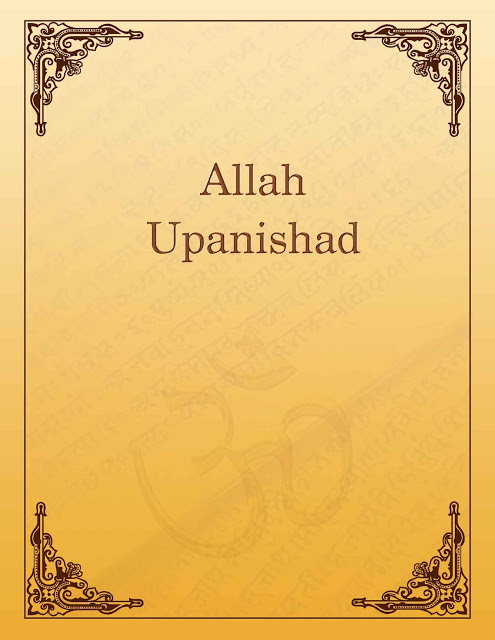
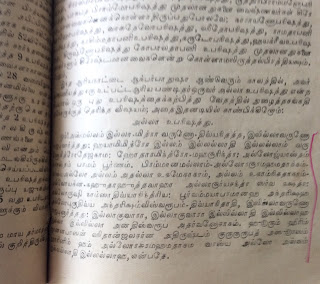
என்றாலும் இங்கு சொல்லப்படுவது உண்மை தான் என்பதை எடுத்துக்காட்ட அதன் போட்டோ காப்பியை இங்கு இணைக்கிறோம்.

‘ஓம்! அஸ்மல்லம் இல்லா – மித்ரா வருணோ – திவ்யநிதத்த, இலில்லாவருணோ’ என்று அல்லா உபநிஷத் ஆரம்பிக்கிறது.

‘அல்லோ அல்லம் இல்லல்லாதி இல்லல்லாஹ்’ என்று அது முடிகிறது.


ஆக ஹிந்து மதத்தை அழிக்க நடந்த முயற்சிகள் ஏராளம். அதில் போலி உபநிஷத்துகளையும் போலி கீதைகளையும் உலவ விட்டனர் மத வெறியர்கள்.

உபநிஷத், கீதை என்ற பெயருக்கு உள்ள மகத்துவத்தை  இதனால் உணரமுடிகிறது.

நமது அரிய செல்வத்தைக் காத்து அதை நம் சந்ததியினருக்குத் தர வேண்டியது நமது கடமை அல்லவா!

எழுமின்! விழிமின்! மதமாற்றத்தில் ஈடுபடாத ஹிந்து தர்மத்தை உலகெங்கும் பரப்புமின்!


****                                                    இணைப்பு : அல்லா உபநிஷத்தின் போட்டோ காப்பி! படிப்பதற்கும் அல்ல; பரப்புவதற்கும் அல்ல; சும்மா பார்ப்பதற்கு மட்டுமே!!


டாக்டர் நாகசாமியின் திருக்குறள் நூல் தரும் புதிய செய்திகள் (Post No.4940)

டாக்டர் நாகசாமியின் திருக்குறள் நூல் தரும் புதிய செய்திகள் (Post No.4940)


WRITTEN by London Swaminathan 


Date: 22 April 2018


Time uploaded in London –  20-54 (British Summer Time)


Post No. 4940


Pictures shown here are taken from various sources such as Facebook friends, Books, Google and newspapers; thanks. Pictures may be subject to copyright laws.


WARNING: PLEASE SHARE MY ARTICLES; BUT DON’T SHARE IT WITHOUT AUTHOR’S NAME AND THE BLOG NAME. BE HONEST; OTHERS WILL BE HONEST WITH YOU.


டாக்டர் இரா நாகசாமியை அறியாதோர் தமிழகத்தில் இருக்க முடியாது. தொல்பொருட் துறை இயக்குநராக நீண்ட காலம் பணியாற்றியவர். காஞ்சிப் பல்கலைக் கழகத்தின் துணைவேந்தராக இருந்தவர். தமிழ் வரலாறு, தமிழக தொல்லியல் துறையில் கரை கண்டவர். உலகம் முழுதும் சென்று தமிழ்க் கலாசாரம் பற்றி விரிவுரை ஆற்றியவர்; 50-க்கும் மேலான நூல்களின் ஆசிரியர். அவர் திருக்குறள் பற்றி எழுதிய நூல் நிறைய புதிய செய்திகளைத் தருகிறது. சில பழங்கதைகளை உடைத்தெரிகிறது.


அண்மையில் இவருக்கு இந்திய அரசு பத்மபூஷன் விருது கொடுத்து கௌரவித்தது. இதுவே தாமதமாக கொடுக்கப்பட்ட பரிசு என்பது என் கருத்து. அந்தக் காலத்தில் புதை பொருள் இலாகா என்று பத்திரிக்கைகள் எழுதிய புதைந்து போன இலாகாவை பெருமை மிகு தொல்பொருட் துறையாக மாற்றி கொடிகட்டிப் பறக்க வைத்தவர் இவர்.


டாக்டர் நாகசாமியின் திருக்குறள் நூல் ஒரு ஆங்கில நூல். சுமார் 250 பக்கங்களில் அரிய விஷயங்கள் இருந்தும் விலை 150 ரூபாய்தான். நிற்க. புஸ்தகத்துக்குள் நுழைவோம்.


திருவள்ளுவர் தங்கக் காசு உண்மையா?


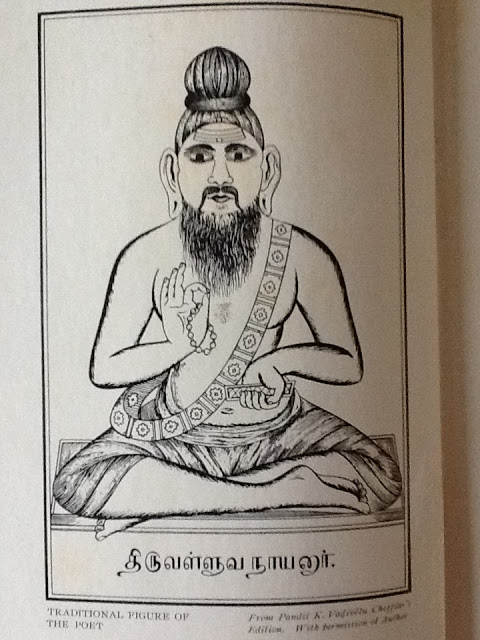
கல்கத்தாவில் ஒரு தங்கக் காசு கண்டுபிடிக்கப்பட்டது. அதன் முன்புறம் முனிவர் போன்ற உருவமும் பின்புறம் ஐந்து முனை நட்சத்திரமும் உளது. இதை ஐராவதம் மஹாதேவன் ,திருவள்ளுவர் காசு என்று எழுதி அதை தமிழ் அறிஞர் எல்லீஸ் வெளியிட்டிருக்க வெண்டும் என்று கதை கட்டினார். ஆனால் இதற்கும் எல்லீஸ் துரைக்கும் தொடர்புள்ள சான்றும் இல்லை. மேலும் இது திருவள்ளுவரும் இல்லை என்று டாக்டர் நாகசாமி பிட்டுப் பிட்டு வைக்கிறார். இதில் எல்லீஸ் பெயரை சம்பந்தா சம்பந்தம் இல்லாமல் இழுத்தனர். இது புத்தரின் காசு. அதில் பூமி ஸ்பர்ஸ முத்ரை உளது என்கிறார் டாக்டர் நாகசாமி.


இந்துகளின் நான்கு வாழ்க்கை மூல்யங்கள் தர்ம, அர்த்த, காம, மோக்ஷம் என்பதாகும். இதே வரிசையில் திருவள்ளுவர் அறம் பொருள் இன்பம் என்று முப்பால் நூலை வகுத்து அறத்துப் பாலில் மோக்ஷம் என்பபடும் வீடு பேற்றையும் வைத்துளார்.


டாக்டர் நாகசாமி திருவள்ளுவரின் முப்பாலும் (அறம் பொருள் இன்பம்) ஸம்ஸ்க்ருதத்தில் உள்ள தர்ம சாஸ்திரம், அர்த்தசாஸ்திரம் காம சாஸ்திரம் நாட்ய சாஸ்திரம் ஆகியவற்றில் இருந்து ஏராளமான விஷயங்களை எடுத்திருப்பதை ஆதரங்களுடன் காட்டியுள்ளார். இதற்குமுன்னர் டாகடர் வி ஆர் ராமசந்திர தீக்ஷிதர் என்ற பேரறிஞர் இதே போல பல ஒப்பீடுகளைச் செய்தபோதிலும் டாக்டர் நாகசாமி கூடுதல் விஷயங்க ளைத் தருகிறார். தம்மபதம் என்னும் புத்தமத நூல், பகவத் கீதை ஆகியனவும் ஒப்பிடப்படுகின்றன.


ஜி.யு. போப் செய்த விஷமங்கள்


ரெவரண்ட் ஜி யூ போப் செய்த விஷமங்களை எடுத்துக் காட்டி அவர் முகத்திரையை கிழி கிழி என்று கிழித்துவிட்டார் டாக்டர் நாகசாமி.

1.புறநானூற்றின் பாடல்களில் 72 பாடல்களை ஆங்கிலத்தில் மொழி பெயர்த்த போப், கபிலர் என்னும் புலன் அழுக்கற்ற அந்தணாளனை, பிராஹ்மணனை— பறையன் என்று கூறியுள்ளார். கபிலர் தன்னை அந்தணன் என்று பறைசாற்றிய புற நானூற்றுப் பாடலை மறை த்துவிட்டார்.

  1. வள்ளுவர் எட்டு அல்லது ஒன்பதாம் நூற்றாண்டைச் சேர்ந்தவர் என்று தத்துப் பித்து என்று உளறியும் உள்ளார் ஜி யு போப்.

3.வள்ளுவர் மீது கிறிஸ்தவ மத தாக்கம் இருந்ததாகவும் இந்துக்கள் வரை வெறுத்ததாகவும் ஜி யூ போப் எழுதிய புளுகு மூட்டைகளை டாக்டர் நாகசாமி சொல்லால் எரித்துவிட்டார்.

விஷமக்கார ஜீ யூ போப்- புக்கு ஒரு ஆப்பு!


திருவள்ளுவர் சமணரா?

திருவள்ளுவர் சமணரா, திருக்குறள் சமண காவியமா என்ற விவாதத்துக்கே பொருள் இல்லை. ஏனெனில் இடை சமண நூல் என்று சொல்ல எந்தச் சான்றும் இல்லை என்கிறார். மேலும் திருவள்ளுவரின் சமயப் பிரிவு என்ன என்பதைத் தெரிவிக்கும் எந்த சான்றையும் அவர் அளிக்க விரும்பவில்லை என்றே தோன்றுகிறது என்கிறார்.

திருவள்ளுவரின் காலம்

டாக்டர் நாகசாமியின் புஸ்தகத்தைப் படித்தால் முந்தையவர் கூறிய வாதங்களை எல்லாம் தெரிந்து கொள்ளலாம். அவைகளை எல்லாம் சுருங்கக் கூறி பின்னர் தன் வாதத்தை முன்வைக்கிறார். திருவள்ளுவர் இரண்டாம் நூற்றாண்டில் எழுந்த சிலப்பதிகாரத்தும் முந்தையவர் என்று முடிவு செய்துள்ளார். இதற்கு சங்க நூல் சான்றுகளையும் சூத்ரம் பாணியில் வள்ளுவர் குறள் அமைந்திருப்பதும் அதன் பழமைக்கு சான்று பகரும் என்கிறார்.


காலனியாதிக்கப்  பேர்வழிகள் வள்ளுவரை கிறிஸ்தவராகவோ அல்லது கிறிஸ்தவர்களின் நண்பராகவோ காட்ட முயன்றதை எல்லாம் எடுத்துரைத்து அவைகளுக்கு ஆதாரமே இல்லை என்கிறார். ரெவரண்ட் லஸாரஸ் , எல்லீஸ் போன்றோரிம் அரும்பணிகளையும் மொழிந்துள்ளார்.


டக்டர் நாகசாமி ஆங்கிலம், தமிழ், ஸம்ஸ்க்ருதம் ஆகிய மூன்று மொழிகளில் வித்தகர். இப்படிப்பட்ட மும்மொழி அறிஞர்கள் தமிழகத்தில் மிகமிகக் குறைவு.


அவரே புஸ்தகத்தை முடிக்கும் முன் ‘புல்லட் பாயிண்டு’களில் ஒரு சுருக்கத்தைக் கொடுக்கிறார். அதில் அவர் சொல்லுவதாவது: ஸம்ஸ்க்ருதத்தில் உள்ள சாஸ்திரங்களை அறியாதோர் திருக்குறளை நன்கு விளங்கிக் கொள்ள முடியாது என்று சொல்கிறார்.


உ,வே.சா.வின் நாடக வழக்கு, மு.வ.வின் கருத்துக்கள் பற்றி                     யும் அலசி ஆராய்கிறார் டாக்டர்.


ஸம்ஸ்க்ருத குறிப்புகளை  ஸம்ஸ்க்ருதத்திலேயே மொழிபெயர்ப்புடன் கொடுத்திருப்பது எல்லோருக்கும், குறிப்பாக தமிழ் பேசாத வட இந்தியர்களுக்கு ஆசிரியர் எதை ஒப்பிடுகிறார் என்று அறிய உதவும்.


இவ்வளவு பெரிய ஆராய்ச்சி விஷயங்கள் அடங்கிய நூலுக்கு இவ்வளவு குறைவான விலை நிர்ணயித்தது தமிழர்களுக்கும் வட இந்தியர்களுக்கும் ஒரு வரப்பிரசாதமே.


ஜி.யூ.போப், லஸாரஸ், எல்லீஸ் போன்றோர் பற்றி இவ்வளவு விரிவாக எங்கும் காணமுடியாது. Drew ற்றூ என்னும் ஆங்கிலேயர் திருக்குறளின் காமத்துப் பாலை மொழிபெயர்க்கவே முடியாது அவ்வளவு ஆபாசமானது. இதை மொழிபெயர்த்தால் வள்ளுவரின் பேர் ‘ரிப்பேர்’ ஆகிவிடும், மானம் விமானத்தில் பறந்து விடும், கதி ‘சகதி’ ஆகிவிடும் என்று கருதியதையும் டாக்டர் நாகசாமி சுட்டிக்காட்டியுள்ளார். ஆரம்பகால வெள்ளையர்கள், தமிழ் இலக்கிய அகத்துறைப் பாடல்களை ஆபாச இலக்கியம் என்று கருதியதைப் பார்க்கும்போது நமக்கு சிரிப்புதான் வரும்.

திருக்குறளைப் போன்ற ஒரு ரத்தினம் தமிழ் இலக்கிய உலகில் இல்லை என்று அடித்துக் கூறி வான்புகழ் வள்ளுவனின் புகழை மேலும் பரப்புகிறார் டக்டர் நாகசாமி .


அனைவரும் வாங்கிப் படித்து பாதுக்காக வேண்டிய நூல். தள்ளாத வயதிலும்  தமிழ் பரப்பும் டாக்டர் நாகசாமி , தமிழ் தாத்தா உ.வே.சா.வை நினைவு படுத்துகிறார் என்றால் மிகையாகாது.

வாழ்க வள்ளுவர்!! வளர்க டாக்டர் நாகசாமி . புகழ்.


Details of the Publication:

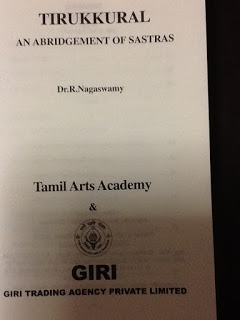
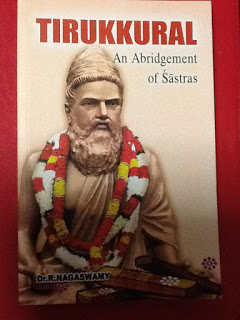
Tirukkural- An Abridgement of Sastras

Dr R Nagaswamy

December 2017

Pages 248, Price Rs.150

Published by Tamil Arts Academy and Giri Trading Agency Private Limited

Contact: www.giri.in

sales@giri.in

-சுபம்-

MYTHS ABOUT TAMIL VEDA EXPLODED; DR NAGASAMY’S NEW BOOK ON THIRUKKURAL (Post No.4939)

MYTHS ABOUT TAMIL VEDA EXPLODED; DR NAGASAMY’S NEW BOOK ON THIRUKKURAL (Post No.4939)


WRITTEN by London Swaminathan 


Date: 22 April 2018


Time uploaded in London –  17-22 (British Summer Time)


Post No. 4939


Pictures shown here are taken from various sources such as Facebook friends, Books, Google and newspapers; thanks. Pictures may be subject to copyright laws.


WARNING: PLEASE SHARE MY ARTICLES; BUT DON’T SHARE IT WITHOUT AUTHOR’S NAME AND THE BLOG NAME. BE HONEST; OTHERS WILL BE HONEST WITH YOU.


TIRUKKURAL is considered the Tamil Veda; it was written by Thiru Valluvar. One of Valluvar’s contemporary himself said this in Thiruvallauva Malai. He said that Sanskrit has Veda and Tamil has now got Tirukkural. It has 1330 couplets divided into 133 chapters which deal with didactic topics. There are lots of myths about its author Tiruvalluvar and his book. After Dravidian parties came to power in Tamil Nadu fifty years ago, lot of things about Vallauvar’s personal life was changed in the text books. And the accepted commentary of Parimel Azakar is tampered with. Dr R Nagaswamy, eminent historian and famous archaeologist looks at the book from a new angle.


He explodes the myths about G U Pope’s contribution to Tamil literature, Pope’s half- baked statement about Valluvar’s date  (800 to 900 CE) and some people’s attempt to show Tirukkural a text of Jain origin. G U Pope who translated 72 Purananuru verses, deliberately vomited Kapilar’s vesre showing him as an ‘Antana’ (Brahmin) and dubbed him a Pariah. Dr Nagasamy also Shows how hardly Pope tried to show Valluvar as a Christian or influenced by Christianity.

Another myth exploded by Dr R N is the gold coin of Valluvar. The coin said to have been issued by Ellis is not of Valluvar, but of Buddha. It was found in a museum in Calcutta. Ellis’ name was unnecessarily dragged into this matter.

Nagaswamy described in detail the futile colonial attempt to Christianise Tirukkural.

Dr R Nagaswamy needs no introduction. He was the Director of Archaeology in Tamil Nadu from 1966 to 1988. He was the Vice Chancellor of Kancheepuram University. He was the author of over 50 books and hundreds of research articles. He has travelled around the world lecturing on History and culture of Tamil people. Recently he has been awarded Padmabhusan by the Government of India.


He says that there is no gem in the whole field of Tamil literature more precious than Tirukkural. He has compared Tirukkural with lot of similar verses in Sanskrit Dharma sastras, Artha sastra, Natya sastra and Kama Sastra. He has also shown that Valluvar wrote it on the basis of Hindu values Dharma, Artha, Kama and Moksha. Valluvar himself divided his book into three major sections Dharma (Aram), Artha (porul) and Kama (Inbam). Moksha is dealt with in the book under Dharma.


Dr Nagaswamy says that the work of Valluvar is an abridgement of Sanskrit sastras.  Without leaving anyone to guess the authenticity, he has given the relevant passages as well. So no one could challenge him. It is a treasure for the English speakers,  and particularly the Non Tamil speakers in India.

Though scholars like V R Ramachndra Dikshitar has done such a comparative study before Dr Nagasawmy, he has added more materaias from different scriptures such as Dhammapada of Buddha and Bhagavad Giat of Lord Krishna.

Another unique feature is the addition of Sanskrit verses in Devanagari lipi which would be of help to North Indians.

He as beautifully summarised all the relevant data from Sangam literature to prove the ancient character of the Tirukkural. First he deals with the three theories about the age of the work and concludes that it is older than the Tamil epic Silappadikaram of second century CE. He rightly pointed out that the couplets are in Sutra format which is further proof for its age.


About Valluvar’s religion Dr Nagasamy says, after examining the previous arguments, “The examination of the personal religion of Valluvar does not  give us any definite lead in the matter. Valluvar did not wish to give his work a sectarian character. He gives lot of examples to show the striking correspondence between the Kural couplets and the works of Manu, Kautilya and Vatsyayana.


In another chapte,r the author of the current book examines the statement of Nataka Valakku by the doyen of Tamil literature U Ve  Swaminatha Aiyar.

In the concluding chapter hr makes an important statement, “Thirukkural of Thiruvalluvar can be fully understood only with the knowledge of Sanskrit, as it draws heavily from Dharma sastras, Artha sastras, Natya sastra and Kama Sastra and also their commentaries.

Everyone who is interested in Tamil literature  must have this book.


The book is priced only 150 rupees which is very cheap. The book has got great value for money.

Details of the Publication:

Tirukkural- An Abridgement of Sastras

Dr R Nagaswamy

December 2017

Pages 248, Price Rs.150

Published by Tamil Arts Academy and Giri Trading Agency Private Limited

Contact: www.giri.in

sales@giri.in


–SUBHAM-

தெய்வத் தமிழ் QUIZ/ கேள்வி-பதில் (Post No.4938)

தெய்வத் தமிழ் QUIZ/ கேள்வி-பதில் (Post No.4938)


WRITTEN by London Swaminathan 


Date: 22 April 2018


Time uploaded in London –  6-48 am (British Summer Time)


Post No. 4938


Pictures shown here are taken from various sources such as Facebook friends, Books, Google and newspapers; thanks. Pictures may be subject to copyright laws.


WARNING: PLEASE SHARE MY ARTICLES; BUT DON’T SHARE IT WITHOUT AUTHOR’S NAME AND THE BLOG NAME. BE HONEST; OTHERS WILL BE HONEST WITH YOU.


கீழ்கண்ட தெய்வீக வசனங்களை யார், எந்த நூலில் சொன்னார்கள்? விடைகள் கீழே கொடுக்கப்பட்டுள்ளன. பாராமல் பகருங்கள். உங்கள் அறிவினைச் சோதித்துக்கொள்ள அரியதோர் வாய்ப்பு!!!

1.பிறவாயாக்கைப் பெரியோன் கோயிலும்

அறுமுகச் செவ்வேள் அணிதிகழ் கோயிலும்

வால்வளை மேனி வாலியோன் கோயிலும்

நீலமேனி நெடியோன் கோயிலும்


2.மாட்டுக்கோன் தங்கை மதுரை விட்டுத் தில்லைநகர்

ஆட்டுக்கோ நுக்குப்பெண்டு ஆயினாள்; கேட்டிலையோ


3.ஏற்று வலன் உயரிய எரிமருள் அவிர்சடை

மாற்று அருங்கணிச்சி, மணிமிடற்றோனும்

கடல் வளர் புரி வளை புரையும் மேனி

அடல் வெந் நாஞ்சில் பனைக் கொடியோனும்


4.பன்னிநீ வேதங்கள், உபநிடதங்கள்

பரவு புகழ்ப் புராணங்கள், இதிகாசங்கள்

இன்னும் பல நூல்களிலே இசைத்த ஞானம்

என்னென்று புகழ்ந்துரைப்போம்


5.ஆழ்வார் பதத்தைச் சிந்திப்பவர்க்கு யாதும் அரியது அன்றே


6.கற்றூணைப் பூட்டியோர் கடலிற் பாய்ச்சினும்

நற்றுணையாவது நமச்சிவயவே


7.உடம்பை வளர்த்தேன் உயிர் வளர்த்தேனே


8.உள்ளே உருகி நைவேனை

உளவோ இலளோ என்னாத

கொள்ளைகொள்ளிக் குறும்பனைக்

கோவர்த்தனனைக் கண்டக்கால்

கொள்ளும் பயன் ஒன்றில்லாத

கொங்கை தன்னைக் கிழங்கோடும்

அள்ளிப் பறித்திட் டவன் மார்பில்

எறிந்தென் அழலைத் தீர்வேனே


9.பெரியாரைப் பேணாது ஒழுகின் பெரியாரால்

பேரா இடும்பை தரும்


10.கங்கையைப் போல் காவிரிபோல் கருத்துக்கள் ஊறுமுள்ளம்

எங்கள் உள்ளம்!


11.தேன்பழச் சோலை பயிலுஞ் சிறுகுயி லேயிது கேள்நீ
வான்பழித் திம்மண் புகுந்து மனிதரை ஆட்கொண்ட வள்ளல்
ஊன்பழித் துள்ளம் புகுந்தென் உணர்வது வாய வொருத்தன்
மான்பழித் தாண்டமெல் நோக்கி மணாளனை நீவரக் கூவாய்.


12.கேடும் ஆக்கமும் கெட்ட திருவினார்

ஓடும் செம்பொன்னும் ஒக்கவே நோக்குவார்


விடைகள்

1.இளங்கோ, சிலப்பதிகாரம்

2.காளமேகம்,  தனிப்பாடல்கள்

3.புறநானூறு, நக்கீரனார் பாடல்

4.பாரதி, பாரதியார் பாடல்கள்

5.கம்பன், கம்ப ராமாயணம்

6.அப்பர் தேவாரம், நாலாம் திருமுறை

7.திருமூலர் எழுதிய திருமந்திரம்

8.ஆண்டாள், நாச்சியார் திருமொழி

9.திருக்குறள், திருவள்ளுவர்

10.பாரதிதாசன்

11.மாணிக்கவாசகர், திருவாசகம்

  1. சேக்கிழார், பெரியபுராணம்


–SUBHAM–