ப்ரக்ருதியின் ஆசையும் புத்தரின் கேள்விகளும்! (Post No.4433)

Written by S.NAGARAJAN


Date: 26 NOVEMBER 2017


Time uploaded in London- 6-27 am


Post No. 4433

Pictures shown here are taken from various sources such as Facebook friends, Books, Google and newspapers; thanks. Pictures may not be related to the story. They are only representational.


புத்தபிரான் போதனை

ப்ரக்ருதியின் ஆசையும் புத்தரின் கேள்விகளும்!


.நாகராஜன்


1

புத்த பிரானின் சீடரான ஆனந்தரின் வாழ்க்கை சுவாரஸ்யமான ஒன்று. ஏராளமான சம்பவங்களைக் கொண்டுள்ள அவரது வாழ்க்கையில், ஒவ்வொரு சம்பவமும் ஒரு பெரிய உண்மையை விளக்கும். அத்துடன்  புத்தரின் அவதார மஹிமையையும் அருளையும் கூடவே விளக்கும்.


2

ஒரு நாள் ஆனந்தர் தன் உணவை முடித்துக் கொண்ட பின்னர் நீர் அருந்துவதற்காக அருகிலிருந்த ஒரு கிணற்றுக்குச் சென்றார். அங்கு ஒரு இளம் பெண் நீர் இறைத்துக் கொண்டிருந்தாள். அவளிடம் சென்ற ஆனந்தர், “சகோதரியே! கொஞ்சம் நீர் தா” என்றார்.

அவள் ஜாதியில் தாழ்ந்த ஜாதிப் பெண். தயங்கினாள்.அவள் பெயர் ப்ரக்ருதி.

“பூஜ்ய ஆனந்தரே! நான் ஒரு மாதங்கப் பெண்” என்று தன் ஜாதியைச் சுட்டிக் காட்டினாள்.

“ நான் உன் ஜாதி என்ன என்று கேட்கவில்லை. அருந்துவதற்கு நீர் தான் கேட்டேன்” என்றார் ஆனந்தர்.


பிறகு அவள் நீரைத் தந்தாள். அதை அருந்தி விட்டு ஆனந்தர் சந்தோஷமாகத் தன் வழியே சென்றார்.

ப்ரக்ருதிக்கு ஒரே மகிழ்ச்சி. பலவித கற்பனையில் அவள் ஈடுபடலானாள்.ஆனந்தர் ஏன் தன்னிடம் வந்து நீர் கேட்க வேண்டும்.

அவள் ஆனந்தரையே தனது கணவனாக நினைத்துக் கொண்டாள்.

அவளது போக்கைக் கண்ட அவளது தாய் அவளது நிலையை நன்கு புரிந்து கொண்டாள்.

அவள் மாயாஜாலக் கலையில் வல்லவள்.

தன் மகளுக்கு ஆனந்தரை மணமுடித்து வைப்பது என்ற தீர்மானத்திற்கு வந்த அவள் வசிய ஜாலத்தை ஆனந்தர் மீது ஏவி விட்டாள்.

ஆனந்தர் எப்படியும் தன் குகைக்கு வந்தே ஆக வேண்டும் என்பது அவளது தீர்மானம்.

ஆனந்தர் அப்போது உயர்நிலையான அர்ஹத்தாக ஆகியிருக்கவில்லை.

அவர் வசிய ஜாலத்தால் நிலை கொள்ளாமல் தவித்தார். ப்ரக்ருதியைப் பார்க்க வேண்டும் என்ற நினைவு இடைவிடாமல் வரவே என்ன செய்வது என்று தெரியாமல் தவித்தார்.


கடைசியில் புத்த பிரானை மனமுருக வேண்டிப் பிரார்த்தனை செய்தார்.

புத்தர் நடந்தது அனைத்தையும் உணர்ந்து கொண்டார்.

ப்ரக்ருதியின் தாயார் செய்த வசிய ஜாலத்தை முறியடிக்கும் விதமாகத் தன் அருளை ஆனந்தர் மீது பொழிந்தார்.

ப்ரக்ருதியின் தாயார் தான் தோற்கடிக்கப்பட்டதை உணர்ந்தாள்.

தன் மகளிடம் நடந்ததை அப்படியே கூறினாள்.

ஆனால் ப்ரக்ருதியோ ஆனந்தரின் நினைவை விடவில்லை.

ஆனந்தர் பிக்ஷை எடுக்கப் போகும் போதெல்லாம் முன்னே வந்து நிற்பாள்.

ஒருநாள் ஆனந்தர் அவளிடம், “ உன் மேல் எனக்கு இரக்கம் தான் வருகிறது. நீ நன்றாக இருக்க வேண்டும். என்னை விட்டு விடு” என்றார்.

ப்ரக்ருதி யோசித்தாள்.

புத்த பிரானிடமே சென்று விடலாம் என்று நினைத்து அவரிடம் சென்று முறையிட்டாள்.

புத்த பிரானுக்கு அவள் மீது கருணை பொங்கியது.

அவளை நோக்கி வினவலானார்:

“ப்ரக்ருதி! நீ எனது சீடனை மணந்து கொள்கிறாயா?”

“ஆமாம், பூஜ்யரே”

“எனது சீடனை மணந்து கொண்டால் அவன் செல்லுமிடமெல்லாம் நீயும் செல்ல வேண்டியிருக்குமே, அதற்குத் தயாரா?”

“தயார் தான், பூஜ்யரே”

“எனது சீடன் துவராடையை அணிந்து கொண்டிருப்பது போல அதே ஆடையைத் தான் நீ அணிய வேண்டியிருக்கும். அதற்குச் சித்தமா?”

“சித்தம் தான், பூஜ்யரே”

“என் சீடன் மரத்தடியே கூரையாக நினைத்து மரத்தடியில் உறங்குவது வழக்கம். அது போல உன்னால் உறங்க முடியுமா?”

“உறங்க முடியும், பூஜ்யரே”


கேள்விகள் வர வர, ப்ரக்ருதியின் மனம் உயர்நிலைக்குச் செல்ல ஆரம்பித்தது.

புத்தரின் கேள்விகள் அவளை ஒரு பெரிய உயரிய நிலைக்குக் கொண்டு செல்லவே அவள், அவர் தாள்களில் பணிந்து தனக்கு த்ரி ரத்னமே தேவை என்ற தனது முடிவைச் சொன்னாள்.

அவளைக் கருணையுடன் தனது சிஷ்யையாக ஏற்றுக் கொண்ட புத்த பிரான் அவளுக்குப் புகலிடத்தை அளித்தார்.

3

ப்ரக்ருதி சிறந்த சிஷ்யையாக மாறினாள். ஜாதியில் உயர் ஜாதி, தாழ்ந்த ஜாதி என்பது இல்லை, தனது உபதேசம் அனைவருக்குமானது என்பதை புத்த பிரான் நிரூபித்தார்.

-subham-

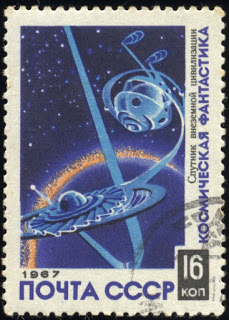
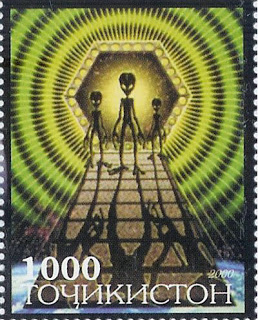
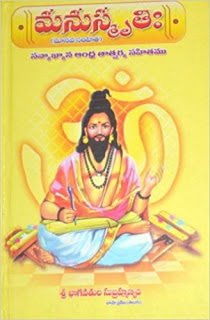
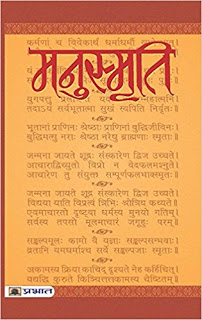
Extra Terrestrial Civilization in Manu Smrti? (Post No.4432)

Written by London Swaminathan 


Date: 25 NOVEMBER 2017


Time uploaded in London- 13-12


Post No. 4432

Pictures shown here are taken from various sources such as Facebook friends, Books, Google and newspapers; thanks.


Whatever we have read as magic and mystery in the mythology seventy or hundred years ago, have become day to day ordinary things now; I will explain:

We thought only sages and seers (Rishis and Munis) could see what happens in another or a distant place; now we have CC TV and TV broadcasts which show us that happens in a distant place. With hand held objects, I pads and mobile phones we do now, what sages and seers did 100 years ago.

We thought only Rishis and Munis can hear Gandharva singing in the sky; now we have hand held small radios with  which we can hear Bhuloka Gandharavs (earthly musicians) but yet the music is coming from the heavens (air).


We heard that sages and seers received the truths from the heavens; they ‘heard’ it and so we called the Vedas Sruti (Sruti= which is heard); now with the help of internet and google, we can access truthful ( and of course porno and untruthful) information. Now we better understand how the sages and seers could have done it.


Now we know billions of pages can be saved on the internet and anyone could receive it from different parts of the world at any time. They are stored ‘somewhere”

If someone has talked or predicted about mobile, internet, television, Ipads etc. 150 years ago, one would have thought we are talking about something mysterious or strange or science fiction.

In short, now man has become Superman; Manusha has become a Deva!


When we read such magical things, we thought only Devas can do it. Now we know man is also becoming a superman. But yet no one could say what would happen in our grandchildren’s time. Incredible science inventions come every year. Now I can order radio or TV to switch on through my voice. I open the doors with my look (eyes) or finger prints.

But there is a big difference. Our sages did this without any equipment; they could talk about astronomy without telescopes, they could see distant objects without TV or Mobile phones. They knew that mind has more power than scientific equipment. They knew words have more power than science equipment. No one has mastered that art yet.

ET in Manu


Now I am coming to the point.

Manu Smrti and our Puranas speak about various time zones for Devas and Brahma. When we hear about Extra Terrestrial Civilizations in distant planetary system we will understand such descriptions better.


We read that Devas cant have sex in the Devaloka, cant stand on their feet,can’t blink, their garlands never wither away , they can travel from one place to another place and appear intact, sages like Narada can do inter galactic travel (Tri Loka Sanchari)etc.


Now I read in Manu Smrti that human year is different from Deva (angelic) year and Deva year is different from Brahma year and Brahma’s life is insignificant compared to the Supreme God. If at all we hear or find another ET civilisation, then we will know all these are true.


For a house fly that lives only 24 hours, human year is 365 times more; human life span is 365X100 days more than the fly’s life span. If we take the life of a bacterium then our life span is million times more. For a turtle ot tortoise that lives 300 years, our life span is shorter.

Now look at what Manu says about Time calculation:-

  1. When he whose power is incomprehensible, had thus produced the universe and men, he disappeared in himself, repeatedly suppressing one period by means of the other.
  2. When that divine one wakes, then this world stirs; when he slumbers tranquilly, then the universe sinks to sleep.
  3. But when he reposes in calm sleep, the corporeal beings whose nature is action, desist from their actions and mind becomes inert.
  4. When they are absorbed all at once in that great soul, then he who is the soul of all beings sweetly slumbers, free from all care and occupation.
  5. When this (soul) has entered darkness, it remains for a long time united with the organs (of sensation), but performs not its functions; it then leaves the corporeal frame.
  6. When, being clothed with minute particles (only), it enters into vegetable or animal seed, it then assumes, united (with the fine body), a (new) corporeal frame.
  7. Thus he, the imperishable one, by (alternately) waking and slumbering, incessantly revivifies and destroys this whole movable and immovable (creation).
  8. But he having composed these Institutes (of the sacred law), himself taught them, according to the rule, to me alone in the beginning; next I (taught them) to Mariki and the other sages.
  9. Bhrigu, here, will fully recite to you these Institutes; for that sage learned the whole in its entirety from me.
  10. Then that great sage Bhrigu, being thus addressed by Manu, spoke, pleased in his heart, to all the sages, ‘Listen!’
  11. Six other high-minded, very powerful Manus, who belong to the race of this Manu, the descendant of the Self-existent (Svayambhu), and who have severally produced created beings,
  12. (Are) Svarokisha, Auttami, Tamasa, Raivata, Kakshusha, possessing great lustre, and the son of Vivasvat.
  13. These seven very glorious Manus, the first among whom is Svayambhuva, produced and protected this whole movable and immovable (creation), each during the period (allotted to him).
  14. Eighteen nimeshas (twinklings of the eye, are one kashtha), thirty kashthas one kala, thirty kalas one muhurta, and as many (muhurtas) one day and night.
  15. The sun divides days and nights, both human and divine, the night (being intended) for the repose of created beings and the day for exertion.
  16. A month is a day and a night of the manes, but the division is according to fortnights. The dark (fortnight) is their day for active exertion, the bright (fortnight) their night for sleep.
  17. A year is a day and a night of the gods; their division is (as follows): the half year during which the sun progresses to the north will be the day, that during which it goes southwards the night.
  18. But hear now the brief (description of) the duration of a night and a day of Brahman and of the several ages (of the world, yuga) according to their order.
  19. They declare that the Krita age (consists of) four thousand years (of the gods); the twilight preceding it consists of as many hundreds, and the twilight following it of the same number.
  20. In the other three ages with their twilights preceding and following, the thousands and hundreds are diminished by one (in each).
  21. These twelve thousand (years) which thus have been just mentioned as the total of four (human) ages, are called one age of the gods.
  22. But know that the sum of one thousand ages of the gods (makes) one day of Brahman, and that his night has the same length.
  23. Those (only, who) know that the holy day of Brahman, indeed, ends after (the completion of) one thousand ages (of the gods) and that his night lasts as long, (are really) men acquainted with (the length of) days and nights.
  24. At the end of that day and night he who was asleep, awakes and, after awaking, creates mind, which is both real and unreal.
  25. Mind, impelled by (Brahman’s) desire to create, performs the work of creation by modifying itself, thence ether is produced; they declare that sound is the quality of the latter.
  26. But from ether, modifying itself, springs the pure, powerful wind, the vehicle of all perfumes; that is held to possess the quality of touch.
  27. Next from wind modifying itself, proceeds the brilliant light, which illuminates and dispels darkness; that is declared to possess the quality of colour;
  28. And from light, modifying itself, (is produced) water, possessing the quality of taste, from water earth which has the quality of smell; such is the creation in the beginning.
  29. The before-mentioned age of the gods, (or) twelve thousand (of their years), being multiplied by seventy-one, (constitutes what) is here named the period of a Manu (Manvantara).
  30. The Manvantaras, the creations and destructions (of the world, are) numberless; sporting, as it were, Brahman repeats this again and again.

Also read……..

Manu, not only a Law Maker but also a Great Botanist! (Post No.4375 …

https://tamilandvedas.com/…/manu-not-only-a-law-maker-but-also-a-great-botanist-p…

7 Nov 2017 – Manu Smrti, law book written by Manu, talks about lot of subjects which makes it a Hindu Encyclopaedia. Manu was not only a law maker but …


in Manu | Tamil and Vedas

https://tamilandvedas.com/tag/in-manu/

Black Antelope in Manu: Strange Facts- Part 3 (Post No.3047) … (for old articles go to tamilandvedas.com OR swamiindology.blogspot.com). Manusays,.

similes of Manu | Tamil and Vedas

https://tamilandvedas.com/tag/similes-of-manu/

Posts about similes of Manu written by Tamil and Vedas.

Manu | Tamil and Vedas | Page 2

https://tamilandvedas.com/tag/manu/page/2/

Posts about Manu written by Tamil and Vedas. … Manu deals with the menstrual women in several chapters: 3-239; 4-40/41, 57, 208; 5-66, 85, 108; 11- 88, 174.

Manu on marriage | Tamil and Vedas

https://tamilandvedas.com/tag/manu-on-marriage/

Posts about Manu on marriage written by Tamil and Vedas.

Manu on Brahmins | Tamil and Vedas

https://tamilandvedas.com/tag/manu-on-brahmins/

Posts about Manu on Brahmins written by Tamil and Vedas.

in Manu smrti | Tamil and Vedas

https://tamilandvedas.com/tag/in-manu-smrti/

Posts about in Manu smrti written by Tamil and Vedas.

Manu and Women | Tamil and Vedas

https://tamilandvedas.com/tag/manu-and-women/

Posts about Manu and Women written by Tamil and Vedas.

Mystery of Manu : Rig Veda Mystery No.8! | Tamil and Vedas

Mystery of Manu : Rig Veda Mystery No.8!

19 Jan 2015 – Research article Written by London swaminathan Research Paper No.1589; Dated 19th January 2015 (I have already written about the …

–Subham—


காலக் கணக்கு: 30 முகூர்த்தம்= ஒரு நாள், மநு நீதி நூல்-5 (Post No.4431)

Written by London Swaminathan 


Date: 25 NOVEMBER 2017


Time uploaded in London- 7-53 am


Post No. 4431

Pictures shown here are taken from various sources such as Facebook friends, Books, Google and newspapers; thanks.


கடந்த சில தினங்களில் வெளியான மநு நீதி நூல் கட்டுரைகளைப் படித்துவிட்டு ஐந்தாவது பகுதியைப் படிப்பது நலம் பயக்கும்; அறிவு ஒளிரும்; நூல் வேட்கை அதிகரிக்கும்!

51.பிரம்மாவானவர் தோன்றியவாறே ஒரு பகல் பொழுது கழிந்தவுடன் சகல படைப்புகளுடன் ஒடுங்கி விடுகிறார். அதாவது அந்தப் பிரம்மாவின் ஆயுள் முடிந்தது.

52.மீண்டும் படைக்கவேண்டும் என்று எப்பொழுது அந்த சக்தி வெளிப்படுகிறதோ அப்பொழுது படைப்பு துவங்கும். எப்பொழுது அதை முடிக்க திருவுளம் கொள்கிறாரோ அப்பொழுது ஒடுங்கிவிடும்.

(ஸ்லோகம் 52ல் ஒரு சிலேடை உள்ளது; ஜகத் என்றால் நகரக்கூடியது; விழிப்பு என்பதற்கான வினைச் சொல் ஜாக்ருதி)


53.கர்ம வினையால் படைப்பெடுத்த உயிர்கள் பிரம்மா உறங்கும் பொழுது செயலற்றுப் போவார்கள். மனதும் அதன் செயல்பாட்டை நிறுத்திகொள்ளும்


54.இவ்வாறு பிரம்மாவின் ஒவ்வொரு பகலிலும் இரவிலும் படைப்பு தோன்றுவதும் ஒடுங்குவதுமாக நடந்து கொண்டே இருக்கும். அவரது  ஆயுட்காலம் முடிந்த பின்னர், முழுமுதற்கடவுள் அந்த பிரம்மாவையும் அவரது படைப்புகளையும் உள்ளுக்குள் இழுத்துக் கொண்டு, யோக நித்திரை எனப்படும் அறிதுயிலில் ஆழ்வார்.


  1. பிறவி எடுத்த உயிரினம் நீண்டகாலம் வாழ்ந்து முடிந்த பின்னர், மூச்சுவிட முடியாத நிலையில் ஸ்தூல உடலை விட்டு, சூட்சும உடலை (கண்ணுக்குத் தெரியாத) உடலை அடைகிறது.


56.பிறகு அணுப்போலாகி, அசையும்-அசையா பரம்பொருள் என்னும் விதையில் நுழையும். அதில் ஐக்கியமாகும் போது பூத உடல் மறைந்துவிடும். எப்போது அவன் எட்டுவகை குணங்களைப் பெறுகிறானோ, அப்போது அவன் ஸ்தூல உடல் எடுப்பான். எட்டு குணங்கள்- புரியஷ்டகம்=பஞ்ச மஹா பூதம்/பஞ்ச இந்திரியம்+மனது/புத்தி+ஜன்மாந்தர வாசனை/கர்மவினை+பிராணவாயு

  1. என்றும் அழியாத பரம்பொருள் விழிக்கும் போதும் உறங்கும்போதும் இவ்வாறு உலகைப் படைத்தும் துடைத்தும் செயல்படும். உலகை அழிப்பதில் இடைவிடாமல் ஈடுபடும்.


  1. அவர் முதலில் இதைக் கற்பித்தபோது, என்னை கிரஹித்துக் கொள்ளவைத்தார். நான் இதை மரீசிக்கும் மற்றவர்களுக்கும் கற்பித்தேன்.


  1. பிருகு உங்களுக்குச் சொல்வார். அவர் என்னிடமிருந்து முழுதும் கற்றுக்கொண்டார்.

60.இவ்வாறு மநு சொன்னது ப்ருகுவுக்கு மிகவும் மகிச்சி அளித்தது


61.சுயம்புவான பிரம்மாவிடம் தோன்றிய மேலும் ஆறு மனுக்கள் உண்டு. அவர்கள் மகான்கள்; மஹா வல்லமை படைத்தவர்கள்.

  1. அவர்கள் அனைவரும் சுயம் பிரகாசம் உடையவர்கள்.


அவர்களுடைய பெயர்கள்:– ஸ்வரோசிஷஸ், உத்தமர், தாமசர், ரைவதர், சக்ஷூஸ், தேஜோமயமான விஸ்வாவசு (சுவாரோசிஷன்,உத்தமன், தாமசன், ரைவதன்,சாக்ஷுசன்,வைவசுவதன்)


63.அவர்கள் ஆறுபேரும் சுவாயம்புவ மநுவும் அவரவர் ஆட்சிக் காலத்தில் மக்களைப் படைத்தும் பராமரித்தும் வருவர்.

காலக் கணக்கு

  1. 18 இமைகள் = ஒரு காஷ்டை எனப்படும்

30 காஷ்டை= ஒரு கலை

30 கலைகள் = ஒரு முகூர்த்தம்

30 முகூர்த்தம் = ஒரு நாள்

65.மானிடர்க்கும் தேவர்களுக்கும் பகல்-இரவை வகுப்பவன் சூரியன்; இரவு, தூங்குவதற்கும் பகல் நேரம், வேலை செய்வதற்கும் ஒதுக்கப்பட்டுள்ளது.


66.முப்பது நாள் என்பது மனிதர்களுக்கு ஒரு மாதம்; அதில் 15 நாட்கள் தேய் பிறையாகவும், 15 நாட்கள் வளர்பிறையாகவும் இருக்கும்.  இவ்விரு பக்ஷங்களும் க்ருஷ்ண, சுக்ல பக்ஷங்கள் — பிதுர்களுக்கு ஒரு நாள் ஆகும். தேய் பிறை என்பது அவர்களுக்குப் பகல்.

67.12 மானிட மாதங்கள் தேவர்களுக்கு ஒரு நாள்; தை முதல் ஆனி வரையுள்ள உத்தராயணம் தேவர்களின் பகல்; ஆடி முதல் மார்கழி வரையான காலம் அவர்களுக்கு இரவு. ஆக, மானிட வருடங்கள் முப்பது என்பது தேவர்களுக்கு முப்பது நாட்கள். அது போல 12 மாதங்கள் தேவர்களின் ஒரு வருடம்.

68.இனிமேல் பிரம்மாவின் இரவு பகல்கள், யுகங்கள் பற்றிச் சொல்லுவேன்; கேளுங்கள்

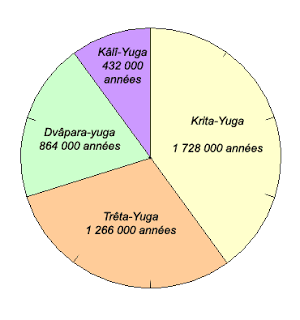
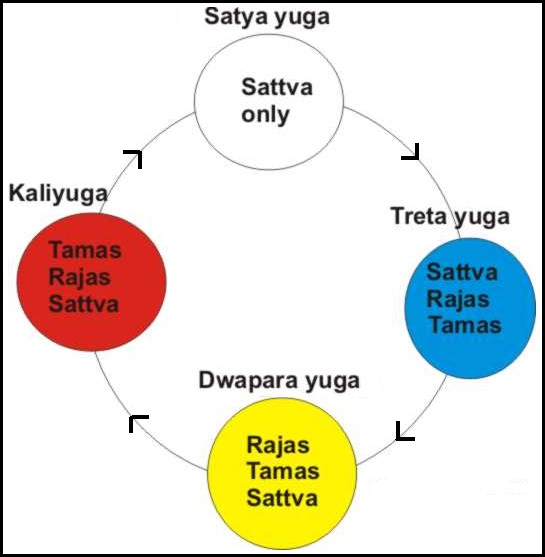
69.கிருத யுகம் என்பது = 4000  தேவ வருடங்கள்; அதற்கு முன் அது உருவாகும் இடைவெளிப்பொழுது (யுக சந்தி), அதாவது வைகறைப் பொழுது 400 தேவ வருடங்கள். காலையிலும் மாலையிலும் இப்படி சந்தியா வேளை இருப்பதால் கிருத யுகம் என்பது 4000+400+400=4800 தேவ வருடங்கள்.


70.ஏனைய மூன்று யுகங்களும் குறைந்து கொண்டே வரும்; மேலும் காலை மாலை சந்திப் பொழுது என்பதும் குறையும்; இந்தக் கணக்குப்படி, திரேதா யுகம் 3600, துவாபர யுகம் = 2400, கலியுகம் 1200 தேவ வருடங்கள் என்று அறிக.


எனது கருத்து    —   மநு தர்ம நூலில் விண்வெளி விஞ்ஞானம்!


1.பிக் பேங் (Big Bang) என்பது போல பிக் க்ரஞ்ச் (Big Crunch) உண்டு என்று இந்துக்கள் கூறுகின்றனர். இதை விஞ்ஞானிகள் இன்னும் முழுதும் ஏற்கவில்லை. விரைவில் ஏற்றுக் கொள்ளுவர்.


  1. மநு நீதி நூல் போன்ற சட்ட நூலில் காலக் கணக்கீடு, வாய்ப்பாடு ஆகியன இருப்பது வியப்புக்குரியது. அவர் பிக் பேங், பிக் க்ரஞ்ச் பற்றிப் பேசுவது இன்னும் வியத்தற்குரியது


3.நமக்கு ஒரு காலம், பித்ருக்களுக்கு ஒரு காலக் கணக்கு, பிரம்மாவுக்கு வேறு ஒரு காலக் கணக்கு ஆகியன வெளி உலகங்கள் (Extra Terrestrial Civilization) இருப்பதைக் காட்டும்.  வெளி உலக கிரக வாசிகள் (ET) கண்டு பிடிக்கப்பட்டால் அவர்கள் இப்படிப்பட்ட காலச் சுழற்சி உடைய இடத்தில் வசிப்பர்.


4,ஐன்ஸ்டைனையும் மிஞ்சும் விஷயங்களை மநு கூறுகிறார். பிற்காலத்தில் புராணங்களும் இதை அப்படியே சொல்லும்.


  1. இவ்வளவு சொல்லும் மனு, உலகிலுள்ள எல்லாப் பண்பாடுகளும், நமது புரா ண ங்களும் சொல்லும் பிரளயக் கதையைச் (Story of Great floods) சொல்லாததால், மனு ரிக் வேத காலத்தைச் சேர்ந்தவர் என்பது உறுதியாகிறது. அதாவது பைபிள் (Story of Noah) , மச்சாவதாரம் முதலியன சொல்லும் பிரளயக் கதை (deluge) ரிக் வேதத்திலோ மனுவிலோ இல்லாததால் இவை இரண்டும் காலத்தால் முந்தியவை என்பது தெரிகிறது.

6.யுக சந்தி என்று இடைவெளி கொடுப்பது குறிப்பிடத்தக்கது. உடனே அடுத்த யுகம் துவங்குவதில்லை. அதாவது முந்தைய, பிந்தைய யுகங்களின் குணங்கள் கலந்து காணப்படும் குழப்பமான காலகட்டம். தேர்தல் முடிவால், ஒரு  அரசியல் கட்சி பதவி இழந்து ,பின்னர் அடுத்த கட்சி பதவியில் அமர்வதற்குள் காணப்படும் இரண்டும்கெட்ட நிலை போன்றது இது. நமது முன்னோர்கள் எவ்வளவு அறிவியல் முறையில் யுக மாற்றத்தை அணுகினார்கள் என்பதற்கு இதுவும் ஒரு சான்று.

to be continued………………………….

மஹாபாரதம் தெரிவிக்கும் அஸ்திரங்களின் மர்மம்! (Post No.4430)

Written by S.NAGARAJAN


Date: 25 NOVEMBER 2017


Time uploaded in London- 6-26 am


Post No. 4430

Pictures shown here are taken from various sources such as Facebook friends, Books, Google and newspapers; thanks. Pictures may not be related to the story. They are only representational.


மஹாபாரதம்

கடந்த நூறு ஆண்டுகளில் மஹாபாரதம் பற்றிய ஏராளமான, சுவாரஸியமான ஆராய்ச்சிகள் நடைபெற்றுள்ளன. 2013, டிசம்பரில் வந்த ஒரு செய்தி பற்றிய கட்டுரை இது.


மஹாபாரதம் தெரிவிக்கும் அஸ்திரங்களின் மர்மம்!


ச.நாகராஜன்

1

மஹாபாரதம் ஒரு லட்சம் ஸ்லோகங்களைக் கொண்டது. பிரமிக்க வைக்கும் மர்மங்களைக் கொண்டது.

கதை ரீதியான மரமங்கள் மட்டுமல்ல, இதை இயற்றிய வியாஸ பகவான் மஹாபாரதத்தில் அடக்கி இருக்கின்ற மரமங்களும் ஏராளம்.


கூட ஸ்லோகங்கள் என்று கூறப்படும் சுமார் 8000 ஸ்லோகங்களின் பொருளை விநாயகரே யோசித்துத் தான் புரிந்து கொண்டார் என்றால் சாமானிய மனிதர்களால் மஹாபாரதத்தின் முழுப் பொருளையும் புரிந்து கொள்வது சுலபமில்லை.

ம்ஹாபாரதத்தை பல நூறு கோணங்களில் ஆராயலாம். ஒவ்வொரு ஆராய்ச்சியும் பிரமிக்க வைக்கும் உண்மைகளைத் தெரிவிக்கும்.


2

மஹாபாரதத்தில் கூறப்படும் அஸ்திரங்களைப் பற்றிய அபூர்வமான ஓலைச்சுவடி ஒன்று அஷ்டவைத்யன் வைத்யமடம் செரிய நாராயணன் நம்பூதிரி என்பவரிடம் இருந்தது. இவர் 2013ஆம் ஆண்டில் காலமானார்.

இவரது தொகுப்பில் உள்ள ஒரு மஹாபாரத நூலில் – பனை ஓலைச் சுவடி நூலில் – 63 பகுதிகளில் மஹாபாரதத்தில் கூறப்படும் அனைத்து அஸ்திரங்களும் எப்படி பயன்படுத்தப்படலாம் என்பதைப் பற்றிய விவரங்கள் உள்ளன.

இது சுமார் 120 வருடங்களுக்கு முன்னால் எழுதப்பட்டதாக நம்பப்படுகிறது.

இப்படி ஒரு ஓலைச் சுவடி இந்தியாவிலேயே இது ஒன்று தான்!

48 மந்திரங்கள் இதில் விவரமாகக் குறிப்பிடப்பட்டுள்ளன.

இந்த மந்திரங்கள் மூலமாக அஅனைத்து அஸ்திரங்களையும் இயக்க முடியும்.


3

செரிய நாராயணன் நம்பூதிரியிடம் 1300 கட்டு ஓலைச் சுவடிகள் இருந்துள்ளன.இதை அவர் டிஜிடல் மயமாக்க வேண்டும் என்று திட்டமிட்டிருந்தார். இதன் மூலம் எதிர்கால் ஆராய்ச்சியாளர்கள் பெரிதும் பயனடைவர் என்பது அவரது எண்ணம்.

சென்ட்ரல் கவுன்ஸில் ஃபார் ரிஸர்ச் இன் ஆயுர்வேதா (Central Council for Research in  Ayurveda)-வின் டைரக்டர் திரு ஏ.ஆர். கிருஷ்ணகுமார், “ரெப்ரோகிராபி (reprography) என்ற நம்பகமான முறையில் நாங்கள் டிஜிடல் வடிவமாக இதை ஆக்கும் போது இந்த நூல் அருமையான ஒரு நூல் என்பதை அறிந்தோம் என்றார்.

இந்திராகாந்தி நேஷனல் சென்டர் ஃபார் தி ஆர்ட்ஸ், புது டில்லியிலிருந்து இந்தப் பணிக்காக அமைக்கப்பட்டுள்ள குழுவில் கிருஷ்ணகுமாரும் ஒருவர். இவர் ஐஜிஎன்சிஏ- ஐச் சேர்ந்த சீனியர் ரெப்ரோகிராபிக் அதிகாரி. (CCRASS ) Central Council for Research in Ayurdedic Sciences) – நிறுவனத்தின் ப்ராஜக்ட் மேனேஜர் கிருஷ்ணகுமார்.

இந்த மையம் பொது நிலையங்கள் மற்றும் தனியாரிடம் உள்ள அனைத்து ஓலைச்சுவடிகளையும் டிஜிடல் மயமாக்கும் பெரிய பொறுப்பை ஏற்றிருக்கிறது.

ஏன் இவை அனைத்து டிஜிடல்மயமாக்கப்பட வேண்டும் என்ற கேள்விக்கு கிருஷ்ணகுமார் பதில் அளிக்கையில், “ ஏனெனில் இது நமது பண்பாடு, வரலாறு, பழக்க வழக்கங்கள்,பழைய மதங்கள் ஆகியவை பற்றிய தகவல்களைத் தருவதோடு சுற்றுப்புறச் சூழல், உடல் நலம், புராதன கால விஞ்ஞானம் ஆகியவை பற்றித் தெரிவிக்கும்” என்கிறார்.

இது வரை ஆயுர்வேதம் பற்றிய சுவடிகளில் 15 % ஓலைச்சுவடிகள் மட்டுமே டிஜிடல்மயம் ஆக்கப்பட்டுள்ளது. ஆயுர்வேதம் மிகவும் அங்கீகரிக்கப்பட்ட மருத்துவ சிகிச்சை முறையாக உலகில் இருக்கிறது. இப்போது சற்று கற்பனை செய்து பாருங்கள். ஐந்து லட்சம் ஓலைச் சுவடி நூல்களில் எவ்வளவு பிரம்மாண்டமான அறிவுச் செல்வம் புதைந்து கிடக்கும்!இது மக்களுக்குக் கிடைத்தால் ஆயுர்வேதம் இன்னும் எவ்வளவு திறனுடன் நன்மை தரும்” என்கிறார் கிருஷ்ணகுமார்.

“கேரளாவில் உள்ள நூலகங்கள், கல்லூரிகள், பல்கலைக் கழகங்கள் இன்னும் இதர நிறுவனங்களில் உள்ள நூல்களில் ஒரு பகுதியை சில வருடங்களுக்கு முன்னர் டிஜிடலைஸ் செய்தோம்.

இப்போது இரண்டாவது கட்டப் பணியாக பாலக்காடு மாவட்டத்தில் மேழாத்தூரில் உள்ள வைத்யமடத்தில் உள்ளவற்றை டிஜிடலைஸ் செய்ய ஆரம்பித்திருக்கிறோம். எங்களது அடுத்த இடம் தச்சு சாஸ்திரம் என்று கூறப்படும் கட்டிடக் கலைக்குப் பெயர் பெற்ற குன்னம் குளத்தின் அருகில் உள்ள கனிப்பையூர் மனா என்ற இடமாகும்.

இன்னும் பல மையங்களில் ஏராளமான சுவடிகள் உள்ளன” என்று கிருஷ்ணகுமார் கூறியுள்ளார்.

“இதில் ஒரு பெரிய நல்ல விஷயம் என்னவெனில் அனைத்து தனியார் வசம் உள்ள நூல்களையும் டிஜிடலைஸ் ஆக்க அனைவரும் ஒத்துழைப்புத் தருவது தான்!” என்று மகிழ்ச்சி பொங்க அவர் மேலும் தெரிவித்தார். ஆயுர்வேதம் மட்டுமின்றி இயற்பியல் விஞ்ஞானம், இரசாயனம், ஜோதிடம் உள்ளிட்ட பல பொருள்களைப் பற்றிய நூல்கள் இந்த ஐந்து லட்சத்தில் அடக்கம்!


4

இது 2013 டிசம்பரில் வந்த செய்தி. நான்கு வருடங்கள் ஓடி விட்டன. பல நூல்கள் டிஜிடலைஸ் ஆகி இருக்கும்..

மஹாபாரத அஸ்திர விவரங்களை நமது நாட்டு ஆராய்ச்சியாளர்களிடம் தந்தால் மிகப் பெரும் வல்லரசாக நாம் மாறி விடுவோம்.

இதே போலப் பல்வேறு ஆராய்ச்சியாளர்கள் வெவ்வேறு பொருளில் மஹாபாரத மர்மங்களை அவிழ்த்து வருகின்றனர்.

அவை அனைத்தும் சுவையானவை!

இது கடந்த நூறு ஆண்டுகளுக்கும் மேலாக நடை பெற்று வருகிறது.

அப்படியானால் இது வரை மஹாபாரதம் பற்றிய்  ஆராய்ச்சி முடிவுகள் எவ்வளவு இருக்க வேண்டும்.

மலைப்பாக இருக்கிறது.

அவை பற்றி அறிந்து கொள்வதே ஒரு ஆனந்தம் தான்!

***

SWEET MERCY IS NOBILITY’S TRUE BADGE-SHAKESPEARE AND TIRUKKURAL – 3 (Post No.4429)

SWEET MERCY IS NOBILITY’S TRUE BADGE-SHAKESPEARE AND TIRUKKURAL – 3 (Post No.4429)


Written by London Swaminathan 


Date: 24 NOVEMBER 2017


Time uploaded in London- 17-55


Post No. 4429

Pictures shown here are taken from various sources such as Facebook friends, Books, Google and newspapers; thanks.


This is part 3 where I compare Shakespeare’s sayings with Tiruvalluvar’s Tirukkural, which is praised as Tamil Veda by his contemporaries.


ON MERCY AND COMPASSION

Shakespeare in his play Titus Andronicus (Act 1, Scene 1) says ‘Sweet mercy is nobility’s true badge:’


Tam.  Stay, Roman brethren! Gracious conqueror,
Victorious Titus, rue the tears I shed,         110
A mother’s tears in passion for her son:
And if thy sons were ever dear to thee,
O! think my son to be as dear to me.
Sufficeth not that we are brought to Rome,
To beautify thy triumphs and return,         115
Captive to thee and to thy Roman yoke;
But must my sons be slaughter’d in the streets
For valiant doings in their country’s cause?
O! if to fight for king and commonweal
Were piety in thine, it is in these.         120
Andronicus, stain not thy tomb with blood:
Wilt thou draw near the nature of the gods?
Draw near them then in being merciful;
Sweet mercy is nobility’s true badge:
Thrice-noble Titus, spare my first-born son.


Tiruvalluvar has a whole chapter with ten couplets on Compassion

Temple of Tiruvalluvar in Chennai

Tiruvalluvar in Tirukkural says,


“Even as happiness in the world wholly depends on material possessions

Happiness in the world beyond will surley depend on compassion” (Kural 247)


“Men with hearts, overflowing with gentle compassion, will never

Have to go to the nether-world of darkness” (Kural 243)


“The vast and flourishing wind-blown earth is witness to the fact,

That those who practise compassion will never be subjected to suffering” (Kural 245)


ON LYING AND LIARS

William Shakespeare says in Cymbeline

Cadwal,
I cannot sing: I’ll weep, and word it with thee;
For notes of sorrow out of tune are worse
Than priests and fanes that lie.
Cymbeline
[IV, 2]
Imogen
2791
Richard du Champ.
[Aside]
If I do lie and do
No harm by it, though the gods hear, I hope
They’ll pardon it.—Say you, sir?
Cymbeline
[V, 5]
Posthumus Leonatus
3638
Shall’s have a play of this? Thou scornful page,
There lie thy part.


In All’s Well That Ends Well
[IV, 3]
Parolles
2332
He will steal, sir, an egg out of a cloister: for
rapes and ravishments he parallels Nessus: he
professes not keeping of oaths; in breaking ’em he
is stronger than Hercules: he will lie, sir, with
such volubility, that you would think truth were a
fool:
drunkenness is his best virtue, for he will
be swine-drunk; and in his sleep he does little
harm, save to his bed-clothes about him; but they
know his conditions and lay him in straw. I have but
little more to say, sir, of his honesty: he has
every thing that an honest man should not have; what
an honest man should have, he has nothing.

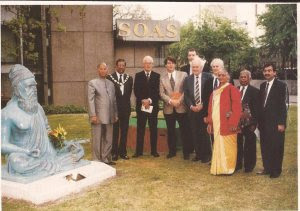
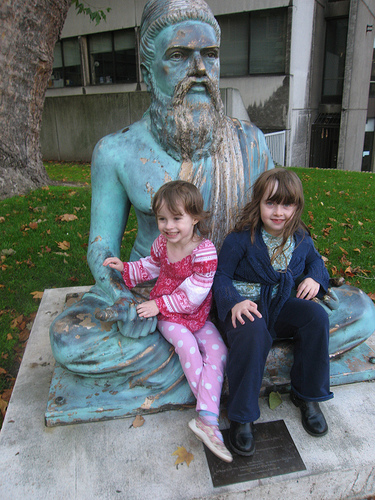
Statue of Tiruvalluvar in London University (SOAS)

Tiruvalluvar has a whole chapter on Truthfulness; here are some parallel couplets:


If a man should utter a lie consciously, his own mind would torture him for the lie he uttered. (Kural 293)

If it will produce pure, unmixed good, even falsehood may be considered truth (Kural 292)


If one lives true to one’s inner mind

That person lives in the hearts of all mankind (Kural 294)


ON ANGER


Shakespeare says,

Wrath makes him deaf.
3 Henry VI (1.4.54), Queen Margaret, speaking of Clifford

xxx


Never till this day
Saw I him touch’d with anger so distemper’d.
The Tempest (4.1.159-60), Miranda speaking of Prospero

xxx


But men are men, the best sometimes forget.

Though Cassio did some little wrong to him,

As men in rage strike those that wish them best,

Yet surely Cassio, I believe, received

From him that fled some strange indignity

Which patience could not pass. (Iago in Othello, Act 2, Scene 3)

xxx


This tiger-footed rage.
Coriolanus (3.1.311), Menenius to Brutus

xxx

And Valluvar says in Tirukkural,


Anger not only destroys those whom it affects, like fire, but it will also burn

Those kindred souls, who step in to help (Kural 306)


If you would protect yourself, guard against your own anger;

For anger not controlled would lead to self-destruction (305)


Even where it cannot hurt others, anger is bad;

But where does it hurt, there is nothing worse. ( Kural 302)


to be continued………………….


–SUBHAM–

பிரம்மா ஏன் தலையை இழந்தார்? தக்ஷன் ஏன் தலையை இழந்தான்? (Post No.4428)

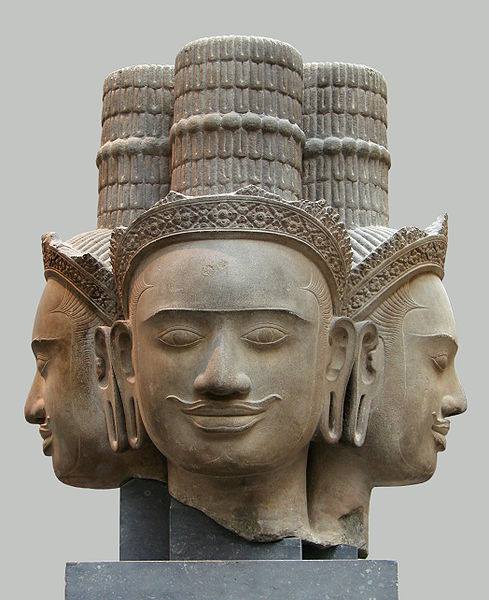
Brahma from Cambodia

பிரம்மா ஏன் தலையை இழந்தார்? தக்ஷன் ஏன் தலையை இழந்தான்? (Post No.4428)


Written by London Swaminathan 


Date: 24 NOVEMBER 2017


Time uploaded in London- 10-30 am


Post No. 4428

Pictures shown here are taken from various sources such as Facebook friends, Books, Google and newspapers; thanks.


தலைகளை இழந்த இந்துக் கடவுள்கள்-1 என்ற முதல் பகுதியில் விஷ்ணு தலையை இழந்த விநோதக் கதையையும் விநாயகருக்கு யானைத் தலை வந்ததன் கார ணத்தையும் கொடுத்தேன். இந்த இரண்டாவது பகுதியில் பிரம்மா ஏன் தலையை இழந்தார்? தக்ஷனுக்கு ஏன் ஆட்டுத் தலை கிடைத்தது என்பதைக் காண்போம். பிருகுவின் தலை போனது எப்படி? பிருகுவின் மனைவி தலையை விஷ்ணு துண்டித்தது ஏன் ? என்பதையும் அறிவோம்.

பிருகு முனிவர் பற்றிய சுவையான கதை:–

தக்ஷ யக்ஞத்தில் தலை இழந்தவர்களில் இவரும் ஒருவர். தேவீ பாகவதத்தில் இவர் கதை உள்ளது. இவர் பிரம்மாவின் மானச புத்திரர்களில் ஒருவர். மனைவியின் பெயர் புலோமசை. இவருடைய புதல்வன் கவி. பேரன் சுக்ரன்.


பிருகு முனிவர் குளிப்பதற்காக ஆற்றுக்குச் சென்றபொழுது, புலோமன் என்ற அரக்கன், பிருகுவின் மனைவியை — நிறைமாத கர்ப்பிணியை  — தூக்கிச் சென்றான். அம்மா கதறிதையக் கேட்டு கர்ப்பத்தில் இருந்த சியவகன் வெளியே வந்து அரக்கனை எரித்தான்.


அரசர்களுக்குப் புத்திரப் பேறு இல்லாவிடில் ரிஷிகளை வேண்டுவர். அதன்படி ஒரு அரசனின் ஒரு புதல்வியை மணந்து அரச மரத்தைச் சுற்றச் செய்து பிள்ளை வரம் பெறச் செய்தார். அவளுடைய தங்கைக்கும் புத்திரப் பேறு இல்லாததால் பலாச மரத்தைச் சுற்றச் செய்து பிள்ளைவரம் கிடைக்கச் செய்தார்.


பிருகு முனிவர் ‘பெரிய கடவுளை’ அறியச் சென்ற காலையில் பிரம்மா, சிவன் ஆகியோர் கோபிக்க அவர்களுக்குச் சாபம் தந்தார். விஷ்ணுவிடம் சென்று அவரையும் உதைக்க எத்தனிக்கையில் , அவர் பிருகுவின் காலைப் பிடித்து உபசரிக்கவே அவரே உயர்ந்த கடவுள் என்று முடிவு செய்தார்.


தக்ஷ யக்ஞத்தில் வீரபத்ரரால் தலை, தாடி, மீசை ஆகியவற்றை இழந்தார். இவருடைய மனைவி அசுரர்க்கு அடைக்கலம் கொடுத்ததால் அவ ளை விஷ்ணு கொன்றார். அதனால் கோபித்த பிருகு இனி, விஷ்ணு பூமியில் பிறக்கக்கடவது என்று சபித்தார். விஷ்ணு, இவரது மனைவியின் தலையை வெட்டியதாகவும், அதை இவர் ஒட்டிவைத்து மீண்டும் உயிர்ப்பித்ததாகவும் புராணங்கள் சொல்லும்.


சில தத்துவங்களை விளக்க வந்த கதைகள் பிற்காலத்தில் தத்துவங்கள் இல்லாமல் கதைகளாக மட்டும் தனித்து நின்றன. இதனால் அவை எல்லாம் பொரிவிளங்காய் உருண்டை ஆகிவிட்டன! பொரி விளங்காய் உருண்டை = பொருள் விளங்காத புதிர்கள்.

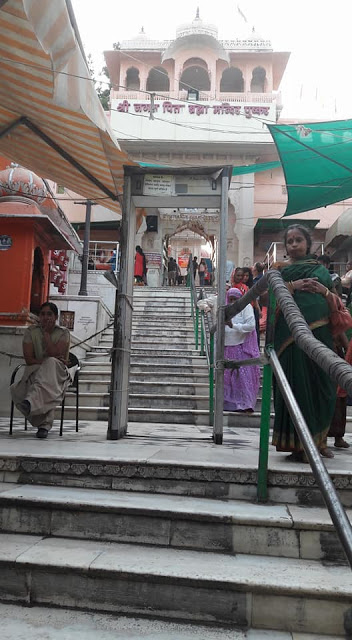
Brahma Temple in Pushkar, Rajasthan


பிரம்மா தலை

பிரம்மா தலையை இழந்ததற்கும் இரண்டு காரணங்கள் சொல்லப்படுகின்றன. முதல் கதை.

பிரம்மா ஐந்து தலைகளுடன் அவதரித்தார். அவர் அவதூறாகப்   பேசியதால் சிவ பெருமானுக்குக் கோபம் வந்து ஒரு தலையைக் கிள்ளி எறிந்தார்.


இன்னும் ஒரு கதை– அவர்  சத ரூபா என்ற பெண்ணைப் படைத்து அவளையே பார்த்துக் கொண்டிருந்ததால் அந்தத் தலை கிள்ளி எறியப்பட்டது என்பர். மற்றொரு கதை:- சிவனுக்கும் ஐந்து தலை; பிரம்மாவுக்கும் ஐந்து தலை; இதனால் குழப்பம் அடைந்த பார்வதி பிரம்மாதான் சிவன் என்று நினைத்து அருகே சென்றதாகவும் உடனே சிவன் கோபம் அடைந்து ஐந்தாவது தலையைக் கிள்ளி எறிந்ததாகவும் சிவன் கையிலுள்ள கபாலம் பிரம்மாவின் கபாலம் (தலை) என்றும் கூறுவர்.

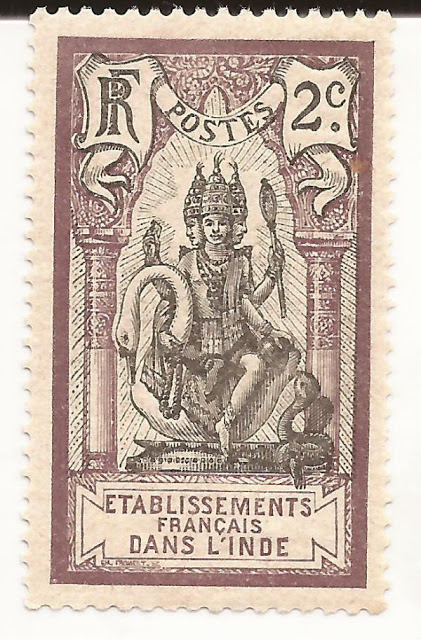
Stamp issued to honour of Brahma by France

தக்ஷன் தலை


தக்ஷன் என்பவன் பிரம்மாவின் புதல்வன் அவன் தன் மகள் சதியை சிவ பெருமானுக்கு மணம் முடித்தார். ஒரு பெரிய யாகம் நடந்தபோது சதி வேண்டியும் சிவ பெருமானை யாகத்துக்கு அழைக்கவில்ல. இதனால் கோபத்துடன் யாக சாலைக்கு வந்த சிவபெருமான் யாகத்தைச் சீர்குலைத்தார். பலருக்கு கை கால்கள் உடைந்தன. தக்ஷன் தலையையும் வெட்டி வீழ்த்தினார். பின்னர் தேவர்கள் வேண்டவே அவனுக்கு ஆட்டுதலை ஒன்றை எடுத்துப்  பொருத்தினார்கள்.

.

–SUBHAM–

கின்னஸ் சாதனை நிகழ்த்திய விண்வெளி வீராங்கனை! (Post No.4427)

Written by S.NAGARAJAN


Date: 24 NOVEMBER 2017


Time uploaded in London- 6-09 am


Post No. 4427

Pictures shown here are taken from various sources such as Facebook friends, Books, Google and newspapers; thanks. Pictures may not be related to the story. They are only representational.


அறிவியல் துளிகள் தொடரில் பாக்யா 24-11-2017 இதழில் வெளியாகியுள்ள (ஏழாம் ஆண்டு 40வது) கட்டுரை


கின்னஸ் சாதனை நிகழ்த்திய விண்வெளி வீராங்கனை! 

 ச.நாகராஜன்


 “இன்னும் பல உலகங்களுக்கு நான் செல்ல விரும்புகிறேன். சந்திரன், செவ்வாய் ஏன் இன்னும் பல இடங்களுக்கும் நான் செல்ல விரும்புகிறேன். – 2017, ஏப்ரல் 13ஆம் தேதி விண்வெளியிலிருந்து பெக்கி விட்ஸன் கொடுத்த பேட்டியில் கூறியது


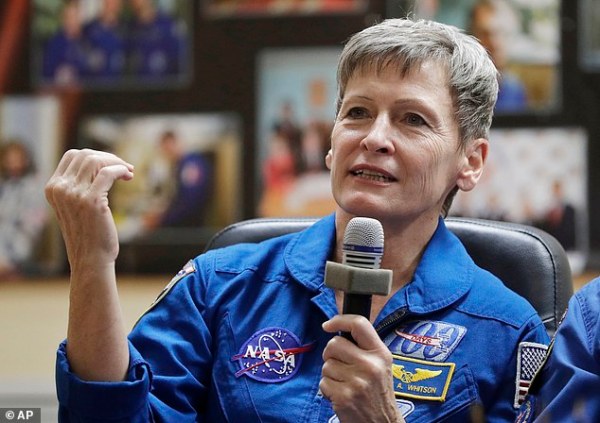
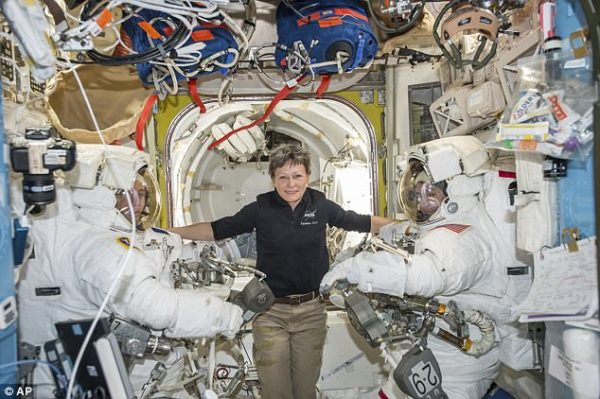
அமெரிக்க விண்வெளி வீராங்கனையான பெக்கி விட்ஸன் (Peggy Whitson)  மற்ற எல்லா அமெரிக்க விண்வெளி சாதனையாளர்களையும் விஞ்சி அதிக நேரம் விண்ணில் இருந்து சாதனை படைத்திருக்கிறார். அமெரிக்க விண்வெளி ஆய்வு நிறுவனமான நாஸாவில் இன்னும் பணி புரிவதால் இன்னும் பல சாதனைகளைப் படைக்க முடியும் என்று அவர் நம்புகிறார்.


அமெரிக்காவில் ஐயோவா மாகாணத்தில் 1960ஆம் ஆண்டு பிப்ரவரி 9ஆம் தேதி பிறந்த பெக்கிக்கு இப்போது வயது 56.

உயிரியலிலும் இரசாயனத்திலும் பட்டப் படிப்பு படித்த பின்னர் அவர் நாஸாவில் ஸ்பேஸ் ரிஸர்ச் செண்டரில் சேர்ந்தார்.

தனது 29ஆம் வயதில் 1989,மே, 6ஆம் தேதி சாம்ஸ் என்பவரைத் திருமணம் செய்து கொண்டார்.

1992இல் அனுபவமிக்க அவரை மிர் ஷட்டில் திட்டத்திற்கு திட்ட விஞ்ஞானியாக நாஸா நியமித்தது.


1996இல் அவர் விண்ணில் செல்லத் தகுதியானவர் என்பதை நாஸா அறிவித்து அவருக்கு பயிற்சி கொடுக்க ஆரம்பித்தது.

இரண்டு வருட காலம் கடுமையான பயிற்சிக்குள்ளானார். பின்னர் விண்வெளி வீரருக்கான அலுவலகத்தில் 1998-99இல் விண்வெளியில் செல்பவர்களுக்கான உதவிக் குழுவில் தரையில் இருந்தே பணி புரிய ஆரம்பித்தார்.


பன்னாட்டு விண்வெளி நிலையத்திற்கு அவரை அனுப்ப நாஸா முடிவு செய்தது. 2002இல் ஜூன் மாதம் 5ஆம் தேதி அவர் விண்ணில் பயணமானார். ஆறு மாதங்கள் விண்வெளி நிலையத்தில் இருந்தார். மனித வாழ்க்கை சம்பந்தமான 21 ஆய்வுகளை அவர் அங்கு வெற்றிகரமாக முடித்தார்.


     2002, டிசம்பர் 7ஆம் தேதி பூமிக்குத் திரும்பினார். அப்போது அவர் விண்ணில் இருந்த நேரம் 184 நாட்கள்,22 மணி 14 நிமிடங்கள்.


எக்ஸ்பெடிஷன் 16இல் அவர் மீண்டும் விண்வெளிக்கு 2008, அக்டோபர், 10ஆம் தேதி சென்றார்.

பமீலா மெல்ராய் என்ற பெண்மணியும் அவரோடு இணைந்து சென்றார். ஆக விண்வெளியில் முதல் ஜோடிப் பெண்மணிகளாக இவர்கள் திகழ்ந்தனர். இது ஒரு சாதனை.


    விண்வெளி நிலையத்தில் இருந்தபோது நிலையத்தின் விரிவாக்கத்திற்காக அவர் கடுமையாக உழைத்தார்.

191 நாட்கள்,19 மணி 18 நிமிடங்கள் விண்வெளியில் இருந்த பிறகு, 2008, ஏப்ரல் 19ஆம் தேதி பூமிக்குத் திரும்பினார்.

இந்தக் கால கட்டத்தில் பல ஸ்பேஸ் வாக் எனப்படும் விண்வெளி நடைப் பயிற்சியைச் செய்து அதுவரை அதிகமாக விண்வெளி நடை நடந்த சுனிதா வில்லியம்ஸின் சாதனையை முறியடித்தார்.


2009 முதல் 2012 வரை மூன்று ஆண்டுக் காலம் விண்வெளி   வீ ரர்களின் தலைவியாகப் பணியாற்றி இந்தப் பதவியை வகித்த முதல் பெண்மணியாகச் சாதனை படைத்தார்.

விண்வெளியில் செல்லும் முன்னர் அதற்கான ஆயத்தங்களைச் செய்வது,  அவர்க்ள் விண்வெளியில் ஓடுபாதையில் சுற்றும் போது அவர்களுக்குத் தேவையான உதவிகளைச் செய்வது , விண்வெளி நிலையத்திற்குத் தேவையான அனைத்தையும் செய்து உதவுவது போன்ற பணிகளைத் தலைவியாக இருந்து ஆற்றுவது என்பது கடுமையான வேலை மட்டுமல்ல; பொறுப்பான வேலையும் கூட. ஒவ்வொரு திட்டத்தின் வெற்றிக்கும் இவரே காரணமாக அமைந்தார்.


எக்ஸ்பெடிஷன் 50/51இல் 2016 நவம்பர் 17ஆம் தேதி அவர் விண்ணுக்குப் பறந்தார். 56ஆம் வயதில் விண்வெளிக்குச் சென்ற மிக அதிக வயது கொண்ட பெண்மணி என்ற சாதனையைப் படைத்தார்.


மூன்று மாதம் தங்குவதற்காகச் சென்றவர் அங்கு ஆறு மாதங்கள் தங்கிப் பணி புரிந்தார்.


289 நாட்கள், 5 மணி, 1 நிமிடம் விண்வெளியில் இருந்து, இந்த 2017இல் செப்டம்பர் மாதம் 2ஆம் தேதி பூமிக்குத் திரும்பினார்.

  அமெரிக்க வீரர்களில் மிக அதிக காலம் – (தங்கி இருந்த நாட்களை மொத்தமாகக் கூட்டிப் பார்க்கும் போது) – இருந்தவர் என்ற சாதனையை இப்போது படைத்திருக்கிறார்.

கின்னஸ் புக் ஆஃப் வோர்ல்ட் ரிகார்ட்ஸ் அவரைச் சாதனையாளராக அறிவித்தது. கின்னஸுக்கு விண்வெளியில் இருந்தவாறே ஜுலை 26இல் அவர் பேட்டி கொடுத்த போது,சரியான அணுகுமுறை இருந்தால் நீங்கள் எவ்வளவு காலம் வேண்டுமானாலும் விண்வெளியில் சந்தோஷமாக, திருப்திகரமாக விண்ணில் இருக்கலாம் என்றார்.


    விண்வெளியில் அவர் நடந்த ஸ்பேஸ் வாக் மொத்தம் 10.

இது அதிகமாக ஸ்பேஸ்வாக் செய்த பெண்மணி என்ற சாதனையோடு அதிகமான நேரம் விண்வெளியில் நடந்த பெண்மணி என்ற சாதனையையும் அவரை சாதிக்க வைத்தது.

அவர் படைத்த சாதனைகளின் பட்டியல் :-

எக்ஸ்பெடிஷன் 16


  • ஒரே நேரத்தில் ஜோடிப் பெண்மணிகளில் ஒருவராக விண்ணில் இருந்தது.
  • 2008, அக்டோபர், 10 – பன்னாட்டு விண்வெளி நிலைய முதல் பெண் கமாண்டராக இருந்தது
  • 2008, டிசம்பர், 16 – ஐந்தாவது ஸ்பேஸ் வாக்கை முடித்து, ஸ்பேஸ் வாக்கில் மொத்தம் 32 மணிகள்,36 நிமிடங்கள் நடந்து சாதனை படைத்தது

விண்வெளி அலுவலகத்தில் :-

  • 2009 – ராணுவத்தில் பணிபுரியாதவராக இருந்தும் விண்வெளி அலுவலகத் தலைவியாக ஆனது


எக்ஸ்பெடிஷன் 50/51 இல் :-

  • 2016,நவம்பர், 17 – 56 வயதில் மிக அதிக வயதான பெண்மணியாக விண்ணுக்குச் சென்று பன்னாட்டு விண்வெளி நிலையத் தலைமைப் பொறுப்பை இருமுறை ஏற்றது
  • 2017, மார்ச், 30 – மொத்தம் கூட்டிப் பார்க்கையில் அதிகமான நேரம் விண்வெளியில் நடந்தவராக ஆனது
  • 2017, ஏப்ரல், 24 – அமெரிக்காவைச் சேர்ந்தவர்களில் மிக அதிகமாக விண்வெளியில் இருந்தது. அனைத்து நாடுகளையும் எடுத்துக் கொண்டு பார்த்தாலும் அதிக நேரம் விண்ணில் இருந்த பெண்மணியானது ( 534 நாட்கள், 2 மணிகள், 48 நிமிடங்கள்; பூமிக்குத் திரும்பியபோது அவர் விண்ணில் இருந்த மொத்த நாட்கள் 665)
  • 2017,மே, 23 – பத்தாவது ஸ்பேஸ் வாக்கில் மைக்கேல் லோபரஸுடன் நடந்தது


     2017, நவம்பர், 17 – 665 நாட்கள் இருந்து சாதனை படைத்த போது விண்வெளியில் தாக்குப் பிடித்து இருக்க முடிவோரின் பட்டியலில் எட்டாவது இடத்தில் இருக்கிறார்.


  உலகெங்கும் வாழும் அனைத்து மங்கையருக்கும் உத்வேகமூட்டும் ஒரு பெண்மணியாகத் திகழும் இவரைப் பற்றி இந்தியப் பெண்கள் அறிவது அவசியம்.

பெண்களால் எதையும் மண்ணில் மட்டுமல்ல, விண்ணிலும் சாதிக்க முடியும் என்று நிரூபித்த ஒரே சாதனையாளர் பெக்கி தான்!


அறிவியல் அறிஞர் வாழ்வில் . . .


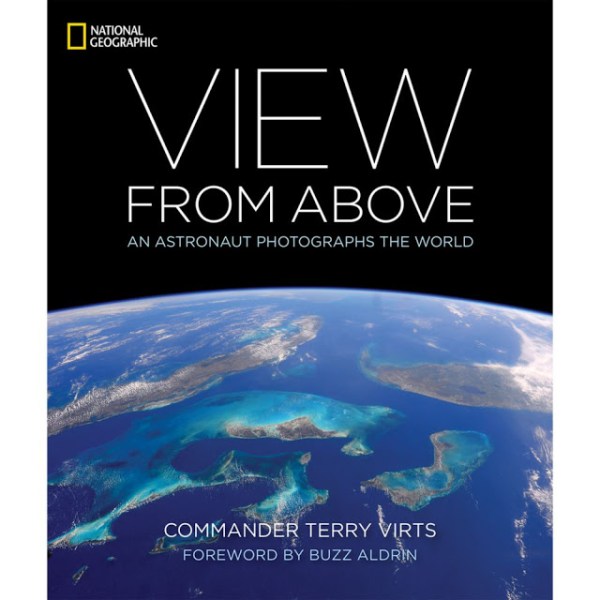
40 டாலர் விலையில் (சுமார் 2600 ரூபாய்) இப்போது வெளியாகியுள்ள ‘வியூ ஃப்ரம் எபவ் (View From Above) என்ற புத்தகத்தை விண்வெளி வீரரான கமாண்டர் டெர்ரி விர்ட்ஸ் (Commaner Terry Virts) எழுதியுள்ளார்.


அதில் விண்வெளியில் சென்ற போது எப்படியெல்லாம் அதை அனுபவித்து உணர்ந்து கொண்டார் என்பதை அழகுற எடுத்துக் கூறுகிறார்.


நூலில் உள்ள சில சுவையான குறிப்புகள் இதோ:-

“நான் என் வாழ்நாளில் அது போன்ற ஒரு நீலச் சாயையை பார்த்ததே இல்லை. கறுப்பு-வெள்ளை உலகத்திலிருந்து மிக மிக உயர்ந்து ஒரு வண்ணத்தை முதன் முதலில் பார்ப்பது போல இருந்தது. என் மகளின் நீலக் கண்களை முதன் முதலில் பார்த்தது போல இருந்தது.


“ஒரே நாளில் உலகத்தைப் பற்றிய எனது கருத்து முற்றிலுமாக மாறிப் போனது.

200 நாட்கள் விண்வெளியில் கழித்த அவர் 2015ஆம் ஆண்டில் ஜனவரி மாதம் நடந்த ஒரு திடுக்கிடும் சம்பவத்தை நினைவு கூர்கிறார்.


திடீரென்று விண்வெளி நிலை அபாய எச்சரிக்கை மணி ஒலிக்க ஆரம்பித்தது. அந்த எச்சரிக்கை ஒலி அம்மோனியா லீக் ஆகிக் கொண்டு இருக்கிறது என்பதை அறிவிக்கத் தான்!

அலறிப் புடைத்துக் கொண்டு விண்வெளி ஸ்டேஷனில் இருந்த அனைவரும் ரஷிய பகுதிக்கு ஓடினார்கள். பல மணி நேரம் அங்கு ஆய்வை நடத்தினார்கள்! ஆனால் கடைசியில் தான் தெரிந்தது அது ஒரு “ஃபால்ஸ் அலார்ம் (தவறான எச்சரிக்கை மணி ஒலி) என்று!


நாஸாவிலிருந்து ஓய்வு பெற்று விட்ட அவர் பூமியின் சுற்றுப் பாதையையும் தாண்டிச் செல்லும் எதிர்கால விண்வெளிப் பயணம் பற்றிய ஆராய்ச்சியில் ஈடுபட்டுள்ளார். செவ்வாய் கிரகத்திற்குச் செல்லும் ஃபாஸ்ட் ட்ராக் பயணங்களும் இதில் அடக்கம்.

***


LOVE ALL, TRUST A FEW, DO WRONG TO NONE! SHAKESPEARE IN TIRUKKURAL- 2 (Post No.4426)

LOVE ALL, TRUST A FEW, DO WRONG TO NONE! SHAKESPEARE IN TAMIL VEDA TIRUKKURAL- 2 (Post No.4426)


Written by London Swaminathan 


Date: 23 NOVEMBER 2017


Time uploaded in London- 20-46


Post No. 4426

Pictures shown here are taken from various sources such as Facebook friends, Books, Google and newspapers; thanks.


I have posted the first part yesterday with a brief introduction to Tirukkural and Shakespeare.

This is the second part. Shakespeare and Tamil poet Tiruvalluvar see eye to eye on many issues.


Shakespeare says,

Love all, trust a few, do wrong to none.

-All’s Well that Ends Well

Al the three points are in Tirukkural, Pancha tantra, Vidura Neeti and the Hindu epics. Let us look at what Tiruvalluvar says in the Tamil Veda Tirukkural

Tiruvalluvar has done ten couplets on Love or Affection (couplets 71 to 80)

LOVE

Of what avail are all the external features to those who have no love in the depths of their heart (Kural 79)

Even as the sun scorches the boneless body, so does the god of virtue torture the loveless man (77)

TRUST

About trust Valluvar says,

Never trust a man without testing him; when the test is over

decide what you can entrust with him (Couplet 509)

Even among deep scholars of spotless hearts , it is difficult to find one perfectly free from ignorance (503)

DO WRONG TO NONE

Do not wish for another’s ruin even absent mindedly. If you do, your own rain is certain to befall (204)

The man who does not want to be consumed by evil, as by a burning disease,

Shall not ever think or do evil to others (206)


INGRATITUDE

This is a very big topic in Hindu scriptures. We see it all the didactic works in Tamil and Sanskrit.

Shakespeare says,

blow, blow, thou winter wind

Thou art not so unkind

as men’s ingratitude

–As You Like It

And in Julius Caesar drama Shakespeare says  Et tu Brute through the mouth of Caesar, when he was stabbed by his dearest friend Brutus.

Tiruvalluvar says,

There may be salvation for those who have killed all other virtues

But not for the one who has killed gratitude (Kural 110)

Tiruvalluvar has sung nine more couplets on the same virtue- Gratitude.


PERSEVERANCE

OUR REMEDIES OFT IN OURSELVES DO LIE WHICH WE ASCRIBE TO HEAVEN- says Shakespeare in All’s Well That Ends Well.

Valluvar says,

Though god of fate stands in the way, strenuous efforts yield ready fruit. Labour compensates what fate denies (Kural 619)

Effort will produce success; indolence brings poverty and disgrace (616)

–to be continued…………………..

–Subham–


தலைகளை இழந்த இந்துக் கடவுள்கள்! (Post No.4425)

Written by London Swaminathan 


Date: 23 NOVEMBER 2017


Time uploaded in London- 18-30


Post No. 4425

Pictures shown here are taken from various sources such as Facebook friends, Books, Google and newspapers; thanks.


விஷ்ணு ஏன் தலையை இழந்தார்?


பிரம்மா ஏன் தலையை இழந்தார்?


பிருகு ஏன் தலையை இழந்தார்?


தக்ஷன் ஏன் தலையை இழந்தார்?


கணபதி ஏன் தலையை இழந்தார்?


புராண,  இதிஹாசங்களில் சுவையான கதைகள் உள்ளன. ஆனால் அவைகளுக்குப் பின்னுள்ள தத்துவங்கள் மறைந்து விட்டன. அவைகளை பின்னொரு சமயம்  தனிதனியாகக் காண்போம். முதலில் தலை இழந்த கடவுளரின் கதைகளைச் சுருக்கமாகக் காண்போம். விஷ்ணுவுக்குத் தலை போன கதை சதபத பிராமணம் முதலிய நூல்களில் மட்டும் உள்ளது; வேறு எங்கும் காணக் கிடைக்கில.

முதலில் கணபதி!

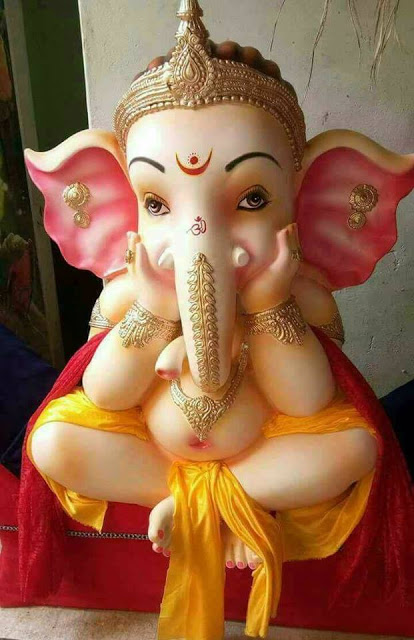
முழு முதற் கடவுளான விநாயகப் பெருமானுக்குத் தலை கழன்று, யானைத் தலை வந்து, ஆனைமுகன் ஆனதற்கு இரண்டு வரலாறுகள் உண்டு. பார்வதி தேவி குளியல் அறைக்குள் நுழைந்த சமயம் ‘மகனே! எந்த ஆண்மகன் வந்தாலும் இந்தப் பக்கம் வராமல் பார்த்துக்கொள்’ என்று கண

பதியைக் காவல் வைவத்தாள் தேவி.

அவரும் ‘தாய் சொல்லைத் தட்டாதே’ என்று வழி மேல் விழி வைத்துக் காத்திருந்தார். அப்போது சிவ பெருமான் அங்கே வரவே அவரையும் தடுத்தார் கணபதி; யாரென்று பாராமல், அல்லது மகன் என்றும் பாராமல்– அவர் தலையைச் சிரச் சேதம் செய்தாராம் சிவ பெருமான்.

‘முப்புரம் எரிசெய்த அச்சிவன் உறை ரதம் அச்சது பொடிசெய்த அதிசூரனுக்கே’ இந்த கதி. பிள்ளைக்கு ஒரு குறை என்றால் தாய் வாளாவிருப்பாளா? சிவனைக் கோபித்தார்; உடனே தலை வேண்டும் என்றார். சிவனும் அருகில் இருந்த ஆனைத் தலையைத் தூக்கி அவர் தலையில் பொருத்தினார்.

அந்தக் காலத்தில் தலை அறுவைச் சிகிச்சை எல்லாம் சர்வ சாதாரணமாக நடந்தது போலும்! கண்ணை மாற்றி ஆபரேஷன் செய்த கண்ணப்ப நாயனாரை அறிவோம்; ஆயிரம் தாமரை மலரில் ஒன்று குறைந்ததே என்று சிவனுக்கு கண் தாமரையால் பூஜித்த விஷ்ணுவை அறிவோம்; பின்வரும் கதைகளில் தலை ஆப்ரேஷன் பற்றியும் அறிகிறோம்.


கணபதி பற்றிய இரண்டாவது கதை:-

சனைச்சரனைக் கண்டால் எல்லோருக்கும் பயம்; இந்துக் கடவுள்களுக்கும் பயம்! “டேய், சனியனே! அந்தப் பக்கம் சனைச்சரன் வருகிறான்; அவனைப் பார்த்து, கீர்த்து தொலைத்து விடாதே; பொல்லாத பயல்; அவனவன் கர்ம வினைக்கு ஏற்ப பலன் தருபவன்; பெரிய வீட்டுப் பிள்ளை என்றும் பார்க்க மாட்டான்” என்று எச்சரித்திருந்தாள் உமை;  கணபதி சிறு பிள்ளைதானே! தீராத விளையாட்டுப் பிள்ளை! சனைச் சரனைப் பார்த்துவிட்டார்; உடனே விநாயகப் பெருமானின் தலை சாம்பலாகப் போயிற்றாம்; ஒவென்று உமையம்மை கதற, அந்தப் பக்கம் வந்த பிரம்மதேவன் அம்மையாரே! உடனே வேறு தலையைப் பொருத்துங்கள்; மாற்று அறுவைச் சிகிச்சை செய்யும் உறுப்புகள் எல்லாம் ஒரு சில மணி நேரத்துக்குள் கிடைக்க ஆஸ்பத்திரிகள் விமானம் ஹெலிகாப்டர், அதி வேக டாக்ஸி எல்லாவற்றையும் பயன்படுத்துவதை நீர் அறியீரா? என்று பிரம்மதேவன் சொல்ல, அவரும் அருகில் கிடைத்த யானையின் தலையை அவசரம் அவசரமாகப் பொருத்தினாராம்.

கதை கேட்க வேடிக்கையாக இருக்கிறது. ஆனால் யானைக்குள்ள முழு அறிவும் சிறு வயதிலேயே பிள்ளையாருக்குக் கிடைத்ததைக் காட்ட இப்படி ஒரு கதை போலும்.

என்ன இருந்தாலும் அந்த ஆனைமுகத்தைக் காணும் போது நமக்கு ஆனந்தம் பெருகுகிறது.

ஒரு வேளை யானை வேட்டை பெருகி தந்தங்களை ஏற்றுமதி செய்தவுடன் உலக நிறுவனங்கள் யானை வேட்டைக்கும் தந்த ஏற்றுமத்திக்கும் தடை விதித்தது போல அந்தக் காலத்திலும் யானை வேட்டை அதிகரிக்கவே இப்படி கடவுள் தலையில் யானையை வைத்து அந்த வேட்டையைத் தடுத்தனர் என்று சொன்னாலும் பொருத்தமே. தசரதர் யானை வேட்டைக்குப் போய் முனிவர் மகனைக் கொன்ற கதைதான் நமக்குத் தெரியுமே.

இன்று லண்டன் முதலிய நகர்களில் யானைப் பாதுகாப்புக்காக, சிலை வைத்து நிதி சேகரிக்கின்றனர் வெள்ளைக்காரர்கள்; நாமோ சின்னக் கதை மூலம் யானை வேட்டையைத் தடுத்துவிட்டோம்!


லக்கி (Lucky) கடவுள் விஷ்ணு!


அடுத்ததாக விஷ்ணுவுக்குத் தலைபோன கதையைக் காண்போம்:-

கடவுளரிலும் ‘லக்கி’ கடவுள் உண்டாம். எல்லாக் கடவுள்களையும் விட விஷ்ணுதான் அதிர்ஷ்டசாலி என்று பிராமண நூல்கள் புகழ்கின்றன. அவரை சிரேஷ்ட (இதிலிருந்து வந்த தமிழ்ச் சொல் சிறப்பு) — சிறப்பான கடவுள் என்று அவை பகரும். ஒரு போட்டியில்     விஷ்ணு வெற்றி பெற்றார். இதனால்  இந்திரனுக்கு அவர் மீது பொறாமையாம். விஷ்ணுவின் தலையை சிரச் சேதம் பண்ணி விட்டாராம். இதற்கு முன் ரிக் வேதம், தமிழ் வேத மான திருக்குறள் ஆகியவற்றில் வாமானாவதாரம் மட்டுமே பேசப்பட்டது (அடி அளந்தான் என்பான் வள்ளுவன்) மூன்றடியால் உலகளந்தவன் என்று வேதம் கூறும். ஓங்கி உலகளந்த உத்தமனுக்கு இங்கோ தலையே போயிற்று; இது பற்றி தைத்ரீய ஆரண்யகம் முதலியவற்றில் இன்னும் ஒரு கதையும் உண்டு.

போட்டியில் விஷ்ணு வெற்றி பெறவே தேவர் தலைவனான இந்திரனுக்குப் பொறாமைத் தீ எழுந்ததாம்; உடனே ஒரு சதித் திட்டம் தீட்டப்பட்டது. ஜேம்ஸ் பாண்டு ஸ்டைலில் ஒரு புதிய திட்டம் தீட்டினர் தேவர்கள்; எறும்புகளை அனுப்புவோம் அவை விஷ்ணுவின் வில்லில் உள்ள நாணைச் சாப்பிடட்டும் . அப்பொழுது வில் ‘டமார்’ என்று விலகும்; அதை வைத்திருக்கும் விஷ்ணுவும் தலை சாய்ப்பார் என்று.


அவர்கள் திட்டப்படியே நடந்தது! எறும்புகள் அரிக்க, நாண் கயிறு அறுந்து போக, வில்லின் மீது சாய்ந்து நின்று கொண்டிருந்த பெருமாள் மீது வில் தெறிக்க, அவர் தலை உருண்டதாம். சதபத பிராமணத்தின் 14ஆவது பிரிவில் உள்ள கதை இது.


பிராமண நூல்கள் நிறைய தத்துவ கதைகளை  மறை மொழியில் மொழியும்; அது போன்ற ஒரு கதை இது.

தலை என்பது ஒருவரின் மதிப்பு, பெருமை என்ற பொருள் உடைய ஒரு சொல். ஒருவரைத் தலைவன் என்று சொன்னால் அவருக்கு மட்டும் தலை இருக்கிறது, தொண்டர்களுக்கு எல்லாம் தலை இல்லை என்று பொருளல்ல ; மந்திரி சபையில் பல தலைகள் உருண்டன என்றால் பலர் பதவி இழந்தனர் என்று பொருள்; அலுவலத்தில் நாளை மாற்றங்கள் வரப் போகிறதாம்; யார் தலை உருளப் போகிறதோ என்கிறோம்– ஆகவே தலை போதல் என்பதன் உட்பொருளைக் காண்பதே பொருத்தம்.

பிரம்மா, தக்ஷன் கதைகளை இன்னும் ஒரு பகுதியில் காண்போம்.

TAGS:– தலை போன, தலை இழந்த கடவுள், விஷ்ணு தலை, யானைத் தலை

–தொடரும்

விஜயா பாரதி குடும்பத்தினர் எழுதியுள்ள கட்டுரைகள் (Post No.4424)

Written by S.NAGARAJAN


Date: 23 NOVEMBER 2017


Time uploaded in London- 6-29 am


Post No. 4424

Pictures shown here are taken from various sources such as Facebook friends, Books, Google and newspapers; thanks. Pictures may not be related to the story. They are only representational.


பாரதி இயல்

இந்தத் தொடரில் 15வது கட்டுரையாக விஜயா பாரதி எழுதிய ‘பாரதியாரின் Annotated Biography (With a National Historical Background) என்ற கட்டுரை பற்றிப் பார்த்தோம். அவரது ப்ளாக் பாரதியாரைப் பற்றிய முக்கிய செய்திகளைத் தரும் ஒன்று.


மஹாகவி பாரதியார் பற்றிய நூல்கள் – 43

விஜயா பாரதி குடும்பத்தினர் எழுதியுள்ள கட்டுரைகள்


ச.நாகராஜன்

1

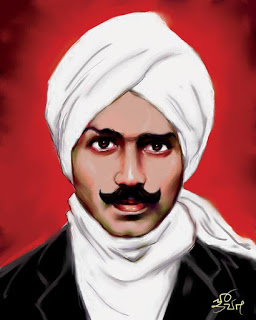
மஹாகவி பாரதியாரின் மூத்த புதல்வி தங்கம்மா பாரதி அவர்களின் பெண் விஜயா பாரதி. அண்ணாமலை பல்கலைக் கழகத்தில் பாரதி பற்றிய் ஆய்வைச் செய்து பிஹெச்.டி. பட்டம் பெற்றவர். கடந்த 40 ஆண்டுகளாக கனடாவில் வசித்து வருகிறார்.

இவரது கணவர் (காலம் சென்ற) பேராசிரியர் திரு பி.கே. சுந்தரராஜன் பாரதி பற்றிய கட்டுரைகளை எழுதியவர். இவர்களது பெண் மீரா சுந்தரராஜனும் பாரதியார் பற்றிய கட்டுரைகளை எழுதியுள்ளார்.

இவர்களின் கட்டுரைகளை விஜயா பாரதியின் ப்ளாக்கில் படிக்கலாம்.

http://subramaniabharati.com/2013/01/18/reputation-of-bharati-2/
இந்தக் கட்டுரையில் கொடுக்கப்பட்டுள்ள குறிப்புகள் கீழ்க்கண்ட கட்டுரைகளின் சில பகுதிகளே. முழுக் கட்டுரையையும் படிக்க விரும்புவோர் அணுக வேண்டிய தொடுப்பு இது:

Click to access reputation-of-cs-bharati.pdf

http://subramaniabharati.com/2013/02/02/bharatis-works-not-by-bharati/

இந்தக் கட்டுரைகளைப் படிக்க வேண்டியதன் அவசியம் இவை பாரதியாரின் வமிசாவளியினரால் எழுதப்பட்டுள்ளது; அது மட்டுமின்றி, பாரதியை முறையாக ஆய்வு செய்வோரால் சிரத்தையாக எழுதப்பட்டுள்ளது என்பதே காரணம்.

2

முழுக் கட்டுரையையும் இங்கு தர முடியவில்லை; சில முக்கிய விஷயங்களை மட்டும் பார்ப்போம்.

பாரதியாரின் இறுதி ஊர்வலத்தில் 13 பேர்களே கலந்து கொண்டனர். இதன் காரணம் என்ன?

The practical considerations given by my aunt make sense.  But they leave some unanswered questions.  After all, Madras was the epicenter of British South India. Would there not have been many, many people – politicians, journalists, and the intellectual elite – living in Madras who knew about Bharati and his work?

This is a more troublesome issue. I believe that Bharati’s funeral procession reflected the prejudices of his society. In particular, why was Bharati neglected by the elite of his times?

As far as Bharati is concerned, everybody talks about the great “poverty” in which he lived (rather like James Joyce!). My grandmother, Chellamma, says in her book, Bharatiyar Charithiram:

“Sometimes, there was no rice to cook in the house.  Bharatiyar would be upstairs, immersed in discussions with his disciples. …. If we had four annas in our hands, we would buy some bananas and satisfy our hunger.  We would receive milk from the milk woman in advance, without payment. …We spent two or three months like this.”

Apparently Bharati did not even want to hear the word illai (“there is not”). There was a strict rule in the house that his family should not even mention the words, “There is no rice in the house.”  Instead, he said jokingly, “say Aharam Iharam,” to signify arisi illai.

Bharati talks about the miseries of poverty in his poem, Lakshmidevi Saranpuguthal.  What concerned him was the demoralizing nature of poverty: “the mind that hates even the Vedas, the demeaning behavior of the lowly, association with the unworthy, all the efforts that go to waste (like a lamp that is submerged in a well), gaining nothing even if you cross the ocean,” and so on.

*

In her book, my aunt, Shakuntala, says that Bharati’s close friend Surendranath Arya gave a speech at the poet’s funeral, and that this speech resembled the famed speech given by Marc Antony in Shakespeare’s Julius Caesar. I have always wondered why she compared Arya’s speech with Marc Antony’s.  Nobody has a record of Arya’s speech.  But, I wonder if the speech was cleverly presented, in the sense that he had to repeat certain facts, in order to clarify certain points, and yet avoid an open condemnation of certain facts, people, or experiences that happened in Bharati’s life!

*
3

பேராசிரியர்  திரு P.K. சுந்தரராஜன் எழுதியுள்ள கட்டுரையில் ஒரு பகுதி:

It was shortly after Bharati’s death in 1921 that people who had known him began to write short accounts about him and their memory of the contact. A group of Bharati acquaintances – S. Somasundara Bharati, V Sakkarai Chettiar, and Parali Su Nellaiyappar – published a Bharatiyar Charithiram by Bharati Prachuralayam, the company that owned by members of the Bharati family. Bharati’s half-brother, C Visvanathan, a Manamadurai schoolteacher, wrote in 1929, his book, Bharati and His Works, also published by Bharati Prachuralayam. Similar books were published by Suddhananda Bharati, Akkur Ananthachari, Ku Pa Rajagopalan, Pe Ko Sundararajan (Chitty), Sakthidasan Subramanian, Thi Ja Ranganathan and a few others. This publishing activity lasted through 20 years roughly, until 1940. In 1941, Bharati’s widow,

Chellammal, published her 1Bharatiyar Charithiram,which has remained a Classic in Bharati Studies. And Va. Ra. (Va Ramaswamy Iyengar,) a close disciple of C Subramania Bharati, published his 2Mahakavi Bharatiyar three years later, in 1944. Va. Ra. had known Bharati in person, a credential which has nothing to do with skills or training in literary criticism. His book, like many another of this genre, is simply gushy, expresses uncritical admiration for the poet, and focuses on stray events of the poet’s eventless life, much of it hearsay. Bharati’s wife, Chellammal’s book describes the poet’s brief life story, the intricacies of his family life, his relationships with his wife and children, and his many relatives and friends and associates; we will be hard put to find another equally authentic source. Then there is the style of her book, which emanates from the heart!

Soon after India attained her freedom from British rule, the poet who sang,

Aduvome pallu paduvome

Ananda sudanthiram adainthuvittom enru

began to be paid attention to, and there is a whole range of writing on Bharati during the 1950s and the 1960s. Every educated Indian, regardless of how badly educated, had to write on C. Subramania Bharati’s writings, in English and in Tamil. If you were a High Court judge, with time hanging on your hands, you used up your life with a learned treatise on the poetry of Bharati. Books by K S Ramaswami Sastriyar, P Thirukoota Sundaram, M P Sivagnanam, known  popularly as Ma. Po. Si, Pa Mi Sundaram, M S Subramania Iyer, P Mahadevan, Sami Palaniappan, and scores of others repeated the same stuff about Bharati being a great patriotic poet, who “gave his life for the country.” In any case, not a single piece of writing on Bharati, during the 1950s and the 1960s, shows any understanding of how the words work, and why his poetry created the Renaissance in 20th century Tamil literature. Yadugiri Ammal’s book ,Bharati

Ninaivugal is an atrocious book, with many errors of fact, the objective of the writer being to establish herself as a dearer person to C Subramania Bharati than his own two children, 1 Bharatiyar Charithiram, Chellamma Bharati, Edited by S. Vijaya Bharati (Chennai: Amudha Surabi Publications,

2003;originally published by Shakti Karyalayam, 1941).

2 Mahakavi Bharatiyar Va Ra Chennai: Shakti Karyalayam, 1944

3 Bharati Ninaivugal Yadugiri Ammal Chennai: Amudha Nalayam, 1954

*
பாரதியார் பற்றி எழுதப்பட்ட பல புத்தகங்களை விமரிசனம் செய்து இப்படி எழுதியுள்ளார் திரு சுந்தரராஜன்.

*

The Hindu, under the title, 4This Day that Age writes about the following news that happened onMarch 11, 1954:

“The poems of Subramania Bharat(h)i have been brought out by the Madras Government and copies are available with the Publications Depot in Madras city. Giving this information in the Madras Legislative Council on March 10, Mr. C. Rajagopalachari, Chief Minister, showed the House a sample set. . . . . Mr. V. Chakkarai Chettiar enquired if the family of the poet would get a share of the proceeds of sales or profits. The Chief Minister replied: we provided for certain benefits to the family when when we took up this business. There is no profit likely to be made by Government on the publication.” Notice the ignorant assertion of the then Chief Minister of Madras, that Bharati’s books are not likely to be profit-making! ***

It is against this background that the poet’s granddaughter, S Vijaya Bharati, produced the firstever systematic study of C Subramania Bharati’s Works. This was a thesis submitted to Annamalai University for a PhD degree in Tamil, written in English; and it was examined by Professor L. P. KR. Ramanathan Chettiar, and her guide, Mu Varadarasanar, the Tamil scholar of this time, and externally, by Kamil Zvelebil of Czechoslovakia’s Charles University.

***

*** S. Vijaya Bharati’s comment: When the copyright of Bharati’s writings was bought from C. Viswanatha Iyer, the Government paid Bharati’s wife and two daughters a sum of Five Thousand rupees (Rs. 5,000); at that time, Bharati’s family did not get any additional benefits other than that. Neither the Government nor the agreement that

Chellamma made with Bharati Proachuralayam did recognize that any share of the profit would be paid to the family in the future. The Chief Minister’s reply to Chakkarai Chettiar’s question that the Government had already paid some “benefits” was not true; and the Chief Minister’s expectation that there was no profit to be made on the publication of Bharati’s works is totally unacceptable.

*
4

தஞ்சாவூர் பாரதி பதிப்பு பற்றி மீரா சுந்தரராஜனின் கட்டுரையில் ஒரு பகுதி:

Thanjavur Research Edition

Many of these cases are illustrated by the Thanjavur “research” edition of Bharati’s works.

When Bharati’s birth centenary was celebrated in 1982, the Chief Minister of Madras called for the preparation of a “special edition” of Bharati’s works. 3 lakhs of rupees (Rs 300,000) were allotted for this work, and the project was given to Tanjavur University. The Editorial group chosen  for this work included Chu. Chellappan, Pa. Chidambaram, Chini Vishwanathan, T.N. Ramachandran, and T.V.S. Mani. The Editor of the book was Ma. Ra. Po. Gurusamy. The first edition of this book was published in 1987; the second in 1989; and the “corrected,” third edition appeared in 2001. As far as I am aware, no further editions have appeared since then.

I am deeply troubled by this book, which raises various, serious concerns. The sources for the Thanjavur edition include all of the questionable items that I have listed above. They were not the original publications, from Bharati’s own lifetime, Bharati Ashramam, Bharati Prachuralayam, or the first Government editions. As a result, poems of questionable authorship are included in this book, and appear alongside those which are certainly Bharati’s (the book is organized chronologically). Overall, there are about 50 such poems in the book.

The establishment of the text of Bharati’s poems, as it appears in this edition, also presents certain grave problems. The authoritative sources of Bharati’s poems are not given priority in the establishment of the text. Rather, these sources are indicated only in the footnotes to specific poems. For example, a given poem might be reprinted in the Tanjavur edition as it appeared in a journal (eg. Swadesamitran): the text would not be taken from Bharati’s own book publication, or from any of the authoritative publications brought out after his death. As the editor  of the Thanjavur edition says: “The first  version in which the work is published is the one that has been used. Even if Bharati himself has corrected it, those corrections are only indicated in the footnotes” (“Specialty of the Edition,” in the Front Matter of the Thanjavur Edition, 3rd edition 2001).

The editor also says that he has done this in order to give researchers the opportunity to read various versions of the poem, and “choose” whichever ones they think are “best.” He notes: “In order to accomplish this goal, it is sure that the edition will be helpful.”

…From the point of view of the rightful attribution of Bharati’s authorship, this is a nightmare! This attitude will only promote the proliferation of works wrongfully attributed to Bharati, and doubtful judgements about Bharati’s works. If we give researchers the opportunity to “select” versions of Bharati’s works, the original versions are likely to be lost. Each researcher will favor his or her own “findings.” In my opinion, this should absolutely not be allowed. It interferes fundamentally with the establishment of authenticity in Bharati’s texts. What is needed, is just the opposite: a “standard” version of Bharati’s works, based on accurate principles of establishing their authorship and authenticity. Otherwise, the publications are based on, and promote, the false attribution of works not by Bharati to him, and the persistence of words and phrases not approved by him – an inaccurate and shameful situation.  I find some of the poems “atrocious;” and I am absolutely sure that they harm Bharati’s  reputation.  Adding insult to injury, the text of the Thanjavur book is full of mistakes, so that Bharati’s poems are presented to the public flaunting wrong words and other lamentable errors.

*
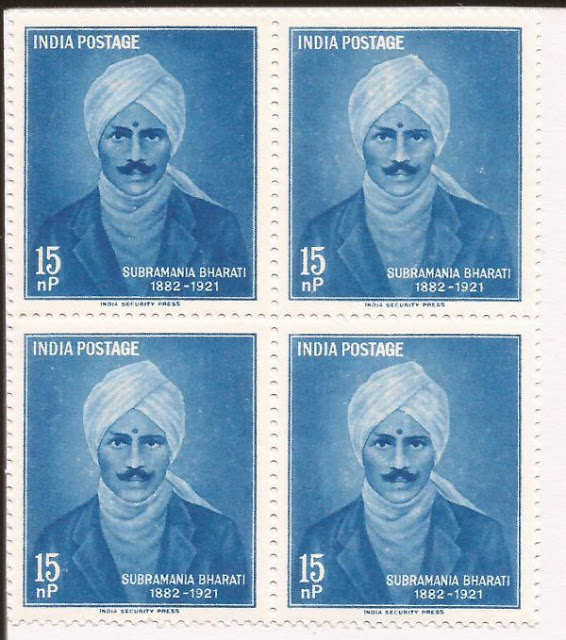
 

5

தஞ்சாவூர் பதிப்பு பற்றி சீனி. விசுவநாதன் அவர்களும் தன் மனக்குறையைத் தெரிவித்துள்ளார்.

இப்படி பல தகவல்களைத் தருகிறது விஜயா பாரதி அவர்களின் ப்ளாக்.

இத்துடன் பாரதியாரின் கவிதைகள் பற்றிய அவரது ஆய்வு நிச்சயமாக பாரதி ஆர்வலர்களால் படிக்கப்பட வேண்டிய ஒன்று. பல முக்கியமான சுவையான செய்திகளைத் தெரிந்து கொள்ள இது உதவும்.

விஜயா பாரதி அவர்களின் ப்ளாக் தரும் தகவல்கள் பல கேள்விகளை நம்முள் எழுப்புகிறது.

பாரதி ஆர்வலர்கள் ஒவ்வொரு கவிதையாக எடுத்து வைத்துக் கொண்டு அதைப் பற்றிய பல்வேறு குறிப்புகளையும் படித்து, பின்னர் தனது நோட்புக்கில் கவிதையைப் பதிவு செய்து கொள்வது ஒன்றே சாலச் சிறந்தது  என்ற முடிவுக்கு நாம் வர வேண்டியிருக்கிறது!

****