பெண்ணின் கண்களில் தீப்பொறி! வள்ளுவன் தோற்றான்! (Post No.4381)

Written by London Swaminathan 


Date: 9 NOVEMBER 2017


Time uploaded in London- 14-25


Post No. 4381

Pictures shown here are taken from various sources such as Facebook friends, Books, Google and newspapers; thanks.


வள்ளுவன் பாடிய முப்பாலில், அதாவது தமிழ் வேதமான திருக்குறளில், கடைசி பாலான காமத்துப் பாலை மொழிபெயர்க்க கிறிஸ்தவ பாதிரிகள் மறுத்து விட்டனர். இதென்னடா! அபசாரம், அபசாரம்; ஹராம், ஹராம்! இதெல்லாம் மக்களுக்குச் சொல்லக் கூடாது என்று மறைத்து விட்டனர். இதெல்லாம் சுமார் 100 அல்லது 150 ஆண்டுகளுக்கு முன்னர். ஆனால் இந்துக்களோவெனில் வேத காலம் முதல் ‘செக்ஸ்’ SEX உவமைகளை, சர்வ சாதாரணமாகப் பயன்படுத்தியுள்ளனர். ரிக் வேதத்தில் உள்ள சில மந்திரங்களை மிகவும் செக்ஸியானது SEXY– குறிப்பாக பிராமண நூல்களில் உள்ள சில விஷயங்கள் “அசிங்கமானவை” என்று வெள்ளைக்காரர்கள் மொழிபெயர்க்காமல் விட்டதை பழைய புத்தகங்களைப்  படிப்போர் அறிவர்.

உலகில் இந்துக்கள் எல்லா விஷயங்களிலும் முதன்மை என்பதைப் பல கட்டுரைகளில் காட்டியுள்ளேன். அது போல காம நூல் விஷயத்திலும் 2000 ஆண்டுக்கு முன்னர் வாத்ஸ்யாயனர் எழுதிய காமசாஸ்திரம்தான் அவ்வகையில் முதன்மையானது.


இதோ வள்ளுவன் குறளும் ஒரு ஆங்கில சம்பவமும்:

வள்ளுவன் அதிசயப் படுகிறான் ‘ஏ பெண்ணே! நான் இப்படி ஒரு தீயைக் கண்டதே இல்லை. நீ அருகில் வந்தால் குளிர்ச்சியாக இருக்கிறது. தூரத்தில் போய்விட்டாலோ உடம்பே உன்னை நினைத்து நினைத்து பற்றி எரிகிறது (காமத் தீயால்)’ என்கிறான்.


நீங்கின் தெறூஉம் குறுகுங்கால் தண்ணென்னும்

தீயாண்டுப் பெற்றாள் இவள் ( குறள் 1104)


பொருள்

இவளை விட்டு நீங்கினால் சுடுகிறது; அருகில் வந்தால்

குளிர்கிறது: இந்த புதுவகைத் தீயை இவள் எங்கிருந்து பெற்றாள்?

கண்களில் தீ

இங்கிலாந்தில் டெவன்ஷைர் என்னும் பகுதியின் பிரபுவுடைய மனைவி (Duchess of Devonshire) பேரழகி. ஒரு நாள் அவள் தான் சென்ற வாஹனத்தில் இருந்து இறங்கினாள். அந்த நேரம் பார்த்து குப்பை வண்டிக்காரன் (Dustman) தெருவிலுள்ள குப்பைகளை அள்ள நின்று கொண்டிருந்தான்; வழக்கம்போல சிகரெட்டைப் பற்ற வைப்பதற்காக தீப்பெட்டியை எடுக்கத் திரும்பினான்.


அந்த நேரத்தில் அவன் இந்த பேரழகியைக் கண்டான். அவனோ குப்பை அள்ளுபவன்; இவளோ பிரபுவின் மனைவி. I Love You ‘ஐ லவ் யூ’ என்றா சொல்ல முடியும்?


அவன் சொன்னான்,

“அடக் கடவுளே! எத்தனை அழகு! கடவுள் காப்பாற்றட்டும்; கொஞ்சம் நில்லுங்கள்; கண்களில் இருந்து சிகரெட்டுக்கு நெருப்பு மட்டும் எடுத்துக் கொள்கிறேன்!”


அவள் கண்களில் அத்தனை ஒளியாம்; இதைக் கேட்டதி ,,,ருந்து இந்தச் சொற்கள் அவள் காதில் ரீங்காரம் செய்துகொண்டே இருந்தது. யார் அவளை என்ன புகழ்ந்தாலும் அவளுக்கு ருசிக்கவில்லை; “இதெல்லாம் இரண்டாம் பட்சம்தான். அந்தக் குப்பைக்காரன் நெஞ்சைத் திறந்து சொன்னானே அதுதான் உண்மையான வருணனை” என்று சொல்லிக் கொண்டே இருந்தாள்.

xxxx


ஆண்களின் புகழ்ச்சிக்கு பெண்கள் அடிமை!
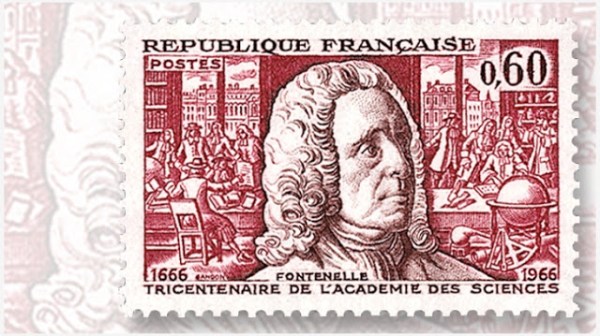
பிரெஞ்சு மொழியில் கதைகள் எழுதும் ஆசிரியரும் மூன்று கல்விக் கழகங்களின் தலைவருமான ஃபாண்டநெல் (Fontenelle), ஒரு அழகியை எப்பொழுதும் புகழ்ந்து கொண்டே இருப்பார். அந்த அழகியும் , அவருடைய காதல் மொழிகளை ரசித்துக் கேட்பாள்.

ஃபாண்டநெல்லுக்கு வயது 97; ஒரு நாள் ஒரு பொது இடத்தில் வேகமாகச் சென்று  — அதாவது அழகியையும் பார்க்காமல்– வேறொரு இடத்தில் நாற்காலியை இழுத்துப் போட்டு உட்கார்ந்தார்.


இந்த அழகிக்குக் கோபம் வந்துவிட்டது; “அடச்சீ! இவ்வளவுதானா? உங்கள் காதல் வசனங்கள். பாராமுகமாகப் போகிறீர்களே? இதற்கு என்ன அர்த்தமாம்! என்றாள்

அவர் சொன்னார்,  “அன்பே உண்மைதான்; உன்னைப் பார்த்துவிட்டால் — பார்த்திருந்தால் அச்சுப்போல நின்றிருப்பேனே! நகரவா முடியும்?” – என்றார்.


அந்தப் பெண்ணும் உச்சிகுளிர்ந்து போய் அப்படியே  சிலை போல நின்றுவிட்டாள்.


பெண்களின் அழகிற்கு ஆண்கள் அடிமை!

ஆண்களின் புகழ்ச்சிக்கு பெண்கள் அடிமை!


xxxx


ஒரு பெண் பேச்சில் கில்லாடி; அழகிலோ லம்பாடி!

அவளைப் பற்றி புகழ்பெற்ற ஒரு அறிஞர் சொன்னார்:

ஓ, அவளா! பேசிப் பேசியே அழகை உருப்பெறச் செய்துவிடுவாளே!

-என்று

xxxx


ஆப்ரஹாம் லிங்கனின் அழகு!!!

 

ஆப்ரஹாம் லிங்கனுக்கு குழந்தைகள் மீது அலாதிப் பிரியம்; இதை ஊரே அறியும்; ஆகையால் பலரும் வாய்ப்புக் கிடைத்தால் குழந்தைகளையும் உடன் அழைத்துச் செல்வர்.


ஆப்ரஹாம் லிங்கன், குணத்தில் உயர் குன்று; அழகிலோ சிறு மணல் மேடு.


இதுபற்றி வீட்டில் அங்க்கலாய்க்கும் ஒருவர் தனது  மகளை–பள்ளிக்கூடச் சிறுமியை– ஆப்ரஹாம் லிங்கனைக் காண அழைத்துச் சென்றார்.


லிங்கனும் அந்தச் சிறுமியை மடியில் வைத்துக் கொண்டு, ஒரு தந்தை கொஞ்சுவது போலக் கொஞ்சிப் பேசினார். அவள் லிங்கனின் முகத்தைப் பார்த்து விட்டு படீரெனச் சொன்னாள்:

அப்பா! ஆப்ரஹாம் லிங்கன் ஒன்றும் அவலட்சணமாக இல்லையே!


பிறகு என்ன? திருடனுக்குத் தேள் கொட்டிய கதைதான்; சொல்லவும் முடியாது, மெல்லவும் முடியாது.


xxxx


டேய்! போண்டா மூக்கு!
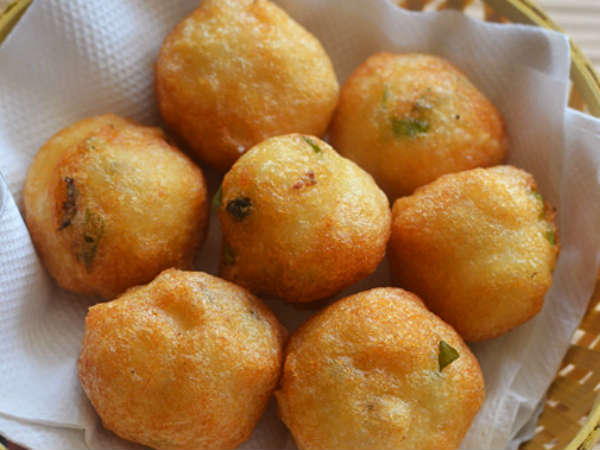
ஒருவருக்கு அதி பயங்கர கோபம்! அவர் மூக்கினை யாரோ நக்கல் அடித்தாராம்.


அந்த ஆளும் எதிரில் தென்பாட்டான்.

“ஏய் என்ன தைரியம் உனக்கு; நான் இல்லாதபோது என்னை ‘போண்டா’ மூக்கன் என்று கிண்டல் செய்தாயாமே!

நானா! அப்படிச் சொல்லவே இல்லையே! ஆனால்………….. ஆனால்………… இப்பொழுது உங்கள் மூக்கைப் பார்த்தால், உண்மையில் அது ‘போண்டா’ மூக்குதான்! என்றான்.

பின்னர் நடந்ததை நீங்களே கற்பனை செய்து கொள்ளுங்கள்!!!


TAGS:— மூக்கு, கண், அழகு, கண்களில் தீ, லிங்கன் அழகு, குப்பைக்காரன்

—சுபம், சுபம்–


Beauty Anecdotes (Post No.4380)

Written by London Swaminathan 


Date: 9 NOVEMBER 2017


Time uploaded in London- 9-55 am


Post No. 4380

Pictures shown here are taken from various sources such as Facebook friends, Books, Google and newspapers; thanks.


Fontanelle ,at the age of 97, after saying many amiable and gallant things to a beautiful young lady, passed before her without seeing her, to place himself at table.


See, said the lady, how I ought to value your gallantries, you pass without looking at me ”

Madam, replied the old man, if I had looked at you I could not have passed.


Xxx


Dustman’s Heart

As the beautiful Duchess of Devonshire was one day stepping out of her carriage, a dustman who was accidentally standing by and was about to regale himself with his accustomed whiff of tobacco, caught a glance of her countenance, and instantly exclaimed,

Love and bless you, my lady, let me light my pipe in your eye!


It is said that the Duchess was so delighted with his compliment, that she frequently afterward s checked the strain of adulation which was constantly offered to her charms, by saying,

OH! After the dustman s compliment, all others are insipid ”


Xxxx


Chesterfield and Voltaire


Lord Chesterfield and Voltaire were attending a reception in Paris. Noticing that the English man was being assailed by some of the ladies, the French wit said to him,

My Lord,it is said that you possess keen discrimination; tell me now, who are the more handsome, the French women or the women of your own country?


As to that , replied chesterfield, I must admit that I cannot say,as I am no connoisseur in the art of painting.


Xxxxx


Curran, speaking of Madame de Stael who was by no means handsome, but a splendid conversationalist, said she ” the power of talking herself into a beauty.


Xxxx


Someone once noted to Samuel Goldwyn the beauty of his wife’s hands.

Yes, Goldwyn said, ” she has such beautiful hands, I am thinking of having a bust made of them. ”


Xxxx SUBHAM xxxx


மரணமில்லாப் பெருவாழ்வு கண்ட மகான்! (Post No.4379)

Written by S.NAGARAJAN


Date: 9 NOVEMBER 2017


Time uploaded in London- 6-17 am


Post No. 4379

Pictures shown here are taken from various sources such as Facebook friends, Books, Google and newspapers; thanks.


திருநெல்வேலியிலிருந்து வெளியாகும் ஹெல்த்கேர் தமிழ் மாத பத்திரிகையில் நவம்பர் 2017 இதழில் வெளியாகியுள்ள கட்டுரை


வள்ளலார் காட்டும் ஆரோக்கிய நெறி


மரணமில்லாப் பெருவாழ்வு கண்ட மகான்!


ச.நாகராஜன்

1

இவ்வுல்கத்தில் ஆறறிவுள்ள உயிர் உடைத்தாகிய தேகத்தைப் பெற்ற வள்ளலார் தேகத்திற்கு இடையிடை நேருகின்ற மரணம், பிணி, மூப்பு, பயம், துன்பம் ஆகிய அனைத்தையும் நிவர்த்தி செய்து கொண்டு அந்த் தேகத்தையே நித்திய தேகமாக்கத் திருவுள்ளம் கொண்டார்.

அனைவரும் வியக்கும் வண்ணம் தான் அறிவித்தபடியே ஒளி உடலாக மாறி, நித்திய தேகியாக இருக்கிறார்.

சரித்திரம் அறிவியல் பூர்வமாகக் கண்ட உண்மை இது.

அவர் மரணமில்லாப் பெருவாழ்வைச் சித்திக்கலாம் என்று சொல்லில் மட்டும் சொல்லாது அதைச் செய்து காட்டிய மாபெரும் மகான்.

பசிப் பிணி நீக்குதல் முதல் தர்மம் என்றார் அவர்.

இந்த தேகத்தைப் பிணியிலிருந்து விடுவித்து ஆரோக்கியமாக நீண்ட காலம் வாழப் பல அறிவுரைகளையும், குறிப்புகளையும் அவர் தந்துள்ளார்.

ஆன்மீகத்தோடு ஆரோக்கியத்தையும் நீண்ட வாழ் நாளையும் பெற விரும்புவோர் நாட வேண்டிய ஒரே சந்நிதானம் வள்ளலார் சந்நிதானம் தான்.


2

அவரது ஏராளமான சிறு சிறு குறிப்புகள் ஒவ்வொன்றும் நீண்ட வாழ்நாளையும் ஆரோக்கியத்தையும் பெறுவதற்கான இரகசியங்கள்.

ஏராளமானோரை பல்வேறு வியாதிகளிலிருந்து அவர் குணப்படுத்தியுள்ளார்.

எடுத்துக்காட்டாக தொழுவூர் வேலாயுத முதலியார் கூறியுள்ள இரு நிகழ்ச்சிகளை மட்டும் இங்கு குறிப்பிடலாம்.

கருங்குழியில் இருந்த பாலு ரெட்டியார் என்பவர் குஷ்ட நோயினால் துன்பமுற்றார். அவர் சுவாமிகளை அணுகவே வள்ளலார் திருநீறு கொடுத்து அதைத் தீர்த்தார்.

முத்து நாராயண ரெட்டியார் என்பவருக்கு கண் பார்வை பாதிக்கப்படவே அவரது கண் மறைவினையும் தீர்த்தருளினார்.

இது போல அவர் நோய் தீர்த்த சம்பவங்கள் ஏராளம்.

அனைவரும் அனுசரிக்க வேண்டிய எளிய குறிப்புகளை அவர் தொடர்ந்து வலியுறுத்திய வண்ணம் இருந்தார்.


சூரியோதயத்திற்கு முன்னர் எழுந்திருப்பதை அவர் வெகுவாக வலியுறுத்தினார்.

“புத்தி அதற்குப் பொருந்தும் தெளிவளிக்கும்

சுத்த நரம்பினறற் றூய்மையுறும் – பித்தொழியும்

தாலவழி வாதபித்தம் தத்தநிலை மன்னுமதி

காலை விழிப்பின் குணம்”

என்று பதார்த்த குண சிந்தாமணி காலை எழுந்திருப்பதன் பலன்களைக் கூறுகிறது.

புத்தி மனதுடன் பொருந்தும்.

தெளிவு உண்டாகும்.

நரம்புகள் எல்லாம் தூய்மை அடையும்.

பித்தம் ஒழியும். வாத பித்த சிலேத்துமங்கள் தம் தம் நிலையில் சேரும்.

இது அதிகாலை எழுந்திருப்பதன் பலன்.

பகல் உணவுக்குப் பின் சிறிது துயில் கொள்ள வேண்டும். இந்த உறக்கம் ஆழ்ந்த உறக்கமாக இருக்கக் கூடாது. சற்றுப் படுத்து எழுந்திருப்பதாக மட்டுமே அமைய வேண்டும்.

இரவு உணவுக்குப் பின்னர் சற்று உலாவ வேண்டும்.

சத பதம் என்று ஆயுர் வேதம் கூறும். உணவுக்குப் பின்னர் நூறு அடிகள் நட என்பது அறவுரை.

புலாலைப் புசிக்காதே – எந்நாளும்.

சன்மார்க்க உணவை எடுத்துக் கொள். (இதைப் பற்றி மிக விரிவாக அவர் எழுதியுள்ளார்)

இவையெல்லாம் அவரது அறிவுரைகள்.


3

சஞ்சீவி மூலிகைகளான கறுப்பு நாயுருவி, குளிர்ந்த கொள்ளி, தீப்பூடு, முத்துப் பூண்டு, கருங்காந்தள் ஆகிய ஐந்து மூலிகைகளின் குணங்களை அவர் வரையறுத்துக் கூறியுள்ளார்.

முத்துப்பூண்டை பறவைகளின் காதில் சிறுகச் சிறுக விட்டால் அவை உயிர் பிழைக்கும் என்பது அவரது அருளுரை.

இருமல், தேகமெலிவு,நீர்க்கோவை, சரீர திடம் ஆகியவற்றிற்கான மருத்துவக் குறிப்புகளை அவர் மிகத் தெளிவாகத் தந்துள்ளார்.


4

வள்ளலாரின் மிக அற்புதமான் ஒரு சித்தி அவர் ஏராளமான மூலிகைகளை அறிந்திருந்ததோடு அவற்றின் பயனைப் பற்றி உலகத்திற்கு தீர்க்கமாக அறிவித்தது தான்.


இந்த மூலிகைகளைப் பயன்படுத்தி அவர் ஏராளமானோரைக் குணப்படுத்தியதை அவர் வாழ்க்கை வரலாறு தெளிவாகக் கூறுகிறது.

485 மூலிகைகளின் பெயரைக் கூறி அதன் குணத்தை அவர் ஒரே வரியில் கூறி இருப்பது வியக்க வைக்கும் ஒரு மாபெரும் சாதனையாகும்.

எடுத்துக் காட்டாக ஒரு பத்து மூலிகைகளை மட்டும் இங்குக் குறிப்பிடலாம்.

மாகாளி – மயக்கம் போம்

நீர்விளா – பைத்தியம் போகும்

மாஞ்சரோணி – கண் புகைச்சல் தீரும்

தும்பை – ஜுரம் போகும். சில் விஷம் போகும்.

தாமரை – கண் குளிர்ச்சி

ஆலுக்கு – புழுக்கள் போகும்

அரசுக்கு – புத்தி வர்த்தினி

இச்சில் – குஷடம் போகும்

கீழாநெல்லி – காமாலை போகும்

திப்பிலி – தாது விருத்தி உண்டாகும்.

இப்படி 485 மூலிகைகளுக்கான குணத்தைப் படிக்கும் போது தன்வந்திரி நேரில் வந்து சொல்வது போல மருத்துவக் குறிப்புகளைக் கண்டு வியக்க முடிகிறது.


5

கஸ்தூரி மஞ்சள், வேப்பம் பருப்பு, வெள்ளை மிளகு, கடுக்காய்த் தோல், நெல்லி வற்றல் ஆகிய ஐந்தும் சுலபமாகக் கிடைக்கக் கூடியவை. இவற்றை பஞ்ச கற்பம் என்கிறார் வள்ளலார். இவற்றைப் பாலில் காய்ச்சி நறுமணத்துடன் இறக்கித் தேய்த்துக் கொள்ளவும் என்பது அவரது அறிவுரை.

நித்திய கரும விதி என்று 21 அறிவுரைகளை அவர் தருகிறார். எதை உண்ண வேண்டும், எப்படி உண்ண வேண்டும், எப்போது தூங்க வேண்டும் என்றெல்லாம் நுணுக்கமாகக் கூறுவது அவரது தனித்துவம் மிக்க சித்தர் பாணி.

“ஆகாரம் அரை, நித்திரை அரைக்கால், மைதுனம் வீ சம், பயம் பூஜ்யம் ஆகப் பெறுதல்”- ஆகிய இவை ஆரோக்கிய வாழ்வுக்கு அவர் காட்டும் வழி.

மரணமில்லாப் பெருவாழ்வைப் பெறுதலை மனிதனின் குறிக்கோளாகச் செய்வதற்கென அபூர்வமாக தமிழகத்தில் அவதரித்த சித்தர் வள்ளலார்.

அதன் முதற்படியாக நீடித்த ஆயுளை ஆரோக்கிய வாழ்வுடன் பெற அவரது அருளுடன் கூடிய அறிவுரைகளைப் பின்பற்றுதல் அன்பர்களின் கடமை.


6

வள்ளலாரின் அற்புதமான வாழ்க்கை வரலாற்றை அவரது அணுக்க சீடரும் சென்னை பிரஸிதென்ஸி காலேஜ் தமிழ்ப் பண்டிதராய்ப் பணியாற்றியவருமான தொழுவூர் வேலாயுத முதலியார் எழுதியுள்ளார்.


இந்த நூலுடன் ஊரன் அடிகளார் எழுதியுள்ள திரு அருட்பா உரை நடைப் பகுதி நூலையும் இராமலிங்க அடிகள் திருவரலாறு நூலையும் வாங்கிப் படித்தால் அரிய இரகசியங்களைத் தெரிந்து கொள்ளலாம்.

சமரச சன்மார்க்க ஆராய்ச்சி நிலையம், வடலூர், 607303 தென்னார்க்காடு மாவட்டம் என்ற முகவரியில் நூலைப் பெறலாம்.

மேலே குறிப்பிட்ட மூன்று நூல்களும் முத்தான நூல்கள். ஆரோக்கிய அதிர்ஷ்டம் உள்ளவர்கள் அதை நிச்சயம் நாடுவர்.


***


மனுவுக்கு நோபல் பரிசு தரலாமே! (Post No.4378)

Written by London Swaminathan 


Date: 8 NOVEMBER 2017


Time uploaded in London- 19-23


Post No. 4378

Pictures shown here are taken from various sources such as Facebook friends, Books, Google and newspapers; thanks.

மனு தர்ம சாஸ்திரம் 2200 ஆண்டுகளுக்கு முன் எழுதப்பட்டதாக ஆராய்ச்சியாளர் கூறுவர்; இத்து தவறு; அவர் ரிக் வேத காலத்தைச் சேர்ந்தவர். அவர் சரஸ்வதி நதி பற்றிப் பேசுகிறார். இது கி.மு 2000ல் இருந்த நதி. பின்னர் மறைந்து போனது. மேலும் ரிக் வேதமும் மனு தர்ம சாஸ்திரமும் ‘சதி’ எனப்படும் உடன் கட்டை ஏறும் வழக்கம் பற்றி எதுவுமே சொல்லவில்லை. இது போன்ற பல விஷயங்களை  வைத்து கணக்கிட்டால் அவர், 5000 ஆண்டுகளுக்கு முன் வாழ்ந்தவர் என்று நான் கருதுகிறேன். மேலும் மனு தர்ம சாஸ்திரத்தில் உள்ள 2000-க்கும் அதிகமான  ஸ்லோகங்களைப் படித்தால் அவர் சொன்ன விஷயங்களுக்கு நேர் மாறாக பல விஷயங்கள் இடைச் செருகலாக சேர்க்கப்பட்டது தெள்ளிதின் விளங்கும்.


கி.மு முதல் நூற்றாண்டில் ஆண்ட சுங்க வம்சத்தினர் தீவிர பிராமணர்கள். அவர்களுடைய காலத்தில் தீவிரவாத பிராமணர்கள் சில விஷயங்களை சூத்திரர்களுக்கு எதிராகச் சேர்த்து இருக்கலாம். இந்துக்களின் எல்லா நூல்களும் அவ்வப்போது Update அப்டேட் செய்யப்படும் — புதுப்பிக்கப்படும் — வழக்கம் உண்டு. இதனால் கடைசி விஷயத்தை மட்டும் வைத்துக் காலக் கணக்கீடு செய்வர் வெளிநாட்டினர். ஆகவே மனுவின் தற்போதைய காலம் தவறு. மேலும் அவர் எழுதிய சாத்திரம் த்ருஷத்வதி– சரஸ்வதி நதிகளுக்கு இடைப்பட்ட மக்களுக்கானதே தவிர எல்லோருக்குமானதல்ல (அவர் எழுதிய காலத்தில்).  நிற்க.


சொல்ல வந்த விஷயம் மனுவுக்கு ஏன் நோபல் பரிசு தரக்கூடாது? என்பதே. மனு பேசாத பொருளல்ல; இதை சட்ட நூல் என்பதைவிட இந்துக்களின் கலைக் களஞ்சியம் என்று சொல்லலாம். 2000 க்கும் மேலான ஸ்லோகங்களில் அவர் சொல்லாத, தொடாத விஷயமே இல்லை.


இப்பொழுது தாவரவியல் விஷயங்களை மட்டும் காண்போம்:

நாங்கள் எல்லாம் B.Sc. Botany பி. எ ஸ்சி. பாடனி (தாவரவியல் படித்தபோது லின்னேயஸ் என்பவர் வகுத்த தாவரப் பகுப்பைப் (Linnaeus Classification of Plants) படித்தோம். எனக்கு 100 ஆண்டுகளுக்கு முன் படித்தவர்கள் வேறு Theory ‘தியரி’ படித்திருப்பார்கள். விஞ்ஞானம் என்பது மாறிக்கொண்டே வரும். ஆக மனு சொன்னதை எல்லாம் அப்படியே ஏற்றுக் கொள்ள  வேண்டியதல்ல. ஆனால் சில அடிப்படை விஷயங்கள் மாறாது.

காதலி மீது பூவை எறியாதீர்கள்!

ஜகதீஷ் சந்திர போஸின் முக்கிய பொன்மொழி: உங்கள் காதலி மீதுகூட ரோஜாப் பூவைப் போட்டு விளையாடாதீர்கள்; ஏனெனில் ரோஜாப் பூவுக்கு வலிக்கும்!


சர் ஜகதீஷ் போஸ் என்ற இந்திய  விஞ்ஞானிதான் தாவரங்களுக்கும் உணர்ச்சி உண்டு என்பதை விஞ்ஞான முறையில் கருவிகளைக் கொண்டு நிரூபித்தார். உண்மையில் அவருக்கு நோபல் பரிசு கிடைத்திருக்க வேண்டும் அந்தக் காலத்தில் உள்ள இன வேற்று மையில் அவர் அமுங்கிப் போனார். ஆனால் அதற்கெல்லாம் முன்னதாகவே மனு இது பற்றிப் பேசியுள்ளார்.


மனு, தாவரவியல் பகுப்பு பற்றிப் பேசுகிறார்; செடி, கொடி, மரங்கள், பூவாது காய்க்கும்  மரங்கள் பற்றிச் சொல்கிறார்.

தர்ப்பைப் புல் பாய், ஆசனம், மதச் சடங்குகளில் அதன் பயன்பாடு பற்றிப் பகர்கிறார்.

தாவரங்களின் உணர்ச்சி பற்றி அவர் சொல்லுவதாவது:-

அவைகள், சுபாவத்தின்படி செயல்படுகின்றன. அவைகளுக்கு உணர்ச்சி இருக்கிறது. இன்ப துன்பங்களை அனுபவிக்கின்றன


வேதங்களிலேயே மூலிகைகள் பற்றியும் அதிசயக் குளிகைகள் பற்றியும் குறிப்புகள் உள்ளபோது மனு இவ்வளவு சொல்லுவதில் வியப்பில்லை. மேலும் உபநிஷத காலத்திலேயே சிறிய ஆலம் விதையிலிருந்து பிரம்மாண்ட மரம் உருவாவதை உவமையாகச் சொல்லி பாடம் நடத்தினர். தலங்கள் தோறும் புனித மரங்கள் இருந்திருக்கின்றன. நம்மாழ்வாருக்கும் தான்சேன் என்ற கவிஞருக்கும் அருள்புரிந்த புளியமரம், கிருஷ்ணன் ஆலிலைக் கிருஷ்ணனாக மிதந்த ஆலமரம், சிவன் அடிமுடி காணும் விஷயத்தில் பொய் சொன்ன தாழம்பூ, புத்தருக்கு ஞானம் கொடுத்த அரச மரம், பிராமணர்களுக்கு ஸமித்து கொடுக்கும் அரச, பலாச மரங்கள், பாண்டவர்கள் ஆயுதங்களை ஒளித்து வைத்த வன்னி மரம் என்று நூற்றுக்கணக்கான மரங்கள் வில்வம், துளசி போன்ற புனித தாவரங்கள் இப்படி பட்டியல் நீண்டு கொண்டே — முடிவு இல்லாமல் போகும்.


ஜகதீஷ் போசுக்கும் மனுவுக்கும் தாவரவியல் ஆராய்ச்சிக்காக நோபல் பரிசு கொடுக்கலாம்.

மரங்களையோ செடி கொடிகளையோ பிராமணர்கள் வெட்டினால் ஆயிரம் வேத மந்திரம் சொல்ல வேண்டும் என்று மனு விதிக்கிறார்.


புனித மரங்கள் பற்றிப் பேசும் மனு, என்ன மரங்களைக் கொண்டு (staff) தடிகள் செய்ய வேண்டும் என்றும் கட்டளை இடுகிறார்.


ஆங்கிலக் கட்டுரையில் ஸ்லோகங்களின் எண்களையும் கொடுத்து இருக்கிறேன்.


Manu, not only a Law Maker but also a Great Botanist! (Post No.4375 …

https://tamilandvedas.com/…/manu-not-only-a-law-maker-but-also-a-great-botanist-p…

21 hours ago – Manu Smrti, law book written by Manu, talks about lot of subjects which makes it a Hindu Encyclopaedia. Manu was not only a law maker but …


‘Save the Trees’ and ‘Save the Forests’ in Manu Smrti! – Tamil and Vedas

https://tamilandvedas.com/…/save-the-trees-and-save-the-forests-in-…

7 Aug 2016 – ‘Save the Trees‘ and ‘Save the Forests’ in Manu Smrti!( … 255 Indian trees, herbs and flowers mentioned in Brhat Samhita Part-1, posted 21 …


–Subham–

Manu, not only a Law Maker but also a Great Botanist! (Post No.4375)

Written by London Swaminathan 


Date: 7 NOVEMBER 2017


Time uploaded in London- 20-39


Post No. 4375

Pictures shown here are taken from various sources such as Facebook friends, Books, Google and newspapers; thanks.


Manu Smrti, law book written by Manu, talks about lot of subjects which makes it a Hindu Encyclopaedia. Manu was not only a law maker but also a scientist. Though some of his theories may not hold good today, he was the precursor of several scientific theories.


One of the greatest Indian plant scientists was Jagadish Chandra Bose. Sir Jagadish Chandra Bose’s greatest achievement was his invention of the crescograph, which allowed scientists to discover how the seasons and external stimuli affected plant life.

The scientist worked tirelessly to chart how chemical inhibitors, temperature and light change the way plants grow, and advise humans on how to better care for vegetation.

It paved the way for scientists to better understand how to cultivate crops in a more effective way, and encouraged people to take better care of plant life. In one particular report, Bose wrote that he believed plants “feel pain and understand affection” just as much as humans do. But even before Bose, Manu has said about the feeling of plants!

His famous quotation was that ‘don’t even throw a rose flower on your lady love because the rose flower will be hurt’.

Manu must have lived long ago. Though the updated Manu Smriti available now is dated around second century BCE, he lived during the Rig Vedic days. He talks about the Saraswati River, which disappeared later. So the original Manu Smrti must be dated around 2000 BCE. Moreover, like the Rig Veda he never mentioned Sati, the widow burning.


About plants he says,

“All the plants that grow from the seed or node are borne from shoots; herbs are those that bear many flowers and fruits and then die with the ripening of the fruit.

“Trees that have fruit but no flowers are traditionally known as the Lords of the Forest; those that bear both flowers and fruit are called trees.

“The various sorts of plants that have one root and those with many roots, the different species of grasses and climbing vines and creepers all grow from a seed or a shoot.

“ENVELOPED BY A DARKNESS THAT HAS MANY FORMS AND IS THE RESULT OF THEIR OWN INNATE ACTIVITIES, THEY HAVE AN INTERNAL CONSCIOUSNESS AND EXPERIENCE HAPPINESS AND UNHAPPINESS.

“IN THIS TERRIBLE CYCLE OF TRANSMIGRATION OF  LIVING BEINGS, WHICH MOVES RELENTLESSLY ON AND ON, THE LEVELS OF EXISTENCE ARE SAID TO BEGIN WITH BRAHMA AND TO END WITH THEM”

–Chapter 1, Manu Smrti


Grass (laid down for a resting place), space (to rest), water and pleasant conversation – these four things never run out in the house of good people- Manu 3-101

From Manu’s days pious people were doing penance sitting on the mat made up of Dharba grass.—3-208


If we believe that Manu lived in the Sarasvati River period, he is the first man to classify plants; he is the first one to talk about the consciousness of plants. He is the first to write about numerous plants. If we put all the plant facts from the Vedas, Brahmanas and Manu Smrti together, we will know how much the ancient Hindus studied the plants.


My old article:-


‘Save the Trees’ and ‘Save the Forests’ in Manu Smrti!(Post No.3043)


Research Article Written by london swaminathan

Date: 7th    August 2016

Post No. 3043

Time uploaded in London :– 16-24

( Thanks for the Pictures)

The topics Manu covers in his Law book are amazing. He makes passing remarks on several things; since ancient people know all these things he takes them for granted. Let us look at the couplets where he mentioned the trees, saving the trees, sacred trees and saving the forests.


If a Brahmin cuts the fruit trees, shrubs, vines, , creepers or  flowering plants , a thousand Vedic verses should be chanted – Manu 11-143


Cutting down green trees for fire wood, undertaking acts for one’s own sake only and eating forbidden food  are minor crimes — Manu 11-65


Assembly halls, road side watering places, cake-stalls, whore houses wine shops , SACRED TREES, cross roads, crowds and places where people assemble for spectacles, GARDENS, ARTIFICIAL GROVES MUST BE WATCHED FOR THIEFS –9-265

Trees that have fruit but no flowers are traditionally known as the Lords of the Forest; those that bear flowers and fruits are called trees–  Manu 1-47


The various sorts of plants that have one root and those with many roots , the different species of grasses and climbing vines and creepers all grow from a seed or a shoot. — Manu 1-48


xxx


The belt of a priest should be made up of smooth, three ply rushes; of a ruler it should be a bow string of hemp fibre; and of a commoner, a thread of hemp.

If rushes are unattainable, the belt should be made up of kusa asmantaka or balbaja (Eleusine Indica).

The initiatory thread of a Brahmin should be made up of cotton; of a ruler it should be made up of hemp threads and of a commoner it should be of wool threads.

A priest’s staff should be made up of wood apple (Aegle Marmelos)and the palasa (Butea Frondosa);

A ruler’s of banyan (Ficus Indica) and acacia (Acacia Catechu);

A commoner’s of palm (Careya Arborea) and fig (Ficus Udumbara).

Height of the Staff of a priest – – up to his hair

King = up to his forehead

Commoner = up to his nose

–Chapter 2 of Manu smrti


Sitting on a kusa grass mat is mentioned in 2-75

Xxx

Grass laid down for a resting place, space to rest, water and pleasant conversation – these four things never run out in the house of good people – 3-101


Priests should sit on a seat of sacrificial grass/ kusa—3-208.

Kusa grass and mat made up of Kusa grass are emtioned in several places.

Weights made up of krsnala seeds (Kundu mnani in Tamil) are found in the book.

It is good to see so many plants names in a Law Book.


xxx

From these passages we come to know:-

Cutting trees is a crime;

Preserving trees is encouraged;

Sacred trees were there in every town;

Gardens and artificial groves were there;

Temples and Kiosks/stalls were constructed underneath huge trees.

Like Tamil kings had three different trees for each of them, three castes have different trees.

Even before the Westerners classified the plants, Hindus divided them into various groups.


Please read my research articles posted here earlier: –

Flowers in Tamil Culture, posted on 25 August 2012


Confusion about Vedic Soma Plant , posted on 5 May 2013


107 Miracle Herbs in the Hindu Vedas, posted on 16 September 2013 


255 Indian trees, herbs and flowers mentioned in Brhat Samhita Part-1, posted 21 February 2015


255 Indian trees, herbs and flowers mentioned in Brhat Samhita Part-2, posted on 23 February 2015


Amazing Medical information in Hindu Vedas, posted here on 18 June 2015


Jangida Mystery in Atharva Veda , posted on 29 December 2014


Hindus’ Amazing Knowledge in Botany, posted here on 20 July 2014


Knowledge of Biology in Hindu scriptures, posted on 10 February 2013


Dynasties with Plant names and Dynasty in Shiva’s Bilva tree name, posted on 24 January 2015


Lord Shiva and Tamils adopted Trees, posted on 6 July 2013


Hindus’ respect for trees and forests , posted on 18 February 2015


Cucumber in the Rig Veda

–subham–


உடையது விளம்பேல்! வல்லமை பேசேல்! (Post No.4374)

Written by London Swaminathan 


Date: 7 NOVEMBER 2017


Time uploaded in London- 6-49 am


Post No. 4374

Pictures shown here are taken from various sources such as Facebook friends, Books, Google and newspapers; thanks.


தற்புகழ்ச்சி என்பது ஒரு நோயாகும்; நம்மில் பெரும்பாலோர்க்கு இந்த நோய் உண்டு; யாராவது ஒருவர் பேசா மடந்தையாக இருந்தாலோ, அல்லது உங்களைப் பாராமல் இருக்கும் பாராமுகமாக இருந்தாலோ, அவரிடம் போய், ‘அட இந்த சட்டை நன்றாக இருக்கிறதே, இந்தப் புடவை நன்றாக இருக்கிறதே! எங்கே வாங்கினீர்கள்?’ என்று கேளுங்கள்; அவர்கள் முகத்தில் ஆயிரம் செந்தாமரைகள் பூக்கும்; அவர்கள் பேச்சில் மதுரை மல்லிகை மணம் வீசும்; சுவிட்சைத் (switch) தட்டிவிட்டீர்கள்; இனி ஆஃF  (off) செய்ய மெடியாது. ‘அட! முன்னைவிட நீங்கள் இளஞர் ஆகி விட்டீர்களே; பத்து வயது குறைந்தது போல இருக்கிறீர்கள்’ என்று சொல்லுங்கள்; உங்களுக்கு திருநெல்வேலி லாலா கடை அல்வா வாங்கிக் கொடுப்பார். புகழ்ச்சிக்கு மயங்காதோர் உண்டோ?


இதெல்லாம் கூடத் தடவறில்லை; ஆனால் ஒருவர் தானாக முன்வந்து, தனது சாதனைகளைச் சொல்லுவது அறிவுடைமை அன்று; அது பேதைமையின் முற்றிய தோற்றம் ஆகும்.


இதனால்தான் அவ்வையாரும்


உடையது விளம்பேல் ( உனக்குள்ள சிறப்பினை நீயே புகழ்ந்து கூறாதே)

வல்லமை பேசேல் (உனது திறமையை நீயே புகழ்ந்து பேசாதே) என்று ஆத்திச் சூடியில் அழகுபடப் பகர்ந்தார்.

வள்ளுவனும் சொன்னான்:

வியவற்க எஞ்ஞான்றும் தன்னை நயவற்க

நன்றி பயவா வினை (குறள் 439)


பொருள்: தன்னையே புகழாதே; பயனில்லாத செயலைச் செய்யாதே என்பது வள்ளுவன் வாக்கு.

மனு நீதி நவில்வது


மனு, தனது மானவ தர்ம சாஸ்திரத்தில், இதைவிட அழகாகாக, சில ஆயிரம் ஆண்டுகளுக்கு முன்னதாகவே செப்பிவிட்டார்:-


“யாராவது உன்னைப் புகழ்ந்தால் அதை விஷம் போல ஒதுக்கு; யாராவது உன்னைக் குறைகூறினால் அதை அமிர்தம் போலக் கருது (மனு நீதி 2-162)


யாராவது குறைகூறி அதை நீ கேட்டால் சந்தோஷமாக உறங்கலாம்; சந்தோஷமாக விழித் தெழலாம்; சந்தோஷமாக நடமாடலாம்; குறை சொன்னவனுக்குத்தான் அழிவு (உனக்கல்ல)- மனு நீதி நூல் 2-16


கூரம் பாயினும் வீரியம் பேசேல்

–கொன்றை வேந்தன்

(கூர் அம்பாயினும் வீரியம் பேசக் கூடாது; அதாவது உன் கைகளில் கூரிய அம்பு இருந்து, எதிரி கைகளில் ஆயுதம் ஒன்றில்லாவிடினும் செருக்கு கொண்டு அதைச் செய்வேன், இதைச் செய்வேன் என்று புகழ்ந்து கொள்ளாதே)


குமரகுருபரரும் நீதி நெறி விளக்கத்தில் உரைப்பார்:

தன்னை வியப்பிப்பான் தற்புகழ்தல் தீச்சுடர்

நன்னீர் சொரிந்து வளர்த்தற்றால் – தன்னை

வியவாமை யன்றே வியப்பாவ தின்பம்

நயவாமை யன்றே நலம்


பொருள்:

தன்னைப் பிறர் மதிக்க வேண்டும் என்று தன்னைத் தானே புகழ்ந்து பேசுதல் தண்ணீரை ஊற்றி விளக்கு எரிப்பதற்குச் சமம் ஆகும்;  இன்பத்தை விரும்பாமல் இருபப்பதல்லவோ இன்பம்;  அது போல தன்னைத் தானே புகழ்ந்து கொள்ளாமல் இருப்பதன்றோ நன்மதிப்பு!

அவ்வையார் கதை

அவ்வையாரிடம் ஒரு சிறுவன் சென்றான்; ஒரு கையில் மண்ணை எடுத்துக் கொண்டான்;  பாட்டி என் கையில் எவ்வளவு மண் இருக்கிறது? என்று சொல் பார்ப்போம் என்றான்; அவ்வையார் பதில் சொல்ல முடியாமல், மனதில் மணல் துளிகளை எண்ணிக் கொண்டிருந்தார்;  விடை தெரியவில்லை. அட பாட்டி, இது கூடத் தெரியவில்லையா? என் கையில் இருப்பது ‘பிடி மண்’ என்றான். முருகப் பெருமானோ சுட்ட பழம் வேன்டுமா, சுடாத பழம் வேண்டுமா? என்று கேட்டு அவ்வைப் பாட்டியை திணறடித்தான்; கீழே விழுந்த நாவற் பழங்களை மணல் போக ஊதிக் கொடுத்தால் அது சுட்ட  பழம் என்று அறிவுறுத்தினான்.


இதனால்தான் அறநெறிச்சாரத்தில் முனைப்பாடியார் என்பாரும் சொன்னார்:–


பலகற்றோம் யாமென்று தற்புகழ வேண்டா

அலர்கதிர் ஞாயிற்றைக் கைக்குடையும் காக்கும்

சிலகற்றார் கண்ணும் உளவாம் பலகற்றார்க்

கச்சாணி யன்னதோர் சொல்

பொருள்:

அலர்கதிர் ஞாயிற்றை — பரந்த கிரணங்களை உடைய சூரியனையும்

கைக்குடையும் காக்கும்— கையிலுள்ள சிறிய குடையும் மறைத்துவிடும்.

பலகற்றோம் யாமென்று- ஆதாலால் யாம் பல விஷயங்களைக் கற்றுவிட்டோம் என்று தன்னைத் தானே புகழ்ந்து கொள்ளக் கூடாது.


பலகற்றார்க்

கச்சாணி யன்னதோர் சொல்–  பல நூல்களையும் ஆராய்ந்து அறிந்தவர்க்கும்  அச்சாணி போன்ற ஒரு சொல்
சில கற்றார் கண்ணும் உளவாம்-  சில நூல்களை மட்டுமே பயின்றோரிடத்தும் உண்டு.

TAGS:–அவ்வையார், மனுநீதி, தற்புகழ்ச்சி, உடையது, வியவற்க

சுபம், சுபம்—

கம்பன் வேய்ந்த காவிய விசித்திரம் (Post No.4373)

Written by S.NAGARAJAN


Date: 7 NOVEMBER 2017


Time uploaded in London- 5-12 am


Post No. 4373

Pictures shown here are taken from various sources such as Facebook friends, Books, Google and newspapers; thanks.


கம்பன் கவி இன்பம் :கே.என்.சிவராஜ பிள்ளையின் கம்பராமாயண கௌஸ்துப மணிமாலை (கட்டுரை எண் 7)

24-9-17 அன்று வெளியான கட்டுரை எண் 4239; 5-10-17- 4272; 12-10-17 -4293; 13-10-17-4296; 14-10-17-4299; 30-10-17- 4349 ஆகிய கட்டுரைகளின் தொடர்ச்சியாக இந்தக் கட்டுரையைப் படிக்கவும்.


கம்பன் வேய்ந்த காவிய விசித்திரம் தேர்ந்து கொள்ளுவர் சீரியோர்!


ச.நாகராஜன்


கம்ப ரஸிகர் கே.என்.சிவராஜ பிள்ளையின் இனிய பாக்களைத் தொடர்ந்து பார்ப்போம்:.

பாடல் 27

வேறு

காதை யுள்ளமை காதைக

ளோதும் வாறெவர் ஓதினார்

மோது வார்புனற் கங்கைசார்

போது லாம் அதி போயபோல்?


பாடல் 28

இராம கதையெ னாவியல்

அராம மேலிடு வார்க்கிவை

சிராமம் * தீர்த்திடச் சிந்துபூம்

பராகப் பித்திகைப் பத்தியே

*சிரமம் என்னும் சொல் நீண்டு நின்றது


பாடல் 29

படிகம் போல்தெளி பனுவலும்

அடிக ளோடும் ராகமும்

துடிகள் தூக்கும் நோக்கமும்

வடிகொ ளும்பொருள் வண்மையும்


பாடல் 30

போந்த காதையின் போக்கொடு

ஆய்ந்து நோக்கியம் மாகவி

வேய்ந்த காவிய விசித்திரம்

தேர்ந்து கொள்ளுவர் சீரியோர்


பாடல் 31

செந்தொ டையொடு செம்பொருள்

வந்து லாவு கிளைக்கதை

முந்து சந்த முதற்கதைக்

குந்து  மந்தமில் லந்தமே


பாடல் 32

ஆன்ற ஓவியச் சீரையார்ந்

தேன்றி லங்குறு சித்திரம்

தோன்ற லான எழிற்சுடர்

ஞான்ற பின்னொடு நாறுமே


பாடல் 33

இசைக் கிசைதரு பின்னிலை*

இசைய தாகி யிணைந்தபோல்

வசையில் மாக்கதை மாணுற

அசைப்ப ராலநு காதையே

  • பின்னிலை :- Background – சித்திரக் கலைகளில் எழும் உருவங்களின் எழிலை மிகுக்க அவற்றின் பின்னமைக்கப்படுமரங்கத்தினையே இங்குப் பின்னிலை என்று சுட்டினேன்.


பாடல் 34

வேறு

காவின வேந்தனும் காவினைத் துறந்தனன் கமலப்

பூவின் வேந்தனும் படைப்பினிற் பொலிவழிந் தொழிந்தான்

சாவின் வேந்தனும் தண்ணளி காட்டிடச் சமைந்தான்

பாவின் வேந்தனாம் கம்பன்பா பம்புபன் னலத்தான்


பாடல் 35

கள்ளுண் மாந்தரும் கள்ளினைக் கைப்பெனக் கனன்றார் புள்ளுண் வேடரும் புனிதநன் னெறிவந்து புகுந்தார்

உள்ளுண் யோகியர் உறுபதம் சிறிதென ஒறுத்தார்

தெள்ளு தீந்தமிழ்க் கம்பன்செய் தென்கவி யின்பால்


பாடல் 36

ஆடல் வேண்டலர் ஆடின அரங்கிள மகளிர்

பாடல் வேண்டலர் பண்ணிசைக் கண்ணுளர், வெறிதார்

சூடல் வேண்டலர் தோகையர் கம்பன் சொல் லமிர்தம்

நாடல் வேண்டினர் நண்ணுறா மகிழ்ந்துய்க்க நயந்தே


பாடல் 37

எந்தச் சாதியர் எத்தொழி லாளரைப் பாலார்

சிந்த னைதெளி முதியரோ டிளைஞரா தியபேர்

அந்த மில்லராம் வேற்றுமை யாளரிக் கவியிற்

றந்த மக்குள தத்துவம் கண்டுளம் தழைவார்


பாடல் 38

சமைய வாதியர் தருக்கஞ்செய் தொக்கெலாம் தவிர்ந்தே

அமைய நின்றொளிர் அலகிலா வருந்தளிப் பொருளை

உமையின் பாகனோ டிலக்குமி கேள்வனென் றுன்னா

தவனி நாதனென் பொதுமையிற் காப்பொன்றே பணிந்தான்


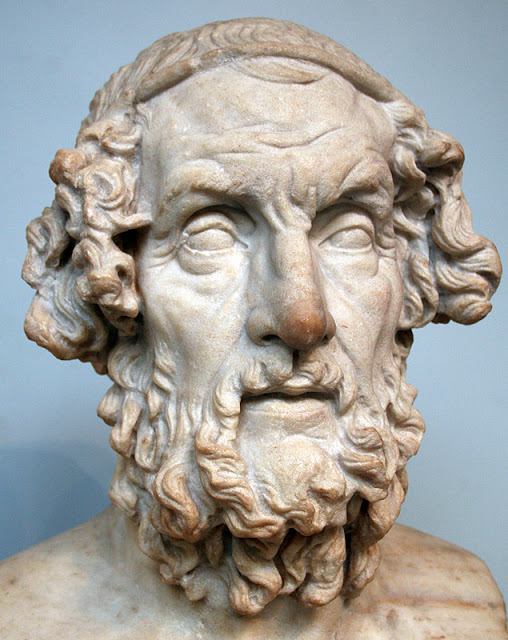
Greek Poet Homer


பாடல் 39

ஹோமர் மாகவி யுதித்தவூர் வூங்கல அலவீ

காமென் றேயெழு நகரங்கள டுத்துப்போர் தொடுத்த

பாம கள்பணி கம்பனை யப்பரி சுரைத்த

பூமியிற்பெரி யாரையார் தம்மொழும் புணர்ந்தார்


பாடல் 40

வீறெ டுத்தகா வியமெனுங் கரும்பின்கான் விரித்துக்

சாறெ டுத்துல கர்க்கொரு காப்பியம் சமைத்தான்

சேறெ டுத்தமண் டூகம்போற் றேறலுண் ணாதே

மாறெ டுத்ததம் மதமுரை நூலென்றும் மருண்டார்


*

அருமையான் இப்பாக்களில் கவிஞர் சிவராஜ பிள்ளை ஸ்படிகம் போலத் தெளிவு,ராகம்,நல் நோக்கம், பொருள் வண்மை கொண்ட பாக்கள் கம்பனது பாக்கள் என்கிறார்.

மாகவி வேய்ந்த இந்தக் காவிய விசித்திரம் படித்து அதன் பொருளைத் தேர்ந்து கொள்ளுவர் சீரியோர் என்பது அவரது முடிவு.


பாவின் வேந்தனின் பாக்களைக் கேட்ட சாவின் வேந்தன் தண்ணளிக் காட்டிடைச் சமைந்தானாம்.

கள்ளுண்போர் கள்ளை விட்டனர். பறவையை உண்ணும் வேடர் தம் தொழிலை விட்டுப் புனித நன்னெறி வந்தனர். யோகியரோ உறுபதம் மிகச் சிறிது என்று எண்ணி மனம் மாறிக் கம்பனைக் களிக்க வந்தனராம்.


டான்ஸ் ஆடும் மகளிர் நாட்டியத்தை விட்டனராம். இசைக் கலைஞர்கள் பாடல் வேண்டாம் என்றனராம். அழகிகளோ மலர் மாலைகளைச் சூடிக் கொள்ள வேண்டாம் என்றனராம்.ஏன்? அவர்கள் நாடியது கம்பனின் அருமையான பாடல்களைத் தான்.


அது இருந்தால் போதுமாம்!

எந்த ஜாதியின்ராக இருந்தாலும் சரி, முதியவர், இளைஞர் யாராக இருந்தாலும் சரி, தனக்குள்ள தத்துவத்தைக் கண்டு மகிழ்ந்தனராம்- கம்பன் பாவில்!


சமயத்தை வைத்துச் சண்டை போடுவோர்க்குப் பொதுநெறி காட்டினான் புனிதன் கம்பன்.


ஹோமரைச் சொந்தம் கொண்டாட ஏழு நகரங்கள் போர் தொடுத்ததை வரலாறு கூறும். பாமகள் பணி கம்பனிடமோ பெரியார் அனைவரும் வந்து சேர்ந்தனர்.


கம்பனின் இன்பப் பா என்னும் தேனை அருந்தாமல் தம் தம் மதத்தையே உரைக்கும் நூல் கம்பனது நூல் என்று சேறில் உள்ள தவளை போல சிலர் கூறி மருண்டார்.

அருமையான மேலே கண்ட பாக்களில் கம்பனின் புகழைப் பாடுகிறார் கவிஞர்.


மேலும் தொடர்வோம்.

                                -தொடரும்

***


வேதத்தில் மரங்களின் கதை (Post No.4372)

Written by London Swaminathan 


Date: 6 NOVEMBER 2017


Time uploaded in London- 18-36


Post No. 4372

Pictures shown here are taken from various sources such as Facebook friends, Books, Google and newspapers; thanks.


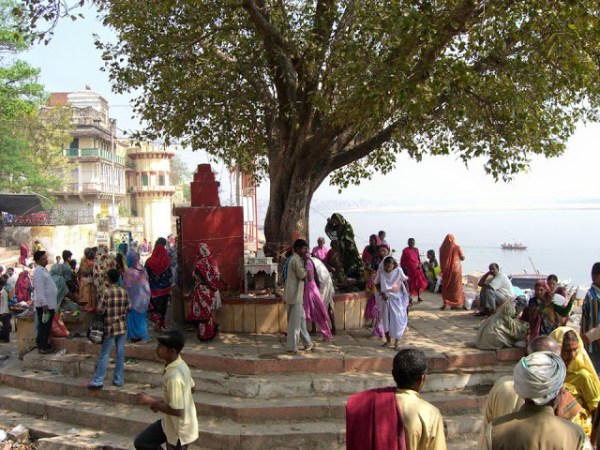
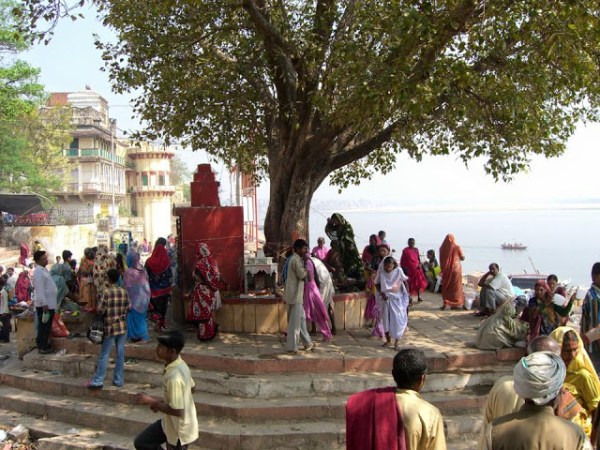
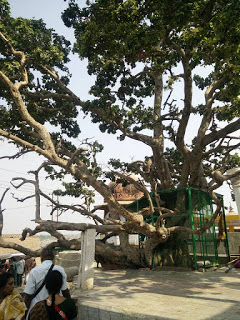
Sacred Tree in Varanasi/ Benares

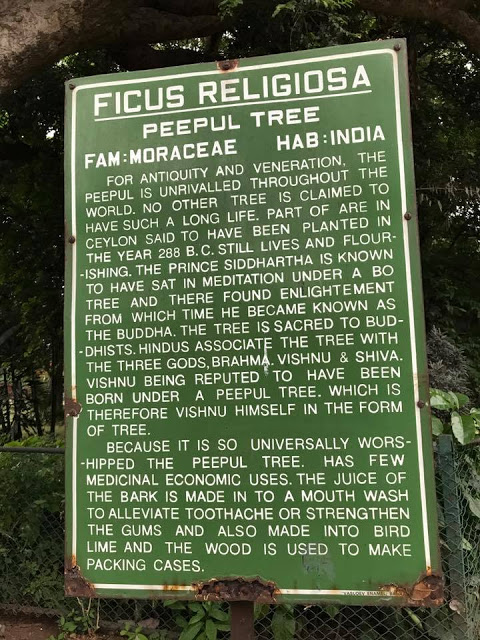
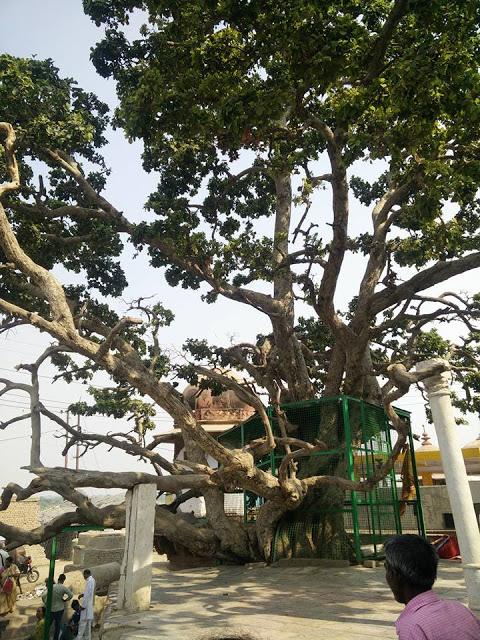
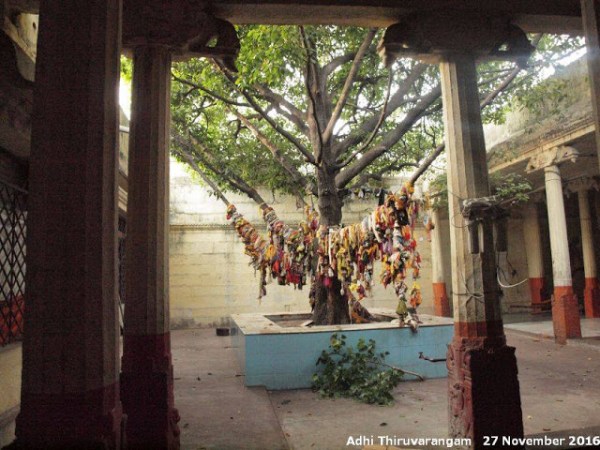
விஷ்ணு சஹஸ்ரநாமத்தில் நியக்ரோத, உதும்பர, அஸ்வத்த என்று மூன்று மரங்களின் பெயர்கள் விஷ்ணுவின் அம்சமாக வழிபடப்படுகின்றன. மஹாபாரதத்தில் உள்ளதும், ஸ்ஹஸ்ரநாமங்களில் பழையதுமான ஒரு துதியில் மூன்று மரங்களுக்கு முக்கியத்துவம் கொடுக்கப்பட்டுள்ளது. மர வழிபாடு வேத காலத்திலேயே உண்டு. மேலும் இந்துக்கள் ஐரோப்பாவில் குடியேறி அவர்கள் பண்பாட்டைப் பரப்பியபோது விட்டு வந்த மிச்ச சொச்சங்களை இன்றும் ஐரோப்பாவில் காணலாம். இங்கிலாந்திலும் அமெரிக்காவிலும் ஹாலிவுட் (ஹோலி உட் = புனித மரம்) ஹோலிஓக் (புனித ஓக் மரம்) இப்படி நூற்றுக் கணக்கான இடப் பெயர்கள் உண்டு.


2000 ஆண்டுகளுக்கு முன்னர் ஓவிட் (Ovid) என்னும் ரோமானியப் புலவர் மரங்களுக்கு காணிக்கை செலுத்துவது, நூல் கட்டுவது, கந்தைத் துணிகள் சாத்துவது பற்றிப் பாடியுள்ளார். இந்துக்கள் இயற்கையின் எல்லா றை அம்சங்களையும் வணங்கினர். மற்ற நாடுகளில் பழைய மர வழிபாடு இலக்கியத்திலும் மியூஸியங்களிலும் மட்டும் உள்ளது. ஆனால் இந்தியாவிலோ இமயம் முதல் குமரி வரை இன்றும் மர வழிபாடு இருக்கிறது.


தமிழ் நாட்டின் கோவில்களில் தல விருட்சங்கள் இருப்பது போல வட இந்தியாவில் புனித க்ஷேத்ரம் முழுவதும் புனித மரங்கள் இருக்கின்றன. வேத காலத்தில் பிப்பலாடன் (அரச மரம்) என்ற பெயரில் ரிஷி முனிவர்கள் வாழ்ந்தனர். பிராமணர்கள் அரச மரக் குச்சி (ஸமித்து) இல்லாமலோ தர்ப்பைப் புல் இல்லாமலோ வாழ முடியாது– அந்த அளவுக்கு அவர்கள் வாழ்க்கையில் குஸ ( தர்ப்பை) புல், அரச, பலாச மரங்கள் இணைந்து பிணைந்துள்ளன. ராமனின் புதல்வர்கள் இருவரில் ஒருவர் பெயருக்குக் காரணமே தர்ப்பைப் புல் (குஸ) தான்.

ஓரிரு வேதக் கதைகளைக் காண்போம்


பூமி, பிரஜாபதி ஆகியோரின் முடி (மயிர்) தான் தாவரங்கள் என்று சதபத பிராமணம் கூறும்; அதாவது ஒரு காலத்தில் தாவரங்களே இல்லாத பூமியில் தாவரங்கள் வளர்ந்ததை கதை போலச் சொல்லும் பகுதி இது.


அண்டத்தில் உள்ளது பிண்டத்தில் உண்டு- என்ற முது மொழியின்படி பூமியில் உள்ள தாவரங்கள்= மனிதனின் உடலிலுள்ள முடி

பூமியிலுள்ள ஆறுகள்= மனிதனின் உடலிலுள்ள ரத்தக் குழாய்கள்


–இவ்வாறு பல விளக்கங்கள் உண்டு.


கதை போலச் சொல்லுவதால் அதன் பின்னுள்ள மறை  பொருளை நாம் புரிந்து கொள்ள வேண்டும்.


முக்கியமான விஷயம் என்ன வென்றால் தர்ப்பை (குஸ), தூர்வா (அருகம் புல்) உதும்பர, அஸ்வத்த, வட/ஆலம் மரங்கள் பற்றிய குறிப்புகள் வேத காலம் முதற்கொண்டே இருக்கின்றன என்பதே.

Kadamba Tree in Chir Ghat near Yamuna River

காட்டிலுள்ள தாவரங்களையும் மரத்திலுள்ள பழங்களையும் சாப்பிடலாம் என்று பிராமண நூல்கள் சொல்லும்.


பிதகோரஸ் என்ற கிரேக்க தத்துவ அறிஞர், அவரை (Beans) விதைகளை சாப்பிடக்கூடாது என்று தடுத்ததாகச் சொல்லுவர். இந்துக்களும் இப்படிப் பல தாவரங்களைத் தவிர்த்தனர். ரோமன் கத்தோலிக்க மதத்தினரும் , விரத காலத்தில் சில வகை உணவுகளை உண்ண மாட்டார்கள்.


உதும்பர என்பது அத்தி வகைத் தாவரம். இதில் செய்யப்பட்ட நாற் காலி அல்லது ஆசனத்தின் மீதமர்ந்து குளிப்பது பற்றி பல குறிப்புகள் பிராமண நூல்களில் உள.


உதும்பர மரம் பறிய கதை ஒன்று:–


தேவர்களும் அசுரர்களும் பிரம்மாவிடம் தோன்றினர். அவர்கள் அக்னியை முன் நிறுத்தி, அசுரர்களிடம் சென்றனர். அவர்கள் அக்னியை வெட்டி வீழ்த்தவே அது பூமியில் ‘க்ரிமுக’ மரம் ஆனது இதனால்தான் அது செந்நிற,,,,,தில் உளது.


பிரஜாபதி, முதல் யாகம் செய்தபோது அங்கிருந்து ‘வின்கங்கட’ மரம் வந்தது. அதன் மூலம் அவர் கைகளை சுத்தப்படுத்திக் கொண்டார்.


தேவர்களும் அசுரர்களும் பிரஜாபதியிடம் தோன்றினர். அவர்கள் ஒன்றாகச் செய ல்பட்ட காலத்தில் உதும்பர மரம் தவிர ஏனைய மரங்கள் எல்லாம் அசுரர் தரப்பில் நின்றன. ஆனால் தேவர்கள் வெற்றி பெற்றவுடன் எல்லா மரங்களும் தேவர் வசம் வந்தன. தோற்றுப்போன மரங்கள் எல்லாம் உதும்பர மரத்தில்  நுழைந்து கொண்டன. இதனால்தான் உதும்பர மரம் பால் வடியும் மரமாகவும் ஏராளமான பழங்கள் உடைய (அத்திப் பழம்) தாகவும் உளது.

Picture from Lalgudi Veda

இப்படிப்  பல கதைகள் சதபத, ஐதரேய பிராமனங்களில் இருக்கின்றன. அந்தக் காலத்திலேயே மரங்கள் பற்றி அக்கறை செலுத்தியதும், அதில் ஒரே இனத்தைச் சேர்ந்த (பைகஸ்  FICUS குடும்பம்) மூன்று மரங்களை விஷ்ணு சஹஸ்ரநாமம் வேதம் முதலியன குறிப்பிடுவதும் தாவர இயல் அறிவைக் காட்டும்.


மறை பொருள் உடைய கதைகள் என்பதால் இதன் மூலம் வேறு ஏதேனும் சொல்ல முற்பட்டனரா என்பதும் ஆராய்ச்சிக்குரியது.


எல்லாவற்றையும் விட முக்கியமானது—

தேவர்களும் அசுரர்களும் பிரஜாபதி என்னும் பிரம்மாவிடம் தோன்றியதாக கி.மு 1000 ஆண்டைச் சேர்ந்த பிராமண நூல்கள் கூறுவதாகும். இவைகளை  மறைத்துவிட்டு ஒரு தரப்பை பழங்குடியினர் அல்லது திராவிடர் என்று சித்தரிப்பது பிரித்தாளும் சூழ்ச்சியில் வல்ல வெளிநாட்டினரின் சதியாகும். சூத்திரர்களையும் கடவுளின் ஒரு பகுதி என்று ரிக் வேதத்தில் உள்ள புருஷ சூக்தம் சொல்லும். தேவர்கள், அசுரர்கள், ராக்ஷசர்கள் ஆகியோர் ஒரு தாய் வயிற்றுப் பிள்ளைகள் என்றும் வேதம் சொல்லும்— ஆனால் இவைகளை மறைத்து அவர்களை ஆதிப் பழங்குடி போல சித்தரிப்பது விஷமிகளின் வேலை. ஆக தாவரவியல் தவிர மானுடவியலும் சமூகவியலும் இந்த நூல்களில் காணக்கிடக்கின்றன என்ப தை அறிக.


—சுபம்—-

STRANGE STORIES ABOUT TREES IN VEDAS –Part 2 (Post No.4371)

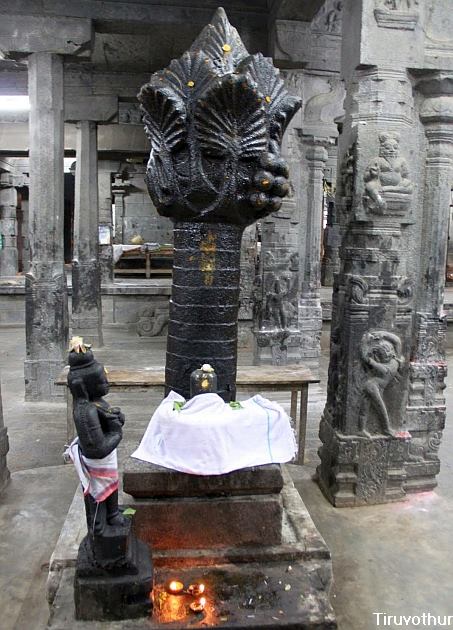
Granite tree in a Tamil Temple; posted by Lalgudi Veda

Written by London Swaminathan 


Date: 6 NOVEMBER 2017


Time uploaded in London- 16-08


Post No. 4371

Pictures shown here are taken from various sources such as Facebook friends, Books, Google and newspapers; thanks.


(First part was posted yesterday)


Picture of a sacred tree in Varanasi


The Gods and the Asuras, both of them sprung from Prajapati, strove together. The gods, having placed Agni in the front, went up to the Asuras.  The Asuras cut off the point of that flame held forward. It settled down on this earth and became that Krimuka tree; hence it is sweet, for there is vital essence in it. Hence also it is red, for it is a flame, that Krimuka tree being the same as Agni; it is in the shape of fire that he imparts growth to it- Satapata Brahmana 6-6-2-11


When Prajapati performed the first offering, a Vinkankata tree (Flacouritas apida) sprang forth from that place where, after offering, he cleansed his hand  –6-6-3-1


“When the gods and Asuras, both of them sprung from Prajapati, strove together, all the trees sided with the Asuras, but  the Udumbara tree alone did not forsake the gods. The gods having conquered the Asuras took possession of their trees. They said, ‘come let us lay into the Udumbara tree whatever pith, whatever vital sap, there is in these trees; were they then to desert us they would desert us worn out like a milked-out cow or like an ox that has been tired out drawing the cart. Accordingly they laid into the Udumbara tree what pith and essence there was in those trees; and on account of that it matures fruit  equal to all other trees; hence that tree is always moist, always full of milky sap- that Udumbara tree indeed, being all the trees, is all food—Sat Br. 6-3-2-3


Aitareya Brahmana also gives the same story (1-23)


(VERY IMPORTANT POINT: Gods and Asuras came from Brahma/Prajapati. Foreigners wont highlight this point anywhere in their writings; those cunning and conspiring people wanted to project Asuras as aborigines or Dravidians. Throughout Hindu literature, Asuras, Rakshasas or so called Shudras are shown as children of same father and mother)


“Trees were temples of Divinities, and in the old way the simple country folk to this day dedicate any remarkable tree to a god”—Pliny in Natural History 12-3

Pliny (23-79 CE) was a Roman scholar and his Natural History reflected the Hindu views on Trees.


Persian Poet Haafiz praised the trees too,

“Mark where yon tree rewards the stony shower

With fruit nectareous, or the balmy flower,

All nature calls aloud, ‘Shall man do less

Than heal the smiter and the railer bless?”

Posted by Lalgudi Veda, Vellerukku, Siddhavatam

In India that is Hindustan all life is sacred. Hindus are believers in the law of continuity, for in their creed the life of gods is connected with that of demons, the life of demons  with men, the life of men with animals, the life of animals with that of trees and plants, the life of plants with a supposed life in rocks and stones, and the divine soul is thought to permeate all. There is no break anywhere. Tamil Saints like Manikkavasagar sings about several births of soul from stone to man. According to Hindus, all plants are conscious beings, having distinct personalities and souls of their own as gods, demons, men and animals (Manu 1-49).


Good spirits and demons occupy the trees. They may often resort to it as guests or take up their abode as tenants.


There is a firm belief that certain trees are demon haunted. Tamils believe that demons occupy Tamarind trees. However it is necessary to make clear  distinction between sacred trees and trees feared as the home of evil spirits. Hindus worship trees out of fear or out of its sacredness. Another reason for the worship of trees is their wonderful utility in daily life. Their shade is grateful in a hot climate. Their wood is the source of fuel/fire. Their fruits, juices are bark have medicinal and curative properties. Plamyra palm or Coconut tree of south India has over fifty distinct uses.

Huge banyan trees are assembling point for vendors, gossip mongers, Assembly Hall and Court House of the village communities. It becomes the abode of village god or Ganesh in South India.

Kuruntha Tree, Avudayar Koil, by Lalgudi Veda


TREE MARRIAGE


In the olden days a Hindu who plants a grove of mango trees will not take the fruit f the mango tree before they have been married to another kind of tree, usually a tamarind tree, sometimes an acacia or even a jasmine plant which is planted in the grove. It is done only when the mango tree reaches fruit bearing stage. In the same way a tank is married to a plantain tree.


The tree worship began in Vedic age. We see a whole Mandala of Rig Veda is devoted to Soma (plant) worship. Pipal tree is worshipped from the Vedic days. Rishis/ seers are named after Pipal trees. Buddha, born as a devoted Hindu, did penance under the pipal tree (Bodhi).  Parijata came form the ocean when demons/ Asuras and Devas/angels churned the milky ocean.


Tree worship is seen among tribal Hindus as well; in the Birbhum district annual pilgrimage is made to shrine in the jungle to leave offerings to a Bel tree.


The custom of hanging votive offerings or rags or threads on the trees is of great antiquity. It is seen from Kashmir to Kanyakumari.

Kadamba  Tree in Chir Ghat, Yamuna River

This custom existed in other parts of the world as well; names like Holyoake, Hollywood recall the English worship of trees and groves.


Ovid (43 BCE), the Roman poet, says,

“There stood a mighty oak of age-long strength

Festooned with garlands, bearing on its trunk

Memorial tablets, proofs of helpful vows”

–Metamorphoses, 8-741, also Fasti 3-267


This Hindu custom was prevalent in different parts of the world; now we can see such pictures in museums or in their literature; but in Hindu India, where it originated, is still practised!!


The famous Bodhi tree in Gaya (Bihar, India) and its sister trees in Sri Lanka, Tamarind tree of Tansen and Nammalvar, Banyan Tree of Lord Krishna and Panchavati (five Banyan trees) of Lord Rama are some examples. There are hundreds of trees like these throughout India Every Tamil temple has a tree worshipped in its complex.

A pilgrim under a tree

Classical analogies of tree deities are found in many places: Daphne turned into a laurel that Apollo honours for her sake, and the sorrowing sisters of Phaethon changing into trees, yet still dropping blood and crying for mercy when their shoots are torn”

–Metamorphoses of Ovid 1-452, 2-345


Like I have pointed out earlier, they are all in old literature or museums in other parts of the world; In India, Hindus practise it even today and worship all the nature as God; and India is not primitive; it is the first developing country to send a spaceship into sky; it is the first developing country to explode a nuclear device. it is the country with highest number of computer personnel.

–Subham–


வளமாக இருக்கும் போது பரிதாபத்திற்குரியது எது? (Post No 4370)

Written by S.NAGARAJAN


Date: 6 NOVEMBER 2017


Time uploaded in London- 5-03 am


Post No. 4370

Pictures shown here are taken from various sources such as Facebook friends, Books, Google and newspapers; thanks.


கிம் என ஆரம்பிக்கும் சுபாஷிதங்களைப் பற்றிய முந்தைய கட்டுரை எண் 4217 20-10-2017 அன்று வெளியானது.

அதைத் தொடர்ந்து இந்தக் கட்டுரை:-


வளமாக இருக்கும் போது பரிதாபத்திற்குரியது எது?

ச.நாகராஜன்


கிம் என்று ஆரம்பிக்கும் நூற்றுக் கணக்கான சுபாஷிதங்கள் உள்ளன. ஆதி சங்கரர் அருளிய ப்ரஸ்னோத்தர ரத்னமாலாவில் கிம் என்று ஆரம்பிக்கும் பல கேள்விகளைக் கேட்டு அவர் பதில் அளிக்கிறார்.


அவற்றில் சில:-

கிம் ஷோச்யம் கார்பண்யம்

சதி விபவே கிம் ப்ரஷஸ்யமௌதார்யம் I

தனுதரவித்தஸ்ய ததா

ப்ரபவிஷ்னோர் யத்  சஹிஷ்ணுத்வம் II


வளமாக இருக்கும் போது எது பரிதாபத்திற்குரியது?

கஞ்சத்தனம்.

அப்போது எது புகழத்தக்கது?

கொடை

அதே போல ஒருவன் வறிய சூழ்நிலையில் இருந்தாலும் சரி  அதிகாரத்தில் இருந்தாலும்  சரி பொறுமையைக் கடைப்பிடிப்பது போற்றத்தக்கது.

இதை ஆங்கிலத்தில் மொழிபெயர்த்துள்ளார் கே.வி.சர்மா.


What is to be pitied when in affluence. Niggardliness.

What is praiseworthy then? Generosity.

Patience is similarly to be commended both when  a  man is in very indigent circumstances as well as he is in power. (Translation by K.V. Sarma)


இதே போல கிம் என்று ஆரம்பித்துப் பல கேள்விகளைக் கேட்டு பதிலையும் தருகிறார் ஆதி சங்கரர், மனித குல நன்மைக்காக.

அவற்றைக் கீழே காணலாம்.


கிம் விஷம்?

எது விஷம்?

பதில்: அவதீரணா குருஷு

குருவின் கட்டளையை மீறுவது


What is poison?

Transgression of preceptor’s orders.


கிம் மனுஜேஷு இஷ்டதமம்?

எது மனிதர்களிடம் விரும்பத்தக்கது?

பதில் :ஸ்வ-பர ஹிதாய உத்யதம் ஜன்ம.

தனக்கு மற்றும் பிறர்க்கு என வாழ்க்கையை அர்ப்பணிப்பது.


What is most desirable for human beings?

Life dedicated to one’s and others welfare.


கிம் குருதாயா மூலம்?

எது மேன்மைக்குக் காரணம்?

பதில் : யத் ஏதத் அப்ரார்தனம் நாமம்

பதிலுக்கு ஒன்றையும் எதிர்பார்க்காதிருத்தலே மேன்மைக்குக் காரணம்.


What is the cause of greatness?

That which is known as not asking favours.


கிம் துக்கம்?

எது துக்கம்?

பதில் : அசந்தோஷ:

சந்தோஷமற்றிருப்பது.


What is unhappiness?

Cheerlessness.


கிம் ஜாட்யம்?

எது  முட்டாள்தனம்?

பதில் : பாடதோபி அனப்யாஸ”

படித்ததைத் திருப்பிப் படிக்காமலிருப்பது.


What is unintelligence?

Not repeating what is learnt.


நளினி -தள – கத – ஜலவத் – தரளம் கிம்?

எது தாமரை இலத் தண்ணீ ர போன்று நிலையற்றது?

பதில் : யௌவனம்,தனம் ச ஆயு:

யௌவனம், தனம் மற்றும் ஆயுள்


What is transient like the water on the lotus leaf?

Youth, wealth and life.


கிம் ச அனர்கம்?

எது விலை மதிப்பற்றது?

பதில்: யதவஸரே தத்தம்

எது சரியான தருணத்தில் வழங்கப்பட்டதோ அது.


What is priceless?

That which is given at the right moment.


ஆமரணாத் கிம் ஷால்யம்?

அம்பு போல மரணம் வரை வருவது எது?

பதில் : ப்ரச்சன்னம் யத் க்ருதம் பாபம்.

ரகசியமாக செய்த பாவம்.


What paids like a shaft till death?

The sin committed in secrecy


இன்னும் பல ‘கிம்’ என்று ஆரம்பிக்கும் கேள்விகள் ப்ரஸ்னோத்தர ரத்ன மாலிகாவில் உள்ளன. படித்துப் பயனடையலாம்.

***