ஹிந்து காந்திஜி! (Post No.4263)

Written by S.NAGARAJAN


Date: 2 October 2017


Time uploaded in London- 4-58 am


Post No. 4263

Pictures shown here are taken from various sources such as Facebook friends, Books, Google and newspapers; thanks.


ஹிந்துத்வம் வாழ வழி காட்டியவர்

ஹிந்து காந்திஜி!

ச.நாகராஜன்

1

புனிதமான தினம் அக்டோபர் இரண்டாம் தேதி.

அண்ணல் அவதரித்த திருநாள்.

அவரைக் கொண்டாடும் விதமாக எழுத முற்படும் போது வந்த தலைப்பு தான் ஹிந்து காந்திஜி!

இந்தத் தலைப்பையே செகுலரிஸ்டுகள் விரும்பமாட்டார்கள்.

மாறாக கிறிஸ்துவ காந்திஜி என்றோ அல்லது இஸ்லாமிய காந்திஜி என்றோ தலைப்புக் கொடுத்திருந்தால் இமயமலை ரேஞ்சுக்கு என்னைப் பாராட்டுவார்கள்.

காந்திஜியின் வழியில் நடக்க விரும்புவதால் பாராட்டுக்கு பக்குவப்படாமல் உண்மையை எழுதத் துணிவேன்.

அதற்கு உகந்த தலைப்பு இது தான். ஹிந்து காந்திஜி!
 

2

சபர்மதி சிறையில் காந்திஜி இருந்த சமயம்.

ஒரு நாள் தி மான்செஸ்டர் கார்டியன் (The Manchester Guarding)  என்ற பத்திரிகையிலிருந்து அதன் பிரதிநிதி ஒருவர் 1922ஆம் ஆண்டு மார்ச் 18ஆம் தேதிக்கு முன்னால் காந்திஜியைப் பேட்டி காண வந்தார்.

அந்தப் பேட்டியை மதராஸிலிருந்து வெளி வரும் ஆங்கிலப் பத்திரிகையான தி ஹிந்து 1922ஆம் ஆண்டு ஆகஸ்ட் 15ஆம் தேதி வெளியிட்டது.

ஒத்துழையாமை இயக்கம் என்பது கிறிஸ்துவின் உபதேசத்திற்கு முரணானது என்று பத்திரிகையாளர் காந்திஜியிடம் கூறினார். அதற்கு காந்திஜி, “ நான் ஒரு கிறிஸ்தவன் அல்ல; ஆகவே கிறிஸ்தவ கொள்கைகளுக்கு ஏற்றபடி எனது செயல்களை நியாயப்படுத்த வேண்டிய அவசியம் எனக்கு இல்லைஎன்று முகத்தில் அடித்தாற்போல் பதில் கூறினார்

3

தன்னை இந்தியாவின் நீண்ட கால நண்பர் என்று கூறிக் கொண்ட ஒரு அமெரிக்கப் பெண்மணி, “ஹிந்து சமயத்தைப் பற்றி உங்களுடைய விளக்கத்தை நீங்கள் கொடுத்து ஹிந்து சமயத்தையும் ஏசுநாதரின் உப்தேசங்களையும் ஒப்பிட்டுக் கூறுவீர்களா?” என்று வேண்டிக் கொண்டார்.


20-̀10-1927 யங் இந்தியா இதழில் அவரது கடிதத்தையும் தன் பதிலையும் காந்திஜி வெளியிட்டார்.

விரிவான அந்த பதில் ஹிந்துவாக தான் இருப்பதற்கான காரணம் என்ற காந்திஜியின் நிலைப்பாட்டை விளக்கும் அற்புத பதிலாக அமைந்தது.


ஆனால் இன்றைய செகுலரிஸ்டுகள் காந்திஜியைத் தங்களின் கபடப் போர்வைக்குள் சுருட்டப் பார்ப்பதால் அதையெல்லாம் பற்றிப் பேசுவதில்லை;; வெளியிடுவதில்லை.

அவரது பதிலின் ஒரு பகுதி:


“பரம்பரையின் செல்வாக்கில் எனக்கு நம்பிக்கை உண்டு. எனவே, நான் ஓர் ஹிந்து குடும்பத்தில் பிறந்ததால், நான் ஹிந்துவாக இருந்து வருகிறேன்.


எனக்குத் தெரிந்த எல்லா சமயங்களுக்குள்ளும் ஹிநது சமயம் ஒன்று தான் மிகவும் சகிப்புத்தன்மை வாய்ந்தது என்பதை நான் அறிந்து கொண்டிருக்கிறேன்.


அதில் கண்மூடித்தனமான பிடிவாதத்திற்கு இடமில்லை. இது தான் என் மனத்தை மிகவும் கவர்ந்திருக்கிறது.

அதில் தான் அஹிம்சை நடைமுறையிலும் அனுசரிக்கப்படுகிறது. (ஜைன மதம் அல்லது புத்த மதத்தை ஹிந்து சமயத்திலிருந்து வேறானதாக நான் கருதவில்லை)


ஹிந்து சமயம் பசுவை வழிபடுவது, ஜீவ காருண்ய மலர்ச்சிக்கே அடிப்படையாகும். எல்லா உயிர்களும் ஒன்று என்பதையும், எனவே எல்லா உயிர்களும் புனிதமானவை என்பதையும் அது செயலில் காட்டுவதாக இருக்கிறது.
அந்த நம்பிக்கையின் நேரடியான பலனே, மறு ஜன்மத்தில் உள்ள மகத்தான நம்பிக்கையாகும்.


மேலும் சத்தியத்தை இடைவிடாது தேடியதன் அற்புதமான பலனாகவே, வர்ணாசிரம தருமம் கிடைத்தது.

ஹிந்து சமயத்தில் நான் இருந்து வருவதற்கான காரணமான சிறந்த அம்சங்கள் என்று எனக்குத் தோன்றியதையே இங்கே மிகவும் சுருக்கமாகக் குறிப்பிட்டிருக்கிறேன்.


4

1937ஆம் ஆண்டு ஜனவரி மாதம் இரண்டாம் தேதி  போலந்திலிருந்து தத்துவ பேராசிரியரான க்ரென்ஸ்கி காந்திஜியை வந்து சந்தித்தார்.

அனைவரும் படிக்க வேண்டிய பேட்டி இது.
முழுவதையும் தர இடம் இல்லை என்பதால் சில முக்கியப் பகுதிகளை மட்டும் இங்கு காணலாம்:


Krzenski : Catholicism is the only true religion

Gandhiji : Do you therefore say that other religions are untrue?

Krzenski : If others are convinced that their religions are true they are saved.

Gandhiji : Therefore you will say that everyone would be saved even through untruth.

Krzenski: But I have studied all religions and have found that mine is the only true religion.


Gandhiji : But so have others studied other religions. What about them?

Krzenski : I have examined the arguments in favour of other religions.

Gandhiji : But it is an intellectual examination. You require different scales to weigh spiritual truth…. My submission is that your position is arrogant. But I suggest you a better position. Accept all religions as equal, for all have the same root and the same laws of growth.

Professeor switched to a next question.


Gandhiji : It is no use trying to fight these forces without giving up the idea of conversion, which I assure you is the deadliest poison that ever sapped the fountain of truth.
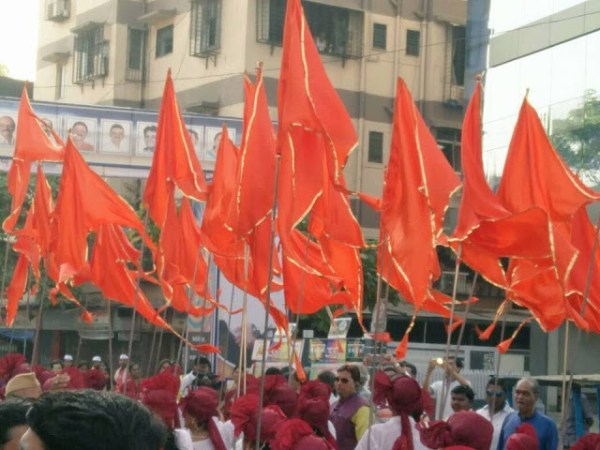


மதமாற்றம் என்பது கொடிய விஷம்


மதமாற்றம் என்பது கொடிய விஷம் என்ற காந்திஜியின் கருத்து  செவிடன் காதில் ஊதிய சங்கு போலத் தான் ஆயிற்று பல கத்தோலிக்க பிஷப்புகளுக்கு.

காந்திஜியை “அறுவடை” செய்தால் ஒட்டு மொத்த இந்தியாவையுமே அறுவடை செய்தது போலத் தானே!

அதை நம்பி இந்த போலந்து புரபஸர் மட்டும் வரவில்லை.

ஸ்டான்லி ஜோன்ஸ் உள்ளிட்ட பிரபல பாதிரிகள் அவரை நோக்கிப் படை எடுத்து வந்தன.

ஆனால் ஏமாந்தே போயின.

அனைத்தையும் அன்பர்கள் விரிவாக முழுவதுமாகப் படிக்க வேண்டும்.


5

போலந்து மாணவன் ஒருவன் காந்திஜியின் போட்டோ ஒன்றை எடுத்து வந்தான். அவரிடம் அதில் கையெழுத்திட வேண்டினான்.

கத்தோலிக்க பாதிரிமார்கள் நடத்தும் பள்ளி ஒன்று இருக்கிறது.

உங்கள் கையெழுத்திட்ட இந்த போட்டோவை விற்று அதில் வரும் பணத்தை அவர்களிடம் கொடுத்து விடுவேன் என்றான அந்த மாணவன்.


“ஆ, அப்படியா சேதி! இதில் கையெழுத்திட்டு பாதிரிகளின் மதமாற்ற வேலைக்கு நான் உதவுவேன் என்று நீ எதிர்பார்க்கிறாயா?” என்று கூறியவாறே போட்டோவை அந்த மாணவனிடமே திருப்பிக் கொடுத்தார் காந்திஜி.

மஹாதேவ தேசாய் தனது டயரிக் குறிப்பில் இந்தச் சம்பவத்தை விரிவாகக் குறிப்பிடுகிறார்.


6

காந்திஜிக்கு பாதிரிகளின் அந்தரங்க எண்ணமும் தெரியும்;ஜிஹாதிகளின் உள் நோக்கமும் புரியும்.

அவர் தெளிவான ஹிந்துவாகவே வாழ விரும்பினார்.

ஏனெனில் ஒரு ஹிந்துவுக்கு யாரும் பகை இல்லை. அவனுக்கு அனைவரும் சமமே.


ஆனால் ஒரு கிறிஸ்துவனுக்கோ அவனுக்கு முன்னால் மற்றவர் சமம் இல்லை. அவன் ஏசுவுக்குத் தன்னை ஒப்புக் கொடுக்க வேண்டும்.


ஒரு இஸ்லாமியருக்கு அடுத்தவர் யாரானாலும் காஃபிர் தான்!

ஹிந்து மதம் வாழ்ந்தால் உலகில் அனைவரும் வாழலாம். ஆனால் இஸ்லாமோ அல்லது கிறிஸ்தவமோ வாழ்ந்தால் ஏனையது இருக்கக் கூடாது.
 

காந்திஜி அனைவரும் வாழ வேண்டுமென்று விரும்பினார்; அந்த நல்லெண்ண வேள்வியில் தன்னை ஆகுதி ஆக்கினார்.

இன்றைய போலி செகுலரிஸ்டுகளும், மதவாதிகளும் அவரை மறக்கடிக்கவே முயல்வர்.


அதைத் தோற்கடிக்க ஹிந்து காந்திஜியைப் போற்றுவோம். உண்மையான ஹிந்துவாகவே என்றும் இருப்போம்.

ஹிந்து ராஷ்டிரத்தை நிறுவுவோம்.

***
 

179 ‘VICTIMS’ IN HINDU HUMAN SACRIFICE!- Part 1 (Post No.4262)

Written by London Swaminathan


Date: 1 October 2017


Time uploaded in London- 15-33 pm


Post No. 4262

Pictures shown here are taken from various sources such as Facebook friends, Books, Google and newspapers; thanks.


Please read my articles posted in the past few days on the same topic if you need more background information about Purushamedha and Sunaschepa anecdote


Pursuhamedha Yajnam, Human Sacrifice, never happened in Hindu India. Sunschepa episode in Aitareya Brahmana showed that Hindus never tolerated such barbaric acts. There were always revolutionary leaders like he great Viswamitra to revolt against such acts. Even in the Vedic literature King Harichandra only tried it and failed miserably. We have a long list of kings before Harichndra and longer list of kings after him. No such custom or actual incident is reported.

But the most interesting thing is there is a big chapter detailing this fire sacrifice. This shows that all the yajnas were symbolic and they mean actually different things. The seers themselves repeat the phrase, ‘Gods love the mystic or mysterious”. So they show that all the 179 jobs are necessary to run life successfully. The victims list makes very interesting reading. There is eve astronomer. And the first person thrown into the fire was a Brahmin!


This clearly shows that the message is not burning the people, but making them part of the functional society. Without them the society is not complete. Foreigners who wanted to show Hinduism in bad light tried their best to use this sacrifice, but in vain.


Satapata Brahmna (of Yajur Veda) and the Aitareya Brahmana (of the rig Veda) give a detailed description of the rite.


If you read the full list you would yourself know that it is symbolic.

Here is the list of 179 victims and to which god they were ‘’sacrificed’’ from the Taittiriya Brahmna:–


1.To the divinity of Brahman caste a Brahmin should be sacrificed (‘alabhate)

After this only the God and the victim are mentioned without the verb ‘sacrificed’


  1. To the divinity of Kshatriya caste a kshatriya (king or warrior)


3.To the Maruts, a Vaisya (business man)

  1. To the Tapas (presiding deity of penance), a Shudra
  2. To the Tamas (divinity of darkness) a thief
  3. To naraka (hell), a Virahana, one who blows out sacrificial fire.
  4. To Papman (divinity of sin), a hermaphrodite (a eunuch.
  5. To Akrayi ( divinity of commerce), an Ayogu (one who acts against the ordinances of Satras

9.To Kama (divinity of Love, a courtesan).

  1. To Atikrushtha, a Magadha (the son of a Vaisya by a Kshatria woman)

(Mixed marriages were encouraged!!)

  1. To Gita (divinity of Music), a Suta or a musician.

(Vedic society had great number of music lovers and singers. They were a happy group who enjoyed dance and music)

  1. To Nritta (Divinity of Dancing),one who lends his wife to another ( a cuckold)

13.To Dharma (righteous behaviour), one who frequents assemblies and preaches preaches morality.

  1. To Narma, the Divinity of Humour), a wit


15.To Narishta, a coward.

  1. To Hasa ( the divinity of Laughter), a person of ambling gait.


(So it is not a nomadic, pastoral, uncivilised community; Foreigners contradict themselves)


  1. To Ananda (the divinity of delight), a favourite of  women
  2. To Pramada (the divinity of Joy, the son of an unmarried woman


  1. To Medha, (the Goddess of Intelligence), a coach builder
  2. To Dhairya (the divinity of Patience), a carpenter.

21To Srama (divinity of labour), the son of a  potter

22.To Maya (divinity who delights in Art), a blacksmith

23.To Rupa (the divinity of beauty), a jeweller

24.To the divinity of Prosperity, an agriculturist

25.To Saravyi (divinity of arrows), an arrow-maker

26.To Heti (Goddess of arms), a bow-maker

27.To Karma (divinity of art-work), a bow string maker

28.To Dishta, a maker of ropes

29.To Mrtyu (the divinity of death), a hunter

30.To Antaka (the divinity of murder), aperson delighting in hunting with dogs


31.To Sandha (Divinity of assignation), a person given to adultery

32.To Geha (the divinity of homesteads), one who live in concubinage

33.To Nirriti (the goddess of mis fortune), one who has married before his elder brother

34.To Atri (the goddess of pain), one who wishes to marry before his elder brother

35.To Aradhi (divinity who causes obstruction to enterprise), , one who has married a widow


36.To Pavitra (divinity of purity), a Doctor/physician

37.To Prajnana (divinity of Time), an Astronomer

38.To Niskriti (goddess of success), the wife of a goldsmith

39.To Bala (Divinity of strength), a girl who is forcibly taken and kept as a concubine for food and raiment, but no pay

40.To Vrana (the Divinity of colours), one who works for the sake of another, not for himself.


My comments:–


Max Mullers and Caldwells and Marxists looked like Pukka Idiots before this list. They described this list silly, ridiculous, childish, and from nomads, pastoral, migrants.

But all these items show they were high ranking thinkers, they have doctors, astronomers, engineers and agriculturists in the list. They knew if they publish this list which belongs to 1000 BCE or before they will become the laughing stock. So they did not make the list very popular. Anyone who reads between the lines will know how thoughtful they were about the society, the works and the professionals. There is even a person “one who works for the sake of another, not for himself”, may be a social worker!


to be continued…………..


பவிஷ்ய புராணத்தில் சுவையான யமன் கதை! (Post No.4261)

Written by London Swaminathan


Date: 1 October 2017


Time uploaded in London- 1-08 pm


Post No. 4261

Pictures shown here are taken from various sources such as Facebook friends, Books, Google and newspapers; thanks.


பவிஷ்ய புராணத்தில் யமன் பற்றிய ஒரு சுவையான கதை உளது; அதை நான் இப்போது உரைப்பேன்:


யம தர்ம ராஜன் பூமிக்கு வந்தார். அழகான ஒரு பிராமணப் பெண்ணைக் கண்டார்; காதல் கொண்டார்; அவள் பெயர் விஜயா.


ஓ பேரழகியே, உன் மீது காதல் கொண்டேன்; என்னைத் திருமணம் செய்து கொள்;  யம லோகம் போகலாம். இனிதே வாழலாம் என்றான்– யமதர்ம ராஜன்.

அடச் சீ, தள்ளி நில்; உன் மூஞ்சியும் முகரையும் பார்க்கச் சகிக்கவில்லை; வாஹனமோ உன்னை விடக் கருத்த எருமை- என்றாள் விஜயா.

யமதர்ம ராஜனோ விடவில்லை.

பெண்ணே! என் வீரப் பிரதாபங்களைக் கேள்; யுதிஷ்டிரன் எனப்படும் தர்மனுக்கு அடுத்தபடியாக, சொல்லப்போனால் அதற்கும் முன்னதாகவே , என் ஒருவனுக்குத்தான் தர்மராஜன் என்று பெயர்; அவரவர் செய்த பாப புண்ணியங்களுக்கு ஏற்ப தண்டனை அளிப்பது என் கடமை; ‘ஆளைக் கண்டு ஏமாறாதே ஊது காமாலை’ என்ற பழமொழியை அறியாயோ? பேதையே1 பெண் மானே1 இளங்கிளியே; கருங்குயிலே; என் குணத்தைப் பார் –என்றான் யமன்.

அவளும் குணத்தில் மயங்கினாள்; கல்யாணத்துக்கு இணங்கினாள்.


இருவரும் யமலோகத்துக்கு ‘ஹனிமூன்’ போனார்கள்; இல்லற வாழ்வு இனிதே விளங்கியது.


பெண்ணே; ஒரே ஒரு கண்டிஷன்/ நிபந்தனை; இந்த ராஜ்யத்தில் தெற்கு திசைப் பக்கம் போய்விடாதே; எல்லாம் உன் நன்மைக்குதான் சொல்லி வைத்தேன்– என்றான் யமதர்மன்.


சந்தேகப் பேர்வழிகள்!

பெண்புத்தி வேறு வகையில் செல்லும்; ஆண்கள் ஒரு கணக்குப் போட்டால் அவர்கள் வேறு ஒரு கணக்குப் போடுவர்; சந்தேகப் பேர்வழிகள்; வீட்டிற்குத் தாமதமாக வந்தால் வேறு ஒரு பெண் பின்னனியில் இருக்கிறாளோ? என்பர். தும்மல் போட்டால் இப்போது உம்மை யார் நினைத்தாள்? யார் அந்தப் பழைய காதலி? (காண்க திருக்குறள்) என்பர். உன்னை நான் இப்போது மறப்பேனா? என்று அவன் சொன்னால் ஏன் ‘எப்போதும்’ என்று சொல்லவில்லை என்று ஊடல் கொள்ளுவர் (காண்க காமத்துப்பால்-திருக்குறள்)


சம்சயாத்மா விநஸ்யதி= சந்தேகப் பேர்வழி அழிவான்– என்று கண்ணபிரான் பகவத் கீதையில் சொன்னதையும் உதறிவிட்டு தென் திசைக்குப் பயணமானாள் இளஞ் சிட்டு விஜயா- யமனின் புது மனைவி!


கோரமான காட்சி; ஐயோ அம்மா

என்று சத்தம்; அடி உதை, எத்து, குத்து, வெட்டு, தட்டு என்று யமகிங்கரர் முழக்கம். பாபாத்மாக்கள் தண்ணீர் தண்ணீர் என்று கதறல்; ஏண்டா வந்தோம் என்று ஆகிவிட்டது விஜயாவுக்கு; சரி திரும்பிப் போகலாம் என்று நினைத்த போது “மகளே! பார்த்த ஞாபகம் இல்லையா? நாந்தான் ம(க்)களைப் பெற்ற மகராசி!” என்று கூச்சல் போட்டாள் விஜயாவின் அம்மா!.


அன்றிரவு விஜயாவின் கதவைத் தட்டினான்; எமன்; ஒரு ‘பிராமிஸ்’ (Promise)  கொடுத்தால்தான் இன்றிரவு உமக்கு அனுமதி என்றாள் விஜயா.

அன்பே, ஆருயிரே! உனக்கு இல்லை என்று சொல்வேனா? என்றான் யமன். கதவும் திறந்தது.


மெதுவாக அவிழ்த்துவிட்டாள்! அம்மாவின் கதையை!

என் அம்மாவை சித்திரவதை நடை பெறும் தென் திசையிலிருந்து விடுவித்தால் என்னைத் தொடலாம்; படலாம் என்றாள்.


அடக் கடவுளே; தென் திசை செல்லக்கூடாது என்று சொன்னேனே! இந்து மதத்தில் ஒரு விதி உள்ளது அதுதான் வேதத்தில் முதல் மந்திரம்; சத்யம் வத= உண்மையே பேசு; உபநிஷத்தில் ஒரு மந்திரம் உள்ளது சத்யமேவ ஜயதே நான்ருதம்= ‘’வாய்மையே வெல்லும் – பொய் அல்ல’’ என்று.– அதுதானே இந்திய அரசின் , நீ வாழ்ந்த தமிழ்நாட்டின் அரசியல் சின்னம்; நானே கூட உண்மையை மீற முடியாது; உன் அம்மா செய்த பாவங்களுக்கு அவள் நரகத்தில் அனுபவிக்கிறாள். அதற்கு நான் என்ன செய்வேன்? கடவுளேகூட சாபமோ, வரமோ கொடுத்துவிட்டால் அதை அனுச ரித்தே ஆக வேண்டும்– நான் ‘தீர்க சுமங்கலி பவ:’ என்று சொல்லி சாவித்ரியிடம் சிக்கிய கதைதான் உலகப் பிரசித்தமே என்றான் யமன்

அவளோ கெஞ்சினாள்; மன்றாடினாள்; சரி இந்து மதத்தில் எல்லாப் பாவங்களுக்கும் விமோசனம் உண்டு; எல்லா சாபங்களுக்கும் ஒரு குறுக்கு வழியும் உண்டு. அதன்படி கொஞ்சம் தப்பிக்கலாம். உங்கள் அம்மாவின் பாவம் போவதற்குச் சமமான புண்ணிய கருமங்களை – யாக யக்ஞங்களை பூலோகத்தில் ஒருவர் செய்து கணக்குக் காட்ட வேண்டும்– எனது அக்கவுண்டண்டு (Accountant) சித்திர குப்தன் லாப-நஷ்டக் கணக்கில் மன்னன். அவன் ஓகே சொன்னால் உன் அம்மா    பிழைப்பாள் என்றான் யமன்


அவளும் பூலோகத்தில் உள்ள எல்லாப் பத்திரிக்கைகளிலும் விளம்பரம் செய்தாள்; மாற்று “கிட்னி” (Kidney) கேட்டு அல்ல; புண்ய கருமங்களைச் செய்ய ஒரு பெண் தேவை என்று. மிகவும் சிரமப்பட்டு ஒரு பெண் கிடைத்தாள்

யாக  யஞங்களை முறையே செய்து, சித்திரகுப்தன் கணக்குகளைச் சரி பார்த்து யம தர்மனுக்கு ஒரு சிபாரிசுக் கடிதம் கொடுக்கவே விஜயாவின் அம்மா விடுதலை ஆனாள்

விஜயாவுக்கும் சந்தோஷம்; இல்லறம் இனிதே நடந்தது!


கதையில் சுவை கூட்ட கொஞ்சம் சொற்களை மட்டும் கூட்டினேன்; ஆனால் கருத்துப் பிழை எதுவுமிலை.


இந்தக் கதை நமக்கு தெரிவிப்பது என்ன?

1.தென் திசை பற்றி  திருக்குறளும் சங்கத் தமிழ் (புறநானூறு) பாடல்களும் சொன்னது வேதத்தில் உள்ள இந்து மதக் கருத்தே; ஆகையால் தமிழ் பண்பாடு, வடக்கத்திய பண்பாடு என்று எதுவுமிலை.


2.ஆரியர்கள், ஐரோப்பாவில் இருந்து வந்தனர்- மத்திய ஆசியாவில் இருந்து,  ஸ்டெப்பி புல் வெளியிலிருந்து வந்தனர் என்று உளறிக்கொட்டி கிளறி மூடும் மாக்ஸ்முல்லர்கள், கால்டுவெல்களுக்கு செமை அடி கொடுக்கிறது இந்தக் கதை. ஏனெனில் தென் திசை யமன் திசை என்பது இந்து மதக் கருத்து- தமிழர் கருத்து- திருவள்ளுவர் கருத்து– இது உலகில் வேறு எங்கும் இல்லை. ஆக இந்துக்கள் இந்த மண்ணில் பிறந்தவர்கள் என்பதை நிரூபிக்கும் ஆயிரம் விஷயங்களில் இதுவும் ஒன்று.


3.இன்னும் ஒரு கருத்து; கடவுளே ஆனாலும் உண்மை என்னும் விதி முறையை- நியாயம், நீதி, நேர்மை என்ற விதி முறைகளைப் பின்பற்ற வேண்டும் சொந்தக்காரர்கள், வேண்டியவர்களுக்குச் சலுகை இல்லை; ஆனால் பாப விமோசனம் பெற வழிகள் உண்டு.


4.வில்லியம் ஜோன்ஸும் மாக்ஸ்முல்லரும் கால்டுவெல்லூம் காட்டிய ஓரிரு ஒற்றுமைகளைவிட நமக்கும் ஐரோப்பியர்களுக்கும் வேற்றுமைகளே அதிகம். நம்முடைய கலாசாரத்தில் கொஞ்சம் மிச்சம் மீதி அவர்களுக்கு நினைவிருக்கிறது ஏனெனில் உலகம் முழுதும் இந்து மத சம்பிரதாயங்கள் இருந்ததன் மிச்சம் சொச்சம்தான் இவை என்று காஞ்சிப் பெரியவர் (1894-1994) உரைகளில் மொழிந்துள்ளார்.

எகிப்து முதலிய கலாசாரங்களில் மேற்கு திசைதான் மரணதேவன் திசை!


5.யமனும் கூட நல்லவன்; நீதி நெறிப்படி– சட்டப் புத்தகப் படி- தண்டிப்பவனே. ஆனால் நசிகேதன், மார்கண்டேயன், சாவித்திரி போன்றவர்களிடம் ‘ஜகா’ வாங்கினார். காரணம்? ஒரு சொல் சொல்லிவிட்டால் அதை மாற்ற முடியாது; இறை அருள் இருந்தால்

பாரதி போல  “காலா என் காலருகே வாடா! உனை நான் சிறு புல் என மதிக்கிறேன்/ என்றன் காலருகே வாடா! சற்றே உனை மிதிக்கிறேன்” எனலாம்.


வாழ்க புராணக் கதைகள்! வளர்க

அவை உணர்த்தும் நீதி நெறிகள்!!


–SUBHAM—


TAGS:

யமன் கதை, பவிஷ்ய புராணம், விஜயா, பாவ புண்ணியம், நரகம்


விதுரர் கூறும் விதுர நீதி – 4 (Post No.4260)

Written by S.NAGARAJAN


Date: 1 October 2017


Time uploaded in London- 5-41 am


Post No. 4260

Pictures shown here are taken from various sources such as Facebook friends, Books, Google and newspapers; thanks.


மஹாபாரதச் செல்வம்

விதுரர் கூறும் விதுர நீதி – 4


ச.நாகராஜன்


6

செல்வத்தை விரும்புபவன் கீழ்க்கண்ட ஆறு  தோஷங்களை விலக்க வேண்டும்.

  • அதிக தூக்கம்’ 2) சோம்பல் 3) பயம் 4) கோபம் 5) முயற்சியின்மை 6) எந்தக் காரியத்தையும் தாமதமாகவே செய்தல்


**


  • சாஸ்திர அர்த்தங்களை நன்றாகச் சொல்லும் திறமையற்ற ஆசாரியனையும், 2)அத்தியயனம் செய்யாத ரித்விக்கையும், 3) குடி மக்களைக் காப்பாற்றாத அரசனையும், 4)பிரியமில்லாது பேசுகின்ற மனைவியையும்,

5)காட்டிற்குச் சென்று ஆடு மாடுகளை மேய்க்காமல் கிராமத்திலேயே வசிக்க வேண்டுமென்று விரும்புகின்ற இடையனையும்,

6) கிராமத்தில் இருந்து தன் தொழிலைக் கவனிக்காமல் காட்டில் வசிக்க வேண்டுமென்று விரும்பும் நாவிதனையும்

ஒருவன் நம்பினால் ஓட்டைக் கப்பலில் ஏறி சமுத்திரத்தைக் கடக்க விரும்புபவனுக்கு ஏற்படும் கதியே அவனுக்கு ஏற்படும்.

**

ஒரு மனிதன் எந்தக் காலத்திலும் விடக் கூடாத ஆறு குணங்கள் இவையே:

  • உண்மை உரைத்தல் 2) ஈதல் 3) சோம்பலில்லாமை 4) பொறாமைப்படாமல் இருத்தல் 5) பொறுமை 6) தைரியம்

**                                                         1)ஒவ்வொரு நாளும் பொருள் சேர்ந்து கொண்டே இருத்தல்,

2)நோயற்று இருத்தல்

3)அன்புடன் பேசும் மனைவி

4) பிரியமாகப் பேசுகிறவளுமான மனைவி

5)தனக்கு அடங்கி இருக்கும் பிள்ளை

6) பணத்தைத் தரும் படிப்பு

ஆகிய இந்த ஆறும் ஒருவனுக்கு சுகத்தை இந்த உலகில் அளிக்கும் சாதனங்களாகும்.

**

  • நல்ல படிப்பு படித்தவுடன் ஏராளமான வருவாய் வரும் ஒரு வேலை,
  • உடனே தனக்குப் பிடித்த பெண்ணைக் கைப்பிடிக்கும் பாக்கியம்
  • தேவையான சமயங்களில் அந்த பிரிய நாயகியின் இனிமையான சொற்களைக் கேட்கும் பாக்கியம்
  • சரியான சமயத்தில் பிறந்த பிள்ளை
  • அவன் தான் சொன்னதைத் தட்டாமல் தனக்குக் கீழ்ப்படிந்து நடப்பது
  • பல துறைகளின் வாயிலாகவும் தினமும் பணம் வந்து கொண்டே இருப்பது

இந்த ஆறும் ஒருவனுக்கு வாய்த்து விட்டால்  இதை விட இனிய சுகம் இந்த உலகில் வேறு என்ன இருக்கிறது?!


திருடர்கள் அஜாக்கிரதை உள்ளவினிடம் ஜீவிக்கிறார்கள்.

வைத்தியர்கள் நோயாளிகடம் ஜீவிக்கிறார்கள்.

பெண்கள் காமவசப்பட்டவர்களிடம் ஜீவிக்கிறா.ர்கள்

யாகம் செய்விப்பவர்கள் யாகம் செய்பவர்களிடம் ஜீவிக்கிறார்கள்.

அரசன் வழக்காளிகளிடம் ஜீவிக்கிறான்.

பண்டிதர்கள் மூடர்களிடம் ஜீவிக்கிறார்கள்.

இந்த ஆறு பேரைத் தவிர ஏழாமவன் அறியப்படவில்லை.

**

பசுக்கள்,

பிறரிடம் ஊழியம் பா

வேளாண்மைர்ப்பது

மனைவி

கல்வி

தனக்குச் சமமில்லாதவரின் நட்பு

ஆகிய இந்த ஆறும் இடைவிடாமல் கவனிக்கப்பட்டுக் கொண்டே இருக்க வேண்டும். தவறினால் இவை நசித்து விடும்.

**


கற்ற பிறகு சீடர்கள் ஆசிரியர்களையும்

மனைவியை அடைந்த பிறகு தாயையும்

காம உணர்ச்சி அற்றவன் மனைவியையும்

காரியம் முடிந்த பிறகு அது முடிய உதவி செய்தவனையும்

கடலைக் கடந்த பிறகு தோணியையும்

வியாதி குணமானவுடன் வைத்தியனையும்

பெரும்பாலும் பலர் அலட்சியம் செய்கின்றனர்.

அது தவறு. ஒருவர் செய்த உதவியை எநத நாளும் மறக்கக் கூடாது

**

வியாதி இல்லாமல் ஆரோக்கியமாக இருப்பது

கடன் இல்லாமல் இருப்பது

அயல் நாட்டில் வசிக்காமல் சொந்த தேசத்தில் வசிப்பது

நல்ல மனிதர்களுடைய சேர்க்கை

தன் சுய புத்தியால் ஏற்பட்ட ஜீவனம் (வாழ்க்கை)

பயமில்லாத வாழ்க்கை

இந்த ஆறும் இந்த உலகத்தில் சுகத்தை அளிக்கக் கூடியவை.

**

பொறமை உடையவன்

அளவுக்கு மிஞ்சிய இரக்கத்தை உடையவன்

திருப்தியில்லாதவன்

கோபக்காரன்

எப்போதும் எல்லாவற்றிலும் சந்தேகப்படுகிறவன்

பிறருடைய பாக்கியத்தை அண்டிப் பிழைப்பவன்

ஆகிய இந்த ஆறு பேரும் எந்த நாளும் துக்கம் உள்ளவர்கள்.

***


(தொடரும்)


A Strange Story about Yama and his Wife Vijaya! (Post No.4259)

Written by London Swaminathan


Date: 30 September 2017


Time uploaded in London- 15-19


Post No. 4259


Pictures are taken from various sources such as google, Facebook friends, newspapers and Wikipedia for non-commercial use; thanks.


In the Bhavishya Purana the following legend of Yama’s marriage is found:-

Yama was exceedingly pleased with a girl named Vijaya, a Brahmin’s daughter. When she first saw him she was greatly alarmed, alike at his appearance and on learning who he was. At length he allayed her fears and he consented to marry him.


On her arrival at Yama’s city, her husband cautioned her and assured her all would be well if she never visited the southern portion of kingdom. After a while curiosity overpowered her, and thinking that a rival wife may live in the Southern region and that is why Yama asked her never to visit that area, she visited the forbidden region.


There she saw the torments of the wicked, and alas! amongst these she recognised her own mother. Greatly distressed she appealed to Yama to release her mother but Yama told her that was impossible unless someone living on earth perform a certain sacrifice, and transfer the act of the merit of the act to this poor woman then suffering. After some difficulty, a woman was found willing to perform the sacrifice, and Vijaya obtained her release.

Bhavishya Purana included this story to inculcate certain values:

  1. Even if it is your own relative and you are very close to the ruling class, God wont change the rules out of favouritism. But there is an escape route, an exit strategy. That is prayer, Yaga or Yajna.
  2. The Southern region is Yama’s region according to Sangam Tamil literature, Tamil Veda Tirukkural and all the Sanskrit books. This is very strange and unique Hindu concept. In other cultures, such as Egyptian the direction of sunset, West, is the direction where the departed souls go. Thousands of such Hindu concepts, rules, rituals are absent in Europe or other parts of the world. This explodes the myth of Aryan migration. Hindus were the sons of the soil. Sangam Tamil literature supports whatever said in the older Sanskrit literature. Thousands of words that were found in ancient languages can be traced back to Sanskrit or Tamil. That explodes the fake linguistic theories and fake classification of the languages. There is Dravidian family. There is only one family of Indian languages. Tamil branched out 2500 years ago and still Tamil and Sanskrit are the two closest languages.
  3. There are several interesting stories about Yama’s defeat at the hands of human beings in Hinduism, such the little boy Nachiketas, Markandeyan and chaste wife Savitri. This gives hope and positive thoughts to the Hindus. Yama-Vijaya story is ne another story in this category.

Every story in the Puranas has a moral to teach.


–Subham–


தங்கக் கம்பளம், வெள்ளி ரதம்! சுனஸ்சேபன் கதை சொன்னால்! (Post No.4258)

Written by London Swaminathan


Date: 30 September 2017


Time uploaded in London- 8-06 am


Post No. 4258


Pictures are taken from various sources such as google, Facebook friends, newspapers and Wikipedia for non-commercial use; thanks.


தங்கக் கம்பளம், வெள்ளி ரதம்! சுனஸ்சேபன் கதை சொன்னால்! (Post No.4258)

சுனஸ்சேபன் கதையைக் கேட்டால் குழந்தை இல்லாதவர்களுக்குக் குழந்தை பிறக்கும்; அதைச் சொன்னவர்களுக்கு மட்டக்குதிரை பூட்டிய வெள்ளி ரதத்தை பரிசாகக் கொடுக்க வேண்டும்; அதைச் சொல்லும் பிராமணர்களுக்கு உட்கார தங்க ஜரிகையால் நெய்யப்பட்ட கம்பளம் தரவேண்டும் — இப்படியெல்லாம் சொல்கிறது 3000 ஆண்டுகளுக்கு முந்தைய பிராமண நூல்கள்.

இது மாக்ஸ்முல்லர்கள், கால்டுவெல்கள் தலையில் போட்ட வெடிகுண்டு ஆகும்; ஏனெனில் இப்படி எழுதப்பட்ட பிராமண நூல்களை, “சுத்தக் குப்பை, பரிகசிக்கத்தக்கது, சிறு பிள்ளைத் தனமானது, ஒரே உளறல்”– என்று எழுதி வைத்தனர்.  இதைப் பாடிய ஆரியர்கள் எங்கள் ஜெர்மானியருக்கும் மூதாதையர்; அவர்கள் எங்கள் ஐரோப்பாவில் இருந்து இந்தியாவில் குடியேறினர்; நாடோடிகள்; மாடு மேய்க்கும் பயல்கள்; சொல்லப்போனால் வேதத்தில் முக்கால் வாசி சிறுபிள்ளைத் தனமான துதிகள்தான் — என்றெல்லாம் கிழக்கிந்தியக் கம்பெனியிடம் கூலி வாங்கிய மாக்ஸ்முல்லர் உளறிக்கொட்டிக் கிளறி மூடினார்.


அவர்கள் கைகளில் பிராமண நூல்கள் சிக்கியவுடன் ஒரே ஆனந்தம்; ஆளுக்கொன்றாக எடுத்துக்கொண்டு வெள்ளைக்காரப்          ரப் பயல்கள் மொழிபெயர்க்கத் துவங்கினார்கள். ஒரே சிரிப்பு; அட இந்த உளறல்களை வைத்துக் கொண்டு, இந்துமத்துக்கு சமாதி கட்டிவிடுவோம் என்று எழுத்தில் எழுதினார்கள்; பகிரங்கமாகக் கொக்கரித்தார்கள்; தேசத் துரோஹ, இந்து விரோத மார்கசீய  வாந்திகளுக்கு மட்டற்ற மகிழ்ச்சி. எல்லாப் புத்தகங்களிலும் அதை எழுதி மனம் மகிழ்ந்தார்கள்; உளம் குளிர்ந்தார்கள். ஆனால் இன்று  துர்கா பூஜைக்கும் கணேஷ் சதுர்த்திக்கும் வரும் கூட்டத்தைப் பார்த்து தலையில் துண்டு போட்டு உட்கார்ந்து விட்டார்கள்.


வேதங்கள் நான்கு. அவைகளில் சம்ஹிதை, பிராமணம், ஆரண்யகம், உபநிஷத் என்று நான்கு பகுதிகள் உண்டு.


உலகிலேயே மிகப் பழைய நூல் ரிக்வேதம்; அது கவிதைத் தொகுப்பு. அதனுடன் எழுந்த உரைநடை நூல் ஐதரேய பிராமணம்; இது யஜுர்வேத பிராமணமாகிய சதபத பிராமணத்துக்கும் முந்தையது என்பது வெளிநாட்டர் கணிப்பு; அதாவது கிமு 1000 ஆண்டில் எழுந்தவை.

பிராமண நூல்களில் அடிக்கடி வரும் ஒரு மரபுச் சொற்றொடர் “கடவுளருக்கு மறைமொழிகளே பிடிக்கும்”; அதாவது எதையும் ரகசிய மொழியில் சங்கேத மொழியில் சொல்லுவோம் என்று ஆடிப்பாடிக் கூத்தாடினர் வேதகால ரிஷிக்கள்; இது தெரிந்தும் வெள்ளைக்காரப் பயல்கள் நேரடியாக இலக்கிய அர்த்தம் கற்பித்து சிரி சிரி என்று சிரித்தனர்.


ஆனால் பிராமண நூல்களில் சொல்லப்படாத விஷயமே இல்லை. மேலே சொன்ன தங்க கம்பளம், வெள்ளி ரதம் மந்திரமே நமக்குக் காட்டுகிறது அது ஒரு பணக்கார சமுதாயம். மேலும் பொருளாதர ‘சூப்பர் பவர்’ என்று. இவர்களைப் பார்த்துதான் மாடு மேய்க்கும் நாடோடிகள் என்று பரிகசித்தனர் ஆங்கிலம் தெரிந்த அறிஞர்களும் அசிங்கங்களும்!


ஐதரேய பிராமணத்தில் மிகப்பெரிய கதை சுனஸ்சேபன் கதை; இது மனிதனை யாகத் தீயில் காவு கொடுக்கும் கதை. இந்துக்களைக் காட்டுமிராண்டிகள் என்று காட்ட இது ஒன்றே போதுமே என்று கருதிய மாக்ஸ்முல்லர்கள் மண்டையில் அடிவிழுந்தது போல அதையே பிராமணர்கள் புனித காவியமாக்கி எல்லோரும் இதைப் படிக்க வேண்டும் என்று விதித்தனர். கால்டுவெல்களின் ‘பாச்சா’ பலிக்காமல் போனது. ஏனெனில் மனிதனைக் காவு கொடுக்கும் யாக யக்ஞங்கள் எதுவுமே நடக்க வில்லை. அப்படி நடக்கவிருந்த சுனஸ்சேபனும் உயிர் பிழைத்தான். மேலும் அவனுக்கு முந்தி 100 அரசர்கள் இருந்தனர். அவர்கள் காலத்திலோ மனித பலி கொடுக்கும் புருஷமேத யக்ஞம் நடைபெற்றதாக சான்று இல்லை. அது மட்டுமா? புரட்சி வீரன், வேதகால புரட்சித் தலைவர் விசுவாமித்திரர் அந்த சுனஸ்சேபனைக் காப்பாற்றிய கதை பிரசித்தமாகி புனிதம் பெற்றது.

புருஷமேதம் எனப்படும் யாகத்தில் 179 ஆட்களைத் தீயில் பலிகொடுக்க வேண்டும்; முதல் பலி பிராமணன்! அந்தப் பட்டியலை வெளியிட்டால் வேத கால மக்கள் மிகப்பெரிய விஞ்ஞானிகள், உழைப்பாளிகள், தொழிலாளிகள், நாகரீக முதிர்ச்சி பெற்ற சமுதாயம் என்பதும் தெரிந்து விடும்; ஏனெனில் அதில் நட்சத்திர தர்ஷக் எனப்படும் வானவியல் அறிஞர், கொல்லன், பொற்கொல்லன், தேர் செய்யும் தச்சன், போர் வீரன், வணிகன் என்று பெரிய பட்டியல் உள்ளது இப்படி 179 வகைத் தொழிலாளிகள் உள்ள சமுதாயத்தை நாடோடிகள், மாடு மேய்க்கும் இடையர்கள் என்று சொன்ன ஆங்கில எழுத்தர்கள் முகத்தில் கரிபூசியது போலப் போனது. நிற்க.


யார் அந்த சுனஸ்சேபன்? அவன் கதை என்ன?

இது ராமாயண, மஹாபரத புராணங்களில் சிறிது மாறுபட்டு எழுதப்பட்டாலும் ஒரிஜினல் (Original) என்று கருதப்படும் ஐதரேய பிராமணக் கதையைச் சுருக்கமாகக் காண்போம்.


ஹரிச்சந்திர மஹா ராஜாவை எல்லோருக்கும் தெரியும்; உண்மை விளம்பி; சத்திய சீலன்; அவருக்கு பிள்ளையே இல்லை. ‘கடவுளே! எனக்கு மட்டும் குழந்தை பிறக்கட்டும்; முதல் குழந்தையை வருண பகவானே! உனக்கே கொடுத்து விடுகிறேன்’ – என்று சத்தியம் செய்தார்.


இப்படி தலைப் பிள்ளையை கடவுளுக்குப் பலி கொடுக்கும் வழக்கம் எல்லாக் கலாசாரங்களிலும் இருந்ததை எல்லா மத நூல்களும் செப்பும்; மேலும் பஹ்ரைன் போன்ற இடங்களில் பல்லாயிரக்கணக்கான குழந்தைகள் சமாதி இருப்பது ஆராய்ச்சியாளருக்கு புதிராகவும் அதிர்ச்சியாகவும் இருந்தது. (இது பற்றிய விஷயங்களை பஹ்ரைன் அதிசயங்கள் என்ற எனது கட்டுரையில் காண்க)


ஹரிசந்திரனுக்குக் குழந்தையும் பிறந்தது; ரோஹிதன் என்று நாமகரணம் செய்தார்; பிள்ளை நாளொரு மேனியும் பொழுதொரு வண்ணமுமாக வளர்ந்தது. ‘மகனே உன்னை நான் ‘பிராமிஸ்’ (promise) செய்தபடி புருஷமேத யக்ஞம் வளர்த்து ஆகுதி தரவேண்டும்; ஆகையால் தயாராக இரு என்றார். பையன் அதைகேட்டு காட்டிற்கு ஓடிப்போய் ஆறு ஆண்டுகள் மறைந்திருந்தான். அப்போது அந்தப் பக்கம் ஒரு ஏழைப் பிராமணர் வந்தார். அவர் பெயர் அஜீகர்த்தா; அவருக்கு மூன்று மகன்கள். அதில் ஒருவர்தான் சுனஸ்சேபன் (அவன் பெயர் நாய் வால்= சுனஸ்சேபன்)


இதோ பார் ஒரு ‘டீல்’ (Deal) போடுவோம்; ரோஹிதா, நீ போய்விடு சுனஸ்சேபனை யாக கம்பத்தில் கட்டுகிறேன்; நூறு பசுக்கள் கொடு; யாகத்துக்கு நானே அழைத்துப் போகிறேன்; அப்போது இன்னும் 100 பசு கொடு; நானே தீயில் ஆகுதியும் தருகிறேன்; இன்னும் 100 பசு கொடு; சரிதானே? என்றார். ரோஹிதனுக்கும் சந்தோஷம்; அப்படியே ஆகட்டும் என்றான்.

இவர்களின் கெட்ட காலமோ, சுனஸ்சேபனின் நல்ல காலமோ அந்தப் பக்கம் ரிஷிகளின் புரட்சித் தலைவர் விசுவாமித்திரர் வந்தார். திரிசங்கு மஹாராஜனை உடம்போடு சொர்கத்துக்கு அனுப்புவேன் என்று சொல்லி தோற்றுப் போனார். ஹரிசந்திரனை பொய் சொல்ல வைப்பேன் என்று சொல்லி தோற்றுப் போனார்; மண், பெண், அஹங்காரம் என்பதில் மூன்று முறை சிக்கி தவ வலிமை எல்லாம் இழந்து பிராமணன் ஆக முடியாமல் தவித்தார். இறுதியில் எல்லாவற்றையும் கடந்து வசிட்டர் வாயினால் பிராமணன் (பிரம்ம ரிஷி) என்று பட்டம் வாங்கினார் புரட்சித் தலவர்– மஹாராஜன் —விசுவாமித்திரர்.


அவர் சுனஸ்சேபன், ஒரு கம்பத்தில் கட்டி இருப்பதைக் கண்டார். அட ஹரிச்சந்திரனை மடக்க, கிடுக்கிப் பிடி போட நல்ல சந்தர்ப்பம் என்று கருதி ‘’டேய் பையா! நீ இன்று முதல் என் மகனடா; உன் பெயர் நாய் வால் அல்ல. உன் பெயர் தேவ ராதன் நீ வேதக் கவிகளைப் பாடலாம்; கண்டுபிடிக்கலாம் (சுனஸ்சேபன் பெயரில் பல துதிகள் ரிக் வேதத்தில் உளது) என்றார் .கடைசியில் அந்த யாகம்  நடக்கவில்லை.


ஆக உப்புச் சப்பு இல்லாமல் கதை முடிந்தது.


வேத கால ரிஷிகள் 100, 1000, 100,000 என்று டெஸிமல் சிஸ்டத்தில்தான் பேசுவர். மிகப்பெரிய கணிதப் புலிகள்; குதிரை பசுமாடு ஆகியவற்றை கண்டு பிடித்து உலகை நாகரீக மயமாக்கினர். எகிப்து மீது படை எடுத்து குதிரை– யானைப் படை பற்றிச் சொல்லிக் கொடுத்தனர். கி.மு 1380-ல் துருக்கியில் குதிரைப் பயிற்சி பள்ளிக்கூடம் நடத்தி சம்ஸ்கிருத மொழிமூலம் அவர்களுக்குப் பாடம் நடத்திய புத்தகம் கிடைத்து இருக்கிறது. இப்பேற்பட்ட நாகரீகவாதிகளைப் பார்த்து தங்கதில் புழங்கிய பணக்காரர்களைப் பார்த்து சிலதுகள் ‘நாடோடிகள்’, ‘மாடு மேய்க்கும் அநாகரீகக் கும்பல்’ என்றெல்லாம் ‘சிலதுகள்’ பிதற்றியது— இன்று நாம் அவர்களைப் பார்த்துக் கைகொட்டிச் சிரிக்கலாம்.


TAGS:–சுனஸ்சேபன், ஐதரேய பிராமணம், புருஷமேதம், மனித பலி

–SUBHAM–

வளையல் ஓசையால் வரவேற்கவில்லையா? (Post No.4257)

Written by S.NAGARAJAN


Date: 30 September 2017


Time uploaded in London- 6-20 am


Post No. 4257

Pictures shown here are taken from various sources such as Facebook friends, Books, Google and newspapers; thanks.


சம்ஸ்கிருதச் செல்வம்

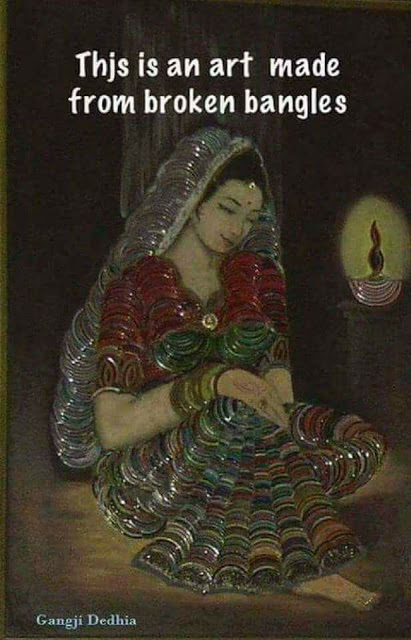
வளையல் ஓசையால் உன்னை என் தலைவி வரவேற்கவில்லையா நளனே!

ச.நாகராஜன்


நள தமயந்தி கதை புராதனமான ஒன்று. வேதத்திலேயே நள- தமயந்தி கதை கூறப்படுகிறதென்றால் அதன் பழமை பற்றியும் பெருமை பற்றியும் அதிகம் பேசத் தேவையே இல்லை!

தேவர்களும் விரும்பிய ஒப்பற்ற அழகியின் அழகை எப்படித் தான் வர்ணிப்பது? முடியாத காரியம்.


அசோக வனத்தில் சீதை இருந்த போது நள தமயந்தியை நினைத்துப் பார்த்தது குறிப்பிடத் தகுந்தது.

அப்படி ஒரு ஆதர்ஸ தம்பதியாக நள- தமயந்தி திகழ்ந்தனர்.


நள-தமயந்தி சரிதத்தை பல்வேறு கவிஞர்கள் தங்கள் கவிதா சக்திக்குத் தக்கபடி அருமையாக தங்கள் தங்கள் மொழிகளில் பாடியுள்ளனர்.

நளவெண்பா தமிழில் அமைந்த அழகிய நூல்களுள் ஒன்று.வெண்பாப் பாடல்களால் அமையப பெற்ற இந்த நூலை இயற்றியவர் புகழேந்திப் புலவர்.


நள சம்பூ சம்ஸ்கிருதத்தில் அமைந்த அற்புதமான நூல்.

இதை திரிவிக்கிரம பட்டர் என்பவர் இயற்றியுள்ளார்.

சம்பு காவ்யம் என்றால் உரைநடையும் கவிதையும் இணைந்த ஒன்று.


நூலை உரைநடையாக அமைத்து அதில் முக்கியமான சாரத்தைக் கவிதையாகத் தந்தது பஞ்ச தந்திரக் கதை.


ஆனால் சம்பு இலக்கியமோ நூலைக் கவிதை வடிவில் தந்து சாரத்தை உரைநடையாகத் தந்து புது பாணியை வகுத்தது.

சம்பு என்ற இந்த ஒரு புதிய பாணியை சம்ஸ்க்ருத கவிதா இலக்கியத்தில் திரிவிக்கிரம பட்டர் ஆரம்பித்து வைத்தார்.

இவரது கவிதா சாமர்த்தியம் அபாரமானது. அழகிய ஒரு தனி நடையை இவர் கொண்டிருந்தார்.


கி.பி. 915ஆம் ஆண்டு ராஷ்டிரகூட மன்னனான மூன்றாம் இந்திரன் (Nausari Inscription of Rastrakuta Kind Indra III of 915 A.D.) காலத்திய நௌசாரி கல்வெட்டில் உள்ளதை எழுதியவர் இவரே.

பத்தாம் நூற்றாண்டில் பிரபலமான காவியமாக நள சம்பு திகழ்ந்தது.


அதில் ஒரு பாடல் இது:


கிஞ்சித்கம்பிதபாணிகங்கணரவை: ப்ருஷ்டம் நனு ஸ்வாகதம்

வ்ரீடானம்ரமுகாப்ஜயா சரணயோன்யர்ஸ்தே ச நேத்ரோத்பலே I

த்வாரஸ்தஸ்தனயுக்மமங்கலகடே தத்த: ப்ரவேஷோ ஹ்ருதி

ஸ்வாமின் கிம் ந தவாதிதே: சமுசித்தம் சக்யா நயானுஷ்டிதம் II


இந்த அருமையான பாடல் இது. சார்தூலவிக்ரிதா சந்தத்தில் அமைந்துள்ளது.


இதன் பொருளைப் பார்ப்போம்.


“எனது தலைவி தனது கையைச் சிறிதே அசைத்து தனது வளையோசையால் உன்னை வரவேற்கவில்லையா? வெட்கம் மீதூற தன் தலையைக் குனியச் செய்து அல்லி மலர் போன்ற தன் கண்களை உன் பாதங்களை நோக்கிச் செலுத்தவில்லையா? மார்பகம் என்ற இரண்டு புனிதமான கலசங்களைக் கொண்டு அலங்கரிக்கும்  தனது இதய வாயில் கதவை அவள் உனக்காகத் திறந்து வைக்கவில்லையா?


ஓ, அரசே! (நளனே)


மிகுந்த கௌரவம் பொருந்திய விருந்தாளியான உனக்கு எந்தப் பொருத்தமான ஒரு வரவேற்பு தான் அளிக்கப்படவில்லை, சொல் பார்ப்போம்!”

இதை அழகுற ஆங்கிலத்தில் மொழி பெயர்த்துள்ளார் ஏ.ஏ,ராமநாதன்.


Has not my mistress (Damayanti) bidden you welcome by the jingle of her armlets, even as her hand shook a little? Has she not directed her lily-like eyes at your feet when she bent down her face, overcome by shyness? Has she not given entrance to you in her heart  which has furnished at its gate two auspicious pot in the form of her breasts? O, Master (Nala), what befitting welcome has not been offered by my friend to you, an honoured guest?


(Translation by A.A.Ramanathan A.A.R)


இந்த ஒரு கவிதையைப்  படித்தவுடன் முழு காவியத்தையும் படிக்கத் தோன்றுகிறதல்லவா?


அது தான் திரிவிக்கிரம பட்டரின்- நள சம்பு காவியத்தின் -வெற்றியாகும்!

***

RECITE STORY OF SUNASHEPA: YOU WILL GET GOLDEN CARPET AND SILVER CHARIOT! (Post No.4256)


Written by London Swaminathan


Date: 29 September 2017


Time uploaded in London- 15-56


Post No. 4256


Pictures are taken from various sources such as google, Facebook friends, newspapers and Wikipedia for non-commercial use; thanks.


RECITE STORY OF SUNASHEPA: YOU WILL GET GOLDEN CARPET AND SILVER CHARIOT! (Post No.4256)

Rig Vedic society was well advanced and highly civilized. They were an economic super power in the ancient world. Every prize is given only in big decimal numbers such as 10,000 or 100,000 and  gold is freely distributed as dakshina (fees for the priests). Half baked, white skinned “scholars” and their Marxist sycophants described the Rig Vedic Hindus as nomads, pastoral, silly, ridiculous, childish, gibberish, obscure etc. But the biggest wonder is there were 179 different jobs they were doing. One of them is Nakshatra Darshak (Star gazer= astronomer); Jyotish is different. It dealt with auspicious time and the 27+1 stars. India was the oldest civilization to teach jyotisha (astrology) as part of Veda Patasala syllabus. The Vedic youths must study six more subjects such as grammar, linguistics, astrology along with the Vedas. These 179 jobs are in Yajur Veda. White skinned scholars never give the list of 179 professions such as doctors engineers in the Vedic society but they always add one line “victim of Purushameda Yajna’ when such words occur. What is it?


Purushameda Yajna was sacrificing human beings and they should throw 179 different people into fire. The foreign scholars were very happy to read such passages in the Satapata Brahmana (of Yajur veda) Even Arya Samajists disowned the Brahmana literature saying that they were not part of the Vedas. They did it because of the bad atmosphere created by the Christian preachers.

The Brahmana literature was a huge mass with full of mysteries. The language is a secret language. Neither Tamil, Greek nor Latin had any literature. If anyone reads it, it wouldn’t make any sense. But the subjects it covers is very vast from astronomy to Zoology. At first the foreigners wrote Hinduism won’t survive even for 100 years with such materials. But those foreigners never said what professions existed at the Vedic period. If they give the full list everybody would know that they were highly civilized. Hindus describe even God as doctor and his advice as medicine ( In Rudram of Yajur Veda).


The fact of the matter is that nobody has any proof for Purushameda Yajna (Human Sacrifice). The only anecdote is Sunashepa Anecdote. The brief account is as follows:-


It is from the Aitareya Brahmana: King Harischandra of the race of Ikshwaku, being childless, made a vow that if he obtained a son he would sacrifice him to Varuna. A son was born who was named Rohita, but his father postponed, under various pretexts, the fulfilment of his vow (sacrificing children is in every religious book all around globe; thousands of mysterious children’s graves are in Bahrain; read my article about Mysteries of Bahrain).


When he was ready to perform the sacrifice, Rohita refused to be the victim and he ran into the forest. He lived there for six years. He then met a poor Brahmin Rishi Ajigerta, who had three sons. He gave his second son Sunashepa (meaning Dog’s tail)  for an exchange of 100 cows. Sunashsepa was tied to a pole. Viswamitra was passing that way and found Sunashepa and released him. He thought it was barbaric to sacrifice a human being. Ramayana and Mahabharata gave different versions where Viswamitra’s two divine mantras released Sunashepa. He was adopted as a son by Viswamitra and changed his name as Devavarta.

A series of seven hymns in the Rig Veda is attributed to Sunashepa.


This clearly shows that there was no such human sacrifice nor any custom before Harischandra, one of the long list of kings. Vedic literature was very huge and most of them came before Greeks started writing.


Foreigners thought they could use it against Hinduism; but they couldn’t because there was no sacrifice even in this episode.


But on the contrary Hindus, particularly Brahmins, used it in a positive way. This is the longest and most interesting story in Aitareya Brahmana. The mere telling of the story saves one from sin.


“If a sinful king has the story of Sunashepa told him, not the slightest trace of sin and its consequences will remain in him. He must therefore give a 1000 cows to the teller of this story and a 100 to him who makes the responses required; and to each of them the gold embroidered carpet on which he was sitting; to the priest, besides a silver decked carriage drawn by mules. Those who wish for children should also have this story told them; then they certainly will be blessed with children”.


Foreign “scholars” looked like idiots when this is known to the world. Golden carpet! Silver decked chariot! to the priests for telling a story!! How wealthy they must be! Before the Sumerians did the Tulabharam (weight equal to one’s body weight) of gold was given by the Hindus! Tamil King Cheran Senguttuvan gave 55 kilos of gold to a Brahmin just for advising him to do Vedic yajnas and stop killing people in the wars! It happened 2000 years ago in Tamil Nadu.


Now you can laugh very loudly when you read some silly things about Vedic Hindus written by Marxist idiots and white skinned fools.


–Subham–


கரும்பு பிடிக்குமா? இரும்பு பிடிக்குமா? சிவனிடம் அப்பர் கேள்வி (Post No.4255)

Written by London Swaminathan


Date: 29 September 2017


Time uploaded in London- 7-49 am


Post No. 4255


Pictures are taken from various sources such as google, Facebook friends, newspapers and Wikipedia for non-commercial use; thanks.

கரும்பு பிடிக்குமா? இரும்பு பிடிக்குமா?அப்பர் கேள்வி


கரும்பு பிடித்தவர் காயப்பட்  டாரங்கொர் கோடலியால்

இரும்பு பிடித்தவ  ரின் புறப்பட்டா  ரிவர்கணிற்க

அரும்பவிழ் தண்பொழில் சூழணி  யா ரூமர்ந்தபெம்மான் 

விரும்பு மனத்தினை யாதென்று நானுன்னை வேண்டுவதே


–நாலாம் திருமுறை- தேவாரம், அப்பர்


மூவர் அருளிய தேவாரத்தைப் பல கோணங்களில் படிக்கலாம்.

சம்பந்தர் தன்னைப் பாடினார்

அப்பர் என்னைப் பாடினார்

சுந்தரர் பெண்ணைப் பாடினார்


என்று சிவன் சொல்லுவதாக சிலர் சொல்லுவர்; இது ஒரு கோணம்


தேவாரத்தில் வரும் இயற்கை வருணனை, சிவ பெருமானின் லீலைகள் வருணனை, திருத்தலங்களின் சிறப்பு, அவர்கள் செய்த அதிசயங்கள பற்றிய பாடல்கள், வரலாற்று உண்மைகள், சம்பவங்கள், திருநீறு முதலிய சின்னங்களின் மகிமை, தமிழ் மொழி அழகு, எதுகை, மோனை, பழமொழிகள், அக்காலத் திருவிழாக்கள் — என்று நாம் விரும்பும் பட்டியல் நீண்டு கொண்டே போகும்.


நான் படித்தவரை, அதிசய நிகழ்ச்சிகளுக்கு சம்பந்தர் தேவாரமும் வரலாற்று நிகழ்ச்சிகளுக்கு அப்பர் தேவாரமும் மிக உதவும் என்று கண்டேன்.


சங்கம் பற்றியும், தருமி பற்றியும் அப்பர் பாடியதால், 1400 ஆண்டுகளுக்கு முன்னர்– சங்க காலத்தில் தமிழ்நாட்டில் நடந்த ஒரு புகழ்பெற்ற காட்சி நம் கண்களுக்கு முன்னே வருகிறது (திருவிளையாடல் சினிமாவிலும் காணலாம்)


நரியைப் பரியாக்கிய சம்பவத்தை அப்பர் என்னும் திருநாவுக்கரசர் சொன்னதால், மாணிக்க வாசகப் பெருமான் , அப்பருக்கும் சம்பந்தருக்கும் சற்று முன்னர் வாழ்ந்தவர் என்பதையும் அறிகிறோம்.


மூவர் தேவாரமும் மணிவாசகப்   பெருமானின்   திருவாசகமும், 12 ஆழ்வார்களின் திவ்வியப் பிரபந்தமும், திருமூலரின் திருமந்திரமும் படிக்கப் படிக்கத் தெவிட்டாதவை . பல அதிசயச் செய்திகள் நிறைந்தவை; பாஸிட்டிவ் எண்ணங்களை உருவாக்குபவை.


‘மண்ணில் நல்ல வண்ணம் வாழலாம், வைகலும் எண்ணில் நல்லகதிக்கு யாதுமோர் குறைவிலை ‘ — என்று சம்பந்தர் பாடியதைப் படிக்கையில் தற்காலத்தில் ராஜாஜி எழுதி எம்.எஸ். பாடிய “குறையொன்றுமில்லை, கோவிந்தா” என்ற பாடல் நினைவுக்கு வரும்.

சுருங்கச் சொன்னால் ரிக் வேதம், யஜூர் வேதம் போல எங்கே பார்க்கினும் பாஸிட்டிவ் எண்ணங்கள்! வீட்டில் ஒலித்தால் துன்பங்கள் யாவும் கரைந்துபோகும்.


ஒரு பாடலில் அப்பர் பெருமான கரும்பு பிடித்தவனுக்கும் இரும்பு பிடித்தவனுக்கும் என்ன நேர்ந்தது என்று பாடி,  “ஏ, சிவ பெருமானே உனக்கு கரும்பு பிடிக்காதா? இரும்புதான் பிடிக்குமா?” என்று வியக்கிறார்.


சிவ பெருமானைப் பாடுகையிலும் கூட அரைத்த மாவையே அரைக்காமல் பல உண்மைச் சம்பவங்களைச் சொல்லி விடுகதை போடுகிறார் திருநாவுக்கரசர்! நாவுக்கு அரசன் அல்லவா?


இதோ பாடலின் முழுப்பொருள்:–


கரும்பு பிடித்தவர்= மன்மதன்; சிவனால் எரிக்கப்பட்டவர்

இரும்பு பிடித்தவர் = சண்டேசுவர நாயனார்; சிவன் அருள் பெற்றவர்


சுவையான கரும்பாகிய வில்லை உடைய மன்மதனை எரித்து, இரும்பாகிய கோடலியைக் கொண்ட சண்டேசுவரருக்கு அருள்பாலித்த – மகிழ்வித்த — பெருமான் ஈசன் — பொழில் சூழ்ந்த ஆரூரில் வீற்றிருப்பவனே! எனக்கும் உம்மைப் பிடிக்கும்; யாது வேண்டுவது? உமக்கு கரும்பு பிடிக்குமா? இரும்பு பிடிக்குமா?


–subam–

‘WOMEN ARE STARS’ says SATAPATA BRAHMANA (Post No.4253)

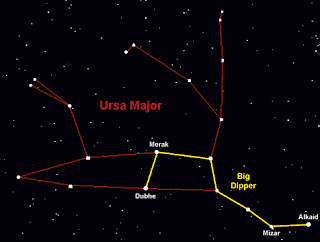
Picture of Saptarishi mandala (Great Bear/ Ursa Major/ Great Dipper)

Written by London Swaminathan


Date: 28 September 2017


Time uploaded in London- 14-37


Post No. 4253


Satapata Brahmana, part of Shukla Yajur Veda, says that women are stars. They mean that women become stars in the sky and lead their husbands to heaven.


Many cultures believe that dead people, ancestors, departed souls become stars. But Hindus say that good souls become stars. Hindus even gave the star status to Seven Seers (sapta Rishis/ Ursa Major), a little boy name Dhurva (Pole star) , Agastya (Canopus), chaste women Arundhati (alcol) and Trishanku (Southern cross).

Satapata Brahmana says:

“Of old the divine women, with unclipped wings, dear to all the gods, did bake it (the fire pan), like Angiras, in the lap of the earth; and with their help, he (the priest) now bakes it. but surely these are the stars – the women (jani) and indeed the stars, for these are the lights of those righteous men (jana) who go to the celestial world; it is by means of the stars that he thus bakes it.”


“When one has thus ascended these worlds, that is the goal, that the safe refuge; the rays of the sun who burns there, are the righteous departed and what highest light, there is, that is Prajapati or the heavenly world. Having then in this way ascended these worlds, he reaches that goal, that safe refuge”

–Satapata Brahmana 1-9-3/10

Seven Seers ( Sapta Rishis) constellation

In 4-3-4-8 we read the statement that the stars are the lights of righteous me who go the heavenly world. In another passage, we read that they are divine women. There is no contradiction; both the statements are right.


Vanaparvam of Mahabharata also confirms that the stars are holy souls.


Stars like Rohini attains importance during marriages.

Stars like Krittikas attains importance during long fire sacrifices.


In fact, all the 27 stars are important in one way or other.

Arudra star is identified with Lord Shiva

Sravana is identified with Lord Vishnu

Krittikas are identified with Lord Skanda and the six women who raised him.

Every star has a story!


Tamil books and Sanskrit books give several names for each star and each one has some explanation. A scientific study will help us to understand these better.


I have illustrated the significance of the stars in four or five of my articles.


–Subham–